


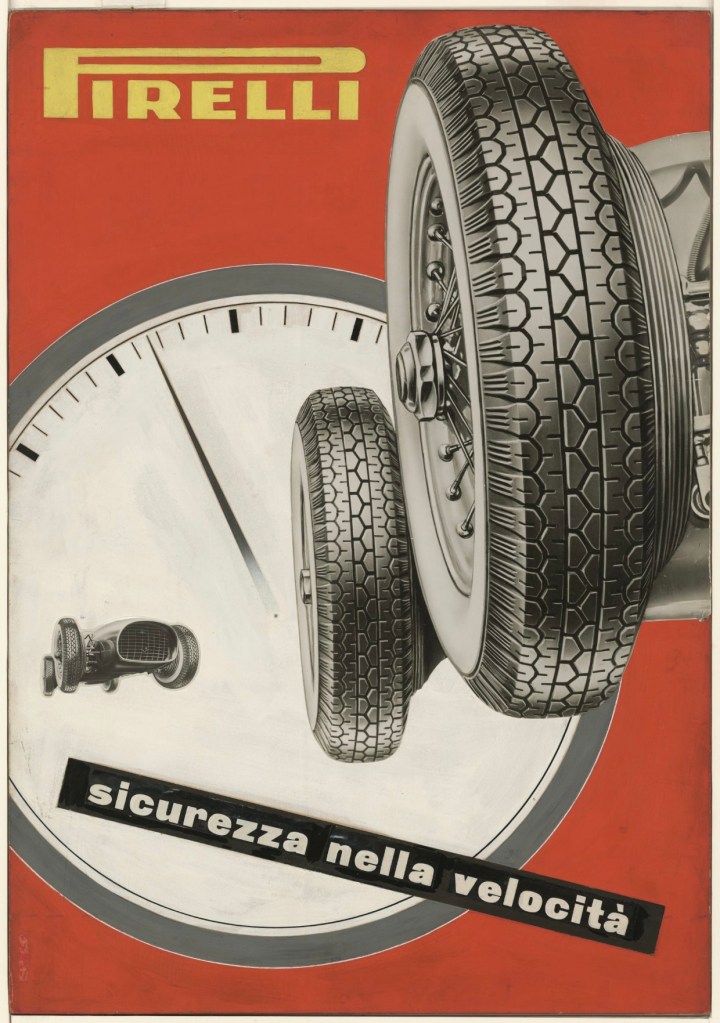
One thing leads to another. I was researching Giuseppe Luraghi, a longtime CEO of Alfa Romeo. Apart from mega talent as a corporate leader he was somewhat of a renaissance man, a gifted writer and poet. He initiated the Pirelli magazine way back in 1948 when he headed up Linoleum, a Pirelli Group subsidiary.
Pirelli, “Addressed it to the general public, it was a way of reaching out to the consumer with much more than a simple advertising message. Above all it was a way of conveying business culture.”
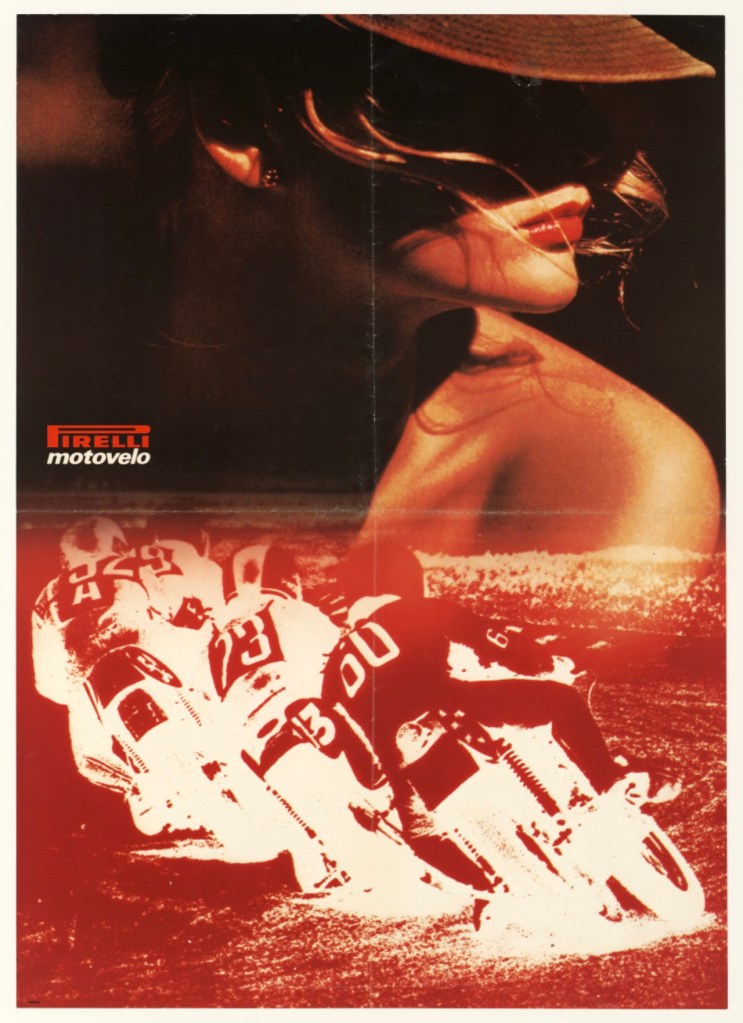
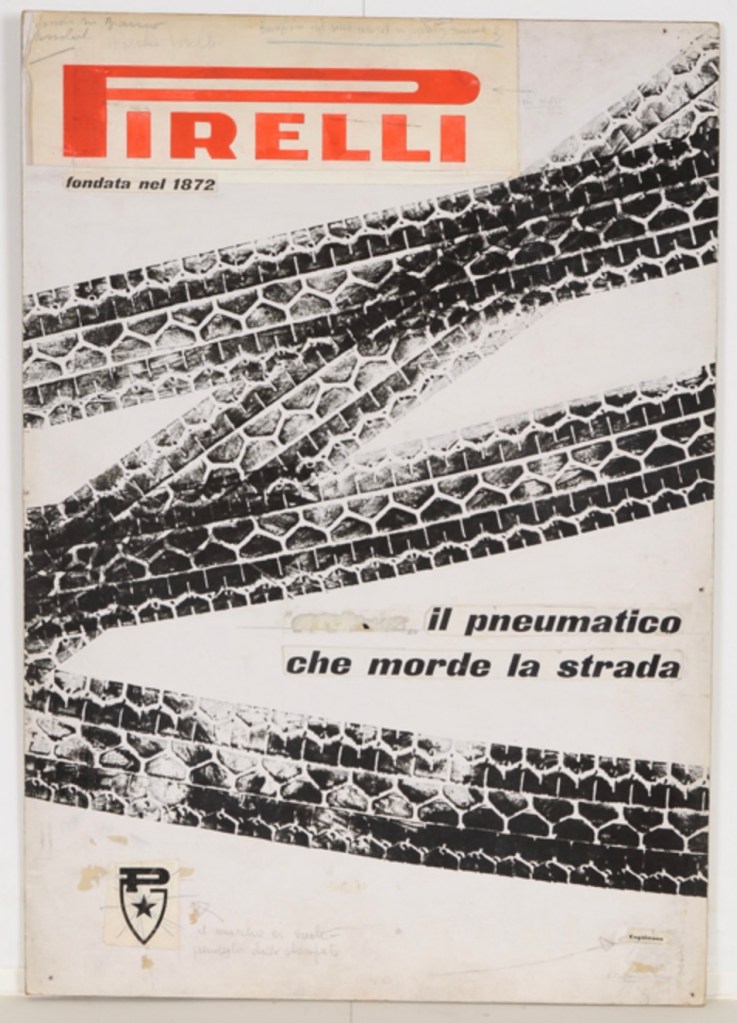
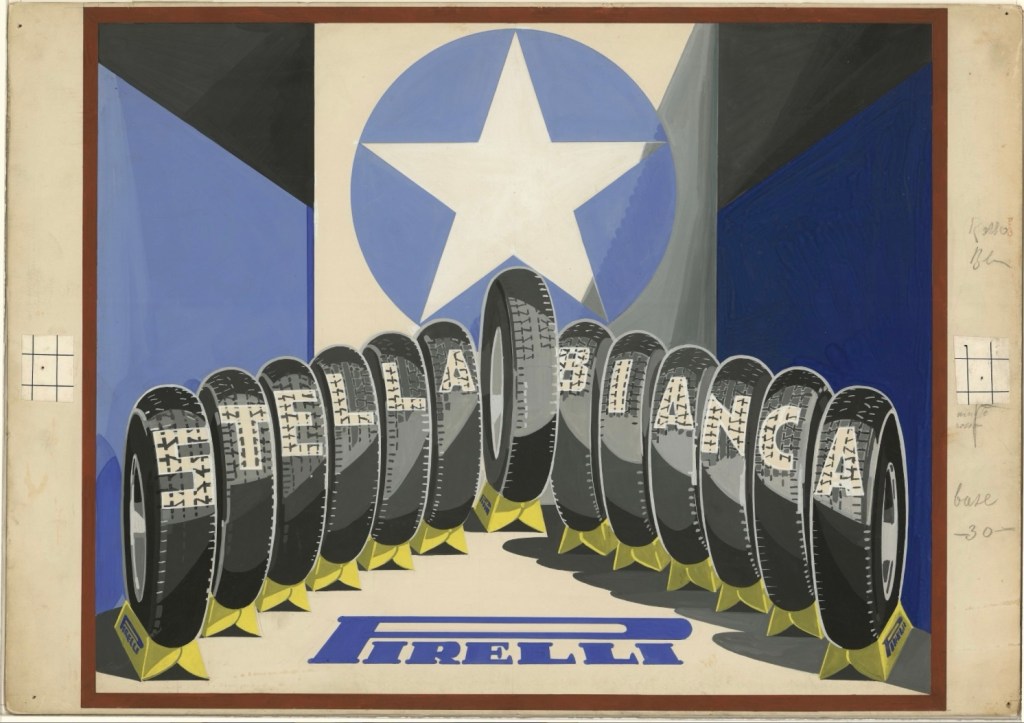
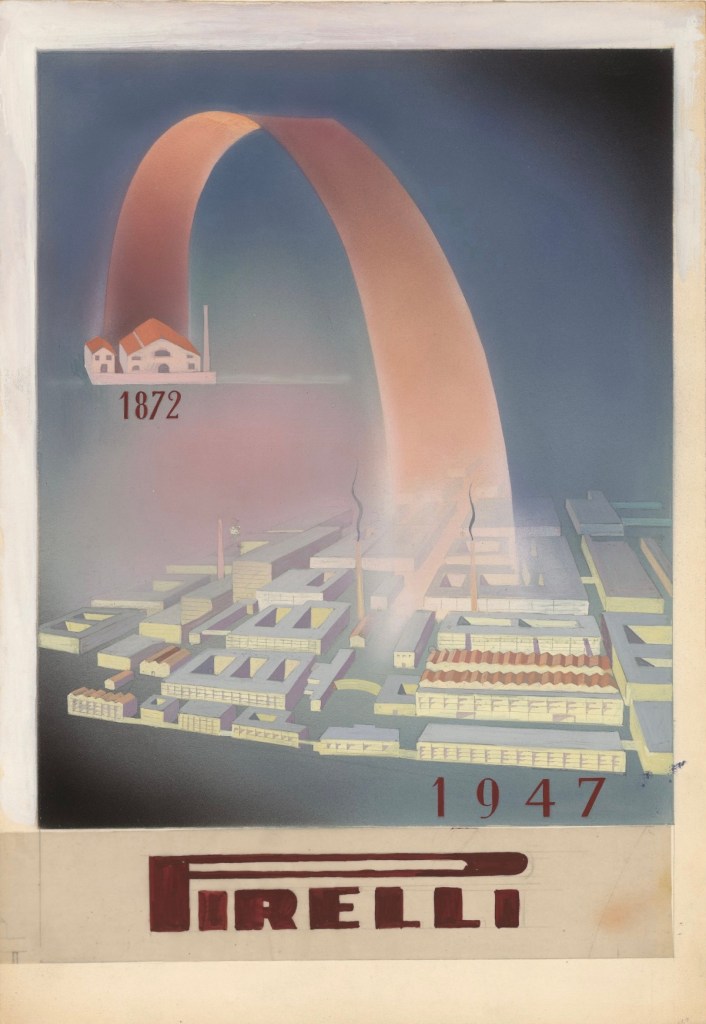
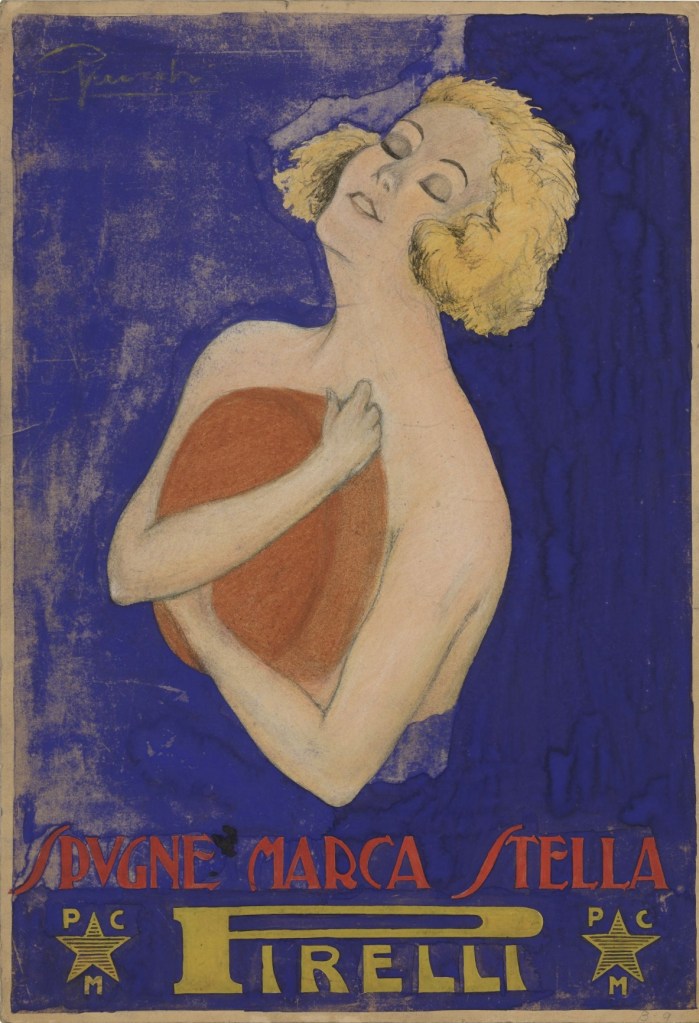
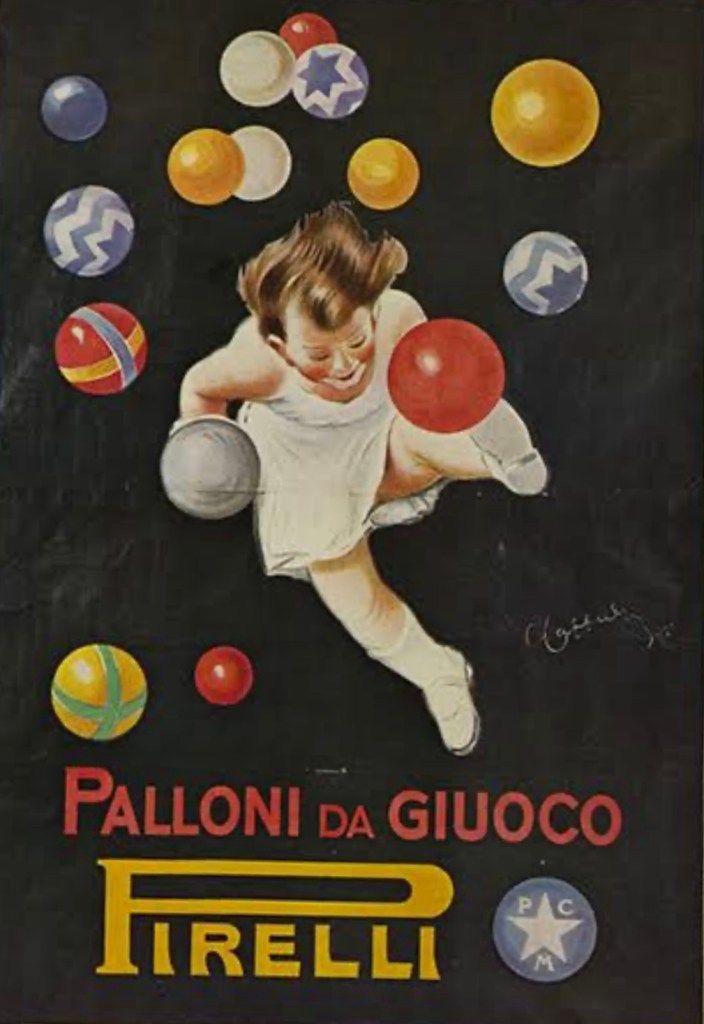
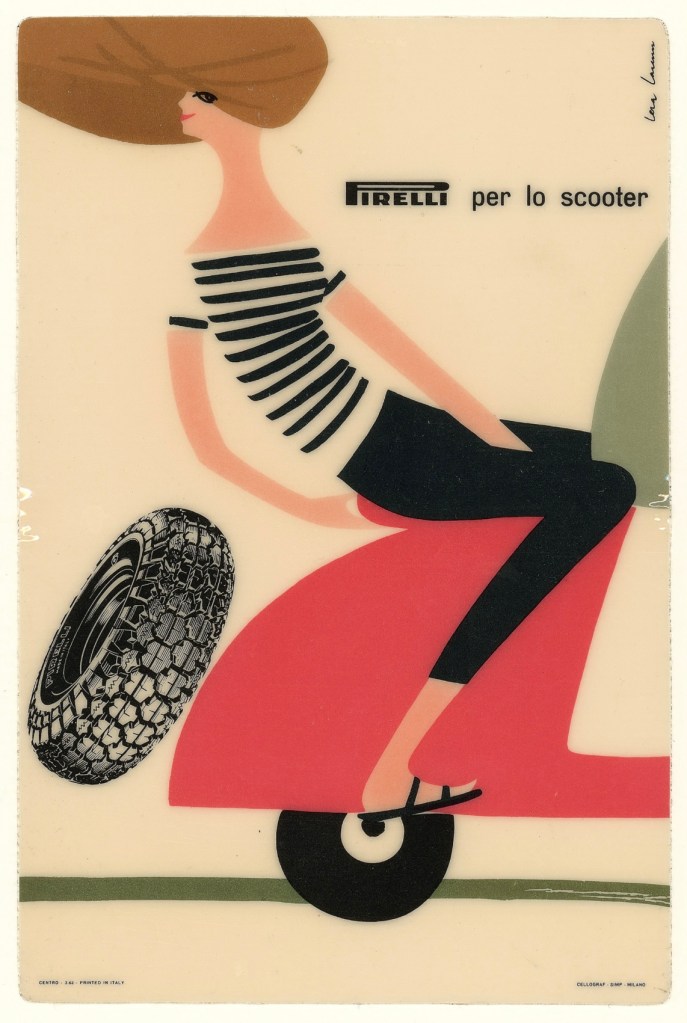
So, then yer go digging on that internet thingy and find Pirelli’s archives, these shots are the amazing result. I’ve mixed them up, they aren’t placed in chronological order so I’ve visually separated them by choosing Pirelli magazine covers or impactful or clever advertisements so you know when we are onto another subject. I’ve kept the words to a minimum, let the pics do the talkin’…
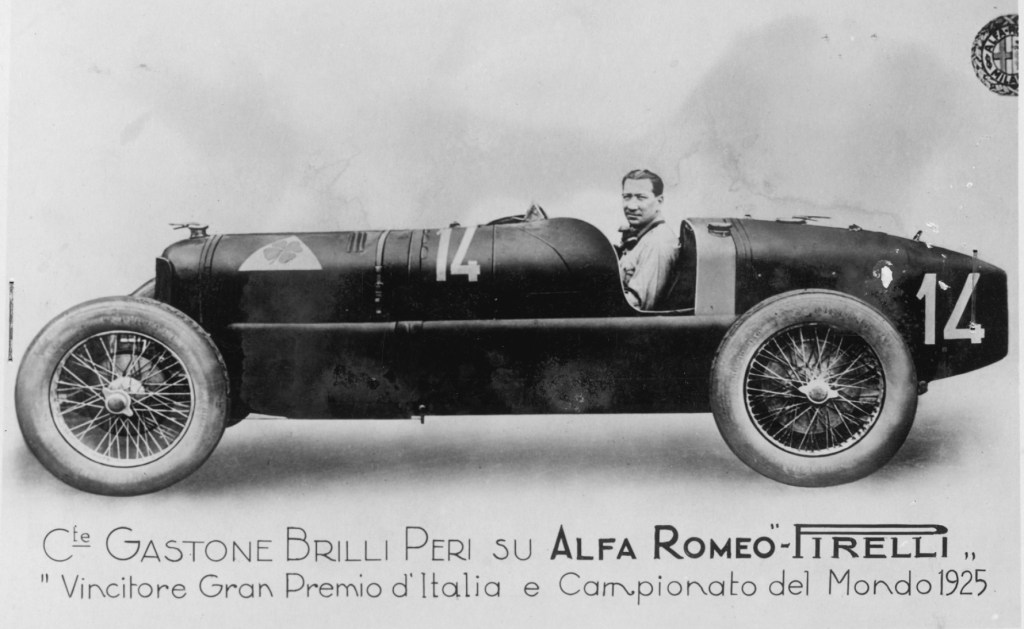
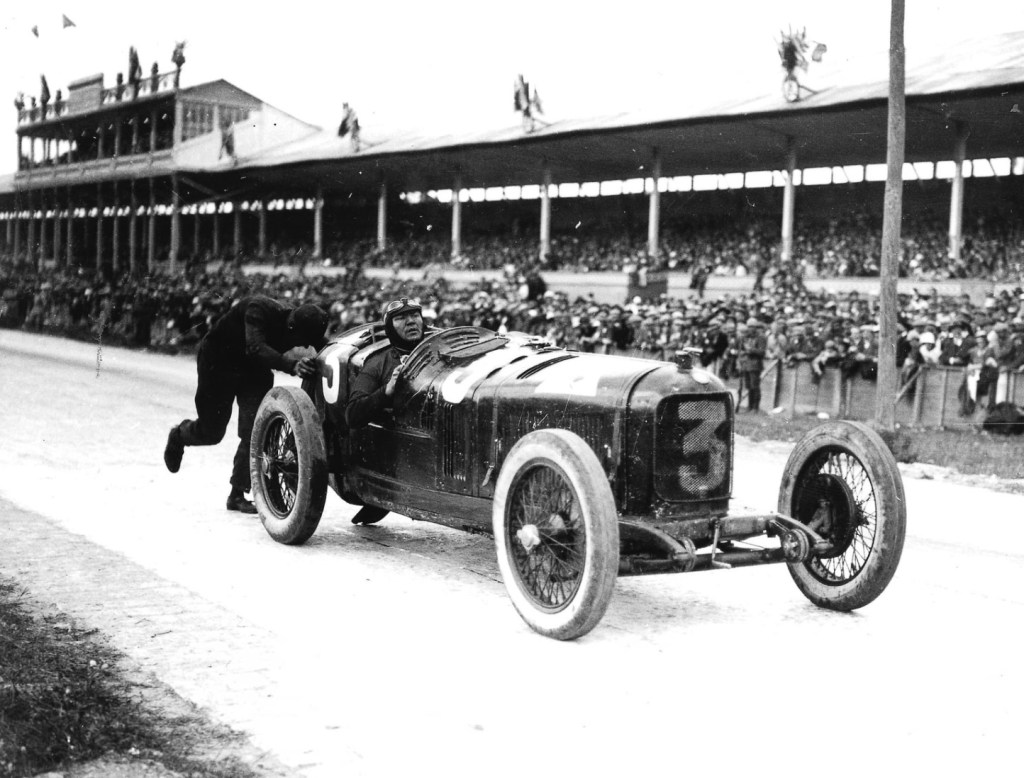
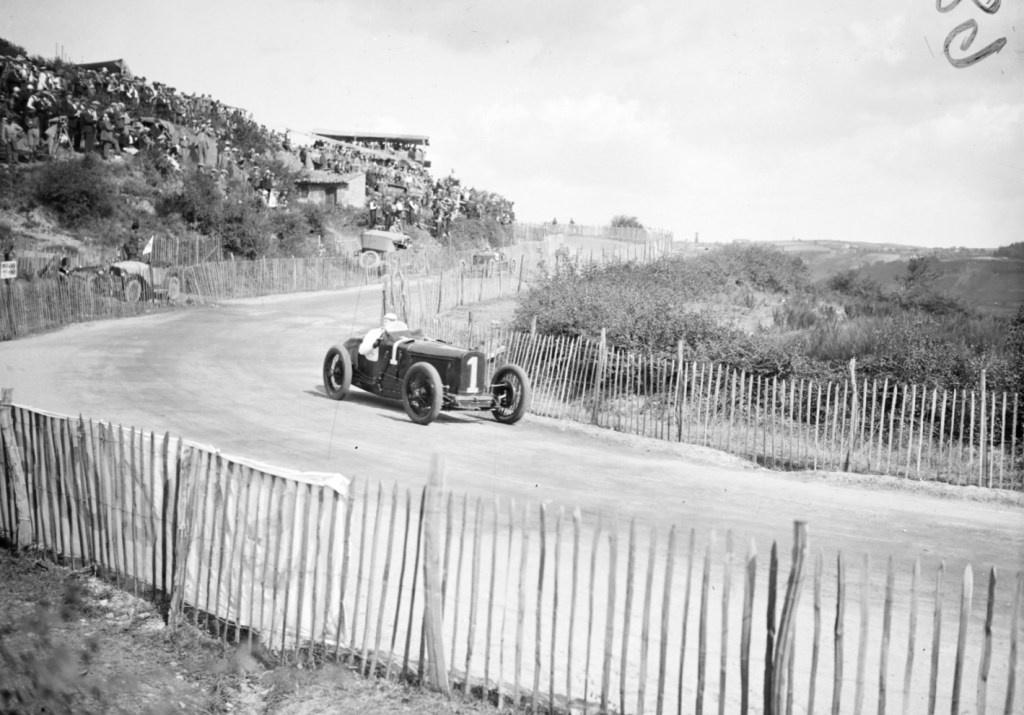
Gastone Brilli-Peri, by winning the Italian Grand Prix, gave Alfa Romeo the four-round 1925 Manufacturers World Championship in an Alfa Romeo P2.
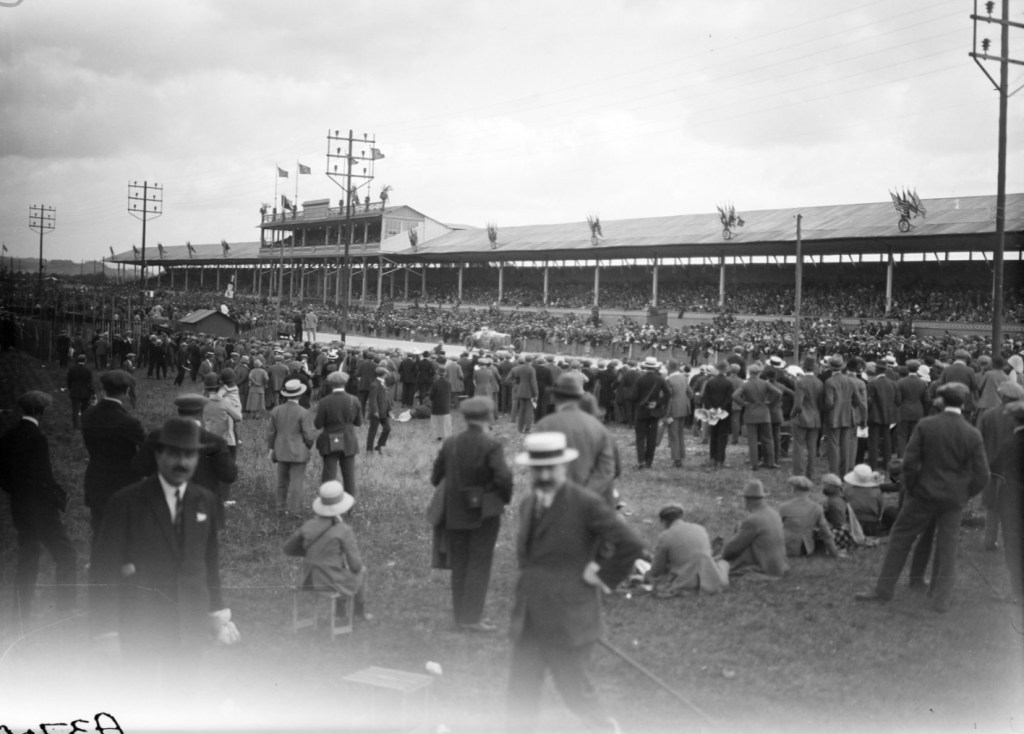
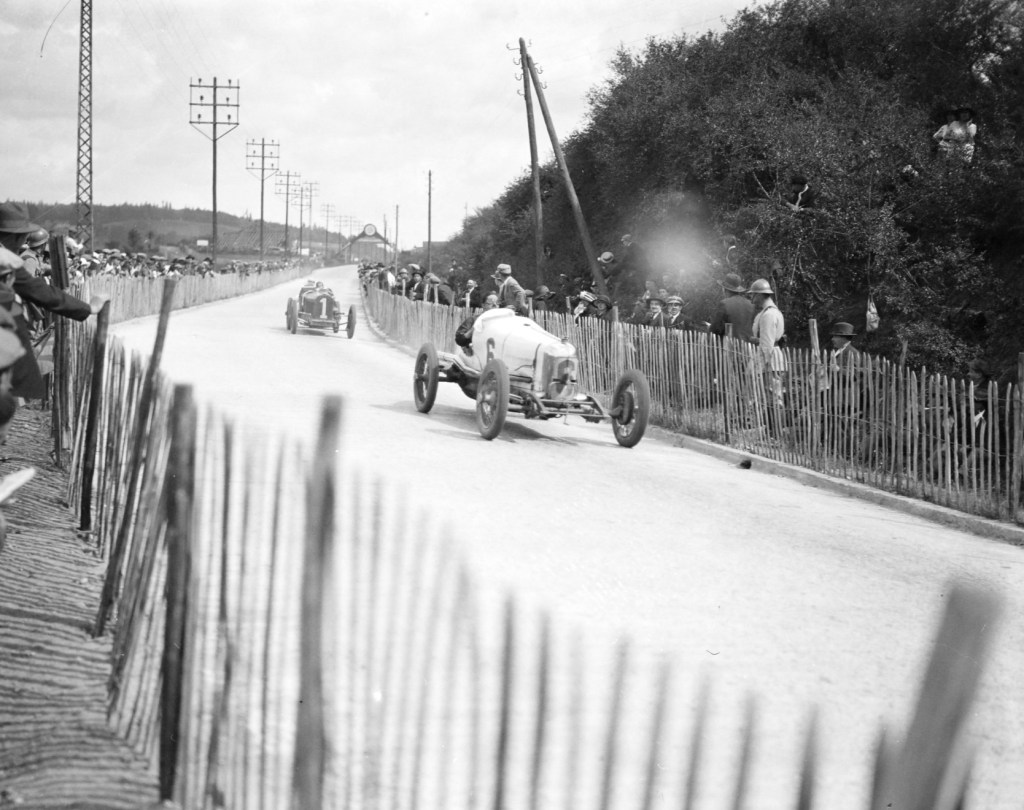
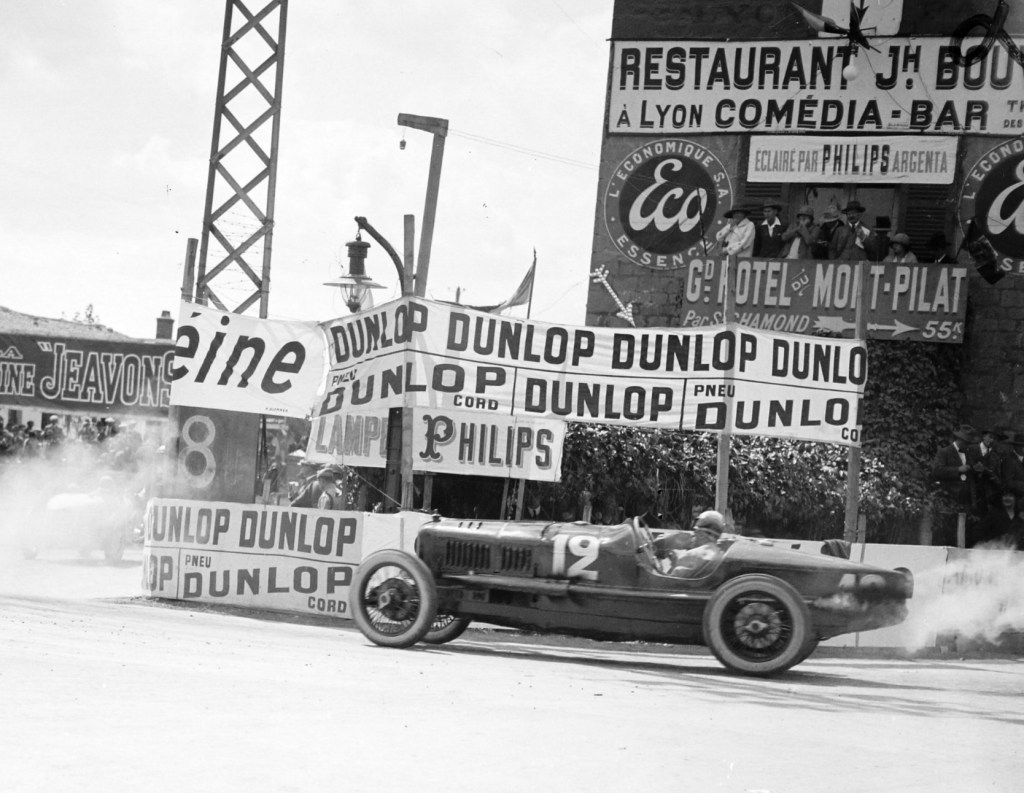
Pete DePaolo won the Indy 500 in a Duesenberg 122, Albert Divo the French Grand Prix in a Delage 2LCV, while Alfa’s P2 won at Monza and at Spa, where Antonio Ascari drove the winning machine in the Belgian Grand Prix.
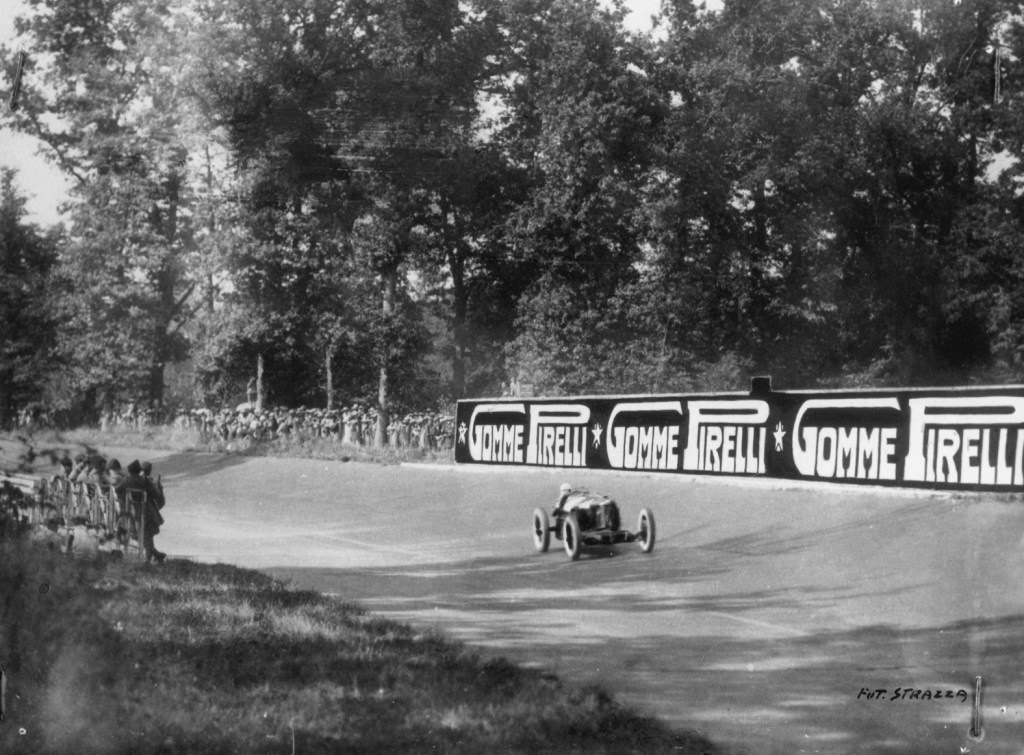
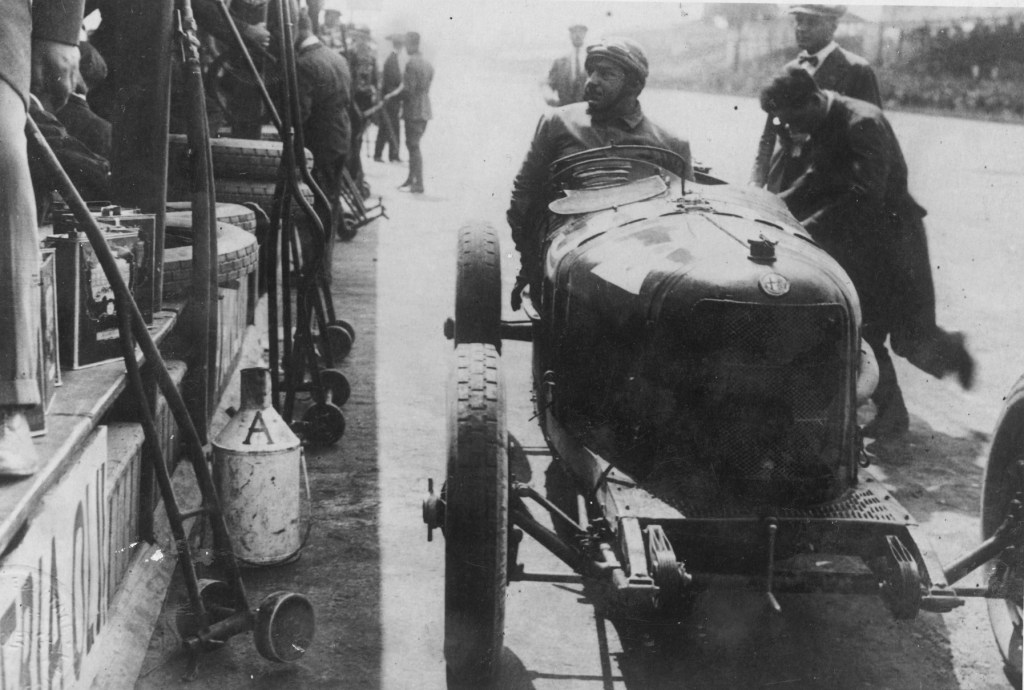
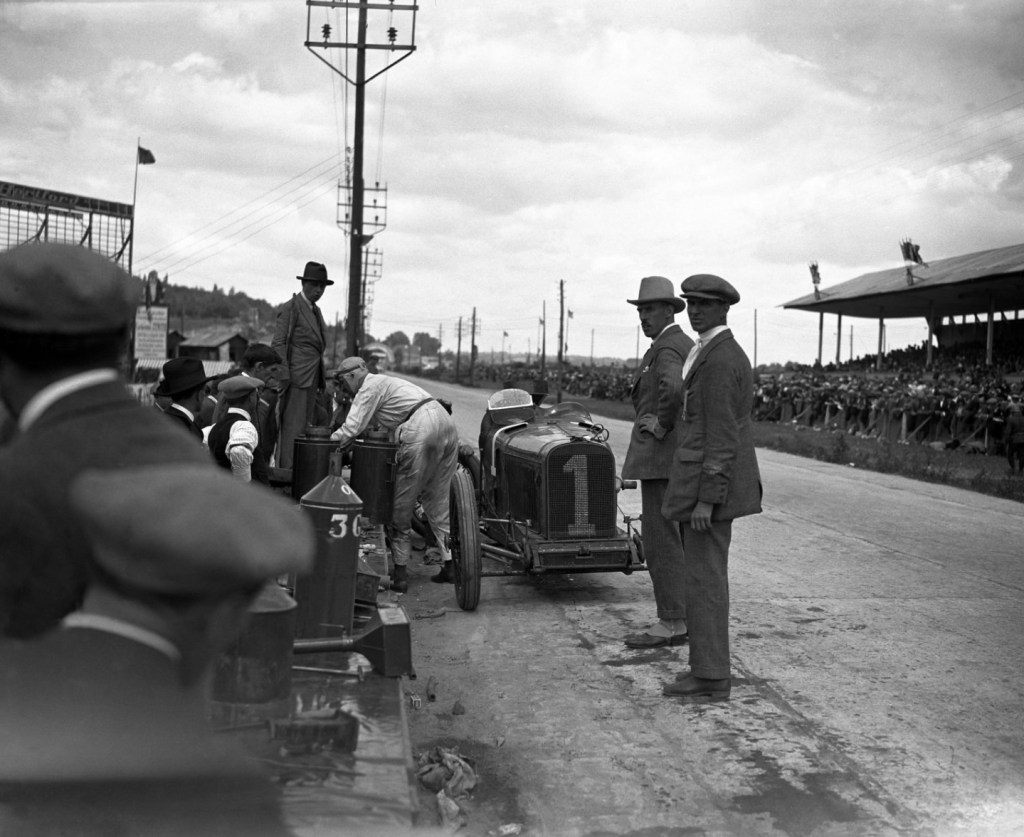
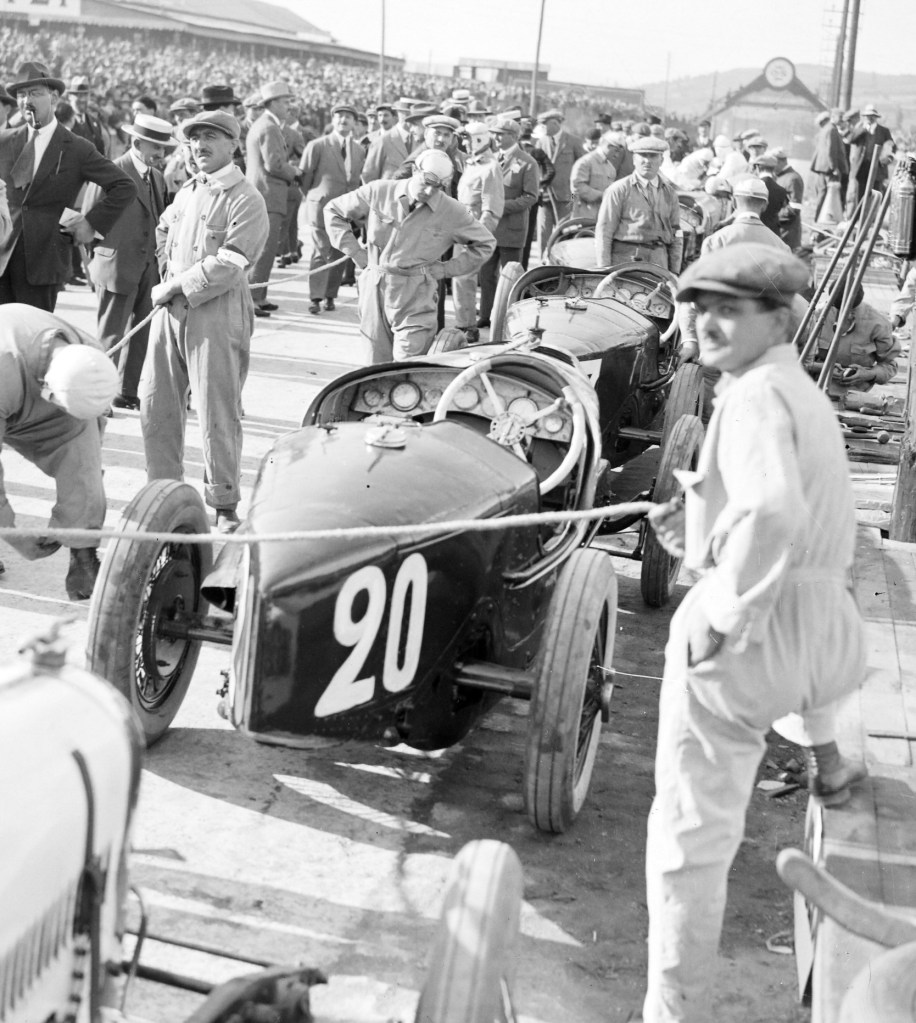
Brilli Peri, enroute to his Italian GP win and Campari below, in another P2 in the pits. Brilli Peri won from Giuseppe Campari/Minozzi/Sozzi with Meo Costantini third in a Bugatti T39.
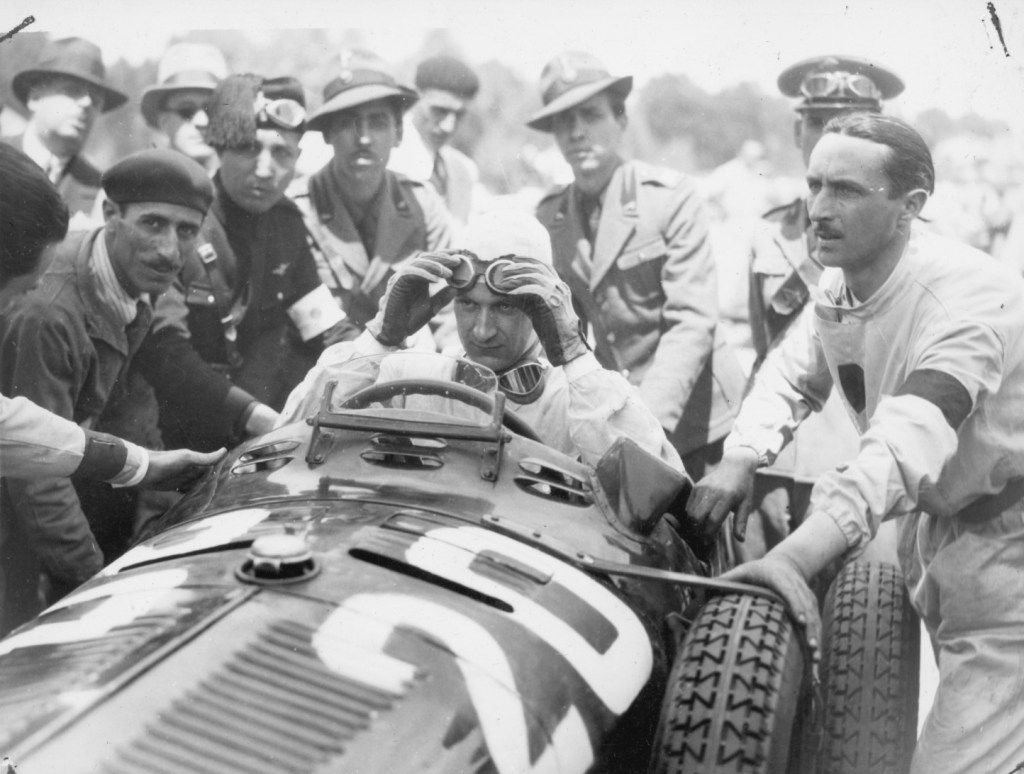
Antonio Brivio after winning the 1935 Targa Florio in a Scuderia Ferrari Alfa Romeo Tipo B.
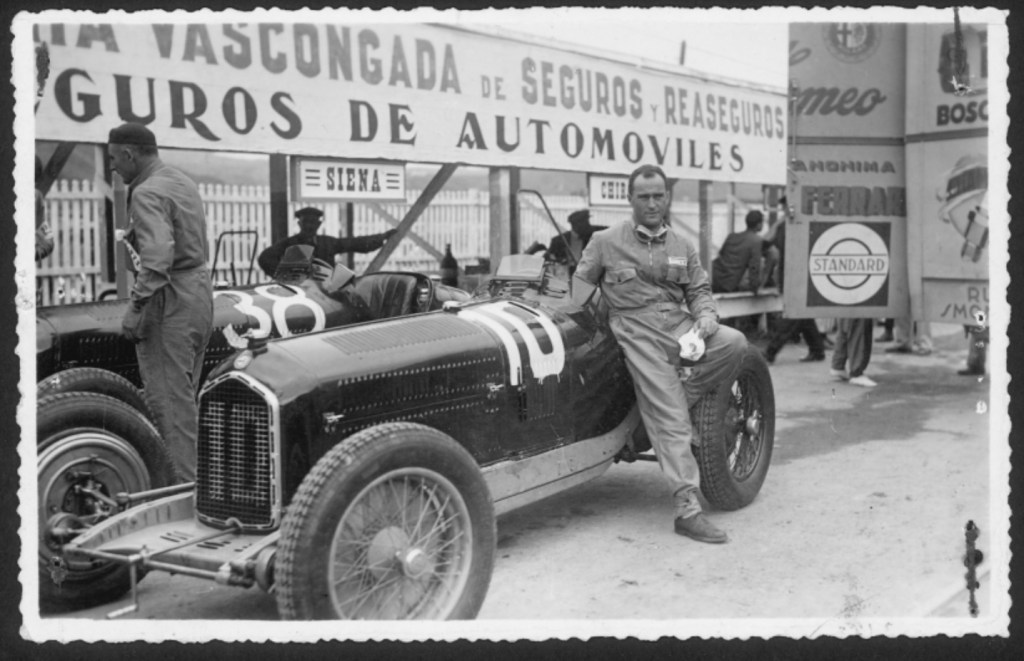
Sticking with the P3 theme, Luigi Fagioli stands beside his car during the September 1933 Spanish Grand Prix weekend. The race was won by Louis Chiron’s Alfa P3 from Fagioli, and held on the Laserte road circuit near San Sebastián.
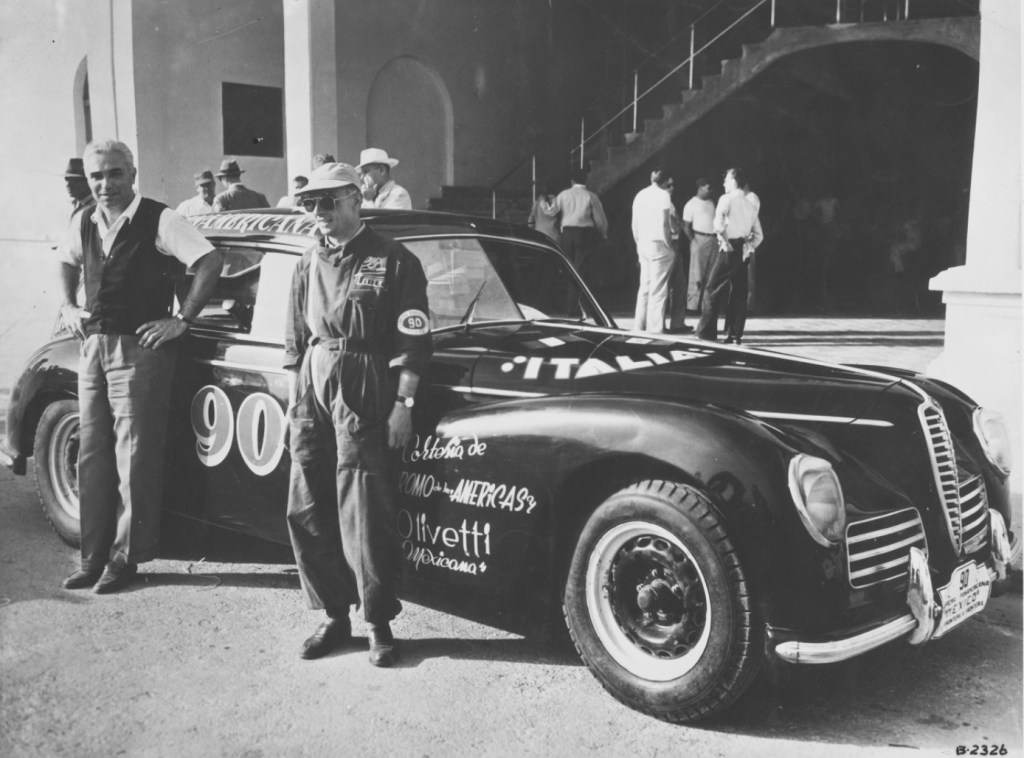
Piero Taruffi and navigator Isidoro Ceroli with Alfa Romeo 6C2500 Sport during the first Carrera Panamericana from May 5-10 1950.
They finished fourth behind three American crews driving an Oldsmobile and two Cadillacs.
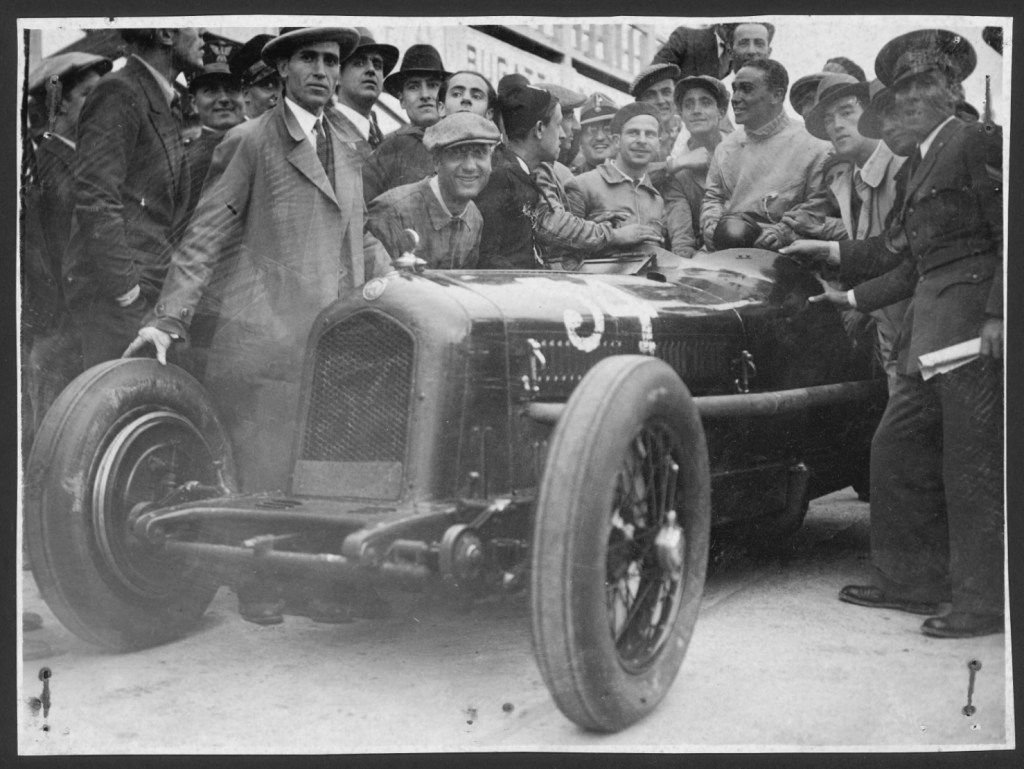
Piero Taruffi, again, but a little earlier, here with a shock of dark hair! and his Scuderia Ferrari Alfa Romeo 8C2300 Monza after finishing second in the April 1932 Rome Grand Prix.
The race, held on the 4km Circuito del Littorio, was won by Luigi Fagioli’s works-Maserati V5 5-litre V16.
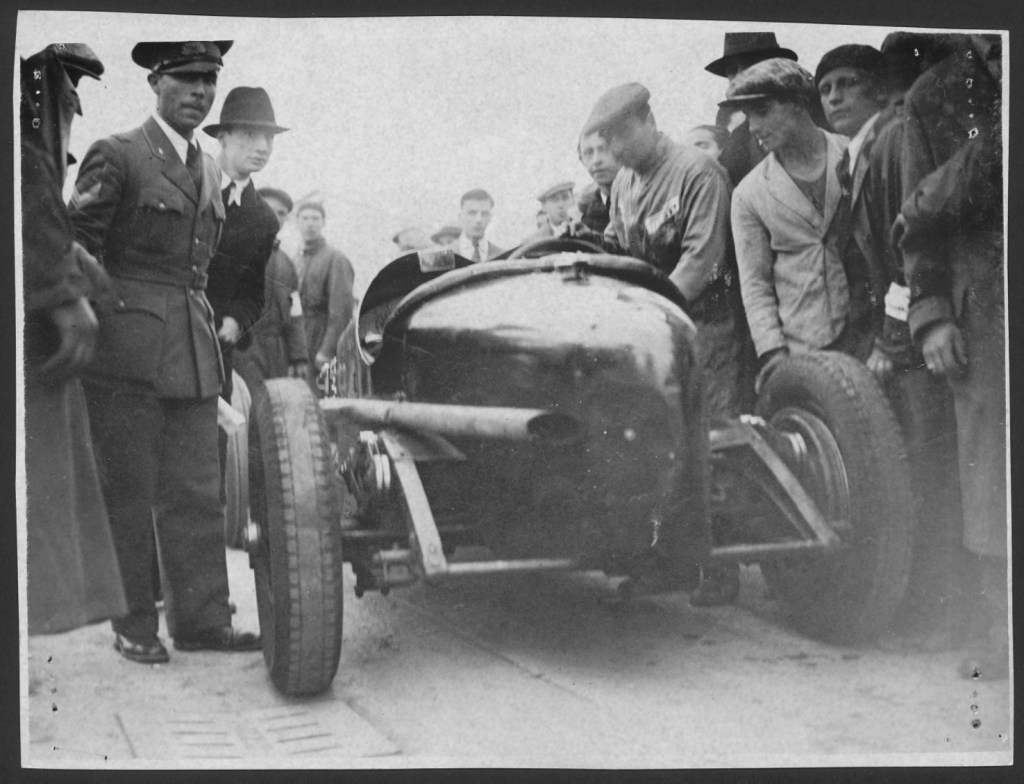
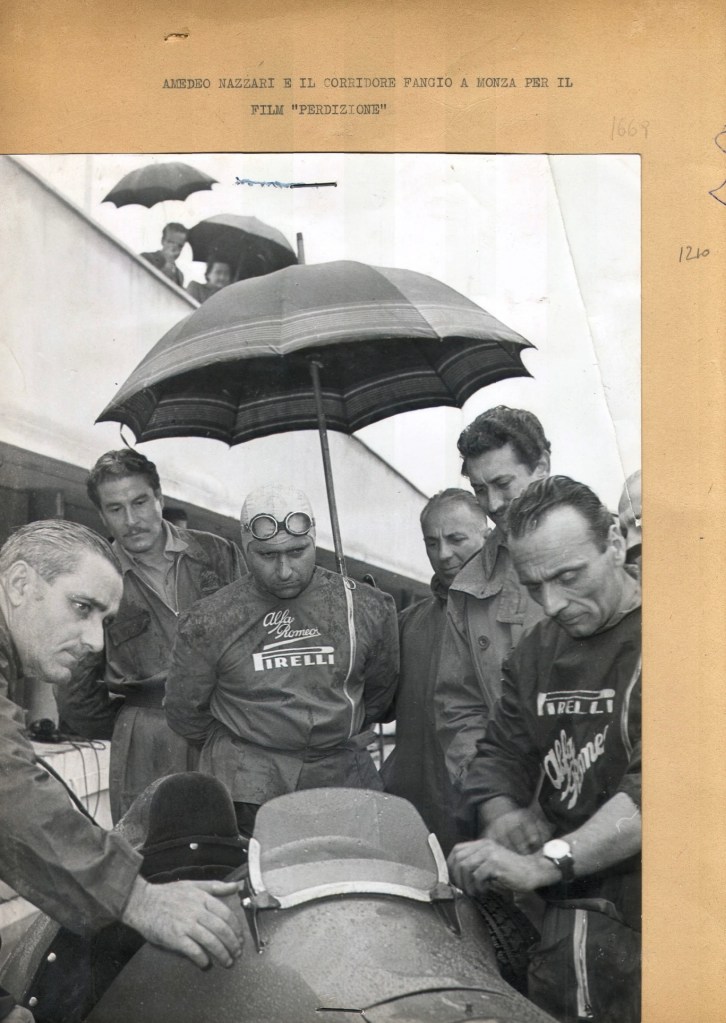
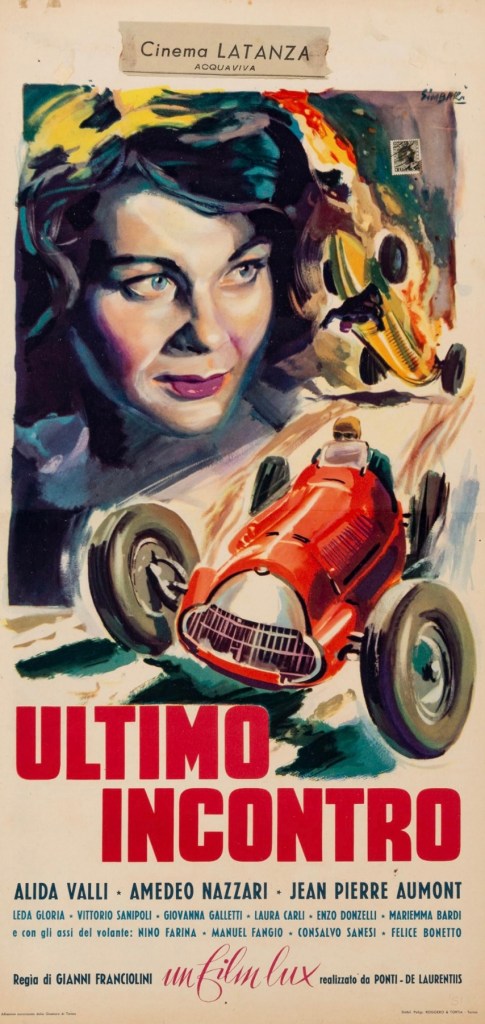
Pirelli wrote that of all the motor racing films, “there was only one racing driver who was called upon time and again to play himself in front of the camera – the Argentine Juan Manuel Fangio.”
“It was in 1950: in the photos now in the Pirelli Historical Archive, the film is referred to with its provisional title Perdizone. It was actually released the following year as Ultimo incontro (last meeting).”
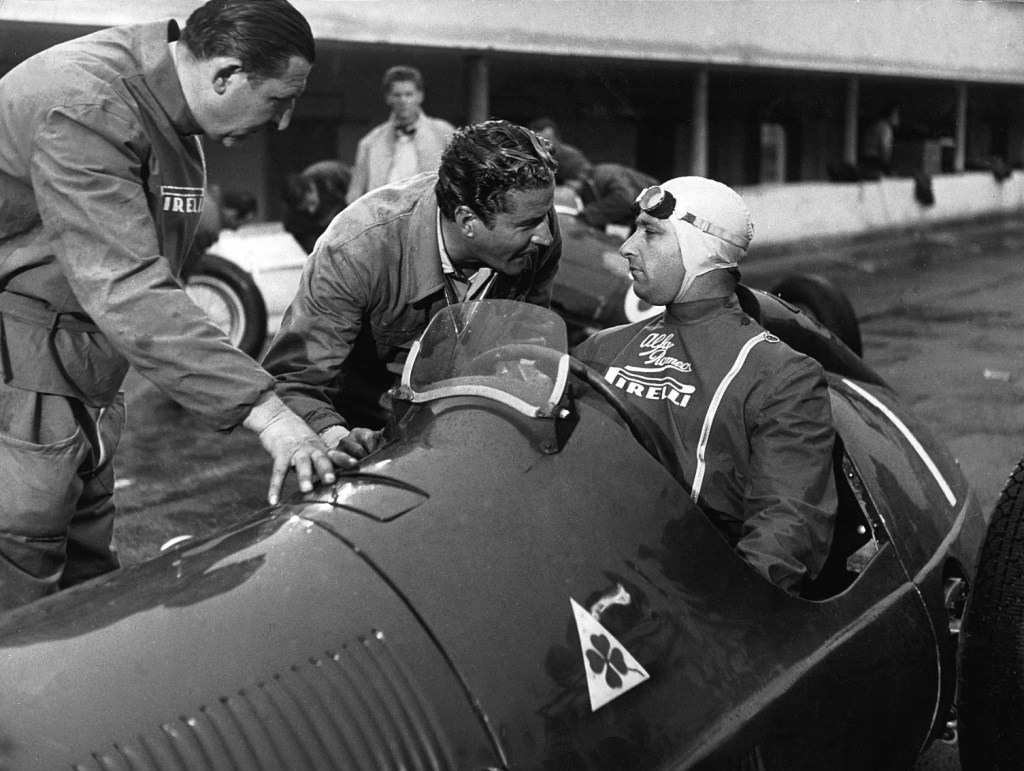
“We are on the Monza racetrack, with the protagonists Amedeo Nazzari, Alida Valli and Jean-Pierre Aumont. It is a sombre tale of betrayal and blackmail in the world of motor sport, in which the driver Fangio plays…the driver Fangio.”
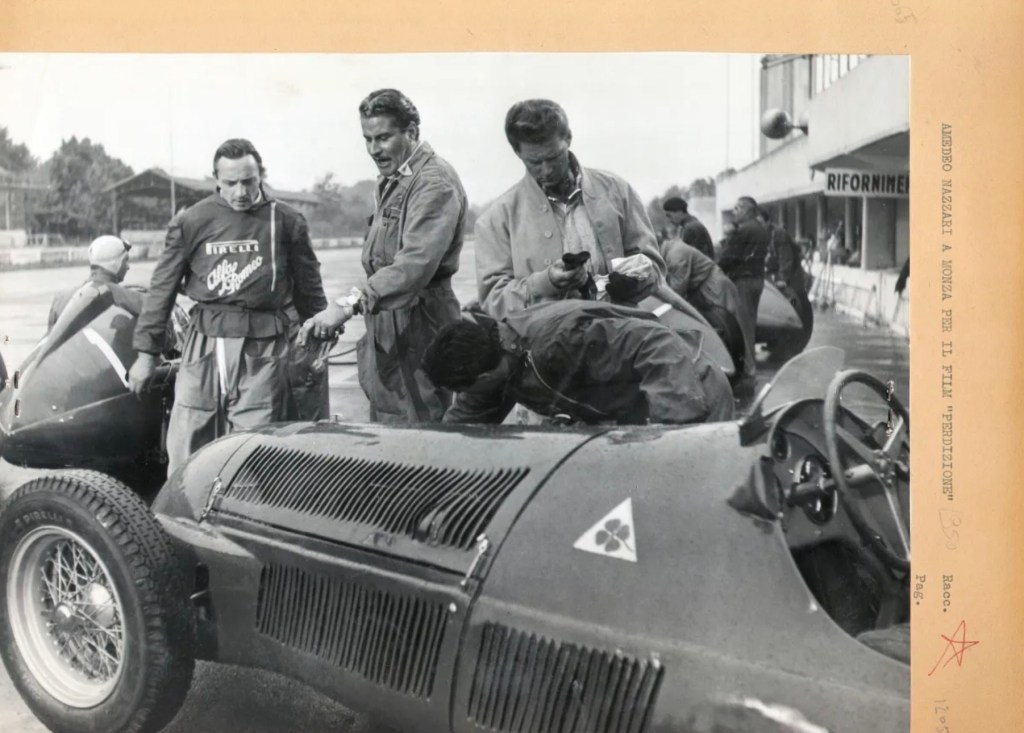
“That year the Argentine was racing with the mighty Alfa Romeo team along with legends of speed such as Nino Farina, who went on to win the (1950) world title.”
“The long P-logo of Pirelli, which supplied the read Alfa Romeo cars with Stella Bianca tyres, is embroidered on their overalls, underneath the cloverleaf symbol.”
“In Perdizone/Ultimo incontro, Fangio was already on his way to becoming a legend, but his serious, watchful look is that of a true actor. The driver from Balcarce stopped racing in the late 1950s, with five world championships under his belt.”
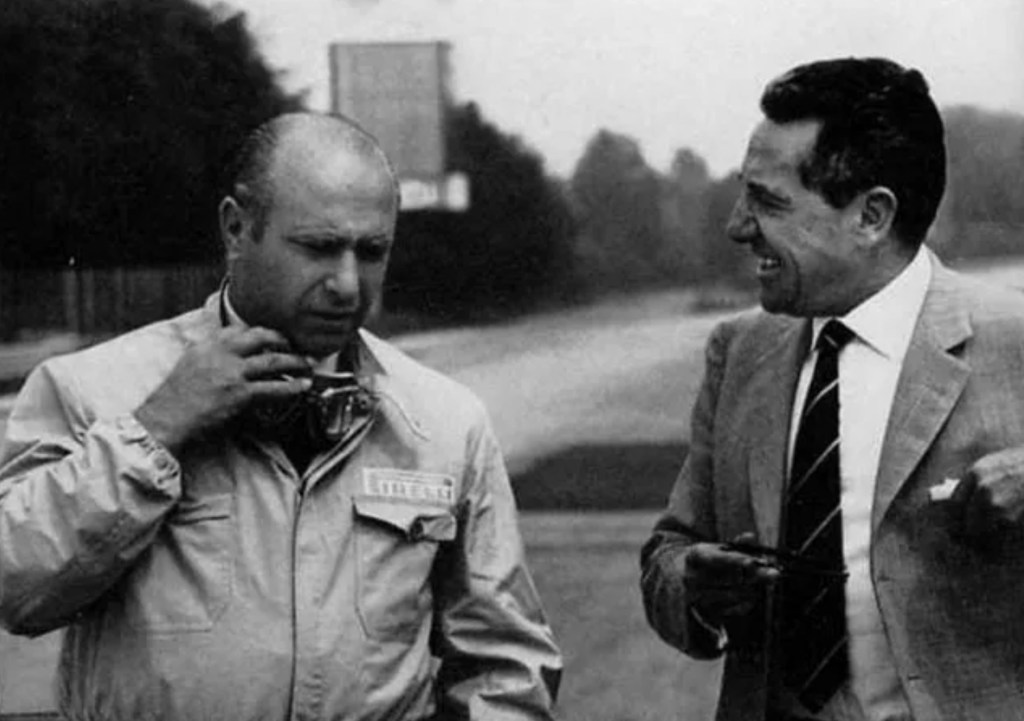
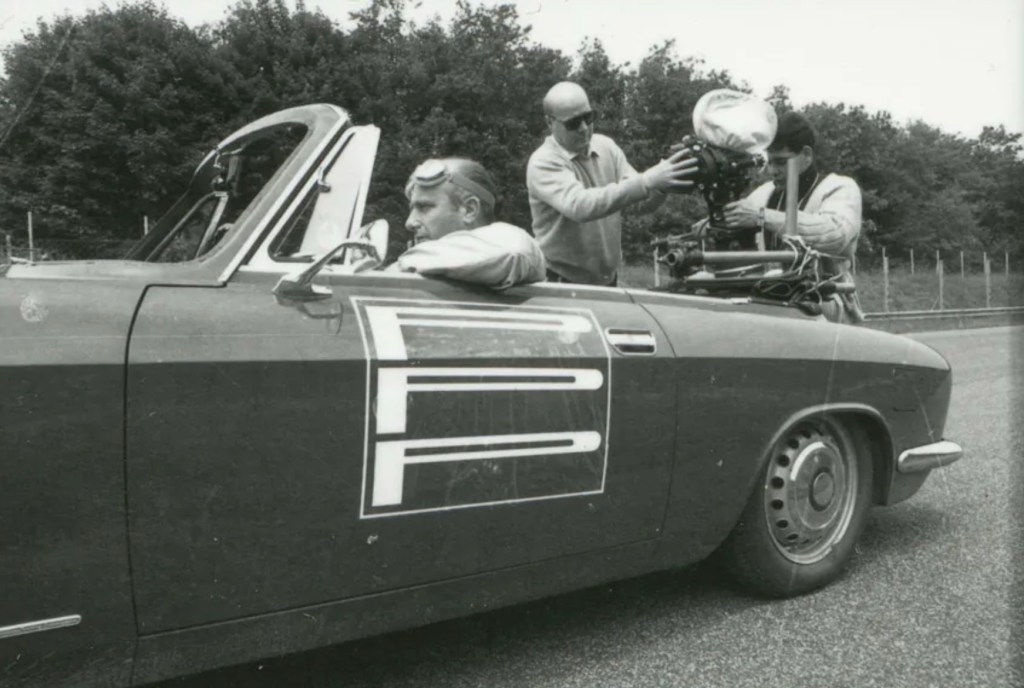
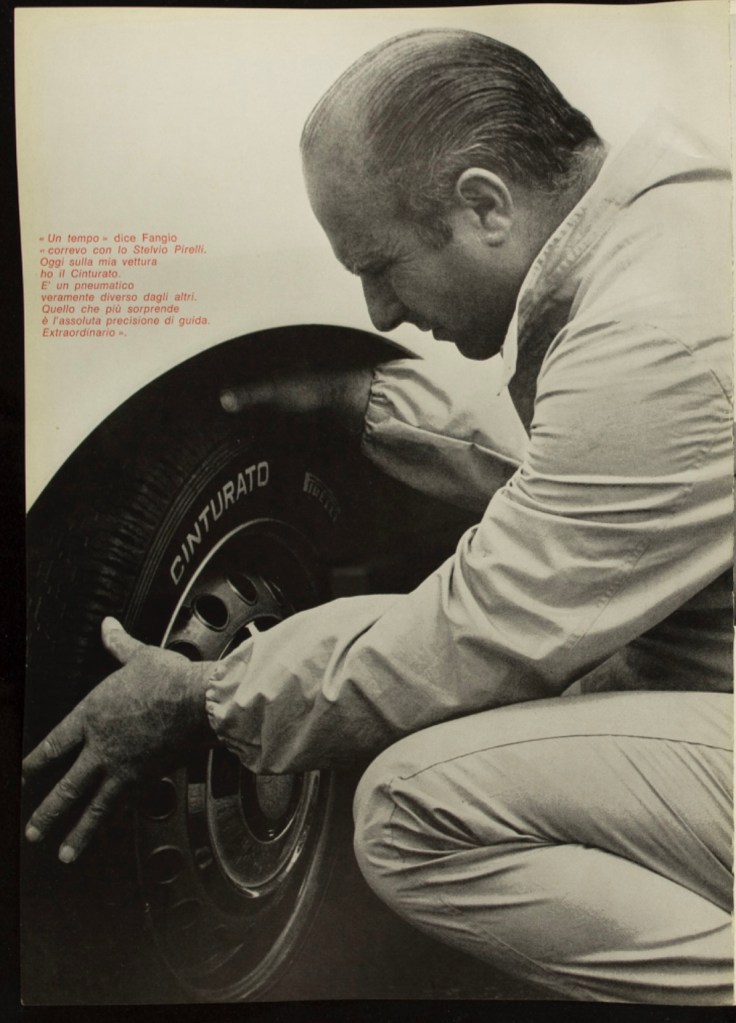
“During his career his name appeared a number of times next to that of Pirelli: it happened again in 1965, and once again there was a camera there to record it. This was a spot produced for Carosello TV commercials with reportage by Ugo Mulas.”
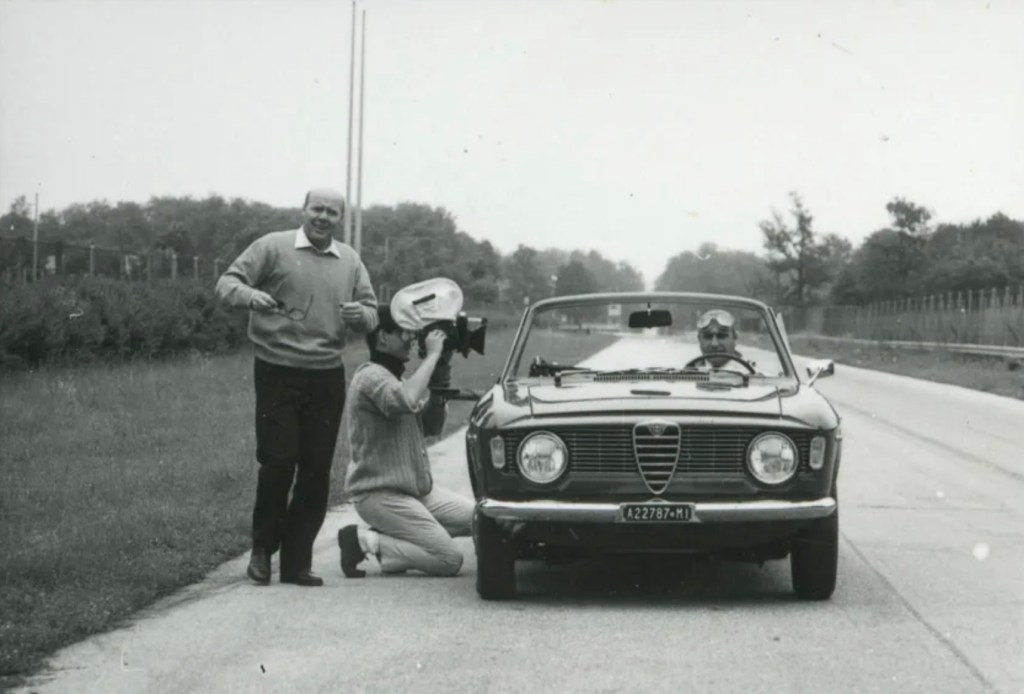
“The driver once again played himself, the legendary Juan Manuel Fangio now clocking up the laps in his Alfa Giulia GTC.”
“When he gets out, he looks into the camera and recalls: ‘I used to race with the Stelvio, but now this Cinturato is really different from the rest. Extraordinario!’ And in his magnificent Italian-Argentine manner, Fangio goes on to tell the audience on the television screen about his endless string of successes.”
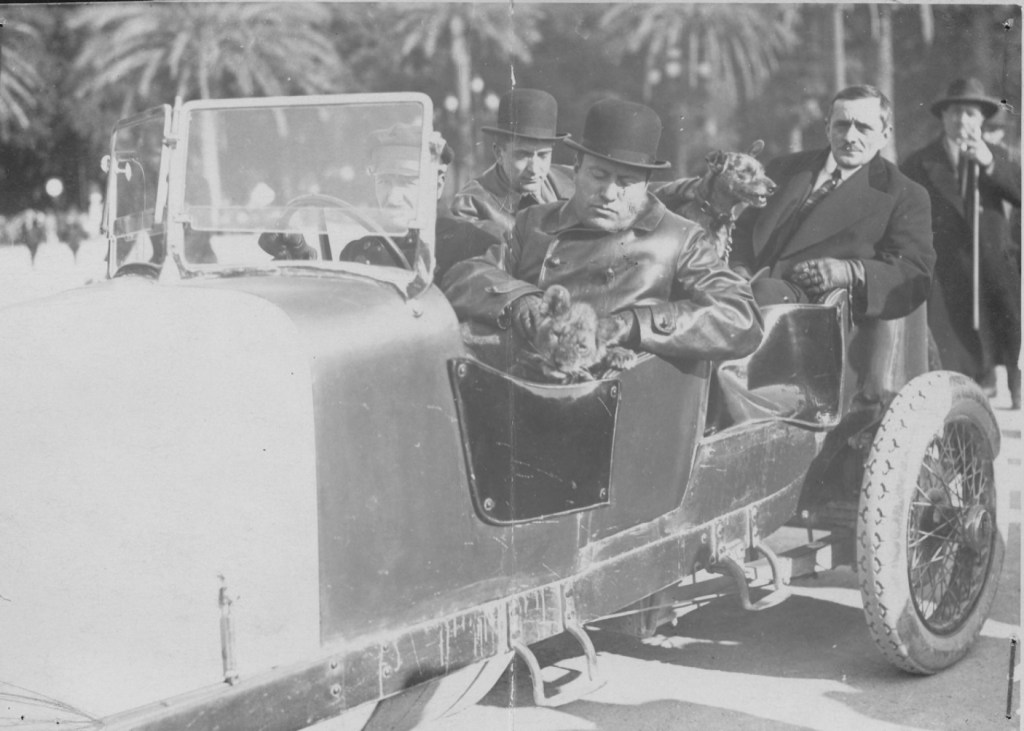
Benito Mussolini and pet pussy aboard an Alfa Romeo in 1923. What model is it I wonder?
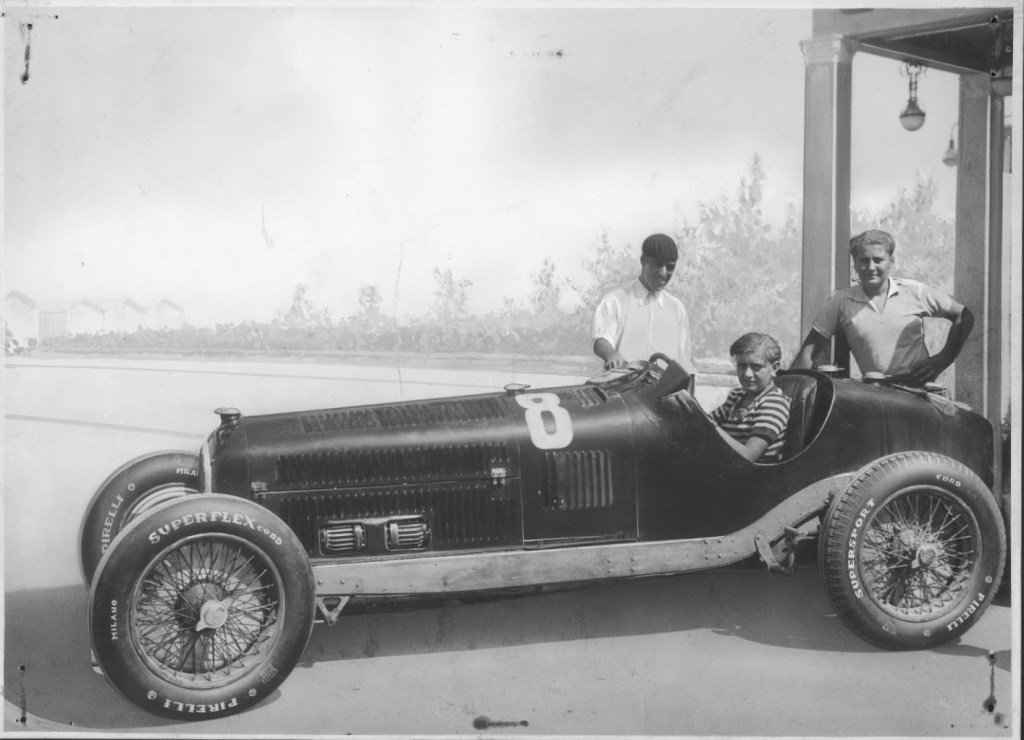
Meanwhile poor old Tazio is tasked with amusing Ill Duce’s sons in his P3, Bruno in the driving seat and Vittorio behind.
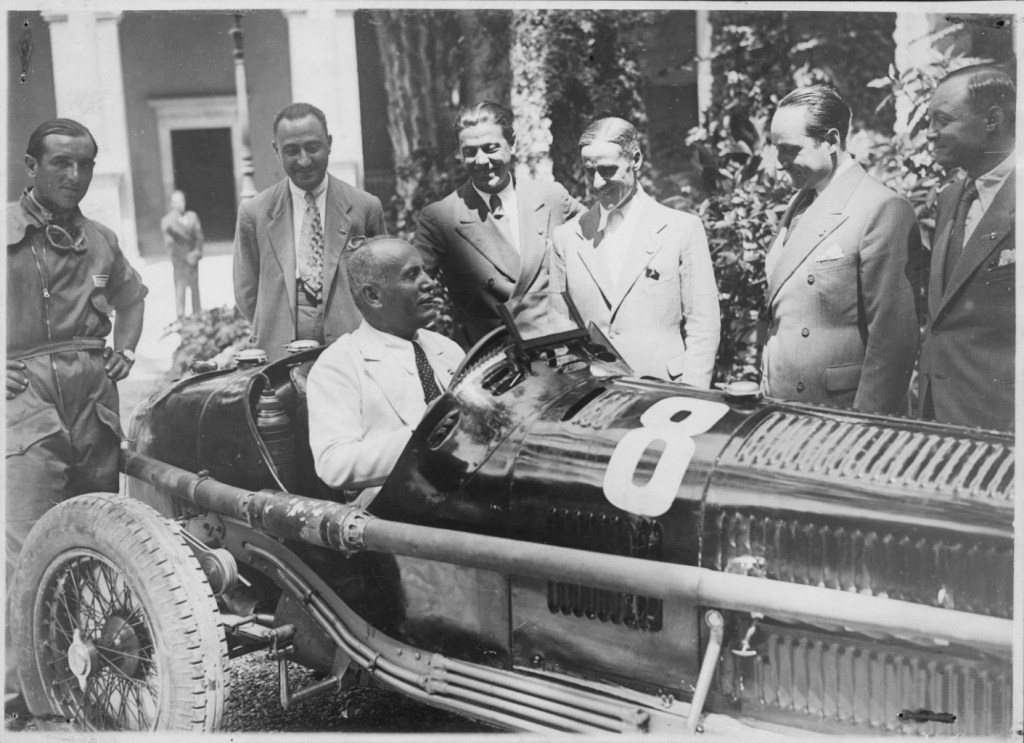
Mussolini with Nuvolari again, and the director-general of Alfa Romeo Prospero Gianferrari (both in the centre). “The P3 is probably the car with which Nuvolari won the August 14, 1932 Coppa Acerbo.”
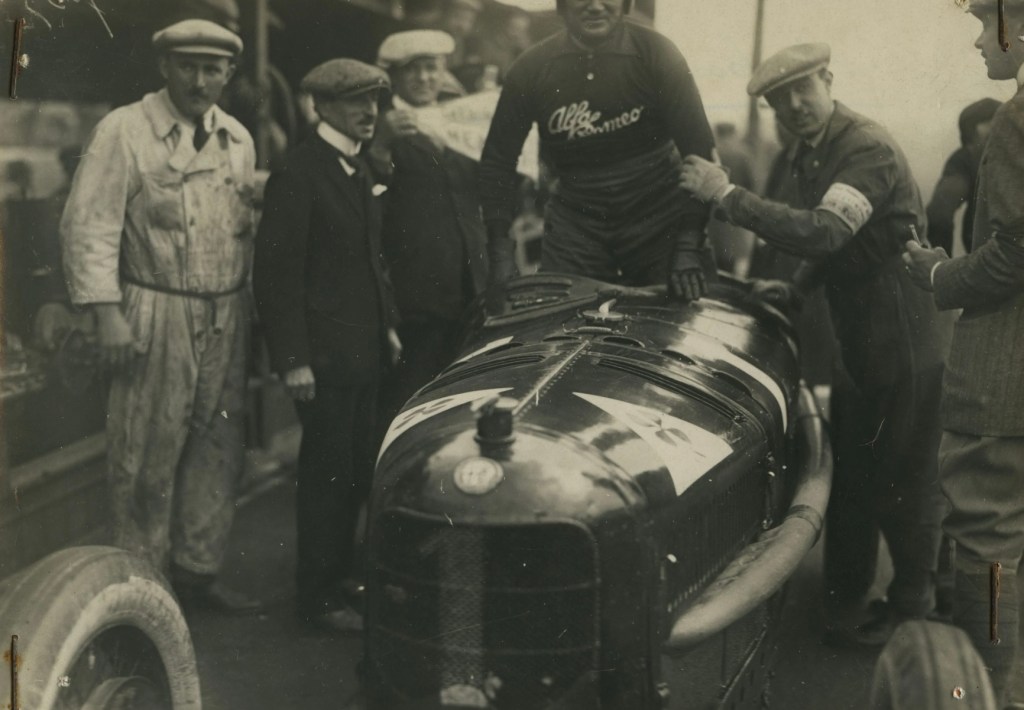
Antonio Ascari in the P2, with designers Luigi Bazzi in the light coloured overalls at left, Vittorio Jano and Giorgio Rimini during the 1924 Italian Grand Prix weekend.
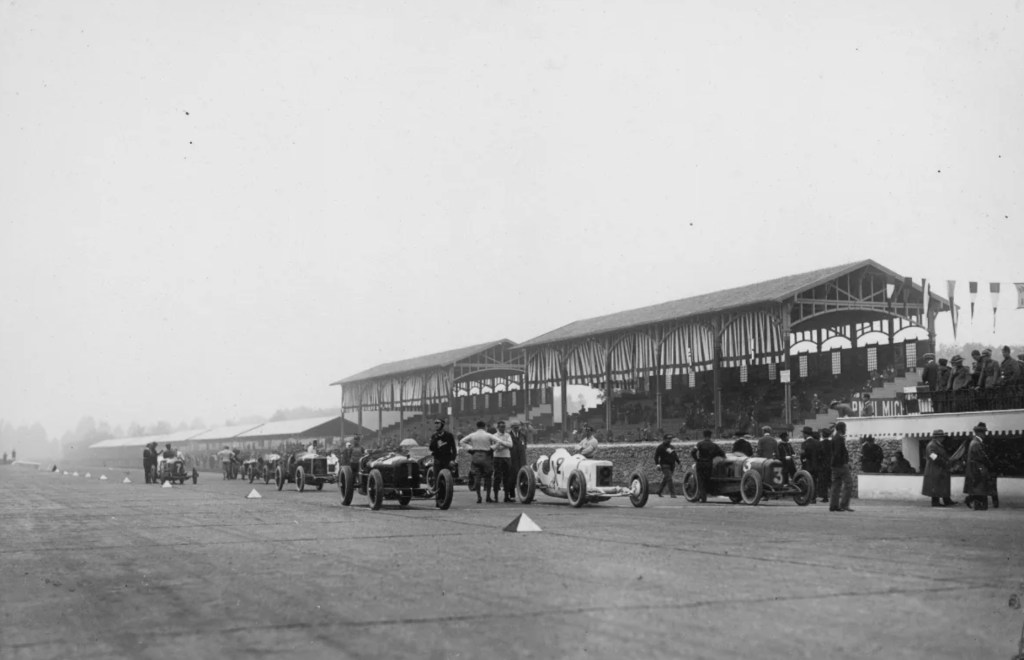
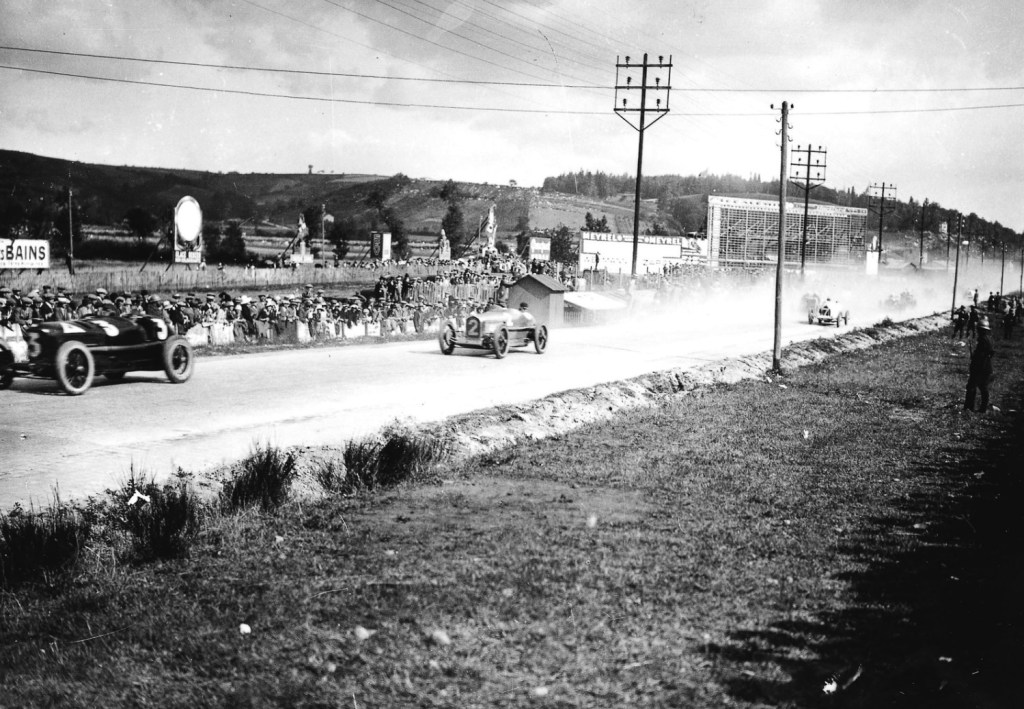
Before the start of the race: Antonio Ascari’s Alfa P2 #1 Christian Werner’s Mercedes M72 #2 and Jules Goux’ Rolland-Pilain Schmid #3.
Alfa Romeo won in a rout taking the first four placings: Ascari, Louis Wagner, Campari and Bruno Presenti, and Fernando Minoia.
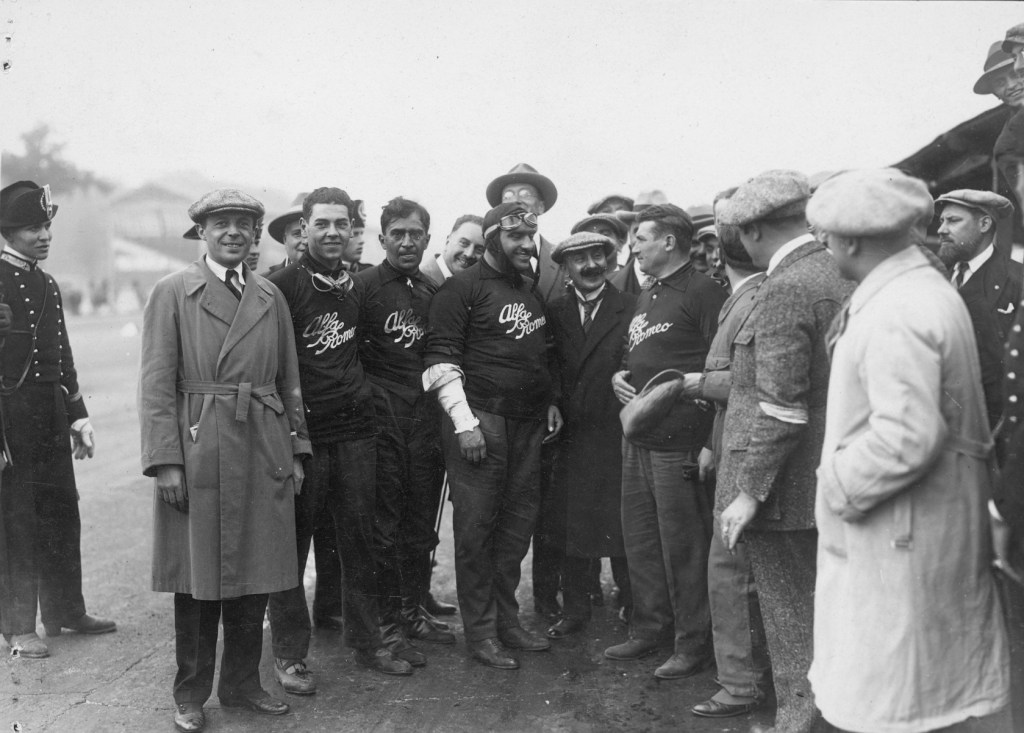
Scuderia Alfa Romeo: unidentified in the overcoat, mechanic Giulio Ramponi, drivers Minoia and Campari, the engineer and entrepreneur Nicola Romeo, and driver Antonio Ascari.
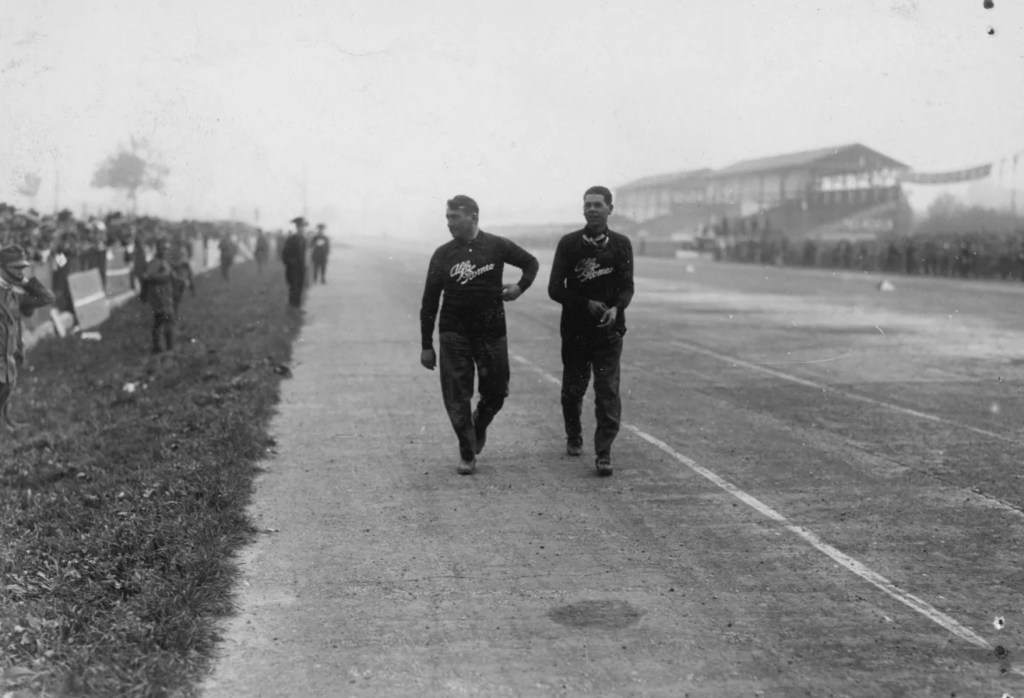
Ascari and Ramponi go for a greet-the-punters wander.
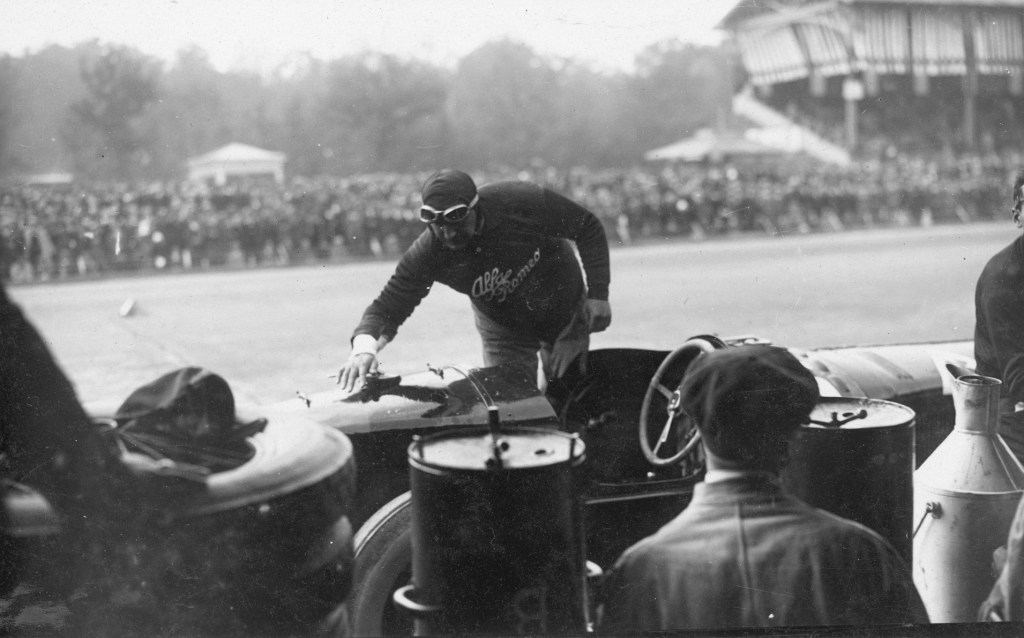
Giuseppe Campari and P2.
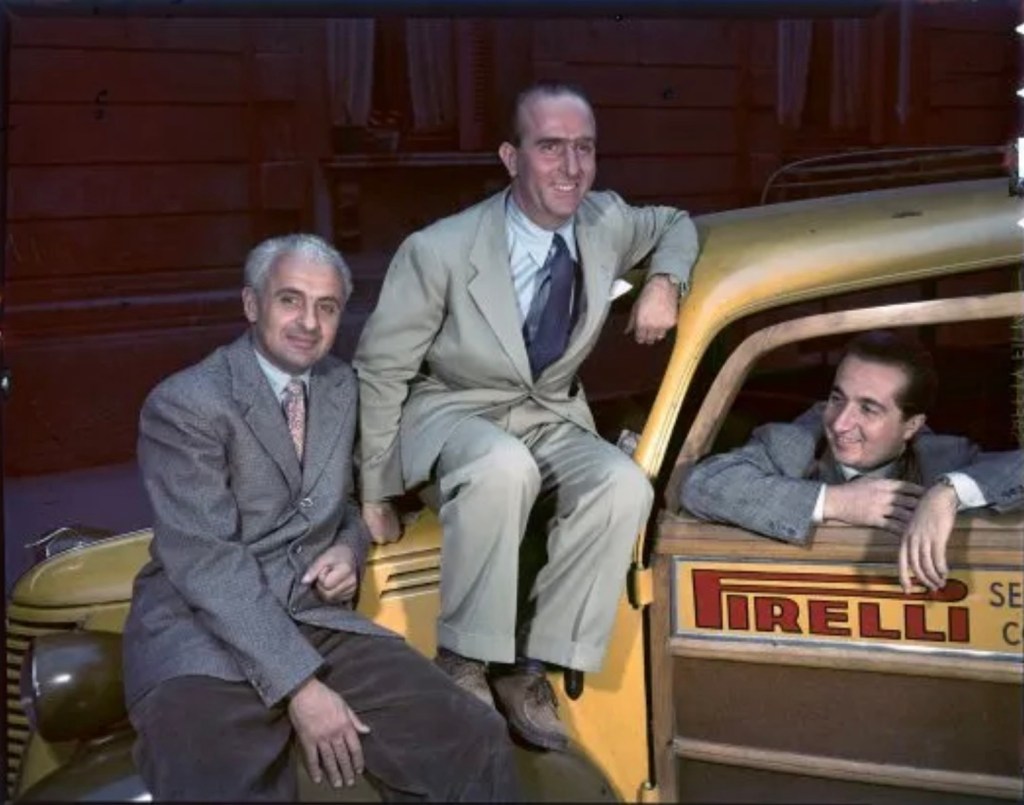
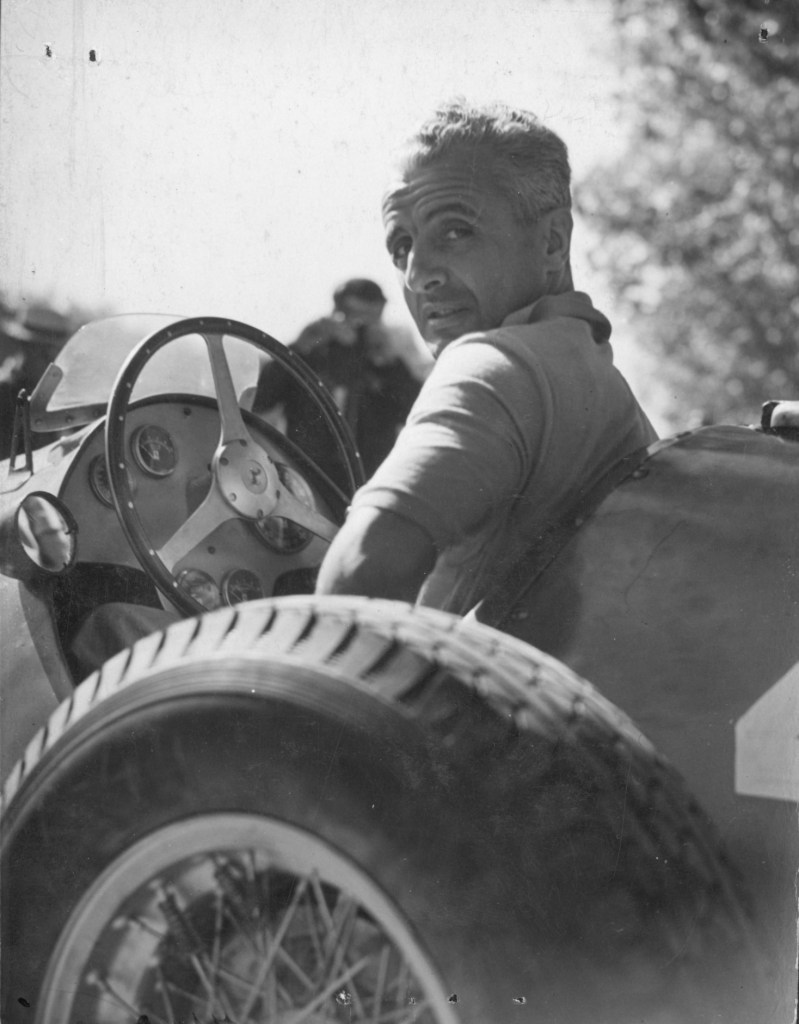
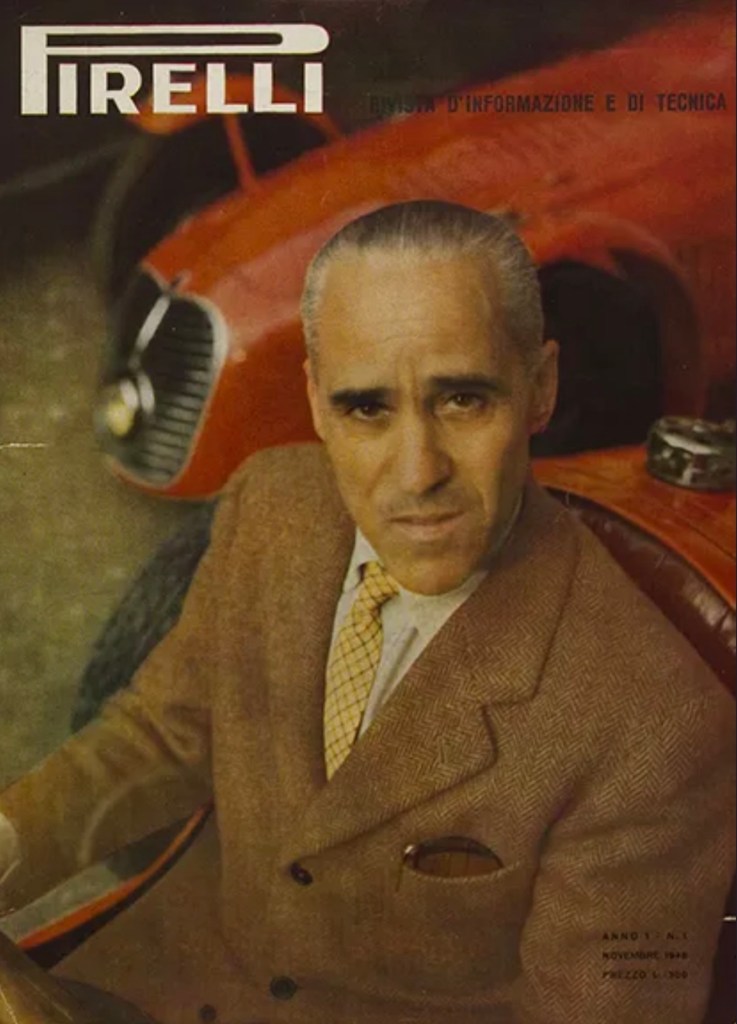
Gigi Villoresi, Nino Farina and Alberto Ascari in 1950, this photo was published on the cover of the January-February issue of the Pirelli magazine. Nice portrait of Gigi in a Ferrari below.
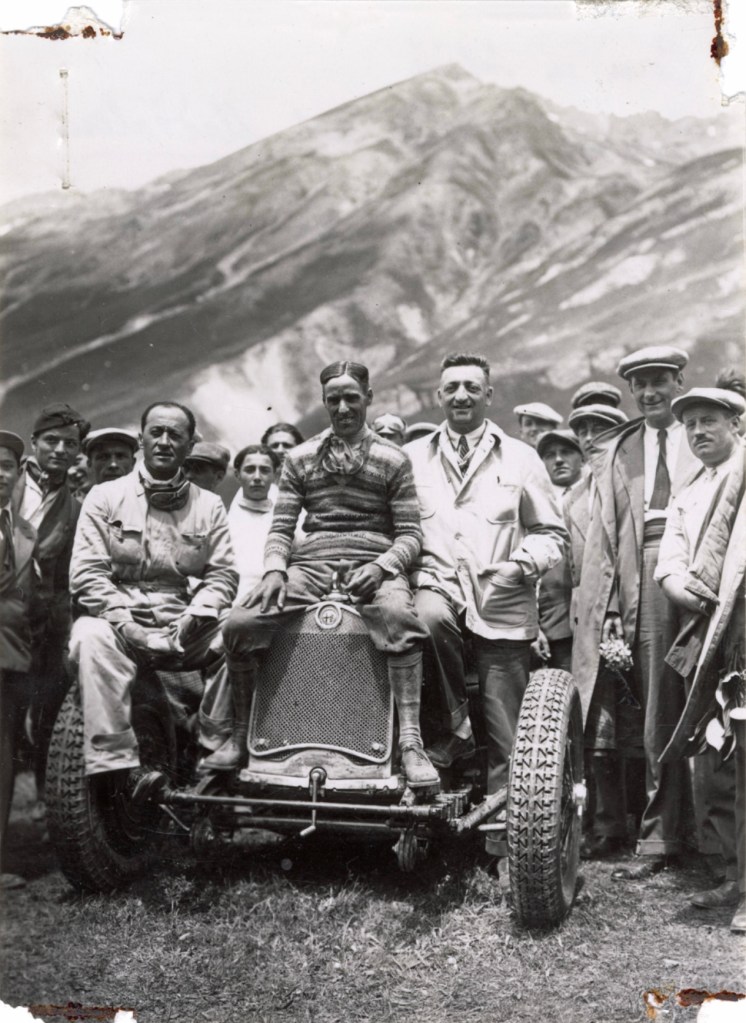
Scuderia Ferrari shot of Luigi Arcangeli, Tazio Nuvolari and Enzo Ferrari sitting on an Alfa Romeo P2 during the European Hillclimb Championship in June 29, 1930
The Pirellis are Stella Bianca’s, the venue is Cuneo-Colle della Maddalena. While Pirelli wrote that Tazio was first and Luigi third, Rudy Caracciola won the day on a Mercedes.
And below walking to the start alongside an Alfa – a modified P2 of the type Achille Varzi used to win the Targa Florio in 1930 Bob King reckons, a quick look at Hull & Slater confirms this – circa 1930. Does anybody recognise the venue?
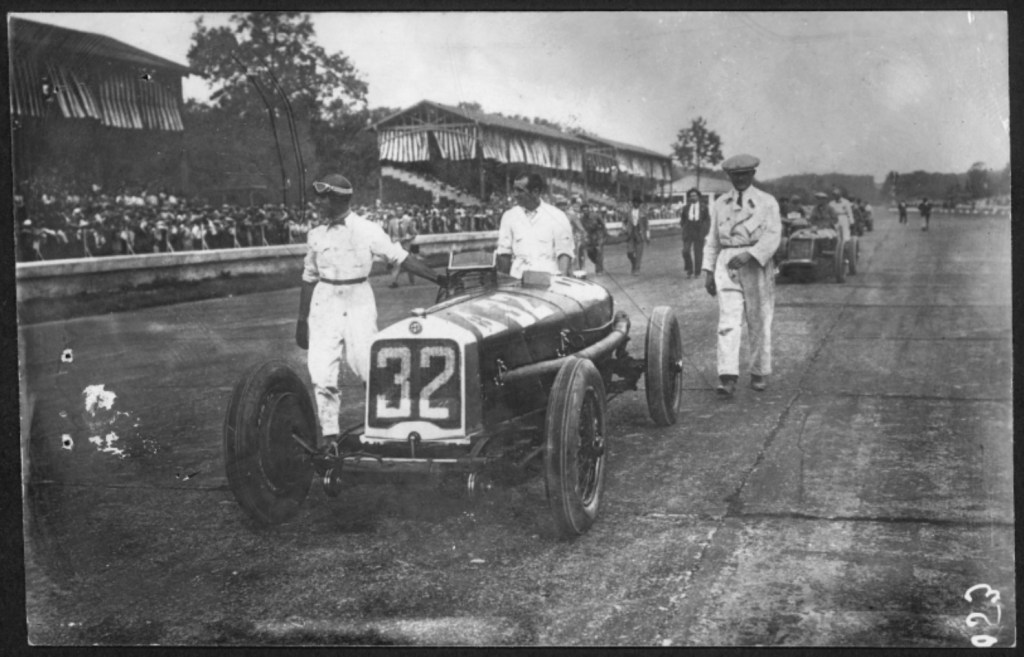
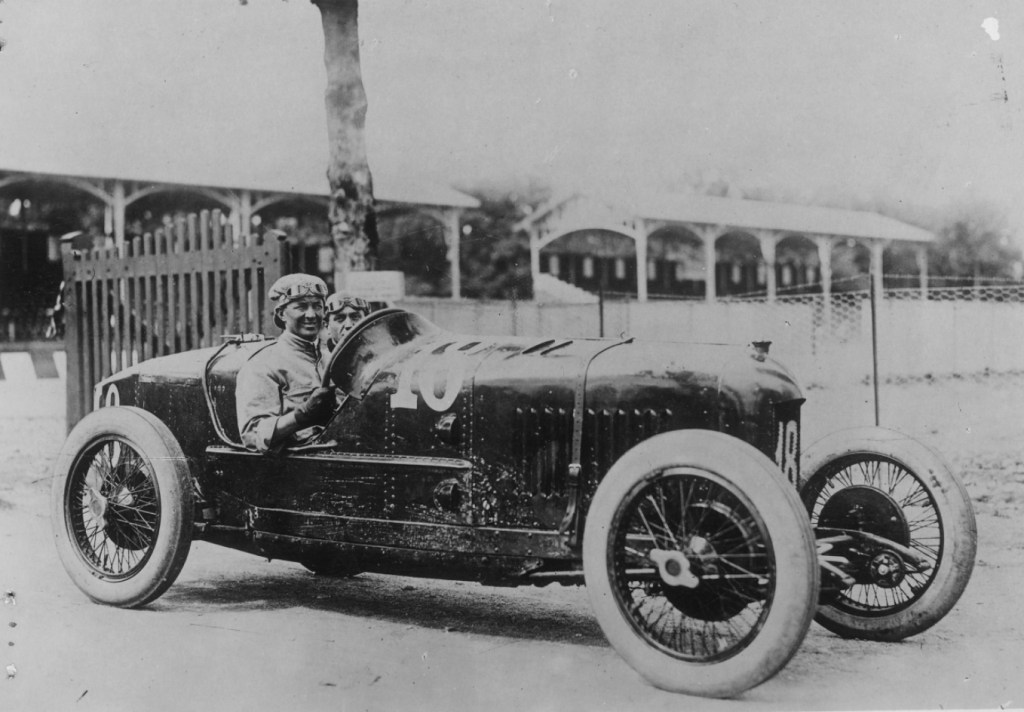
Antonio Ascari and a mechanic aboard, “probably an Alfa Romeo P1”, venue unknown.
I’m not so sure about the P1 theory…Giuseppe Merosi’s Fiat 804 copy wasn’t much chop. His engine had most of the same features as Fiat’s Type 404: DOHC, 65x100mm bore/stroke 1991cc six so the power output was about the same but the Gran Premio Romeo was longer and heavier. Its aero was inferior too, the epochal Fiat had a staggered mechanics seat which slimmed down its profile, the Alfa did not.
While P1s were entered for the 1923 Italian Grand Prix – for Ugo Sivocci, Alberto Ascari and Giuseppe Compari – after Sivocci crashed to his death in practice the team withdrew from the meeting as a mark of respect, the P1s never raced.
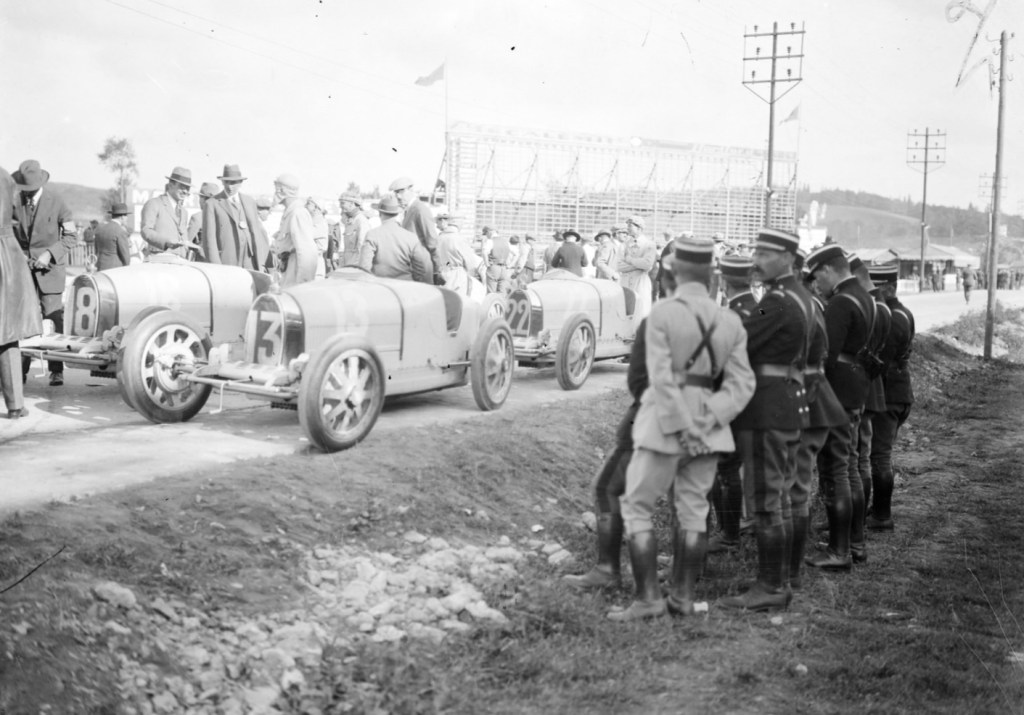
The car shown above carries #18, the Monza P1s used numbers, 6, 12 and 17, so the shot wasn’t taken on or about that weekend.
Is the car shown a P2, an early one? The Golden Era of Grand Prix Racing is my reference site for the results of the major races in this era, I cannot see an Alfa P2 number 18 entered in any of the races the site covers in either 1924 or 1925. A mystery…
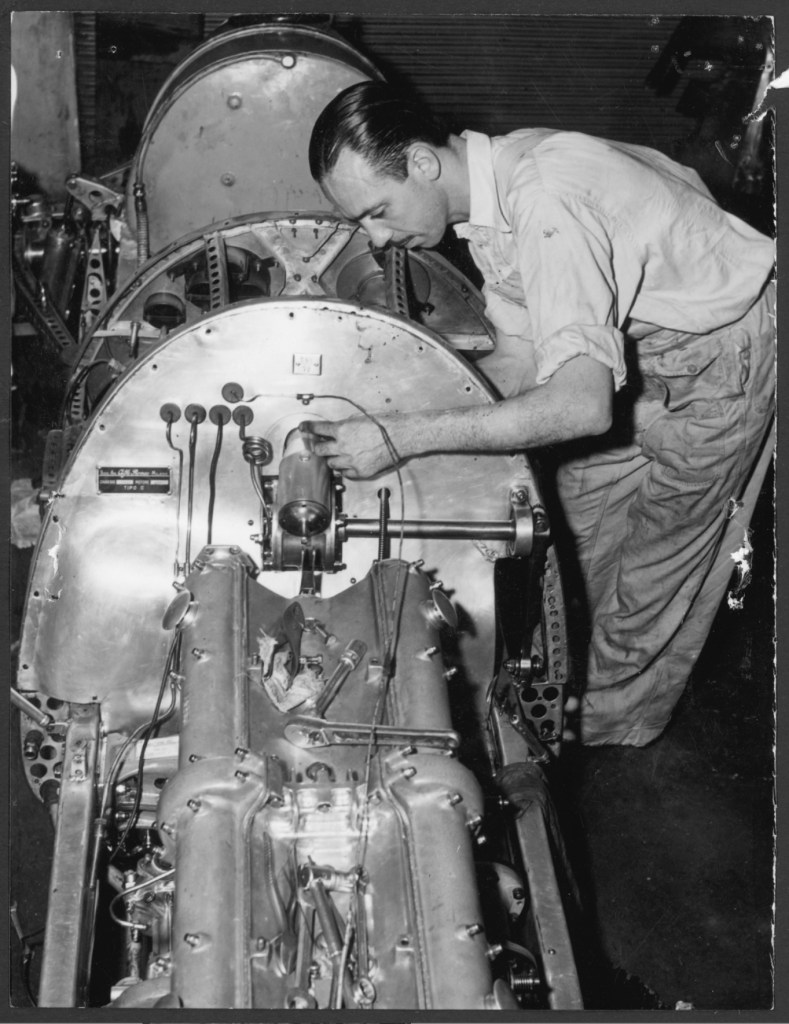
Oscar Galvez fettles the engine of his 3-litre supercharged straight-eight Alfa Romeo 308 in January 1949, can’t quite read the chassis number…
He was third in the Buenos Aires Grand Prix behind the Maserati 4CLT’s raced by Alberto Ascari and Gigi Villerosi.
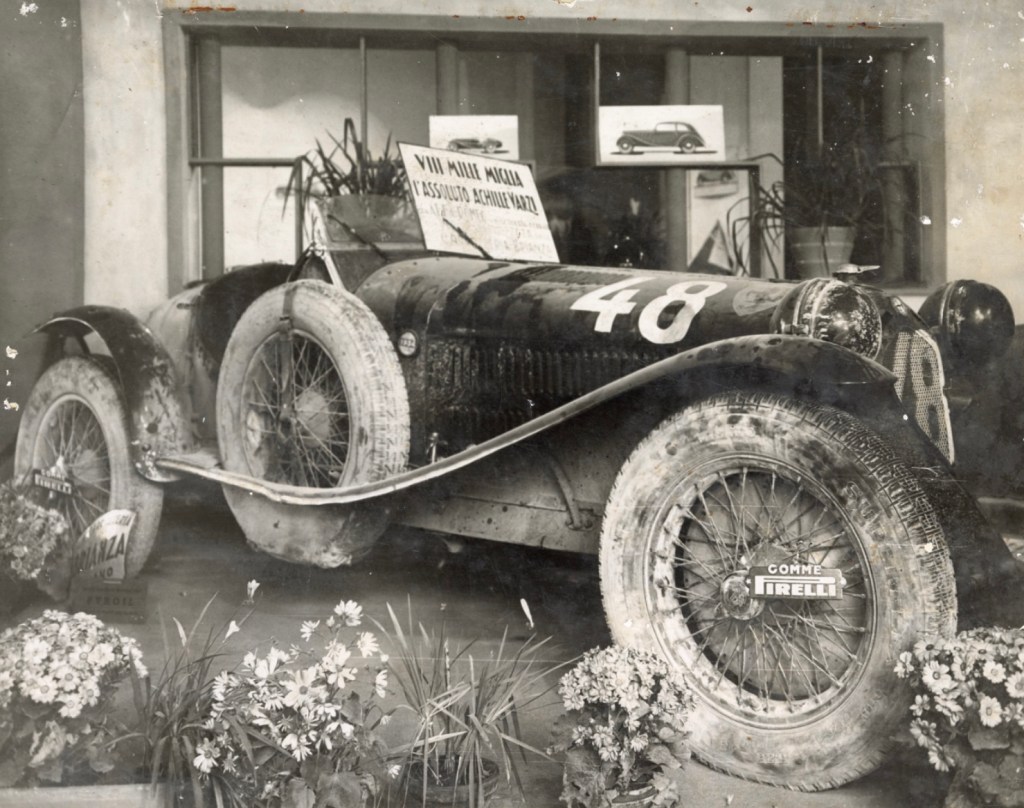
Achille Varzi’s Mille Miglia winning Alfa Romeo 8C2600 Monza Spider Brianza on the Carozzeria Brianza Stand in 1934.
The first four cars home were (2654cc) 8C2600 Monzas: Varzi/Bignami, Nuvolari/Siena, Chiron/Rosa and Battglia/Bianchi.
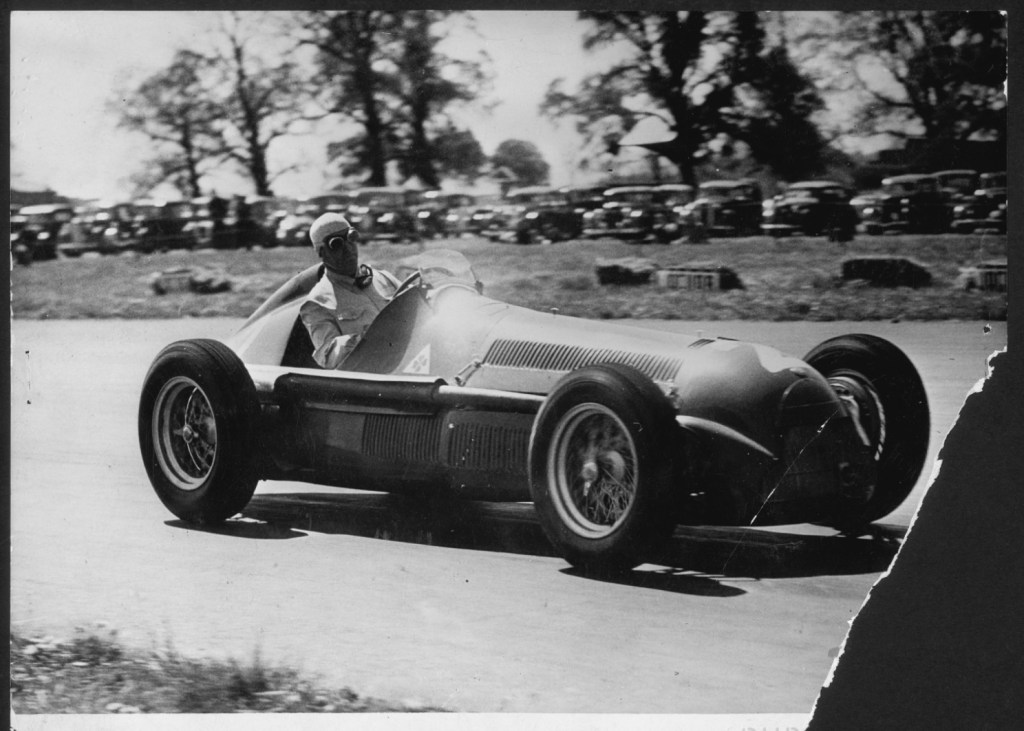
Classic shot of Nino Farina on the way to winning the July 1950 British Grand Prix in an Alfa 158.
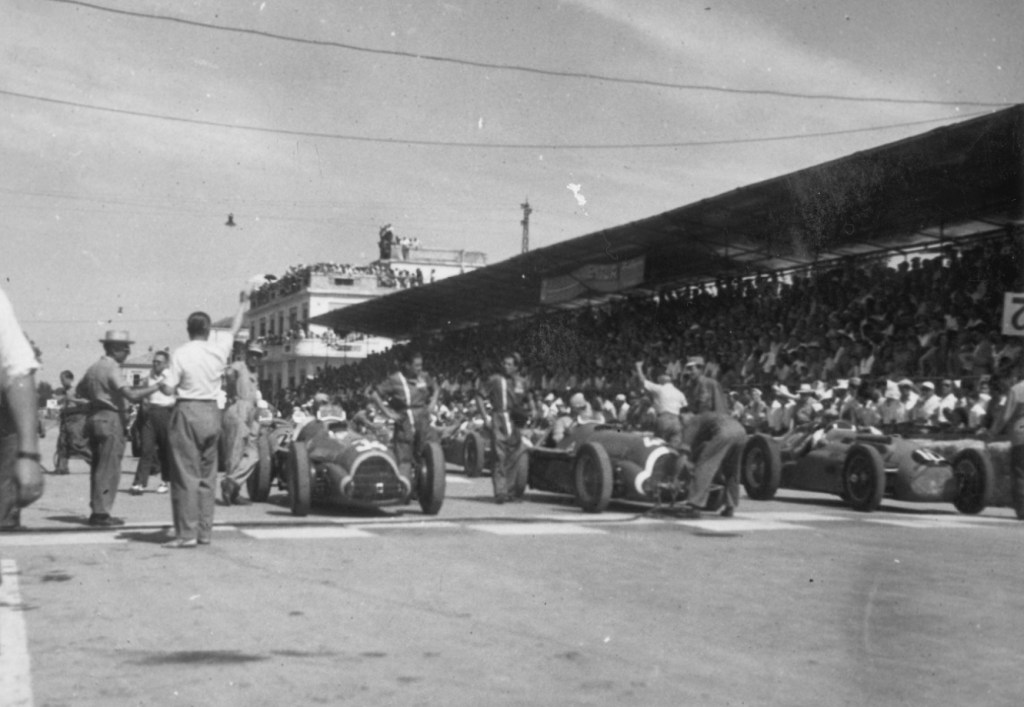
A month later the circus is on the grid at Pescara for the August 19 Grand Prix on the road circuit of the same name.
From the left is Fangio’s #34 Alfa 158, then the similar machine of Luigi Fagioli’s, with Louis Rosier’s Talbot-Lago T26C on the right. The race was won by Fangio from Rosier and Fagioli.
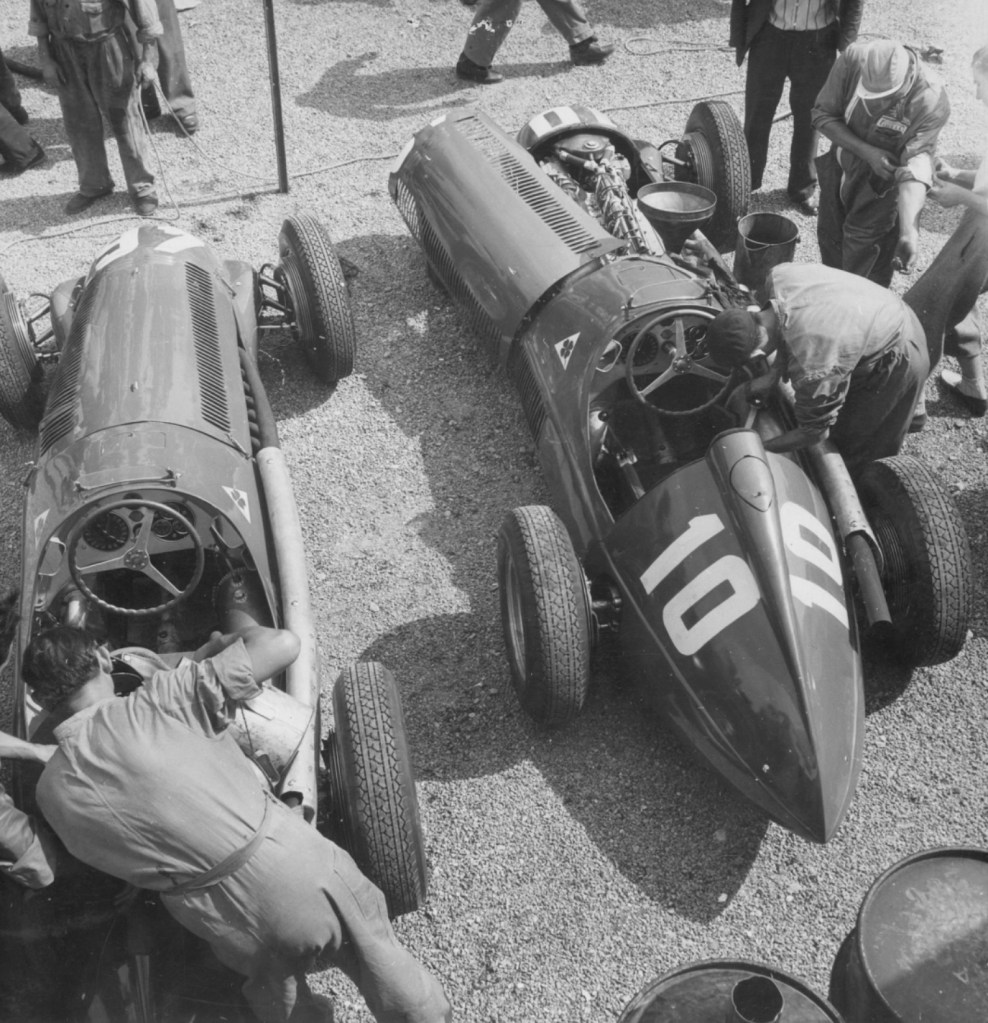
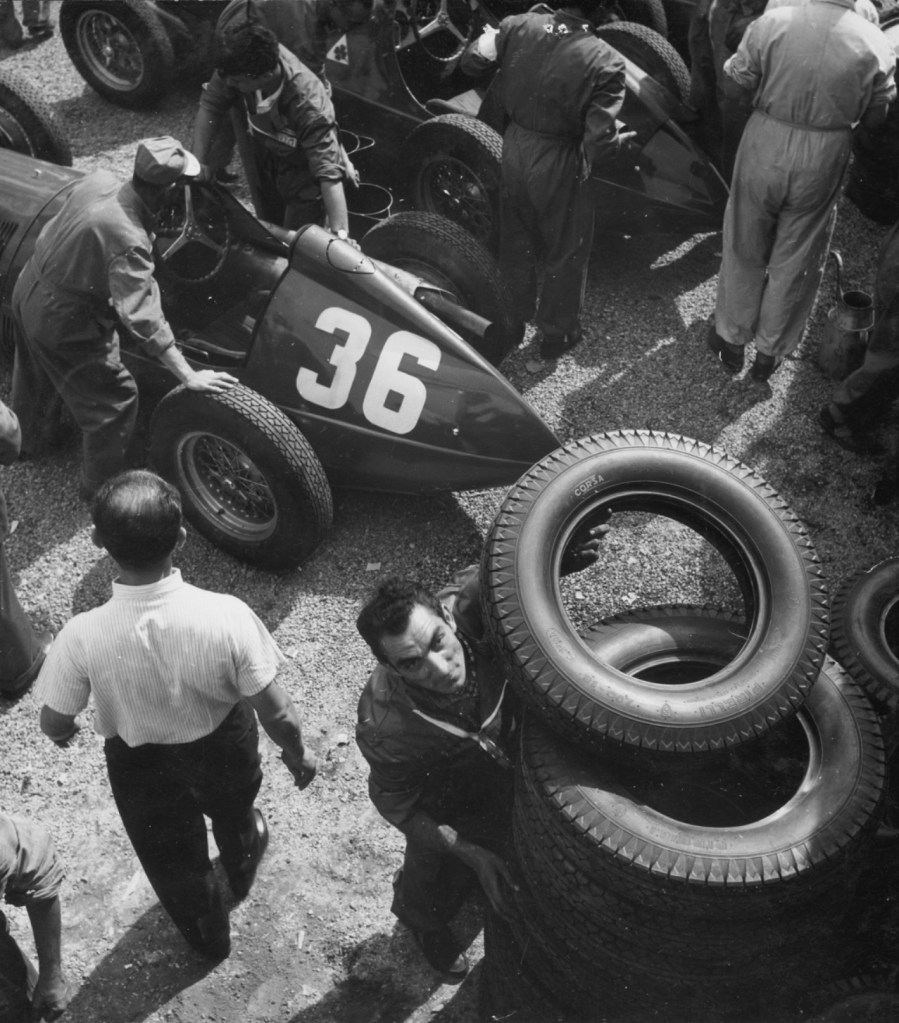
Paddock scenes at Monza during the September 1950 Italian GP weekend.
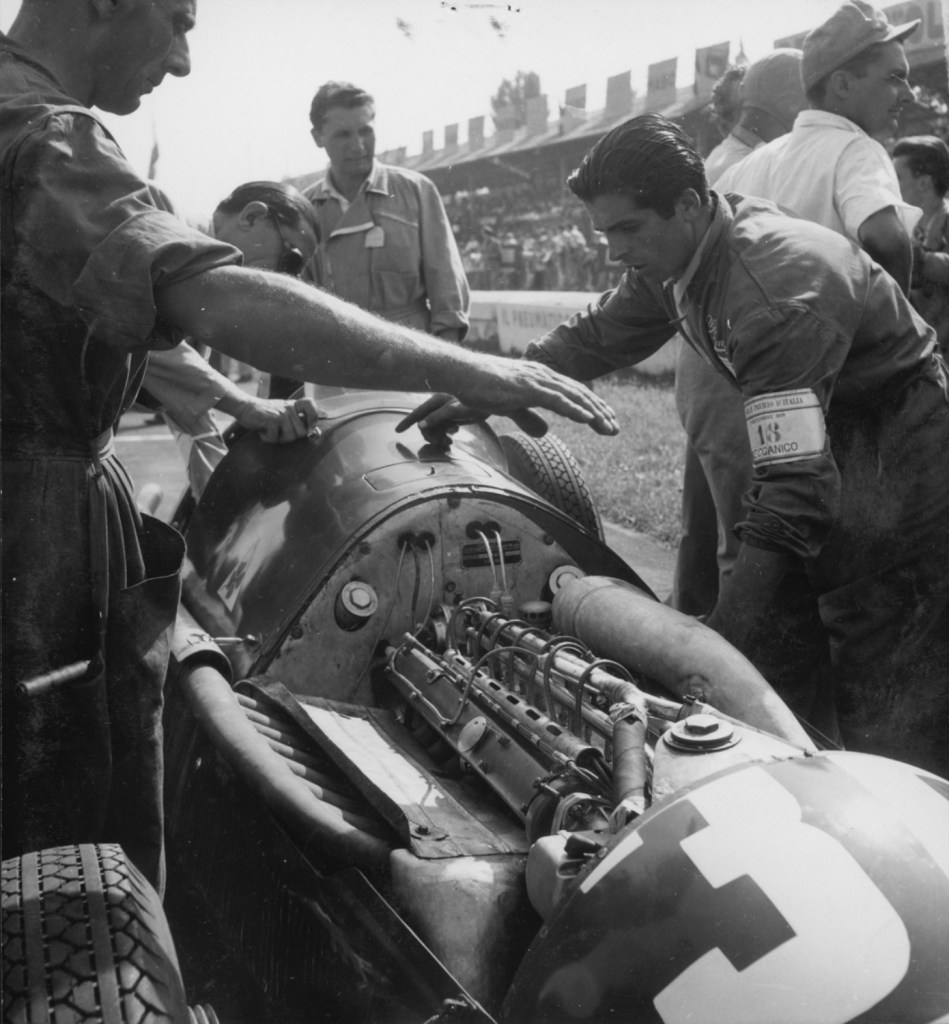
The Consalvo Sanesi 158, and Giuseppe Farina #10 Alfa Romeo 159 above, and Fagioli’s 158 below. Farina won the race from Alberto Ascari’s Ferrari 375, then Fagioli.
Below mechanics attend to the engine of Fagioli’s 158.
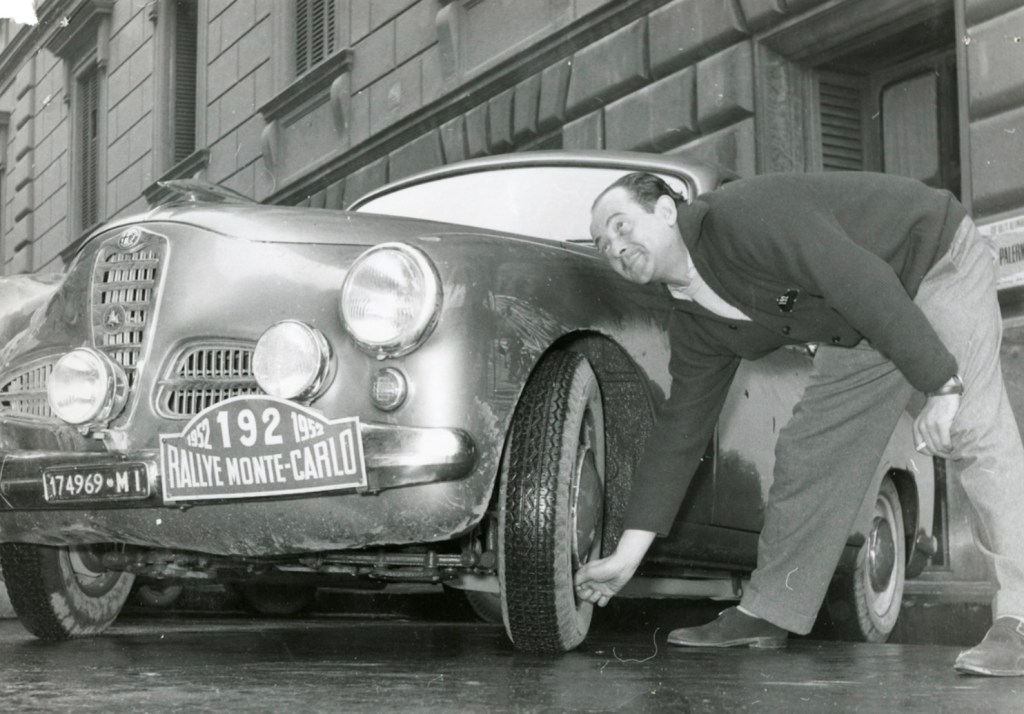
Prince Raimondo Lanza di Trabia inspects his left-front Pirelli, Alfa Romeo 1900 TI during pre-event scrutineering in Milan before the start of the 1952 Monte Carlo Rally.
He was 72nd in the event won by Sydney Allard/Guy Warburton Allard P1, the best of the Alfa’s was the 17th placed Andersson/Lumme 1900TI.
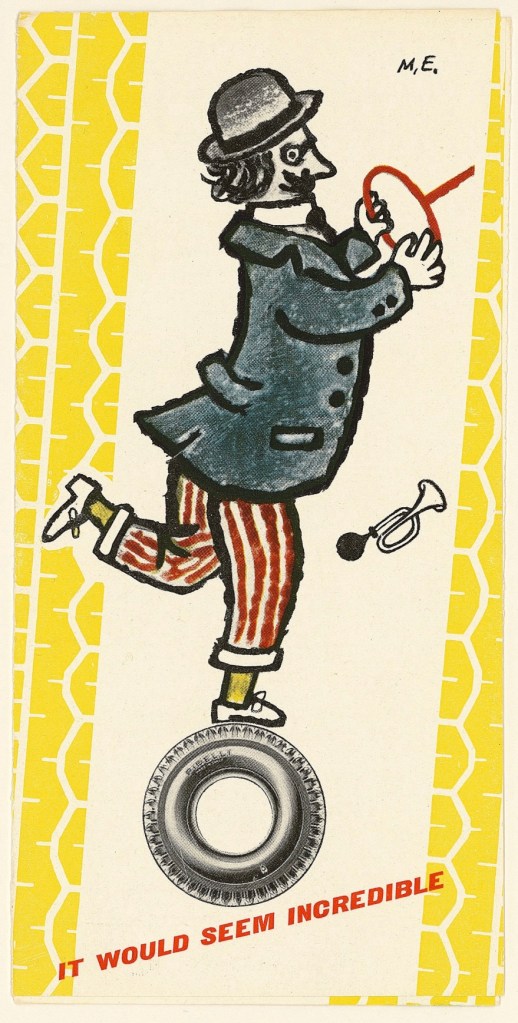
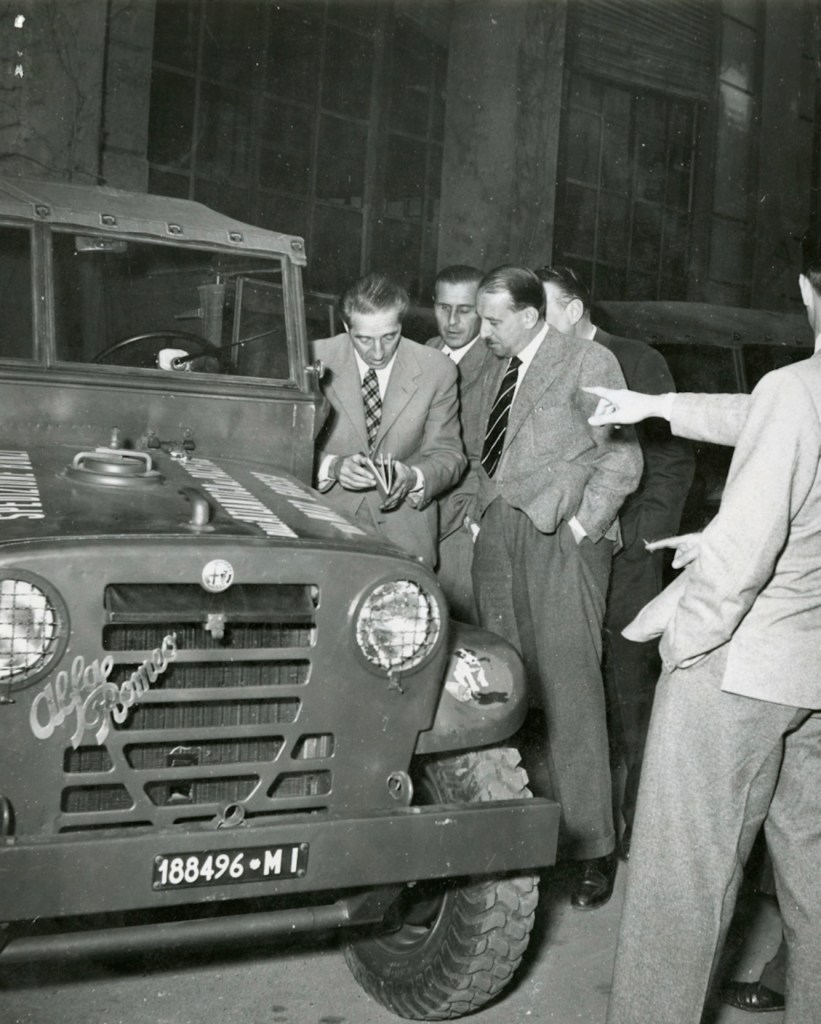
Count Leonardo Bonzi alongside his Alfa Romeo in Bicocca, Milan before the start of the Mato Gross Rally in 1952.
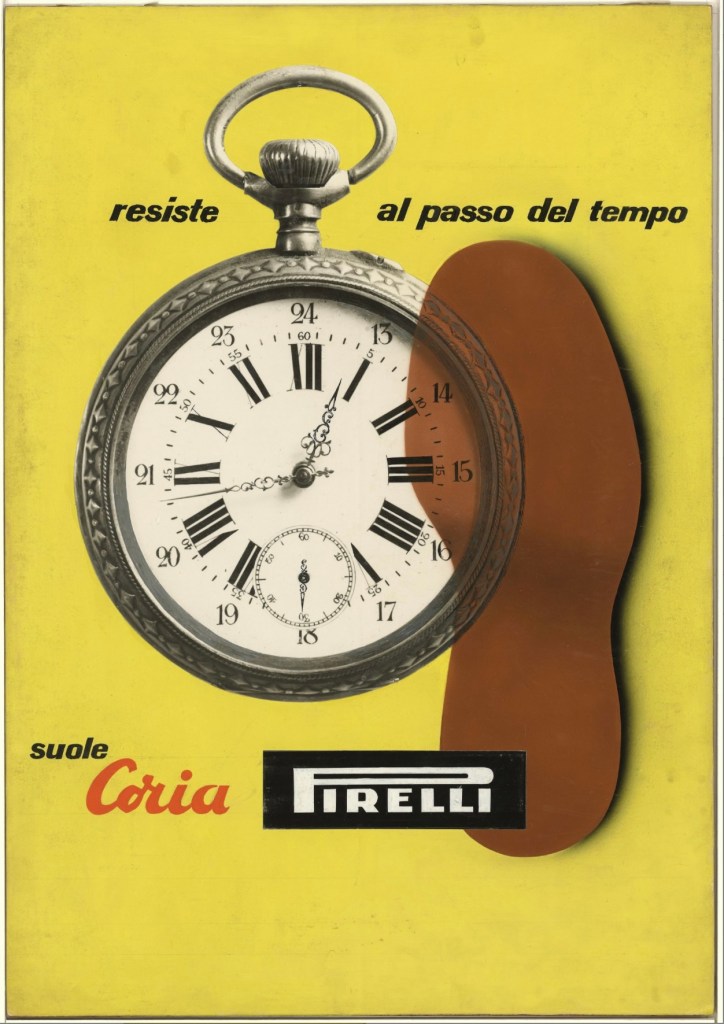
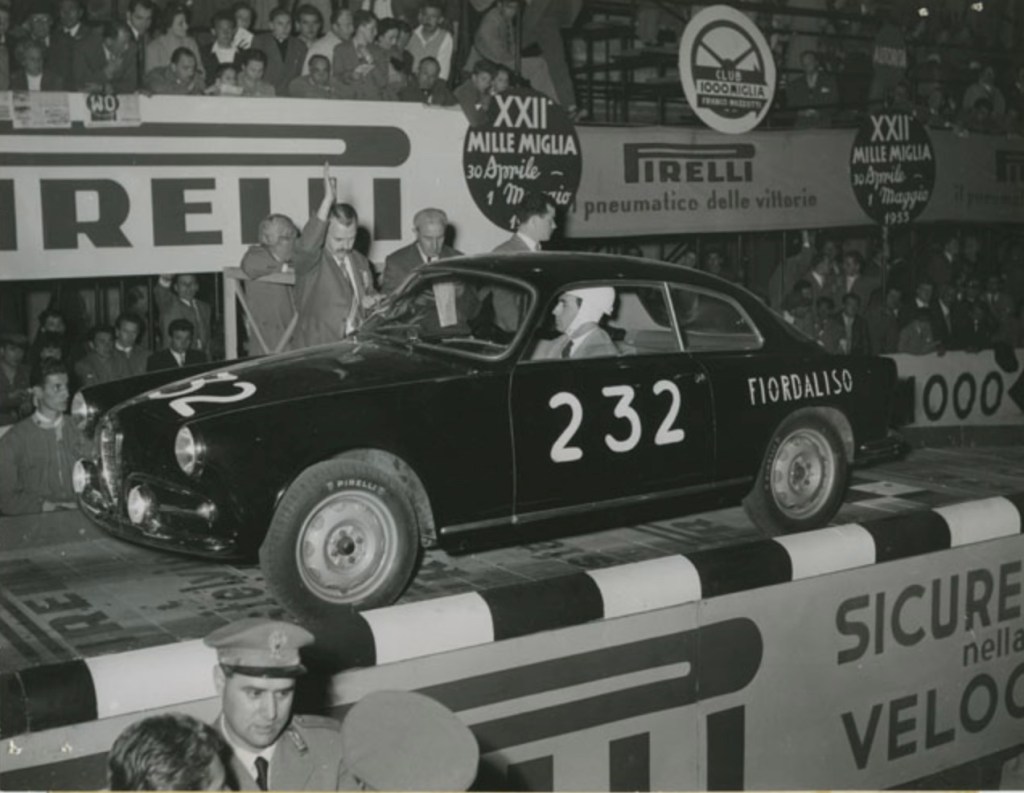
Mille Miglia 1955 start with the Santo Ciocca Alfa Romeo Giulietta Sprint on the ramp DNF. The race was of course won by the Stirling Moss/Denis Jenkinson Mercedes Benz 300SLR.
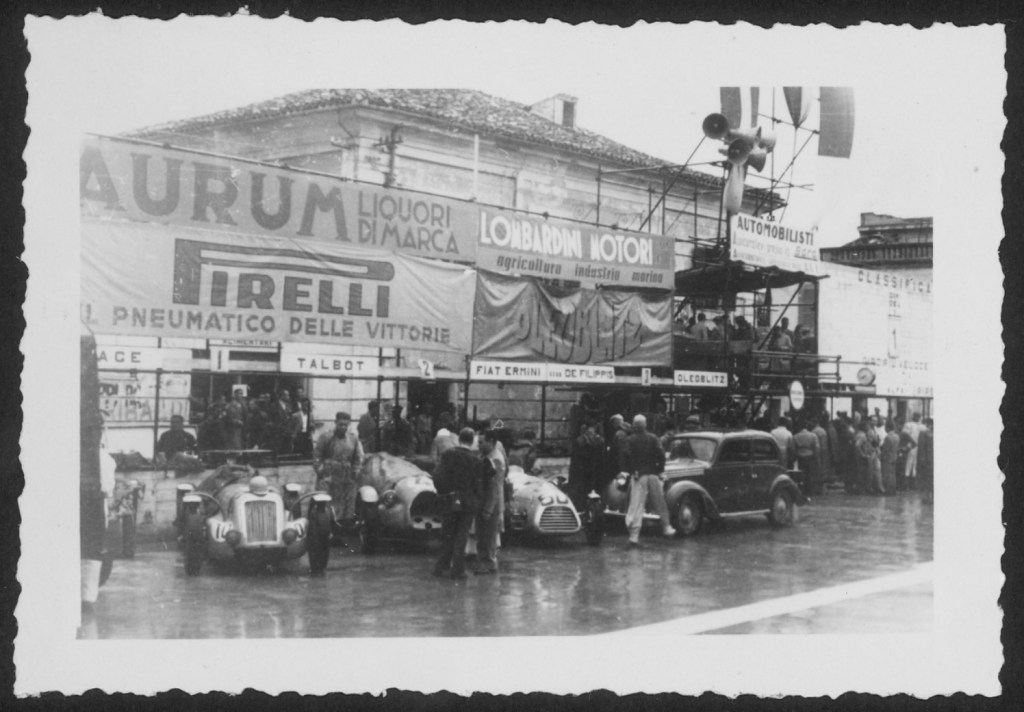
View of the pits during a soggy August 1949 Pescara Grand Prix weekend. Franco Rol won in his Alfa Romeo 6C2500 SS from Robert Vallone’s Ferrari 166S. Car 10 is Henri Louveau’s third placed Delage D6, #4 Louis Rosier’s Talbot Spéciale (DNS) and car #50, Bormioli’s ?
Credits…
All images are from the Pirelli Foundation archives. Leonardo Bonzi, Publifoto, Federico Patellani. ‘Alfa Romeo A History’ Peter Hull and Roy Slater
Tailpiece…
Finito…






 primotipo...