


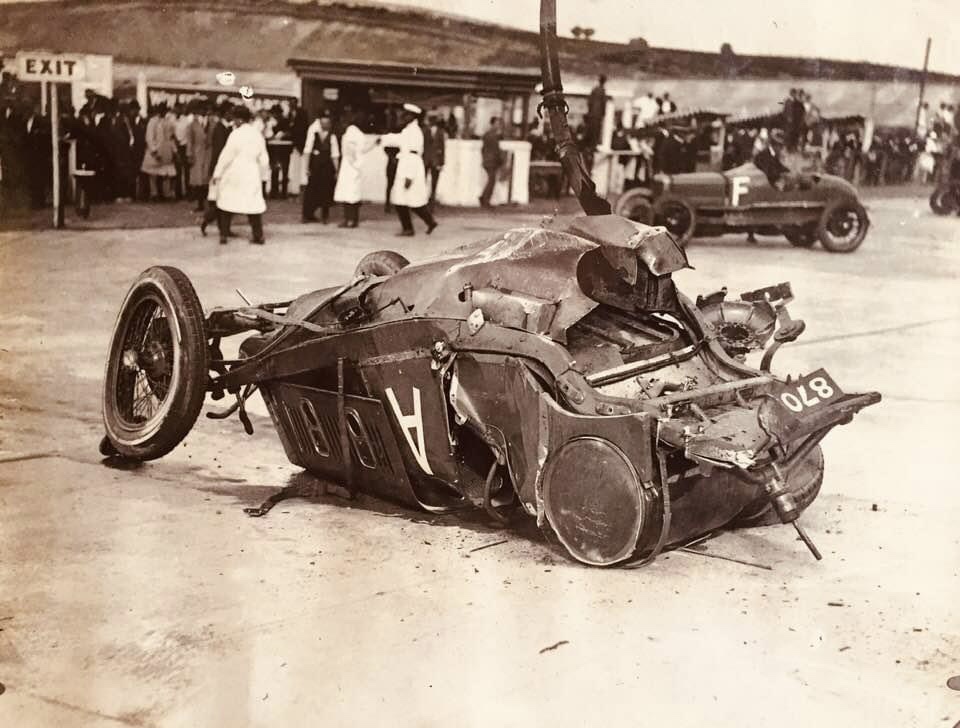
Ouch. Wow, that’s daffy-ducked isn’t it!? Alan Cooper’s very dead 4.8-litre, straight-eight, 1919 Ballot 5/8LC lies on the front-straight of Olympia Speedway, Maroubra, Sydney on January 2, 1926.
Behind is his brother, Harold ‘Hal’ Cooper’s 2-litre Ballot 2LS #15. In the feature that night, relative novice Alan tried an outside pass on his vastly more experienced younger brother on the last lap, snagged a hub on the fence and cartwheeled along the track at over 100mph and into the sandy area between the track edge and the spectator compound. Alan walked away – shaken and stirred – but the poor riding mechanic wasn’t so lucky, the worst of his injuries was a pair of broken thighs.
Alan never raced again, but chassis 1004 was repaired by racer/mechanic/engineer John Harkness using an Australian Six chassis, and appeared again at Maroubra with Harkness at the wheel that August. Whatever thoughts I had about the original chassis being repaired have been well set aside…
The Cooper boys were from a family of 11 children. They were brought up in Melbourne’s Botanical Gardens where their father was Chief Gardner. Via a familial connection, Alan Cooper met the 30-years-older Stephen Brown not long after he returned from the Great War. The Brothers Brown owned a large vertically integrated Newcastle coal mining and distribution business named J & A Brown (now part of Yancoal Australia). Stephen treated Cooper as his son and lavished stupefying levels of wealth on him including the most exotic racing cars of the time; the Ernest Henry designed Ballot’s were the best there was, the 1919 ‘Indy’ Ballot undoubtedly one of the fastest cars on the planet.

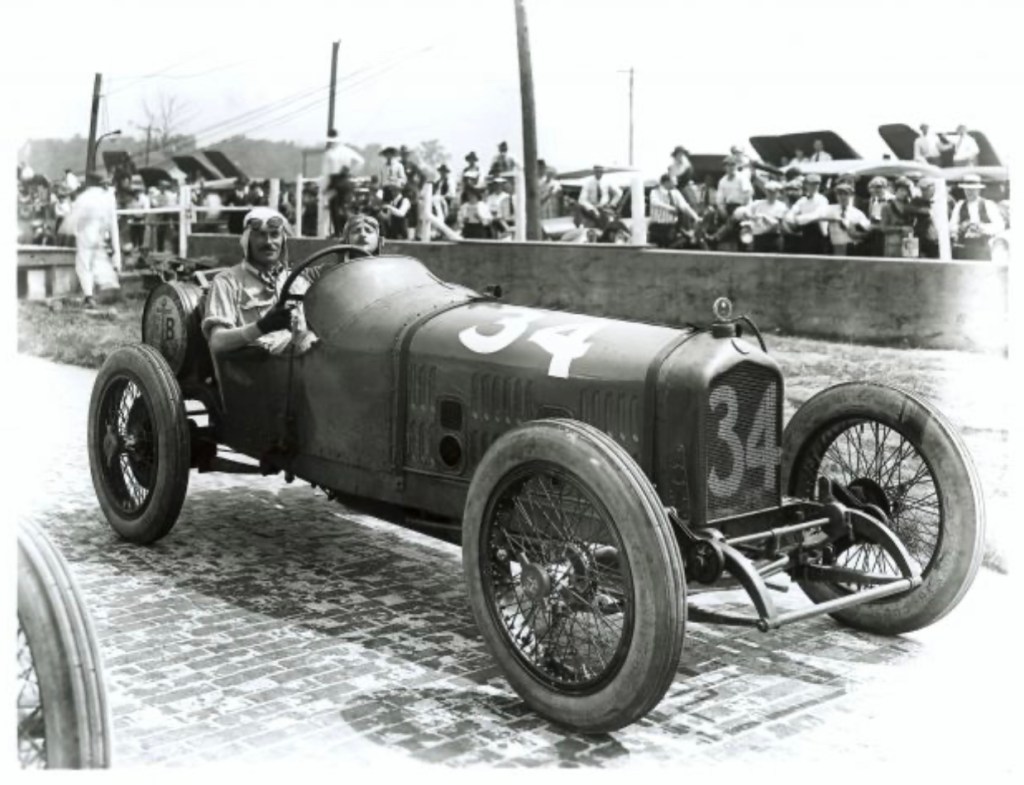
Louis Wagner raced 1004 at Indianapolis 1919 as part of a four-car factory assault on the race. The Ballots where the quickest cars too, but the hastily built machines were geared too-tall. The quick fix, in the absence of an alternative diff-ratio, was the use of smaller diameter locally made wheels and tyres – Goodrich instead of Michelins. These failed, Wagner was out with a broken wheel after only completing 44 of the 200 laps while running third, then Paul Ballot crashed when a wheel failed after 63 laps, so the other two 5/8LCs of Albert Guyot and Rene Thomas cruised home in fourth and 11th places.
While it was a bad day for Ballot all wasn’t lost for Ernest Henry, the winner was Indiana boy Howdy Wilcox in one of Henry’s old Peugeot GP cars. Indy was/is tough and dangerous. Of the traditional 33 cars that started, 18 didn’t finish, four of whom crashed, two fatally: Louis Le Cocq and Arthur Thurman both lost control aboard Duesenbergs. Robert Bandini, Thurman’s mechanic died as well.
As a result of the rise in pole-time speed to nearly 105mph in 1919, and one suspects, perhaps the three deaths, the Indy Formula engine size was reduced from 300cid in 1919 to 183cid for 1920. Ernest Ballot immediately had four very expensive racing cars surplus to requirements, just the thing for a bright-young-colonial with somebody else’s dosh jangling loose in his pockets.
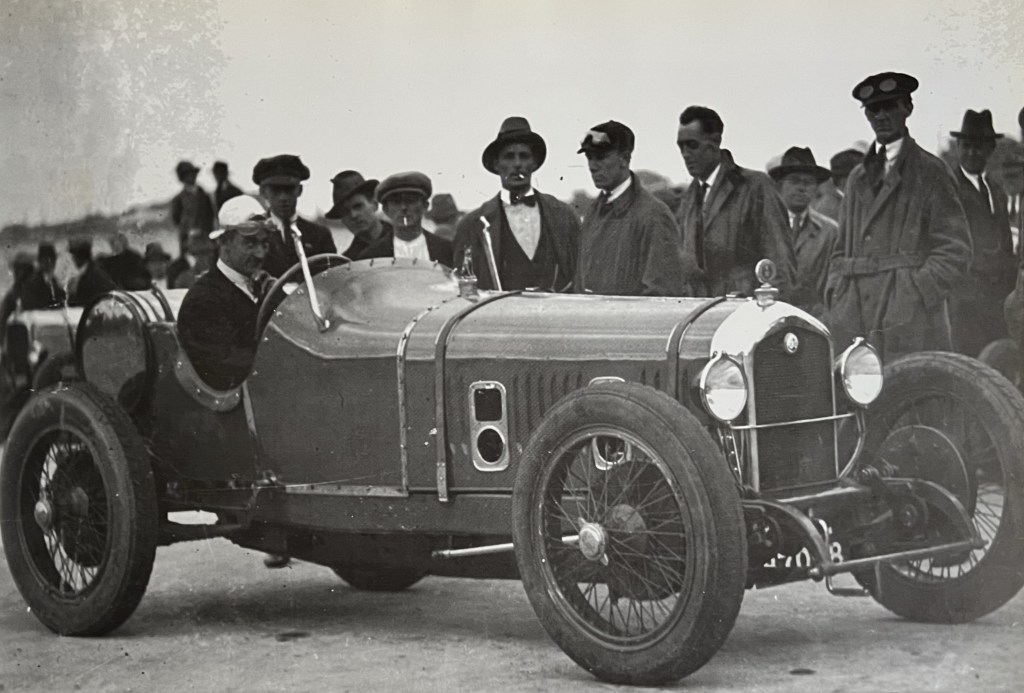
By the time Brown and Cooper swung past Paris’ Boulevard Brune to acquire 2LS #15 – the ex-Jules Goux second-place 1922 Targa machine – Monsieur Ballot was using #1004 as a swish, speedy roadie. Fitted with Perrot brakes, mudguards and a windscreen, he cut quite a dash on the Boulevard St Germain.
That’s why the car before Alan Cooper crashed (pic 2 above) it looks road-equipped, it was. When shipped to Australia it supposedly arrived with three bodies, the one shown and destroyed in the prang, a slipper body which Harkness fitted (or built) when he rebuilt it, and another, a shot of which I’d love to see…
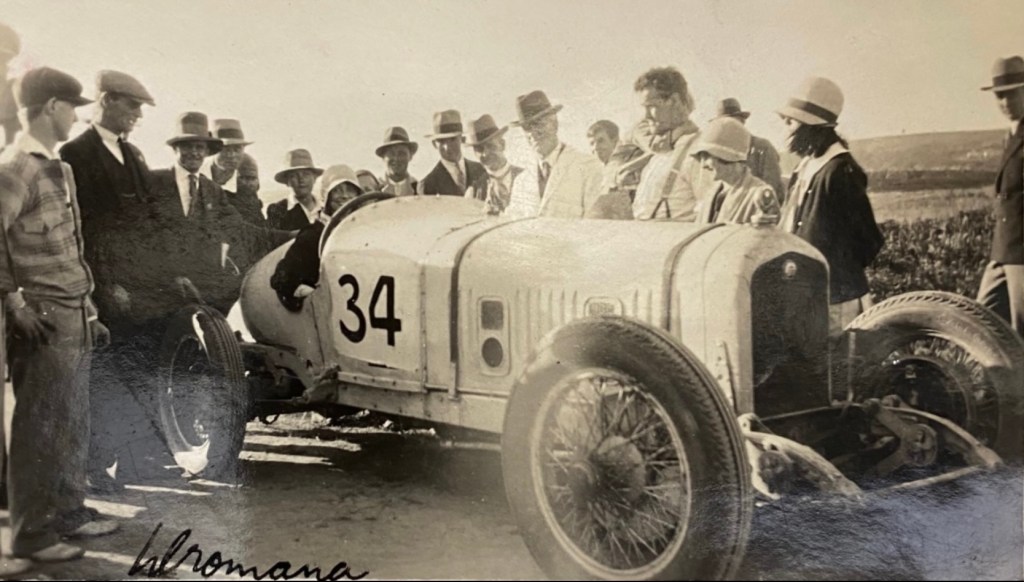
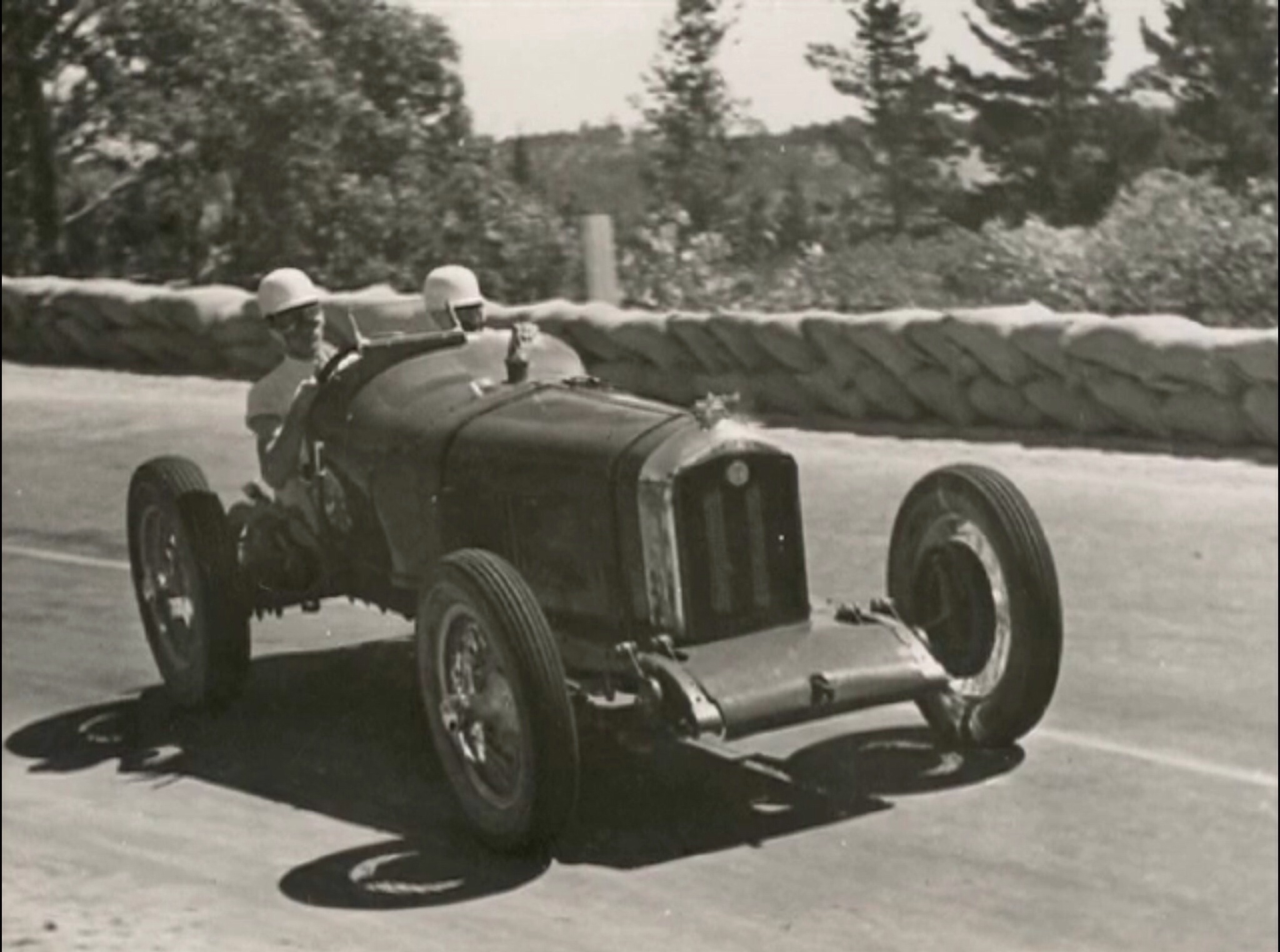
Harold Cooper raced 5/8LC 1004 for a while south of the Murray at Aspendale, the Melbourne Motordrome and other venues. He was described as “Victoria’s best known racing driver” by the Melbourne Herald before racing on the 2-mile 163 yards rectangular gravel course at Safety Beach, Dromana in December 1928, and duly set the fastest time.
Unfortunately Harold didn’t contest the 1927 Australian Grand Prix at Goulburn, nor did he ever give the 2LS a gallop in any of the early (2-litre supercharged and under) Phillip Island Road Races/Australian Grands Prix. Had he done so he would have been a red-hot favourite, he is the most underrated and forgotten Oz driver of the period…
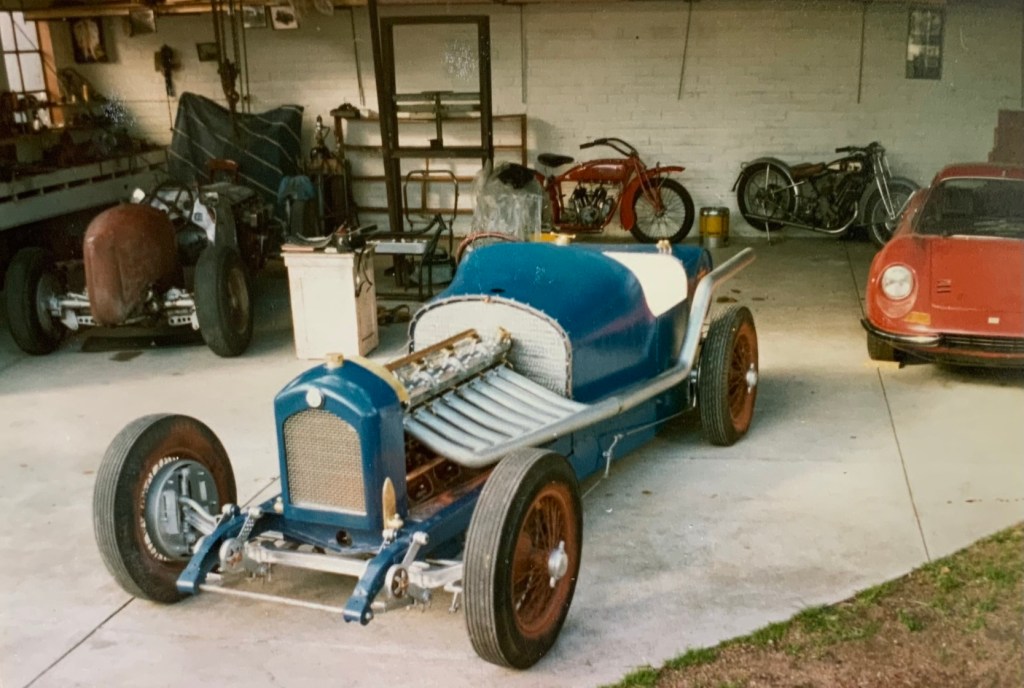
Both Ballots raced on. The 2LS’ svelte twin-cam 16-valve four was replaced by a succession of V8s and raced in Western Australia for decades, its mortal Ballot remains survived and are well cared for in Australia. The 5/8LC was restored after being tracked down to a northern Victoria farm by ‘Racing Ron’ Edgerton in the 1970s. The ‘Edgerton’ branded crankcase side covers were a tad vulgar for most but he got the car running and competed in it, a state to which it has never returned in the hands of the UK owner for the last three decades or so.
Check out the May 2021 issue of The Automobile. I wrote a never-published-before long yarn about the Coopers, Ballots, the elusive Stephen Brown and the staggering lifestyle he afforded them, and their later second lives as Captains of The Turf. See here to purchase; https://www.theautomobile.co.uk/may-2021-issue/
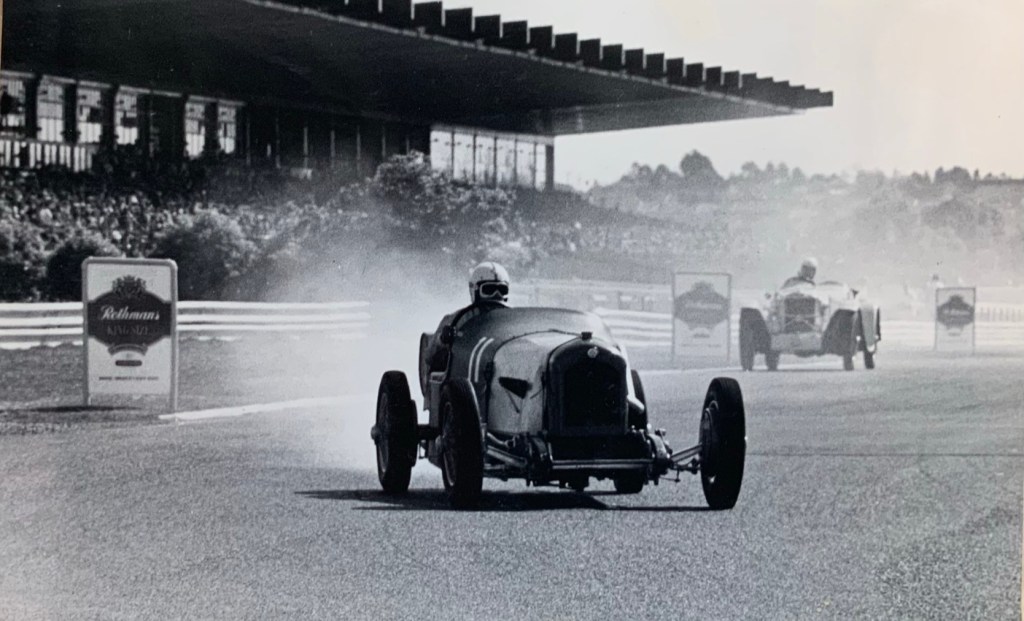
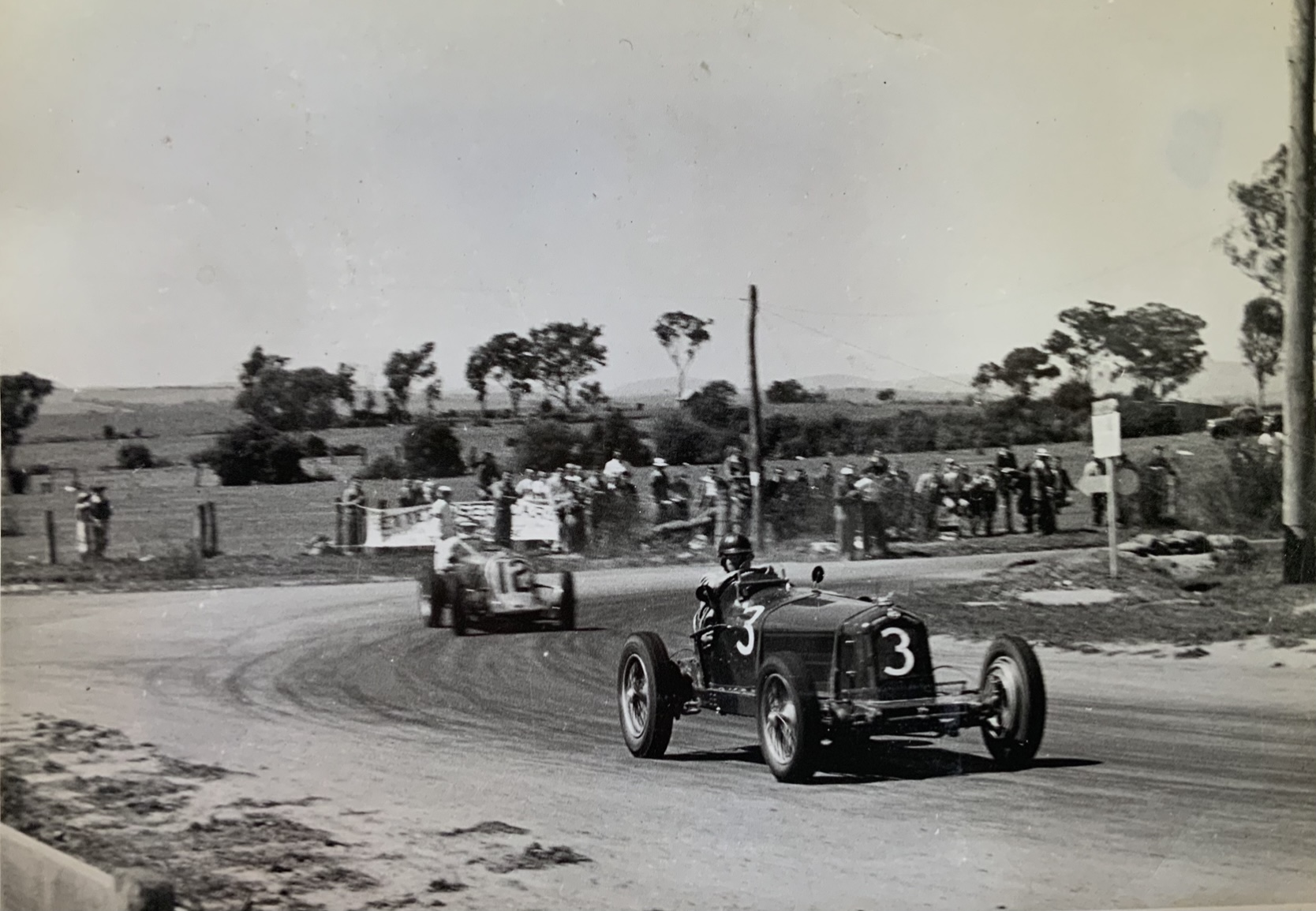
Ballots up. Frying tyres, rings or bearings? Ron Edgerton attacks Shell corner (Turn 1 in today’s vulgar parlance) at Sandown on one of 1004s relatively few outings – partially restored by the look of it – before the car was sold overseas. The following Ballot is Wes Southgate’s 2LS, now restored to original bodywork and owned by publisher/hotelier/renaissance-man Douglas Blain, who keeps the car in fine fettle in Victoria. Those Rothmans brake markers are circa 1978-79’ish, so a meeting about then?
Etcetera…
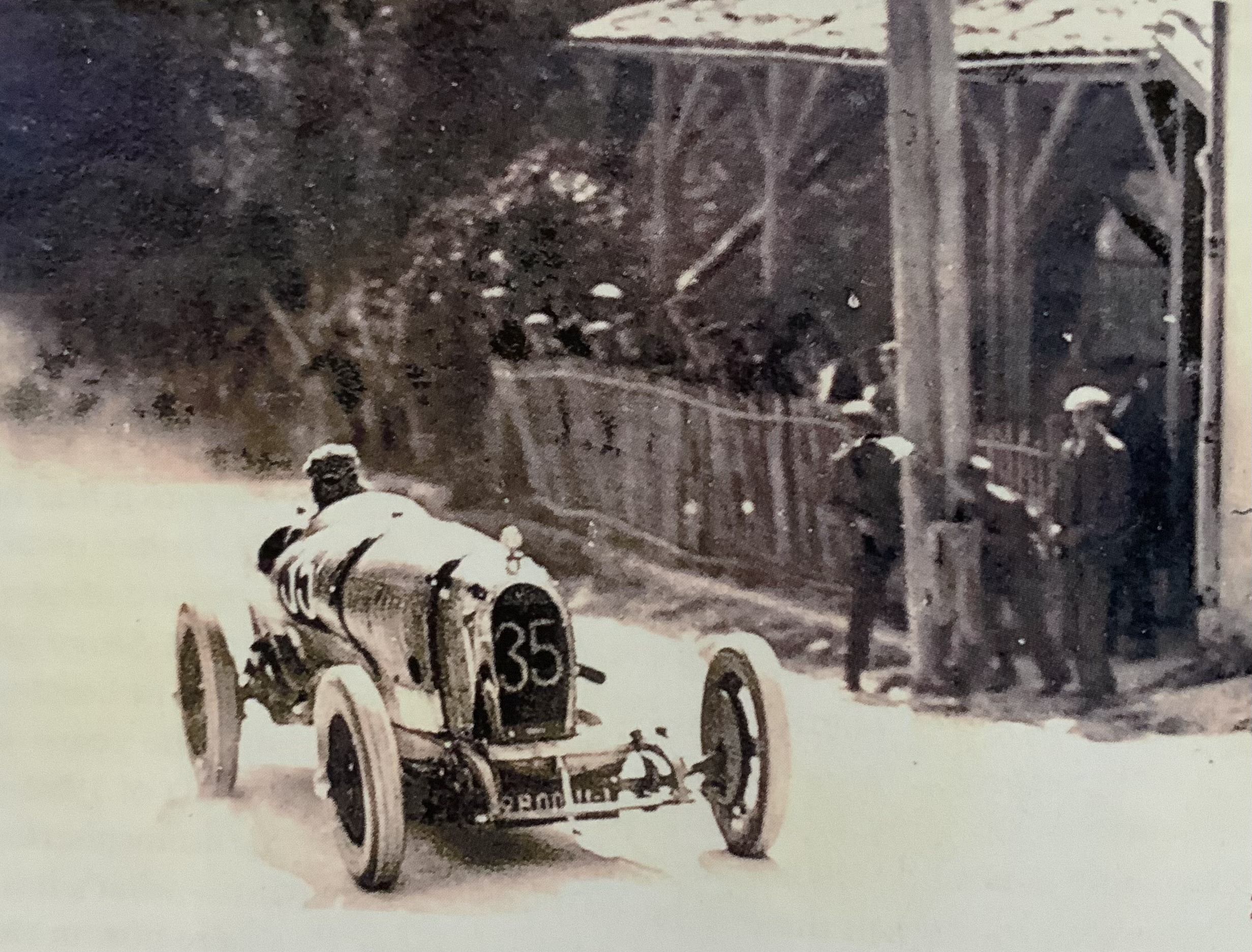
Harold Cooper aboard #1004 at La Turbie Hillclimb in 1925. Hal did four ‘climbs: three venues near Nice including this one, and another in Monaco, before the car was shipped from Le Havre to Melbourne. Quite why this slipper-body was removed back at Ballot HQ at Boulevard Brune for the ‘Indy’ body before shipment to Australia is anybody’s guess. The body above is different to the form in which the car emerged Harkness’ workshop after Alan Cooper’s Maroubra accident.
While Alan Cooper makes much of his racing career in the Smiths Weekly serialisation of his life story – a grand, rollicking, bullshitty yarn it is too – in fact he did relatively few competition miles. Harold, on the other hand, competed a lot from 1922 when the 2LS arrived and was a man of great skill. He was far more competent than Alan, had competed in the 5/8LC in France already, so had a level of familiarity with it.
The car was ministered to in Sydney by Giulio Foresti, Ballot factory racer/dealer/mr-fixit who tested it at Maroubra and schooled the brothers in its use and mechanicals. We know from contemporary reports that a planned early Maroubra test by Alan was thwarted by steering problems. Harold should have raced the 5/8LC and Alan the 2LS that fateful night; letting Alan loose in it at Maroubra was akin to a modestly credentialed Formula Ford driver have a lash in Oscar’s F1 McLaren. Alan Cooper was kissed-on-the-dick-by-tinkerbell – to use vulgar Oz slang – many times during his long life, not least on that fateful 1926 evening.
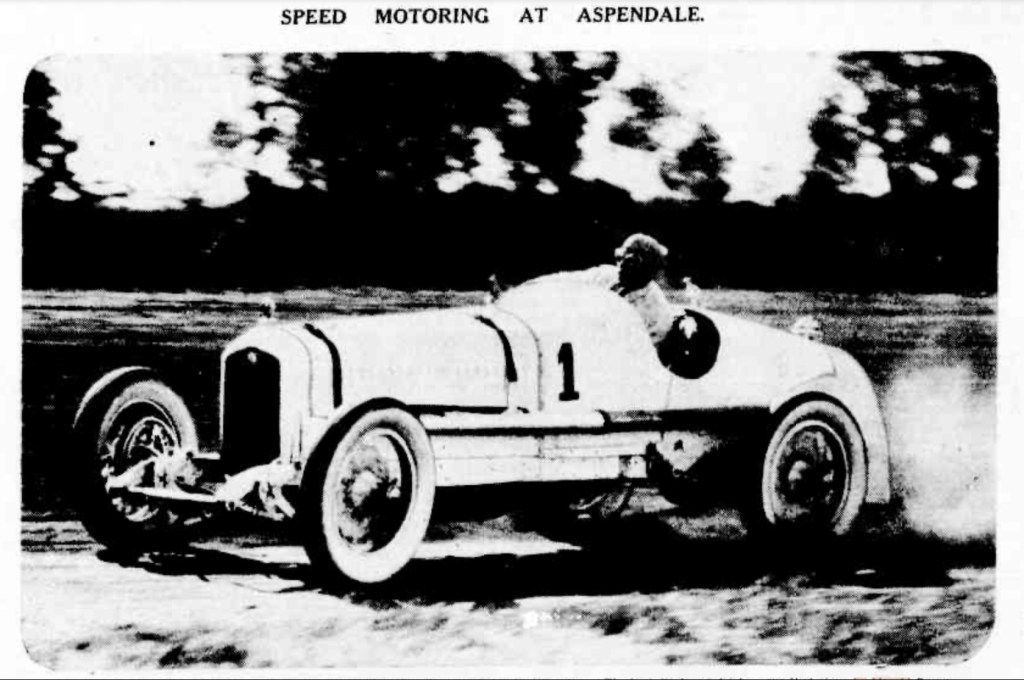
“Thrilling motor-racing was witnessed at the Aspendale Speedway (Melbourne) on Saturday afternoon. The best display of driving was that given by Harold Cooper, who is shown here negotiating a corner at speed in his eight-cylinder Ballot car. He defeated Albert Edwards who drove a front-wheel-drive supercharged Alvis.”

Credits…
Peter White Scrapbook via Colin Wade, Indianapolis Motor Speedway Museum, The Argus, AD Cook Collection, Ron Edgerton Collection, Norman Howard, Bob King Collection, John Sherwood Collection from the wonderful ‘A Half Century of Speed’ by Barry Lake
Tailpiece…
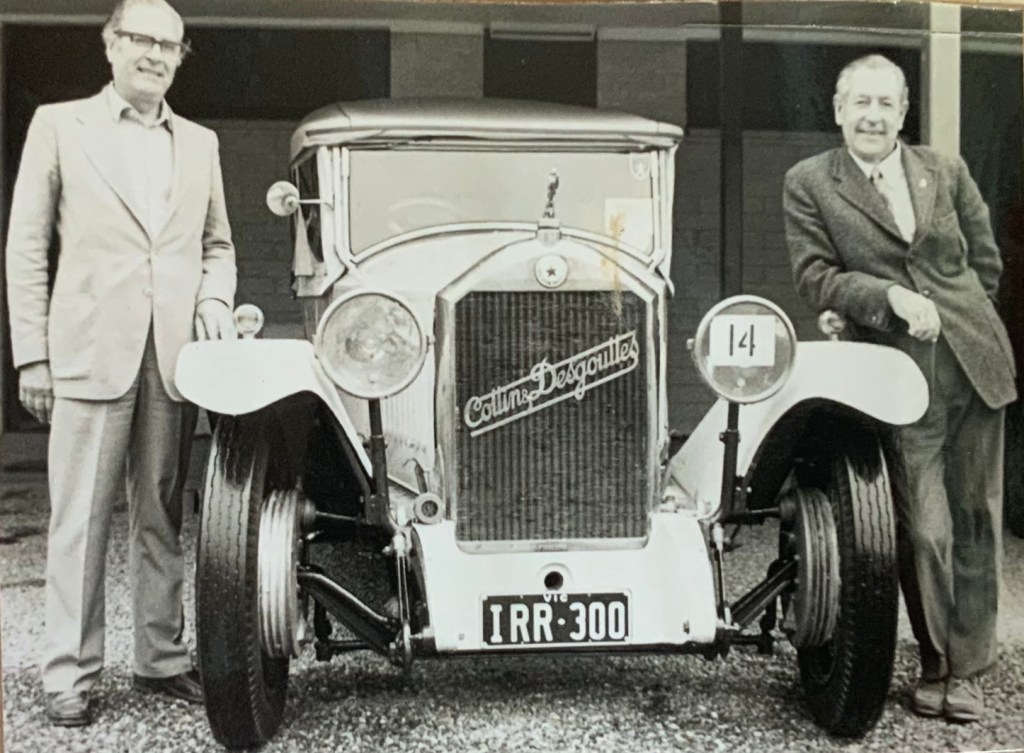
The essential element of Edgerton’s rebuild of #1004 was locating one of the very exotic, Ballot 4.8-litre DOHC, four-valve, straight eight engines or the bones thereof.
As luck would have it, Briggs Cunningham had one, and wanted a Cottin & Desgouttes, Edgerton was happy to oblige. Here is Ron’s (at right) pride and joy (with Silvio Massola) – didn’t he have a lot of those in his automotive lifetime – on a 1977 rally in Tasmania, Australia’s South Island.
Finito…




 primotipo...