


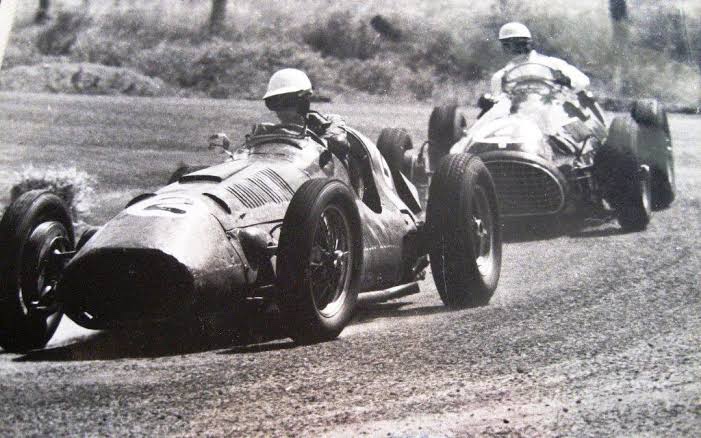
Alf Harvey leads Curley Brydon in a blue-blood duo at Gnoo Blas, Orange, on January 30, 1956. Ex-Enrico Plate/Prince Bira Maserati 4CLT/48 OSCA #1607 in front of the ex-Peter Whitehead/Dick Cobden Ferrari 125 #F1/114.
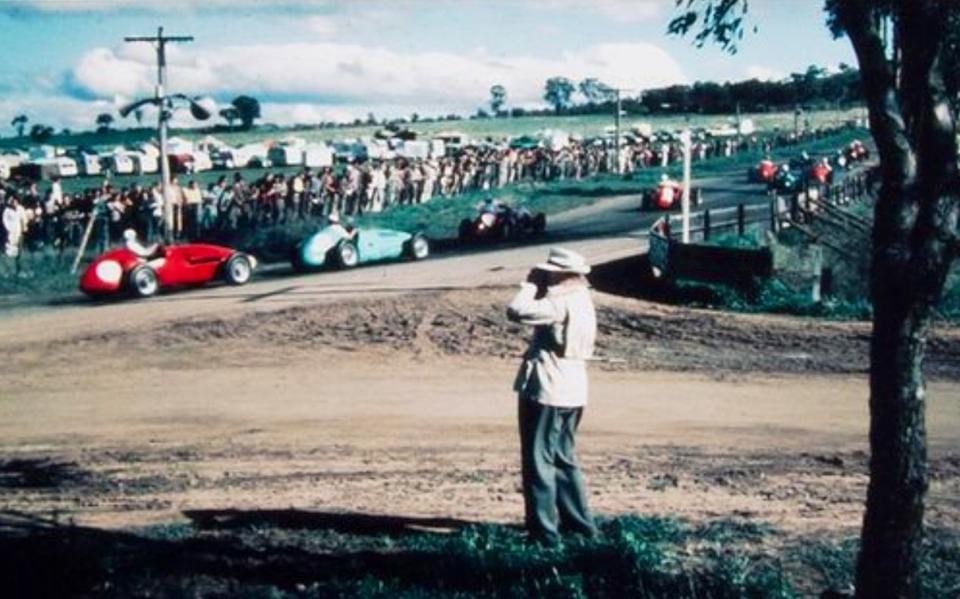
Reg Hunt won the South Pacific Championship that weekend aboard his Maserati 250F from Jack Brabham’s Cooper T40 Bristol, Kevin Neal, Cooper T23 Bristol and Brydon’s Ferrari. Harvey’s gearbox misbehaved in practice, so the OSCA didn’t start the race.
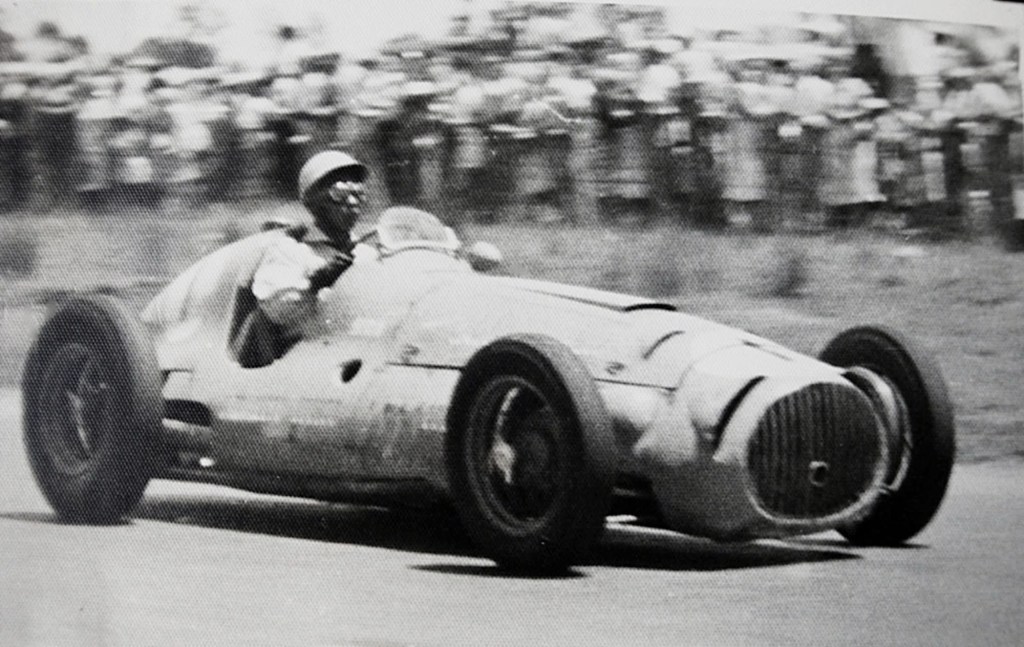
The Maser-Osca was brought to Australia by Prince Bira during his 1955 Australasian tour, which yielded a New Zealand Grand Prix win at Ardmore aboard his Maserati 250F. He then brought the Maserati and Maserati OSCA to Australia to contest the South Pacific Championship on January 31, 1955. See here: https://primotipo.com/2020/04/09/1955-south-pacific-championship-gnoo-blas/
The 250F failed in practice, so too did the OSCA in the preliminary race. Former Wollongong MG T-Type punter Alf Harvey was the well-heeled enough, optimistic buyer when Bira offered it for sale.
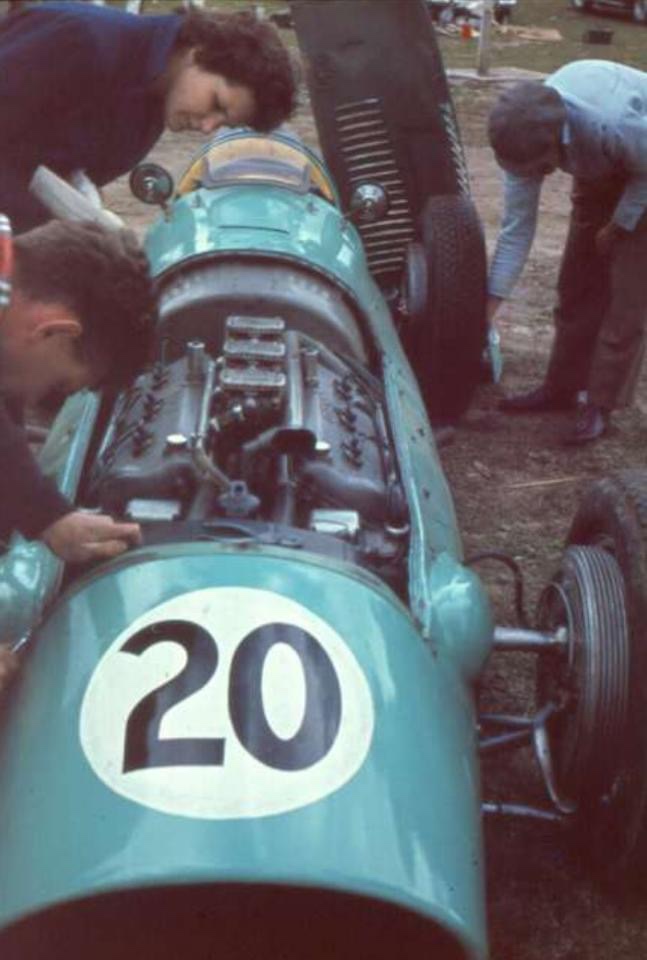
Harvey then commenced a lengthy rebuild of the car, aided by Frank Ashby. This prominent, successful British engineer was by then living on Sydney’s Northern Beaches. Ashby did the chassis and Repco Research in Melbourne, the exotic, fussy V12.
Ashby, trading as Mona Vale Engineering Services, had provided sage advice to young Jack Brabham on carburetion and cylinder head modifications to the 2-litre Bristol engine powering his Cooper T23.
By 1958, the Maserati OSCA was ready to boogie. Harvey’s best result was a win in the first of two preliminary heats during the AGP weekend at Bathurst. It was the B-preliminary in the sense that the quicks were in the other race, but a win is a win. He wasn’t so fortunate in the GP itself; a plug worked its way loose, and he retired after 16 laps of the race won by Lex Davison’s 3-litre Ferrari 500/625.
’56 South Pacific Championship at the start of this artice:https://primotipo.com/2024/02/10/australian-gold-star-championship-1956/
The V12 engine project was an interesting one by the then newish OSCA enterprise. The Maserati brothers sold their Maserati business – Officine Maserati S.p.A. – to the Adolpho Orsi family in 1937. By December 10, 1947 they were clear of the 10 year consultancy agreement which formed part of the contract of sale with the Orsis. O.S.C.A. – Officine Specializzate Costruzione Automobili-Fratteli Maserati S.p.A. – was their next Bologna based venture. Soon they were building small sportscars which enjoyed commercial and competition success.
A mainstay of post-war European racing was Amedee Gordini’s single-seater and sportscars. Gordini was anxious to contest the new F1 (4.5-litres unsupercharged, 1.5-litres supercharged) with a more competitive engine than his various twin-cam fours.
‘Ernesto and Alfieri Maserati and Amedee Gordini were old acquaintances going back to the 1920s,’ wrote Roy Smith in Amedee Gordini : A True Racing Legend. ‘Gordini kept up regular contact, even doing some work for them on several occasions and exchanging ideas.’ See here for a lengthy epic on Gordini; https://primotipo.com/2019/08/30/equipe-gordini/
Smith wrote that Maserati had come up with a new V12 engine design, a simple one page letter – in reality more a letter of intent than a formal contract – from Automobili O.S.C.A. to Gordini dated 10 March 1949 formalised the arrangement for OSCA to design and build an OSCA badged V12 for Gordini.
This arrangement contravened Gordini’s existing commercial and sponsorship deal with Simca, who weren’t interested in Gordini’s F1 aspirations, content as they were with his F2 and sports car racing, which was more closely aligned, they felt, with their road cars. Gordini was able to fund the deal with OSCA thanks to financial support from ‘his longtime friend, the wealthy Far Eastern emperor and racing enthusiast Bao Dai,’ the ‘Last Emperor of Vietnam.’
Amedee’s thinking was sound, he planned to have a V12 powered F1 winner and derivatives of the competition V12 for sports and grand touring cars.
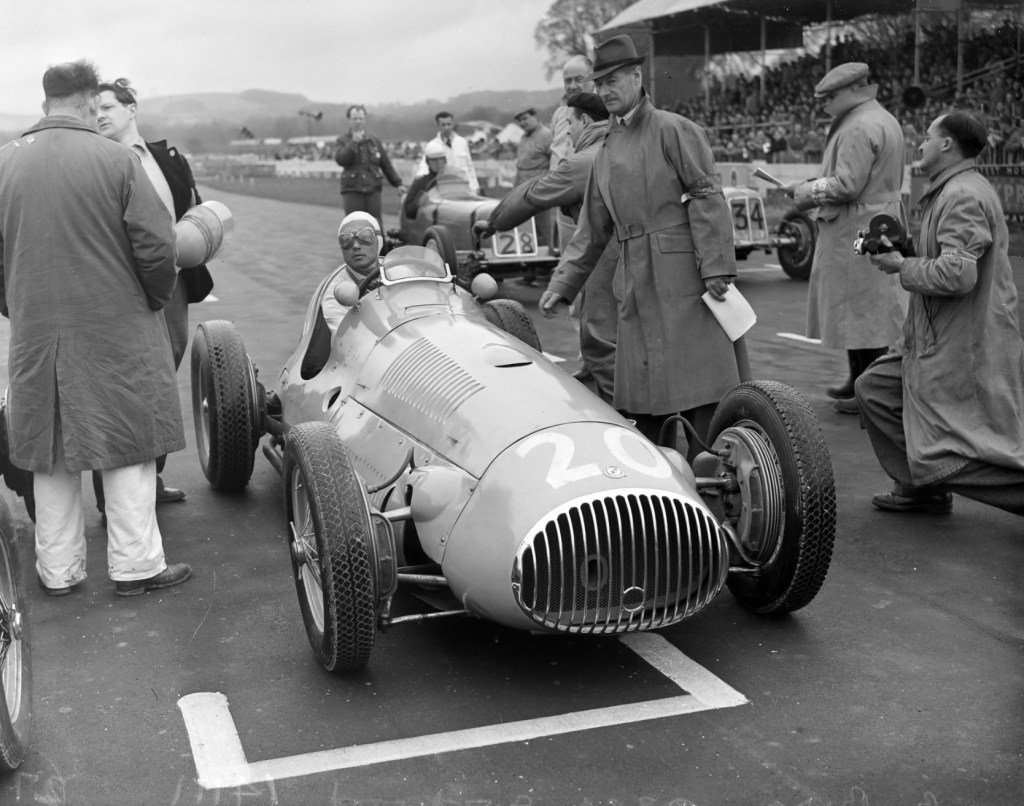
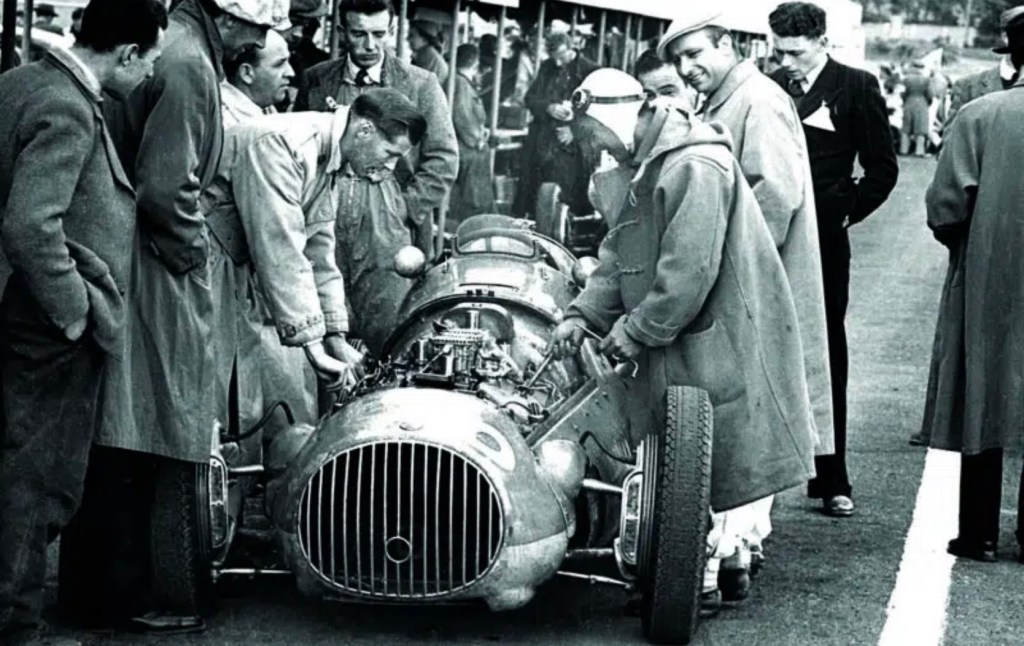
When, inevitably, push came to shove, and Simca, Gordini’s primary backer, withdrew its support, OSCA decided to complete the design and build of the engine and offer it for sale. Their thinking was that the motor could form part of an update kit for the Maserati 4CLT they knew so well, plenty of which were in circulation.
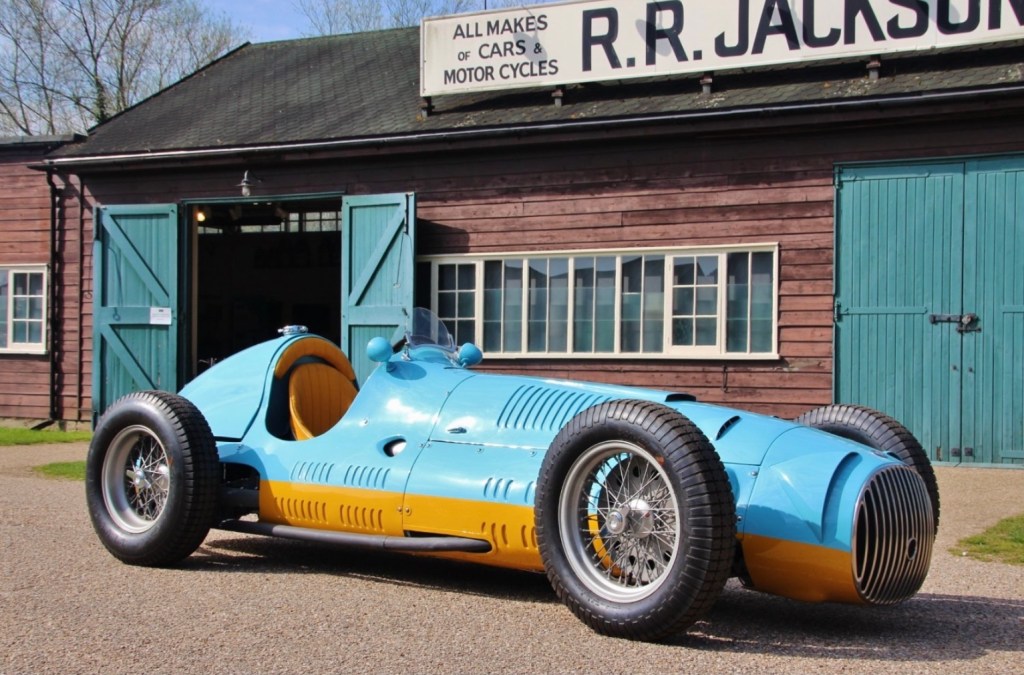
Ultimately, Bira was the only taker, with his late build chassis, 4CLT-48 #1607 – first delivered to Enrico Plate on November 14, 1949 and raced by Bira throughout 1950 – updated by fitment of the OSCA V12, de Dion rear suspension and other tweaks race-ready for 1951.
The Thai Prince raced the car only a few times that year and in 1952. A debut victory against modest opposition during the 12 lap Richmond Trophy at Goodwood on March 26 flattered to deceive. He raced the car in the GP di San Remo on April 22 Q5/DNF accident, the GP de Bordeaux for Q7/fourth, the Silverstone International Trophy on May 5 no time/heat third/17th. He entered but didn’t arrive at various events mid-season.
Bira concluded that the car was uncompetitive in Europe and put it to one side until its trip to Australasia, where it was also only ever going to be an also-ran too. By 1956, Australia had some quicker cars: Maserati A6GCM and 250F, Ferrari 500/625, the Tornado Ford, etc.
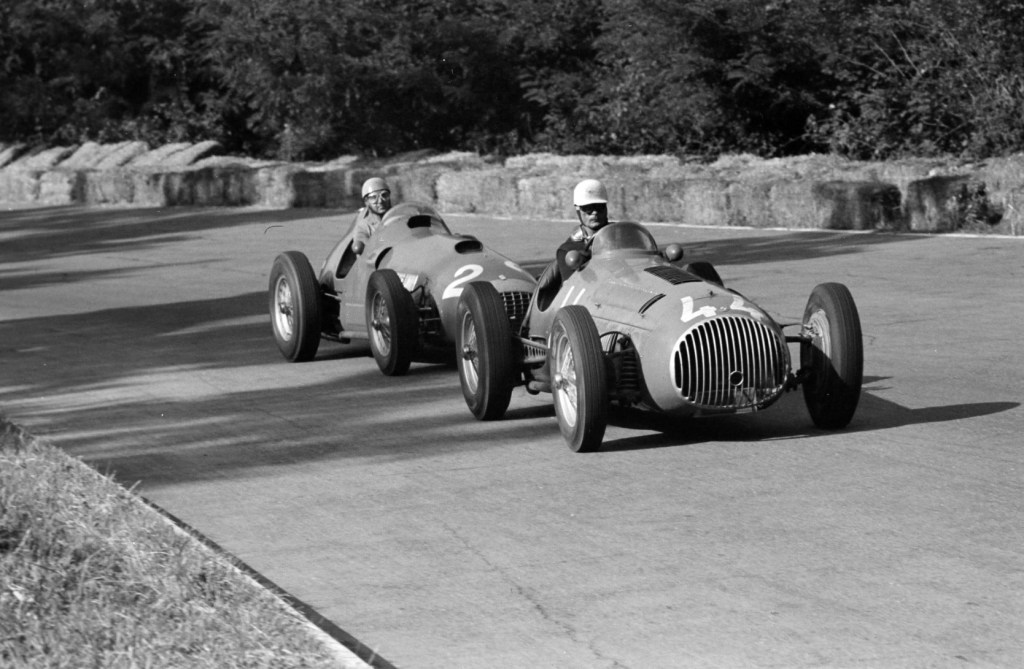
OSCA 4500G V12…
In addition to the engine for Bira, OSCA built two more. So as not to let them go to waste, one was fitted to a new ladder-frame chassis/double wishbone and coil spring front suspension/de Dion and torsion bars rear, Grand Prix car dubbed the 4500G. G for Gordini to honour his part in the engines gestation.
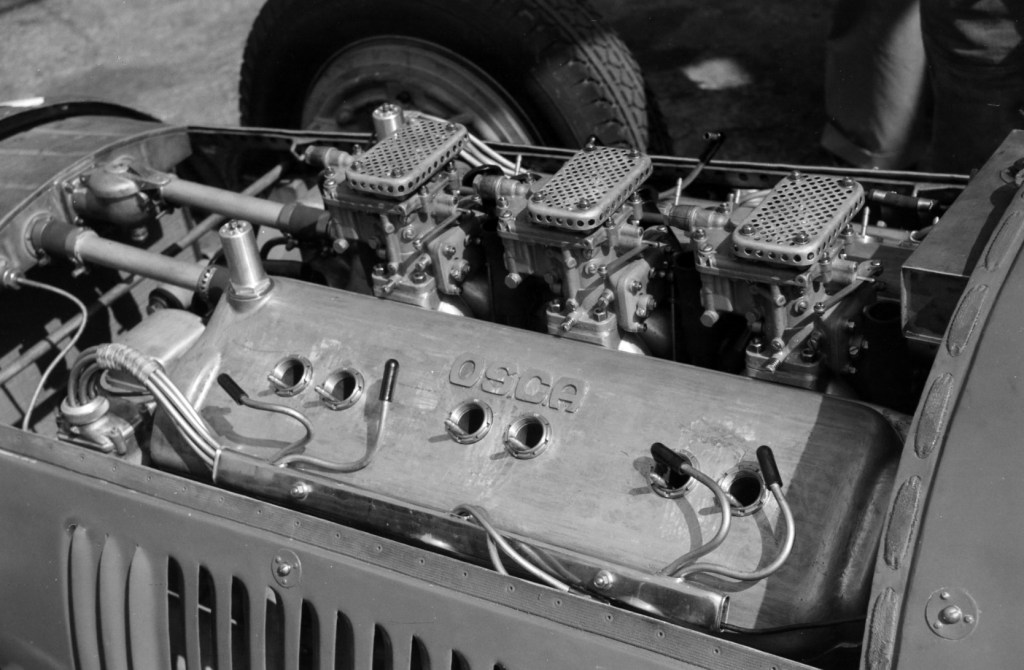
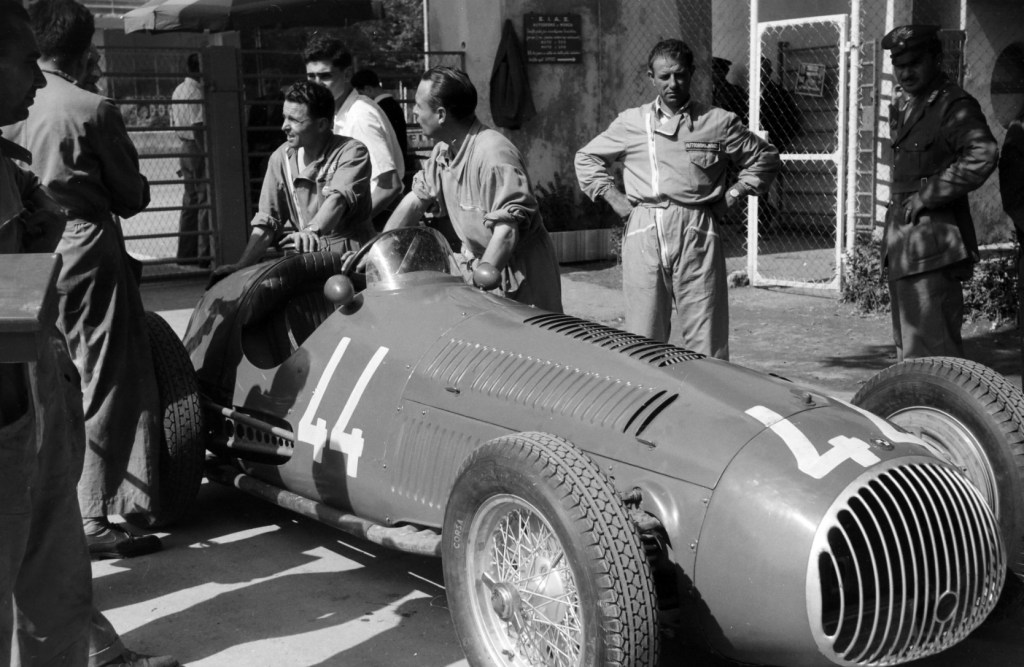
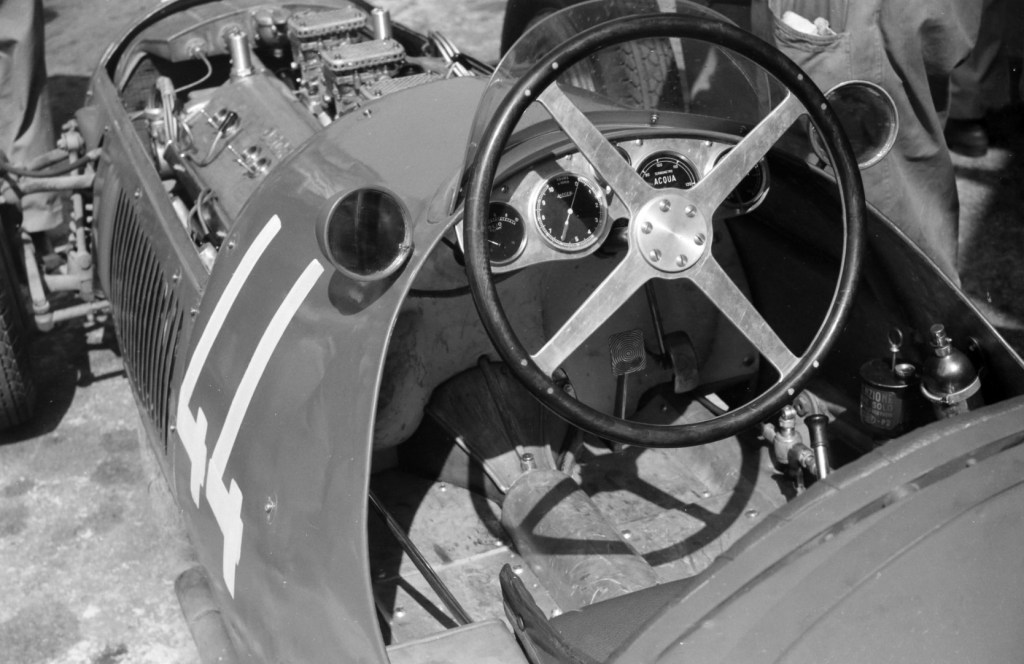
Franco Rol debuted the car in the 1951 Italian Grand Prix at Monza (photos above) the second last championship round that year. Q18 and ninth/last wasn’t a catastrophe at first glance, but Rol was 13 laps adrift of Alberto Ascari and Froilan Gonzalez’ first and second placed Ferrari 375s.
Rule changes, which meant the world championship was run for 2-litre F2 cars in 1952-53 made all F1 cars obsolete overnight. The CSI/FIA were forced to act due to the withdrawal of Alfa Romeo from F1 at the end of ’51, and uncertainty about BRM, OSCA and others continuing, leaving a Ferrari whitewash a certainty. Of course, the Maranello, Ferrari 500 2-litre whitewash happened anyway!
Despite the ‘F2 World Championship’ there were ten F1/F Libre races held in 1952. Bira gave his Maserati OSCA a gallop in the Ulster Trophy meeting at Dundrod on June 7, but he had an accident on the first lap. He raced at Silverstone in July, finishing 10th in the Daily Express Formula Libre Trophy, four laps adrift of Piero Taruffi aboard the Ferrari 375 Thinwall Spl. The last libre-race of the year was the Daily Record International Trophy at Charterhall on October 11, there Bira retired with a fuel tank problem.
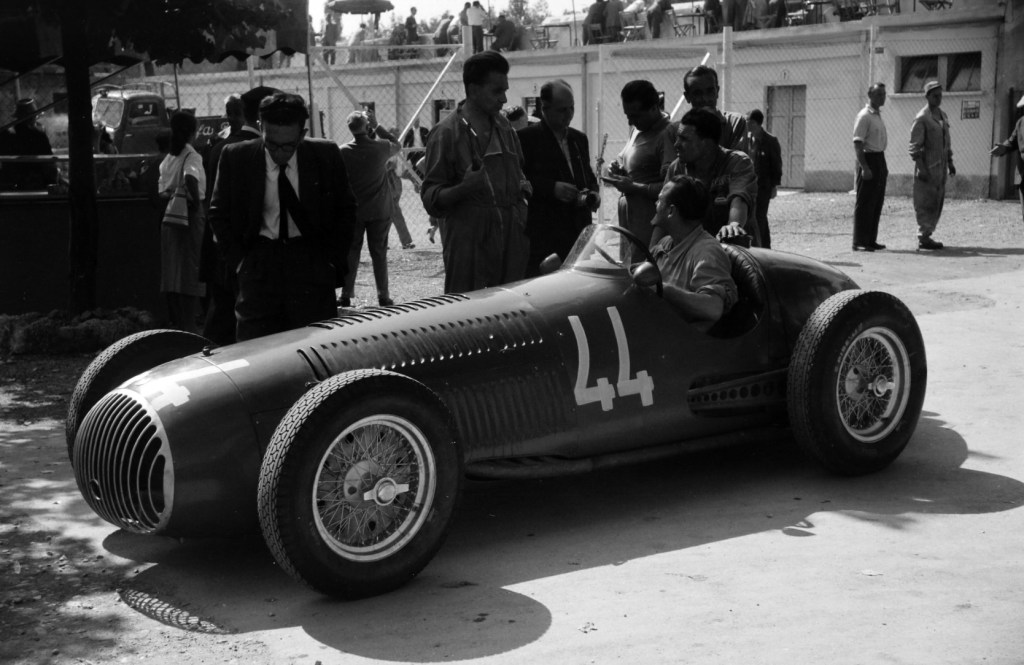
Two OSCA 4500Gs were entered in the April 6, 1952 GP del Valentino, the first non-championship F1 race of the year. Franco Rol was in chassis #4501, and Luigi Piotti in #4502. In a poor weekend for the team, Piotti’s #4502 didn’t arrive, and Rol’s #4501 didn’t complete the first lap for undisclosed reasons; two other cars had accidents, perhaps that is what befell Rol, although oldracingcars.com – my bible – does not record that.
The two 4500Gs weren’t entered as single-seaters again. What became of the two cars seems clear but the journeys they made is not fully clear, not to me anyway. Those with a more extensive Maserati library may be able to assist.
#4501 was sold to Rol. It was later fitted with a Frua Spider body with a central driving position, it would be great to have a photo of the car in this form. It was ultimately rebuilt as the single-seater many of you will be familiar with in European historic racing.
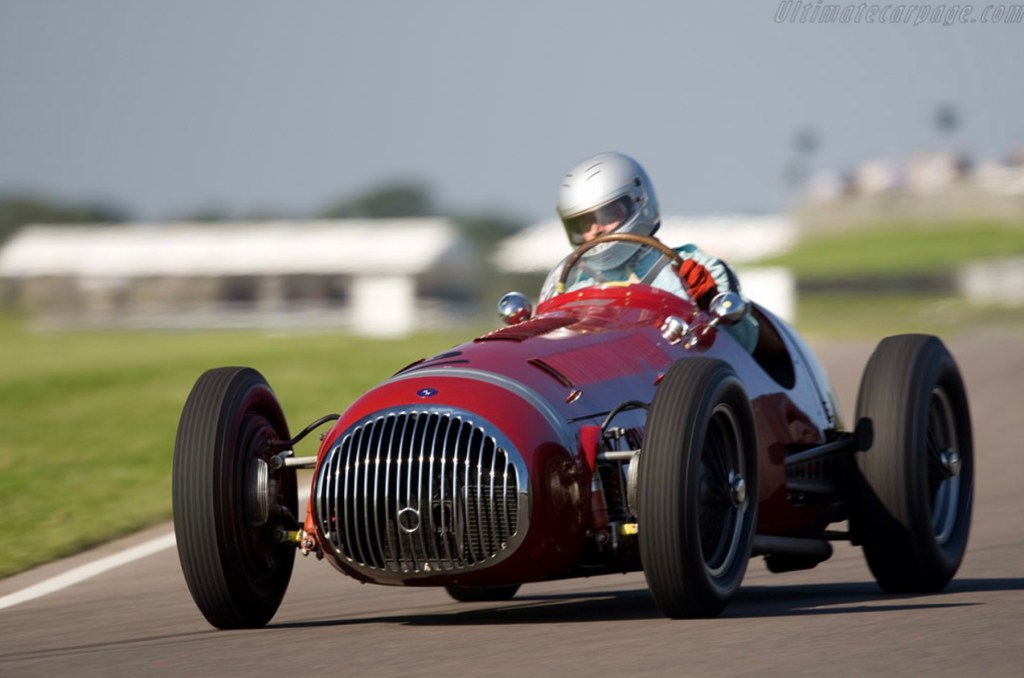
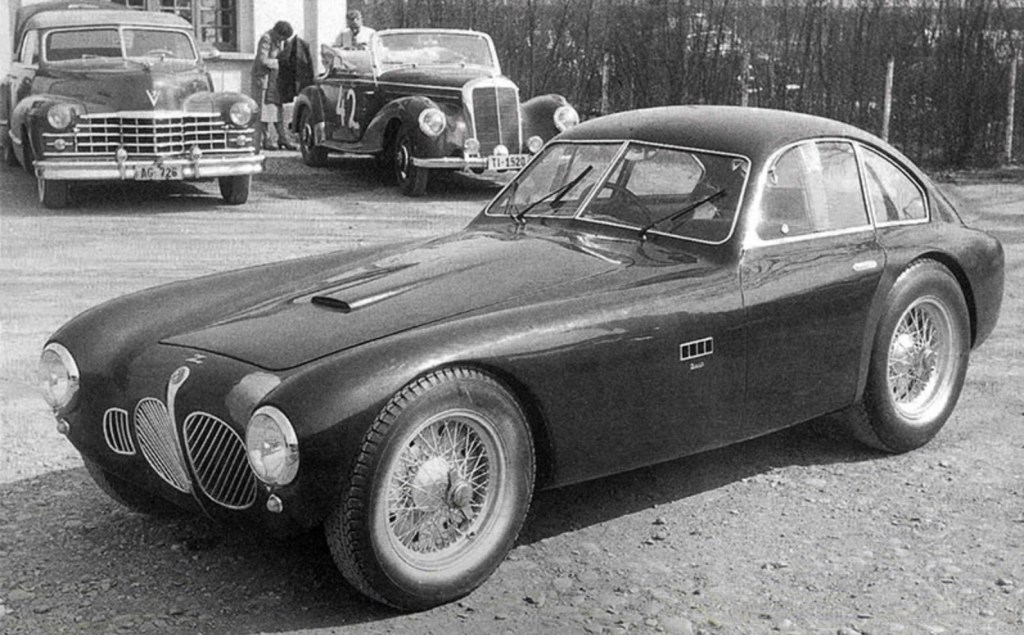
The unraced ‘Piotti’ 4500G #4502 was also converted into a sports coupe with a beautiful body by Zagato. It was entered in the September 6, 1953, Supercortemaggiore non-championship sports car race at Merano, driven by Clemente Biondetti. He qualified 23rd but failed to finish the race, won by Fangio’s works Alfa Romeo 6C 3000CM Spider.
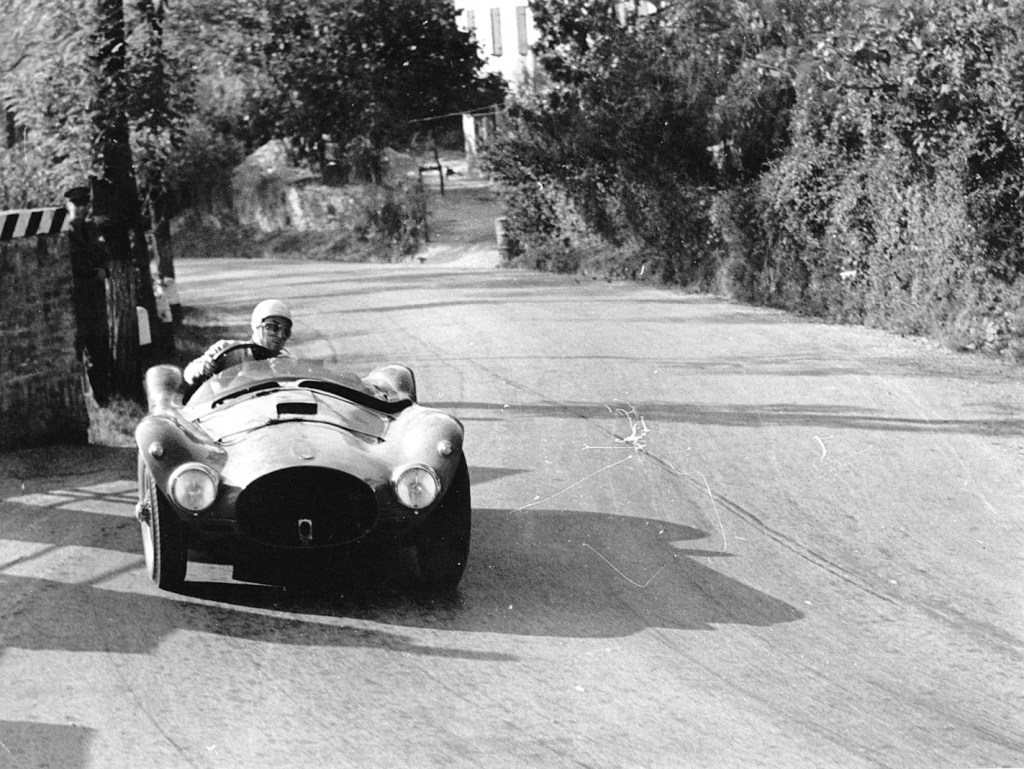
It was sold to Piedmontese winemaker, Paolo Di Montezemolo and rebodied by him as a sports car in 1954. He contested the Sassi-Superga hillclimb outside Turin in October 1956 as below. The car is now in France and resides in the Henri Malarte Museum in Lyon.
Cycling back to the Bira Maserati 4CLT OSCA and Alf Harvey.
After the fiscal ravages of the experience, and one last run in a quarter-mile sprint at Castlereagh in 1959, Alf Harvey offered the car for sale in 1961. It then passed, via an interlude of 1960s historic racing with Morin Scott in the UK, to Tom Wheatcroft. In more recent times it has returned to historic racing.
Credits…
Gnoo Blas Classic Car Club, Australian Broadcasting Commission, Neville Armstrong, ‘History of The Grand Prix Car’ Doug Nye, ‘Maserati : A Racing History’ Anthony Pritchard, ‘Amedee Gordini : A True Racing Legend’ Roy Smith, Kevin Drage, Di Montezemolo Collection, Alex Book, Boudewijn Berkhoff
Tailpiece…
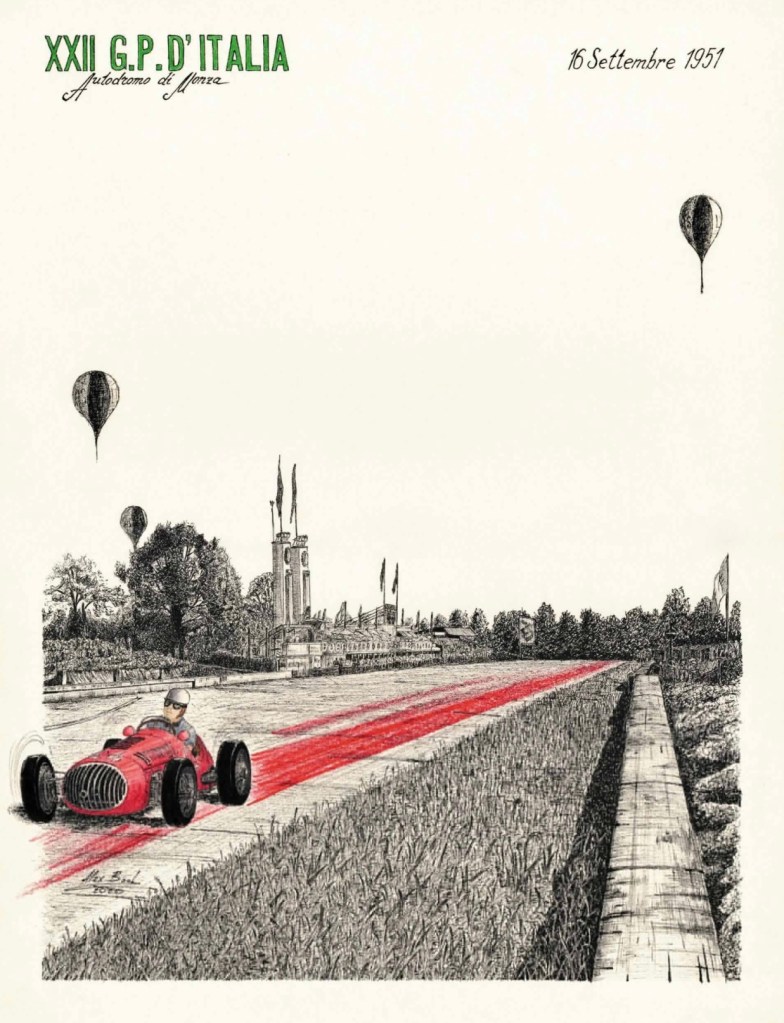
Franco Rol enroute to a lonely last place in OSCA 4500G #01 during the 1951 Italian GP at Monza.
Finito…




 primotipo...