


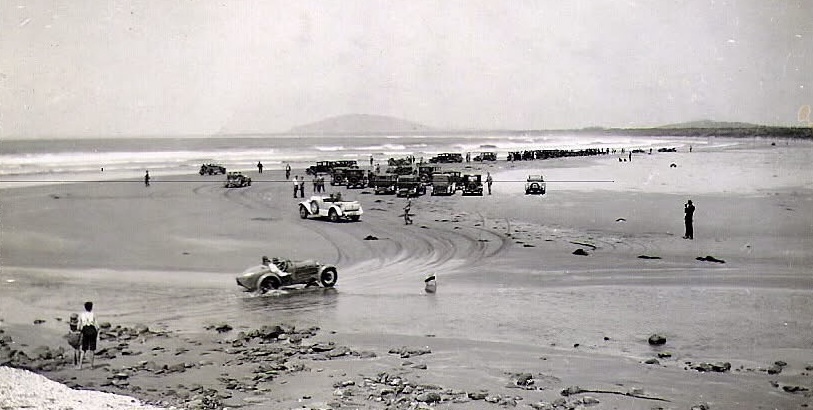
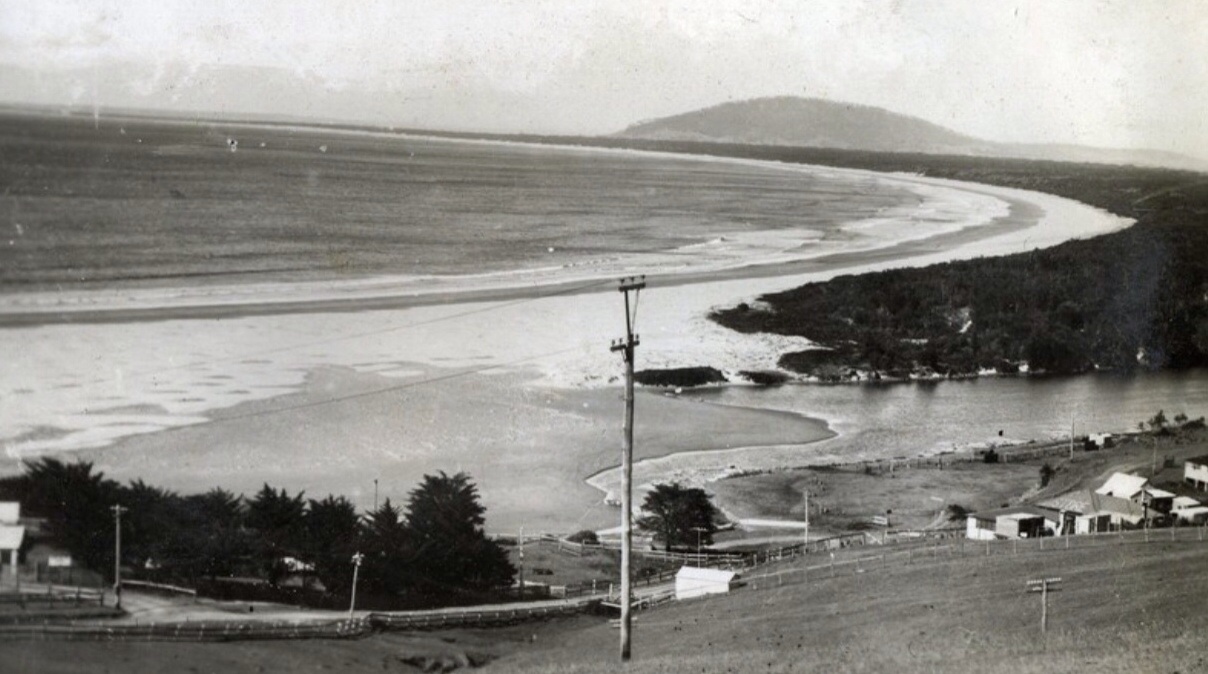
Fantastic Seven Mile Beach panorama at Gerringong – Gerroa – New South Wales, circa-1930, when beach racing at the seaside playground south of Sydney was very popular.
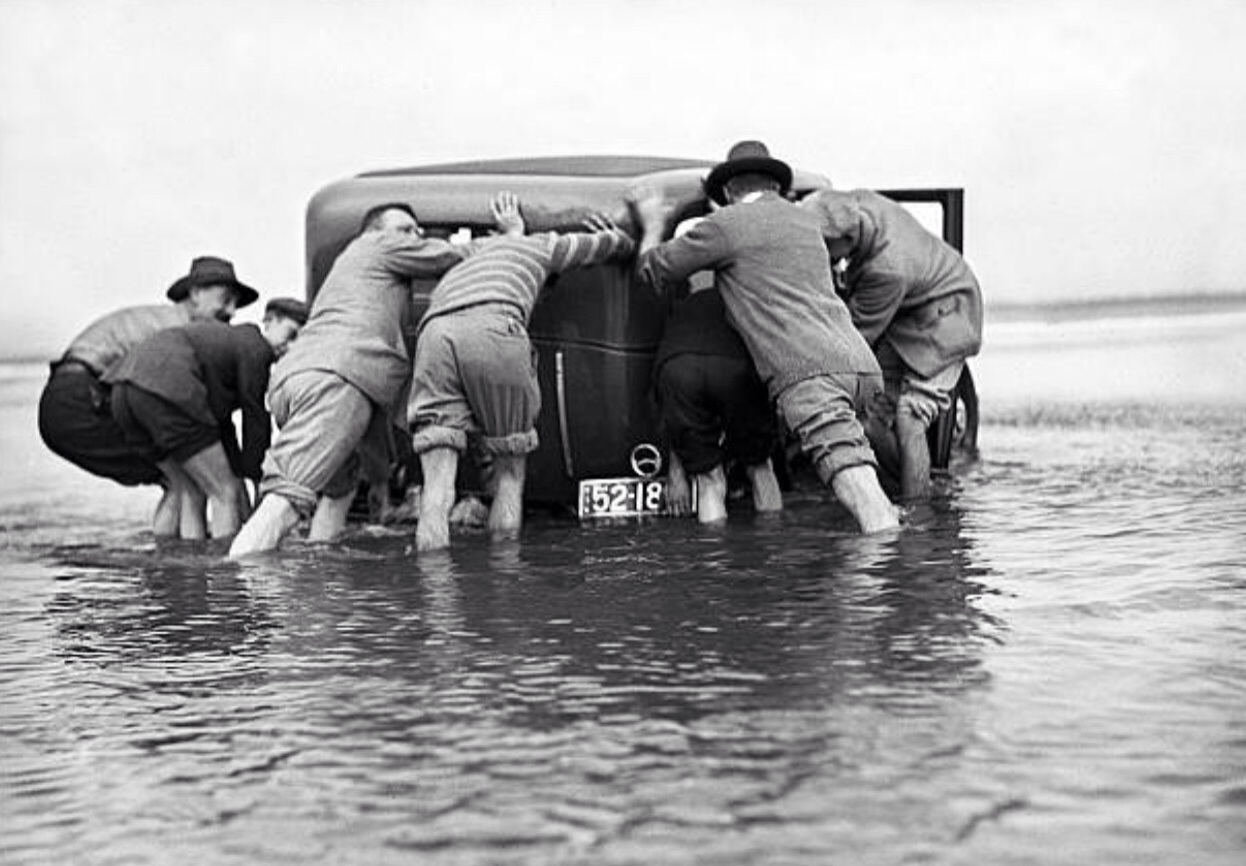
It’s the north end of the beach with Crooked River in the foreground, an often impenetrable barrier for competitors trying to get to the track on the sand; ‘tide management’ was a big issue as shown below! That’s Professors Burkitt’s – thrice AGP winner, Bill Thompson’s patron – big, white Mercedes K-Type centre pic.
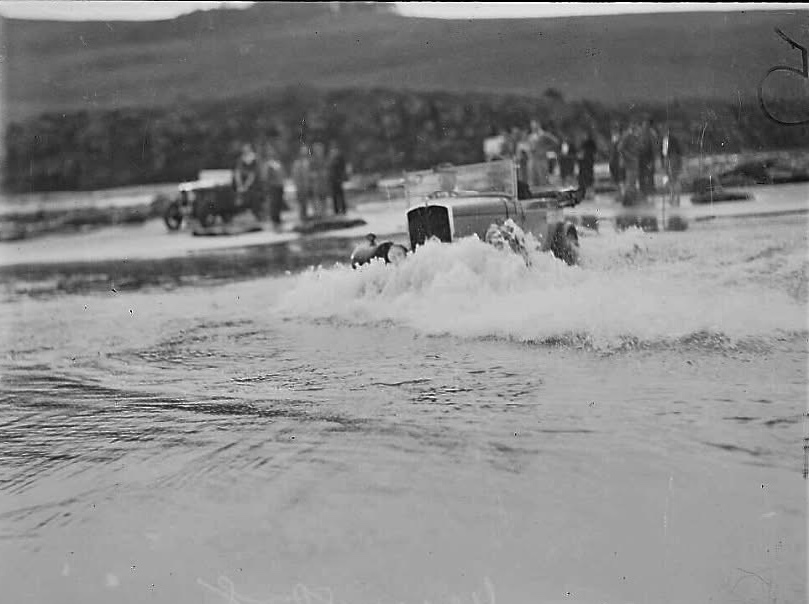
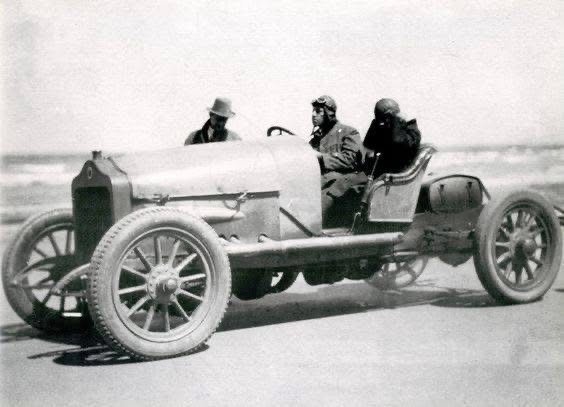
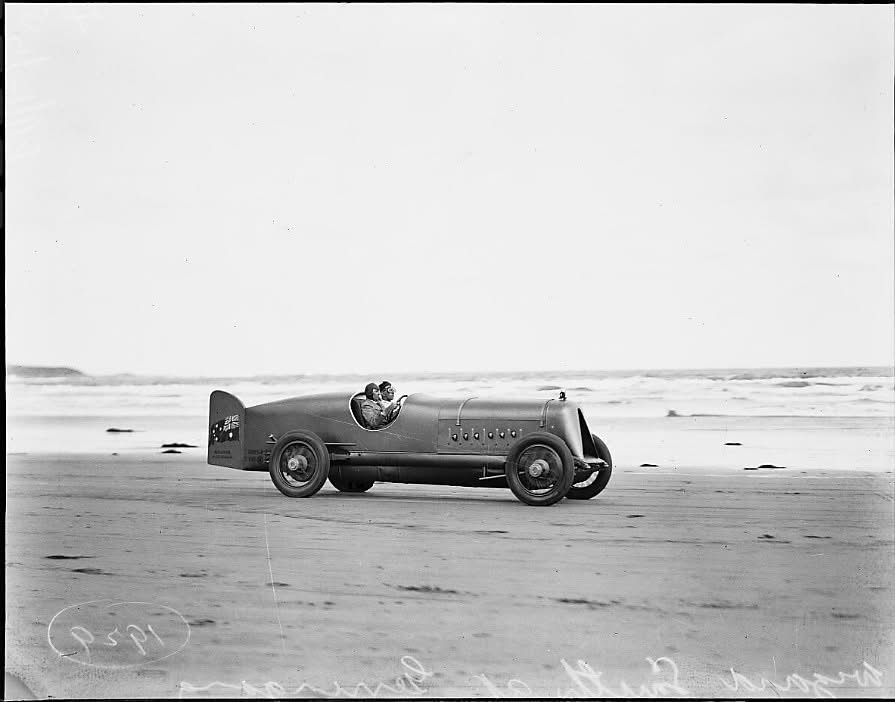
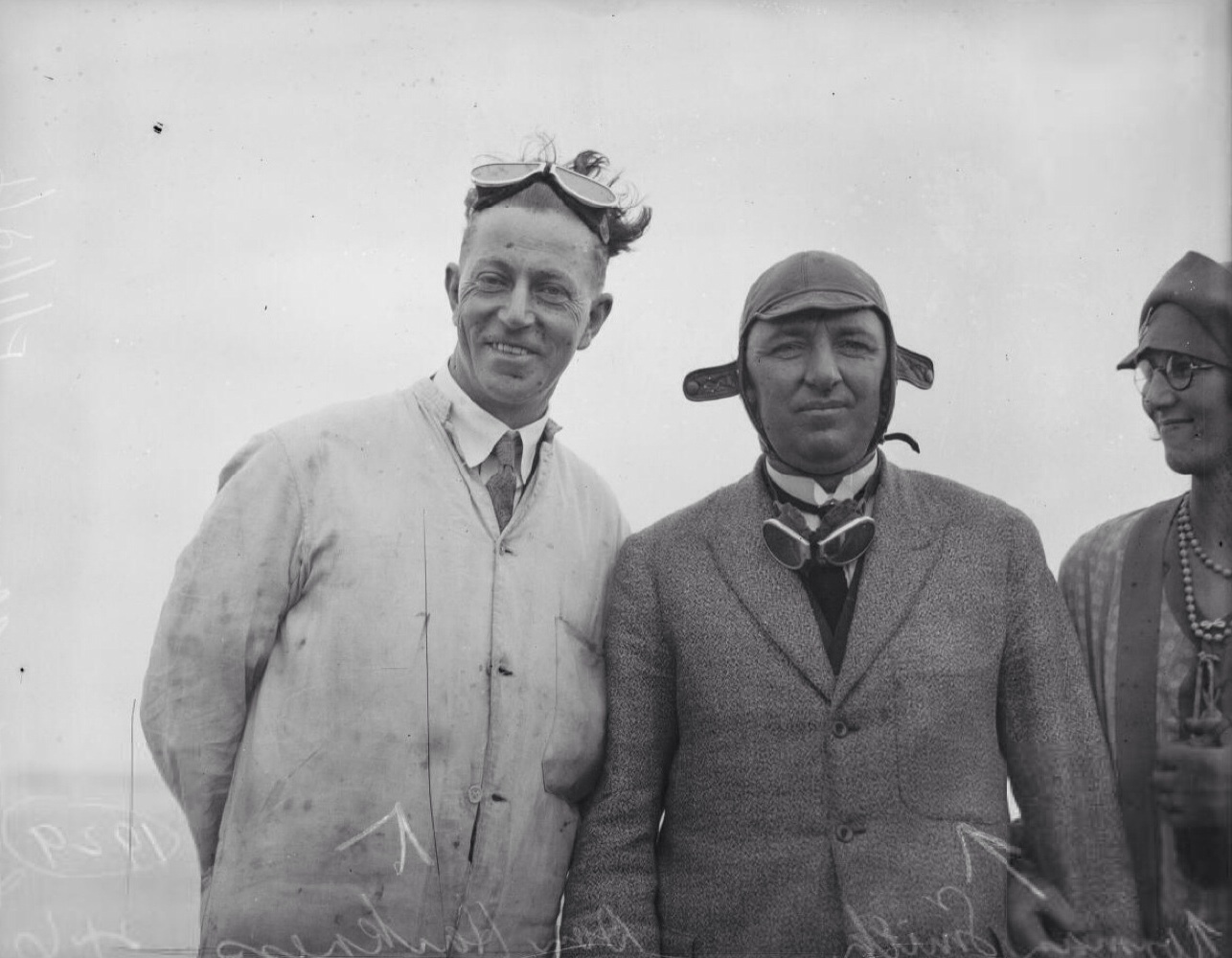
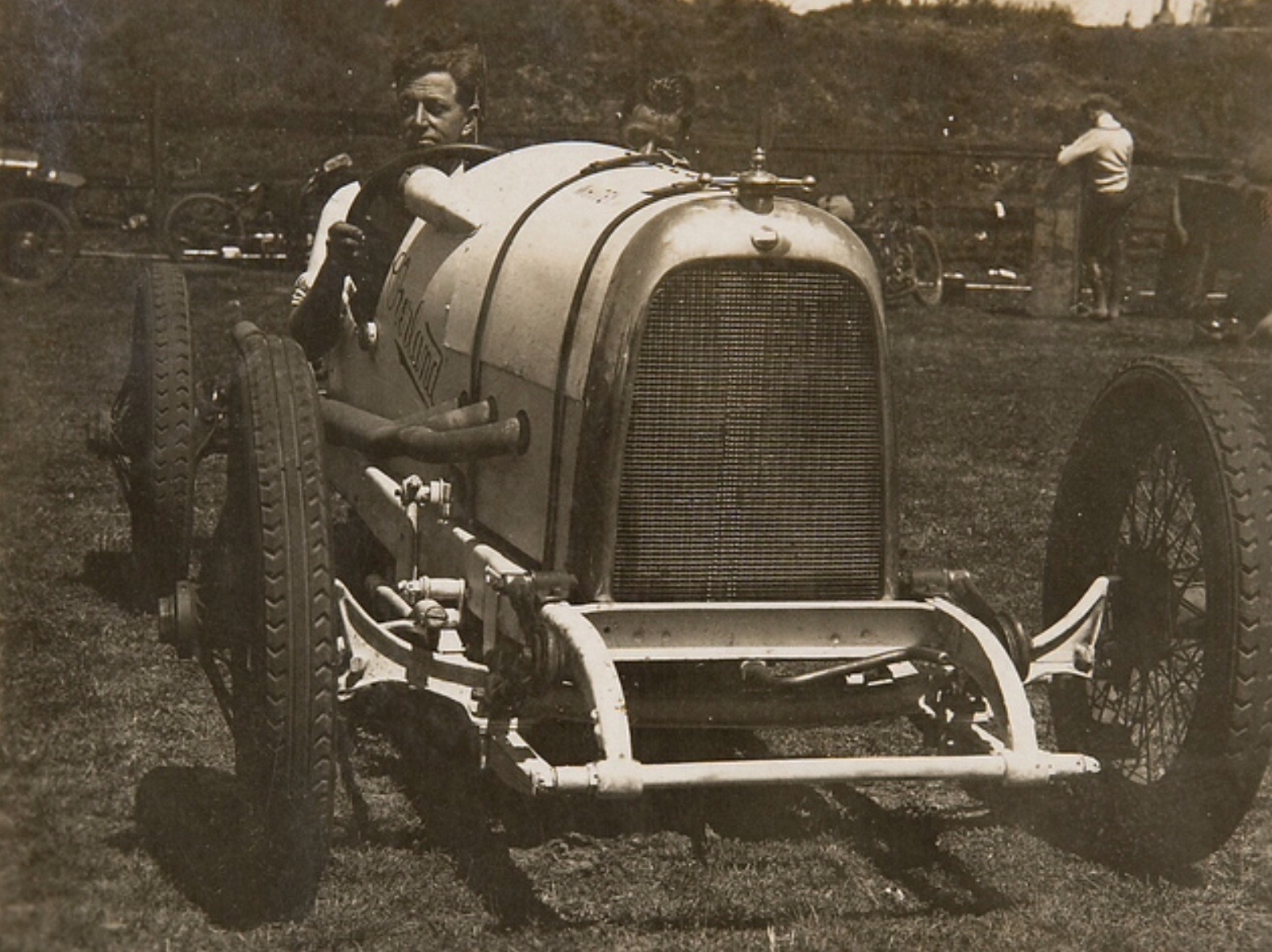
‘Gerringong Speedway’, as it was called in the day, was in use from Saturday, May 9,1925, until the mid-1950s, for motorcycle use, with many deeds of derring-do taking place there. Don Harkness was the first in Australia to break the 100mph barrier in a 150hp Hispano Suiza Minerva V8 Spl at an average of 107.14mph set on October 17, 1925.
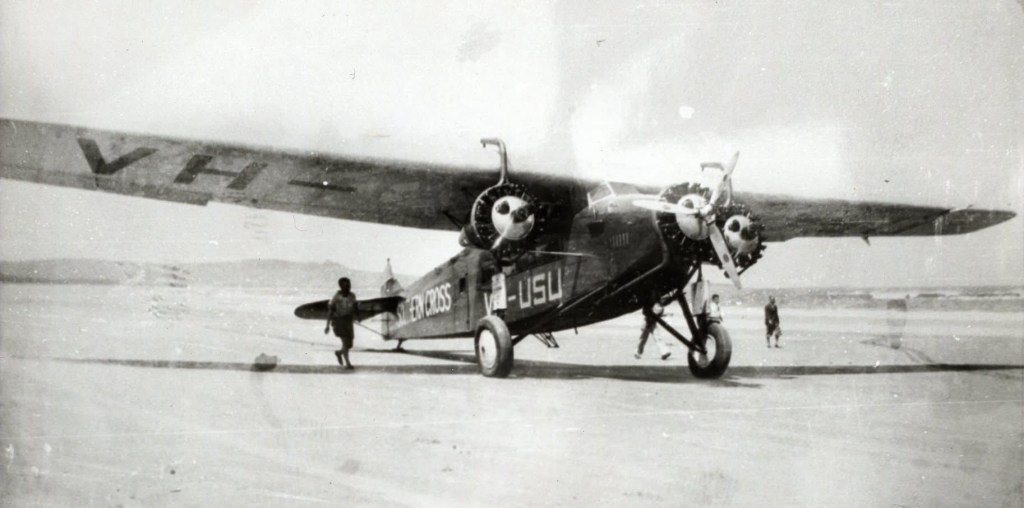
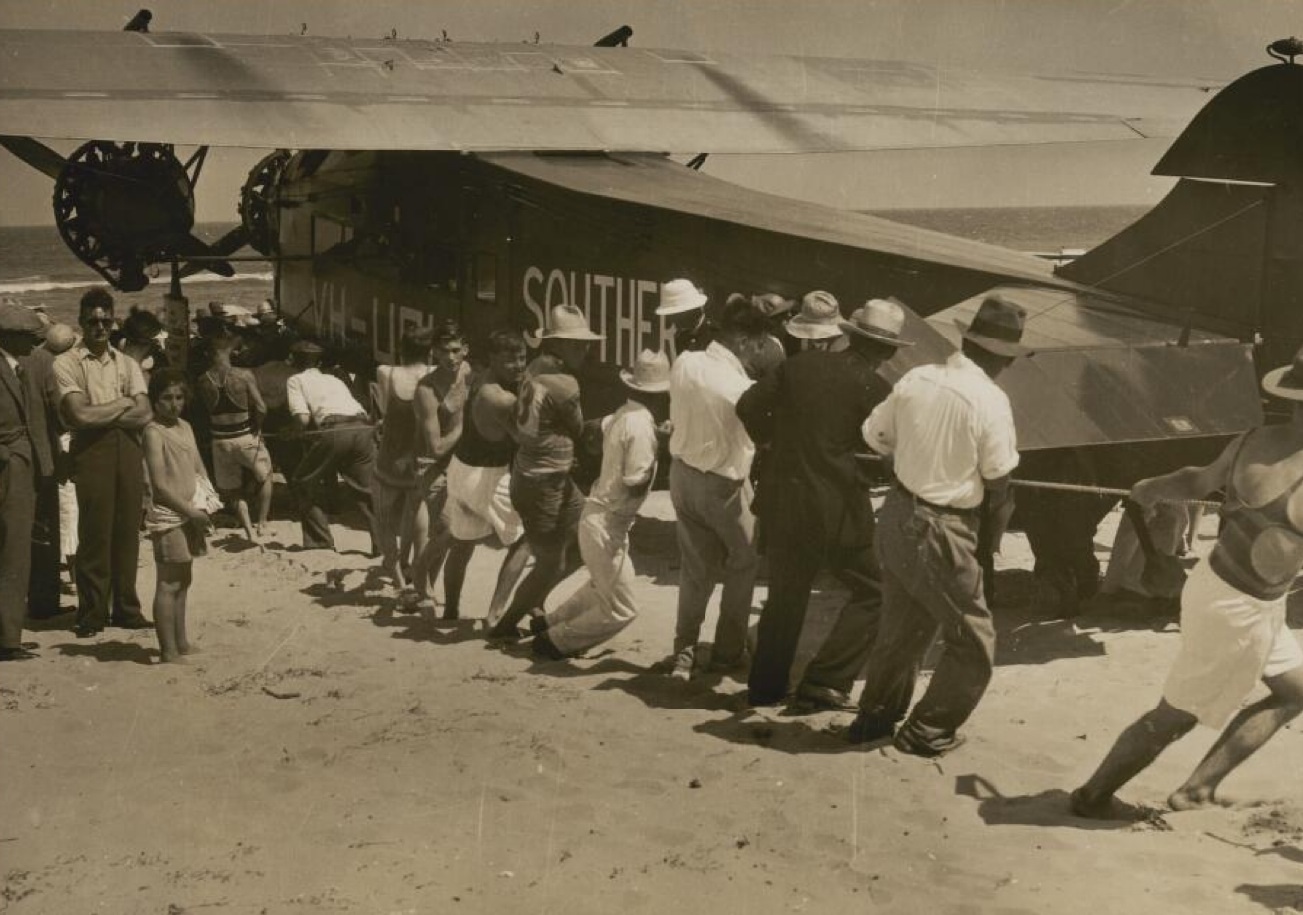
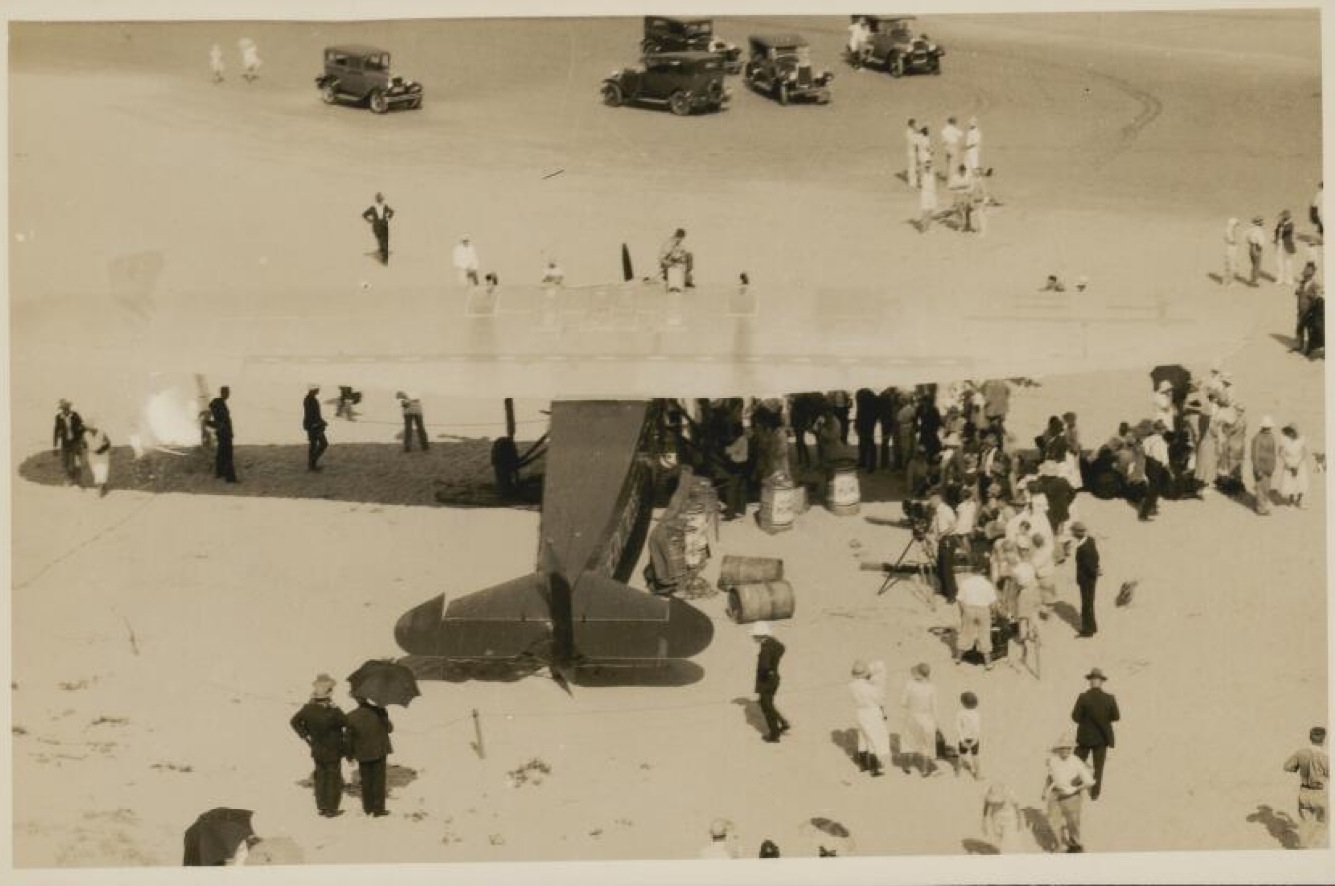
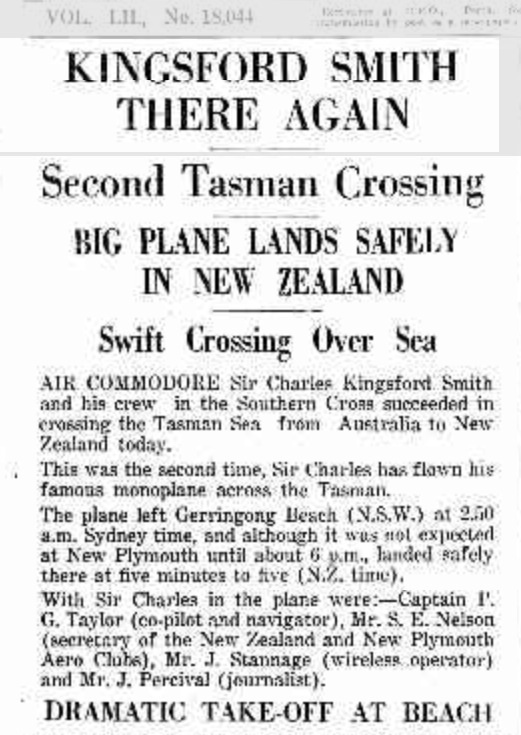
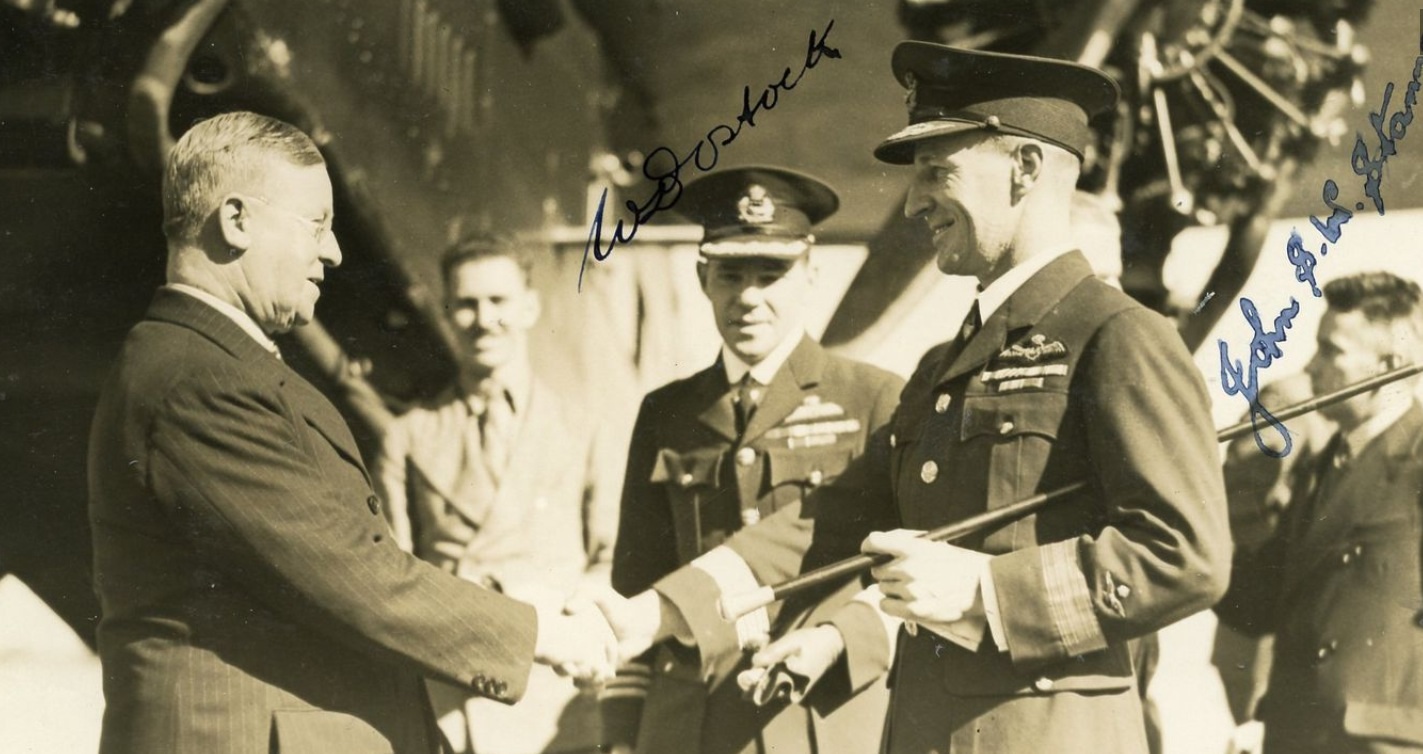
No less than the great Charles Kingsford-Smith made the first commercial flight from Australia to New Zealand from Gerringong Beach aboard Southern Cross his Fokker monoplane, on January 11, 1933.
I’ve had a pretty good crack at Gerringong a couple of times before, but the pair of Gerringong panorama shots here got me looking again for other photographs – without success – but some Troving revealed a couple of great articles worth reproducing about the first meeting on the beach in 1925.
See here: https://primotipo.com/2018/10/26/gerringong-beach-races-1930-bill-thompson/ and here:https://primotipo.com/2019/02/15/gerringong-beach/
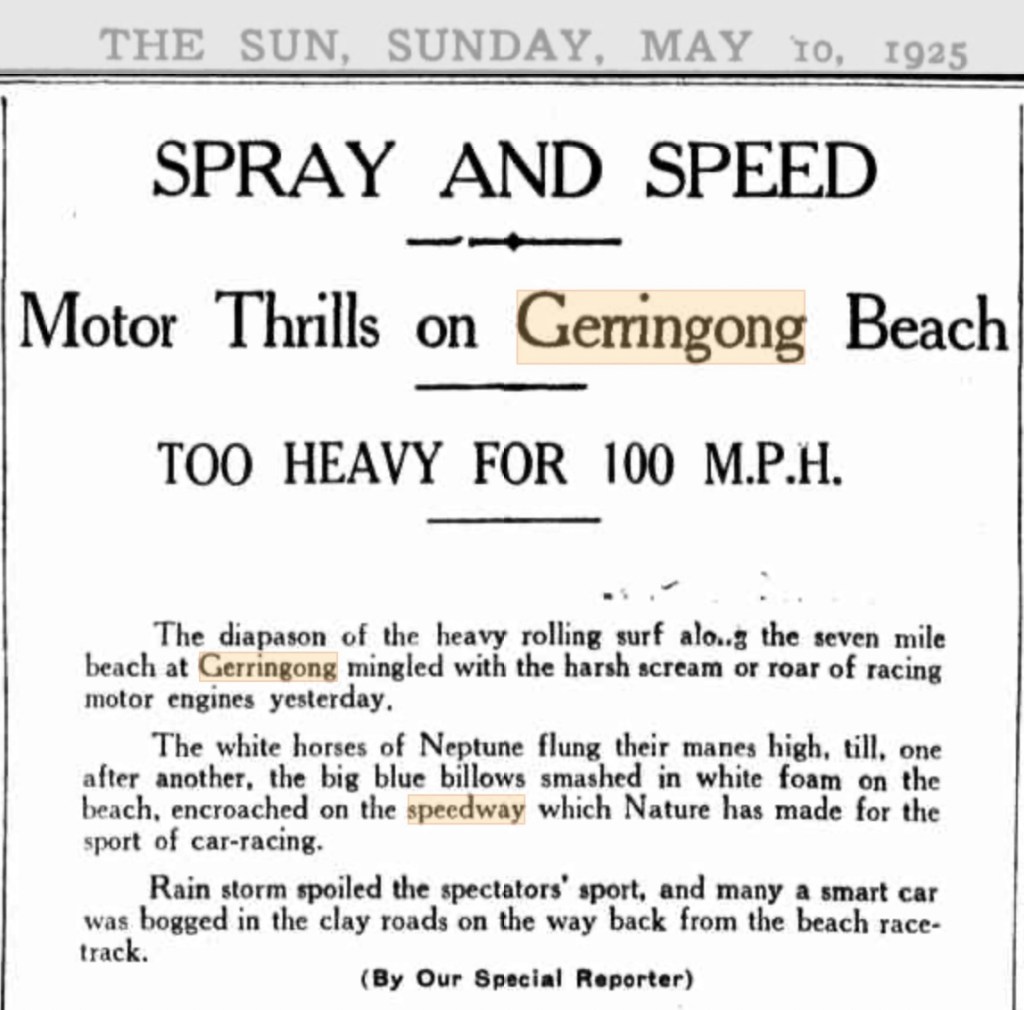
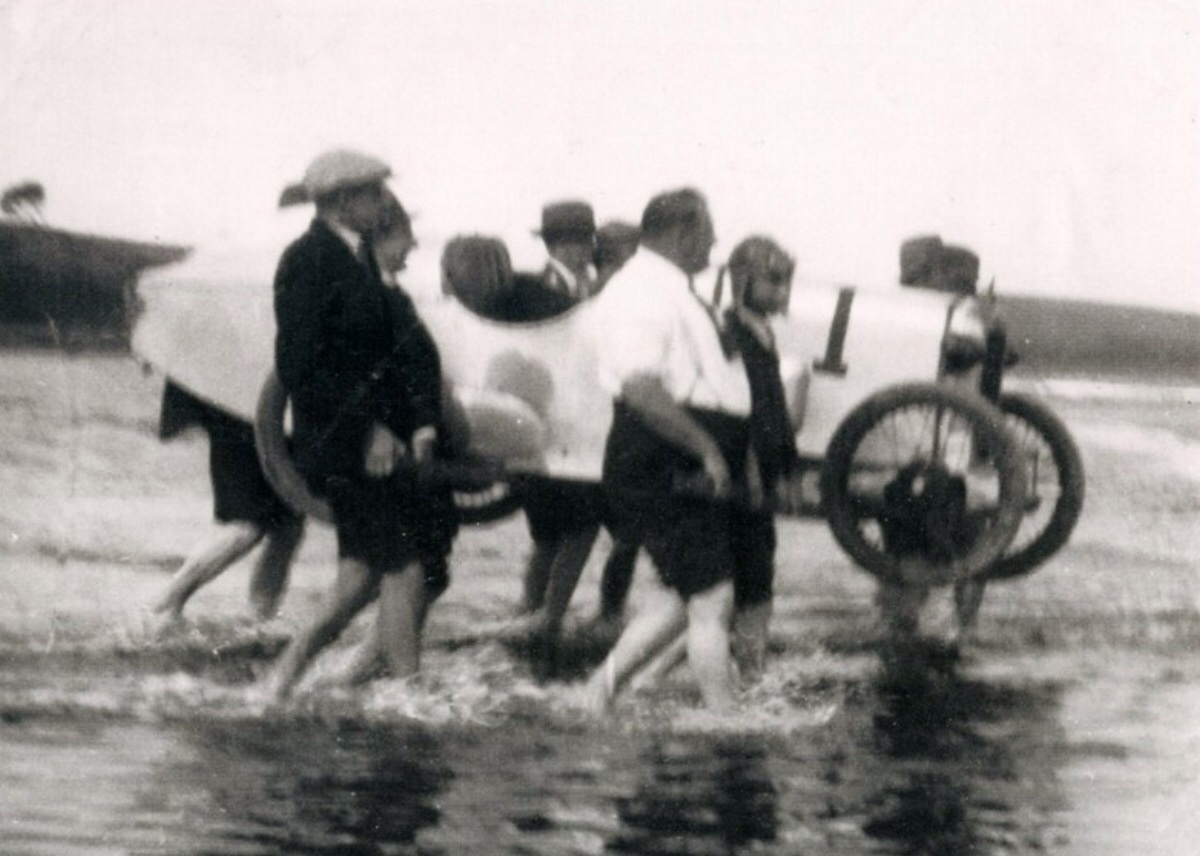
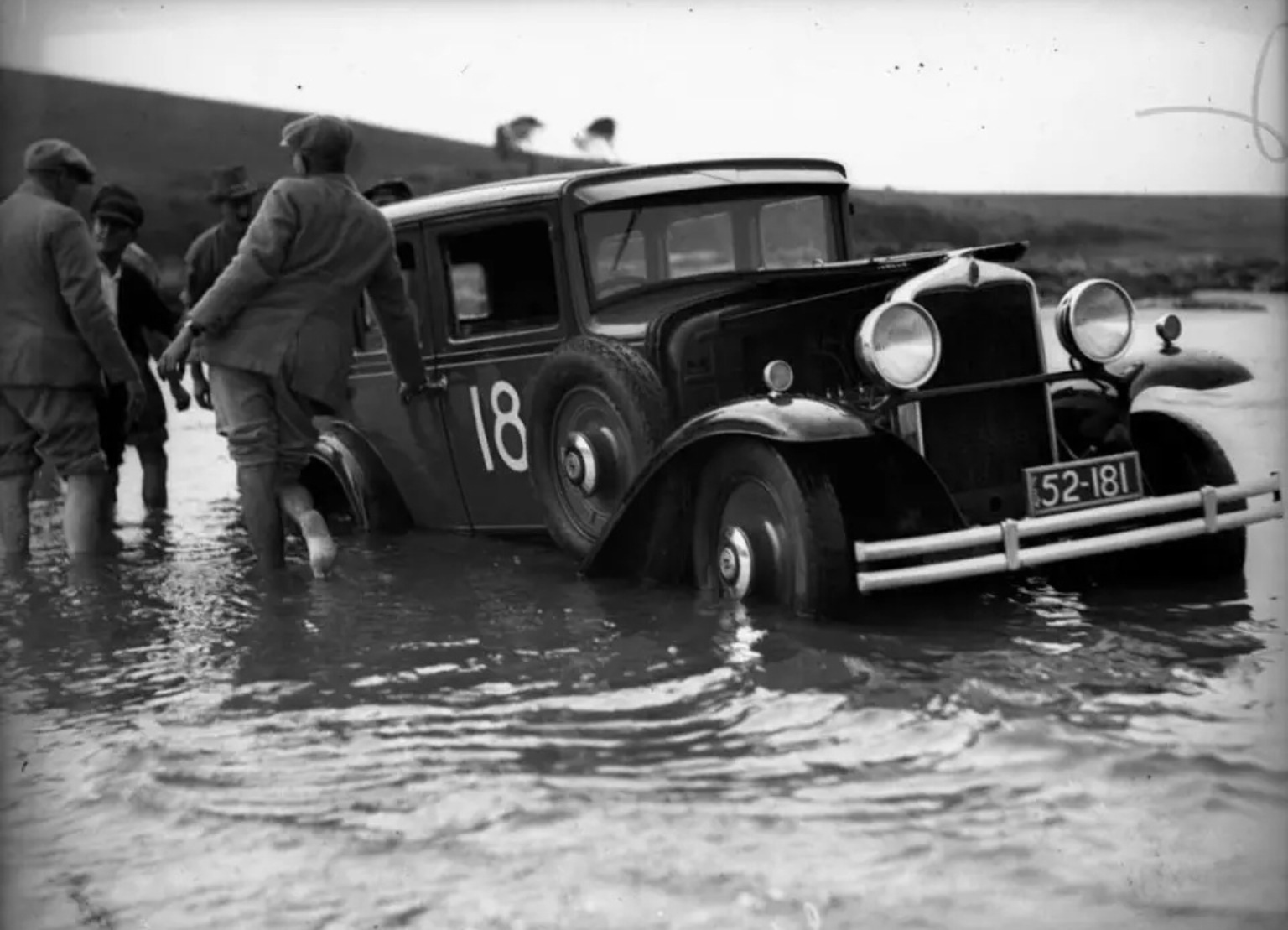
The diapason of the heavy rolling surf along the seven-mile beach at Gerringong mingled with the harsh scream or roar of racing motor engines yesterday. The white horses of Neptune flung their manes high, till, one after another, the big blue billows smashed in white foam on the beach, encroaching on the speedway which nature has made for the sport of car-racing. A storm spoiled the spectators’ sport, and many a smart car was bogged in the clay roads on the way back from the beach race track.
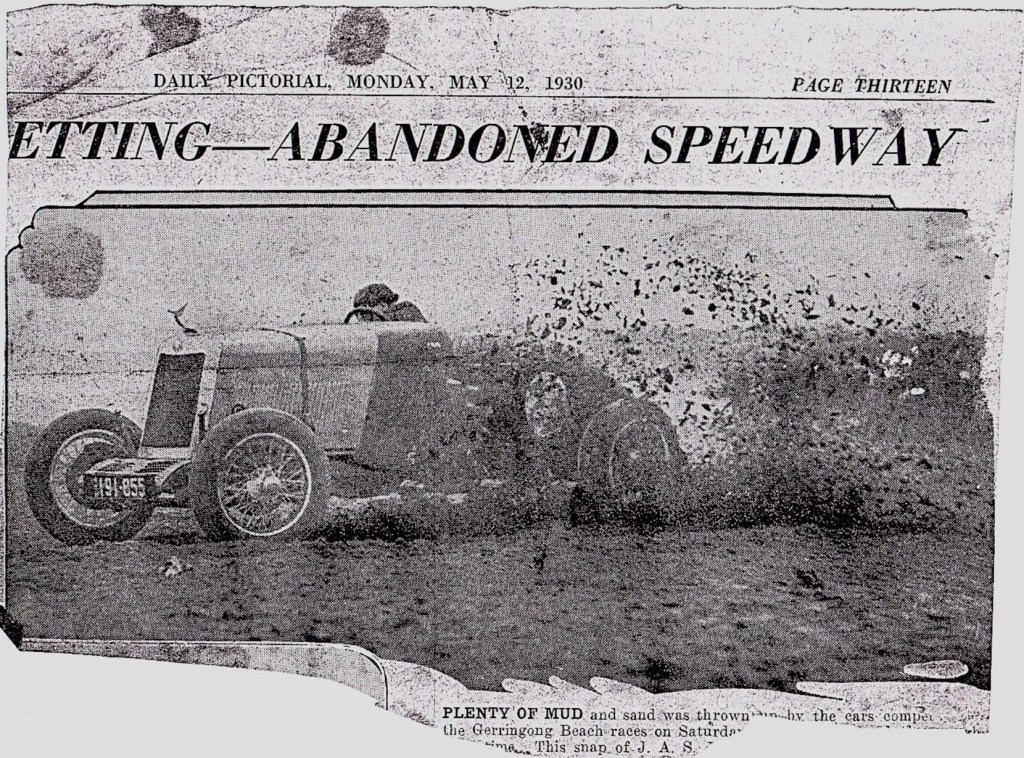
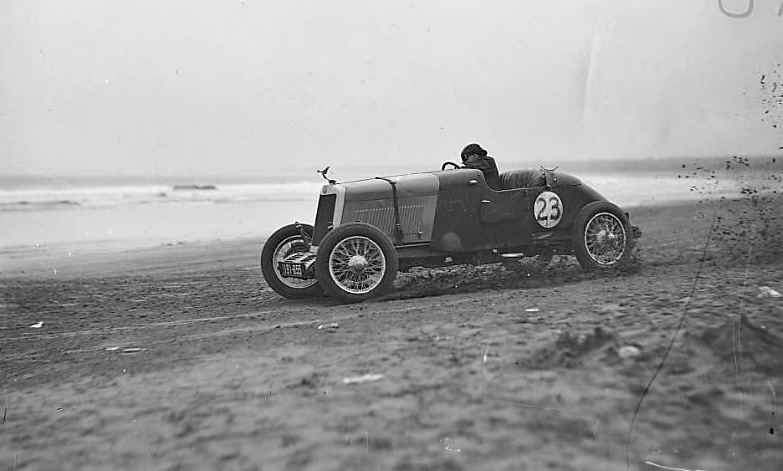
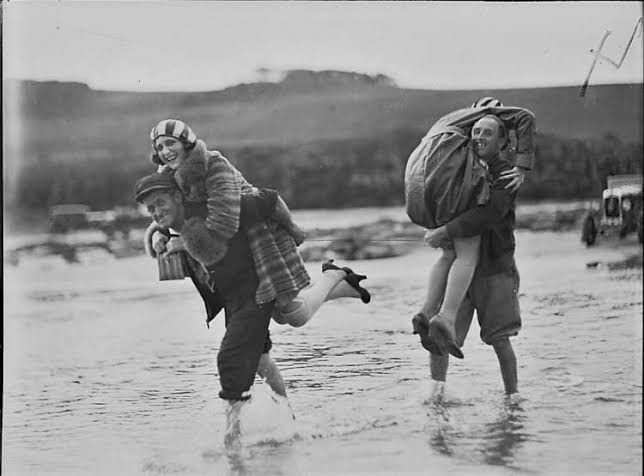
ALL day at the big carnival of the Royal Automobile Club, it was a battle between the cars and the tide. Big creamy rollers flung carpets of boiling surf right onto the great semi-circle of beach which formed the speed track. Inch by inch, the sea encroached, and when a stiff wind blew straight inshore late in the afternoon, it sent clouds of spray often right over the speeding cars.
But there were plenty of thrills for those who motored down through the torturous ravines around Kiama to see the racing. In fact, Kiama buzzed with excitement over the event. A couple of hundred cars thundered down its chief streets. In the morning, the little bays around Kiama, with their fingers of crinkly surf and golden sand, were bathed in brilliant sunshine. But great banks of black clouds that came bowling over the bronze-green bluffs that rise above Gerringong, in an hour turned a day of turquoise into one of drab, ash grey.
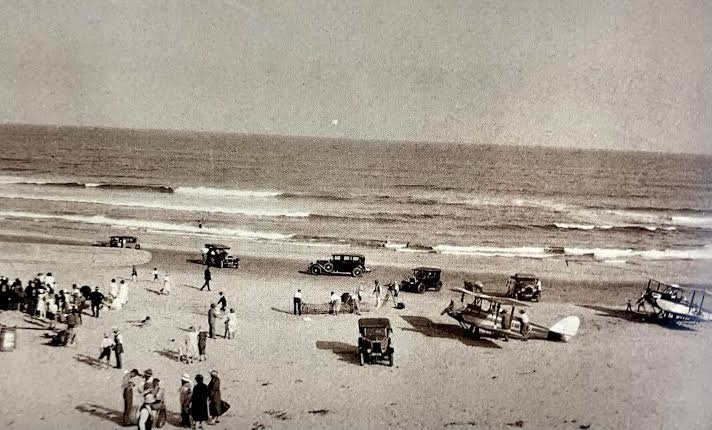
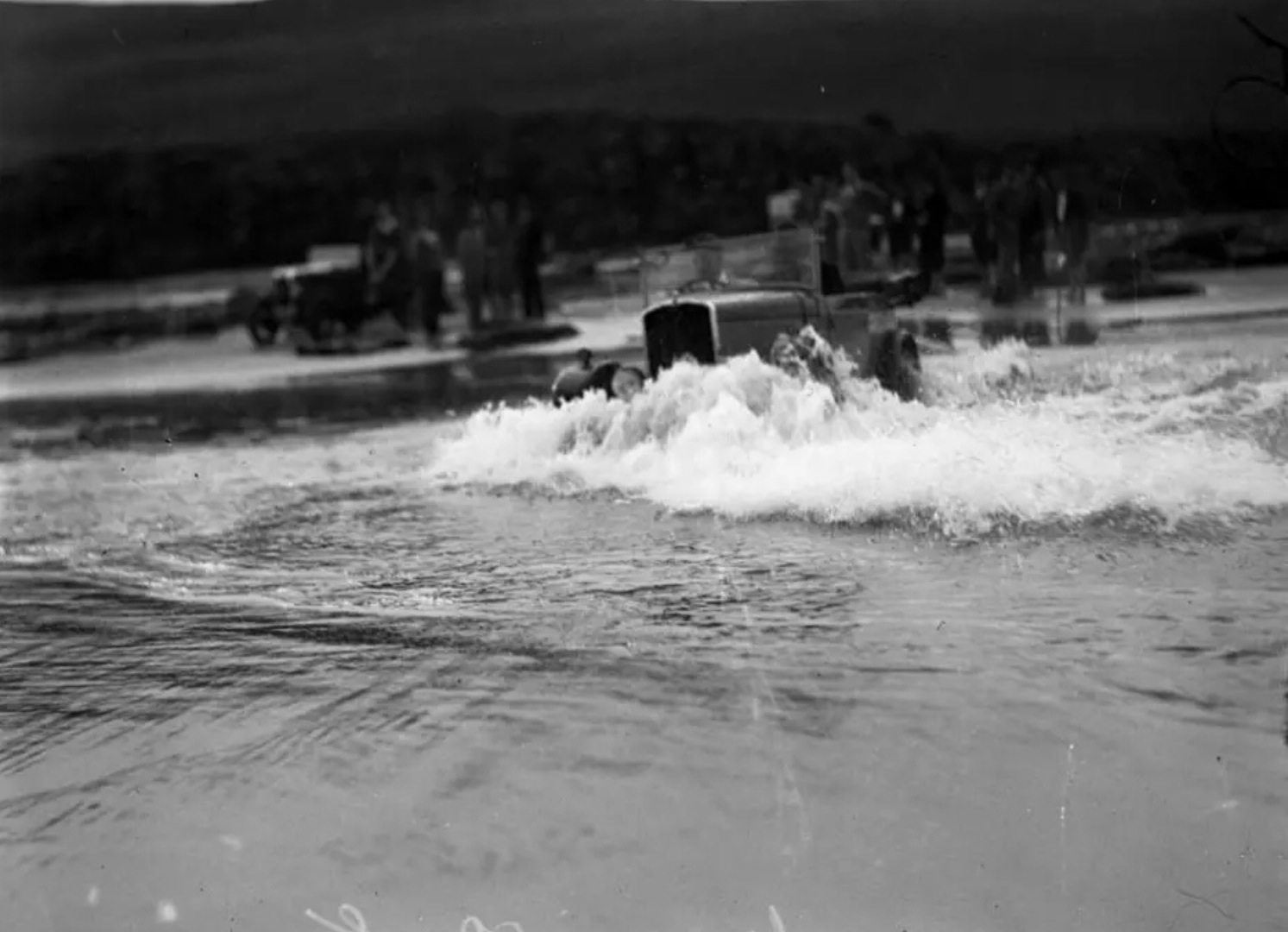
Then, lashed by the wind, the rollers became most angry. They tossed their milky crests onto the beach so fiercely that they seemed intent on swooping the motor invaders from their domain. More than one car floundered heavily in the wash, and one or two sank inches into the sodden sand.
When the motor invasion began at noon, the bronze-green walls of ti-tree and furze, which dip down to the sea, flung back the echoes of the thundering engines in a deafening way. The moan of the surf was smothered in the crackle of the cars. It was altogether a remarkable picture. Before the speed demons stretched one of the finest beaches in Australia, hard as concrete, and with just that gentle incline that motorists relish. It swings away in a great crescent to a bold headland clothed in scrub.
Like a Crackle of Thunderclap
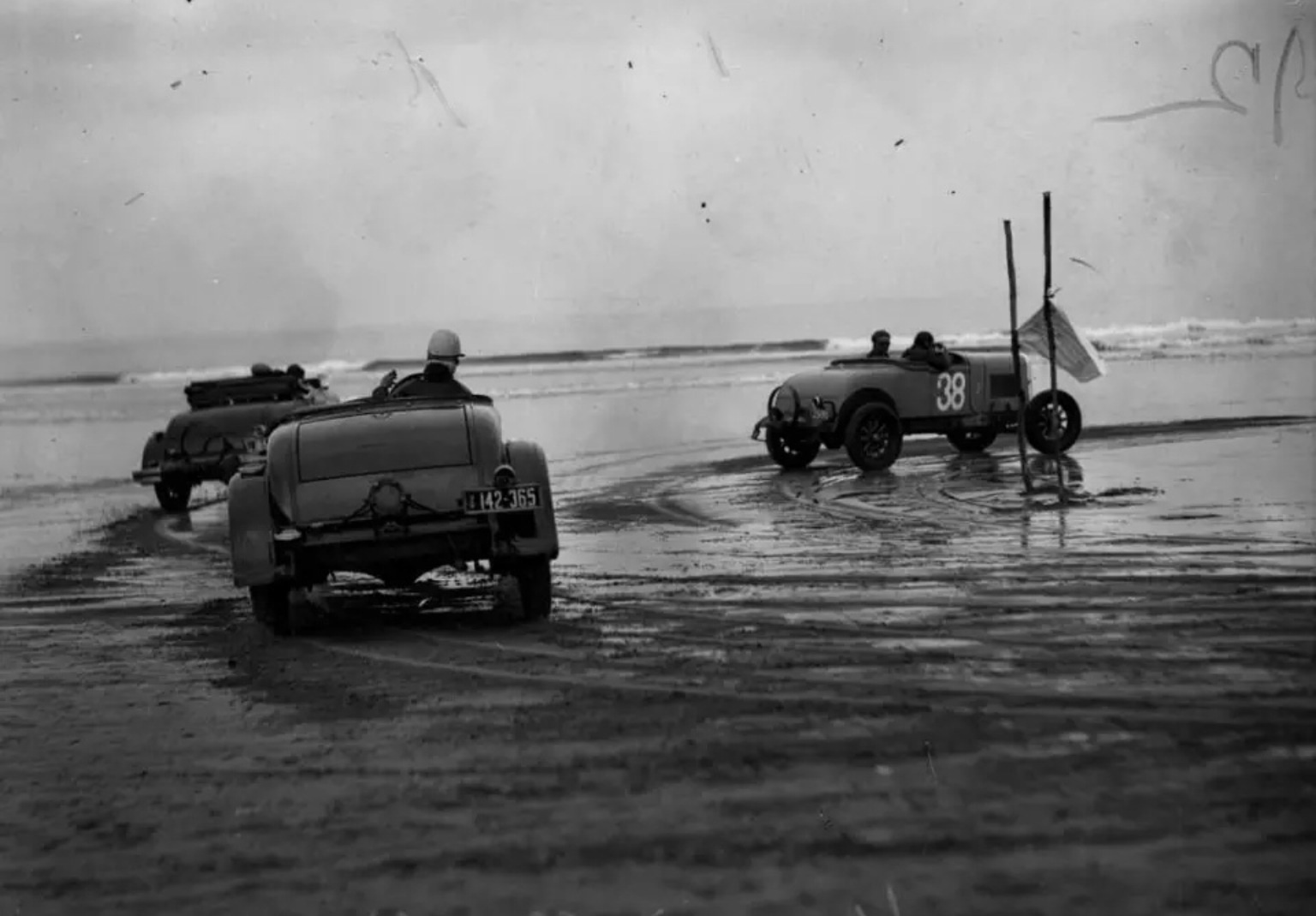
They are lined up — the drivers’ grim faces with goggled eyes glued to the track in front of them, twelve ears like twelve huge tin cigars shining in the fitful sunlight. Under them, the engines thunder. The yellowish, damp track hurls itself beneath those winged tyres down past the speckled black and white flags.
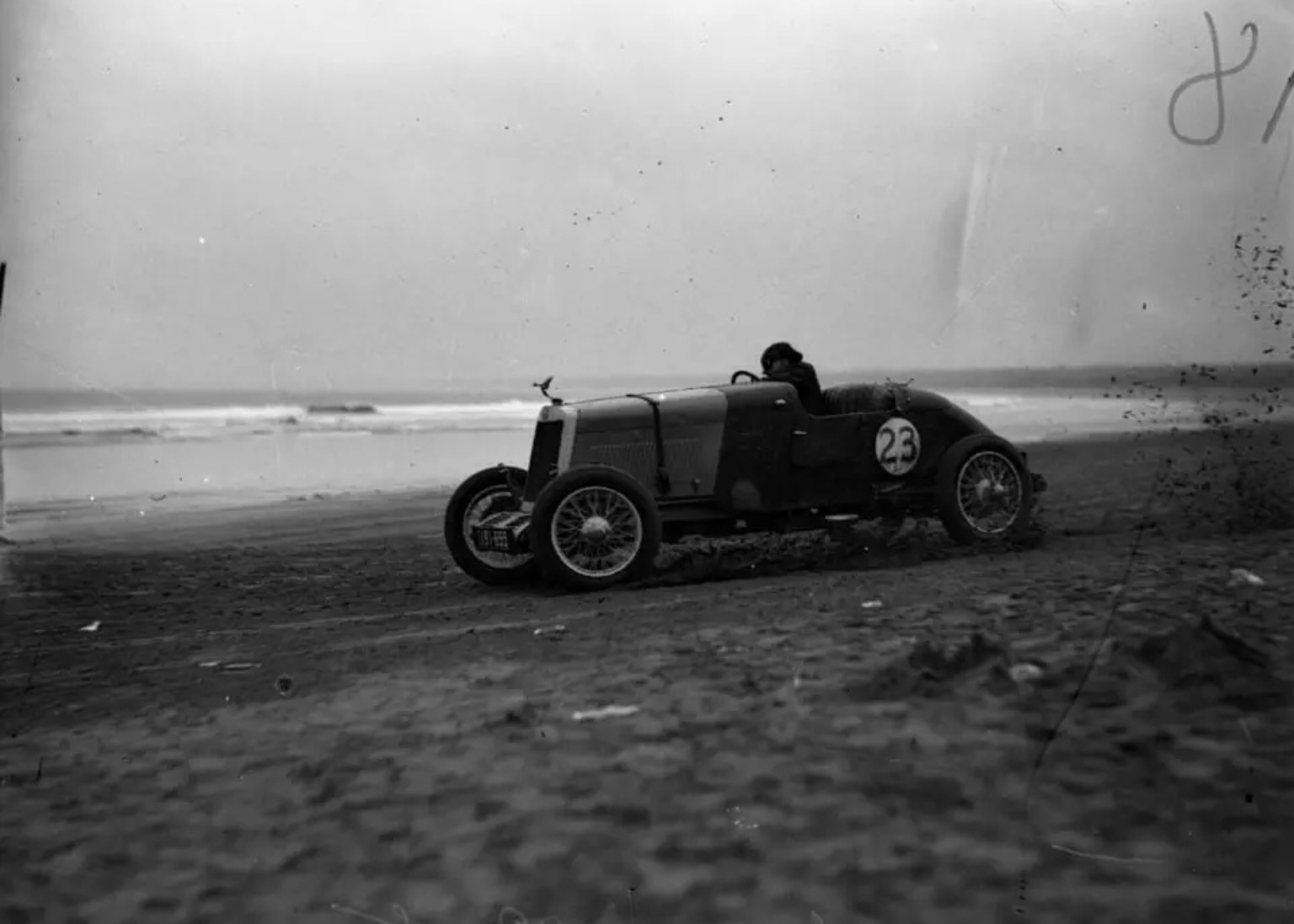
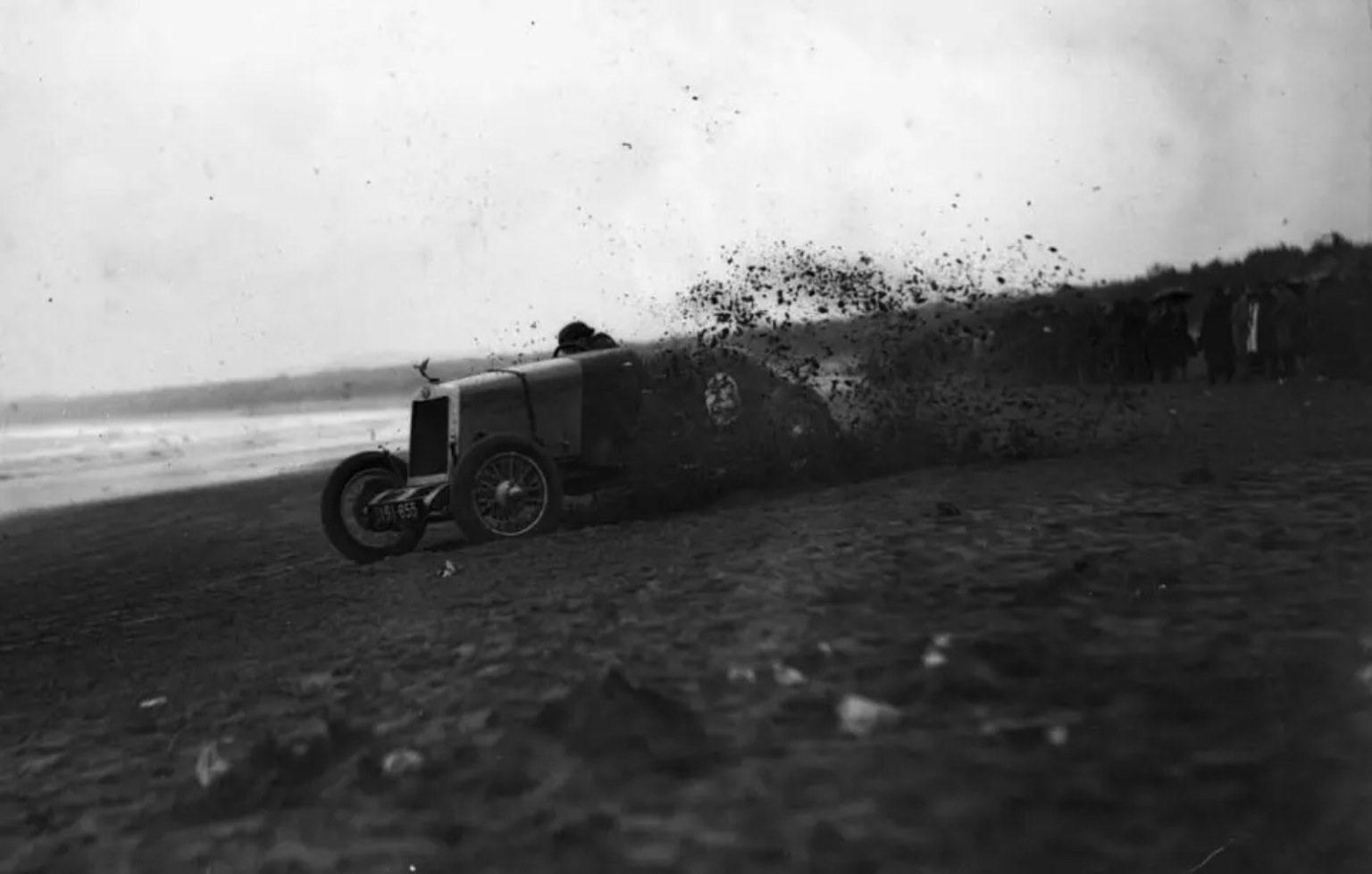
They race with a crackle like thunderclaps. There is an advantage on the run closest to the sea to the man who works into that position and clings to the fringe of boiling surf with the greatest grimness. Midway, they must sweep round the gentle turn in the crescent of the beach. They do it with a biting, gritty slide of those back wheels on the wet, glistening sand that was swept by the incoming surge a moment earlier. There is a sudden puff of blue smoke, a flash of flame from straining machines, and they charge down the long, straight carpet of sand with the speed of a high explosive shell.
You can’t see the whole of any race at Gerringong. In fact, unless you race alongside in a car, you cannot see anything but the dazzling finishes. In a few seconds, they diminish to the size of a black beetle careering along the sand. Often, the smoke of the surf drifts across and blots them out altogether. Then they emerge smaller than tiny beetles against the background of the beach. Their roar has dwindled to a faint purr, and then they are lost to view five miles away on the same beach. But before you have time to realise it, those speed men have turned in a sirocco of sand, and they are racing back again.
It is an exhilarating spectacle. In the most novel surroundings. Round they roar with a flying of wheels, a pumping of oil, a screeching of gears, and a crunching of track grit. A trail or petrol smoke lasts like a blue mist against the green wall of scrub. Then, as they bound on towards those deciding flags, the track gets smokier, and the grim faces oilier.
The crowd – and it was a large one on the sand yesterday – bursts into a cheer, and the race is won – you come away with a feeling of awe of tho men who have such wrists, and are able to use them as they can.
An attempt was to have been made to see if any of the cars could reach a speed of 100 miles an hour. That was to have been the main attraction of the carnival, but the drivers decided that the tide had made the beach too sodden to reach anything like that speed with their machines.
Likewise, the race between an aeroplane and a speed car was also cut out. A ‘plane circled over the beach, and made one or two flights along the semi-circular track, but because of heavy going none of the 40 cars that took part in the racing was pitted against it.Last night half a hundred speed men fought their way through the mud into Kiama. All were thrilled with the day’s work. The driving rain caused the final of the 12 miles handicap to be abandoned.
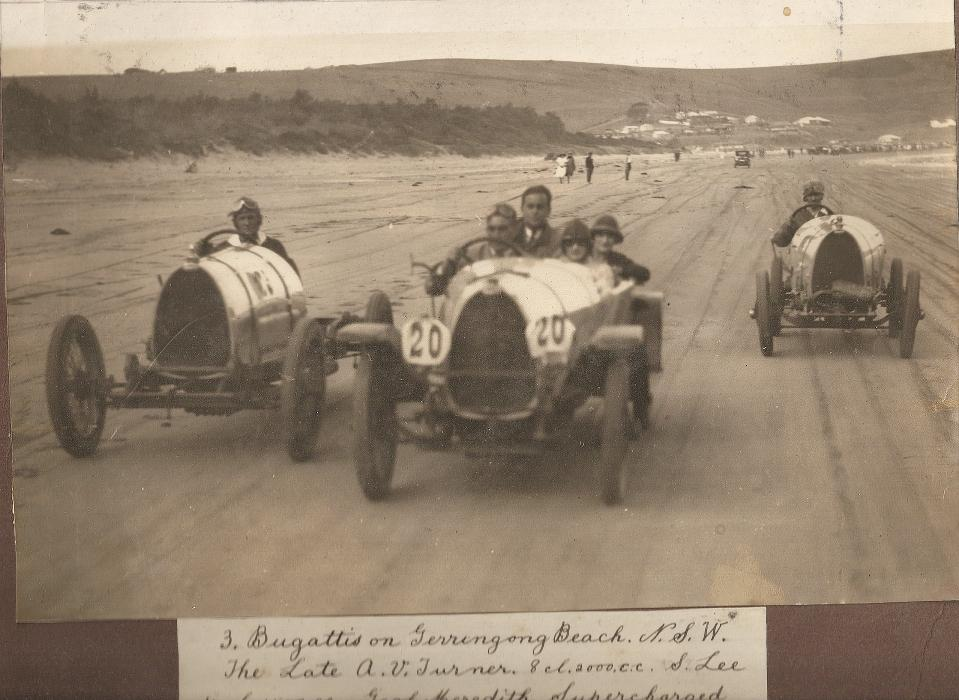
A summary of the results is as follows. The winner of the Three Miles Handicap was Boyd Edkins, Vauvhall, the Six Miles Scratch went to AV Turner’s Bugatti, the 24 Miles Scratch Race was won by HR Clarke’s Vauxhall, the two Twelve Miles Handicaps were won by RK Hormann’s Rollin, while ‘The final was abandoned owing to rain.’
It was the first time the elements intervened in Gerringong’s proceedings, but far from the last!
In the beginning…
When did it all end? Good question! Denis Foreman wrote on Bob Williamson’s Old Australian Motor Racing Photographs that, ‘I raced on 7 Mile Beach in 1953 with Bankstown Wiley Park Motorcycle Club,’ which must be towards the end of the Gerringong Speedway? Can anyone tell me when the ‘final race meeting’ on Gerringong beach took place?
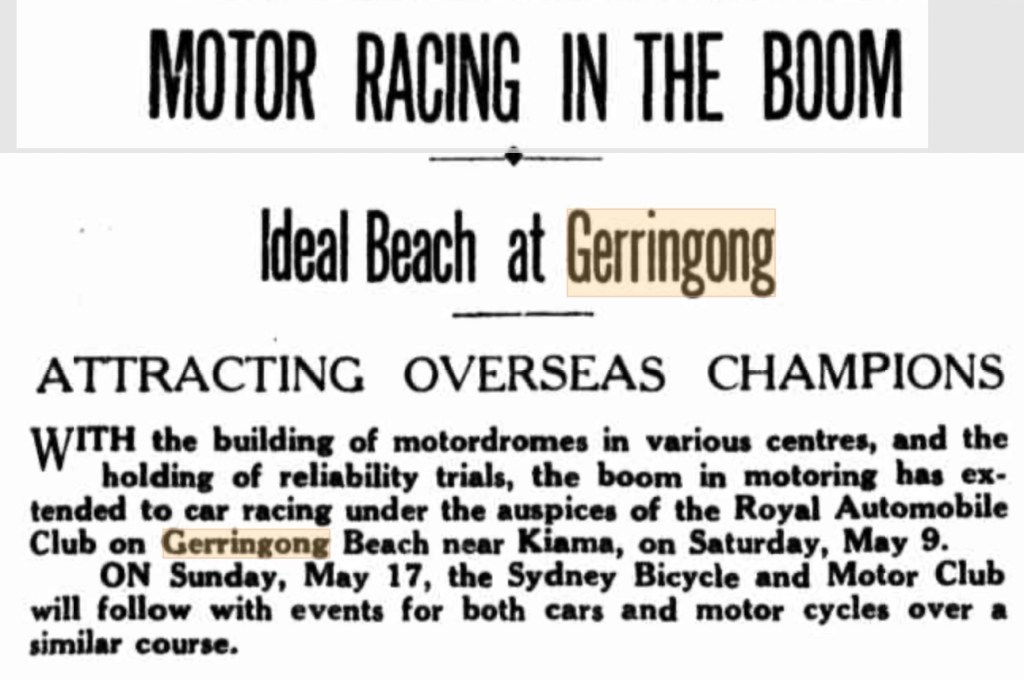
This article was published in the Sydney Sportsman, on April 28, 1925 and seems to indicate that the first meeting on Gerringong Speedway was the one covered in the article above, on Saturday, May 9, 2025.
MOTOR RACING IN THE BOOM: Ideal Beach at Gerringong: ATTRACTING OVERSEAS CHAMPIONS
WITH the building of motordromes in various centres, and the holding of reliability trials, the boom in motoring has extended to car racing under the auspices of the Royal Automobile Club on Gerringong Beach near Kiama, on Saturday, May 9. On Sunday, May 17, the Sydney Bicycle and Motor Club will follow with events for both cars and motorcycles over a similar course.
On Gerringong Beach.
To Mr H. R. Hodgeon, the patrol officer of the Royal Automobile Club, belongs the honour of introducing motor car racing on one of its States famous benches. Mr Hodgson, who is a barrister and presides over the Railway Appeal Court, has made an exhaustive study of the beaches from a racing point of view. He has witnessed contests on Sellicks Beach (South Australia) and Muriwai Beach near Auckland. (Hodgson had years of experience as an ‘organiser of most of the biggest reliability contests in the state’).
Mr Hodgson believes that Gerringong is in the fortunate position of having the greatest beach in the world from a racing point of view, and in this respect, he is supported by Boyd Edkins and H. R. Clarke.
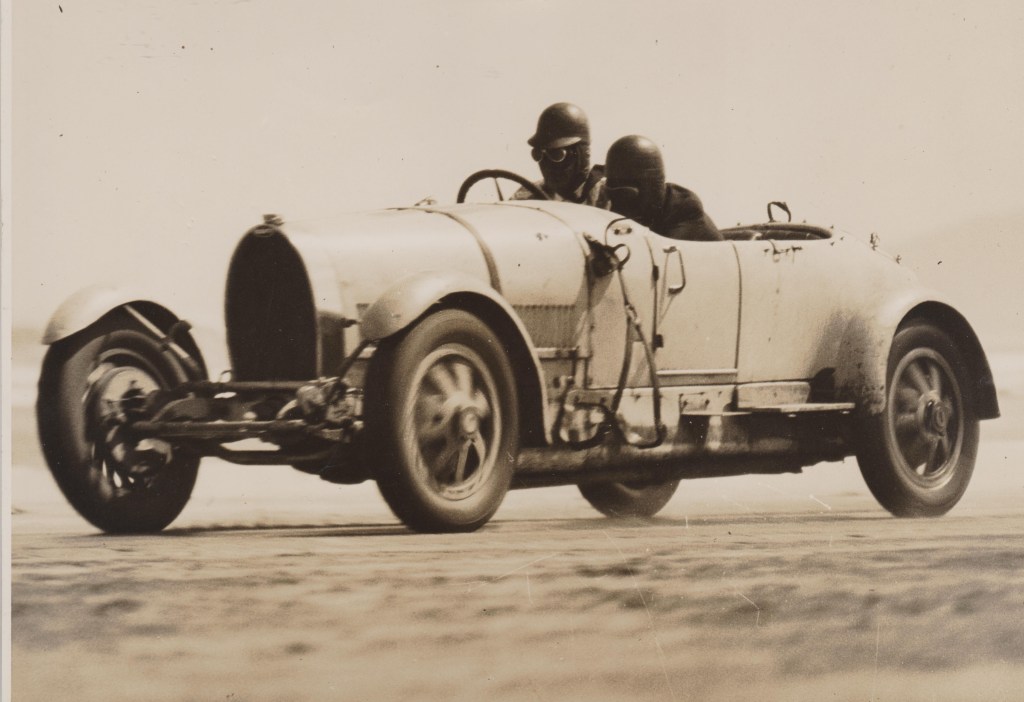
The seven-mile beach at Gerringong is 88 1/2 miles distant from Sydney by road. At low water, a stretch of sand nearly 100 yards wide, with a straight drive of five miles, is available. The surface is remarkably solid and hard, there being no bumps of any kind, and is capable of holding together at any speed in absolute safety.
A month ago some fine performances were achieved on the beach by stock touring model, machines, with full complement of passengers. Speeds over 80 miles per hour were recorded.
As a means of helping to popularise this class of sport, a suitable trophy (£50 cup) has been offered for the first competitor driving a car at 100 miles per hour or faster over a flying mile.
Speed Only.
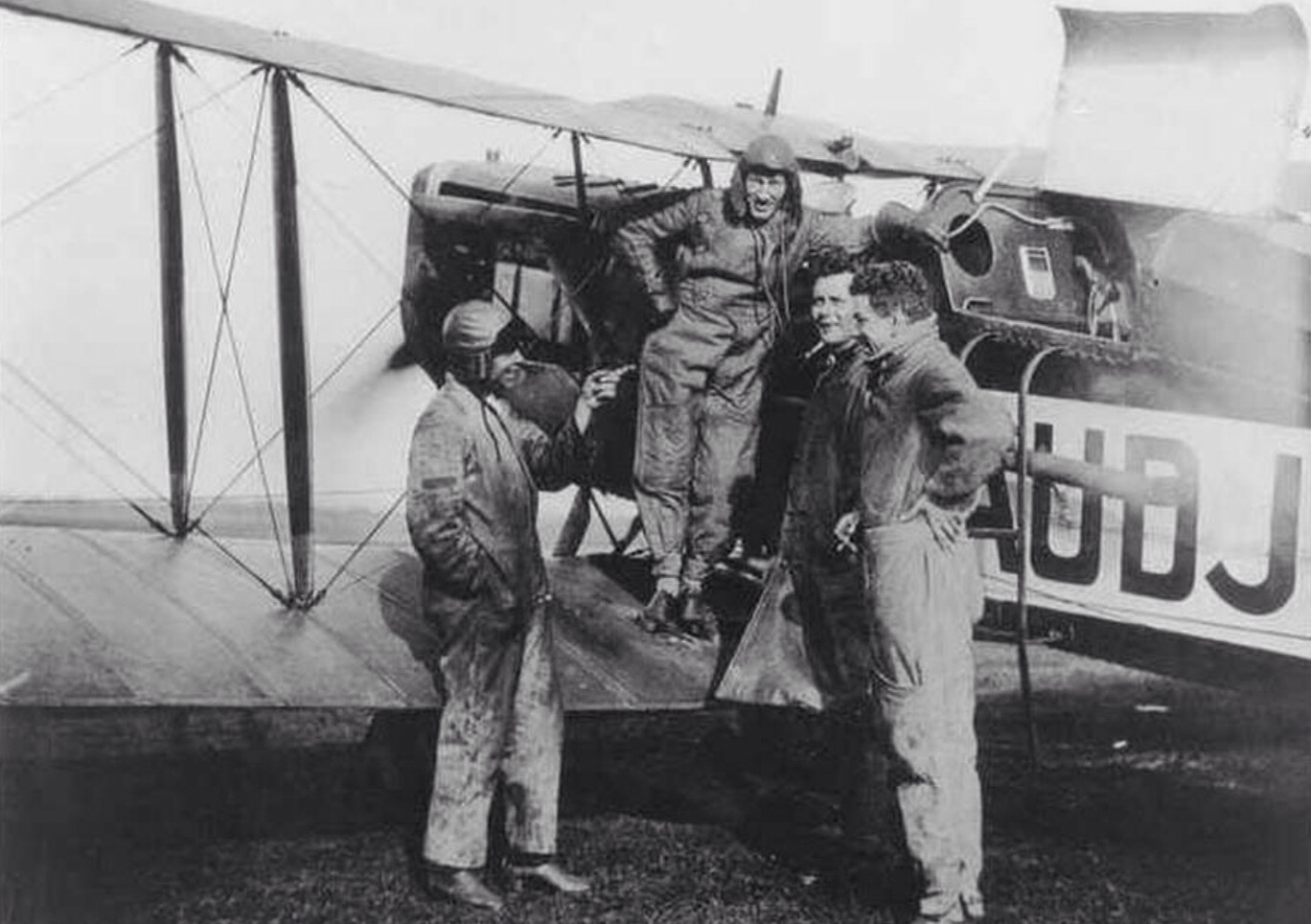
Several other events are to be decided. Entries for the 25-mile handicap and races for touring cars will close with the R.A.C.A. on May 4. The races will be decided on speed only. Entrants must be members of the club, but need not be the owners of the cars they nominate. One event will be a race between L Tyler’s DH 6 aeroplane and a motor car.
Credits…
National Library of Australia, Fairfax Archive, Kiama Library, Pedr Davis and Ors ‘A Half Century of Speed’, Warren Skimmings Collection, The Sun Sydney Sunday, May 10, 1925, Sydney Sportsman, April 28, 1925
Tailpiece…
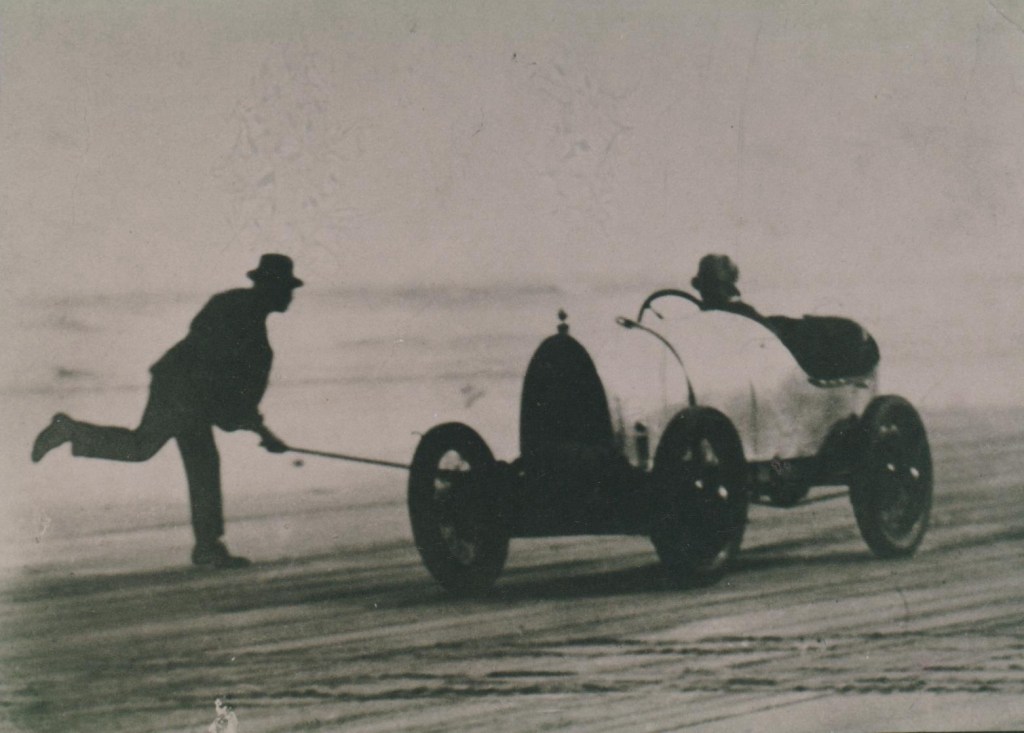
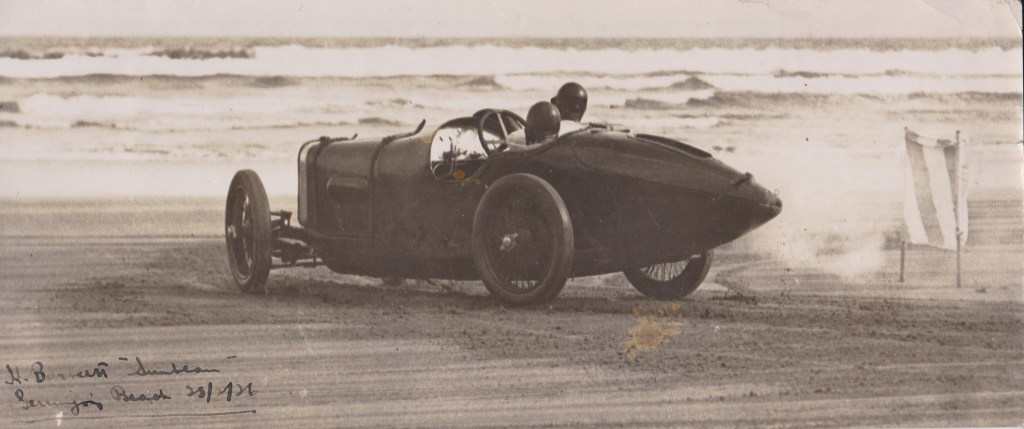
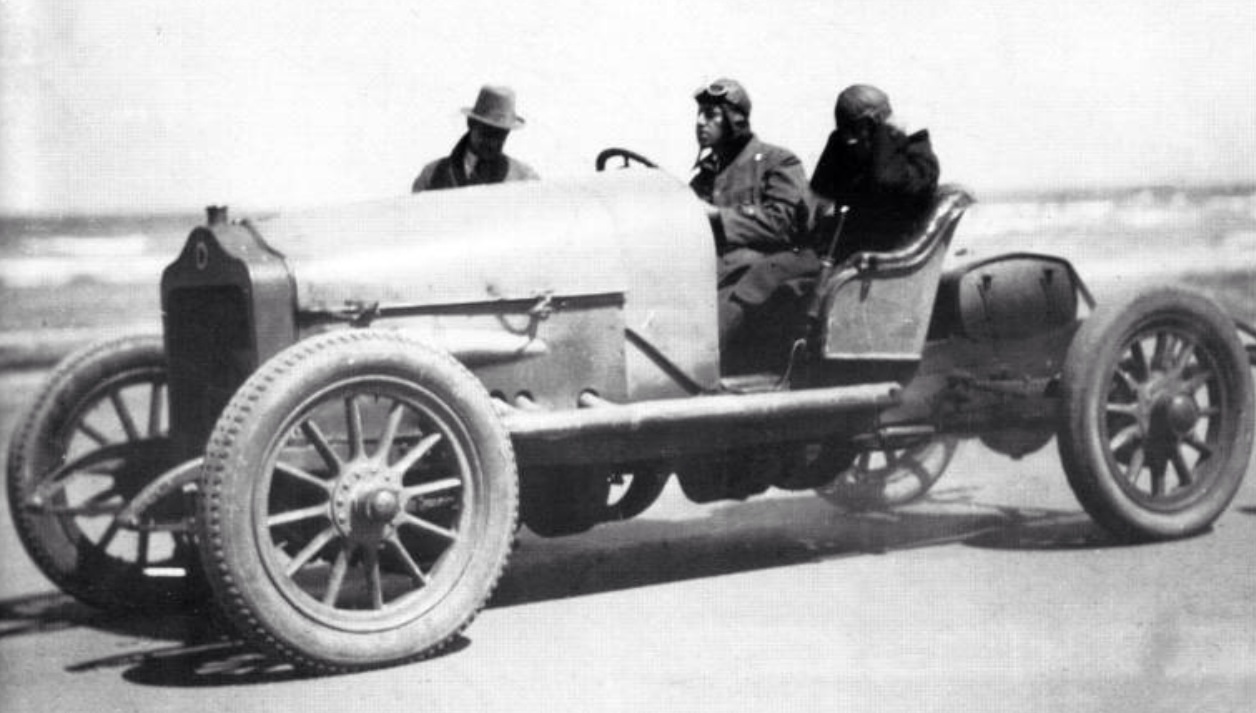
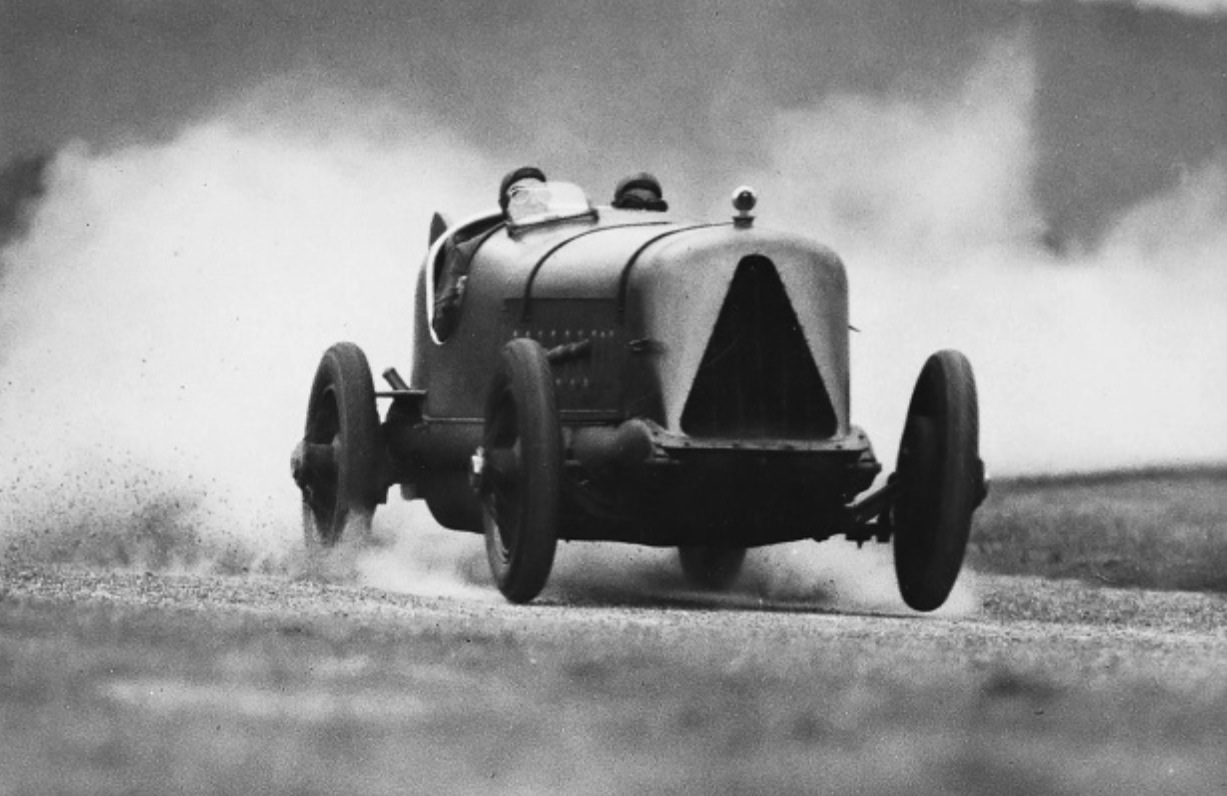
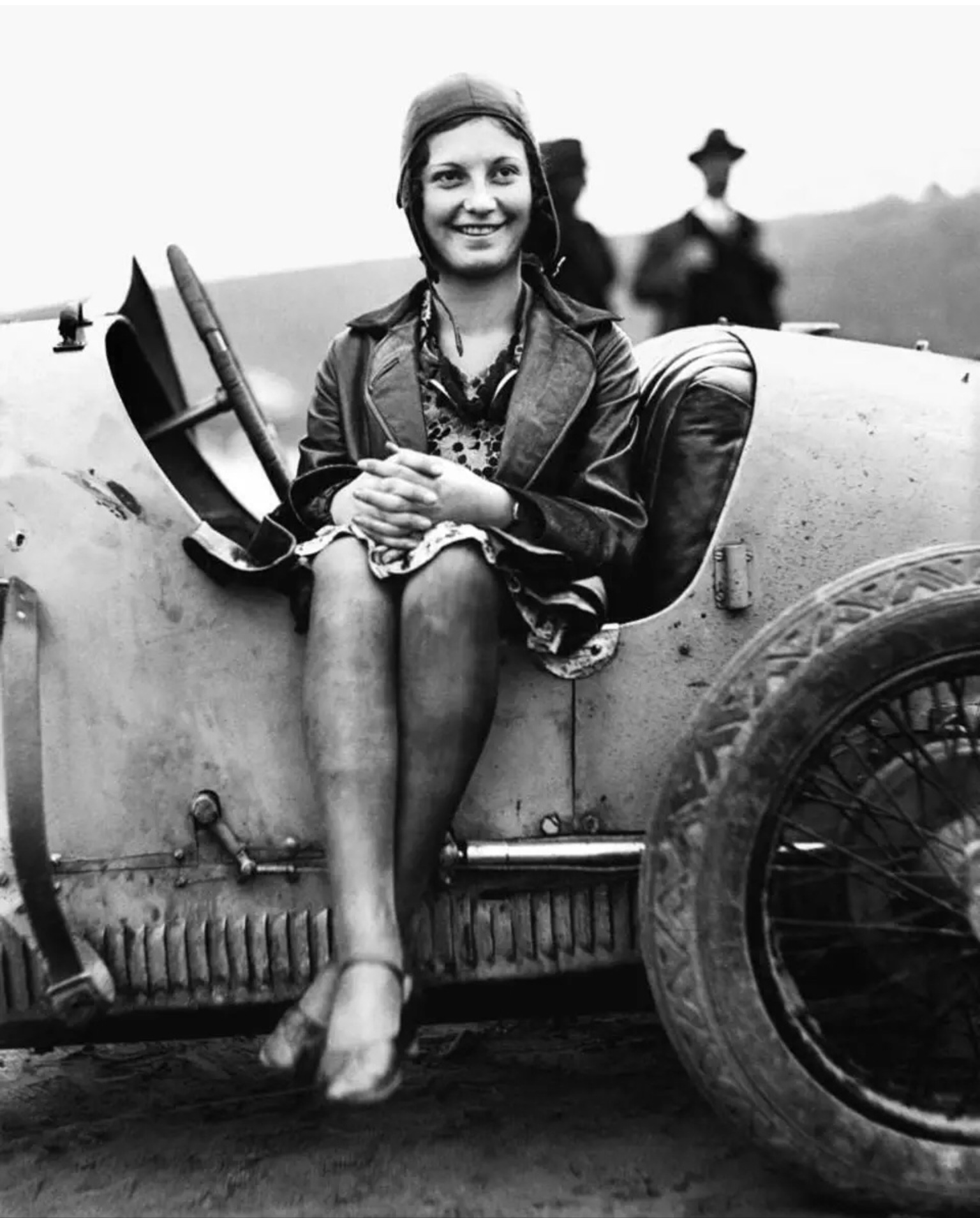
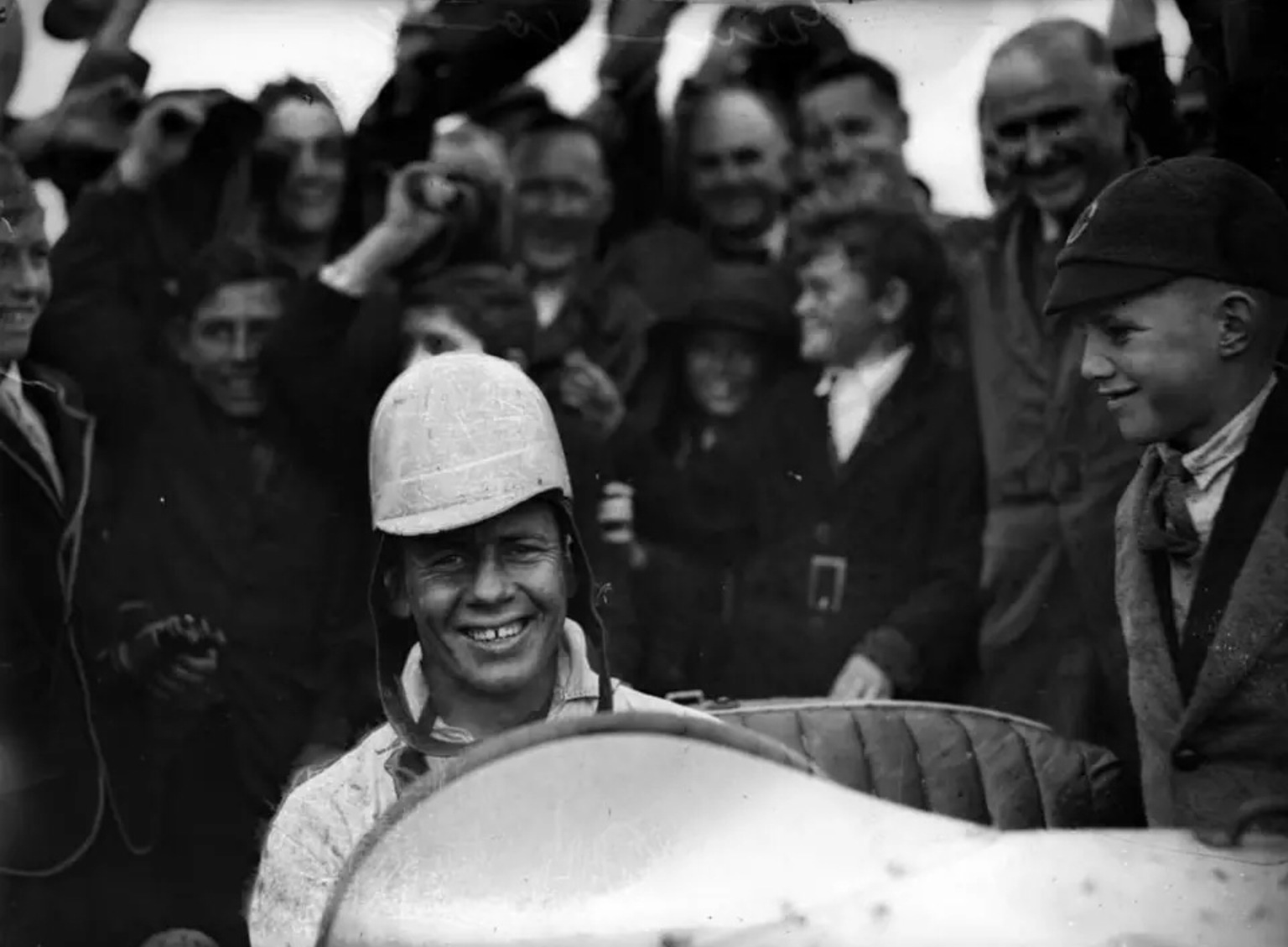
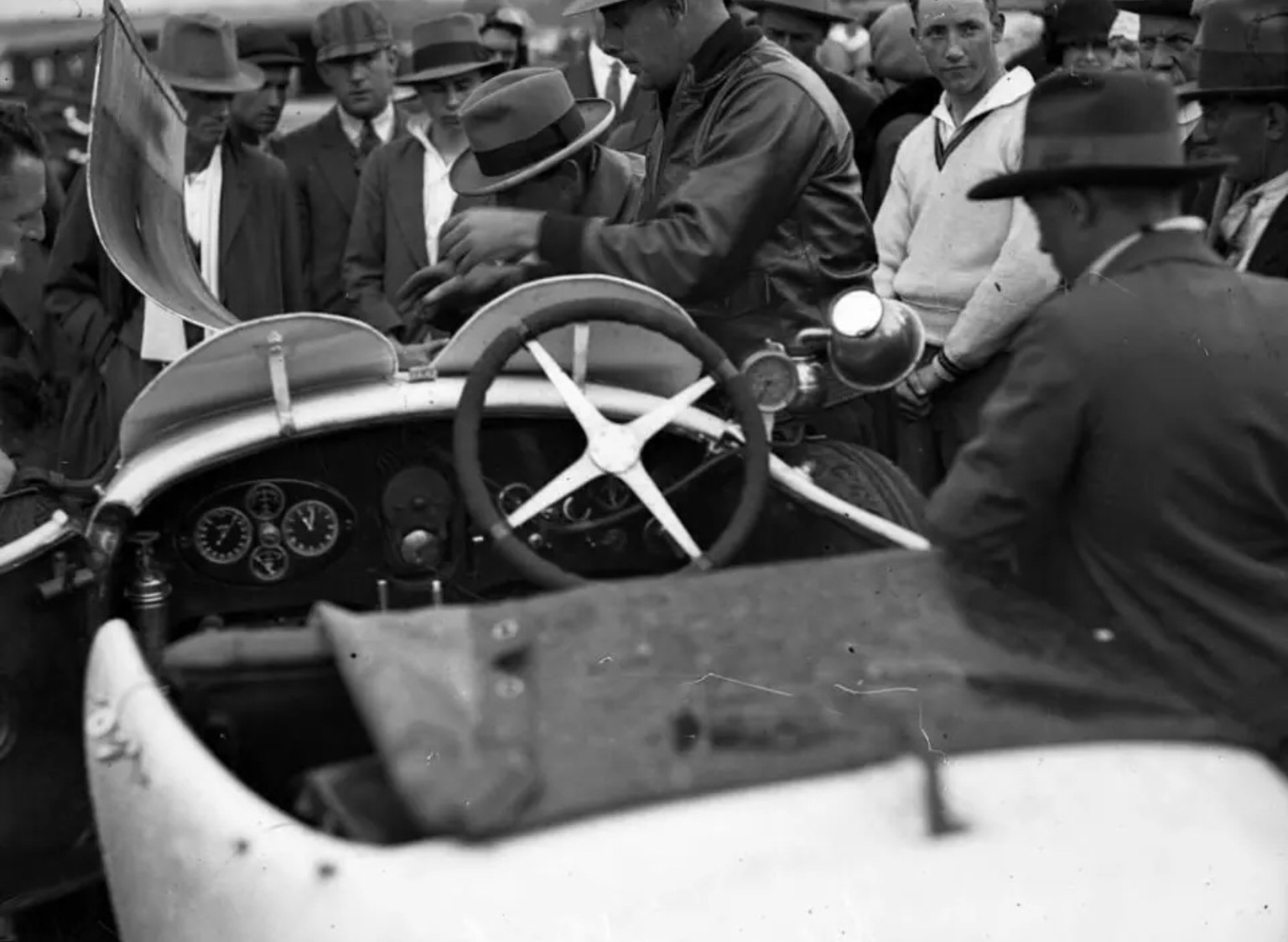
Such an evocative shot from Bob King’s collection.
He reckons its Geoff Meredith in Bugatti Type 30 chassis #4087, the ex-AV Turner car in which the great man met his maker, and the car aboard which Meredith won the first Australian Grand Prix at Goulburn in January 1927.
Finito…













 primotipo...