Posts Tagged ‘Tasman Cup’

(IMS)

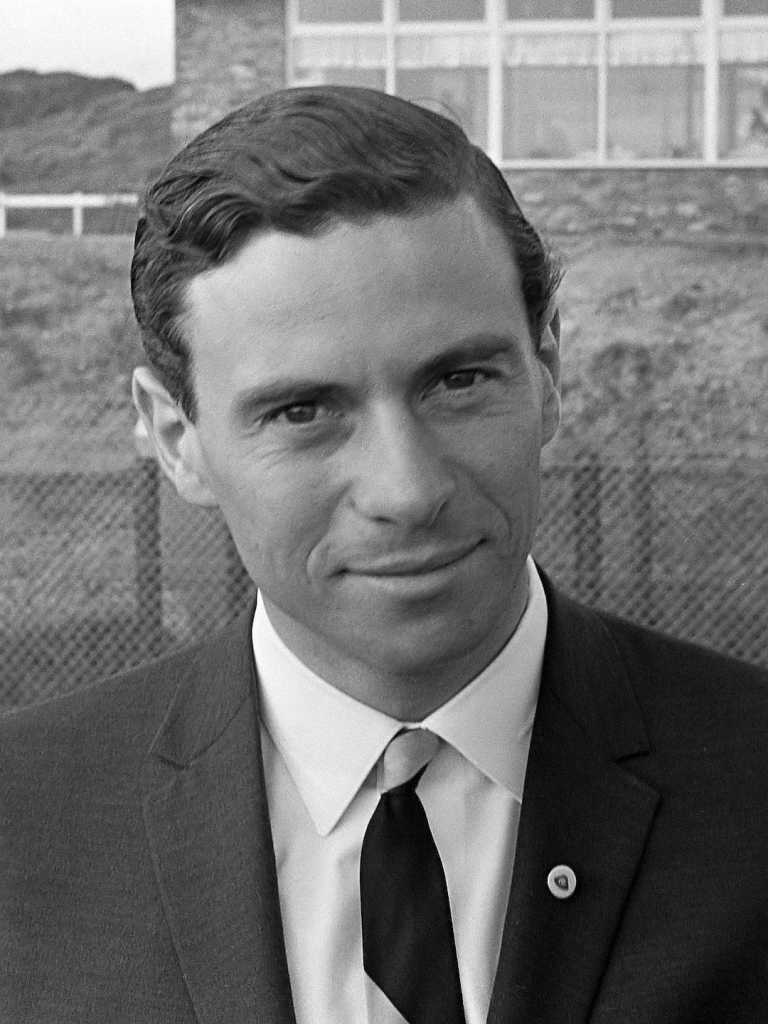
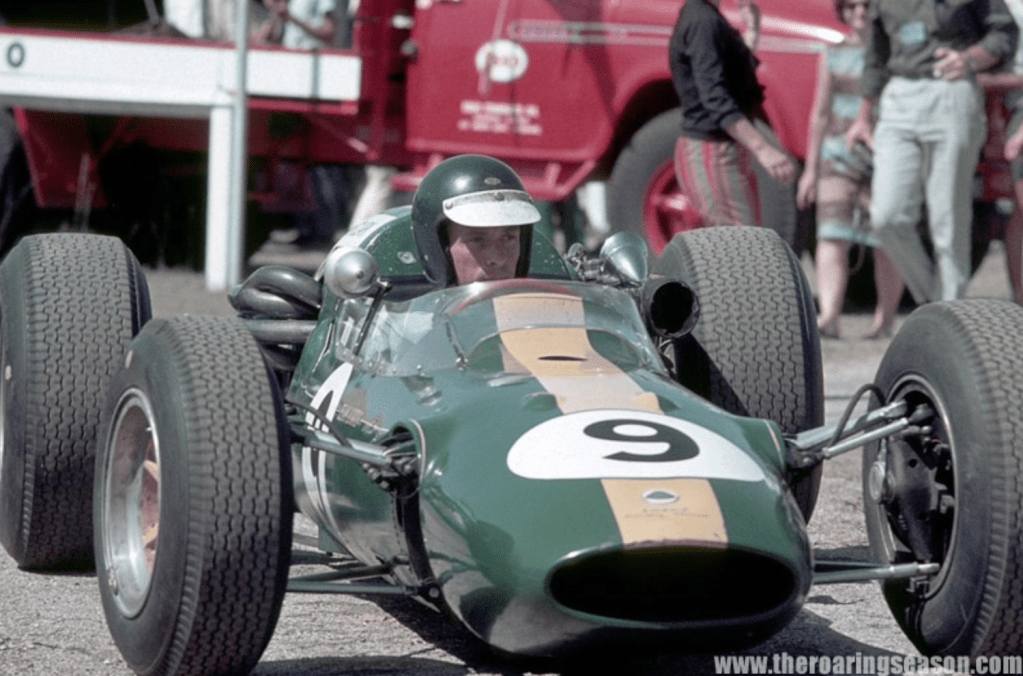
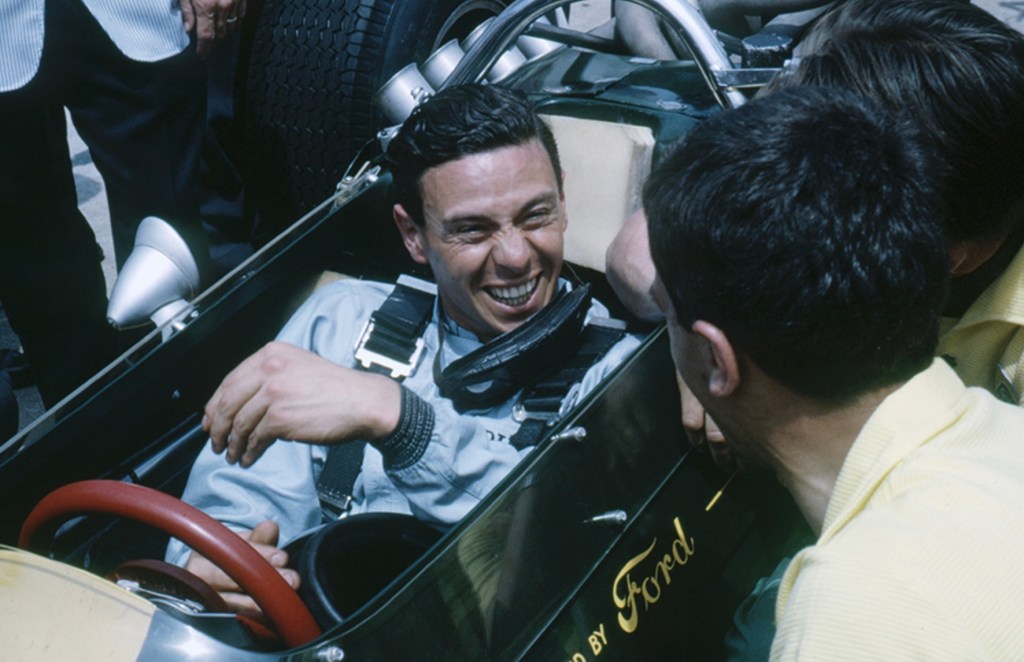
Jim Clark had a season like no other in 1965.

He bagged the Tasman Cup, Indianapolis 500, World Drivers Championship, the French – read Eiropean – F2 Championship plus a swag of touring car and sportscar victories.

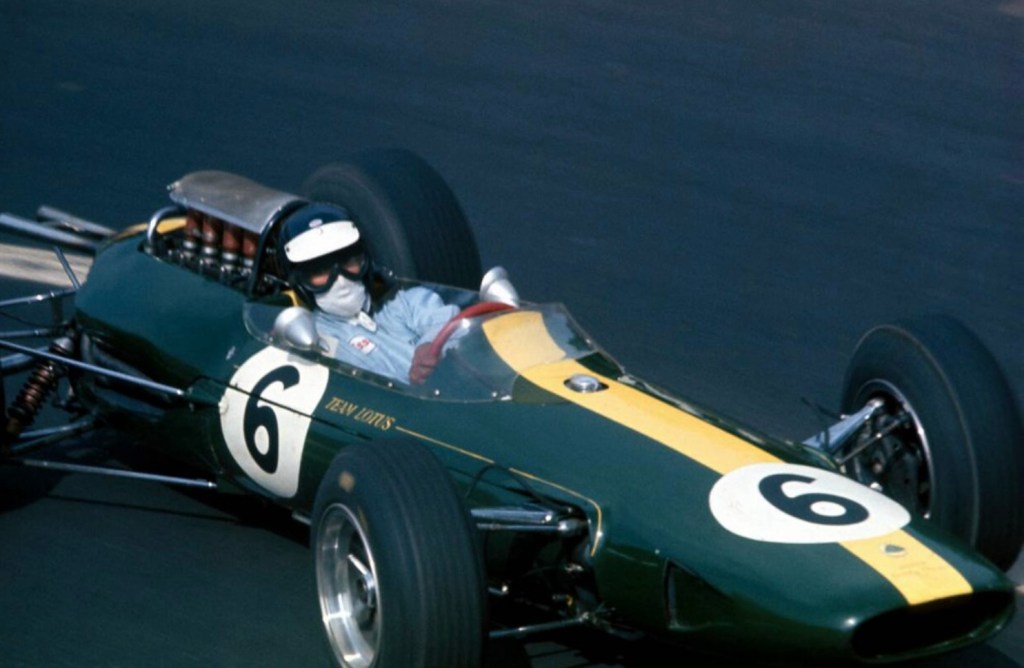
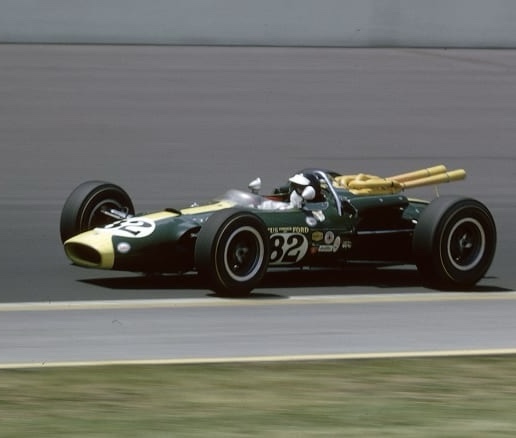
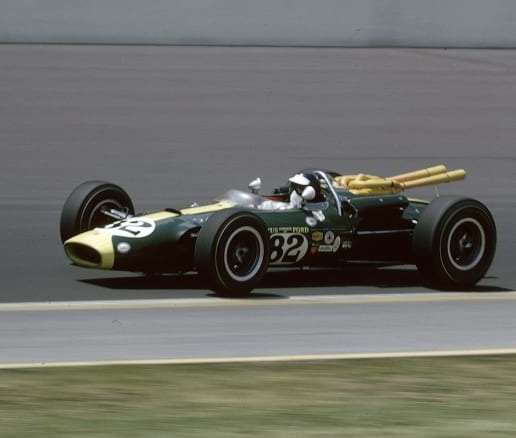
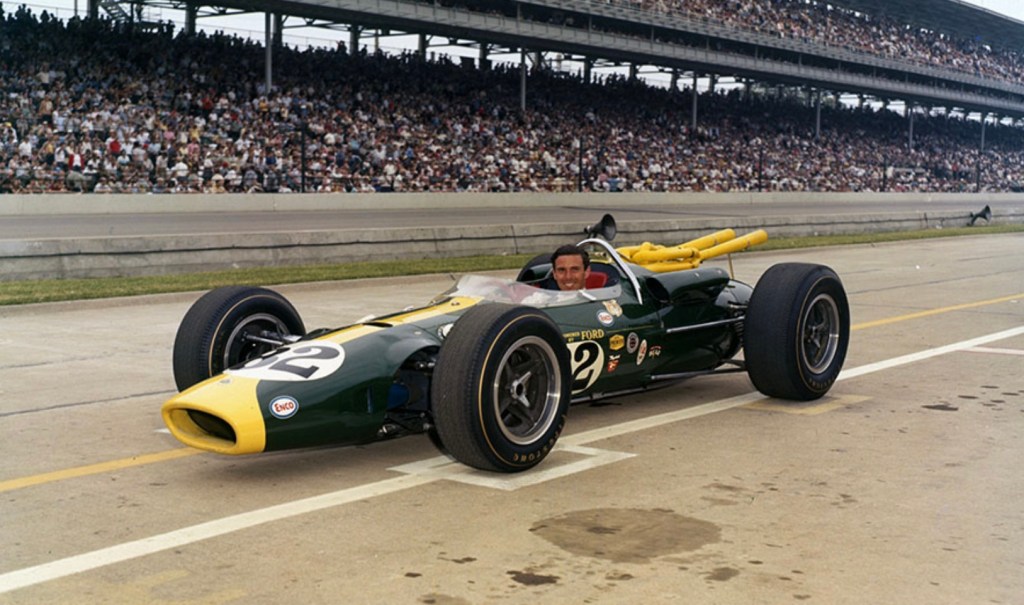
The shot above is of Clark enroute to victory at Indianapolis on May 31, 1965, Lotus 38 Ford-Indy 4.2-litre V8.
Hethel circa-1967 (unattributed)
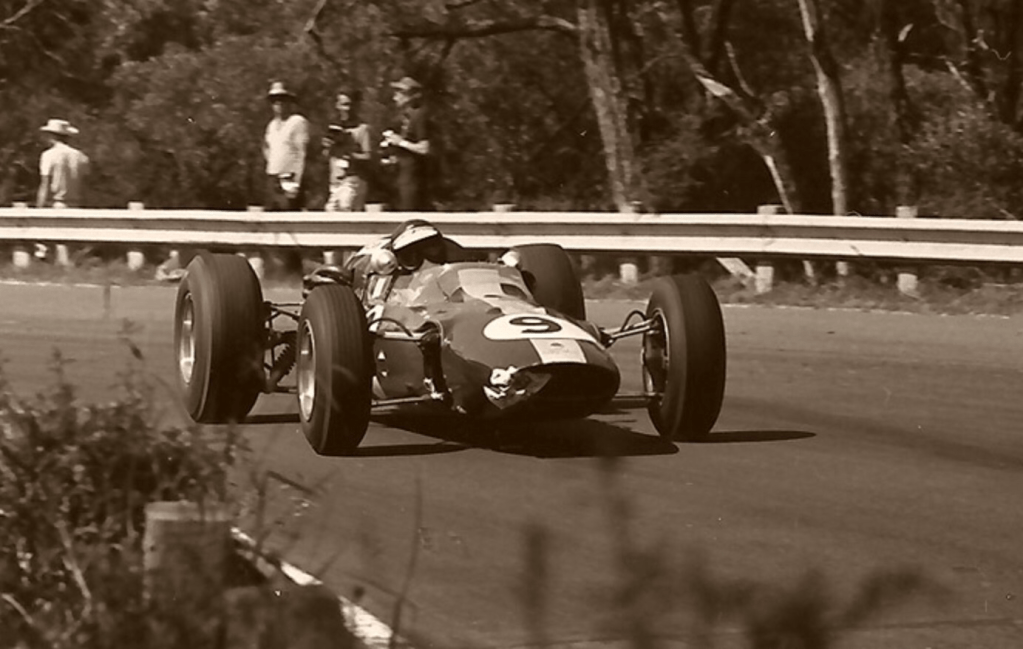
Lakeside 99, March 1965. Lotus 32B Climax. Jim won from Frank Gardner and Spencer Martin in Brabham BT11As
(Daily Telegraph)

‘Can you give us a hand with the car Jimmy? Yep, no worries Ray (Parsons) I’ll do the fronts.’

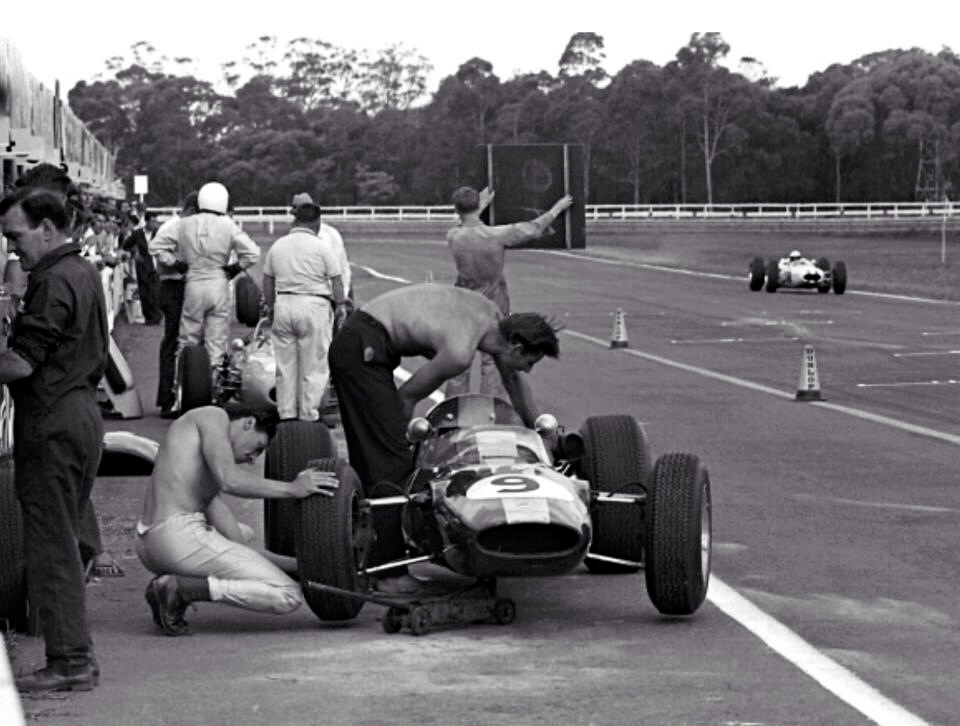
Clark and Parsons ready Clark’s Lotus 32B Climax FPF 2.5 for the Warwick Farm 100 during the February weekend. That’s Roy Billington, Jack Brabham’s mechanic on the far left by the pit counter and Lanky Frank Gardner in the white helmet. Meanwhile, Frank Matich blasts past in his Brabham BT7A Climax.

It was a good weekend for Clark and Parsons – the latter an occasional Team Lotus Cortina driver – Jim won (below) from Jack Brabham’s Brabham BT11A and Matich. More on the Lotus 32B here:https://primotipo.com/2017/11/02/levin-international-new-zealand-1965/ and about Ray Parsons here:https://primotipo.com/2022/02/20/ray-parsons-australian-lotus-mechanic-racer-and-development-driver/
(B Wells)

Clark romped home in the Tasman, winning four rounds. He won Levin, Wigram, Teretonga and Warwick Farm on-the-trot, then picked up the Lakeside non-championship round at the end of the tour. Bruce McLaren was second and Jack Brabham third.
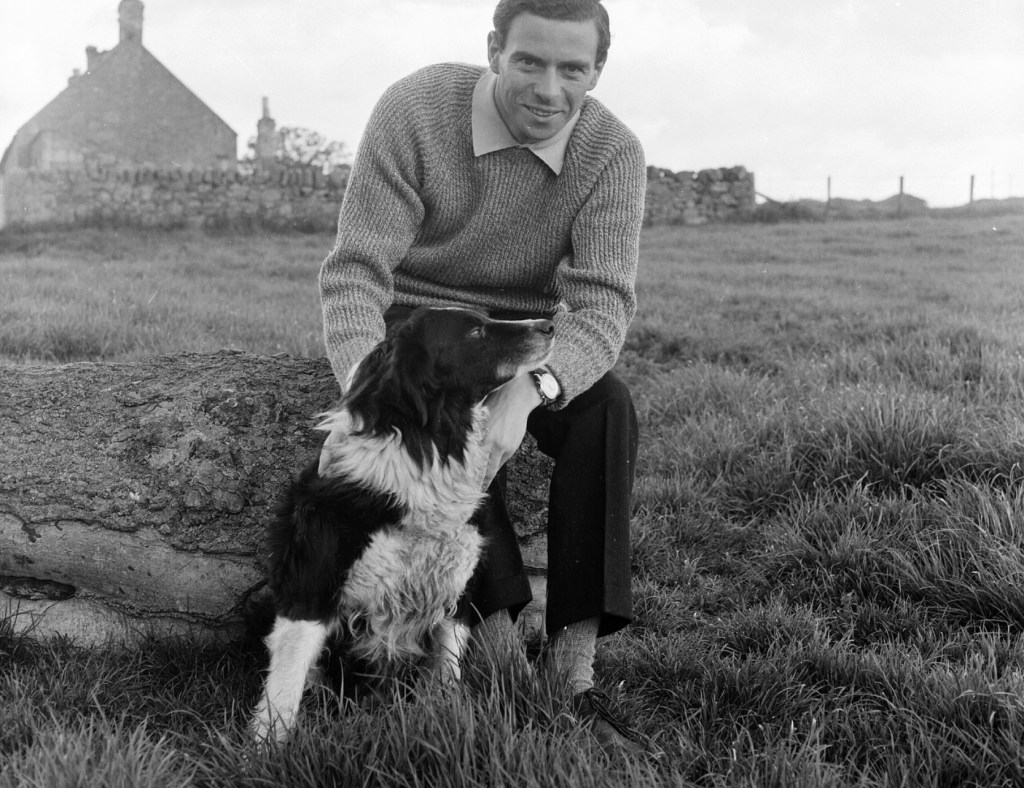
No way did Jim get home to Scotland on too many occasions in 1965.

By my reckoning – aided by and improving on Peter Windsor’s article of 10 years ago – Clark had 29 winning drives in 1965, ranging from short Tasman Cup heats to the 500 miles at Indianapolis.

Peter’s list of 26 wins missed two Grands Prix, amazingly, and one F2 victory, so for mine, it’s 29 wins in that very big year.
(IMS)

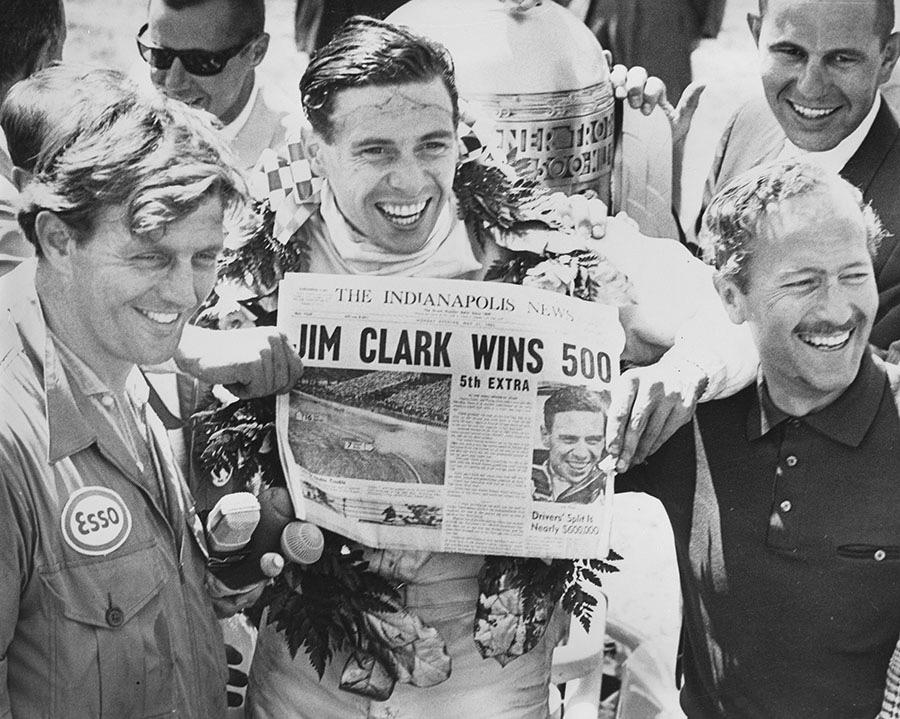
Clark was edged out of pole at Indy by AJ Foyt’s Lotus 34 Ford but Jim took the May 31 win that had been coming for two years, leading 190 of the 200 laps.

Parnelli Jones was second, Lotus 34 Ford, and Mario Andretti aboard a Hawk 1 Ford wad third. Al Miller’s Lotus 29 Ford was fourth; yes it was a great race for the Lotus lads.
(IMS)
(IMS)

The win was well merited to say the least. Fortunate for Colin Chapman too, Ford would have pickled his testicles had there been a fuck-up like the year before!

In Team Lotus’ first year at the Brickyard in 1963 the Indy Establishment simply shafted the interlopers in favour of one of their own…

More on the Lotus Indycar here:https://primotipo.com/2021/11/20/dans-lotus/
(IMS)
(unattributed)

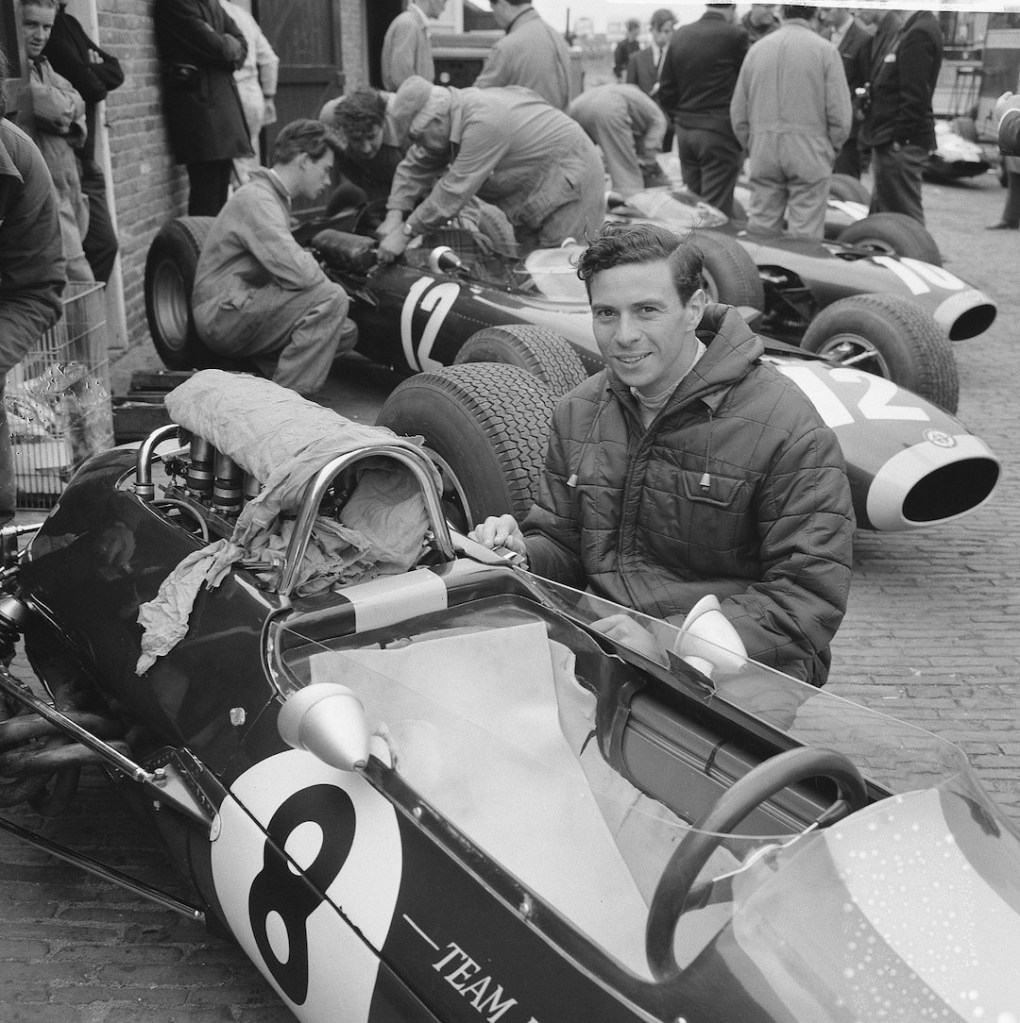
Of course Clark’s main programme for the year was Grand Prix racing.

That season he won three non-championship F1 races: the first heat of the Race of Champions at Brands Hatch, the Syracuse GP and the Sunday Mirror Trophy at Goodwood. He also took six of the ten championship events, four from pole: the South African, French, British, German, Italian and Mexican Grands Prix.

In so doing Clark picked up the World Championship of Drivers for his good-self and the F1 Manufacturers Cup for Lotus. More on the Lotus 33 Climax here: https://primotipo.com/2014/09/28/jim-clark-lotus-33-climax-monaco-gp-1967-out-with-the-old/
(unattributed)
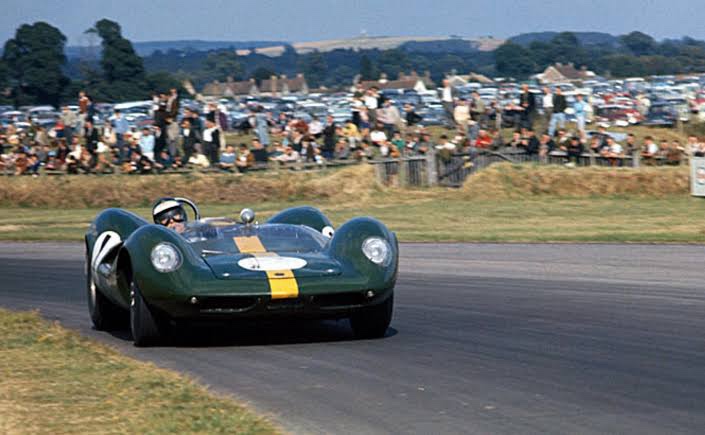
Clark on the hop at Goodwood during the August 1964 RAC Tourist Trophy, Lotus 30 Ford (Sutton)

Team Lotus wasn’t all beer and skittles. Every now and then Chapman built a shit-box, the Lotus 30 Ford 289 V8 was one of them.

While the concept of a backbone-chassis somewhat akin to the Lotus Elan made marketing, and, perhaps, theoretical sense, in practice it had a level of flaccidity the engineering equivalent of a couple of Blue-Bombers was never going to fix.

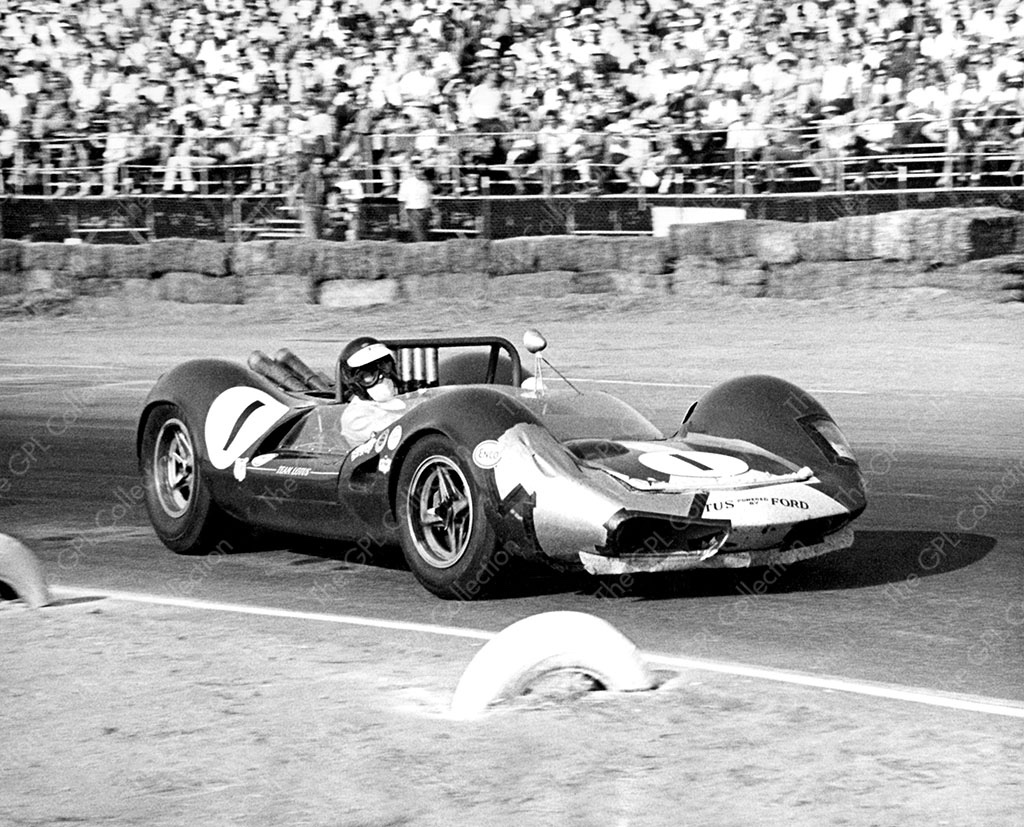
Clark wrestles with the gorgeous but recalcitrant 350bhp machine above, and with the ‘ten more mistakes’ – as Richie Ginther described it – aboard the Lotus 40 Ford in the LA Times GP at Riverside in October 1965; he was second to Hap Sharp’s Chaparral 2A Chev in a marvellous drive. One of Clark’s many attributes was to get the best out of a car, even a sub-optimal one. A bit more Lotus 30 here:https://primotipo.com/2016/08/30/rac-tourist-trophy-goodwood-1964/
(unattributed)
St Ursanne-Les Rangiers (lotuseuropa.org)

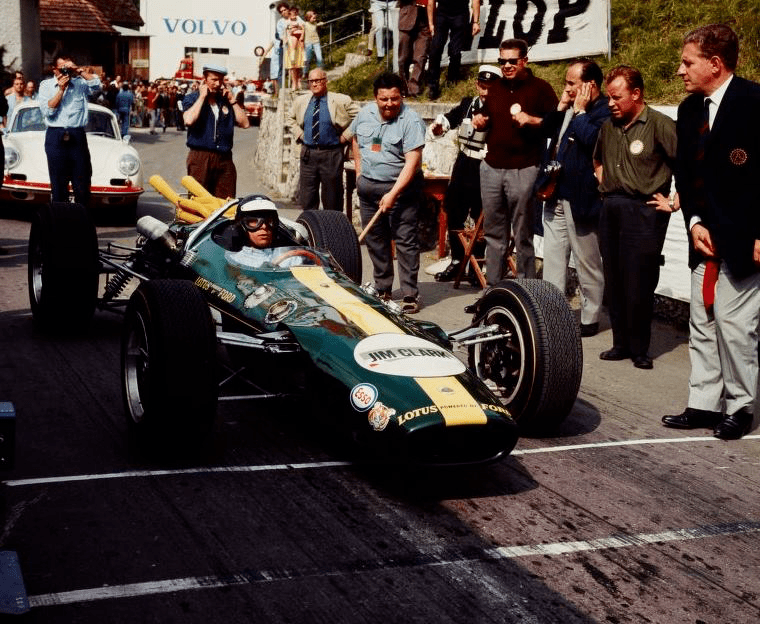
Of course, just when you think The Boss might give you a weekend off he comes up with the notion of doing a hillclimb or two in your Indy winning Lotus 38 Ford in the Swiss Alps.

‘Don’t fret Jimmy, we’ll give you a car with symmetrical suspension – it was chassis 38-4 rather than the Indy winner, chassis 38-1 – and off to St Ursanne-Les Rangiers we go on August 22.

Clark did a demonstration run in 5:20.8 while Jo Siffert did FTD in his Brabham BRM 1.5 V8 F1 car. Charles Vogele was second and Silvio Moser third.

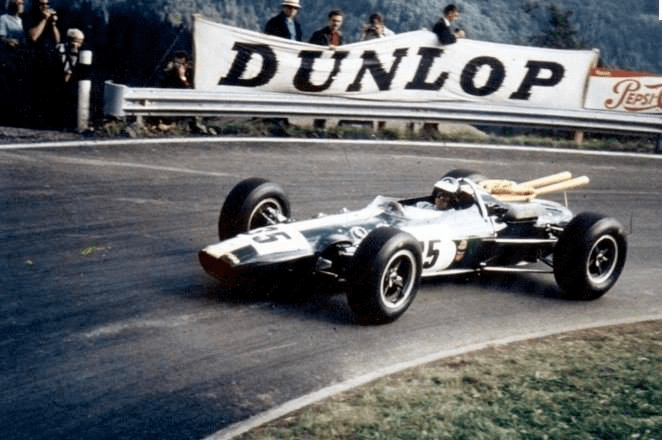
Next was Ollon-Villars also in Switzerland on the following weekend, August 29.

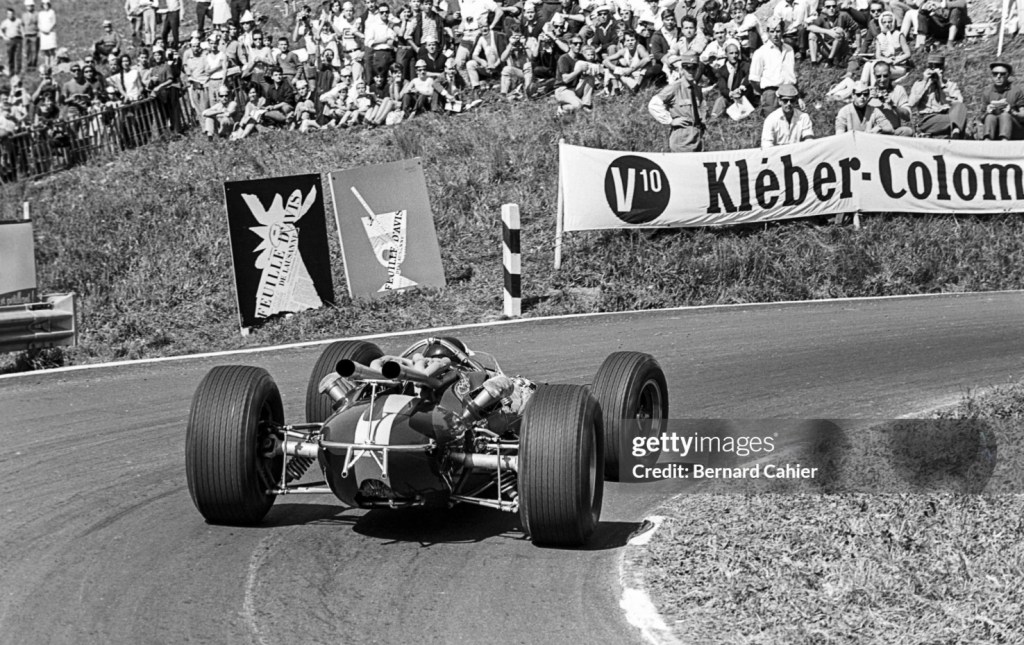
Lou Drozdowski wrote, ‘Clark spun off the course during practice and spent much of the afternoon among the sheep and pastures making his way back. He did however set a time of 4:34 compared to Ludovico Scarfiotti, Ferrari 206P FTD of 4:09.’ Gerhard Mitter was second and Gianpiero Biscaldi third.
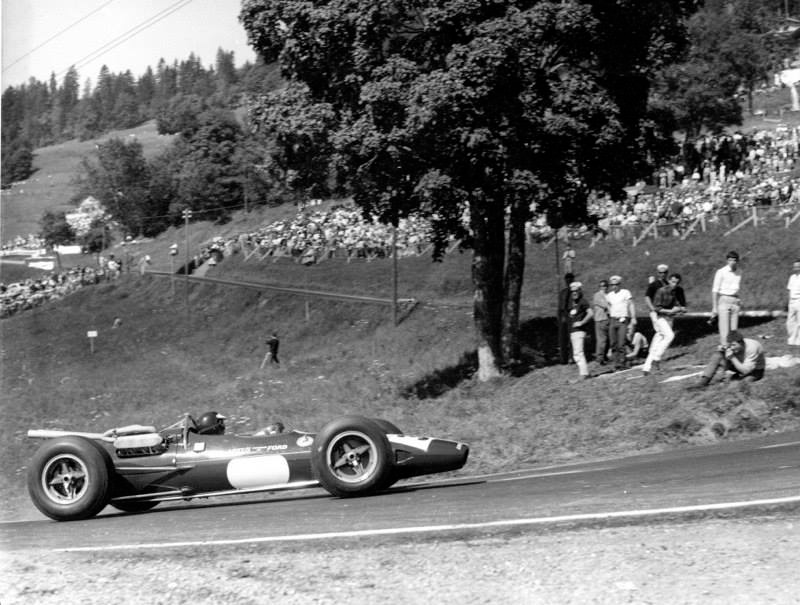
Ollon-Villars (unattributed)
Big-bertha’s butt at Ollon-Villars (B Cahier)
(LAT)

Lotus’ relationship with Ford was strong and multi-faceted, one element of which was the Ford Cortina Lotus Mk 1 and 2 and the Escort Twin-Cam, all of which were fitted with the Lotus-Ford twin-cam, two-valve twin-Weber fed engine.

While it could be seen as hit-and-giggle in the context of his other ‘65 race-programmes, moving-metal was a very serious business so Clark approached his Lotus Cortina races that year in the UK and North America just as seriously as he did everything else.

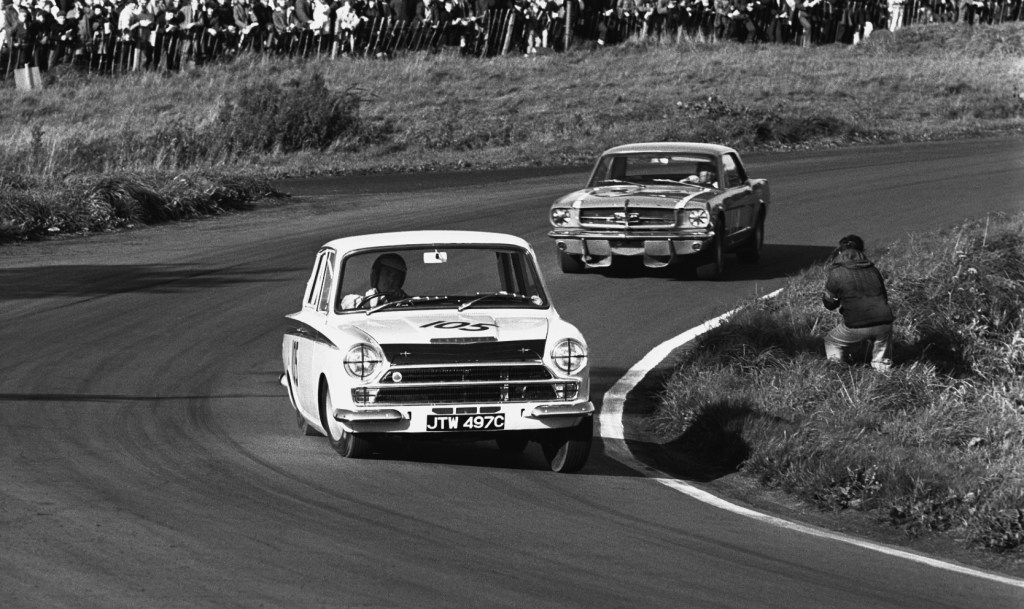
Here he is giving Jack Brabham a run for his money at Oulton Park during the British Saloon Car Championship round on September 18, 1965. Jack’s mount is Alan Mann’s Ford Mustang. More on the Lotus Cortina here: https://primotipo.com/2014/11/16/jim-clark-lotus-cortina-sebring-1964/
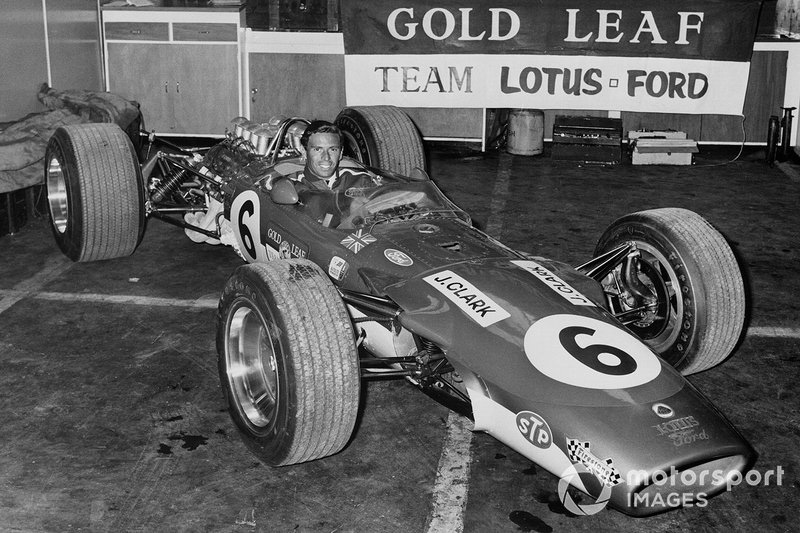
Etcetera…

The Lotus 49 first ran in Gold Leaf Team Lotus colors during the Lady Wigram Trophy on January 20, 1968.

The transformation from Team Lotus’ perfect livery to fag-packet occurred during the week between the Levin International on January 13 and Wigram.

With a done deal in London, the Lotus team arranged for a skilled signwriter at Hutchinson Ford in Christchurch to apply the new Gold Leaf livery to Jim’s Lotus 49. 
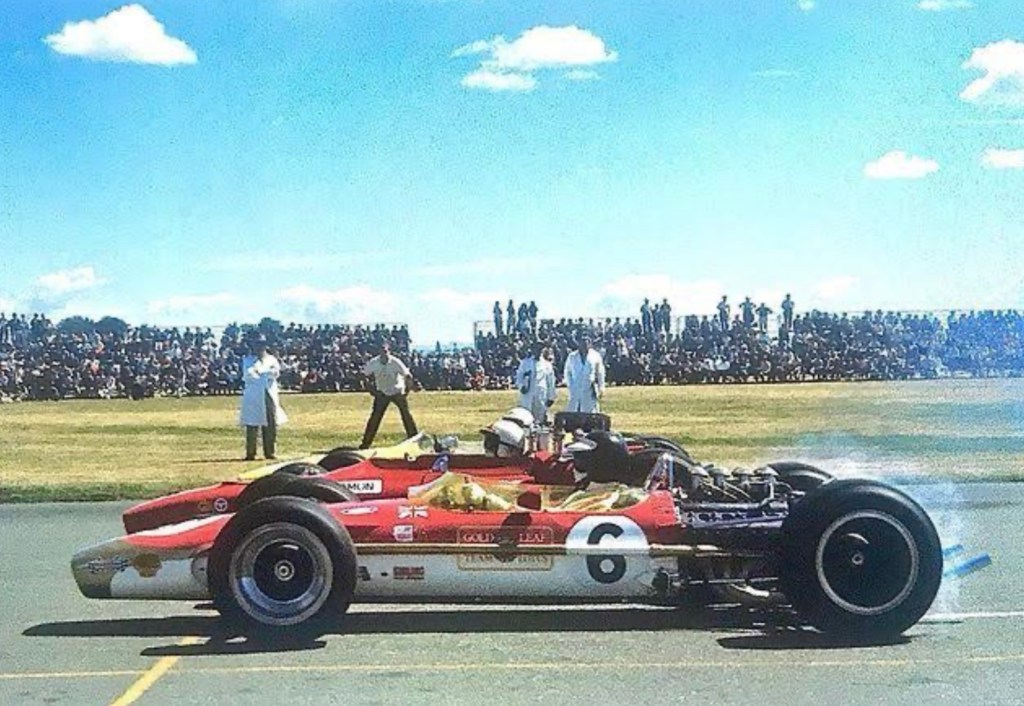
Clark, Amon, Gardner: Lotus 49 Ford DFW, Ferrari 246T and Brabham BT23D Alfa Romeo. Wigram 1968

Outside the US and some other countries it was the beginning of big corporate sponsorship in motor racing.

Ever the leader, Chapman’s quick commercial response and applying the new sponsorship colours demonstrates just how rapidly change took place once advertising restrictions in racing were lifted prior to the 1968 season.
(unattributed)

Credits…

Indianapolis Motor Speedway (IMS), Bruce Wells, The Jim Clark Trust (TJCT), Lou Drozdowski in lotuseuropa.org

Tailpiece…
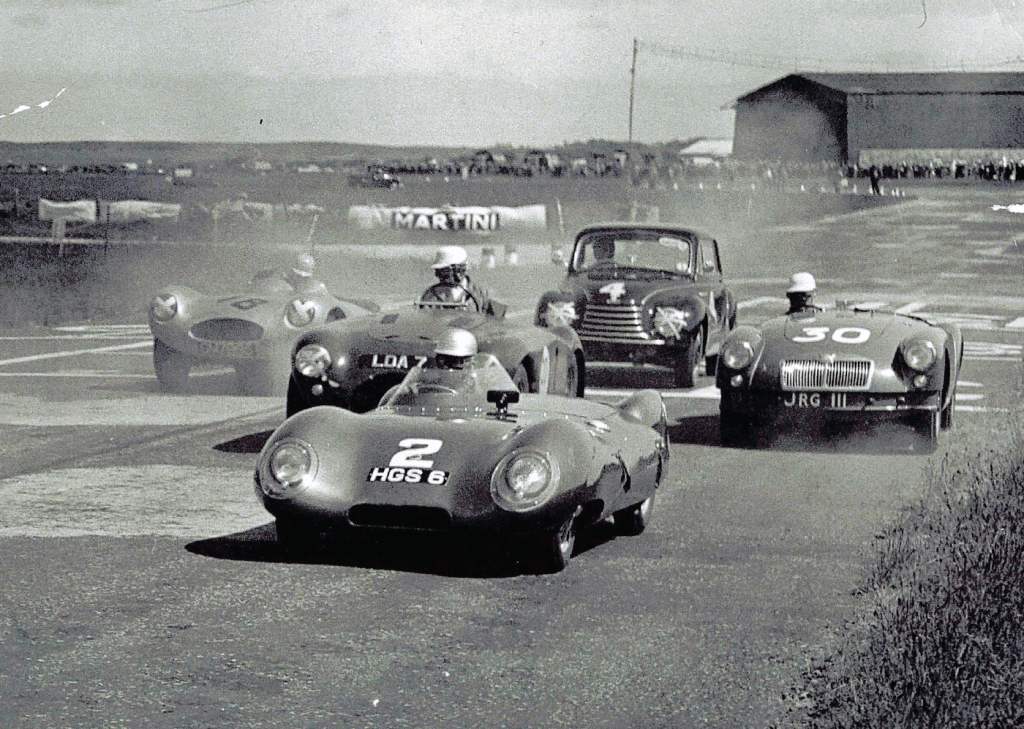
(TJCT)

Jim Clark’s first race was at Crimond, aboard Ian- Scott-Watson’s DKW Sonderklasse on June 16, 1956.

That’s JL Fraser Lotus 11 front-and-centre, then from the left #18 AR Millar Saltire, LDA7 Kenny McLennan’s Kit MG, #4 Clark in Scott-Watsons DKW Sonderklasse, and John Campbell, MGA.

The Jim Clark Trust wrote that ‘In the sportscar race there was no handicap, so the DKW was hopelessly outclassed. Clark did pass one car but his joy was short-lived. The tailender was heading for the pits with broken halfshaft and the DKW finished in last place.’

Finito…

(D Waldron)

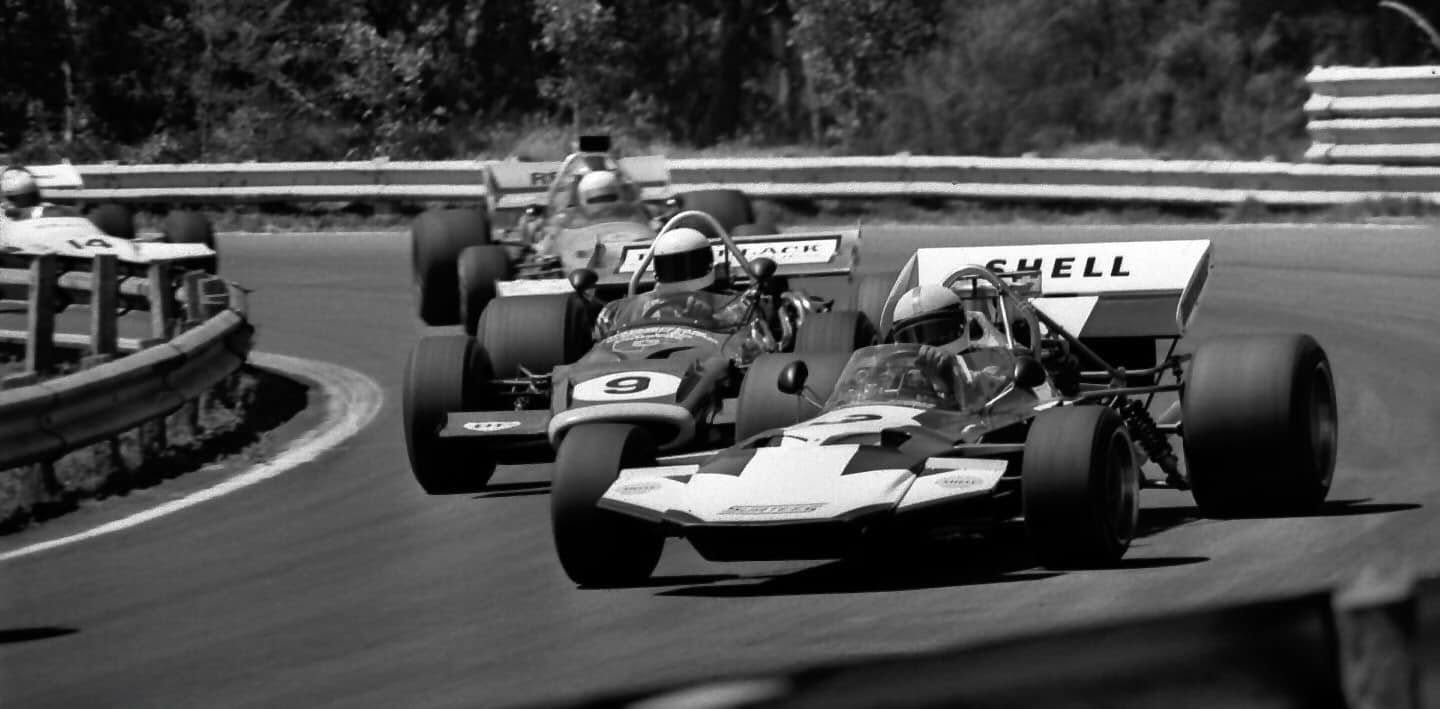
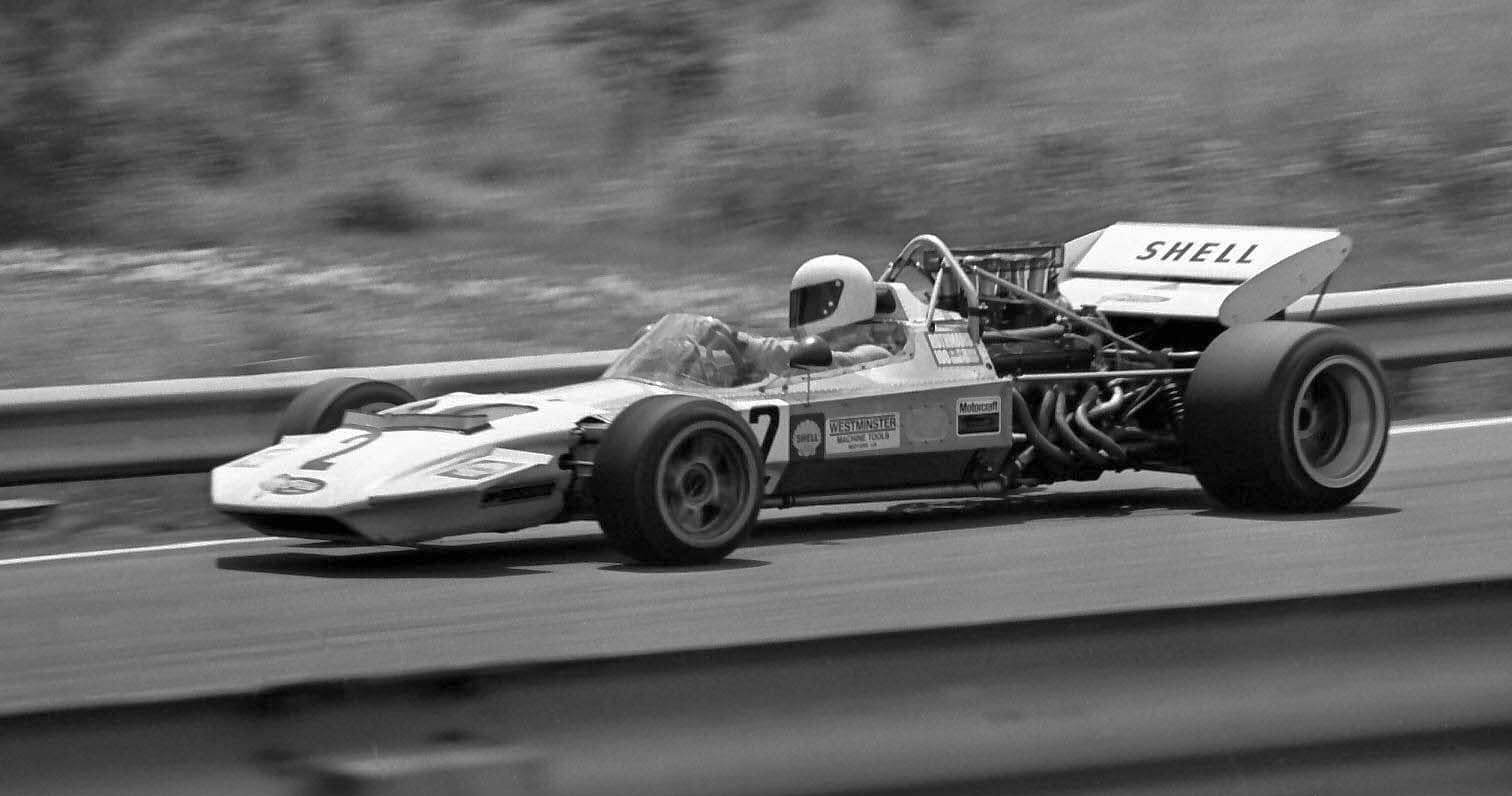
Sam Posey, Surtees TS11 Chev in the Wigram pitlane during the January 20, 1973 Lady Wigram Trophy weekend.

John Surtees’ first two F5000 designs – the Len Terry designed 1969-71 TS5/TS5A and 1971 TS8 – sold well and were quite successful.

The TS11 was Surtees 1972 F5000 car. Based on the Grand Prix TS9B the prototype was tested by Big John at Goodwood but was written off shortly thereafter when Mike Hailwood hit a patch of oil and crashed it at Brands Hatch on October 28..

That curtailed plans for John Surtees to race it, and win the November 1971 Australian Grand Prix at Warwick Farm to help generate some sales.

Sam Posey at Tyler Graphics, Mount Kisko, New York in 1987. This photograph by Marabeth Cohen-Taylor was given to the National Gallery of Australia
John Surtees, Surtees TS8/9-002 battling with Alan Hamilton’s McLaren M10B Chev, Colin Bond, McLaren M10C Repco-Holden and Graeme Lawrence’s Brabham BT30 Ford FVC in the Warwick Farm Esses during the 1971 AGP (L Hemer)

Surtees’ and Hailwood‘s TS8/9 and first TS11…

An alternative car, a TS8 (with TS9 chassis 002) was sent to Sydney instead. Surtees qualified it ninth and was well placed for a decent finish before a slow puncture forced an even slower pitstop and tyre change.

That same car was then raced very competitively by Mike Hailwood in the 1972 Tasman Cup. Hailwood crashed the TS8 (chassis TS9-002) in the final New Zealand round at Teretonga so a new TS11 chassis was sent to Sydney and a front-radiator TS11 – tagged TS11/03 – was built up from the pile of parts to complete the final four Australian rounds.

Mike was second in the championship behind Graham McRae despite not winning a round: Q3 and second at Pukekohe, Levin Q4/third, Wigram Q4/second, Teretonga Q1/DNF crash. In Australia, this time with the outwardly similar TS11: Surfers Paradise no time/sixth, Warwick Farm Q17/fifth, Sandown Q7/fourth and Adelaide Q4/second.

Mike Hailwood at Warwick Farm during the February 1972 Tasman Cup round, Surtees TS11 Chev (L Hemer)
NZ (T Marshall)

Build numbers and competitor set…

Five TS11s were built, including the Hailwood Tasman car, and there are another four mystery-cars as Allen Brown correctly describes such machines, see here: https://www.oldracingcars.com/surtees/ts11/

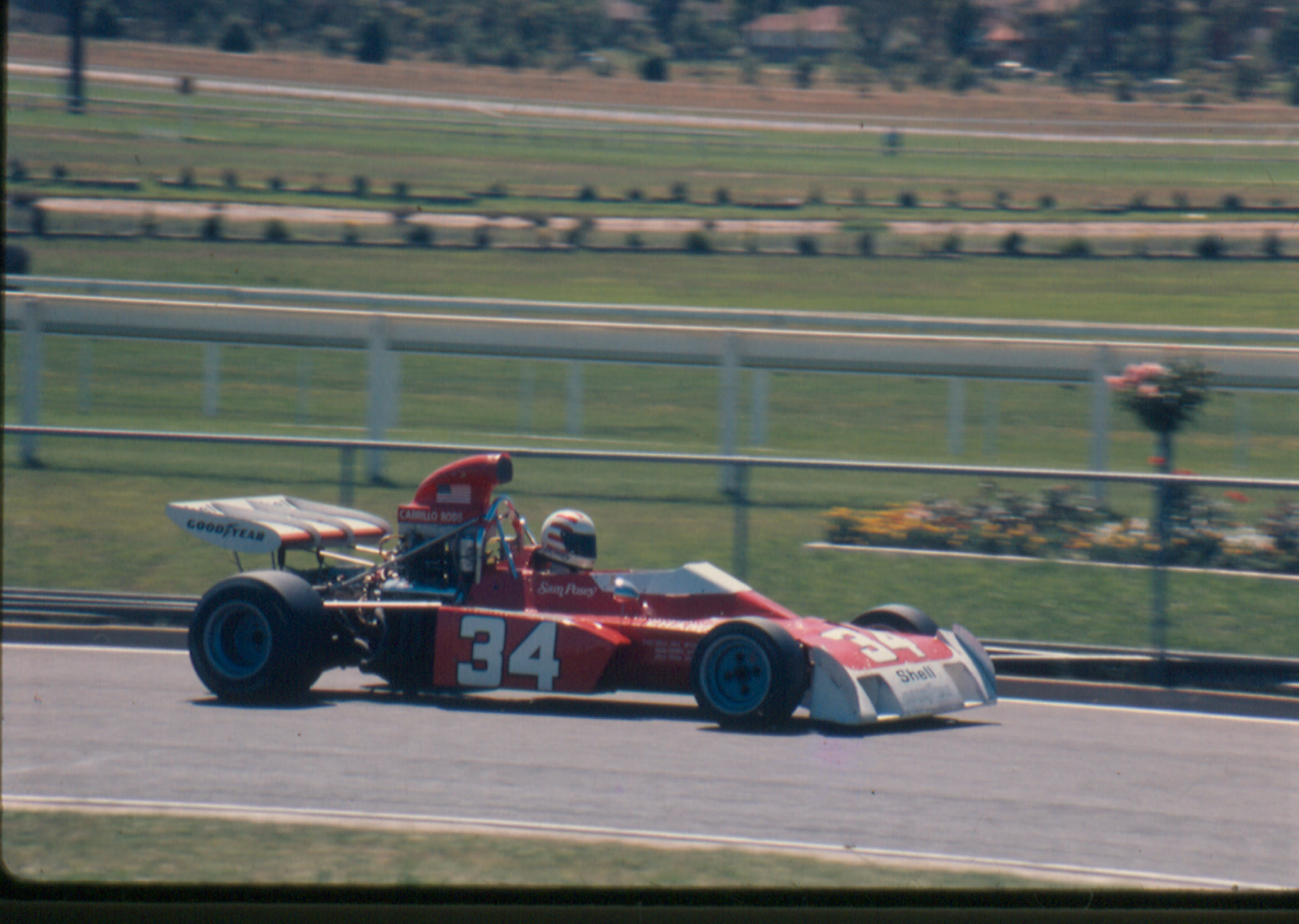
The most successful TS11 was TS11/04, the Champcarr Inc – Doug Champion and Fred Carrillo – machine based in San Juan, California raced by Sam Posey in the 1972 US F5000 L&M Championship, the most competitive of the F5000 competitions globally.

Posey testing TS11/04 at Ontario Speedway in 1972. That venue was not part of the ’72 L&M (M Rizzo)
Posey in TS11/04 in the Lime Rock pitlane in 1972. Q9 and third behind Brett Lunger and Brian Redman (G Rickes)

1972 was the year of the McRae GM1 and Lola T300 so the going was tough, but the talkative, talented American racer of single-seaters, Can-Am, Champcars – plus an occasional F1 drive – got the best out of the car, finishing second behind Graham McRae and then Brian Redman and Brett Lunger tied in third in Chevron B24/Lola T300 respectively: 87, 69 and 60 points respectively.

Posey didn’t win a round but placed second at Laguna Seca, Road America and Riverside in a season of consistency and reliability.

Bomb Bay, Wigram Q11 and DNF engine on January 20. McRae won from Warwick Brown and Steve Thompson (B Hopping)
Posey at Surfers Paradise in February 1973. Fifth from Q9, Frank Matich won (P Overell)

Posey’s Tasman…

When Sam crossed the Pacific his reliability seems to have deserted him! What didn’t change was the pace of McRae, and there were a few other quicks at the front of the 1973 Tasman Cup field too: Frank Matich, John McCormack, Steve Thompson, Allan Rollinson, Max Stewart and Warwick Brown to name a few.

In the four Kiwi rounds he was: Pukekohe NZGP Q11 DNF throttle, Levin Q7 DNF engine, Wigram Q11 DNF engine and Teretonga Q9 and second behind Alan Rollinson. So, a good finish to the first half of the series before crossing the Tasman for Surfers Paradise.

Surfers Q9 and fifth, Warwick Farm Q6 and seventh, Sandown Q6 and sixth, Adelaide Q2 and DNF undisclosed. It was all pretty uninspiring, the sheer pace evident in the US was missing and four DNF’s in eight races doesn’t win championships.

McRae won the championship with three wins aboard his McRae GM1 Chev, 40 points from John McCormack, Elfin MR5 Repco-Holden two wins and 29 points and Frank Matich, Matich A50 Repco-Holden, one win, 27 points.

Posey is a most interesting renaissance man, I like this Motor Trend article about him: https://www.motortrend.com/features/racer-same-posey-shines-bright/

Posey in the Sandown pits, and paddock below in February 1973. Q6 and sixth, McRae won (stupix)
(J Blanden)
Pukekohe pits 1973. Q11 and DNF throttle. John McCormack won the NZ GP in an Elfin MR5 Repco-Holden (B Kempthorne)

Specifications…

Gijs van Lennep won the European F5000 Championship with his car (TS11/02) but was lucky in that the quicker McRae and Brian Redman biased their F5000 seasons on both sides of the Atlantic to the US L&M rather than the British Rothmans Formula 5000 Championship.

As mentioned above the, TS11 was a development of the F1 TS9B. It had a period typical aluminium alloy monocoque chassis, a Chev 5-litre engine to the choice of the customer, and used Hewland’s ubiquitous DG300 five speed transaxle.

It had a Tyrrell or sportscar type nose, side radiators and inboard front suspension, the top rocker actuating a coil spring damper unit, magnesium uprights with an adjustable roll bar. The brakes were outboard. At the rear was magnesium uprights, a single top and parallel bottom yonks with a pair of radius rods doing fore and aft locational duties on either side. Brakes were inboard, note the oil-rads under the wing.

Posey on Sandown’s main straight during the 1973 Tasman round. That Sandown is part of a horse racing complex is readily apparent…and a might fine venue it is (G Moulds)

Etcetera…

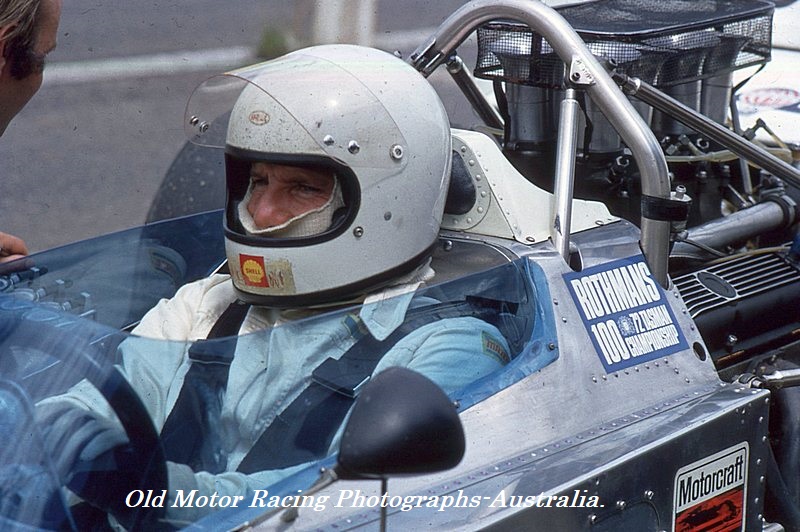
This shot of Mike Hailwood in the Sandown Park, Australian GP dummy grid on February 20, 1972 gives us a better look at the unpainted full-monocoque Surtees TS11 chassis – TS11/03 – of the three-week old car.

The structure extends right up behind behind the drivers shoulders in the photograph below. Mike was fourth from Q7, the was race won by Graham McRae’s Leda GM1 Chev.

(B Jackson)

Mike Hailwood chats with a mechanic in the Warwick Farm 100 paddock over the February 13, 1972 weekend.

Note the inboard rocker front suspension and single radius rod doing locational duties at the rear.

(B Jackson)

Rear wing area very busy, to the detriment of it doing its job!

Note the faired oil coolers either side of the vertically mounted oil tank, and Varley battery underneath it. The rear suspension has only one – top – radius rod on each side but the lower suspension comprises a wide based wishbone and an additional ‘toe’ link.

(B Jackson)

Roll bar mounted directly to the rear bulkhead and in nicely braced both fore and aft, note the single radius rod.

There was nothing wrong with the assembly of the new car by Mike’s mechanics. It finished all four races in Australia, well up too.

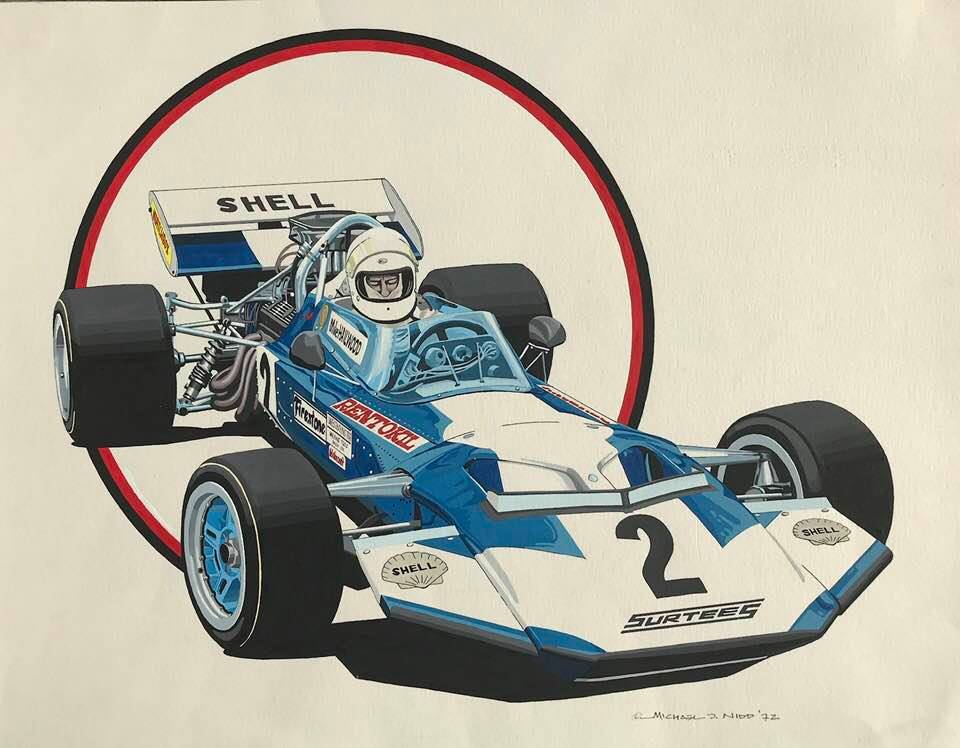
(M Nidd)

Without wanting to confuse things further, see above a wonderful painting of Hailwood’s Surtees TS8 as it appeared in New Zealand in the summer of ’72…

(S Love)

John Surtees and Sam Posey in the Laguna Seca paddock in 1971. ‘Well, keep going the way you are and there probably is an F1 drive at home for you Sam.’

(Pinterest)

Sam Posey in front of Mike Hailwood during the October 1972 US GP at Watkins Glen.

The pair are racing Champcarr/works-Surtees TS9B Ford DFVs. Sam was Q24 and 12th, Mike Q14 and an accident impacted 17th. Jackie Stewart won in a Tyrrell 005 Ford DFV.

Credits…

Dave Waldron via Gerard Richards, Bryn Kempthorne, Maurizio Rizzo, Marabeth Cohen-Tyler, Brian Hopping, Paul Overell, Greg Rickes, Glen Moulds, Michael Kidd, Steve Love, Stupix, Old Motor Racing Photographs Australia Archive, Pinterest, Brian Jackson photos via Glenn Paine, John Blanden

Finito…
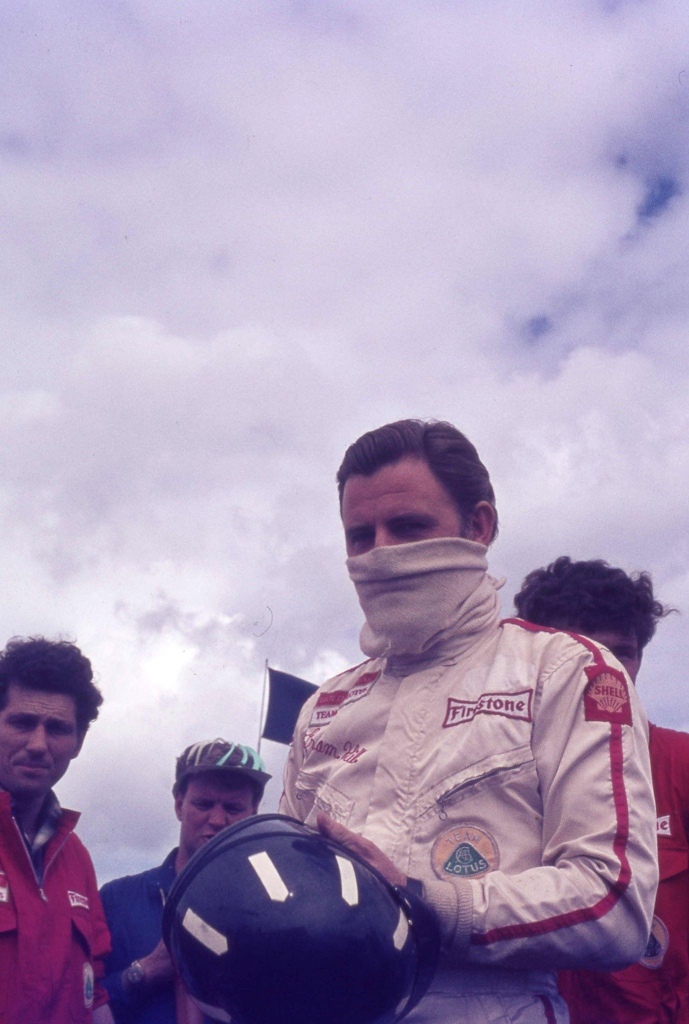
(E Sarginson)

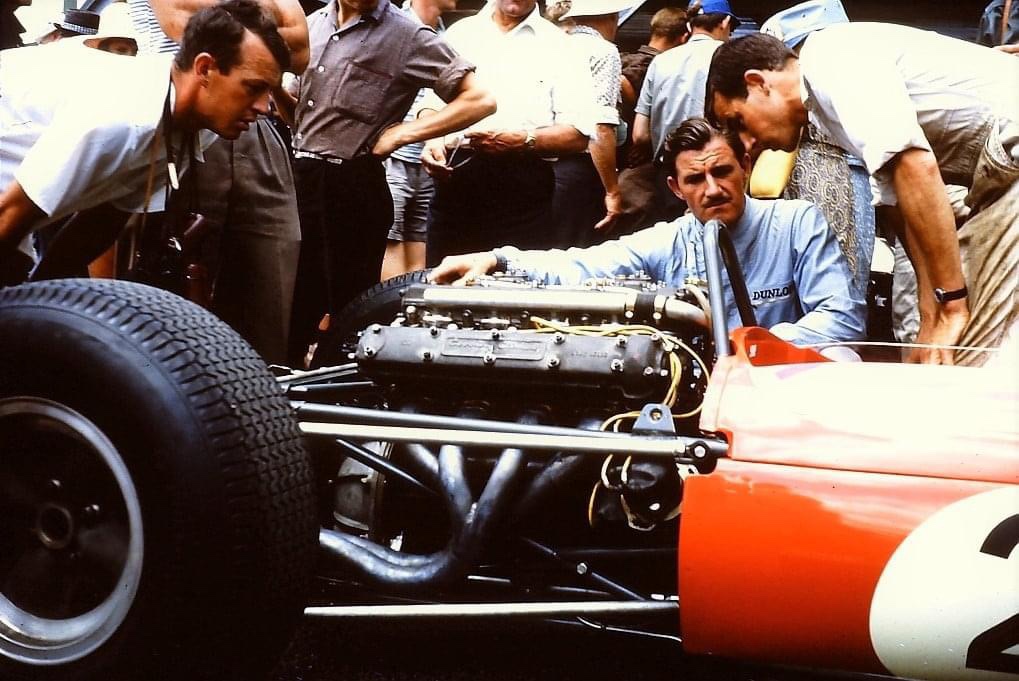
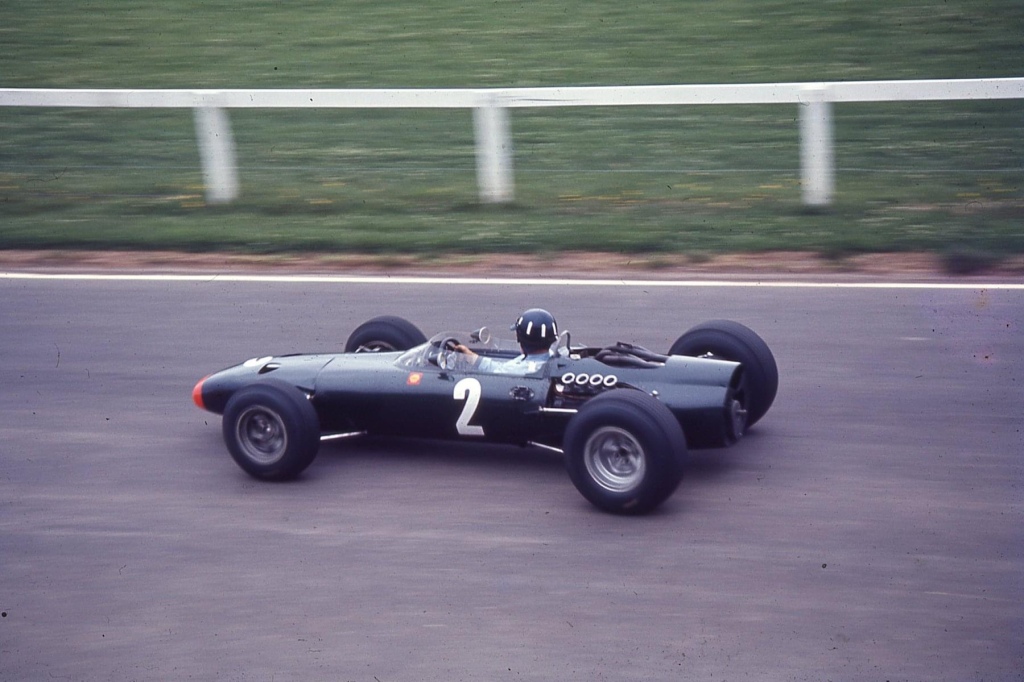
Graham Hill aboard his BRM P48 Grand Prix car in the first race of many races in New Zealand over the ensuing decade. Ardmore during the January 7, 1961 New Zealand Grand Prix.

65,000 Kiwis rocked up in searing Auckland heat to see 14 international drivers take on the locals. Hill finished third behind the two works Cooper T53 Climax 2.5s of Jack Brabham and Bruce McLaren.

The Bourne equipe were regular visitors to New Zealand, having first made the trip in 1954 when a single BRM P15 V16 driven by Ken Wharton blew the minds of Kiwis with its staggering performance and sound, if not its reliability. The Rubery Owen Group/Owen Organisation had subsidiaries in New Zealand and Australia so BRM made the long trip on many occasions to wave the flag, despite the protestations of Chief Engineer, Tony Rudd in some years when he would have preferred to prioritise development of his GP machines over the European winter.

The BRM P48 – the marques first mid-engined car – took its swansong on this trip, and its only international win in the final meeting on the Ballarat Airfield in Victoria, albeit it was Hill’s team-mate, Dan Gurney who took the chequered flag that day. That year BRM didn’t contest the other Kiwi internationals, more on the BRM P48 here; https://primotipo.com/2018/03/16/bourne-to-ballarat-brm-p48-part-2/

(E Sarginson)

Hill missed 1962 but returned for the ’63 summer as World Champion albeit he raced the revolutionary Ferguson P99 Climax four-wheel-drive car down south rather than his championship winning BRM P57/578.

He was stiff to miss out on third place in the NZ GP (above) held at the new Pukekohe track outside Auckland, he lost his clutch at the start then the gearbox cried enough on the very last lap. Hill returned home for a break, before returning for the Australian rounds. Innes Ireland raced the car at Levin for Q5/third, Wigram last/DNF o/heating and Teretonga Q5/third.

Hill’s best in Australia was a win in a greasy preliminary at Lakeside where the car’s grip showed through. In those pre-Tasman Cup 2.5 days both New Zealand and Australia had Formula Libre as their national categories. Once Coventry Climax developed the 2.75-litre ‘Indy’ FPF for Cooper’s 1961 assault on the Indy 500 that engine became the power unit de jour in Australasian events. The FPFs fitted to the P99 were 2.5-litre units so Hill and Ireland were starting behind the eight-ball compared with Brabham, McLaren, John Surtees and Tony Maggs etc who had 2.7s. So fitted we may really have seen the potential of these exciting cars which were somewhat hamstrung when raced with 1.5-litre FPFs in F1 events, where they were less able to ‘carry the additional weight’ inherent in the additional, complex transmission and associated components. What might have been?

(B Ferrabee)

In 1964 Hill contested two rounds of the Tasman Cup in Australia aboard a Brabham BT4 Climax 2.5 run by the David McKay’s Scuderia Veloce. He was third at Warwick Farm and won the South Pacific Trophy at Longford, so he happily signed up again in 1965, racing a brand new Brabham BT11A Climax, Ron Tauranac’s latest Tasman challenger which was also used by Jack and Frank Gardner.

Graham opened his ’65 Tasman account as he closed 1964 with a win at Pukekohe, the NZ GP. Hill again, as became his norm, skipped the balance of the Kiwi races to have some family time, doing the Warwick Farm and Sandown Australian rounds for fifth and DNF. More about the ’65 Tasman here; https://primotipo.com/2017/11/02/levin-international-new-zealand-1965/

Hill was complimentary about the preparation of his car by Bob Atkin and Spencer Martin, Martin raced this same chassis to Australian Gold Star championship wins in 1966 and 1967.

Graham Hill and Spencer Martin swap notes at Pukekohe. By that stage Repco were the largest supplier of FPF parts in the world having had the commercial rights from circa 1962 (K Buckley)
(M Fistonic)

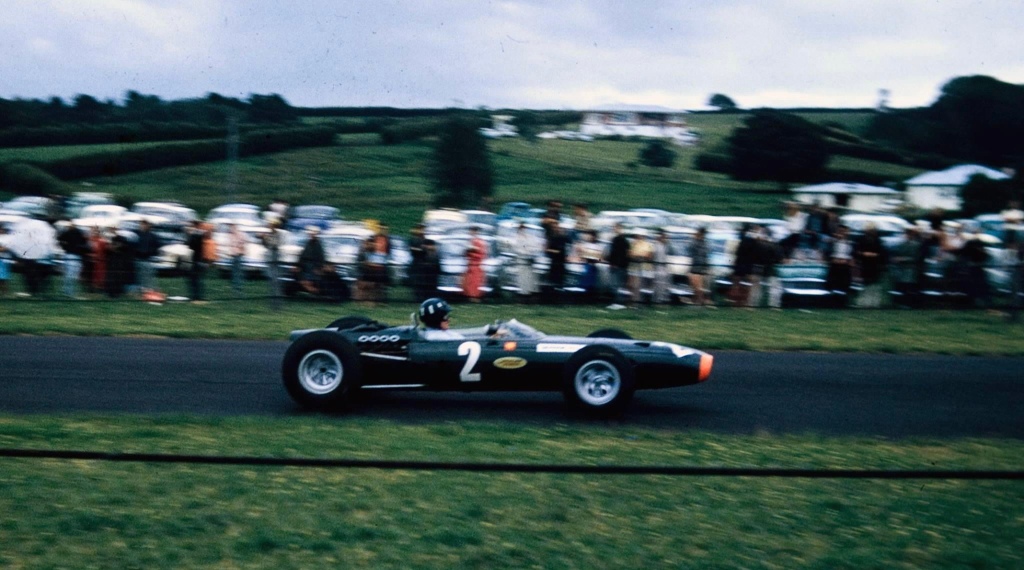
BRM returned to Australasia in 1966, figuring that their just obsolete F1 P261s, their P60 V8 engines bored from 1.5-1.9-litres would do the trick, and so it proved. Graham above at Pukekohe, where he won the NZ GP on the January 8 weekend.

In fact the series was a BRM rout, the team won seven of the eight rounds, Jackie Stewart – then an F1 newbee but with the 65′ Italian GP win under his belt – took four victories, Hill two, and Richard Attwood one at Levin, he stood in for Graham there and in the following race at Wigram. The BRM P261 Tasman story is contained here; https://primotipo.com/2020/02/22/1966-australian-grand-prix-lakeside/

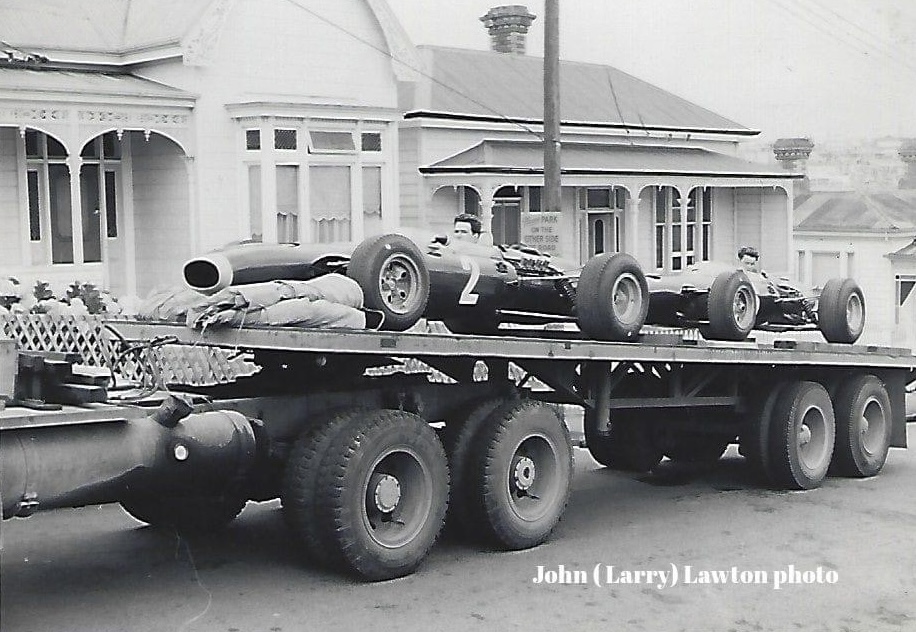
The interesting shot above shows the BRMs arriving for scrutineering before the series opener at Pukekohe in January 1966. It’s at Grey Lynn near the Auckland City car testing station

Hill in the superb BRM P261 at Pukekohe, perhaps this machine and the epochal Lotus 25-33 series of cars are the two best machines of the 1.5-litre 1961-65 F1 era, Ferrari 158 duly noted (B Kempthorne)

In 1967 and 1968 Graham missed the NZ Tasman rounds in their entirety. He decamped from BRM to Lotus at the end of 1966 in a timely move which neatly matched the arrival of the ’67 Lotus 49 Ford DFV V8, another machine which set the trend for a couple of decades.

While Jackie Stewart gave him a good run for his money at BRM, Graham jumped from the fat into the flames with Jim Clark as his Lotus teammate. Clark easily won the ’67 Tasman with a 2-litre Climax FWMV V8 powered Lotus 33 F1 chassis, and in 1968, his F1 Lotus 49 powered by the 2.5-litre Cosworth, the DFW. Graham did only the Warwick Farm Tasman round in ’67, where he raced a new Lotus 48 Ford FVA F2 car in an expensive exercise for the WF promoter, the Australian Automobile Racing Club. Again he enjoyed a holiday at home in early 1968, then did the four Australian rounds, with his bests, second to Clark at Surfers Paradise and Warwick Farm.

(LAT)

Hill aboard his Gold Leaf Team Lotus, Lotus 49B Ford DFW on his way to second place at Teretonga in 1969, and below in earnest conversation with a mechanic during the Puke first Tasman round.

(M Fistonic)

Hill arrived down south as the freshly minted World Champion after a season in which his brave leadership helped Team Lotus gather themselves together after the tragic death of Jim Clark in a Hockenheim F2 race on April 7.

It wasn’t to be a cushy summer though, Jochen Rindt was a man on a mission with a competitive F1 (and Tasman) car for the first time. His Lotus 49B Ford set the pace, winning two rounds to the four scored by Chris Amon in a title winning run of speed and consistency in a Ferrari Dino 246T.

Hill with Rindt chomping away at him, Cabbage Tree corner Levin 1969, where both Lotus 49B DFW DNF, Rindt with a big accident which required a replacement car to be sent from Hethel (B Spurr)

Graham didn’t take a victory that summer, his bests were second places to Rindt at Wigram and at Teretonga behind Piers Courage in Frank Williams’ Brabham BT24 Ford DFW. More about the Lotus 49Bs in Australasia that summer here; https://primotipo.com/2022/02/26/lotus-49b-ford-chassis-r8/

The change in Tasman formula to F5000 (1970-71 transition years noted) and the growing number of F1 races in a season put paid to trips by full-time F1 drivers for a couple of months after Christmas each year. It was awfully sweet while it lasted, with Hill G one of the most popular visitors of all with the punters.

Credits…

Euan Sarginson, LAT, Ken Buckley, Brian Ferrabee, Milan Fistonic, Bryn Kempthorne, Brian Spurr, Warner Collins, John Lawton

Tailpiece…

(W Collins)

Graham Hill preparing to load up at Wigram on January 18, 1969. Jochen won from Graham that day with local hero Chris Amon third, Piers Courage and Derek Bell fourth and fifth, demonstrating the typical depth of Tasman Cup fields.

Finito…
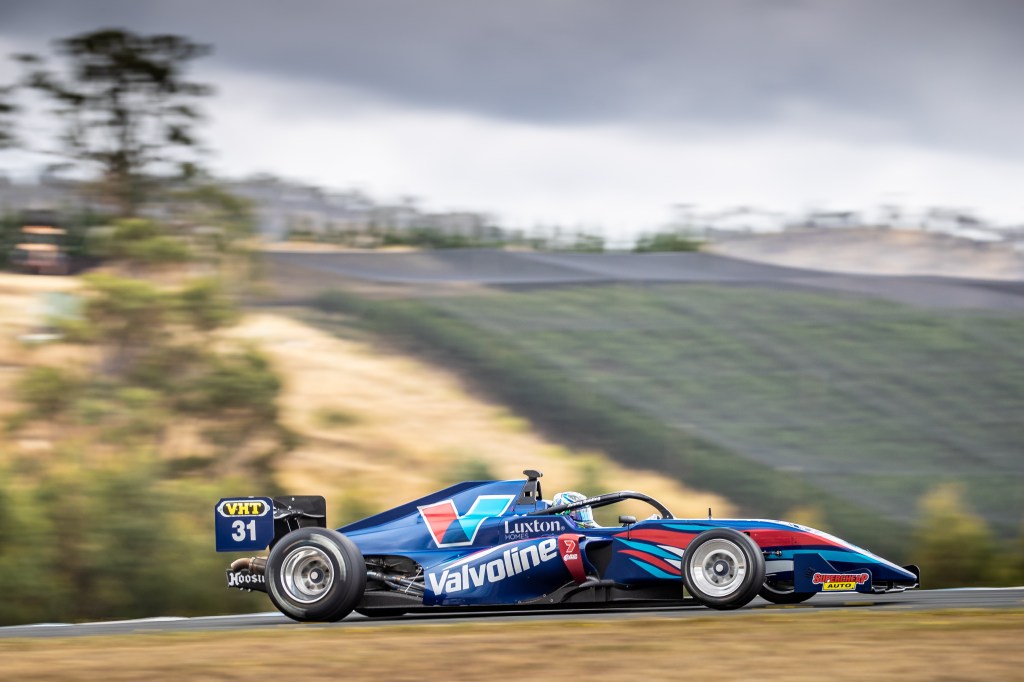
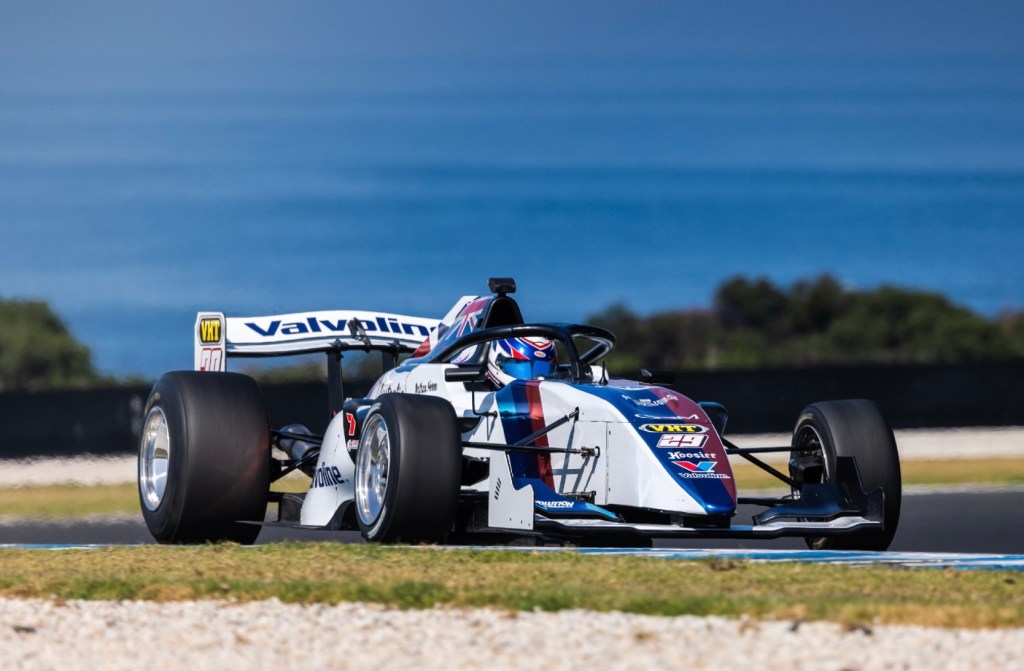
Stunning Baskerville shot of James Golding late January during one of several demos done by the two GRM cars that weekend (Daniel Kalisz)

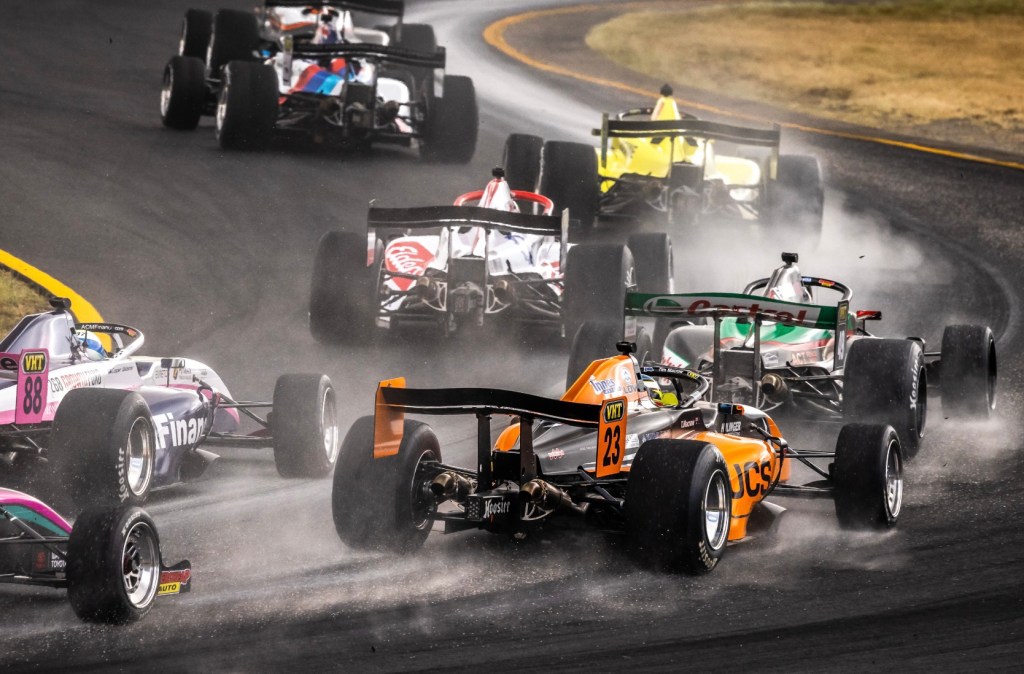
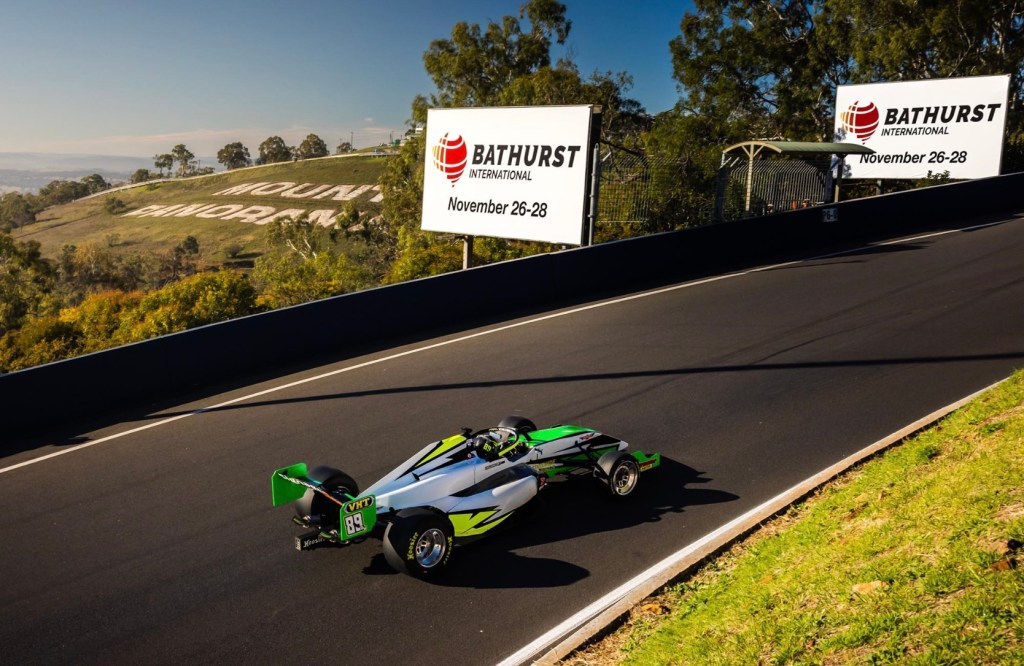
The announcement of the Tasman Cup being resurrected awarded to the winner of seven S5000 races at Bathurst and Surfers Paradise this November-December is fantastic news for Australian single seater fans.

The plan is a true Tasman, with races for the Ligier JS3-S5000 Ford chassis’ on both sides of The Ditch (Tasman Sea) next year, creating a series of races in New Zealand and Australia eagerly contested and watched in the sixties and seventies.

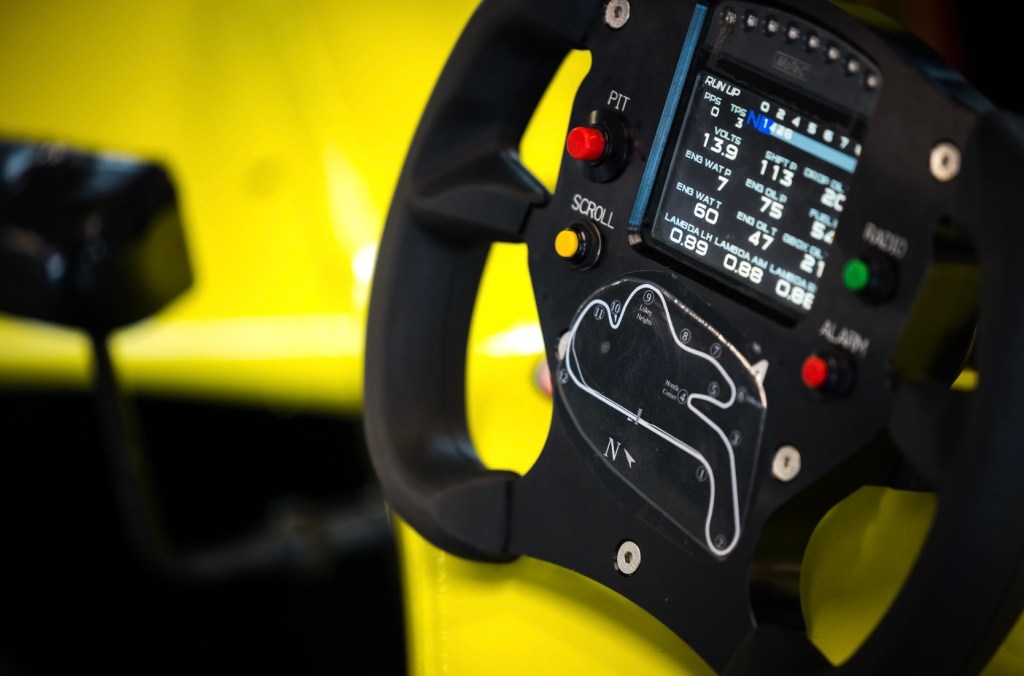
5.2-litre, 560bhp Ford Coyote DOHC, four-valve, injected V8 – chassis Ligier JS3-S5000 (S5000)
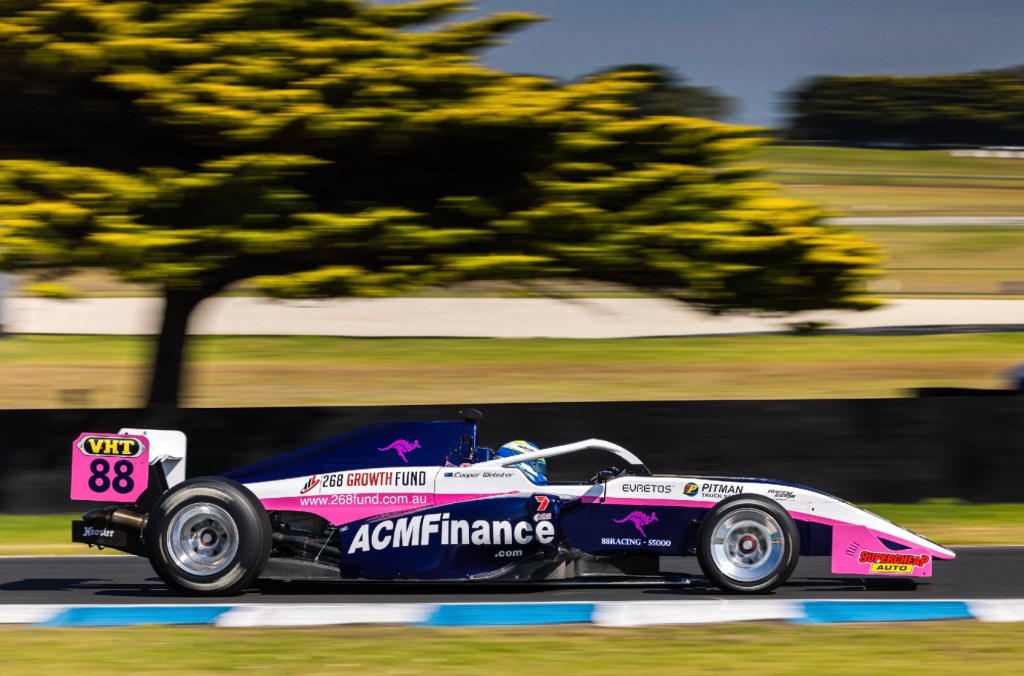
Cooper Webster at Phillip Island, won one of the three races there in mid March (S5000)

The new S5000, one make cars made their race debut at Sandown Park in late 2019, with the first Gold Star plans in 2020 scuttled by the dreaded Covid 19. This year Joey Mawson won the much coveted award in a closely contested series comprising 12 races at four circuits between January-April; Phillip Island, Symmons Plains, Sandown Park and Sydney Motorsport Park.

The Tasman plans build on that great start.

Readers of primotipo will be familiar with the Tasman Cup. Bruce McLaren won the first in 1964 racing a 2.5-litre Cooper T70 Climax, the last was taken by Warwick Brown in 1975 – his mount was a Lola T332 Chev F5000.

Phillip Island (S5000)
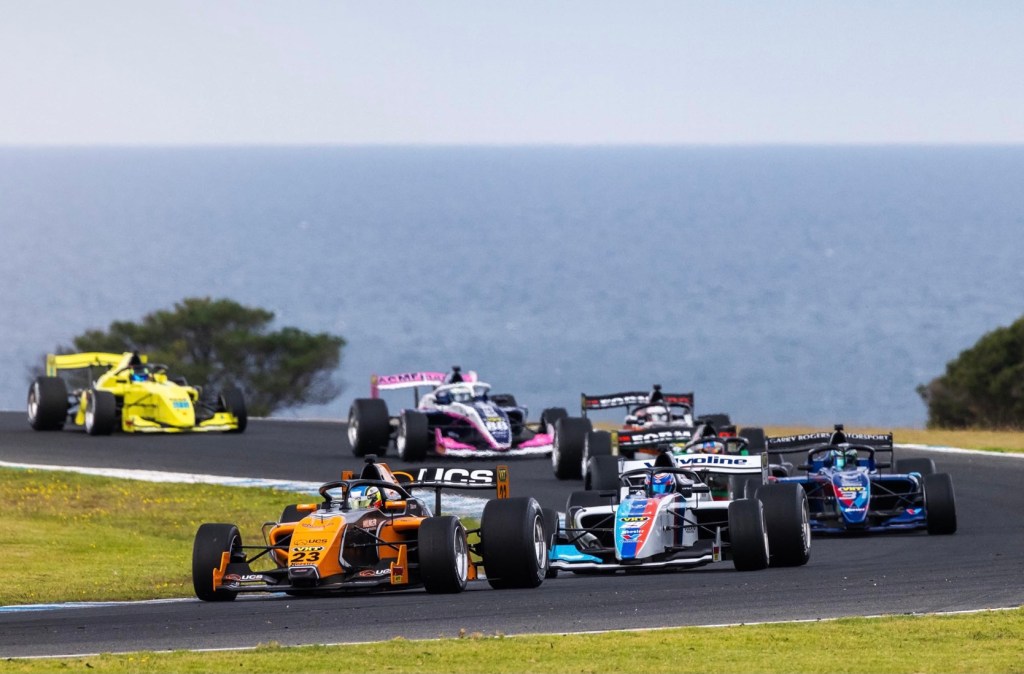
Phillip Island; Tim Macrow from Nathan Hearne and James Golding (S5000)

In 1976 we went our separate ways with F5000 series, if it was in any doubt the fate of the great championship was settled in 1977 when the NZers went Formula Pacific, while Australia remained the last bastion of Formula 5000 until the early eighties.

History suggests the Kiwis got it right.

Time to plan a trip to the Goldie, hmm, think I’ll stay in Byron and drive up each day…Hop to it folks, let’s get behind these fantastic home-grown racing cars.

Braydan Willmington during his solo Mount Panorama data gathering laps in April. The earth will move with a grid full of these missiles soon. Maxi-taxis lookout (S5000)
Nathan Hearne with a unique Bass Straight backdrop. Phillip Island (S5000)
(M Bisset)

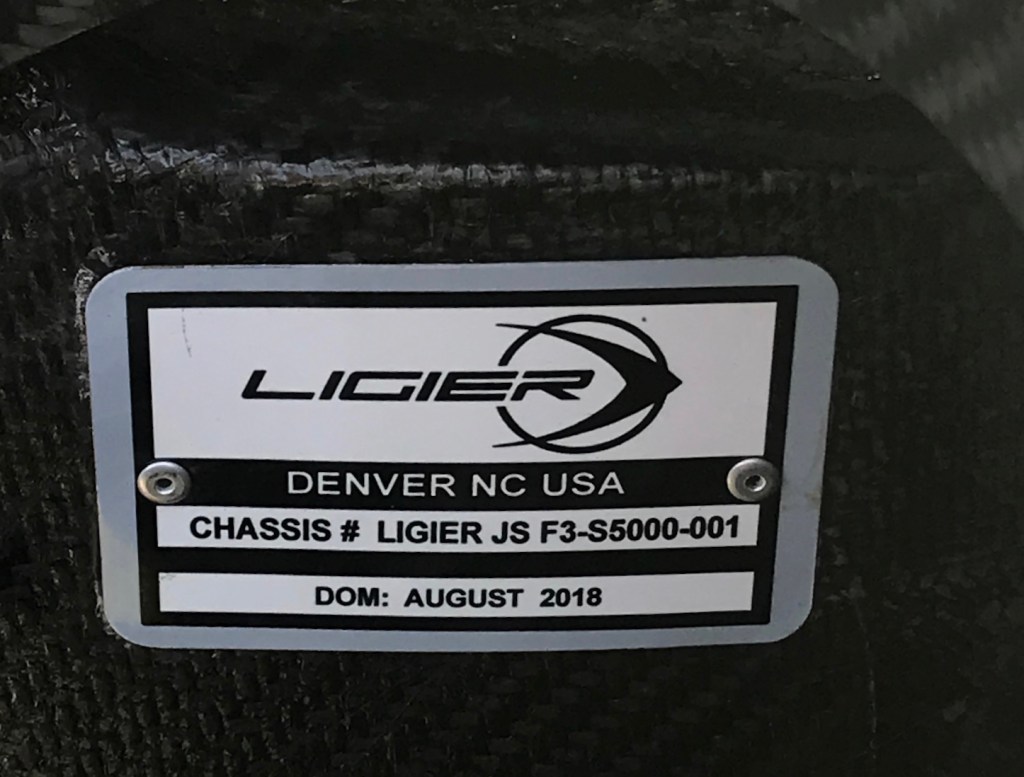
And yep, I know the cars have been named Rogers AF1s recently but I am not fussed. They are Ligier JS3-S5000s according to the chassis plates and were called that for the first 3 years of their lives. The Rogers name ignores the IP in the cars which is primarily that of Chris Lambden, Mike Borland and Onroak-Ligier. Bless the Rogers’ money and commitment but the name horse well and truly bolted years ago.

See here for a piece on the cars; Progress… | primotipo…
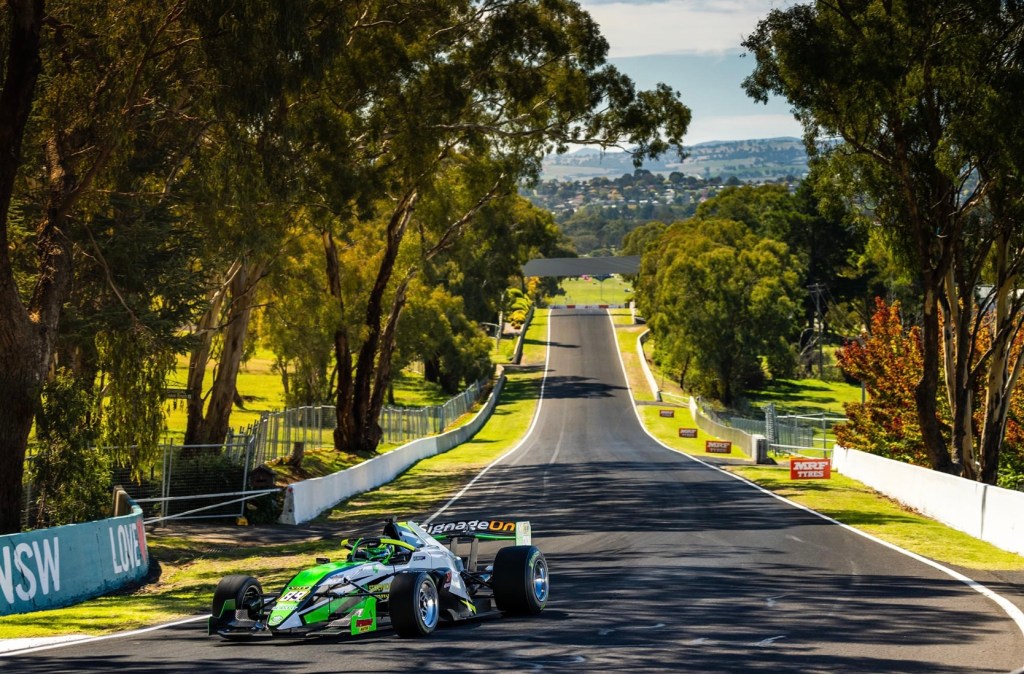
Symmons I think, with Tim Macrow front and centre. He finished second in the Gold Star in Chris Lambden’s Ligier JS3-S5000 chassis #1. Done heaps of kays this baby, not that it affects its pace! (S5000)

Credits…
Daniel Kalisz, S5000 website and Facebook page

Tailpiece…

Braydan Willmington at Bathurst in April (S5000)

Finito…