

Eeny-meeney-miney-mo…
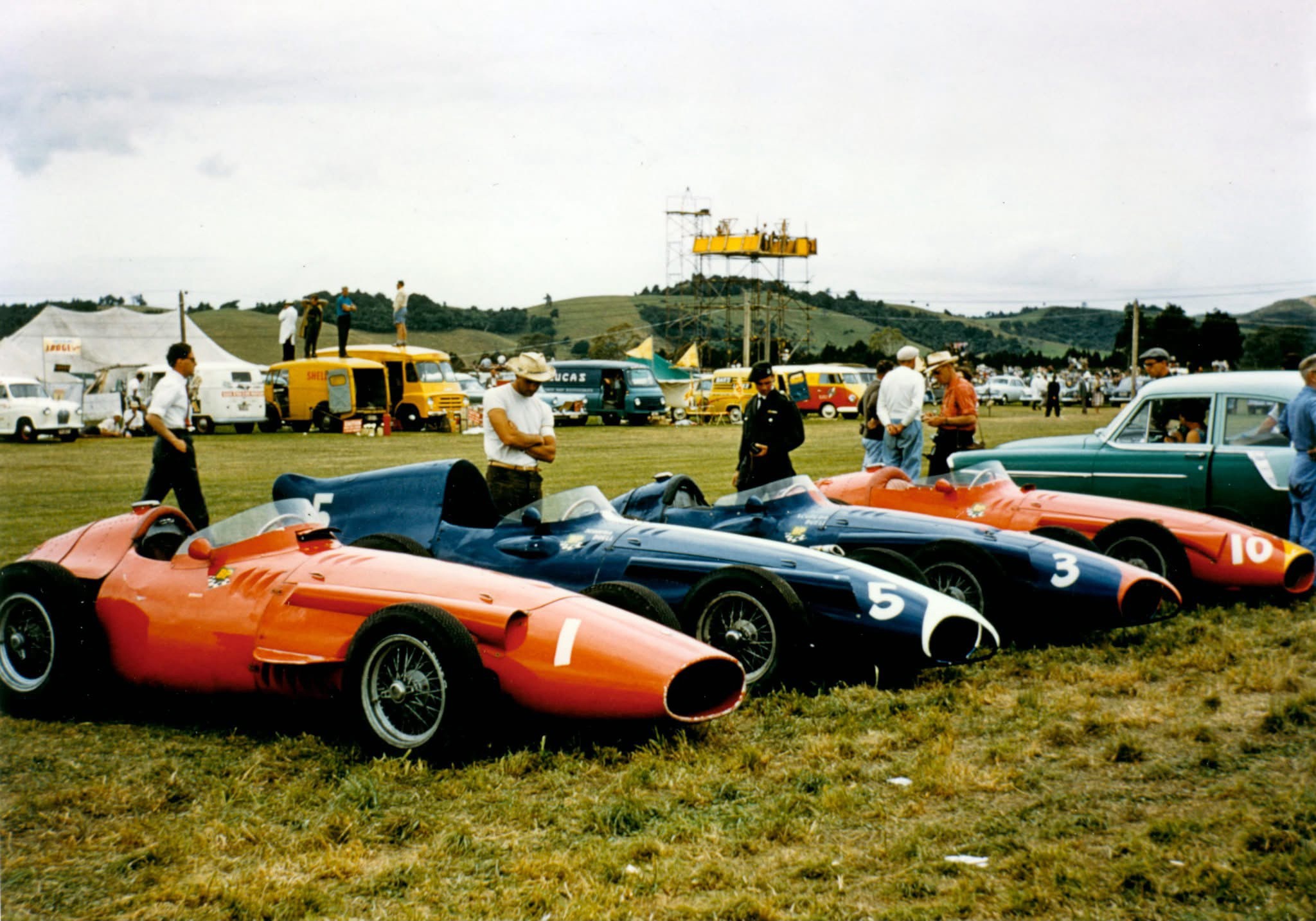
The Ardmore line up of Maserati 250Fs in January 1959 would have done justice to a European Grand Epreuve of two years before. They weren’t the duck’s-guts there in 1959 but were still competitive in Australasia for twelve months or so.
From the left it’s Jo Bonnier #2529, Carroll Shelby #2534, Harry Schell #2533 and Bib Stillwell #2516. Three other 250Fs were entered that weekend: Ross Jensen #2509/2504, Gavin Quirk #2504/2509, and Johnny Mansel #2508/2513.
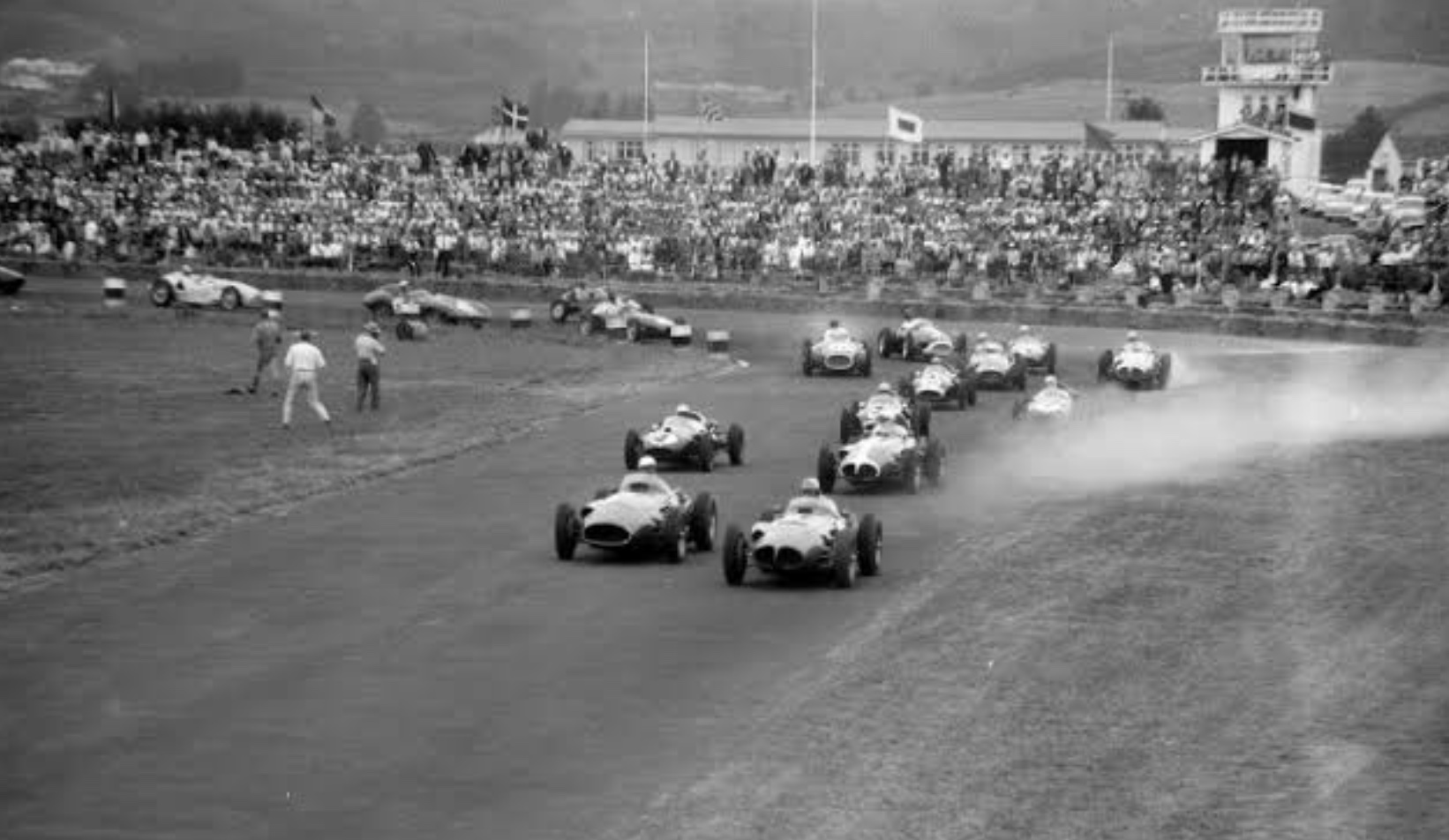
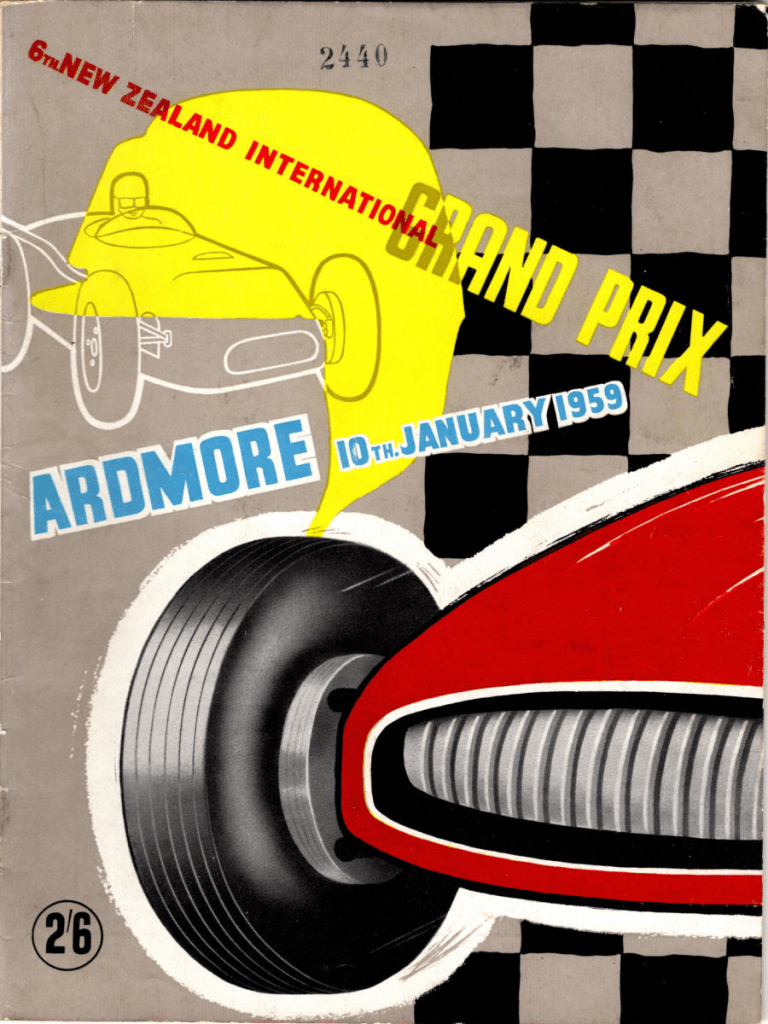
The January 10, 1959 Ardmore grid was the most impressive to that point in the events history.
Inspiration for this piece was tripping over the opening photographs whilst researching something else and being amazed by the breadth and depth of the field.
This article is a truncated, hot-rodded version of Bruce Sergent’s sergent.com’s coverage of the race. This is a ripper site, my standard Kiwi reference tool, click here for their full account of the race; https://sergent.com.au/motor/1959.html
This amazing grid was due to ‘the barnstorming tour by the NZIGP’s livewire secretary Frank ‘Buzz’ Perkins, who had taken off the previous July, followed the circuits of Europe, and signed up everyone in sight, including the eventual world champion, Mike Hawthorn, whose grim tenacity won him the 1958 crown in the face of the greater brilliance of Moss’ wrote Sergent.
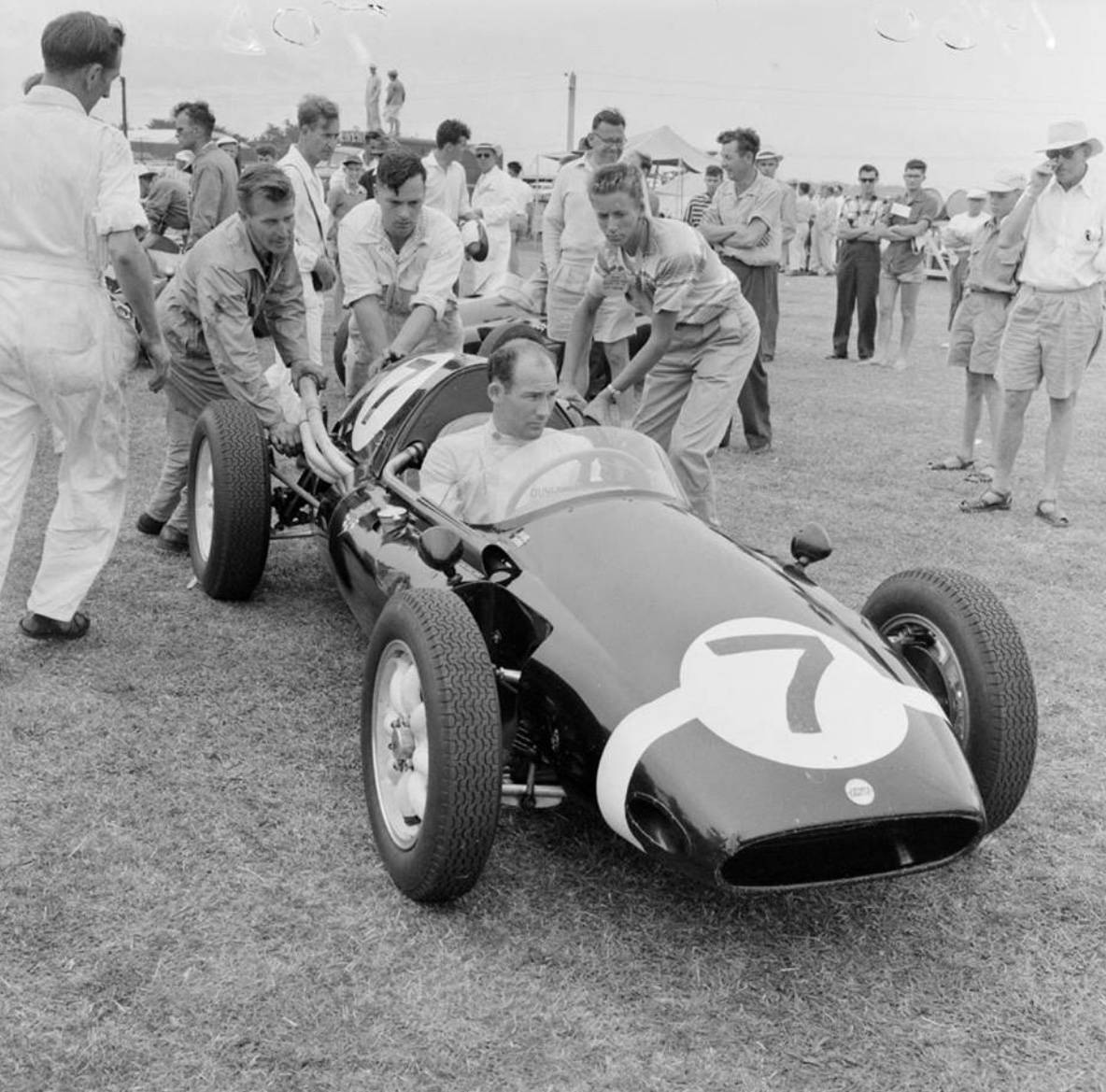
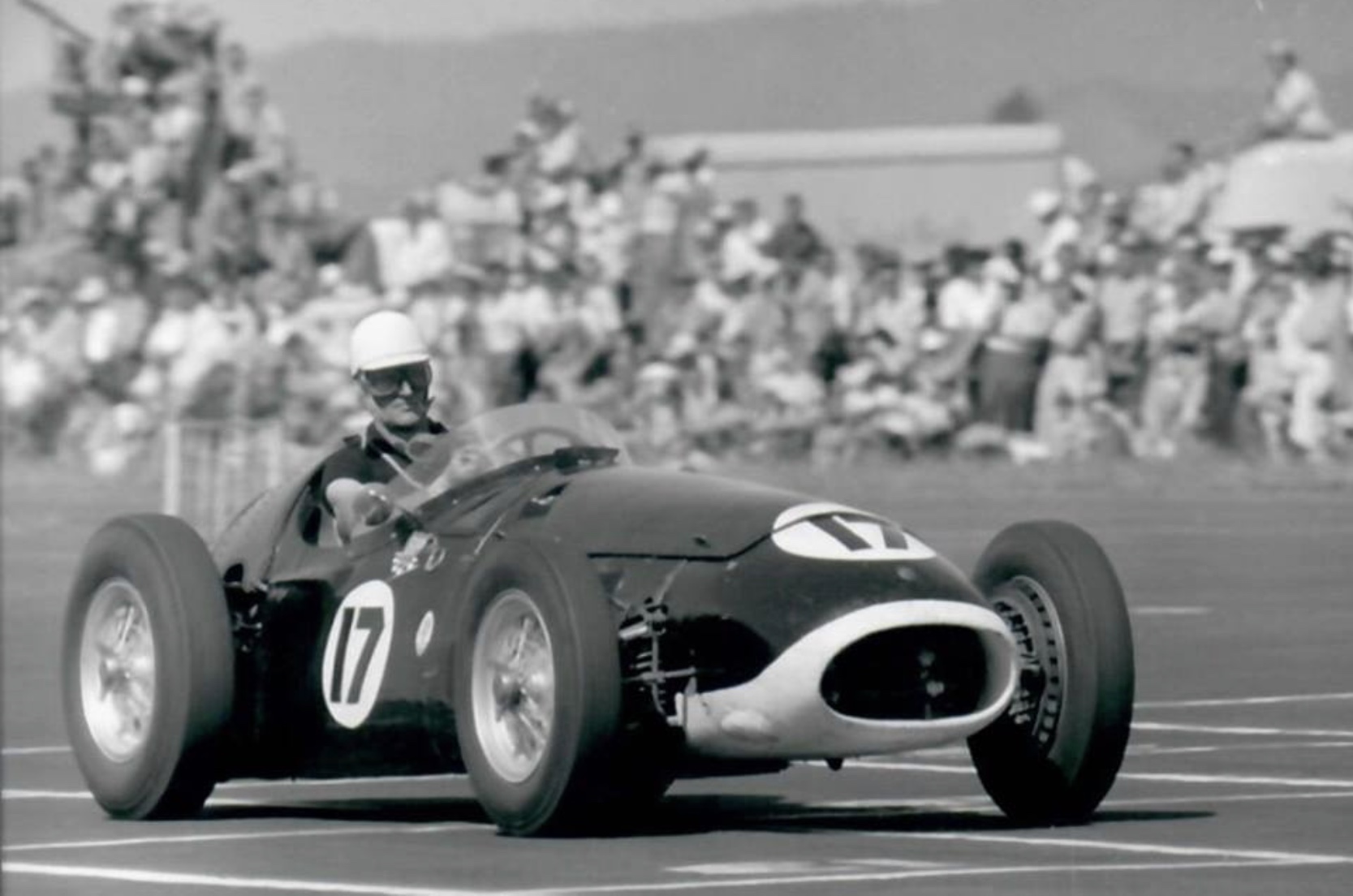
Stirling Moss (above) won the 150 mile Grand Prix in Rob Walker’s Cooper T45 Climax FPF 2015cc. Jack Brabham, the previous years winner, was second and Bruce McLaren third, both also in T45 Coopers (2.2 and 2-litre FPFs respectively). Then came a trio of Maserati 250Fs raced by Carroll Shelby, Ross Jensen and Bib Stillwell.
‘Hawthorn won his championship and retired from racing. The New Zealand Grand Prix was run on January 10, and on January 19 Hawthorn met his death when his Jaguar, travelling at over 80mph, skidded on a greasy main highway south of London. Had he come to New Zealand he might still have been alive.’
The dangers of motor racing were ever present at the time, Sergent observed, ‘There were some old faces missing from the 1959 entry. Stewart Lewis-Evans had been killed at Casablanca, Archie Scott-Brown died at Spa and Peter Whitehead had been fatally injured as a passenger in the Tour de France.’
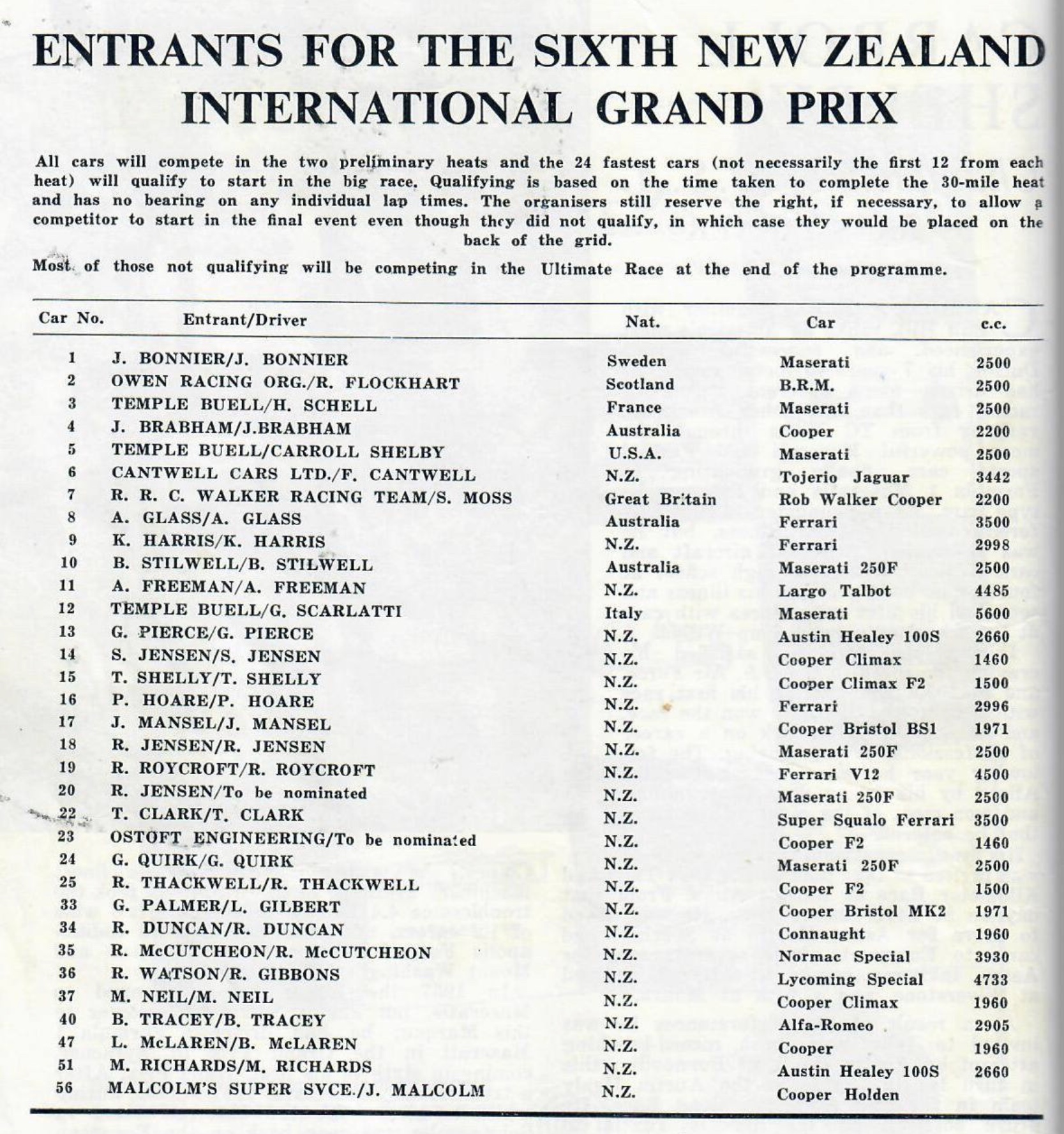
Brabham and McLaren’s works Coopers were powered by Coventry Climax FPFs of 2200cc and 1960cc respectively, 2.5 litre variants would be available to the duo in F1 Championship events that year. Ron Flockhart raced a front-engined BRM Type 25, the Owen Racing Organisation returning to NZ for the first time of many, since 1954.
‘All sorts of rumours were current as to the might of the Maserati entry. By this time, the Modena factory was kept going only with the support of American finance and oil millionaire Temple Buell, who had in effect taken over the racing management of Maserati.’
‘The cars, to be driven by Harry Schell and colourful Texan Carroll Shelby…were rumoured to be the latest “Piccolo” design – the ultra-lightweight model under development at the time Fangio left racing – and one of them was to have a motor with the new desmodromic valve gear, operated mechanically instead of by return springs.’
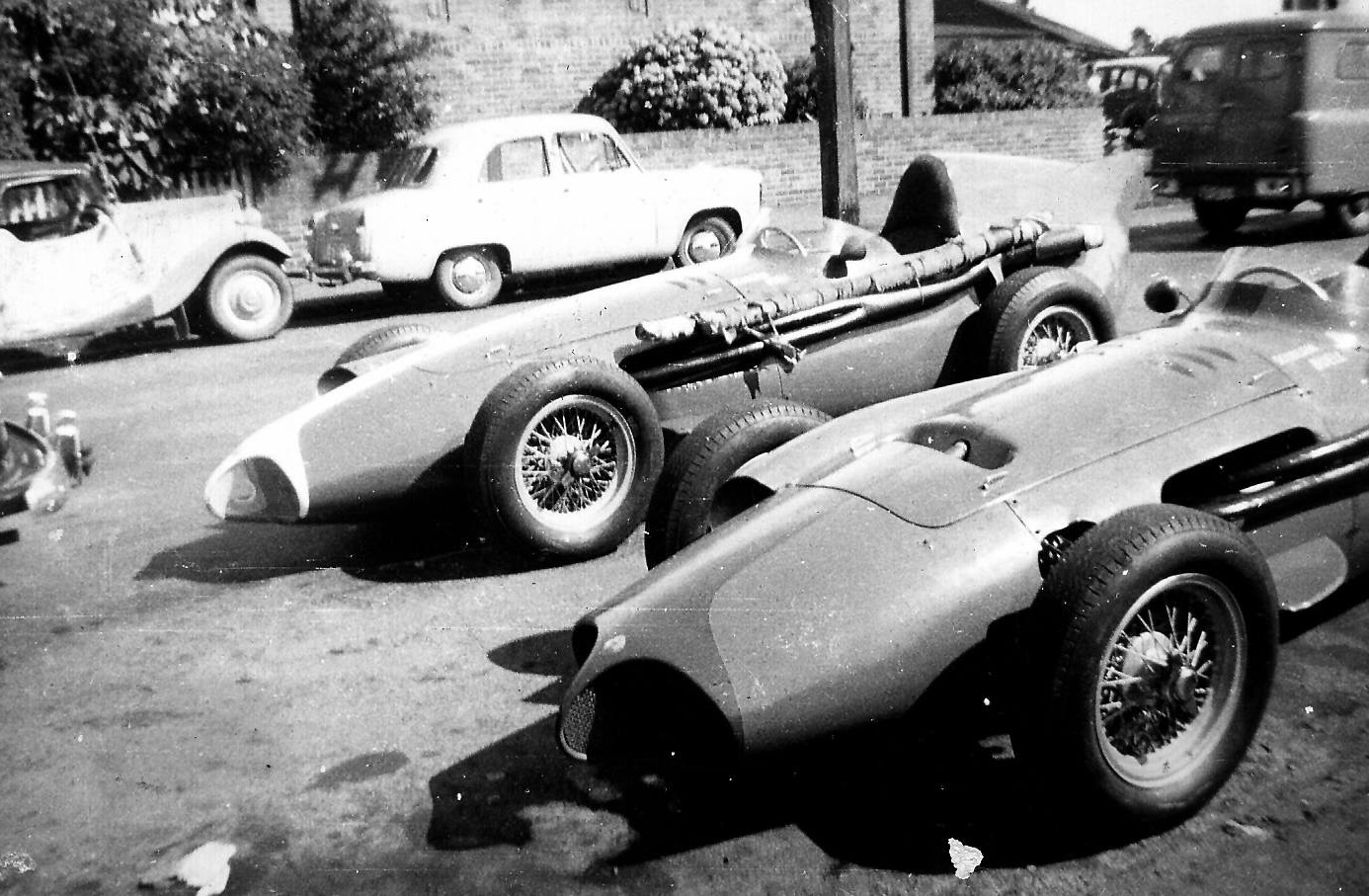
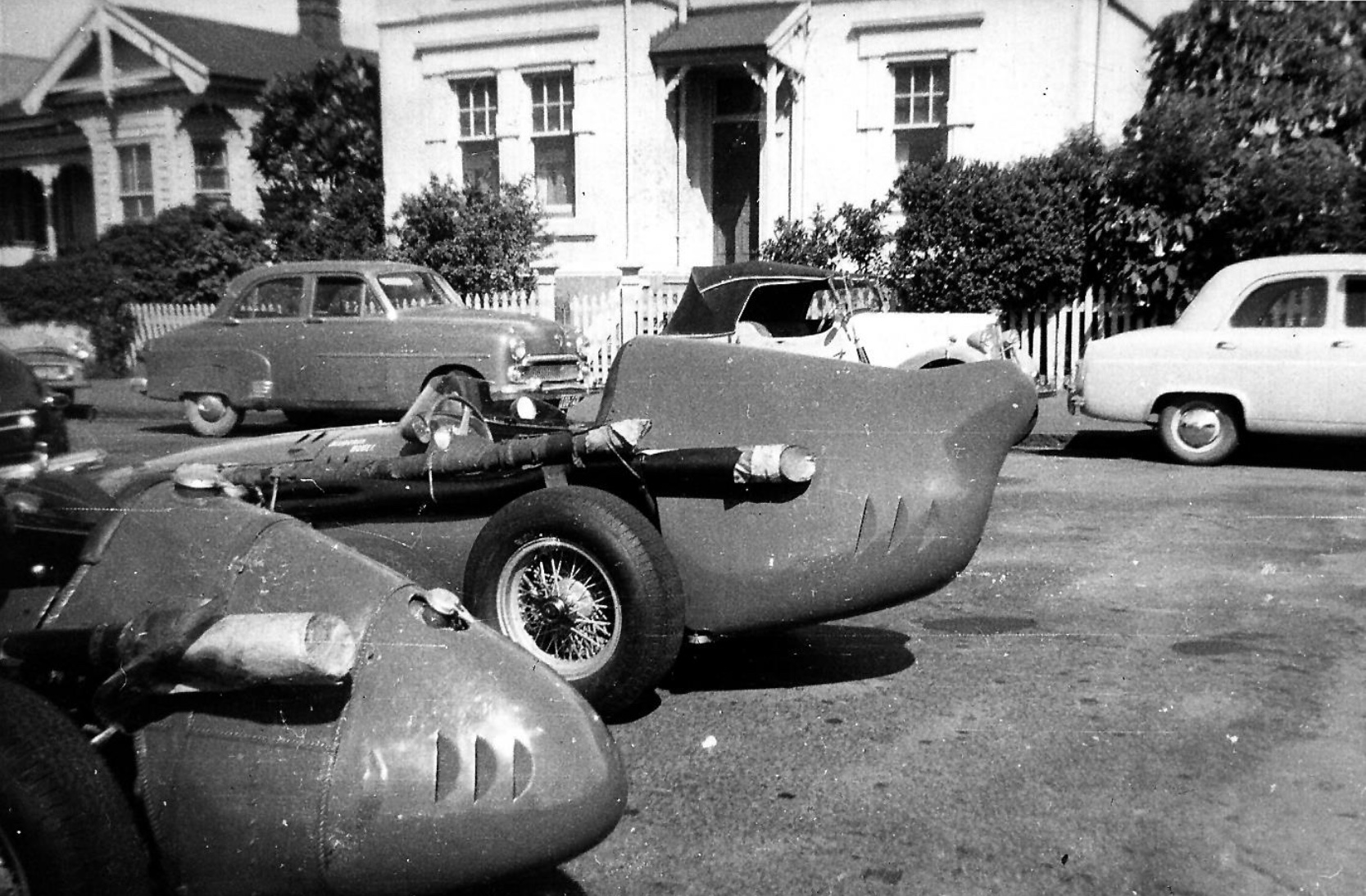
‘Travelling in company with the Buell stable, but as an independent, was wealthy Swedish driver Joakim Bonnier, with the prototype lightweight which had been driven by Fangio, and finally, also under the Maserati banner, was Ross Jensen, in a car built round the frame of the Bira race-winner of 1955, but with the latest motor and transmission, giving the low, offset driving position.’
‘And finally, the great Guerino Bertocchi, famous old-time racing drover and Maserati’s chief tester, was to be on the spot to supervise preparation and running of the Buell cars’.
In addition to the overseas visitors there was a strong local entry plus several Australian’s who made the trip ‘across the ditch.’
Tom Clark entered his Ferrari Super-Squalo with Arnold Glass who came over from Sydney with the sister-car, ‘right up to scratch after a refit at Maranello, getting a new 625/555 motor in the process’. Pat Hoare’s 625 rounded out the Ferrari entry.
Syd Jensen had returned from a successful European tour with his Cooper T45 fitted with a F2 1500cc FPF. Other local Coopers included Merv Neil, who had raced in Europe and returned home via Australia for a couple of races, with a new 2-litre FPF for his Cooper T45. Ray Thackwell also returned from the UK with a T43 powered by a 1.5 FPF whilst Tony Shelly’s Cooper was the single-cam T41 model.
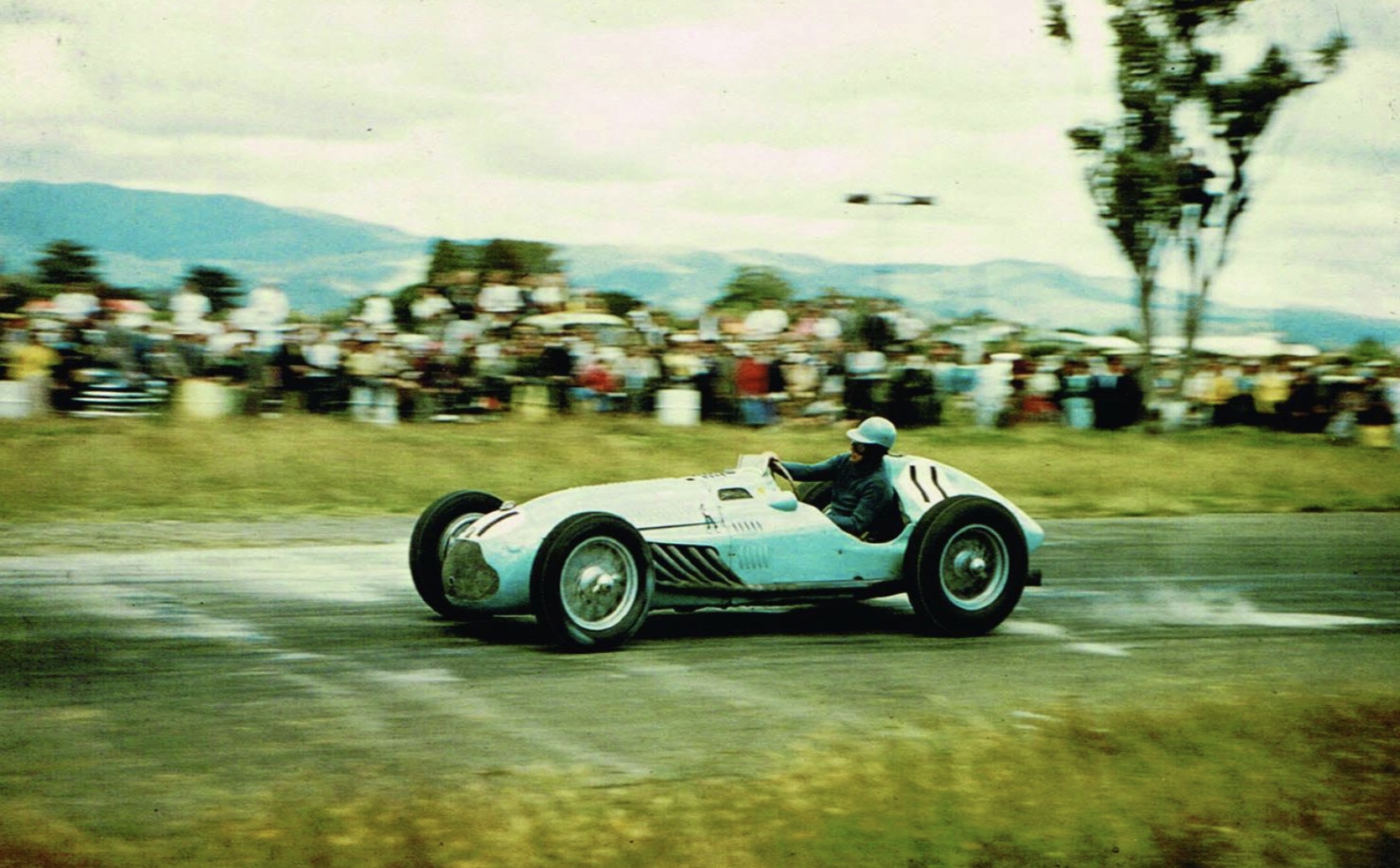
Johnny Mansel (above) acquired Ross Jensen’s ex-Moss 250F, Bib Stillwell had a similar ex-Hunt Maserati 250F fitted with disc brakes, Gavin Quirk also entered his 250F, while Ron Roycroft entered his Ferrari 375.
Jack Malcolm’s Cooper Holden, Len Gilbert’s ex-George Palmer Cooper-Bristol were also entered. Allan Freeman raced his Lago-Talbot T26C, Ron Duncan his Connaught and Brian Tracey the ex-Moore/Roycroft/Mansel Alfa Romeo Tipo-B, both cars now very long in the tooth.
‘Specials’ included Watson’s Lycoming with Bob Gibbons at the wheel. The Normac Special, driven by Reg McCutcheon failed to qualify. Frank Cantwell (Tojeiro-Jaguar 3442cc) was the leading sports-car with Ken Harris (Monza Ferrari) and the Austin-Healeys of Graham Pierce and Max Richards also entered.
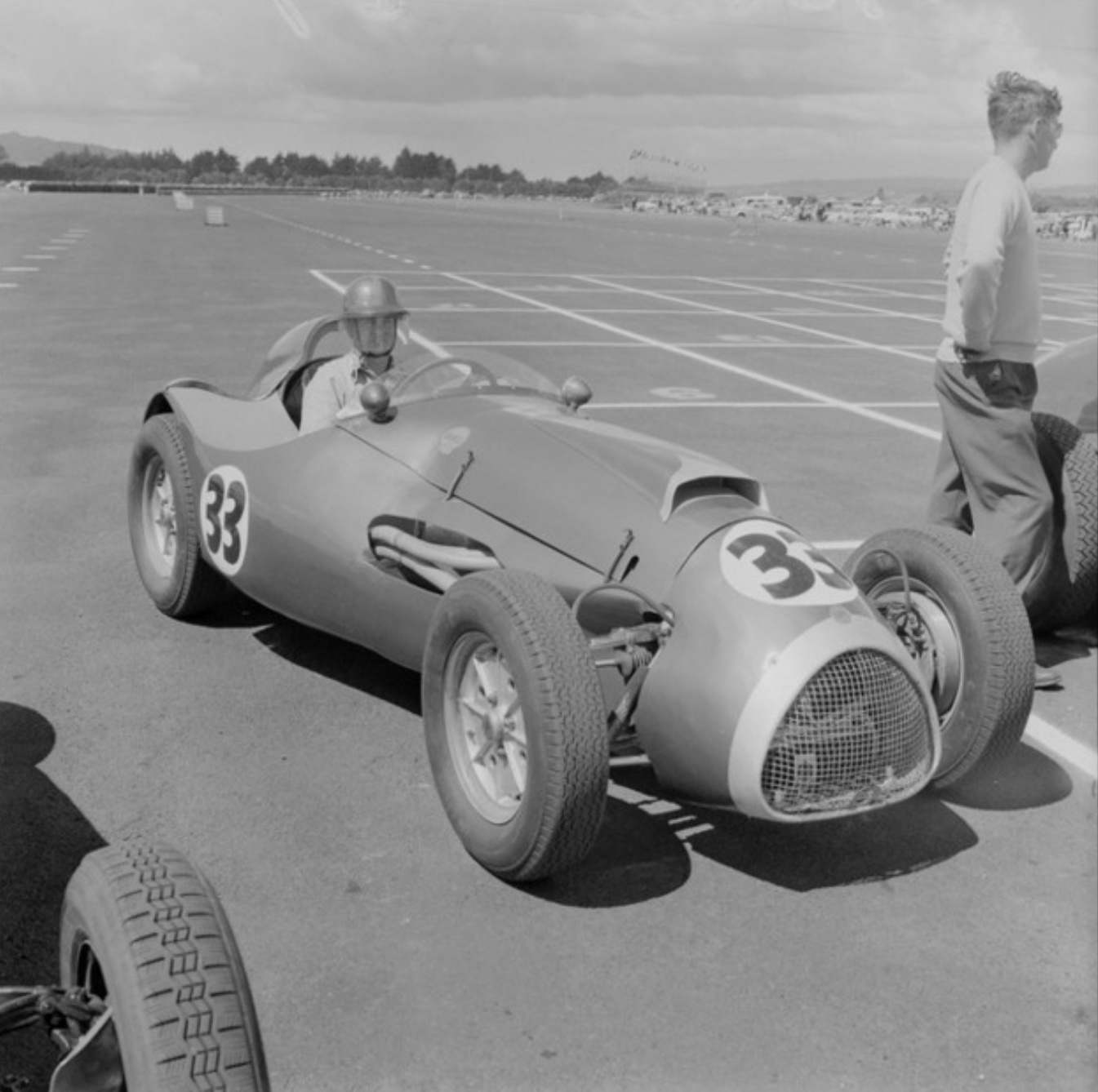
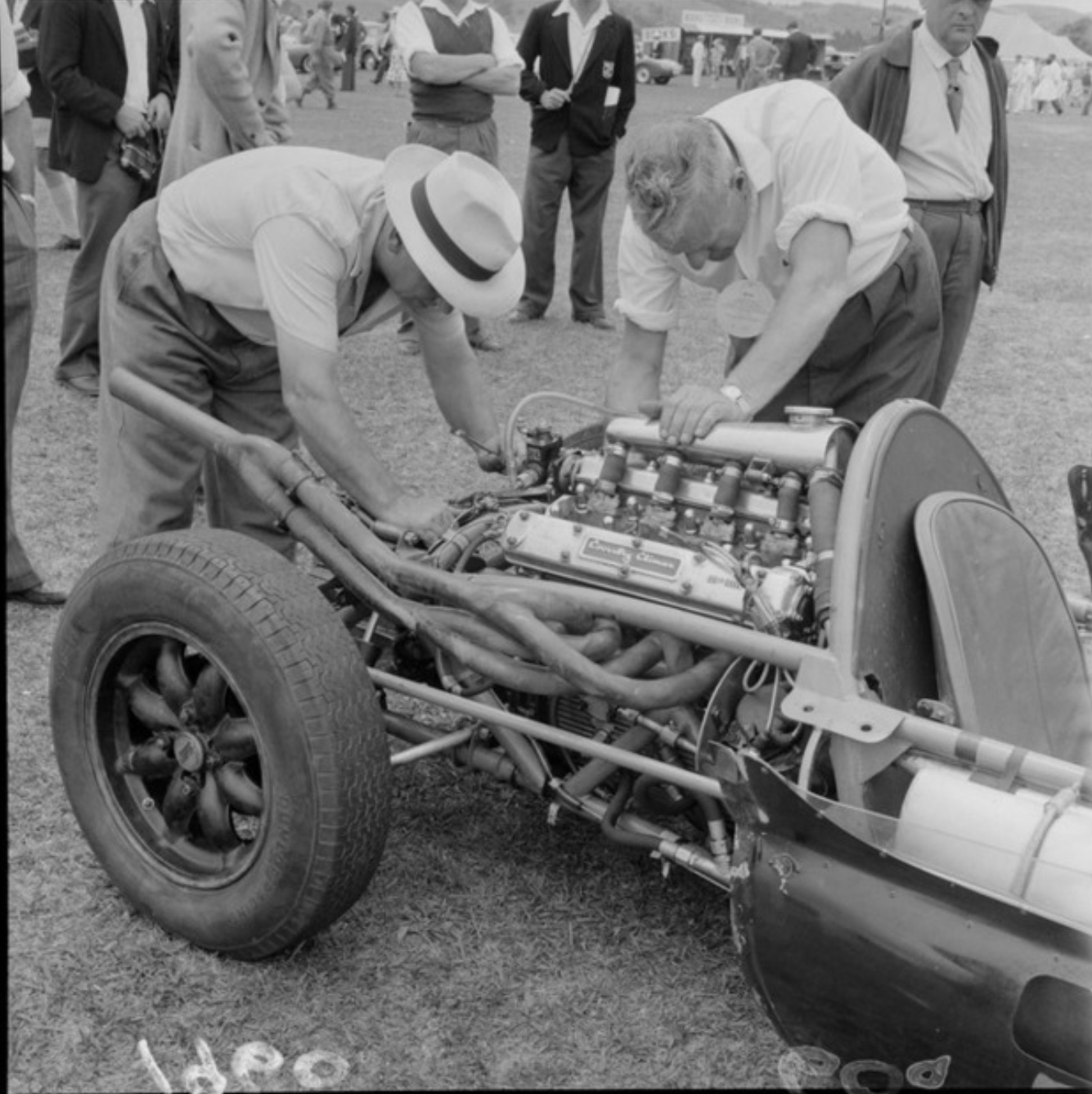
Moss’ Cooper T45 (above) was the same chassis in which he won the 1958 Formula Libre Melbourne Grand Prix at Albert Park on 30 November, the very last meeting at the venue until the modern era. Moss won that 100 mile race from Jack’s Cooper T45 and Doug Whiteford’s Maserati 300S.
It was fitted with an Alf Francis built 2-litre Climax FPF, not the normal engine of 1964cc, one with an Alf Francis specification crank which increased the stroke to give 2015cc. The engine was very hot and bothered by the end of the stifling Albert Park weekend but was made good in time for Ardmore.
‘On arrival, the bunch of Maseratis proved slightly disappointing. The Bonnier car had raced in the first United States Grand Prix at Watkins Glen and was not in the happiest condition, and neither of the Buell cars had the expected desmodromic valve system. They were, however, right up to the mark in other respects, the one to be driven by Shelby having a very high tail, similar to the Vanwall and quite unlike the traditional Maserati line.’
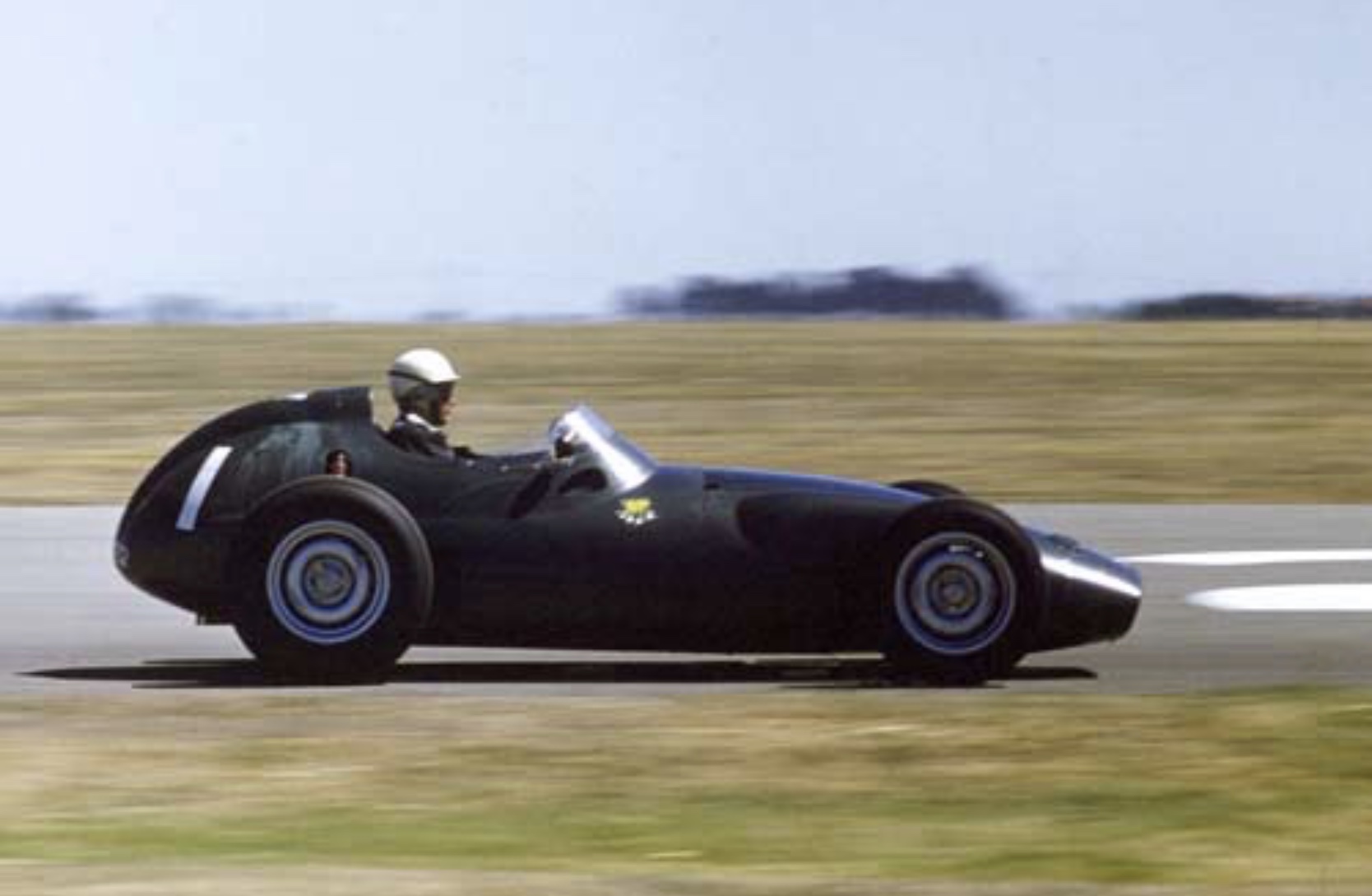
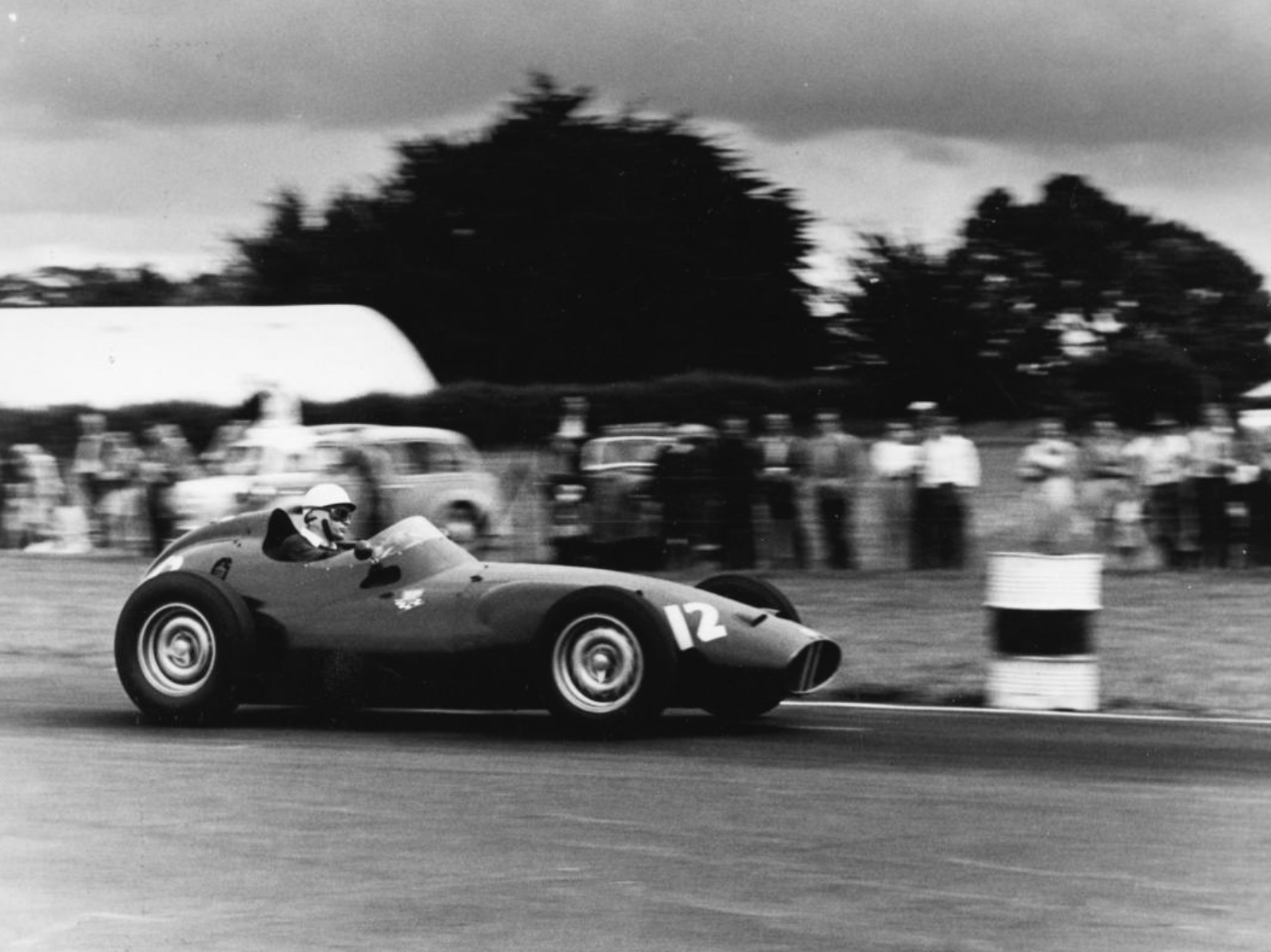
Ron Flockhart was out early in his Type 25 BRM doing a time of 1m 23.6s, or 86.7 mph, over two seconds faster than Ross Jensen’s 1m 26s in the ex-Moss Maserati during the ‘Little Ardmore’ meeting after the last NZ GP.
Moss first appeared in official practice, his Cooper doing 1m 23s, Brabham was a second slower, Flockhart on 1.24.5, McLaren 1.26.2, Ross Jensen 1.26.3 and Harry Schell 1.26.4. ‘Five thousand unexpected visitors turned up to see the practice, despite official warnings to keep away from the (airfield) course.’
In the afternoon Moss did ‘1.21.5, a time which caught organisers napping by being right off the official time-to-speed conversion chart. This was 5 seconds better than Jensen’s record. Moss’ driving in practice could only be described as fantastic, and no-one who was there will ever forget the sight of the Cooper coming out of the left-hander into Pit Straight, travelling at well over 100 mph and literally bucking with the acceleration, while Moss coolly kept the car in line.’
Whilst all was calm in the RRC Walker camp ‘…those of the Maserati establishment were not so happy. The ebullient Schell and Bertocchi were not in agreement over tactics, though all the drivers and Bertocchi were unhappy over the braking situation. Even in practice, Shelby’s car was suffering from grabbing brakes, though both machines were going well otherwise. It was eventually decided to run the cars without a full complement of fuel, risking a pit stop in an effort to lighten the load on the braking systems.’
Heats and the Grand Prix…
The excitement of raceday started early for young Maserati enthusiast, David Williamson, ‘We were heading to the racetrack at Ardmore. As we pottered along in my mate’s Morris 8, suddenly we were almost blown off the road when Guerino Bertocchi wailed past at twice our speed in the 250F Maserati Piccolo, his cap on backwards, smiling as he cut through the early morning traffic!’
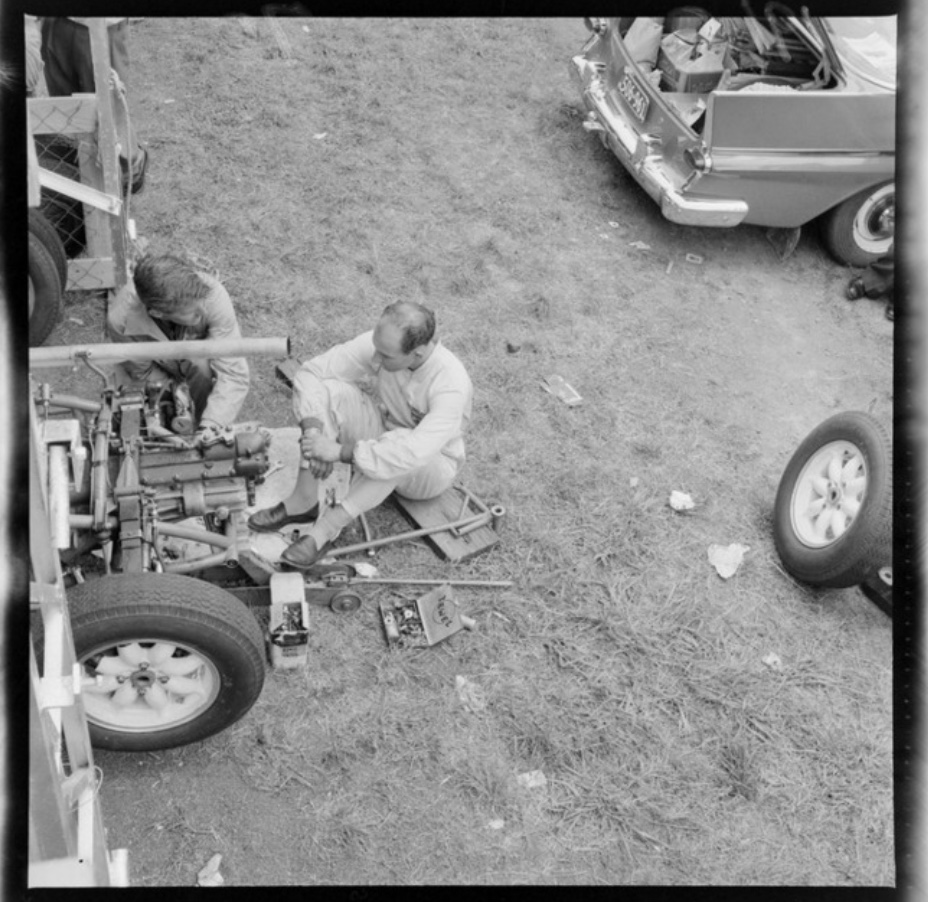
At the circuit, much to the crowd’s disappointment, Moss broke a halfshaft. Brabham had a spare Cooper and, without hesitation, offered the part to the Moss crew, who set to work to replace the part.
Brabham won the first heat in 21m 48s, with a fastest lap of 1.25.8 (84 mph), ahead of McLaren, Bonnier, Schell and Stillwell, indicating that the Maseratis were going to be outclassed by the Coopers from the outset. Bob Gibbons, who actually led for some time, was sixth in the Lycoming.
Ron Flockhart conceded the lead to Moss in the early stages of the second heat and won the race in his BRM Type 25 upon Moss’ retirement. He was followed by Shelby, Ross Jensen, Syd Jensen and Mansel. Race time was 21m 40s, and the fastest lap 1.24.2 (85.2 mph) was shared by Moss and Flockhart.
Pole position on the grid was Flockhart’s, followed by Brabham, McLaren, Bonnier, Schell, Shelby, Ross Jensen, Stillwell, Gibbons, Syd Jensen, Mansel, Clark, Hoare, Neil, Thackwell, Glass, Quirk, Harris, Gilbert, Freeman, Moss and Shelly.
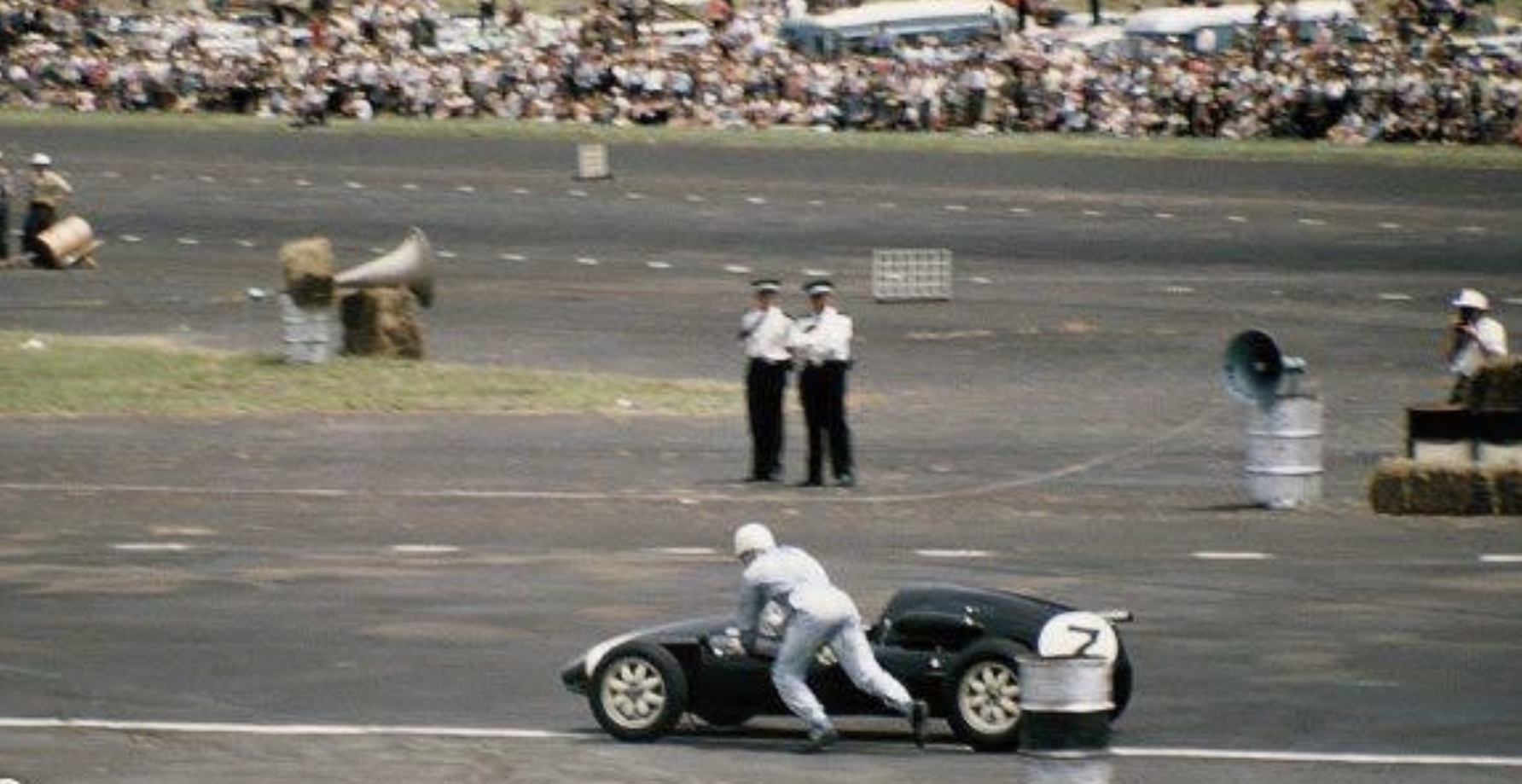
The start was a shattering affair in more ways than one.
‘The Minister of Transport, the Hon. J. Mathison, added prestige but not skill to the occasion, and the field got away after a misunderstanding which left Flockhart stalled on the line, to be pushed away, the length of Pit Straight behind the remainder of the field.’
Moss carved through the field from the back of the grid, he was sixth by the time the cars reached the end of the straight and turned into College Corner.
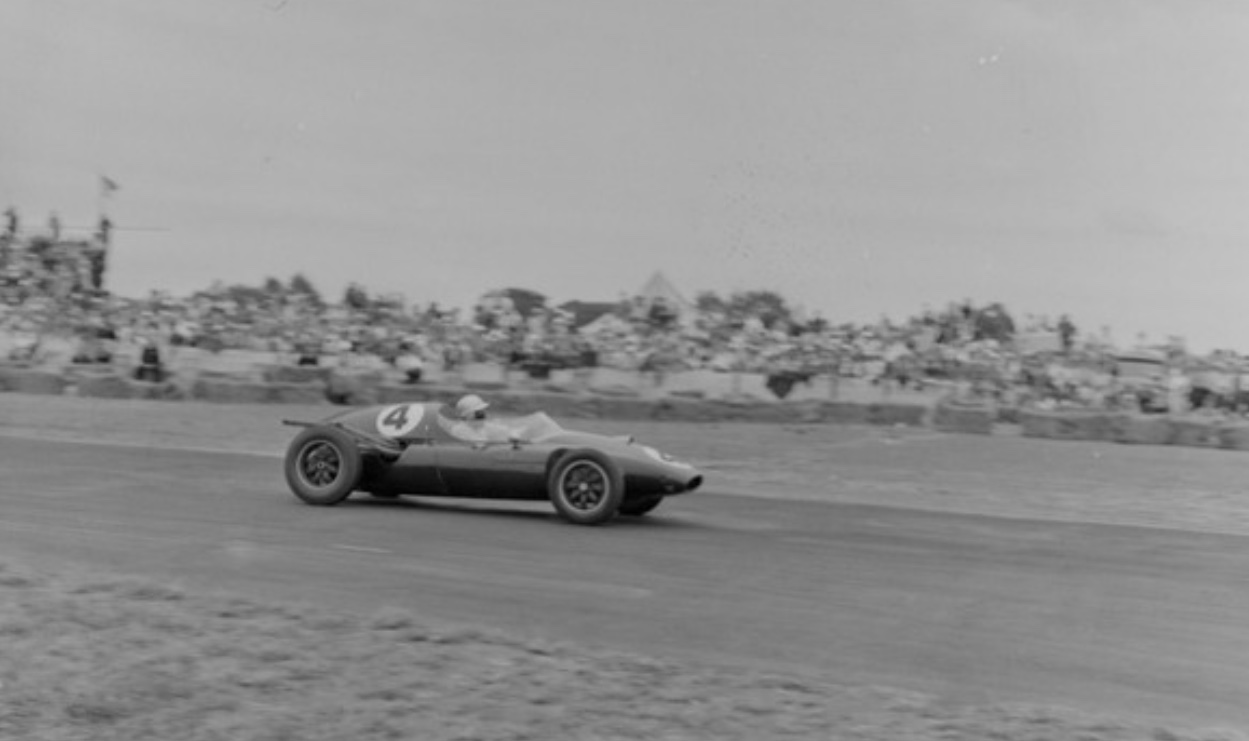
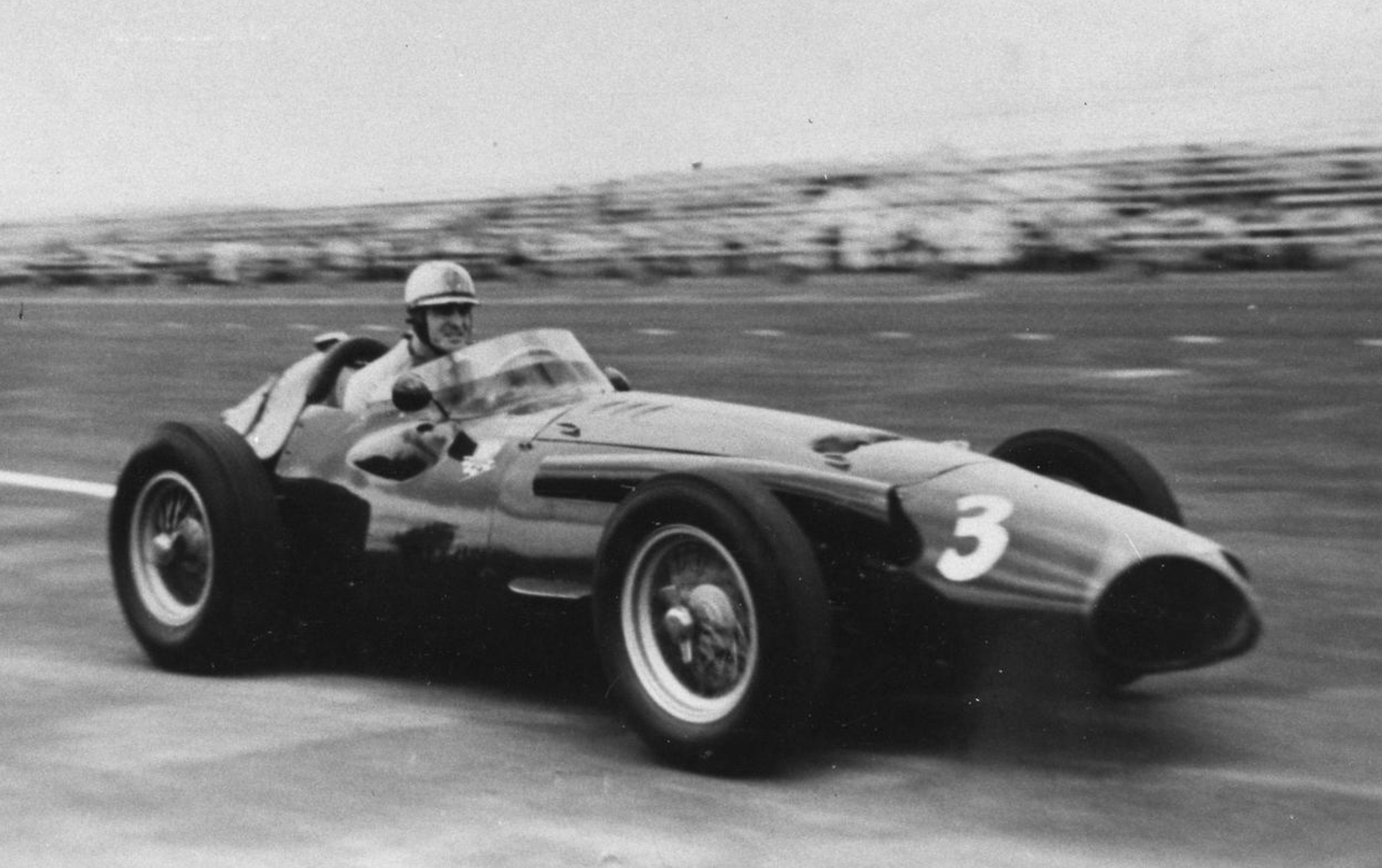
The three ‘team’ Maseratis led from the start, Harry Schell was fast away from the second row to tail Bonnier from Shelby, Brabham, McLaren, Moss, Neil and Stillwell.
Along the back straight, having by then overtaken all but Schell, Bonnier and Brabham, Moss jumped Brabham, but was in turn overtaken by Jack going into the Cloverleaf.
‘By a display of his driving at its most superb, Moss cut out three of the world’s best drivers in a matter of half a mile, roaring into Pit Straight in the lead at the end of the first lap, an astounding piece of driving.’
He was followed by Bonnier, Schell and Brabham, with Shelby a wheel’s distance ahead of McLaren and Stillwell. By lap four Moss had surged away to a 60-yard lead from Brabham’s Cooper T45 with the Schell, Bonnier and Shelby Maseratis and McLaren on his tail. The rest were Ross Jensen, Stillwell, Clark, Neil, Mansel and Syd Jensen.
The BRM had meanwhile been making up lost ground spectacularly, by the sixth lap Flockhart had come up to fourth place, following a spin by McLaren, which had dropped him back to eighth. There ensued a battle royal between Jensen, Maserati 250F who challenged Flockhart’s BRM for the position, a contest which lasted until lap 14.
Bonnier retired on lap 5, a fuel leak forcing a visit to the pits, after two laps he returned and worked up to 10th position, finally retiring on lap 41 with a steering problem.
At the end of 19 laps, Moss had lapped all but six of the field, was 35 seconds ahead of Brabham and on the way to lapping Schell. Flockhart had moved up to third place, Jensen was fourth, and Shelby and McLaren were disputing fifth position, a duel which ended on the 20th lap when McLaren pipped the high-tailed Maserati on the Cloverleaf.
Two consistent drivers were Stillwell and Syd Jensen, who retained their Maserati 250F places next over the first 20 laps as the leaders fought it out, and behind them came the bright red Super Squalo driven by Clark.
Moss was a half-lap ahead of Brabham by lap 22, whist Flockhart, who had clocked 144 mph in the speedy BRM along the back straight, was making ground on Brabham’s Cooper.
‘Hard on Jensen’s heels (he was lying third) came McLaren and Shelby, the trio holding station together for a number of laps. Next came Schell in the other and faster Buell Maserati, but oil fumes were rising from it and the motor was missing.’
On the next lap round, Jensen was in third place and Flockhart missing. A minute later, he coasted into the pits. The bonnet was lifted, and a mechanic threw a pipe into the pits in disgust; it was the oil breather, which had come adrift and allowed oil to spurt out on to the rear tyres. So ended yet another BRM bid for the New Zealand Grand Prix.
‘After two more laps, during which Moss put in his fastest lap, one of 1m 24.8s (85 mph), and reached 152mph on the back straight, Moss had lengthened his lead to a lap. He and Brabham both lapped a very groggy Schell, who came into the pits, overcome by fumes from oil leaking through a loosened cylinder head stud onto the red-hot exhaust manifold.’
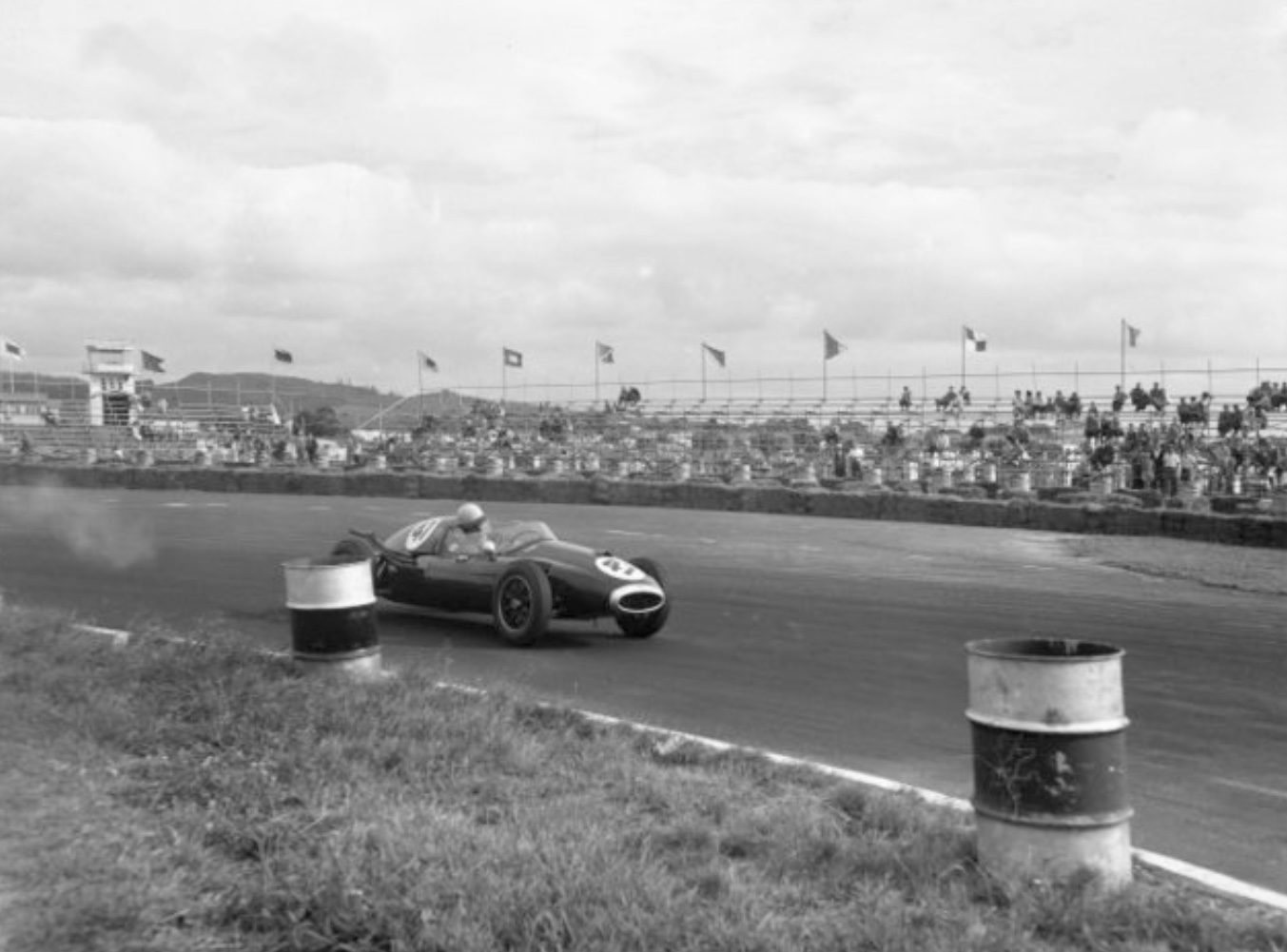
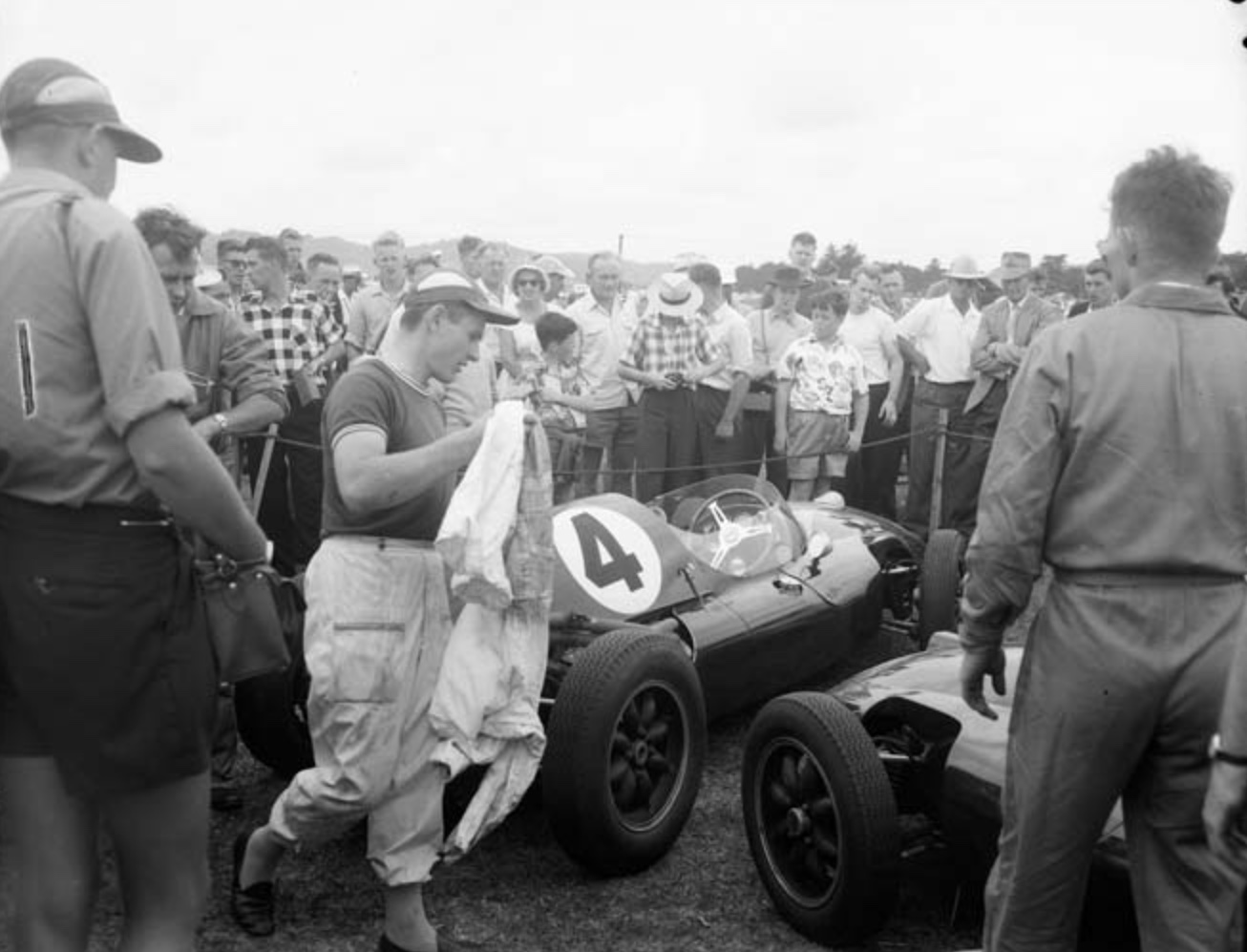
This left the two Coopers out in front, Jensen and McLaren having a private dogfight with Shelby over the next three positions. At half-way, the position was the same with the rest of the positions filled by Stillwell, Syd Jensen, Gibbons, Neil, Clark and Mansel.
At this stage, it looked as though McLaren was going smoothly, with Jensen in much the same vein, both having a slight edge on Shelby. But the spectators were not to know that McLaren was changing gears with his glove torn to tatters and the skin already working off the palm of his hand, after losing the knob of the gear-lever on his early spin.
Jensen’s car was beginning to show signs of clutch trouble which was to slow him for the duration, towards the finish the car was clutchless and Jensen was making his changes on engine note.
Shelby was in trouble, for although he took Jensen and McLaren for third position, with the white-streaked, high-tailed Maserati sounding healthy, he was suffering from agonising cramp in one leg – and his brakes were beginning to fade.
Finally he stopped at the pits on lap 41, hopping around on one leg while Harry Schell leapt into the car and set off after the leaders. Driving furiously, he pulled himself up into fifth place behind Jensen by the 51st lap, and in the meantime McLaren had finally established a lead over the low, light-blue Jensen Maserati, to be now third.
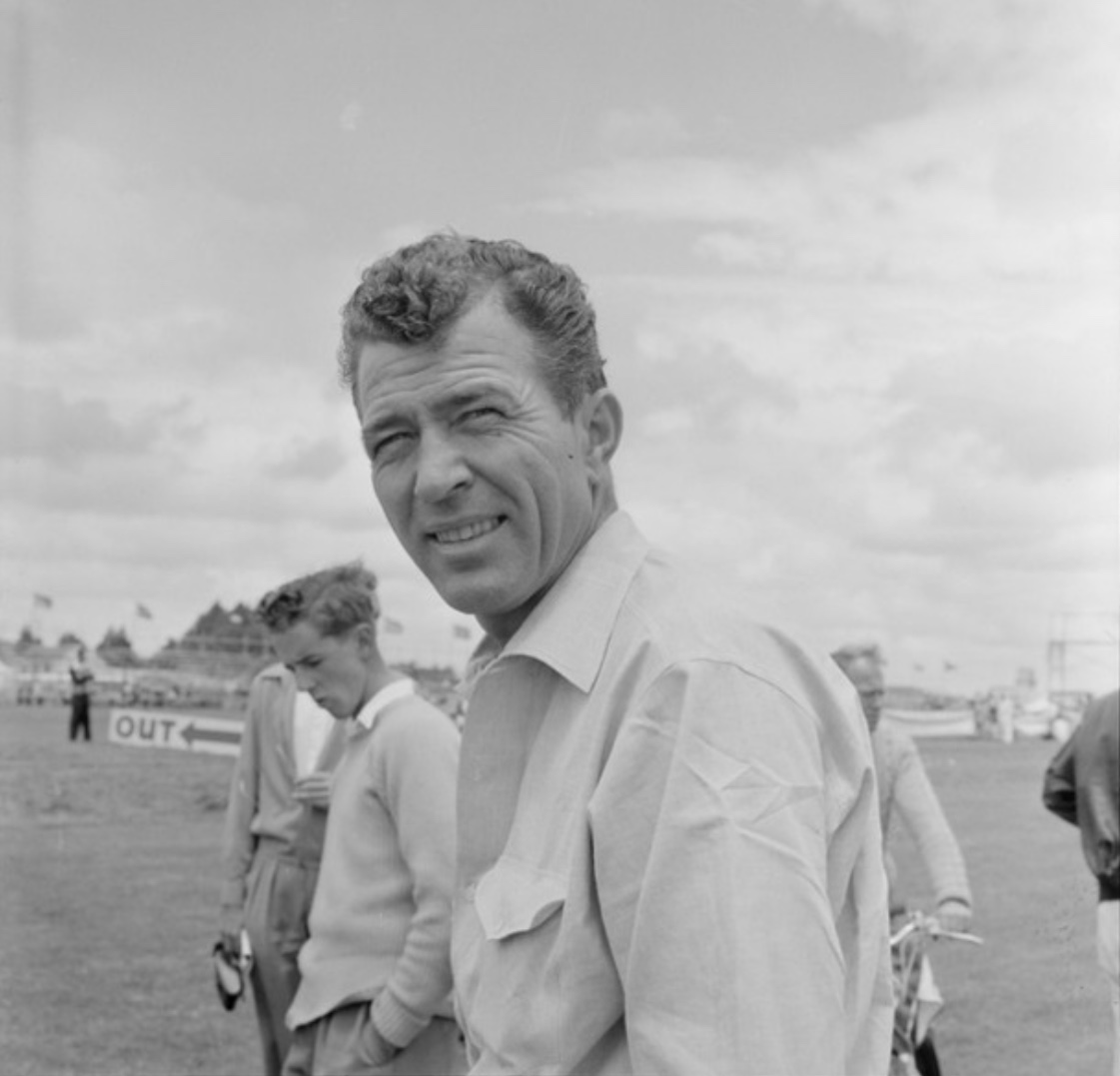
Moss was going great guns, and Brabham’s only hope was that the other halfshaft would break, or some other failure. McLaren sat equally patiently in third place, but Jensen began to lose ground to Schell from lap 55 onwards, the motor misfiring with plug trouble.
Jensen’s clutch deteriorated and his motor sickened, Schell reeled him in rapidly, going past on the back straight on lap 63. The leading group was so far ahead of the rest, headed by Bib Stillwell and Syd Jensen in the little Formula II Cooper, that Jensen was still able to run on into fifth position, despite a spin on the second last lap.
Schell’s bid to put the Maserati further up the field failed, both because of Moss’ pace and also through the complete failure of the drum brakes – the linings of the rear brakes had been welded to the drum castings by heat – torn clean off the shoes with only Schell’s experience carrying him through.
‘Probably 80,000 people saw the race, a record for any type of sporting event in New Zealand. Moss’ time, 1h 48m 24.4s, an average of 82.8 mph., was over three miles faster than Brabham’s winning drive over exactly the same course the year before, and he put in a lap of 1m 24.8s (85 mph), also a race record, though well outside his remarkable 1.21.5 in practice.’
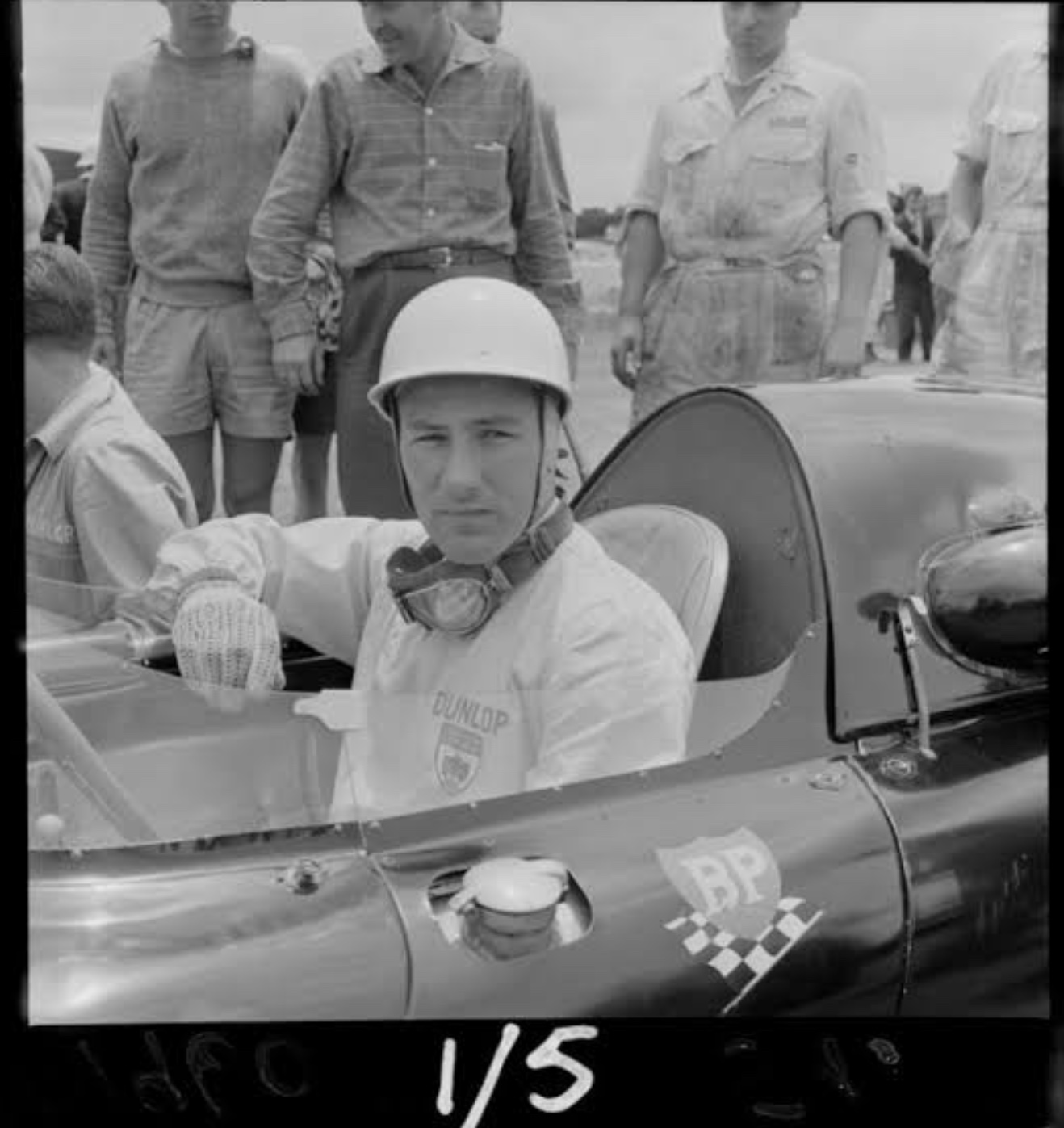
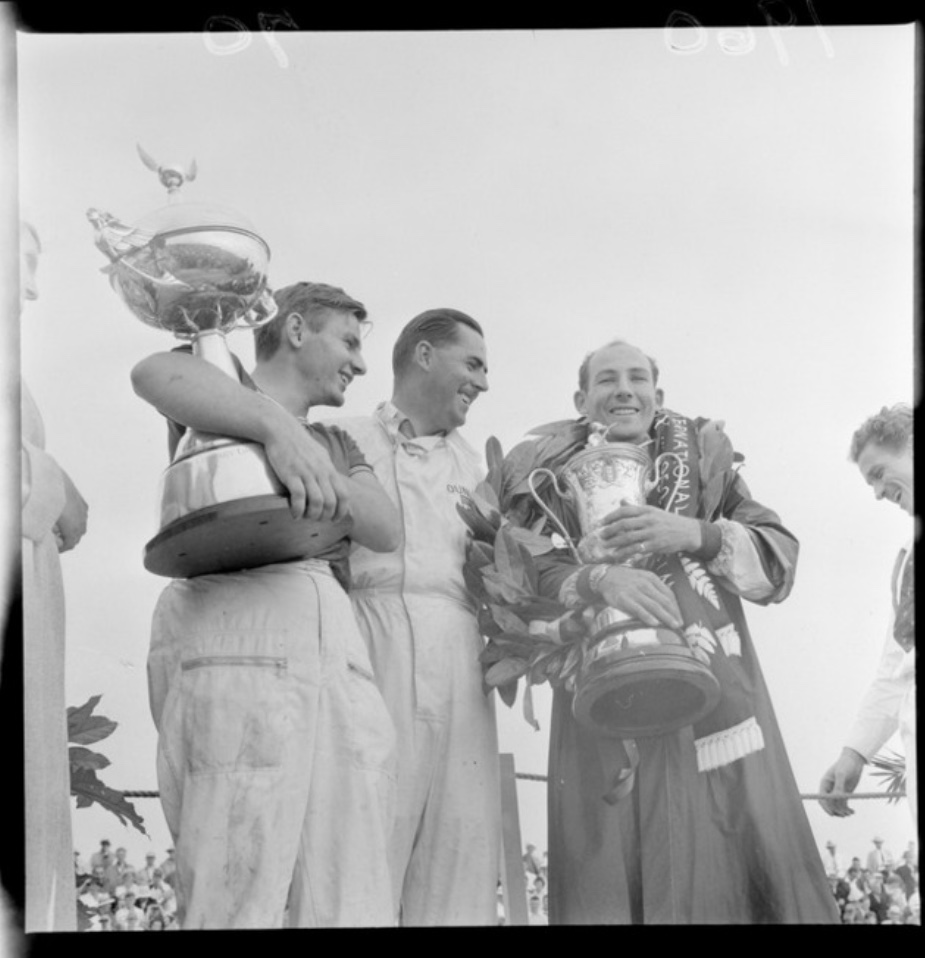
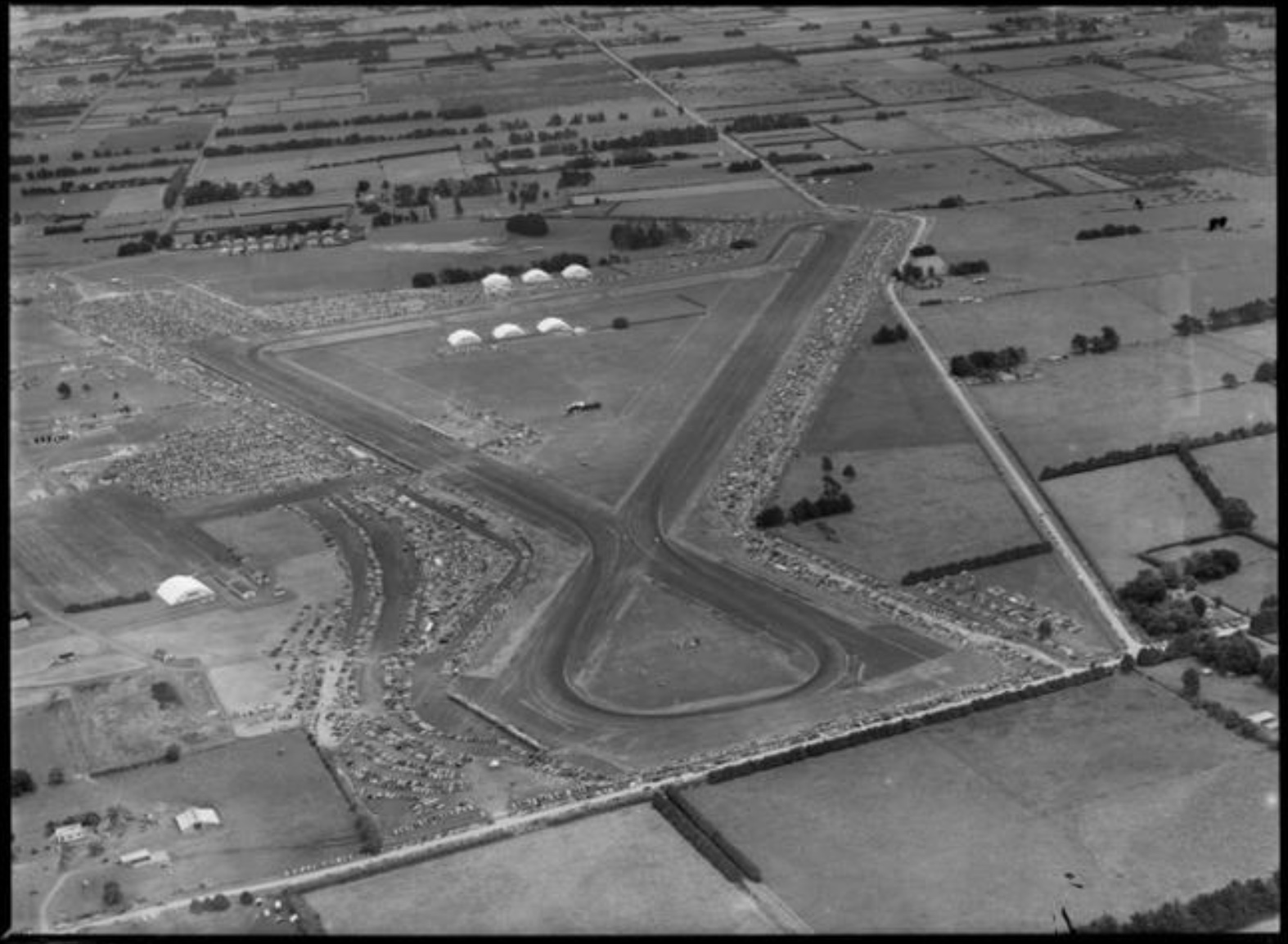
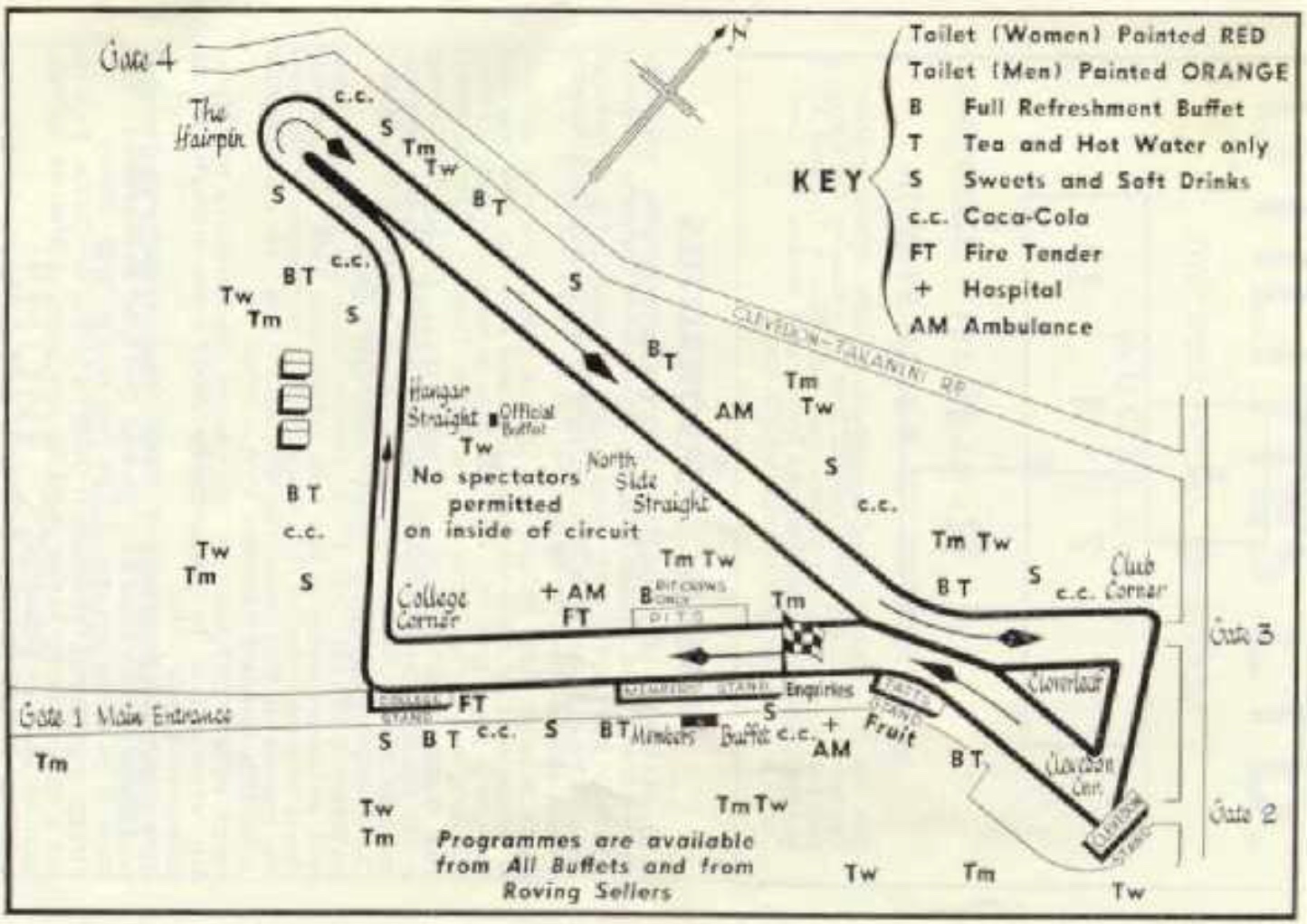
Ardmore was New Zealand’s best known circuit in the 1950s and 1960s, the airfield 30km to Auckland’s south. There was only the one big race meeting of the year otherwise the strip was mainly used by crop-dusters and the Auckland Gliding Club.
Etcetera…
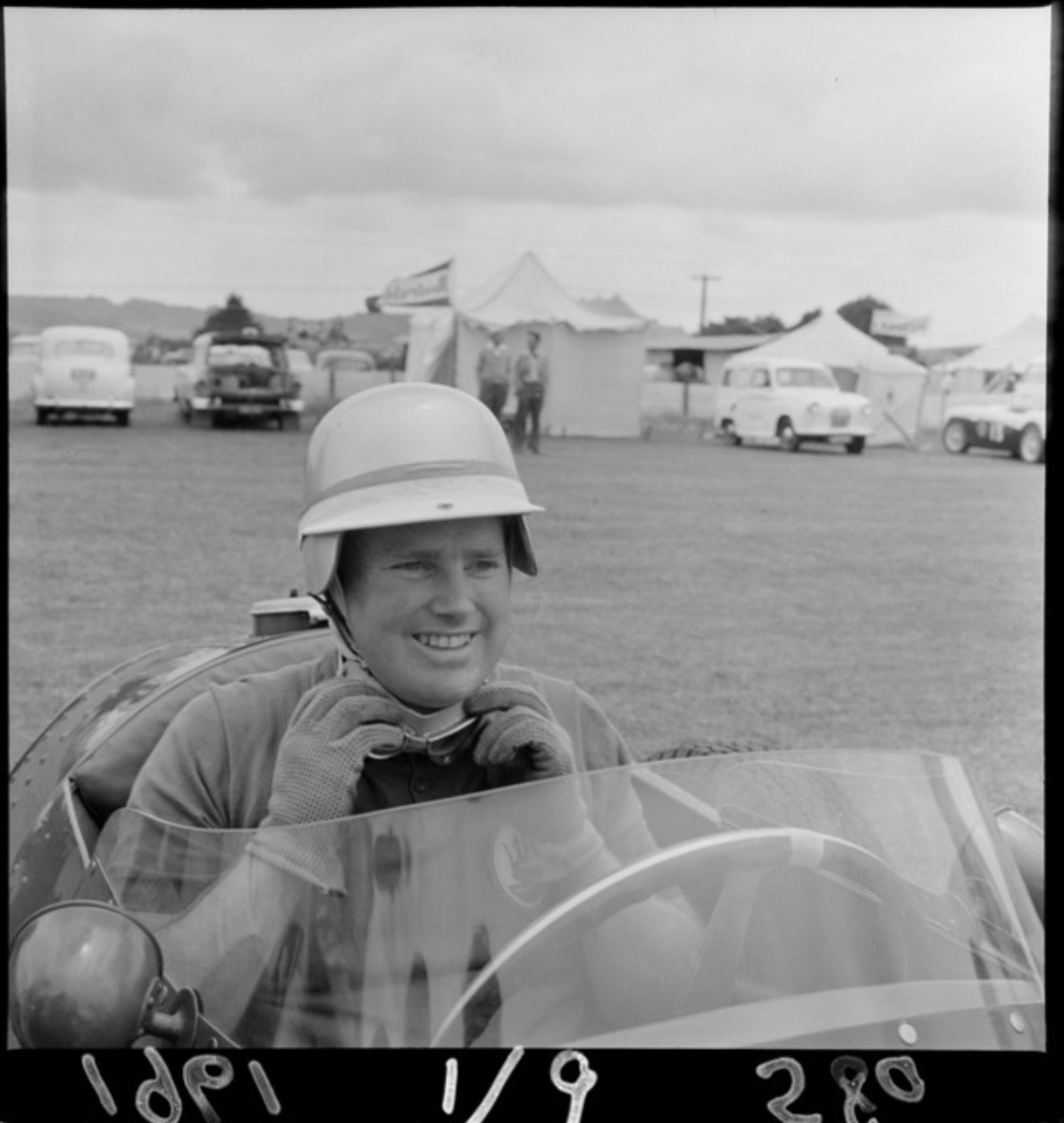
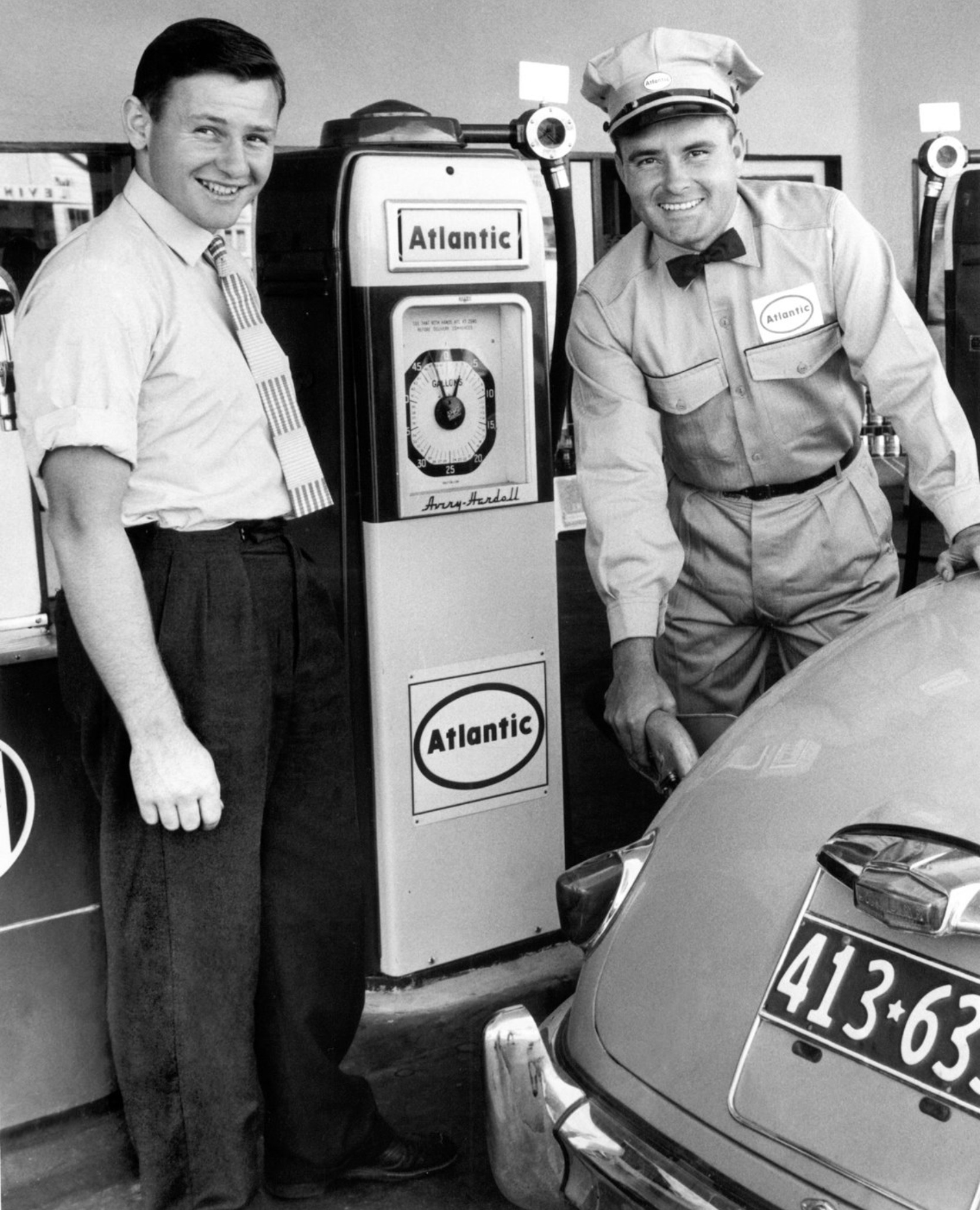
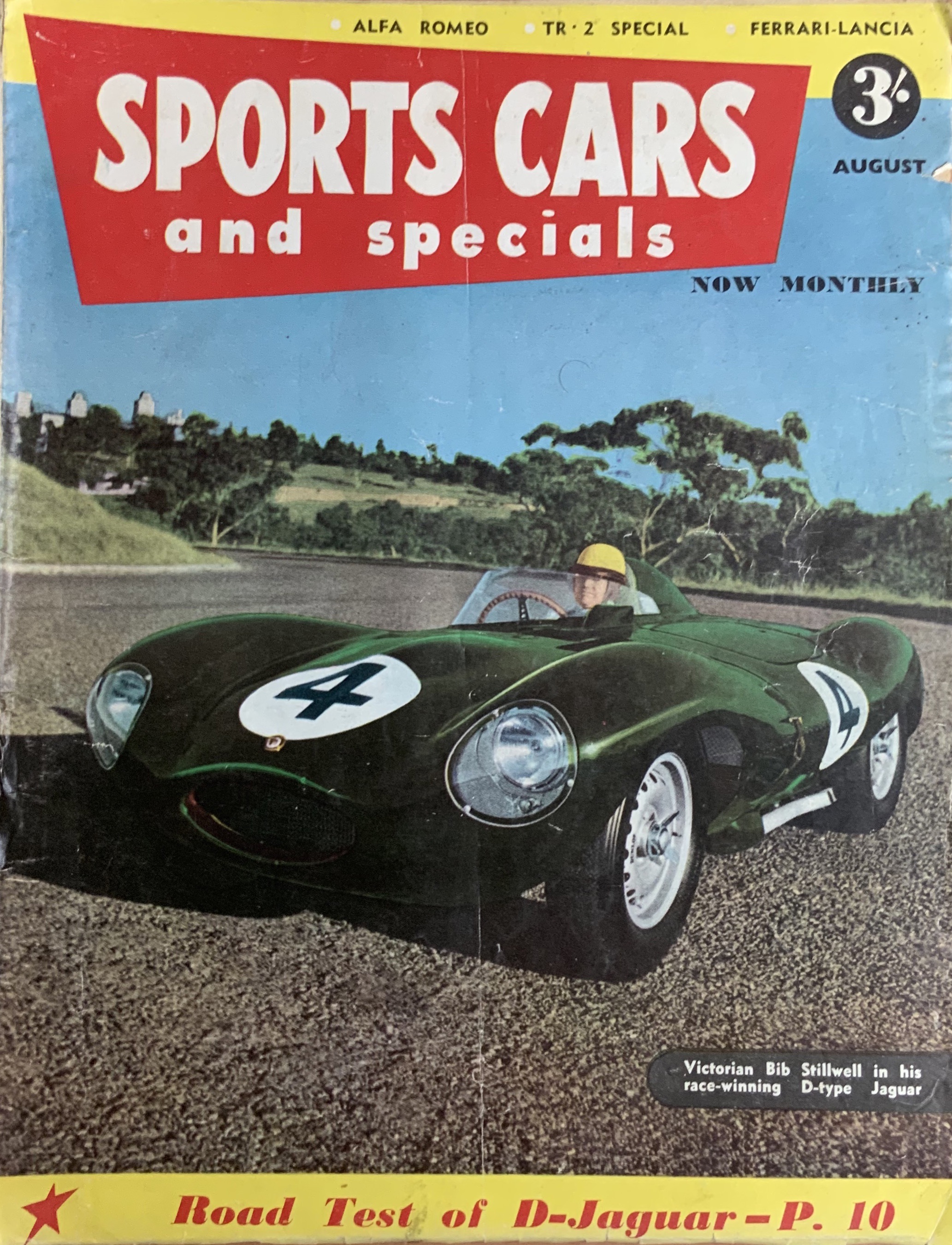
Bib Stillwell smiling for the camera, although I doubt he would have listed his ex-Hunt Maserati 250F as amongst his favourite machines however much they were the customer 2.5 litre GP car of the era. More of a Cooper and Brabham kinda guy?
#2516 below was the ex-Reg Hunt very successful 1956 season car. Bib popped it on a ship to Modena to freshen and update it. It was a long time before he got it back!
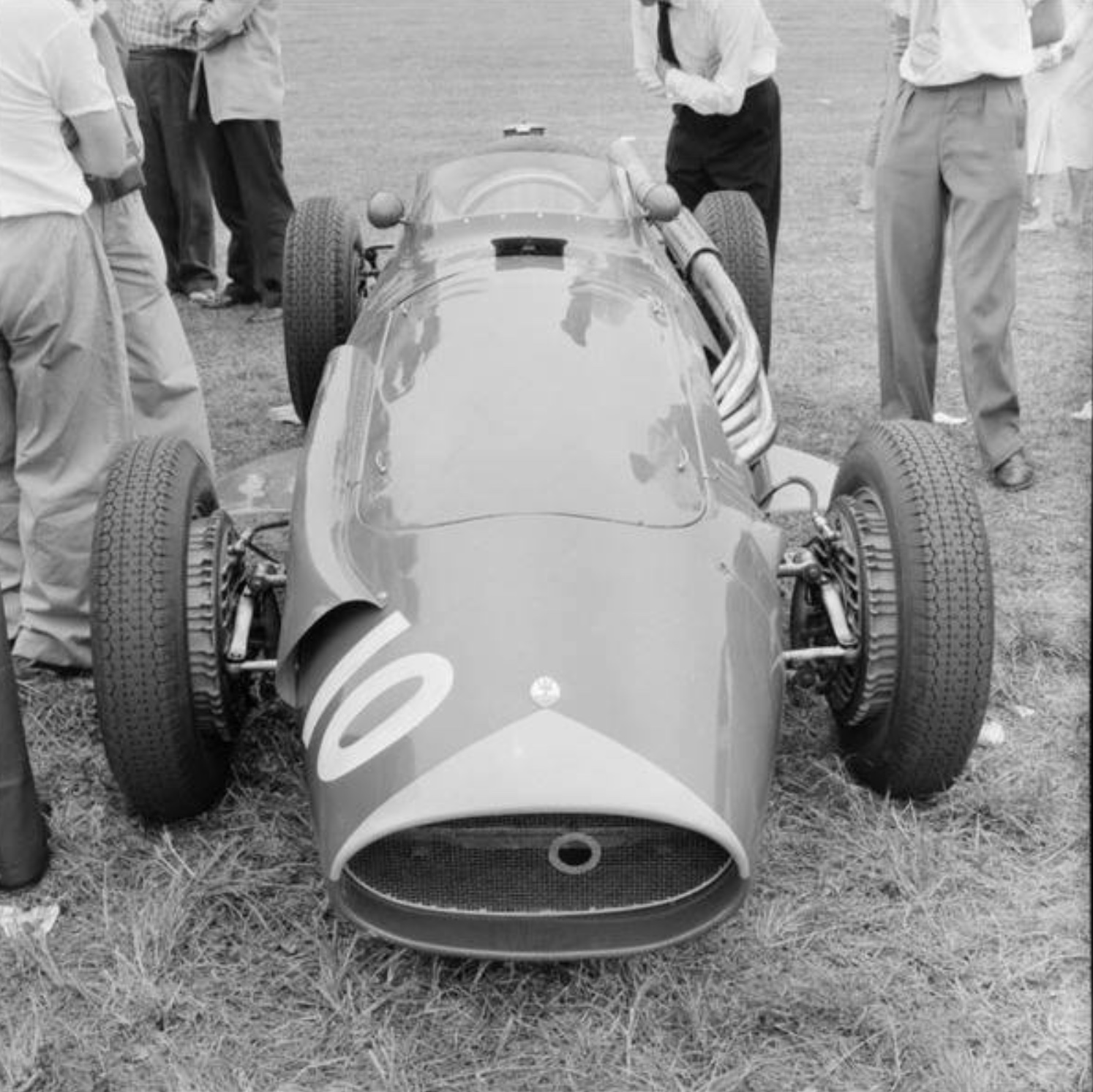
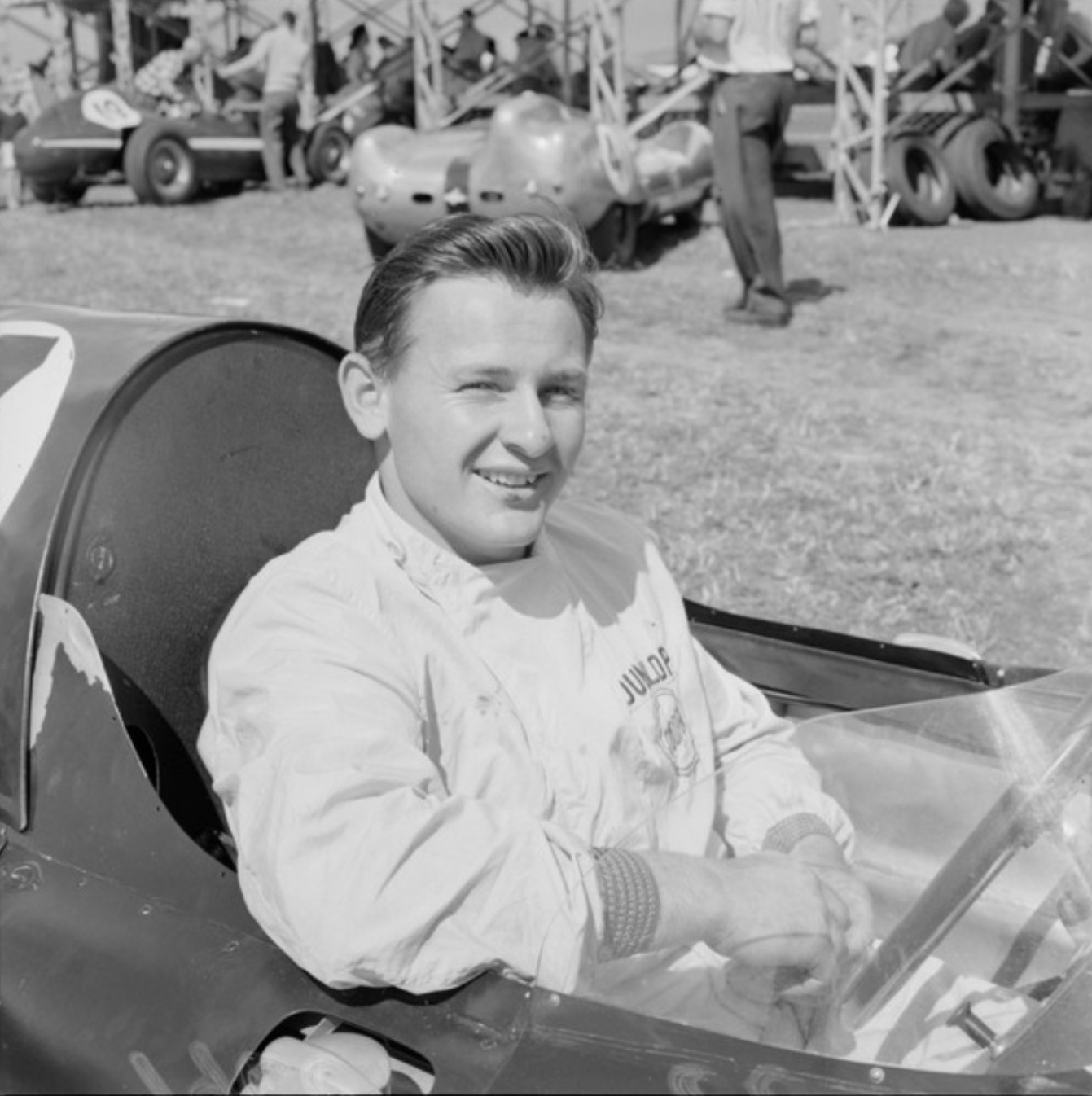
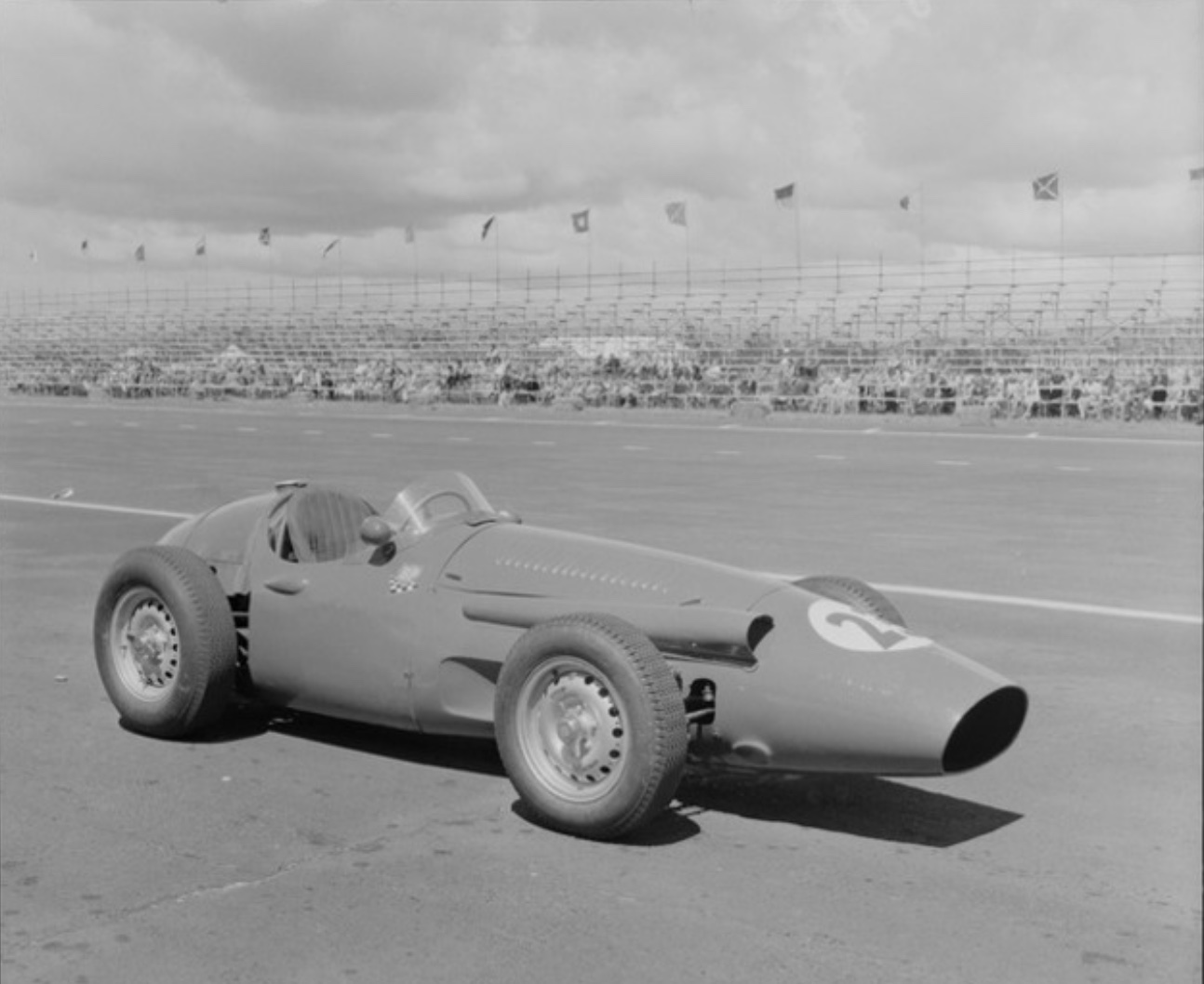
Gavin Quirk’s Maserati 250F is the ex-BRM machine soon to shoot Christopher The Great, Chris Amon to prominence under the guidance of Bruce Wilson. Happily, the car is still in NZ.
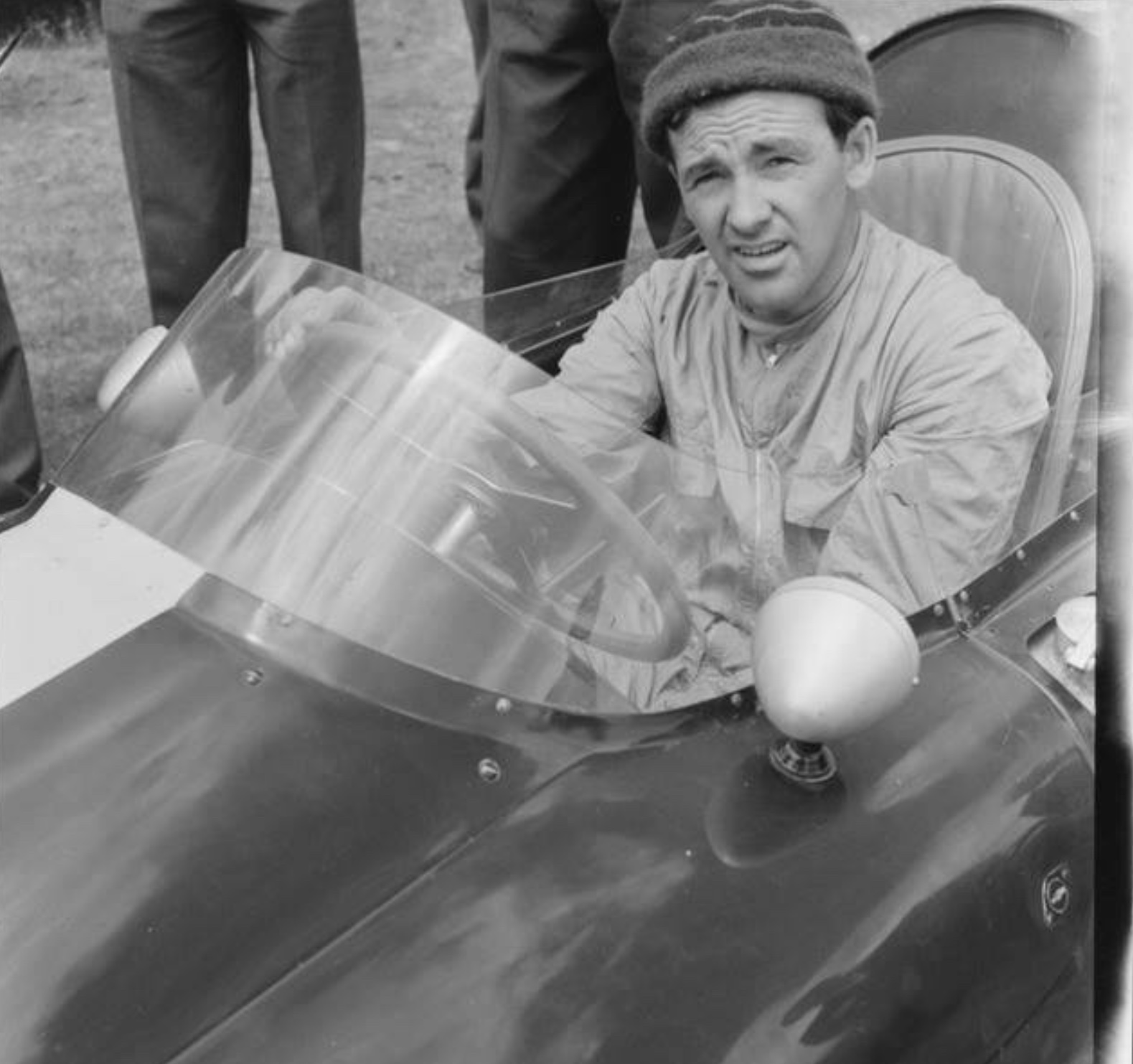
Photo and other Credits…
Digital NZ- Alexander Turnbull Library, ‘NaLib’- National Library, Government of NZ, Garth Taylor, David Williamson
Bibliography…
The narrative is a heavily truncated, modified version of Bruce Sergent’s sergent.com race account, any errors are mine
Tailpieces…
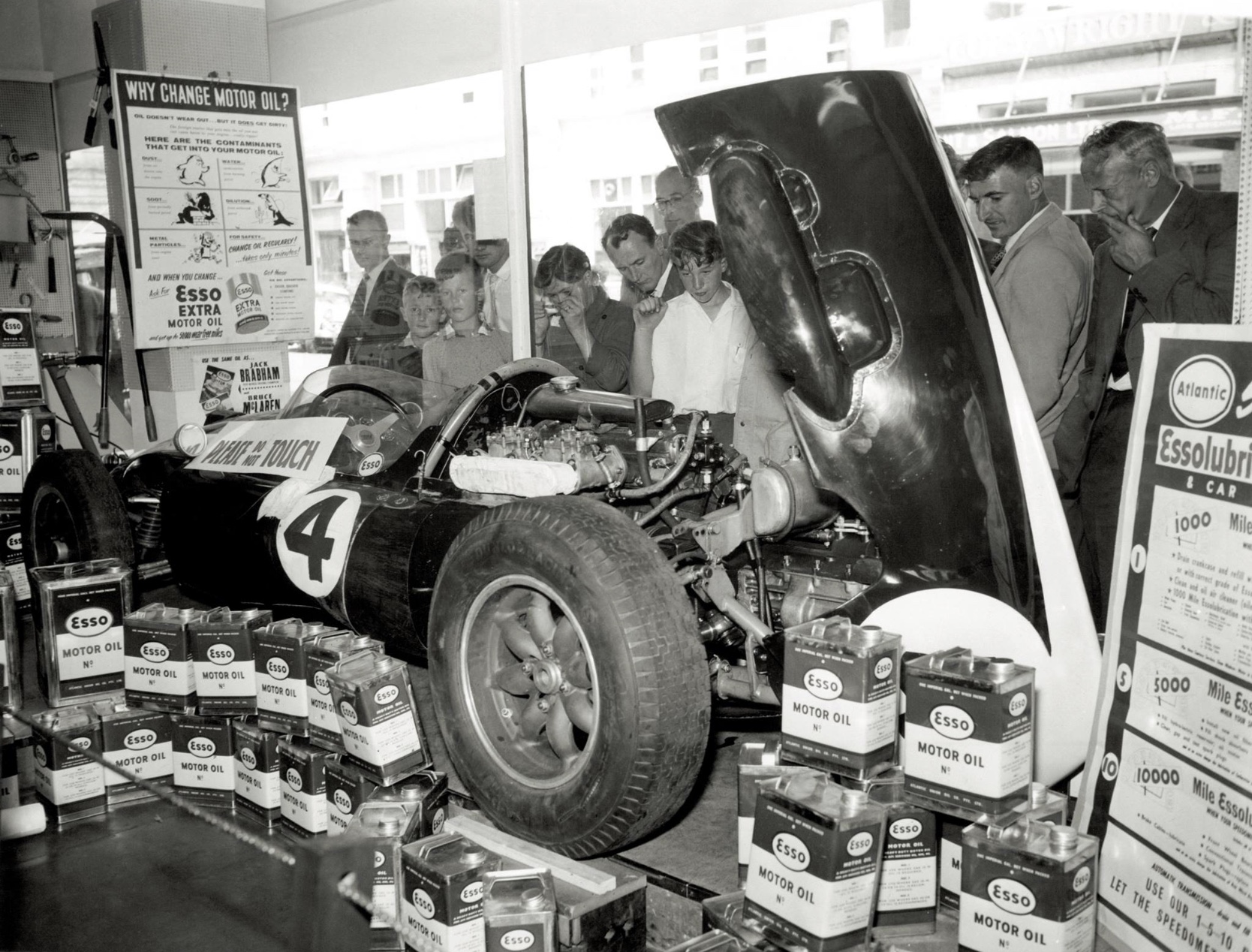
Lets check out the new car!…
The fans check out the latest Cooper at the McLaren Garage in Remeura before the Ardmore meeting- Brabham’s T45 Climax.
Finito…























 primotipo...