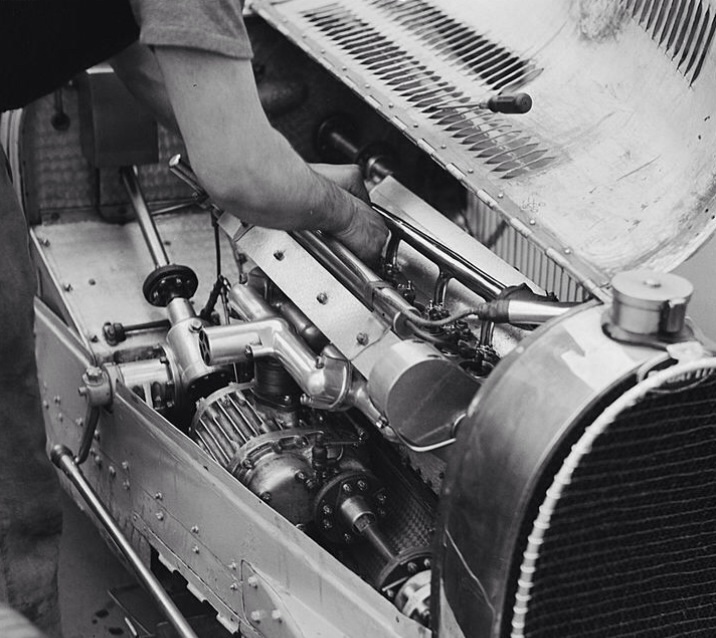
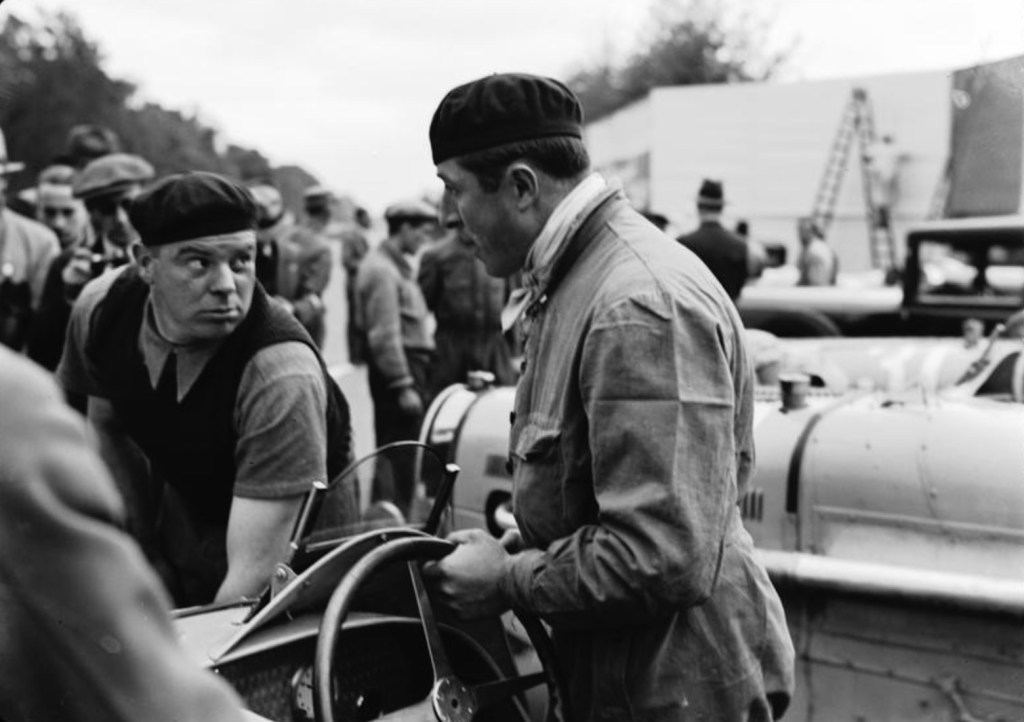
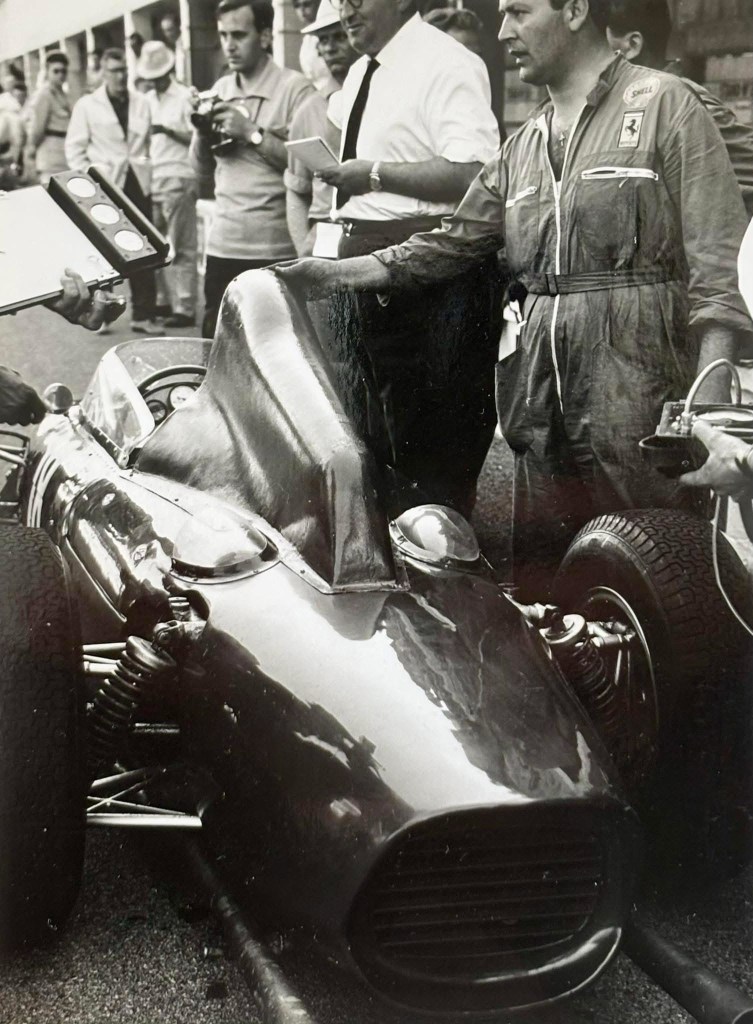
The magic hands are those of Bugatti’s Chief Mechanic, ‘Le Grand Robert’, Frenchman Robert Aumaitre working on a T51 straight-eight, twin-cam, 2.3-litre engine…
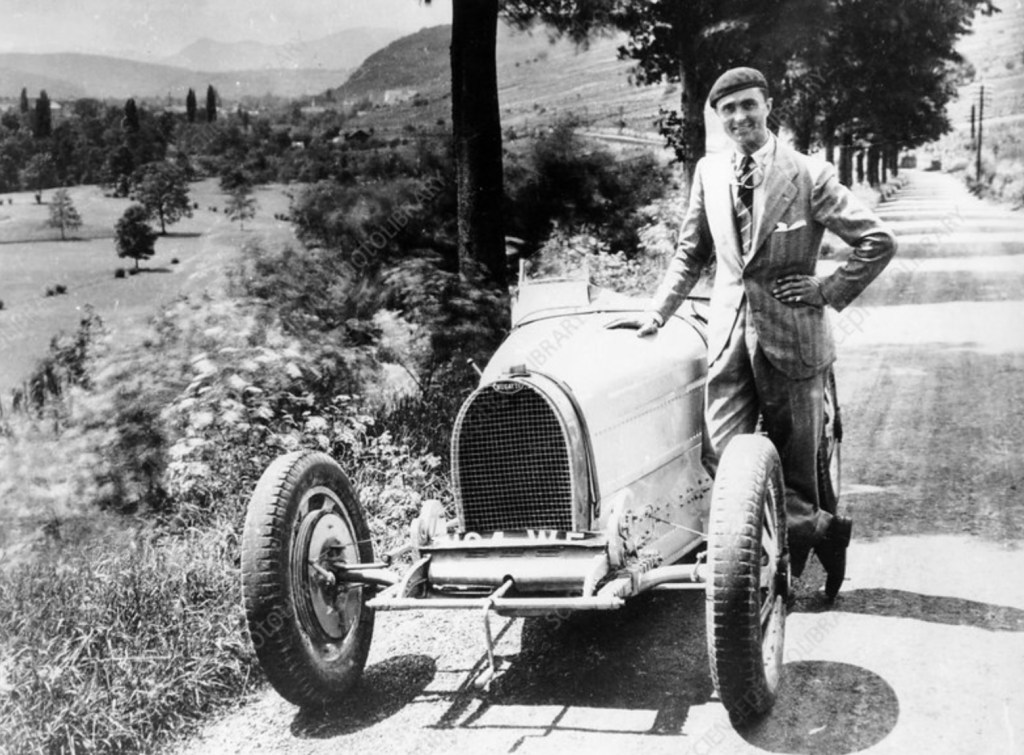
Louis Chiron with his Bugatti Type 51 near Molsheim in 1931 (sciencephoto.com)T51, Nurburgring German GP July 19, 1931. Race won by Rudy Caracciola’s Mercedes-Benz SSKL by over a minute from the Louis Chiron and Achille Varzi Bugatti T51s (Z Glass)
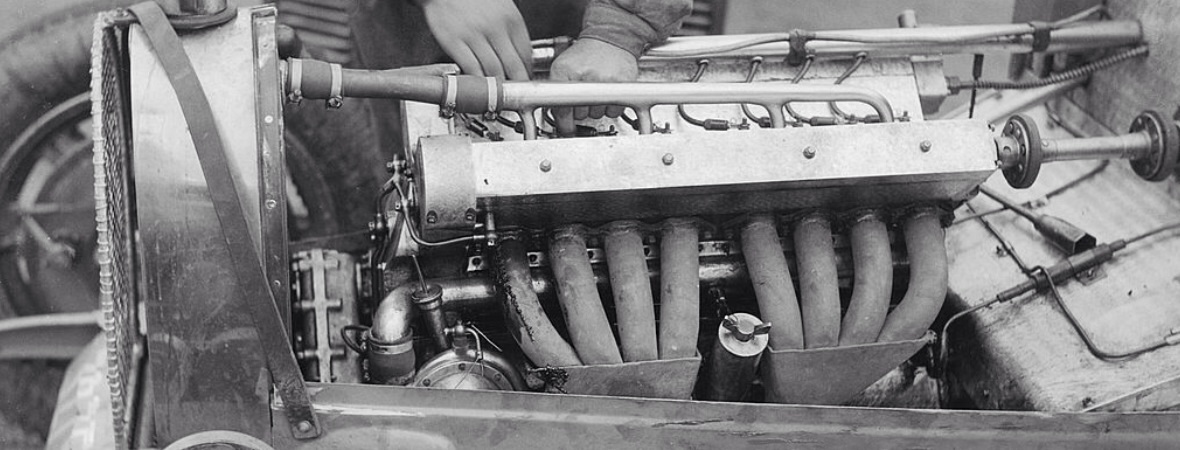
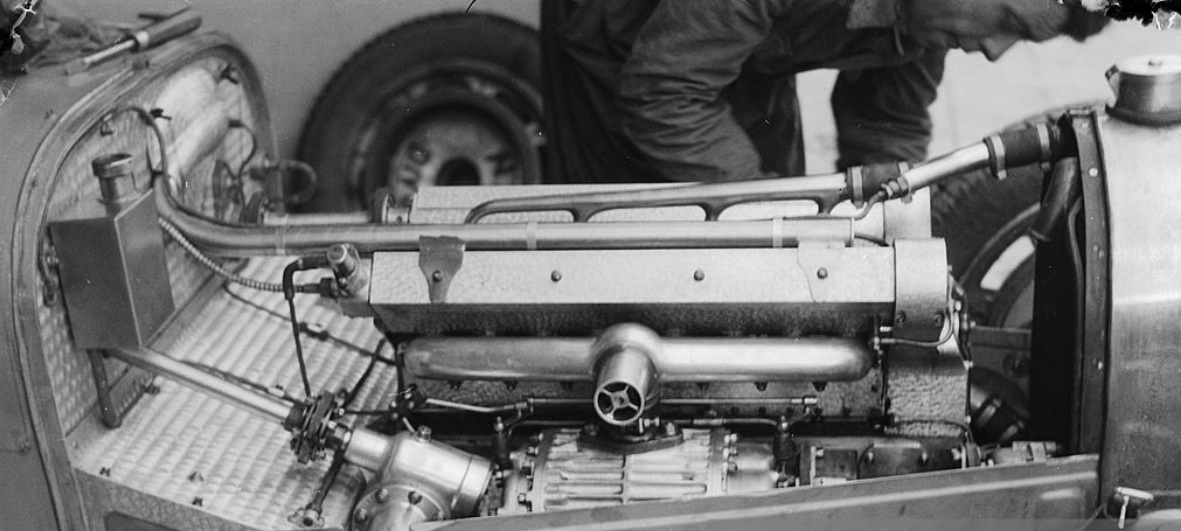
Bugatti’s Miller 91-inspired twin-cam design – 1931-35 T51 2262cc 60×100, T51A 1493cc 60×66, T51C 1991cc 60×88 – featured a monobloc design with a shared crankcase. The main bearings comprised three ball bearings in the middle and two roller bearings, one at each end. Rod bearings were roller. Lubrication was by jet and splash with a special oil pipe for the front main bearing.
The twin overhead camshafts were driven by a train of gears mounted at the front of the engine and operated two valves per cylinder. A single (T51) Zenith 48K carb fed a Roots type supercharger, with a Scintilla magneto firing one plug per cylinder. The engine gave about 180bhp @ 5500rpm.
T51 Nurburgring German Grand Prix July 19, 1931. Inlet side (Z Glass)Robert Aumaitre and Pierre Veyron at the Avus, Berlin. Veyron won the Avusrennen Voiturette race, 197km, in a Type 51A on May 21, 1933, from Ernst Burggaller’s similar car (Z Glass)
Robert Aumaître ‘came to service with Bugatti in 1930 and was Jean Bugatti’s mechanic. He experienced Jean’s last moments, when he was killed on August 11, 1939, a traumatic experience that haunted hm until his own death,’ recorded the bugattipage.com.
‘After WW2, he assisted French driver Jean Monneret and was involved in record attempts with various Vespas at Montlhery. He designed a Vespa-driven catamaran that crossed the channel in 1947, and was involved in a rally for bicycles with engines from Paris to Alpe d’Huez. After his retirement as manager of a big Cognac company, he spent his last years in Molsheim,’ where he died aged 93 on January 11, 1997.
Strange is that this piece omits Aumaitre’s time with Gordini post-war, where he was again Chief Mechanic.
Credits…
Zoltan Glass/Science and Society Picture Library, bugattipage.com, National Science and Media Museum, Bradford, sciencephoto.com
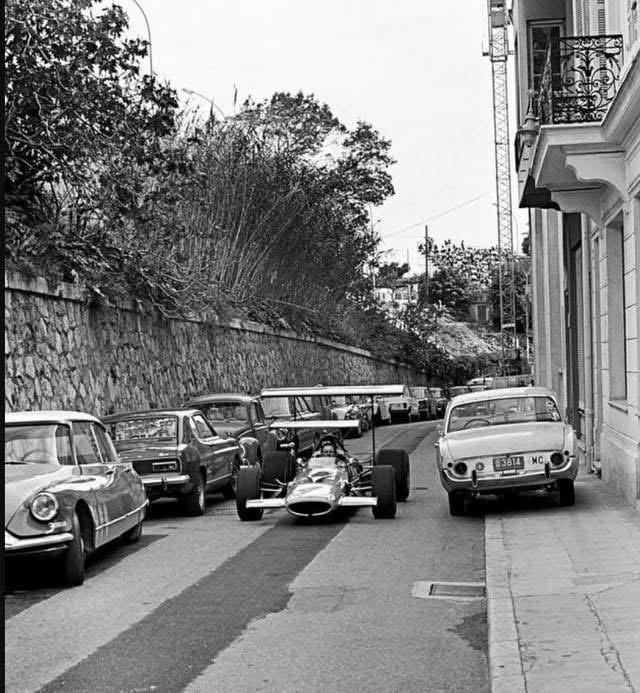
And below making up for lost time through traffic in the latter stages of the 1969 Monaco GP, McLaren M7C Ford, where Bruce was fifth in the race won by Graham Hill’s Lotus 49B Ford.
The CSI/FIA banned the hi-wings overnight Friday-Saturday so I guess this is the Thursday.
(G Johannson)
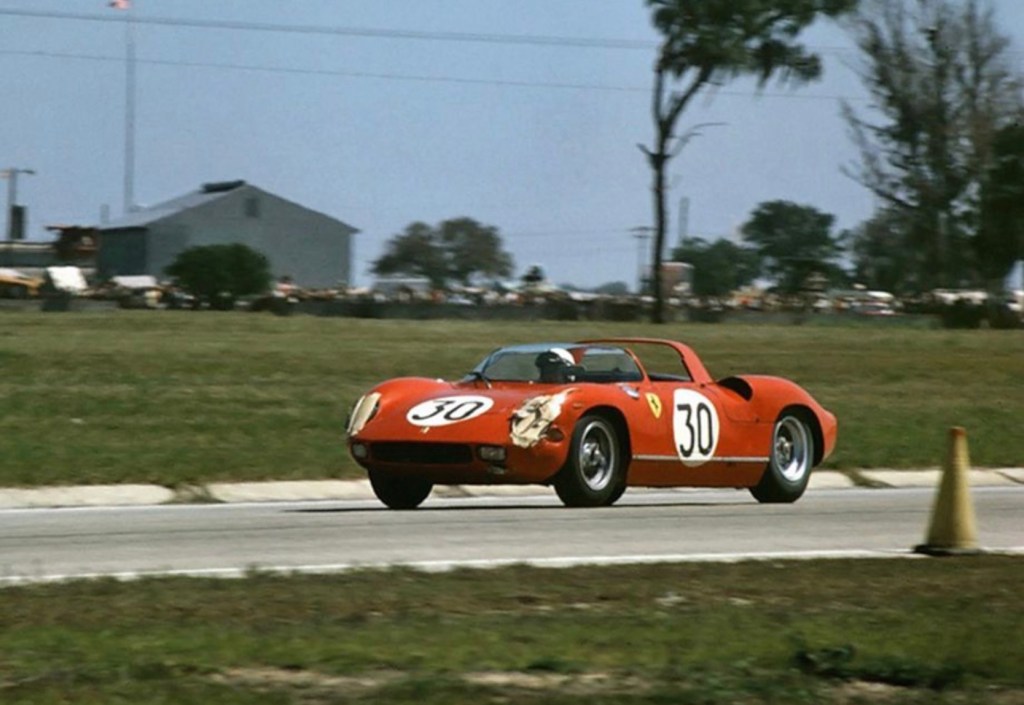
The victorious Surtees/Scarfiotti Ferrari 250P at Sebring in 1963, the Scuderia’s sixth outright Florida win in eight years
Ferrari took the first three places in the prototype and GT classes, the Index of Performance and the lap record, not a bad weekend’s work…
(M Fistonic)
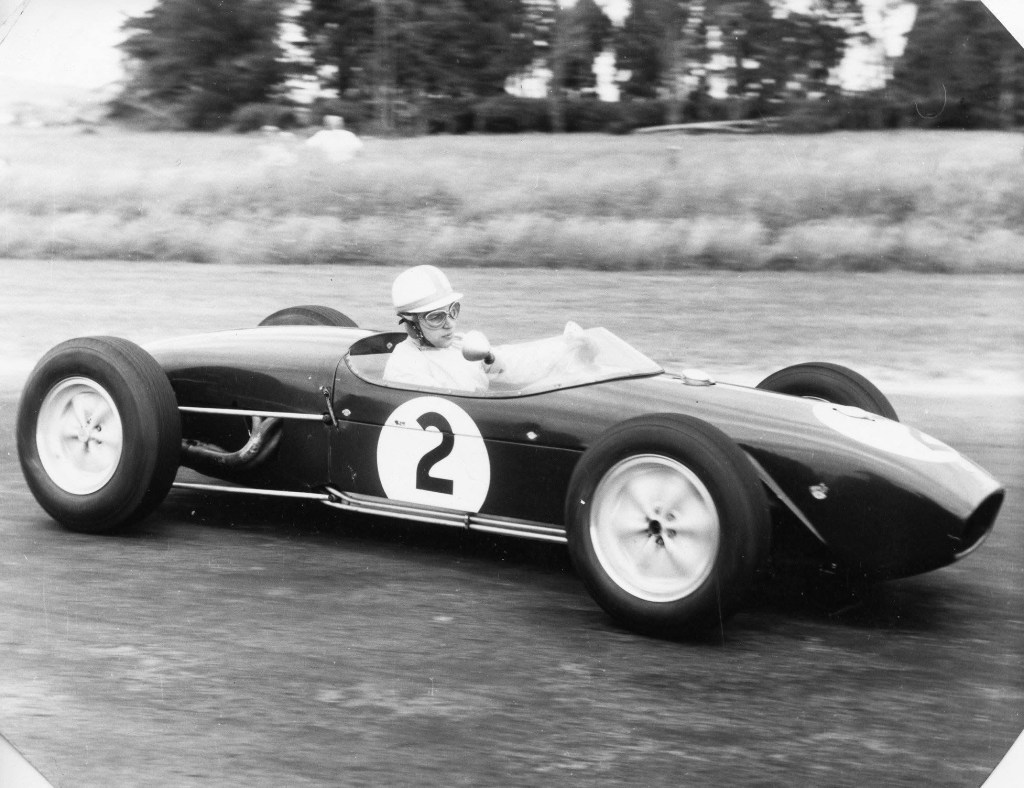
John Surtees guides his works-Lotus 18 Climax FPF 2.5 around Ardmore Aerodrome during the January 7, 1961 New Zealand Grand Prix.
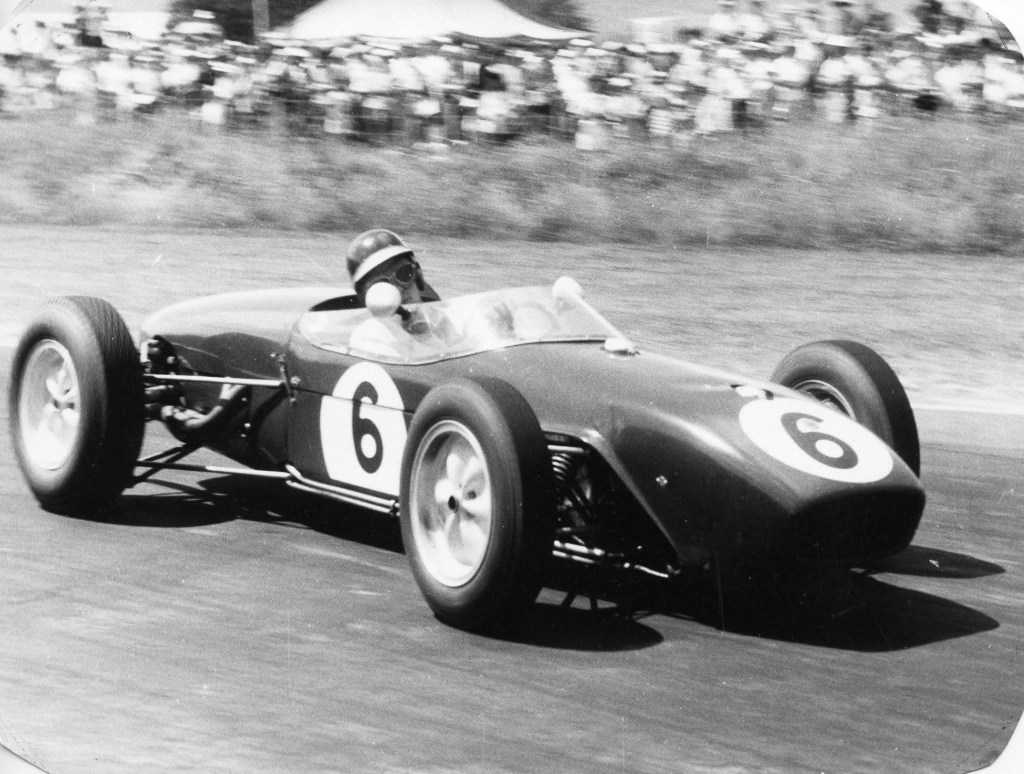
Colin Chapman sent a pair of Lotus 18s south that summer to keep his drivers sharp over the European winter: team drivers Surtees, Jim Clark and Innes Ireland made the trip with Lotus’ Queerbox doing its bit to despoil the results.
Surtees was NZ GP DNF gearbox (winner Brabham Cooper T53), Levin DNF radiator (Bonnier Cooper T51), and Wigram DNF undisclosed from pole (Brabham Cooper T53).
(M Fistonic)
For Jim Clark above, it’s a little better: NZ GP sixth, Levin second and Wigram DNF stall.
For the record, Roy Salvadori was a DNF gearbox at Wigram and second at Teretonga (Bonnier Cooper T51) in a Yeoman Credit Lotus 18 ‘on his way’ to Australia to do the Oz Internationals in one of Jack’s Cooper T51s.
Ireland was second to Moss in the ferociously hot Warwick Farm 100 (Moss Lotus 18) but DNF in the Victorian Trophy at Ballarat Airfield (Dan Gurney BRM P48).
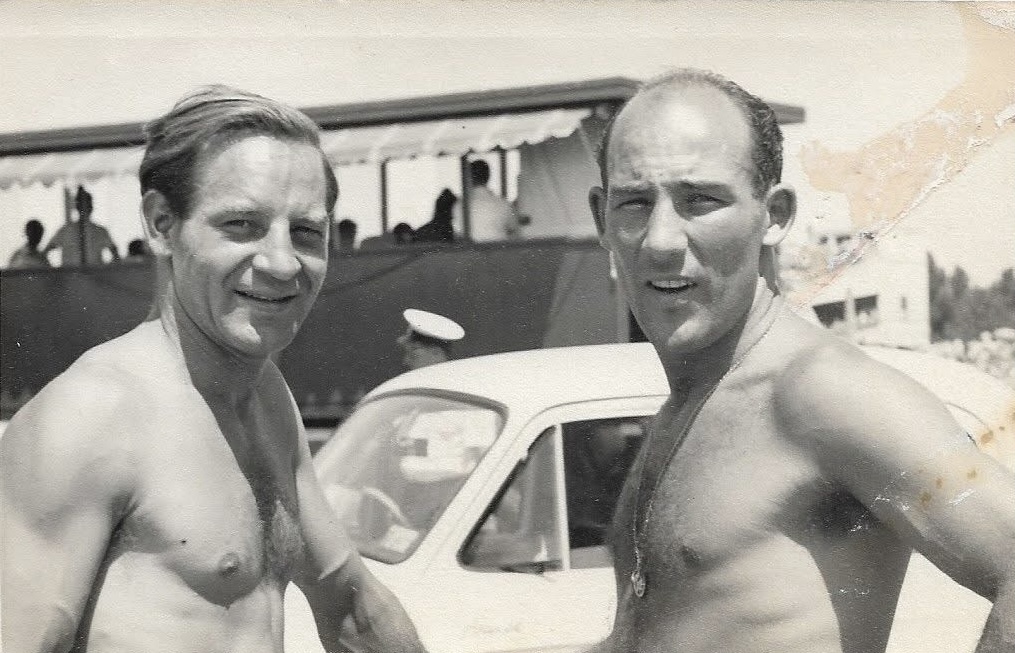
A couple of stud-meisters at Warwick Farm in 1961, Innes DOB 12/6/1930, Stirling 17/9/1929 (M McGuin)(CAN)
I’d forgotten Jo Bonnier’s two ‘Tasman’ wins in 1961 aboard an old Cooper T51 Climax.
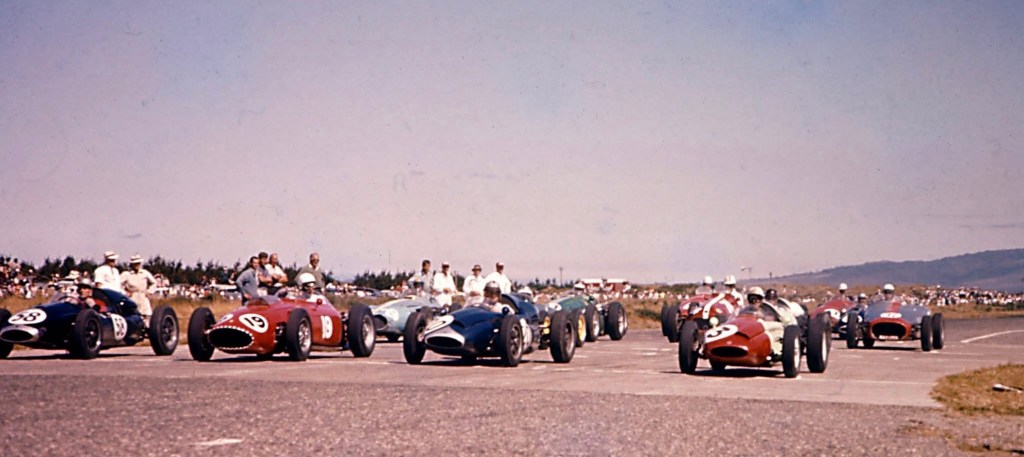
Here he is on the Teretonga International grid on pole at right with Denny Hulme’s Cooper T51 Climax, Pat Hoare, Ferrari 256 and Tony Shelly’s Cooper T45 Climax – with ? Lycoming Special looming large at the far right.
Bonnier won from Roy Salvadori, Lotus 18, then Hulme, Hoare and Shelly.
(CAN)
And, the wonders of Facebook, one for the Cooper historians from Classic Auto News‘ Allan Dick.
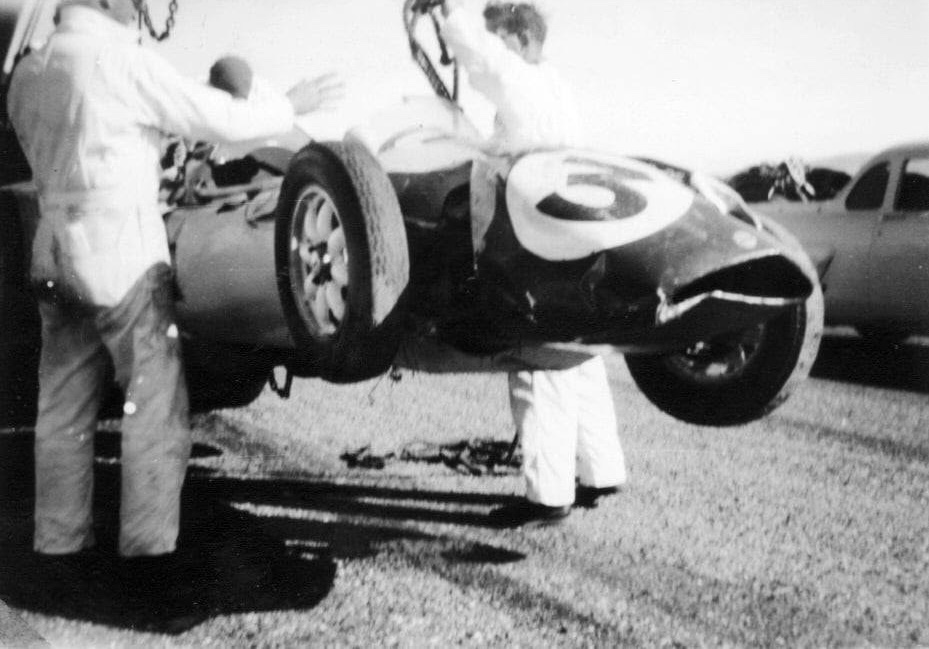
‘Bonnier had a successful 1961 tour with Yeoman Credit. He won convincingly at Levin (beating Jim Clark) and Teretonga despite having an old car. After winning the main Teretonga race, he went off in the Flying Farewell (an all-in race at the end of the race weekend, a ‘Butcher’s Picnic’ in Australia), damaging the car so badly that it wasn’t considered worthwhile taking it back to Europe, so it was stripped of its parts and left in Invercargill. Nobody knows what happened to it. Here it is being recovered from the lupins (above) at the end of the main straight.’
(Lister Cars)
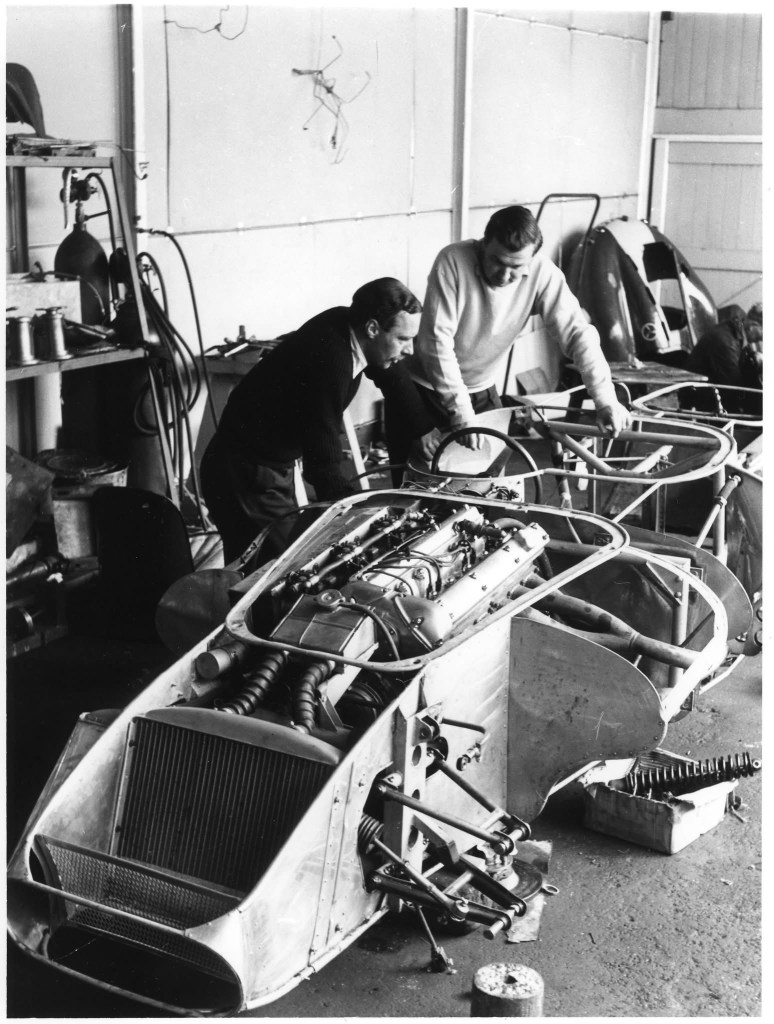
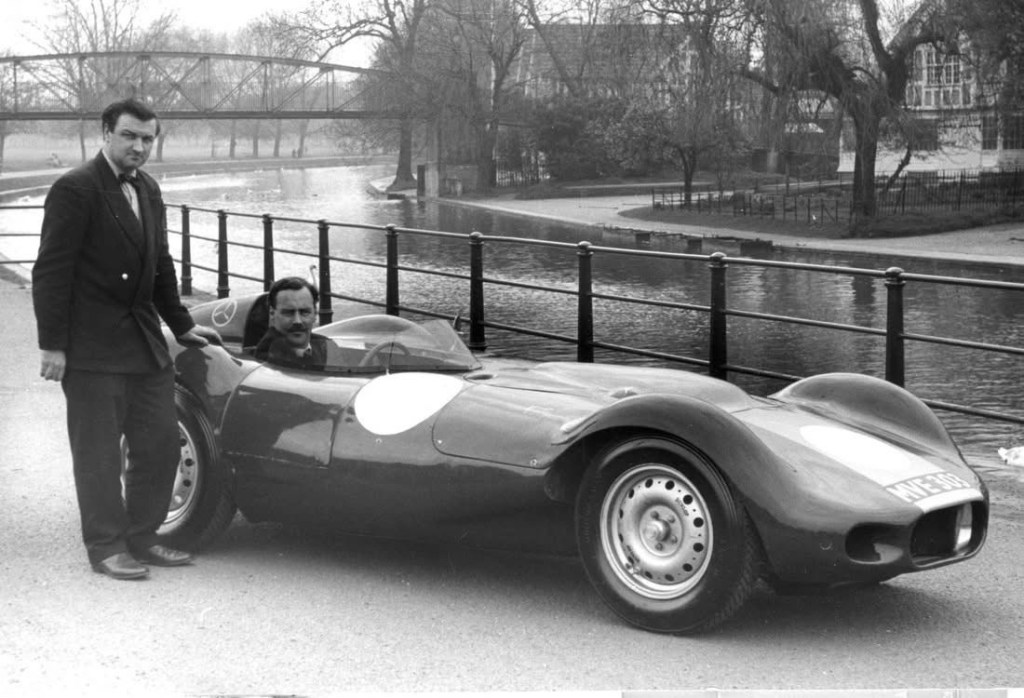
Archie Scott-Brown and Brian Lister ponder the construction of the prototype Lister-Jaguar chassis BHL2, registered MVE303…and 506 306 in late 1956 or early 1957 at the Lister family’s Cambridge workshop.
Scott-Brown had a fabulous season, winning 11 of the 14 races he entered including breaking the unlimited sportscar lap record, during the race or practice, on every circuit the team visited.
Press release, what date folks? (Lister Cars)(Classic & Sportscar)
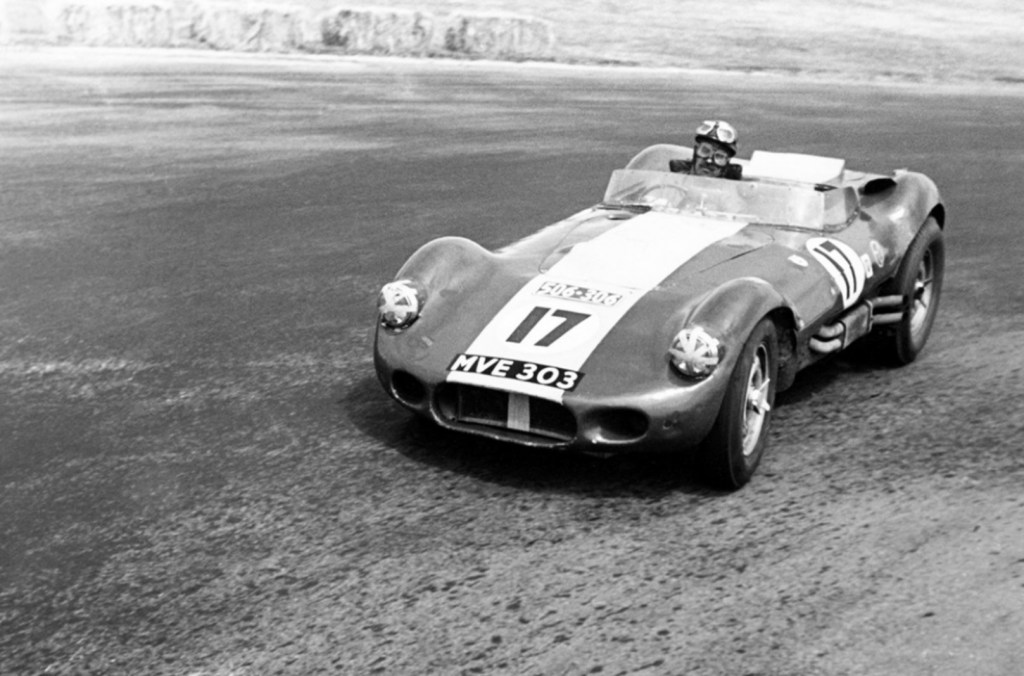
He and a mechanic then took the Lister to New Zealand for their 1958 summer internationals, where the car – registered 506-306 – won two more races. Archie took a 12-lap Le Mans start preliminary at Teretonga and the 150-mile Lady Wigram Trophy (above), finishing ahead of two Grand Prix cars: Ross Jensen’s Maserati 250F and shooting star Stuart Lewis-Evans’ Bernie Ecclestone-owned Connaught B3 Alta.
In an era where such fast cars were usually sold to a lucky (or not) colonial at the end of the trip, the Lister returned home ‘to clear the Customs bond in New Zealand,’ wrote Doug Nye. Sadly, BHL2 was then torn down with many of its fit and well components used in the build of other car(s).
Ken Wharton punts his awesome BRM P15 V16 around Ardmore during the January 9, 1954 New Zealand Grand Prix
He had the 100 lap 300km race shot to bits when brake problems intervened, finishing second behind Stan Jones in Maybach 1, with Tony Gaze HWM Alta third.
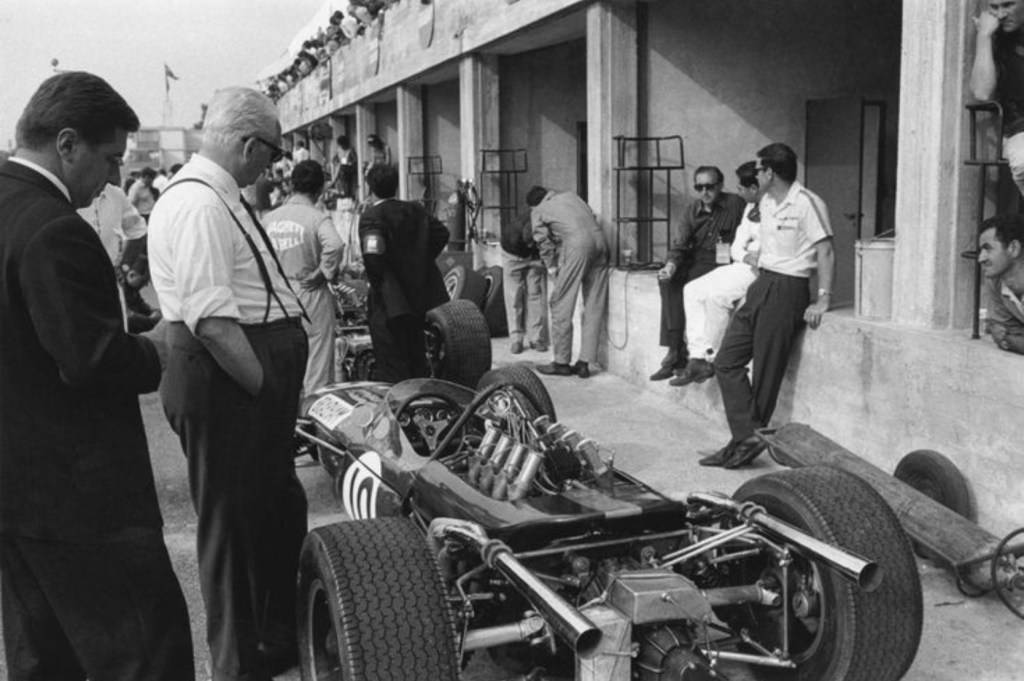
Enzo Ferrari ponders the 300bhp, SOHC, two-valve Repco-Brabham V8-engined Brabham BT19 in the Monza pits during the September 1966 Italian GP weekend.
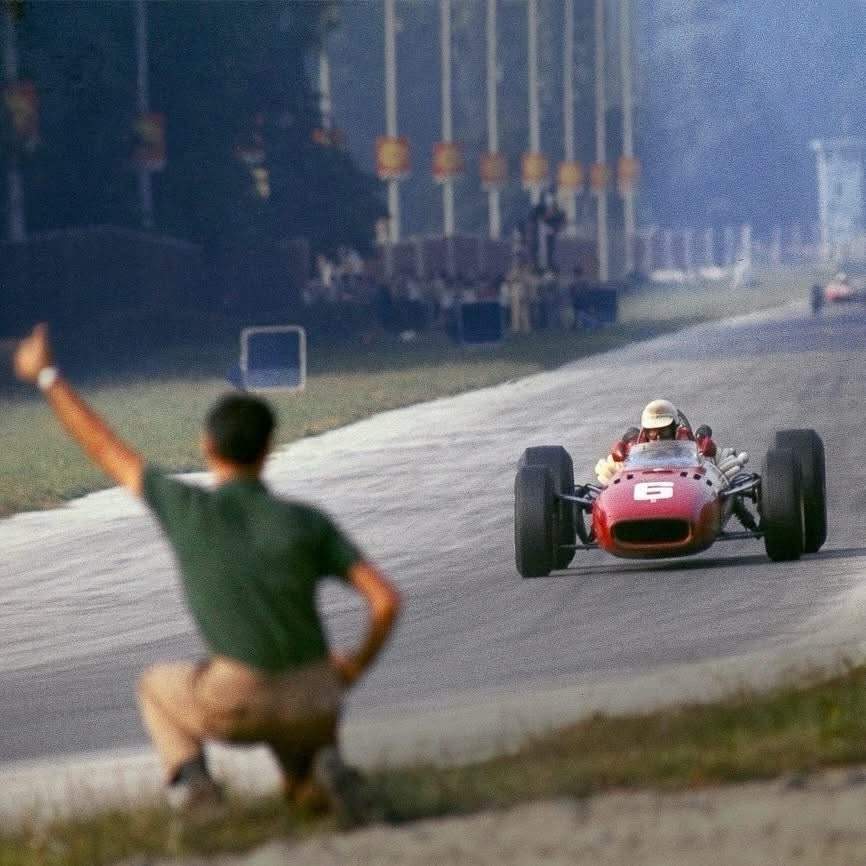
Ludovico Scarfiotti brought home the pancetta for the Scuderia, mind you, winning the race from Mike Parkes in another Ferrai 312 with Denny Hulme third in his Brabham BT20 Repco.
(LAT)
Still, the pace of the little-ies shouldn’t have surprised Enzo in that transitional year: the 2-litre Coventry Climax and BRM-powered Lotus 33s of Jim Clark and Graham Hill, and his own Dino 246 of course. The title was there for Ferrari’s taking; all they had to do was keep John Surtees in the saddle for the year…
Meanwhile, Jack was having a grouse time. Time enough to slip home mid-season for the opening week of Surfers Paradise International Raceway – his race was on August 14 – collect some cash, demonstrate Repco’s wares to the punters, then go back to Europe and wrap up the World Championship…which he did at Monza.
(NAA)
The logistics of it all are interesting.
Win the German GP in BT19 on August 7, pop it in a Qantas 707 to Australia (or whatever), get it from Melbourne or Sydney to Surfers. Do the whole thing in reverse, get BT19 race prepped, then truck it off to Italy.
Meanwhile, Jack jumped a jet to Scandinavia and won two ‘Euro F2’ rounds from Denny: the Kanonloppet, Karlskoga on August 21, and the Finlands GP at Keimola Ring on August 24. JB in a BT21 Honda, DH in a BT18 Honda. August wasn’t a bad month, really. Some sort of engine problem let the Repco side down in Queensland, it could easily have been a win a weekend for Jack…
(Ebay)
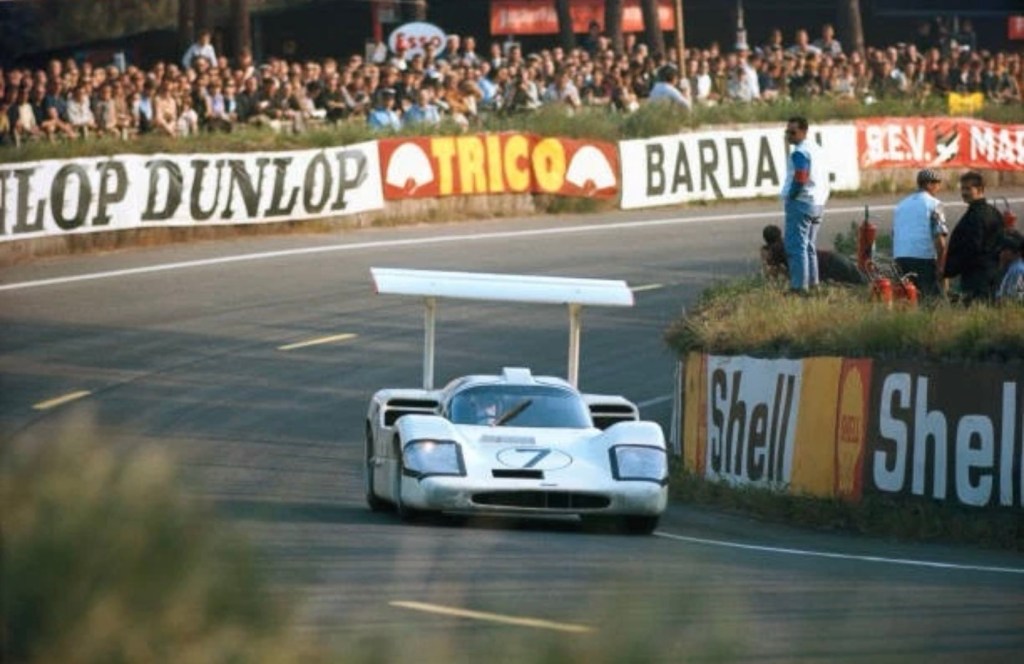
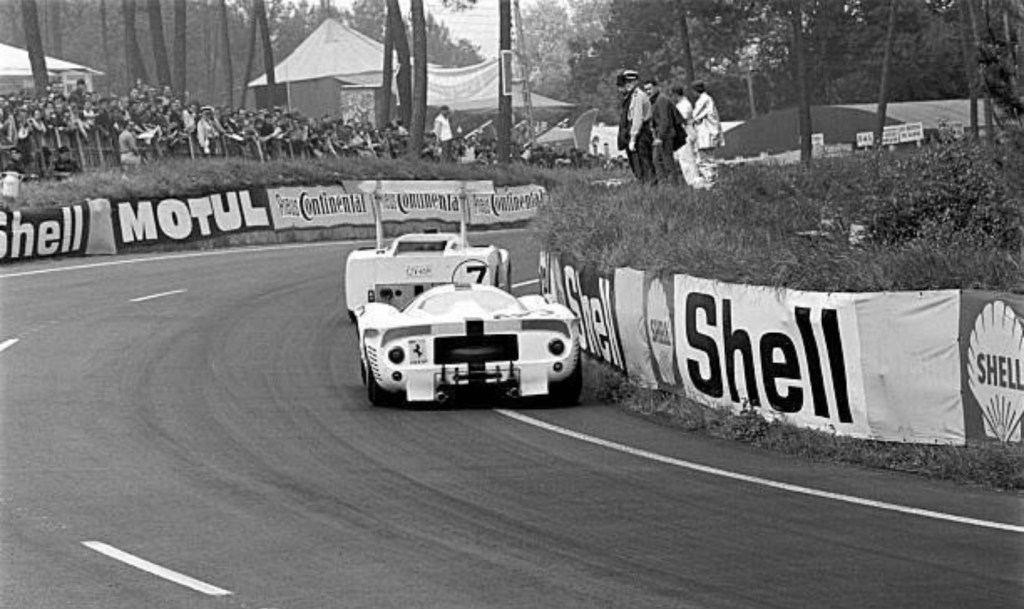
Mike Spence at the wheel of the Chaparral 2F Chev he shared with Phil Hill at Le Mans in 1967, DNF transmission failure after 225 laps in the race won by the Ford Mk4 raced by Dan Gurney and AJ Foyt.
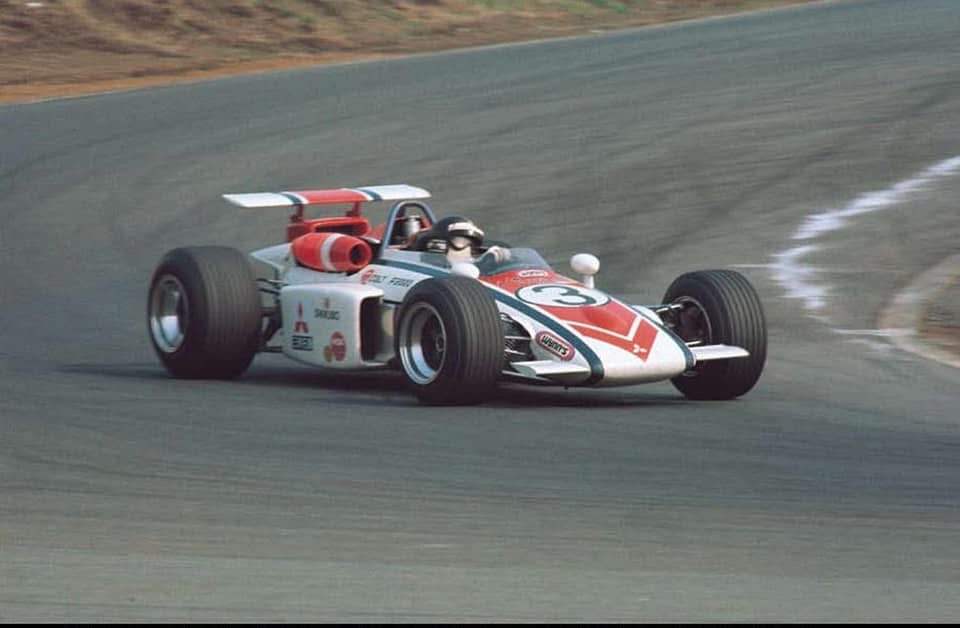
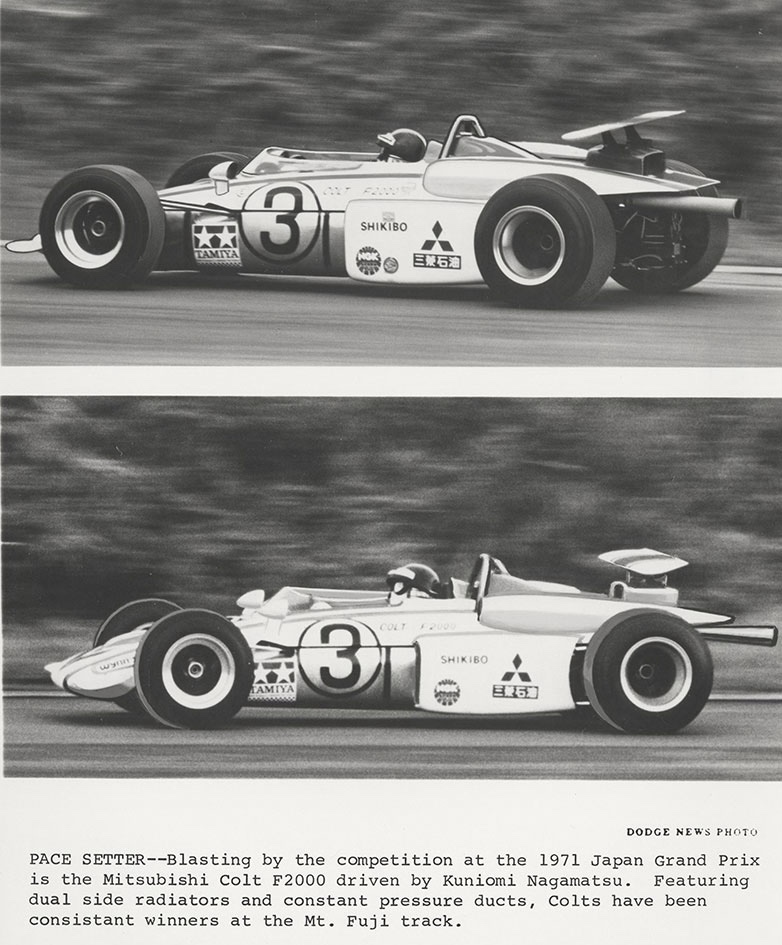
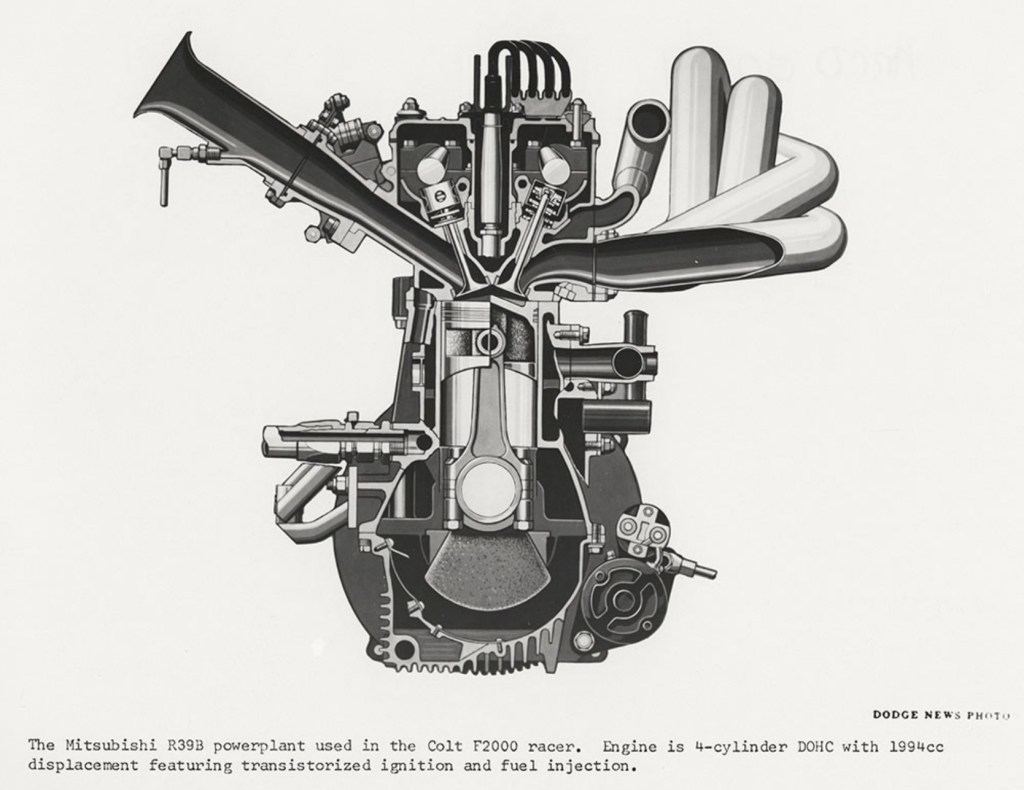
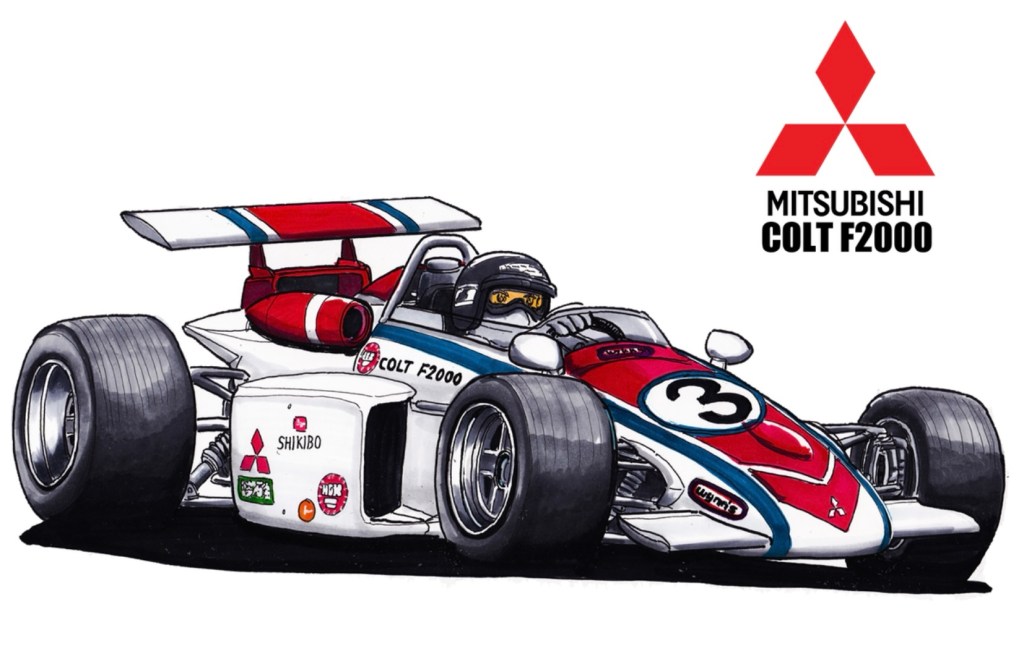
Kuniomi Nagamatsu on the way to victory in the May 3, 1971 Japan Auto Federation Japanese Grand Prix at Fuji International Speedway aboard his Mitsubishi Colt F2D/F2000 R39B 2-litre.
He won the 35 lap, 225km race from his teammate Osamu Masuko in another F2D from then Japanese International Tetsu Ikuzawa’s Lotus 69 Ford FVC 1790cc in third place.
Nagamatsu’s win was the culmination of six years of Mitsubishi single-seater racing in Japan and Macau using Brabham chassis/copies thereof; the F2Ds are Brabham BT30 chassis in drag. Lower drag that is, the aero on these cars was the work of Mitsubishi’s aviation subsidiary.
The engines were home grown too. Initially production motors with the usual mix of increased bore, heads, carbs and cams but by 1971 Topsy was a 2-litre, twin-cam, four valve, fuel injected F2 engine that should have won the 1972 European F2 Championship if someone – how bout Bernie Ecclestone, having just acquired Brabham – had done a deal. Instead, Mitsubishi handbrake turned away from single-seaters and into the forests where they were already gaining international success…
Who said high-airboxes were started by Tyrrell/Matra during 1971?
Ferrari gave it a whirl on Richie Ginther’s Ferrari 156 at Reims during practice for the 1961 French Grand Prix, he didn’t race with it, so presumably the jury was out as to its performance. That’s Carlo Chiti with the top of his head chopped off.
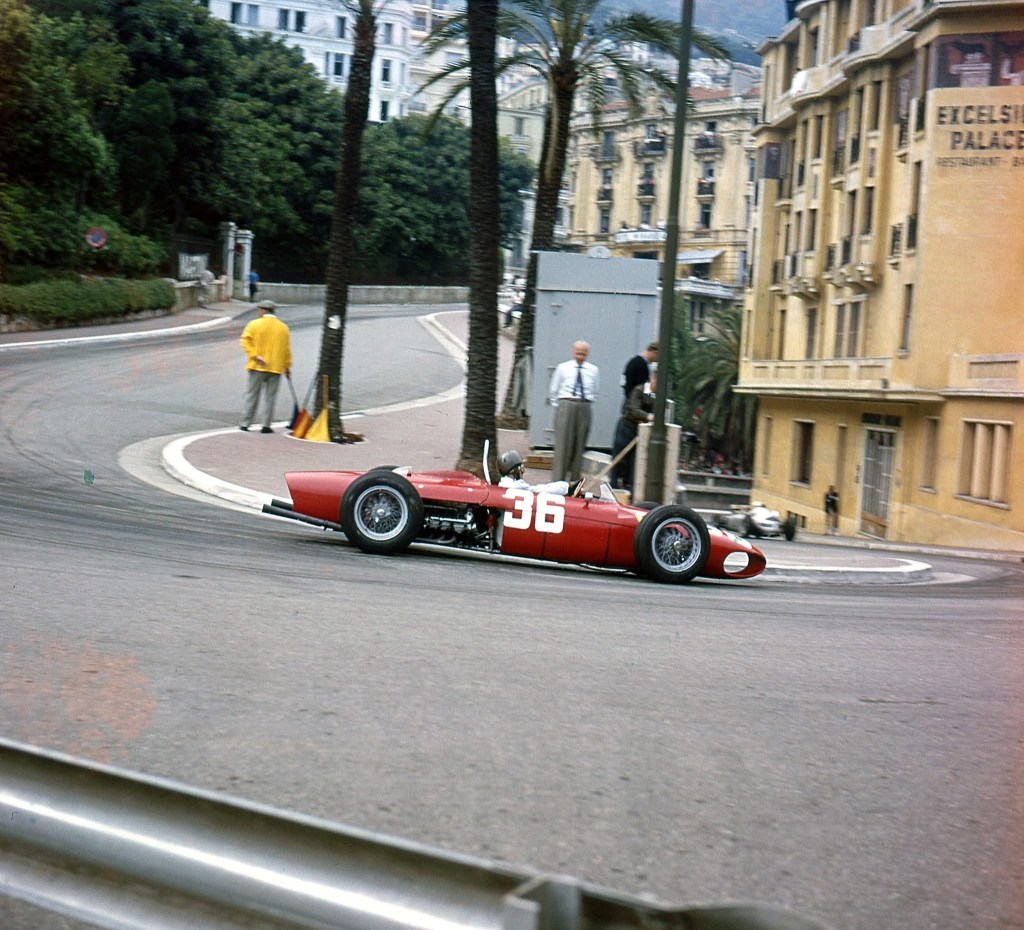
And below in the LWB (it’s a joke folks) Ferrari 156 #0001 at Monaco on May 14 where he scored a rousing second place behind Mighty Moss in Rob Walker’s Lotus 18 Climax and in front of more-fancied teammates Phil Hill and Wolfgang von Trips. See here for the evolution of 246P to 156:https://primotipo.com/2015/10/04/monaco-panorama-1958/
(GPL)
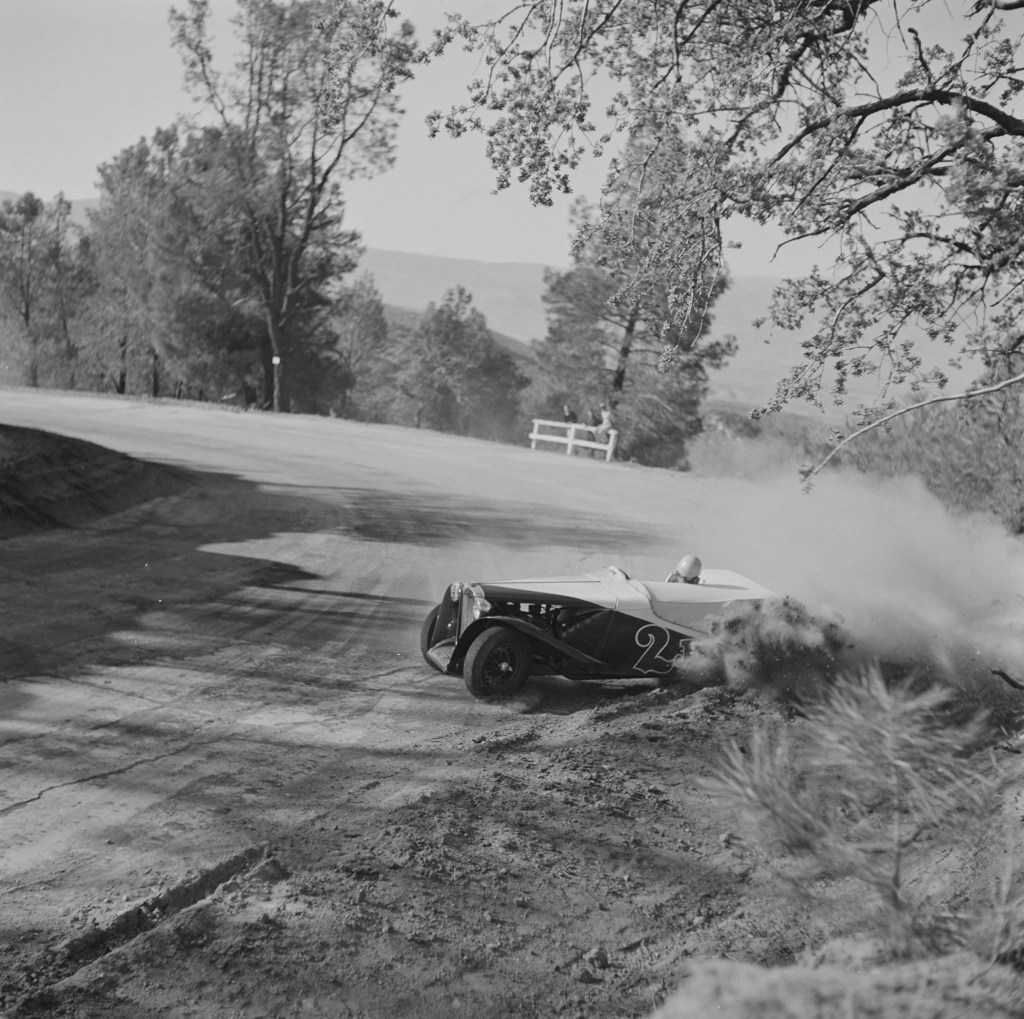
And below Richie all, fast and loose in his competition debut at Sandberg Hillclimb on April 8, 1951. The car is Bill Cramer’s MG TC 2 Junior Ford V8, the poor little chassis would have been groaning at the seams…
(Revs Institute)(primotipo archivio)
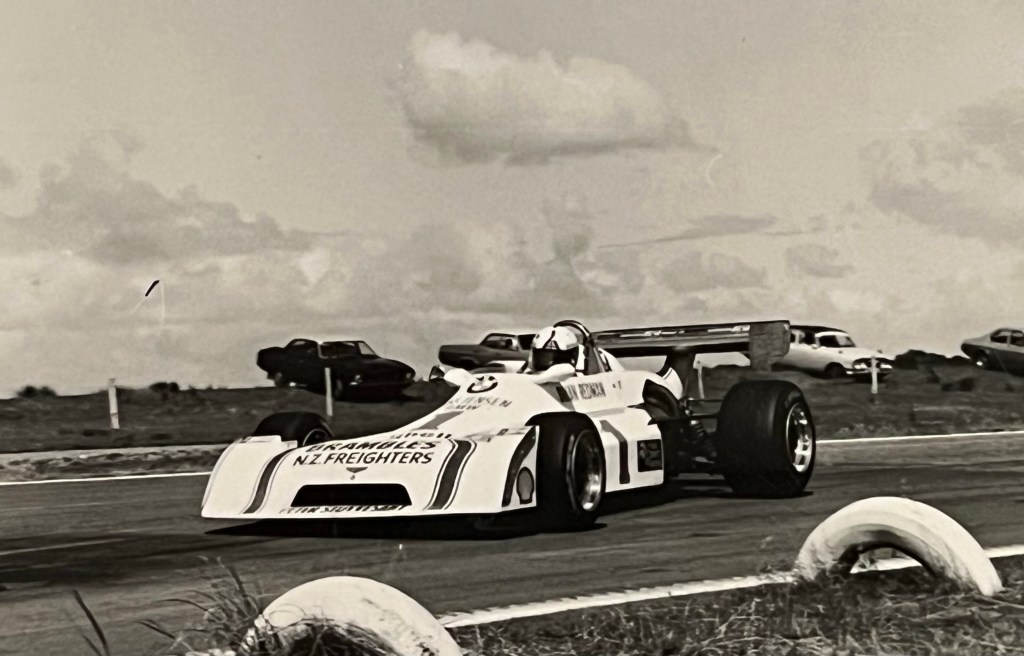
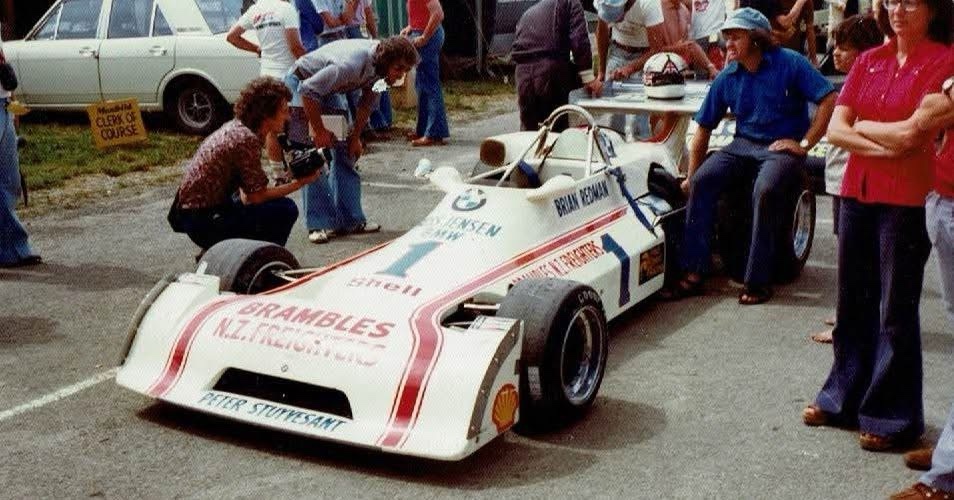
Brian Redman contesting the 1976 Teretonga International aboard a Fred Opert Chevron B29 BMW 2-litre Euro F2 car in the Peter Stuyvesant International F5000 Series.
F5000’s greatest star was to race a RAM Racing F5000 but Fred Opert came to the rescue after they withdrew. Brian thrilled the Kiwis with his talent, he was equal fourth in the series with Graeme Lawrence’s Lola T332, Ken Smith won the four race series in his Lola T330/332 Chev.
Redman was fourth at Pukekohe, second at Manfield, DNF engine at Wigram and DNF wheel at Teretonga.
Manfield pits 1976 (D Bull)(Getty)
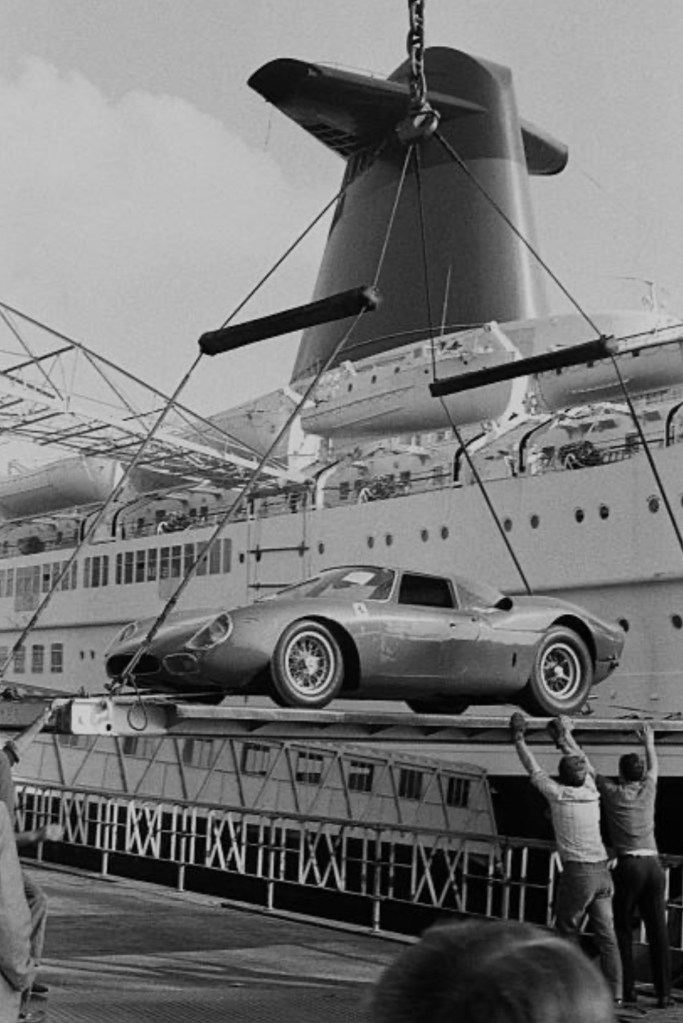
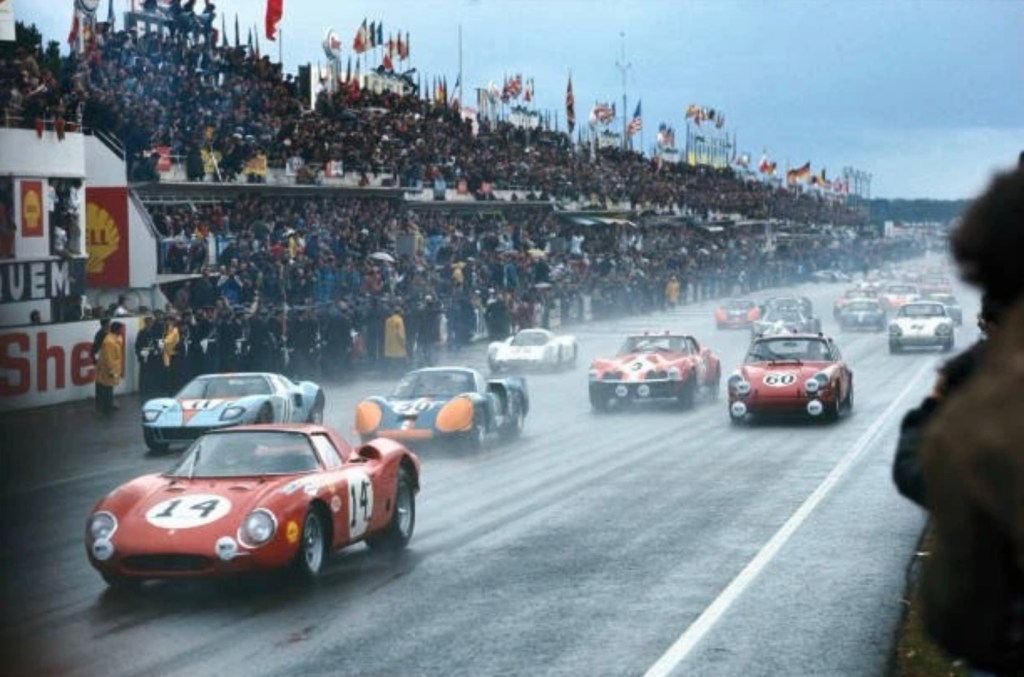
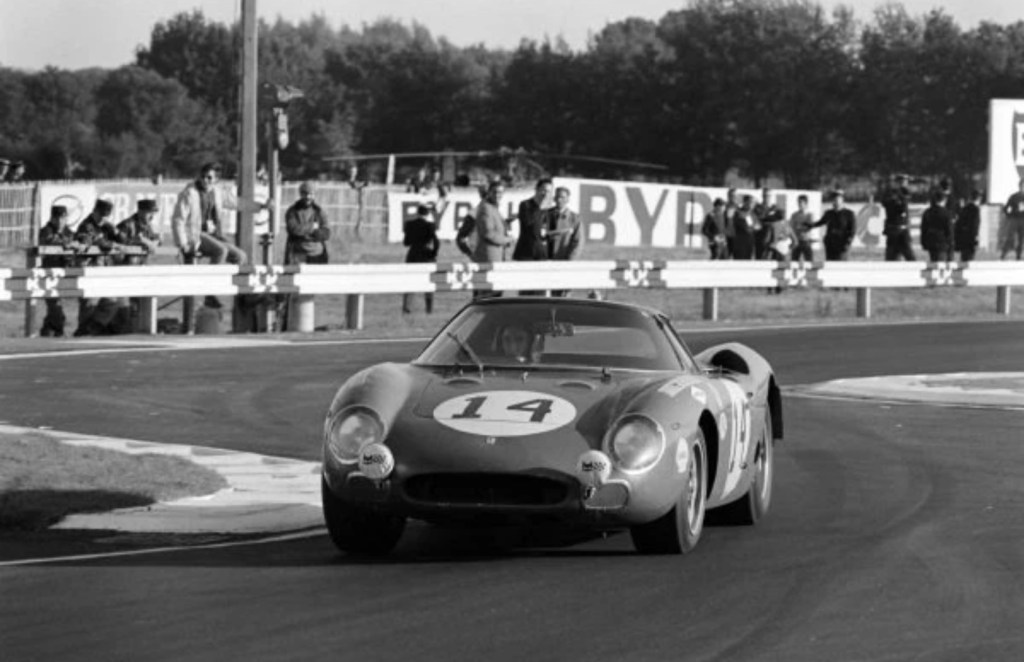
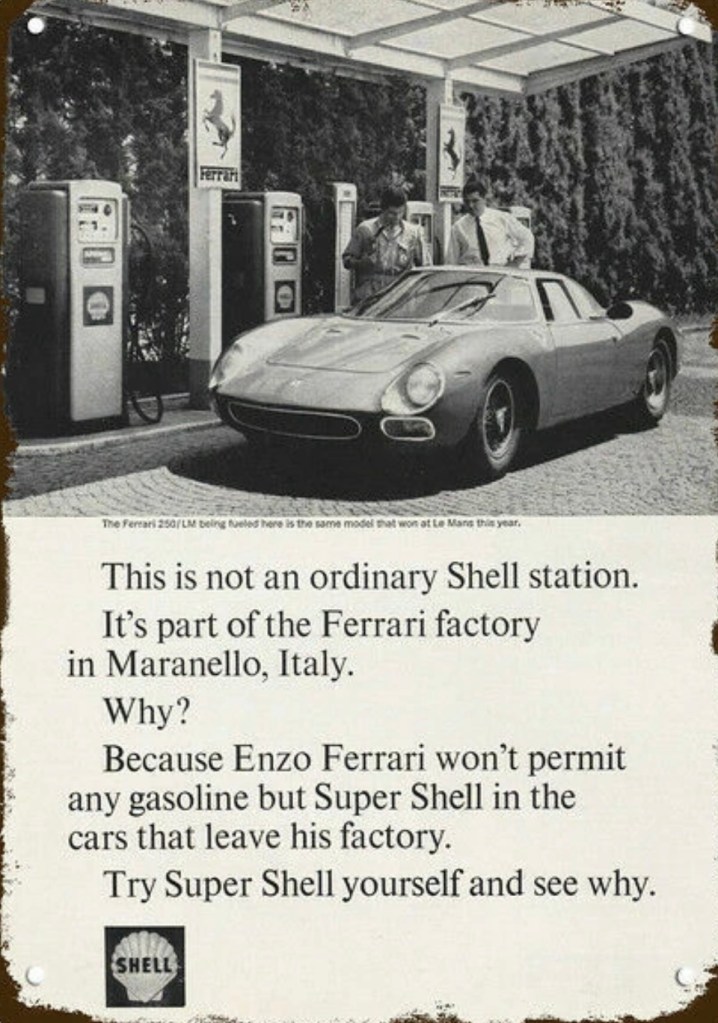
N.A.R.T.’s Ferrari 250LM #5893 – the 1965 Le Mans winner in the hands of Johen Rindt and Masten Gregory – dangles above the wharf at Le Havre after its trip from New York on the liner, France, September 18, 1968, destination, La Sarthe.
Masten Gregory ahead of a bunch of cars, including #11 Brian Muir’s Ford GT40, Andre De Cortanze #30 Alpine A220 Renault Gordini, the #60 Willy Meier Porsche 911T and Umberto Maglioli’s Chev Corvette. All were DNFs with the exception of the De Cortanze/Jean Vinatier Alpine, which was tenth. The ’68 race was won by Pedro Rodriguez/Lucien Bianchi in a JW Automotive Ford GT40.
(EBay)
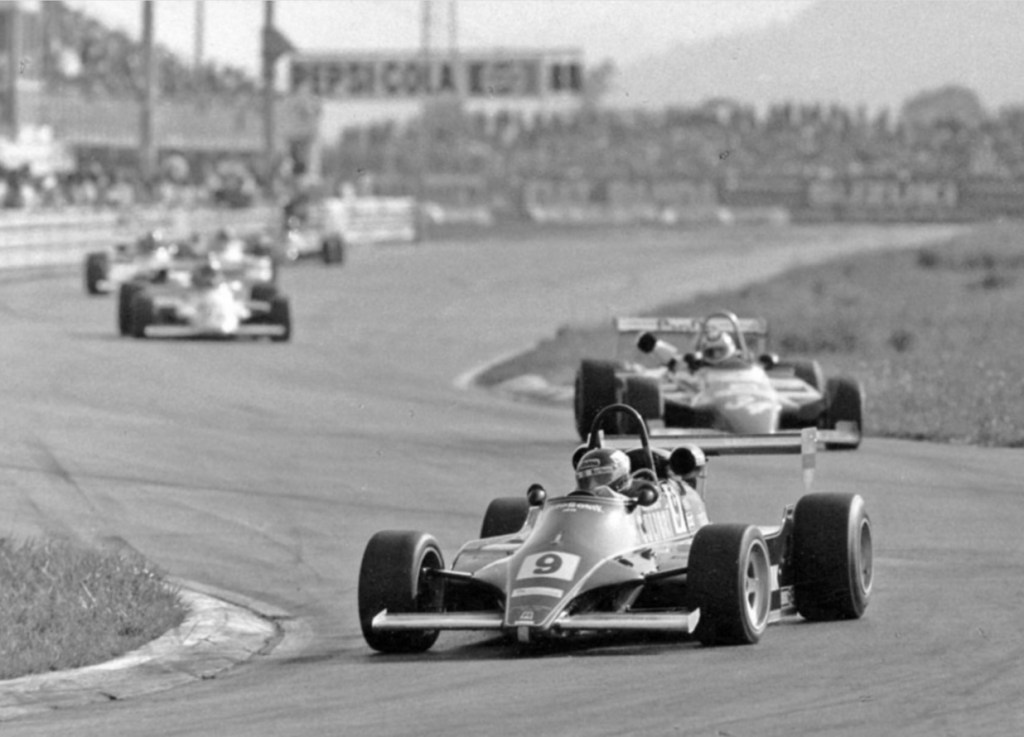
The Gran Premio dell’Adriatico 1981 European F2 Championship round at Misano with Miguel Angel Guerra’s works Minardi Fly 281 Ferrari Dino, 13th, ahead of Oscar Pedersoli’s Ralt RT2 BMW, DNF.
McLaren Cars, Milan Fistonic, Lister Cars, Stuart Dent Collection, Gerry Johannson, GP Library, National Archives Australia, David Bull, Ebay, Revs Institute, Getty Images, LAT, CAN Classic Auto News via Allan Dick, Mitsubishi, Michael McGuin
Alf Harvey leads Curley Brydon in a blue-blood duo at Gnoo Blas, Orange, on January 30, 1956. Ex-Enrico Plate/Prince Bira Maserati 4CLT/48 OSCA #1607 in front of the ex-Peter Whitehead/Dick Cobden Ferrari 125 #F1/114.
Reg Hunt won the South Pacific Championship that weekend aboard his Maserati 250F from Jack Brabham’s Cooper T40 Bristol, Kevin Neal, Cooper T23 Bristol and Brydon’s Ferrari. Harvey’s gearbox misbehaved in practice, so the OSCA didn’t start the race.
Bira, Maserati OSCA, South Pacific Championship weekend, Gnoo Blas 1955 (Cummins Family Archive)
The Maser-Osca was brought to Australia by Prince Bira during his 1955 Australasian tour, which yielded a New Zealand Grand Prix win at Ardmore aboard his Maserati 250F. He then brought the Maserati and Maserati OSCA to Australia to contest the South Pacific Championship on January 31, 1955. See here: https://primotipo.com/2020/04/09/1955-south-pacific-championship-gnoo-blas/
The 250F failed in practice, so too did the OSCA in the preliminary race. Former Wollongong MG T-Type punter Alf Harvey was the well-heeled enough, optimistic buyer when Bira offered it for sale.
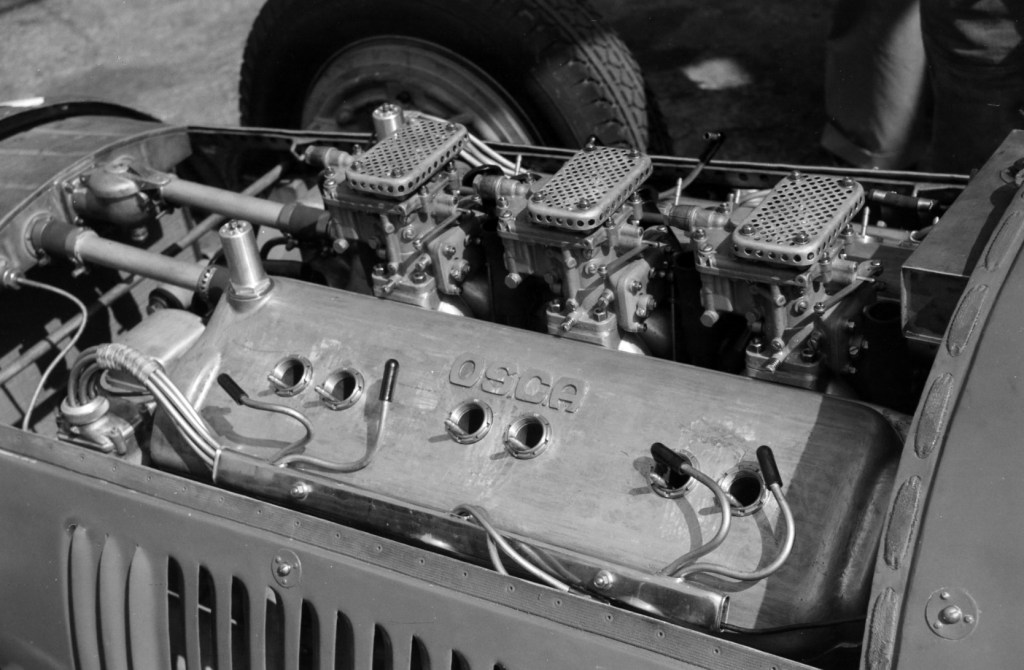
The OSCA 60-degree, twin-cam – driven by a train of gears – two valve, all alloy, triple Weber 40 DCF fed 4472cc (78mm x 78mm bore/stroke) V12 initially gave circa 290-300bhp, rising to 330bhp @ 6500rpm. Here, it’s shown in an uber-rare colour shot in Harvey’s car during the 1958 AGP weekend (K Drage)
Harvey then commenced a lengthy rebuild of the car, aided by Frank Ashby. This prominent, successful British engineer was by then living on Sydney’s Northern Beaches. Ashby did the chassis and Repco Research in Melbourne, the exotic, fussy V12.
Ashby, trading as Mona Vale Engineering Services, had provided sage advice to young Jack Brabham on carburetion and cylinder head modifications to the 2-litre Bristol engine powering his Cooper T23.
By 1958, the Maserati OSCA was ready to boogie. Harvey’s best result was a win in the first of two preliminary heats during the AGP weekend at Bathurst. It was the B-preliminary in the sense that the quicks were in the other race, but a win is a win. He wasn’t so fortunate in the GP itself; a plug worked its way loose, and he retired after 16 laps of the race won by Lex Davison’s 3-litre Ferrari 500/625.
Old mate taking a happy-snap or two at the start of the ’58 AGP, Hell Corner, Bathurst. The light blue car is Harvey’s Maserati OSCA (ABC)
The V12 engine project was an interesting one by the then newish OSCA enterprise. The Maserati brothers sold their Maserati business – Officine Maserati S.p.A. – to the Adolpho Orsi family in 1937. By December 10, 1947 they were clear of the 10 year consultancy agreement which formed part of the contract of sale with the Orsis. O.S.C.A. – Officine Specializzate Costruzione Automobili-Fratteli Maserati S.p.A. – was their next Bologna based venture. Soon they were building small sportscars which enjoyed commercial and competition success.
A mainstay of post-war European racing was Amedee Gordini’s single-seater and sportscars. Gordini was anxious to contest the new F1 (4.5-litres unsupercharged, 1.5-litres supercharged) with a more competitive engine than his various twin-cam fours.
‘Ernesto and Alfieri Maserati and Amedee Gordini were old acquaintances going back to the 1920s,’ wrote Roy Smith in Amedee Gordini : A True Racing Legend. ‘Gordini kept up regular contact, even doing some work for them on several occasions and exchanging ideas.’ See here for a lengthy epic on Gordini; https://primotipo.com/2019/08/30/equipe-gordini/
Smith wrote that Maserati had come up with a new V12 engine design, a simple one page letter – in reality more a letter of intent than a formal contract – from Automobili O.S.C.A. to Gordini dated 10 March 1949 formalised the arrangement for OSCA to design and build an OSCA badged V12 for Gordini.
This arrangement contravened Gordini’s existing commercial and sponsorship deal with Simca, who weren’t interested in Gordini’s F1 aspirations, content as they were with his F2 and sports car racing, which was more closely aligned, they felt, with their road cars. Gordini was able to fund the deal with OSCA thanks to financial support from ‘his longtime friend, the wealthy Far Eastern emperor and racing enthusiast Bao Dai,’ the ‘Last Emperor of Vietnam.’
Amedee’s thinking was sound, he planned to have a V12 powered F1 winner and derivatives of the competition V12 for sports and grand touring cars.
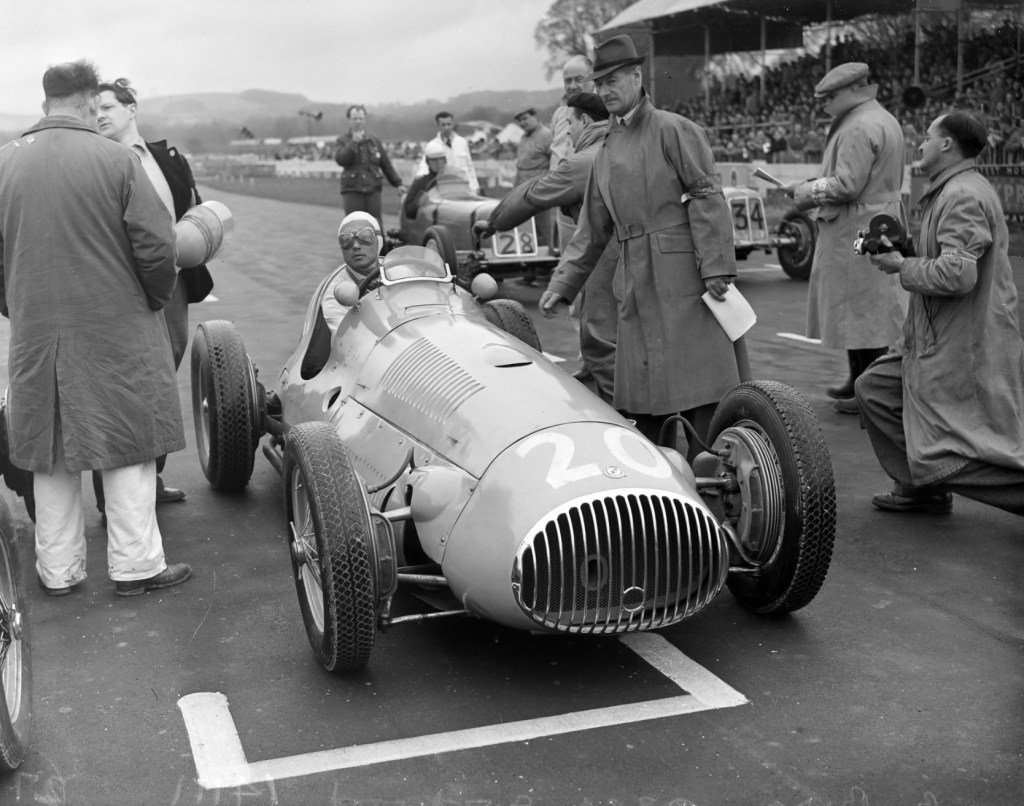
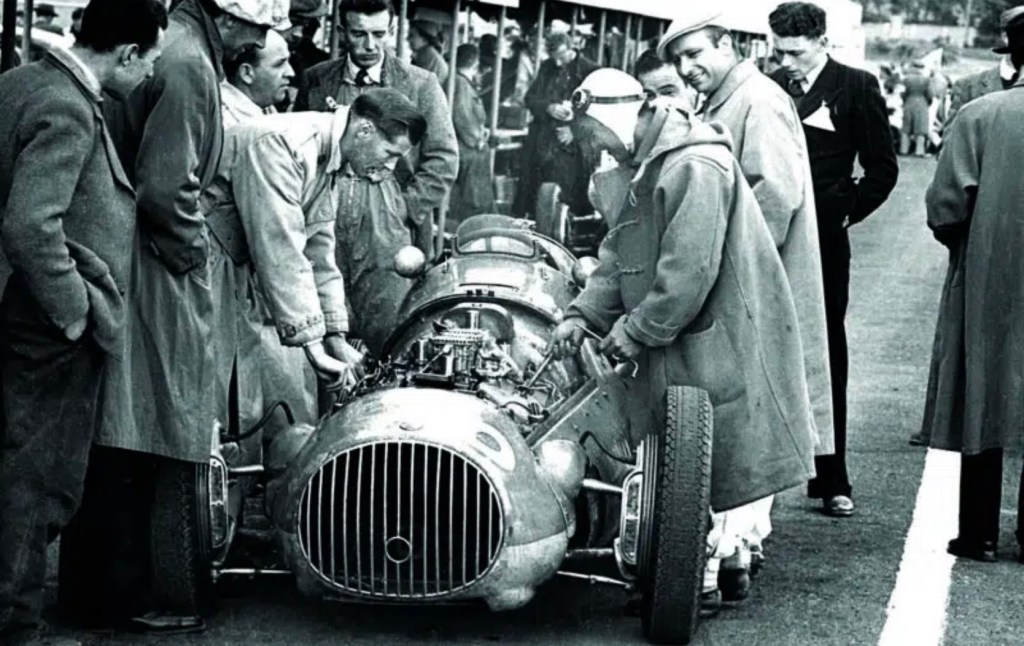
Bira first time out win in the Ecurie Siam Maserati 4CLT-48 OSCA V12 at Goodwood, Richmond Trophy, Easter 1951. #28 is Duncan Hamilton, ERA B-Type, and #34 ? (MotorSport)Bira wielding a plug-spanner much to JM Fangio’s amusement, during the 1952 Ulster Trophy weekend (Neville Armstrong-MotorSport)
When, inevitably, push came to shove, and Simca, Gordini’s primary backer, withdrew its support, OSCA decided to complete the design and build of the engine and offer it for sale. Their thinking was that the motor could form part of an update kit for the Maserati 4CLT they knew so well, plenty of which were in circulation.
Ultimately, Bira was the only taker, with his late build chassis, 4CLT-48 #1607 – first delivered to Enrico Plate on November 14, 1949 and raced by Bira throughout 1950 – updated by fitment of the OSCA V12, de Dion rear suspension and other tweaks race-ready for 1951.
The Thai Prince raced the car only a few times that year and in 1952. A debut victory against modest opposition during the 12 lap Richmond Trophy at Goodwood on March 26 flattered to deceive. He raced the car in the GP di San Remo on April 22 Q5/DNF accident, the GP de Bordeaux for Q7/fourth, the Silverstone International Trophy on May 5 no time/heat third/17th. He entered but didn’t arrive at various events mid-season.
Bira concluded that the car was uncompetitive in Europe and put it to one side until its trip to Australasia, where it was also only ever going to be an also-ran too. By 1956, Australia had some quicker cars: Maserati A6GCM and 250F, Ferrari 500/625, the Tornado Ford, etc.
Franco Rol about to be lapped again by Alberto Ascari during the 1951 Italian GP, Monza. OSCA 4500G and Ferrari 375 (MotorSport)
OSCA 4500G V12…
In addition to the engine for Bira, OSCA built two more. So as not to let them go to waste, one was fitted to a new ladder-frame chassis/double wishbone and coil spring front suspension/de Dion and torsion bars rear, Grand Prix car dubbed the 4500G. G for Gordini to honour his part in the engines gestation.
Handsome engine – SOHC in some texts, DOHC in others – with plenty of development potential in 1951. 300-330bhp wasn’t going to cause much of a fright among the circa-375bhp normally aspirated Ferraris, or circa 425bhp supercharged Alfa 159s (MotorSport)Great looking car, body aluminium on twin-tube period typical ladder frame chassis. De Dion rear suspension with torsion bars and Panhard rods a considerable advance on the 4CLT’s solid rear axle, the differential of which was a weak link (MotorSport)Wishbone front suspension, four speed ‘box front mounted. Wheelbase and front/rear track 2450/1280/1260mm, weight circa 760kg (MotorSport)
Franco Rol debuted the car in the 1951 Italian Grand Prix at Monza (photos above) the second last championship round that year. Q18 and ninth/last wasn’t a catastrophe at first glance, but Rol was 13 laps adrift of Alberto Ascari and Froilan Gonzalez’ first and second placed Ferrari 375s.
Rule changes, which meant the world championship was run for 2-litre F2 cars in 1952-53 made all F1 cars obsolete overnight. The CSI/FIA were forced to act due to the withdrawal of Alfa Romeo from F1 at the end of ’51, and uncertainty about BRM, OSCA and others continuing, leaving a Ferrari whitewash a certainty. Of course, the Maranello, Ferrari 500 2-litre whitewash happened anyway!
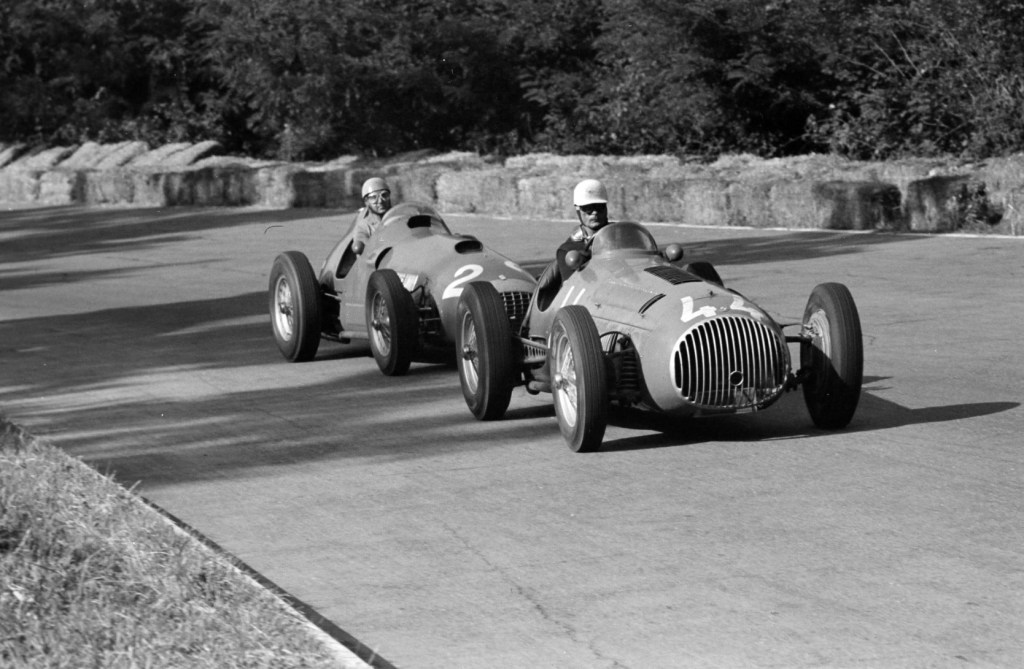
Despite the ‘F2 World Championship’ there were ten F1/F Libre races held in 1952. Bira gave his Maserati OSCA a gallop in the Ulster Trophy meeting at Dundrod on June 7, but he had an accident on the first lap. He raced at Silverstone in July, finishing 10th in the Daily Express Formula Libre Trophy, four laps adrift of Piero Taruffi aboard the Ferrari 375 Thinwall Spl. The last libre-race of the year was the Daily Record International Trophy at Charterhall on October 11, there Bira retired with a fuel tank problem.
OSCA 4500G #4501 at Monza in 1951 (MotorSport)
Two OSCA 4500Gs were entered in the April 6, 1952 GP del Valentino, the first non-championship F1 race of the year. Franco Rol was in chassis #4501, and Luigi Piotti in #4502. In a poor weekend for the team, Piotti’s #4502 didn’t arrive, and Rol’s #4501 didn’t complete the first lap for undisclosed reasons; two other cars had accidents, perhaps that is what befell Rol, although oldracingcars.com – my bible – does not record that.
The two 4500Gs weren’t entered as single-seaters again. What became of the two cars seems clear but the journeys they made is not fully clear, not to me anyway. Those with a more extensive Maserati library may be able to assist.
#4501 was sold to Rol. It was later fitted with a Frua Spider body with a central driving position, it would be great to have a photo of the car in this form. It was ultimately rebuilt as the single-seater many of you will be familiar with in European historic racing.
OSCA 4500G, #4501 at Goodwood in recent years OSCA 4500G #4502 in gorgeous Zagato couture (unattributed)
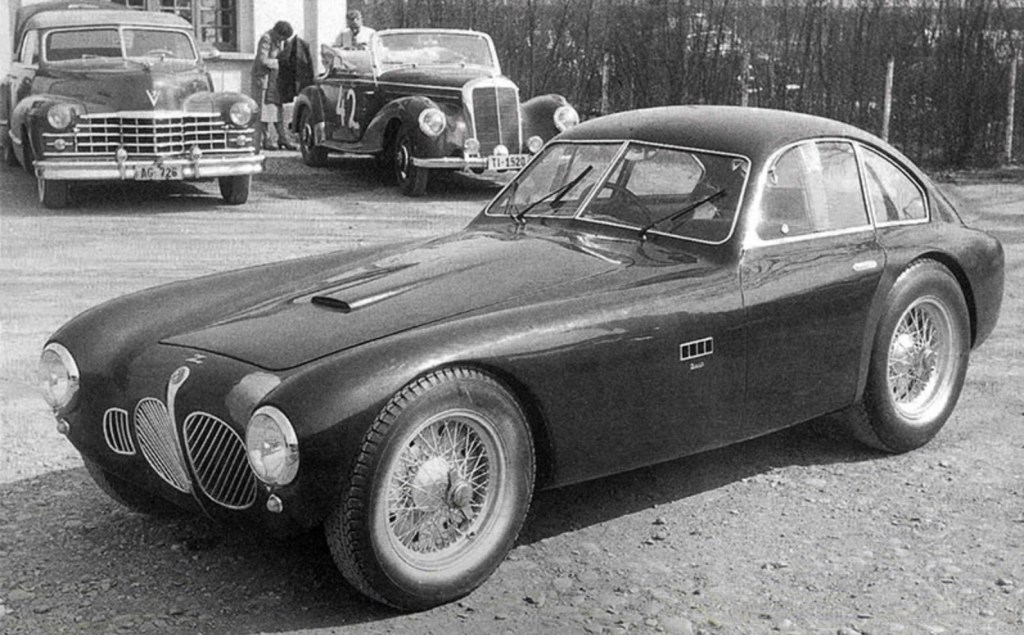
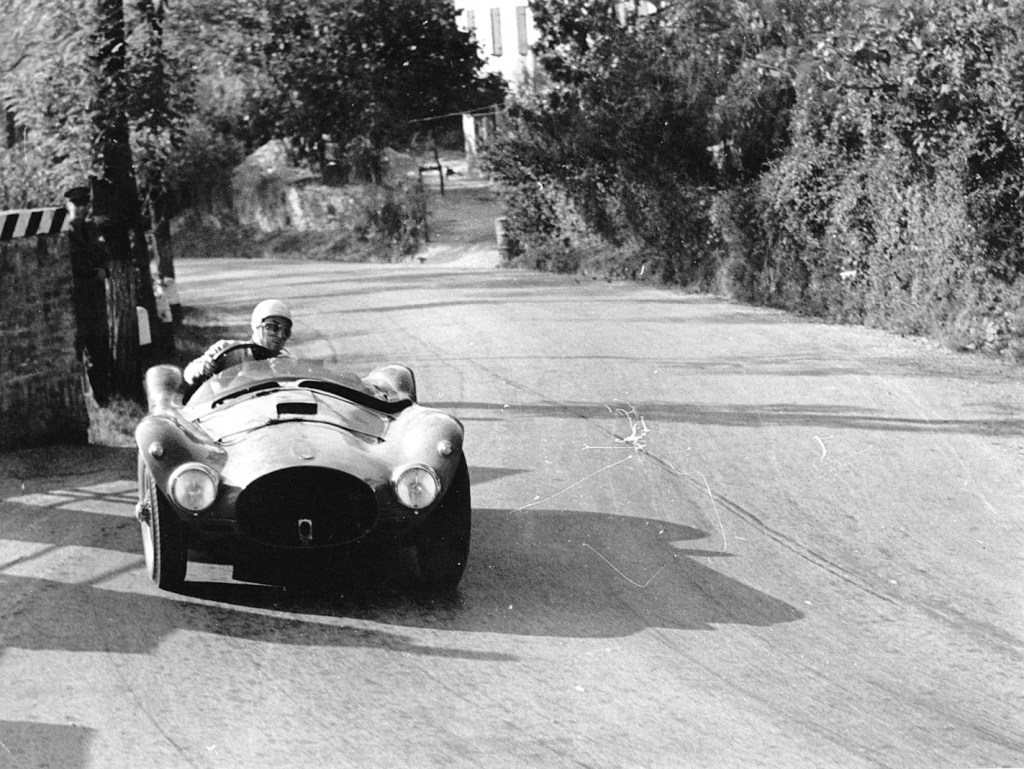
The unraced ‘Piotti’ 4500G #4502 was also converted into a sports coupe with a beautiful body by Zagato. It was entered in the September 6, 1953, Supercortemaggiore non-championship sports car race at Merano, driven by Clemente Biondetti. He qualified 23rd but failed to finish the race, won by Fangio’s works Alfa Romeo 6C 3000CM Spider.
It was sold to Piedmontese winemaker, Paolo Di Montezemolo and rebodied by him as a sports car in 1954. He contested the Sassi-Superga hillclimb outside Turin in October 1956 as below. The car is now in France and resides in the Henri Malarte Museum in Lyon.
(Di Montezemolo Collection)
Cycling back to the Bira Maserati 4CLT OSCA and Alf Harvey.
After the fiscal ravages of the experience, and one last run in a quarter-mile sprint at Castlereagh in 1959, Alf Harvey offered the car for sale in 1961. It then passed, via an interlude of 1960s historic racing with Morin Scott in the UK, to Tom Wheatcroft. In more recent times it has returned to historic racing.
Maserati 4CLT-48 OSCA #1607 (unattributed)
Credits…
Gnoo Blas Classic Car Club, Australian Broadcasting Commission, Neville Armstrong, ‘History of The Grand Prix Car’ Doug Nye, ‘Maserati : A Racing History’ Anthony Pritchard, ‘Amedee Gordini : A True Racing Legend’ Roy Smith, Kevin Drage, Di Montezemolo Collection, Alex Book, Boudewijn Berkhoff
Tailpiece…
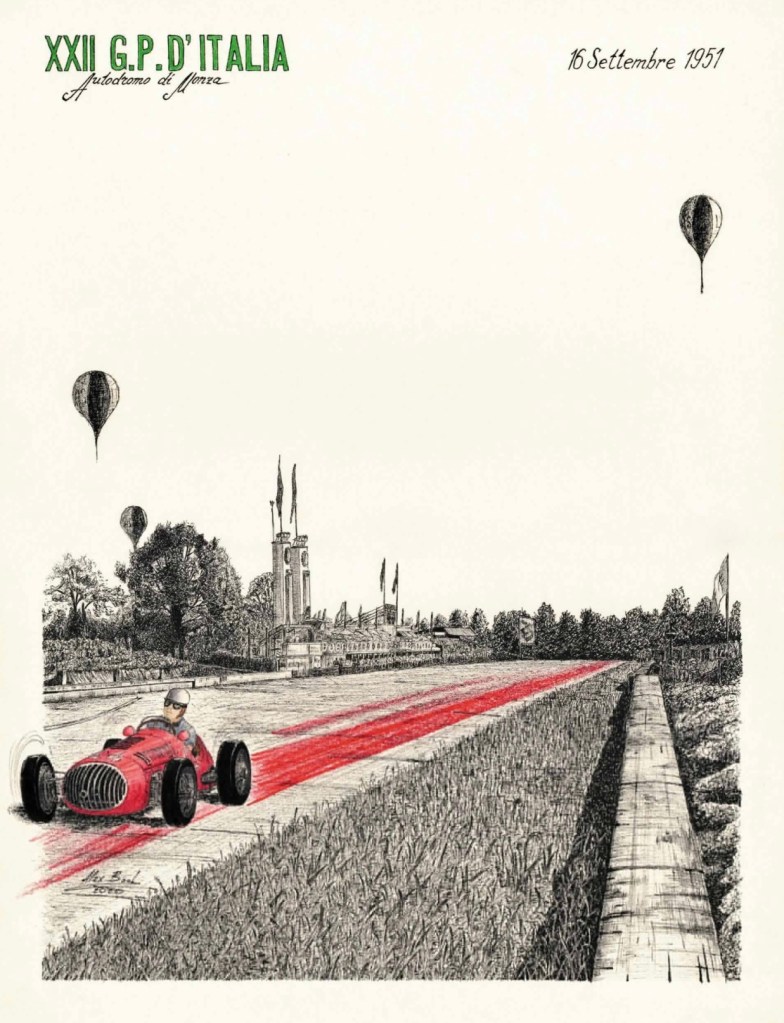
(Alex Book)
Franco Rol enroute to a lonely last place in OSCA 4500G #01 during the 1951 Italian GP at Monza.
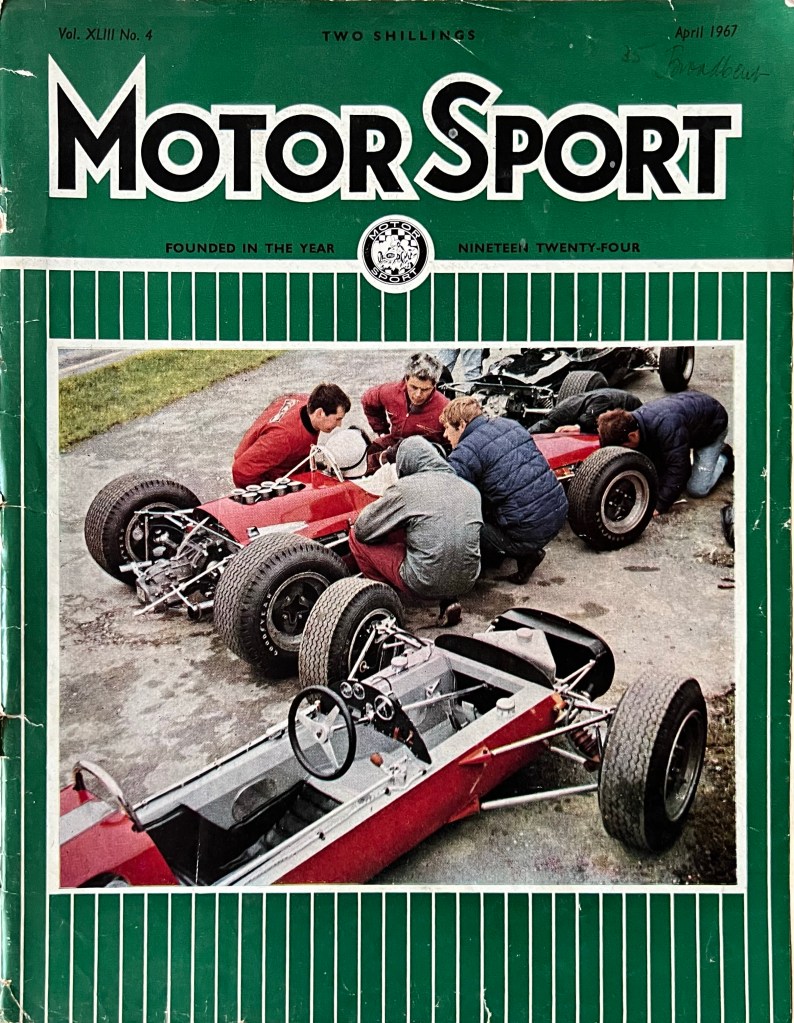
How often do you see Bruce McLaren and his boys gathered around to hear his assessment of the latest bunch of tweaks?
Motorsport’s caption, “The McLaren team are seen during a private practice session with Bruce McLaren seated in his new F1 car with B.R.M. V8 engine – McLaren M4B BRM P111 2.1-litre V8 – holding conclave with Robin Herd (designer) and Mike Barney (mechanic) on his left, and technicians Charlie Scarrano and Tyler Alexander on his right. On their knees at the front of the car are Wally Willmott and Gary Knutson.’ : https://primotipo.com/2016/10/07/mclarens-19667-f1-cars/ ‘
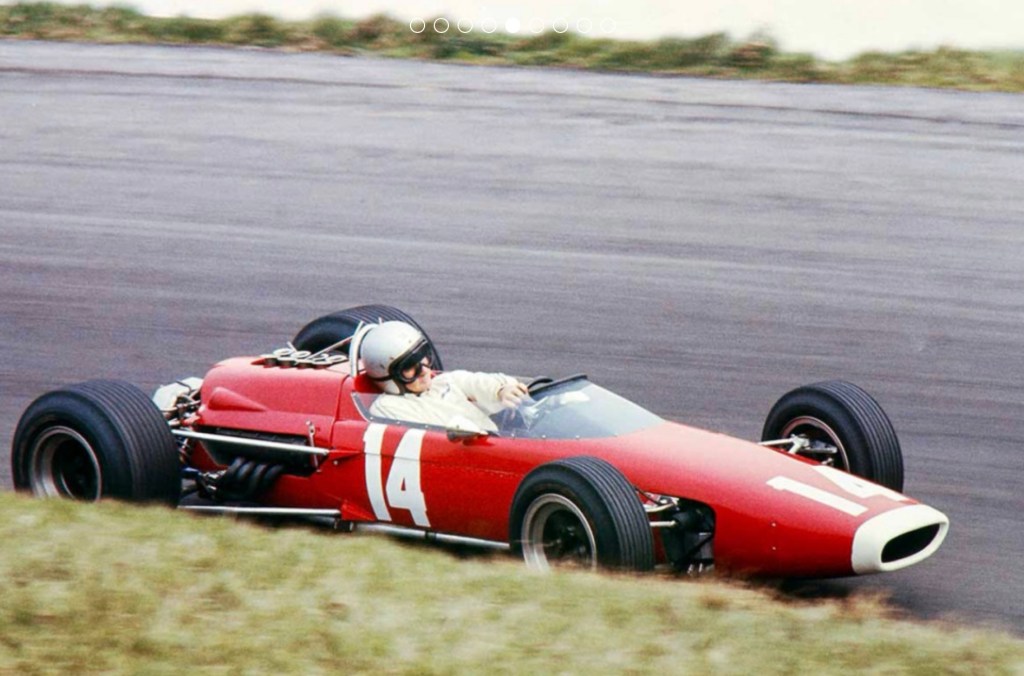
‘In the foreground, less its nose cowling is one of the 1967 F2 cars of the McLaren team. The cars are painted red because “our sports cars were red, and they seemed to go pretty fast” to quote McLaren.’ It’s Bruce’s 1967 F2 weapon, McLaren M4A-1 Ford FVA, another Robin Herd/McLaren collaboration.
He first raced the M4A at Snetterton on March 24. The Guards 100 was the first round of the European F2 Championship – the first ever round of a European F2 Championship – where Bruce was fifth in the race won by F2 King, Jochen Rindt’s Brabham BT23 FVA, very much the story that year! See here: https://primotipo.com/2019/11/02/the-wills-barc-200-f2-silverstone-march-1967/
Etcetera…
McLaren M4B BRM, Oulton Park Spring Cup, April 15, 1968 (enwheels.org)
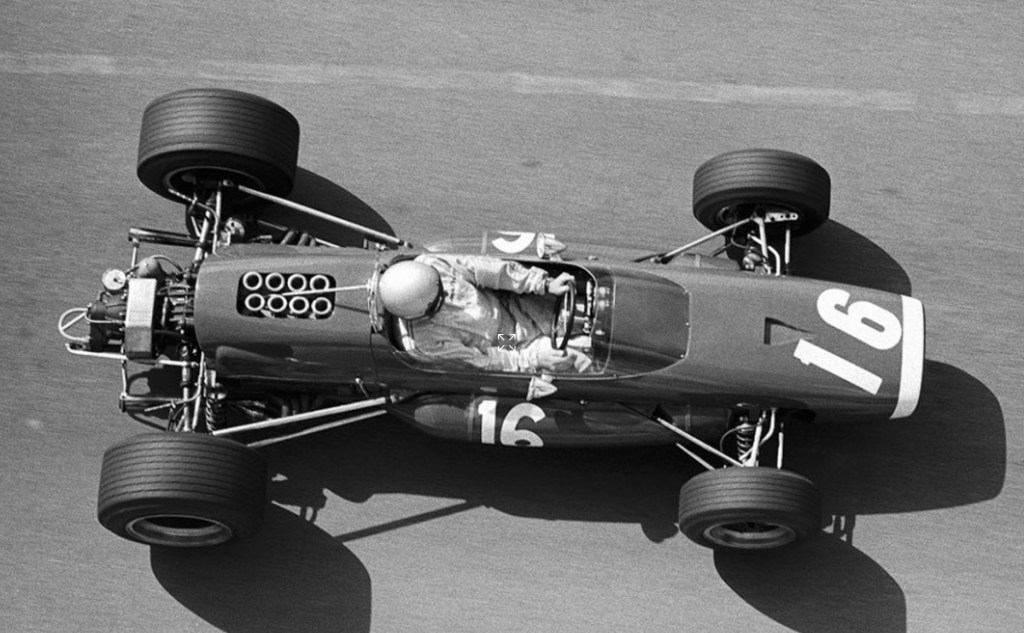
McLaren had contracted to run BRM’s new customer 3-litre V12 in 1967 and built the M4B powered by the tried and true Tasman spec 2-litre V8 as a stop-gap pending the twelve’s delivery.
The car used a modified M4A chassis cut away to accommodate the bulkier V8 rather than the FVA for which it was designed. The fuel capacity was increased, too.
M4B-1 at Monaco in 1967. Note the short ‘Monaco-nose’ and additional tankage for 200 mile Grands Prix now fitted (enwheels.org)
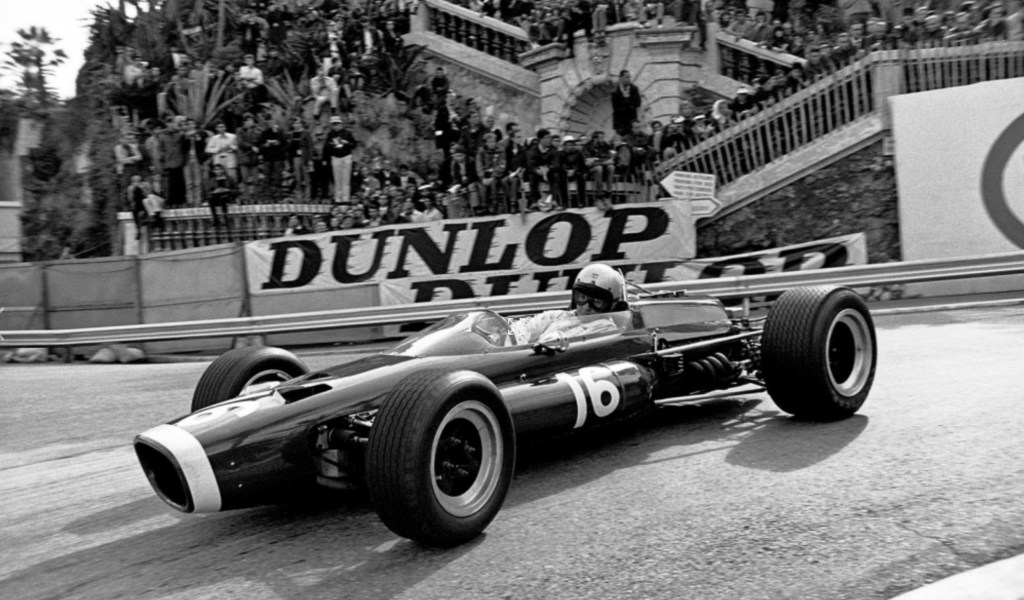
Bruce raced the car five times: in the March Race of Champions at Brands Hatch DNF, the April Spring Cup at Oulton Park, fifth, and the BRDC International Trophy at Silverstone in late April where he was again fifth, at Monaco, where he was a splendid fourth behind Denny Hulme’s Brabham BT20 Repco, Graham Hill’s Lotus 33 BRM 2-litre and Chris Amon’s Ferrari 312.
(enwheels.org)
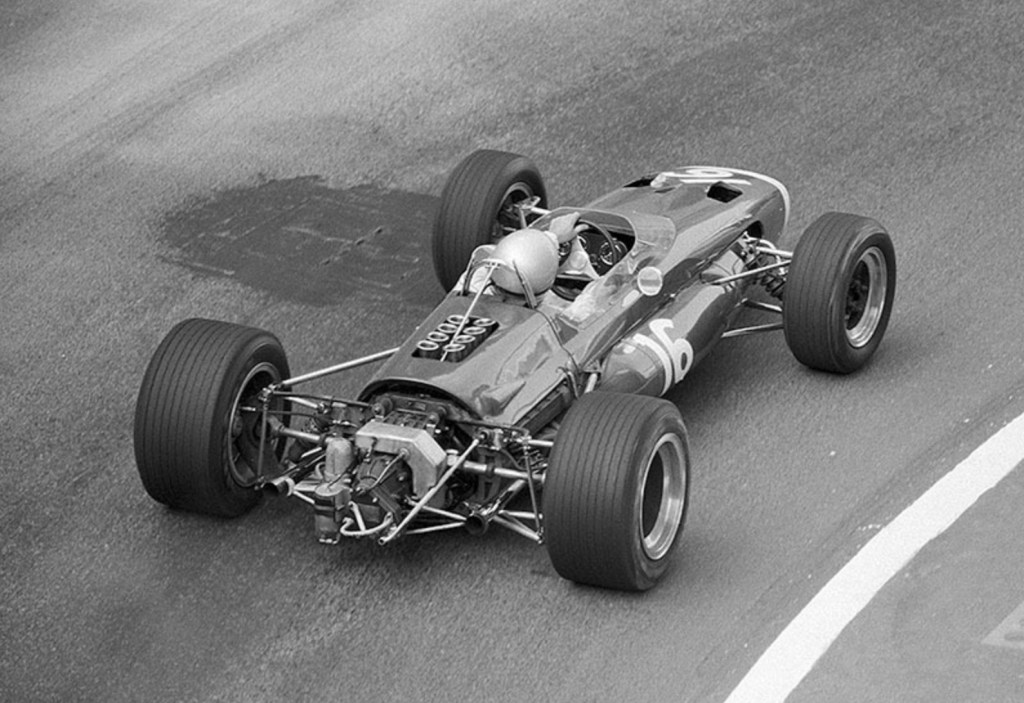
In Monaco (#16 shots), Bruce was fourth, and in the Dutch GP, he crashed; the car was then written off in a testing accident at Goodwood.
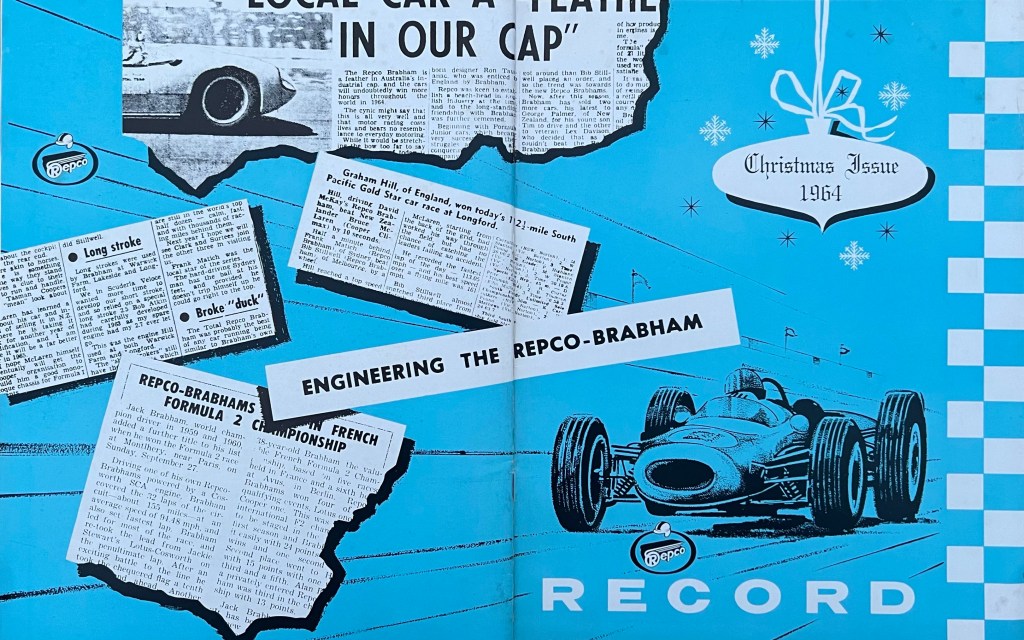
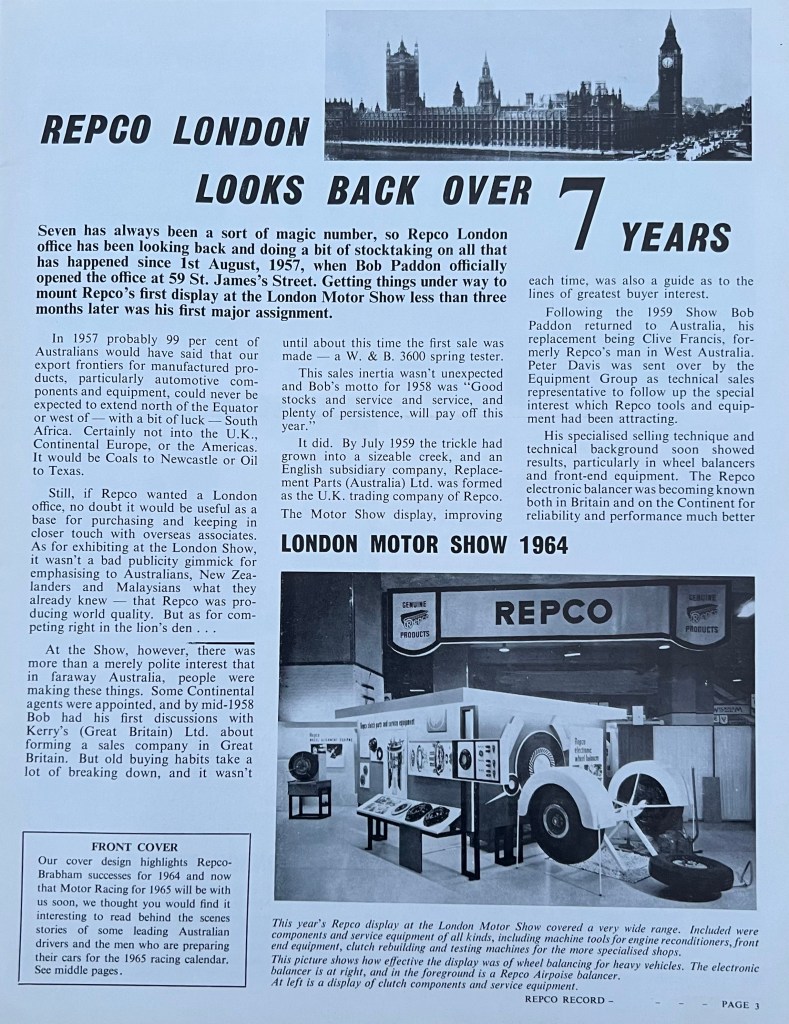
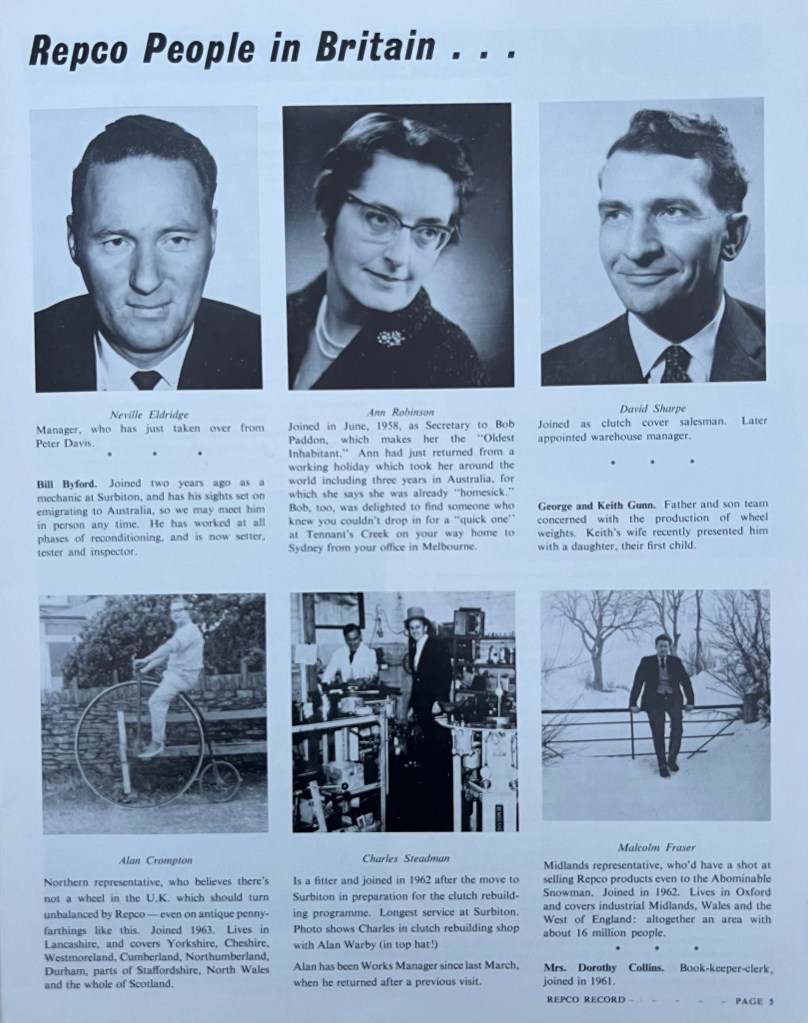
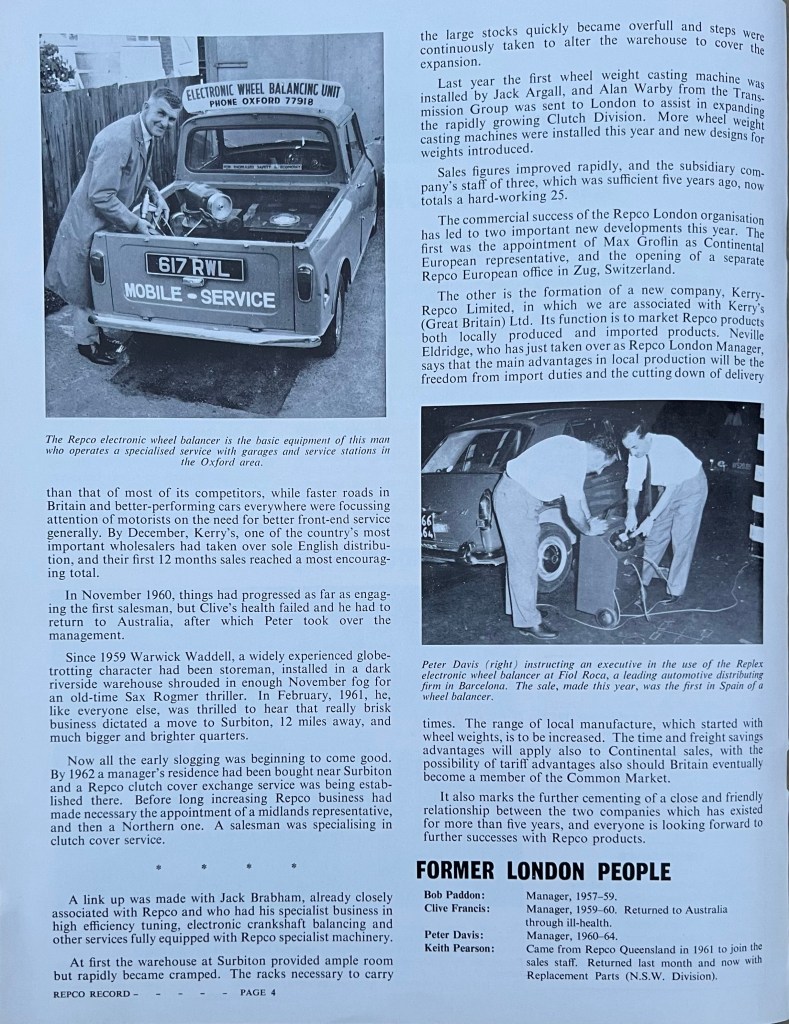
Not that it’s about racing at all. These pages from the Christmas 1964 issue of Repco Record, Repco Ltd’s in-house staff magazine, make it crystal clear exactly when Repco commenced their European operations in London on August 1, 1957.
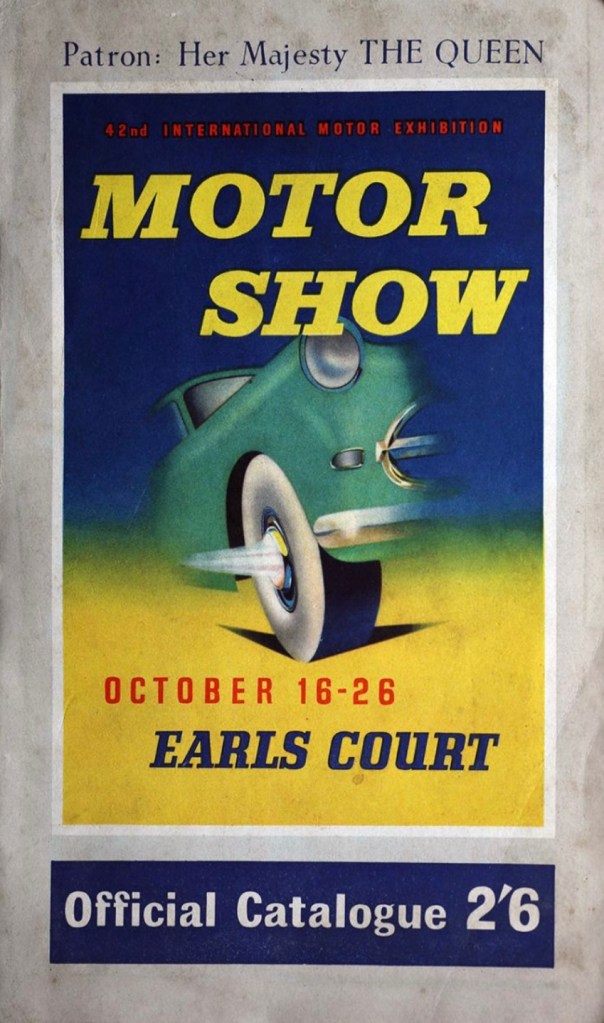
Mind you, that might not be correct. The History of Repco records that Rob Paddon first hung up a shingle at 59 James Street in the West End in 1954. ‘That started with the bold move of joining the UK’s Society of Motor Manufacturers and Traders that year. Membership enabled Repco to exhibit at the earls Court Motor Show from 1957.’
(1957)
I’d always thought Repco’s arrival in the UK was ‘hand in glove’ at about the time the Repco-Brabham branding of Motor Racing Developments Ltd’s racing cars occurred circa-1963. Not so, Repco popped a stake in the ground much earlier.
The global expansion dealt with on the published pages indicates the good marketing sense of the tie-up with Jack Brabham and Ron Tauranac given the international nature of motor racing and therefore the brand-building available to Repco by hitching themselves to Brabham’s coat-tails.
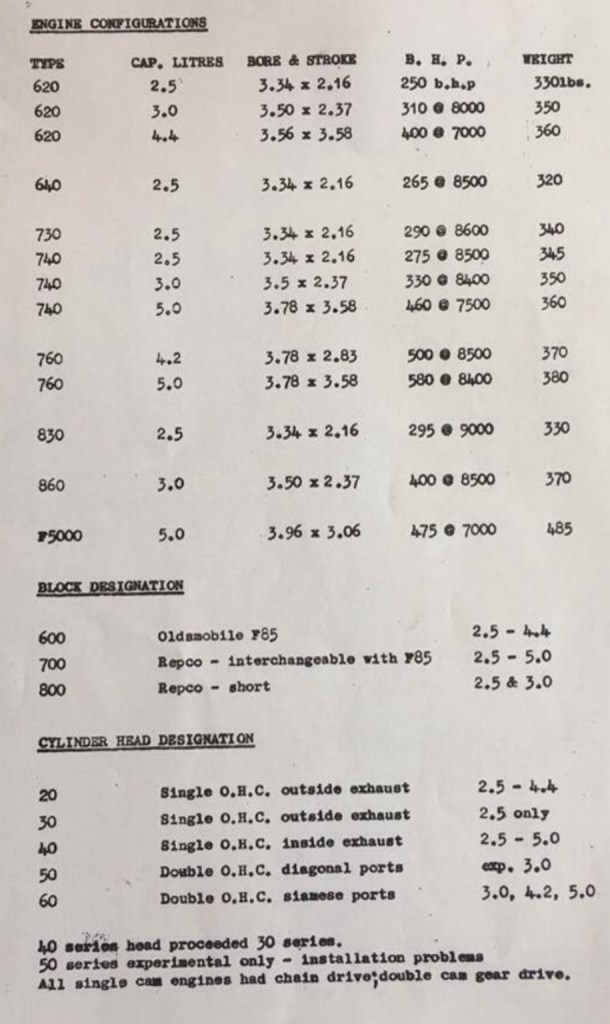
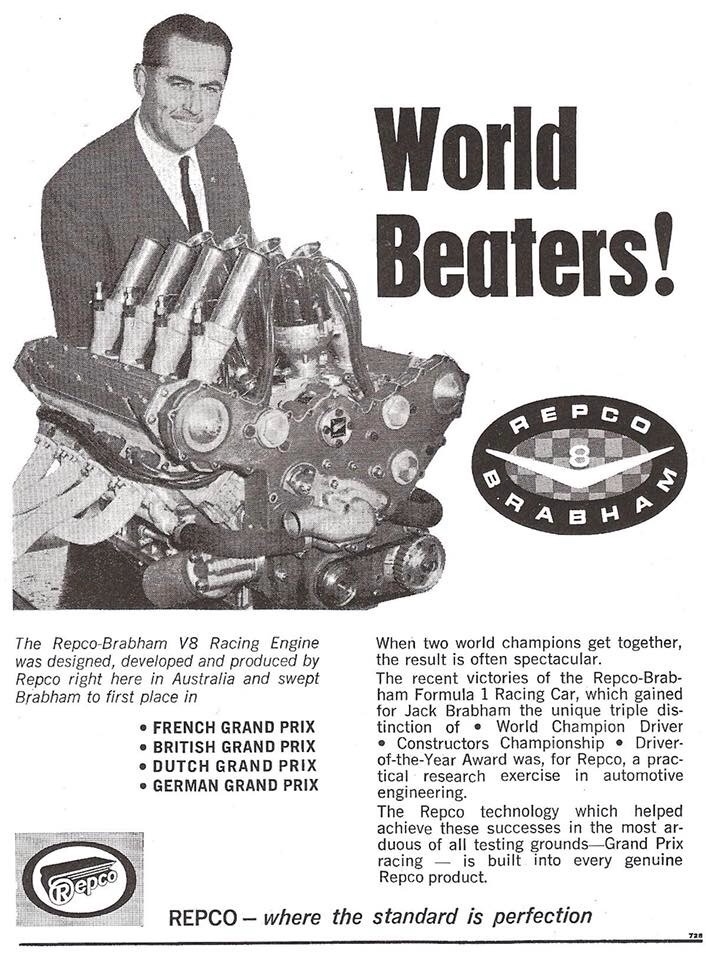
A little later still, Repco’s engineering skills were laid bare – revealing that they weren’t just a sponsor’s name on the nose of Brabham racing cars – for all to see when Repco’s family of 2.5-5-litre racing V8s took to the circuits from January 1966.
So, this stuff is contextual, not racing as such, and is popped up here to be on the public record.
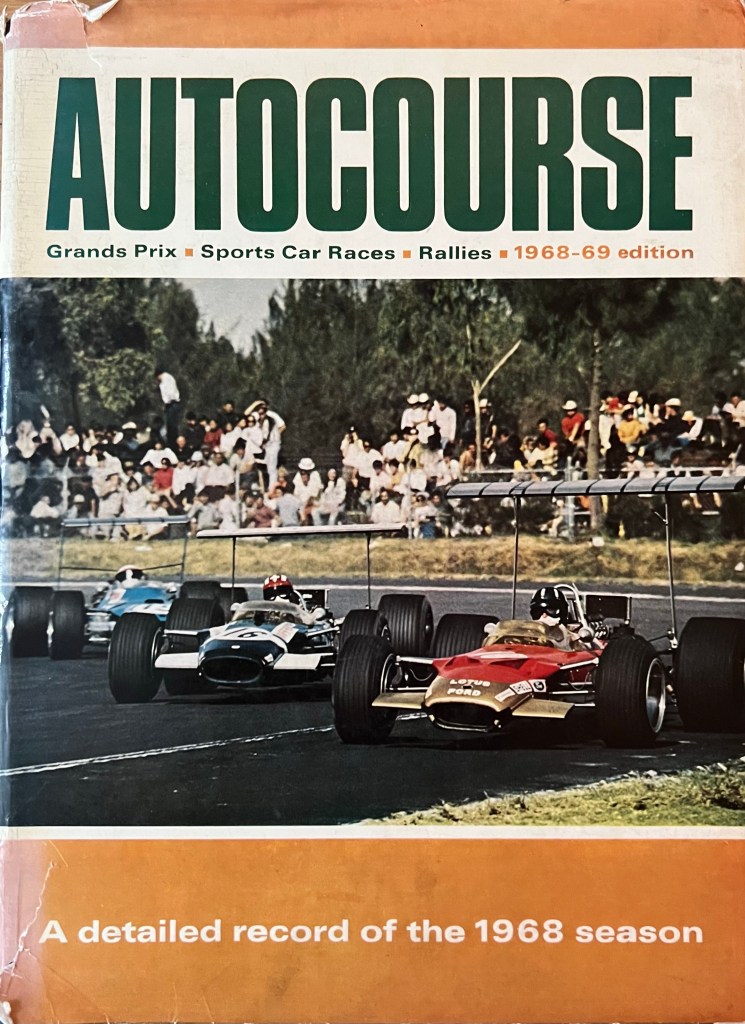
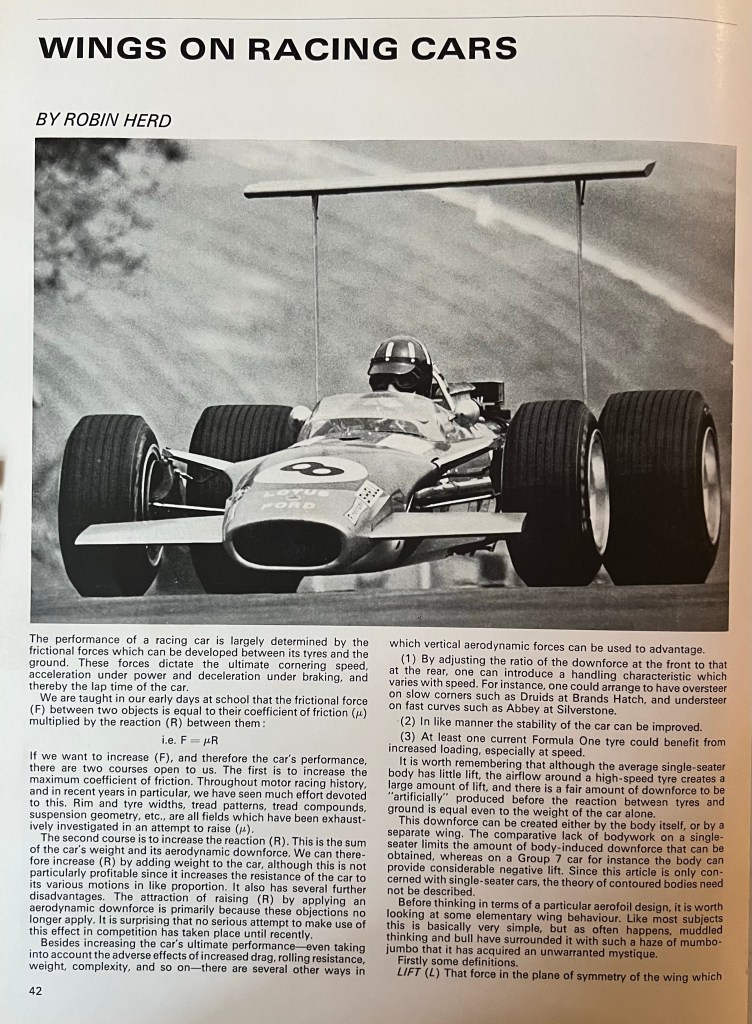
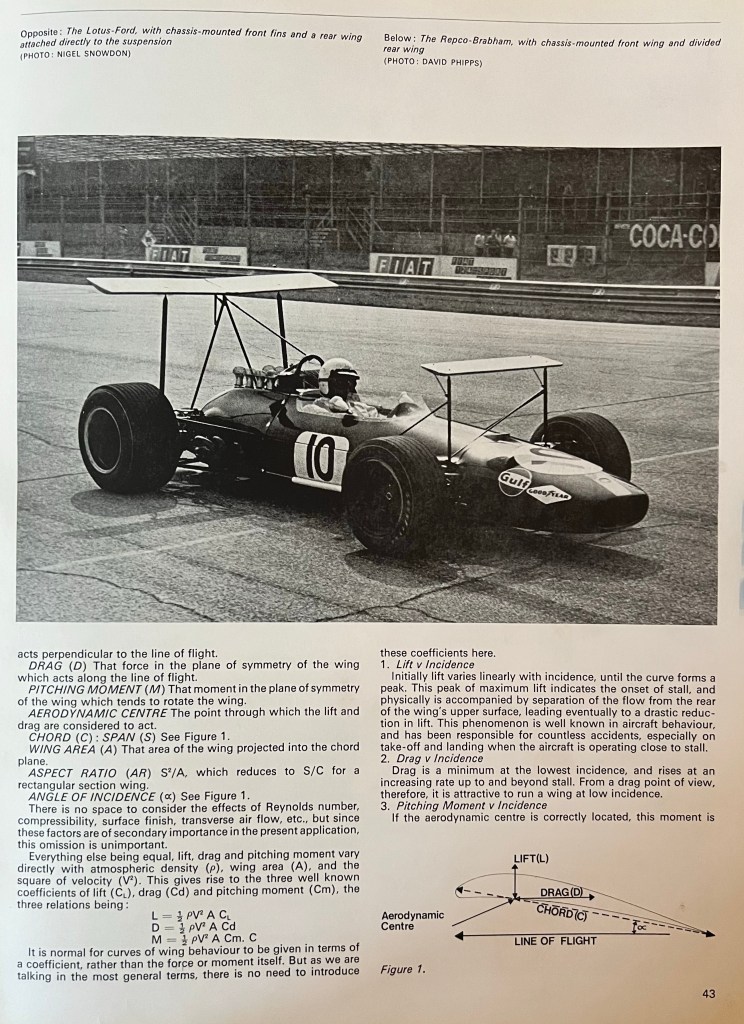
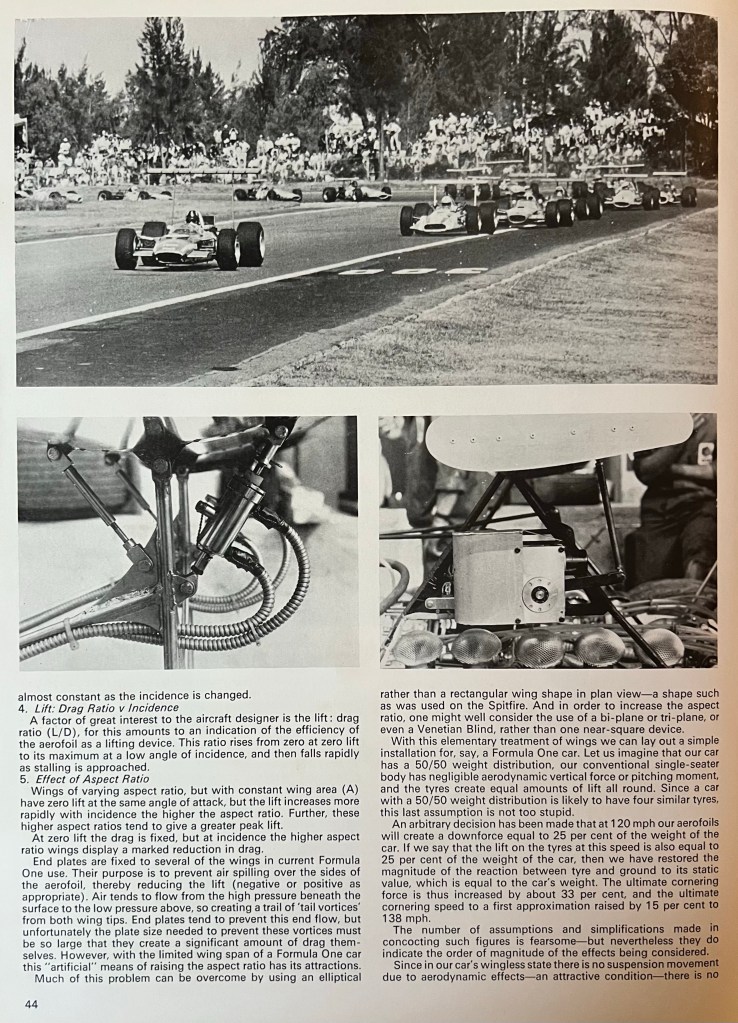
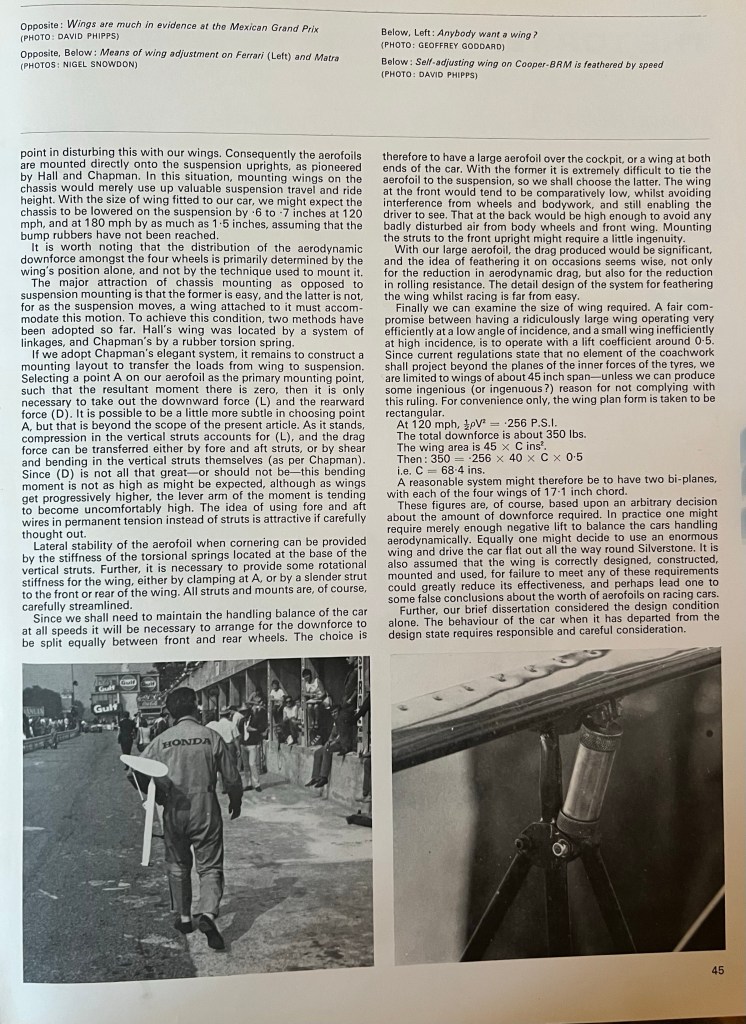
This Autocourse piece written by Robin Herd – March co-founder amongst many other credits – in late 1968 about the use of wings on racing cars is of great interest and matter of record by one of the best qualified engineers of the day.
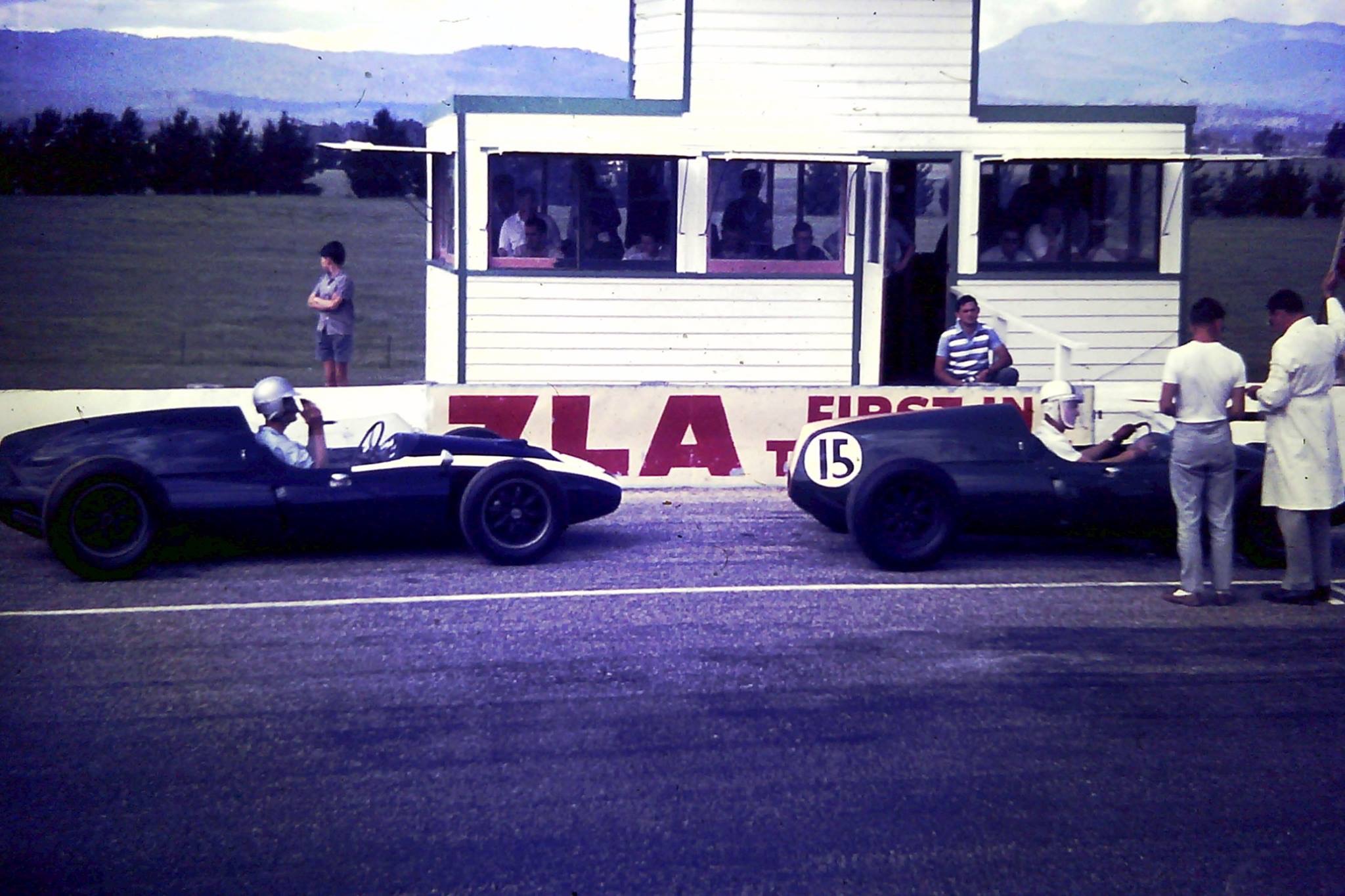
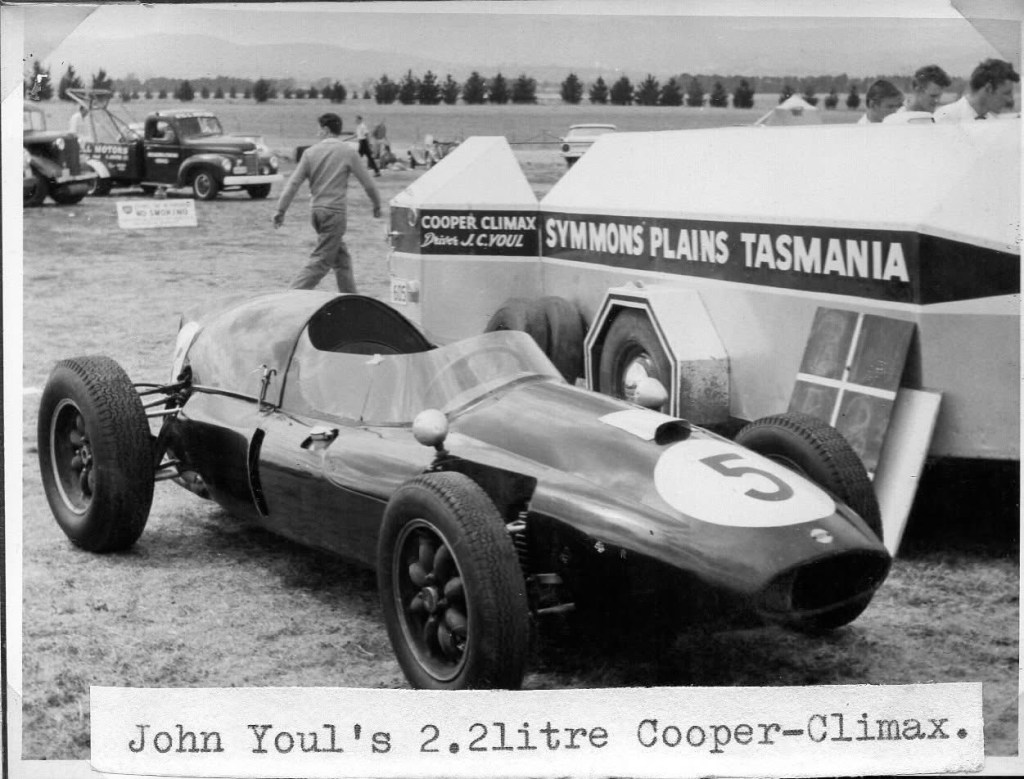
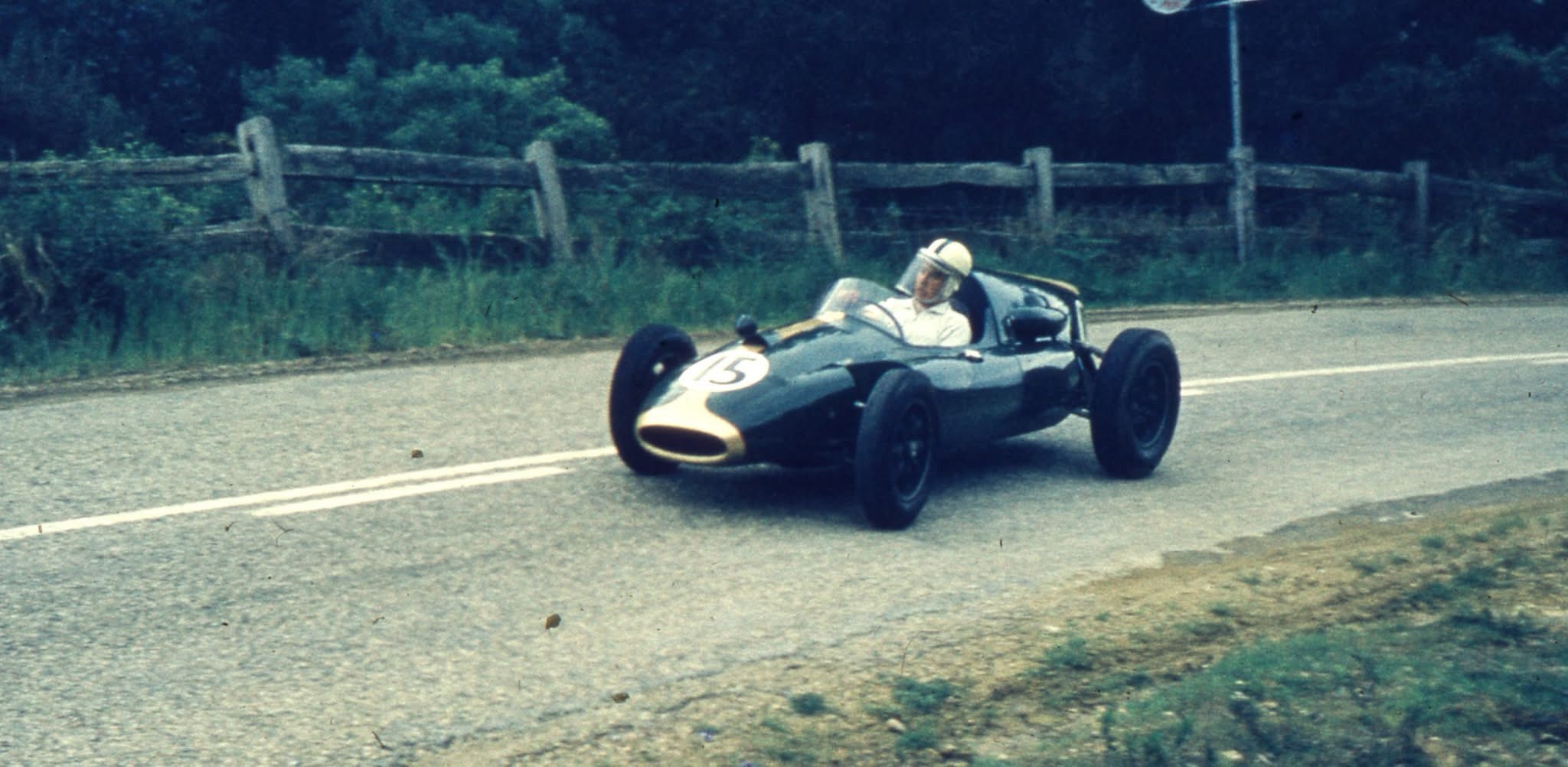
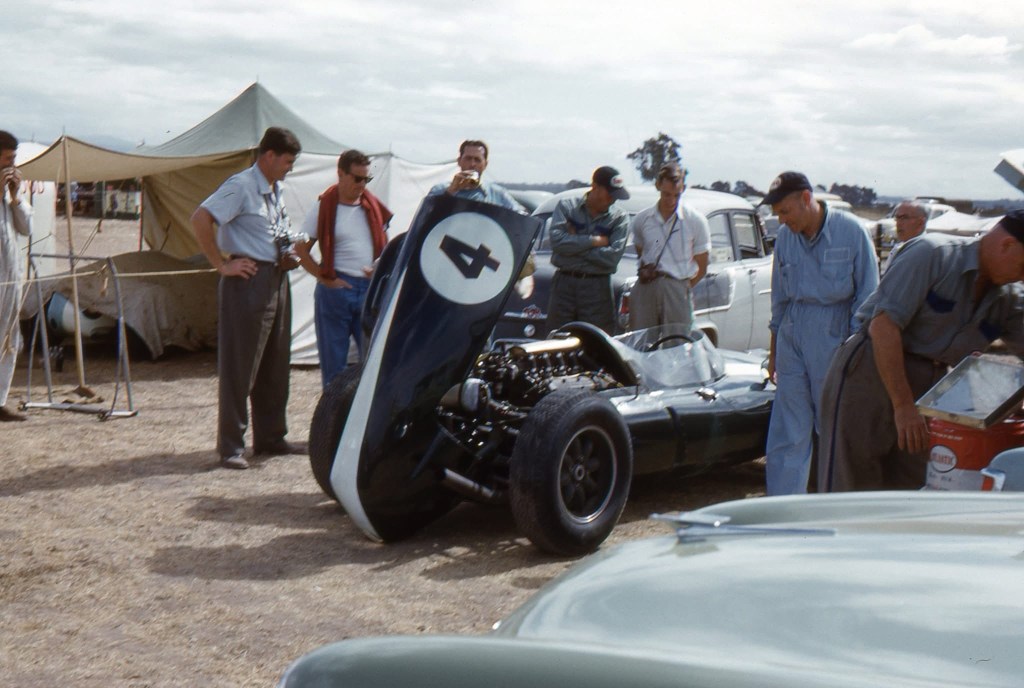
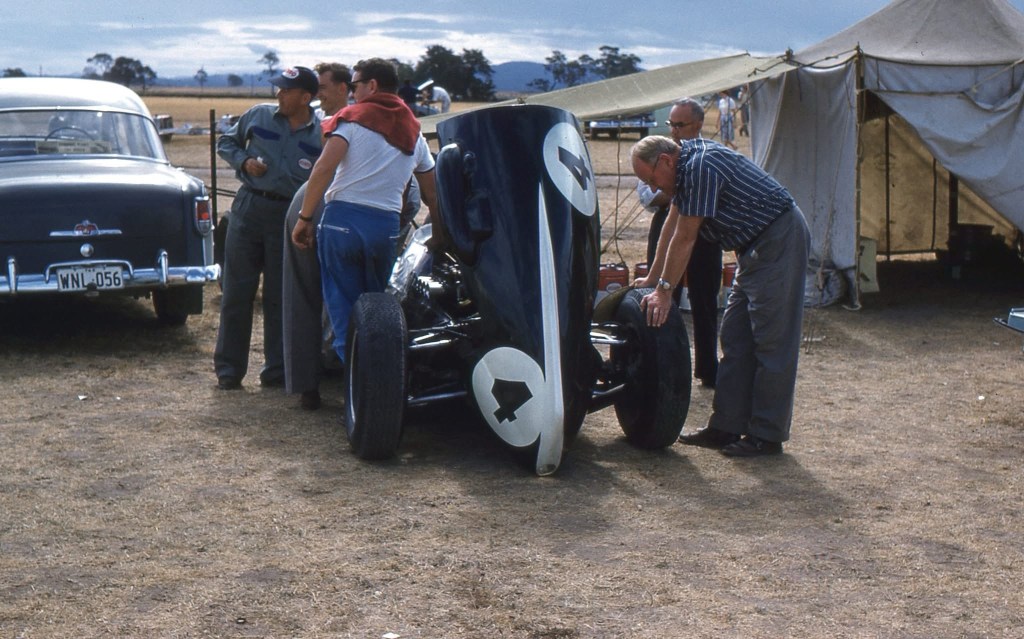
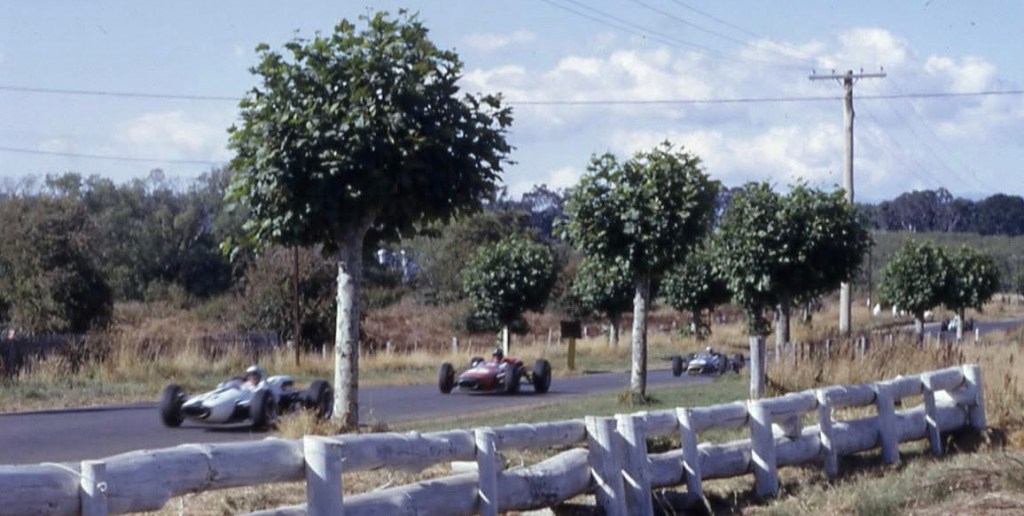
John Youl, left and Lex Sternberg aboard their Cooper T51 Climax’s at Symmons Plains circa 1961-62…
There were four of the eleven Cooper T51s that had ‘permanent residency’ in Australia, based in Tasmania for a while, this pair and those of Austin Miller. We know it’s before 15 April 1962 as Andrew ‘Slim’ Lamont tells us the Youl car passed to Jack Hobden then.
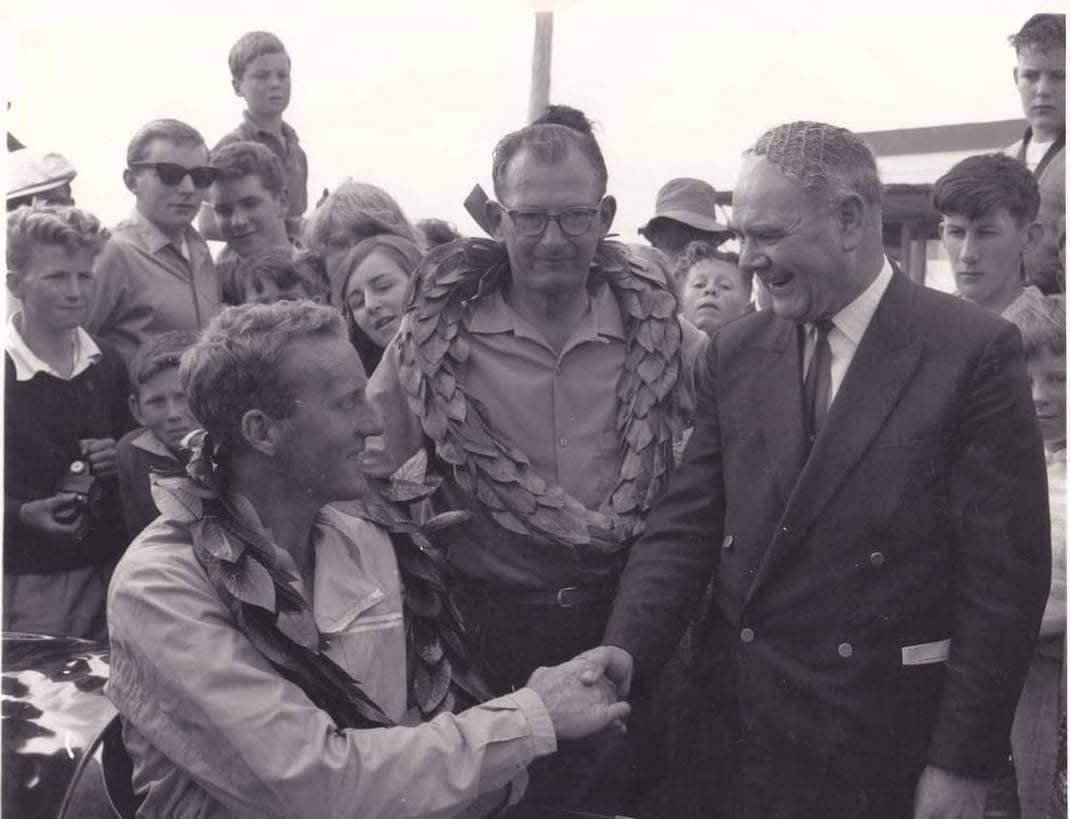
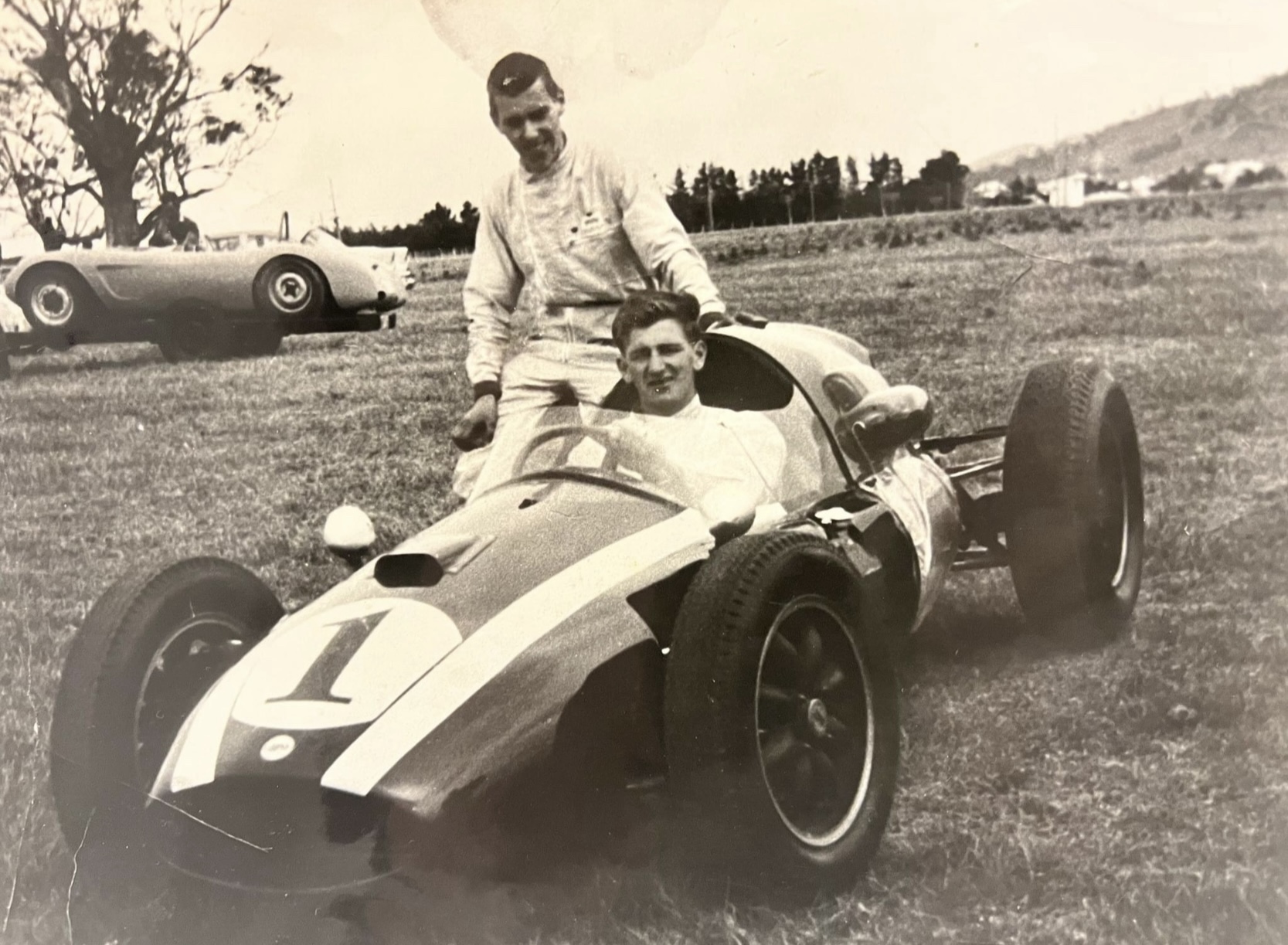
John Youl accepts the plaudits of the crowd and Tassie Premier, ‘Electric Eric’ Reece. Probably after winning the December 1962 Examiner £1,000 in the Cooper T51 (HRCCTas)Symmons Plains 1961-62 (K Thompson Collection)David Sternberg ascends Penguin hillclimb in the family T51, date unknown, but welcome, where is my copy of that book I wonder? (G Hartley)
Youl’s car history is simple, he says confidently, John acquired F2/9/60 new from the factory whereas Sternberg’s F2/7/59 or F2/9/59 was an ex-works 1959 car brought to Australia for Jack’s 1960 Summer Tour and then sold to Bib Stillwell after Bathurst 1960. Bib bought it to obtain the 2.5 Coventry Climax FPF with which it was fitted; they were as rare as Rocking Horse Poop in the colonies at that stage.
Bib raced it a few times, including Longford’s 1961 meeting before selling it to Burnie’s Lex Sternberg, both he and his son David raced it. The later ownership has the usual twists and turns of many of these cars, which is beyond the scope of this pictorial. Click here for The Nostalgia Forum thread in relation thereto, it’s content rich; https://forums.autosport.com/topic/150838-cooper-t51s-in-tasmania/
(R Lambert)
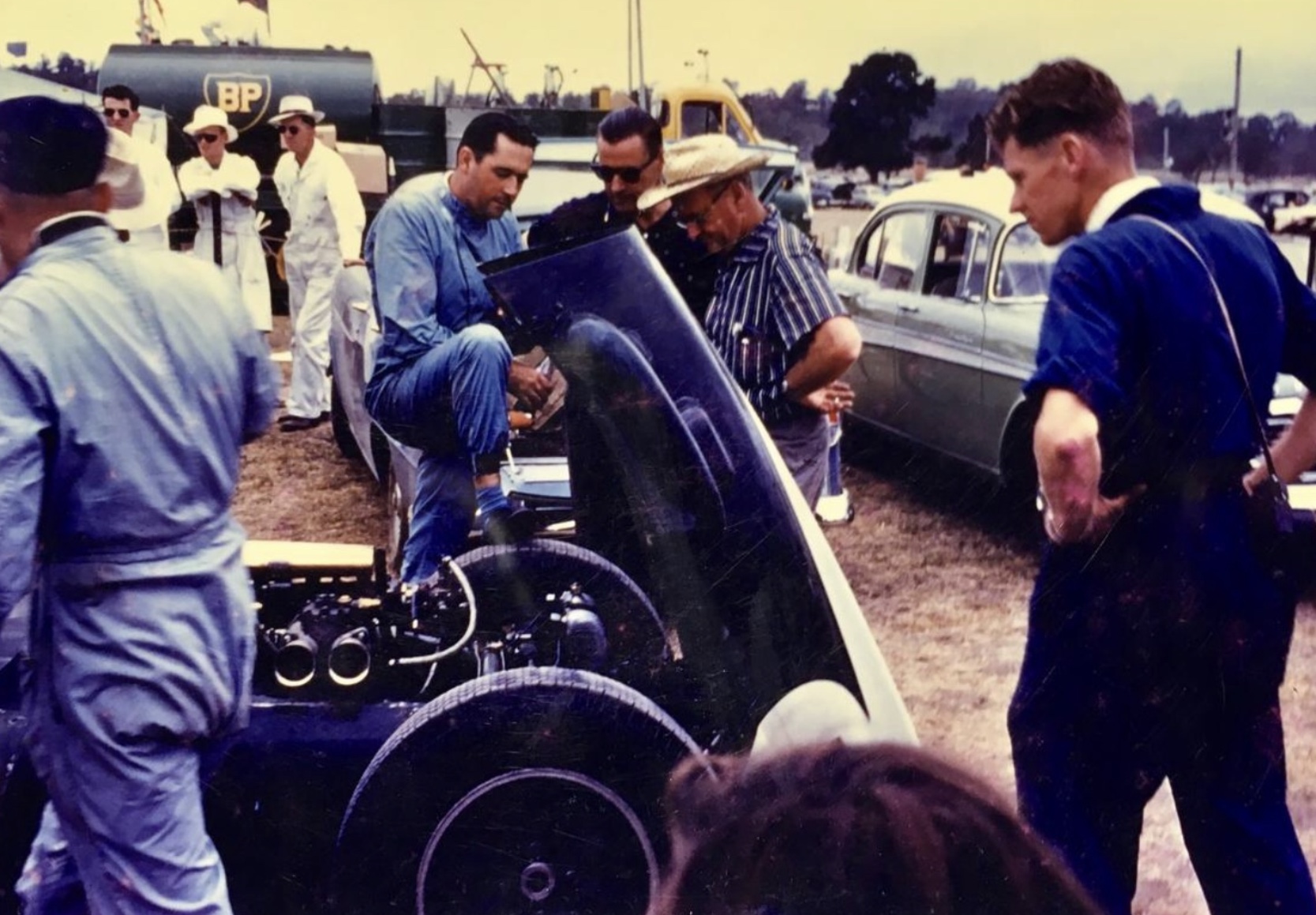
Jack with T51 F2/7/59 or F2/9/59 at Longford in March 1960.
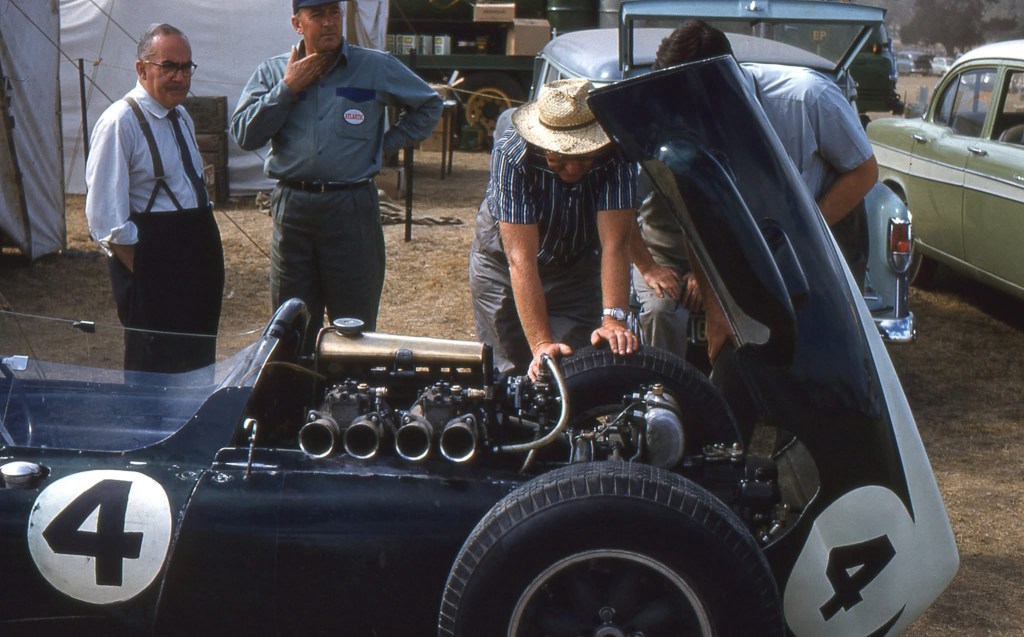
Brabham consorting with a couple of chaps during practice. Is that Alec Mildren in the straw hat or is my imagination running riot? Look at the monster mouths of those 58DCO Webers.
Jack had a good run with this car that summer winning at Ardmore – the New Zealand GP – and Wigram before shipping the car across the Tasman and was then victorious at Longford and Phillip Island in March, and then Bathurst in October.
Brabham won the March 5 Longford Trophy from Mildren’s Cooper T51 Maserati and Stillwell’s T51 Climax.
(unattributed)
Jack Hobden (30/8/1942-18/9/2022) aboard the ex-Youl F2-9-60 at Baskerville?
The defunct Longford Grand Prix Expo FB page wrote that ‘Jack was requested to represent Tasmania in the 1965 Australian Grand Prix at Longford by then Premier Eric Reece. Upon being told of a lack of finances, he funded Jack’s race.’
Hobden was 12th in the race won by Bruce McLaren’s Cooper T79 Climax from Jack Brabham and Phil Hill.
Etcetera…
(N Barnes)
Noel Barnes was prowling the paddock at about the same time as Ron Lambert!
(N Barnes)(N Barnes)
Credits…
Historic Racing Car Club of Tasmania, Ron Lambert, G Hartley, The Nostalgia Forum, Ellis French, Andrew ‘Slim’ Lamont, oldracingcars.com, Greg Ellis Collection, K Thompson Collection, Noel Barnes
Tailpiece…
(G Ellis Collection)
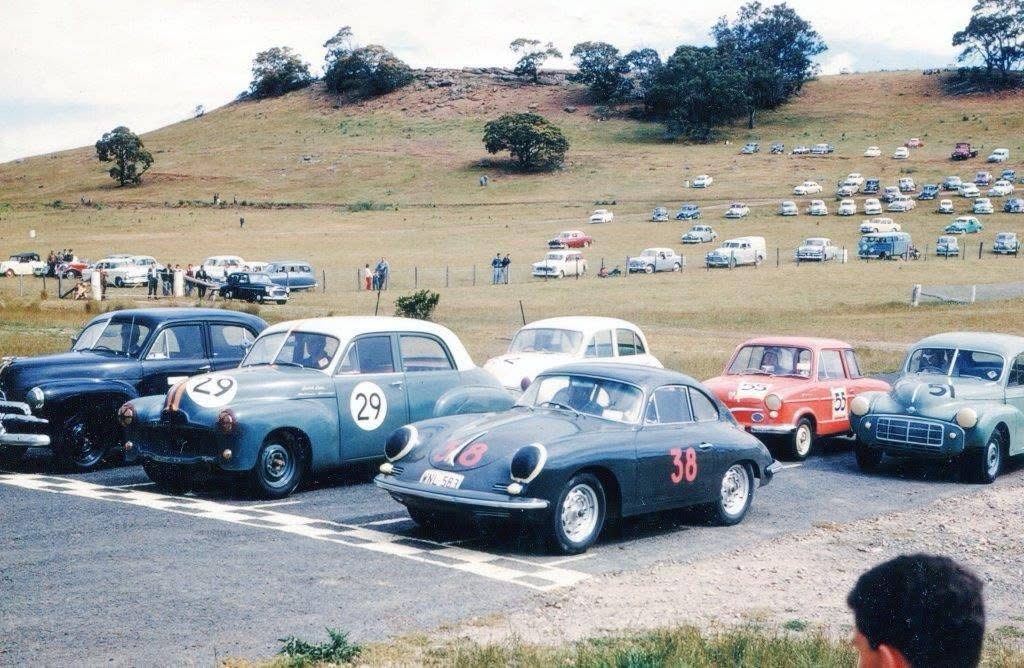
An early Baskerville grid containing two Youls, #38 Gavin’s Porsche 356 and #55 John’s NSU Prinz, #7 is Ross Larner, #29 David Lewis’ Humpy Holden, the white Morris Minor is Greg Ellis and #51 is Dick Crawford
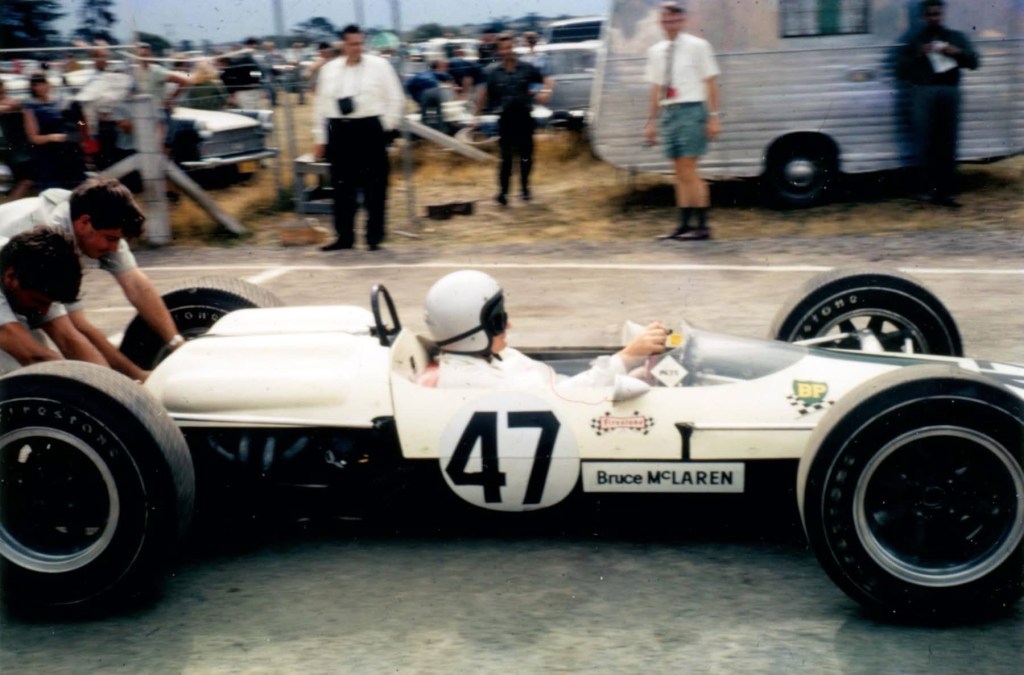
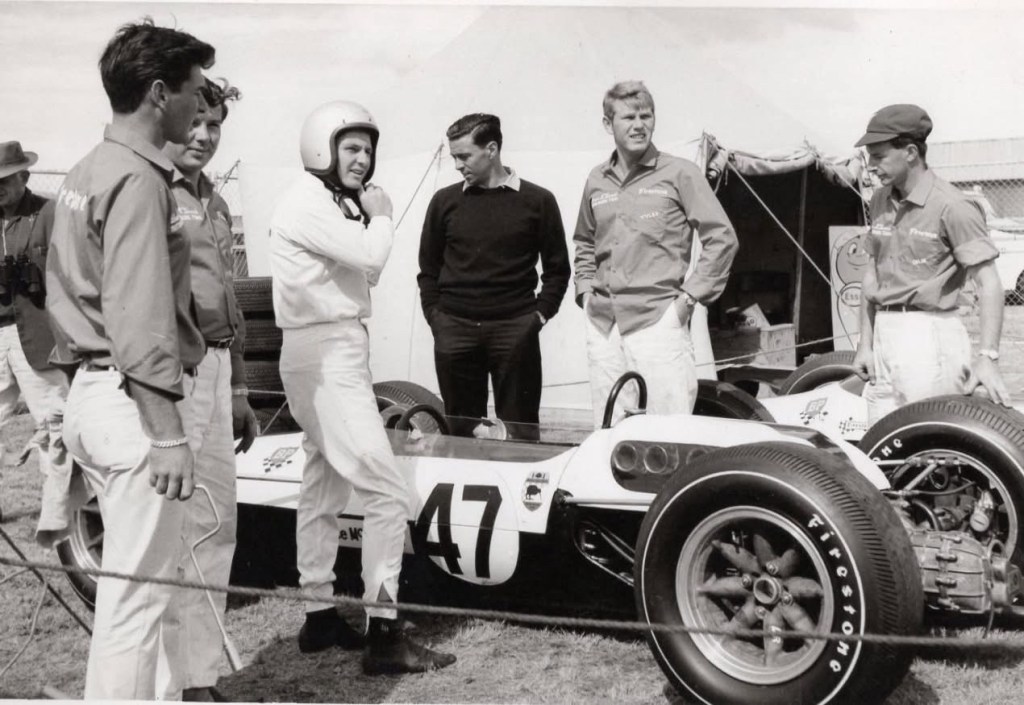
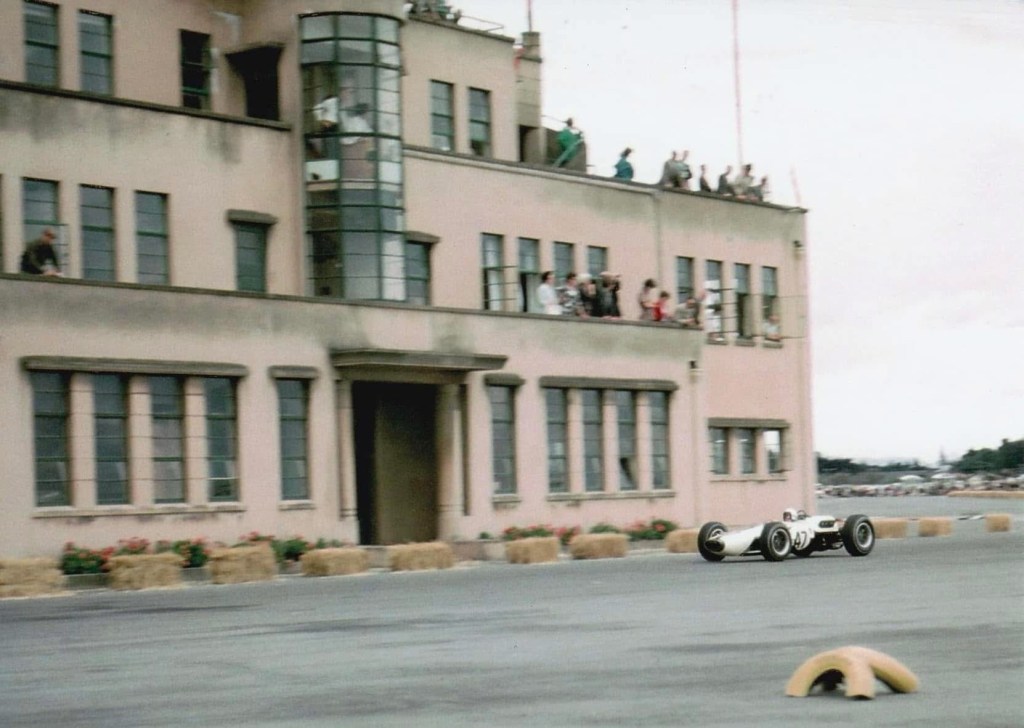
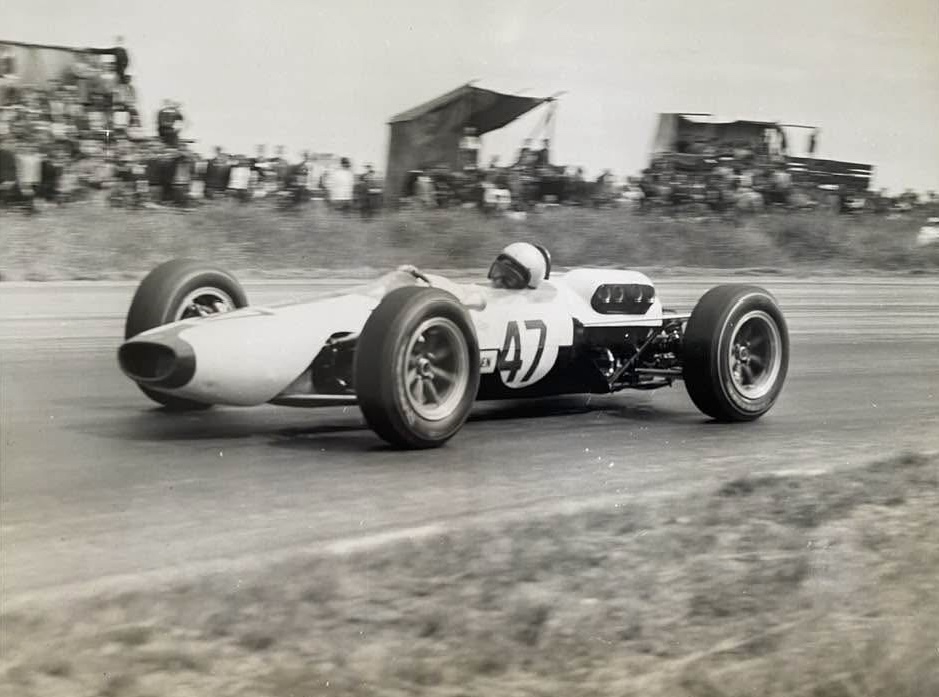
Tyler Alexander at left with Phil Hill’s Bruce McLaren Motor Racing Cooper T70 Climax FPF 2.5 at Pukekohe, Auckland during the January 9, 1965 New Zealand Grand Prix meeting. Car #17 is John Riley’s Lotus 18/21 Climax.
This car was an updated version of a chassis Bruce and the late Tim Mayer raced the year before – T70 FL-1-64 – while The Chief raced a new design designated the T79: T79 FL-1-65. It’s pretty familar turf to us, see here: https://primotipo.com/2016/11/18/tim-mayer-what-might-have-been/
(D Shaw)
That’s the chassis of the T70 above at Pukekohe – with a Brabham BT4 in the foreground – while Bruce is settling himself into the T79 at Levin, the second Tasman round below.
Bruce and Jim Clark collided in one of the Pukehohe heats. While Jim started the GP in his works Lotus 32B Climax, Bruce’s Cooper’s T79 was hors d’combat for the weekend, so he commandeered Phil’s T70 but succumbed to gearbox failure after 13 of the race’s 50 laps. Clark lasted only 2 laps before suspension problems, leaving Graham Hill to win the race aboard his Scuderia Veloce Brabham BT11A Climax.
(unattributed)
McLaren was fifth at Levin, with Jim Clark’s Lotus 32B Climax the race winner. Jim was the Tasman Cup victor too, with four wins from the seven championship rounds or five wins from eight races, including the Lakeside 99 non-championship round. Not to forget, however many heats Clark won.
Bruce’s Tasman plans were thrown somewhat up in the air. The two Coopers were designed around 13-inch Dunlops but Bruce had signed a contract with Firestone for supply of tyres. Defining though the deal was commercially, in the short term the hard, American 15-inch covers were shite for road racing.
The bigger wheels resulted in handling problems which would normally have been sorted before the long trip south. As it was, the necessary makeshift modifications were made between races.
NZ GP at Pukekohe, Bruce didn’t start the T79 having collided with Jim Clark in a heat. Note the Hewland HD 5-speed transaxle and tall Firestones (D Shaw)(unattributed)
The Levin International start on January 16, with Phil and Bruce alongside Clark despite problems adapting Bruce’s new Firestone tyres to a chassis designed with Dunlops in mind.
Despite these difficulties McLaren did Wigram and Teretonga races in faster times than those which gave him his 1964 victories.
In Australia, once 13-inch wheels were available, McLaren was fourth at Sandown and won the Australian Grand Prix final round at Longford from pole to finish the Tasman series runner-up to Clark, while Phil Hill was a well-merited third. There is no doubt that if pre-trip testing time had been on their side, the Cooper-Climax drivers would have made a much better showing in New Zealand.
Pop McLaren, Wally Willmott, Bruce Harre, Bruce McLaren, Jim Clark, Tyler Alexander and Colin Beanland David Oxton informs us, in the Wigram paddock, over the January 23, 1965 weekend.
Showing real progress, McLaren, below, was second to Clark’s Lotus with the well-driven Brabham BT7A Climax of Jim Palmer in third.
(CAN)(A Horrox)
Teretonga, above, was better still with a team two-three – McLaren from Hill – but Jim Clark was still the man in the front of the field with three wins on the trot, only Graham Hills Scuderia Veloce Brabham BT11A Climax win in the New Zealand Grand Prix at Pukekohe at the start of the month ‘rained on Jimmy’s Lotus parade.’
(K Wright)
Bruce McLaren leads Graham Hill and Jack Brabham early in his victorious run in the AGP into Longford village: Cooper T70, and Brabham BT11A’s by two, all Coventry Climax FPF 2.2-litre powered. McLaren and Brabham below.
(GP Library)(MotorSport)
Every Dog Has its Day – perhaps every car too!
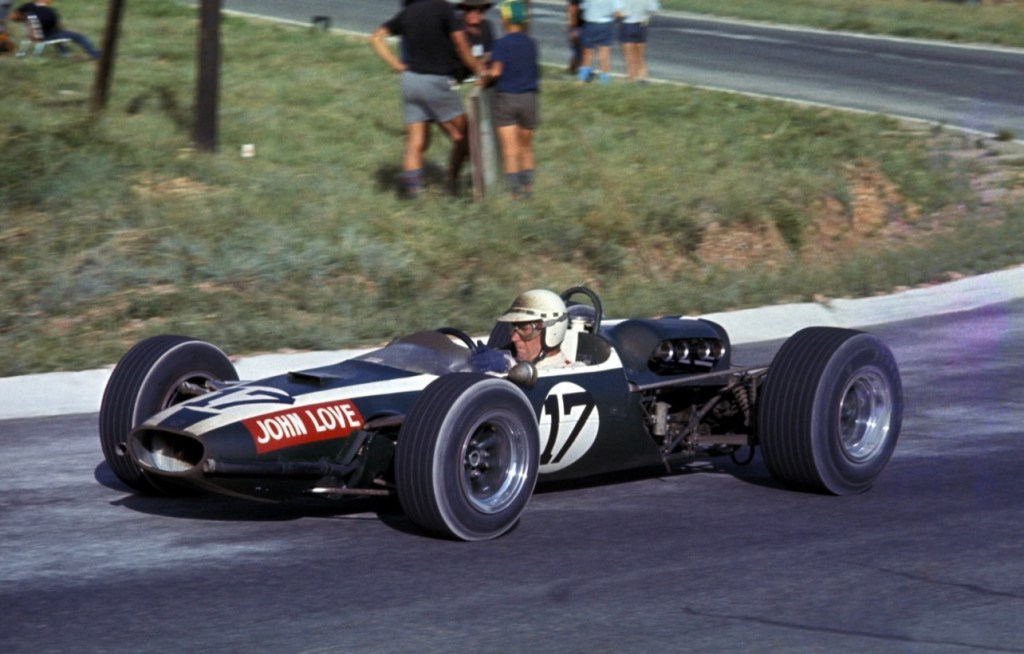
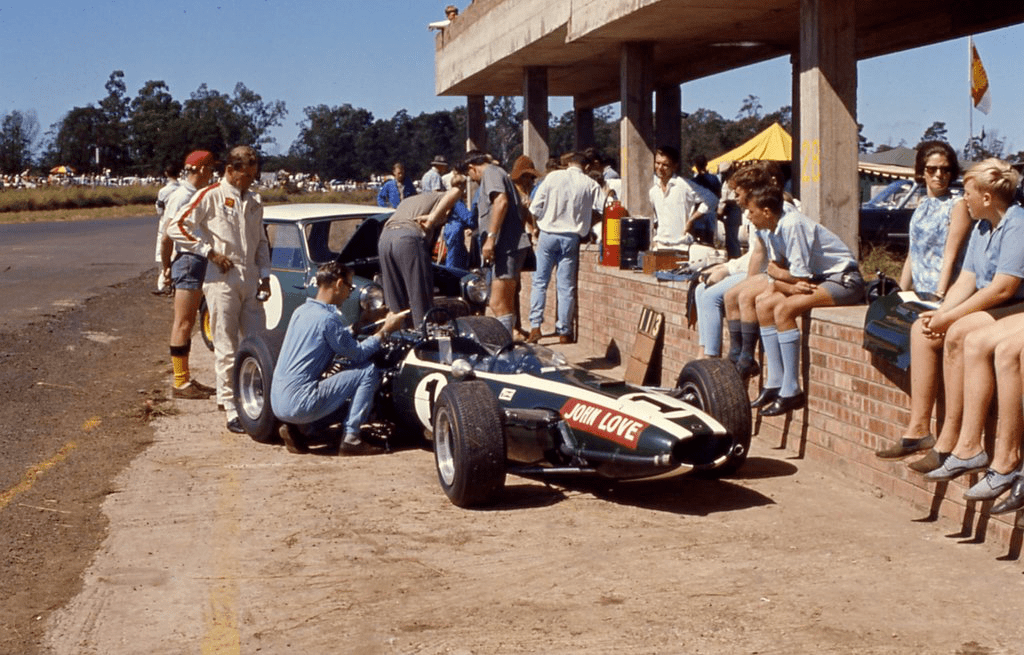
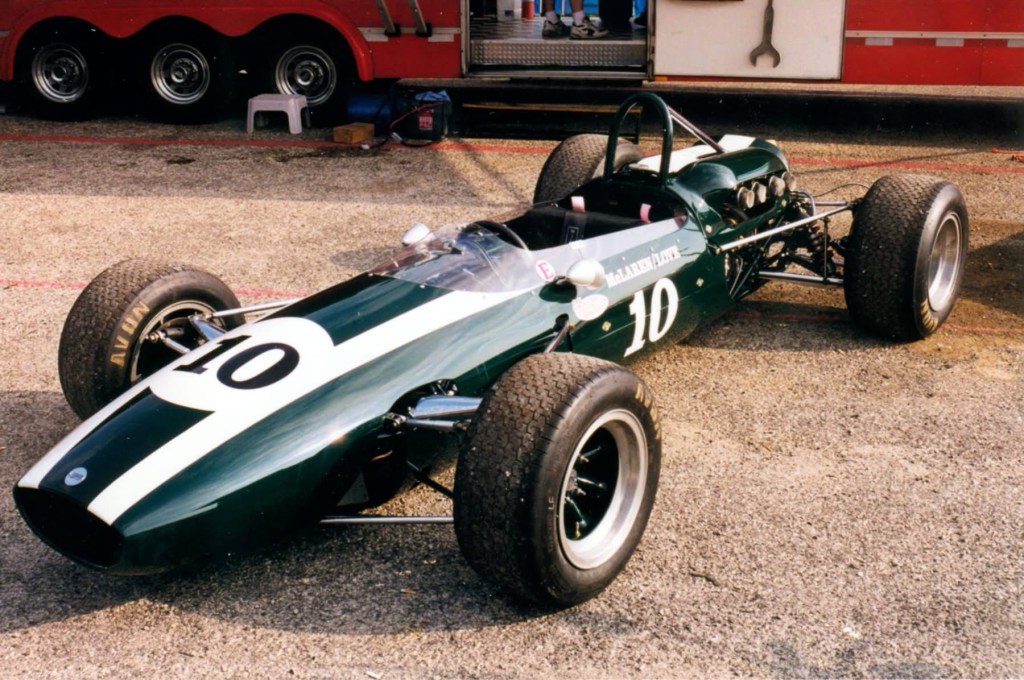
At the end of the Tasman, Bruce McLaren sold the T79 to South African ace, John Love. The shot above shows him on the way to a brilliant second place in the 1967 South African Grand Prix.
The machine was a star-car in Africa, winning the 1965, 1966 and 1967 South African National F1 Championships, co-credits to Love’s Cooper T55 Climax and Brabham BT20 Repco in 1965 and 1967 duly noted.


 primotipo...