Posts Tagged ‘Indy 500’

(IMS)

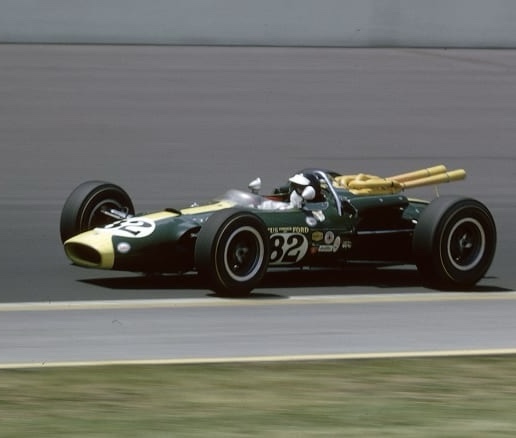
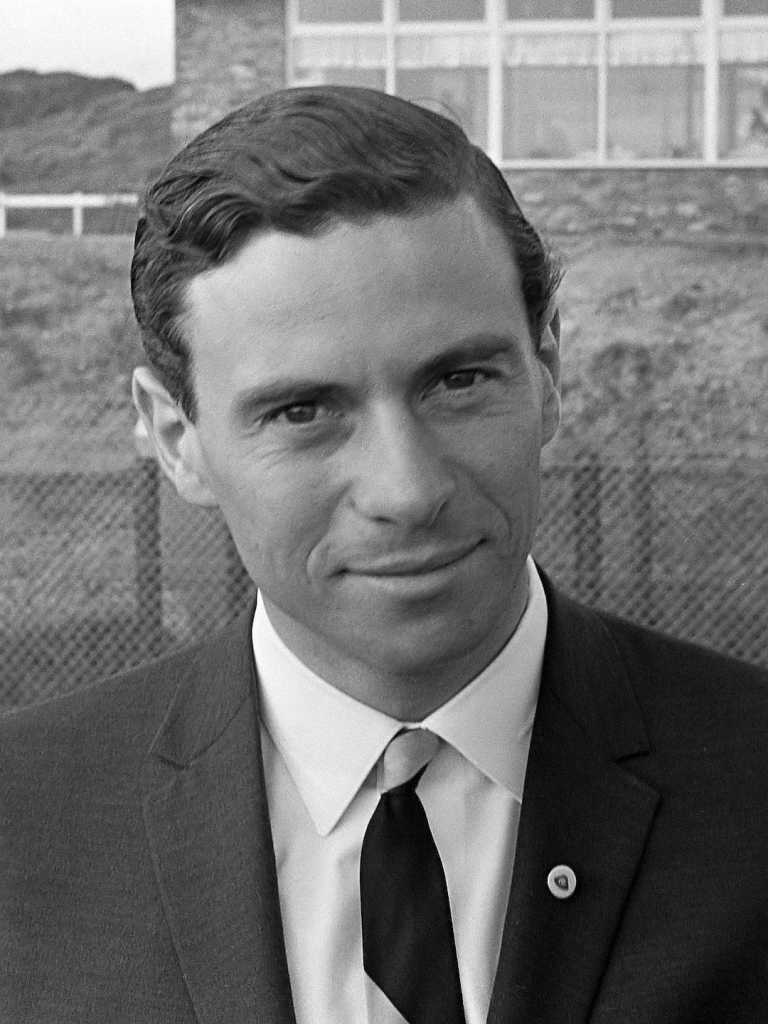
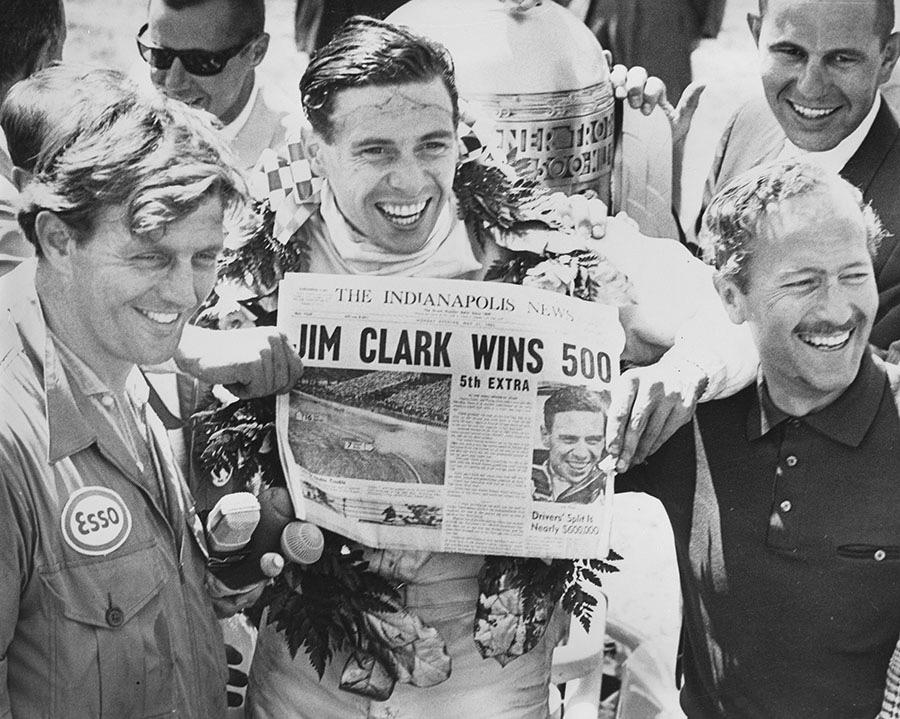
Jim Clark had a season like no other in 1965.

He bagged the Tasman Cup, Indianapolis 500, World Drivers Championship, the French – read Eiropean – F2 Championship plus a swag of touring car and sportscar victories.

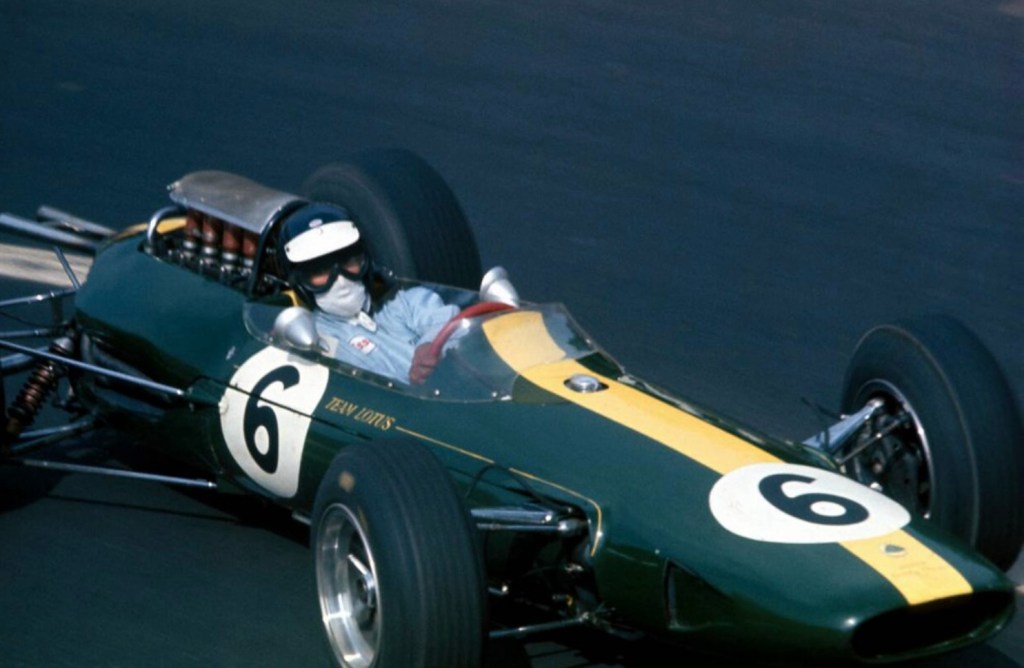
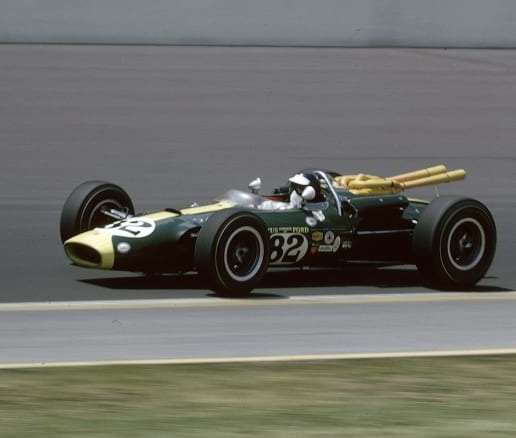
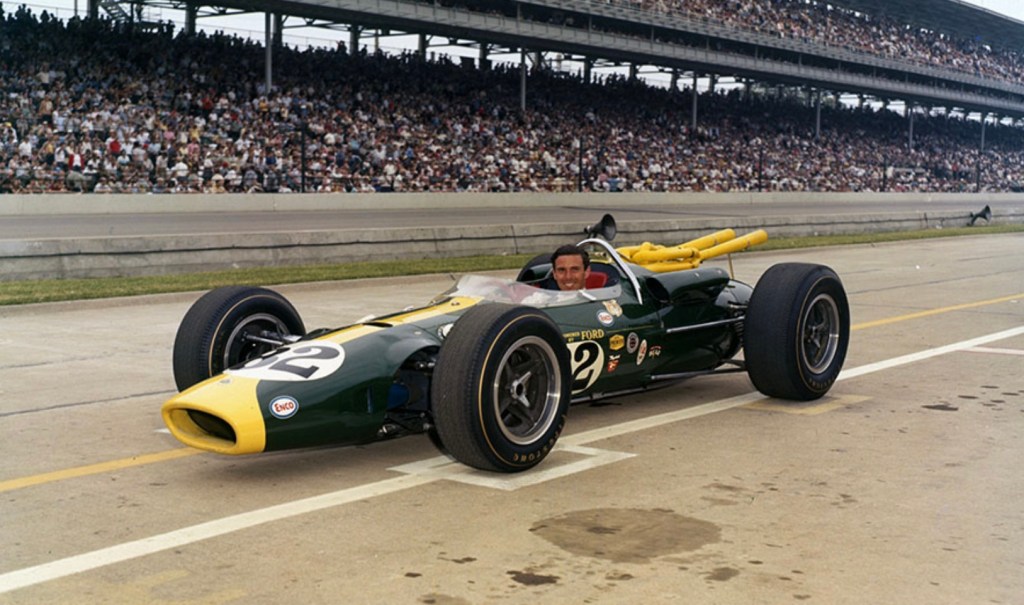
The shot above is of Clark enroute to victory at Indianapolis on May 31, 1965, Lotus 38 Ford-Indy 4.2-litre V8.
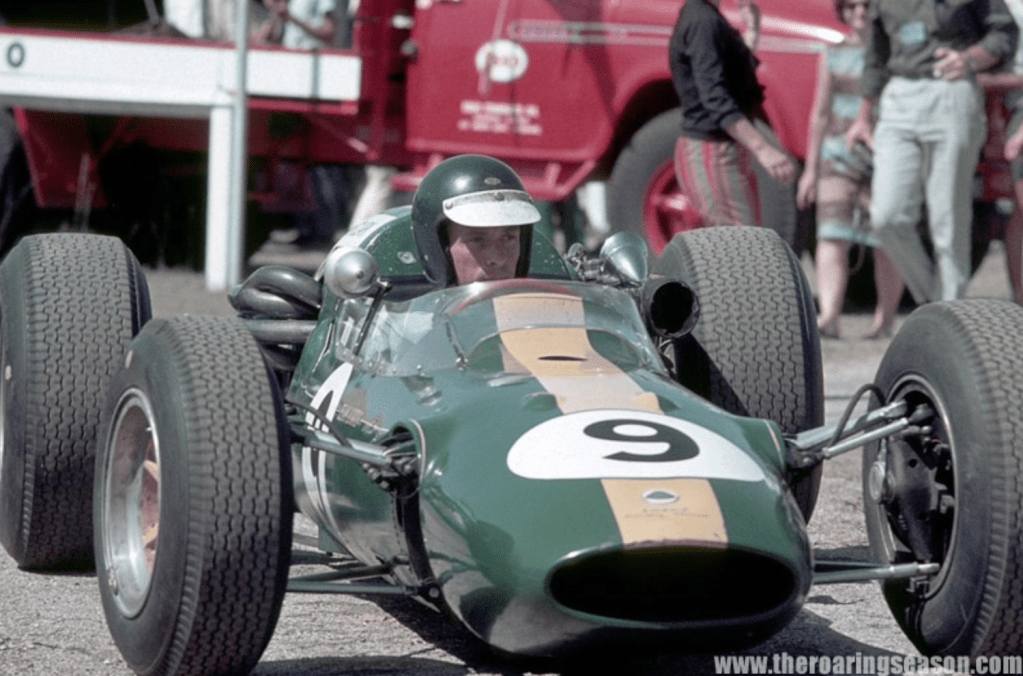
Hethel circa-1967 (unattributed)
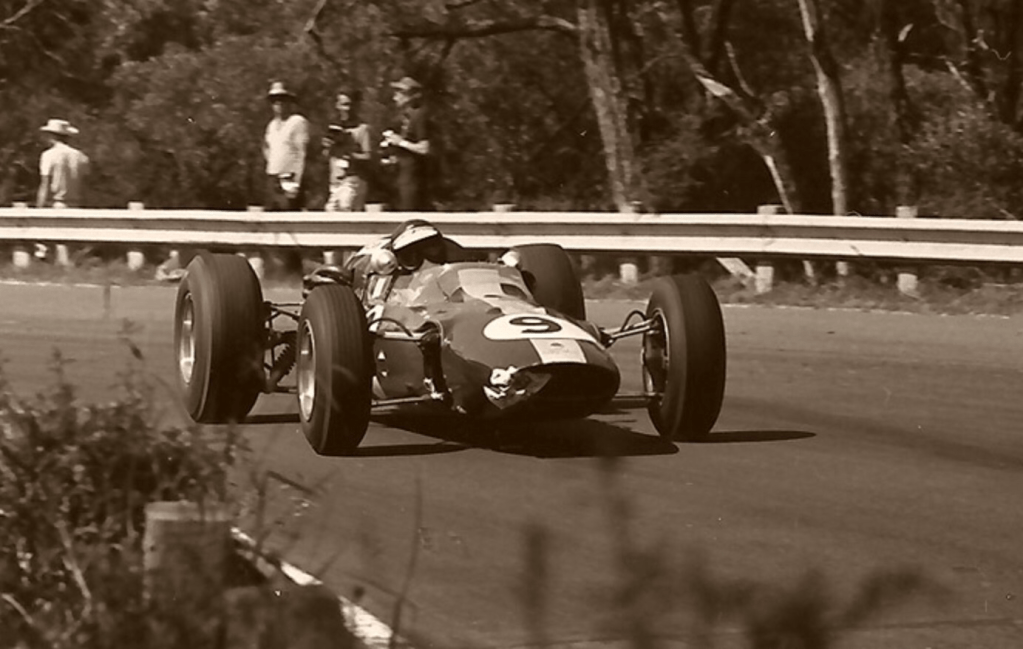
Lakeside 99, March 1965. Lotus 32B Climax. Jim won from Frank Gardner and Spencer Martin in Brabham BT11As
(Daily Telegraph)

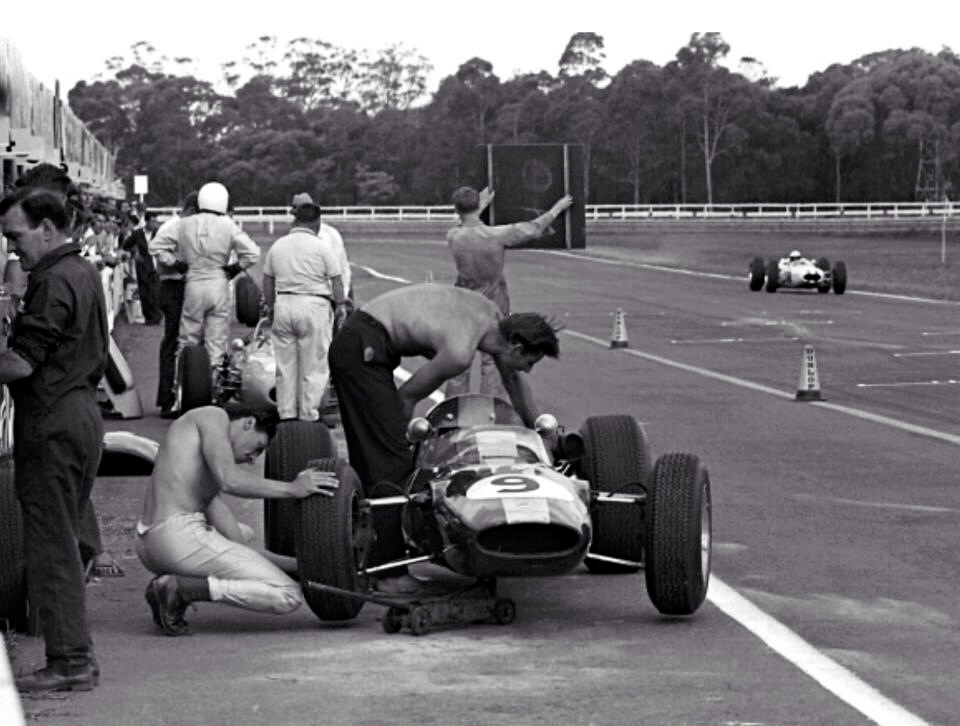
‘Can you give us a hand with the car Jimmy? Yep, no worries Ray (Parsons) I’ll do the fronts.’

Clark and Parsons ready Clark’s Lotus 32B Climax FPF 2.5 for the Warwick Farm 100 during the February weekend. That’s Roy Billington, Jack Brabham’s mechanic on the far left by the pit counter and Lanky Frank Gardner in the white helmet. Meanwhile, Frank Matich blasts past in his Brabham BT7A Climax.

It was a good weekend for Clark and Parsons – the latter an occasional Team Lotus Cortina driver – Jim won (below) from Jack Brabham’s Brabham BT11A and Matich. More on the Lotus 32B here:https://primotipo.com/2017/11/02/levin-international-new-zealand-1965/ and about Ray Parsons here:https://primotipo.com/2022/02/20/ray-parsons-australian-lotus-mechanic-racer-and-development-driver/
(B Wells)

Clark romped home in the Tasman, winning four rounds. He won Levin, Wigram, Teretonga and Warwick Farm on-the-trot, then picked up the Lakeside non-championship round at the end of the tour. Bruce McLaren was second and Jack Brabham third.
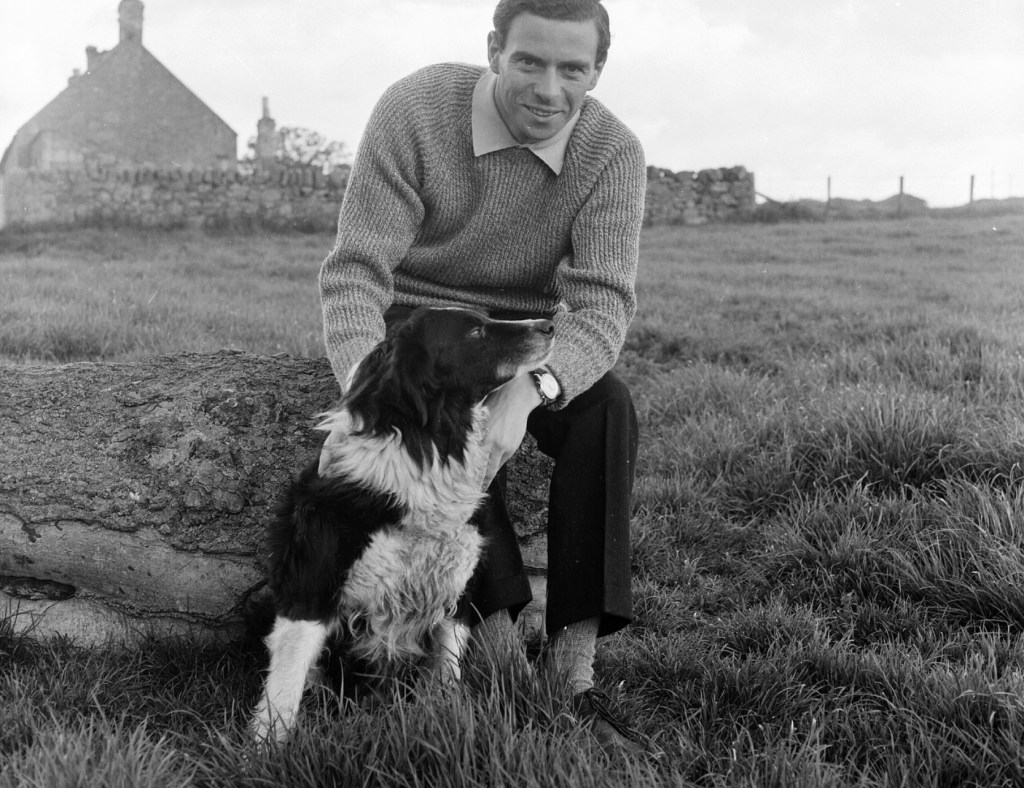
No way did Jim get home to Scotland on too many occasions in 1965.

By my reckoning – aided by and improving on Peter Windsor’s article of 10 years ago – Clark had 29 winning drives in 1965, ranging from short Tasman Cup heats to the 500 miles at Indianapolis.

Peter’s list of 26 wins missed two Grands Prix, amazingly, and one F2 victory, so for mine, it’s 29 wins in that very big year.
(IMS)

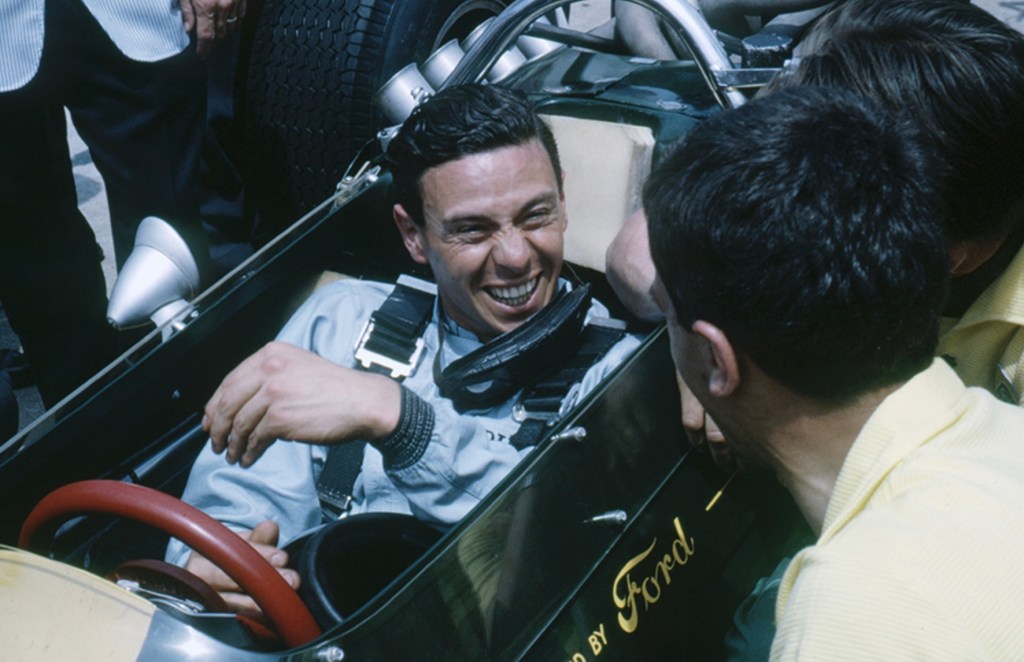
Clark was edged out of pole at Indy by AJ Foyt’s Lotus 34 Ford but Jim took the May 31 win that had been coming for two years, leading 190 of the 200 laps.

Parnelli Jones was second, Lotus 34 Ford, and Mario Andretti aboard a Hawk 1 Ford wad third. Al Miller’s Lotus 29 Ford was fourth; yes it was a great race for the Lotus lads.
(IMS)
(IMS)

The win was well merited to say the least. Fortunate for Colin Chapman too, Ford would have pickled his testicles had there been a fuck-up like the year before!

In Team Lotus’ first year at the Brickyard in 1963 the Indy Establishment simply shafted the interlopers in favour of one of their own…

More on the Lotus Indycar here:https://primotipo.com/2021/11/20/dans-lotus/
(IMS)
(unattributed)

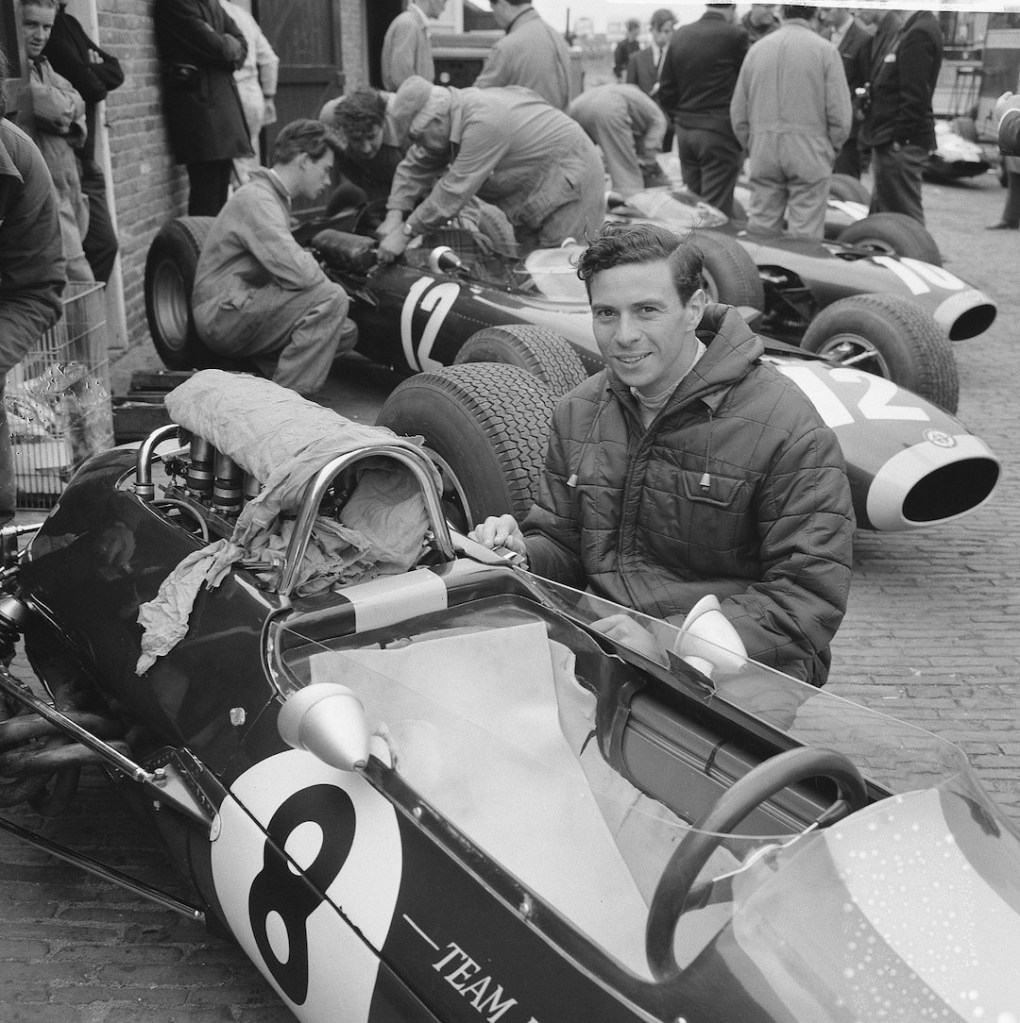
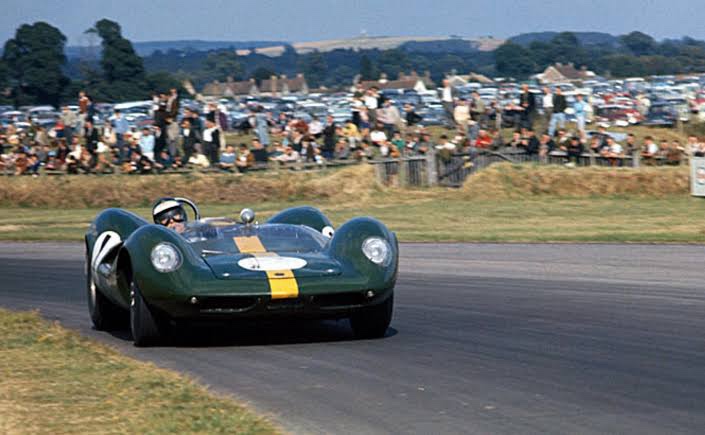
Of course Clark’s main programme for the year was Grand Prix racing.

That season he won three non-championship F1 races: the first heat of the Race of Champions at Brands Hatch, the Syracuse GP and the Sunday Mirror Trophy at Goodwood. He also took six of the ten championship events, four from pole: the South African, French, British, German, Italian and Mexican Grands Prix.

In so doing Clark picked up the World Championship of Drivers for his good-self and the F1 Manufacturers Cup for Lotus. More on the Lotus 33 Climax here: https://primotipo.com/2014/09/28/jim-clark-lotus-33-climax-monaco-gp-1967-out-with-the-old/
(unattributed)
Clark on the hop at Goodwood during the August 1964 RAC Tourist Trophy, Lotus 30 Ford (Sutton)

Team Lotus wasn’t all beer and skittles. Every now and then Chapman built a shit-box, the Lotus 30 Ford 289 V8 was one of them.

While the concept of a backbone-chassis somewhat akin to the Lotus Elan made marketing, and, perhaps, theoretical sense, in practice it had a level of flaccidity the engineering equivalent of a couple of Blue-Bombers was never going to fix.

Clark wrestles with the gorgeous but recalcitrant 350bhp machine above, and with the ‘ten more mistakes’ – as Richie Ginther described it – aboard the Lotus 40 Ford in the LA Times GP at Riverside in October 1965; he was second to Hap Sharp’s Chaparral 2A Chev in a marvellous drive. One of Clark’s many attributes was to get the best out of a car, even a sub-optimal one. A bit more Lotus 30 here:https://primotipo.com/2016/08/30/rac-tourist-trophy-goodwood-1964/
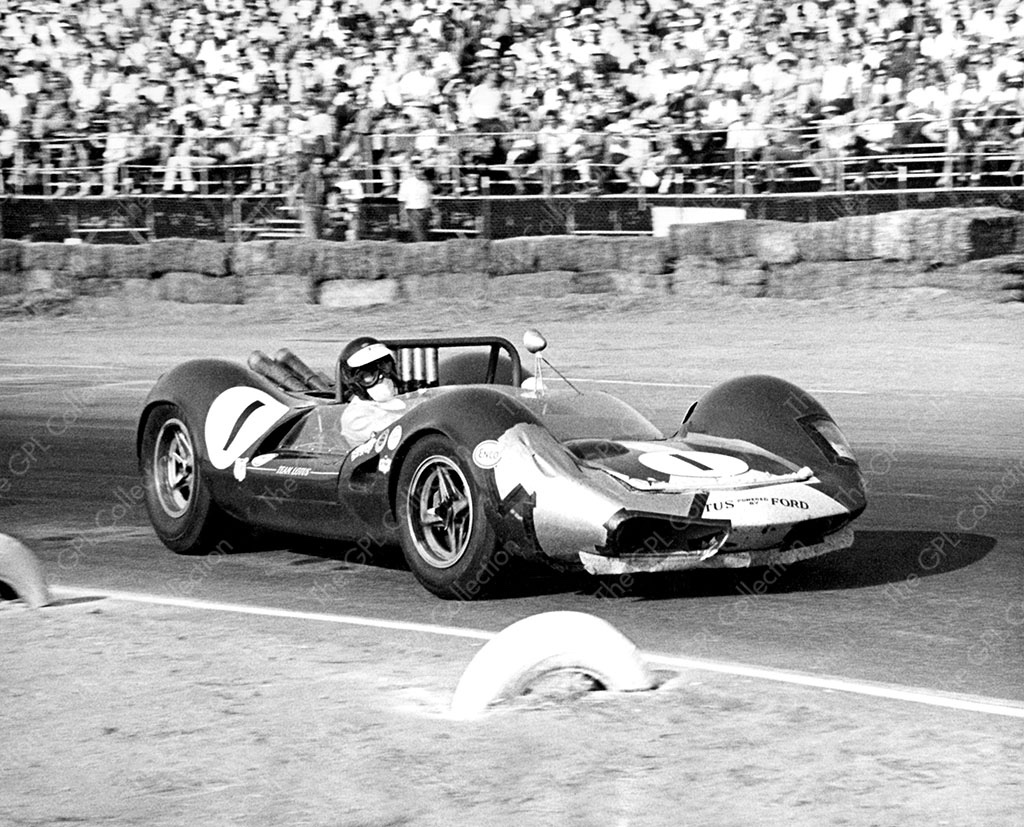
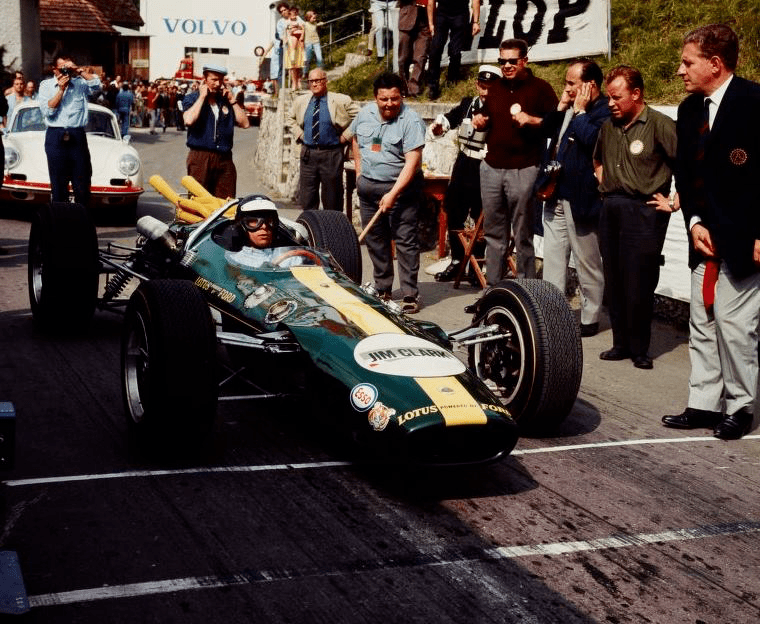
(unattributed)
St Ursanne-Les Rangiers (lotuseuropa.org)

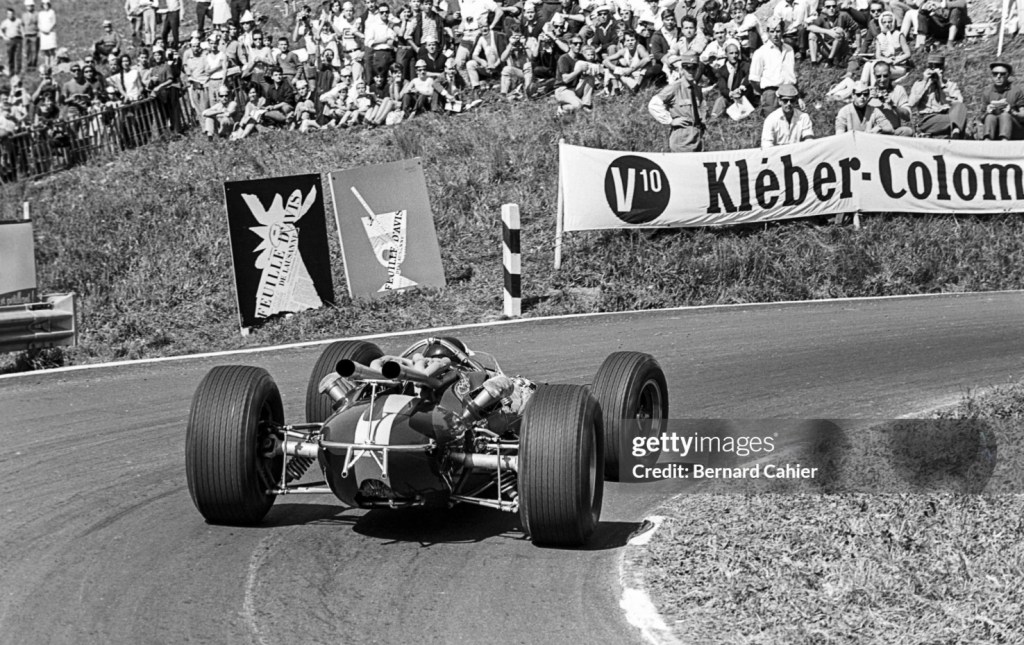
Of course, just when you think The Boss might give you a weekend off he comes up with the notion of doing a hillclimb or two in your Indy winning Lotus 38 Ford in the Swiss Alps.

‘Don’t fret Jimmy, we’ll give you a car with symmetrical suspension – it was chassis 38-4 rather than the Indy winner, chassis 38-1 – and off to St Ursanne-Les Rangiers we go on August 22.

Clark did a demonstration run in 5:20.8 while Jo Siffert did FTD in his Brabham BRM 1.5 V8 F1 car. Charles Vogele was second and Silvio Moser third.

Next was Ollon-Villars also in Switzerland on the following weekend, August 29.

Lou Drozdowski wrote, ‘Clark spun off the course during practice and spent much of the afternoon among the sheep and pastures making his way back. He did however set a time of 4:34 compared to Ludovico Scarfiotti, Ferrari 206P FTD of 4:09.’ Gerhard Mitter was second and Gianpiero Biscaldi third.
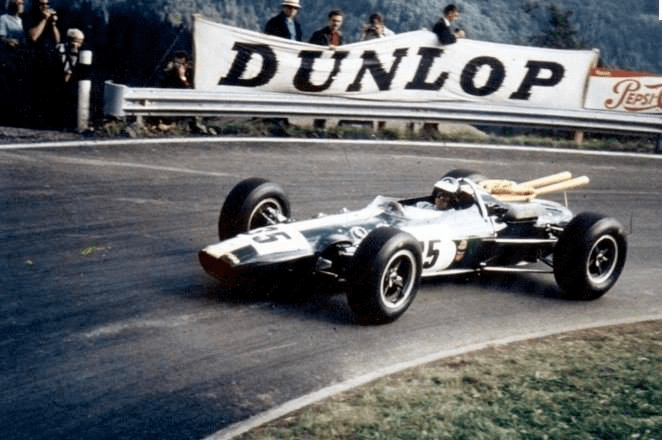
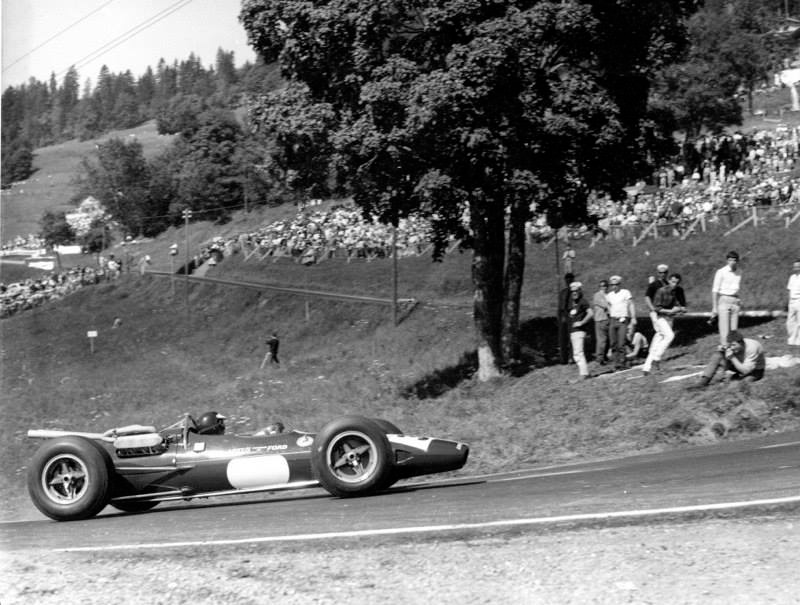
Ollon-Villars (unattributed)
Big-bertha’s butt at Ollon-Villars (B Cahier)
(LAT)

Lotus’ relationship with Ford was strong and multi-faceted, one element of which was the Ford Cortina Lotus Mk 1 and 2 and the Escort Twin-Cam, all of which were fitted with the Lotus-Ford twin-cam, two-valve twin-Weber fed engine.

While it could be seen as hit-and-giggle in the context of his other ‘65 race-programmes, moving-metal was a very serious business so Clark approached his Lotus Cortina races that year in the UK and North America just as seriously as he did everything else.

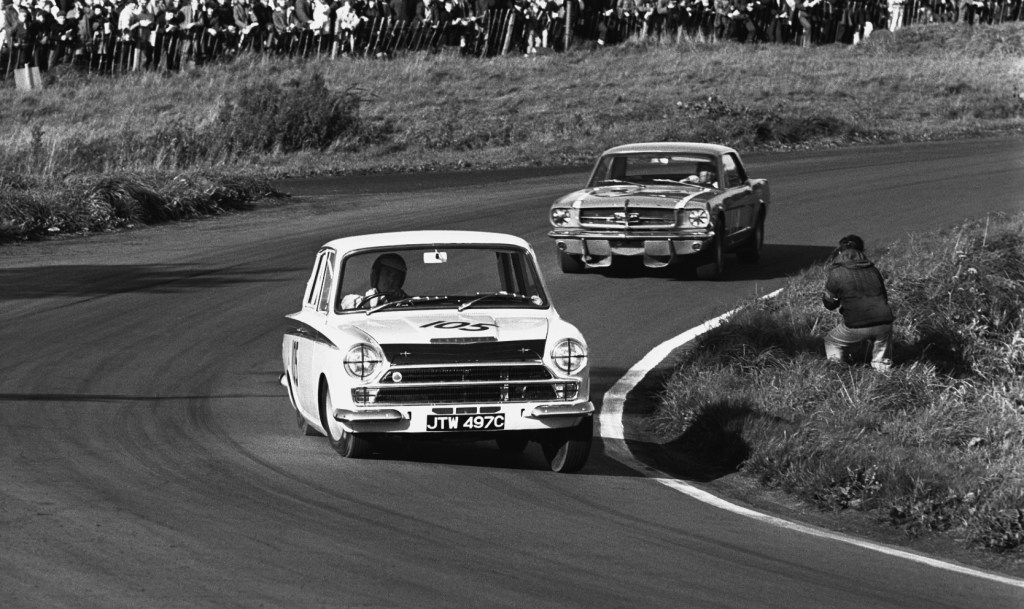
Here he is giving Jack Brabham a run for his money at Oulton Park during the British Saloon Car Championship round on September 18, 1965. Jack’s mount is Alan Mann’s Ford Mustang. More on the Lotus Cortina here: https://primotipo.com/2014/11/16/jim-clark-lotus-cortina-sebring-1964/
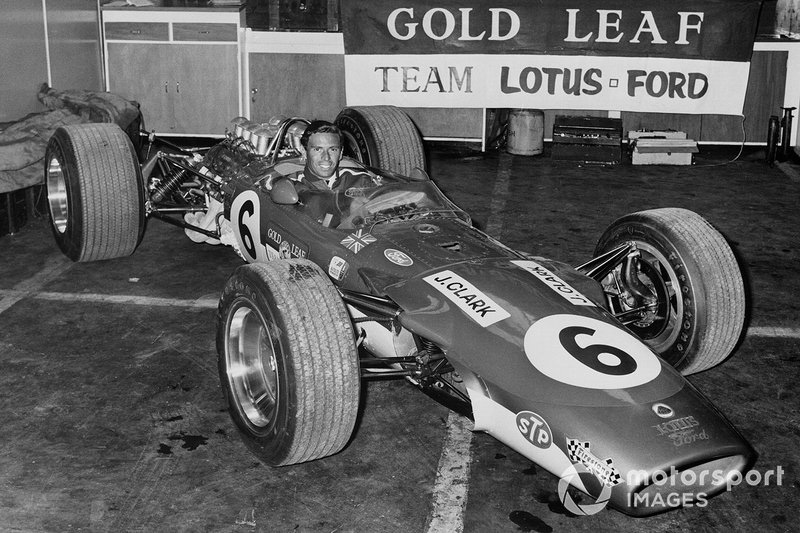
Etcetera…

The Lotus 49 first ran in Gold Leaf Team Lotus colors during the Lady Wigram Trophy on January 20, 1968.

The transformation from Team Lotus’ perfect livery to fag-packet occurred during the week between the Levin International on January 13 and Wigram.

With a done deal in London, the Lotus team arranged for a skilled signwriter at Hutchinson Ford in Christchurch to apply the new Gold Leaf livery to Jim’s Lotus 49. 
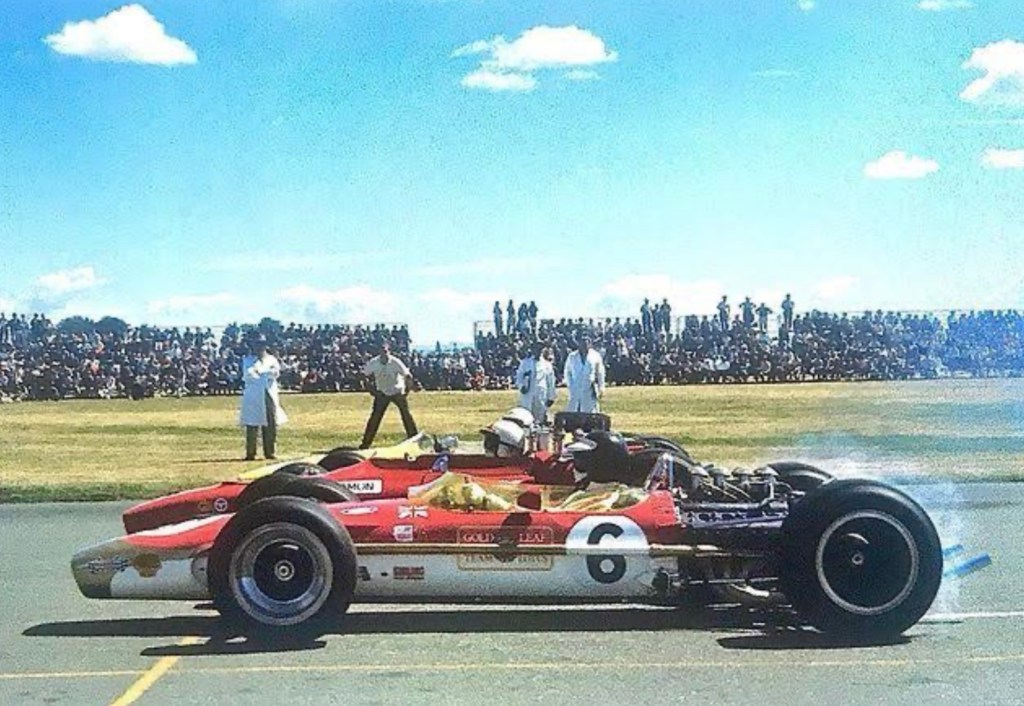
Clark, Amon, Gardner: Lotus 49 Ford DFW, Ferrari 246T and Brabham BT23D Alfa Romeo. Wigram 1968

Outside the US and some other countries it was the beginning of big corporate sponsorship in motor racing.

Ever the leader, Chapman’s quick commercial response and applying the new sponsorship colours demonstrates just how rapidly change took place once advertising restrictions in racing were lifted prior to the 1968 season.
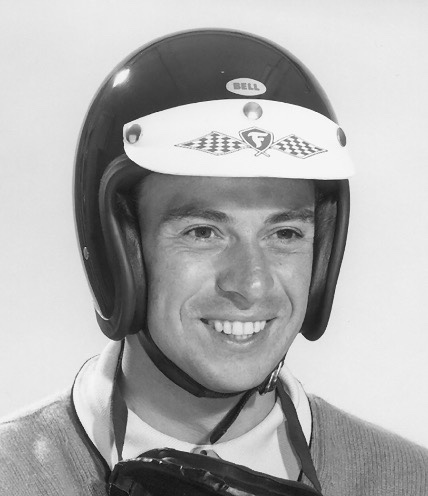
(unattributed)

Credits…

Indianapolis Motor Speedway (IMS), Bruce Wells, The Jim Clark Trust (TJCT), Lou Drozdowski in lotuseuropa.org

Tailpiece…
(TJCT)

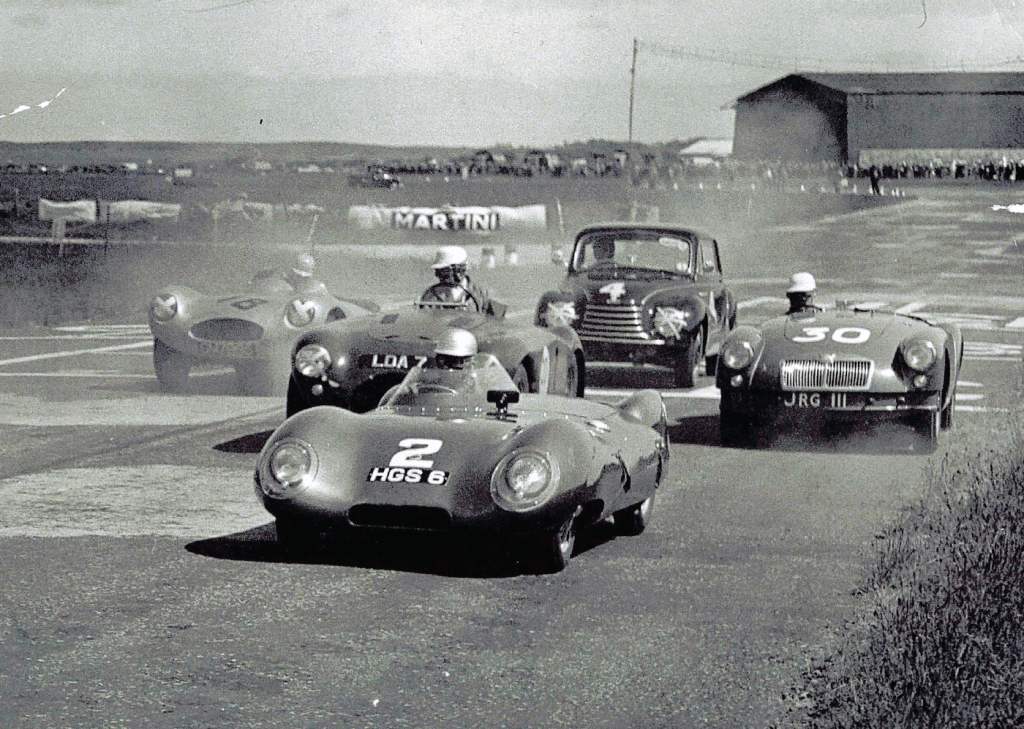
Jim Clark’s first race was at Crimond, aboard Ian- Scott-Watson’s DKW Sonderklasse on June 16, 1956.

That’s JL Fraser Lotus 11 front-and-centre, then from the left #18 AR Millar Saltire, LDA7 Kenny McLennan’s Kit MG, #4 Clark in Scott-Watsons DKW Sonderklasse, and John Campbell, MGA.

The Jim Clark Trust wrote that ‘In the sportscar race there was no handicap, so the DKW was hopelessly outclassed. Clark did pass one car but his joy was short-lived. The tailender was heading for the pits with broken halfshaft and the DKW finished in last place.’

Finito…
image
(Getty Images)

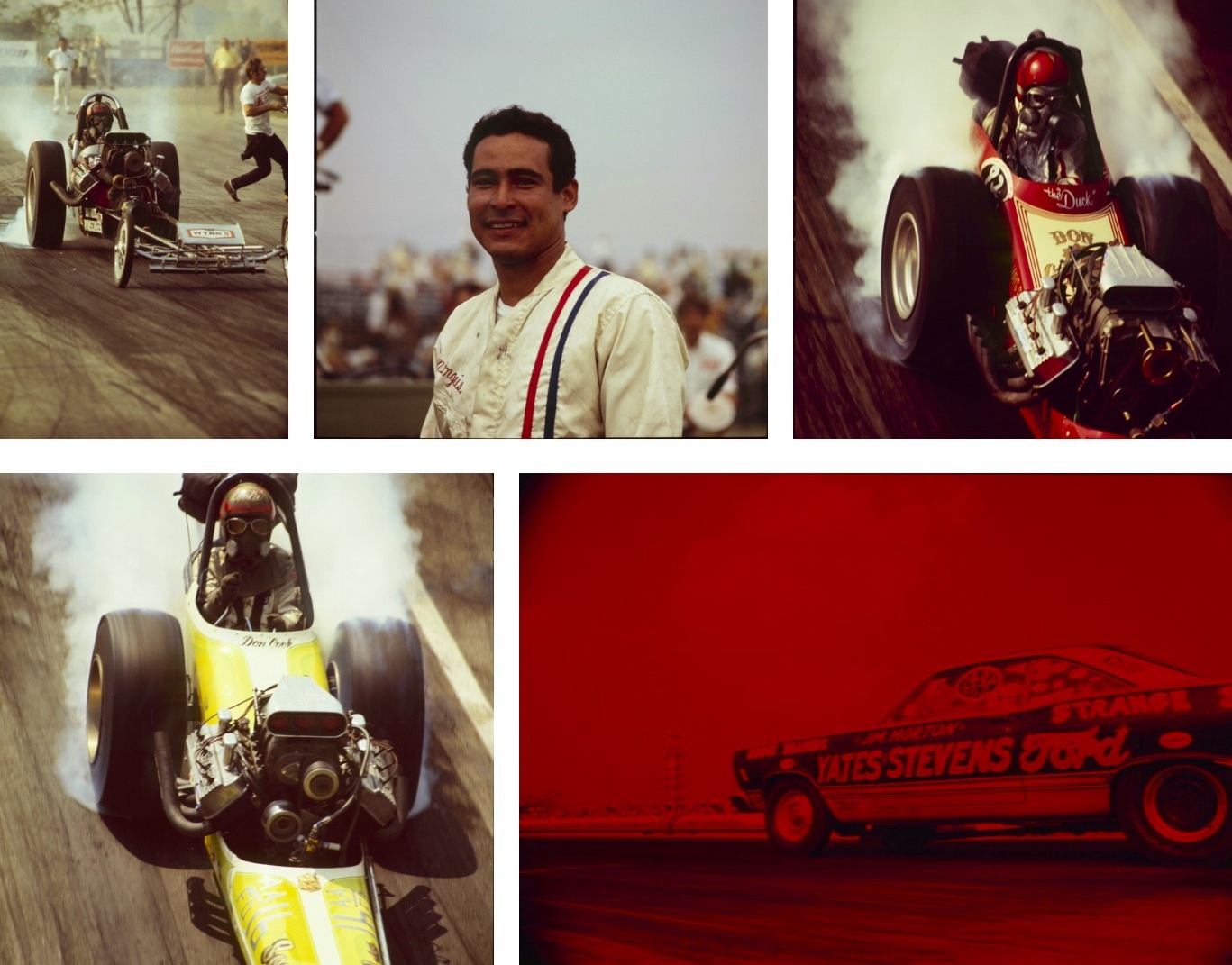
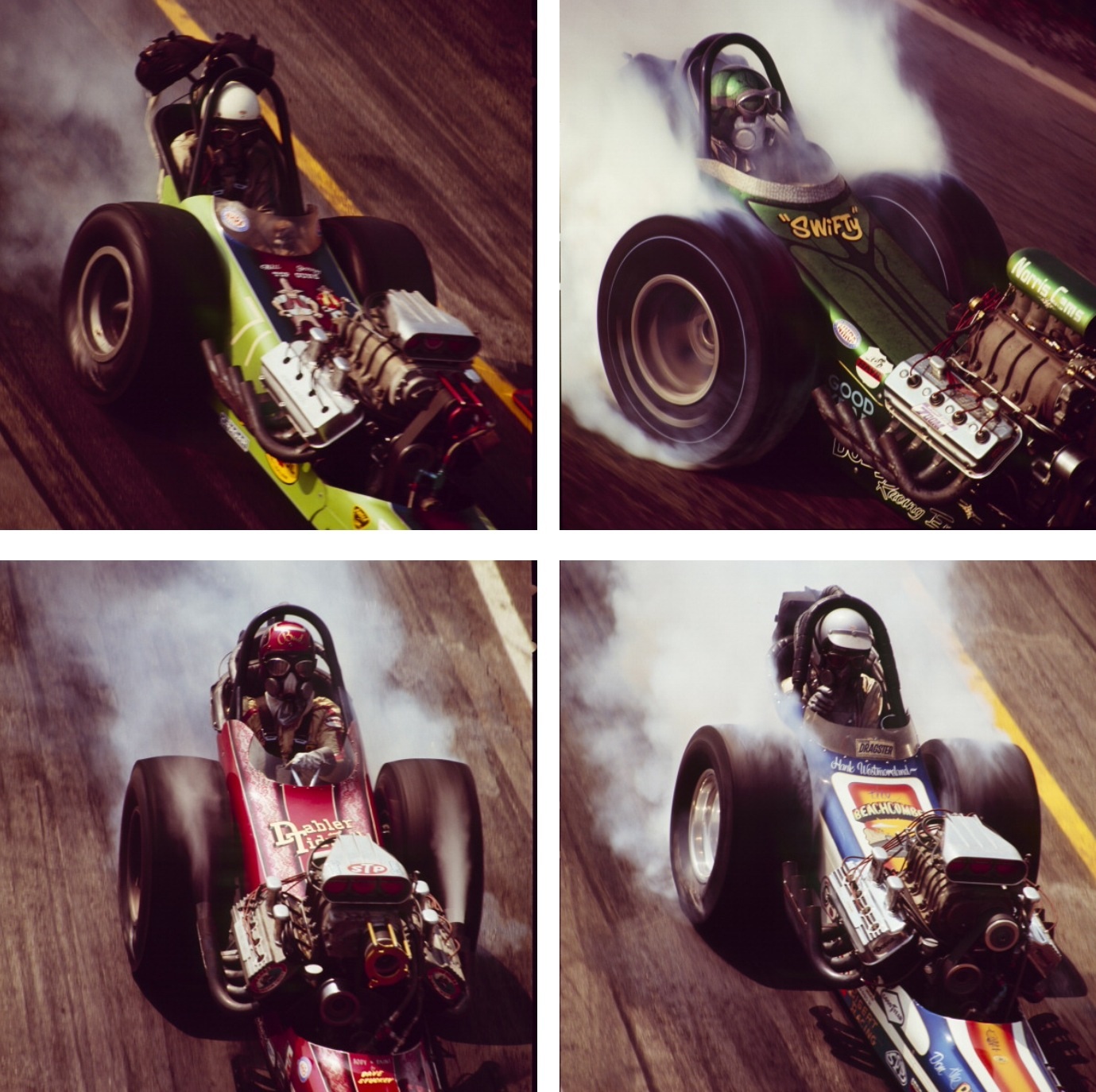
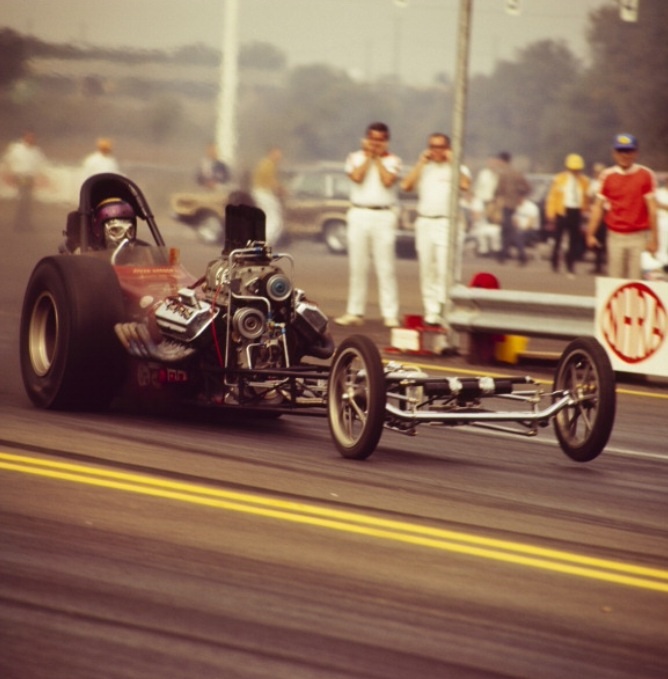
The sight of an unlimited Top Fuel dragster doing a fast pass is not a sound, sight or sensation ever forgotten. It’s truly one of the most awe inspiring of motor racing experiences.

The shot above is at Dallas International Speedway on October 27, 1969, happy to take advice on the who/chassis/engine?

image
(Getty Images)

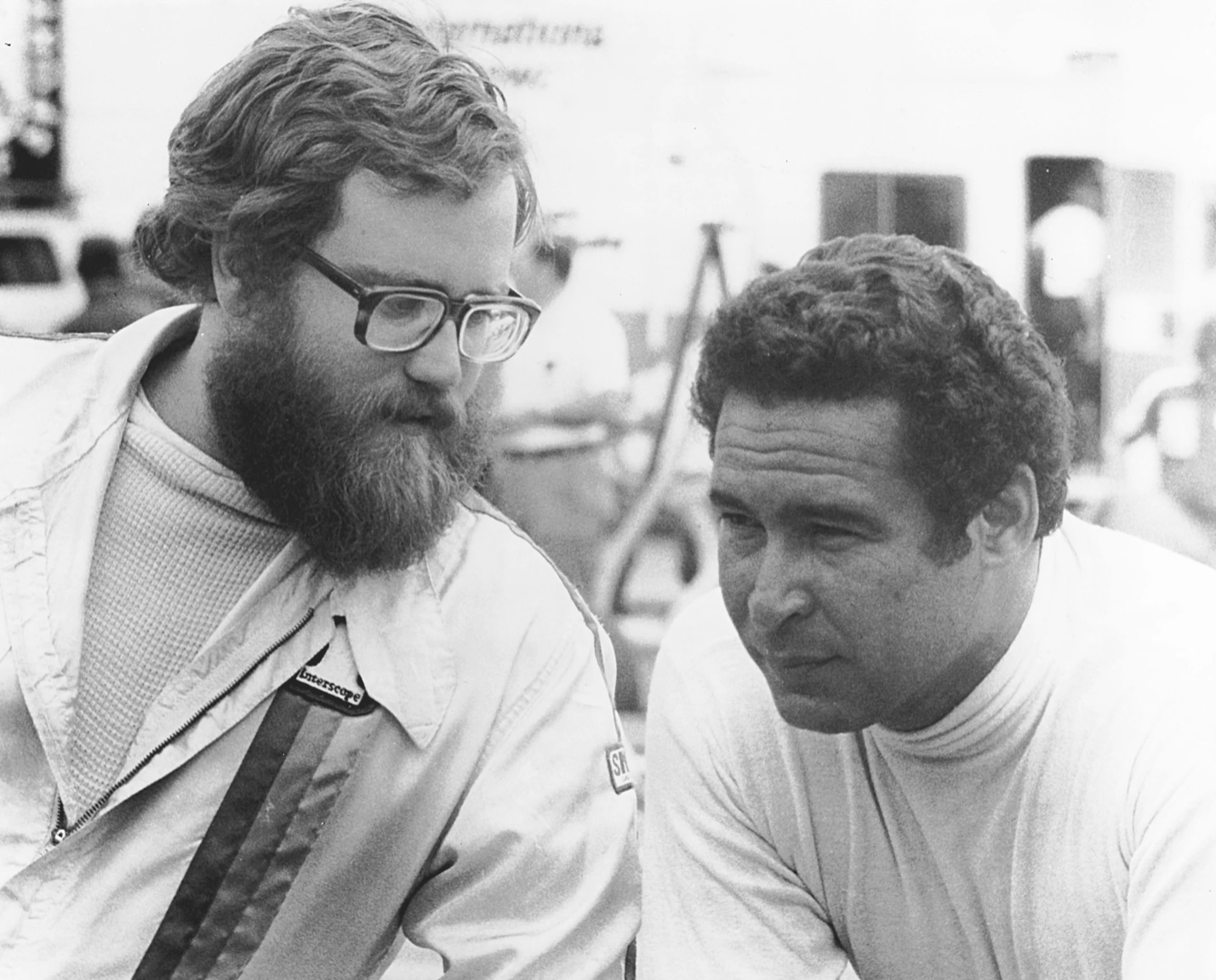
I was flicking through Getty Images’ drag racing collection and who should be smiling at me (top row in the middle) at Indianapolis on September 3, 1969 but 27 year-old Exekiel ‘Danny’ Ongais.

Danny On-the-Gas caught my eye in the day with his exceptional brio, perhaps he had a dash too much of it?

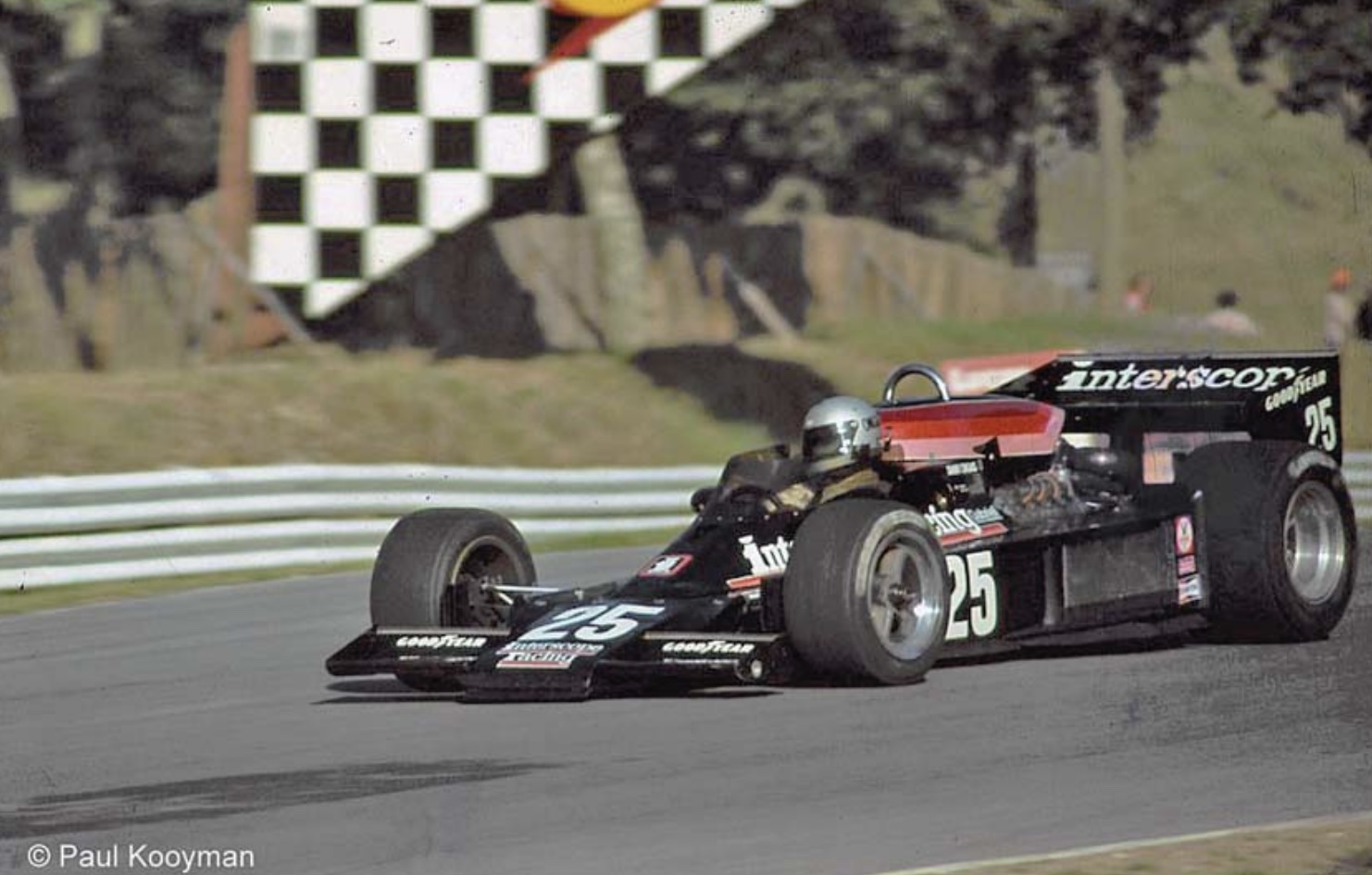
Ongais became a rather handy, versatile racer on speedways and the circuits, right up to Grand Prix racing after leaving the ‘strips behind. In addition, the Flying Hawaiian starred in sportscars and started at Indy 11 times from 1977 to 1996, his best finish was fourth place aboard an Interscope Racing Parnelli VP6B Cosworth in 1979.

Kahului (Maui) born Ongais started racing BSA’s as a teenager, returning from a three year stint as a paratrooper with the US Army to win the Hawaiian state motorcycle championship in 1960.

With limited racing opportunities in Hawaii, he shifted to the mainland and started working for Dragmaster, a successful builder of drag-car chassis and cars in Carlsbad, California.

Soon he was racing cars owned by others; Jim Nelson (Dragmaster), the Beaver brothers and Mickey Thompson. He then branched out on his own, winning American Hot Rod Association Gas titles in 1963-64, then the National Hot Rod Association AA Dragster championship in 1965.

A switch to Funny Cars yielded two wins in a Mickey Thompson owned, Pat Foster built Mustang powered by an SOHC Ford V8 in 1969. In addition, the Ongais/Thompson duo set 295 national and international records on the Bonneville Salt Flats that year in Mustang Mach 1’s; one 302 and two NASCAR style 427 V8 machines.

After leaving Thompson he raced the ‘Big John’ Mazmanian/Vels Parnelli Mustang Funny Car and ‘Flying Doorstop’ Top Fueller, setting the sport’s first over 240mph pass in the latter at Ontario in 1972 at 243.24mph.

All those years before, his European stint in the Army stimulated his interest in road racing, he attracted the attention of entertainment mogul Ted Field (Interscope) at the end of 1974.

Ongais contested the 1975 US F5000 championship, finishing fifth in the title chase the following year aboard an Interscope Lola T332C Chev behind Brian Redman, Al Unser Snr, Jackie Oliver and Alan Jones, but in front of seasoned road racers and F5000 champions Vern Schuppan, Warwick Brown, Teddy Pilette and Peter Gethin.

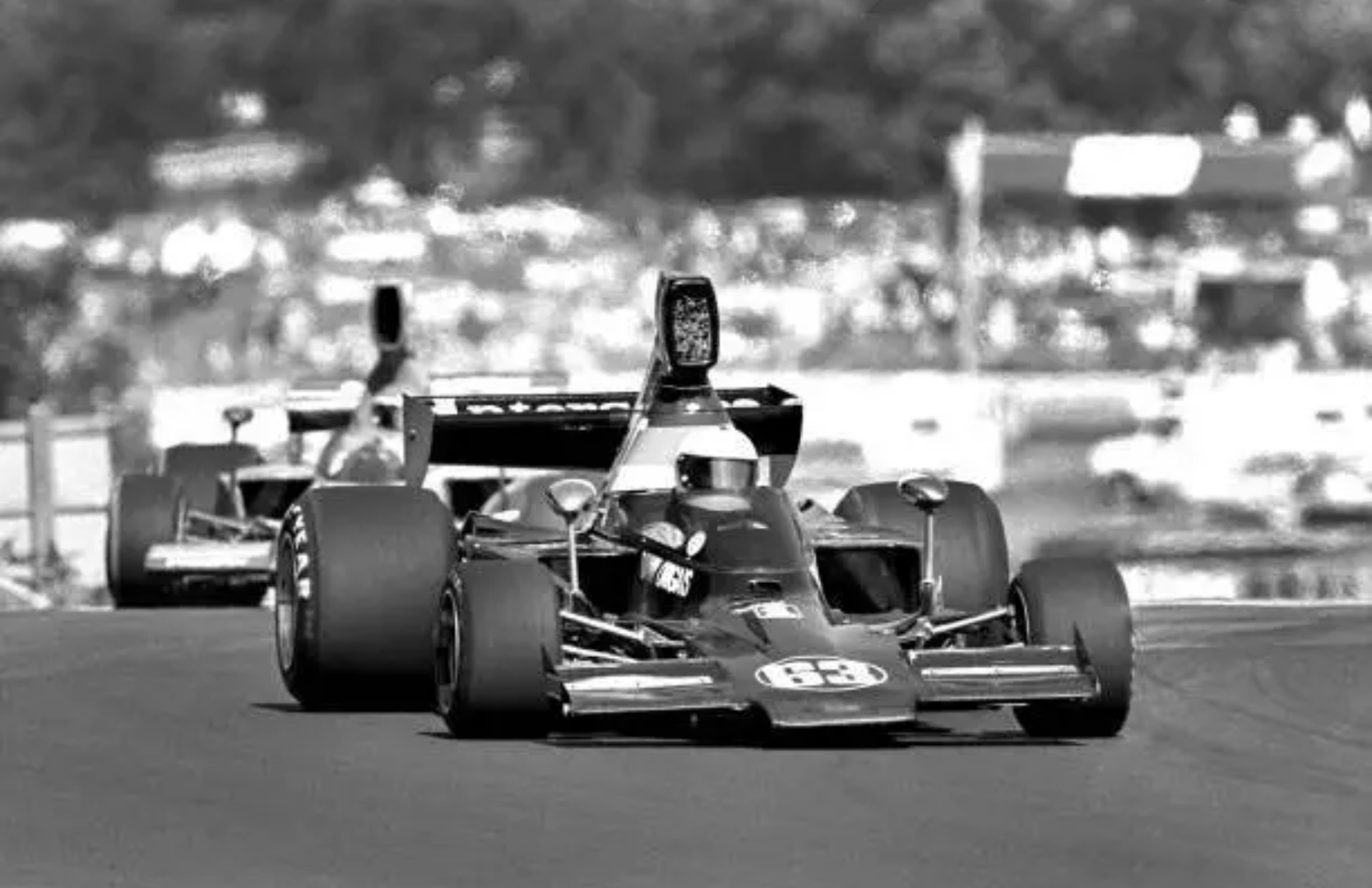
Interscope put a toe in the USAC championship that year too, with Ongais taking his first win at Michigan in 1977 aboard a Parnelli VPJ-6B Cosworth. Five more victories followed aboard his Parnelli VPJ-6B in 1978 but mechanical dramas and inconsistency left him eighth in the points standings. If his speed was ever in doubt – it wasn’t – he put his Parnelli VPJ-6C Cosworth in between the Penske PC6 Cosworth DFX’s of Tom Sneva and Rick Mears on the Indy front row.

Ongais contested the two North American GP races aboard a Penske PC4 Ford in 1977 placing seventh from Q22 in the Canadian GP at Mosport, at Watkins Glen he retired from Q26.

In 1978 he raced a Team Tissot Ensign N177 Ford in Argentina and Brazil, retiring in both races from Q21 and Q23. Later in the season he lined up in a Shadow DN9A Ford at Long Beach and Zandvoort but failed to pre-qualify in both events.

Ongais raced plenty of sportscars including Porsche 934, 935 and 962, Lola T600 and March 88S. In addition to many national victories, together with Field and Hurley Haywood, he won the 1979 Daytona 24 Hours racing a Porsche 935.

At Brands Hatch for the Indy Trophy in October 1978. Ninth in the Parnelli VPJ-6B Cosworth, Rick Mears won in a Penske PC6 Cosworth

Ongais raced in CART from 1979. “His debut at Phoenix, where he qualified fourth and led the race before being derailed by an engine failure set the tone for the next couple of years: a story of blazing speed, but bad luck or other circumstances conspiring against him fully capitalizing on it.” Vintage MotorSport wrote.

“But all that took a back seat when he suffered a massive accident in the 1981 Indy 500. He’d pitted as the leader on lap 63, only to lose more than 40s to a catastrophically slow pitstop. Upon rejoining, he made a late pass on a slower car at Turn 3, lost the rear, overcorrected and pounded the barriers nearly head on. He was rushed to hospital in a critical condition, and spent the rest of the season on the sidelines recovering from factures to both legs, a broken arm, and a six-inch tear to his diaphragm.”

“Indeed, while he continued to produce decent results upon his return in 1983, his later years were defined almost as much by a handful of significant accidents – not all of which he was directly involved with.”

“He was very much at the center of the big one in 1985, when he was launched into a massive barrel roll down the backstretch at Michigan after running into the rear of Phil Krueger. Two years later, he crashed during practice for the Indianapolis 500 and sustained a concussion that forced him to miss the race.”

“Ongais’ final appearance at the 500 had its roots in far more tragic circumstances in 1996 when polesitter Scott Brayton was killed in a practice crash and team owner John Menard tapped Ongais as his replacement. Ongais, then 54 and making his first start at the Speedway in a decade, lined up at the rear of the field and finished a remarkable seventh. He made one final attempt to qualify with Team Pelfrey two years later, but was bumped.”

The publicity-shy Ongais spent his later years surrounded by family in southern California. He was inducted into the Motorsports Hall of Fame of America in 2000 and remains the only driver to score professional wins in drag racing, Indycars and sportscars.

He died, aged 79 on February 26, 2022.

Credits…

Getty Images, Vintage Motorsport, nhra.com, Paul Kooyman, MotorSport Images

Tailpiece…

(unattributed)

Letting rip in the Shadow DN9A Ford on the streets of Long Beach in 1978.

Danny failed to pre-qualify but it was not for want of trying, here he seems keen to win the Patrick Depailler Most-Sideways-Longbeach-Cup!

The race was won by Carlos Reutemann’s Ferrari 312T3. Clay Regazzoni’s Shadow was the only one of three to finish, in 10th place from Q20. Hans Stuck’s car was Q23/DNS and Ongais Q29.

Finito…