Posts Tagged ‘Roger Penske’

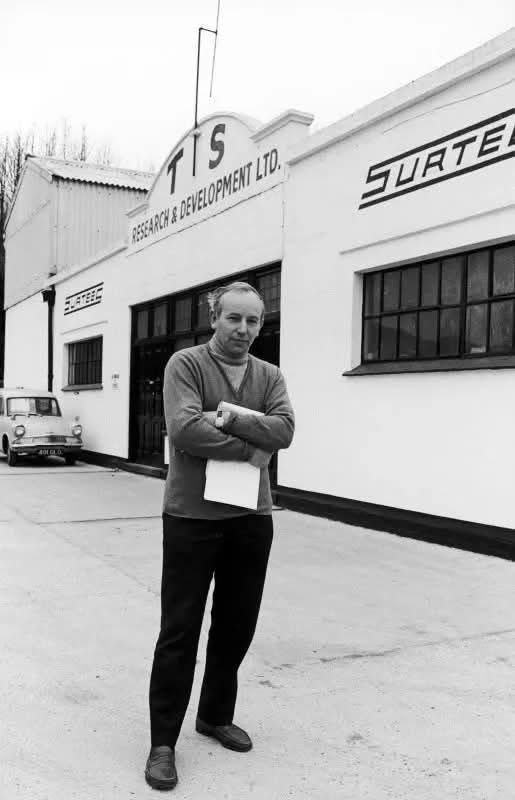
This shot of John Surtees out front of his business in Fircroft Way, Edenbridge, Kent took my fancy.

I’ve been writing‘Australian Racing Random’ posts for a few years now, they seem to have hit the spot, so I thought I’d do the same thing with some international photographs.
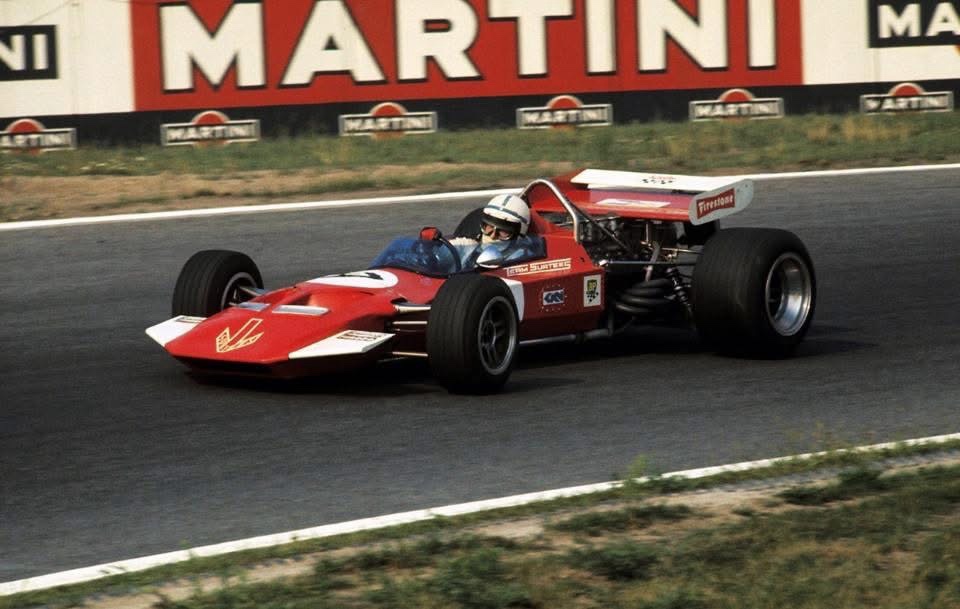
John Surtees, Surtees TS7 Ford, Hockenheim 1970 (unattributed)

The photo of John Surtees was posted on Gabriel Brizuela’s Team Surtees Facebook site. Peter Connew, co-designer of the Surtees TS7 Ford communicated with Brizuela about his time at Surtees and about his own Connew GP car.

‘Hi Gabriel, I am so pleased with your interest of the history of the F1 car that I built and raced with Francois Migault.’
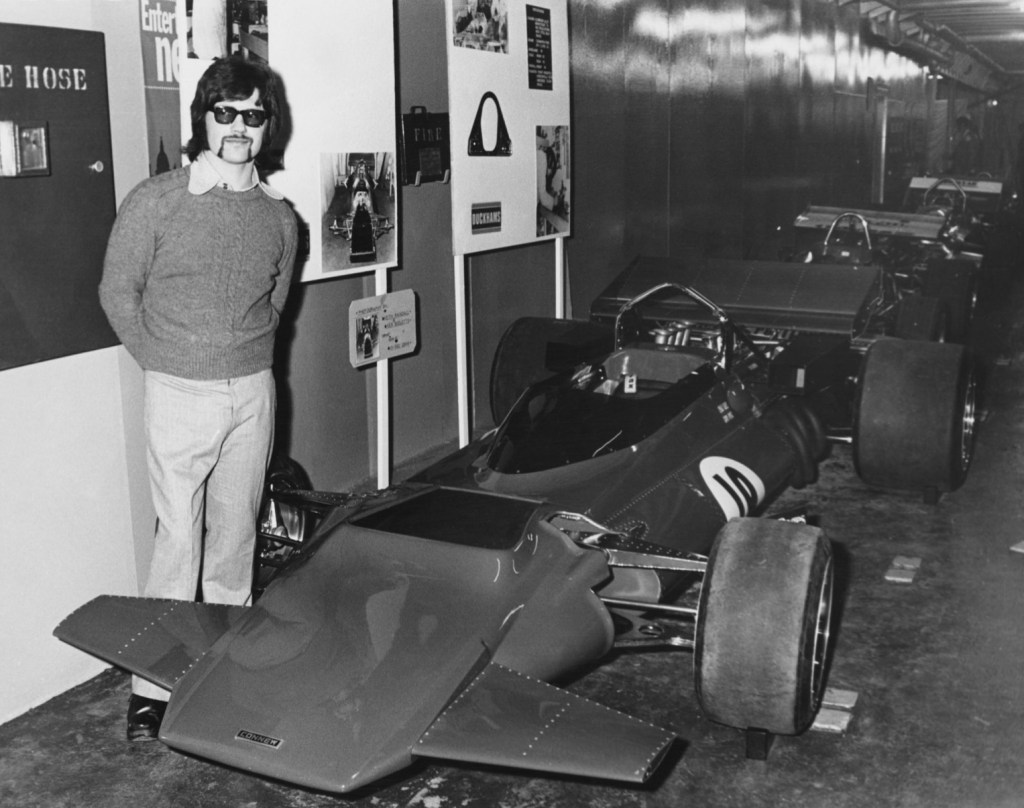
Peter Connew at the launch of his new F1 car at the Evening News Racing Car Show aboard the Townsend Thorensen ferry Enterprise 2, December 31, 1971 (J Wilds-Getty)

I have followed your stories and pictures of the Surtees Team history and are very impressed with your knowledge and enthusiasm about the Surtees Team history.
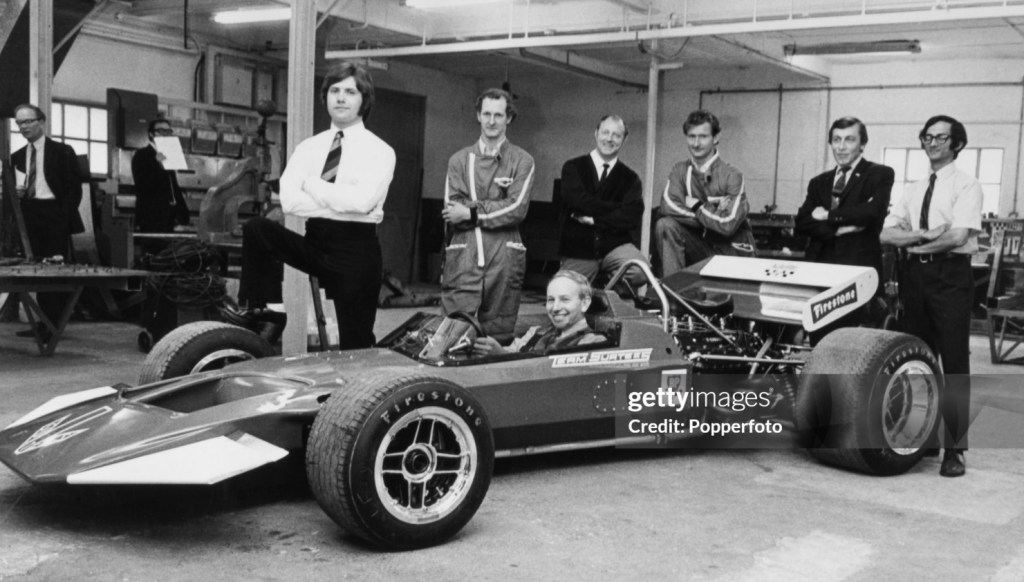
John Surtees seated in the new Surtees TS7 Ford with Peter Connew, Roger Flynn, Rex Stone, Bill Granger, Arthur Fowler and co-designer Shabab Ahmed. Edenbridge, July 15, 1970

They were fortunate times for me when John Surtees decided to build his own F1 car in 1970 … the TS7 … and I was lucky to be there at that time.

I have many fond memories of that time and are happy to share them. John Surtees was a very special person, and his engineering expertise and kindness is an example to us all.’

The Connew story is well told here: https://www.hagerty.co.uk/articles/motorsport/the-likely-lads-in-a-lock-up-who-made-it-to-the-f1-grid/
(S Taylor)

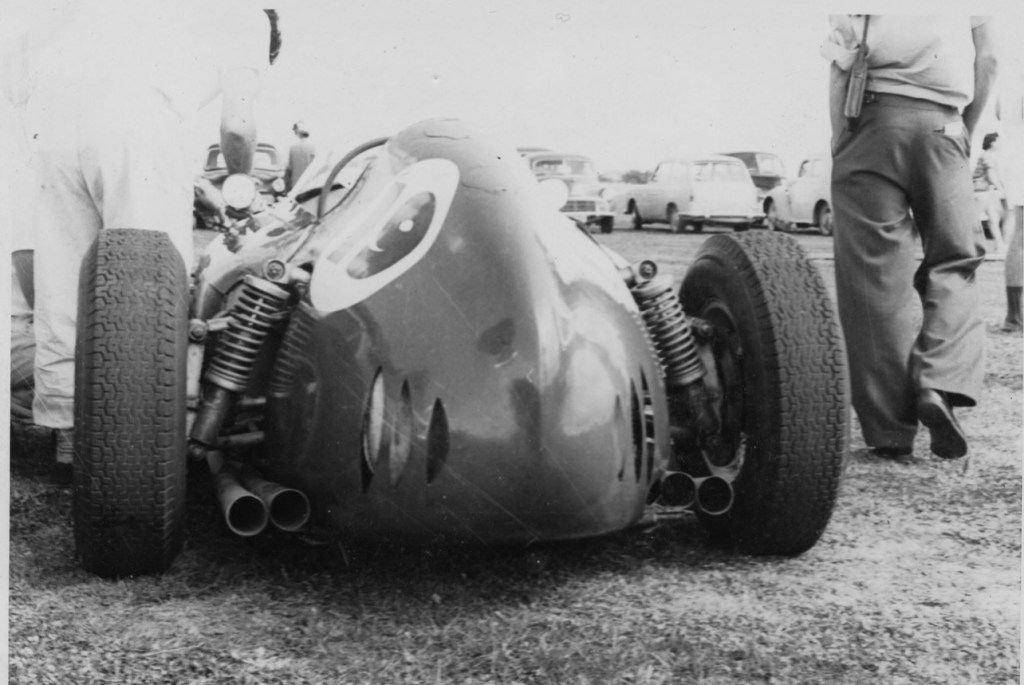
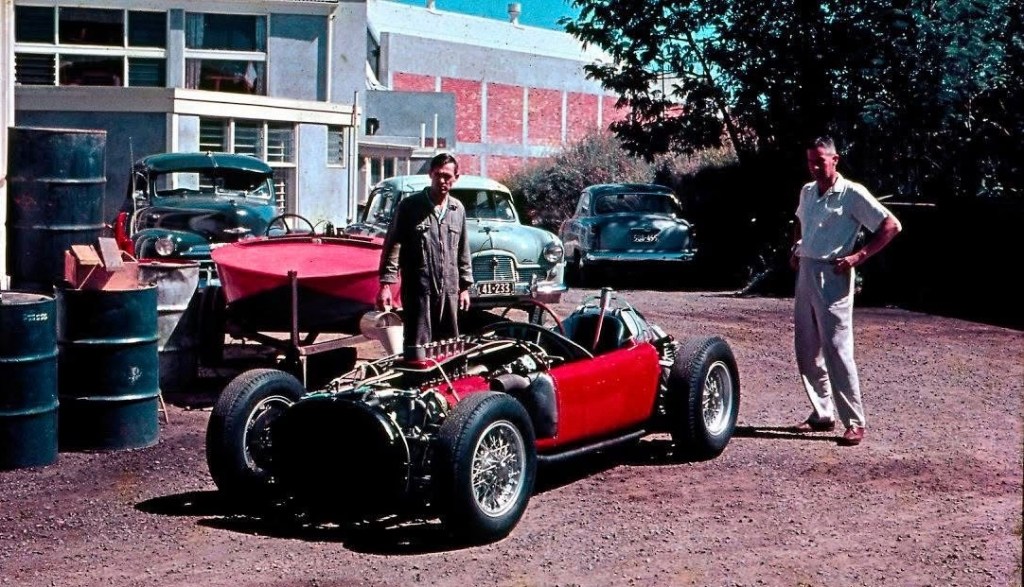
The erotic rear quarters of Pat Hoare’s Ferrari 256 3-litre V12 circa 1961, Ardmore perhaps.

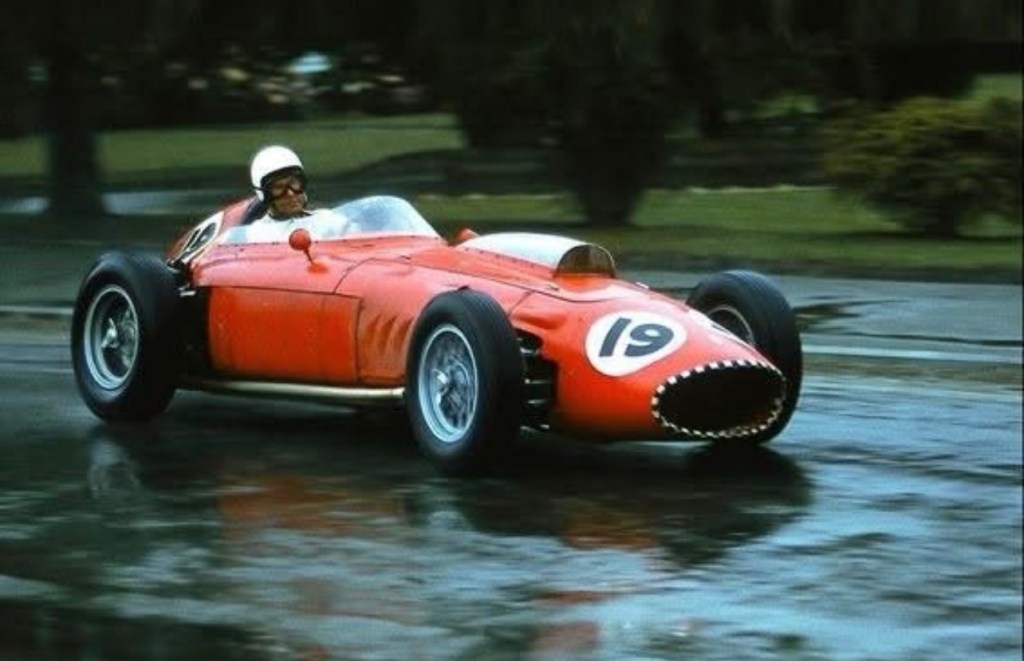
The story of the last front-engined car to win a World Championship Grand Prix – as a Dino 246/58 – is an interesting one, see here: https://primotipo.com/2020/02/07/pn-hoare-440-papanui-rd-christchurch-nz/
(E Stevens)
(N Matheson-Beaumont)

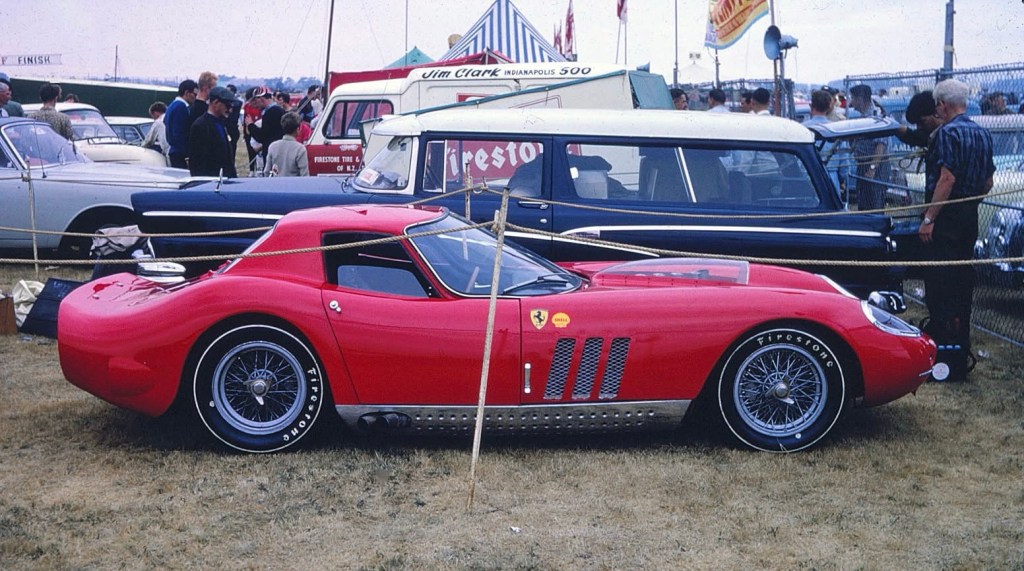
Pat Hoare on the way to victory in the Waimate 50, New Zealand, in November 1961 and below, George Begg shot it in its ‘Fugly GTO’ phase in a race paddock, date and place unknown.

Pat’s best results in the car are as follows: 1960- NZ GP Ardmore eighth, Dunedin Road race and Waimate 50 second 1961- NZ GP Ardmore seventh, Dunedin Road Race second, Teretongaa International fourth, Waimate 50 first 1962- Dunedin Road Race first, Waimate 50 second.
(G Begg)
(B Cahier)

It can only be Targa, even at a glimpse…

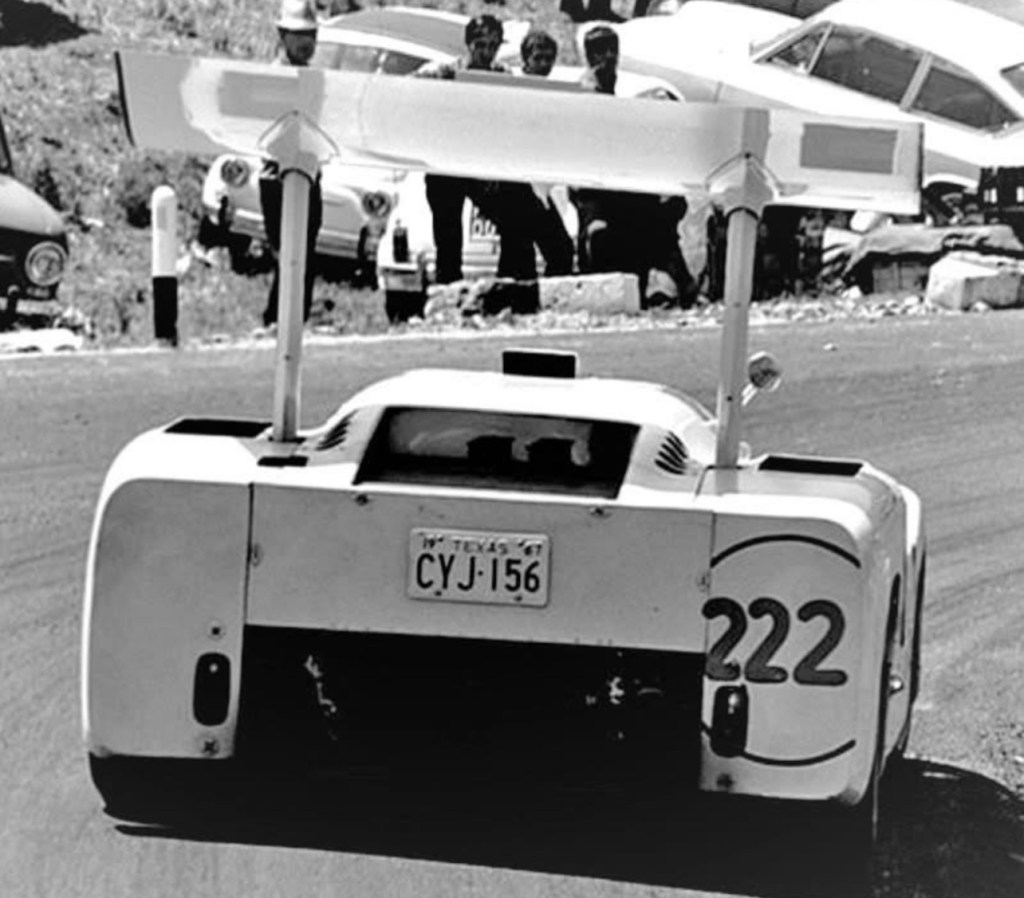
The Chaparral 2F Chev raced by Phil Hill and Hap Sharp during the 1967 event, DNF after eight of the 10 laps. The classic was won by the more nimble works-Porsche 910/8 crewed by Paul Hawkins and Rolf Stommelen below. It was a 910 one-two-three with Cella/Biscaldi second and Elford/Neerpasch third.
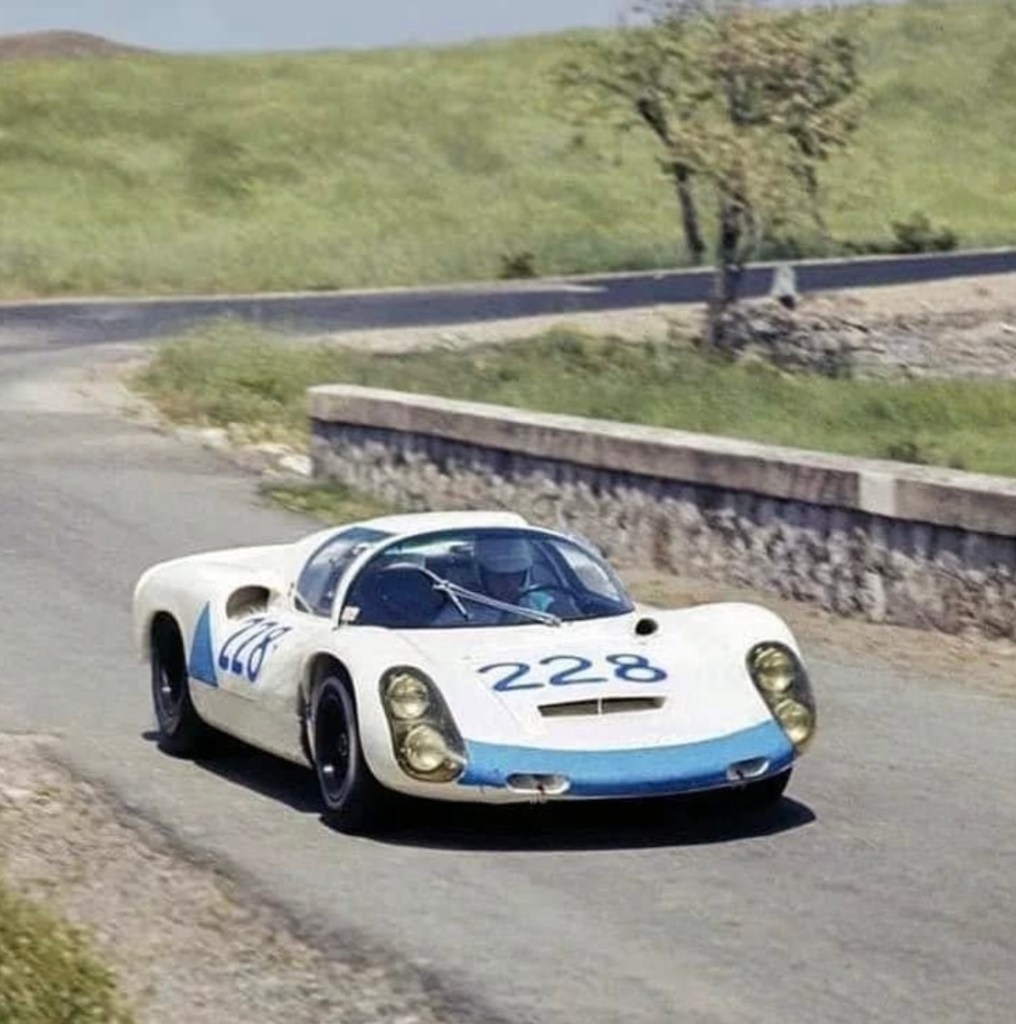
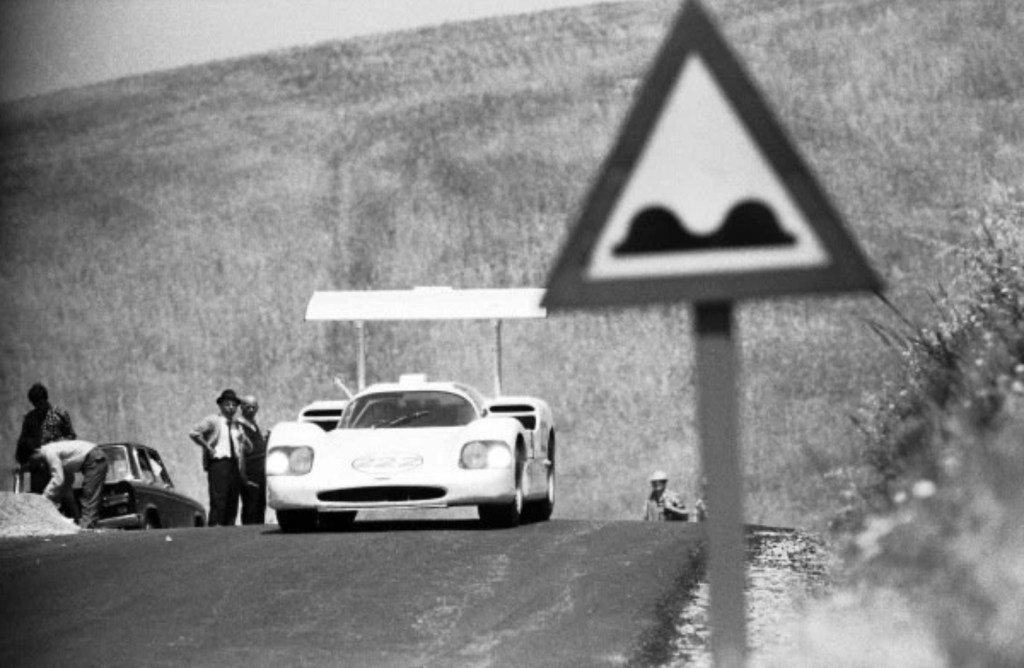
(unattributed)
(Getty)

If only the 2F had an ‘automatic’-transaxle with the durability and reliability to match the quality of the rest of the car. A mighta-been indeed, see here for a lengthy feature on the car: https://primotipo.com/2014/06/26/67-spa-1000km-chaparral-2f/
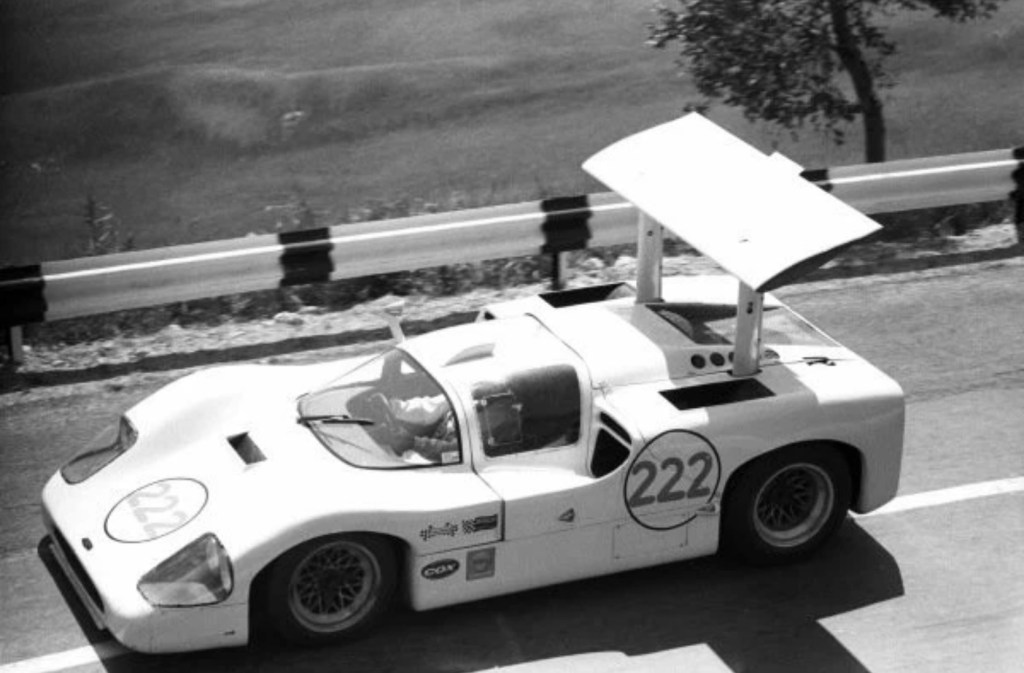
(unattributed)
(Getty Images)

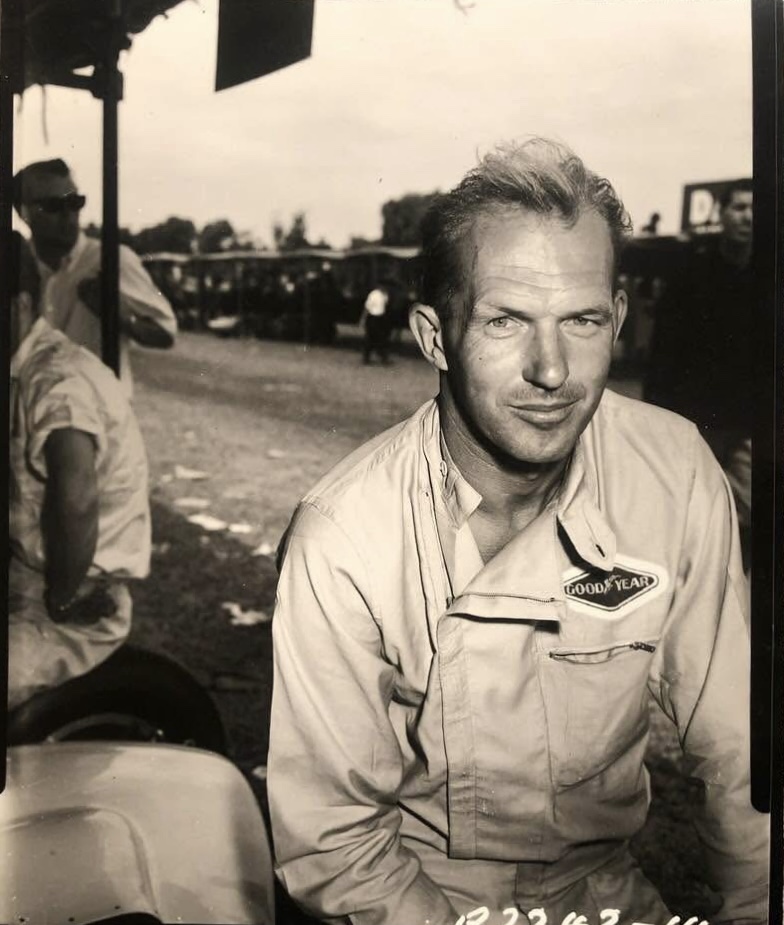
Later Chaparral pilot and rather successful entrepreneur, Roger Penske aboard Teddy Mayer’s Cooper T59 Ford FJ during the 1962 Daytona Continental 3-Hour meeting on February 11.

Penske was filling in for Tim Mayer, who had been drafted into the US Army at the end of 1961. That weekend’s Formula Junior ‘Count Lurani Cup’ was won by Pete Lovely’s Lotus 22 Ford; Penske wasn’t entered, it appears to have been a test session. Penske raced a Cooper T57 Climax in the 3-Hour but withdrew when his oil pressure plummeted.

Mind you, Tim had time enough to win the ‘62 USA-SCCA Interdivisional Championship. He prevailed in many Formula Junior races aboard big-brother Teddy Mayer’s RevEm racing Cooper T59 Ford including those at Marlboro Raceway, Maryland where Mark Donohue’s Elva was second, and Cumberland Airport, in front of teammate Peter Revson in Maryland, Bridghampton, Road America, Meadowdale Raceway, Illinois, and Thompson Raceway, Connecticut.
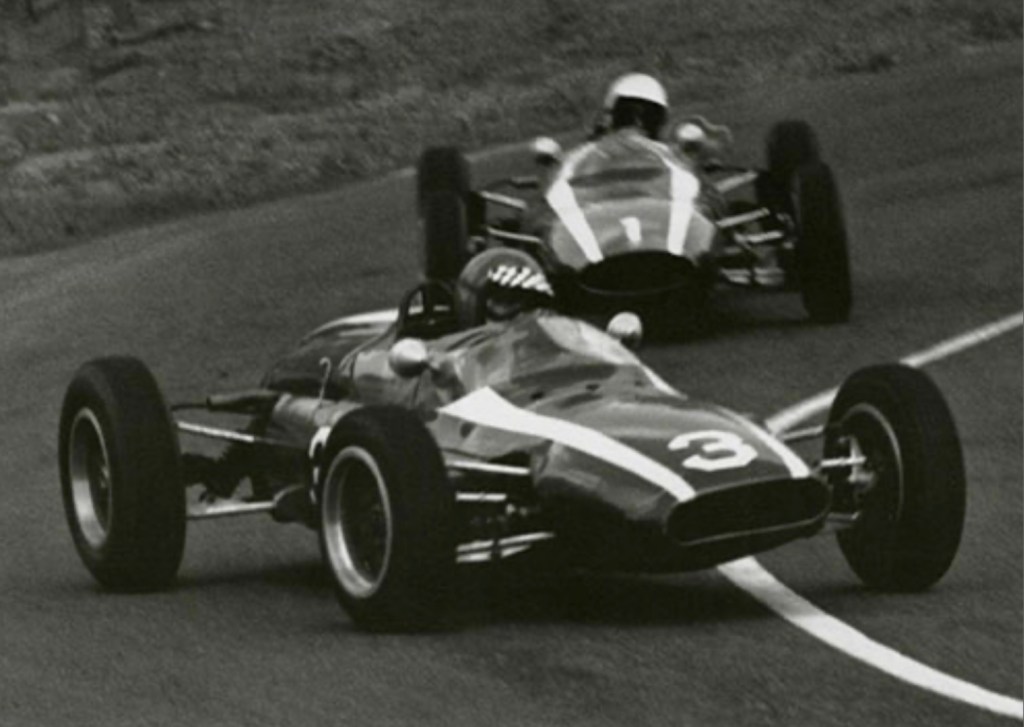
Tim Mayer chases Peter Revson during the 1962 Puerto Rico Grand Prix, RevEm Cooper T59 Ford FJs (Tom Burnside Collection)
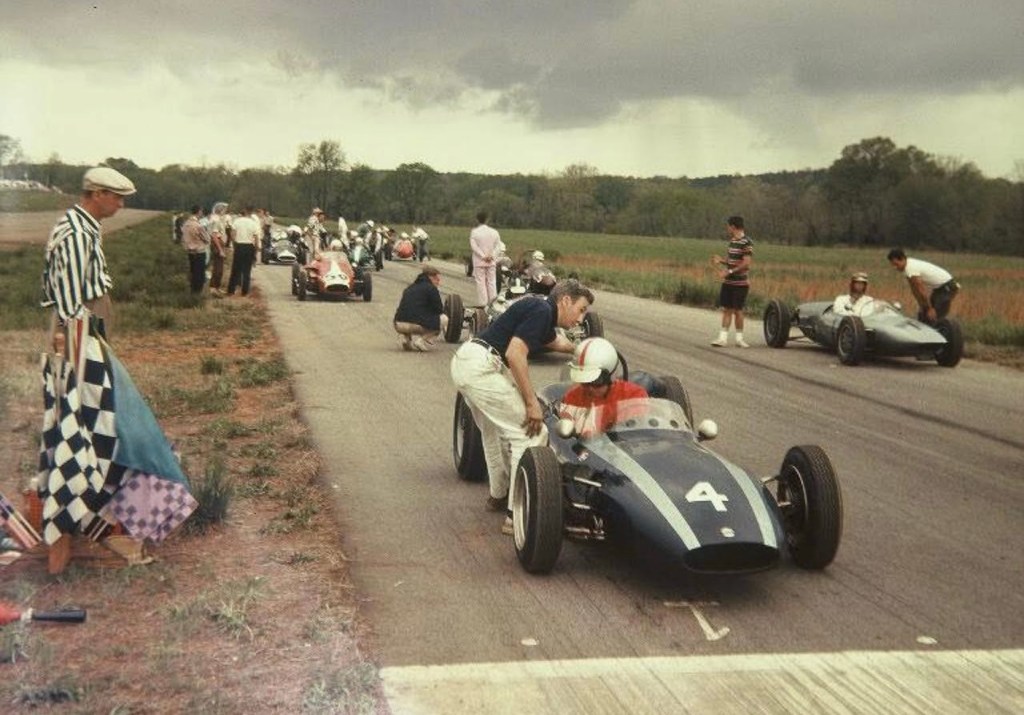
President’s Cup, Virginia Raceway, Danville, Virginia April 28/29 1962 (B Reynolds)

Penske raced the car once at Virginia Raceway, Danville where he was second behind Walt Hangsgen’s similar car over the April 28/29 weekend.

He’s being looked after by Teddy Mayer on the grid at Virginia above. Car #1 is the Charlie Kolb Merlyn Mk3 Ford, while the front-engined red/white Stanguellini Fiat has Pierre Mion at the tiller.
(J Culp)

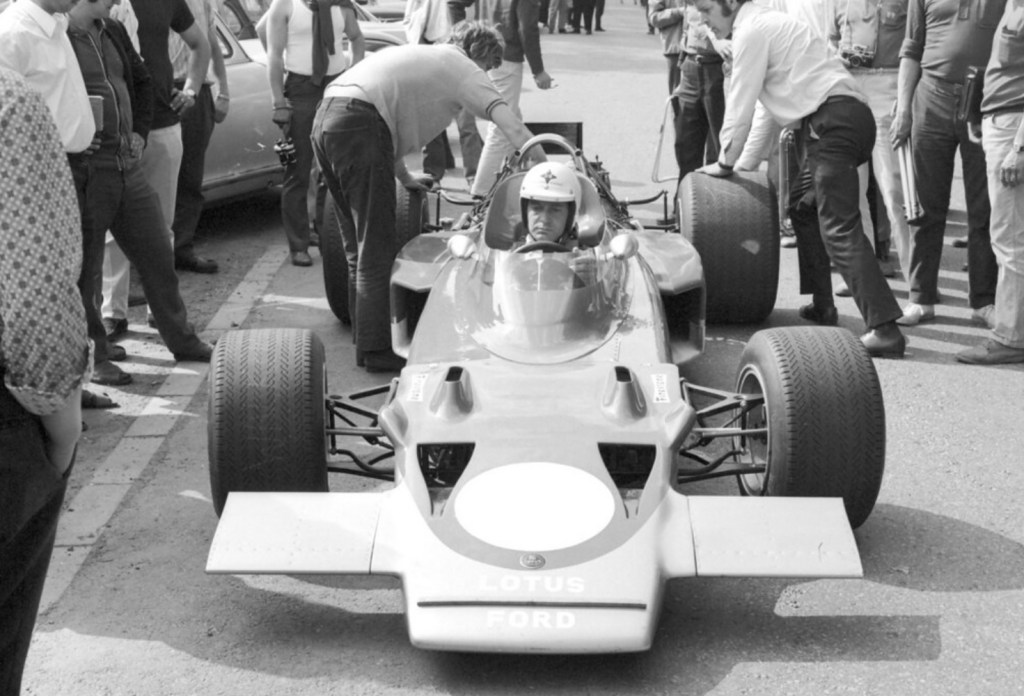
Jim Culp reports from practice over the 1970 Belgian Grand Prix weekend. ‘On Saturday I arrived in the spectator parking area to discover a Team Lotus van with a brand new Lotus 72. Alex Soler-Roig arrived in slacks and polo shirt, climbed in, and after a brief orientation, pulled on his helmet and drove out for a slow lap of the circuit.’
(A Sievers)

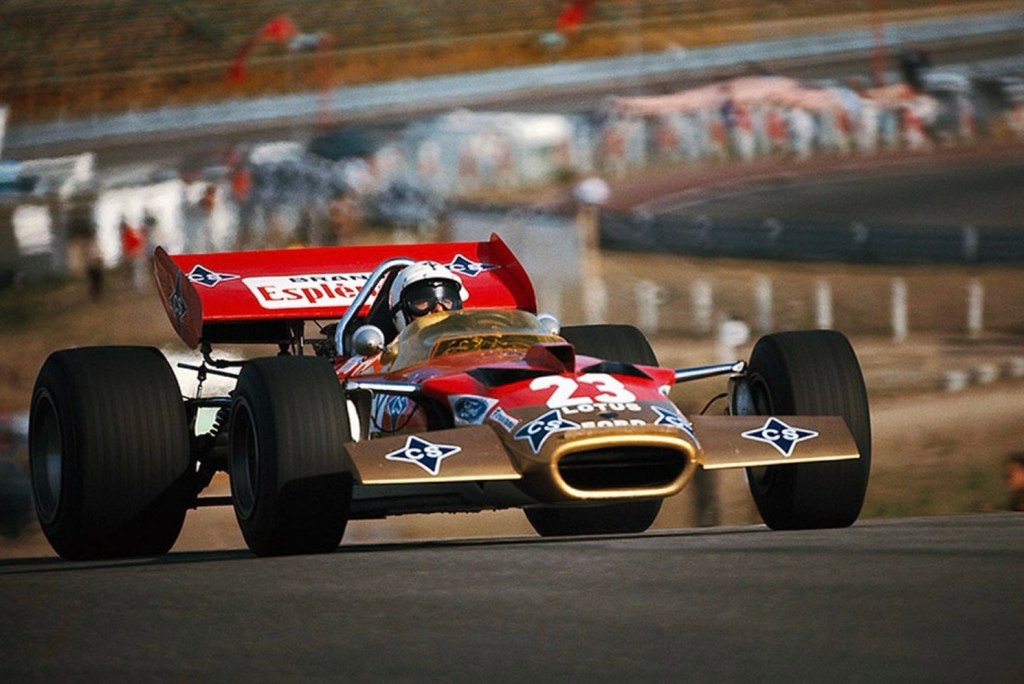
Soler-Roig was entered by Team Lotus at home (above), Spain, Jarama (Lotus 49C Ford), where he was a DNQ, at Spa (72C Ford) DNS, and in France, DNQ (49C Ford).

He started four races in a March 711 Ford in 1971, two in a BRM P160B in 1972 and failed to finish in all of them.
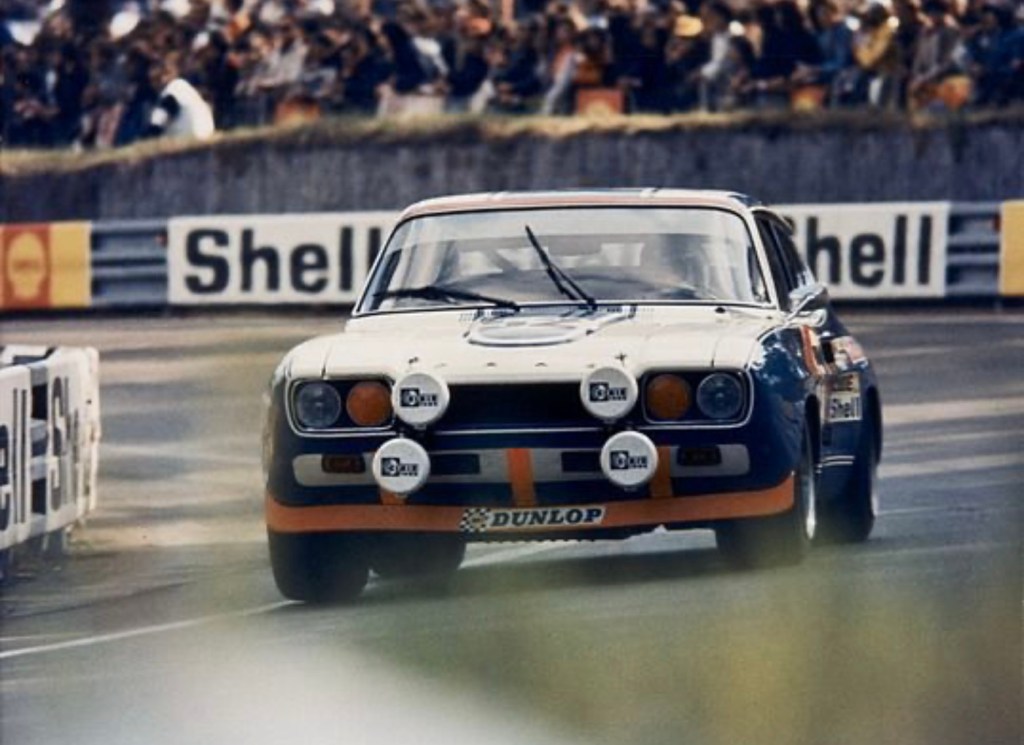
Dieter Glemser/Alex Soler-Roig, Ford Capri RS2600, Le Mans 1972. Second in class, 11th outright (unattributed)

After the futility of the five or so car 1972 BRM team became clear to him he ended his career in fine fashion racing works and quasi-works Ford Capri RS2600s in the European Touring Car Championship.

A Zandvoort Trophy win with Dieter Glemser and Jochen Mass, third at Spa with Dieter Glemser, third at Paul Ricard with Mass and Gerard Larrousse and a rousing win at home – Jarama – with the same crew were great results. See here: https://www.f1forgottendrivers.com/drivers/alex-soler-roig/
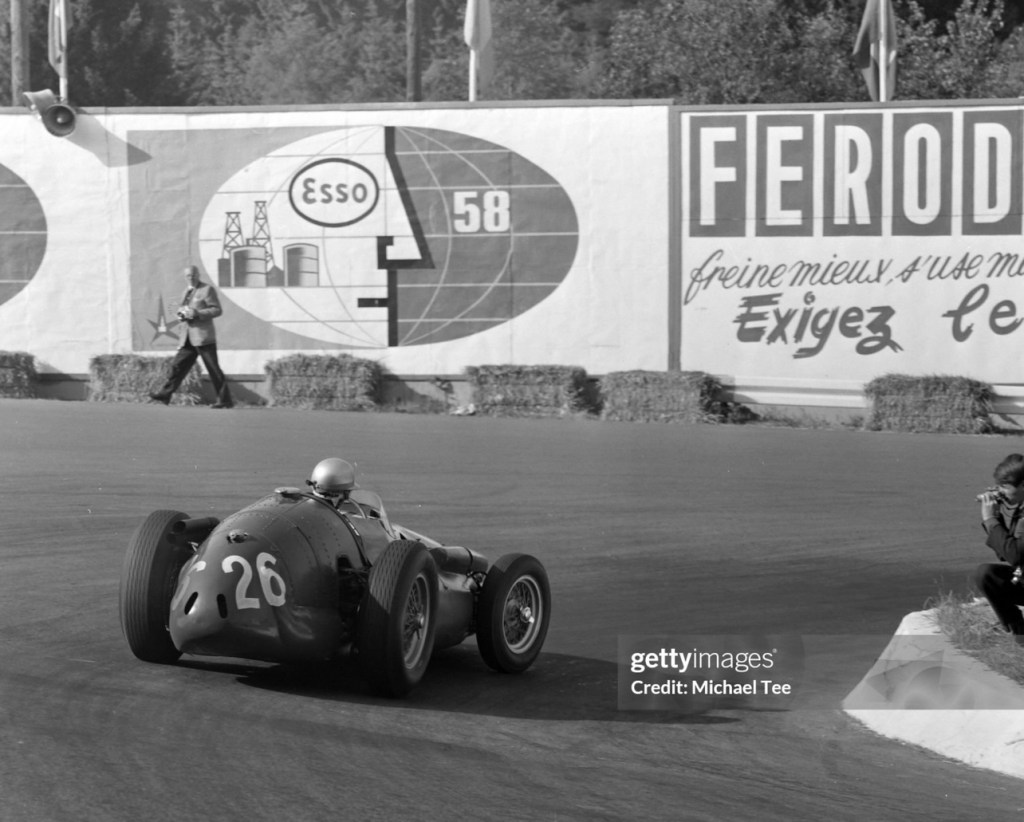
Doesnt the Maserati 250F look great from every angle?

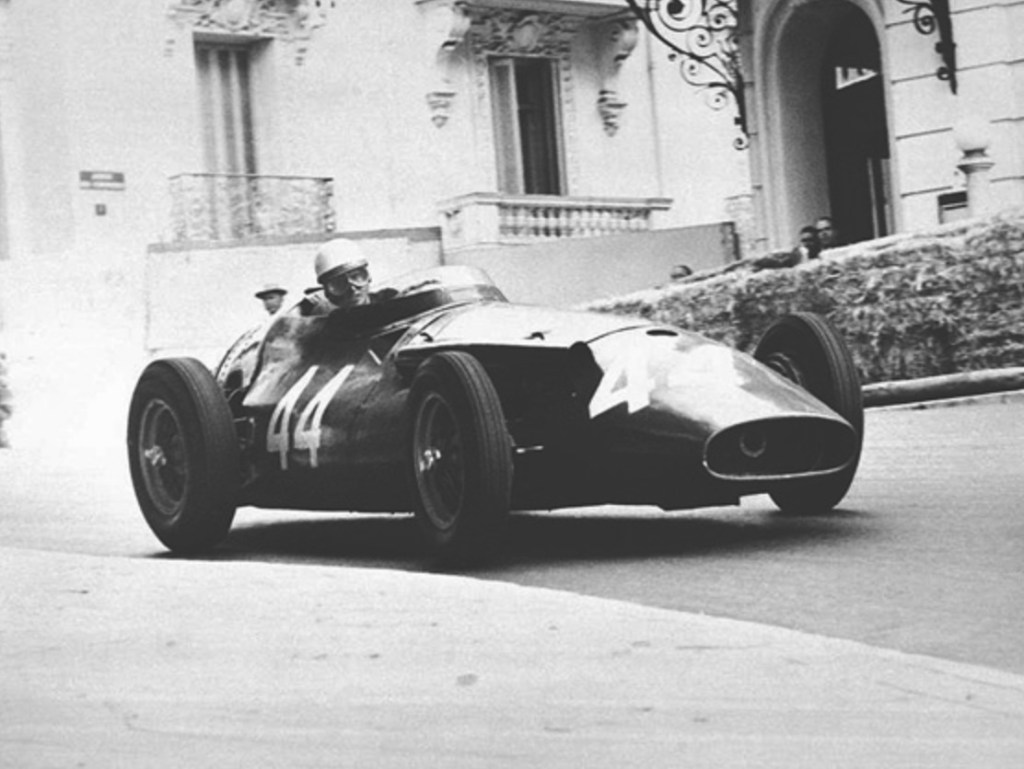
Maria Teresa De-Filippis entering La Source at Spa in 1958, Q19 and tenth place, her best result in three Championship GP starts. See here: https://primotipo.com/2016/09/23/maria-teresa-and-stanguellini-fj/
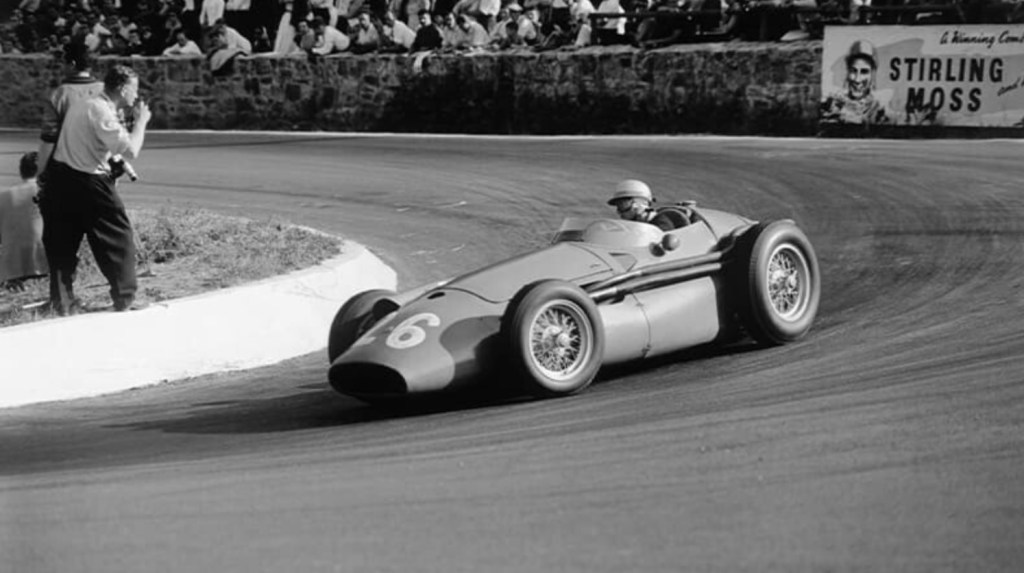
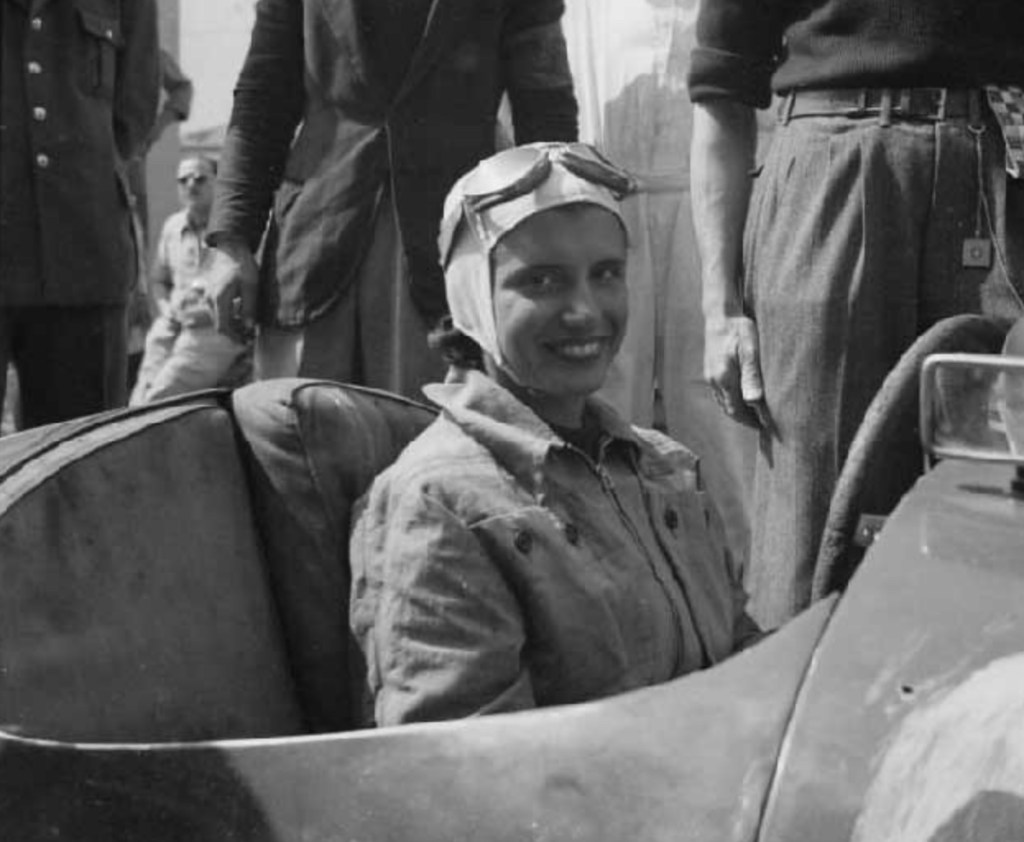
(pirelli.com)
(unattributed)

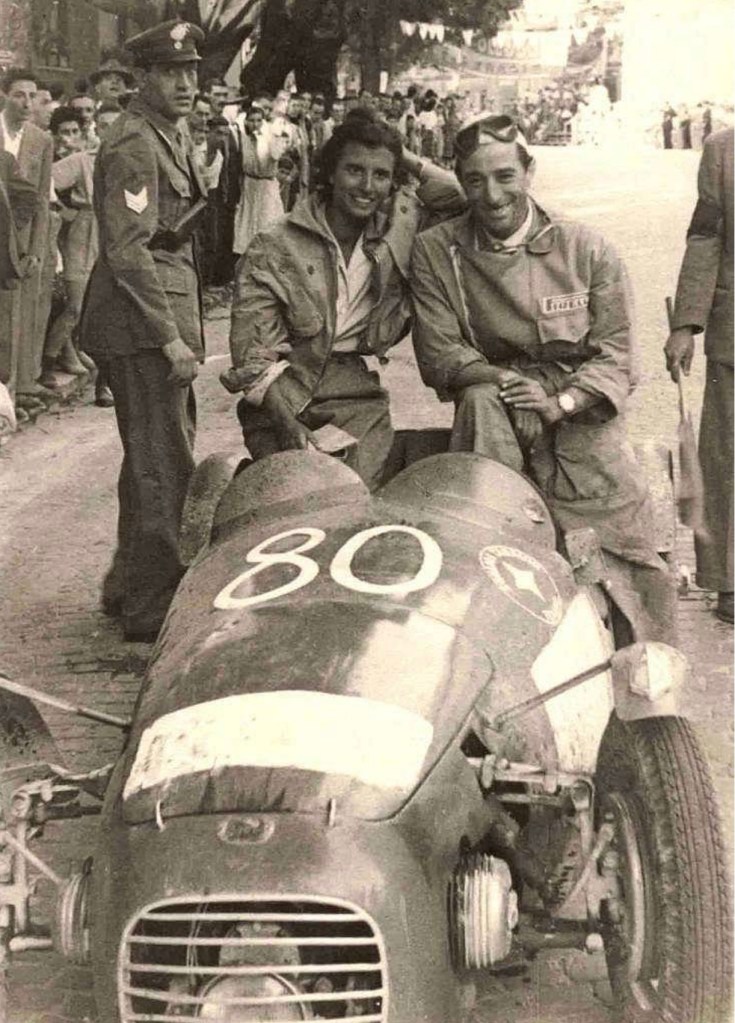
De Filippis at the September 1, 1949 Aosta–Gran San Bernardo hillclimb where she was fifth in the under 750cc class in a Meccanica Taraschi built Urania BMW 750 Sport.

Below she is pictured during the August 4 Stella Alpina together with Giuseppe Ruggiero in a Squadro Taraschi machine operating from Berardo Taraschi’s base in Teramo. They were sixth with a time of 4 min 52.41, the winning Stanguellini S1100 did a 4:43. More about the company here:https://www.cortilepittsburgh.org/taraschi.html
(unattributed)

And below nearly a decade later in a Maserati 250F during practice for the 1958 Monaco Grand Prix where she was one of 15 drivers who didn’t qualify; Maurice Trintignant won in a works-Cooper T45 Climax.
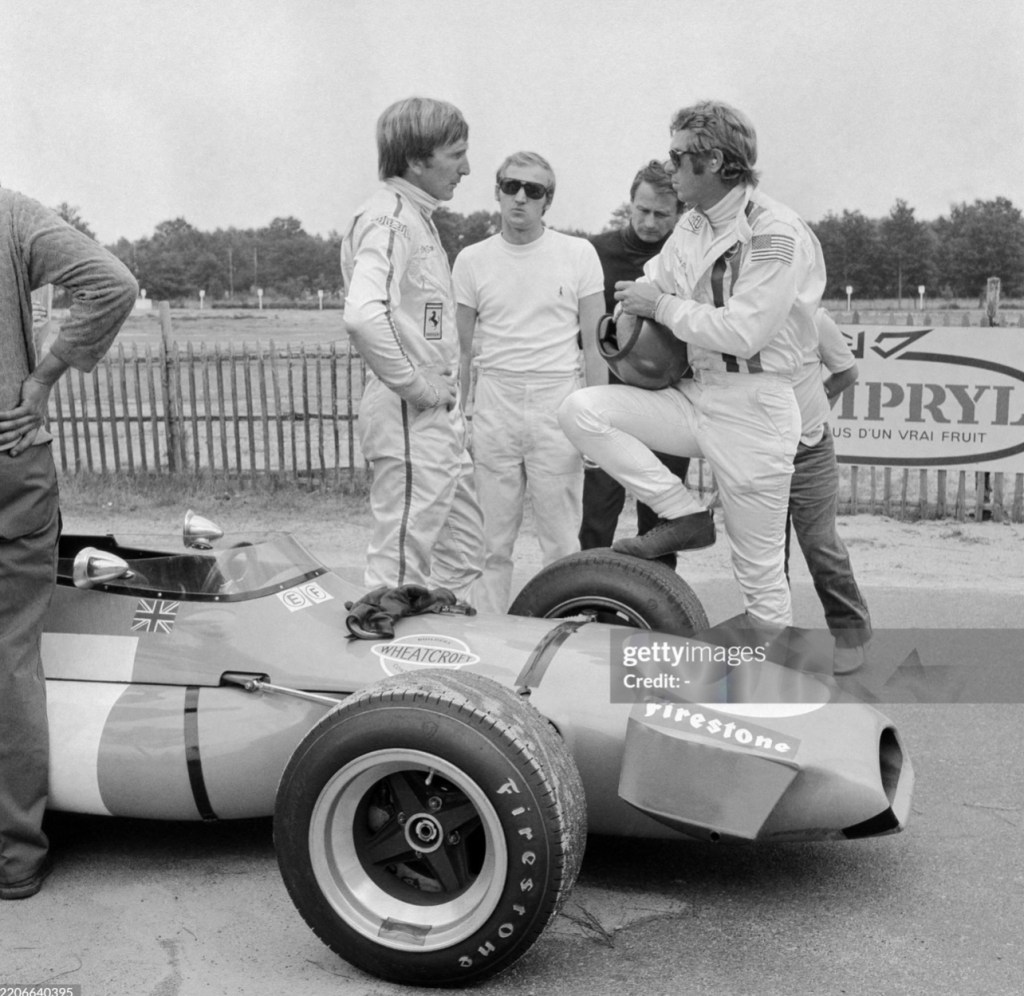
I get Derek Bell being at Le Mans for shooting The Film with Steve and all of the boys, but I don’t get the presence of his Brabham BT30 Ford FVA at La Sarthe on July 18, 1970.

Any clues folks? Show and tell perhaps? Did Steve do a few laps in the Brabham?

Derek was second in the 1970 European F2 Championship in the Wheatcroft Racing Brabham with Clay Regazzoni the victor in works-Tecno 69 and 70 Ford FVA machines.

It may well be that the car was kept in France during this period, as there were two French Euro F2 rounds back to back: on June 28 at Rouen-les-Essarts (seventh) and Paul Ricard on July 26 (DNF accident).
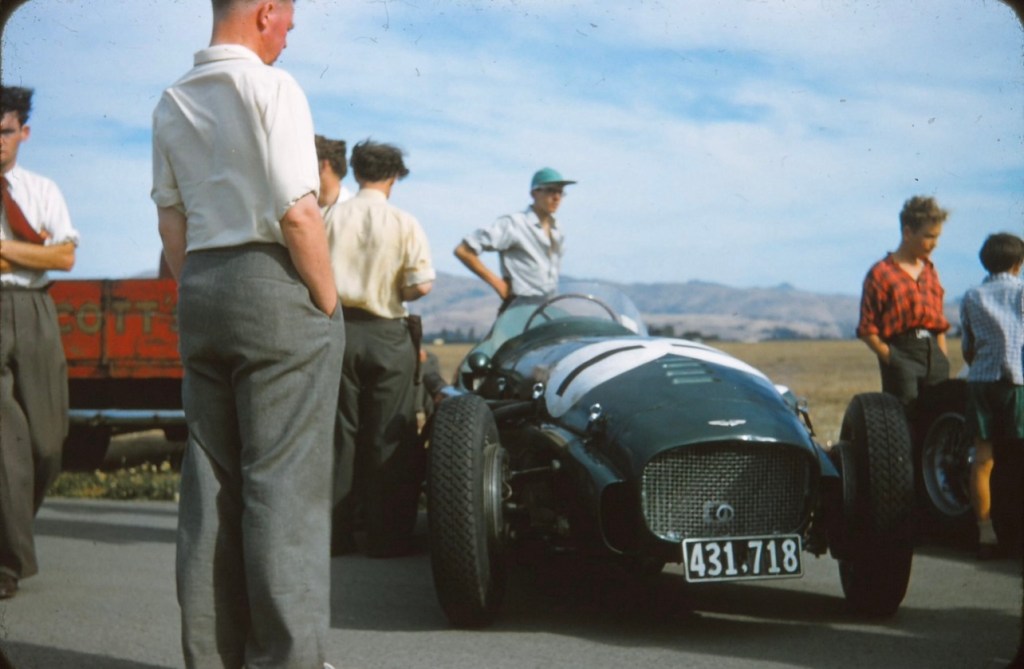
Aston Martin DP155 at New Zealand during the Kiwi Internationals in the summer of ’56.

Reg Parnell drove the experimental DB3S-based Grand Prix monoposto well but was blown off by the ex-works Ferrari 500/625 3-litre machines raced by Peter Whitehead and Tony Gaze. Note the rego-plate, it would have been quite an Aston-Roadie!
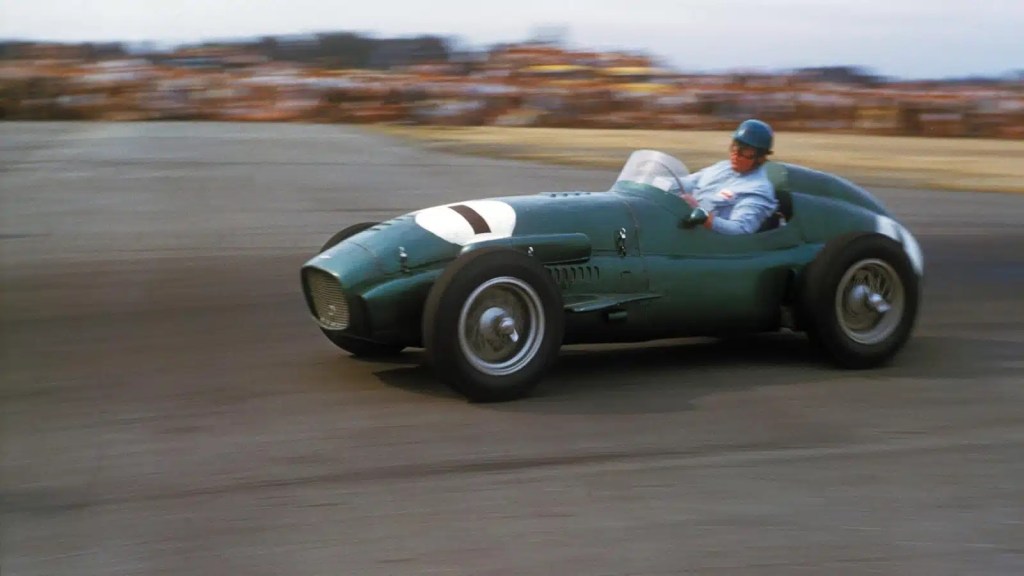
See here for a feature on this car,where is the shot of Reg above, Kiwis?: https://primotipo.com/2019/09/05/the-gp-aston-martin-dp155/ and here: https://www.motorsportmagazine.com/articles/single-seaters/f1/aston-martins-failed-first-f1-attempt-the-dp155/
(primotipo archivio)

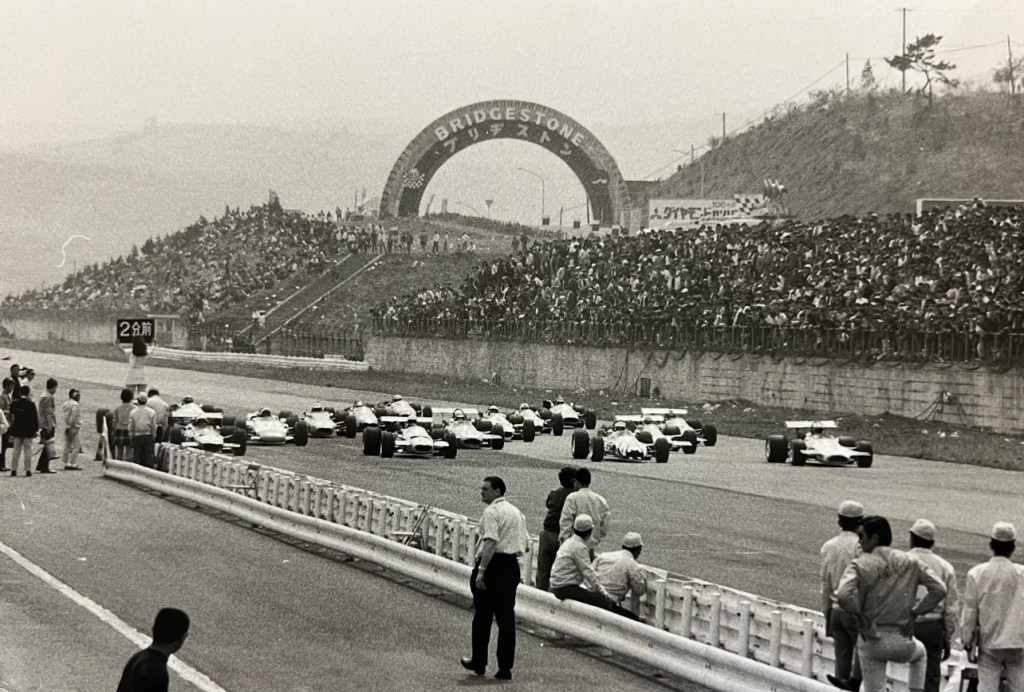
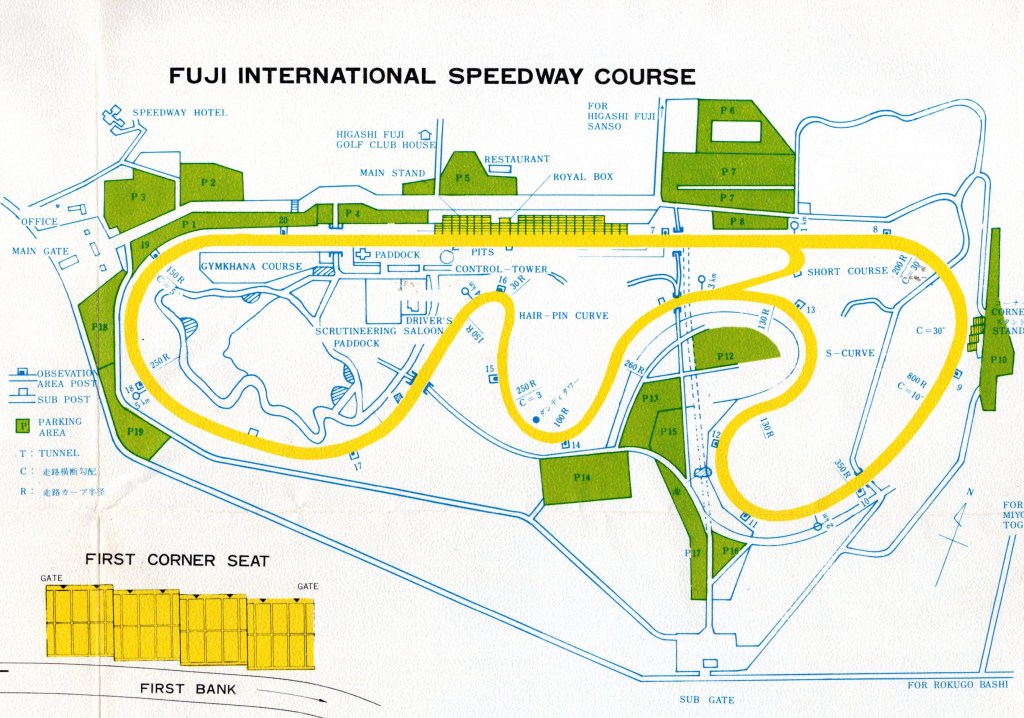
Start of the 1970 JAF Japanese Grand Prix at Fuji International on May 3, 1970. The three cars at the front, sorta, are Leo Geoghegan’s Lotus 59B Waggott TC-4V 2-litre, Tetsu Ikuzawa’s Mitsubishi Colt F2-D R39 1.6-litre and Jackie Stewart at the far right, Brabham BT30 BDA, capacity uncertain.

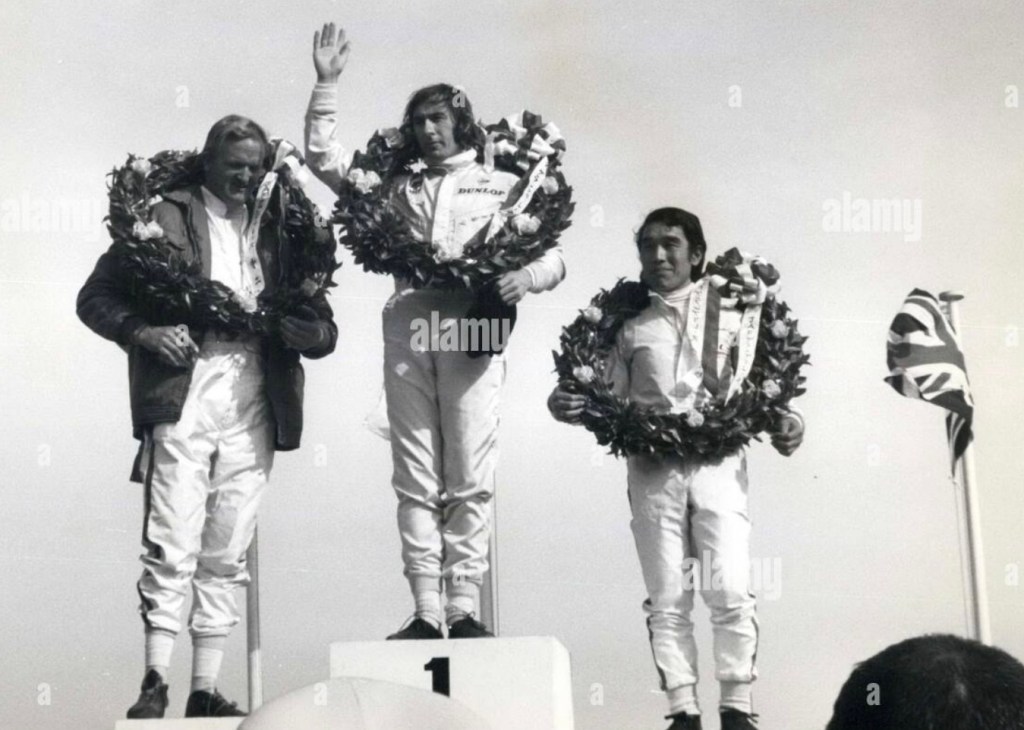
70,000 spectators watched the reigning World Champion, Stewart, win the 50 lap, 300 km race in the John Coombs Brabham BT30 Ford raced by Jackie and Jack Brabham in Euro F2 races that year.

Max Stewart’s Mildren Waggott TC-4V 2-litre was second, 50 seconds adrift of his much shorter namesake, and Kuniomi Nagamatsu was third in a Mitsubishi Colt F2-D 1.6.
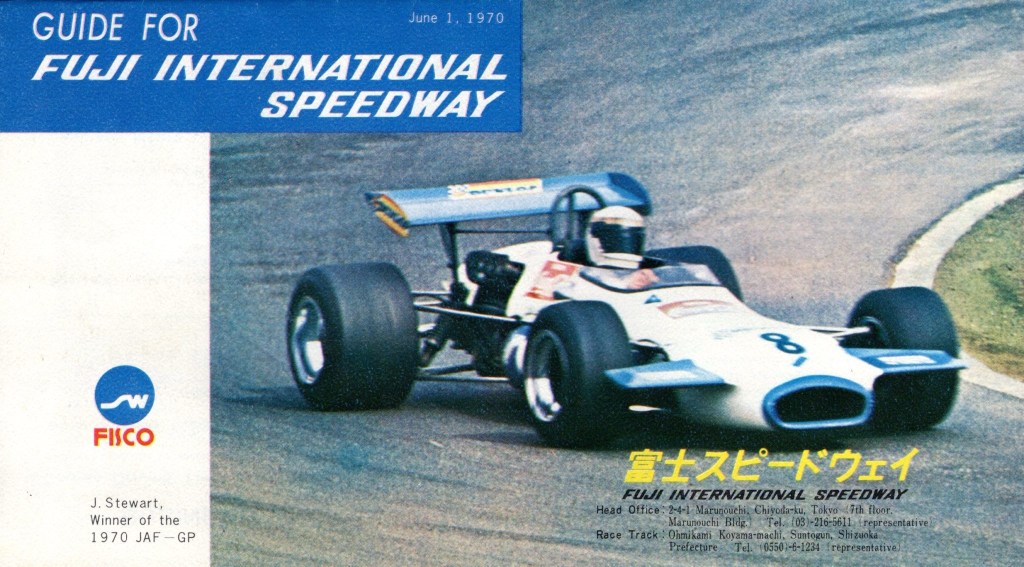
Other notables who started the race included 1969 fourth placegetter Graeme Lawrence aboard the howling Ferrari Dino 246T in which Graeme and Chris Amon won back-to-back Tasman Cups in 1970-69, Leo Geoghegan’s fifth placed Lotus 59B Waggott TC-4V, and sixth placed Alastair Walker’s Brabham BT23C Ford FVA.
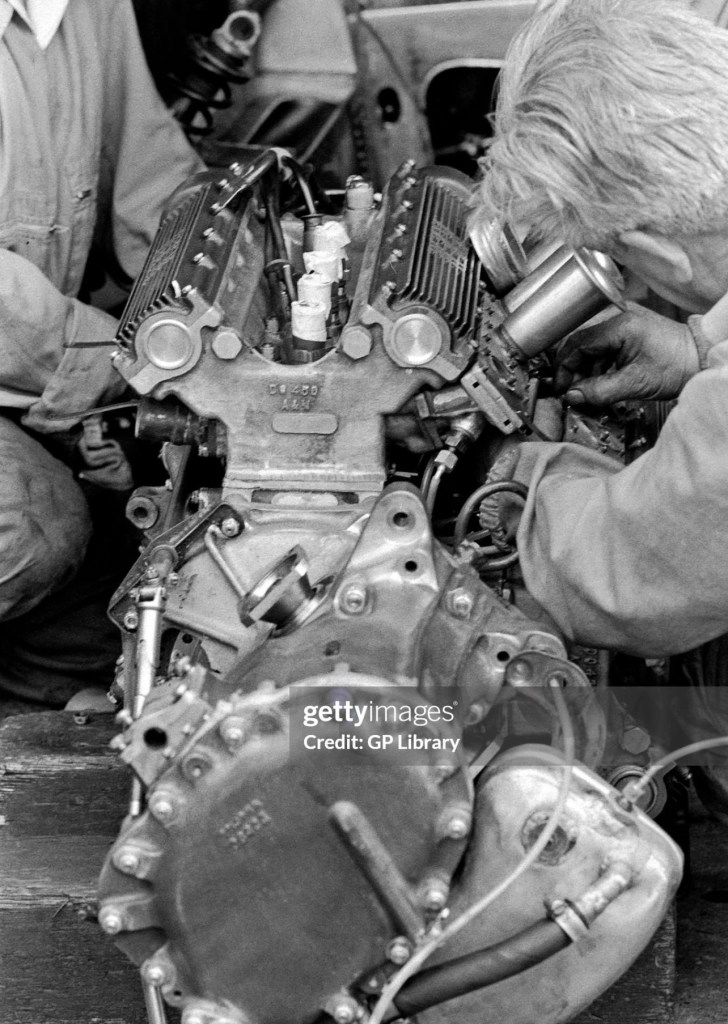
BRM mechanic, Willie Southcott, fettling a BRM 1-litre P80 four-cylinder twin-cam, fuel-injected Formula 2 engine circa 1965.

Power was quoted at 128 bhp @ 9750 rpm with bore/stroke of 71.555/61.595 mm in 1965, and increased to a claimed 136bhp @ 10,500 rpm when the bore-stroke changed to 74.63/56.95 mm in 1966.

The interesting bit for OCDers like me is that the inlets and exhausts of this engine are on the opposite side to most photographs of the unit; and yes, the shot isn’t being shown arse-about.

See here: https://primotipo.com/2017/11/06/jim-clark-lotus-35-and-the-cosworth-sca-f2-engine/ Part of the development process, I guess…

The eagle-eyed may have picked up ‘A&M’ on the head casting ‘facing us’. A&M was/is Automotive & Marine Foundry Ltd, based in Grantham, Lincolnshire, England. This company was a key supplier of precision sand castings for BRM during the 1950s and 1960s.
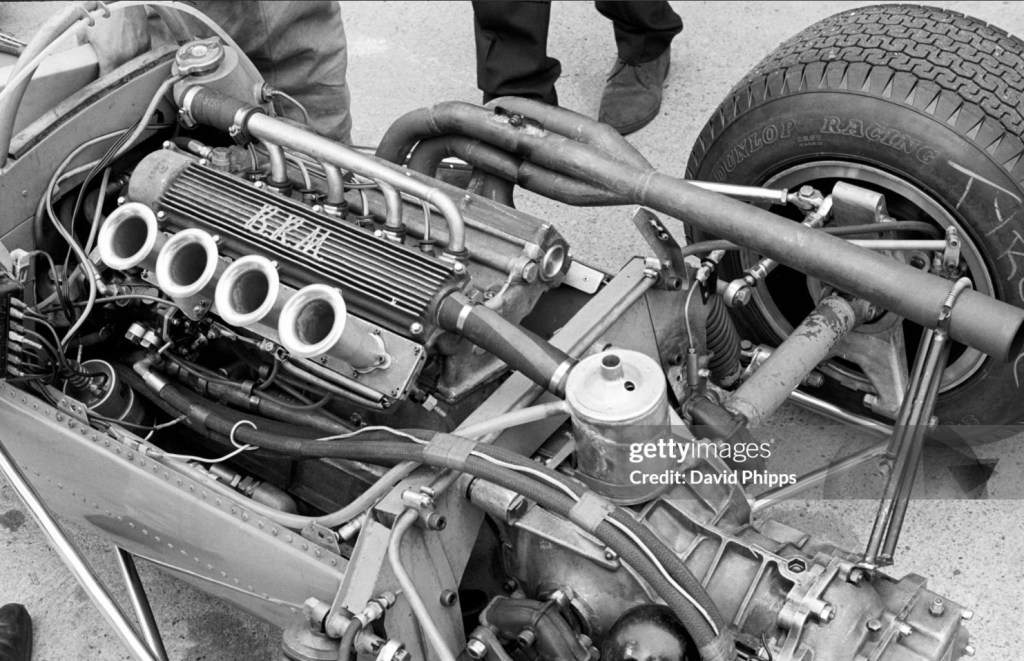
The P80-engined Matra MS5 of Hubert Hahne during the 1966 German GP meeting in August 1966. He was ninth outright and first in the F2 class ahead of Hans Hermann, Brabham BT18 Ford and Jo Schlesser’s works-Matra MS5 Ford.

Credits…

Peter Connew, George Begg, Bernard Cahier, Eric Stevens, Jim Culp, Bill Reynolds, GP Library, Alex Sievers, Dariel-Paris, Repco, Russ Cunningham

Tailpiece…
(Darien-Paris)

Did he catch it?…

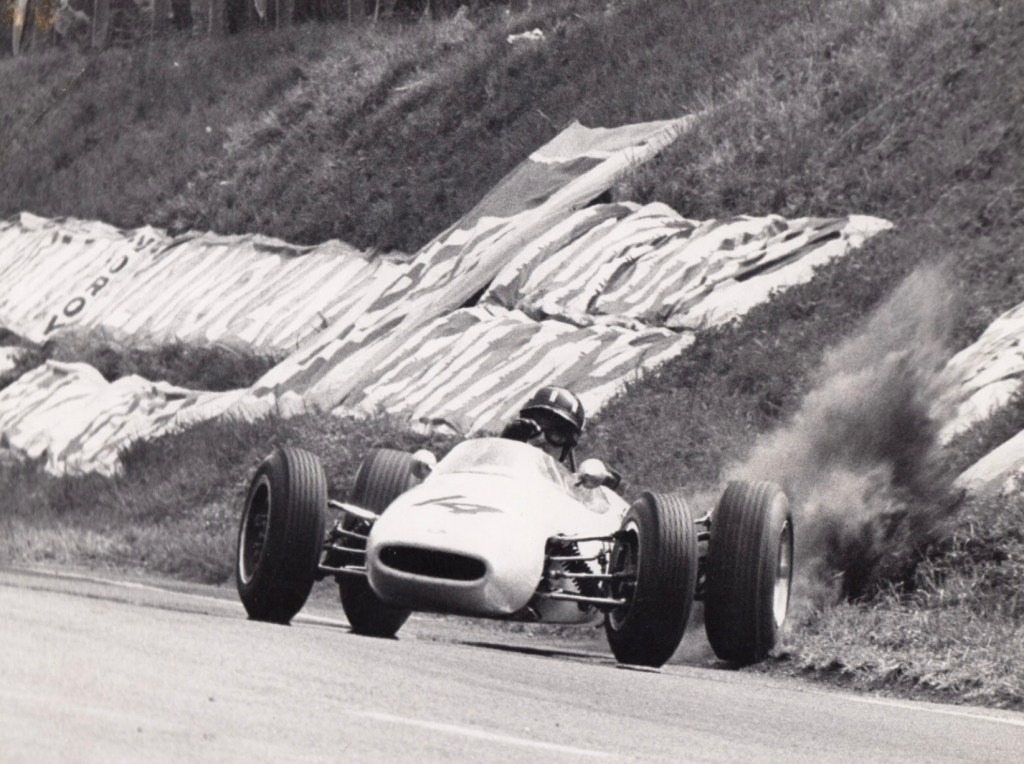
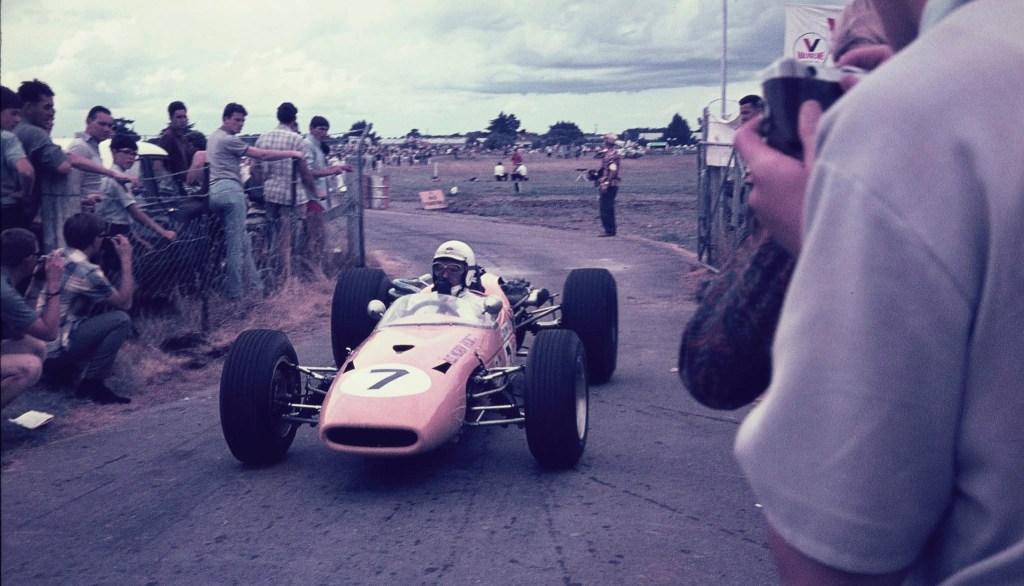
This shot popped up in my BRM P80 research adventures. It’s Graham Hill doing his best to cut the Rouen-Les-Essarts grass during the 1965 meeting aboard John Coombs’ Brabham BT16 BRM P80 1-litre; Graham was a works-BRM pilot then.

Understandably so, as Hill is trying to catch Jim Clark’s victorious Lotus 35 Cosworth SCA, unsuccessfully as it transpired. Graham was second and Jack Brabham third in a BT19 Cosworth SCA; Brabham knocked the Honda S800 F2 engine into shape that season, then went and pulverised F2 with it the following year. Jack used the SCA for a while mid-season after dispatching the Japanese to go home and try again…they did a mighty fine job! See here:https://primotipo.com/2015/07/30/xxxii-grand-prix-de-reims-f2-july-1966-1-litre-brabham-hondas/
(R Cunningham)

There is an Australian aspect to this story. At the end of the ’66 season Frank Gardner bought the car on behalf of Alec Mildren in Sydney. The chassis was fitted with a Coventry Climax 2.5 FPF four and raced by Gardner successfully in the 1967 Tasman Cup, here at the Levin International on January. The car is still here, see this piece: https://primotipo.com/2020/03/13/brabham-bt16-climax/
(Repco)

Finito…

(MotorSport)

The victorious Olivier Gendebien/Phil Hill 4-litre Ferrari 330 TRI/LM V12 chassis # 0808 blasts through The Esses on the way to victory at Le Mans over the June 23-24, 1962 weekend.

Ferrari finished 1-2-3 in a dominant display. The one-off car of the Belgian/American duo completed 331 laps with Pierre Noblet’s Ferrari 250GTO five laps in arrears, the driving duties shared with Jean Guichet. In third was the Leon Dernier/Jean Blaton Equipe National Belge entered 250 GTO on 314 laps.

In fourth and fifth place, best of the rest, were two of the new Jaguar E-Type Lightweights, Briggs Cunningham and Roy Salvadori in an open drophead, and Peter Lumsden and Peter Sargent aboard the latter’s coupe.

Superb weather to start the race. Paddy Hopkirk in the Sunbeam Alpine he shared with Peter Jopp (DNF) with Leon Dernier in the third placed Ferrari 250 GTO alongside (MotorSport)
330 TRI/LM in 1962 (MotorSport)

When the CSI created a new 4-litre GT class for 1962, the ACO were keen to retain big-open sportscars to draw the crowds, so they adopted an ‘experimental’ class of 4-litres as well. Ferrari built one final variant of its long running, successful Testa Ross series and ‘threw the keys’ to their most experienced endurance pairing, the Gendebien/Hill duo who had won at La Sarthe in 1958 aboard a Ferrari TR/58, and in 1961 with a Ferrari 250 TRI/61. Gendebien was also victorious in 1960, sharing his Ferrari 250 TR59/60 with Paul Frere. See here for this feature about Olivier: https://primotipo.com/2014/10/29/olivier-gendebien-sports-car-ace/

Olivier Gendebien practising the mid-engined Ferrari 268 SP during the Targa weekend in May 1962. The car didn’t start after Phil Hill ran off the road in practice when the throttle jammed open (MotorSport)

The Maranello mob had been focusing their energies on new fangled mid-engined Dino V6 and V8 sportscars (above), but rightly figured they may be able to squeeze one more win out of old hardware. In so doing the Ferrari 330 TRI/LM #0808 – the design of which was commenced by Carlo Chiti and finished by Mauro Forghieri after the ‘Maranello Palace Coup’ – became the last front-engined car to win the 24 hour classic outright.

(MotorSport)

The 1962 Le Mans winner (above) started life as 250 TRI/60 chassis, #0780TR, a Fantuzzi Spyder that was badly damaged by Cliff Allison at the Targa Florio in March 1960 when he had a front tyre blowout in practice. Back at Maranello it was rebuilt from bits donated by the wrecked 250 TR59/60 #0772TR, then raced at Le Mans. Willy Mairesse and Richie Ginther drove the car but retired with a broken driveshaft on the Sunday morning.

#0780 was then returned to the factory and fitted with a TRI/61-style high rear body incorporating a Kamm tail, the front was unchanged. In this form it was used as an aerodynamic test-bed by Carlo Chiti and Giotto Bizzarini to develop the definitive ’61 TRI body.

The Mairesse/Parkes Ferrari 250 TRI/61 chassis #0780 on the way to second place at Le Mans in 1961. This swoopy, sensational car was torn down and donated much of its parts except engine, chassis, body, etc (sic) to create 330 TRI/LM #0808 (MotorSport)

The car was raced extensively in 1961, placing second at Sebring (Giancarlo Baghetti, Ginther, Taffy von Trips) and at Targa where it was crashed. The car was fitted with another TRI/61 nose before finishing second at the Nurburgring 1000Km driven by the Rodriguez brothers, Ricardo and Pedro. A late pitstop to replace a broken front wheel lost the NART entered car a chance to win. Mairesse and Mike Parkes raced it at Le Mans, finishing second behind the winning sister, works Gendebien/Hill Testa Rossa. The chassis finally bagged an overdue win when Lorenzo Bandini and Georgio Scarlatti won the Pescara 4 Hours late in the year.

Gendebien, Le Mans 1962 (MotorSport)
#0808 at Le Mans in 1962, Tipo 163 4-litre circa 390bhp SOHC V12 (MotorSport)

Convinced that one of their big front-engined TRs could still do the trick, #0780 was torn down and rebuilt around a new chassis – #0808 – and a Tipo 163 Colombo 4-litre SOHC, two-valve V12. The dry-sumped, 60 degree, 3967cc (77×71 mm) engine had Testa Rossa cylinder heads incorporating bigger valves. Fed by six twin-choke Weber 42DCN carbs, it gave about 390bhp @ 7500rpm, 50bhp more than the 250TR unit. The five speed gearbox was modified to take the extra power and torque.

The new chassis was a more sophisticated mix of the traditional ladder frame, and multi-tube spaceframe. It was 63mm longer than the 250’s, in part this was to accommodate the slightly longer engine and to improve overall balance. Suspension design was a carryover from the 250; upper and lower wishbones, coil springs and Koni dampers both front and rear. Steering was by way of worm and sector.

Nice shot showing the the rear aero/roll bar of #0808 in 1962, whereas the shot below is of the cockpit 12 months hence at Le Mans, with the aero structure removed by NART (MotorSport)
(MotorSport)

Wheels/tyres were Borrani wire/Dunlop-6×16 inch and 7x16inch front/rear, brakes were Dunlop disc front and rear, front/rear tracks 1225mm, the wheelbase 2400mm – same as the short-block – and weight quotes vary from 685Kg to 820Kg!

To cap it all off, Carozzeria Fantuzzi built a new, Pininfarina designed body. It was developed with the aid of Ferrari’s small wind tunnel installed in 1960, and incorporated an aerodynamic roll hoop which served to aid the flow of turbulent air caused by the cockpit/windscreen, and therefore improved high speed stability.

#0808 first appeared at the Le Mans test in April driven by the defending winners, Gendebien and Hill. It recorded fastest time of the day despite damp conditions and being fitted with only three Webers, so wasn’t raced in the following enduros, but was rather developed at the factory and one test session at Monza before dominating Le Mans.

The off, Le Mans 1962. From left, the McLaren/Hansgen Maserati T151 Coupe, the winning Gendebien/Hill Ferrari 330 TRI/LM, #3 white Kimberley/Thompson Maserati T151 Coupe, #9 Sargent/Lumsden Jaguar E-Type Coupe Lwt, #23 Tavano/Simon Ferrari 250 GTO and #12 Kerguen/Dewez Aston Martin DB4 GT Zagato (MotorSport)
Phil Hill up, #0808 Le Mans 1962 (MotorSport)

It wasn’t a complete cakewalk though. Hill broke Mike Hawthorn’s long-standing 1957 lap record (4-litre Ferrari 335S Spyder) in practice by over two seconds (3:55.1) but both drivers experienced a slipping clutch all weekend. This had to be managed by precise ‘changes and using a taller gear than optimal, neither driver expected it to last the race.

The major potential opposition comprised a mix of other Ferraris, three 3.9-litre, 360bhp V8 engined Maserati Tipo 151s entered by Briggs Cunningham and the works 4-litre, 330bhp Aston Martin DP212.

The 330 TRI led the first hour from Graham Hill in the Aston DP212 and three Maserati 151s of Bill Kimberley, Maurice Trintignant and Bruce McLaren. After the first round of pitstops, the Rodriguez’ better handling Dino was soon up to second, while Phil Hill broke Hawthorn’s race lap record in the third hour.

Two Maseratis retired during the night – Thompson and McLaren – while the two Ferraris swapped the lead with the leading 250 GTO, Noblet’s in third.

Sunday dawned sunny with 33 of the 55 starters still running. Ferrari were looking good but the Rodriguez’ Dino broke its final drive at about 4.45am allowing Gendebien and Hill to be gentler still, albeit Olivier had a big moment avoiding a dawn-light spinner.

Positions remained static for the last four hours with Hill/Gendebien a comfy five laps ahead of the Noblet/Guichet GTO and the similar Dernier/Blaton machine. Only four of the 15 Ferraris finished the race but they were four of the top six!

Phil takes the chequered flag (MotorSport)
Gendebien and Hill (MotorSport)

Don Rodriguez acquired the car after the race, with Pedro driving the NART prepared car – now devoid of roll hoop which Chinetti didn’t consider aerodynamic – to a Bridghampton GP win and second place in the Canadian GP in late ’62. After Ricardo Rodriguez was killed during unofficial practice over the Mexican GP weekend (right-rear suspension failure aboard a Rob Walker Lotus 24 Climax), Masten Gregory raced #0808 to fourth in the Nassau Trophy.

Into 1963, Pedro and Graham Hill raced the car to third at Sebring behind two new, mid-engined 3-litre V12 Ferrari 250Ps. At one stage the 330 led by three laps until a combination of mechanical, electrical and exhaust manifold problems intervened.

Graham Hill, #0808 at Sebring in 1963 (L Galanos)
Pedro Rodriguez during a pitstop at Le Mans in 1963 (unattributed)
Roger Penske, Le Mans 1963, NART 330 TRI/LM (MotorSport)

NART entered the car at Le Mans to defend its title. Pedro and Roger Penske started from pole, then trailed the works 250Ps until a conrod failed during the ninth hour. Lubricant on tyres can be a lethal mix, Penske lost the car and took Jo Bonnier’s Porsche 718/8 GTR out in the ensuing prang which left Roger uninjured but #0808 severely damaged, never to be raced again.

Returned to the factory for repair, the car was fitted with a Fantuzzi coupe body (below) and returned to the US where it was purchased by Hisashi Okada who used it as roadie from 1965 to 1974. Pierre Bardinon used it similarly briefly, until commissioning Fantuzzi to return it back to ’62 specs in 1974-75. It continues its life as global investment commodity today.

Scrappy, crappy shot of #0808 in Fantuzzi coupe guise circa 1963 (Wikipedia)
Le Mans 1963 (MotorSport)

Etcetera…

(MotorSport)

The Mairesse/Parkes 250 TRI/61 #0780 – the 330 TRI donor car – with a touch of the opposites at Le Mans in 1961.

(MotorSport)

“The clutch Mauro, the clutch…”, “Treat it like your girlfriend Pheel…very, very gently.” Or words to that general effect. Phil Hill at 36 was the reigning F1 World Champion, and Forghieri at 28 was Technical Director-Racing Cars, a position he held at Ferrari until 1984.

(MotorSport)

Works Scuderia Ferrari line up before the off at Le Mans in 1962. Tail of the 330 TRI, the Parkes/Bandini 330 LM/GTO DNF 56 laps, blocked radiator, then the almost totally obscured Dino 248 SP of Scarfiotti/Baghetti, DNF gearbox 230 laps, and then the #28 Rodriguez/Rodriguez Dino 246 SP, DNF gearbox after 174 laps.

1962 (Motorsport)
(MotorSport)

330 TRI/LM during 1962, feel the vibe, assistance with the corner names welcome folks.

(L Galanos)

Pedro Rodriguez 330 TRI/LM at Sebring in 1963, he shared the car with Graham Hill to third place.

(MotorSport)

Pedro Rodriguez and Roger Penske at Le Mans in 1963 above, and below in #0808, DNF engine.

(MotorSport)

Credits…

MotorSport Images, LAT, Wikipedia, Louis Galanos, F2 Index

Tailpiece…

(MotorSport)

Silhouette of a Shell sign as night falls, oh to have been there in 1962…

Finito…

image

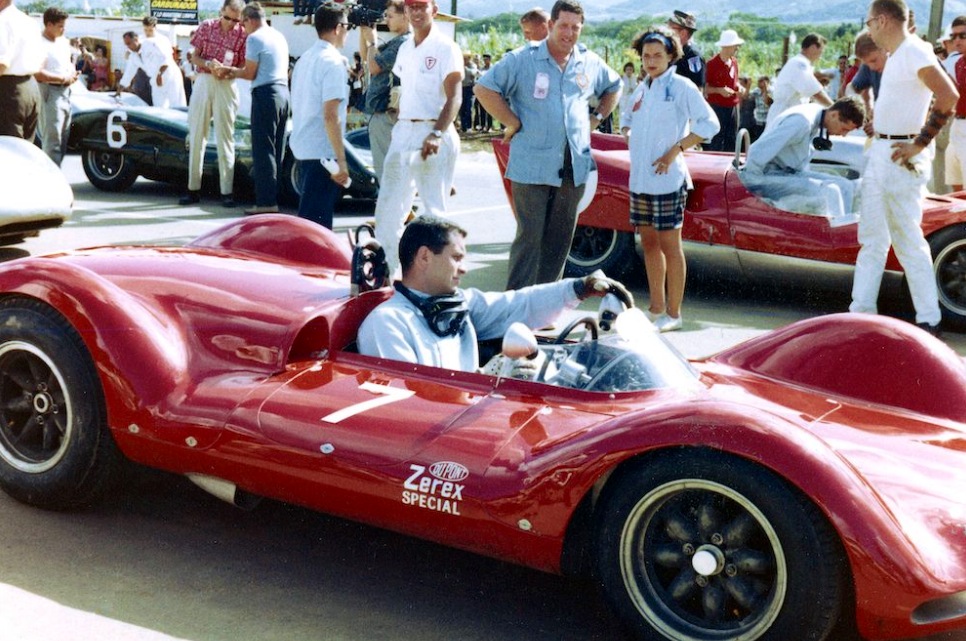
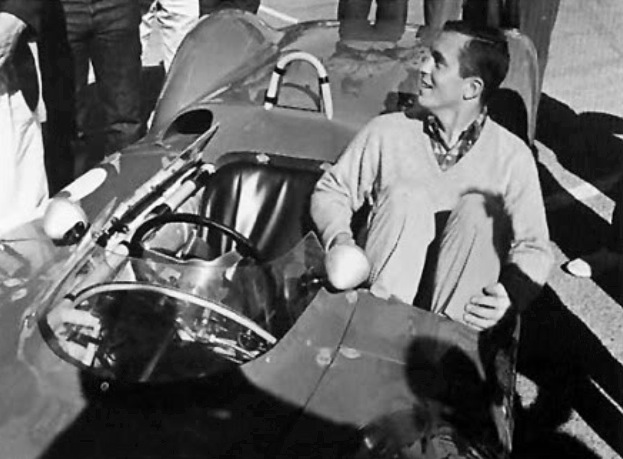
Roger Penske fits the mould of racer-billionaire rather nicely, as a model he doesn’t look quite so comfy…

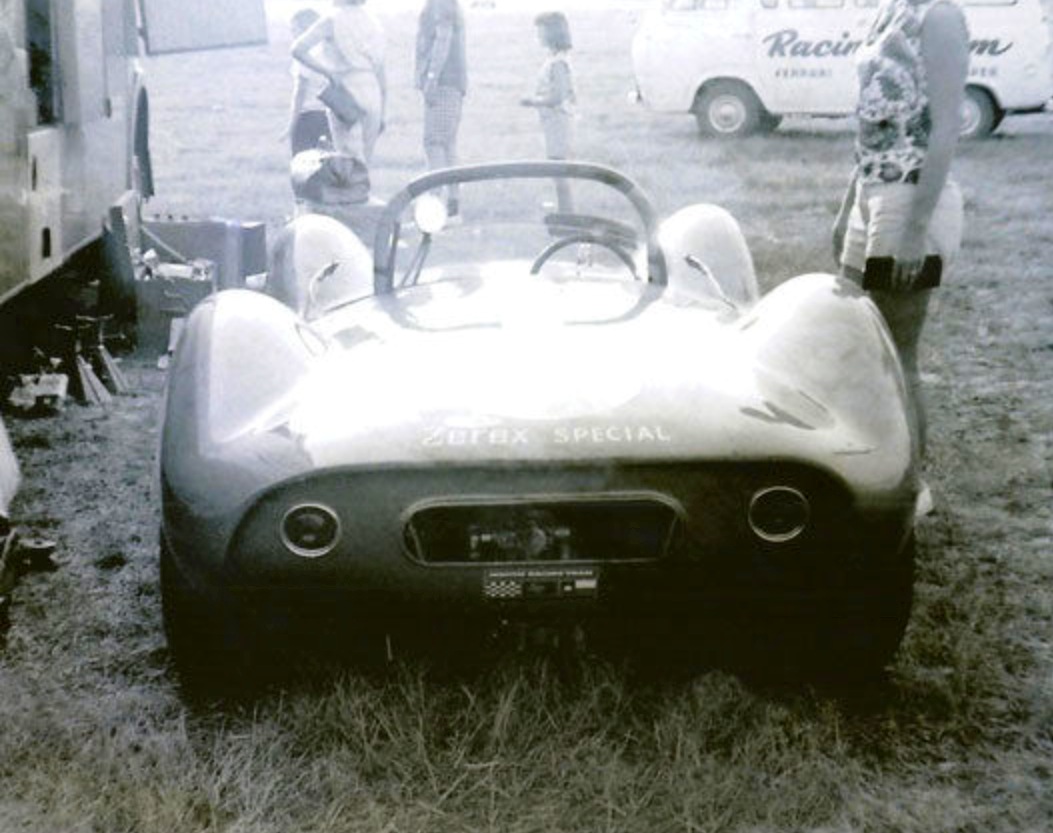
I found these Zerex Special shots, as is so often the case lookin’ for something else. They are interesting in an historical context in the journey this chassis took. F1-16-61 was built as a Cooper T53 GP car then converted into an edgy central seat sportscar by Penske and his team. It then evolved into a two-seater and finally passed into Bruce McLaren’s hands as a foundation piece in his journey to ultimate Can-Am domination a few years later.

So, in the McLaren pantheon, its an important car. I wrote about it early in 2015, click here to read the article; https://primotipo.com/2015/03/19/roger-penske-zerex-special/

image

Cooper fans will easily pick the origins of the chassis. Both the photo date, September 1963, and the two equally sized seats reveal this as the third evolution of the car.

When the SCCA regulators, aided and abetted by some very cranky competitors and car owners cracked- the-shits with Roger’s innovative Rule Bender they re-wrote the regs to ensure sportscars were two seaters rather than Rogers seat-and-a-bit approach. This is the bendy-tube rebuild of the car at that time to meet the new rules…

Credit…

James Drake

Tailpiece…

image

Finito…

penske zerex

Roger Penske aboard his devilishly clever Zerex Special sportscar in 1963…

By 1962 Penske was a well established competitor. While later his friend and driver Mark Donohue coined The Unfair Advantage phrase in racing, Roger himself contrived a clever plan to develop a very quick sportscar for the lucrative US series.

After careful study of the SCCA Rulebook Penske concluded that while the sports car regulations required said cars to have two seats, the rules didn’t define their dimensions.

Roger’s cunning stunt involved resurrection and fitment of a very small passenger seat and sportscar bodywork to a Cooper T53 Climax F1 car (chassis #T53 F1-16-1) crashed by Walt Hansgen during the 1961 US Grand Prix at Watkins Glen.

Walt was launched over Olivier Gendebien’s Lotus, Olivier having spun and re-entered the circuit right in Walt’s path. Briggs Cunningham, the Cooper’s owner, sold the damaged car to Penske in the ‘Glen paddock less engine.

hansgen cooper

Walt Hansgen Cooper T53 Climax T53 F1-16-1, the Zerex donor car, behind is Penske in his Cooper T53 Climax. US GP Watkins Glen 1961. Both cars 1.5-litre Coventry Climax FPF powered (Ron Nelson)

zerex puerto rico grid

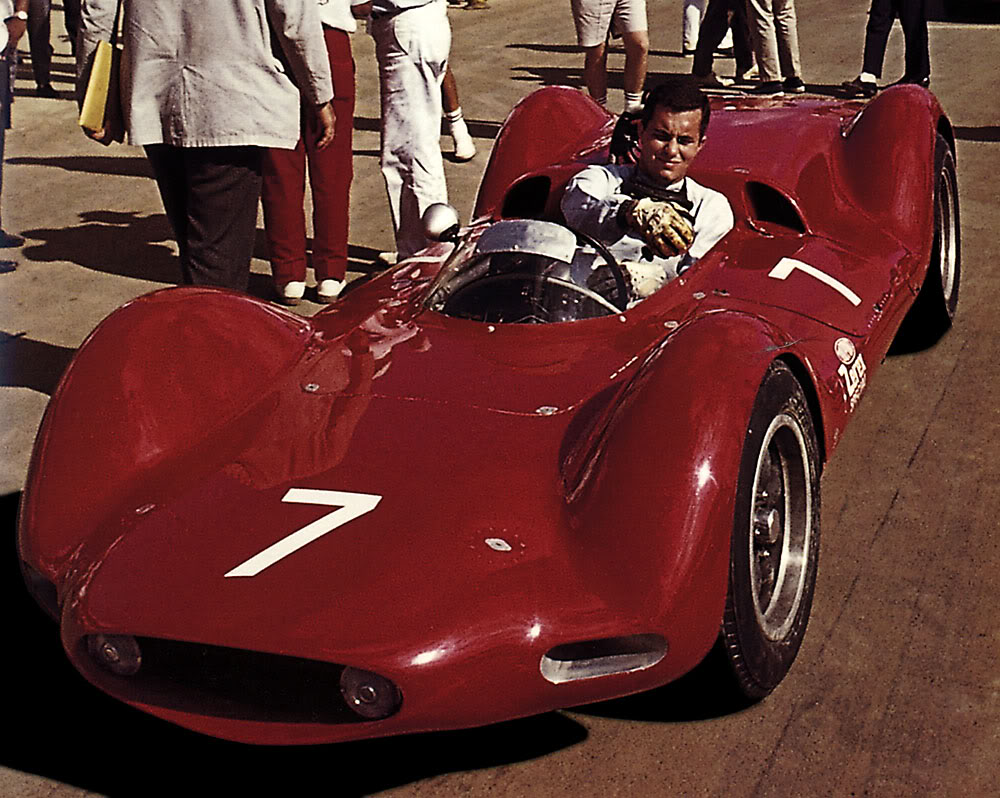
Zerex Climax looking absolutely superb on pole as Penske settles himself into the cockpit for the 200 mile Puerto Rico GP in 1962. He won from Tim Mayer’s Cooper T57 Monaco and Dan Gurney, Porsche 718 WRS (Getty Images)

The car was then repaired, rebuilt and transformed by Roy Gane and Penske himself  by fitting a wider alloy body with round and square tubing and added brackets to support the new body and mini-seat. Its first race, still 2.7-litre Climax FPF powered, was the LA Times Grand Prix at Riverside in October ’62.

It was an International event that attracted the world’s best including Jack Brabham, Graham Hill, Dan Gurney, Innes Ireland and Masten Gregory as well as world class Americans Penske, Jim Hall, Hansgen, Ken Miles, Lloyd Ruby and others.

The Zerex, to all intents and purposes a current GP car with an all-enveloping body, promised to be competitive!

At a distance, even up close, the car appeared to be a single seater in contravention of the rules, as soon as it was unloaded in the paddock the SCCA was deluged with protests.

Watched by a large crowd of media, mechanics, spectators and drivers Penske calmly undid the Dzus fasteners attaching the left side panel to reveal a small, cramped, passenger seat, whereupon the lanky Philadelphian attempted to insert himself into said seat…The car was kosher, legal to the letter of the rules, Penske was canny enough to have the SCCA Chief Technical Inspector see the car when it was being concepted and approve it as being compliant.

penske in car

Nearly in…Penske sees the funny side even if the competition doesn’t before the car takes to the track, LA Times GP 1962 (Dave Friedman)

The car won three events in late 1962; at Riverside during its first race meeting from Jim Halls Chaparral 1 Chev, at Laguna Seca and the Puerto Rico GP.

The Riverside and Laguna races were USAC sanctioned. The car was protested but USAC allowed it to run, but storm clouds were brewing from some very pissed off, wealthy, influential car owners.

la times 62

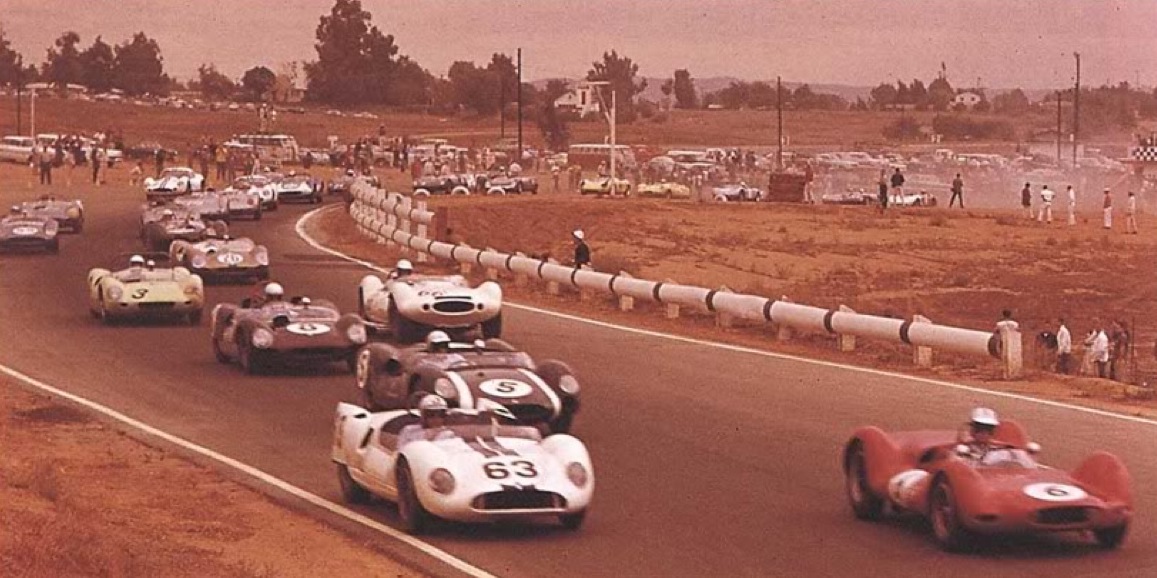
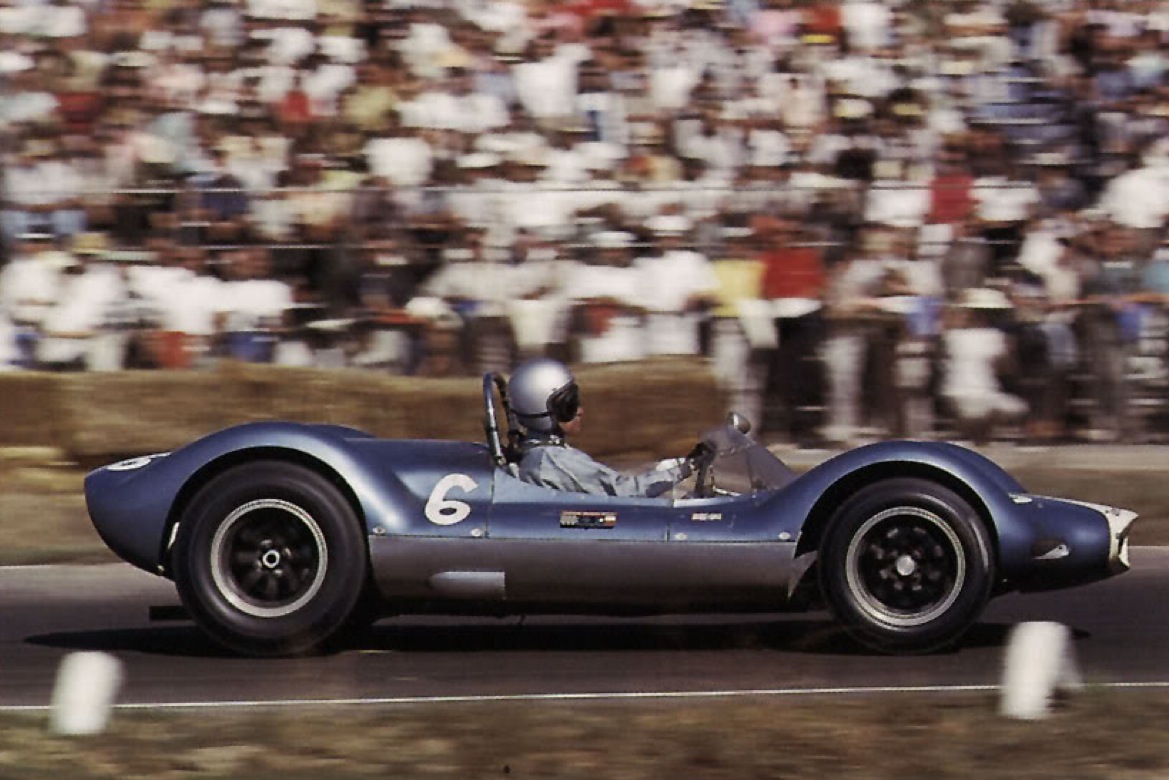
LA Times Riverside 1962. Penske leads # 63, the Hansgen Cooper Buick, #5 McLaren Cooper Monaco Climax, #8 Jerry Grant Lotus 19 Buick, #66 Jim Hall Chaparral 1 Chev, #3 Masten Gregory and #26 Lloyd Ruby both Lotus 19 into turn 1 lap 1. Penske won (Dave Friedman)

zerex pqurto

Penske on the grid at Puerto Rico. The car looks simply fantastic, workmanship a treat (Dave Friedman)

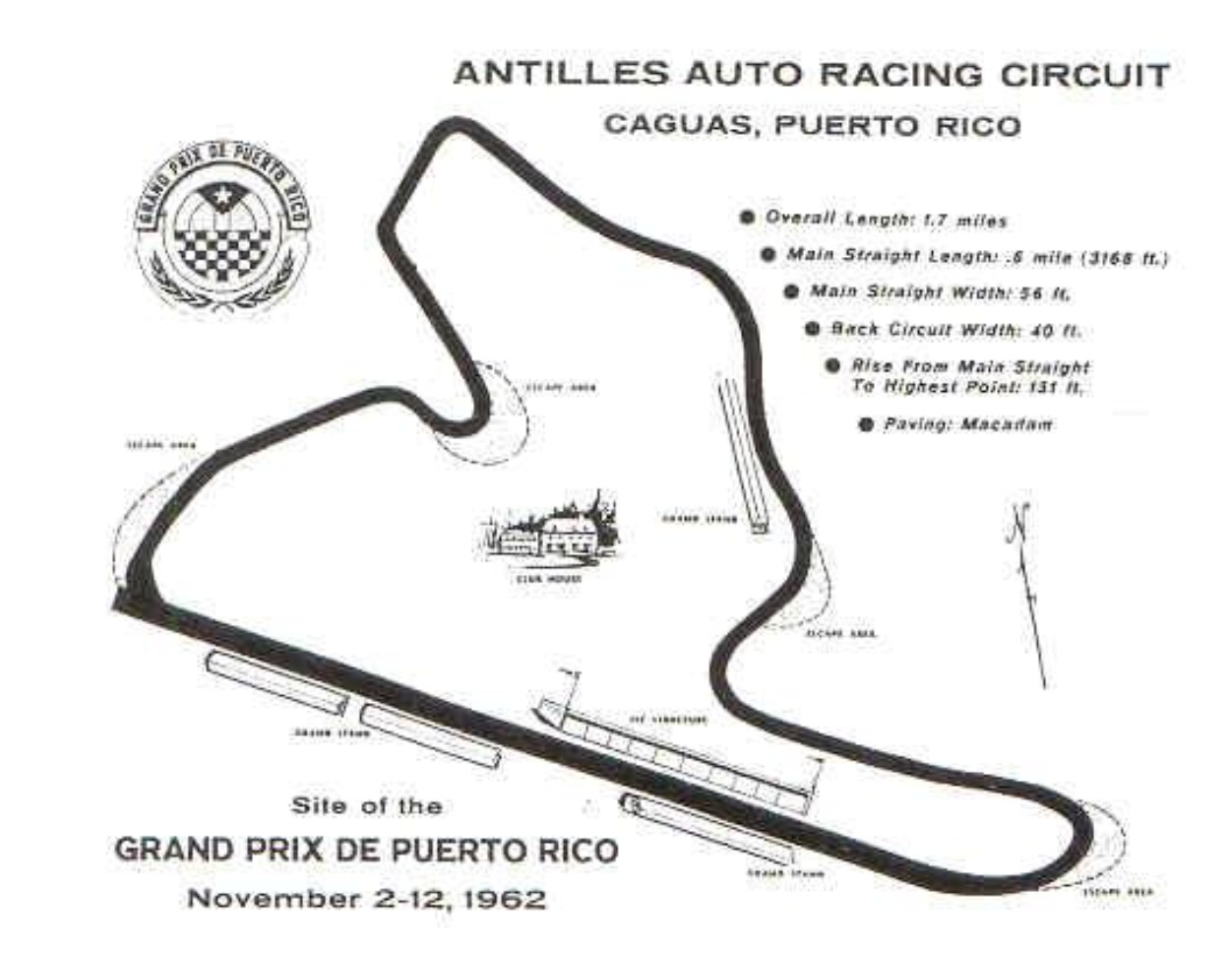
pr circuit

In the winter of 1962, the entire chassis centre section was cut, shut and widened by Penske’s team to provide a seat either side of the Zerex centre-line to meet the quickly-tightened 1963 rules…

The car (lets call it Evolution 3 in this form) was sold to John Mecom, the body modified to conform, a new windshield and roll bar was added and the machine repainted in Mecom’s blue and white colours.

zerex in paddock

Zerex in the paddock, circuit unknown in 1963 with full roll bar and space for second seat, offset driving position-Zerex Evolution 3. Climax FPF and CS5 ‘box on display, as are simple brackets to retain the body and truly ‘orrible but seemingly effective curvy frame (unattributed)

The Zerex raced throughout 1963 in this form winning two SCCA national events at Marlboro Motor Raceway and Cumberland. Across the Atlantic it was first in the Guards Trophy at Brands Hatch in August, Roy Salvadori placed second in a Cooper Monaco Climax that day.

mecom owned la times 63

LA Times GP, Riverside 1963. Owned by Mecom, still driven by Penske it was  second to Dave McDonald’s Cooper Ford ‘King Cobra’ (Dave Friedman)

la times 63 penske and macca

LA Times GP ’63. A fantastic 200 mile race initially led by Halls Chaparral, DNF. Here is the later dice between Penske and McDonalds’ Shelby Cooper Ford for the lead, McD prevailed in the 289cid small block Windsor engined Cooper (Dave Friedman)

See this YouTube footage of both the 1963 LA Times GP and 1964 Sebring 12 Hour…

The Zerex is historically significant in that it was sold to Bruce McLaren after Nassau in 1963. It was effectively the first in the long line of very successful McLaren sportscars which became the dominant force in Can-Am/Group 7 racing from 1967…

In 1962 Bruce, a factory Cooper driver, and Penske shared a Cooper Monaco Maserati at Sebring. Bruce later wrote, “After that race I came back to England and asked Charlie Cooper if I could run the sports car side of the Cooper Car Company because I felt sure there was a tremendous market for this type of car to use an American engine for American racing. I was convinced at that stage that sportscar racing was going to really boom providing there were cars available, and that it would be a great market for an English manufacturer. Charlie turned me down flat.”

Penske moved on from the Zerex as it became less competitive. He drove a Chev engined Cooper for Mecom and later a Chaparral before retiring from driving in late 1964, having signed to race for Jim Hall again in 1965.

The Zerex Climax was still sitting in John Mecom’s workshop together with an aluminium Traco modified Oldsmobile F85 engine which had never been fitted to the car. Bruce bought it and shipped it back to the UK, fitted with a 2.7 FPF. The Olds F85 (the block was used in much modified form, as the basis of the 1966 F1 Championship winning Repco Brabham RB620 3-litre V8) was on a pallet.

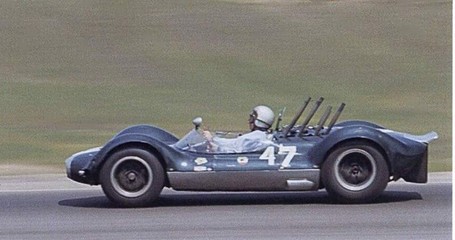
Bruce raced it with the 2.7 Climax and slightly modified bodywork (Evolution 4 if you like) in the Aintree 200 where he defeated Jim Clark’s Lotus 30 Ford, and in the Silverstone International where he won again, this time from Salvadori’s Cooper Monaco Maserati 5-litre.

aintree 200 sports 64

Start of the 1964 Aintree 200. L-R: #87 John Coundley Lotus 19 Climax, #95 Tony Lanfranchi Elva Mk7 BMW, Jack Sears AC Cobra, Bruce is on the right in the Zerex Climax. McLaren won from Jim Clark, Lotus 30 Ford and Sears’ Cobra (unattributed)

The day after Silverstone Zerex was stripped at Bruce’s new, modest, dirt-floor workshop in New Malden, South London where the chassis rebuilt from just behind the front suspension to just ahead of the rear suspension with a new McLaren designed centre-section welded in. The work was done by Wally Willmott and Tyler Alexander.

In its Penske modified form the car lacked the torsional rigidity to cope with the additional power and torque of the Olds V8. The (Evolution 5) chassis was far stiffer that the Zerex modified frame. The main chassis longerons performed dual purposes as structural members and as conduits for oil and water from the respective radiators to the engine. A Colotti gearbox from one of Bruce’s Tasman Cooper T70s was mated to the Olds engine.

With no time to fabricate a new exhaust system, the car was flown to Mosport with eight stub exhausts poking up through the tail, there he won first time out.

zerex mosport mac laren 64

McLaren victorious upon debut of the (then named) Cooper Oldsmobile with its new chassis centre section and Olds engine. Players 200, Mosport, Canada 1964 (unattributed)

Given the sensitivities about Jack Brabham’s departure from Cooper and construction of his own cars with Ron Tauranac, calling the car a McLaren was not going to wash with Charlie and John Cooper so the hybrid was entered as a Cooper Oldsmobile at Mosport.

Back in the UK he won the Guards Trophy at Brands Hatch in August, then starred at Goodwood’s Tourist when he started from pole, led and set fastest lap before retiring.

With all of his research complete – with the aim of building a McLaren sportscar – Bruce sold the car, via John Mecom and Teddy Mayer to Dave Morgan. The Texan raced it throughout 1965 and 1966 in the US and Nassau. From Morgan the car was sold to Leo Barboza in Venezuela and then on to two other South American owners.

The prototype McLaren M1A Oldsmobile appeared later in 1964, dominance was not too far away!

Continually modified, the hybrid Cooper T53/ Zerex/McLaren Olds maintained its Unfair Advantage for three years…

zerex in venezuela

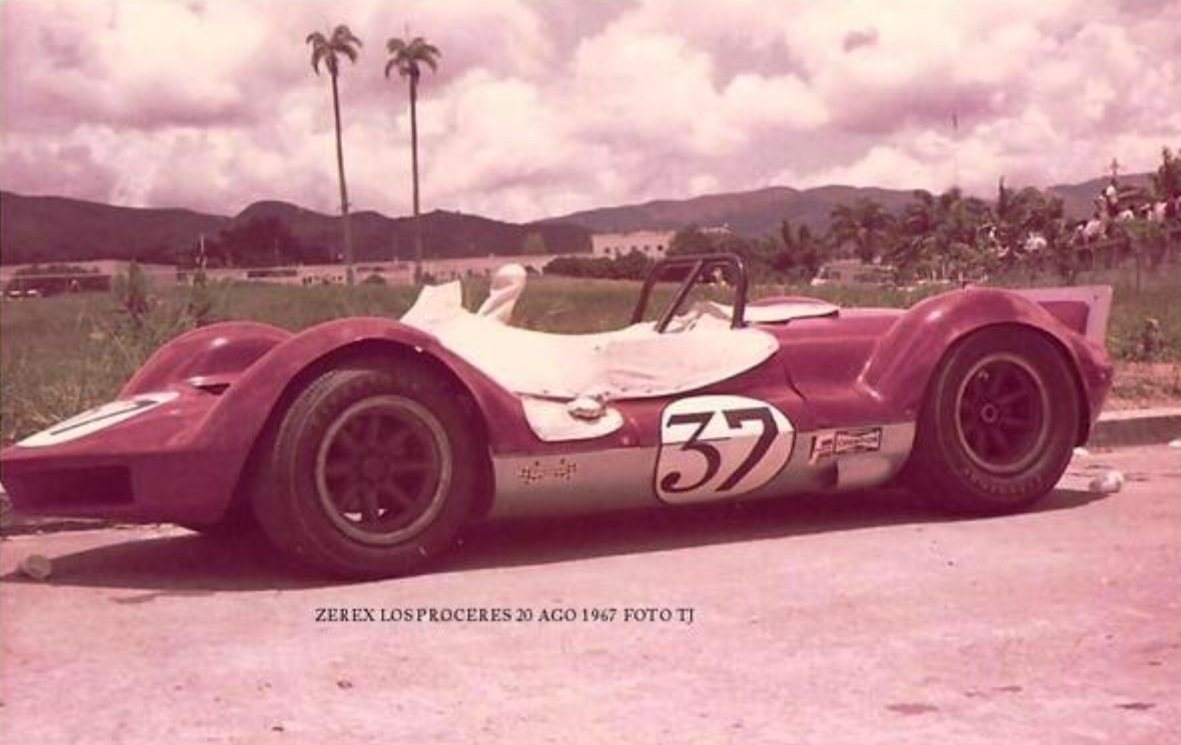
Cooper T53 aka Zerex aka Cooper Olds in Venezuela shortly after its arrival in 1967 (unattributed)

In late June 2022 the Zerex/Cooper Olds was shipped to the UK and is to be offered for sale by Bonhams during the September 2022 Goodwood Revival Meeting.

Check out this Nostalgia Forum Thread for more information and photographs of this wonderful car; Taproot of the McLaren marque – The Nostalgia Forum – The Autosport Forums

Etcetera…

zerex paddock 2

Paddock shot in 1963, circuit unknown. Cooper T53 standard front suspension comprises upper and lower wishbones and coil spring/damper units. Evolution 3 widened chassis and offset driving position, and second full size seat to comply with end of ’62 tightened rules is clear (unattributed)

zerex butt shot

Zerex butt shot in 1963. Beautifully fabricated aluminium body, circuit unknown, Pensacola perhaps (unattributed)

cooper mosport

Mosport ’64 colour shot of Bruce’s ‘new’ Cooper Olds – ain’t she sweet? (Bruce McLaren Trust)

Bibliography and Credits…

The Nostalgia Forum generally and Doug Nye’s posts on topic specifically, Bruce McLaren Trust, MiniWerks Forum. Photos credits David Friedman, Ron Nelson and the Bruce McLaren Trust

Tailpiece…

zerex ad

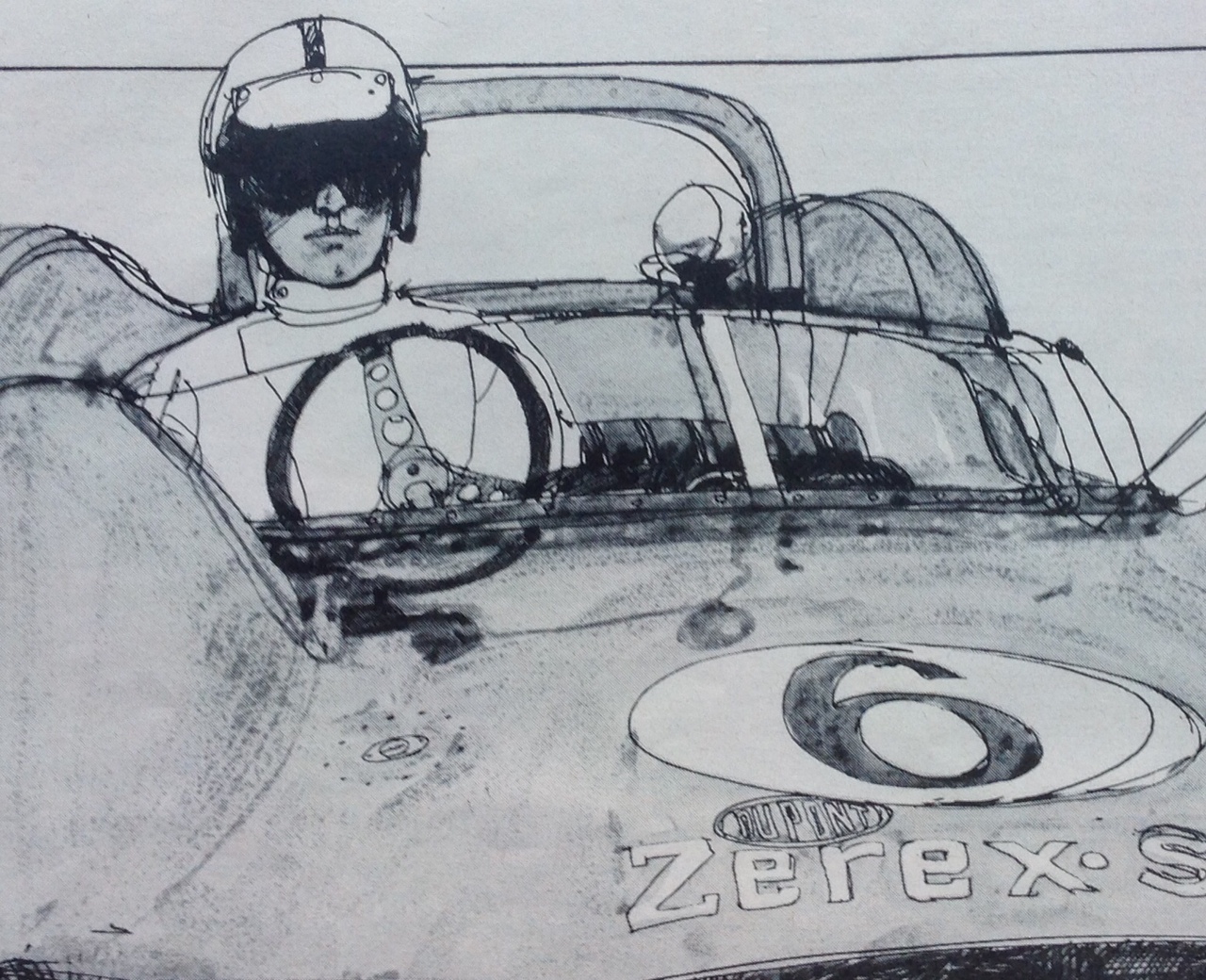
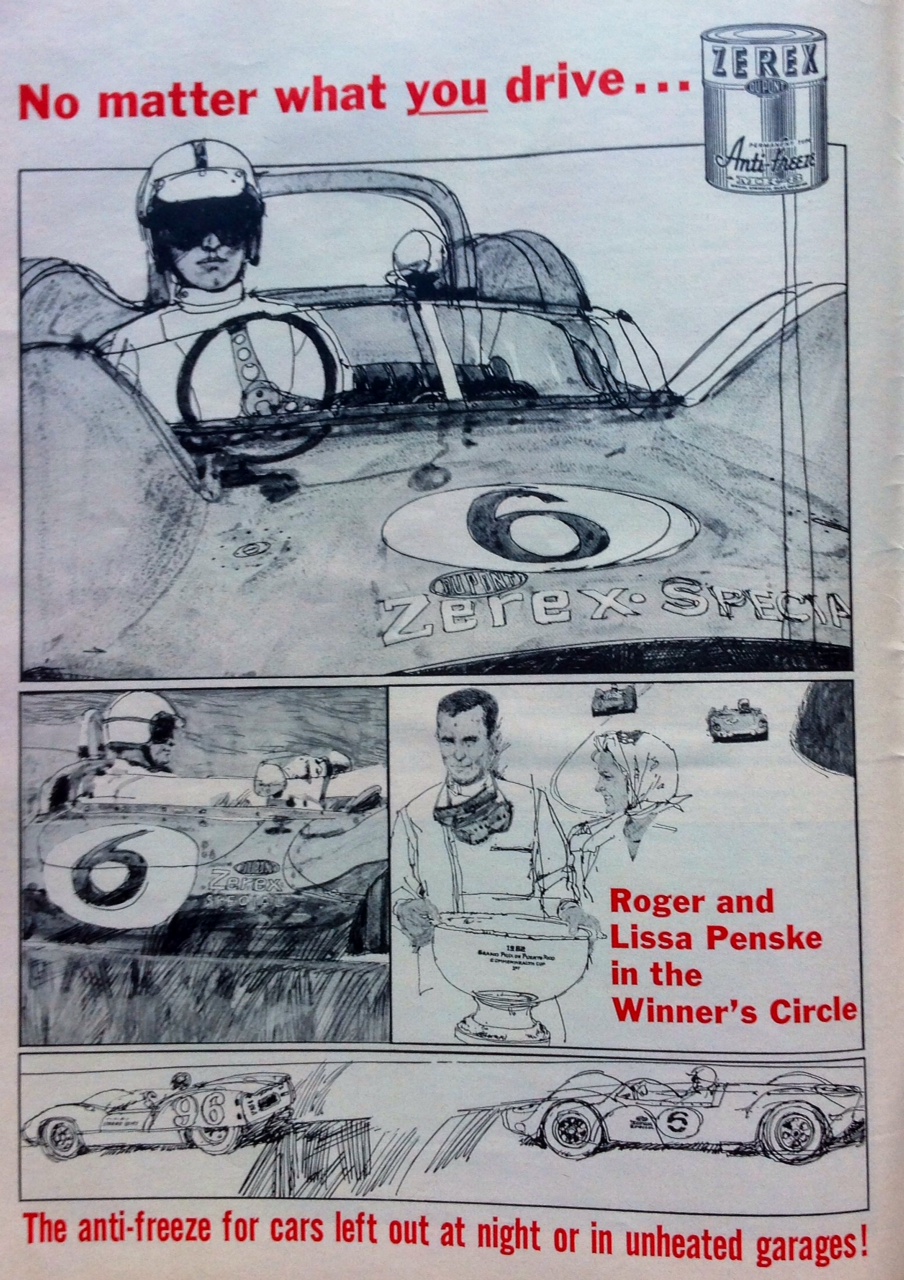
The ad which inspired this article I spotted in a pile of Road and Track magazines I bought. I was well aware of the Zerex Special, if not the infinite detail. The thing I didn’t know or care about was the derivation of the Cooper’s name. Penske secured sponsorship from Dupont to promote their Zerex antifreeze, not a product ever available in Australia, so now I know!

Finito…