Posts Tagged ‘Teodoro Zeccoli’

(S Johnson)

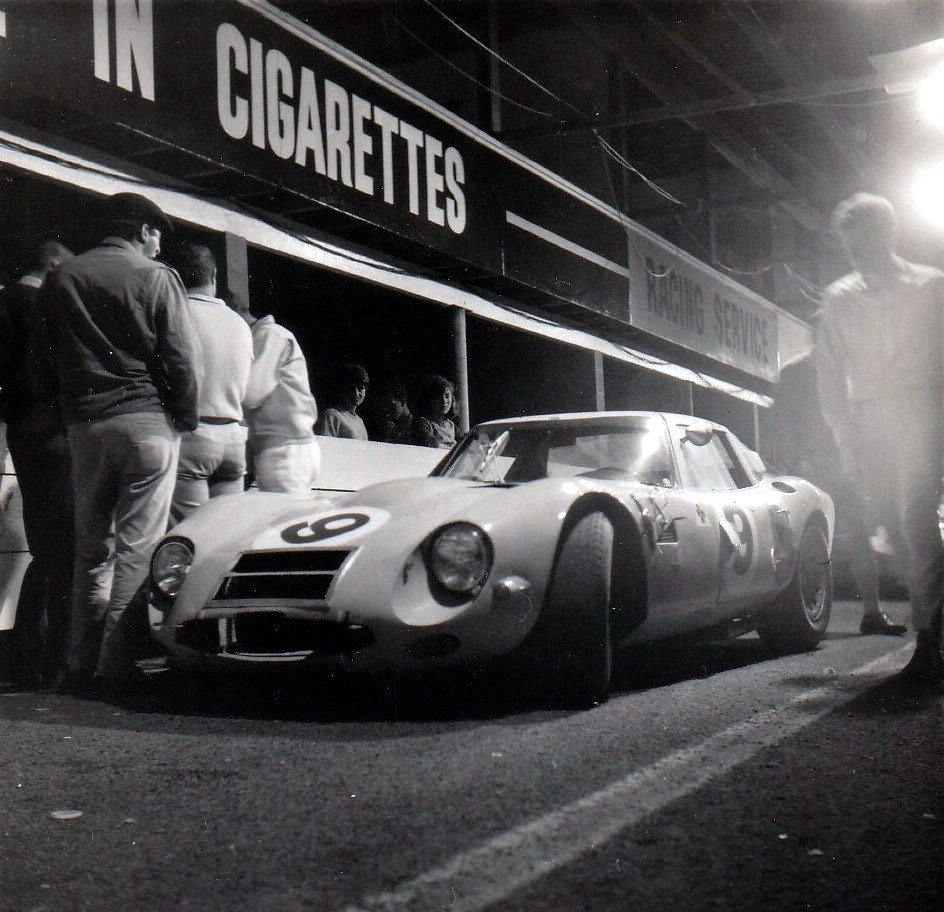
I love Stewart Johnson’s moody, evocative shot of Alec Mildren’s Alfa Romeo TZ-2 taken during the 1966 Surfers Paradise 12-Hour run over the August 21 weekend.

These cars were built for endurance events, not the five or ten-lap screamers prevalent in Australia, so it was a chance for the team to contest a 12-hour event of the type for which Autodelta designed the car.
(J Crawford)

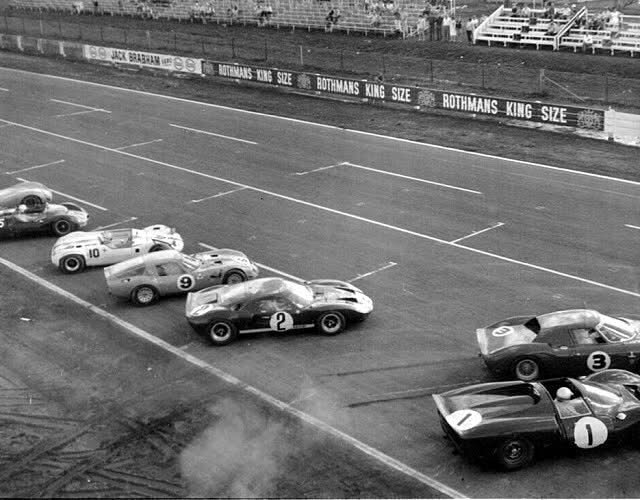
Jackie Stewart is best away at the start in the Scuderia Veloce Ferrari 250LM from the David Piper/Richard Attwood Ferrari 365 P2 #1, the Peter Sutcliffe/Frank Matich Ford GT40, the Bartlett/Chivas TZ2 and then the first of the Lotus 23B Lotus-Fords driven by Frank Demuth and John Harvey.

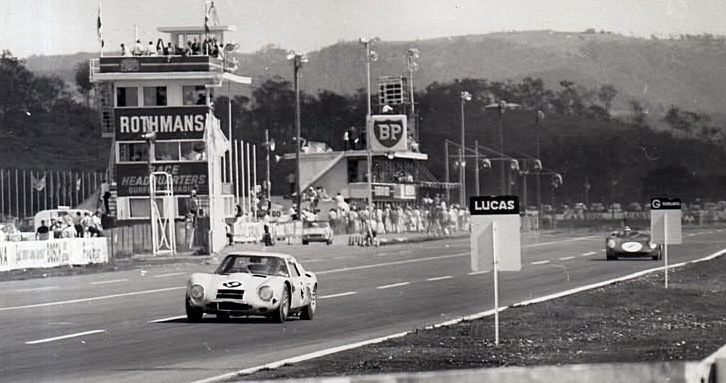
Below, the third-placed Bartlett/Chivas TZ-2 is ahead of the Piper/Attwood Ferrari 365 P2 DNF. Up front was the winning Stewart/Buchanan Ferrari 250LM, one lap ahead of the second-placed Sutcliffe/Matich Ford GT40.
(B Williamson Archive)
Ain’t they sweet…Kevin Bartlett TZ-2 and Spencer Martin in Bob Jane’s Jaguar E-Type Lightweight on the front row of the Country Club GT Trophy grid at Warwick Farm on September 18, 1966 (R Kaleda)

Chassis AR10511-750112 was built on a modified TZ-1 chassis; number 750072 was a chassis, not a complete car, and had an aluminium body, ‘presumed to be the only all-aluminium car and to have been used as the mould for the fibreglass cars,’ wrote zagatocars.com.

Registered UD111834, the works Autodelta machine was first raced by Roberto Bussinello and Andrea de Adamich in the April 25, 1965 Monza 1000km – round five of the World Sportscar Championship – finishing first in class and seventh outright. The race was won by the Mike Parkes/Jean Guichet Ferrari 275 P2.
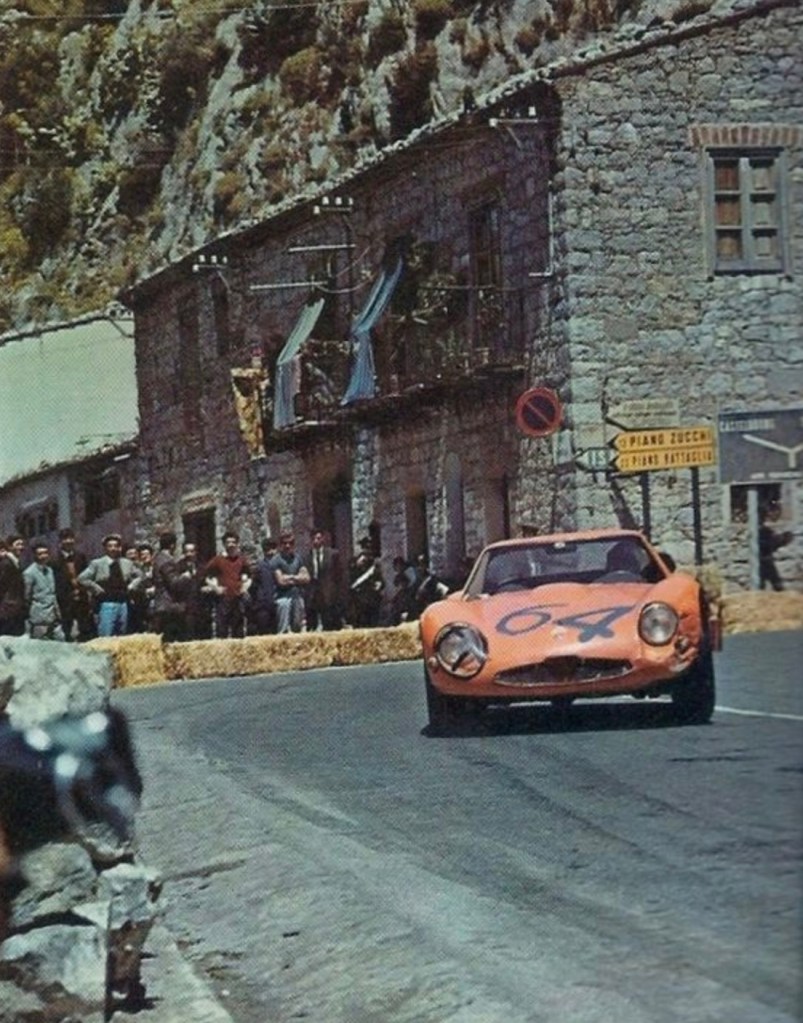
750112 Targa Florio 1965 Bussinello/Todaro (Wiki)
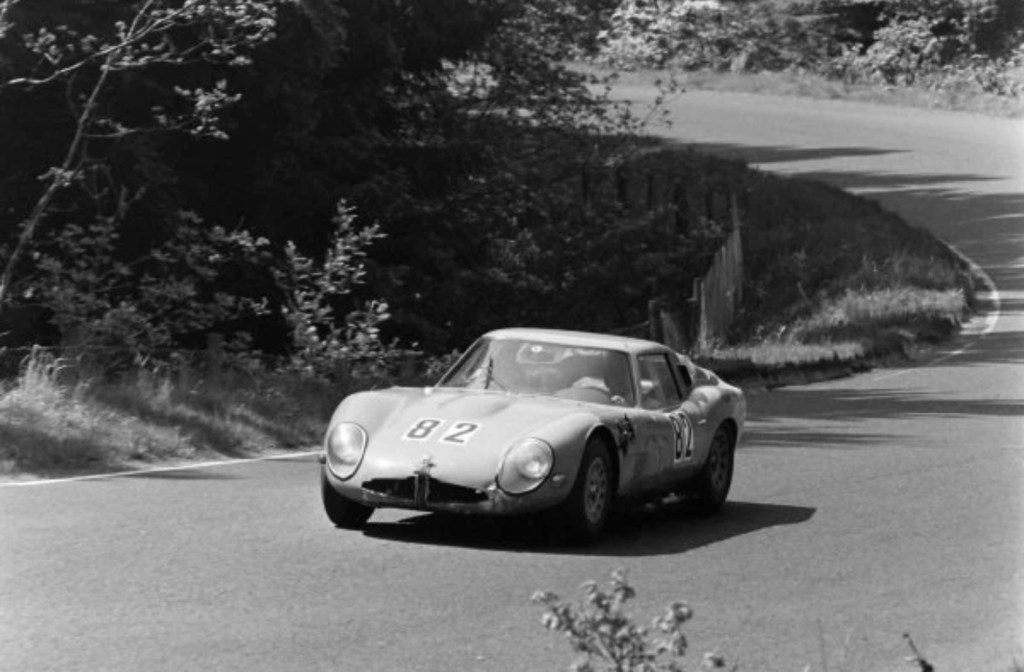
Bussinello/Zeccoli Nurburgring 1000km 1965 (unattributed)

It was then off to the Targa Florio on May 5. This time Bussinello was paired with Nino Todaro, but they failed to finish after an accident on lap 6 of 10. Up the front was the Vaccarella/Bandini Ferrari 275 P2.

Suitably repaired, 750112 was prepared for the Nurburgring 1000km a fortnight later, May 23, with Bussinello again at the wheel, this time paired with Teodoro Zeccoli, where they were 30th with 36 laps completed compared to winners’ Surtees/Scarfiotti’s 44 laps aboard a Ferrari 330 P2.
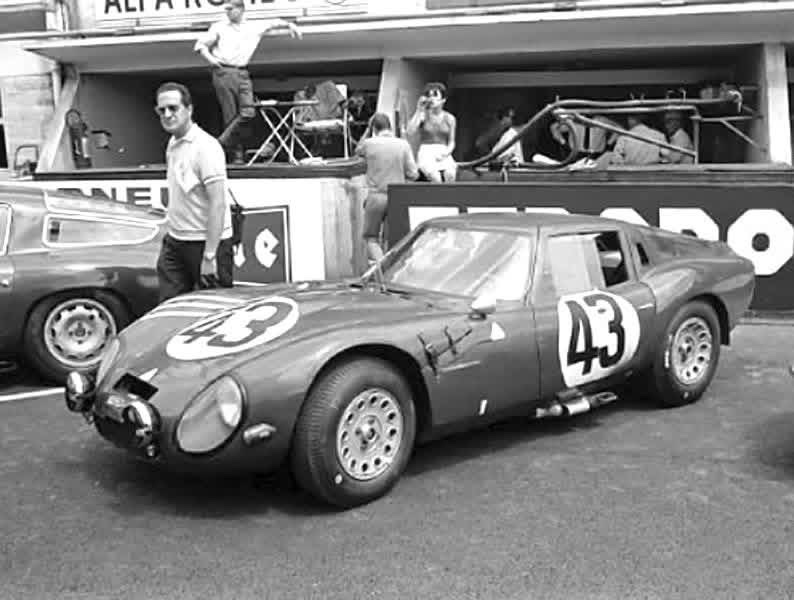
750112 in the Le Mans pits 1965 (unattributed)
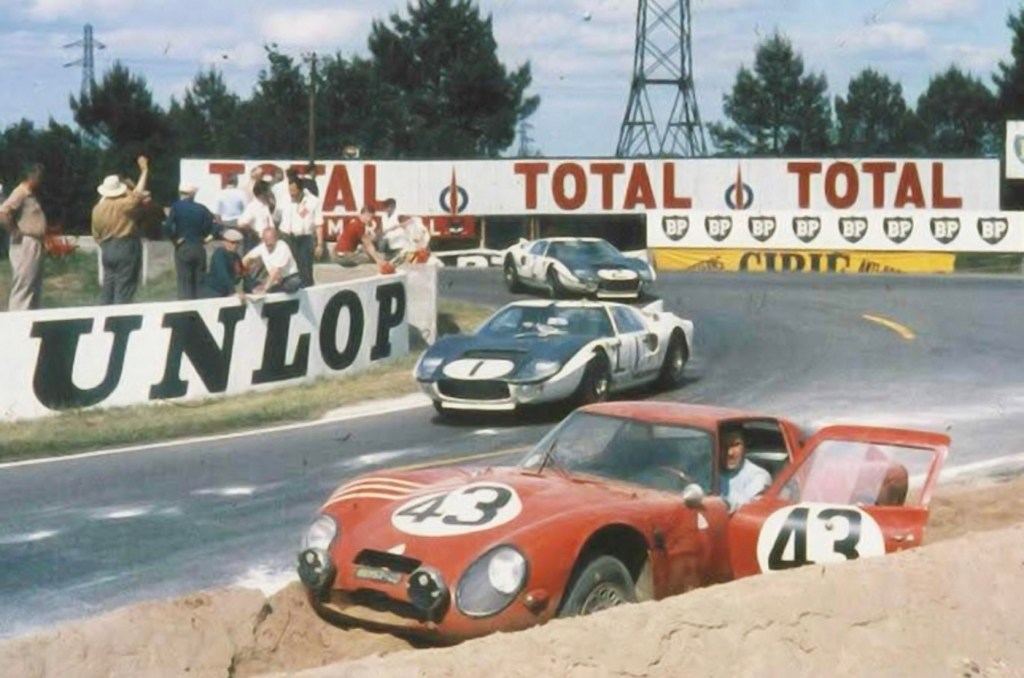
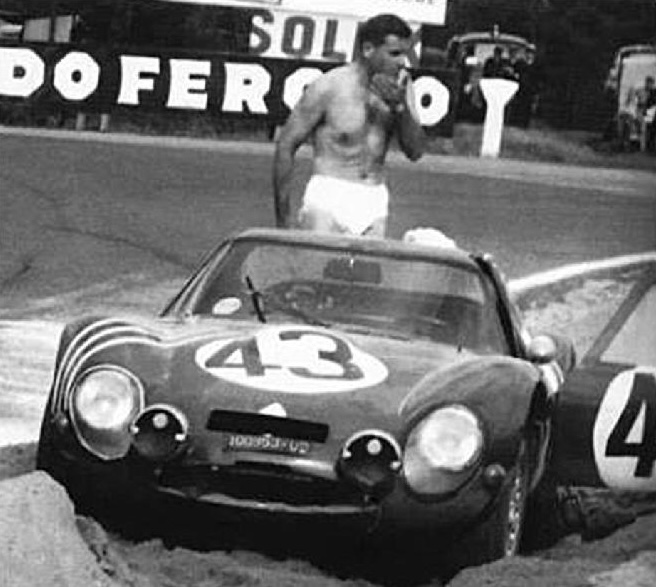
Le Mans 1965. Zeccoli plans his attack on the Mulsanne sand dune while the works-Ford GT40 Mk2s of Ken Miles and Phil Hill – DNFs both – rumble past on their second lap (unattributed)

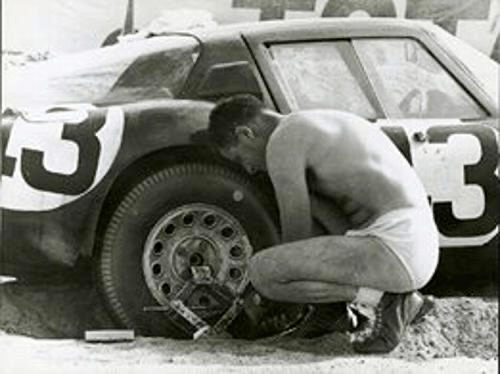
The car’s final European outing before its sale to Alec Mildren was at Le Mans on June 19-20 where Zeccoli shared it with Jose Rosinski. The weekend looked promising enough but it all came undone come raceday when Teodoro went off at the end of the Mulsanne into the sand trap from which he never escaped.

He didn’t give up, though. The spectators were treated to a gritty two-hour performance where Zeccoli tried to dig the car loose, the final element of which involved stripping down to his jocks to use his race suit under a rear wheel in an attempt to get more traction. Unsuccessfully, unfortunately.
(Alfa Romeo)
(Alfa Romeo)

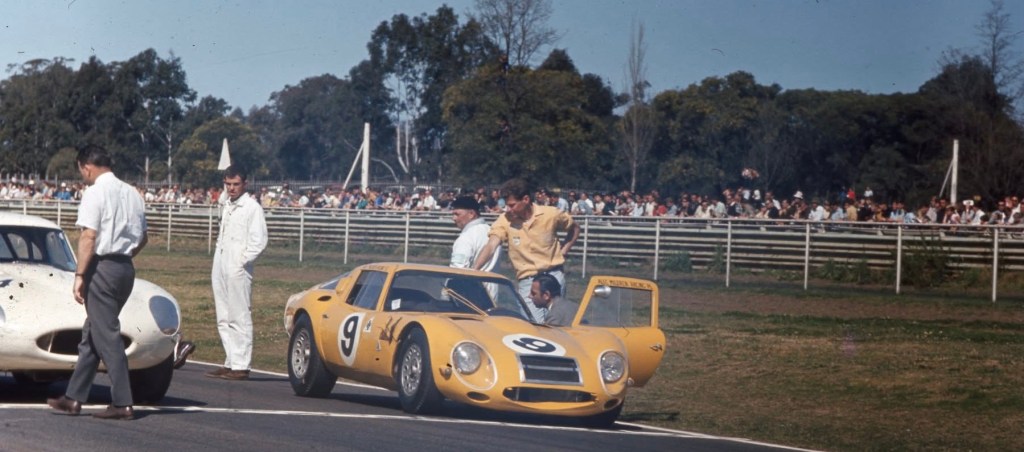
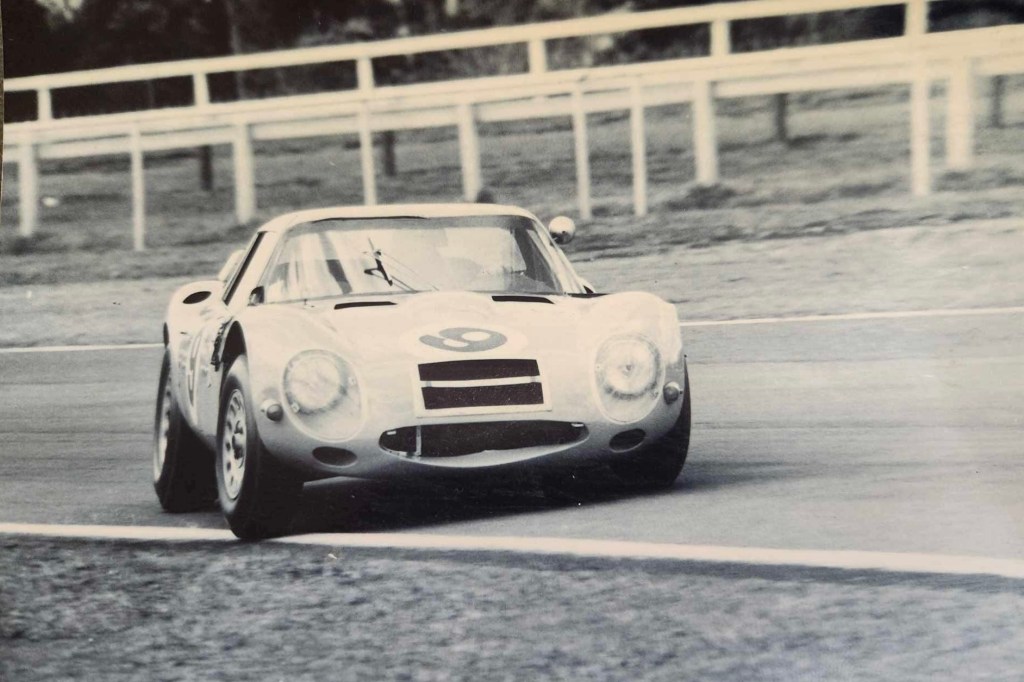
Mildren then imported 750112 to replace the second of his GTAs in mid-1966 with its regular pilot, Kevin Bartlett, seen below giving the now yellow car plenty at Warwick Farm in 1966.
(K Bartlett Arc)
(K Crump via E Holly)

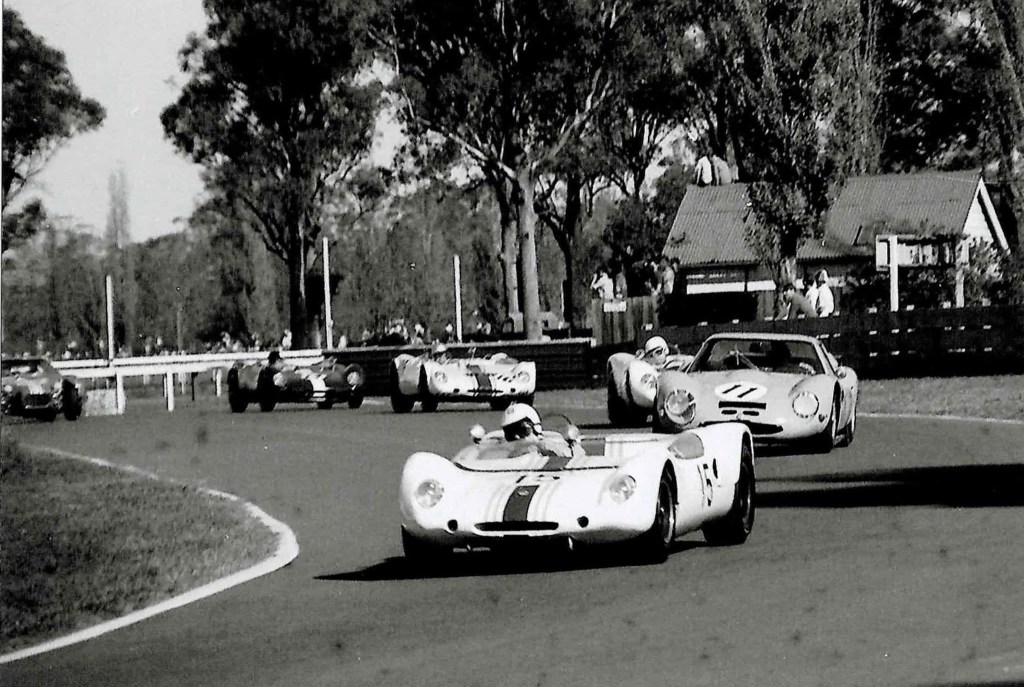
Amongst the sprinters. Frank Demuth’s Lotus 23B from Kevin Bartlett, Alfa Romeo TZ-2, Niel Allen, Lotus 23B, Lionel Ayers, MRC Lotus 23B and Greg Cusack’s Lotus 23B then the obscured Les Howard’s Lotus Super 7 and Spencer Martin’s Ferrari 250LM on June 15, 1966

And below, Bartlett chasing Ron Thorp’s AC Cobra, again at Warwick Farm
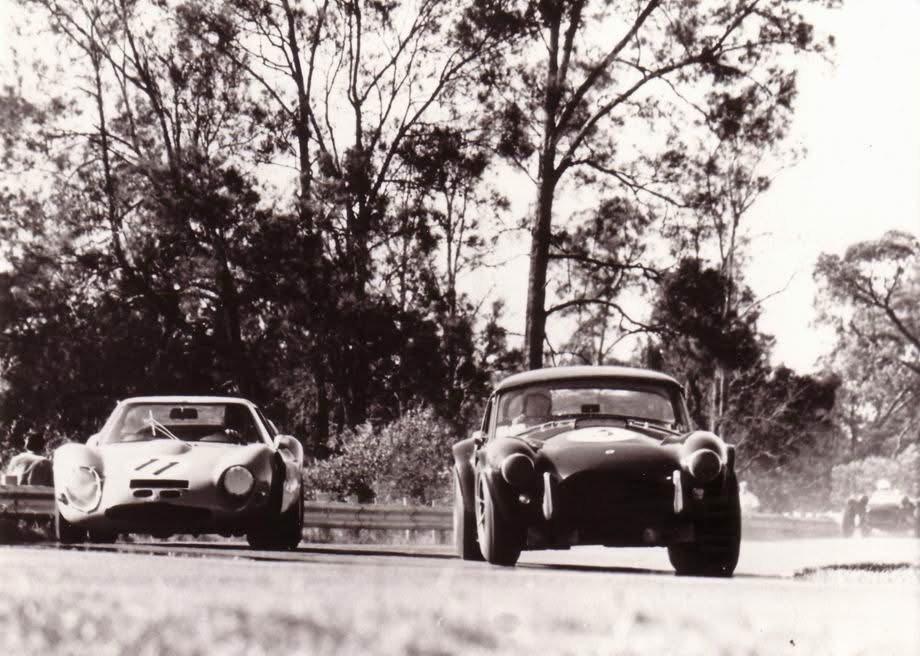
(G Dowdle)

750112’s ownership roll call in Australia is fairly long, although most of them didn’t race it.

From Mildrens the car went to Roy Compton, then Max Brunninghausen in 1967, Compton trading the TZ-2 on Brunninghausen’s TZ-1. Max raced it extensively, including a trip to the Macau Grand Prix in 1968, where he finished a splendid third in the sports car behind Jan Bussell’s winning Brabham Lotus-Ford and Hengkie Iriawan’s Elfin 600C Ford FVA.

The robust TZ-2 was ideally suited to the rough road circuit, although Max had his challenges after differential failure during practice. Divine Intervention came via Alec Mildren and the Australian Government, who shipped a spare diff from Sydney to Macau via a Diplomatic Bag!
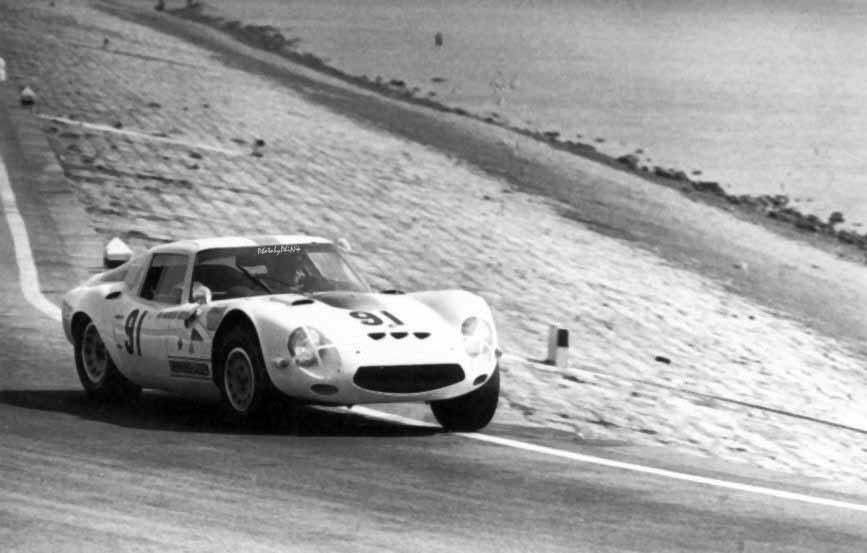
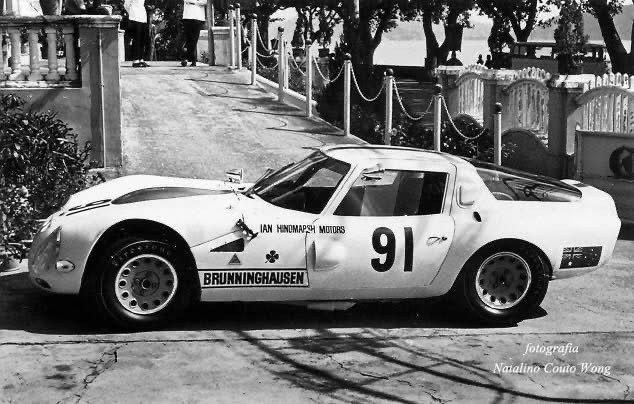
Max Brunninghausen at Macau in 1968 (Z Drummer)
(N Wong)

Another Sydneysider, Denis Cribbin followed in 1969, the cars contemporary racing history, including two or three decent hits along the way, was then over.

The trail of ownership then goes something like this. Les Miller bought it in 1971, followed by Messrs. Robertson, Hopkins, and Whiting in quick succession (is this correct? I’ve never heard of them in connection with this car), then Royce Fullard of Eltham, Victoria. Royce may have sold it to Nick Langford, who lived not far away in Mitcham.

When I saw the car in Langford’s restoration business at Castlemaine circa 1978, it was in a million bits. Langford – an Alfisti through and through – would have done a great job with the restoration, but its sale as a result of his matrimonial earthquake shook the car loose, and it left our shores for good circa-1980. Current custodian folks?
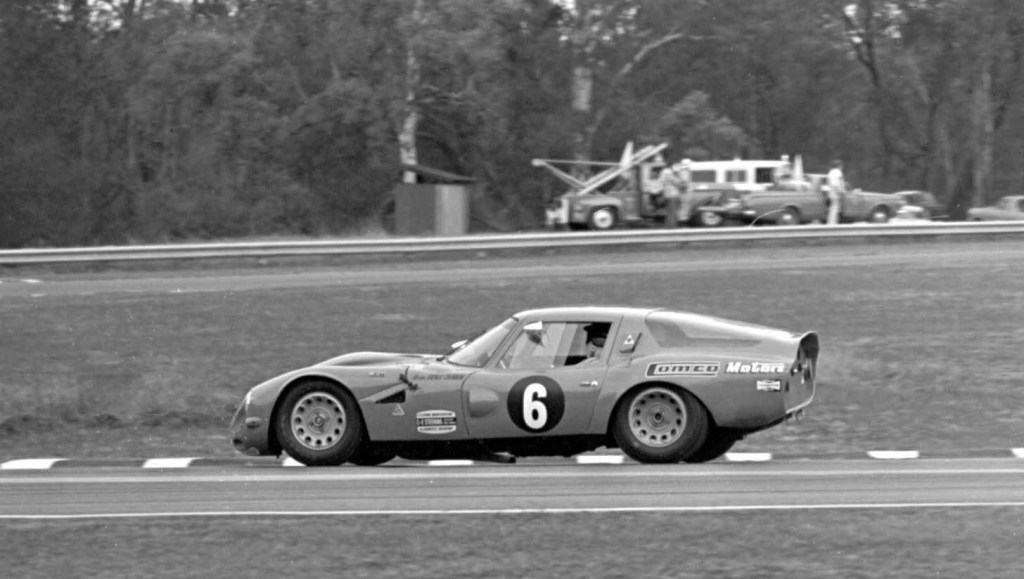
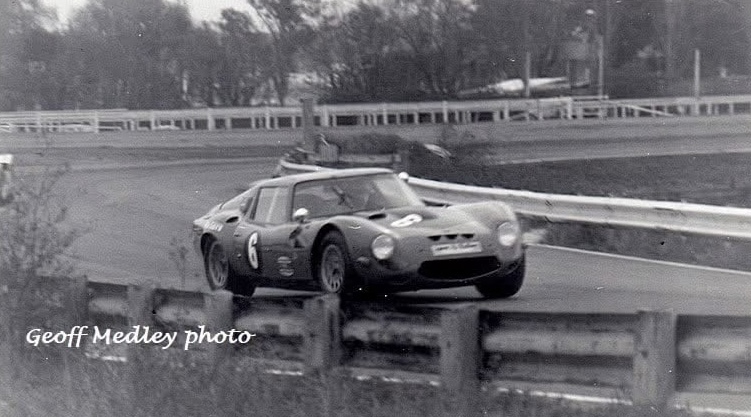
Denis Cribbin at Warwick Farm in September 1969 (L Hemer)

Etcetera…

(Marouf Collection)

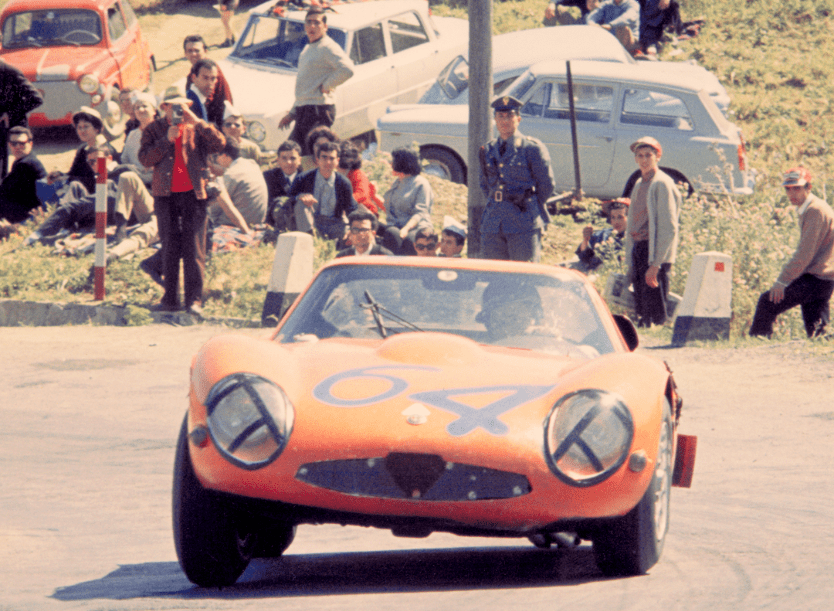
The Bussinello/Todaro TZ-2 #750112 during the 1965 Targa Florio.

Denis Jenkinson wrote in MotorSport about the new car’s Targa appearance. ‘The special bodied orange Alfa Romeo GTZ of Autodelta, the factory team, came screaming into sight at the far end of the village street, and snarled as it slowed and changed down for the corner in the square.’

The secret of the car’s success was the careful evolution of the TZ-1 chassis and engine. Later in its competitive life in Australia, the capacity of the twin-plug twin-cam four-cylinder engine fitted to 750112 was circa-1.9-litres rather than the 1.6-litre unit first fitted.

To reduce weight, the TZ’s aluminum body was replaced with a lighter fibreglass one, with the exception of ‘our’ 750112. Designer Ercole Spada created an erotic, lower, leaner, more aggressive body. All of the improvements resulted in a car that sat 140 mm lower, produced 20 extra horsepower and weighed 40 kg less than the TZ-1.
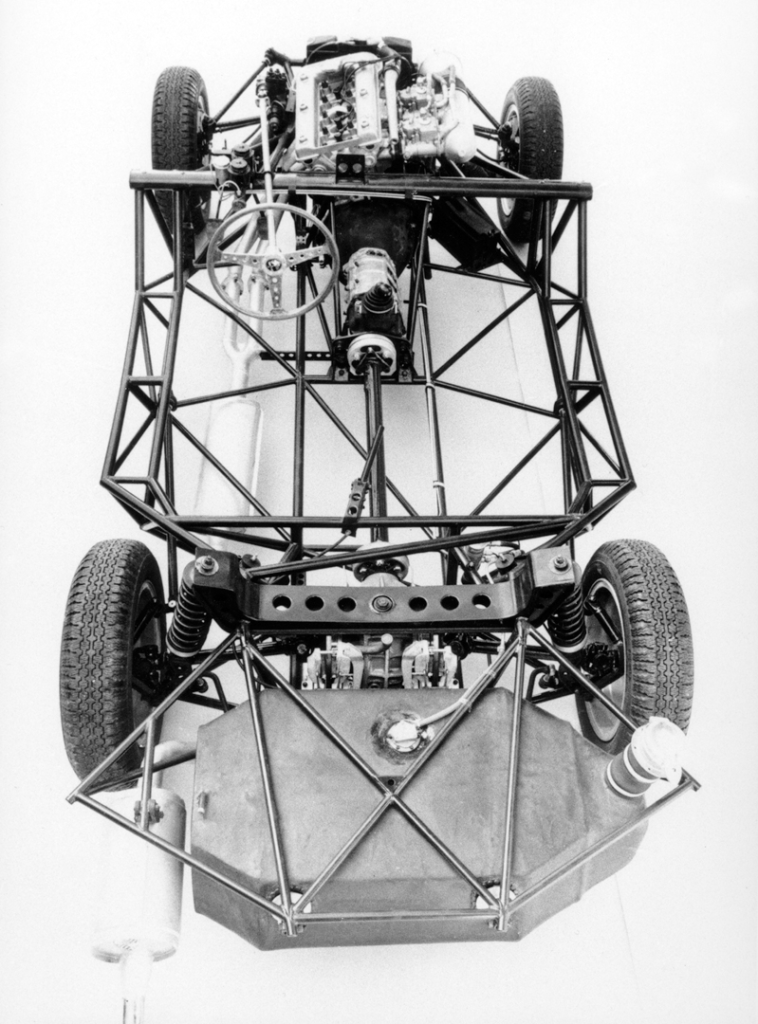
(Alfa Romeo)

Alfa Romeo historian/author Ed McDonough wrote that, ‘Unfortunately, by the time the TZ-2s made their race debut at Monza in 1965, Alfa management had already told Carlo Chiti, Autodelta’s director, that his shop was to concentrate its efforts on developing the GTA and the Tipo 33.’

‘This was done at the TZ-2’s expense, and soon the cars were sold off to privateers. The TZ-2 raced successfully for another two seasons and scored class and sometimes even overall wins in a variety of events, including sprints, endurance races, and hillclimbs. The TZ2 extended the TZ-1’s victories with wins in the 1600 GT class at Sebring, the Targa Florio, the Nürburgring 1000 km, Monthlery, Spa and Monza.’
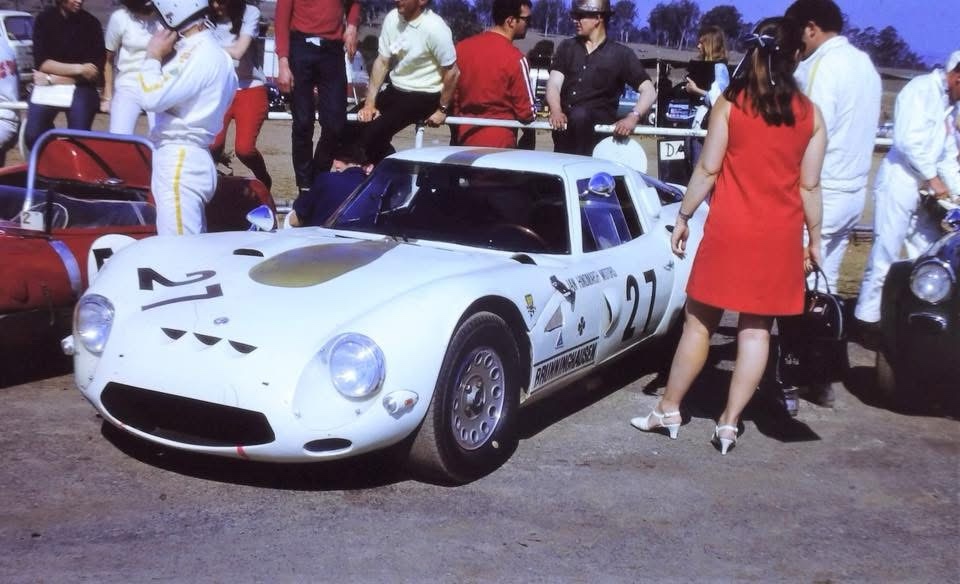
(B Reid)

Max Brunninghausen in the Warwick Farm form up area above, and in the Surfers Paradise pits in 1968 below.
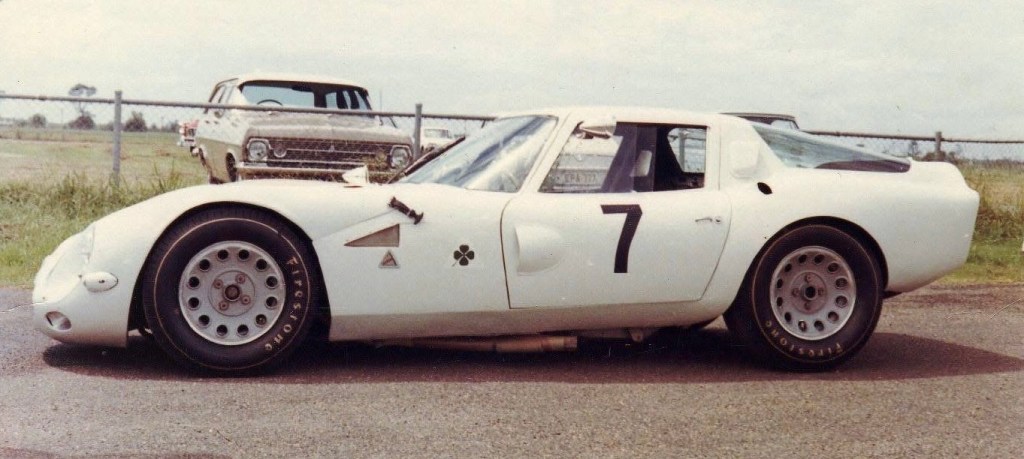
(J Gray)

‘There are constant arguments as to how many TZ-2s were built, ‘ wrote Ed McDonough. ‘According to Alfa expert L. Fusi, twelve were made from chassis 750.114 to 750.121, obviously leaving some numbers out. Author David Styles says ten were built, while Hull and Slater say twelve, as does Belgian Tony Adrieansens. Adrieansens argues eight were made in 1965, and four of the 1965 TZ-2 chassis were built with TZ-1 chassis numbers. For example, 750.104 is a TZ-1 chassis number but is an early TZ-2. 750.1106 is the same and was one of the early test cars. Possibly 750.112 is the only aluminium-bodied car.’

‘All the nine Zagato-bodied racecars are accounted for and most are in racing condition. Since the running gear is production based, they are relatively inexpensive to run in vintage racing. However, you’ll first need more than a million dollars to buy one, as that’s what the last one sold for at auction.’

Credits…

Stewart Johnson, John Crawford, Ray Kaleda, Zito Drummer, Natalino Wong, Geoff Dowdle, Bill Reid, Ken Crump via Ed Holly Archive, Kevin Bartlett Achive, John Gray, Lynton Hemer, Geoff Medley, Alfa Romeo Archive, Marouf Collection, zagato-cars.com, ‘Colour and Noise:40 Years of the Macau Grand Prix’ by Phillip Newsome, Ed McDonough ‘Alfa Romeo TZ2-Delta Force’ article on supercars.net.

Finito…
image

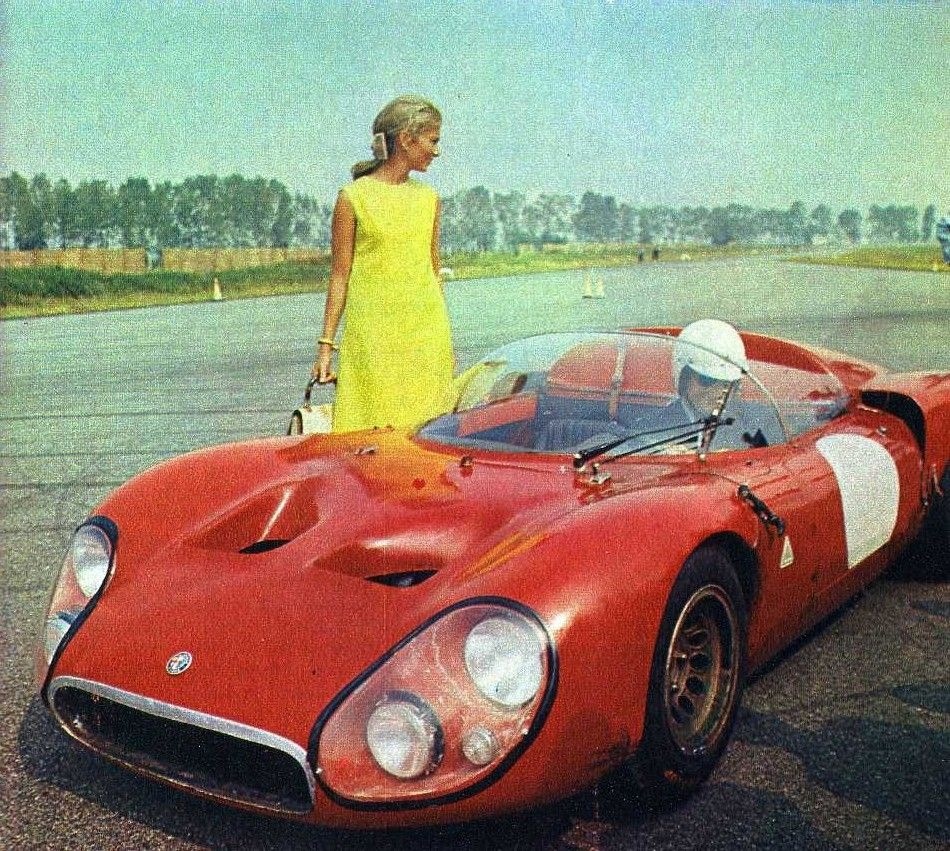
Alfa Romeo publicity shot of Prince Albert and Princess Paola, Belgian Royals at Balocco, Alfa’s test circuit…

The Prince is about to test the ultimately very successful Tipo 33, here in Mugello Spyder 2-litre 1967 form. Thanks to Claudy Schmitz for identifying the Royal Couple and Balocco as the correct venue, the power of Facebook! Whilst the Princess was born of Italian Royal blood it would be interesting to know the circumstances of this test drive, the car was definitely too small for their family of five!

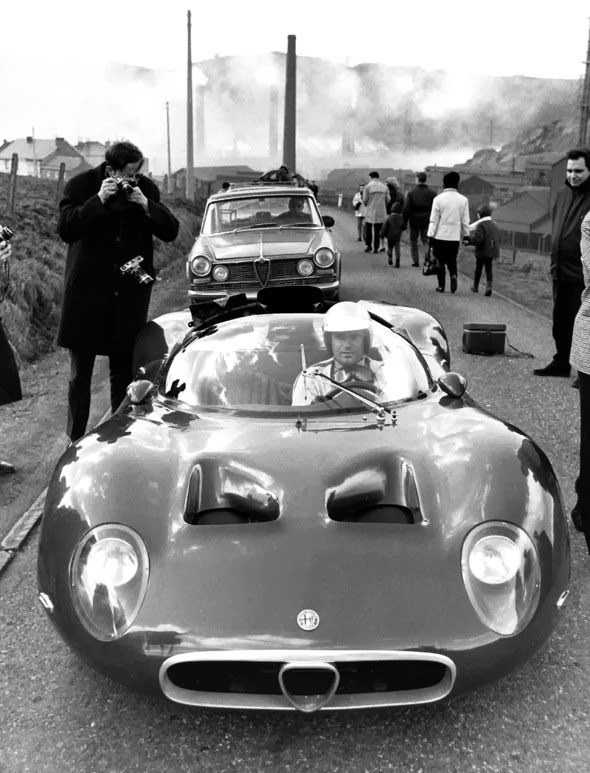
Alfa’s first mid-engined racer made its competition debut at the Fleron Hillclimb in Belgium on 12 March 1967, factory test pilot Teodoro Zeccoli took a win from some stiff competition.

image
Zeccoli at the Belgian Fleron Hillclimb upon the T33 ‘Periscopica’ debut meeting. Alfa 2600 Berlina behind. Fleron is in the Province of Liege, location appears very industrial, power station in the background (unattributed)

The 33 made its race debut at Sebring that summer of ’67, the weekend of 1 April...

Andrea De Adamich led the 12 Hour event’s first lap but both cars entered retired with suspension and overheating dramas.

Here are some shots of the cars in the Sebring paddock; #65 is DeAdamich/Zeccoli, #66 Roberto Businello/Nanni Galli. The race was won by the factory Ford Mk4 of Bruce McLaren and Mario Andretti. I covered the 1967 Endurance Season in some detail in an article i wrote a while back about Ferrari P4/CanAm350 ‘0858’ which may be of interest to some of you;

Ferrari P4/Can Am 350 #0858…

33 1
(Paolo Devodier)
33 2
(Paolo Devodier)

The more you look the more you see, Sebring, the DeAdamich/Zeccoli T33. Engine, two coils, behind the engine the circular vertical ducts which take cool air to the inboard discs when the body is lowered into position are clear. See the rear chassis diaphragm and coil spring/dampers, inboard Girling discs, oil tank to the left of the six-speed Alfa ‘box, battery to its right. Build quality clear.

33 3
(Paolo Devodier)

Those beautiful Alfa mag alloy wheels, filler for centrally located fuel tanks, a spare had to be carried under the regs of the time.The front of the cast magnesium chassis extension houses the radiator, you can just see the nearside suspension ‘top hat’ and adjustable roll bar going forward and mounting at its outer end.

33 4
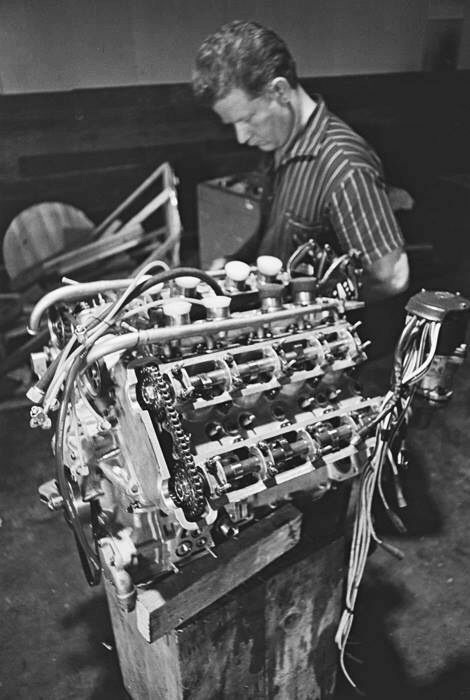
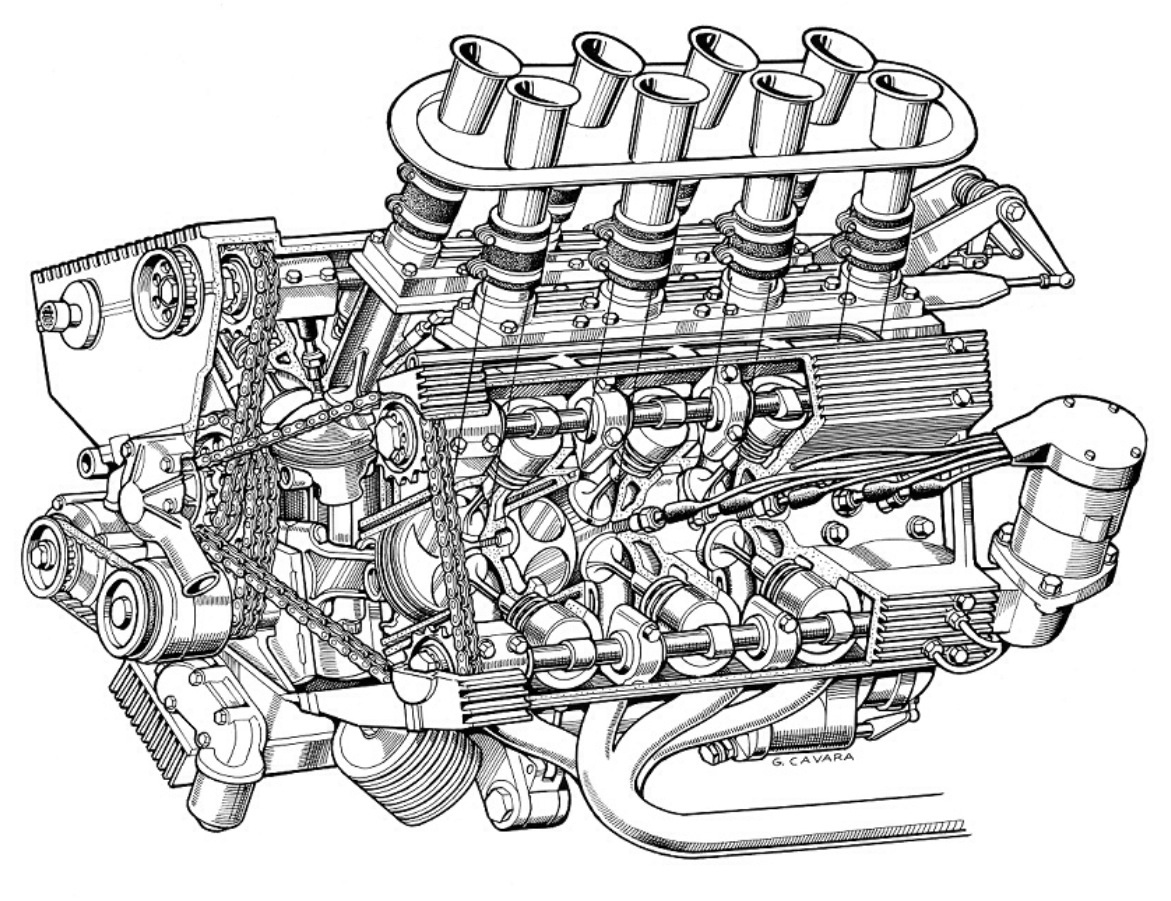
Engine change in the Sebring ’67 garage. ‘Periscopica’ 2-litre T33 all alloy, Lucas injected, DOHC chain-driven two-valve V8 engine developed a claimed 260-270bhp @ 9500rpm (Paolo Devodier)

Four cars were entered in the ’67 Targa Florio

All failed to finish due to suspension problems (De Adamich/Jean Rolland/Bonnier/Baghetti) and a minor accident involving the Geki Russo/Nino Todaro. The race was won by the Porsche 910 of Paul Hawkins and Rolf Stommelen.

image
Targa Florio 1967. The Bonnier/Baghetti T33 ahead of the other factory cars…Periscopica clear to see. Love the ‘period’ hand-painted numbers. (Unattributed)
bonnier baghetti alsfa
Jo Bonnier in the T33 he shared with Giancarlo Baghetti during Targa 1967 (unattributed)
33 5
T33 cockpit shot at ’67 Targa. LHD unusual in racing sportscars, Alfa would later change to the norm. Momo steering wheel, Veglia instruments, change for six-speed box all clear, lots of instruments for the driver to monitor. Not sure which chassis this is, or the T33 in front, you can just see the tail of the Scuderia Filipinetti Ferrari P3/412P ahead (Rainer Schlegelmilch)

Nani Galli and Andrea De Adamich finally broke through for the team at the Nurburgring, they finished fifth in the 1000Km behind four Porsche 910s...

The winning Porsche 910 was driven by the combination of Joe Buzzetta and Udo Schutz. The De Adamich/Galli T33 had another suspension failure on lap 18, but they shared the other car driven by Businello/Zeccoli, the four drivers getting the joy of the cars’ first race finish.

33 6
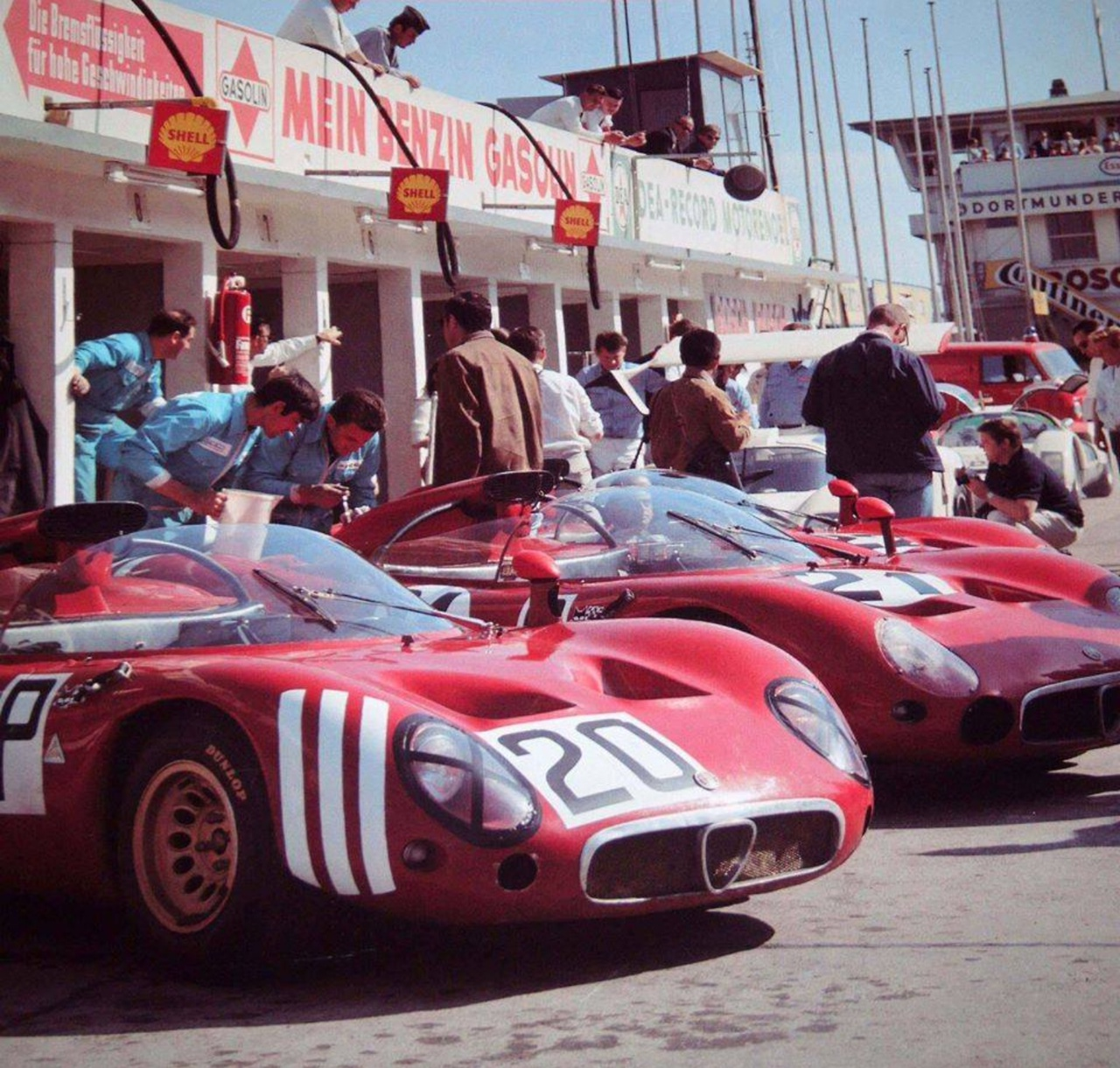
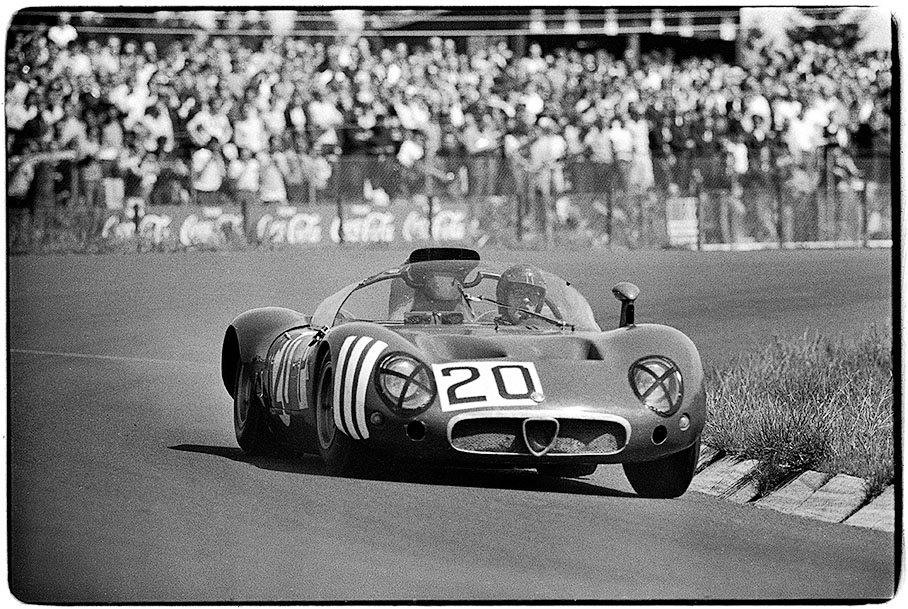
Autodelta SpA lineup in the Nurburgring pitlane, 28 May 1967. #20 DeAdamich/Galli (DNF suspension) #21 Russo/Baghetti (DNF ‘box) and #22 fifth place car of Businello/Zeccoli/DeAdamich/Galli (Accursio Cassarino)
33 8
Andrea De Adamich in the T33 he shared with Nanni Galli, the Italian duo DNF with suspension failure, then hopped into the #22 surviving car for fifth place (unattributed)
nurb
The ‘pre-owned’ T33 of de Adamich/Galli during Nurburgring practice 28 May 1967 (Rainer Schlegelmilch)
33 9
Ignazio Giunti with tyre problems at Mugello (unattributed)

The Periscopica’s final start for 1967 was the Circuit of Mugello in July, eight laps of a tough 66km road circuit…

Udo Schutz and Gerhard Mitter won the race tailor made for the fast, light but tough Porsche 910. A privately entered GTA was the best place Alfa in seventh, the three Autodelta T33s of DeAdamich/Galli, Lucien Bianchi/Giunti and Colin Davis/Spartaco Dini all failed to finish.

33 10
(Accursio Cassarino)

It had been a patchy start but the Tipo 33 continually evolved over the following decade ultimately winning many races, sometimes not against the strongest of opposition, but ultimately winning the World Championship of Makes in 1975 and 1977.

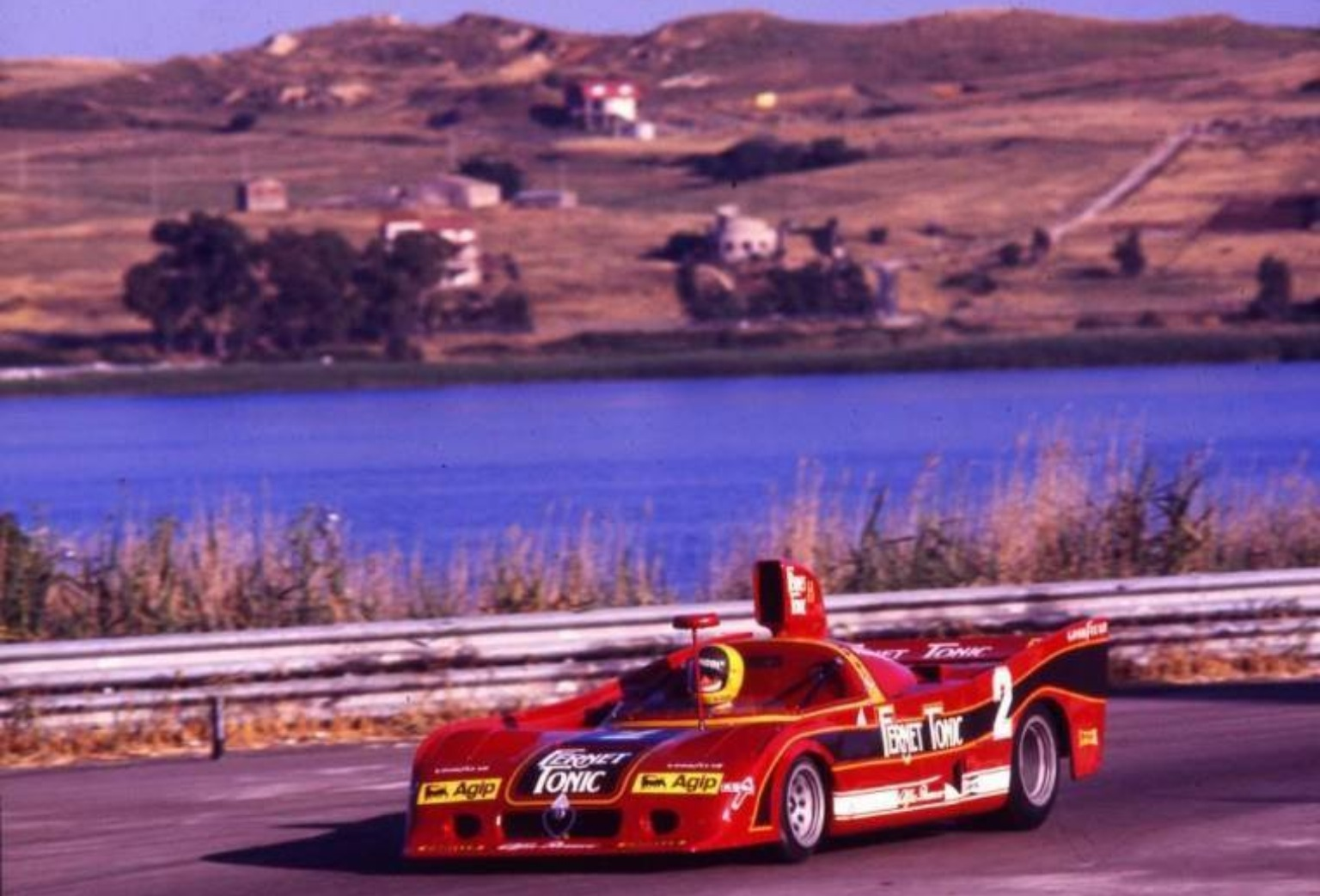
Shown above is the 1977 Alfa 33 SC12 driven by Spartaco Dini at Enna-Pergusa in June. The car used a spaceframe chassis (Alfa used both spaceframes and monocoques during the model’s long life and evolution) and a 2.1-litre fuel injected, twin turbo, four-valve V12 producing circa 640bhp. Dini practiced the car but did not start, this car was driven by Francia/Merzario but was disqualified for a startline infringement, Arturo Merzario won in another SC12.

image
(Vic Berris)

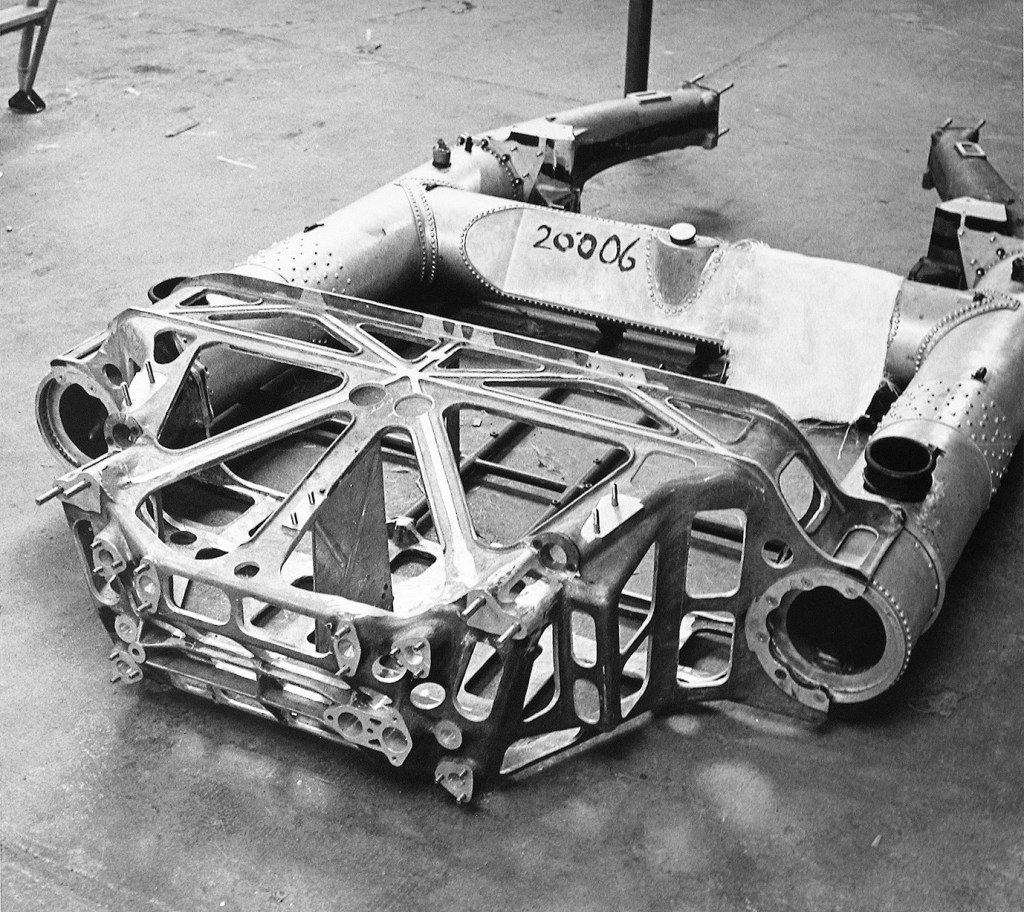
The T33 in its original guise had an unusual chassis design...

The main structure comprised two longitudinal aluminium spars to which was mounted a complex magnesium casting at the front, the front suspension mounted to it. At the rear the spars had a fabricated sheet metal saddle to which the suspension was attached.

The suspension itself was conventional for the period; upper and lower wishbones and coil spring/ damper units and single top link, inverted lower wishbone and twin radius rods, coil spring/ dampers at the rear. Adjustable sway bars fitted of course. Uprights were cast magnesium, steering rack and pinion with Girling disc brakes front and rear. Weight 580Kg.

(LAT)

Periscopica chassis. The incredible, complex cast magnesium front bulkhead referred to in the text is clear, the spars are bolted to it, and in turn, the two rear section pieces to the large spars.

image

The tall ram air intake gave the car it’s nickname, Periscopica…

The heart of the early T33s was of course it’s superb little all alloy DOHC V8. Initially 2-litres (1995cc) and two-valves per cylinder, the cams were chain driven, the Lucas fuel injected engines power output was a claimed as 260bhp @ 9500rpm, the gearbox Alfa’s own six-speed transaxle.

Etcetera…

Also see this article on the Alfa T33/3 4-litre coupe: https://primotipo.com/2014/05/15/when-im-in-a-car-i/

Credits…

Cutaway drawing of car Vic Berris, engine cutaway G Cavara, Claudy Schmitz, Paolo Devodier, Accursio Cassarino, Rainer Schlegelmilch, Facebook ‘Alfa Romeo 33 Sport Car’ Group, LAT, Tony Pashley Collection

Tailpiece…

de ad nurb
(Rainer Schlegelmilch)

Andrea De Adamich jumping the T33 he shared with Nanni Galli at the Nurburgring 1000Km in 1967, DNF.

Finito…