


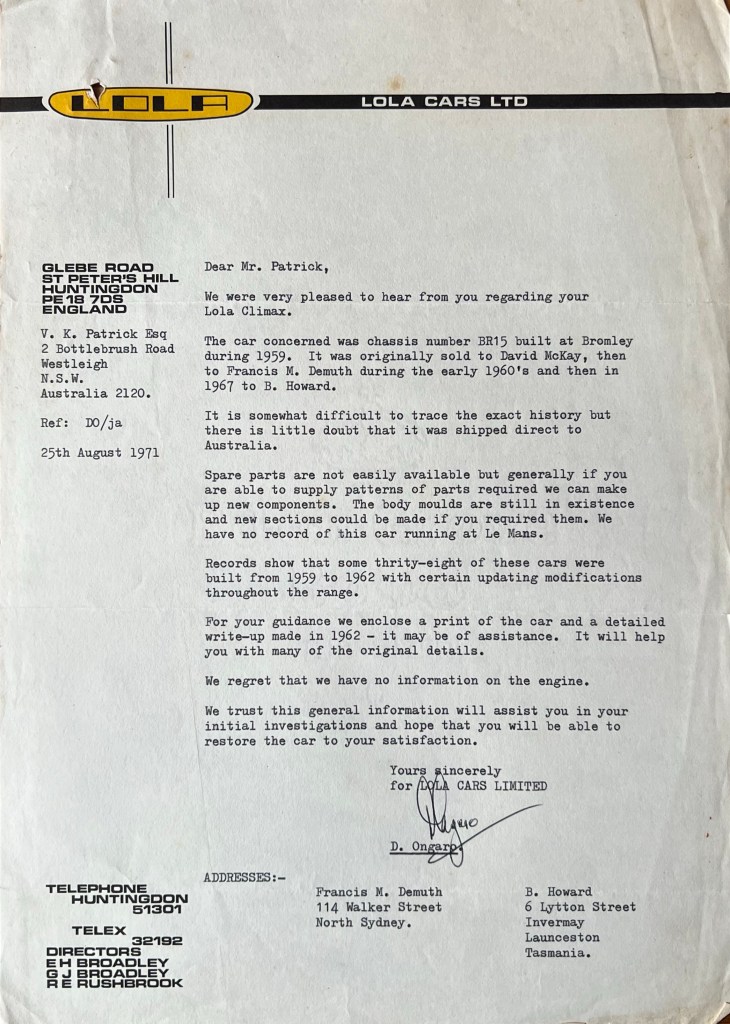
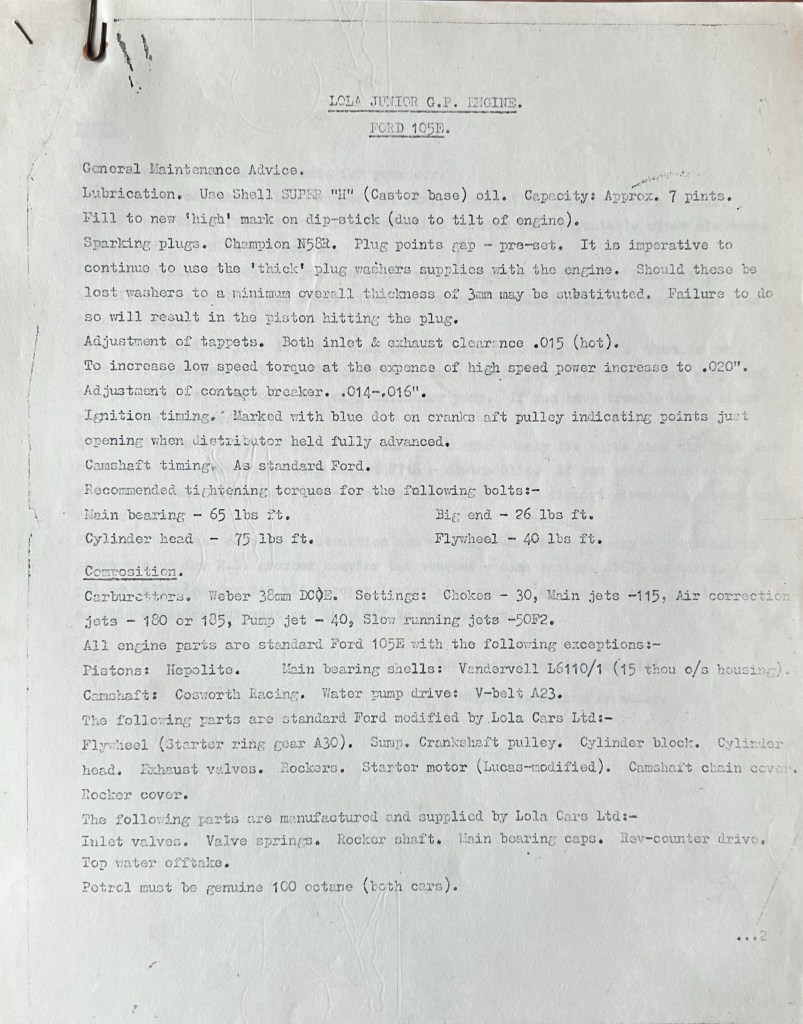
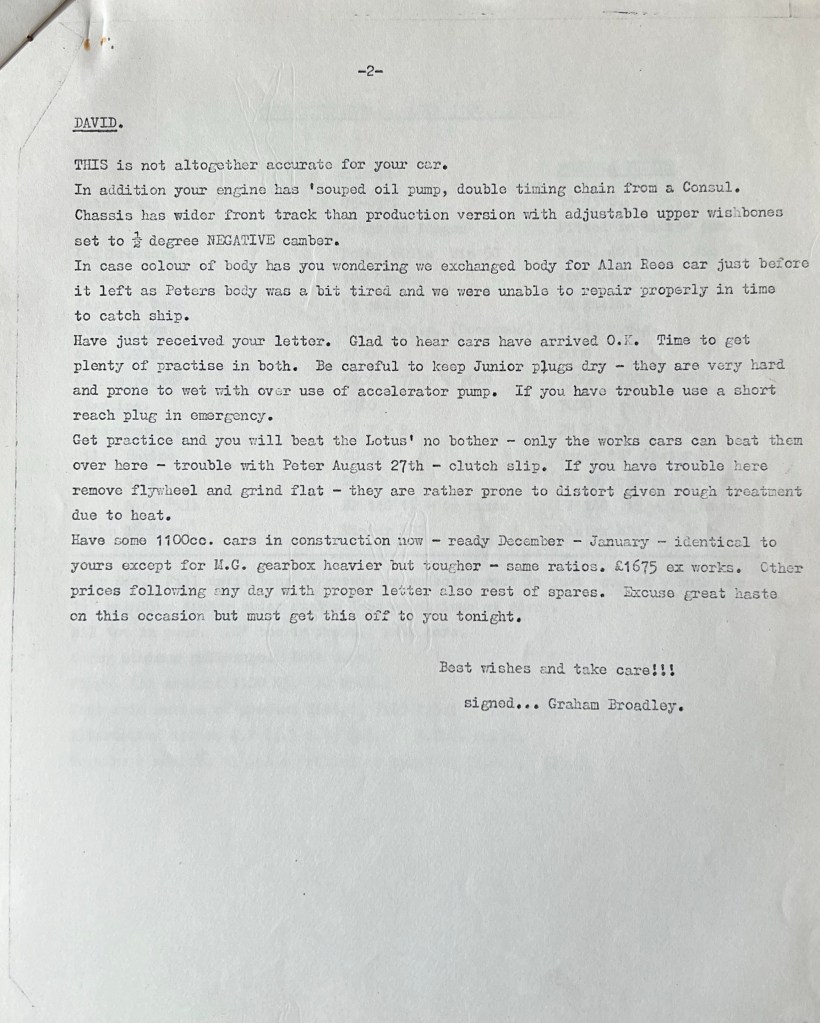
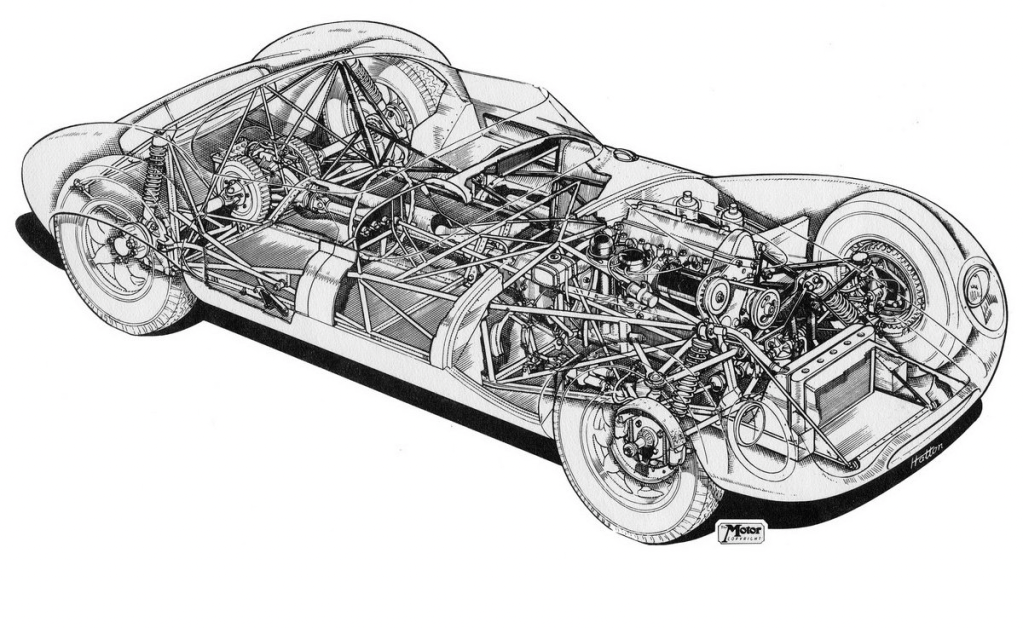
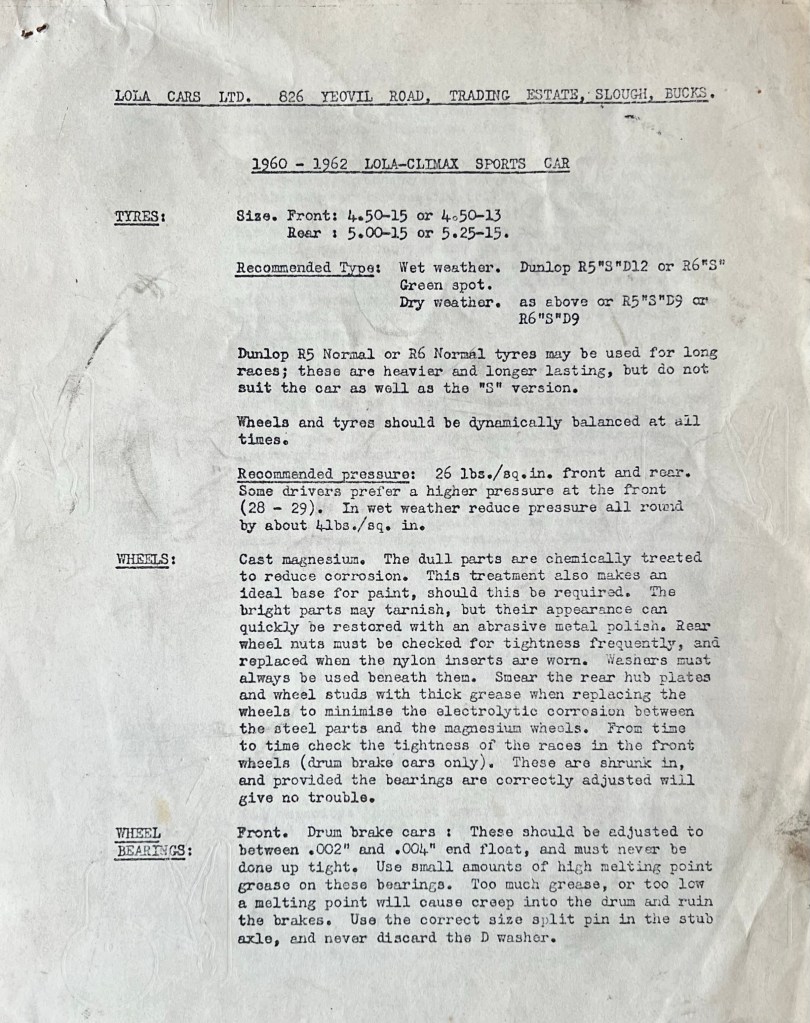
Way back in Scuderia Veloce’s formative stages David McKay imported two Lolas to Sydney, Australia in October 1960 : an ex-factory Mk 1 Climax FWA engined sportscar, chassis number BR15, and a new Ford engined Formula Junior, chassis number BRJ18.
The letter to owner of the Mk 1 in 1971, Kent Patrick, above is indicative of the way Lola looked after their customers long after the racers in-period lives. I experienced the same type of responses when I sought assistance with my modest 1975 T342 Formula Ford in the late 1990s.
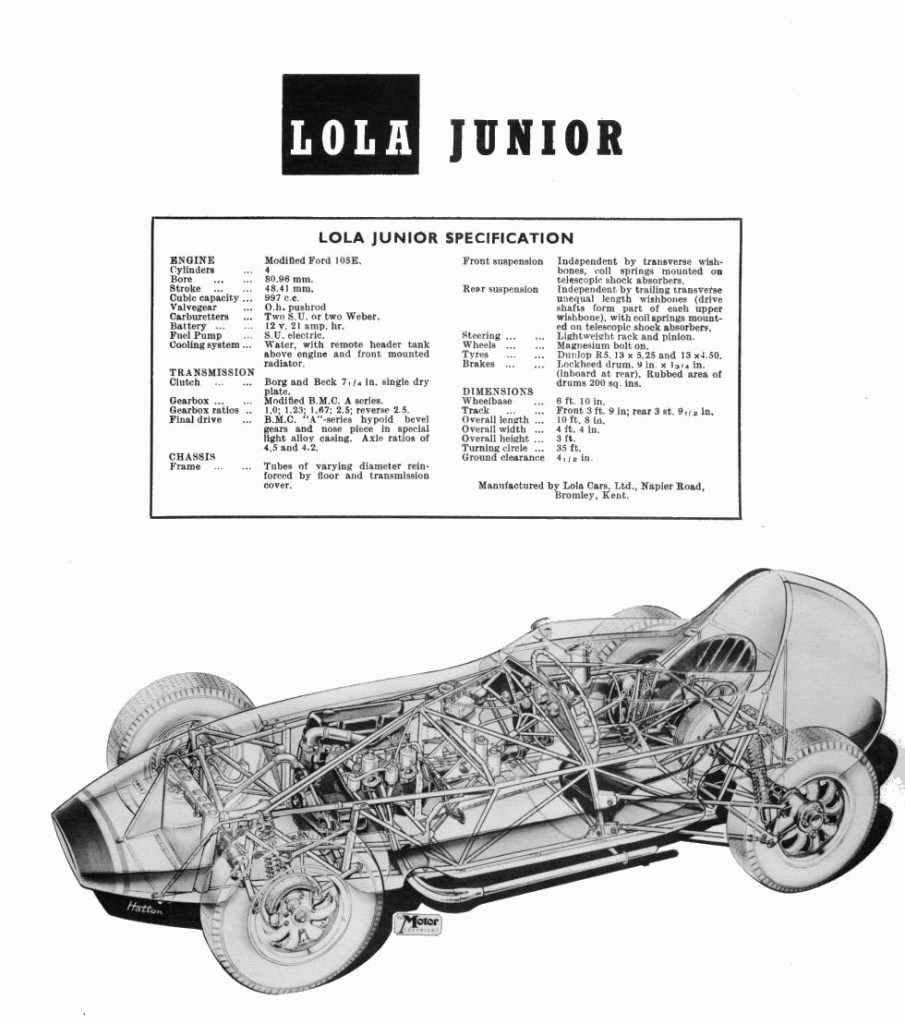
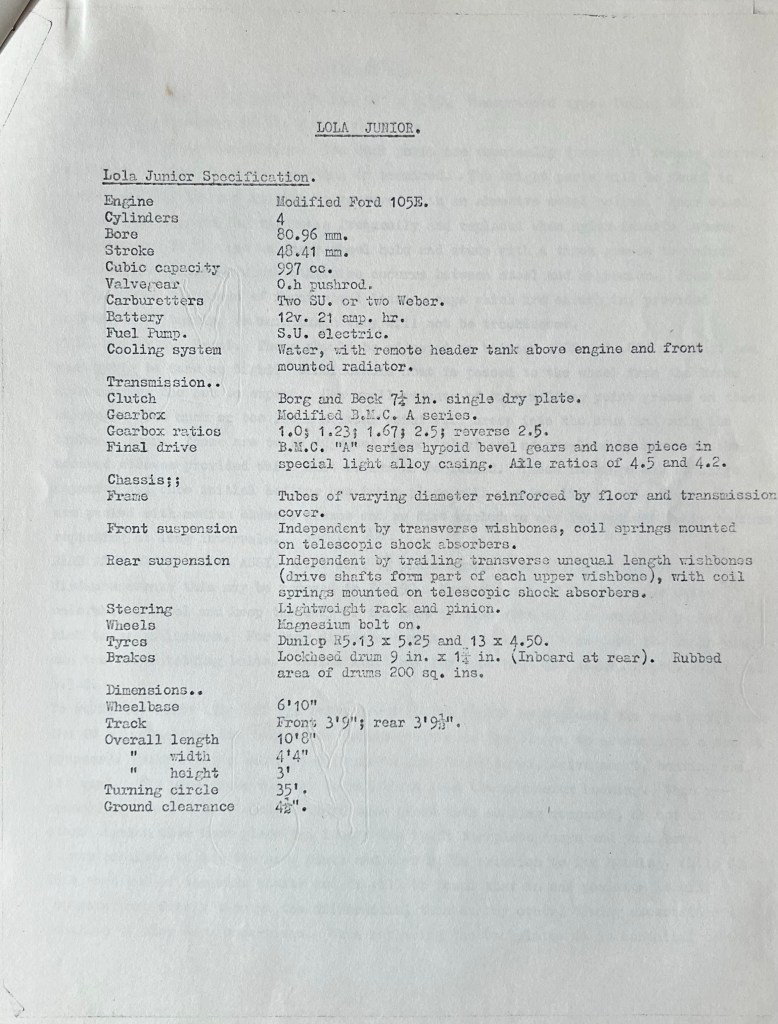
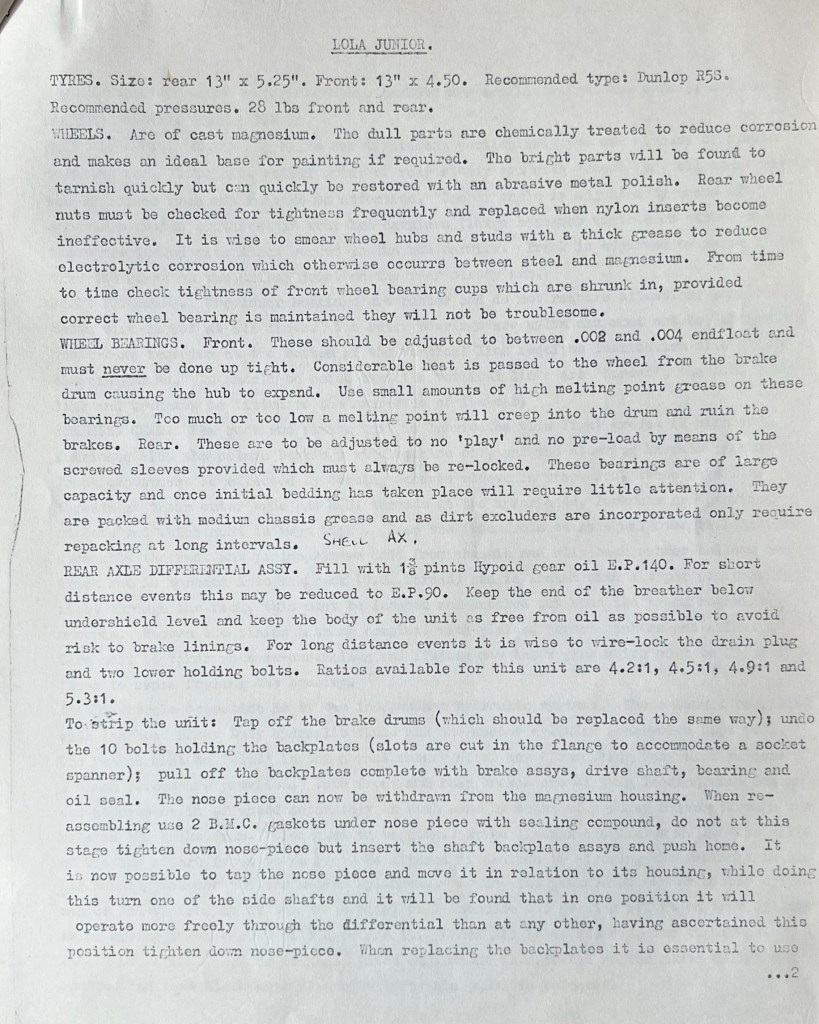
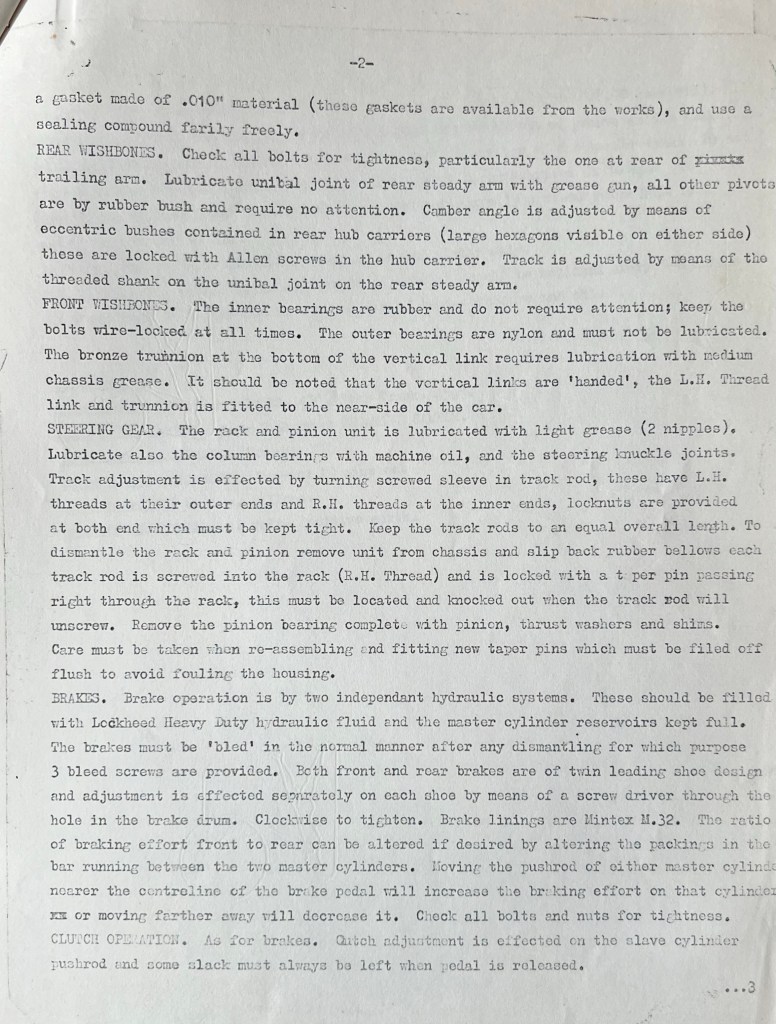
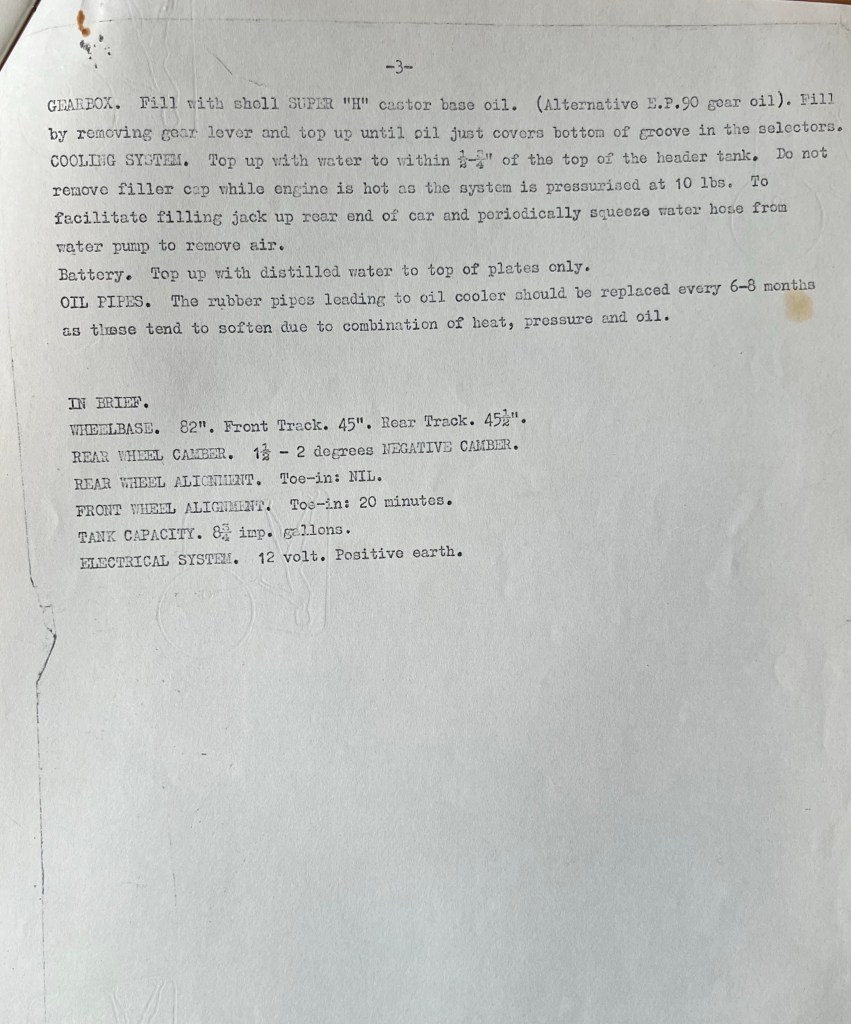
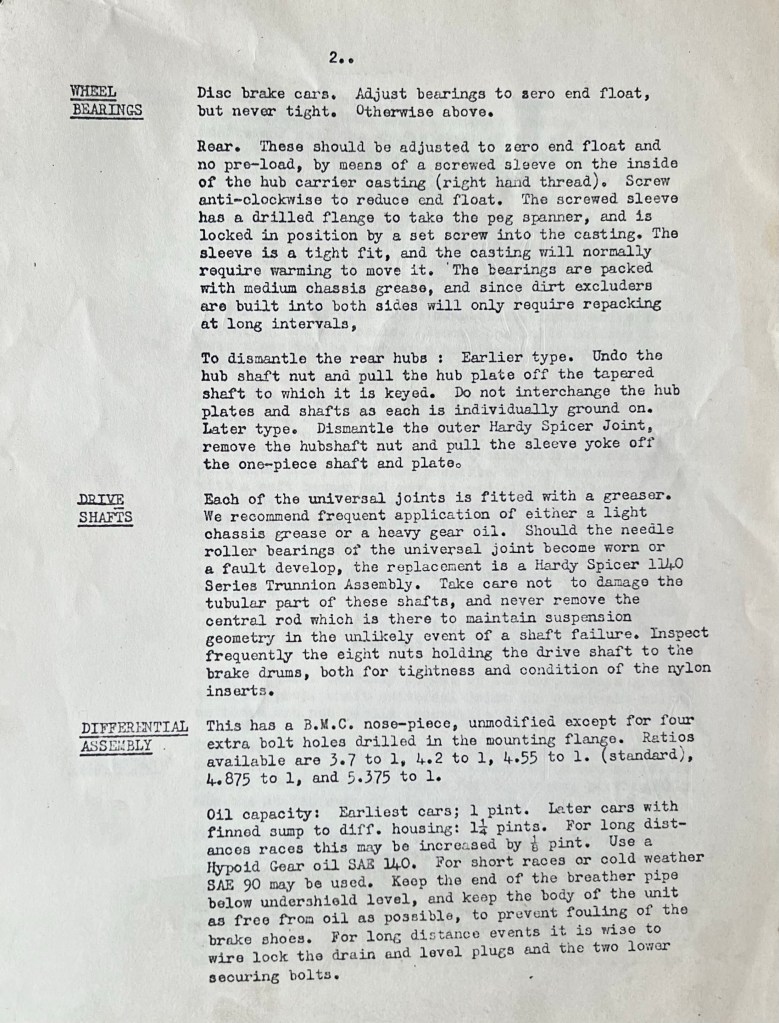
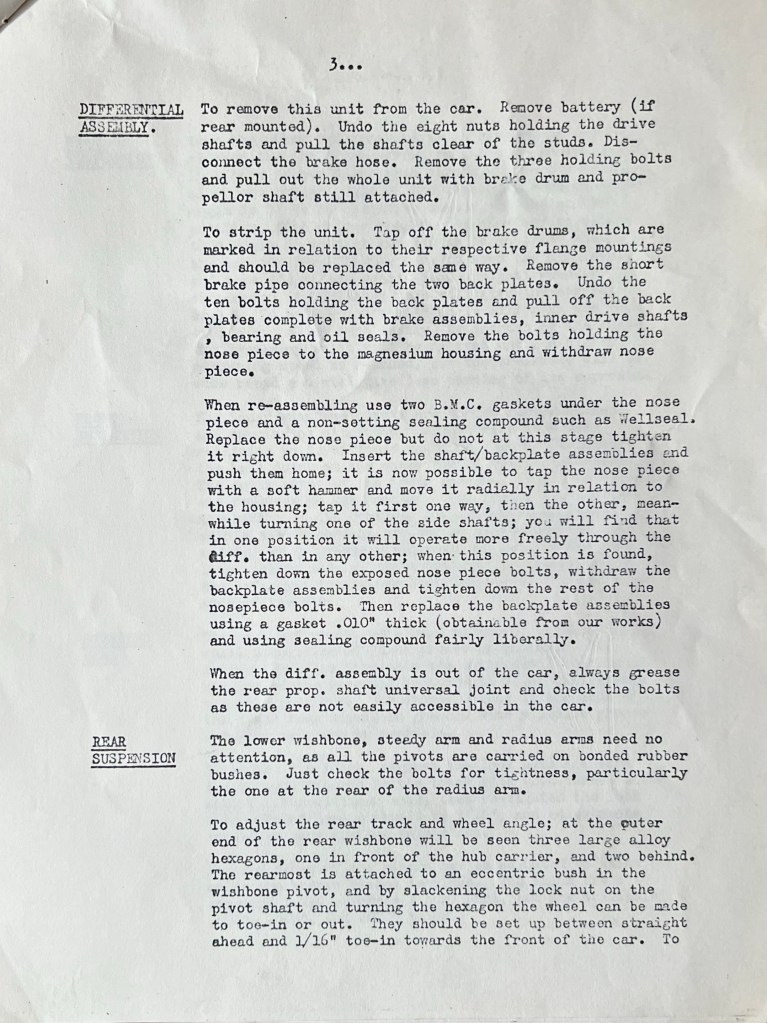
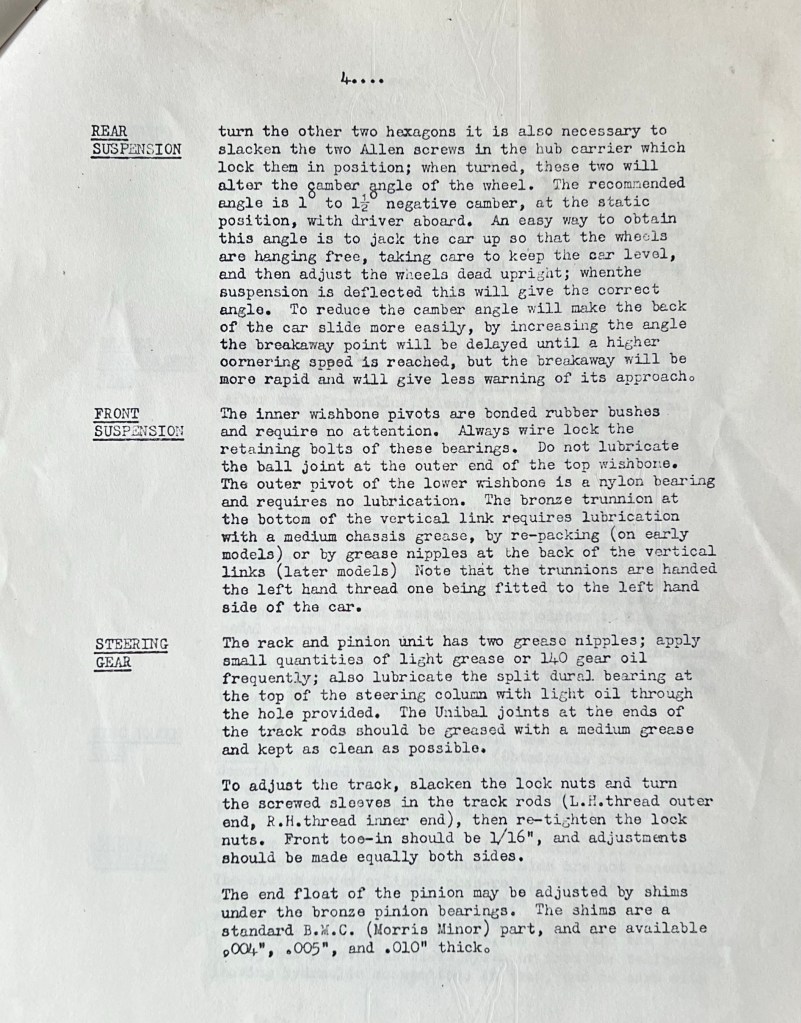
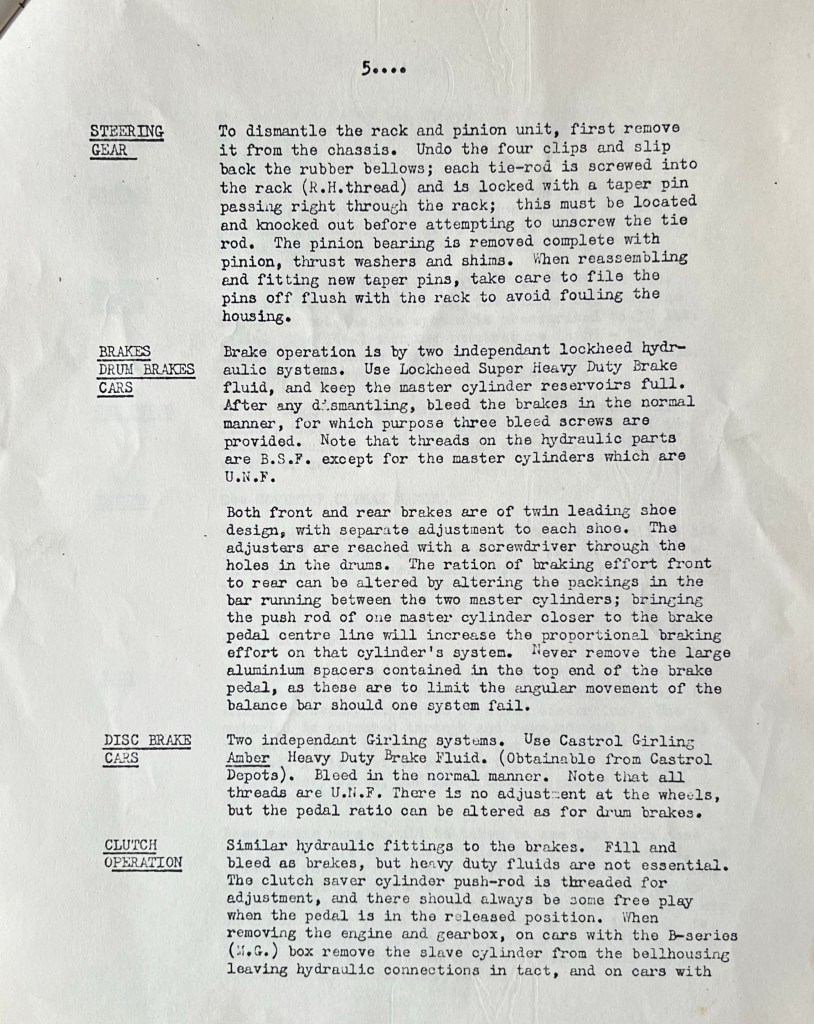
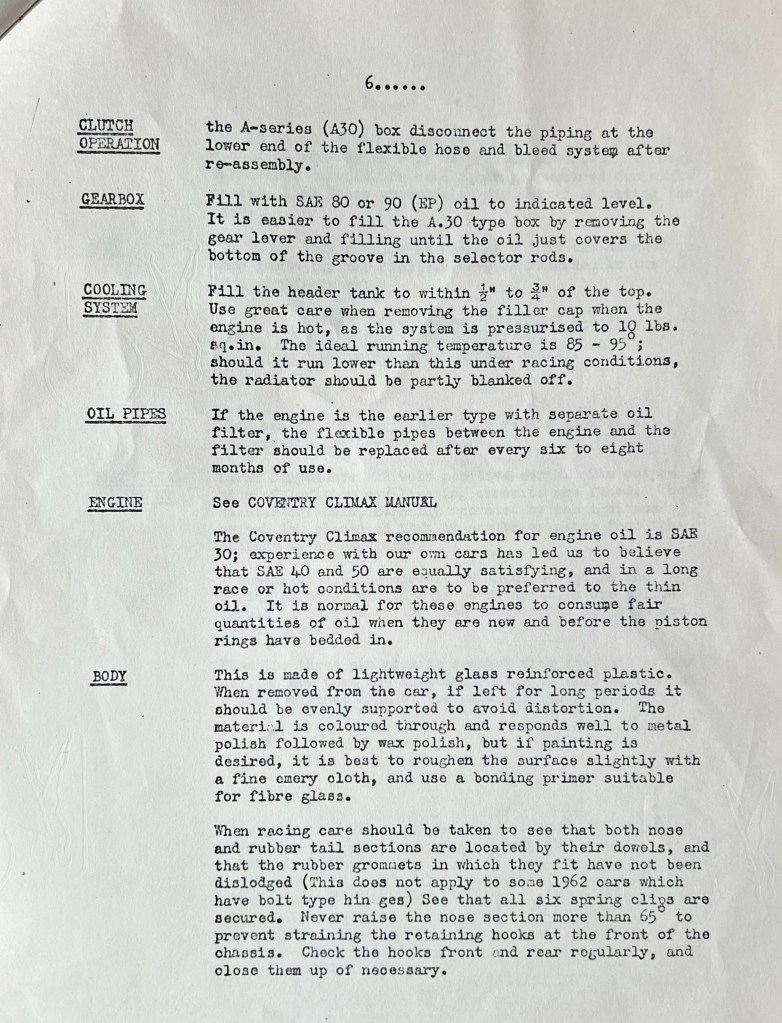
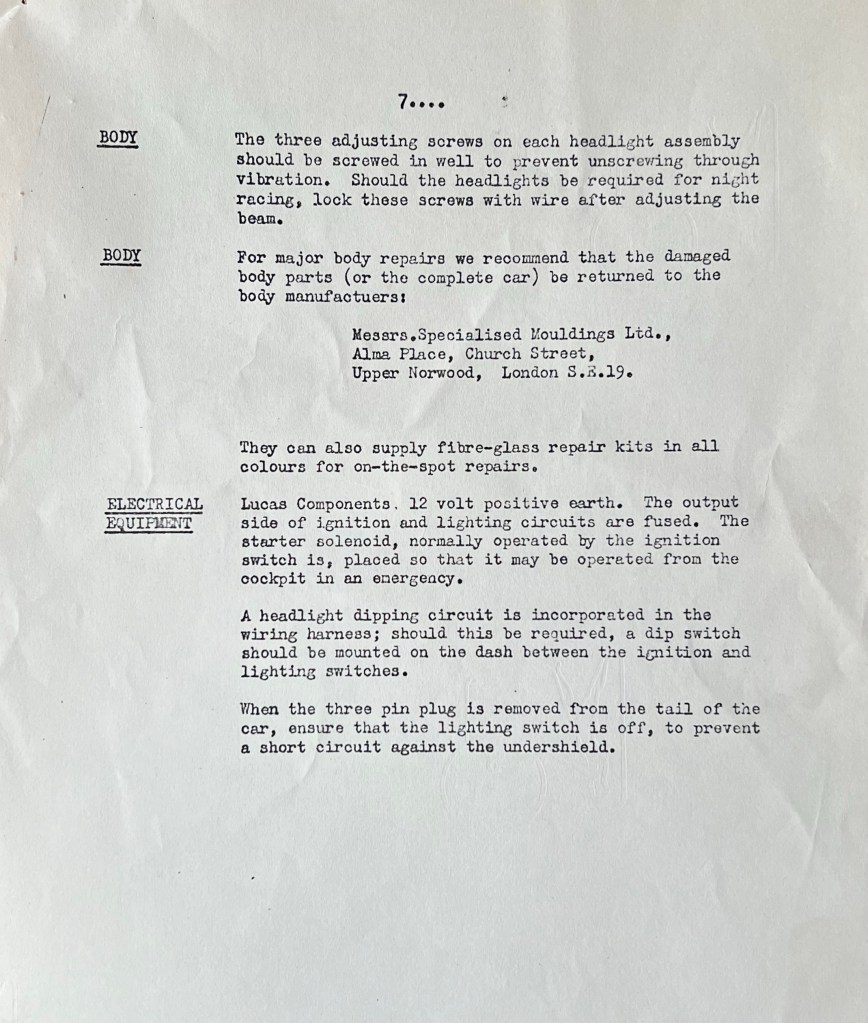
The car specification and maintenance material shared below about the two cars was provided by Lola to McKay at the time of purchase, and remained with subsequent owners of the Mk1. Melbourne man, Kerry Luckins bought the car from Patrick in 1974. Luckins, a well known member of the motorsport community as a senior employee of Paul England Engineering and President of the Light Car Club of Australia accumulated an interesting archive which passed to his nephew, Soren Luckins and recently to another Melbourne identity, Greg Smith.
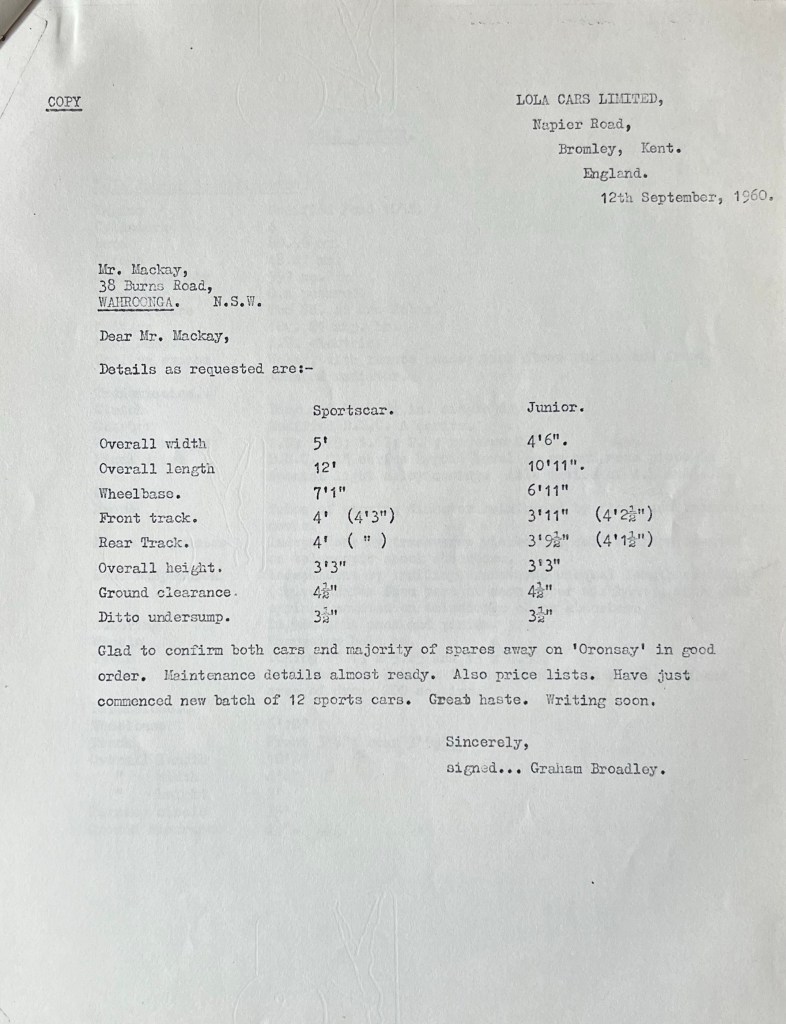
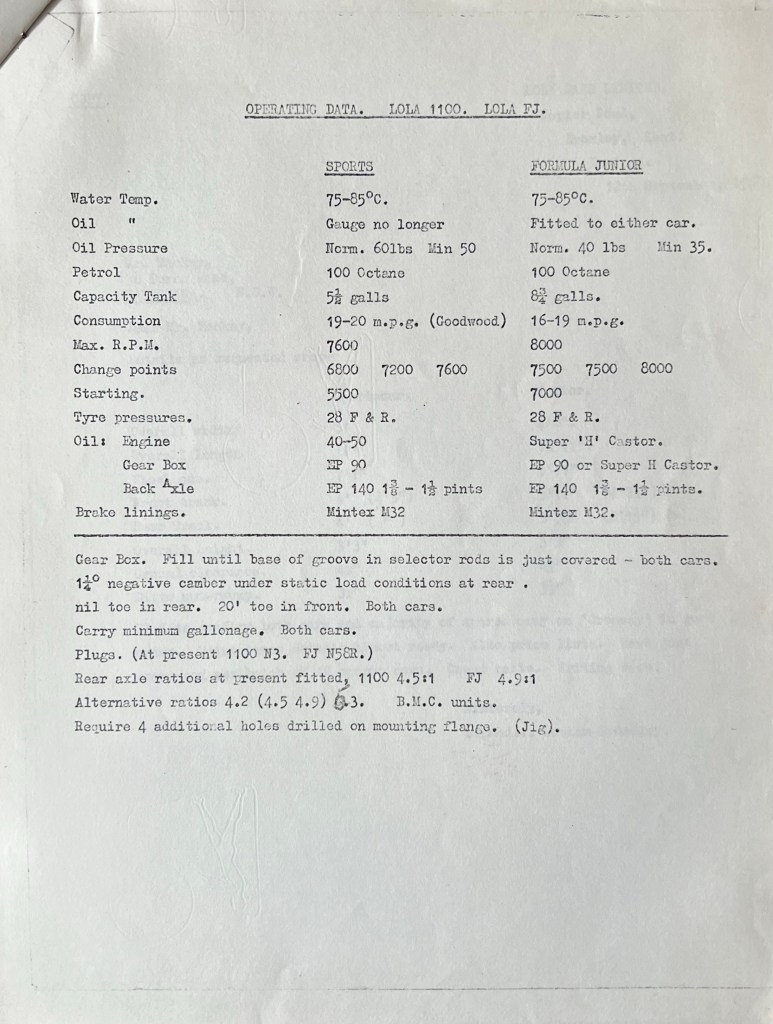
While the number of Lola owners who can use this information is small, I’m hoping there are enough Lola anoraks out there who will find it interesting and appreciate the quality of the material Eric Broadley and his merry-men provided to purchasers of the then Bromley marque to help them stay in front of the opposition.
This piece about the SV Lola Mk 1 tells its story and also provides some background on McKay and Scuderia Veloce: https://primotipo.com/2018/01/12/bert-and-davids-lola-mk1-climax/ The Lola Heritage website is a sensational resource, check it out here: http://www.lolaheritage.co.uk/index.html
Lola Mk 2 Ford…
Lola Mk 1 Climax…
Credits…
Greg Smith Archive via David McKay, Kent Patrick, Kerry and Soren Luckins and others, lolaheritage.co.uk
Tailpiece…
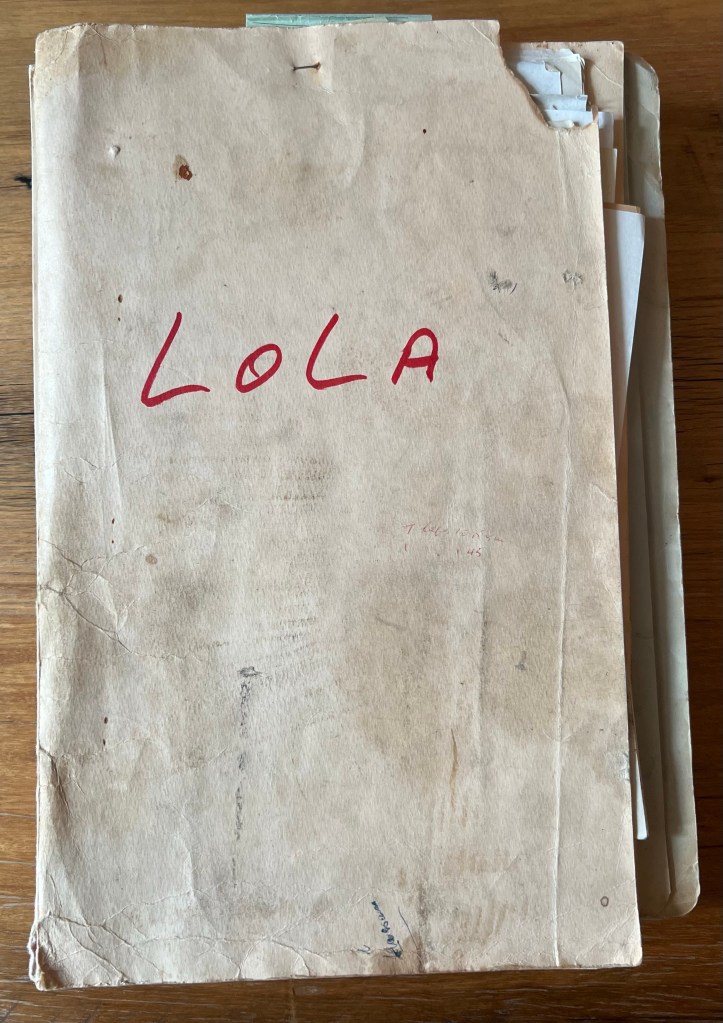
Ah, there is nothing like the titallation of an unseen old racing file for a sad ole’ spectrum-dwelling fukkah like moi!
Finito…
 primotipo...
Hi Mark,
Very much appreciate you posting the Lola information.
I have a Lola Mk2 FJ here in New Zealand (chassis BRJ1 being the first one made and accordingly the first Lola single seater made). I have copies of some of those sheets but the right hand side of each page was missing so it was hard to make sense of much of it – until now!
My Lola was thought to have been lost but surfaced in “time capsule” condition when I got it in 2005 from a semi-private museum in the Black Forest where it had been stored for 40 years. The car had an interesting history from December 1959 until 1963 which has now been well documented with numerous period photographic records. In mid 1960 it went to Ferrari for “development purposes” most likely because of the Lola’s space frame chassis when Ferrari was designing the 1961 F1 rear engine 156.
Regards
Roger Herrick
That’s fantastic Roger,
Just the hands in which I hoped the article would land!
Can you expend on the Ferrari-phase, that is amazing!
Mark
Hi Mark,
The Ferrari connection with Lola Mk2 BRJ1 came about over a period of time while researching the period history of the car. Fortunately there were good race records of Formula Junior as it was a popular period class being the lead-in to F1.
I found out early on that in 1960 Eric Broadley didn’t have the ability to run a works team in FJ for the European season so entered in to an arrangement with Sir Richard Fitzwilliam of Fitzwilliam Racing Team to enter three cars as a quasi Lola works team. These were the first three chassis numbered cars (BRJ1, BRJ2 and BRJ3) – they were painted in Fitzwilliam dark BRG and identified with different coloured nose bands- red (BRJ1), blue (BRJ2) and yellow (BRJ3).
From the 1960 race records some unusual occurrences evolved :
Photos of BRJ1 at Monza, Reims and Nurburgring showed it with an ugly bonnet modification to accommodate a Fiat FJ engine which had induction and exhaust on the right hand side while the Ford 105E had them on the left hand side.
This all was a mystery to me until I came across the 1961 Blunsden book which stated that one of the Lola FJ cars had been taken by Ferrari for development purposes in June 1960. At that stage I didn’t make the connection that this could be the reason why BRJ1 missed the June Chimay and Albi races. However, about a year later I came across a photo of a Lola Mk2 FJ sitting in the Modena workshop having a Fiat FJ engine fitted. BRJ1 had a unique feature in that the steering column exited through the front of the pedal box while all other Lola Mk2 cars had it exiting through the side of the pedal box. Through this (and some rivet counting) it was clear that the car at Modena was BRJ1.
The question then was – why did Ferrari want to take a Lola Mk2 FJ for “development purposes”? I followed up through an old motor racing contact I had here in NZ who had worked as a race mechanic and fabricator for Gemini (Graham Warner) in 1960 who was mates at the time with a Lola mechanic who now lived in South Africa (unfortunately both these gentleman are now deceased). I tracked down the ex-Lola mechanic and had a long phone call with him. He recollected a Lola FJ “going to Italy” in 1960 for what he thought was testing to see if the Lola was beating the Italian FJs due to a superior engine or a superior chassis and “the Italians” fitted a Fiat FJ engine into the Lola in order to get a common base line. He mentioned that the Lola spaceframe chassis was “very trick” and much superior to anything else at the time and that Eric Broadley was, in his opinion, a genius at race car design.
I then decided to record all of this (and a possible reason for Ferrari’s interest) in an article for our local car club magazine – I think I sent a copy of the article to you on 4 November 2020 – if you haven’t got it I will resend.
Hope this is of some interest.
Cheers
Roger
Amazing Roger!
I don’t recall the article – and I would! – please send it to me @ mark@bisset.com.au.
regards,
Mark
Fantastic documents.
FYI – Former DM residence @ 38 Burns Road Wahroonga – photographed 31 July 2024 Cheers, BS