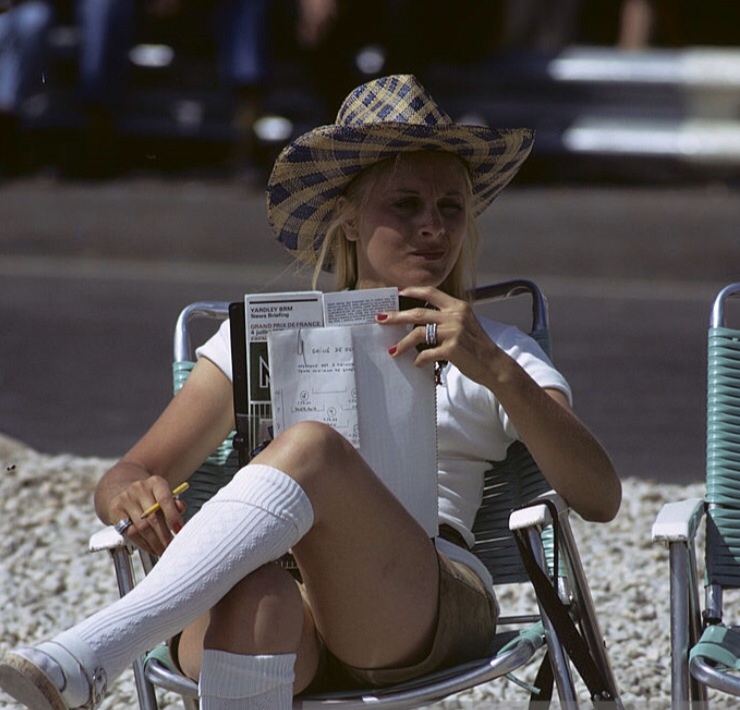
Photographers Jean-Claude Deutsch and Patrick Jarnoux display a fine eye for form, fashion, flesh and finery. French Grand Prix, Paul Ricard, 4 July 1971…


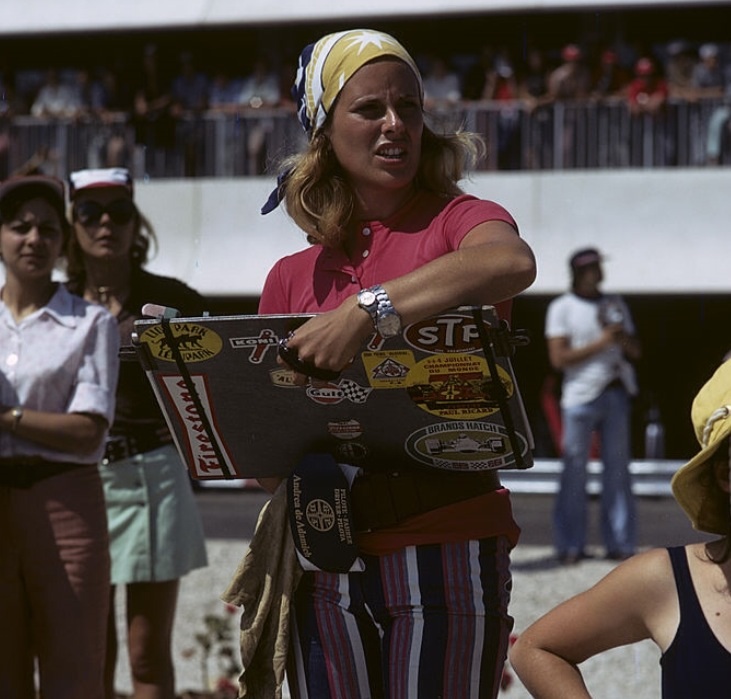
Credits…
Jean Claude Deutsch and Patrick Jarnoux
Tailpiece: And a nice tail it is…

 | r7eb2339c739912 on Benalla Centenary 100, 19… |
 | Rob on Bib Stillwell: Cooper T49… |
| Rob on Australian Racing Random … |
| Happy 100th Jack… |… on Lakeside Tasman Meeting, 12 Fe… | |
| Rob on Harry Galloway’s Racing… |
Photographers Jean-Claude Deutsch and Patrick Jarnoux display a fine eye for form, fashion, flesh and finery. French Grand Prix, Paul Ricard, 4 July 1971…
Credits…
Jean Claude Deutsch and Patrick Jarnoux
Tailpiece: And a nice tail it is…

schöne Frau mit einem pfeil in den himmel schießen…
Ooh-la-la, or German words to that effect.
Its a Mercedes ad dated 1 January 1937, I’ve no idea what the caption or tag line was, ‘shoot for the stars in a Mercedes’ or some such maybe? My google translate title German is ‘woman shooting an arrow into the sky’. Reader, Don Andreina picks the Benz as perhaps a 380K with touring body, built from circa 1933..
Credit…
Print Collector

(Schlegelmilch)
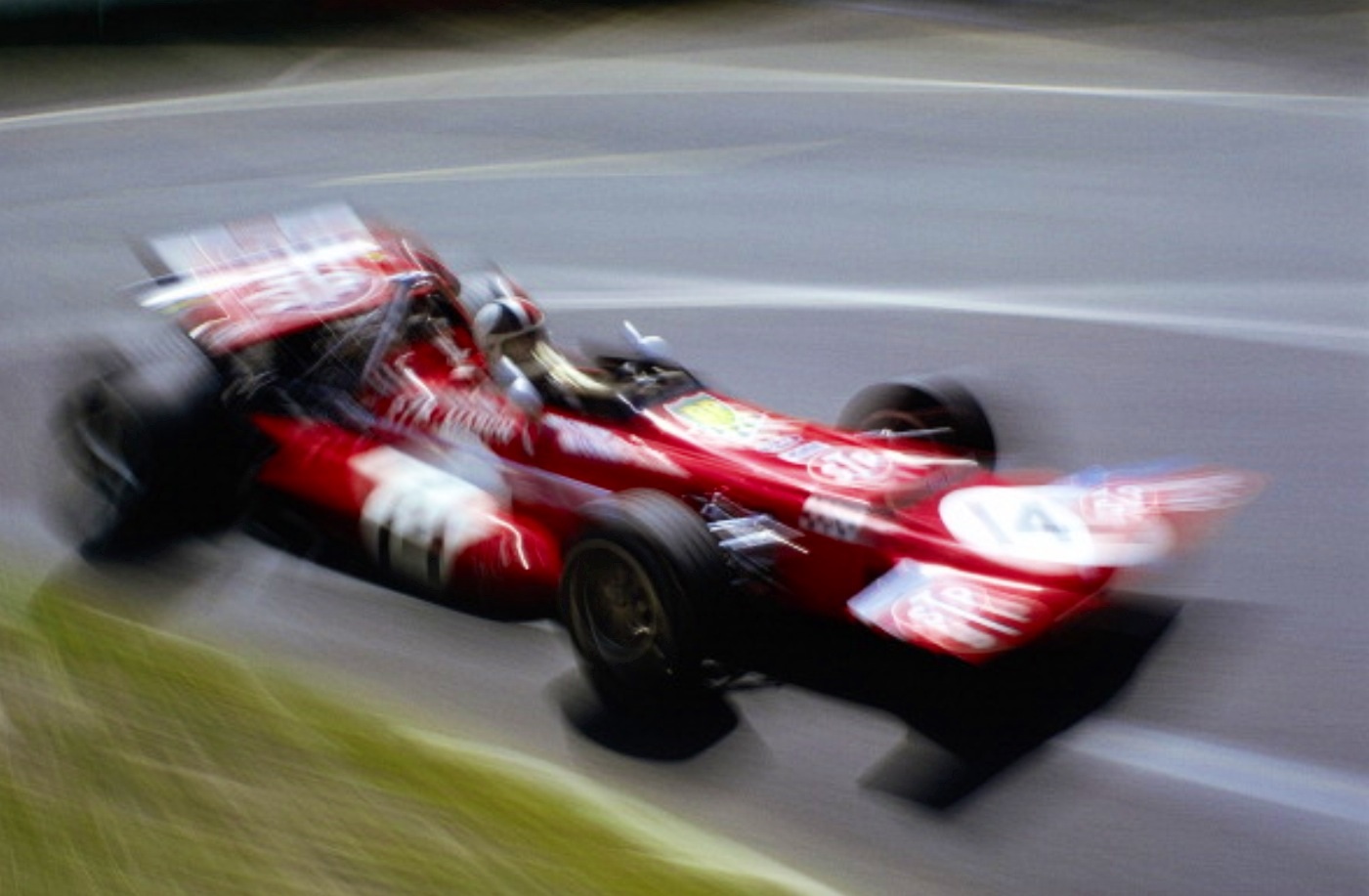
Chris Amons STP March 701 Ford, at Clermont Ferrand, French GP weekend 4 July 1970, reflected in the gals ‘sunnies’, this is a signature Rainer Schlegelmilch shot but I never tire of them!…

Amon, French GP, Clermont Ferrand 1970, ‘works’ March 701 Ford (unattributed)
Chris qualified the car well in 3rd, one slot in front of Jackie Stewart in Ken Tyrrell’s similar, albeit Dunlop, rather than Firestone shod car. Chris raced the car into 2nd behind Rindt’s winning Lotus 72 and in front of Brabham’s Brabham BT33, all cars Ford Cosworth powered.

Amons March 701 at Clermont in 1970. he won the Non-Championship BRDC International Trophy at Silverstone in April in it but no championship Grands Prix despite a very close 2nd to Pedro Rodriguez’ BRM P153 in a Belgian GP Spa, slip-streaming thriller (Cahier)
Credit…
Rainer Schlegelmilch, The Cahier Archive
Tailpiece: Blurry Amon…
(Schlegelmilch)
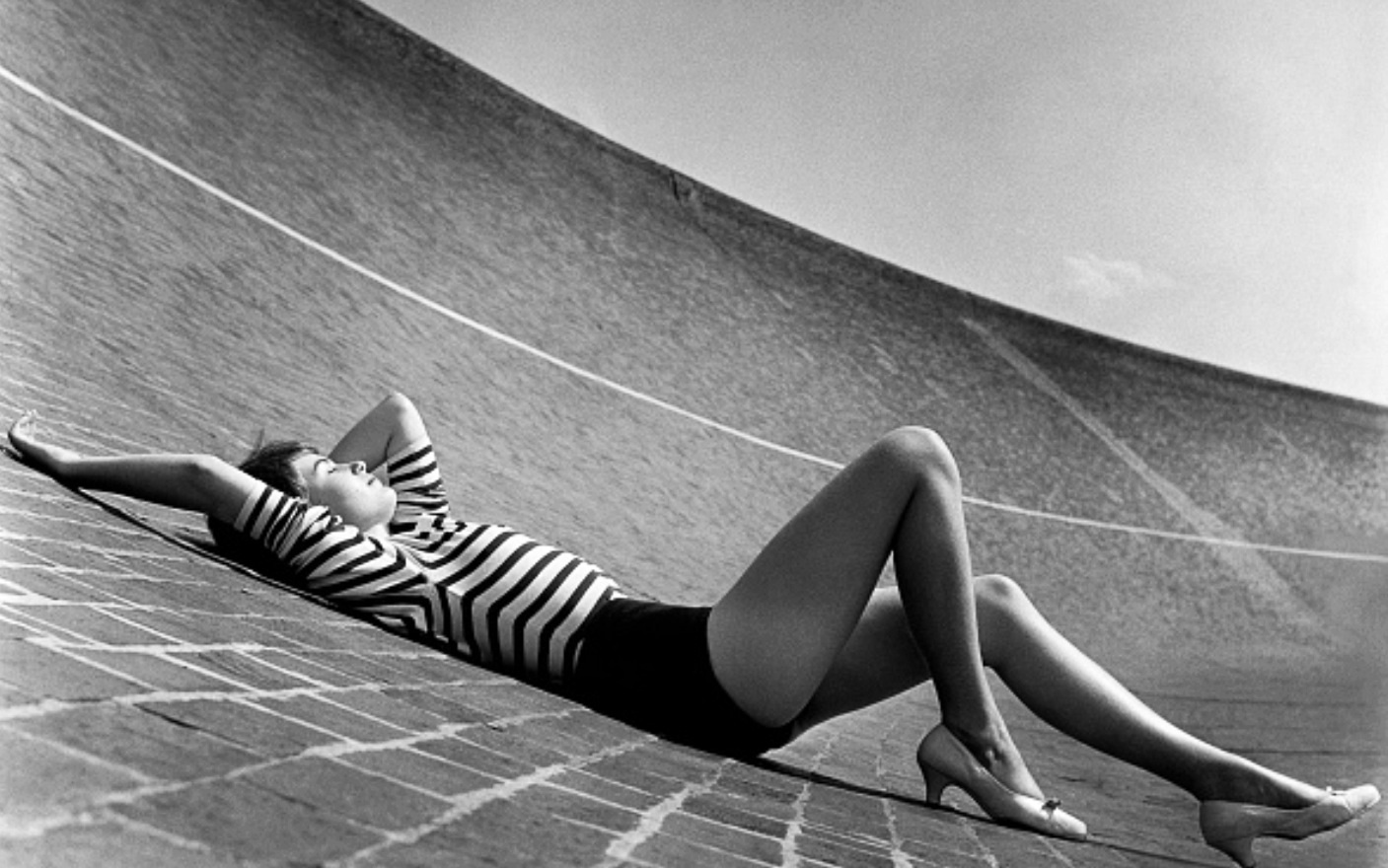
It doesn’t look very comfy, and the young gal lacks ‘padding’ for Avus’ rough surface, but ’tis rather a becoming shot…
Credit…
Gert Kreutschmann
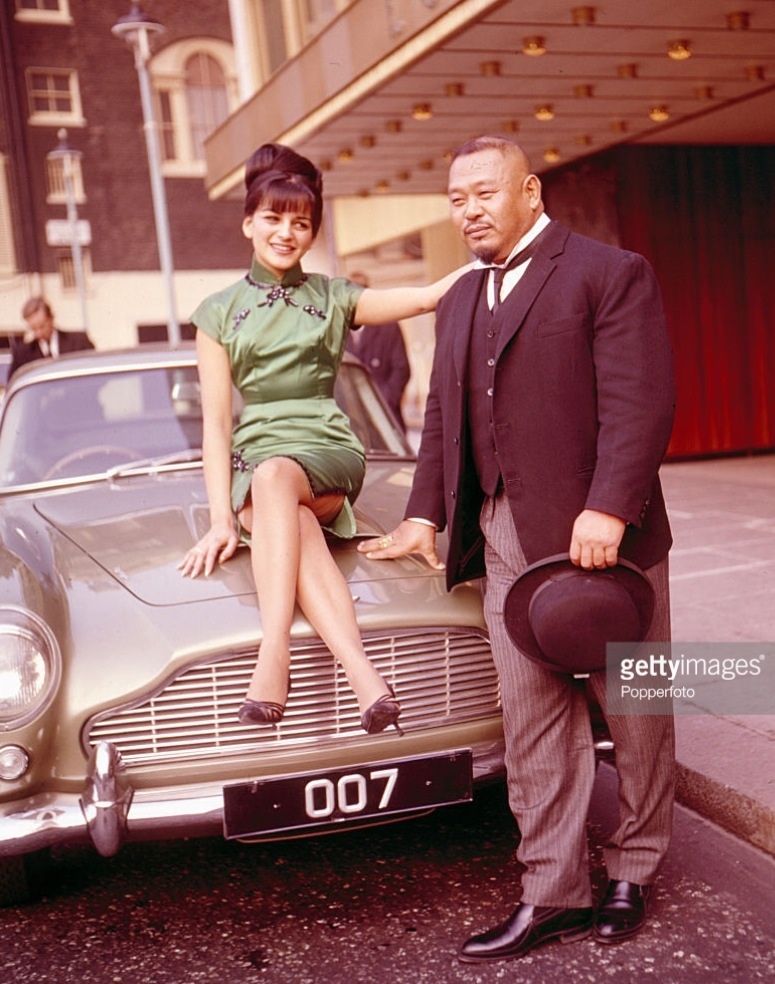
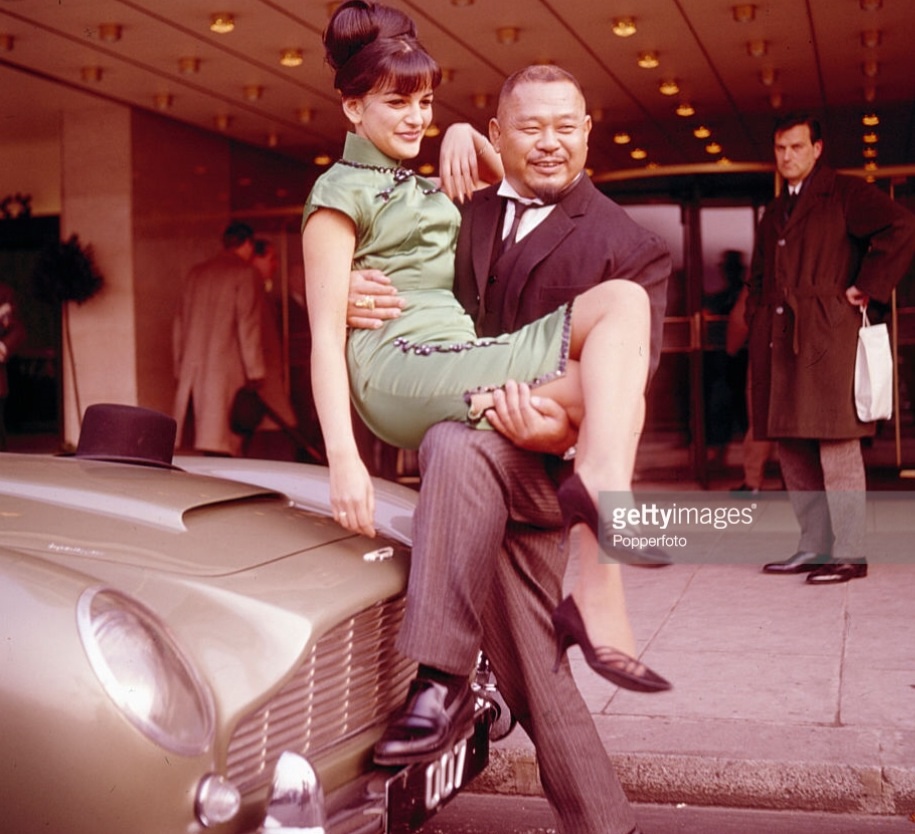
Oddjob shows off James Bond’s Aston DB5 outside the Hilton Hotel in the PR hoopla around Goldfinger’s release in 1965…
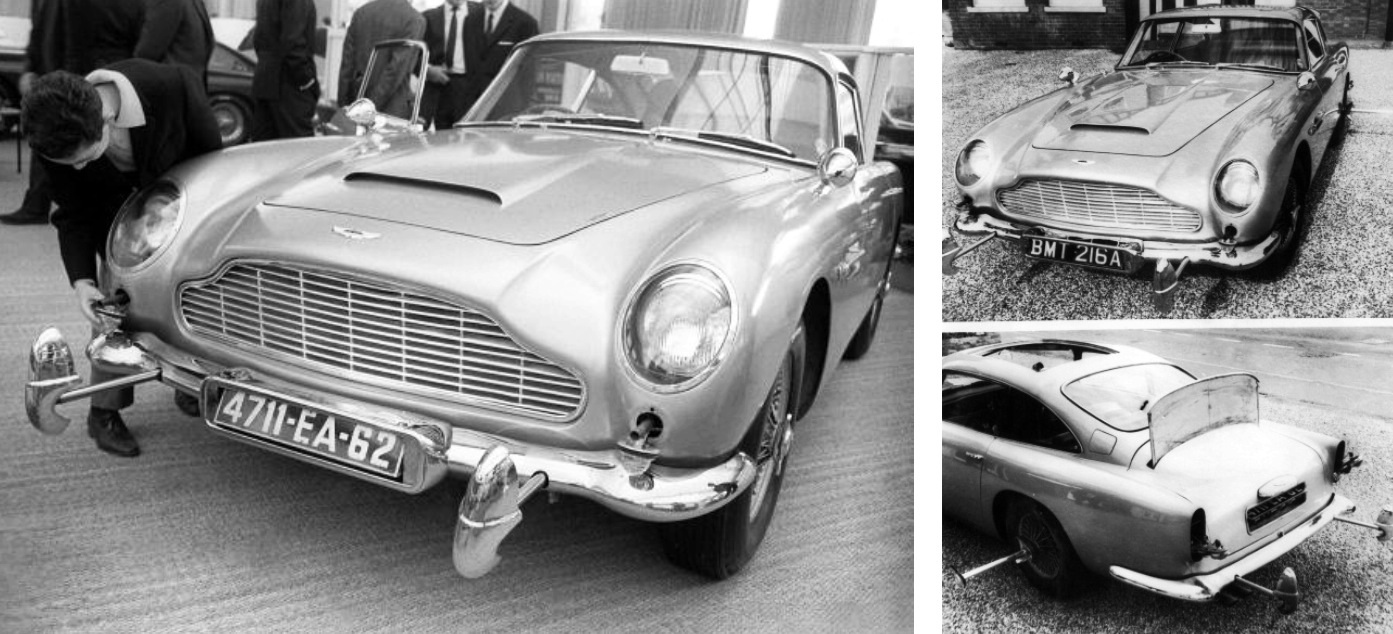
(Popperfoto)
Goldfinger was the third film of the Bond ‘franchise’, James copped a new company car of course, an Aston DB5 and so commenced a relationship between Bondy and Aston’s which has endured down the decades. It was an astute bit of product placement on the part of David Brown and his marketers, sales and company profile grew as a consequence.
Aston Martin’s haven’t been Jame’s only conveyance of choice, click on this link for a list of all the cars used in the Bond films;
http://www.007james.com/articles/list_of_james_bond_cars.php

Sean Connery on ‘Goldfinger’ location with DB5 (Donaldson Collection)
Because I know you simply have to know, here’s a comprehensive list of all the goodies ‘Q’ fitted to the DB5 to keep James away from the baddies;
http://www.007james.com/gadgets/aston_martin_db5.php
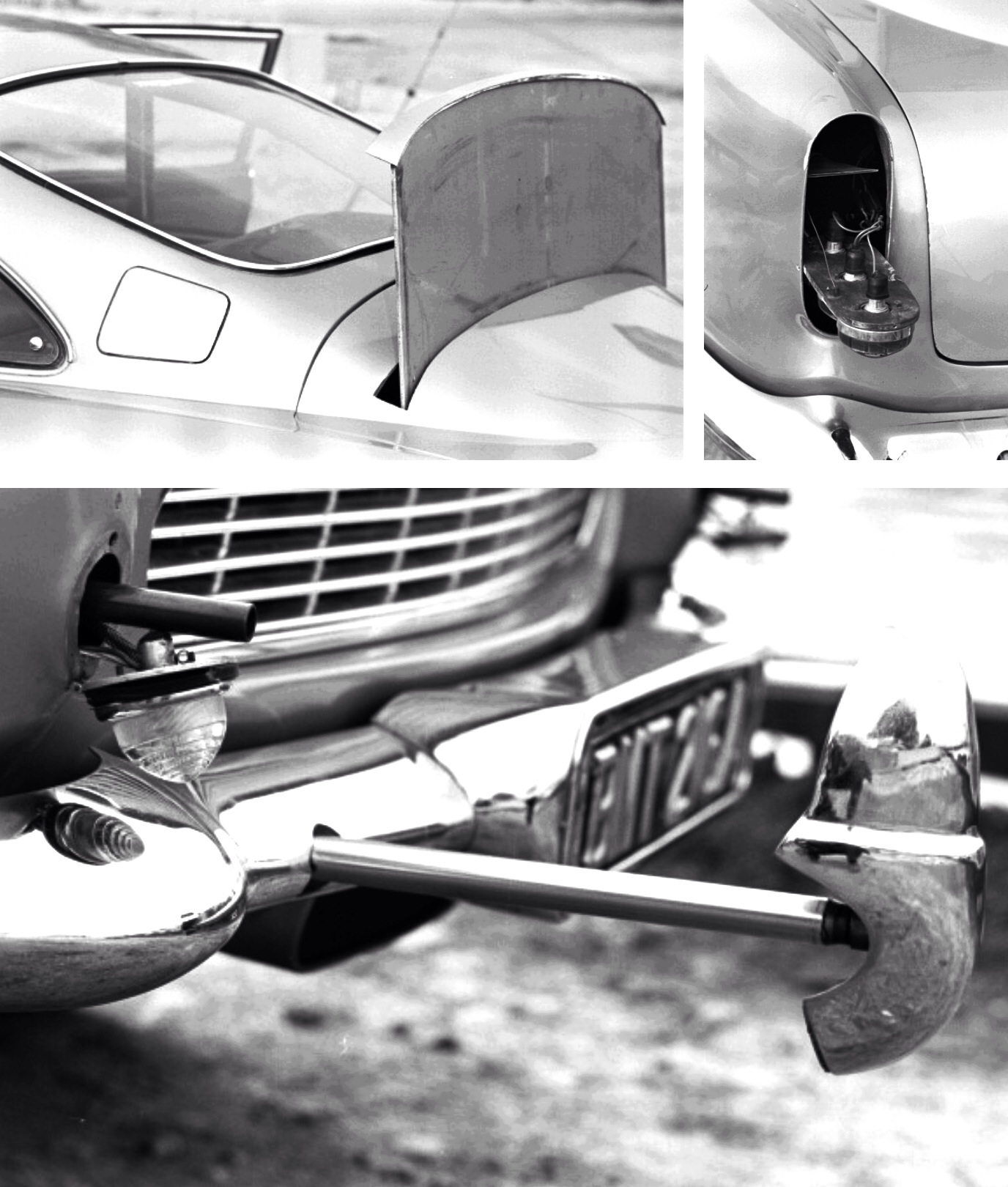
(Popperfoto)
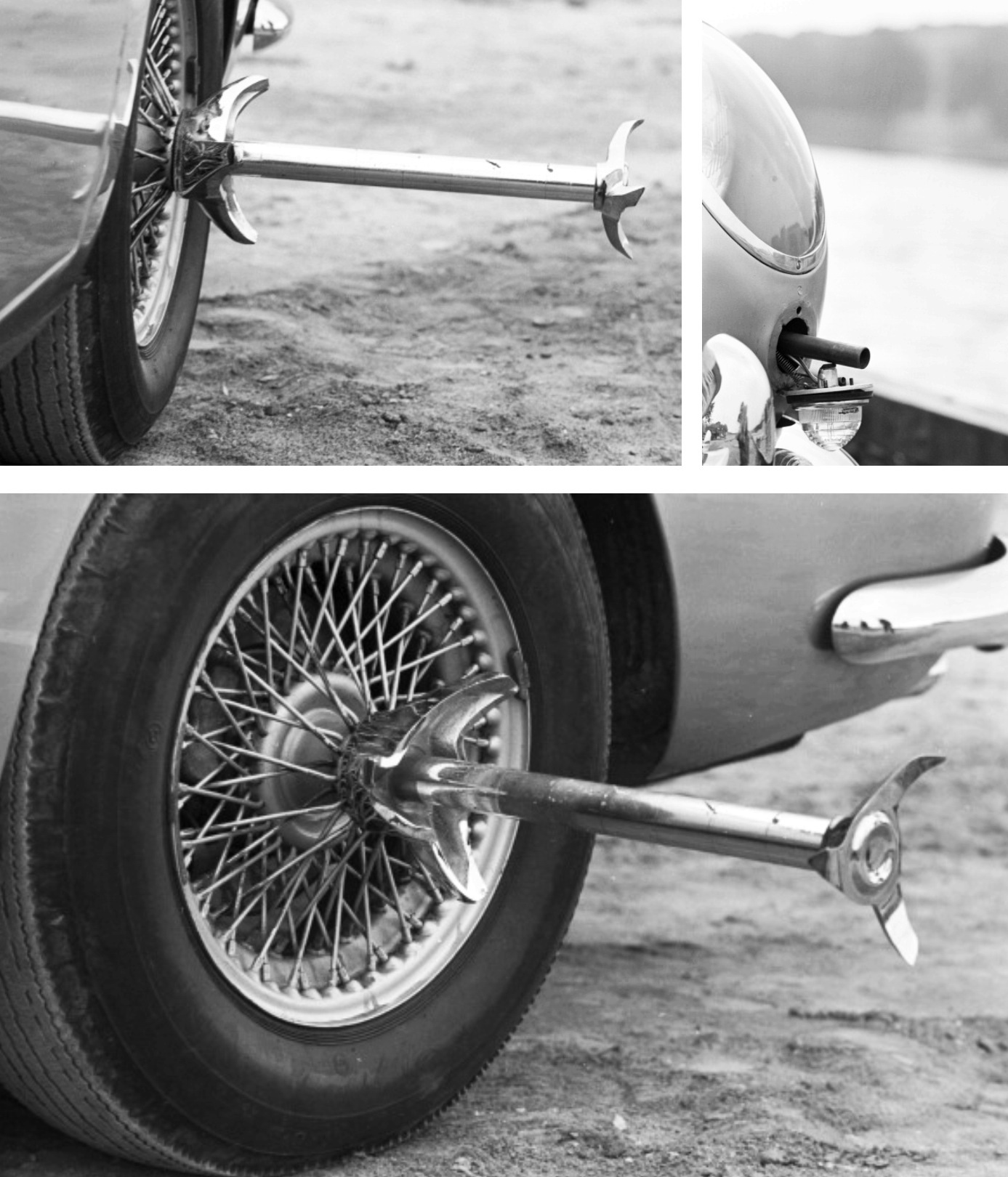
(Popperfoto)
And One for the Rich Kids…
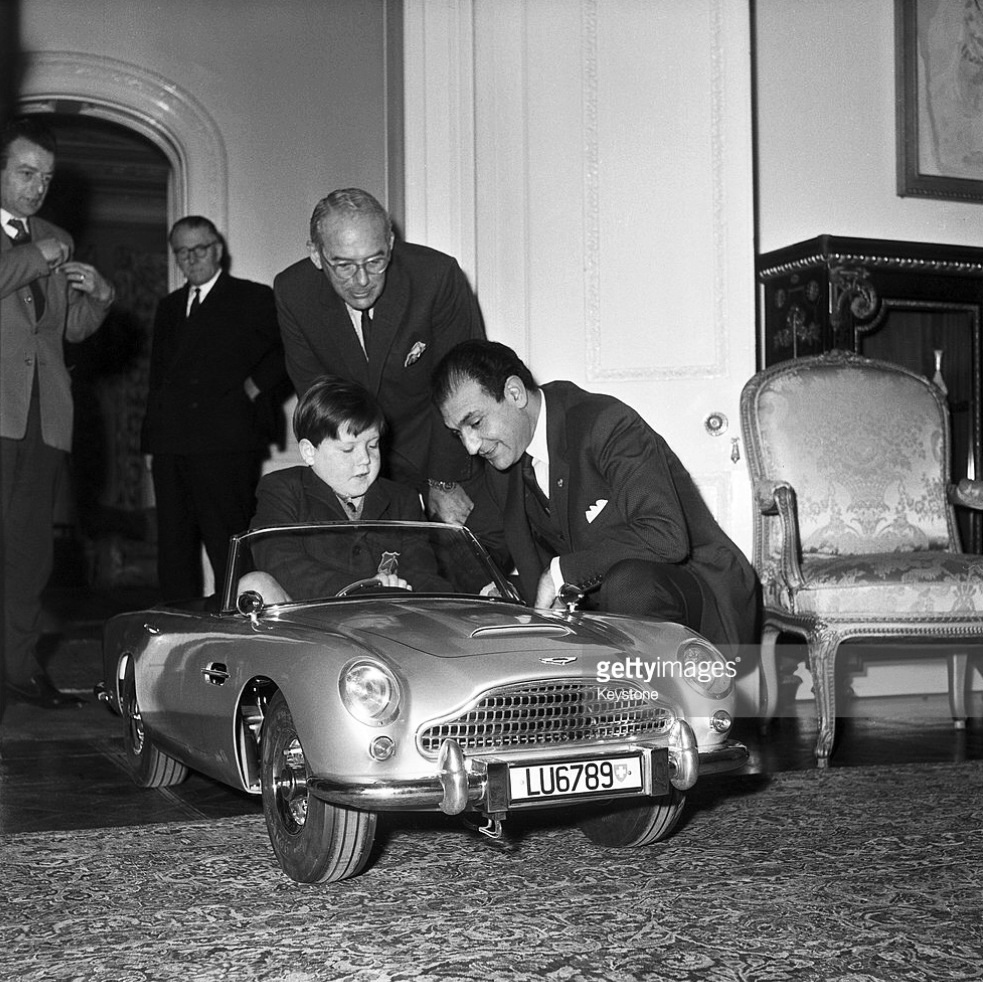
The portly young chap is at the wheel of a DB5 ‘Junior’ in the Iranian Embassy, London December 1966. Its a gift from Aston’s to the Shah of Persia or Crown Prince of Iran, dude at right the Iranian Ambassador
Credit…
Popperfoto
Tailpiece…

Somehow I think the local boyos aren’t getting excited about the rear of Andre Hechard’s D.B-Panhard HBR?…
This shot was taken in Brescia during the 1956 Mille Miglia which was won by Eugenio Castellotti’s Ferrari 290MM Scaglietti . Hechard’s Sports 750 class car DNF, no details of the lady sadly…
Credit…
Carlo Bavagnoli

Alba, Italy (Rainer Schlegelmilch)
I wrote about the Alfa T33 a while back, this fantastic prototype racer, specifically Stradale chassis number # 75033.109 donated its mechanicals to one of the most iconic show cars of the twentieth century, Bertone’s Carabo…
The project was a collaboration between Alfa Romeo and Bertone, a partnership that dates back to the 2000 Sportiva and BAT concepts of the mid-fifties. Sensational road car that the thinly disguised racer Stradale was, Alfa struggled to sell the cars. So five chassis were passed to Italian carozzerie for concept use. Pininfarina designed the 33.2 and Cuneo, Italdesign the Iguana, the two to Bertone yielded the Carabo and Navajo.
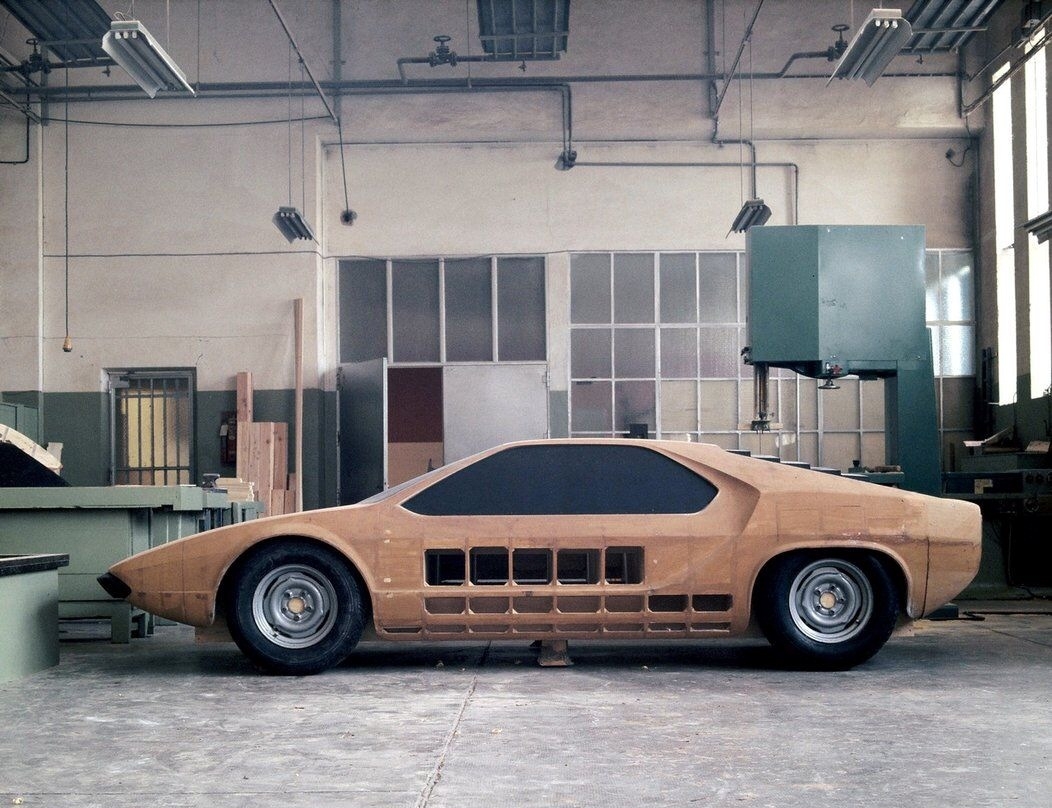
Full size clay rendition of Carabo at Bertone (unattributed)
Key mechanical elements of the car were covered in the earlier article; an H-section tubular chassis and 1995cc, DOHC, chain-driven, 2 valve, fuel injected all alloy V8 producing circa 230bhp @ 10000rpm, slightly detuned from the racers 250-270bhp. The gearbox was a Colotti synchro 6 speed, the car did 160mph despite or because of its stunning looks and aerodynamic efficiency! Click here for the Alfa T33 Periscopica article;
https://primotipo.com/2015/06/23/alfa-romeo-tipo-33-periscopica-mugello-19/
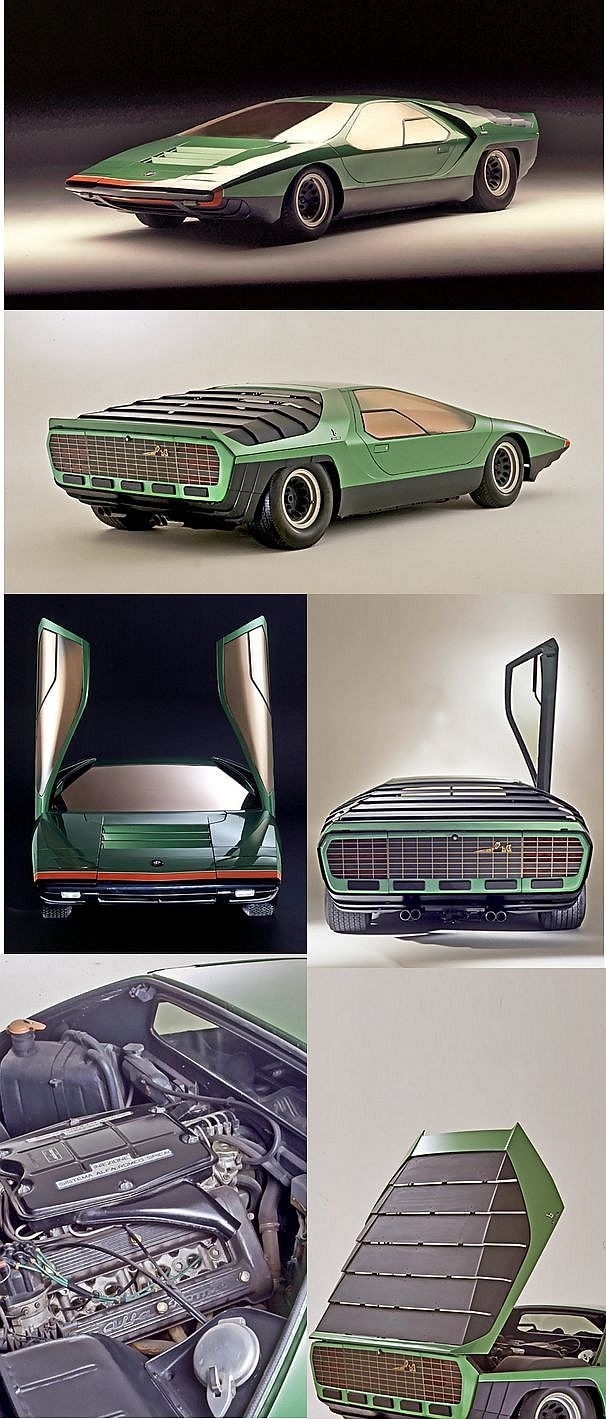
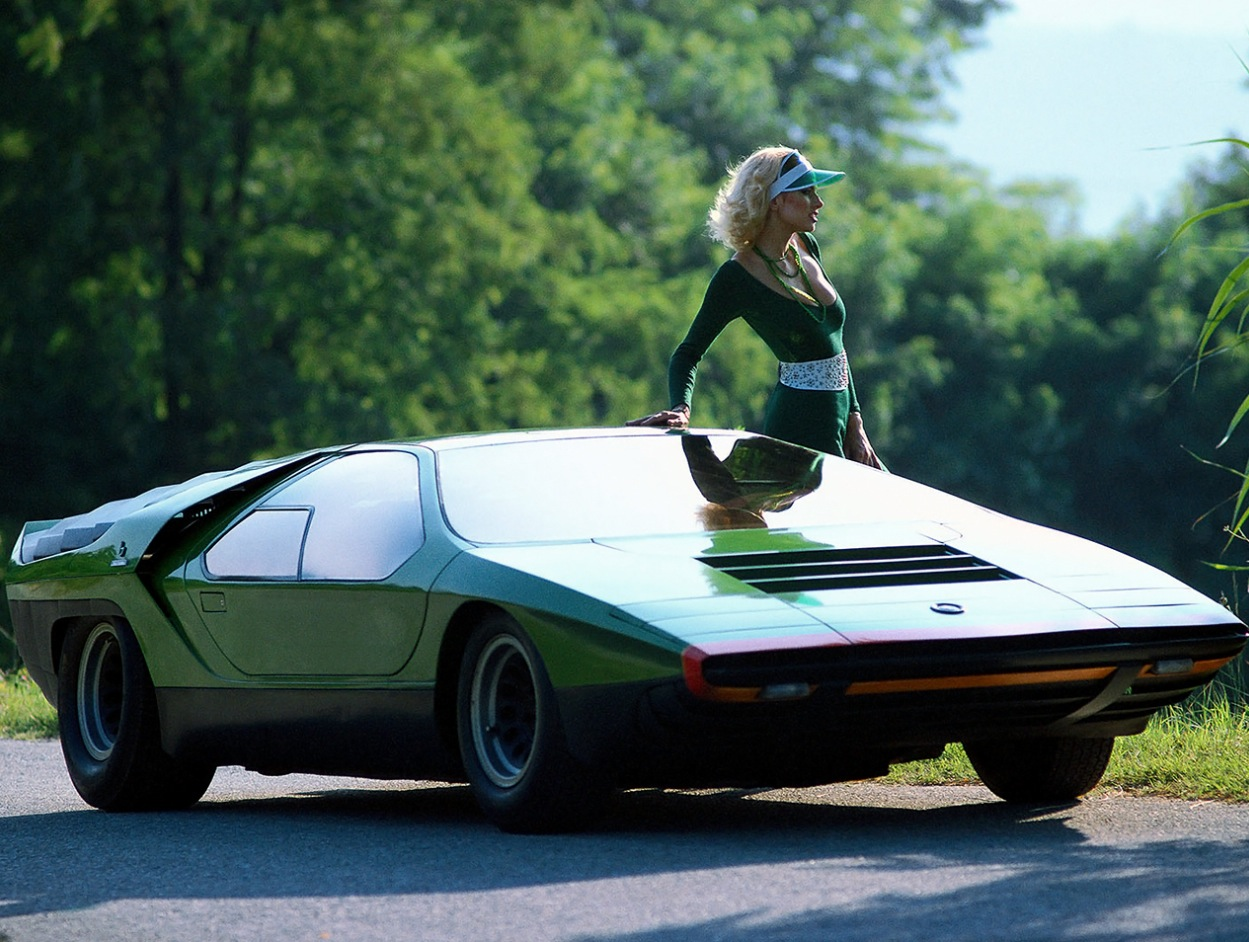
Marcelo Gandini created a car which had a revolutionary impact on the motor industry because of the trends it set, such design elements a function of the mid-engined architecture of the donor chassis; Carabo’s wedge nose, ground hugging stance, extreme lowness and squared off ‘butt’ inspired many wedge-shaped designs of the 70’s and 80’s. The cars name is derived from ‘Carabidae’ a family of green and gold colored ground-beetles.
Gandini used the wedge shape to address aerodynamic lift issues of the Lambo Miura P400 he also designed. He hid headlights beneath active flaps, Carabo was also the first car to use the front-hinged wing doors the great Italian maestro later used on his Countach. The car also gave styling cues to the Lancia Stratos Zero concept and the ‘closer to production’ Stratos HF.
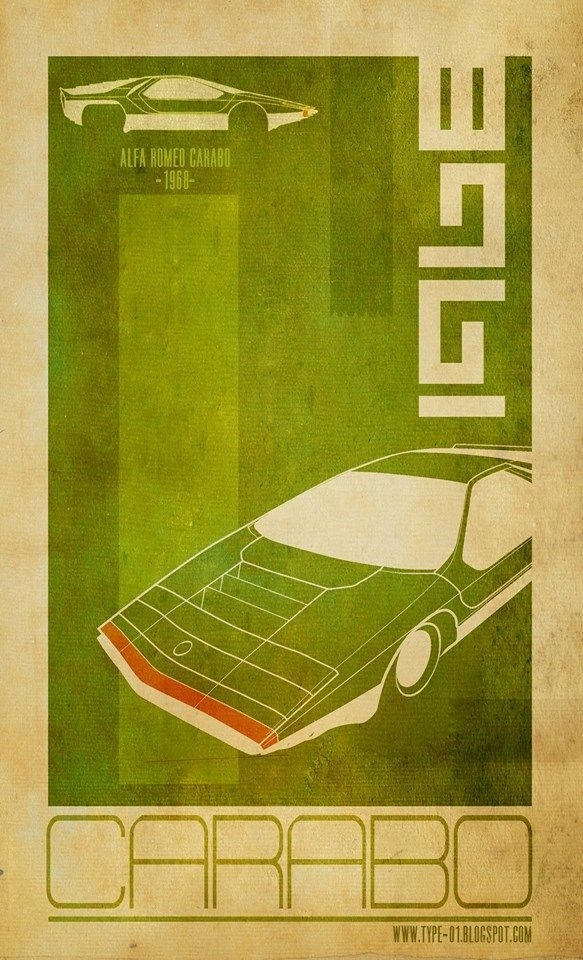
If subsequent adoption of trends set is the yardstick by which show and concept cars are judged Bertone’s Alfa Romeo Carabo is one of the automotive industry’s greatest…
Alfa Romeo Museum link…
https://www.museoalfaromeo.com/en-us/collezione/Pages/Carabo.aspx

Nuccio Bertone with one of his studio’s most influential designs (unattributed)
Credits…
Classic Car magazine, Alfa Romeo Museo Storica, Hull & Slater ‘Alfa Romeo’
Rainer Schlegelmilch
Tailpiece…
(Schlegelmilch)
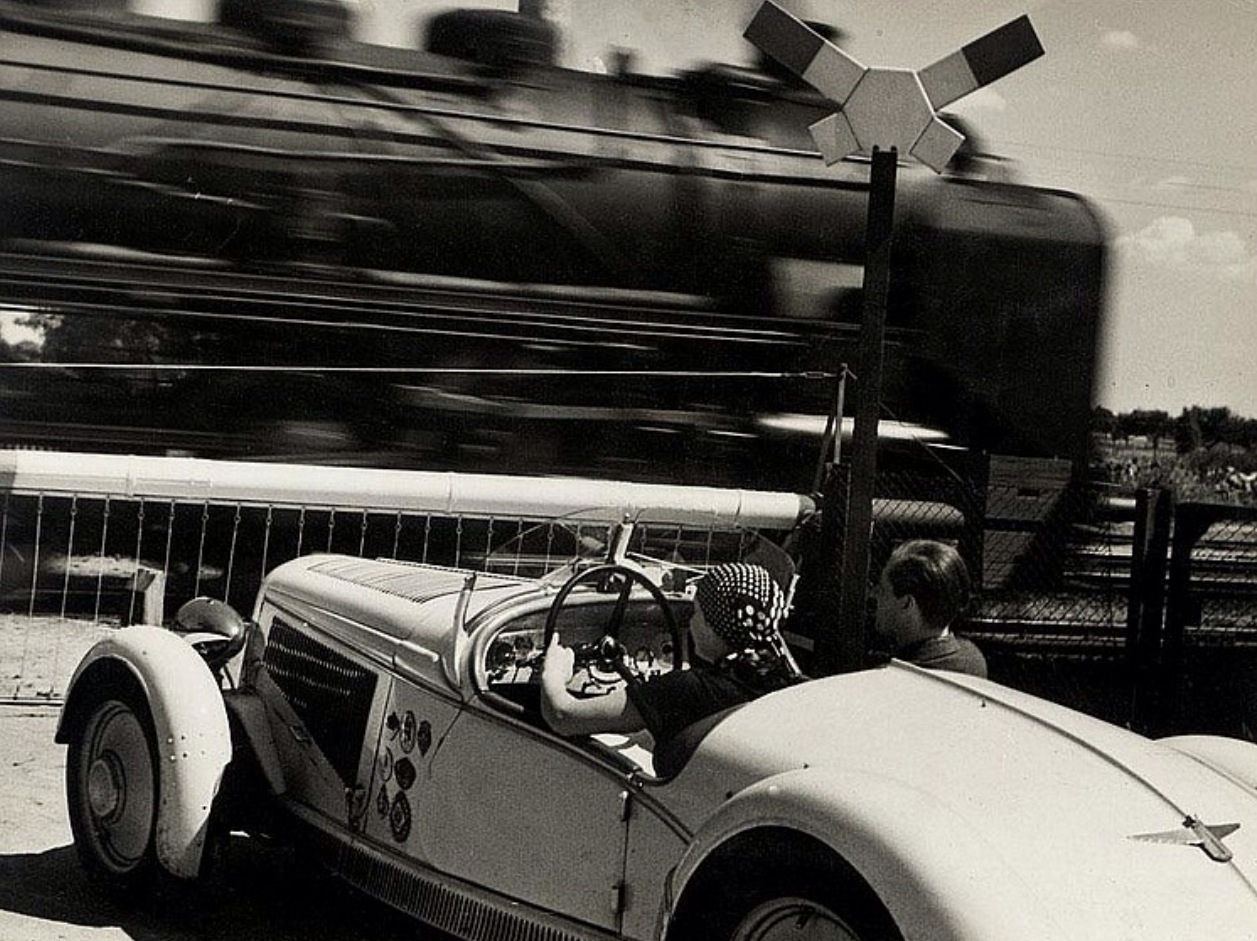
What a shot! A fashion shot I guess. The lady and her Adler Trumpf Junior was originally published in ‘Die Koralle’ magazine in 1937, no details of exact location or loco sadly…
Credit…
Heinz von Perckhammer
(Slim Aarons)
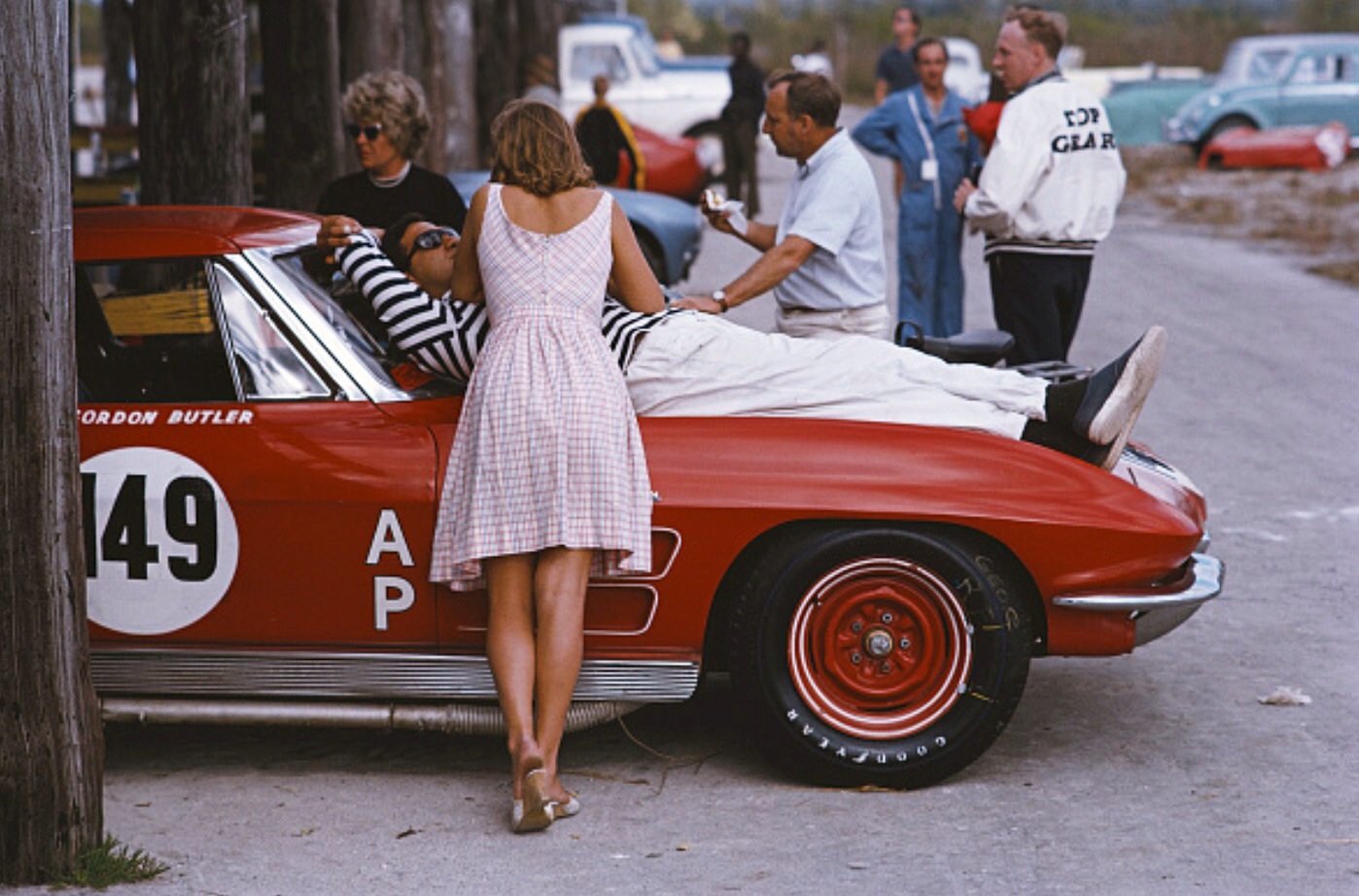
Gordon Butler’s Chev Corvette and his crew at the Oakes Course, Nassau, The Bahamas, 1963…
Car is clearly all ‘ready to rock’, they look fairly relaxed about things!
Credit…
Slim Aarons
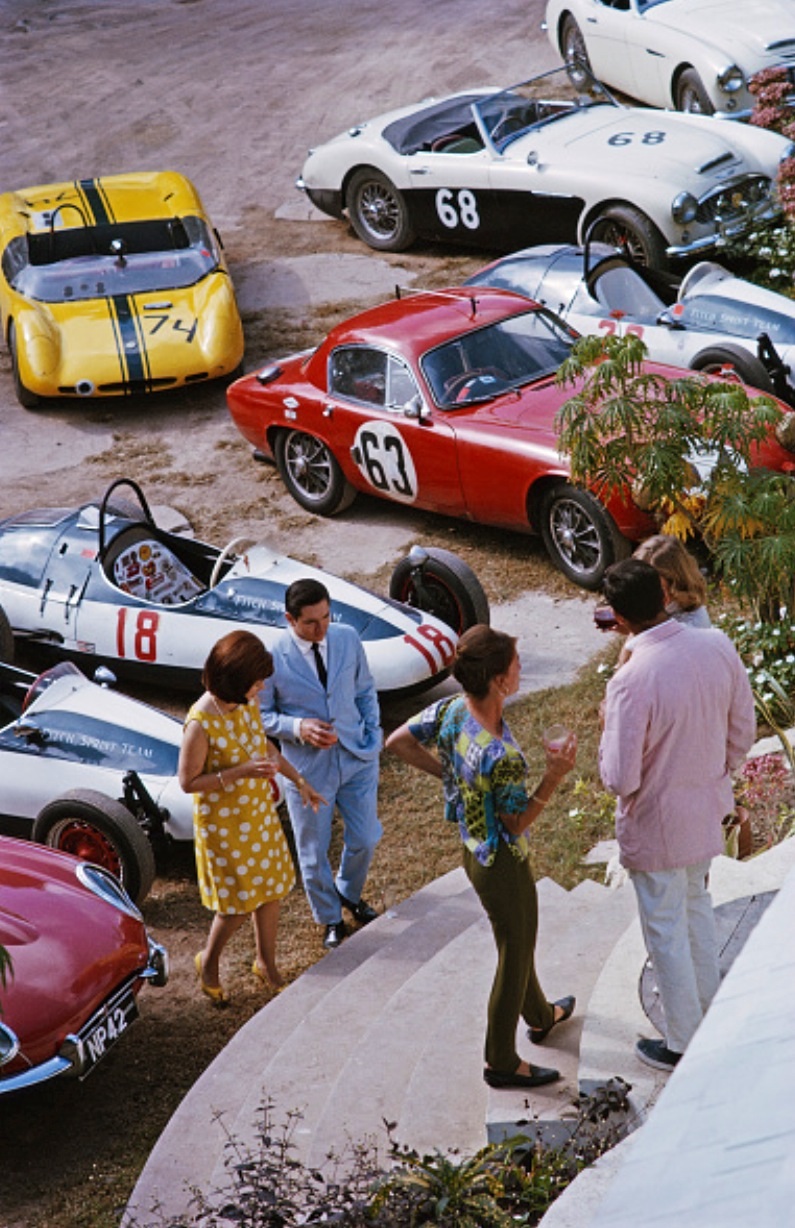
(Slim Aarons)

Shell Promotion, bless-em, from the 2014 Belgian GP, Spa classic, 24 August 2014…


Credit…
Getty Images

 primotipo...