


Well known in Australia but perhaps less so elsewhere are Ron Tauranac’s pre-Brabham phase Ralts as against the post-Motor Racing Developments ones…
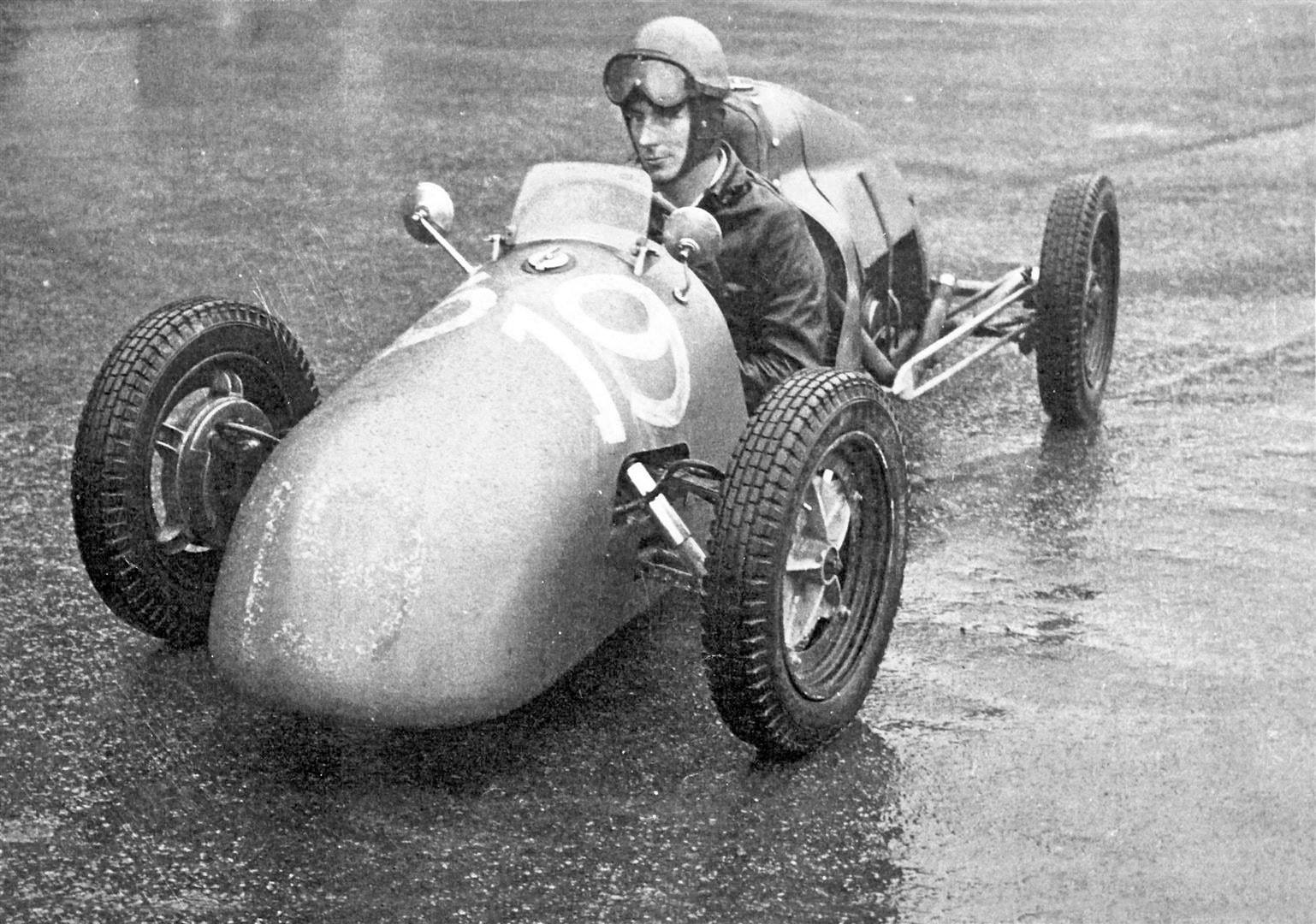
Ron looking young and shy in the first Ralt, the ‘Ralt Special’ above at the King Edward Park hill, Newcastle in 1951. By this stage Ralt 1 was fitted with schmick Ralt wheels and low-pivot trailing arms to better control the swing-axles.
Ron and Austin Lewis Tauranac (RALT) built five racing cars in the 1950s fitted with a variety of engines, two were powered by Norton 500s and one each by Ford 10, Vincent 1000 and Peugeot motors. Sadly, only the latter seems to remain.

After that they built another five or so chassis on their jig, which were Vincent 1000 powered, before Jack Brabham made the offer to Ron to join him in the UK as Jack hatched his post-Cooper plans.
Peter Wilkins, who had been working with Ron making chassis, fibreglass bodies, seats, alloy wheels with integral brake drums, steering and suspension gear, bought the stock of parts. He then onsold the Ralt bits – Ron’s version is he sold them direct – to John Bruderlin and Leon Thomas, whose Concord, Sydney, Lynx Engineering business specialised in building hot MGs and selling MG parts.
Wilkins joined them as a partner for two highly productive years making what John Blanden described in his book as Ralt Derivatives; three Vincent engined cars and various Lynx Peugeot, Borgward, Ford and BMC powered FJ/single-seaters until Wilkins joined Tauranac in the UK to assist in the construction of the first Brabhams at Motor Racing Developments. These cars are covered later in the article under the Ralt Derivatives heading.
The descriptions of the cars are those used in Ron’s biography, ‘Brabham Ralt Honda : The Ron Tauranac Story’ written by Mike Lawrence, but I have used Ralt 1, 2 etc for brevity. There is no shortage of photos of the cars on the internet but most don’t have captions, if you can help with the who, where and when please email me on mark@bisset.com.au and I will update the piece.
In the beginning…
Tauranac was born in Gillingham, Kent in 1925 and emigrated to Australia with his folks in 1928. Austin was born in 1929 by which time the family lived in Fassifern, Newcastle. When of working age Ron joined the Commonwealth Aircraft Corporation as a junior draftsman in 1939, continuing his technical studies. Despite being in a protected occupation he joined the RAAF in 1943 and trained as a pilot but missed out on combat with the end of the conflict, he was a Flight Sergeant when he returned to Civvy Street.

Garry Simkin, historian, air-cooled expert and el-supremo of the superb loosefillings.com – from which a chunk of this article was drawn, together with the relevant section of Blanden’s bible which was written by Doug Grant and Mike Lawrence’s biography on Ron – writes that legend has it Ron was driving through Marsden Park when cars were racing on the ex-RAAF landing strip there, and his appetite for racing was whetted that day. Simkin debunks the theory, but one way or the other Ron and Austin, by then a motor mechanic, were soon reading all they could about the fledgling 500cc Movement in the UK. The 500cc Car Club of NSW was formed in April 1947, the brothers were soon hatching plans of their own aided by the knowledge gained in buying/improving/selling an Austin 7, Lea Francis and a Morris Minor. Suss and and carefully search Loose Fillings here; https://loosefillings.com/
Ron drew the Ralt Special – as he called it in Lawrence’s book – Ralt 1 in 1947 but there was then a two year gestation period until it was rolled out of a rented garage in Blair Street, Bondi, closeby to the family flat. Powered by a Norton ES2 500cc engine, the car was a typical 1940s 500 with 19-inch wire wheels, tubular steel ladder-frame chassis, wishbone-leaf spring front suspension and swing-axle rear with an engine/gearbox from a road-going motorcycle.

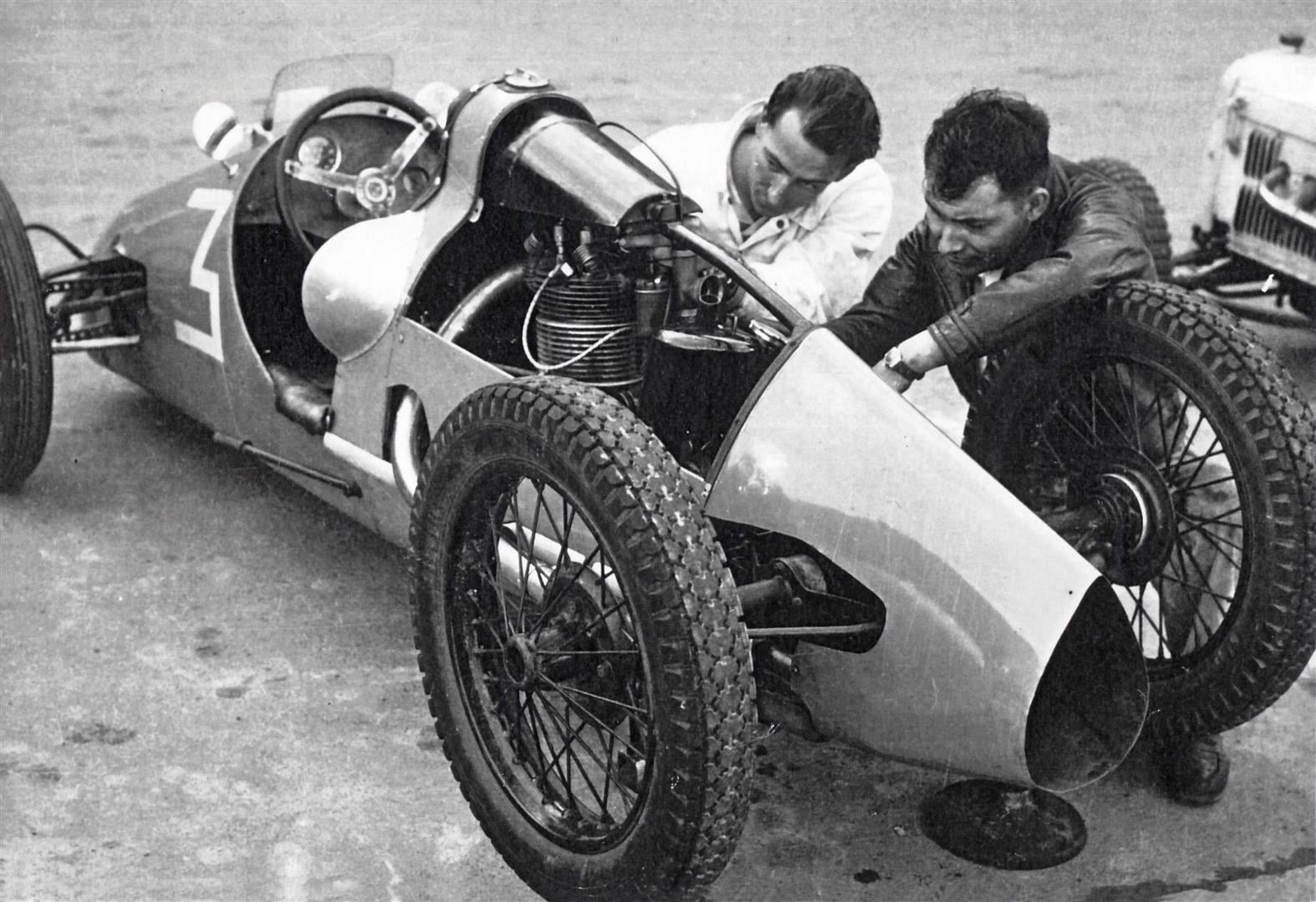
Despite lacking shock absorbers, money was tight, Ron entered a hillclimb at Hawkesbury on November 20, 1950. “On his first run, the Ralt, which had already given him a few frights in the first corners, ran wide, hit a drainage gully and flipped. Ron was thrown out and taken to hospital to be stitched together,” wrote his biographer, Mike Lawrence.
When RT recovered from the crash, he repaired the car, fitted shocks, stiffened the rear suspension and then took it back to Hawkesbury. After some impressive practice times, he set off on his first timed run and again crashed, this time one of the back wheels tucked under and the car flipped, Ron was unhurt despite cuts and abrasions. A shackle on the rear spring had broken and caused the wheel to fold over, the problem was that the spring was the main locating medium.
Ron was learning valuable lessons on-the-hop and back to the drawing board he went. He devised long-arm, low-pivot swing axles, adding universal joints and was able to lower the roll-centre of his car by six-inches. Then it returned to competition in 1950 and was raced consistently, notable early performances included a 58.13 seconds Newcastle hillclimb time, an Australian quarter-mile class record of 16.3 seconds, and an appearance at the Easter Bathurst meeting in 1951 when Ron drove. By then the car also had Ralt cast-alloy wheels, Ralt 2 – the ‘Ralt 1100’ – also contested this meeting.


Ralt 1 then raced with continuous engine development at Foleys Hill, Newcastle and Parramatta Park among other venues. It was during this period that Ron met Jack Brabham and started to use him for his CSR Chemicals, his employers, machining work. The car was then sold to Merv Ward and Bernie Short, both of whom raced it in 1955 with much success using both ES2 and Norton overhead camshaft engines until Easter 1957 when the ES2 engine blew at Bathurst and the car crashed.
Sold in 1957 to Bert Bartrop, then to Reg Mulligan, on to Leaton Motors and Bert Lambkin, he crashed into a pole at Orange in 1960 during his first race. Taken to motorcycle expert Cec Platt for repair, parts of the car were used in building TQ midgets, the rest, apart from the two wheel-centres, was disposed off at the local tip after Platt’s death.

The Ralt 1100 (Ralt 2) appeared from the Bondi garage in 1949 fitted with a Ford 10 E93A engine, Standard 10 gearbox mounted mid-car fitted to a ladder-frame chassis, a Morris 8/40 rear end completing the key mechanicals. These components were clad in a sleek two-seater aluminium body, registered NSW KJ.989 and was raced by Austin at Leura, Mt Druitt, Foleys and Bathurst through to 1951.
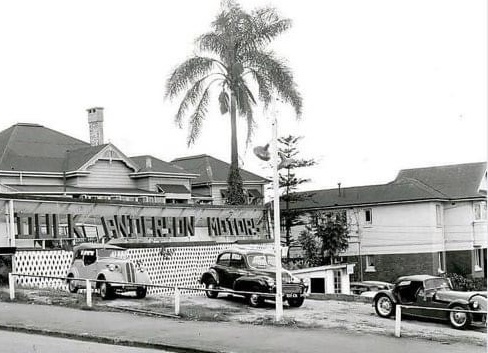
Featured in the April 1951 issue of Australian Motor Sports, the car was sold to Lane Cove’s Austin Sudden in 1952 after Tauranac’s marriage, his wife to be wasn’t keen on his racing. Sudden used it on the road before selling it, passing through a couple of pairs of hands – Doug Grant chanced upon a photograph of the car below in a South Brisbane car yard circa-1959 – it was badly damaged in a 1969 car accident in Queensland and assumed scrapped.

Ron Tauranac in the Jack Hooper car modified by he and Austin, then raced by Austin as the ‘Norton Special’ at King Edward Park hillclimb, Newcastle in 1951. Dick Willis tells us “It took FTD with a mere 500 Norton engine ahead of many more fancied runners including Sir Jack with the Cooper Bristol.”
Originally built by the Hooper brother, operators of the Hooper & Napier Motorcycles business in Sydney, Austin bought it and the brothers comprehensively rebuilt it inclusive of a new chassis. The Ralt MkIII (Ralt 3) took nine months to build in the Austin Service Station, East Circular Quay ‘on’ Sydney Harbour.
Austin debuted it at Mount Druitt in 1953 then raced very successfully for two years, he placed third at the Bathurst Easter 1955 meeting in an event also contested by Merv Ward in Ralt 1. Sold to a Broken Hill enthusiast who raced it at Port Wakefield in October 1956, no further details of the car’s whereabouts are known.
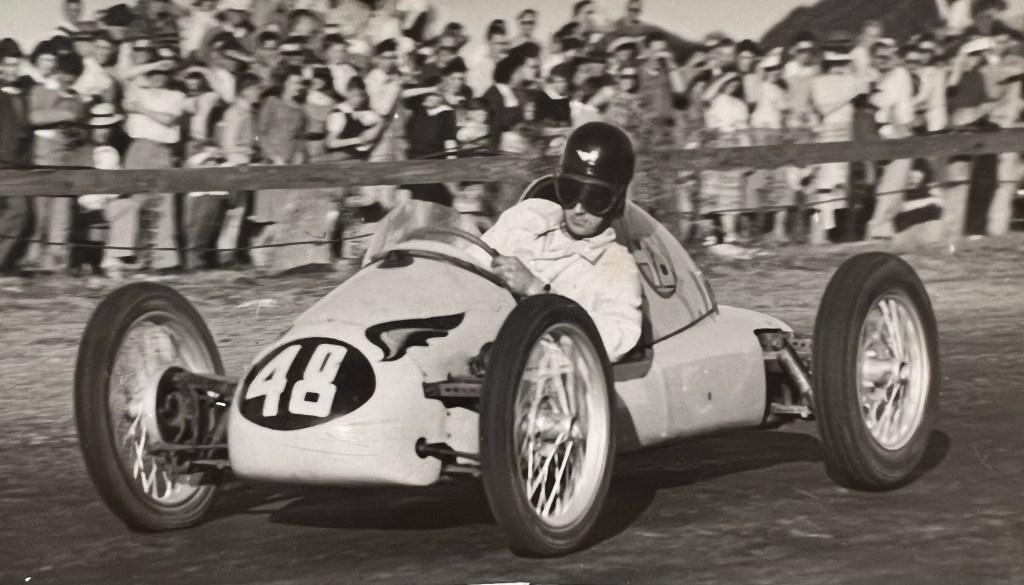
Byron Gunther wrote on the reverse of his photograph above, “A Tauranac, Norton 500. Very consistent all day (what day and where tho Byron??), this is the ex-Hooper 500, the first really good 500 built in this country.” Interesting to get this in-period perspective from an expert on the scene.

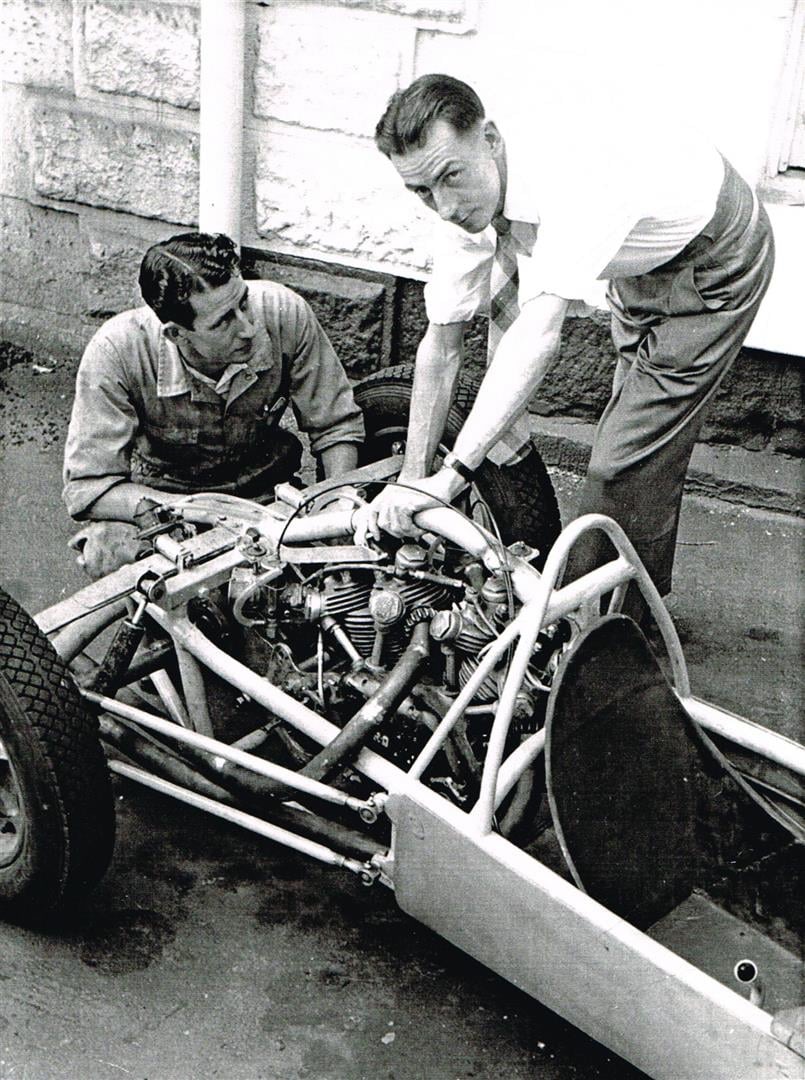
Austin and Ray Tauranac with the Ralt MkIV (Ralt 4) in build. This car, which used a four-tube chassis had no similarity to the earlier cars. Its front suspension used Austin A30 wishbones and uprights and Tauranac’s twist on De Dion rear suspension. The wheels and rack and pinion steering were also RT built. The much more sophisticated car was fitted with a Vincent Black Lightning 998cc engine and was also built at Circular Quay.
First raced in 1957 by Ron, it was driven by Jack Brabham at Mount Druitt on a trip home that year. Ron sold it to Noel Hall of Woolgoolga in 1958, he raced it in both the Easter and October 1958 Bathurst meetings before selling it to John Hough in mid-1959.
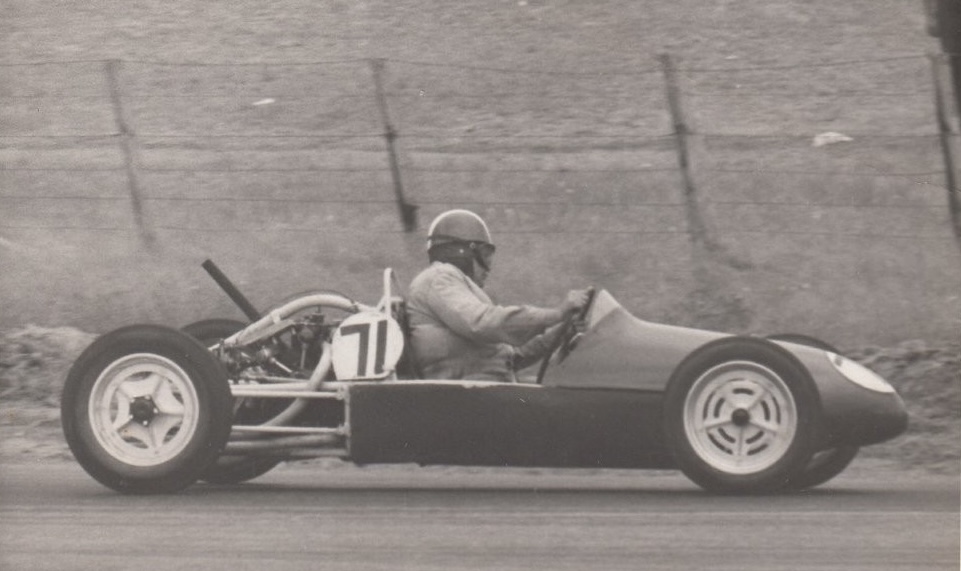


John Hough in the Ralt 4 Vincent on the family farm at Woodford Island in 1958 or 1959. Later traded to Reg Mulligan for the ex-Moss-Davison HWM Jaguar, it was crashed by Richard Compton at Catalina Park in 1962 then left in Lehane’s workshop in Auburn, Sydney, before being sold in damaged condition and disappearing without trace.


Reg Mulligan in Ralt 4 Vincent on pole of a four-lapper during Catalina Park’s opening meeting, February 12, 1961. Bob Maine and Vincent guru, Alan Burdis are awaiting the push-start.
Barry Garner is in the Nota Major alongside, and #37 D Russell’s MG TC Spl, #68 is Peter Wherrett’s Cooper Mk4 Hillman Minx and #31 the Toby Hines’ Ralt 498cc.

The Ralt 5 – Ralt MkV – was a front-engined single-seater for Austin which was built simultaneously with Ralt 4. With a spaceframe chassis and similar suspension to Ralt 4, the car was sold incomplete when Austin retired from racing, what became of this car, nothing is known?
Ralt Derivatives…
The list of the cars built with Tauranac designed chassis, sold to Peter Wilkins and then Lynx Engineering follows. lt’s a precis of the Doug Grant/John Blanden material in Blanden’s ‘Historic Racing Cars in Australia’, which is included for completeness, it’s not a treatise on the history of each car.
Ralt Vincent 1959
Bought by Tony Hindes in 1959-60 and used with both V-twin and 500cc engines, sold to Todd Hamilton in 1962-63 and still with him in 2004.
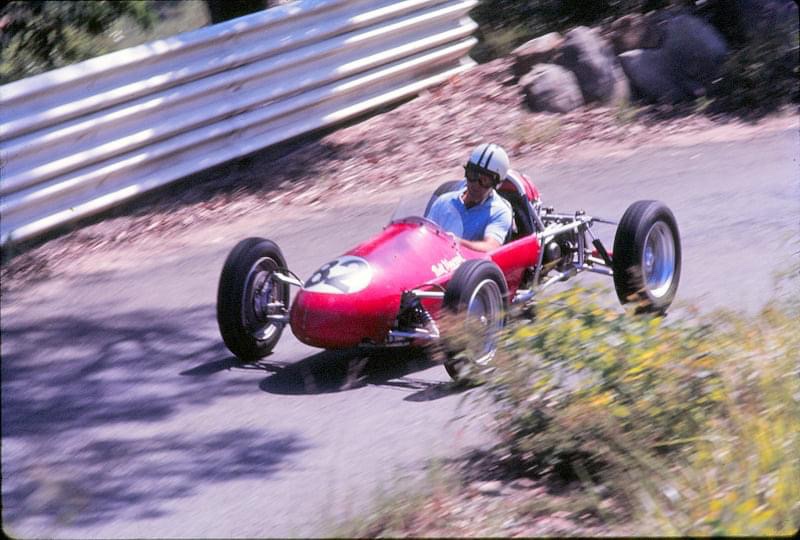
The shot of Todd above is on the Amaroo Park hill in 1968, the one below at an historic meeting in more recent times.

Marvellous shot of Ron and the same car at a Parramatta Park reunion (I think) not too long before he died.
In more recent times the car has been sold to Chris Page.

Triumph Thunderbird
Jack Myers (see this piece; https://primotipo.com/2015/02/10/stirling-moss-cumberland-park-speedway-sydney-cooper-t20-wm-holden-1956/ ) fitted two-supercharged Triumph engines to create this car as a successor to a Cooper Mk4 which had been fitted with the same motors.
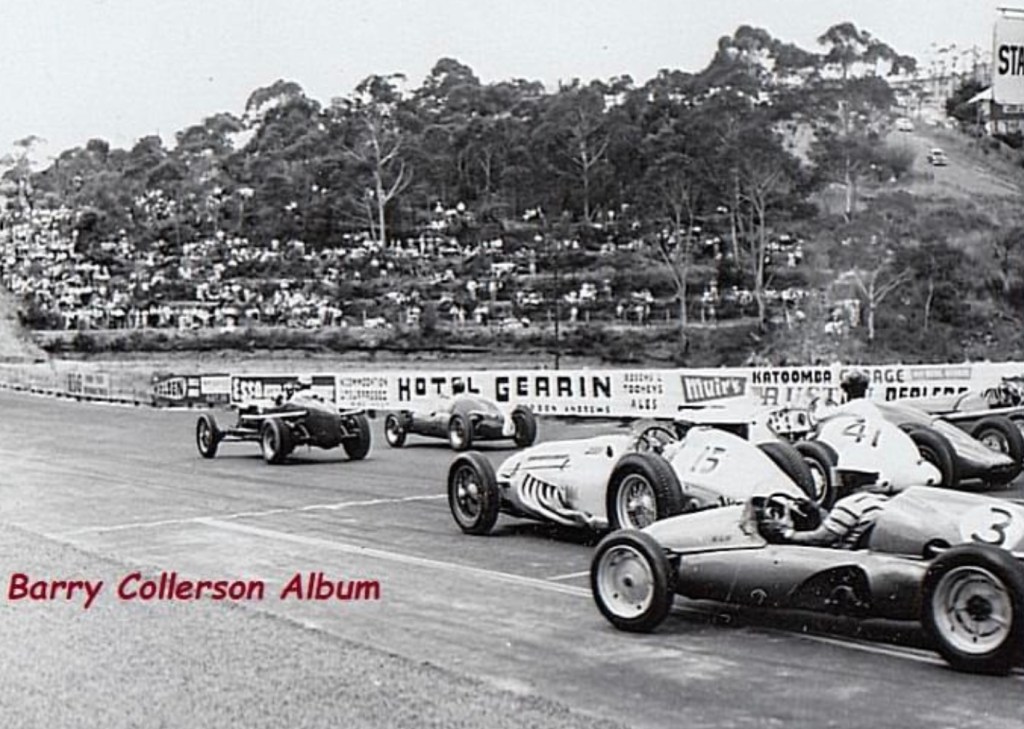
He raced the Thunderbird at Easter Bathurst in 1961 and took part in hillclimbs throughout Australia, but tragically died in it after being thrown from it at Catalina Park, Katoomba in January 1962.
The photo above shows Jack – wearing his usual T-shirt with hoops – in car #3 at the start of a Catalina race in 1961, while the post-accident one below is shown to provide an idea of the engine packaging challenges.
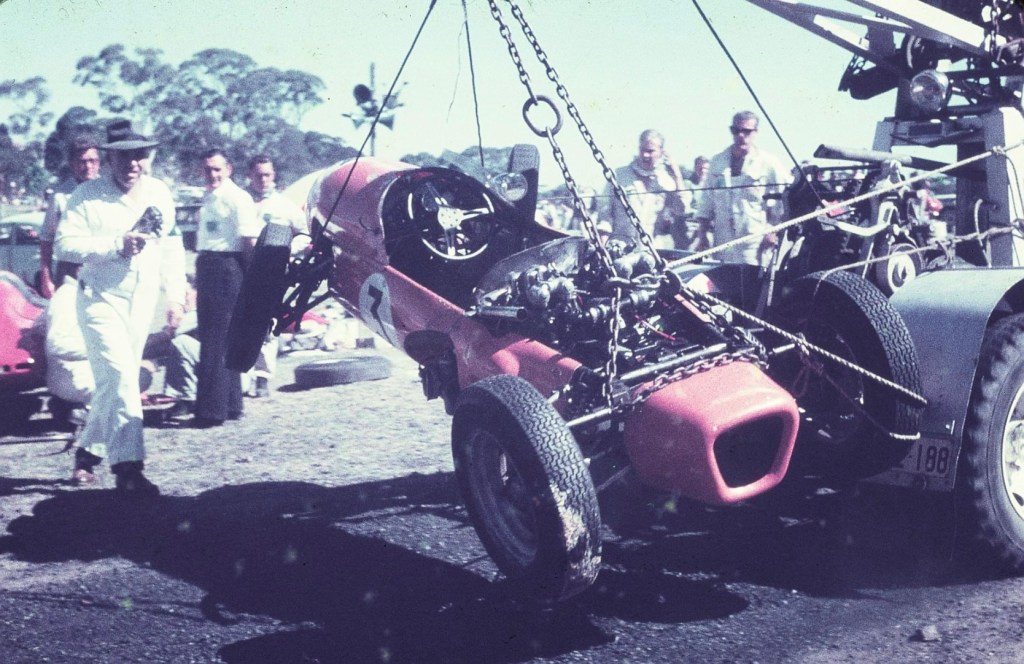
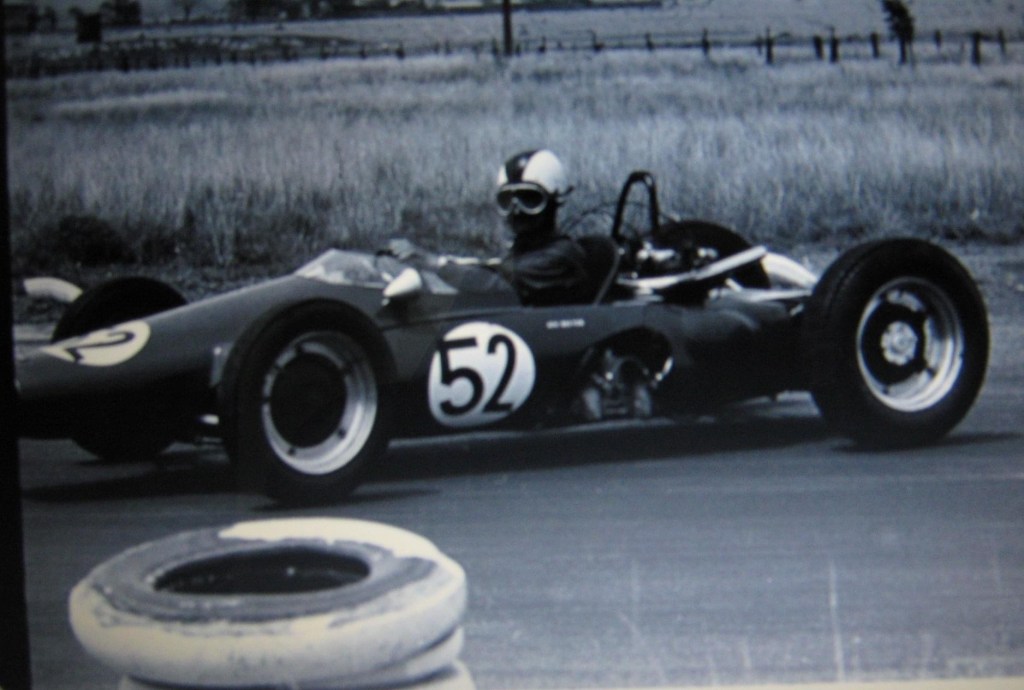
As the post-Catalina-crash shot shows, the damage to the car does not appear significant. Sold by the Myers family, here the car is in the hands of Jim Reuter at Lowood in 1964.
Jennings Vincent
Built and owned by George Jennings in Victoria, whereabouts unknown.
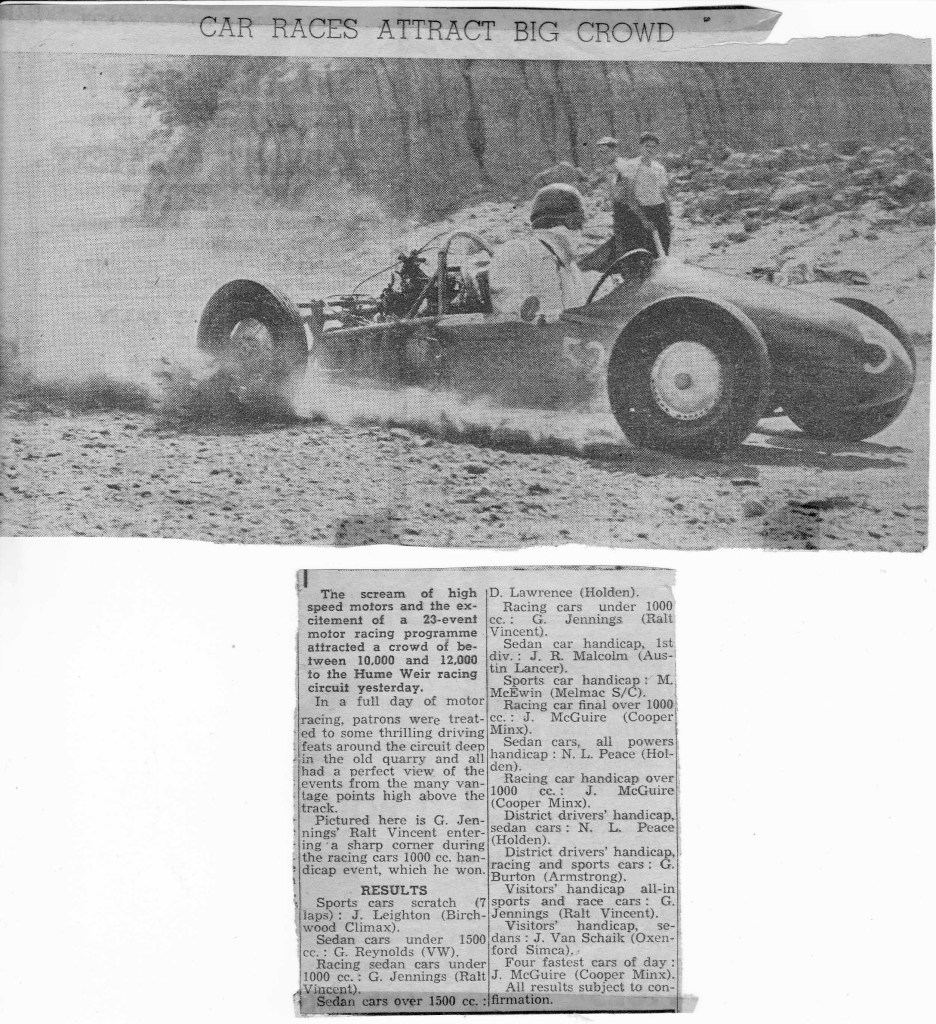
Lynx Vincent chassis 101
Built for Narrandera racer Les Trim in 1960, 998 Vincent. Sold in 1964 with the parts going into a sportscar project in Queensland.
Lynx Vincent chassis 102
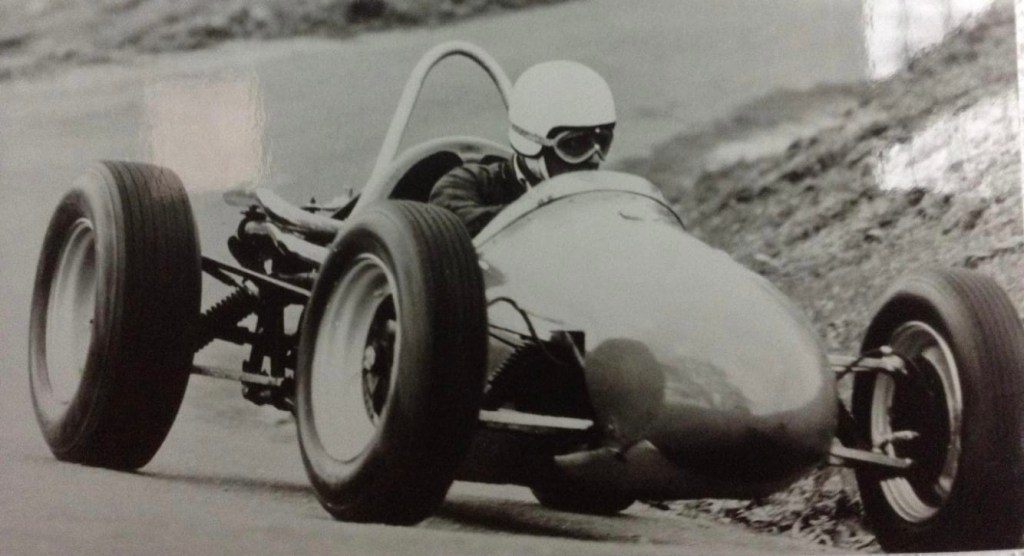
John Marston raced it in Victoria and New South Wales fitted with a supercharged engine often as a Bruderlin & Thomas works entry. Through many hands, extant, and partially restored, albeit less engine, the car survives and was authenticated by RT.

John Ellacott’s marvellous, rare colour shot was taken of John Marston gently sliding through Homestead corner at Warwick Farm in 1961.
Lynx chassis 103
Built in 1961, through the hands of five drivers until the caring, skillful Dick Willis bought it in 2004.
Lynx chassis 104-109
Generally Ford and BMC powered FJs. Below is Kevin Bartlett’s Lynx BMC, chassis #105, at Lakeside in May 1962.
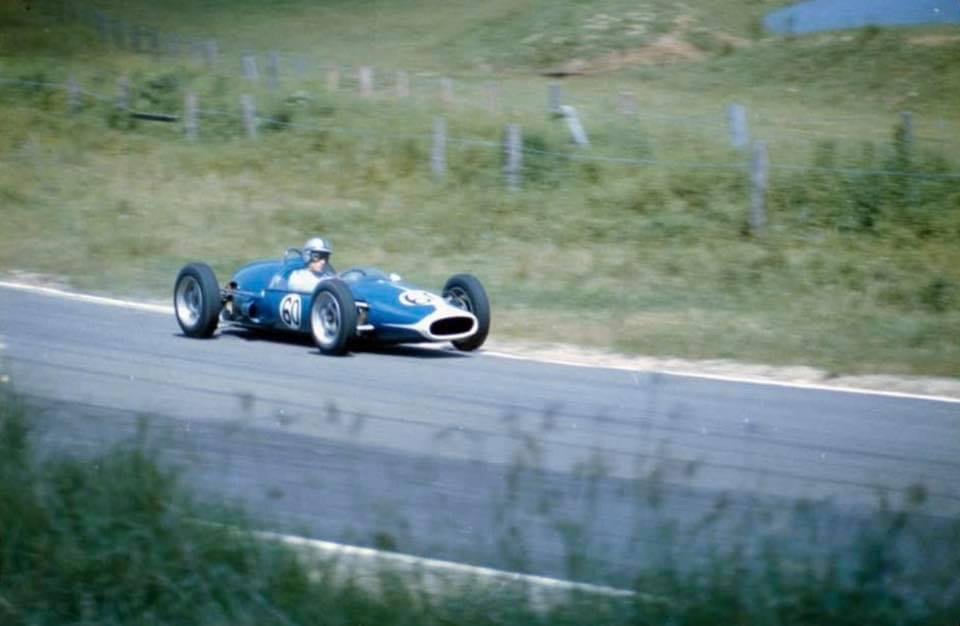
Kevin Bartlett clears up the design credit for the Mk 2s. ‘The Tauranac design was primarly a motorcycle engined race car. When Bruderlin & Thomas entered the game they along with Peter Wilkins redesigned the space framed chassis to enter the then emerging Formula Junior category.’
‘Pete Wilkins, Stan Smith and yours truly built the first one with aluminium bodywork and Morris engine/Renault gearbox. That body became the buck for the following fibreglass bodies of the first series, of which the Powell car was one. There was one Vincent engined car built for John Marston, mainly used for hillclimbs, that conformed to Ron T’s original design, albeit the pipe work modified by Peter Wilkins.’

The same car at Lakeside a little earlier, November 11, 1961. KB’s #105 having its gizzards attended to; BMC 1-litre A-series engine with Amals, Renault transaxle.
Lynx chassis 110-116
The slimline Mark 2 machines were all Ford powered with the exception of the supercharged Peugeot powered machine built for Bob Holden and later raced very successfully by Colin Bond.

Holden’s lovely Lynx Peugeot is shown above Warwick Farm on debut in 1963.

The same car with Colin Bond at the wheel and key team-members in attendance, Bob Riley standing alongside Vicki Allingham with Bob Allingham behind the front wheel. Bond’s performances in this car on the circuits and in the hills, and in rally Mitsubishi Colts resulted in subsequent fame-and-fortune via the Holden Dealer Team.
Etcetera…
Ralt 1

Ralt 1 in very early spec spec with Morris 19-inch wheels.
“I made two fundamental mistakes on that car,” Ron related to Mike Lawrence. “I put the seating position too far forward, and and the other was that I put swinging half-axles at the rear. The seating position gave me the theoretically correct weight distribution but it also made the car much harder to drive because you just didn’t get enough warning when the back end was going to break away.”
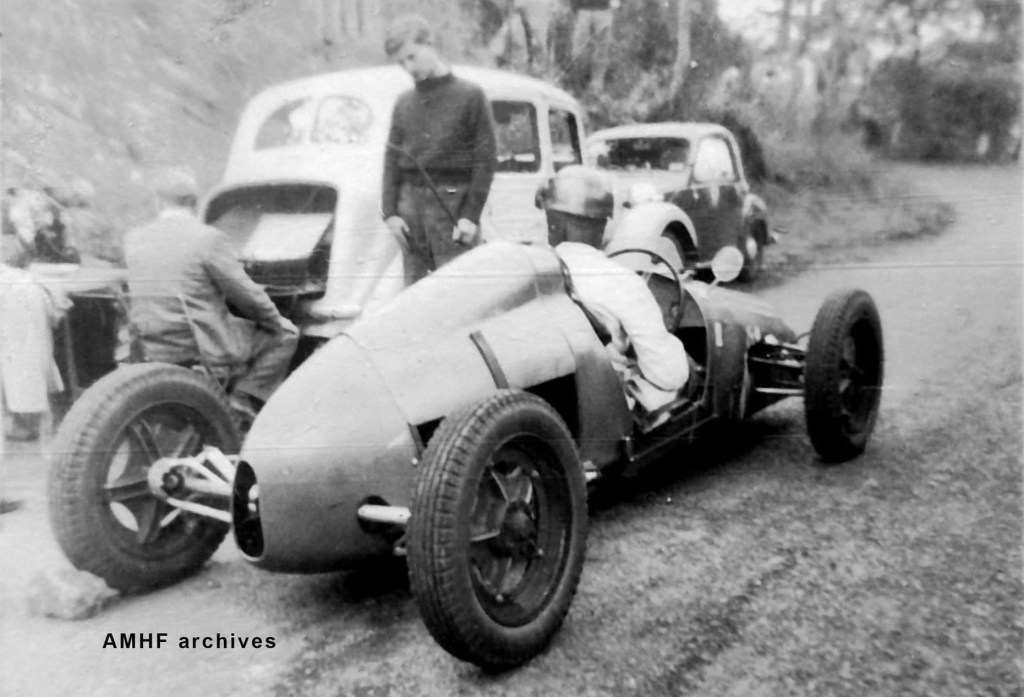
The shot above at Foleys Hill on July 13, 1952 shows Ralt 1 with its Ralt alloys and another angle on Ron’s swinging-half axles, and you can just see the end of the trailing arm.


Ron with hands in pocket and Austin looking towards us, Ralt 1 then with his alloy wheels and trailing arm rear suspension at Foleys Hill, July 13, 1952.
RT told Mike Lawrence, “The homemade engine was based on a Norton ES2 pushrod unit. The cams from a Norton WD side-valve gave me the timing I wanted. Over time, we made a crankcase, fitted a locally made piston which gave a 14:1 compression ratio, and ran it on methanol with an Amal carb. It had a cast-iron flywheel, then I had Jack Brabham machine me a a steel one. We played around with new barrells and eventually enlarged it from 500-600cc, I learned a lot about engines from that.”
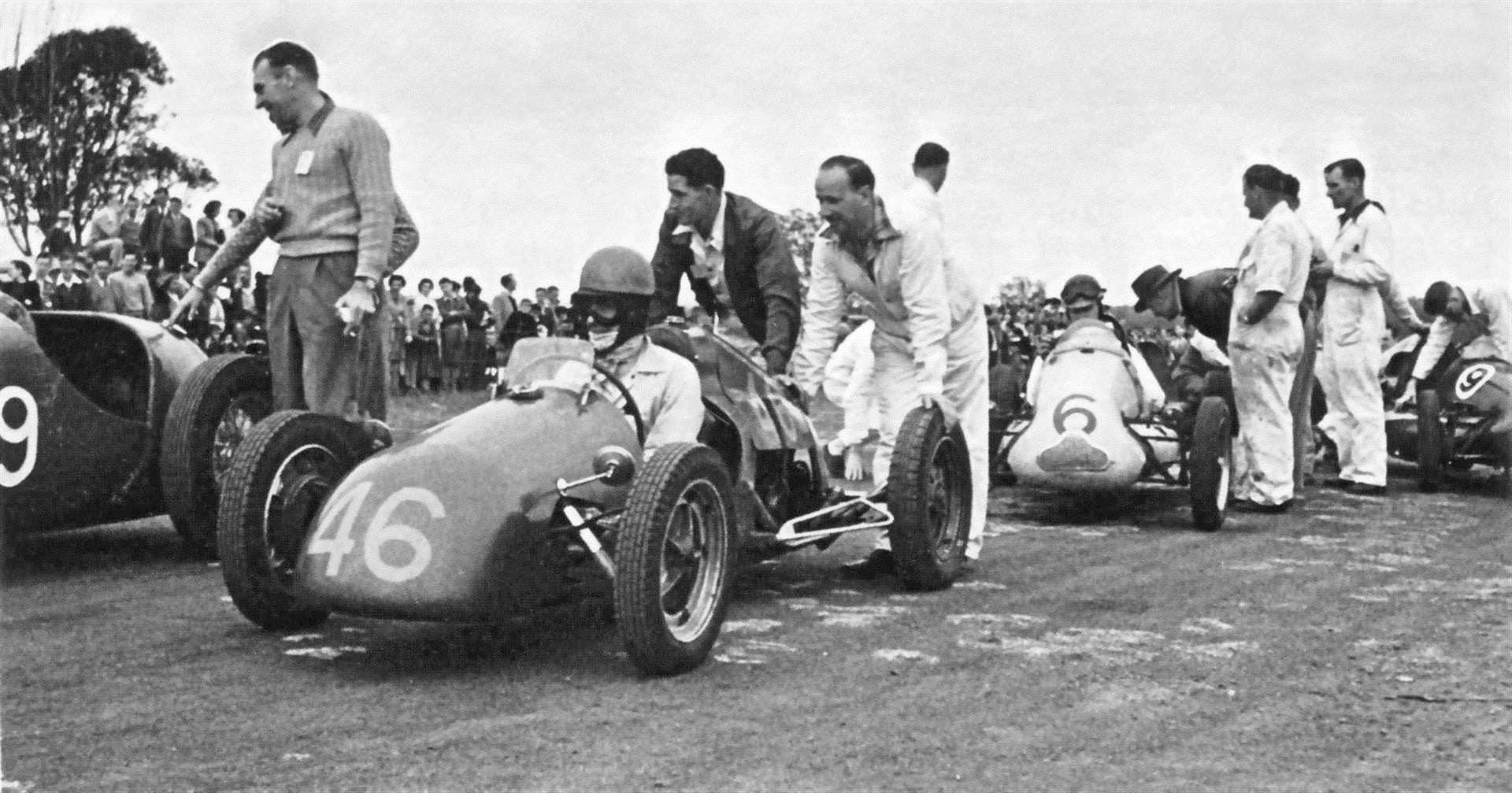
In front of Dick Cobden’s Cooper.


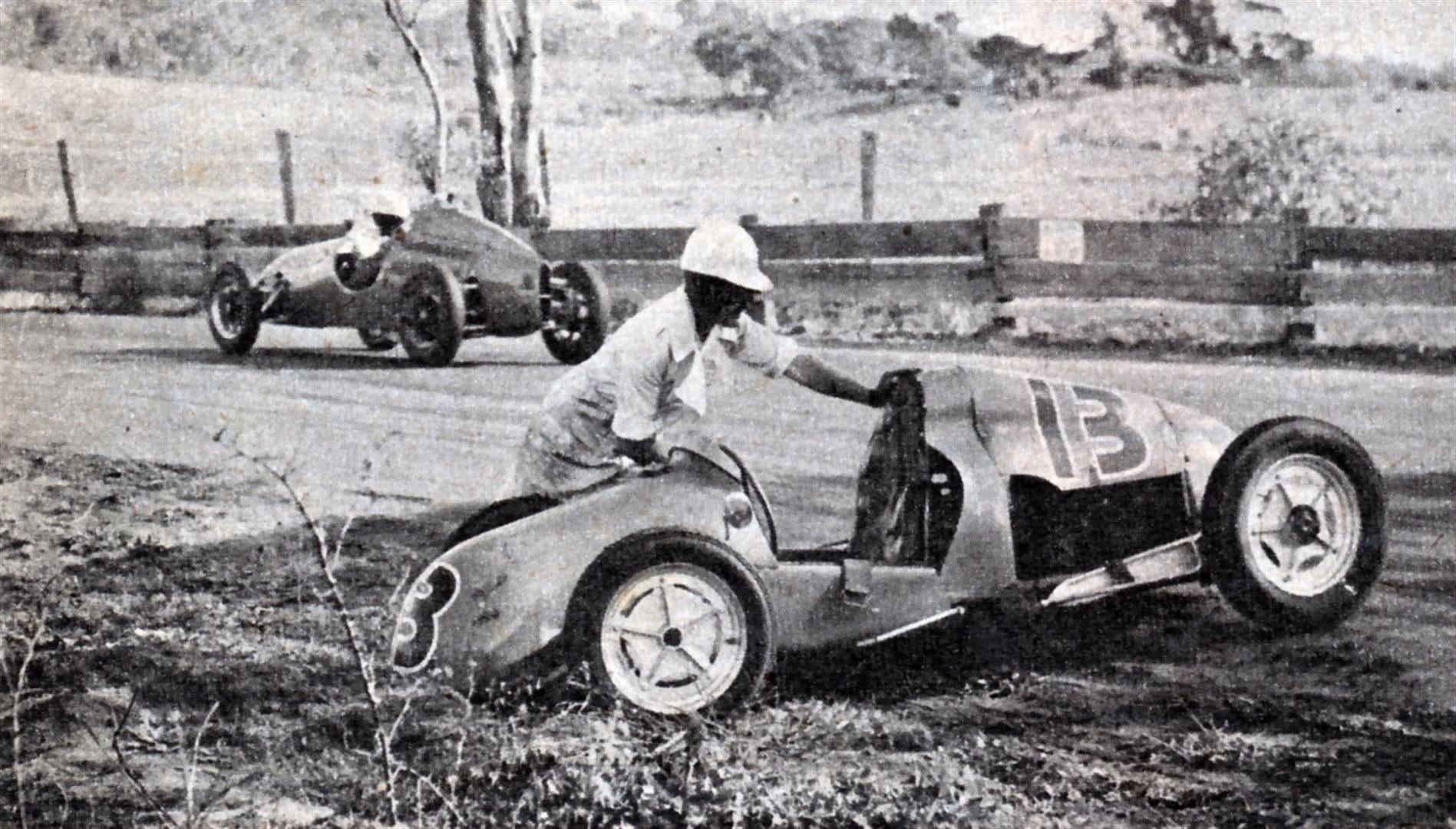
Mountain Straight at Bathurst perhaps. Do get in touch if you can help with the missing where, when and whom caption gaps.

Ralt 4

Noel Hall took FTD in the Ralt 4 Vincent at this gravel hillclimb held at Rushford Road, South Grafton, NSW in 1959. Racer/restorer/historian Dick Willis was there to catch the relaxed vibe of the day in countryside Dick described as “sparse”. Indeed.

Ralt 4 Vincent on its trailer on the Hough family farm.
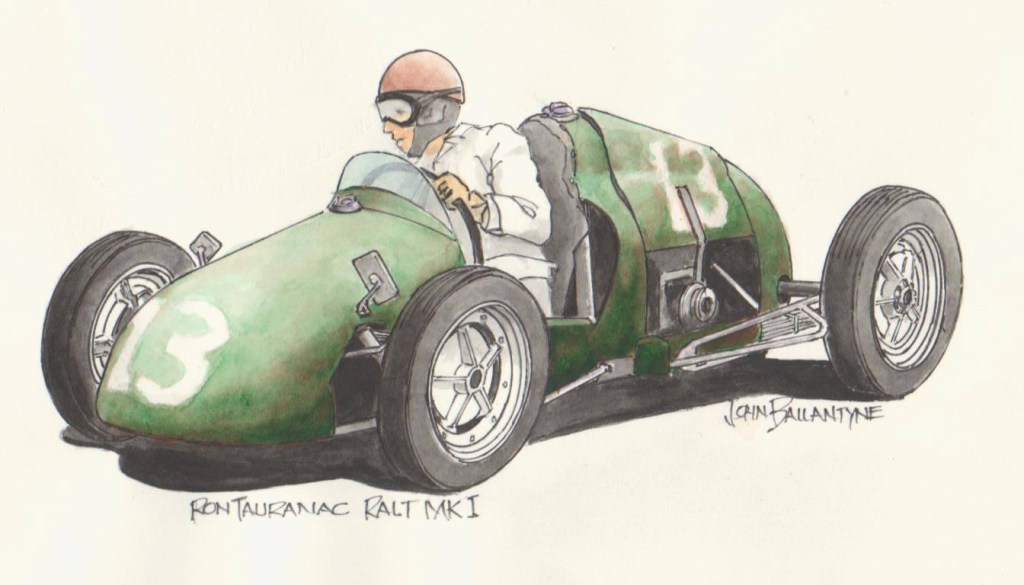
Credits…
Brian Caldersmith, Dick Willis, Richard Hough, John Medley, ‘Brabham Ralt Honda: The Ron Tauranac Story’ Mike Lawrence, Kerry Smith in Loosefillings.com, ‘Historic Racing Cars in Australia’ John Blanden, Bill Miles, Bill Tyrrell, Pat Goulding, Barry Collerson Album, John Ballantyne, Ken Starkey, Brier Thomas, Stephen Dalton Collection, Daniel Bando, John Ellacott, Peter Graham via Grant Burford
Tailpiece…

Whatever Ron and Jack were talking about, it wouldn’t have been the past. They were all about the next project, not the last one…
Finito…
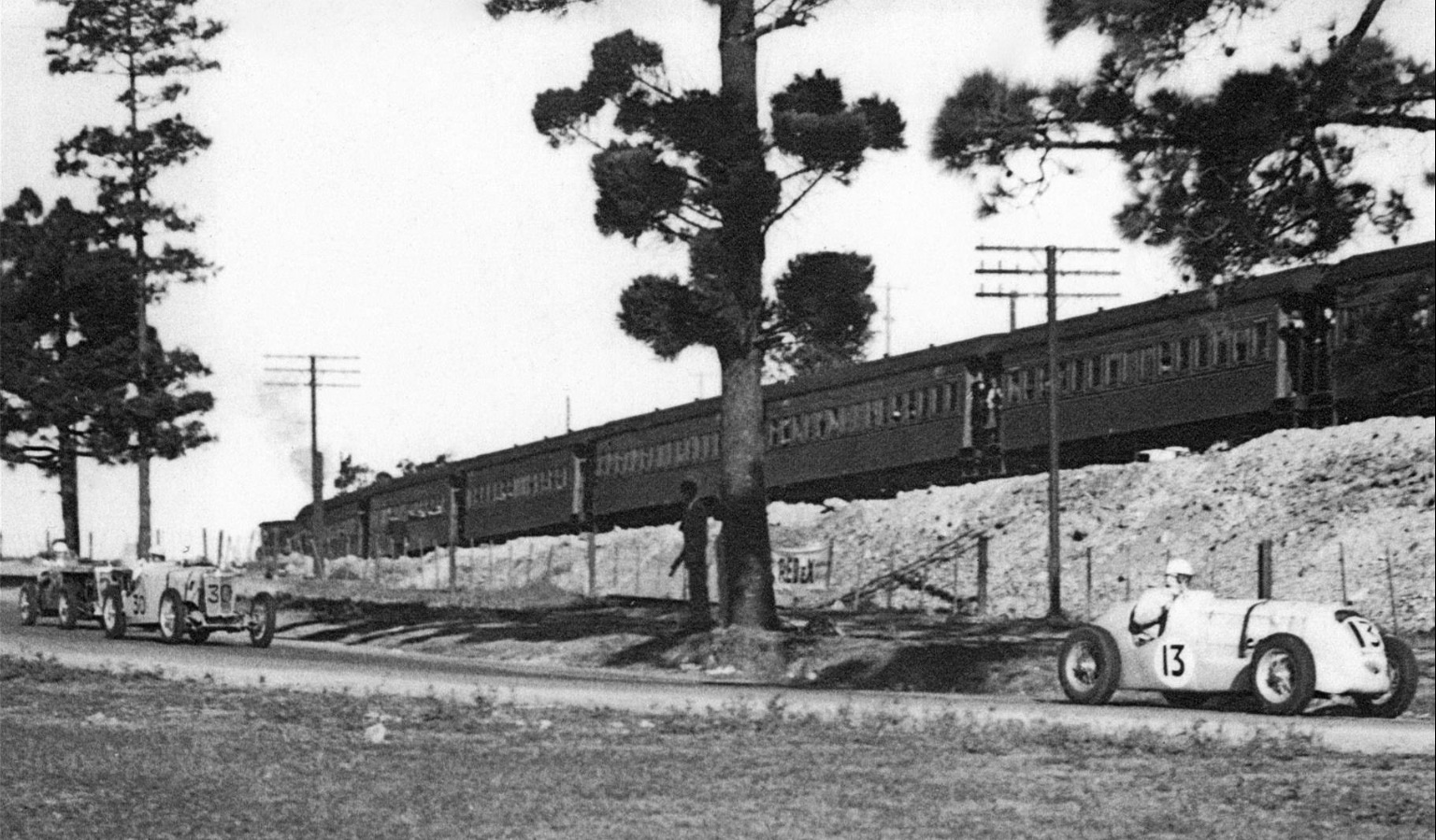
 primotipo...