Ferrari 246T, Lotus 49 Ford, Lotus 49 Ford, Brabham BT24 Ford, and a Mildren Mono Alfa T33: Amon, Rindt, Hill, Courage and Gardner. Pukekohe NZ GP front couple of rows, January 4, 1969…
We didn’t know it at the time, but the 1969 Tasman Cup was the last for 2.5-litre cars, The Real Tasman in the minds of many. 1970 2.5-F5000 mix duly noted.
When Jim Clark appeared in a Gold Leaf Team Lotus machine during the Levin Wigram Tasman round the year before, it was the start of big bucks in ‘European Racing’. F1 was getting bigger, the season was getting longer with summer testing in the south of France and South Africa, and the drivers were ‘more valuable’. One couldn’t afford to put one’s GeePee programme at risk killing a driver on water-skis or the race track in Australasia.
Jim Clark was dead, killed at Hockenheim in a Lotus 48 Ford FVA on April 7, 1968. BRM were in F1 disarray, still struggling to throw off the shackles of the H16 debacle. Team Lotus came, with 49 Ford DFWs for just-minted World Champ Graham Hill, and fastest-kid-on-the-block, Jochen Rindt. BRM understandably stayed at home to get themselves sorted; in that regard, they failed!
‘Take it easy, sonny, play yourself in.’ Jochen Rindt (27) and Graham Hill (39) at Pukekohe (J Copsey)Amon in the Puke pits. Note the rear electro-hydraulic angle on the wing dangle device. ‘Moveable aerodynamic devices? Don’t look this way matey!’ (P Levet)
Scuderia Ferrari came too, or rather a triumvirate. Ferrari provided two Dino 246Ts with you-beaut four-valve 2.4-litre V6s, Chris Amon brought along his good self and Ace-mechanic and friend Bruce Wilson, while David McKay/Scuderia Veloce handled the on-ground logistics and team management.
Scuderia Veloce are the Ferrari Sydney dealer and McKay was an extremely capable ex-driver, journalist and auto-entrepreneur. Quite who paid for what has never been clear – by all means send me a copy of the contract if you have it – but the mix of Scuderia Ferrari, Shell and Firestone had enough lolly in the kitty to pop Derek Bell in the second car.
Jochen had a marker to put down, and did so big-time! He had been in GP racing since 1965 and finally had a car worthy of him. It wasn’t to be Hill’s happiest Tasman or Grand Prix season in any respect.
Derek Bell and Chris Amon (M Fistonic)Glenn Abbey warms up the Mildren Monos’ Alfa Romeo Tipo 33 2.5-litre V8. Engines made to Alec Mildren’s order, he was a good Auto Delta client, having bought two GTAs and a TZ2 in the mid-1960s (D Shaw)Note the beefy rear monocoque bulkhead. Hewland FT200 transaxle, twin-plug, twin-cam, two-valve 2.5-litre engine (D Shaw)
The other extremely capable Sydney ex-driver and auto-entrepreneur was Alfa Romeo Man Alec Mildren. His two cars were powered by 2.5-litre variants of Alfa Romeo/Auto Delta’s Tipo 33, twin-cam, fuel injected V8. He fielded a new monocoque designed and built by Len Bailey/Alan Mann Racing for Frank Gardner that used Brabham BT23 components: uprights/brakes, steering rack, wheels etc.
This gorgeous machine became an Oz Icon – The Yellow Submarine – driven by FG in this Tasman, and then Kevin Bartlett, and others, all of whom won in it even when it was a granny. KB’s car was the BT23D Alfa Gardner raced in the ’68 Tasman and with which Bartlett won that years Gold Star. They only had three engines, so KB only did the Australian rounds.
Leo Geoghegan, Lotus 39 Repco and the shot below (Peter Bruin)
Leo Geoghegan’s ex-Clark ’66 Tasman Lotus 39 #R12 was a veteran by 1969 but ongoing development of it by John Sheppard and Leo kept it towards the front and it was now equipped with Repco-Brabham Engines latest and final Tasman 2.5 V8 730/830 crossflow, SOHC, injected V8.
Similarly equipped was Jack Brabham’s F3 based Brabham BT31, although ultimately Brabham did only the Sandown round. It was a pity, as the very light, small car proved its competitiveness in its only gallop.
Climax 2.5 FPF-engined machines by then were also-rans, the other locals running FVAs and Lotus-Ford twin-cams didn’t have the puff to stay in the top half of the field and there were enough good 2.5s to make fast-reliable 1.6-litre runs not enough to bag a podium.
Courage, Brabham BT24 Ford DFWFrank Williams and Piers Courage at Puke, that sign is a year out of date! (J Copsey)
Speaking of which, McLaren M4A Ford FVA ’68 Longford winner, Piers Courage, was back with a bang. His Tasman 1968 solo run with the help of Les Sheppard provided a Ctrl-Alt-Delete reboot of his career. He had teamed up with F3-Travelling-Circus buddy Frank Williams to run a Ford DFW-powered ’67 Brabham BT24 #3 in the Tasman and was on the money throughout, winning the Teretonga round. The pair went one better in ’69 Grands Prix, running at the front all year with a ’68 Brabham BT26 converted to run a Cosworth DFV instead of the RBE 860 that first occupied the aft area. They were set to take on the world, let’s leave 1970 alone.
Graham Hill, Lotus 49B Ford DFW. Not the sturdy (sic) wing mounts attach directly to the uprights. ZF gearbox replaced by a Hewland DG300 by the series’ end (T Marshall)
Practice…
The Dinos of Amon and Bell positively gleamed in Auckland’s sunlight as the punters gazed upon them. Bruce Wilson had the cars early enough to pull them down and painstakingly assemble them with the time the Scuderia mechanics didn’t have. After the one-car learning expedition the year before, Ferrari was ready to boogie.
And so it proved during practice. Thursday was largely early sorting but Amon and Courage were the early quicks. Rindt wasn’t far behind – had he tested a 49 before heading down south? – while Hill and Gardner arrived late. Bell popped the nose of his car through railing early on, and an engine change was required of Chris’ car which was suspected of having a slipped cylinder sleeve.
Geoghegan’s Lotus 39 and Gardner’s Mildren Mono. Both started the series wingless and finished it with with them (P Bruin)David McKay checks in with Piers and Sally Courage (P Bruin)From top left, Derek Bell, Graham Hill checking his Lotus’ wing to ascertain the probability of it remaining attached to the car, Pier’s wingless Brabham BT24, and Amon heading for the grid (P Bruin)
Friday was business day with Rindt getting down to a 58.4 while wrestling with gear selection problems, including breaking the lever. Hill did a 58.8, winged-Courage a 59-dead then Amon pulled a 58.2 out of the bag to get pole. Jochen tried to better this but broke the gear lever again.
Next came Bell 59.6, wingless Gardner 60.6, Graeme Lawrence, McLaren M4A Ford FVA, Roy Levis, Brabham BT23 Ford FVA and Geoghegan, 63.5.
The Leo Geoghegan and Frank Gardner wingless machines out of Sydney: Lotus 39 Repco-Brabham 830 and Mildren Mono Alfa Romeo T33 2.5 V8.
The Off: Amon and Rindt up front, behind Amon is Bell, then Hill in the middle and Courage on the outside, and the rest
Race…
Chris and Jochen light em’ up on the front row, 100 miles the standard Tasman Cup distance (T Growden)
The start of the race was fiery in a different way. Bryan Faloon’s Brabham BT4 Climax was set ablaze by an errant spark and an overfilled fuel tank. Bryan was scratched but had mild burns to his hands. In amongst this excitement, the Team Lotus mechanics replaced Jochen’s tach, which wasn’t operating. Then, as the minute board went up, Gardner’s Mildren was pushed to the side of the track with a duff fuel pump.
Twelve months before, his new Brabham BT23D Alfa won the ’67 Hordern Trophy at Warwick Farm just before Christmas, the car was fully sorted before it lobbed in NZ. They were not as far advanced with the Mildren Mono, staggering was a complete lack of wings. The car grew them as the series progressed but FG gifted his rivals time, he was the only front running 2.5 racing sans wings.
Gardner’s gorgeous Mildren Alfa takes its place on the grid immediately prior to its fuel feed problems becoming apparent (W Collins)The Amon and Bell Ferraris ahead of Leo Geoghegan’s Lotus 39 with a slower car hanging out wide Rindt coming over Rothmans (T Growden)
When the flag dropped in front of a great crowd, it was Amon, Rindt, Courage and Hill. Chris was a couple of car lengths ahead of Jochen at the end of lap 1 from Courage, Bell, Hill, Geoghegan, Levis, Lawrence, then the elderly Brabham Climaxes of Red Dawson BT7A and Dennis Marwood BT?, and then the amazing Graham McRae in his very fast, small, clever, Brabham based, McRae S2 Lotus-Ford 1.5.
Rindt passed Amon on lap 2 and by lap 4 was two-sec clear of Chris, then came Courage, a bit of a gap to Bell and Hill, then a bigger one to Leo Geoghegan’s wingless Lotus 39 Repco who had a 10 second gap from Levis, then Lawrence, Dawson, McRae and David Oxton, Brabham BT18 Lotus-Ford 1.5.
By lap 6, Chris and Jochen were rounding up the tail-end-Charlies without difficulty, but Piers Courage wasn’t so lucky and lost a lot of ground on the right-hand sweeper out of Pit Straight.
Rindt tigered to try to clear away from Amon and did the fastest race lap of 58.9 on lap 9, doing 160mph through the timing traps on the back-chute. While this was going on, Graham Hill passed Derek Bell before the Londoners’ hard work came to nothing on lap 13 when a front-suspension ball joint broke. Simultaneously, Frank Gardner joined the fray, Glen Abbey having sorted or replaced the errant fuel pump.
So…it was Rindt, Amon, Courage, Bell, then Geoghegan back a bit, then Lawrence, Levis, Dawson, McRae and Oxton.
The Courage BT24 Cosworth entering The Esses (T Growden)Rindt (T Marshall)
The race was starting to look like a cruise-and-collect copybook first Lotus win for Austria’s finest but then he ran wide on some oil on the approach to the hairpin and ceded the lead to Amon as he sorted his misdemeanour. Courage remained third, Jochen regained some ground but he had lost his clutch and the wing feathering device wasn’t doing its thing on the straights, so began to lose a second a lap.
Rindt remained clear of Courage despite that – 24 seconds clear by lap 40 – who in turn had a good gap from Derek Bell, who too had a good margin from Leo G.
With eight of the 58 lap/100 mile race to go the order was Chris Amon, Ferrari 246T, Jochen Rindt, Lotus 49 Ford DFW, Piers Courage, Brabham BT24 Ford DFW, Derek Bell in the other 246T, Leo Geoghegan’s Lotus 39 Repco-Brabham, Graeme Lawrence, McLaren M4A Ford FVA, Roy Levis Brabham BT23 Ford FVA, Red Dawson, Brabham BT7A Climax and David Oxton Brabham BT18 Lotus-Ford 1.5.
And so it remained until the finish.
(T Growden)
Winners are grinners…
(S Oliver)
A suitably big smile on Christopher Arthur Amon’s face as he does a victory lap with the winners sash around his neck, back-to-back NZ GP victories.
246T/69-0008 was sold by Ferrari to Graeme Lawrence after the Tasman, he did well in it throughout the South Pacific inclusive of the 1970 Tasman Cup win, the little car had just enough pace and more reliability than the F5000s that year.
(S Oliver)(S Oliver)(S Oliver)
Chris Amon (1943-2016), Frank Gardner (1930-2009), and Piers Courage (1942-1970). Aged 26, Chris was already a six-year F1 veteran, maybe not such a big deal now, but his extreme youth on entry to Grand Prix racing was rare back then.
(S Oliver)Amon and at far right, Graeme Lawrence on the podium. GL was the first local home; sixth in his F2 McLaren M4A Ford FVA
Etcetera…
(T Growden)
To Wing, or Not To Wing…That is The Question…
1968 was the start of it in Grand Prix racing at least, the earlier Chaparral contribution is hereby duly noted. Courage – BT24 Cosworth DFW above – practised with them on and off, and raced with them on. Those wings – note the mount directly atop the rear uprights – look very much like a works-Tauranac fabrication(s) to me.
The Boys taking it all in, ‘Do you think the wings will catch on?’ (B Homewood)(T Growden)
A couple of shots of Graham McRae’s McRaes, topics for another time.
(K Lancaster)(T Growden)
David Oxton, ex-Silvio Moser Brabham BT16 Lotus-Ford. Later an F5000 and F Pacific front-runner, Oxton won NZ’s Gold Star from 1972-74 and in 1981-82.
Graeme Lawrence’s McLaren M4A-14 Ford FVA
Credits…
Peter Bruin via Chris Denby, Tony Growden, Stewart Oliver, Peter Levet via Milan Fistonic, Doug Shaw, Warner Collins, Jeff Copsey, Bob Homewood, Kevin Lancaster, oldracingcars.com
He bagged the Tasman Cup, Indianapolis 500, World Drivers Championship, the French – read Eiropean – F2 Championship plus a swag of touring car and sportscar victories.
The shot above is of Clark enroute to victory at Indianapolis on May 31, 1965, Lotus 38 Ford-Indy 4.2-litre V8.
Hethel circa-1967 (unattributed)Lakeside 99, March 1965. Lotus 32B Climax. Jim won from Frank Gardner and Spencer Martin in Brabham BT11As (Daily Telegraph)
‘Can you give us a hand with the car Jimmy? Yep, no worries Ray (Parsons) I’ll do the fronts.’
Clark and Parsons ready Clark’s Lotus 32B Climax FPF 2.5 for the Warwick Farm 100 during the February weekend. That’s Roy Billington, Jack Brabham’s mechanic on the far left by the pit counter and Lanky Frank Gardner in the white helmet. Meanwhile, Frank Matich blasts past in his Brabham BT7A Climax.
Clark romped home in the Tasman, winning four rounds. He won Levin, Wigram, Teretonga and Warwick Farm on-the-trot, then picked up the Lakeside non-championship round at the end of the tour. Bruce McLaren was second and Jack Brabham third.
No way did Jim get home to Scotland on too many occasions in 1965.
By my reckoning – aided by and improving on Peter Windsor’s article of 10 years ago – Clark had 29 winning drives in 1965, ranging from short Tasman Cup heats to the 500 miles at Indianapolis.
Peter’s list of 26 wins missed two Grands Prix, amazingly, and one F2 victory, so for mine, it’s 29 wins in that very big year.
(IMS)
Clark was edged out of pole at Indy by AJ Foyt’s Lotus 34 Ford but Jim took the May 31 win that had been coming for two years, leading 190 of the 200 laps.
Parnelli Jones was second, Lotus 34 Ford, and Mario Andretti aboard a Hawk 1 Ford wad third. Al Miller’s Lotus 29 Ford was fourth; yes it was a great race for the Lotus lads.
(IMS)(IMS)
The win was well merited to say the least. Fortunate for Colin Chapman too, Ford would have pickled his testicles had there been a fuck-up like the year before!
In Team Lotus’ first year at the Brickyard in 1963 the Indy Establishment simply shafted the interlopers in favour of one of their own…
Of course Clark’s main programme for the year was Grand Prix racing.
That season he won three non-championship F1 races: the first heat of the Race of Champions at Brands Hatch, the Syracuse GP and the Sunday Mirror Trophy at Goodwood. He also took six of the ten championship events, four from pole: the South African, French, British, German, Italian and Mexican Grands Prix.
(unattributed)Clark on the hop at Goodwood during the August 1964 RAC Tourist Trophy, Lotus 30 Ford (Sutton)
Team Lotus wasn’t all beer and skittles. Every now and then Chapman built a shit-box, the Lotus 30 Ford 289 V8 was one of them.
While the concept of a backbone-chassis somewhat akin to the Lotus Elan made marketing, and, perhaps, theoretical sense, in practice it had a level of flaccidity the engineering equivalent of a couple of Blue-Bombers was never going to fix.
Clark wrestles with the gorgeous but recalcitrant 350bhp machine above, and with the ‘ten more mistakes’ – as Richie Ginther described it – aboard the Lotus 40 Ford in the LA Times GP at Riverside in October 1965; he was second to Hap Sharp’s Chaparral 2A Chev in a marvellous drive. One of Clark’s many attributes was to get the best out of a car, even a sub-optimal one. A bit more Lotus 30 here:https://primotipo.com/2016/08/30/rac-tourist-trophy-goodwood-1964/
Of course, just when you think The Boss might give you a weekend off he comes up with the notion of doing a hillclimb or two in your Indy winning Lotus 38 Ford in the Swiss Alps.
‘Don’t fret Jimmy, we’ll give you a car with symmetrical suspension – it was chassis 38-4 rather than the Indy winner, chassis 38-1 – and off to St Ursanne-Les Rangiers we go on August 22.
Clark did a demonstration run in 5:20.8 while Jo Siffert did FTD in his Brabham BRM 1.5 V8 F1 car. Charles Vogele was second and Silvio Moser third.
Next was Ollon-Villars also in Switzerland on the following weekend, August 29.
Lou Drozdowski wrote, ‘Clark spun off the course during practice and spent much of the afternoon among the sheep and pastures making his way back. He did however set a time of 4:34 compared to Ludovico Scarfiotti, Ferrari 206P FTD of 4:09.’ Gerhard Mitter was second and Gianpiero Biscaldi third.
Ollon-Villars (unattributed)Ollon-Villars (unattributed)Big-bertha’s butt at Ollon-Villars (B Cahier)(LAT)
Lotus’ relationship with Ford was strong and multi-faceted, one element of which was the Ford Cortina Lotus Mk 1 and 2 and the Escort Twin-Cam, all of which were fitted with the Lotus-Ford twin-cam, two-valve twin-Weber fed engine.
While it could be seen as hit-and-giggle in the context of his other ‘65 race-programmes, moving-metal was a very serious business so Clark approached his Lotus Cortina races that year in the UK and North America just as seriously as he did everything else.
Here he is giving Jack Brabham a run for his money at Oulton Park during the British Saloon Car Championship round on September 18, 1965. Jack’s mount is Alan Mann’s Ford Mustang. More on the Lotus Cortina here: https://primotipo.com/2014/11/16/jim-clark-lotus-cortina-sebring-1964/
Etcetera…
The Lotus 49 first ran in Gold Leaf Team Lotus colors during the Lady Wigram Trophy on January 20, 1968.
The transformation from Team Lotus’ perfect livery to fag-packet occurred during the week between the Levin International on January 13 and Wigram.
With a done deal in London, the Lotus team arranged for a skilled signwriter at Hutchinson Ford in Christchurch to apply the new Gold Leaf livery to Jim’s Lotus 49.
Clark, Amon, Gardner: Lotus 49 Ford DFW, Ferrari 246T and Brabham BT23D Alfa Romeo. Wigram 1968
Outside the US and some other countries it was the beginning of big corporate sponsorship in motor racing.
Ever the leader, Chapman’s quick commercial response and applying the new sponsorship colours demonstrates just how rapidly change took place once advertising restrictions in racing were lifted prior to the 1968 season.
(unattributed)
Credits…
Indianapolis Motor Speedway (IMS), Bruce Wells, The Jim Clark Trust (TJCT), Lou Drozdowski in lotuseuropa.org
Tailpiece…
(TJCT)
Jim Clark’s first race was at Crimond, aboard Ian- Scott-Watson’s DKW Sonderklasse on June 16, 1956.
That’s JL Fraser Lotus 11 front-and-centre, then from the left #18 AR Millar Saltire, LDA7 Kenny McLennan’s Kit MG, #4 Clark in Scott-Watsons DKW Sonderklasse, and John Campbell, MGA.
The Jim Clark Trust wrote that ‘In the sportscar race there was no handicap, so the DKW was hopelessly outclassed. Clark did pass one car but his joy was short-lived. The tailender was heading for the pits with broken halfshaft and the DKW finished in last place.’
Reg Hunt working his Maserati A6GCM-250 hard at the Bathurst Easter meeting in 1955.
He won the 26 lap Bathurst 100 feature from Ern Seeliger aboard Stan Jones’ ex-Jack Brabham Cooper T23 Bristol and Lex Davison’s HWM Jaguar, below.
(I Arnold)(I Arnold)
Clive Adams’ drove Stan Coffey’s Cooper T20 Bristol skilfully but lost an early joust for third place with Davison, spinning at Forrest’s Elbow on the run down the mountain.
By 1955 the ex-Jack Saywell Alfa Romeo P3 had passed through the hands of Julian Barrett and Bill Murray and was powered by an Alvis engine. Sold by Murray to Gordon Greig, the car was involved in a terrible accident after Greig pitted, feeling sick, on lap 16.
Gordon Greig, Alfa Romeo P3 Alvis at Hell corner above, and below, before the disaster (I Arnold)
Tony Bourke, one of Greig’s crew, jumped aboard to finish the race and promptly lost control of the car over Conrod’s final hump, spun and went backwards off the track through the crowd killing one, mortally wounding another and injuring 20. Bourke stepped from the car unhurt and was later treated for shock.
Changes were were made to eliminate spectators from this area after the Coroner’s Inquest and public and press reaction. Bourke died after a Midget crash at Westmead Speedway in 1965.
(I Arnold)(I Arnold)
Col James MG Spl s/c and Ray Fowler, MG Spl, negotiate Hell Corner in the Group B Racing Car Scratch. They were third and fourth in this 3 lapper won by Stan Jones’ Cooper 1100.
(I Arnold)
Tom Jordan’s 1949 2.5-litre Riley engined Healey Silverstone (above) ‘was raced as a factory entry by Tony Rolt in the UK in 1949, then raced by Charles Mortimer in 1950 – he wrote a book about it, Racing a Sports Car – and was then returned to the factory, bought by Queenslander Colin Leagh Murray and raced and hillclimbed by him in Queensland before being sold to Jordan who had many successes with the car,’ wrote John Medley.
Etcetera…
(I Arnold)
It’s doubtful that Lex would have listed the HWM Jaguar – an ex-Moss HWM Alta 2-litre F2 chassis – amongst his favourite cars but he and his team coaxed enough speed and reliability out of the C-Type Jaguar powered jigger to win the 1954 AGP at Southport, aided and abetted by the breakage of a chassis weld on Maybach 2 when Stan Jones seemingly had the race ‘in the bag’.
By 1955 the HWM Jag was off the ultimate pace, Hunt had reset the local bar with his Maserati and Lex would meet the challenge in early 1956 with the purchase of Tony Gaze’ Ferrari 500/625 3-litre.
(I Arnold)
October 1955…
(I Arnold)
C James MG Spl S/c from Ted Gray, Tornado Ford, Hell corner, during the 3 lap Group A Racing Car Scratch.
On the last lap Tiger Ted lost the new car coming down the mountain near Griffin’s destroying it and hospitalising himself for months. Tornado 2 Ford would emerge in due course and Tornado 2 Chev became the fastest car in the country by later 1957, read here: https://primotipo.com/2015/11/27/the-longford-trophy-1958-the-tornados-ted-gray/
(I Arnold)
Touring car racing was steadily gaining in popularity with Jack Myers easily winning the sedan car handicap in his well developed, black-roofed, yellow Holden 48-215. ‘Holden wonder-man of the mid-1950s’ as John Medley described him. Here he is alongside George Pearse’s Ford Zephyr. See here for more on Jack: https://primotipo.com/2024/05/02/jumpin-jack-myers/
(I Arnold)
Jack Robinson’s Jaguar XK120 Special.
(I Arnold)
Dr John Boorman on the rise out of Hell corner on his way up Mountain Straight, ‘off scratch in the 6 lap Sports Car Handicap made no impression at all on Shmith’s new Austin Healey 100S which did 124mph through the timed quarter while Boorman did 125,’ Medley wrote. More about this car here: https://primotipo.com/2014/08/05/gnoo-who-gnoo-blas-circuit-jaguar-xkc-type-xkc037/
Postscript: Easter Bathurst tragedy…
After publishing this article, journalist/historian Ray Bell emailed me excerpts from ’emails I sent to the sister of Gavin Larnach’, one of the Bathurst accident victims.
1. That this whole thing is surrounded by lies and cover-ups is simply disgraceful. One can readily understand Mark’s state of mind and applaud him on his pursuit of the facts.
One such fact is that this car was very unstable after it had the very heavy Alvis engine installed. Ray Wamsley told me this, he was the next owner of the car, and he said it was absolutely transformed when he fitted a GMC truck engine after the Alvis unit failed.
2. I’ve subsequently spoken a journalist of the time, about the cover-ups. He told me that he always understood it was the local member who pushed for the hushing of everything with a view to ensuring that the racing wasn’t shut down. The local member was Gus Kelly, who was a Cabinet member with some influence and had been the local member for many years, so that makes sense.
Two factors come into play here. In 1946 there was difficulty getting the racing off the ground because of police resistance. Additionally, a driver and a spectator had been killed at the Gnoo Blas race meeting in January, 1955. The fear throughout the two organising clubs would have been quite pronounced and it was just eighteen months later that the whole of motor racing in NSW had to comply with the new Speedways Act, which introduced standards for safety fencing etc.
3. What is really bugging me is John Medley’s comment thatsomeone who gave evidence wasn’t actually in the country when the crash occurred. Not so consequential if he was just giving evidence about something technical, but still it appears from John’s comment that it might matter.
Sonny Rajah negotiates the tricky Thomson Road circuit during the 1972 Singapore Grand Prix aboard his March 712M Lotus-Ford twin-cam, chassis #712M-7, the same car in which Ronnie Peterson won the 1971 European F2 Championship.
Max Stewart won that race from Vern Schuppan and Bob Muir – Aussies first to third – with Singaporean local, Sonny fourth. Stewart raced his venerable Mildren, Schuppan his March 722 and Bob Muir his Rennmax BN3, all of the cars were Lotus-Ford 1.6 powered.
Eli Solomon wrote in MotorSport that ‘Sonny Rajah had struck up a partnership with the ex-Ronnie Peterson March 712M. He was the local hero and looked the part with his long hair and Zapata moustache. But to gain admittance into a country (Singapore) where long hair was associated with drugs, he had resorted to wearing a short-hair wig! A fellow competitor once remarked: “He had brilliant car control but someone other than bullshit-artists had to take him in hand! Natural talent and character too boot.”
Signature Peterson. ‘Very fast, off-camber, downhill, made for Ronnie Peterson’, Yoshiaki Hirano said. Mallory Park non-championship (n/c) March 14: accident in heat 1, DNS heat 2. Winner Henri Pescarolo in a Frank Williams 712M FVA (C Walker)Peterson bagged first place F2 Championship points – Graham Hill won the race, as a Graded Driver he was ineligible for points – in the Jochen Rindt Memorial Trophy at Thruxton on April 12 (unattributed)
Ronnie Peterson bagged maximum points in five of the ten F2 championship rounds he contested and won the title from Carlos Reutemann’s Brabham BT30/Brabham BT36 and Dieter Quester’s March 712M BMW.
Ronnie won at Thruxton, Rouen, Mantorp Park, Tulln Langenlebarn and the GP di Roma at Vallelunga. Note that Graham Hill (Brabham BT36) won at Thruxton – a real tear-jerker for race-fans as it was Graham’s first race-win since his huge Lotus 49 Watkins Glen crash at the end of 1969 – but as a graded-driver Hill was ineligible for Euro F2 Championship points.
London Trophy weekend at Crystal Palace, May 31, 1971. Adam Potocki’s spaceframe Brabham BT30 is made ready for battle while John Cannon’s monocoque 712M is similarly fettled (J Fausel)
F2 Wind-Shift from Spaceframes to Monocoques…
This season marked a shift in F2 with Brabham’s dominance – and spaceframes’ dominance – at an end. March Engineering led the charge with their 712M, while Lotus continued with the 69 and Brabham and Tecno stuck to their successful spaceframes.
It wasn’t that cut and dried though: Alan Rollinson won the Bogota GP n/c (non-championship round) in his Brabham BT30, Graham Hill at Thruxton in his BT36 and Carlos Reutemann, BT36 at Hockenheim n/c.
Noteworthy was Carlos Reutemann’s pace in both his Brabham BT30 and BT36 all year, so too Tim Schenken’s BT36 speed throughout without actually winning a round.
It was all over at the end of ’71 in the sense that Ron Tauranac sold Brabham to Bernie Ecclestone late that year with Bernie building monocoque customer F3 and F2 cars in 1972 before pulling out of production racing car manufacture at the end of that year.
Technical interest in the era of Absolute Ford FVA dominance was provided by Tecno in 1971 who fitted in-house-prepped Ford BDA engines which bagged two-championship wins at Hockenheim and the Nurburgring, and a non-championship victory at Vallelunga for Francois Cevert.
Emerson Fittipaldi won at Madrid, Crystal Palace and Albi, and Reine Wisell at the GP de Pau n/c in monocoque Lotus 69 FVAs but Emmo was a graded driver so didn’t bag F2 championship points.
Potent partnership: Ronnie Peterson and Max Mosley at Thruxton at the start of a great season for them both in F2 and F1 (J Fausel)
The 712M in the March Pantheon…
That the 712M was a good customer car was proved by the number of drivers who won in them apart from Ronnie: Henri Pescarolo at Mallory Park n/c, Dieter Quester Monza n/c, Carlos Pace Imola n/c and Mike Beuttler the GP Madunina at Vallelunga.
Quester’s 712M was fitted with a works BMW 1.6-litre, four-valve, M12/2 engine providing the category with much-needed and ongoing technical interest, and plenty of pace: third place in the championship with five second places on top of his non-championship Monza win was a great season.
Critically, it was the start of a relationship with BMW Motorsport that was so important commercially and competitively for March from 1973, the second year of the 2-litre F2.
Dieter Quester, March 712M BMW at Hockenheim in October 1971 (R Schlegelmilch)Derek Bell and Henri Pescarolo and Frank Williams 712M FVAs at the Nurburgring in 1971 (unattributed)
‘What makes March’s 1971 F2 season all the more creditable is that no fewer than 16 drivers went on to works F1 drives, nine would win Grands Prix and two, Lauda and Fittipaldi, would become World Champions.’ March biographer, Mike Lawrence wrote.
Beyond that, the 712M wasn’t a one-hit wonder, it just gave and gave. Its aluminium monocoque provided sterling service from 1971-77 in F3, F2 and F Atlantic form; it was a ‘banker’ at a critical time in March’s history.
Mike Lawrence picks up the thread, ‘Robin was getting on with the job of designing both the new F1 car and, what in the long term was to be more significant, a monocoque for F2 and F3.’
Herd, ‘It took us three or four goes to get it right; I did the detail mechanical design, Roger Silman and Dewar Thomas who made the prototypes put in a lot of their ideas as well, and John Thompson’s operation actually built the production tubs. Apart from the fact that it worked, and was still winning races in 1977, it was very well production engineered and I think we can be pleased with it. When the car was finished, I was away at an F1 race, so Dewar simply took it up to Silverstone and did 60 laps in it, which is something one cannot imagine happening today.’
‘Apart from the sharp new body and the monocoque itself, which had the engine as a semi-stressed member supported by the detachable multi-tubular frames, the broad layout of the design was similar to the 1970 cars, although there were detail changes such as such as narrower wishbones and the use of foam-filled fuel Carl’s which were required by the new regulations.’
Ronnie sits on Niki Lauda’s tyre at Mantorp Park in August. A win for Ronnie and seventh in the first heat and DNS the second for the Austrian who raced a works-entered 712M (R Nygren)Sonny during the Calder AF2 championship round in August 1974, March 712M Lotus-Ford. 11th in the race won by Leo Geoghegan’s Birrana 274 (S Gall)
Sonny Rajah raced an ex-James Hunt F3 Lotus 59/69 by then fitted with a Lotus-Ford twin-cam in the 1971 South East Asian season for a best of second place in the Malaysian Grand Prix at Batu Tiga on September 5 behind John MacDonald’s ex-Mike Costin Brabham BT10 Lotus-Ford twin-cam.
By the commencement of the 1972 South East Asia season – the April 4 Singapore GP- Sonny was racing his new, ex-March-Peterson 712M. his strong performance in Singapore was succeeded by victory in the April 9 Malaysian GP at Batu Tiga in front of Ken Smith, Lotus 59/69, Vern Schuppan March 722 and Kevin Bartlett, Brabham BT30 – all Lotus-Ford twin-cam powered. He was third in the season-ender at Macau on December 4 behind John MacDonald’s Brabham BT36 Lotus-Ford and Max Stewart’s Elfin 600B Lotus-Ford.
Rajah on the jungle-surrounded Thomson Road track, Singapore GP weekend 1972. March 712M-7 (NAS)Rajah, March 732/712M Hart Lotus-Ford twin-cam, Amaroo Park July 21, 1974 (B Henderson)
In 1973 Sonny bought a March 732B in the UK and took in a number of British Formula Atlantic Championship rounds from late May to late July. With best results in the highly competitive championship of ninth at Silverstone in May and fourth at Mallory in July he was sharpish by the time he returned home and promptly won the September 9 Selangor Grand Prix at Batu Tiga aboard the 712M-7! Graeme Lawrence was second in his Surtees TS15 and Percy Chan was third in the March 732B raced by Rajah in the UK. He capped off a busy season with second place to John MacDonald’s Brabham BT40 at Macau in the now 732 bodied 712M (probably says Allen Brown).
Into 1974 he had time to run the March 732 bodied 712M-7 in the Malaysian GP on April 7 DNF, before shipping the car to Australia before the first Australian F2 Championship round – also a twin-cam, two-valve formula – at Hume Weir on June 16.
Sonny Rajah and Bob Jane in August 1974 (Auto Action)
The popular Singaporean born racer, Rajah contested the full eight race 1974 championship with the March, updated, as already noted, with 732 bodywork in a low-budget campaign run largely out of Paul England’s workshop in Moonee Ponds, Melbourne
It was the most competitive second-level motor racing championship ever run in Australia thanks to the support of Van Heusen Shirts, the story of how that came about is one for another time
Rajah in the Julius Marlow Shoes sponsored 732-712M from Ray Winter, Mildren Yellow Submarine Lotus-Ford and Bruce Allison, Birrana 274 Lotus-Ford at Adelaide International. Rajah ninth, Winter fourth and Allison seventh in the race won by Bob Muir, Birrana 273 and John Leffler, Bowin P8 (Auto Action)
Up front the contest was between the Birranas of Leo Geoghegan and Bob Muir, and when he got it sorted, John Leffler’s Bowin P8; all of these cars were powered by Brian Hart built ‘416-B’ Lotus-Ford 1.6-litre, DOHC, two-valve (mainly) fuel injected engines giving about 205bhp.
Rajah’s contested all eight rounds with his best third place at Symmons Plains and sixth at Hume Weir. He’s not listed in the point score because – I guess – he wasn’t a CAMS licence holder.
Leo Geoghegan won the title in his works-Birrana 274, Bob Muir’s Bob and Marj Brown owned Birrana 273 and Leffo’s ‘works’-Bowin P8.
Etcetera…
(LAT)
March 712M Brothers in Arms Niki Lauda and Dieter Quester swap notes during the Rouen-Les-Essarts June 27 weekend in 1971. Peterson won from Quester and Graham Hill’s Brabham BT36 with Niki fourth.
Niki at Mallory Park (below) at for the F2 season-opener – non-championship – Speed Championship Trophy over the March 14, 1971 weekend.
His works-March-Bosch Racing 712M-9 didn’t finish either heat. The renta-driver had plenty of top-six finishes that season and memorably duelled with Graham Hill and Peter Westbury at the Nurburgring for fourth place. In the first heat at Rouen, he almost sling-shotted past Peterson to win, dipping out on the line and finishing second by 0.1 secs…
(I Hubbard Collection)
Still at Mallory Park, Derek Bell 712M-2 and Henri Pescarolo 712M-4, below, in the Frank Williams March 712M Ford FVAs. Henri won from Gerry Birrell’s Lotus 69 and Brian Hart’s Brabham BT30.
(Ed Brunette Collection)
Tino Brambilla tests his March 712M Ferrari Dino 206 V6 at Monza in 1972. This chassis is the ex-Pescarolo 712M-4.
Tino retired his ‘Ferrari’ retired from the Monza Lottery non-championship F2 race – Gran Premio della Lotteria – won by Graham Hill from Silvio Moser and Jean Pierre-Jarier: Brabham BT38 Ford BDA, Brabham BT38 Ford BDE and March 722 Ford BDE.
(J Benak)
James Hunt in the Hesketh Racing March 712M-5 Ford BDA during the September 16, 1972 British F2 Championship race at Oulton Park. The soon-to-be F1 Star was third behind the works-March 722 Fords of Ronnie Peterson and Niki Lauda.
In several late season Euro F2 rounds in September-October he was Q3 and DNF at the Salzburgring, Q 11 and fifth at the Albi GP, Q12 and eighth at Hockenheim.
(B Henderson)
Rajah at Amaroo Park, Sydney on July 21, 1974. DNF engine in the race won by Bob Muir’s Birrana 273.
I’m intrigued by what Allen Brown (oldracingcars.com) makes of the photos in this article which show the obvious difference in ‘our car’s’ bodywork – 732 rather than 712M – but in addition the roll-bar mounts are different between the two cars. I do wonder whether the car that came to Australia by then had a 732 tub. we know Sonny raced a ‘mystery’ ‘732B’ in British Atlantic then took it back to Asia. I wonder whether the car in Oz was the 732 chassis rather than the 712M?
Credits…
National Archives of Singapore via Rewind Media via Ed Brunette, Clarke Walker, Rolle Nygren, ‘The Story of March : Four Guys and a Telephone’ Mike Lawrence, Stephen Gall, Jutta Fausel, Ed Brunette Collection, Bryan Henderson, Auto Action, Ian Hubbard Collection, Singapore Fling : Singapore GP piece in MotorSport by Eli Solomon
Tailpiece…
(J Fausel)
Ronnie during the Grand Prix de Rouen on June 27, 1971.
The Swedish Star won from Dieter Quester’s 712M BMW and Graham Hill’s Rondel Racing Brabham BT36 and Lauda’s works-712M. Graham was still a plenty-quick F2 driver in that lovely Ron Dennis prepped BT36 that year. Always loved those March wheels…
Quite a few of the photos in this article are by now US domiciled German photographer Jutta Fausel who I collaborated with in an article published in MotorSport a couple of years ago on the 1970 Israel Grand Prix, an obscure F2 race.
I really must buy her book, F2 Devotee as I am, which comes highly recommended!
One of the least known Australian Grand Prix winners is motorcyclist Frank Pratt who triumphed aboard a BMW 328 in scalding hot summer conditions at Point Cook on 1948.
So why not show a close-up of him?
There he is above and below on his Sunbeam 90 outfit with Alick Smith alongside at Phillip Island on the way to winning the Australian Grand Prix – Sidecars on February 1, 1932.
(C Pratt-SLV)(I McCartney Archive)
On his way to winning the 1948 Australian Grand Prix at Point Cook RAAF Airfield in a BMW 328 from Alf Najar MB-TB Spl and Dick Bland’s George Reed Spl (Ford V8 Spl) on Australia Day, January 26.
Penny Penglaze was not your average up-market Point Piper society-chick at all it seems, media-savvy as she clearly was…
In the immediate pre-war period she parlayed some fast laps in a Speedway Midget into a 1939 Pix article and photoshoot – the contents of which are shown here – married a soldier during 1942 and then made a bit of a hero of herself in Greece in 1946.
Penglaze was a dab hand at golf, swimming and hockey – a North Coast Women’s Hockey Association rep no less – ‘and while at Tarree High School was considered one of the athletes in the district,’ The Sun puffed, ‘Frank Arthur, one of the best judges of speedier ability, said that after gaining experience, Miss Penglaze would not be disgraced in a race against men.’
(SLNSW-A Iverson)(SLNSW-A Iverson)
Quite how she got into speedway goes unrecorded but she was quick and competent enough to set the women’s lap record at the Sydney Sports Ground in November 1939, getting down from 22.4 sec to 21 3/5 sec at a time British-Australian Ace Bill Reynolds went around in 17 9/10 sec.
When she was scheduled to race at the Olympia Speedway in Melbourne in January 1940 ‘she caused a problem for the speedway management which opposed women racing with men, fearing an outcry if there was an accident,’ The Sun reported.
Commonsense prevailed (sic), ‘After reviewing the case they decided to allow her to attempt a 1-lap record and if her performance is encouraging she will be matched in a special race with a suitable driver.’
Whether Penny actually had a run on that January 20, 1940 weekend is unclear.
(The Sun January 20, 1940)(SLNSW-A Iverson)
The Launceston Examiner piled on-board, reporting that ‘Today women are competing in sports which, only a few years ago, belonged solely to men. Quite frequently women successfully compete against men. In England women speed drivers have quite recently won several events against men drivers.’
By late November 1939 Miss Edna Ray and Miss Louise Dare were trying to knock our Penny off her Sydney Sports Ground perch.
The Sun Sydney ran the following article in the Women’s Sport section of its Sunday November 12, 1939 issue. ‘Penny Goes Fast’.
‘According to Miss Annabella Penglaze ‘Penny’ to you and me, to fly through the air with the greatest of ease is more of a thrill in a speedcar than on a trapeze.
Penny belies her name. She’s just a pocket edition two-by-two. But can she handle a car! Having only practised once on the Sports Ground track, she broke the women’s spreedcar one lap record, and is only three seconds behind the men’s best time.
Only 19 years old she has a craze for speed. Her fastest to date is 102 m.ph and that was done on a quiet road where “speedcops” were not. She has treated herself to a couple of joy rides in a plane. and wouldn’t hesitate to take up flying if finances permitted
The intricacies of Morse code are well under way-just in case she may join up with something some-day.
W. A. Reed. one of the speedear judges is most enthusiastic about Miss “Penny.” “She is a fine driver.” he said, “and I hope more women speedsters will come to light. And Mr. Reed should know. He’s one of the who’s who in speedcars.
In the meantime Miss “Penny” is letting flats, playing a little golf at Woollahra, doing a little swimming and thinking out ways and means of going a little faster with everything especially the speedcar.’
(SLNSW-A Iverson)
Proving the inherent danger of being a novice speedway racer, the Daily Telegraph reported in its February 13, 1949 issue:
Woman Race Driver In 50 m.p.h. Crash
MELBOURNE. Monday. – Mrs. Bill Reynolds, wife of the world champion midget car driver, crashed her husband’s car into the safety fence at Olympic Park at 50 miles an hour today, but was not injured.
The car skidded after taking a bend, turned over three times, and crashed into the safety fence. The car chassis was buckled, and the rear wheels torn off.
Mrs. Reynolds, who was practising for an attempt on Miss Penny Penglaze’s (N.S.W.) speed record, was strapped in the seat.
Mr. and Mrs. Reynolds were married at the Olympic Speedway last Saturday night before 16,000 people.’
By July 1942 young Penny was married to Raymond Cowan at St Marks Darling Point, he was the son of Mr & Mrs WG Cowman of Beecroft, she, the eldest daughter of Mr Alex Penglaze, of Wolseley Road, Point Piper.
(Australian Women’s Weekly May 25, 1946)
After the end of World War 2 Penglaze was one of a team of Red Cross workers carrying out rehabilitation work in Greece in 1946.
The youngest member of the Red Cross unit, was, for five weeks the station master, stoker, guard, engine driver, and despatch clerk until a weekly service was organised between Salonika and Florina. For these exploits she was award the bronze decoration of the Greek Red Cross.
I wonder what became of Penny Penglaze after that, she was certainly an impressive high-achieving type of person, any clues folks?
(SLNSW-A Iverson)
Credits…
State Library of New South Wales – ACP Magazines photographer Alec Iverson, The (Sydney) Sun November 3, 12 1939, Launceston Examiner January 24, 1940, The Muswellbrook Chronicle May 28, 1946
Tailpiece…
(SLNSW-A Iverson)
Quite why you would get your gear off for an article on your prowess behind the wheel is beyond me – and it’s a long time since I saw a copy of Pix in the local barber-shop in the 1960s – but a little bit of research shows that Pix got all the sheilas they featured to show us their bumpy-bits.
(SLNSW-A Iverson)
Yeah right, there’s more.
(SLNSW-A Iverson)
And again, different times folks!
(SLNSW-A Iverson)
Etcetera…
See the fantastic State Library of New South Wales story about the place of Pix in recording Australian life for 30 years from 1938-1968 here:
Once upon a time the in-crowd could pick a driver by his helmet design, Derek Bell in this case. That era spanned the 1960s-1980s and a bit. These days the helmets have more of a puke-the paint from on-high-factor about them. Drivers change them as often as they do their jocks, so one may be just getting a ‘design’ into ones head, then out she goes…
Derek shared this Ron Hodgson Holden Torana A9X 5-litre with Dieter Quester in the October 1, 1978 Bathurst 1000. They were out after 5 of the 163 laps from Q5 (Bell) after Derek experienced a steering failure and crashed. Peter Brock and Jim Richards won in a Holden Dealer Team A9X.
(Motorsport Images)
Paul Hawkins on his way to third place in the Zeltweg 500km, round 9 of the International Championship of Makes on August 25, 1968.
In front of him were the works-Porsche 908s of Jo Siffert and Hans Herrmann/Kurt Ahrens. Hawkins car was his own.
In Paul other 1968 results, he and David Hobbs won the Monza 1000km in a JW Automotive GT40. The same pair were fourth in the Brands Hatch 6 Hours in a Hawkins entry, Hawkins and Ickx were third in the Nurburgring 1000km in a JW car, at Spa Hawkins/Hobbs were fourth, and at Watkins Glen second in JW entries. More on Paul here: https://primotipo.com/2020/09/25/hawkeye/
(I Smith)
A very poignant photograph of Alan Hamilton in the Sandown pitlane during the 1978 Australian Grand Prix weekend; The Fangio Meeting at which the great JMF demonstrated a Mercedes Benz W196 Grand Prix car with much brio.
The utter excitement of the sight and sound of that legendary car-driver combination was to an extent ruined by the accidents that befell Garrie Cooper and Alan Hamilton, and to a lesser extent Vern Schuppan, in the Grand Prix. See here in my Hamilton tribute: https://primotipo.com/2025/03/16/alan-hamilton-rip/
(T Wright)
Robin Pare over the top at Skyline, Baskerville, in Don Elliott’s Elfin ME5 Chev.
What a fabulous racetrack it is too. This car, with a relatively short track to wheelbase ratio was reputedly a twitchy little bugger, its bit Robin circa 1973-74.
Here are the remains of the car after a reasonably Big One at Baskerville on October 12, 1975. ‘I was only 30 metres away from the crashing, cartwheeling car with my camera tucked away securely in my bag while I was having lunch,’ photographer Bruce Smart wrote. The car still exists today.
(B Smart)(J Spinks(
Warwick Brown’s McLaren M10B Chev in the Sandown paddock in September 1973, ‘when he got back into an F5000 and did a demonstration run after his huge accident at Surfers paradise earlier in the year.’ Neil Stratton.
It was a remarkably brave thing to do, I attended the Glyn Scott Memorial Trophy Gold Star round at Surfers Paradise while on a family holiday on the Gold Coast only ? weeks before. Warwick was at that meeting hobbling around with crutches/ walking stick. No way would I have thought he’d be back in the car even for an exploratory run such a short time later. Mind over matter folks…
Peter Brock, Birrana 273 Ford #008 during the August 5 Oran Park round of the 1973 Australian F2 Championship.
Brocky finished second behind Leo Geoghegan’s works 273 in this second round of the Championship but only did the following round at Amaroo before pulling the pin; no funds and no Hart 416-B Twin-cam the reasons given if memory serves. See here: https://primotipo.com/2018/05/07/brocks-birrana/
(Auto Action)
As good as an XU-1 got…
Peter Brock in a Holden Dealer Team Holden Torana GTR XU-1 on the exit of Torana Corner at Sandown during the 250k Manchamps round on September 10, 1972.
Harry finally got around to slapping a decent coat of paint on his cars, fitted by then with the just homologated Globe alloys.
A DNF for Peter and Colin Bond. Fords reigned supreme in the traditional Bathurst warm-up event: John Goss from Fred Gibson and Murray Carter in Phase 3 GTHO’s. It all came good for Brocky on the mountain of course…
(Auto Action)
A list of all of the Coopers owned by Bib Stillwell would be interesting…
Here the T53 Climax and T49 Monaco are shown in the Mallala paddock during The Advertiser Trophy Gold Star meeting weekend on October 8, 1962.
Aussie Invaders Brian Muir and Frank Gardner on the front row of the 1972 British Grand Prix BTCC support race at Brands Hatch on July 15. Ford Capri RS2600 and Chev Camaro Z28 Mk2.
Gardner won the sixth round of the BTCC, 20 lap race from the David Brodie and David Matthews Ford Escort RS1600s. Brian Muir led the first 16 laps and sliced a big chunk off the lap record before spinning to rest on his own oil after a major engine failure on lap 17.
This Jaguar XK150 was used to test tyre compunds and tbe way they reacted to Lake Eyre salt in 1963.
Chassis T825278DN, a late 3.8S was loaned to Dunlop for tyre testing purposes for the Donald Campbell-Bluebird Proteus land speed record attempt. What became of the car folks?
Lynton Hemer catches Frank Gardner on the hop through the Warwick Farm Esses during his victorious run in the works Lola T192 Chev in February 1971. Warwick Farm 100 Tasman Cup race.
Tim Schenken at right with the Team Tiga Formula 3 Ralt RT1/76 Toyota chassis 16 with Eddie Jordan aboard during during a test session at Goodwood in 1978. From the left are Steve Elly Ellison, John Love, Eddy and Tim.
Jordan won the 1978 Irish Formula Atlantic Championship aboard a Marlboro Team Ireland Chevron B29 Ford BDA. EJ seems to have only done one race in this car, at the November 11, 1978 Thruxton round where he qualified ninth and finished seventh in the race won by Derek Warwick’s RT1 Toyota.
(T Schenken)
Tiga ran this chassis for Andrea de Cesaris in the British F3 Championship that year, he brought the Marlboro money via his father. Andrea got quicker as the year went on, finishing seventh in the title chase with his best results thirds at Mallory Park in May, Brands Hatch and Donington in July, and fourth placings at Paul Ricard and Silverstone in July and Donington in August.
Tim Schenken and Howden Ganley ran De Cesaris again the following year in a Team Tiga March 793 Toyota, he was second in the championship that year…behind Chico Serra in the other Team Tiga 793. Not to worry, Andrea graduated to F2 and F1 in 1980.
Back to Eddie. When his own race-career was on the decline he formed Eddie Jordan Racing which proved to be rather a successful enterprise!
Tom Sulman looking very pre-War in ‘his’ Maserati 4CM at Mount Panorama in October 1960.
Unclassified in the Craven A International won by Jack Brabham’s Cooper T51, with four Coopers behind him. More about Sulman in this feature here: https://primotipo.com/2018/04/19/tom-sulman/
Jim McKeown in the short-lived Porsche Cars Australia Porsche 911 Turbo mid-engined Sports Sedan at Calder in 1975. I’ll take your advice on the meeting date please?
Allan Moffat giving chase in his RS3100 Cologne Capri then Leo or Pete Geoghegan in the Grace Bros Porsche 911S.
CAMS could never work out what category to pop the 911 into, they chopped and changed a number of times. In this case Hammo pissed a lot of money up against the wall to build a car that was kosher one minute and daffied the next. See here: https://primotipo.com/2018/09/04/long-neck-fosters/
Peter Larner during the 1978 New Zealand Formula Pacific Championship, circuit folks? By then Paul England’s Dolphin Ford BDA – a Brabham BT36 built up by Don Baker using an Arch Motors chassis – was an old gal by then, but Pedro contested the whole series with bests of ninth at Baypark and 11th at Manfield and Wigram. The 1977 Australian F2 Champion (Elfin 700 Lotus-Ford twin-cam) deserved a better mount.
Up at the pointy end Keke Rosberg won the championship from Larry Perkins and Bobby Rahal aboard Chevron B39, Ralt RT1 and Chevron B39 respectively.
Leo Geoghegan, Lotus Elite from David Lewis Holden Grey, Gavin Youl, Porsche 356, David McKay, Ferrari 250 Pininfarina, #39 Ron Marshall, AC Bristol #30 Alan Ling, Holden and the rest at Longford in 1961, mixed GT and Touring Car race.
McKay raced the Tony Oxley owned car – chassis 1973 – which I believe is still in the same family.
And below a better shot of the ‘Ron Marshall, Yass, ex-Mary Seed AC Ace with Sydney made hardtop for Appendix K GT regulations’. Thanks to Stephen Dalton and Rob Bartholomaeus. There is a bit more about this Ace at the end of this piece here: https://primotipo.com/2022/10/02/australian-racing-random-11/
(speedwayandroadracehistory.com)(M Heeler)
What an impactful cover. The Bunbury Speedway’s first season was in 1972.
Bib Stillwell and Stan Jones in the front row of a race during the Victorian Trophy meeting at Calder over the February 25, 1962 weekend. Coopers T53 and T51 Climax.
Stan (below) didn’t start the feature event which was won by Bib from Lex Davison, Aston Martin DBR4 3-litre and Bryan Thomson, Cooper T51 Climax FPF 2.2.
Ian Smith, Tony Wright, John Spinks, Graham C Forsyth, Chevron Publishing, Auto Action, Robert Clayton, Lynton Hemer, Steve Elly Ellison via Ed Brunette, Bruce Smart, Mark Heeler, Lynn Keetelaar Collection, speedwayandroadracehistory.com via Rob Bartholomaeus
‘Santa Claus Hill-The remarkable drive by Graham Hill (17) in a Lotus 7 at Brands Hatch on Boxing Day, when he outdrove Piper (19) and Ashdown (18) in Lotus Elevens, to win the Christmas Trophy at an average speed of 64.8 m.p.h.’
This piece by Denis Jenkinson caught my attention – the great man’s words always do – incredibly, by modern standards, the over 5,000 word feature has no photographic support whatsoever. It’s gold as a piece of in-period analysis…so I thought why not reproduce it in full with photographs.
Sylistically, it’s amazing, the longest paragraph is a staggering just over 700 words. DSJ isn’t a big fan of too many commas or full stops and there are no colons or semi-colons or fancy shit like that to be seen. At all. He explores all of his points in great detail using a less-is-more dicta throughout. It flows so well as a consequence…
While I have reproduced Jenkinson’s words and punctuation as was, I have added in a heading here and there to assist with your navigation having considered and rejected the use of photographs for that purpose.
Over to you, DSJ, hopefully he isn’t turning in his grave at the result!
In this article which I write every two years in MotorSport, I discuss the design trends in Grand Prix racing only, because it is in Formula 1 where designers and constructors have the freest hand unhampered by regulations.
As we know the Formula 1 is quite simple in limiting engine capacity to 2,500 c.c. without supercharger and 750 c.c. with supercharger, so that in all other respects the designer can make any decisions he likes. As things have turned out no one has made any serious attempt to build a supercharged 750 c.c. Grand Prix car and the supercharger and all its attendant complications and knowledge has died completely in racing circles. On the other hand the knowledge of getting power from an unblown engine has increased enormously and the science of carburetters and fuel injection has benefited.
Rule Brittania! Change is afoot. Lewis-Evans on pole, then Moss and Brooks on Vanwalls, and Fangio, obscured, Maserati 250F. Italian GP, 1957. Moss won from Fangio and Von Trips, Lancia-Ferrari D50 (LAT)
Formula changes since the last review…
Since the last review in February, 1957, the Formula for Grand Prix racing has been slightly modified, in that the type of fuel to be used has now become specified by the F.I.A., whereas previously there were no restrictions. This freedom allowed experiments to be made with all manner of alcohol mixtures, and also with oxygen-bearing fuels such as nitro-methane. As the basis of engine power is a matter of how much oxygen can be burnt in a given cylinder and as this amount was limited to the amount of air that could be pumped into the cylinder, the principle of getting more oxygen in by using a fuel that carried its own was opening up some interesting new ideas, even though much of the chemistry of fuels was beyond a lot of engine designers and tuners, as was shown by the haphazard way in which nitro-methane was used by some people.
JM Fangio at Aintree, July 20 1957. Maserati 250F. DNF in the British GP won by Brooks/Moss. JMF won his fifth and final World Championship that year (Getty/L Klemantaski)
Since the beginning of 1958 Grand Prix engines have had to use a straight petrol of aviation category, rated at 130 octane, and the only reason for using this was a complete bungle on the part of the Commission Sportive International of the F.I.A. It was originally decreed that Grand Prix cars should use what the Paris congress described “pump fuel,” until someone asked them to define pump fuel and it was realised that no two pumps supplied the same fuel, and anyway, as Mr. Vandervell pointed out to the F.I.A., “the fuel that comes out of a pump depends on what you put in the tank.” A change of definition was made then to “100-octane petrol, as supplied to the public” but this was no good as a lot of European countries that intended to run Grand Prix races did not sell 100-octane petrol to the public. In desperation the F.I.A. searched about for some sort of straight petrol that was universal and available in all European countries, and of course, the only one they found was aviation petrol which was of 130 octane rating, so that was defined as the standard fuel for Grand Prix racing for 1958 and onwards.
Stirling Moss on the way to winning a game-changer, the January 19, 1958 Argentine Grand Prix aboard Rob Walker’s Cooper T43 Climax 1960cc (unattributed)
Design and development in two parts…
In consequence of this we can look back upon the last two years of racing-car design as being in two distinct parts, even though there is a great deal of overlapping. In 1957 design and development had a free hand in everything except total cylinder capacity, and races were of 300 miles in length or ran for three hours, so that the conception of a Grand Prix car remained as in the previous Formula of 1947-53. As I have already written the year 1954 saw a reformation in Grand Prix car design, with many new ones and some really revolutionary ones, while the years 1955 and 1956 saw the development of the 1954 ideas, with a settling down of activities and a concentration on perfecting such as were available. As far as the British constructors were concerned 1957 saw a continuance of this long-term development, Italy produced new ideas as well as continuing with the old, France disappeared from the scene completely and Germany took no part. It saw the disappearance of Gordini from the Grand Prix field, after introducing his eight-cylinder car, and also Connaught, who though they lagged in engine design were well up on chassis design, and prepared to make interesting experiments in road-holding and also in aerodynamics as applied to racing-car bodywork.
Tony Brooks, Vanwall VW5 on the way to winning at Spa in 1958 (LAT)Vanwall, Spa June 15, 1958. Vanwall VW5 2.5-litre, DOHC four good for circa 270bhp in 1958 Avgas spec (LAT)
Engines…
Taking the engine side of Grand Prix building first, as it is the engine which is really the heart of a racing car, we find that during 1957 Vandervell continued to develop his fuel-injection system on his four-cylinder engine and overcame many detail troubles connected with the installation. The actual mechanism of injecting the fuel into the ports caused very few problems on the Vanwall engine, the real difficulty being the control of this mechanism and practical installation problems such as the pump drive and mounting, piping operating rods, levers and joints. On power output the Vanwall was well up with its rivals, giving as much as 280 b.h.p. after using a small percentage of nitro-methane in the alcohol fuel mixture. It is interesting that all the Vanwall horsepower gain was achieved by mixture and combustion improvements, for the engine still turned at 7,400 r.p.m., retained the 96 by 86 mm. bore and stroke and two valves per cylinder.
BRM P25 engine on the Folkingham test bed (J Ross)Harry Schell, BRM Type 25, Reims 1958 (Getty/M Tee)
The B.R.M. engineers followed a similar programme to Vanwall in that they continued with the same four-cylinder engine as they used in 1955 and 1956 and they remained on carburetters, failing to fulfill the promise of fuel-injection mooted when the car first appeared. As far as engine development went the B.R.M. did not make any startling advances and most of the time was spent on achieving reliability of such things as valves and timing gears, though in this quest for reliability the bottom end was completely redesigned from a four-bearing crankshaft to a five-bearing one. Engine r.p.m. remained down at 8,000 r.p.m. after the over-9,000 limit used in the very beginning, and though power increased slightly, to 270 b.h.p., there was little need to stretch things beyond this as the weight of the whole car was kept admirably low and a good torque curve was maintained, so that the increase in reliability provided B.R.M. with some measure of success.
Stuart Lewis-Evans’ victorious Connaught B-Type. He won the Glover Trophy on Easter Monday, Goodwood, April 22, 1957 (J Ross)
At the time that Connaught dropped out of Grand Prix racing a newcomer arrived from England in the shape of Cooper and in discussing engine development we must really overlook Cooper and deal with Coventry-Climax Ltd., the firm who designed and built the engines used in the Grand Prix Cooper cars. The four-cylinder FPF engine designed by Wally Nassan and Harry Munday for the Coventry-Climax engine-building firm was of necessity a compromise from the word ” go” and can hardly be allowed to influence any serious thoughts of Grand Prix engine design, even though its usage influences Grand Prix racing.
Originally conceived as a 1,500-c.c. engine for Formula 2 racing, which was introduced at the beginning of 1957, the FPF engine was contrived from pieces from the ill-fated 2,500-c.c. V8 Godiva engine built by the same firm. That engine was a complete failure for various reasons, and realising the need for an engine for Formula 2 racing Coventry-Climax used the cylinder head design from the Godiva and adapted it to a four-cylinder engine of 81.2 by 71.1 mm. bore and stroke. Being a commercial firm interested solely in selling engines, and having no direct connection with motor racing the FPF had to be designed and built to a definite price limit, unlike a pure Grand Prix engine, and in consequence it was sold as a 1,500-c.c. unit with a reasonable power output, but nothing phenomenal, nor was there anything particularly outstanding about the layout, having gear-driven twin-overhead camshafts and single sparking plugs to each cylinder, and using two double-choke carburetters.
Lotus 16 Climax FPF (Alan Stacey or Graham Hill) during the British GP weekend July 16, 1958. Silverstone (LAT)Graham Hill’s Lotus 16 Climax ahead of Jack Brabham’s Cooper T45 Climax during the 1958 British Grand Prix at Silverstone (unattributed)
Seeing the possibility of getting into Grand Prix racing by using his Formula 2 racing car John Cooper got together with R. R. C. Walker who was racing Cooper cars and between them they contrived to enlarge the FPF engine as much as possible in order to take advantage of the 2,500-c.c. engine limit. By increasing the bore until the cylinder walls were wafer thick, and making new crankshafts with a longer stroke the capacity was raised to 1,900 c.c. but the operation was in the nature of a bodge, rather than a piece of design, for this increased stroke necessitated fitting a quarter-inch aluminium plate on top of the block forming in effect a very thick gasket, in order to accommodate the increased travel of the pistons. At the bottom end the clearance between the piston and the crankshaft webs was such that any good engine designer would have curled up and died on the spot. The Walker equipe went even further and increased the bore even more until the cylinder walls were way beyond the reasonable safe limits of thinness and got the capacity out to 2,014 c.c. All this ” bodgery” worked up to a point, in a manner that has become the hall-mark of the Cooper firm, the point being that the engine was never able to produce anything like enough horsepower to make it a contender in a serious Grand Prix race, but at least it meant the addition of another manufacturer at a time when Connaught were on their way out.
A Vanwall fuel-injected four during the 1958 British GP weekend (LAT)
Of all the British Grand Prix cars the Vanwall was undoubtedly the most successful and its power output was sufficient to allow the cars to win convincing victories in some of the faster races. Their real opposition came from Italy, to be more precise from Modena and Maranello, and during 1957 two entirely new and unhampered engine designs appeared, one from Maserati and the other from Ferrari.
V12 Maserati engined 250F at Pescara on August 18, 1957. With the kitty running low we never did get to see what Maserati could have done with this engine in 1958-59 (Getty/B Cahier)Harry Schell aboard a V12 equipped Maserati 250F during practice at Monaco in 1957. Oh to have heard that thing…(LAT)
From the Maserati drawing office, under the leadership of Alfieri, came a truly remarkable engine in the shape of a 2,500-c.c. twelve-cylinder in vee formation, with the two banks of six cylinders at an included angle of 60 degrees. With space restricted in the centre of the vee, there being two overhead camshafts to each bank, the inlet ports were arranged down through each cylinder head and special double-choke Weber carburetters were used to give one choke per cylinder. This arrangement of inlet ports running down past the plugs was unusual but not new, having been used by Mercedes-Benz on the W196 engine, and by B.M.W. before that. The Maserati engine used a bore and stroke of 68.5 by 56 mm., and this very short stroke allowed for high r.p.m. with 10,000 often being used. With such high speeds in use ignition was a problem, the orthodox magneto being unable to withstand the speeds and deliver sufficient sparks to the 24 plugs, there being two to each cylinder. A high voltage coil and distributor system was used, with a 12 contact distributor driven off each inlet camshaft and 24 separate coils mounted on the scuttle, current being supplied by a battery carried in the cockpit. Revs and power were no problem to this new engine, nor was the reliability factor lacking, but as B.R.M. had found back in 1950-53 such high revolutions with a limited power range proved very difficult for the driver to control. Although Maserati used a five-speed gearbox the car was always suffering from the r.p.m. dropping below 6,000 at which there was little torque. Without the use of extra special fuels this engine developed over 300 b.h.p. and had it been used with a six- or eight-speed gearbox it might have proved successful. However, after a whole season of development, during which time it proved remarkably reliable, but not very practical, the project was shelved due to Maserati giving up factory racing participation.
A rebuilt Ferrari Dino V6 awaits its new home in the Spa paddock, June 15, 1958. Ferrari’s V6 family of engines were still winning well into the 1970s (LAT)Factory shot of the 1958 Ferrari Dino 246 Ferrari)
The other new engine to come from Italy emanated from that genius of design inspiration, Enzo Ferrari, though much of the idea for this new engine came from his son Dino Ferrari, who was to die from an illness before the new engine was really under way. In memory of his son, Enzo Ferrari named the new engine the Dino and it was originally built as a 1,500 c.c. Formula 2 unit, but the basic design was such that it was eventually enlarged to a full 2.5-litres and used for a new Formula 1 Grand Prix car. This engine was a 65-degree vee six-cylinder, the two blocks of three cylinders being staggered relative to one another, with the left-hand block slightly ahead of the right-hand one on the crankcase. Whereas the new Maserati vee engine had driven the four camshafts and all the accessories by a vast train of straight cut gears, the Dino Ferrari engine used roller chains to drive its four camshafts; three down-draught double-choke Weber carburetters were mounted in the vee of the engine. As a Formula 2 engine, with a bore and stroke of 70 by 64.5 mm. it was specifically designed to run on straight petrol of 100-octane rating and used a 9.5 to l compression ratio and 9,000 r.p.m. At the end of 1957 this design was enlarged to 2,417 c.c. by increasing the bore and stroke to 85 by 71 mm. and with the compression lowered to 8.8 to l and the r.p.m. dropped to 8,300 it still ran on straight petrol. Consequently when the 1958 season began the Dino engine was all set to race under the modified Formula. By the end of a season of development it was producing nearly 290 b.h.p. and was quite safe at 9,400 r.p.m., a figure quite often used by the drivers in the heat of the battle, even though 8,500 r.p.m. was given as a rev-limit. This new Ferrari engine replaced the Lancia V8 engine that the Scuderia had been using during 1957, for it had reached the end of its development after four years of hard usage.
In the two years under review these two Italian engines were the only two new designs to appear, and while of completely opposing views they had in common such things as four overhead camshafts, two plugs per cylinder, two valves per cylinder and a high r.p.m. range for maximum power and had carburation by Weber instruments specially designed for each particular engine.
With the 130-octane ruling in 1958 one might have expected engine design to change, but such short notice was given of the fuel regulation that Vanwall, B.R.M. and Maserati could do little except adapt their existing engines. Cooper had to rely on whatever engine development work was being done by Coventry-Climax, and they were joined by Lotus in the Formula 1 field, who also relied on the Coventry firm for their power unit. Ferrari was the only one who was able to take advantage of the new fuel regulation and had no trouble as his engine had never used anything else but straight petrol. As Maserati had given up racing officially they did not bother too much about converting their trusty 250F six-cylinder to run on aviation petrol, and for the first race they merely recommended a change of jets to their customers, not even bothering to lower the compression ratio. The surprising thing was that the Maserati engine responded to this treatment and went on working throughout the season with no drastic alterations, though later the factory built some new engines with modified cylinder heads. This fact rather indicated that in 1957 they were either not taking full advantage of the alcohol/nitro-methane mixture they were using, the engine was running too cool, or that 130-aviation spirit was able to produce as much power as alcohol. This latter suggestion, coupled with different working temperatures, seemed to be the keynote of Grand Prix engines in 1958 for Vanwall found their power output still around the 270 b.h.p. mark, as did B.R.M., but working temperatures had gone up by as much as 200 degrees at the exhaust valves so that getting the Vanwall and the B.R.M. engines to run on straight petrol was not so much a problem of thermo-dynamics and combustion as one of metallurgy. Coventry-Climax made little advance in 1958 the unit being used in Formula 1 still being the mechanical “bodge” that had been perpetrated in 1957, though it did prove surprisingly successful as a result of unreliability in the more advanced designs. With Lotus taking part in Grand Prix racing it was not surprising that some new ideas were forthcoming and Chapman designed an intriguing new car with the engine canted over to lie almost horizontal. This meant a few modifications being made to the FPF unit in respect of oil collection, but it is interesting that drainage of the valve gear was no problem for the cylinder head had been originally designed to run in a canted-over position on the Godiva V8. The main problem involved was that of carburation, for they had to use an existing Weber horizontal double-choke instrument for each pair of cylinders, and within the space limitations under the bonnet the only possible shape of inlet manifold caused a considerable power loss, which they could ill-afford.
End of an era, Fangio aboard a Maserati 250F at Reims in 1958. Q8 and fourth in the race won by Hawthorn’s Dino 246 (Getty/L Klemantaski)A twin-Weber fed Climax 1.5-FPF in the back of a Cooper T45 F2 car at Surbiton in February 1958 (J Ross)
One cannot help feeling that had Lotus been based in Italy they could have got the help of the Weber carburetter firm who would have designed suitable carburetters for the engine layout, probably of the semi-downdraught type as used on the vee-12 Maserati. Throughout the whole period of unsupercharged racing engine design, it has been noteworthy that Alfa-Romeo, Ferrari, Maserati and O.S.C.A. have been able to work in close co-operation with Weber and have special carburetters designed specifically for an individual engine, whereas British engine designers have had to adapt an existing instrument if using Weber. The only co-operation in England has been from the S.U. Company, who designed new double-choke instruments to fit the standard Coventry-Climax FPF unit. Because of his inability to solve the power loss through the altered inlet manifold Chapman had to abandon his horizontal engine position and return to one of near vertical. In passing it is interesting that some years ago when Moto-Guzzi were dominating motor-cycle racing with their 250-c.c., 350-c.c. and 500-c.c. single-cylinder machines with horizontal cylinder layout, Norton Motors experimented with the same idea, turning the renowned Manx Norton engine through 90 degrees, but the idea was abandoned because they could never overcome the carburation problems.
Over the past two years we can sum up the engine design trend briefly by saying that Britain has shown no trend, except the further development of old designs, while Italy has tried two completely new units, one successful and one not so much so. As has been the case for many years, even back in the 1920s, the limit of power production for a given type of engine has seldom been one of design knowledge, but has been a question of metallurgy and being able to build the engines to withstand the designed power production.
Lotus 16 Climax, Silverstone July 19, 1958. Driveshaft from front mounted FPF to the rear mounted box at left, and yet another angle of Chapman’s chassis mastery. It wasn’t a great car of course…(LAT)
Gearboxes…
Before turning to chassis design, which includes the basic frame itself, suspension units and the road-holding qualities, we might look briefly into gearboxes.
We find that Vanwall, and B.R.M. have made no changes at all, while Maserati merely developed their existing gearbox, to make all five speeds usable all the time, instead of first gear being merely for starting from rest. Ferrari designed an entirely new gearbox for his Dino engine, but it was in reality a scaled-down version of the Lancia D50 box, mounted to one side of the differential and having the clutch incorporated in it, between the bevel gears which turn the propshaft drive at right angles, and the box itself. Unlike most people, Ferrari decided that four speeds would be sufficient for his new gearbox. Cooper continued to use an adaptation of the Citroën four-speed unit, though for 1958 it was completely reworked, made stronger and used all Cooper-manufactured parts.
The dreaded Lotus Queerbox sequential five-speed tranny. Despite plenty of development attention it never quite hit the mark. Note too the small tube frame, Chapman Struts, driveshafts and inboard discs. ’58 British GP (LAT)
The only other new gearbox to appear in Grand Prix Racing was from Lotus, this being a constant-mesh five-speed unit mounted in one with the final drive and differential housing, and appeared in 1957 in the Lotus Formula 2 car, and in 1958 in the Formula 1 version. This gearbox is remarkable in its compactness and light weight, there being five pairs of gears mounted very close together, each pair continually in mesh and the drive from the engine is locked to any one of the bottom five gears at choice, by a sliding locking mechanism that travels through the hollow centres of the gears. Chapman has added to this design by trying two types of gear-change mechanism, one a positive-stop arrangement where the lever is always in the same position and a movement one way or the other effects a change up or down, as desired; the other arrangement was still positive-stop but had a progressive lever position, the short lever travelling along a slotted guide from first to fifth gears.
Vanwall chassis in the Spa paddock, June 15, 1958. Another bit of Chapman magic. De Dion tube, inboard disc, twin radius rods and coil spring-shock all clear. So too that whopper fuel tank (LAT)
Chassis and Suspension…
In the realm of chassis and suspension design it has again been Colin Chapman who has provided the new ideas, on his own Lotus cars, and in consultation with B.R.M. and Vanwall. One thing that is significant is that space-frames are now universal, except that Ferrari went from a full space-frame on his Formula 2 car to a semi-space-frame on his Dino Formula 1car.
Ferrari Dino 246 chassis is multi-tube but dominated by a pair of lower big-tube longerons. Mechanics load a car onto a truck at the Nurburgring on August 3,1958 (LAT)
Vanwall remained unchanged, being set with a near-perfect design for the car in question, while B.R.M. changed to a fully-stressed space-frame of Chapman inspiration and naturally both Formula 1 and Formula 2 Lotus cars have the acme of lightweight space-frames.
Vanwall spaceframe chassis, de Dion tube and oil filter housing present, undated (J Ross)Lotus 16 Climax, British GP July 1958 Silverstone. Beautiful spaceframe chassis, note the twin-throat SUs feeding the Climax FPF (LAT)
Cooper employs the general principles, but still fails to carry them through to finality, relying on heavy gauge tubing to impart strength and continuing to use curved tubes which are anathema to the space-frame designer. Maserati built new chassis frames in 1957 and again in 1958 and both times took a decided step forward in space-frame design, the layout being reasonable and diameter and gauge of tubing getting positively daring for Modena designers, who have long been reluctant to contemplate anything under 12 or 14 s.w.g. tubing.
Maserati 250F ‘big tube spaceframe’ chassis at Monaco in 1956A row of Maseratis lined up in Modena on January 10, 1956
As regards front suspension there is now universal agreement in the double-wishbone and interspersed coil-spring layout, though the execution varies. Last to join this school of thought was Cooper who introduced it for his 1958 cars. Vandervell still uses beautifully machined forgings for his wishbones, as did Maserati in 1957, though on the 1958 Modena car a welded tubular construction was used. B.R.M. also used welded tubular construction of particularly nice design, while Cooper uses a very simple tubular layout, as does Ferrari on the Dino. Once again it is Chapman who differs, for his top wishbone is formed by a tubular strut and the end of a torsion anti-roll bar, his top wishbone member thus doing two jobs. Coil springs with tubular telescopic shock-absorber in the centre are popular, but some people still prefer the Houdaille vane-type shock-absorbers.
Cooper T45 Climax undressed revealing its upper and lower wishbone front suspension, Alford & Alder front uprights and coil spring-damper units – Coil Overs in modern vulgaresque – fuel tanks in close proximity to the pilot. You can just see the tip of the rear transverse leaf at right-rear (J Ross)Front suspension of Graham Hill’s Lotus 16, British GP 1958. Note the roll bar doubling up for locational duty, caliper is Girling (LAT)
At the rear coil springs are equally in favour with British designers, Vanwall, B.R.M. and Lotus using them, while Cooper remains faithful to the transverse leaf spring, as does Ferrari and Maserati, though the Maranello concern experimented with coil springs on one car. The bigger cars still adhere to a de Dion layout at the rear, Vanwall, B.R.M., Ferrari and Maserati all using variations on the theme, while the small cars as exemplified by Cooper and Lotus have independent rear suspension. While Vanwall and B.R.M. provide lateral location by a Watt-linkage, Ferrari and Maserati still using a sliding guide. B.R.M. and Maserati mount their de Dion tube ahead of the rear axle assembly, and Vanwall and Ferrari mount theirs behind. On one thing all four agree, and that is that fore and aft location is provided by two parallel radius rods at each end of the tube.
BRM Type 25 rear suspension. De Dion tube and spring-shocks units clear. The driveshafts await their transmission (J Ross)BRM Type 25 1958 spec (C LaTourette)
On rear suspension Chapman and Cooper diverge widely, though both are fully independent, the former having an ingenious layout in which the hub is positioned in three directions, one forwards and inwards by a radius arm, one completely inwards by the half-shaft which has two universal joints but no sliding spline, and the third by the coil-spring unit which provides upwards and inwards location. With the radius arm, the half-shaft and coil spring forming an equilateral triangle with the whe l hub at the apex, this suspension is a new approach and in consequence called for a new name, and was called the “Chapman Strut Principle.”
Chapman’s tiny F2 Lotus 12 Climax FPF grew into just as small a GP car! Superb small-tube spaceframe chassis, note the Chapman Struts to which DSJ refers. Inboard discs, Queerbox, oil filter. Big brother Lotus 16 alongside (LAT)Graham Hill in Lotus 12 Climax (#353) during the 1958 BRDC International Trophy Meeting on May 3, 1958. A significant day: Lotus’ F1 debut…and Hill G’s (GPL)
Cooper continues to use his transverse leaf spring and lower wishbone layout, which originates from back in 1945 when he built his first car using Fiat Topolino front suspension. Nowadays the Cooper rear end is a sound and solid affair, with elektron hub carrier, roll-free leaf-spring mounting and good lateral location. On some cars used in Formula l a second wishbone was mounted above the existing one on each side and the transverse leaf spring was coupled to the hub carrier by a free link, thus relieving the spring of braking and accelerating stresses.
Dunlop alloy wheels on the BRM Type 25 at Bourne in early 1959. Peter Berthon and Tony Rudd admire the latest iteration of a car that finally fulfilled its promise at Zandvoort in Jo Bonnier’s hands that year (J Ross)
Wheels…
As regards wheels the British have a very definite liking for the solid type of alloy wheel, while the Italians still retain the old-fashioned wire-spoke wheel of Rudge pattern. Vanwall made some interesting experiments with wheels, assisted by Lotus, in the search for reducing unsprung weight and designed alloy wheels for the front which were non-detachable, having the wheel races mounted in the wheel casting itself, the whole assembly being held on by a conventional single split-pinned stub axle nut. These alloy wheels were not a success as they shrouded the front brakes and prevented air flow round the brake discs so were replaced by the normal Rudge hub wire wheel. Later a new wheel was designed on the same principle as the alloy wheel, in having the races mounted in the wheel itself and doing away with the heavy splined hub. With Grand Prix races reduced to two hours’ duration and tyres showing marked improvement in wear capabilities there is little need for a k.o. hub at the front. Like Connaught in the past, Cooper and Lotus use bolt-on wheels at each end of their cars. Vanwall still retain k.o. hubs at the rear, the splined portion being shrunk into the alloy wheel. B.R.M. use Dunlop alloy disc wheels all round, with k.o. hubs, these being a standard Dunlop racing component.
Owen Maddock’s Cooper T45 Climax showing both its curved chassis tubes and ubiquitous alloy wheels. The essence of pragmatic simplicity (J Ross)Rear suspension of Peter Collin’s Ferrari Dino 246 during the 1958 British GP weekend. Big ventilated drum, transverse leaf spring, two radius rods and spinner for the wire wheel (LAT)
Brakes…
On the question of brakes the British are unanimous in their agreement on the use of disc brakes, though how they are used and what type still vary greatly. Vanwall continue to use their own manufacture, made under Goodyear patents, with the rear ones mounted inboard; B.R.M. use Lockheed components, with a single unit at the rear, mounted on the back of the gearbox and braking through the final drive unit, while Cooper and Lotus both use proprietary Girling units, one mounted on each wheel back and front.
After struggling along with cast-iron drums of excellent design on the Lancia/Ferraris and again on the Dino Ferraris, the Maranello engineers then developed a bi-metal drum and finally succumbed to the British influence and experimented with Dunlop and Girling disc brakes on the Dino cars. Maserati took an interesting step backwards on braking, for after developing bigger and better alloy drum brakes with steel liners, for the 250F in 1957, they then built a much smaller and lighter car for 1958 and were able to use a design of alloy drum brake that they had discarded in 1956.
Vanwall front suspension and ventilated front disc at Zandvoort during the Dutch GP weekend, May 26, 1958. Cooper alloy wheel at right (LAT)Tony Brooks’ Vanwall at Oporto, Portuguese GP 1958. Note Frank Costin’s superb aero-body and mix of front wire, and rear alloy wheels (Getty)
Experiments in fully streamlined bodywork still continue to appear, in particular at Reims, and in 1957 Vanwall produced a Grand Prix car with a fully enveloping front half, and with fairings over the rear wheels which blended into the tail. The car never had a proper test and development never proceeded, but in 1958, at Monza they tried a further idea, in having a fully enclosed cockpit. formed by a detachable Perspex bubble which clamped on top of the normal wrap-round windscreen. 1958 at Reims was left to the Walker equipe to try full streamlining, by fitting their Coopers with panelling that enclosed all four wheels and merged into the normal body, but the results were inconclusive and the project was abandoned after practice. The Italians realised after 1956 that streamlining and aerodynamics was not their forte.
The Vanwall Streamliner at Monza in 1958 (LAT)
Summing Up…
Summing up briefly, we can say that British Grand Prix designers fall into two categories, one consisting of Vanwall and B.R.M., who were prepared and able to design racing cars from scratch, and having done so carried on with long-term development programmes and the other consisting of Lotus and Cooper who have very limited capabilities and design their cars around a number of limited factors, but both are ready and willing to experiment as far as their facilities allow them to go.
While Vanwall and B.R.M. started the Formula with cars built in the light of past Grand Prix car designs, and with the modification in 1958 to two-hour races, they have had to continually strive to modify their cars down in the question of size and lightness, and in Italy Maserati have done likewise.
Cooper and Lotus, on the other hand, started in Grand Prix racing with a car designed for an entirely different type of event, and by good fortune the change in the Formula tended to sway in their direction so that only a very slight increase in size in 1958 made their cars much more suitable for the racing encouraged by the present Formula, which is in the nature of non-stop sprint-like events.
Ferrari stands alone in all this, in being the only constructor to start all over again, with a car that was a good compromise between the old Lancia/Ferrari, or such things as the Mercedes-Benz W196 or the original 250F Maserati, and the Formula 2 lightweights as exemplified by Cooper and Lotus. The result has been that the Dino Ferrari proved itself eminently suited to all Grand Prix circuits as far as its general character, size and robustness was concerned.
The size and lightness point is illustrated here during the Goodwood Glover Trophy in May 1959 with Moss’ Cooper T51 Climax chasing Harry Schell’s bigger, heavier BRM Type 25. Moss won from Brabham and Schell (Getty/M Tee)Mike Hawthorn on the way to victory aboard a Ferrari Dino 246 in the Glover Trophy at Goodwood on April 7, 1958 (LAT)
Because the F.I.A. deemed it wise to run Grand Prix cars on aviation petrol, and reduce race lengths to 200 miles, there has been a distinct trend towards building smaller and lighter Grand Prix cars and in consequence there has been a search for reducing the unsprung weight on the cars.
By a logical series of steps the design trend of today’s Grand Prix car is undergoing a radical change, for without the possibility of using wasteful alcohol, fuel consumption has improved from something like 4-5 m.p.g. to 9-10 m.p.g.; the shorter races have reduced the total carrying capacity required, this large reduction in weight has allowed smaller tyres and lighter suspension parts to be used, and a smaller overall car has permitted smaller and lighter brakes and the whole character of Grand Prix racing is changing from one where driver, mechanics, team-manager and designer all had to work as a unit, to one where each member of the team does his job and then sits back and watches the next man do his.
Not so long ago the driver depended on his mechanics to change tyres and refuel the car during a race, and they depended on the team manager to control them sensibly, while the designer stood by to see any flaws in the design of his car both from the driving angle and the pit-work angle. Now the design is finished, the mechanics prepare the car, the manager organises the entry for a given race and then they sit back and watch the driver drive his short, but of necessity, concentrated race.
With the new rule for Grand Prix racing introduced in 1958 that drivers should not change cars once the race has begun, there has been even less encouragement for team work. The result has been one of clashing individuals and although it has nothing to do with the trend of racing-car design, the Grand Prix picture has changed in recent years because of the trend of design, encouraged by small modifications to the Grand Prix Formula.-D. S. J.
Moss at Silverstone during the 1958 British GP. DNF, Collins’ Ferrari won (Getty)
Credits…
Denis Jenkinson, MotorSport February, 1959, LAT Images, C La Tourette, John Ross, Getty Images, Grand Prix Library
Tailpiece…
Not a Cooper to be seen in this shot at Ain Diab, Morocco on October 19, 1958.
It shows Olivier Gendebien’s Ferrari Dino 246 leading Harry Schell’s BRM Type 25 and Graham Hill’s Lotus 16 Climax in a mid-field Moroccan GP dice.
The Coopers would become rather more prominent in 1959…
Jack Quinn, Michelle Mantsio and team ran a stunning concours event at the Rippon Lea Estate National Trust home, Melbourne, on Sunday March 23, 2025.
The 100 cars covered everything from veterans to morbidly obese mid-engined Ferrari Supercars and much else in between. Background on Rippon Lea here: https://www.ripponleaestate.com.au/history/
The notoriously capricious Melbourne weather played by the rules for a change and a $30 entry price got the punters out in the Autumn sunshine in droves.
Jack and Michelle have run this event at Wombat Hill, Daylesford for the last two years and brilliant as they were, there is no substitute for making the cars more easily accessible to a bigger potential audience, hence the move to central Melbourne. Wombat Hill concours here: https://primotipo.com/2023/02/25/wombat-park-classic/
Equipe Davey Milne drew plenty of attention with Lindon’s ex-Jack Brabham Cooper T23 Chev, Bristol engined in its RedeX Special days of course.
The boys have the Bugatti Chev running, it broke cover in Daylesford last year.
Australian enthusiasts will be pleased to know that the target date for ‘completion’ of the resto of their ex-Barrett/Steele/Edgerton Alfa Romeo 8C2300 Monza are the 2027-2028 Australian Centenary Grand Prix celebrations at Albert Park and elsewhere. Time is ticking mind you.
Phil Allen says his ‘Three Amigos lead a celibate life‘ – Ferrari V6 engined Dino 246, Lancia Stratos and Fiat Dino – but they are all driven often and double-up rather nicely as beauty queens. I’ll have the Lancia please. Enzo looks on with approval.
Phil off to the side is ready to provide advice to The Judges upon their request of same…
These neat, white, carefully pressed overalls and caps replete with sponsors logos were a refreshing change to the Global Concours Judge Uniform of brown trousers, blue shirt, blue blazer and Boater hats. They always look like escapees from a Liberal Party Meeting to me, why wouldn’t you be an escapee from such meetings of course?
A two-stroke perhaps!
Jack is amazingly well-connected and has the ability to pull-cars-out-of-his-arse, the number of machines ‘most of us’ haven’t seen before is notable each year.
One that fits into this category is the Bentley 3-litre Super Sports 100 MPH which one of the authors of ‘Bentleys in Australia’ has not seen, so its appearance was very special. Body by Floods, Melbourne.
This car was delivered new in Melbourne in 1925, has an in-period competition history and by some type of miracle – great work by Australian Bentley Club members down the decades duly noted – still resides here.
Bob King getting stuck into the sauce. A $5000 fine if any of the punters ended up in the pool Jack told me; to him not the punter.
Lindsay Fox doesn’t tend to let his cars loose too often but Quinn has deceptive powers of pursuation, five cars from Australia’s most prominent ‘truckie’ this time was fantastic. I thank the Fox Collection for their support of these events on behalf of all of us…more, more, more!
The Mercedes-Benz SLR McLaren and 540K are both big bits of real estate devoid of appeal to me but Jo Publik clearly loved-em!
Its a looong way from the driving seat of the Merc-Mc to the nose, it would be quite a wrestle from Moggs Creek to Apollo Bay I suspect. Still, the market was a mix of collector cars doing SFA and across Europe autobahn-storming for a few.
Too many episodes of Hogans Heroes always has me thinking of goose-stepping German perverts whenever I see one of these Mercs unfortunately; engineering quality undeniable of course.
The Murdoch’s ex-Bill Lowe Lombard AL3 s/c is much more up my alley.
With an Oz racing history going back to the earliest of Phillip Island days this amazing time capsule has been continually race prepared and rebuilt over its 100 or so years of life rather than restored, thank goodness.
The only Oily Rag racing cars in Australia of that era left ‘untouched’ are the Lombard and Sydney domiciled ex-Bill Thompson Bugatti Type 37A. I’ve written that assertively but I’m not sure its right, name others folks, racing cars not roadies, I’m well aware of Alistair McArthur’s Ballot 2LS.
Geoff Murdoch just reccied a car club rally route up Tumbarumba way in the Lombard recently so the petite bolide doesn’t mind a few kays.
Adam Berryman’s Bugatti T37A also does plenty of miles (below) and will always have a special place in my heart as the first Bugatti I drove. Geoff Murdoch and Bob King are behind the Lombard.
The subtlety of this chopped and channelled – is that what they call it ? – American thingy took ya breath away. Variety is the spice of this show…no-one else in Portsea has one of those. Giulia Super service car alongside.
It was very interesting having Warwick Anderson explain the differences between his (red) Lamborghini 400 and Joe Calleja’s just arrived from the US, (silver) Lamborghini 350.
Amusing are his stories about his father, Colin Anderson, corresponding with Ferruccio Lamborghini about his ownership journey of that red 400, the first Lambo imported to Australia. The company owner even adopted Colin’s targa-type pop-off roof as a factory option!
Another ‘never seen before’ for me at least, Chrysler Ghia ST of 1954-55.
Why not finish with Nigel Hunt’s achingly erotic Ferrari 250 Testa Rossa replica?
We are lucky to have one of these in Australia, it looks so kosher it’s not funny, all it needs are a few miles to provide the patination it lacks. Needless to say the crowds made a beeline for it, its pontoons are so iconic. And yes, THAT is the Great Ocean Road drive of drives…
It’s a bunga-bunga pine botanist Bob King tells me.
The results are below, my favourite was that Bentley 100 MPH.
An awesome, stunning event in every respect, surely the best Concours in Australia, and only three years in the making?
I’ve occasionally wondered exactly when Repco Ltd commenced operating in the UK, in a Repco-Brabham connection. Repco’s in-house magazine, the ‘Repco Record’ Christmas 1964 issue tells me the former Australian automotive industry colossus hung-the-shingle out at 59 St James Street, London on August 1, 1957.
The meetings Frank Hallam had in London that are of the most interest to us go unrecorded of course: Messrs Irving, Brabham and Tauranac, Laystall and Lucas spring to mind.
I suspect the primary purpose of the trip was to put-a-rocket up Phil Irving, who in Hallam’s mind, was running late with the design of RBE620, the SOHC, two valve, fuel-injected 2.5-litre Tasman Cup V8 based on the Oldsmobile F85 aluminium block. Worse to Frank, Phil and Jack were occasionally leaving-the-reservation on ‘agreed design direction.’ Said engine fired its first shot in Repco’s Richmond engine laboratory dyno on March 26, 1965.
Credits…
Repco Ltd, the Repco Record is from Rodway Wolfe’s archive


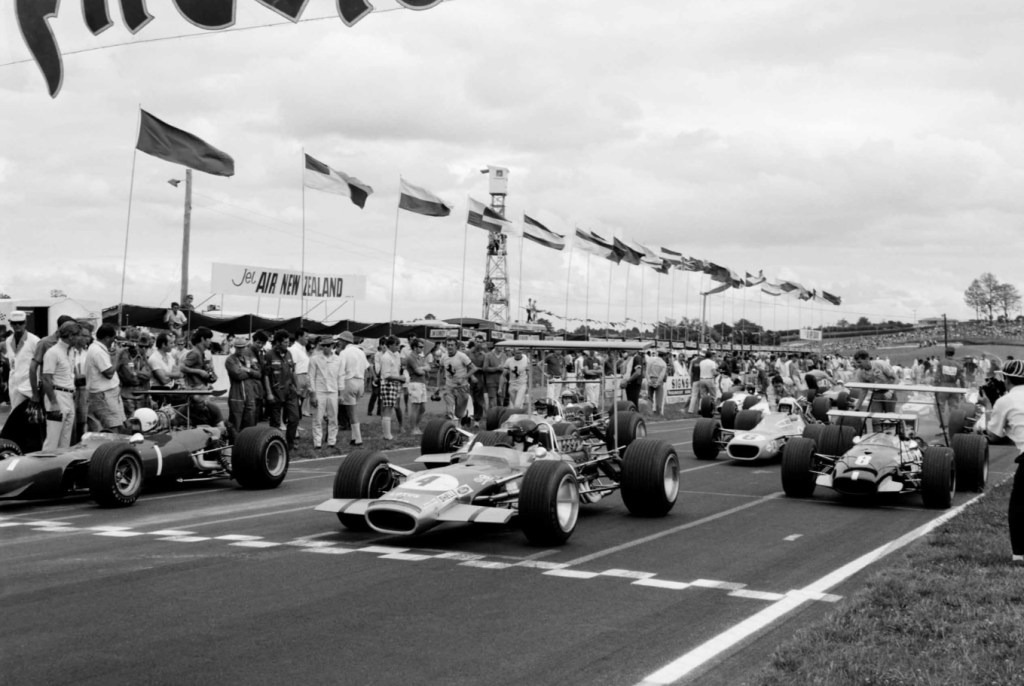
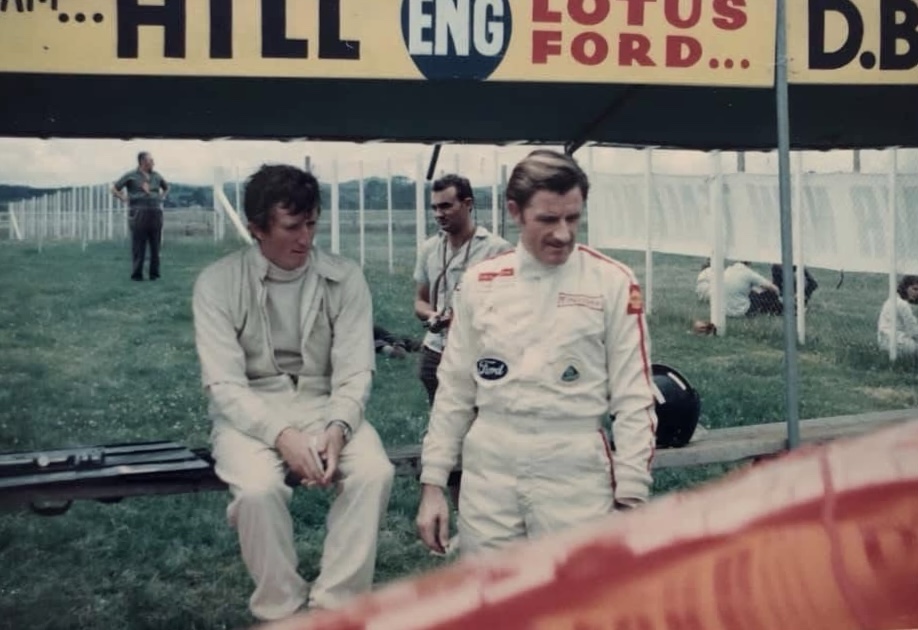
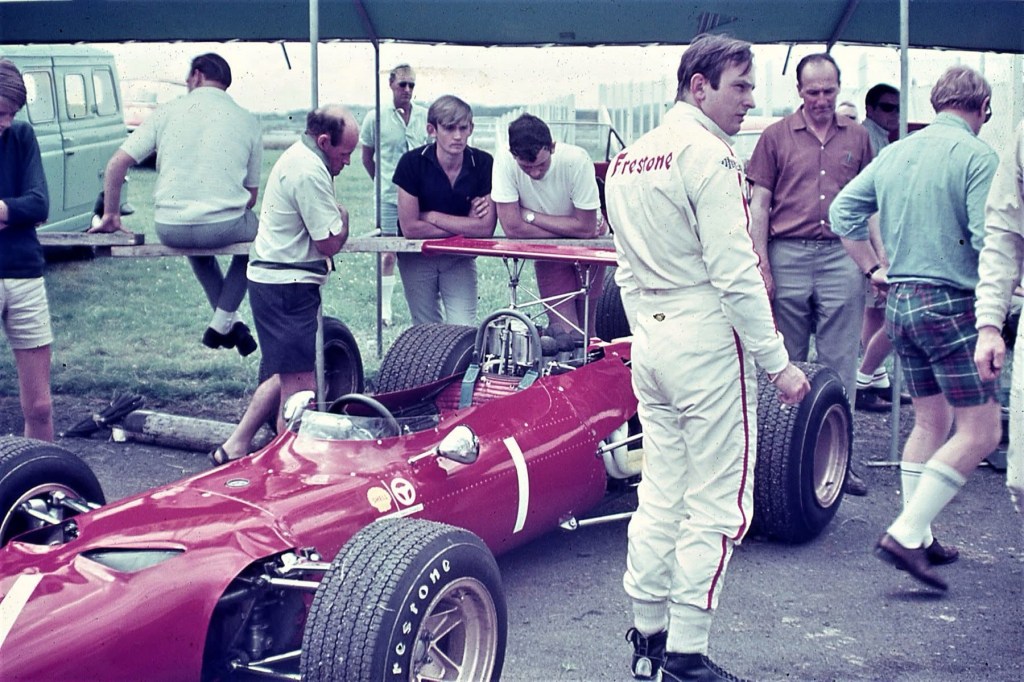
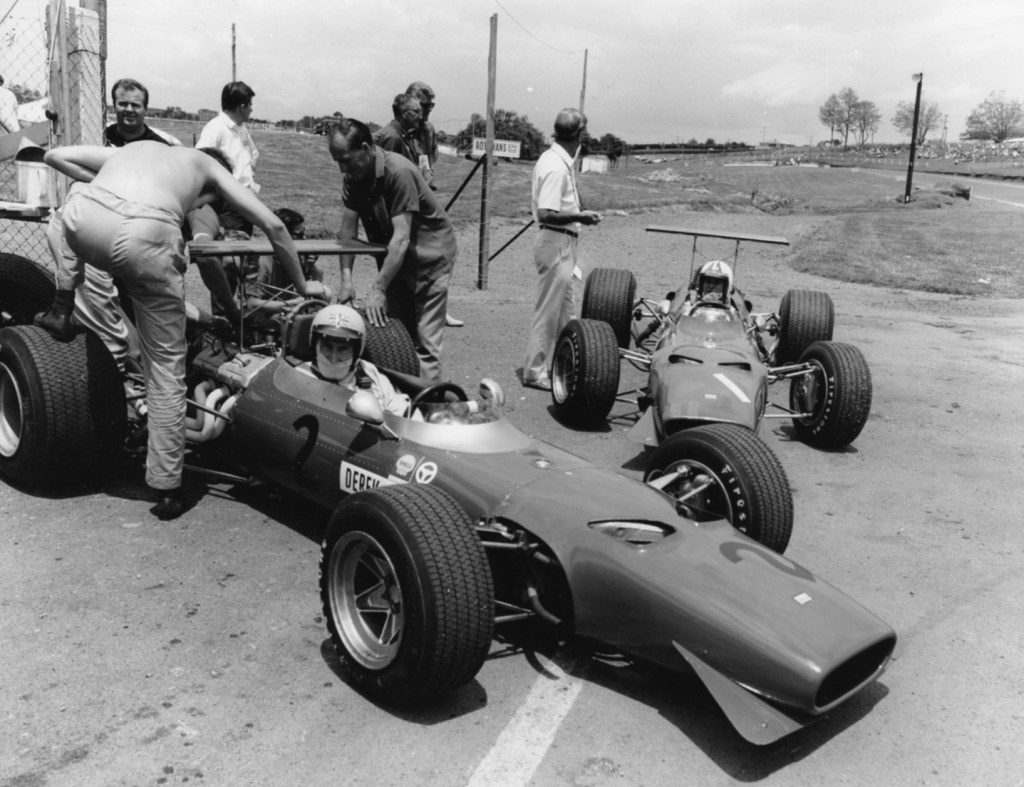
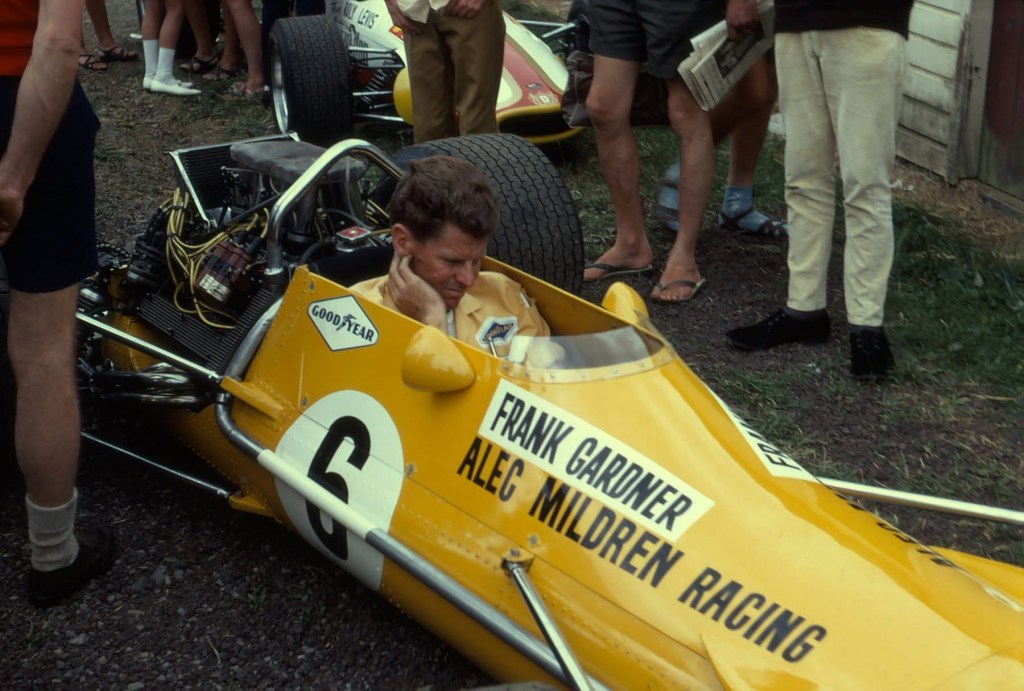
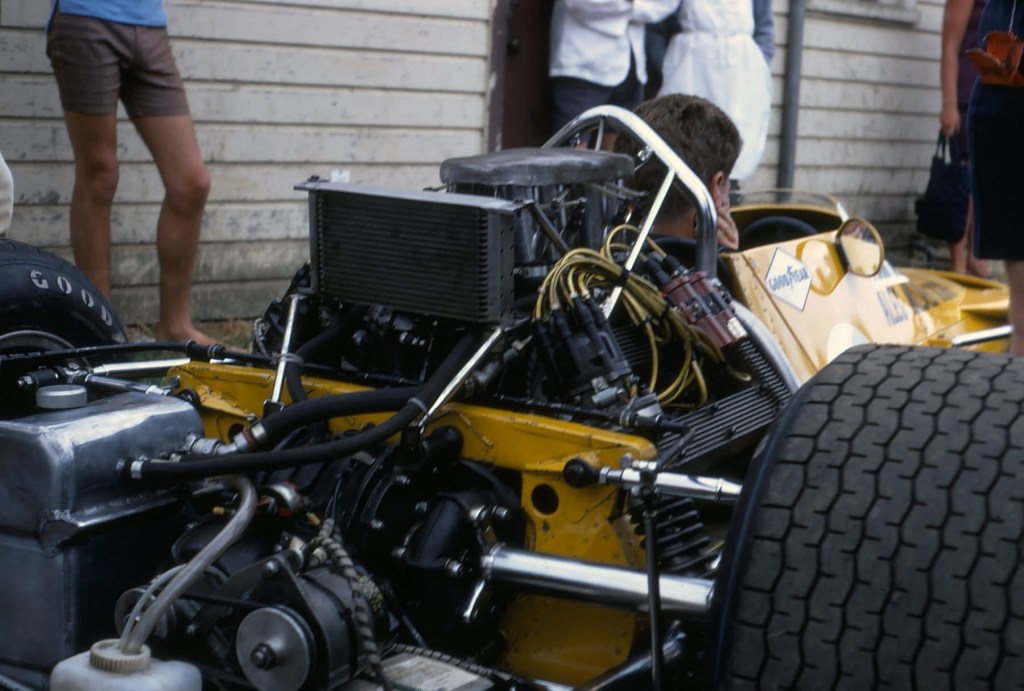
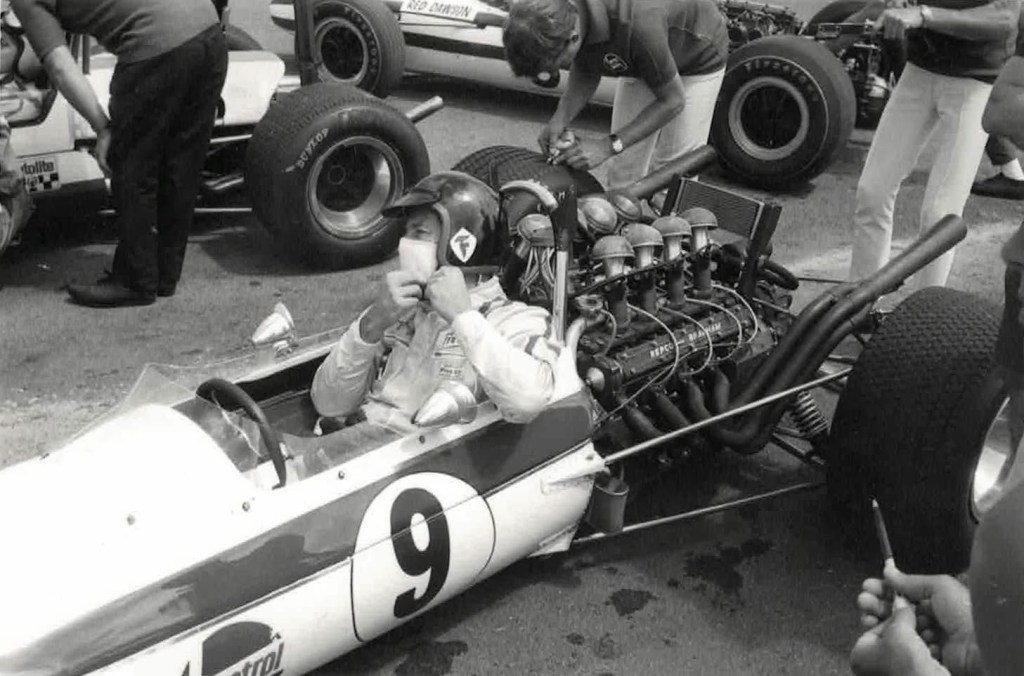
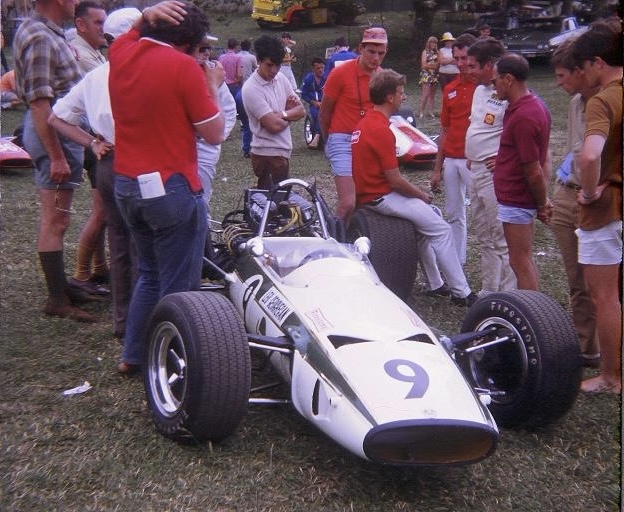
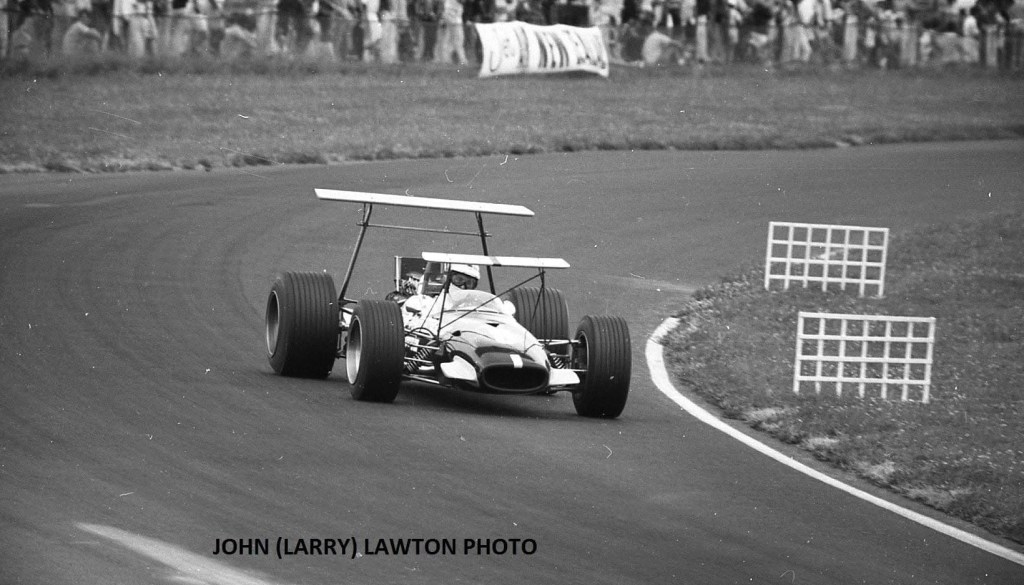
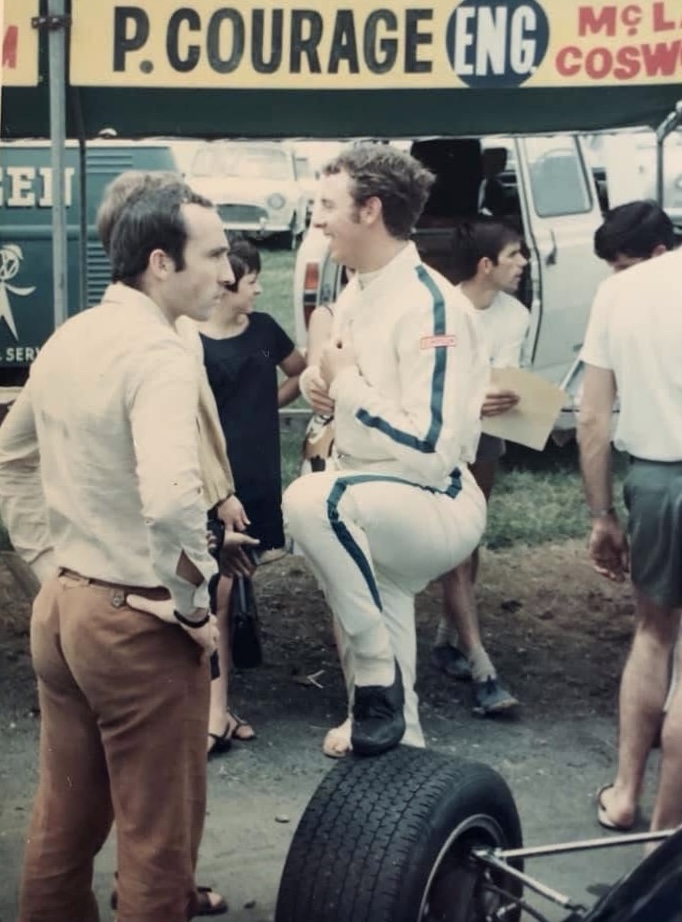
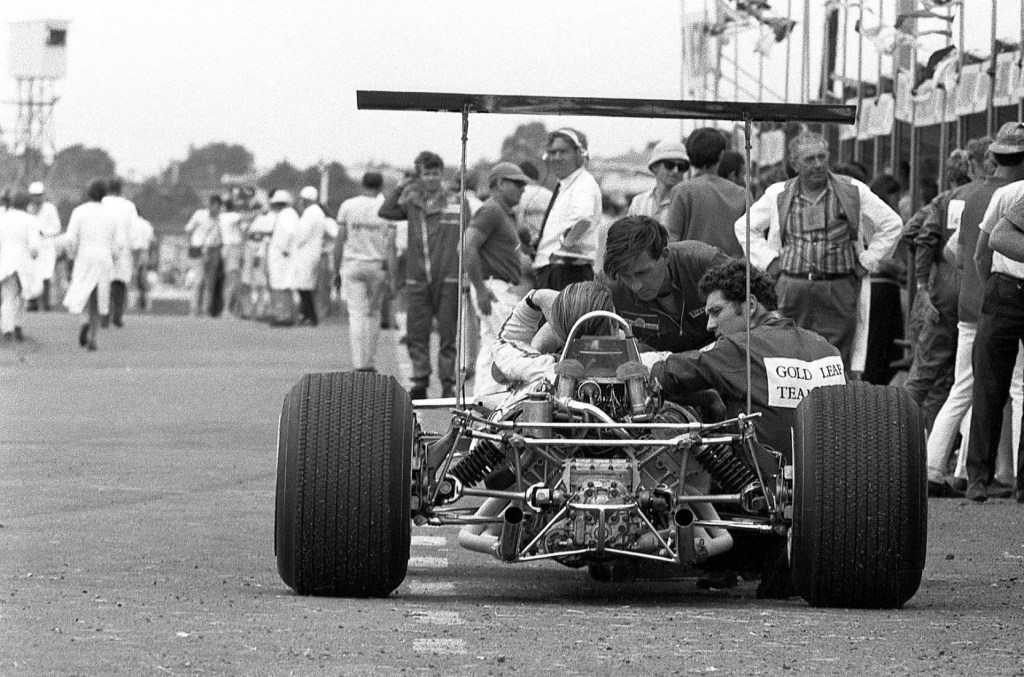
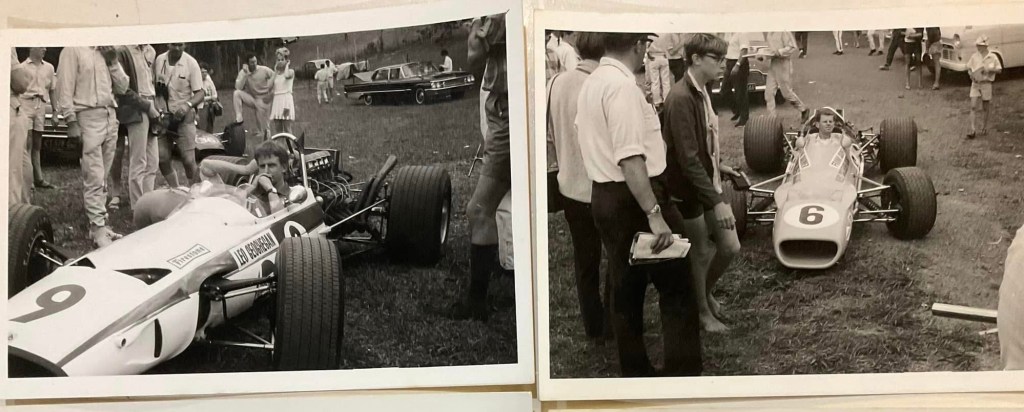
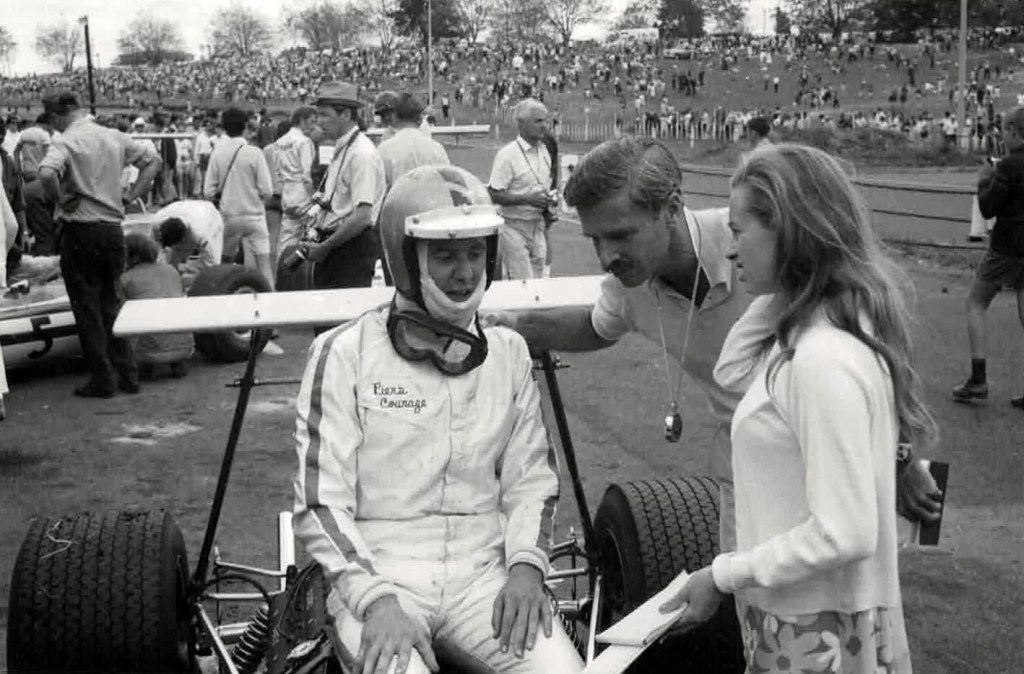
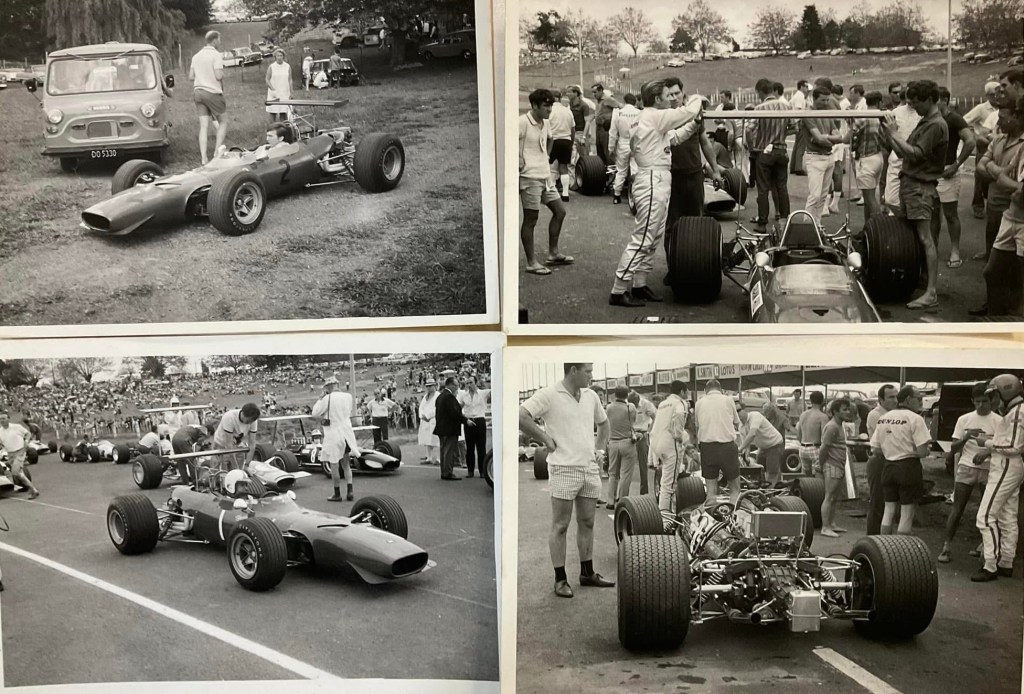
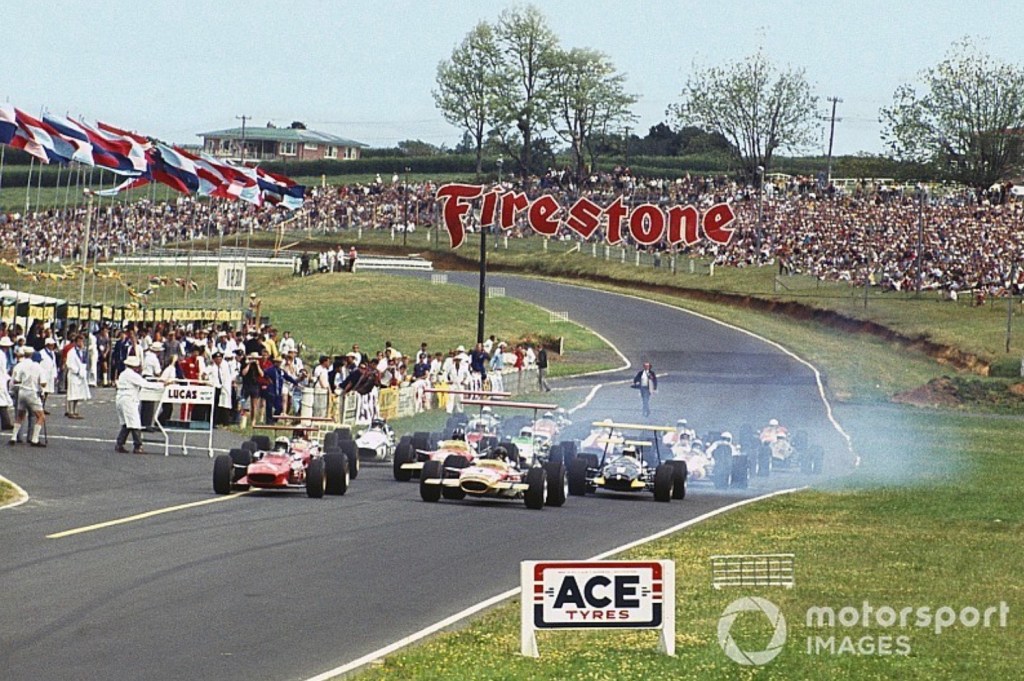
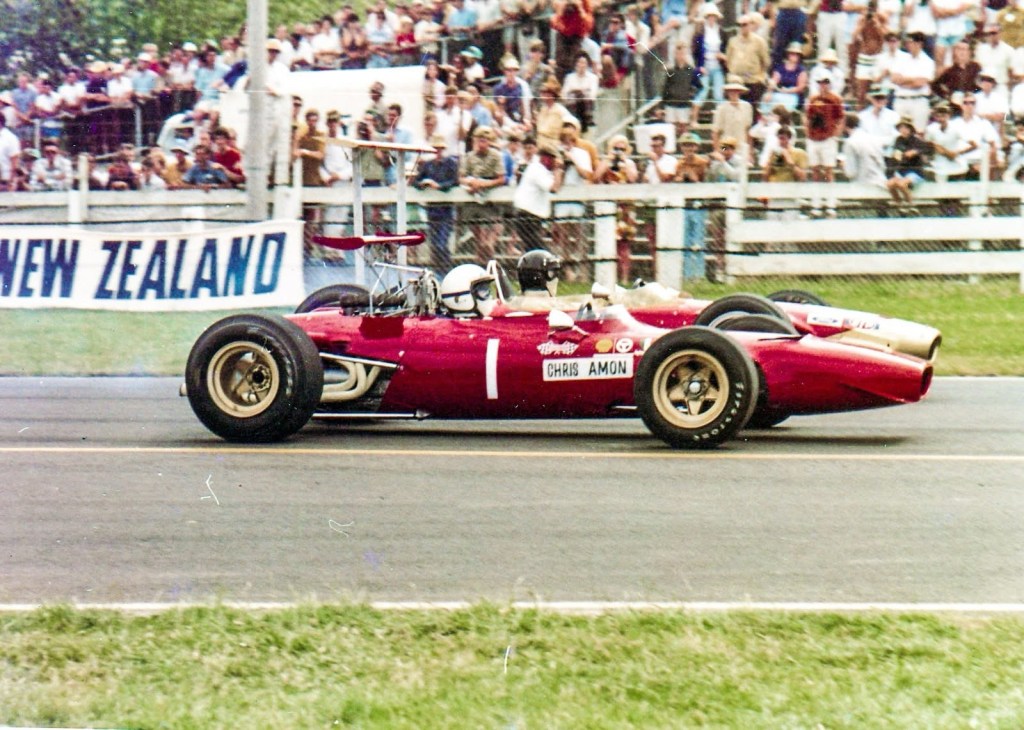
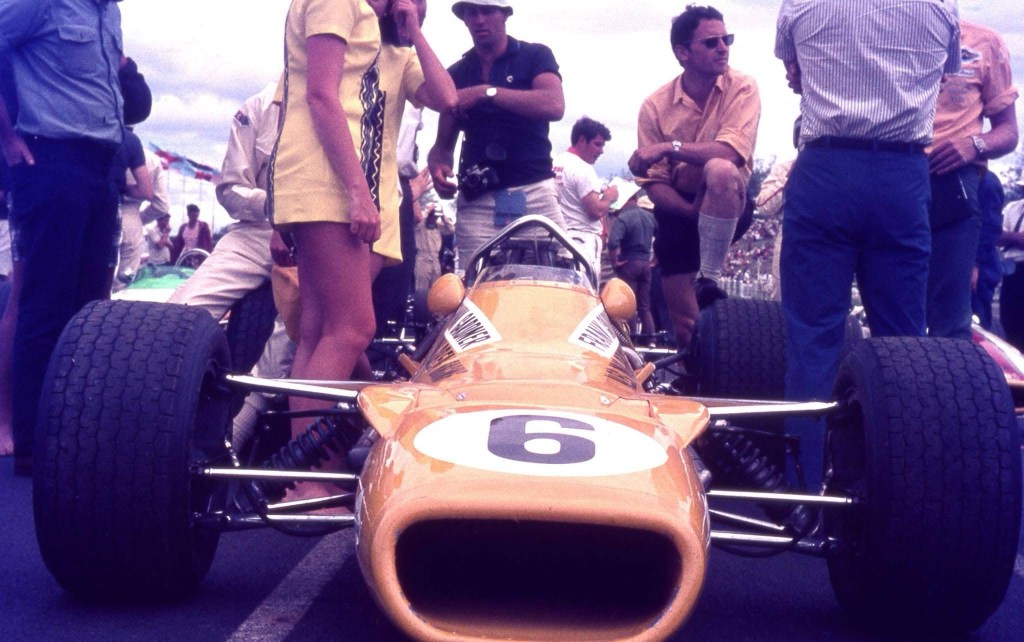
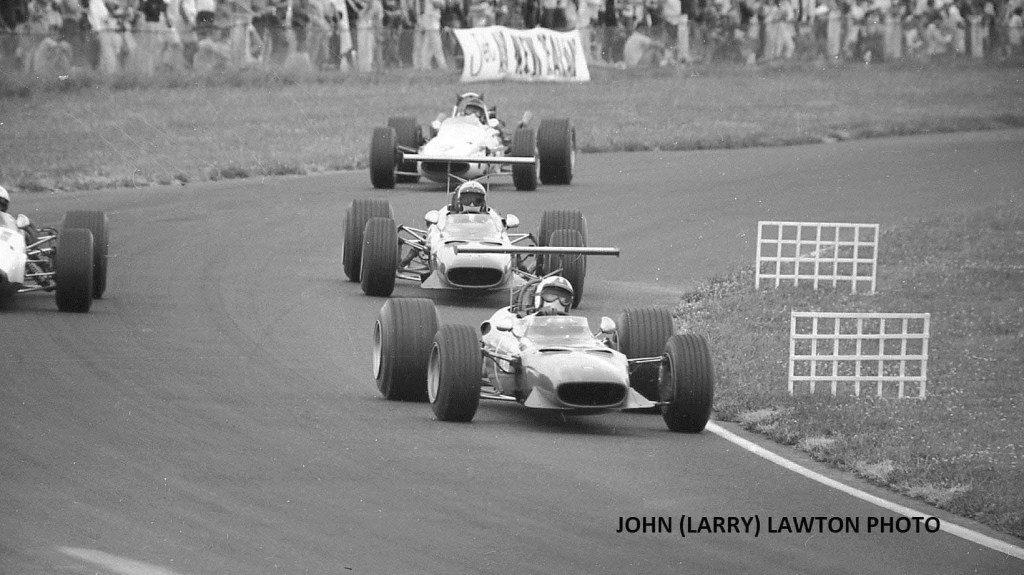
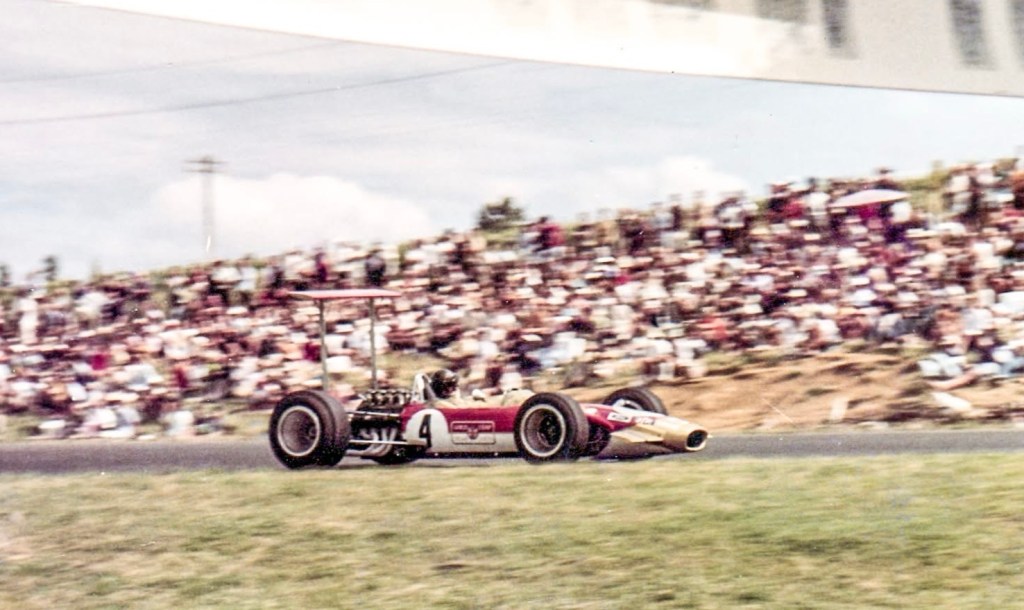
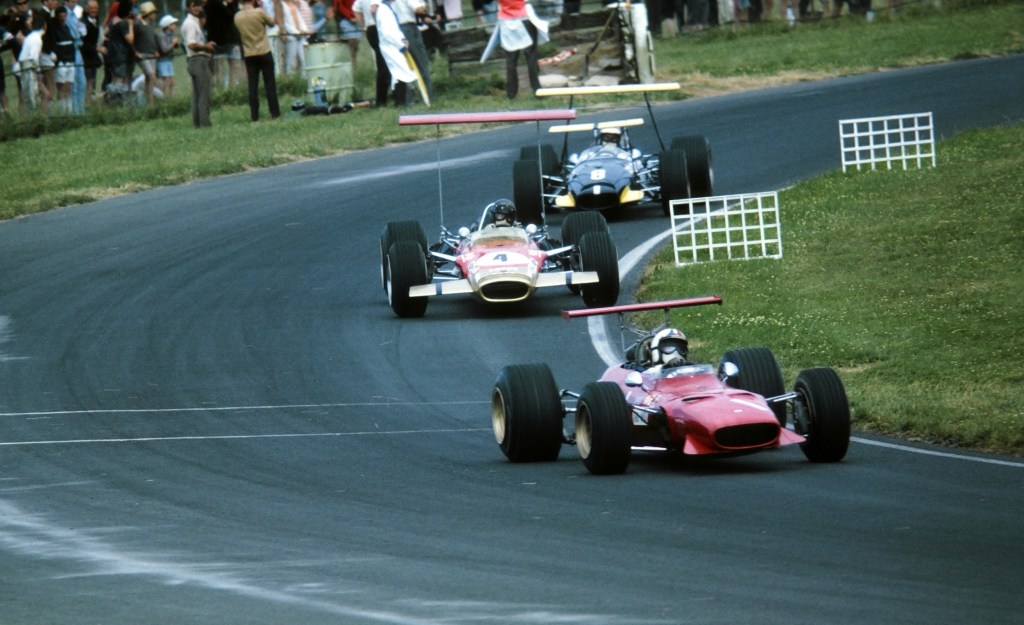
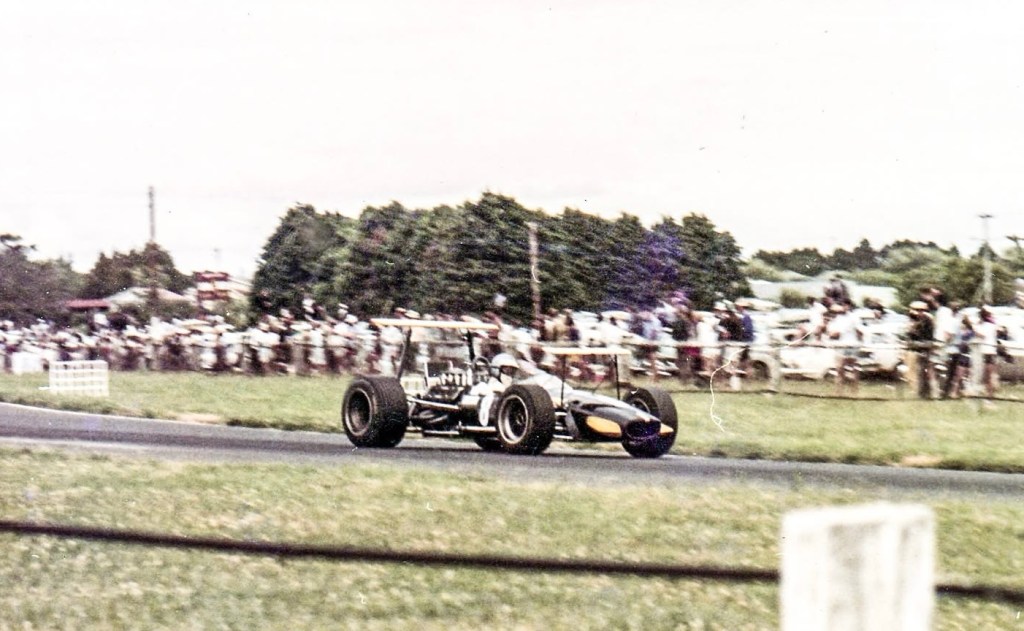
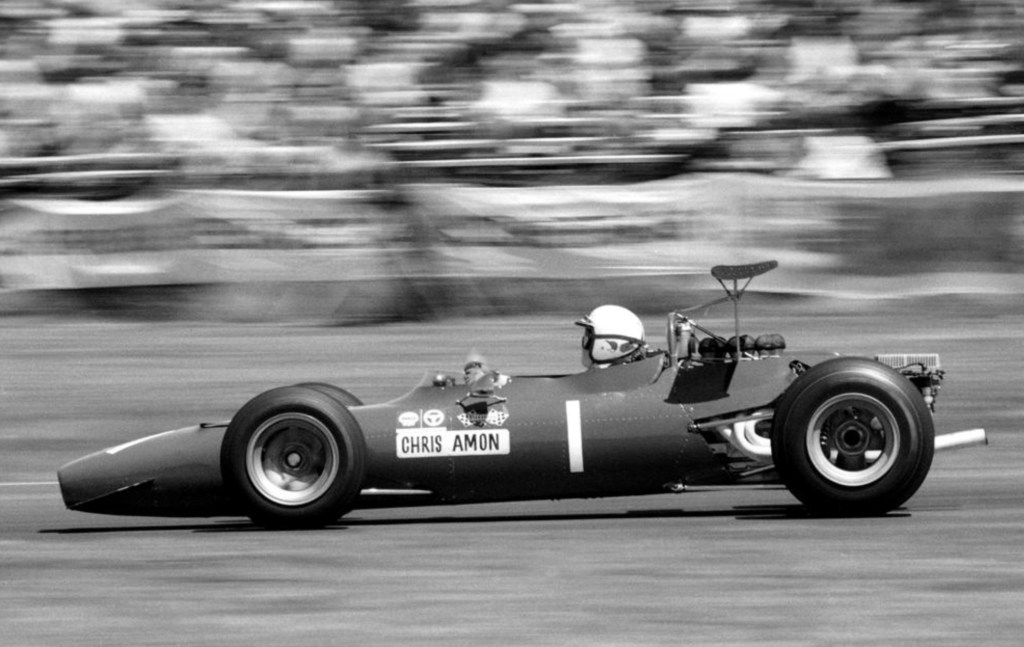
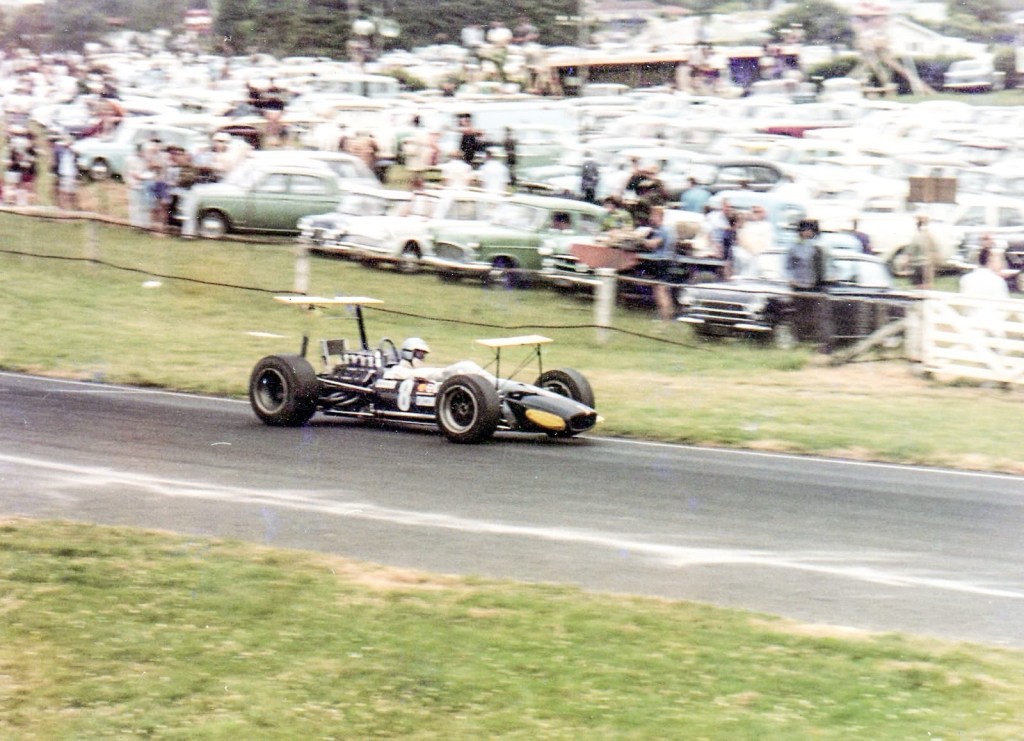
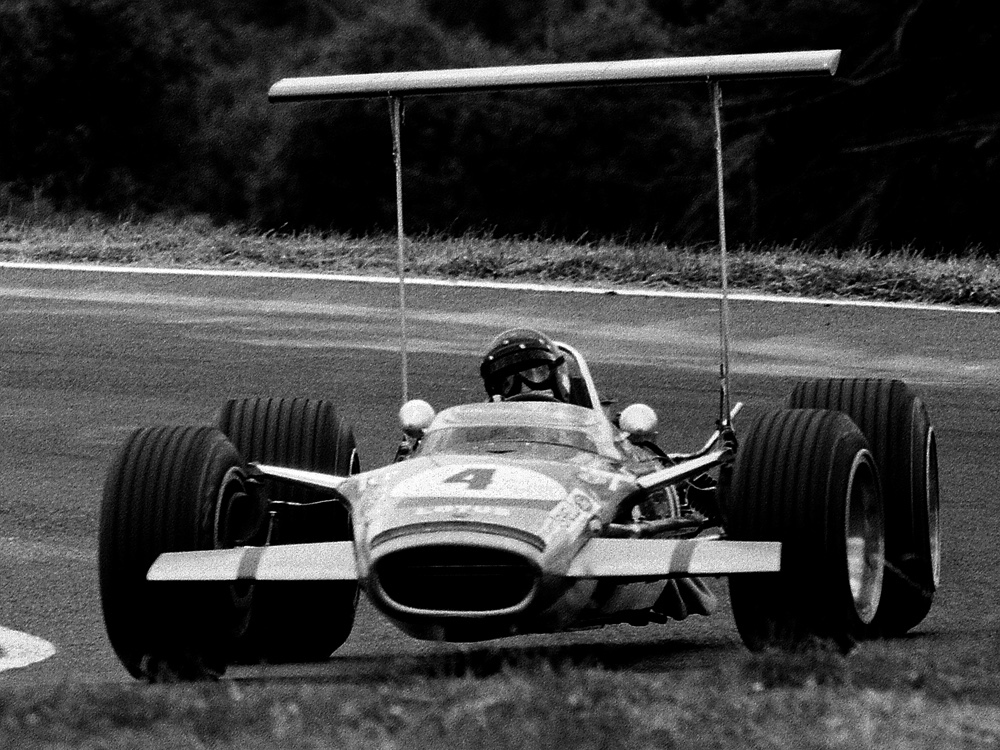
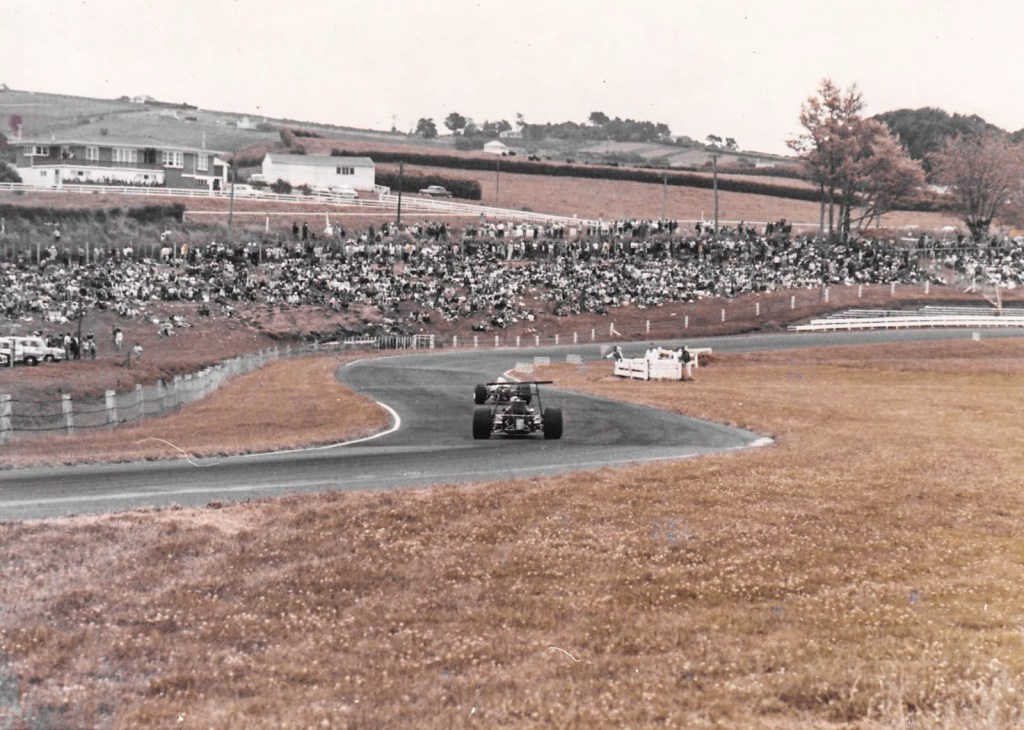
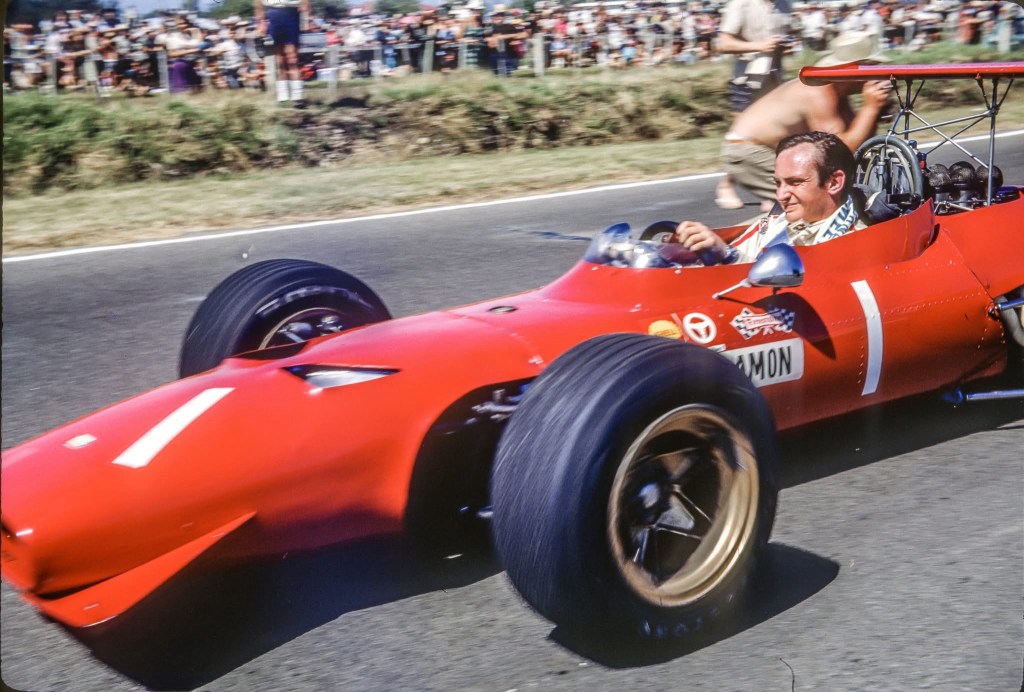
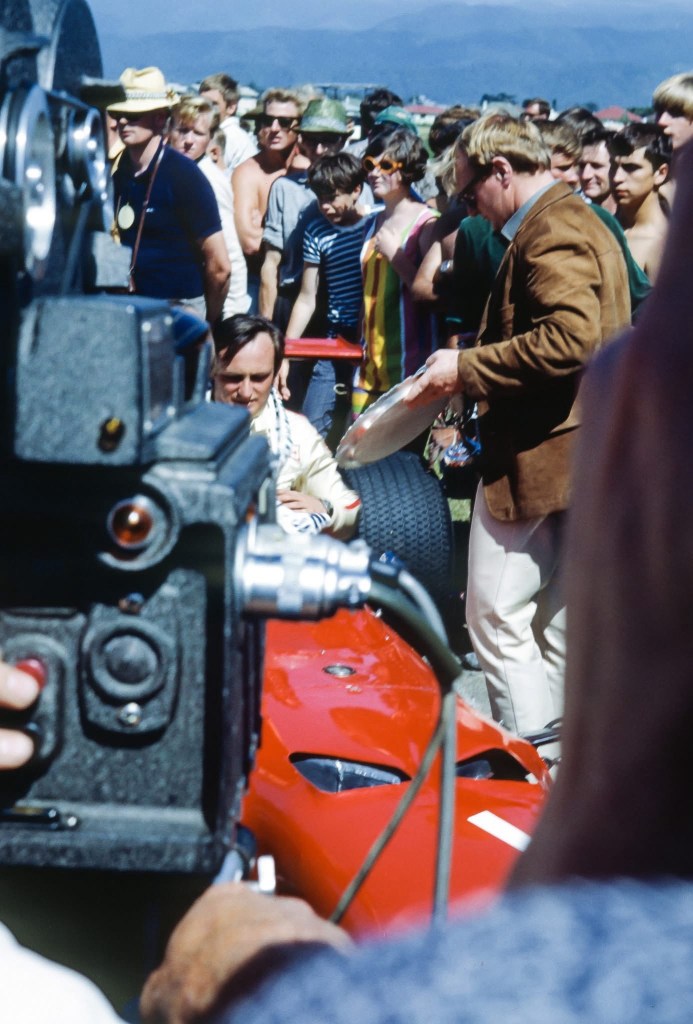
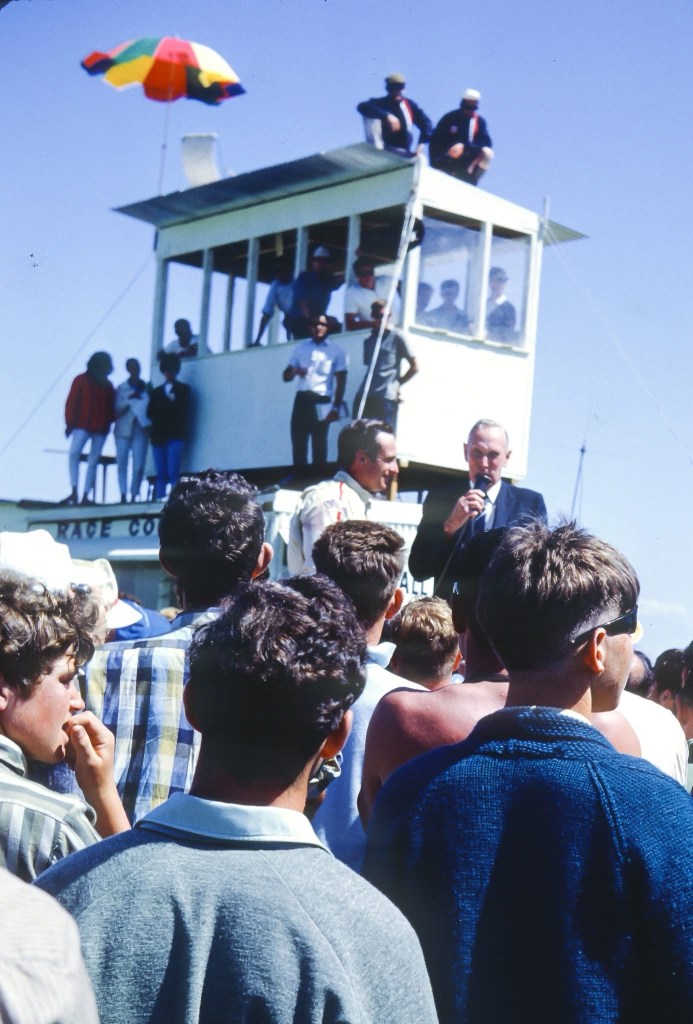
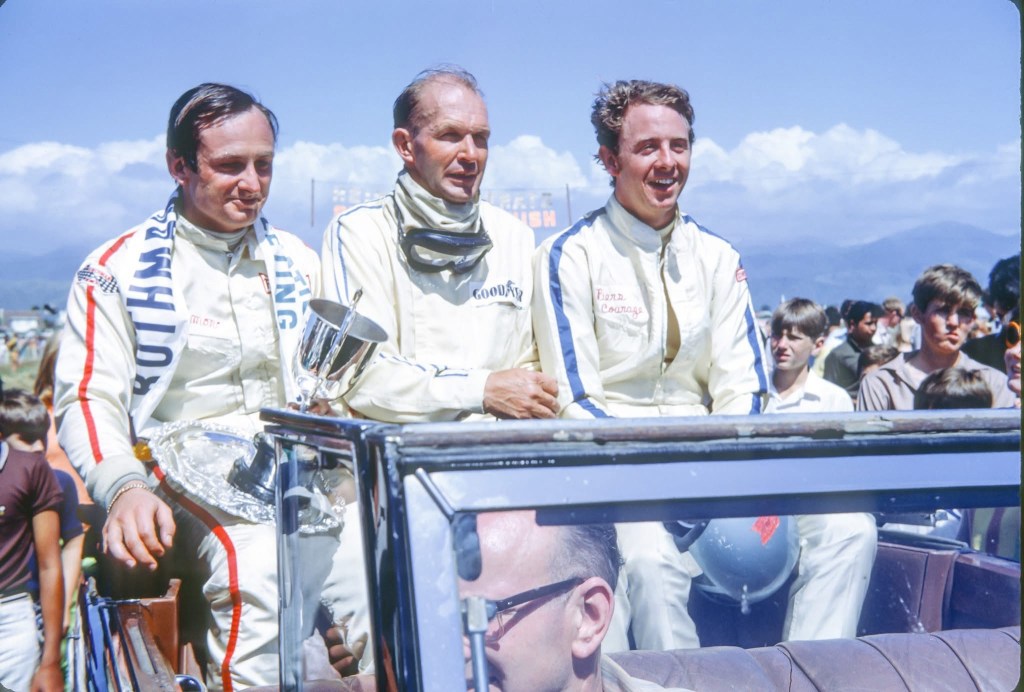
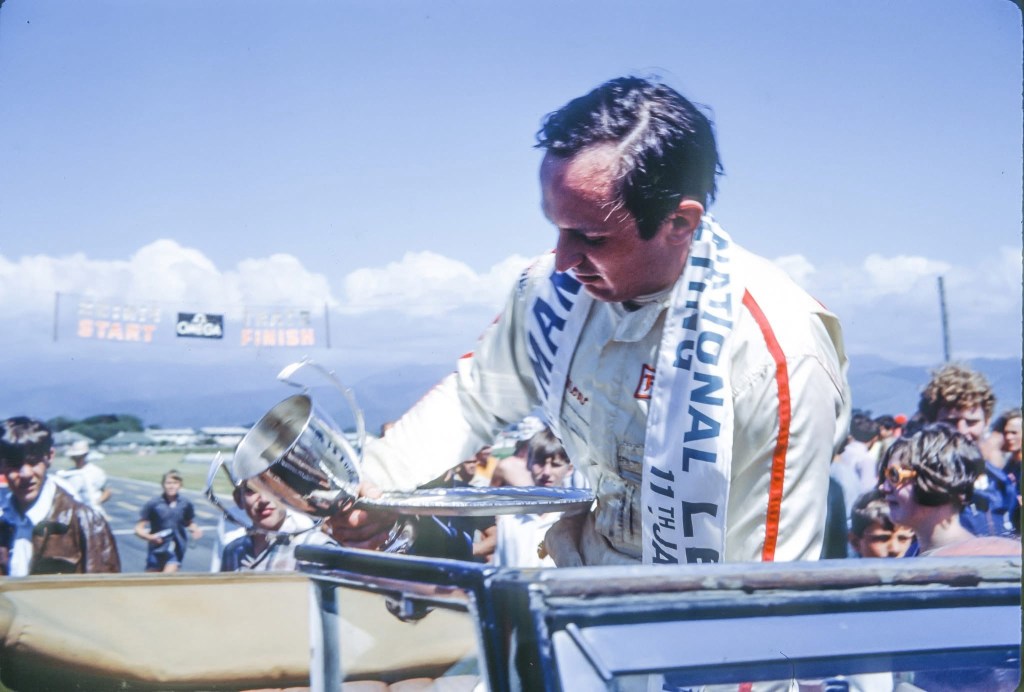
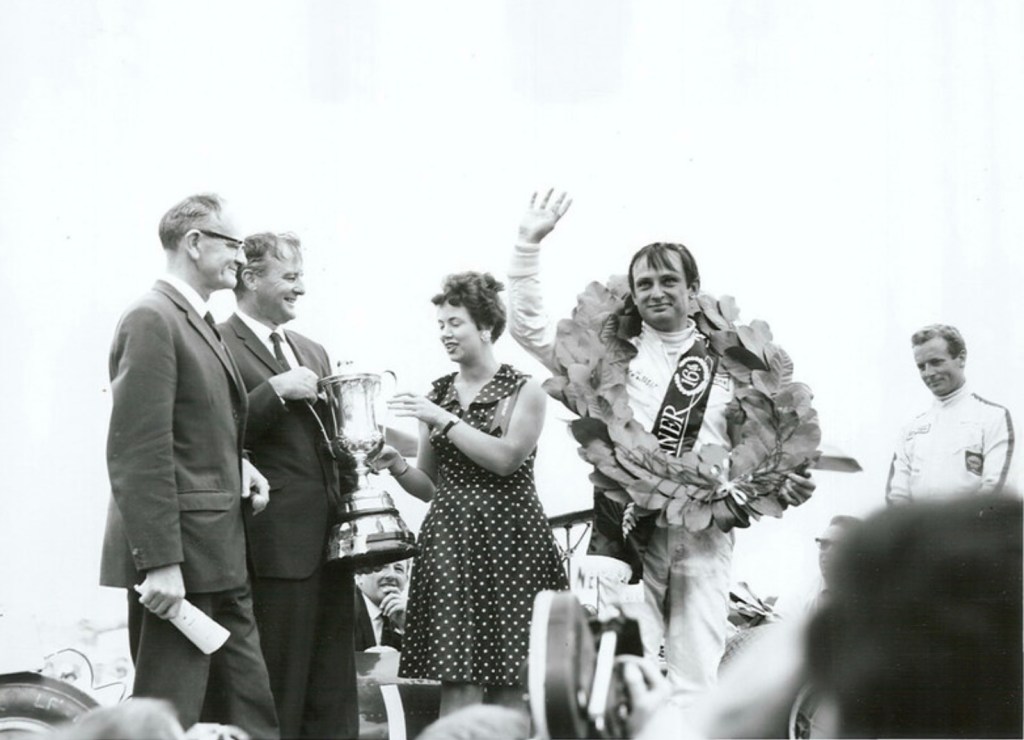
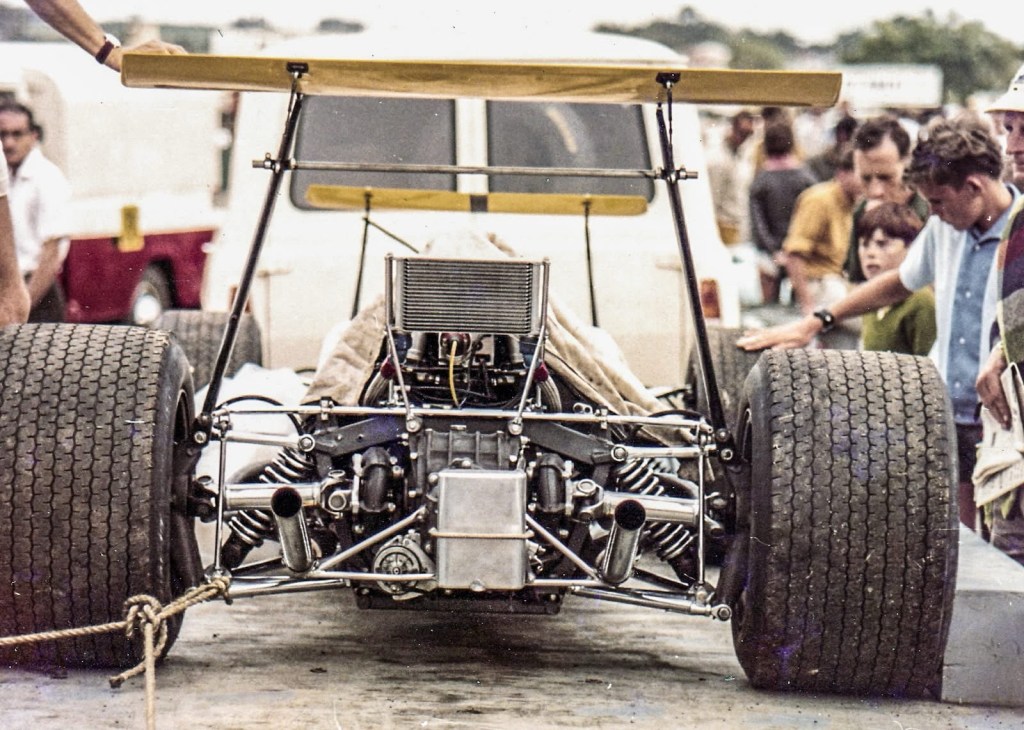
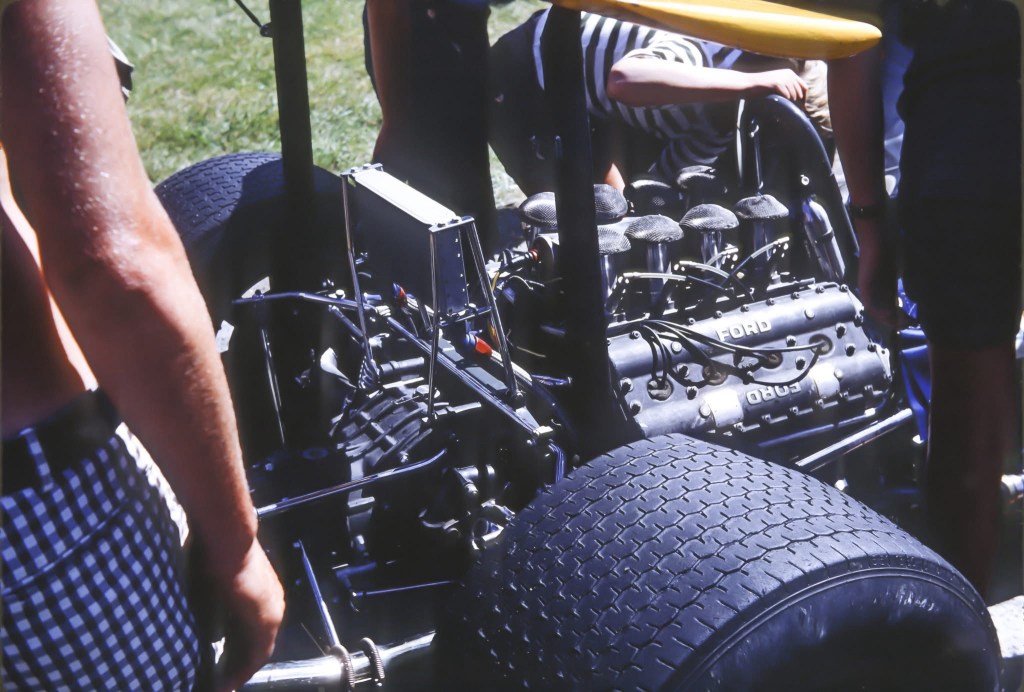
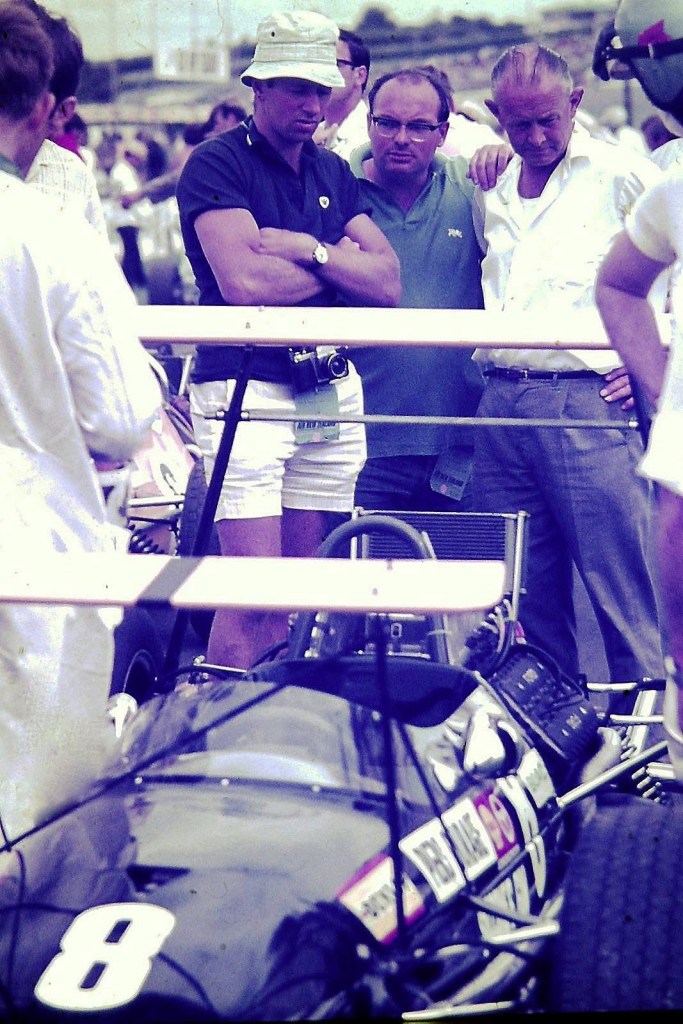
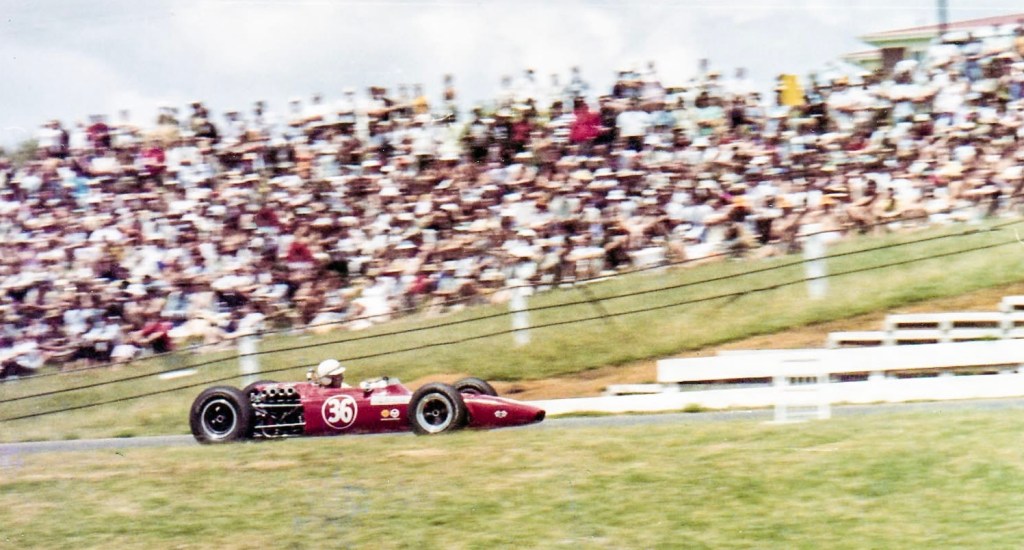
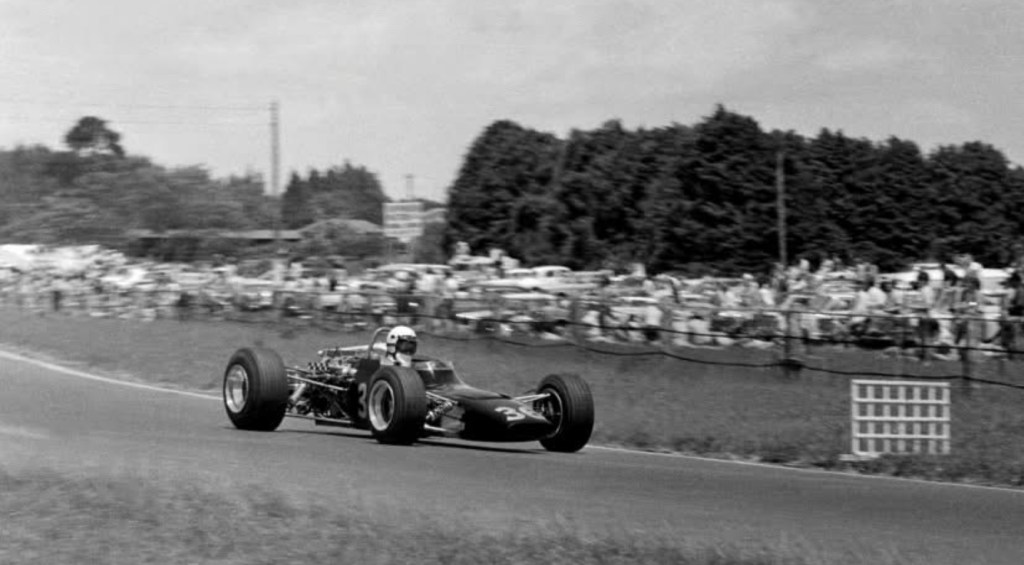
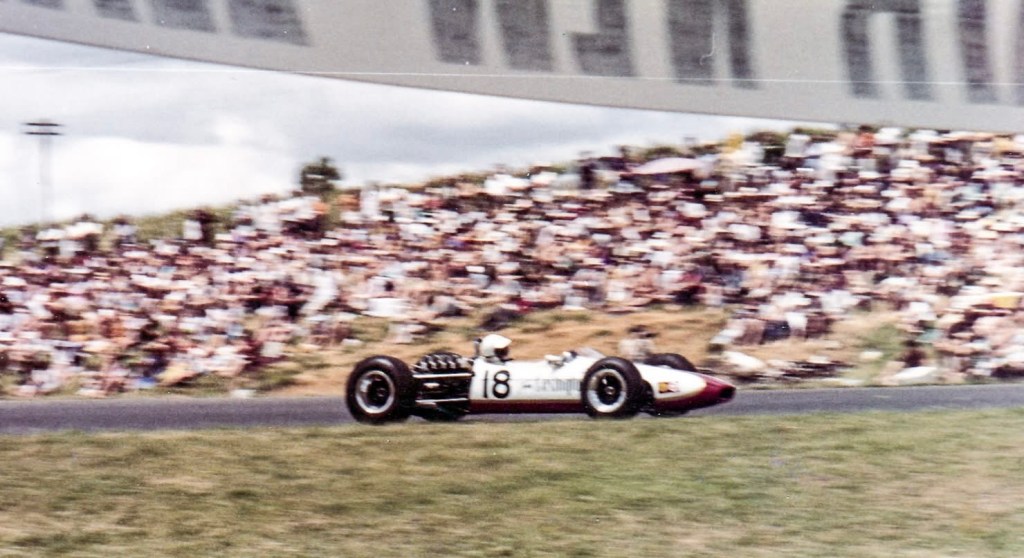
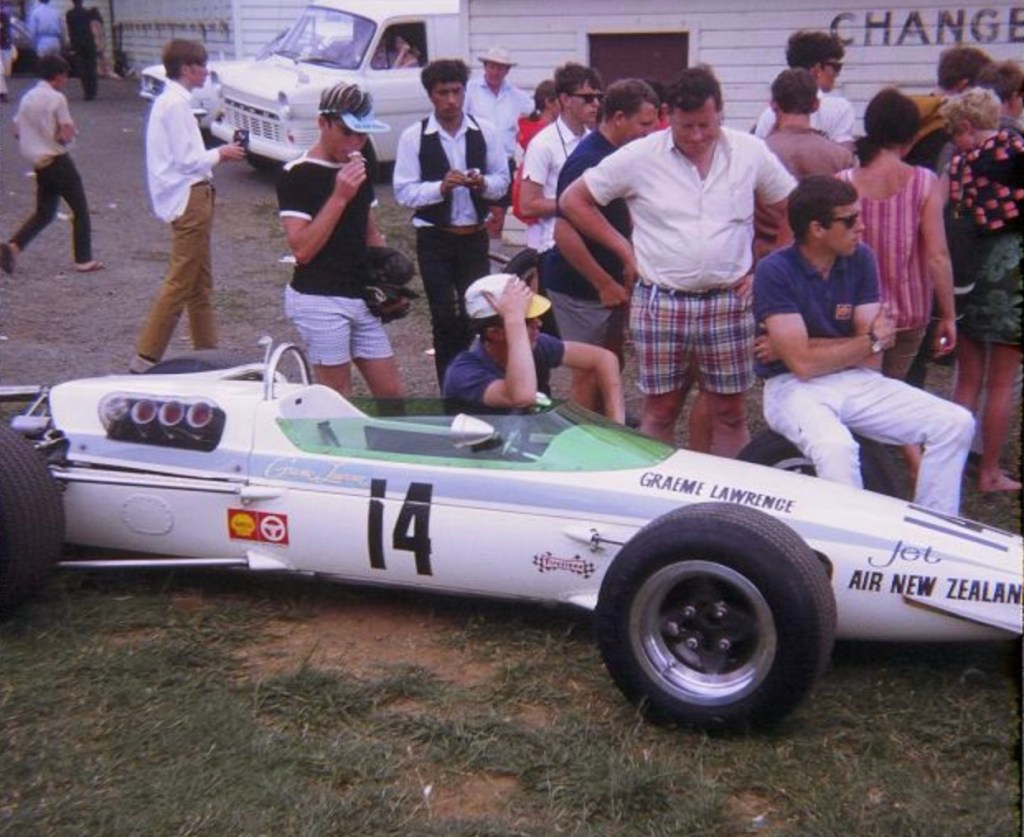
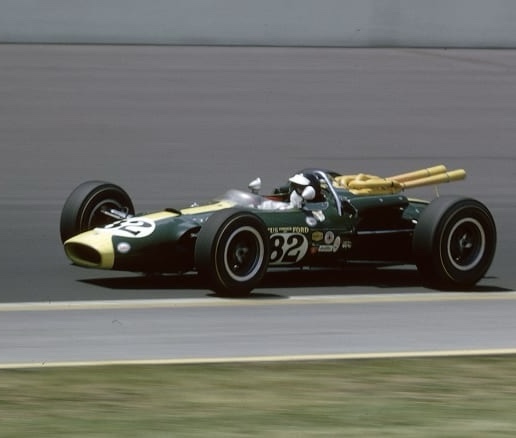
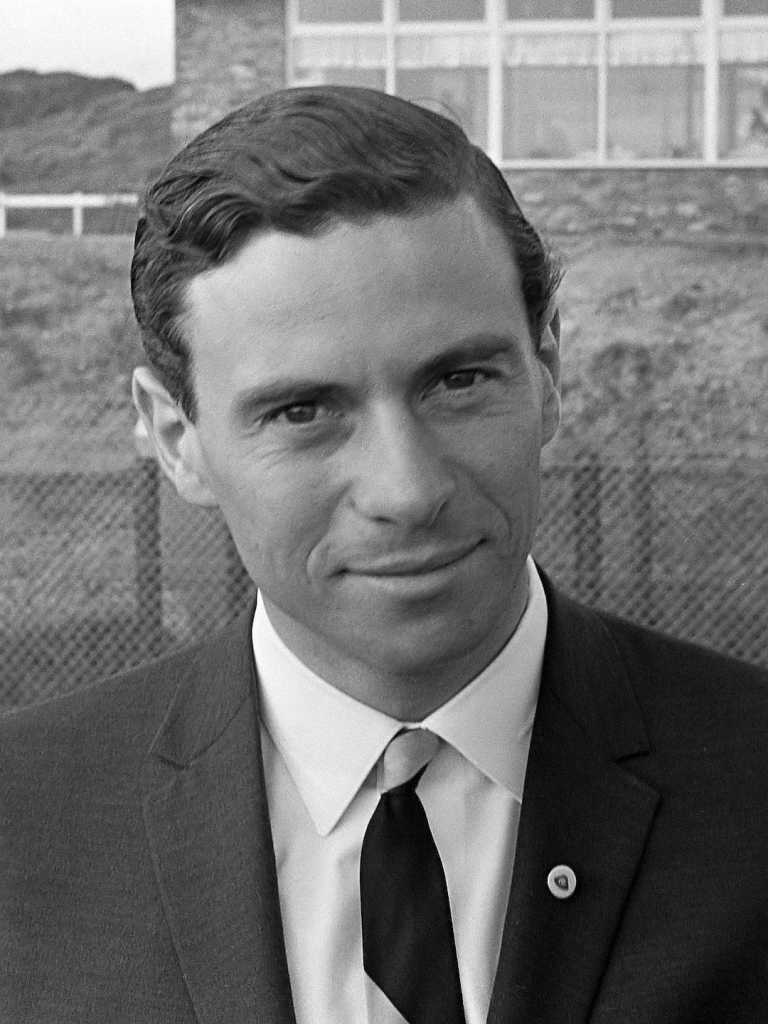
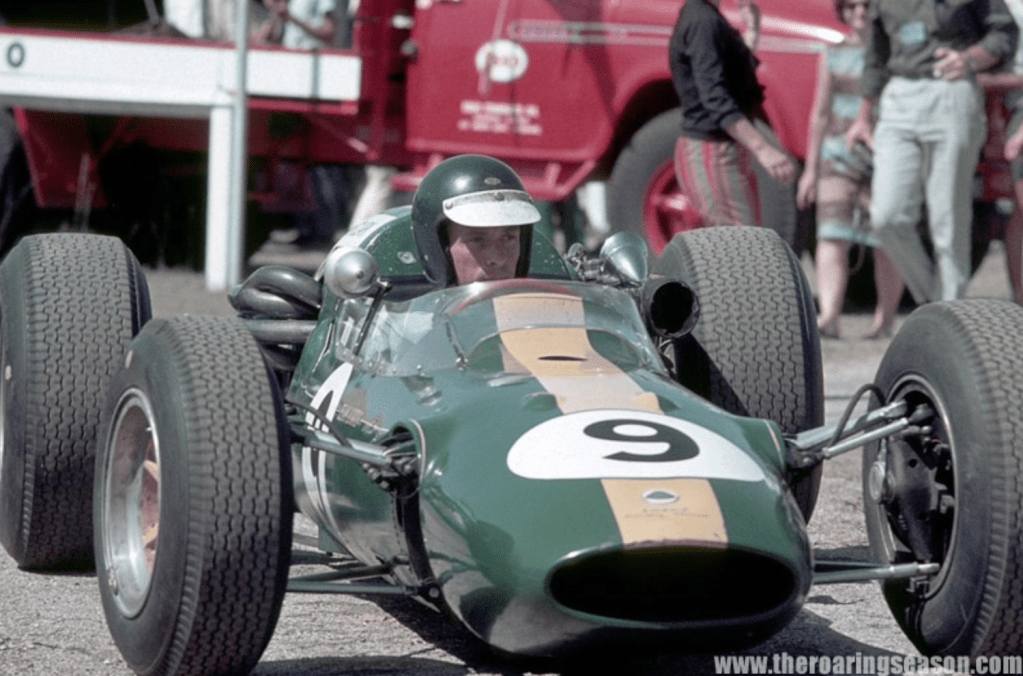
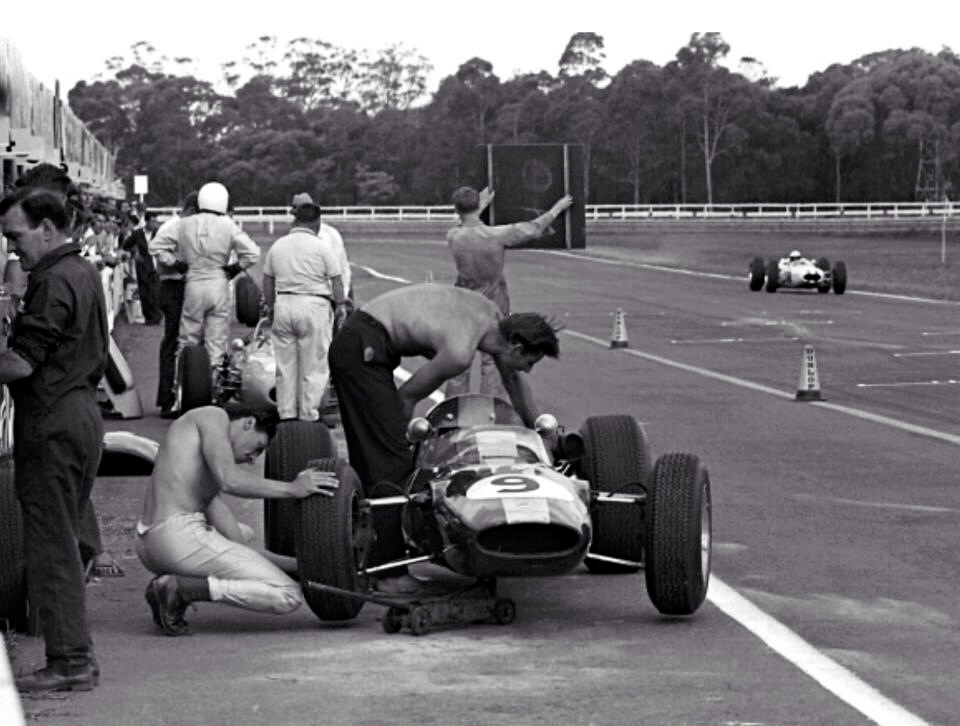
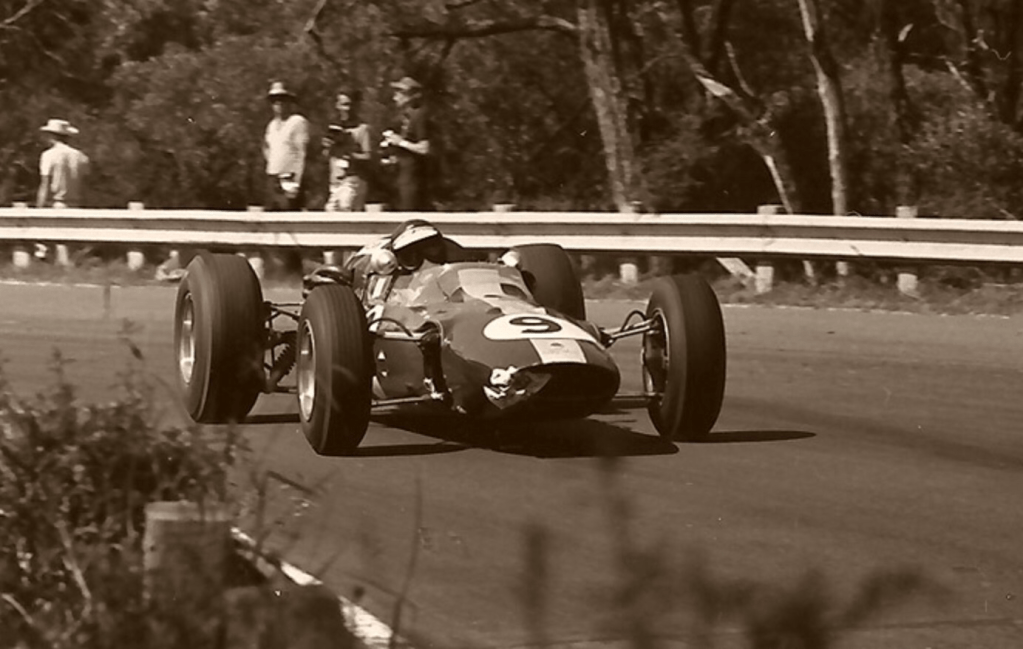
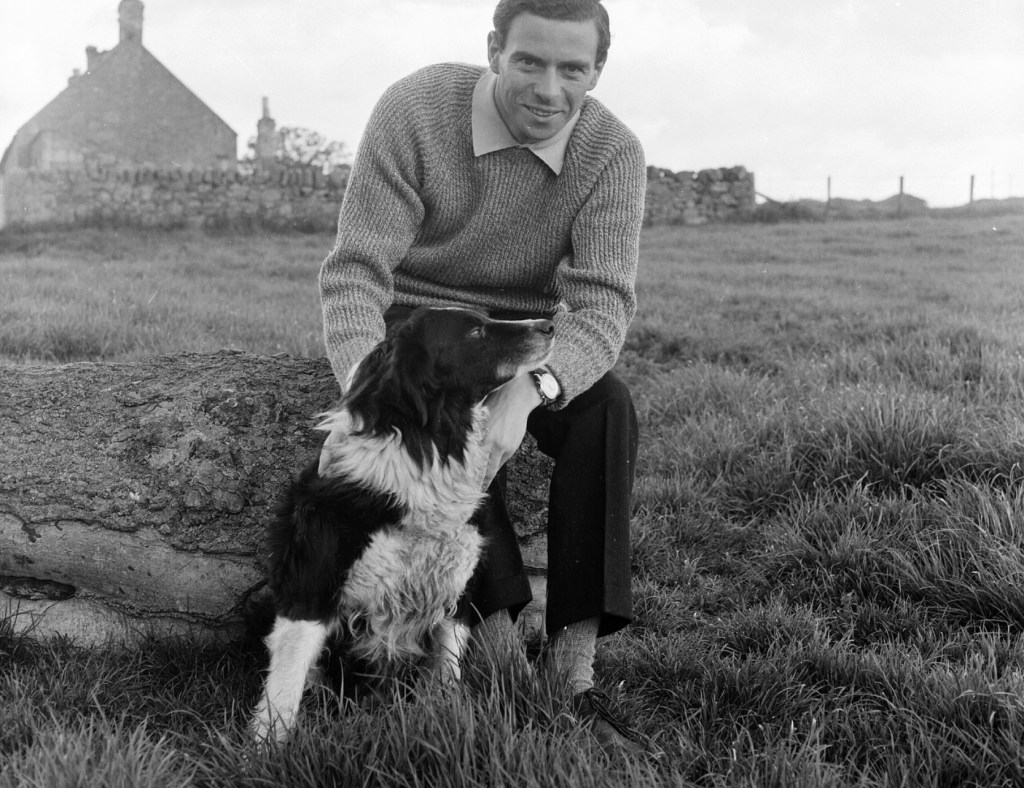
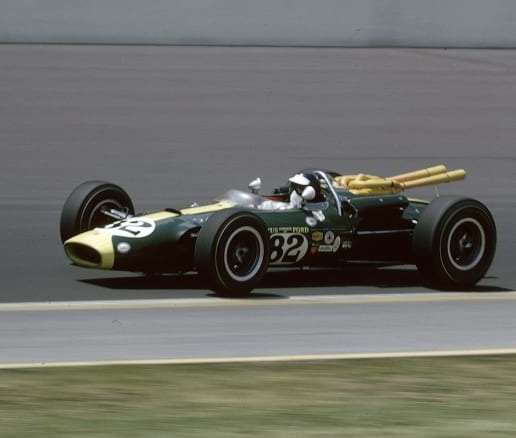
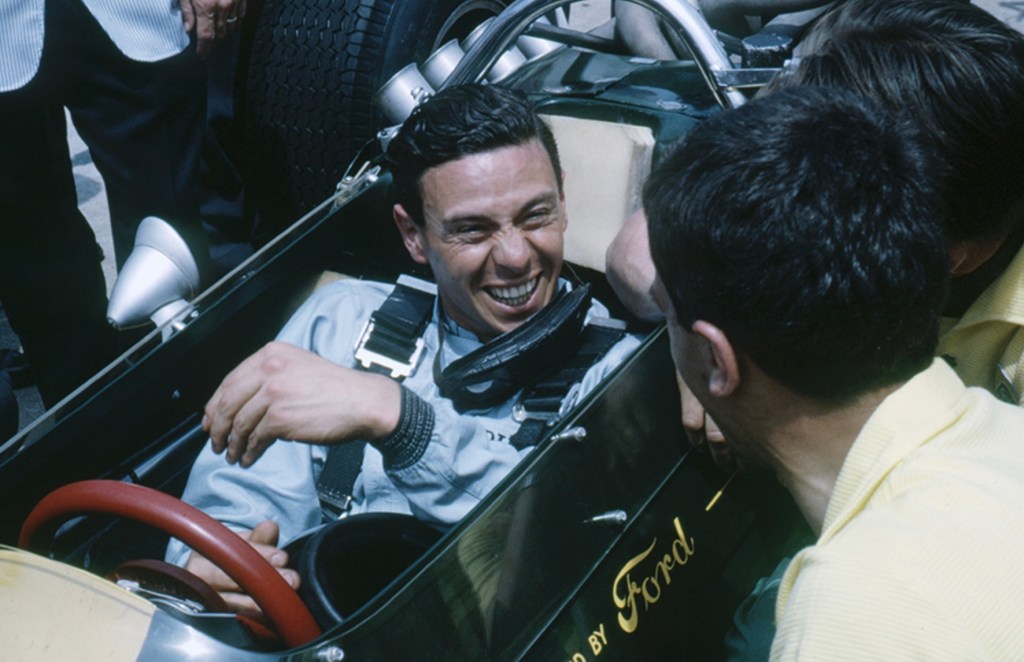
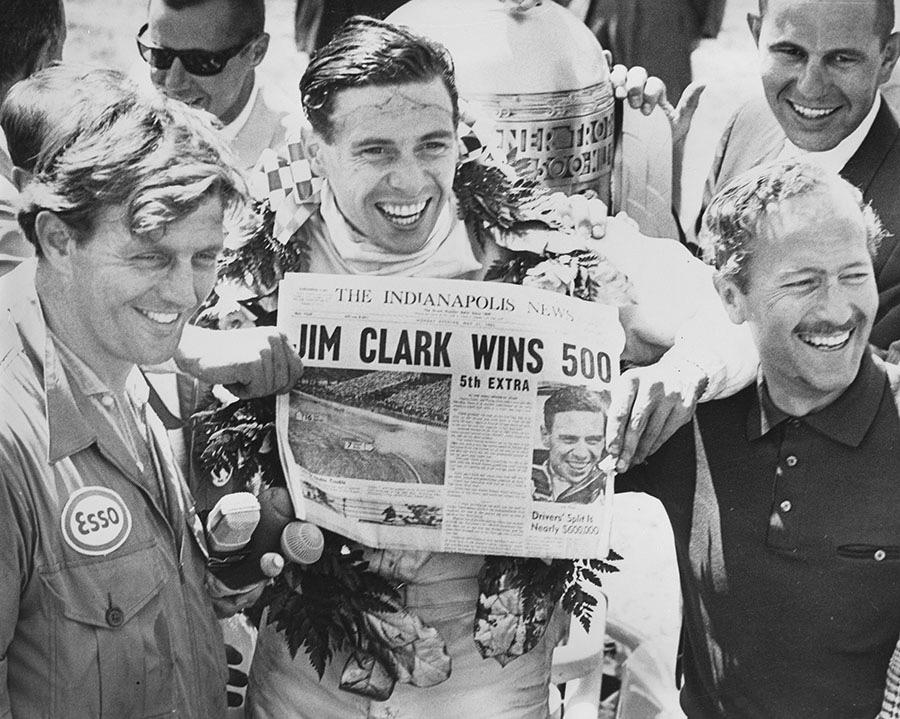
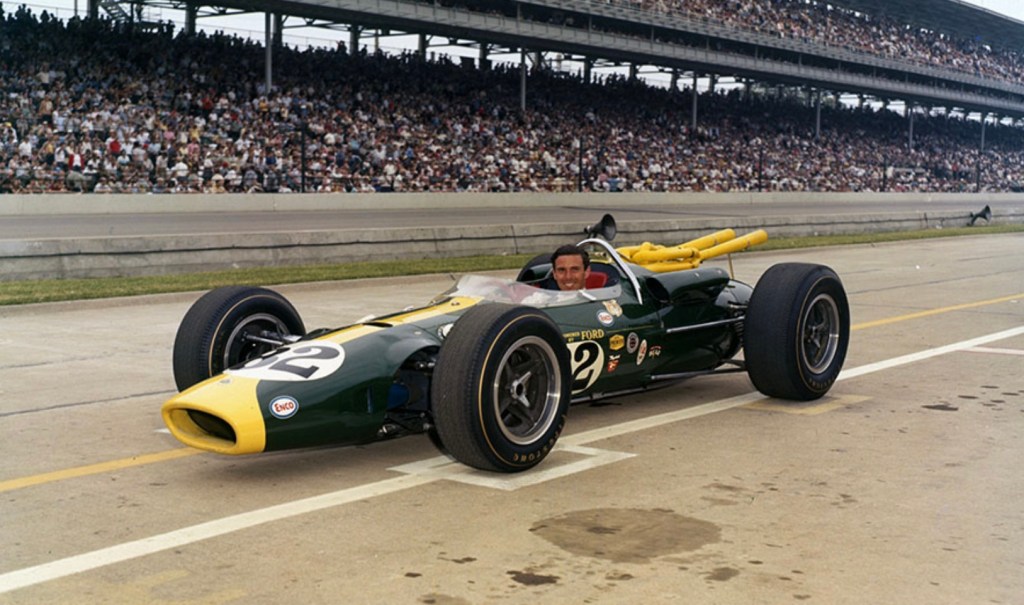
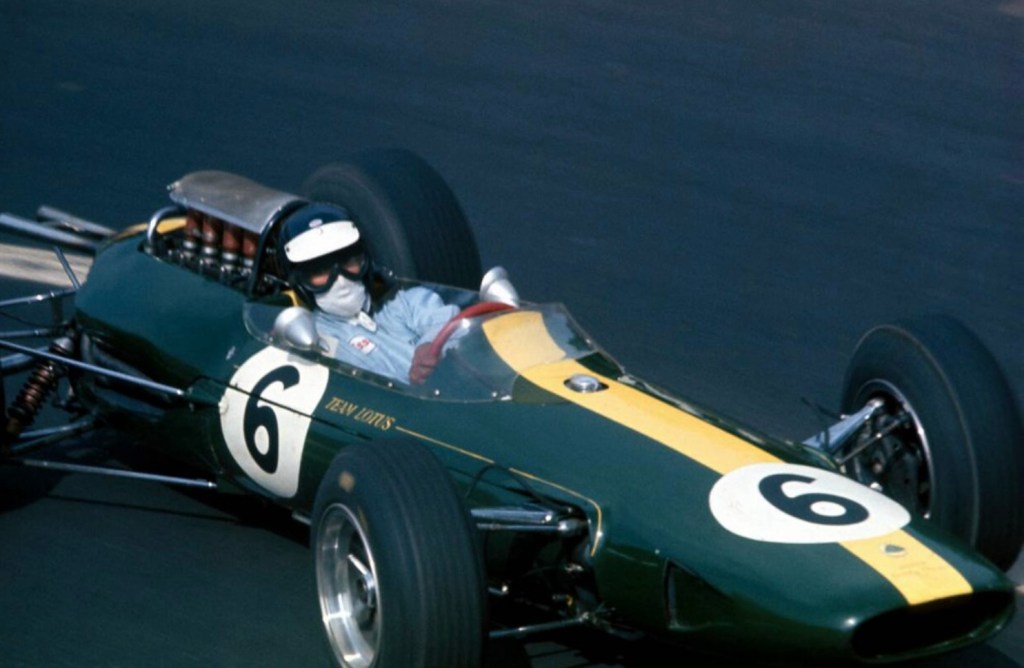
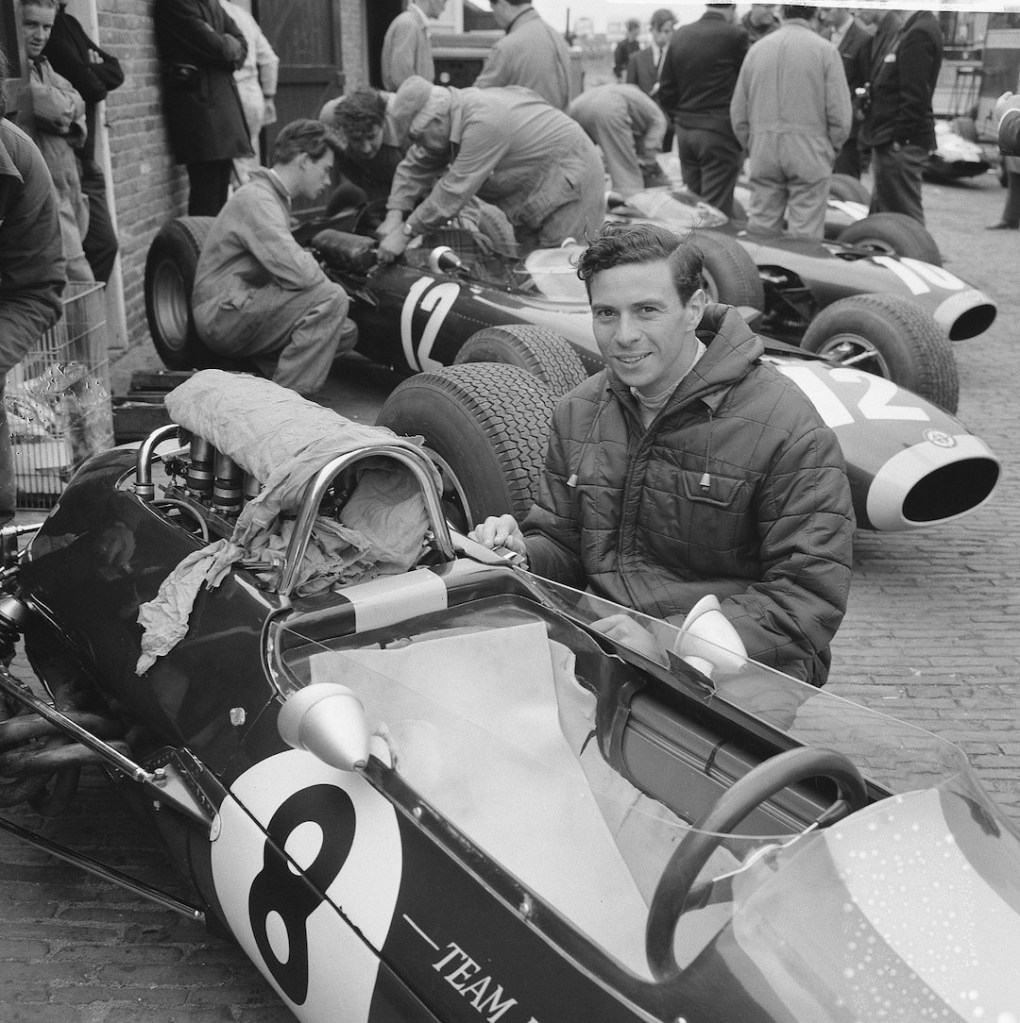
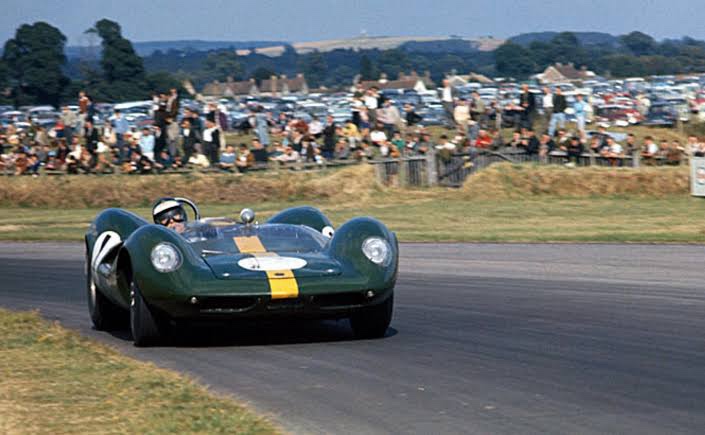
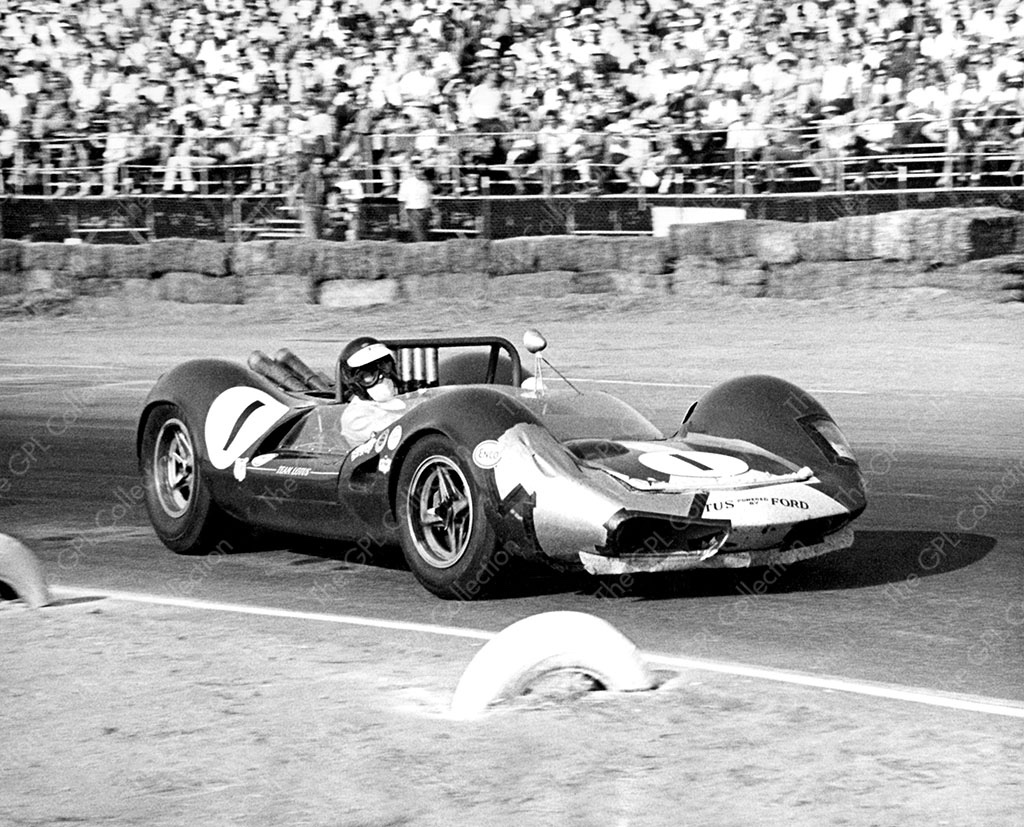
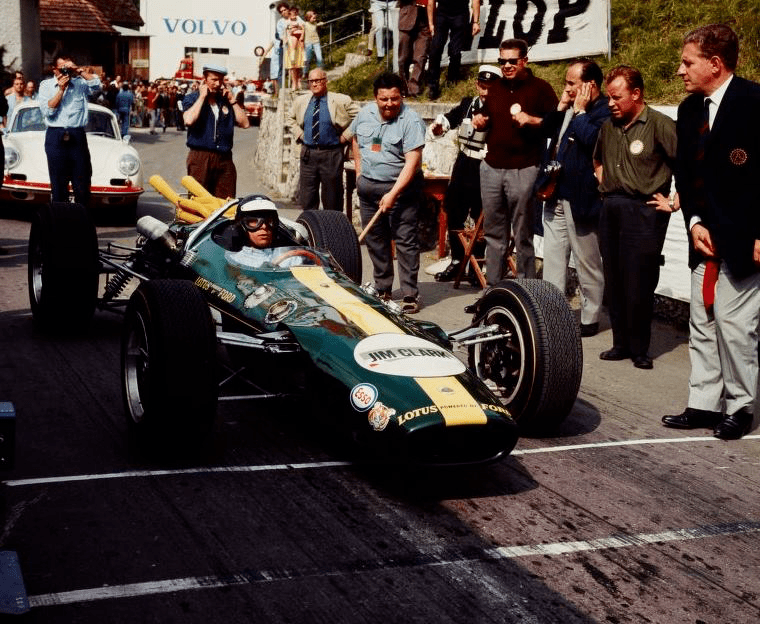
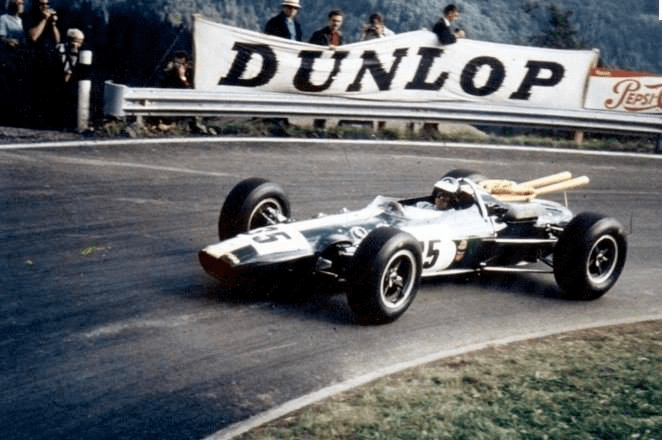
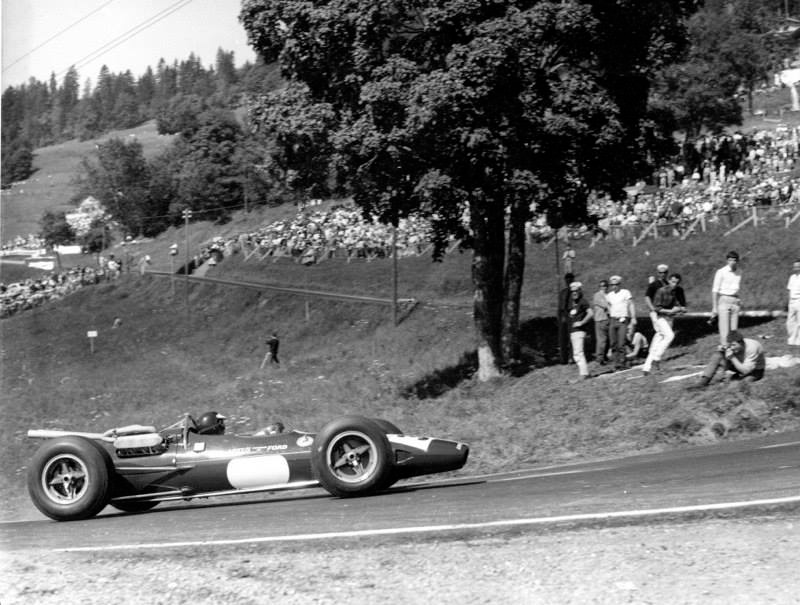
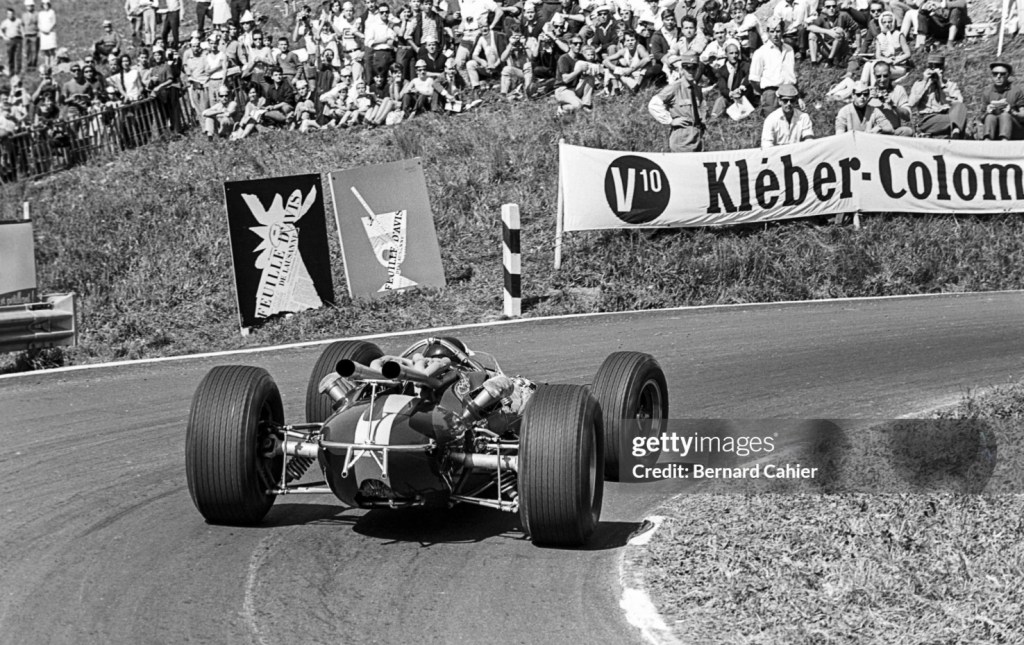
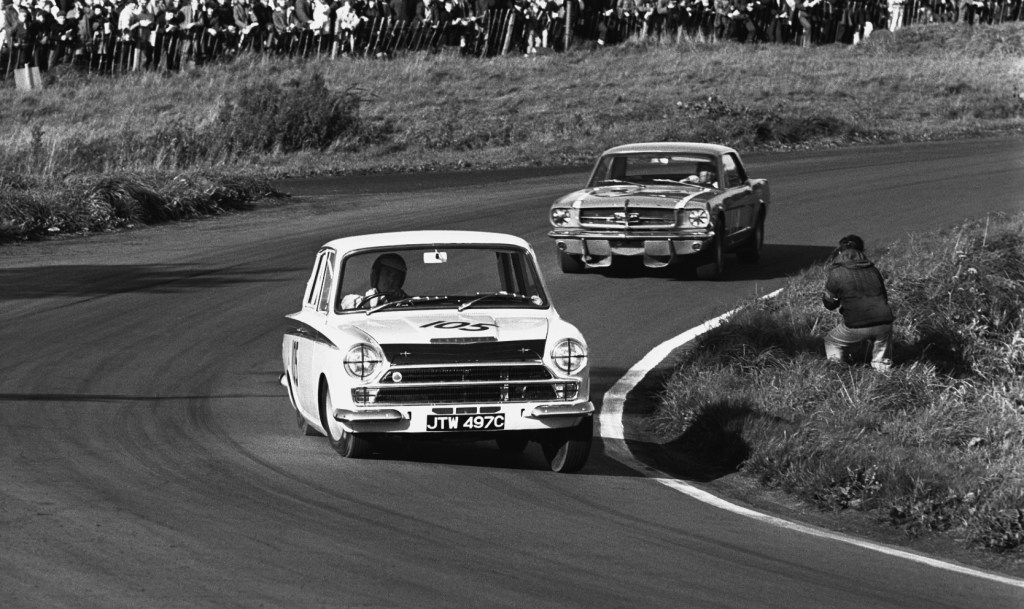
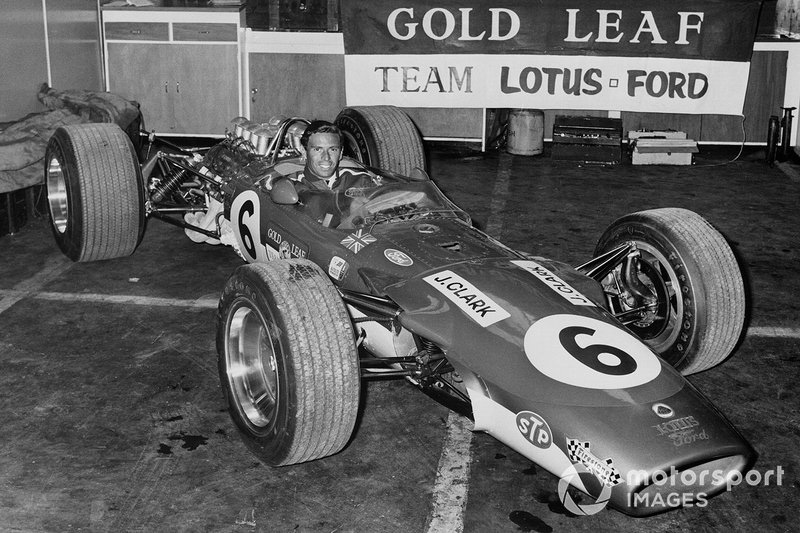
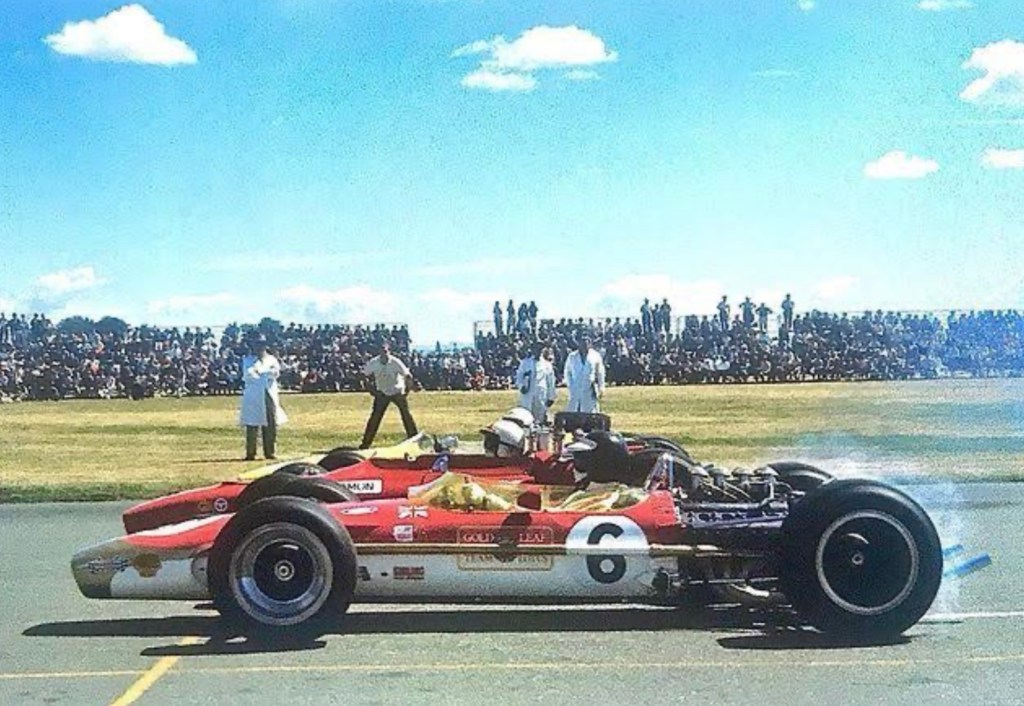
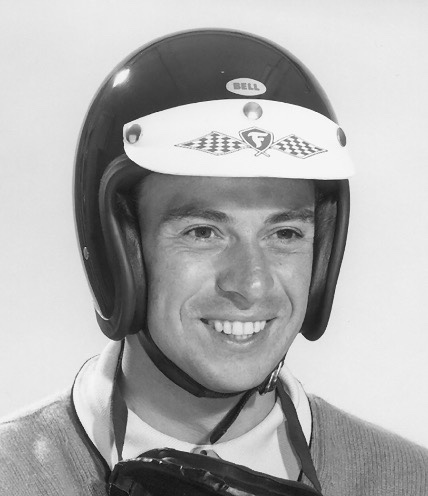
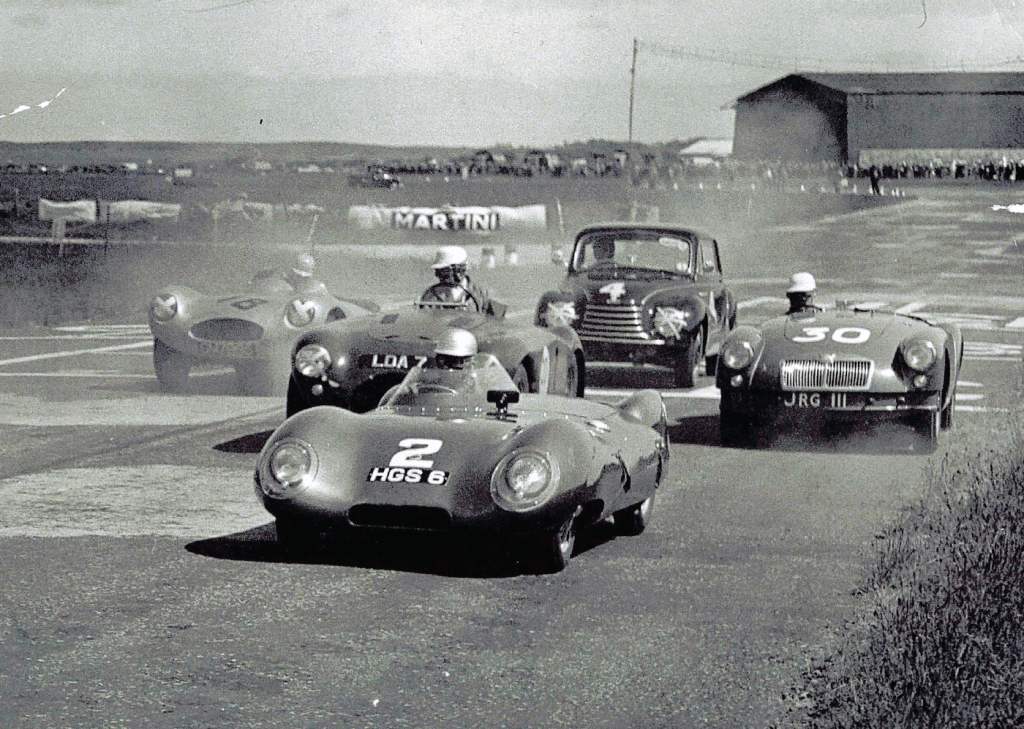
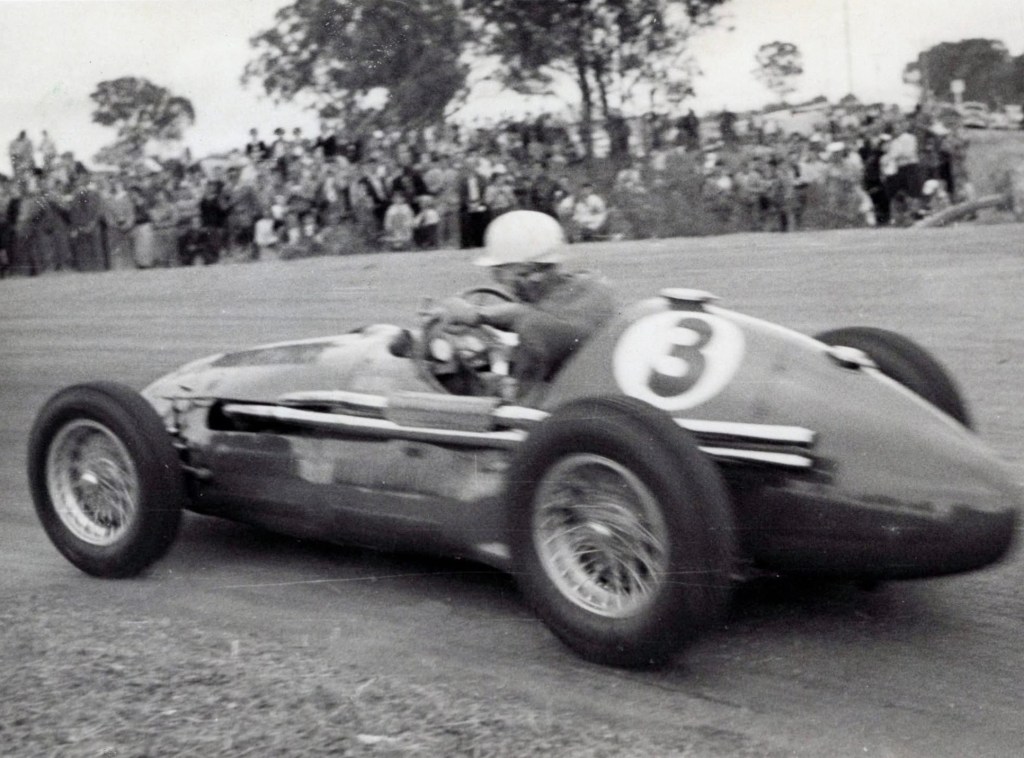
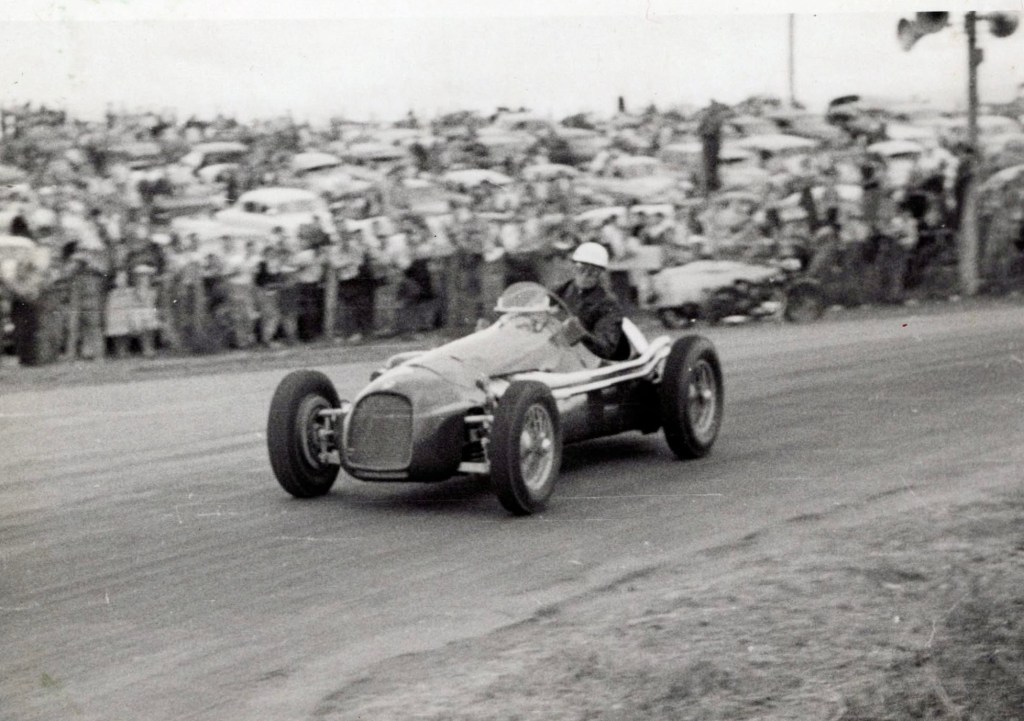
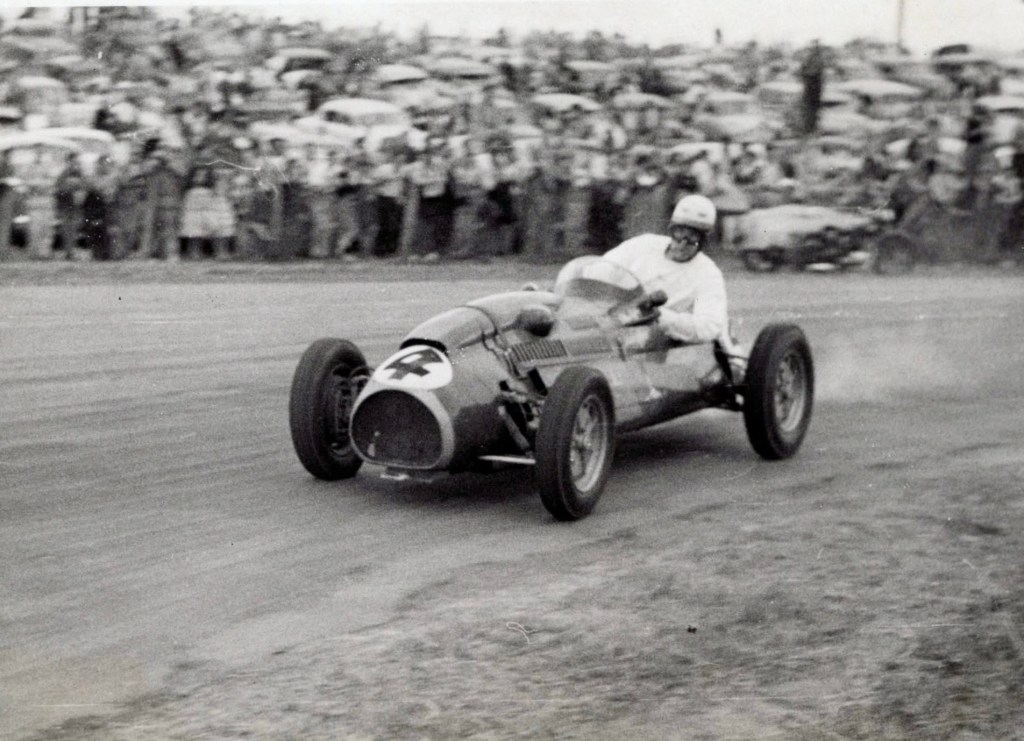
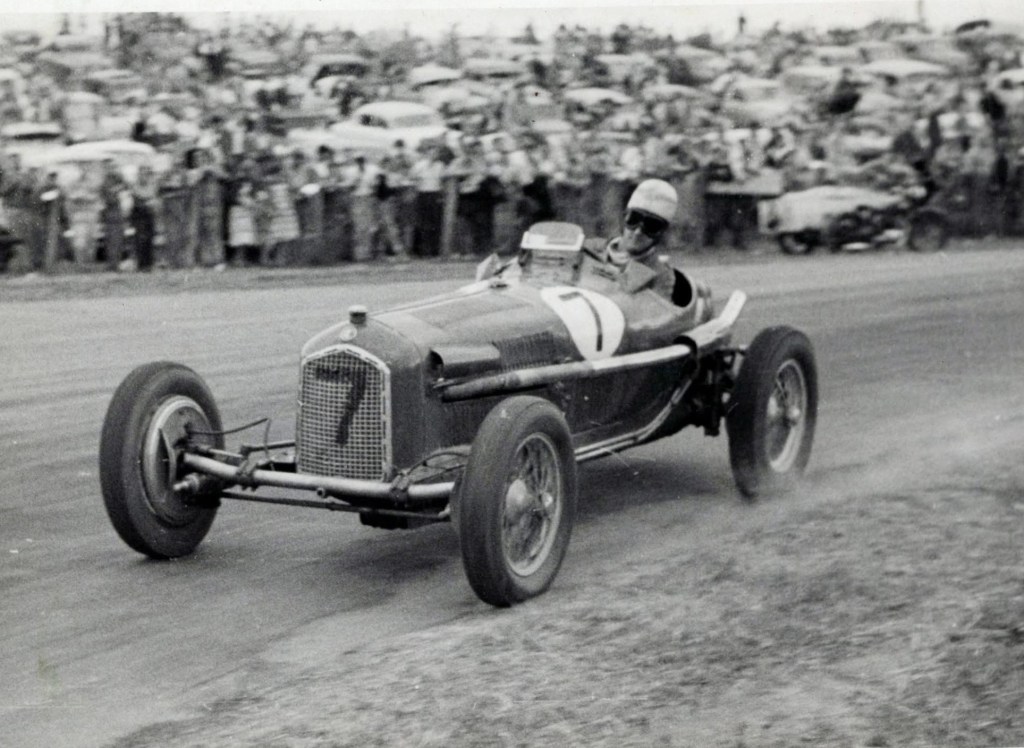
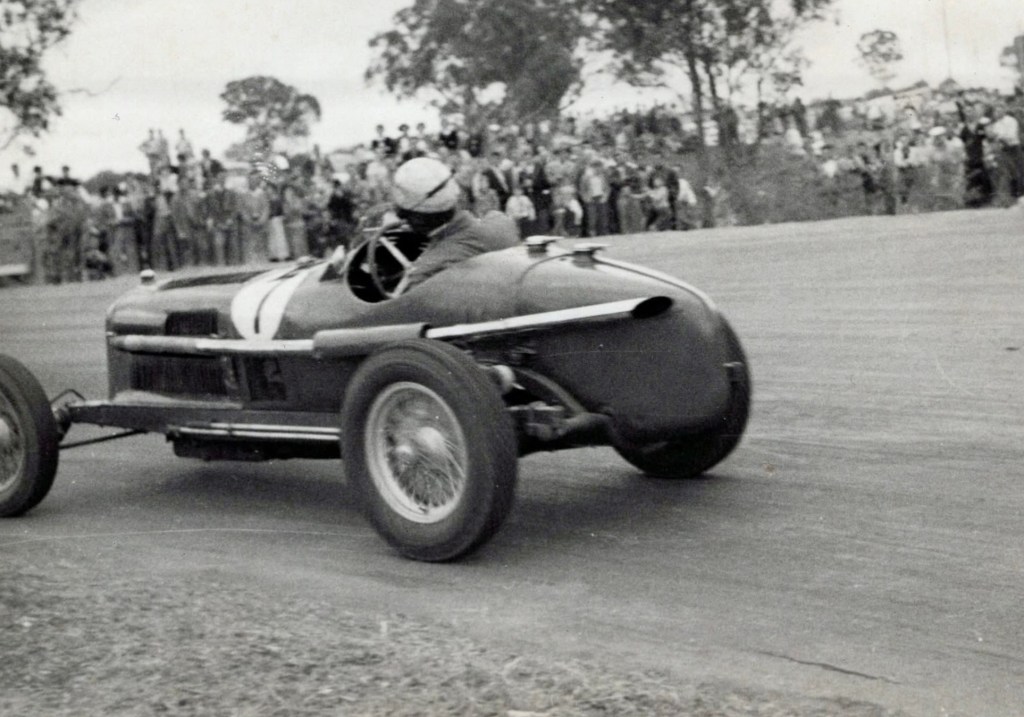
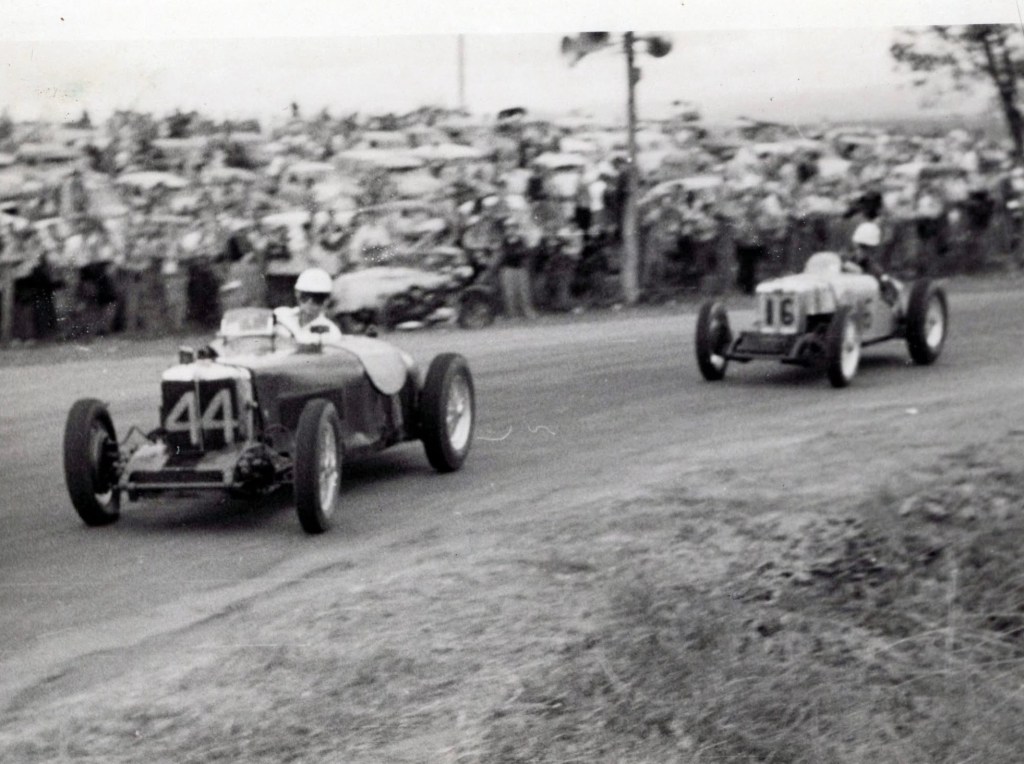
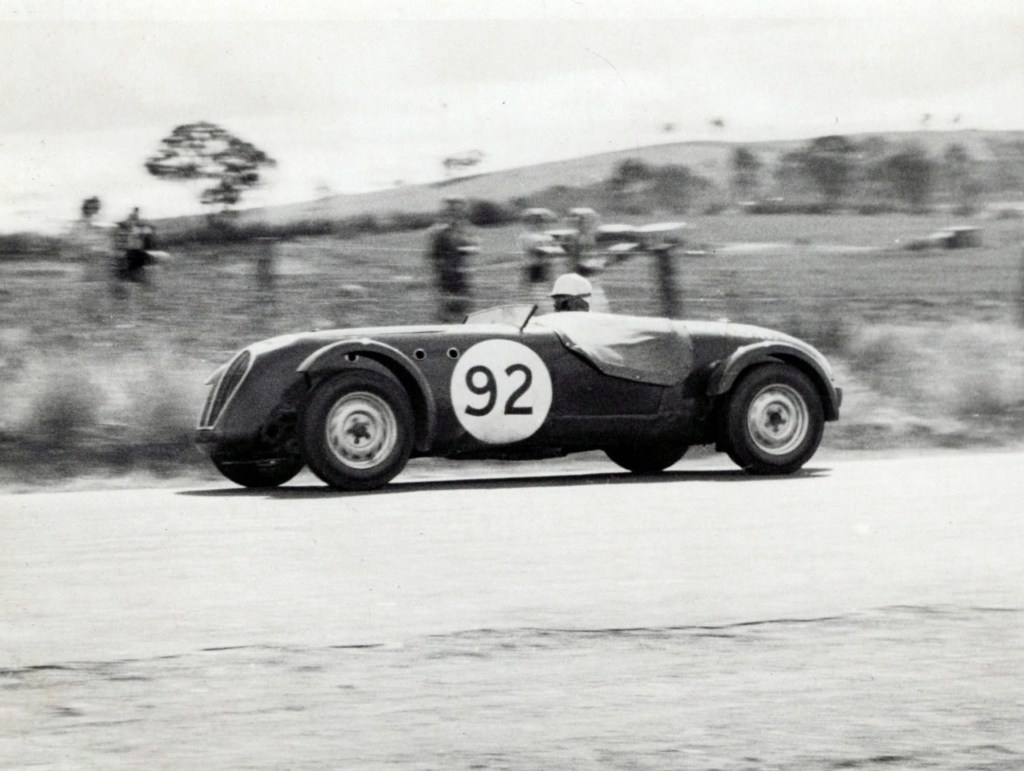
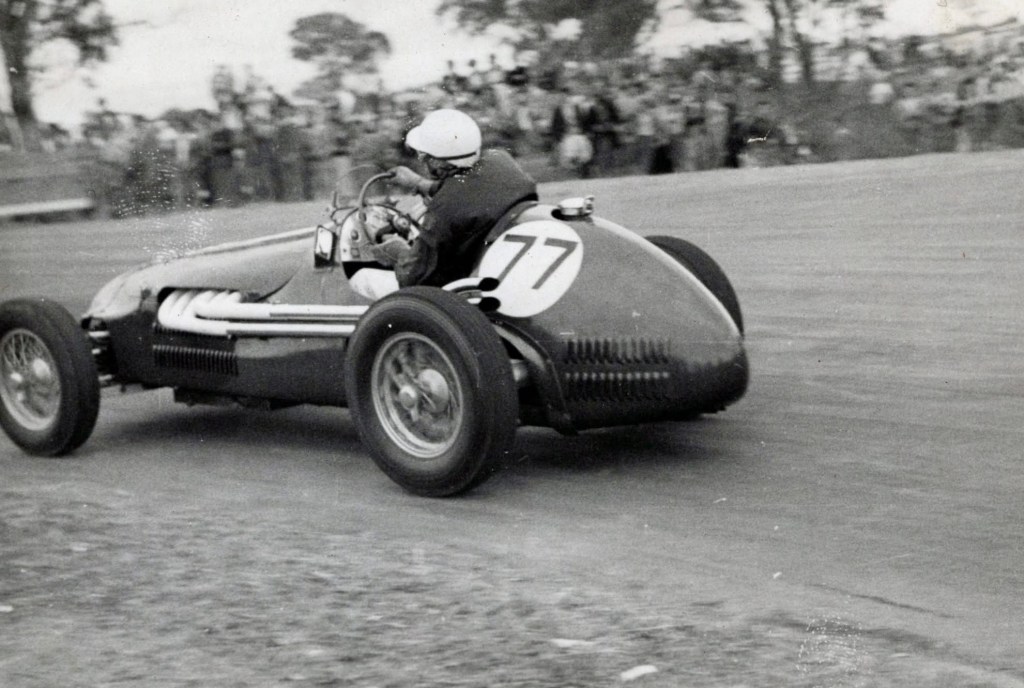
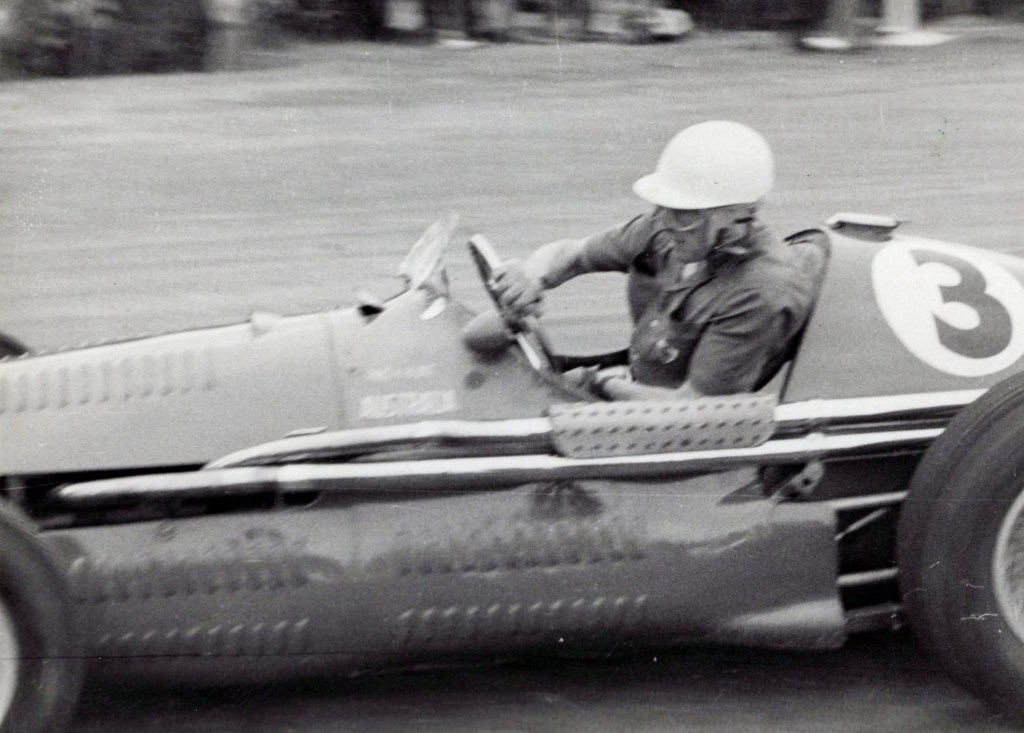
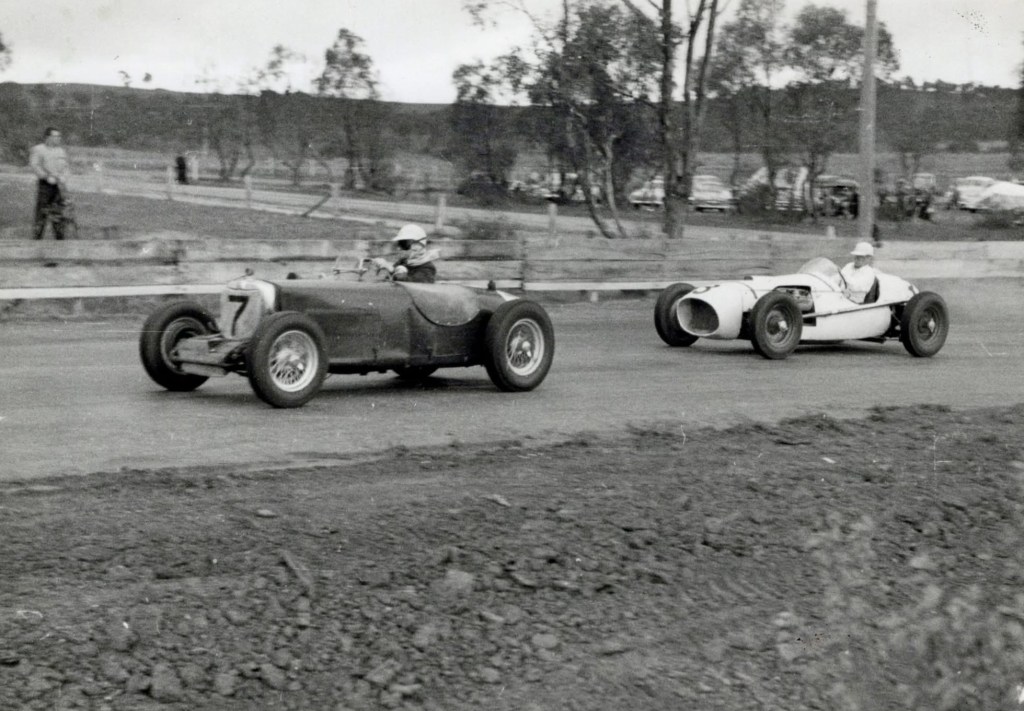
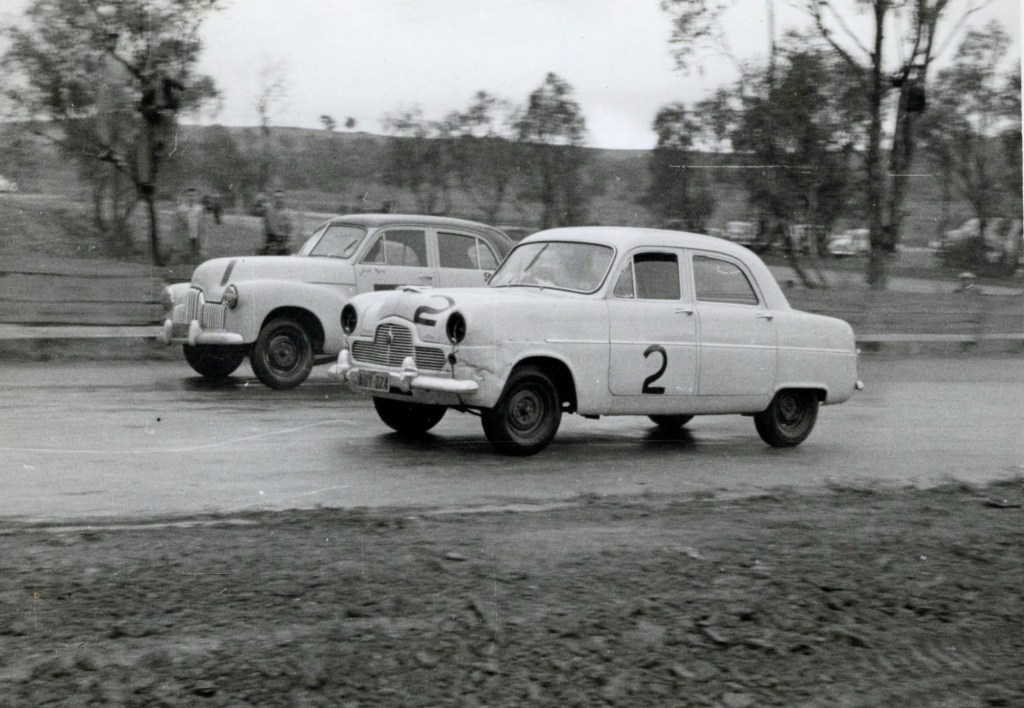
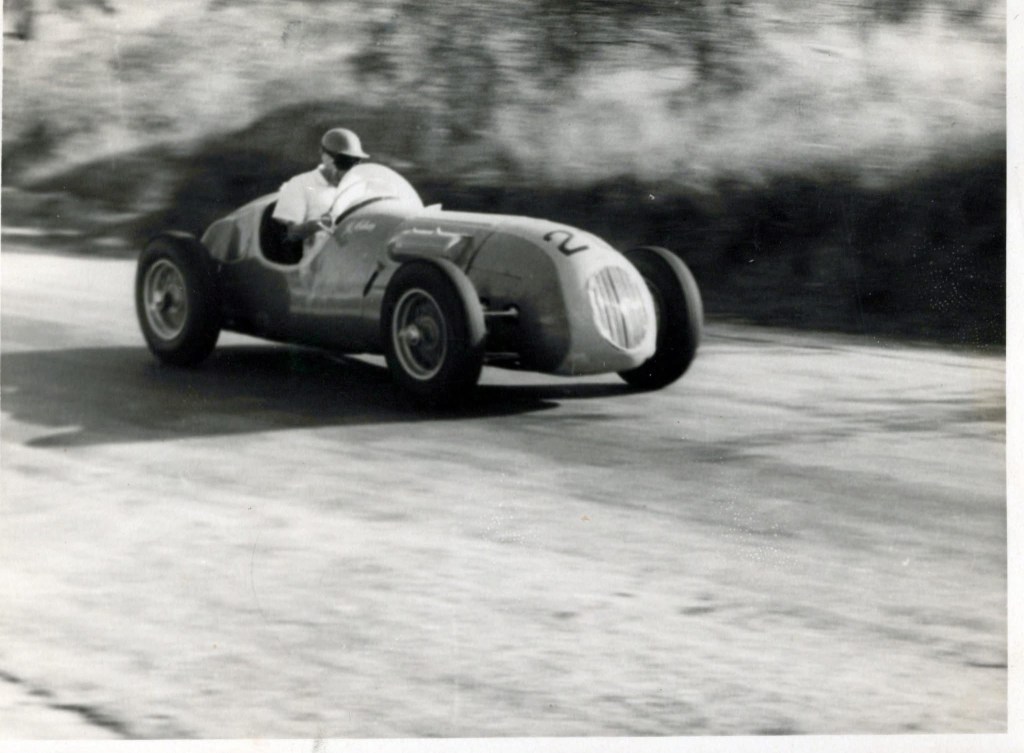
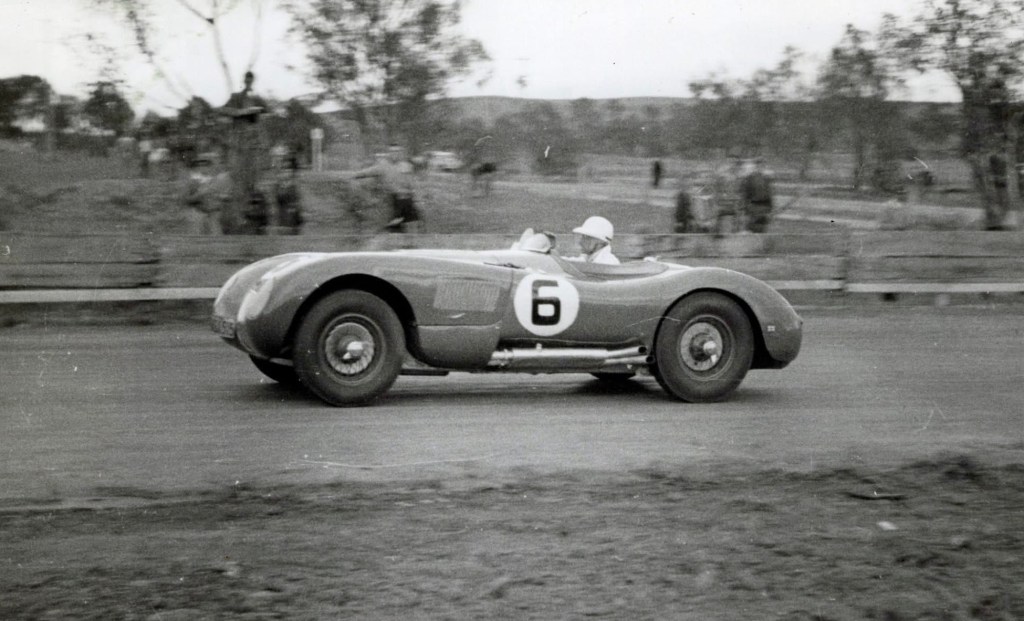
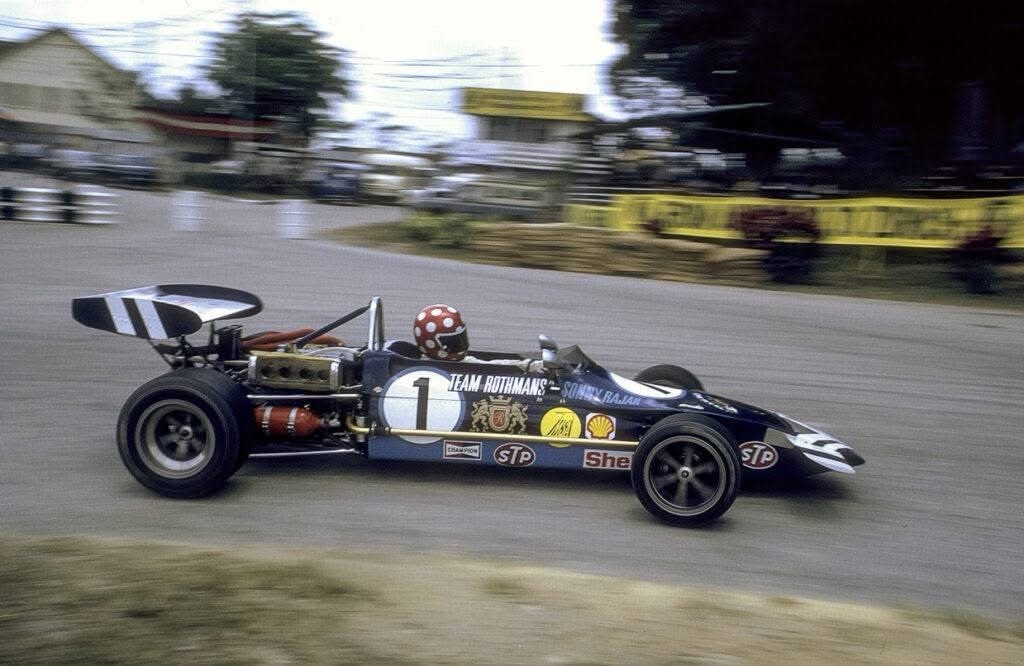
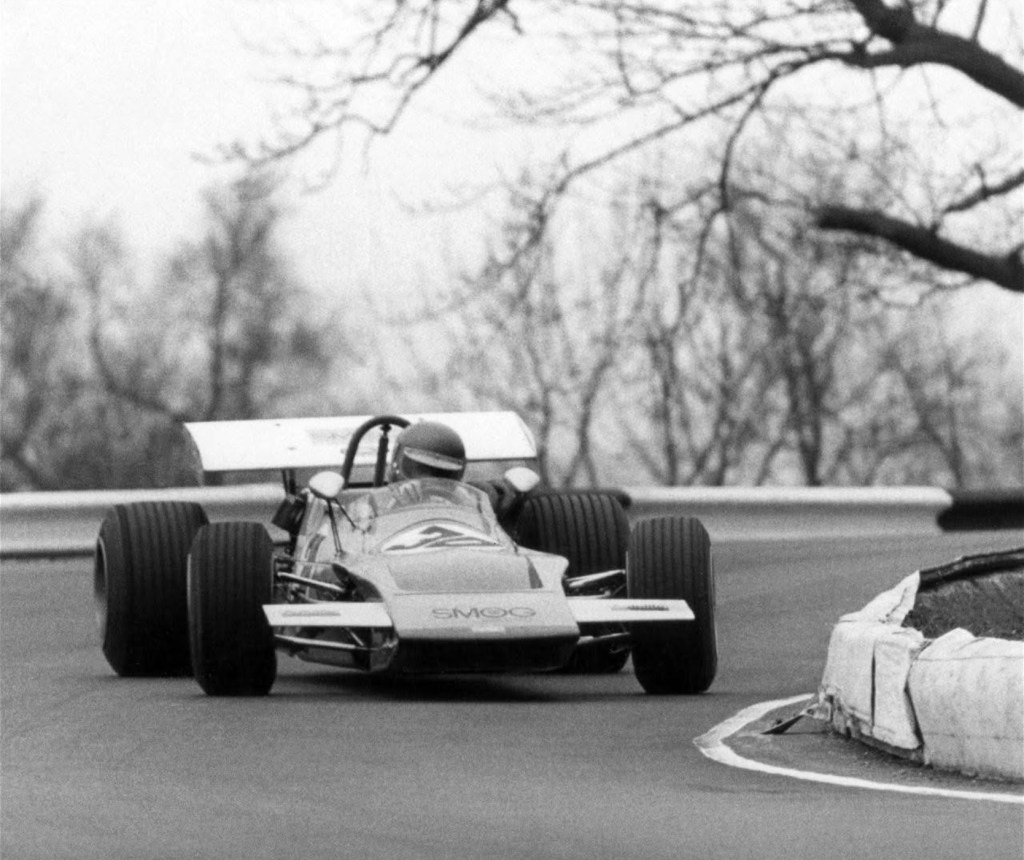
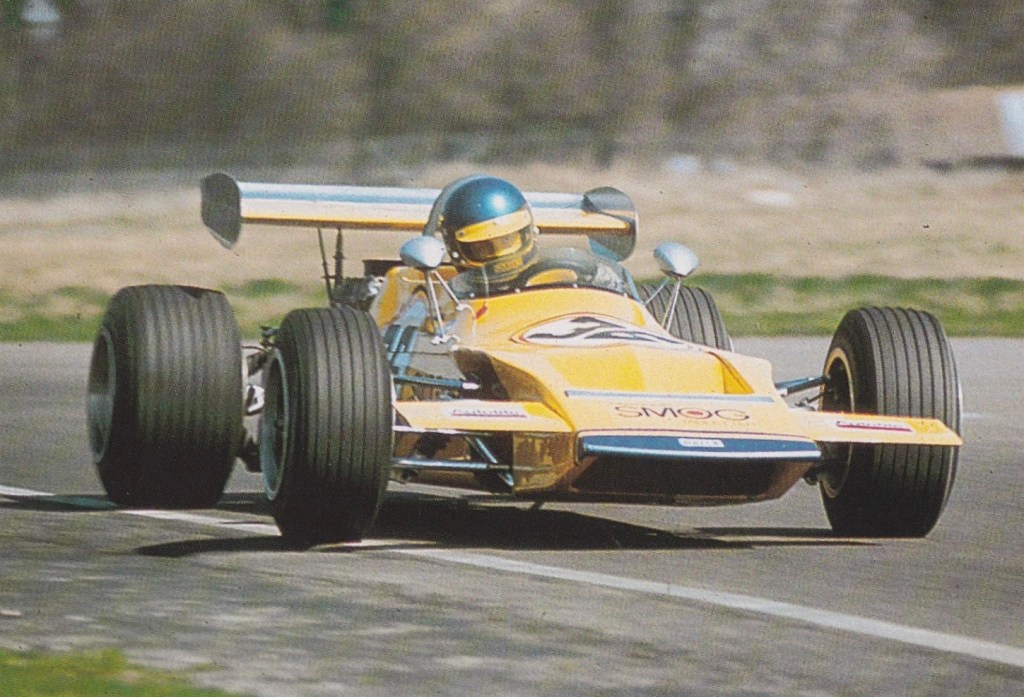
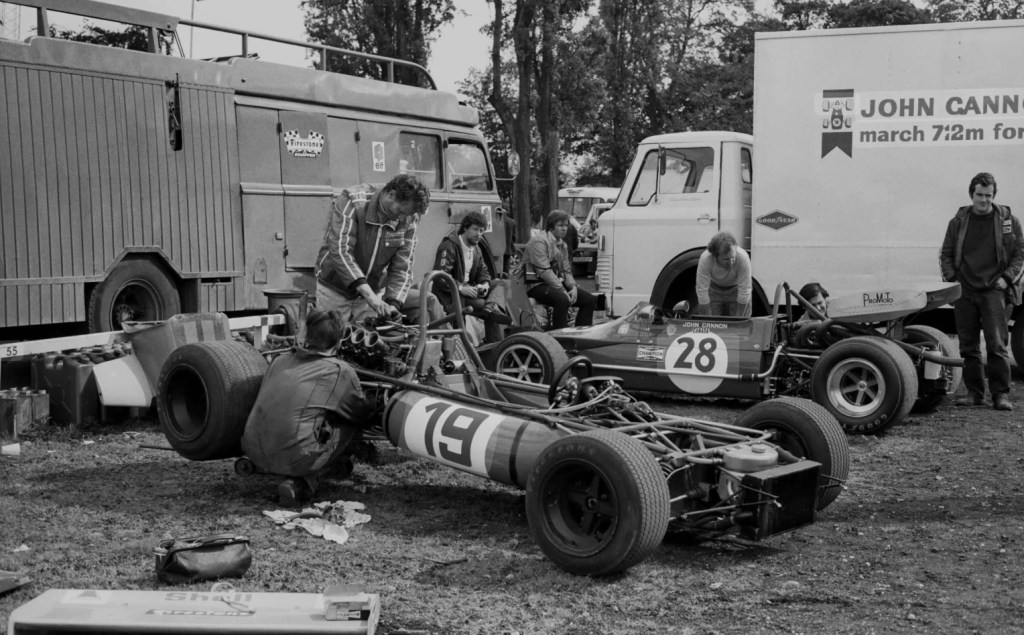
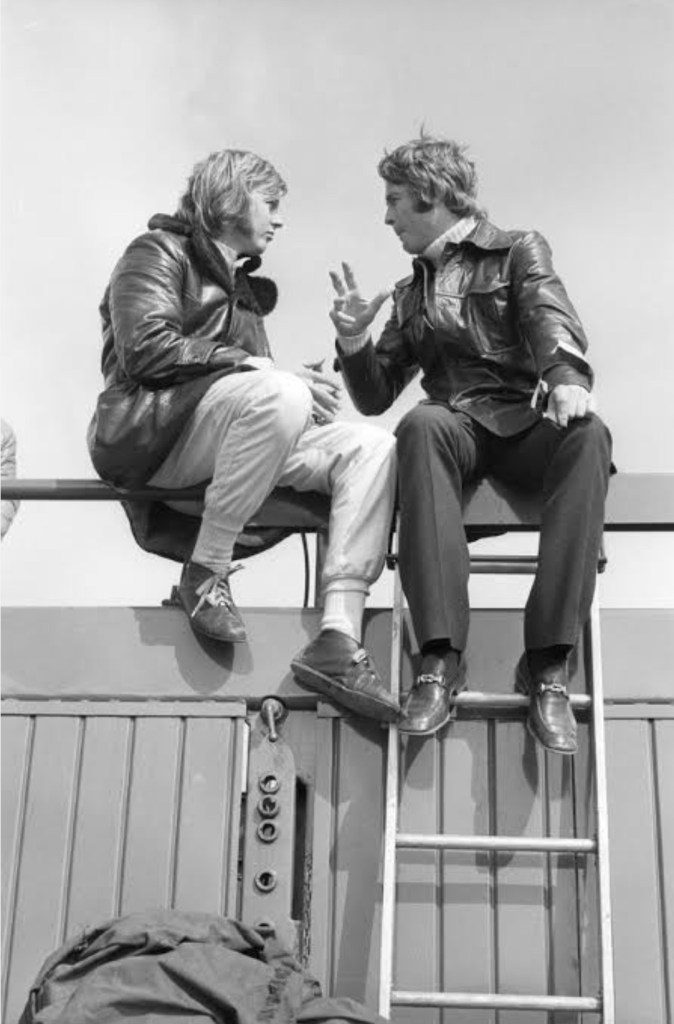
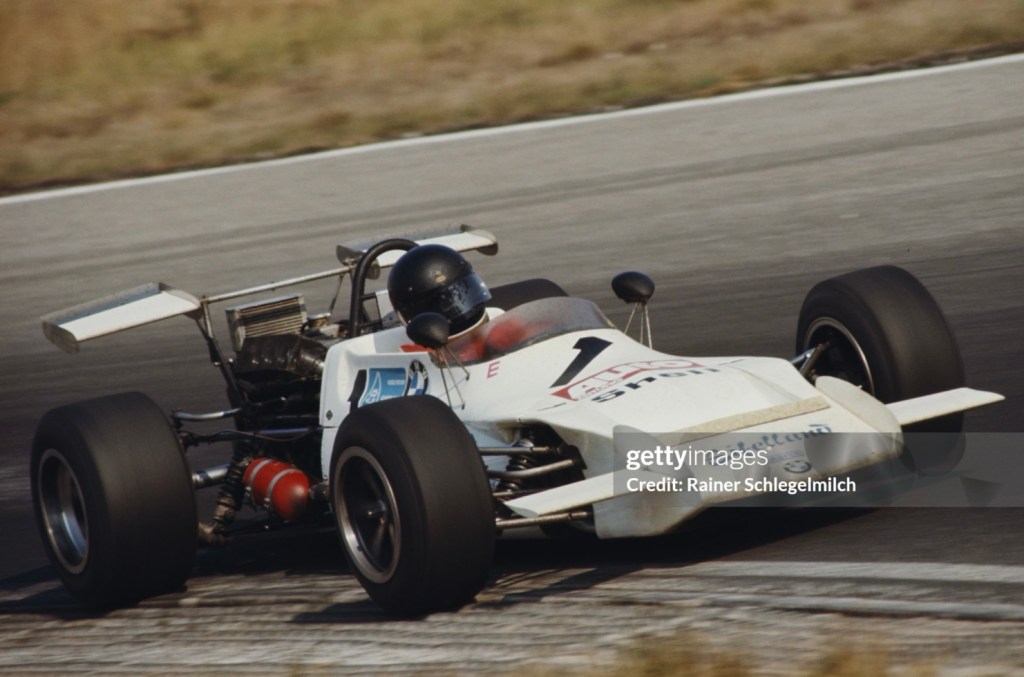
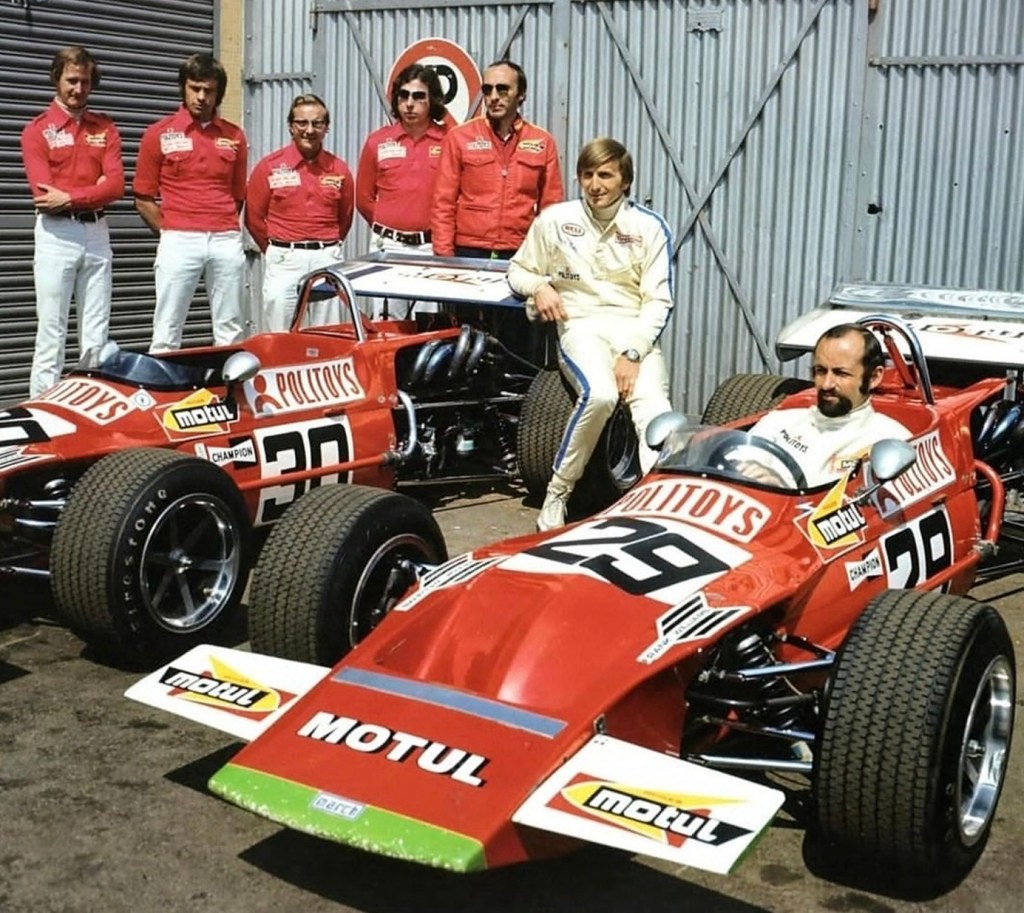
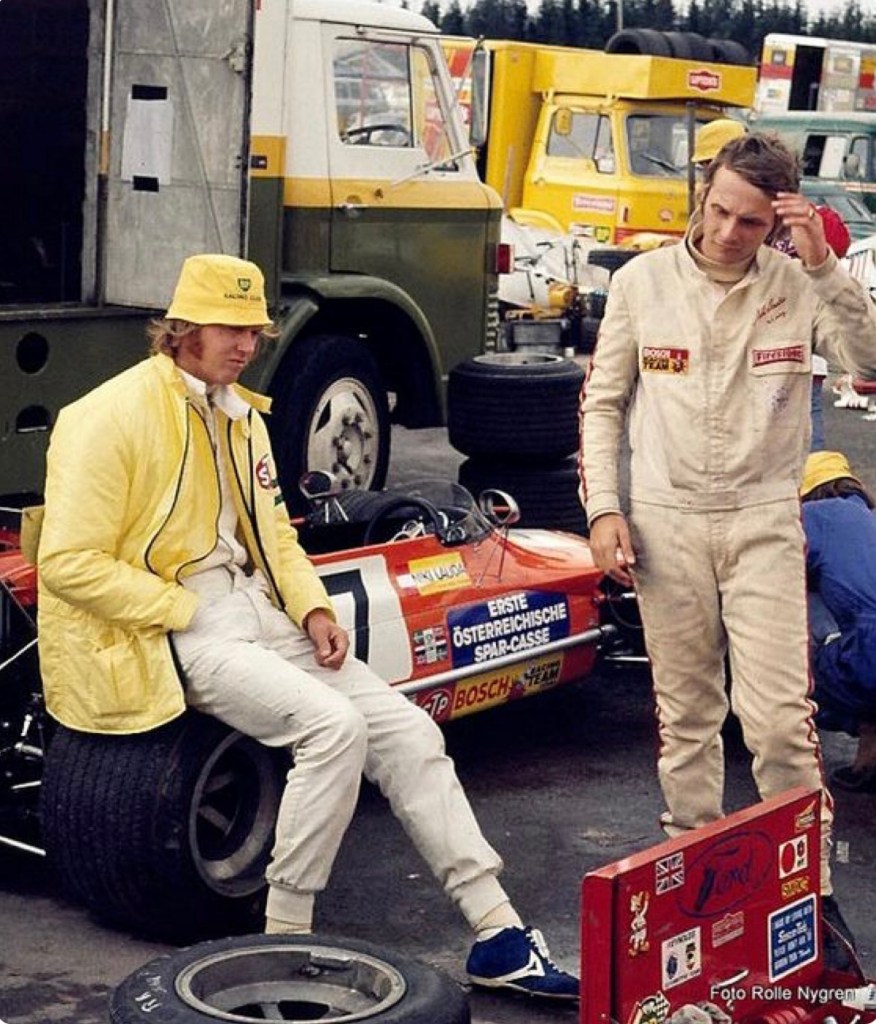
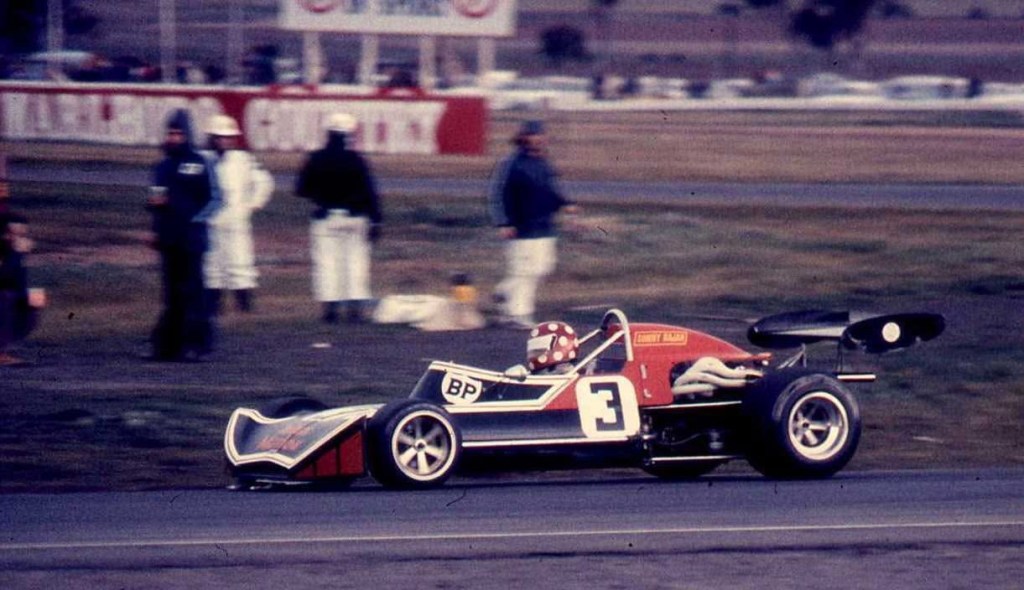
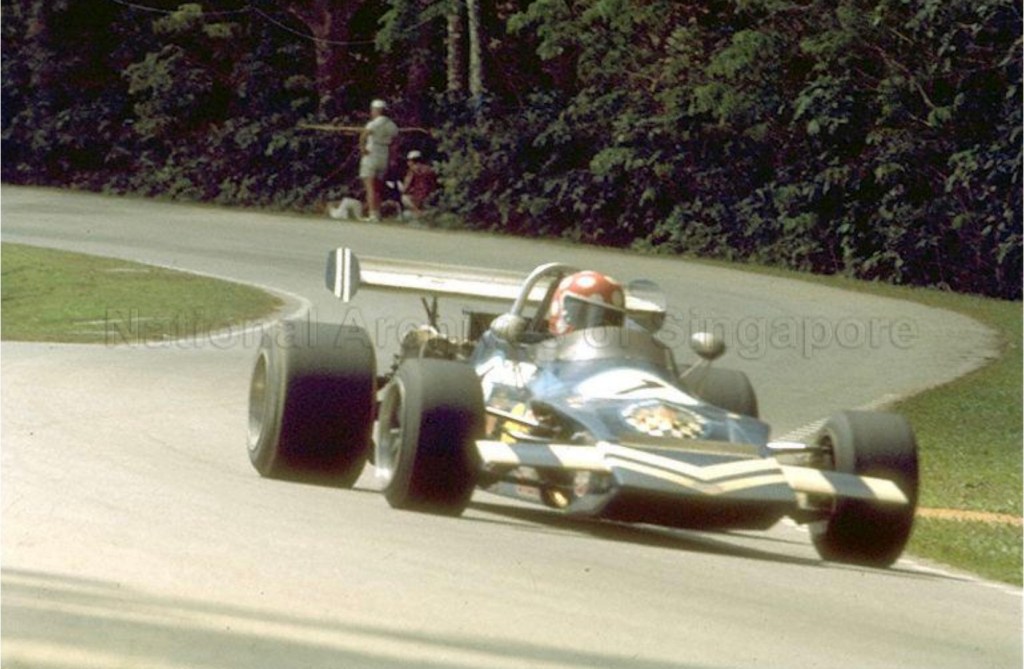
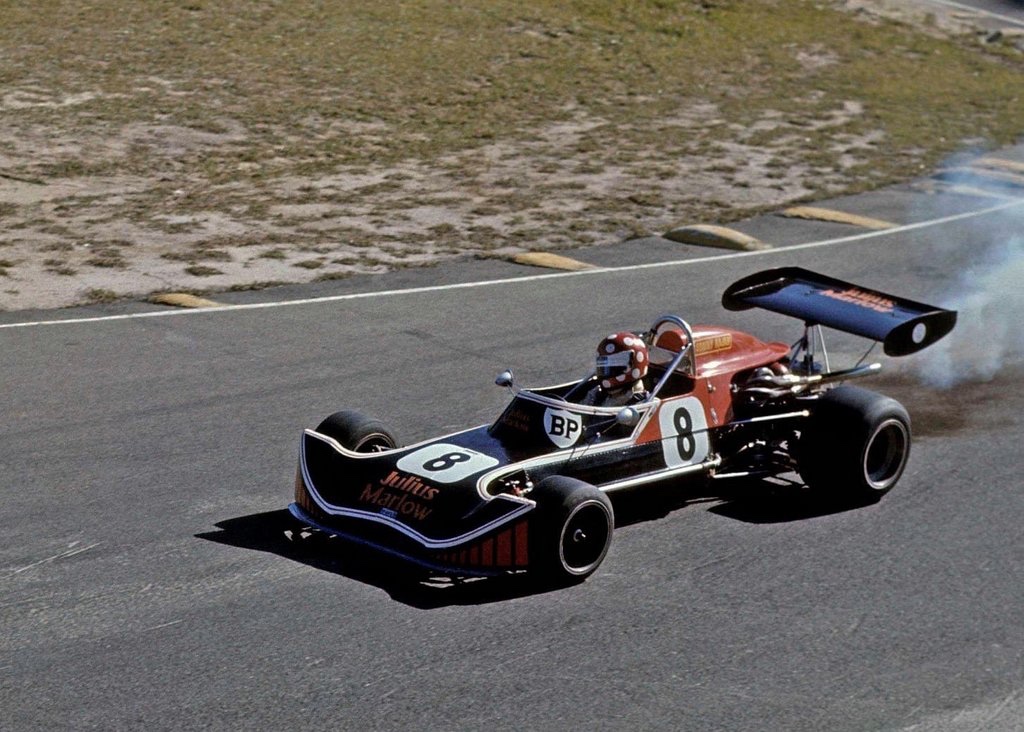
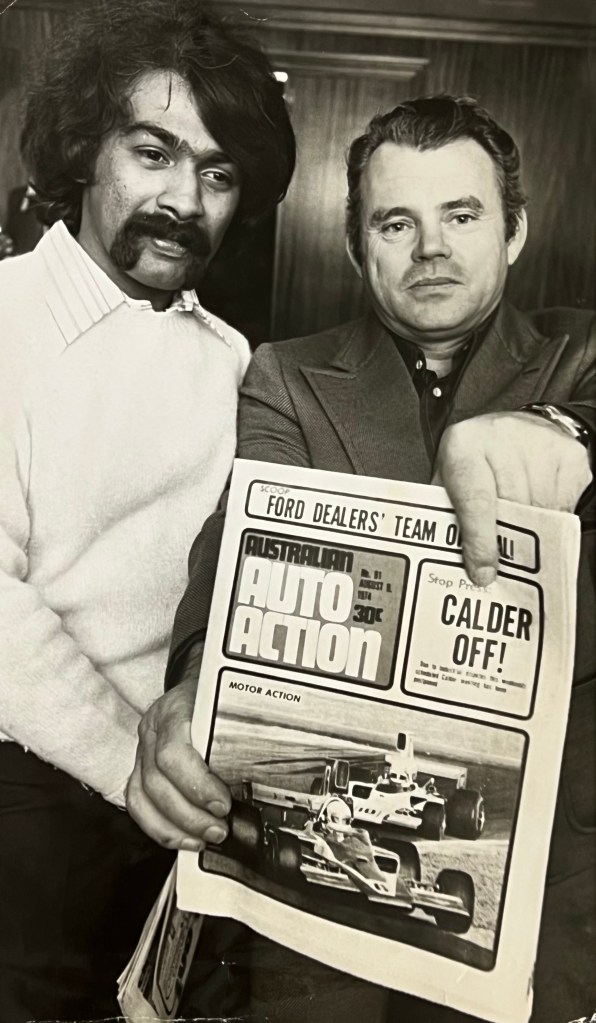

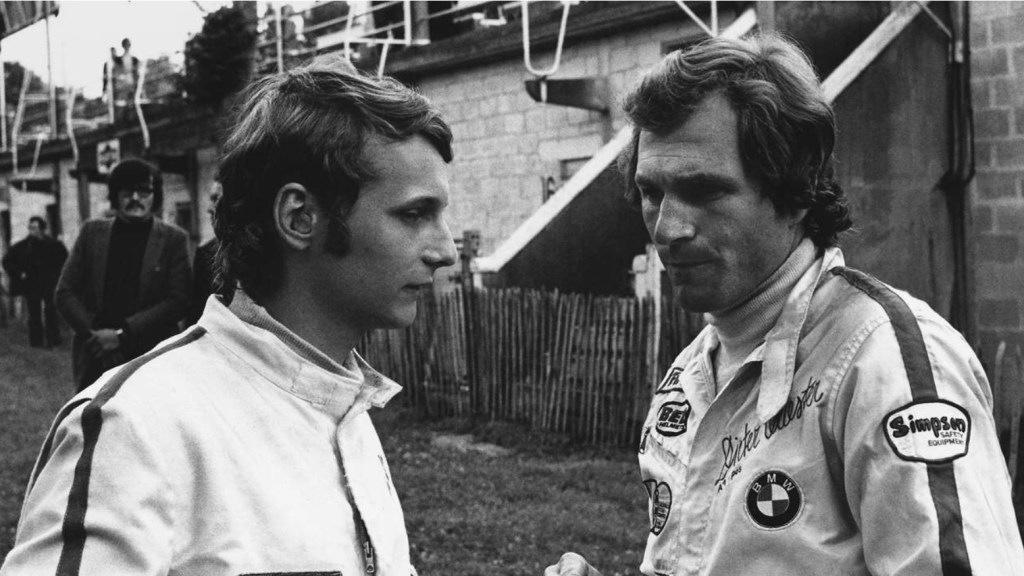

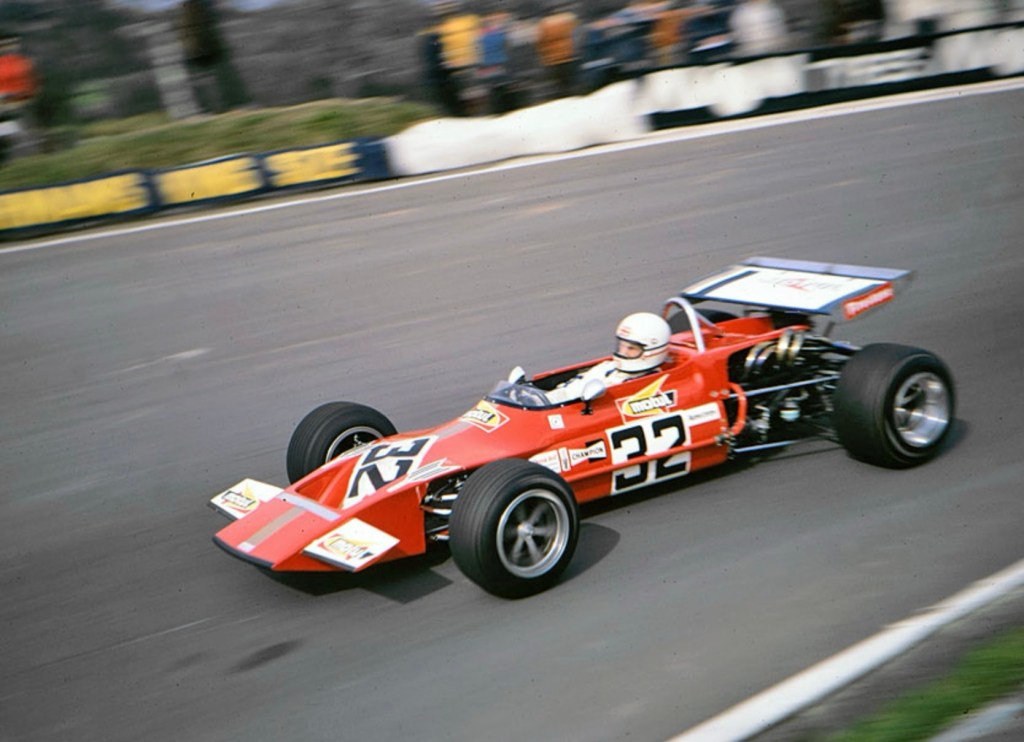
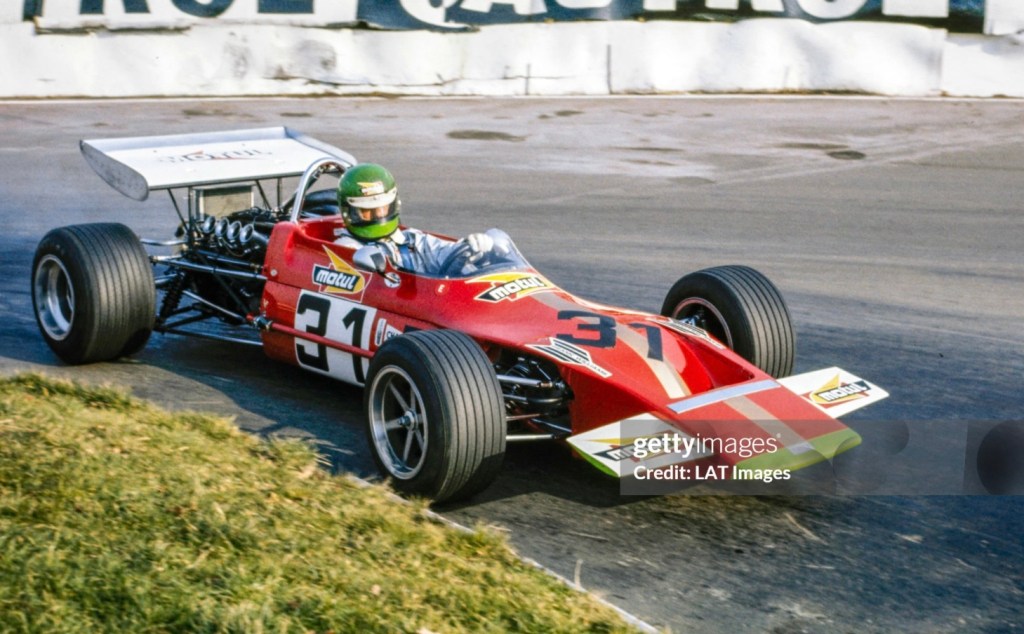


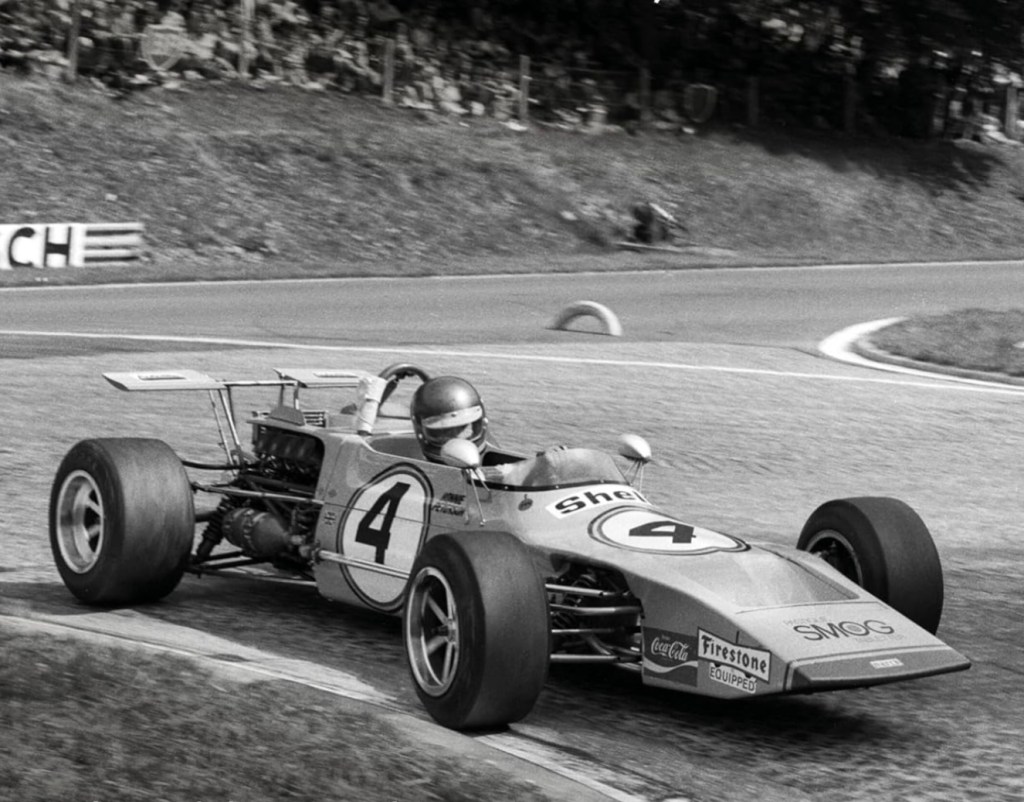
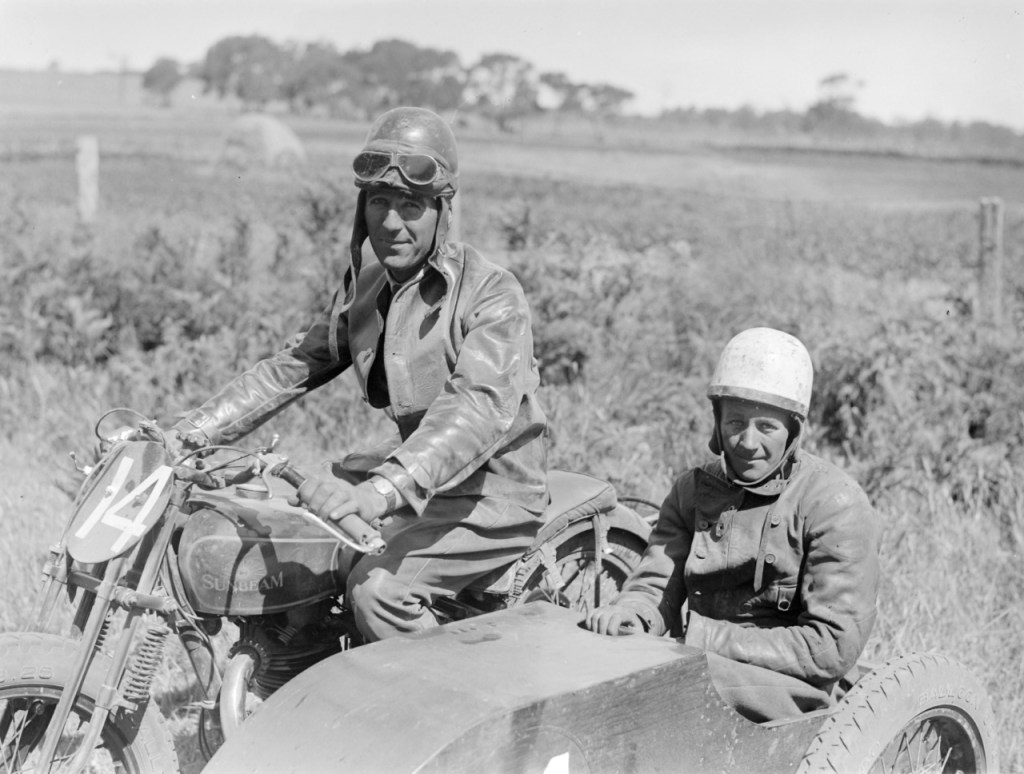
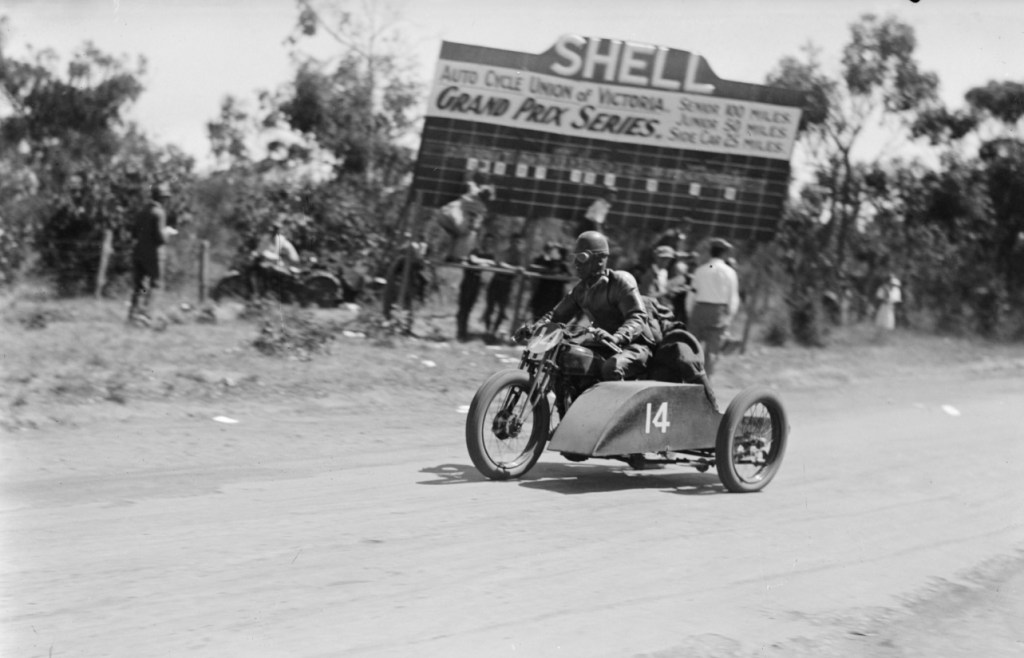
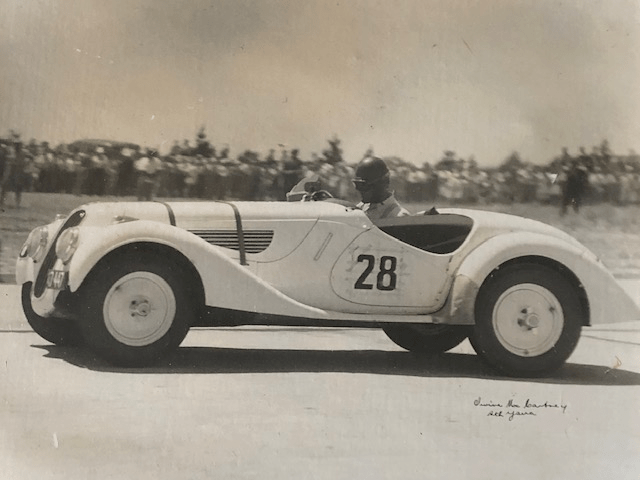
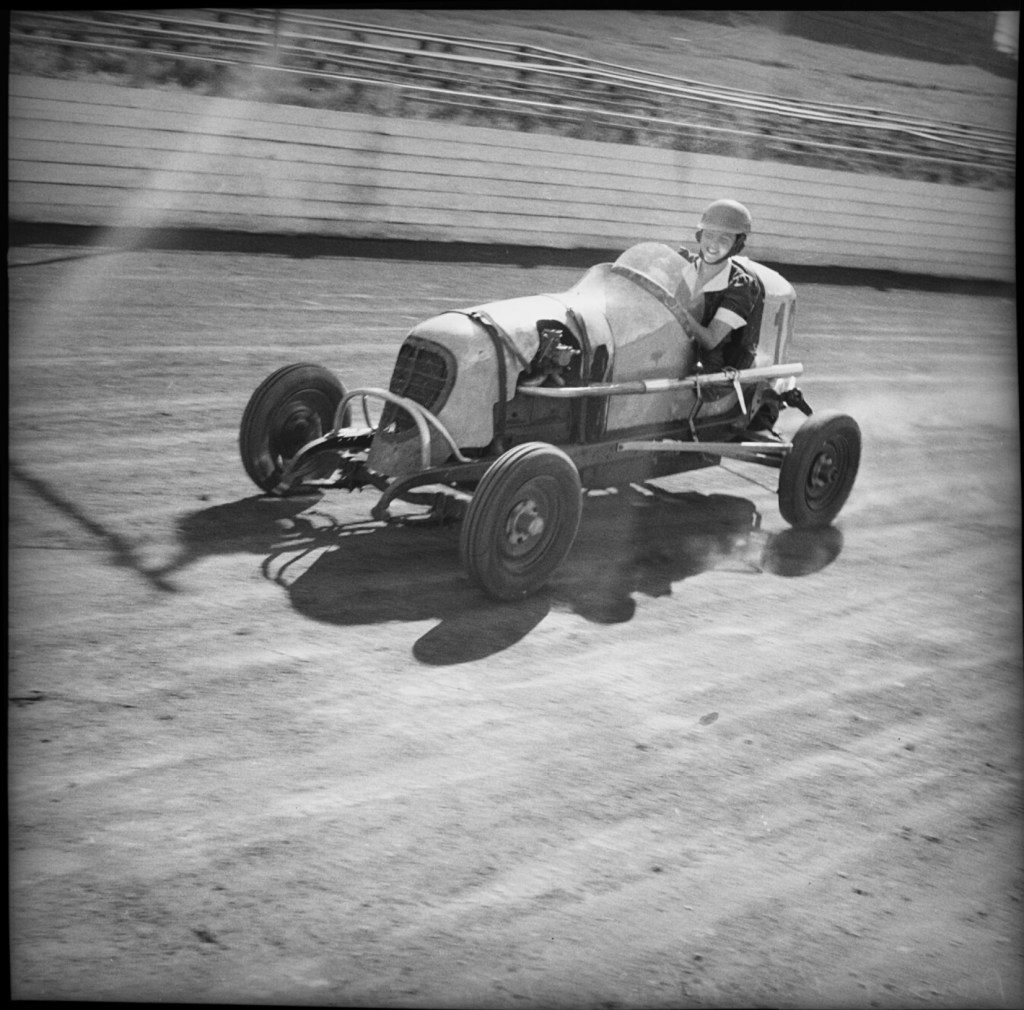
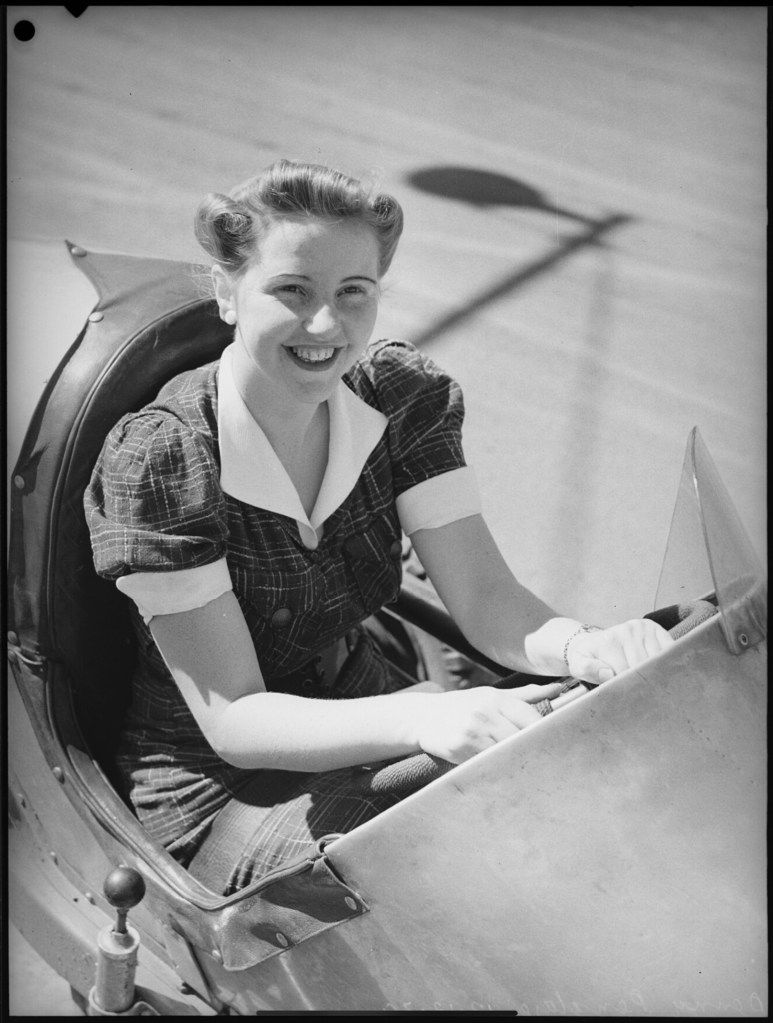
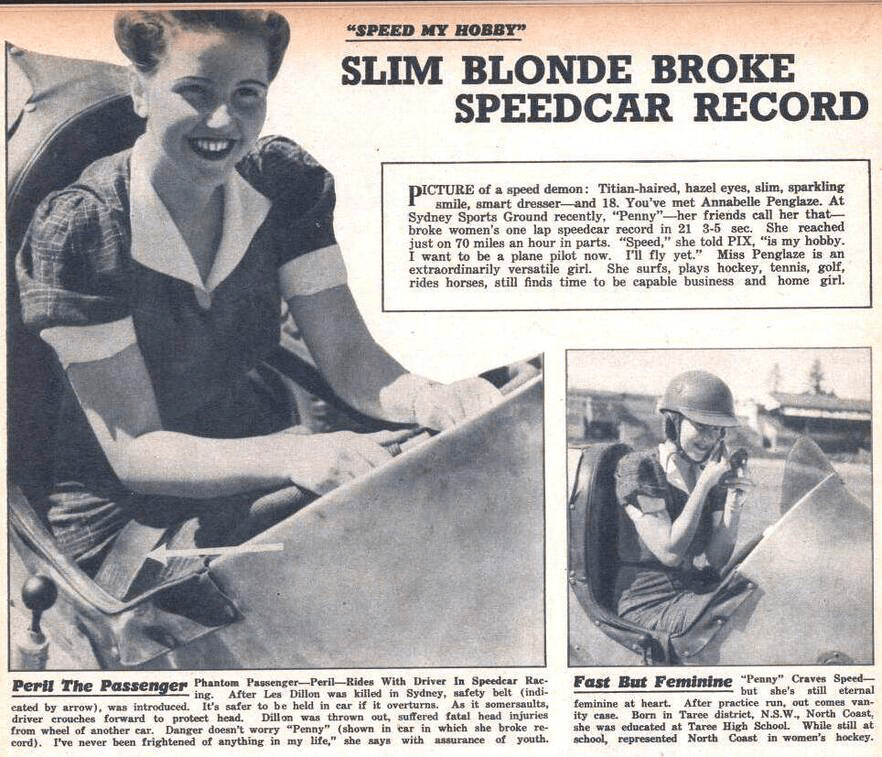
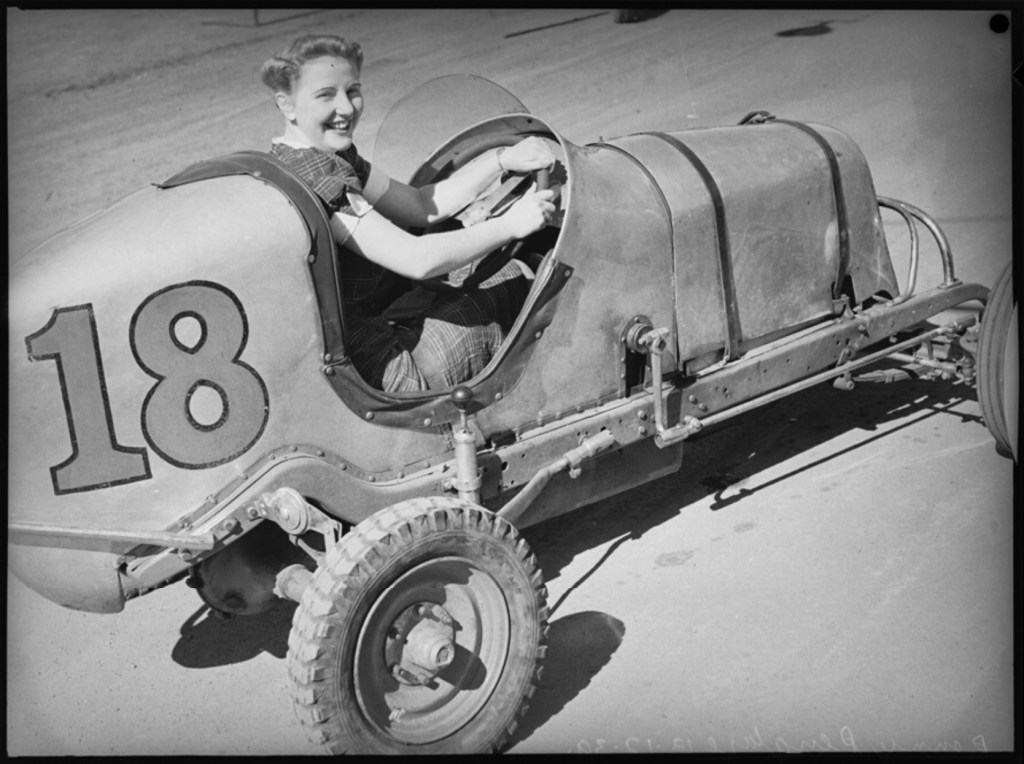
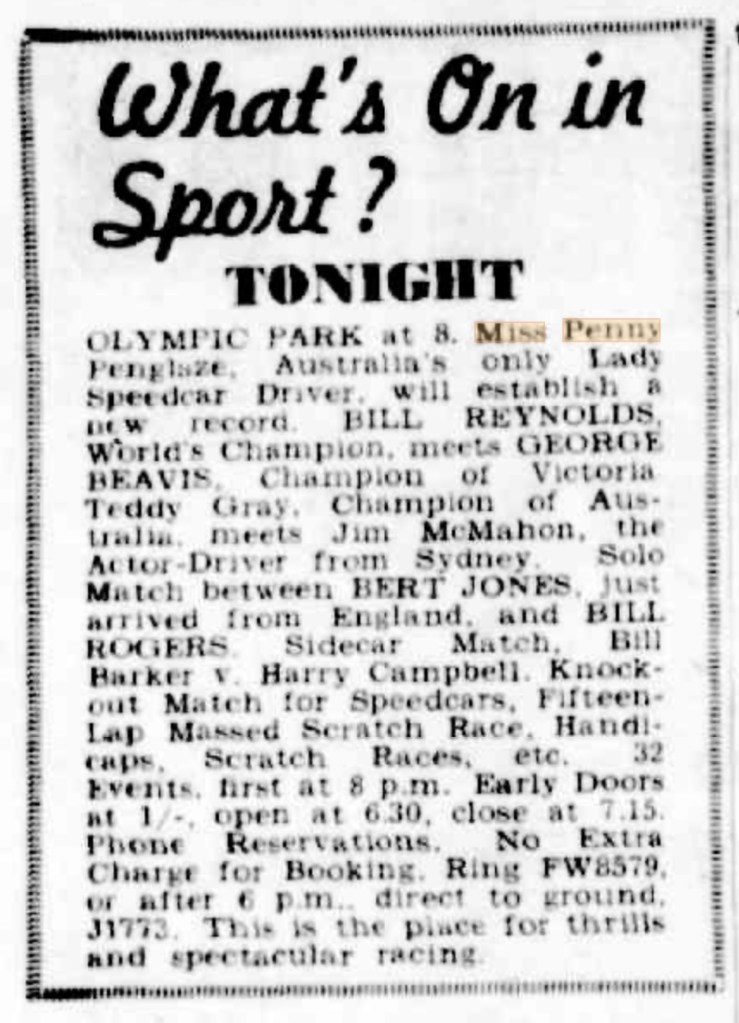
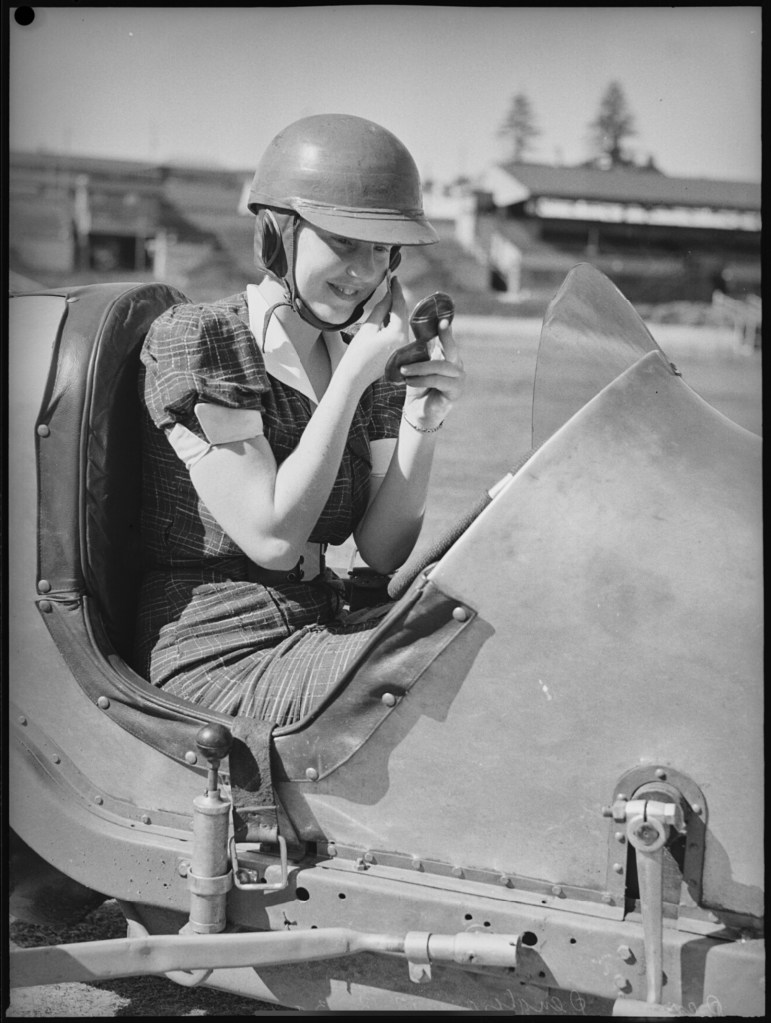
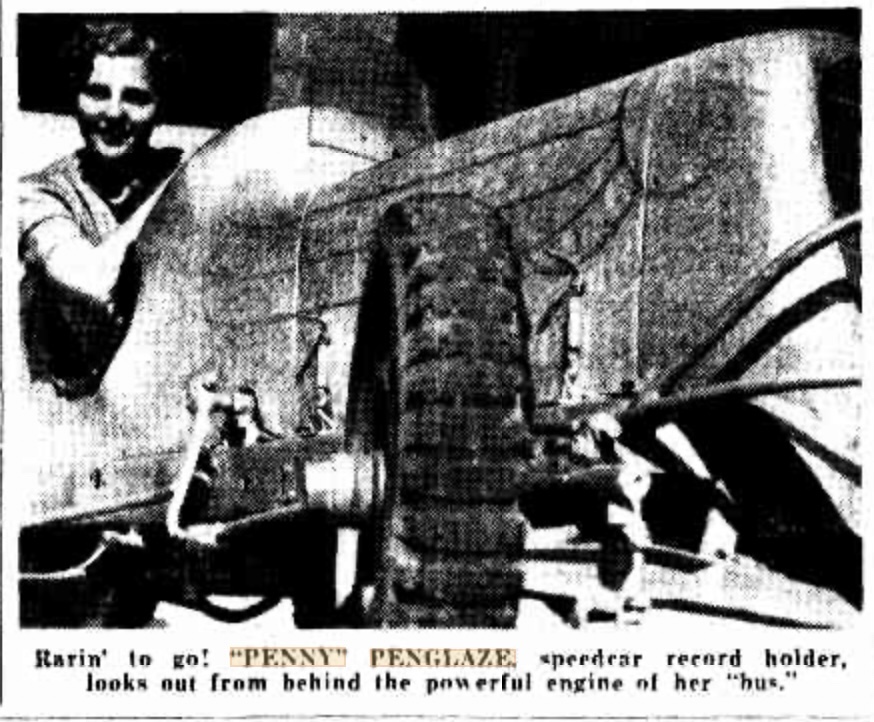
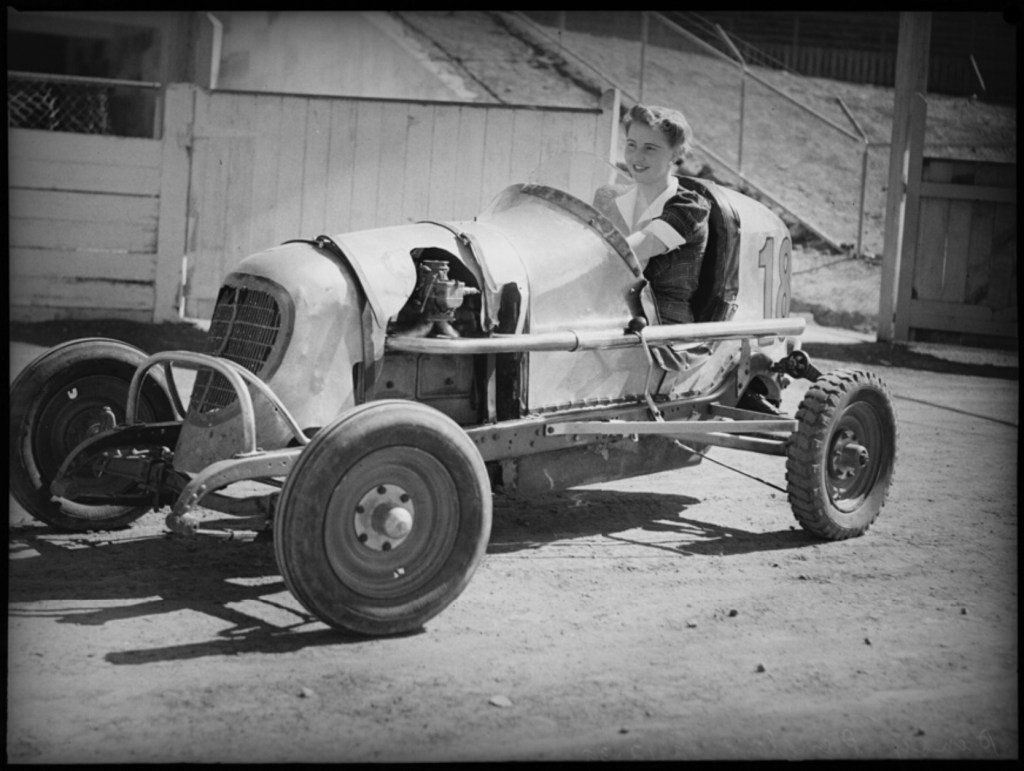
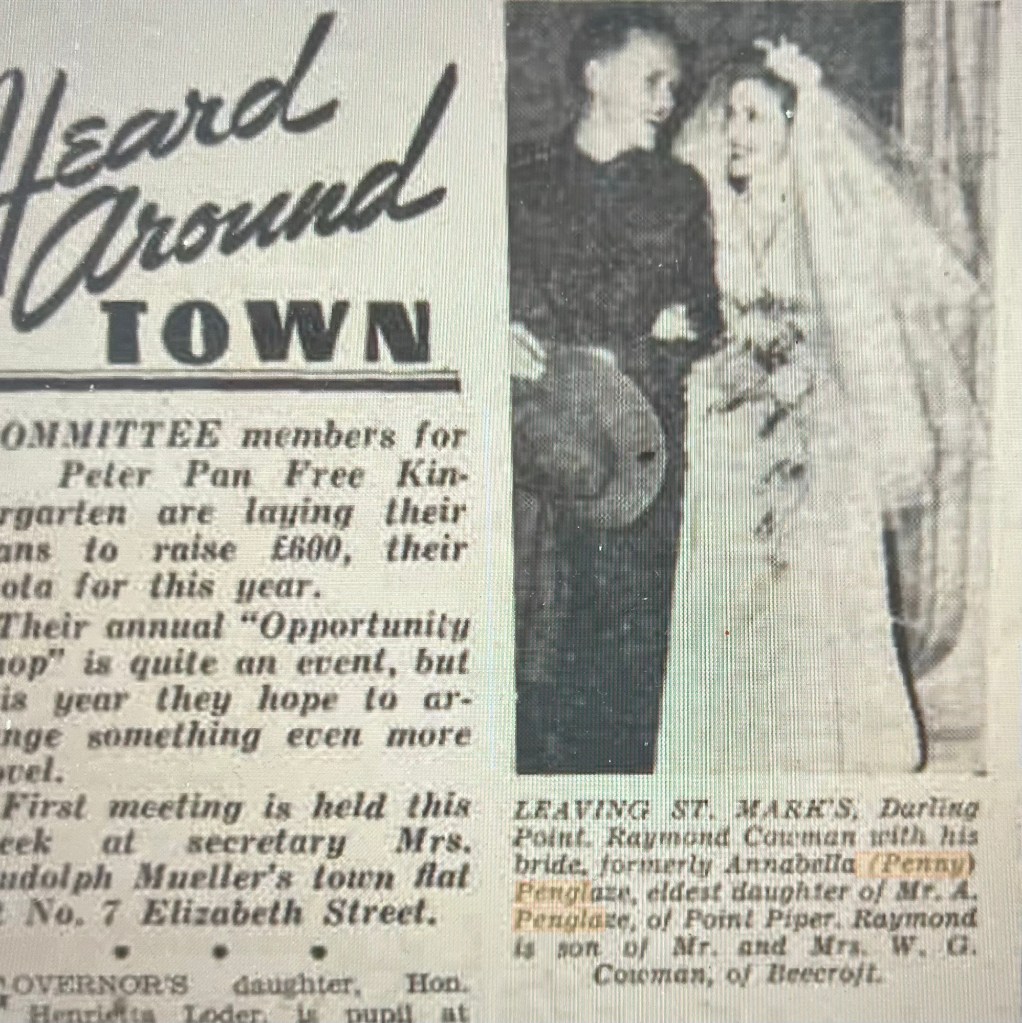
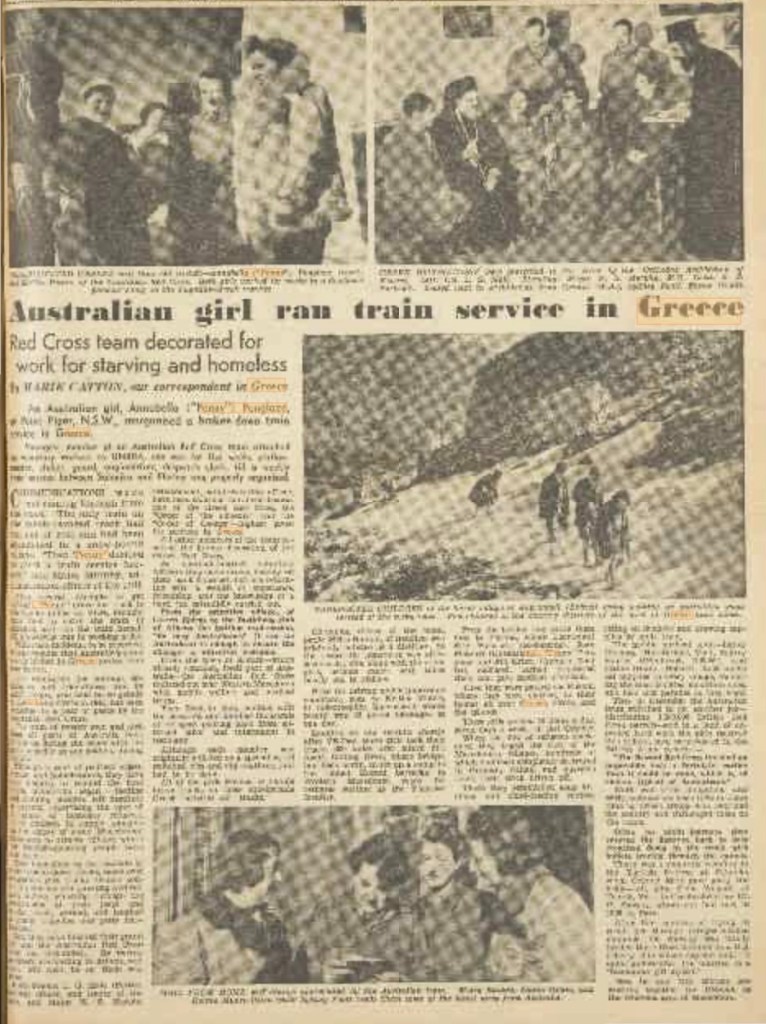
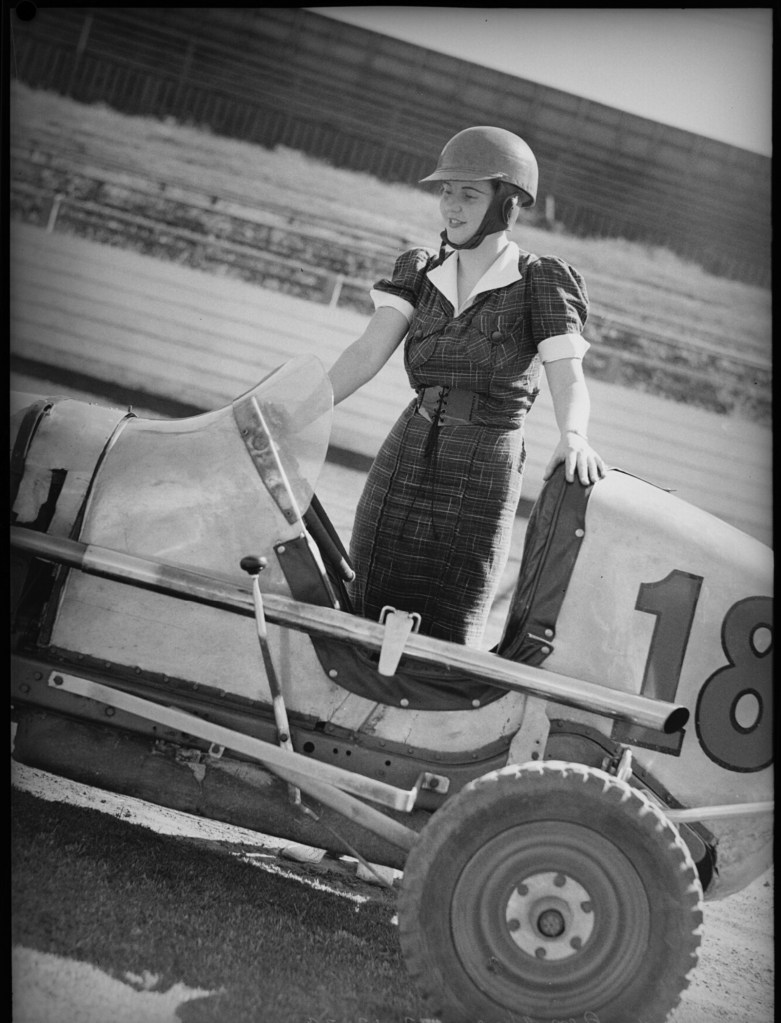
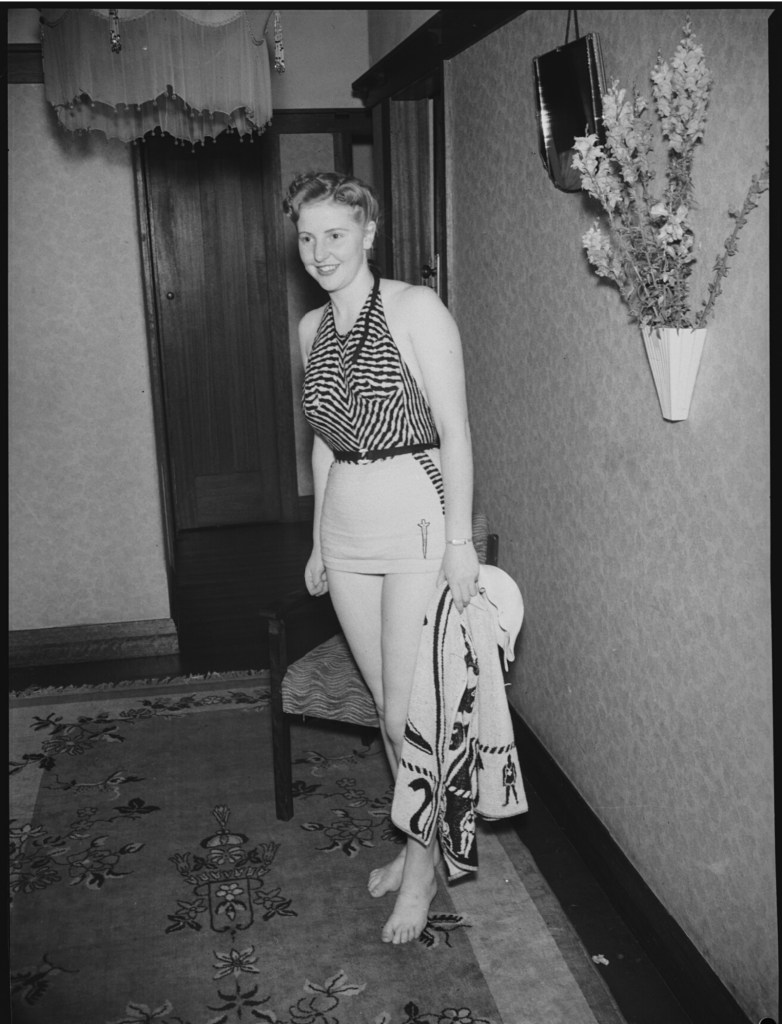
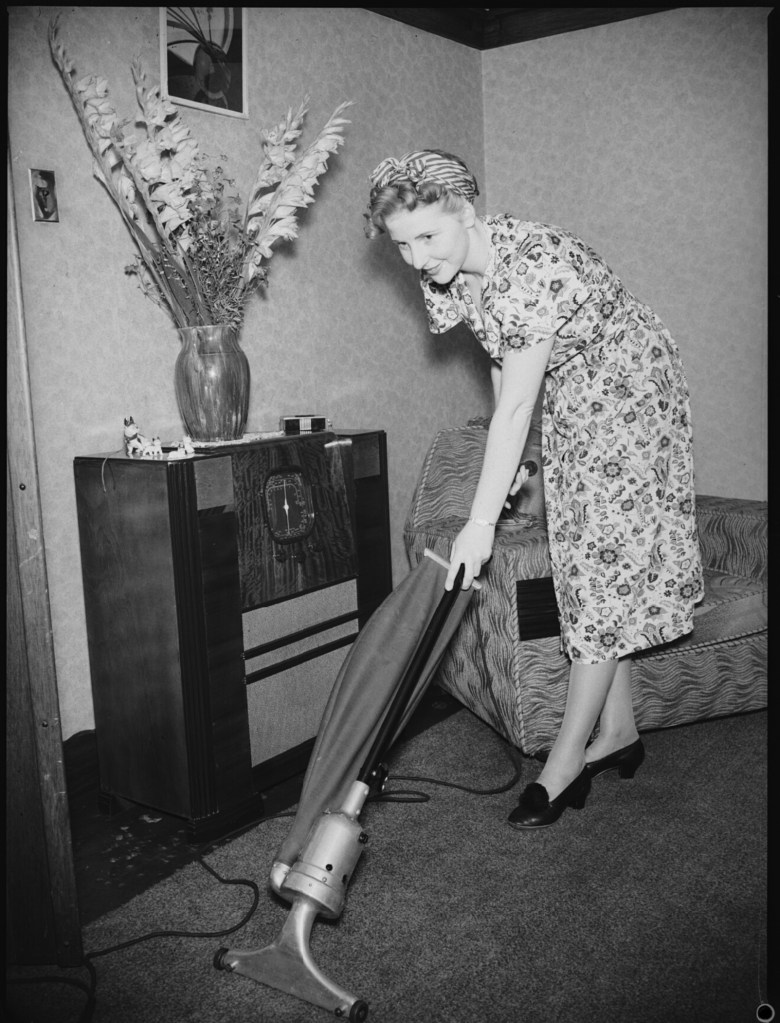
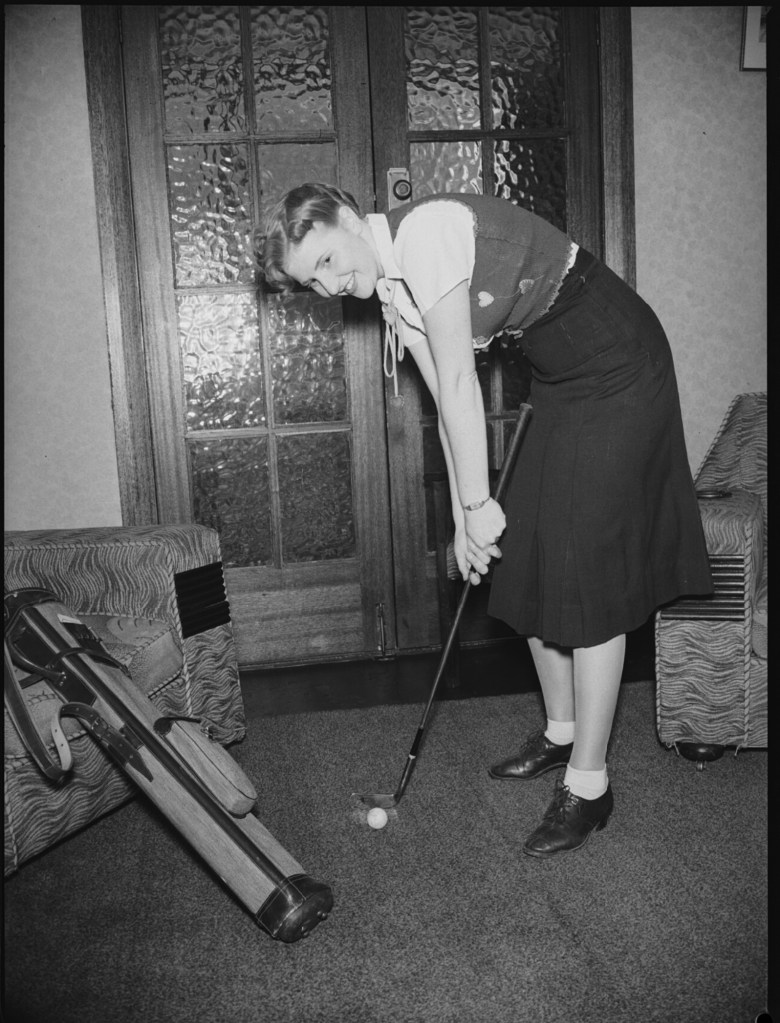
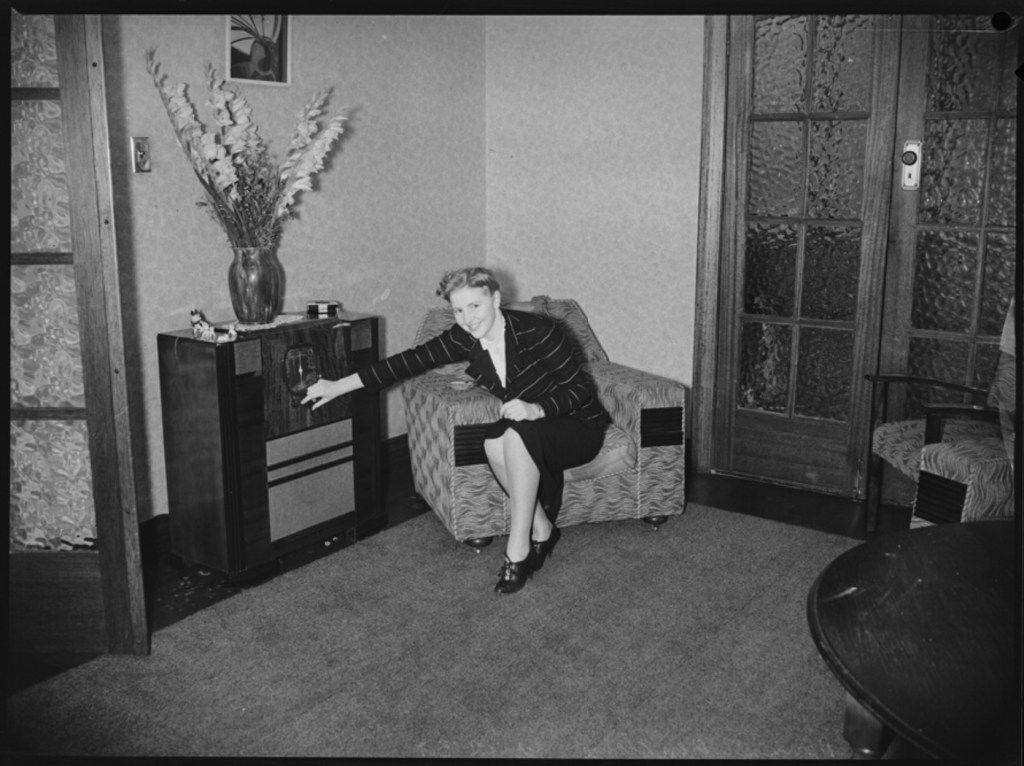
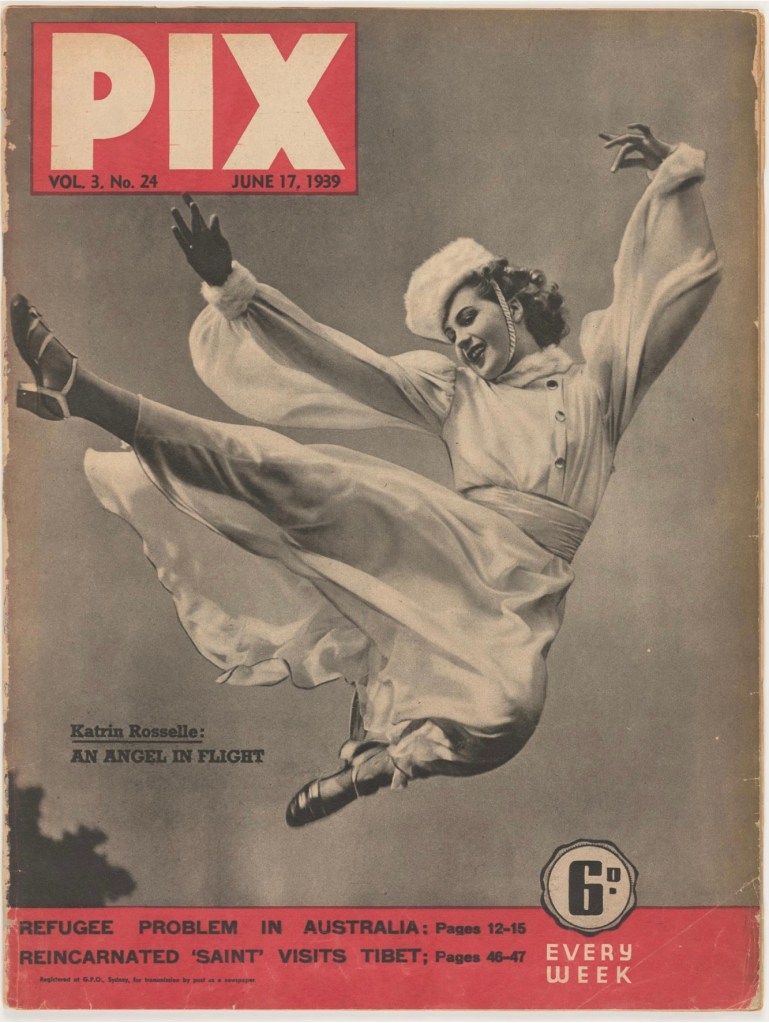
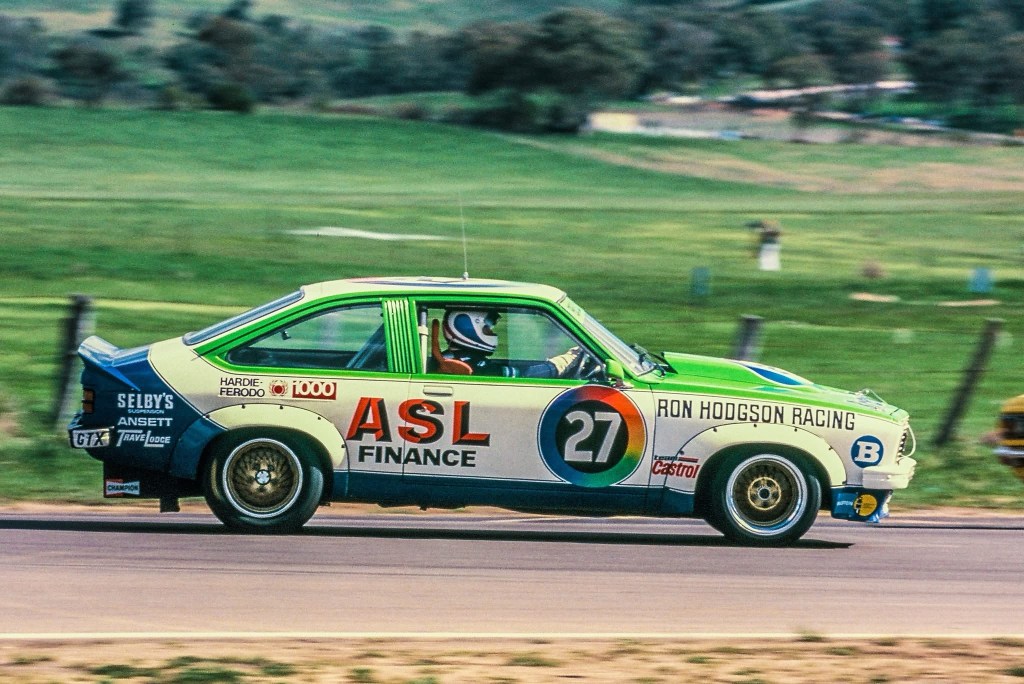
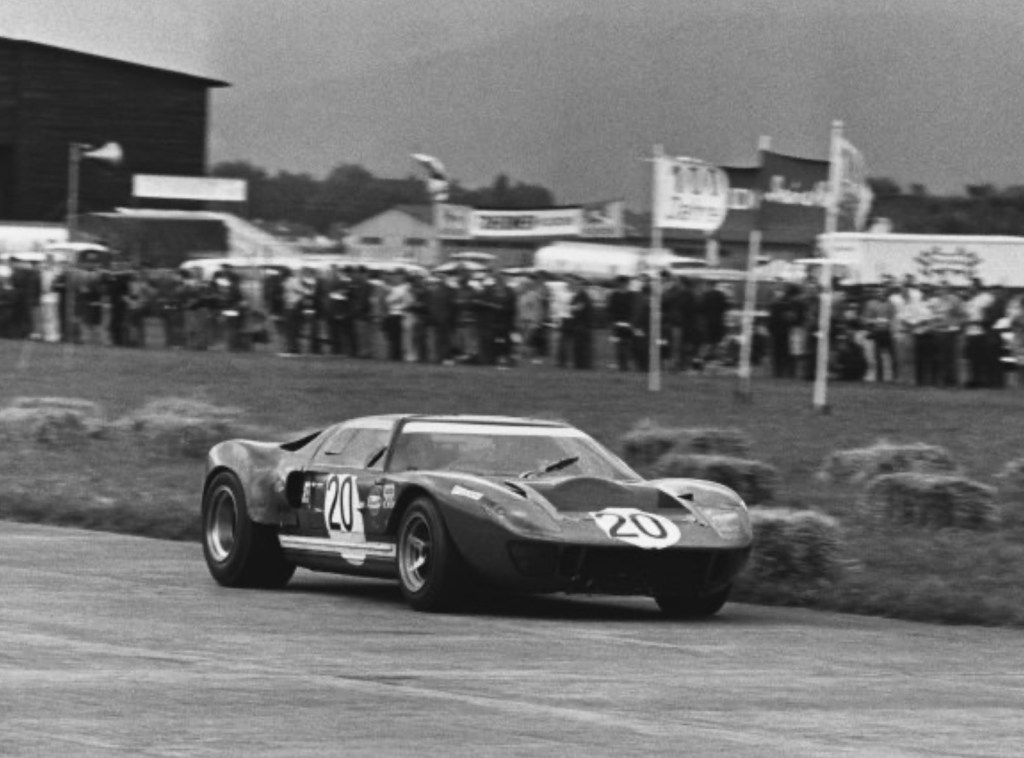
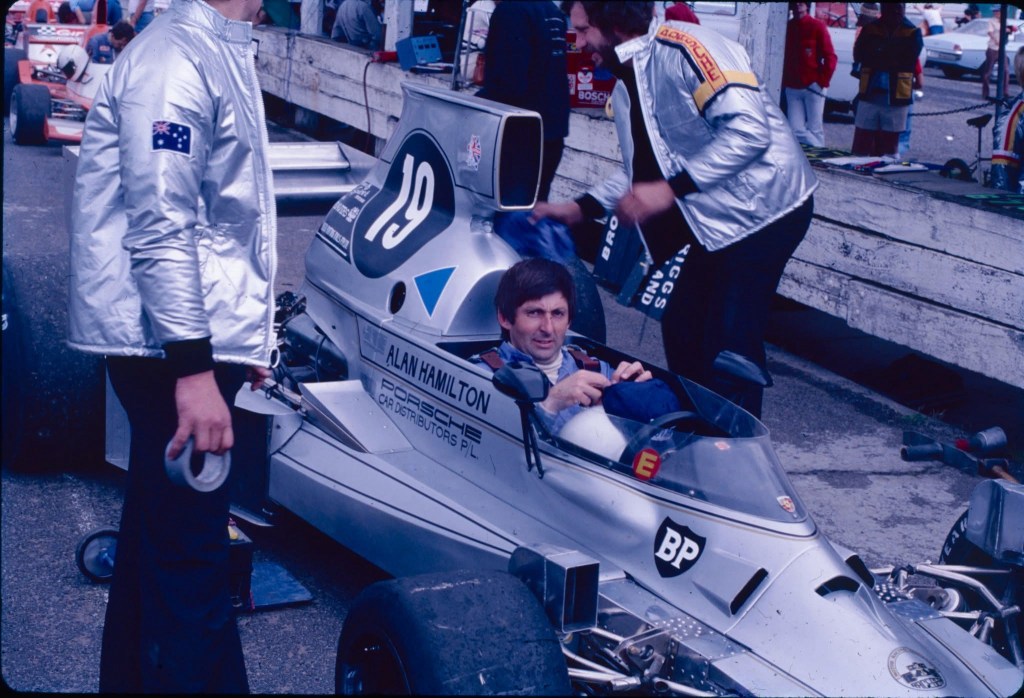
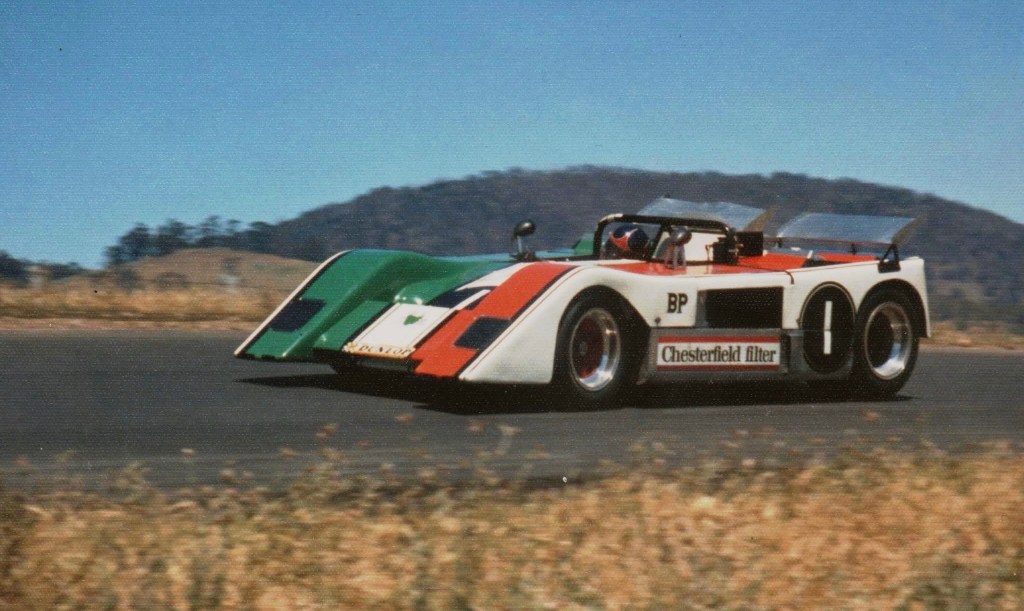
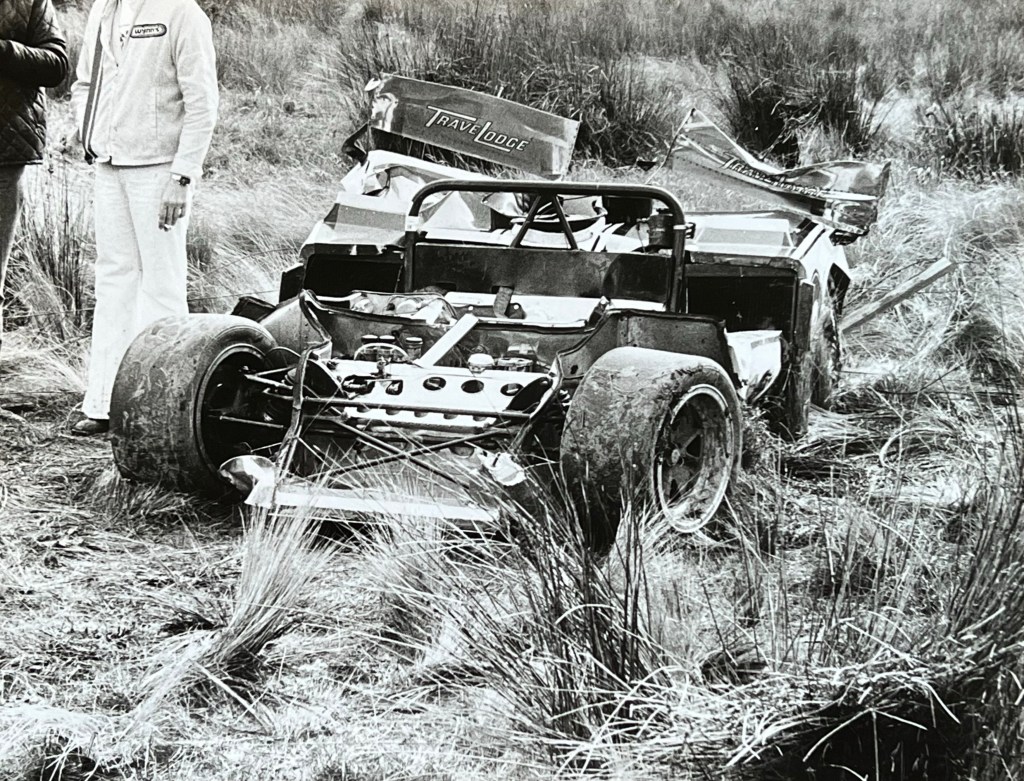
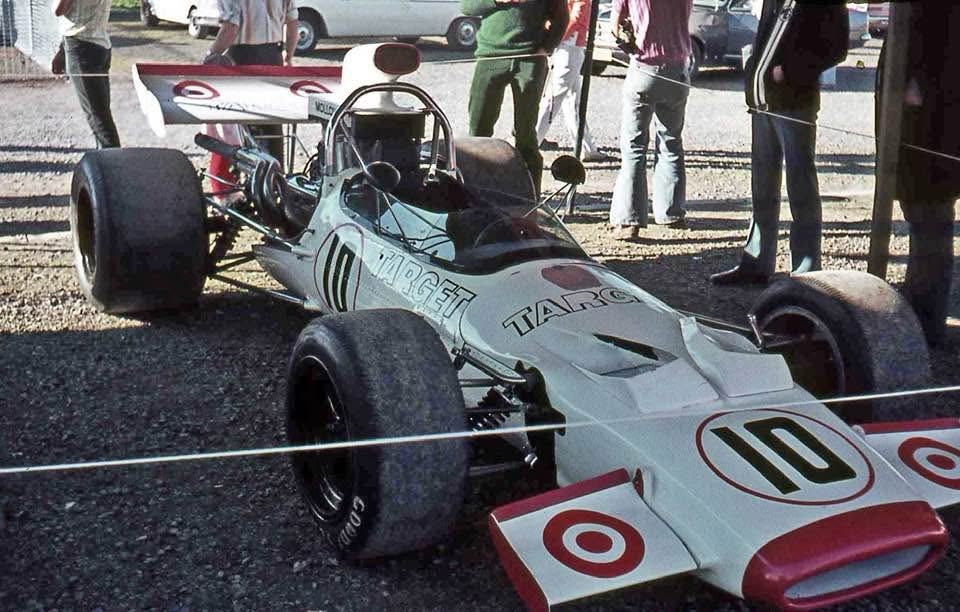
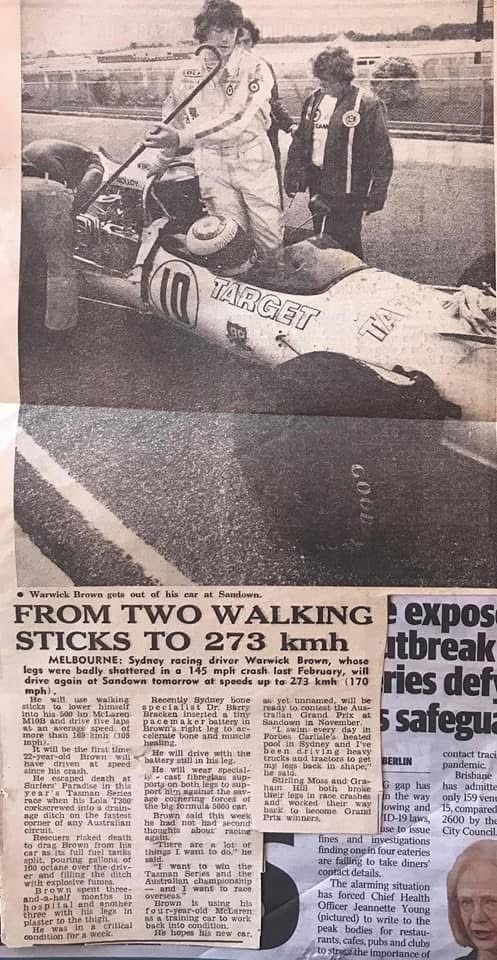
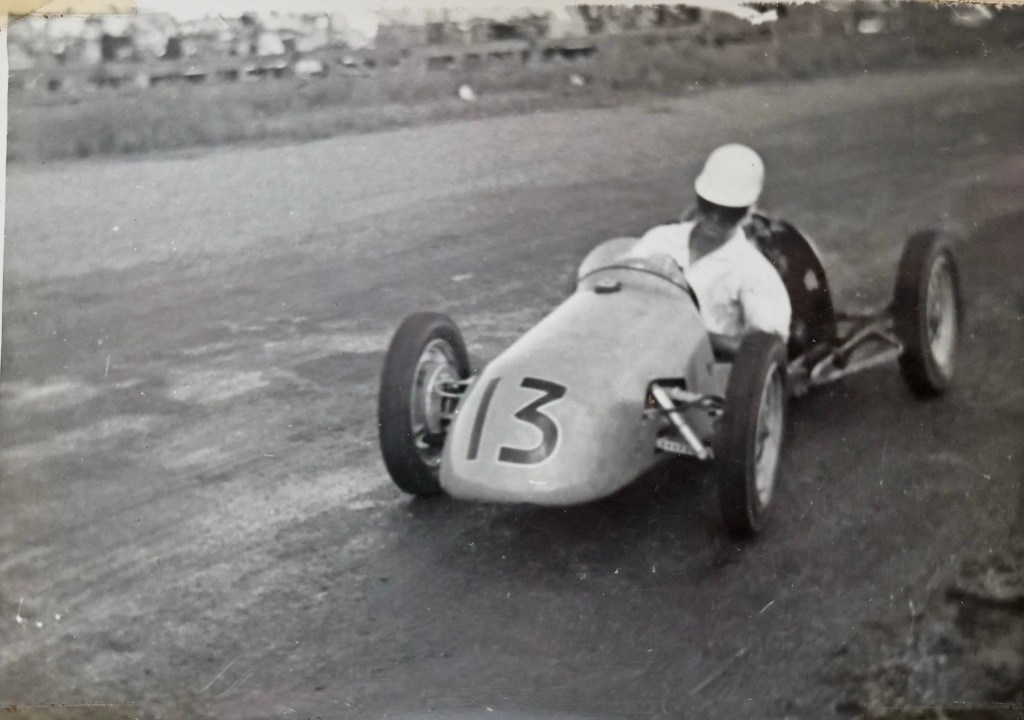
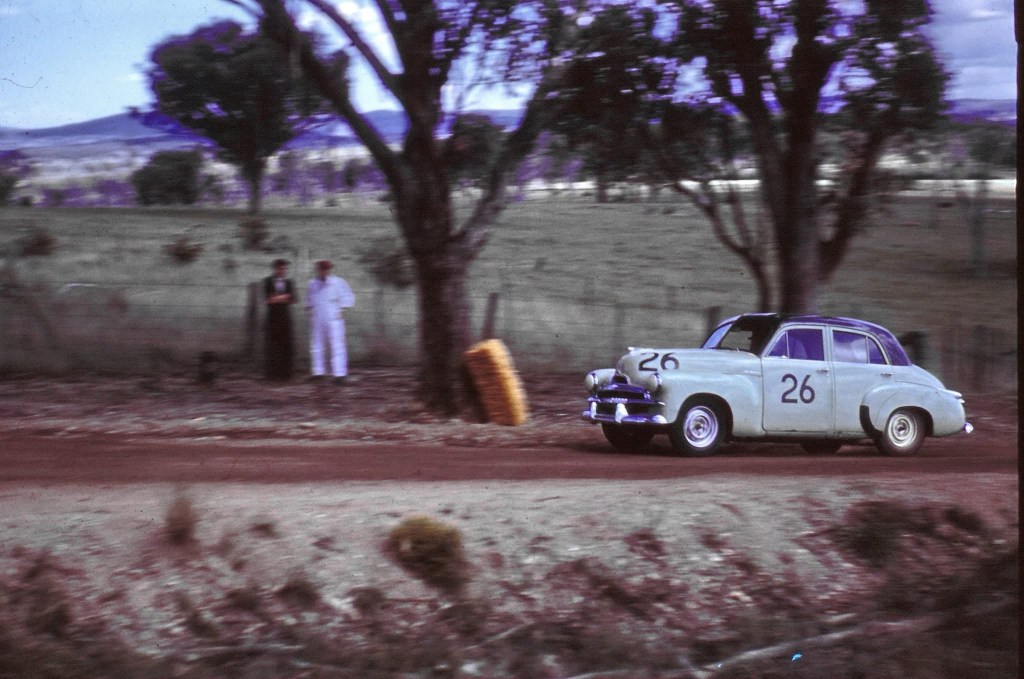
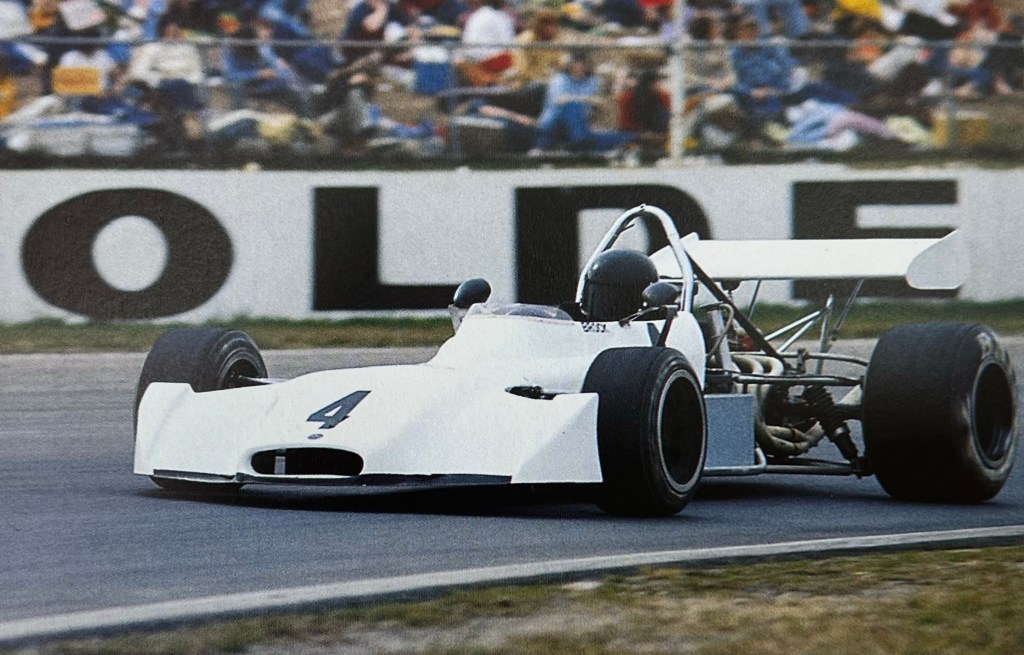
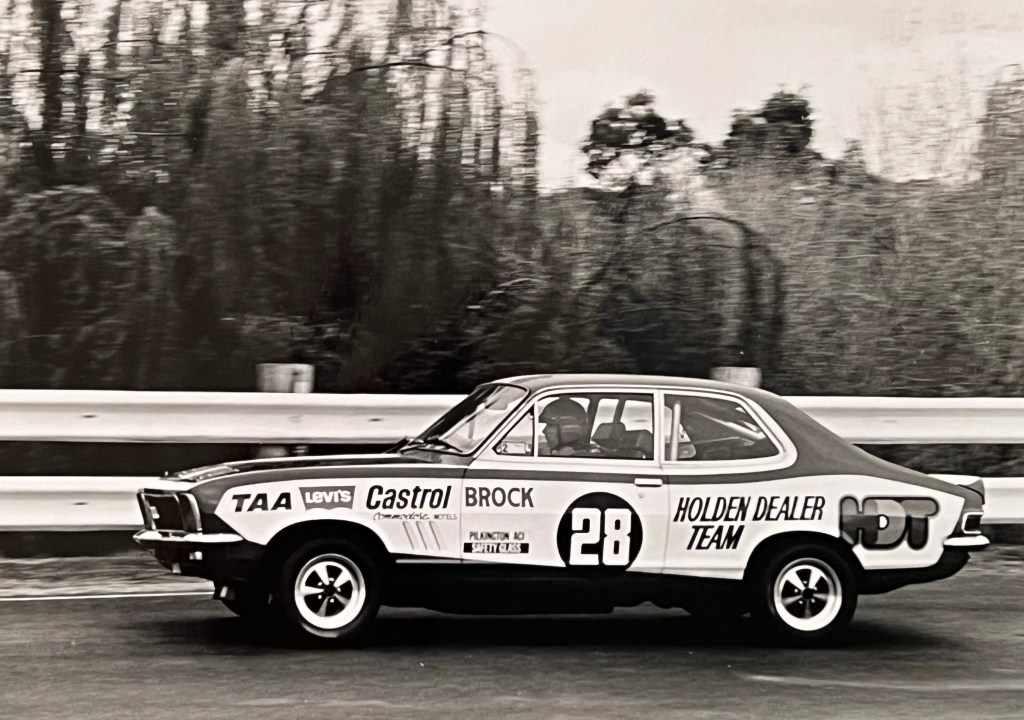
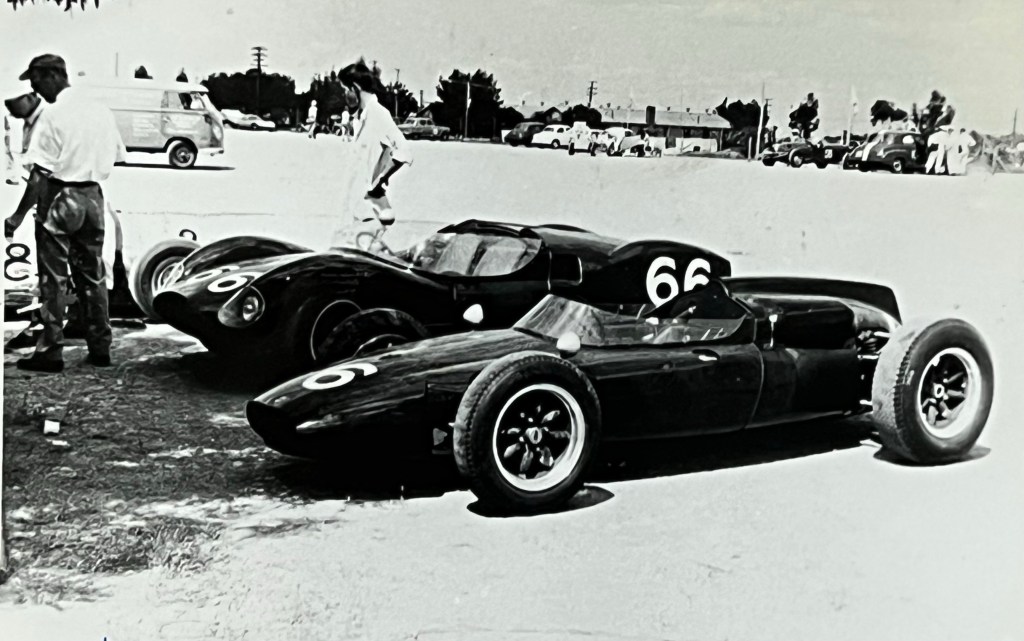
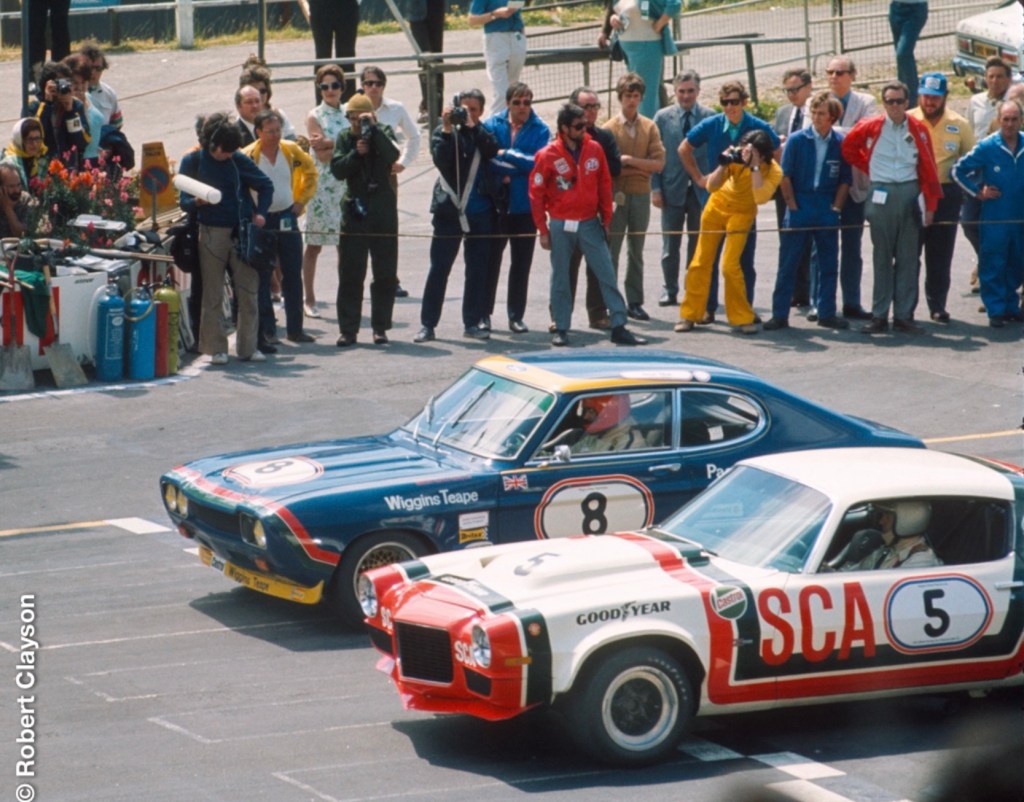
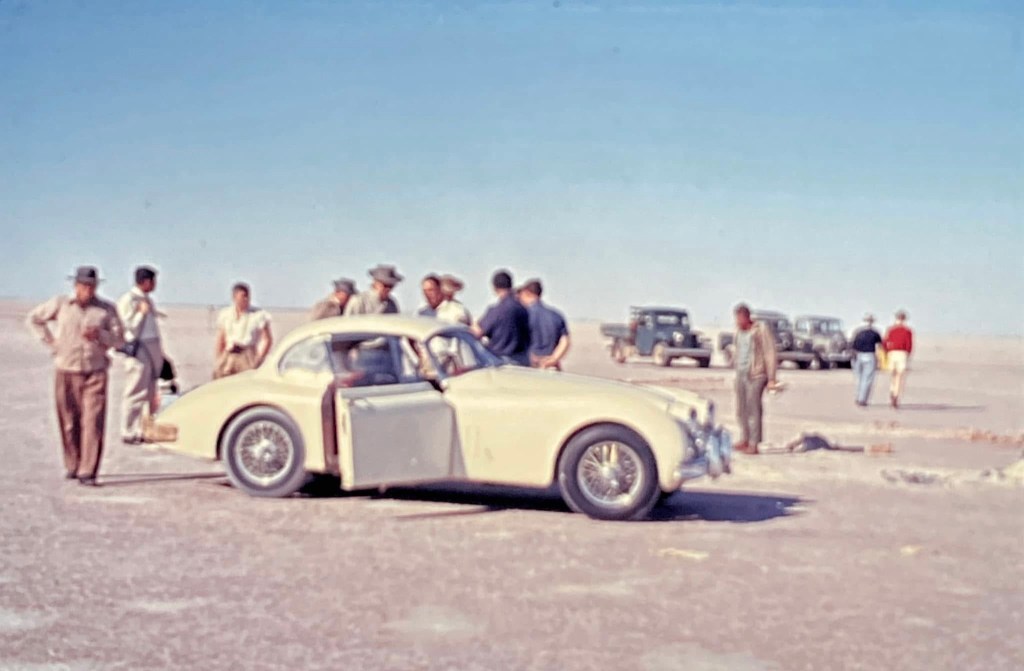
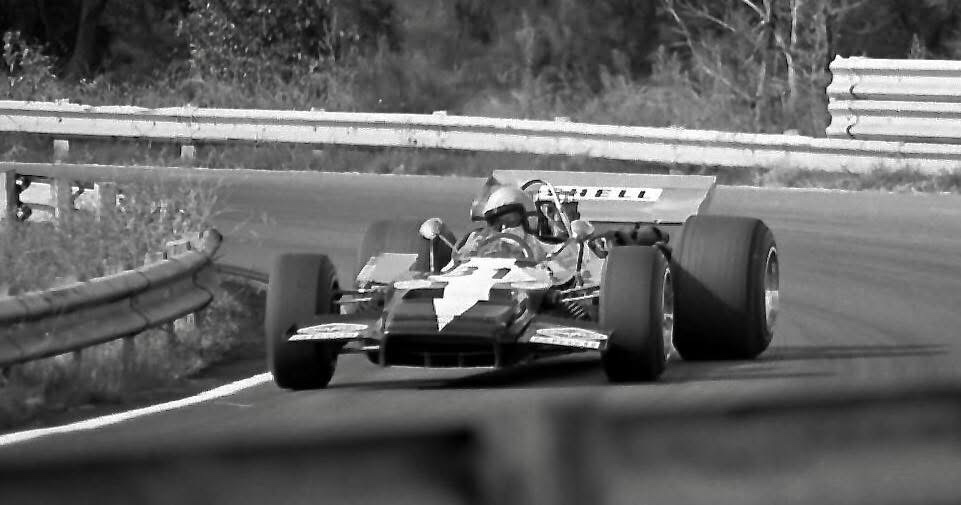
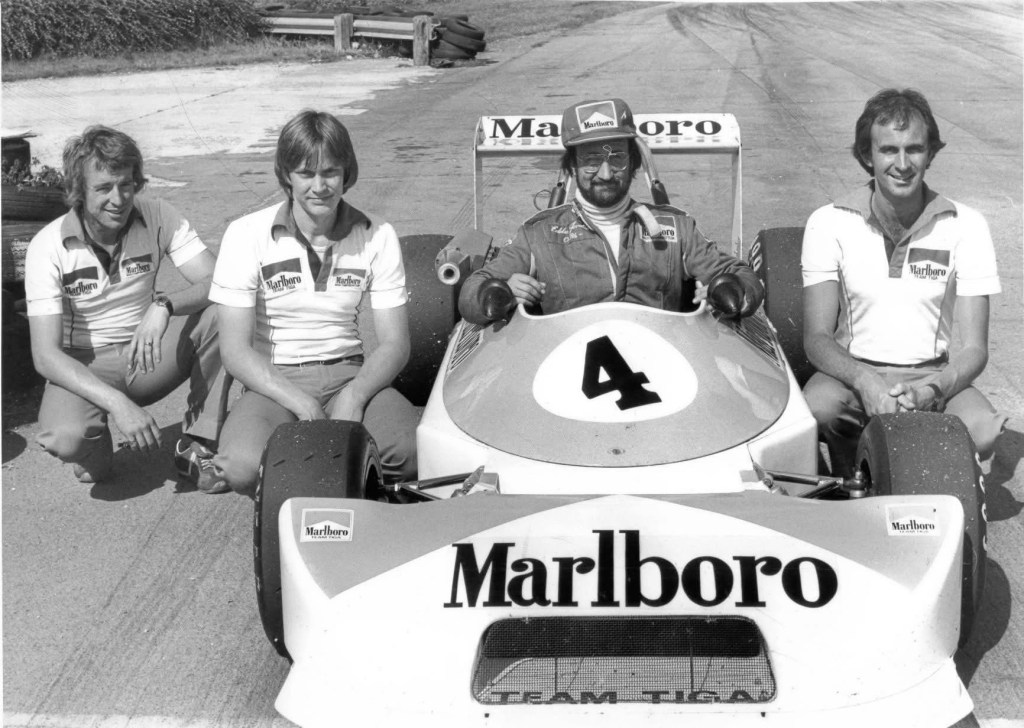
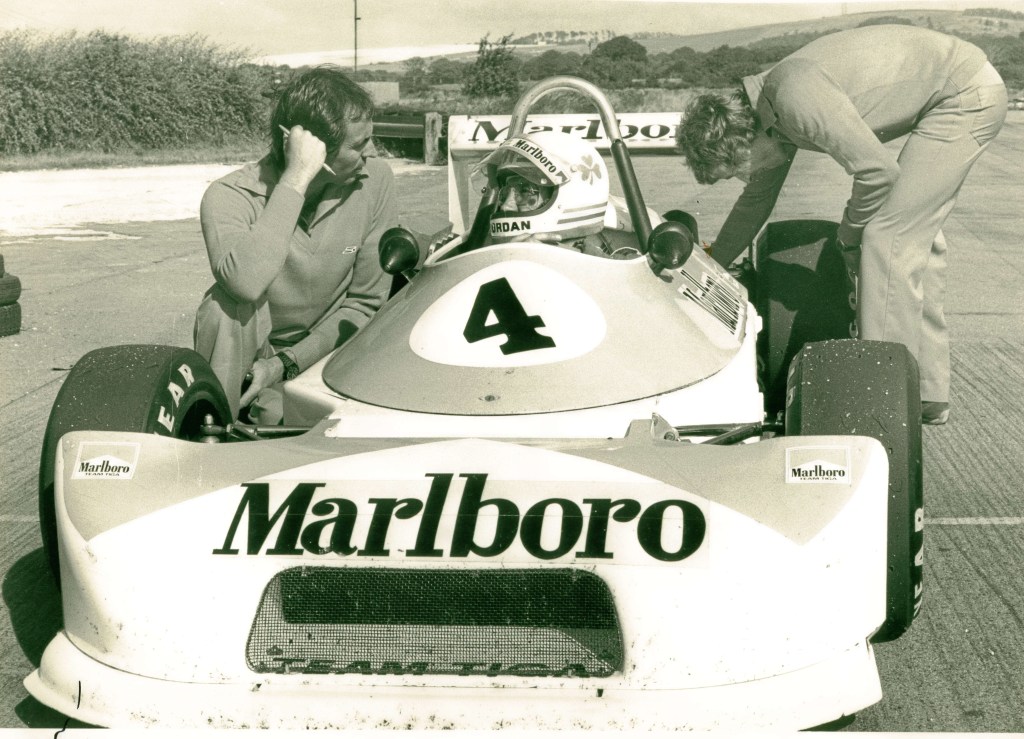
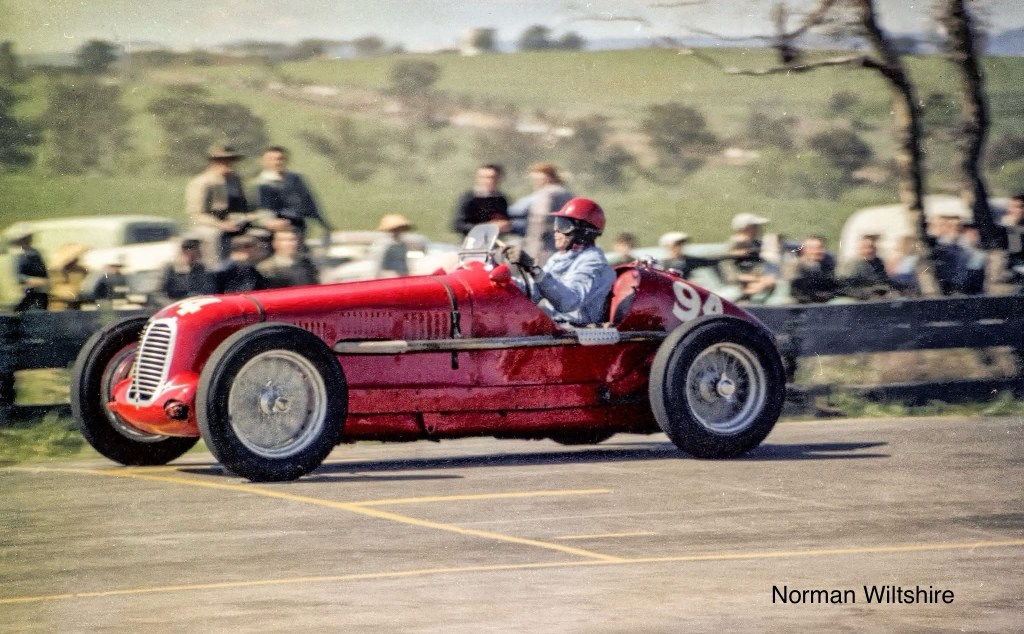
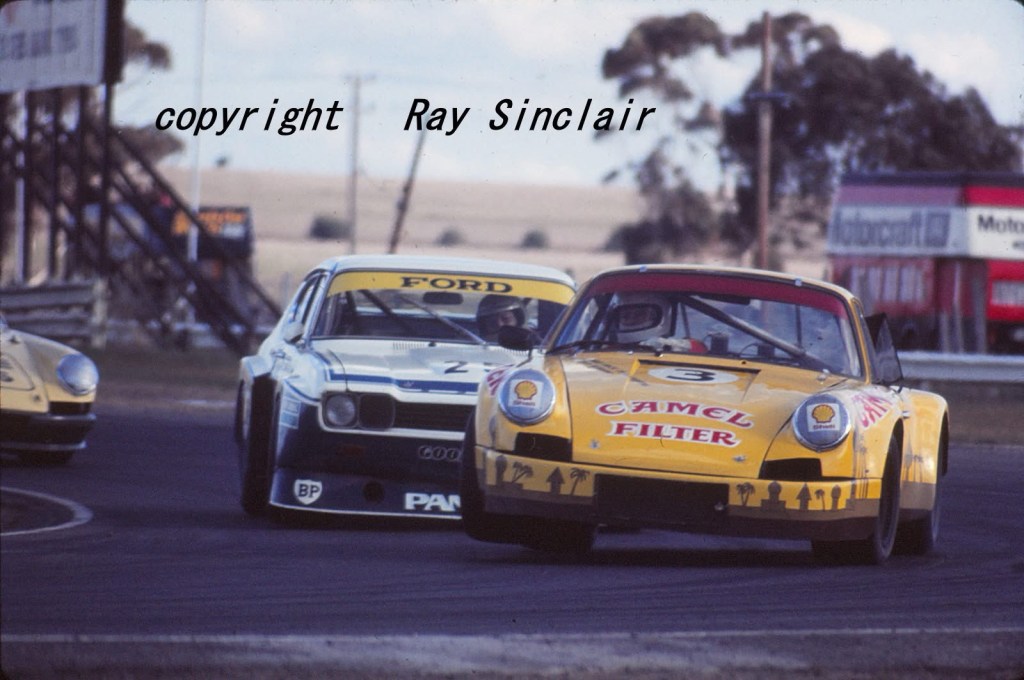
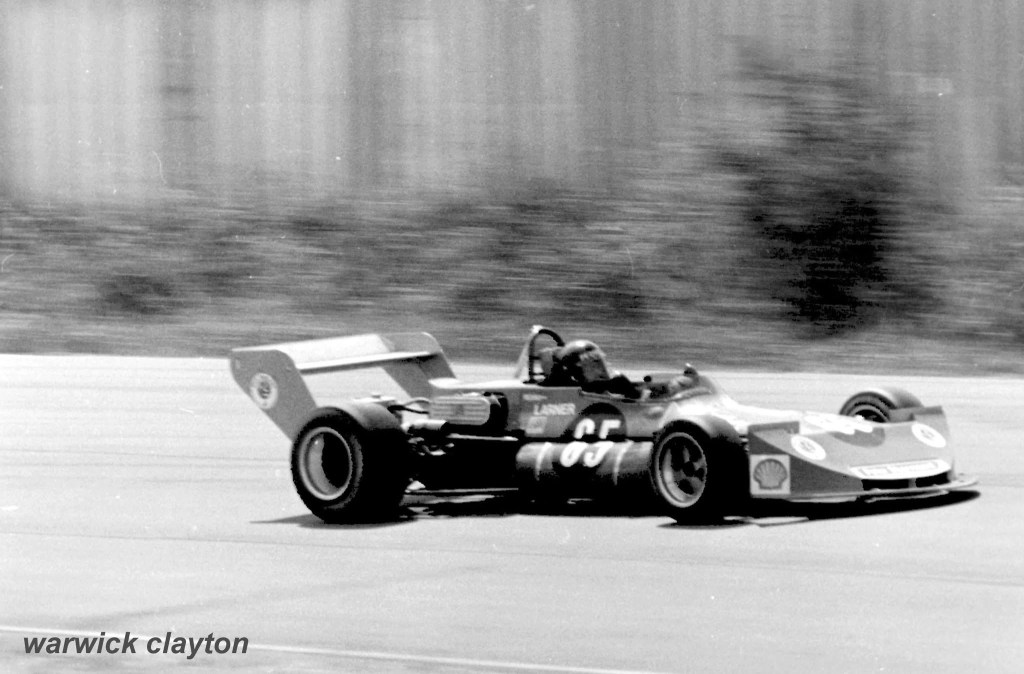
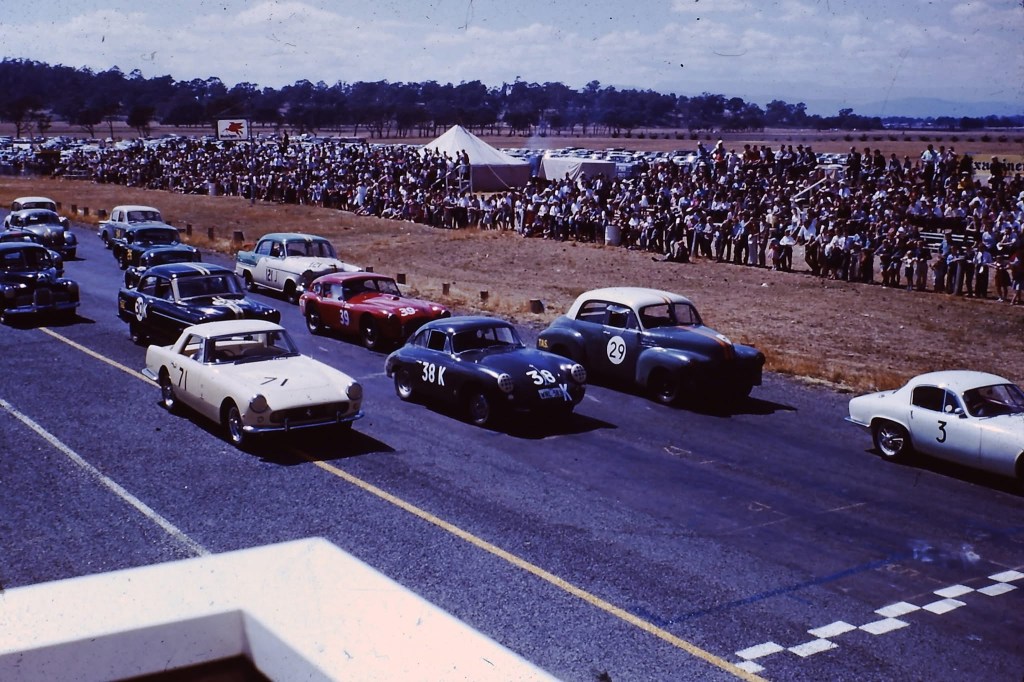
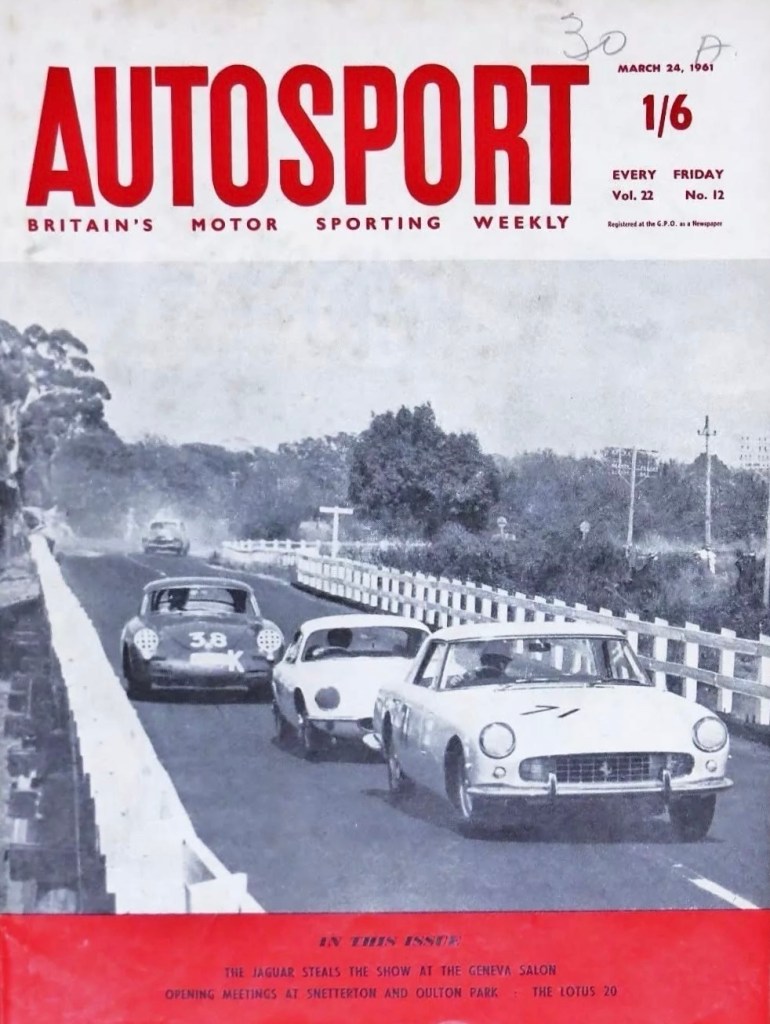
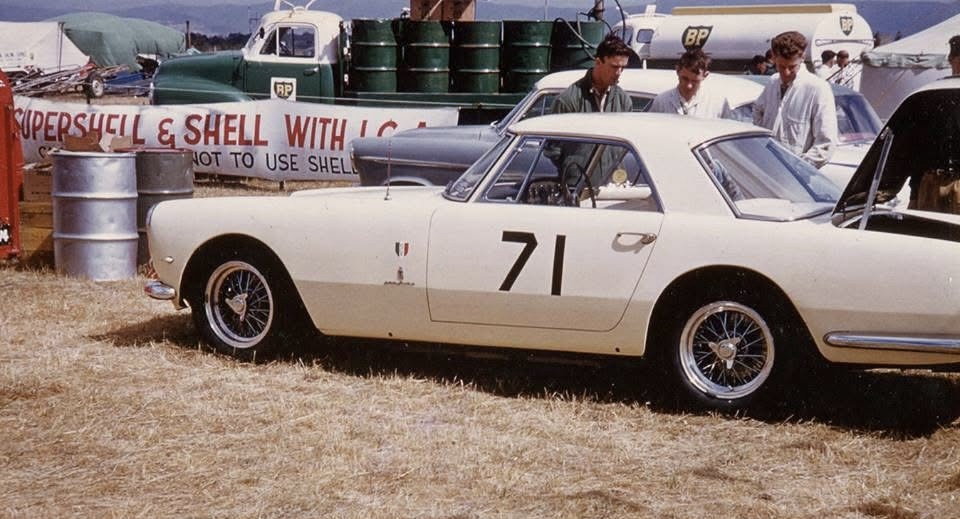
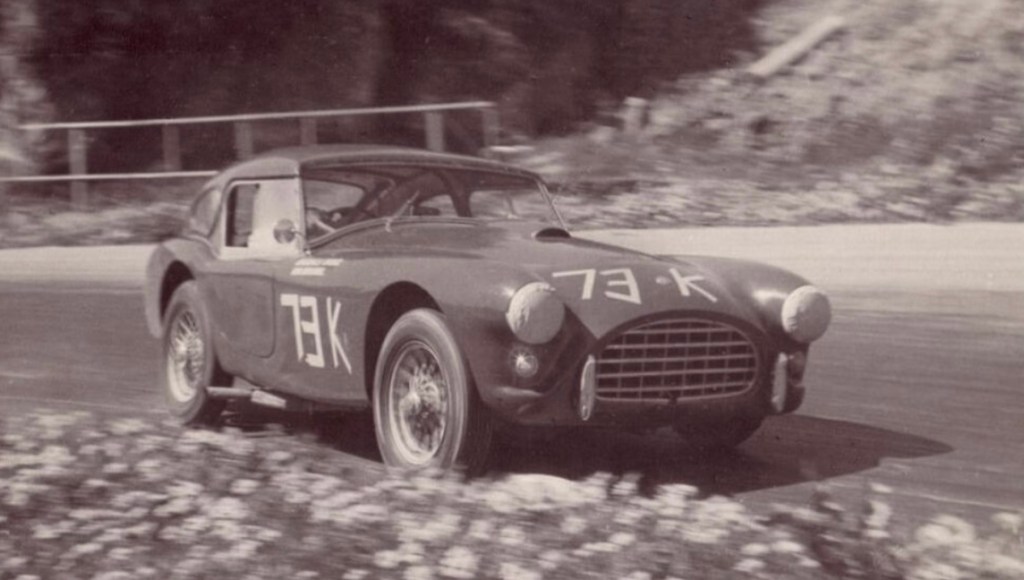
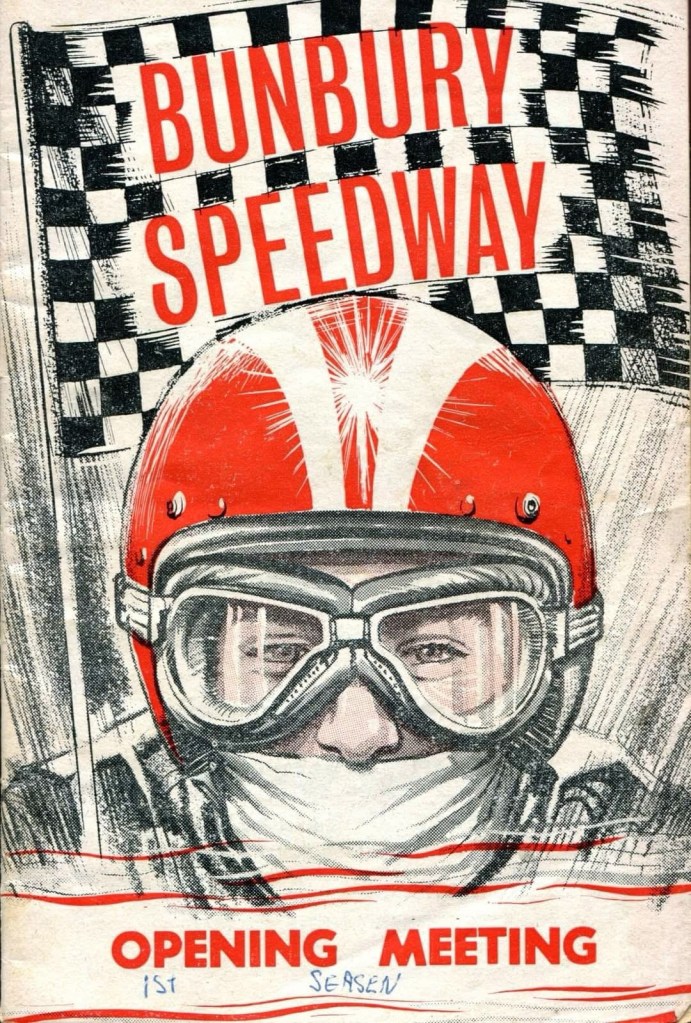
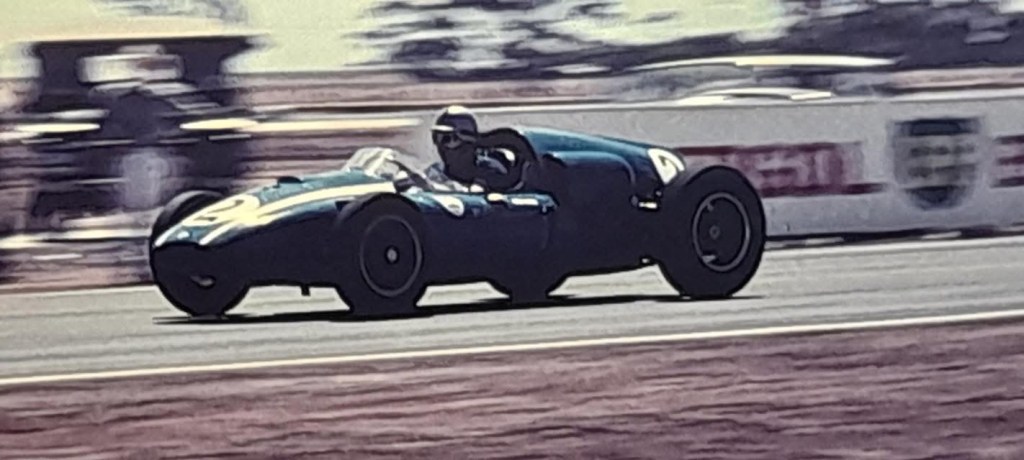
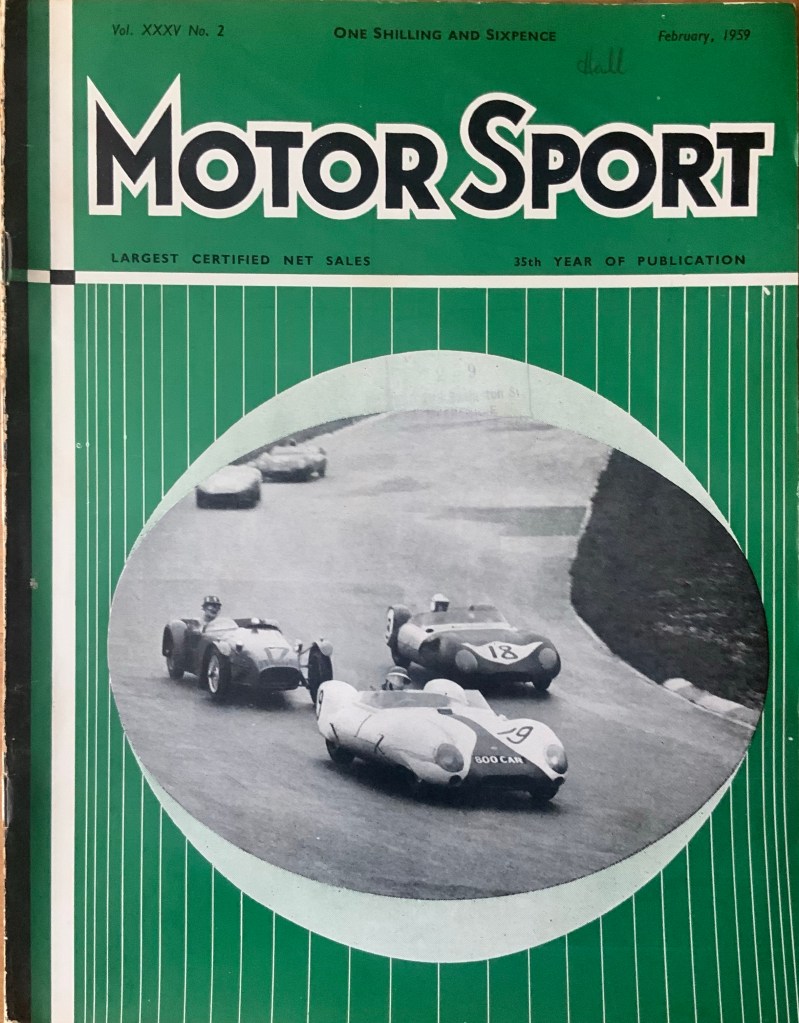
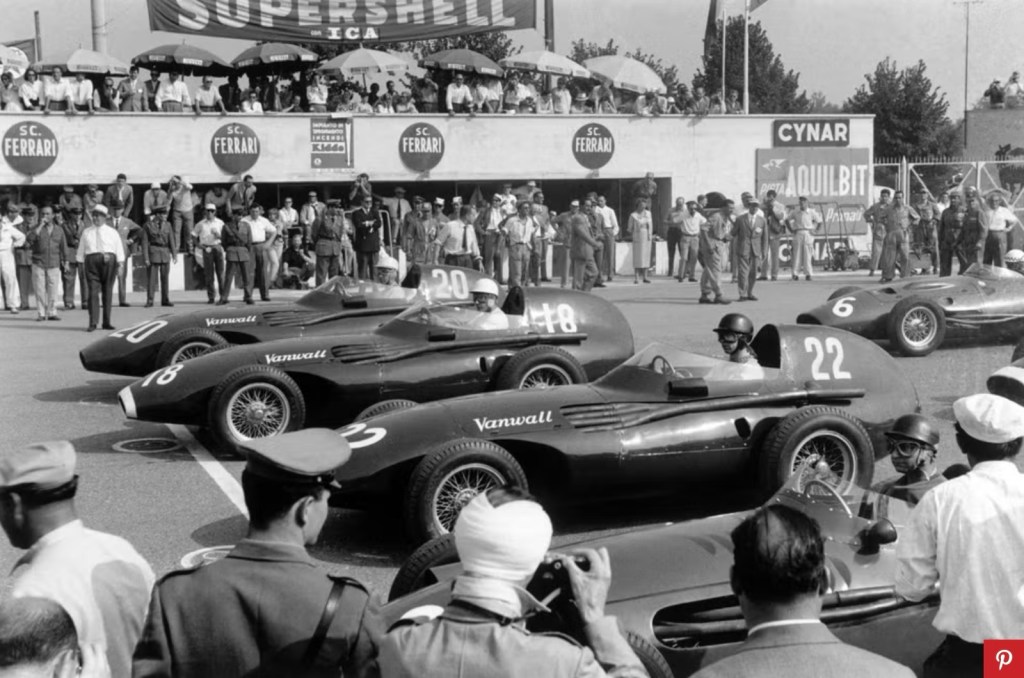
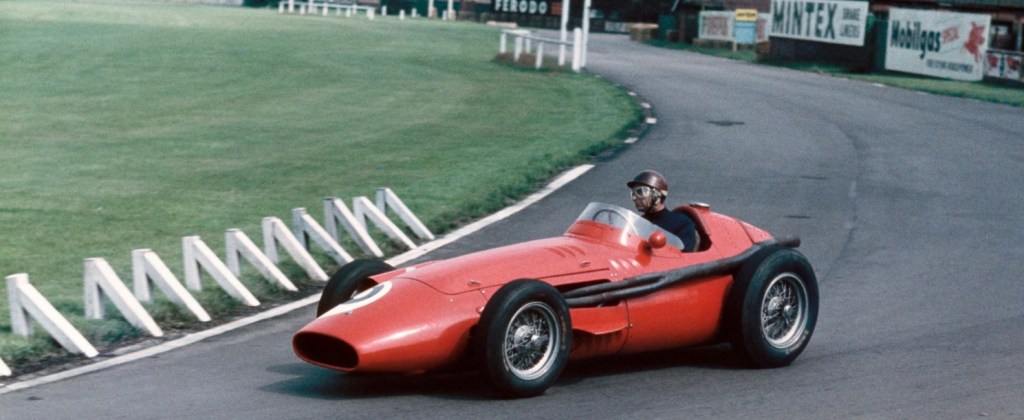
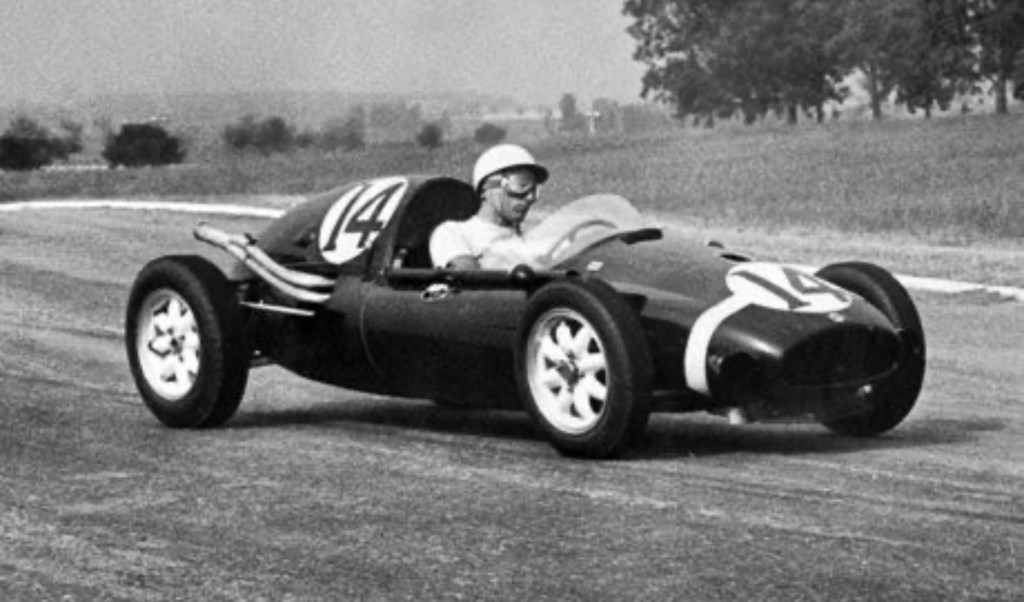
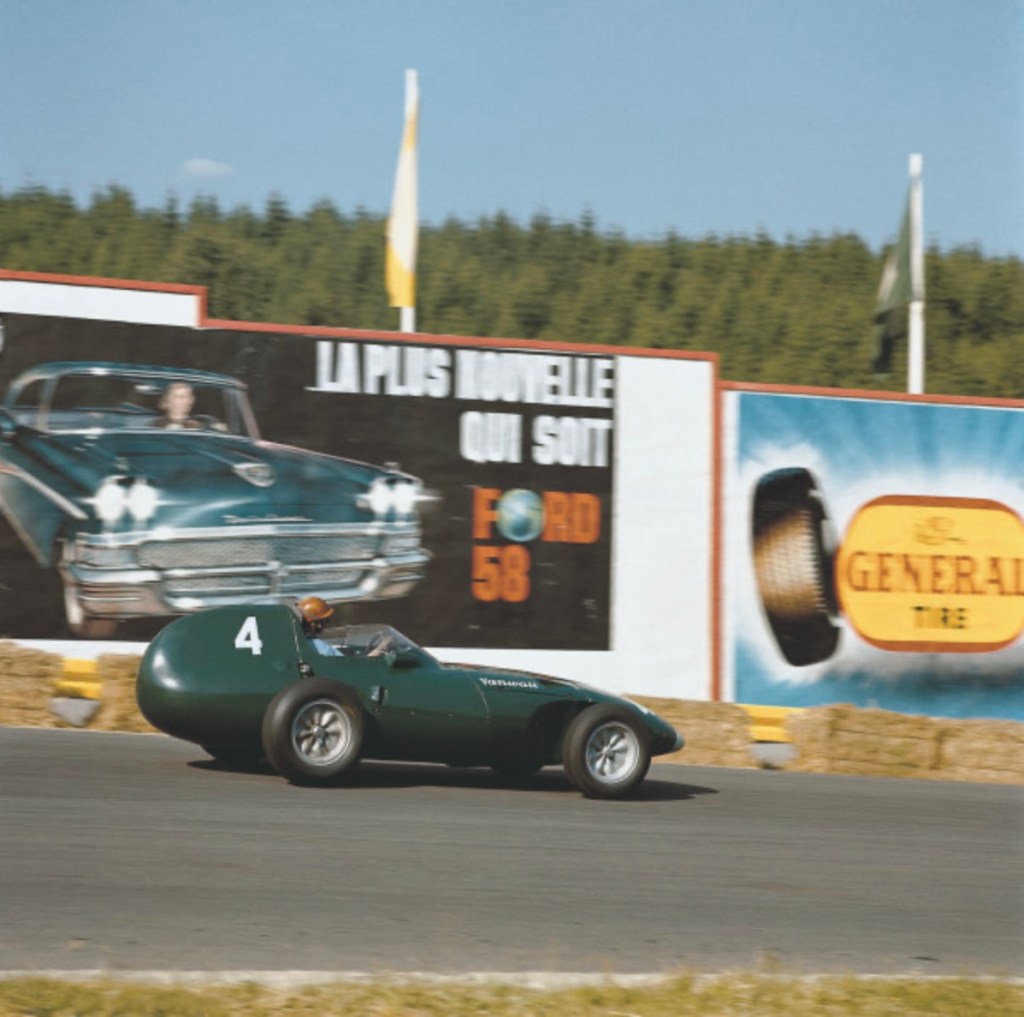
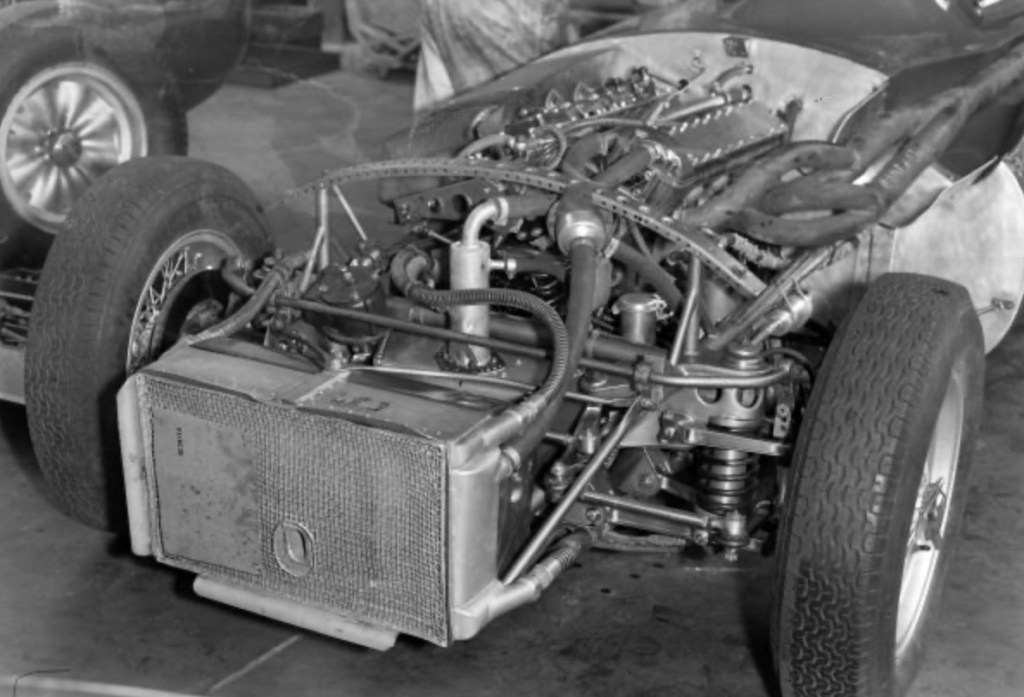
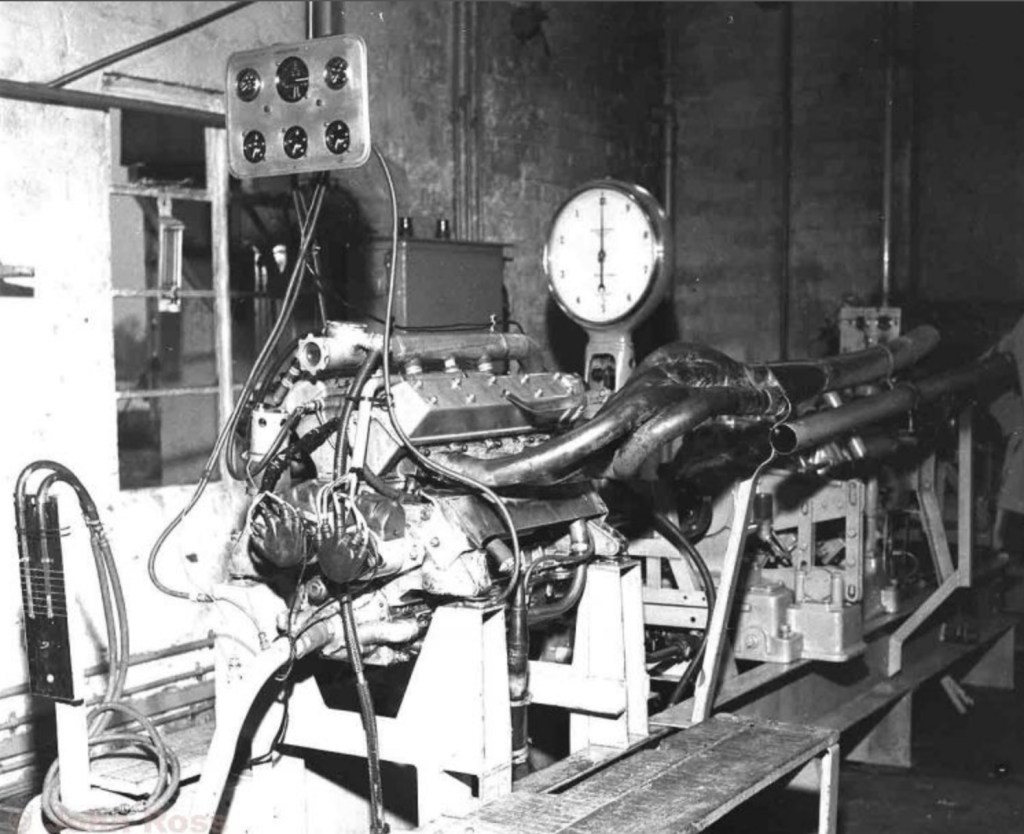
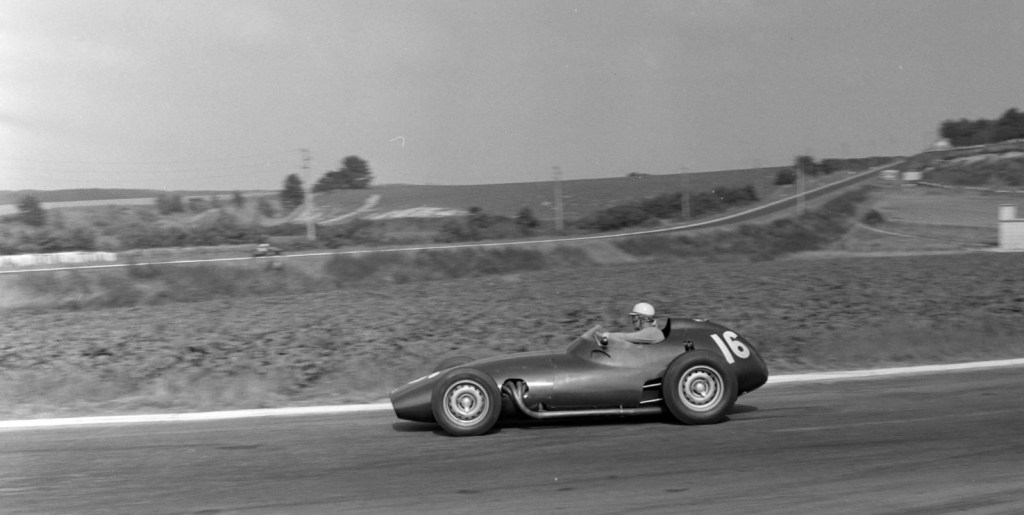
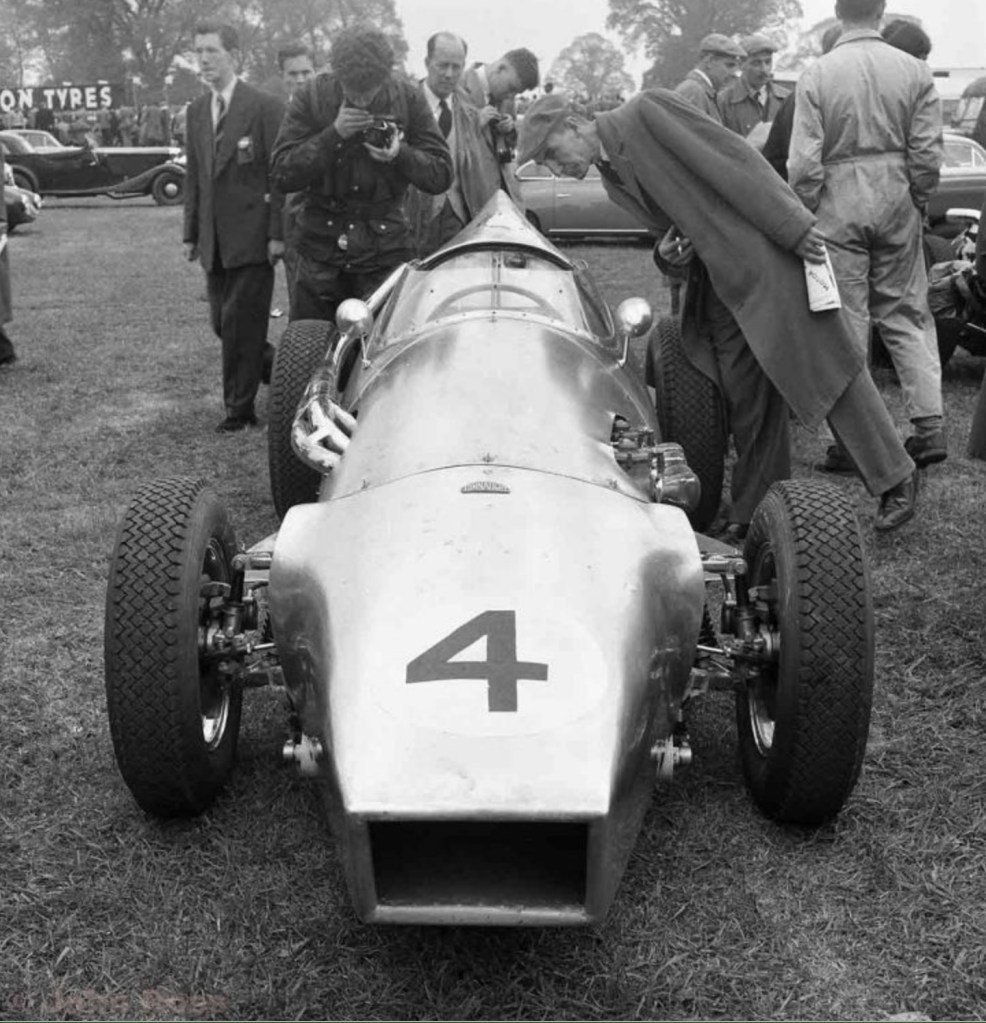


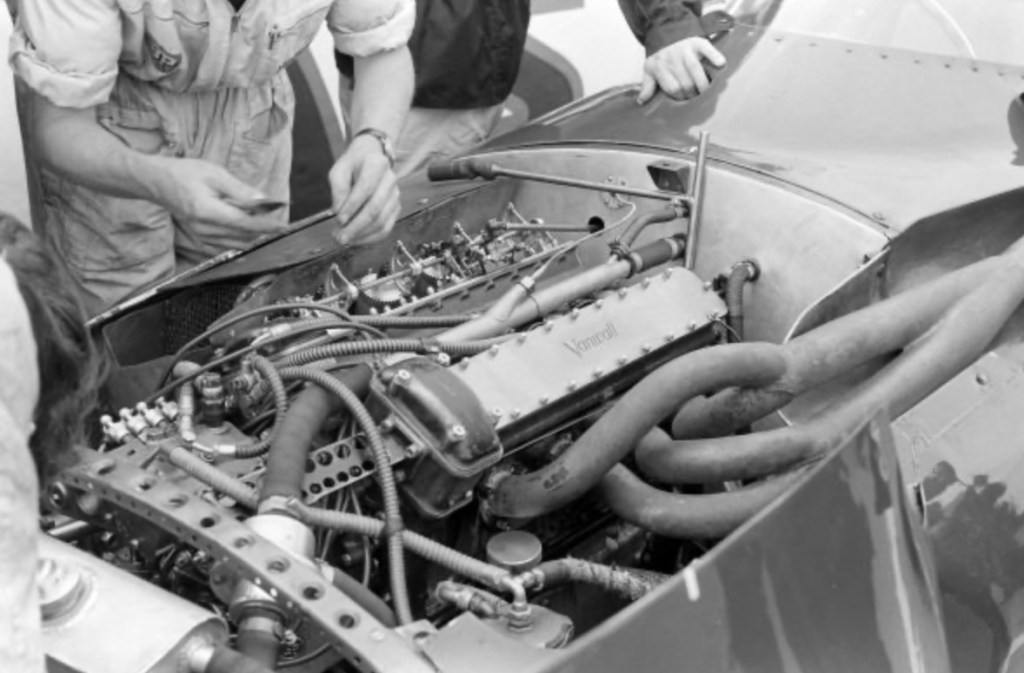
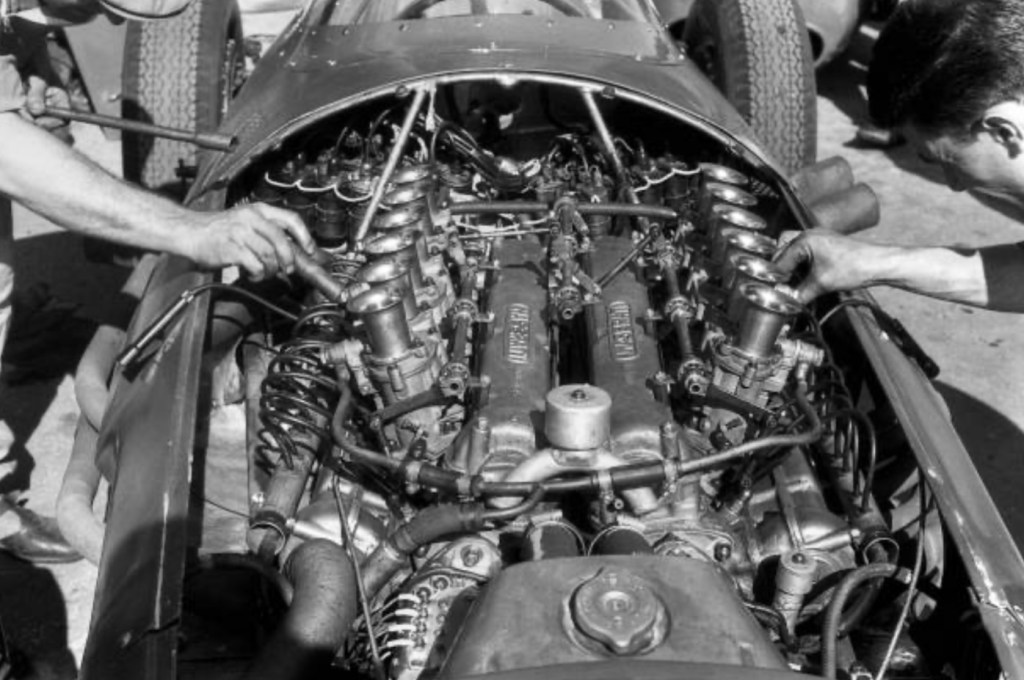
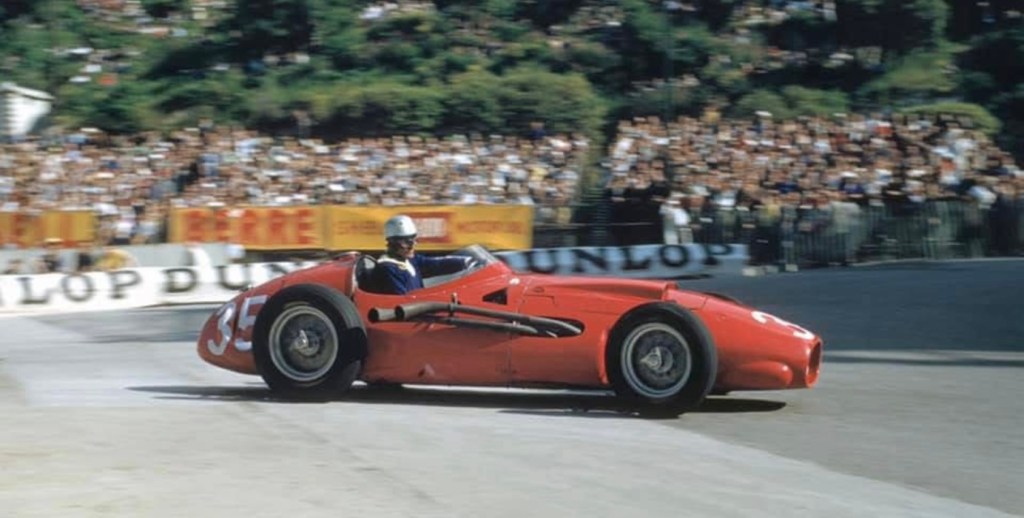
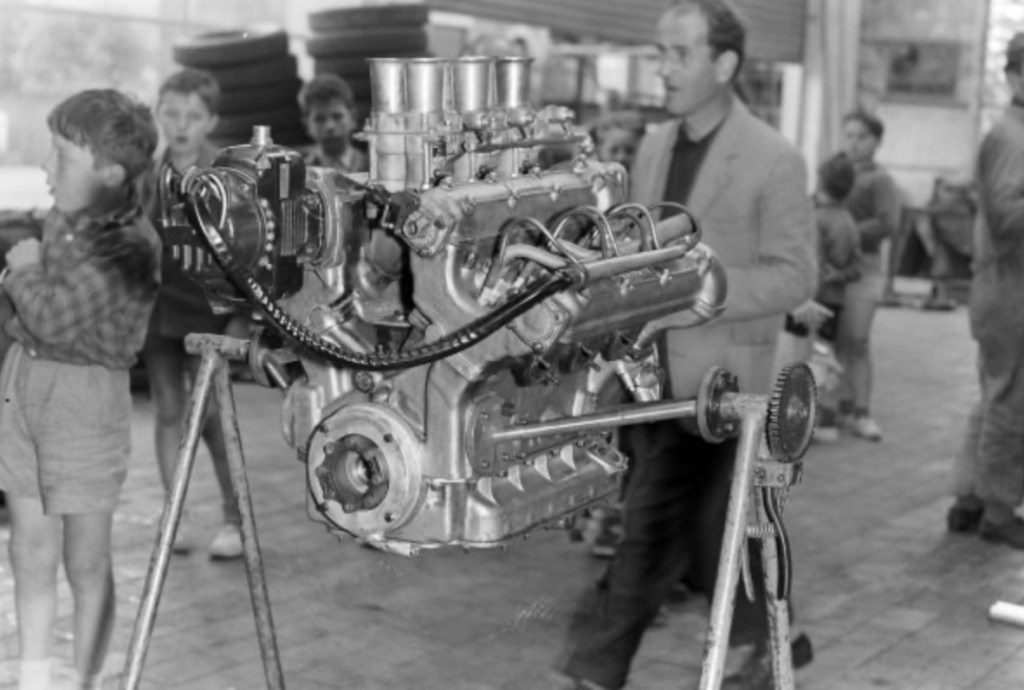
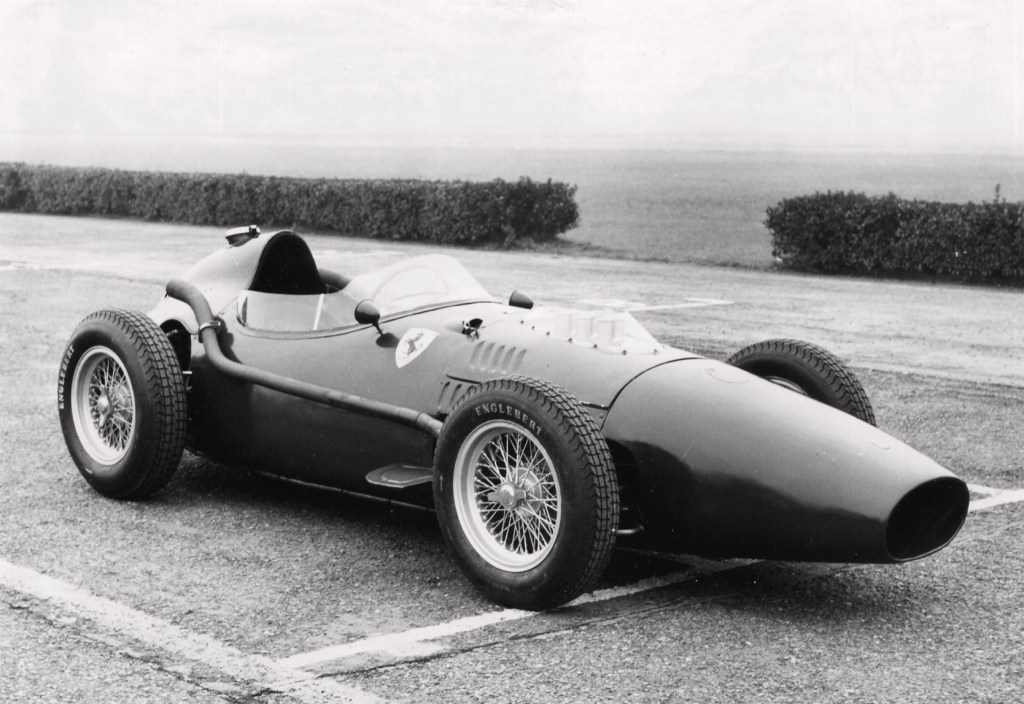
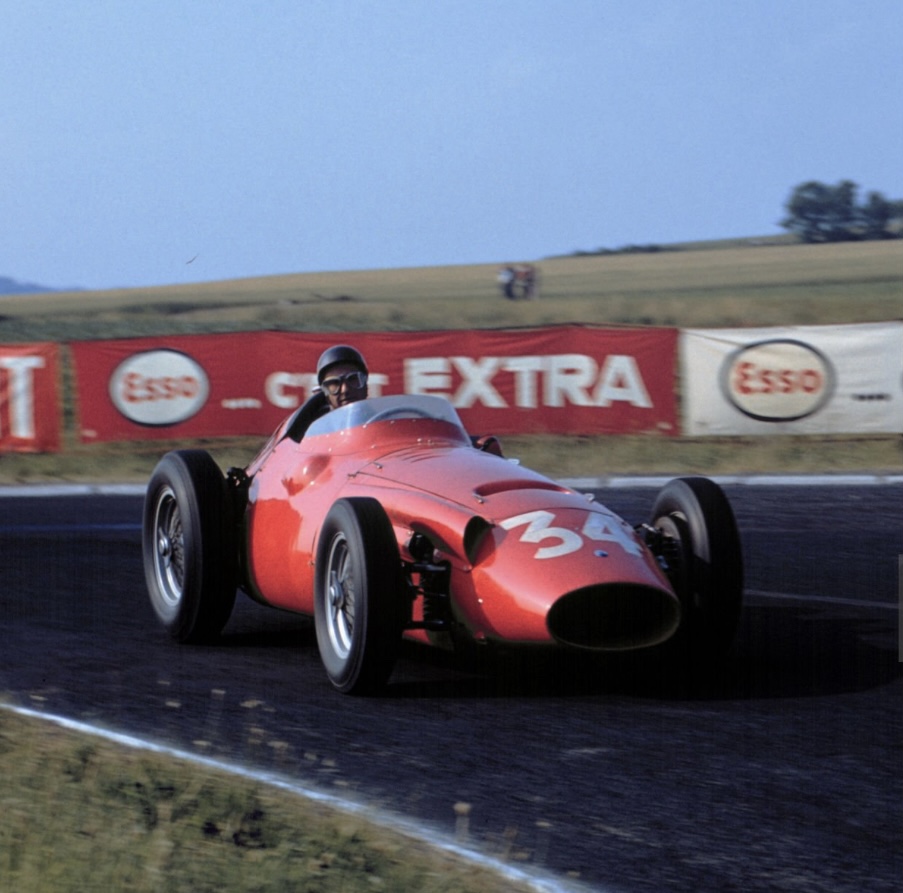
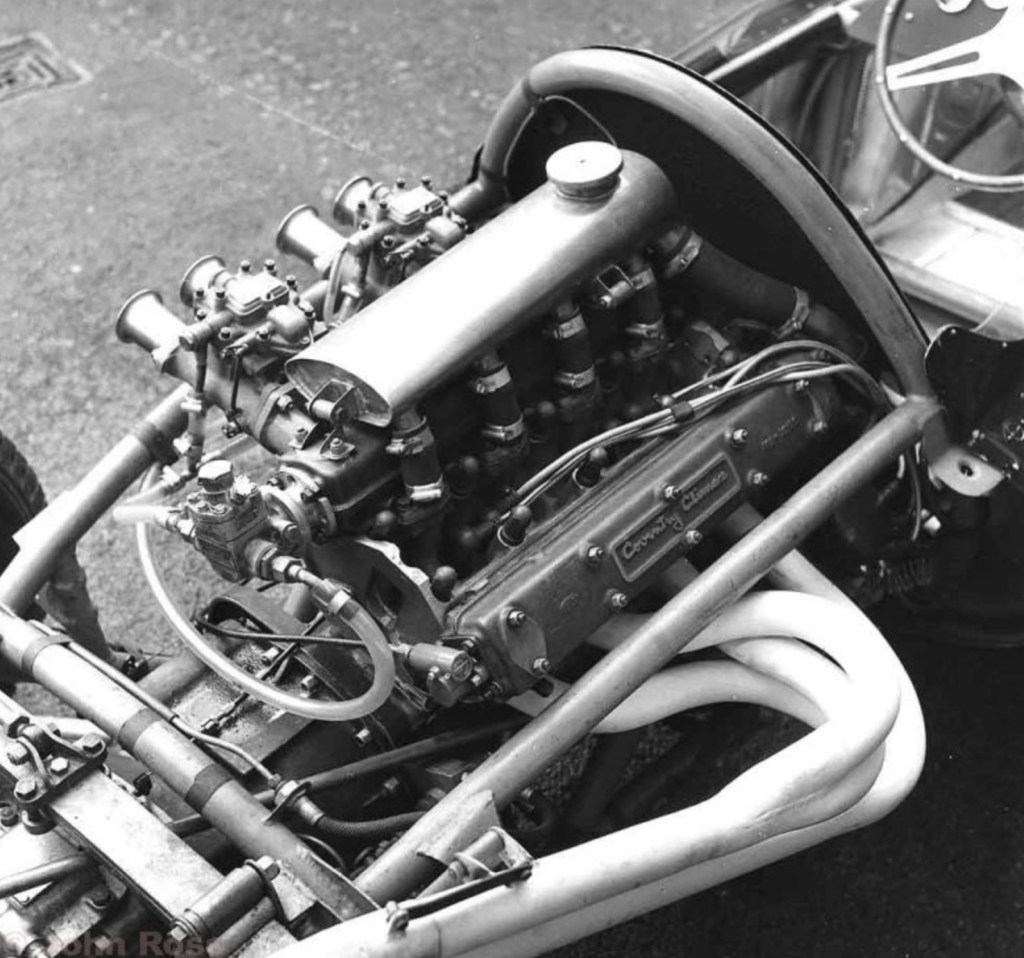
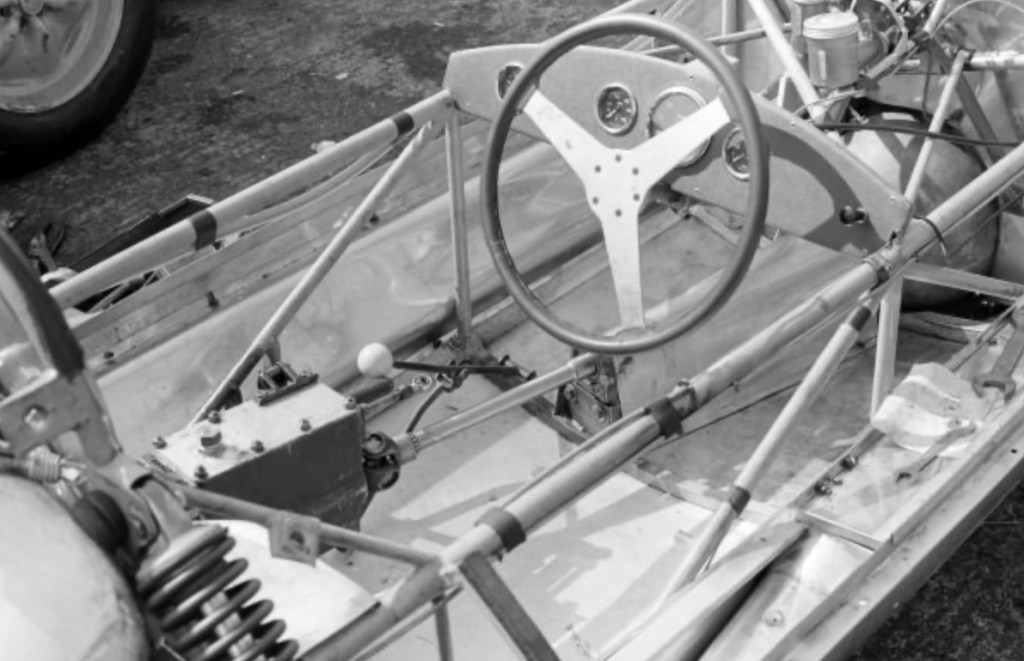
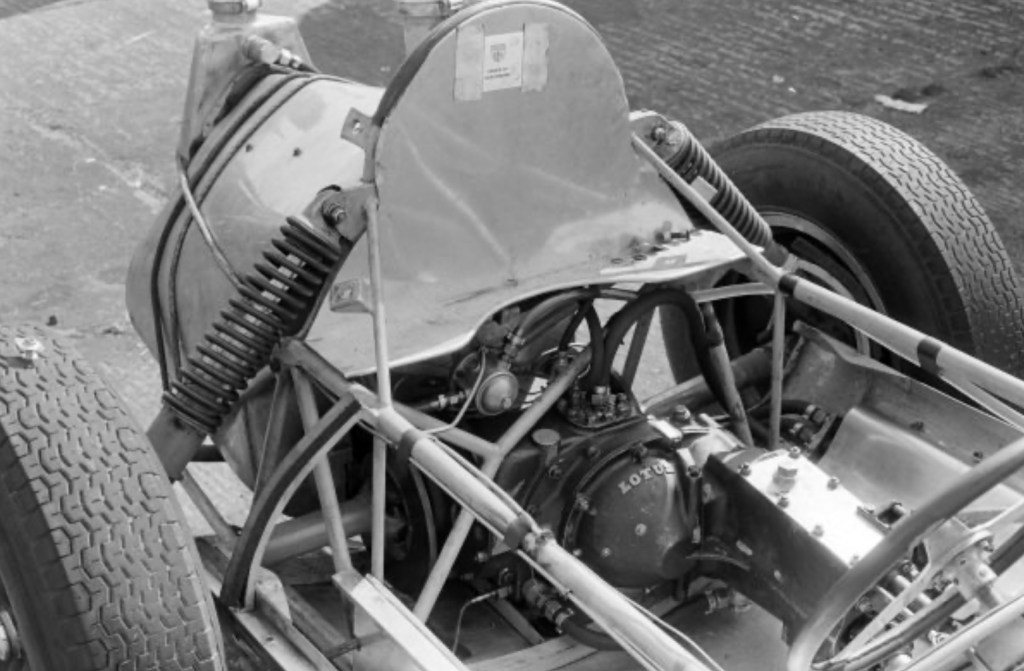
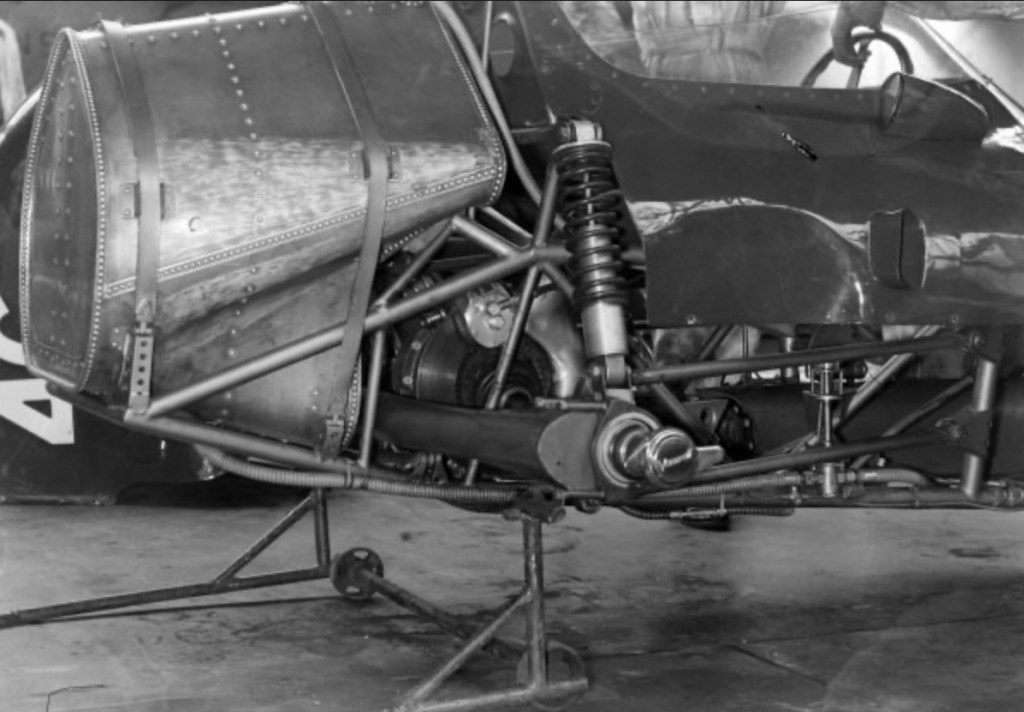
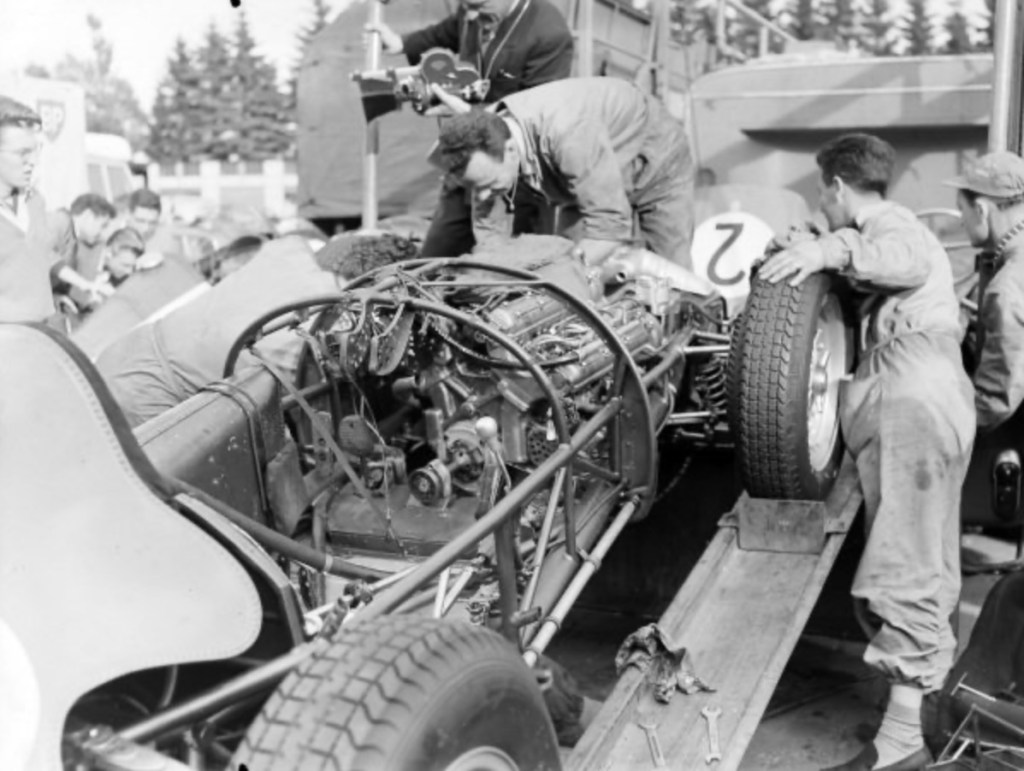
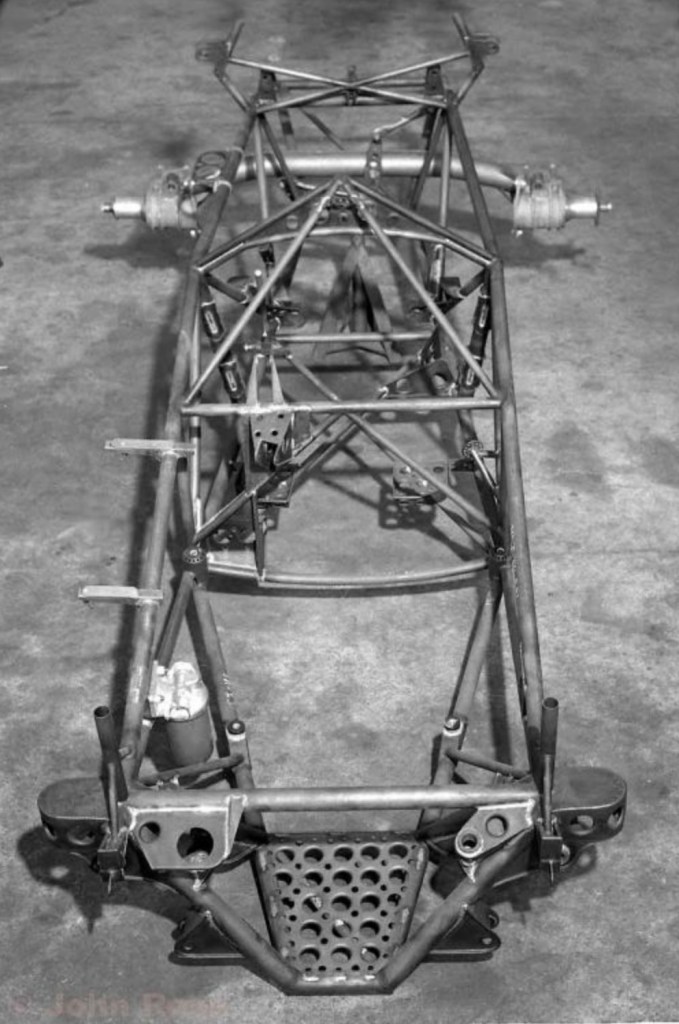
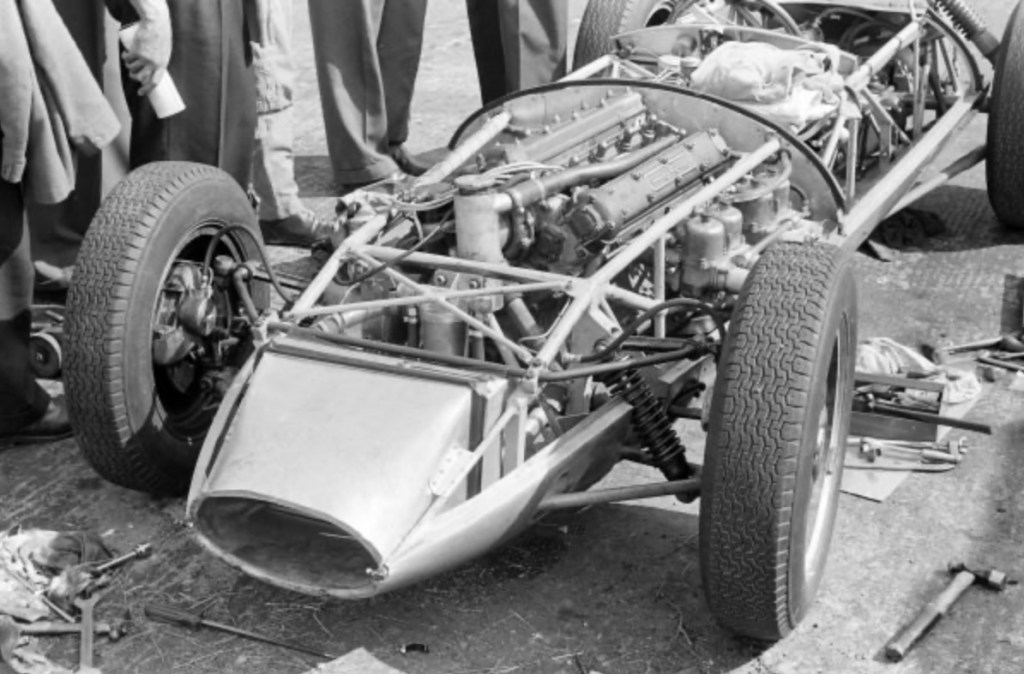
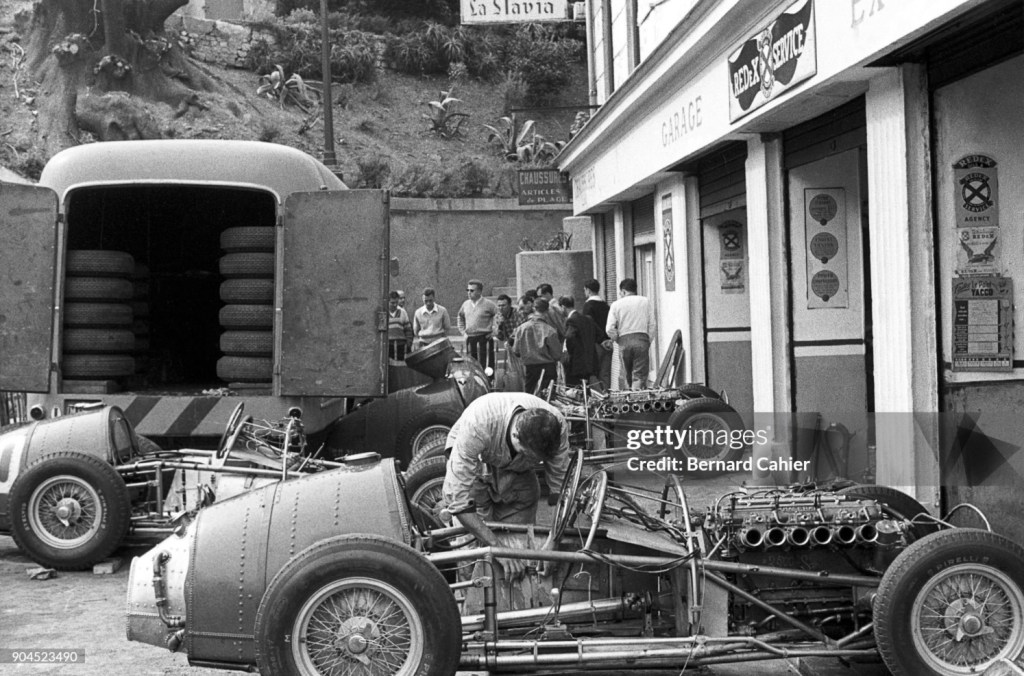
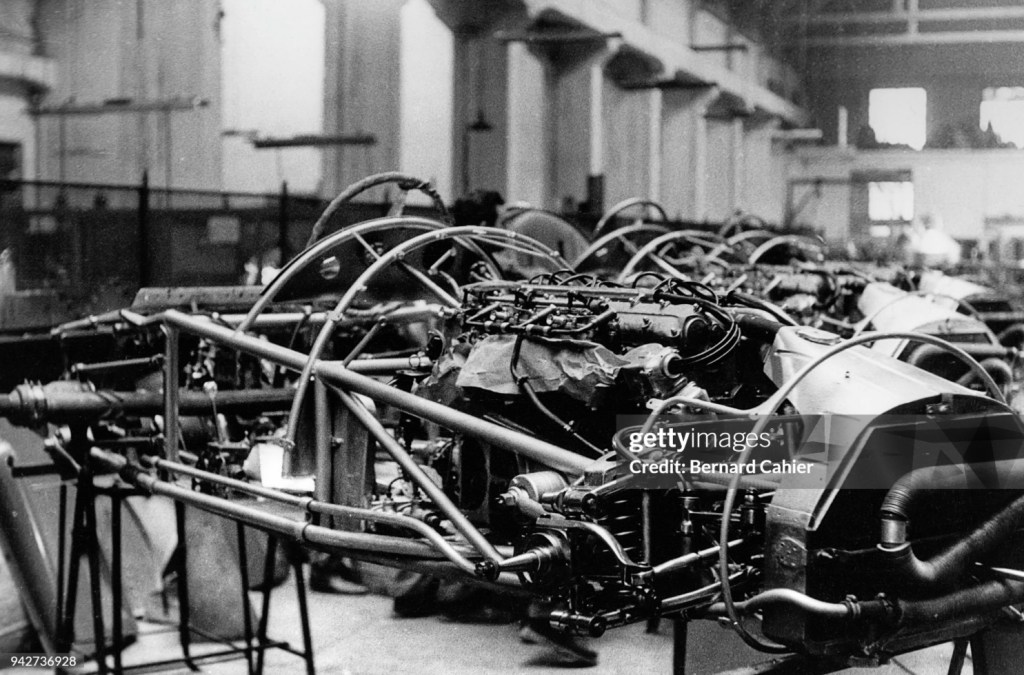
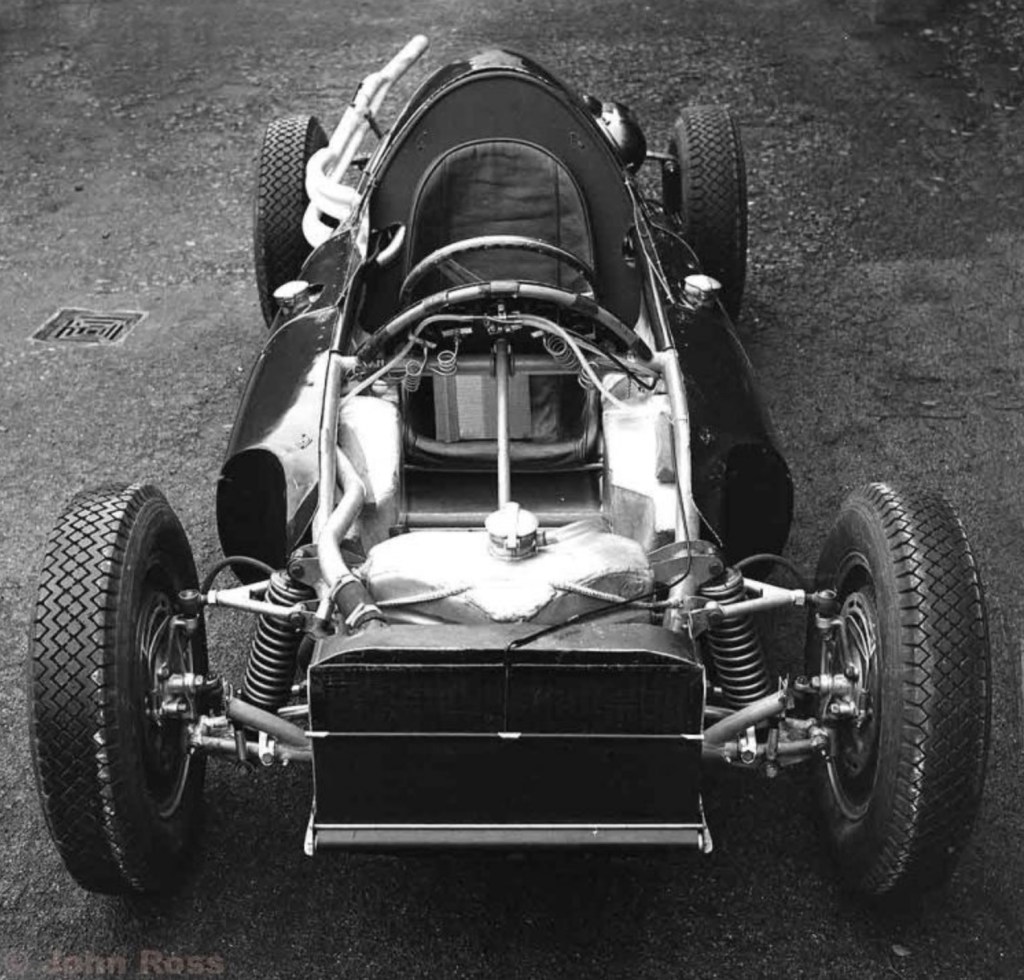
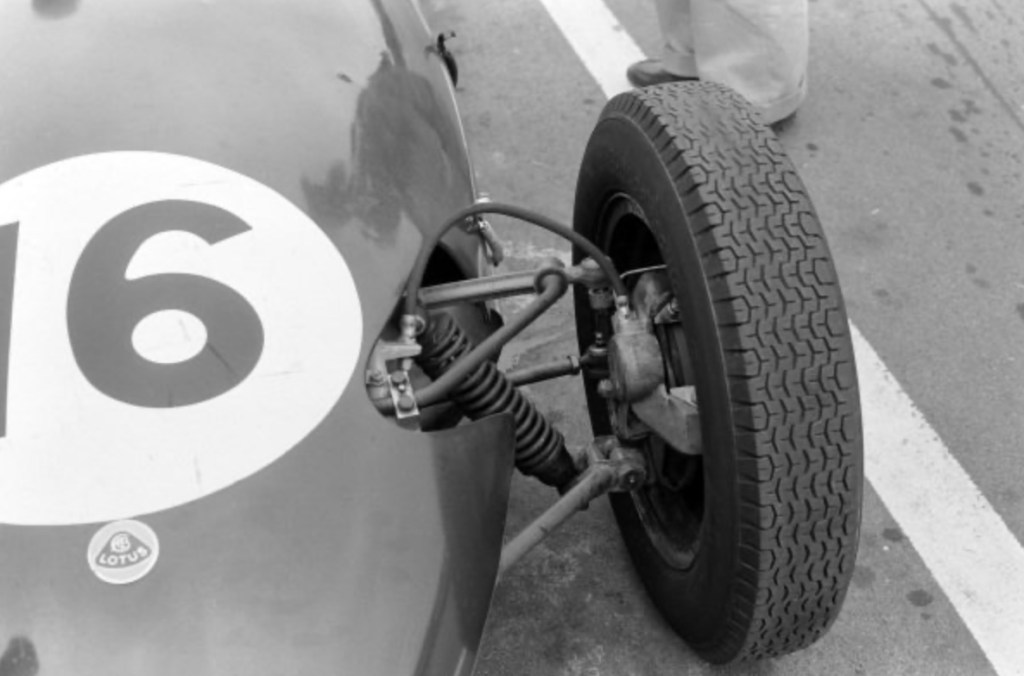
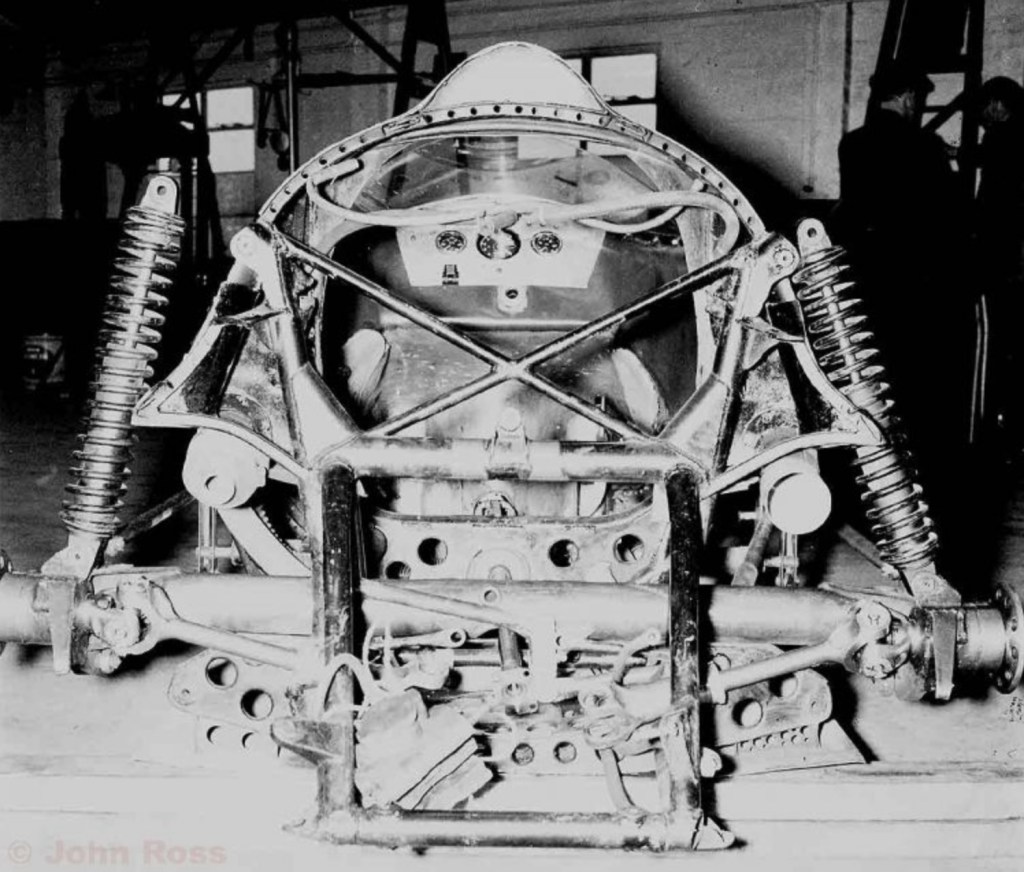
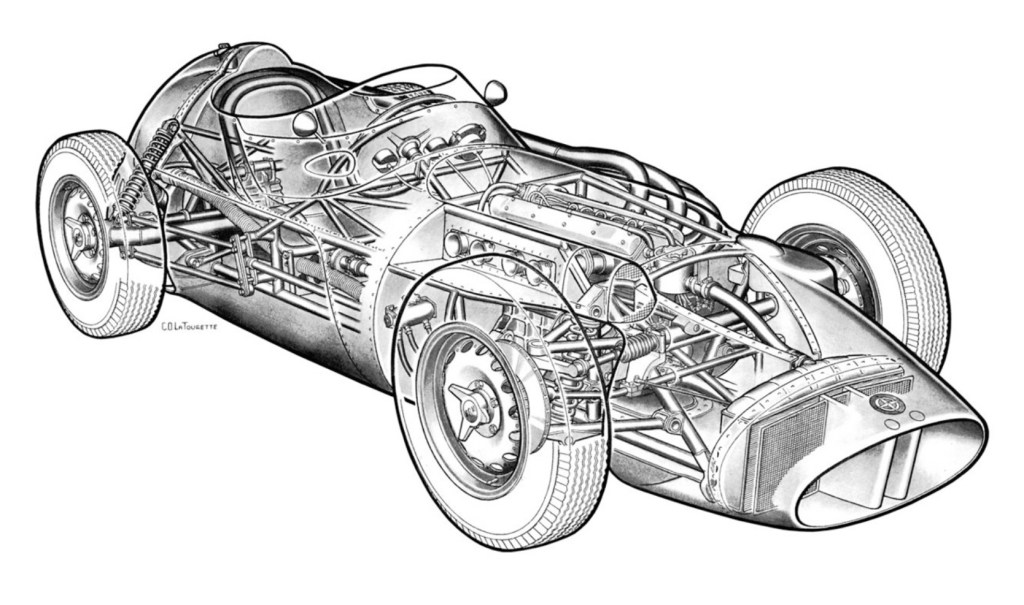
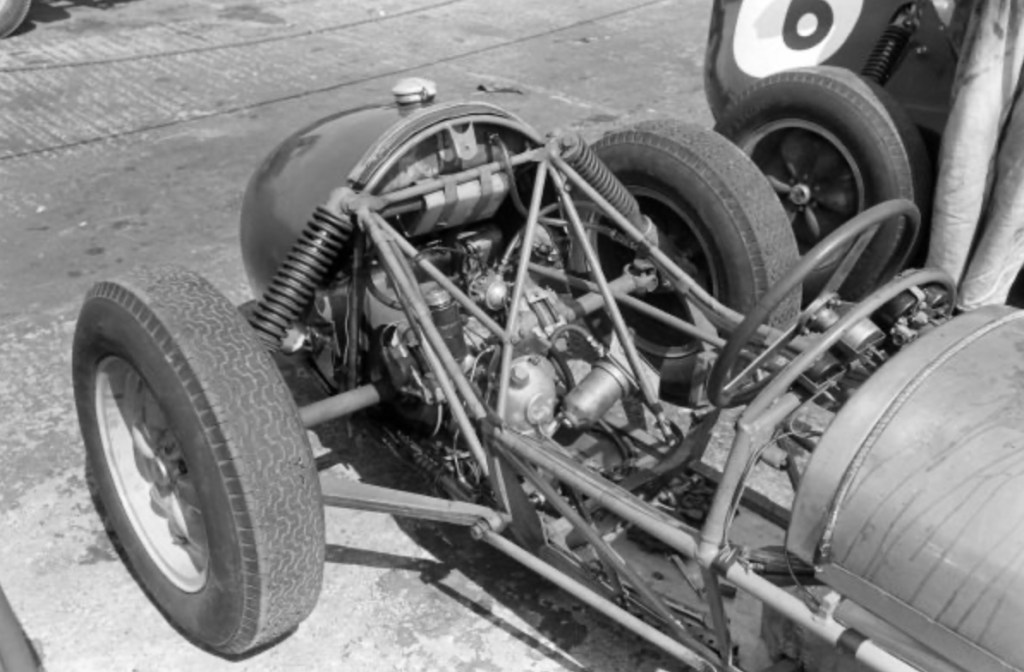
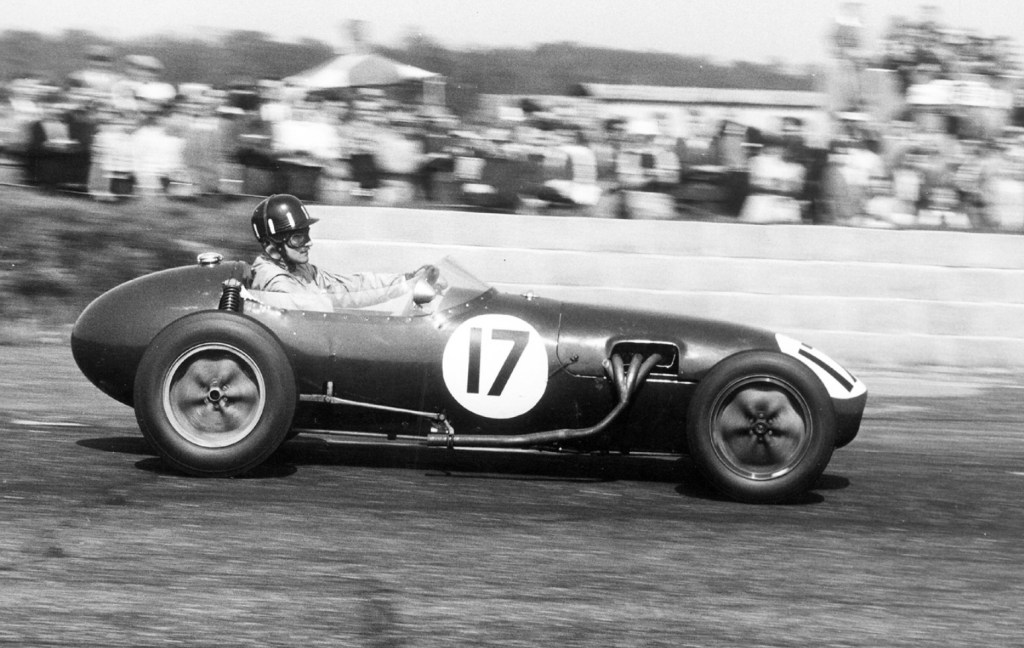
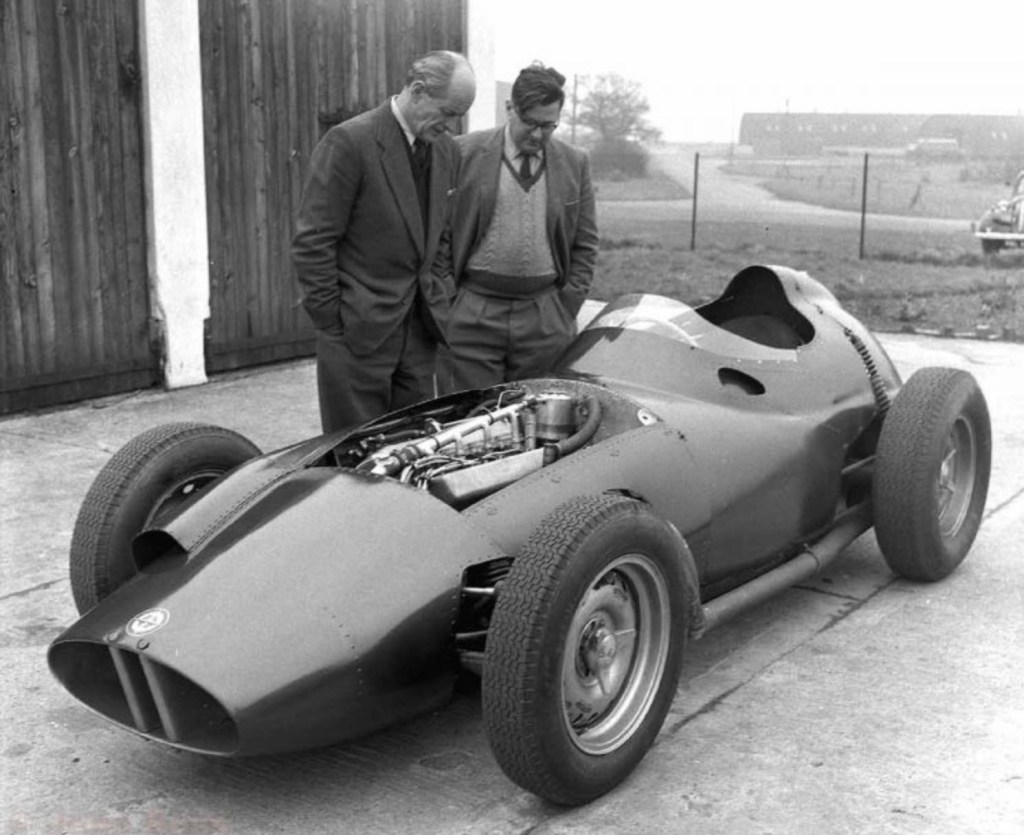
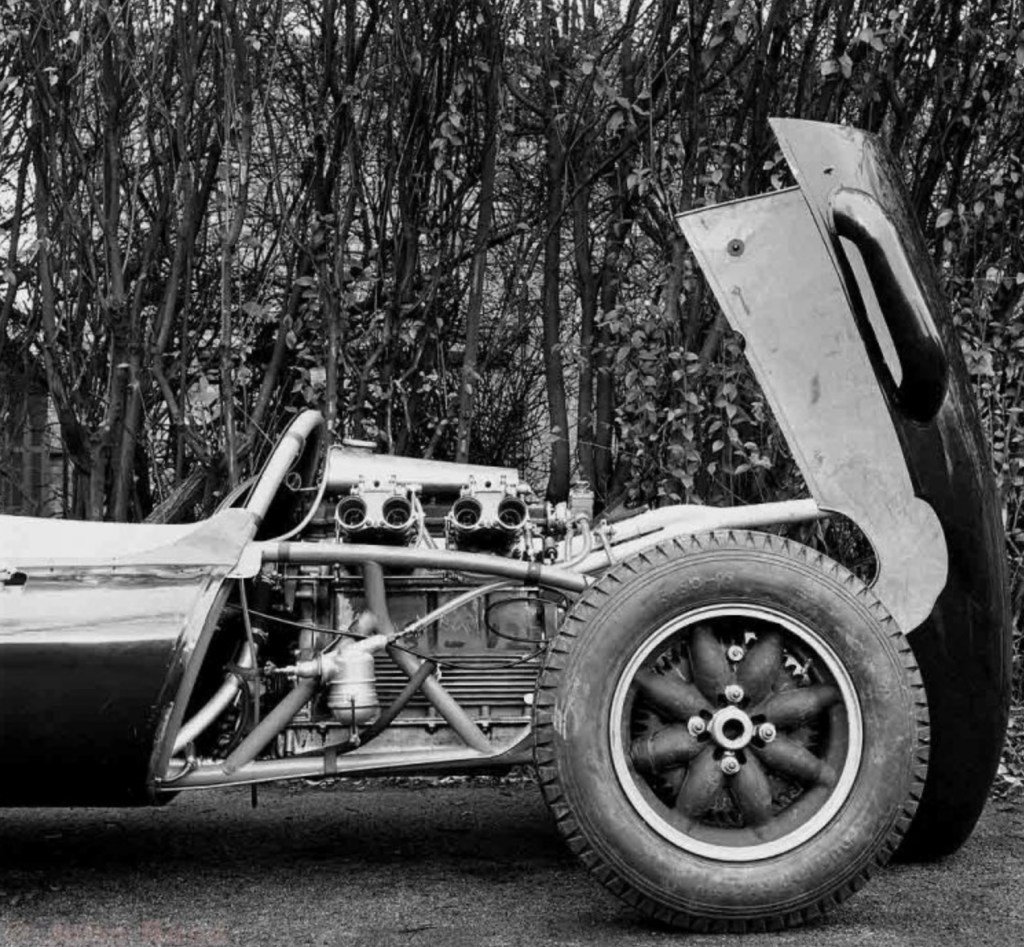
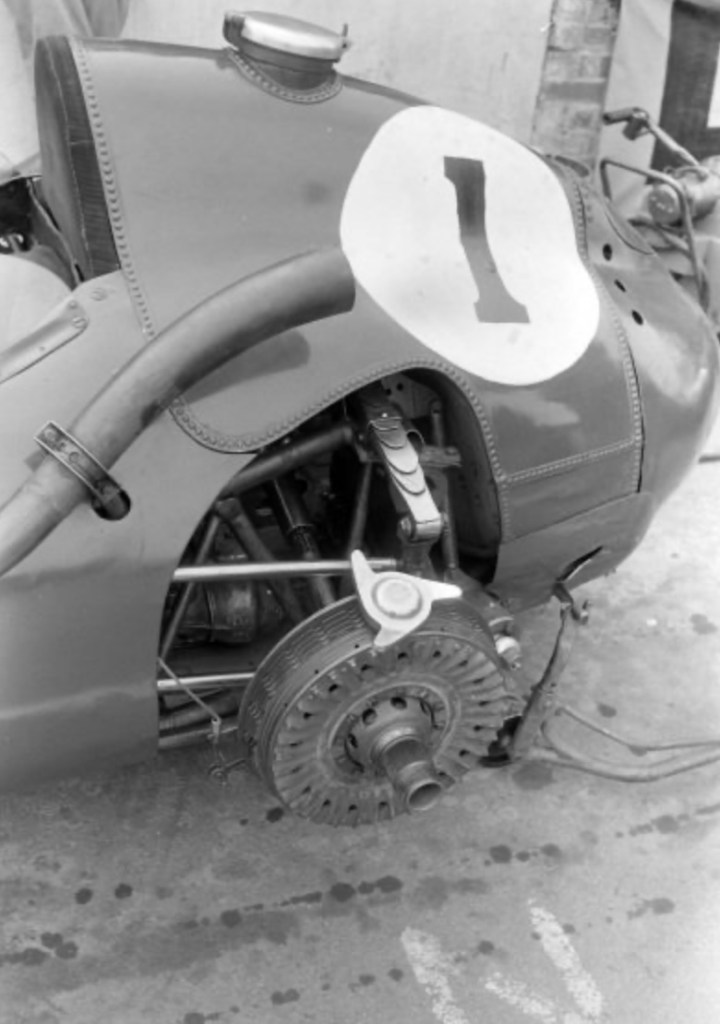
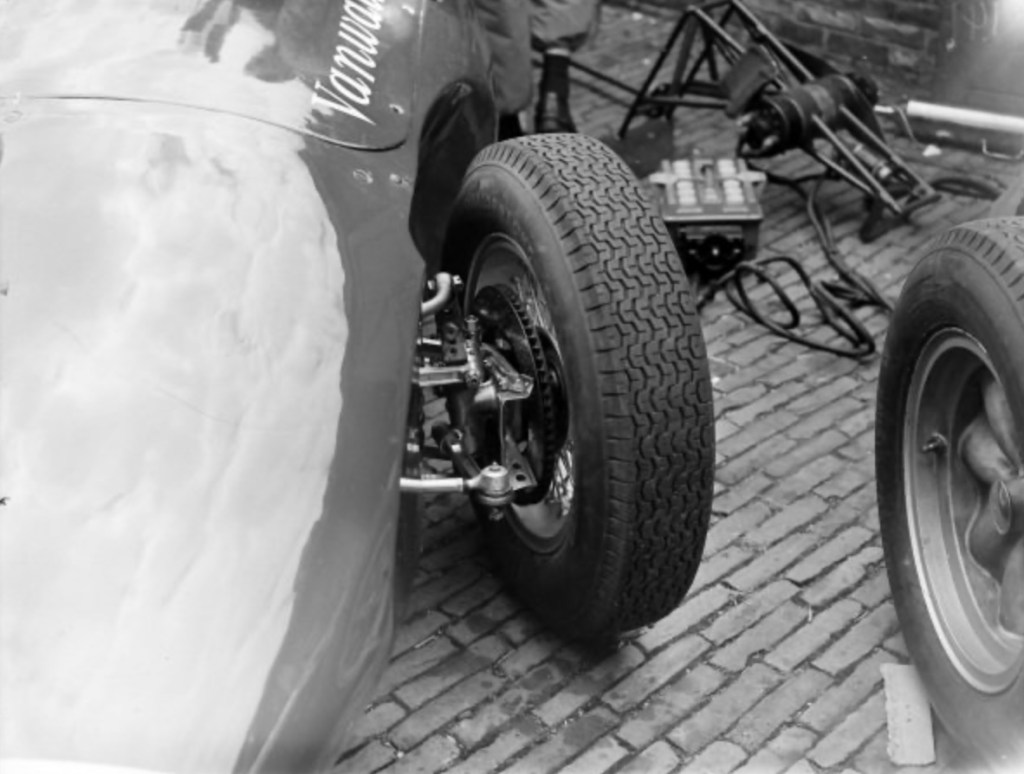
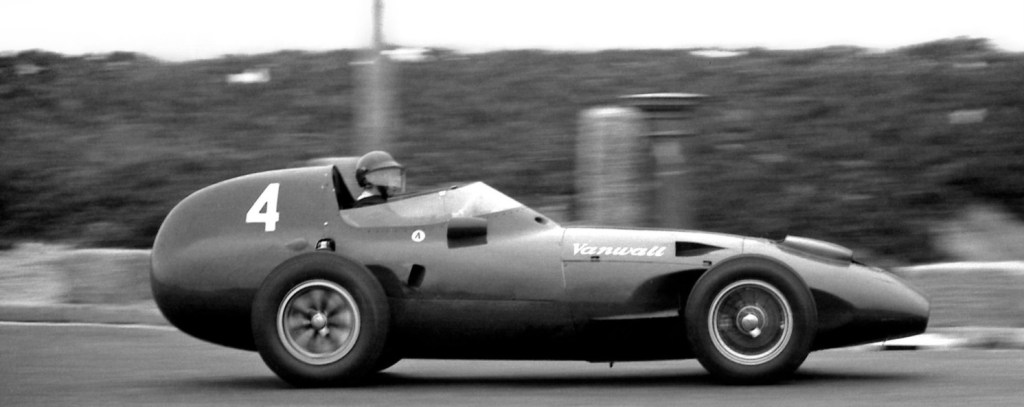
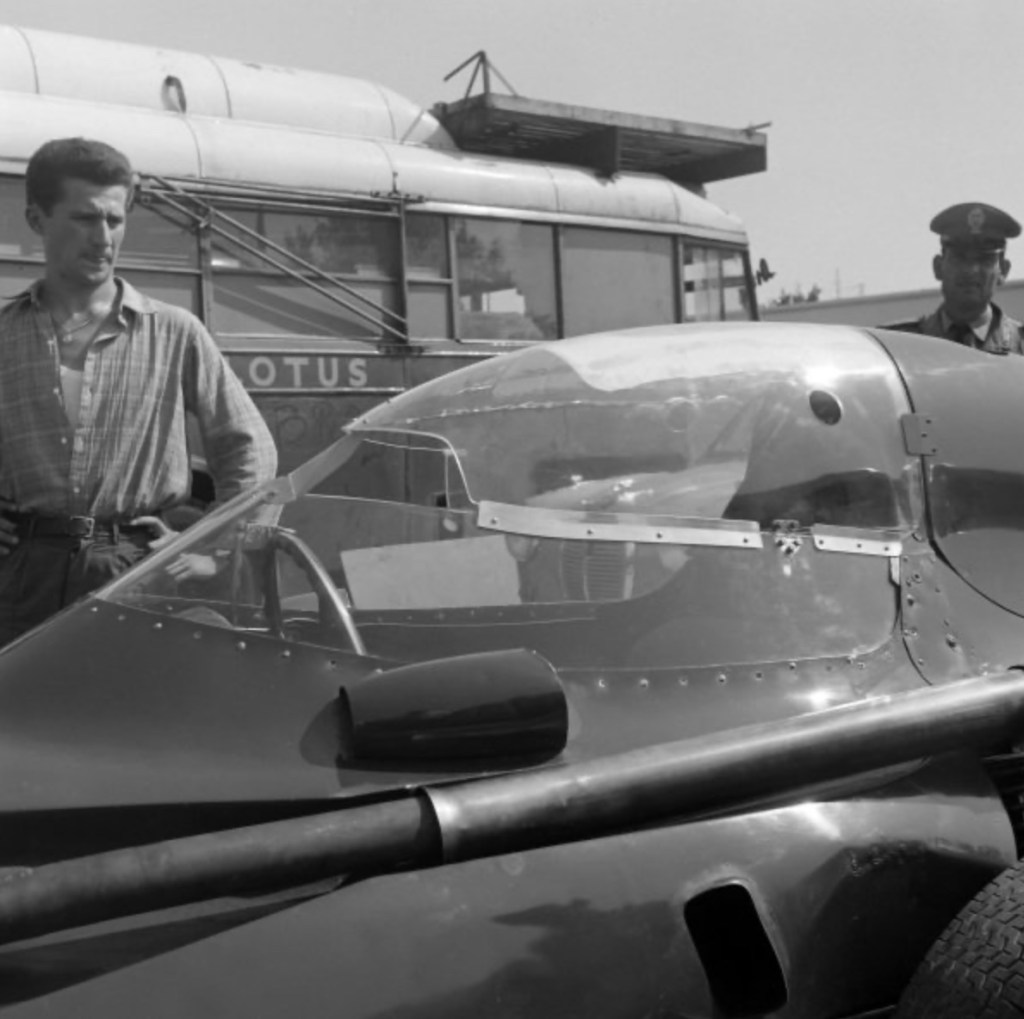
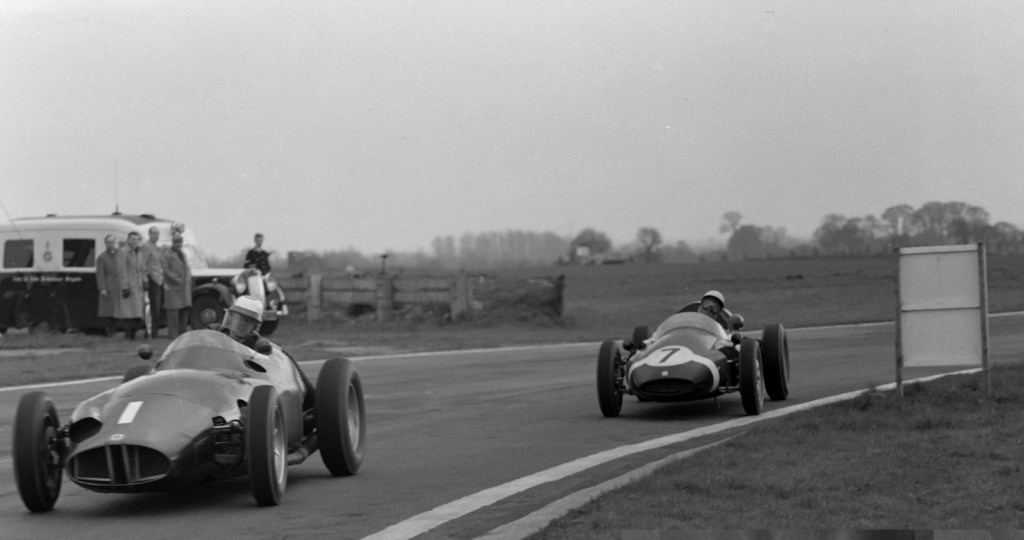
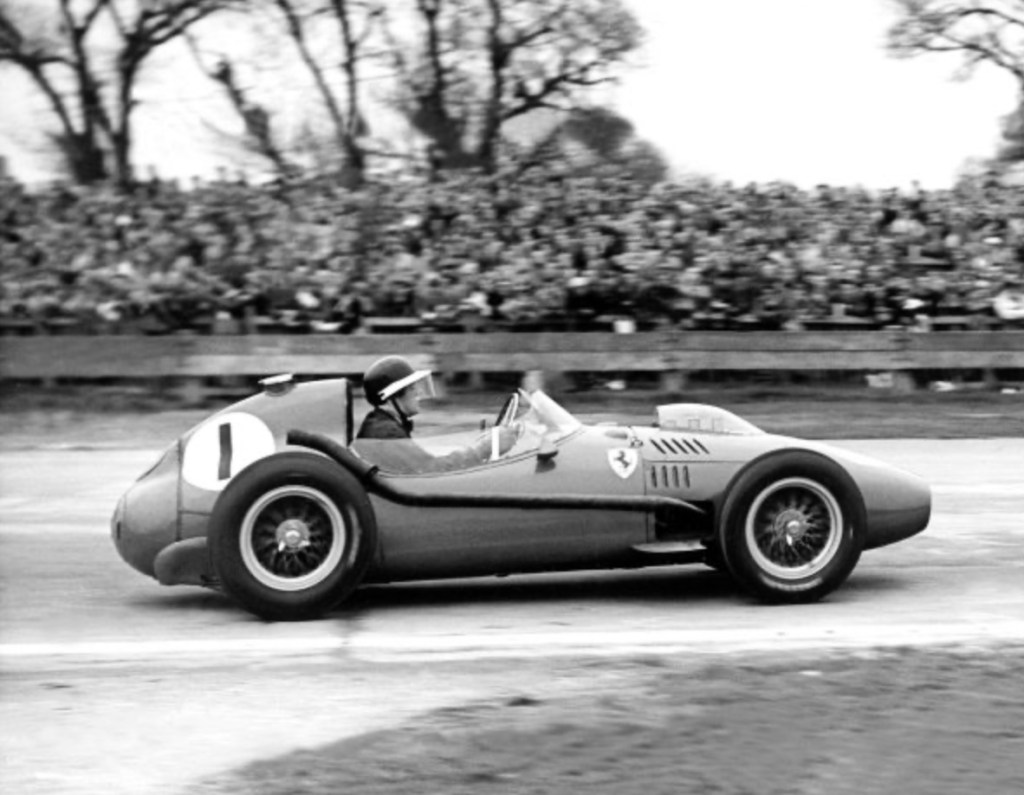
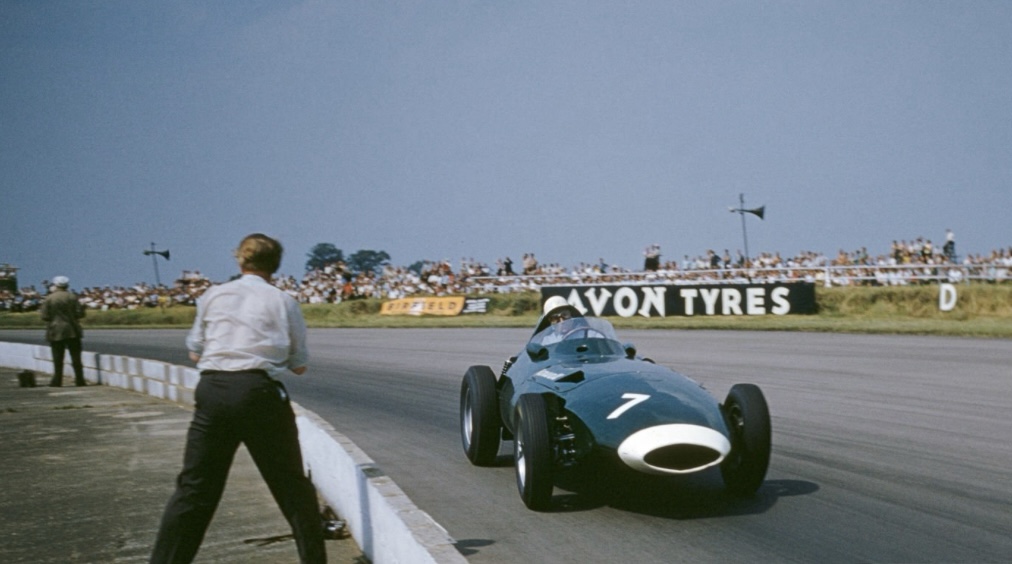
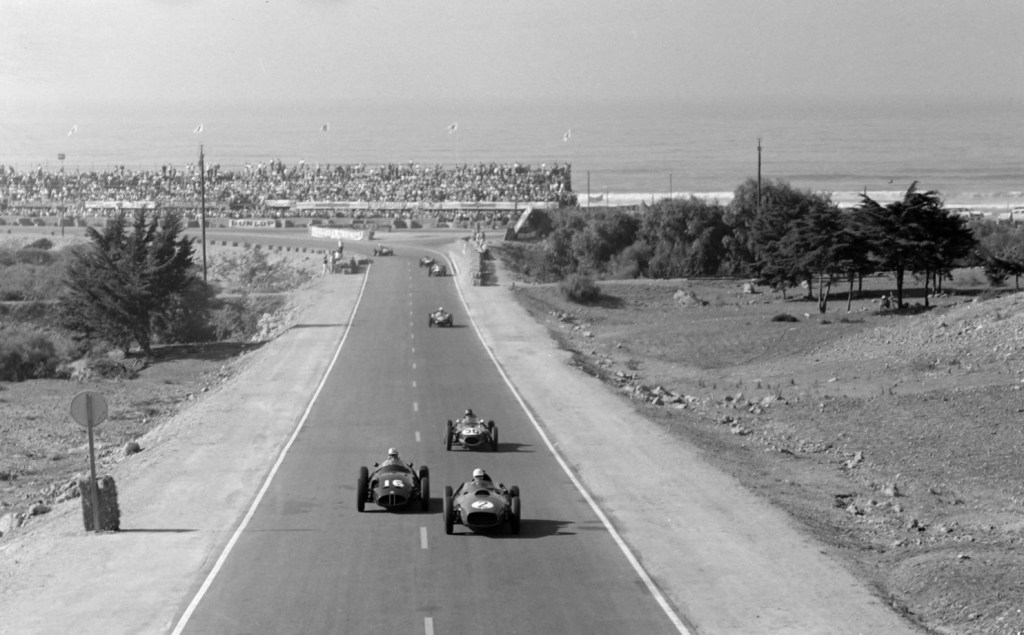
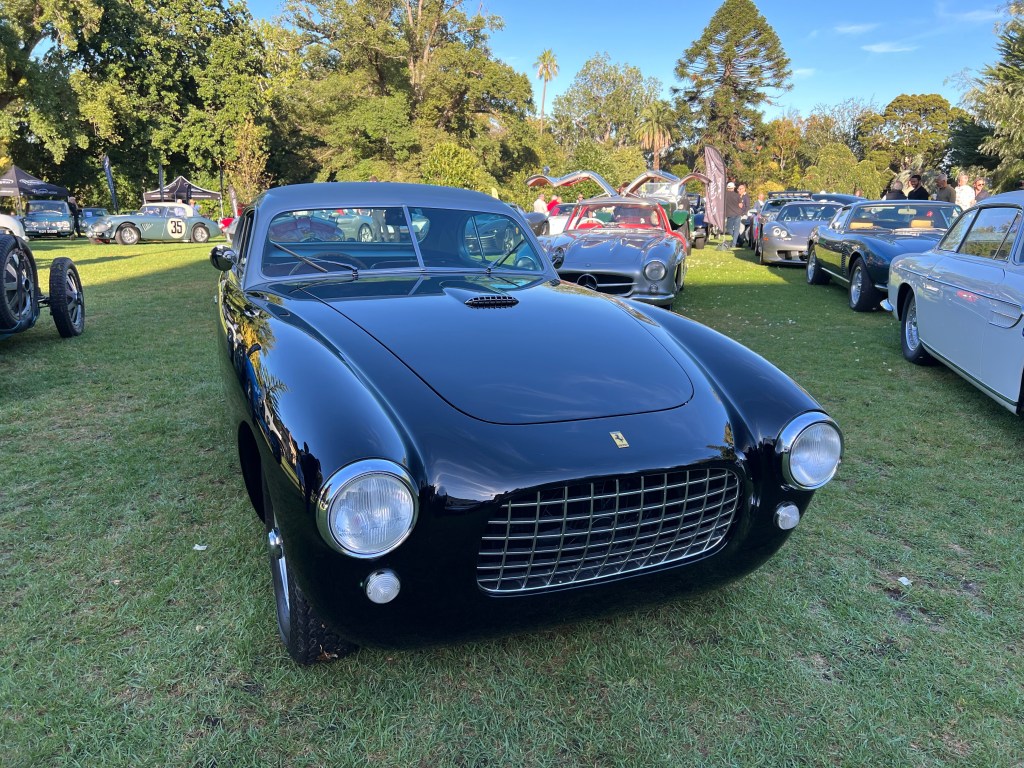
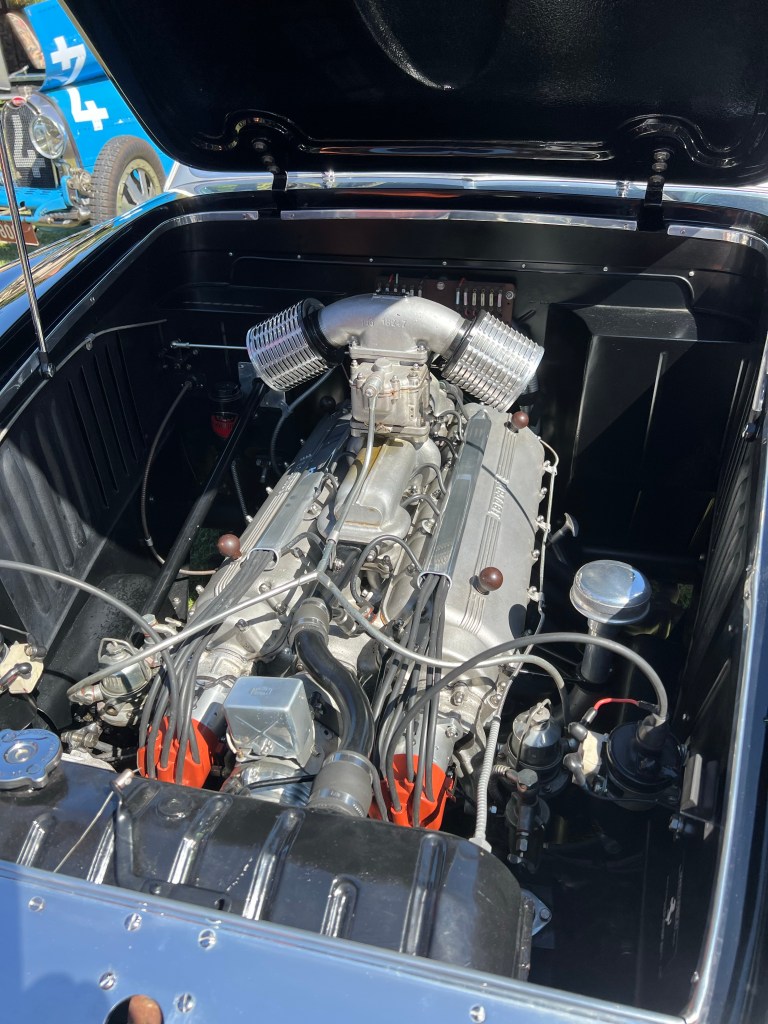
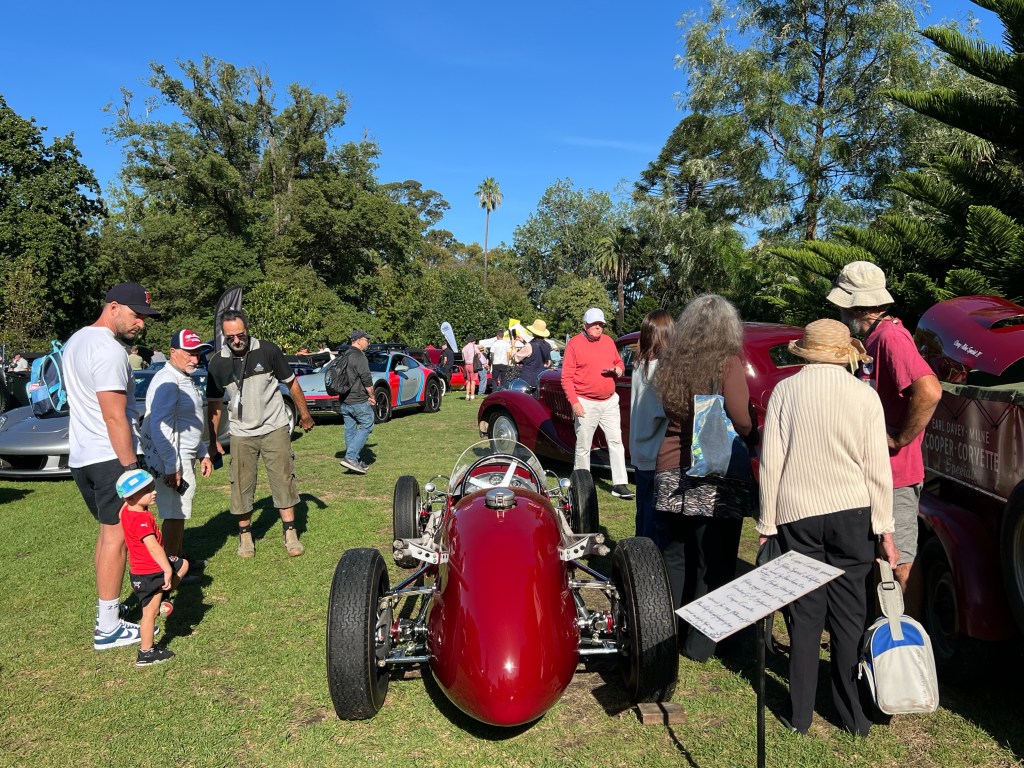
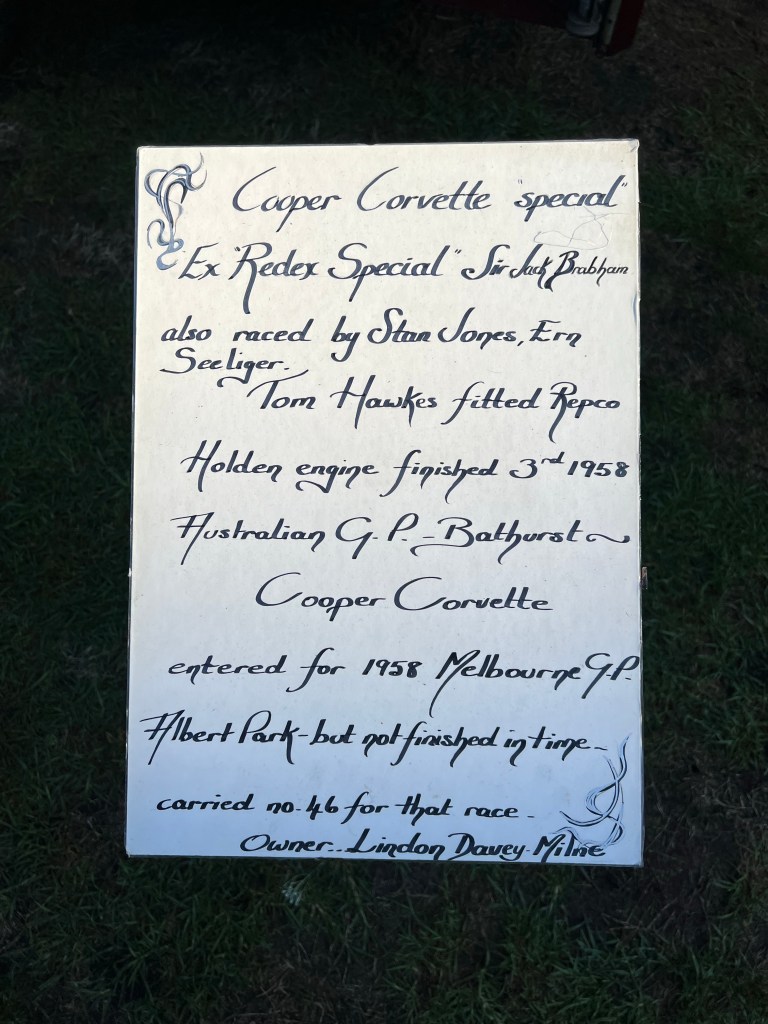
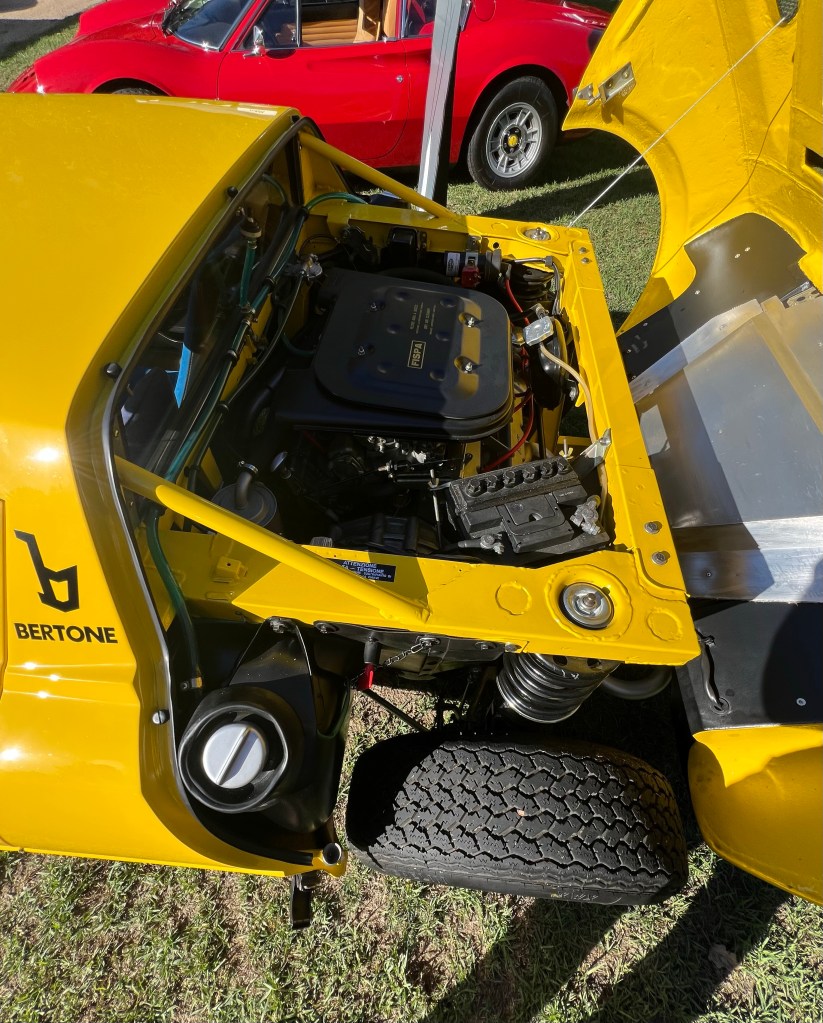
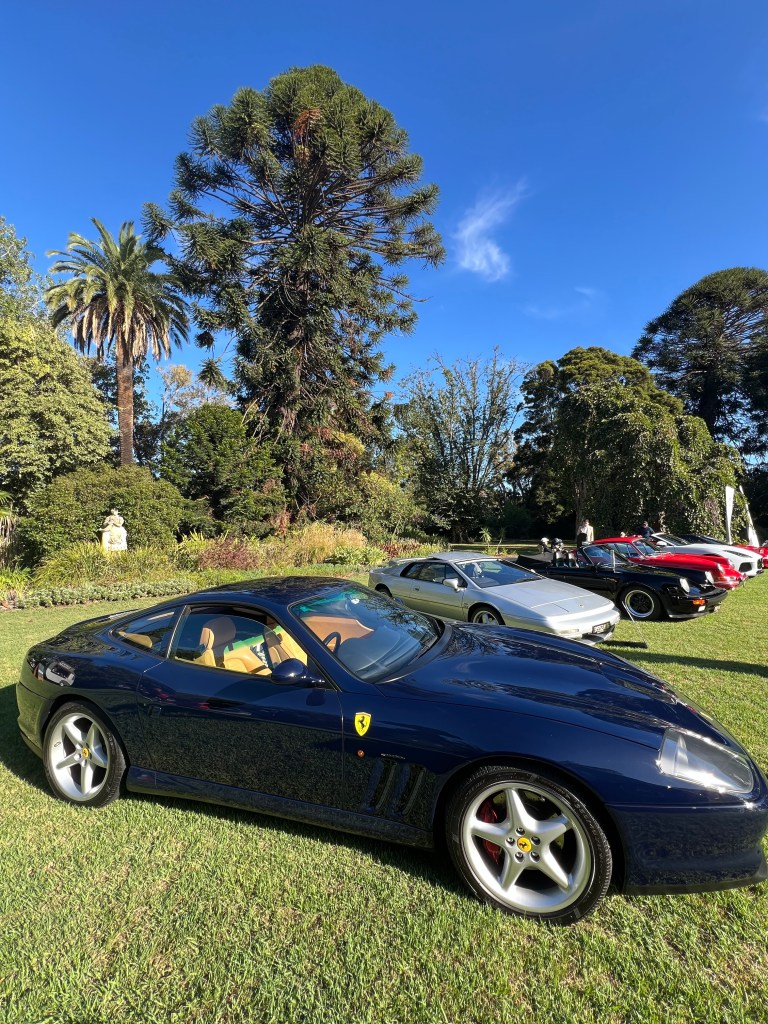
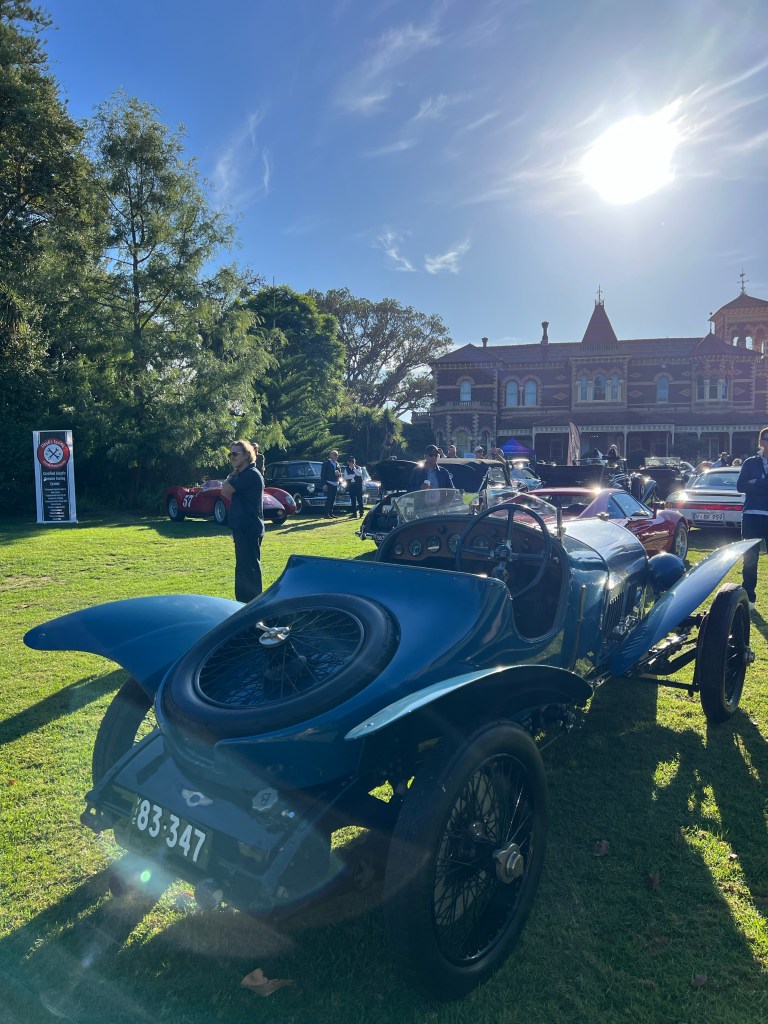
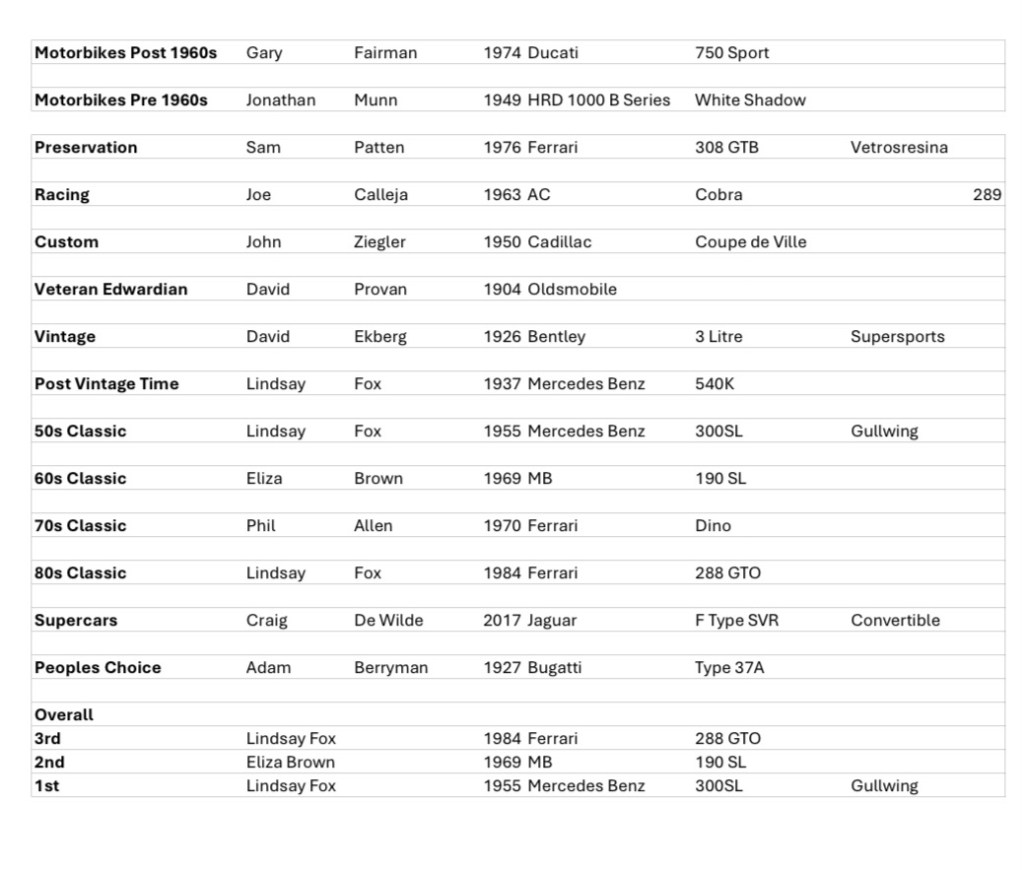
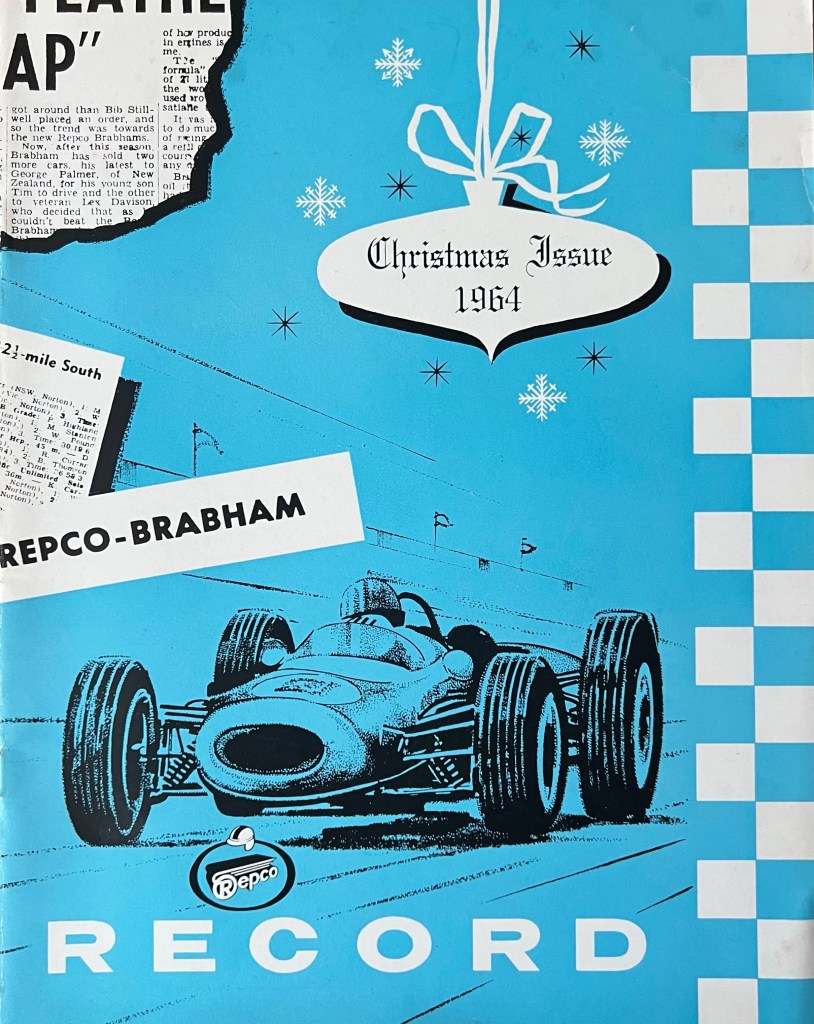
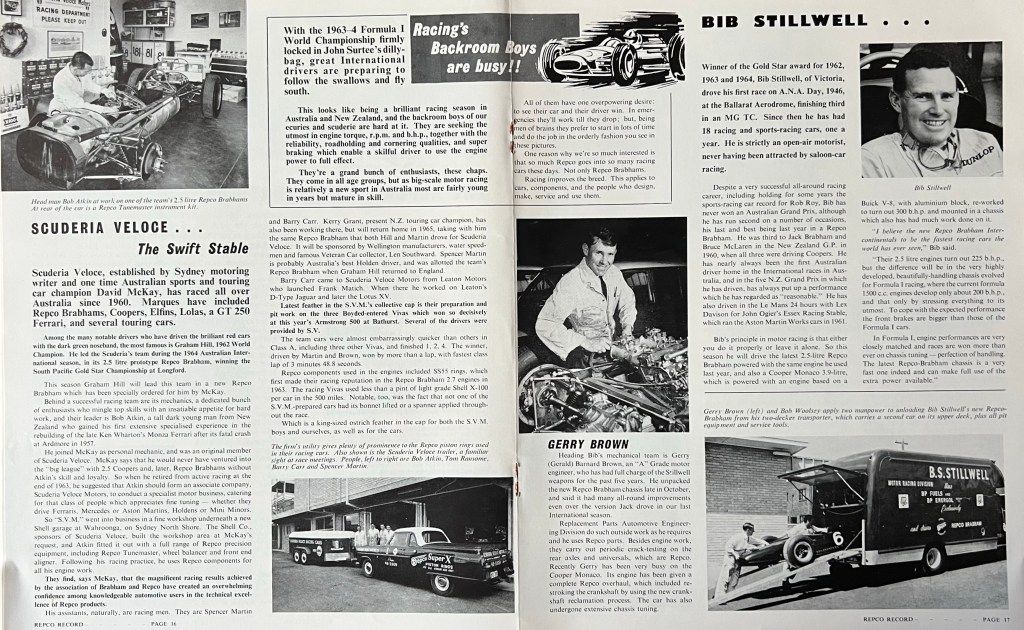
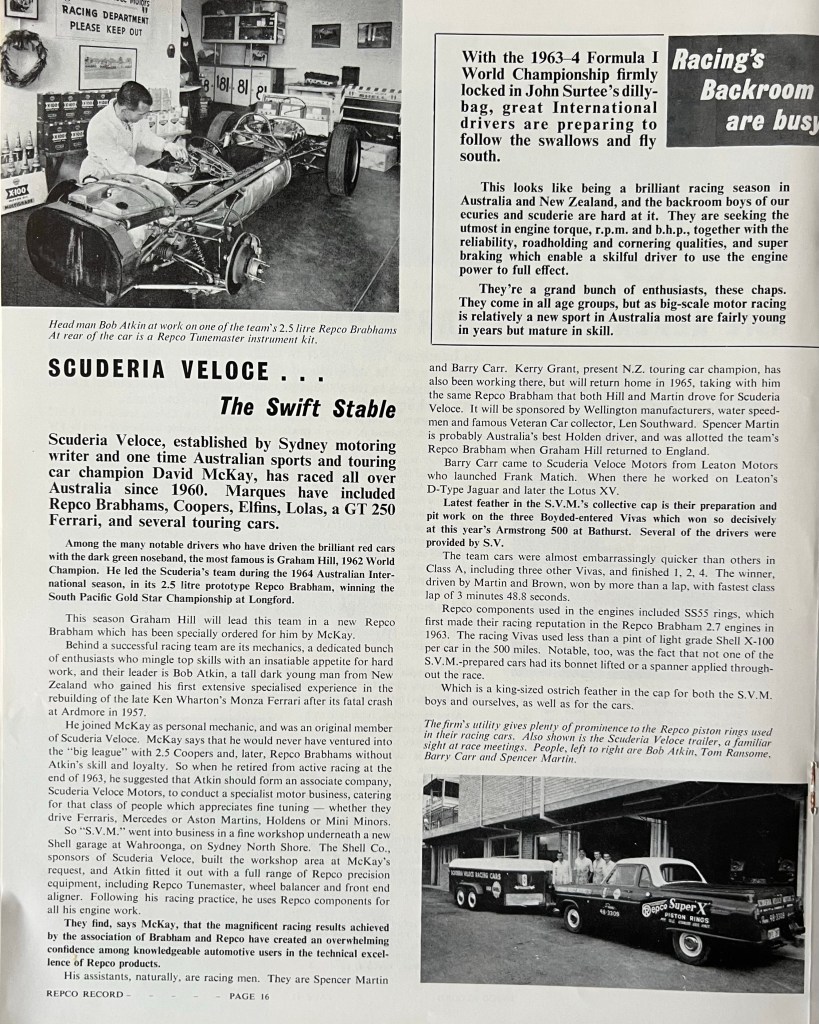
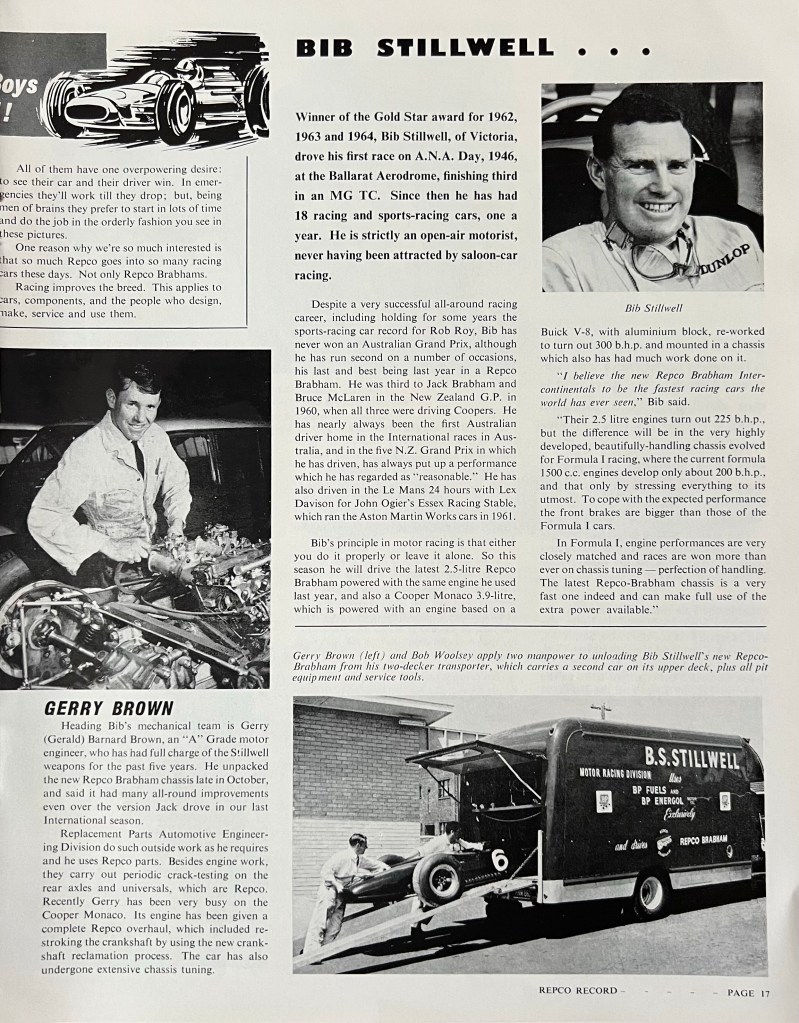
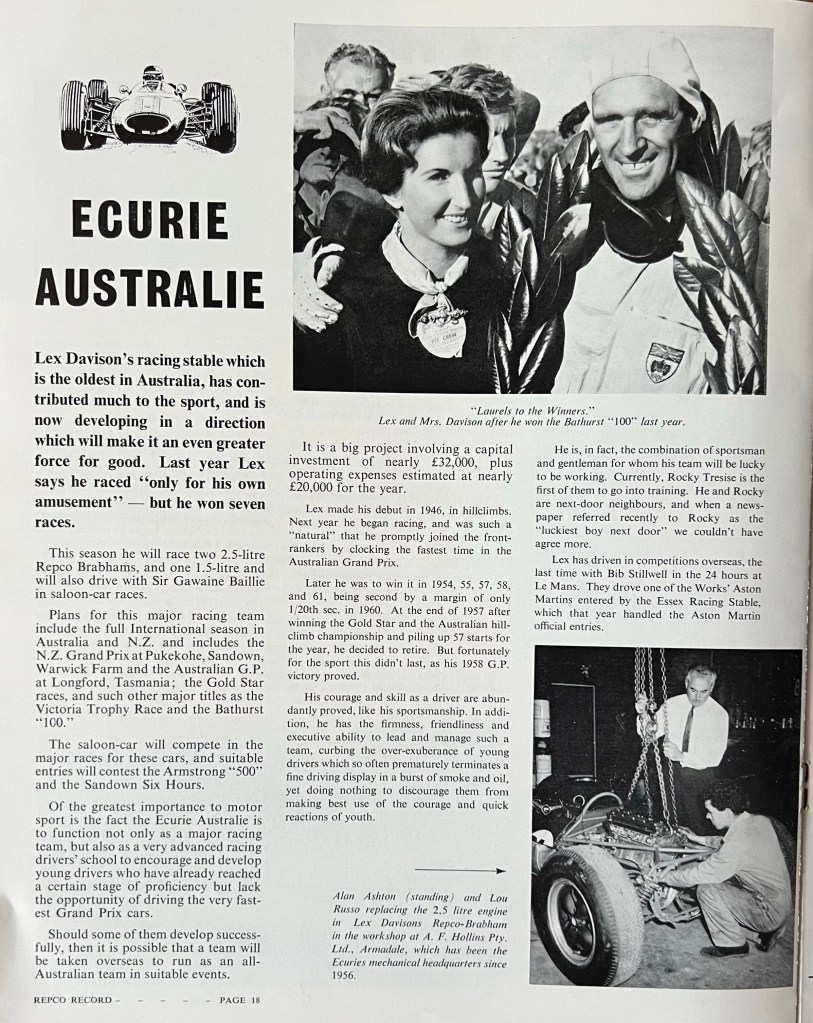
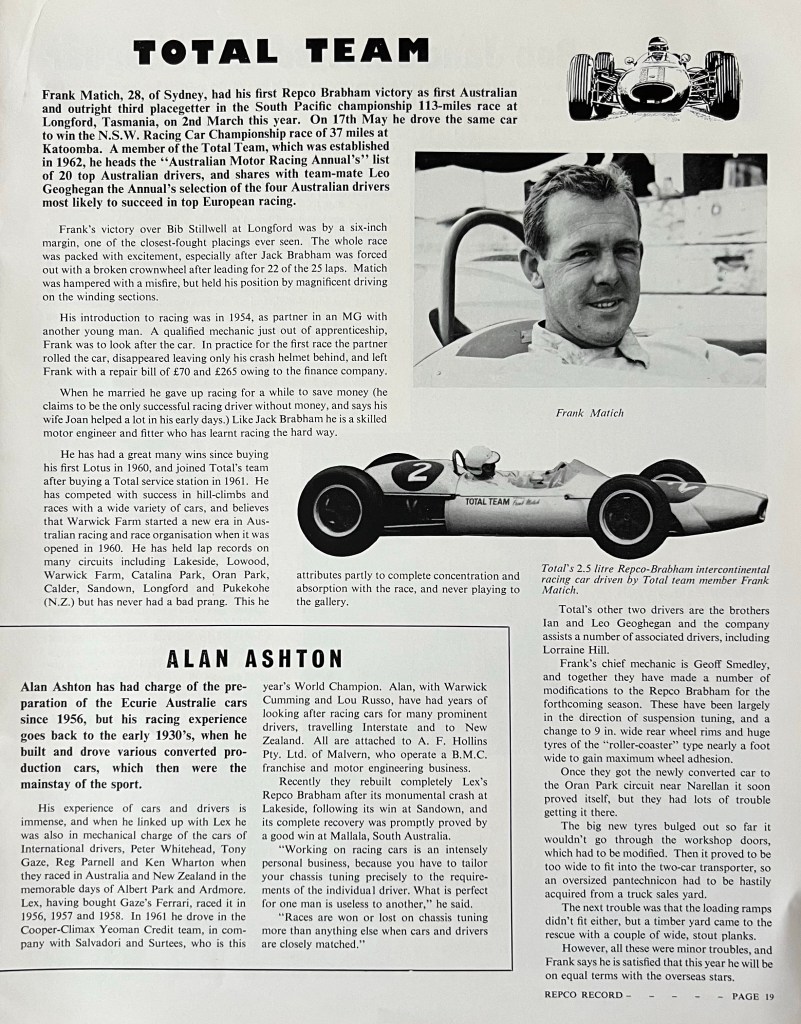
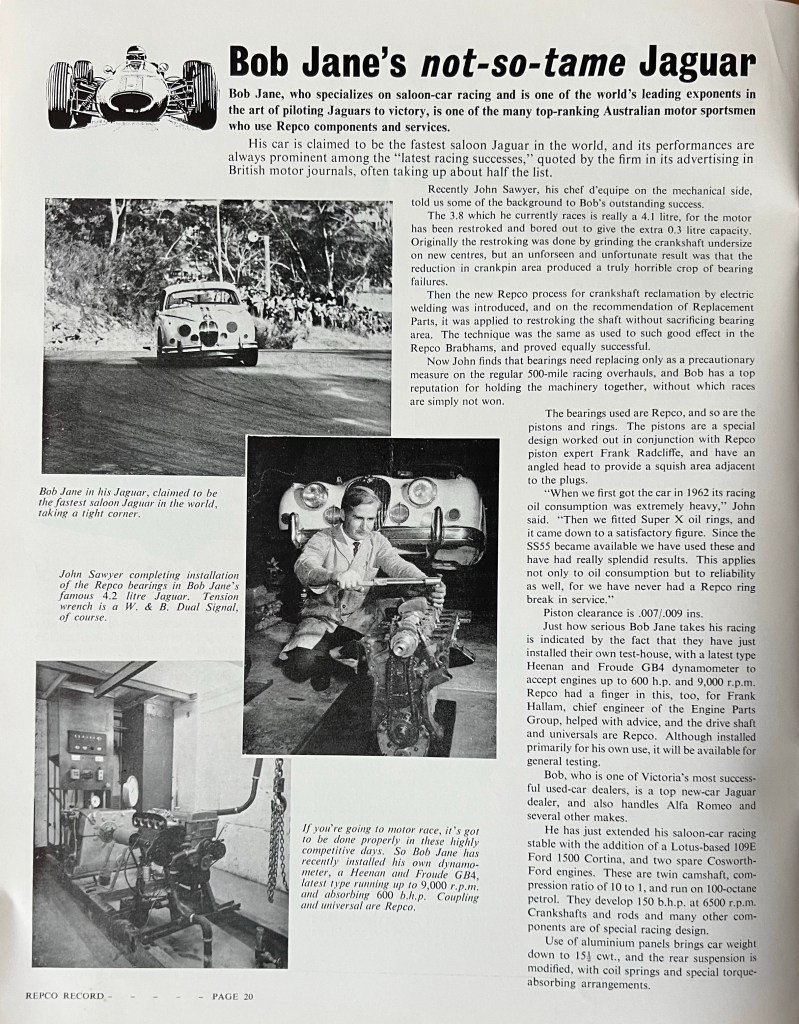
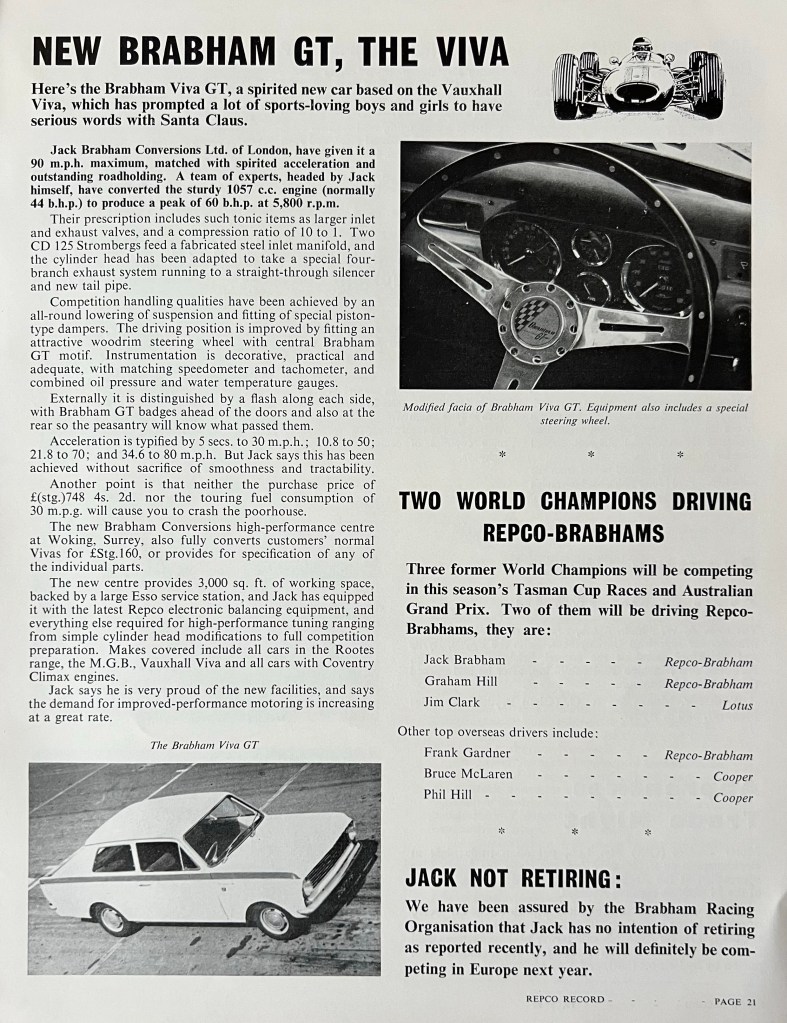
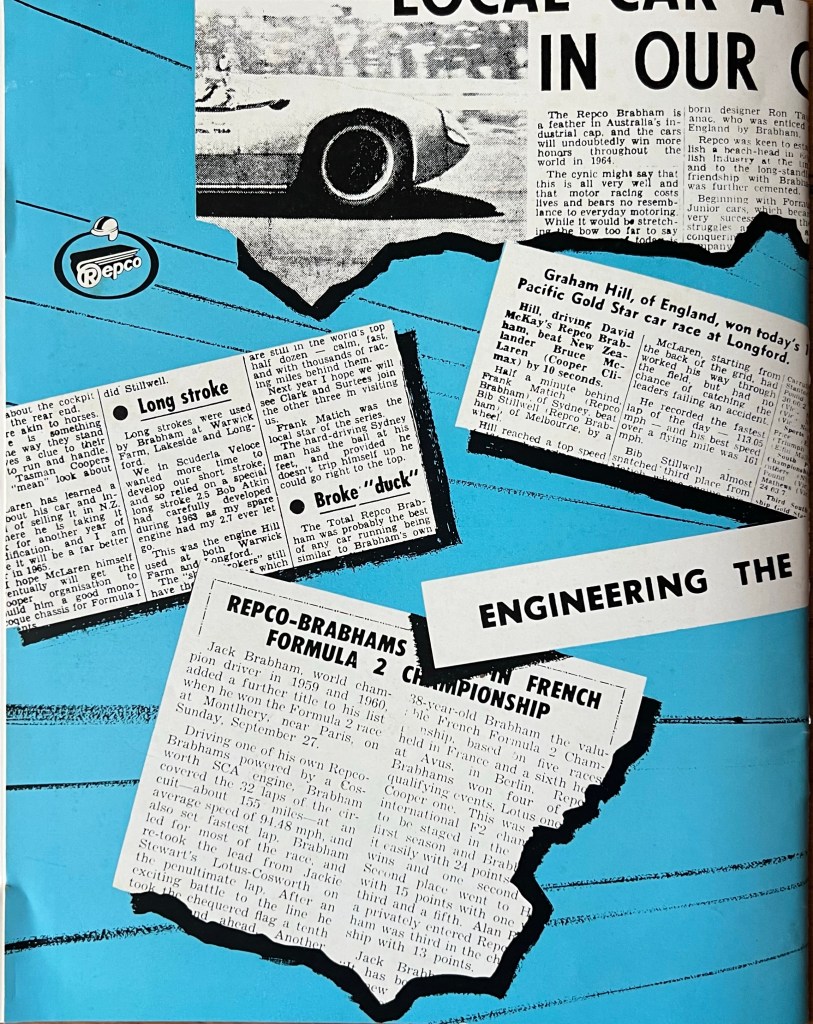
 primotipo...