Archive for the ‘Fotos’ Category

SnowBrooklands

Have been thinking about a W,W, W and When as an occasional post for ages, so many thanks to Australian Racer, Historian and Author John Medley for providing the first…

Contributor Stephen Dalton nutted out the driver, perhaps because the photo’s ‘donor’ John Medley has written a book ‘John Snow Classic Motor Racer’. I have just commenced it. Its a fascinating insight into Snow’s life and also the difficult times both immediately pre and post World War 2. Perhaps i can prevail upon John to write a truncated version of Snow’s fascinating life?

Back to the photo though; Snow was in Europe on both a buying trip for the family department store in Sydney and to race and test some cars with a view to bringing them back to Australia for his own use/sale.

He identified the Hans Ruesch owned and driven Alfa Romeo 8C-35 as such a car, he tested it at Brooklands as shown, this photo until very recently thought to be Ruesch, proved otherwise by Medley.

Medley’s book states that after the Brooklands test, here Snow is passing the Clubhouse, he then hired the car for meetings at Crystal Palace, Donington, Brooklands and Cork. Unfortunately for Snow, the car, with Buddy Featherstonhaugh at the wheel crashed badly during practice at Donington and was then sent back to the factory for repair.

Snow brought another of Hans Ruesch’s cars to Australia, the Alfa P3/2900 Tipo B #5002 which he sold to his friend Jack Saywell who raced it in Australia in 1939, the car actively campaigned in Oz for 30 years, but that is a story for another time…

Credit…John Medley

lago in servo (nat library oz)

Doug Whiteford was one of Australia’s racing greats, he won the Australian Grand  Prix thrice- in 1950 aboard ‘Black Bess’ his Ford Spl and in 1952/53 in this Talbot-Lago T26C ‘110007’ here on the forecourt of his ‘BP Servo’, 200 Burwood Road, Hawthorn, Melbourne in 1957…

I tripped over the photograph in the National Library of Australia archive, it’s clearly a BP promotional shot, the ‘Snapper’ was Wolfgang Sievers. ‘COR’, the other brand on the pump, is the acronym of the ‘Commonwealth Oil Refineries’, which was acquired by BP some years before, the pumps were co-branded for a while as part of the evolution of one brand to the other.

These establishments are all of an age aren’t they? The owner operated service station with generalist mechanics working on all makes and models is sadly a thing of the past. The ‘counter jumper’ in the average ‘Mega Servo’, if you can make yourself understood at all, is unlikely to know a dipsticks location let alone anything of real use.

The shot didn’t make sense actually.

By 1957 Doug had well before sold this car to Owen Bailey who owned and raced it at the time, Doug had acquired an older, but more advanced in specification T26C, chassis ‘110002’.

Owen’s son Rob is a fellow racer/Alfista, he and Stephen Dalton have helped with the facts or a theory anyway… we think the car is at Doug’s ‘Temple of Speed’ for fettling, Whiteford was the expert on these cars in this part of the world.

‘110007’ is in BC Ecclestones’ collection, ‘110002’ still in Oz. I am beavering away on an article about these two fabulous Lagos which should be finished soon…

whiteford lago

(Clem Smith via Ray Bell)

Doug Whiteford’s T-L ‘110007′ leads Stan Jone’s Maybach onto the main straight at Woodside, the Adelaide Hills road circuit in October 1951, Whiteford won the race with Stan second.

Just look at the nature of the place- ‘Stobie’ telephone poles, fence posts, railway crossing etc. A tragic accident in a motor-cycle handicap race where an early starter completed his first lap before the scratchmen had gotten away and killed two people in the starting area gave rise to police and State Government concern causing the imposition of a ban on racing on public roads in South Australia.

owen bailey fishos 1958

Owen Bailey, Lago Talbot T26C ‘110007’, Fishermans Bend, Melbourne 1958. (autopics)

Etcetera…

I wrote an article about Whitefords’ Black Bess Spl: https://primotipo.com/2015/05/05/doug-whiteford-black-bess-woodside-south-australia-1949/

Credits…

Wolfgang Sievers, autopics.com.au, Clem Smith/Ray Bell. Stephen Dalton and Rob Bailey for research assistance

image
(G Mankowitz)

Maybe you can always get what you want?!

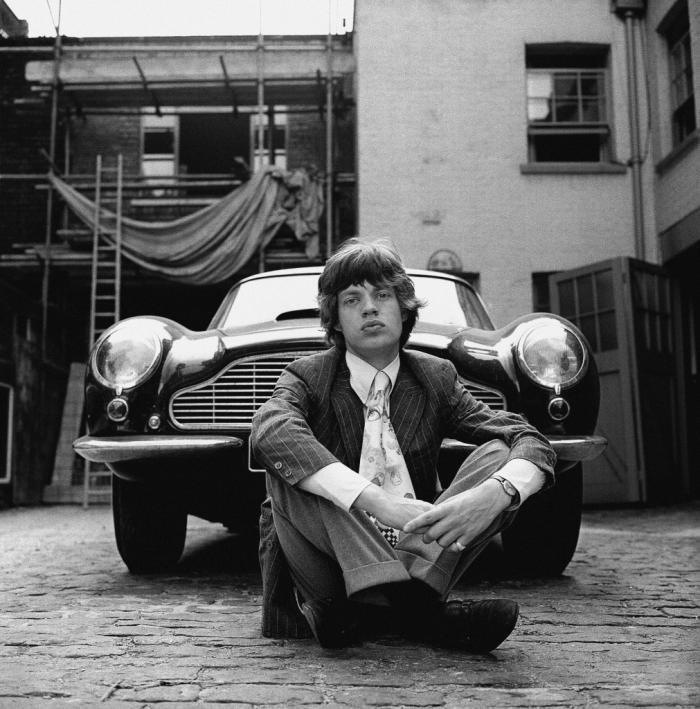
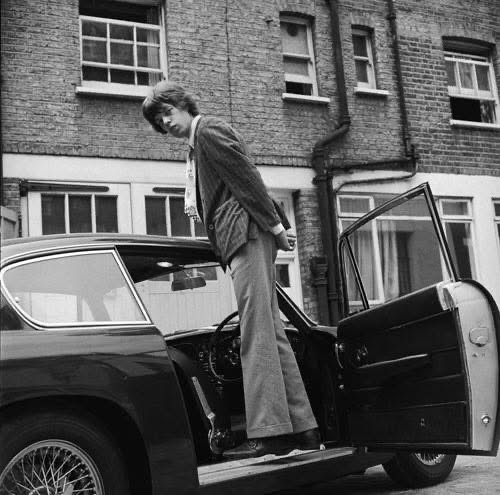
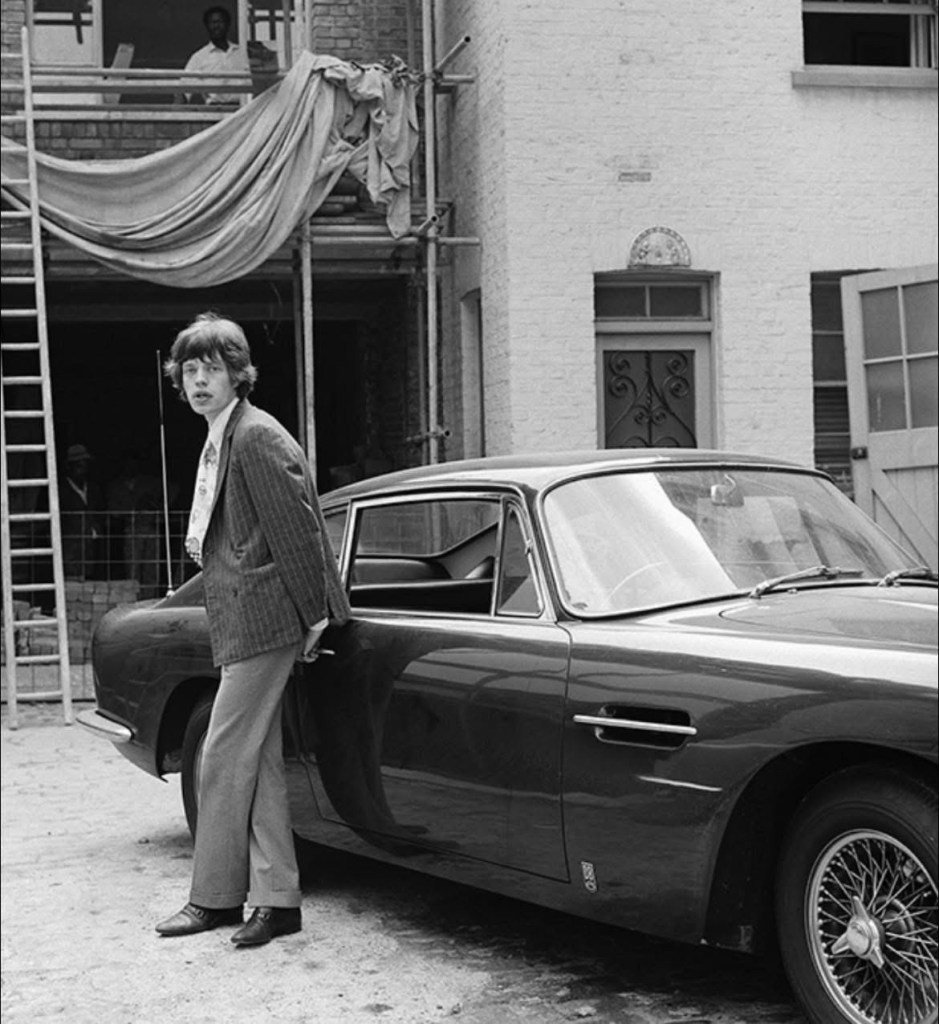
Mick and his new Aston DB6, it’s a promotional shoot in a Mews off Baker Street, London, Mick had not long before moved into an apartment in Harley House, near the top end of Harley Street, between Marylebone Road and Regents Park. close by in Marylebone. It’s June ’66.

Interesting piece here:https://astonmartin.blob.core.windows.net/magazine/issue-21/archive/am20/feature-street-fighting-man.html

(G Mankowitz)
(G Mankowitz)
(G Mankowitz)

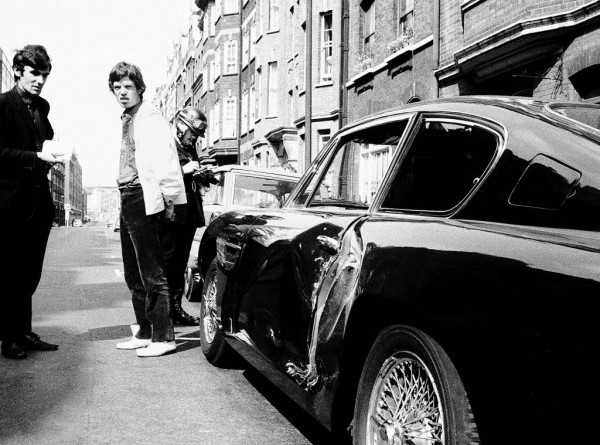
It seems he had a ‘contretemps’ with the ‘Countess of Carlisle’ in the Aston shortly thereafter, click on this link for a bit of ‘Stones or Mick car trivia…http://www.voicesofeastanglia.com/2013/03/hey-you-get-out-of-that-car.html

Mick-Jagger-Car-Accident-e1362438546757
(unattribured)

Credits…

Gered Mankowitz

Finito…

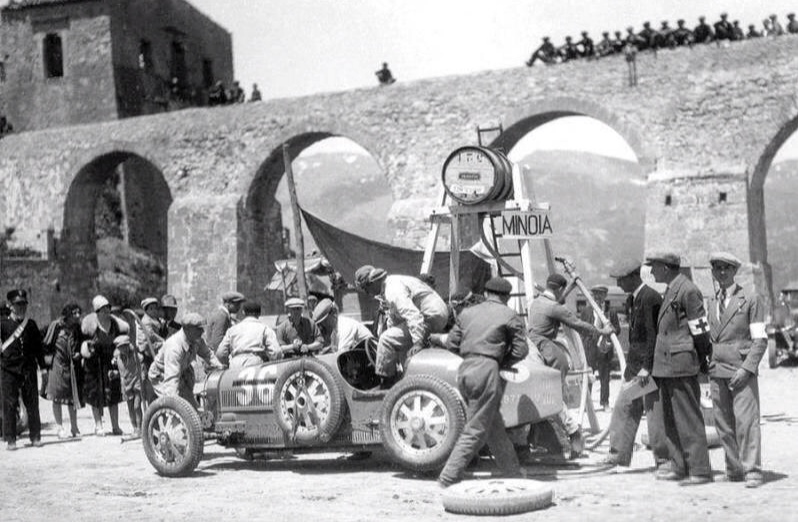
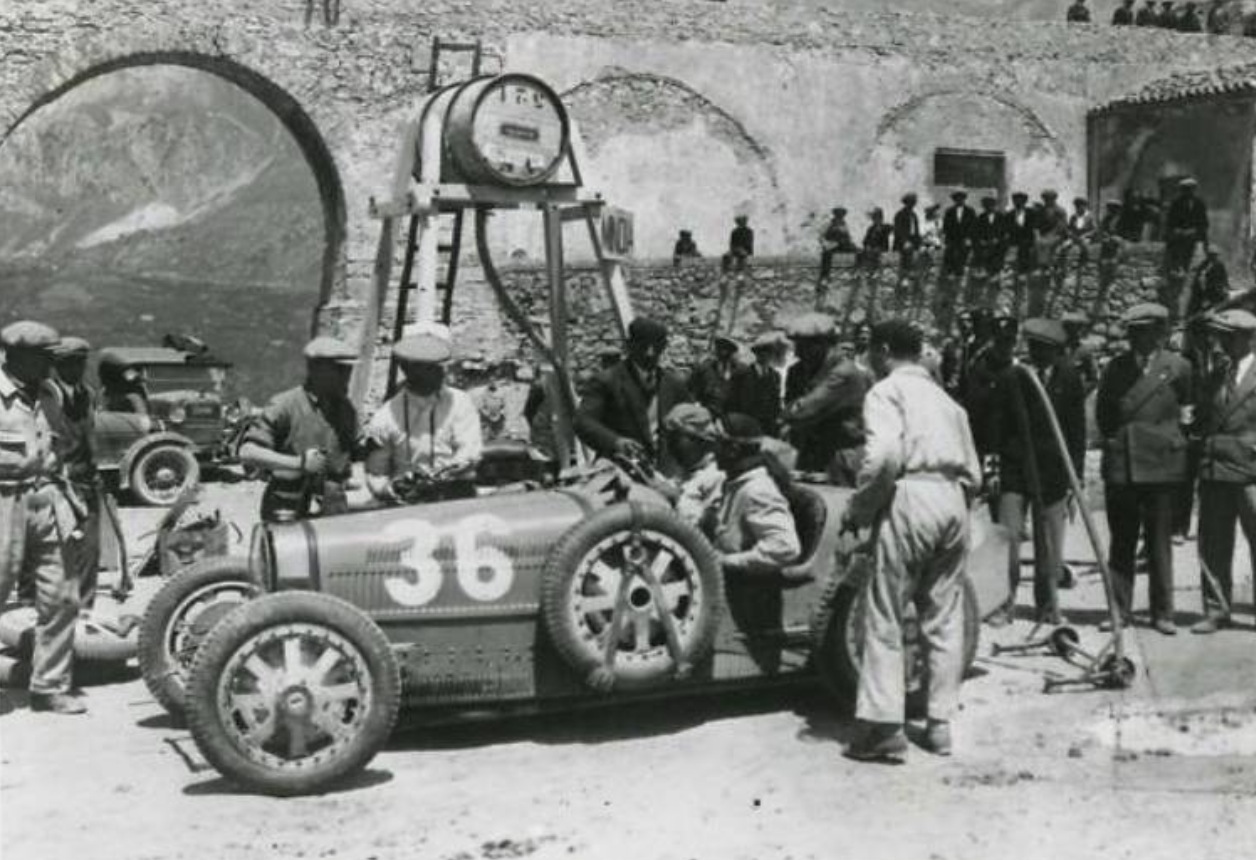
Fernando Minoia, Bugatti T35C 1929 Targa

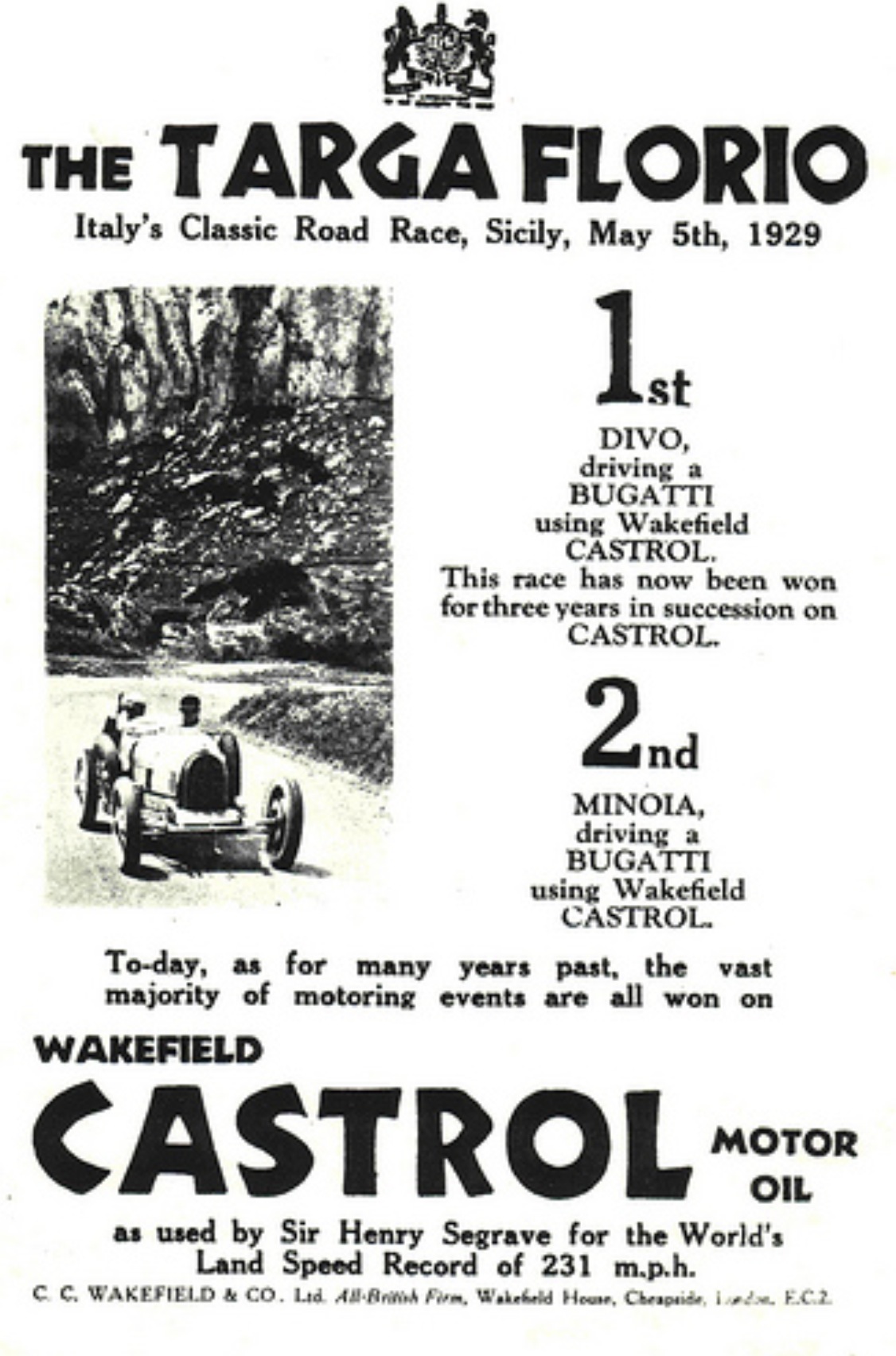
Evocative period shot of Fernando Minoia’s second placegetting 1929 Targa Florio pitstop…

Albert Divo won the endurance classic that year run over the ‘Circuito Polizzi’, the event comprising 5 laps of the 108Km course, 540Km in total.

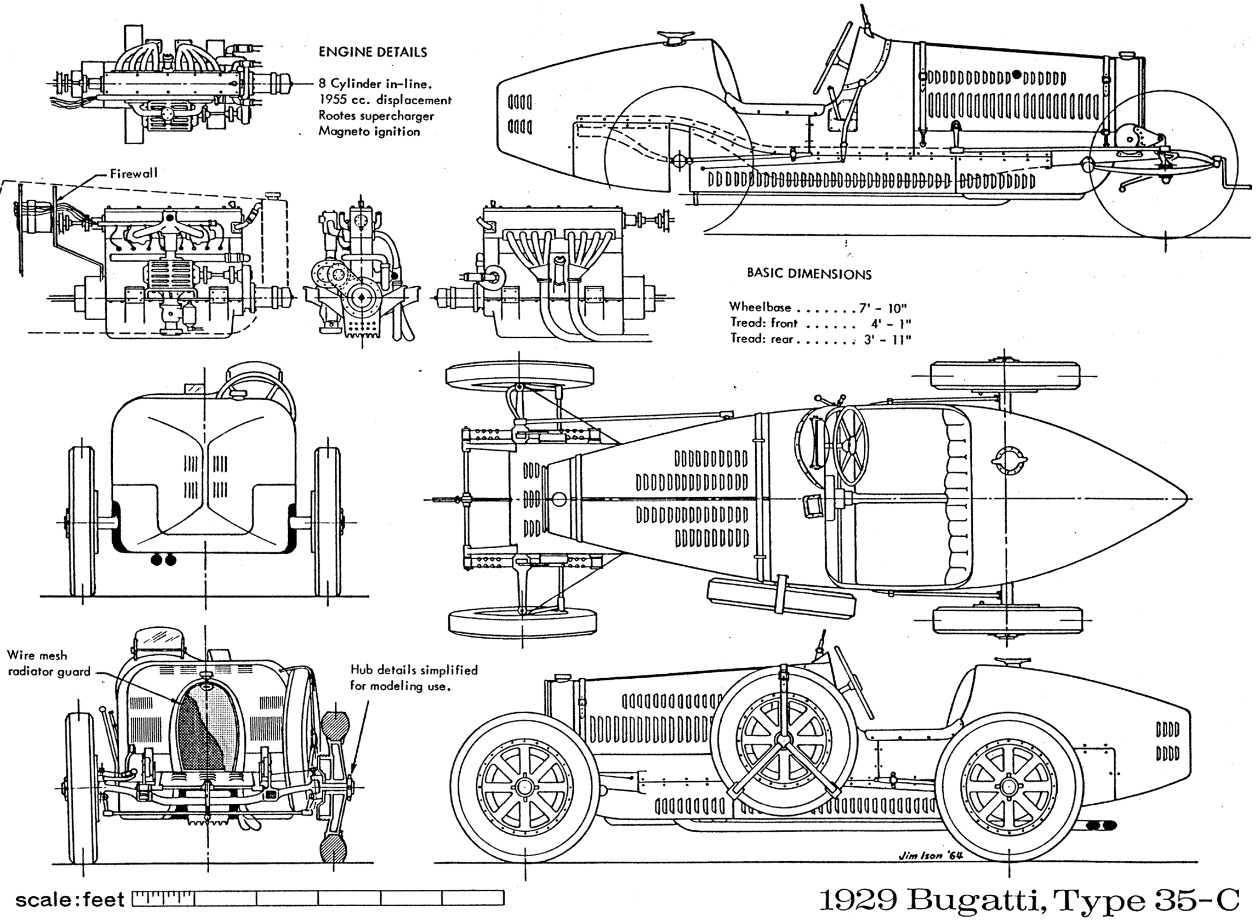
Divo and Minoia both drove Bugatti Type 35s’, the T35C. T35 is surely the most successful production racing car ever built? Third place went to Gastone Brilli-Peri in an Alfa 6C 1750 SS.

I am unsure on the photo’s location if one of you happens to know? The more you look the more you see…

Minoia 2

bug 35c

Castrol Targa '29 ad

Photos unattributed

whitford 300s albert park 1958

(Ed Steet)

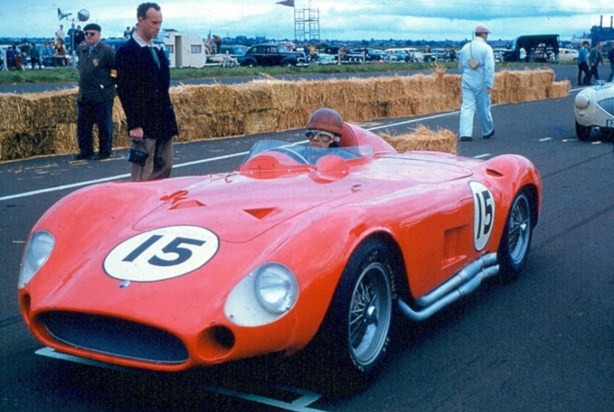
Bob Jane ahead of Doug Whiteford, both in ex-factory Maserati 300S, Victorian Tourist Trophy, 1958 Melbourne Grand Prix meeting at Albert Park…

Its Bill Pitt immediately behind Whiteford in a Jaguar D Type with Lou Molina in his Molina Monza Holden Repco on the inside. Whiteford and Pitt are lapping Jane and Molina, the latter pair scrapped for much of the race. I uploaded an article featuring the clever, technically interesting, Molina Monza the other day.

‘Shifting Gear’: Design Innovation and The Australian Car: Exhibition, National Gallery of Victoria…by Stephen Dalton & Mark Bisset

On the 12th lap Whiteford took the lead from Pitt he was not to lose. On lap 26 Pitts’ D Type hit the haybales at Jaguar corner, pitting to clear the rear guard from a wheel. Ron Phillips took his Cooper Jag through to second. At the finish it was Whiteford from Phillips, Pitt, Derek Jolly in a Lotus 15 Climax and Bob Jane.

Bertocchi in Moss’ 300S drives into the Albert Park paddock ahead of Jean Behra’s car during the 1956 Olympic Grand Prix/ATT weekends (R Bailey)


moss 300s 1956

Stirling Moss in Maserati 300S ‘3059’ during the 1956 AGP Meeting at Albert Park, in December. He won the sports car ‘TT’ race in the car (unattributed)

The Maserati team brought five cars to the 1956 Australian Grand Prix held at Albert Park…

Three were 250F’s and two 300S which were driven by Stirling Moss and Jean Behra, Moss won the AGP and the Australian Tourist Trophy in single-seater and sports Maseratis respectively.

At the end of the meeting the 300S’ were acquired by former AGP Winner, Doug Whiteford and Reg Smith, a Melbourne racer/motor dealer. Smith raced his car little and soon sold it to future Touring Car Champion, very successful businessman and later Calder Circuit owner Bob Jane.

Bob’s driving was ‘pretty rough and ready’ at this stage, fellow racer Reg Hunt was moved to shift his boat further into Albert Park Lake to keep it out of harms way, Jane quickly got the hang of the car and was competitive in it.

Whiteford bought the ex-Behra 300S #3055 which sort of made sense as an outright car as the AGP was run to Formula Libre at the time. A great ‘mighta been’ would have been Doug in a 250F taking on the other front runners at the time; Stan Jones, Reg Hunt, Lex Davison and Ted Gray in an equivalent car, ‘twas not to be sadly.
jane on the grid 300s fishermans bend 1958

(Kevin Drage)

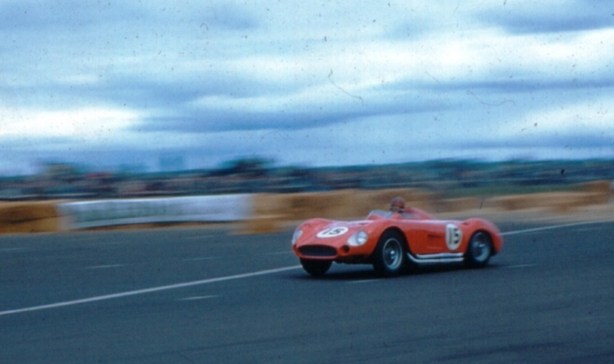
Bob Jane pictured above and below in his ex-Moss 300S #3059 on his debut meeting in the car at Fishermans Bend, in the inner western suburbs of Melbourne, October 1958.
jane 300s fishermans bend 1958

(Kevin Drage)

Stirling Moss said of the 300S…’a decently prepared 300S had a chassis which was infinitely superior to any front engined sports Ferrari, one of the easiest, nicest, best balanced sports racing cars ever made’…

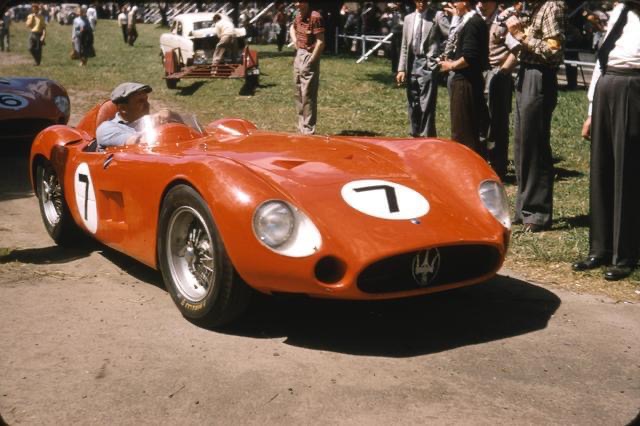
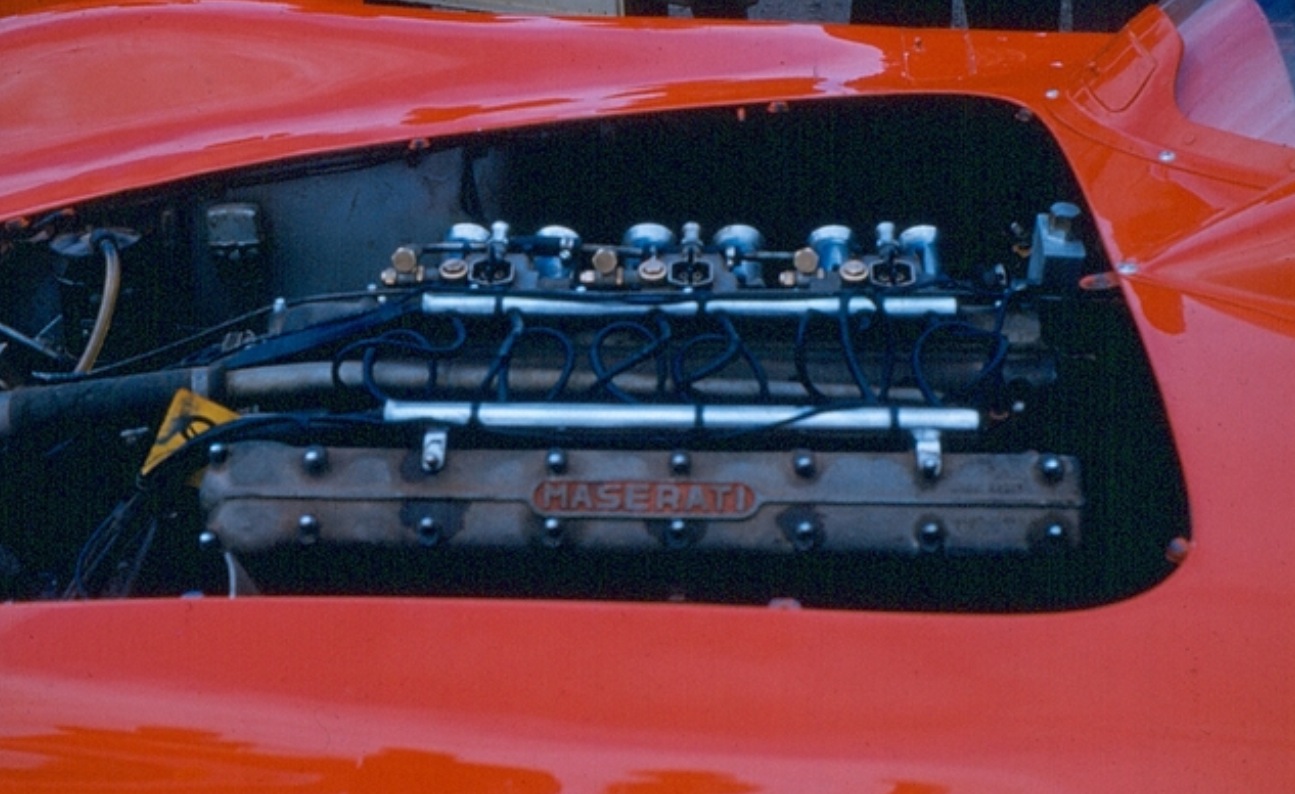
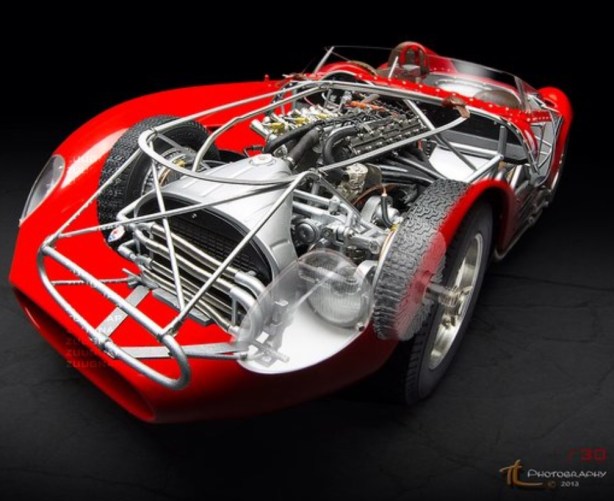
The 250F Grand Prix engine would not stretch to 3 litres, 2.8 litre variants of the 300S were built and were uncompetitive so Maserati built in essence a bigger version of the 250F engine, using the 250F head. 6 cylinders in line, 2992cc DOHC. The 2 valves per cylinder, 2 plugs per cylinder engine developed circa 280bhp @ 7000rpm. It was fed by 3 Weber carbs, initially 42 and later 45DCO3’s.

maser 300s engine

Janes’ Maser 300S engine, Fishermans Bend 1958 (Kevin Drage)

The gearbox was a ZF 4 speed.

The chassis was a ladder frame made with large diameter main tubes, front suspension by upper and lower wishbones and coil spring/damper units and a roll bar. A de Dion rear axle was used with a transverse semi-elliptic leaf spring and hydraulic shocks.

The first cars were built by Maserati, later assembly was outsourced to Gilberto Colombos’ specialist company, Gilco.

Steering was worm and sector, brakes huge finned alloy drums, wheels Borrani 5X16 inch wires, the aluminium bodies built by Fantuzzi. The car weighed circa 780Kg.
300s cutaway

26-28 cars were built between 1955-1958 depending upon the reference source…Whilst the cars were built in large numbers and were favourites of privateers they were not particularly successful at an International level, winning the 1956 Buenos Aires 1000Km and 1956 Nurburgring 1000Km.

When first built the 300S was outgunned by competitors with greater capacity and when the 3 litre limit was mandated for sports cars by the CSI in 1958 they were getting a little ‘long in the tooth’ compared with the Ferrari 250TR and Aston Martin DBR1.

They were very useful, competitive, relatively simple devices in places like Australia where the cars of Jane and particularly Whiteford were crowd drawcards from 1956 to 1963.

Bob Jane raced many mouth-watering cars over the decades, he is still alive and has retained many of them, including the 300S for decades after the end of its competitive life, it was sold some years ago.
300 s bathurst

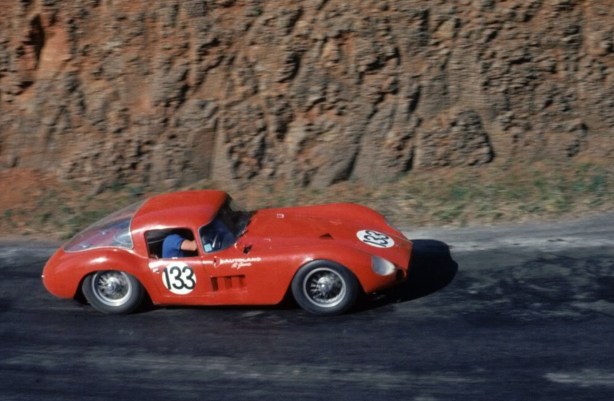
Bob Jane Maserati 300S, Forrests Elbow, Bathurst October 1961. Our regs of the time encouraged GT cars and as a consequence cars such as the Maser became Coupes (John Ellacott)

Australias ‘Appendix K’ or GT rules at the time mandated cars with ‘lids’, as a consequence Janes’ 300S grew this appendage, which is not too catastrophic in the context of some other efforts to comply with the rule change at the time. The Fantuzzi original is rather nicer all the same. When Janes’ team rebuilt the car in the mid-seventies it was restored, superbly to its original specs.

The car left Australia in the early 90’s, the current custodian appears to be Klaus Werner.

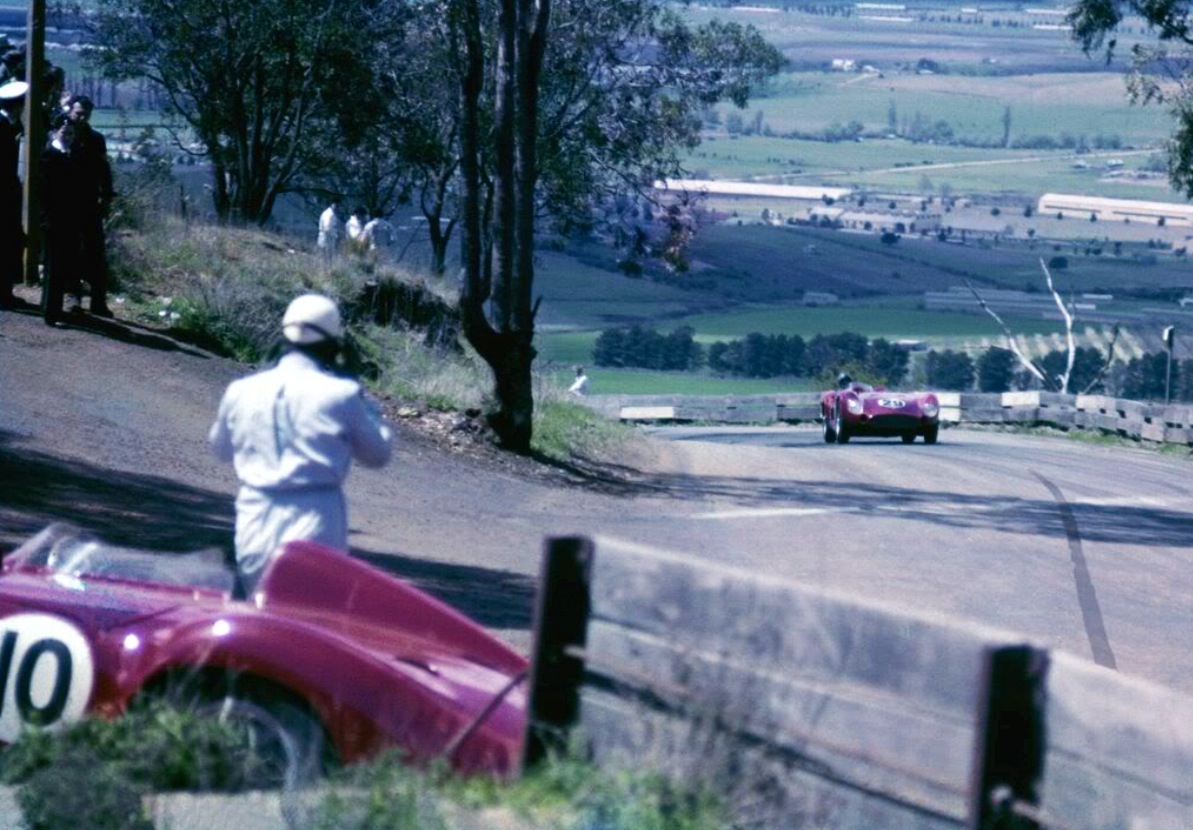
whiteford

Doug Whiteford has parked his ‘3055’ 300S after a major moment going up Mt Panorama, perhaps driveshaft failure, the dark blue lines on the road show his path. He has time to watch Bob Janes’ approach in ‘3059’. Bathurst 1960. Bucolic Central Tablelands in the distance far below (John Ellacott)

Etcetera…

(P Coleby)

Jane during the Ballarat International meeting in 1961, it must be practice as he did not race given some type of problem or irregularity. Dan Gurney won the feature in a BRM P48.

Photo Credits…

Ed Steet, Kevin Drage, John Ellacott, Peter Coleby Collection, Rob Bailey Collection

Finito…

The Girl in Red Glasses…

Posted: May 10, 2015 in Fotos

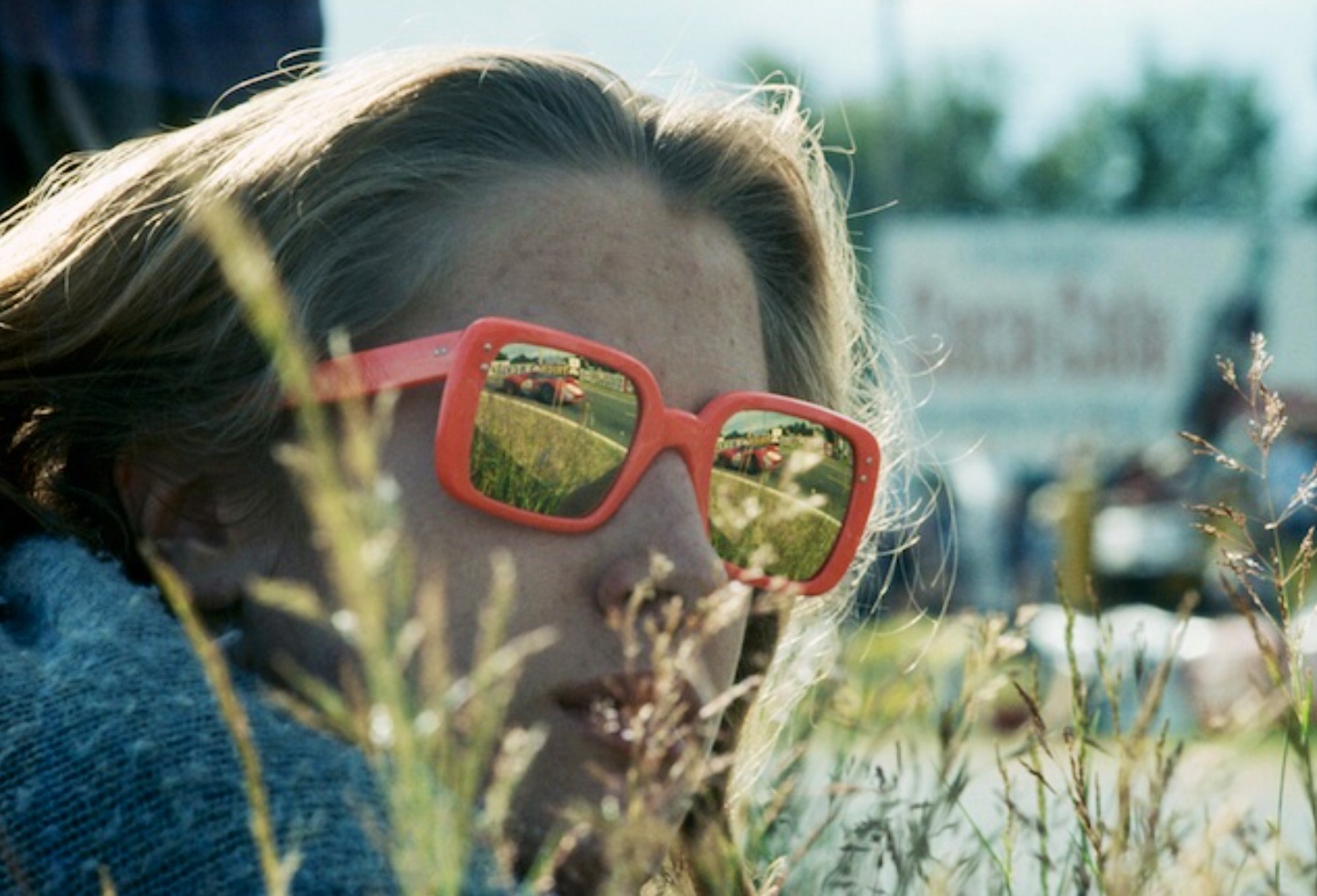
the girl in red

The artistry of Jesse Alexander, but where and when?

It appears to be a sixties Ferrari reflected in her ‘glasses, she will be a granny by now!

(Jesse Alexander Archive)

image

A warm but gloomy Autumn day greeted the entrants of the Ferrari Owners Club annual concourse in Melbourne this morning…

Racing Ferraris’ are fairly thin on the ground in Australia so the cars were predominantly road cars with a bias towards later models of the last 15 years.

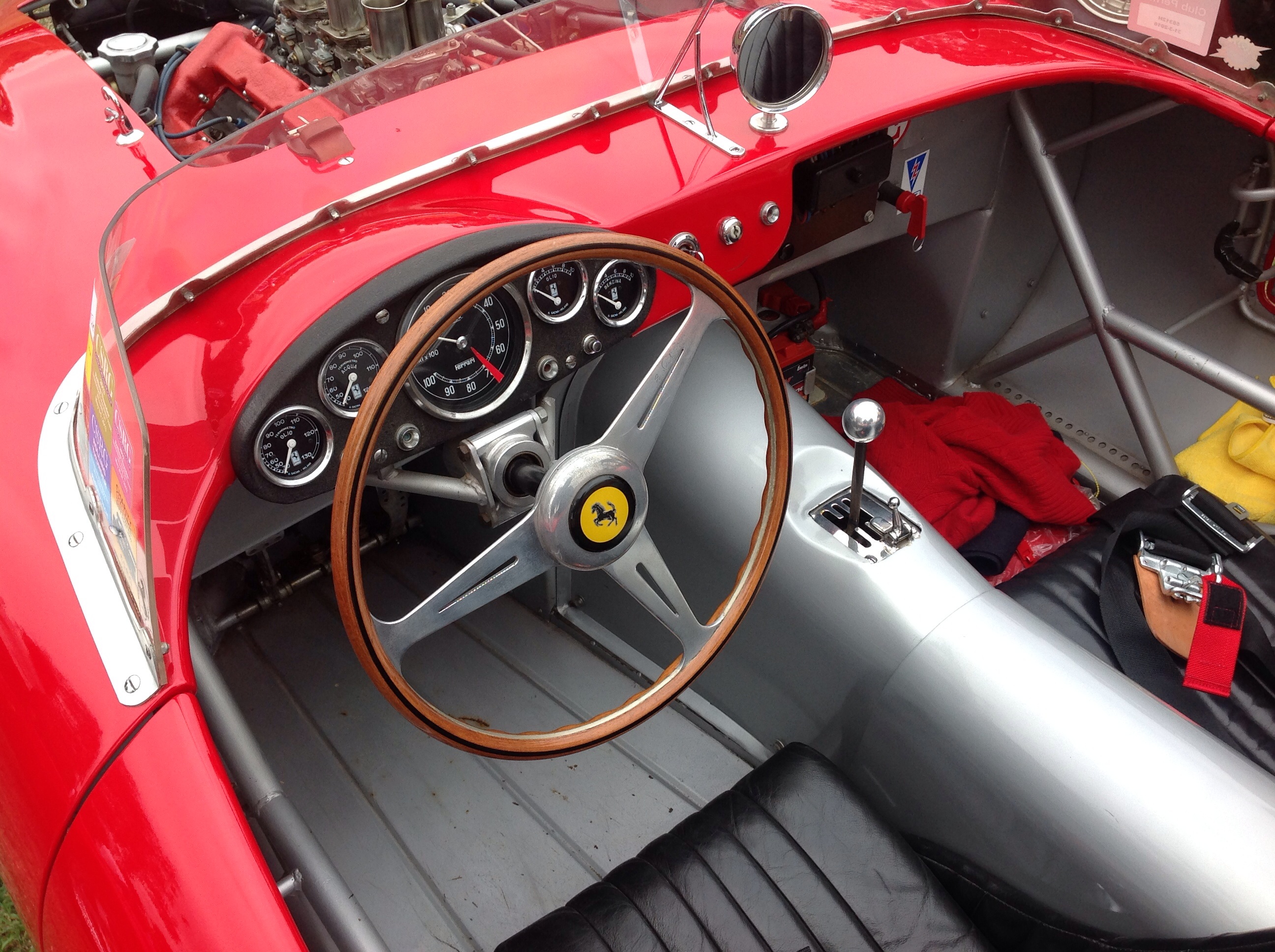
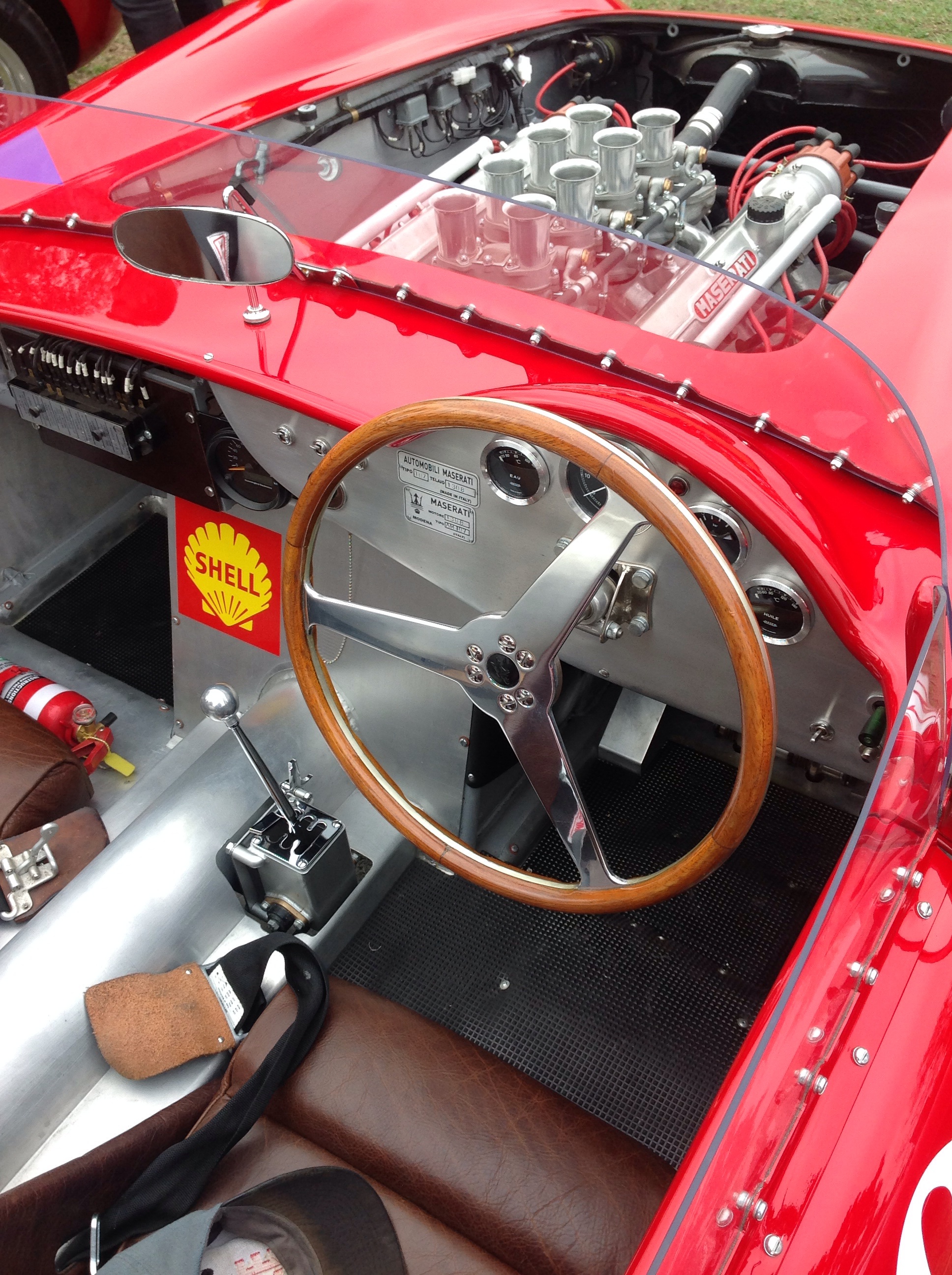
The most interesting entries for me were both replicas; one in the style of a Ferrari Dino 246 Sports Spider and the other a Maserati 450S, both racers of the late 1950’s. Some of the latter cars donor parts were from a Quattroporte road car of the 60’s by the look of the ‘Tipo 107’ plate on the dash.

Neither car is allowed to race in Historic Racing in Oz given our strict period compliance rules but both would be mighty fine and fast track day and road cars…

image

Ferrari Dino 246 Sport Spider replica

image

image

image

Maserati 450S replica

image

Workmanship of 450S replica evident. Both cars built by Vintage and Historic Restorations in suburban Melbourne.

image

Replica Ferrari Dino on the left and Maser on the right.

image

image

image

image

image


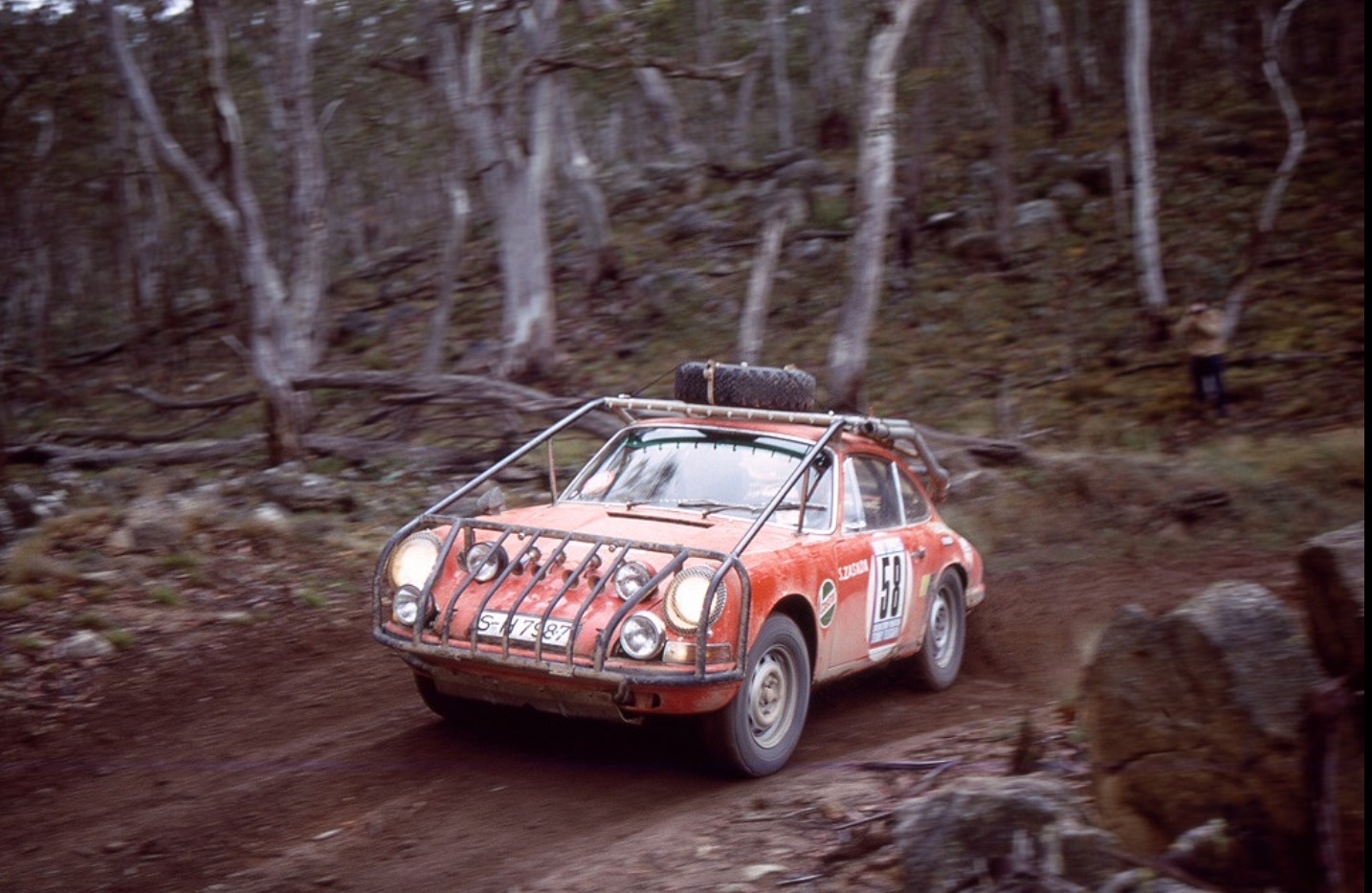
zasada 911

‘Polish rally ace Sobieslaw Zasada gave it all he had on the Numeralla to Hindmarsh Station stage, and the Porsche responded with the characteristic wail of its air cooled flat six engine. He improved from 9th to 5th place on this stage and ultimately took 4th place in the Marathon.’

The London-Sydney Marathon was run between 24 November and 17 December 1968. A field of 98 cars set out on a route covering 10,000 miles (16,000 kilometres) across Europe and Asia to Bombay, then from Perth to Sydney in Australia. It was the first in a series of epic transcontinental car rallies held in subsequent years, and possibly the most memorable of all. The event was sponsored by the London Daily Express and the Sydney Daily Telegraph and captured the imagination of the world, as the respective newspaper proprietors had hoped.

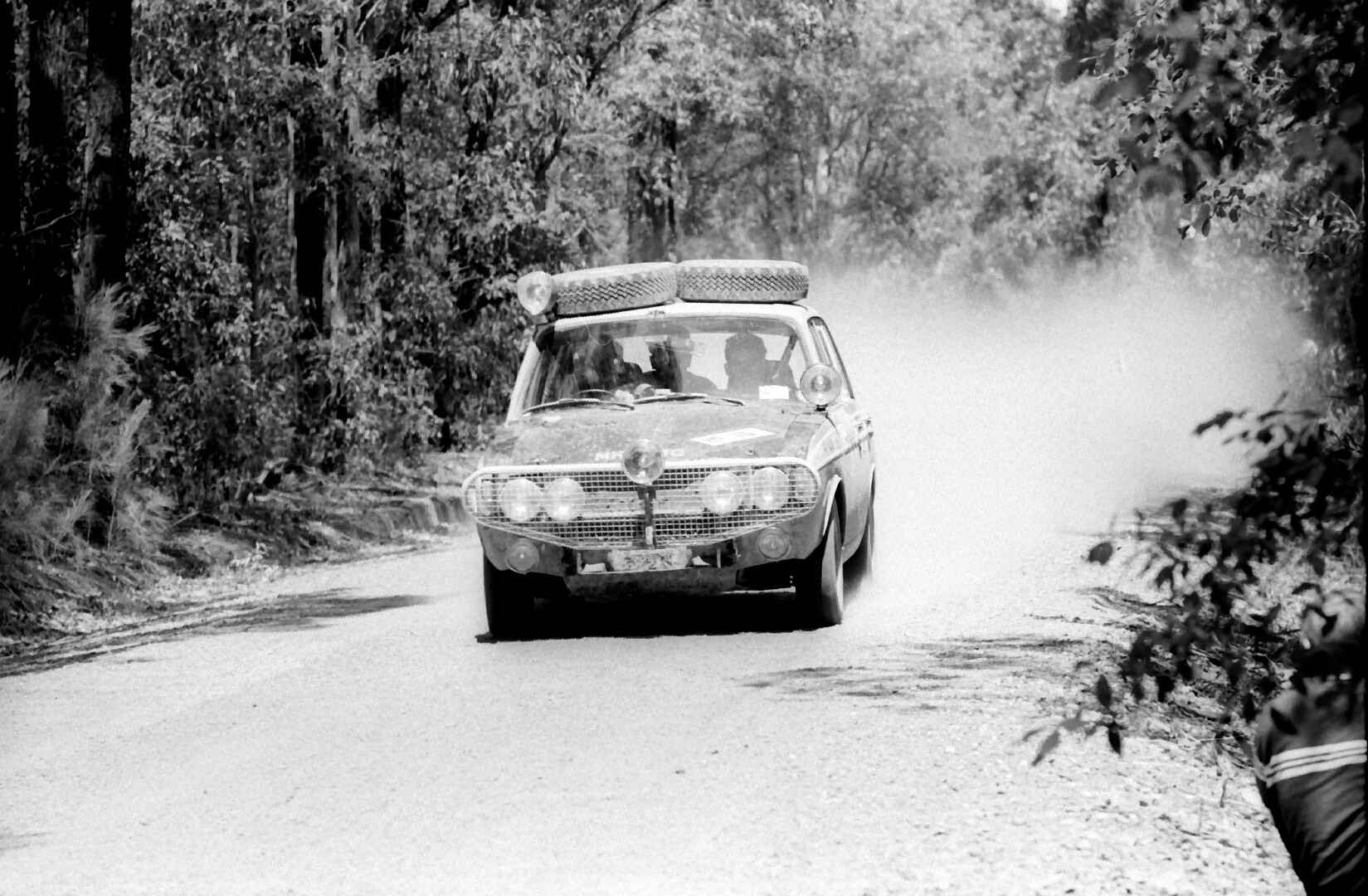
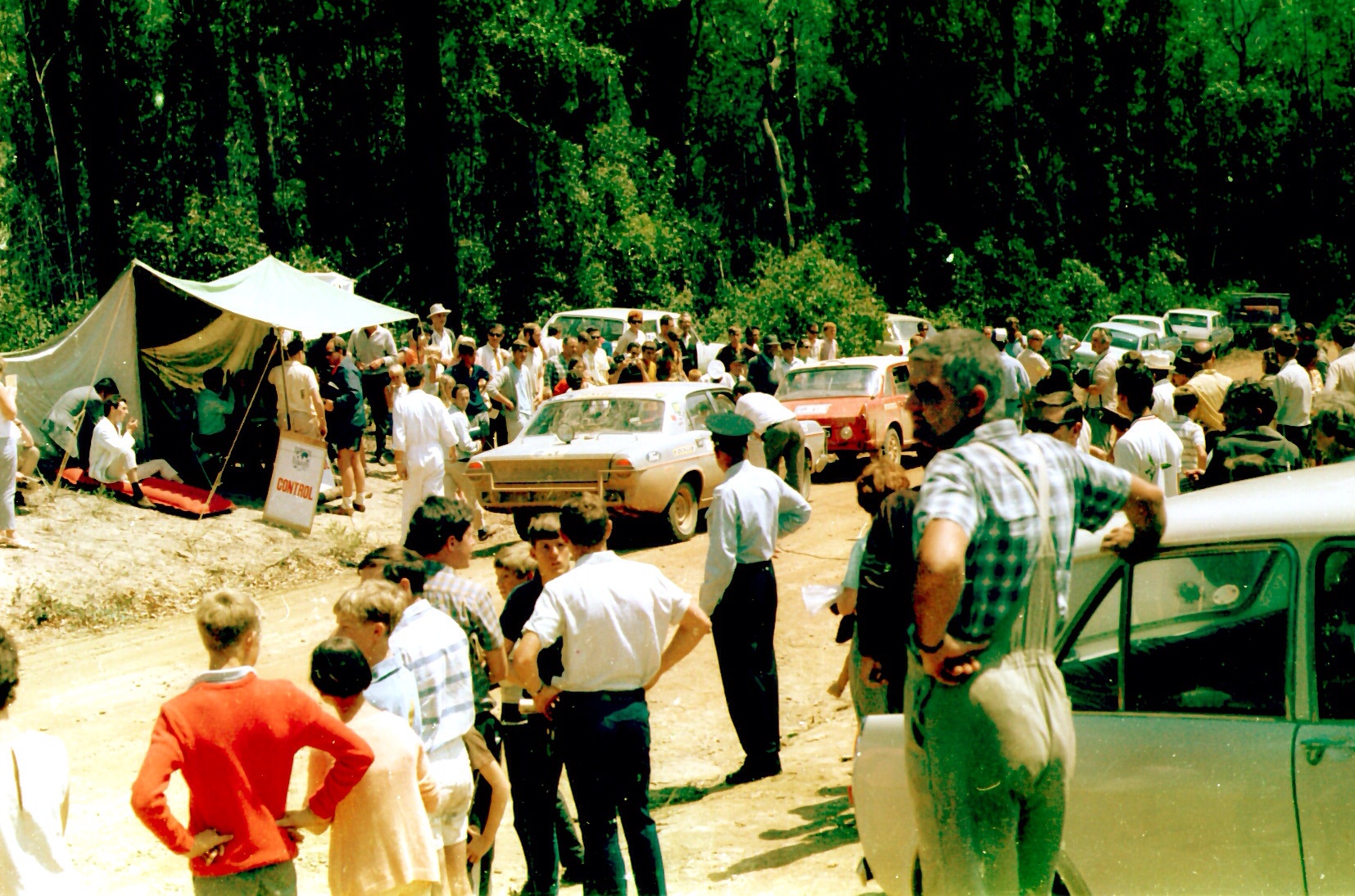
I was fortunate to be able to witness and photograph the final competitive stage of the event, over rough, unmade roads between Numeralla and Hindmarsh Station in southeastern New South Wales. This stage was designed to be a final, extreme test in order to find a clear winner.’

(Numeralla is a tiny little hamlet in sub-Alpine country not far from Cooma, between the national capital, Canberra and the NSW snowfields areas of Thredbo/Perisher Valley. The final run to Sydney was circa 420Km)

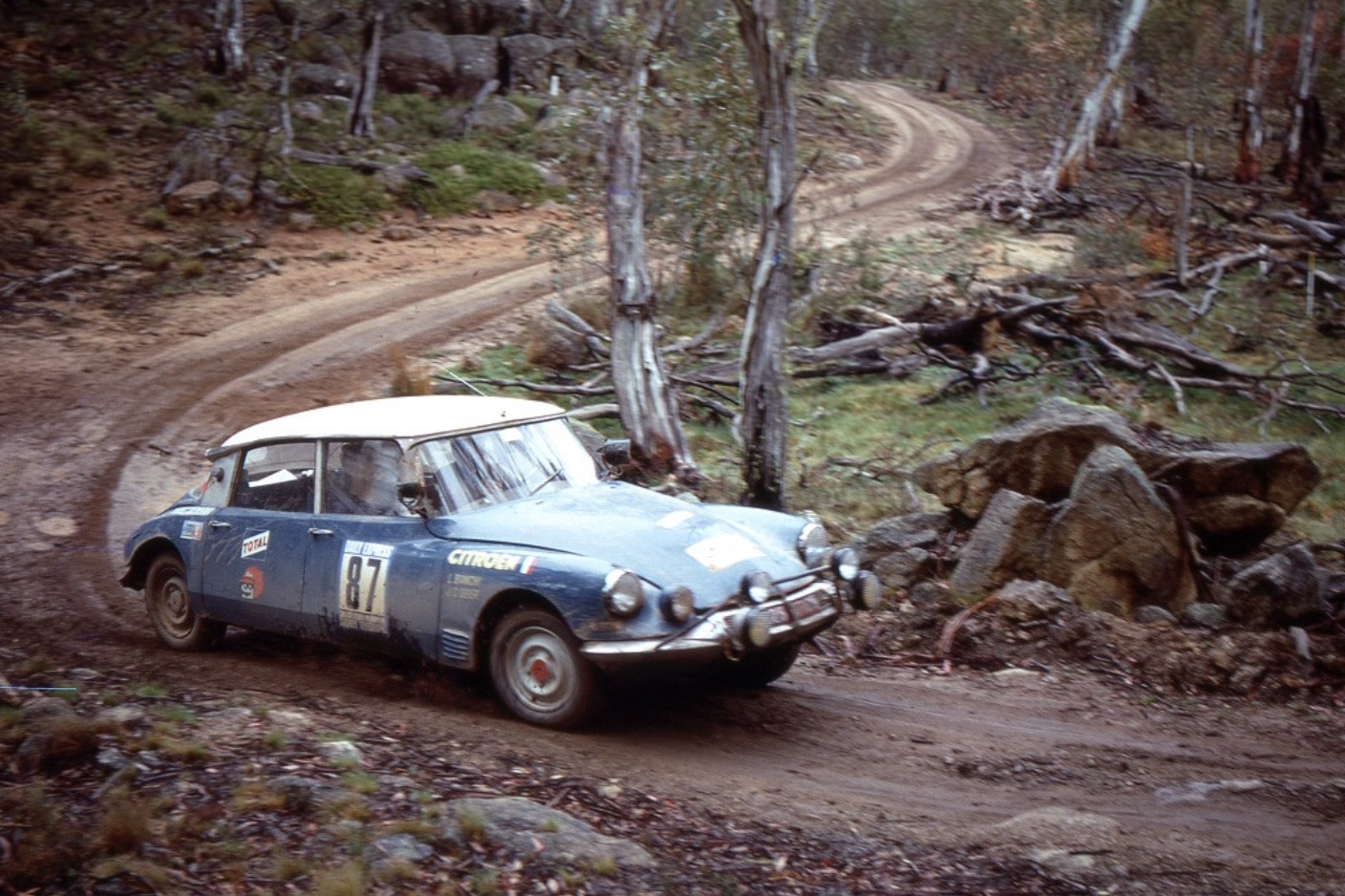
bianchi

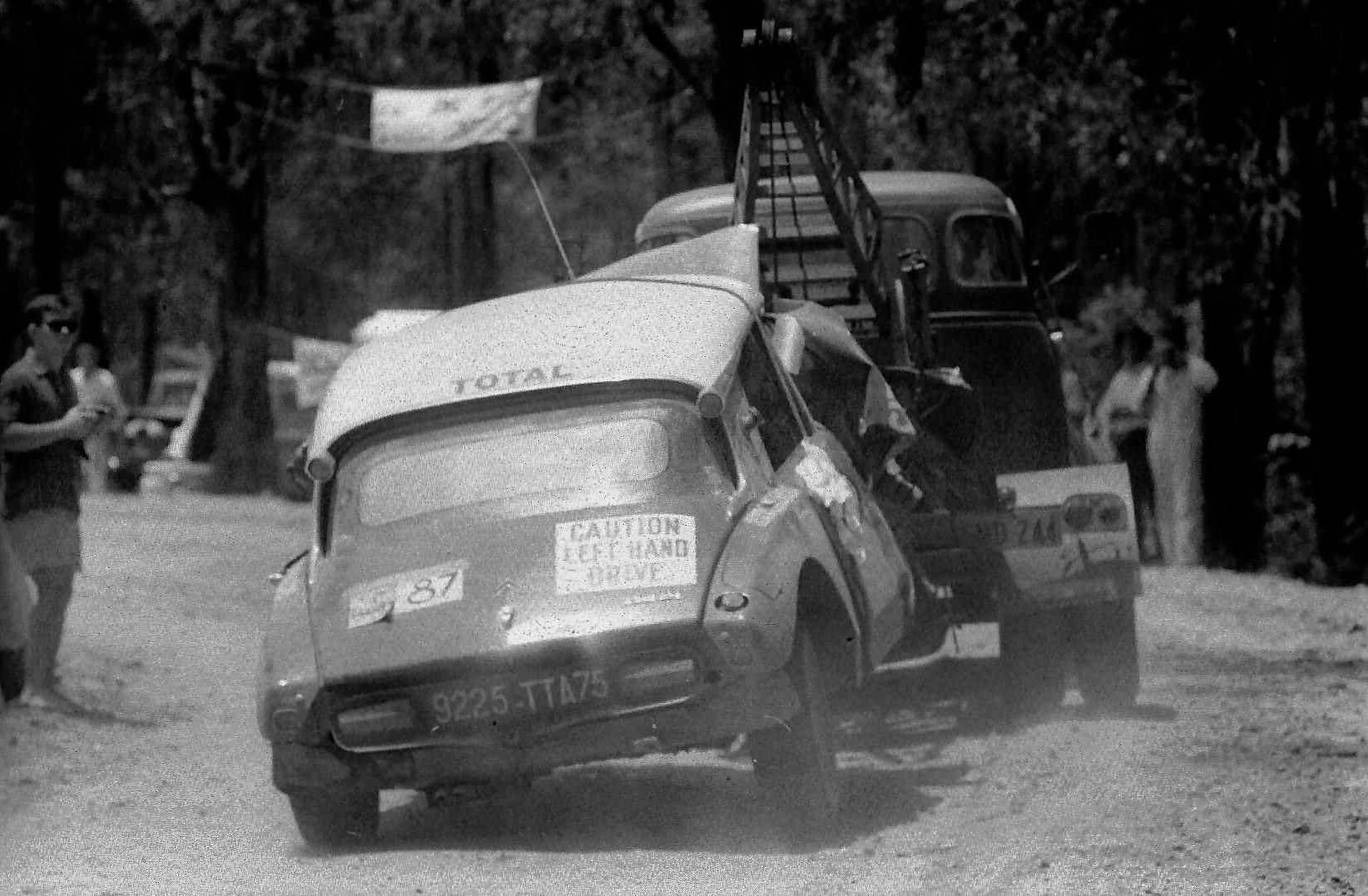
‘The Bianchi/Ogier Citroen was a clear leader on this final competitive stage from Numeralla to Hindmarsh Station. There were only easy transport stages then until the finish in Sydney. The Citroen had excelled on the rough, outback roads of Australia as other competitors, including Roger Clark in a very fast Cortina Lotus, succumbed to mechanical problems.

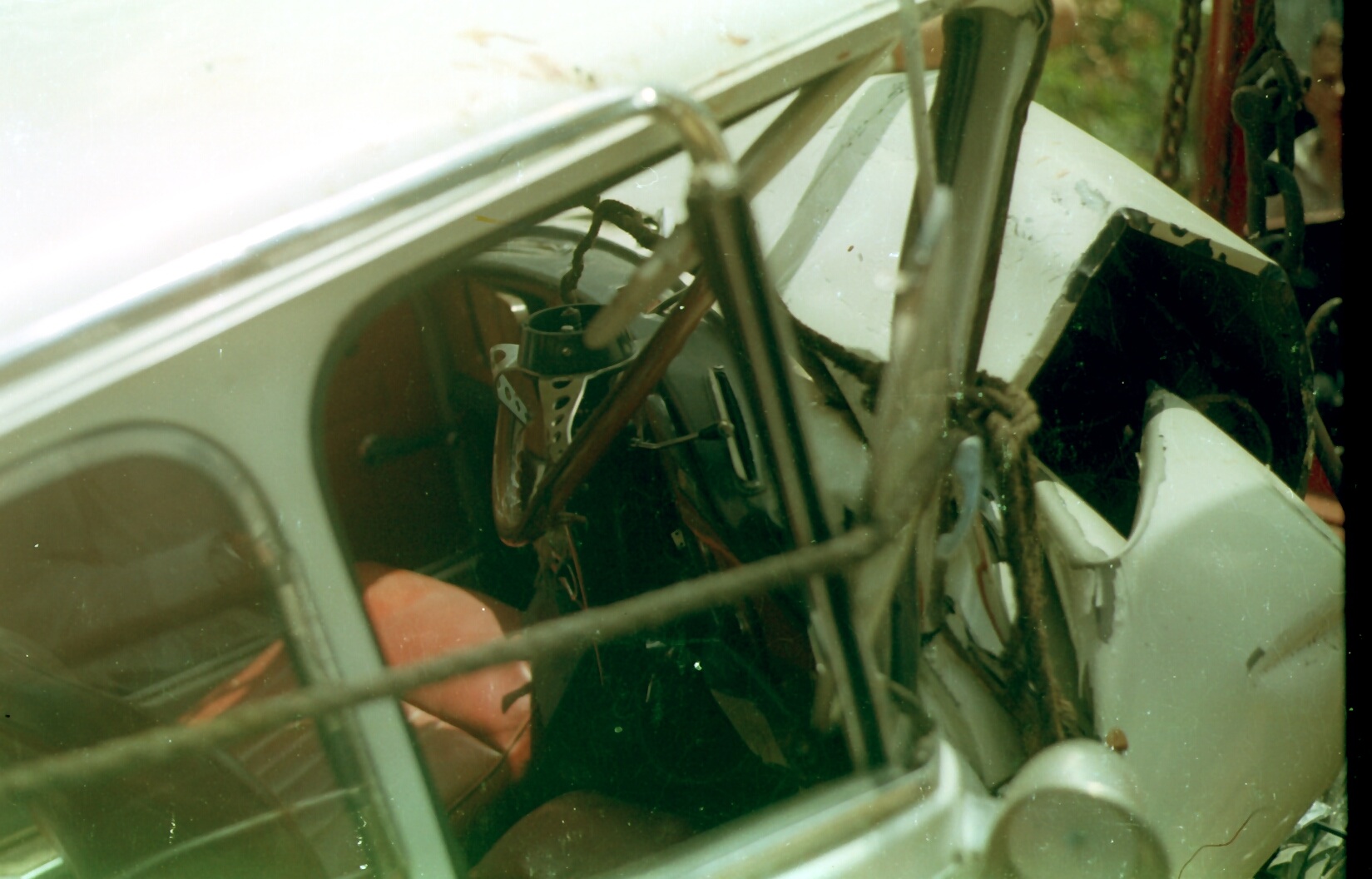
As it happened, the result was determined on the subsequent, easy transport stage when the leading car, the Citroen DS21 of Lucien Bianchi and Jean Claude Ogier, was put out of the event in a crash with an out of control spectator car. Andrew Cowan/Coyle/Malkin in a Hillman Hunter unexpectedly inherited the lead and won the Marathon. A total of 56 cars reached the finish line in Sydney.’

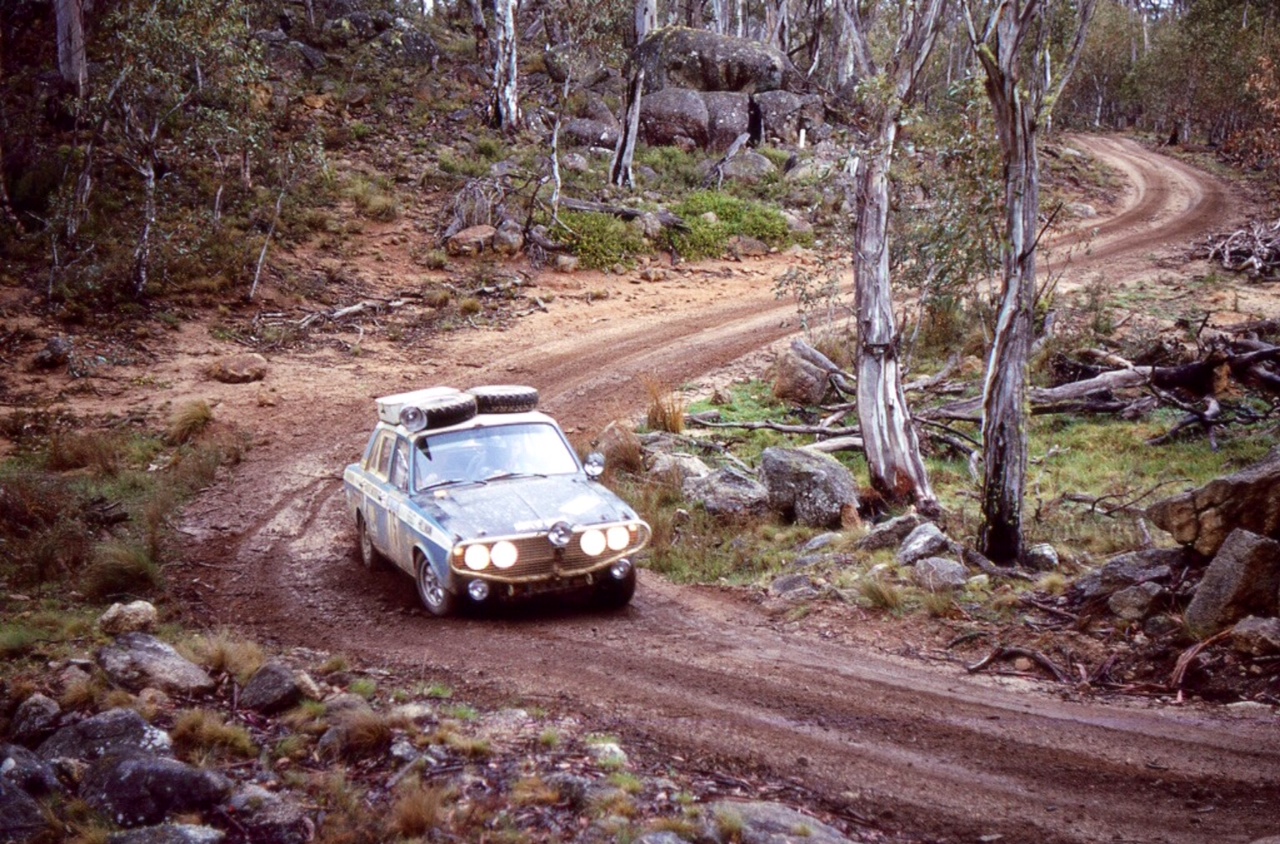
cowan london sydney

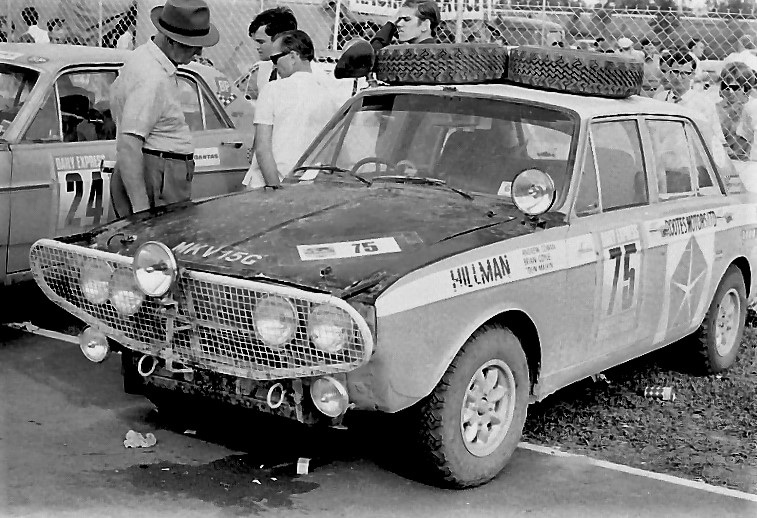
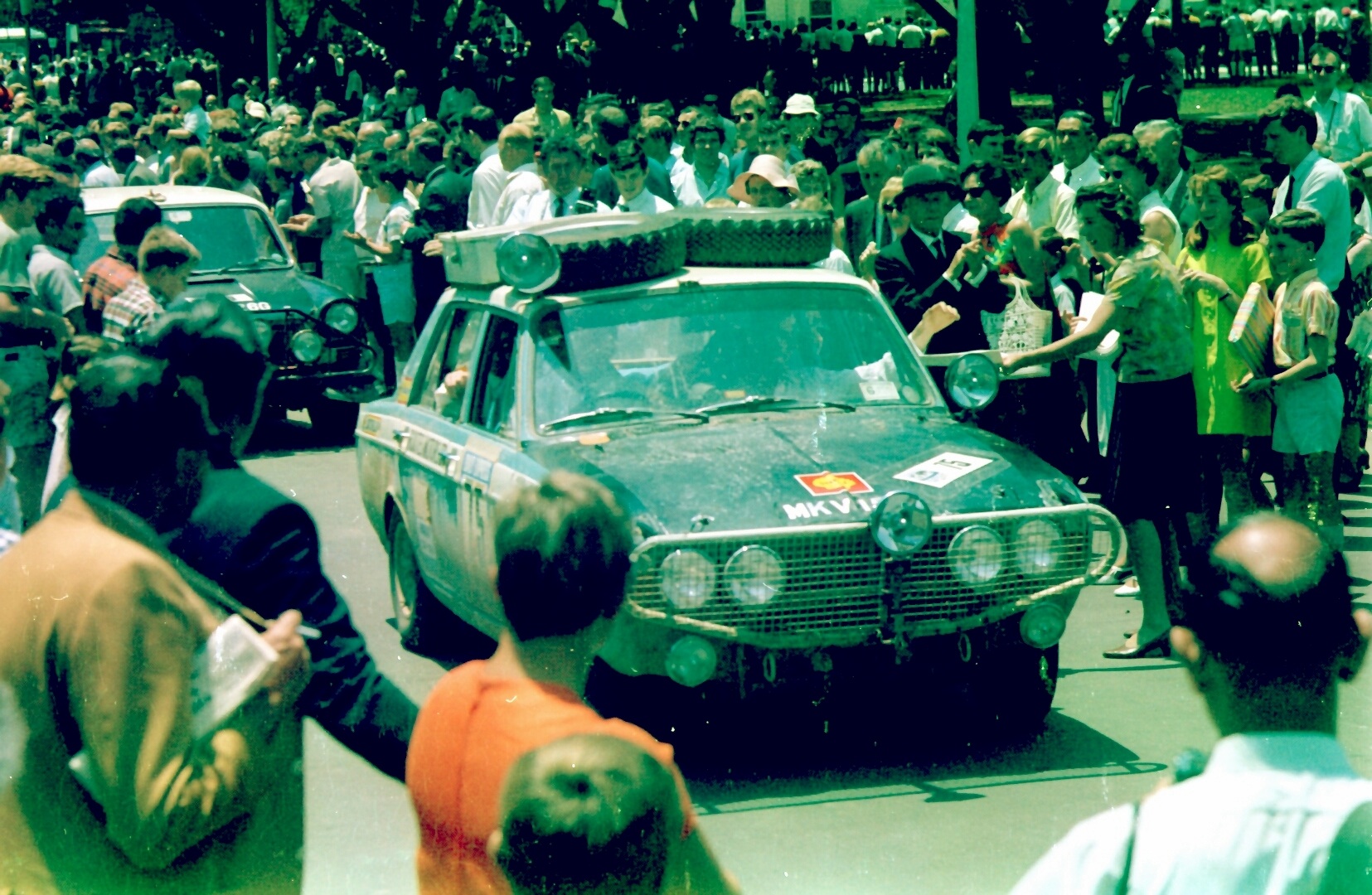
‘The Hillman Hunter seemed an unlikely contender, but Andrew Cowan had this low budget, works car in second place to Bianchi by the end of the Numeralla to Hindmarsh Station stage. He then simply inherited the lead when Bianchi’s Citroen was cruelly eliminated when it was hit by an out of control spectator car on the following transport stage’.

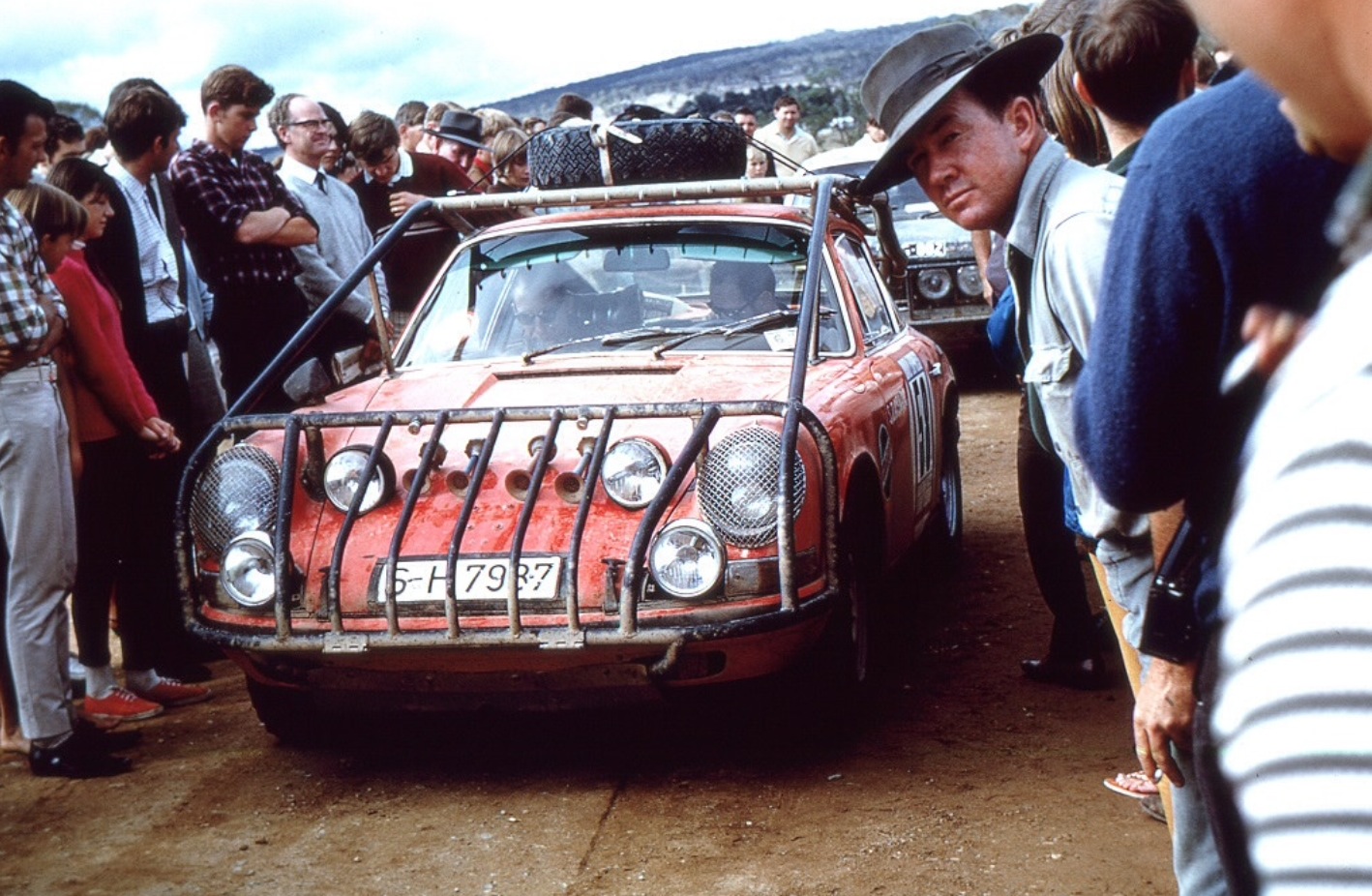
zasada 911 2

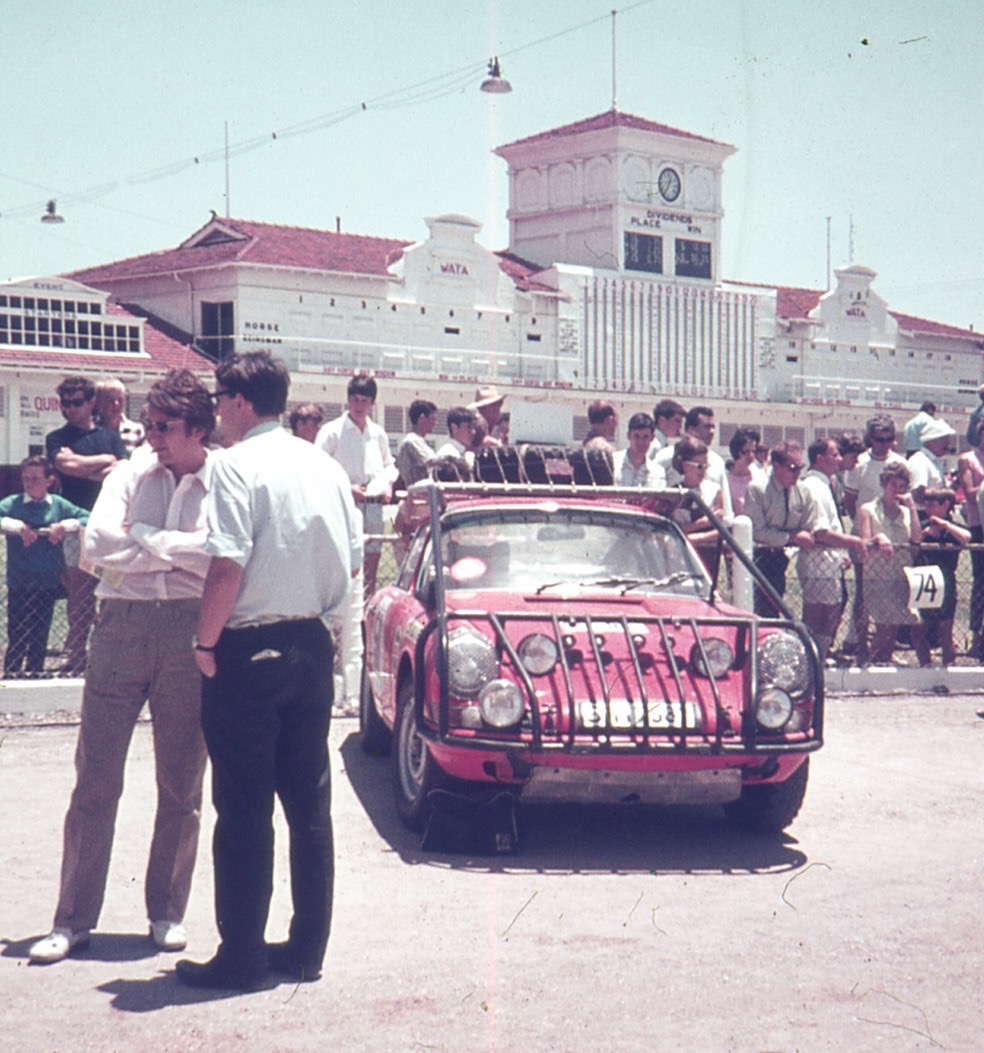
‘The mighty Zasada/Wachowski Porsche waits to leave at Hindmarsh Station. It finished in 4th place. Its interesting ‘kangaroo catcher’ was never tested.’

Check out Bruce Thomas’ photographs of the rest of the Numeralla to Hindmarsh Stage…

https://www.flickr.com/photos/96982658@N05/sets/72157644193948282/comments/

Nowra Stage and Sydney Finish…

The first part of this article above was uploaded in April 2015.

In September 2018 Rod MacKenzie, a professional photographer whose work I have used many times offered to share the following photographs he took of the Cowan Hillman, crashed Bianchi Citroen and destroyed spectator’s Mini during the Nowra stage.


(R MacKenzie)


(R MacKenzie)


(R MacKenzie)


(R MacKenzie)


(R MacKenzie)


(R MacKenzie)


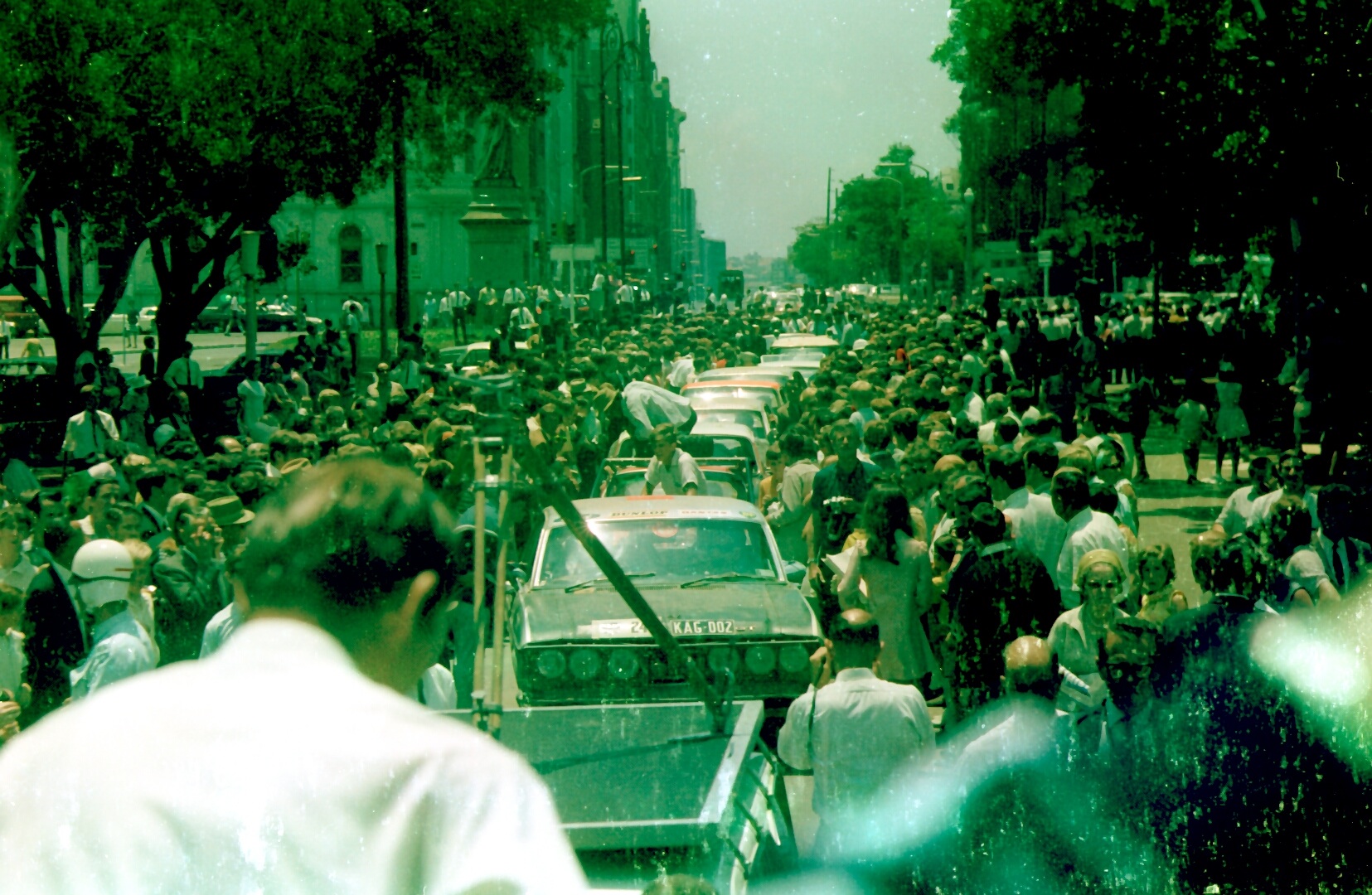
The final series of photographs are of scenes at the finish in Hyde Park, Sydney.

This is a very familiar place for many Australians- I lived in the CBD very close to this spot for 9 years, it is thrilling to think of the end of the Marathon all those years ago, the excitement of the crowd, the colour, noise. Wonderful evocative shots.


(R MacKenzie)


The Cowan/Coyle/Malkin Hunter above and the crew imbibing some of a sponsors product below- a well earned drop no doubt!


(R MacKenzie)


(R MacKenzie)

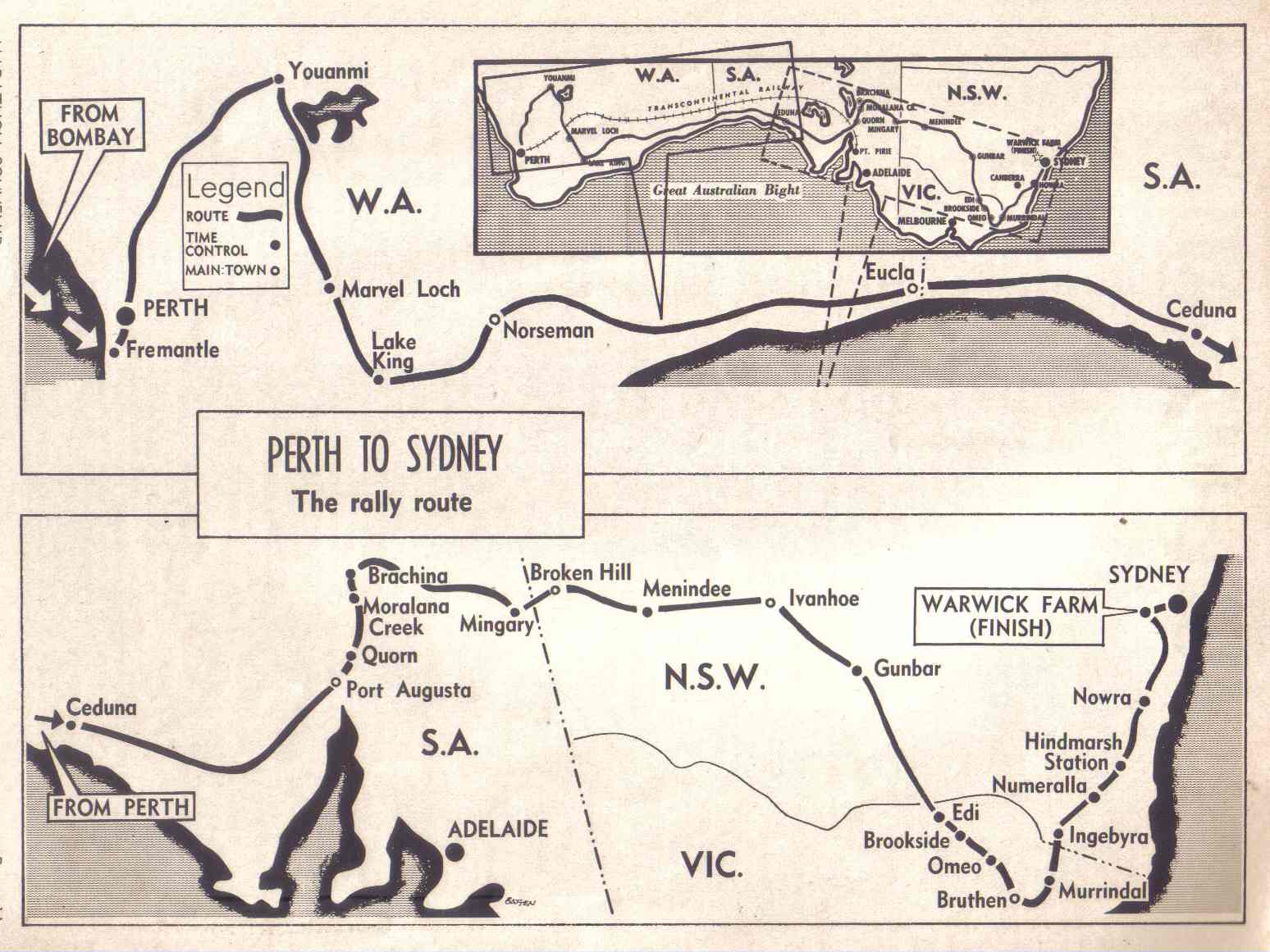
Australian Leg of the Marathon Map…

london to syd map

(Stephen Dalton Collection)


Etcetera…


(M Thomas)

The Zasada and Yannachas Porsche 911s at rest in Perth.

Resting place for the public to check out the cars was Gloucester Park trotting track.


(M Thomas)


(M Thomas)


(M Thomas)


(M Thomas)


(L Manton)

British Leyland press photographs…

This series of shots are from the collection of Luke Manton.

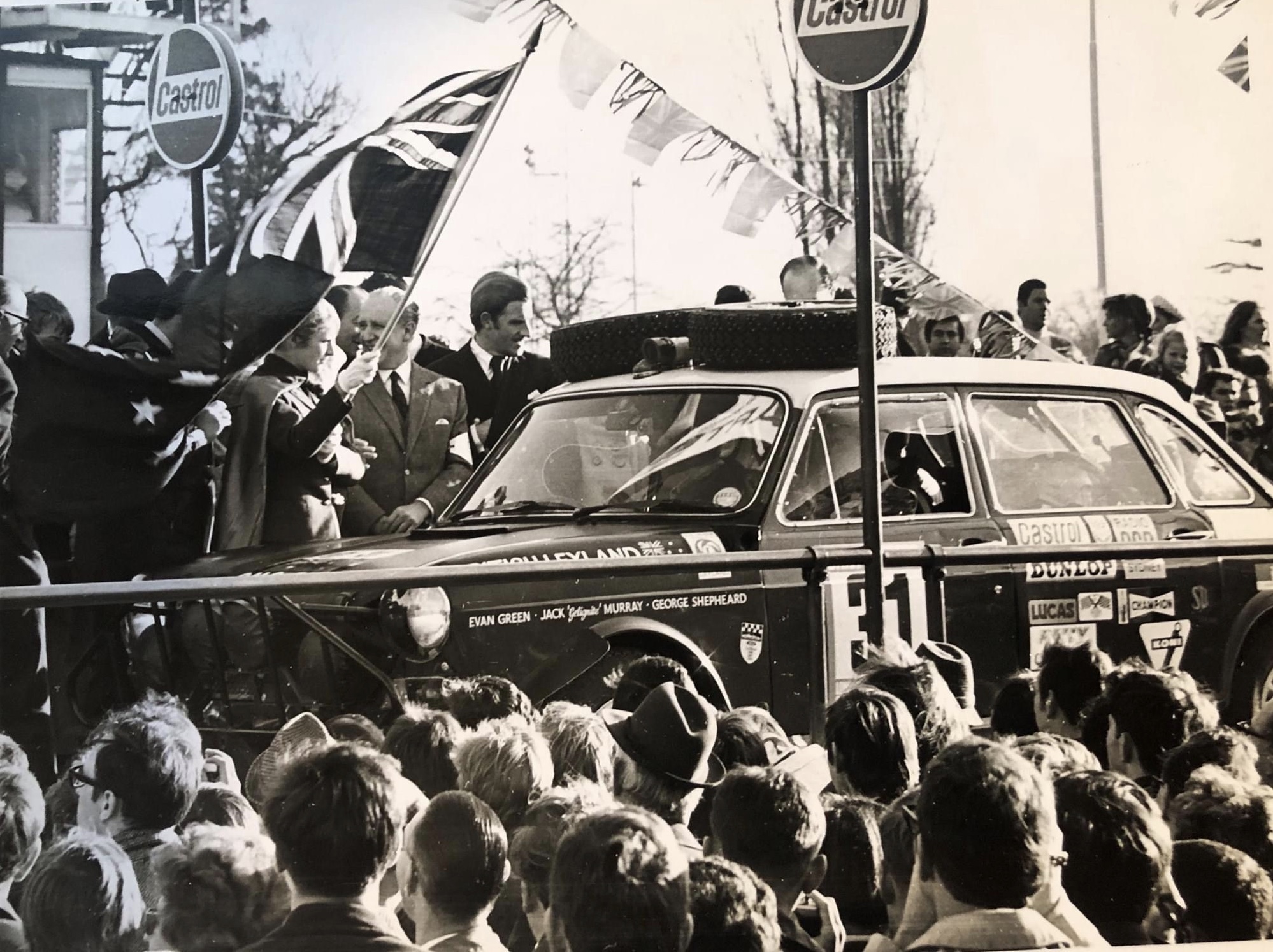
The first photo is on the start ramp at Wembley, Graham Hill just to the right of the flag.

(L Manton)

Evan Green, Jack Murray, did Miss World accompany them perhaps?

(L Manton)


(L Manton)

Cooper S and Austin 1800s in build at Abingdon.

(L Manton)

Credits..

Bruce Thomas photos and writing, Rod MacKenzie photos and Stephen Dalton Collection for the maps. Murray Thomas Collection, Luke Manton

Finito…
 

image

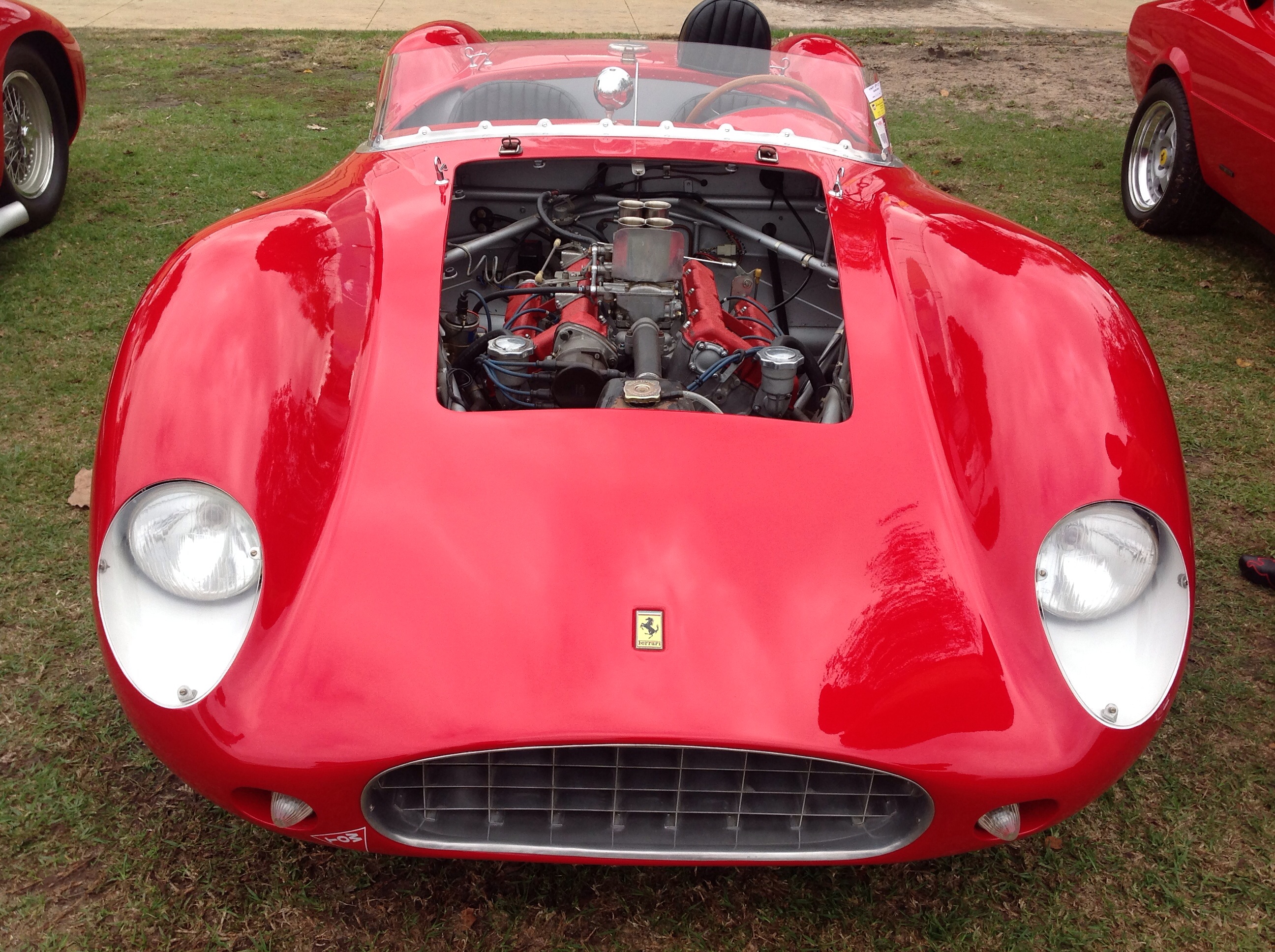
Phil Hill, Ferrari Dino 246, Italian GP Monza 1958. His debut GP for Ferrari

Phil Hill looking fairly relaxed on the occasion of his Ferrari Grand Prix debut…

Hill had been part of Ferraris’ sports car squad since 1955 and ‘shamed’ the chief into promoting him by making his Grand Prix debut in the French GP in Jo Bonniers’ Maserati 250F.

He justified Ferrari’s faith in him placing 3rd in his Dino 246. Tony Brooks Vanwall won the race.

Love Hill’s natty race safety attire! Check, short sleeved blue shirt his first line of defence against fire, mind you the prevailing wisdom of the day was to be thrown clear of the car in the event of a ‘big one’.

It’s interesting to reflect on how far safety advanced in the following ten years- in cars advances included monocoque chassis, roll bars, six-point harnesses and fire extinguishers. In terms of driver safety ‘Nomex’ fire retardant ‘suits with Bell introducing the first ‘Star’ full face helmet in 1968 spring to mind.

Mind you the cars were far faster over that decade, the GP field was ‘winged by the end of 1968 with another leap in performance as a consequence. The circuits hadn’t kept pace though, the Jackie Stewart led Grand Prix Drivers Association crusade to improve circuit standards and safety was just underway, he was a pariah in the views of some traditionalists but many drivers lives were saved as a result.

We lost some of the visual splendour of classic circuits and Phils’ striped blue shirts…

enzo

Enzo Ferrari & Phil Hill Monza 1958- ‘just do as i say and you will be fine…'(Jesse Alexander)


italian

1958 Italian GP Start…# 28 Tony Brooks & # 30 Stuart Lewis-Evans, both in Vanwall VW57’s & Mike Hawthorns’ Ferrari Dino 246. Brooks the winner of the race from Hawthorn & Hill. Lewis-Evans DNF. (Unattributed)


phil 2

Phil Hill Ferrari Dino 246 Italian GP Monza 1958- that steering wheel is so ‘period’! (Jesse Alexander)

Etcetera…

Phil looking very youthful, 25 years of age, at Torrey Pines, California in July 1952, car is a Ferrari 212 Export- a win it seems!

Photo Credit…

Jesse Alexander

Finito…
vettel malaysia

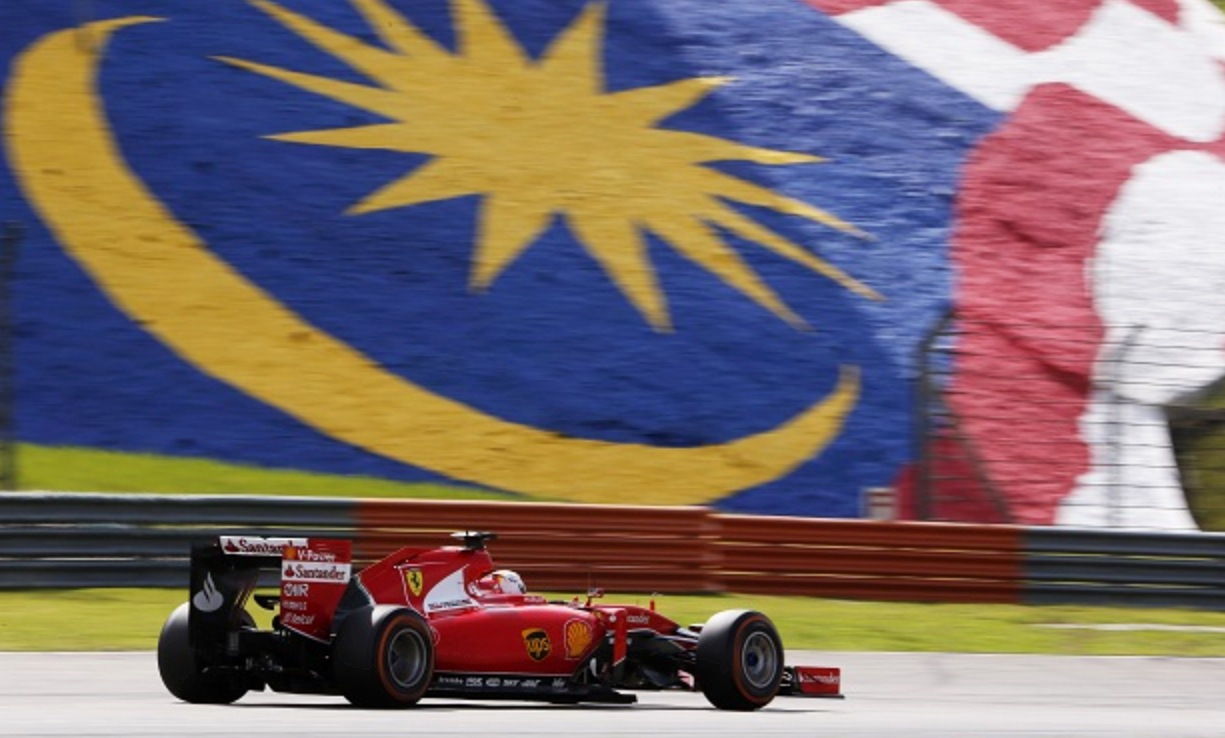
Sebastian Vettel, Ferrari SF-15T. Malaysian GP 2015. (MotorSport)

Mark Hughes in his usual insightful way explains why Ferrari gave us a welcome change of colour at the chequered flag…

http://www.motorsportmagazine.com/f1/reports/2015-malaysian-grand-prix-report/

hammo

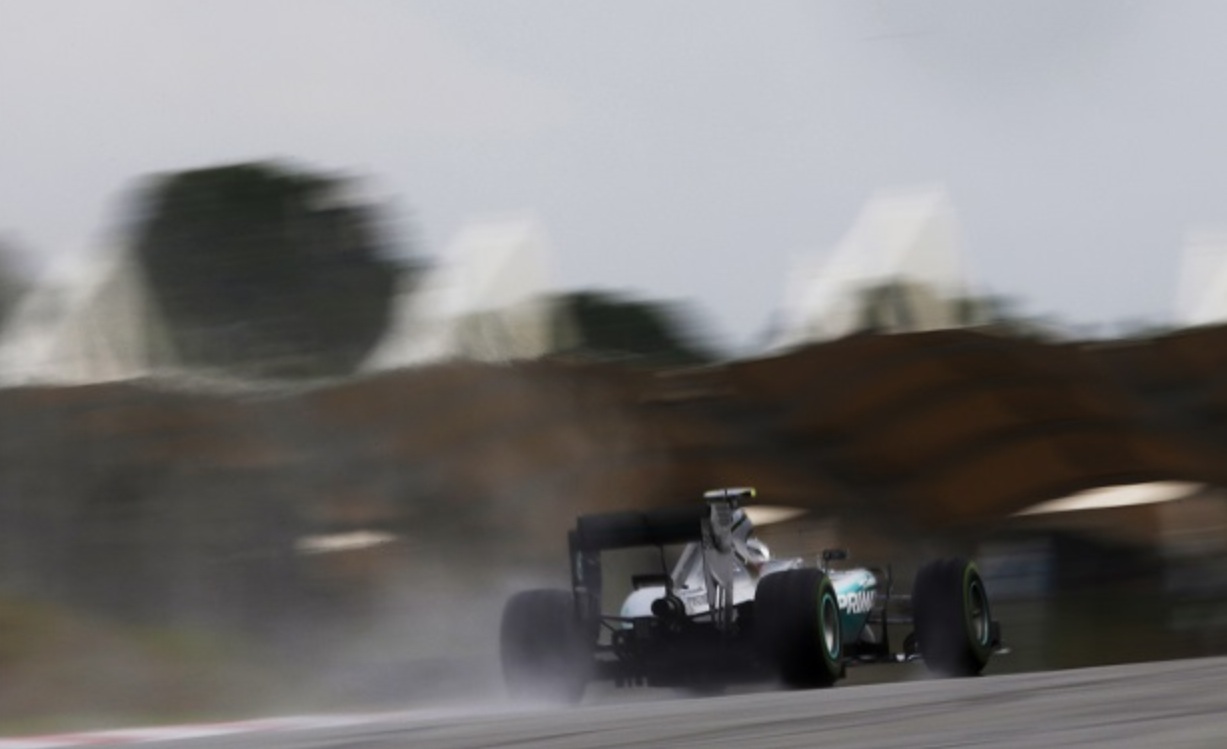
Lewis Hamilton, Mercedes F1-W06, Malaysian GP 2015 (MotorSport)