Have been thinking about a W,W, W and When as an occasional post for ages, so many thanks to Australian Racer, Historian and Author John Medley for providing the first…
Contributor Stephen Dalton nutted out the driver, perhaps because the photo’s ‘donor’ John Medley has written a book ‘John Snow Classic Motor Racer’. I have just commenced it. Its a fascinating insight into Snow’s life and also the difficult times both immediately pre and post World War 2. Perhaps i can prevail upon John to write a truncated version of Snow’s fascinating life?
Back to the photo though; Snow was in Europe on both a buying trip for the family department store in Sydney and to race and test some cars with a view to bringing them back to Australia for his own use/sale.
He identified the Hans Ruesch owned and driven Alfa Romeo 8C-35 as such a car, he tested it at Brooklands as shown, this photo until very recently thought to be Ruesch, proved otherwise by Medley.
Medley’s book states that after the Brooklands test, here Snow is passing the Clubhouse, he then hired the car for meetings at Crystal Palace, Donington, Brooklands and Cork. Unfortunately for Snow, the car, with Buddy Featherstonhaugh at the wheel crashed badly during practice at Donington and was then sent back to the factory for repair.
Snow brought another of Hans Ruesch’s cars to Australia, the Alfa P3/2900 Tipo B #5002 which he sold to his friend Jack Saywell who raced it in Australia in 1939, the car actively campaigned in Oz for 30 years, but that is a story for another time…
I’m too much of a dinosaur to relent to going through life with a ‘Bucket List’ – but if I did – then Goodwood Festival of Speed would be on it. However, in what now seems an eternity ago, that itch was scratched…
The year was 1997 and three full days at FoS action was on the agenda. That year was the 5th running of the ‘must see at least once’ event – originally established as a one day event at Lord Charles March’s humble abode on June 20, 1993. Essentially as a method to generate some income for the upkeep of his Goodwood Estate, while including the enthusiasm he shares with his late grandfather, Freddie March for the motor vehicle.
When you put on the show, you get to play with all the good toys. Lord March about to take the Chaparral-Chevrolet 2 for a run with Jim Hall’s team mechanic, Troy Rogers
Perhaps one shouldn’t have been surprised, given it was under British skies, that 1997 happened to be the first year rain actually intervened with the event. The rally stars such as Juha Kankkunen, Michele Mouton & Tony Pond were in their element in those conditions. Although gumboots, or ‘Wellies’ (as our Chichester friends would prefer us Aussies call them), aided by a Massey Ferguson should have been the quintessential accessories in the outfields. But the show must go on… and so it did.
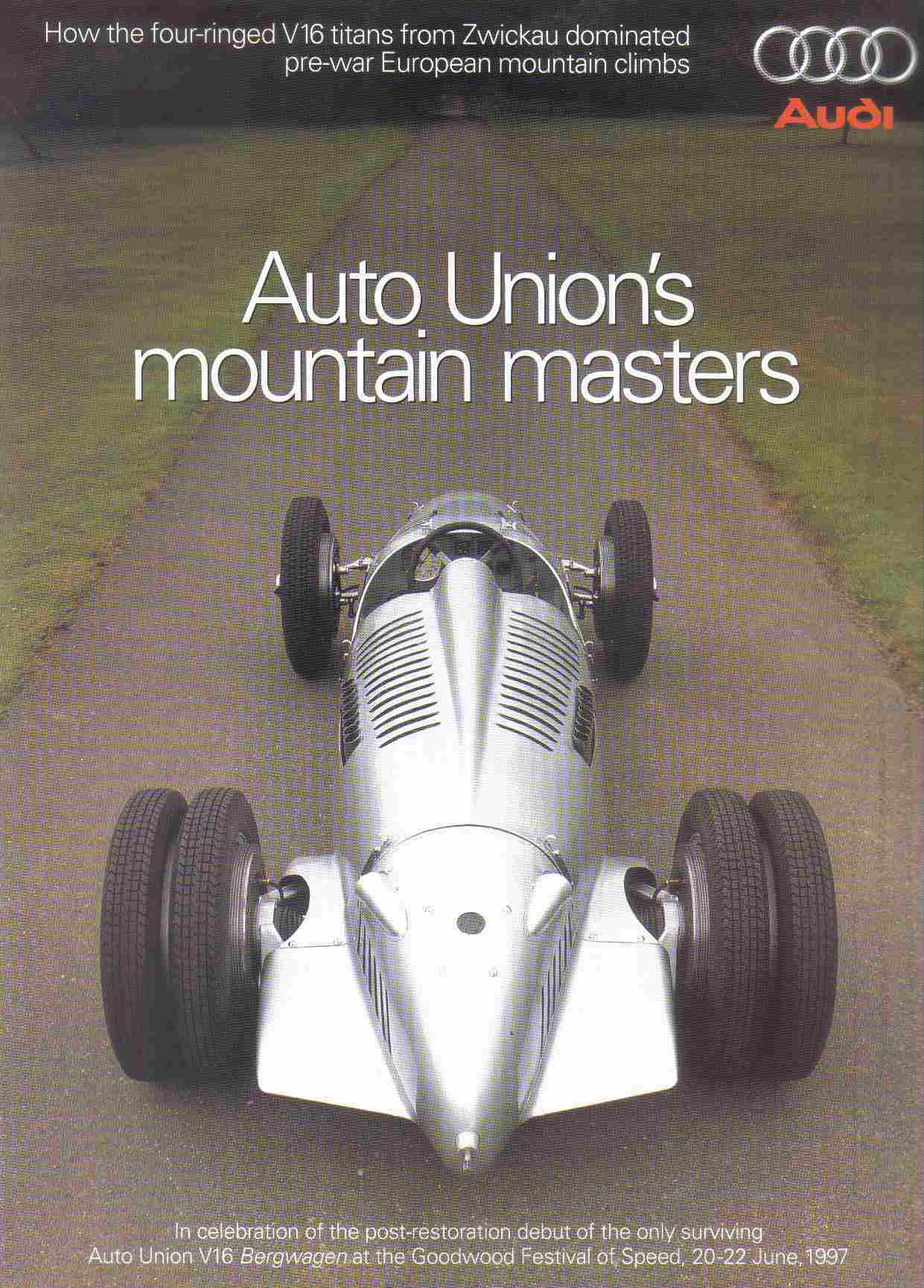
Quattro of a different kind…part of Audi’s 1930’s heritage. As would be expected of a manufacturer like Audi they produced a special press pack just for the unveiling of the restored Auto Union V16. This forms part of it.
The prime of motoring’s manufacturers were ready to exhibit their wares in both static and competition or demonstration-mode to highlight their presence to the mass of Goodwood-bound enthusiasts and glitterati alike – arriving from both spheres of the globe.
Audi brought along their newly restored Auto Union V16 Mountain climb car for Hans Stuck to run up the Goodwood drive. Not quite mountain climbing, but a sight and sound to behold. Arch rival, Mercedes Benz brought along their 1955 Mille Miglia winning 300SLR for Stirling Moss to drive in memory of the then recently departed Moss MM co-driver and motoring journalist, Denis Jenkinson.
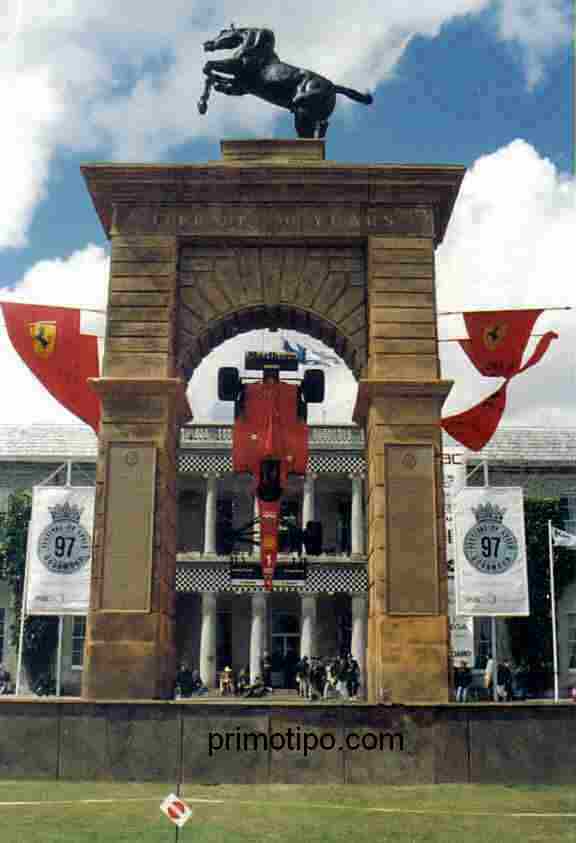
Arguably standout that year was the fiery red Italian, Ferrari marque. Certainly so, based on their presence at the event marked with the massive statue created in front of Goodwood House – celebrating their 50 years of Maranello motoring couture with a V12 orchestra under the bonnet. Ably backed with many examples baring the scarlet tone and prancing horse insignia, with past & then present drivers’ from the Scuderia invited along to accompany the celebration.
One way to hook an F1 Ferrari… worshipping the scarlet red Italian marque, Goodwood-style. The even more imposing Goodwood House is behind.
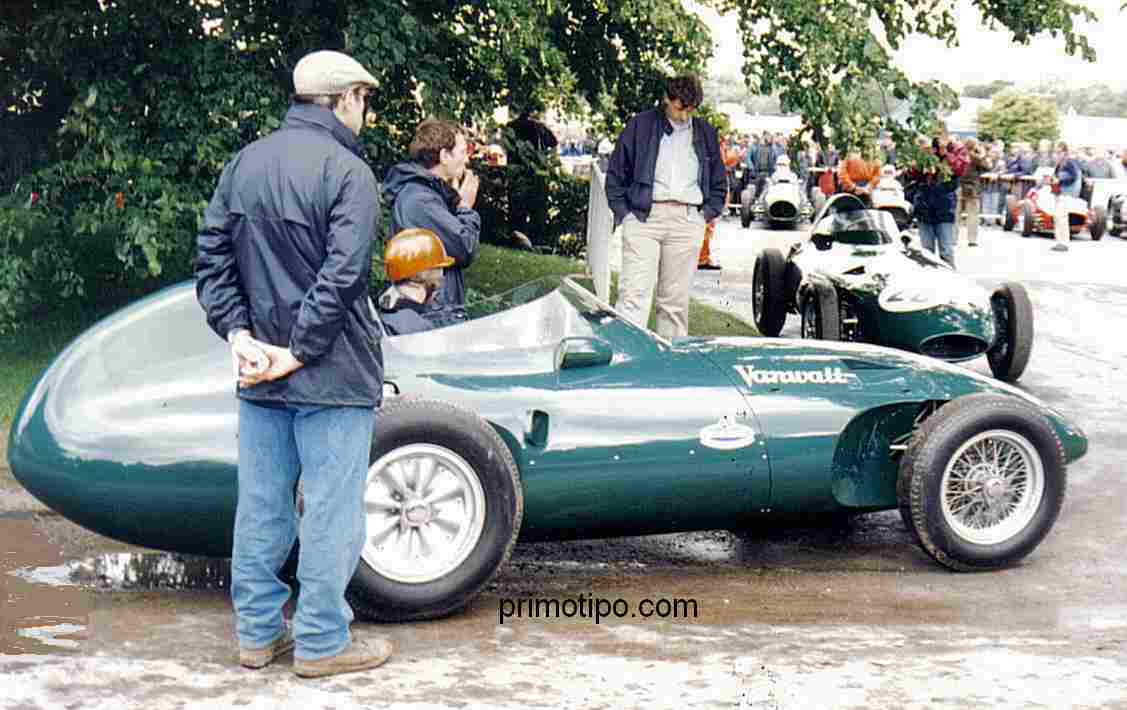
If that wasn’t enough to ignite the flame then perhaps the presence of Jim Hall’s Chaparrals, various Lotus F1 & Indy car’s, Pink Floyd drummer, Nick Mason’s BRM V16, Wheatcroft & Collier collection’s Vanwalls, or numerous Shelby Cobra, et al flowing through the grounds to be enjoyed, would.
Period attired Tony Brooks awaits in the Wheatcroft Vanwall ‘VW9’ for Stirling Moss’ arrival to jump aboard the Collier Vanwall ‘VW5/11’ so they could both do a demonstration run together. The Vanwall’s of course testament to engine bearing magnate, Tony Vandervell’s efforts after his frustrated support during the early days of the supremely complicated BRM V16 project.
Another option was to give the cheque book a work out by making your way to the BROOKS marquee and put your hand up or nod obligingly at the auctioneer in an attempt to procure various vintage or classic sports, or racing cars. Amongst the many offerings was the ex Graham Hill/Arnold Glass BRM P48 and original Mini designer, Alec Issigonis’ ‘Lightweight special’. Then again if the budget didn’t stretch that far, various memorabilia or even fashion traders would happily liberate multiples of pound notes from you. The memorabilia traders’ certainly worked their magic on me.
Brooks Auctions (now Bonham’s) sold the ‘Lightweight Special’ originally built in the late 1930’s by 1959 Mini designer, Alec Issigonis and his friend, George Dowson. Both drove it in Hillclimb’s and ¼ mile Speed Trials at the likes of Prescott and Brighton. That’s how ‘Issi’ met John Cooper! When built the ‘Lightweight’ was advanced with its monocoque construction, rubber suspension and cast wheels. The Heritage Museum at Gaydon in the UK’s midland’s tried to acquire the car to add to its other Issigonis artefacts, but strong bidding knocked them out and it stayed in private hands – selling for around £40,000 at Goodwood. It was soon back into hillclimbing, but damaged quite soon after. The necessary repairs to the bodywork, meaning it lost some of its long established patina.
Given the prevailing moist atmosphere for 2 of the 3 day event, the smart move would have been to stay out of the weather and procure a grandstand seat while enjoying the sights, sounds and smells of motor sport’s past and then current, rally cars, sports cars, F1 or motor cycles as they motored by. Often driven or ridden by someone famous. Some on a mission to set a Hill record, others purely as a demonstration run.
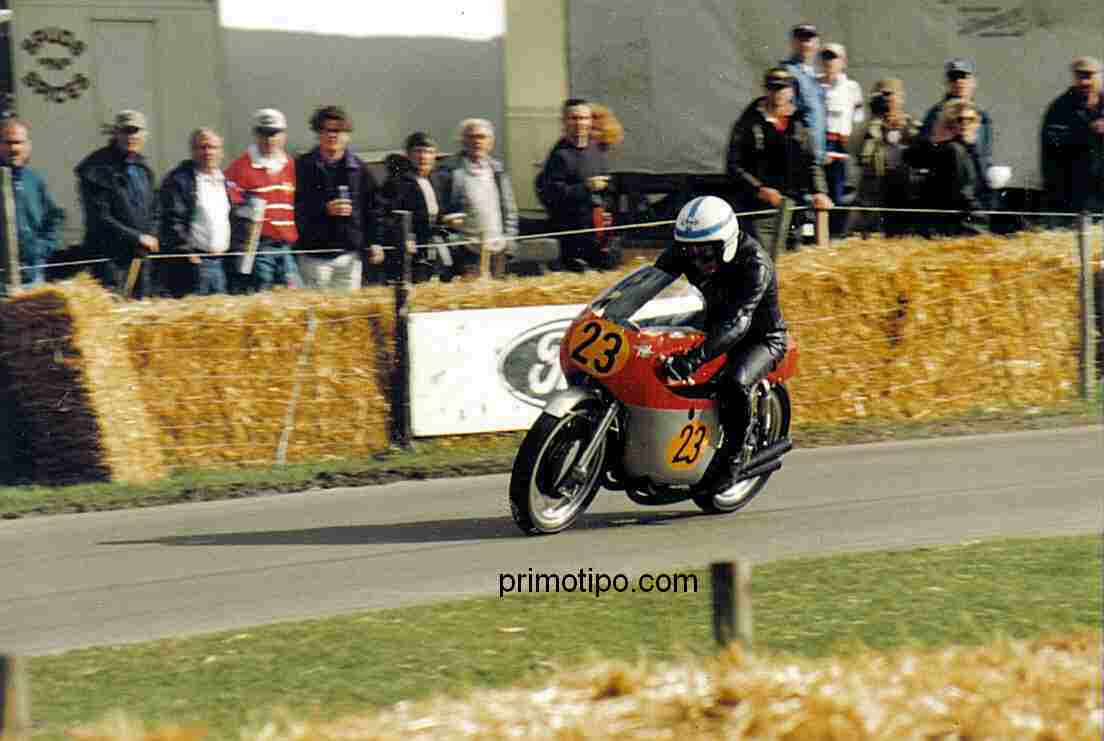
Uniquely placed in motor sport’s history is John Surtees – championships on motorcycles and cars. Seen here riding his 1960 MV Agusta 500.
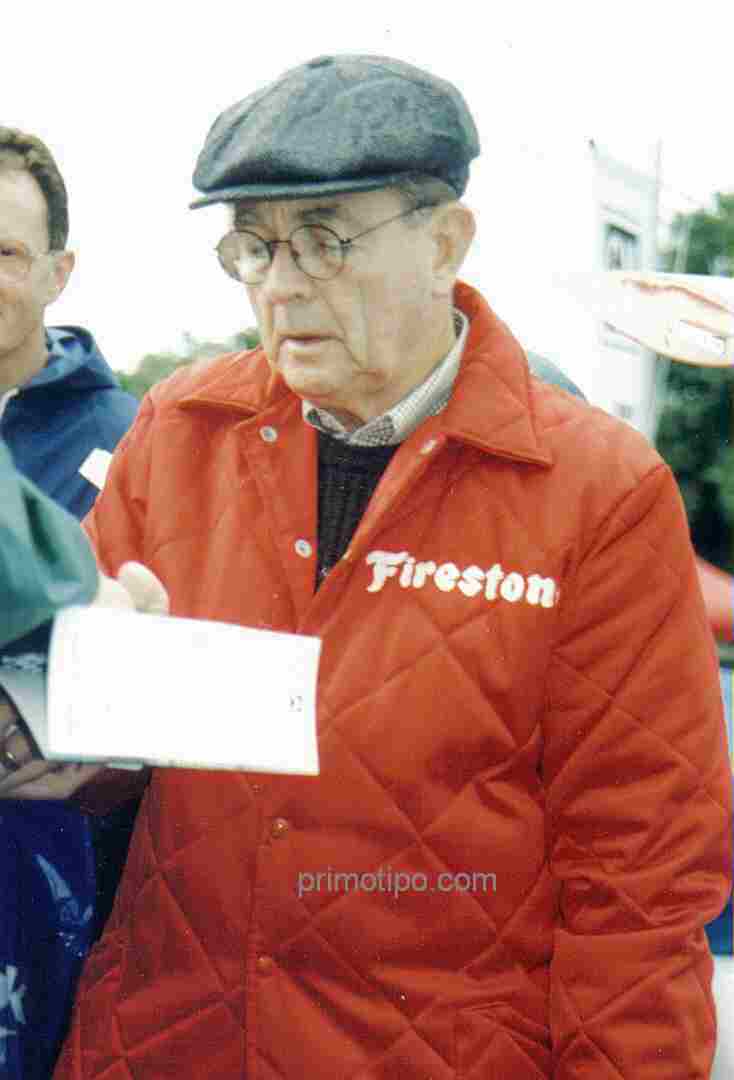
What made Goodwood special for me though was the ability to just amble around and find something to enjoy.The paddock was a special place to get up close and view, not only the very special racing cars present, but many drivers or riders. Several who carried world titles within their sport and happy to oblige an autograph or 3. For me, a copy of the Doug Nye’s ‘Cooper Cars’ book garnering notable autographs from those who took part in racing Coopers during period on track battles. Reflecting back after 18 years, several of those present that weekend are no longer with us. However fond memories of a visit to Goodwood Festival of Speed will remain. For what was even in the event’s early years’ an overwhelming 3 days hard to take it all in… but worth giving a damn good crack.
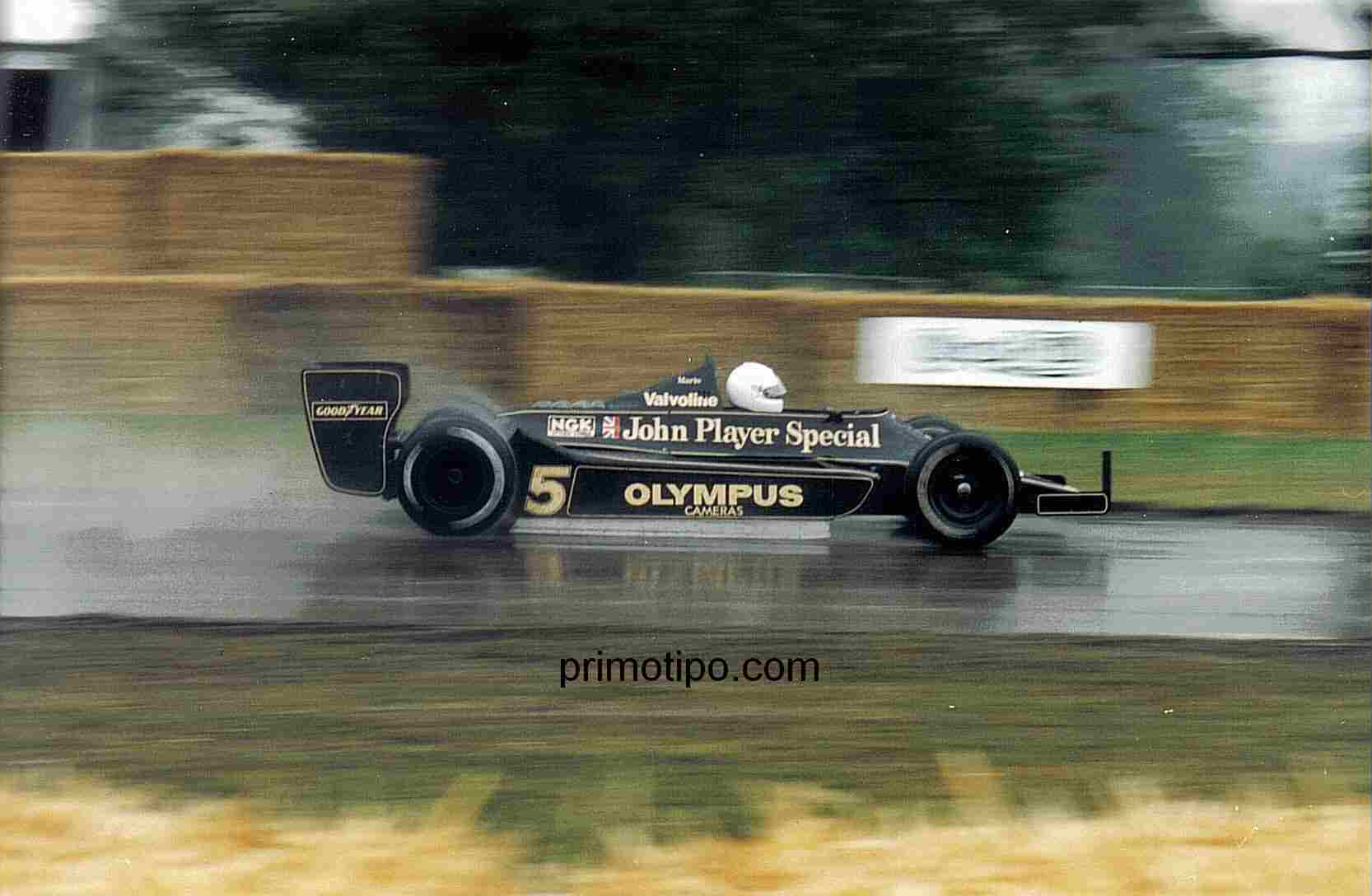
Splish, Splash… John Dawson-Damer takes his ex Team Lotus 79 for a gingerly run along a very damp Goodwood drive. This is chassis ‘79/5’ originally run in 1979 Team Lotus Martini colours for both Andretti and Reutemann during that season. When Lotus and J-DD struck up the arrangement that his ex-Clark Lotus 32B Tasman car went back to Lotus and the 79 was delivered to him in the far more pleasing JPS scheme
Only Barry could get away wearing his baseball cap backwards at Goodwood… After hearing Barry Sheene on Australian TV commentary for ATCC/V8 Taxis, some wags might say “What’s he doing trying to read!” Well I witnessed the relaxed Mr Sheene sitting atop this BMW in the pits, when clearly an enthusiast of his approached for an autograph of a Sheene book he had brought along. What quickly transpired was that while Barry was out winning races and busting bones on racing motorcycles, before disappearing to the warmer climates of Australia to live afterwards, he clearly was not aware of this book about himself! Flicking through it and scanning its pages as I managed to snap this photo.
Despite Enzo not wanting to join the late 1950’s F1 GP rear engine revolution, Phil Hill won his 1961 F1 Championship in the ‘sharknose’ Ferrari 156 with the V6 engine behind the driver. So not only was Phil the first USA citizen to win F1’s highest accolade, he also goes down in history as the first Ferrari rear engine era Champion.
Not Jimmy Clark’s 1965 Indy 500 winner, but the sister Bobby Johns Team Lotus entry.
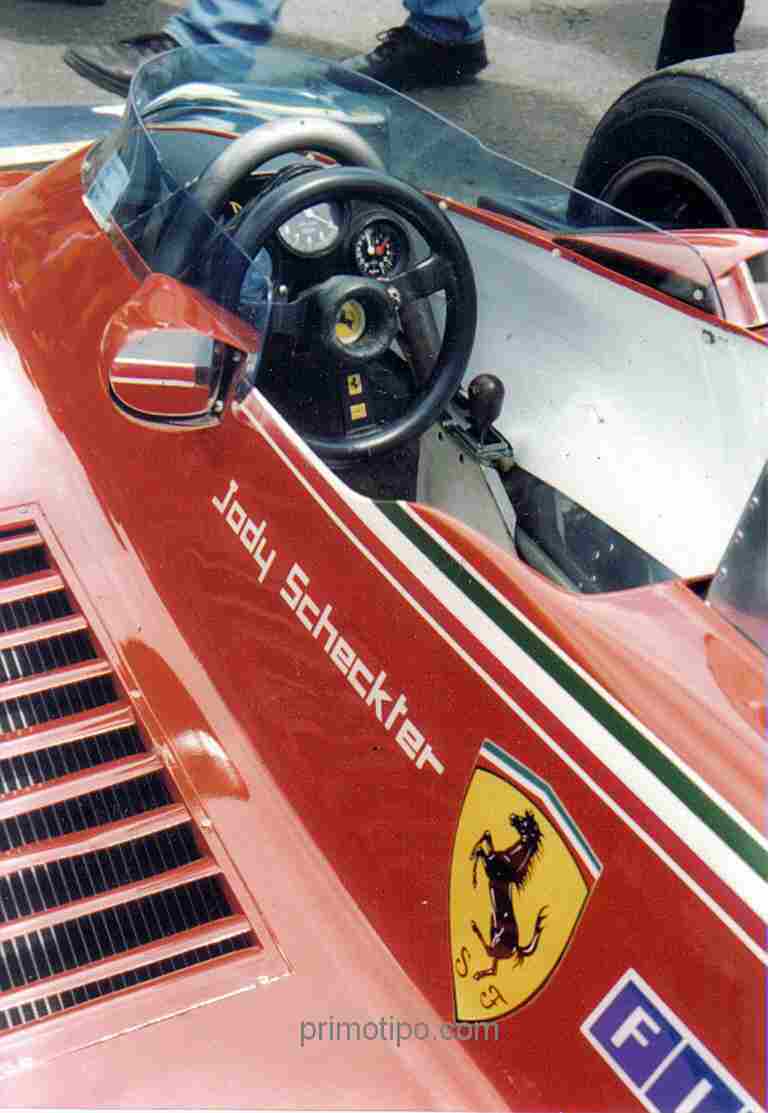
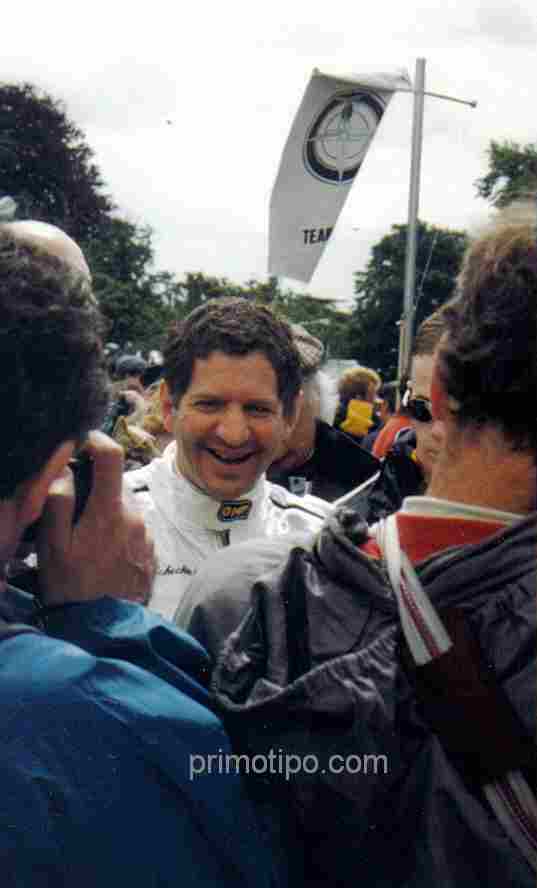
The Ferrari T4 cockpit fit for a 1979 F1 World Champion. Jody was at Goodwood, here accosted by photographers
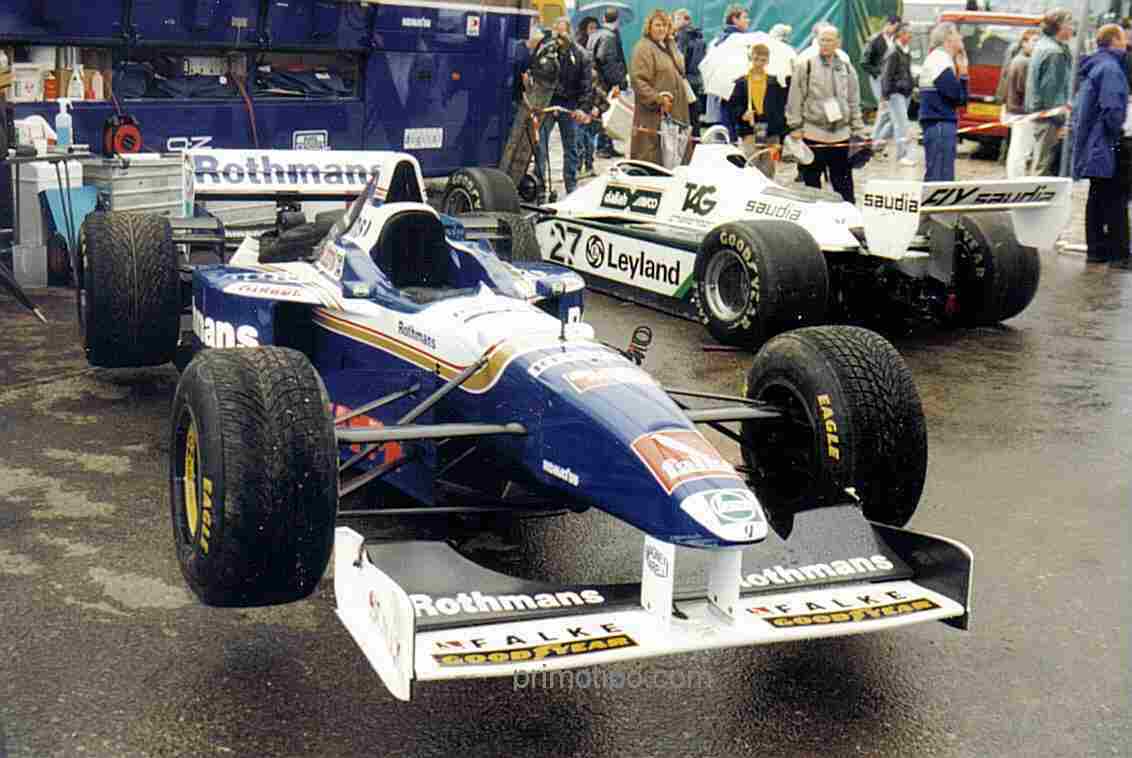
Even in 1997 you would have struggled to get this close to Williams GP Engineering at an F1 event. One of the FW18’s used by Damon Hill in his successful 1996 season and the FW07B used successfully by Alan Jones in 1980 – both clinching World Drivers’ & Constructors’ Titles.
The dedicated FoS officials and Ford’s then WRC weapon of choice… Juha Kankkunen’s Repsol Cossie Escort
Credits…
Excepting Goodwood artwork & Audi press material, all photos Stephen Dalton
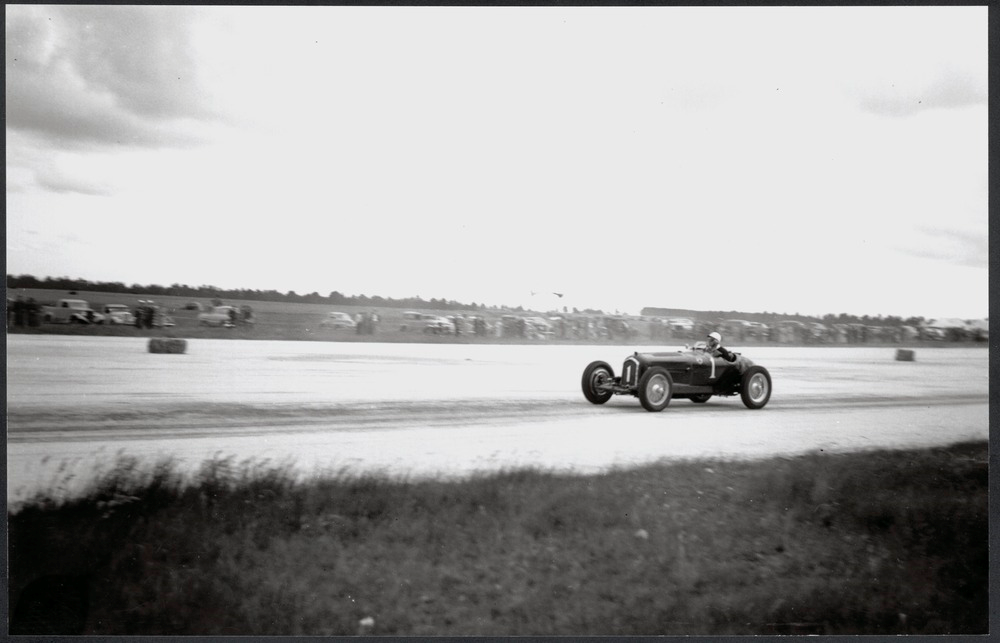
Who What Where and When?…its Lex Davison in his Alfa Romeo P3 ‘50003’…the where is a little more interesting?…
My writer/historian friend Stephen Dalton thinks its Fishermans Bend, Victoria at the 13 March 1949 meeting…the background looks bucolic to me so it may be Ballarat Airfield in 1950? All correspondence will be entered into.
The shot itself is by George Thomas, i tripped over it…ripper shot which catches the essence of these airfield circuits.
I will get around to writing about this wonderful Alfa in due course, on the basis that it is Fishermans Bend Davo won the 12 lap, 25 mile scratch race from Charlie Dean in Maybach 1, those of you who have read my Stan Jones article will be familiar with this car, Arthur Wylie in a Ford V8 Spl was 3rd.
Credits…
George Thomas, Stephen Dalton, ‘Australian Motor Sports’ 14 April 1949
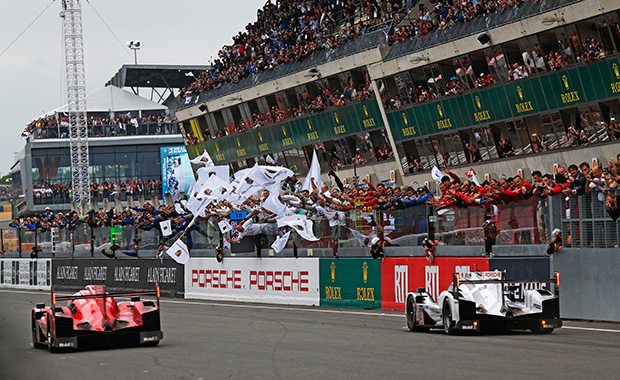
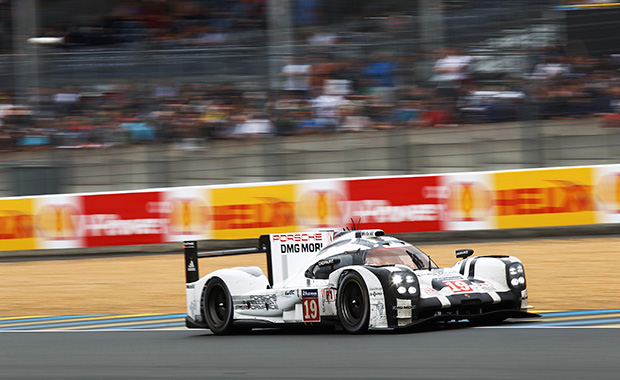
A titanic battle between Audi and Porsche had been expected,but in the end an accumulation of problems denied Audi victory for the first time in five years while the #19 Bamber/Hülkenberg/Tandy Porsche ran virtually trouble-free for 24 hours. So Porsche took its 17th victory at La Sarthe.
Photographer John Ellacott; ‘The three Mustangs of Pete Geoghegan, Norm Beechey and Bob Jane racing against each other for the first time, Catalina Park, Katoomba in Sydney’s Blue Mountains on 7 November 1965’…
And so commenced a wonderful period of Touring Car Racing in Australia. Between them these blokes won the Australian Touring Car Championship on 11 occasions; Bob Jane 1962/3 Jaguar Mk2, 1971/2 Chev Camaro ZL-1. Pete Geoghegan 1964 in a Ford Cortina GT, 1966-9 Ford Mustang and Norm Beechey, 1965 in a Ford Mustang and 1970 in a Holden Monaro GTS350.
For those with an interest in these Mustangs’ click on this link to read a detailed article by Australian historian/writer/commentator Mark Oastler, the login process is simple.
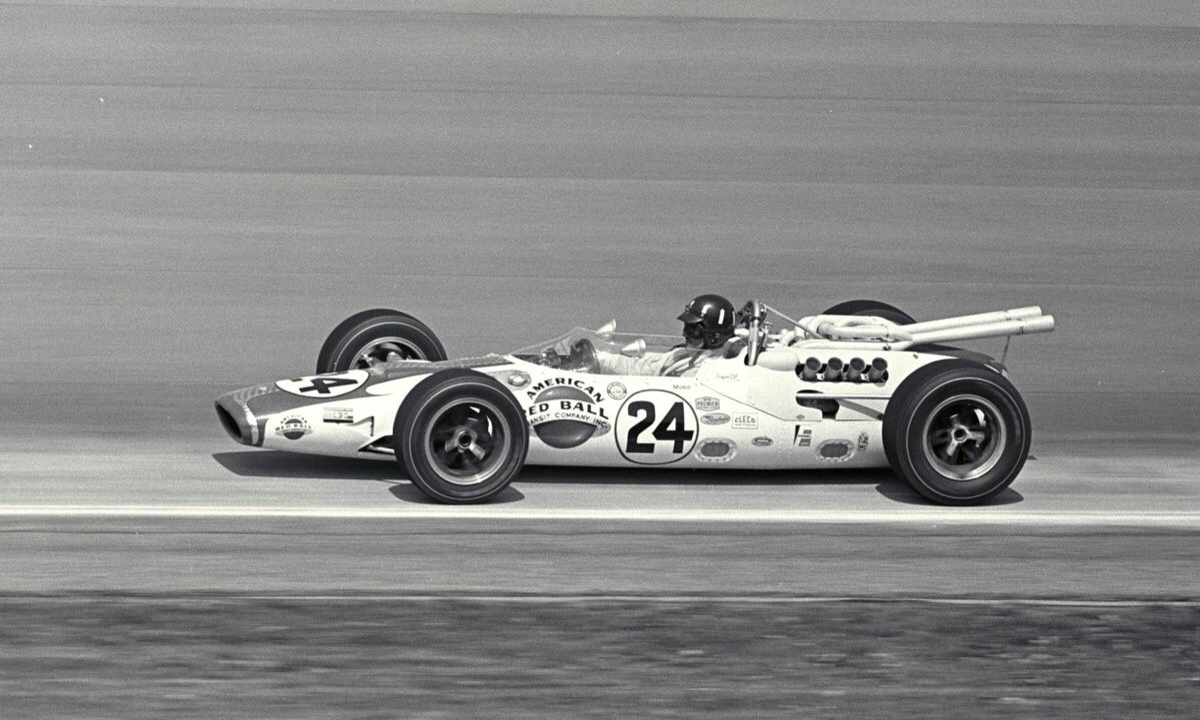
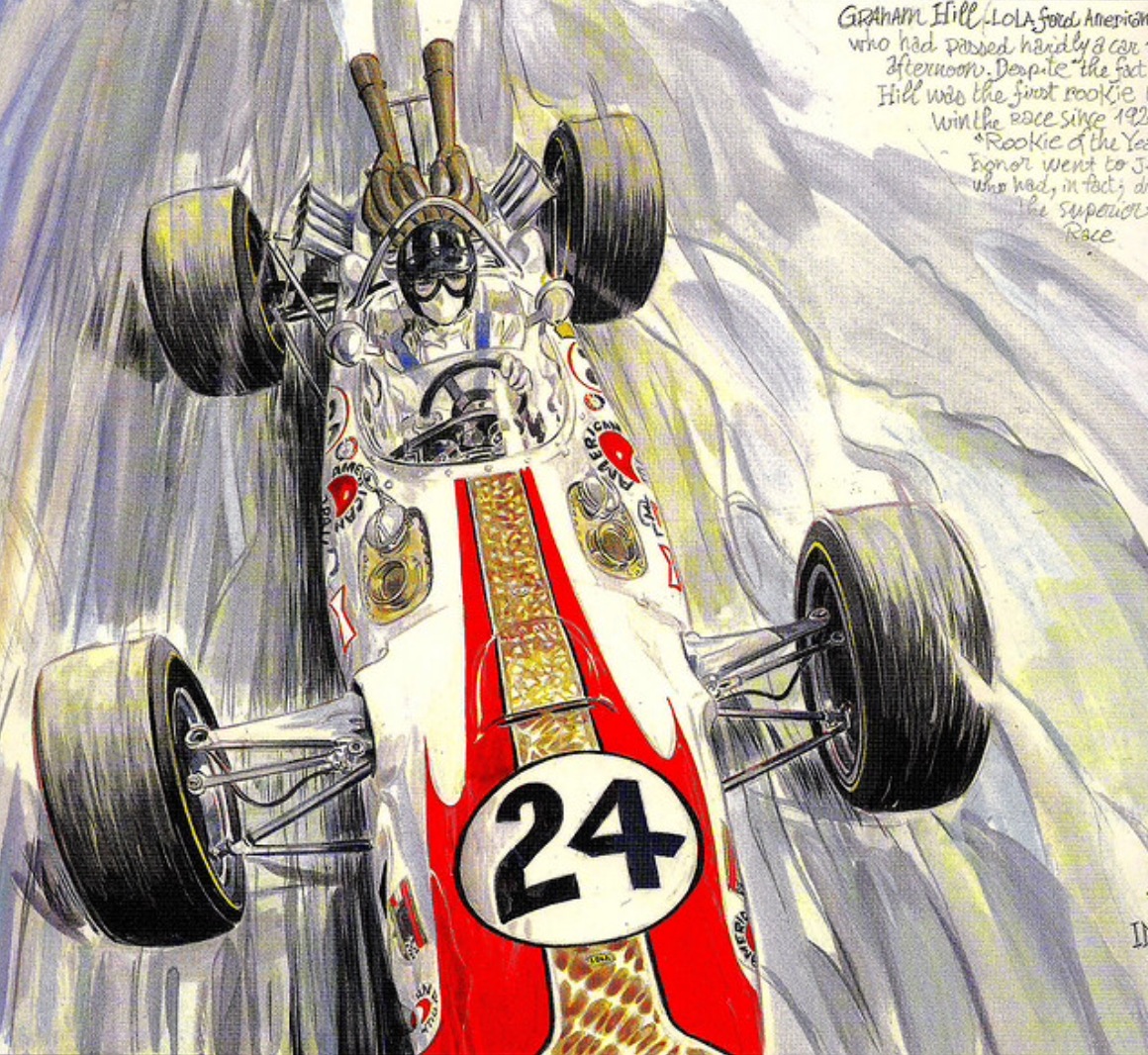
Graham Hill in his ‘American Red Ball Special’ Lola T90 Ford leads the latter stages of the 1966 Indianapolis 500 from Joe Leonard’s Eagle and Jim Clark’s Lotus 38. Fabulous Michael Turner painting…
Hill won the race from Clark and Jim McElreath’s Brabham. Graham lead the most critical part of the race, it’s last 10 laps after teammate Jackie Stewart slowed and retired his Lola T90, the BRM teammates also ‘roomies’ and Indy debutants in John Mecom’s Indy Team.
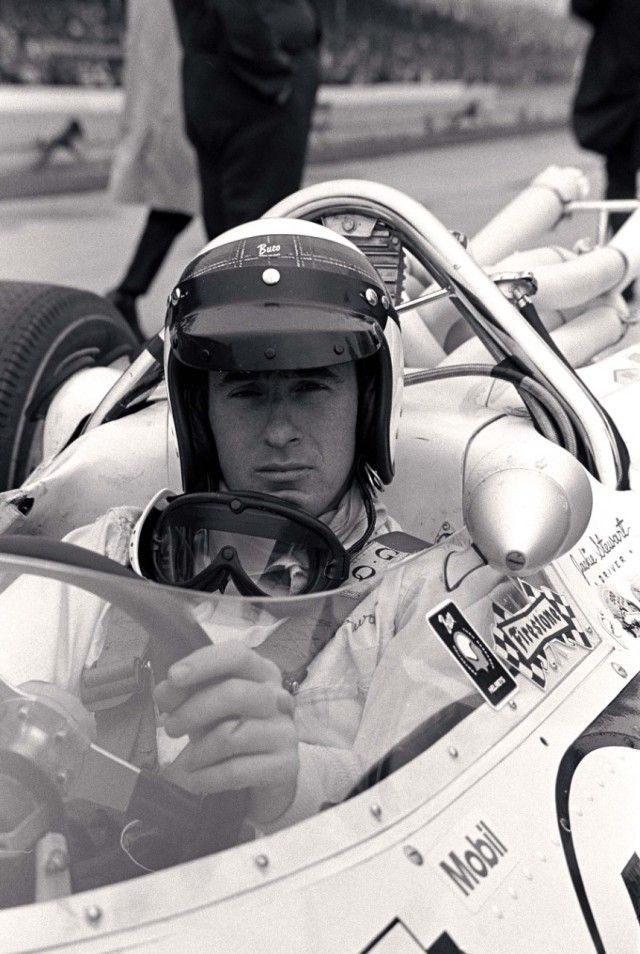
JYS, Hill and Eric Broadley giving GH a few tips about instrument location before the off…Note seatbelts, still 2 years away in F1, a bit earlier for Jackie after his big Spa shunt a fortnight later. (Autoextremist)
The race was not without controversy with more than one lap timer giving victory to Clark, who spun twice during the race without hitting anything on each occasion but causing some lap scoring confusion.
Hill was doubly lucky; he was not entered to race until the unfortunate Walt Hansgen was killed in the LeMans test weekend in a Ford MkII, the Brit taking the unfortunate Hansgen’s place in Mecom’s factory Lola entry, Mecom the American Lola importer at the time.
One of my earliest motor racing memories is of Hill’s car, the Lola featured big time in one of those ‘Boys Own’ type books we were all given as stocking fillers at Christmas. I have always had a soft spot for these big Lolas’ as a consequence. I still have the book but its in storage, i can’t remember what happened yesterday but the book’s articles on Hill’s Lola, the equally new curvaceous Lola T70 and Tony Lanfranchi’s psychedelic helmet livery i adopted as my own in 1979 stick in my mind. Come to think of it my Lola fetish started then!
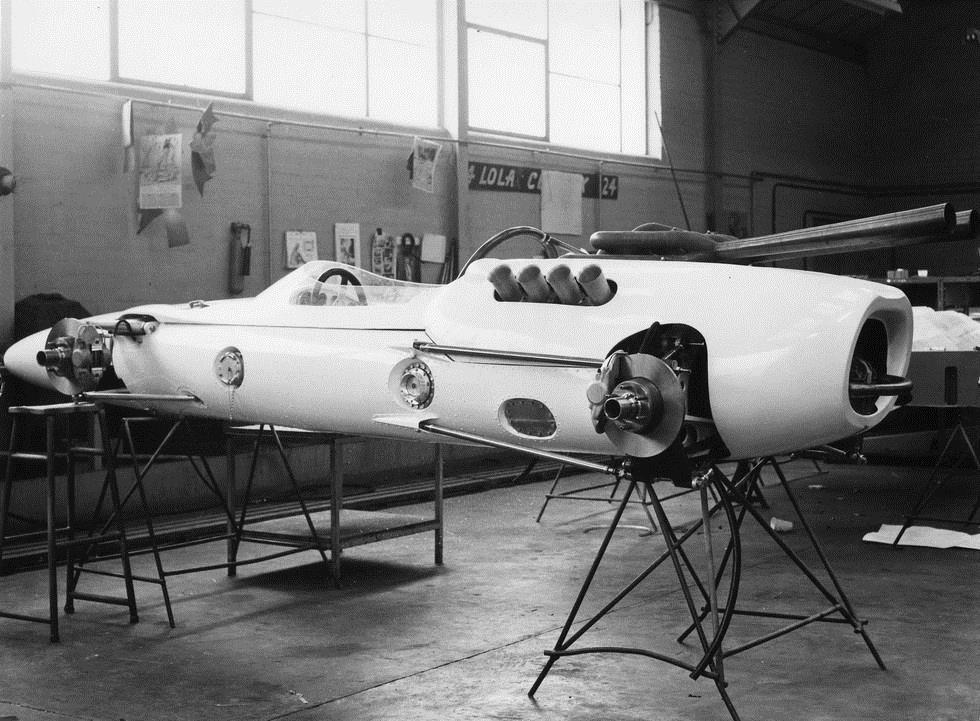
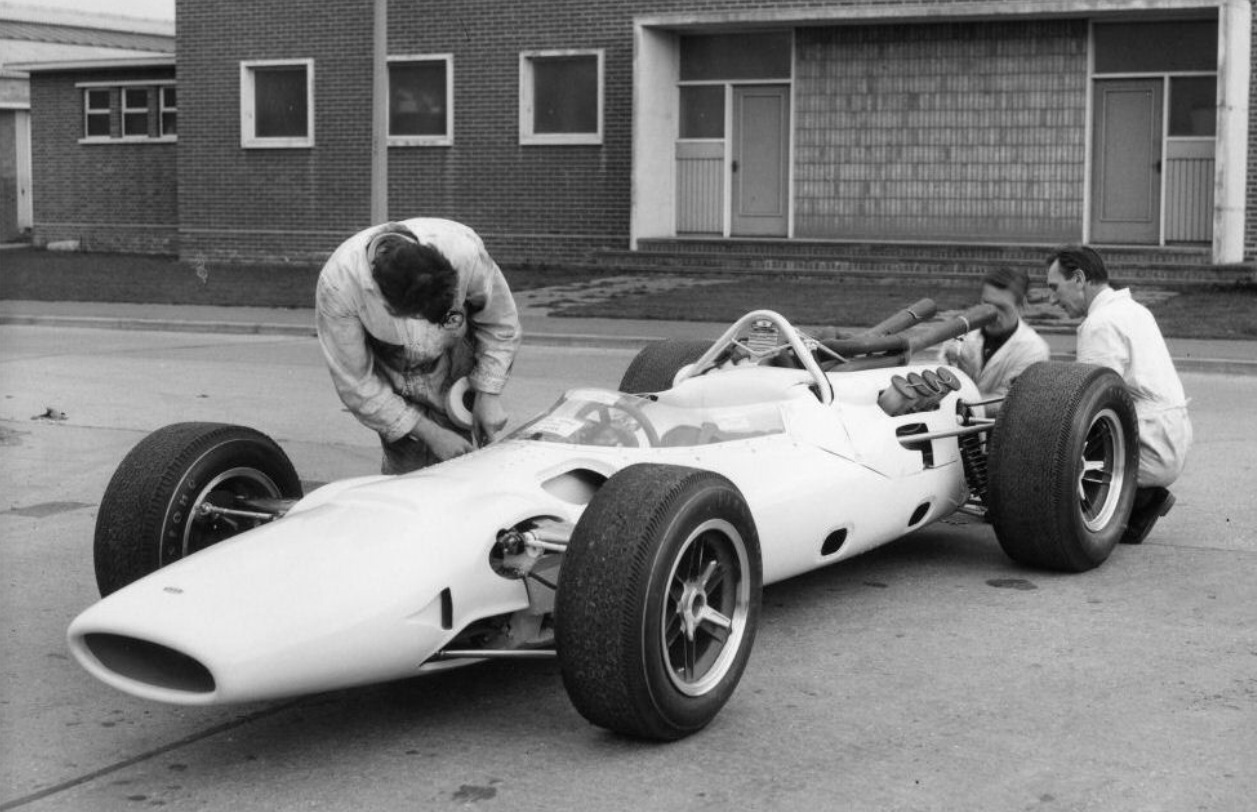
Lola T80 being assembled at Slough in 1965. T80 unsuccessful, the T90 was an update of this car with the suspension geometry which held it back in 1965 addressed. (Lola Heritage)
The mid-engined invasion of Indianapolis was started by Cooper, Jack Brabham raced at Indy in 1961, Lotus had their first start with the pushrod-V8 Ford powered 29’s driven by Clark and Dan Gurney in 1963. Ferguson and Lola joined the stampede with mid-engined victory finally achieved by Team Lotus in 1965. Clark victorious in the Ford four-cam 4.2 litre V8 engined Lotus 38.
The US was a big market for Lola’s Eric Broadley, he achieved much success with the Group 7/CanAm T70 from 1965, USAC was another great opportunity. Broadley built the T80 for Indy 1965, but the car was late, wasn’t tested and was let down by suspension geometry shortcomings which gave the cars poor and unpredictable handling.
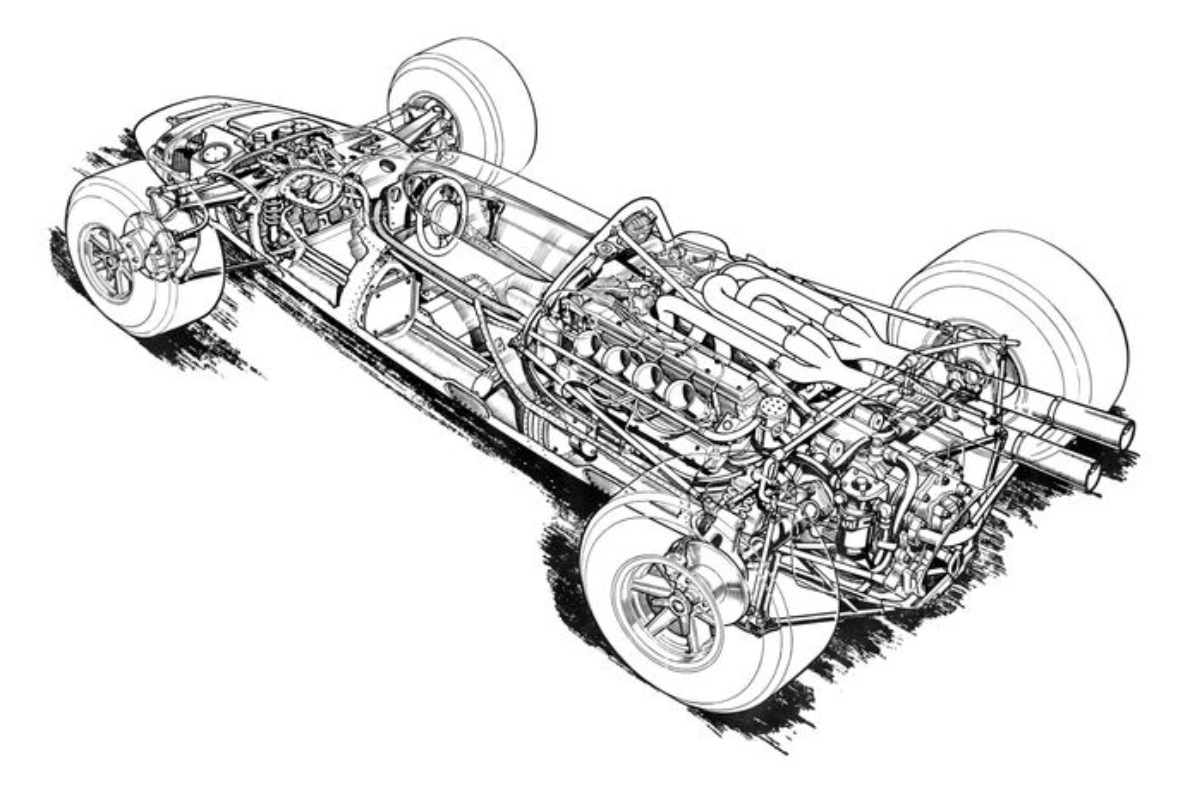
Lola T90 Ford cutaway drawing. Car also designed for Offy 4 cylinder engine. Aluminium ‘full monocoque’ chassis, offset suspension; front top rocker operating inboard mounted spring/damper and lower wishbone. Rear, inverted lower wishbone with additional locating link, single upper link, single radius rod and coil spring/damper units. Adjustable sway bars front and rear, rack and pinion steering, 2 speed Hewland transaxle, Ford DOHC 4 valve, Hilborn fuel injected 4.2 litre V8. Circa 425 bhp @ 8000 rpm in 1965
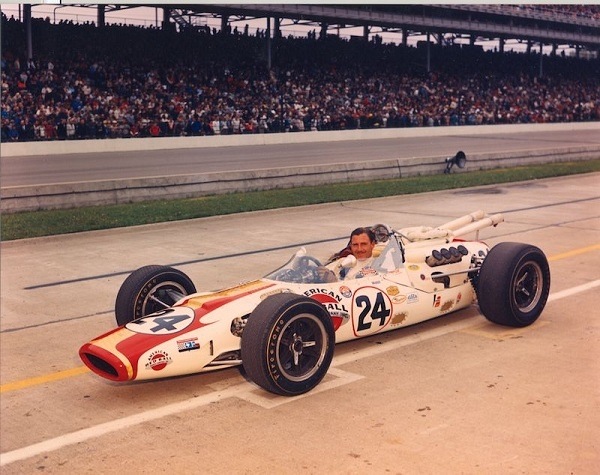
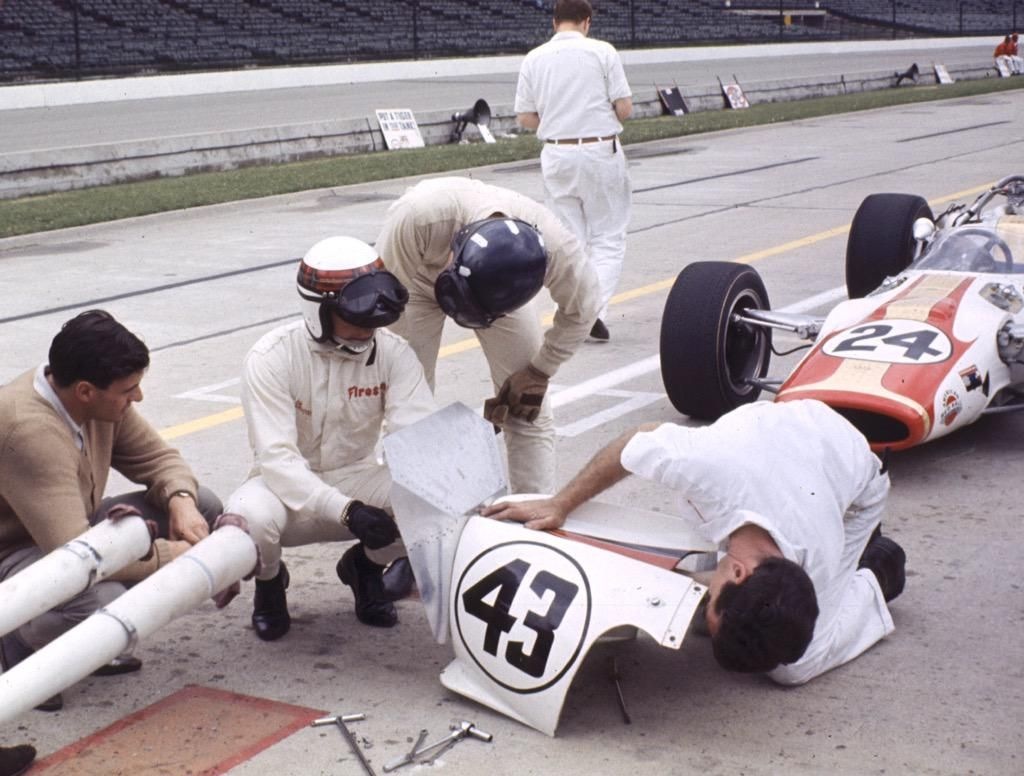
Jackie Stewart and Graham Hill helping Mecom’s mechanics with the fettling of the rear bodywork of Jackie’s T90 #43, the Scot and the other Scot, Clark, both unlucky not to win the race…Graham’s #24 Lola behind. (LAT)
The Lola T90 which followed for 1966 addressed the T80 shortcomings…
The T90 chassis was an aluminium monocoque constructed from Indy mandated 16-guage aluminium. Sheet steel diaphragms front and rear provided additional internal stiffness, externally a sloping scuttle in front of the instrument panel gave additional rigidity.
Lola Heritage ‘Tubular steel subframes were attached to both the front and rear of the chassis, the front subframe carrying the oil tank, radiator and the forward mountings for the lower wishbone. At the rear there were two subframes above and below the two-speed Hewland gearbox, the upper one carrying the attachment point for the single top link and the top spring/damper mounting. The lower subframe had the mounting points for the lower wishbones’.
‘The T90 was designed to accept either the 2.8-litre, 4-cylinder Offenhauser engine or the 4.2-litre 4-cam Ford V8. The Offy, built by Meyer-Drake in California was fitted with Hilborn fuel injection and a Paxton Roots-type supercharger and gave some 520 bhp, the Ford, whilst slightly less powerful, was a more known quantity having won the 1965 race in Jim Clark’s Lotus 38’
Lola T90 build, Slough 1966. Looking very sexy in its Specialised Mouldings body. Distinctive Lola ‘knock-offs’. Fuel cells still to be inserted into monocoque. (Lola Heritage)
The cars front suspension was inboard with fabricated rocker arms at the top operating coil spring/damper units and wide-based lower wishbones.
‘Rear suspension was fairly conventional with one departure from the norm. At the top of the upright was a single adjustable top link attached to the top chassis subframe whilst at the bottom a wide-based wishbone (reinforced on the left), mounting to the rear of the upright, was mounted to the lower chassis subframe. There was a single adjustable lateral link running from the lower front of the upright to the subframe that allowed for toe-in alterations. The unusual feature to the design was the single top radius rod, a lower rod was not used to to the difficulty of a suitable chassis attachment point due to the fuel tank design. As was the norm at this time front and rear suspension was offset to the left by three inches, the theory being that this helped the car through the left-hand turns at Indianapolis.’
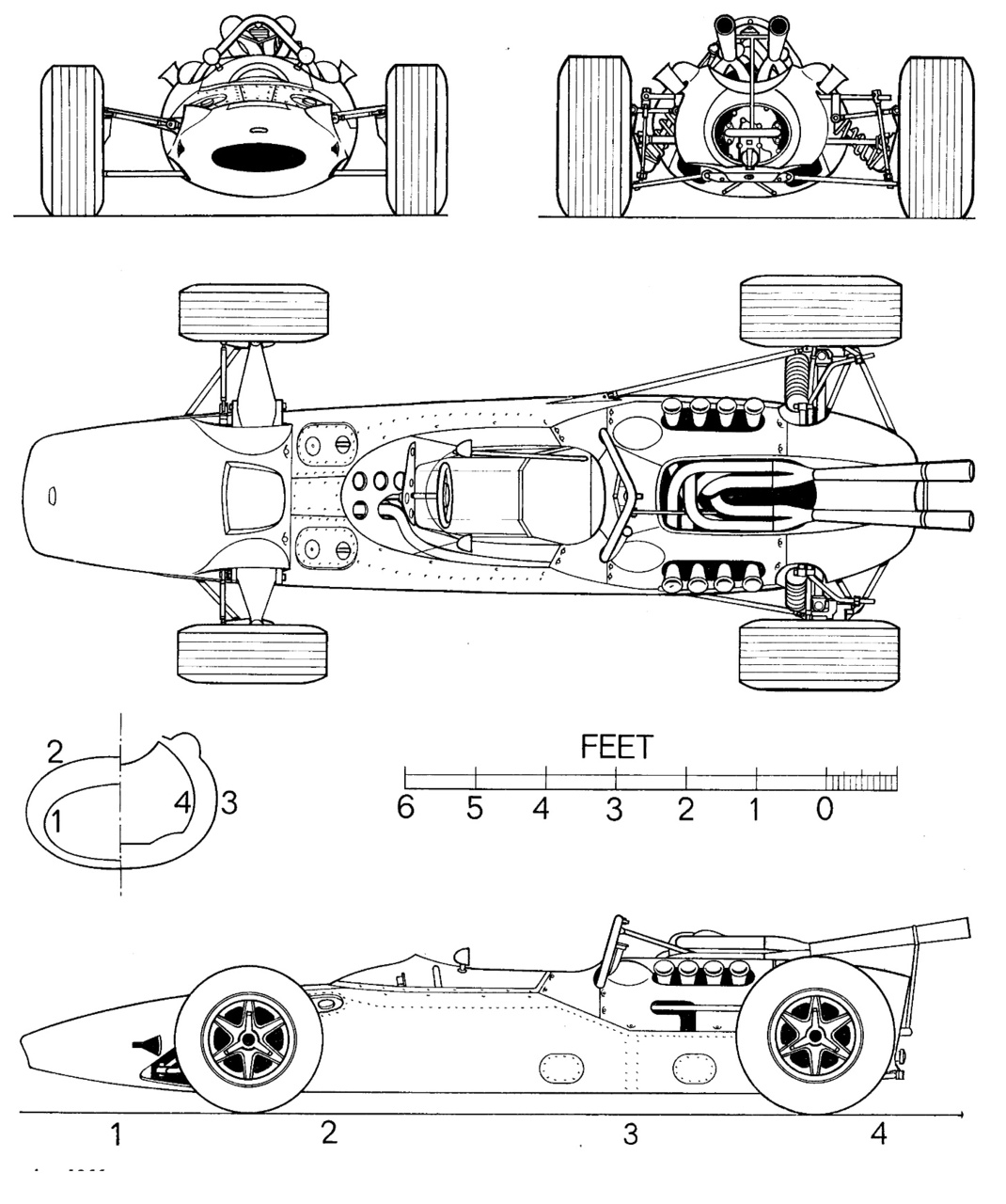
These drawings as well as showing the T90’s lines also nicely show the suspension, offset to the left, as was the convention of the time on speedways. (unattributed)
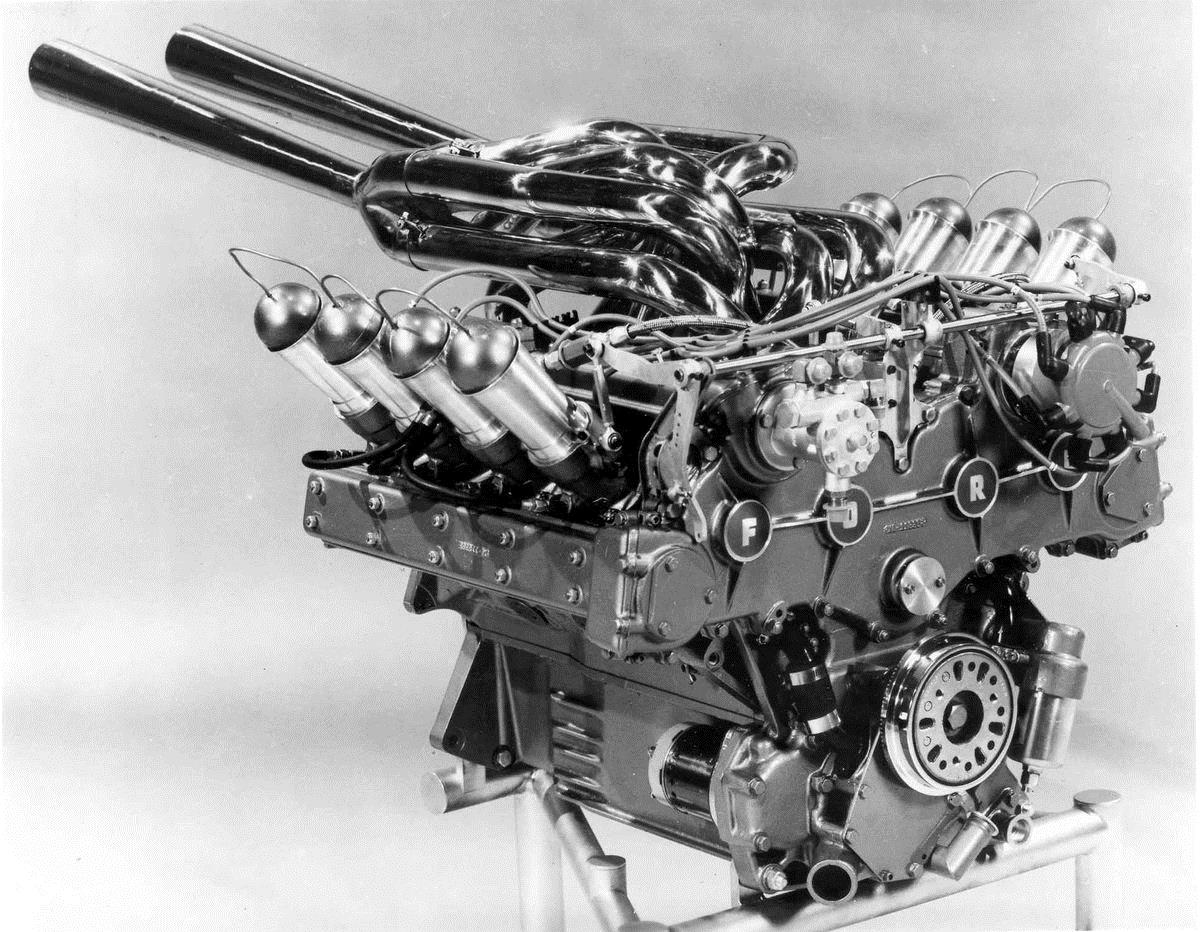
Ford DOHC Four-Cam Indy V8 Engine…
Ford’s 1963 Indy engine fitted to the Clark and Gurney Lotus 29’s was an aluminium variant of its 260cid Falcon/Fairlane small block V8, it developed 350-376 bhp at 7200 rpm on 103 octane fuel fed by 4 Weber 58mm carbs.
Ford, after Lotus’ great showing (they was robbed) in 1963 decided to build an engine capable of developing 50bhp more but with a weight gain of no more than 50 lbs over the aluminium pushrod engines 345lbs.
Ford evolved, using many parts from the earlier engine, a DOHC motor with four valve heads, the combustion chamber ‘pent roofed’. The engine had ‘between the Vee’ exhaust as tests showed power was optimised with this setup. Hilborn fuel injection was used, in 1965 the engines developed 425bhp @ 8000rpm.
The block was cast of aluminum alloy using patterns modified from the production 289cid production ‘small block’. Cast iron cylinder sleeves were a shrink fit in the block and were sealed at the heads with copper laminated steel O-rings. In order to clear the two banks of camshafts in the heads, the 10 attaching studs were moved closer to the cylinder centerline. An additional 8 studs protruded from the heads maintained clamping force needed to seal the combustion chambers. The space occupied by the camshaft in the normal production engine was replaced with an oil tube. This acted as a gutter and collected oil as it drained from above to keep it off the reciprocating assembly.
The bottom end was beefed up considerably. The special forged steel crankshaft was held by 4-bolt bearing caps on numbers 1 through 4. Main and rod bearing journals are the same size as the 289, as is the engine’s stroke – 2.87″. The rod journals are crossdrilled for better oiling at high engine speeds. The rods are from the 289 HiPo, modified for floating pistons pins. The pins are 289 HiPo pieces. The oil pan is cast magnesium and is a structural part of the engine. ‘Ears’ cast integrally with the pan provide the engine/chassis mounts.
As summarised above, the cam-ground forged aluminum pistons have a pent-roof dome to closely fit the combustion chambers. Compression is 12.5:1. The cylinder heads housed 4 valves per cylinder with a central spark plug. The plugs are canted toward the 1.64″ diameter intake valves. Exhaust valves are 1.36″ diameter. The camshafts run in bearing bores in the cylinder heads directly over their valve banks. Valve clearance is adjusted by the selective fitting of the followers. Intake ports are between the cams with exhaust out the top of the heads between the vee. This was done to do away with the nightmare of exhaust tubing normally required. Hilborn injection is used having been selected for its light weight and simple low-pressure design.
The 255 CID engine weighed 406 lbs and produced in excess of 425 BHP at 8000 RPM. Useful power/torque was developed from 6000 with a rev limit of 9000 RPM
Once developed by Ford the engine was sold and serviced via Louis Meyer. In 1966 Ford built 20 engines which retailed at US$23000. The wonderful engines evolved over the decades, in both normally aspirated and turbo-charged form as Indy rules changed.
Checkout this website which gives an in-depth account of both the DOHC engine and the pushrod V8’s which preceded it, click on this link for an interesting read; http://www.quadcamford.com/development.html
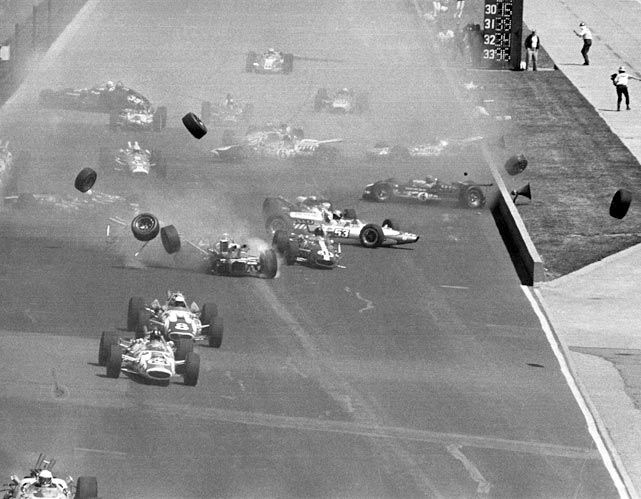
Indy 1966 first lap shunt. Hill #24 Lola, McCluskey #8 Eagle Ford, Joe Leonard #6 Eagle Ford , Al Unser Lotus 38 to the left of his side-on car, Gary Congdon #53 Huffaker Offy, Don Branson in the sideon #4 Gerhardt Ford and the rest…(unattributed)
1966 Indianapolis 500…
Lola Heritage ‘Learning the lesson from 1965 Lola made sure the T90 was ready in plenty of time for the 1966 Indy 500, the John Mecom Racing Team-entered car made it’s debut at the March season opener at Phoenix International Raceway. Success was immediate with Roger Ward finishing second in his Offenhauser-powered T90 and a month later Ward took the winner’s laurels at Trenton’s 1-mile paved oval when he won a rain-shortened race ahead of Gordon Johncock.
Come the month of May and there were three T90s, all entered by John Mecom’s Houston-based team, ready to run at Indy qualifying, Roger Ward in his successful Offenhauser-engined car and Rookies Jackie Stewart and Graham Hill who were both Ford-powered. There was nothing much between the cars at the end of qualifying, Stewart was 11th fastest at a speed of 159.972 mph, Ward 13th at 159.46 mph and Hill 15th at 159.243 mph.’
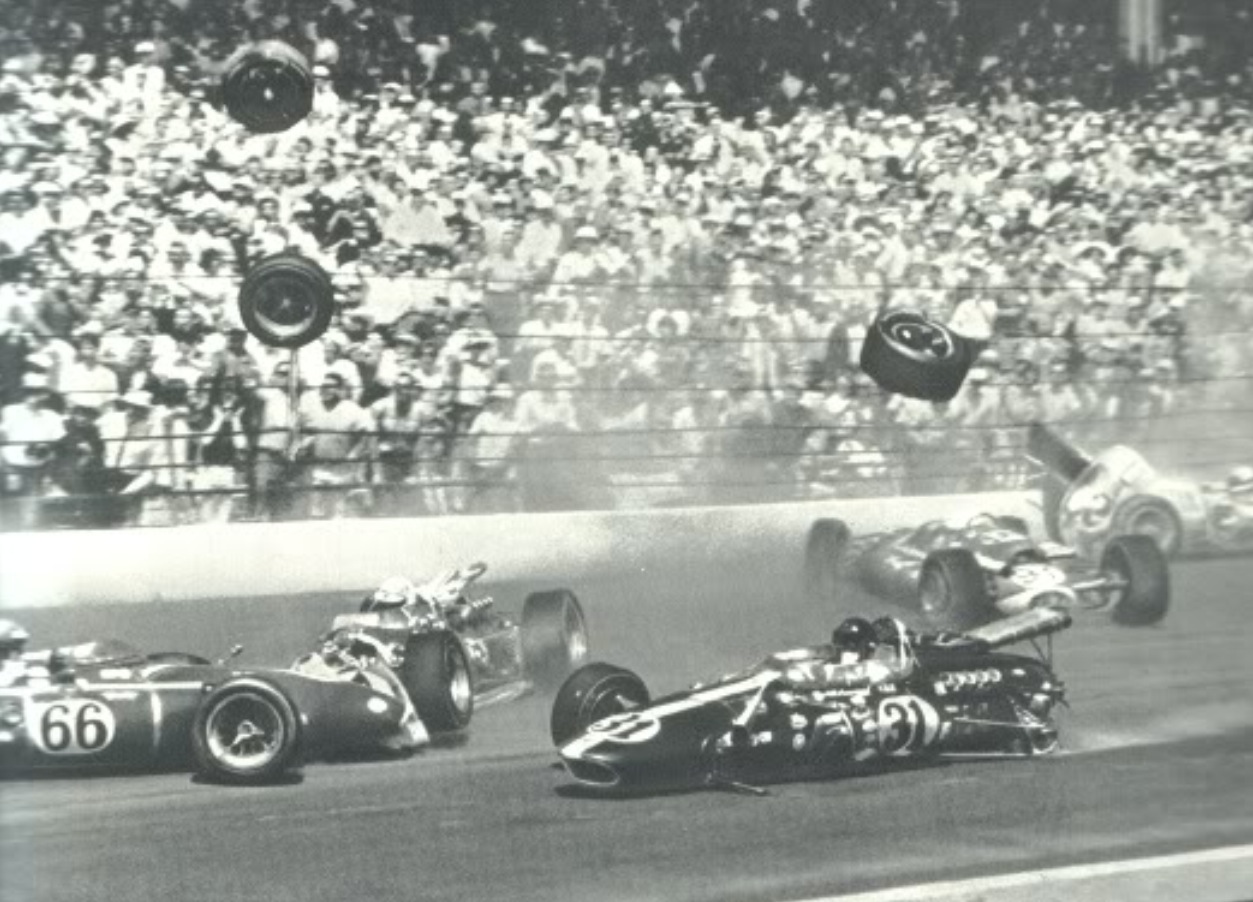
The Indianapolis Star called the 1966 Indy 500 ‘the most fantastic, confused and incredible 500.’ And it may have been. This was the ‘500’ marked by a 16-car crash at the start when Billy Foster’s car hit the rear of Gordon Johncock’s Gerhardt setting off a violent chain reaction that eliminated 11 cars, including those of A.J. Foyt, Dan Gurney, Don Branson and Cale Yarborough.
Foyt suffered minor injuries, a cut finger and a bruised knee when he climbed out of his car and scaled a fence to get away from the scene.
Jim Clark’s ‘STP Oil Treatment’ Lotus 38 Ford in the Indy pits 1966. Andrew Ferguson at left. I put a can of the stuff in Mums Morrie 1100 but it didn’t seem to go any quicker…the sticker on the rear window looked good tho. I thought so, she didn’t! #12 the car behind Clark is the Chuck Hulse driven Watson Ford. Lotus 38’s well raced, Lotus Indy tool ’65-’67. (unattributed)
The race was red-flagged for the second time in three years and was re-started after a one hour and 23 minute delay.
Mario Andretti took the lead at the restart but retired shortly thereafter with engine failure. Clark lead but spun twice with handling maladies without hitting anything, pitting on each occasion to have the car checked. Stewart and Lloyd Ruby in an Eagle diced for the lead before fuel stops put Clark back in the lead.
Great shot of Hill and Lola Supremo Eric Broadley discussing the cars setup during Indy qualifying 1966. See the quick change safety fuel cells/filler cap. Ignition cutout wired to steering wheel beside drivers thumb. (unattributed)
Ruby took the lead but his car was then black-flagged for the loss of oil, leaving Stewart in the lead from Clark and Hill. Hill had progressed through the field without making mistakes and benefiting from others errors or misfortunes, by lap 175 he was past Clark for 2nd. Stewart lead, until with 25 miles to go his oil pressure diminished, his engine scavenge pump failure gave Hill the lead he was not to relinquish.
Despite protests by Lotus’ Colin Chapman and sponsor Andy (STP) Granatelli that Hill had been incorrectly scored with an extra lap, the unofficial results stood. Hill won $156,297 for his victory, Jim Clark finished second battling an ill-handling car the entire race, Jim McElreath’s Brabham Ford was third and Stewart was classified 6th.
Hill drove a quick, clean race. He stayed out of trouble and was in front for the final laps which mattered, putting lap scoring disputes to one side…What a gorgeous looking, in a brutal kinda way, car! (unattributed)
Another start shot; Cale Yarborough #66 Vollstedt Ford and Dan Gurney’s #31 Eagle Ford. Indy 1966. (unattributed)
Jackie Stewart.
Jackie Stewart in the ‘Bowes Seal fast’ John Mecom owned Lola T90 Ford Indy 1966. Eric Broadley front lower left, chief mechanic George Bignotti in the Texan hat, Mecom in the tan short sleeved shirt in front of Bignotti (unattributed)
JYS with the face of a man focused on the qualifying task at hand. He qualified 11th, he was classified 6th after an oil scavenge pump failure caused his retirement. Lola T90 Ford, Indy 1966. (Dave Friedman)
Graphics and Imagery Hill/T90.
Lovely artwork of Hill and his Lola T90 (D Sire)
1967 Lola T92 Ford.
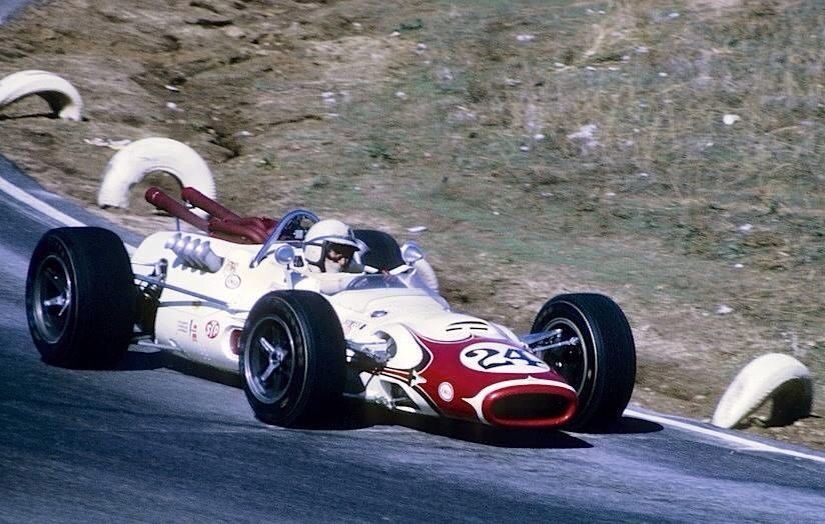
The successor to the Lola T90 was the mildly updated in bodywork T92 for 1967, here raced by John Surtees in his one and only USAC race, the ‘Rex Mays 300’ held at Riverside in November 1967, a road course John knew well from his CanAm campaigns. His John Mecom entry DNF’d with magneto trouble in the race won by Dan Gurney’s Eagle Ford. The car did not use offset suspension on road circuits…
John Surtees, Lola T92 Ford. Riverside 1967. (unattributed)
American Red Ball Company.
Even though the name has been in my brain since 1967, i had no idea what they do, clearly not the case in the US as they are an old established well known global removalist and transit organisation. So now i know! http://www.redball.com/long-distance-moving-company/our-rich-history/
Tailpieces…
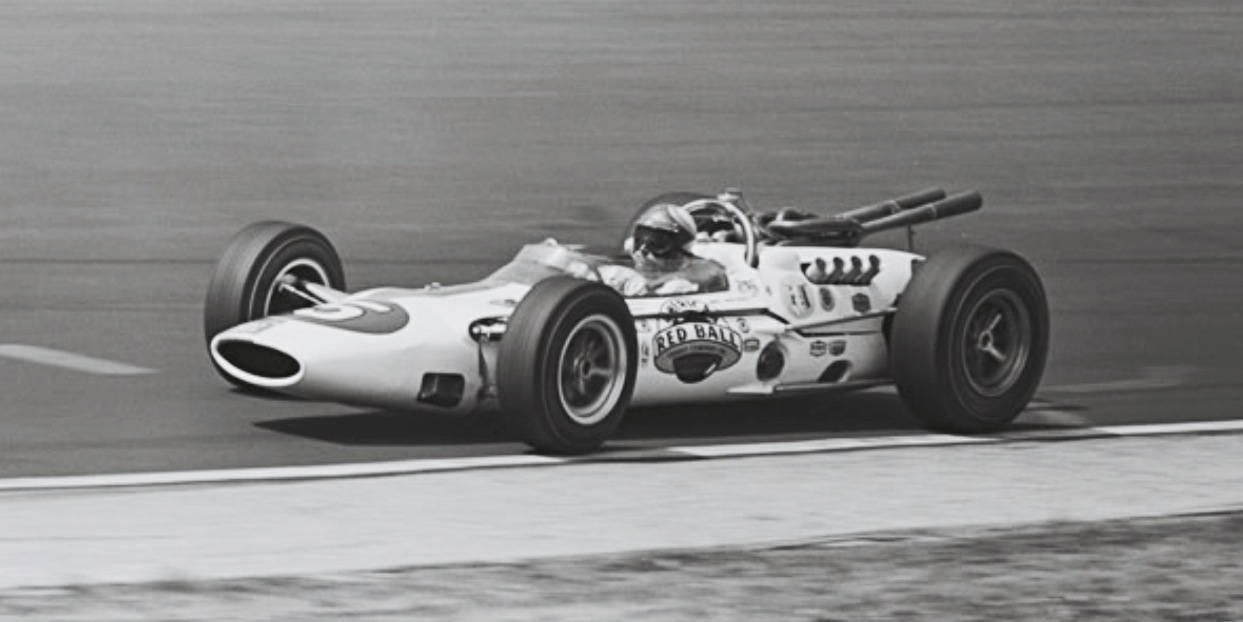
Hill looking the focused driver he was. Interesting shot shows the conventional rear suspension albeit with 1 rather than the usual 2 radius rods to locate the suspension fore and aft. Seat belts, roll over bar too low in the event of a rollover and cross-over exhausts all clear as is all enveloping bodywork of the T90 to smooth air flow and top speed, F1 cars at the time largely devoid of rear bodywork. (unattributed)
Nice bit of modern art; Top>Bottom; Stewart, Clark, Hill. Friends and Champions all. (olivesart.com)
This years running of the Endurance Classic is this coming weekend, i like ‘Car’ magazines to the point summary of the contenders, pictured above is the Toyota TS040 and below the Audi R18…
Doug Whiteford was one of Australia’s racing greats, he won the Australian Grand Prix thrice- in 1950 aboard ‘Black Bess’ his Ford Spl and in 1952/53 in this Talbot-Lago T26C ‘110007’ here on the forecourt of his ‘BP Servo’, 200 Burwood Road, Hawthorn, Melbourne in 1957…
I tripped over the photograph in the National Library of Australia archive, it’s clearly a BP promotional shot, the ‘Snapper’ was Wolfgang Sievers. ‘COR’, the other brand on the pump, is the acronym of the ‘Commonwealth Oil Refineries’, which was acquired by BP some years before, the pumps were co-branded for a while as part of the evolution of one brand to the other.
These establishments are all of an age aren’t they? The owner operated service station with generalist mechanics working on all makes and models is sadly a thing of the past. The ‘counter jumper’ in the average ‘Mega Servo’, if you can make yourself understood at all, is unlikely to know a dipsticks location let alone anything of real use.
The shot didn’t make sense actually.
By 1957 Doug had well before sold this car to Owen Bailey who owned and raced it at the time, Doug had acquired an older, but more advanced in specification T26C, chassis ‘110002’.
Owen’s son Rob is a fellow racer/Alfista, he and Stephen Dalton have helped with the facts or a theory anyway… we think the car is at Doug’s ‘Temple of Speed’ for fettling, Whiteford was the expert on these cars in this part of the world.
‘110007’ is in BC Ecclestones’ collection, ‘110002’ still in Oz. I am beavering away on an article about these two fabulous Lagos which should be finished soon…
(Clem Smith via Ray Bell)
Doug Whiteford’s T-L ‘110007′ leads Stan Jone’s Maybach onto the main straight at Woodside, the Adelaide Hills road circuit in October 1951, Whiteford won the race with Stan second.
Just look at the nature of the place- ‘Stobie’ telephone poles, fence posts, railway crossing etc. A tragic accident in a motor-cycle handicap race where an early starter completed his first lap before the scratchmen had gotten away and killed two people in the starting area gave rise to police and State Government concern causing the imposition of a ban on racing on public roads in South Australia.
Mark Hughes ‘MotorSport’ coverage of Grands’ Prix is my favourite, ’twas not the greatest of contests, victory for Lewis Hamilton’s Mercedes…
Hughes…’Long straights, slow corners, the tiny rear discs of the hybrid cars, degrading rubber that cannot be pushed for the full distance, the absence of safety cars giving no margin on fuel and brakes: on this occasion these things combined to neuter one of the calendar’s traditional highlights’.
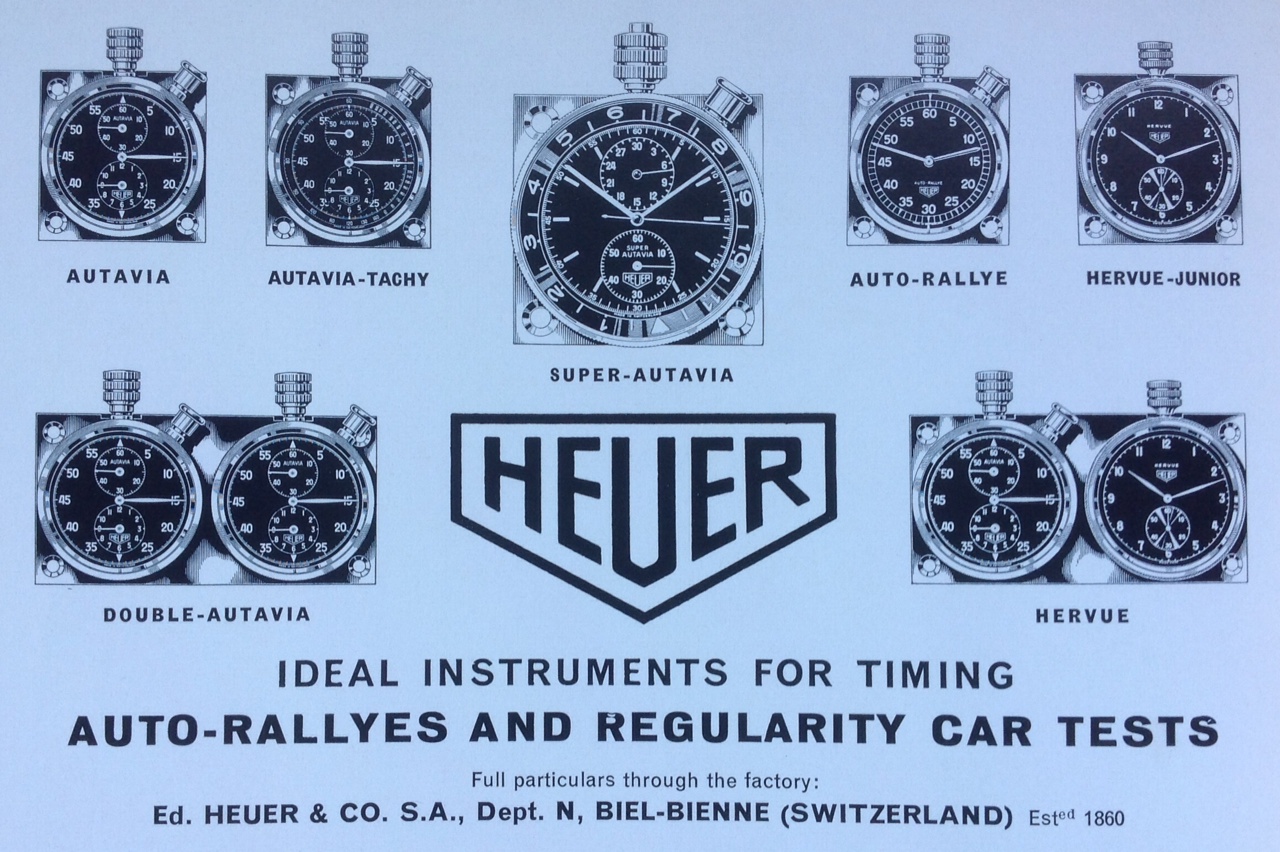
‘Automobile Year’ Ad for Heuer stopwatches of the 1950’s…
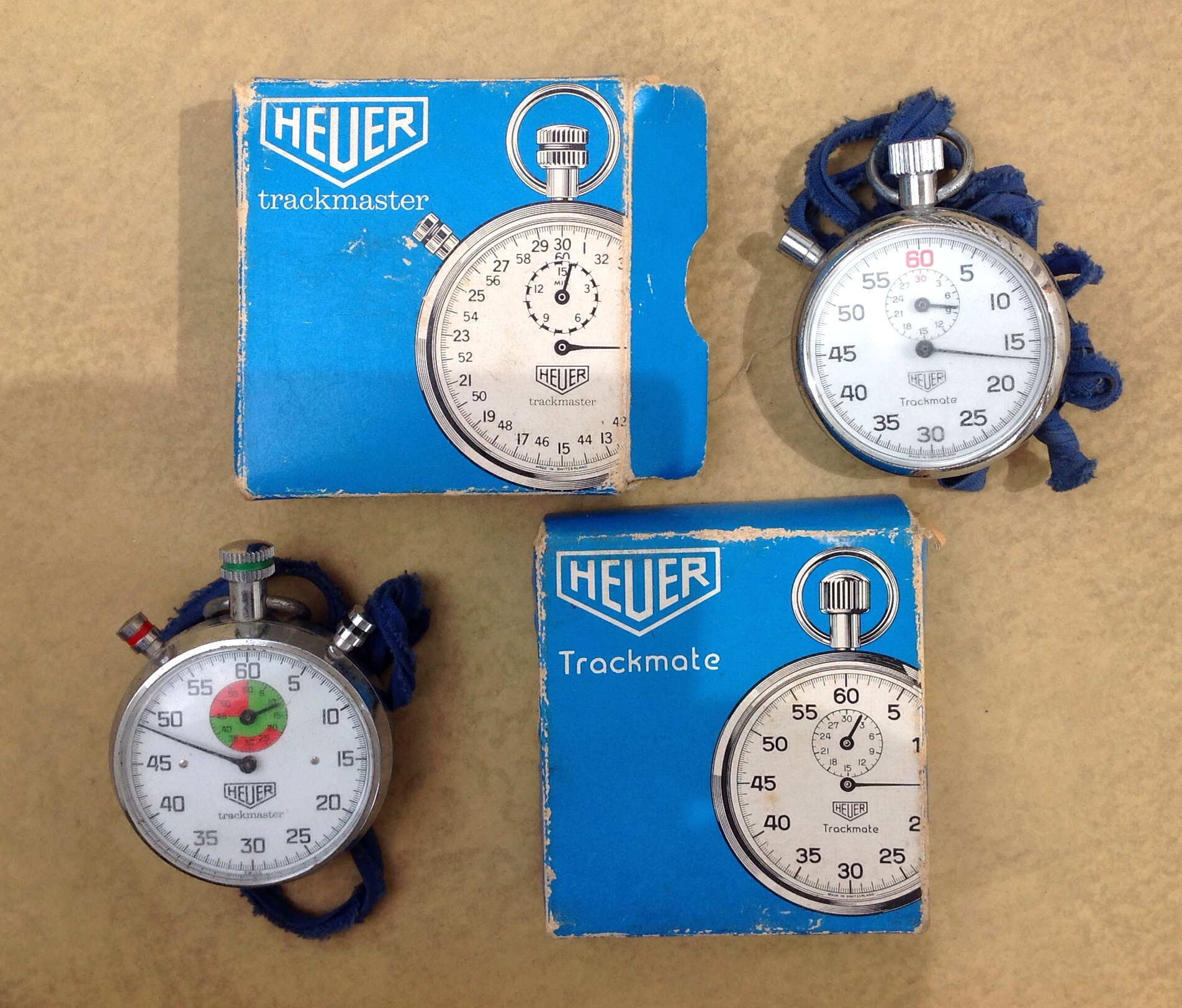
By the time i started racing in 1979 the day of the digital ‘Accusplit’ had arrived, but no way known was i going to have one of those new-fangled digital devices. My heroes had been timed by Heuer, so too were to be my humble Formula Vee efforts.
Dad was duly despatched to buy a pair on one of his Hong Kong trips, i still have them of course, complete with the boxes in which they came and the blue ribbon to which they were attached to the girlfriend of the day.
Liz had many talents not the least of which were her race weekend skills, all encompassing, inclusive of lap timing as they were.
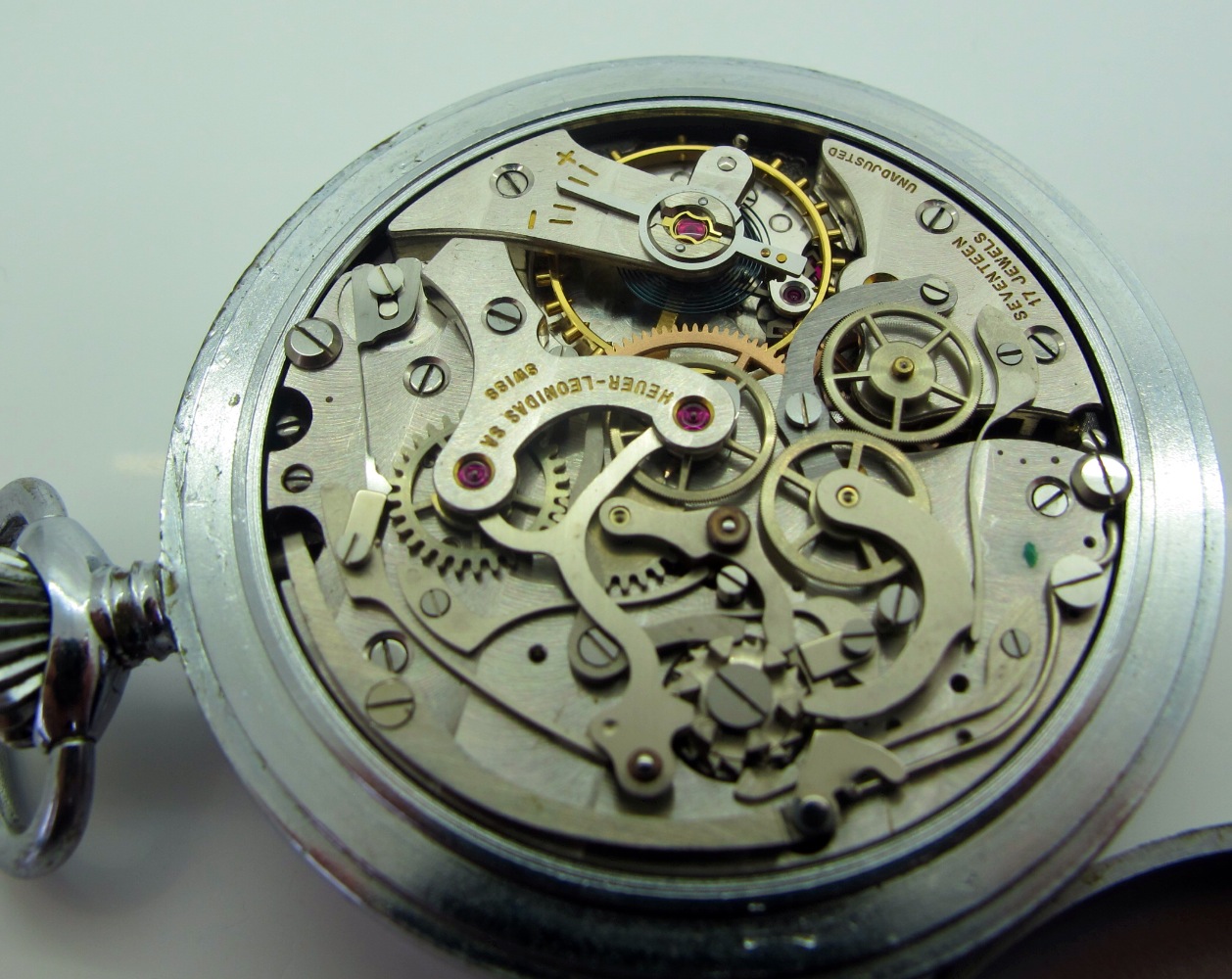
Its a bit like chronographs really, yer can buy one with a digital movement but its not the same as a beautifully hand crafted Swiss piece filled with tiny, complex, exquisitely engineered mechanical ‘gubbins’ contained in a sculptured metal shell…
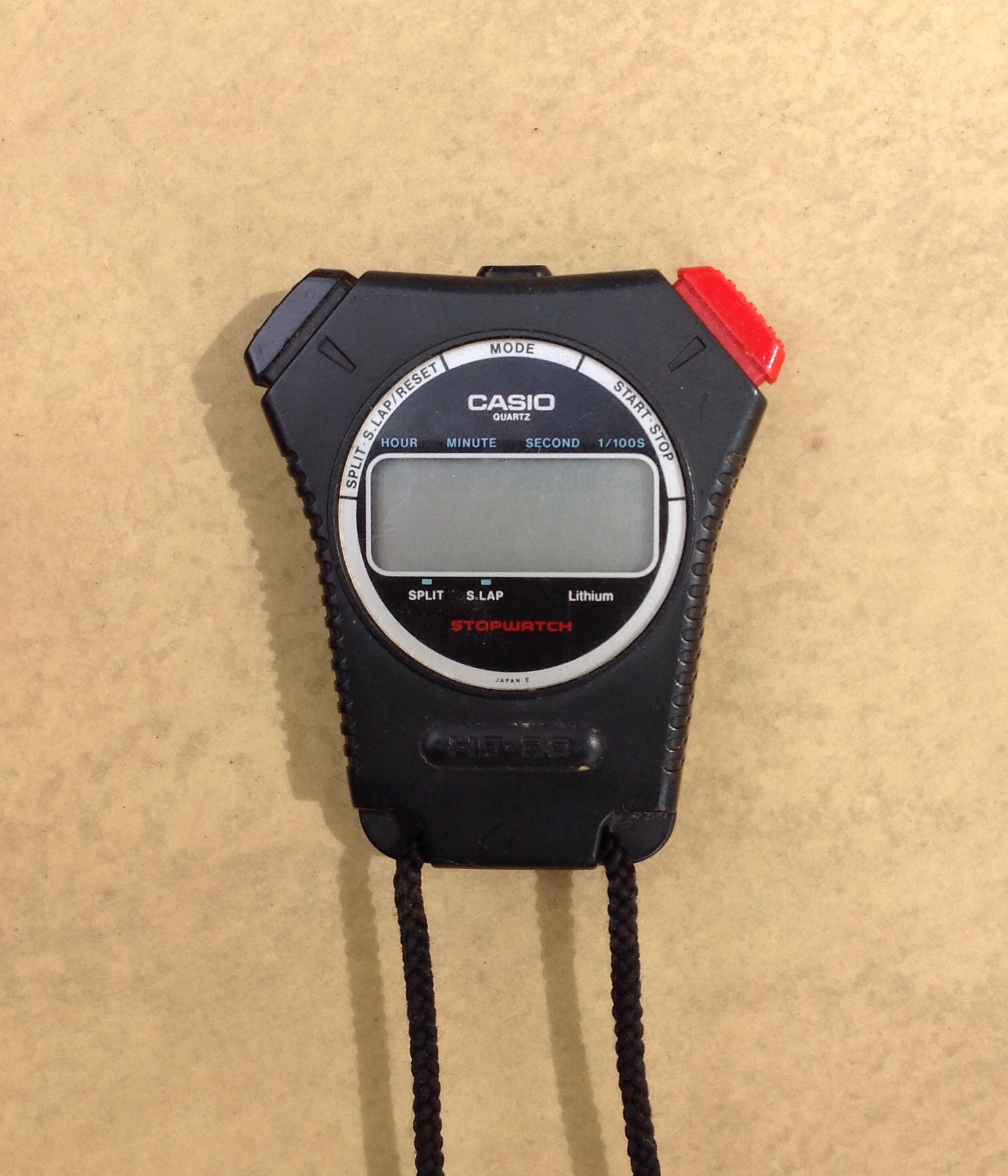
The Casio which followed the Heuers needs a battery! More functional and accurate than the Swiss items but nowhere near as beautiful or evocative!
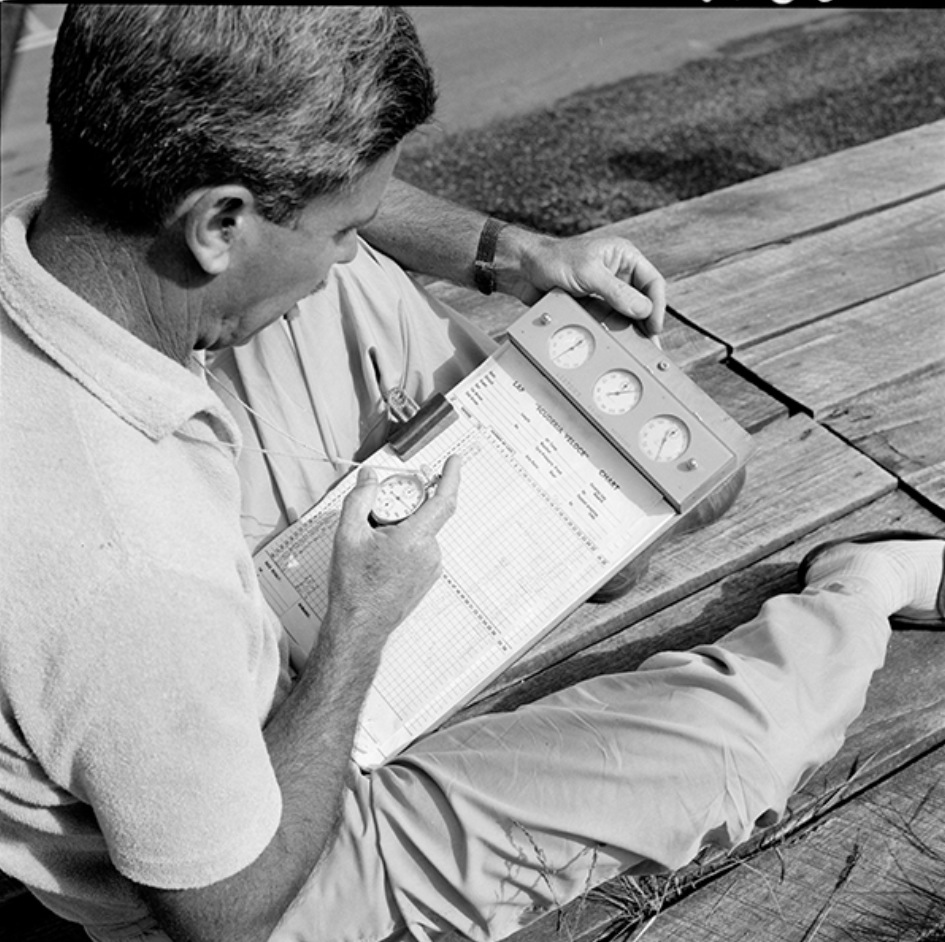
Australias’ ‘Scuderia Veloce’ supremo, David McKay practising the noble art of multiple stop-watch operation at Warwick Farm in the mid ’60’s. (David Mist)













 primotipo...