This years running of the Endurance Classic is this coming weekend, i like ‘Car’ magazines to the point summary of the contenders, pictured above is the Toyota TS040 and below the Audi R18…
Doug Whiteford was one of Australia’s racing greats, he won the Australian Grand Prix thrice- in 1950 aboard ‘Black Bess’ his Ford Spl and in 1952/53 in this Talbot-Lago T26C ‘110007’ here on the forecourt of his ‘BP Servo’, 200 Burwood Road, Hawthorn, Melbourne in 1957…
I tripped over the photograph in the National Library of Australia archive, it’s clearly a BP promotional shot, the ‘Snapper’ was Wolfgang Sievers. ‘COR’, the other brand on the pump, is the acronym of the ‘Commonwealth Oil Refineries’, which was acquired by BP some years before, the pumps were co-branded for a while as part of the evolution of one brand to the other.
These establishments are all of an age aren’t they? The owner operated service station with generalist mechanics working on all makes and models is sadly a thing of the past. The ‘counter jumper’ in the average ‘Mega Servo’, if you can make yourself understood at all, is unlikely to know a dipsticks location let alone anything of real use.
The shot didn’t make sense actually.
By 1957 Doug had well before sold this car to Owen Bailey who owned and raced it at the time, Doug had acquired an older, but more advanced in specification T26C, chassis ‘110002’.
Owen’s son Rob is a fellow racer/Alfista, he and Stephen Dalton have helped with the facts or a theory anyway… we think the car is at Doug’s ‘Temple of Speed’ for fettling, Whiteford was the expert on these cars in this part of the world.
‘110007’ is in BC Ecclestones’ collection, ‘110002’ still in Oz. I am beavering away on an article about these two fabulous Lagos which should be finished soon…
(Clem Smith via Ray Bell)
Doug Whiteford’s T-L ‘110007′ leads Stan Jone’s Maybach onto the main straight at Woodside, the Adelaide Hills road circuit in October 1951, Whiteford won the race with Stan second.
Just look at the nature of the place- ‘Stobie’ telephone poles, fence posts, railway crossing etc. A tragic accident in a motor-cycle handicap race where an early starter completed his first lap before the scratchmen had gotten away and killed two people in the starting area gave rise to police and State Government concern causing the imposition of a ban on racing on public roads in South Australia.
Mark Hughes ‘MotorSport’ coverage of Grands’ Prix is my favourite, ’twas not the greatest of contests, victory for Lewis Hamilton’s Mercedes…
Hughes…’Long straights, slow corners, the tiny rear discs of the hybrid cars, degrading rubber that cannot be pushed for the full distance, the absence of safety cars giving no margin on fuel and brakes: on this occasion these things combined to neuter one of the calendar’s traditional highlights’.
‘Automobile Year’ Ad for Heuer stopwatches of the 1950’s…
By the time i started racing in 1979 the day of the digital ‘Accusplit’ had arrived, but no way known was i going to have one of those new-fangled digital devices. My heroes had been timed by Heuer, so too were to be my humble Formula Vee efforts.
Dad was duly despatched to buy a pair on one of his Hong Kong trips, i still have them of course, complete with the boxes in which they came and the blue ribbon to which they were attached to the girlfriend of the day.
Liz had many talents not the least of which were her race weekend skills, all encompassing, inclusive of lap timing as they were.
Its a bit like chronographs really, yer can buy one with a digital movement but its not the same as a beautifully hand crafted Swiss piece filled with tiny, complex, exquisitely engineered mechanical ‘gubbins’ contained in a sculptured metal shell…
The Casio which followed the Heuers needs a battery! More functional and accurate than the Swiss items but nowhere near as beautiful or evocative!
Australias’ ‘Scuderia Veloce’ supremo, David McKay practising the noble art of multiple stop-watch operation at Warwick Farm in the mid ’60’s. (David Mist)
(Graham Howard ‘History of The Australian Grand Prix’)
Jim Clark and Graham Hill swap notes prior to the start of the 1967 Australian Grand Prix, Warwick Farm, Sydney. It would be a good season for them both…
Their new F1 Lotus 49’s await their return to Europe, the Ford Cosworth powered cars established a package of integrated design which became the F1 standard for the duration of the 3 litre formula. Their is plenty of press interest in the two stars, teammates for the first time in 1967 and Hill’s #5 Lotus 48.
Behind them in the ‘Farm pitlane is Kevin Bartlett’s Brabham BT11A Climax, KB just in shot with his foot on his front Goodyear. Sixth in the race for him, an excellent result in the old car.
Start of the 1967 AGP. #5 Hill Lotus 48 FVA 1.6, #6 Clark Lotus 33 Climax 2.0 V8, #3 Jackie Stewart on pole, BRM P261 2070cc V8. (autopics.com.au)
The 48 was Lotus’ new car for the inaugural 1.6-litre F21967 season. Designed by Colin Chapman and Maurice Philippe, it was in essence a ‘mini’ Lotus 49 which made its successful debut in the ’67 Dutch Grand Prix on June 4.
Keen to get in some early season testing of the new car, Colin Chapman sent the first chassis to Australia for the Warwick Farm round of the Tasman Series, the Australian GP that year, held on 19 February for Graham Hill to drive. Hill was popular at the Sydney circuit, the promoters paying plenty of money to get the Brit and his new Lotus to New South Wales for just one race. Of added local interest was that Hill had just returned to Lotus having been a BRM driver since 1960. Mind you, in Australia he raced in our internationals the Ferguson P99, Brabham Climaxes owned by ‘Scuderia Veloce’ as well as various BRM’s.
Jim Clark did all of the Tasman rounds in New Zealand and Australia that summer. He won the title in a Lotus 33 Climax, his 1966 F1 mount ‘R14’ fitted with the 2 litre Coventry Climax FWMV V8 engine with which he started the 1966 F1 season, the first year of the 3 litre F1. He used the car until the BRM engined Lotus 43 was ‘ready’ to race.
The new 48 F2 car had a full monocoque chassis made from aluminium sheet with steel bulkheads front and rear. Bolted to the rear bulkhead was a tubular steel subframe which carried the unstressed FVA engine and ZF gearbox. Front suspension used top rockers operating inboard mounted springs and dampers. The rear suspension was also conventional; single upper link, reversed lower wishbone, twin radius rods and coil spring/ damper units.
The 48 used the Ford Cosworth FVA, one of two engines contracted from Keith Duckworth and Mike Costin by Ford. Significantly the engine proved Duckworth’s design direction for his F1 V8, the Cosworth DFV which made its race debut at Zandvoort in the back of the equally new Lotus 49. The FVA’s design commenced in July 1965, its first bench test was in March 1966 and its first race in July 1966. The engine was well tested prior to its trip to Australia in the summer of ’67.
The remarkably successful unit combined a four-cylinder cast iron Ford Cortina block with an aluminium Cosworth head. FVA was an acronym of the ‘four valve assembly’ or ‘four valve type A’ of the engine’s new head. Twin overhead camshafts were used of course, driven from the crankshaft by gears. Equipped with Lucas fuel injection, the dry sumped engine developed circa 220 hp @ 9000rpm.
Ford Cosworth FVA Engine Cutaway drawing by Theo Page.
Graham Hill qualified Lotus 48 chassis ‘R1’ well amongst the Tasman Formula 2.5 litre engined cars, 3rd on the grid with only the V8 engined cars of teammate Jim Clark and Jackie Stewart’s BRM in front of him. He may only have had 1.6 litres but the chassis was clearly good and Hill was always been quick around Warwick Farm, the Sydney circuit a very technical one.
Stewart was very fast throughout the Tasman, he won it in ’66, but the BRM’s gearbox was at its limits with the greater stresses of the P60 BRM V8, now at 2070cc and developing much more power and torque than the same engine in its original 1.5 litre F1 guise ever produced. But the car held together at the ‘Farm, Jackie won from Clark and Frank Gardner in a Brabham BT16 Climax FPF, the old 2.5 litre F1 Climax four cylinder engine well and truly outclassed by ’67.
Hill’s new Lotus 48 expired with gearbox maladies on lap 25 but he gained valuable miles on the brand new chassis in advance of the European F2 season, which both he and Clark contested.
Intended as a customer car, the 48 was exclusively campaigned by Team Lotus during 1967, privateers used uprated 41’s. The new Lotus was quick but encountered the Brabham BT23, one of Ron Tauranac’s most successful designs. The 48 won four F2 races in 1967, three in Clark’s hands, the fourth by Jackie Oliver in the combined F1/F2 German GP at the the Nürburgring.
Whilst the Brabham BT23 was the car of the season many of its victories were taken by ‘graded drivers’, notably the ‘King of F2′ Jochen Rindt, whilst graded drivers did win races they could not score championship points. The 1967 title was won by Jacky Ickx using both Matra MS5 and MS7 chassis’, FVA powered.
Lotus continued with the 48 in 1968, 4 chassis were built in total, but struggled again with the dominant Brabham BT23’s. Jean Pierre Beltoise won the ’68 title in a Matra MS7 FVA. 1969 would be a ‘different kettle of F2 fish’, the Dave Baldwin designed Lotus 59 a much more competitive tool.
Graham Hill tucked into the comfy cockpit of his beautifully finished Lotus 48. He is on the grid of the ‘Guards 100’, Snetterton in March 1967. Hill was 2nd to Rindt’s Brabham BT23. (Max Le Grand)
III Gran Premio Barcelona, Montjuic, Spain 31 March 1968…
Jim Clark, Lotus 48 FVA, Montjuic, Barcelona 1968. (Unattributed)
Jim Clark aviating his Lotus 48 during practice for the first European F2 event in 1968.
He started the season strongly with victories in his Lotus 49 in both the South African Grand Prix held at Kyalami on 1 January and the Tasman Series, including the Australian Grand Prix at Sandown Park, Melbourne. Jim won 4 of the 8 Tasman rounds, his Lotus used the 2.5 litre Ford Cosworth V8 variant, the ‘DFW’ so he came to this F2 event ‘razor sharp’.
Despite Clark’s speed, Jackie Stewart won the race in his Matra MS7 FVA, Jim was tagged by Jacky Ickx at the first turn, a ‘bonzai’ move down the inside taking out the innocent Scot, deflating a tyre and rearranging the rear suspension. Ickx was involved in another accident on lap 2 and retired. Karma at play!
The shot below is of #1 Clark, with Hills nose in shot, in the middle is an innocent Jochen Rindt, Brabham BT23 FVA. Ickx shot off down the road in his Ferrari 166. The next F2 round was the ‘II Deutsche Trophae’ at Hockenheim the following weekend.
Hill’s Lotus 48 nose, Jochen Rindt caught up in the melee in his Brabham BT23 FVA and Clark, Lotus 48 FVA. (Unattributed)
End of Clark’s race, flat tyre and shagged rear suspension. Lotus 48 FVA. Barcelona 1968. (Unattributed)
YouTube Footage of the Barcelona Race;
Hockenheim 7 April 1968…
Jim Clark before the off and (below) in the early stages of this fateful, awful race and the probable high speed tyre deflation which caused the accident that claimed the champions life.
Jim Clark, relaxed before the off and Dave Sims. Hockenheim 7 April 1968. Lotus 48 FVA. (Rainer Schlegelmilch)
Clark, Lotus 48 FVA, Hockenheim 7 April 1968. (MotorSport)
Lotus 48 Technical Specifications…
Chassis; aluminium monocoque with rear subframe. Front suspension; lower wishbones, top rocker actuating inboard coil spring/dampers, roll bar. Rear suspension; reversed lower wishbones, top links, twin radius arms, coil spring/dampers, roll bar
Steering rack and pinion, Brakes, discs all-round, Gearbox ZF 5DS12 5 speed.
Weight 420 kilo / 926 lbs. Length / Width / Height 3,797 mm (149.5 in) / 1,727 mm (68 in) / 762 mm (30 in)
Wheelbase / Track (fr/r) 2,330 mm (91.7 in) / 1,473 mm (58 in) / 1,473 mm (58 in). Wheels (fr/r) 13 x 8 / 13 x 10
Ford Cosworth FVA…
Pretty much the ‘engine de jour’ of the 1.6 litre F2 from 1967 to 1971, the FVA won all of the European titles in that period.
Cast-iron Ford Cortina 1600 ‘116E’ 5 bearing block, aluminium head, 1,598 cc. Bore/Stroke 85.7 mm/69.1 mm, DOHC, 4 gear driven valves per cylinder, Lucas fuel injection and electronic/transistorised ignition. Circa 220 bhp @ 9000rpm.
Those with a strong technical interest in the Cosworth FVA and its role in relation to the subsequent Cosworth DFV V8 Design will find this treatise of interest;
Mini Lotus 49 indeed! Clark in his svelte Lotus 48, Pau GP 1967. 4th behind 3 Brabham BT23’s; Rindt, Hulme and Alan Rees. (Unattributed)
Clark in his Lotus 48 from Jackie Stewart’s Ken Tyrrell entered Matra MS7, both Ford Cosworth FVA powered, 1st and 2nd, Chris Irwin’s Lola T100 3rd, Jarama, Spain July 1967. (Unattributed)
Jackie Oliver jumping his works Lotus 48 into 5th place, and first F2 finisher, German GP August 1967. He drove a great race, Hulme victorious in his Brabham BT24 Repco. (Unattributed)
Hill on the way to 3rd place in the Oulton Park ‘Gold Cup’ in September 1967 amongst the F1 cars, Jack Brabham won in his BT24 Repco from Jackie Stewart in a Matra MS7 FVA F2 car. (Brian Watson)
Graham Hill in the Tulln Langenlbarn, Austria paddock in July 1968. NC with insufficient laps. Rindt won the race in a Brabham BT23C. ‘Chequered Flag’ truck contained the McLaren M4A driven by Robin Widdows also DNF. (Unattributed)
For the sake of completeness…this is the Dave Baldwin designed, spaceframe chassis F2 Lotus 59 which succeeded the 48. ‘Twas an FF/F3/F2 car, much more successful than the Lotus 48 but again the Brabham BT 28/30 gave it a good run for its money! Here G Hill at the Pau GP in April 1969 with high wings having only weeks to run before being outlawed by the FIA during the Monaco GP weekend. Hill DNF with fuel metering unit failure, Jochen Rindt victorious in the other Winkelmann Racing 59B. (Unattributed)
Credits…
Graham Howard ‘History of The Australian Grand Prix’
Max Le Grand, autopics.com.au, MotorSport, Rainer Schlegelmilch, Theo Page, Brian Watson, Roger Linton
Tailpiece: 1967 AGP Warwick Farm…
(R Linton)
Start of the race from the pit counter.
Hill’s Lotus 48 FVA at right, Clark, Lotus 33 Climax and Jackie Stewart, BRM P261 on the front row. Brabham is behind Stewart and Denny Hulme behind Jack in Repco ‘640’ V8 engined Brabhams
Ivan Capelli in his Leyton House CG901 Judd, 1990…
It’s been interesting to learn about and admire the careers of the sports’ outstanding contemporary engineer/designers and those of the decades which pre-date my interest in the sport.
It’s the ones who have enjoyed enduring success I have been most drawn to. Janos’ and Chapmans’ contributions over 30 years truly amazing.
Dr Porsche, Vittorio Jano and Jim Hall predate my period of interest but Colin Chapman, Mauro Forghieri, Gordon Murray, John Barnard and Adrian Newey i have followed since 1972.
CG901 monocoque inside the teams autoclave, Bicester 1990 (Pascal Rondeau)
Newey has been ‘the man’ in F1 for the better part of 25 years with ten constuctors titles for three teams; Williams, McLaren and presently Red Bull.
Like the others he is degree trained and his practical experience is rooted in time spent as a race engineer. He is different though, in that his primary degree is in Aeronautics and Astronautics. It was the application of the science of aerodynamics, increasingly important in the overall F1 design package as regulations progressively became more restrictive in other areas, at March nee Leyton House in 1988-1991 which first brought him to the attention of Patrick Head, Frank Williams and others.
Race prep of 3 CG901 chassis in June 1990 (Pascal Rondeau)
The overall pace of the March 881 and it’s successors top speeds at different circuits made it clear they slid through the air rather nicely, better than many other cars with the same engine or considerably more grunt.
That the cars ‘batted above their weight’ made it clear he could do more with greater resources, as has been proven the case.
The 1988 March 881, powered by John Judds’ 3.5 litre V8 finished 6th in the constructors championship, in 1989 the March 891 Judd finished 12th, drivers Mauricio Gugelmin and Ivan Capelli retiring from most of the races.
Drawing of the LH CG901 Judd…engine 3.5 litre V8 not 3 litre…(Peter Hutton)
In 1990 March F1 morphed into ‘Leyton House’…the Japanese company acquired the team it had previously sponsored. Neweys’ Leyton House CG901 Judd was quick in the hands of its two drivers after a mid year update of the aero package to correct ‘erroneous wind tunnel data’. Capelli lead the French Grand Prix for many laps before being passed by race winner Alain Prost. The team finished 7th in the Constructors Championship, Newey was fired and quickly hired by Williams all the same.
And the rest, as they say, is history. The 1991/2 Williams FW14 Renault, Neweys’ first Williams won 17 Grands’ Prix and Leyton House, amid allegations of financial misdemeanours and the arrest of its CEO disappeared without trace in early 1993 having changed it’s name back to March F1 for the 1992 season…
Ivan Capelli LH CG 901 Judd leads Alain Prosts’ Ferrari 641 during the 1990 French GP. Wonderful 2nd place for the Italian ahead of victor Prost. (Unattributed)
The gorgeous lines of Capellis’ LH CG901 at Suzuka, Japanese GP 1990. Q13, DNF with ignition dramas on L16. (Unattributed)
Leyton House workshops in June 1990 (Pascal Rondeau)
LH CG901 design elements. Carbon fibre chassis, suspension double wishbones, pushrod and rocker actuated coil spring/dampers front and rear. Judd EV 3496cc 76 degree DOHC 4 valve N/A V8, 660bhp. March 6 speed manual transaxle. carbon ceramic brakes. 520Kg. (Unattributed)
Estoril 21 September 1990, a practice Judd V8 engine change during the Portuguese GP weekend (Pascal Rondeau)
Credits…
Peter Hutton, Pascal Rondeau
Tailpiece: Ivan Capelli, Leyton House CG901 Judd at the Allsport Studios on 15 May 1990…
Ewald Kluge, DKW SS 250, Phillip Island 31 January 1938 (Earle Vienet)
I love some of these evocative older shots of a time in motor sport such a long time ago, this series of shots at Phillip Island in 1938 are some of those…
These photos were taken by Earle Vienet, father of a friend of mine, Trevor Vienet, at Phillip Island in 1938. By then the original rectangular, dirt, incredibly dangerous 10.6km circuit, host of the first eight Australian Grands’ Prix, had been replaced by a shorter 5.3 km course using part of the original track.
Phillip Island plays an important role in the pantheon of Australian Motor Racing History, not only did it hold the events described above, it was the place road racing first occurred in Australia. You can still drive the original road course, it’s well marked. There is also the current ‘modern’ purpose built circuit built in 1956, well known to International readers via its globally televised V8 Supercar and Moto GP events.
Cowes pits, Baron von Oetzen of Auto Union (left), see text below. Cowes is the main village on Phillip Island (Earle Vienet)
Many international and interstate visitors have made the trip to the ‘Island to see the ‘bike GP, historic car event in March or perhaps a V8 Supercar race. These days the tourist playground is well serviced from Melbourne with freeway-highway access and a bridge (opened in November 1940) from San Remo on the mainland to Newhaven on Phillip Island.
But back when Earle, his wife and thousands of other fans made the raceday/weekend pilgrimage it was literally a ‘cut lunch and camel ride of a trip’.
A train was taken from Flinders Street Station, Melbourne to Stony Point on Westernport Bay, then a very crowded ferry from there to Cowes on the island and finally a walk, bus or horse-drawn cart ride to the track on the outskirts of Cowes. These photos are from their trip on 2 January 1939.
(Earle Vienet)
(Earle Vienet)
Prominent Australian Motor Racing Historian/Author John Medley said of the shot above ‘The Baron was Baron von Oetzen from Auto Union who with his wife accompanied world champion Ewald Kluge and two DKW race bikes around Australia racing in 1937-38, using DKW (and other Auto Union vehicles) as support vehicles. Les Friedrichs rode one of the DKWs. The Baron promised Auto Union racing cars in Australia (as he already had done in South Africa) before the war intervened’.
Medley, ‘It is a story worth telling. We know some bits, and South Australian Eric Williams made a film about it, partly used in Tony Parkinson’s ‘History of Racing at Lobethal’, pearl handled revolvers and all!’
See ‘Etcetera’ below for more details on both Kluge and The Baron.
Ewald Kluge, Baron von Oertzen and Mr Green the Melbourne DKW agent. This shot is in Northcott Avenue, Canberra before their unsuccessful attempts to raise the Australian 250cc Land Speed Record in 1938. DKW SS 250, 2 stroke supercharged machine. These were annual events in Canberra at the time (The Velobanjogent)
Click here for an interesting article on Kluge’s DKW SS 250, 2 stroke supercharged racer at Lobethal, SA…
Great Australian Motor Racing Historian Graham Howard published an articlein ‘Motor Racing Australia’ magazine some years ago about The ‘Island pre-war. He wrote that the triangular layout was used twice per year from 1935 to the final meeting on public roads at Phillip Island in November 1938, it would be interesting to know if these shots are from that last meeting?
Interested to hear from any of you who could help with the details.
The straight Cowes 1938, any assistance in ID’ the cars gratefully received (Earle Vienet)
Earle Vienet was a motor racing entrepreneur in the 1960/70’s as the promoter of the Brooklyn Speedway as it was called then, located on Melbourne’s western outskirts. The difficulties of making a buck in motor racing on ‘that side of the fence’ have always been extreme, but Earle worked hard, in fact he toiled at four jobs to put his five children through private school.
The speedway was built on land first used a greyhound track. The original owner, a Mr Wilson built the track, installed wooden fencing and named it ‘Brooklyn Speedway’. The enterprise was then purchased by three partners; Ezmat Haken, Earle Vienet and Laurie Rowland. In the initial stages Earle and Laurie built up the speedway infrastructure, including putting in the lighting. They bought an old tip truck and made many trips to the local quarry to create spectator mounds. Ez was the marketer and Earle the promoter.
The business was very much a ‘do it yourself affair’, some of the stories about the contribution the Vienet boys, particularly Graeme, the elder made shows the level of commitment required to make a buck and the cavalier way in which things were done in those far away days. Occupational Health and Safety? What’s that!?
Barry Watt all the way from Queensland for the 1969 Speedcar Championship. Brooklyn pits(unattributed)
Trevor recalls the English Motor Cycle Test Team slept ‘in our 20 foot caravan which was parked at the side of the house in suburban Balwyn. Nigel Boocock (the captain) gave my mum a pair of pantyhose. I don’t think she had ever seen a pair before. The night the test team raced was the biggest crowd we ever had, approximately 10,000 people. Sadly, we didn’t get those numbers on a regular basis so the speedway, in my dad’s time was not a financial winner.’
Elder brother Graeme was Earle’s right hand man though ‘As a youngster at 13 I used to go to the speedway every single week with Dad. Initially I sold programs and ice-creams. A few years later I graduated to being the guy who pulled the elastic cord across the track and engaged it in the old bomb release mechanism mounted in the fence for the starting of solos and sidecars. I of course also used the watering can to mark out the white lines. I was paid $5 per night.’
‘When Speedcars came to the Speedway I also drove the black and yellow Holden panel van to start the cars. After race meetings I would often jump onto the Fiat tractor and do a rough grade of the track, pulling the dirt away from the fence line. I remember once a car going off the track and dropping a wheel into a small hole where the taps were for watering the track and the tap being broken and a huge spout of water shooting into the sky and out onto the track. Dad told me later that all the officials were saying to him that the race had to be stopped. Dad said, just give it a moment knowing I was outside the track at this stage. I was half way round the track from the main water valve and I ran like hell through the crowd and turned off the water at the main.’
‘I almost lost my eye sight one night when I was switching off the track lights (24 poles, 48 lights at 1,500 watts per light, 72,000 watts on three circuits) up in the judges box when one of the switches broke apart inside as I threw the switch.It arced and threw a massive fireball at me, hitting me in the neck just under my chin. If it had been dad, it would have hit him right in the eyes. Great ride in the ambulance though with full lights and sirens and dad following behind in his ’66 Studebaker Cruiser with 283cid V8 in close attendance’.
Love this shot which captures the entrepreneurial hands on zeal of the partners, Earle Vienet on left of the tractor bucket. Working bee at the Speedway (Earle Vienet)
Other classics of impecunious entrepreneurship included;
‘The yellow and black panel van donated by a car dealership as a push car, which could never be registered again as it wouldn’t have passed a road-worthy. The Fiat tractor which Steven Walker rolled one night whilst doing a series of fancy one wheel brake turns in front of his mates, whilst dragging some dirt back into a small hole on the main straight was a sight not forgotten by spectators there on that particular night!’
Trevor, ‘One year we entered entered a float in the Moomba procession to promote the Speedway ( a big annual festival of activities over a fortnight the highlight of which is a huge procession through the streets of Melbourne) with a Speedcar on top of a huge trailer surrounded by some pretty girls one of which was my elder sister showing off ‘her assets’. It was pulled by a Super Modified with a special fan which overheated, the whole rig had to be pushed at times by a bunch of mechanics during the procession, causing a good deal of chaos!’ All with 100.000 spectators on Melbourne’s CBD streets closed for the Public Holiday.
The partners sold the business in 1972 after six years of ownership. Earle died, very young at 51, the year before. The Speedway closed in 1988.
Etcetera…
Ewald Kluge.
Ewald Kluge or Les Friedrichs DKW, Cowes race meeting 31 January 1938 (Earle Vienet)
‘The Canberra Times’ 0n 15 January 1938 reported that Kluge successfully broke the Australian 250cc Flying Quarter Mile in Canberra on 14 January 1938. Further, whilst in Australia Kluge won the South Australian Lightweight and Junior TT’s, on the same DKW SS 250 at Lobethal on December 27 1937. Elsewhere it was reported that Ewald attracted a lot of attention from the German speaking locals, many people from Germany emigrated to South Australia and settled in the Barossa Valley, near Hahndorf in particular. The Authorities gave him attention in relation to the displaying of Nazi Swaztikas. Whether he liked it or not he was a member of the N.S.K.K., the ‘Nationalist Socialist Drivers Club’, difficult for the German racing heroes of the day to avoid. In Victoria he won the Lightweight TT at Ballarat Airfield, he also raced at Phillip Island on January 31 1938, as reported here, returning to Germany on February 8.
The Brisbane ‘Courier Mail’ on 15 June announced plans for Kluge to return to Australia in December 1939 but war put paid to that.
Ewald Kluge was born on 19 January 1909. After leaving school he was apprenticed as a mechanic. Kluge soon bought a Dunelt motorcycle, entering the 1929 Freiberger Dreiecksrennen, starting first and finishing in third place. Over the next few years, Kluge rode a private DKW before joining the works team in 1934 as a mechanic and backup rider. In 1935 he was made a full member of the team.
From 1936 to 1939, Kluge was German champion in the 250 cc class and in 1938 and 1939 he was also European champion. In June 1938, He won the 250 cc Lightweight TT at the Isle of Man. He was the first German and only the second rider from continental Europe to win the race.
During the War Kluge was a Sergeant in Leipzig at the school for army motorisation in wunsdorf In 1943, he was released from his role at the request of Auto Union, for whom he went to work in their testing department. After the war, the Russians denounced him as a Nazi and between 1946 and 1949 he was imprisoned.
From 1950, Kluge once again rode for DKW, often riding in both the 250 cc and 350 cc classes. In 1952 Kluge competed at the German GP finishing fifth in the 350 cc race and fourth in the 250 cc race. In 1953 he had a serious crash at the Nurburgring in which he fractured his thigh, ending his riding career. Later he worked in public relations for Auto Union.
Kluge died on 19 August 1964 from cancer. He was married and had a son and a daughter.
Ewald Kluge on his DKW SS 250, Lobethal, South Australia, December 1937. (Tony Parkinson Ray Trevena Collection)
Baron von Oetzen (unattributed and undated)
Baron Claus von Oetzen.
During 1932, four German motor manufacturers; Audi, DKW, Horch and Wanderer merged under the pressures of the depressed German economy to form Auto Union. The new company’s four-ringed emblem is credited to von Oertzen.
von Oertzen, in charge of sales at Wanderer, became sales director and chairman of the board of Auto Union.
Von Oertzen wanted a showpiece project that would bring fame to his new firm. Together with Ferdinand Porsche and Hans Stuck (senior), one of Germany’s most successful racing drivers, they began work on a new ‘people’s car’ and also a government-sponsored racing program.
Initially a sum of 500,000 reichmarks was pledged to Mercedes Benz but Dr. Porsche convinced the government that two programs were better than one, and the 500,000 RM would be split by the two competing firms.
Von Oertzen had to leave Germany as his wife was a Jewess, in 1935 they relocated to South Africa away from the Nazis view. From 1936 he initiated the export of the DKW saloon car to South Africa and Australia, the visit by he and Ewald Kluge in 1937/8 was partially about racing but largely to establish export and distribution arrangements for Auto Union products. In 1937 he arranged for the Auto Union racers to be brought to South Africa for promotional purposes.
In addition to South Africa and Australia, von Oertzen also worked in Indonesia, where he and his wife, Irene, were interned in separate prison camps during the War.
After the cessation of hostilities Volkswagen Germany appointed him as their representative in South Africa. He was instrumental in the early stages of negotiations to bring Volkswagen to South Africa.
In Australia von Oetzen appointed his pre-war DKW partner, Lionel Spencer’s Regent Motors as the local VW importer and distributor, the first cars arrived in October 1953.
Oetzen was born in 1894 and died in 1991.
‘The Canberra Times’ report on the Kluge/ DKW 250cc Australian Speed Record attempts on 14 January 1938.
Diagram of the original Phillip Island, ‘gravel surface with some blue metal stone chips rolled in’ road course. The roads, now bitumen, still exist, the circuit is well marked including signs which explain the locations historic significance (kolumbus.f1)
Capt Arthur Waite, the Australian born son in law of Herbert Austin, on his way to winning the first AGP in 1928. Phillip Island in his factory backed Austin 7 s/c, specially developed for Brooklands. Event has become known as the AGP but was called the ‘100 Miles Road Race’ by The Light Car Club of Australia, the promoters at the time. March 31 1928. Race 16 laps, total 170Km(unattributed)
Caption; ‘Rugby or Chrysler at Cowes 1938’.Speedway cars, these two (Earle Vienet)
Credits…
Earle Vienet Collection, Trevor and Graeme Vienet, Motor Racing Australia Magazine #35 ‘Phillip Island Pre-War’ article by Graham Howard, Wikipedia
melbourne speedbowl.com, Kolumbus.f1, Stephen Dalton and John Medley for research assistance
Tony Parkinson Ray Trevena Collection, The Velobanjogent
Mick and his new Aston DB6, it’s a promotional shoot in a Mews off Baker Street, London, Mick had not long before moved into an apartment in Harley House, near the top end of Harley Street, between Marylebone Road and Regents Park. close by in Marylebone. It’s June ’66.
There are so many historic elements to Dick Simpson’s wonderful shot of the three cars in ‘The Dipper’ on lap 1 of the Sunday feature race.
Allen is in Frank’s old car, the first Elfin 400/Traco Olds ‘BB662’, Matich’s 5 litre quad-cam Repco ‘RB760’ engined car slaughtered the opposition in 1969. It was intended for the 1968 Can Am but was completed too late, its high wings will be shortly outlawed as all such appendages were over the 1969 Monaco GP weekend…and tragically Bevan died during this race, a victim of circumstances and the aero of the 400 which was not, with the knowledge of the time, ‘fully resolved’.
I have not written an article about one of our ‘Racers Retreat’ Peter Brennan’s restorations for a while, this article features his ex-Frank Matich Elfin 400/ Traco Olds ‘BB662’ Sports Car.
I had almost finished it a few weeks ago and then the tragic news of Frank Matich’s death on May 11 came through.
With the assistance of his former colleagues at the time, Bruce Richardson and Geoff Smedley i have been able to fill in some gaps and i think portray an objective account of the Elfin 400’s design and construction, which has been somewhat contentious down the decades.
This article is dedicated to this incredibly talented racer, constructor and businessman- truly a great Australian, Frank Matich.
‘Auto Sportsman’ cover July 1966 depicts Frank Matich ‘Australian Tourist Trophy’ win at Longford in February. Elfin 400/Traco Olds ‘BB662’.
Historic Context…
It’s interesting to look at the explosion of motor racing post war as the vestiges of conflict faded away and people started to live their lives again and indulge in their passions.
Consumer credit became more available, manufacturers introduced new models of cars and of course wanted to extol their virtues and promote their brands via motor racing.
In the US, sports car racing was the focus of road racing at the time, single seater racing being mainly the province of speedways. The Europeans slugged it out with local specials powered by increasingly larger capacity V8’s. Ferrari and Maserati built cars such as the 340 America and 450S as cars like the Allard Cadillacs, their 6 litre engines providing stiff competition to the D Types, 300S Masers’ and Monza Ferraris’ the latter three began to dominate based on numbers alone.
A ‘game changer’ was the introduction of the small block Chev V8 introduced into 1955 model cars. The engine was 100 pounds lighter than any other production V8 at the time and compact, Lance Reventlow exploited its virtues in his Scarabs in 1958.
The Cooper Monaco and Lotus 19, mid-engined cars powered by the Coventry Climax FPF brought a level of subtlety to the fields but it wasn’t long before the small block Chev, Ford ‘Windsor’ V8 introduced in 1962 and the F85 aluminium Oldsmobile engines found their way into the backs of the Coopers and Lotuses. These ‘small and big block’ modern V8’s established a new paradigm globally for sportscar racing, they won everything up to and including Le Mans.
The focus of the European and English racing car manufacturers was the US market where there was much money to be made supplying this strong sportscar scene which launched the careers of Phil Hill, Carroll Shelby, Dan Gurney and Richie Ginther into Europe in the ’50’s.
In Australia the bigger racing budgets were devoted to single seaters although we had a smattering of Jag C and D Types’, 300S, Lotus 11’s and 15’s all of which could double up in events like the Australian Grand Prix which was run to Formula Libre until 1961.
In the early 60’s Frank Matich and Bib Stillwell slugged it out in both single seaters and sportscars; Stillwell in a Cooper Monaco I wrote about a while back and Frank Matich in a Lotus 19 and later, after the earlier car was destroyed in a Warwick Farm testing accident, a Lotus 19B. Both cars were Coventry Climax powered. (Stillwells Cooper was fitted with an ex-Scarab Traco Buick engine later)
‘Cranky Franky’ was an awesome competitor and engineer, his later self built cars were of world class and won Australian Sportscar and Gold Star (Single Seater) Championships.
In 1962 Matich raced Elfin Clubman, Formula Junior and 1.5 litre cars as a factory driver, in fact he ‘cut his single seater teeth’ with Elfin and was appointed the firms NSW Agent. Elfin is the South Australian company created by Garrie Cooper in 1958, it evolved from his fathers body-building business and became Australia’s largest and most successful producer of racing cars, building over 350 cars and winning dozens of Championships until well after Coopers death in April 1982
The modest, understated Cooper, a titan of Australian Motor Racing was to play a key role in Matich’s next championship winning sportscar.
FM cutting the grass in the Lotus 19B Climax, Homestead Corner, Warwick Farm. This car was extensively and continually developed by Matich and his team and had some Brabham components; wheels and brakes at the end of its life which occurred at Lakeside in 1965. Chassis number unknown, car taken to Elfin and used as a reference for the 400 design, car last seen atop a workshop at Elfins many years ago…destiny unknown. (John Ellacott)
Destruction of Lotus 19B Climax…
Matich had success in his Lotus 19’s, winning the Australian Tourist Trophy in the 19B at Longford in 1964. He was the favourite to win the title at Lakeside in 1965, but the competition was to be stiffer than the year before with no less a driver than Ken Miles competing in a factory Cobra a long way from home.
Frank decided to contest a sports car event during the Lakeside Gold Star Meeting in July as his final preparation for the ATT in November.
Matich was out in practice when he lost it behind the pits, the throttle of the car stuck open, he crashed the car through the fence at around 120 miles per hour badly damaging it and giving Matich second degree burns to his hands and back.
Frank Matich pictured later in his career at Wigram, NZ. Tasman Series 1973. The car is his self built F5000 Matich A50 Repco, and here he is typically deep in thought pondering the setup changes he needs. He was 4th, the race won by his Kiwi rival in the constructor/driver stakes, Graham McRae in his McRae GM1 Chev. (Shane Lee)
The result was that Total, the French Oil Company and Matich’s sponsor, withdrew their support, the local distribution company had recently been taken over by Boral in Australia.
Ray Bell ‘They (Total) had been looking to Frank to win the Gold Star in the Brabham and continue blitzing the field in the 19B, but he was now out of racing for some time and they bailed right out of their deal with him’.
Laurie O’Neil was a wealthy Sydney businessman who had the franchise for Peterbilt Trucks, he had and would for many years own cars others raced, he was a sponsor of the Lotus 19B and would support Matich in a new car.
The Matich 400 ‘BB662’ coming together at Elfins, Conmurra Avenue, Edwardstown. Side pontoons, Traco Olds 4.5 litre F85 engine and Hewland HD5 gearbox. Key elements of the engine; Engle roller cam, stock rockers but fabricated steel rocker stand or pedestal, JE pistons, Warren machined ‘H Beam’ rods, Moldex steel crank, 4 48 IDA Webers, conventional Delco Remy distributor and coil ignition, Traco inlet manifold, McLaren supplied exhausts; circa 350-365bhp at 6500 rpm. By 1966 the Olds even at 5 litres wasn’t enough to do the job in the ‘States, but in Oz it was more than sufficient, the engine 200 pounds lighter than a 5.4 litre Chev with consequent benefits in terms of running gear, weight transfer etc. (Bob Mills Collection)
Birth of The Elfin 400…
According to Barry Catford in ‘Australias Elfin Sports and Racing Cars’ Garrie Cooper was developing his own ideas for his first ‘big banger’ sports car as he had been approached by an existing customer, Noel Hurd to build a car powered by a Ford 289cid V8.
Cooper visited the UK looking at the latest racers and had commenced the design process of the car according to Noel Hurd who confirmed as such to journalist Ray Bell in August 2002. Still, the somewhat contentious part of this story is the input Matich had into the design of the Elfin 400, which was to be the new cars type designation, as against Cooper himself.
Geoff Smedley was Matich’s engineer at the time and recalled ‘I started to work with Frank after John Youl retired from racing (a world class driver of Cooper Climaxes from Tasmania) and have memories on the birth of the Elfin 400, it was in 1965 after the demise of the 19B at Lakeside. Garrie Cooper came over from Adelaide to Sydney, Frank and i picked him up and we had a long lunch, about half the day. We discussed the layout of the car, the ideas were drawn up on a restaurant serviette incorporating salvageable bits from the Lotus.’
‘At that stage we assumed we would use the Coventry Climax FPF from the Lotus, the decision to go with the Traco was made later. Garrie designed the car using the general layout we discussed and agreed. The final design couldn’t be finalised until we decided what could be used from the 19B. The Hewland HD5 box’ was used and i think the car was set up on the 19 uprights but i am not sure the car ever raced on them.’
‘I spent much time at Elfins’ in Adelaide machining many of the components as Garrie had a lathe but not a machinist which was my core skill. Garrie Cooper was a brilliant man and all the credit must go his way for the 400, it was an Elfin’ Smedley said.
‘Total had kept me on to sort out the sale of all of the bits left over from the Lotus and Brabham race program, but it all got too hard and complex so i left to work on other projects
Lovely portrait of Garrie Cooper taken in the late 1970’s by Ian Smith. The ‘Ansett Team Elfin’ F5000 MR5/6/8/9’s were mainstays of Australian top level single seater racing for the best part of a decade from 1972. Cooper a remarkably successful designer/constructor and fine driver. (Ian Smith)
After Geoff Smedley’s departure, Bruce Richardson was employed to work on the program ‘I worked with FM on the Leaton Motors owned D Type Jag and Lotus 15 from around 1958 and then left to go overseas. I was working for Reg Parnell Racing in Europe at the time Total/Matich were looking for a competitive sportscar and made the introductions on their behalf to UDT Laystall which resulted in the purchase of FM’s first, ex-Moss 19.’
‘When I returned to Australia Laurie O’ Neil had decided to get actively back into motor racing by supporting Frank Matich into another car, which became the Elfin 400. He bought the wreck of the Lotus 19B from the insurers, employed me to look after the car and employed FM on his books as a salesman. early on Frank and i had discussed the various cars we liked at the time including Bruce McLaren’s ‘Zerex Special’ Cooper, all of which was later discussed with Garrie Cooper’
Laurie soon despatched me to Adelaide to pick the 400 up, I had only just got married so off my wife and I went on the long trip from Sydney by road South West. When we arrived in Edwardstown Garrie was surprised to see us, the car was far from finished!’
The Noel Hurd, Globe Engineering owned car was the prototype and given the chassis number ‘BB661′ but was soon relegated to the second built, with the Hurds’ generous consent, to allow the Matich car to be completed first. Frank wanted to contest the 1966 Australian Tourist Trophy at Longford in February 1966.
Richardson, ‘I stayed in Adelaide and helped build up the car together with Fulvio Mattiolo, a great bloke and fabricator, John Webb who built the body, Bob Mills and others. To my recollection none of the parts from the 19B were used in the 400.’ (other than the Hewland gearbox as noted above by Geoff Smedley)
‘The engine was a brand new Traco Olds based on the F85 block, Laurie was always bringing in cars from the US so he plonked it in the boot of one of his imports! I had several trips for Laurie to see the Traco guys in Culver City, both Jim Travers and Frank Coon were remarkable people and very professional to deal with’.
‘The engine itself was very good, the problems were inherent with the lightweight block once they developed over about 300BHP. The block distorted quite a lot causing loss of oil pressure. We used Merv Waggott’s dyno in Sydney and had him make some steel sleeves to fit into the block where the cam followers ran which helped the problem. Repco had similar issues with the same block they used in F1, solving them by building their own blocks from the 1967 season.’
‘With time running short, we planned to do the sports car events which were part of the 1966 Tasman Series Australian rounds, especially the Tourist Trophy, at Longford we took the car back to Peterbilts headquarters in Sydney. There the finishing touches were completed including the rear body, John Webb came to Sydney to do that, the exhaust system, painting etc. The car made its race debut at Sandown having been tested at Warwick Farm.’
The body of the 400 was hand formed by John Webb in aluminium with a fibreglass female mould taken from the nose section.. (Bob Mills Collection)
Matich related his version of the 400’s design and build in a ‘Vintage Racecar Journal’ article published in August 2002, unfortunately 20 years after Garrie Coopers’ death and therefore ability to respond…
‘Garrie Cooper of Elfin came to see me (after Matich destroyed his Lotus 19B) as he had orders to build a big sports car and had a proposition. They would do the work and build the car to my design if they, with some modification, could apply the design to their own version. VRJ: So your own car was known as the SR3?
FM: The first car for me was called the Traco Olds. I was a bit embarrassed and didn’t want to call it a Matich…My good pal, Laurie O’Neil, was involved with me and had bought an engine from friends at Traco Engineering in America and we agreed to call the car a Traco. They were flattered but there was a bit of criticism as everyone thought there was some disagreement between Elfin and us. There was no disagreement, but there
was a little problem as BP had an arrangement with Elfin where they used to pay a bonus for every race that an Elfin car won. As a result of that, Elfin wanted me to call the car an Elfin; then they offered me a part of what BP was paying but I wouldn’t agree, so it all became too bloody complex. So from then on I decided to call them Matiches’.
In fact the ‘spin’ by Frank started very early, in an Australian ‘Auto Sportsman’ October 1966 article written by Ray Simpson. The article says ‘ The early stages of construction were carried out with the help of Garrie Cooper at the Elfin works in Adelaide. Completion of the project however took place at the Peterbilt Works in Sydney where Bruce Richardson and Rennmax exponent Bob Britton finalised the design and finished the car’.
The photos in this article clearly show the car being built at Elfins in Adelaide, the account of Geoff Smedley and Bruce Richardson confirm both the design and construction of the car by Cooper/Elfin in Adelaide with only the finishing touches made in Sydney, the bodywork itself completed by Elfin’s John Webb there.
Britton had no role in the design or construction of the 400. He did build the Matich SR3, Franks’ 1967 Repco powered Can Am contender, the chassis of which is ‘as good as a copy’ Elfin 400 according to Bruce Richardson, ‘something Bob Britton and i had a chuckle about in recalling all the fun times, challenges and success we had with Matich at his recent funeral’.
What seems likely is this; That Cooper had started the design of what became the 400 before Matich ‘boofed’ his 19B. That Cooper and Matich met in Sydney, at whose instigation is unclear. That the general conceptual layout of the car was agreed and ‘documented’ on a serviette. That the remains of the Matich 19B were used as reference points only, no parts of the Lotus other than the Hewland HD5 ‘box were used in the ‘BB662’ build. That Cooper designed the car, which he had commenced, perhaps changing the detail of the design to be consistent with the ‘conceptual serviette layout’ and whatever learnings were to be taken from the very dead but still useful 19B…
The basic dimensions of the car were referenced from, or compared with depending on how far Coopers design had progressed when the Lotus arrived in Adelaide, the 19B. It was critical to both Matich and Cooper that the car was successful from the start.
Peter Brennan, having owned and restored ‘BB662’ 25 years ago comments; ‘…the rear frame is similar to the Lotus, the centre bulkhead is of the Lotus diaphragm type, the 400 uprights are very similar, Elfins perhaps took a pattern from them, the Lotus in standard form didn’t have a Hewland box, the Elfin had cast front uprights, the Lotus Alford and Alder uprights’.
The Lotus was a source of reference as was the ‘conceptual serviette’ but the car is entirely of Elfin detail design and manufacture as Geoff Smedley and Bruce Richardson confirm.
Matichs’ conversations with Cooper about the dynamic attributes and qualities of the car he sought would have been readily understood by Cooper, a champion driver himself. Matich had been racing ‘big sports cars’ for over a decade; C and D Type Jags, Lotus 15 and Lotus 19/19B. He knew what he wanted and what was needed to win. Garrie hadn’t raced a ‘big car’ to that point nor built one.
To say that they collaborated closely on the conceptual design of the car, that the detail design was Coopers’ and the cars construction was by Elfin is an accurate way to describe the design and build elements of the project.
400 space frame was fusion welded square, round and oval mild steel tubing. Lotus type centre diaphragm clear. (Bob Mills Collection)
Garrie Cooper designed a conventional space frame chassiswhich was fully triangulated and constructed of square, round and oval section tubes. The aluminium undertray and subsidiary bulkheads were stressed to add rigidity to the light structure. His first monocoque Elfin, the very successful Type 100 or ‘Mono’ single seater was winning races at the time and whilst the monocoque Lola GT, Ford GT40 and Lola T70 raced during 1963-5, a good space-frame could still do the job, time was of the essence and the successful Lotus 19B was a spaceframe…
Front suspension comprised upper and lower wishbones, coil springs and Armstong dampers, the uprights are cast magnesium, the roll bars adjustable. At the rear a single top link, inverted lower wishbone, twin radius rods and again coil spring damper units using Armstrong shocks was deployed. The sway bar was adjustable.
Rear shot of the Matich ‘BB662’ Olds in Sydney. Rear chassis diaphragm, Hewland HD5 ‘box, muffled! aluminium Traco Olds engine, inverted lower wishbones, Elfin cast magnesium uprights, driveshafts and adjustable sway bar all clear. Rear tyres 15 inch diameter X 12 inch wide shod with Firestone tyres to whom FM was contracted at the time. L>R Bruce Richardson, Matich, Laurie O’Neil. (John Ellacott)
The rack and pinion steering was Triumph Herald, the offset seating position encouraging Cooper to use this component.
Brakes were discs, 12 inch front and 11 inch rear using Girling BR calipers. Wheels were also of Elfin design and like the uprights were cast by the Commonwealth Aircraft Corporation in Fishermans Bend, Melbourne. They were 4 stud magnesium alloy, 15 inch X 10 inches in diameter at the front and 15 x 12 at the rear…to comply with Australian sports car regs a spare was also carried, mounted under the wrap around perspex windscreen.
The wheel base was 91 inches, track 55 inches, width 68 inches, length 148 inches, height 32inches and weight 1300 pounds.
Four Elfin 400’s were built; ‘BB661’ for Dick Bassett and Noel Hurd , ‘BB662’ for Laurie O’Neill and Frank Matich, ‘BB67-3’ for Bob Jane Racing and ‘BB67-4’ for Andy Buchanan in New Zealand.
All of the cars still exist and have interesting histories. For example, the Bassett car was fitted with a Ford Windsor V8 engine with DOHC heads developed by Globe Engineering for a period. The Bob Jane car was fitted with the first Repco Brabham RB620 racing engine sold to a customer, Brabhams engines all factory supplied as part of Jacks deal with Repco.
Car at Peterbilts’ Alexandria, Sydney base. Elfin 400 Traco Olds, February 1966. Car delivered completed without rear bodywork and all of the exhaust system. Rear body finished and fitted in Sydney by Elfins’ John Webb. Matich in the car, Laurie O’Neil and Bruce Richardson in overalls. (John Ellacott)
‘BB662’ without rear bodyword was taken to Sydney on February 8 1966 for completion and testing prior to the Australian Tourist Trophy which was contested during the Longford Tasman meeting on March 7.
Matich initially raced the car with the bodywork and its distinctive ‘front horns’ containing the headlights in place but these were later removed to attempt to overcome the aerodynamic lift that was characteristic of the car.
Front of ‘BB662’ post painting in Sydney fitted with its controversial and aerodynamically unstable, original ‘front horns’ nose. The aero issues are explored in the text. It looks great, ‘edgy’ for its day but the aero was not ‘fully resolved’. (John Ellacott)
Elfins body-builder John Webb and Bruce Richardson accompanied the car to Sydney, the 400 being race ready to compete in the sportscar events at the 27 February Sandown Park, Victoria, Tasman meeting where it was immediately competitive. The body was completed the car pounding around ‘Franks Backyard’, Warwick Farm in Sydneys’ west before heading south to Melbourne and then across Bass Strait for the fabulous Longford meeting.
The ‘Racing Car News’ report of the ‘Elfin Traco Olds’ Sandown debut explains that the 365bhp car was barely slower than the 2.5 litre Tasman single-seaters. Matich won the race comfortably at a canter from Alan Hamiltons Porsche 906 and Spencer Martins’ Ferrari 250LM taking half a second off Bib Stillwells’ Cooper Monaco lap record ‘doing it so easily he’s saving a few seconds for the future…there just isn’t anything in the country that can come close to it in Sports Cars’.
Other than routine pre-race preparation the car was nicely ‘run in’ for its Australian Championship encounter the following weekend.
(Ellis French Collection)
ATT grid Longford 1966; #2 Matich Elfin 400/ Traco Olds, #1 Spencer Martin Ferrari 250LM, the red helmet on the far left is Alan Hamilton, his Porsche 904/6 Spyder invisible, #11 on row 2 is Lionel Ayers, a long way from Queensland in his Lotus 23B Ford . (Richard Blanden)
Frank Matich shares the front row of the 1966 Australian Tourist Trophy grid at Longford with Spencer Martin’s Scuderia Veloce Ferrari 250LM, his brand spanking new Elfin 400/ Traco Olds gleaming in the Tasmanian autumn sun…
The feature event of the annual carnival of racing at Longford was the Tasman race for 2.5 litre single-seaters, in ’66 the race was won by Jackie Stewarts BRM P261 but all eyes were on Jack Brabham and his BT19 Repco, the new partnership of Brabham and the RB620 engine making only its third start, the engine made its debut in South Africa, raced at Sandown the week before finishing 3rd behind the 2 BRM’s in Tasmania. The testing was all critical to give the package the reliability it needed to win the World Title, which of course Brabham did in 1966, doubling up with Denny Hulme in ’67.
The Australian Tourist Trophy was also an event of great stature, Matich took an easy win in an 8 lapper which opened the meeting, setting a lap record of 2:28 winning from Martin’s Ferrari and Frank Demuth’s Lotus 23B.
The latest Elfin Sports Car passes the first…Ross Ambrose (father of V8 SuperCar driver Marcus) is passed by Matich. Elfin Streamliner and 400 respectively. In fact FM muffed a gear under brakes and was nearly hit up the chuff by Ambrose. ATT Longford 1966. (oldracephotos.com.au/David Keep)
Mechanic Bruce Richardson and FM ponder changes to the Elfin 400/Traco Olds in the Longford Paddock. Note the sartorial elegance of the 2 Aussies in the background…Longford was always hot! (oldracephotos.com.au/David Keep)
Matich crosses the South Esk River, Longford 1966. The couple in the boat looking relaxed and dropping in a line…(Alan Stewart Collection)
The ATT was contested over 23 laps on day 2 of the carnival. ‘Racing Car News’ reported the event as follows ‘Martin made a slow start and allowed Hamilton’s Porsche 906 to follow Matich into the first corner, but took over 2nd towards the end of the first lap. Second time past the order was Matich, Martin, Hamilton, Demuth, Mitchell (RM1), then Ayers and Bolton…’
‘The pace was fast and furious but positions did not change greatly in the early laps…already Matich had lapped Bob Holden (Lolita) and Greg Ellis…Martin was forced into the pits on the 6th lap with a loose undertray and rejoined the race exactly as Matich went past.’
The order was Matich a half a lap ahead of Hamilton, Demuth, Ayers, Bolton and Holland, the latter 2 drivers in Lotus 23B’s.
‘The next 2 laps the big Ferrari regained 2 places..on lap 17 Matich was coming into Newry about to lap Carosi’s Bolwell when Carosi spun into the bank on the inside of the circuit barely giving Matich the room to pass…In the closing stages of the race Martin gave the Ferrari everything, making up 5 seconds a lap but he was unable to catch the fantastic white Porsche’
‘Matich was untroubled in the final few laps, his times dropping to 2:45’s and his top speed from around 160mph to 130. The fleet footed although bulky looking Elfin took the flag some 13.4 secs ahead of the Porsche with Martin another 29 seconds away in 3rd’.
The meeting was indicative of the dominance of the car Matich winning many races in it in the short time he raced it, but he needed to do his own thing, he resigned from Peterbilt, who employed him, in September 1966 to pursue his own programs with his Rennmax built but ‘as good as a copy’ Elfin 400 chassis Matich SR3 cars…The success of these fabulous devices is a story in itself for another time.
Peter Windsor’s shot of the RAC Sports Car Trophy race at Warwick Farm in May 1966. Matich is on pole in his new car with Alan Hamilton alongside, Porsche 904/6 with Kevin Bartlett on the outside in the Alec Mildren Racing Alfa Romeo TZ2. Windsor captions the 2 Lotus 23B’s behind as driven by Frank Demuth and Niel Allen, you can also just see Spencer Martin’s Scuderia Veloce Ferrari 250LM…the heavy long distance racer well back amongst all these ‘Sprinters’. (Peter Windsor)
RCN cover with David Atkinson’s watercolor of duelling Elfin 400’s; Allen in ‘BB662’, from Noel Hurd in the Globe Engineering Ford Windsor powered car and Bob Jane in his Repco 4.4 litre engined device…
Wonderful Dick Simpson shot of Bill Brown in the Scuderia Veloce Ferrari P4/350 CanAm with Niel Allen slipping up the inside at Hell Corner in the Elfin 400…on this occasion the exotic V12 bested 5 litres of Chev V8. Brown set the Bathurst top speed record of 181 mph and Allen took the lap record, then DNF in this Sports Car Trophy race. Love the crowd, vestigial safety fencing, ‘Murrumbidgee Road Racing Club’ overalls and ‘King Size Daggi Dog’ health food stand…(oldracephotos.com.au/Dick Simpson)
Laurie O’Neil sold the 400 to Sydney property developer and up and coming racer, Niel Allen…
Bruce Richrdson again picks up the story, ‘When FM left to do his own thing with the SR3 program Laurie said to me one day that Niel Allen was interested in buying the car, they did the deal, I went to work with Niel, looking after the Elfin and the other cars in his stable until I was injured in a fuel explosion. I left, Peter Molloy took my place. I took 12 months off and then worked for a succession of touring car teams as well as doing my own stuff; McLeod Ford with John Goss, Ron Hodgson with Bob Morris including a Bathurst win. I helped Charlie O’Brien run a BMW 635CSI at Bathurst, which was my introduction to electronics, at that stage I decided if that was the way things were going I would quit racing! Frank Gardner lived next door to me on the Gold Coast, I did work with them on a casual basis including helping them with their Bathurst win’
Allen initially raced the car with the Traco Olds but after blowing the engine ‘BB662′ was fitted with a 5 litre Chev V8 and ZF gearbox by Peter Molloy, Allen’s engineer till the end of his later, successful F5000 program. He continued to develop the car including changing the suspension pick-up points to suit the ever wider tyres available and fitment of Matich wheels to suit.
At the 1967 AGP Meeting at Warwick Farm Allen broke Matich’s lap record by 0.8 seconds and won the race. A month later he broke Franks’ Sandown lap record in a handicap race, FM having set it earlier in the day on the debut of his new Matich SR3.
Niel Allen was the only driver ever to set an outright lap record crossing the finish line backwards. This occurred at Symmons Plains, Tasmania, there being a tight corner that leads into a curve over the finish line there. At the end of the second lap he spun… and crossed the line backwards with a new lap record!
Now with 5 litre Chev V8 in Niel Allen’s ownership, the installation done by Peter Molloy. ZF 5DS ‘box fitted at the same time. Wider Matich wheels fitted. (oldracephotos.com.au/David Keep)
Check out this YouTube Footage of the 1968 Warwick Farm Tasman Sports Car support race; wonderful race between Chris Amon in the Scuderia Veloce Ferrari P4/CanAm 350, Allen in the Elfin 400 and victorious Frank Matich in his Matich SR3 Repco…
Niel Allen ahead of Ian Cook in Bob Janes car. The 2 400’s are pictured at Warwick Farm’s Creek Corner during the Tasman meeting in February 1968, Matich having first tested the car 2 years before at the ‘Farm. Later nose clear to see, aerodynamically better? but fugly! (John Stanley)
#12 Niel Allen Elfin 400 sharing the front row of the 1967 Easter Bathurst Sports Car grid with #7 Bob Jane Elfin 400 Repco ‘BB67-3’, Fred Gibson’s Niel Allen owned Lotus Elan 26R on the far left and Ron Thorp’s AC Cobra and another Elan on row 2. ‘BB662’ certainly did a few racing miles at Mt Panorama! (oldracephotos.com.au/Stuart Phillips)
Allen won both races he started at Hume Weir, near Albury in December 1967 s breaking Spencer Martins’ lap record set in the Scuderia Veloce Ferrari 250LM.
At the traditional Bathurst Easter meeting in 1968 Bill Brown set a top speed record in the Scuderia Veloce Ferrari P4/Can Am 350 at 181mph but Allen seriously challenged the Fazz setting a lap record of 2:18:4, 8 seconds ahead of Matich’s previous mark. Sydneysider Matich was on a business trip to the US to plan his 1968 CanAm assault, which ultimately did not eventuate due to the late completion of his SR4. Niel was a DNF forlornly parking the Elfin at the top of the mountain. Brown won the race from Pete Geoghegan in the SV Ferrari 250LM and Fred Gibson in Allens’ Lotus Elan 26R.
He also broke the record at Winton in Central Victoria in 1967 before selling the car to Sydney racer and tuning specialist Fred Gibson.
Allen bought Piers Courage’ McLaren M4A FVA at the end of the 1968 Tasman series in his inexorable rise to the top of Australian Motor Racing. He never won an Australian Title but took victory in the 1971 New Zealand Grand Prix in his McLaren M10B Chev, by rights perhaps he should have won the Tasman that year…FM said he didn’t understand how Allen was so fast given his need to divorce himself from his business pressures as a ‘weekend racer’, FM was a fulltime professional who tested religiously and relentlessly doing endless miles around Warwick Farm and being paid by the lap as part of his Goodyear contract. FM was very fast but he worked hard at his craft.
Niel Allen wasn’t finished with Elfins’ sports cars either. He bought Cooper’s first monocoque sporty, the short wheelbase, tricky to drive, Elfin ME5 Chev 5 litre in 1969, success in that car was tough as by that time Matich was absolutely at the top of his game with his Matich SR4 Repco, the space frame car powered by a DOHC 4 valve, 5 litre RB760 engine, the car designed for the ’68 Can Am series for which it was late is a story in itself.
Niel Allen advertises the ‘fleet’ for sale to concentrate on his ex-Courage F2 McLaren M4A FVA. RCN Oct 1968. (Stephen Dalton Collection)
Start of the fateful Easter Bathurst race which took Bevan Gibson’s life, 1969. Gibson is in Bob Jane’s red Elfin 400 Repco, Allen is alongside in the Elfin 400 Chev ‘BB662’ and Frank Matich on the right in his hi-winged Matich SR4 Repco. SR4 the fastest car in Australia of any type in 1969, winner of the ASS Championship and the only year in which it raced. Allen gets the jump at the start. (Wayne McKay)
Nose Lift and Aerodynamic Instability at High Speed…
The aerodynamics of racing cars in the 1960’s was still very much a black art, perhaps the most early experiments in gathering data on the flow of air over and around racing cars was in the latter stages of Fords Le Mans program and the ongoing, seminal and defining work of Jim Hall and his band of ‘GM quasi-works’ boffins at Rattlesnake Raceway in Texas, the Chaparrals simply iconoclasts.
Without taking a tangent too far Jim Hall spoke about his early aerodynamic testing and calibration in the article i wrote about the Chaparral 2F, those with an interest in his work may find it of interest, the relevant bit is about half way through the article;
Cooper designed the body with ‘John Webb wanting the underside of the horns extensions to be horizontal, as a continuation of the whole underside of the 400, to avoid the possibility of aerodynamic lift , but Garrie insisted they curve upwards to avoid the nose fouling the track’ quoted Barry Catford in his Elfin book.
Interestingly, in the ‘Auto Sportsman’ article mentioned earlier Matich claims credit for the body design ‘ The body styling was inspired by the very successful Chaparral Sports Car …Jack (sic) Webb fabricated the design from drawings supplied by Matich and it features front ‘Fish Gill’ spoilers which added to its gruesome appearance. Matich has recently run the car with a ‘blunt nose’ unit but plans only to use this on short circuits’. Taken at face value this statement suggests Matich did not think the car had high speed instability, if he planned to use the blunt nose on short circuits only, it implied he was happy with the original bodywork on fast ones.
Whatever the case Matich removed the distinctive horns on ‘BB662’, probably to cure aerodynamic lift, possibly to differentiate the look of the car from other 400’s.
During the 1967 Longford meeting in practice Noel Hurd in the Globe 400 ‘BB661′ became airborne at high speed, he mowed down a row of fence posts after spinning several times but was unhurt. The car was repaired at Elfins’ with the ‘horns’ removed.
When Peter Brennan acquired ‘BB662’ he spoke to Niel Allen about his experience of the car which was complimentary overall but ‘Niel said on the fast straights he used to have to touch the brakes to get the nose down before applying the brakes hard. The horns were already off the car at this point but Niel was still having problems with front adhesion. It was pretty clear these early cars had little or no frontal downforce’.
Once he cut the air slots in the guards he said it cured the problem ‘The horns were not the problem causing the lift, it was air damming under the guards which could not escape, all that was required was to cut slots in the rear of the front guards. I discussed this at length with Niel, he found out the cause later and would not have cut the original nose off had he understood the real nature of the problem’.
Peter raced the car at Adelaide in 1990 ‘at 175 mph down Brabham Straight without a problem, in fact it was making so much downforce we had to reinforce the nose brackets at the meeting with the belt of one of my pitcrews pants!’
Unfortunately all these learnings were in the future, lets not forget that even with technology no-one in their wildest of dreams could imagine in 1966 that Mark Webber aviated in his Mercedes on the Mulsanne Straight at Le Mans on consecutive days only a decade ago…
And so it was that Bevan Gibson, the young up and coming Benalla driver lost his life in Bob Jane’s Elfin 400 at the Bathurst Easter meeting in 1969.
Barry Catford described the race ‘Matich was favourite for the race with a practice time of 2:14.9. After practice the faster drivers reportedly discussed the aerodynamic lift they had experienced over the second hump (this is pre ‘The Chase’ which now slows the cars on Conrod) on Conrod and resolved to treat that section of the track with caution.’
‘Niel Allen roared away (in BB662) followed by Gibson and Matich. Frank took over at Forrests Elbow and then on lap 2 Niel had a lose on the Mountain and dropped back and the Matich SR4 Repco began having fuel pressure problems. Bevan closed…on Mountain Straight making up more ground and the next lap drew alongside as they headed into Shell again’.
Bevan sensed a victory (which would never have been on had the SR4 been running properly, it was an opportunity which would seldom come) and tried harder on the 4th lap…the Elfin became airborne on the 2nd Conrod Hump, turning on its back and killing Bevan instantly. Matich, Allen and others retired almost immediately’
(Stephen Dalton Collection)
Elfin 400/ Traco Olds/ Elfin 400…now the ‘R&T Chev’
Fred Gibson was then an up and coming driver and proprietor of a Randwick, Sydney tuning business called ‘Road and Track Automotive Services’ hence the new name when Fred purchased the car he had occasionally driven for Allen.
The 400 was extensively rebuilt but mechanically unchanged, the notable difference the new bodywork designed and built by Denis Julian which used the original body as a mould but gave the car a lower line. Gibson also added a wing.
The engine was a 5 litre Chev with Crower cam, Warren rods, again on 48IDA Webers and gave circa 450bhp.
Fred Gibson in ‘BB662’ as the ‘R&T Chev’, Surfers Paradise 1970. (Unattributed)
Gibson didn’t race the car for long, his career was on the rise, he became a Ford factory driver in their Series Production racing program with the iconic Falcon GTHO’s, the car being sold to Allan Newton in Victoria.
Newton raced the car regularly for years both in Victoria and interstate only selling it after a ‘big hit’ going up Bitupave Hill at Sydneys Amaroo Park in 1977.
Geoff Russell’s shot of the Elfin 400 after its big Amaroo shunt on 29 May 1977, front of the car clearly shortened considerably by its impact against one of the circuits earth banks. See ‘Etcetera’ below for a sequence of photos which captured the accident. (Geoff Russell)
He sold the car to a friend, Dennis Burdon who cut away the badly damaged rear of the chassis to fit a 4.4 Litre Leyland P76 V8 and Hewland F1 FGA gearbox.
This process took years, Brennan was aware of the cars location, knew Newton and eventually when Burdon tired of the car he bought ‘the steering wheel, 4 corners which were complete, the centre section of the chassis from roll bar to the pedals and the engine and gearbox which were sold, respectively to Andrew McDowell and Chas Talbot for his self built Formula Holden’
And so, our intrepid racer set off on a mammoth reconstruction project…
R&T Chev ‘BB662’ in the bucolic Winton, Benalla, Victoria paddock in 1974, still very much as Fred Gibson modified it. The car was a regular in Victorian events at the time, i saw it race many times, Allan Newton drove it well. The cars either side are Lotus 23B’s, the bright yellow car the Gibson Family (as in Bevan Gibson who died at Bathurst) which if memory serves was fitted with a Repco V8, at the time the car was driven by Paul Gibson. Australian readers will know the popular Gibson’s as Benalla Auto Club stalwarts. (oldracephotos.com.au/Neil Hammond)
Elfin 400 ‘BB662′ getting towards the end of its restoration by Peter and Gavin Sala’s team. Car has been tested at Calder sans body, and is in the final stages of completion in late October 1990. Look closely and you can see the other 2 400 chassis’ in the workshop at the time. (Peter Brennan Collection)
Restoration of Elfin 400 ‘BB662’…
Having acquired the car, or rather it’s remains the restoration challenge was a big one, essentially Peter had the bones of a car, the project was largely one of reconstruction or resurrection rather than a rebuild.
Brennan liked the combination of the original bodywork and 5 Litre Chev engine, a Traco Olds was pretty much impossible to source, the Hewland HD5 and ZF boxes were also rare so it made practical, economic sense to choose a combination of core components with which the car had raced in its long racing life which could be sourced at sensible money.
That decided, Peter wrote to the Confederation of Australian Motor Sport and was given written approval from the CEO, John Keefe to rebuild/reconstruct the car to that spec.
Some years later, after the car had been racing, the CAMS Historic Commission changed their view on the matter, what followed was a decade of protracted arguments and negotiations about all manner of the detail specifications of the car which was finally resolved with compromise being reached; the car could race as rebuilt but when sold by Peter the nose of the car is to be similar to that used by Niel Allen during the period he raced it; in essence the car could race in the spec chosen by Peter and confirmed as such by the CAMS CEO at the projects commencement…
Gavin Sala’s handiwork on display. Brennan says’ Be fair to say Gavin played an equal part in the resto work, he is a craftsman for a butcher, hard to believe the work he produces with virtually no qualifications’. ‘Old Midnight’ is in situ, its a spaceframe chassis, the aluminium side pontoons are clear. Gear linkage sitting atop the pontoon this side, exhausts have been ‘dummy fitted’. (Peter Brennan Collection)
Having agreed on the specs of the car with CAMS a handy confluence of events accelerated the cars resurrection from mid 1990…
Our intrepid racer sold his Melbourne ‘Carbitune’ business and decided to give himself a well earned break before starting his new venture, the Australian Grand Prix was in Adelaide in November, with a little bit of luck ‘BB662’ could be a debut starlet in the Historic Racing support events, these races always popular with the punters and owners alike.
The repair choice was made easy as Gavin Sala, a Victorian Racer/Restorer/Dealer and Owner happened to have the ex Bob Jane ‘BB67-3’ and ex Buchanan ‘BB67-4’ cars in his outer urban Melbourne workshop for restoration at the time.
The most difficult part of the job was the chassis. Elfin still existed, it was only money to buy uprights, wheels and so on but the 400 chassis jig no longer existed. Having the other cars alongside made the task of using the remains of the original chassis as a base; from rear bulkhead to the pedals, then carefully measuring and fabricating the required frame, brackets, diaphragm and related aluminium panels relatively straight-forward for skilled fabricators such as Ken Leigh, Gavin and Peter himself.
‘BB662’ resto assembly butt shot. DG300 ‘F5000’ Hewland ‘box. ‘Old Midnight’ 5 litre Chev circa 500bhp on 48IDA Webers. Cast Elfin uprights, upper and lower wishbone/coil spring damper suspension and beefy front bulkhead and rear chassis diaphragms all clear, ditto LHS aluminium pontoon. Car sans exhausts here, but the ‘overhead’ headers came with the bits acquired from Newton. (Peter Brennan Collection)
The suspension was complete but gently sand blasted, crack tested and either reused or replaced using the originals as templates. The wishbones and radius rods were then nickel plated with new spherical joints used throughout.
The cast magnesium uprights were again crack tested, found to be ok, and then reassembled with new bearings.The Triumph Herald steering box was checked and re-used. The lightweight aluminium radiator was a pair of Nissan Pulsar rads’ alloy cores welded together.
400 front end showing Gavin Sala’s beautiful aluminium radiator surround/support/duct fabrication work. Not bad for a fella apprenticed as a butcher as PB says! (Peter Brennan Collection)
Peter acquired a Hewland DG300 transaxle. The engine was bought from F5000 Racers Peter and Mary Middleton. ‘Old Midnight’ was originally the great Max Stewarts’ spare engine, we covered its history in the story about the restoration of Peters’ ex Lella Lombardi Lola T330 ‘HU18’, a while back.
Peter, ‘Its nickname was ‘Old Midnight’ as the motor was usually slipped into his Lola after midnight when the race engine was cactus for the weekend.I bought it as a ‘long motor’ less injection. The block was shaved of all unnecessary production lugs and lightened as much as possible.It has Bow-Tie heads, TRW pistons, Carillo rods, a Crane ‘574’ roller cam, Z28 crank, Vertex magneto, and like most of Max’ engines is on Weber 48IDA carbs, it produces 505bhp@7500rpm’.
The bodywork was provided by Elfin, or rather the front mould, which had been run over by a truck! Peter repaired it in order to ‘take a flop’ from it. The original Matich rear body was long since gone, so a production 400 rear ‘glass panel was used, again sourced from Elfin.
Calder test less bodywork 3 weeks before the 1990 AGP in October. (Peter Brennan Collection)
With time getting tight Peter tested the car sans bodywork at Calder to carry out systems checks, ‘BB662’ behaved itself well although Peter was stunned by the very heavy steering which Kevin Bartlett diagnosed as the offset of the rim from the centre line of the kingpin, ‘scrub radius’.
The car then returned to Gavin’s shop for the final fitment of the body, making its debut, as planned in November 1990, where it was undoubtedly one of the stars of the show for many misty eyed enthusiasts who remembered the cars heyday in the hands of the supremely talented Frank Matich and Niel Allen.
Peter has dated this shot on the front guard…its 10 October with 3 weeks to the 1990 AGP…with still a great deal of work to do. Sala’s workshop. (Peter Brennan Collection)
Last minute pre-event fettling out front of Noiges’ pit, AGP Carnival Adelaide 1990. (Peter Brennan Collection)
Peter Brennan at the AGP Meeting 1990. Photo signed by Niel Allen, Lola Mk1 at rear. Elfin 400 Chev. (Peter Brennan Collection)
The pointless squabble with CAMS meant the car disappeared from sight for a bit but otherwise the 400 is a regular entrant at Historic Meetings around the country and is always punted with verve and skill, much as Matich did during his ATT win at Longford all those years ago…
Peter had the important job of ferrying Lorraine Cooper, on the Elfin Owners and Drivers Club’ Tour To Tarrengower’ in 1994. The 400 is pictured at Bendigo, the start of a road trip for around 35 racing Elfins on the public roads of Victorias’ Goldfields district to Mount Tarrengower Hillclimb at Maldon, 45 kilometres away. I did it in an Elfin Crusader F Vee…it was fun in that, the 400 and various F5000’s entered had a wonderful time! (Peter Brennan Collection)
More recent shot of ‘BB662’ at an Albert Park GP. Brennan’s standard of preparation and presentation outstanding. Car has its original Elfin nose, if you look at the top right of the nearside front guard you can see the ‘gills’ or air reliefs let into the bodywork which eventually addressed the front end lightness of the car by releasing air pressure at high speed. McLaren M1 alongside. (Peter Brennan Collection)
‘Racers Retreat’ Peter Brennan, in Elfin 400 ‘BB662’, a much cherished car for over 25 years. Albert Park AGP several years ago. (Peter Brennan Collection)
Amazing shot of the first Scarab Chev out the back of the Traco shop, ‘Thunder Alley, Culver City in 1958. Looking at the fuel tank on the right are Phil Remington and Harold Daigh, Dick Troutman is in the doorway. The Scarab body builder Emil Deidt is at the back of the car, beside him in the check shirt Marshall Whitfield. Jim Travers and Frank Coon are ‘midships with the suited Leo Goosen leaning against the car, beside him at the front of the car is Sonny Balcaen. (Photo Warren Olson Collection/Jerry Entin for ID of those pictured)
Etcetera Traco Engineering…
Traco Engineering was formed by Jim TRAvers and Frank COon in 1957, the pair made their names as mechanics for Bill Vukovich in his successful Indy wins in 1953 and 1954. Well before that they were pre-war hot-rodders racing on the dry lakes of California.
Their ‘shop’ was based in ‘Thunder Alley’, 11928 West Jefferson Boulevard, Culver City in the LA ‘Megalopolis’. The area was so named due to the number of ‘big hitters’ based in the area including James Garner and Lance Reventlow who tested their cars on the block.
The fledgling company was off to a strong start when Lance Reventlow contracted Traco to work on the front-engined Chevy powered sportscar Scarabs’ in 1958. AJ Foyt’s victory in the Mecom owned Scarab at Nassau gave the firm it’s biggest push with engines soon being supplied to Gurney, McLaren, Mecom, Brabham and Lola amongst others.
The bulk of the work in 1965/6 was on the Chev and Olds F85 engine although Bruce McLaren’s team used the companies talents to decrease the capacity of the Ford DOHC Indy engine for F1 use in 1966.
The payroll included some engineers who went on to become great engine builders in their own right; Al Bartz, George Bolthoff to name two.
In 1965 Traco built 48 complete engines and rebuilt 68 more, a ‘Sports Car Graphic’ 1966 article reported that ‘The average Traco built engine takes from 4-6 weeks to complete and requires approximately 100 man hours’, the engines were priced at the time from US$5000-6000.
In 1986 Travers and Coon retired after selling the business to then chief engine builder Jim Jones.
Frank Coon (L) and Jim Travers in their Traco shop building an engine in 1966. (Sports Car Graphic)
Sports Car World cover shot at Longford 1966 during the Matich ATT win. Overhead shot shows a different angle of the body.
Matich Elfin 400/Traco Olds with its AT Trophy laurel wreath. Longford paddock March 1966. (Ellis French)
Matich in the Elfin 400/ Traco Olds, Lakeside, Qld 1966. (John Stanley)
Rear shot of ‘BB662’ during Niel Allen’s ownership circa 1968, circuit undisclosed. (Mike Feisst Collection/The Roaring Season)
Chequered Flag magazine captured Allan Newton’s May 1977 accident which all but destroyed ‘BB662’, the old but sturdy spaceframe protecting Newton from worse injury…in much the same way the monocoque chassis of the Elfin MS7 saved him when his throttle again stuck open, this time at Calder, Victoria in 1984. He was a very lucky boy that day…(Chequered Flag)
BP ad shot, taken, i think at Sandown, Victoria, ‘Peters Corner’ upon the cars debut, February 1966. (Facebook Elfin 60’s Sportscars Group)
Bibliography…
‘Australias Elfin Sports and Racing Cars’ John Blanden and Barry Catford, Ray Bell/The Nostalgia Forum, Sports Car World, Australian Auto Sportsman, Sports Car Graphic, Chequered Flag
Facebook ‘Elfin 60’s Sportscars’ Group. This is a very dedicated group of Elfin enthusiasts, key the group name into the FB search engine and apply to be to be admitted
Special Thanks…
To Bruce Richardson and Geoff Smedley for their affectionate, respectful accounts of their time working with Frank Matich
Stephen Dalton for the research assistance and access to his extensive collection
Photo Credits…
John Ellacott, Bob Mills Collection, Wayne McKay, Ellis French, John Stanley, Peter Windsor, Laurie Kay, Alan Stewart Collection, Ian Smith, Shane Lee, Peter Brennan Collection, Richard Blanden, Warren Olson Collection/Jerry Entin, Chris Snowdon, Mike Feisst Collection, Geoff Russell, Mike Kyral
Frank Matich, Jaguar C Type, Leaton Motors forecourt, Kinsgrove, Sydney 1958…
One of the wonderful things about this blog are the folks I have met along the way; racer heroes like Kevin Bartlett, John McCormack and Bruce Allison. Those with archives such as Martin Stubbs and Stephen Dalton who has been an invaluable researcher and more recently written an article or three. Also generous photographers Rod MacKenzie, David Blanch, Lindsay Ross, Ian Smith, Dick Simpson and here John Ellacott.
The C Types current custodian, John Corrie saw his car on the blog and with some help from Stephen put me in touch with John Ellacott, whose work always blows my mind. Here is another of John’s shots given to Corrie to complete his archive of the car. It’s of the late, great, recently departed ‘Frantic Francis’ Matich looking youthful and debonair in flat hat aboard ‘XKC037′ out front of Leaton Motors workshop in 1958, such an evocative period shot isn’t it?!
Leatons’ are a story in themselves; the Sydney business formed by George Leaton and Joe Robinson in 1959 were supporters of many racers including Matich who raced their C Type Jag, a D Type and Lotus 15 Climax in his early years; the years in which he became a Pro.
I wrote this article about ‘XKC037’ in August last year but have ‘freshened it’ with a lot of new shots, click on the link to have a read.


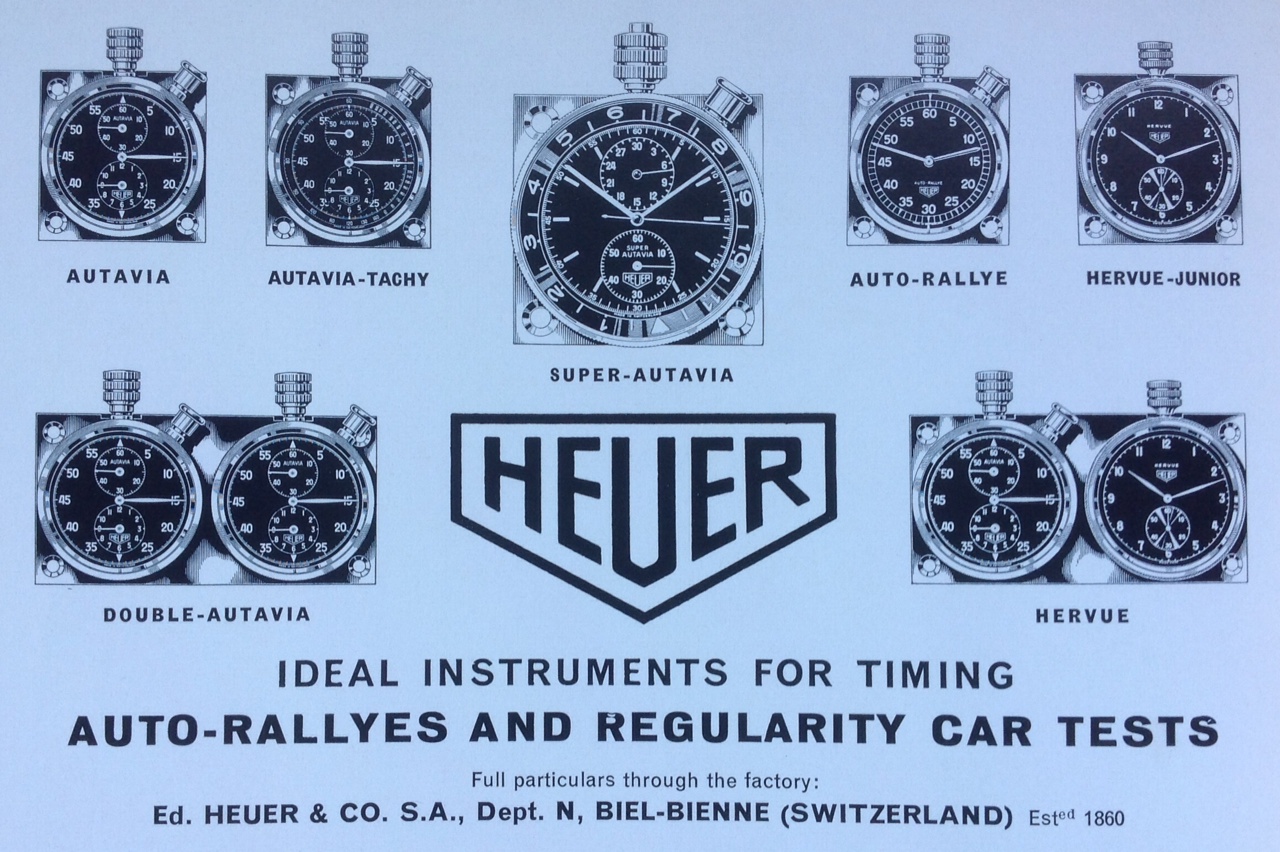
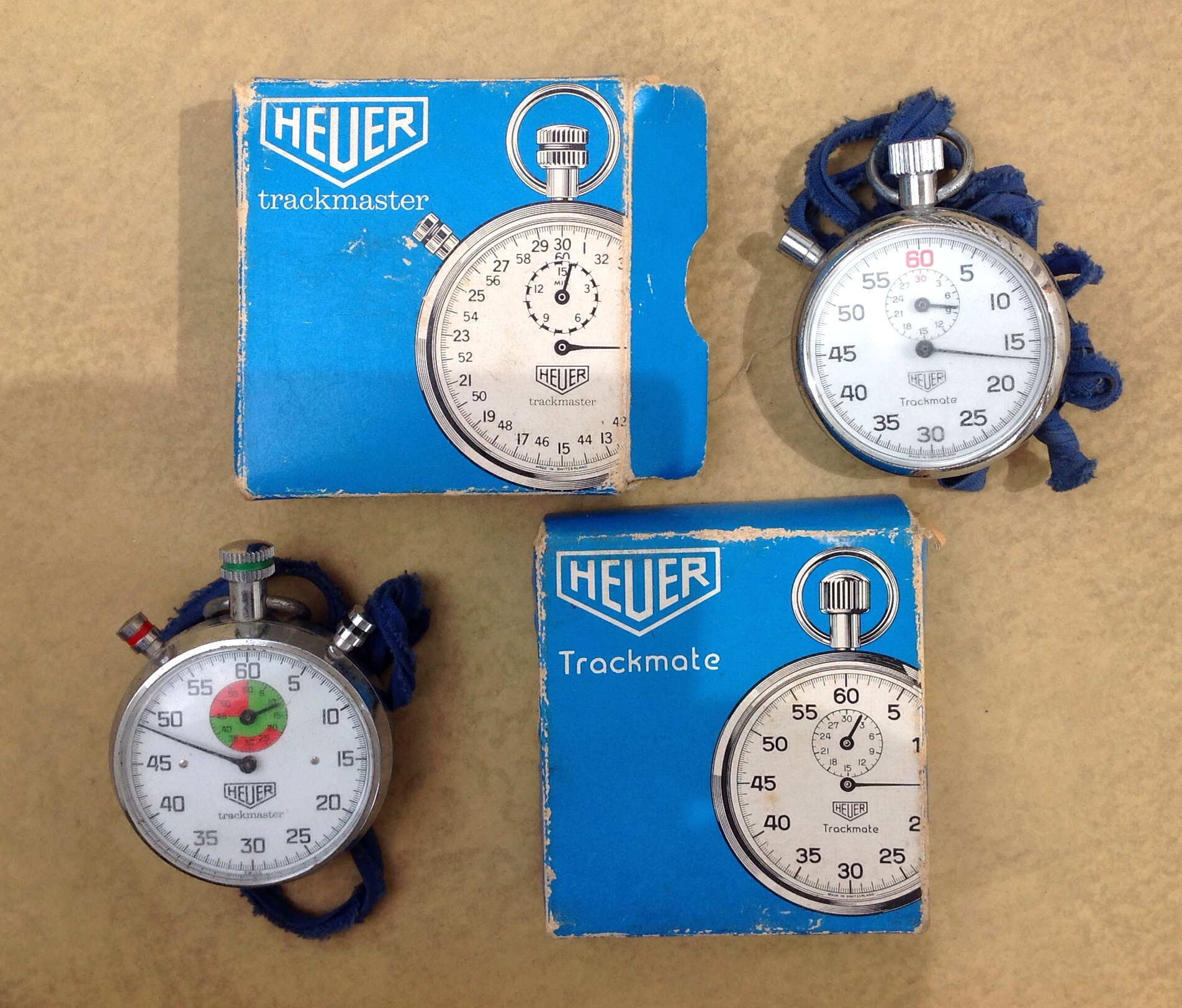
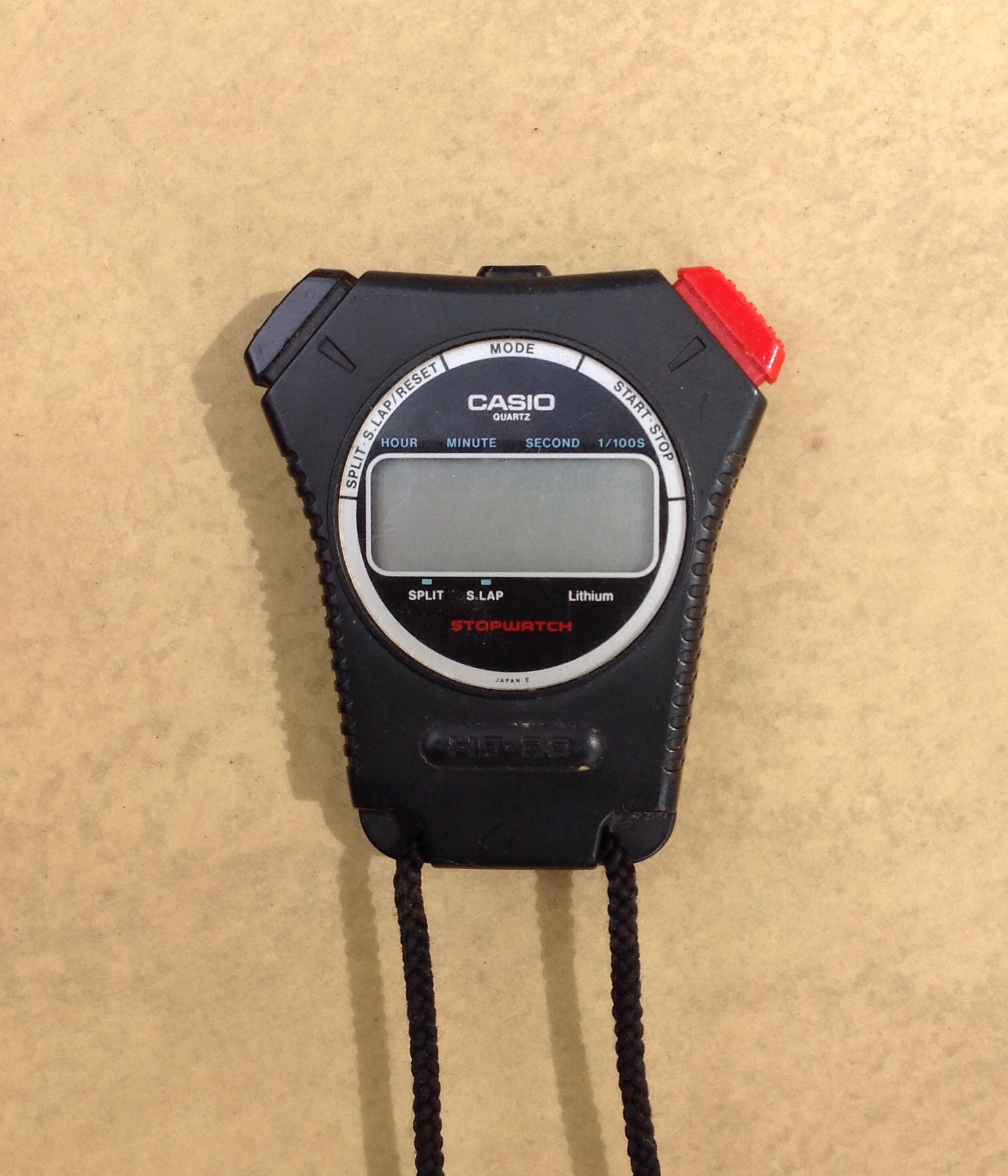
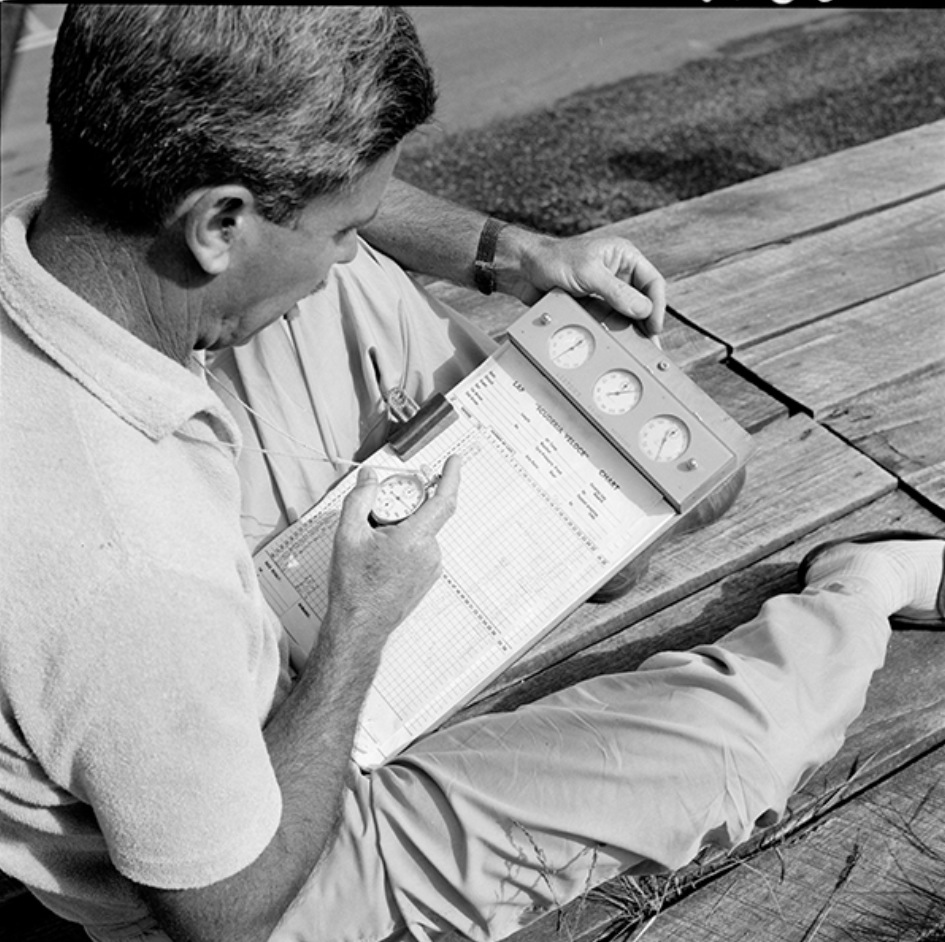
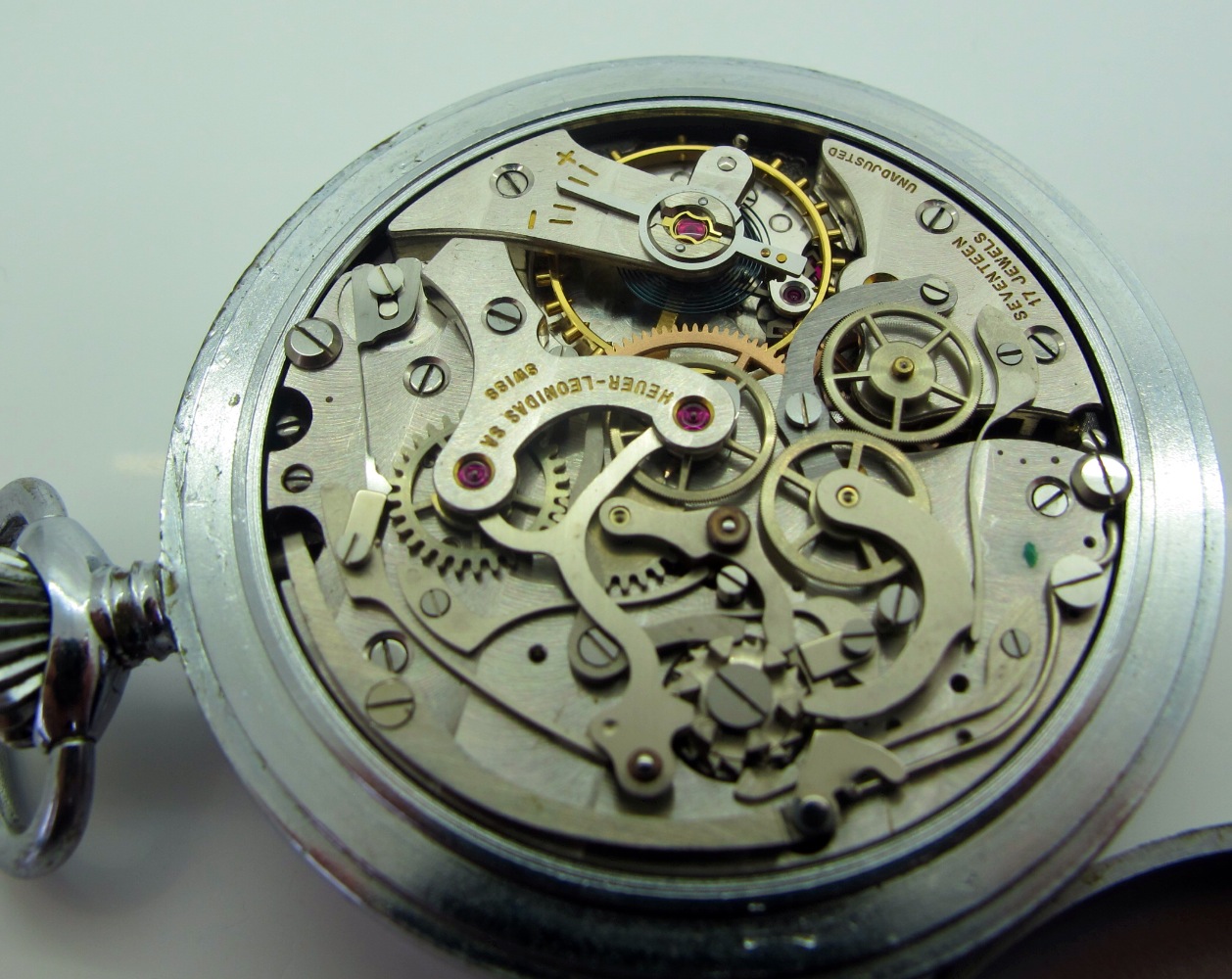


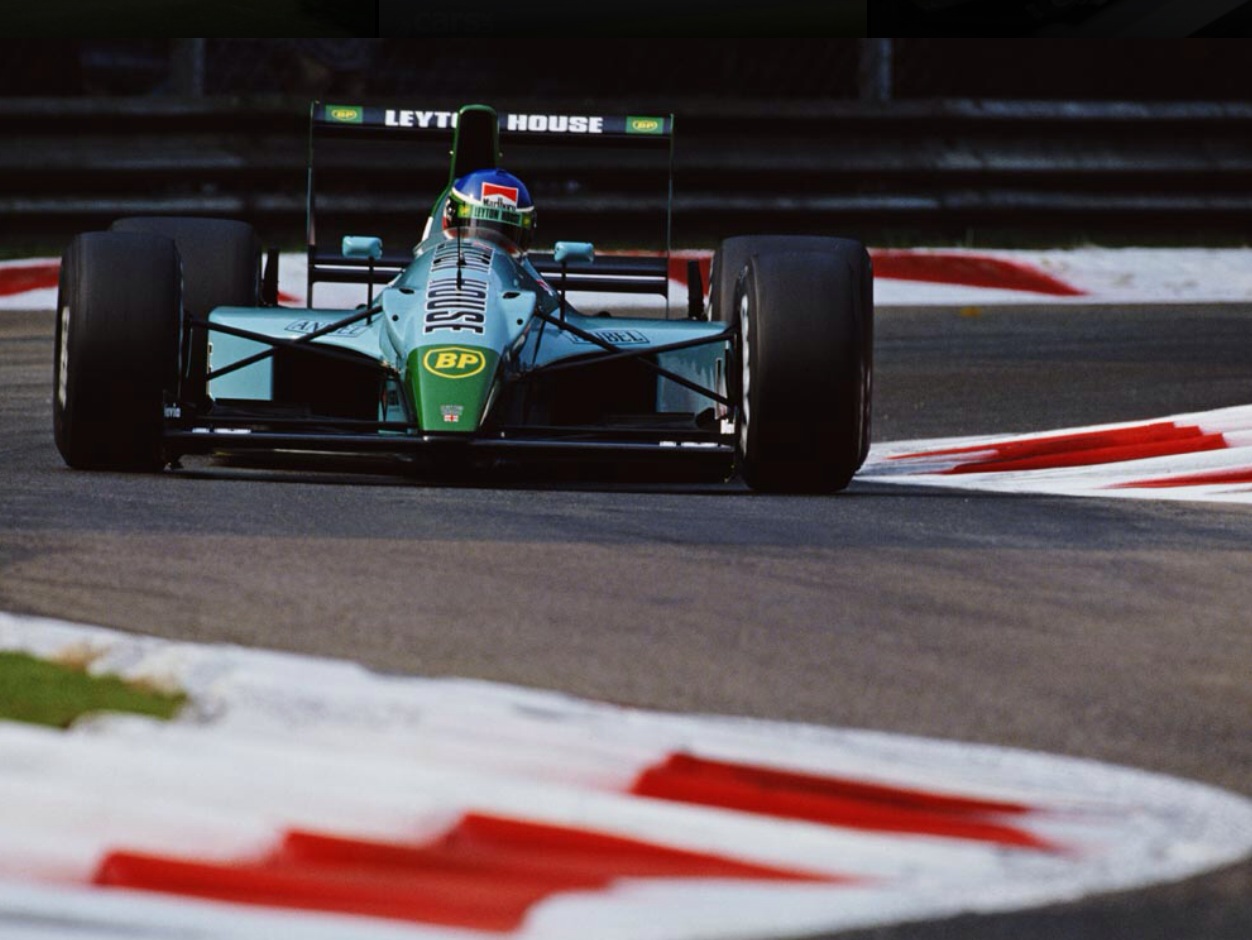
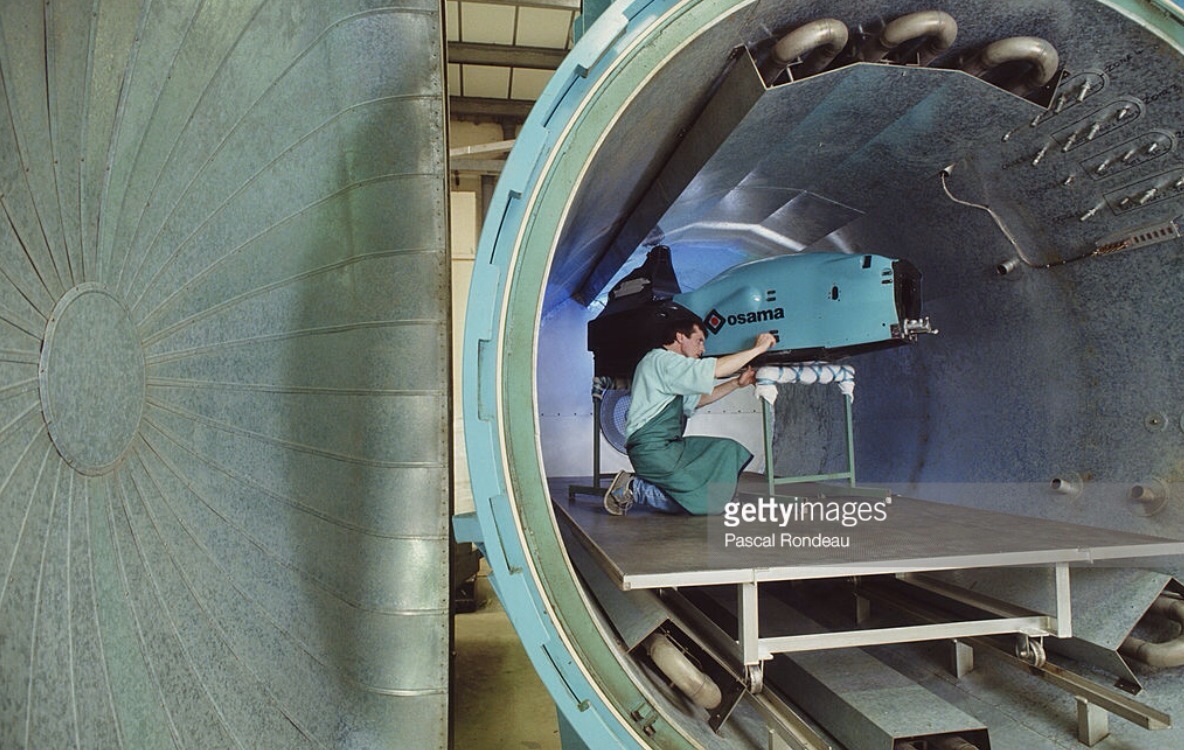
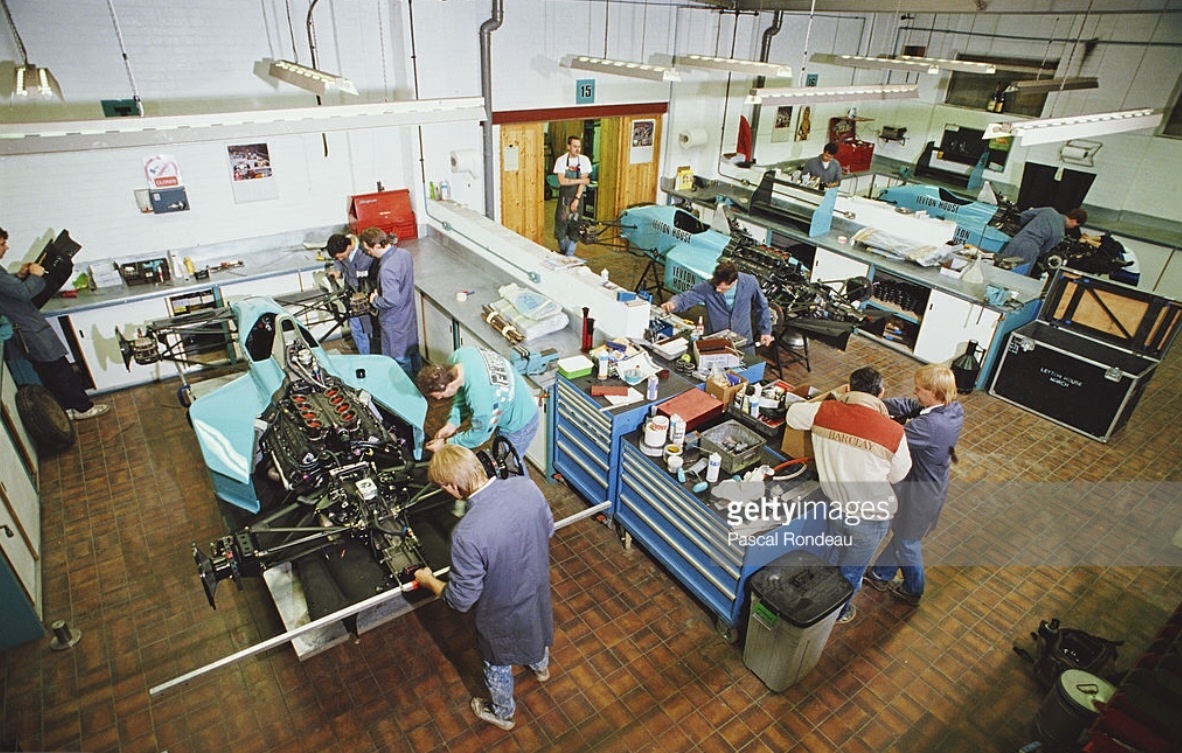


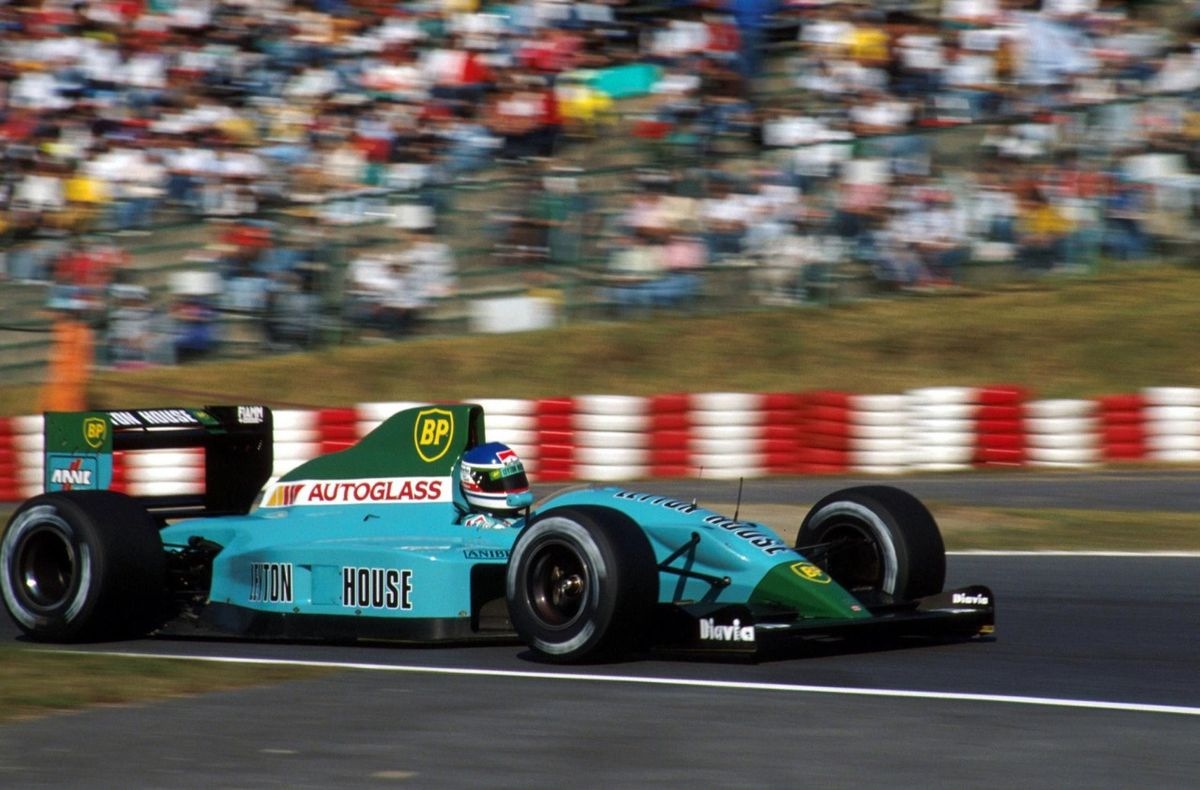

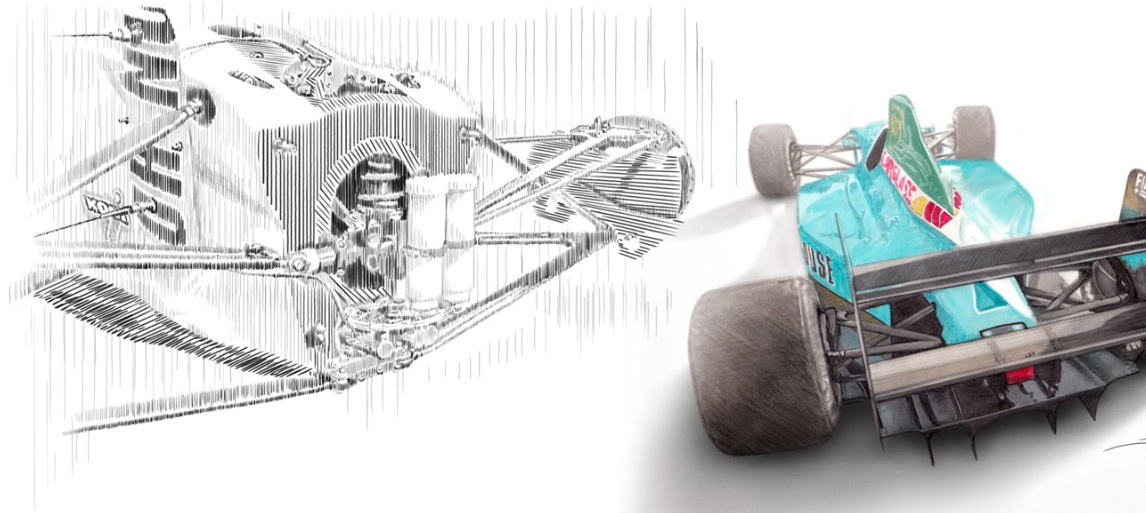
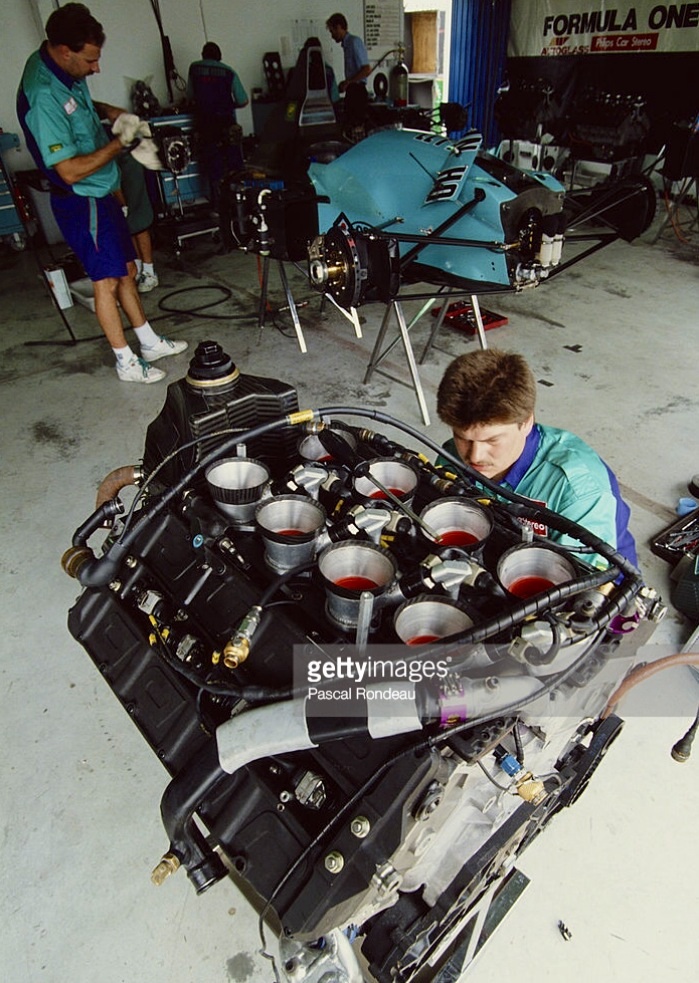
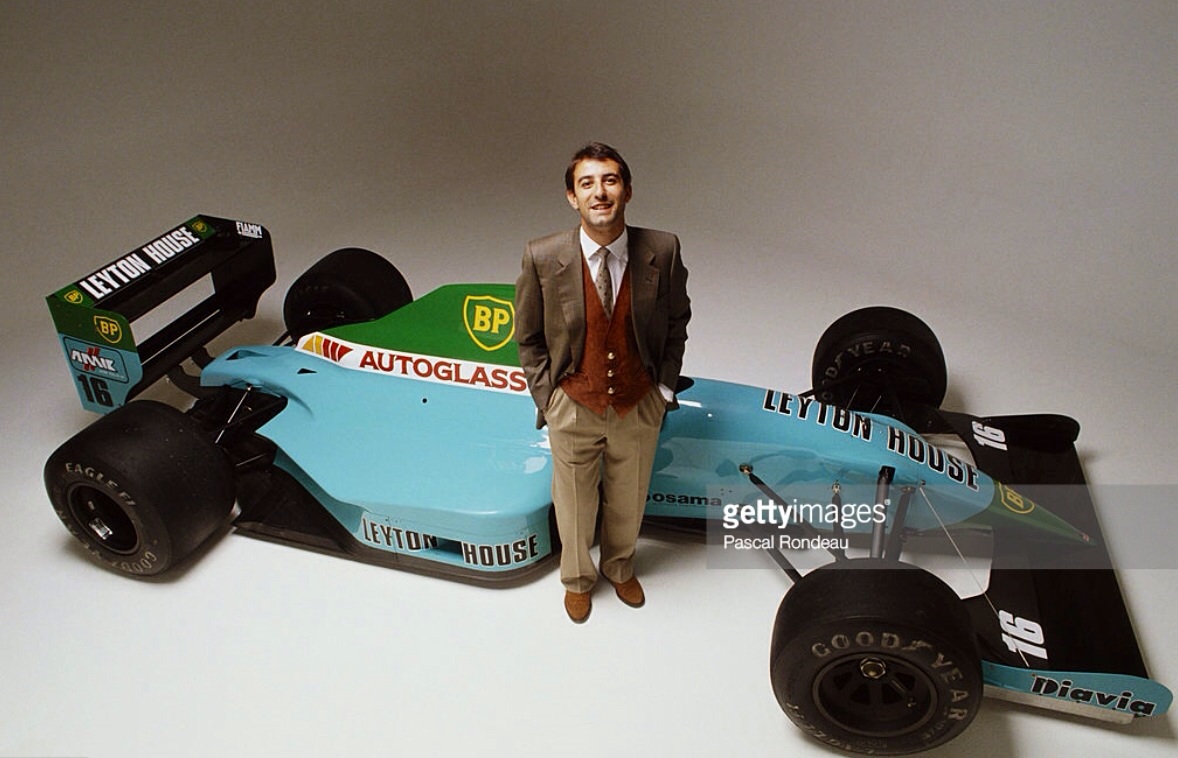


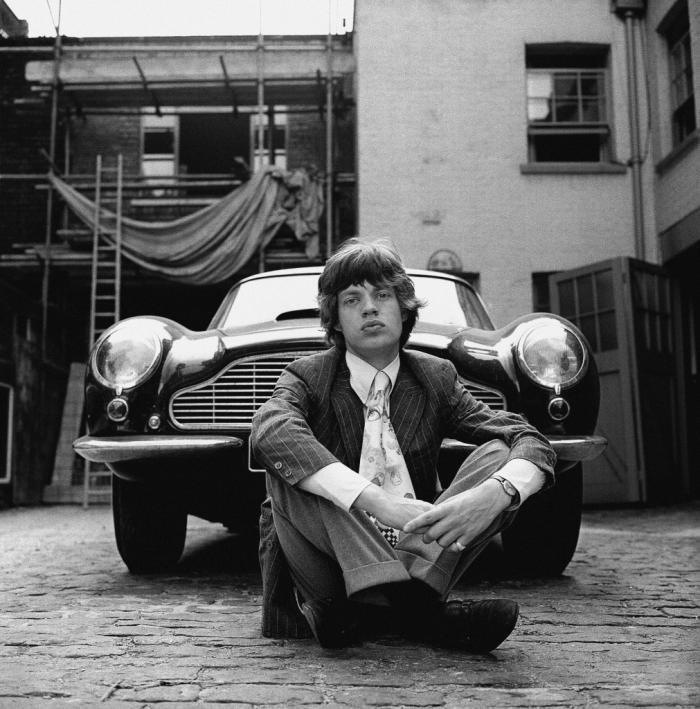
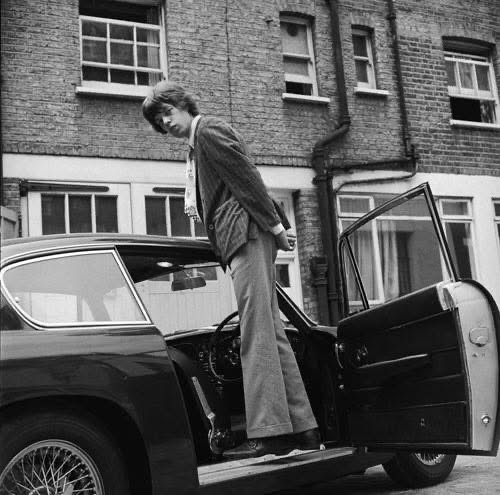

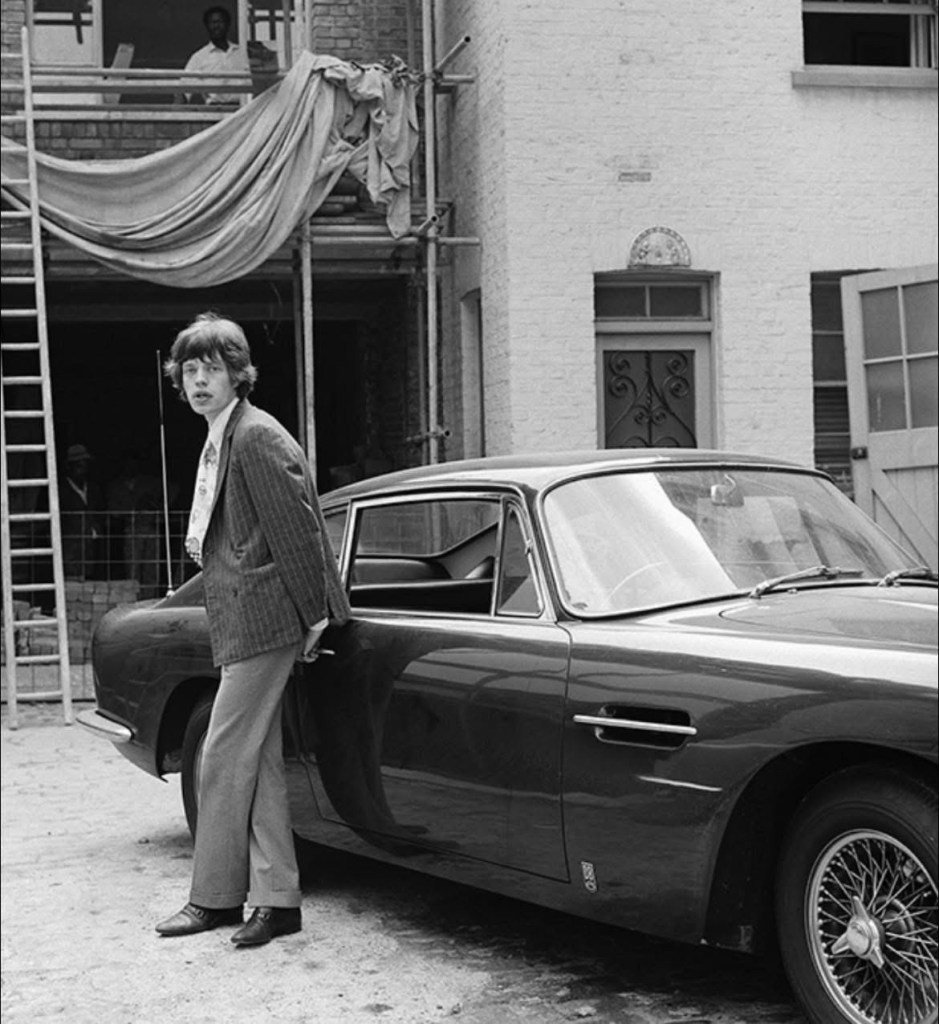
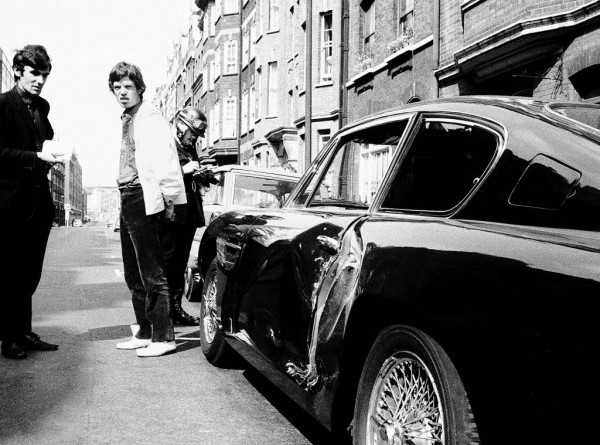


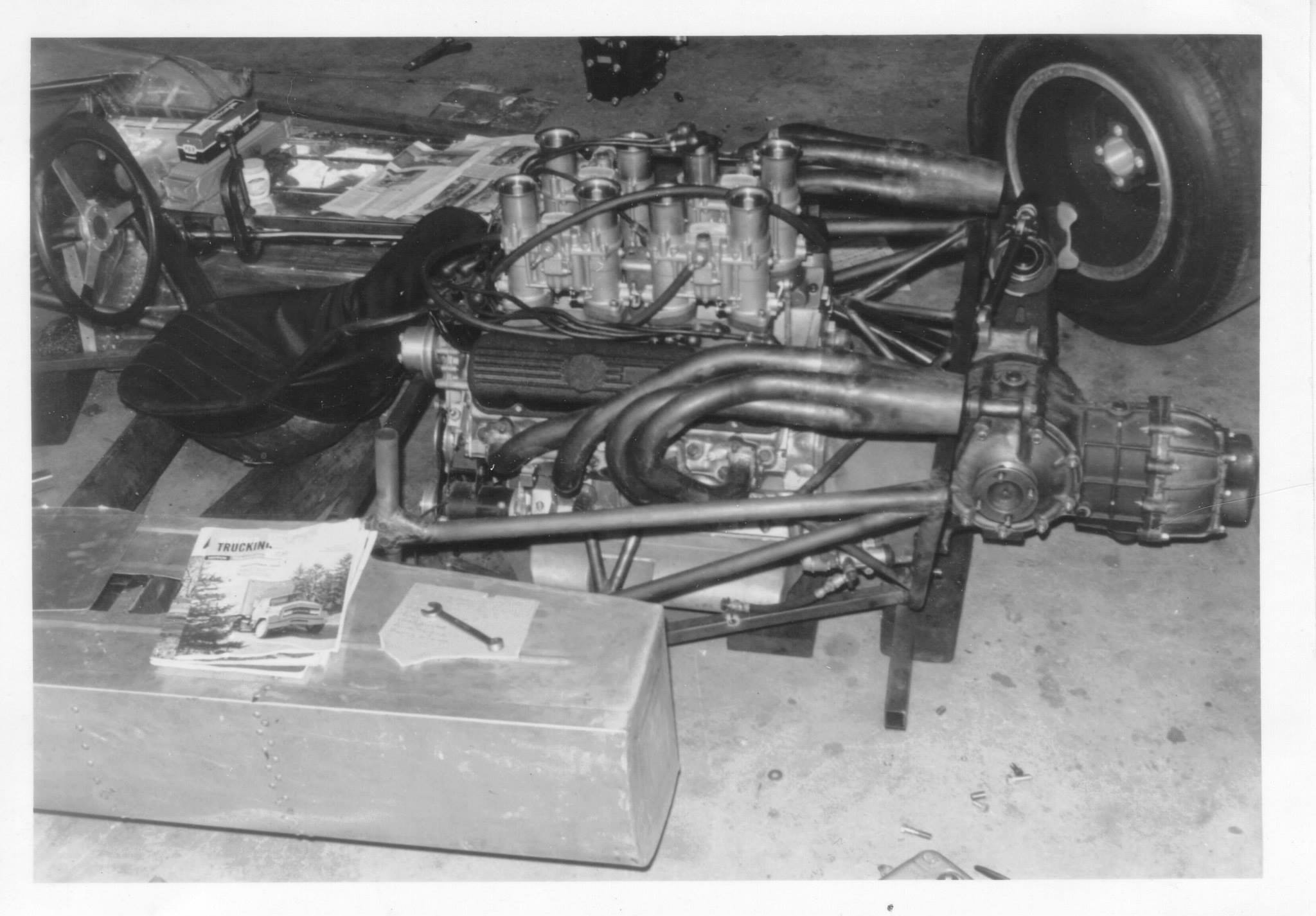
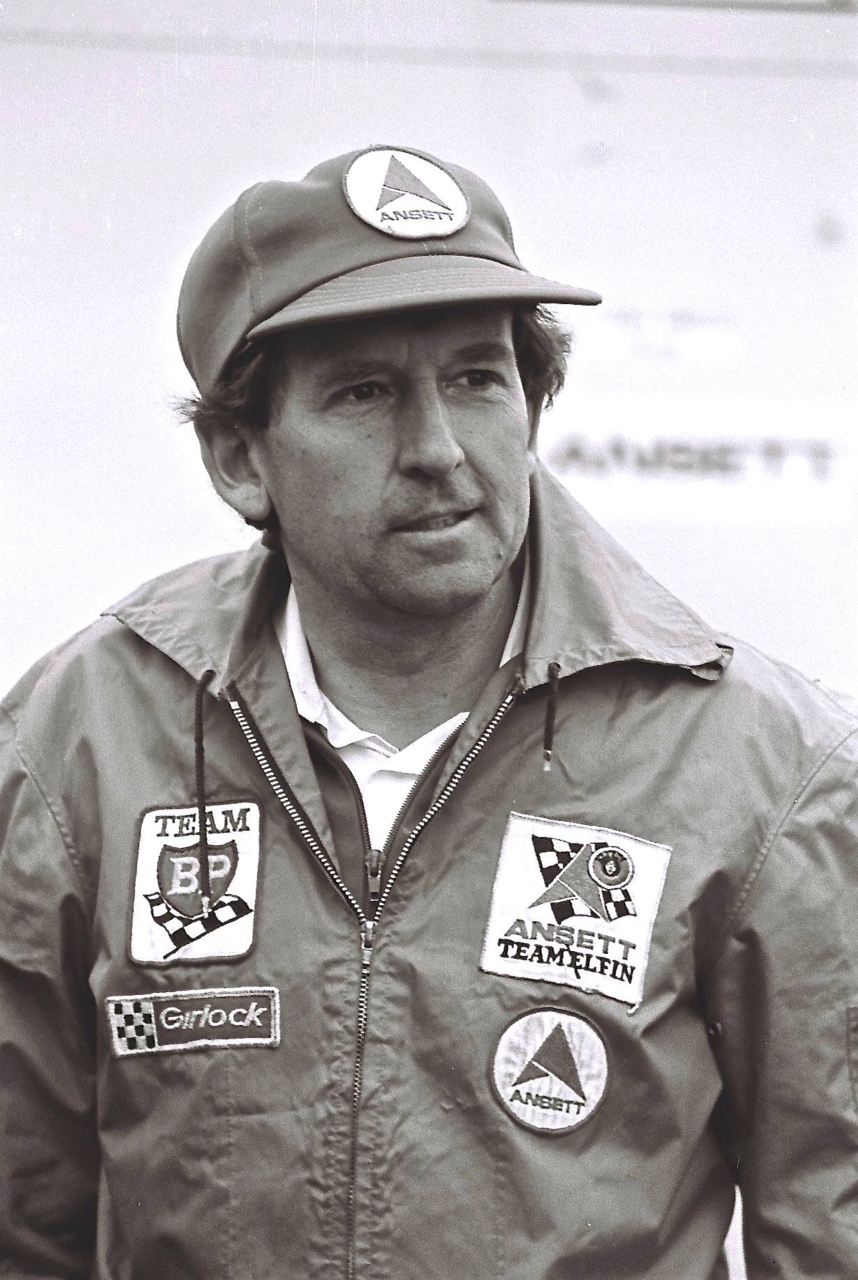
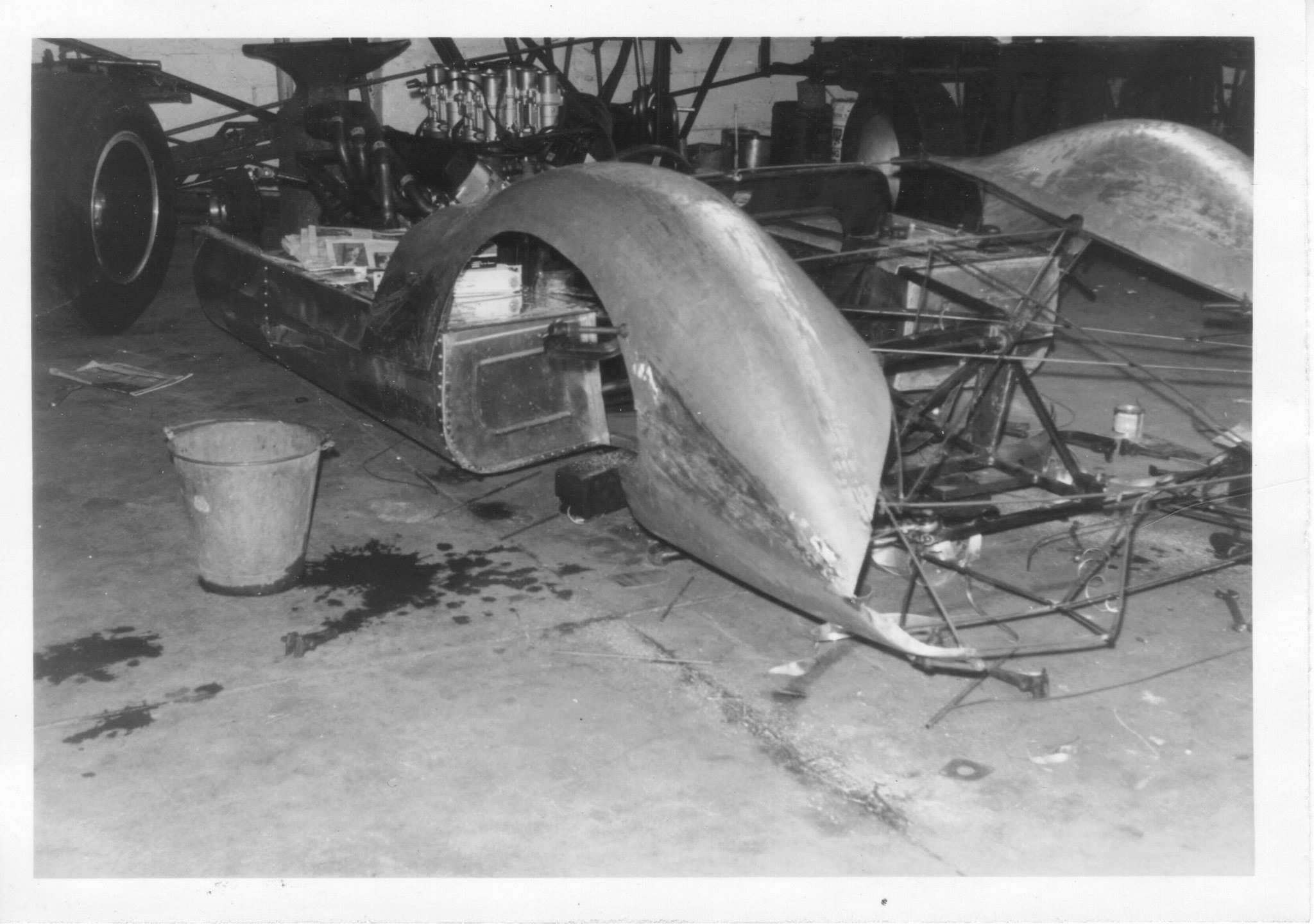
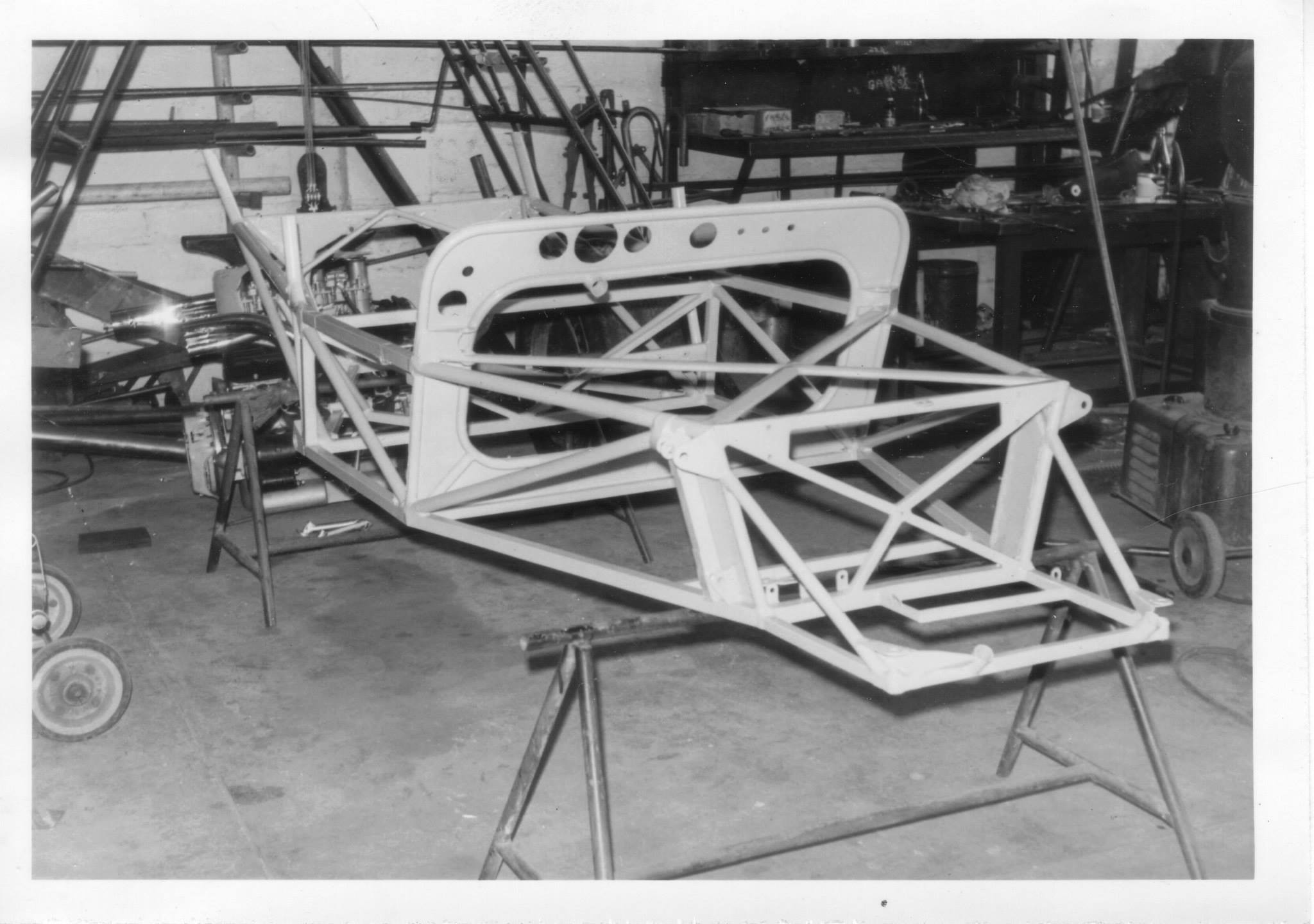


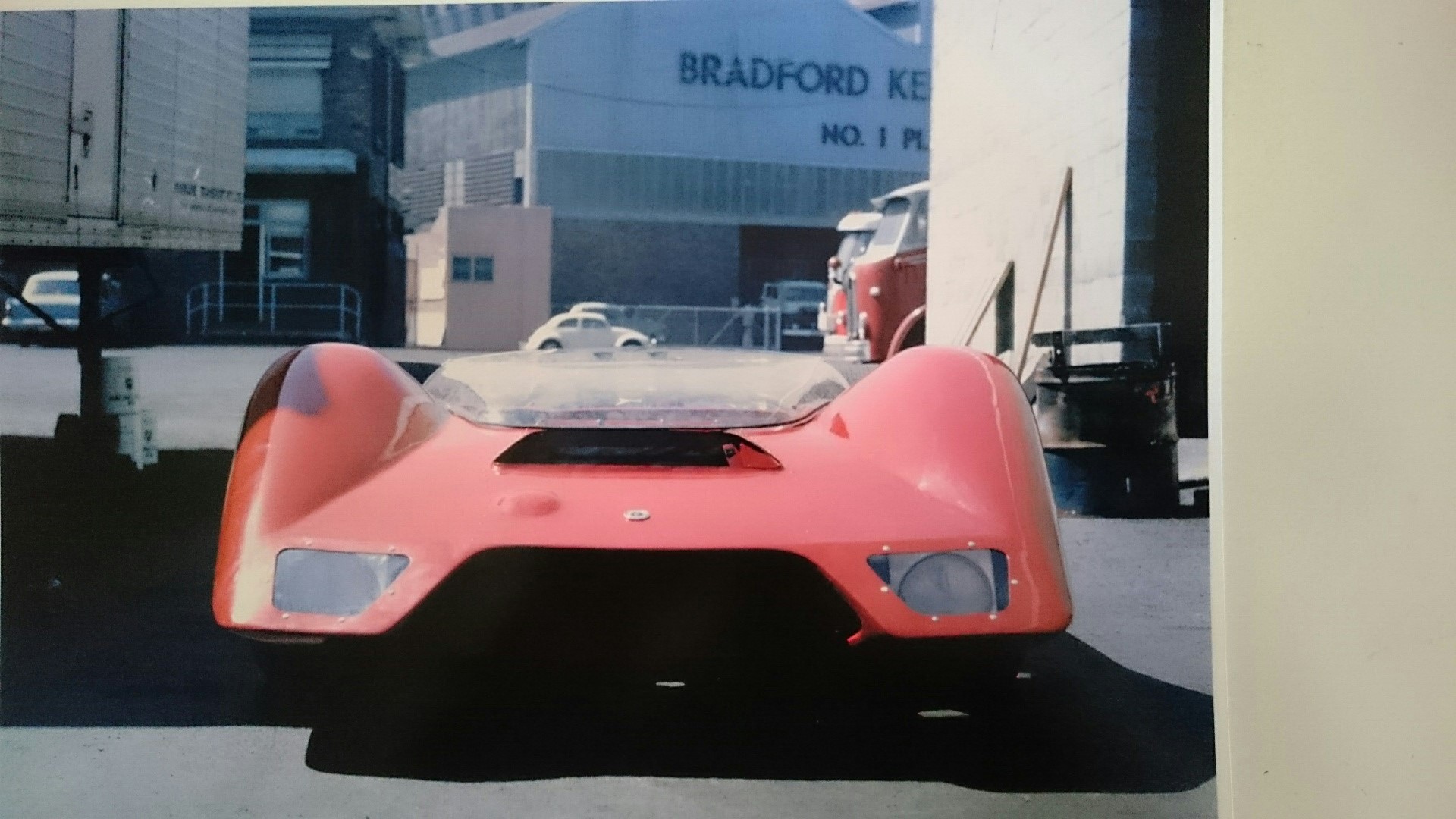

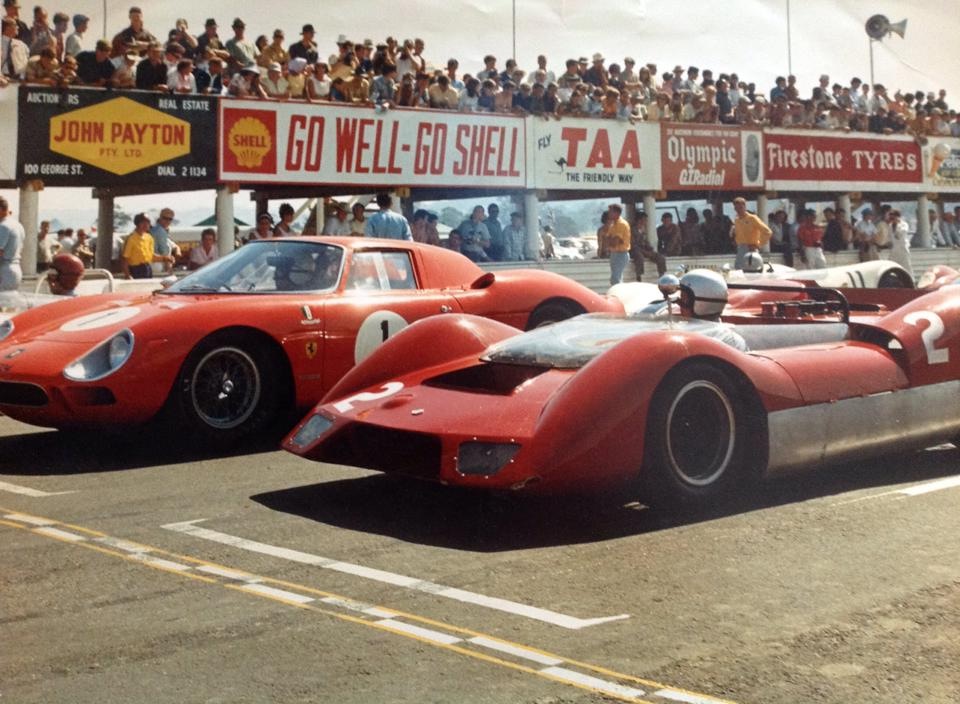


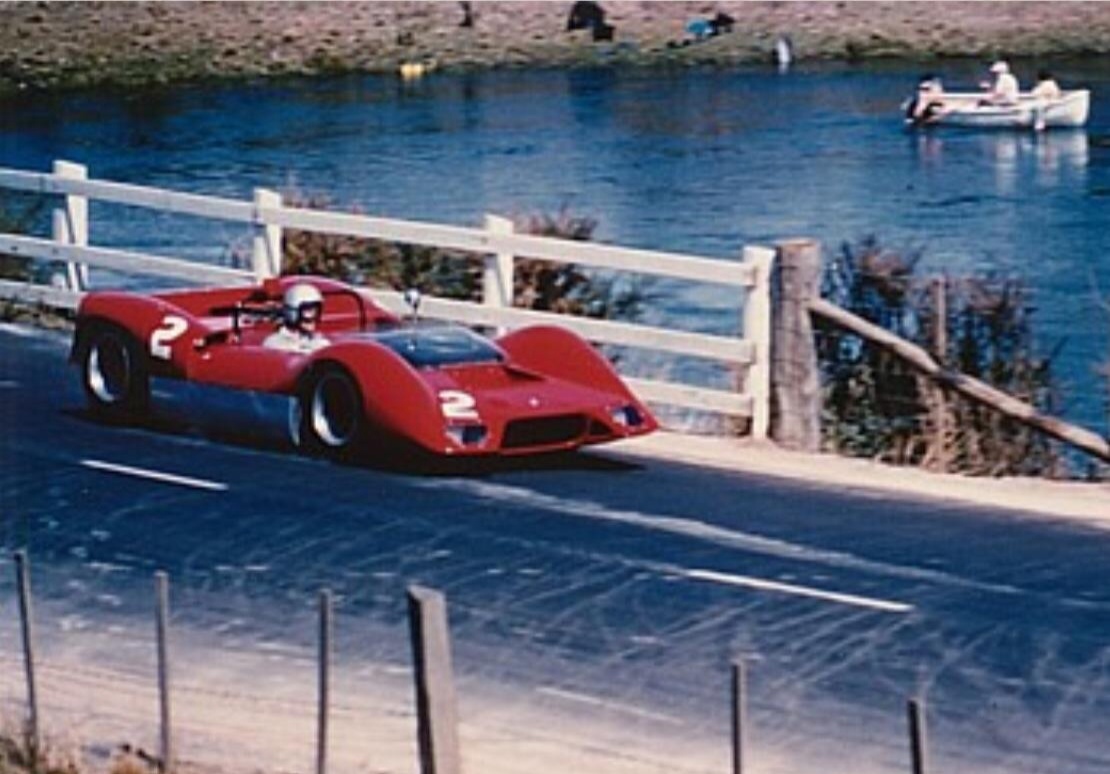


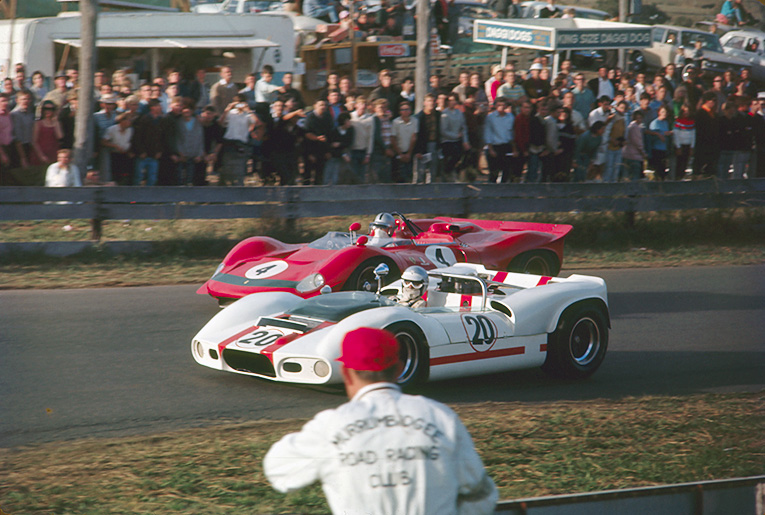


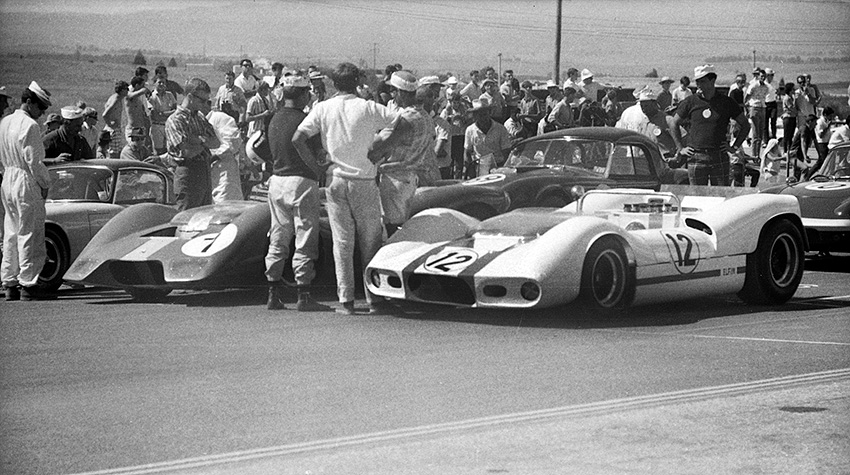
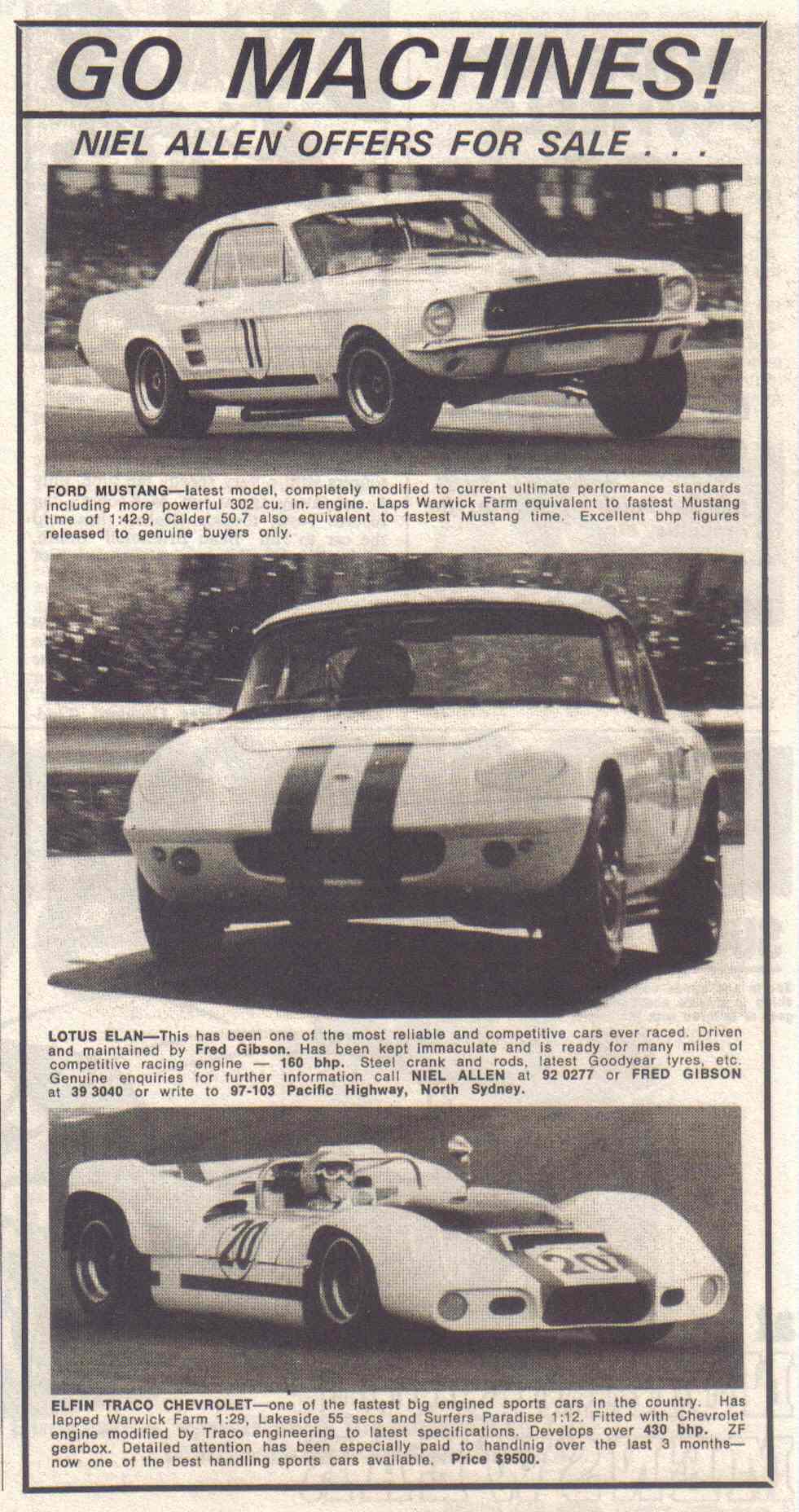


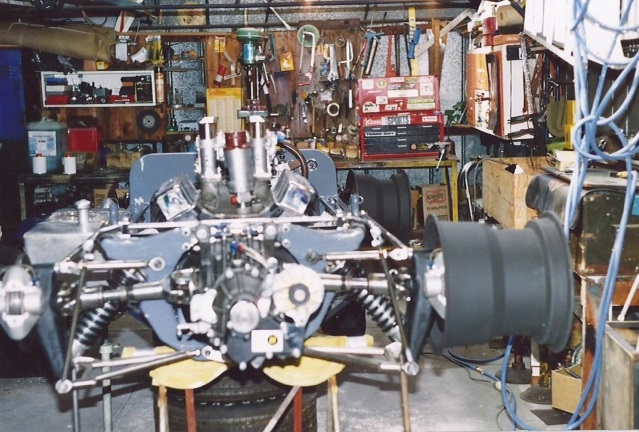


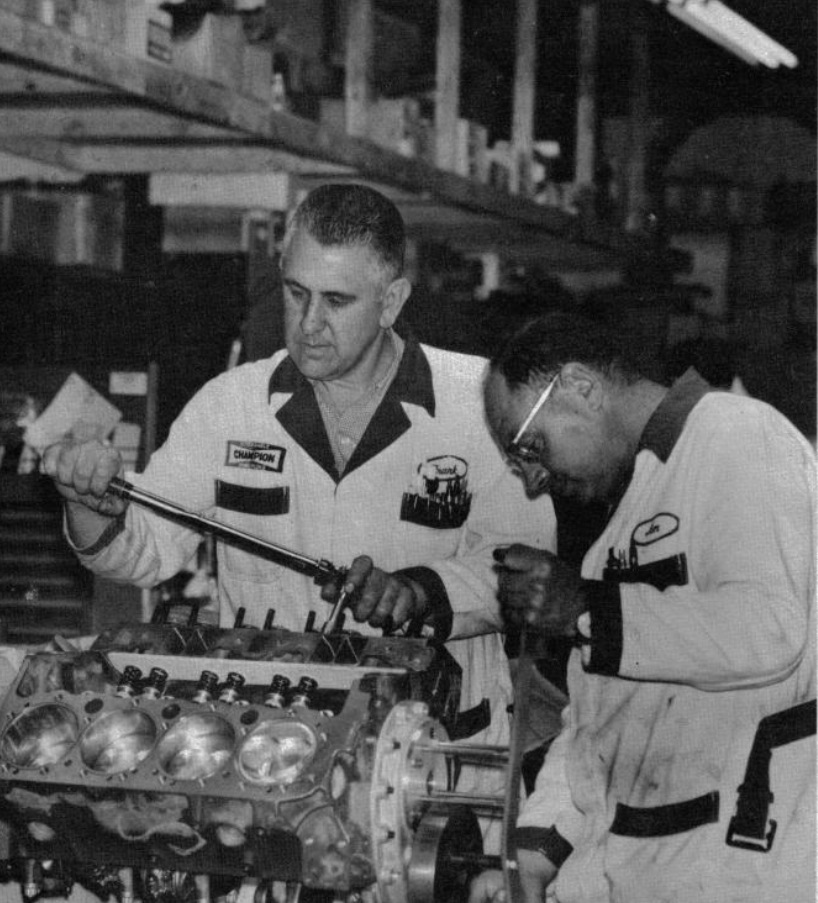


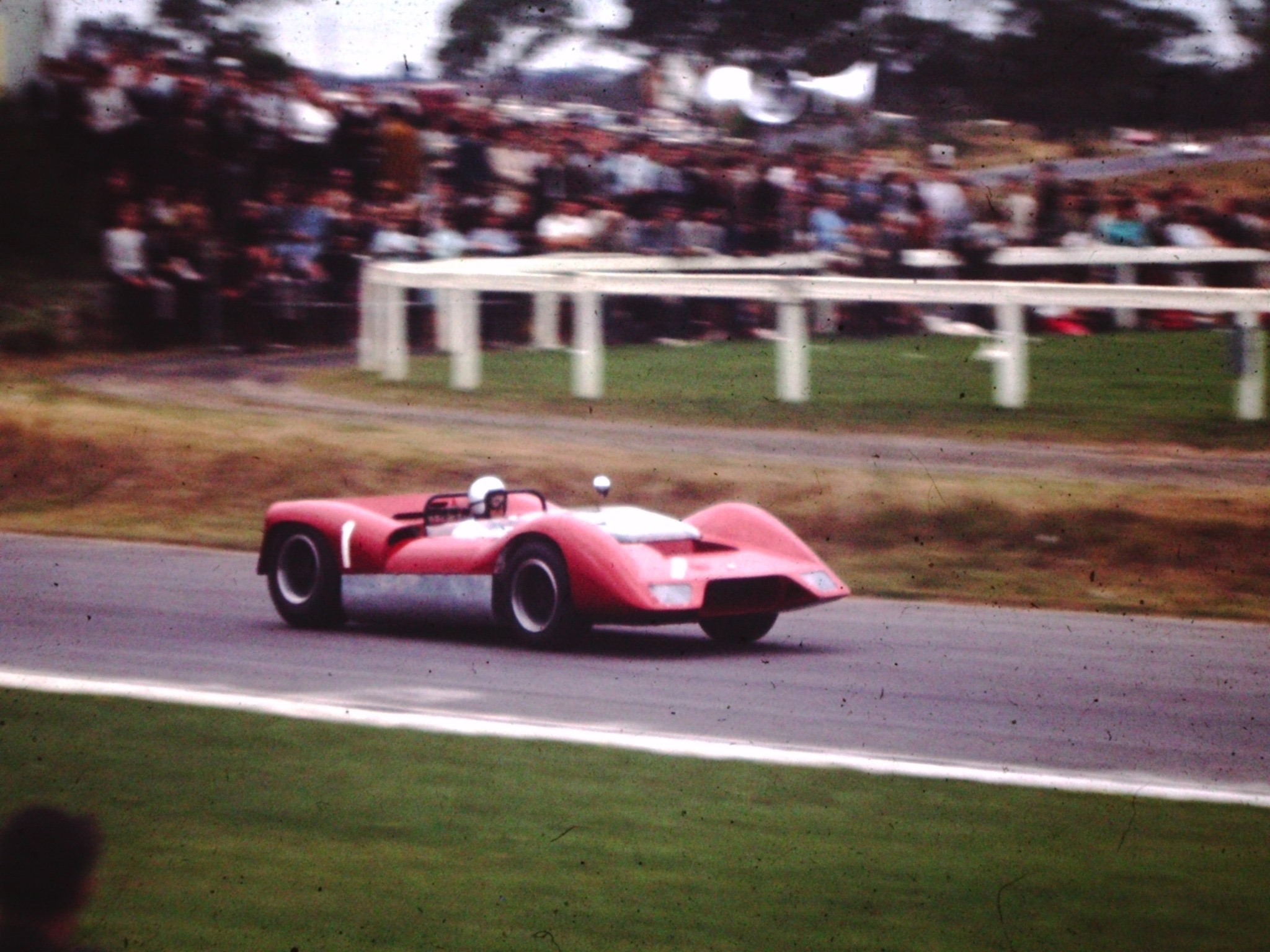
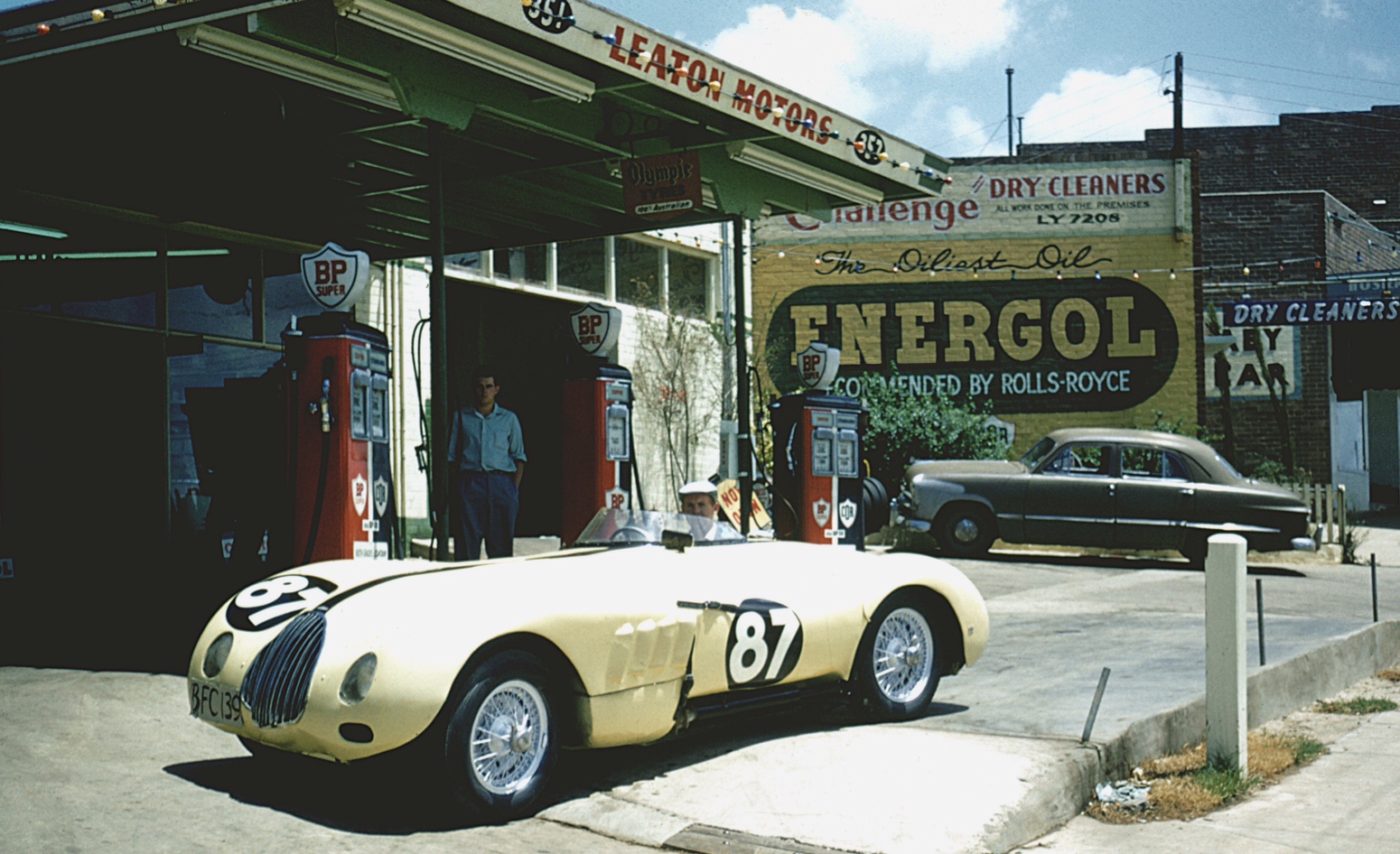

 primotipo...