(IMS)

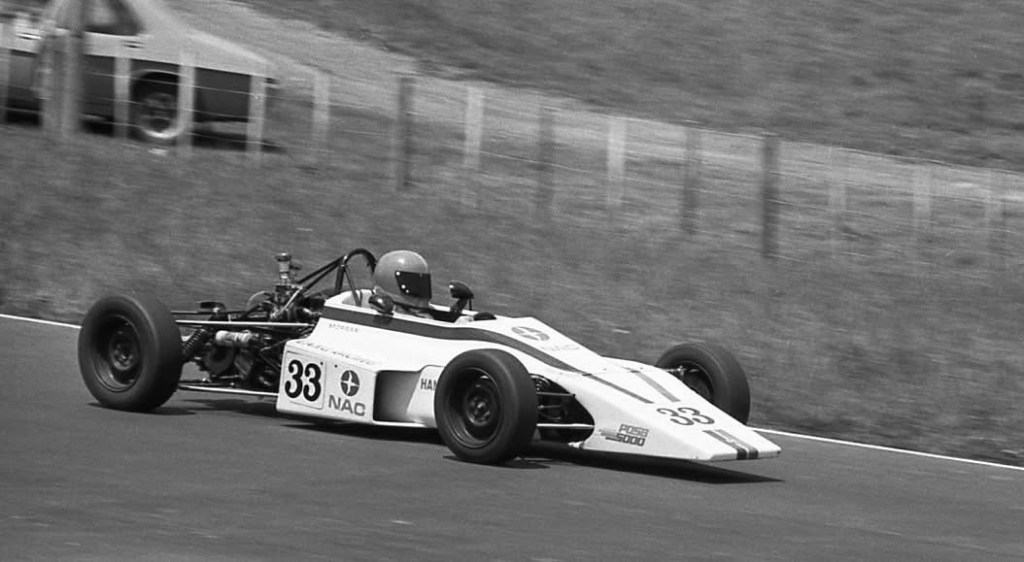
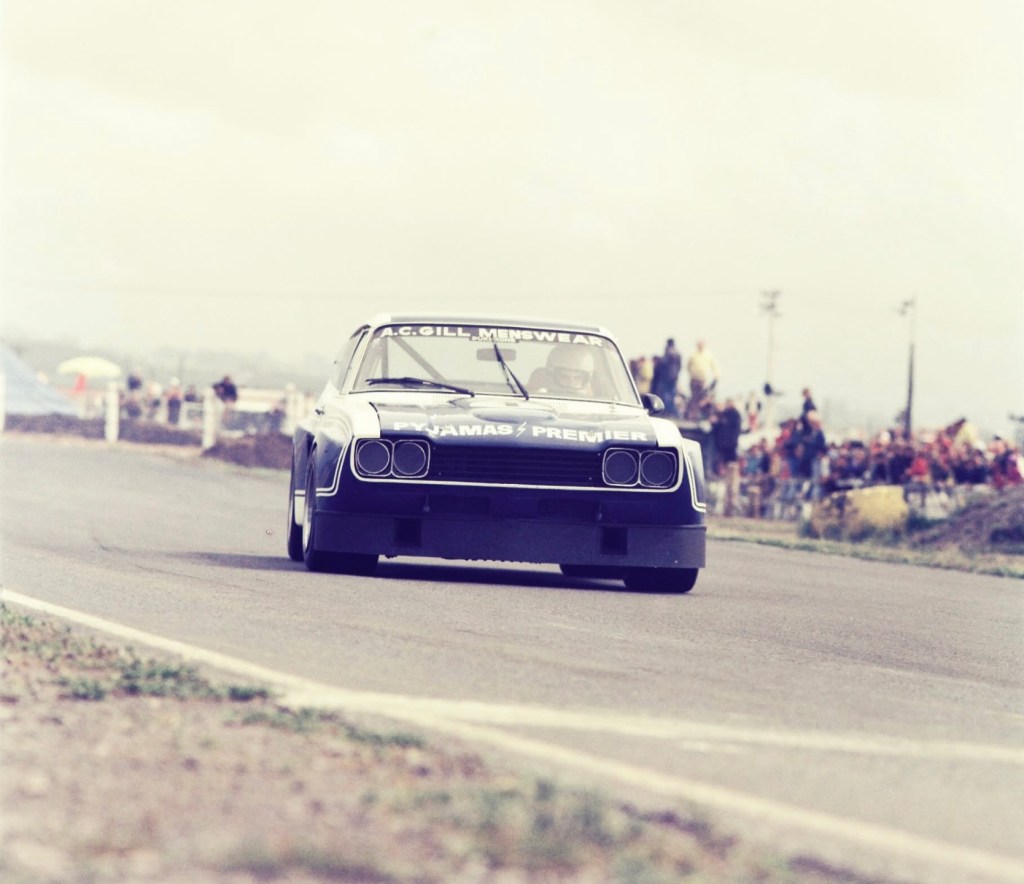
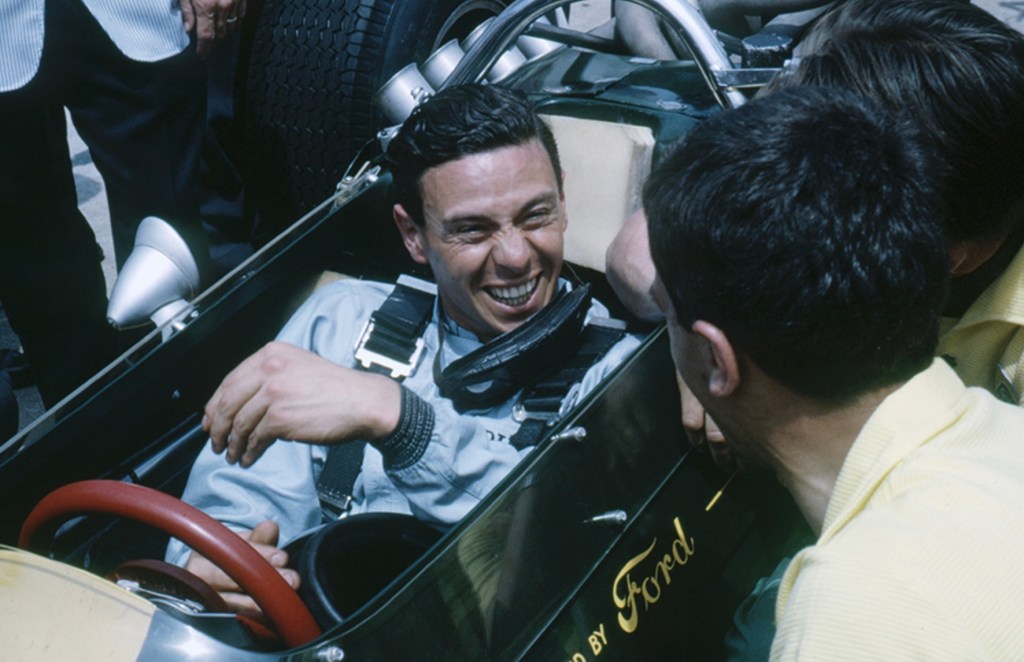
Jim Clark had a season like no other in 1965.

He bagged the Tasman Cup, Indianapolis 500, World Drivers Championship, the French – read Eiropean – F2 Championship plus a swag of touring car and sportscar victories.

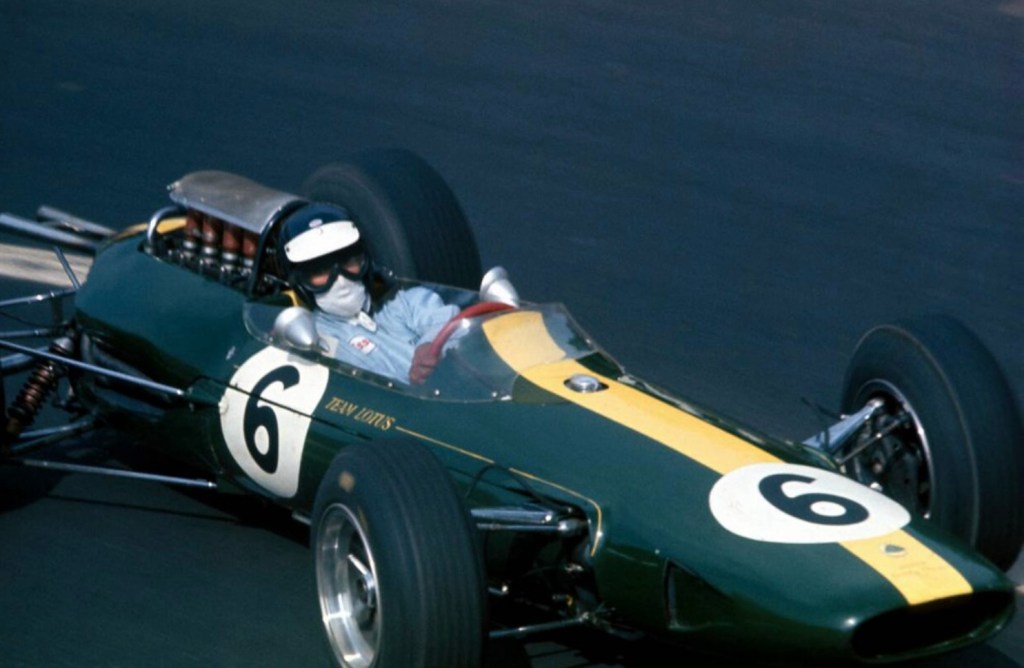
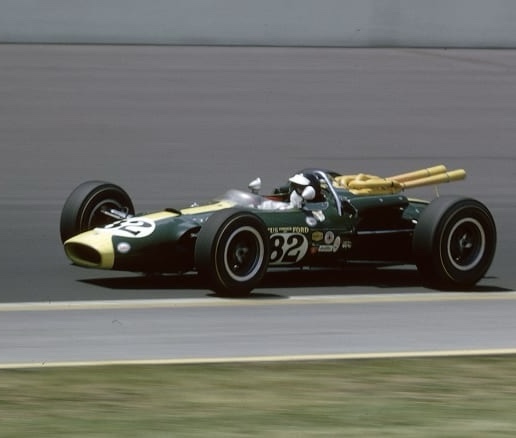
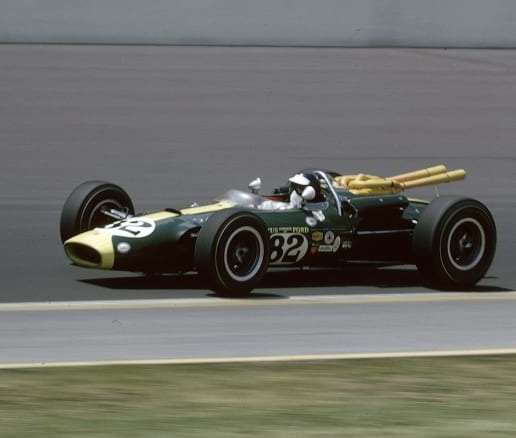
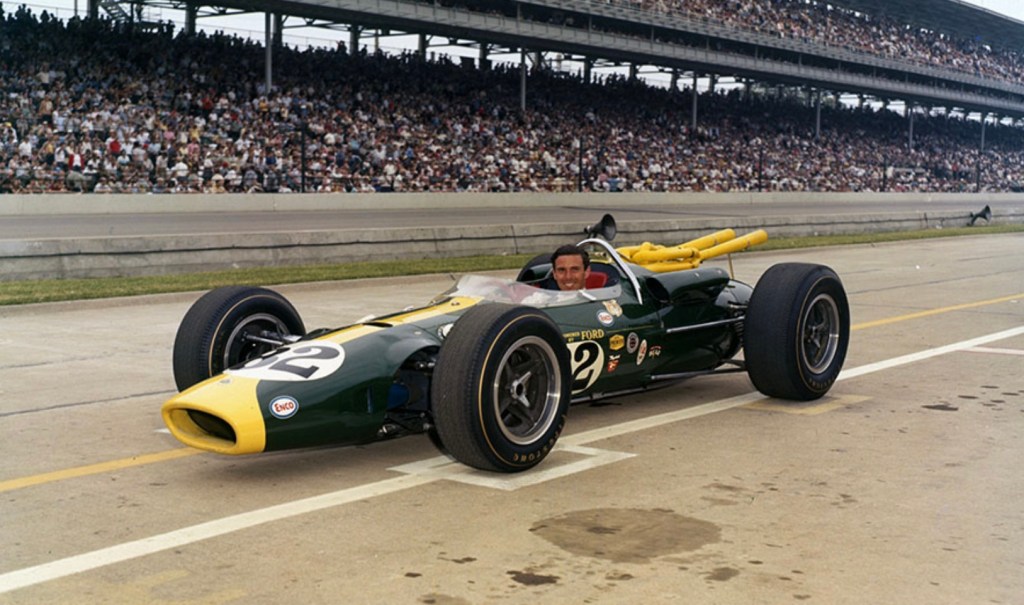
The shot above is of Clark enroute to victory at Indianapolis on May 31, 1965, Lotus 38 Ford-Indy 4.2-litre V8.
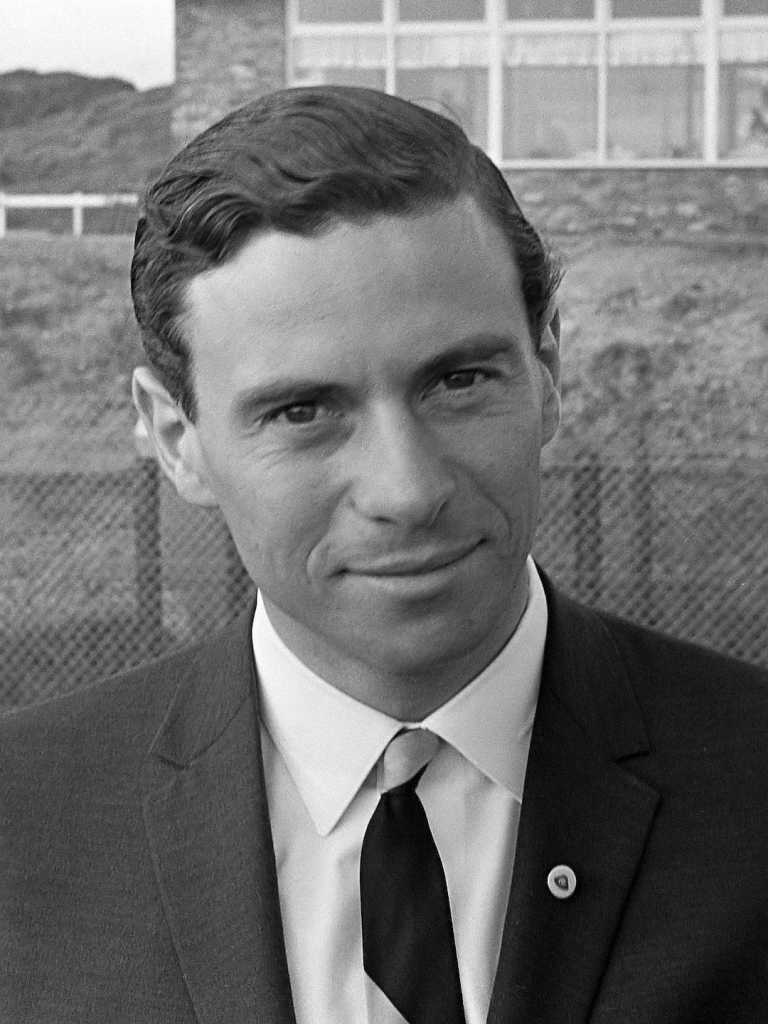
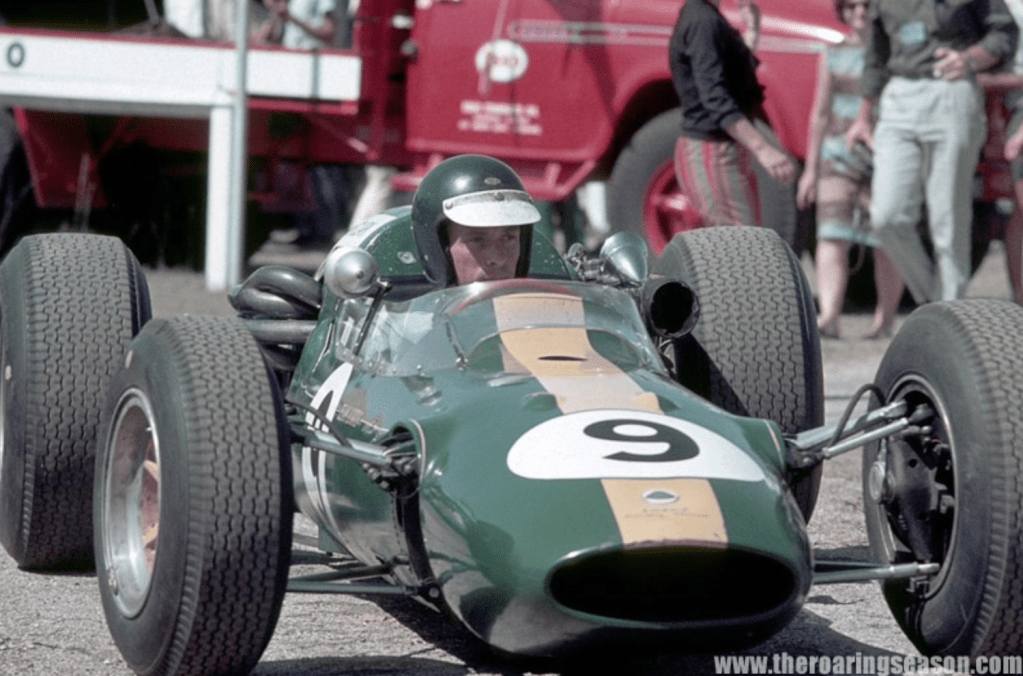
Hethel circa-1967 (unattributed)
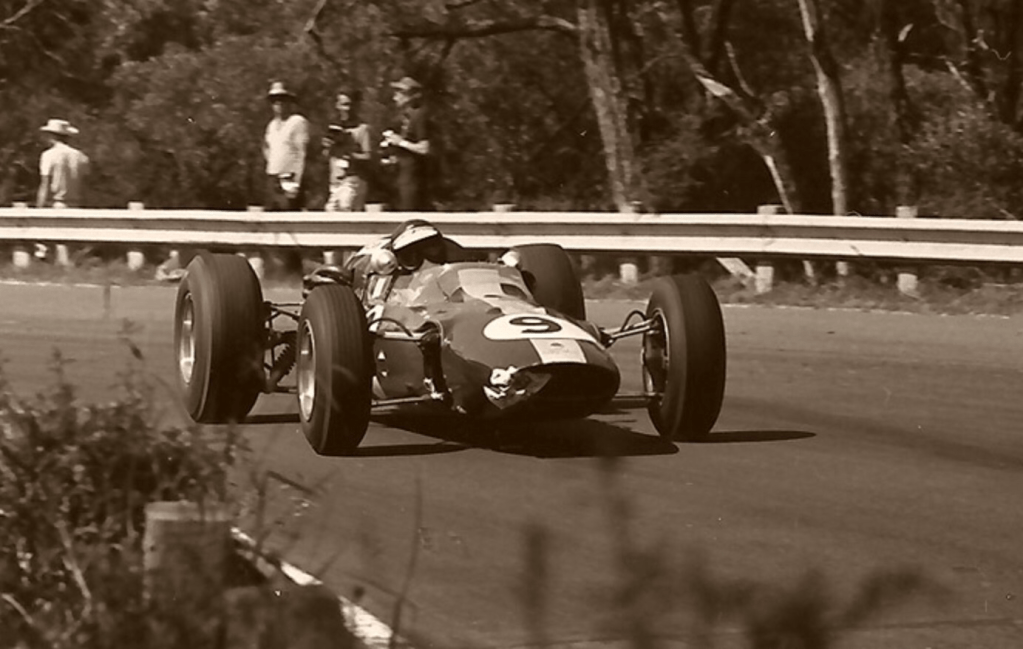
Lakeside 99, March 1965. Lotus 32B Climax. Jim won from Frank Gardner and Spencer Martin in Brabham BT11As
(Daily Telegraph)

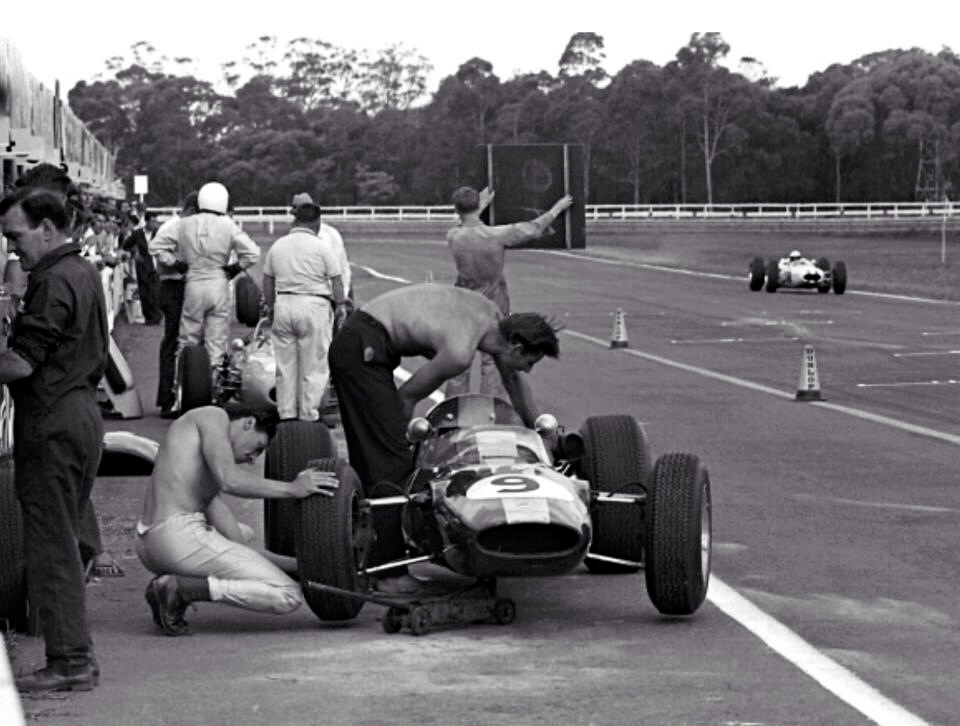
‘Can you give us a hand with the car Jimmy? Yep, no worries Ray (Parsons) I’ll do the fronts.’

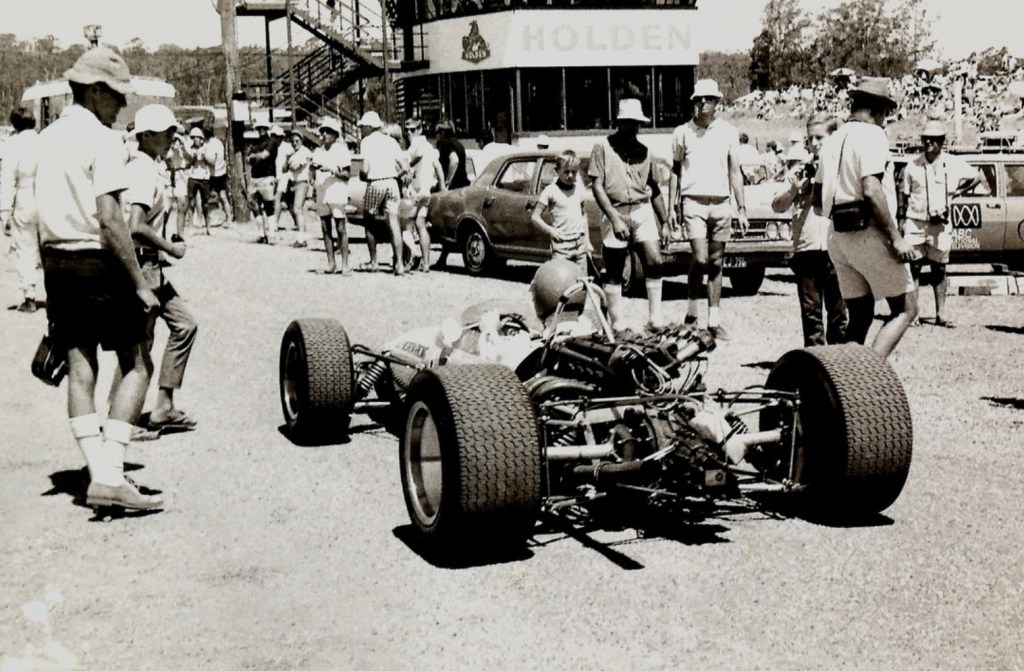
Clark and Parsons ready Clark’s Lotus 32B Climax FPF 2.5 for the Warwick Farm 100 during the February weekend. That’s Roy Billington, Jack Brabham’s mechanic on the far left by the pit counter and Lanky Frank Gardner in the white helmet. Meanwhile, Frank Matich blasts past in his Brabham BT7A Climax.

It was a good weekend for Clark and Parsons – the latter an occasional Team Lotus Cortina driver – Jim won (below) from Jack Brabham’s Brabham BT11A and Matich. More on the Lotus 32B here:https://primotipo.com/2017/11/02/levin-international-new-zealand-1965/ and about Ray Parsons here:https://primotipo.com/2022/02/20/ray-parsons-australian-lotus-mechanic-racer-and-development-driver/
(B Wells)

Clark romped home in the Tasman, winning four rounds. He won Levin, Wigram, Teretonga and Warwick Farm on-the-trot, then picked up the Lakeside non-championship round at the end of the tour. Bruce McLaren was second and Jack Brabham third.
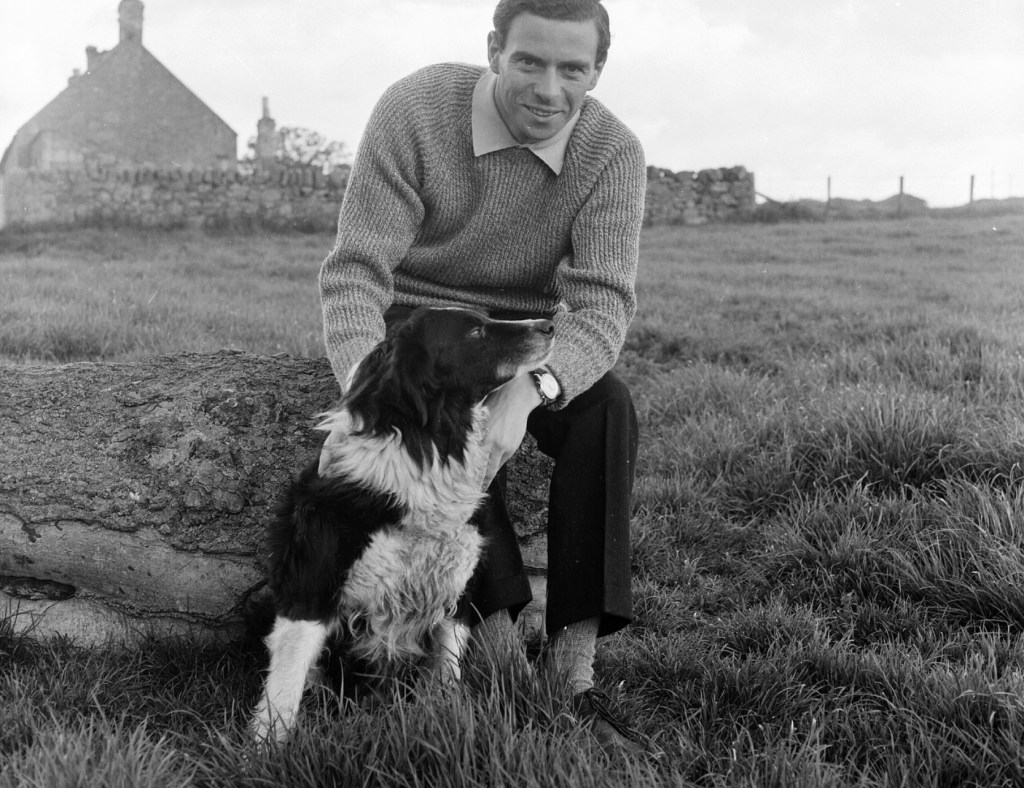
No way did Jim get home to Scotland on too many occasions in 1965.

By my reckoning – aided by and improving on Peter Windsor’s article of 10 years ago – Clark had 29 winning drives in 1965, ranging from short Tasman Cup heats to the 500 miles at Indianapolis.

Peter’s list of 26 wins missed two Grands Prix, amazingly, and one F2 victory, so for mine, it’s 29 wins in that very big year.
(IMS)

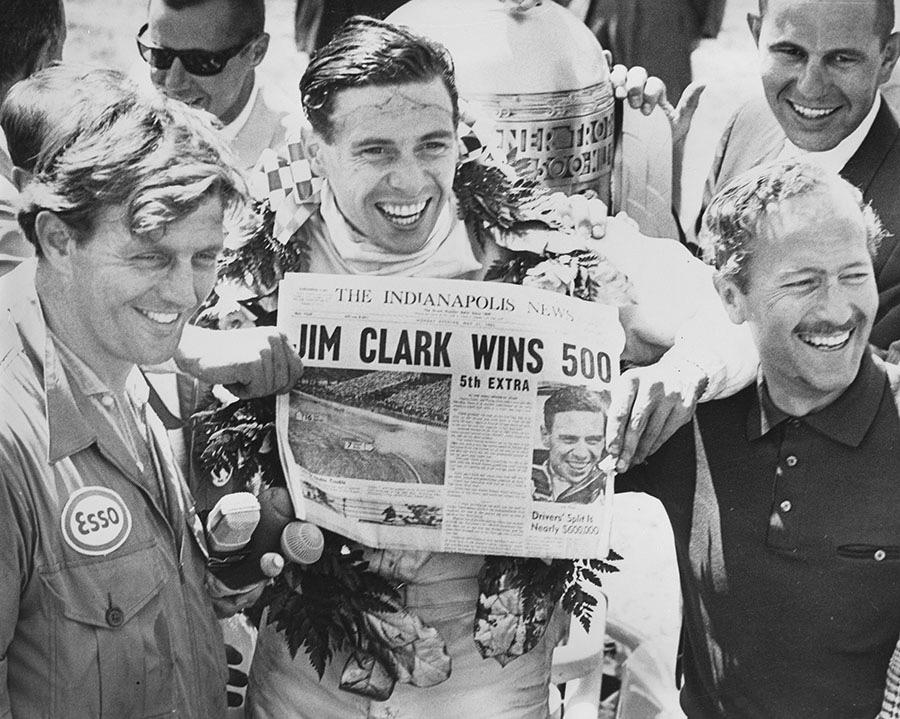
Clark was edged out of pole at Indy by AJ Foyt’s Lotus 34 Ford but Jim took the May 31 win that had been coming for two years, leading 190 of the 200 laps.

Parnelli Jones was second, Lotus 34 Ford, and Mario Andretti aboard a Hawk 1 Ford wad third. Al Miller’s Lotus 29 Ford was fourth; yes it was a great race for the Lotus lads.
(IMS)
(IMS)

The win was well merited to say the least. Fortunate for Colin Chapman too, Ford would have pickled his testicles had there been a fuck-up like the year before!

In Team Lotus’ first year at the Brickyard in 1963 the Indy Establishment simply shafted the interlopers in favour of one of their own…

More on the Lotus Indycar here:https://primotipo.com/2021/11/20/dans-lotus/
(IMS)
(unattributed)

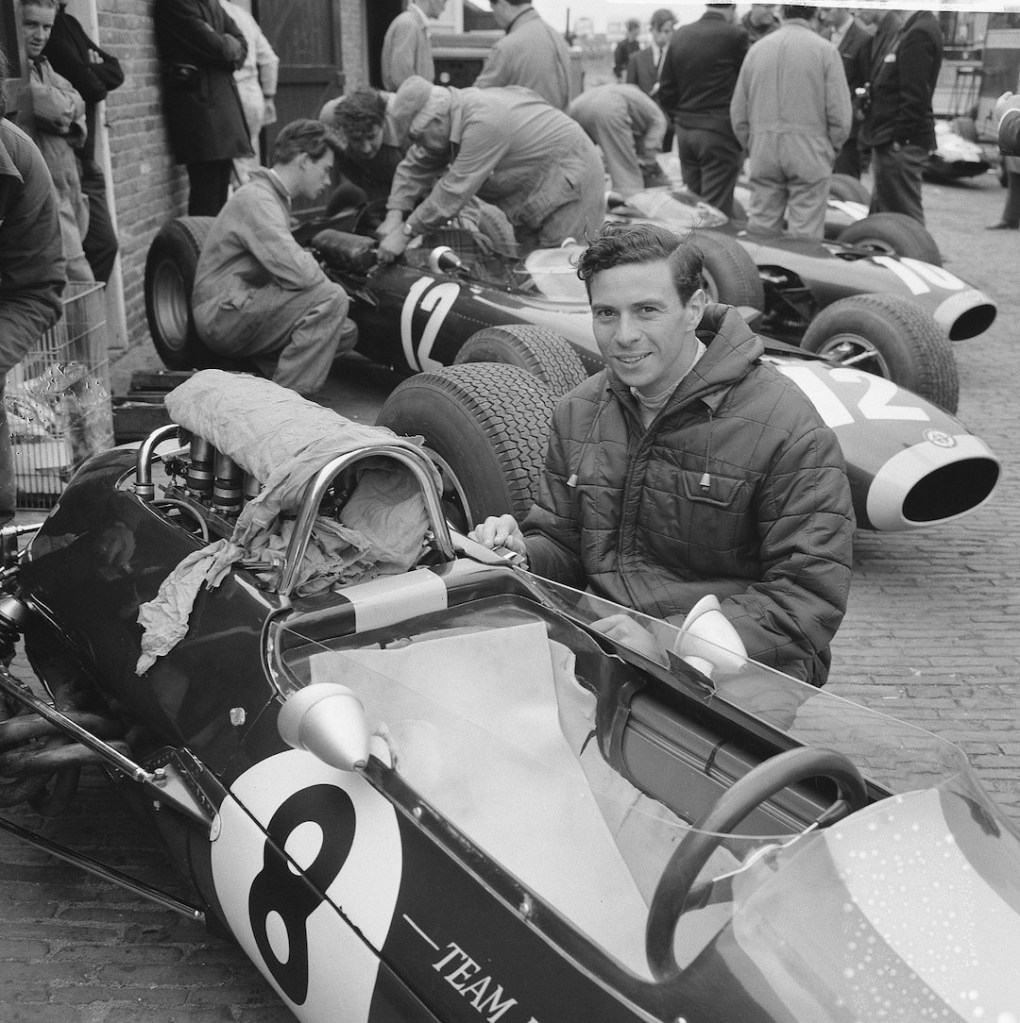
Of course Clark’s main programme for the year was Grand Prix racing.

That season he won three non-championship F1 races: the first heat of the Race of Champions at Brands Hatch, the Syracuse GP and the Sunday Mirror Trophy at Goodwood. He also took six of the ten championship events, four from pole: the South African, French, British, German, Italian and Mexican Grands Prix.

In so doing Clark picked up the World Championship of Drivers for his good-self and the F1 Manufacturers Cup for Lotus. More on the Lotus 33 Climax here: https://primotipo.com/2014/09/28/jim-clark-lotus-33-climax-monaco-gp-1967-out-with-the-old/
(unattributed)
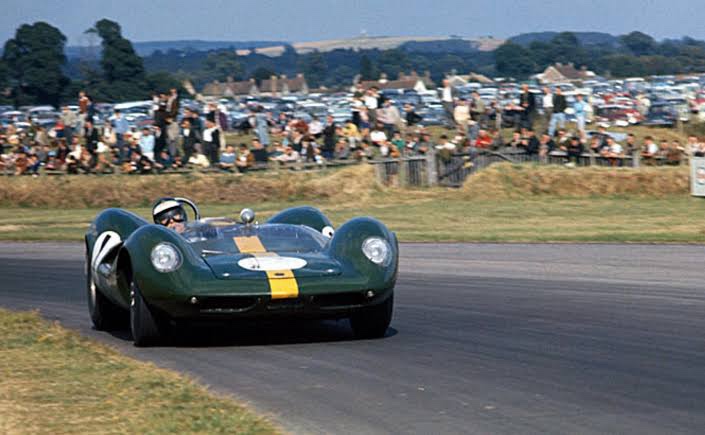
Clark on the hop at Goodwood during the August 1964 RAC Tourist Trophy, Lotus 30 Ford (Sutton)

Team Lotus wasn’t all beer and skittles. Every now and then Chapman built a shit-box, the Lotus 30 Ford 289 V8 was one of them.

While the concept of a backbone-chassis somewhat akin to the Lotus Elan made marketing, and, perhaps, theoretical sense, in practice it had a level of flaccidity the engineering equivalent of a couple of Blue-Bombers was never going to fix.

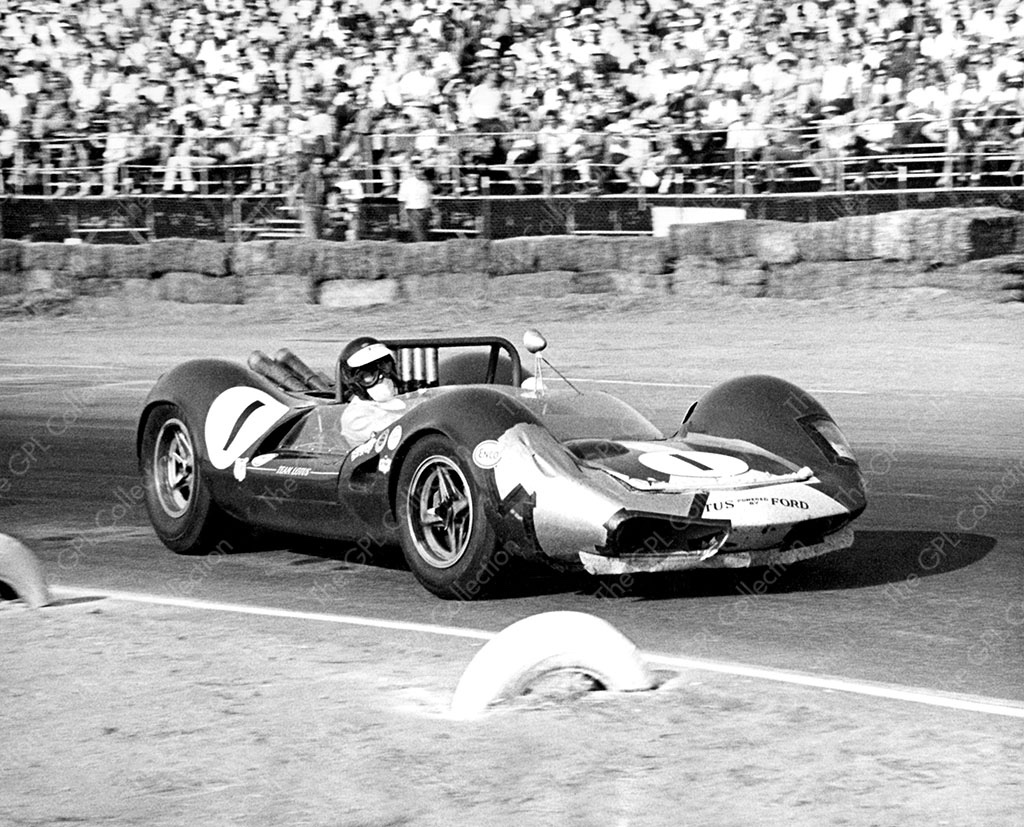
Clark wrestles with the gorgeous but recalcitrant 350bhp machine above, and with the ‘ten more mistakes’ – as Richie Ginther described it – aboard the Lotus 40 Ford in the LA Times GP at Riverside in October 1965; he was second to Hap Sharp’s Chaparral 2A Chev in a marvellous drive. One of Clark’s many attributes was to get the best out of a car, even a sub-optimal one. A bit more Lotus 30 here:https://primotipo.com/2016/08/30/rac-tourist-trophy-goodwood-1964/
(unattributed)
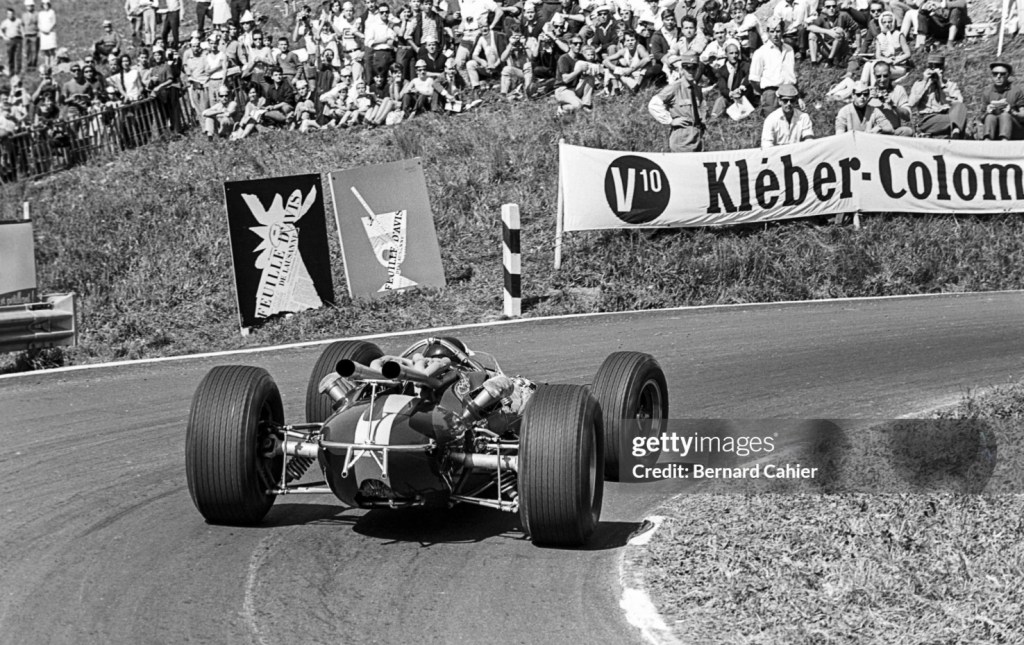
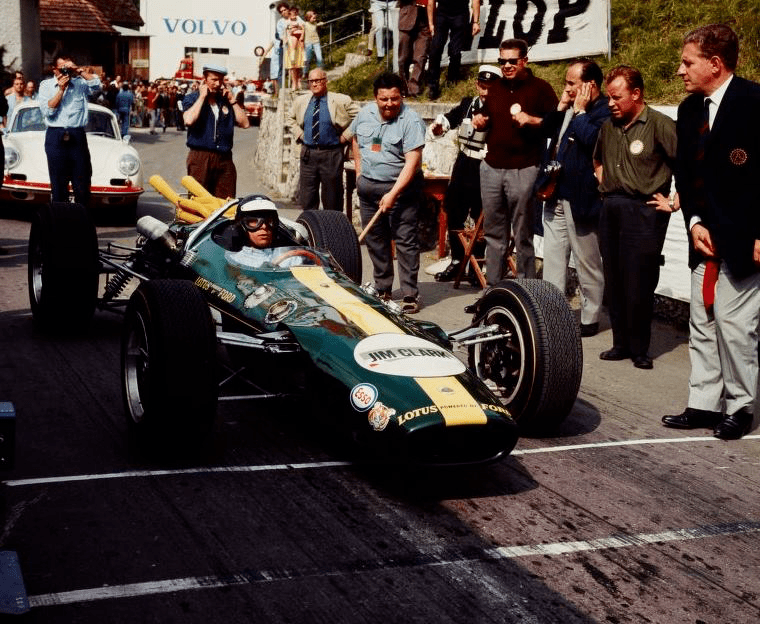
St Ursanne-Les Rangiers (lotuseuropa.org)

Of course, just when you think The Boss might give you a weekend off he comes up with the notion of doing a hillclimb or two in your Indy winning Lotus 38 Ford in the Swiss Alps.

‘Don’t fret Jimmy, we’ll give you a car with symmetrical suspension – it was chassis 38-4 rather than the Indy winner, chassis 38-1 – and off to St Ursanne-Les Rangiers we go on August 22.

Clark did a demonstration run in 5:20.8 while Jo Siffert did FTD in his Brabham BRM 1.5 V8 F1 car. Charles Vogele was second and Silvio Moser third.

Next was Ollon-Villars also in Switzerland on the following weekend, August 29.

Lou Drozdowski wrote, ‘Clark spun off the course during practice and spent much of the afternoon among the sheep and pastures making his way back. He did however set a time of 4:34 compared to Ludovico Scarfiotti, Ferrari 206P FTD of 4:09.’ Gerhard Mitter was second and Gianpiero Biscaldi third.
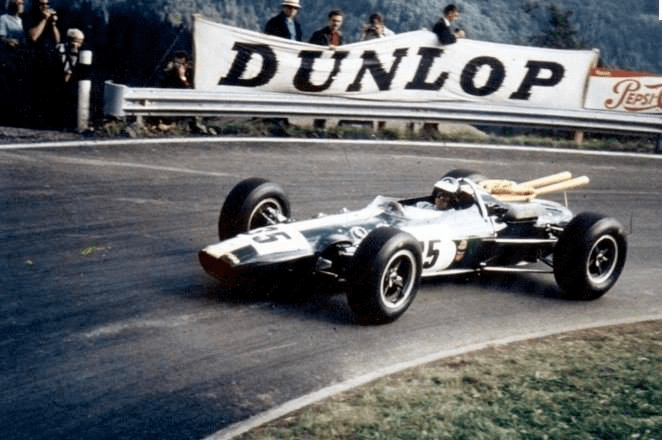
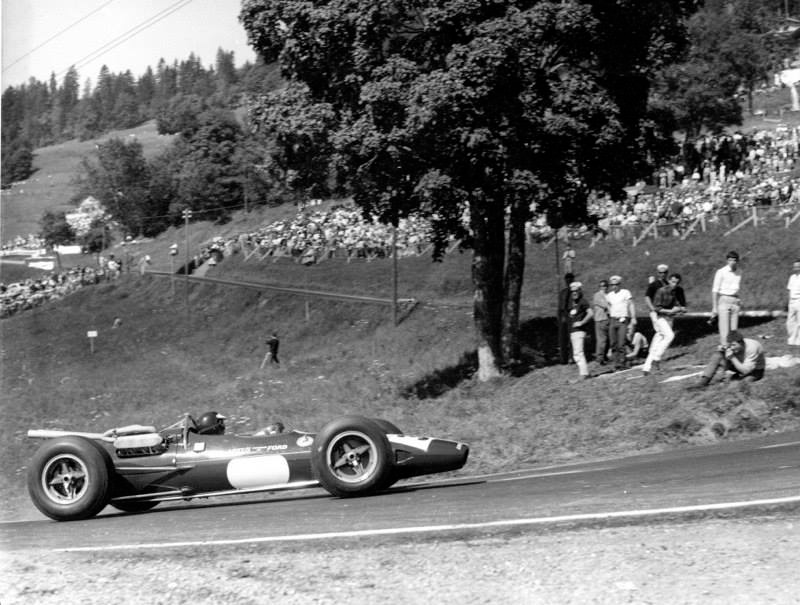
Ollon-Villars (unattributed)
Big-bertha’s butt at Ollon-Villars (B Cahier)
(LAT)

Lotus’ relationship with Ford was strong and multi-faceted, one element of which was the Ford Cortina Lotus Mk 1 and 2 and the Escort Twin-Cam, all of which were fitted with the Lotus-Ford twin-cam, two-valve twin-Weber fed engine.

While it could be seen as hit-and-giggle in the context of his other ‘65 race-programmes, moving-metal was a very serious business so Clark approached his Lotus Cortina races that year in the UK and North America just as seriously as he did everything else.

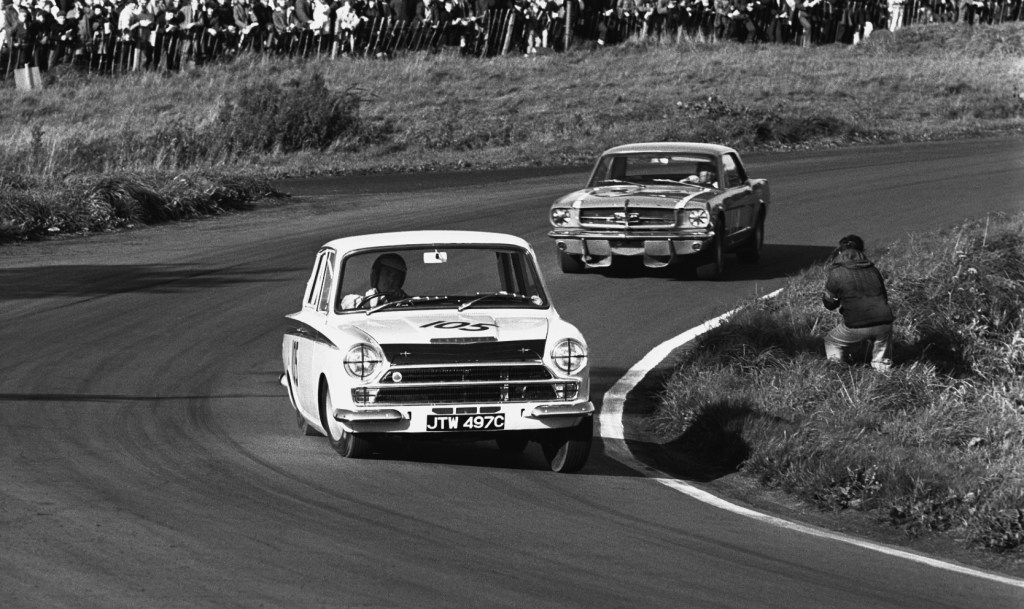
Here he is giving Jack Brabham a run for his money at Oulton Park during the British Saloon Car Championship round on September 18, 1965. Jack’s mount is Alan Mann’s Ford Mustang. More on the Lotus Cortina here: https://primotipo.com/2014/11/16/jim-clark-lotus-cortina-sebring-1964/
Etcetera…

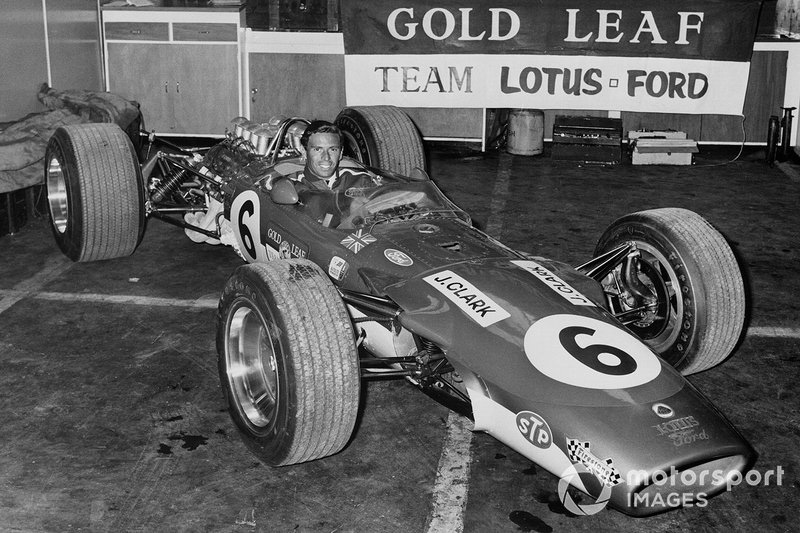
The Lotus 49 first ran in Gold Leaf Team Lotus colors during the Lady Wigram Trophy on January 20, 1968.

The transformation from Team Lotus’ perfect livery to fag-packet occurred during the week between the Levin International on January 13 and Wigram.

With a done deal in London, the Lotus team arranged for a skilled signwriter at Hutchinson Ford in Christchurch to apply the new Gold Leaf livery to Jim’s Lotus 49. 
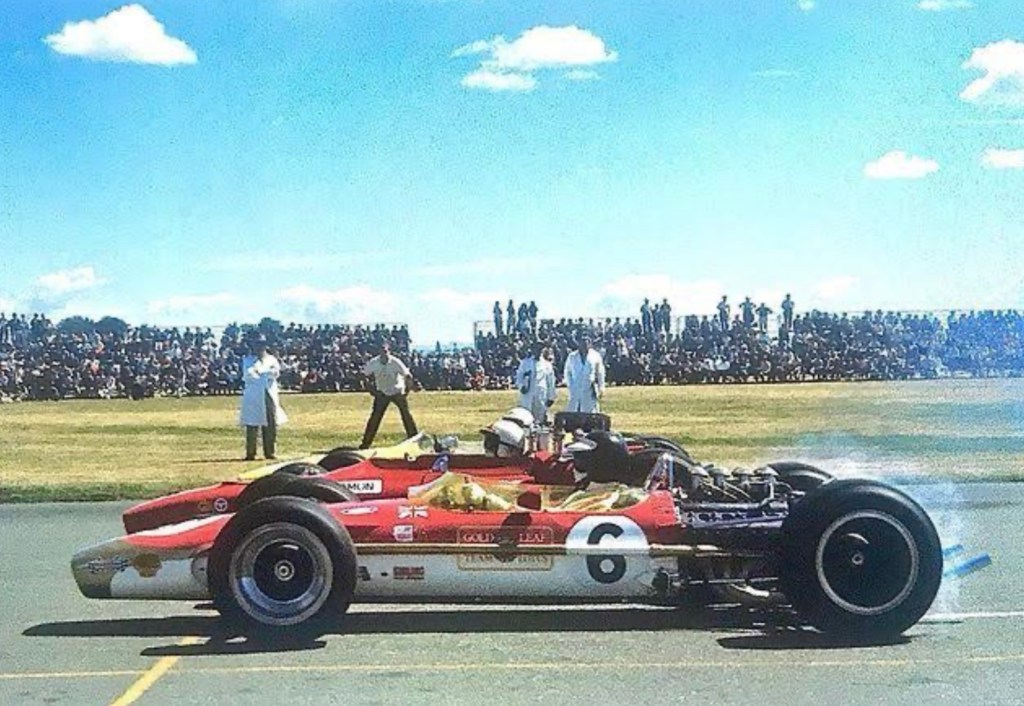
Clark, Amon, Gardner: Lotus 49 Ford DFW, Ferrari 246T and Brabham BT23D Alfa Romeo. Wigram 1968

Outside the US and some other countries it was the beginning of big corporate sponsorship in motor racing.

Ever the leader, Chapman’s quick commercial response and applying the new sponsorship colours demonstrates just how rapidly change took place once advertising restrictions in racing were lifted prior to the 1968 season.
(unattributed)

Credits…

Indianapolis Motor Speedway (IMS), Bruce Wells, The Jim Clark Trust (TJCT), Lou Drozdowski in lotuseuropa.org

Tailpiece…
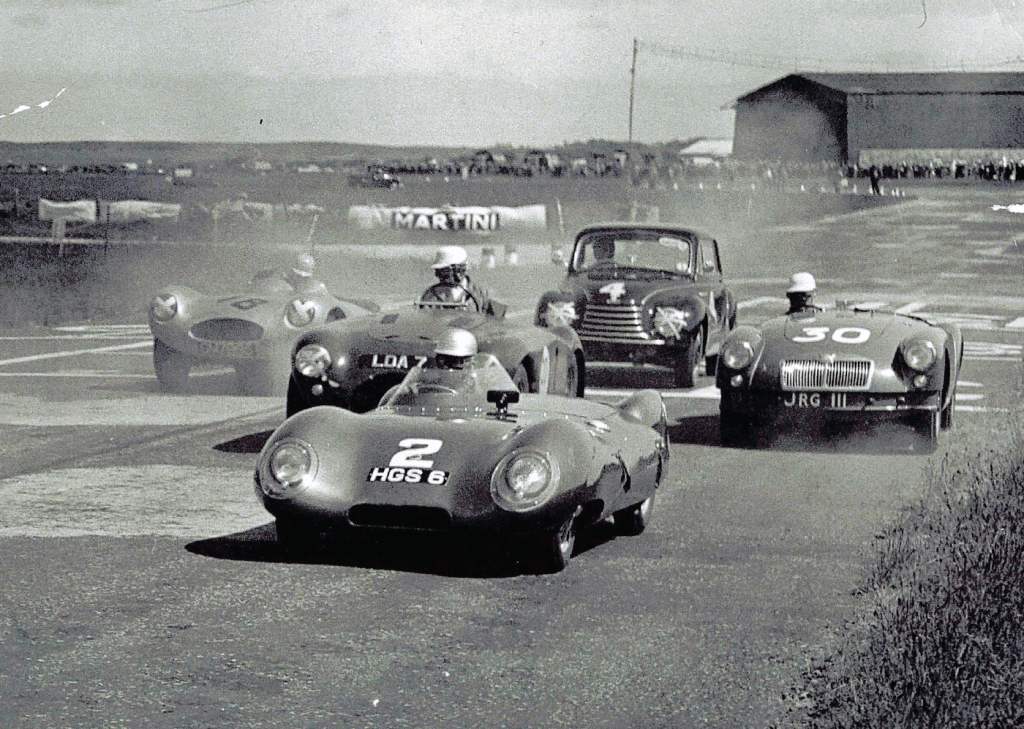
(TJCT)

Jim Clark’s first race was at Crimond, aboard Ian- Scott-Watson’s DKW Sonderklasse on June 16, 1956.

That’s JL Fraser Lotus 11 front-and-centre, then from the left #18 AR Millar Saltire, LDA7 Kenny McLennan’s Kit MG, #4 Clark in Scott-Watsons DKW Sonderklasse, and John Campbell, MGA.

The Jim Clark Trust wrote that ‘In the sportscar race there was no handicap, so the DKW was hopelessly outclassed. Clark did pass one car but his joy was short-lived. The tailender was heading for the pits with broken halfshaft and the DKW finished in last place.’

Finito…
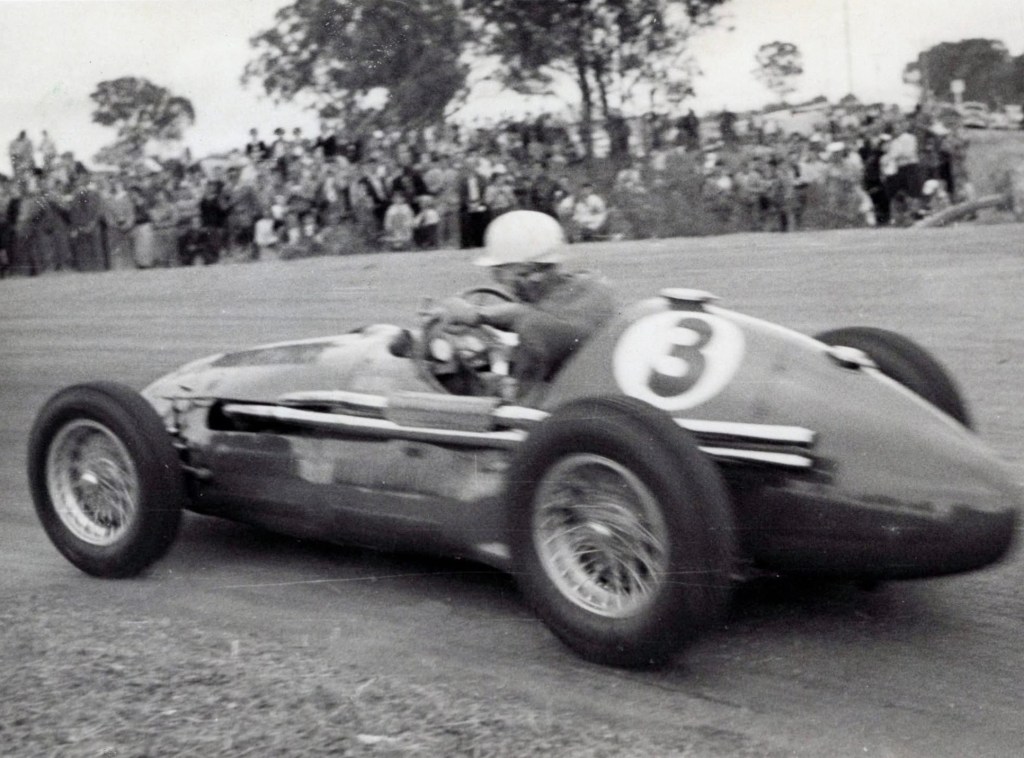
(I Arnold)

Easter 1955…

Reg Hunt working his Maserati A6GCM-250 hard at the Bathurst Easter meeting in 1955.

He won the 26 lap Bathurst 100 feature from Ern Seeliger aboard Stan Jones’ ex-Jack Brabham Cooper T23 Bristol and Lex Davison’s HWM Jaguar, below.

(I Arnold)
(I Arnold)

Clive Adams’ drove Stan Coffey’s Cooper T20 Bristol skilfully but lost an early joust for third place with Davison, spinning at Forrest’s Elbow on the run down the mountain.

By 1955 the ex-Jack Saywell Alfa Romeo P3 had passed through the hands of Julian Barrett and Bill Murray and was powered by an Alvis engine. Sold by Murray to Gordon Greig, the car was involved in a terrible accident after Greig pitted, feeling sick, on lap 16.

Gordon Greig, Alfa Romeo P3 Alvis at Hell corner above, and below, before the disaster (I Arnold)

Tony Bourke, one of Greig’s crew, jumped aboard to finish the race and promptly lost control of the car over Conrod’s final hump, spun and went backwards off the track through the crowd killing one, mortally wounding another and injuring 20. Bourke stepped from the car unhurt and was later treated for shock.

Changes were were made to eliminate spectators from this area after the Coroner’s Inquest and public and press reaction. Bourke died after a Midget crash at Westmead Speedway in 1965.

(I Arnold)
(I Arnold)

Col James MG Spl s/c and Ray Fowler, MG Spl, negotiate Hell Corner in the Group B Racing Car Scratch. They were third and fourth in this 3 lapper won by Stan Jones’ Cooper 1100.

(I Arnold)

Tom Jordan’s 1949 2.5-litre Riley engined Healey Silverstone (above) ‘was raced as a factory entry by Tony Rolt in the UK in 1949, then raced by Charles Mortimer in 1950 – he wrote a book about it, Racing a Sports Car – and was then returned to the factory, bought by Queenslander Colin Leagh Murray and raced and hillclimbed by him in Queensland before being sold to Jordan who had many successes with the car,’ wrote John Medley.

Etcetera…

(I Arnold)

It’s doubtful that Lex would have listed the HWM Jaguar – an ex-Moss HWM Alta 2-litre F2 chassis – amongst his favourite cars but he and his team coaxed enough speed and reliability out of the C-Type Jaguar powered jigger to win the 1954 AGP at Southport, aided and abetted by the breakage of a chassis weld on Maybach 2 when Stan Jones seemingly had the race ‘in the bag’.

By 1955 the HWM Jag was off the ultimate pace, Hunt had reset the local bar with his Maserati and Lex would meet the challenge in early 1956 with the purchase of Tony Gaze’ Ferrari 500/625 3-litre.

(I Arnold)

October 1955…

(I Arnold)

C James MG Spl S/c from Ted Gray, Tornado Ford, Hell corner, during the 3 lap Group A Racing Car Scratch.

On the last lap Tiger Ted lost the new car coming down the mountain near Griffin’s destroying it and hospitalising himself for months. Tornado 2 Ford would emerge in due course and Tornado 2 Chev became the fastest car in the country by later 1957, read here: https://primotipo.com/2015/11/27/the-longford-trophy-1958-the-tornados-ted-gray/

(I Arnold)

Touring car racing was steadily gaining in popularity with Jack Myers easily winning the sedan car handicap in his well developed, black-roofed, yellow Holden 48-215. ‘Holden wonder-man of the mid-1950s’ as John Medley described him. Here he is alongside George Pearse’s Ford Zephyr. See here for more on Jack: https://primotipo.com/2024/05/02/jumpin-jack-myers/

(I Arnold)

Jack Robinson’s Jaguar XK120 Special.

(I Arnold)

Dr John Boorman on the rise out of Hell corner on his way up Mountain Straight, ‘off scratch in the 6 lap Sports Car Handicap made no impression at all on Shmith’s new Austin Healey 100S which did 124mph through the timed quarter while Boorman did 125,’ Medley wrote. More about this car here: https://primotipo.com/2014/08/05/gnoo-who-gnoo-blas-circuit-jaguar-xkc-type-xkc037/

Postscript: Easter Bathurst tragedy…

After publishing this article, journalist/historian Ray Bell emailed me excerpts from ’emails I sent to the sister of Gavin Larnach’, one of the Bathurst accident victims.

1. That this whole thing is surrounded by lies and cover-ups is simply disgraceful. One can readily understand Mark’s state of mind and applaud him on his pursuit of the facts.

One such fact is that this car was very unstable after it had the very heavy Alvis engine installed. Ray Wamsley told me this, he was the next owner of the car, and he said it was absolutely transformed when he fitted a GMC truck engine after the Alvis unit failed. 

2. I’ve subsequently spoken a journalist of the time, about the cover-ups. He told me that he always understood it was the local member who pushed for the hushing of everything with a view to ensuring that the racing wasn’t shut down. The local member was Gus Kelly, who was a Cabinet member with some influence and had been the local member for many years, so that makes sense.

Two factors come into play here. In 1946 there was difficulty getting the racing off the ground because of police resistance. Additionally, a driver and a spectator had been killed at the Gnoo Blas race meeting in January, 1955. The fear throughout the two organising clubs would have been quite pronounced and it was just eighteen months later that the whole of motor racing in NSW had to comply with the new Speedways Act, which introduced standards for safety fencing etc.

3. What is really bugging me is John Medley’s comment that someone who gave evidence wasn’t actually in the country when the crash occurred. Not so consequential if he was just giving evidence about something technical, but still it appears from John’s comment that it might matter.

Credits…

Ian Arnold photographs via his son Mark Arnold

Finito…

(NAS)

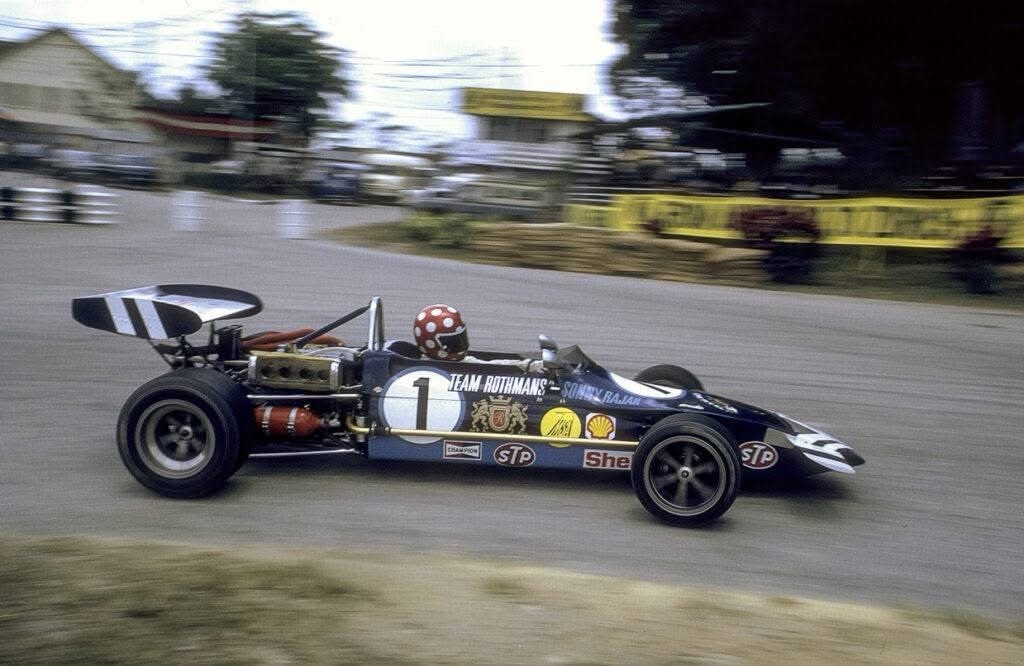
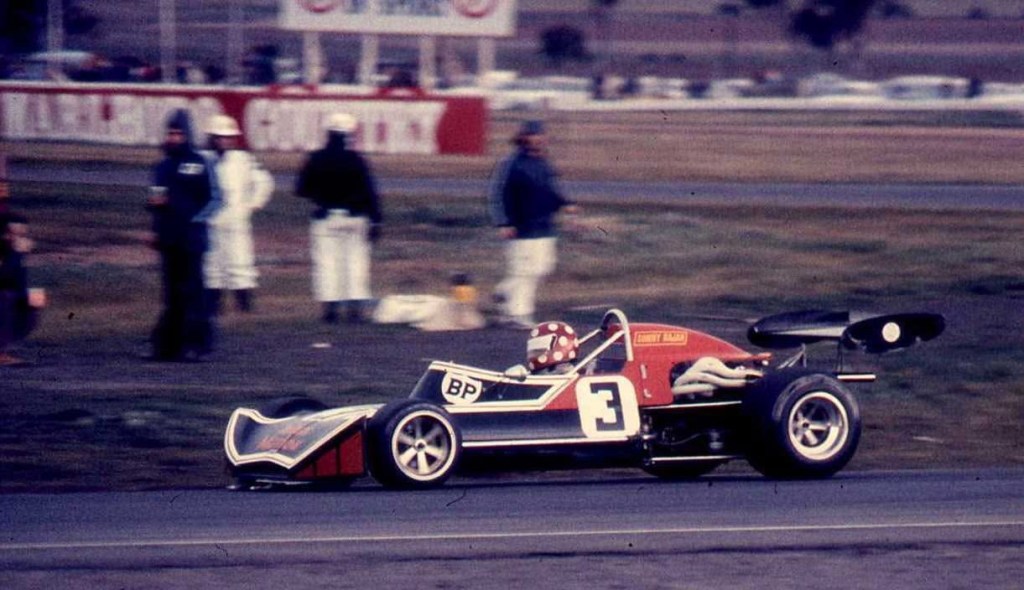
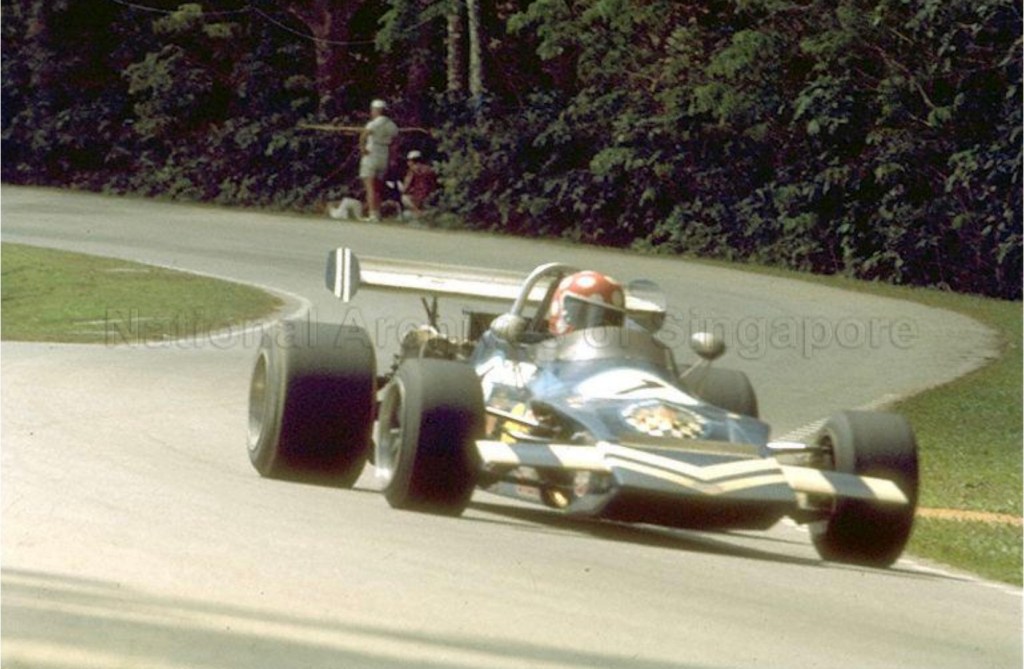
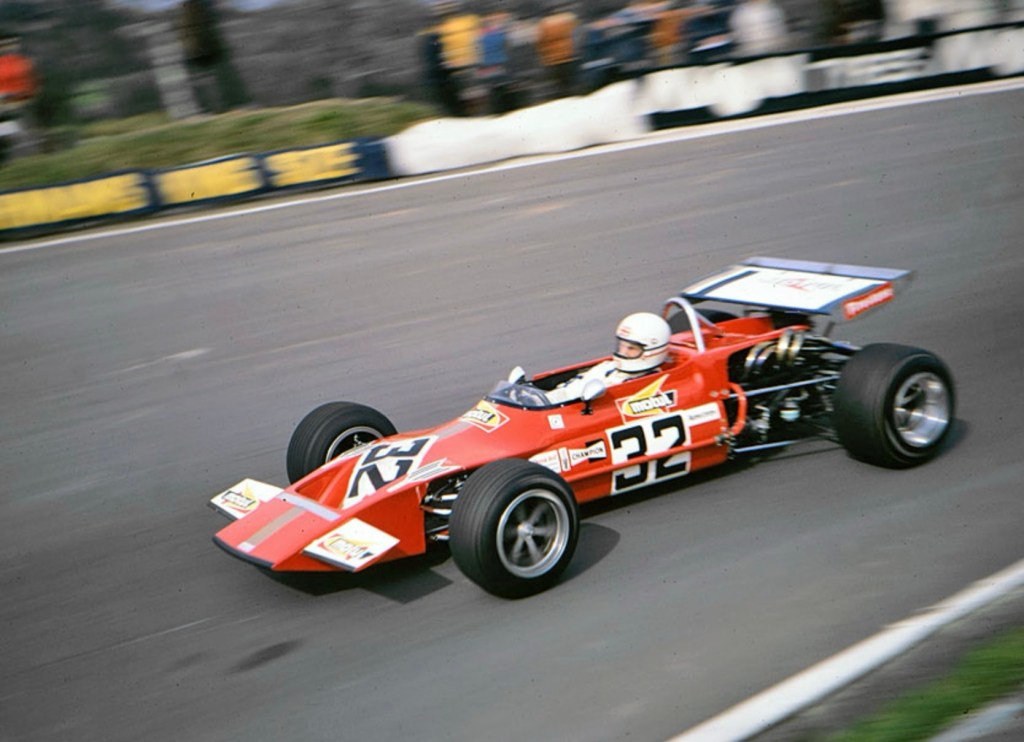
Sonny Rajah negotiates the tricky Thomson Road circuit during the 1972 Singapore Grand Prix aboard his March 712M Lotus-Ford twin-cam, chassis #712M-7, the same car in which Ronnie Peterson won the 1971 European F2 Championship.

Max Stewart won that race from Vern Schuppan and Bob Muir – Aussies first to third – with Singaporean local, Sonny fourth. Stewart raced his venerable Mildren, Schuppan his March 722 and Bob Muir his Rennmax BN3, all of the cars were Lotus-Ford 1.6 powered.

Eli Solomon wrote in MotorSport that ‘Sonny Rajah had struck up a partnership with the ex-Ronnie Peterson March 712M. He was the local hero and looked the part with his long hair and Zapata moustache. But to gain admittance into a country (Singapore) where long hair was associated with drugs, he had resorted to wearing a short-hair wig! A fellow competitor once remarked: “He had brilliant car control but someone other than bullshit-artists had to take him in hand! Natural talent and character too boot.”

Signature Peterson. ‘Very fast, off-camber, downhill, made for Ronnie Peterson’, Yoshiaki Hirano said. Mallory Park non-championship (n/c) March 14: accident in heat 1, DNS heat 2. Winner Henri Pescarolo in a Frank Williams 712M FVA (C Walker)
Peterson bagged first place F2 Championship points – Graham Hill won the race, as a Graded Driver he was ineligible for points – in the Jochen Rindt Memorial Trophy at Thruxton on April 12 (unattributed)

Ronnie Peterson bagged maximum points in five of the ten F2 championship rounds he contested and won the title from Carlos Reutemann’s Brabham BT30/Brabham BT36 and Dieter Quester’s March 712M BMW.

Ronnie won at Thruxton, Rouen, Mantorp Park, Tulln Langenlebarn and the GP di Roma at Vallelunga. Note that Graham Hill (Brabham BT36) won at Thruxton – a real tear-jerker for race-fans as it was Graham’s first race-win since his huge Lotus 49 Watkins Glen crash at the end of 1969 – but as a graded-driver Hill was ineligible for Euro F2 Championship points.

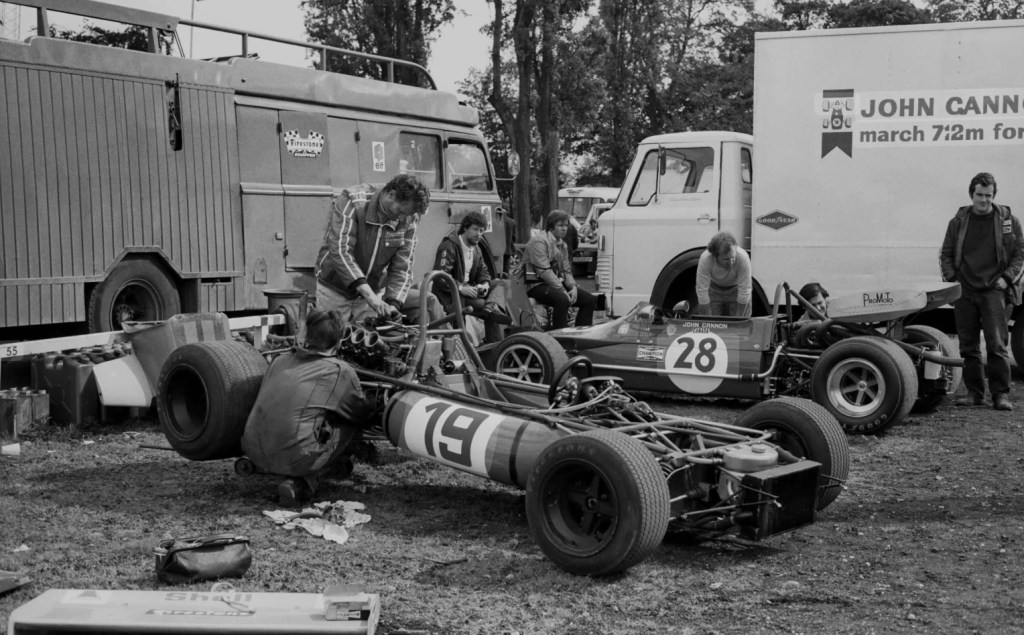
London Trophy weekend at Crystal Palace, May 31, 1971. Adam Potocki’s spaceframe Brabham BT30 is made ready for battle while John Cannon’s monocoque 712M is similarly fettled (J Fausel)

F2 Wind-Shift from Spaceframes to Monocoques…

This season marked a shift in F2 with Brabham’s dominance – and spaceframes’ dominance – at an end. March Engineering led the charge with their 712M, while Lotus continued with the 69 and Brabham and Tecno stuck to their successful spaceframes.

It wasn’t that cut and dried though: Alan Rollinson won the Bogota GP n/c (non-championship round) in his Brabham BT30, Graham Hill at Thruxton in his BT36 and Carlos Reutemann, BT36 at Hockenheim n/c.

Noteworthy was Carlos Reutemann’s pace in both his Brabham BT30 and BT36 all year, so too Tim Schenken’s BT36 speed throughout without actually winning a round.

It was all over at the end of ’71 in the sense that Ron Tauranac sold Brabham to Bernie Ecclestone late that year with Bernie building monocoque customer F3 and F2 cars in 1972 before pulling out of production racing car manufacture at the end of that year.

Technical interest in the era of Absolute Ford FVA dominance was provided by Tecno in 1971 who fitted in-house-prepped Ford BDA engines which bagged two-championship wins at Hockenheim and the Nurburgring, and a non-championship victory at Vallelunga for Francois Cevert.

Emerson Fittipaldi won at Madrid, Crystal Palace and Albi, and Reine Wisell at the GP de Pau n/c in monocoque Lotus 69 FVAs but Emmo was a graded driver so didn’t bag F2 championship points.

Potent partnership: Ronnie Peterson and Max Mosley at Thruxton at the start of a great season for them both in F2 and F1 (J Fausel)

The 712M in the March Pantheon

That the 712M was a good customer car was proved by the number of drivers who won in them apart from Ronnie: Henri Pescarolo at Mallory Park n/c, Dieter Quester Monza n/c, Carlos Pace Imola n/c and Mike Beuttler the GP Madunina at Vallelunga.

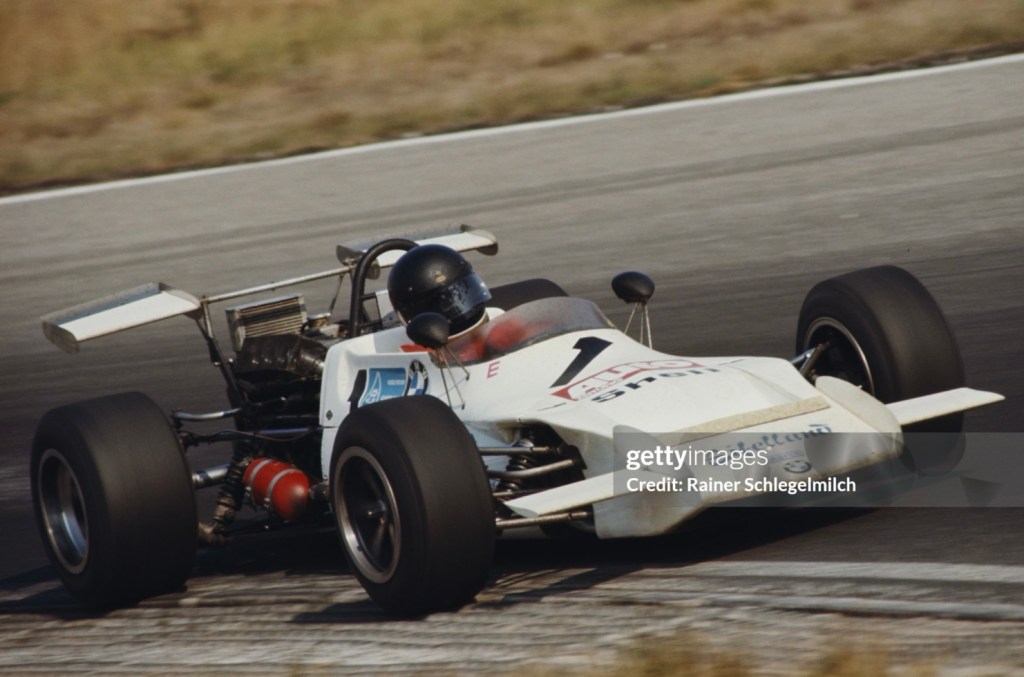
Quester’s 712M was fitted with a works BMW 1.6-litre, four-valve, M12/2 engine providing the category with much-needed and ongoing technical interest, and plenty of pace: third place in the championship with five second places on top of his non-championship Monza win was a great season.

Critically, it was the start of a relationship with BMW Motorsport that was so important commercially and competitively for March from 1973, the second year of the 2-litre F2.

Dieter Quester, March 712M BMW at Hockenheim in October 1971 (R Schlegelmilch)
Derek Bell and Henri Pescarolo and Frank Williams 712M FVAs at the Nurburgring in 1971 (unattributed)

‘What makes March’s 1971 F2 season all the more creditable is that no fewer than 16 drivers went on to works F1 drives, nine would win Grands Prix and two, Lauda and Fittipaldi, would become World Champions.’ March biographer, Mike Lawrence wrote.

Beyond that, the 712M wasn’t a one-hit wonder, it just gave and gave. Its aluminium monocoque provided sterling service from 1971-77 in F3, F2 and F Atlantic form; it was a ‘banker’ at a critical time in March’s history.

Mike Lawrence picks up the thread, ‘Robin was getting on with the job of designing both the new F1 car and, what in the long term was to be more significant, a monocoque for F2 and F3.’

Herd, ‘It took us three or four goes to get it right; I did the detail mechanical design, Roger Silman and Dewar Thomas who made the prototypes put in a lot of their ideas as well, and John Thompson’s operation actually built the production tubs. Apart from the fact that it worked, and was still winning races in 1977, it was very well production engineered and I think we can be pleased with it. When the car was finished, I was away at an F1 race, so Dewar simply took it up to Silverstone and did 60 laps in it, which is something one cannot imagine happening today.’

‘Apart from the sharp new body and the monocoque itself, which had the engine as a semi-stressed member supported by the detachable multi-tubular frames, the broad layout of the design was similar to the 1970 cars, although there were detail changes such as such as narrower wishbones and the use of foam-filled fuel Carl’s which were required by the new regulations.’

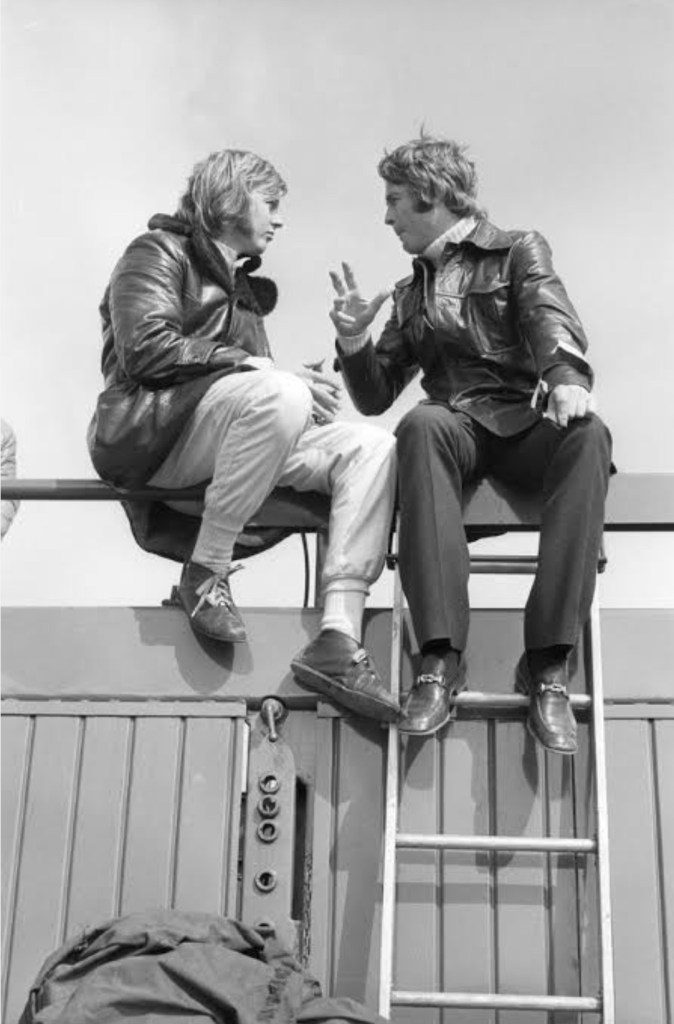
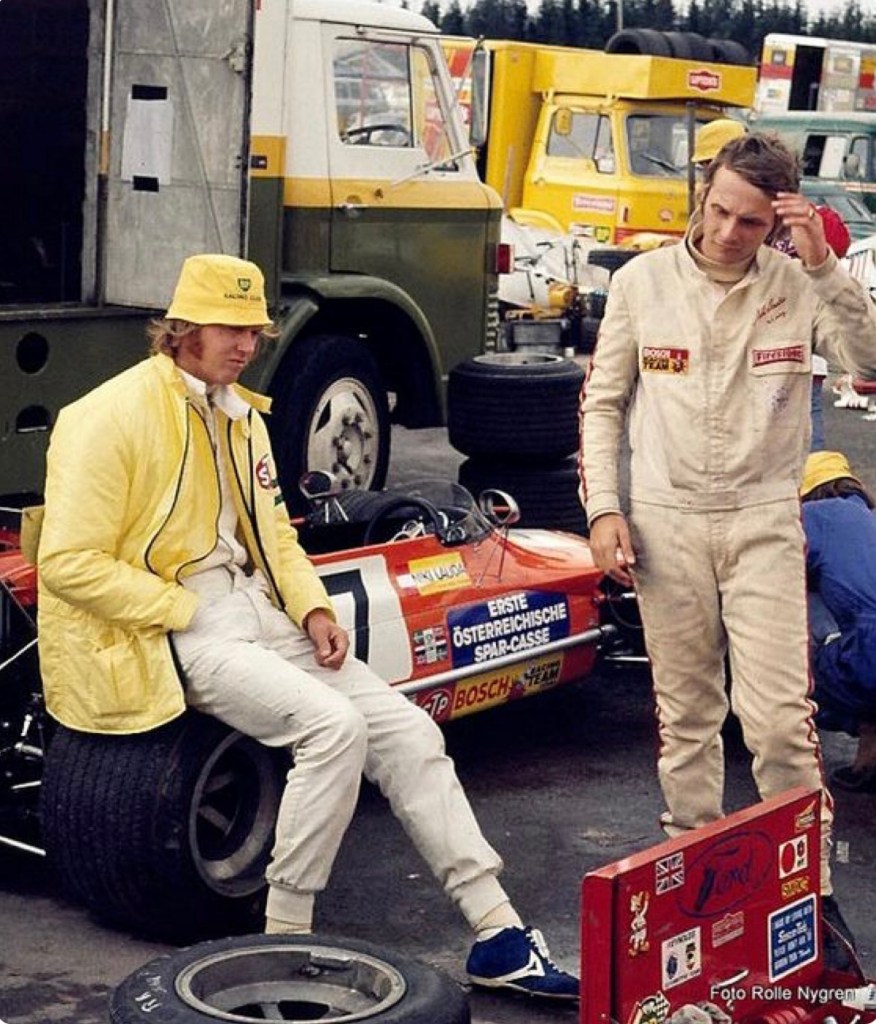
Ronnie sits on Niki Lauda’s tyre at Mantorp Park in August. A win for Ronnie and seventh in the first heat and DNS the second for the Austrian who raced a works-entered 712M (R Nygren)
Sonny during the Calder AF2 championship round in August 1974, March 712M Lotus-Ford. 11th in the race won by Leo Geoghegan’s Birrana 274 (S Gall)

Sonny Rajah raced an ex-James Hunt F3 Lotus 59/69 by then fitted with a Lotus-Ford twin-cam in the 1971 South East Asian season for a best of second place in the Malaysian Grand Prix at Batu Tiga on September 5 behind John MacDonald’s ex-Mike Costin Brabham BT10 Lotus-Ford twin-cam.

By the commencement of the 1972 South East Asia season – the April 4 Singapore GP- Sonny was racing his new, ex-March-Peterson 712M. his strong performance in Singapore was succeeded by victory in the April 9 Malaysian GP at Batu Tiga in front of Ken Smith, Lotus 59/69, Vern Schuppan March 722 and Kevin Bartlett, Brabham BT30 – all Lotus-Ford twin-cam powered. He was third in the season-ender at Macau on December 4 behind John MacDonald’s Brabham BT36 Lotus-Ford and Max Stewart’s Elfin 600B Lotus-Ford.

Rajah on the jungle-surrounded Thomson Road track, Singapore GP weekend 1972. March 712M-7 (NAS)
Rajah, March 732/712M Hart Lotus-Ford twin-cam, Amaroo Park July 21, 1974 (B Henderson)

In 1973 Sonny bought a March 732B in the UK and took in a number of British Formula Atlantic Championship rounds from late May to late July. With best results in the highly competitive championship of ninth at Silverstone in May and fourth at Mallory in July he was sharpish by the time he returned home and promptly won the September 9 Selangor Grand Prix at Batu Tiga aboard the 712M-7! Graeme Lawrence was second in his Surtees TS15 and Percy Chan was third in the March 732B raced by Rajah in the UK. He capped off a busy season with second place to John MacDonald’s Brabham BT40 at Macau in the now 732 bodied 712M (probably says Allen Brown).

Into 1974 he had time to run the March 732 bodied 712M-7 in the Malaysian GP on April 7 DNF, before shipping the car to Australia before the first Australian F2 Championship round – also a twin-cam, two-valve formula – at Hume Weir on June 16.

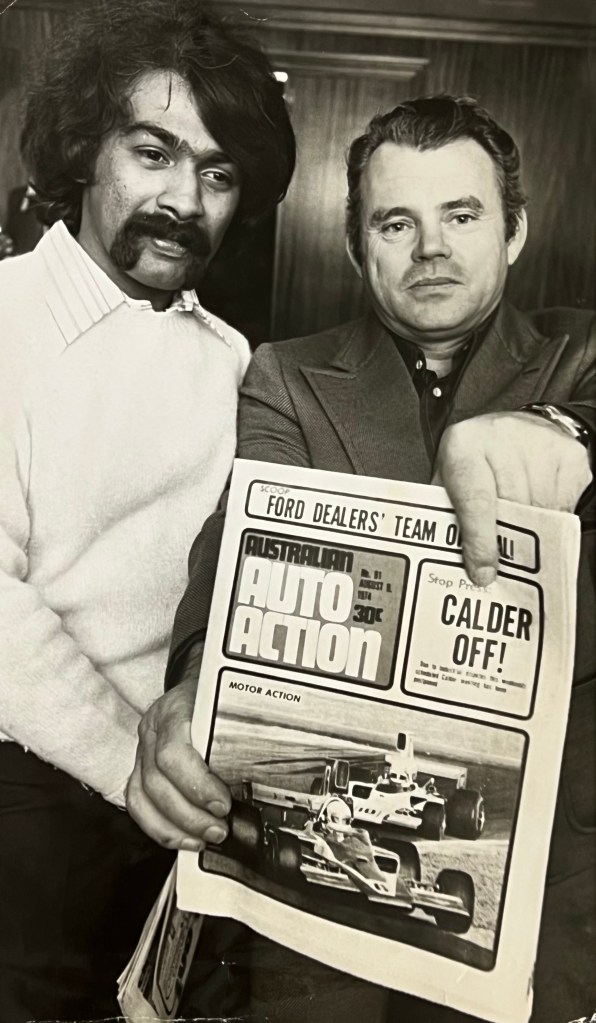
Sonny Rajah and Bob Jane in August 1974 (Auto Action)

The popular Singaporean born racer, Rajah contested the full eight race 1974 championship with the March, updated, as already noted, with 732 bodywork in a low-budget campaign run largely out of Paul England’s workshop in Moonee Ponds, Melbourne

It was the most competitive second-level motor racing championship ever run in Australia thanks to the support of Van Heusen Shirts, the story of how that came about is one for another time

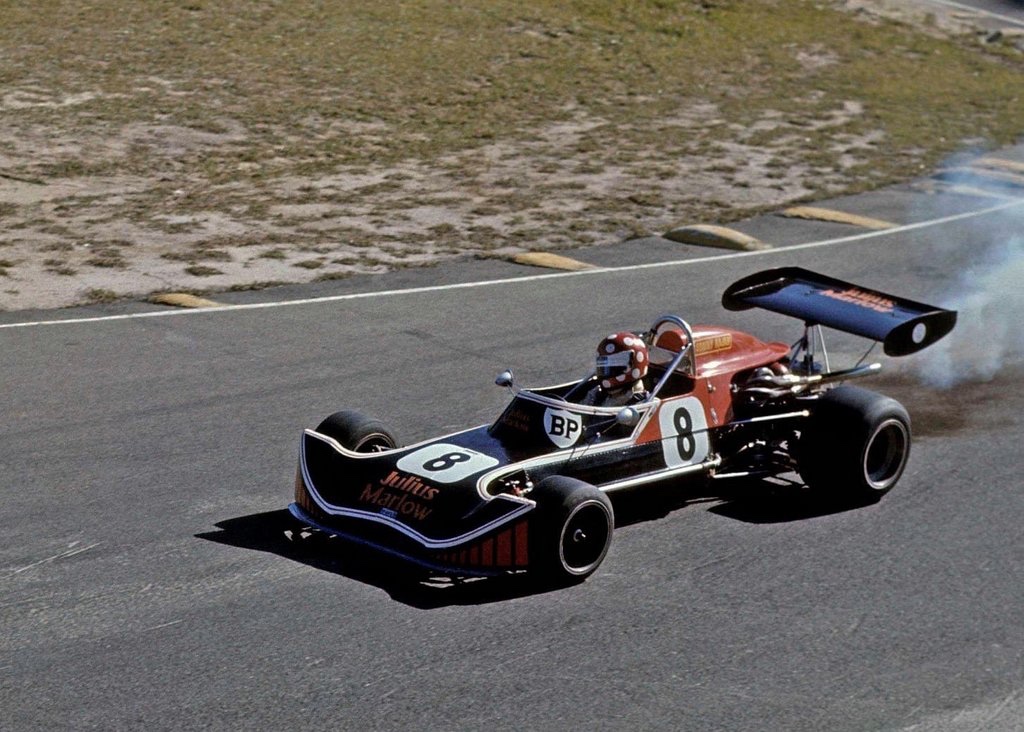
Rajah in the Julius Marlow Shoes sponsored 732-712M from Ray Winter, Mildren Yellow Submarine Lotus-Ford and Bruce Allison, Birrana 274 Lotus-Ford at Adelaide International. Rajah ninth, Winter fourth and Allison seventh in the race won by Bob Muir, Birrana 273 and John Leffler, Bowin P8 (Auto Action)

Up front the contest was between the Birranas of Leo Geoghegan and Bob Muir, and when he got it sorted, John Leffler’s Bowin P8; all of these cars were powered by Brian Hart built ‘416-B’ Lotus-Ford 1.6-litre, DOHC, two-valve (mainly) fuel injected engines giving about 205bhp.

Rajah’s contested all eight rounds with his best third place at Symmons Plains and sixth at Hume Weir. He’s not listed in the point score because – I guess – he wasn’t a CAMS licence holder.

Leo Geoghegan won the title in his works-Birrana 274, Bob Muir’s Bob and Marj Brown owned Birrana 273 and Leffo’s ‘works’-Bowin P8.

Etcetera…

(LAT)

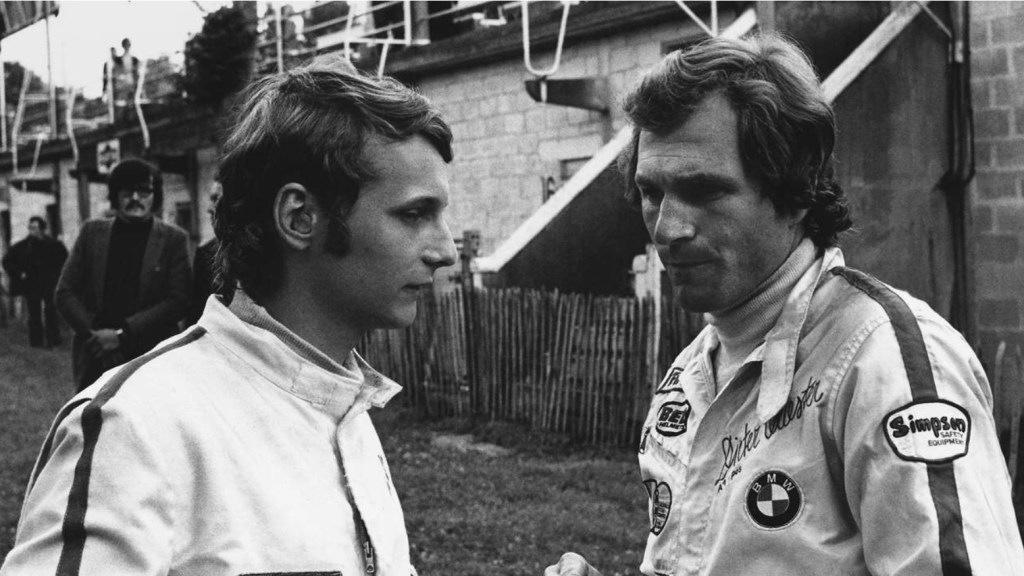
March 712M Brothers in Arms Niki Lauda and Dieter Quester swap notes during the Rouen-Les-Essarts June 27 weekend in 1971. Peterson won from Quester and Graham Hill’s Brabham BT36 with Niki fourth.

Niki at Mallory Park (below) at for the F2 season-opener – non-championship – Speed Championship Trophy over the March 14, 1971 weekend.

His works-March-Bosch Racing 712M-9 didn’t finish either heat. The renta-driver had plenty of top-six finishes that season and memorably duelled with Graham Hill and Peter Westbury at the Nurburgring for fourth place. In the first heat at Rouen, he almost sling-shotted past Peterson to win, dipping out on the line and finishing second by 0.1 secs…

(I Hubbard Collection)

Still at Mallory Park, Derek Bell 712M-2 and Henri Pescarolo 712M-4, below, in the Frank Williams March 712M Ford FVAs. Henri won from Gerry Birrell’s Lotus 69 and Brian Hart’s Brabham BT30.

(Ed Brunette Collection)

Tino Brambilla tests his March 712M Ferrari Dino 206 V6 at Monza in 1972. This chassis is the ex-Pescarolo 712M-4.

Its amazing that a family of engines born in 1957 were still being used in 2-litre form at the dawn of the 1980s, not very successfully mind you! See here: https://primotipo.com/2023/06/17/ralt-chevron-and-minardi-ferrari-dino-206-v6s/

Tino retired his ‘Ferrari’ retired from the Monza Lottery non-championship F2 race – Gran Premio della Lotteria – won by Graham Hill from Silvio Moser and Jean Pierre-Jarier: Brabham BT38 Ford BDA, Brabham BT38 Ford BDE and March 722 Ford BDE.

(J Benak)

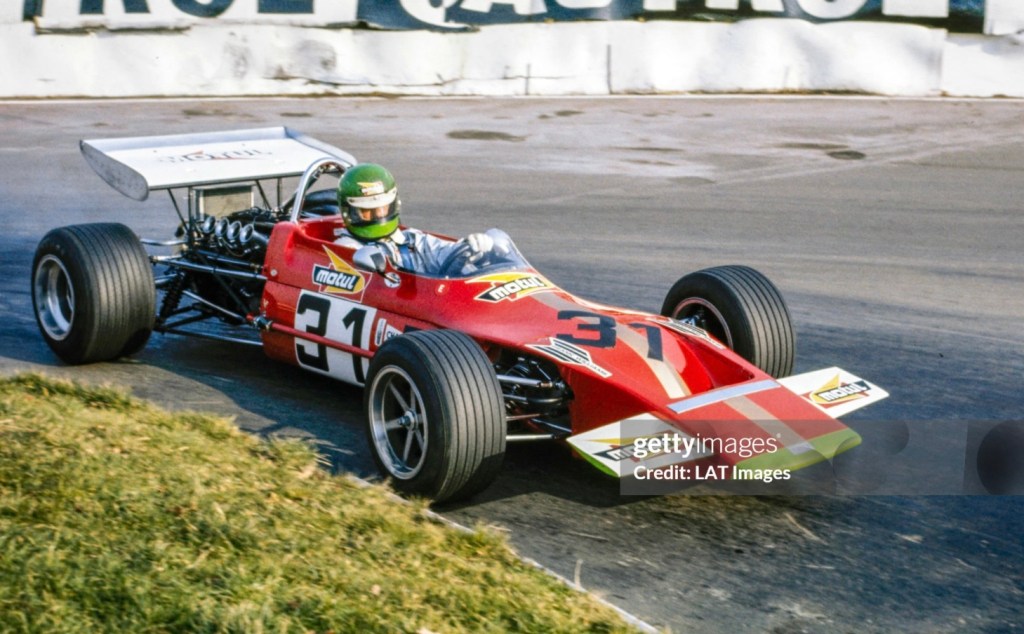
James Hunt in the Hesketh Racing March 712M-5 Ford BDA during the September 16, 1972 British F2 Championship race at Oulton Park. The soon-to-be F1 Star was third behind the works-March 722 Fords of Ronnie Peterson and Niki Lauda.

In several late season Euro F2 rounds in September-October he was Q3 and DNF at the Salzburgring, Q 11 and fifth at the Albi GP, Q12 and eighth at Hockenheim.

(B Henderson)

Rajah at Amaroo Park, Sydney on July 21, 1974. DNF engine in the race won by Bob Muir’s Birrana 273.

I’m intrigued by what Allen Brown (oldracingcars.com) makes of the photos in this article which show the obvious difference in ‘our car’s’ bodywork – 732 rather than 712M – but in addition the roll-bar mounts are different between the two cars. I do wonder whether the car that came to Australia by then had a 732 tub. we know Sonny raced a ‘mystery’ ‘732B’ in British Atlantic then took it back to Asia. I wonder whether the car in Oz was the 732 chassis rather than the 712M?

Credits…

National Archives of Singapore via Rewind Media via Ed Brunette, Clarke Walker, Rolle Nygren, ‘The Story of March : Four Guys and a Telephone’ Mike Lawrence, Stephen Gall, Jutta Fausel, Ed Brunette Collection, Bryan Henderson, Auto Action, Ian Hubbard Collection, Singapore Fling : Singapore GP piece in MotorSport by Eli Solomon

Tailpiece…

(J Fausel)

Ronnie during the Grand Prix de Rouen on June 27, 1971.

The Swedish Star won from Dieter Quester’s 712M BMW and Graham Hill’s Rondel Racing Brabham BT36 and Lauda’s works-712M. Graham was still a plenty-quick F2 driver in that lovely Ron Dennis prepped BT36 that year. Always loved those March wheels…

Quite a few of the photos in this article are by now US domiciled German photographer Jutta Fausel who I collaborated with in an article published in MotorSport a couple of years ago on the 1970 Israel Grand Prix, an obscure F2 race.

I really must buy her book, F2 Devotee as I am, which comes highly recommended!

Finito…

(C Pratt-SLV)

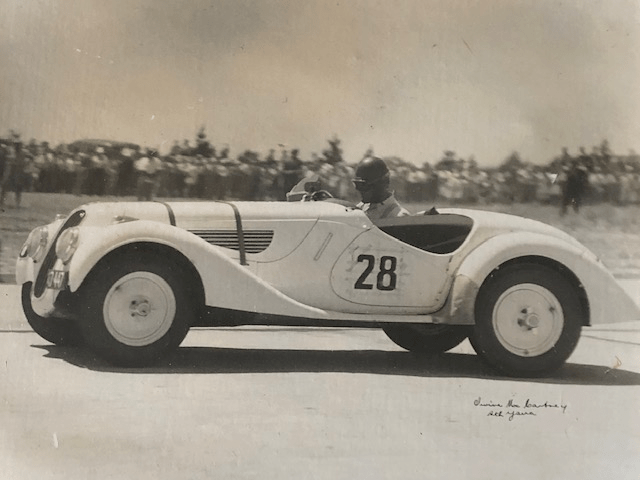
One of the least known Australian Grand Prix winners is motorcyclist Frank Pratt who triumphed aboard a BMW 328 in scalding hot summer conditions at Point Cook on 1948.

So why not show a close-up of him?

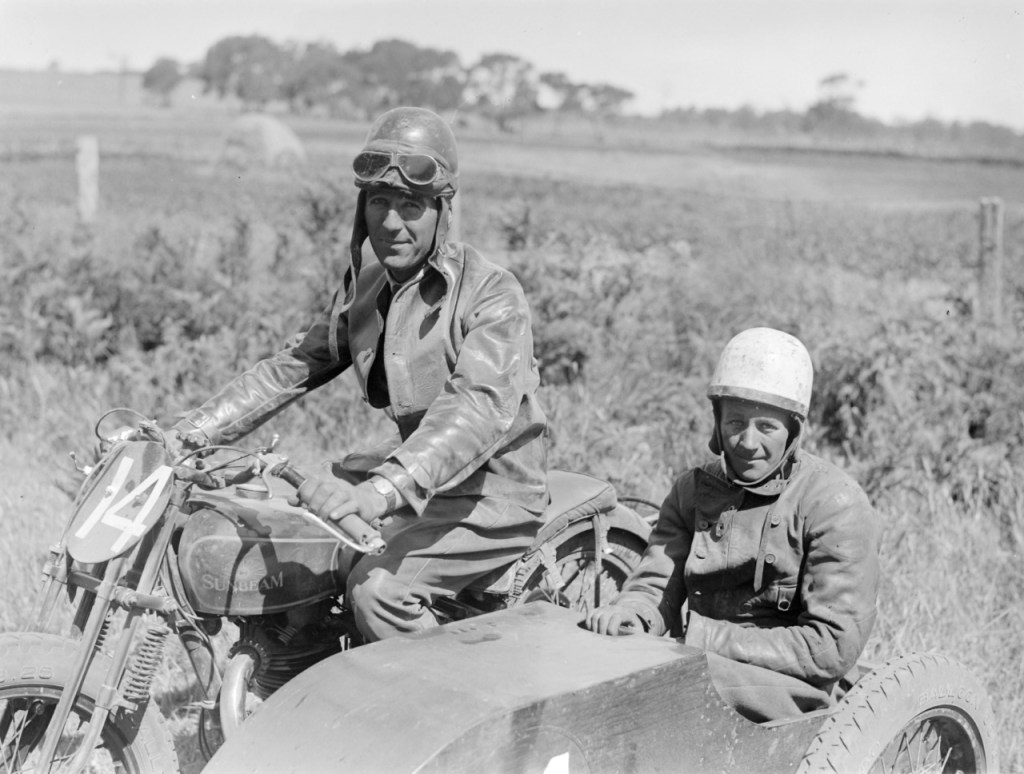
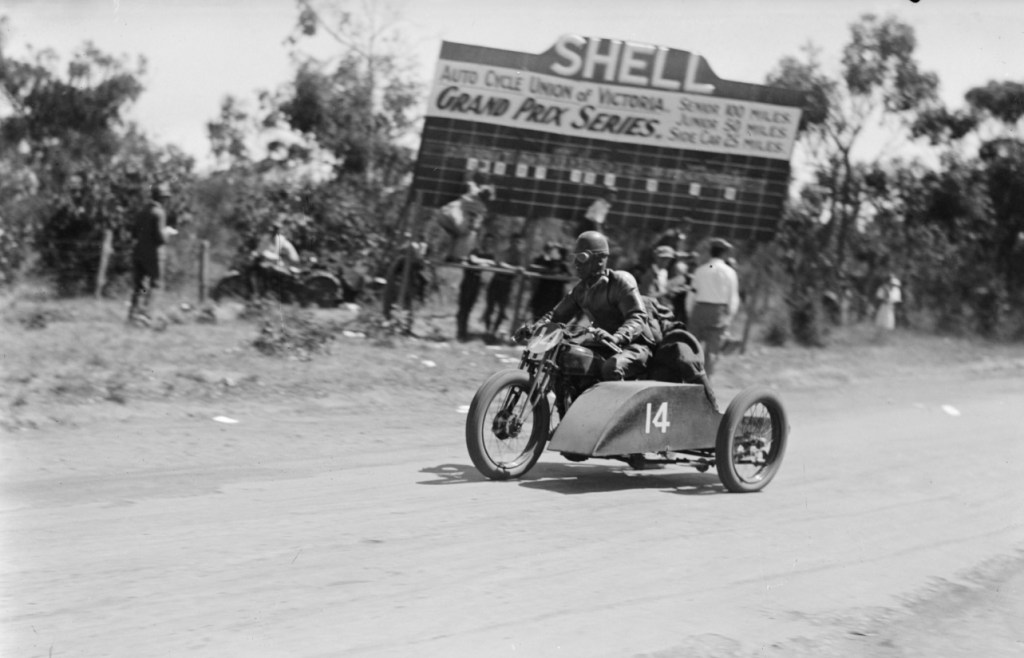
There he is above and below on his Sunbeam 90 outfit with Alick Smith alongside at Phillip Island on the way to winning the Australian Grand Prix – Sidecars on February 1, 1932.

(C Pratt-SLV)
(I McCartney Archive)

On his way to winning the 1948 Australian Grand Prix at Point Cook RAAF Airfield in a BMW 328 from Alf Najar MB-TB Spl and Dick Bland’s George Reed Spl (Ford V8 Spl) on Australia Day, January 26.

Etcetera…

See article here about the pioneering days of motorcycle racing at Phillip Island: https://primotipo.com/2015/06/02/phillip-island-1938-earle-vienet-brooklyn-speedway/

Credits…

Charles Pratt-State Library of Victoria, I McCartney Archive, Wayne Berry and the Sporting Motorcycle Club of Geelong Archive

Finito…
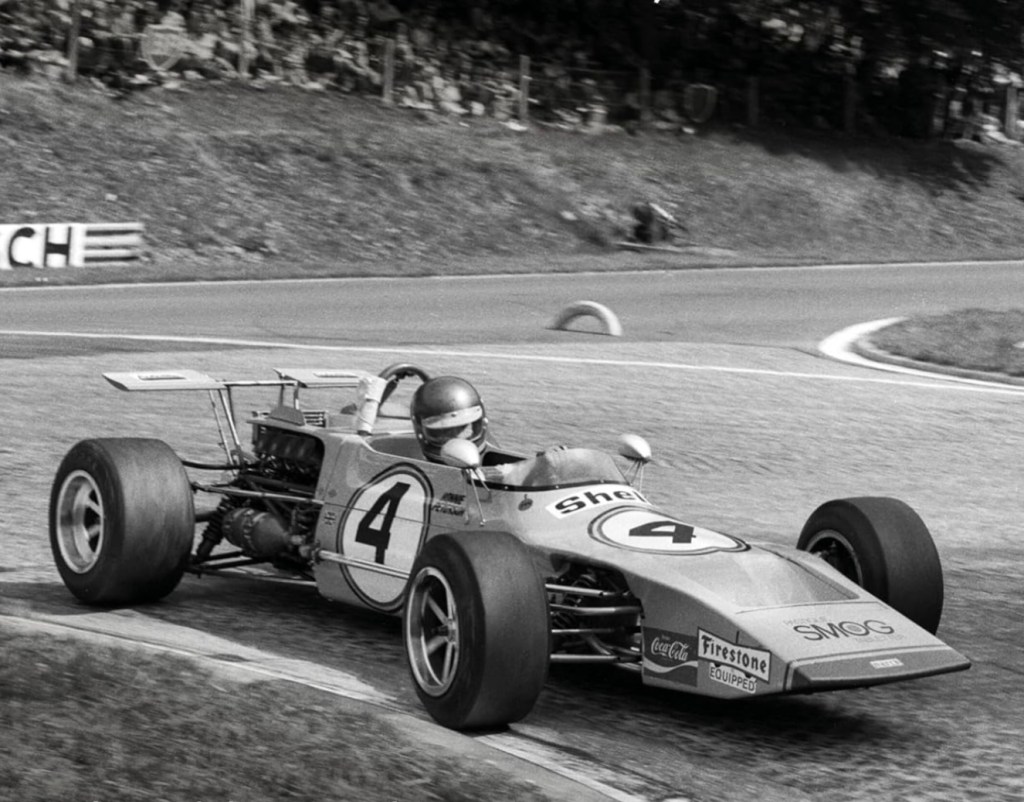
(G Searl)

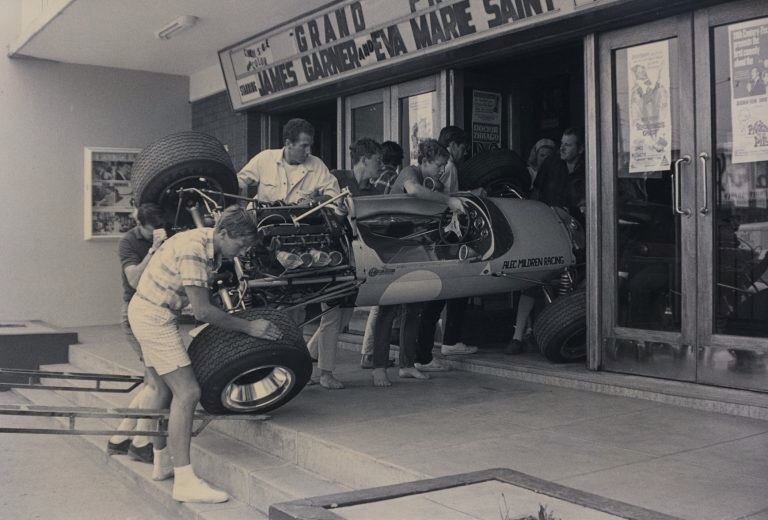
Just a little to the right fellas otherwise we’ll have to twist the chassis a smidge…

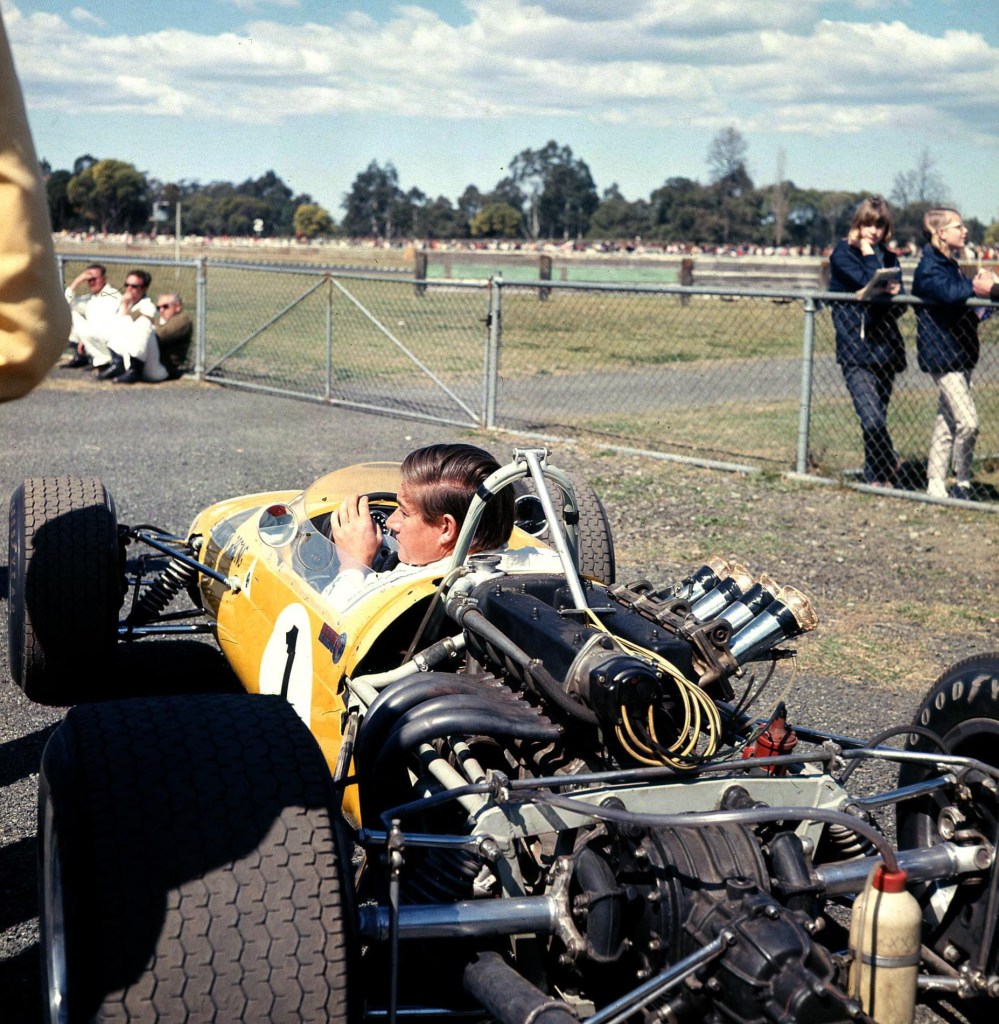
Alec Mildren Racing mechanics Bob Grange, in overalls, and Glenn Abbey partially obscured by the left front, manoeuvre their new Mildren (Rennmax) Alfa Romeo 1.6 F2 through the narrow front doors of the Avalon Cinema on Sydney’s Northern beaches.

Both Mildren and Abbey were locals so perhaps the deal to have the racer in situ during the screening of the film Grand Prix was hatched between the theatre owner and Mildren- a nice way to cross-promote his Alfa dealerships closeby and in the city.

The date is the more interesting thing in an arcane kind of way. Grand Prix was released in Australia on July 14, 1967, this car wasn’t built then. It first raced at Warwick Farm on September 5, 1968 in Kevin Bartlett’s hands, and was raced for the first time with a 1.6-litre Waggott TC-4V engine at Symmons Plains in Max Stewart’s tender loving care on March 3, 1969.

So…given the shorts on the fella looking after the right rear Goodyear I’m guessing it’s a school holidays screening in The Summer of ’69, the only thing missing is Bryan Adams twangin’ his Fender Strat (or whatever).

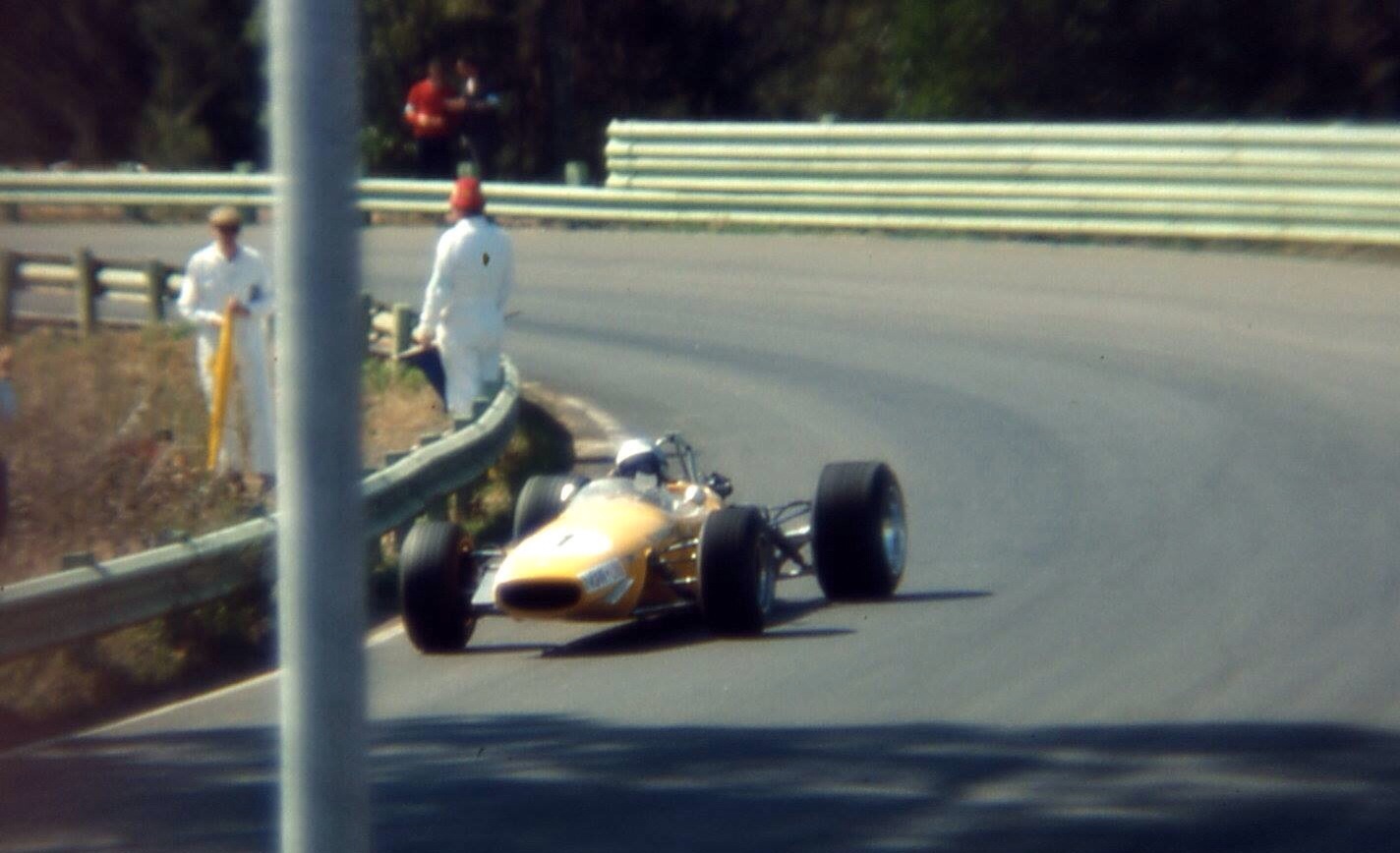
Kevin Bartlett slicing the new Mildren Alfa F2 through the Warwick Farm Esses, probably on the 8 September 1968 weekend of its race debut (D Harvey)
Bartlett on the WF dummy grid on September 8, 1968. Mildren Alfa Romeo F2 Four-Valve race debut (B Henderson)

This little Beastie is an oh-so-famous car in Australia. It won a swag of races in Max Stewart’s hands including the 1971 Australian Gold Star Championship and the 1972 Singapore Grand Prix.

It had more engines than you and I have had hot dinners: the Alfa Romeo DOHC twin-plug, four-valve 1600cc F2 featured in this article, Waggott TC-4V DOHC four-valve 1600/1860/2000cc, Alfa Romeo DOHC twin-plug, two-valve, Alfa Romeo 2000cc GTAm and Lotus/Ford DOHC two-valve 1600cc motors.

Treat this as the first of two articles on the Mildren Alfa/Waggott/Alfa/Ford dealing with its early life in 1968-1969 with a particular focus on the Alfa Romeo four-valve engine.  See these two Singapore GP pieces; https://primotipo.com/2016/11/24/singapore-sling-with-an-elfin-twist/ and; https://primotipo.com/2018/05/29/singapore-sling/

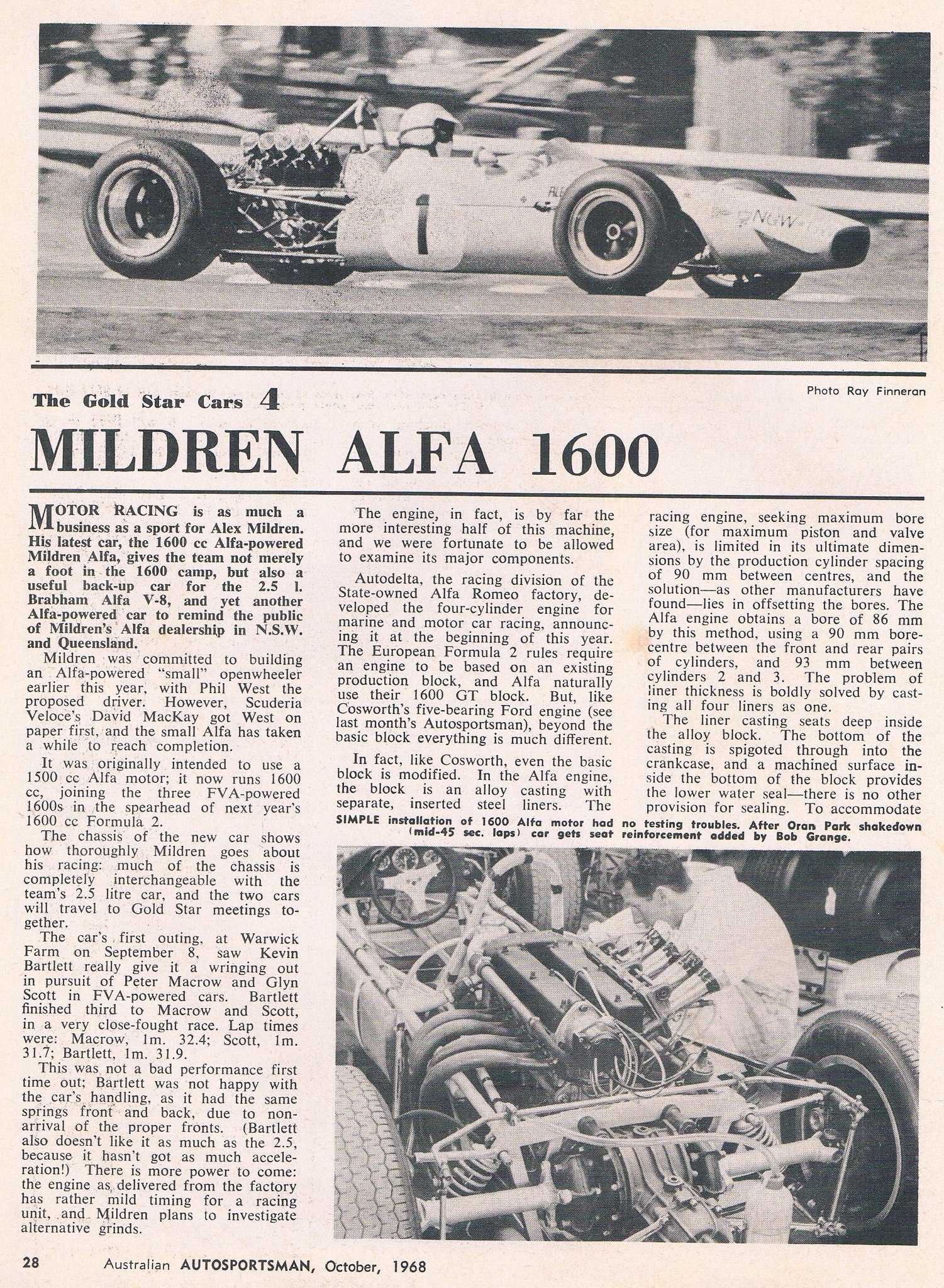
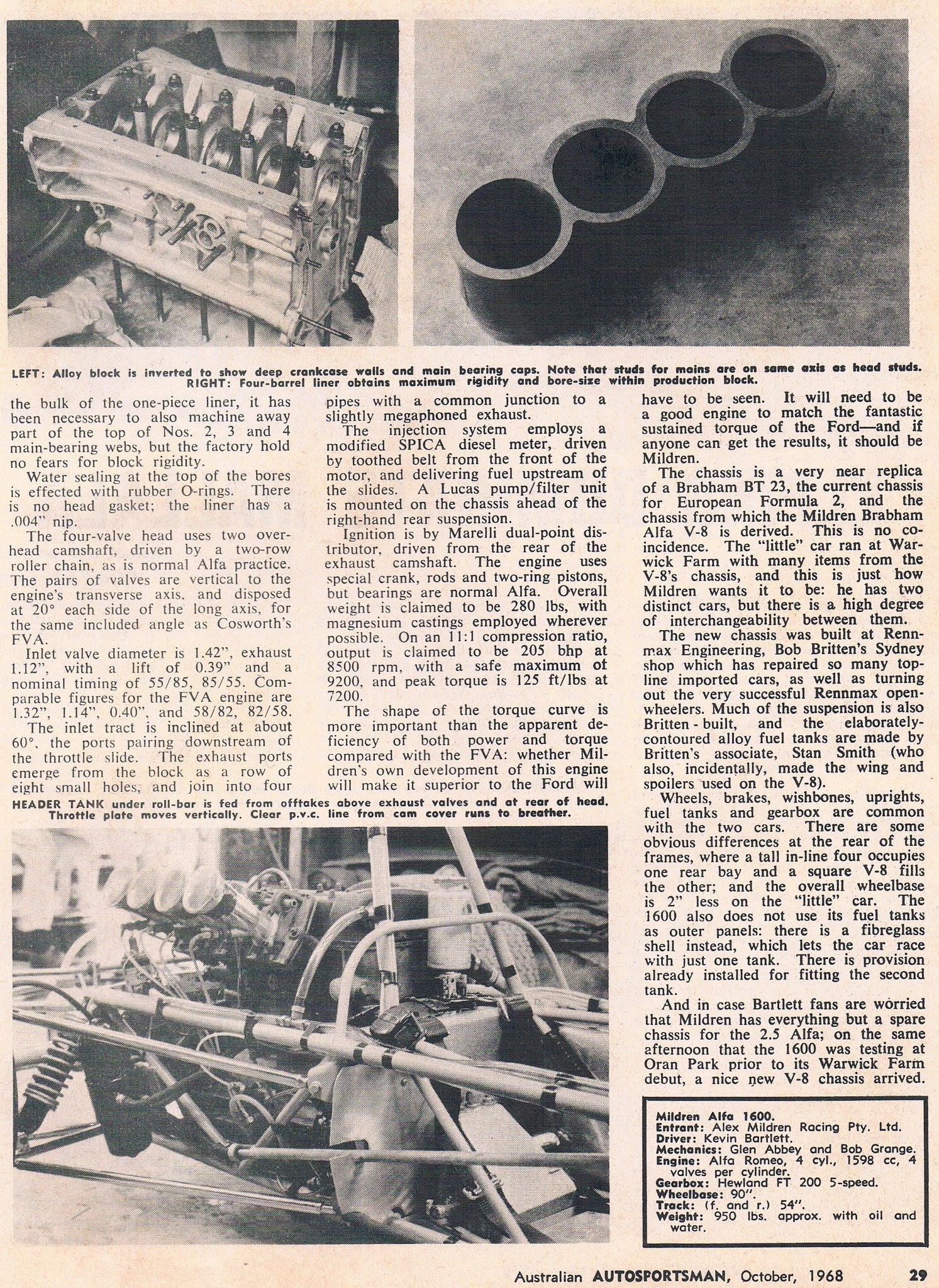
The article below on car and engine was published in the October 1968 issue of Australian Autosportsman and deals with the detail wonderfully well. I suspect it’s the best article on the planet on an extremely rare engine.

Kevin Bartlett commented on the performance of the engine in recent times on social media, “There was an issue with the piston ring to bore clearance which caused high oil use and lack of power, so the engine was returned to the maker. From that time the Waggott was born.”

So quickly out of love with the project had Alec Mildren become, that he advertised the car for sale in the November 1968 issue of Racing Car News.

But things moved quickly after that, Max Stewart was signed to join KB at Mildrens and Alec reached agreement with Merv Waggott to be the first to use his new Waggott TC-4V 1.6-litre Ford block engine.

Max made his race debut with Mildrens in the February 2, 1969 Australian Grand Prix at Lakeside where he was sixth in the Mildren Alfa, four laps adrift of the winner, Chris Amon’s Ferrari 246T.

After that, the Alfa Romeo/Autodelta engine was removed and in its place, the Waggott was installed, with Max taking his race debut with it in the first round of the 1969 Gold Star at Symmons Plains on March 3. Fuel metering unit problems ended his day early.

I’m not so sure the little four-valve engine left Australia either…

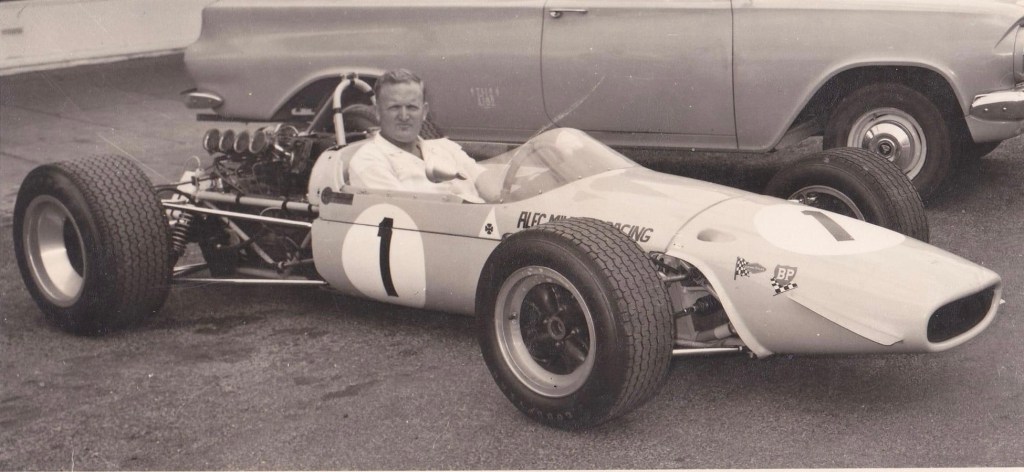
Max Stewart aboard the Mildren Alfa 1.6. The date of the shot is unknown but I wouldn’t mind betting that it is one of the very first shots of a car which was so kind to Max over the ensuing three or so seasons in Australia, Singapore and Japan (Central Western Daily)
Stewart in the Lakeside AGP paddock in February 1969. Mildren Alfa F2 (M Tyler)

Group 2 and F2…

Upon further research it’s apparent just what a rare car the Mildren Alfa was for the short time of its existence. As indicated above, the Alfa Romeo F2 engine was replaced by Merv Waggott’s very first 1600 TC-4V engine for the first 1969 Gold Star round at Symmons Plains.

Autodelta’s primary racing programs at the time were the Tipo 33 sports-racers which contested the World Endurance Championship and its 105 Series Coupe Alfa GTA Group 2 program, and the more modified Group 5 categories.

The 1600 four-valve engine was first fitted to Lucien Bianchi’s GTA for the 1967 Giro di Corsica, however he was eliminated at the beginning of the race. ‘Another engine was installed in Nanni Galli’s Brabham F2. At the time the price for this splendid masterpiece was 3,500,000 lire. The engine was also available with a normal GTA cylinder head for use with Weber carburettors’, Tony Adriaensens wrote in Allegerita.

Indeed, it’s probably (make that definitely) due to Group 5 priorities that the four-valve injected engine was built rather than the needs of F2.

A careful review of the European F2 Championship results (1.6 litres from 1967 to 1971 inclusive) on the F2 Index site shows only a very small number of such races in which Alfa Romeo powered cars participated. Even then, the descriptions of the engines are such that it’s not possible to make calls as to whether two-valve GTA engines or the four-valve motors were fitted. It’s also fair to say that both engines may have been fitted to chassis raced in Italian national level events.

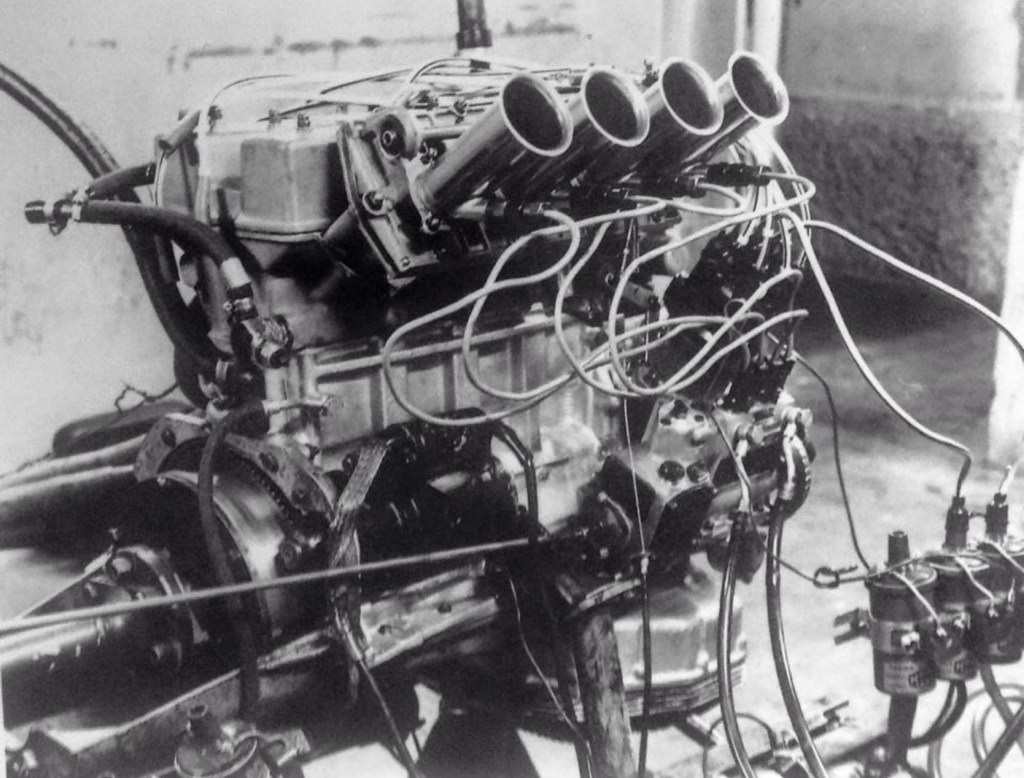
Alfa Romeo/Autodelta 1.6-litre four-valve F2 engine being dyno tested, details unknown but welcome (unattributed)

For the record, the Alfa Romeo engined European F2 Championship entries, of ‘a works type’ as against a tiny number of privateers in older cars, in the 1.6 litre formula years are as follows: 2/10/67 GP Rome at Vallelunga Nanni Galli Brabham BT23 Alfa GTA Q16 and NC, 28/4/68 GP de Madrid Jarama Nanni Galli Brabham BT23 Alfa GTA Q20/10th, 23/6/68 Lottery GP Monza Giorgio Pianta Brabham BT23 Alfa GTA/Autodelta DNQ. Brabham BT23-8 was used on all three occasions, the car was entered by the Monza based Scuderia Ala D’Oro. I am intrigued to know if these were effectively works-entries in which case it is plausible the engines deployed were four-valvers.

To state the obvious, there was never a serious works effort to race the four-valve engine in F2, the only Alfa Romeo engine which could seriously hope to challenge the absolute dominance of the Ford Cosworth FVA.

Brabham née Rennmax née Mildren Alfa…

The reason Alec acquired the Alfa F2 engine was a business one, to promote his Alfa Romeo dealerships. Equally, the decision to go with Merv Waggott’s engines shortly thereafter, initially in 1600 cc capacity, later 1850cc and ultimately 2-litres was also a business one. That is, to put the best engines in his two cars: the Rennmax built Brabham BT23 replica which is the subject of this article, and the Len Bailey designed, Alan Mann Racing built monocoque Mildren ‘Yellow Submarine’ first raced by Gardner and then Bartlett with Alfa Tipo 33 2.5 V8’s and later 2-litre TC-4V Waggotts.

The potted, short form history of the car is as follows.

Rennmax Engineering’s Bob Britton created a Brabham BT23 jig from Brabham BT23-5 crashed by Denny Hulme during the 1968 Tasman Series. He built a number of cars on this jig as summarised by Allen Brown on oldracingcars.com here; http://www.oldracingcars.com/rennmax/bn3/

Fitted with an Autodelta Alfa Romeo 1.6-litre four-valve valve engine the car was first raced by Kevin Bartlett at Warwick Farm on September 8, 1968, it was then put to one side as the team focused on Bartlett’s successful Gold Star campaign in the Brabham BT23D Alfa.

Bartlett Mildren Alfa Romeo F2 Warwick Farm September 8, 1968 and below (R Watson)
KB with a few bodywork problems on the move (R Watson)

The chassis became Max Stewart’s regular car when he joined the Mildren Team in 1969. He first raced it, as recorded above, at the 1969 Lakeside Tasman round to sixth. Then the car was fitted with a Waggott 1600cc engine, for the opening, March 1969 Symmons Plains Gold Star round, later in the season a Waggott 1860 was used.

Fitted with a Waggott 2-litre from the 1970 Tasman through the 1970 Gold Star, 1971 Australian Tasman rounds and Gold Star, Max won the 1971 Gold Star triumphing over rumbling 5-litre F5000s.

It raced in the April 1971 Singapore GP, probably powered by a 1600 Alfa Romeo GTA engine fitted with a GTAm 2-litre cylinder head. By the time of the 1971 Gold Star season Alec Mildren Racing had ceased, the car was Stewart’s but was still entered and called the Mildren Waggott.

It was raced by Melbourne’s Tony Stewart (no relation) with support from Paul England in the 1972 Australian Tasman rounds fitted with a 2-litre Waggott.

Max raced and won the April 1972 Singapore GP powered by a Paul England 1.6 litre Lotus/Ford twin-cam. With another engine change, it contested the May 1972 JAF Japanese Grand Prix Waggott 2-litre powered.

The car returned to Australia and contested some 1972 Gold Star rounds driven by Allan Grice, Paul England 1.6 litre twin-cam powered. Max retained ownership of the car during this period.

Raced in the 1973 Malaysian GP to fourth, and the Singapore GP to seventh by Max, the car was entered as a Rennmax, 1.6 England powered.

The car was sold circa 1974 by Max to English born Australian F2/F5000 driver Ken Shirvington. He later sold it to Max Coulter, who raced it for a while then offered it for sale in the February 1981 issue of Racing Car News, raconteur and vastly talented engineer, Greg Smith of East Brighton, Victoria was the purchaser. It was a complete car, chassis tagged ‘AMR003’ fitted with a 1.6 BRM twin-cam which was consistent with the ANF2 class in which the car last raced contemporarily.

Amongst the bits Smithy acquired were engine mounts for the Ford L-Block Waggott 1600/1860 engines as well as the Waggott bespoke, alloy block 2-litre. He also had the Japanese GP long-range fuel tanks. The car was beautifully restored by Smithy and fitted with a 234bhp Waggott 1860 FVA after an eight year search for an engine.

Smith sold the car to Queenslander Max Pearson circa 2008. He further cosmetically restored it inclusive of fitment of a Waggott 2-litre engine. Pearson sold the machine to Stewart Corner in 2022.

In February 2018, via Facebook posts of the photograph at this articles outset, it became clear that Ken Shirvington sold another chassis tagged ‘AMR03’ to Joe Farmer. Farmer believes the chassis may have been built after the 1969 Easter Bathurst collision between Niel Allen, McLaren M4A Ford FVA and Stewart, Mildren Waggott 1.6 TC-4V. Smith or Kevin Bartlett are the only two men alive who could identify when the spare frame was built by careful examination of the chassis in total, and the engine bay in particular.

KB WF September 1968 (unattributed)

Afterthoughts…

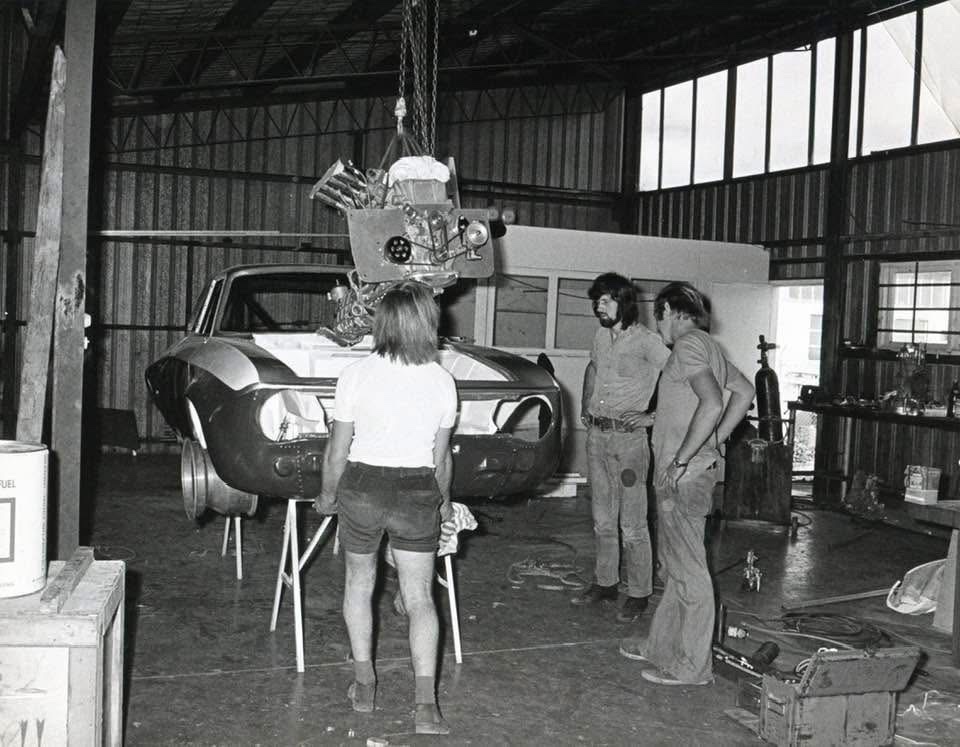
Given Vin Sharp’s responses – see them at the bottom of this piece – shown below is the Brian Foley owned ex-Mildren Racing/John French Alfa Romeo GTA #752561 being further lightened, strengthened and modified for its 1973 career as a ‘Sports Sedan’ in Bowin Designs’ Brookvale, Sydney factory in late 1972-early 1973.

Apropos Vin’s comments, it may well be ‘our-engine’ being inserted into the car albeit now at a capacity of over 1900cc. More about the two Mildren GTAs here: https://primotipo.com/2014/11/27/the-master-of-opposite-lock-kevin-bartlett-alfa-romeo-gta/

(J Barnes)
(G Moulds)

Brian Foley on the grid at Calder during 1973, the so-called GTA Lightweight #752561 after its surgery at Bowin Designs including fitment of Bowin wheels.

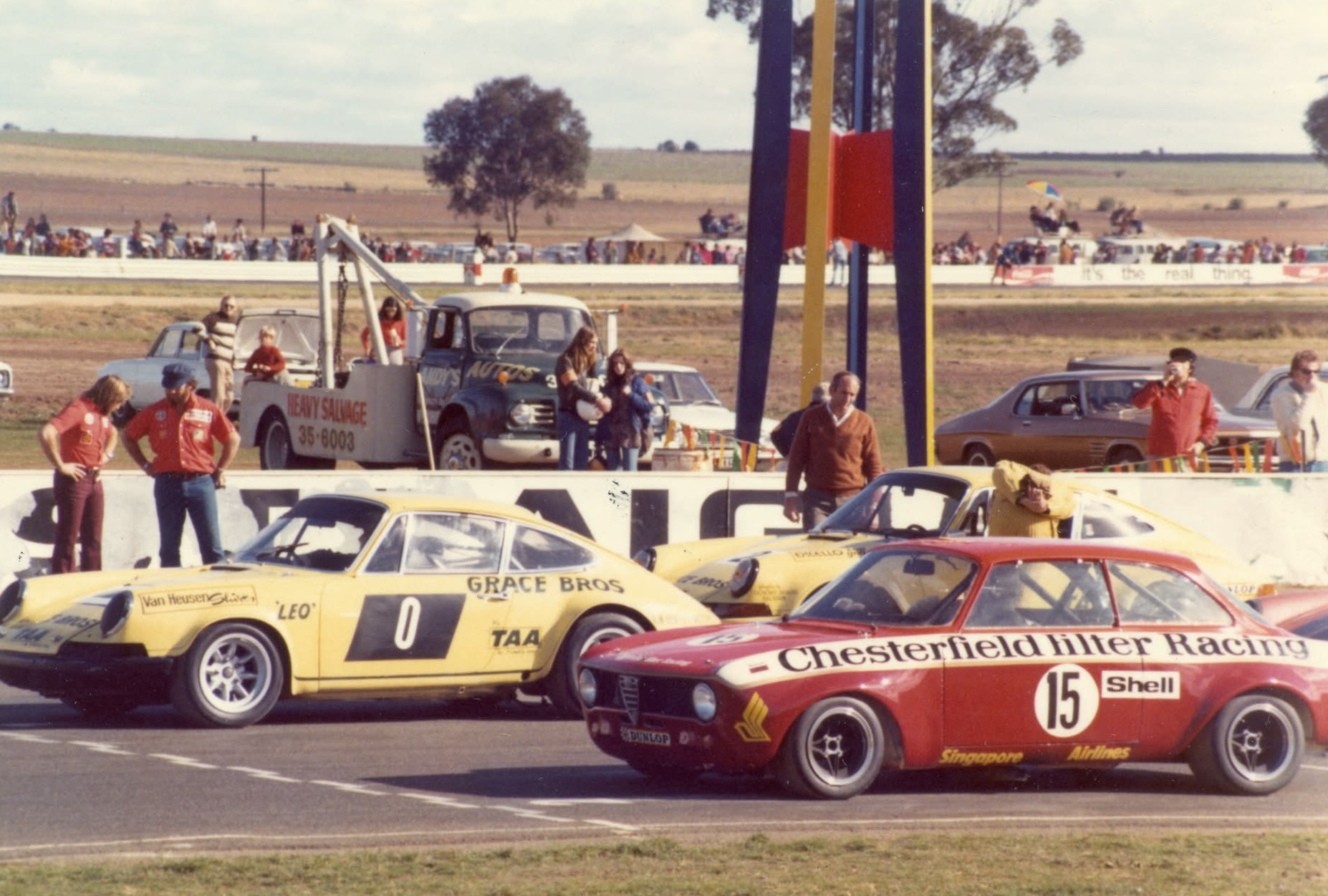
That’s Leo Geoghegan’s Porsche 911S alongside and I think, Bill Browns Carrera RS in the same Grace Bros yellow-hue.

Yes, the GTA Lightweight does look like Foley’s GTAm #1531068 but they are different – albeit similar at a distant glance – cars. See the article linked above for the detail, and this one on the GTAm: https://primotipo.com/2024/07/13/alfa-romeo-1750-gtam/

Credits/References…

Greg Smith and his Mildren and Waggott archives, Bryan Henderson, Avalon photo taken by Geoff Searl, Australian Autosportsman, Dale Harvey, Mike Tyler, Central Western Daily, Richard Watson, Vin Sharp, John Barnes, Glenn Moulds

Tailpiece…

(R Watson)

Two 1.6 litre Four-Valvers into Creek Corner, Peter Macrow plunges down the inside of KB in Tony Osborne’s McLaren M4A Ford FVA.

Finito…
(SLNSW-A Iverson)

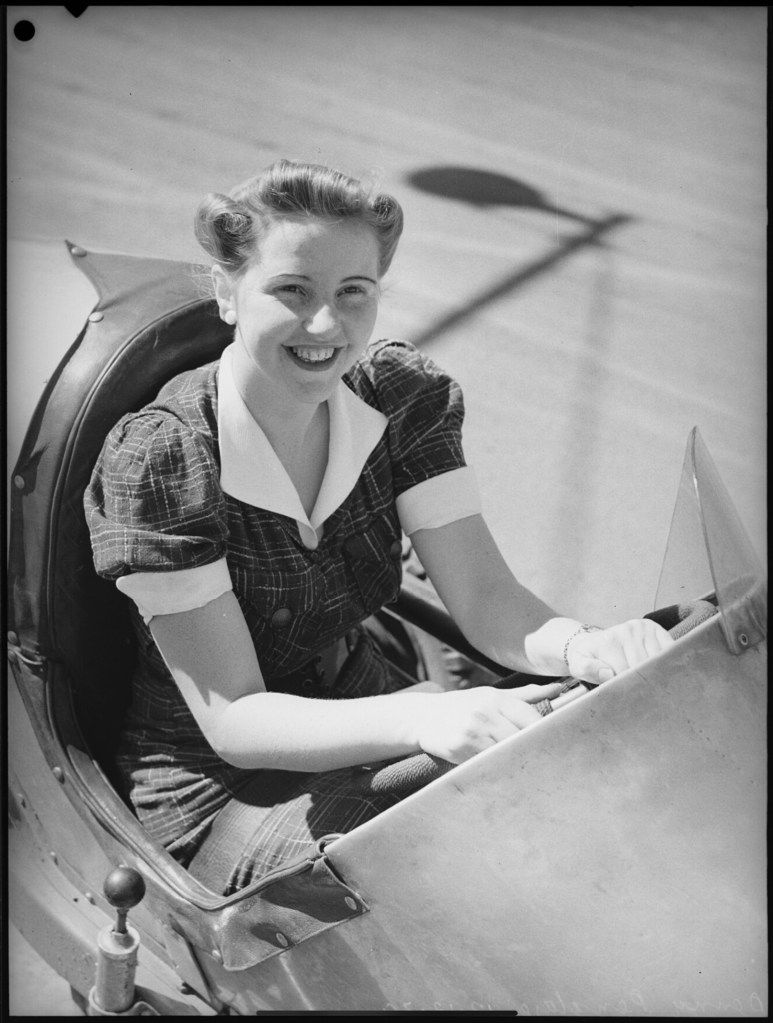
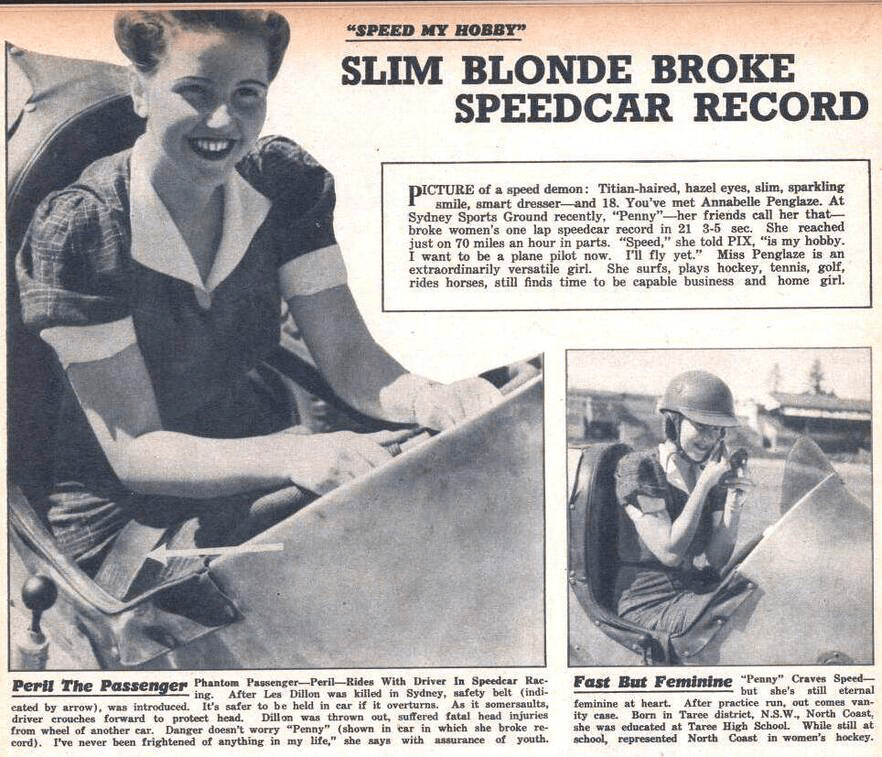
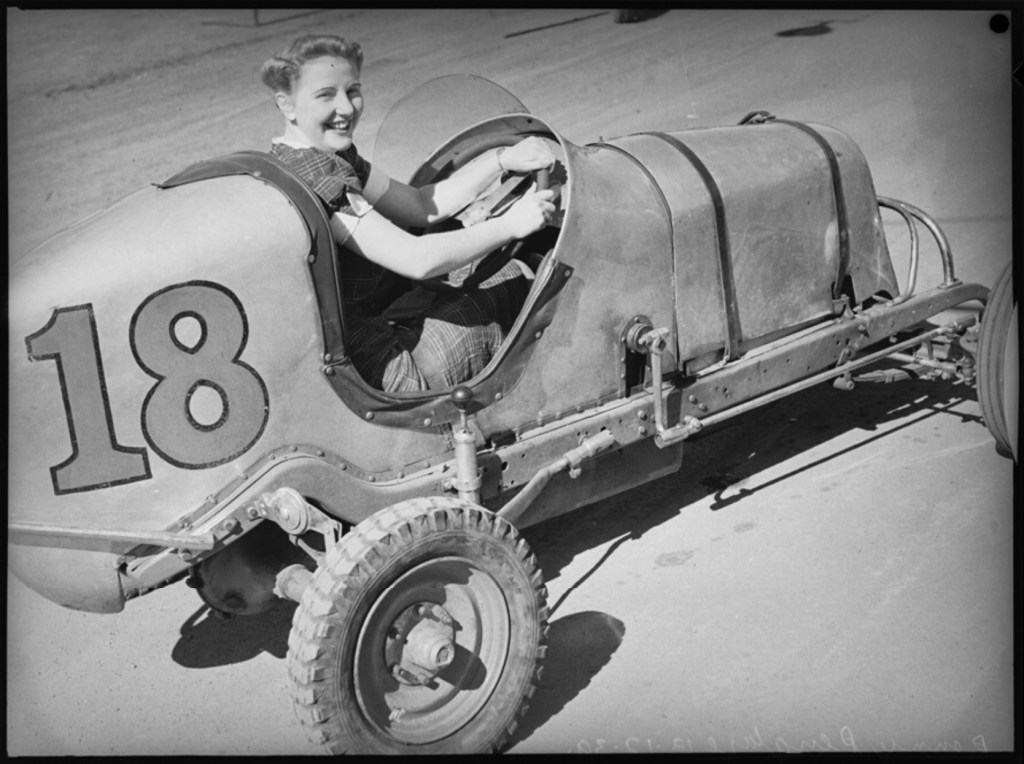
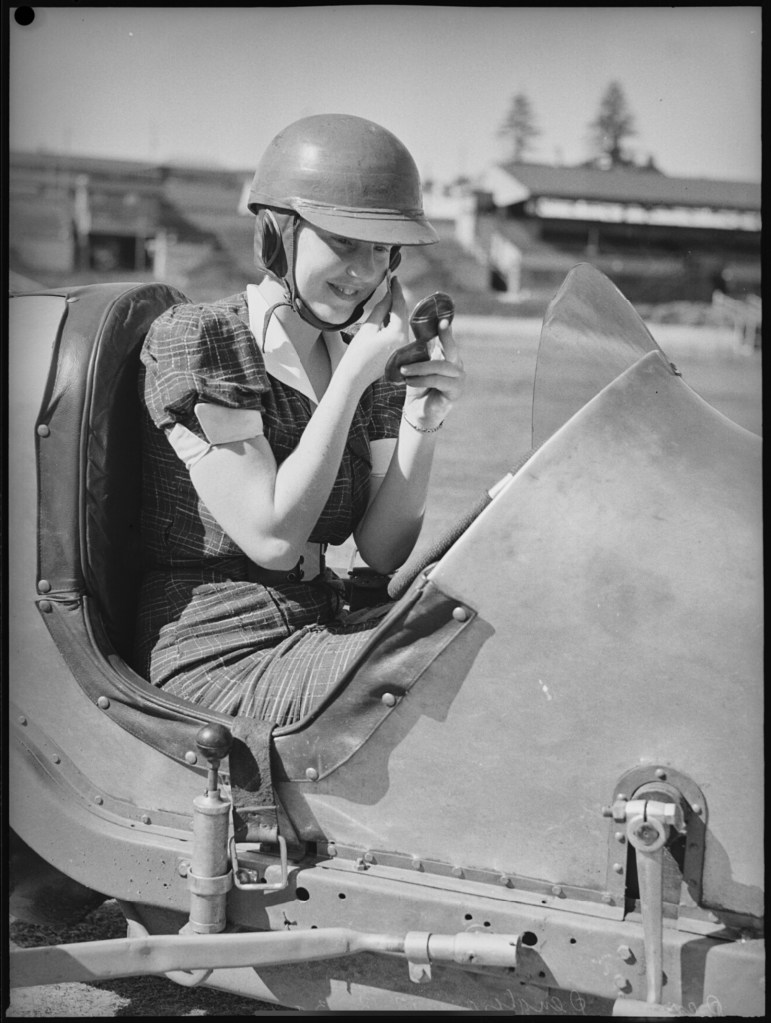
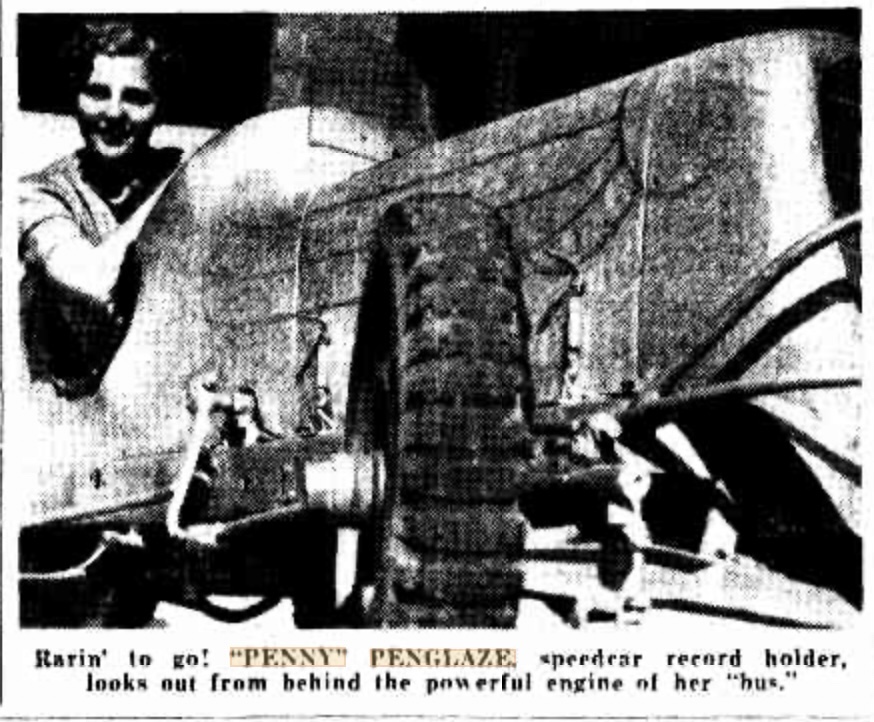
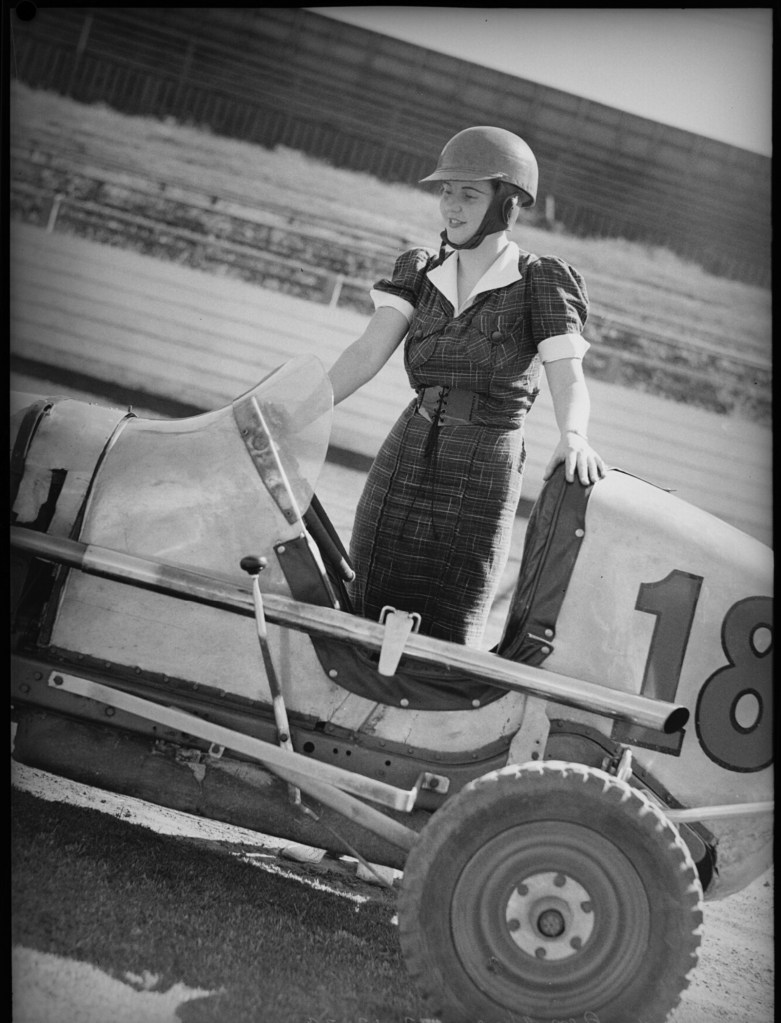
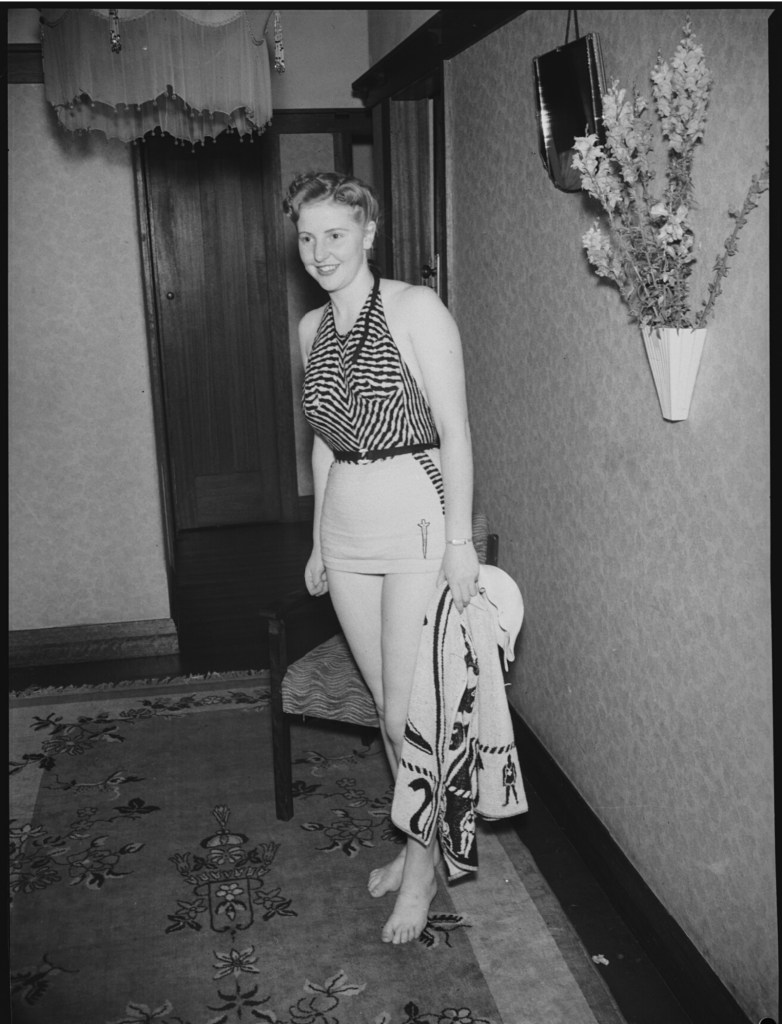
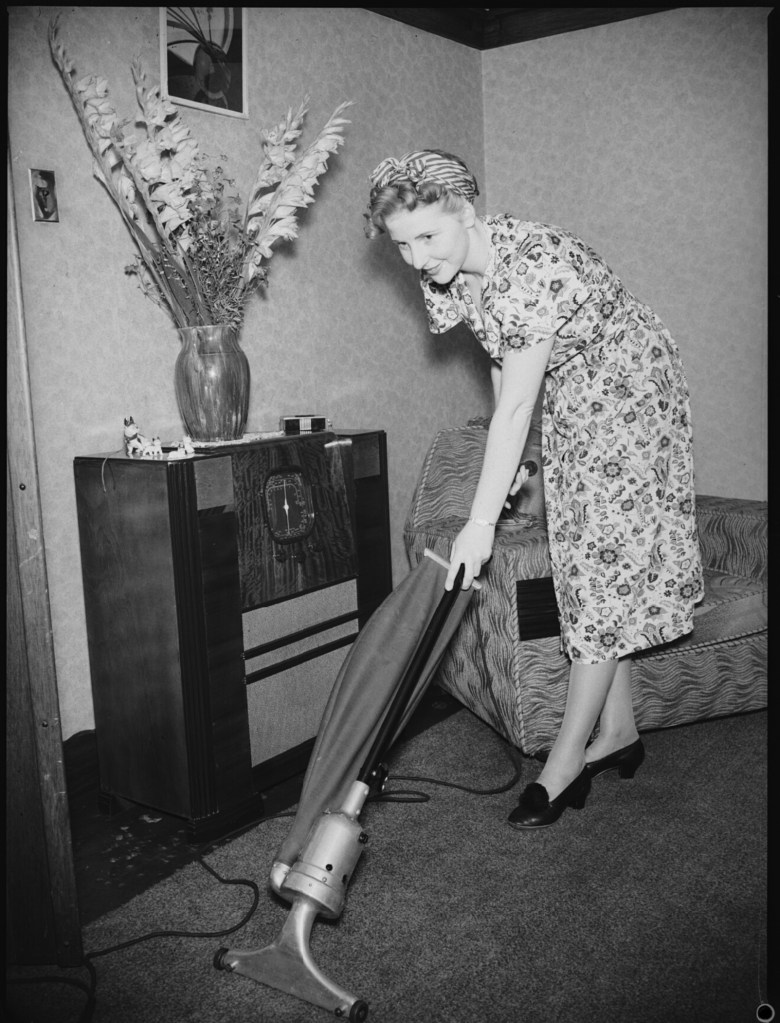
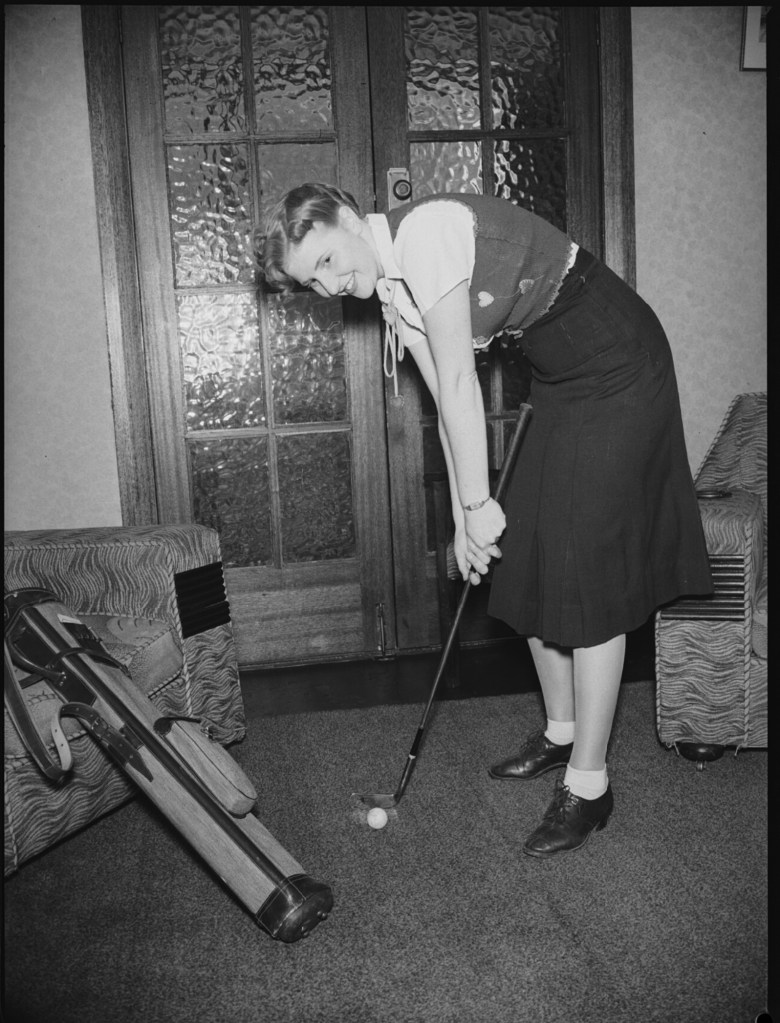
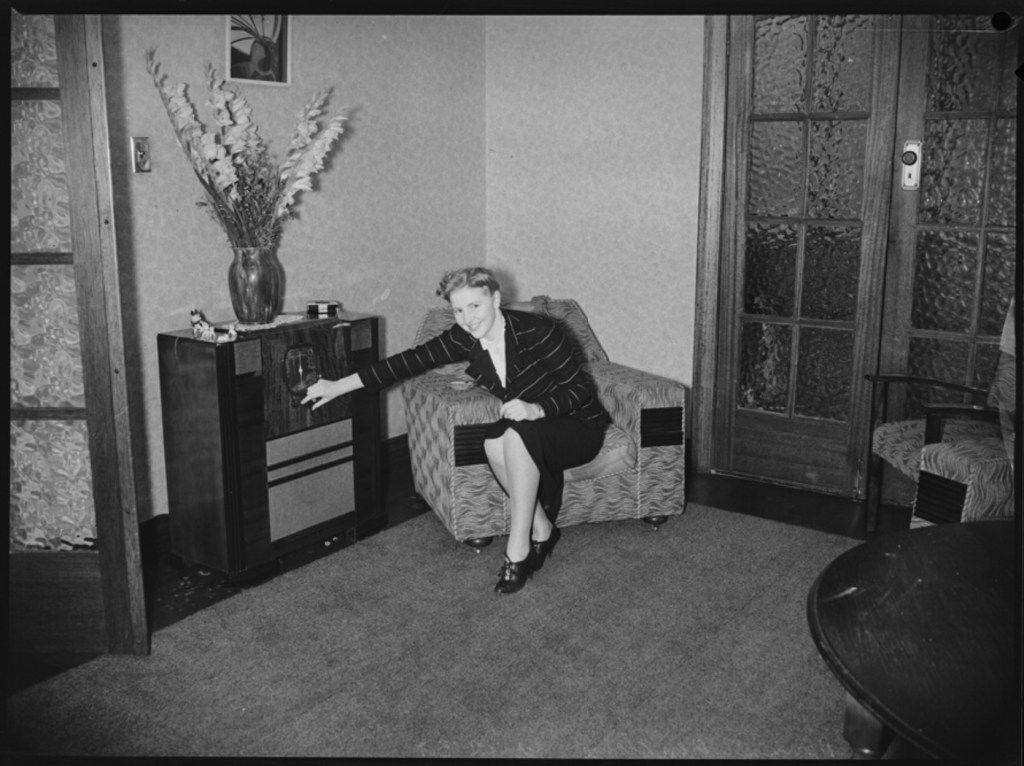
Penny Penglaze was not your average up-market Point Piper society-chick at all it seems, media-savvy as she clearly was…

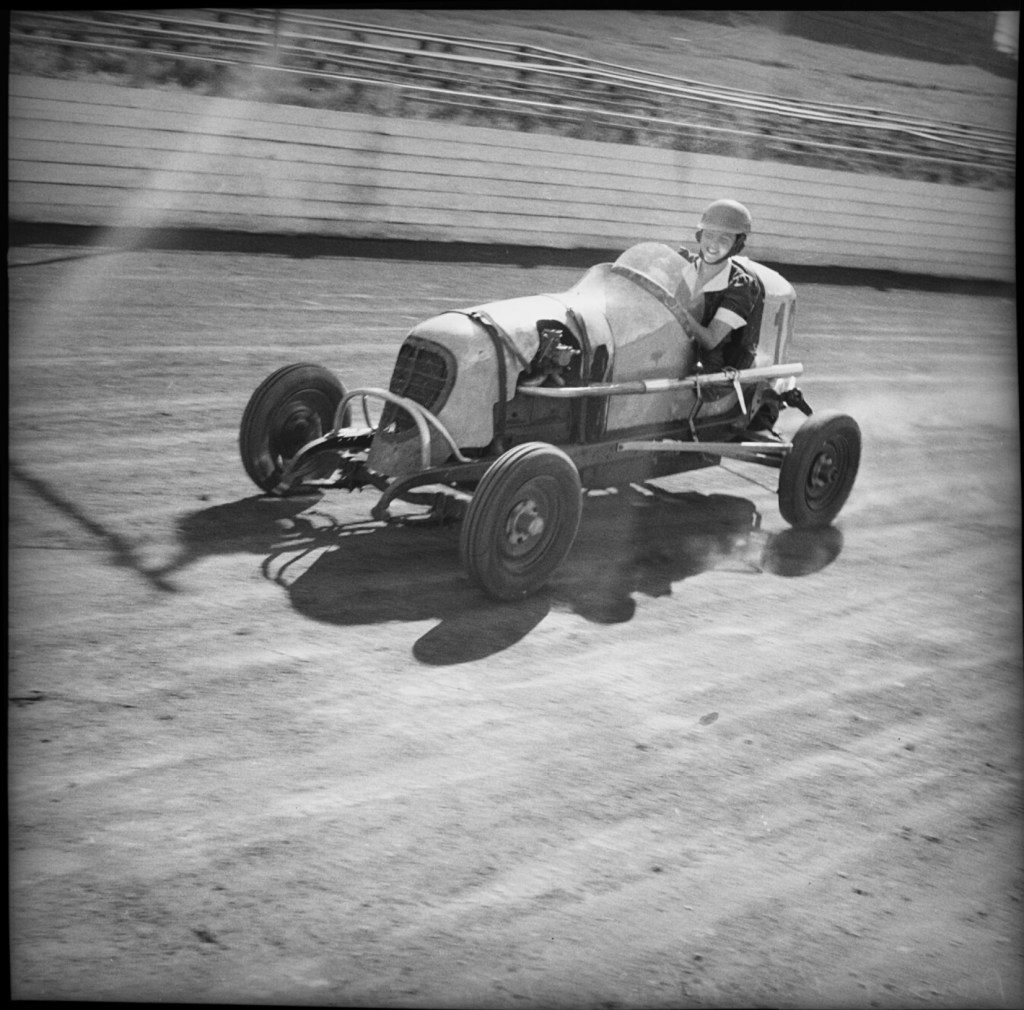
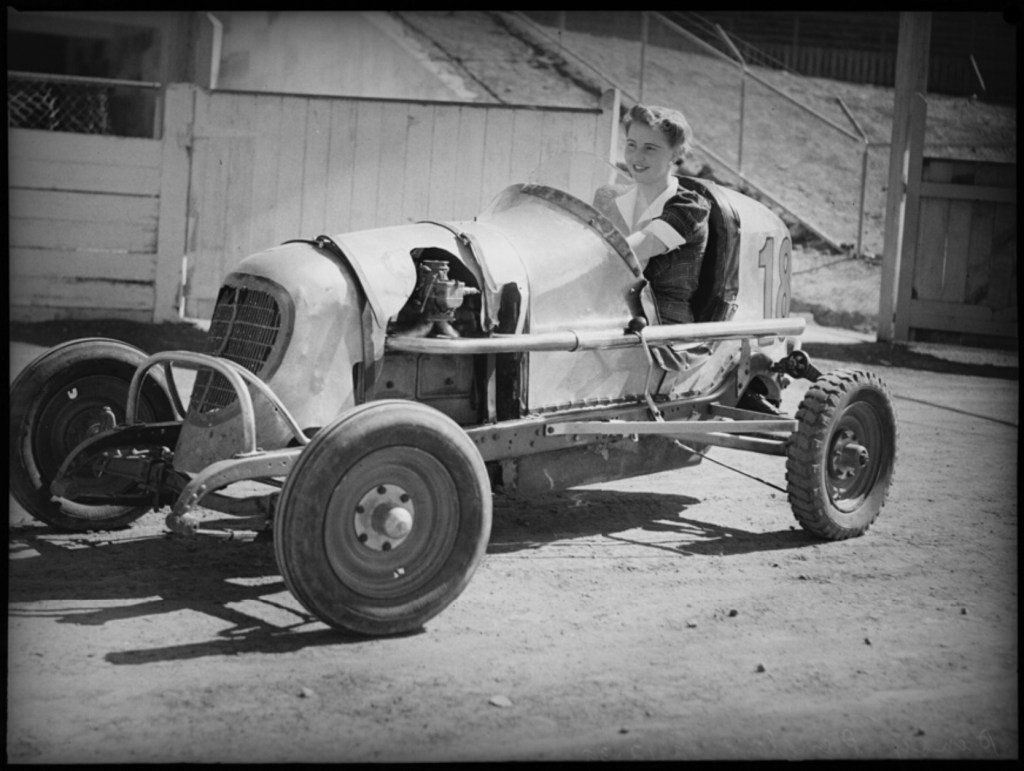
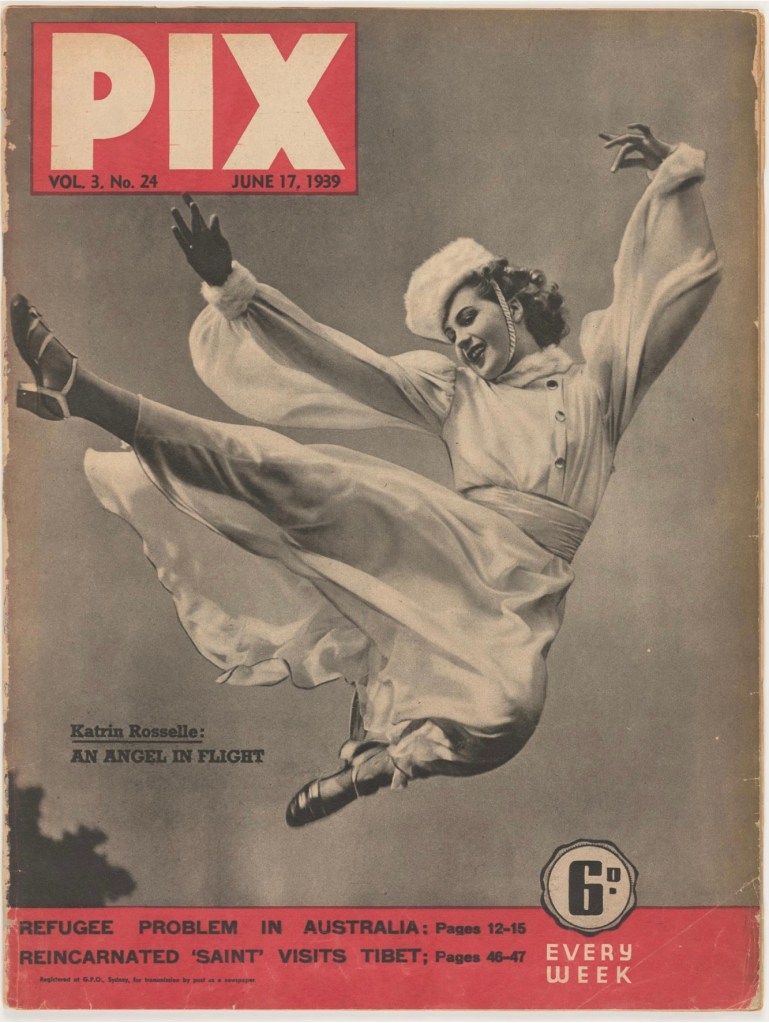
In the immediate pre-war period she parlayed some fast laps in a Speedway Midget into a 1939 Pix article and photoshoot – the contents of which are shown here – married a soldier during 1942 and then made a bit of a hero of herself in Greece in 1946.

Penglaze was a dab hand at golf, swimming and hockey – a North Coast Women’s Hockey Association rep no less – ‘and while at Tarree High School was considered one of the athletes in the district,’ The Sun puffed, ‘Frank Arthur, one of the best judges of speedier ability, said that after gaining experience, Miss Penglaze would not be disgraced in a race against men.’

(SLNSW-A Iverson)
(SLNSW-A Iverson)

Quite how she got into speedway goes unrecorded but she was quick and competent enough to set the women’s lap record at the Sydney Sports Ground in November 1939, getting down from 22.4 sec to 21 3/5 sec at a time British-Australian Ace Bill Reynolds went around in 17 9/10 sec.

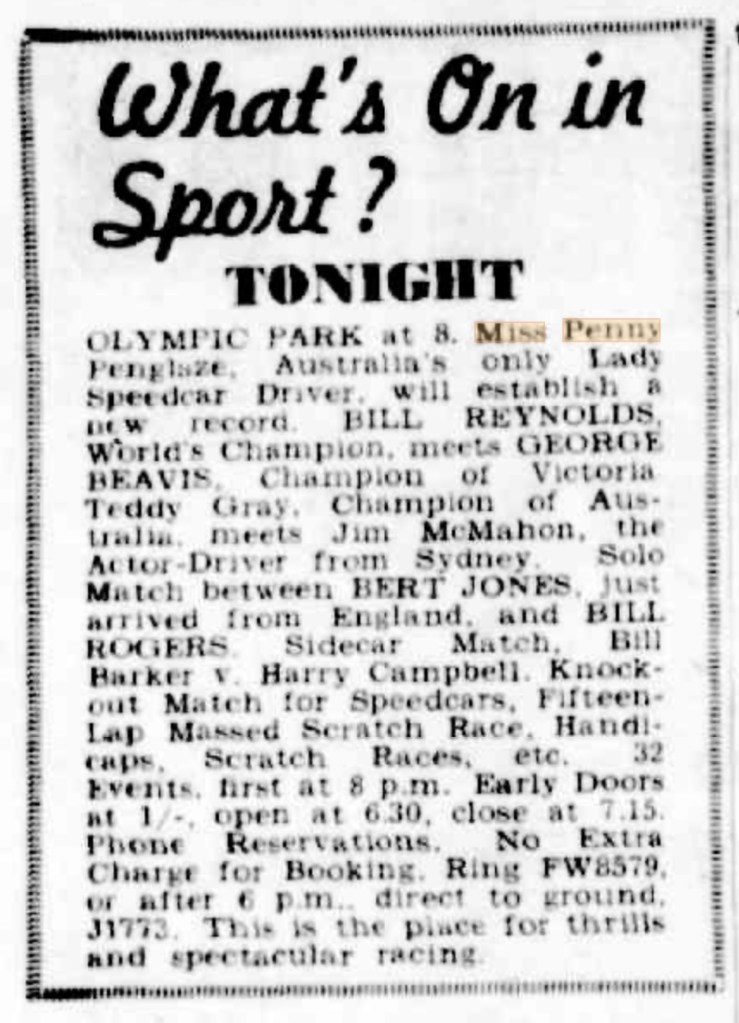
When she was scheduled to race at the Olympia Speedway in Melbourne in January 1940 ‘she caused a problem for the speedway management which opposed women racing with men, fearing an outcry if there was an accident,’ The Sun reported.

Commonsense prevailed (sic), ‘After reviewing the case they decided to allow her to attempt a 1-lap record and if her performance is encouraging she will be matched in a special race with a suitable driver.’

Whether Penny actually had a run on that January 20, 1940 weekend is unclear.

(The Sun January 20, 1940)
(SLNSW-A Iverson)

The Launceston Examiner piled on-board, reporting that ‘Today women are competing in sports which, only a few years ago, belonged solely to men. Quite frequently women successfully compete against men. In England women speed drivers have quite recently won several events against men drivers.’

By late November 1939 Miss Edna Ray and Miss Louise Dare were trying to knock our Penny off her Sydney Sports Ground perch.

The Sun Sydney ran the following article in the Women’s Sport section of its Sunday November 12, 1939 issue. ‘Penny Goes Fast’.

‘According to Miss Annabella Penglaze ‘Penny’ to you and me, to fly through the air with the greatest of ease is more of a thrill in a speedcar than on a trapeze.

Penny belies her name. She’s just a pocket edition two-by-two. But can she handle a car! Having only practised once on the Sports Ground track, she broke the women’s spreedcar one lap record, and is only three seconds behind the men’s best time.

Only 19 years old she has a craze for speed. Her fastest to date is 102 m.ph and that was done on a quiet road where “speedcops” were not. She has treated herself to a couple of joy rides in a plane. and wouldn’t hesitate to take up flying if finances permitted

The intricacies of Morse code are well under way-just in case she may join up with something some-day.

W. A. Reed. one of the speedear judges is most enthusiastic about Miss “Penny.” “She is a fine driver.” he said, “and I hope more women speedsters will come to light. And Mr. Reed should know. He’s one of the who’s who in speedcars.

In the meantime Miss “Penny” is letting flats, playing a little golf at Woollahra, doing a little swimming and thinking out ways and means of going a little faster with everything especially the speedcar.’

(SLNSW-A Iverson)

Proving the inherent danger of being a novice speedway racer, the Daily Telegraph reported in its February 13, 1949 issue:

Woman Race Driver In 50 m.p.h. Crash

MELBOURNE. Monday. – Mrs. Bill Reynolds, wife of the world champion midget car driver, crashed her husband’s car into the safety fence at Olympic Park at 50 miles an hour today, but was not injured.

The car skidded after taking a bend, turned over three times, and crashed into the safety fence. The car chassis was buckled, and the rear wheels torn off.

Mrs. Reynolds, who was practising for an attempt on Miss Penny Penglaze’s (N.S.W.) speed record, was strapped in the seat.

Mr. and Mrs. Reynolds were married at the Olympic Speedway last Saturday night before 16,000 people.’

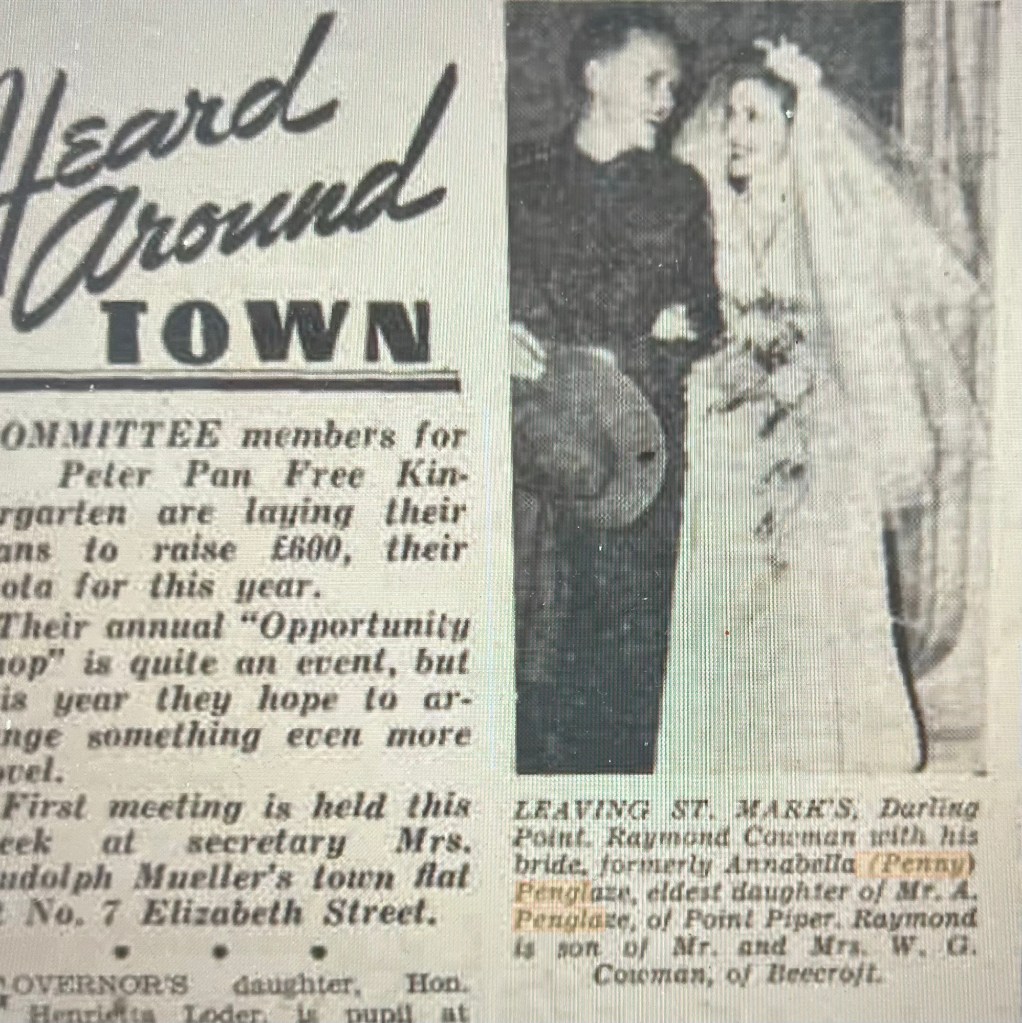
By July 1942 young Penny was married to Raymond Cowan at St Marks Darling Point, he was the son of Mr & Mrs WG Cowman of Beecroft, she, the eldest daughter of Mr Alex Penglaze, of Wolseley Road, Point Piper.

(Australian Women’s Weekly May 25, 1946)

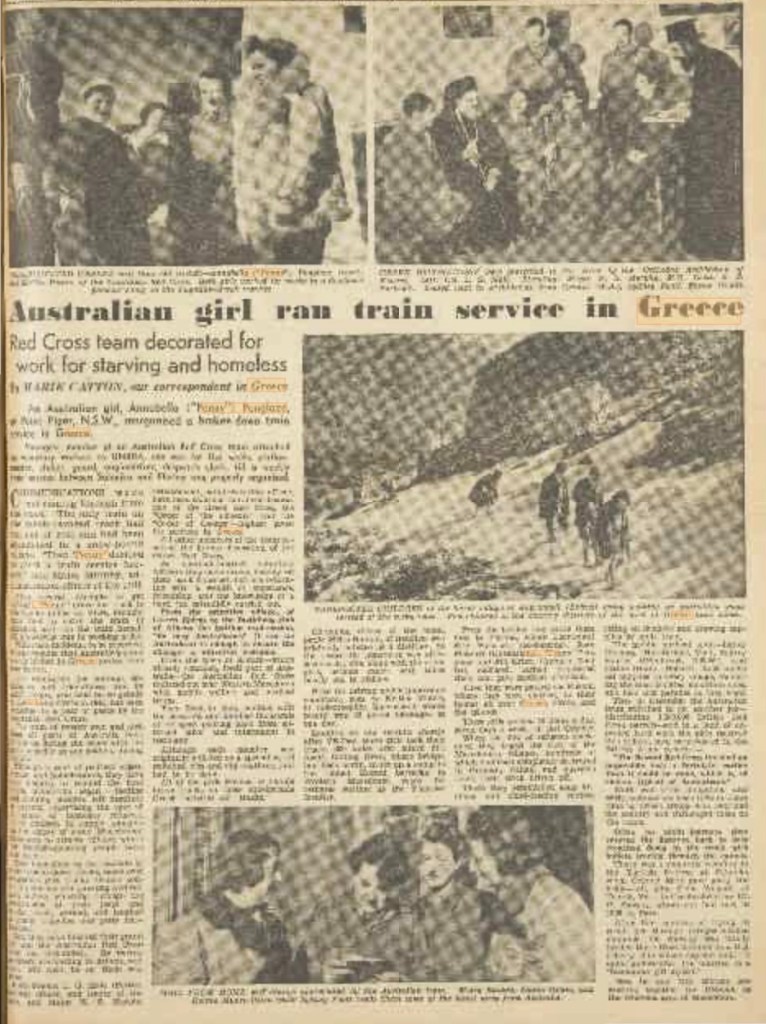
After the end of World War 2 Penglaze was one of a team of Red Cross workers carrying out rehabilitation work in Greece in 1946.

The youngest member of the Red Cross unit, was, for five weeks the station master, stoker, guard, engine driver, and despatch clerk until a weekly service was organised between Salonika and Florina. For these exploits she was award the bronze decoration of the Greek Red Cross.

I wonder what became of Penny Penglaze after that, she was certainly an impressive high-achieving type of person, any clues folks?

(SLNSW-A Iverson)

Credits…

State Library of New South Wales – ACP Magazines photographer Alec Iverson, The (Sydney) Sun November 3, 12 1939, Launceston Examiner January 24, 1940, The Muswellbrook Chronicle May 28, 1946

Tailpiece…

(SLNSW-A Iverson)

Quite why you would get your gear off for an article on your prowess behind the wheel is beyond me – and it’s a long time since I saw a copy of Pix in the local barber-shop in the 1960s – but a little bit of research shows that Pix got all the sheilas they featured to show us their bumpy-bits.

(SLNSW-A Iverson)

Yeah right, there’s more.

(SLNSW-A Iverson)

And again, different times folks!

(SLNSW-A Iverson)

Etcetera…

See the fantastic State Library of New South Wales story about the place of Pix in recording Australian life for 30 years from 1938-1968 here:

https://www.sl.nsw.gov.au/stories/magazine-newsreel

Finito…
(D Friedman)

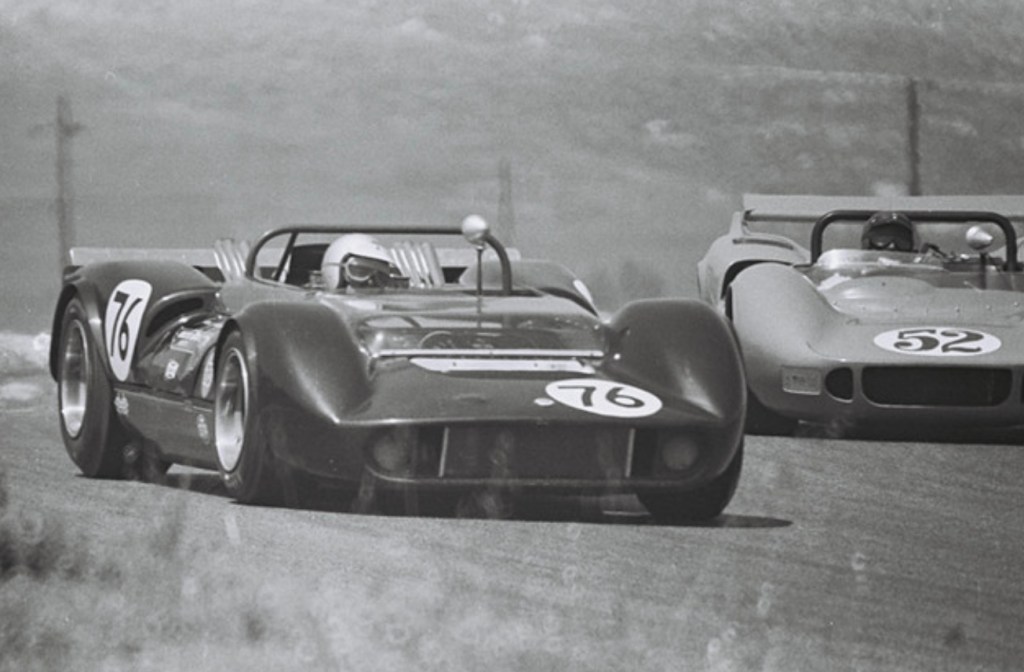
Frank Matich, Matich SR3 Oldsmobile ahead of Bud Morley, McLaren Elva Mk2 Chev during the United States Road Racing Championship round at Riverside, California on April 30, 1967

Many of you will be aware that FM contested Can-Am Challenge rounds that year whereas this race largely goes unreported

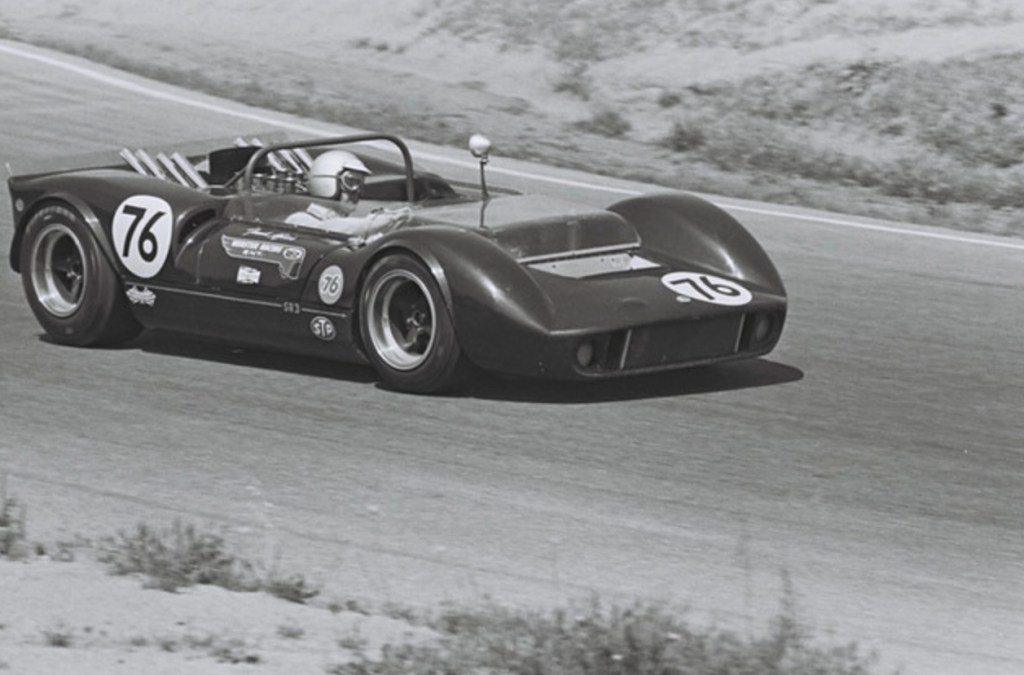
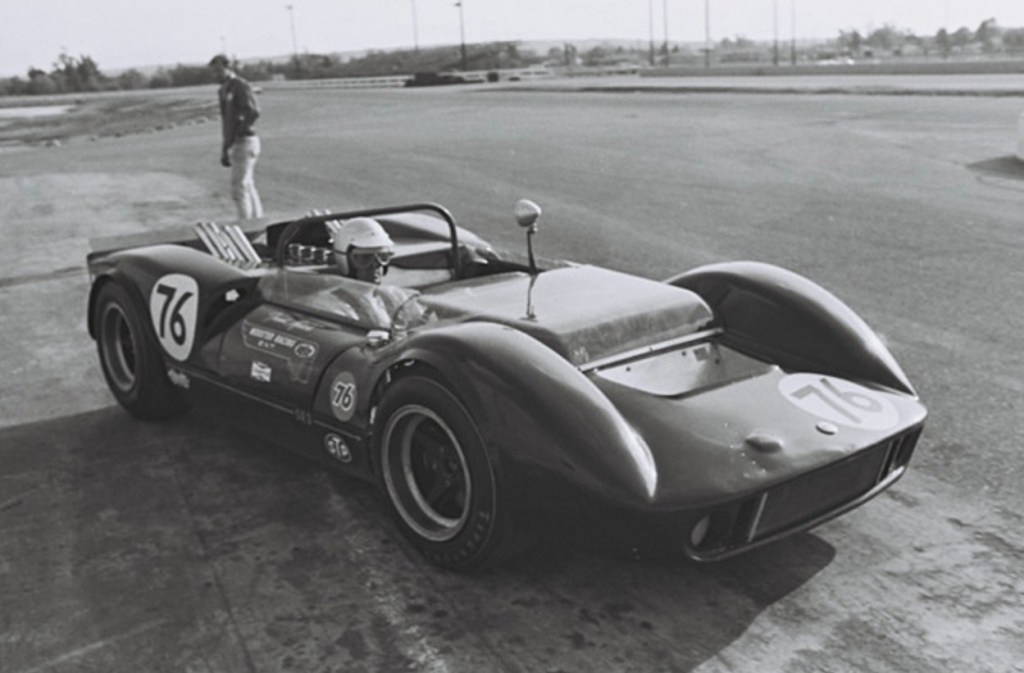
He had sold an SR3 to Marvin Webster in California and raced his own car in the Can-Am. This car was fitted with a modified 4-litre Oldsmobile F85 aluminium V8 by Webster’s crew while the other machine was powered by a customer Repco-Brabham Engines 620 4.4-litre V8.

(D Friedman)
Mark Donohue on pole with George Follmer on the right, Lola T70 Mk2 Chevs, #52 Peter Revson and #71 Bud Morley in McLaren Elva Chevs. Matich on the far right five rows back (D Friedman)
Mark Donohue, Lola T70 Mk2 Chev (D Friedman)

Mark Donohue won the 70 lap, 300km race in a Penske Lola T70 Mk2 Chev from Bob Bondurant and Peter Revson’s pair of Dana Chevrolet McLaren Elva Mk3 Chevs.

The pro-series was the Can-Am Cup, the USRRC was the next level down but still a national series with some topline steerers: George Follmer, Jerry Titus, Masten Gregory, Lothar Motschenbacher, Moises Solana, Scooter Patrick, Jerry Grant, and Sam Posey and Mike Goth, the latter a pair of drivers who did the Tasman in the F5000 years .

(D Friedman)

Matich qualified 13th and retired from the race with falling oil pressure after only 19 laps, not a happy weekend as they had blown an engine in the first USRRC round at Las Vegas the week before. The final race of his tour was the Laguna Seca round on May 7 with a finish this time, eighth from grid 10.

Matich from Mike Goth, Lola T70 Mk3 Chev, fifth (D Friedman)

Etcetera…

(D Friedman)

The Matich SR3 is derivative of a whole swag of sports-racers of the day but distinctively handsome all the same.

(D Friedman)

Marvin Webster calling the shots.

(D Friedman)
(D Friedman)

Skip Scott’s McLaren Elva Mk3 Chev, DNF engine with Matich at the rear of this group.

(D Friedman)

Matich in front of Peter Revson’s McLaren Elva Mark 3 Chev.

(D Friedman)
(D Friedman)
(D Friedman)

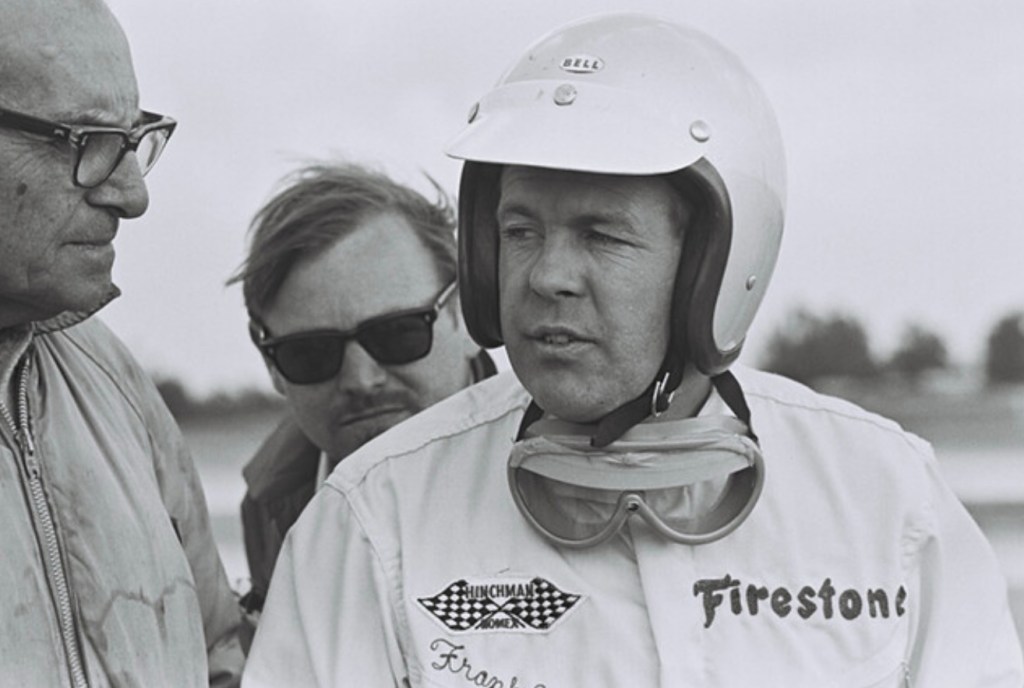
FM had the Australian franchises for Firestone Racing Tyres and Bell Helmets, I wonder if he landed both those fish during his ‘67 trips? Yes, he went with Goodyear a bit later when it seemed the way to go…

Credits…

David Friedman Archive

Tailpieces…

(D Friedman)

How far back did Roger Penske and Mark Donohue go? About here actually.

After Roger stopped driving in 1965 he fielded a pair of Corvettes at Daytona and Sebring in 1966 before forming the partnership with Donohue. USRRC titles followed in 1967-68 with Lola T70s, and the rest, as they say, is history.

(D Friedman)

How much, I wonder?

Finito…
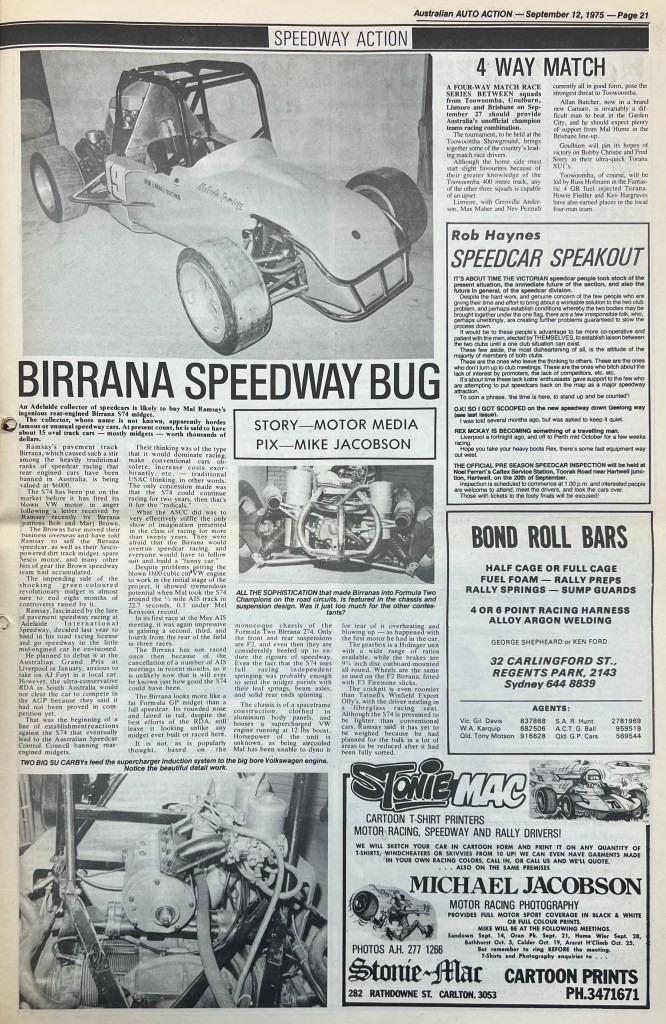
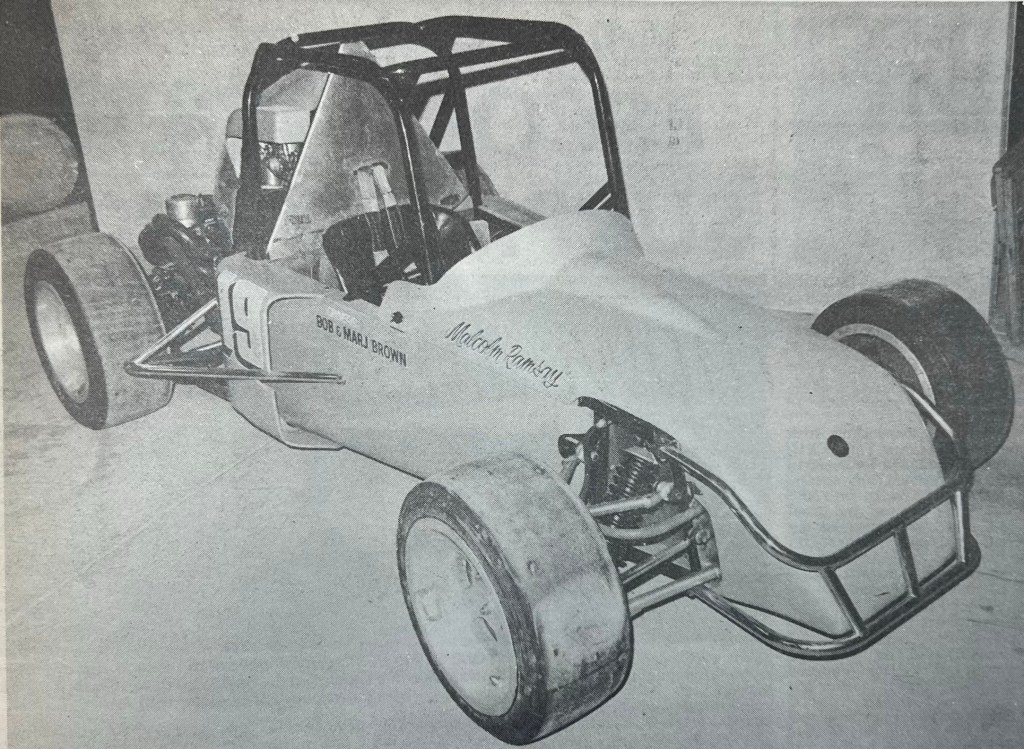
An Adelaide collector of speedcars is likely to buy Mal Ramsay’s ingenious rear-engined Birrana S74 Midget.

The collector, whose name is unknown, apparently hordes famous or unusual speedway cars. At present count, he is said to have about 15 oval track cars – mostly midgets – worth thousands of dollars.

Ramsay’s pavement track Birrana, which caused such a stir among the heavily traditional ranks of speedcar racing that rear engined cars have been banned in Australia, is being valued at $6000.

The S74 has been put on the market before it has fired its blown VW motor in anger following a letter received by Ramsay recently by Birrana patrons Bob and Marj Brown.

The Browns have moved their business overseas and have told Ramsay to sell the Birrana speedcar, as well as their Sesco-powered dirt track midget, spare Sesco motor and many other bits of gear the Brown speedway team had accumulated.

(The Browns were in mid-1975 establishing a business in the UK – Thermax – and running two Birrana 273 Ford BDAs for Bob Muir, and very occasionally, Dean Hosking, in the British Formula Atlantic Championship).

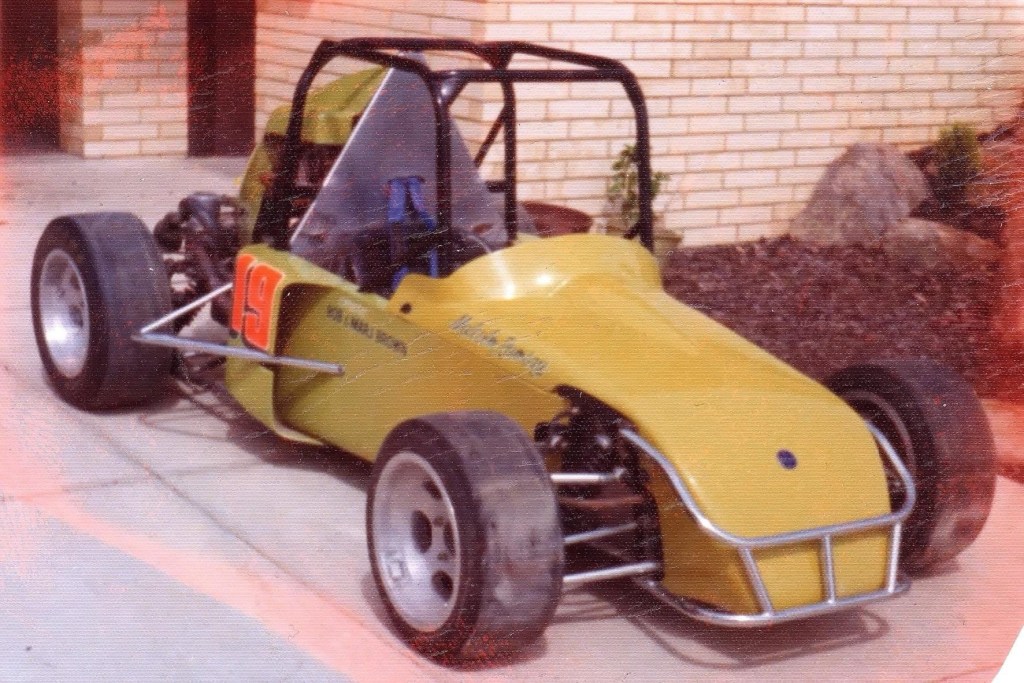
(A Ramsay)

The impending sale of the shocking green coloured revolutionary midget is almost sure to end eight months of controversy raised by it. Ramsay, fascinated by the lure of pavement speedway racing at Adelaide International Speedway, decided last year to hand in his road racing license and go speedway in the little mid-engined car he envisioned.

He planned to debut it at the Australian Grand Prix at Liverpool in January, anxious to take on AJ Foyt in a local car. However, the ultra-conservative RDA in South Australia would not clear the car to compete in the AGP because they said it had not been proved in competition yet.

That was the beginning of a line of establishment reactions against the S74 that eventually led to the Australian Speedcar Control Council banning rear engined midgets.

Their thinking was of the type that it would dominate racing, make conventional cars obsolete, increase costs exorbitantly, etc – traditional USAC thinking, in other words. The only concession made was that the S74 could continue racing for two years, then that’s it for the ‘radicals’.

What the ASCC did was to very effectively stifle the only show of imagination presented for more than twenty years. They were afraid the Birrana would overrun speedcar racing, and everyone would have to follow suit and build a ‘funny car.’

Despite problems getting the blown 1600cc VW engine to work in the initial stage of the project it showed tremendous potential when Mal took the S74 around the ½ mile AIS track in 22.7 seconds, 0.1 under Mel Kenyon’s record.

In its first race at the May Adelaide lnternational Speedway meeting, it was again impressive in gaining a second, third, and fourth from the rear of the field in three races.

The Birrana has not raced since then because of the cancellation of a number of AIS meetings in recent months, so it is unlikely now that it will ever be known just how good the S74 could have been.

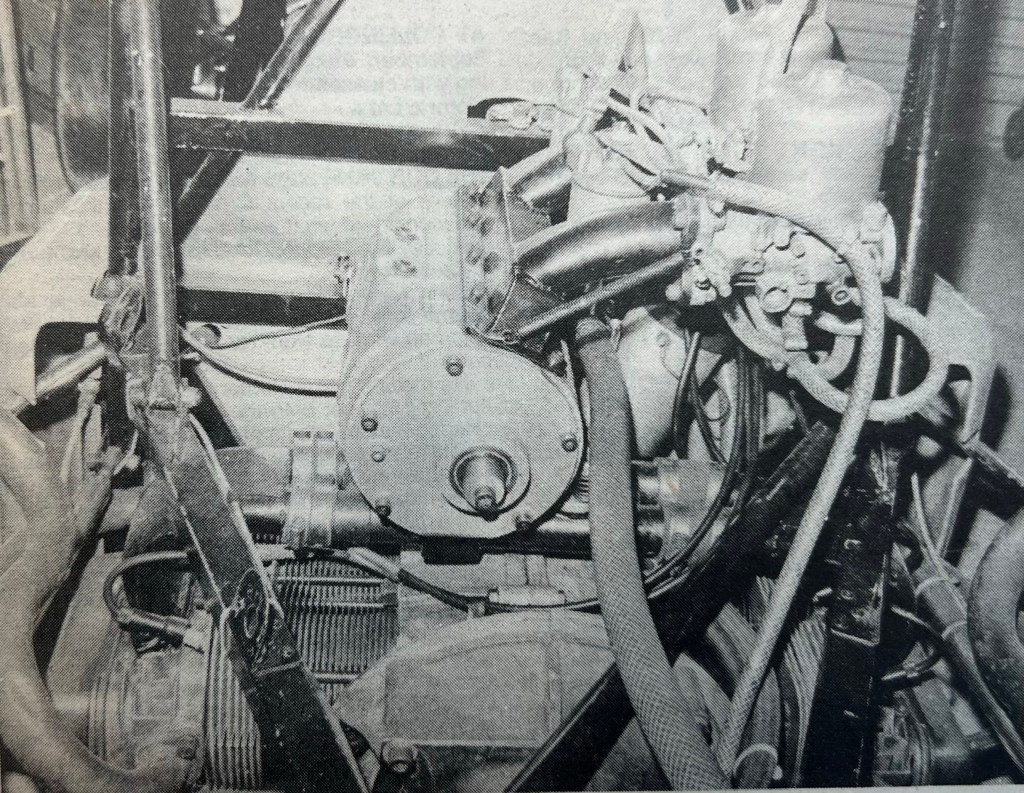
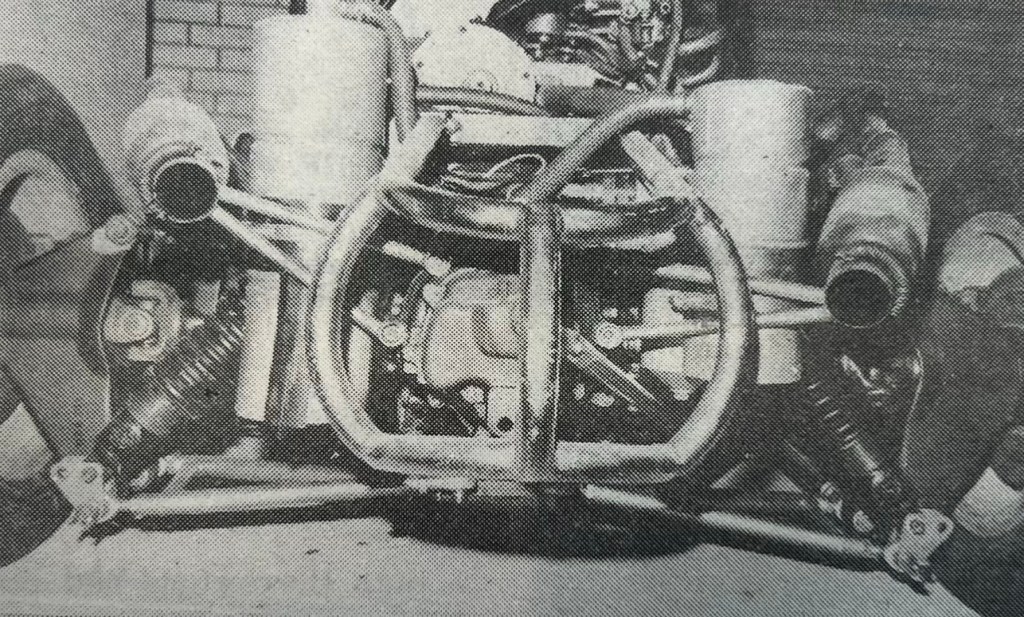
Two big SU carbys feed the supercharger induction system to the big bore Volkswagen engine. Notice the beautiful detail work (M Jacobson)
Wheels are four Birrana F2 ‘fronts’, IFS by wishbones clear (M Jacobson)

The Birrana looks more like a fat Formula GP midget than a full speedier. Its rounded nose and faired in tail, despite the best efforts of the RDA, still leave it looking unlike any midget ever built or raced here.

It is not, as is popularly thought, based on the monocoque chassis of the Formula Two Birrana 274. Only the front and rear suspensions are F2, and even then they are considerably beefed up to endure the rigours of speedway. Even the fact that the S74 uses full racing independent springing was probably enough to send the midget purists with their leaf springs, beam axles, and solid rear ends spinning.

The chassis is of a spaceframe construction, clothed in aluminium body panels and houses a supercharged VW engine running at 12 pounds of boost. Horsepower of the unit is unknown, being air-cooled, Mal has been unable to dyno it for fear of it overheating and blowing it up — as happened with he first motor he had in the car.

All the sophistication that made Birrana into F2 Champions on the road circuits is featured in the chassis and suspension design. Was it just too much for the other contestants? (M Jacobson)

The gearbox is a Holinger unit with a wide range of ratios available, while the brakes are 9¾ inch disc outboard-mounted all round. Wheels are the same as used on the F2 Birrana, fitted with F3 Firestone slicks.

The cockpit is even roomier than Tatnell’s Winfield Export Offy’s, with the driver nestling in a fibreglass racing seat. Although the S74 is presumed to be lighter than conventional cars. Ramsay said it has yet to be weighed because he had planned for the bulk in a lot of areas to be reduced after it had been fully sorted.

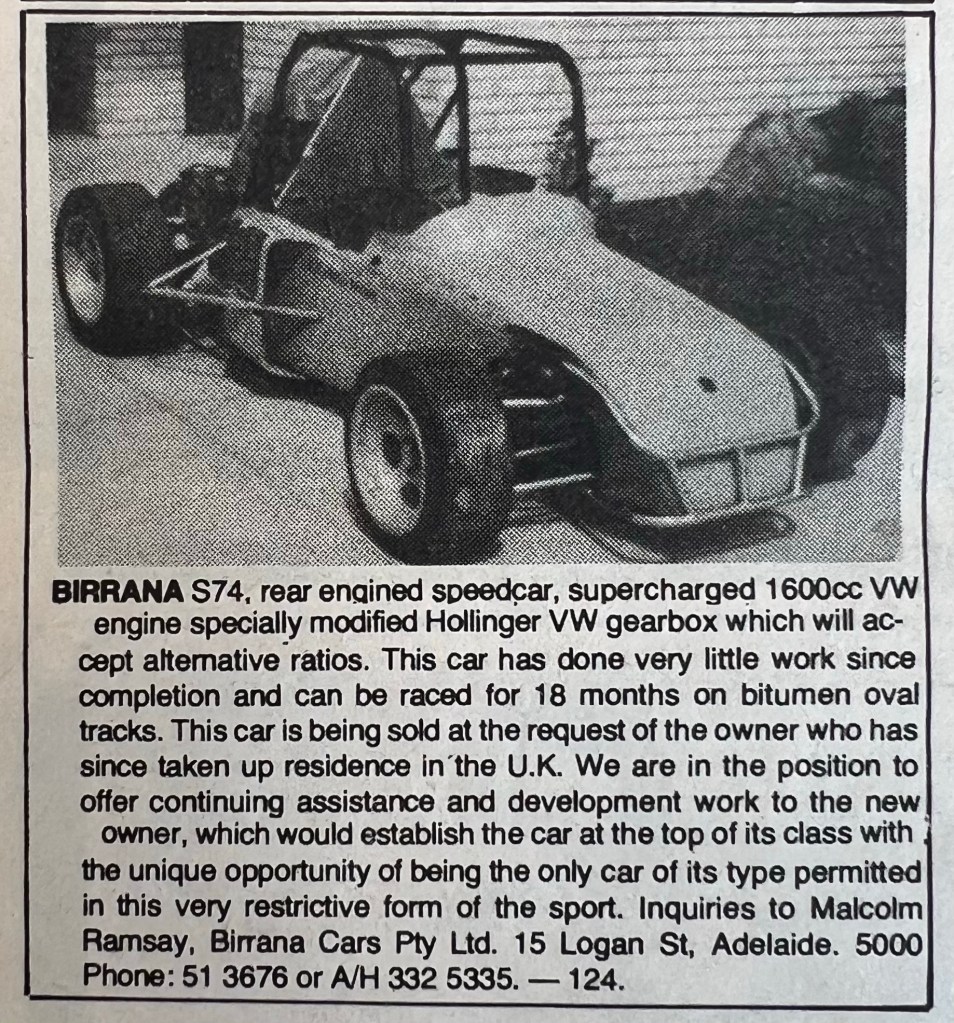
This Auto Action classifieds ad ran in the November 20, 1975 issue.

I’m not sure when it sold, but it’s still alive, I believe, in the Holmes’ family collection of Birranas in Queensland.

It’s gotta be the ultimate Group Q novelty historic machine. CAMS’ Historic Committee would choke on their chocolate-donuts when reviewing this COD application!

Credits…

Auto Action September 12, 1975, Mike Jacobson, Ann-Maree Ramsay

Finito…
(I Smith)

Once upon a time the in-crowd could pick a driver by his helmet design, Derek Bell in this case. That era spanned the 1960s-1980s and a bit. These days the helmets have more of a puke-the paint from on-high-factor about them. Drivers change them as often as they do their jocks, so one may be just getting a ‘design’ into ones head, then out she goes…
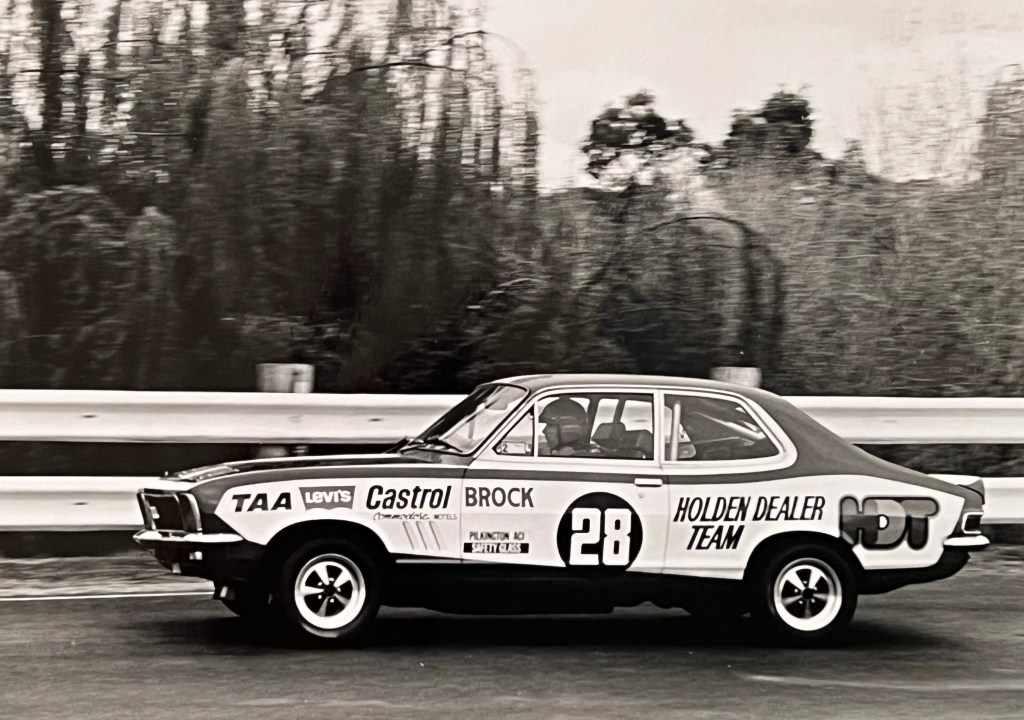
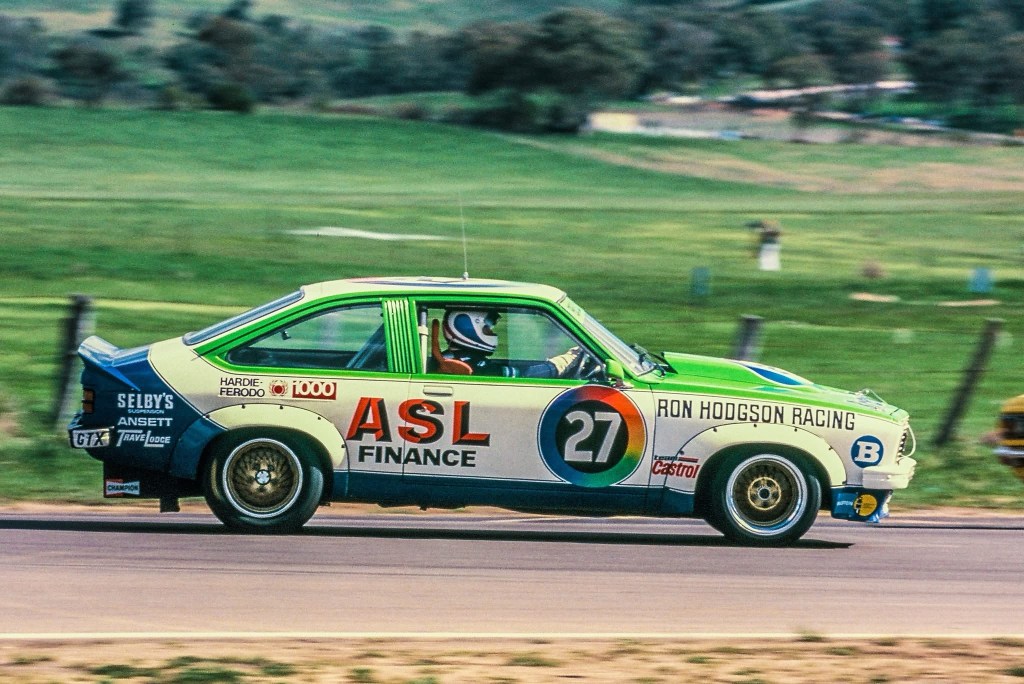
Derek shared this Ron Hodgson Holden Torana A9X 5-litre with Dieter Quester in the October 1, 1978 Bathurst 1000. They were out after 5 of the 163 laps from Q5 (Bell) after Derek experienced a steering failure and crashed. Peter Brock and Jim Richards won in a Holden Dealer Team A9X.

(Motorsport Images)

Paul Hawkins on his way to third place in the Zeltweg 500km, round 9 of the International Championship of Makes on August 25, 1968.

In front of him were the works-Porsche 908s of Jo Siffert and Hans Herrmann/Kurt Ahrens. Hawkins car was his own.

In Paul other 1968 results, he and David Hobbs won the Monza 1000km in a JW Automotive GT40. The same pair were fourth in the Brands Hatch 6 Hours in a Hawkins entry, Hawkins and Ickx were third in the Nurburgring 1000km in a JW car, at Spa Hawkins/Hobbs were fourth, and at Watkins Glen second in JW entries. More on Paul here: https://primotipo.com/2020/09/25/hawkeye/

(I Smith)

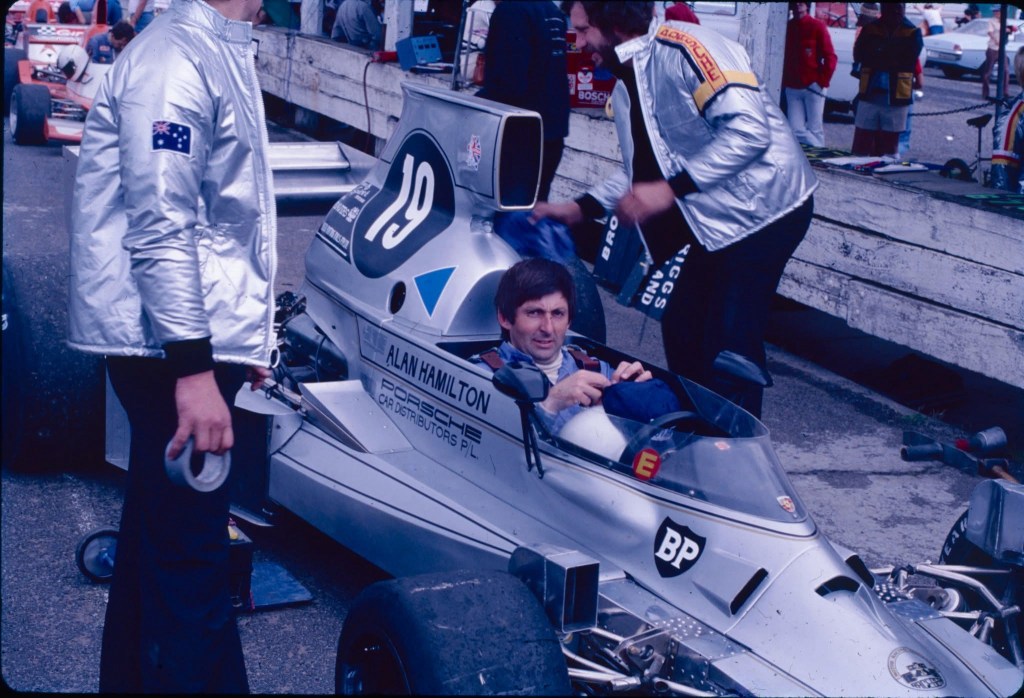
A very poignant photograph of Alan Hamilton in the Sandown pitlane during the 1978 Australian Grand Prix weekend; The Fangio Meeting at which the great JMF demonstrated a Mercedes Benz W196 Grand Prix car with much brio.

The utter excitement of the sight and sound of that legendary car-driver combination was to an extent ruined by the accidents that befell Garrie Cooper and Alan Hamilton, and to a lesser extent Vern Schuppan, in the Grand Prix. See here in my Hamilton tribute: https://primotipo.com/2025/03/16/alan-hamilton-rip/

(T Wright)

Robin Pare over the top at Skyline, Baskerville, in Don Elliott’s Elfin ME5 Chev.

What a fabulous racetrack it is too. This car, with a relatively short track to wheelbase ratio was reputedly a twitchy little bugger, its bit Robin circa 1973-74.

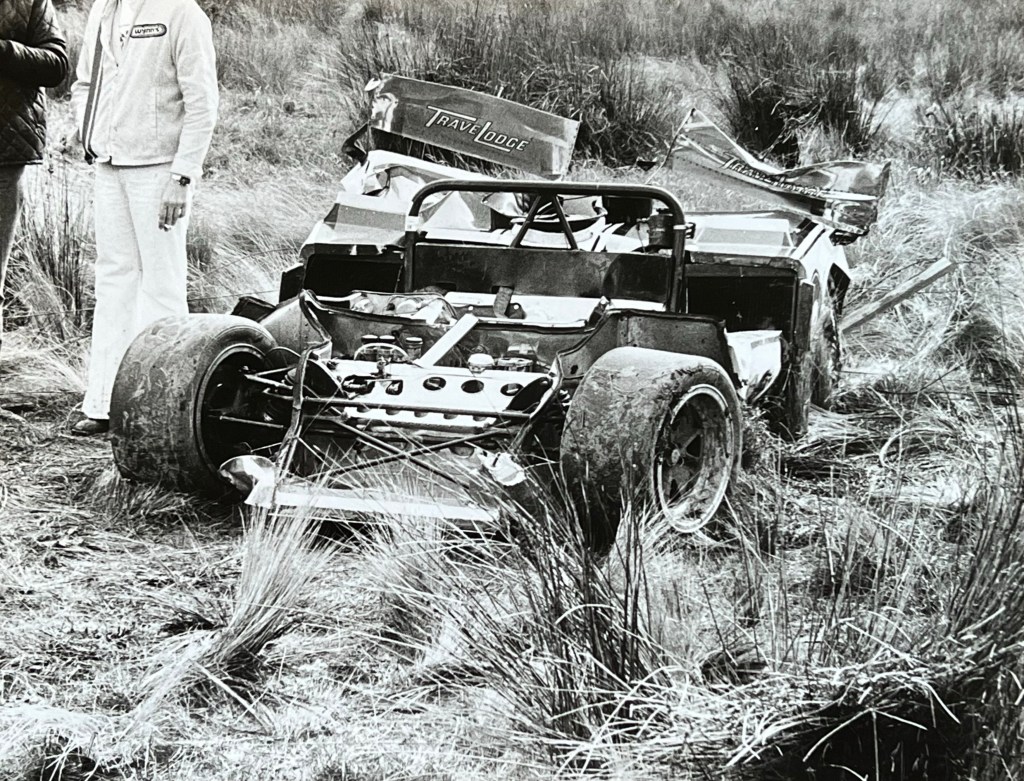
Here are the remains of the car after a reasonably Big One at Baskerville on October 12, 1975. ‘I was only 30 metres away from the crashing, cartwheeling car with my camera tucked away securely in my bag while I was having lunch,’ photographer Bruce Smart wrote. The car still exists today.

(B Smart)
(J Spinks(

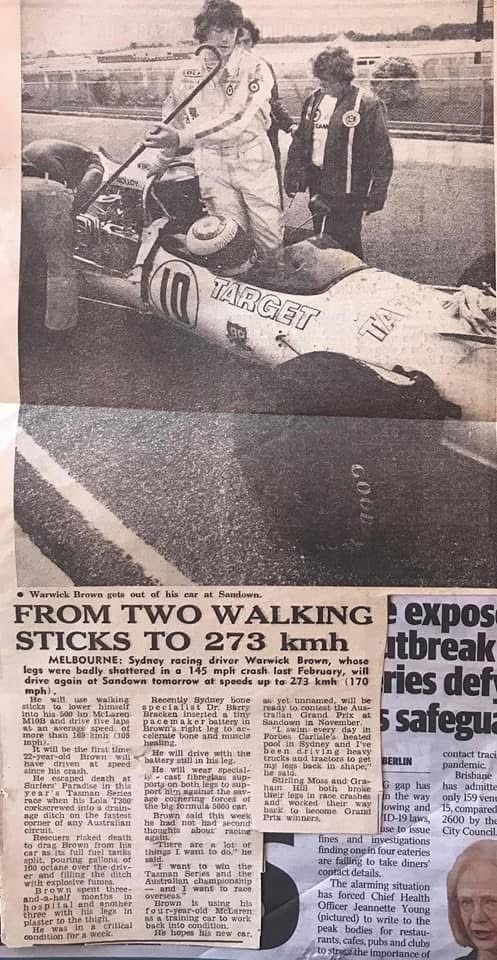
Warwick Brown’s McLaren M10B Chev in the Sandown paddock in September 1973, ‘when he got back into an F5000 and did a demonstration run after his huge accident at Surfers paradise earlier in the year.’ Neil Stratton.

It was a remarkably brave thing to do, I attended the Glyn Scott Memorial Trophy Gold Star round at Surfers Paradise while on a family holiday on the Gold Coast only ? weeks before. Warwick was at that meeting hobbling around with crutches/ walking stick. No way would I have thought he’d be back in the car even for an exploratory run such a short time later. Mind over matter folks…

WB for ‘73 here: https://primotipo.com/2017/03/09/wb-for-73/

(unattributed)

Ron Tauranac in one of his Ralts – Ralt 1 perhaps – date and place folks? https://primotipo.com/2023/06/10/ron-tauranacs-series-one-ralts/

(GC Forsyth)

John French ascending Inverell Hillclimb in a Holden FJ in 1958, I penned an obituary/career summary in Auto Action a month ago.

(Chevron)

Peter Brock, Birrana 273 Ford #008 during the August 5 Oran Park round of the 1973 Australian F2 Championship.

Brocky finished second behind Leo Geoghegan’s works 273 in this second round of the Championship but only did the following round at Amaroo before pulling the pin; no funds and no Hart 416-B Twin-cam the reasons given if memory serves. See here: https://primotipo.com/2018/05/07/brocks-birrana/

(Auto Action)

As good as an XU-1 got…

Peter Brock in a Holden Dealer Team Holden Torana GTR XU-1 on the exit of Torana Corner at Sandown during the 250k Manchamps round on September 10, 1972.

Harry finally got around to slapping a decent coat of paint on his cars, fitted by then with the just homologated Globe alloys.

A DNF for Peter and Colin Bond. Fords reigned supreme in the traditional Bathurst warm-up event: John Goss from Fred Gibson and Murray Carter in Phase 3 GTHO’s. It all came good for Brocky on the mountain of course…

(Auto Action)

A list of all of the Coopers owned by Bib Stillwell would be interesting…

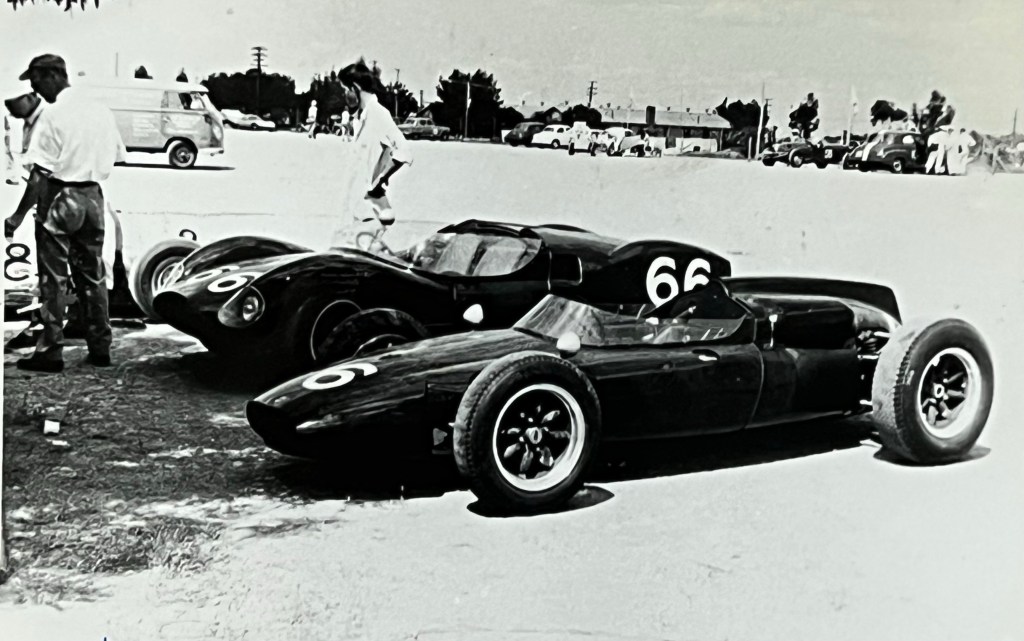
Here the T53 Climax and T49 Monaco are shown in the Mallala paddock during The Advertiser Trophy Gold Star meeting weekend on October 8, 1962.

Bib won the race from John Youl and David McKay in Coopers T55 and T51 respectively. More on Bib’s Coopers here: https://primotipo.com/2015/03/10/bib-stillwell-cooper-t49-monaco-warwick-farm-sydney-december-1961/

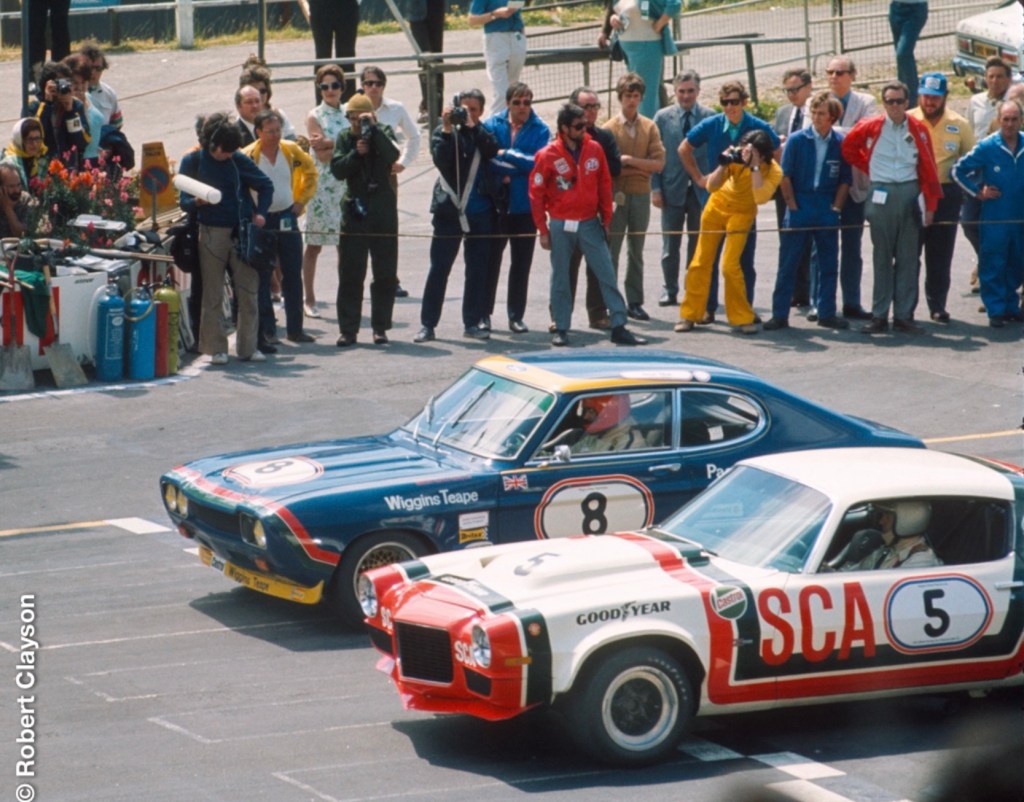
Aussie Invaders Brian Muir and Frank Gardner on the front row of the 1972 British Grand Prix BTCC support race at Brands Hatch on July 15. Ford Capri RS2600 and Chev Camaro Z28 Mk2.

Gardner won the sixth round of the BTCC, 20 lap race from the David Brodie and David Matthews Ford Escort RS1600s. Brian Muir led the first 16 laps and sliced a big chunk off the lap record before spinning to rest on his own oil after a major engine failure on lap 17.

More about Brian Muir here: https://primotipo.com/2022/09/03/brian-muir/

(G Hughes)

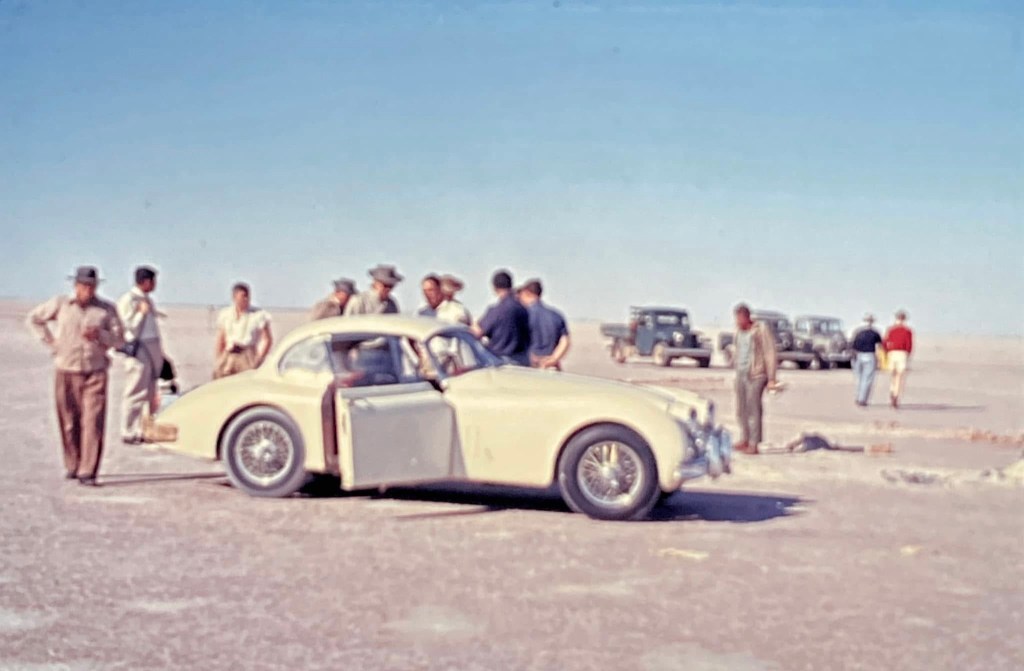
This Jaguar XK150 was used to test tyre compunds and tbe way they reacted to Lake Eyre salt in 1963.

Chassis T825278DN, a late 3.8S was loaned to Dunlop for tyre testing purposes for the Donald Campbell-Bluebird Proteus land speed record attempt. What became of the car folks?

More on Bluebird’s Australian campaign: https://primotipo.com/2014/07/16/50-years-ago-today-17-july-1964-donald-campbell-broke-the-world-land-speed-record-in-bluebird-at-lake-eyre-south-australia-a-speed-of-403-10-mph/

(L Hemer)

Lynton Hemer catches Frank Gardner on the hop through the Warwick Farm Esses during his victorious run in the works Lola T192 Chev in February 1971. Warwick Farm 100 Tasman Cup race.

More about the Lola T192 in this article: https://primotipo.com/2021/05/15/angus-and-cootes-lola-t300s/

(S Ellison)

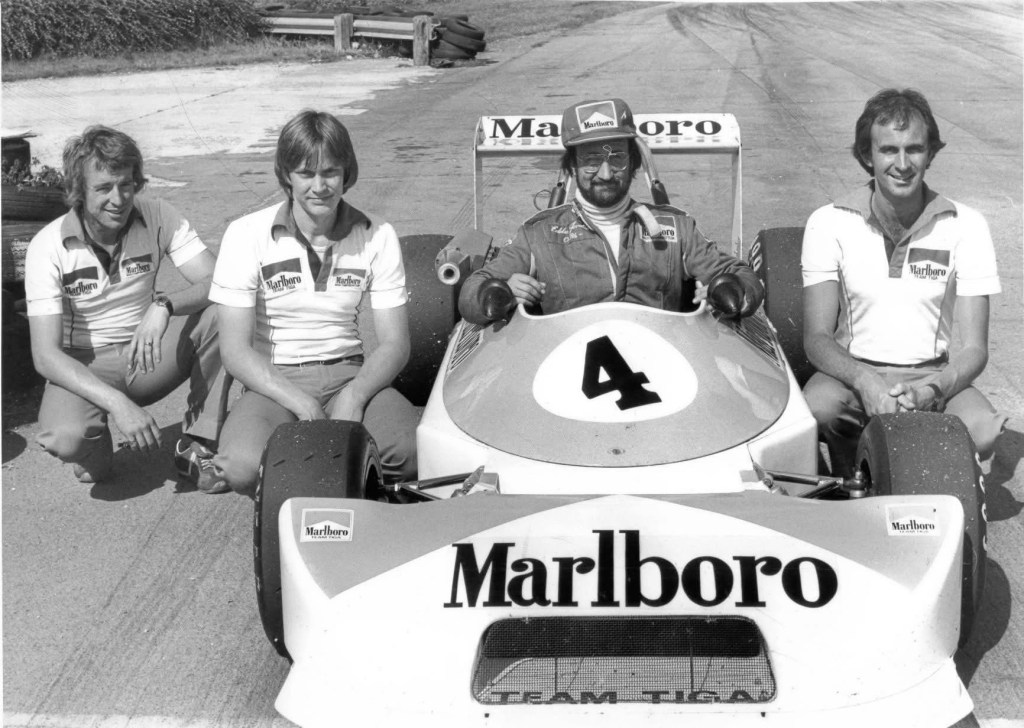
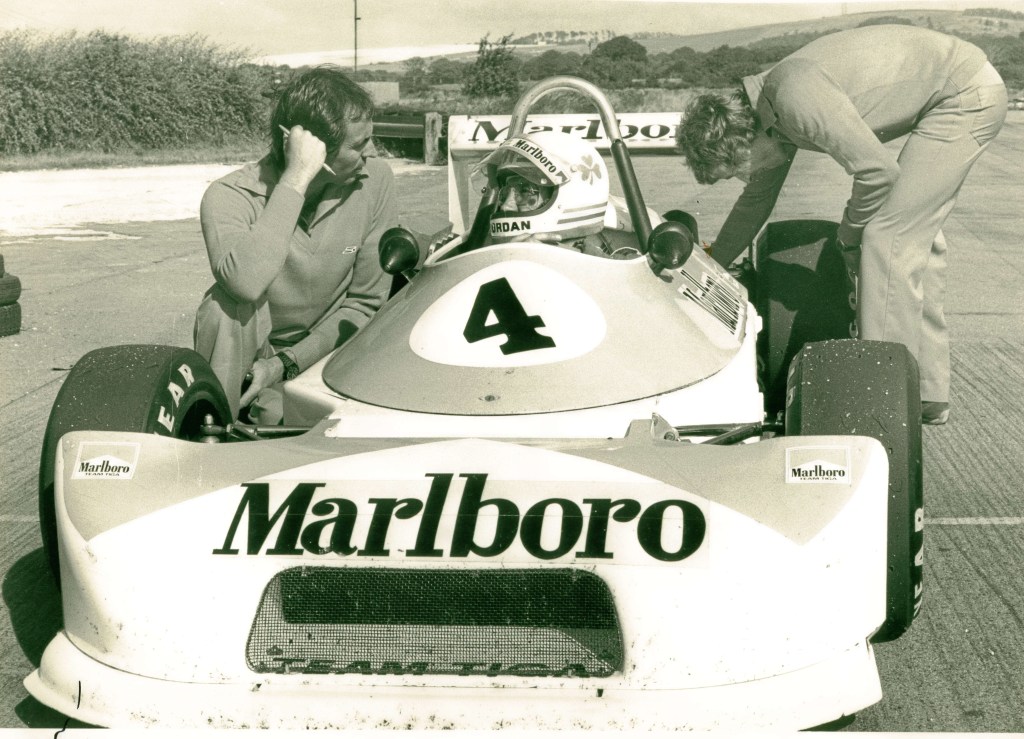
Tim Schenken at right with the Team Tiga Formula 3 Ralt RT1/76 Toyota chassis 16 with Eddie Jordan aboard during during a test session at Goodwood in 1978. From the left are Steve Elly Ellison, John Love, Eddy and Tim.

Jordan won the 1978 Irish Formula Atlantic Championship aboard a Marlboro Team Ireland Chevron B29 Ford BDA. EJ seems to have only done one race in this car, at the November 11, 1978 Thruxton round where he qualified ninth and finished seventh in the race won by Derek Warwick’s RT1 Toyota.

(T Schenken)

Tiga ran this chassis for Andrea de Cesaris in the British F3 Championship that year, he brought the Marlboro money via his father. Andrea got quicker as the year went on, finishing seventh in the title chase with his best results thirds at Mallory Park in May, Brands Hatch and Donington in July, and fourth placings at Paul Ricard and Silverstone in July and Donington in August.

Tim Schenken and Howden Ganley ran De Cesaris again the following year in a Team Tiga March 793 Toyota, he was second in the championship that year…behind Chico Serra in the other Team Tiga 793. Not to worry, Andrea graduated to F2 and F1 in 1980.

Back to Eddie. When his own race-career was on the decline he formed Eddie Jordan Racing which proved to be rather a successful enterprise!

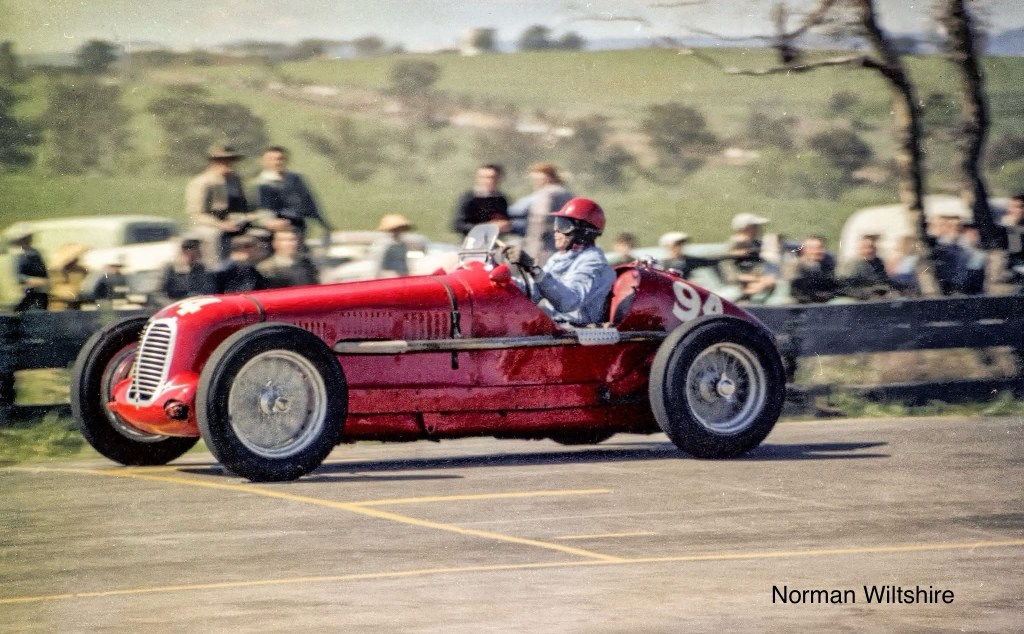
Tom Sulman looking very pre-War in ‘his’ Maserati 4CM at Mount Panorama in October 1960.

Unclassified in the Craven A International won by Jack Brabham’s Cooper T51, with four Coopers behind him. More about Sulman in this feature here: https://primotipo.com/2018/04/19/tom-sulman/

Jim McKeown in the short-lived Porsche Cars Australia Porsche 911 Turbo mid-engined Sports Sedan at Calder in 1975. I’ll take your advice on the meeting date please?

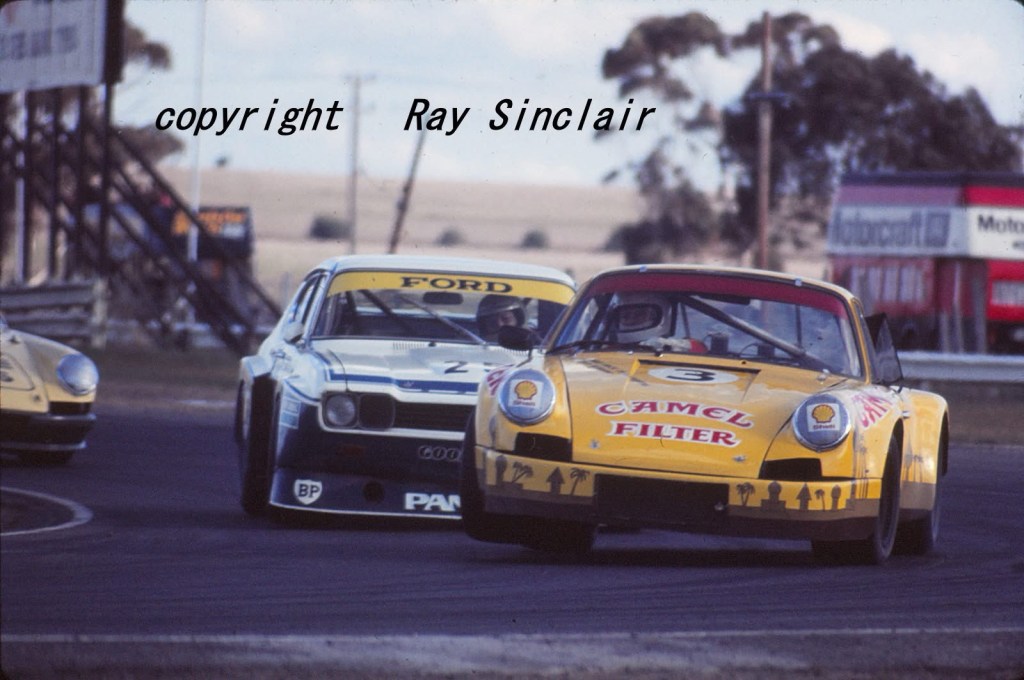
Allan Moffat giving chase in his RS3100 Cologne Capri then Leo or Pete Geoghegan in the Grace Bros Porsche 911S.

CAMS could never work out what category to pop the 911 into, they chopped and changed a number of times. In this case Hammo pissed a lot of money up against the wall to build a car that was kosher one minute and daffied the next. See here: https://primotipo.com/2018/09/04/long-neck-fosters/

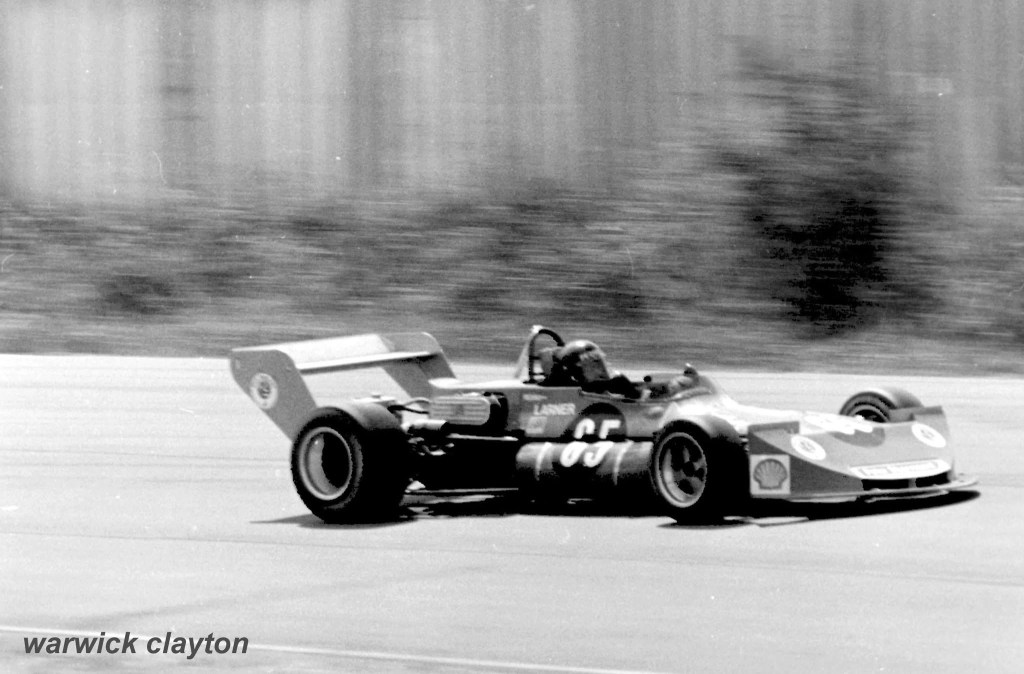
Peter Larner during the 1978 New Zealand Formula Pacific Championship, circuit folks? By then Paul England’s Dolphin Ford BDA – a Brabham BT36 built up by Don Baker using an Arch Motors chassis – was an old gal by then, but Pedro contested the whole series with bests of ninth at Baypark and 11th at Manfield and Wigram. The 1977 Australian F2 Champion (Elfin 700 Lotus-Ford twin-cam) deserved a better mount.

Up at the pointy end Keke Rosberg won the championship from Larry Perkins and Bobby Rahal aboard Chevron B39, Ralt RT1 and Chevron B39 respectively.

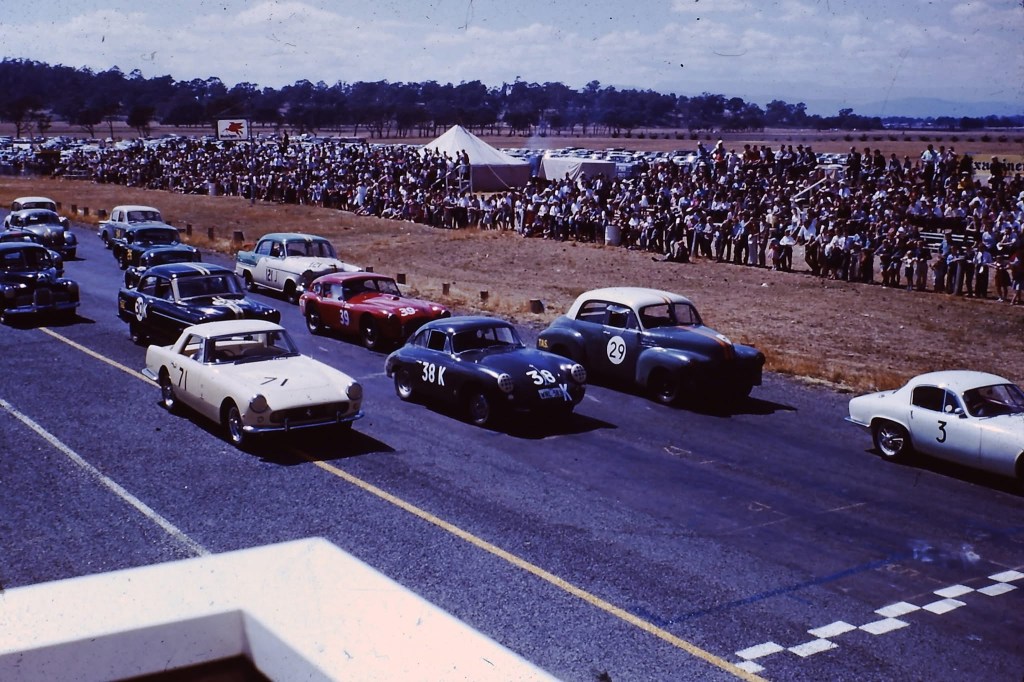
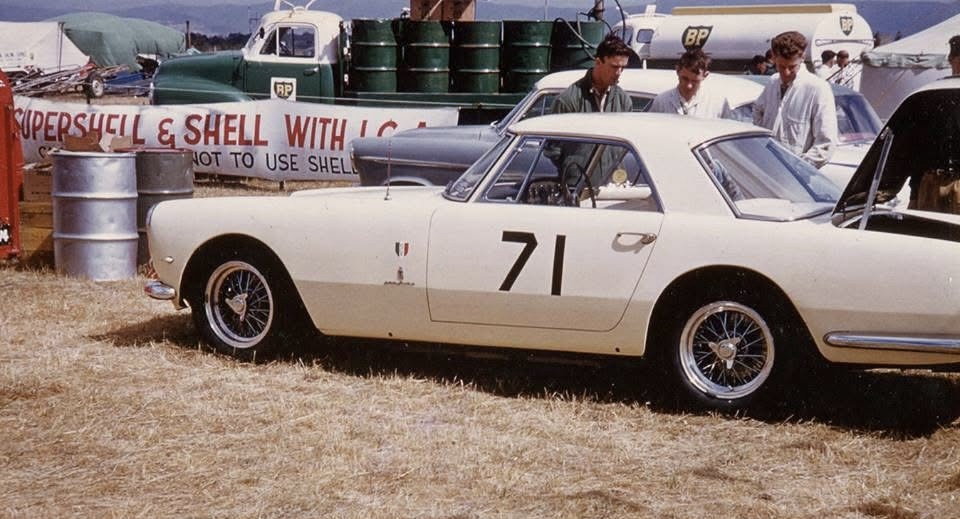
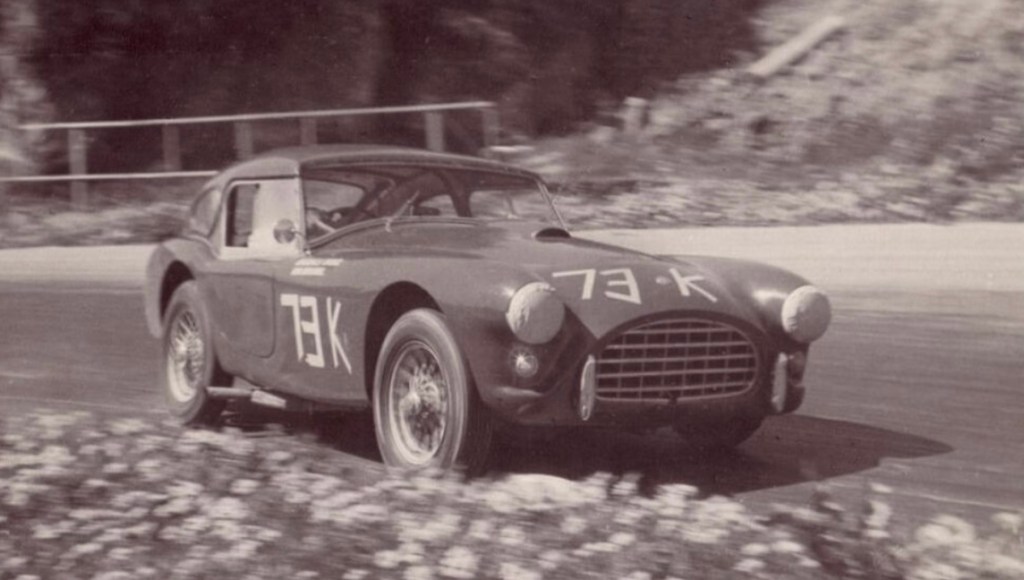
Leo Geoghegan, Lotus Elite from David Lewis Holden Grey, Gavin Youl, Porsche 356, David McKay, Ferrari 250 Pininfarina, #39 Ron Marshall, AC Bristol #30 Alan Ling, Holden and the rest at Longford in 1961, mixed GT and Touring Car race.

McKay raced the Tony Oxley owned car – chassis 1973 – which I believe is still in the same family.

And below a better shot of the ‘Ron Marshall, Yass, ex-Mary Seed AC Ace with Sydney made hardtop for Appendix K GT regulations’. Thanks to Stephen Dalton and Rob Bartholomaeus. There is a bit more about this Ace at the end of this piece here: https://primotipo.com/2022/10/02/australian-racing-random-11/

(speedwayandroadracehistory.com)
(M Heeler)

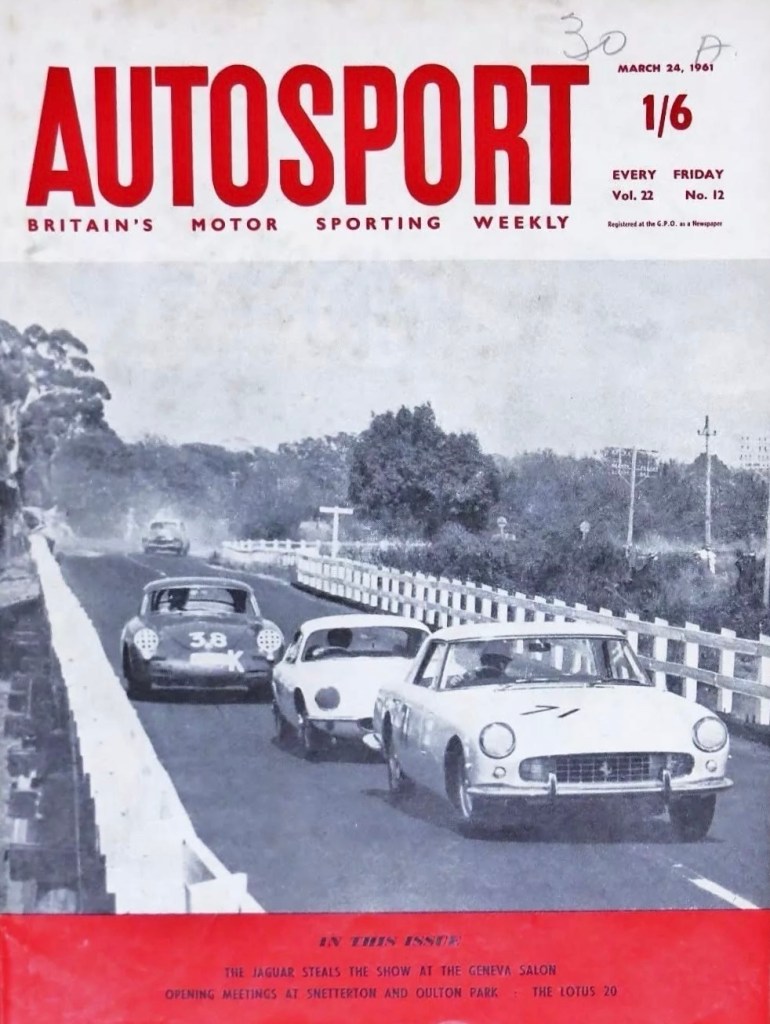
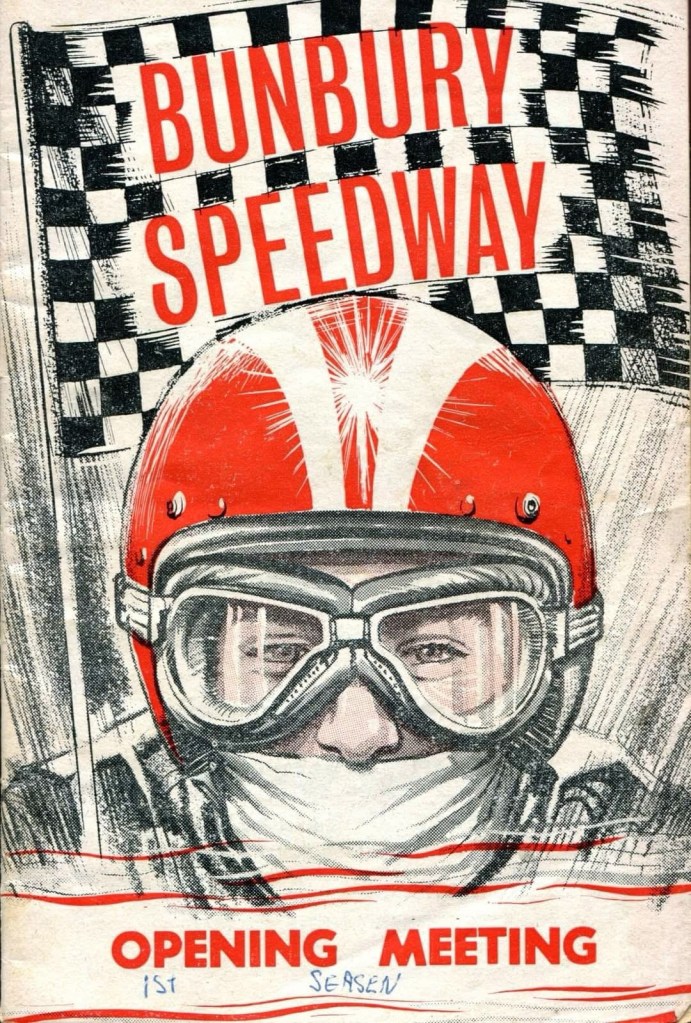
What an impactful cover. The Bunbury Speedway’s first season was in 1972.

Bunbury, 175 km south of Perth and has a motorsport heritage all the way back to the 1920s when beach racing was conducted on the wide, hard-packed sand of Bunbury Back Beach! See here: https://primotipo.com/2017/03/23/bunbury-flying-50-allan-tomlinson-ferrari-500-et-al/

(L Keetelaar)

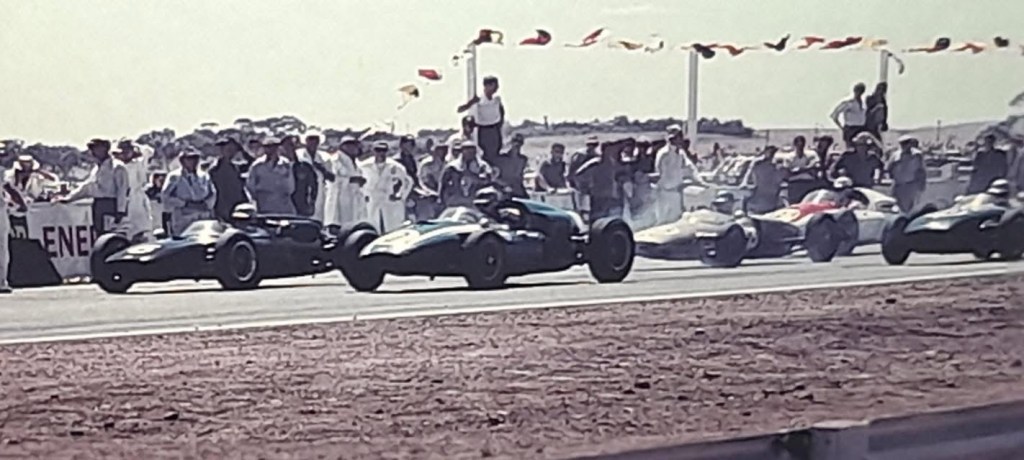
Bib Stillwell and Stan Jones in the front row of a race during the Victorian Trophy meeting at Calder over the February 25, 1962 weekend. Coopers T53 and T51 Climax.

Stan (below) didn’t start the feature event which was won by Bib from Lex Davison, Aston Martin DBR4 3-litre and Bryan Thomson, Cooper T51 Climax FPF 2.2.

See here for Calder’s early days: https://primotipo.com/2022/08/27/calder-raceway/

(L Keetelaar)

Credits…

Ian Smith, Tony Wright, John Spinks, Graham C Forsyth, Chevron Publishing, Auto Action, Robert Clayton, Lynton Hemer, Steve Elly Ellison via Ed Brunette, Bruce Smart, Mark Heeler, Lynn Keetelaar Collection, speedwayandroadracehistory.com via Rob Bartholomaeus

Finito…
(W Clayton)

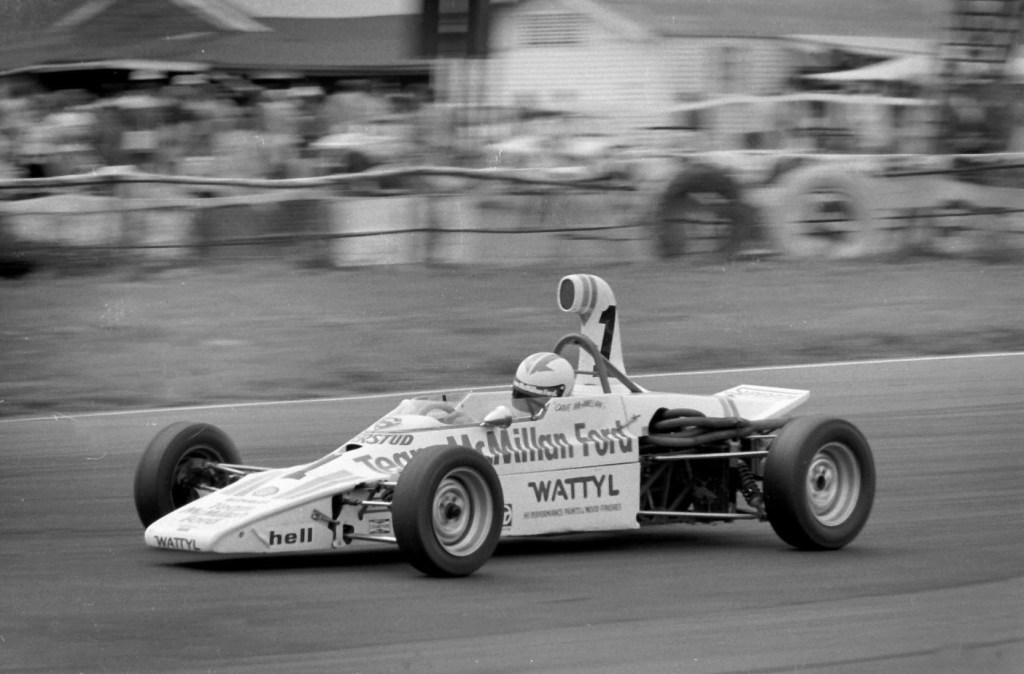
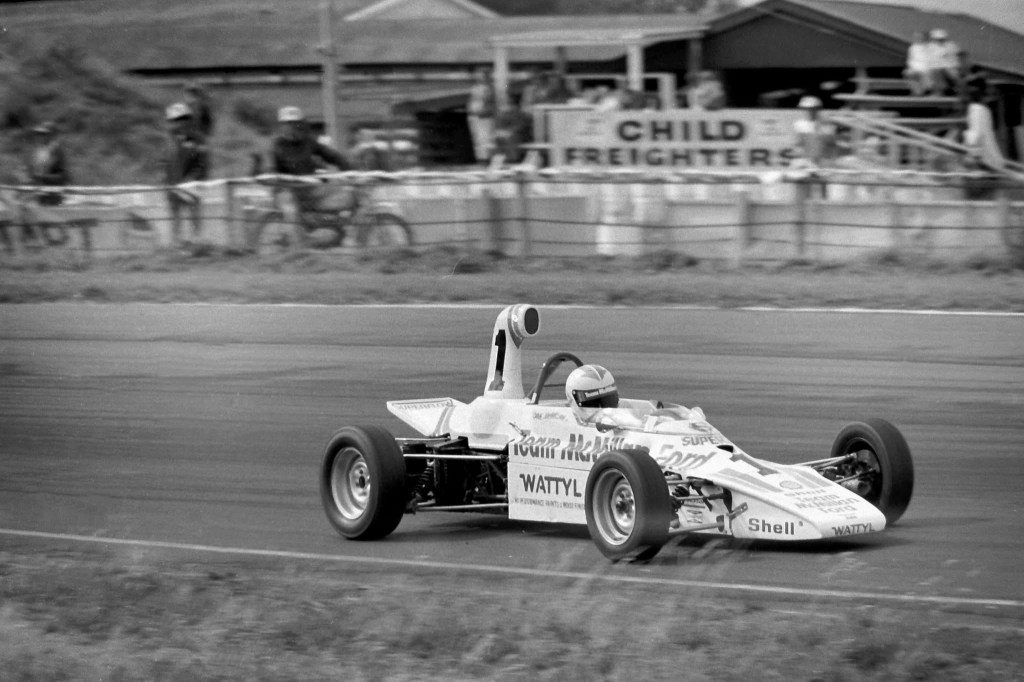
Not so much NZ Formula Ford but some shots my favourite Formula Fords in New Zealand…David McMillan and Lola T342 in 1975, circuit folks?

The Lola T342 was surely the first FF with genuine lust factor, I should know, I bought one in the US and historic-raced it here for a decade or so. More about the T342 here:https://www.lolaheritage.co.uk/type_numbers/t342/t342.html

(W Clayton)
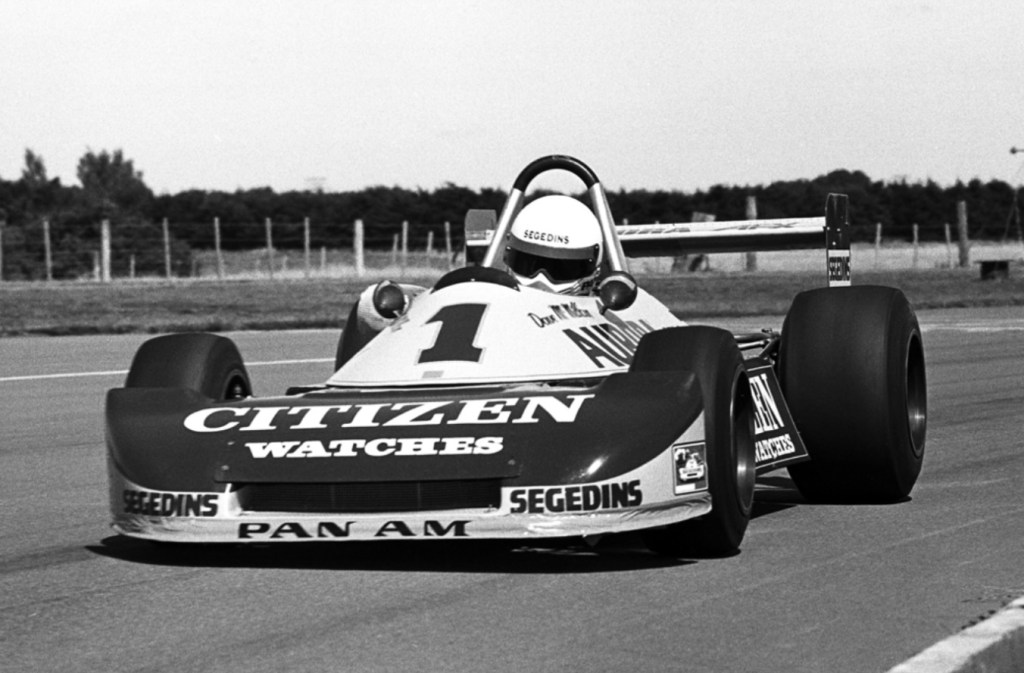
McMillan on the hop at Wigram in 1979 or 1980. He won the Lady Wigram Trophy in both years aboard his trusty Ralt RT1 (T Marshall)

McMillan was the real deal. He won the NZ FF Championship in 1975/76 and went on to bigger and better things including winning the NZ Gold Star Championship in 1977 and 1979-80. Taking the hotly contested 1980 NZ International Formula Pacific Championship/Series in front of Steve Millen and Andrea de Cesaris was quite a feat.

His mount throughout was the same Ralt RT1/76 Ford BDA chassis #36 an ex-Kevin Cogan car raced with success in McMillan’s hands in Canada and New Zealand before being rebuilt as a Super Vee for Dave’s use in the US in 1980…and success in that form too!

(S Elliott)

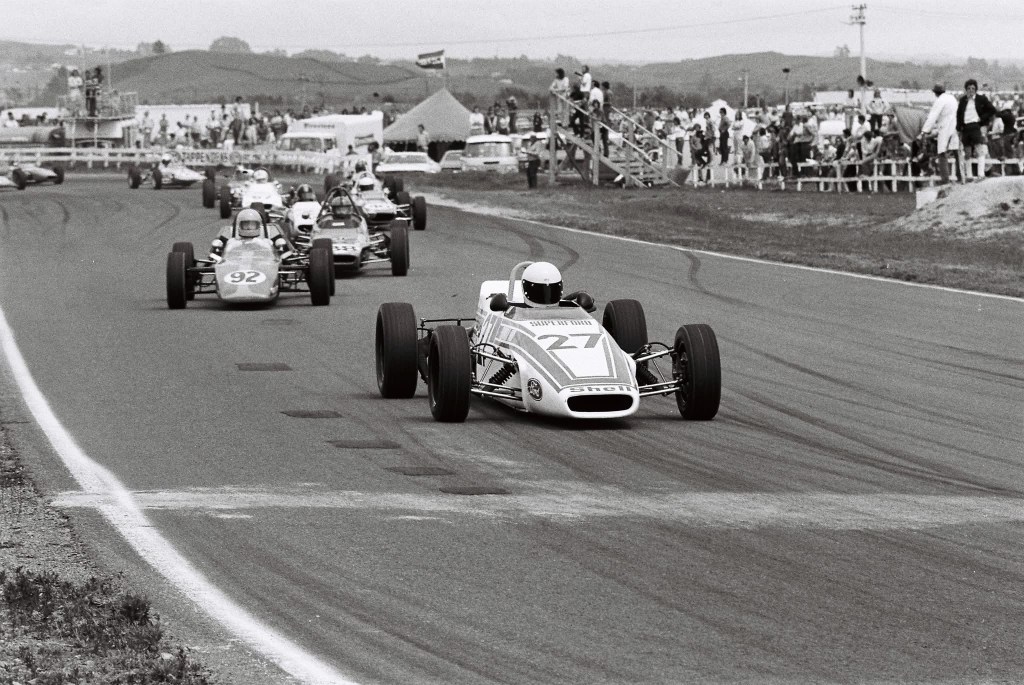
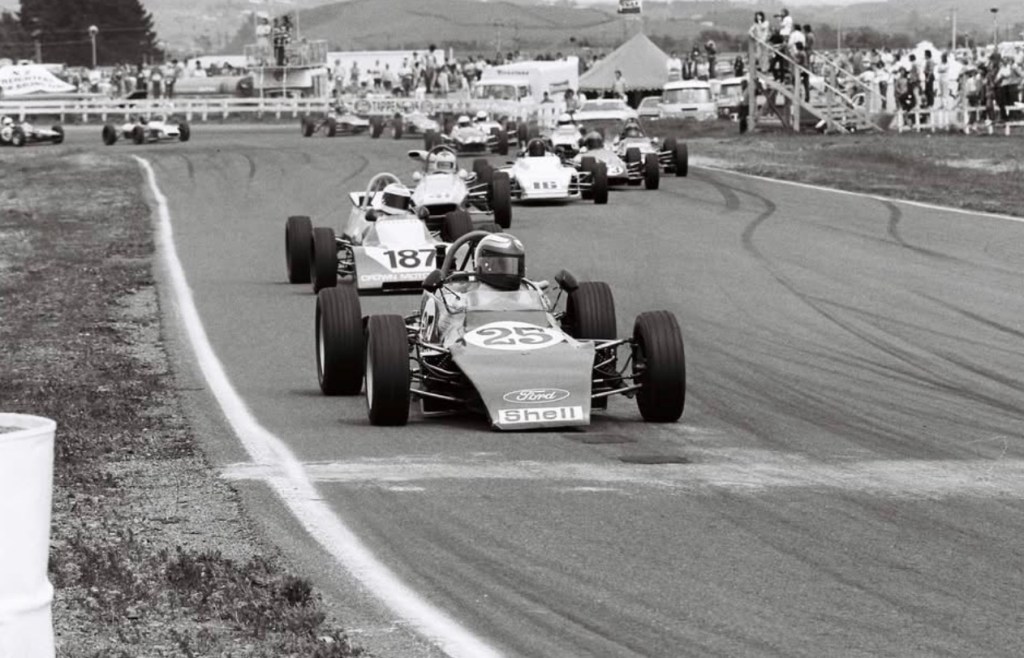
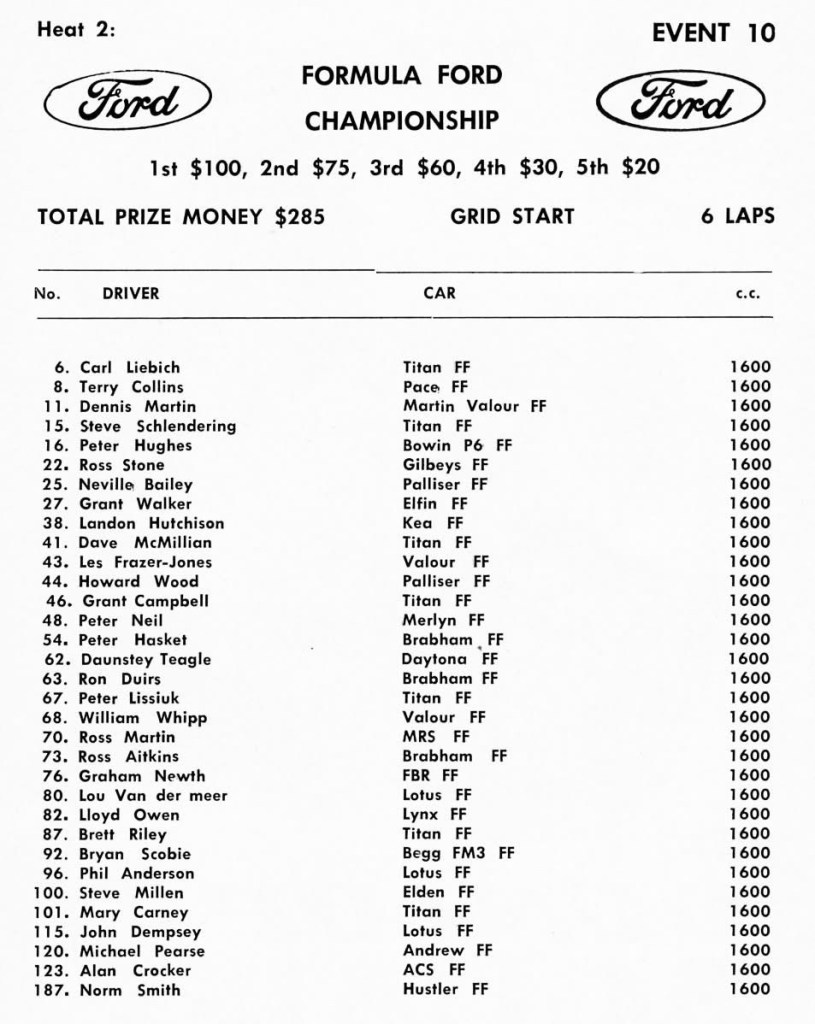
NZ Championship action at Baypark in October 1973, Grant Walker’s Elfin 600 from Bryan Scobie, Begg FM3 and Landon Hutchinson, Kea FF. Walker won the 1974-75 NZ FF Championship in this car. More about the Elfin 600 here: https://primotipo.com/2022/04/23/sinfully-sexy-600/

Norm Smith in car #187 below, a Hustler FF won both heats, while car #25 is Neville Bailey’s Palliser.

(S Elliott)

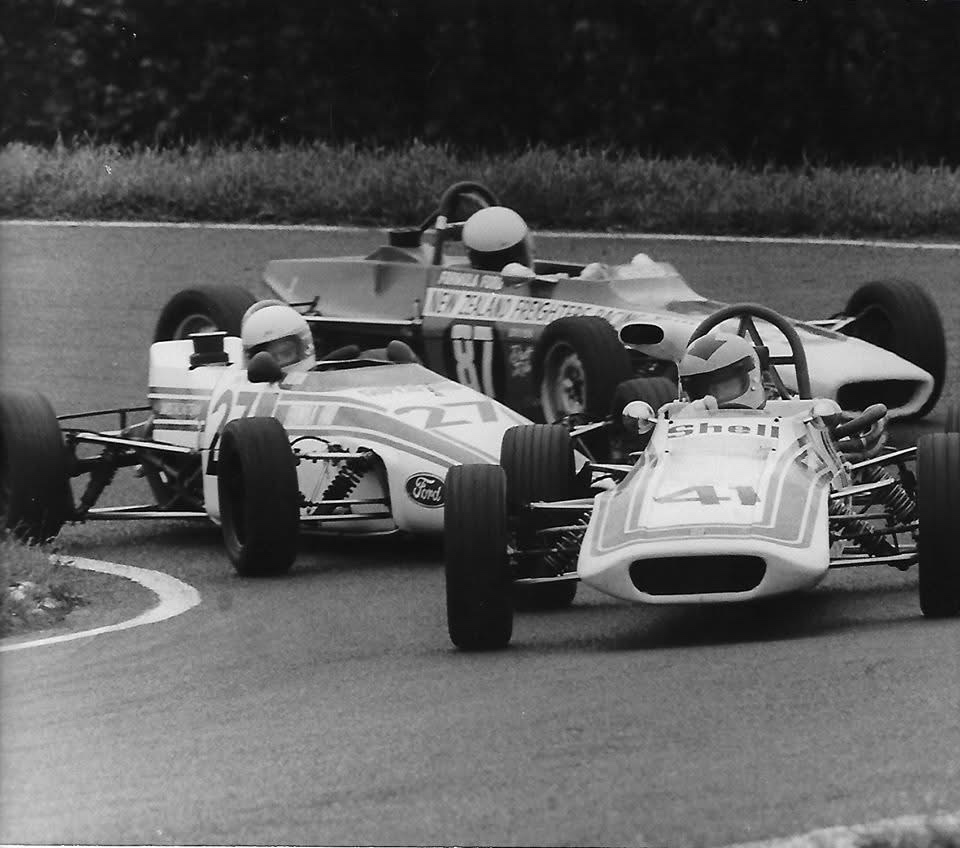
Tustle between Grant Walker Elfin 600 #27 and David McMillan in a Titan Mk6 #41, both in Dawes Racing Team cars.

The amusing bit for me is that Grant brought the Titan Mk6 across the ditch to contest the Australian Driver to Europe Series in 1977 finishing second…and races the same car in Oz Historic FF now. He’s no longer the youngster he was back then but is still mighty quick!

Car #87 is none other than Brett Riley in another Titan Mk6, he too was a Kiwi International of some renown.

(M Fistonic)

Eric Morgan, Bowin P6F at Pukekohe in November 1974. The chassis in which Peter Hughes won the 1973-74 NZ Championship?

I wonder how many Bowin John Joyce sold Across The Ditch? This one is devoid of the Variable Rate Suspension with which most were delivered. See here: https://primotipo.com/2018/08/30/bowin-p4a-and-oz-formula-ford-formative/

Credits…
Warwick Clayton, Steve Elliott, Milan Fistonic, Terry Marshall

Tailpiece…

(S Elliott)

A change of mount for Grant Walker, here aboard the ex-Paul Fahey Ford Capri RS3100 at Baypark circa 1975-76. He raced this car in Australia too now I think of it.

There is a bit about Grant and this car in this epic: https://primotipo.com/2015/04/09/australias-cologne-capris/

Finito…