Posts Tagged ‘Brian Muir’

(LAT)

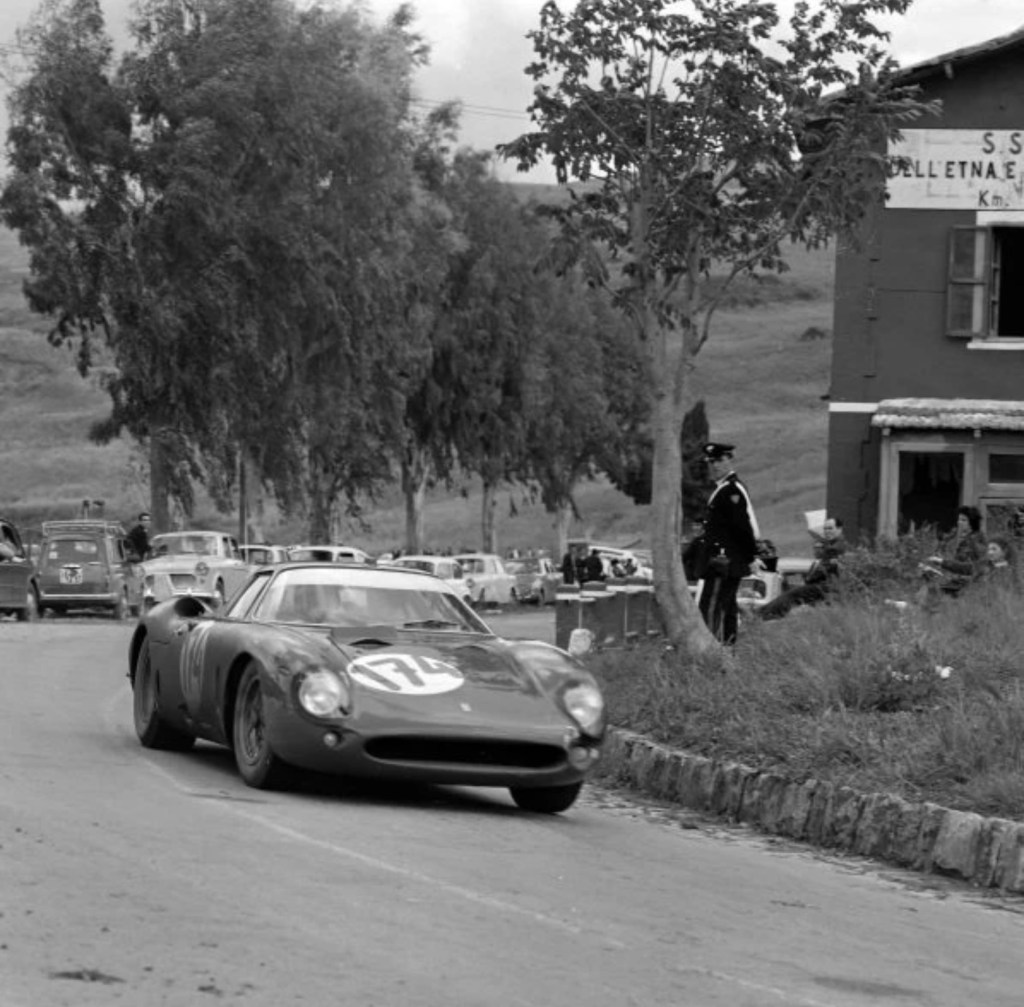
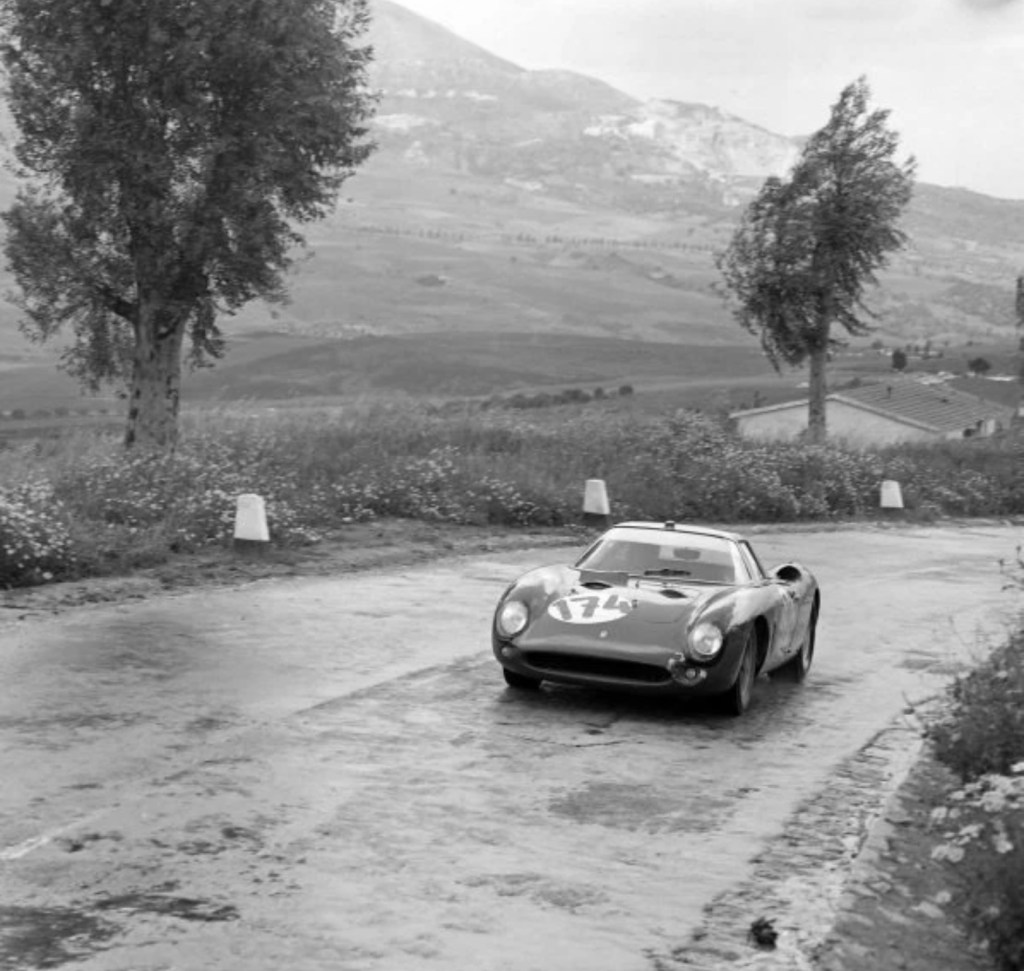
Paul Hawkins shared Jackie Epstein’s Ferrari 250LM in the 1966 Targa Florio. They were 30th in the race won by the Willy Mairesse/Muller works-Porsche 906.

More about Epstein here: http://www.motorsportmemorial.org/LWFWIW/focusLWFWIW.php?db=LWF&db2=ms&n=951
(LAT)

Its funny where I’m finding photos, which give me the ideas for articles, in recent times. Ebay facilitates sales of lotsa things, including motor racing photos. So, Googling, ‘Paul Hawkins Ferrari’ up popped the two Ebay ad shots. Punters put the shots up at just about a sharp enough resolution to use. So there you have it, the photo credits here are all Ebay unless identified otherwise. And yes, the sellers rarely credit the original photographer, albeit I recognise many as LAT/MotorSport Images material…so I’ve just slapped LAT on the lot.
(LAT)

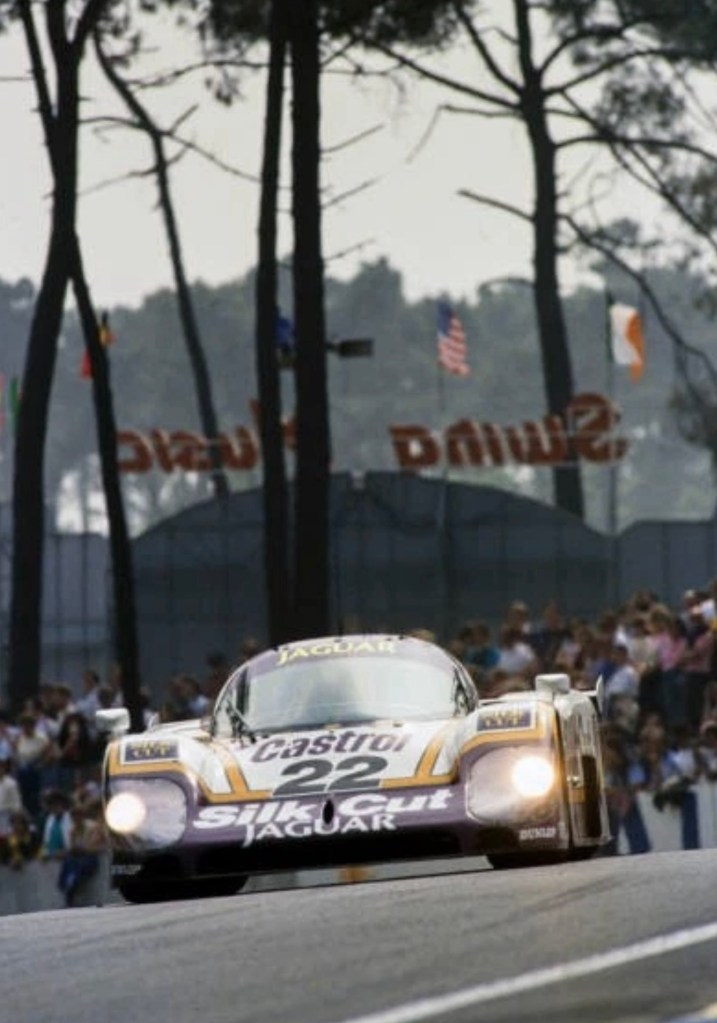
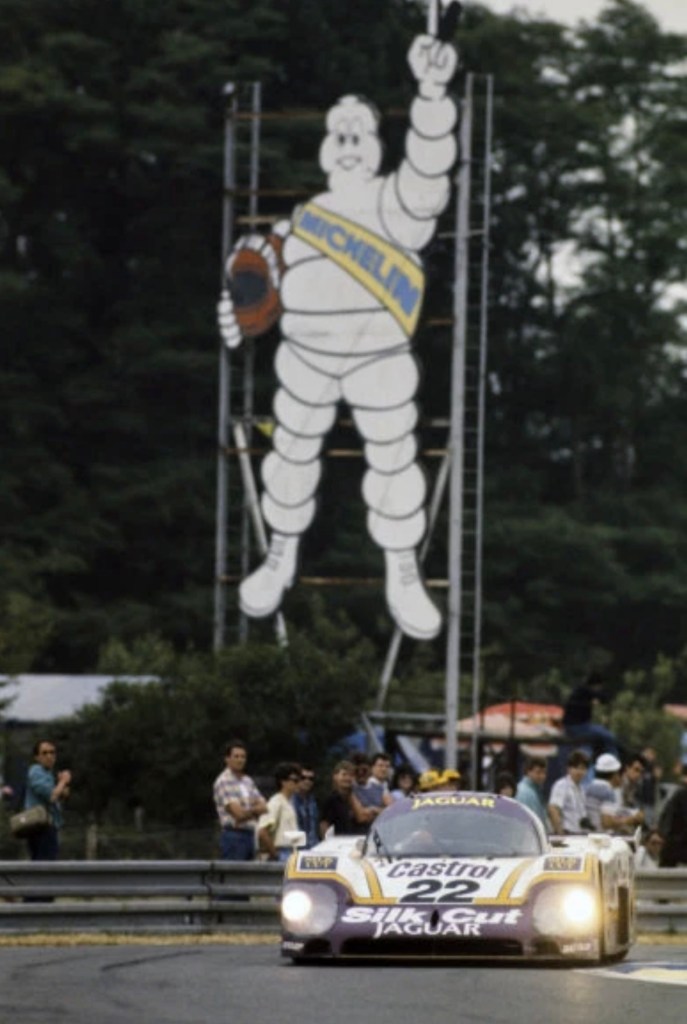
The Larry Perkins/Kevin Kogan/Derek Daly fourth placed TWR Jaguar XJR-9 V12 at Le Mans in 1988.

Jaguar’s 1988 Le Mans victory was an endurance racing defining moment, marking Jaguar’s return to the top after decades of Porsche dominance; they last won Le Mans in 1957: D-Type Ron Flockhart/Ivor Bueb.

Their weapon of war was Tony Southgate’s, TWR-built, carbon fibre XJR-9 7-litre V12. Jan Lammers, Johnny Dumfries and Andy Wallace won while Larry was fourth, his purple and white machine shared with Irishman Derek Daly and American Kevin Cogan.

The race was a long, tense Jaguar-Porsche duel with a light rain adding to the late race drama, allowing Hans Stuck’s 962 to close the gap. Jaguar’s lead remained intact despite a gearbox failure in the final hour. Jan Lammers kept the car in fourth gear for the balance, nursing the XJR-9 to victory and delirious joy from the army of Jag enthusiasts present.

Larry was an easy choice for Tom Walkinshaw. Both were on the slippery slope of the intensely competitive European scene in the early 1970s; Tom watched Larry rise to the top. F1. Not to forget that they had jumped into bed together via Holden Special Vehicles in Australia in 1988; Perkins Engineering were contracted to run Holden’s race program.
(LAT)

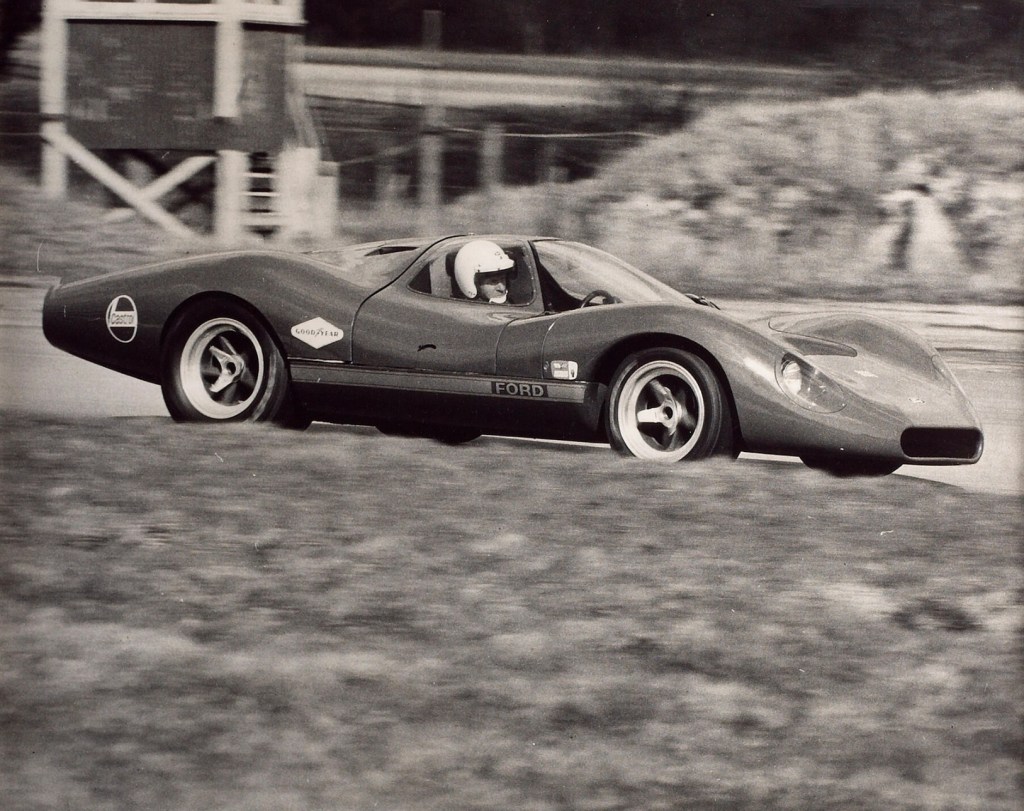
Frank Gardner testing the Ford F3L/P68 at Goodwood in 1968, date folks?

The red beauty flattered to deceive but FG got the very best from it, buckle up for this rather lengthy treatise: https://primotipo.com/2018/06/21/skin-deep-beauty/ and Alan Mann Racing here:https://alanmann.co.uk

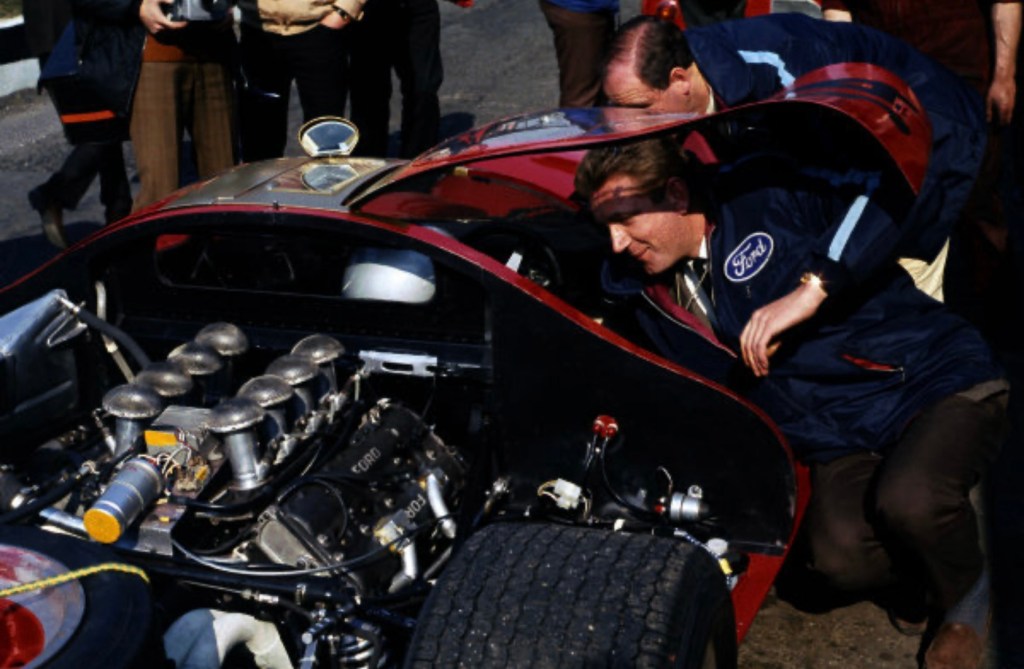
Meanwhile, Alan Mann gets the lowdown from Bruce McLaren below. 3-litre Ford Cosworth DFV in clear sight, Hewland DG300 gearbox not so. The engine, which was designed to be used as a stressed member, wasn’t, and that’s about where the problems started…
(LAT)

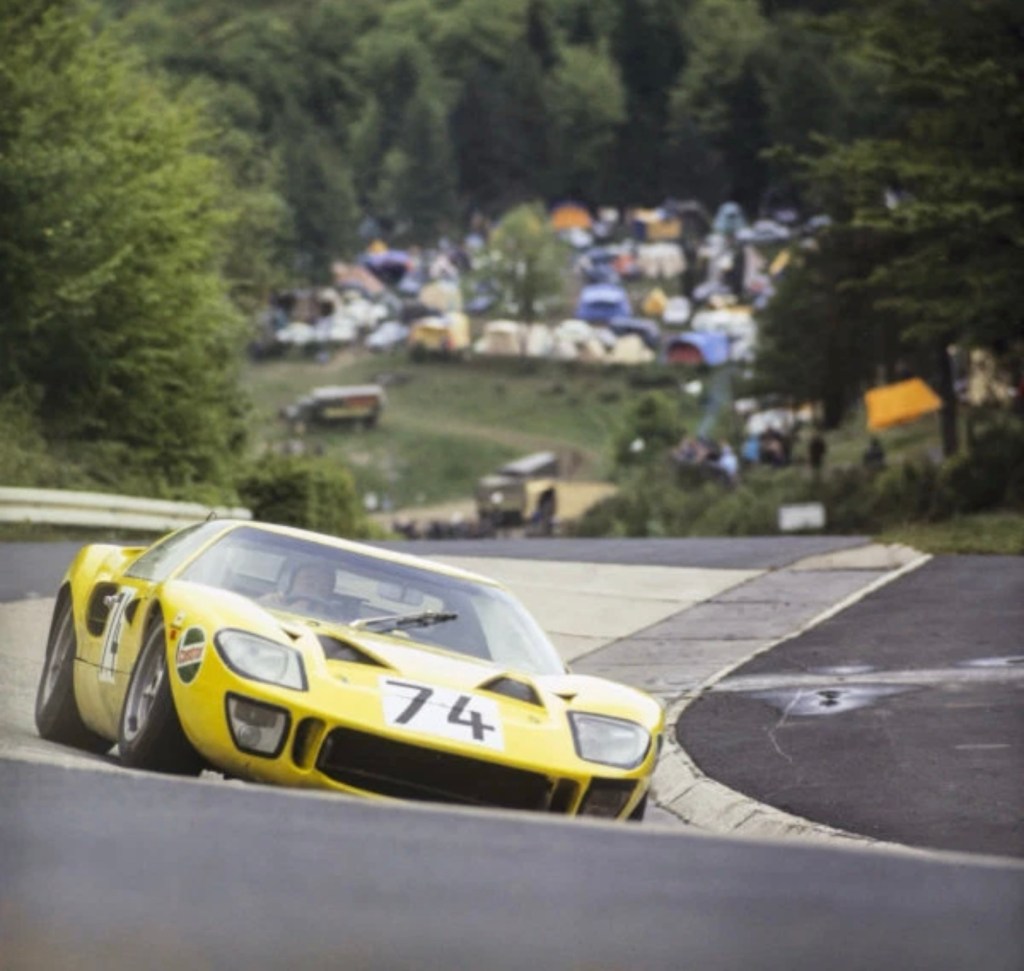
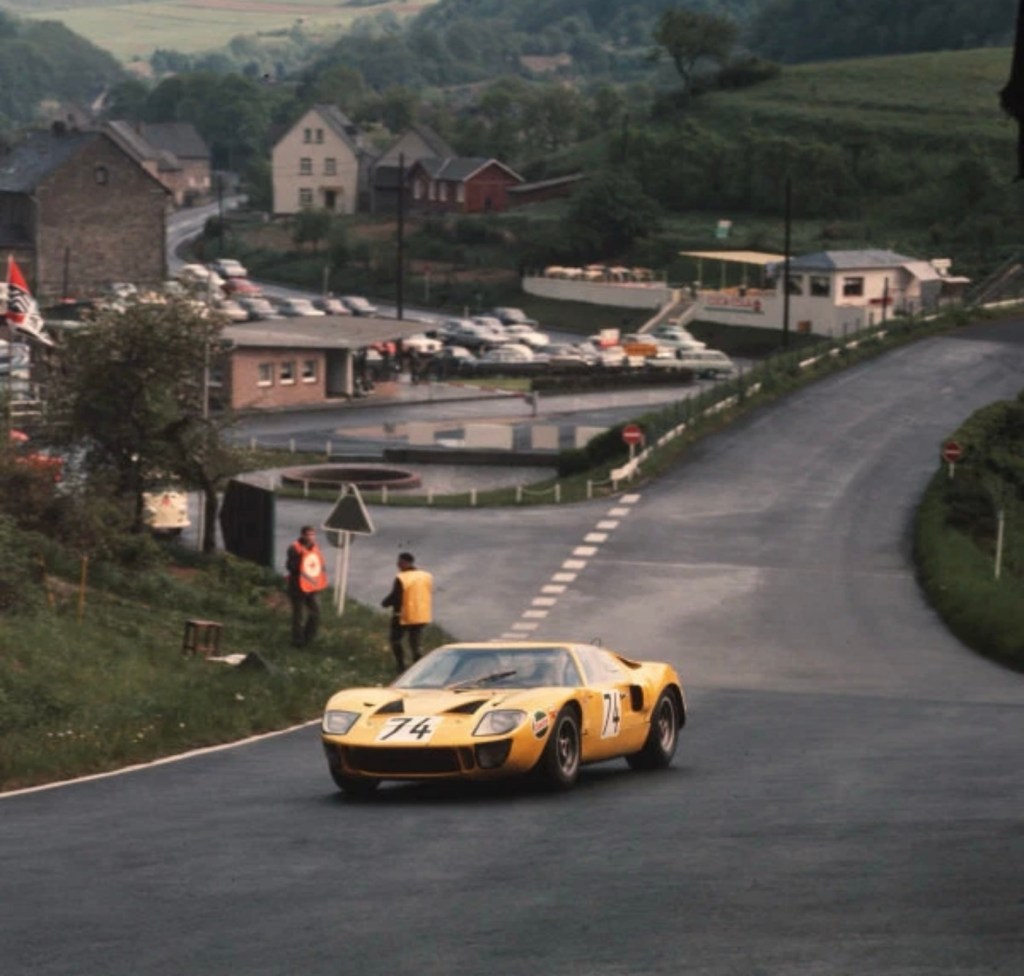
The John Raeburn/Nicholas Granville-Smith Ford GT40 during the 1968 Nurburgring 1000 km.

Melbourne-born John Raeburn raced sports cars briefly in Europe in the mid-1960s before retiring at the ripe old age of 32 at the end of ’68. 

John raced Holdens and then made his name with his consistent winning pace in a Buchanan Holden from April 1960 to July 1961. Into the mix were drives in Jaywood Motors Appendix J Holden Humpy and FC.

He competed in the 1960-64 Armstrong 500 at Phillip Island and Bathurst, sharing a Singer Gazelle with Harry Firth in 1960, and then Firth’s works Ford Cortina GT, Zephyr MkIII and Falcon.

He took on the big-car challenge in 1965, finishing fifth in the one-race Australian Touring Car Championship at Sandown. His mount was the 7-litre Ford Galaxie left in Australia after the ’64 Sandown International by Sir Gawaine Baillie. He jumped on a ship for Europe with the intention of racing the car in the UK, but Baillie sold it before he got there. 

Undeterred, he started working for Graham Warner’s Chequered Flag Motors in 1966, driving their Shelby Cobra in the 500 Zeltweg 500 km.

He raced Mike de Udy’s Porsche 906 with Roy Pike in the Reims 12 Hours in 1967, and took part in several 1968 World Sportscar Championship rounds at Monza, Spa-Francorchamps and Nürburgring. His car was a yellow Ford GT40, chassis #1001, owned by Andy Cox, ‘who had won money on the football pools and bought himself a GT40,’ wrote Doug Nye.

Among his driving partners were Nicholas Granville-Smith and another Australian tyro who did a stint at The Chequered Flag, Tim Schenken. 

Reaburn reported his exploits back home via Racing Car News. Raeburn tested a Formula 3 car at Brands Hatch in 1966, matching Tony Lanfranchi’s times, and a works F2 Lotus 48 Ford FVA at Hethel in 1967, but, being a tall unit, decided to concentrate on sports car racing. 

He quit racing at the end of 1968, aged 32. In recent years John lived in retirement with his wife in Mooroolbark, Victoria. He passed away from a stroke, on Saturday, 26 November 2016, aged 80.

Keep an eye out for a feature coming up on John thanks to my mate Gregory Smith…
(LAT)
(LAT)

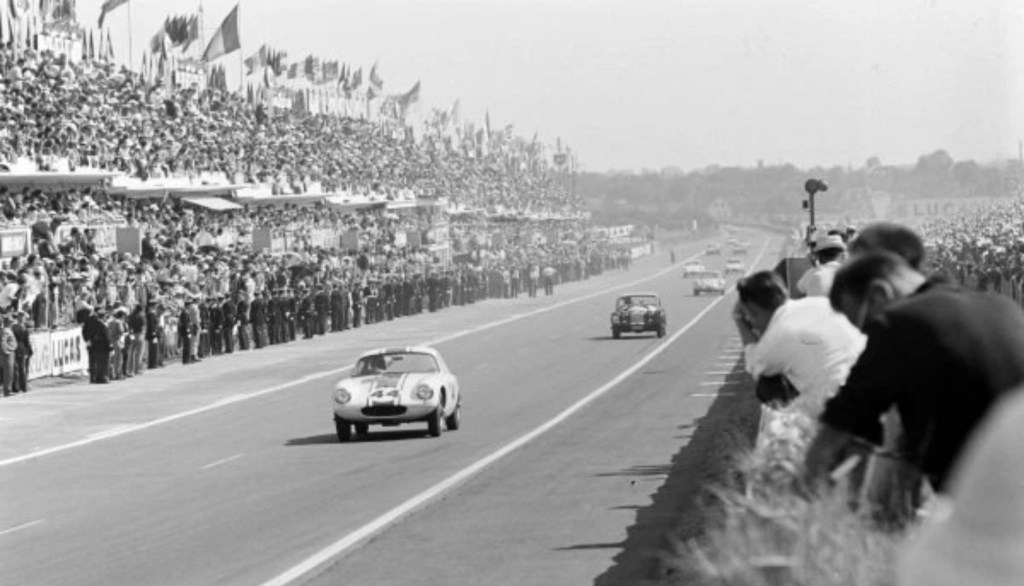
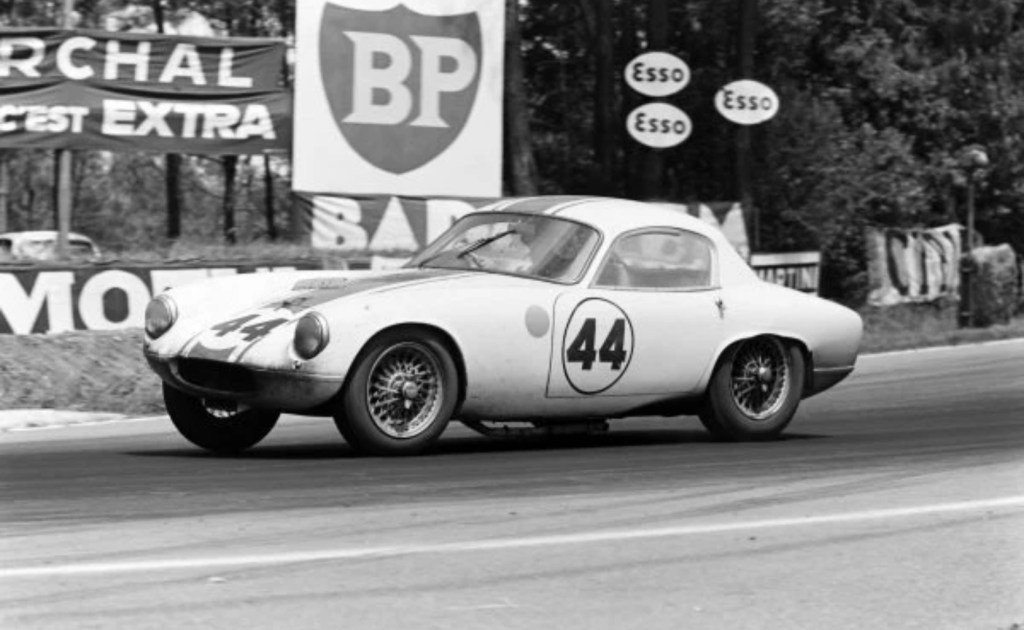
The Frank Gardner/David Hobbs Lotus Elite during the 23-24 June 1962 Le Mans 24 Hours.

Team Elite entered two cars, Hobbs/Gardner shared the #44 (chassis 1678) and Clive Hunt-Jesse Wyllie #45 (chassis 1792). #44 car finished eighth and #45 11th. That was again a win in the 1151-1300 cc class. There was also a double finish (first and third) in the Index of Thermal Efficiency. The #45 car  finished eleventh.

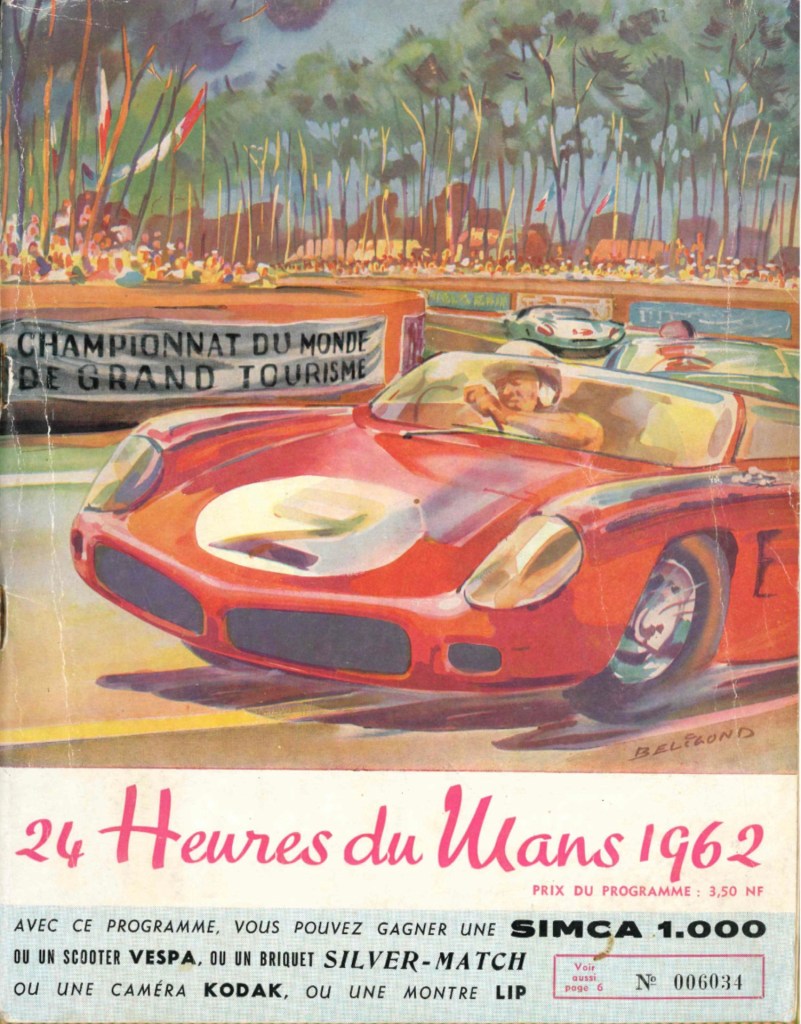
This Le Mans is remembered for the clash of the titans, Colin Chapman and the ACO. Chapman entered his new Lotus 23 Lotus-Ford twin-cam 1.5 in the Experimental class.

Jim Clark wowed the pundits with a staggering Lotus 23 performance in front of the V6 and V12 engines in the May 27 1000 km Nürburgring before problems intervened.
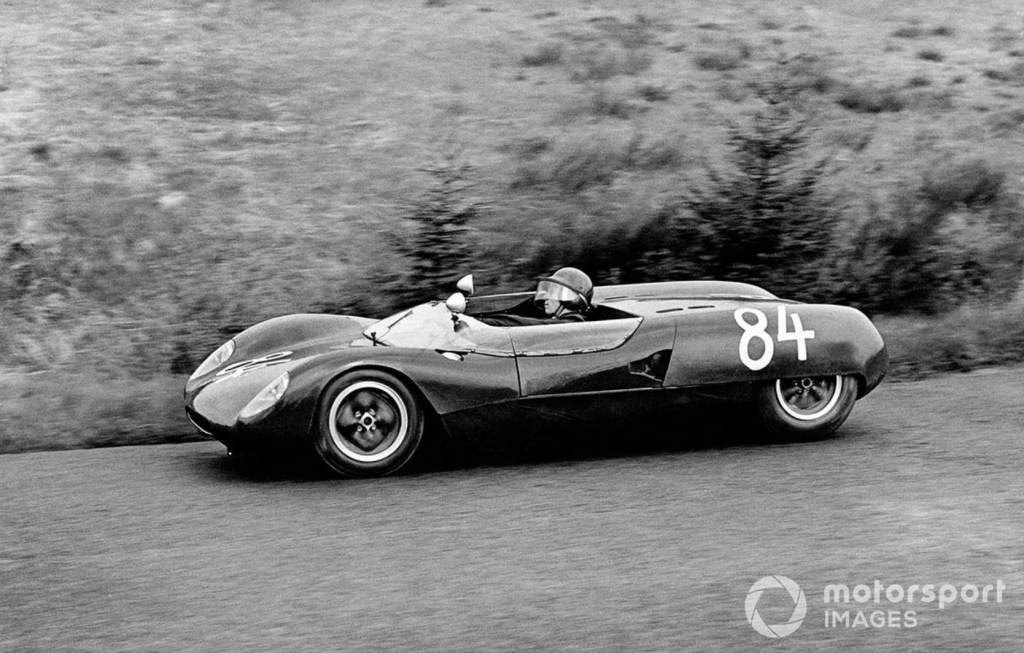
Clark/Taylor Lotus 23 Lotus-Ford twin-cam 1.5 DNF Nurburgring 1000 km 1962 after 11 of the winners 44 laps. Jim at the wheel

The #47 Lotus 23 was fitted with a 997cc Ford Cosworth MAE twin-cam engine as a potential Index of Performance winner in the hands of works F1 drivers Clark and Trevor Taylor. The other #48 Lotus 23 (below) was a UDT Laystall entry for Les Leston and Tony Shelly.
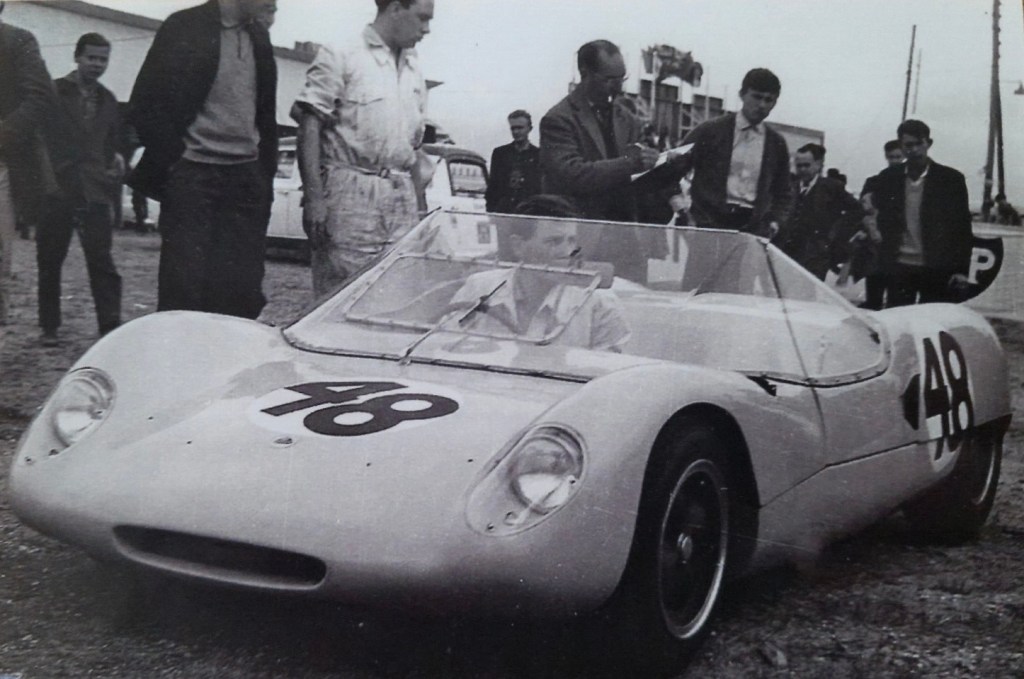
The Les Leston/Tony Shelly UDT Laystall Lotus 23 Coventry Climax FWM 747cc. ‘Refusé au pesage’ by the ACO (unattributed)

Both cars looked odd because of the required front window dimensions, but they weren’t allowed to be scrutineered due to insufficient ground clearance, an illegally oversized fuel cell and non-conventional fixation of the wheels (four bolts in the front and six at the back).

Chapman flew Frank Costin from London to plead his case that a four-bolt wheel affixation sufficed; the team made the change in the paddock. He offered a stress test, but the scrutineers still said no, so the two Lotus 23s couldn’t take part! Chapman was incandescent with rage, swearing that never again would a works Lotus race at Le Mans. 
(LAT)
(LAT)

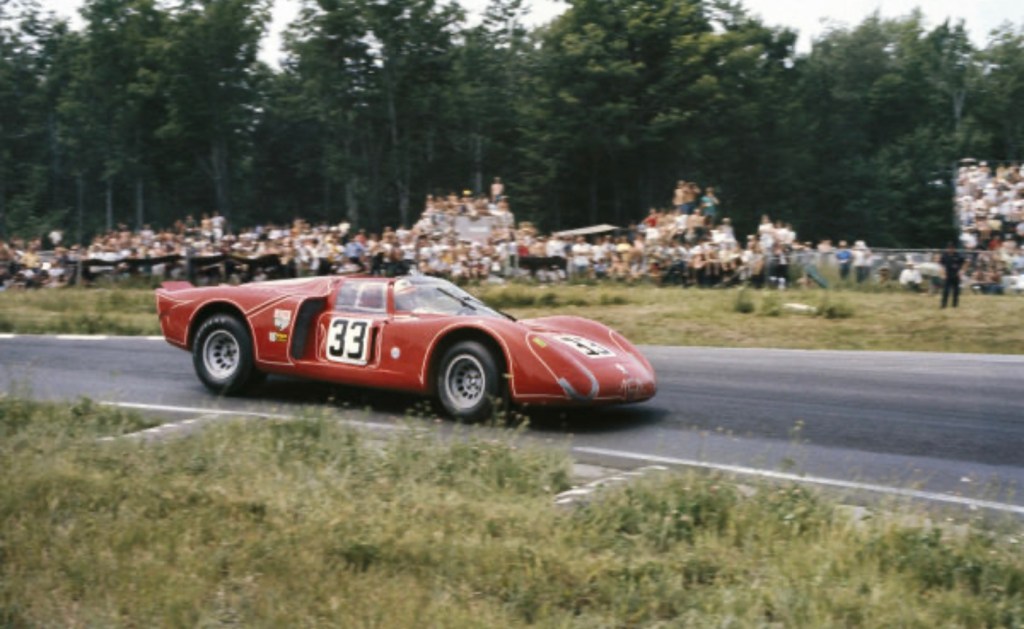
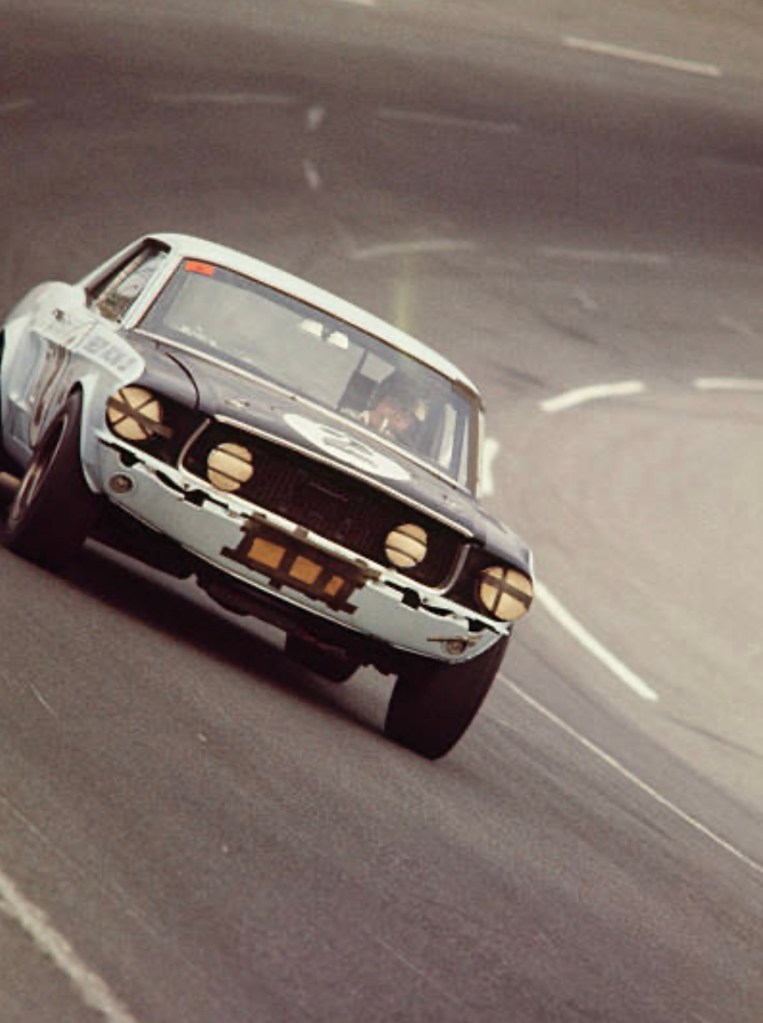
Horst Kwech in the Alfa Romeo T33/2 he shared with John Martino in the July 14, 1968 Watkins Glen 6 Hour.

Ok, Horst was born in Austria, lived in Cooma during his formative years and spent most of his adult life in the US, but he always wore a ‘Roo on his helmet, so we’ll claim him…

The then Alfa GTA Trans-Am star was out after only 17 of the winner’s 286 laps (Lucien Bianchi/Jacky Ickx JW Ford GT40), having qualified the car 11th, he got up to 10th before the engine cried enough. The best placed 2-litre car, the fourth placed Frank/Trieschman Porsche 906.

More on the T33/3 here:https://primotipo.com/2023/07/10/alfa-romeo-tipo-33-tt-3-and-siblings/

Earlier in the year, Kwech shared a Shelby-prepared Ford Mustang in the Daytona 24 Hour with then US-based Allan Moffat. We’ll claim that Canadian too!

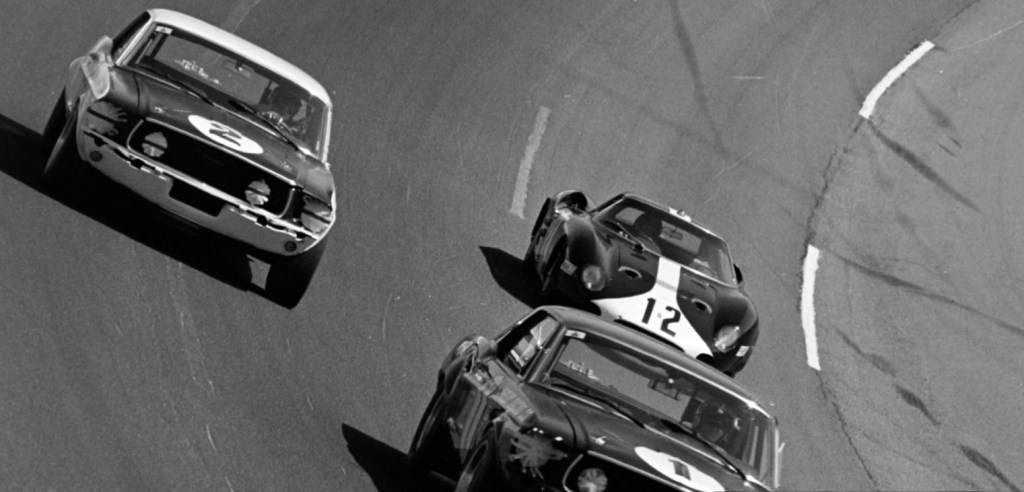
The shot below shows Kwech on the outside of the Paul Vestey/Roy Pike Ferrari 250LM. Car #1 is the fourth placed! Jerry Titus/Ronnie Bucknum Shelby Mustang. Horst and Allan were out after 176 of the winners 673 with a rear suspension problem. Up fromt was two 2.2-litre Porsche 906s: driven by Vic Elford/Jochen Neerpasch/Rolf Stommelen/Jo Siffert/Hans Herrman! and Siffert/Hermann.

The colour shot below is of Moffat. More about Moff’s US Racing Phase here:https://primotipo.com/2020/03/06/moffats-shelby-brabham-elfin-and-trans-am/
(LAT)
(Getty)
(LAT)

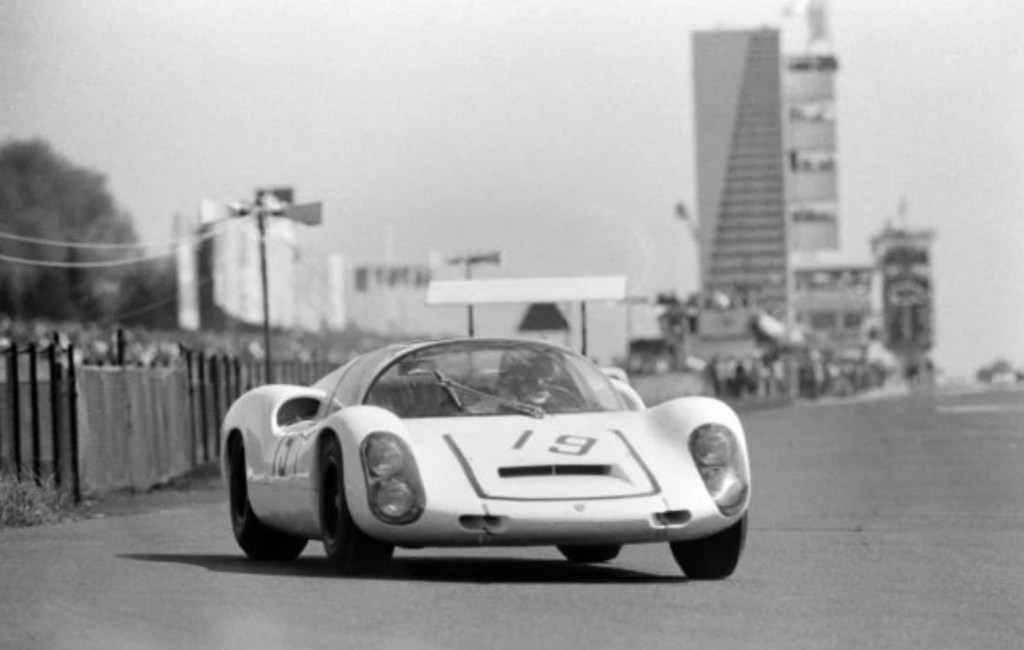
The works-Porsche 910 Paul Hawkins shared with Gerard Koch to second place in the May 28, 1967 Nurburgring 1000 km is about to be monstered by the 7-litre Chev powered Chaparral 2F driven by Phil Hill and Mike Spence, DNF.

The race was won by the Udo Schutz/Joe Buzzetta works-910. See here:https://primotipo.com/2020/09/25/hawkeye/ and another perspective here:https://primotipo.com/2017/10/12/lola-t70-aston-martin/
(LAT)

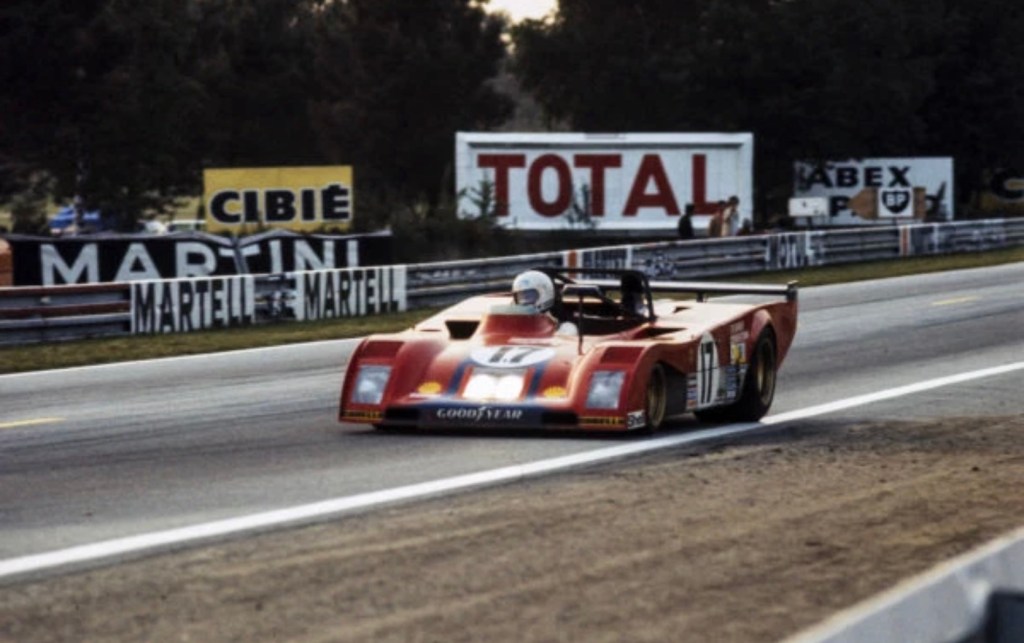
Tim Schenken aboard the Ferrari 312PB 3-litre flat-12 he shared with Carlos Reutemann at Le Mans in 1973

Tim had a big year with Surtees in F1 in 1972 and did the full endurance season with Scuderia Ferrari, usually sharing his Ferrari 312PB with good mate Ronnie Peterson. They won the 1000 Km Buenos Aires and the Nurburgring 1000 km and were second at Daytona, Sebring, Brands Hatch and Watkins Glen and third in the Monza 1000 km in a solid contribution to the points haul that won Ferrari the Munufacturers Championship 160 points to Alfa Romeo, 85, and Porsche, 66.

More about Schenken here:https://primotipo.com/2019/01/02/tim-schenken/
(LAT)

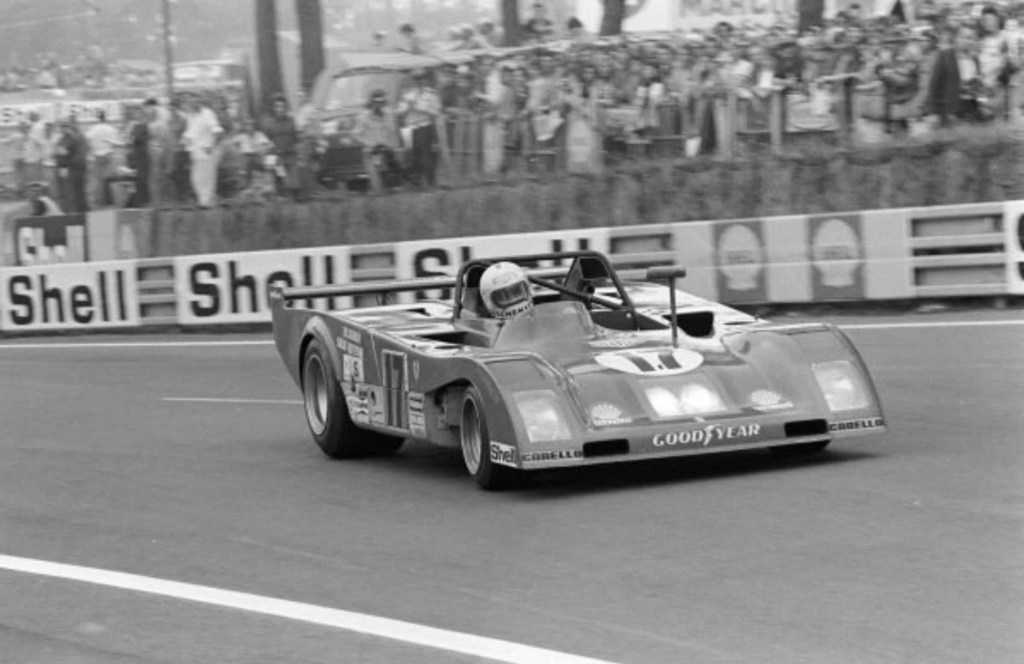
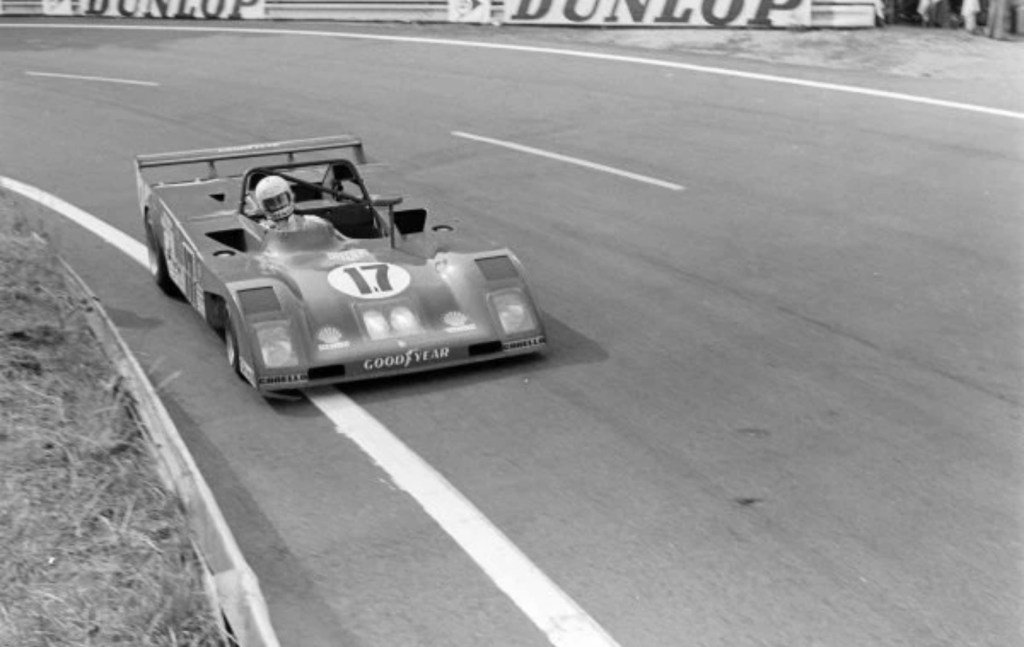
Tim returned to Ferrari the following year, but the Matra MS670/670B had bridged the performance gapso his best results were two second places in the car he shared with Carlos Reutemann at the Vallelunga 6 Hour and Monza 1000 km.

At Le Mans, the pair were out in the 12th hour with engine troubles; the Ickx/Redman machine followed suit in the final hour, leaving the Art Merzario/Carlos Pace 312PB second, but six laps adrift of the victorious Henri Pescarolo/Gerard Larrousse Matra-Simca MS670B. More about the Matra here:https://primotipo.com/2023/09/19/matra-random/
(LAT)
(LAT)

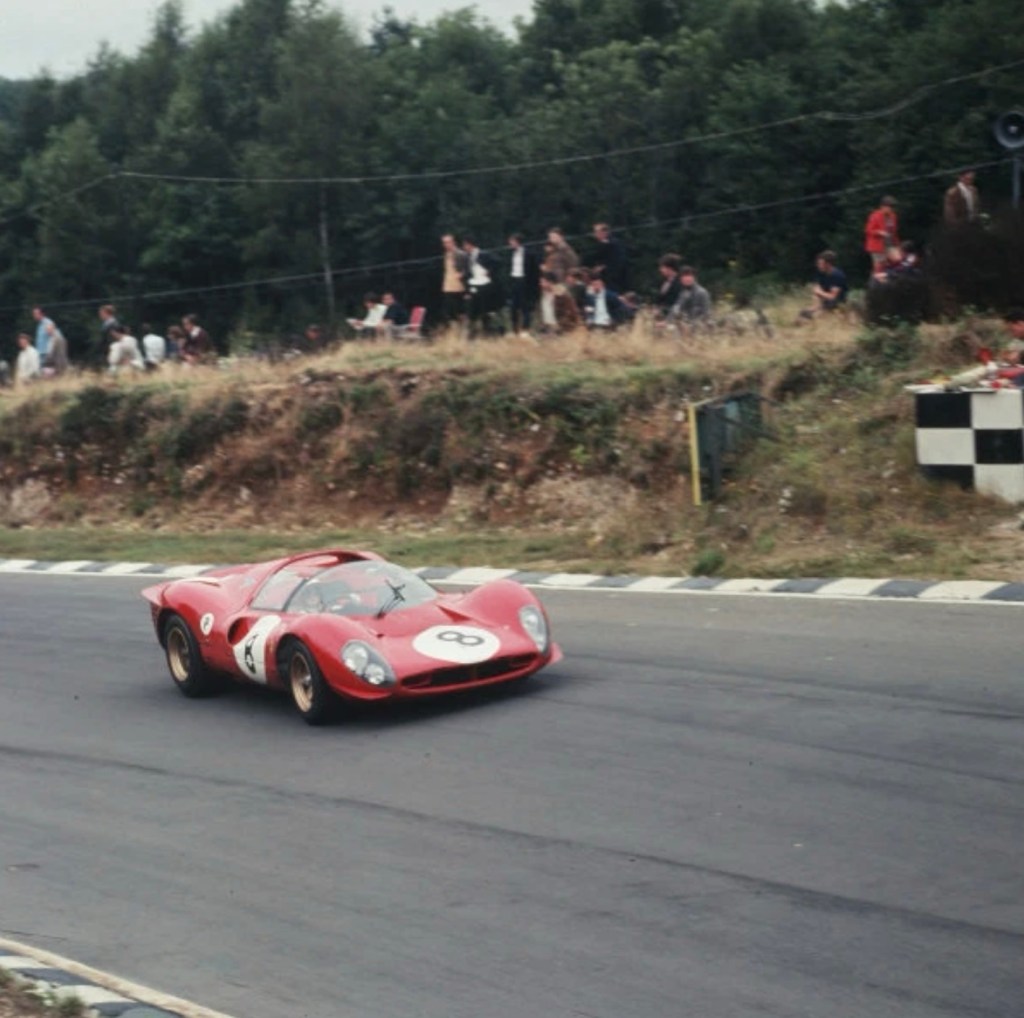
The only other Australian works-Ferrari driver was Paul Hawkins who shared a Ferrari P4 with Jonathan Williams in the 1968 Brands Hatch 6 Hour. Sadly, it was Paul’s only Scuderia Ferrari drive, but far from his last drive of a Ferrari! More about the 1967 ‘World Sportscar Championship’ and the Ferrari P4 here:https://primotipo.com/2015/04/02/ferrari-p4canam-350-0858/

The Donald Healey Motor Company, Lola, Porsche, Ford and Ferrari isn’t a bad list of works outfits to have raced for!

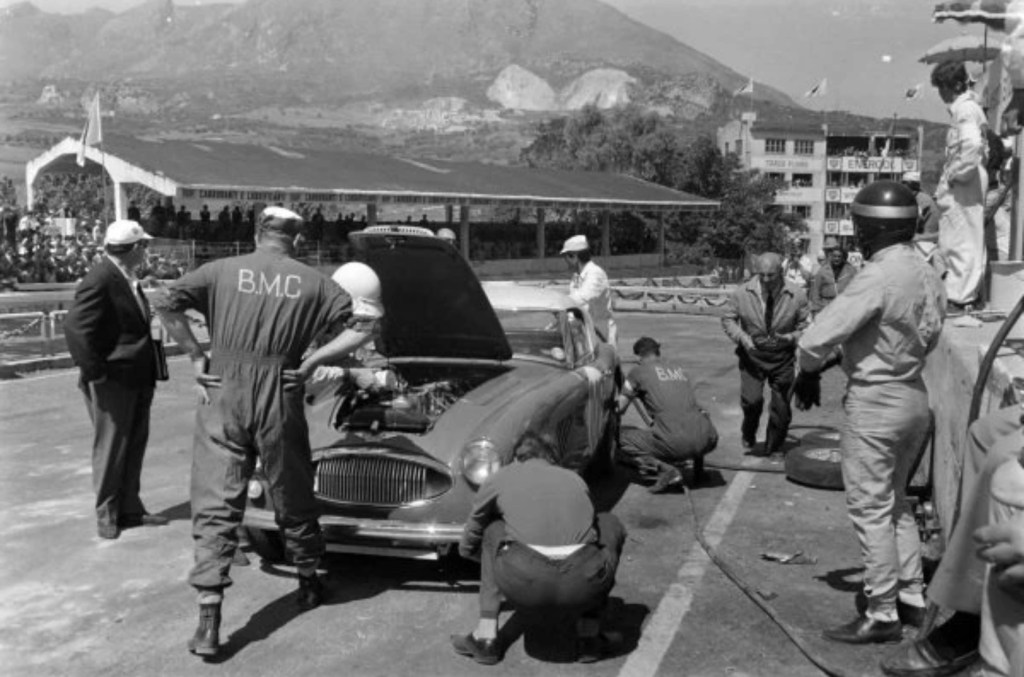
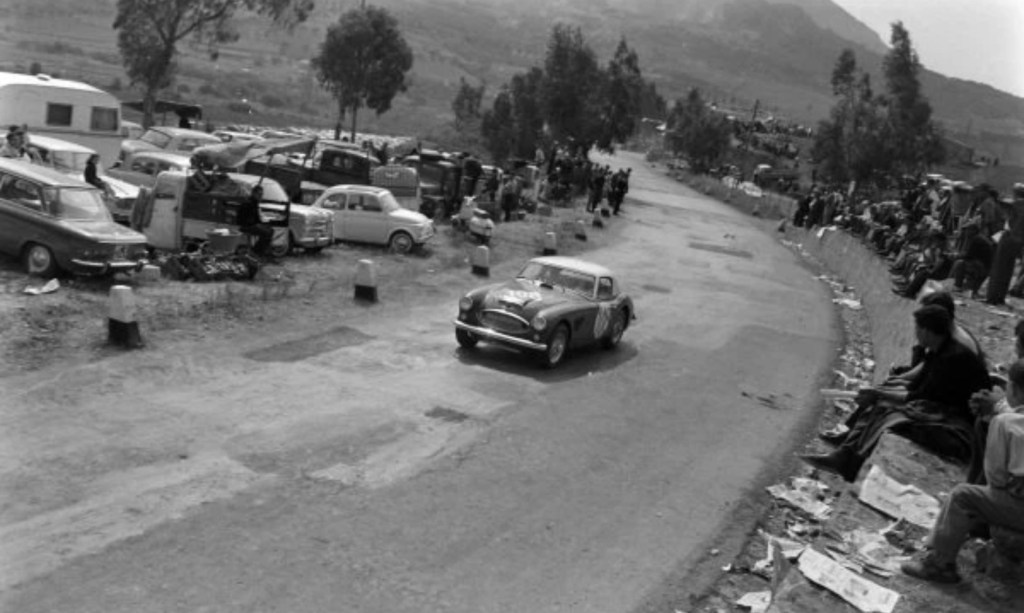
Speaking of the DHMC, here are some shots of the Hawkins/Timo Makinen Austin Healey Mk3 during the 1965 Targa Florio with Hawkeye at the right, ready to jump aboard. The pair were 21st in the race won by Nino Vaccarella and Lorenzo Bandini’s works-Ferrari 275 P2.
(LAT)
(LAT)
(LAT)

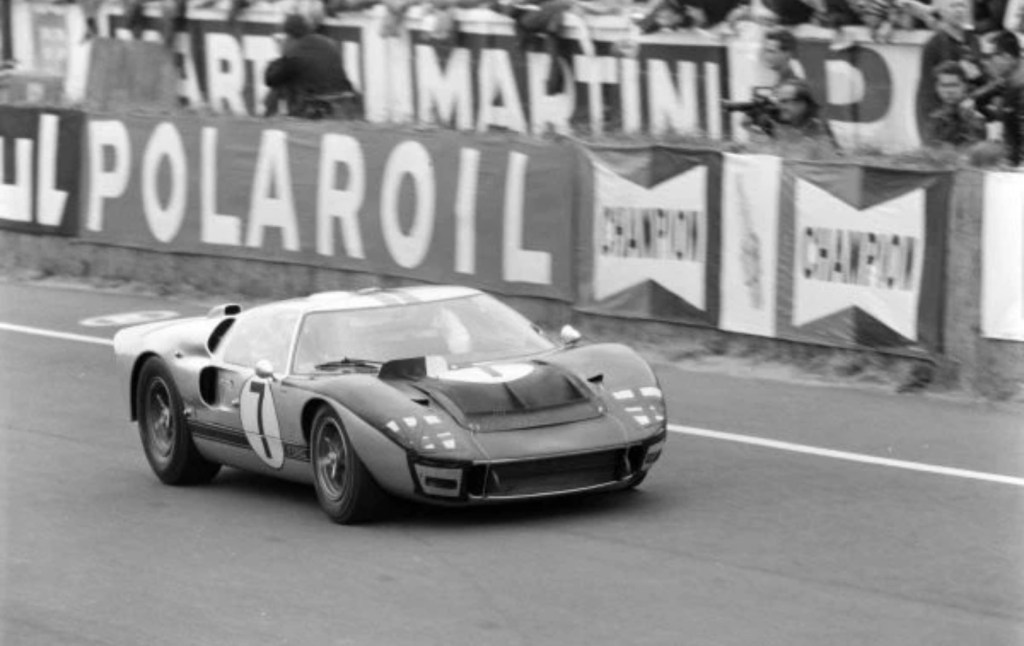
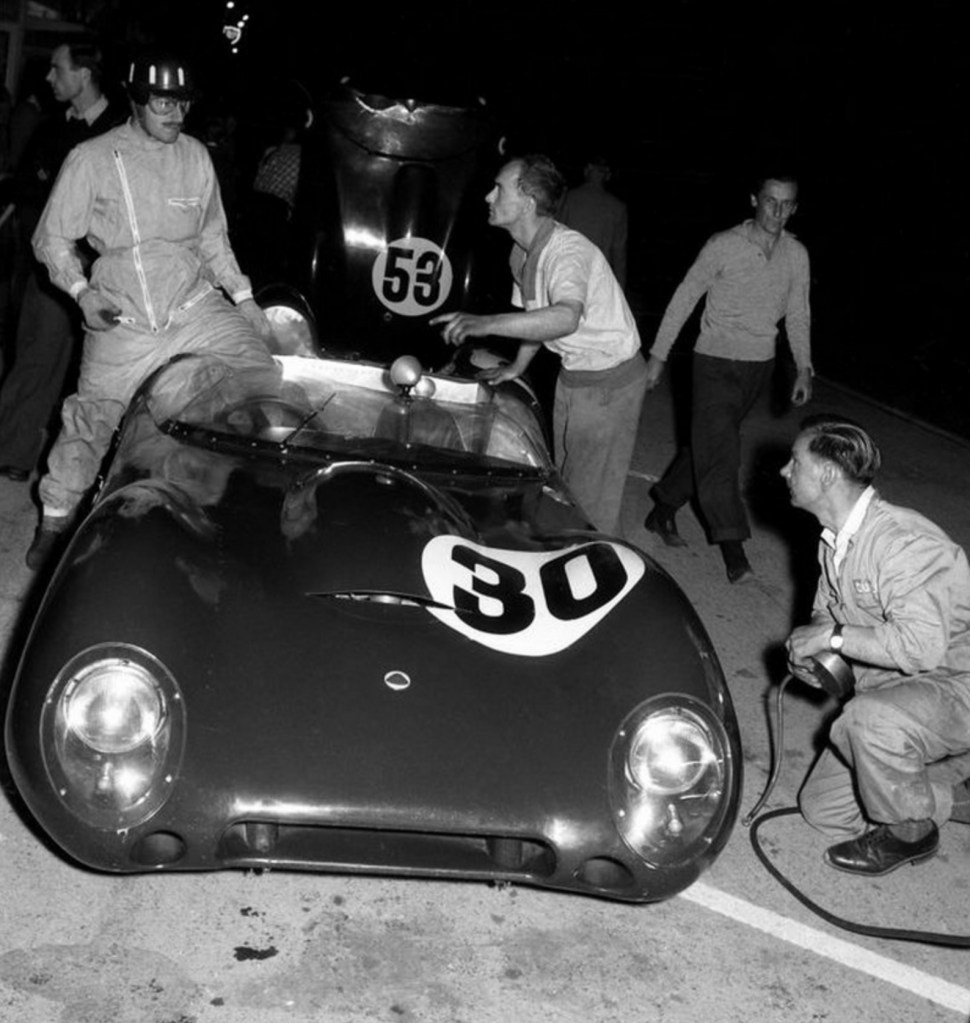
Brian Muir co-drove this Allan Mann Racing Ford GT Mk2 with Graham Hill at Le Mans in 1966

In 1966 Muir did a full season in a Willment Racing Ford Galaxie in the British Touring Car Championship. At the Norisring-Rennen in Germany, he won the GT race in Willment’s AC Daytona Cobra and finished third in the sportscar race in the team’s Lotus 30-Climax, setting the fastest lap.

Given his pace, Muir was signed to steer the Ford MkII with Hill. During the race, the pair ran in the top six before the front suspension broke during the eighth hour. More about Muir here:https://primotipo.com/2022/09/03/brian-muir/
I think the only other Le Mans entry Graham Hill shared with an Australian was with Derek Jolly in a Lotus Engineering 2-litre Lotus 15 Coventry Climax FPF in 1959.

That ended in tears with a Queerbox-induced engine failure. See this lengthy piece on Derek and his pair of Lotus 15s here:https://primotipo.com/2017/11/09/dereks-deccas-and-lotus-15s/
(LAT)
(LAT)

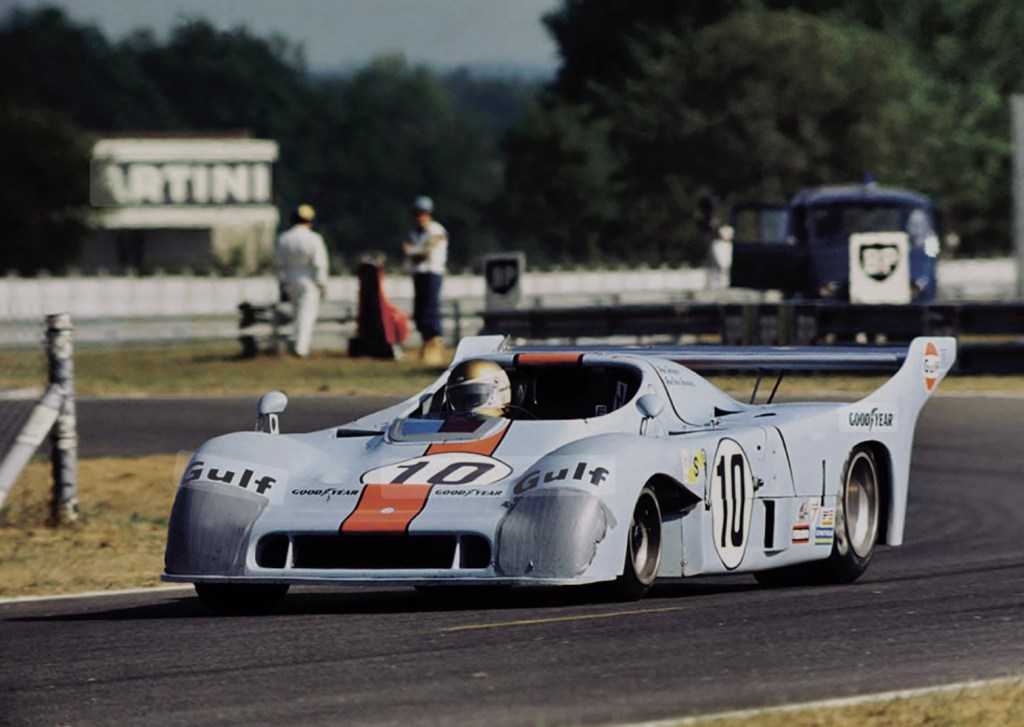
Vern Schuppan in the Gulf Mirage GR8 Ford Cosworth DFV he shared with Jean-Pierre Jaussaud to finish third at Le Mans in 1975.

Up front was the other team car driven by Derek Bell and Jacky Ickx, in second was the similarly powered Ligier JS2 crewed by Jean-Louis Lafosse and Guy Chasseuil.

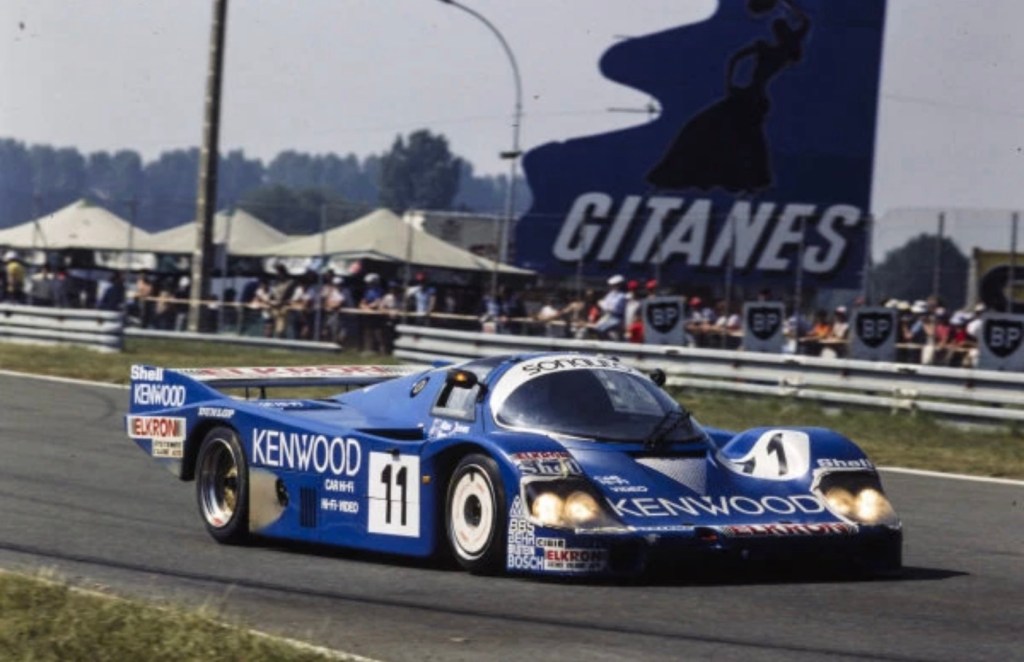
Nearly a decade later, Vern shared a Kremer Racing Porsche 956B with Alan Jones; the pair finished sixth in the race won by the Joest 956B raced by Henri Pescarolo and Klaus Ludwig.

I’ve done a few pieces about Vern, try this one:https://primotipo.com/2022/01/17/vern-schuppan-3/
(LAT)
(L Roberts)

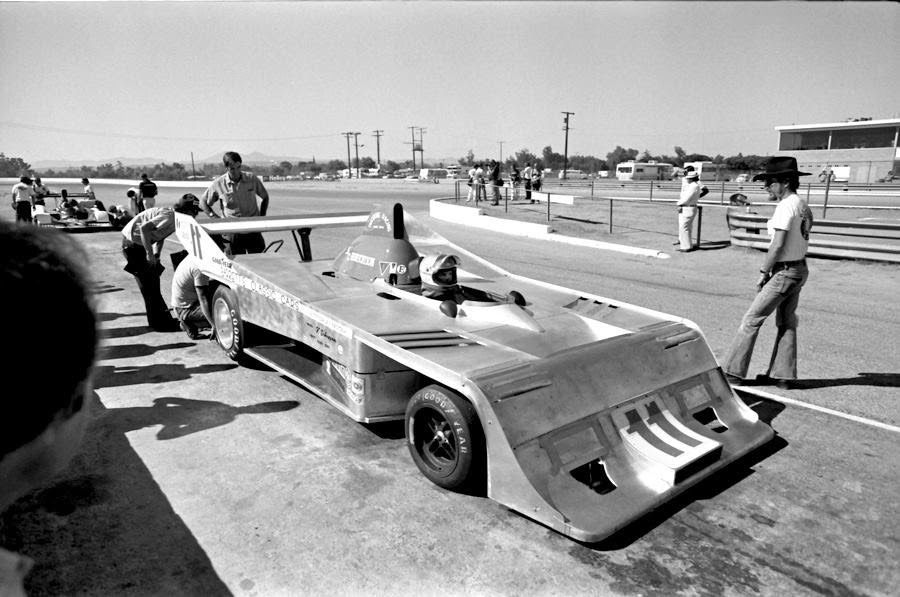
Vern in a sports car of a completely different type, an Elfin MR8C Chev F5000 converted into a central seat Can-Am machine, here at Riverside in 1977, resplendent in brand new John Webb aluminium bodywork. I’ve prattled on about this car before, see here: https://primotipo.com/2018/10/02/hit-with-the-fugly-stick/

Credits…

Ebay-LAT-MotorSport Images, Larry Roberts, Gardner Lotus Elite-History Racing Pedia, F2Index-Fastlane, Getty Images, Racing Sports Cars

Finito…

(MotorSport)

Brian Muir at Brands Hatch during the 1969 BOAC International 500, held over the April 13 weekend.

Muir shared the car with Lotus engineer and soon to be GP driver, John Miles. The pair qualified the new car 16th, finishing 13th outright and first in the 2-litre Prototype class.

The race was a Porsche rout, with the Jo Siffert/Brian Redman, Vic Elford/Richard Atwood and Gerhard Mitter/Udo Schutz 908/02s taking the podium. The Chris Amon/PedroRodriguez Ferrari 312P was fourth, the JW Automotive Ford GT40 crewed by David Hobbs and Mike Hailwood fifth with the other Porsche works car – yes, it finished too – raced by Hans Hermann and Rolf Stommelen in sixth. The 908 was quite a machine, about as reliable a racer as the 911 was/is a roadie.

(MotorSport)

It’s all about the engine really, this car. It was to a large extent a development exercise for the Lotus Vauxhall 2-litre LV240 Type 904 engine which, with lots of development, replacement of the Vauxhall block with bespoke Lotus alloy unit, and a whole lot more, later powered a couple of generations of Lotuses for 25 years or so. More about the engines gestation and useage at the end of this piece.

(MotorSport)

The arguments within Lotus Components about the location of the dry-sump oil tank would have been interesting! It’s all Tecalemit Jackson fuel injection componentry isn’t it. The metering unit is sharing the distributor drive (below). See the oil filter, “The heavy oil tanks sits too high Martin!” you can feel Our Col saying to designer Martin Waide. “Yep, I know but this car has bodywork Colin, I can’t shove it wherever I like compared with the open-wheelers.

A ZF 5DS five speed manual gearbox sits where a Hewland FT200 transaxle really belongs. Doncha-reckon Chapman said “use one of those things” and pointed to one of the ZFs pensioned off when Lotus got with the strength and fitted Hewland DG300s to the Lotus 49Bs?

(MotorSport)

240bhp @ 8000rpm is claimed for the 1992cc, twin-cam, four-valve, oversquare (95.3mm x 69.9mm bore/stroke) cast iron block, aluminium head engine. See the nicely boxed reinforcements for the top-hats of the coil spring damper units and cable drive for the Smiths chronometric tach. Plenty of Aeroquip there too, it’s coming into vogue…

(MotorSport)

The Lotus Europa parentage is clear enough, but parentage is putting things crudely, there is nothing Europa about this car other than the body. Two of these purpose built Group 6 racers were built. The thing clearly didn’t want to turn-in given the aero experimentation shown in this series of shots.

(MotorSport)

Front end detail, spaceframe chassis and conventional for the day front suspension comprising upper and lower wishbones, alloy uprights, coil spring/damper units and roll bar. Disc brake rotors are 12-inch Girlings, who also provided the calipers, weight of the car is circa 1250 pounds.

(MotorSport)

On the hop through Bottom Bend. The other cars in the 2-litre prototype class at this meeting were Chevron B8 Ford, Ferrari Dino 206S, Nomad Mk1 BRM, Abarth 2000S and Ginetta G16A BRM. The Muir/Miles Lotus 62 won the class from the Beeson/DeCadenet Dino and Blades/Morley B8 Ford.

26 year old racing driver/mechanical engineer John Miles, and 38 year old racing driver/mechanic Brian Muir will surely have extracted all their new mount offered and added a sizeable dollop of mechanical sympathy to boot (MotorSport)
(MotorSport)

Lots of sheet aluminium to reinforce the tubular chassis. Lotus cockpits of this era, open and closed are the yummiest of workplaces. Attention to detail and finish of their racing cars is exceptional, while freely acknowledging the under-engineering on way too many occasions that also went into the package…

(MotorSport)

Hard to tell who is up? Mechanic’s names welcome. That’s one of the four Porsche System Engineering 908/02s behind, the numbers of which all started with a 5…I can see the short-arse driver but cannot pick him.

Lotus fitted development versions of their 900 engines to their Bedford CF van, Vauxhall VX4/90 and Viva GT in addition to the two Lotus 62s (B Wellings)

History of the 900 Series Lotus Engines by Tim Engel

The production 9XX engines are Lotus designs. To expedite development, early versions of the cylinder head was bolted onto a Vauxhall block. No non-Lotus blocks were used beyond the first prototype iteration (904) and certainly not in production. Whether the 907 is a blueblood or a bastard is one that periodically comes up.

16 Apr 1997, Erik Berg <Erik.Berg@trw.com> wrote: OK, does anyone know more about the history of the development of the 62 engine? My recollection is that it was *not* in fact a 900 series engine, but was a four-valve head adaptation of the existing Vauxhall 2-litre block.

The Mk 62’s 904 engine was a development mule for the 907, and was a composite of a Vauxhall 2-litre iron-block assembly, a Lotus-spec’d, longer stroke crank and a Lotus prototype cylinder head. Lotus recognised that the most development intensive part of the engine design was going to be the head. To expedite head development without waiting for the complete engine to be designed and prototyped, they ‘borrowed’ the cylinder block from the very similarly sized/ configured (slant four) Vauxhall Victor 2.0 and mated it to the prototype head.

Later, the Mk 62 received the 906 engine, which was a further development of the Lotus design with a prototype sand-cast aluminum block. The 906 eliminated the Vauxhall crutch that had allowed the development program to get a faster jump start and got the engine closer to it’s final, all-Lotus design.

The Mk 62 car was built as much as a development test bed for the new engine as a race car. It was felt that racing the engine would accelerate the learning curve.

(MotorSport)

The aluminum 907 block is very different from the iron Vauxhall block and not just an alloy adaptation of an existing design. However, it’s probably (I’m jumping to a conclusion) more than coincidence that the bore centers are the same. The head was first designed to fit the Vauxhall block. Once that was done, why incur the extra work of re-designing it to fit a different bore spacing? Just design your new block to fit the head that was developed in advance of the rest of the program.

  1. Iron block 2.0 race engine with T-J fuel injection, July ’68 (aka, LV220 = Lotus-Vauxhall, 220bhp)
  2. Iron block 2.0 road car engine (non-production, test only).
  3. 906 Sand-cast aluminum block 2.0 race engine (aka, LV240)
  4. Die-cast aluminum block 2.0 road car engine
  5. Aluminum block 4.0 V8 race engine
  6. Aluminum block 4.0 V8 road engine
  7. Die-cast aluminum block 2.2 Turbo road car engine
  8. Die-cast aluminum block 2.2 N/A Sunbeam-Talbot engine
  9. Die-cast aluminum block 2.2 N/A Lotus road car engine

The 904 had a 95.25mm (3.75 in) bore x 69.85mm (2.75 in) stroke for a 1995 cc displacement… just under the racing class limit. The similar Vauxhall Victor 2000 used the same 95.25 bore, but a shorter 69.25 stroke for a 1975 cc displacement. As installed, the 904 crank was a Lotus specific part; however, I don’t know if it was machined from a Vauxhall blank or made from scratch.

Later, the 907 used the same 95.25 (3.75) bore as the Vauxhall, but with a claimed 69.2 (2.72) stroke/ 1973 cc displacement. Just a weeee bit smaller than the Vauxhall engine. The Elite/Eclat/Esprit manuals give the bore dimension to 4 decimal places, but leave the stroke at 69.2 (2.72).

I wouldn’t doubt (but I don’t know) that the stroke and displacement numbers (.05mm / 2cc smaller than the Vauxhall) were more of a weak marketing attempt to give the 907 it’s own non-Vauxhall identity by simply rounding off the numbers.

The 907 was supposed to be an important step for Lotus in establishing itself as a stand-alone manufacturer. However, when Lotus fast-started it’s development program by basing the first prototypes on the Vauxhall block, the press grabbed onto the Lotus-Vauxhall identity with a death grip and Chapman couldn’t break it. After a while, hearing the press continually refer to his new engine as a Vauxhall or Lotus-Vauxhall started to SERIOUSLY rub Chapman the wrong way.

Etcetera…

In a previous life I was CEO and a partner in one of Australia’s best graphic design and branding firm. I saw plenty of corporate identity standards manuals along the way but never one where the client felt the need to define the plural of the entity, as Chairman Chapman or his PR apparatchiks felt the need to do.

I don’t think anybody took any notice either, ‘Lotuses’ seems to have been in common use since Jim Clark was in shorts. I used Loti until someone observed that I had a touch of the Setrights. So I stopped.

Clearly the name of ‘our car’ is officially the Lotus 62 Europa albeit I follow the racing car nomenclature practice started by DC Nye and some of his buddies during the 1960s, viz; make-model-engine maker, that is Lotus 62 Vauxhall. Mind you, a more accurate description is perhaps Lotus 62 Lotus-Vauxhall given the mix of Lotus and Vauxhall mechanicals, mind you that sounds shit. How bout Lotus 62 Vauxhall-Lotus. Nah, that’s not too flash either. I think Lotus 62 Vauxhall will do the trick, application of the KISS Principle is always the way to go.

(MotorSport)

Credits…

MotorSport Images, Tim Engel 900 engine article on gglotus.org, bedfordcf2van.blogspot.com, Bruce Wellings

Tailpiece…

(MotorSport)

I wonder who took out the rest of the BOAC sign? An expensive accident no doubt.

Finito…

(MotorSport)

Brian Muir in an Alpina BMW 3-litre CSL during the May 1973 Spa 1,000km.

He shared the car with Hans Stuck, the pair finished second in class, eighth outright, immediately behind the sister Alpina machine raced by Niki Lauda – and Hans Stuck! The race was won by the Mirage M6 Ford prototype crewed by Derek Bell and Mike Hailwood.

Muir is too often forgotten in conversations between enthusiasts in Australia about successful internationals. He was a much respected figure in touring cars and sportscars in the UK/Europe for the better part of 30 years after leaving Australia for the UK for the second time, as winner of the ‘Smiths Industries Driver to Europe Prize’ in late 1964.

Click here for a good summary of his life/career; Motorsport Memorial – Brian Muir

Brian Muir chasing David Hobbs at Silverstone during the July 1968 BSCC round, Falcon Super Sprints. They finished the Duckhams Q Trophy in this order, there was nothing in it, both were credited with the same fastest lap (LAT)
Brian Muir aboard the works Lotus 62 Vauxhall he shared with John Miles, chases the Helmut Kelleners/Reinhold Jost Ford GT40 during the April 1969 Brands Hatch 6 Hours. The Lotus pair were 13th outright and first in the 2-litre prototype class, the GT40 was 16th. Race won by the Jo Siffert/Brian Redman Porsche 908/02 (MotorSport)
Muir aboard the winning Ford GT40 during the April 1968 Barcelona 6 Hours at Montjuic Park. He was co-driven by Francisco Godia-Sales (J Vinals)

Brian had a terrific year in 1973, he raced Alpina tuned BMW CSLs in both the British Saloon Car Championship and the European Touring Car Championship.

In the UK the battle for outright honours was fought between Frank Gardner’s legendary SCA European Freight Services Chev Camaro Z28 and fellow Sydneysider, Muir.

Gardner won the title with wins in six of the eight rounds he contested, Muir won at Silverstone and Brands Hatch to finish fifth overall behind better performing smaller-capacity class cars.

Oopsie, two Sydneysiders at play at Silverstone. Frank Gardner’s Chev Camaro Z28 copping a bit of TLC from Muir’s BMW CSL during the April 1973 International Trophy BSCC round (A Cooper)
Brian Muir three-wheeling in his chase of Frank Gardner at Brands Hatch in August ’73. BMW’s homologation goodies for the year included a nice-fat 3.5-litre engine and aero pack including the iconic Batmobile wing. Gardner won the race while Brian DNF with oil pump failure in his 3303cc engine (MotorSport)
Muir aboard the Alpina 3-litre CSL he shared to victory with Niki Lauda at the ETCC season opener, Monza 4 Hours, March 1973 (Alpina Automobiles)

Things were better in Europe though.

Brian and Niki Lauda won the first ETCC round at Monza – the Monza 4 Hours – in March leaving four Ford Capril RS2600s in their wake.

Muir was second at the 4-Hour Austria Trophy at the Salzburgring sharing with Toine Hezemans, and again at the following round, the 500km of Mantorp Park, Sweden. Ford Capri RS2600s won both races crewed by Dieter Glemser/John Fitzpatrick and Glemser/Jochen Mass respectively.

Paired with Alain Peitier, Muir’s car failed at the Nurburgring’s Grosser Preis der Tourenwagen with bearing trouble while running the just homologated 3.5-litre engine. It was the first of many bearing problems that year.

In a race – make that series – chock-full of GP drivers, Stuck and Chris Amon shared the winning 3303cc BMW 3.0 CSL from the similarly engined works car of Hezemans/Quester/Harald Menzel, then the 3498cc Alpina entry shared by Lauda/Hans-Peter Joisten.

Muir pulls to a stop with Niki Lauda all set to jump aboard during their successful Monza run at left. Who is the driver near the BMW’s boot? (Automobilsport)
Lift off at the Thruxton BSCC round in May 1973. Muir, Gardner and Dave Matthews Ford Capri RS2600 on the front row, Gardner won from Muir and Matthews (MotorSport)
Brian Muir aboard the ill-fated 3.3-litre CSL he shared with Hans-Peter Joisten in the early stages of the July ’73 24 Hours of Spa-Francorchamps (unattributed)

Then it was off to Belgium for the classic 24 Hours of Spa Francorchamps.

There, Brian popped the car on the front row – sharing with German racer Joisten – between the works cars of Stuck/Amon and Hezemans/Quester.

Tragedy struck Joisten during the race when he passed two Alfa Romeo 2000 GTVs of Roger Dubos and Claude Ballot-Lena. Travelling too fast, Hans-Peter touched the barriers and was pinged back onto the track, where Dubos saw him and started to brake before being simultaneously rammed by Ballot-Lena, crashing into Joisten’s car. Both Joisten and Dubos were killed instantly in this freak accident.

Hezemans/Quester won from the factory Capri RS2600 of Mass/Fitzpatrick.

The next round was in the Dutch sand dunes at Zandvoort in mid-August. At the end of four hours the Zandvoort Trophy was held aloft by Hezemans and Quester who won from Muir and James Hunt in the Jagermeister Alpina entry. In third and fourth places were two RS2600 Capris led by the Fitzpatrick/Gerard Larrousse machine.

Brian Muir goes around the outside of Ivor Goodwin’s Hillman Imp at Silverstone during the July 1973 BSCC round, DNFs for both, with again, Gardner up front (MotorSport)
The other main 1973 ETCC protagonist, the fabulous 325bhp/970kg Ford Capri RS2600. This is the Fitzpatrick/Gerry Birrell car during the Monza 4 Hours in March, DNF (MotorSport)
Brian at Spa during the 1,000km meeting, ain’t she sweet? (MotorSport)

Three weeks later the ETCC circus raced at Le Castellet, contesting the 6 Hours of Paul Ricard.

With the RS2600 at the limit of homologated tricks – lookout for the 3.4-litre Cosworth GAA powered RS3100 in 1974 – the BMWs were again on the front row and finished in first to fourth places, a race of complete dominance.

Hezemans/Quester won from Ickx/Hunt, Stuck/Amon and Walter Brun/Cox Cocher. The best of the Capris – the Mass/Jackie Stewart machine – was fifth but 11 laps adrift of the winning car. Brian Muir and John Miles qualified eighth, but their 3.5-litre engine had head gasket failure after water loss.

The final round of the series was the RAC Tourist Trophy, it comprised two heats of two hours each at Silverstone on September 23.

The cat-among-the-pigeons was Gardner’s Camaro, although his speed was handicapped by tyre problems throughout. Harald Ertl’s Alpina CSL won the first heat from the Capris of Mass and Fitzpatrick with Muir a distant ninth having lost his front spoiler early in the race. Second place in the second heat behind Derek Bell’s Alpina machine was better; Brian was third overall behind Bell/Ertl and Mass’ Capri.

Toine Hezemans’ speed and consistency throughout the season paid off, he won the ETCC with 105 points from 42 years old Brian Muir on 77, and Dieter Quester on 75. BMW demolished Ford in the manufacturer’s title, 120 points to 97.

BMW E9 3.0 CSL – Coupe Sport Licht – Group 2 1973…

(B Betti)

A few summary points on salient technical features of this great road and track machine.

The unitary steel chassis had aluminium door, bonnet and boot panels, these and other mods reduced weight by about 200kg to a total of circa 1050kg.

BMW M30 cast iron, aluminium block SOHC, two-valve Bosch injected straight-six engine. 3003cc 324bhp @ 7000rpm, 3340cc 355bhp @ 7600 rpm, and 3498cc engine 370bhp @ 8000 rpm.

ZF worm and roller steering, ZF or Getrag five-speed, or Getrag four speed box. 10.7 inch disc brakes all around, 12.5 inches X 16 and 15.75 X 16 wheels

Credits…

MotorSport Images, LAT, touringcarracing.net, Jordi Vinals, Alan Cooper, Alpina Automobiles, Automobilsport, Bruno Betti

Tailpiece…

(unattributed)

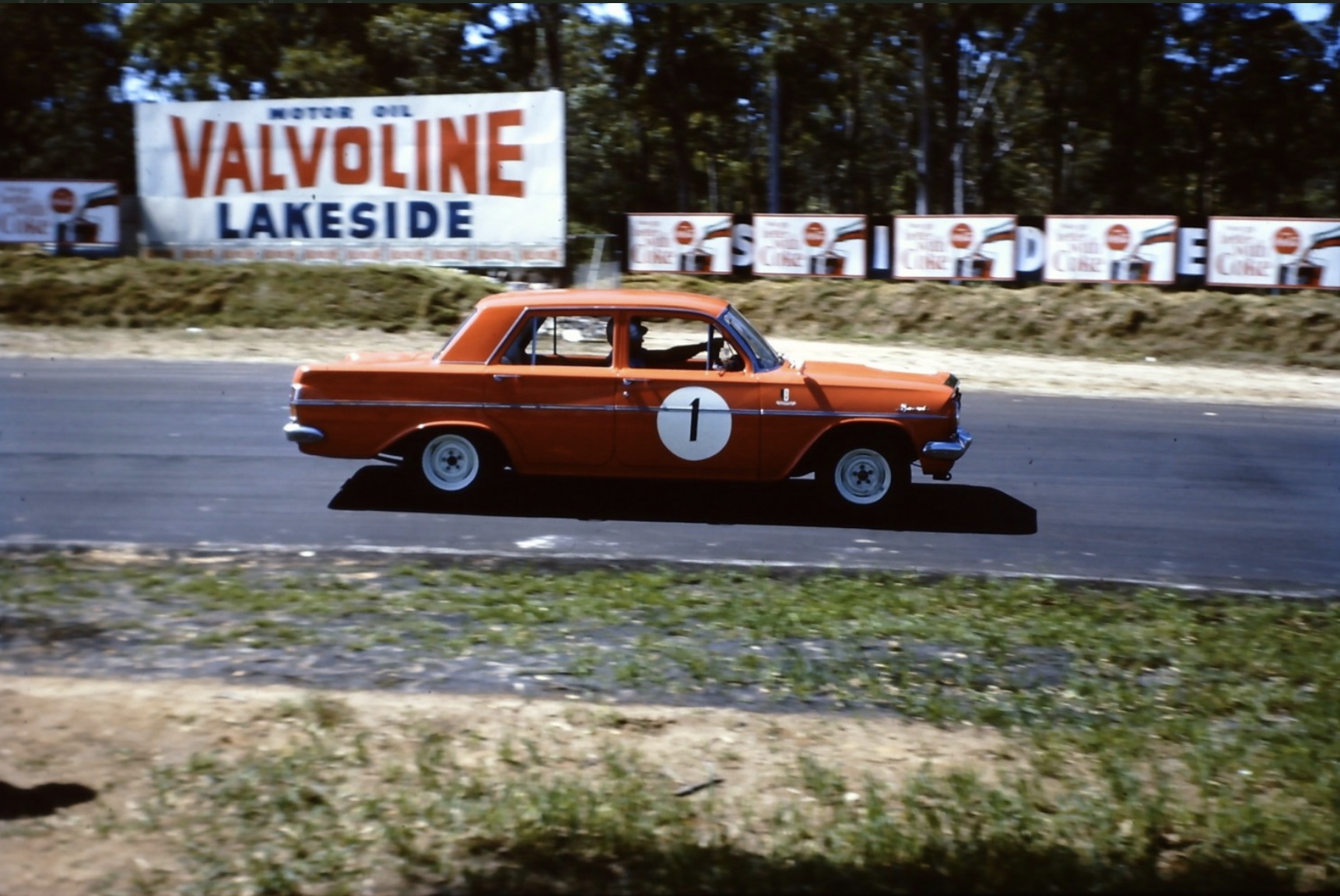
Brian Muir aboard his Scuderia Veloce Holden EH S4 during the one-race Australian Touring Car Championship at Lakeside, Queensland on July 26, 1964.

Note the ‘Nomex’ Polo-Shirt. Brian led the event late in its 50 laps but a pit stop to replace a tyre ruined his day, he was seventh in the race won by Pete Geoghegan’s Ford Cortina GT.

Click on the link for an account of this race; Lakeside early days… | primotipo…

Finito…

(J Wright)

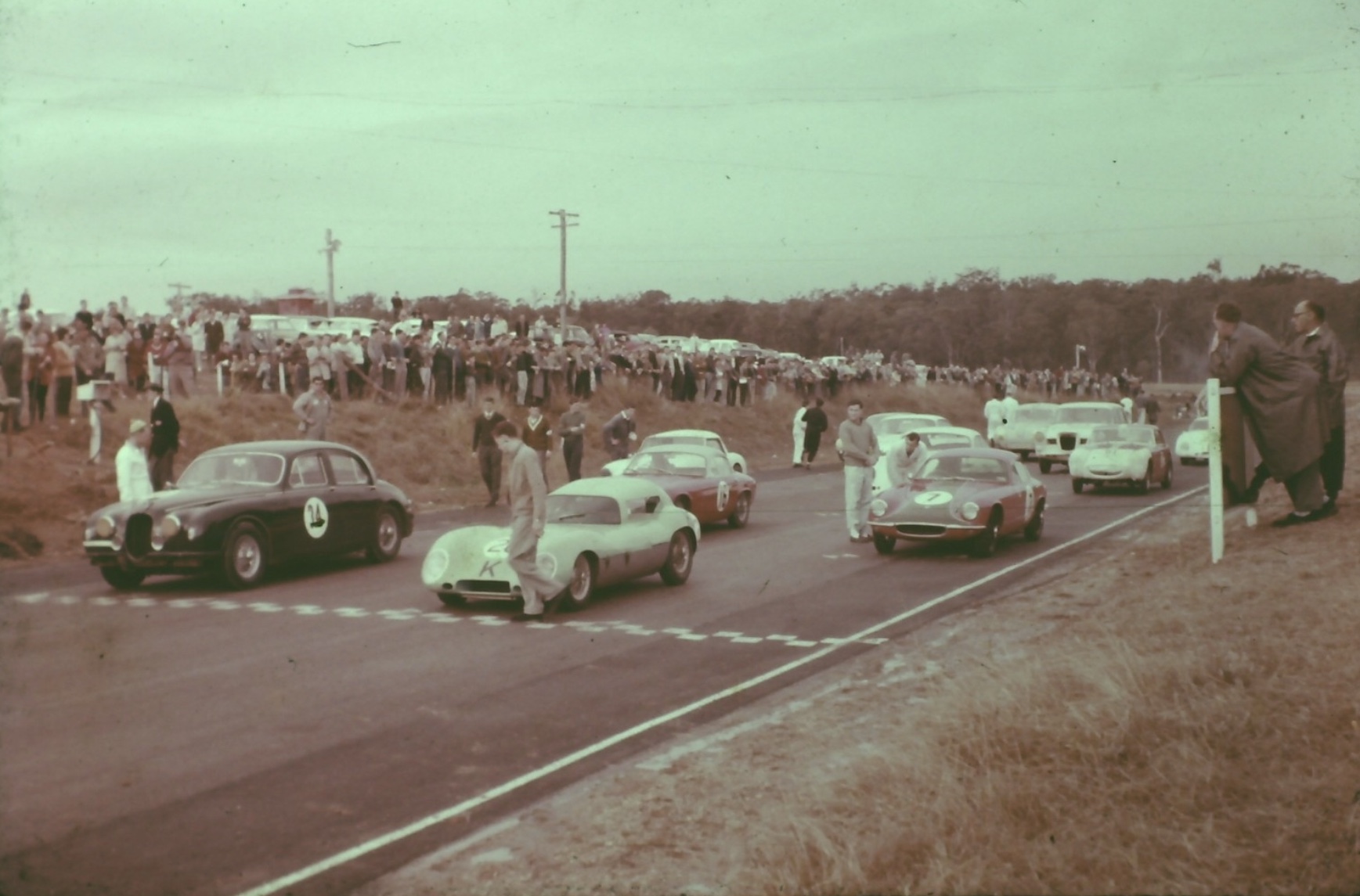
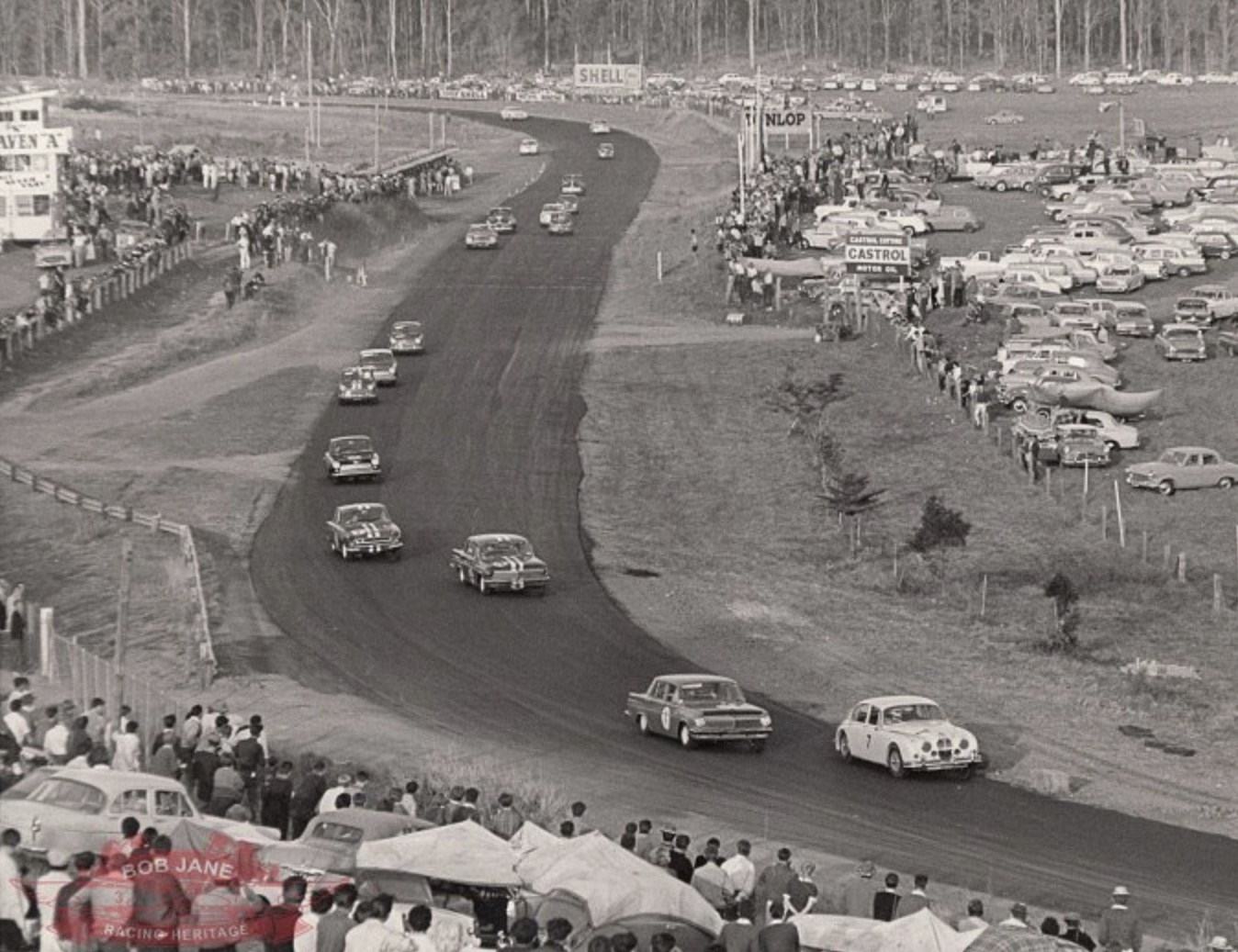
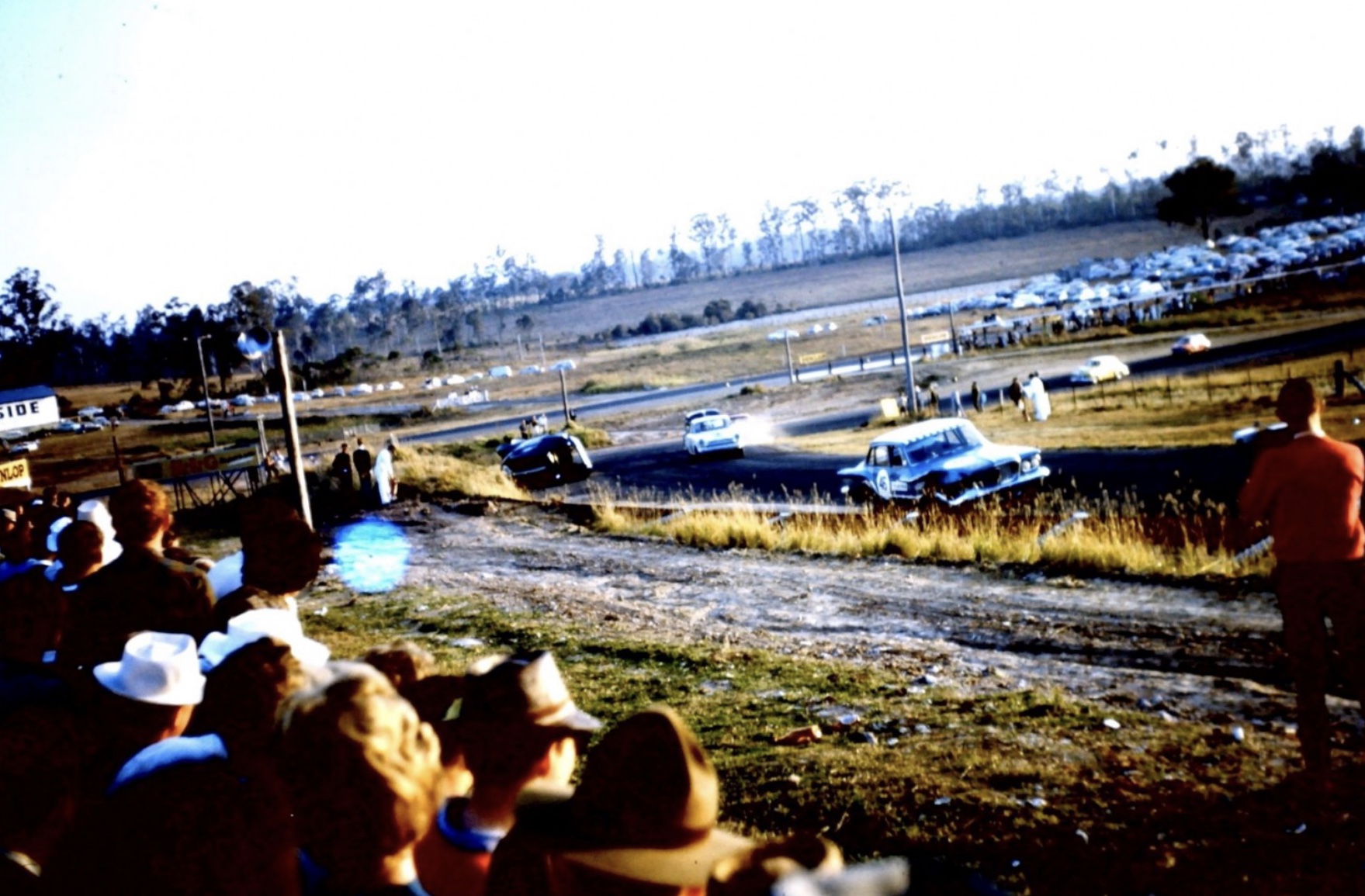
The grid for the Australian GT Championship at Lakeside, Queensland on 8 July 1962…

Bill Pitt, Jaguar 3.4 alongside John French in the Centaur Waggott/Holden, then the two Lotus Elites of Tony Osborne #16 and #7 Brian Foley. On the row behind is #21 Les Howard, Austin Healey Sprite Ford-Cosworth, in the middle the partially obscured #31 Porsche 356 of Tony Basile and on the left the white #30 Renault Floride of Terry Kratzmann .

The light coloured Sprite further back is #51 Sib Petralia, #60 Paul Fallu, Karmann Ghia whilst the #4 Wolseley has long time competitor Ken Peters at the wheel. The unmistakable outline of the grey Renault Dauphine is #6 M Hunt. Dennis Geary #22, was also entered in the HWM Jaguar- now in two-seat Coupe form but with the very same chassis and mechanicals of the car raced by Lex Davison to win the 1954 Australian Grand Prix, ‘just down the road’ at Southport on the Gold Coast.

The 50 lap 75 mile race was won in 62:6.06 minutes/seconds by French from Basile, Pitt, Howard then came Foley. Sib Petralia won the under 1 litre class, Basile the 1000-1600cc, French the 1600-2600cc and Pitt the 2600cc class and over.

The race was the third Australian GT Championship for Appendix K cars- the first was held at Bathurst during the October 1960 meeting and won by Leo Geoghegan’s Lotus Elite, the 1961 event was at Warwick Farm in July- Frank Matich won in his Jaguar D Type.

The CAMS relaxed attitude to the requirements of App K was that cars such as the Matich D, Bob Jane Maserati 300S, David McKay Lola Mk1 Climax and many other sports-racers were allowed to run to fill scanty grids, with hardtops cobbled together for the purpose.

Which rather negated the intent of the CAMS regulatory changes, lets not go down that path.

The first photograph had me tossed- I got Pitt and French but not the locale at all, i’ve never been to Lakeside and some earthworks after the first several years changed the look of the place a bit in any event.

So, many thanks for the detective work of regular collaborator Stephen Dalton and Glenn Moulds- the wise owls of The Nostalgia Forum can usually solve these knotty Who, What, Where and When problems.

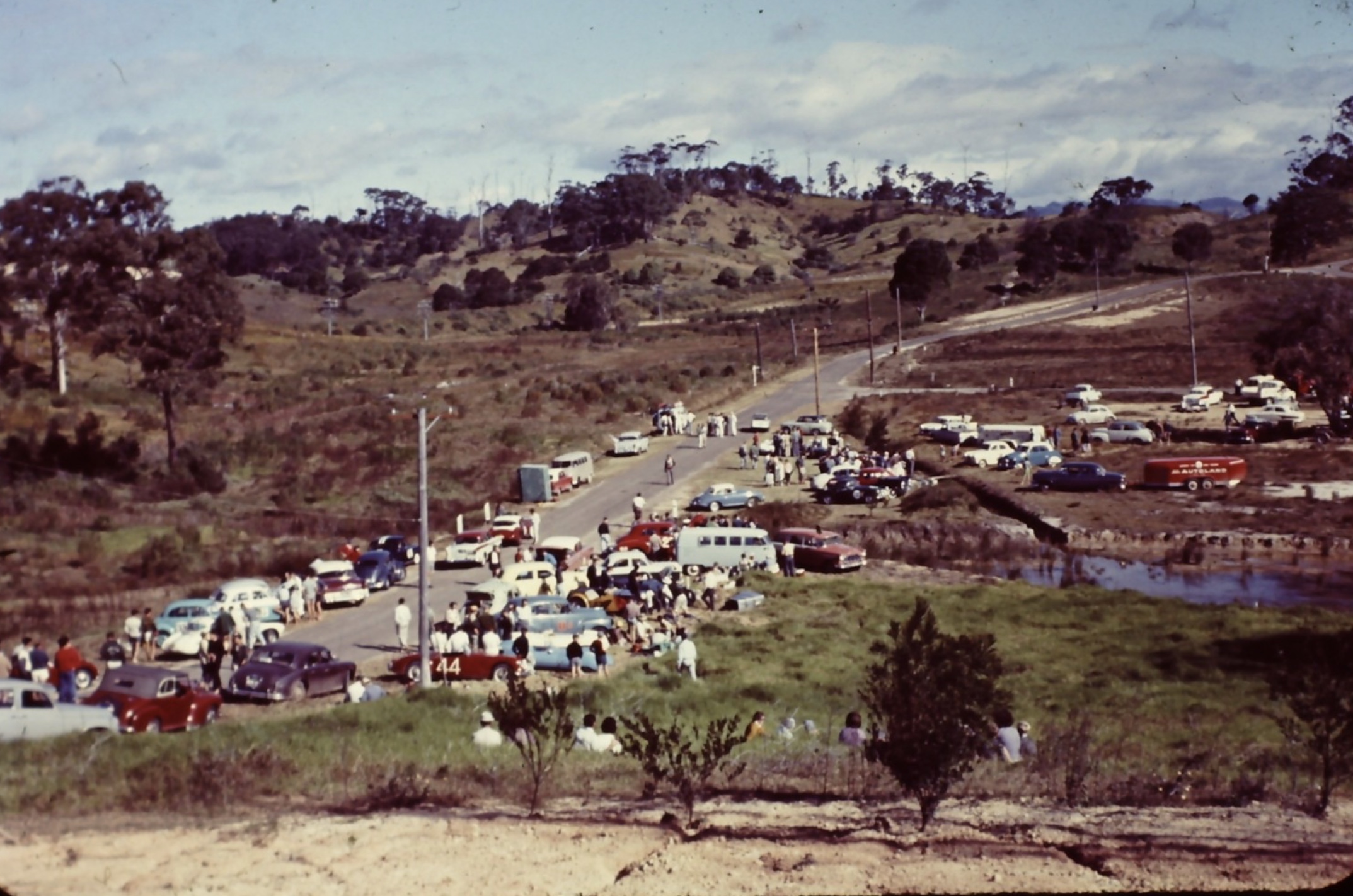
Mind you, we are still cogitating in relation to the shot below, said to be Lakeside too.

If there are some Queenslanders out there who can confirm the whereabouts of the scene below that would be a bonus. My suggestion that its on the Jindabyne-Charlottes Pass road near Charlottes in the NSW Snowies so far has little support.

(J Wright)

Most of these photographs were popped up on the Shannons Insurance website by Dr John Wright a couple of years ago but only three were identified- we on primotipo…backed by the research horsepower of the TNF Crew are happy to oblige.

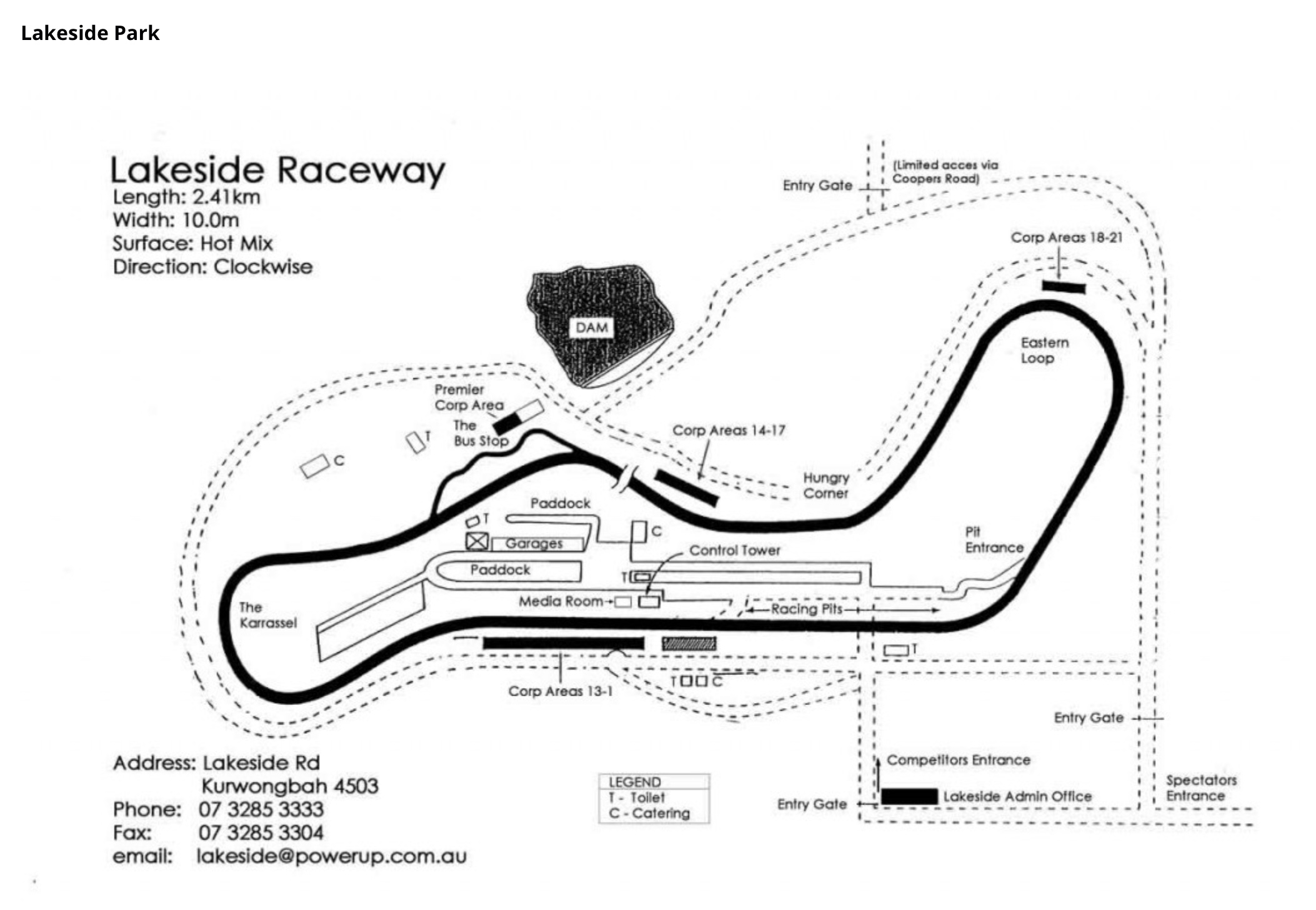
Lakeside was built on farm land purchased by Geoffrey Sidney Sakzewski at Petrie 30km north of Brisbane in 1957.

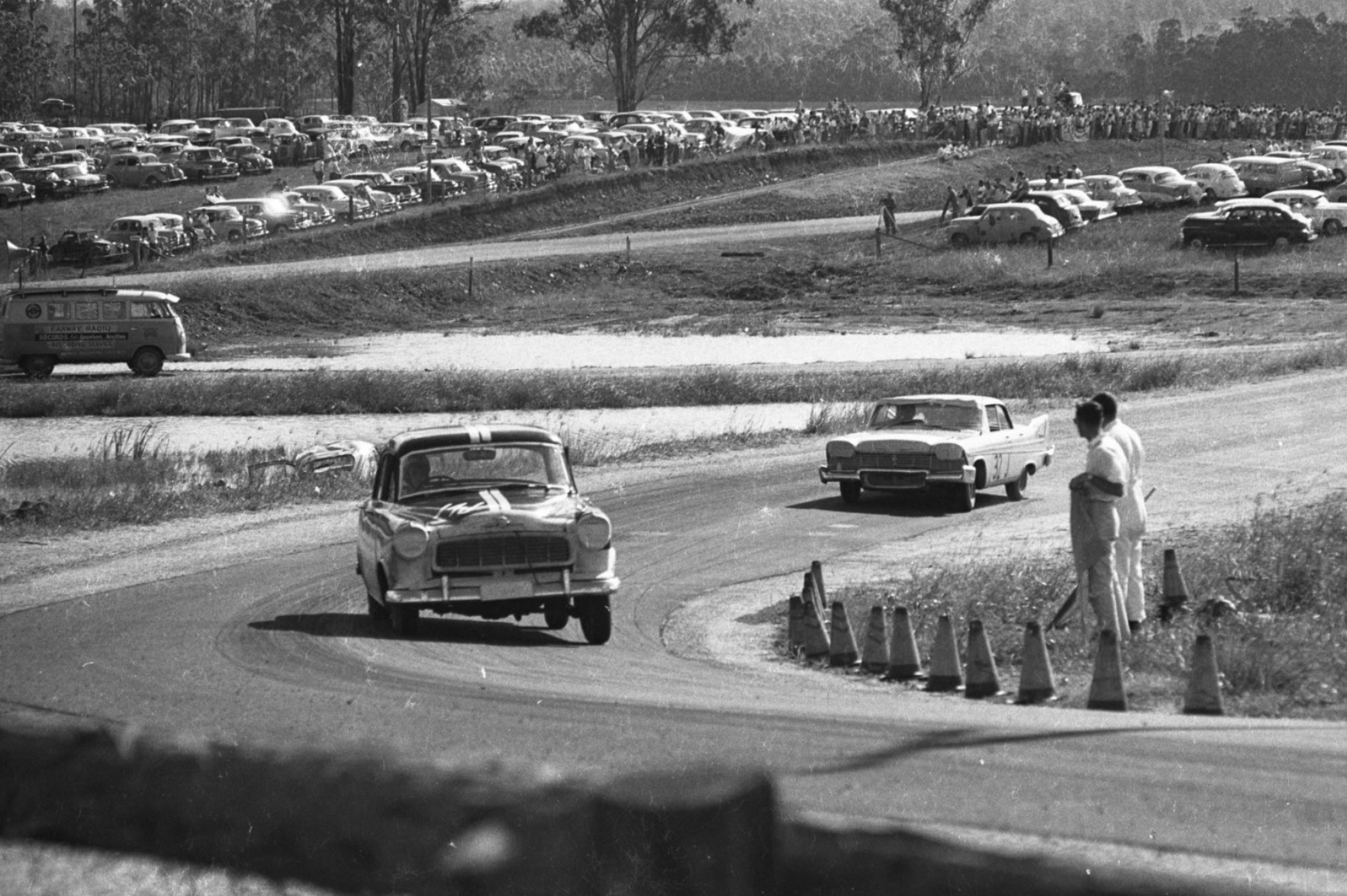
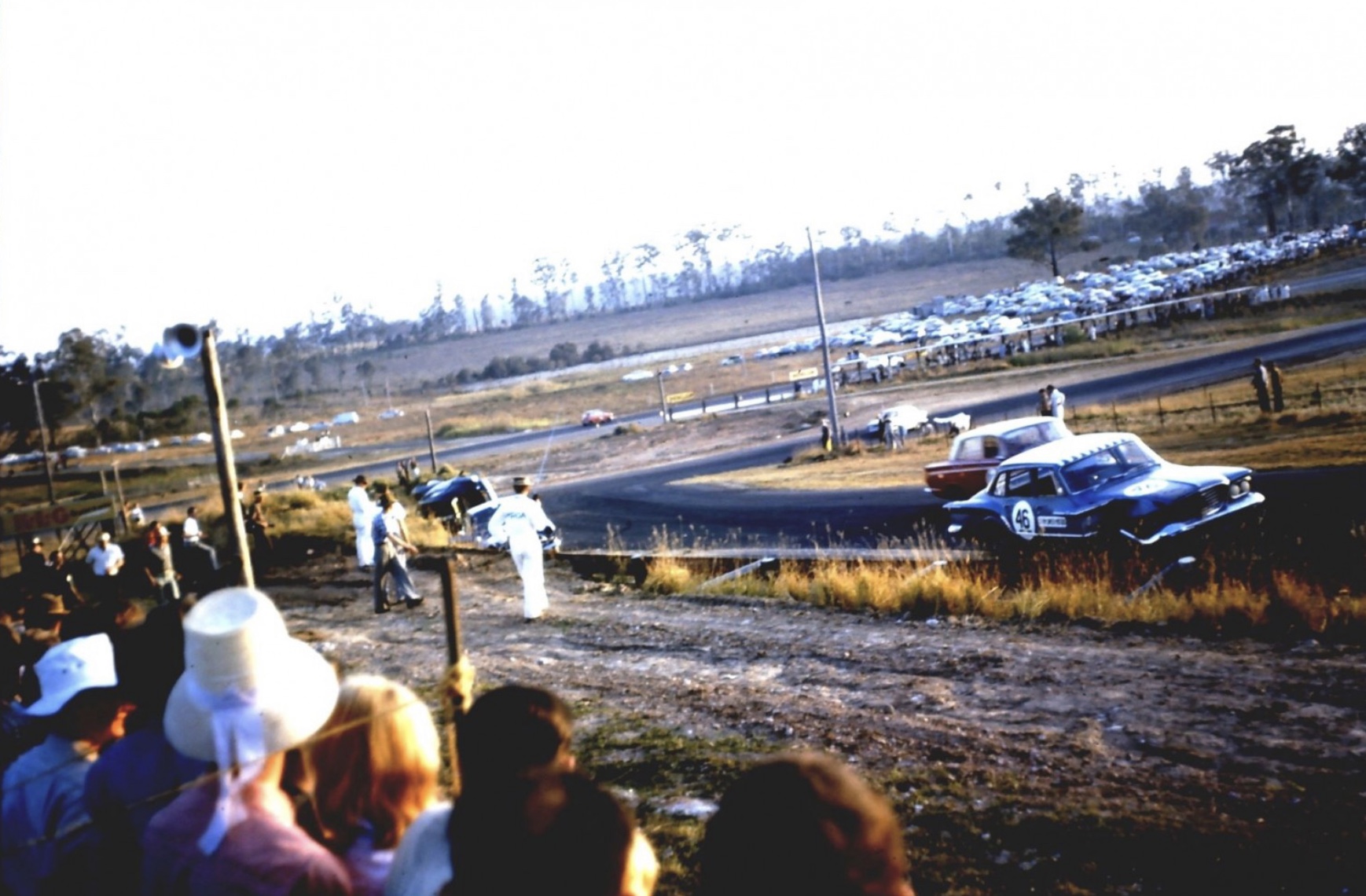
The first open race meeting was held on 19 March 1961- the landlord was keen to compete so pressed into service his wife’s  four door, light-green pillarless Plymouth Belvedere- here he is chasing the Jeremiah driven Holden FE. Rob Bartholomaeus advises the race was the Queensland Touring Car Championship- Bill Pitt is on his way to winning aboard his 3.4 Jaguar up the road- these two are scrapping for second, a battle won by the Jeremiah.

(J Wright)


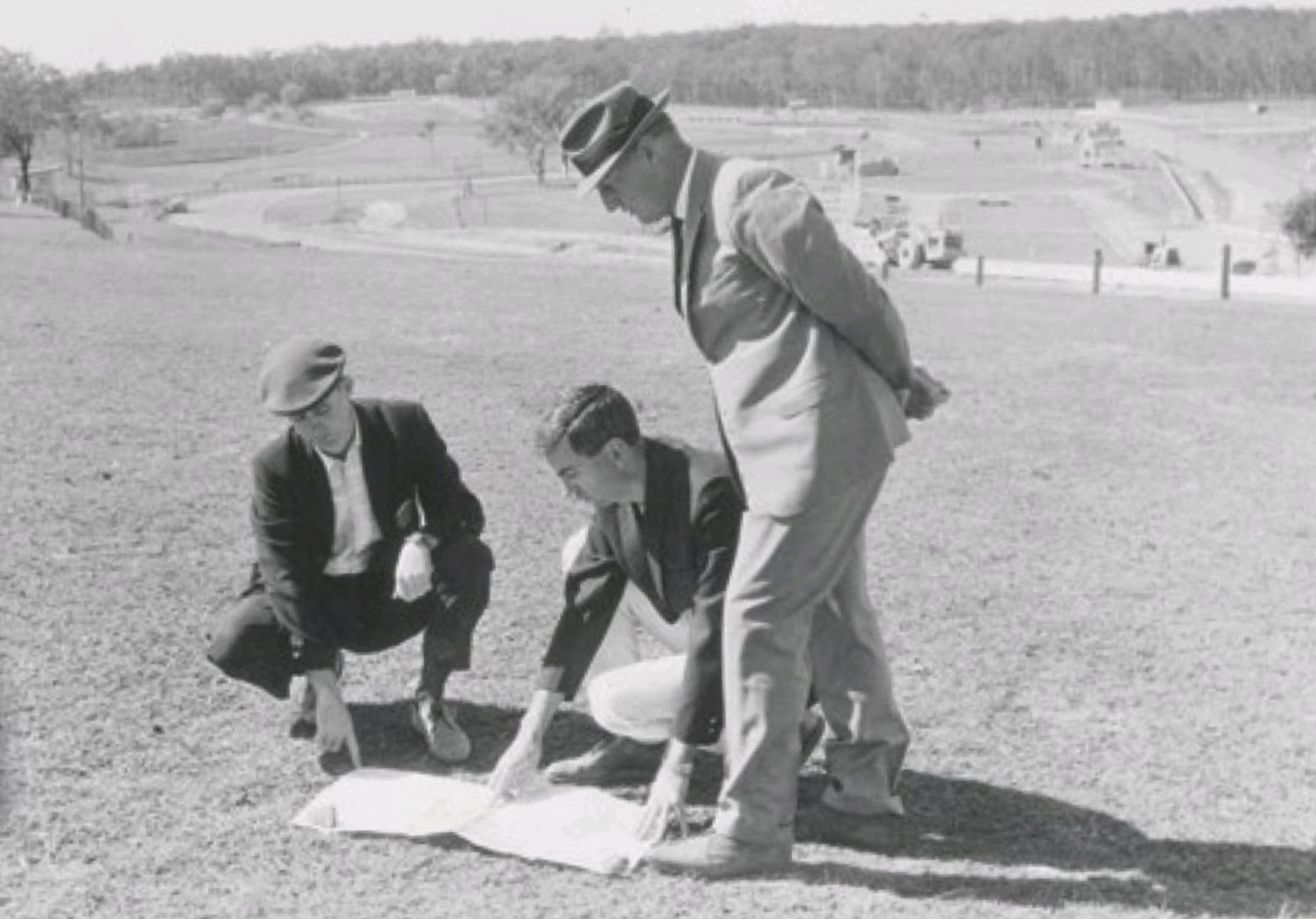
Pondering and working on the remodelled Lakeside layout in 1965 before the 1966 AGP- David Harding, Ken Peters and Sid at right (unattributed)


(J Wright)

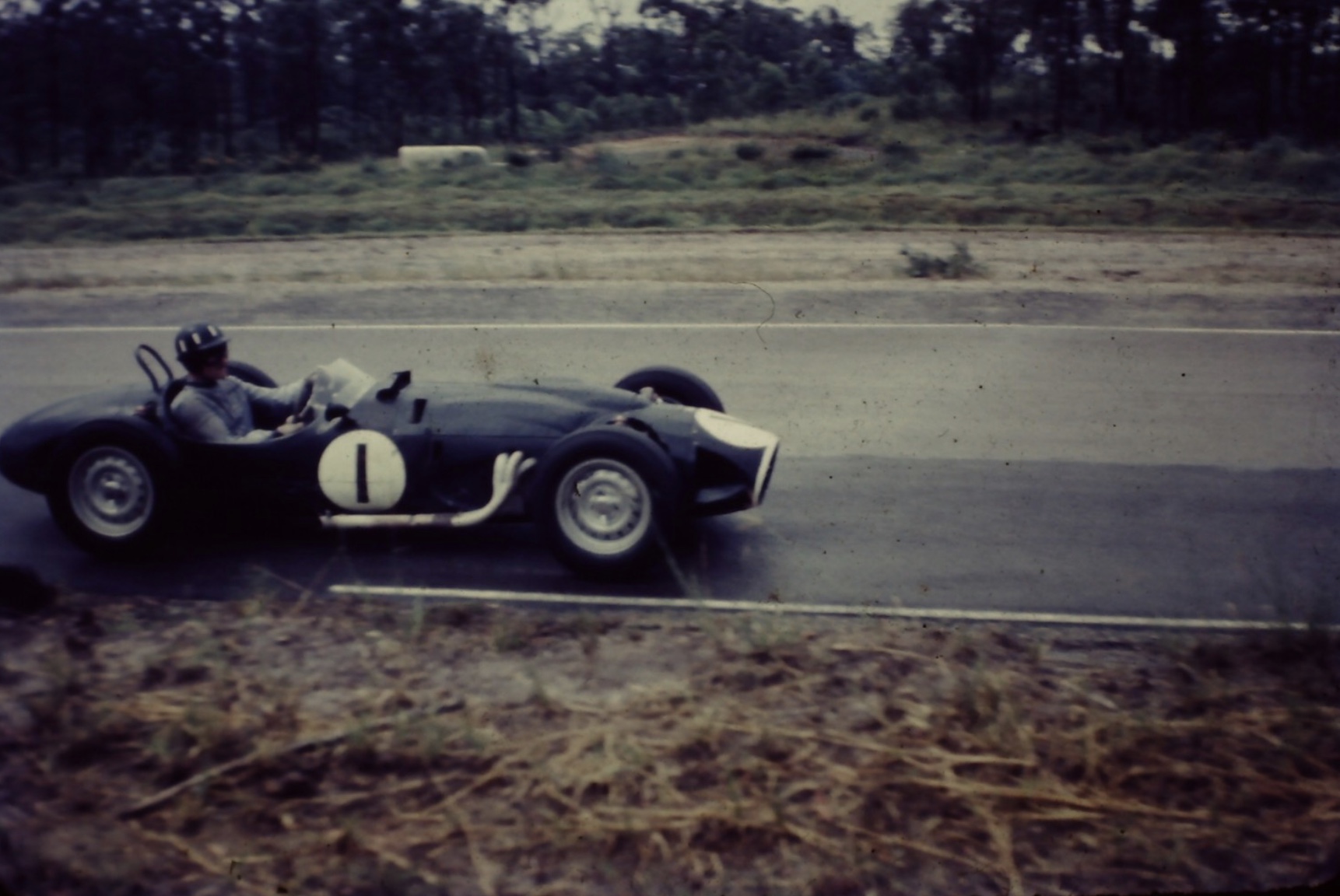
The profile of car and the helmet above will be familiar to most of you, its Hill G on his 1963 Australasian Tour during which he raced the Ferguson P99 Coventry Climax 2.5 FPF.

The rest of the hotshots ran 2.7 Climaxes in their Coopers, i’ve always thought it interesting to ponder how Graham would have gone with a bigger engine under the cars shapely bonnet.

Mind you, his only race win on the tour was a heat at Lakeside- its looks a tad soggy so I would not be surprised if Graham is on the way to a Saturday victory aboard this magnificent bit of engineering.

I waxed lyrical a while back about it, click here; https://primotipo.com/2015/01/30/ferguson-p99-climax-graham-hill-australian-grand-prix-1963/

(J Wright)

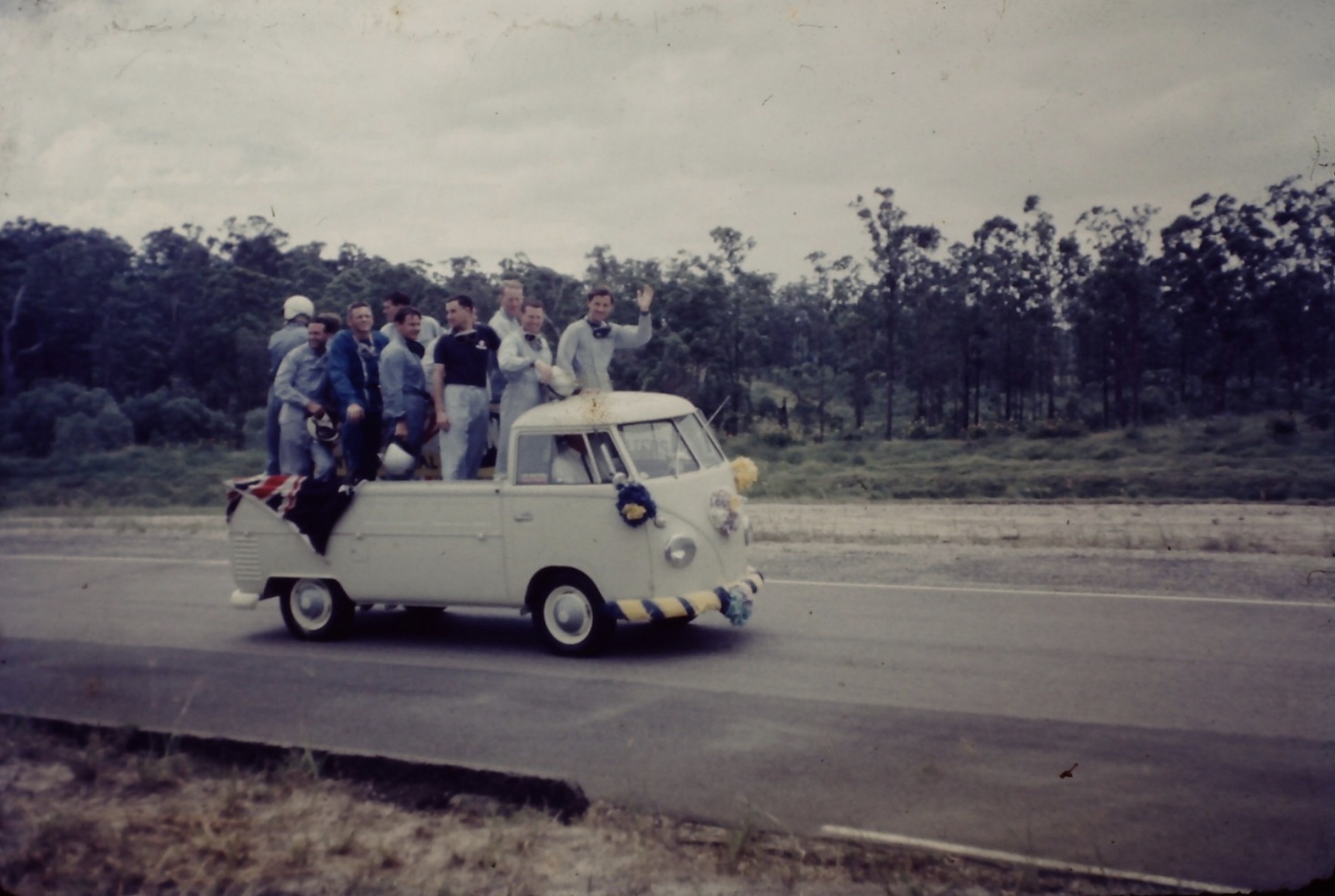
The poor old Kombi is groaning under the weight of so many champions in one place- 1200cc this model? and now highly sought after of course.

She’s a bit grainy but my best guess- and happy to hear from you, goes a bit like this from left to right- Frank Gardner in the white helmet looking away at the kangaroos, dunno holding the helmet, Arnold Glass in the darker blue race suit, Bruce McLaren holding the light silver helmet, short-sleeved fella probably Greg Cusack, Bib Stillwell and Graham Hill. ‘Blondie-locks’ behind is John Youl perhaps. Do get in touch with your bids.

The 1963 Lakeside International was won by John Surtees, Lola Mk4A from Hill’s Ferguson P99 and Bib Stillwell’s Brabham BT4- Climaxes all.

Back in the days of yore, until 1969, the Australian Touring Car Championship was decided over one race- the honour to host the event was awarded to Lakeside in 1964- race day was 26 July.

Lakeside’s proximity to Brisbane ensured a good crowd saw a contest waged between a huge variety of cars with Ian ‘Pete’ Geoghegan winning the first of his ATCC’s aboard a Ford Cortina GT from Norm Beechey, Holden EH S4, Bob Jane’s Jaguar Mk2 4.1, the Brian Foley and Peter Manton Morris Cooper S’, Glynn Scott’s Cortina GT and Brian Muir’s EH S4.

A series of heats, split into engine capacity classes determined the grid- Jim McKeown’s Lotus Cortina was on pole from Jane, Muir, Beechey and Manton.

Muir, Jane and Beechey led initially from Geoghegan and McKeown- Jim moved forward to second behind Muir- leadership of the race by Muir (below) was the first time a Holden had led an ATCC event- it would not be the last! Brian went off to fame and good fortune in Europe not so long after this.

(J Wright)

McKeown took the lead from Brian Muir on lap 7 with Beechey and Geoghegan battling for fourth. Bob Jane moved to second on lap 11 and then first when McKeown made an error and dropped to third behind Muir- at about the same time Warren Weldon locked a brake on lap 15, hit the bank and rolled onto his side a little bit behind Clem Smith who had clobbered the same bit of Queensland on lap 2, rendering his Valiant hors de combat.

The obstacles were raced around back in them days…Clem Smith’s very precarious Valiant R Type, and behind him Warren Weldon’s Holden 48-215 on its side. In the photo below you can see the blue McKeown Lotus Cortina partially obscured by the marshal. Passing Cortinas in both shots (J Wright)


(J Wright)


Done this one to death- Smith, McKeown and Weldon in line astern (unattributed)

Jane’s lead over Muir was up to 100 metres before clutch problems intervened circa lap 31- Muir then led from Pete and Norm who both passed Bob Jane. Encouraging for Holden, Muir led for the next 6 laps before a puncture forced him to pit, ‘While fetching the spare wheel, one crewman accidentally handed his motel keys to another crewman trying to open the cars boot lid. The delay cost Muir two laps and his chance of victory’ Wikipedia says.

Beechey led from Geoghegan who applied plenty of pressure to the EH in the lighter Ford taking the lead on lap 43, he held on for the next 7 laps to win by 1.2 seconds from Beechey. Jane was third despite a shagged clutch, thirty seconds adrift, with Foley and Manton’s Coopers the remaining cars on the lead lap.

Etcetera…

Start of lap 2 1964 ATCC.

Jane, Muir, Beechey, McKeown, Geoghegan, Manton, Firth, Foley and the rest.

(TRS)

Beechey and Muir in Holden EH S4’s with an obscured McKeown’s blue Lotus Cortina on the inside with Foley in the red Cooper S.

(TRS)

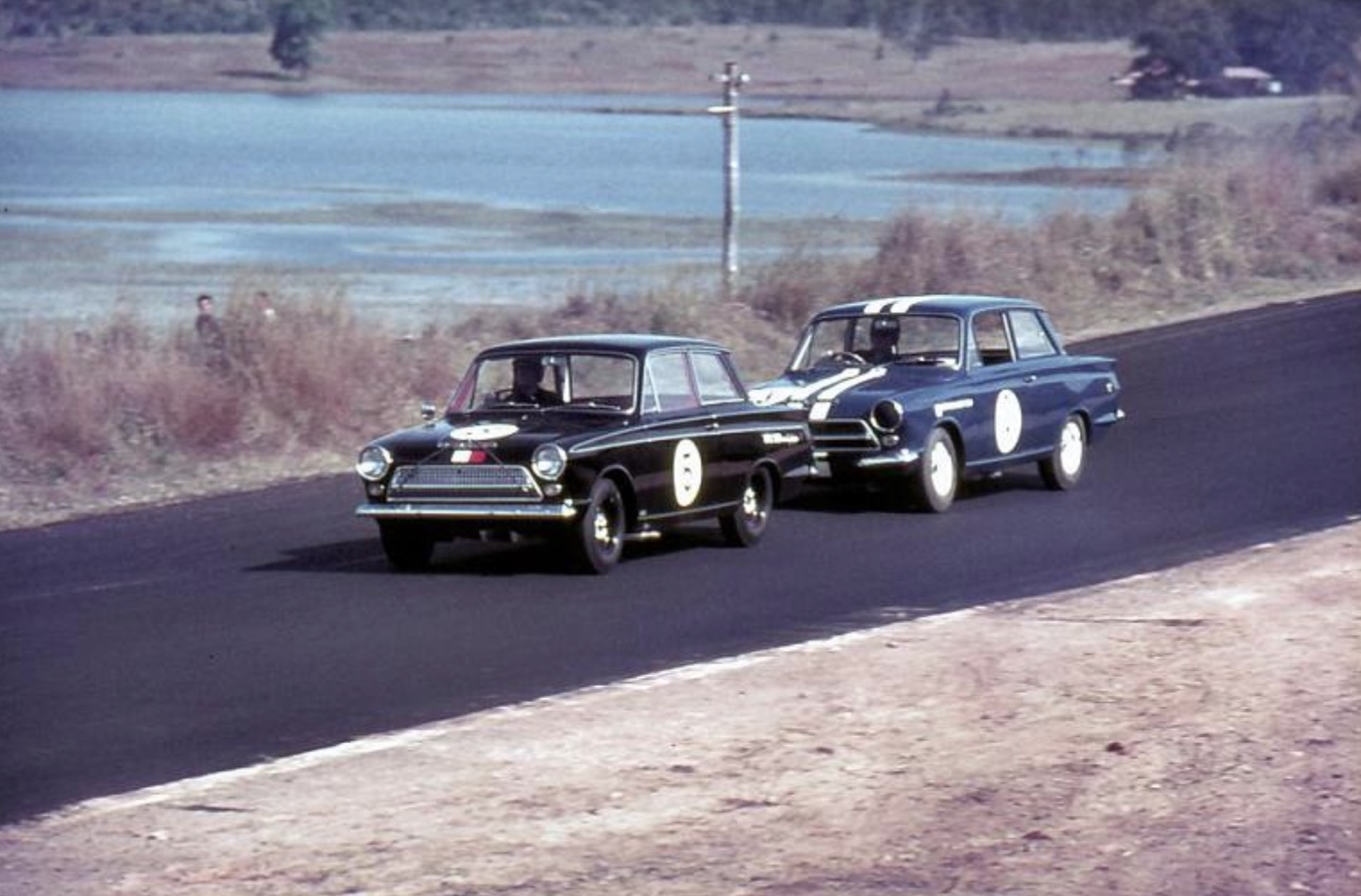
Pete Geoghegan’s winning Cortina GT ahead of McKeown’s Lotus Cortina.

(TRS)

Bob Jane’s very quick Jaguar 4.1 chasing Brian Muir’s Scuderia Veloce Holden EH S4, drivers using all of the available bitumen and a smidge of gravel on the inside.

Tailpiece: Lakeside Magazine looks good….

Credits…

John Wright Collection, The Nostalgia Forum- Stephen Dalton and Glenn Moulds, ‘TRS’- The Roaring Season’, Rob Bartholomaeus

Finito…

girl

(GP Library)

The little girl seems lost amongst the flurry of pre-race preparation in JW Automotive’s workshop near Le Mans 0n 29 September 1968…
It was not to be a happy race for the pictured car #11, chassis ‘1076’ driven by Aussie Touring Car and Sportscar star Brian Muir and Jackie Oliver. Brian tipped the car into the ‘kitty litter’ on lap 1, and managed to dig himself out but in the process fried the cars clutch, causing its retirement after completing 15 laps.

muir

Teddy Pilette watches Muir digging his Ford out of the sand, the VDS entered Alfa T33/2 failed to finish with driveshaft failure on lap 104 (unattributed)

JW Automotive entered three GT40’s; ‘1074’ for Paul Hawkins and David Hobbs, ‘1075’ for Pedro Rodriguez and Lucien Bianchi and the aforementioned ill-fated ‘1076’…

It was to be a great race for the team despite the poor start, Rodriguez/Bianchi won the classic by 5 laps from the Porsche 907 of Rico Steinemann and Dieter Spoerry. The Hawkins/Hobbs car retired on lap 107 with engine failure.

le amns gulf line up

JW 1968 Le Mans lineup; #9 the winning ‘1075’ of Rodriguez/Bianchi, #10 Hawkins/Hobbs and #11 Muir/Ickx (unattributed)

le amns start

Brian Muir gets away closest to the pits in GT40 #11 determined to make up lost ground…#14 Masten Gregory/Charlie Kolb Ferrari 250LM DNF , this NART entered chassis the car in which Masten won in 1965 co-driving with Jochen Rindt, #30 Andre de Cortanze/Jean Vinatier Alpine A220 Renault 8th, #3 Henry Greder/Umberto Maglioli Chev Corvette DNF and #60 Willy Meier/Jean de Mortemart Porsche 911T DNF (Schlegelmilch)

la mans start

le mans feeris wheel

All the fun of the fair, Le Mans 1968 (Getty)

le amns color

(Getty)

le mans pommes frite

Plenty of pommes frites (Getty)

Lucien Bianchi (below) in the victorious Ford GT40 ‘1075’ this chassis became one of the greats of the event winning it again in 1969 driven by Jackie Ickx and Jaclie Oliver who had rather better luck than the year before!

In 1968 JW also won the Brands 6 Hour, Spa 1000Km  (Ickx/Oliver in ‘1075’), Monza 1000Km (Hawkins/Hobbs in ‘1074’ and Watkins Glen 6 Hour (Ickx/Bianchi in ‘1075’) in addition to Le Mans winning for Ford the Manufacturers Championship.

At the 1969 years end the wonderful Ford GT’s from a ‘factory perspective’ competed no more having won Le Mans from 1966 to 1969, fitting results from one of the all time sports/racer greats.

le mans rodrig

Bianchi in the winning Ford GT (Schlegelmilch)

le mans pits @ end

A Porsche 907 chasing 2 Alfa T33/2’s and below Rogriguez/Bianch aboard the winning JW GT40 (Getty)

le mand s podium

Rodriguez, Bianchi and well earned Moet (Getty)

Etcetera…

le mans jw

John Wyer (left) confers with his timekeeper during the race (Getty)

image


le mans gendermes

The gendarmes start to prepare for the traditional 4 pm finish (Getty)

le amns poster

Credits…

GP Library, Rainer Schlegelmilch

Tailpiece: ‘More friggin’ sand than Bondi Beach, Sydneysider Brian Muir is thinkin’ to himself?…

le amns digging