Greg McEwin’s Mac Healey towards the top of Collingrove Hillclimb, Barossa Valley, South Australia in 1958…
I first became aware of historic racing in the mid-seventies attending of the Sandown 400 touring car endurance race, the support program at that stage included some events for ‘Historics’, this was before the defining first all historic meeting at Amaroo Park in 1976.
Various cars are etched into my brain from those times including Bob Jane’s Jaguar D Type and Maserati 300S raced by Jim Shepherd and Harry Firth, the Leech brothers Maserati 300S and Cisitalia. At many of the historic meetings which followed Roger Wells’ Mac Healey was very much front of house for what seemed like decades. I’ve not seen it for a while, the late Alex Reid was the last owner I recall.
(Jones Family)
The car started its life in South Australia, ignoring its country of birth. It was one of a batch of 1954 Healeys bound for Adelaide from Melbourne but caught fire enroute. Peter De Mac bought the remains with the intention of creating a Jaguar powered special, but his friend, Greg McEwin, swapped the Healey 100 he was racing for the bundle of bits.
He decided to create a single-seater removing the front and rear bulkheads and outriggers leaving the central box-section of the chassis plus the front suspension components and the rear spring brackets. He and De Mac created a body from aluminium and fibreglass. Initially the mechanicals were left in standard specification but the engine and gearbox were moved back eleven inches.
The car made its competition debut at Collingrove in 1955 painted a nice hue of mid-blue, progressively the machine was modified to enhance its competitiveness. The engine’s capacity was increased to just under 3 litres, the cylinder head was modified, larger 2 inch SU carbs and extractors were part of the package, as was a more suitable gearbox. After trying an Austin Gypsy four wheel drive unit and a Morris LD5, a four speed Austin A90 box was adopted for a while before being replaced by a Austin Champ 4WD transmission.
McEwin’s Mac Healey alongside Austin Miller’s Cooper Climax at Port Wakefield, circa 1958 (K Drage)
Front suspension detail at Collingrove (Jones Family)
McEwin eventually sold it, the car ended up in Sydney where it ran as a ‘Division’ car modified further by fitment of a Holden Grey motor, front discs and a four-speed MG gearbox.
Sydney Healey enthusiast Roger Wells acquired it in 1971, he popped it into storage before running it once or twice around 1974 and then started the process of restoring it to original specifications as the historic scene gained momentum. He competed regularly until 1988 when he sold it, Melbourne Healey man, Alex Reid was the purchaser via another owner who didn’t use it.
Once Reid had a good look he realised Mac Healey needed another rebuild around replacement chassis rails. All of the existing hardware was removed, refurbished and refitted to the new chassis inclusive of incorporating a central front crossmember as originally fitted. The body was retained and tidied up, an Healey100S type box was used with the machine making its debut in 1998 driven by Graeme Marks, i’ve lost touch of the current owner?
Collingrove 1958 (Jones Family)
Roger Wells at Winton in 1982.
Credits…
Robert Jones via Steve Jones ‘Jones Family Archive’, Kevin Drage, ‘Historic Racing Cars in Australia’ John Blanden
Jack Burton aboard his Vauxhall 30-98 in the Gambier Ranges during his 2,889 mile drive across Australia, from Fremantle to Sydney between December 8-14 1923…
He and Bill Bradley were hoping to do the transcontinental journey in five days but a crash in a deep hole in Meningie necessitated repairs which cost the pair twelve hours of valuable time. They still bagged a new record of six days, 15 hours and 57 minutes, 39 hours less than the previous record and in so doing they also set new marks for Fremantle to Adelaide and Fremantle to Melbourne.
The reputation of these mighty Vauxhalls as robust, beautifully built machines was polished yet again, this car had already done over 40,000 miles in previous attempts.
‘Daily Telegraph’ 15 December 1923
Burton was the husband of famous Australian equestrian, Emma Roach, whilst based in Sydney they travelled the continent to agricultural shows where Roach plied her trade whilst Burton worked in car sales and as a motoring writer. Along the way he was involved in a number of record breaking drives in the pioneering days of motoring in this earliest branch of motorsport in Oz. See here for a feature on this important aspect of Australian motoring history; https://primotipo.com/2018/12/21/city-to-city-record-breaking-and-car-trials/
Hi-ho Silver, giddy-up (ANU)
Credits…
Sydney Daily Telegraph 15 December 1923, The Mercury, Hobart 15 December 1923, Dunlop, Australian National University
Max Stewart awaits the start of the Gold Star race aboard his Mildren Waggott.
In the distance is the Harry-Flatters-In-Top-Gear entry to the right-hander under Dunlop Bridge- one of the most daunting corners in Oz motor racing, alongside (below) are John Harvey, Brabham BT23E Repco on the outside, and Niel Allen, McLaren M4A Ford FVA.
Kevin Bartlett was the race favourite but had problems in practice and as a consequence started from the back of the grid- his ex-Gardner Mildren Alfa 2.5 V8 was the class of the field in 1969 as the similarly engined Alec Mildren Racing Brabham BT23D had been the year before.
Love these John Stanley shots, they have a sort of moody quality about them?
Glen Abbey is behind KB down in grid slot 10. Bartlett won the race from Max by 1.5 seconds, then Leo Geoghegan’s venerable Lotus 39 Repco, Allen’s McLaren, Glynn Scott in a Bowin P3 Ford FVA and Ian Fergusson in a Bowin P3A Lotus-Ford twin-cam.
KB won the Gold Sar comfortably from Leo and Max, taking three of the six rounds- Symmons Plains at the seasons outset, Surfers and the final round at Warwick Farm in early December.
The latter event was significant in the history of this chassis as at the Farm the Sub was fitted with the very first of Merv Waggott’s 2 litre TC-4V engines, winning upon debut. From that point the Sub was so equipped until its ANF2 phase with Ray Winter.
Etcetera…
(unattributed)
John Harvey on the hop in Bob Jane’s Brabham BT23E Repco 830 V8, he was out with cam-follower failure after completing 38 laps.
Brands Hatch 27 Sept 1970 F5000 Championship round. Gardner, Lola T190 Chev, Mike Walker, McLaren M10B Chev, Trevor Taylor, Lola T190 Chev, Graham McRae, McLaren M10B Chev. McRae won from Howden Ganley’s M10B and Mike Hailwood’s T190 (Autosport)
The answer is F1 of course, maybe the more interesting question is by how much. A warning, this piece is strictly for F5000 anoraks.
Some recent chatter among enthusiasts on the The Nostalgia Forum’s Ontario Raceway thread got me thinking about the relative speed of F1 and F5000 cars. The builder/promoters of the then new Ontario facility ran an F1/F5000 race won by Mario Andretti’s Ferrari 312B in early 1971, see here; https://primotipo.com/2015/10/30/questor-grand-prix-ontario-speedway-1971/
In those far away days the Race of Champions at Brands Hatch pitted the two categories together, the only occasion on which an F5000 car beat the Effwun jobbies ‘fair and square’ was in 1973 when Peter Gethin triumphed in a Chevron B24 Chev. The 1971 Italian GP winner was running third when Mike Hailwood’s leading Surtees TS14A Ford and Denny Hulme’s following McLaren M23 Ford F1 cars had mechanical troubles gifting Gethin the win. Peter had only qualified eighth though.
Its ‘raw speed’ I am more interested in.
Peter Gethin exits Druids on the way to his Brands Hatch Race of Champions win in 1973, Chevron B24 Chev (MotorSport)Peter awaits a new sparkbox, ROC weekend 1973 (MotorSport)Brand’s first round of the 1974 Euro F5000 C’ship 16 March 1974. Peter Gethin on pole, Chevron B28 Chev, alongside Brian Redman, Lola T332 Chev, then Guy Edwards in another T332 with Ian Ashley alongside in the yellow T330. Schuppan’s Trojan T101 and Steve Thompson’s Chevron B24 on the row behind. Gethin won from Mike Wilds’ March 74A Chev and Redman (Autosport)
During the peak years of the European and US F5000 championships both categories raced on some of the same tracks, viz; Brands Hatch, Silverstone, Zandvoort, Zolder, Monza, Mosport and Watkins Glen.
So. If we look at the fastest race laps in each event by the cars on the track in the same year, eg; the Italian GP and Euro F5000 round at Monza, we can calculate the difference in lap times. Originally I thought qualifying times would be the go but F1 had greater use of qualifying tyres than F5000 so race times are a fairer representation.
The obvious flaw in the logic above is that absolute comparisons can only be made by looking at performances on the same day with each class racing in identical climatic conditions. So we will not arrive at absolute answers but indicative ones.
What year do we use? To get the greatest spread of meetings let’s use 1974. By that stage the greatest F5000 car(s) of all, the Lola T330-332 was in its second year of development. I suspect (but can’t be bothered doing the comparison) that the difference in times between F1 cars and F5000 in 1970-1971 would have much more as the only great-F5000 then was the McLaren M10B. Mind you it’s father is McLaren’s 1968 F1 machine, Robin Herd and Bruce’s McLaren M7. By 1974 there were plenty of very competitive bespoke F5000s from Lola, McRae, Chevron, Matich et al.
In 1975 there were circuit changes (chicanes added) at Silverstone and Watkins Glen between the F5000 and F1 races which make comparisons impossible. After a shitfight over dollars (what else?) the Canadian GP at Mosport wasn’t held, and Monza held an F5000 race, in 1975 they didn’t. Further, in Europe, from 1975, the championship admitted the Ford 3.4-litre quad-cam, four-valve V6 engine with which Alan Jones and David Purley were very fast.
The comparison I am after is ‘one of purity’ between 3-litre F1 cars and 5-litre F5000s as originally concepted, so for all those good reasons 1974 it is.
Remember, it’s fastest lap of the race I have recorded, not pole.
Mosport 15 June 1975. Heat 1, turn 9, lap 1. Warwick Brown, Talon MR-1A Chev thinks about an inside run on Mario Andretti’s Lola T332, David Hobbs’ T332 #10 at left. Jon Woodner’s Interscope T400 behind Brown. Andretti won from Brown and Woodner (Norm Macleod)Main men in the US, Jim Hall, Brian Redman, Mario Andretti and Lola T332 Chev at Elkhart Lake in 1974 (Getty)Ryan Falconer prepared Chev in Andretti’s T332. Circa 525 bhp in period (J Morris)
Brands Hatch
F5000 16/03/74 1:25.90 Peter Gethin Chevron B28 Chev
F1 20/06/74 1:21.10 Niki Lauda Ferrari 312B3-74
Zandvoort
F5000 03/06/74 1:23.30 Peter Gethin Chevron B28 Chev
F1 23/06/74 1:21.44 Ronnie Peterson Lotus 72E Ford
Monza
F5000 30/06/74 1:37.40 Peter Gethin Chevron B28 Chev
F1 08/09/74 1.34.20 Carlos Reutemann Brabham BT44 Ford
Mosport
F5000 15/06/74 1:16.200 Brian Redman Lola T332 Chev
F1 22/09/74 1:13.659 Niki Lauda Ferrari 312B3-74
Watkins Glen
F5000 14/07/74 1:41.406 Mario Andretti Lola T332 Chev
F1 06/10/74 1:40.608 Carlos Pace Brabham BT44 Ford
Teddy Pilette, Lola T400 Chev playing in the snow at Oulton Park during Easter 1975. Gordon Spice and Guy Edwards were up front in their T332 Chevs with David Purley third in his Chevron B30 Ford Cosworth GAA-3.4 V6. While the T400 had plenty of success in Europe and Australia the prominent American teams never set aside their trusty, fast, winning T332s (A Cox)Zolder 28 April 1974, unusual, great, from-the-grid shot. Look at that crowd. Heat 1 grid – the two VDS Chevron B28 Chevs of Pilette and Gethin on the front row. Bob Evans yellow winged T332, Chris Craft’s Chevron B24/28 in the foreground and a wheel of Mike Wilds’ March 74A at left. Gethin won the 25 lapper from Pilette and Evans (Zolder Museum)Lella Lombardi, March 751 Ford and Vern Schuppan, Lola T332 Chev scrap during the 16 March 1975 Brands Race of Champions, DNF both. Race won by Tom Pryce’s Shadow DN5A Ford. No F5000 was classified in a race run in cold, damp conditions
In making the assessment I’ve not considered the weather.
The biggest gap between the two classes is about four seconds at Brands, the smallest is one second at Watkins Glen.
Brands in March can be awfully chilly, and glorious in June, ambient temperature impacts the heat and grip of the tyres of course. Denis Jenkinson’s race report of the Brands F5000 race weekend (actually the Race of Champions weekend in which the F5000 championship race was on Saturday, the ROC on Sunday) does not help me as to weather conditions, but he makes no mention of rain. Similarly, the British GP was run in the dry. If you can help with mitigating weather or circumstances do get in touch.
Interestingly, Mario Andretti is on record in a number of publications as saying Vels Parnelli never approached the F5000 times set by the teams Lola T332 at Riverside and Watkins Glen in their F1 Parnelli VPJ4 Ford in testing, but then again that was not a great GP car.
The fastest F5000 cars on the planet in that period were the Haas-Hall and VPJ T332s raced by Brian Redman, Mario Andretti and Al Unser – what an awesome road-racer he was!
Bang-for-buck there has never been a greater single-seater class. It seems incredible today that, having killed the Can-Am Championship, the SCCA also slaughtered their F5000 Championship in the forlorn hope of recapturing Can-Am spectator interest and numbers.
In 1975-76 US F5000 had Redman, Andretti, Unser, Jones, Gethin, Oliver, Brown, Schuppan, Pilette, Ongais, McRae, Lunger and others. The Dodge powered Shadows added much needed variety to Formula Lola, mind you. Jones won a couple of races in 1976 with a March 76A Chev, it really was a brilliant blood and thunder spectacle even if the cars were not quite as fast as F1…
Oulton Park’s prestigious Gold Cup gets away on 9 September 1973. Ian Ashley’s Lola T330 sandwiched between the blue Chevron B24 Chev of Tony Dean and yellow striped one of Peter Gethin. #25 is Keith Holland, Trojan T101 Chev with Graham McRae’s McRae GM1 well back inside left in red with Guy Edwards’ light blue T330 behind him. Gethin won from Pilette – who is well back here – and Tony Dean (S Jones)US Watkins Glen round, final, 11 July 1976. Teddy Pilette’s Lola T430 Chev leads a bunch of cars, DNF engine. Lola’s final F5000 design could not coax the Americans from their T332s either. His best place was third at Mosport, Q2 at Road America. Successful in Australia in Warwick Brown (1977 AGP & Rothmans Series) and Alf Costanzo’s (Gold Star) hands (T Pilette Collection)
Credits…
Wikipedia, MotorSport, Autosport, Getty Images, Alan Cox, Jonesy Morris, Zolder Museum, Norm Macleod, Larry Roberts, Mike Hayward Collection, Steve Jones, Teddy Pilette Collection
Tailpiece…
(L Roberts)
The great Brian Redman’s Lola T332 Chev looking as good as a racing car ever gets. Turn 9 at Laguna Seca in 1975, Brian was third that day behind the VPJ duo of Andretti and Unser, also aboard T332 Chevs.
What an amazing career in single-seaters and sportscars he had, while Brian dipped in and out of F1 from the mid 1960s to the mid 1970s he must be up there in any list of ‘greatest driver of the period outside Grand Prix racing’.
Doug Whiteford, Ford V8 Spl leads Lex Davison, Alfa Romeo P3 early in the Vintage Festival Championship, Nuriootpa April 1949 (SLSA)
South Australia’s Barossa Valley, 75 km north of Adelaide is one of the states great wine producing areas.
32 km long and 8 km wide it includes the towns of Lyndoch, Tanunda, Greenock, Seppeltsfield, Angaston and just to its north-west, Nuriootpa.
Somewhat unique in Australia, large numbers of Germans settled in the Adelaide Hills and surrounding areas from the 1840s planting some of the earliest grapevines in the country.
By 1949 the Barossa had 22,000 acres of vines producing 60% of the total South Australian Vintage. Keen to maintain some of the cultural traditions of the old world, in 1947 community leaders organised a festival similar to those held in the Rhine Valley at vintage time, to foster a greater sense of community, raise funds for charitable causes and have fun!
The climax of the two day 22-23 April 1949 celebration was a carnival at Tanunda with dancing sideshows, a draught-horse derby and barbeques of three 600 pound bullocks! Not to forget motor racing…
1949 Festival programGreenock float heading past the Nuriootpa Community Hotel during the 1948 Festival (Advertiser)Nuriootpa circuit map. In terms of the narrative below, the start/finish is in the top right corner
South Australia hosted Australian Grands Prix at coastal Victor Harbor (correct spelling) in December 1936 and on the daunting Adelaide Hills, Lobethal roller-coaster road course in January 1939, Nuriootpa was chosen as the 1950 venue.
In that sense the Vintage Festival race meeting was a ‘warm up’ for the organisers and racers alike- the Nuri road course was only used on those two occasions seven months apart.
Some maps make the track appear a simple square layout around the town but the more detailed drawing above shows the flat 3.1 mile/4.98 km course to be not quite so easy, whilst not on the same planet of difficulty as Lobethal.
The start line was on the Penrice Road/Research Road corner with cars heading clockwise- the top right corner of the map above, the paddock was on parkland on the outside of this corner.
Racers headed down the straight for a fast run into the double-right hand ‘Atze’s Corner’ and then onto Railway Terrace- gently to the right, then a short straight, then a quick left before another hard application of brakes for ‘Tolleys Corner’- the intersection of Railway Terrace and Nuriootpa’s main drag- Tanunda Road/Murray Street.
There the cars kicked away with parklands on the left, gently left over a wooden bridge to clear the North Para River before heading straight- going past the shops then more hard braking for another right-hander at the Penrice Road intersection.
Exiting, the cars gently curved left and gently right before another straight section past the finish line just before the Penrice Road/Research Road intersection and then another lap…
Bill Patterson, MG TC Spl s/c. Plod on this side, St Johns Ambos on the inside. Probably, as many of these shots are, the intersection of Murray Street and Penrice Road- Bill is entering Penrice for the run to the finish line (HTSA)Harry Neale’s Ford V8 Spl at left and Jim Gullan, Ballot Oldsmobile on the right (HTSA)
34 cars and 46 motorcycles entered the meeting, no doubt the poor entry of cars was a function of the traditional Easter fixture at Mount Panorama which took place the weekend before.
Top guns at Bathurst were Lex Davison’s 1934 GP Alfa Romeo P3, Frank Kleinig’s legendary Kleinig Hudson Spl, Bill McLachlan’s Mackellar Spl (Bugatti T37A Ford V8) and Jack Murray’s Day Special (Bugatti T39 Ford V8). The feature event, the 25 lap All Powers Handicap, was won by Arthur Rizzo’s Riley Spl from Curley Brydon, MG TC and Kleinig.
Bathurst contestants who made the trip to South Australia included Davison, Tony Gaze, HRG and Bill Patterson, MG TC Spl s/c.
The Davison and Patterson crews had barely 24 hours to give their cars a tickle in Melbourne before loading up again for the 750 km trip on the Western Highway to the Barossa.
Tony Gaze had an amazing couple of weeks- he drove the HRG from Melbourne to Bathurst, raced it to fifth in the All Powers Handicap feature race won by Rizzo, then drove to Nuriootpa, raced it again for a couple of third places and finally drove it back to Melbourne!
Lex’ machine had misbehaved at Bathurst- he had braking problems, nor would the exotic 2.9 litre twin-cam straight-eight reach maximum revs. Patterson didn’t start his events at Mount Panorama so his boys in Ringwood no doubt had a busy night as well.
Other entries included plenty of MGs- John Nind’s TB Spl, plus four South Australians in TC’s of varying specification- David Harvey, Ron Kennedy, Steve Tillet and Harold Clisby- the prodigiously talented, intuitive, eccentric engineer of 1.5 litre Clisby V6 F1 race engine fame, and much, much more who was making his race debut.
John Crouch raced another HRG, Ken Wylie his clever, fast Austin A40 Spl s/c, Eldred Norman ran his Ford Double-8 Spl- which as the name suggests was powered by two Ford V8’s. Later driver of that car, Harry Neale entered his Ford V8 Spl and Les Robinson the ex-Segrave/Hope Bartlett 1922 GP Sunbeam Ford V8 Spl.
Jim Gullan brought from Melbourne his quick Ballot Oldsmobile Spl with close mate Doug Whiteford there to race his legendary Ford V8 Ute based special ‘Black Bess’- a combination which would win the AGP at Nuri seven months hence.
Lex’ Alfa landed in Australia in February 1948, he was still getting the hang of the car without too many circuits upon which to race it at the time. Theoretically it was the fastest car in the country- in reality Alf Barrett’s older Alfa Monza was the quicker combination but the Armadale blue-blood was at the end of his career at 38, ‘retiring’ in 1948 whereas the 26 year old Lilydale blue-blood was just at the start of his long, distinguished career.
Interestingly, Davo’s car was being looked after by later four-time Gold Star champion Bib Stillwell who, at 22, had commenced his first retail and repair automotive business in partnership with respected, experienced, ten years older than Bib, Derry George in January 1949.
‘Magnette Motors’, or more commonly ‘Stillwell & George’ operated from 121 Cotham Road, Kew, a building owned by Bib’s mother- it was the start of Stillwell’s motor businesses which occupied this and adjoining sites into the 2000s. George learned his craft with Reg Nutt and before that legendary outfit A.F Hollins in Armadale, who would ultimately prepare Lex’s cars with great success upon the recommendation of Tony Gaze.
Australian racing events were mainly run to handicaps at this stage. Bill Patterson’s marvellous Reg Nutt/Doug Whiteford built, Bob Baker bodied MG TC Spl s/c was half a chance. Whiteford’s ‘Black Bess’, continually developed by the talented and driven racer/engineer since it first appeared in 1939 was a well known combination to the handicappers, his challenge would be greater.
Jim Gullan commented about how little time there was to practice and had the opposite braking problem to Davison- his anchors were too good!
With the assistance of Jack Pearce at Paton Brake Replacements (P.B.R. later the Repco Brake Company) Jim and Doug Whiteford had been supplied with a new braking package which comprised light commercial drums, aluminium brake shoe castings copied from Jim’s Ballot, aluminium backing plates and large wire air-scoops which looked great and were no doubt a wonderful psyche!
Gullan found his new brakes so powerful that ‘they were bending the chassis, making the car almost unsteerable on the rough Nuriootpa roads. The only thing to do was to apply them gently.’
Jim Gullan, Ballot Olds in front of a group shortly after the start of the over 1500cc Vintage Festival Championship scratch- #2 Bill Wilcox, Dodge Spl, #11 Harry Neale, Ford V8 Spl then #2 folks and in the dust behind, Robinson’s GP Sunbeam Spl (J Gullan Collection)Davison now in front of Whiteford in their Vintage Festival Championship tussle- from Murray Street and into Penrice Road (HTSA)
A crowd estimated at 30,000 people attended Sunday raceday, the final day of the carnival to see a six event program- it was fine and warm, good conditions for racing.
The lack of practice Gullan commented on was because practice was scheduled to start on raceday at 6 am but there were still revellers from the night before in Murray Street, so the circuit didn’t open until 6.40 am and was then made over to the bikies at 8 am.
The only incidents were spinners John Crouch and John Nind- who bent his front axle in the process.
Whilst the 48 mile, 8 lap Barossa Valley Handicap was nominally the feature event, the Vintage Festival Championship scratch race for the over 1500cc cars was probably the thriller of the day with a wonderful scrap between Davison and Whiteford.
Contrary to modern practice, the fastest cars started from the back of the grid. Whiteford’s Black Bess made the best start, then came Gullan, Ballot Olds, Davison’s P3 and Harry Neale in his Ford V8 Spl.
He was followed by Melburnian Bill Wilcox in the Gullan designed Dodge Special- a Dodge six-cylinder engine and Lancia gearbox clad in a sexy Bob Baker built body of Mercedes Benz GP style, and then Mount Gambier’s Les Robinson in the GP Sunbeam Ford V8.
During lap 2 Davo passed Gullan and ranged up behind Whiteford, Wilcox was close to Neale but behind Robinson.
It took Davison 3 laps to get past the hard driven Bess, which was not as quick in a straight line as the Alfa (Davo did 144 mph on Conrod aboard the P3 in 1949 whilst Doug did 121 mph in Bess in 1950) but stopped better and had Doug’s cornering brio- and then stay ahead of Whiteford. Positions then remained the same to the end of the race, Davison won from Whiteford, Gullan, Neale and Robinson.
Graham Howard wrote that Davison’s win was an important milestone, it was his first victory after only two and a half years racing, discounting a ‘club level’ win on the grass at Nar-Nar-Goon in Victoria.
Davison in front of Whiteford in Nuriootpa village- Murray Street into Penrice Road corner (HTSA)Ken Wylie, Austin A40 Special s/c (1250cc) on the Murray/Penrice corner- note the ever present, cast iron/concrete ‘Stobie’ poles distinctive to South Australia. Lex Davison famously bent one of these whilst destroying wife Diana’s MG TC Spl at Lobethal in January 1948- and lived, a bit bruised, to tell the tale! (HTSA)
The car racing program opened with the Motors Ltd Championship under 1500cc scratch event over 8 laps, 24 miles.
Crouch’s HRG led for the first lap- Patterson spun with the Tillet and Harvey TCs, Gaze’ HRG and Ken Wylie, Austin A40 Spl coming through in a bunch.
Patterson worked through to the front, overcoming his spin and led from Crouch and Wylie- then Wylie passed Crouch and set the fastest lap of the race, and came to within 12 seconds of Patterson but the Wylies and Gaze cars faded with overheating, the latter having lost its fanbelt.
Patterson won from Crouch, Gaze, Wylie- then Tillett, Kennedy and Harvey having a ball in their TCs then R Head, Riley Spl and I Jackson, GN.
John Crouch had a good year, he won the 1949 Australian Grand Prix that September in his ex-John Snow Delahaye 135CS on the Leyburn ex-RAAF base runways in Queensland- he was 5 minutes ahead of the pursuers led by Ray Gordon’s MG TC Spl.
Tony Gaze would soon return to the UK, having had a distinguished flying career during the war, to say the least, for the ‘serious’ part of his racing career in Europe. Jim Gullan and his wife Christine joined Tony and Kaye Gaze for the early part of that trip, 1951- an interesting story for another time.
In the Barossa Valley Handicap 16 lap feature, Bill Patterson won off 4 minutes 25 seconds.
The cars initially ran in handicap order with Head, Clisby and Ravdell Ford A Model Spl s/c early retirements. After 8 laps Keith Rilstone led in a Morris Minor from the Howard Austin Ulster then the MGs of Tillett, Kennedy and Ohlmeyer (TA).
Patterson was past Crouch, Harvey and Wilcox whilst Davison passed the Ford Double-Eight driven by Eldred Norman- ‘…while Norman was out on the dirt passing Harvey, Davison was dancing from one side of the road to the other, behind them, shaking his fist in search of an opening, Nuvolari style’ AMS reported.
Jim Gullan passed Tony Gaze whose car was boiling, with Patterson taking the lead on lap 14- at this point Rilstone was second from Tillett, Kennedy and Howard.
With 2 of the 16 laps to run Patto had consolidated his lead whilst Tillett was within striking distance of the Rilstone Morris then Wilcox, Dodge and Howard, Austin.
Doug Whiteford only gets a mention towards the end of the AMS report but consistent laps in the 2 minute 30 second mark saw him finish fourth behind the top three- Patterson, Tillett and Wilcox. Kennedy’s TC was fifth, then Gullan, the Crouch HRG, Rilstone, Ohlmeyer’s TA, R Howard’s Austin Ulster, the Harvey TC, Harry Neale’s Ford V8 Spl and the Nind TB Spl.
Bill Patterson first raced a modified MG TC before switching to his new racer (below) which was built in late 1948- he first competed in it at Rob Roy in January 1949, so the Sports Car Club of South Australia handicappers did not have much to work with in the way of results, always handy!
25 year old Bill Patterson in the Nuriootpa paddock after his first big win- the Barossa Valley Handicap in the ‘Patterson’ MG TC Spl s/c’. His ascent as a driver was commensurate with better cars, itself a function of the growing success of his outer eastern Melbourne, Ringwood Holden/truck dealership. Won the Gold Star in a Cooper T51 Climax in 1961, his pace was apparent from the start of his career (R Townley Collection)Stobie pole growing from the cockpit of the Patterson TC- fine lines, driven and developed further by Curley Brydon after its sale by Patto in 1950 (HTSA)
To qualify for the last event of the day, the Consolation Handicap 6 lapper, entrants had to have not won more than forty pounds in any of the previous races!
For the first 4 laps the lead was swapped between Rilstone and later Australian Tourist Trophy winner, Derek Jolly’s Austin 7 Spl with the race won by Ron Kennedy from Steve Tillett both in MG TC’s and then John Crouch’s HRG which had a very consistent weekend, then came Gaze, Gullan, Wilcox and Davison who set the fastest race time and a lap record of 75 mph.
Then was Ohlmeyer, TA, Jolly, Austin 7 Spl, the Nind TB Spl, Harry Neale, Ford V8 Spl and the N Jackson GN.
Harold Clisby made the local papers after losing control of his MG TC and backing it into a fence. The Clisby family account is that ‘…he was leading the race until another car cut him off on a corner sending him careering over a bridge with only the fencing wires preventing him ending up at the bottom of a creek.’
Jim Gullan, Ballot Olds, the chassis rails of which have been copiously drilled for lightness, no doubt at the cost of torsional rigidity which probably was not great before he started. Which corner? Dunno. Stobie pole marks the apex (unattributed)
Etcetera…
Jim Gullan and Doug Whiteford were close friends, as noted above, in the best traditions of the day, after the 1950 Nuriootpa AGP ‘…we drove each others car around Albert Park one evening, both previously having driven the other’s car a short distance’ wrote Gullan.
‘My impression of the Ford was it had more power and torque than the Ballot, with a rougher engine. The brakes had a very hard pedal and poor retardation, the steering was light and spongy. The car was tail light, tending to wander at speed, difficult to drive at racing speeds.’
‘Doug’s impression of the Ballot, very smooth high revving (6000 rpm) engine, steering and brakes too sensitive, difficult to drive!’
Gullan, mused over the changes to ‘the scene’ in 1950 with drivers getting faster imported cars and ‘nearly half the field in the 1950 Grand Prix had been made up of MG’s, which made for interesting under 1500cc Scratch Races.’
He concluded that the Ballot had reached the limit of its development without a new chassis fitted with independent suspension.
By the time he returned to Australia after twelve months in Europe, in early 1952, air-cooled Coopers were plentiful, Stan Jones was racing Maybach 1, Doug Whiteford had his first Talbot-Lago T26C and much, much more- the times were changing with much of the evolution due to the growth of scratch racing, to win one needed the equipment to do so.
Yet one more shot of the Davison/Whiteford dice, Doug almost wholly obscured by Davo and the Stobie (HTSA)(State Records SA)(SLSA)
This is the only clear motorcycle shot I can find, John Medley identified the rider as South Australian, Les Diener, his machine is a Velocette 350 MkVIII KTT.
He had a great weekend, winning the 5 lap Barossa Junior TT and finished third in the Senior event despite giving away capacity to most other entrants.
Diener and Lloyd Hirst had a good go in the Junior event, Hirst leading for the first 2 laps, in the Senior TT Laurie Boulter’s Norton and Hirst’s Vincent-HRD finshed in front of Diener.
After the final race the crowd swarmed into Nuriootpa’s main street- Murray Street for the start of a procession of sixty decorated floats. At the end of the day 25,000 people converged on Tanunda Oval above, ‘to see the most lavish spectacle ever staged in a South Australian country town.’
The Barossa Vintage Festival is now held biannually with a week long calendar of events including wine workshops, heritage events and church services- the Barossa’s Lutheran leanings reflect its German heritage, which is about where we came in…
Otto Stone’s copy of the race program, programme I should say! from Stephen Dalton
Bibliography…
‘Lex Davison: Larger Than Life’ Graham Howard, ‘Bathurst: Cradle of Australian Motor Racing’ John Medley, ‘As Long As It Has Wheels’ James Gullan, ‘Harold William Clisby: The Life of a Restless Engineer’ on clisby.com, Australian Motor Sports 16 May 1949 via the Bob King Collection, Stephen Dalton Collection
Photo Credits…
‘HTSA’ History Trust of South Australia, State Records of South Australia, Adelaide Advertiser, State Library of South Australia, Richard Townley Collection
Tailpiece…
(State Records SA)
Grape pickers during the 1949 Festival- its seventy years ago my friends. Lots of happiness and optimism in those pretty smiling faces.
MG on Mount Tarrengower, Maldon, Victoria circa 1946-1947…
Its funny what ya find sometimes, this was a random catch found sitting in front of the tello whilst searching for something else.
The photograph, from artblat.com, is part of the Nicholas Henderson Collection and thought to be Tarrengower given the preponderance of Maldon shots in the collection- further evidence cited the surrounding box-ironbark trees. We had a country drive to Castlemaine, Kyneton and Maldon inclusive of a cruise up the mountain again six months ago-Tarrengower it is i suspect.
I am no pre-war expert but the stance of the machine and its grille reek of MG, perhaps not a supercharged one mind you, so that narrows the model choice somewhat- but it’s no more than a guess, perhaps it’s Peter Vennermark’s Maserati 4CL?
Below are two more cars, one sporting and the other not- love to know what they are, bonus points for the drivers and the date of the meeting.
(N Henderson Collection)
For some of you the dress of the spectators may help give us a fix on the date, as perhaps will the model year of the most recent car built- perhaps the sedan below.
Another car (not shown) in the same batch of photos had a registration expiry date of February 1947 and was therefore indicative of the approximate timing of the photographs to the curator of artblat.com, Dr Marcus Bunyan.
(N Henderson Collection)
1947 postcard of the meeting that year shows the spectator car park at the bottom of Mount Tarrengower- horse and cart is a nice touch!
A little bit more research shows the the first pot-war event was on Easter Saturday, April 5, 1947. The climb has been pretty much in continuous use since the dawn of motoring in Australia. The ninetieth anniversary of the first event was held last year- 2019.
The climb had not been used for a couple of decades until the Vintage Sports Car Club ran an event on 29 February 1964, FTD that day went to Bill Leach in an E Type Jaguar. The club returned that October when FTD was set by no less than Lex Davison’s Cooper T62 Climax 2.5 Tasman car in 50.34 seconds. Davo was a very experienced hill climber with an Australian Championship amongst his many racing achievements, see here; https://primotipo.com/2019/03/05/mount-tarrengower-hillclimb/
I’ve never raced there competitively but I did run my Elfin Crusader Formula Vee up the hill during an Elfin Owners Club event from Bendigo to Mount Tarrengower and back in November 1993. About 40 cars did that event from Peter Brennan’s MR8C Chev F5000 ‘down’ to one or two Vees- a Gendarme up front in a fast pursuit car ensured speeds were civil but quick on 80km of public highways. What fun it was.
Jim Hawker and George Wightman aboard the awesome Chamberlain 8, Tarrengower April 1947 (The Chamberlain)
(Maldon Museum Archive)
A group of competitors gathered in Maldon during the Easter 1947 meeting.
Many thanks to the combination of David Zeunert, Tony Johns, Bob King and Stephen Dalton who between them provided the shots and nutted out the date and competitors.
We are not sure of the white sportscar by the kerb, then the Hugh Stuart aka Tim Joshua Frazer Nash single-seater, Jim Gullan’s Ballot Oldsmobile and at right Lex Davison’s Alfa Romeo 6C1500 s/c Spl aka the ‘Little Alfa’.
Stephen reminded me this site at 51-57 High Street is still a servo, Robert Cox Motors are the current operators.
Entry list of the Easter 1947 meeting (Ash Tracey)
Later 1960’s shot of a Geneer Outlaw VW, I think, gives perspective on the open nature of the tourist road and surrounding terrain (Ken Bolitho)
Peter Vennermark, Maserati 4CL 1.5 at Tarrengower, 24 March 1951 (Maldon Museum)
Lex Davison, Cooper T62 Climax, Tarrengower October 1964- Davo in collar and tie (M Williams Collection)
The climb is about 1500 metres long, the bitumen is narrow, patchy and rough at the edges- the shot above of Lex in 1964 is not that much different to now, it is a tourist road with a lookout at the top. It’s a very fast open climb, a big challenge, I notice that a chicane half way up was used last year which is a bummer in some ways but probably makes good sense.
My first visit to Mount Tarrengower was as an official with a mate in 1978. We camped overnight and took up our post about two thirds of the way up the hill on Sunday, a beautiful clear, hot day. What impressed was the speed of the more powerful cars but the dangers were great given the unguarded edges and unforgiving trees awaiting those who goofed.
During the afternoon we heard the unmistakable wail of a Porsche flat-six off the start line- it was the very impressive Dr Will Darvall’s 2.7 RS mounting another assault. The rise and fall of the engine note indicated his commitment and rapid progress until about 100 metres or so below us the throttle closed rapidly, then followed a sickening series of dull-thuds as the gorgeous car pinged from eucalypt to sheoak. I will never forget that sound.
We looked at one another and said in unison ‘He’s fucked!’ It seemed and sounded that bad. But the good doctor recovered, I know this as he was ‘me mate Big Bad Brucie’s GP in Heidelberg, but he was a sick boy for a long while. The car was rooted, but it too lived to fight another day after bulk dollars were spent on its resurrection around a new shell.
The point to be taken here is that there is no ‘good place’ to leave the road on this challenging mountain.
Maldon High Street 1934 (Maldon Museum)
Maldon High Street circa 1975 (Ellen Hansa-Stanyer)
Maldon High Street 2019, refreshingly little change over the last eighty years or so (Maldon FB)
The Central Goldfields area of Victoria is quite beautiful and so named as a consequence of the 1850’s Gold Rush which attracted massive numbers of fortune seekers from around the world.
The ‘Golden Triangle’ area marked by the towns of Ballarat, Maryborough and Bendigo yielded massive amounts of the precious commodity, Mount Tarrengower is a couple of kilometres from the tiny village of Maldon at the Triangle’s northern end- short walks around and from the village allow this wonderful history to be seen and experienced- the steam train ride is a beauty for ‘big kids’ too.
Maldon is a must visit for any Victorian international tourists list, the town was classified by the National Trust way back around 1970 so the streetscape now is little different to the way it was during that 1947 hillclimb weekend.
Peter Holinger on the line aboard the very fast Holinger Repco ‘620’ 4.4 V8 circa 1978, the dimensions of which were provided by Jack Brabham’s 1969 Tasman contender- Brabham BT31 Repco (John Bowring)
Etcetera…
(M Bisset)
A couple of happy-snaps of the Elfin ‘Tour To Tarrengower’ in November 1993 I mentioned.
The five red cars are Catalina, Mono, Mallala sports, Mono and Catalina, then a white and blue pair of 620s- this is in Bendigo.
Below is Pete Brennan’s MR8 F5000 and the arse of his 400 Chev at right, the big white monster is the ex-Schuppan MR8 in Can-Am dress, now owned by Bill Hemming, it is in F5000 guise. The other white sporty is a 360, a personal favourite.
(M Bisset)
Peter Brennan on the way to FTD circa 1982 in his Elva Mk8S BMW 2 litre.
(P Brennan Collection)
(A Tracey)
Another crop of Peter Vennermark’s Maserati and a report on that meeting below, Easter Saturday 24 March 1951- where he had an off.
Chassis #1555 was later sold to long time racer Cec Warren who alighted the machine during the March 1954 Fishermans Bend meeting for adjustments, collapsed with a heart attack and died.
(A Tracey Collection)
(D Zeunert)
Lovely photo of the vibe in the ‘modern era’, crowd and carpark in the background, 1982 with Stuart Anderson on the line, Maserati 4CM 1100, above and below.
(D Zeunert)
(G Thomas in L Sims Collection)
Bob King has his money on our opening car being the Lindsay Head driven Riley Austin Spl, here being driven over Skyline at Rob Roy in 1946- without its lights, it is a possibility’
Photo and other credits…
Nicholas Henderson Collection on artblat.com, Maldon Museum, Maldon Facebook, Ellen Hansa-Stanyer, Max Williams Collection, The Chamberlain, Tony Johns Collection, ‘Bentley Specials and Special Bentleys’ Ray Roberts, John Bowring, Ken Bolitho, Peter Brennan Collection, Ashley Tracey Collection via Tony Johns, George Thomas in the Leon Sims Collection, David Zeunert/Collection
Tailpiece…
Bentley in High Street, Maldon circa 2018, Tony Johns tells me it’s a 1950 Mk6 rebodied coupe. The Mount Tarrengower road and car park is well worth a visit on race weekend and a tootle up from Melbourne for the day anytime.
The many closed shops in town at the moment are a bit of a worry, I have not seen the place so depressed in all the years of regular visits since 1978.
Back to the Bentley, with a bit of assistance from John’s copy of ‘Bentley Specials and Special Bentleys’.
The car was designed by Queensland graphic designer Ian Shaw who was considerably influence by the Bugatti Type 57SC Atlantic.
The chassis (#B4JO) ‘was reclaimed from an earlier touring body conversion’, seven inches were taken from the frame, the engine moved aft twelve inches and lowered- whilst the ‘X brace’ part of the chassis was removed other cross members were added to restore and enhance torsional rigidity.
Mechanical upgrades include dual boosted hydraulic brakes, Koni shocks, sixteen inch wires and a smaller than standard MkVI steering wheel.
The steel body was built to Ian’s full scale drawings by Venkat, Bodrog and Evans around one inch by one inch steel tubing and incorporates highly modified MkVI front wings, a shortened radiator shell and bonnet.
Initially a 4.25 litre Bentley motor was used, this was later replaced with an ‘S type’ 4.887 litre straight six which was blueprinted and modified by the incorporation of a higher lift cam with the head ported and fitted with larger valves.
This beautiful looking 2+2 motor car is a credit to the fine eye of its creator, it first ‘broke cover’ over the 1998 Bay to Birdwood weekend in Adelaide and is now good for 125mph which would make it a fine interstate express.
It’s the Thursday or Friday before the second round of the Australian Formula 2 Championship at Oran Park, New South Wales on August 5 1973.
The Birrana Cars onslaught is underway, Malcolm Ramsay and Tony Alcock’s 272 impressed all in 1972 including Leo Geoghegan who drove the car late in the year and was happily seduced back into single-seaters with a works Birrana 273 Ford-Hart 416-B 1.6 for 1973.
Leo mopped up that year winning six of the seven Australian Formula 2 Championship rounds despite opposition from Tony Stewart and Enno Buesselmann in 273s, Bob Skelton’s Bowin P6 and Ray Winter in the old darlin’- the ex-Gardner/Bartlett Mildren Yellow Submarine. Of these Skelton was quick everywhere and led Leo at Amaroo and Symmons, missed the last two rounds and ultimately could not convert the potential of the variable-rate suspension Bowin.
But all of that is in the future, the flurry of activity centres on Leo’s car and a back to back test between Goodyear and Bridgestone tyres- who is the the Goodyear tech looking closely at the right front- i am being assertive with my identification of people but in some cases ‘i think’ should be used- just letting you know rather than write it ten times.
Check-shirt man is Bruce Cary, the driver at left is Ray Winter, to his right in the short sleeved shirt is Bruce Richardson- the car in front of Leo’s is Tony Stewarts, the guy in the Singapore Airlines T-shirt is Malcolm Ramsay and the car at the end of the pitlane is one of the black Bowin P6s- either Skelton’s or Bruce Allison- Bob liked the car more than Bruce!
Goodyears in the first shot, Bridgies here.
All of the Birranas are superb racing cars- FF, ANF3, ANF2, F Pac and the mid-engined Speedway machine, Adelaide strikes again! Those who have driven both cars either say the 273 was a better car than the tidied up in the body and bracketry 274, or its equal- Bob Muir gave Leo ‘absolute buggery’ in the 274 bodied 273 owned by Bob and Marj Brown in 1974 didn’t he?
Note the mounts on the nose to accept another small wing- in search of more front bite.
Business end with Varley battery and oil catch tank- forward of them is a Hewland FT200 five speed transaxle and the Brian Hart Ltd, Harlow, Essex built ‘416-B’ Lotus-Ford DOHC, two valve, Lucas injected four cylinder motor.
This engine was aimed at the large American Formula B market, where all of the British tuners fought a pitched battle and in much smaller numbers Australian F2.
The ‘ducks guts’ variant was alloy blocked, the late Peter Nightingale, who looked after Leo’s and Geoff Brabham’s Harts amongst others quoted 200bhp @ 8500rpm and 130lb/ft of torque @ 7500rpm for the 1973 iron block variant and a ‘minimum’ of 200bhp @ 8500rpm and 125lb/ft of torque @ 8500rpm for the 1974 alloy block.
Line ball call but the alloy block was lighter and in the very best of hands every liddl’ bit counts.
No idea who blondie is but the vertically challenged fella looking at the engine in front is ex-Repco immensely talented engineer and multiple Australian hillclimb champion Paul England looking at Tony Stewart’s Jack Godbehear built engine.
Oh yes, come raceday Leo won from Peter Brock’s 273 and Bob Skelton, i am intrigued to know what tyres the works 273 raced…
Credits…
Brian Caldersmith, Peter Nightingale on The Nostalgia Forum
Tailpiece…
Leo is ready to boogie- fuel check and off. Bearded Ramsay, tall isn’t he, wandering past.
I’ve often wondered what Tony Alcock could have achieved in his second European stint, as most of you know he was in that plane, on that day, and in those circumstances with Graham Hill in 1975.
Glyn Scott, Elfin 600B Waggott from Garrie Cooper, Elfin 600D Repco, Warwick Farm 11 July 1970 (L Hemer)
Sunday 26 July 2020 marks fifty years since the tragic death at Lakeside of one of Queensland’s favourite racing sons- Glyn Scott at the wheel of his new Elfin 600B Waggott TC-4V.
I attended the 1973 Glyn Scott Memorial Trophy at Surfers Paradise and learned a bit of racing history from the program that day then last year I was lucky enough to meet Glyn’s son Gary who had a stellar racing career himself in Europe and Australia, and got a chance to understand a little more about Glyn during the pub evening. It was amusing actually, he couldn’t believe anyone would be interested in his open-wheeler exploits rather than his considerable taxi credentials.
Glyn Scott was not just a competitor of international standard but also active in the administration of the sport as State President of CAMS, State Delegate to the National Council and President of the Queensland Racing Drivers Club- very much an experienced set of hands and senior citizen of the sport on and off the track.
Glyn at Lakeside during the ATT weekend in 1965, he raced the Ann Thompson owned Lotus 15 (R Bell)
John Ellacott ‘This was the first outing of the Lotus 20 in December 1961…which probably accounts for the car being green rather than the blue it was later…Taken from Homestead Corner’ (J Ellacott)
A couple of youngsters at Catalina Park in 1962- Glyn ahead of Leo Geoghegan in Lotus 20 Ford FJs (J Ellacott)
His first racing steps were aboard an Ariel powered home made open-wheeler he ran at Leyburn and Lowood as well as the hills, he was soon racing the Repco-Holden Special, a replica of Tom Hawkes Cooper T23 Holden with which he had so much success on the eastern seaboard over the following years.
Another big step of progression was the acquisition of Alec Mildren’s Cooper T43 Climax in 1958- ‘the first big-league machine to be domiciled in Queensland’ wrote Des White. With this car he worked his way into the ranks of Australia’s top drivers supported by a team of three- Norm Meller, Col Clarey and Jim Bertram.
Cars which followed included Lotus 18 and Lotus 20 FJs, Lotus 27 Ford twin-cam ANF 1 1/2 and Lotus 23B Ford.
Glyn in the Scott Special aka Repco Holden during its first test run at Lowood, circa August/September 1957 (I McDonald Collection)
Longford Trophy 1960. Glyn in his Cooper T43 Climax 1.7 with Jon Leighton’s T45 2 litre behind, sixth and fifth in the race won by Brabham’s Cooper T51- red car to the right is Ern Tadgell, Lotus 12 Climax FPF 1.5 aka Sabakat (J Barnes)
Scott during practice at Warwick Farm during 1969, Lotus 23B Ford (L Hemer)
Along the way he married Coral and had three children Gary, Susan and Anthony and ran his business Glyn Scott Motors.
He aided and abetted John Joyce’s creation of Bowin Cars upon his return from a stint as an engineer at Lotus by becoming John’s first customer- that car, the Bowin P3 Ford FVA F2 was a machine driven with great skill by Glyn inclusive of a memorable Gold Star round win at Sandown in September 1968 on a day the 2.5 litre Tasman machines wilted.
He also took the P3 to Japan for the JAF Japanese Grand Prix that year finishing fourth behind Leo Geoghegan’s Lotus 39 Repco 2.5.
Glyn drove others cars, a great drive was his co-drive of Alan Hamilton’s Porsche 906 in the 1967 Surfers Paradise. Photographer Peter Maslen wrote ‘One of the finest drives i ever saw. When Alan Hamilton dropped the Porsche into the ditch around the back of the circuit, he was encouraged to recover it-Glyn took over and they came third. This picture now holds pride of place on my study wall.’ It is a marvellous shot- he has managed to capture the determined set of Scott’s jaw (P Maslen)
Glyn and Leo Geoghegan were the very best of friends, Leo was on hand for the early tests of the P3 and here Scotty is attending to his needs before the off at Oran Park on 22 September 1968 (Bowin Cars)
Lakeside paddock October 1968- the blue Scott Bowin P3 Ford FVA and Lotus 23B Ford twin-cam with Alan Hamilton’s Porsche 911 S/T (G Ruckert)
As 1970 approached he spoke of retirement but the lure of competition and a new Elfin 600 was too much, Glyn ordered a 2 litre Waggott engine for the Elfin and fitted the FVA into the Lotus 23B after selling the Bowin.
After taking delivery of the Elfin he raced it at Oran Park, Warwick Farm and the Lakeside Gold Star round in June where he was third behind Max Stewart and John Harvey, proving the pace of his new car which was by then was reasonably well sorted.
Glyn took the starters flag, as he had so many times before, for the 15 lap racing car feature, during the Australian Touring Car Championship meeting, on 26 July and ran second to close mate Ivan Tighe’s 600 twin-cam for four laps, and as the black-flag came out for Glyn, who had lost his goggles, ‘the two duelling open-wheelers swept into the straight.
‘Scott skipped to the left to go past under (2 litre) power; the Elfin had two wheels off, right opposite the tower, the car was back on again, then off, then jumped four feet sideways over the bitumen shoulder to lock together with Tighe’s Elfin.’
At that point, travelling at some 130 mph, the drivers were in the hands of physics and the gods- Glyn’s car stopped instantly under the single-rail Armco whilst Ivan’s hurtled over it into a six foot K-wire fence, receiving severe cuts and fractures in one hand.
The entire incident took only a fraction of a second, and right there ended the 20 year racing career of Queensland’s most respected driver’ Des White’s Racing Car News report ended.
Glyn in a spot of bother with his new Elfin in the Warwick Farm Esses during the 11/12 July meeting (M Pearce)
Last laps, great mates in a great tustle- Ivan Tighe and Glyn Scott, Lakeside 26 July 1970 (D Simpson)
To end this tribute to a driver who still comes up so often in conversation amongst enthusiasts- heartfelt words written by then CAMS Secretary-General Donald K Thomson who had worked closely with Scott and knew him well.
’An obituary is not a biography, designed to paint the definitive picture of a man, with his faults evaluated equally with his virtues.
The convention of such tributes often tends to invest those who have gone with a sort of aura of unalloyed goodness, which is at odds with all human experience; and hence obituaries sometimes must be read for what they omit as much as for what they include.
It is not so with Glyn Scott. He was that best of human beings, a gentle and considerate man. He was not the greatest racing driver in the world, or the wisest and most far-seeing administrator of his sport. He was more- he was patient, sincere, thorough, friendly and loyal. Without guile or arrogance, he was frank and open, available to all for help and advice, and both an ornament and a truly devoted servant to the sport, at great personal cost of time and effort.
There are, and will be, greater stars; but they gleam, many of them, like meteors. Glyn’s light will lend a continuing radiance for far longer. His memory is the best obituary; everything else is just words.’
(M Bisset Collection)
Etcetera…
(I McDonald Collection)
Tom Hawkes’ ex-Brabham Cooper T23 was garaged at Glyn Scott Motors Atlantic Oil Servo between the 1957 Lowood June and August meetings, in the intervening period Glyn, Norm Mellor and Bill Purcell, assisted by Les Gould and Harvey Robinson created a copy of the T23’s chassis and body.
The mechanicals including Repco Hi-power headed Holden ‘Grey Six’ and four speed Jaguar gearbox were donated by Glyns existing Holden Special which had started life as a taxi.
The shot above shows the car’s first run at Lowood, ‘It was originally entered as the “Scott Special”, i have the original bonnet badge. I guess somebody must have ribbed Glyny that he was a Nazi supporter, hence SS was put aside!’ quipped car restorer (in 1979) and custodian Ian McDonald. Nick McDonald races this car today as beautifully as father Ian did for so many years.
(D Willis)
Great, rare colour shot by Dick Willis of Glyn’s second racing car, the Repco Holden Special at Lowood in 1957, and below another shot from the McDonald Collection of Glyn’s third racer, the Scott Special aka Repco Holden upon its test debut at Lowood in August/September 1957.
(I McDonald Collection)
Glyn, Repco Holden, Mount Panorama circa 1957-1958 (I McDonald Collection)
(P Houston)
Peter Houston’s trailer shot shows the essential elements of the Bowin P3 #’P3-101-68′.
The Ford FVA 1.6 litre F2 engine was Piers Courage spare during the Etonian’s very successful assault on the 1968 Tasman Cup, Niel Allen bought the car at the end of the summer and Glyn the motor. The gearbox is the Hewland FT200, standard F2 and F Atlantic issue for a couple of decades, whilst the rear suspension is period typical- single top links, inverted lower wishbones, coil spring/damper units, two radius rods each side, the uprights were magnesium alloy and brakes Girling.
The Scott Lotus 23B Ford whistles down the hill from the Water Tower to The Viaduct at Longford- second in the Monday sportscar scratch in 1968.
Longford is 2,220 km trip including an overnight ferry from Port Melbourne to Devonport, Tasmania so the Brisbane-ite did not lack commitment to his sport! not to forget the drive home at the end of the weekend.
ANF 1.5 Catalina Park scrap between the Lotus-Ford twin-cam powered Mike Champion Brabham BT2, Glyn Scott Lotus 27 and Max Stewart Rennmax BN1- Stewart won the six round ANF 1.5 championship that year on his ascent to the very top of Australian motor racing.
Glyn was second on 18 points then Garrie Cooper third one point adrift of Glyn with Mike Champion fifth. Max scored 26 points- each of these fellas won a round each with David Sternberg and Phil West also race winners in an open six round, five state series.
(I Peters Collection)
The Bowin P3 is a beautiful racing car, it is a few years since i have seen custodian Ian Peters run it, the shot above shows it in its racing heyday at Symmons Plains in March 1969.
Glyn contested the first Gold Star round of the year and finished fourth behind Bartlett, Geoghegan and Allen.
(autopics.com)
The ever smiling Scotty- he loved what he did.
It’s a Lotus 23B, late in the piece- fitted with the FVA which came from the Bowin P3 making the old dear a very quick little car.
Etcetera…
(S Dalton Collection)
Glyn, or should I say Glen’s, as the Australian Motor Sport refers to him, Ariel Spl- number 20 closest to camera at Lowood in October 1950.
(T Sullivan Collection)
(oldracephotos.com)
Duelling Lotus Elan 26R’s at Surfers Paradise in 1969-1970.
John Fraser from Glyn aboard Ann Thompson’s car, above, in 1969 and below- John is still with us and active on social media so hopefully he will see the shots and assist us with timing.
By the time i saw him in 1973, still running with Shell support, he was racing a very quick Lotus 47.
(B Williamson Collection)
(T Sullivan Collection)
Credits…
Many thanks to Peter Houston for suggesting this piece
Lynton Hemer for selecting photographs from his archive and Ian McDonald from his, the McDonald’s have long been custodians of the marvellous Repco Holden Spl
Des White’s ‘Racing Car News’ race report and tribute to Glyn published in the September 1970 issue
‘Historic Racing Cars in Australia’ John Blanden
Dick Simpson, John Ellacott, Graham Ruckert, autopics.com, Ray Bell, Peter Maslen, oldracephotos.com, Mark Pearce, J Barnes, Ian Peters Collection, Bowin Cars, Stephen Dalton Collection, Bowin Cars, John Barnes, Terry Sullivan Collection, Bob Williamson Collection, Dick Willis
Tailpiece…
Glyn in the 600B Waggott, chassis # ‘7016’ during the 7 June 1970 Gold Star round, he was third on home turf behind Max Stewart, Mildren Waggott and John Harvey’s new Rennmax built Jane Repco V8.
Ern Seeliger jumps aboard the magnificent Maybach 4 Chev at Fishermans Bend in March 1958…
One of the Covid 19 phenomena, the only good one I might add, is the incredible number of enthusiasts who have been using time released from normal outdoor activities to doing stuff inside including finding and sorting old racing images, Melbourne enthusiast, John Comber is one such fella.
In addition to the shots he also wrote a piece about his work experience as a fifteen year old in Seeliger’s workshop at 52 Baker Street, Richmond, Melbourne way back in 1958- Seeliger didn’t frighten him off either, he commenced his career as a panel beater shortly thereafter.
A big blow up of the one remaining Maybach six cylinder engine at Gnoo Blas littered the bitumen with expensive metallic debris in early 1956 and resulted in Stan Jones decision to acquire a Maserati 250F, the Maybach was handed over to Seeliger, long time friend and preparer of some of his cars to further develop and race, although Stan did have the occasional drive too.
Maybach 3 was styled along the lines of the Mercedes Benz W196, its chassis was built up from two 4 inch diameter steel tubes, the cars front suspension was by upper wishbones and a lower transverse leaf spring and radius rods, drum brakes were by PBR and the gearbox a four-speed manual.
Seeliger’s evolution of Maybach 3 to 4 essentially involved the insertion of a Chev Corvette 283 cid V8 into the space once occupied by the German 3.8 litre SOHC injected six, changes to accomodate it and better put its power to the road.
Maybach 3 in the Gnoo Blas, Orange paddock on the fateful early 1956 when its beautiful, fuel injected SOHC six lunched itself bigtime for the last time-who is at the wheel? (B Caldersmith)
John Comber’s time in the Seeliger shop coincided with some of these modifications, lets look at his work experience now.
‘…My second job was also with a neighbour, Mr Seeliger, who had a small automotive engineering business in Richmond…The arrangements were for me and my friend Trevor to be at the Seeliger’s house at 7.30 am Monday morning, do a days work and see how we liked it.’
‘On the Monday, with a packed lunch and wearing our best “old clothes” we arrived at 7.30 just as Mr Seeliger was starting the engine of his utility. “Jump in boys” he said and we took off straight away, heading for Richmond (from Blackburn).’
‘I still remember quite clearly his opening comments, “Well i have the right job for you two bastards today, you can clean some car parts with kero, “That’ll keep you busy”.
‘The thought of cleaning the car parts with kerosene didn’t faze me but the language had caused me something of a jolt. To me this was school-yard language and i wasn’t used to adults swearing, certainly not from my parents or relatives, or family friends.’
‘Well the rest of the day turned out fine, Trevor and i set-to with a can of kerosene cleaning mechanical parts and some body parts as well. This was quite an easy job and allowed us to look around and take in the surroundings. Mr Seeliger’s workshop was converted from some old run-down stables with cobblestones between the sheds and an overhead loft used for storage. The yard was quite large with grass growing between some old cars and car trailers adding to the overall run-down appearance of the place.’
‘This must have been too much for Trevor as he didn’t come any more but i was there each day for the next fortnight, working amongst the cars was perfect for me…’
The core of Mr Seeliger’s business was tuning and maintaining racing cars, he was a qualified aircraft engineer and understood high performance engines and was also a racing driver himself. One of the racing cars he worked on had a V8 engine and was a potential race-winner. I learned later that this car was known as the “Maybach” and had a long history of success. He had spent several days working on the rear of the car making some modifications. Finally with it all finished i can still visualise him standing on the back of the car, making it bounce up and down and saying “That’ll keep me ahead of those bloody Ferraris.”
‘There were only three on staff, Mr Seeliger, a mechanic and Roy, the apprentice. Although Roy was only a year or two older than me he was quite friendly and helpful. To quote an old mechanic’s saying “he knew his way around a toolbox”, sometimes i helped with jobs on customer cars- simple jobs…’
‘Working conditions can best be described as matching the already mentioned surroundings: primitive might sum it up. There was no lunch-room, morning tea break was around the car being worked on and discussing the progress of the job while sipping tea or coffee. Lunch break was a little better though with a couple of old car seats to sit on…There was no heating of any sort, the area between the main sheds being open to the elements. The toilet was basic and the only tap available for hand washing was also used for filling radiators and washing cars etc.’
‘Despite these poor working conditions, which by twenty-first century standards would be deemed illegal, i thoroughly enjoyed myself working with cars and receiving five pounds each week. Now i was even more eager to finish school and begin an apprenticeship as a panel beater’, John Comber concluded in a wonderful personal account of what it was like ‘in the day’.
Tom Hawkes’ Cooper T23 Holden-Repco and Ron Phillips’ Cooper T38 Jaguar (J Comber)
Seeliger, above, with his mount at Bathurst during the 1958 Australian Grand Prix weekend- and a successful meeting too, second behind Lex Davison’s Ferrari 500/625 3 litre.
(J Comber)
In fact the modifications to the car John alluded to included the design and construction of a de Dion rear axle to better put the greater power and torque of the bigger, heavier cast-iron V8 to the road. The previous quarter-elliptic springs were replaced with a transverse leaf, the rear track widened by an inch, the chassis lengthened a bit and at the front an anti-roll bar was fitted which incorporated brake torque rods. A larger 30 gallon tank was made to feed the thirsty Chevy.
American hot-up parts were quickly produced for this engine (in large numbers continuously for about seventy years so far!) the first of the ‘small-blocks’- the modifications to the motor used in Maybach involved fitment of two 4-barrel Carter carbs, porting and polishing the heads, bigger valves, stronger springs, lightened flywheel, oilways modified for greater flow and dry-sumping- 274bhp @ 3500rpm and 300lb/ft at 3500rpm was the result. Seeliger designed and made the clutch and a bell-housing to adapt the American engine to German Maybach ‘box whilst the diff was the same unit used in ‘3’ but with shorter axles and stronger cv’s bolted and mated to the new de Dion.
Ern made the cars debut in this form at Fishermans Bend in March 1958, John Comber’s first shot at this articles outset and some others below were taken on that very weekend.
His bid for victory came to an end with stripped tyres, John recalls ‘We watched the races from a large furniture van…after a few laps of the main race the rear tyres showed white strips around their perimeter and those on the van became quite worried the tyres might blow- fortunately Seeliger saw the problem and retired from the race….Back in the van there were many commiserations and i distinctly remember asking him “Would he be suing Dunlop because the tyres let him down”? He laughingly said “Oh no, they were just some old tyres anyway”- and indeed if you look closely at the first photograph the rears are well worn.
Importantly, the car was quick right out of the box though, Seeliger was a mighty fine design and development engineer.
Stan Jones was stiff not to win the 1958 AGP at Bathurst aboard his 250F- as was Ted Gray unlucky to dip out in Tornado 2 Chev, but Seeliger finished second in Maybach 4 with Lex Davison, always a lucky AGP competitor, the winner.
Be in no doubt my friends Maybach 4 Chev in Jone’s hands was a front row car had he felt so inclined in 1958 but he was busy winning the Gold Star aboard the 250F in any event. John believes he took the second #69 shot about two years later at a Fishermans Bend Sprint Meeting- it would be great to hear from anyone who can date it.
Into 1959 Maybach 4 was still competitive in Ern’s hands, and Stan took a win in the ‘South Australian Trophy’ Gold Star event at Port Wakefield in late March and third place in the Lowood Trophy race in Queensland but his performances that year were not enough to win him the Gold Star again despite his Longford 250F AGP win at the season’s outset.
The reign of the ‘Red Cars’ was quickly coming to an end In Australia but lets never forget the dark blue Tornado 2 shown in the Albert Park paddock below in late 1958, and the silver/blue Maybach 4- both Chev V8 powered locally designed and engineered devices very much as quick as the more sophisticated, twin-cam, exotic, expensive factory cars from Italy’s north.
Tornado with the Derek Jolly Lotus 15 Climax in profile behind, Albert Park 1958 (J Comber)
(J Comber)
In fact that is a beautiful segue to Comber’s second 1958 Albert Park, Melbourne Grand Prix shot above of Stirling Moss’ Rob Walker entered Cooper T45 Climax being pushed through the paddock by Tim Wall.
Just look at the relative size and packaging of Tornado 2 Chev, together with Maybach 4, Stan Jones Maserati 250F and Lex Davison’s Ferrari 500/625 the fastest cars in Australia in 1958 and the tiny, light, nimble 2 litre Cooper.
At the season’s outset, before the Fishermans Bend meeting in March when Seeliger debuted Maybach 4, Stirling Moss won the first World Championship Formula 1 race taken by a mid-engined car by receiving the chequered flag in the Argentinian Grand Prix in a Walker T45- i am not sure if he used the same chassis to defeat Jack Brabham in another T45 that Melbourne summer afternoon- sadly the last use of Albert Park as a race venue until the modern era.
That day in Argentina reset the paradigm for Grand Prix and Sports-Racer design, the last World Championships for front engined cars were won in 1958- Vanwall took the constructors title and Mike Hawthorn the drivers award in a Ferrari Dino 246.
It was the same, in a fashion in Australia, the last front-engined Gold Star win was Jones 1958 award aboard his Maserati 250F, the first mid-engined one went to Len Lukey who raced the same Cooper T45 Brabham ran at Albert Park in late 1958 to Gold Star victory in 1959.
No wonder Comber’s camera was drawn to the little Cooper at Albert Park.
Derek Jolly’s Lotus 15 Climax has been well covered, here the car is at rest with Norman Hamilton’s Porsche 550 Spyder alongside- Ern Tadgell raced the car that weekend.
Before the end of a weekend the Lotus’ good health was ruined comprehensively- a rear suspension failure pitched the car into the trees late in the Melbourne GP race and resulted in some acrimonious discussions between Colin Chapman and Jolly about the quality of its build- a Le Mans drive and new chassis was the net result- see here for a feature article on the Derek’s Deccas and Lotuses; https://primotipo.com/2017/11/09/dereks-deccas-and-lotus-15s/
The Sydneysider had a great carnival winning the Touring Car Scratch Race on both weekends with the eternal Bob Holden, and Clem Smith Holdens second and third on both occasions- Holden raced an FE and Smith a ‘Humpy’.
(J Comber)
Doug Whiteford was as close to a professional driver Australia had at the time, albeit his St Kilda and Hawthorn garages and dealerships were an inextricable part of his business mix- above is his Dodge Custom Royal and Rice Trailer contained within is his famous, long raced and much lusted over Maserati 300S- Fisherman’s Bend February or March 1958.
Len Lukey made his name in Ford Customlines before adding single seaters to the mix and winning a Gold Star aboard a Cooper T45 Climax in 1959.
He famously towed his Cooper Bristol to a Caversham Gold Star round with a Customline and then contested the Touring Car races with said tow-car, note the tow-bar in this ‘Fishos shot.
Another two Fishermans Bend tourer contestants are this #69 Hillman raced by Harry Firth and Esquire Motors entered Wolseley driven by 1936 Australian Grand Prix winner, Les Murphy, towards the end of a very long racing career- 22/23 February 1958 weekend. The shot below is Bob Holden’s FE Holden.
(J Comber)
Otto Stone and crewman push the great engineer, and very handy steerers MG K3 through the paddock- I think it is fair to say that Stan Jones Maserati 250F fortunes changed for the better when Otto took over the preparation of chassis ‘2520’.
(J Comber)
Other Photographs…
(J Comber)
Two of the cars featured above in period in more recent times- the late eighties during an Eastern Beach, Ritchie Boulevard, Geelong Sprint meeting.
These days Maybach 4 I think is owned by Peter Briggs’ York Motor Museum in West Australia and Tornado 2 Chev by Frank Moore in Queensland- both are such significant cars it would be great to see them out and about more often.
(J Comber)
(J Comber)
A series of three photographs at Sandown to finish off- the first is again Tornado 2 Chev, this time during the 1978 ‘Fangio Meeting’ with, if memory serves, one of its ‘in period’ drivers John McDonald at the wheel, perhaps someone with a program to hand can check that.
John has framed his shot brilliantly by avoiding modern advertising hoardings, this is the run along Pit Straight, close to Peters/Torana Corner.
Stan Jones is one of my all-time faves so i’ve saved the best till last!
And what a cracker of a shot it is, a beautiful pan of Jones’ Maserati 250F on the run away from Dandy Road towards The Causeway with the tree and blurred background giving the place a feel of a time five or so years before it actually opened.
(J Comber)
John believes this is probably the ‘St Vincents’ Historic Meeting’ in November 1963. By this stage Stan’s financial fortunes are not what they were, the Maser is for sale so my guess is that this is probably his last drive of a car which was perhaps kinder to him than any other- Maybach 1 made his reputation but the Maserati ‘brought home the bacon’.
It would have been with a heavy heart he backed off the throttle alongside the grandstand to lose speed and pulled into pit lane and the dusty paddock to switch off the peachy, punchy straight-six for one last time.
The crop of the same shot below reveals Stan’s usual race attire inclusive of five year old helmet and T-Shirt- just magic, I can hear the bellowing six and snickety-snick changes executed with expert familiarity…
(J Comber)
Photos/References…
John Comber’s words and pictures, as he quipped ‘Not bad for a 15 year old equipped with a Box-Brownie!’- who can argue with that, a mighty fine, evocative job indeed.
David Zeunert Collection, Australian Motor Heritage Foundation Archives, Brian Caldersmith Collection
Stephen Dalton for vehicle identification and additional research
Tailpiece: Ern Seeliger, Stan Jones and Superior Motors salesman Doug Roberts aboard Jones’ HRG, Baker Street, Richmond, 1950…
(D Zeunert Collection)
David Zeunert observes ‘Stan’s second hand car emporium “Superior Motors” in Victoria Street was only five minutes away from Ern’s garage, very handy for both guys who used one another’s wits on many race projects.’
Stephen Dalton chips in, ‘The photo would have been taken in the first week of October 1950, just before or after the October 1950 Bathurst meeting that Stan Jones ran as car number 34. Mr Medley has Stan spinning in his Bathurst tome for that chapter- by the following weekend the car was carrying #7 at Woodside, South Australia.’
The photographer, Mr McGrath, has composed and executed a brilliant oh-so-wide format shot of the battle for outright honours between Alec Mildren’s leading Cooper T51 Maserati and his pursuer, Lex Davison in his new but old-school, glorious front-engined Aston Martin DBR4/250 3 litre during the 1960 Australian Grand Prix.
The shot really has drama doesn’t it?
The action is framed by the crowd in both the foreground and background, half of them are sun-smart- love the ‘coolie-hats’ (am I allowed to say that these days?) but my favourite headgear is the ‘Cockie’ to the left in the worn Akubra. Checkout the two ‘thrill-seekers’ atop the Castrol sign filming the action- hopefully there was no involuntary swan-dive before the end of the race. Marvellous shot despite the flat as a tack ex-airfield terrain McGrath had to work with.
The other shots herald the death of Lotus 12 Lycoming ‘351’ aka ’Sabakat’ in a preliminary event after the fearless Ern Tadgell lost control of one of the biggest piles of merde ever allowed through a scrutiny bay in this country.
The inspecting fellas must have misplaced their guide dogs that day even if I try to apply the standards of the day which were far less risk averse than in the litigious lilly-white politically correct world in which we live today.
(L McGrath Collection)
(AAA)
Crop duster pilot/entrepreneur Tadgell had wedding tackle of porn-star proportions to drive the Lycoming aero-engined monster he created from the delicate little flower imported from England, but in the end the laws of physics got the better of him- either a rear hub broke or the car ran wide on a corner, it then rolled, throwing Ern clear whereupon the whole lot burned to death in a conflagration Guy Fawkes would have been happy with. Tadgell, thankfully and luckily, lived to fight another day in an exciting life lived to the absolute full.
(AAA)
(L McGrath Collection)
‘Far-canal, what are we going to do with it now!?’ seems to be the issue at hand.
Digger at right awaits instructions, which are just about to be provided by the ‘fog-horn’ wielding Queensland Racing Drivers Club official in blazer and tie (must have been hot in that). The lean fella at left in the white overalls appears to be a crew-member, he is holding a cast iron brake rotor which has survived as has the steel spaceframe chassis, or parts of it anyway.
You can see the rear of the chassis frame- it is upside down with the rear facing us. There are a couple of driveshafts and remains of wheels, a fuel tank at right, a coil spring and the remains of some of the torn fibreglass bodywork. The Lycoming 7.86 litre six cylinder engine was constructed mainly of light alloy, so it, and the Cheshunt made cast components melted in what was a decent old bonfire.
Whilst the wreck was deemed beyond economic repair back then many a modern ‘rebuild’ has started with far less than this, a nose badge or vinyl decal will do. As you will see from the Sabakat story attached Graham Howard would have been delighted to have had these discarded, very well heat-tempered chassis parts when he chased the remains of this car in the early seventies before building the faithful replica we all know and love today; https://primotipo.com/2019/08/22/just-add-lightness/
(L McGrath Collection)
(AAA)
Mildren and Davison race to the line- in the end the 2.5 litre Maserati four triumphed over the brawny 3 litre Aston Martin six in that final sprint, a well deserved win for Alec, this time Davo’s famous AGP luck did not not quite hold by half cars length, with the epitome of a sportsman gallant and generous in defeat. Click here for a full report of the race towards the end of this feature on Mildren’s Cooper; https://primotipo.com/2018/06/08/mildrens-unfair-advantage/
It burned and burned, famously, the start of the AGP was delayed so much that Alec Mildren was able to repair his Cooper’s broken driveshaft in time to take the start- and subsequently win the race.


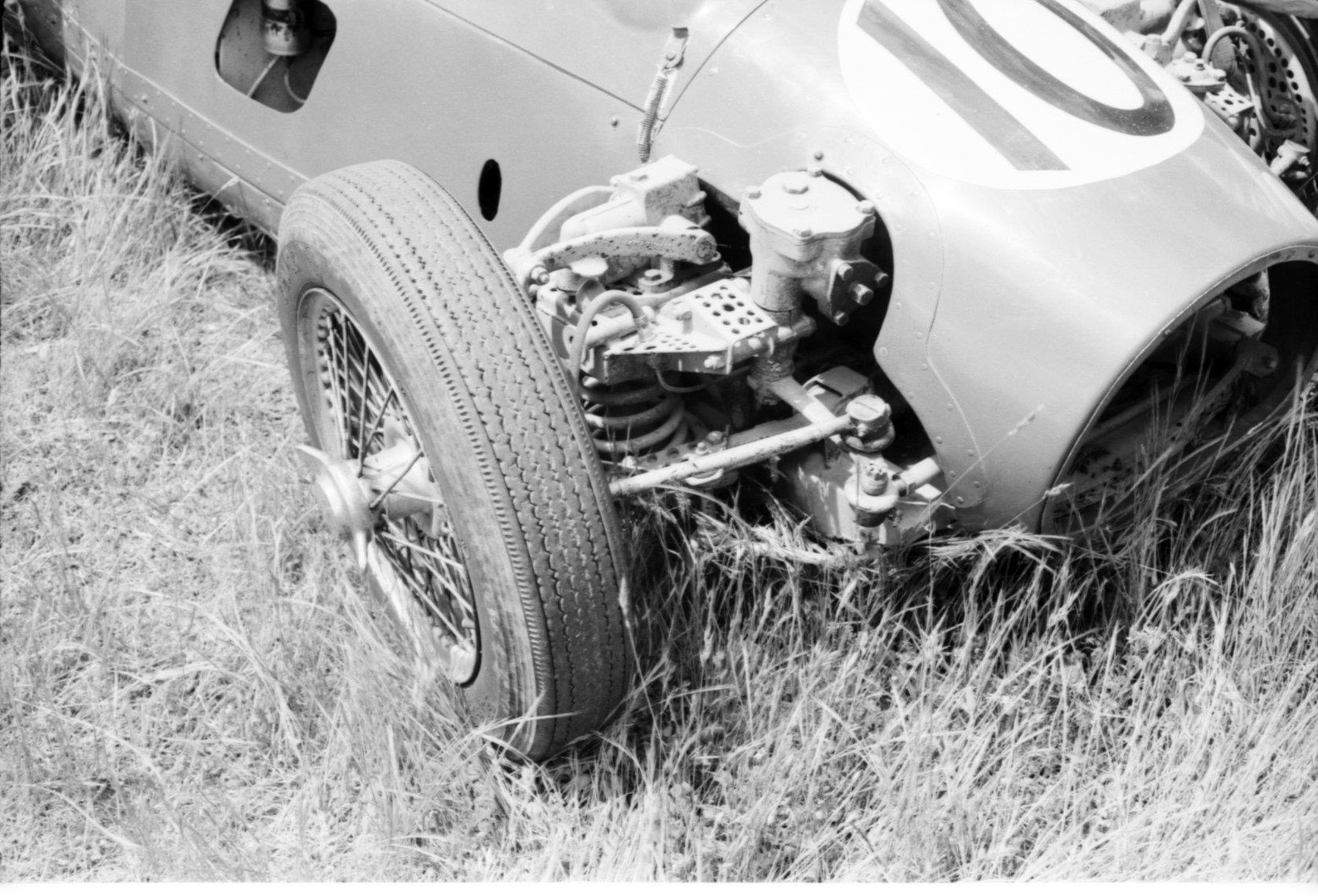


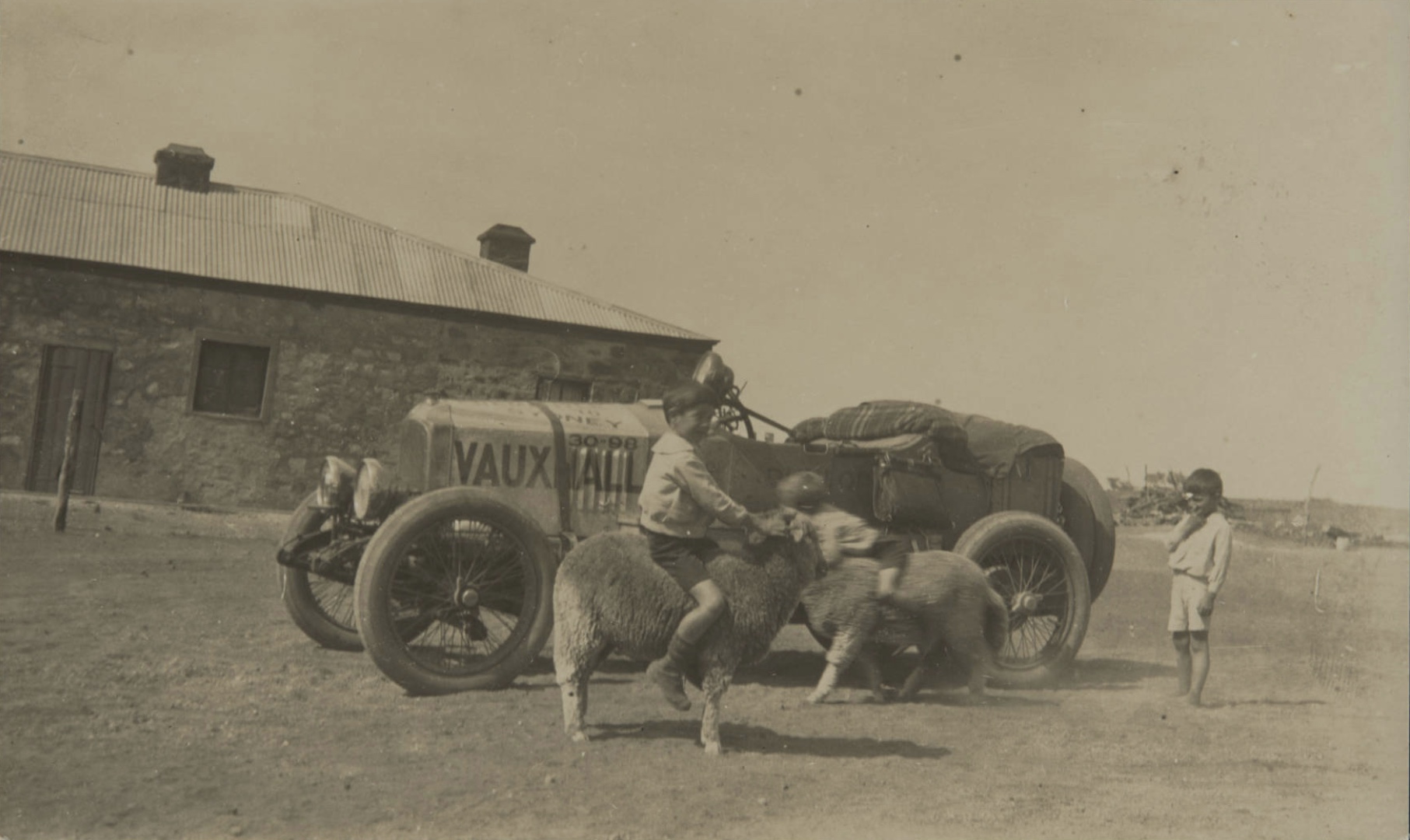
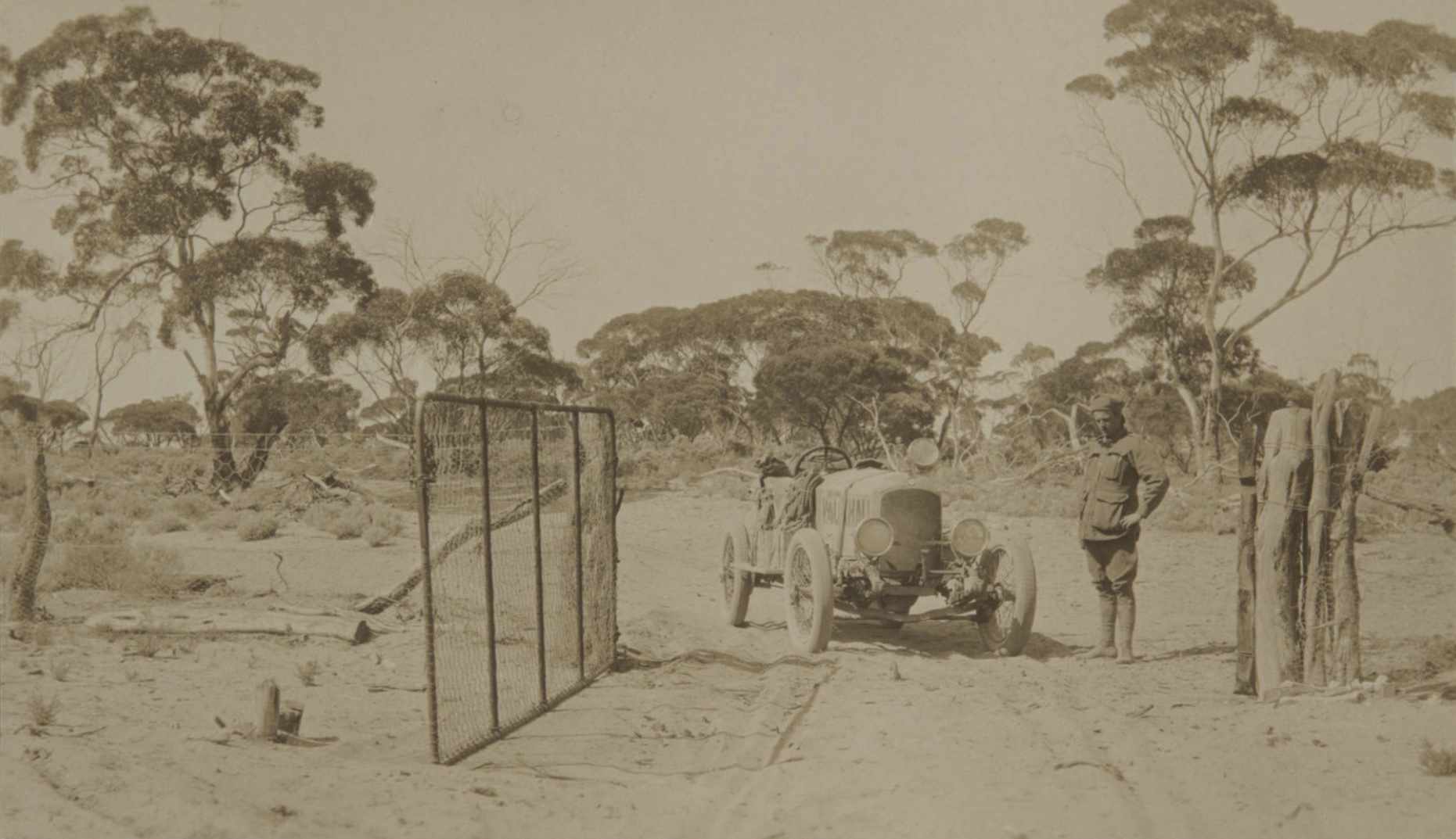
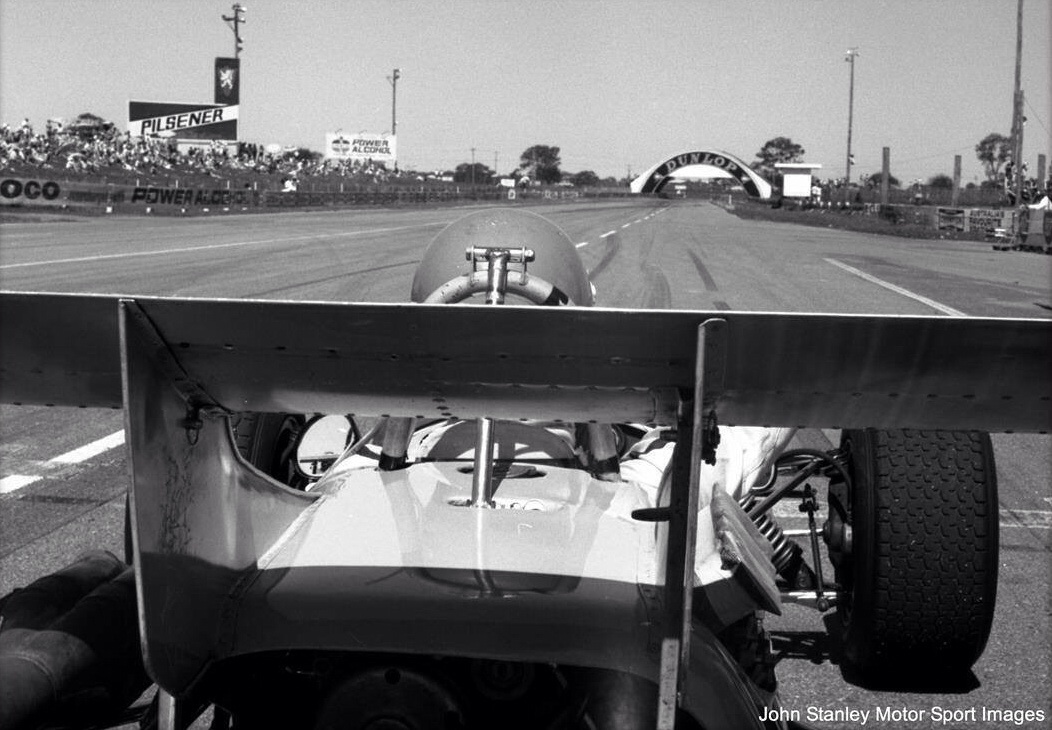
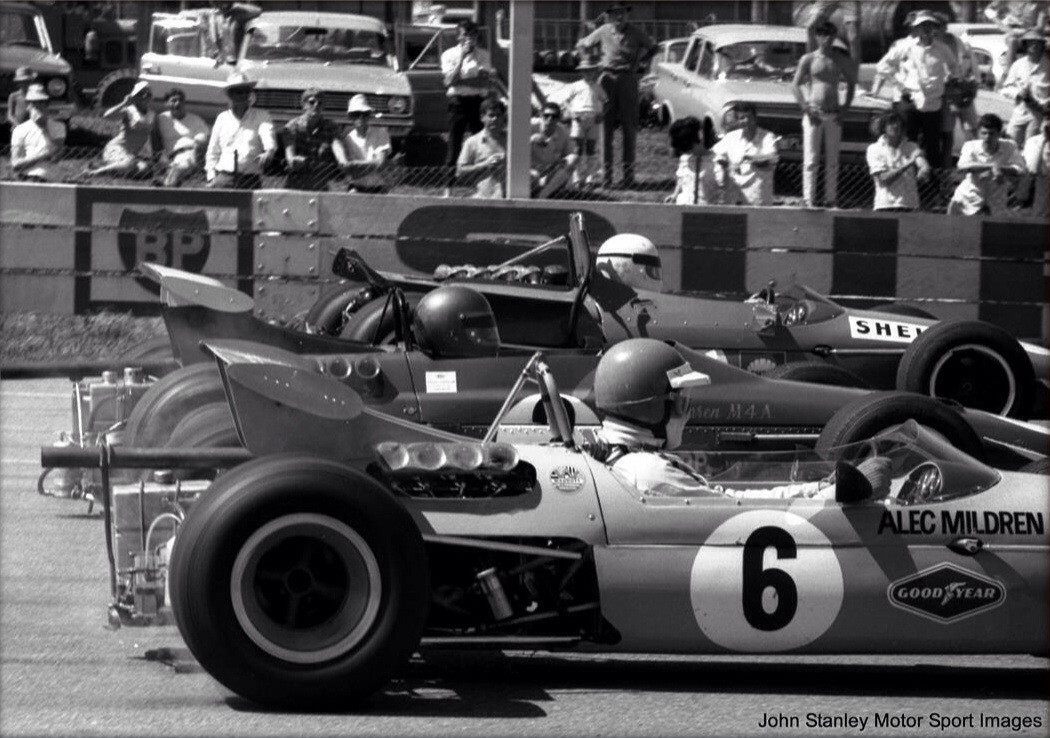
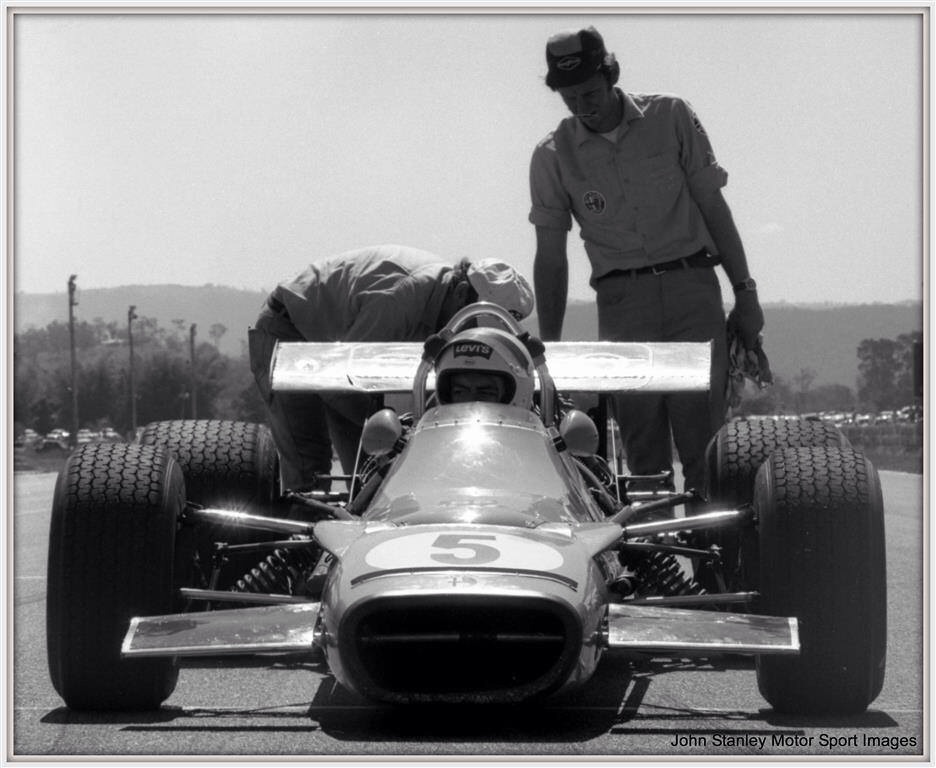
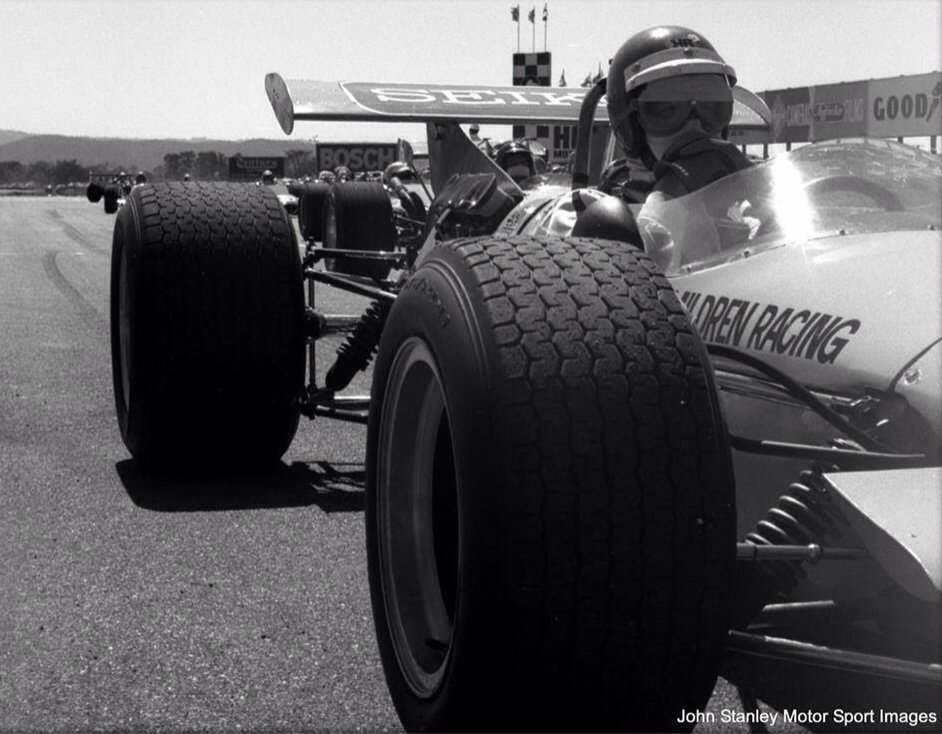
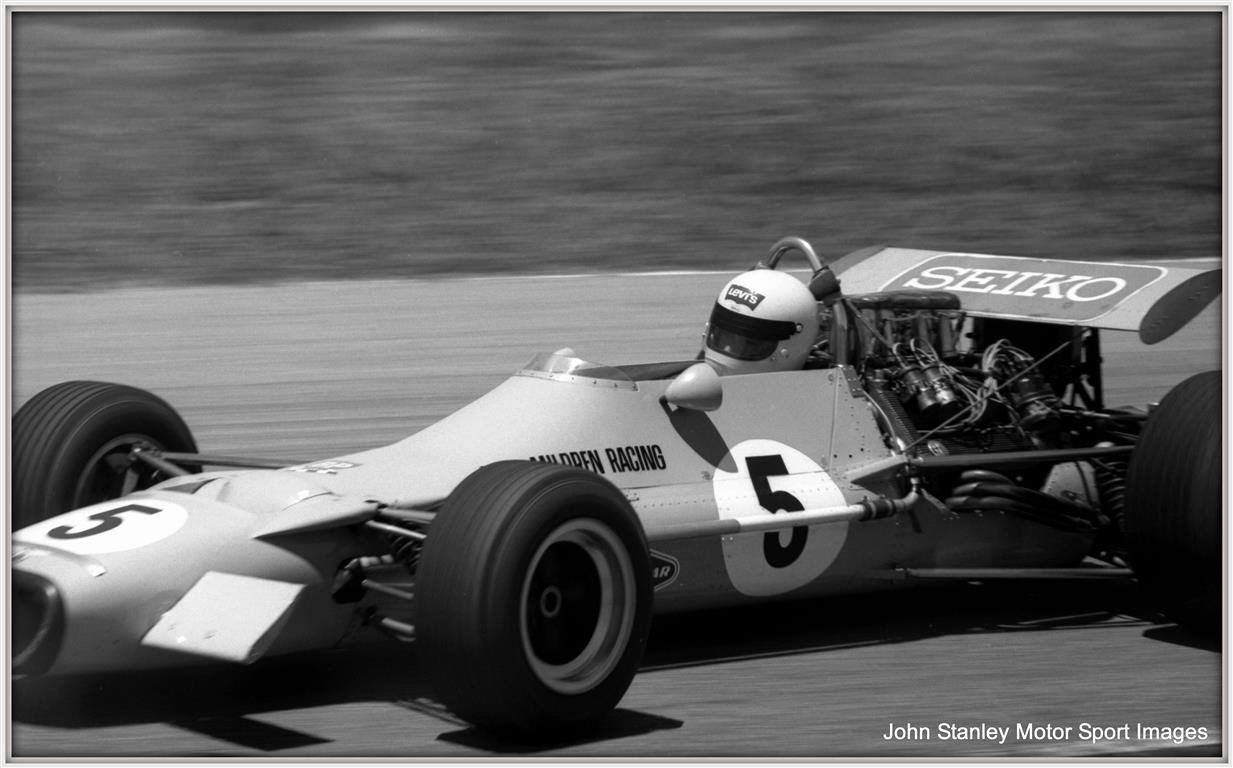
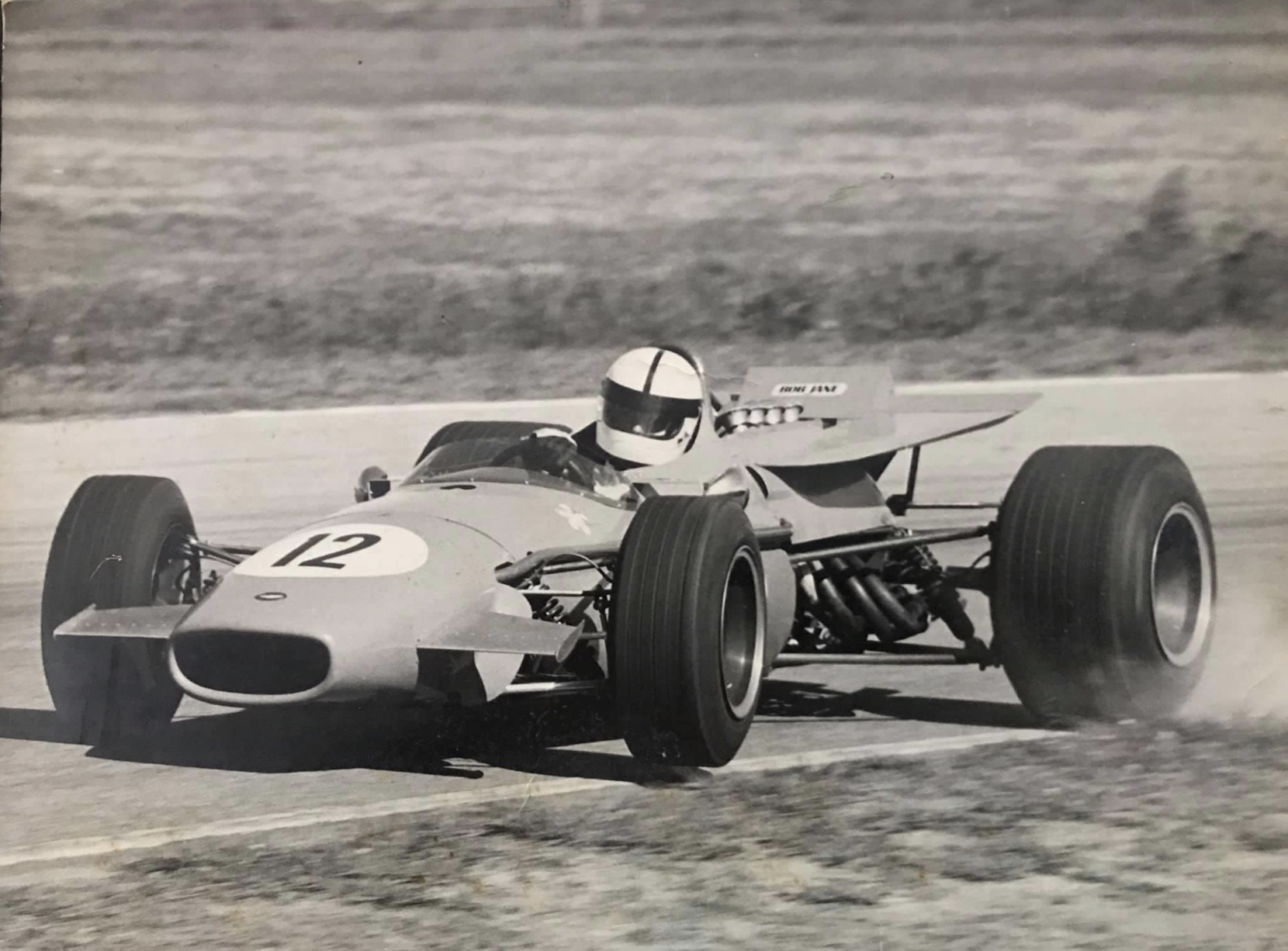
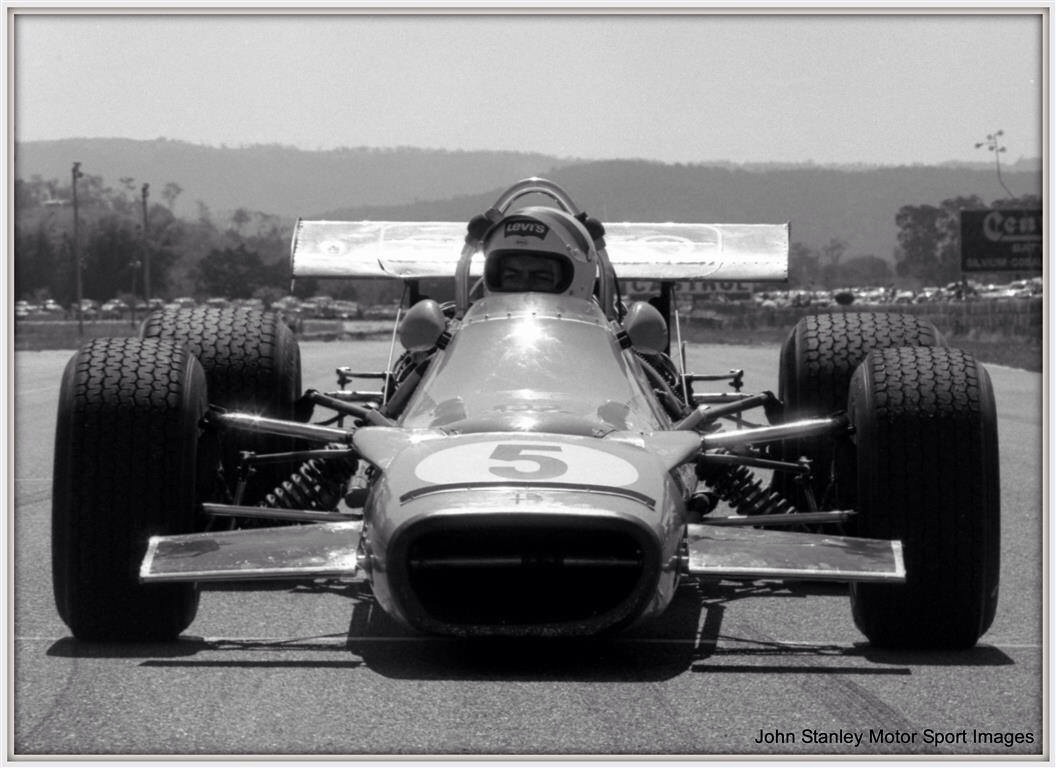
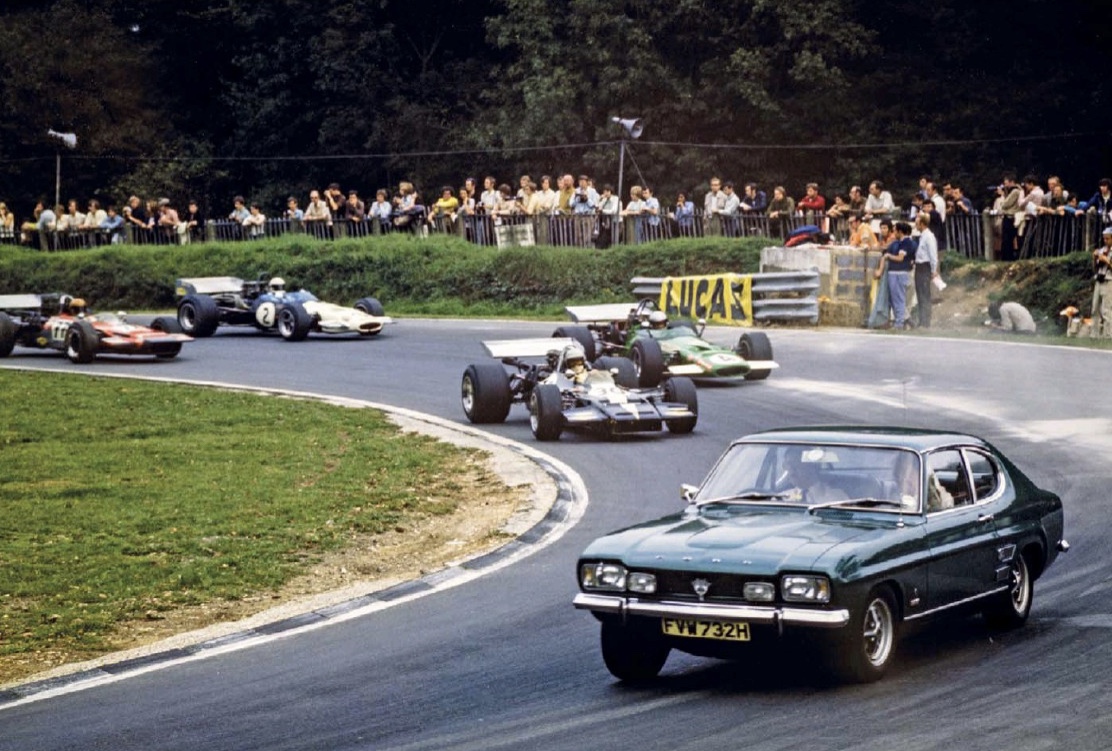
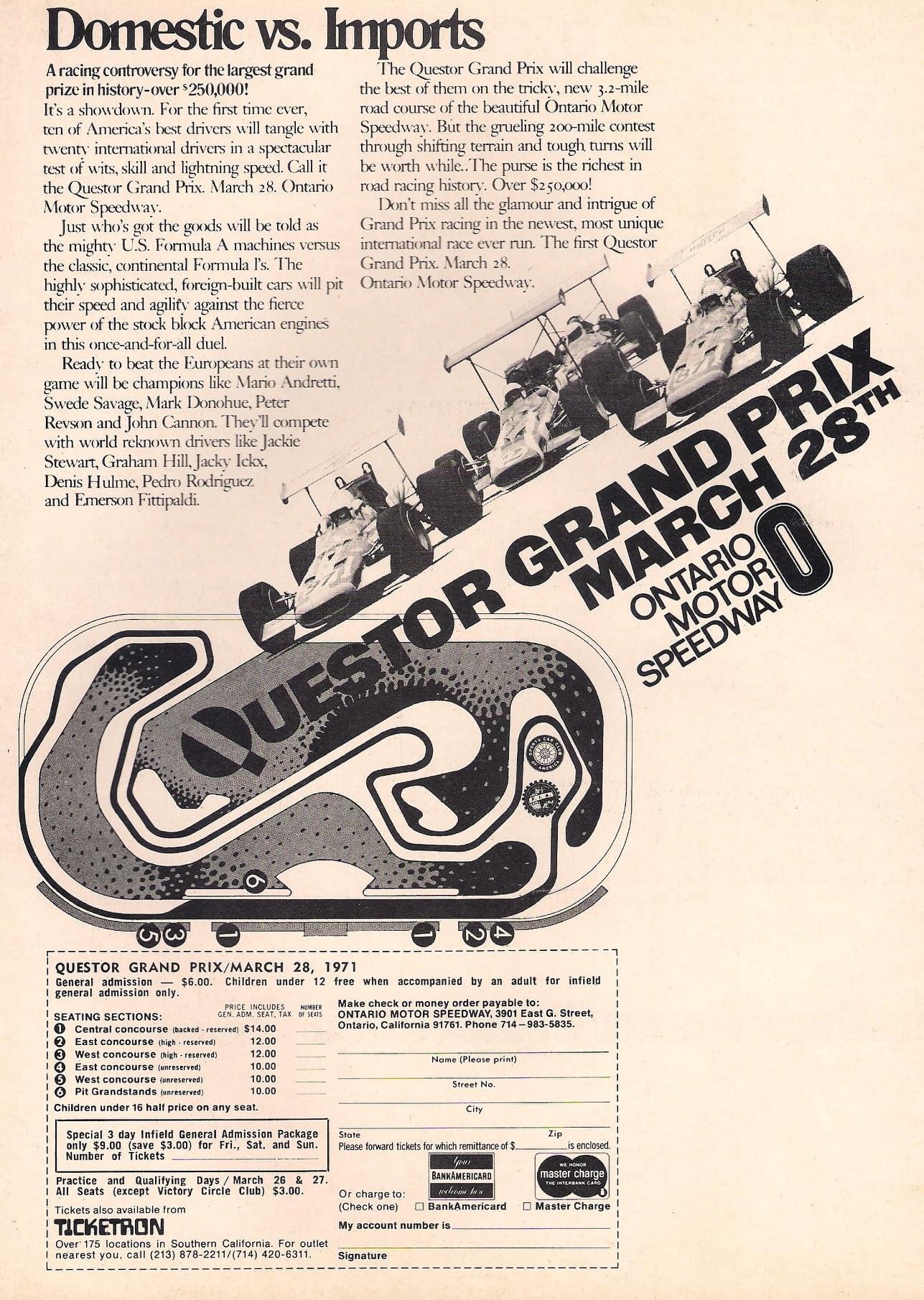


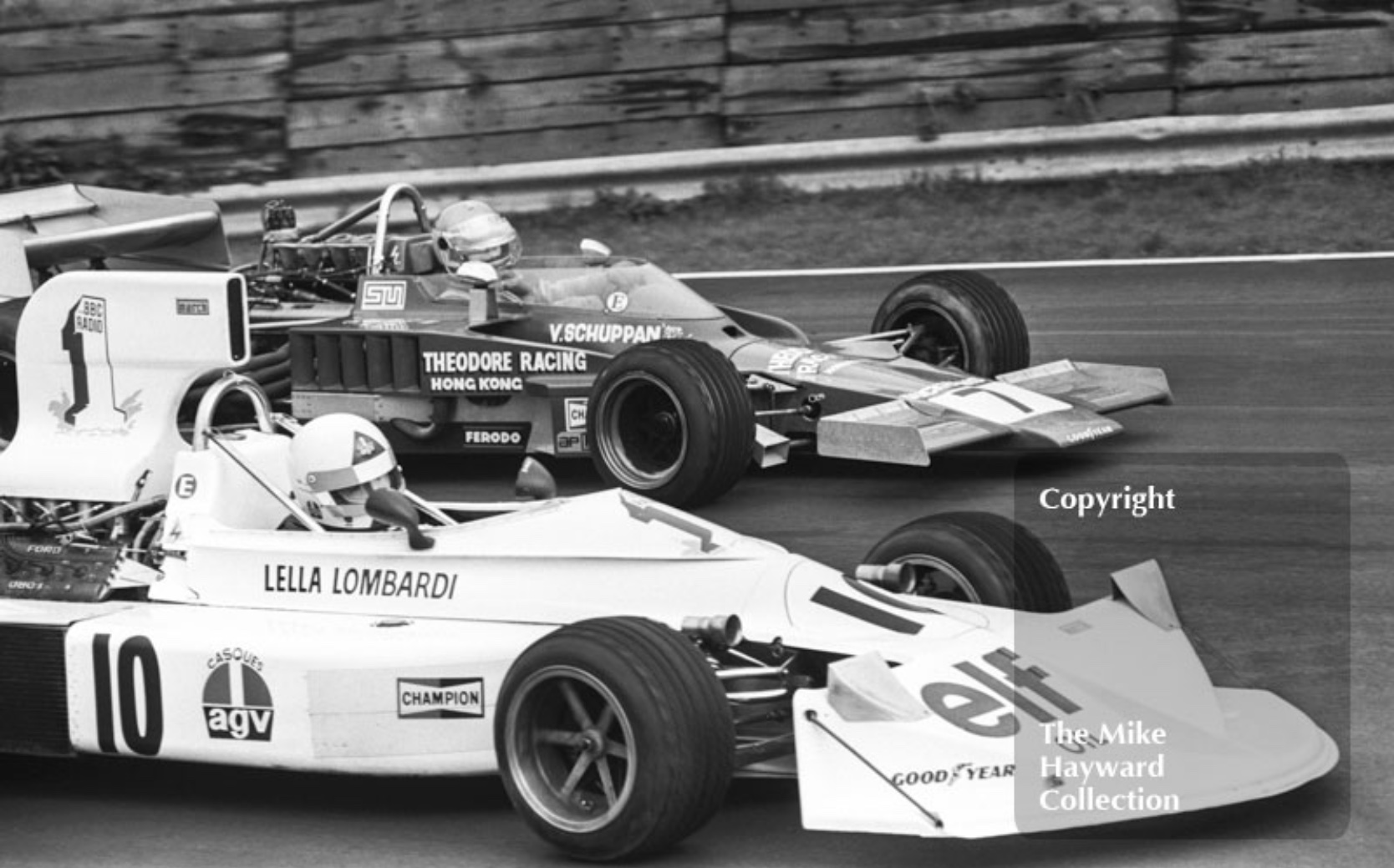


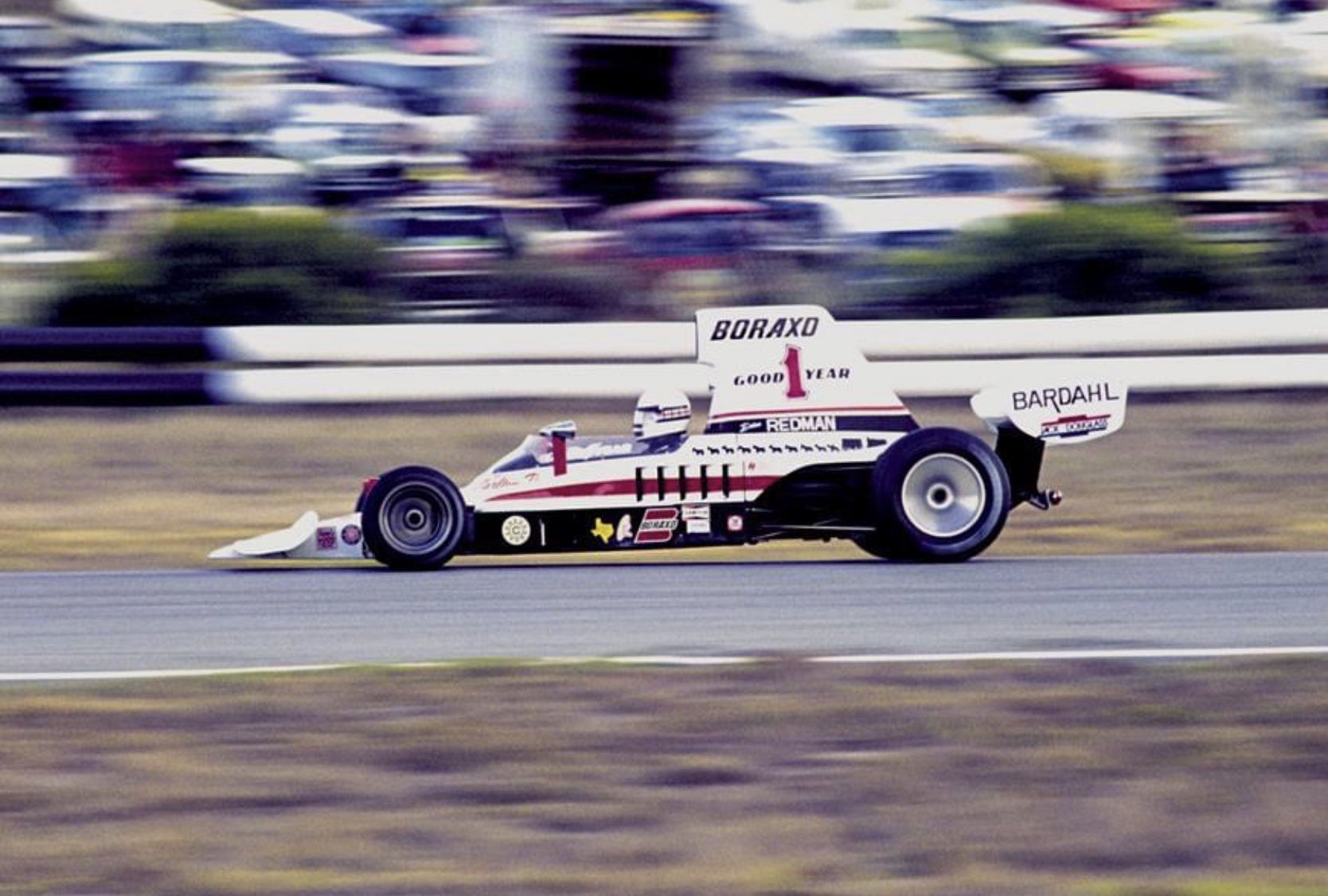
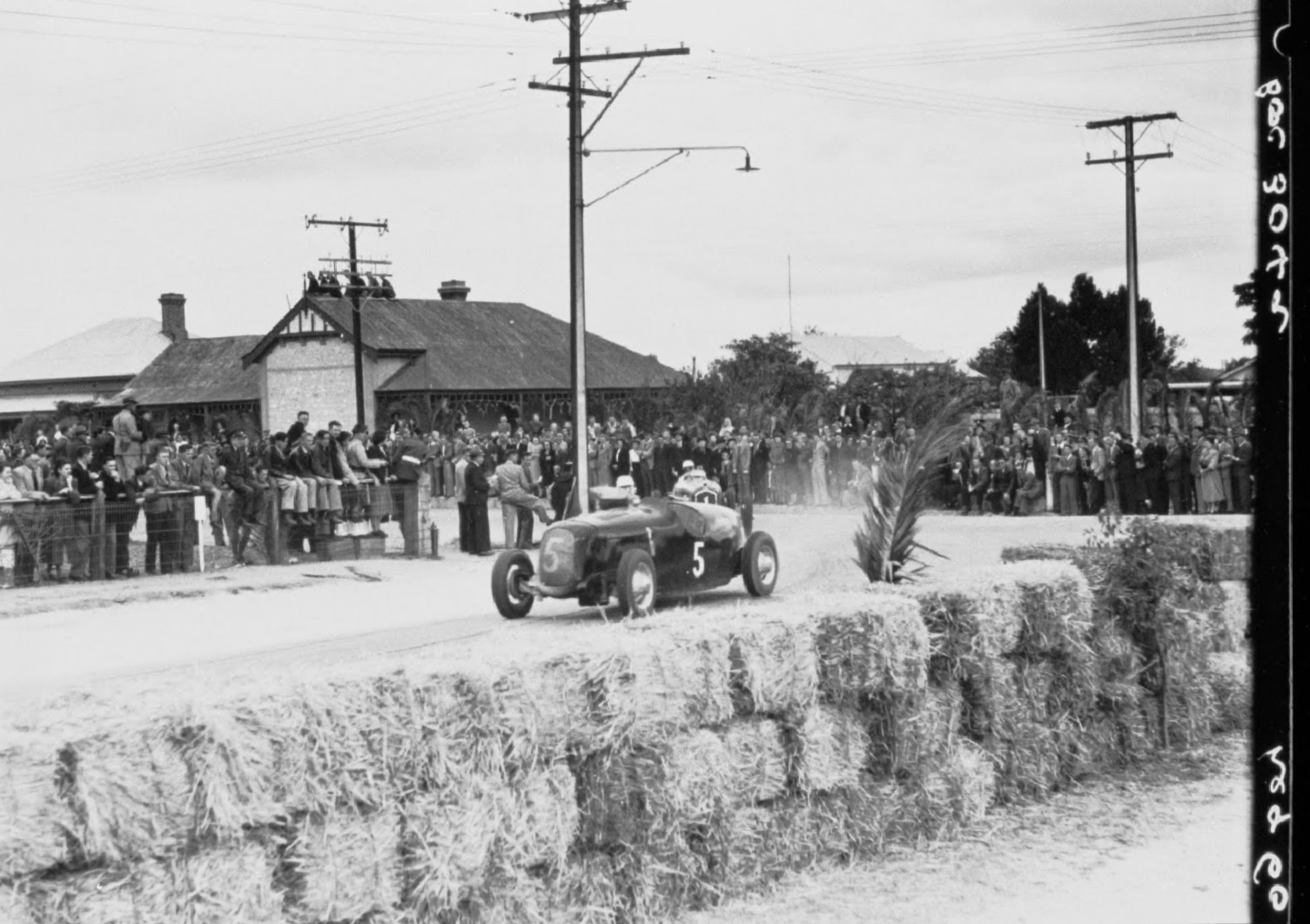


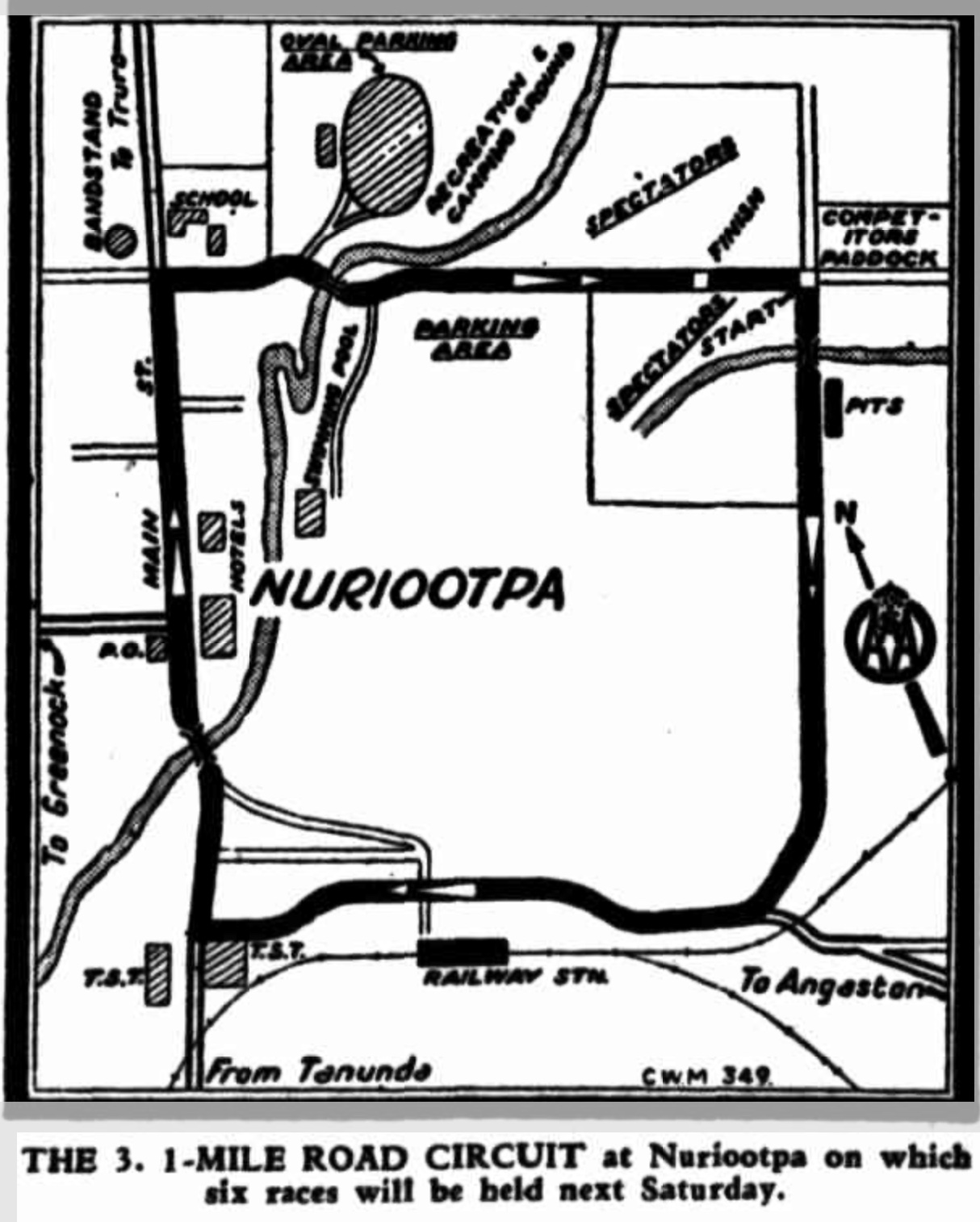


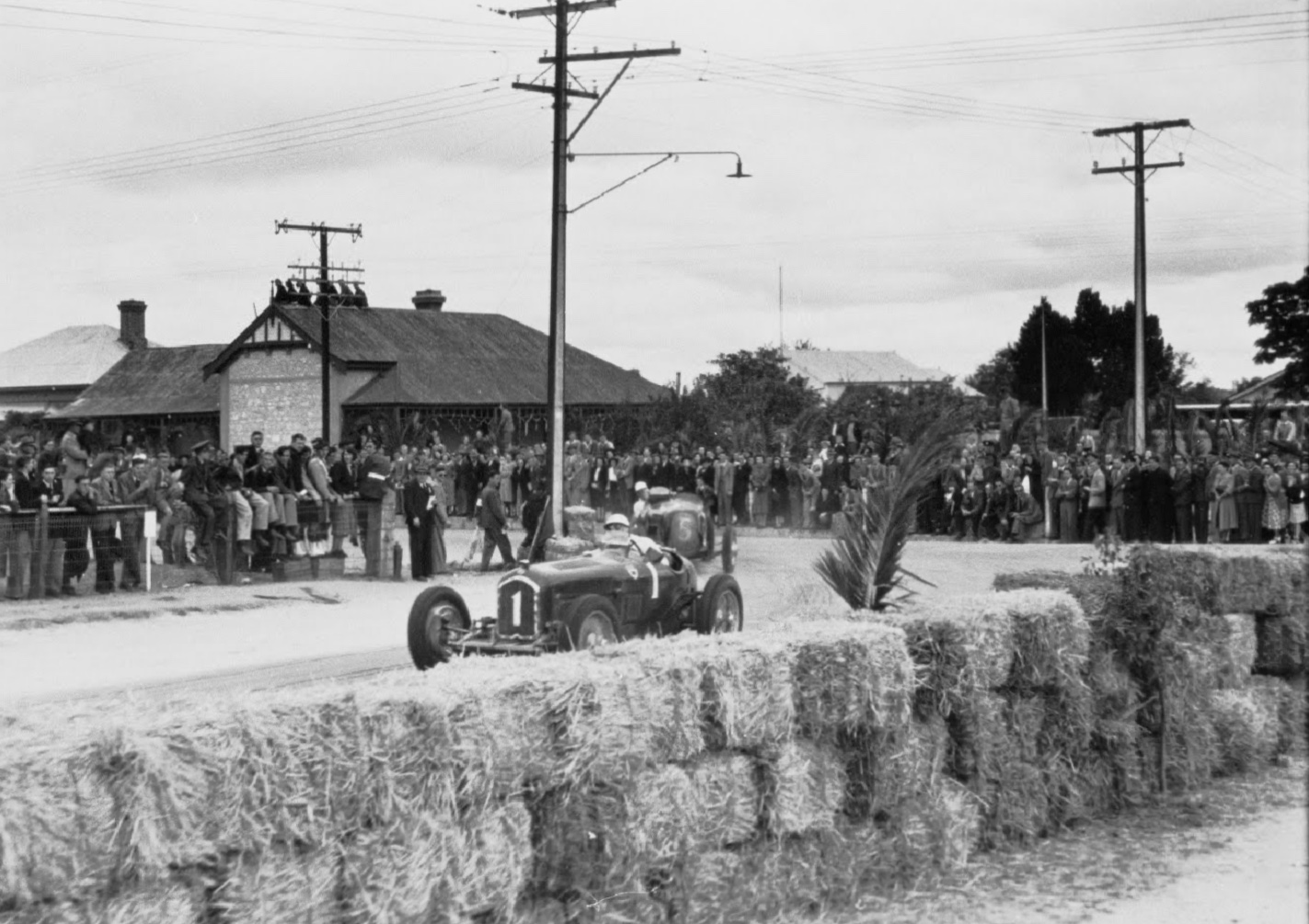


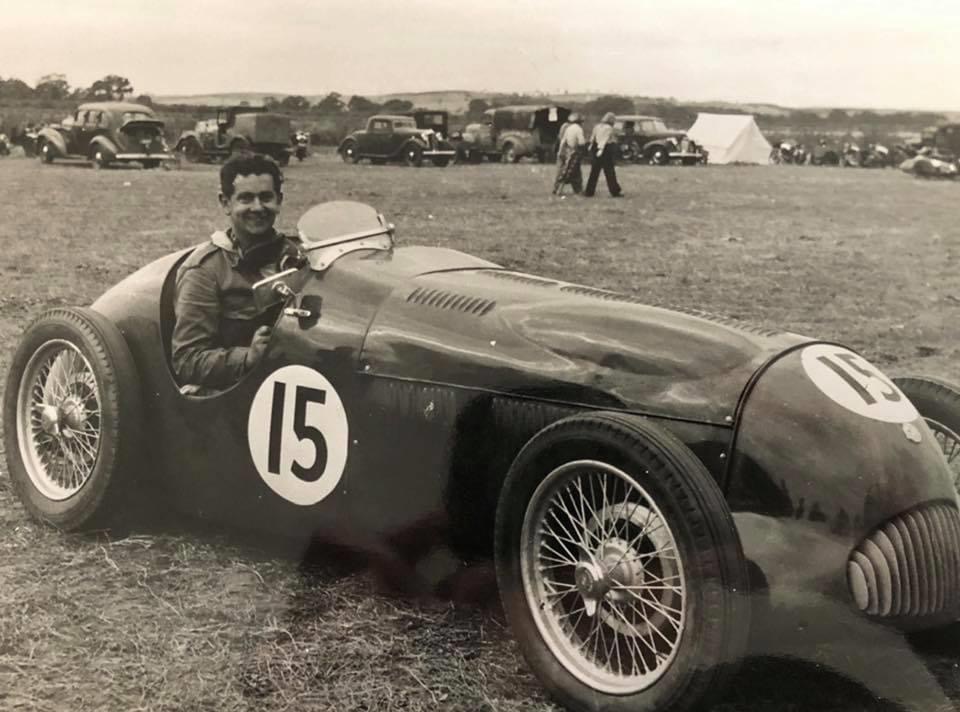


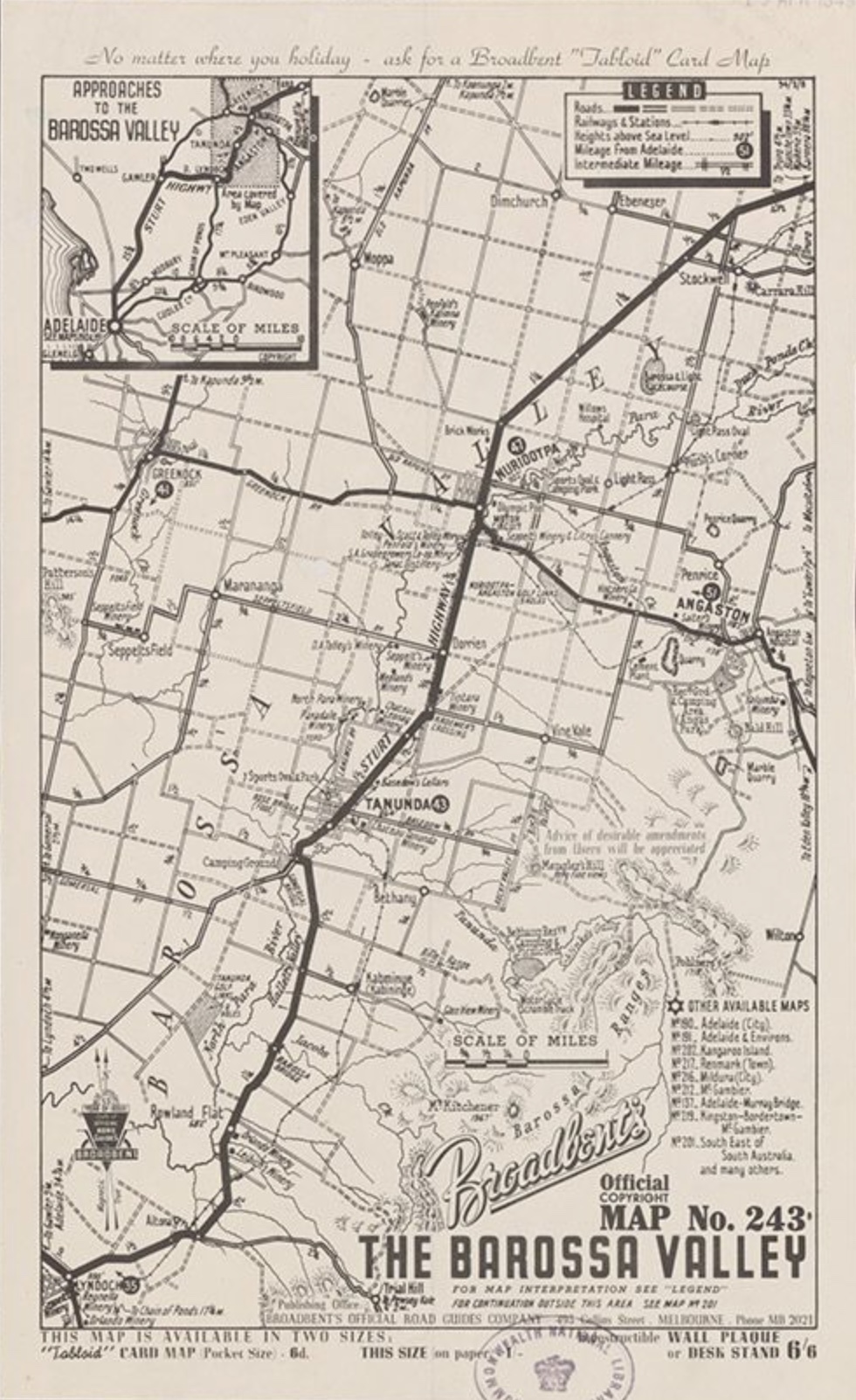
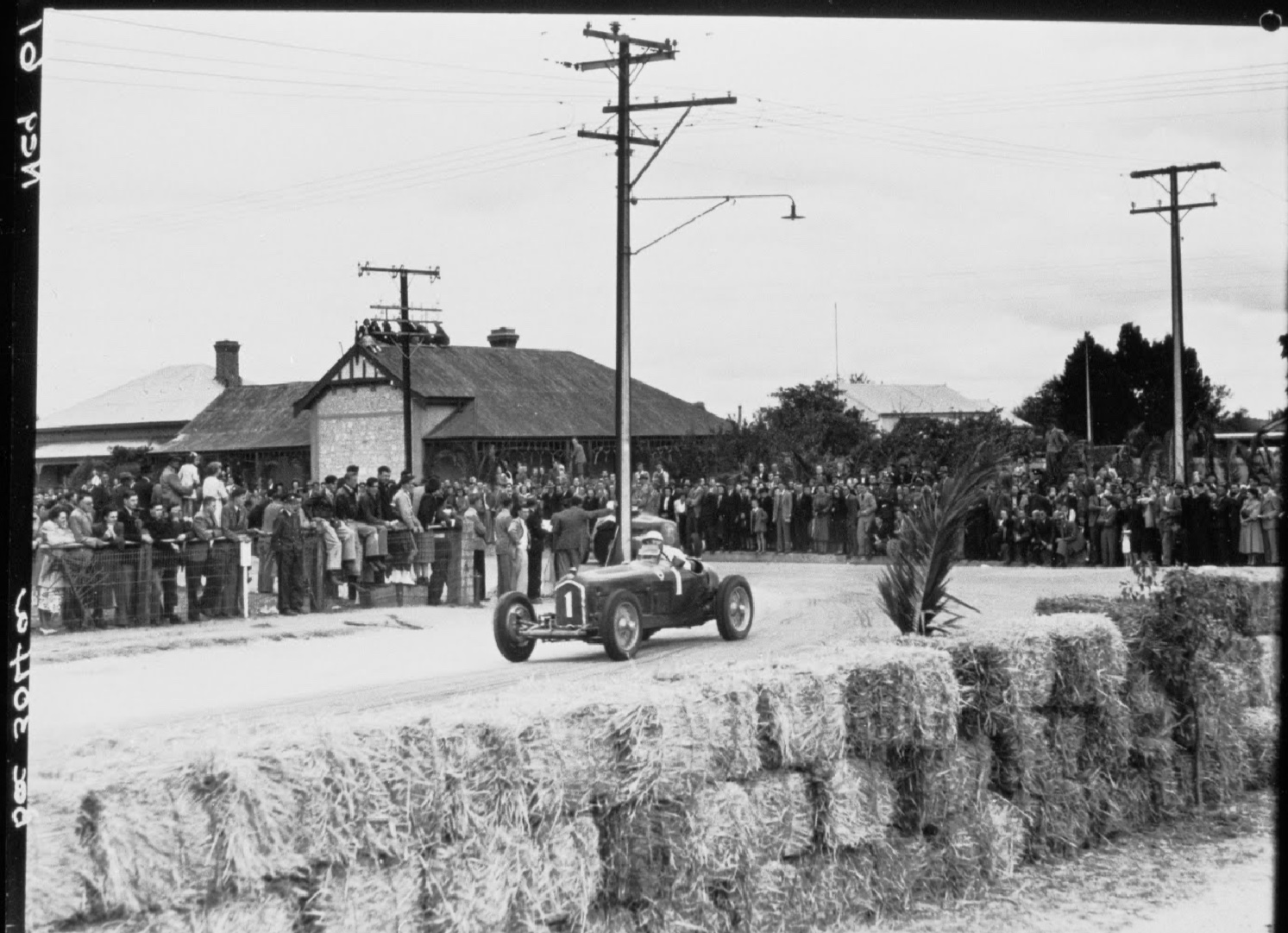
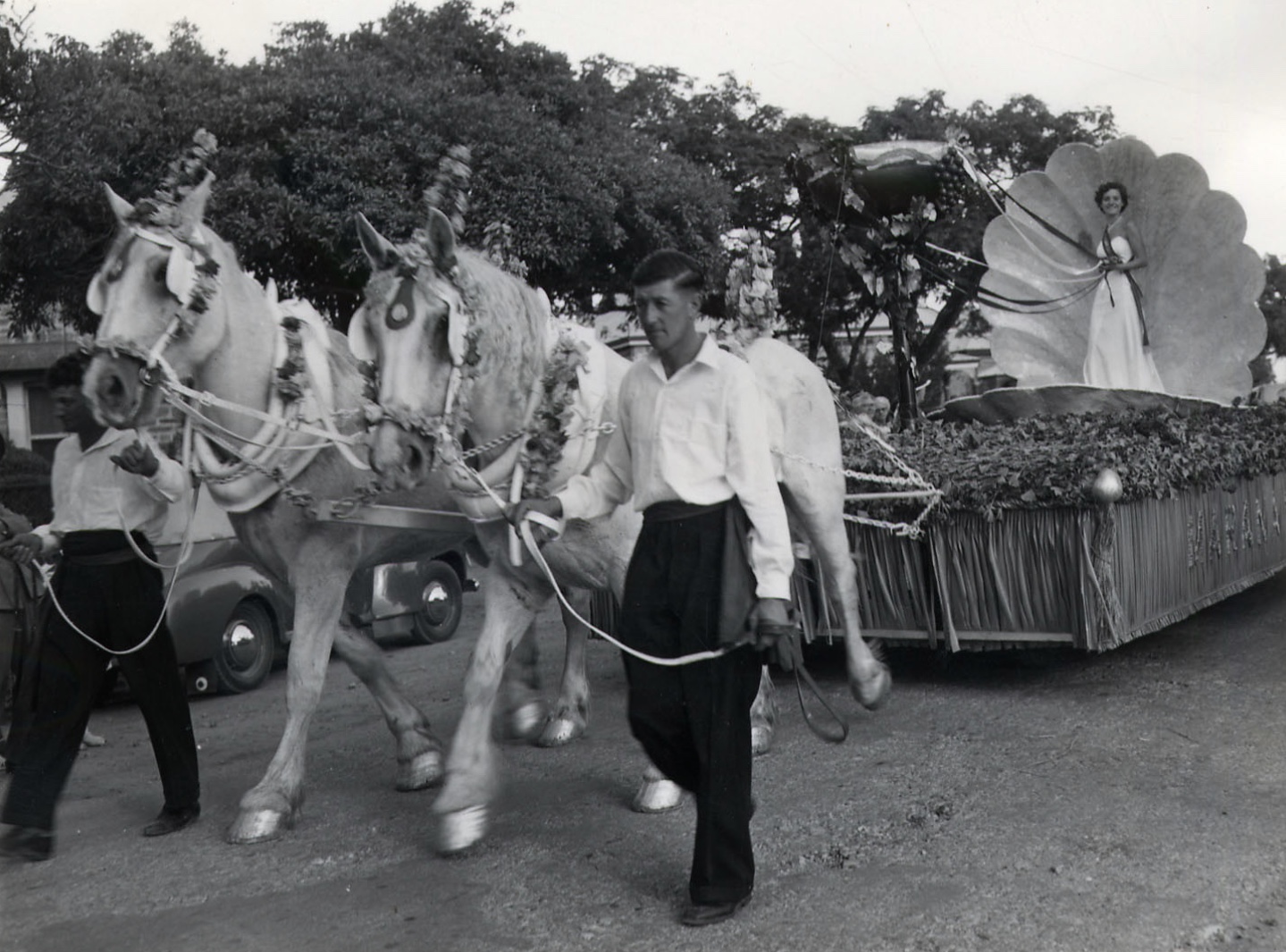

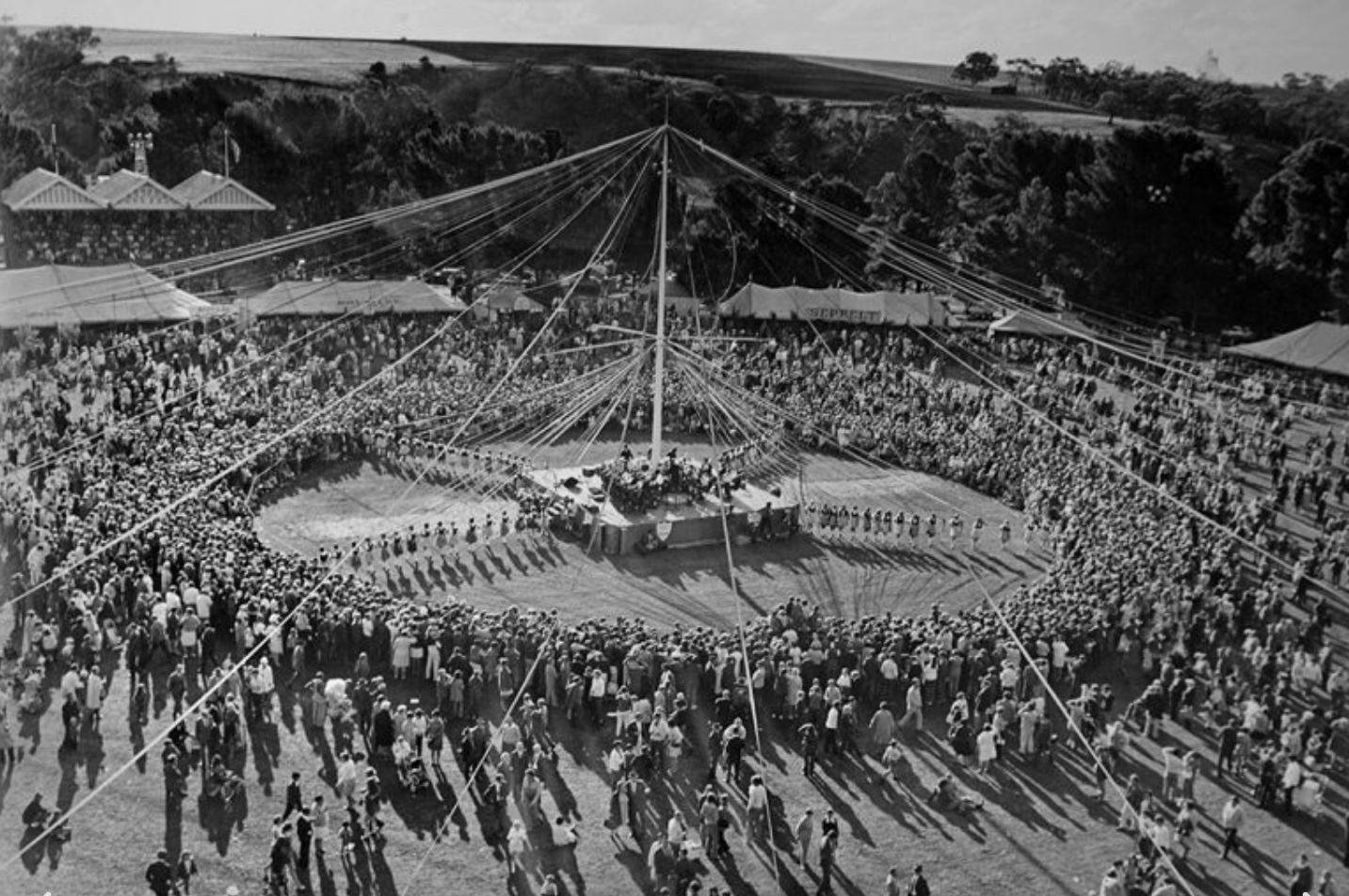
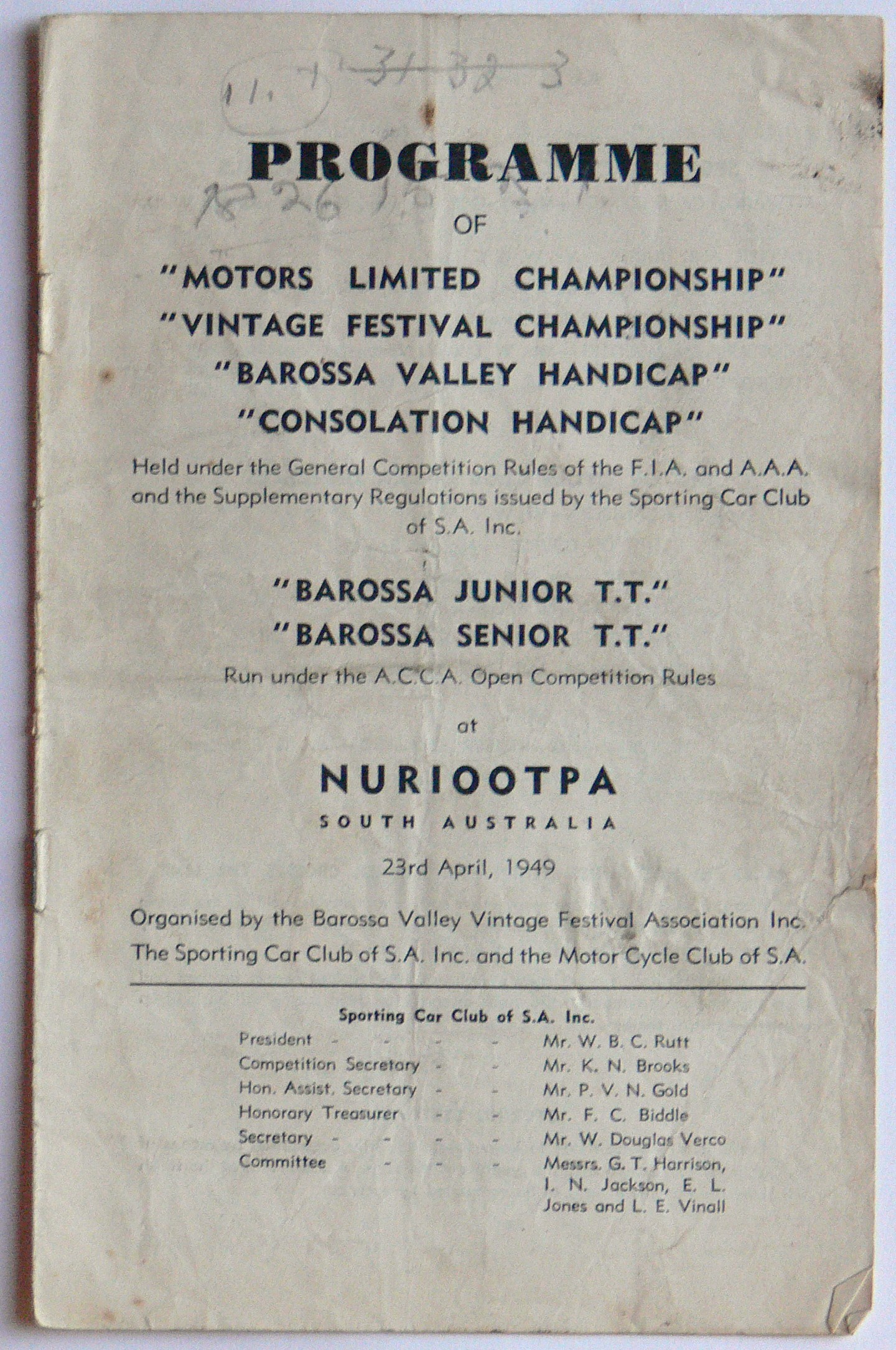


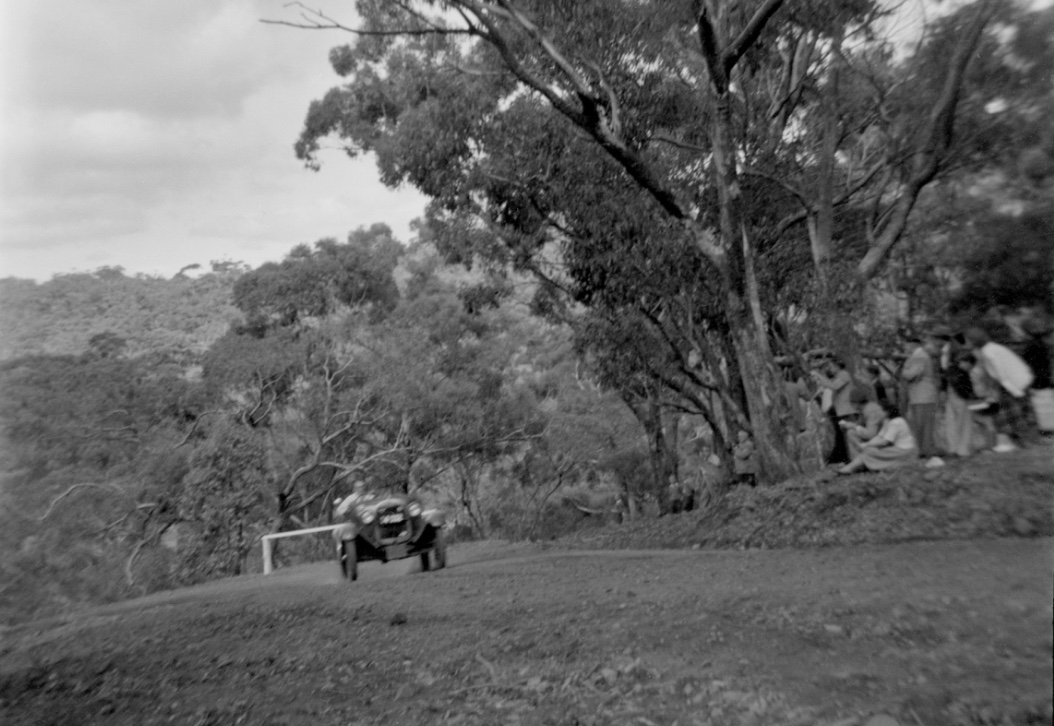


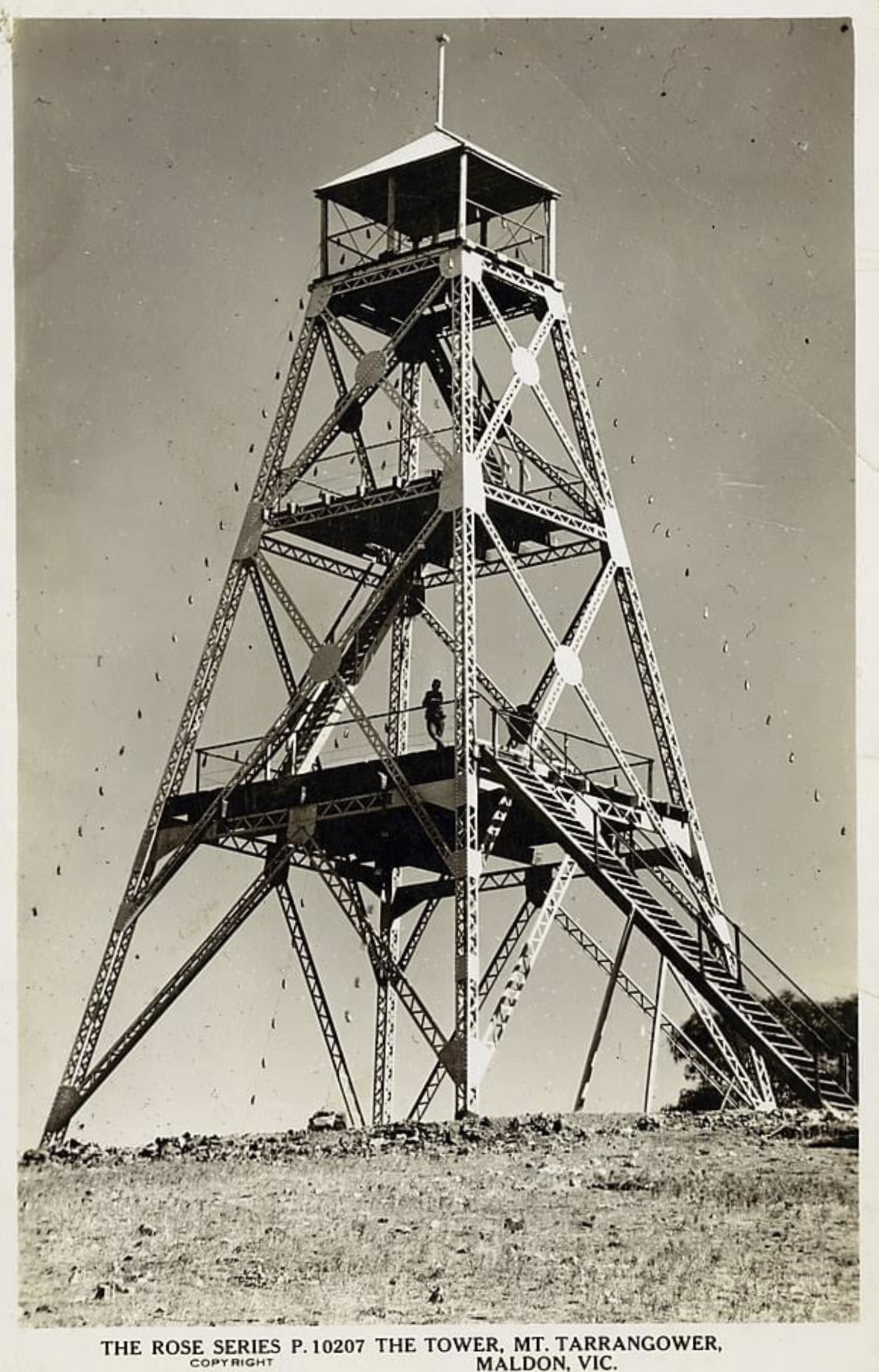


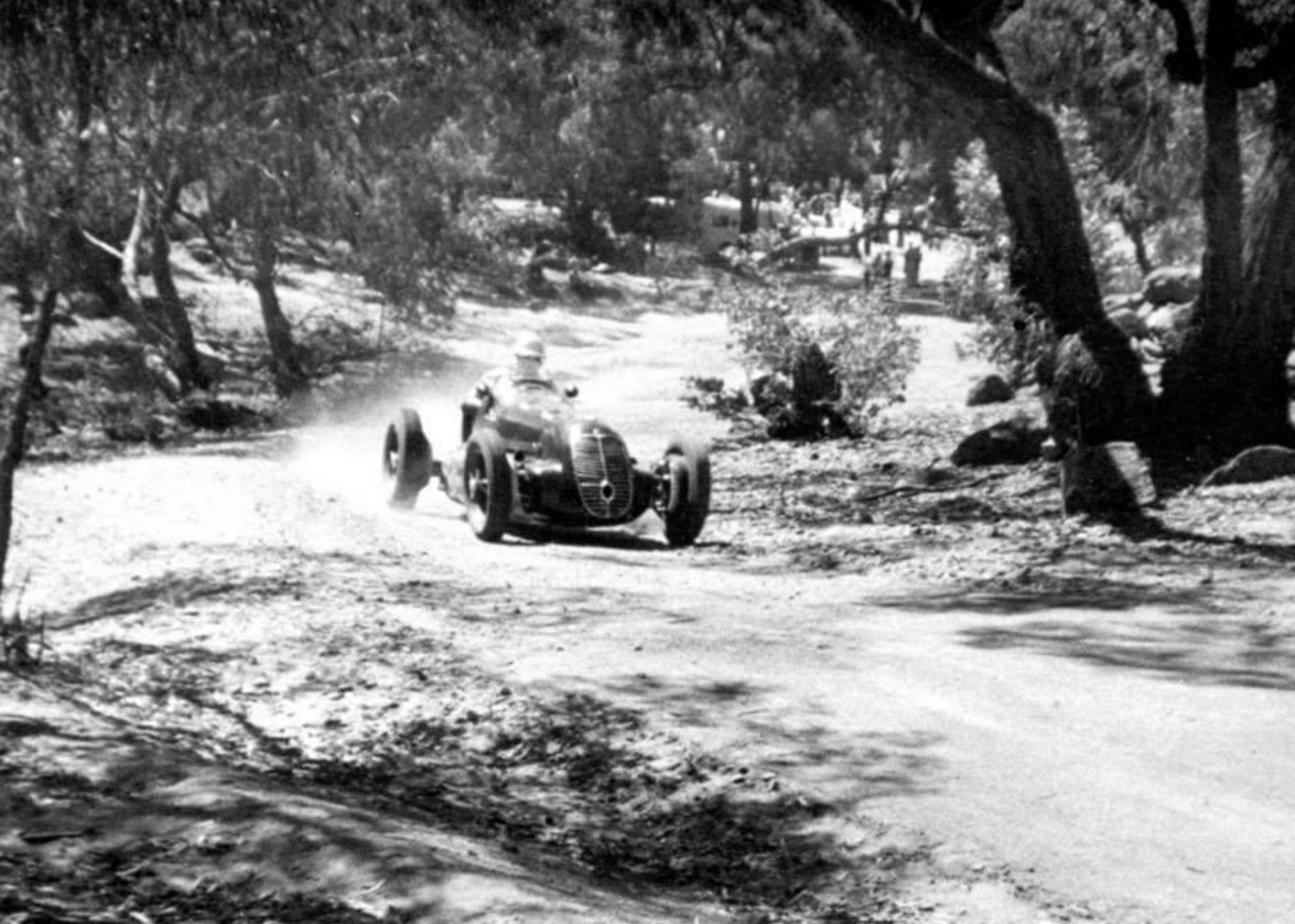


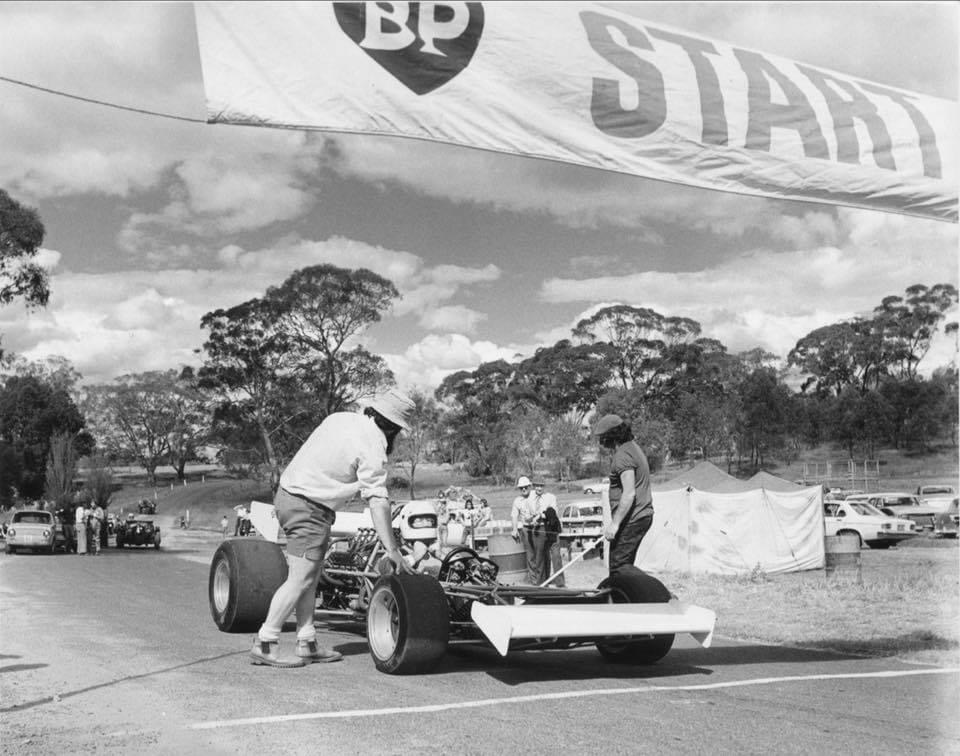

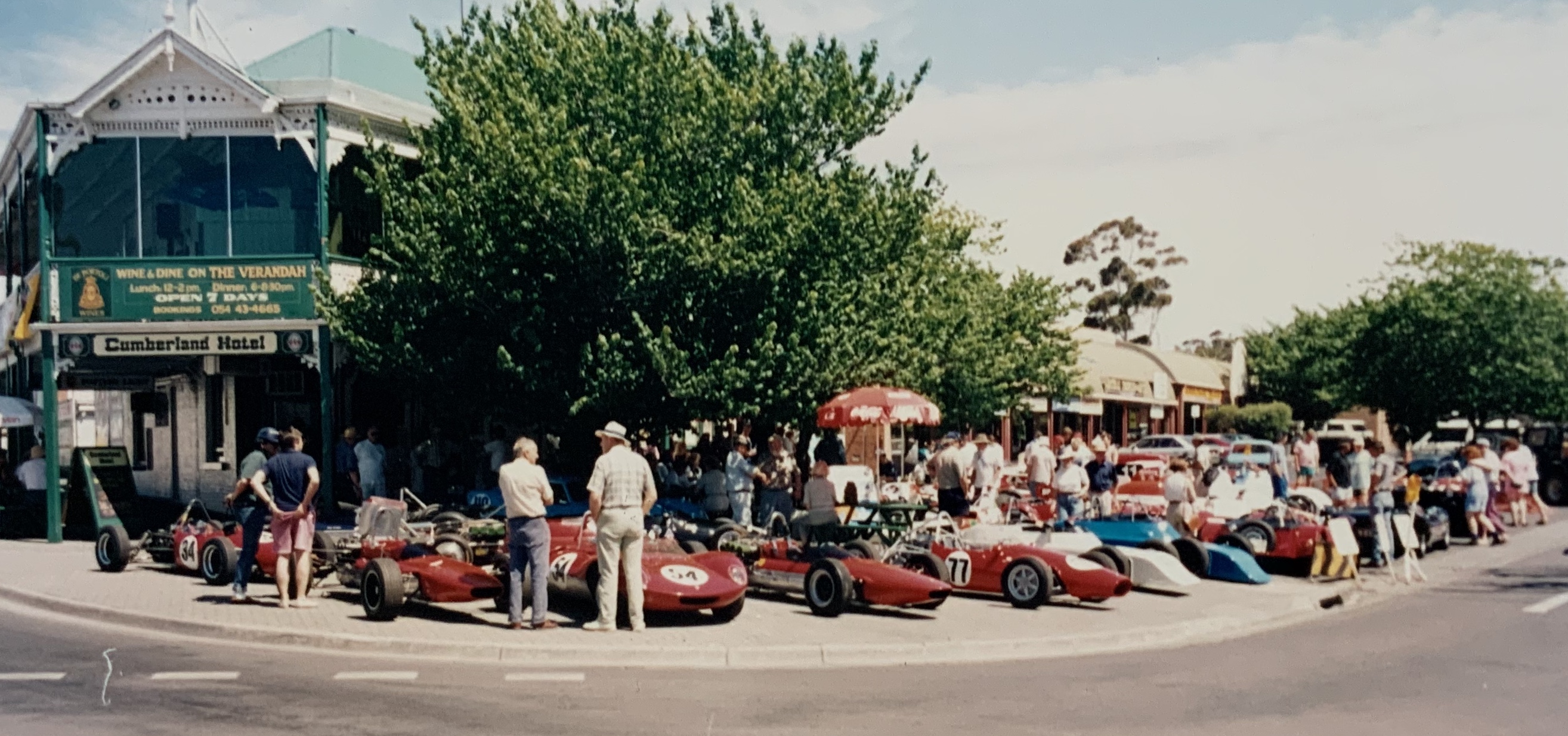


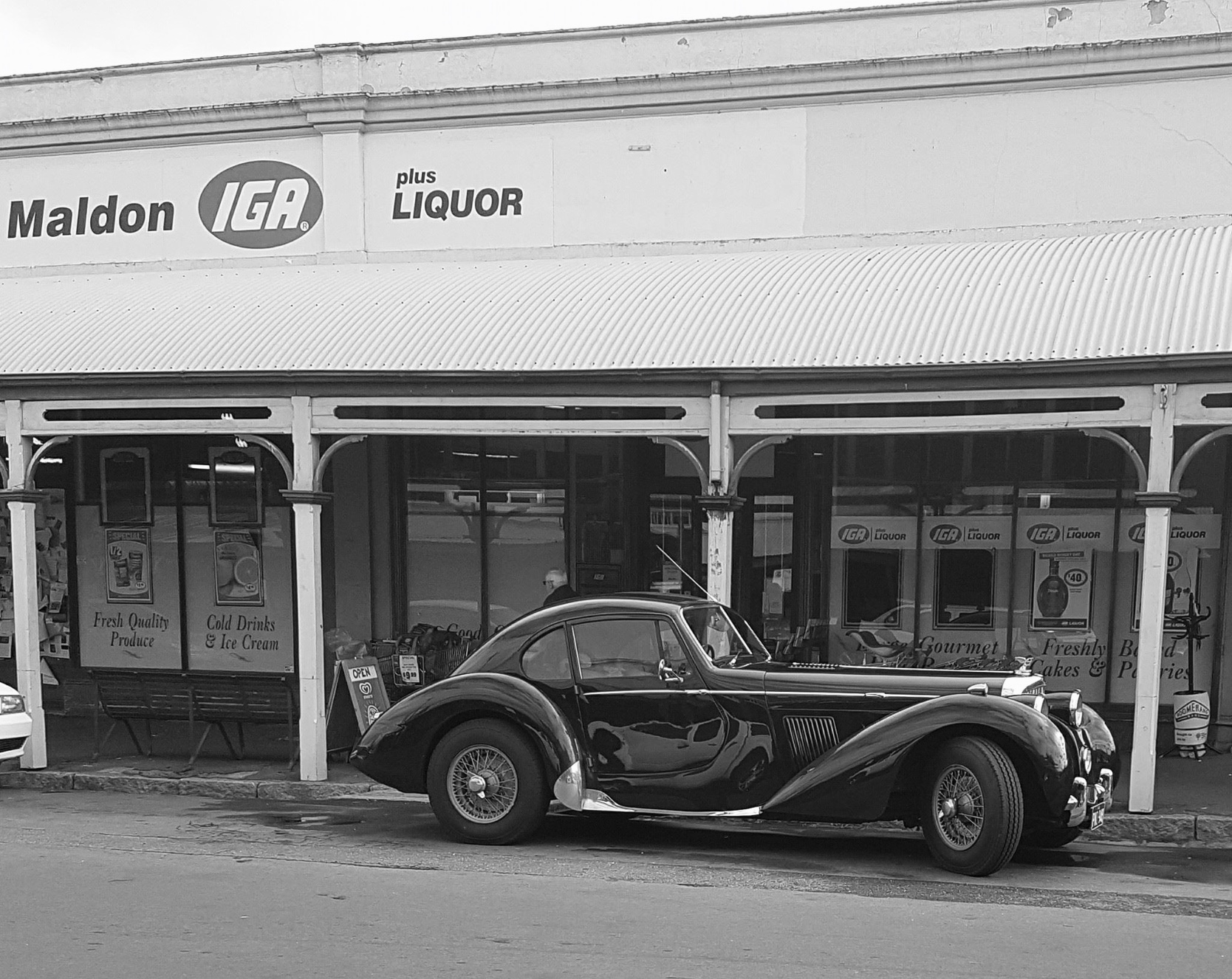

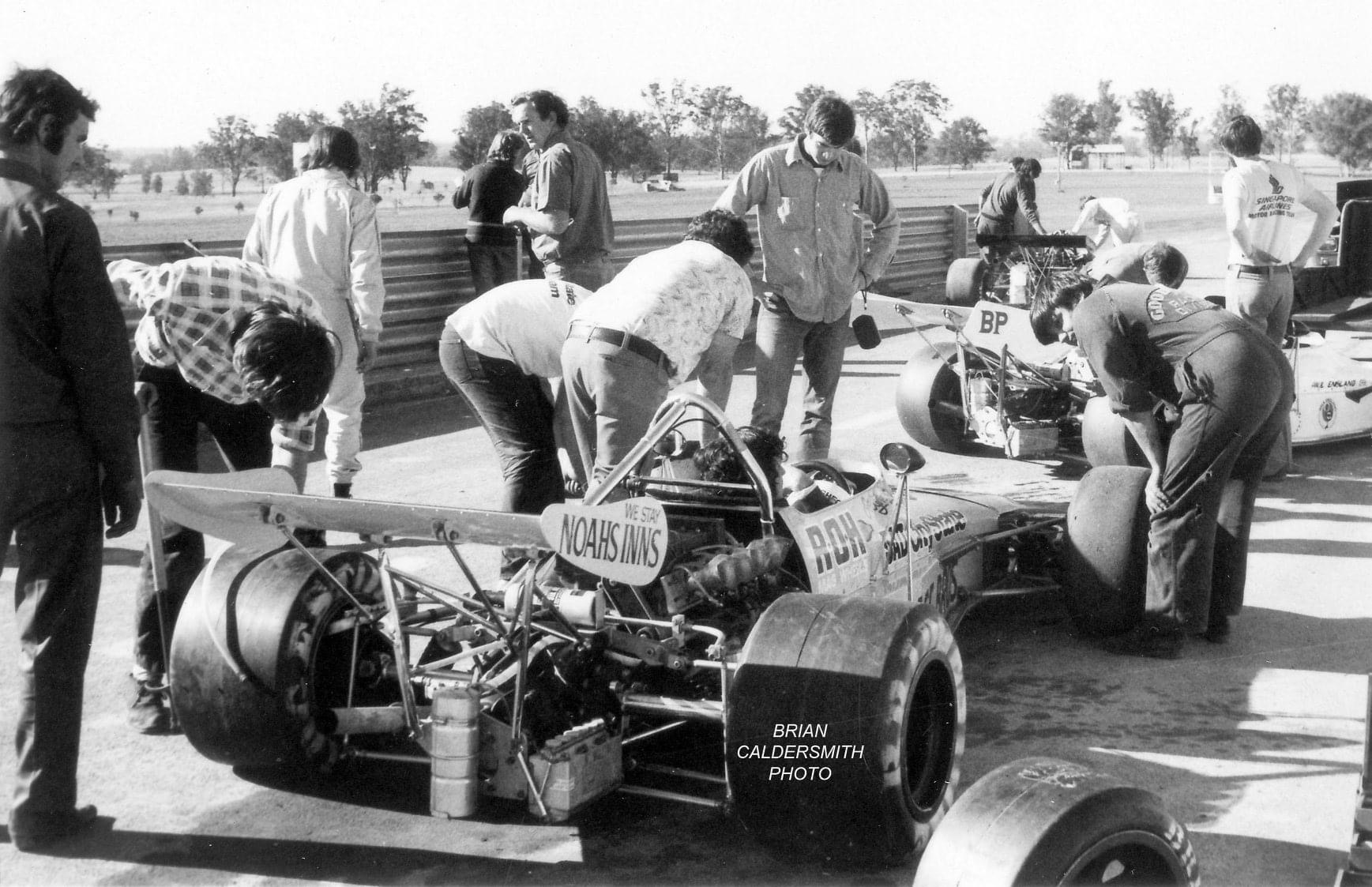

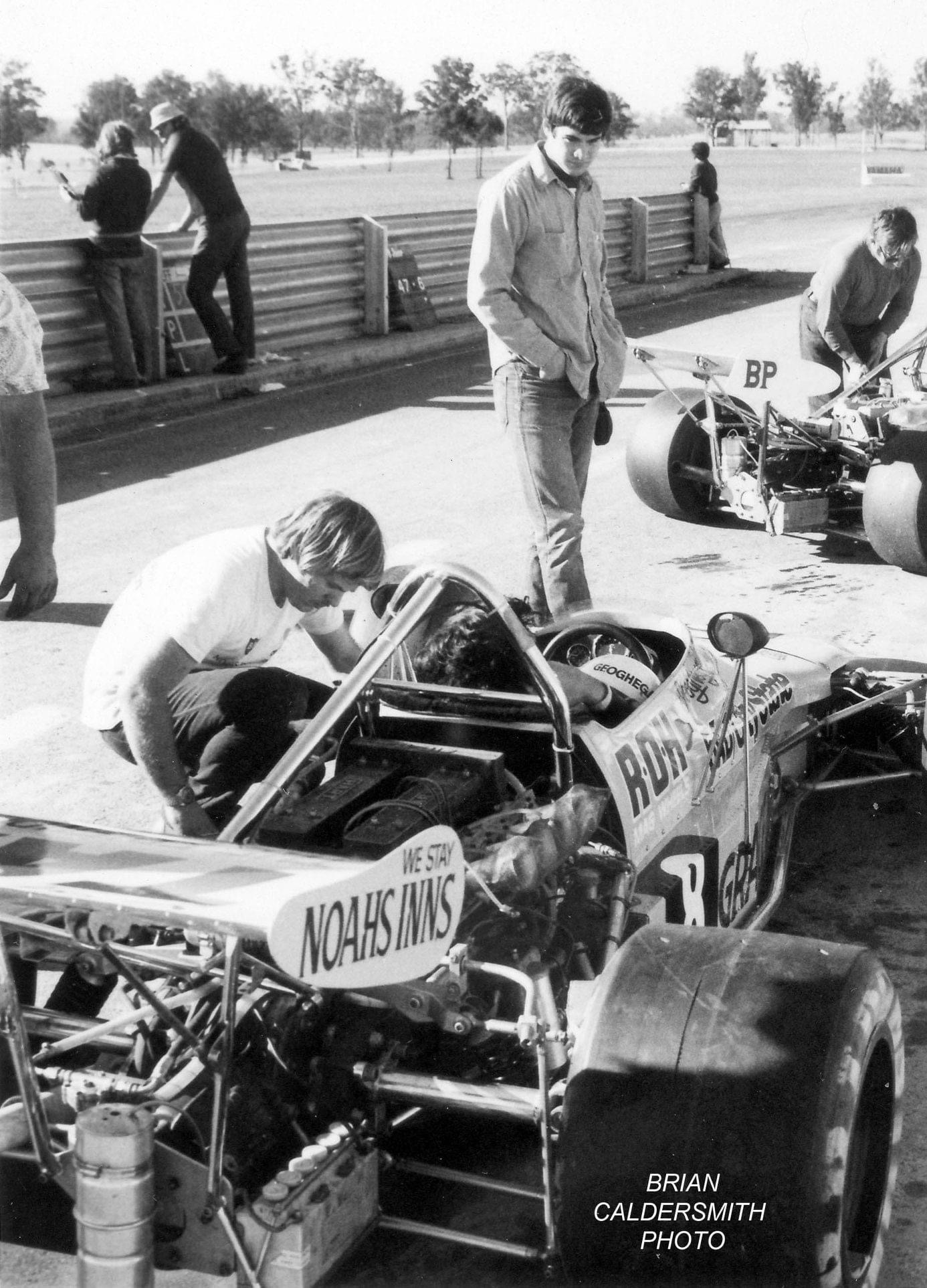


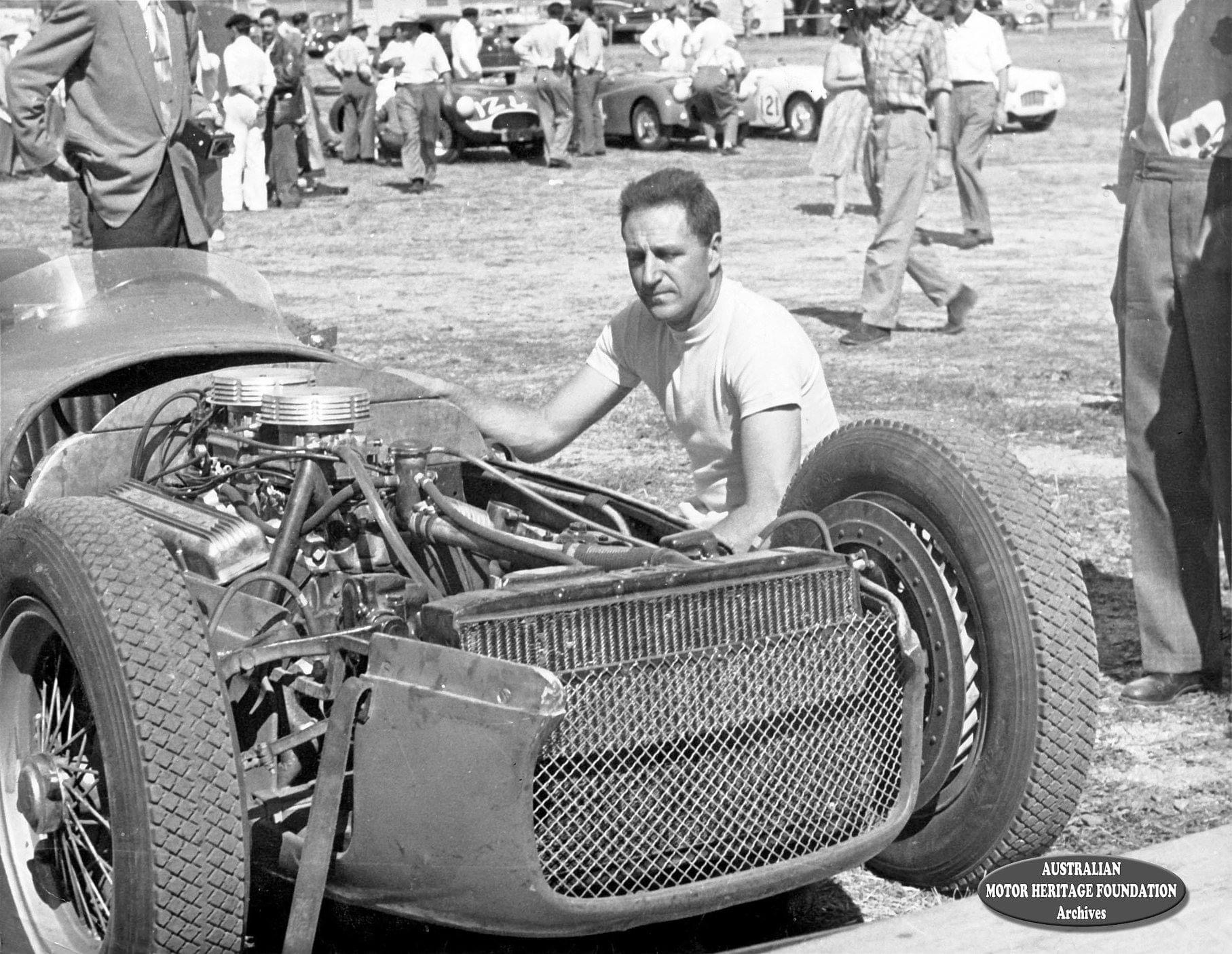


 primotipo...