It’s not what you know that gets ya, it’s what you don’t know.
I thought I’d done a nice piece on Ferrari’s 156 variants, that is, the cars which bridged the gap between the 1961 World Championship winning 156 Sharknose and 1964 158, victorious in the hands of Phil Hill and John Surtees respectively.
Then Doug Nye posted the photograph above on an internet forum. It’s Lorenzo Bandini at the Nurburgring during the 1962 German GP weekend in a Ferrari 156/62P. The prototype was designed by Mauro Forghieri in 1962 as the young engineer explored smaller, lighter-tubed spaceframes of the type built by the British manufacturers.
He sought to bridge the performance gap which had widened even more after Jim Clark debuted the first modern monocoque Lotus 25 Climax at Zandvoort that May.
Oopsie, missed that car, hmmm, back to the drawing board I thought. Sure enough, there are a few photographs of the 156/62P, which raced only at the Nurburgring and Monza 1962 if you look closely.
(MotorSport)
Forghieri’s learnings with this model were then applied to his 1963 spaceframe 156/63, a GP winner on the Nurburgring in Surtees’ hands that year. The shot above shows Il Grande John hard at it through the Dutch dunes at Zandvoort in June 1963.
So, do check out this article, Ferrari 156/62P, 156/63 and 156 Aero… | primotipo… I’ve re-written it and doubled the number of photographs. Hopefully it’s now a decent record of the 1.5-litre V6 engined 1962-1964 Ferrari 156/62P, 156/63 and 156 Aero…
(MotorSport)
The final variant of the 156 was the 156 Aero, here Lorenzo Bandini is on the way to his – and the 156 Aero’s only championship GP victory – at Zeltweg, Austria in August 1964.
This model was created to contest the 1963 Italian GP. When the Tipo 158’s engine was running late the venerable V6 was skilfully adapted to fit the new Aero chassis. The car was still competitive in 1964 too, Bandini raced them for a while as Surtees and Forghieri got the 158 up to snuff.
Credits…
MotorSport Images
Tailpiece…
(MotorSport)
“We could have a party in here Colin! It’s so roomy and comfy.”
Jim Clark trying Bandini’s new Ferrari 156/62P for size at the Nurburgring in 1962. “Our car may be a bit snug Jimmy but it’s 48 seconds a lap quicker than that little clunker”, may well have been Chapman’s retort.
Ferrari were way off the pace in 1962 but won a nip-and-tuck world title in 1964. As much as anything else it was text book stuff about having depth in the team when the 1961-62 Winter of Ferrari Discontent resulted in eight senior employees leaving the Scuderia. In the overall scheme of things they barely missed a beat, ahem, 1962 aside…
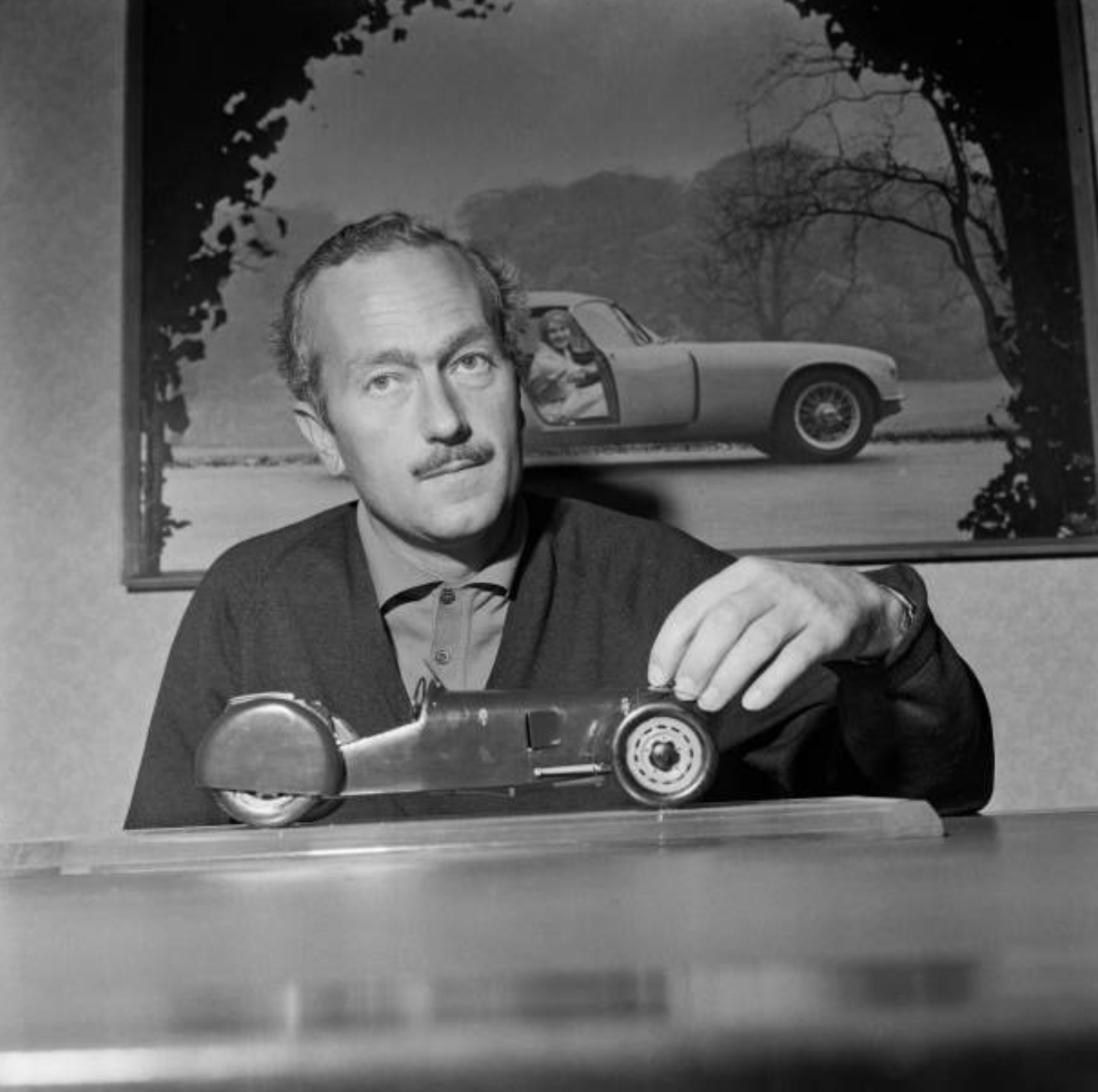
Colin Chapman in thoughtful mode posed with a model of a Lotus Mk6, the shot is dated September 14, 1963.
I wonder what the purpose of the press visit was? For sure Ronald Dumont, the photographer and perhaps an accompanying motor-noter weren’t there to discuss the Mk6 or the Elite shown in the background.
Chapman’s primary programs that year were winning Lotus’ first F1 World Championship – Chapman’s part-credit for Vanwall’s 1958 Manufacturers Championship victory duly noted – together with Jim Clark and the Lotus 25 Climax, and winning the Indy 500 with Clark, FoMoCo and Lotus 29 Ford. He ticked the first box that year, but not the second, not yet anyway.
Design drawing of what became known as the Elan, by Ron Hickman dated November 1962 (R Hickman)
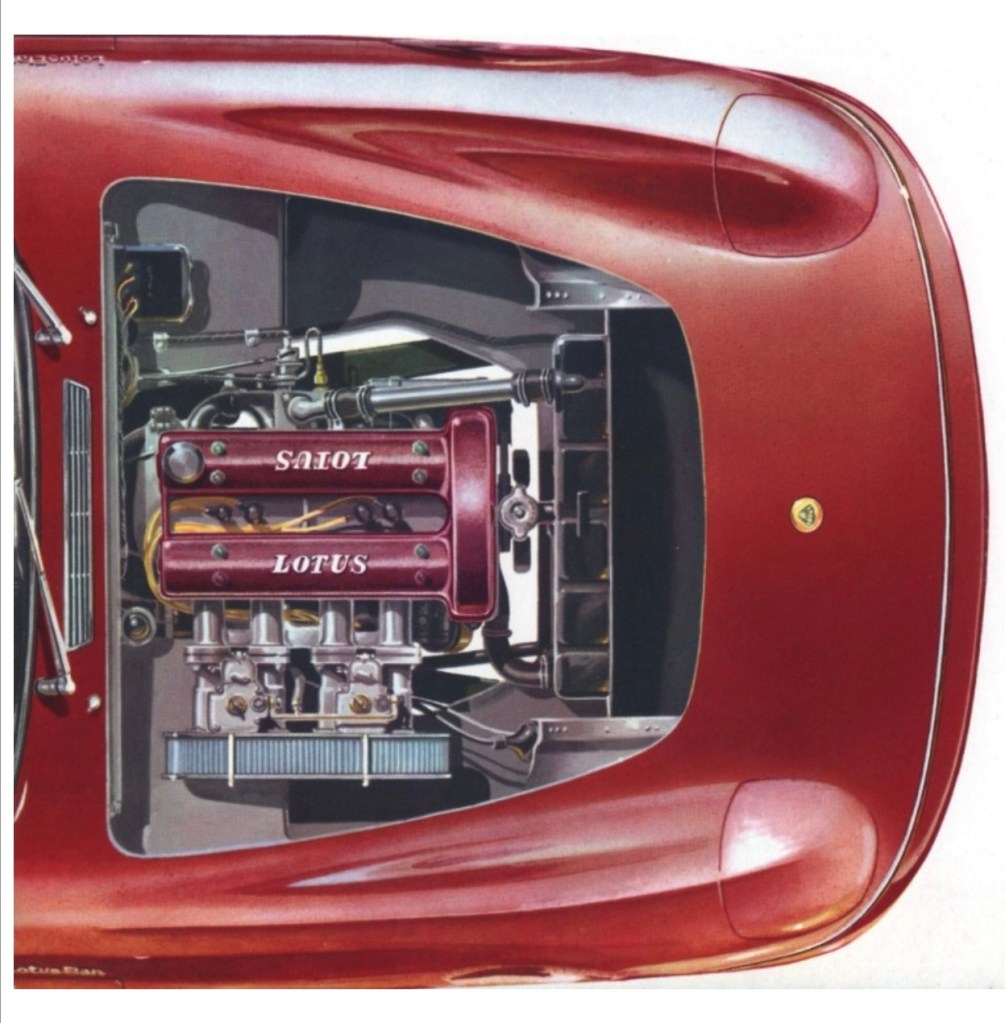
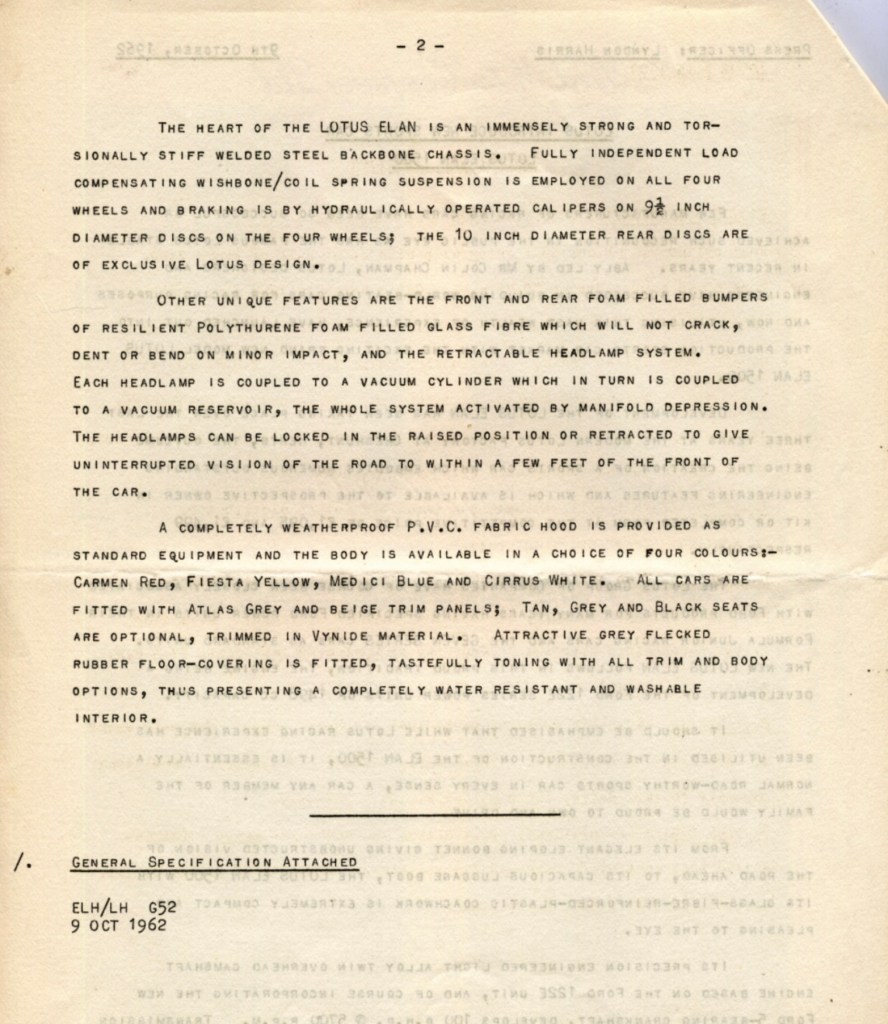
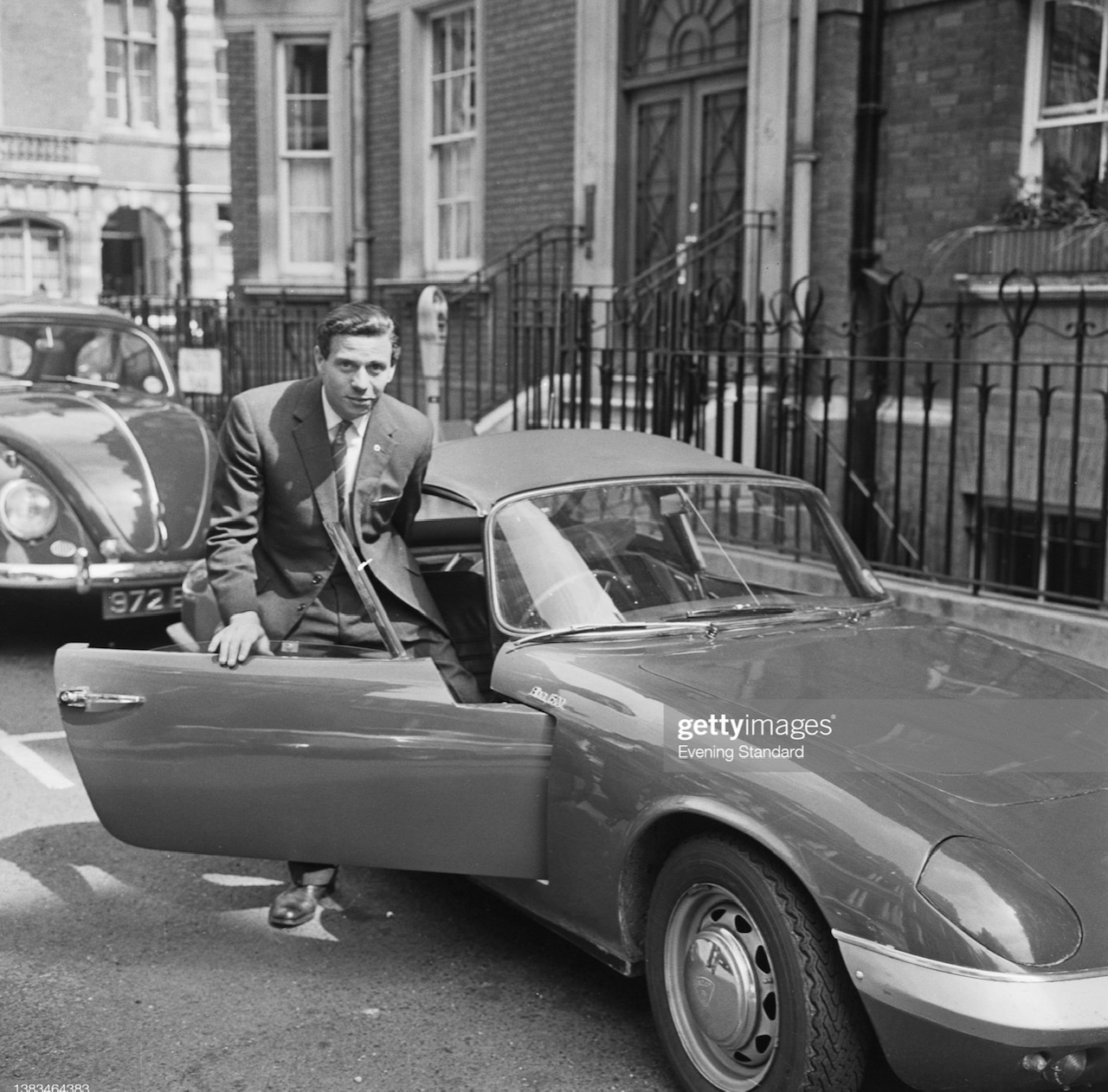
I know what the visit would have been about! The Elan was introduced in October 1962, that’s it. Ignoring the fact the car(s) in the shot are a 6 and Elite…
(unattributed but I’d love to know the artist if anyone can oblige)
It’s interesting how Ford sought to capitalise on the growing relationship with Lotus, something of a model for partnerships between a major automotive corporate and a more nimble performance specialist firm.
FoMoCo)(Lotus Cars)(Lotus Cars)Elan production line at Hethel circa 1970 (Lotus Cars)
Where would motor racing have been, and historic racing now, without the giant-killing Lotus Ford twin-cam engine in all of its various guises; road, race and in the forests and hills?
For the last few decades the aerodynamics of racing cars have been developed with the aid of complex computer modelling and sophisticated wind tunnel testing. Things were a bit different in 1964 as Bruce McLaren finalised the specifications of the first McLaren built from the ground up in his own factory – as against the Tasman Cooper T70s he and Wally Willmott built at Cooper in later 1963 – the McLaren M1.
The Kiwi’s head was full of ideas, he was up to his armpits doing countless laps of Goodwood helping to get the best from Ford Advanced Vehicles’ new Ford GT40. His nascent Bruce McLaren Motor Racing Team was racing the Cooper Oldsmobile, a further mutation of the ex-Roger Penske Zerex Climax Special. Then there was his day job with Cooper as leader of their F1 team. Not to forget Cooper’s own Climax engined ‘Monaco’ sporty, or Lola’s Mk6 GT Ford, he had done plenty of laps in those too.
Bruce McLaren at right, and Eric Broadley – lead design engineer – in the brown shirt at left and Ford GT40. It’s the May 1964 Nurburgring 1000km, race debut of the car, DNF suspension. Note the radiator top-ducts (unattributed)
Never was a man better placed than Bruce right then to know exactly what a winning sports-racer’s attributes needed to be. After all, in June he’d won the Players 200 at Mosport in front of some of the best in the world (Dan Gurney, Jim Hall, AJ Foyt, Roger Penske and Ken Miles) aboard his just finished Cooper Olds aka Zerex Special. This very finely honed grandfather’s axe had just copped a new McLaren built centre cockpit section and 3.9-litre Traco modified Oldsmobile V8 to replace the lissom Coventry Climax FPF four. More on the Zerex Special here; Roger Penske’s Zerex Special… | primotipo…
While testing the Cooper Olds at Goodwood, McLaren’s mechanics, Wally Willmott and Tyler Alexander got tired of continually removing the front section of the Cooper Olds bodywork, just to check brake and clutch fluid levels. So they decided to cut a small access hatch above the master cylinders, it was hinged at the front and held shut with a Dzus fastener at the rear.
Cooper Oldsmobile and a busy Tyler Alexander in the Goodwood paddock, June-July 1964 – still with the Mosport ‘quickie’ stack exhausts and winning numerals attached (W Willmott)
On one of Bruce’s test runs the fastener came loose. McLaren noticed the flap lifting, showing negative pressure just where he thought it would be positive, and would therefore hold the flap shut.
Bruce, Wally and Tyler discussed the phenomena. They concluded that if it was a low-pressure area, they could exhaust hot air from the water and oil radiators through the top of the body to assist cooling. The method until then had been to exit the air around the front wheels.
They decided to change the radiator air exit, so Tyler set-to with tinsnips and cut a big square hole in the body behind the radiator. The flap of alloy wasn’t cut at the top but folded down behind the radiator to deflect the air upwards.
Tyler Alexander takes the tinsnips to form the Cooper Olds’ radiator exit duct. The smaller flap which popped open is clear, Goodwood (W Willmott)
After his test run with the changed nose, George Begg wrote, “Bruce reported that the front of the car now had better grip, this helped reduce high speed understeer. In turn this meant a larger rear spoiler could be employed so as to again balance the car’s handling at high speed.”
“This was a big breakthrough as it meant both better cooling and higher downforce from the body. Back at the factory an alloy panel was made and fitted to smooth the flow of air through the big square vent in the top of the bodywork.”
The Cooper Oldsmobile raced with the top-duct fitted for the balance of its life.
Bruce McLaren was the class of the field in the August 1964 RAC TT at Goodwood until clutch failure ended the Cooper Olds run – complete with now more refined bonnet top radiator duct (Evening Standard)
This innovation – I’m not saying McLaren were the first to do it, check out the duct on the Ford GT40 shown above that May – was then deployed on all front-radiator McLarens. Right from the first M1 sportscar – with the exception, for some reason, on the 1967 single-seaters – until the 1971 side-radiator M16 Indycar headed in a new aerodynamic direction initiated by Lotus’ epochal types 56 and 72.
McLaren’s approach quickly became the global paradigm. It really was a major advance, one borne of a dodgy Dzus fastener and the computer like brain of Bruce Leslie McLaren, with not a data-base or wind tunnel to be seen.
(GP Library)
Bruce McLaren aboard his brand new McLaren M1 Oldsmobile at Goodwood in mid-September 1964.
It’s his first run with bodywork – note the neat radiator duct – his first laps of the spaceframe machine were completed sans body, a practice followed for years with McLaren’s single seaters and sportscars.
The McLaren M1’s Engine at this stage was a Traco prepped circa 310bhp 3.9-litre aluminium V8, gearbox a Hewland four speed HD, wheels are Cooper magnesium. More on the McLaren M1 here; Lola Mk6 Ford, Bruce McLaren and his M1 Olds… | primotipo…
(Getty)
The finished product during the Bahamas Speed Week at Nassau in December 1964.
Bruce placed second to the Hap Sharp/Roger Penske driven Chaparral 2A Chev in the feature race, the Nassau Trophy, despite giving away a litre or so and several years of ongoing development to the Rattlesnake Raceway boys.
Wally and Tyler sending Bruce away after a pitstop during the 405km race – 56 laps of the 7.2km Oakes Field Course.
Apart from the two factory Chaparrals (Penske jumped into Sharp’s car after an off-course excursion), the classy field of outright contenders included Pedro Rodriguez in a NART Ferrari 330P, Walt Hansgen’s Scarab Mk4 Chev, Dan Gurney’s Lotus 19 Ford and Jerry Grant’s Chev engined 19.
It was a great start for McLaren, orders for the cars poured in, this led to the deal Teddy Mayer concluded with Elva cars to produce customer McLarens, an incredibly smart and lucrative way to deal with the punters…
(Getty – Bernard Cahier)
Reference and photo credits…
‘Bruce McLaren: Racing Car Constructor’ George Begg, Wally Willmott, GP Library, LAT Images, Getty Images – Bernard Cahier
Lake Como view from the Mandello del Lario ferry terminal (M Bisset)
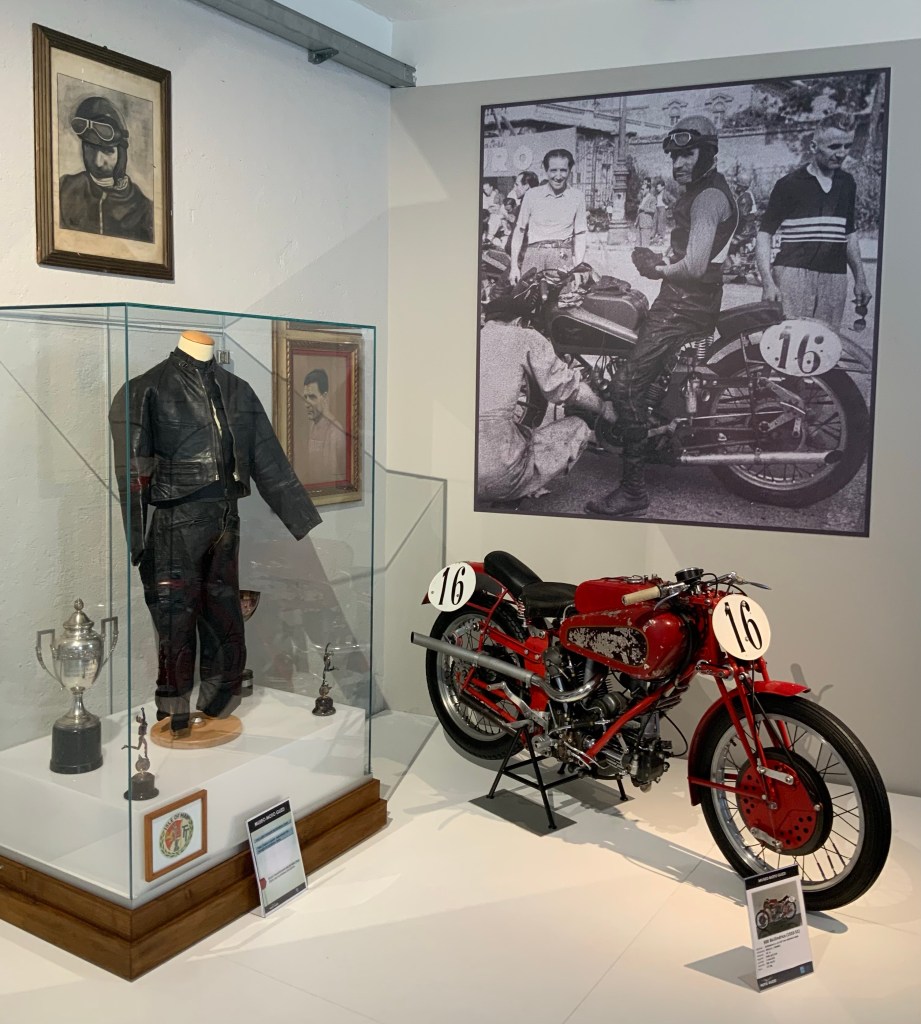
My recent European Safari included a trip to the Moto Guzzi Museum, a marque about which I knew very little. This piece is not an exhaustive history of the century old company but rather a skim across the top of the waves of its long, fascinating competition and corporate past.
The Italian paradise of Lake Como has been a sought after holiday location since Roman times.
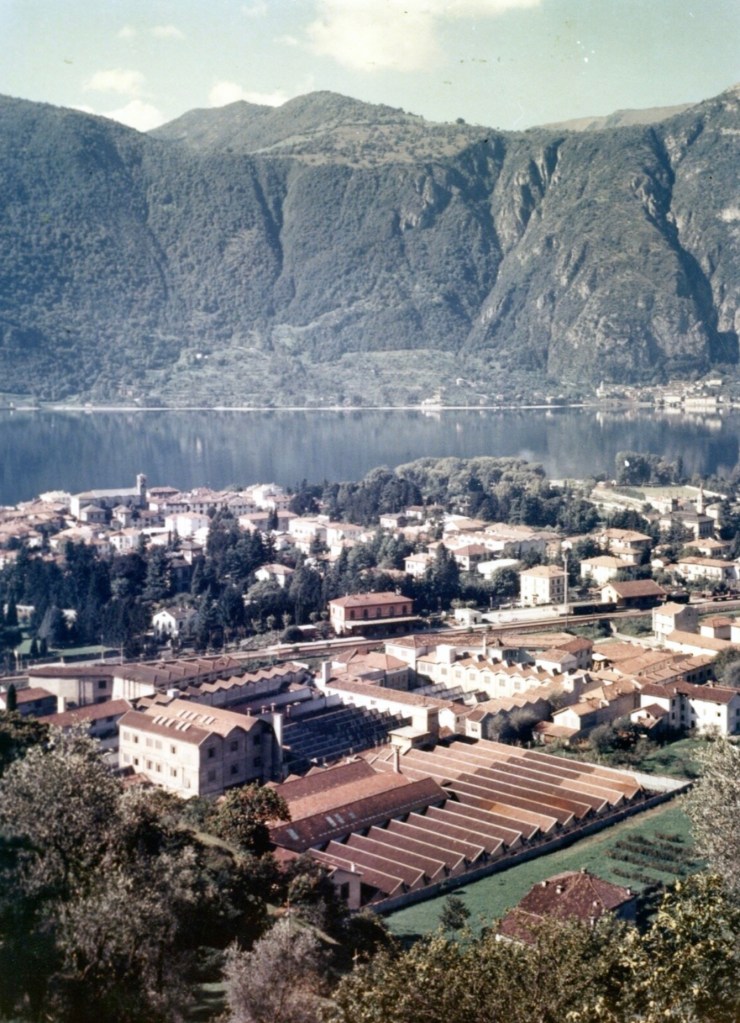
It seems the most unlikely place for motorcycle manufacture. But there, below the rugged Larian Triangle Mountains near the shores of the deep, glacial lake in Mandello del Lario, Moto Guzzi commenced operations in 1921.
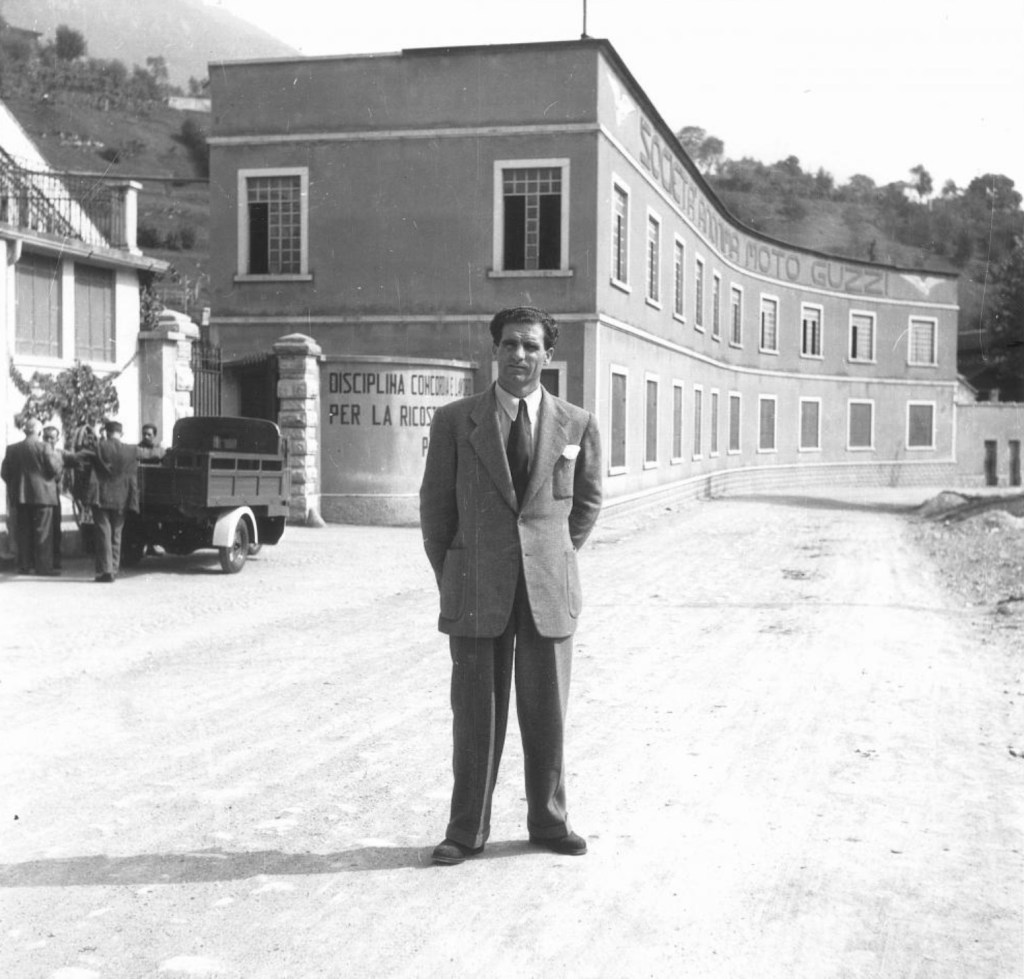
A century later the company still operates from Via Emanuele Vittorio Parodi. These days it’s a subsidiary of Piaggio rather than the Societa Anonima (a type of limited company the Italian Government replaced by Societa per azioni – S.p.a in 1942) Moto Guzzi shipowners Giorgio and Emanuele Parodi, Giorgio’s cousin Angelo, Gaetano Belviglieri, another Parodi family member, and Carlo Guzzi incorporated in Genoa on March 15, 1921.
(M Bisset)(unattributed)
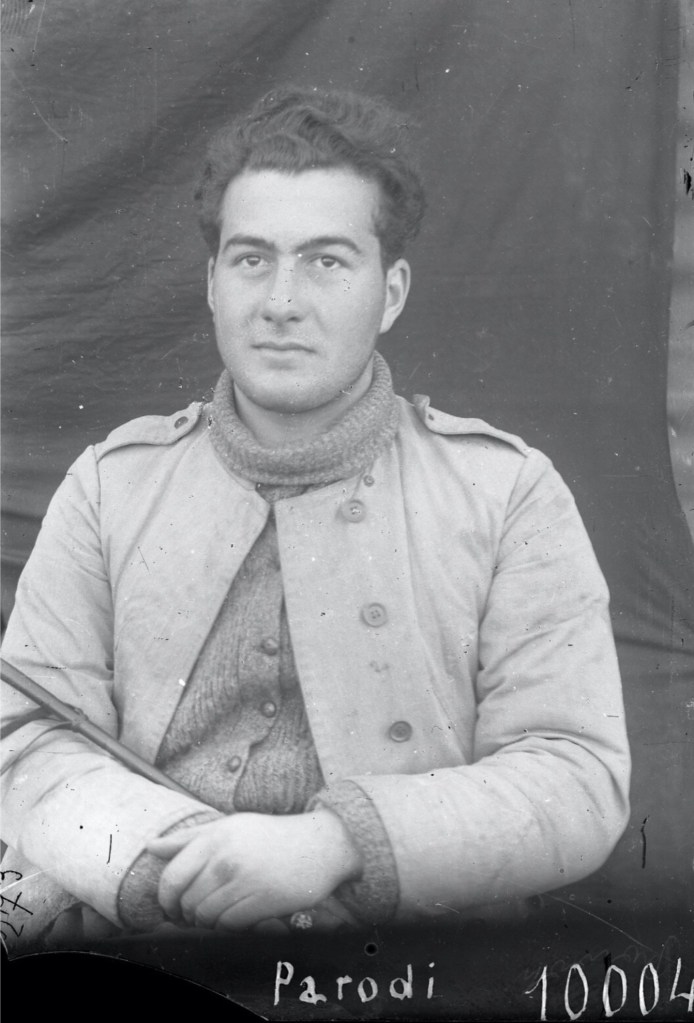
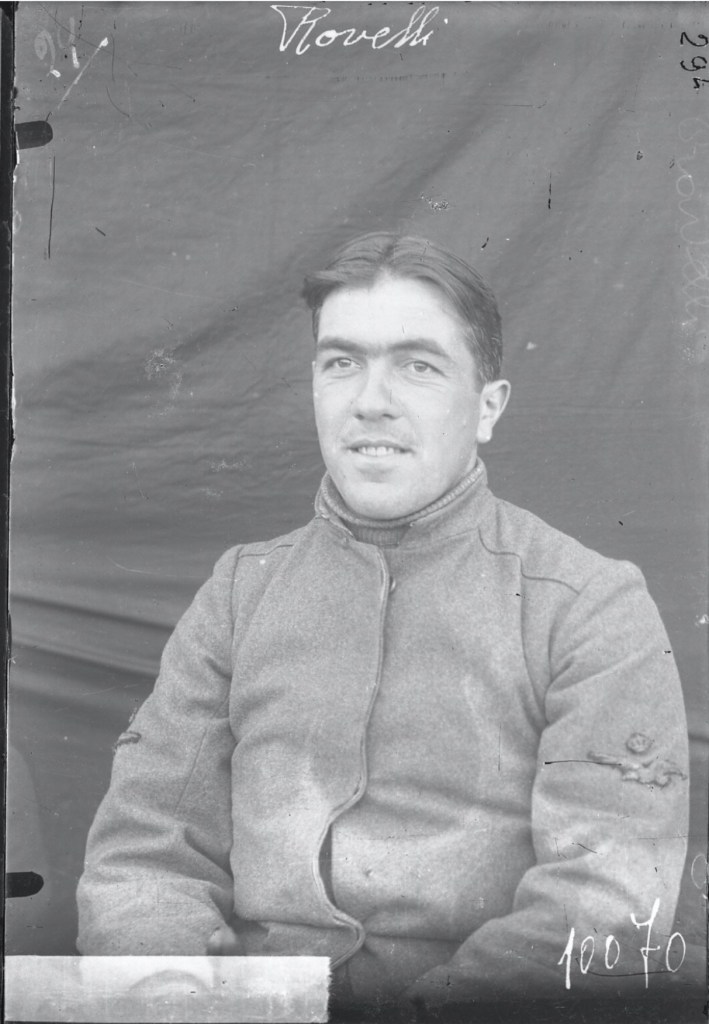
Giorgio Parodi (1897-1955), Giovanni Ravelli (1887-1918) and Carlo Guzzi (1889-1964) concepted the business while serving together in the Corpo Aeronautico Militaire (Italian Air Corp) at the Miraglio Squadron near Venice during World War 1
Parodi, son of the wealthy Genovese ship-owner Emanuele Vittorio Parodi, and Ravelli, already a motorcycle racer, were pilots, Guzzi was their mechanic.
In essence Parodi provided the capital and ongoing management and entrepreneurial skill, Ravelli was to promote the venture, with Guzzi bringing mechanical and engineering skills. Then Ravelli died days after the war’s end in an aircraft crash at San Nicoletto naval base due to the engine failure of his Nieuport 11. He is commemorated by the eagle’s wings that form the Moto Guzzi brandmark.
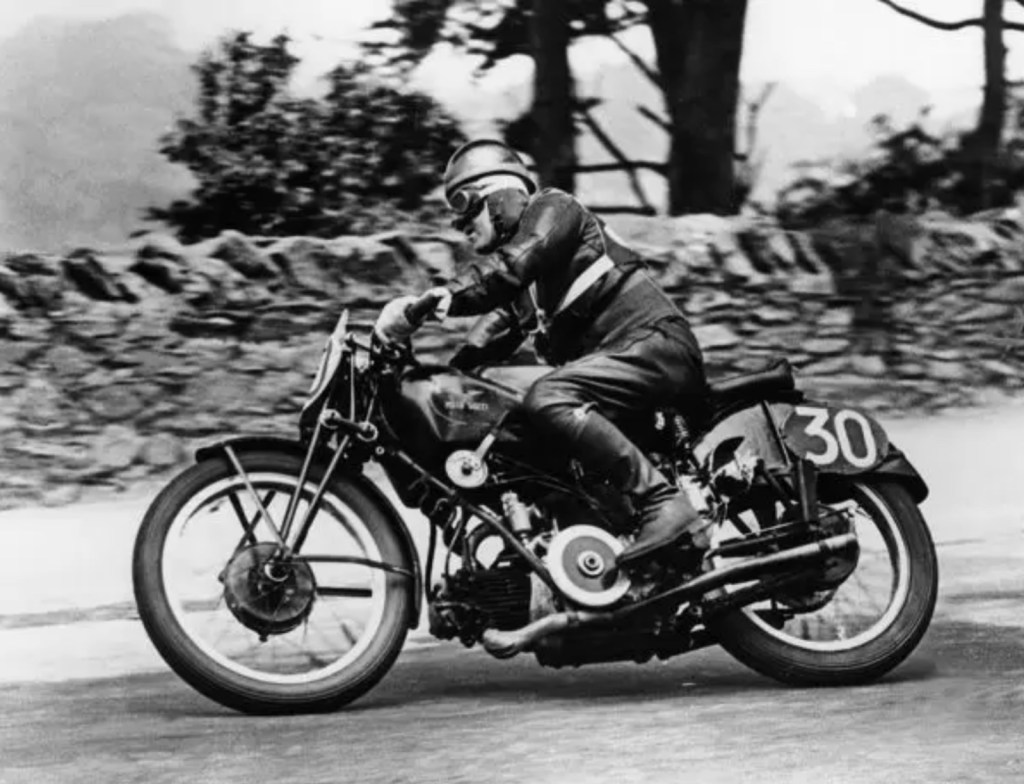
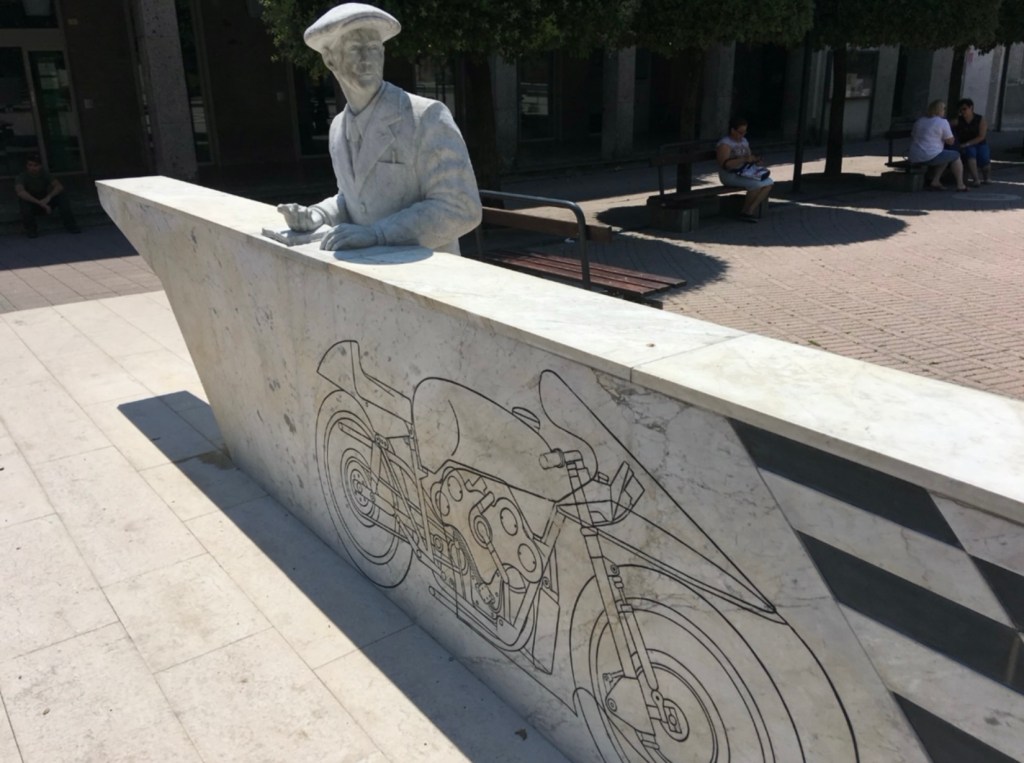
Carlo Guzzi, Stanley Woods and Giorgio Parodi after the 1935 IOM Junior TT victory (Moto Guzzi)Stanley Woods again, 1935 IOM victor in both the Senior 500 (here) and Lightweight 250 TTs (shot above) aboard Moto Guzzis (Moto Guzzi)Statue of Carlo Guzzi in Mandello del Lario (I Gordon)
Carlo Guzzi was born into a wealthy Milanese family, they had a weekender at Mandello del Lario. Guzzi loved the area and convinced his backers to locate the business there.
He immediately set to work; his first engine design was a horizontal single that dominated the first 45 years of the company’s history in various forms.
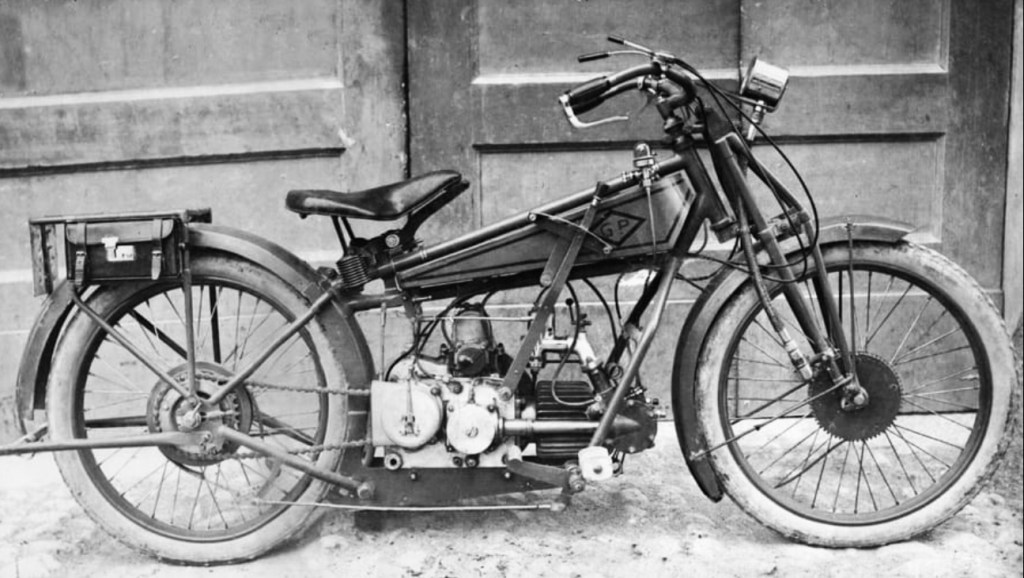
The business’ earliest bikes were branded G.P. – Guzzi-Parodi – seventeen, all painted green were made in the first year. The machines were soon called Moto Guzzi, the Parodi’s wanted to avoid confusion about their focus on their core shipping business.
Carlo Guzzi received royalties for each motorcycle produced, initially he wasn’t a shareholder of the company which bore his name until later. In 1946 Moto Guzzi was incorporated as Moto Guzzi S.p.a. with Parodi as its chairman and Guzzi a shareholder.
The nascent marque raced their products to improve their quality and promote the brand, the first victory was taken by Gino Finzi aboard a G.P.500 at the September 1921 Targa Florio.
Further wins followed at the Circuito Del Pave, Treviso (M Cavedini), and in the Coppa Ravelli 1000km at Brescia (C Marazzani/M Cavedini) in 1922.
From early in its history the company offered generous benefits to employees to attract them to the area and retain them. These included subsidised housing, a medical centre, library, canteens and a rowing club. So good was the factory-eight that they represented Italy in the London 1948 Olympics, winning gold medals!
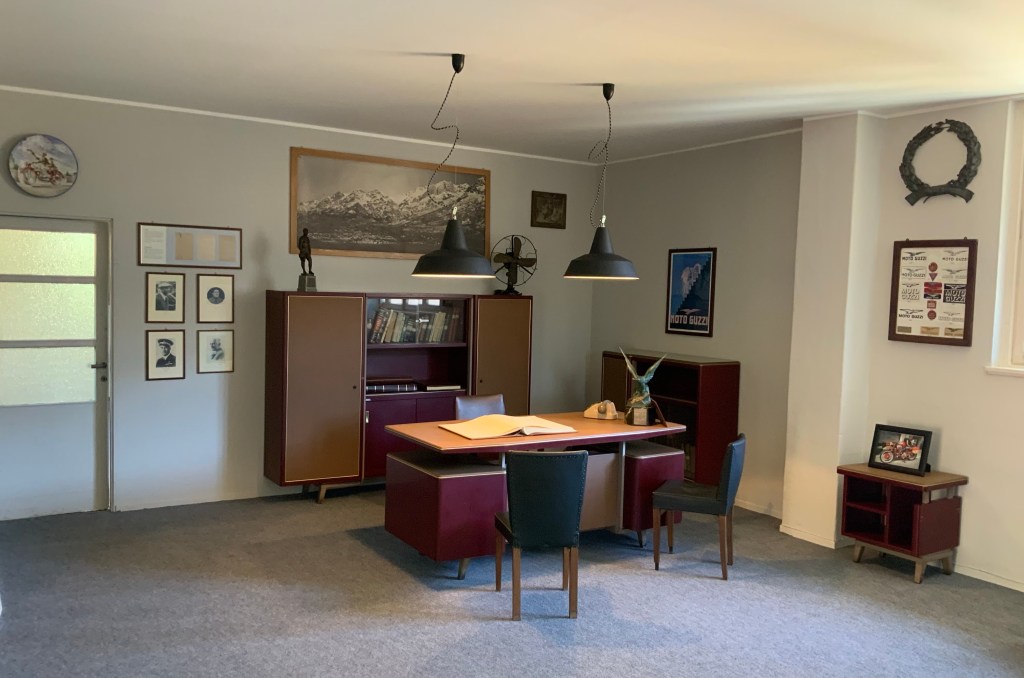
The first G.P (Guzzi Parodi) – note the name on the fuel tank – prototype was built in 1919 with the assistance of Giorgio Ripamonti, Guzzi’s pre-war employer. It’s very little different from the first production bikes – see next photo but one (Moto Guzzi)Carlo Guzzi’s office is part of the museum display (M Bisset)The first production G.P. 500 aka Moto Guzzi 500 (Moto Guzzi)
Carlo’s brother, Giuseppe ‘Naco’ Guzzi, added significant polish to the brand when he rode a GT Norge on a 6400km 1928 Arctic Circle raid to test the first motorcycle rear swingarm suspension; Guzzi is a company not lacking innovation throughout its long life.
Motorcycle travel was limited by the lack of effective (read comfortable) rear suspension. The Guzzi brothers’ solution was an elastic frame using a sheet-steel box enclosing four springs, together with a swingarm in tubes and sheet metal.
After the successful four-week Arctic test the elastic frame rear suspension was introduced on Guzzi production machines.
By 1929 the 300 square metre factory was producing over 2,500 motorcycles per year
Guido Mentasti won the 500cc class of the (first) European Motorcycle Championships in 1924, while Irish ace (29 GP wins) Stanley Woods won both Lightweight and Senior TTs on the Isle of Man in 1935.
Until the mid-1940s, the four-stroke, single-cylinder 500 engines were fitted with one overhead and one side valve. The side valve was deployed for induction and the overhead valve for the exhaust. One hairspring valve spring closed the exhaust valve. Moto Guzzi’s race team and privateer racers used bikes with varying higher performance overhead cam and multi-valve configurations.
The architect of many of these racers was Giulio Cesare Carcano, a Guzzi employee from 1936 to 1966, he was joined by another key engineer, Umberto Todero in 1939.
Post-war the company returned to racing, capturing the Italian title in 1946. Italian and European titles followed in 1947 (500cc/250cc/sidecars), and Italian, Swiss, French and European titles in 1948 (500cc/250cc) in a run of success which ended only with Moto Guzzi’s withdrawal from racing at the end of 1957.
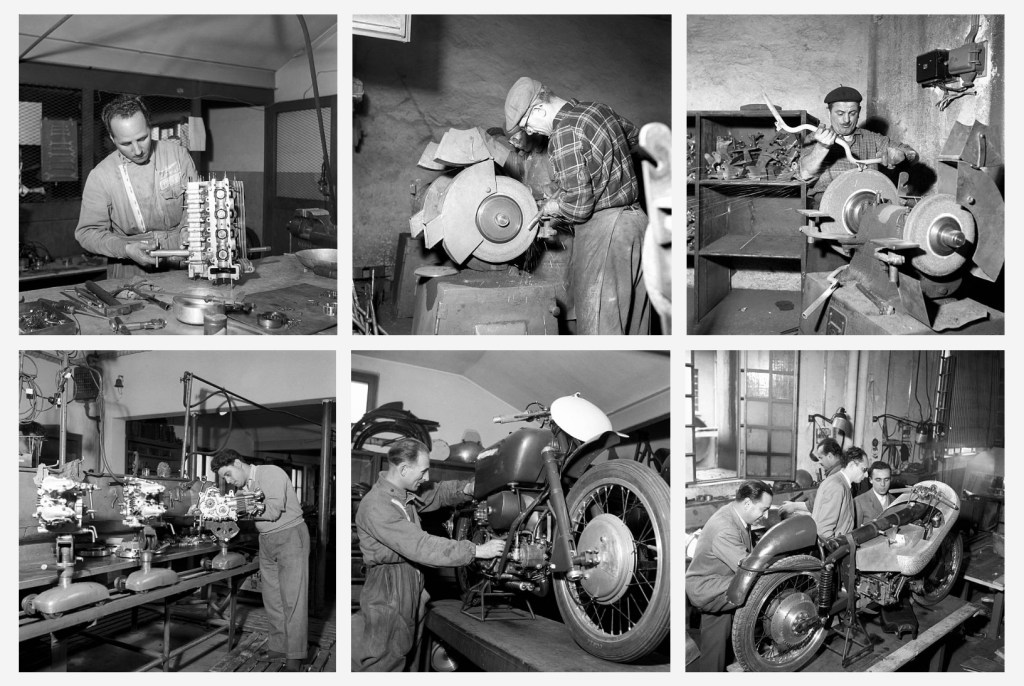
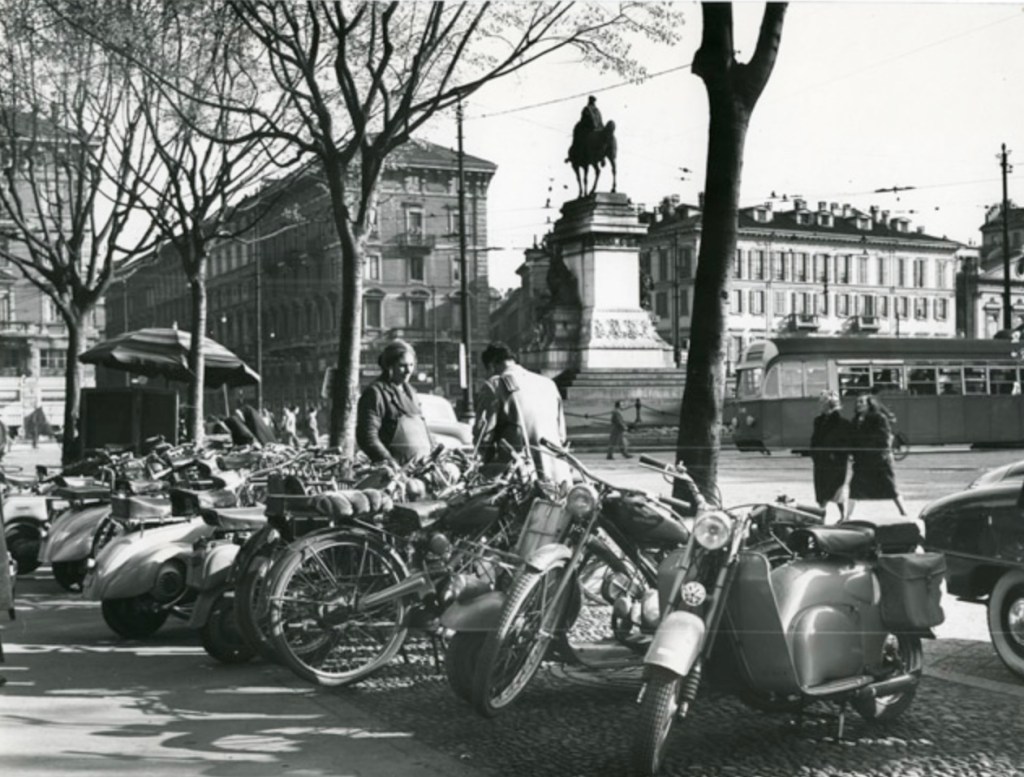
Factory activity during the 1950s (Getty) Moto Guzzi Galleto among the mid-1950s mass of bikes in Italy (fondazionepirelli.org)
Commercially, the period after World War 2 was as difficult in Mandello del Lario as elsewhere in post-war Europe.
Guzzi’s solution to this challenging market was the production of inexpensive, lighter cycles. The 1946 Motoleggera 65cc lightweight became popular, while the 1950 four-stroke 175cc Galletto scooter was also a hit.
While modest machines by the standards of their racers, the bikes continued Guzzi’s commitment to innovation and quality. The step-through Galletto initially had a manual, foot-operated three-speed (160cc) configuration then later a four-speed (175cc) set-up. The engine grew to 192cc in 1954 with an electric starter added in 1961.
But competition was very tough, their fellow Italian manufacturers didn’t tolerate incursion by the Mandello del Lario boys into the scooter market as motorcycle sales fell.
Guzzi’s first large-wheeled scooter wasn’t a direct competitor to Piaggio (Vespa) and Lambretta, but Guzzi’s prototype small-wheeled scooter was. Lambretta retaliated with a prototype small V-twin motorcycle. The Mexican stand-off was resolved by Guzzi never producing a small-wheeled scooter and Lambretta never making the motorcycle…
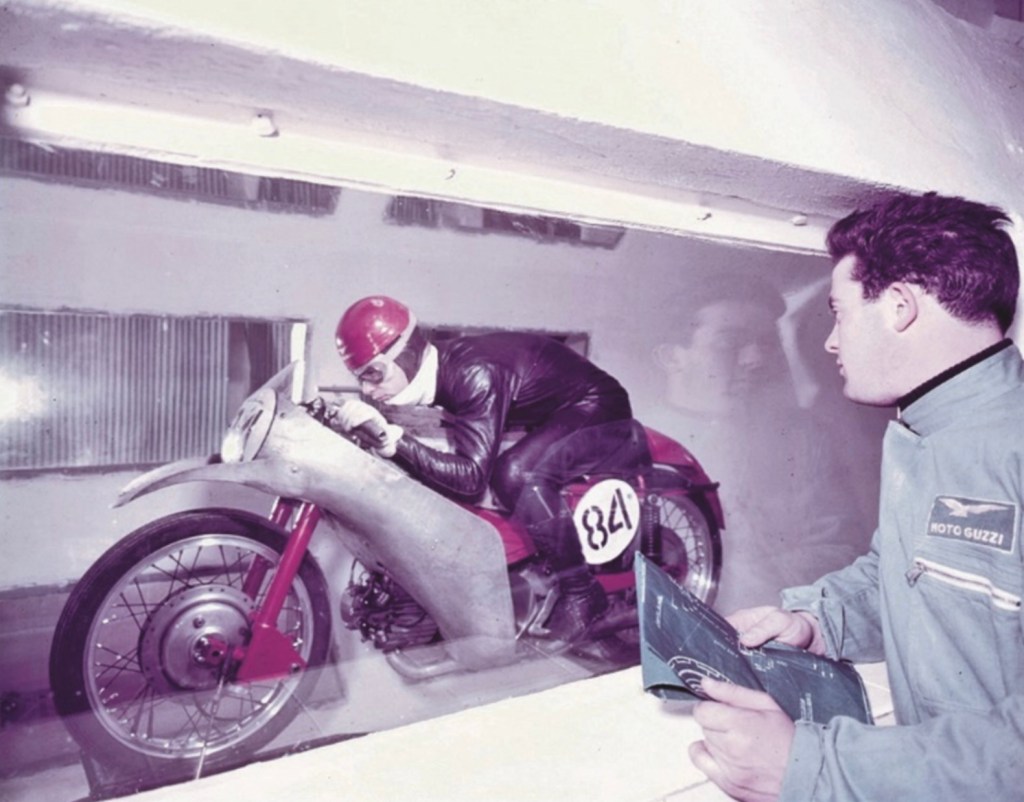
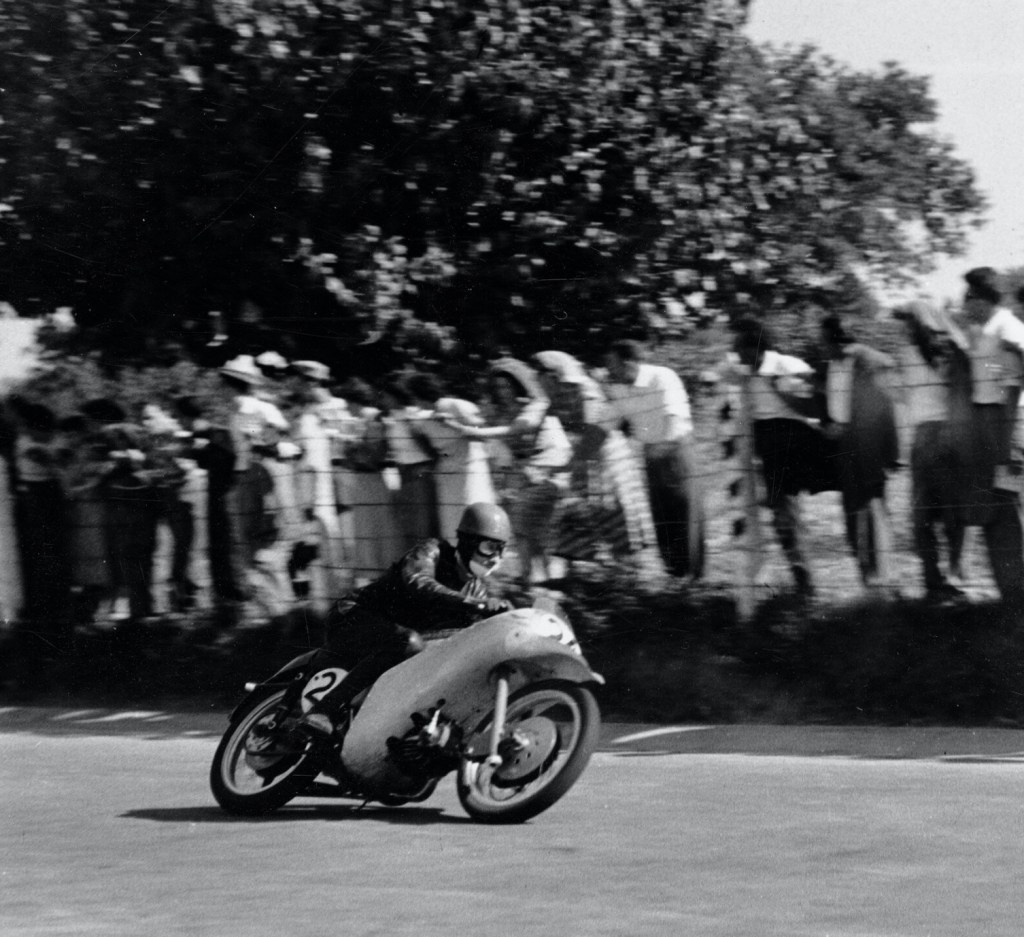
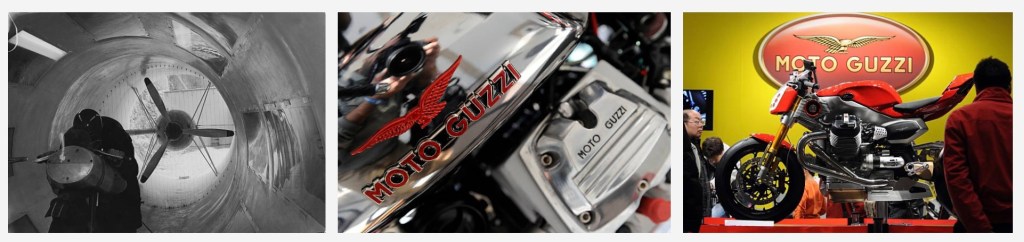
Moto Guzzi wind tunnel in recent years (S Piotin)A duckbill-fairing being tested in the tunnel here, and raced by Enrico Lorenzetti in 1953 below (Moto Guzzi)In 1953 Lorenzetti was fourth and second in the World 250/350cc Championships (Moto Guzzi)
The commercial challenges were great, by the early 1950s Mandello del Lario’s largest employer had 1,500 employees on a factory site then greater than 24,000 square metres in size, it was a lot of mouths to feed.
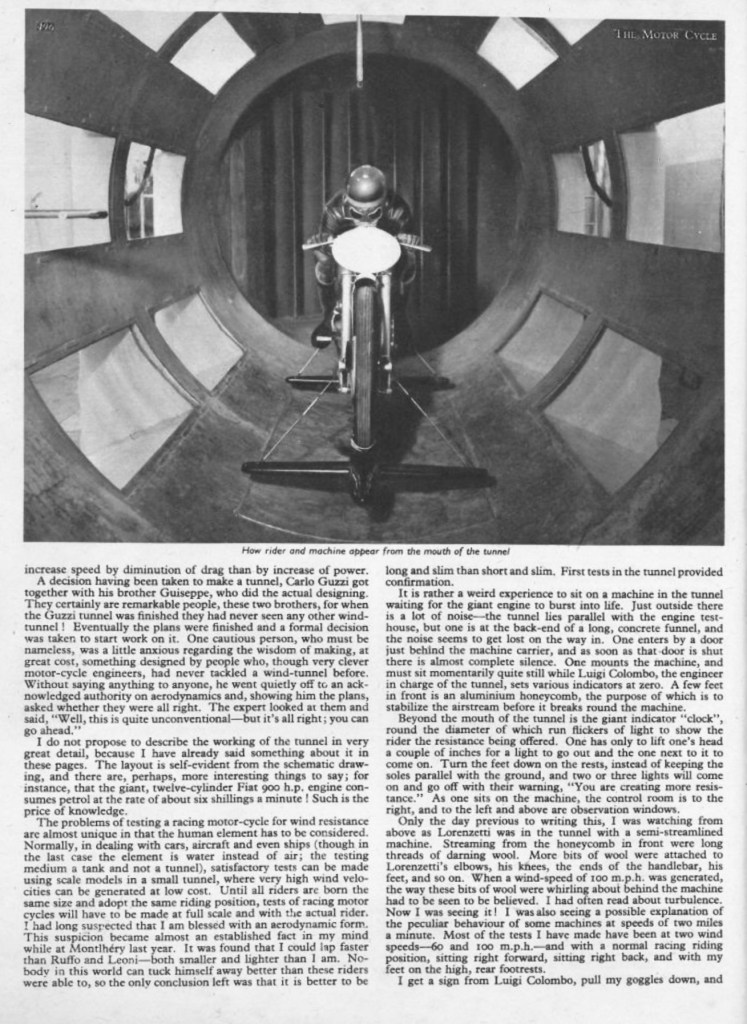
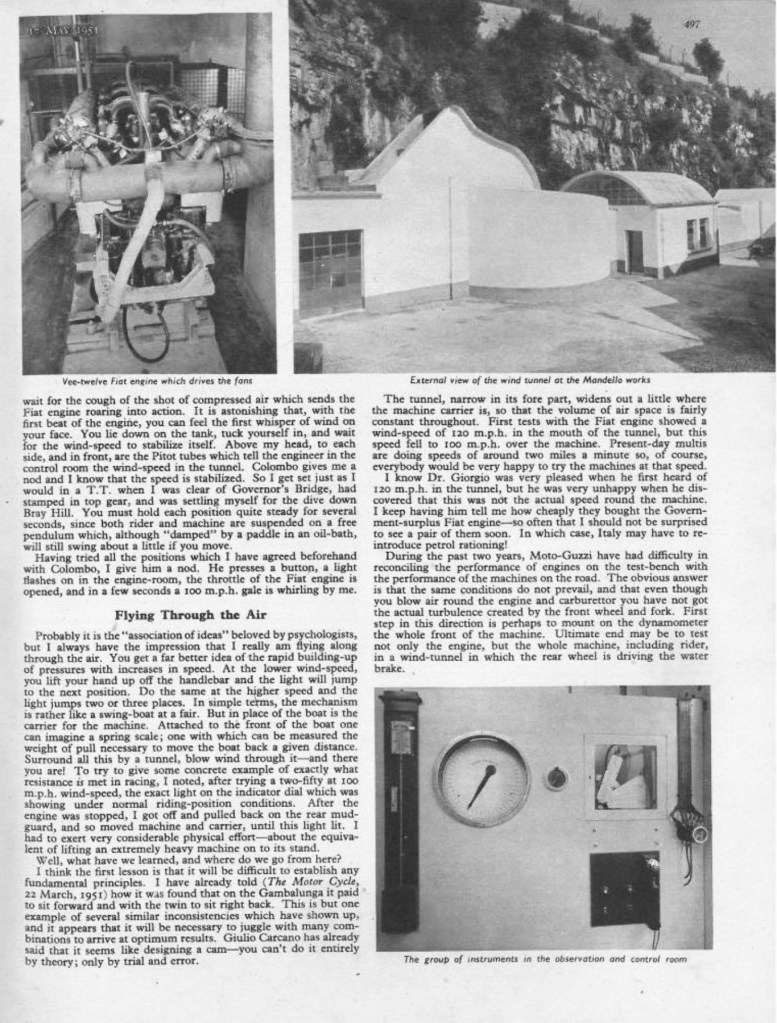
Despite these difficulties, or more likely because of them, Guzzi built the world’s first motorcycle wind tunnel in 1950.
There, La Galleria del Vento tested prototypes in full size, allowing riders to assess conditions and optimise seat and body positions at racing speeds. It was a huge competitive advantage for race and production bikes alike.
In prototyping, the airstream around the motorcycle could be assessed allowing development of an envelope of still air around the rider, the reduction of frontal area, optimisation of air penetration and maximisation of fuel economy.
Naco Guzzi’s wind tunnel design was of the open-circuit Eiffel-type comprising three sections. Air is drawn into the Air Duct, with an aperture of 8.2 metres, airspeed increases as it is passed through smaller and smaller diameters reaching maximum wind speed in the Test Chamber with a diameter of 2.6 m, and finally is exhausted through the Outlet/Discharge duct containing the fan mechanism – a three-bladed variable speed propeller driven by a 310hp electric motor.
Dual Moto Guzzi mounted British World Champion (350cc 1953/4) Fergus Anderson’s account of the operation of the facility’s operation published in the May 1951 issue of The Motor Cycle explains in wonderful detail exactly how the wind tunnel was used to optimise the aerodynamics of Guzzi’s products in the Etcetera section below.
Duilio Agostini, Ken Kavanagh and Dickie Dale with a new 1955 Moto Guzzi 350 outside the wind tunnel (R Zehringer)Ken Kavanagh, Junior TT IOM 1954, DNF misfire on lap 3 having run up-front with teammate Fergus Anderson who also retired (TT Race Pics)Moto Guzzi 350 Monoalbero 1955. Four-valve DOHC single (M Bisset)
The competitiveness of their products enhanced, in the 1950s, Moto Guzzi, together with Gilera and Mondial led the Grand Prix world. Giulio Carcano’s durable, light 250cc and 350cc bikes dominated the middleweight classes, the factory won five consecutive 350cc World Championships from 1953-1957.
Two Australians raced for Moto Guzzi, Melburnians Ken Kavanagh from 1953-1956, and Keith Campbell in 1957.
Kavanagh raced in Europe from 1951 and graduated to Guzzi in 1953, winning three championship 350 GPs and one 500 GP. His 1952 Ulster GP 350 win was the first road-racing championship win by an Australian rider. His best championship result was fourth in the 1954 500cc title chase.
He raced a privately entered Maserati 250F in F1 races amongst his bike commitments in 1958-59 and lived in Bergamo, to which he shifted when racing for Guzzi, and lived for the rest of his long life (12/12/1923-26/11/2019)
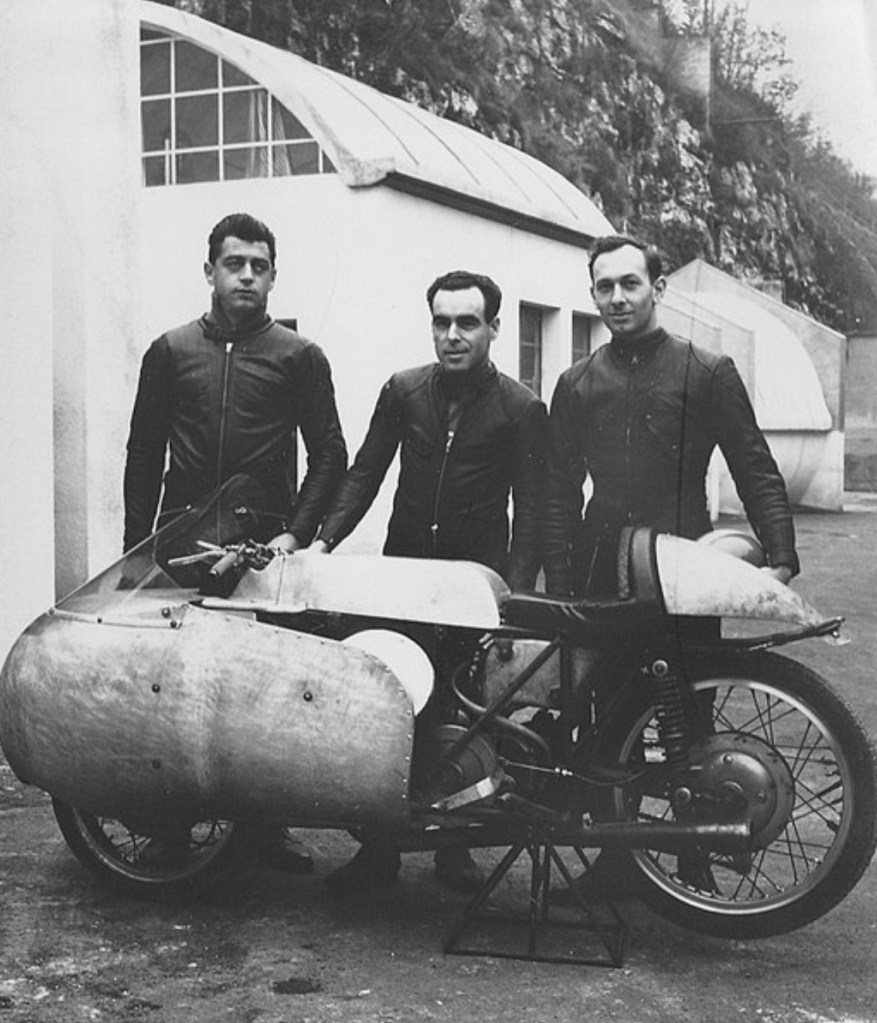
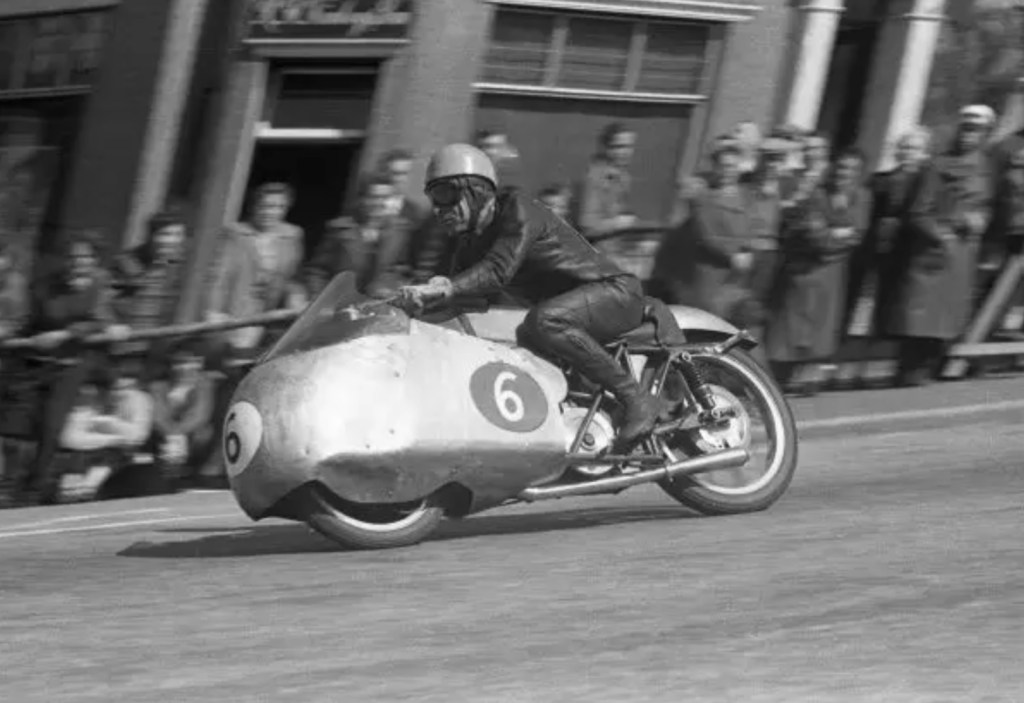
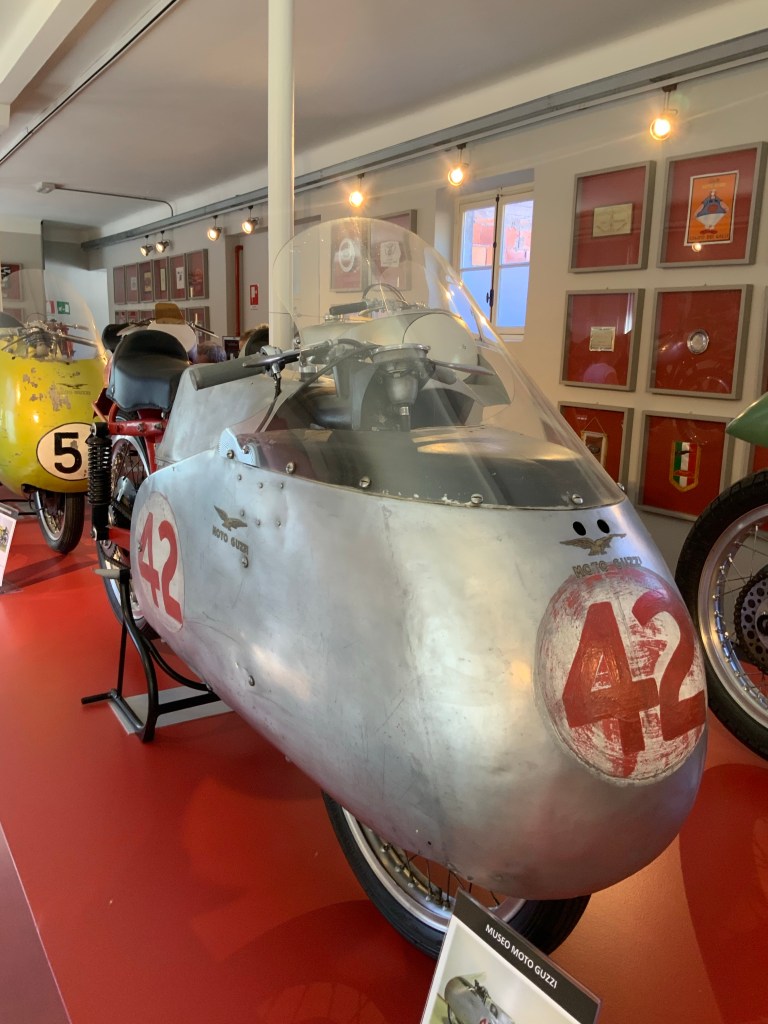
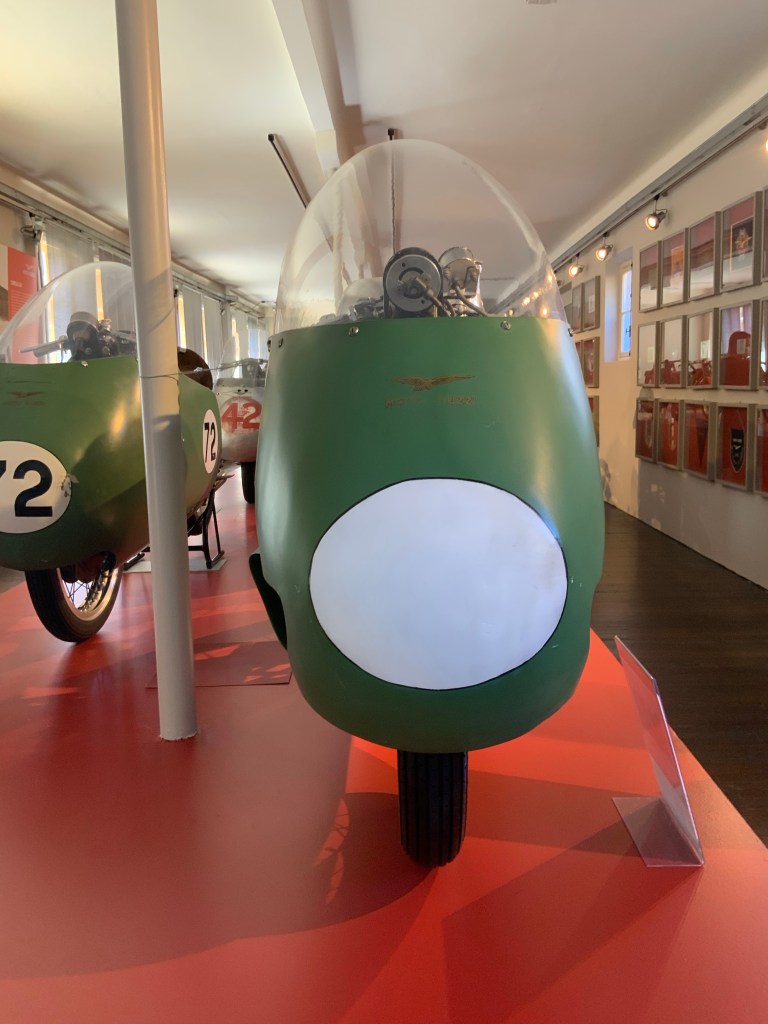
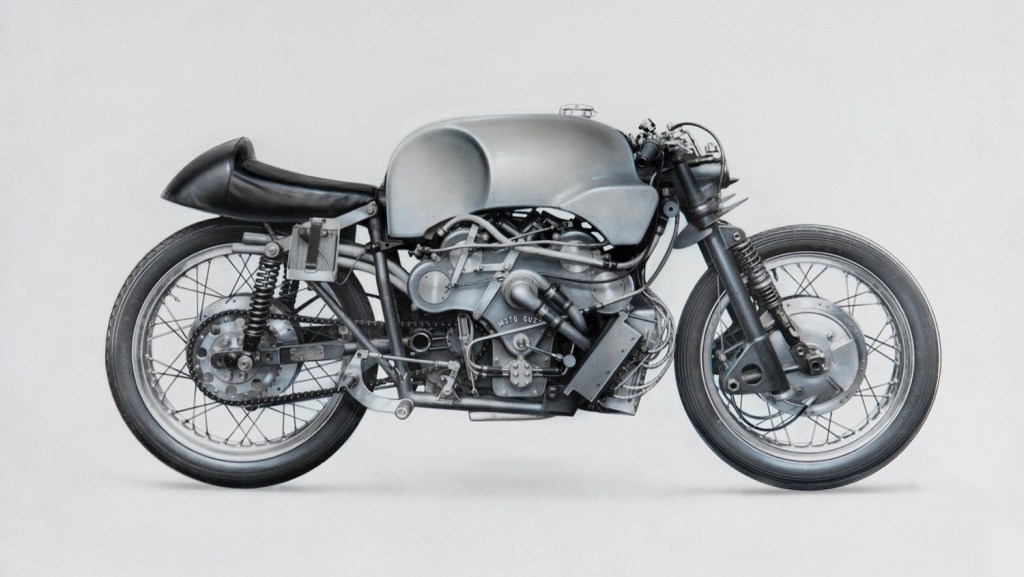
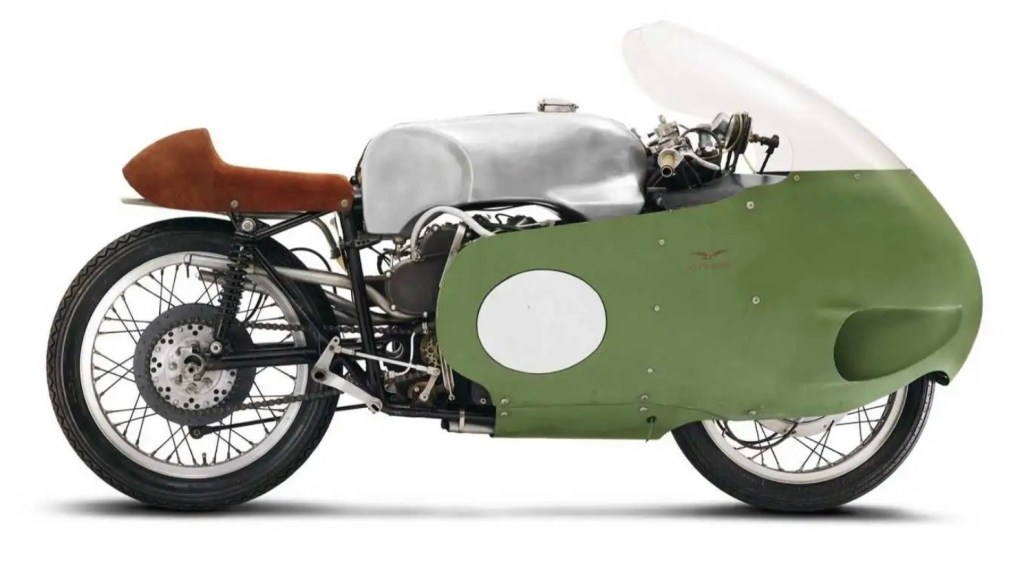
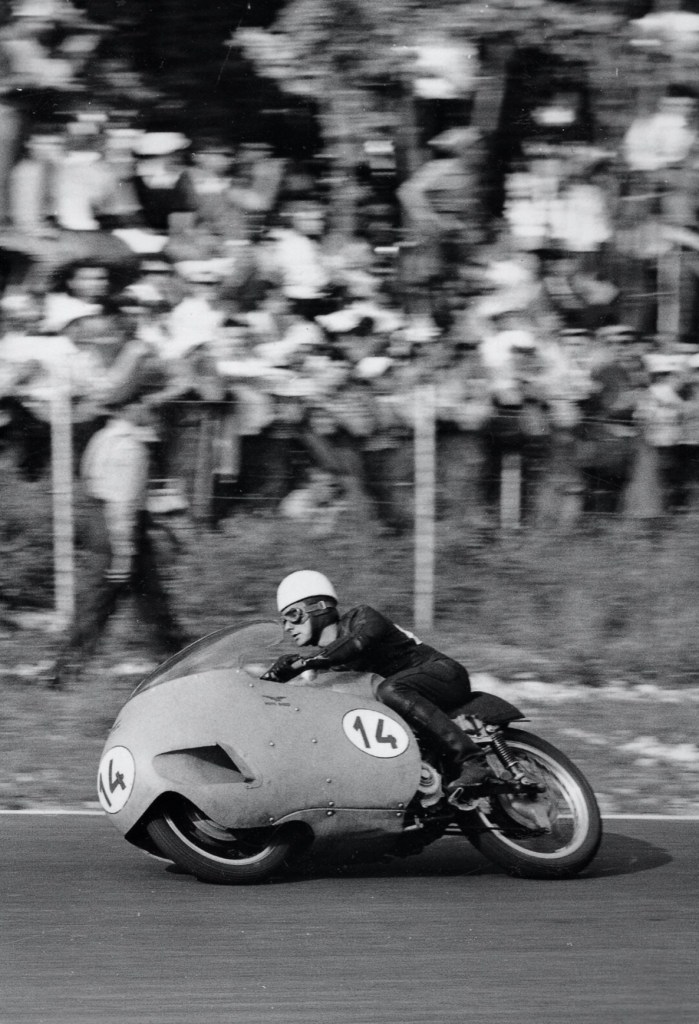
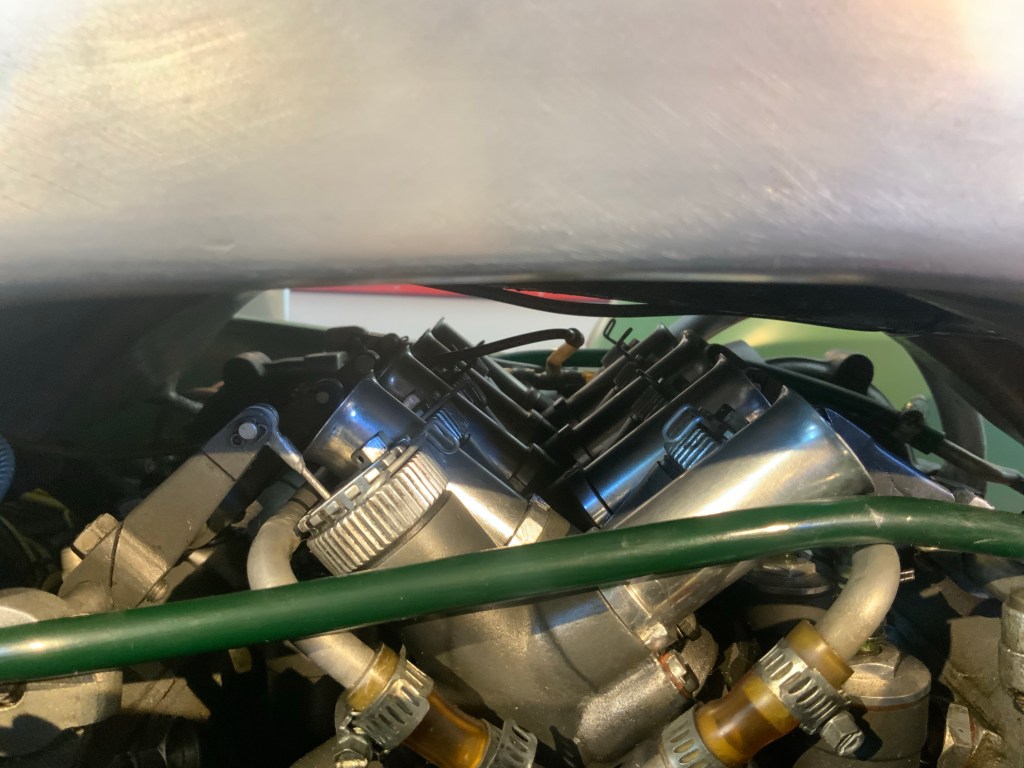
Moto Guzzi 500 GP Otto cilindri V8 (M Bisset)Otto Cilindri drawing (Moto Guzzi)Moto Guzzi 500 V8 fitted with the dustbin fairing it usually raced (rideapart.com)
Giulio Carcano sought a 1955 knock-out 500cc blow with a V8 engined bike conceived together with Enrico Cantoni, Umberto Todero, Ken Kavanagh and Fergus Anderson just after the 1954 Monza Grand Prix.
The two-valve, water-cooled engine drawn by Carcano had a bore and stroke of 44.0 mm × 40.5 mm (1.73 in × 1.59 in), a 350cc version was developed as well but was unraced. Power was circa 80 bhp at 12,000 rpm, about 10-15bhp more than the MV Agusta and Gilera fours.
The bike and its engine were (and still are) extraordinary. Its top speed of 172 mph was reached thirty years before the speed was consistently achieved again in GP racing. But the Otto Cilindri was difficult to ride, complex, and expensive to build and maintain.
The machines suffered broken cranks, overheating and seizing – great dangers to those brave enough to race them. By 1957 there were two bikes available but the riders were unwilling to race them without further development so it was withdrawn.
Keith Campbell aboard the Guzzi V8 during 1957. Out of a ride after the withdrawal of Moto Guzzi from racing at the end of the year, he died racing a Manx Norton in the non-championship 500cc Cadours GP, near Toulouse, France in July 1958 (Moto Guzzi)Carcano’s 500cc V8 masterpiece (M Bisset)
Keith Campbell commenced racing in Europe in 1950 aged 18. He provided the last GP racing hurrah for Moto Guzzi when he won three of the five 350cc championship rounds – Assen, Spa and Ulster – to win the ’57 title.
Moto Guzzi, Gilera and Mondial then withdrew from racing at the end of the year citing rising costs and declining sales. Its competition CV included 3,329 race wins, eight World Riders Championships, six Constructors Championships and 11 Isle of Man TT victories.
By 1964 the company was in deep financial strife, the Japanese onslaught of the global motorcycle market was in full swing – the annual output of Kawasaki, the smallest of the Japanese Big-Four was greater than all of the Italian manufacturers combined – as generational change within the company was underway.
Emanuele Parodi and his son Giorgio had died and Carlo Guzzi was in retirement. Direction of the enterprise passed to Enrico Parodi, Giorgio’s brother. Carlo Guzzi died on November 3, 1964, in Mandello.
In February 1967, SEIMM (Società Esercizio Industrie Moto Meccaniche), a state-controlled receiver, assumed its debts and took over ownership of Moto Guzzi.
It wasn’t the first time this enlightened form of Italian insolvency laws saved an Italian icon, Alfa Romeo springs readily to mind; both companies were critical within their communities and as global Italian ambassadors, they were simply too big and important to fail.
SEIMM shifted the company’s focus to lightweight mopeds including the Dingo and Trotter, and the 125cc Stornello motorcycle.
It was also in this period that Guzzi developed the 90-degree V-twin engine, designed by Giulio Carcano, who left Guzzi shortly after the new regime took control. His engine, somewhat of a parting gift, became iconic of the make. Of all its engines none symbolises Moto Guzzi more than the air-cooled 90° V-Twin with its longitudinal crankshaft and transverse heads projecting prominently into the breeze either side of their handsome bikes.
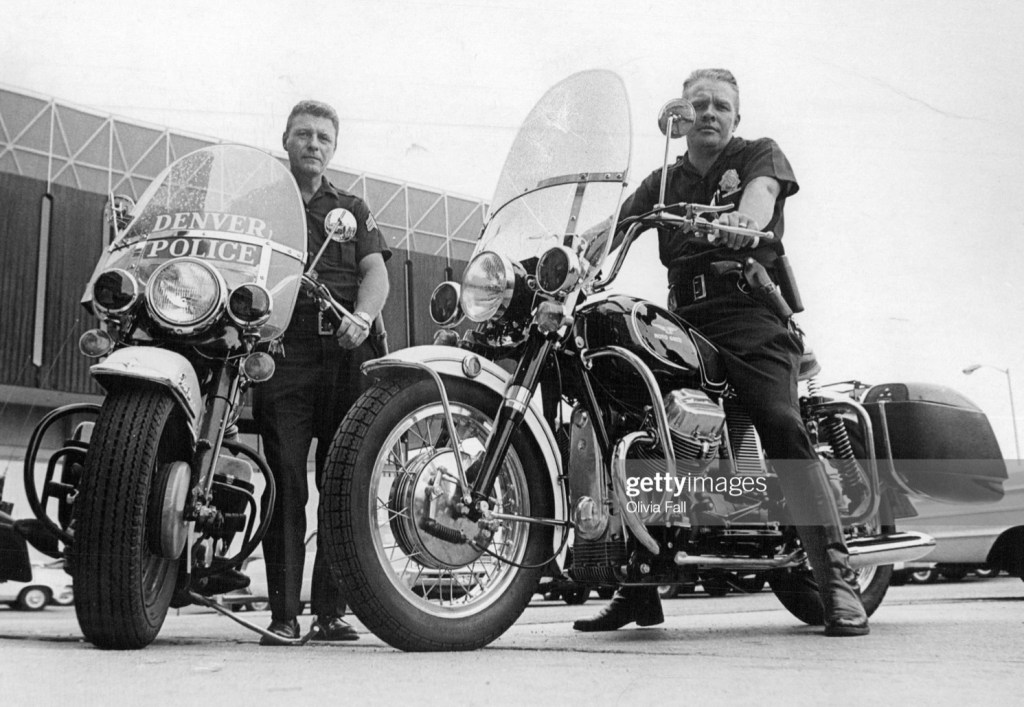
The air-cooled, pushrod V-twin began life at 700cc and 45bhp and was designed to win an Italian government contract for a new police bike. The sturdy shaft-drive machine won, giving Moto Guzzi valuable ongoing, reliable cashflow.
The ‘67 Moto Guzzi V7 with the original Carcano engine has been continuously developed into the 1,200cc, 80bhp versions.
Lino Tonti redesigned the motor for the 1971 Moto Guzzi V7 Sport, this engine is the basis of the 750cc, 1,100cc and 1,200cc Guzzi motors. In 1971 Moto Guzzi sold 46,487 machines, an all-time high.
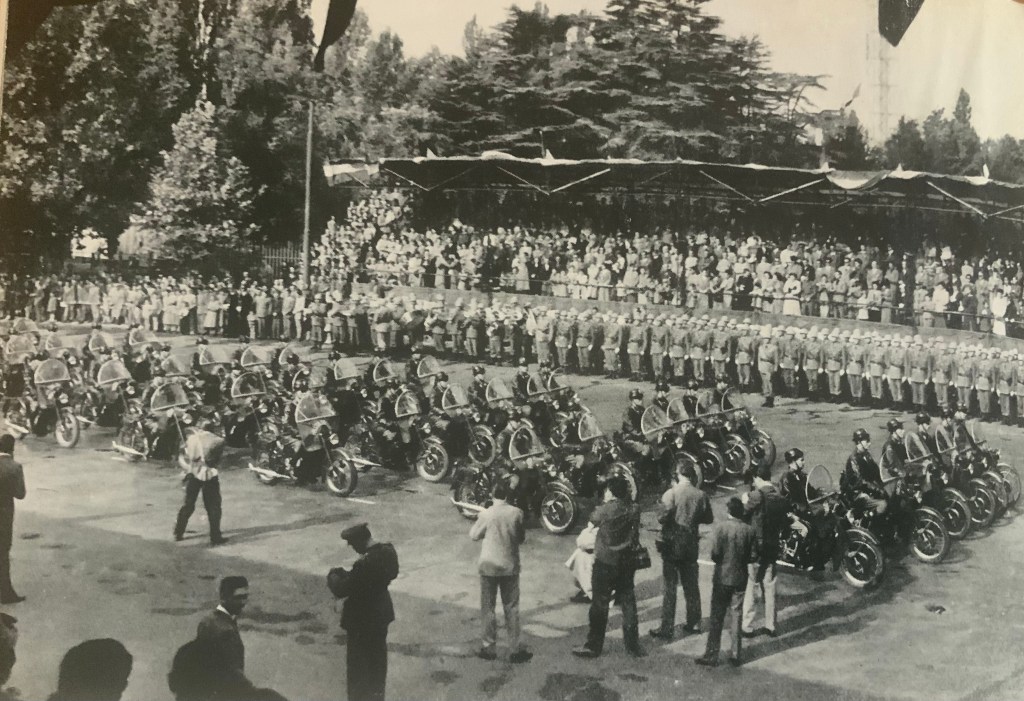
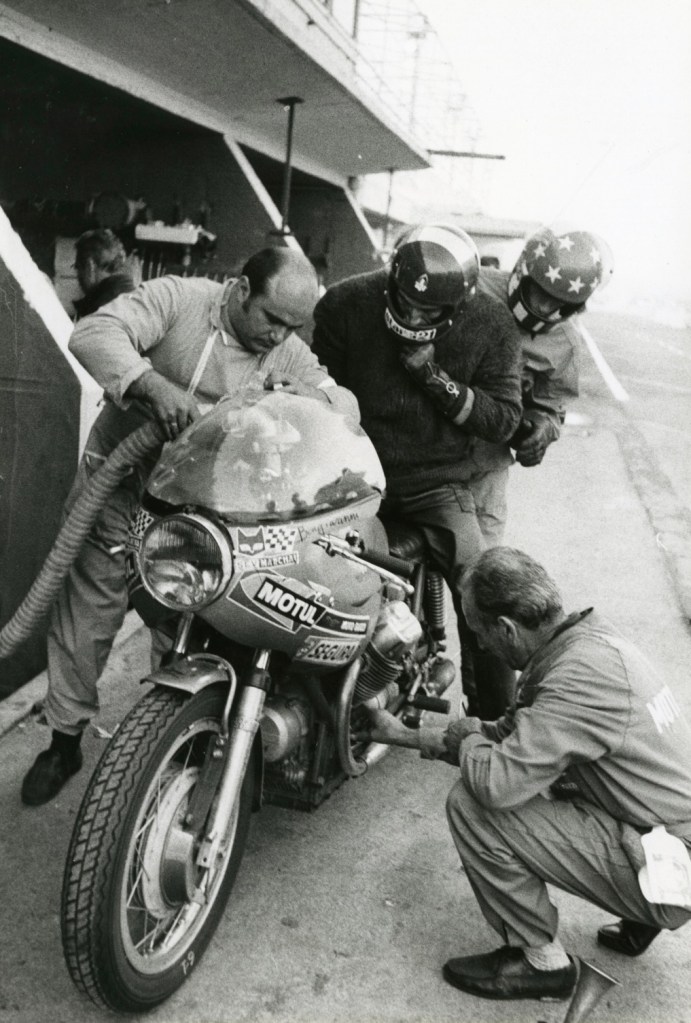
These Denver coppers look happy with their new mounts in July 1970. The order of 12 machines was a nice earner for Guzzi who sold a lotta police bikes…The Polizia Stradale out on their Guzzi 500s in some force on the occasion of the 102nd anniversary of the formation of their force; in the Parco di Milano 1954 (Moto Guzzi)Moto Guzzis have continued to contest production type events down the decades, here at the Le Mans 24-Hour in 1972 (unattributed)
Alessandro De Tomaso’s De Tomaso Industries Inc. purchased SEIMM and with it Moto Guzzi, Benelli and Maserati in 1973. Moto Guzzi returned to profitability despite only limited investment of funds in the company.
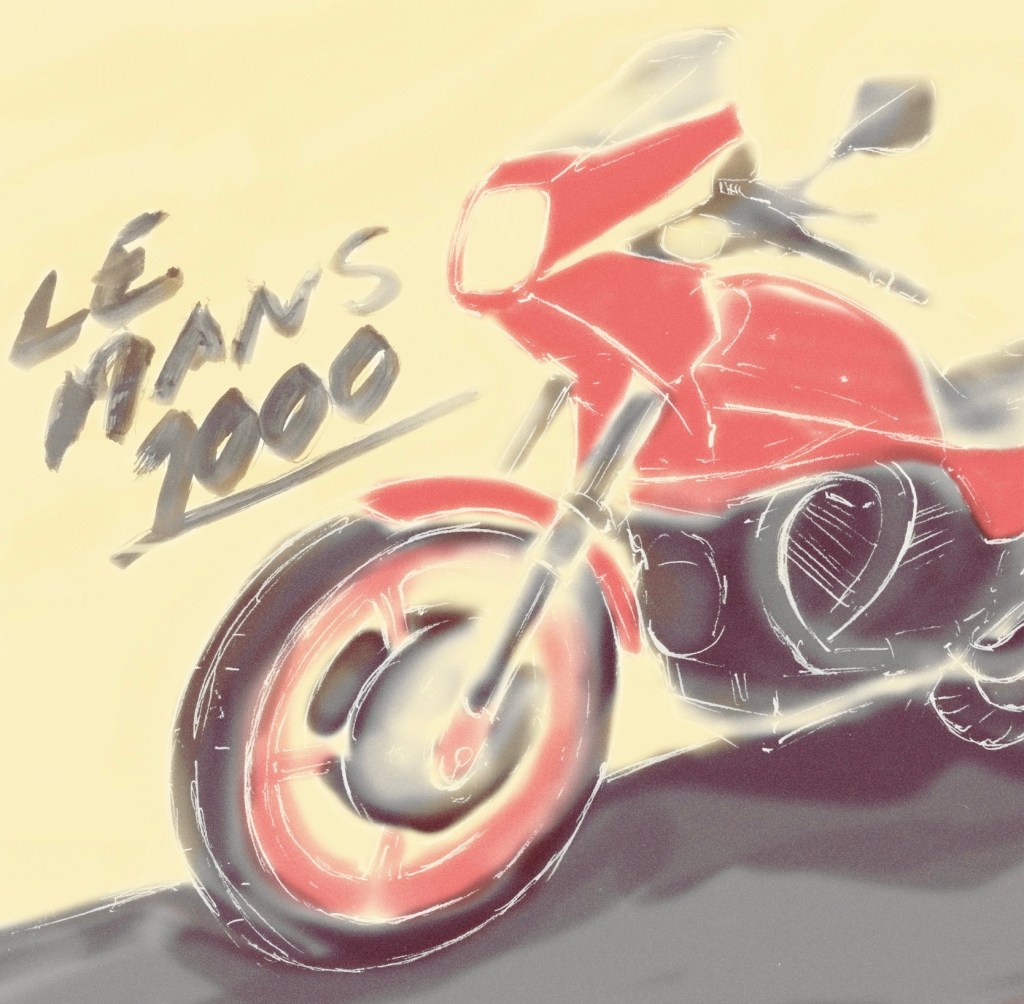
In November 1975 Guzzi released the 850 Le Mans at the Milan Show, the successful bike spun off four models from the Mark II to the 1990s Le Mans 1000 or Mark V.
In 1979, a small-block version of the air-cooled V-twin designed by engineer Lino Tonti – who joined the company in 1967 to replace Carcano – was introduced as the V35.
Radical when introduced, the design featured horizontally split crankcases and Heron heads which allowed more efficient mass production and cut the weight of the contemporary 850 T3 (249kg) to the (175 kg) of the V35. The power of the original V35 at 35bhp was competitive with engines of comparable displacement, but later, versions (V50, V65, V75) were outclassed by competitor’s water-cooled engines. The Breva and Nevada featured a descendant of Tonti’s V35 engine, the 750cc V-twin, rated at 48bhp.
The V-twin’s power was increased in the mid-1980s when four-valve versions of the small block series were made. The 650cc and the 750cc engines produced 60bhp and 65bhp respectively, these engines ceased production in the late 1980s.
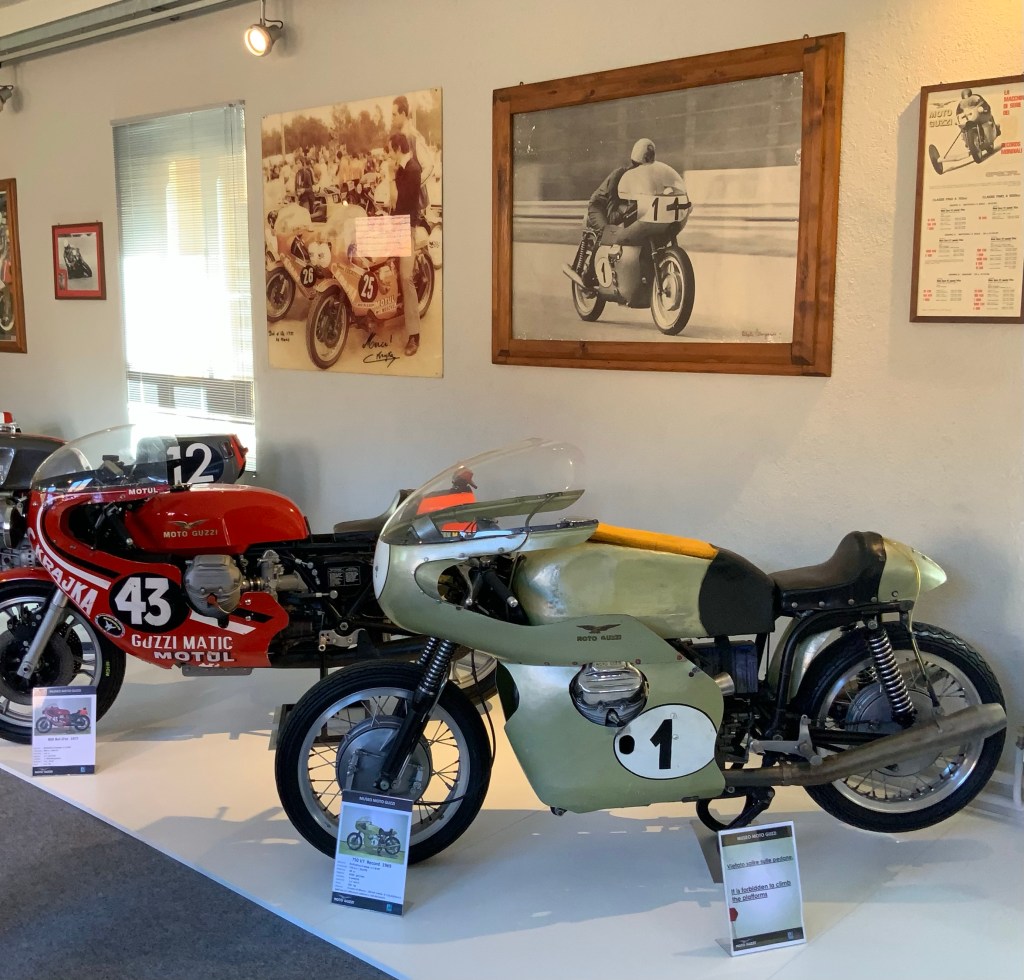
#1 is a 1979 V7 750 record breaker, #43 a 1977 Bol D’or machine (M Bisset)Machine at right is a 2010 V12LM on display in Tokyo (Getty)Circa 1985 Le Mans 1000 (Moto Guzzi)
In 1988 Benelli and SEIMM merged to create Guzzi Benelli Moto (G.B.M. S.p.A).
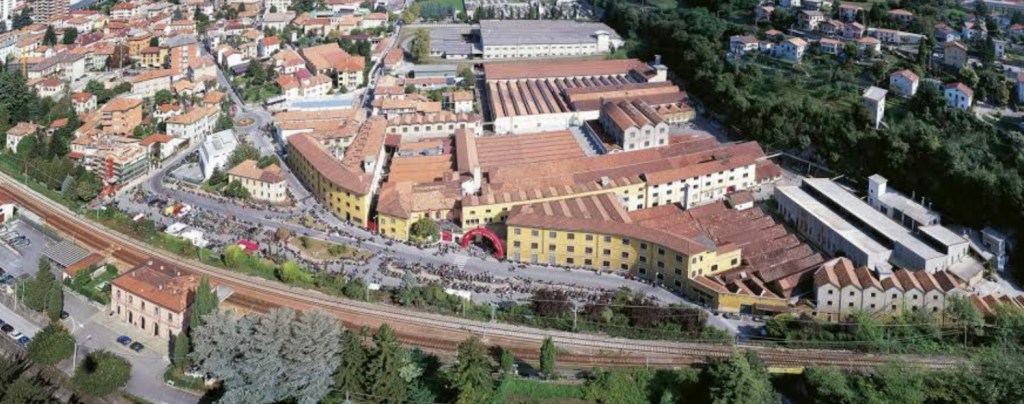
By 1999, the lakeside complex included one, two, and three-story buildings of over 54,000 square metres. Between 1988-2000 the company built 3,300 and 6,275 (1999) machines a year.
Aprilia S.p.a acquired Moto Guzzi S.p.A. on April 14, 2000 for US$65 million. Their plans included Guzzi’s ongoing Mandello del Lario presence while sharing Aprilia’s technology, R&D capabilities and Balance Sheet.
Then Aprilia got into financial trouble due to troubled diversifications and new Italian laws requiring helmets, in addition, higher insurance premiums for young riders softened demand and profits. Cost cutting plans to move the operation to Monza were scuttled after mass protests from the Mandello del Lario workers, the local community and Guzzisti. Aprilia completed significant renovations to the wonderful Mandello Moto Guzzi factory costing US$45 million in 2004.
The production line closed for a short while in March 2004 until Piaggio & C S.p.a acquired Aprilia in December 30 2004. As part of Immsi S.p.A. Investments Moto Guzzi had/has access to capital which allowed the release of new bikes in quick succession including the retro-themed 2008 V7 Classic.
The current range includes the 850cc V7 Stone E5 and V7 Special E5 roadsters, the on/off road V85 TT E5 and special Guardia D’Onore Edition and V85 TT Adventure, and Travel E5 and retro V9 Bobber E5 and range topping V100 Mandello.
A century after Guzzi, Parodi and Ravelli made their plans the marque survives and thrives, Moto Guzzi currently employ 250 to 300 employees making over 10,000 bikes a year.
Moto Guzzi V7 Stone release at Lecco, Lake Como in March 2012. This bike was an evolution of the 2007 V7, based on the 1967 original (Getty)The winningest of Moto Guzzi riders (47), Omobono Tenni outside the works, post-war at a guess. He died during practice for the 1948 Swiss GP at Bremgarten. Raced for Maserati in 1936-37 (Moto Guzzi)This undated panorama of the Moto Guzzi facility shows the proximity of the factory and lake (Moto Guzzi)Omobono Tenni display. These 1933-1951 Guzzi Bicilindrica 120-degree, circa 56bhp 500 V-twins won 64 GPs from ’33 to the mid-1950s and took the Italian Championship seven times (M Bisset)
Postscript…
A visit to Guzzi’s Mandello site is a must for any car or ‘bike buff, even a fringe bike person like me. So too is a visit to Lake Como. The middle-lake towns of Varenna and Menaggio are hard to beat as places to stay in their own right, and in terms of their ease of access to other parts of the lake by ferry or train.
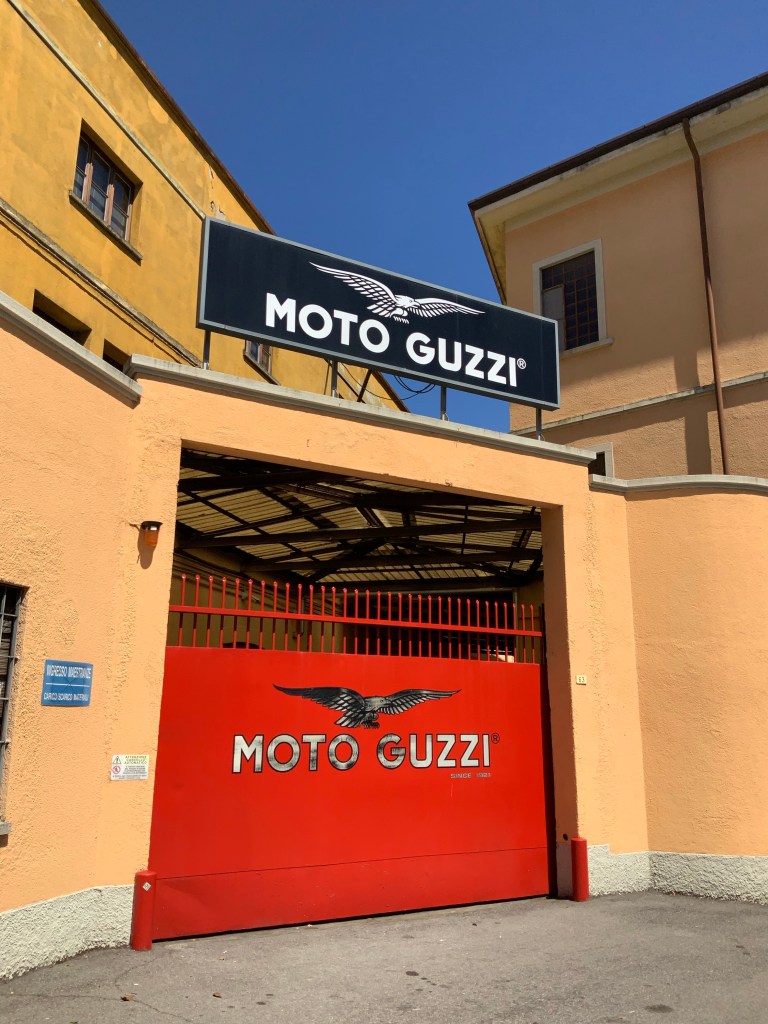
Via Emanuele Vittorio Parodi remains home to the company’s headquarters, production facility, wind tunnel, library and the museum. The place oozes patina that can only be provided by age.
It has displays from the company’s history, over 80 ‘bikes, engines and prototypes. Book online though, there are strict limits on the number of punters in the two-storey building at a time to ensure you enjoy it, rocking up in the warmer months is risky without a ticket.
Etcetera…
(The Motor Cycle)(The Motor Cycle)(The Motor Cycle)(The Motor Cycle) (Moto Guzzi)
Italian Air Corps photographs of Giorgio Parodi and Giovanni Ravelli, below.
For more on the amazing life of the multi-facetted Parodi; aviation, manufacturing, shipping, sport, philanthropy and a whole lot more, see here; Home (2) (giorgioparodi.it)
(Moto Guzzi)(unattributed)
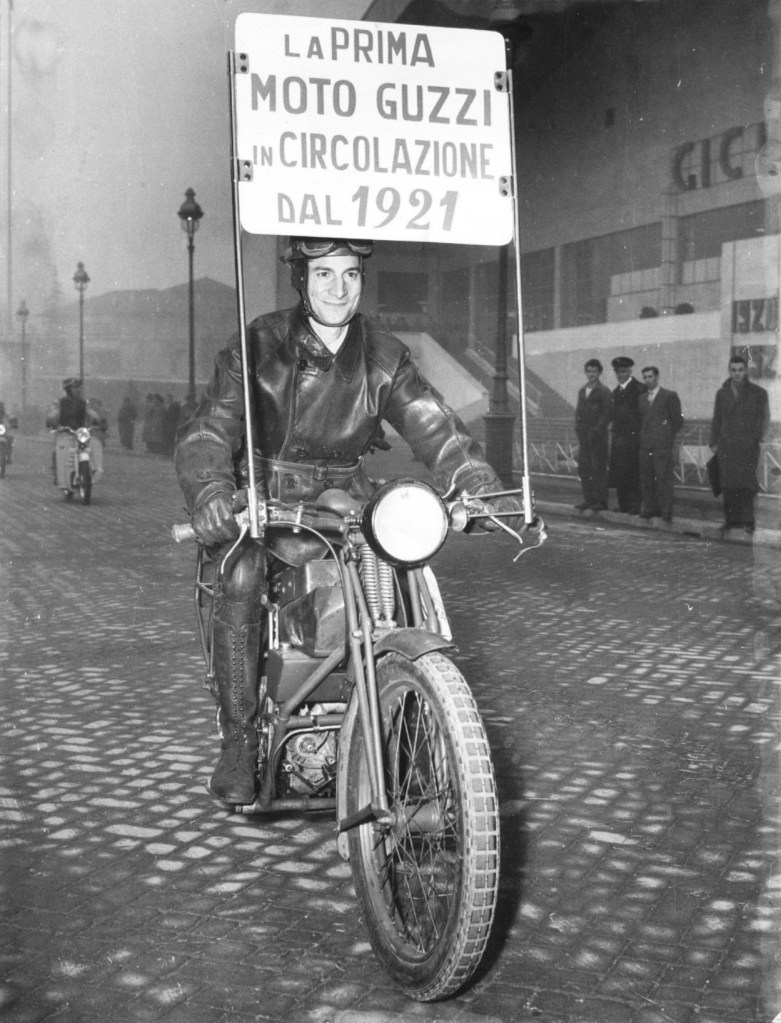
Works racer Enrico Lorenzetti rides one of the first 1921 G.P. 500s outside the EICMA (Milan Motorcycle Show), Mechanics Pavilion, Milan in 1952. This machine was restored in 1994 and forms part of Guzzi’s museum collection.
Lorenzetti raced a Guzzi Albatross 250 and Condor 500 pre-war. He won the 250cc World Championship in 1952, was third in 1956, and second in the 350cc 1953 title chase in a pro-career with Moto Guzzi from 1949-1957.
(AMCN)
Keith Campbell aboard a Guzzi 500 V8 at Assen during the 1957 Dutch GP weekend. These machines were raced with Dolphin fairings rather than the more familiar Dustbins on three occasions. The machine first raced at Imola in late March 1956.
(M Bisset)
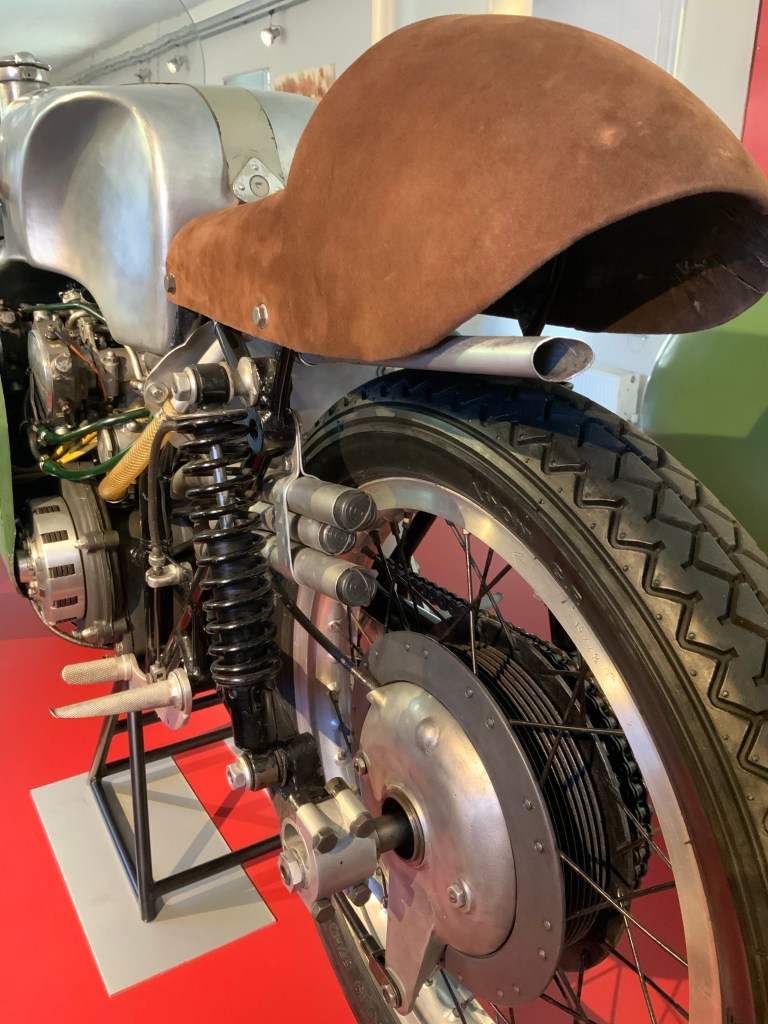
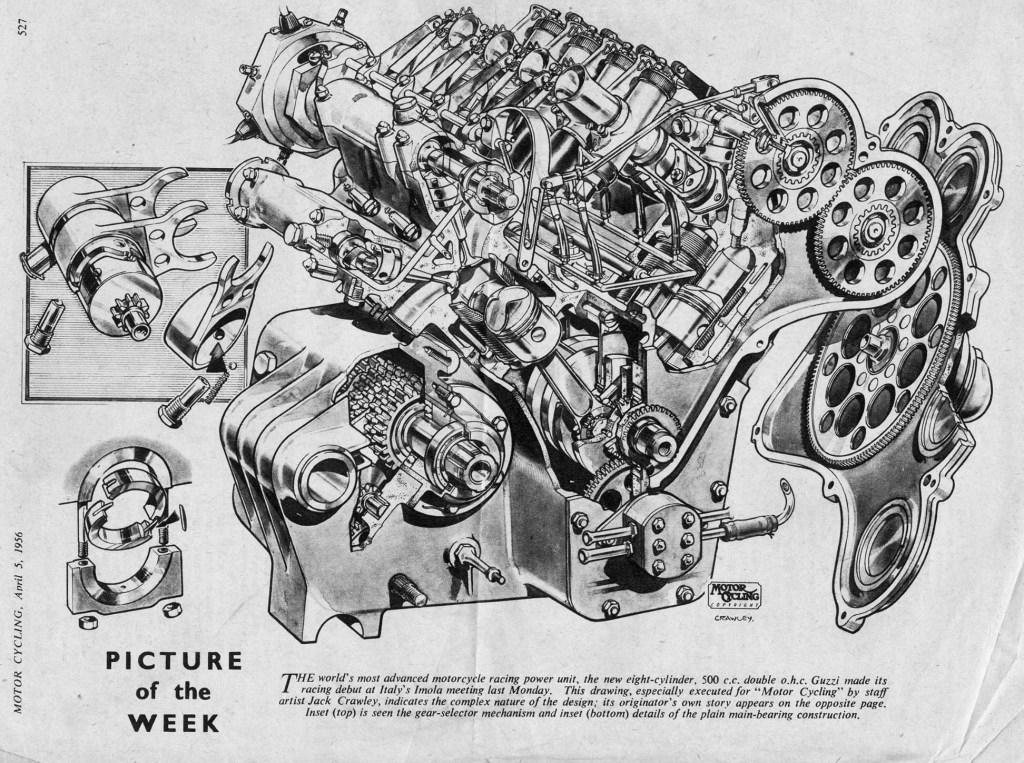
Rear of the bike – which is surprisingly compact – with its battery of exhausts. Below is a cutaway drawing published in the Motor Cycling April 1956 issue. Jack Crawley is the artist; the top-inset shows the gear selector mechanism, the bottom one shows details of the plain main-bearing construction.
(Motor Cycling)Works Moto Guzzi pilots Bill Lomas and Keith Campbell in November 1957 (S Scholes Collection)Dickie Dale on the 350 leads 500 Moto Guzzi mounted teammate Bill Lomas at Bandiana Army Base near Albury-Wodonga (oldbikemag.com.au)
Moto Guzzi energetically sought export markets including Australia, but had been unsuccessful despite Fergus Anderson’s 1949 Tour.
Off the back of Geoff Duke’s Gilera Down Under races in 1954-55; Geoff Duke, Gilera 500/4, Australia 1954… | primotipo… George Lynn, the tour promoter, organised Englishmen Bill Lomas (350cc World Champ on Guzzis in 1955-56) and Dickie Dale to bring their factory 350cc and 500cc singles out over the summer of 1955-56.
They rode with much success at meetings in Perth, Adelaide, Bandiana, Mount Druitt and Fishermans Bend. Lomas flew to Bathurst to inspect Mount Panorama at the end of his trip, but, sadly the green Guzzis were already crated and on their way to the Imola European season opener.
The photograph is of 1954 350cc World Champ, Fergus Anderson (B King Collection)
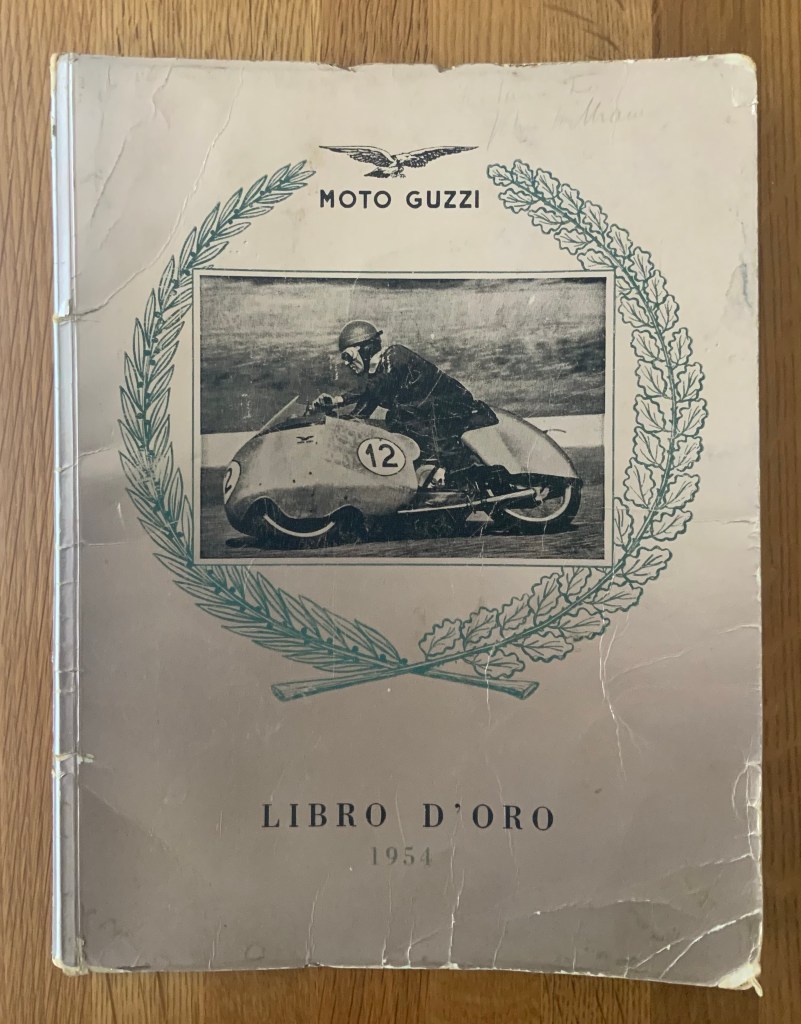
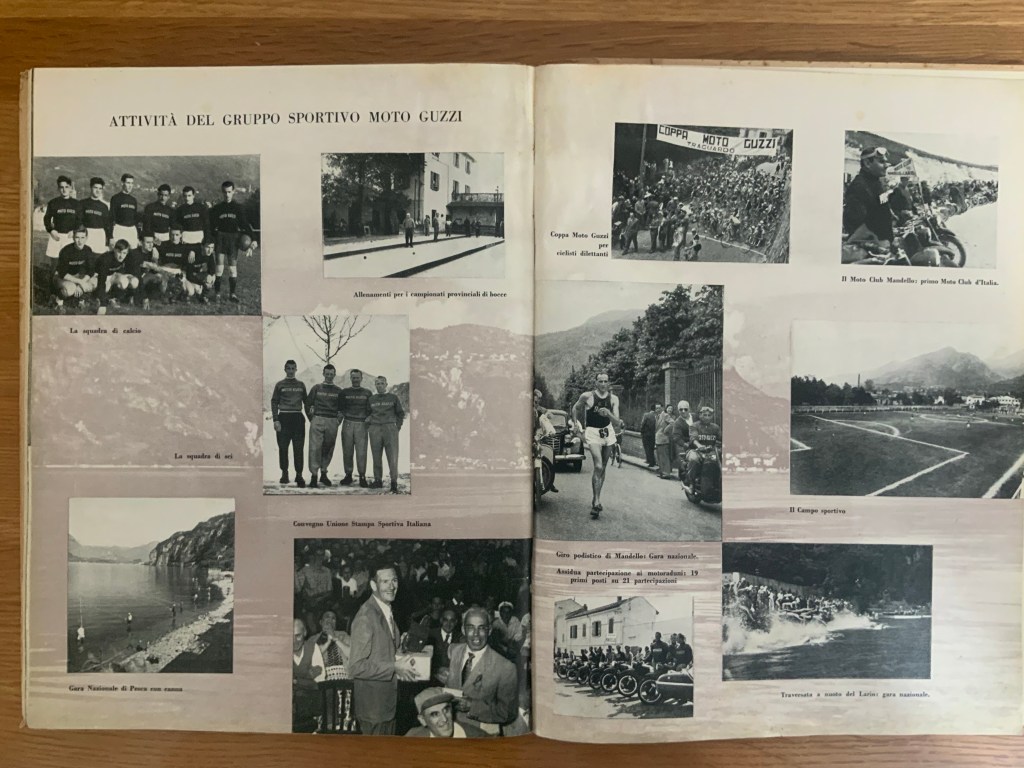
Moto Guzzi’s Libro D’Oro (golden book) 1954 is what appears to be an annual ‘corporate brag book’.
Bob King’s edition is beautifully designed, bound and printed for its day. The 74 pages include many on the company’s sporting success – every single race win and record from 1921 to the end of 1954 are listed – with plenty of photographs of the ’54 season, a piece on the wind tunnel and other recent factory innovations and eight pages of what today would be termed the Corporate Social Responsibility report. It’s pretty amazing for its day.
(B King Collection)(B King Collection)
There is no financial information of any sort. It’s a happy-clappy type of document aimed at staff, key suppliers and other interested parties rather than a corporate document with all of the (necessary) formality and (unnecessary) boredom that implies.
(B King Collection)
The two buildings shown on the left of the above page are Moto Guzzi’s hydroelectric plants built at Zerbo and Pioverna (actually Valsassina) post-war.
Zerbo is 120km, and Valsassina 20km away from Mandello del Lario. This type of capex gives one a sense of scale of Moto Guzzi and its financial and political clout. In post-war Italy the necessary power must have been costly to make this kind of otherwise non-core investment. Perhaps Marshall Plan dollars was involved? Time to buy a Moto Guzzi book methinks!…
(B King Collection)
Reference Credits…
‘Moto Guzzi: Libro D’Oro 1954’ from the Bob King Collection, Motoguzzi.com, Wikipedia, Chris Stops, The Motor Cycle, Sergio Piotin, Piaggio S.p.a, Pirelli Foundation, Moto Guzzi Archive, Raymond Zehringer, TT Race Pics, AMCN-Australian Motor Cycle News, Iain Gordon, rideapart.com, giorgioparadi.it, oldbikemag.com.au, Moto Ciclismo via Stephen Scholes
Tailpieces…
(Moto Guzzi)
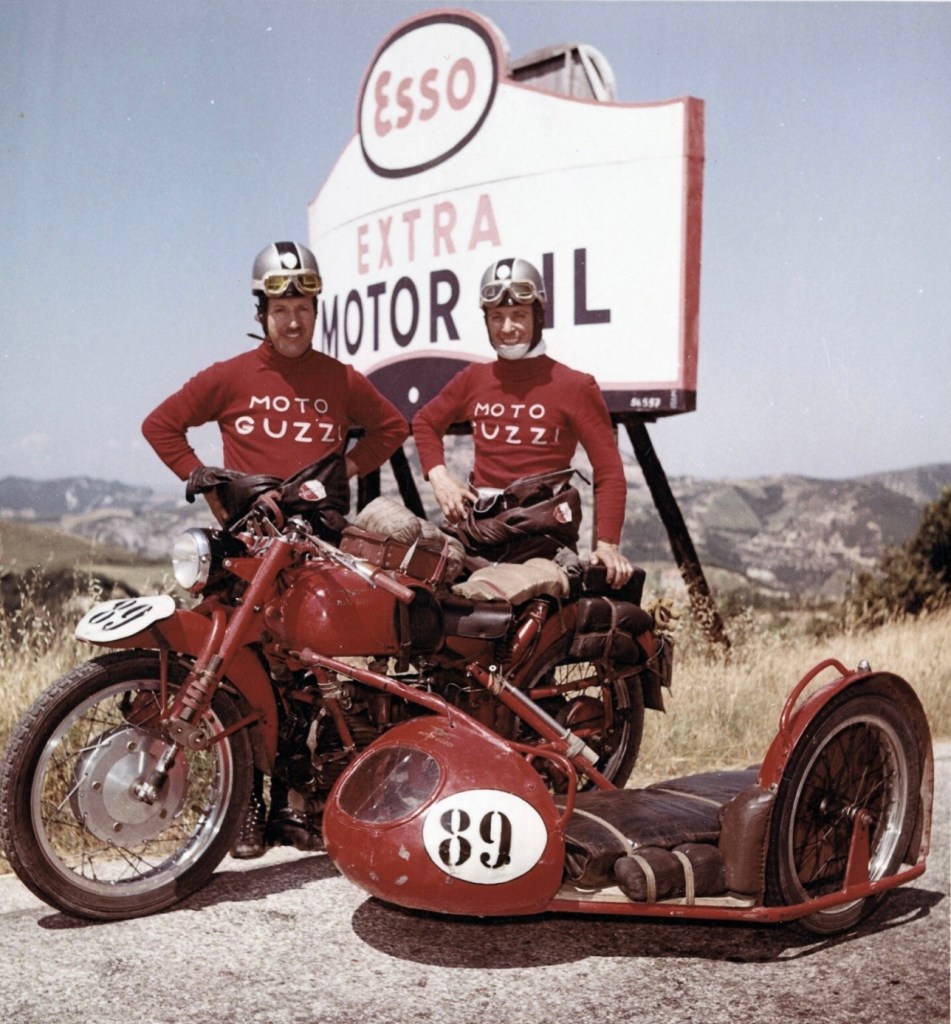
All set for the off in the 1953 Milan-Taranto race – who are these fellas? A record 426 bikes started this race on ‘the classical course’; Milan-Bologna-Firenze-Roma-Napoli-Bari-Brindisi-Lecce-Taranto. Duilio Agostini won the 1300km race on a Moto Guzzi Dondolino 500 in 11 hours 51.10 seconds at an average speed of 109.7km/h. I’m not sure how our friends on the outfit fared.
Agostini (no relation to Giacomo) was a local favourite, he was born in Mandello del Lario and met Guzzi executives and race riders working at his parents hotel overlooking Lake Como (now the Giardinetto, coincidently we had a fabulous degustation lunch at this place before our museum tour – highly recommended).
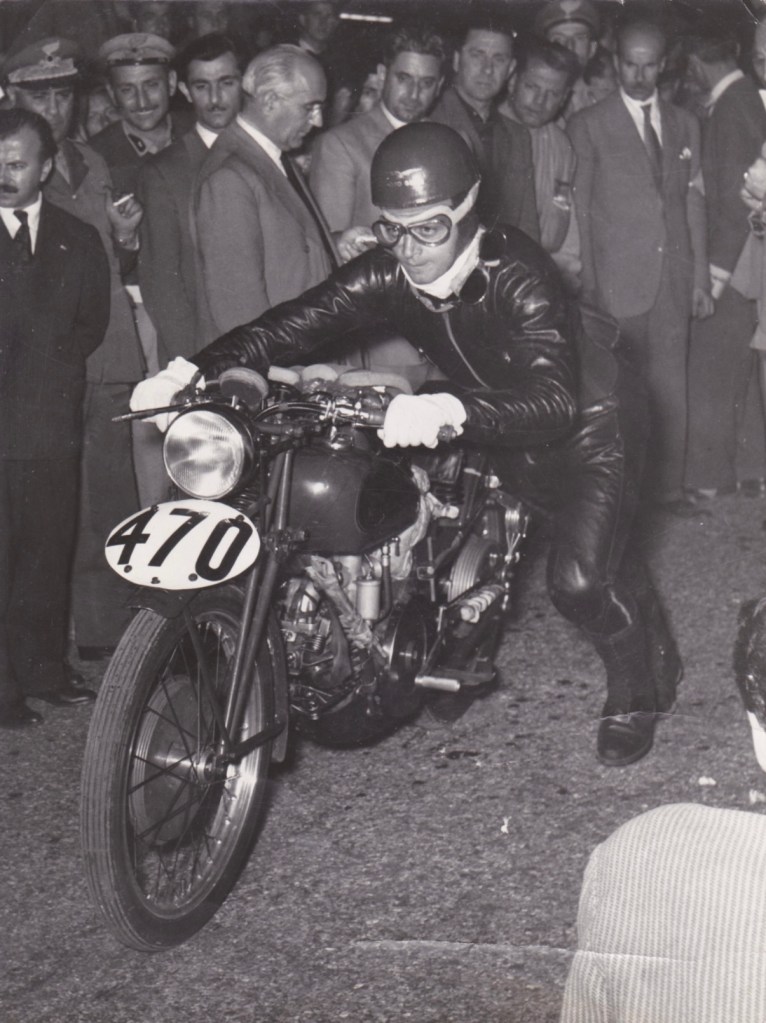
Duilio Agostini about to jump aboard his Moto Guzzi Dondolino 500 during his victorious ’53 Milano-Taranto ride (unattributed)Looking across Lake Como to Oliveto Lario from the Giardinetto Restaurant/Hotel in Mandello del Lario once owned by Agostini’s family. Do make the effort if you are in the ‘hood, it was outstanding tucker (M Bisset)
He joined the factory post-war and soon graduated through the Client Service section, road-bike tester, then a test role of the race bikes in the Experimental Department. This led to racing a Guzzi Condor 500 (the company’s first successful customer racer first built in 1938 and revamped as the Dondolino – rocking chair – in 1946) either loaned to him or won in a competition.
The Milano-Taranto victory on a Dondolino sealed a place in the factory race-squad; he was regarded as a factory employee rather than a full works-rider by some. Despite often having second string machines Agostini won an Italian 250cc title beating works rider Lorenzetti, and the 1956 French 350cc GP.
While contesting the 1955 Belgian Grand Prix he met an Australian, Margaret Ward. They soon married, Duilio retired from racing after the factory withdrew to establish what became a major service and sales facility in Mandello del Lario ably assisted by daughters Alis and Lindy. He died in 2008.
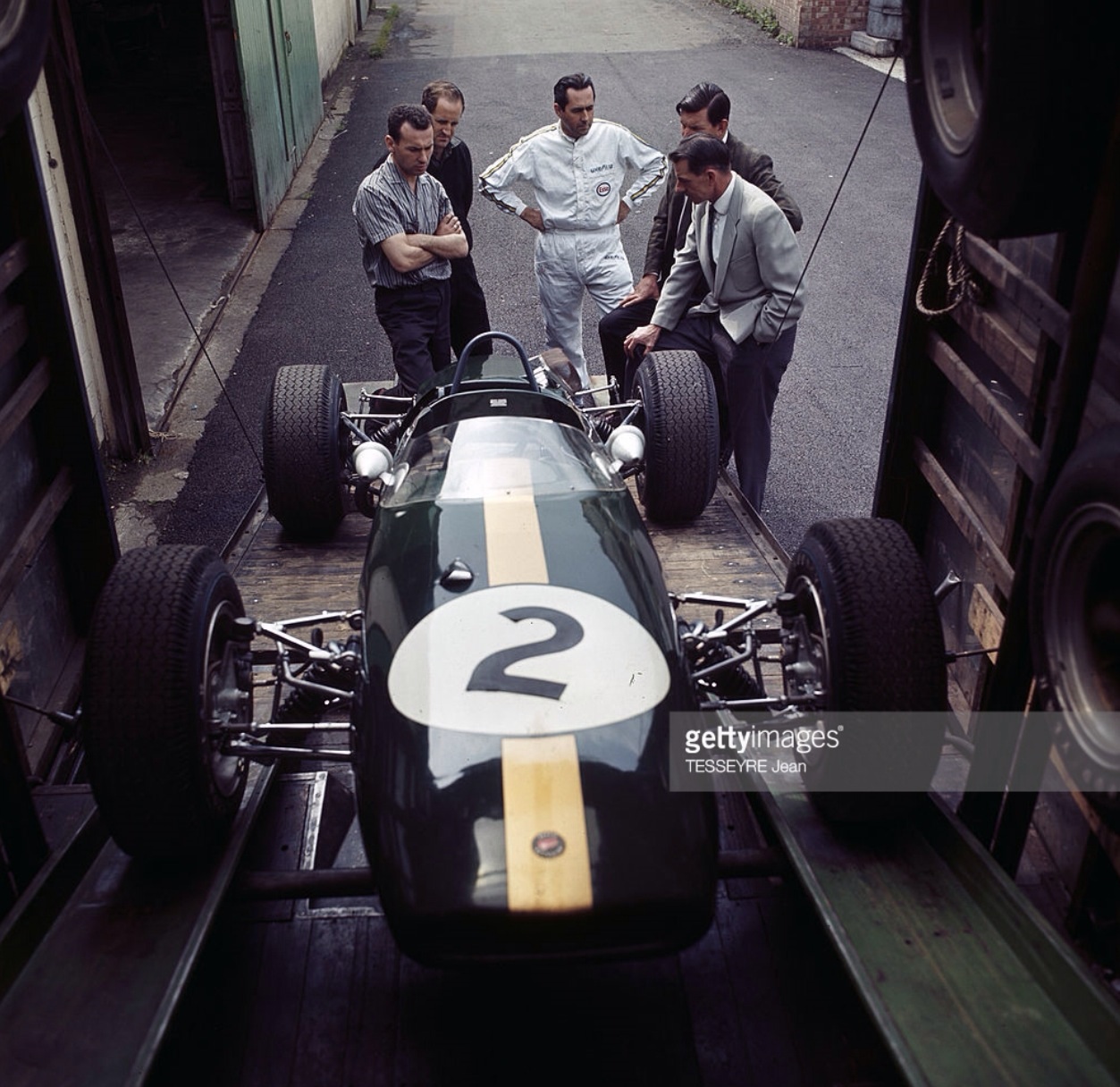
Jack Brabham with his F1 Brabham BT11 Climax, F2 BT16 Honda and one of Ron Tauranac’s bare spaceframes Jack has borrowed from Ron’s production line.
The photo isn’t dated but it’s between mid-June and mid-September 1965 – works Brabhams used number 14 at the Belgian, French, British, Dutch, and Italian Grands Prix.
In some ways it was a bit of an investment year for Brabham. It was their first year using Honda engines and Goodyear tyres, not to forget the Repco Brabham Engines V8s being developed in Melbourne. All of these initiatives paid off in spades the following year. Mind you, investment year or otherwise, Dan Gurney made the BT11 sing in F1 with a swag of top three results, albeit no wins in 1965.
Jack worked with Honda engineers to get more torque from their peaky but powerful 1-litre four cylinder engines. The team partnered with Goodyear from the January-March 1965 Tasman Cup. Lots of work on compounds and profiles helped the Brabham Racing Organisation win the 1966 F2 (Trophees de France) and F1 World championships with Honda and Repco-Brabham powered cars respectively.
The photo requires detective work as the Getty Archive caption has it as a Lotus 33 Climax V8, which it most assuredly is not! The caption reads “Motor Sport Formula 1. In July 1965, during a report on Motor Sport and Formula 1, the Lotus 33 returning to the back of a truck, men and a driver discussing outside.”
While it’s not the French Grand Prix, that year held at Clermont Ferrand in June, it could be during the British Grand Prix weekend at Silverstone during July, a meeting the photographer, noted Paris Match regular Jean Tesseyre, may have attended.
Does it look like the Silverstone paddock to any of you Brits? There was no F2 race on the program but it is possible that Brabham did some test laps during the meeting and/or had the BT16 Honda on display. Perhaps the car is being loaded up at MRD or BRO in Surrey?
I love solving these mysteries if any of you can assist, attendee identification in full would be a bonus…
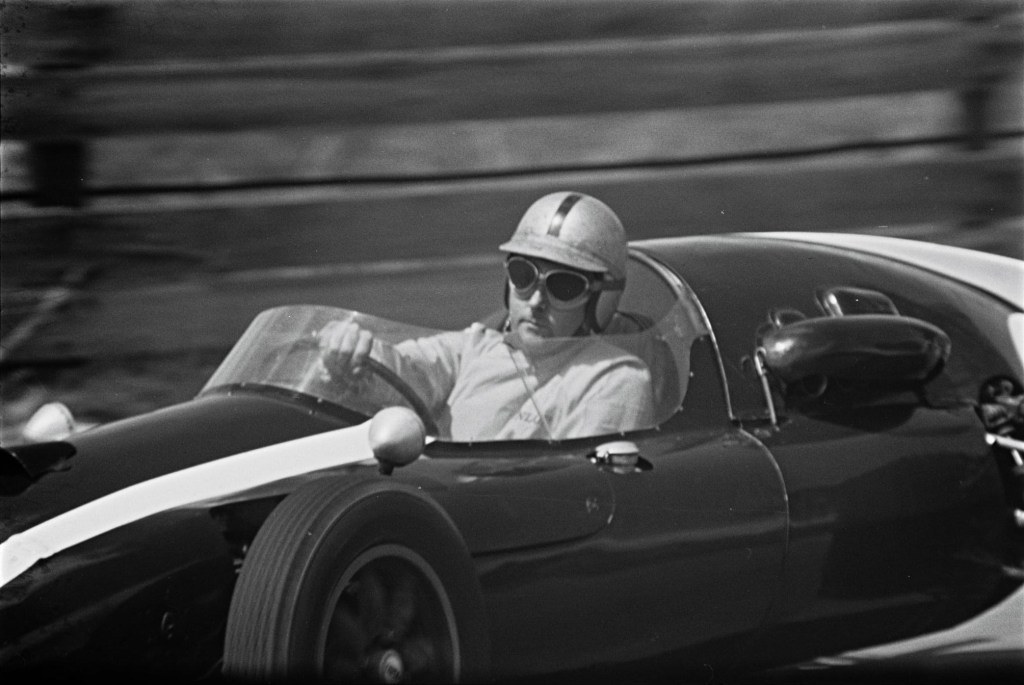
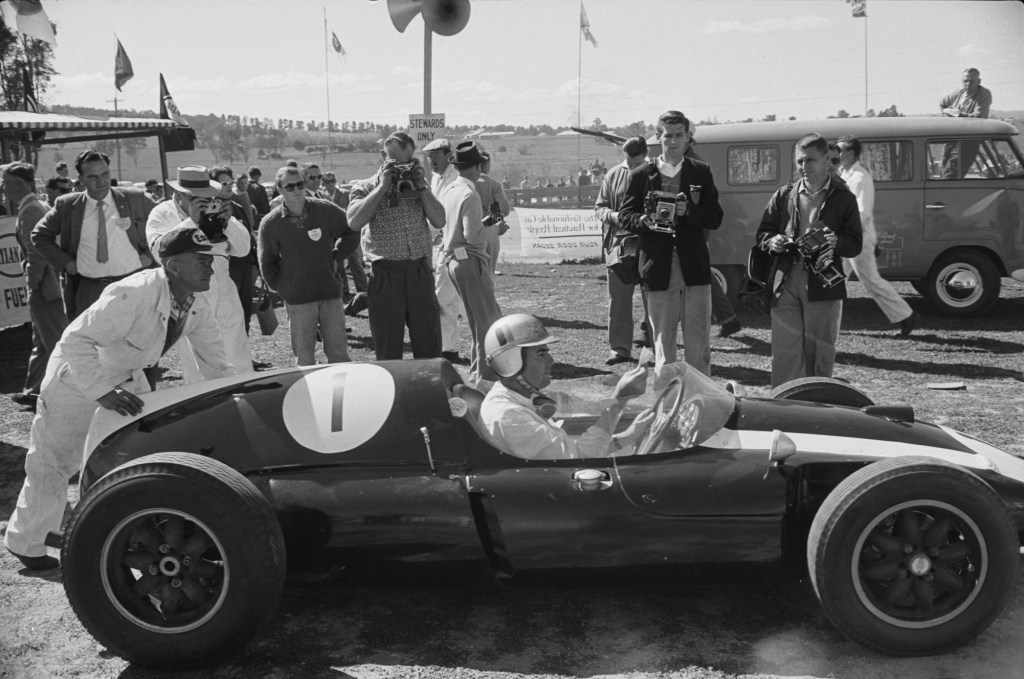
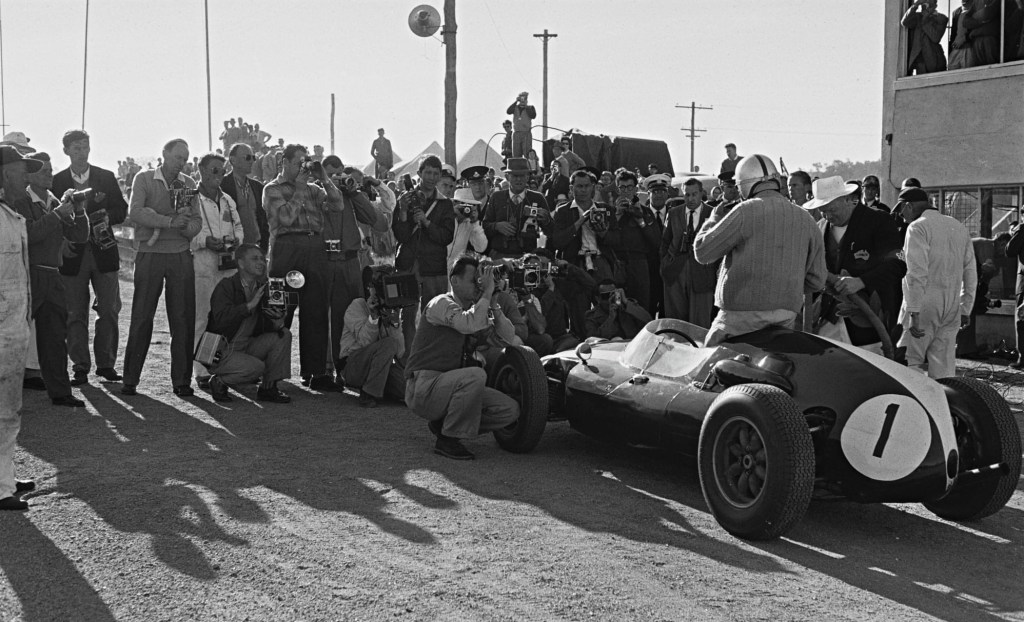
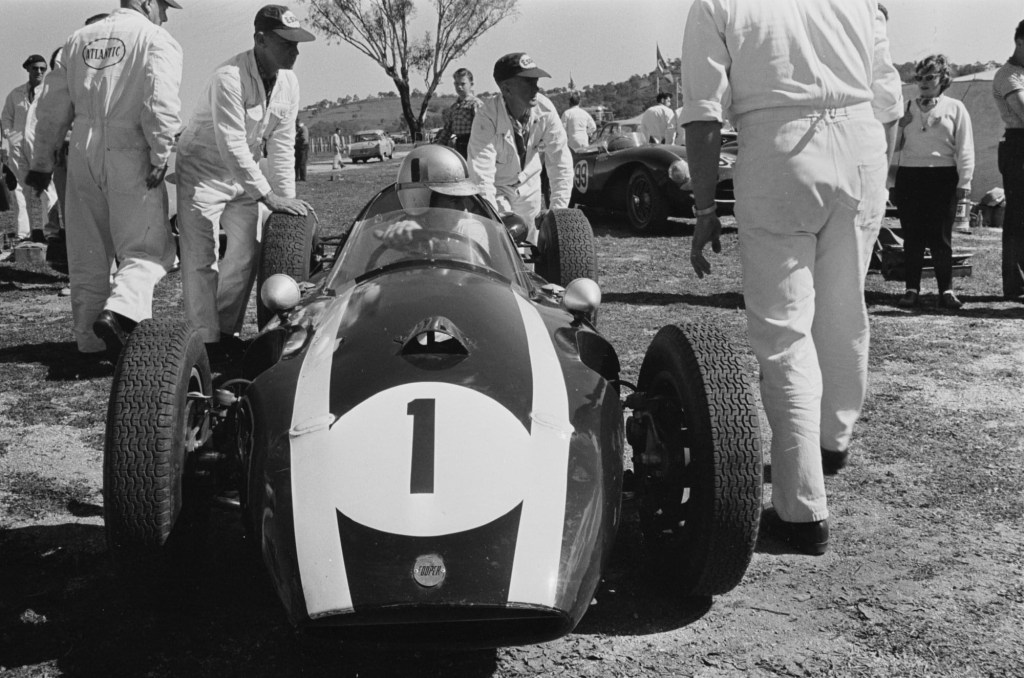
After Jack Brabham won his second World Championship on-the-trot at Boavista, Portugal in late August 1960 he returned to Australia between the Italian and US Grands Prix (Riverside that year) to contest the Craven A International, a one-off race sponsored by a cigarette company, at Mount Panorama on October 2.
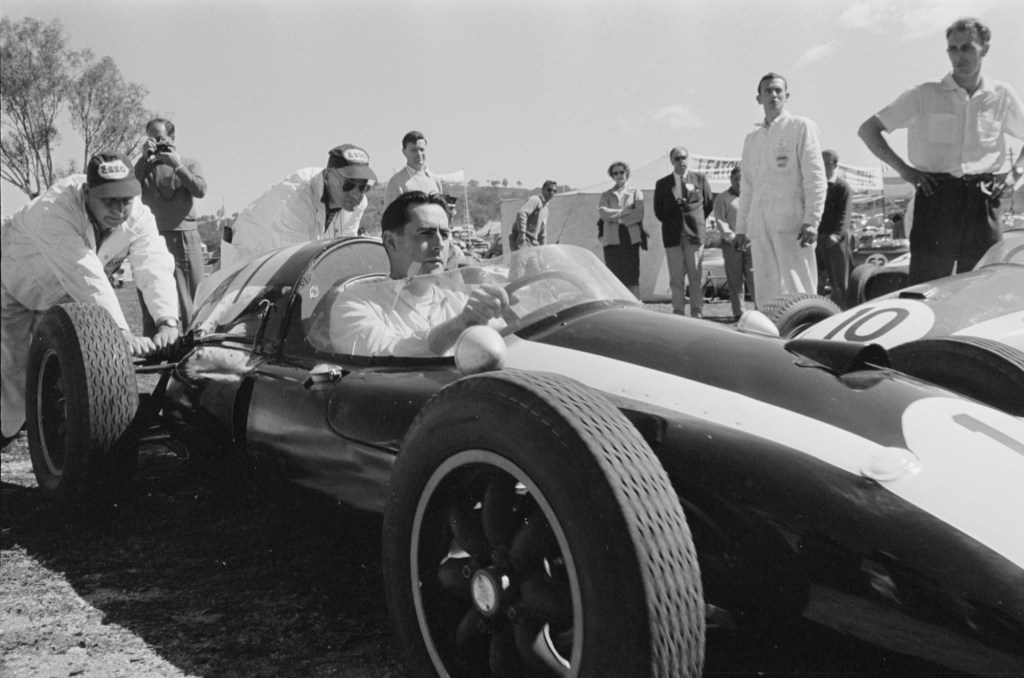
The great one raced a Cooper T51 Climax 2.5 (perhaps chassis #F2-4-59) to a convincing win from the similar cars of Bill Patterson and Bib Stillwell, albeit their cars were powered by 2.4-litre and 2.2-litre Climaxes respectively.
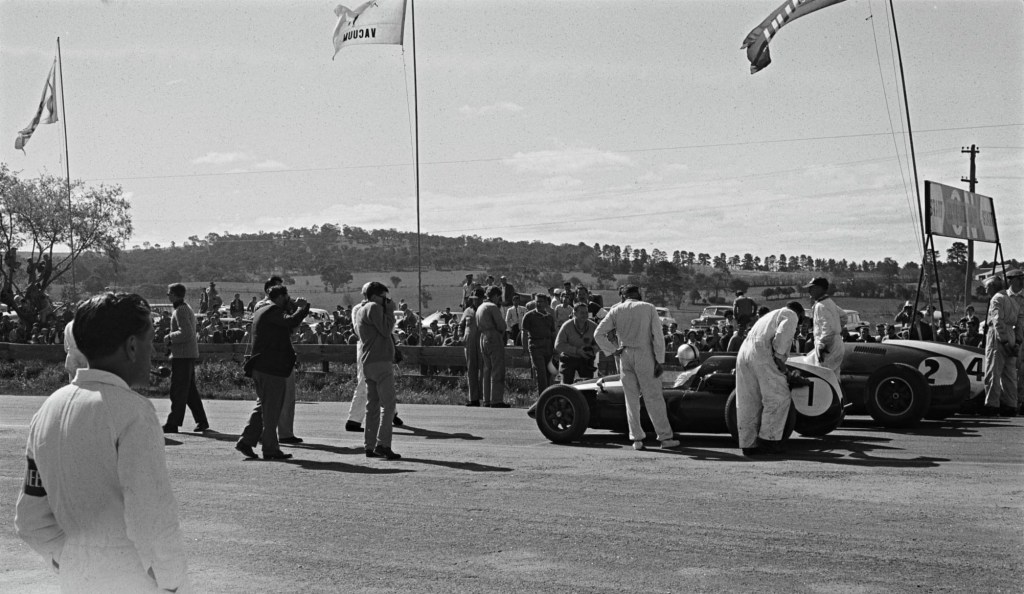
Jack takes his slot on the dummy grid, car #10 is John Roxburgh’s Cooper T45 Climax, DNF accident (L Stringer)Brabham in Cooper T51 #1, #2 is Mildren’s Maserati engined T51 and #4 is Stan Jones’ T51 Climax, DNF accident (L Stringer)
Brabham started from pole and won by 36 seconds. Coopers occupied the first five places of nine finishers in a field which included such pre-War ancients as Tom Sulman’s Maserati 4CM and Frank Elkins Holden engined Bugatti Type 37.
Australian motor racing was still in transition – very quickly – to the modern mid-engined era.
(L Stringer)Brabham takes the plaudits of the crowd and ‘snappers. Jumper, or perhaps a cardigan over the top of his overalls indicates a chilly Spring Bathurst day! (L Stringer)
These photographs posted by Leigh Stringer on social media this week beautifully capture the vibe and feel of that long ago weekend at Bathurst.
The Gold Star (Australian Drivers Championship) had been won by Alec Mildren’s Cooper T51 Maserati that year, he won four of the seven championship rounds. This Bathurst event wasn’t a title round, but it didn’t stop 28 cars starting the race, and even more entering it, such was the attraction of racing on the same grid as our Champ!
Credits…
Leigh Stringer, oldracingcars.com
Tailpiece…
(L Stringer)
No shortage of Esso capped assistance for Brabham, perhaps Tom Sulman’s Aston Martin DB3S behind? Where is John Medley’s Bathurst Bible when you need it, not here with me in the UK at the moment?!
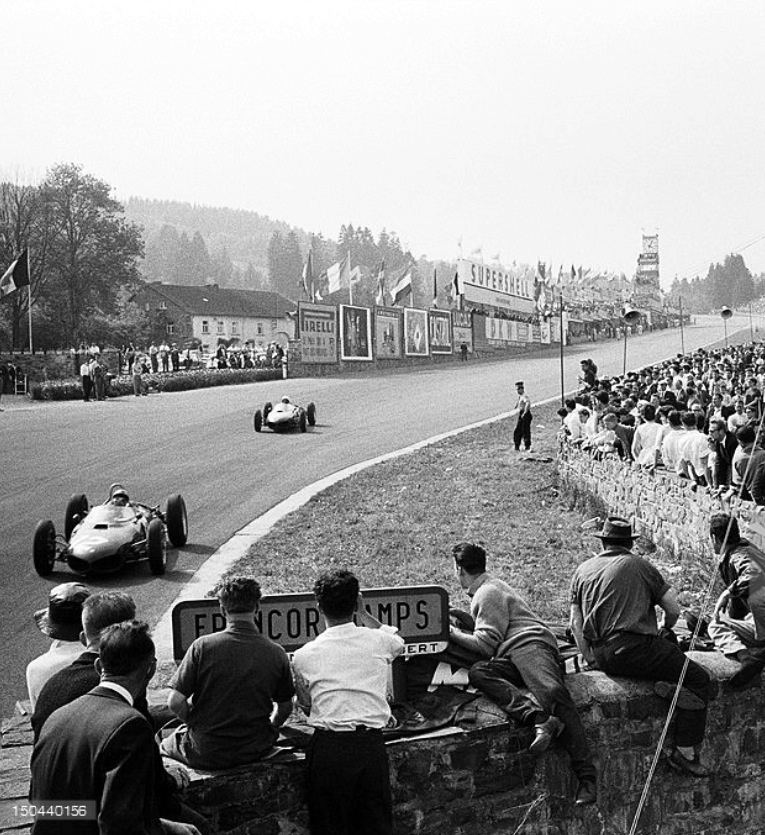
Phil Hill leads teammate Ricardo Rodriguez, both aboard Ferrari 156s, Belgian GP, 17 June 1962.
There was plenty of colour photography around by 1962 but monochrome is still rather powerful and evocative. The troops look more relaxed than the Ferrari pilots on the oh-so-fast turn into Eau Rouge, it always was and is an ultimate test of testicular girth.
Not a great season for Scuderia Ferrari in 1962 of course, the engine which kept the cars in front the season before – despite chassis deficiencies relative to the British cars – was no help in ’62 when said Brits had better Coventry Climax and BRM V8s than the Italian V6s and vastly superior chassis.
Here, Hill and Rodriguez are scrapping for third place in a season when the reigning 1961 World Champion, Hill P didn’t take a win, ceding the title to Hill G’s BRM.
Bruce, Tyler Alexander and and Alastair Caldwell…a new set of Goodyears for McLaren’s M7A. He put them to good use, qualifying sixth on the fast swoops of Rouen…
I’m drawn to the papaya McLarens thanks to their visual splendour and absolute respect for Bruce the man, engineer, test driver, racer and motivator of men.
He was the full-enchilada with the lot as a package, as well rounded a racer as it’s possible to be.
Here Chris Amon is tootling past him in the pitlane, his fellow Kiwi no doubt hoping the Firestone shod Ferrari 312 will cope with the fast swoops of Rouen better than Bruce’ M7A, a mighty fine design which carried the Ford Cosworth DFV.
I’ve posted a piece on this race before so don’t want to dwell on the awful fiery accident which cost Jo Schlesser’s life early in the event. Jacky Ickx took his first GP win in a Ferrari 312 from John Surtees’ Honda RA301 and Jackie Stewart’s Matra MS10 Ford.
The shot below is Graham Hill’s Lotus 49B Ford in grid slot nine surrounded by other fellas. The flash of blue to his left is Jean Pierre-Beltoise’ V12 powered Matra MS11 (ninth), Surtees Honda, with the blue flash down his white helmet and Chris Amon’s Ferrari, see its distinctive, white, between the Vee exhausts.
1968 was the last time an F1 GP was held at the wonderful 6.542Km road course near Orival and Rouen. The track was used for European F2 Championship races until 1978 and French national events after that, economic forces resulted in its 1994 closure.
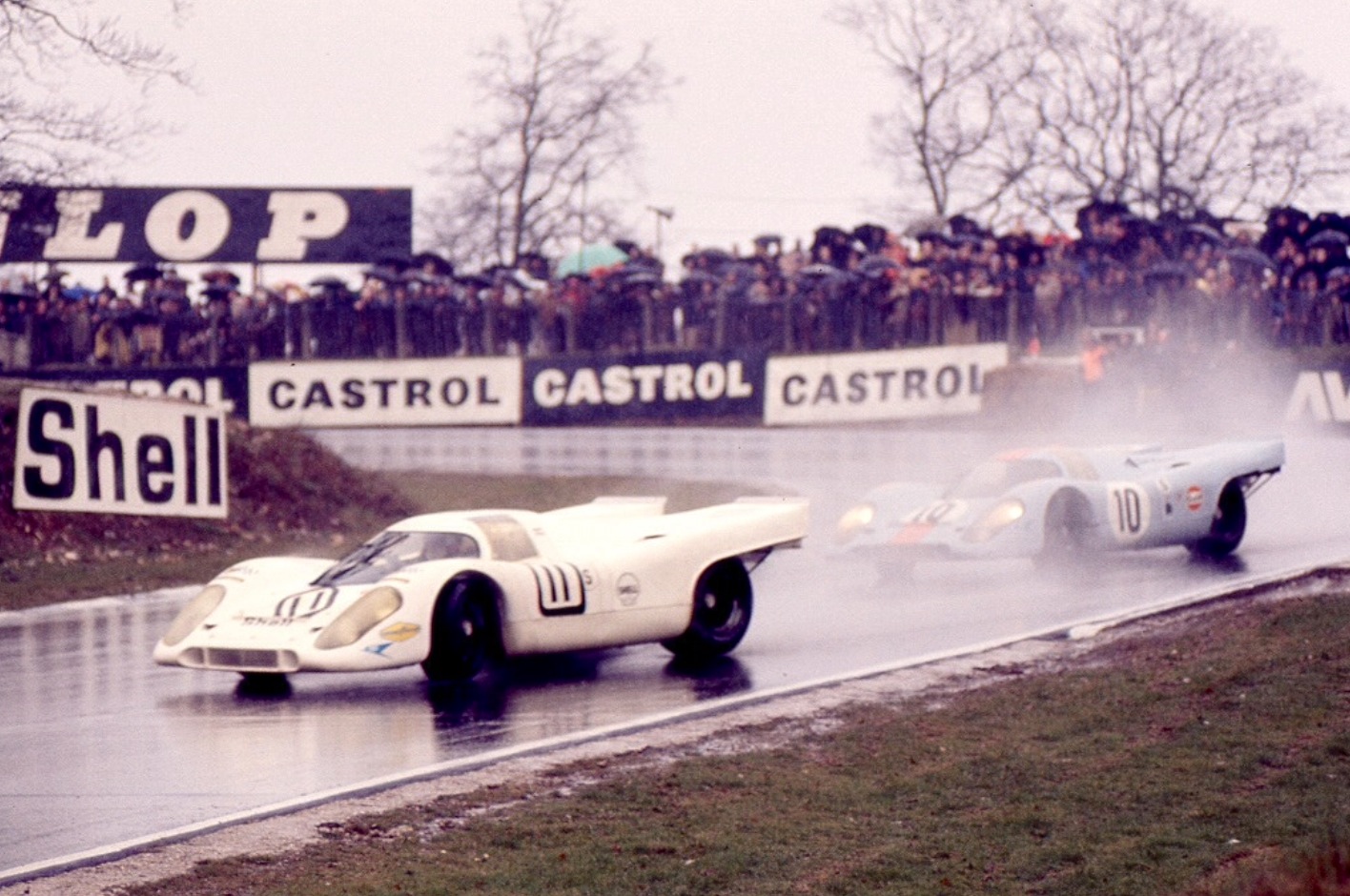
There are drives which are spoken of in reverential terms down the decades, Pedro Rodriguez’ victory in the Brands Hatch 1000km in 1970 is one of those…
Here #10, the John Wyer entry is set to pounce on #11 Vic Elford out of Druids in another factory (Porsche Salzburg) Porsche 917K, the Brit was of course no slouch on slippery surfaces himself. He was European Rally Champion aboard a Porsche 911 in 1967 and Monte winner similarly mounted in 1968 before going circuit racing.
Acknowledged wet weather ace Jackie Ickx raced a factory Ferrari 512S in a Brands Hatch field full of F1 drivers who in those days also contested the sportscar endurance classics. But Pedro was in a class of his own on that sodden Kent afternoon finishing five laps ahead of the second placed 917K of Elford and Denny Hulme, and eight laps ahead of another 917K driven by soon to be 1970 Le Mans winners Hans Hermann and Richard Attwood, both in similar equipment to Pedro…
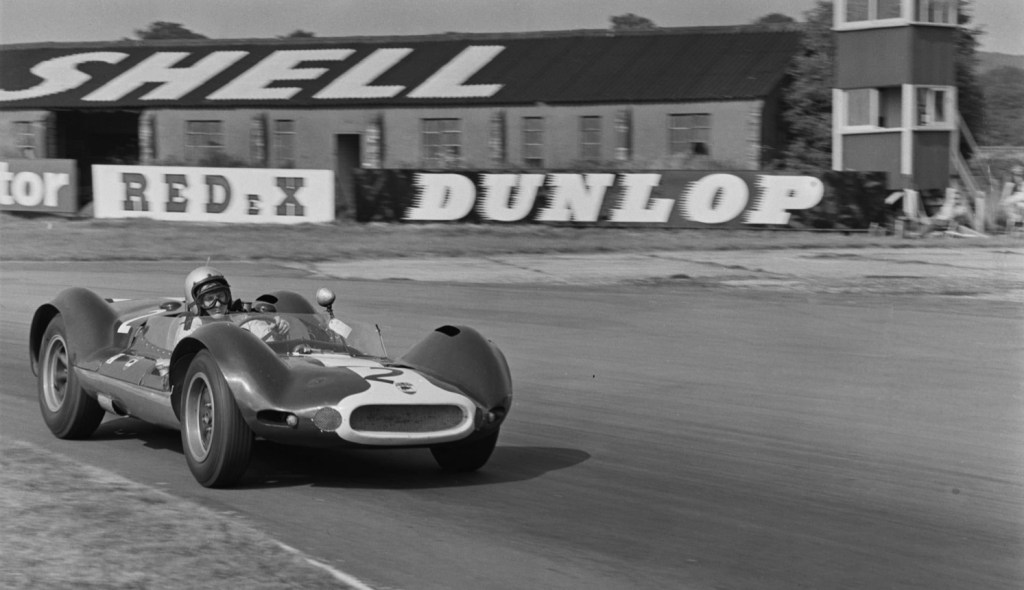
Stirling Moss’ Aston Martin DB3S heads down Silverstone’s straight on the approach to Copse, Silverstone, 5 May 1956…
Another factory Aston DB3S of Roy Salvadori won the race, The Daily Express Trophy meeting sports car event, with Bob Berry third in a Jag D-Type from Moss, he is behind Stirling in this shot. Roy Salvadori had a good meeting also winning the under 1500cc sportscar event in a Cooper T39 Climax.
Moss won the feature F1 event, the BRDC International Trophy over 60 laps/175 miles in Vanwall VW2 from the Connaught B-Types of Archie Scott-Brown and Desmond Titterington.
(unattributed)
Moss in Vanwall VW2 chases teammate Harry Schell in VW1 during the International Trophy, Moss won while Harry suffered a DNF with a broken fuel pipe.
I’m on tour at the moment in Italy and then England, back in Australia on July 5, my posts until then will be predominantly quickies.






























 primotipo...