Garrie Cooper exported a couple of Elfin sportscars to South Africa in the mid-sixties, both of which were competitive cars. It would be interesting to know how many of the great Edwardstown outfits products left our shores?
The shot above shows the brand spankers Elfin Mallala Ford Cosworth having perhaps its first run at Roy Hesketh, in June 1964 M Lester having a good look at the Smiths tell-tale to ensure Henri le Roux hasn’t buzzed the fresh motor. G Goetzer looks on at left.
The Mallala was essentially a sports version of the Catalina single-seater, five cars were built and delivered between December 1962 and March 1964, Henri’s car, chassis ‘S6418’ was the last of these.
The car sang for its supper immediately, Le Roux entered it in the 1964 South African Sports Car Championship, his first event was the Republic Day Races at Kyalami on 6 June where he won his class and finished second outright. The race report observed ‘Henri le Roux’s Australian Elfin Mallala with Cosworth Ford engine was most impressive and will certainly be a car to watch, though the final drive ratio was wrong and he reached peak revs early in the straight instead of near the end’ a malady rather easy to fix with a Hewland gearbox of course.
Henri raced the car at Kyalami, Roy Hesketh, East London, Killarney and Lourenco Marques with his best results first in class at Kyalami in June, second outright at Laurenco in July and third in class at the Rand GP meeting at Kyalami in December. By 1967 the car was owned and raced by Joss Viljoen, Stephen Knox brought the car back to Australia in the eighties.
Henri le Roux, Elfin Mallala Ford, circuit unknown, assistance welcome. Beautiful shot (R Winslade)
McGillewie Elfin 300 Climax at Roy Hesketh 1968- first place in the 15 April SA SCC race
Perhaps the pace of the Mallala inspired Garth McGillewie to acquire the second of seven Elfin 300s built. Chassis ‘SS67-5’ was completed by Elfins in September 1967 and shipped to South Africa shortly thereafter.
Durban motor trader McGillewie, with a careful eye on the local and international class structure, fitted his machine with a 2-litre Coventry Climax FPF four-cylinder engine and five speed Hewland transaxle.
Barry Catford wrote ‘…this car was shipped to South Africa where it performed exceptionally well in the hands of Garth McGillewie, holding many records in its category for some years. In the Capetown 3 Hour race the Elfin finished fourth outright behind a Ferrari P4 and two 6-litre Lola GTs. During the Rand 9 Hour race, driver Tony Jeffries shadowed the Ford GT40s until he was forced to retire after colliding with Frank Gardner and Mike Spence. The Elfin went on to take out the 1968 South African Sports Car Championship.’ McGillewie bought at Chevron B8 to replace the Elfin.
‘The car was later restored for a subsequent owner, Ron Watt of Zimbabwe, by Ivan Glasby who was responsible for returning the car to Australia some years later’ Catford concludes.
(M Hall Collection)
Etcetera: Elfin Exports…
My inquisitive nature usually gets the better of me. Having posed the question as to Elfins exported, i think the number of Garrie Cooper Elfins sold overseas when built is 15 cars of 264 built, the first of which was the Le Roux Mallala.
My methodology was to add the production numbers in the Catford/Blanden book then list those which were exported viz;
1964: Mallala ‘S6418’ Henri le Roux, South Africa
1967: 400 ‘BB67-4’ Andy Buchanan, New Zealand, 300 ‘SS67-4’ Chuck Krueger USA, 300 ‘SS67-5’ Garth McGillewie South Africa
1969: 600C ‘6910’ Hengkie Iriawan Indonesia, Ford FVA engined
1970: 600B ‘7015’ Teddy Yip Macau, 600FF ‘70005’ David Oxton New Zealand, 600FF ‘70009’ Frohlich Golding & Co South Africa
1973: 620FF ‘73421’ Dante Silverio, Toyota engine fitted Philippines, 622 ‘73422’ Dante Silverio Toyota engine Philippines
1974: 620/BFF ‘73430’ Mike Hall USA, ‘73432’, ‘73433’ and ‘73434’ all USA, seemingly Chuck Jones Racing
1977: MR8A-C ‘8783’ Vern Schuppan USA (i appreciate he isn’t American but he was an Oz International then so i am treating the car as such- it bombed in the Can-Am and was also raced in F5000 guise in Oz
So, fifteen cars, as always, happy for input.
(M Hall Collection)
Mike Hall was Elfin’s man on the ground in the US for a bit and i really must give him a call. Elfin 620FF American style, the Americans were running on the same Goodyear slicks we were at the time so the suspension should have worked nicely.
Interesting for FF buffs is that Larry Perkins debuted the 620 in the UK Formula Ford Festival in late 1972 doing well enough at Snetterton to launch his international career- that chassis returned to Oz.
(M Hall Collection)
Bibliography…
‘Australia’s Elfin Sports and Racing Cars’ Barry Catford and John Blanden, ‘Hieronymus’ on The Nostalgia Forum
Credits…
Roy Hesketh Circuit Heritage, Richard Winslade, Michael Hall Collection
Tailpiece…
(Roy Hesketh Circuit Heritage)
Jos Viljoen’s Elfin Mallala Ford alongside Ray Emond’s Lola Mk1 Ford on the Roy Hesketh grid during the Easter 1967 long weekend.
Ickx/Hobbs first place Mirage M1 Ford from Piper/Attwood Ferrari 412P and Hawkins/Love Ferrari Can-Am 350, Crowthorne Corner, Kyalami 1968 (G Kegel)
Paul Hawkins had a very successful African tour in November/December 1968 with his ex-works Ferrari 350 Can-Am, winning five of the seven races he entered.
Ferrari raced four P4s in the 1967 World Sportscar Championship, one of which was an upgraded P3, at the WSC seasons end two of the cars were lightened and modified to ‘350 Can-Am’ specification. David McKay acquired one of the cars at the end of the 1967 Can-Am Challenge Cup, ‘0858’, for Chris Amon to race in the 1968 Australian Tasman Cup round sportscar supporting events where he was beaten on every occasion he raced Frank Matich’s Matich SR3 Repco. The story of the P3/350 Can-Am is here; https://primotipo.com/2015/04/02/ferrari-p4canam-350-0858/
After Chris returned to Europe Bill Brown raced the car throughout the domestic Australian season until after the Surfers 6 Hour enduro at which point Hawkins bought it and took it to Africa.
Kyalami (royckdboats)
4176cc, DOHC three valve, twin plug, fuel injected V12, 480 bhp @ 8500 rpm, five speed transaxle. Kyalami (royckdboats)
PH getting stuck into the Pommery after winning the 1968 Monza 1000 km- he shared the winning Gulf Wyer GT40 with David Hobbs
The prestigious Kyalami 9 Hour was the first race on Hawkins’ tour, there, on 11 November, sharing with South African single-seater ace, John Love, they were third having started from pole, the race was won by the Ickx/Hobbs Mirage M1 Ford. Tim Schenken took fourth outright and a 2 litre class win in a Chevron B8 BMW he shared with Brian Redman.
A week later Hawkins won the Cape Town 3 Hour at Killarney and was again victorious on 1 December at the GP Bulawayo, on the Kumalo circuit, he was second in the GP of Rhodesia on the same weekend. He again placed second in the 3 Hour de Lourenco Marques, in Mozambique that race won by Mike Hailwood and Malcolm Guthrie’s Mirage M1 Ford. He finished his tour with victories in the Roy Hesketh 3 Hours in Pietermaritzburg and 500 Km of East London on January 4 1969.
In May Hawkins raced a Lola T70 Mk3B Chev at Magny Cours, he entered Mike Hailwood in the Ferrari with Mike winning the race despite Paul setting pole and fastest lap of the race. Several days later Hawkins won the Dijon International, this time Mike started from pole and did the fastest lap but finished eighteenth. Shortly after this Paul sold the car to racer/dealer David Piper who had plenty of opportunities to evaluate the merits of the car on circuit!
Cyril Simson/Hawkins Healey Sebring Spite s/c, 20th with Morgan and Ferrari 250GT SWB in close attendance during the 1960 Tourist Trophy, Goodwood- the victor, Moss Ferrari 250GT SWB (Getty Images)
Hawkins/Makinen works Austin Healey 3000 during Targa in 1965. 21st and second in class. Vaccarella/Bandini won in a Ferrari 275 P2 (Bonhams Collection)
Paul Hawkins, Willment F2 Lotus 25 Coventry Climax FPF from Sam Tingle, LDS 1 Alfa Romeo during the 9 January 1965 Cape South Easter Trophy at Killarney, Cape Town, South Africa. Hawkins won from John Love and David Prophet (R Winslade)
Hawkins in a works-Lotus Ford Cortina FVA Group 5 machine during the 1967 BTCC, circuit folks? (unattributed)
‘Hawkeye’ was born in Melbourne’s inner eastern suburb of Richmond on October 12 1937, his father was a builder who later became a clergyman. He started racing circa 1958, having a few runs in Terry Valmorbida’s Austin Healey 100S before jumping a ship to the UK where a job with Healey quickly led to racing the marque.
He progressed through one of the toughest schools of all, British Formula Junior and then Formula 2 with John Willment in 1964, he was ninth in the 1965 South African GP aboard Willment’s Brabham BT10 Climax.
Along with Alberto Ascari, Hawkins is a Monaco Grand Prix diver survivor. He was racing Dickie Stoop’s Lotus 33 Climax towards the rear of the field on his eighthieth lap of the100 lap race in 1965. Denis Jenkinson saw it this way ‘…there was a bit of a furore at the chicane for Hawkins struck the wooden barrier at the entry and spun through the straw bales and over the edge of the quay and into the harbour. The Lotus sank to the bottom and the rugged Australian bobbed to the surface and struck out for shore, while boats went to his rescue.’
DSJ wryly observed ‘There was some discussion as to whether Hawkins used an Australian crawl or an American crawl to return to the edge of the harbour after his dive. Whatever it was it was an impressive and powerful stroke. Exactly ten years ago Ascari went in at the same place in a Lancia.’ Graham Hill won the race in fine style in his BRM P261.
Monaco 1965, Paul, Lotus 33 Climax about to be rounded up by second placed Lorenzo Bandini’s Ferrari 1512. Hawkins accident happened on his eightieth lap (unattributed)
Hawkins slightly soggy Lotus 33 Climax is repatriated from the chilly waters of Monaco Harbour. Chassis ‘R8’ lived to fight another day and is alive and well
Hawkeyes’s Lotus awaits him at a subsequent meeting! (R Schlegelmilch)
Hawkins on the way to winning the 1967 Targa Florio aboard a works Porsche 910 together with Rolf Stommelen (unattributed)
Hawkins quickly became a very fast, safe pair of endurance/sportscar hands winning Targa together with Rolf Stommelen aboard a works Porsche 910 and the Paris 1000 Km at Montlhery in a Mirage M1 Ford with Jacky Ickx in 1967 as well as the 1968 Monza 1000 Km together with David Hobbs. He was placed in five rounds of the World Sportscar Championship assisting John Wyer’s iconic Gulf sponsored Ford GT40s to victory in 1968.
At 31 he was still a young man in a wonderful career sweet spot racing factory cars and his own cars in national and international non-championship events.
On 26 May 1969 whilst running a works supported Lola T70 Mk3B Chev during the Tourist Trophy at Oulton Park, battling to get back in the lead group whilst running sixth, he hit a tree at Island Bend with poor Paul caught in the car as it was engulfed in flames. Brian Redman wrote ‘…I have no doubt his Lola T70 Mk3B suffered suspension failure, later in the race I crashed heavily at Knicker Brook due to the same problem.’
Treat this as a teaser, we will come back to Paul Hawkins, who is somewhat forgotten in Australia, Oulton was such a tragedy at a time his career trajectory was very much on the up.
1965 South African GP, East London. Paul Hawkins ninth place Brabham BT10 Lotus-Ford t/c from Dan Gurney’s Brabham BT11 Climax DNF- Jim Clark was up front in a Lotus 33 Climax (MotorSport)
Spa 1000 km start 1968. Hawkins GT40 inside Herman’s 908 Coupe, fourth and third respectively, Ickx/Redman Wyer GT40 the victor (unattributed)
Hawkins/Hobbs Gulf Wyer Ford GT40 Spa 1000 km 1968 (MotorSport)
Credits…
MotorSport, Brian Redman on ‘The Nostalgia Forum’, Gary Kegel, royckdboats, Richard Winslade, Mike Hayward Collection, Peter Maslen, Rainer Schlegelmilch, autopics.com.au, Bonhams Collection
Etcetera…
Hawkins Lola T70 Mk3 Chev about to surge past Alan Hamilton’s Porsche 906 during the 1967 Surfers 12 Hour (P Maslen)
We saw a bit of Paul in Australia later in his career. He contested the 1967 Surfers Paradise 12 Hour in a Lola T70 Mk3 Chev shared with car owner, Jackie Epstein, the duo were second in a race either they or the Scuderia Veloce Ferrari 350 Can-Am Hawkins shortly thereafter acquired should have won but both machines had problems, see here; https://primotipo.com/2018/08/28/1967-surfers-paradise-6-hour/
David McKay included Hawkins in his ‘works’ Holden Dealer Racing Team Bathurst 500 lineup in 1968.
Paul popped the Holden HK Monaro GTS327 he shared with Bill Brown third on the grid, but the pair were disqualified after ‘slicing’ a wheel in The Cutting and receiving outside assistance. In the shot above he is ahead of Fred Gibson’s works XT Ford Falcon GT. The race was won by Bruce McPhee and Barry Mulholland in another GTS.
It’s interesting to speculate about the manner in which Paul Hawkins Racing Ltd may have developed whilst Hawkeye continued to race and once he retired. Here Mike Hailwood ponders more pace from his Hawkins Racing Lola T142 Chev F5000 during the the 4 April 1969 British F5000 championship round at Oulton Park.
The spaceframe chassis, surplus T70 parts-bin special T140/142 is unlikely to be on any list of Lola’s greatest cars. This event was the first ever British F5000 championship race, Mike qualified third behind the David Hobbs Surtees TS5 Chev and Peter Gethin’s McLaren M10A Chev, Peter took the win from David with Mike a DNF after a driveshaft broke.
Tailpiece…
(Lola Archive)
Paul has the big, brutal Lola T70 Mk3B Chev beautifully dancing on its tippy-toes on the way to a win in the Guards Trophy at Snetterton in April 1969.
Max Stewart awaits the start of the Gold Star race aboard his Mildren Waggott.
In the distance is the Harry-Flatters-In-Top-Gear entry to the right-hander under Dunlop Bridge- one of the most daunting corners in Oz motor racing, alongside (below) are John Harvey, Brabham BT23E Repco on the outside, and Niel Allen, McLaren M4A Ford FVA.
Kevin Bartlett was the race favourite but had problems in practice and as a consequence started from the back of the grid- his ex-Gardner Mildren Alfa 2.5 V8 was the class of the field in 1969 as the similarly engined Alec Mildren Racing Brabham BT23D had been the year before.
Love these John Stanley shots, they have a sort of moody quality about them?
Glen Abbey is behind KB down in grid slot 10. Bartlett won the race from Max by 1.5 seconds, then Leo Geoghegan’s venerable Lotus 39 Repco, Allen’s McLaren, Glynn Scott in a Bowin P3 Ford FVA and Ian Fergusson in a Bowin P3A Lotus-Ford twin-cam.
KB won the Gold Sar comfortably from Leo and Max, taking three of the six rounds- Symmons Plains at the seasons outset, Surfers and the final round at Warwick Farm in early December.
The latter event was significant in the history of this chassis as at the Farm the Sub was fitted with the very first of Merv Waggott’s 2 litre TC-4V engines, winning upon debut. From that point the Sub was so equipped until its ANF2 phase with Ray Winter.
Etcetera…
(unattributed)
John Harvey on the hop in Bob Jane’s Brabham BT23E Repco 830 V8, he was out with cam-follower failure after completing 38 laps.
Whilst Darwin’s ‘Northern Standard’ reported that the attempt on the Darwin to Alice Springs record by Brisbane racer/motorcycle dealer Les Taylor and his salesman, ex-Spitfire pilot Dick Rendle’s Jaguar XK120 was a ‘well kept secret’, news of it soon spread.
So much so that when the duo arrived in the Alice 10 hours and 32 minutes after leaving Darwin they were greeted by the local ‘Wallopers’ who slapped Taylor in the local nick and charged him with four offences.
The pair set off at 6.30 am on Thursday 2 August 1951, arriving at 5.02 pm after covering 954 miles- an average of 90.5 mph. Plentiful telegrams of the interested enroute made the job for the police easy! The previous record was set by Jack Day in his Day Special (Bugatti T39 Ford V6 Spl) at 16 hours in 1950.
Excitement along the way was provided by cattle on the road between Pine Creek and Katherine, and a horse close to Barrow Creek, fortunately the svelte lines of Coventry’s finest remained intact. See the full story in Wheels here; https://www.whichcar.com.au/features/classic-wheels/vanishing-point
(Wheels)
(unattributed)
Our earliest motoring heroes, household names, were the drivers who set innumerable north, south, east and west intercity records between all sorts of weird and wonderful places, but that all became a bit dangerous so the practice was made illegal in 1930, hence the intervention of the gendarmes above. See here for a piece on these pioneers;
It begs the question as to who was first to cross the country by car, that honour, from north to south goes to Horace Aunger and Henry Dutton aboard a Talbot in 1908 above.
The pair left Adelaide in Dutton’s Talbot on 25 November 1907 travelling through country which could only be tackled by a modern 4WD but the cars crown wheel pinion failed south of Tennant Creek, with the wet season moving in the intrepid duo travelled by horse to the railway line at Oodnadatta and made their way home.
The second bite at the cherry commenced on 30 June 1908, with a more powerful Talbot. Ern Allchurch joined them at Alice Springs, after repairing the damaged car at Tennant Creek the two cars drove in convoy to Pine Creek where the ‘disgraced’ Talbot was sent by train to Darwin, the trio reached Darwin on 20 August.
What a thrill it was to see Alan Jones win the 1980 Australian Grand Prix at Calder in his Williams FW07 Ford and match his fathers similar feat achieved aboard a Maserati 250F at Longford in 1959.
The Calder event was for F5000 and F1 cars- specifically Jones’ machine and the sensational Alfa Romeo 179 3 litre V12, my abiding memory of that weekend forty years on is the sound of the Alfa as Bruno Giacomelli worked the fabulous screaming twelve up- and particularly down the six speed ‘box.
(unattributed)
(An1images.com)
Peter Brock exits Dandenong Road during the September 1977 Sandown 400K.
Brock won from Allan Grice’s similar Holden Torana A9X in a year of slim pickings for the Fisherman’s Bend mob- it was twelve months of Carroll Smith/Moffat/Bond domination of Group C touring car sprint and endurance racing- a welcome change of fortunes for those of us with no marque based bias.
(unattributed)
Tom Bradey and Charlie Sheppard, Singer 9 Bantam on the way to winning the first Australian Touring Car Championship aka the ‘Australian Stock Car Championship’ at Lobethal in 1939.
One of John Ellacott’s signature Homestead Corner shots at Warwick Farm, circa 1963.
Its Charlie Smith in the ex-works/Frank Matich works Elfin WR275 ‘Catalina’ Cosworth Ford 1.5, he looks pretty relaxed in his short-sleeved shirt too. Below at Mount Panorama.
The Sebastien Ogier/Julien Ingrassia VW Polo WRC successfully defended their driver/co-driver titles in Spain having already retained the manufacturers title in Australia in 2015- for the third time on the trot.
Rally Australia was run from September 10 to 13 out of Coffs Harbour, the champs finished ahead of teammates Jari-Matti Latvala and Anttila Miika and then the Citroen DS3 WRC crewed by Kris Meeke and Paul Nagle.
(VW)
(D Foster)
The Prad Healey at Lakeside in 1961, surely it’s the best looking Healey 100/6 ever built?
This unique car was modified not long after it was acquired new by Queenslander, Doug Cavill in January 1958.
The engine was modified extensively so by racer/engineer Bill Reynolds and the body by the vastly experienced and talented Sydney ‘Prad’ boys, Barry PRyor and Clive ADams in Sydney. A fast, stunning machine was the result, the car still exists but the beauty has been stripped of her party clothes, almost criminal really, see here; https://primotipo.com/?s=prad+healey
(An1images.com)
Scott Dixon, Reynard 92D Holden leads the 1998 Sandown Gold Star round at Sandown.
He won four of the twelve races on the way to the title, including this one. In a season of great consistency he finished every race and placed second on five occasions, winning the title from Todd Kelly also aboard a 92D by 43 points with Mark Noske a further 8 points adrift in a Reynard 95D.
(D Williams)
This bunch of shots by David Williams took my eye- they were taken at Hume Weir long after the last meeting had been held at the hugely popular Albury-Wodonga border-town circuit.
David’s camera caught some wonderful Lukey Mufflers signage, the 1959 Gold Star Champion was always a friend of motor racing throughout his life, most notably as the owner of Phillip Island for a couple of decades
(D Williams )
(unattributed)
Max Patterson’s ex-Mal Ramsay Elfin 300C chassis ‘SS67-6’ Ford during the 1973 Macau Grand Prix.
Amongst the sweetest of all of Garrie Cooper’s cars.
The Melbourne car dealer qualified the car on the second last row amongst the other sportscars but was out early in the race won by The Monaco King of the era- John Macdonald’s Brabham BT40 Ford. Piece on the Macau GP here; https://primotipo.com/2019/09/20/macau-grand-prix/
(B Williamson Collection)
A couple of Caversham shots.
Look at the crowd above- I suspect it’s after the 1957 AGP won by Lex Davison and Bill Patterson aboard Lex’ Ferrari 500/625.
One of the most ambitious and audacious acts in Australian motor racing was Harold Clisby’s design and construction of a 1.5 litre V6 F1 engine.
At the time the engine was designed and built from 1960 to its first run on the test bench in 1964 the headcount of Clisby Industries was seventeen people. And they built almost all of it in-house. They being Harold, Project Engineer, Kevin Drage and Machinist, Alec Bailey.
I cheated with the chassis plate by the way- its ‘orf a Clisby air-compressor.
(D Lupton)
The 1.5 litre 120 degree, DOHC, two-valve, twin-Clisby triple-choke carb fed V6 was tested at Mallala for the first time, fitted to an Elfin Type 100 ‘Mono’ in March 1965.
Bob Jane’s Equipe was pretty impressive right from his earliest days.
Here at Calder in 1963 are the two Jaguars- Mk2 and Lightweight E Type, the interloper is a Fiat 2300.
Stephen Dalton suggests its probably the weekend of the December 8 Australian GT Championship meeting. Click here for a piece on Bob’s cars; https://primotipo.com/2020/01/03/jano/
(D Lupton)
(I Smith)
JM Fangio and Jack Brabham aboard Lance Dixon’s 8C Alfa Romeo during the ‘Fangio Meeting’ at Sandown in 1978.
What a meeting that was! It was pinch yourself all weekend, it is such a treasured motor racing moment for all of us that saw it, let alone had a chance to be on the bill. Not that i remember the AGP or the taxi race!
(I Smith)
Magic moments- as clear now in my mind as then was JMF teasing the big booming 3 litre straight-eight (SLR engine fitted) out of third gear Shell Corner, into a big slide and holding it, with the whole of the pitlane and those perched on the pit counter roaring in approval. And delight. He did it again and again too.
Jack telling the press or assembled masses at the Light Car Club how hard he had driven BT19 Repco ‘620’ his 1966 F1 Championship winning tool to stay in front of the 1954/5 Mercedes W196. That’s Kerry Luckins, LCCA President at rear.
(I Smith)
(P Townsend)
John Leffler being tended by Paul and Steve Knott at Oran Park during June 1974, Bowin P8 Hart-Ford 416-B ANF2 car.
John Joyce’s Bowin P8s were amongst the most sophisticated, advanced racing cars ever built in Australia. With wedge shape, hip radiators and variable or ‘rising’ rate suspension the car picked up some of the Lotus 72’s design cues.
Leffler was the only driver to really take the fight to the tussling Birrana pilots Leo Geoghegan and Bob Muir in the 1974 Australian F2 Championship, had the car’s suspension been sorted by Leffler and Joyce earlier in the season perhaps Leffo’s yield would have been greater than one win!
This was a seriously fast racing car, John raced it everywhere in 1974 including some Gold Star rounds where he made the tail of the 5 litre cars look decidedly average. I’ll have this car in my collection please. A bit about the car here; https://primotipo.com/2018/09/20/brabs-gets-the-jump/
Leffo and Bob Muir collided at Lakeside in December causing them both to retire- that left front is punctured
Peter Brennan Collection
Repco luminaries Nigel Tait, Rodway Wolfe and Aaron Lewis were musing a couple of weeks ago about how many Repco-Brabham ‘760’ 4.2 litre, quad cam, 32 valve ‘Indy’ V8s were built for Brabham Racing Organisation’s 1968 and 1969 Indy 500 assaults. The answer is three.
My Repco history has not yet given the 3 litre 860 and 4.2/4.8/5 litre 760 a real go, but i did wonder who paid for the Indy engines. Repco’s ad in the 1968 Longford program provides the answer- Goodyear. I’d love to know how much they paid?
Peter Revson got the best results out of the 760 engined Brabham BT25s in drives which changed the direction of his driving career. He finished a great fifth at Indy in 1969 and won the two heat Indy Racing Park 200 against a field a great depth that July and proved there was nothing wrong with Repco’s quad-cam, four-valver that development could not solve.
Repco-Brabham Engines Pty. Ltd. ‘RBE’ ‘760 Series’ 4.2 litre, gear-driven four cam, four valve, Lucas fuel injected V8 (Repco)
(oldracephotos.com/King)
Alan Hamilton’s Porsche 906 Spyder on the hop at at Longford in March 1967.
In the feature race he finished third behind the Matich and Jane Elfin 400s, the new car having made its race debut at Sandown the week before. See here for a piece on Hammos’ 906s, i had a looong wonderful chat to him a couple on months ago which i really must turn into words, note to self! See here in the meantime; https://primotipo.com/2015/08/20/alan-hamilton-his-porsche-9048-and-two-906s/
Bibliography…
TwistedHistory.net.au, Wheels magazine
Photo Credits…
Wheels, Russell Garth, John Ellacott, Darren Foster, David Williams, AN1images.com, Bob Williamson Collection, Ken Devine Collection, Denis Lupton, Kevin Drage, Richard Townley Collection, Ian Smith, Chris Griffiths, ‘Driving and Life’, Peter Townsend, Repco, Yogi Weller, oldracephotos.com, Terry Sullivan Collection
Tailpiece…
(autopics.com.au)
Spencer Martin aboard the Scuderia Veloce Brabham BT11A Coventry Climax during the 1966 Warwick Farm 100 Tasman Cup meeting.
His battles in this car, by then owned by Bob Jane, with Kevin Bartlett’s matching Alec Mildren owned car were the toast of racing in 1966-1967, the two mates and young professionals racing hard, fast and fair.
Brands Hatch 27 Sept 1970 F5000 Championship round. Gardner, Lola T190 Chev, Mike Walker, McLaren M10B Chev, Trevor Taylor, Lola T190 Chev, Graham McRae, McLaren M10B Chev. McRae won from Howden Ganley’s M10B and Mike Hailwood’s T190 (Autosport)
The answer is F1 of course, maybe the more interesting question is by how much. A warning, this piece is strictly for F5000 anoraks.
Some recent chatter among enthusiasts on the The Nostalgia Forum’s Ontario Raceway thread got me thinking about the relative speed of F1 and F5000 cars. The builder/promoters of the then new Ontario facility ran an F1/F5000 race won by Mario Andretti’s Ferrari 312B in early 1971, see here; https://primotipo.com/2015/10/30/questor-grand-prix-ontario-speedway-1971/
In those far away days the Race of Champions at Brands Hatch pitted the two categories together, the only occasion on which an F5000 car beat the Effwun jobbies ‘fair and square’ was in 1973 when Peter Gethin triumphed in a Chevron B24 Chev. The 1971 Italian GP winner was running third when Mike Hailwood’s leading Surtees TS14A Ford and Denny Hulme’s following McLaren M23 Ford F1 cars had mechanical troubles gifting Gethin the win. Peter had only qualified eighth though.
Its ‘raw speed’ I am more interested in.
Peter Gethin exits Druids on the way to his Brands Hatch Race of Champions win in 1973, Chevron B24 Chev (MotorSport)Peter awaits a new sparkbox, ROC weekend 1973 (MotorSport)Brand’s first round of the 1974 Euro F5000 C’ship 16 March 1974. Peter Gethin on pole, Chevron B28 Chev, alongside Brian Redman, Lola T332 Chev, then Guy Edwards in another T332 with Ian Ashley alongside in the yellow T330. Schuppan’s Trojan T101 and Steve Thompson’s Chevron B24 on the row behind. Gethin won from Mike Wilds’ March 74A Chev and Redman (Autosport)
During the peak years of the European and US F5000 championships both categories raced on some of the same tracks, viz; Brands Hatch, Silverstone, Zandvoort, Zolder, Monza, Mosport and Watkins Glen.
So. If we look at the fastest race laps in each event by the cars on the track in the same year, eg; the Italian GP and Euro F5000 round at Monza, we can calculate the difference in lap times. Originally I thought qualifying times would be the go but F1 had greater use of qualifying tyres than F5000 so race times are a fairer representation.
The obvious flaw in the logic above is that absolute comparisons can only be made by looking at performances on the same day with each class racing in identical climatic conditions. So we will not arrive at absolute answers but indicative ones.
What year do we use? To get the greatest spread of meetings let’s use 1974. By that stage the greatest F5000 car(s) of all, the Lola T330-332 was in its second year of development. I suspect (but can’t be bothered doing the comparison) that the difference in times between F1 cars and F5000 in 1970-1971 would have much more as the only great-F5000 then was the McLaren M10B. Mind you it’s father is McLaren’s 1968 F1 machine, Robin Herd and Bruce’s McLaren M7. By 1974 there were plenty of very competitive bespoke F5000s from Lola, McRae, Chevron, Matich et al.
In 1975 there were circuit changes (chicanes added) at Silverstone and Watkins Glen between the F5000 and F1 races which make comparisons impossible. After a shitfight over dollars (what else?) the Canadian GP at Mosport wasn’t held, and Monza held an F5000 race, in 1975 they didn’t. Further, in Europe, from 1975, the championship admitted the Ford 3.4-litre quad-cam, four-valve V6 engine with which Alan Jones and David Purley were very fast.
The comparison I am after is ‘one of purity’ between 3-litre F1 cars and 5-litre F5000s as originally concepted, so for all those good reasons 1974 it is.
Remember, it’s fastest lap of the race I have recorded, not pole.
Mosport 15 June 1975. Heat 1, turn 9, lap 1. Warwick Brown, Talon MR-1A Chev thinks about an inside run on Mario Andretti’s Lola T332, David Hobbs’ T332 #10 at left. Jon Woodner’s Interscope T400 behind Brown. Andretti won from Brown and Woodner (Norm Macleod)Main men in the US, Jim Hall, Brian Redman, Mario Andretti and Lola T332 Chev at Elkhart Lake in 1974 (Getty)Ryan Falconer prepared Chev in Andretti’s T332. Circa 525 bhp in period (J Morris)
Brands Hatch
F5000 16/03/74 1:25.90 Peter Gethin Chevron B28 Chev
F1 20/06/74 1:21.10 Niki Lauda Ferrari 312B3-74
Zandvoort
F5000 03/06/74 1:23.30 Peter Gethin Chevron B28 Chev
F1 23/06/74 1:21.44 Ronnie Peterson Lotus 72E Ford
Monza
F5000 30/06/74 1:37.40 Peter Gethin Chevron B28 Chev
F1 08/09/74 1.34.20 Carlos Reutemann Brabham BT44 Ford
Mosport
F5000 15/06/74 1:16.200 Brian Redman Lola T332 Chev
F1 22/09/74 1:13.659 Niki Lauda Ferrari 312B3-74
Watkins Glen
F5000 14/07/74 1:41.406 Mario Andretti Lola T332 Chev
F1 06/10/74 1:40.608 Carlos Pace Brabham BT44 Ford
Teddy Pilette, Lola T400 Chev playing in the snow at Oulton Park during Easter 1975. Gordon Spice and Guy Edwards were up front in their T332 Chevs with David Purley third in his Chevron B30 Ford Cosworth GAA-3.4 V6. While the T400 had plenty of success in Europe and Australia the prominent American teams never set aside their trusty, fast, winning T332s (A Cox)Zolder 28 April 1974, unusual, great, from-the-grid shot. Look at that crowd. Heat 1 grid – the two VDS Chevron B28 Chevs of Pilette and Gethin on the front row. Bob Evans yellow winged T332, Chris Craft’s Chevron B24/28 in the foreground and a wheel of Mike Wilds’ March 74A at left. Gethin won the 25 lapper from Pilette and Evans (Zolder Museum)Lella Lombardi, March 751 Ford and Vern Schuppan, Lola T332 Chev scrap during the 16 March 1975 Brands Race of Champions, DNF both. Race won by Tom Pryce’s Shadow DN5A Ford. No F5000 was classified in a race run in cold, damp conditions
In making the assessment I’ve not considered the weather.
The biggest gap between the two classes is about four seconds at Brands, the smallest is one second at Watkins Glen.
Brands in March can be awfully chilly, and glorious in June, ambient temperature impacts the heat and grip of the tyres of course. Denis Jenkinson’s race report of the Brands F5000 race weekend (actually the Race of Champions weekend in which the F5000 championship race was on Saturday, the ROC on Sunday) does not help me as to weather conditions, but he makes no mention of rain. Similarly, the British GP was run in the dry. If you can help with mitigating weather or circumstances do get in touch.
Interestingly, Mario Andretti is on record in a number of publications as saying Vels Parnelli never approached the F5000 times set by the teams Lola T332 at Riverside and Watkins Glen in their F1 Parnelli VPJ4 Ford in testing, but then again that was not a great GP car.
The fastest F5000 cars on the planet in that period were the Haas-Hall and VPJ T332s raced by Brian Redman, Mario Andretti and Al Unser – what an awesome road-racer he was!
Bang-for-buck there has never been a greater single-seater class. It seems incredible today that, having killed the Can-Am Championship, the SCCA also slaughtered their F5000 Championship in the forlorn hope of recapturing Can-Am spectator interest and numbers.
In 1975-76 US F5000 had Redman, Andretti, Unser, Jones, Gethin, Oliver, Brown, Schuppan, Pilette, Ongais, McRae, Lunger and others. The Dodge powered Shadows added much needed variety to Formula Lola, mind you. Jones won a couple of races in 1976 with a March 76A Chev, it really was a brilliant blood and thunder spectacle even if the cars were not quite as fast as F1…
Oulton Park’s prestigious Gold Cup gets away on 9 September 1973. Ian Ashley’s Lola T330 sandwiched between the blue Chevron B24 Chev of Tony Dean and yellow striped one of Peter Gethin. #25 is Keith Holland, Trojan T101 Chev with Graham McRae’s McRae GM1 well back inside left in red with Guy Edwards’ light blue T330 behind him. Gethin won from Pilette – who is well back here – and Tony Dean (S Jones)US Watkins Glen round, final, 11 July 1976. Teddy Pilette’s Lola T430 Chev leads a bunch of cars, DNF engine. Lola’s final F5000 design could not coax the Americans from their T332s either. His best place was third at Mosport, Q2 at Road America. Successful in Australia in Warwick Brown (1977 AGP & Rothmans Series) and Alf Costanzo’s (Gold Star) hands (T Pilette Collection)
Credits…
Wikipedia, MotorSport, Autosport, Getty Images, Alan Cox, Jonesy Morris, Zolder Museum, Norm Macleod, Larry Roberts, Mike Hayward Collection, Steve Jones, Teddy Pilette Collection
Tailpiece…
(L Roberts)
The great Brian Redman’s Lola T332 Chev looking as good as a racing car ever gets. Turn 9 at Laguna Seca in 1975, Brian was third that day behind the VPJ duo of Andretti and Unser, also aboard T332 Chevs.
What an amazing career in single-seaters and sportscars he had, while Brian dipped in and out of F1 from the mid 1960s to the mid 1970s he must be up there in any list of ‘greatest driver of the period outside Grand Prix racing’.
When I think of the pioneers of mid-engined racing cars, it’s always the Auto Unions of the thirties which pop most readily into my mind, but that does the 1923 Benz Tropfenwagen a huge disservice.
Dr Edmund Rumpler’s ‘Tropfenwagen’ (teardrop vehicle) was the hit of the 1921 Berlin Motor Show, it was said to resemble a Zeppelin Airship. Rumpler’s aeronautical design in particular and automotive experience went back to 1903, click here for more and Rumpler and the significance of this design; http://8w.forix.com/rear-engines-prewar.html
Rumpler 10-50 PS 1925
Mice have well and truly attacked those chassis longerons, making something which would have never been stiff positively flaccid- fuel tank forward and engine and gearbox aft must have given the pit pundits of the day something to ponder- the opposite of existing orthodoxy (GP Library)
The car had low drag coefficient of 0.28, a rear engined layout and independent suspension. Benz’ Berlin representative and future Auto Union Team Manager Willy Walb could see the potential of the design concepts when applied to a racing car. ‘Benz obtained the reproduction rights for this car immediately’ according to Mercedes Benz. In 1922 Chief Engineer Hans Nibel led a team which designed and developed the Benz ‘Type RH’.
The chassis was of the period typical ladder frame type, it was ‘underslung’ resulting in the racers low build. Nibel specified a six-cylinder, two litre, DOHC, 12 valve motor of 1991cc, fed by two Zenith carburetors the unsupercharged motor gave about 90 bhp @ 5,000 rpm. The Benz had a three speed gearbox behind the engine with a diff which was attached to the frame, short halfshafts with universal joints provided the drive to the rear wheels. Leonard Setright accords the car the honour of having the first independent rear suspension of any racing car. Brakes were inboard at the rear, outboard at the front with supreme streamlining of course- the machine had a rounded nose, a tapering tail and a radiator which sat proud of the rear bodywork, aft of the driver mimicking some early seventies F1 airboxes.
Franz Horner, Benz Tropfenwagen, Monza- cars said to handle very well but lacked power sans supercharger
(GP Library)
Whilst four cars were commenced in 1922 they were not completed until the following year ‘due to the economical situation at the time’ Mercedes wrote. Finally ready, the design only contested one major race, the 9 September 1923 Grand Prix of Europe at Monza, attended by the most enormous crowd.
Drivers were Willy Walb, Franz Horner and Fernando Minoia. The pace up front was set by the Fiats and Millers but the unconventional cars finished fourth and fifth- Minoia from Horner but both were 4 laps adrift of the winners. Walb’s machine had engine troubles.
The race was won by Carlo Salamano from Felice Nazzaro in Fiat 805s powered by Tipo 405 eight cylinder, supercharged, DOHC, two-valve, 2 litre motors- the winner covered the 80 laps of the 6.214 mile course in 5 hours 27 minutes 38.4 seconds. Jimmy Murphy was third in a Miller 122, over 5 minutes adrift of the victor, then came Minoia, Horner and Martin de Alsaga in another Miller.
It was an important race for the supercharged 146 bhp Fiat 405s given their French GP failures at Tours earlier in the year- the cars placed first and second establishing the dominance of supercharged engines in the sport until Ferrari challenged the orthodoxy with their 4.5 litre V12 normally aspirated 375 in 1951.
The five hour race was not an exciting one. The 120 bhp Miller straight eight, normally aspirated, DOHC, two-valve 122s were nowhere near as quick as the Fiats and the Benz’s were further back again, nonetheless to have two of the three new cars entered finish the long race was a portent of greater performance in the future with development.
The three Benz RH lined up at Monza- Franz Horner at left #13 Willy Walb and #1 Fernando Minoia (Mercedes Benz)
The front two cars of Minoia and Bordino are not shown- the light coloured car is the Avions Voisin of Eugenio Silvani and on this side the #4 Rolland Polain of Albert Guyot, then Franz Horner ina Tropfenwagen on this side and alongside perhaps Felice Nazzaro, Fiat 805- the strange looking car on the outside left of row two is one of the Voisins (Popperfoto)
Minoia at Monza in 1923, Tropfenwagen (Agence de presse Meurisse)
The cars were evolved, but not in the most critical manner. The rear brake drums changed from inboard into a more conventional location within the wheel hubs, the cars were also fitted ‘with a new dropped rigid steering stub axle instead of the straight front axle’- the translation from German to English seems to have suffered here!- i’ve no idea what that means. Most importantly, a supercharger was not fitted…
From 1923 a sports version was built which also competed in races and trials as well as the GP machines, but as dly, post Monza 1923 the cars were deployed in minor events only.
Horner was fifth in a hillclimb at Solitude in 1924, Walb won others at Konigstuhl and Freiberg in 1925. Future Mercedes works driver Rosenberger was quickest at Herkules. The car also did well in races held to open Opel’s new test track, Tigler won a ten lap event.
Rosenberger’s winning run in the Rund um die Solitude on May 16 1925 was the cars last run ‘in period’, at which point the company returned to building conventional cars. It’s worth noting that Benz & Cie and Daimler Motoren Gesellschaft formally merged after two years of cooperation into Daimler-Benz on 28 June 1926, their joint automotive products called Mercedes-Benz.
Ferdinand Porsche was appointed Technical Director of Daimler in 1923, there is little doubt he took a long hard look at the Tropfenwagen design and used some of its concepts in his later Auto Unions.
Etcetera…
(Mercedes Benz)
What an enormous crowd.
That is a Miller 122 amongst the masses in the foreground- three of them were entered and driven by Murphy, Martin de Alsaga and Louis Zborowski.
Benz up the road a bit surrounded by another big crowd.
Such a distinctive shape for the time- it is a shame that the machines were not supercharged which would have gone most of the way to bridging the gap to the dominant Fiats of the day- click here for a piece on those epochal Fiats; https://primotipo.com/2019/11/22/fiat-806-gp-1927/
Overhead shot shows the location of major components, the 130 litre fuel tank up front must have given the crews pause for thought.
Inline six, three speed gearbox and differential behind it and swing axle rear suspension, 4.53 metres long, 1.58 metres wide, wheelbase 2.78 metres and a quoted weight of 750 kg.
(Mercedes Benz)
That is the radiator mounted forward and above the rear wheels.
Ignore that though and take in the ‘pure tear-drop’ shape as it tapers from front to rear.
Great rear suspension detail- swing axles, notice the inner pivots alongside the diff and leaf springs which are performing locational duties and are inwardly inclined where they bolt at their inner ends to the engine. Note too the curvy radiator overhead.
The originality of the thing takes your breath away really.
(Mercedes Benz)
Carefully posed shot at Monza with probably the three drivers and two of the technicians- perhaps Franz Horner at left then Fernando Minoia on the other side of the car and in front Willy Walb.
Induction side of the engine with the two Zenith carbs prominent- note the inner spring mount under the carb closest to us.
The six cylinder, gear driven DOHC, two valve Type ‘Bz 6516’ engine is of built up construction- steel cylinders with welded on steel water jackets, the cylinder head is fixed, welded to the cylinders.The crankshaft is Hirth type and has seven main, roller bearings. Notice how the front section of the crankcase spans the chassis longitudinal members.
The bore and stroke are 65 x 100 mm, 1997 cc, one spark plug per cylinder, Bosch magneto ignition, compression ratio 5.8:1. Maximum power 90 bhp @ 5000 rpm with a maximum rev limit of 5,400 rpm.
(Mercedes Benz)
Exhaust side of the engine.
(Mercedes Benz)
Minoia on the inside of two Fiat 805 on the first lap of the Monza race.
And below in the pits, note the additional small radiator alongside the driver, which is shown more clearly in the final photograph in this piece below.
(Mercedes Benz)
Steering is worm and nut, front suspension by rigid axle, leaf springs and friction shock absorbers. Wire wheels of course, 105 cm in diameter with mechanically operated drum brakes all around, initially inboard at the rear.
Bibliography…
‘The GP Benz Tropfenwagen’ Bill Boddy in September 1986 MotorSport, ‘Benz Tropfenwagen’ in grandprixhistory.org, Mercedes Benz public archive, ‘The Grand Prix Car’ Leonard Setright
Credits…
Brian Hatton, Popperfoto, GP Library, Mercedes Benz AG, Agence de presse Meurisse
Sandown main straight, November 1974, Matich A51 Repco-Holden (autopics.com)
“Who the bloody hell is Lella Lombardi?” I thought.
The Sandown and Oran Park promoters were bringing an unknown chick to contest back to back Gold Star rounds at Sandown Park and Oran Park – the Australian Grand Prix that year – in November 1974.
The series needed some fizz too. It looked good on paper at its outset, but Warwick Brown nicked off to the States to race after the first round, then John Walker and Graeme Lawrence boofed their Lolas at Surfers Paradise, whilst John Goss didn’t seem to have the dollars to run his ‘spankers ex-Frank Matich, A53 Repco. All of a sudden the grids looked decidedly skinny.
I thought I knew what was going on in Europe too.
You couldn’t buy Autosport in ‘yer suburban newsagent in Oz back then, still can’t. So, once a month after school on a Friday I jumped on a tram and headed into Melbourne’s emporium of fine publications, ‘Tech Books’ in Swanson Street to buy a copy.
Oulton Park 12 April 1974. Brian Redman, Lola T332 Chev (winner) with the two VDS Chevron B28s on row two – Pilette #1 and Gethin #8. Yellow car is Ian Ashley, Lola T330 Chev, the blue Lola alongside him is David Hobbs T330 with Mike Wilds, red with yellow striped March 74A Chev- Lella’s yellow Lola is at far right. Redman won from Hobbs and Ashley (S Jones)Lombardi during 1974 – top shot, where folks? Lola T330 Chev (unattributed)Lombardi at Brands during one of the 1974 Euro rounds held there (unattributed)Five foot two inches of Lella, in the Australian colloquially uncouth circles in which I mix, is a ‘Pocket Rocket’. She fits rather easily into the Matich A51 designed to keep just under 6 foot of Frank Matich comfy. Love to know what she thought of the A51 Repco-Holden compared to her T330 Chev, both 1973 model 5000s, here at Oran Park
So it was with a great deal of interest I watched her at Sandown.
What struck me was how small she was, strong too. Those 500bhp roller skates are not for the faint hearted or weak. She was very self-contained, focused on the job at hand, not the attention of thousands of males wanting to check her out. She was here to do a job, her mind was concentrating on just that: new country, unfamiliar language, new car, no testing, new circuit, there was a lot to process quickly.
Alf Costanzo was on hand to interpret, it was a wise choice of a racer to interpret set-up communication, whilst noting, with an affectionate smile on my face, that Alfie’s English after only 50 years in Australia still requires concentration on the part of the listener!
Frank Matich was in attendance to lead the crew looking after Matich A51 chassis 5, one of the two cars FM used in the 1973 L&M F5000 Championship stateside. FM retired after the 1974 Tasman Cup, by that time Kevin Loy owned the car, but a lease deal was done. This machine was the same chassis John Goss used to win the AGP at Sandown in 1976.
On circuit she was quick, right into it despite not being familiar with the car. Beautifully timed changes up and down, on the throttle nice and early and ‘Matich precise’ with not a lot of attitude on the car rather than ‘Bartlett sideways’.
Lella was race fit big time. She had come off the back of the eighteen round Euro F5000 championship, many of which had heats, as well as a final, plus a couple of races in the US so she had raced the big cars over thirty times between mid-March and late-October in addition to test sessions and practice.
In the Brands pitlane during the Race of Champions weekend, March 1974, NC. Nose of Gethin’s Chevron B28 behind. Jacky Ickx Lotus 72E Ford won the F1/5000 race, Ian Ashley’s Lola T330 the first 5-litre car home (P Diegoli)Lella, Sandown Park, punching out of Dandy Road (B Keys)Lombardi during the 1973 Monaco GP weekend, Brabham BT41 Ford-Novamotor (R Pagliacci)Lombardi from Sam Posey at Riverside in October 1974- Lola T332 Chev and Talon MR1 Chev (M Hewitt)
She had been fresh out of 1.6 litre F3, again with average results. Lella started the European Championship with back third of the field qualifying and mid-field finishes, and ended it with front third of the field qualifying efforts and top five finishes.
That year the F5000 series had depth too, the likes of Brian Redman and David Hobbs were there early on, before heading to the US, with regulars Peter Gethin, Teddy Pilette, Guy Edwards, Bob Evans and Ian Ashley doing the European championship in full.
In Europe, with grids of around twenty cars, her best qualifying performances were fourth, fourth and fifth in the final three rounds at Snetterton, Mallory Park and Brands Hatch, whilst Lella’s best finishes were fourths: at Brands, Monza, Oulton Park and Mallory Park.
Between the 26 August Brands, and 8 September Oulton Park Euro rounds, Lombardi contested two SCCA/USAC F5000 Championship meetings in the US: the California Grand Prix at Ontario on 1 September and the season ending Riverside Grand Prix on 27 October.
At Ontario she qualified an Eagle 74A Chev fourteenth, then finished a good fifth in her heat and retired from the final but was classified fourteenth, Brian Redman won in a Lola T332 Chev. At Riverside, Lella ran the Lola T332 James Hunt had raced at Ontario, she was a poor Q21 and finished eighth in her heat. Mario Andretti won the race in another T332 with Lombardi ninth.
In front of Lella that weekend were Andretti, Redman, Warwick Brown, Al Unser, Graham McRae, Brett Lunger, John Morton and David Hobbs, all experienced hands, and in the case of Andretti and Redman arguably two of the decade’s Top 20 Racing Drivers regardless of class.
What comes through strongly, looking at her European Championship results is progressive improvement and speed, and a great finishing record throughout the season. A reasonable conclusion is that the car was well prepared, that she had mechanical sympathy, and was easy on cars which were and are notoriously fragile.
Let’s not forget the jump straight from 160bhp F3 to 500bhp F5000, is not necessarily an easy transition.
Back to Australia. At Sandown Lombardi started from the second row of the Victorian Trophy nine car grid. She had second place in the bag of the 32 lap race behind Max Stewart’s Lola T330 Chev until the car started to splutter for want of fuel on the last lap, letting Kevin Bartlett’s T332 Chev back into second, she shared fastest lap of the race with Stewart.
It was a great start to the tour. The promoters worked things pretty hard, there were good crowds at both races with large chunks of Australia’s Italian population turning out to support their intrepid female racer.
Lella and Australian ace Test fast bowler Dennis Lilley at the Sydney Cricket Ground, 12 November 1974. And below. Quite what this has to do with the AGP i’m ferked if I know. Any column inches are good ones I guess, to get bums on seatsLella, Oran Park
At Oran Park, in a race of misfortune up front, Warwick Brown ran away with the race from the front row and looked a winner until his crankshaft harmonic balancer failed, taking with it an oil pump belt and a fuel line.
Lombardi’s Matich was out the lap before with a seized oil pump whilst running third. Bartlett led until he too had dramas, his engine was starved of fuel when a one way valve in the fuel line restricted the flow of fuel on right hand corners, allowing lucky Max Stewart to take the AGP despite a rear anti-roll bar mount breaking very early in the race, slowing him. Lella was quick again too, clutch problems limited her practice on the short, tight circuit, but she still did second quickest lap of the race behind Brown.
It would have been magic had Lombardi contested the 1975 Tasman Cup where she would have been up the pointy end, but there were bigger fish to fry in 1975, F1.
A pair of Matiches- Lella’s A51 from Jon Davison’s lapped A50- Davo was fourth behind Stewart, McCormack and Lawrence. AGP 1974Lella wheels the A51 thru BP and onto the main straight- big crowd there on the day. Oran Park AGP 1974 (R Garth)Shidday or the Italian equivalent are the words of Lombardi and Kevin Bartlett at right, and lucky Maxxie at left. Still, to finish first, first yer have to finish. Stewart is 6′ 2″ and Lella 5′ 2″, it says a lot about a Lola’s capacity to absorb drivers of all shapes and sizes! AGP Oran Park (Fairfax)
The ‘Tigress of Turin’, Maria Grazia Lombardi was born in a small town of about 2,000 people, Frugarolo, Piedmont, on 26 March 1941. Frugarolo is 80 km south-east of Turin. Hey, The Tigress of Turin was a great ‘handle’ by one journalist, which stuck even though she did not live that close to Turin.
Lella was the last born of four daughters, her father was a butcher/meat trader who operated between Frugarolo and the Ligurian Riviera. Her early competition years are a bit hazy, it’s variously said she started in Karts or local touring car races and rallies in the mid-sixties, with her savings bolstered by contributions from her partner Fiorenza, her sister, and brother in law.
She bought a C.R.M. Formula Monza 875 during 1965, with money tight, the machine was paid for by instalments. The new 500cc C.R.M. arrived on a truck only an hour before her first race. Lella’s team comprised the local blacksmith who ‘knew a bit about engines’ and Pino, a childhood friend. By May 1965 she had some support from Sandro Moroni’s automotive business in Lodi. Lombardi contested the first F Monza ‘Trofeo Cadetti’ in the C.R.M. at Monza that May, where the machine was entered by Scuderia Moroni, she was unplaced in the big field.
Lombardi did not have the overt support of her father, but when she was not around he proudly spoke of his racer daughter and accomplishments reported in the local papers.
In 1967 after scrimping and saving Lella entered four rounds of the Italian F3 Championship aboard a Branca Ford for three DNQs and an eighteenth at San Piero a Sieve in June, part of the old Mugello road course.
The Branca F3 was a ‘Brabham knock-off’ built by Aquilino Branca in a Buscate workshop on the outskirts of Milan. There was nothing wrong with them either, GP winner GIancarlo Baghetti drove one to victory in the 4 June Monza Lottery race which Lella, Dave Walker, Allan Rollinson and Wal Donnelly failed to qualify for. She did some Formula 850 events that year in a Biraghi, including the occasional hillclimb.
In 1968 Lella raced in one Italian F3 round at Monza in April, but in essence she needed to step backwards to advance,
In 1970 she raced a Biraghi Fiat, Formula 850, winning four races and taking the well contested championship overall. Lella also raced an Alfa Romeo GTA in May in the Coppa Piemonte at Monza, a relationship with a marque she would renew several years later.
She won two further F850 races at Monza and Vallelunga early in 1971 which allowed her to put together a good F3 program for 1972.
The Lotus 69 Ford-Novamotor was one of the great F3 cars of 1970-1971, it was perhaps a tad over the hill in 1972 but still not a bad thing to have, the machine was run under the Scuderia Jolly Club banner. Her program comprised twelve Italian F3 meetings and the Monaco F3 GP. Lella’s best results at home were a pair of fifths at Imola and Varano in July and August. The Brabham BT35 was the winningest car in Italy that year, Lombardi’s later teammate at March, Vittorio Brambilla, won the title using a mix of Birel 71, a Brabham BT35 and BT38, Lella was tenth.
At Monaco the winner was Patrick Depailler’s Alpine A364 Renault, the long list of non-qualifiers included Lella, James Hunt, Alan Jones, Tony Brise, Vittorio Brambilla and Tom Pryce. Only Barrie Maskell in England and Claudio Francisci in Italy achieved more with a Lotus 69 in 1972; Lella did well with the tool at her disposal.
Demonstrating versatility, Lombardi’s Alfa Romeo interlude that year was the Monza 4 Hour where she and fellow F3 pilot, Carlo Giorgio raced a GTAm to twelfth place. Another opportunity to broaden her experience and compete in a powerful car was at Interlagos that September where she was eleventh in an Abarth 3000.
Lombardi appropriately stayed in F3 in 1973 with a campaign of nine meetings at home, and four in England later in the year. Her weapon of choice was a new Brabham BT41 Ford-Novamotor. It was a car which did plenty of winning that year in Italy at least, three of the top five cars in the Italian F3 Championship were BT41s, where Carlo Giorgio won in a March 733 Ford.
Lella’s best result was a win in her heat and fourth in the final at the season ending Vallelunga meeting in November, and a pair of of fifths at Alessandria and Varano early in the season. Lella finished eighth overall, that is not really indicative as she missed several rounds. She still had the odd DNQ too, Italian F3 then typically had entries of over thirty cars.
Monaco met with more success too. She was ninth in her heat and twelfth in the final won by Jacques Laffitte’s Martini Mk12 Ford. DNQers of note that year included later F1 drivers Tony Brise, Brian Henton, Alan Jones, Larry Perkins and Bob Evans; that was and is such a tough event!
Lombardi in a Branca Ford F3 at San Piero a Sieve, 20km north of Florence on 11 June 1967 (N Ricci)Lella during the 1967 Coppa CPF Cavagna- Sarezzo-Lumezzane hillclimb, Brescia on 17 September 1967- Biraghi Formula 850. FTD that day went to later Ferrari driver and Team Manager Peter Schetty’s Abarth 2000 Prototipo from Nanni Galli’s Alfa Romeo 33 Fleron (A Vimercati)Lombardi with her Biraghi Fiat, Formula 850 during 1970 (Getty)Lella at Monaco in 1972- Lotus 69 Ford-Novamotor, she missed the cut that year (unattributed)
At this stage John Webb, Britain’s most successful race circuit owner and promoter, spotted Lombardi and saw her potential as a drawcard.
“She performed exceptionally well (at Monaco). ‘We’d just started the Shellsport Celebrity Series (for Ford Escort Mexicos) and my wife Angela invited her to compete at Brands Hatch in July. She won from the third row, beating Jacques Laffitte and Mike Wilds and we became friendly and kept in touch,” Webb said when interviewed by MotorSport.
Whilst Lella shone in the Escort her four British F3 events in July, September and October were unimpressive: DNQ, DNF and twelfth at Brands and a thirteenth at Oulton Park was the yield. The BT41 was competitive in Italy, not so in the UK where no BT41 figured in the Top Ten of the BRSCC John Player British F3 Championship, with Russell Wood the only BT41 driver in the Top Ten of the BRSCC Lombard North Central F3 Championship, to put Lella’s BT41 British performances into perspective.
Looked at objectively Lombardi had not done enough to jump clear of F3, but, after a decade of toiling away, doing the hard yards and paying her dues, she was about to get her big chance.
Back to John Webb, “Jackie Epstein was running a Formula 5000 team out of Brands (he ran Vern Schuppan and Alan Jones in Lola T332 Chevs in the Australian Rothmans Series a couple of years later) and we pursuaded him to give Lella a try that winter. She impressed him not only with her driving but also by her mechanical knowledge and feel. Towards the end of the test she pitted because she correctly thought the car had developed a puncture; not severe but enough to make a difference.”
And so it was that Lombardi raced a Shellsport Lola alongside Ian Ashley in 1974 finishing fifth in the championship behind Bob Evans, Lola T332 Chev, Peter Gethin, Chevron B28 Chev, Ian Ashley, Lola T332 Chev and Teddy Pilette in the other VDS Chevron B28. This was no mean feat as all of the guys in front of her had extensive F5000 experience with Gethin a Grand Prix winner, all became GP drivers.
Lella also had a serious crack at qualifying for the 1974 British GP aboard a Brabham BT42 Ford run by Hexagon Racing. By Thursday’s end she was within 1.1 seconds of John Watson’s sister car but had a broken driveshaft later in the day preventing a final crack at the grid. The pint sized Italian lapped as quickly as Tom Belso, who had raced her Lola T330 for Epstein in 1973, Vern Schuppan, John Nicholson, Howden Ganley, Mike Wilds and Leo Kinnunen.
Other one-off endurance drives that year were in a Lola T282 Ford DFV for third in the Casale Interserie round in September and the Brands Hatch 1000km with Pino Pica, DNF.
Lombardi at Brands Hatch during the 1974 British GP weekend, Brabham BT42 Ford. DNQ race won by Sceckter’s Tyrrell 007 Ford (MotorSport)Anderstorp 1975 March 751 Ford. DNF fuel system after 10 laps from Q24. Lauda won in a Ferrari 312T (unattributed)Race of Champions, Brands Hatch, March 1975, March 751 Ford. DNF from Q11. Tom Pryce won in a Shadow DN5A FordLella and March Director/Partner Max Mosley who was also her Race Engineer
Lombardi had done enough to break into F1, plenty have ascended having achieved far less, this she did with March in 1975 thanks to the financial support of Italy’s Count ‘Gughi’ Zanon di Valgiurata.
Lella famously became the only woman to score a championship point so far, when she gained a half point from the flagged off 1975 Spanish GP at Montjuic Parc after the accident which befell Rolf Stommelen’s Hill GH1 Ford.
Somewhat well known now, Lombardi did not get the best opportunity with March due to a problem with the car, diagnosed by Lella, but which was failed to be acted upon by the team.
After a crash during practice in Monaco, and the car was repaired, Lombardi complained consistently of a problem with her car, (751-2) which understeered badly into corners, then its rear end would suddenly ‘fall over’ into a big oversteer when the power was applied.
March’s Robin Herd, “He (Max Mosley), a much better engineer than some people might think, asked me if he could borrow Vittorio (Brambilla) for a few laps. Vit would come back and say, ‘Yeah, yeah, car’s perfect’. But i don’t think he ever did a flying lap in that car. I totally trusted him. On reflection, however, he was probably looking after himself. When Ronnie Peterson described the same handling characteristic in 1976 Lella was vindicated. We gave Ronnie a new chassis for Monaco after his misundersanding with Carlos Reutemann in Belgium” said Herd. “He did a few laps and said, ‘It’s neutral, It’s perfect. The damaged monocoque was still in the workshop so we took it apart – and discovered a crack in its cast-magnesium rear bulkhead. Poor Lella, she’d had bad traction all along. I feel sorry for her and wonder about it even now,” Herd concluded.
No one is suggesting Lombardi would have gone as quickly as Peterson, but for sure her results would have been better than they were. She had eleven championship starts with March in 1975 for one DNQ, four DNFs due to mechanical failure, a collision at Monza. Her best results were the point-winning sixth at Montuic and seventh, and on the same lap as the winner, at the Nurburgring, the first time she had raced there.
Vittorio Brambilla showed just how fast a good 741/751 was, he rarely qualified outside the top ten, won at the Osterreichring and had even more DNFs than Lella so even someone as biased as I am in the pint sized powerhouse’s failure cannot say her March was not as well (or poorly) prepared as Vittorio’s…Whilst noting that cracked rear bulkhead which cost her dearly. In noting that I am not saying she would have been as quick as her countryman, but for sure she would have been faster than she was.
In a very full season, Lombardi was also engaged by Alpine Renault to race a 2-litre Alpine Renault A441 which was shared with French racer, and regular visitor to Australia, Marie-Claude Beaumont. The pair contested six events with best placings fourth in the Monza 1000km and sixth in the Mugello 1000km. At Le Mans they failed to finish.
Lella aboard the Alpine A441 Renault 2-litre V6 at Le Mans in 1975, shared with Marie-Claude Beaumont- DNF after only 20 laps with fuel feed problems. Race won by the Bell/Ickx Gulf GR8 Ford DFV (unattributed)Lombardi, Brazilian GP practice 1976, March 761 Ford, fourteenth in the race won by Lauda’s Ferrari 312T (unattributed)Lombardi/Dacremont Lancia Stratos Turbo, Le Mans 1976. Twentieth and second GTP. Race won by the Ickx/Van Lennep Porsche 936 (unattributed)Austrian GP 1976, Lella the Brabham BT44B Ford. Twelfth from Q24 race won by John Watson’s Penske PC4 Ford (unattributed)
Peterson’s departure from Lotus at short notice was the end of Zanon’s support. Count Gughi was a huge Peterson fan and supported his return to March whilst ‘smoothing Lella’s’ departure MotorSport wrote. Lombardi’s final race for March was the 1976 Brazilian GP, Q22 and fourteenth.
She then had three unsuccessful Grands Prix in a RAM Racing Brabham BT44B for two DNQs and twefth at the Osterreichring. That really was a waste of time for a team which never did much outside British national events.
Lella had a full season of endurance events aboard a factory Osella PA4 BMW and Porsche 934. Her best placings were fifths at Silverstone and the Nurburgring Interserie. Lella and Christine Dacremont were twentieth at Le Mans in 1976 aboard a Lancia Stratos Turbo.
In 1977 she raced an Inaltera Ford DFV (née Rondeau) in the two 24 hour events at Daytona and Le Mans for a DNF and eleventh. She also raced an Osella PA5 BMW to third at Imola, a Porsche Carrera, and Lola T282 Ford.
In a low key year for Lombardi, Fiat contested the 1978 European Touring Car Championship with a 128 Sport Coupe. In seven events with the Jolly Club car, Lella achieved three class wins with Carlo Giani at Brands, Salzburgring and Estoril. Other interesting drives included a couple of races in the Heims owned Porsche 934, an Alfa GTA in the Giro d’ Italia, Osella PA6 and a Toyota Sprinter Trueno in the Spa 24 Hour where she shared a car with Thierry Boutsen and Avez, their race was over with conrod failure after only five laps.
Her relationship with Enzo Osella continued in 1979. A good season of fourteen events yielded a win in the Vallelunga 6 Hour and seconds at Wunsdorf and Ulm. More of the same in 1980 resulted in second place at Varano and thirds at Magione and Vallelunga.
It would be intriguing to know what Lella thought of the Jolly Club Chev Camaro she raced in six events in 1981 for a best of third in the 500km Tourist Trophy at Donington, where she shared the car with Anna Cambiaghi. The nimble Osella PA9 BMW was a different kettle of fish, she and Georgio Francia had a great season: a win in the Mugello 6 Hour, a pair of seconds at Monza and Enna-Pergusa and a third at Magione resulted in fourth place in the Drivers World Championship.
Lombardi then had a long period as a mainstay of Alfa Romeo’s Touring Car program, racing GTV6 and the 75 Turbo from 1982 to 1986, with a best result of sixth place in the 1985 title, her final full season was aboard a Ford Sierra RS Cosworth in 1987.
She fell ill with cancer after the 1985 season and died in a Milan clinic on March 3 1992.
Silverstone 6 Hours 1980, Lella in the Osella PA8 BMW, shared with Vittorio Brambilla DNF. Race won by de Cadenet/Wilson De Cadent LM Ford DFV (M Lee)Lombardi and Tony Parma, Alfa GTV6. 1982 RAC Tourist Trophy, Silverstone (unattributed)
So, what to make of Maria Grazia Lombardi, whilst noting I am about as objective here as I am writing about Kevin Bartlett, Frank Matich and Chris Amon! Lella wriggled into my favourite driver category all those years ago on that fleeting visit to Australia.
Lombardi was a racer to her core, she was smitten by it at a young age. Of modest means she did it the hard way, earning and cadging money from family, friends and the trade to graft away in F Monza and F850, two tough schools in Italy. By the time she got her first decent F3 drive with that secondhand Lotus 69 in 1972 she was already 31, no spring chookin’ even by the standards then.
Were there more deserving drivers of the Shellsport F5000 drive in 1974? Of course, make your own list, it’s not difficult at all. But John Webb was looking through a slightly different prism as a promoter than the average team owner. There were better credentialed drivers but John and Angela Webb’s end game was to promote a female driver. That was laudable, even more so as Lella was homosexual at a time when most were a lot less enlightened than fifty years hence.
She was no more or less physically attractive that most of the 1974 F1 grid, not many of the blokes would have been invited onto the catwalk either! Other women have come into F1 since Lella, none has yet matched Lombardi’s half championship point, none have come up the hard way either. Desire Wilson was perhaps the female with the greatest F1 potential, but that my friends is a debate for another time.
Lets not forget Lella Lombardi, The Tigress of Frugarolo, a most capable elite level racing driver…
Etcetera…
Formula 875 Monza was created by Romolo Tavoni, Sporting Director of Monza and later Ferrari Team Manager, and the Automobile Club of Milan’s Director, Luigi Bertett as a cost effective entry-level single seater racing class. Italy’s Formula Vee if you will.
The cars were based on Fiat 500 components, the ‘875’ bit is that the racer’s purchase price had to be less than 875,000 lire, a little less than a new Fiat 500 at the time.
The class started in 1964 with Lella contesting the first Cadet Trophy on 10 May 1965.
Vast numbers of Italians cut their racing teeth in the class and its Formula Panda successor (1983), F1 graduates include Lella, Michele Alboreto and Fabrizio Barbazza.
May 1965 Cadet Trophy, Monza. Lella’s C.R.M is #29
Lella’s Fiat Giardiniera powered C.R.M. was built in Modena, the chassis constructed by Manicardi & Messori and the body by Fantuzzi.
I am intrigued to know more about C.R.M. if any of you can assist, it was one of a vast number of constructors which popped up to cater for cars in a class which exploded with interest. Other makes included Plastic Thiele, Ambivero, Bianchi, Oleari, Amilcar, Cavallini, Vargiu, Lab, Melesi, Santandra, Reggiani, Libertini, Mercatelli, Corsini and more…
Lella with her Biraghi Fiat Formula 850 at Monza during 1970, a strong year with four wins and the championship.
In the shot below she leads an F850 bunch in the Coppa Autodromo di Monza: Lella’s Biraghi from Georgio Francia in a Dagrada, then Piero Bongiovanni in a De Sanctis then a Tecno.
(unattributed)(unattributed)
Lella during the 1974 season, whilst the shot below is the Epstein Lola T330 at Zandvoort on 3 June: Q12 and seventh in the race won by Gethin’s Chevron B28.
(unattributed)(unattributed)
At home during the European F5000 Championship in 1974, the Monza paddock on 30 June. Familiarity with the circuit showed too, she qualified sixth and finished fourth behind Gethin, Pilette and Evans.
(Fairfax)
International Formula 5000 buffs will know this as one of Kevin Bartlett’s cars, in this case a Lola T332 Chev at Oran Park during the 1974 AGP weekend.
As an obscurity it would be great if Lella had done a few laps in it, but she didn’t, it seems the car was used as a background shot for the daily papers given her own Matich was late arriving at the circuit.
(unattributed)
That pointscoring race at Montjuïc Parc, Barcelona, Spain in 1975.
Lella’s March 751 Ford in front of Bob Evans, BRM P201, its early in the race as the BRM only completed seven laps. Rolf Stommelen’s Hill GH1 Ford accident happened on lap 26 with the race ended after 29 laps. Jochen Mass, McLaren M23 Ford took his only GP win in an extraordinary day.
(LAT)
Lombardi in fifth position ahead of another Porsche 934 (Striebig/Verney/Chasseuil) during the Silverstone 6 Hours on 9 April 1976. First Group 4 car home, the winner was the Fitzpatrick/Walkinshaw BMW CSL 3 litre.
(unattributed)
Lombardi aviating her RAM Racing Brabham BT44B Ford at the Nurburgring on 1 August 1976. German GP practice. She did not make the cut, the car carried both #33 and 37 that weekend.
(unattributed)
Le Mans 1977 aboard the Inaltera (Rondeau) LM77 Ford DFV she shared with Christine Beckers to eleventh place, the race won by the Ickx/Barth/Stommelen Porsche 936/77.
The same pair shared the car at Daytona but were outed after Beckers collided with another Porsche having its own moment after a tyre blew.
(unattributed)
Lombardi returned to Australia to contest an endurance Group C touring car race, the 1978 Rothmans 500, together with Sue Ransom at Oran Park, DNF.
It is a pity she didn’t have a run at Mount Panorama in an outright car, Lella had plenty of taxi experience throughout her career.
Lella aboard the Luigi Racing 5.7-litre Chev Camaro she shared with Anna Cambiaghi, Tourist Trophy, Silverstone, September 1981. She qualified the car third but the pair failed to finish with engine problems.
Bibliography…
‘She Made Her Point’ Paul Fearnley in April 2015 MotorSport, oldracingcars.com, F2 Index, racingsportscars.com, ‘Formula 875 Monza’ on motormotion.it, ingegnere.it
Credits…
Getty Images, Rosanna Pagliacci, Steve Jones, Bruce Keys, Martin Lee, Russell Garth, Paolo Diegoli, Niccolo Ricci, A Vimercati, Rico Harman, Michael Hewitt, Roger Gerhold
Tailpiece…
Lella at Sydney Airport before heading off to Melbourne for her first race in Australia, 30 October 1974.
If only Jochen Rindt had rejoined Jack and Ron at Brabham as he had committed to do.
But the Lotus/Ford money was too good to resist and Jack ‘let him off the hook’.
If only he had run with wings.
But Ickx was bridging the championship gap, the Ferrari flat-12 had plenty of punch, Rindt needed more top speed, 800rpm was provided by eliminating wings, his skill would make up for some of the lost corner speed.
If only he’d used the Willans’ crutch straps.
But he had a thing about them.
If only Chapman and Philippe’s slide rules had done a better job.
They didn’t.
If only the car’s Monza Armco angle and point of entry was different.
It wasn’t.
If only Saint Christopher had been aboard Lotus 72C Ford chassis ‘R2’ that 5 September 1970 afternoon fifty years ago.
He was A.W.O.L.
And so, with a horrible confluence of factors, the fastest man of his generation and one of the quickest ever, was killed during the Saturday afternoon session of the Italian Grand Prix.
Jochen’s right-front inboard brake driveshaft fractured under hard braking into the South Curve from about 190mph pitching the car hard left into the Armco safety barrier support staunchion.
Rindt suffered fatal throat wounds after ‘submarining’ forward under his lap belts given the force of the impact.
Lotus 72 being denuded of wings and airbox by Chief Mechanic Eddie Dennis. Other competitors also practiced sans wings. The RHS inboard brake driveshaft which broke is clear. Whether the failing was in component design or subcontractor manufacture is not entirely clear
Jochen and Nina 5 September 1970
Before the off. Jochen found 800rpm by eliminating wings and then fitted a taller 205mph fifth. Airboxes removed but sitting on the rear of the car. Siffert’s works March 701 Ford behind
Childhood formative memories are so powerful.
Somehow, two years before i ever went to a motor race, via Automobile Year 18 in the case of Jochen and via Australian Motor Racing Annual 1970 in the case of Kevin Bartlett, i had my two favourite drivers, both of whom were cut from the same ‘automotive acrobat’ cloth.
The world’s best are a mix of on-board computer and speed, they are not for me though.
I’ve always preferred the balls to the wall types who defy the laws of physics by doing things with cars which are perhaps not theoretically possible- so its Nuvolari, Rosemeyer, Fangio, Moss, Peterson, Villeneuve, Rosberg K, Senna, Bellof- dudes of that ilk who appeal to me most.
I apply a ‘friggin homicidal arsehole filter to this entirely subjective, emotional list- as a consequence Schumacher doesn’t make the cut. Senna was lucky to get through it. Of course both fellas are not sportsmen in the Marquis of Queensberry sense either. I’m a bit traditional in my views in that regard.
It’s entirely debatable of course, but it seems to me that the winged cars of 1968 through to the advent of John Barnard’s carbon-fibre chassis McLaren MP4 of 1981 were amongst the most lethal of all.
With 400-525bhp, and then later towards 1,000bhp, with loads of grip, cornering speeds were far higher than ever.
Drivers were ensconced within aluminium monocoques, which whilst more ‘shuntable’ than the girder/spaceframes which went before, did not have great capacity to absorb the physics unleashed when something went terribly wrong, as it did at Monza.
Very fast road circuits were still part of the 1970 tour, Clermont and Spa to be specific, by 1980 that was not the case, not in their original, more lethal forms anyway.
None of the blokes cited were targets for life insurance salesmen, they did their stuff without a safety net, with minuscule margins for pilot error or mechanical failure.
I don’t propose to rattle off Jochen’s full career summary but lets not forget the 1970 posthumous F1 drivers world title, 1965 Le Mans win with Masten Gregory aboard a N.A.R.T. Ferrari 250LM, countless Brabham and Lotus F2 wins and sheer blinding speed in everything into which he popped his bum.
R.I.P. Karl Jochen Rindt, 18 April 1942-5 September 1970.
British GP weekend, Brands Hatch, July 1970. The dashboard support became a mandated structural element to protect the driver from the commencement of the 1976 season- it was no such thing in any of the cars in 1970
Poor Eddie Dennis absorbing the gruesome reality of it all (unattributed)
Credits…
Getty Images, Geoffrey Harris Collection
Tailpieces…
(G Harris)
One of Graz’ favourite sons- the place in which Rindt was brought up and called home is being celebrated on the city trams at present.
Mark Webber at Knockhill, Fife, Scotland during the 1996 British Formula Ford Championship- works ‘Duckhams’ Van Diemen RF96.
It was a good season, he won four races, was second in the title race won by Kristian Kolby in another RF96 and won the important Formula Ford Festival at Brands Hatch at the seasons end. This victory secured a test with Alan Docking Racing’s top-notch F3 outfit.
This shot made me think about Webber’s progress from the more junior ranks, this short, mainly photographic piece tracks his ascent from the early nineties to 2002.
Before arriving in England he cut his racing teeth in Karts before contesting the Australian Formula Ford Championship in 1994 and 1995 (fourth) before racing in the Formula Ford Festival at Brands- his fourth place secured the Duckhams Van Diemen seat for 1996.
In Formula 3 with Alan Docking Racing in 1997 he was fourth in the British Championship, taking a win at Brands Hatch and three podiums, the title winner was Jonny Kane in a Dallara F397 Honda. In addition Webber was fourth in the important Macau GP and third in the F3 Masters at Zandvoort won by Tom Coronel- the top 37 cars on the grid were separated by less than one second, to provide an example of the competitiveness of F3!
It was a tough year though, only Australian rugby international David Campese’s loan of $100,000 kept Webber afloat and in the Dallara F397 Honda for the full season.
Lola B99/50 Zytec F3000 at Imola in April 2000, third place the first time he raced in the class (MotorSport)
‘Fuck me! Again!’, or thoughts along those lines. The second of Mark’s flips on the Hunaudieres at Le Mans in 1999, Mercedes CLR. Peter Dumbreck also took to the sky during the race
In 1998 he progressed to the FIA GT Championship with Mercedes Benz-AMG, how thrilled we all were to see him demonstrate the 6 litre V12 CLK GTR at Albert Park before the season in Europe began.
Paired with Bernd Schneider, they won five of the ten races but finished second overall to teammates Klaus Ludwig and Ricardo Zonta who also won five but had better placings.
Webber’s aerobatics at Le Mans in 1999, in two sessions remember, showed just how tough he was but the season was a write-off when Mercedes cancelled their program after Webber and teammate Peter Dumbreck both took flight.
In 2000 and 2001 Webber mixed F1 testing roles with Arrows and then Benetton and the European F3000 Championship, finishing third (one win and three fastest laps) and second (three wins) respectively.
In 2002 he broke through into F1 with a Minardi PS02 Asiatech 3 litre V10 (née Peugeot F1), by then the Italian F1 stalwart was owned by Aussie aviation entrepreneur Paul Stoddart.
Webber’s fifth place at Albert Park was a great start to the season and indicative of the career towards the top of the pyramid to come- 9 wins, 42 podiums, 13 poles and 19 fastest laps throughout a stellar Grand Prix career.
Webber, Minardi PS02 Asiatech, Albert Park 2002 (MotorSport)
Etcetera…
(unattributed)
Mark started his karting career at Fairbairn Kart track in Canberra aged 14, winning his first title, the NSW karting championship in 1993.
He is shown above in that machine, what chassis and engine is it folks?
With Mum and Dad- Queanbeyan, early years (M Webber Collection)
(unattributed)
Mark ran a well funded Formula Ford campaign in 1995 aboard a Van Diemen RF95 after an exploratory year aboard Craig Lowndes 1993 championship winning RF93 in 1994.
This was the start of the business relationship with Ann Neale, who organised the Yellow Pages deal, helped him make it all the way to F1 and remains his partner in life.
He was fourth in the Australian FF Championship won by Jason Bright in another RF95, in a season of typical depth the class of ‘95 included later V8 Supercar greats Jason Bargwanna and Todd Kelly.
Above the Van Diemen RF95 is on the way to winning the Australian GP, Formula Ford support race at Adelaide in November 1995.
(unattributed)
In some useful ‘big car’, wings and slicks, experience Mark raced Malcolm Ramsay’s Birrana Engineering Reynard 90D Formula Holden at Mallala in June 1995.
He finished second behind his teammate and multiple Gold Star Champion Paul Stokell in the teams 91D.
Webber did one final meeting before heading to Europe in 1996, he contested the Formula Holden AGP support races at Albert Park in one of Graham Watson’s Ralt Australia Reynards, winning the Sunday race in a 91D.
(MotorSport)
The Bouchut/Heidfeld/Dumbreck AMG-Mercedes CLR leads the Tiemann/Webber/Gounon machine during practice at Le Mans 1999.
(MotorSport)
A before and after shot Le Mans 1999 shot.
The photograph above is of the Webber CLR after the first flip at Indianapolis on Thursday night.
Takeoff speed was about 185mph, the car was rebuilt overnight around a new chassis. All three team cars were fitted with front winglets in an attempts to keep them on terra firma.
On the short Saturday morning warmup, one can imagine the courage required to get back in the car, he again took flight whilst following a teammate closely on the hump on the Mulsanne. The car crewed by MW, Jean Marc Gounon and Marcel Tiemann was withdrawn from the race.
The other two machines, with further tweaks took the start with Peter Dumbreck taking off on lap 75, about 5 hours in, on the bumpy section towards Indianapolis. This time the car flew off the side of the track amongst the trees- Mercedes, lucky not to lose another driver, but with another PR disaster on their hands in France, withdrew the other car- and from sportscar racing as it later transpired.
(MotorSport)
Martin Brundle in the pole winning Toyota GT-One with Pedro Lamy, Mercedes CLR- behind him his teammate Christophe Bouchut with the BMW V12 LMR alongside him, and the rest, Le Mans start 1999.
Testing duties for Benetton at Estoril in September 2000.
Car is the Benetton B200 Playlife 3 litre V10. ‘Playlife’ engines were rebranded Supertec motors which derived from 1998 Renault RS9 engines built by Mecachrome. Goddit?
Raced by Giancarlo Fisichella and Alexander Wurz, the B200s were also-rans in 2000.
Super Nova Racing F3000 Lola B99/50 Zytec V8 at San Marino in April 2001, the Lola behind is driven by Darren Manning.
Mark had a great weekend, winning from pole and taking fastest lap. He won in Monaco and at Magny Cours as well, finishing second in the title chase behind Justin Wilson, his later teammate at Jaguar.
His run home was poor with collisions in all three final rounds.
(Getty)
The shots above are at Silverstone during the 2002 British GP weekend.
Minardi PS02 Asiatech, Q20 and DNF clutch in the race won by Michael Schumacher’s Ferrari F2002 3 litre V10.
Webber during the Red Bull years, meeting and date unknown (unattributed)
Credits…
MotorSport, Frederic Le Foch, Wikipedia, Getty Images, Mark Webber Collection
Tailpiece…
(unattributed)
After retiring from F1 at the end of 2013, Webber joined Porsche’s endurance racing program.
2014 was a building year, but Mark won the World Endurance Racing Championship along with Timo Bernhard and Brendon Hartley in 2015, the same crew having not won a race the year before.
But not the elusive Le Mans win- here is his Porsche 919 Hybrid during the 2016 race- the same trio raced the car that year as in the two seasons before, they were classified thirteenth, the race won by the sister 919.
Doug Whiteford, Ford V8 Spl leads Lex Davison, Alfa Romeo P3 early in the Vintage Festival Championship, Nuriootpa April 1949 (SLSA)
South Australia’s Barossa Valley, 75 km north of Adelaide is one of the states great wine producing areas.
32 km long and 8 km wide it includes the towns of Lyndoch, Tanunda, Greenock, Seppeltsfield, Angaston and just to its north-west, Nuriootpa.
Somewhat unique in Australia, large numbers of Germans settled in the Adelaide Hills and surrounding areas from the 1840s planting some of the earliest grapevines in the country.
By 1949 the Barossa had 22,000 acres of vines producing 60% of the total South Australian Vintage. Keen to maintain some of the cultural traditions of the old world, in 1947 community leaders organised a festival similar to those held in the Rhine Valley at vintage time, to foster a greater sense of community, raise funds for charitable causes and have fun!
The climax of the two day 22-23 April 1949 celebration was a carnival at Tanunda with dancing sideshows, a draught-horse derby and barbeques of three 600 pound bullocks! Not to forget motor racing…
1949 Festival programGreenock float heading past the Nuriootpa Community Hotel during the 1948 Festival (Advertiser)Nuriootpa circuit map. In terms of the narrative below, the start/finish is in the top right corner
South Australia hosted Australian Grands Prix at coastal Victor Harbor (correct spelling) in December 1936 and on the daunting Adelaide Hills, Lobethal roller-coaster road course in January 1939, Nuriootpa was chosen as the 1950 venue.
In that sense the Vintage Festival race meeting was a ‘warm up’ for the organisers and racers alike- the Nuri road course was only used on those two occasions seven months apart.
Some maps make the track appear a simple square layout around the town but the more detailed drawing above shows the flat 3.1 mile/4.98 km course to be not quite so easy, whilst not on the same planet of difficulty as Lobethal.
The start line was on the Penrice Road/Research Road corner with cars heading clockwise- the top right corner of the map above, the paddock was on parkland on the outside of this corner.
Racers headed down the straight for a fast run into the double-right hand ‘Atze’s Corner’ and then onto Railway Terrace- gently to the right, then a short straight, then a quick left before another hard application of brakes for ‘Tolleys Corner’- the intersection of Railway Terrace and Nuriootpa’s main drag- Tanunda Road/Murray Street.
There the cars kicked away with parklands on the left, gently left over a wooden bridge to clear the North Para River before heading straight- going past the shops then more hard braking for another right-hander at the Penrice Road intersection.
Exiting, the cars gently curved left and gently right before another straight section past the finish line just before the Penrice Road/Research Road intersection and then another lap…
Bill Patterson, MG TC Spl s/c. Plod on this side, St Johns Ambos on the inside. Probably, as many of these shots are, the intersection of Murray Street and Penrice Road- Bill is entering Penrice for the run to the finish line (HTSA)Harry Neale’s Ford V8 Spl at left and Jim Gullan, Ballot Oldsmobile on the right (HTSA)
34 cars and 46 motorcycles entered the meeting, no doubt the poor entry of cars was a function of the traditional Easter fixture at Mount Panorama which took place the weekend before.
Top guns at Bathurst were Lex Davison’s 1934 GP Alfa Romeo P3, Frank Kleinig’s legendary Kleinig Hudson Spl, Bill McLachlan’s Mackellar Spl (Bugatti T37A Ford V8) and Jack Murray’s Day Special (Bugatti T39 Ford V8). The feature event, the 25 lap All Powers Handicap, was won by Arthur Rizzo’s Riley Spl from Curley Brydon, MG TC and Kleinig.
Bathurst contestants who made the trip to South Australia included Davison, Tony Gaze, HRG and Bill Patterson, MG TC Spl s/c.
The Davison and Patterson crews had barely 24 hours to give their cars a tickle in Melbourne before loading up again for the 750 km trip on the Western Highway to the Barossa.
Tony Gaze had an amazing couple of weeks- he drove the HRG from Melbourne to Bathurst, raced it to fifth in the All Powers Handicap feature race won by Rizzo, then drove to Nuriootpa, raced it again for a couple of third places and finally drove it back to Melbourne!
Lex’ machine had misbehaved at Bathurst- he had braking problems, nor would the exotic 2.9 litre twin-cam straight-eight reach maximum revs. Patterson didn’t start his events at Mount Panorama so his boys in Ringwood no doubt had a busy night as well.
Other entries included plenty of MGs- John Nind’s TB Spl, plus four South Australians in TC’s of varying specification- David Harvey, Ron Kennedy, Steve Tillet and Harold Clisby- the prodigiously talented, intuitive, eccentric engineer of 1.5 litre Clisby V6 F1 race engine fame, and much, much more who was making his race debut.
John Crouch raced another HRG, Ken Wylie his clever, fast Austin A40 Spl s/c, Eldred Norman ran his Ford Double-8 Spl- which as the name suggests was powered by two Ford V8’s. Later driver of that car, Harry Neale entered his Ford V8 Spl and Les Robinson the ex-Segrave/Hope Bartlett 1922 GP Sunbeam Ford V8 Spl.
Jim Gullan brought from Melbourne his quick Ballot Oldsmobile Spl with close mate Doug Whiteford there to race his legendary Ford V8 Ute based special ‘Black Bess’- a combination which would win the AGP at Nuri seven months hence.
Lex’ Alfa landed in Australia in February 1948, he was still getting the hang of the car without too many circuits upon which to race it at the time. Theoretically it was the fastest car in the country- in reality Alf Barrett’s older Alfa Monza was the quicker combination but the Armadale blue-blood was at the end of his career at 38, ‘retiring’ in 1948 whereas the 26 year old Lilydale blue-blood was just at the start of his long, distinguished career.
Interestingly, Davo’s car was being looked after by later four-time Gold Star champion Bib Stillwell who, at 22, had commenced his first retail and repair automotive business in partnership with respected, experienced, ten years older than Bib, Derry George in January 1949.
‘Magnette Motors’, or more commonly ‘Stillwell & George’ operated from 121 Cotham Road, Kew, a building owned by Bib’s mother- it was the start of Stillwell’s motor businesses which occupied this and adjoining sites into the 2000s. George learned his craft with Reg Nutt and before that legendary outfit A.F Hollins in Armadale, who would ultimately prepare Lex’s cars with great success upon the recommendation of Tony Gaze.
Australian racing events were mainly run to handicaps at this stage. Bill Patterson’s marvellous Reg Nutt/Doug Whiteford built, Bob Baker bodied MG TC Spl s/c was half a chance. Whiteford’s ‘Black Bess’, continually developed by the talented and driven racer/engineer since it first appeared in 1939 was a well known combination to the handicappers, his challenge would be greater.
Jim Gullan commented about how little time there was to practice and had the opposite braking problem to Davison- his anchors were too good!
With the assistance of Jack Pearce at Paton Brake Replacements (P.B.R. later the Repco Brake Company) Jim and Doug Whiteford had been supplied with a new braking package which comprised light commercial drums, aluminium brake shoe castings copied from Jim’s Ballot, aluminium backing plates and large wire air-scoops which looked great and were no doubt a wonderful psyche!
Gullan found his new brakes so powerful that ‘they were bending the chassis, making the car almost unsteerable on the rough Nuriootpa roads. The only thing to do was to apply them gently.’
Jim Gullan, Ballot Olds in front of a group shortly after the start of the over 1500cc Vintage Festival Championship scratch- #2 Bill Wilcox, Dodge Spl, #11 Harry Neale, Ford V8 Spl then #2 folks and in the dust behind, Robinson’s GP Sunbeam Spl (J Gullan Collection)Davison now in front of Whiteford in their Vintage Festival Championship tussle- from Murray Street and into Penrice Road (HTSA)
A crowd estimated at 30,000 people attended Sunday raceday, the final day of the carnival to see a six event program- it was fine and warm, good conditions for racing.
The lack of practice Gullan commented on was because practice was scheduled to start on raceday at 6 am but there were still revellers from the night before in Murray Street, so the circuit didn’t open until 6.40 am and was then made over to the bikies at 8 am.
The only incidents were spinners John Crouch and John Nind- who bent his front axle in the process.
Whilst the 48 mile, 8 lap Barossa Valley Handicap was nominally the feature event, the Vintage Festival Championship scratch race for the over 1500cc cars was probably the thriller of the day with a wonderful scrap between Davison and Whiteford.
Contrary to modern practice, the fastest cars started from the back of the grid. Whiteford’s Black Bess made the best start, then came Gullan, Ballot Olds, Davison’s P3 and Harry Neale in his Ford V8 Spl.
He was followed by Melburnian Bill Wilcox in the Gullan designed Dodge Special- a Dodge six-cylinder engine and Lancia gearbox clad in a sexy Bob Baker built body of Mercedes Benz GP style, and then Mount Gambier’s Les Robinson in the GP Sunbeam Ford V8.
During lap 2 Davo passed Gullan and ranged up behind Whiteford, Wilcox was close to Neale but behind Robinson.
It took Davison 3 laps to get past the hard driven Bess, which was not as quick in a straight line as the Alfa (Davo did 144 mph on Conrod aboard the P3 in 1949 whilst Doug did 121 mph in Bess in 1950) but stopped better and had Doug’s cornering brio- and then stay ahead of Whiteford. Positions then remained the same to the end of the race, Davison won from Whiteford, Gullan, Neale and Robinson.
Graham Howard wrote that Davison’s win was an important milestone, it was his first victory after only two and a half years racing, discounting a ‘club level’ win on the grass at Nar-Nar-Goon in Victoria.
Davison in front of Whiteford in Nuriootpa village- Murray Street into Penrice Road corner (HTSA)Ken Wylie, Austin A40 Special s/c (1250cc) on the Murray/Penrice corner- note the ever present, cast iron/concrete ‘Stobie’ poles distinctive to South Australia. Lex Davison famously bent one of these whilst destroying wife Diana’s MG TC Spl at Lobethal in January 1948- and lived, a bit bruised, to tell the tale! (HTSA)
The car racing program opened with the Motors Ltd Championship under 1500cc scratch event over 8 laps, 24 miles.
Crouch’s HRG led for the first lap- Patterson spun with the Tillet and Harvey TCs, Gaze’ HRG and Ken Wylie, Austin A40 Spl coming through in a bunch.
Patterson worked through to the front, overcoming his spin and led from Crouch and Wylie- then Wylie passed Crouch and set the fastest lap of the race, and came to within 12 seconds of Patterson but the Wylies and Gaze cars faded with overheating, the latter having lost its fanbelt.
Patterson won from Crouch, Gaze, Wylie- then Tillett, Kennedy and Harvey having a ball in their TCs then R Head, Riley Spl and I Jackson, GN.
John Crouch had a good year, he won the 1949 Australian Grand Prix that September in his ex-John Snow Delahaye 135CS on the Leyburn ex-RAAF base runways in Queensland- he was 5 minutes ahead of the pursuers led by Ray Gordon’s MG TC Spl.
Tony Gaze would soon return to the UK, having had a distinguished flying career during the war, to say the least, for the ‘serious’ part of his racing career in Europe. Jim Gullan and his wife Christine joined Tony and Kaye Gaze for the early part of that trip, 1951- an interesting story for another time.
In the Barossa Valley Handicap 16 lap feature, Bill Patterson won off 4 minutes 25 seconds.
The cars initially ran in handicap order with Head, Clisby and Ravdell Ford A Model Spl s/c early retirements. After 8 laps Keith Rilstone led in a Morris Minor from the Howard Austin Ulster then the MGs of Tillett, Kennedy and Ohlmeyer (TA).
Patterson was past Crouch, Harvey and Wilcox whilst Davison passed the Ford Double-Eight driven by Eldred Norman- ‘…while Norman was out on the dirt passing Harvey, Davison was dancing from one side of the road to the other, behind them, shaking his fist in search of an opening, Nuvolari style’ AMS reported.
Jim Gullan passed Tony Gaze whose car was boiling, with Patterson taking the lead on lap 14- at this point Rilstone was second from Tillett, Kennedy and Howard.
With 2 of the 16 laps to run Patto had consolidated his lead whilst Tillett was within striking distance of the Rilstone Morris then Wilcox, Dodge and Howard, Austin.
Doug Whiteford only gets a mention towards the end of the AMS report but consistent laps in the 2 minute 30 second mark saw him finish fourth behind the top three- Patterson, Tillett and Wilcox. Kennedy’s TC was fifth, then Gullan, the Crouch HRG, Rilstone, Ohlmeyer’s TA, R Howard’s Austin Ulster, the Harvey TC, Harry Neale’s Ford V8 Spl and the Nind TB Spl.
Bill Patterson first raced a modified MG TC before switching to his new racer (below) which was built in late 1948- he first competed in it at Rob Roy in January 1949, so the Sports Car Club of South Australia handicappers did not have much to work with in the way of results, always handy!
25 year old Bill Patterson in the Nuriootpa paddock after his first big win- the Barossa Valley Handicap in the ‘Patterson’ MG TC Spl s/c’. His ascent as a driver was commensurate with better cars, itself a function of the growing success of his outer eastern Melbourne, Ringwood Holden/truck dealership. Won the Gold Star in a Cooper T51 Climax in 1961, his pace was apparent from the start of his career (R Townley Collection)Stobie pole growing from the cockpit of the Patterson TC- fine lines, driven and developed further by Curley Brydon after its sale by Patto in 1950 (HTSA)
To qualify for the last event of the day, the Consolation Handicap 6 lapper, entrants had to have not won more than forty pounds in any of the previous races!
For the first 4 laps the lead was swapped between Rilstone and later Australian Tourist Trophy winner, Derek Jolly’s Austin 7 Spl with the race won by Ron Kennedy from Steve Tillett both in MG TC’s and then John Crouch’s HRG which had a very consistent weekend, then came Gaze, Gullan, Wilcox and Davison who set the fastest race time and a lap record of 75 mph.
Then was Ohlmeyer, TA, Jolly, Austin 7 Spl, the Nind TB Spl, Harry Neale, Ford V8 Spl and the N Jackson GN.
Harold Clisby made the local papers after losing control of his MG TC and backing it into a fence. The Clisby family account is that ‘…he was leading the race until another car cut him off on a corner sending him careering over a bridge with only the fencing wires preventing him ending up at the bottom of a creek.’
Jim Gullan, Ballot Olds, the chassis rails of which have been copiously drilled for lightness, no doubt at the cost of torsional rigidity which probably was not great before he started. Which corner? Dunno. Stobie pole marks the apex (unattributed)
Etcetera…
Jim Gullan and Doug Whiteford were close friends, as noted above, in the best traditions of the day, after the 1950 Nuriootpa AGP ‘…we drove each others car around Albert Park one evening, both previously having driven the other’s car a short distance’ wrote Gullan.
‘My impression of the Ford was it had more power and torque than the Ballot, with a rougher engine. The brakes had a very hard pedal and poor retardation, the steering was light and spongy. The car was tail light, tending to wander at speed, difficult to drive at racing speeds.’
‘Doug’s impression of the Ballot, very smooth high revving (6000 rpm) engine, steering and brakes too sensitive, difficult to drive!’
Gullan, mused over the changes to ‘the scene’ in 1950 with drivers getting faster imported cars and ‘nearly half the field in the 1950 Grand Prix had been made up of MG’s, which made for interesting under 1500cc Scratch Races.’
He concluded that the Ballot had reached the limit of its development without a new chassis fitted with independent suspension.
By the time he returned to Australia after twelve months in Europe, in early 1952, air-cooled Coopers were plentiful, Stan Jones was racing Maybach 1, Doug Whiteford had his first Talbot-Lago T26C and much, much more- the times were changing with much of the evolution due to the growth of scratch racing, to win one needed the equipment to do so.
Yet one more shot of the Davison/Whiteford dice, Doug almost wholly obscured by Davo and the Stobie (HTSA)(State Records SA)(SLSA)
This is the only clear motorcycle shot I can find, John Medley identified the rider as South Australian, Les Diener, his machine is a Velocette 350 MkVIII KTT.
He had a great weekend, winning the 5 lap Barossa Junior TT and finished third in the Senior event despite giving away capacity to most other entrants.
Diener and Lloyd Hirst had a good go in the Junior event, Hirst leading for the first 2 laps, in the Senior TT Laurie Boulter’s Norton and Hirst’s Vincent-HRD finshed in front of Diener.
After the final race the crowd swarmed into Nuriootpa’s main street- Murray Street for the start of a procession of sixty decorated floats. At the end of the day 25,000 people converged on Tanunda Oval above, ‘to see the most lavish spectacle ever staged in a South Australian country town.’
The Barossa Vintage Festival is now held biannually with a week long calendar of events including wine workshops, heritage events and church services- the Barossa’s Lutheran leanings reflect its German heritage, which is about where we came in…
Otto Stone’s copy of the race program, programme I should say! from Stephen Dalton
Bibliography…
‘Lex Davison: Larger Than Life’ Graham Howard, ‘Bathurst: Cradle of Australian Motor Racing’ John Medley, ‘As Long As It Has Wheels’ James Gullan, ‘Harold William Clisby: The Life of a Restless Engineer’ on clisby.com, Australian Motor Sports 16 May 1949 via the Bob King Collection, Stephen Dalton Collection
Photo Credits…
‘HTSA’ History Trust of South Australia, State Records of South Australia, Adelaide Advertiser, State Library of South Australia, Richard Townley Collection
Tailpiece…
(State Records SA)
Grape pickers during the 1949 Festival- its seventy years ago my friends. Lots of happiness and optimism in those pretty smiling faces.


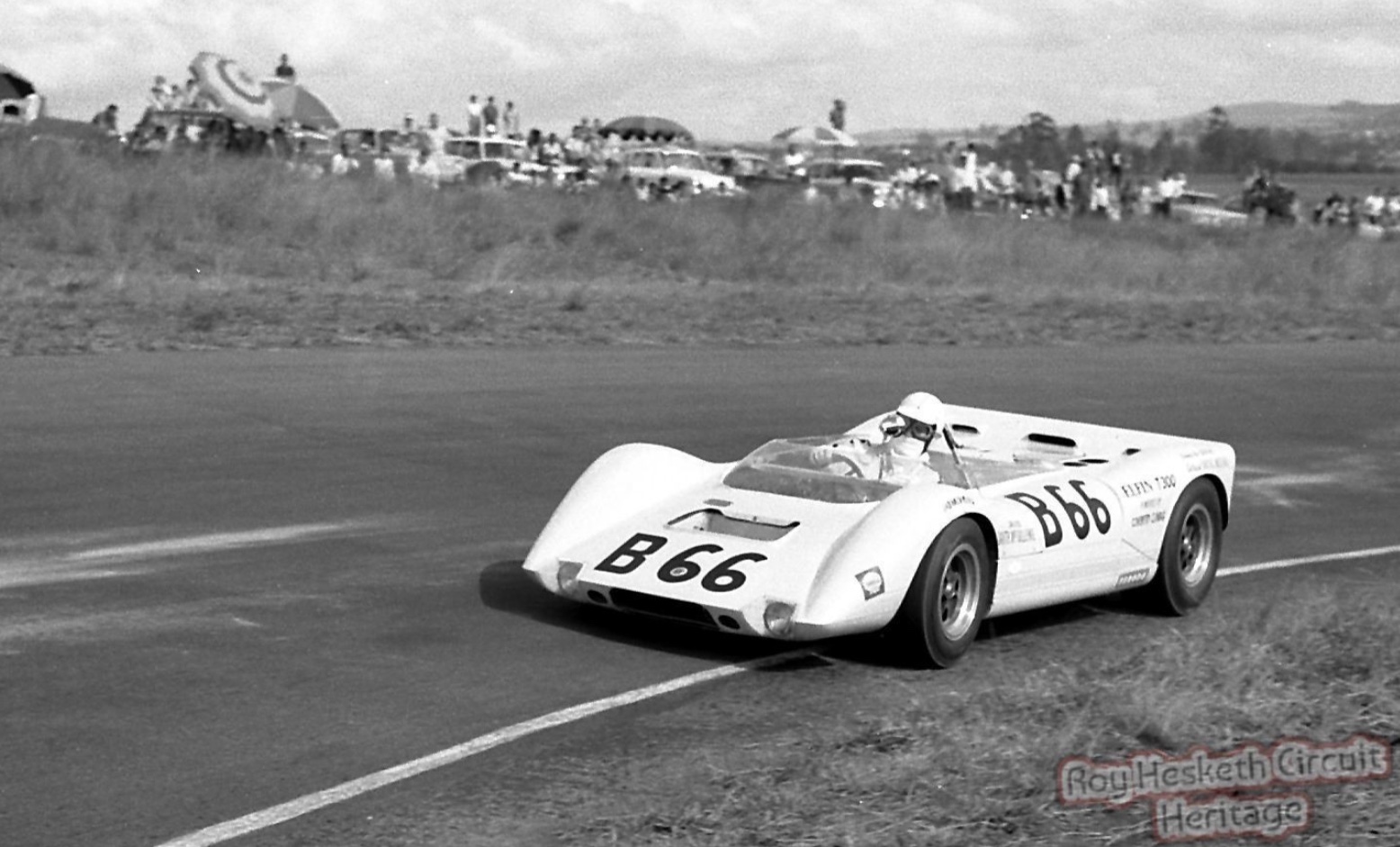
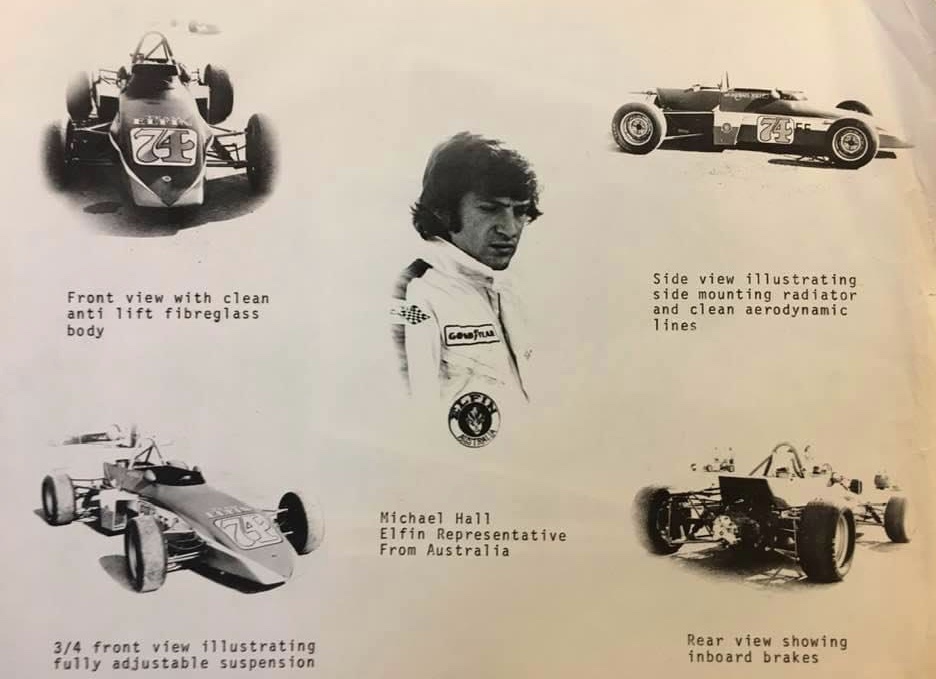
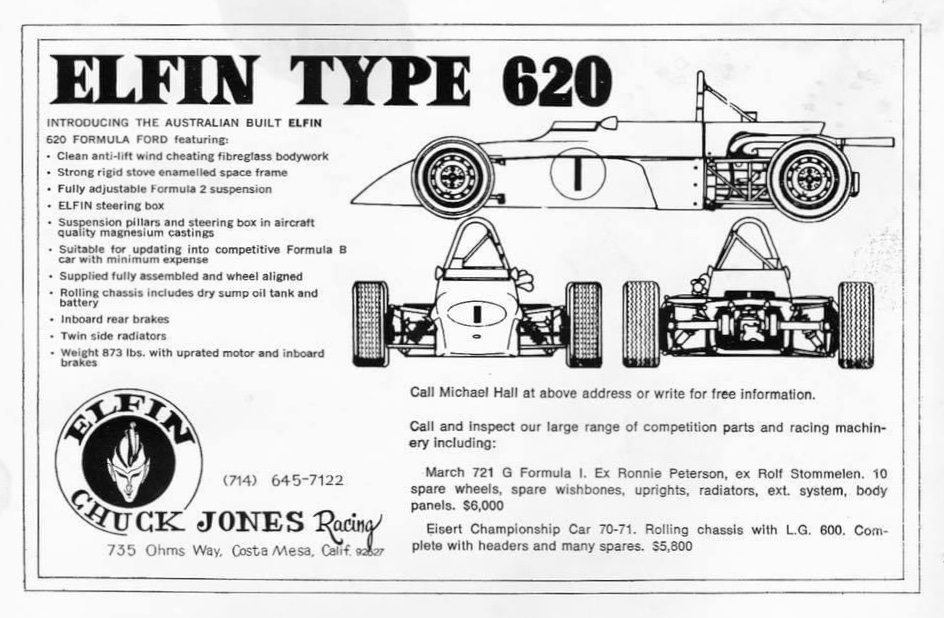

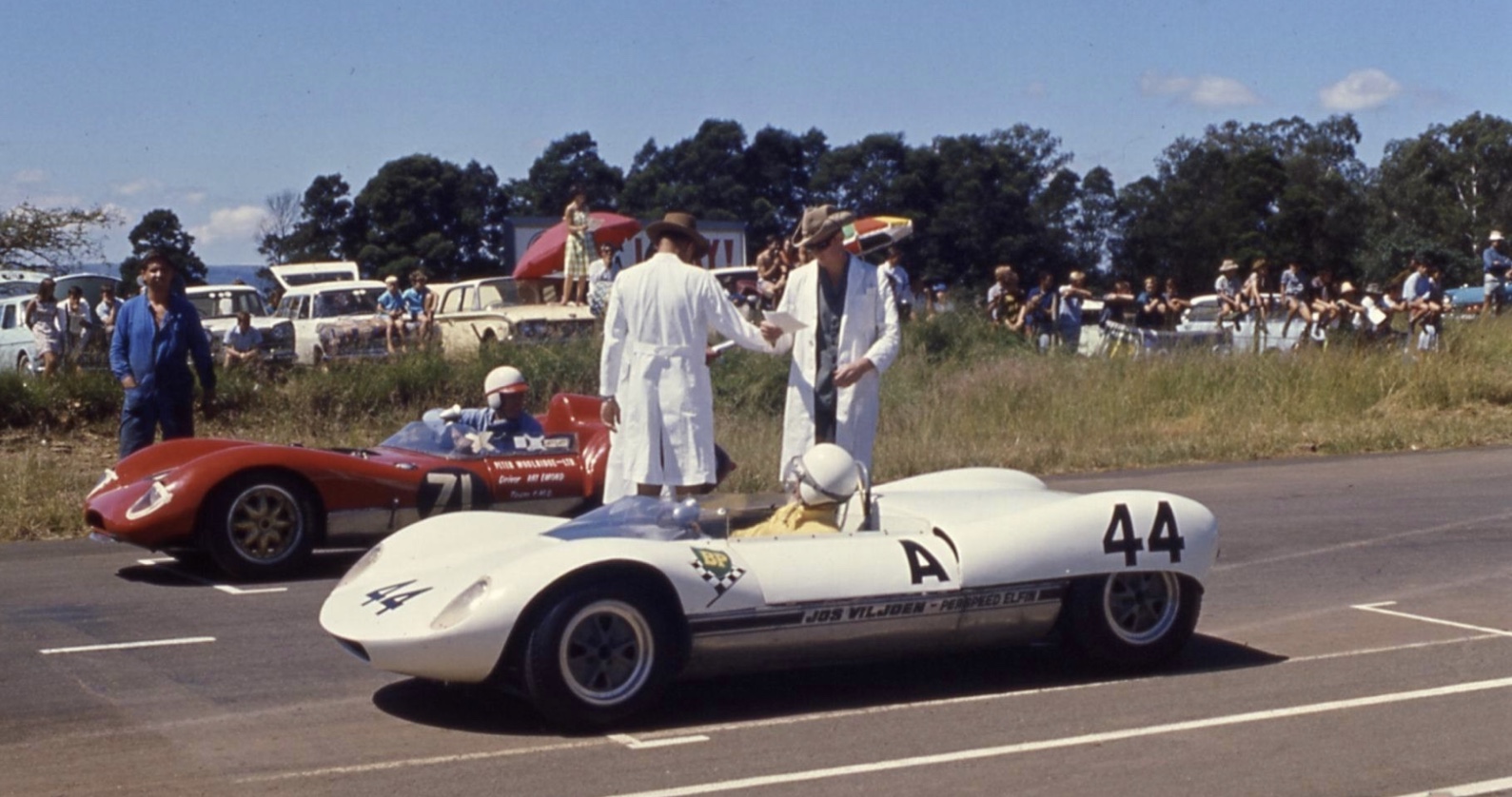


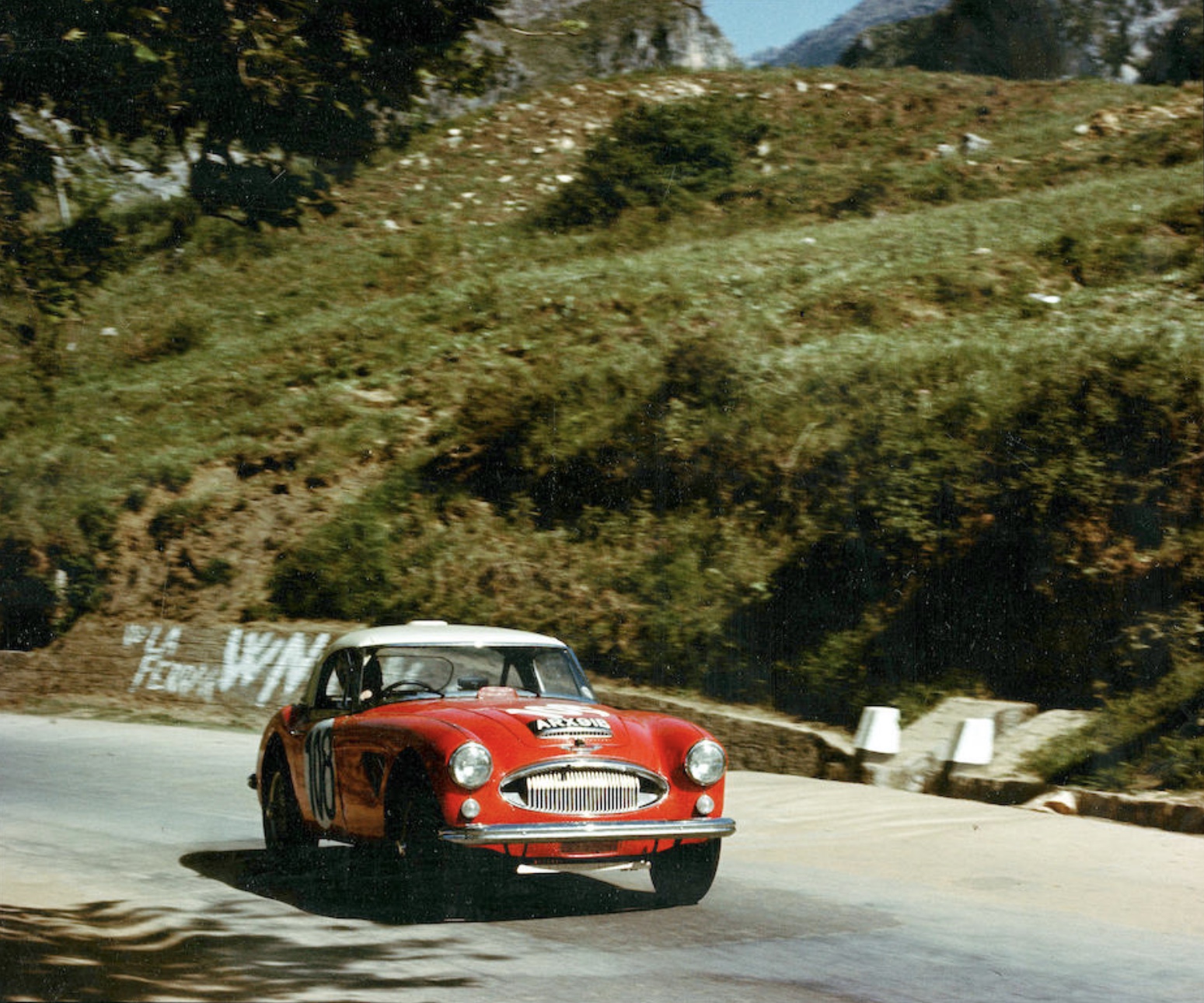

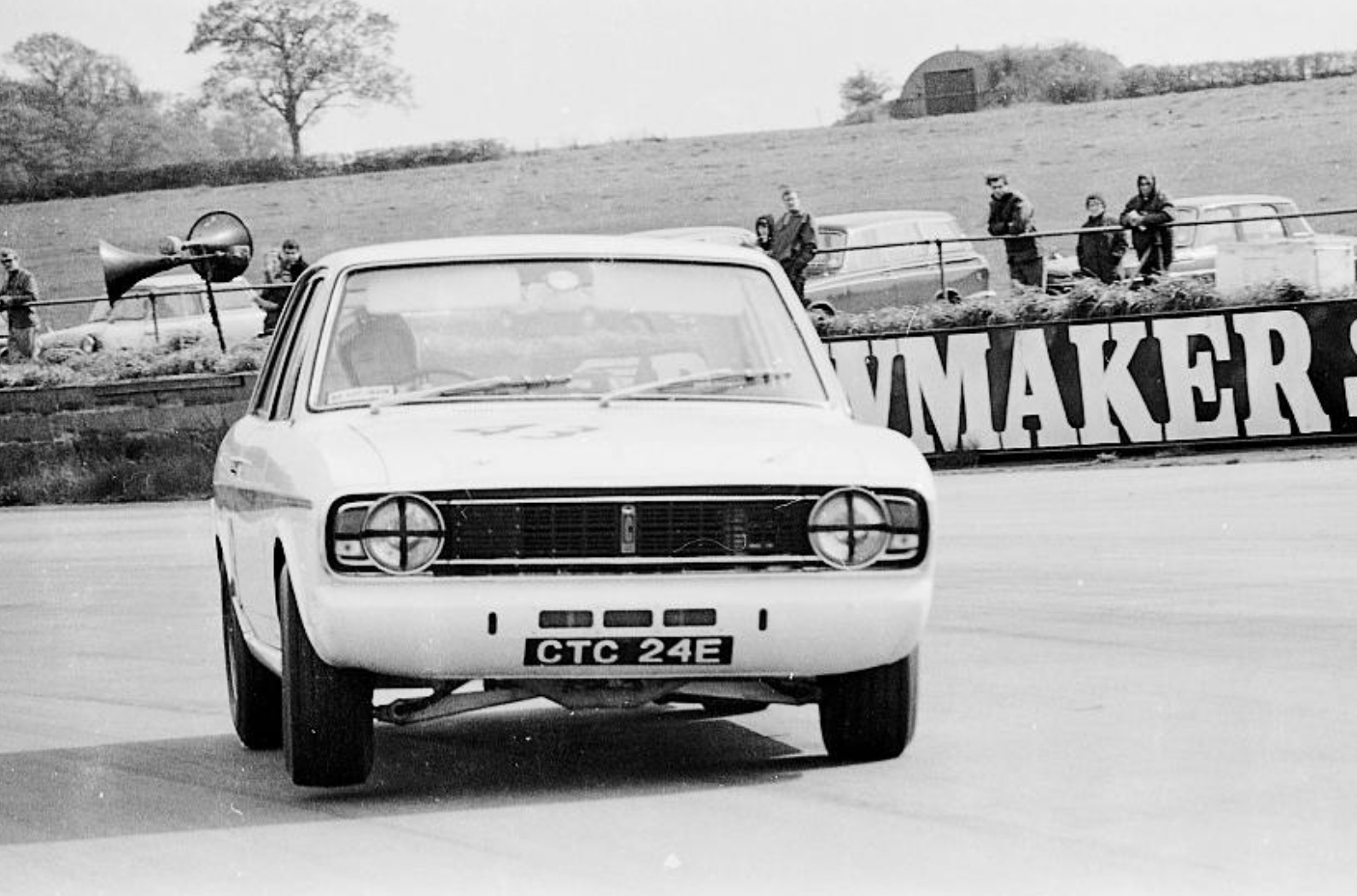

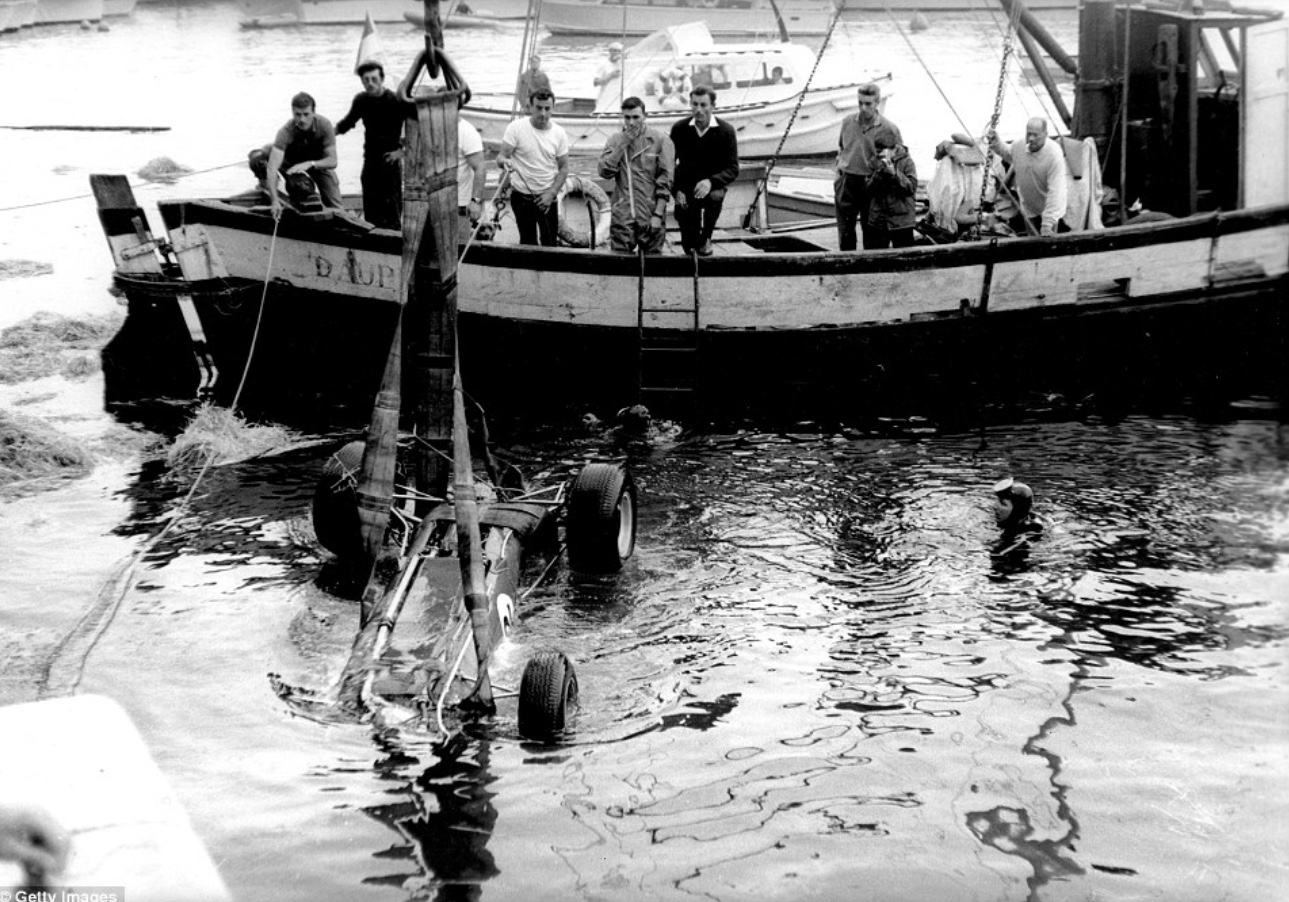

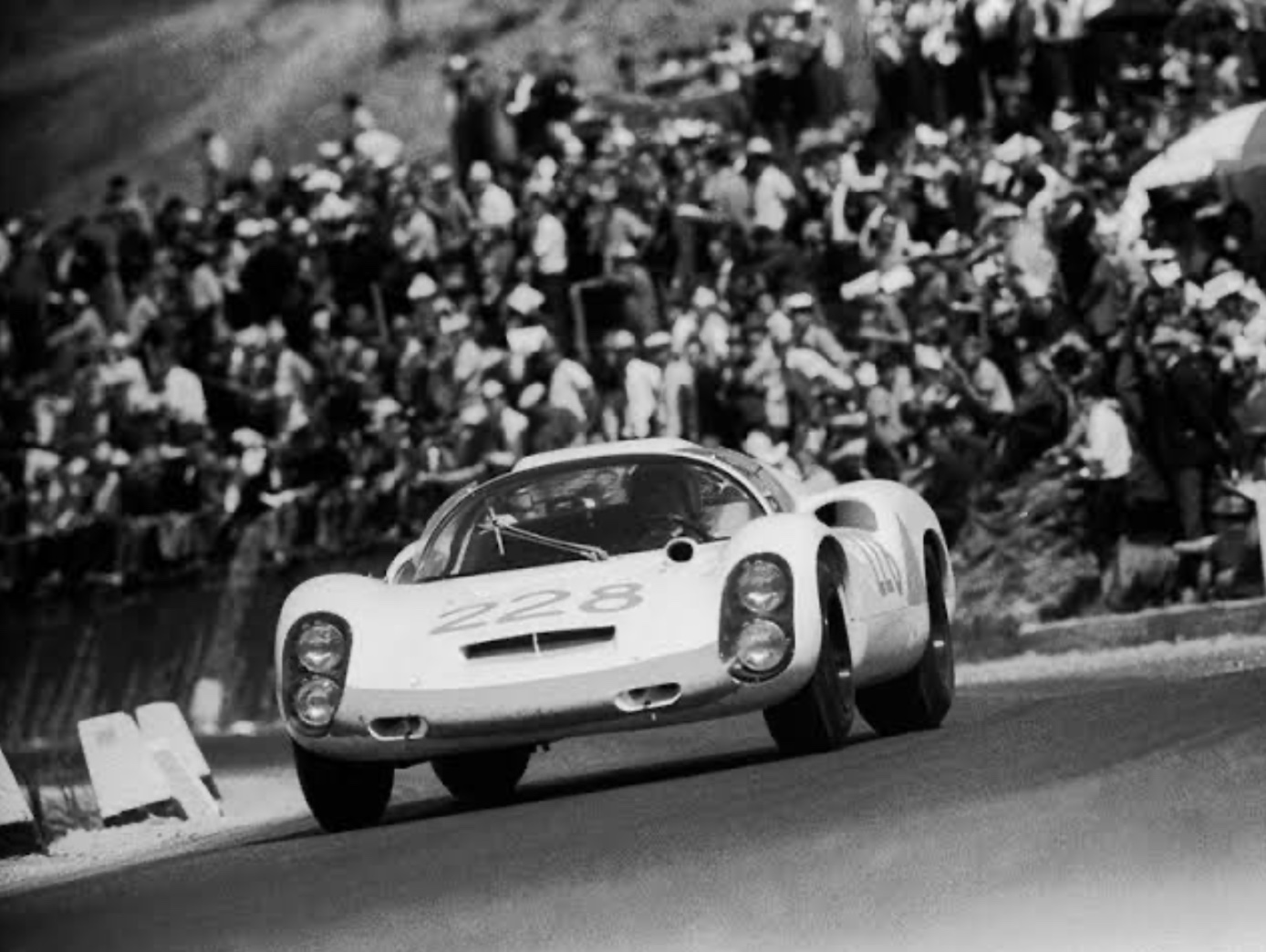


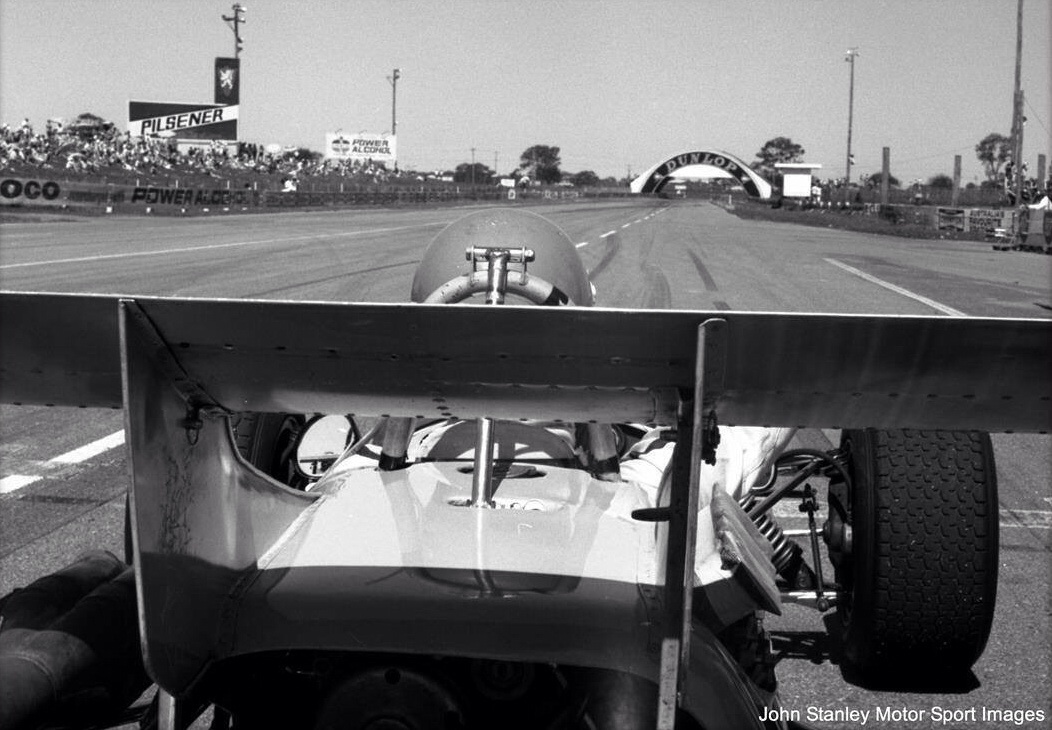
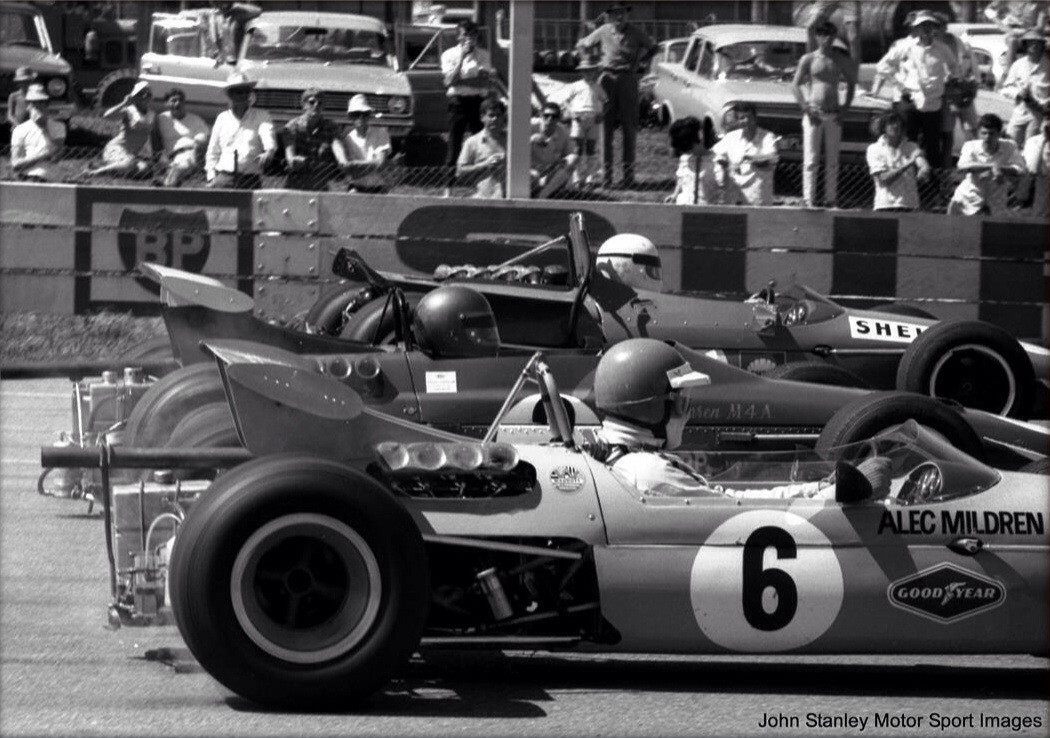
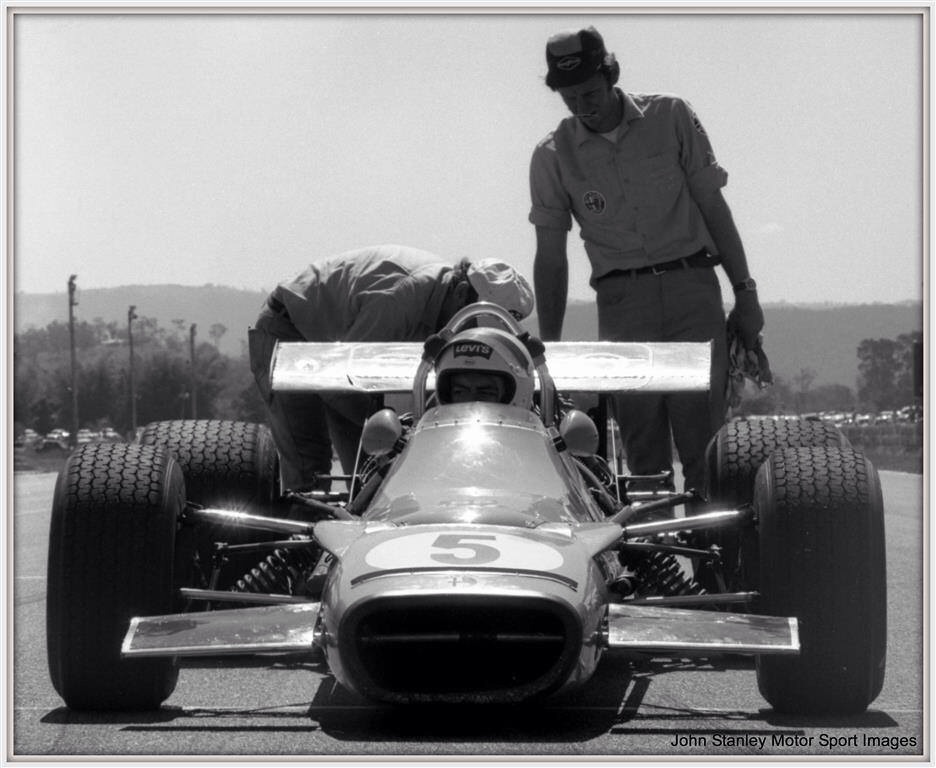
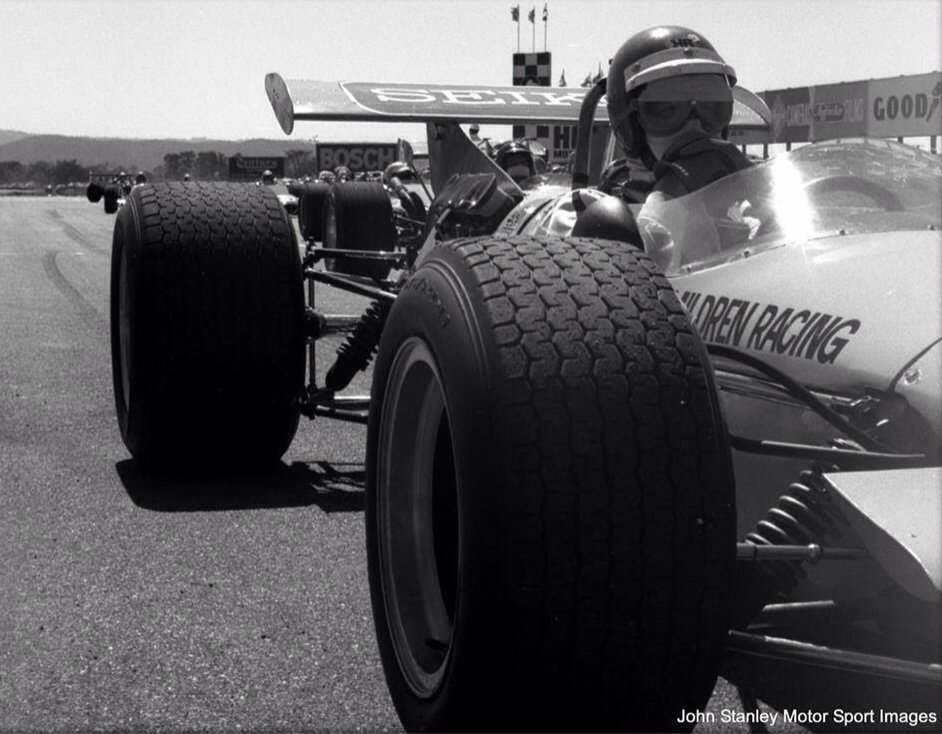
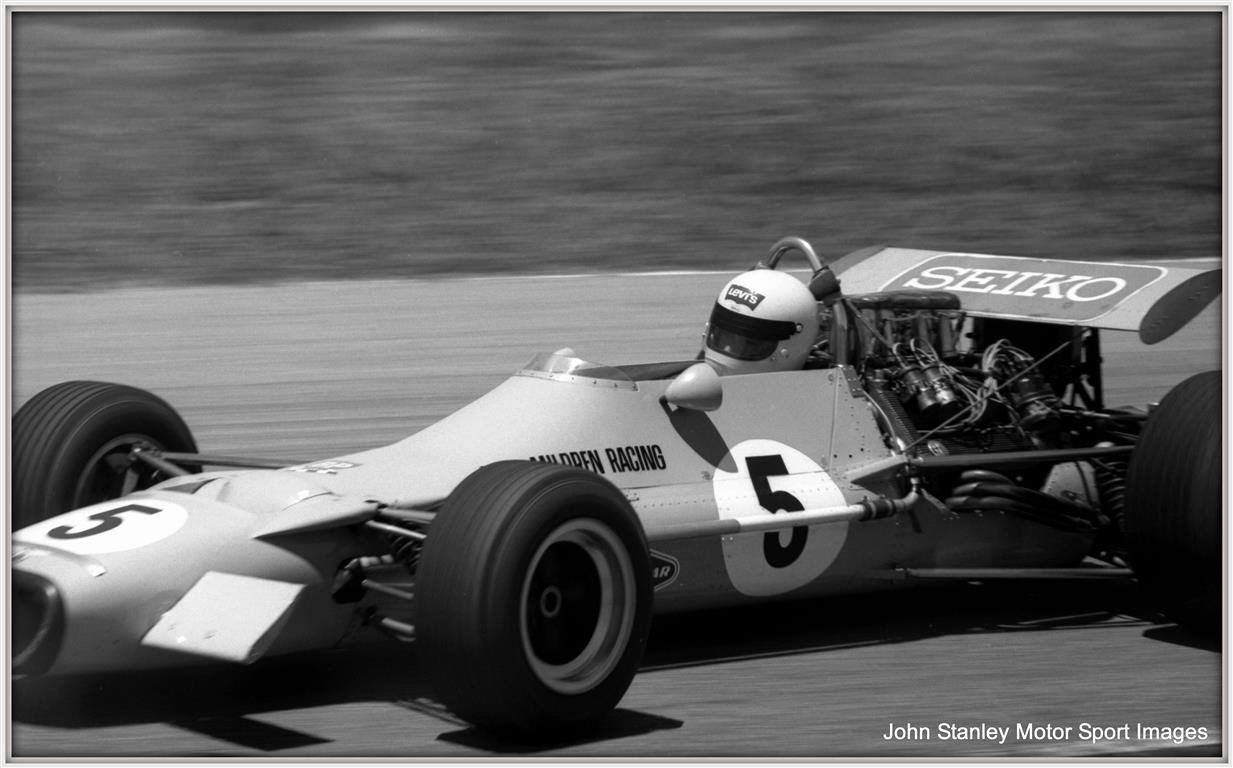
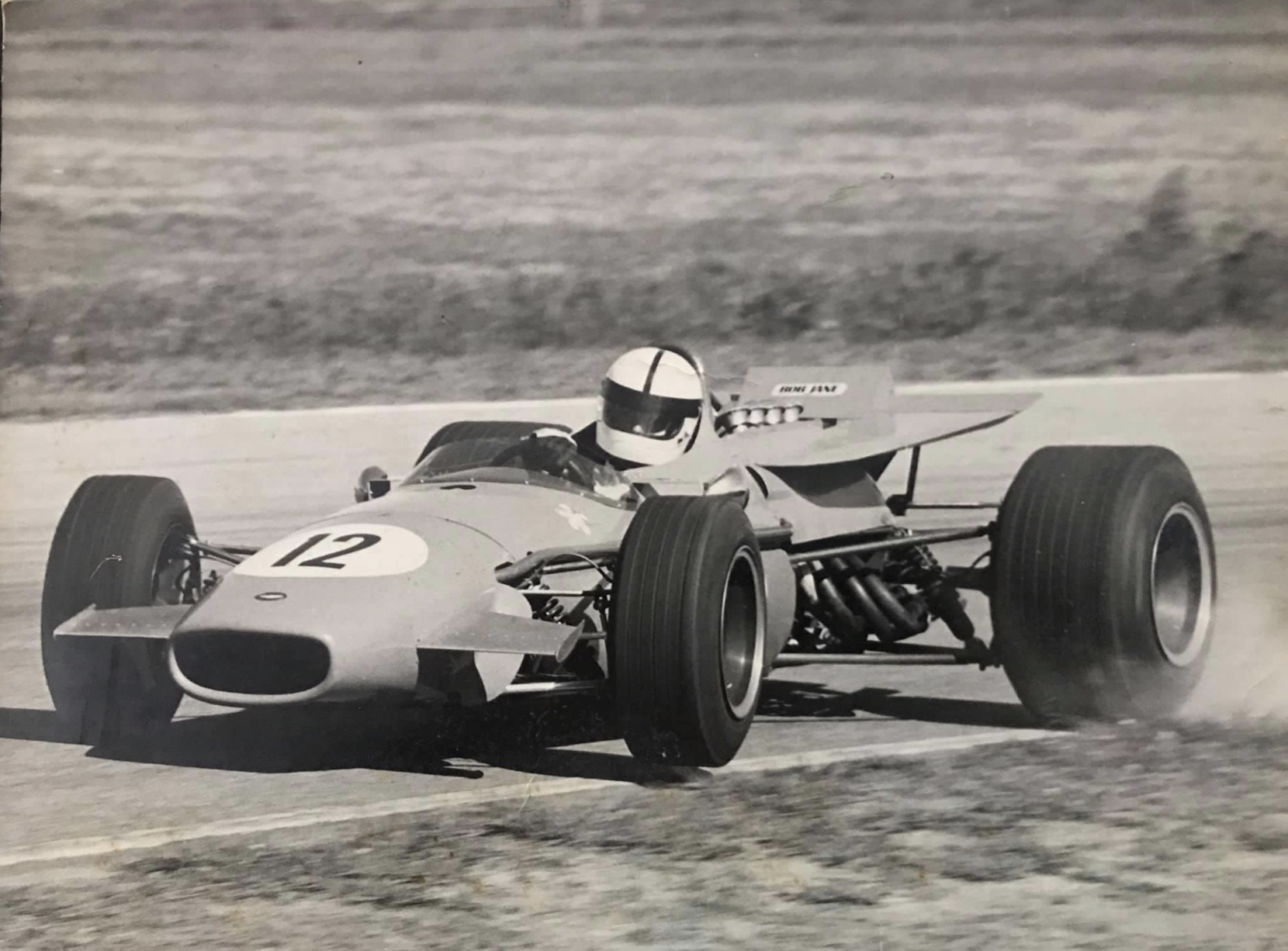
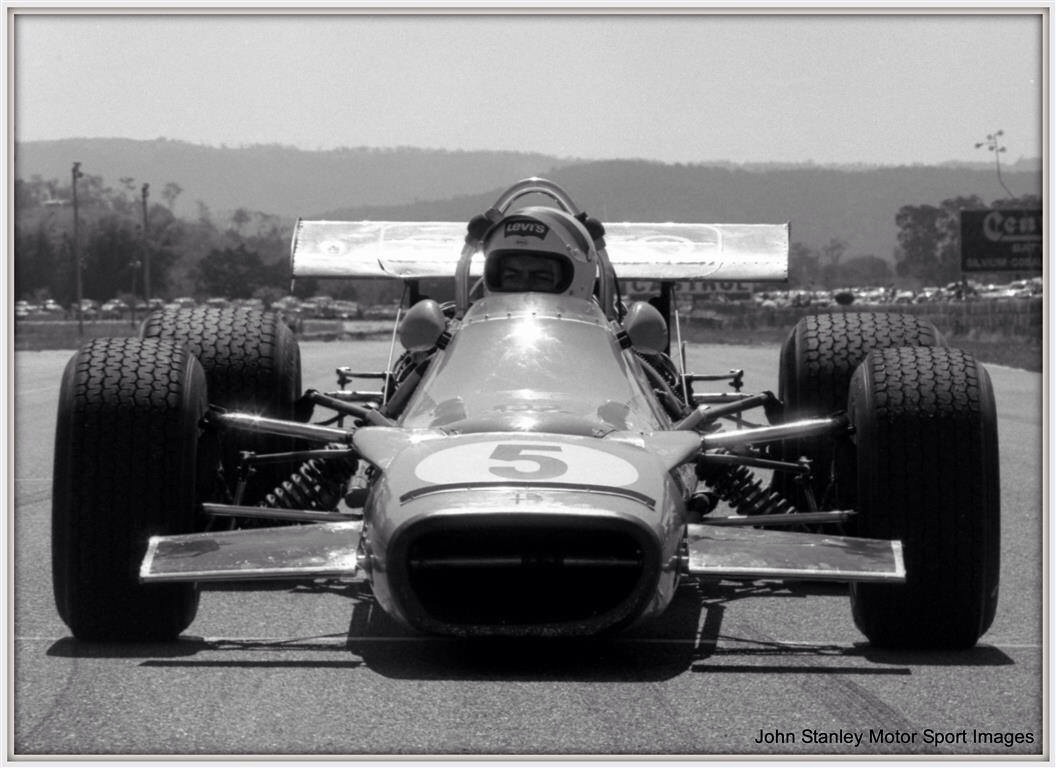

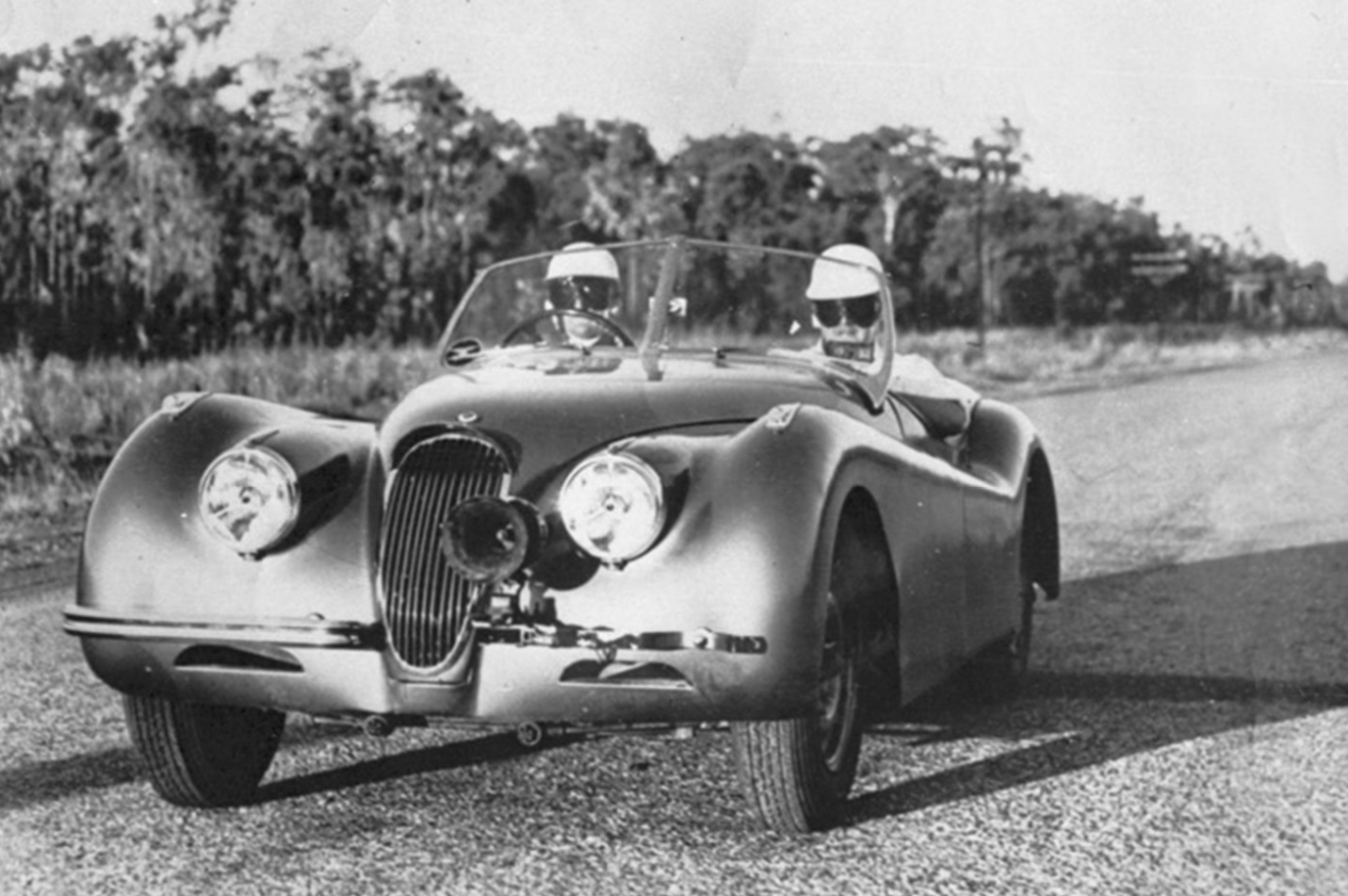

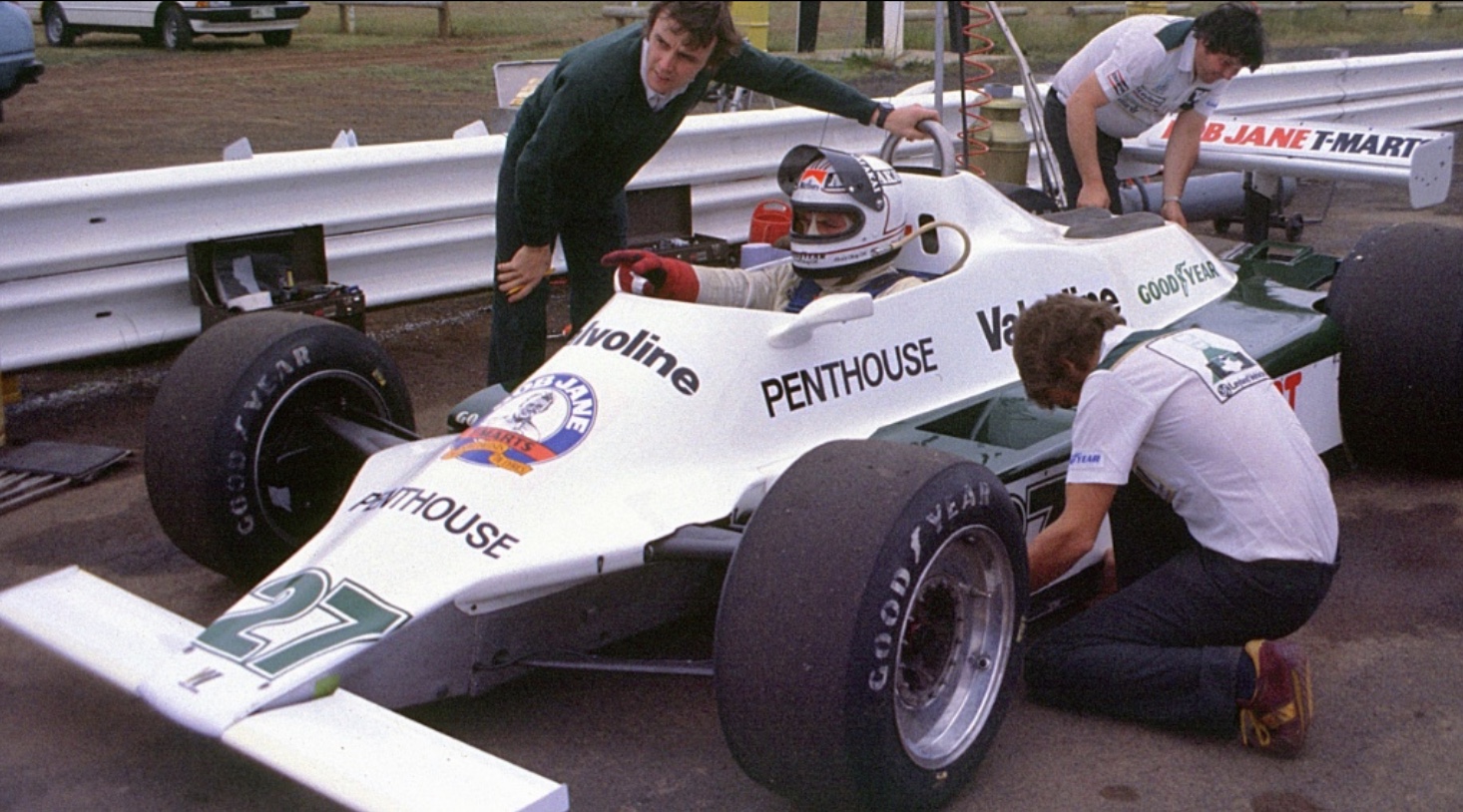


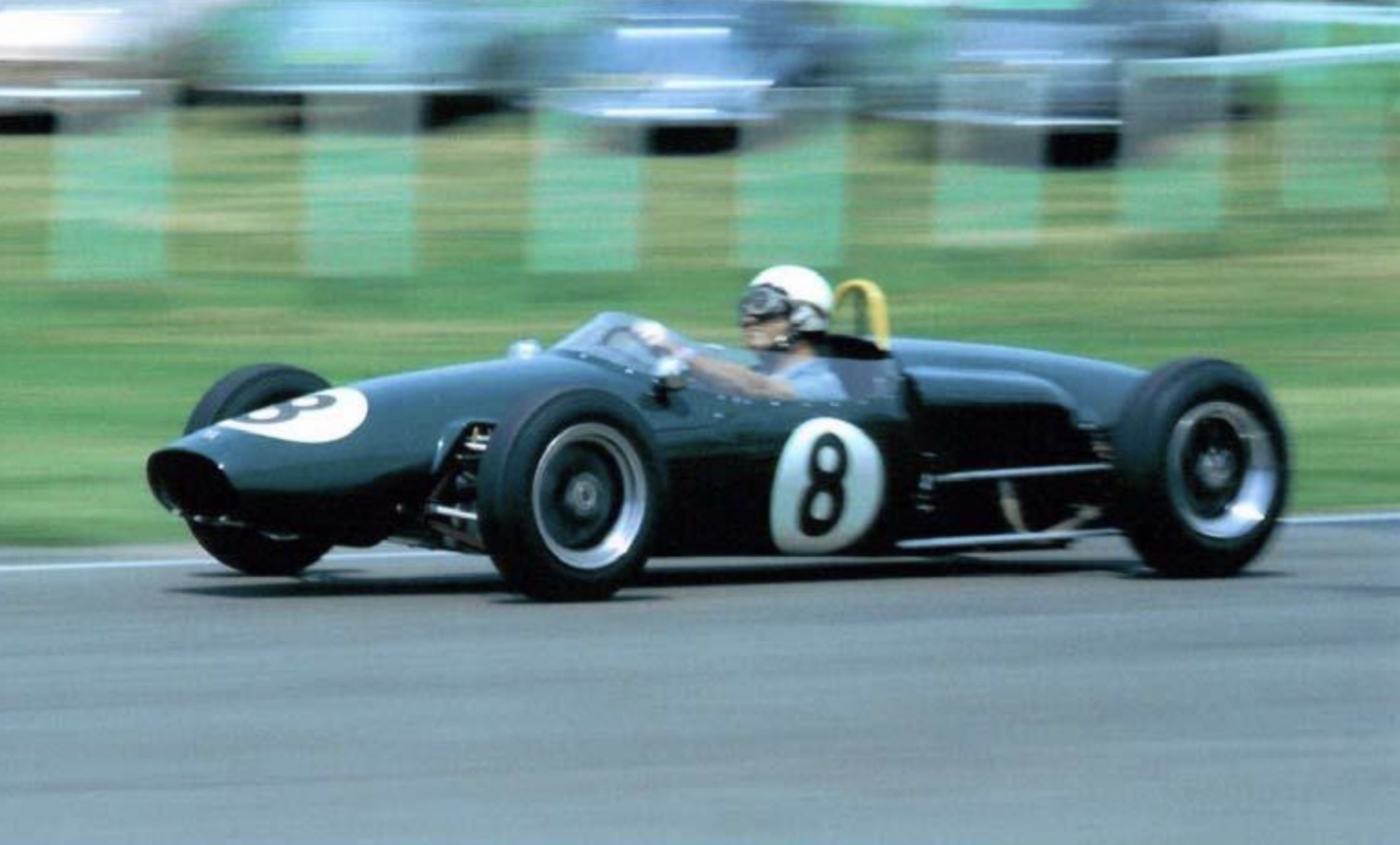

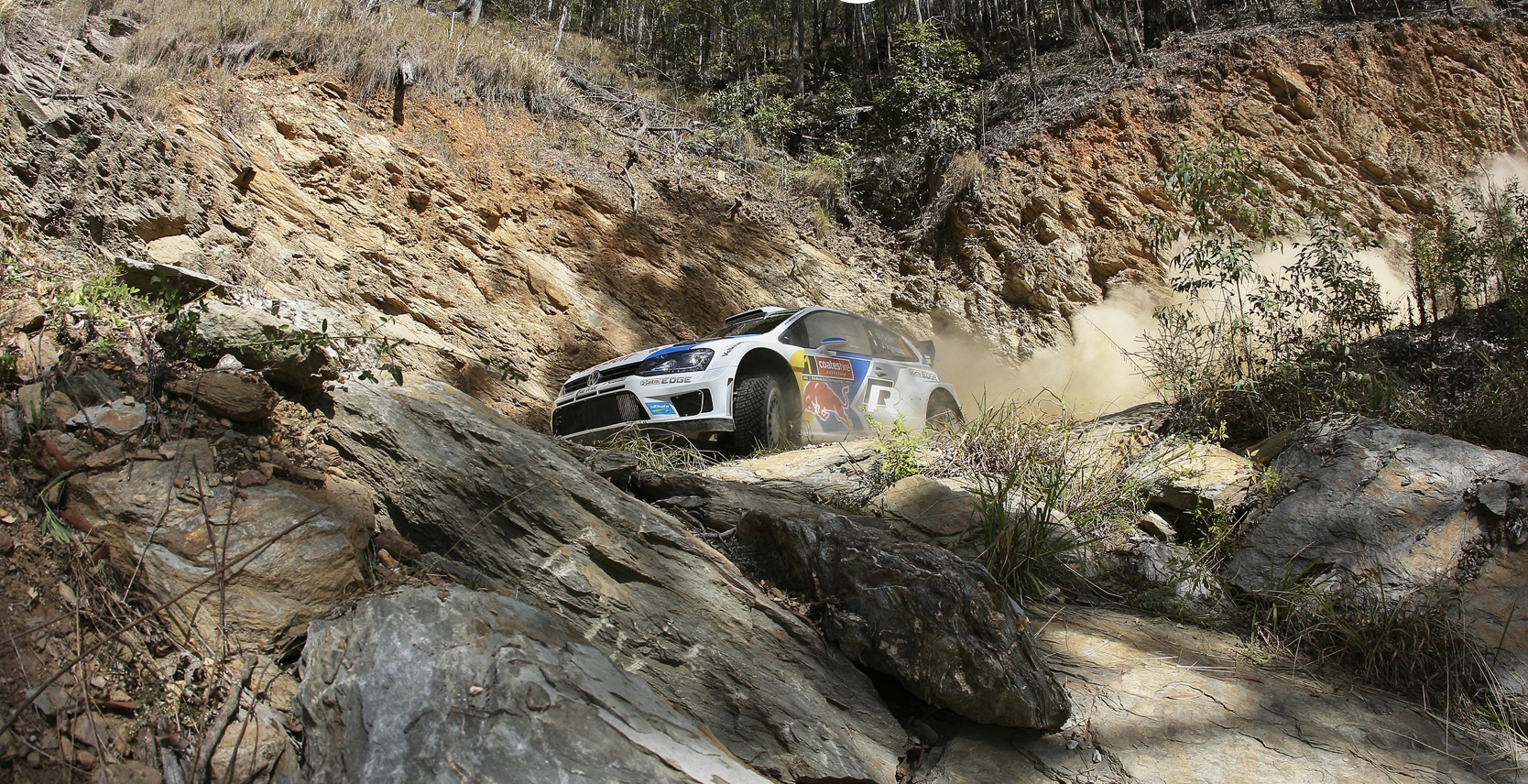


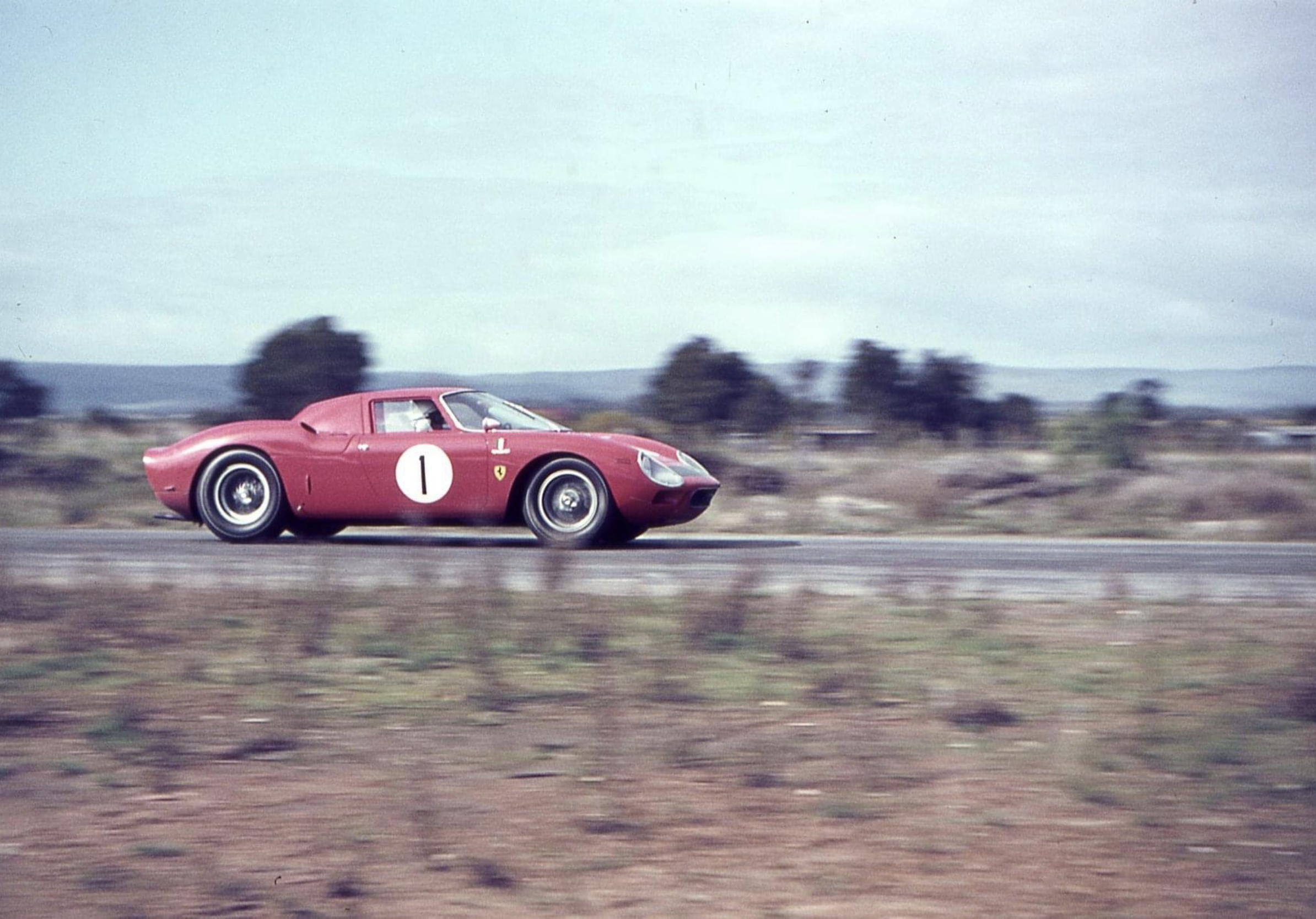
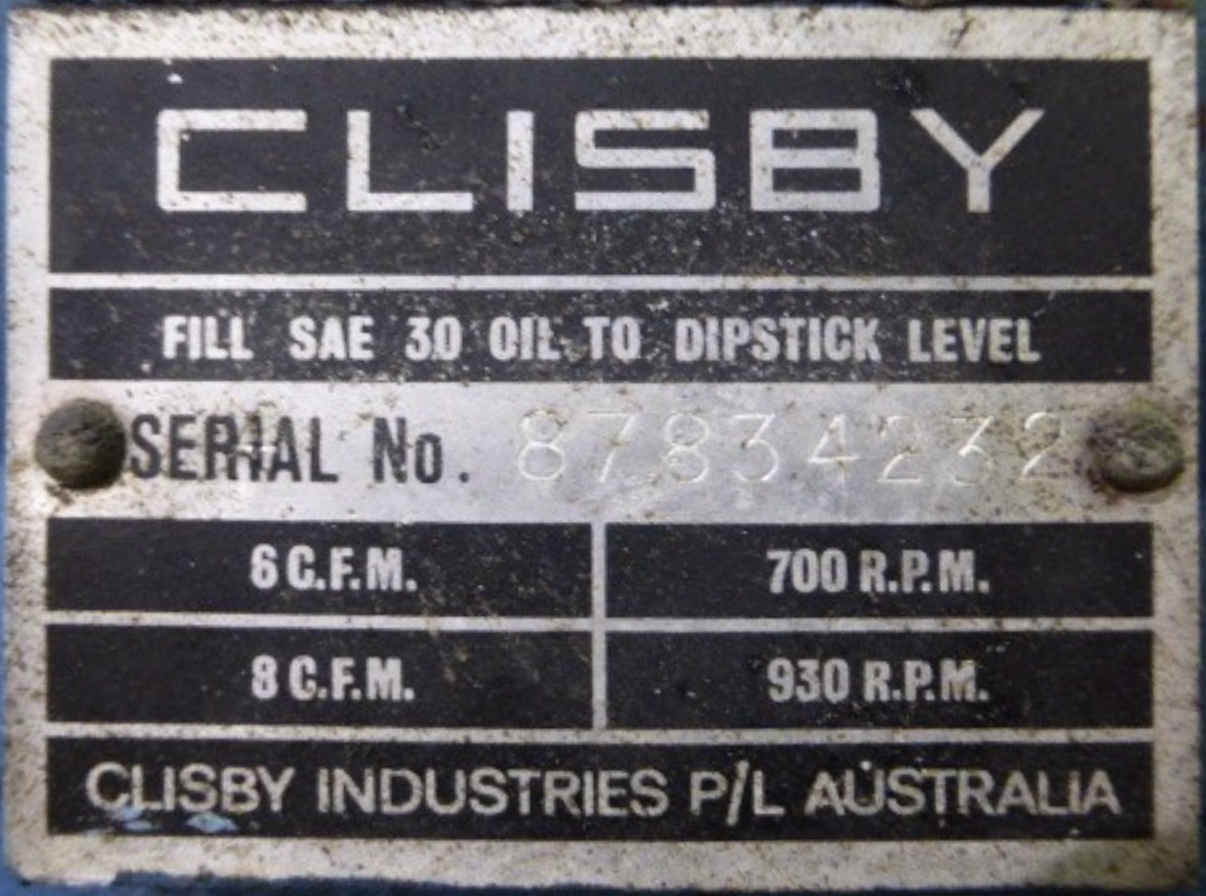
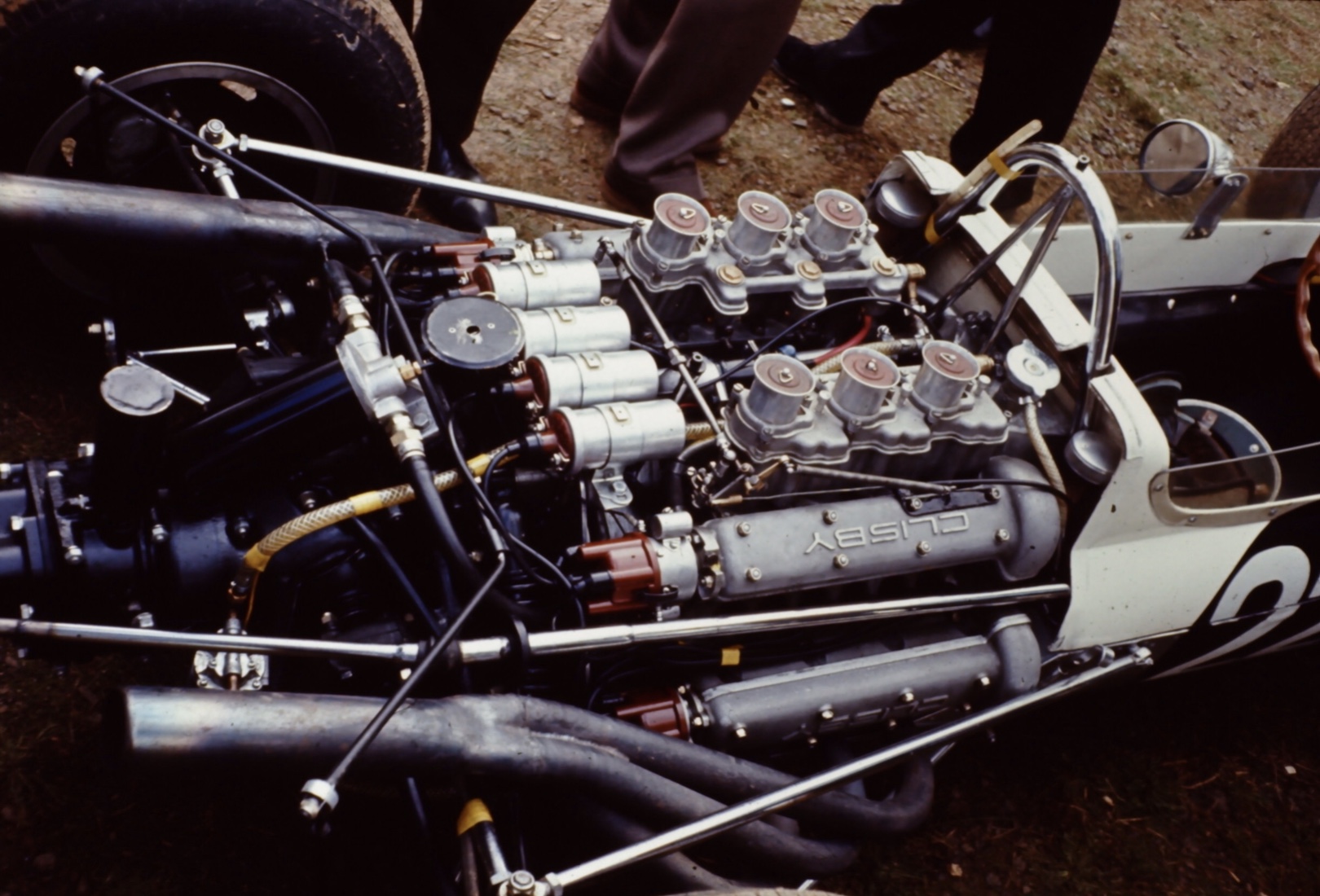
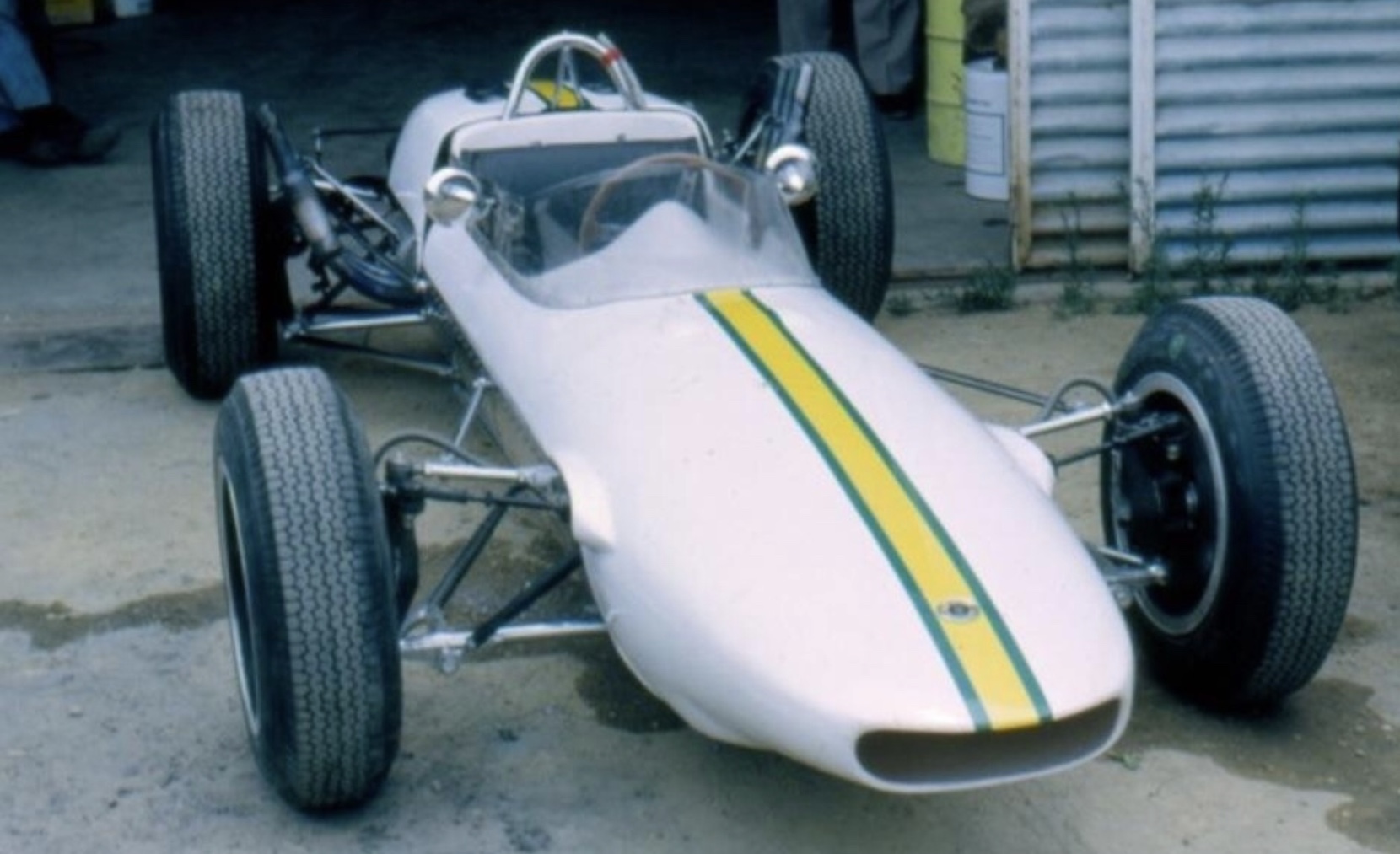
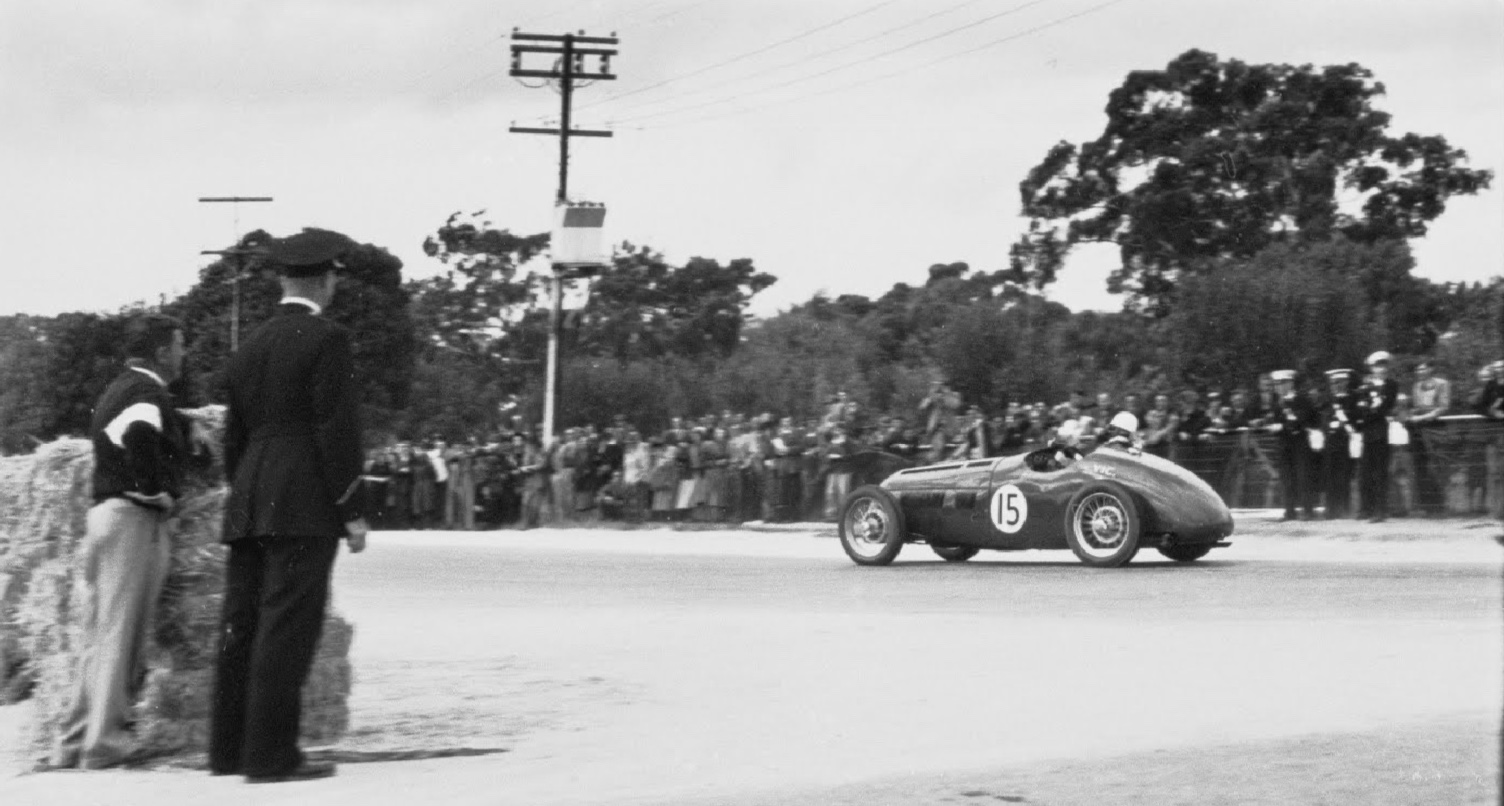


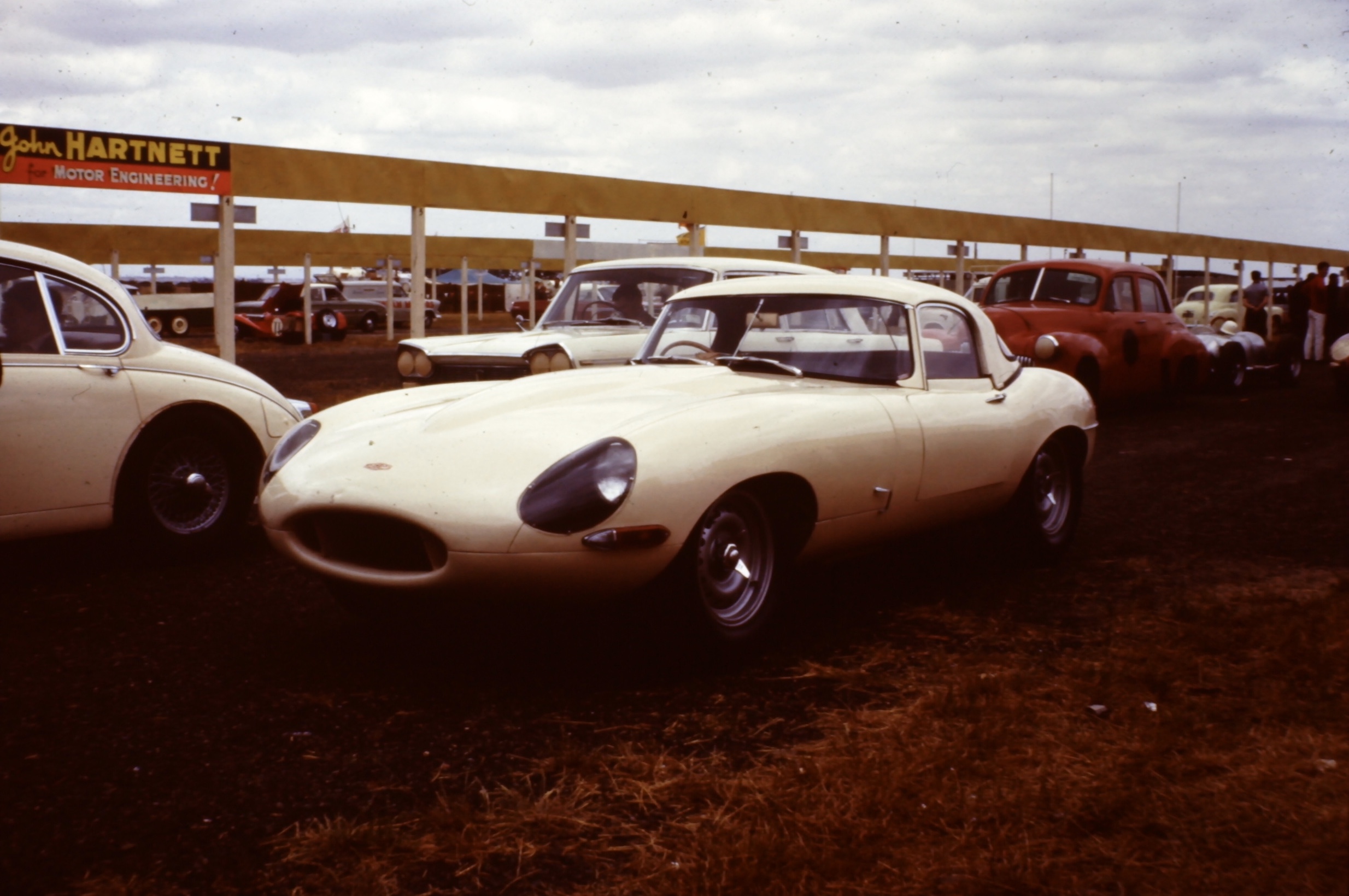


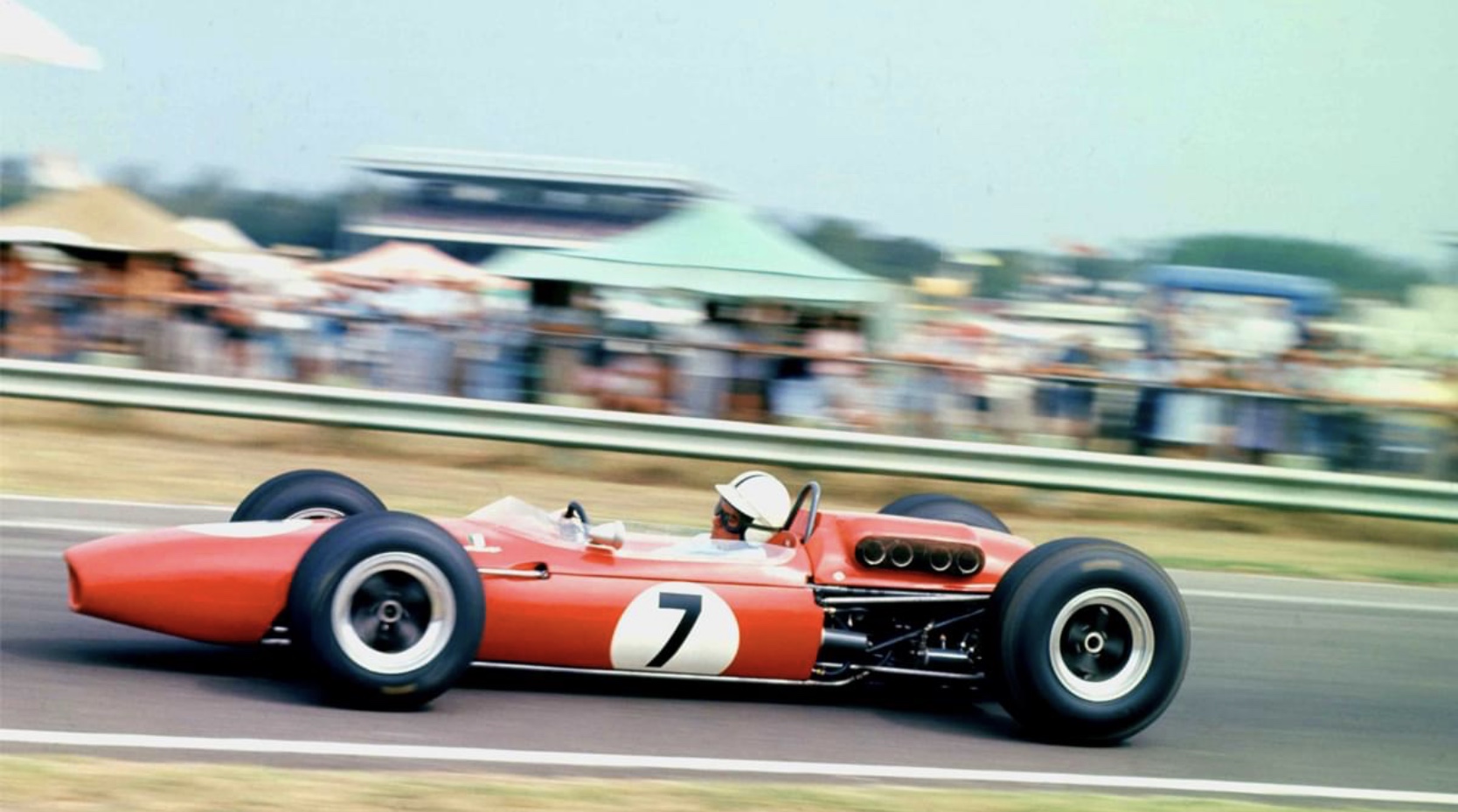
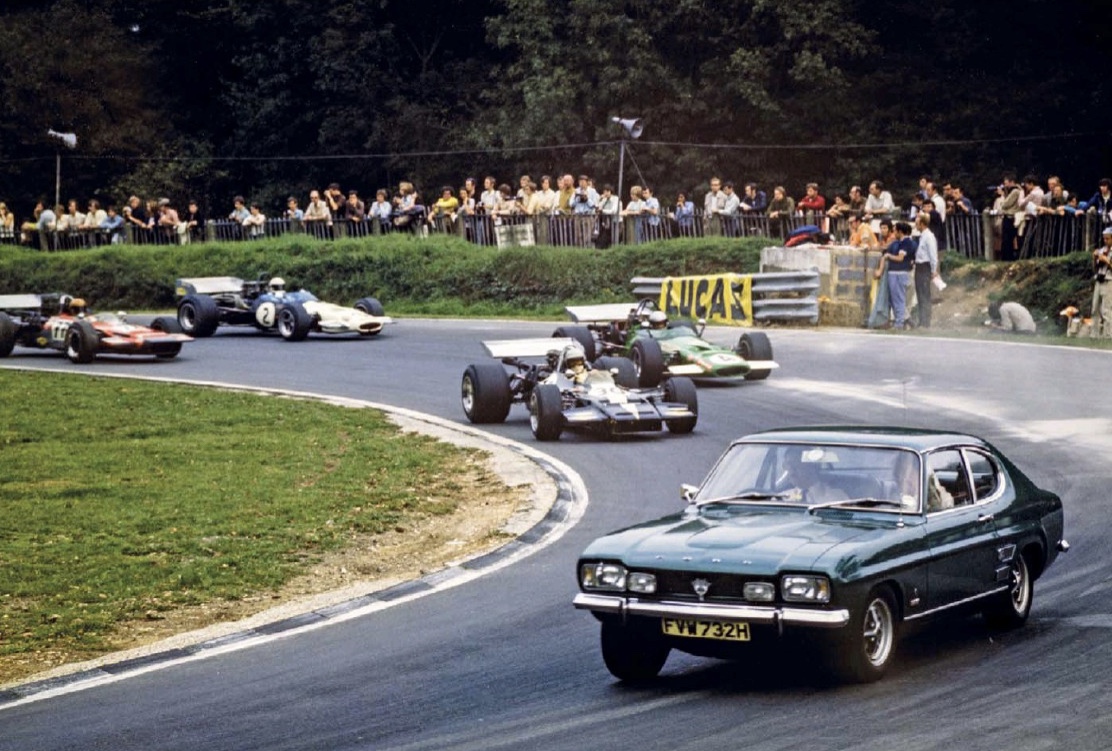
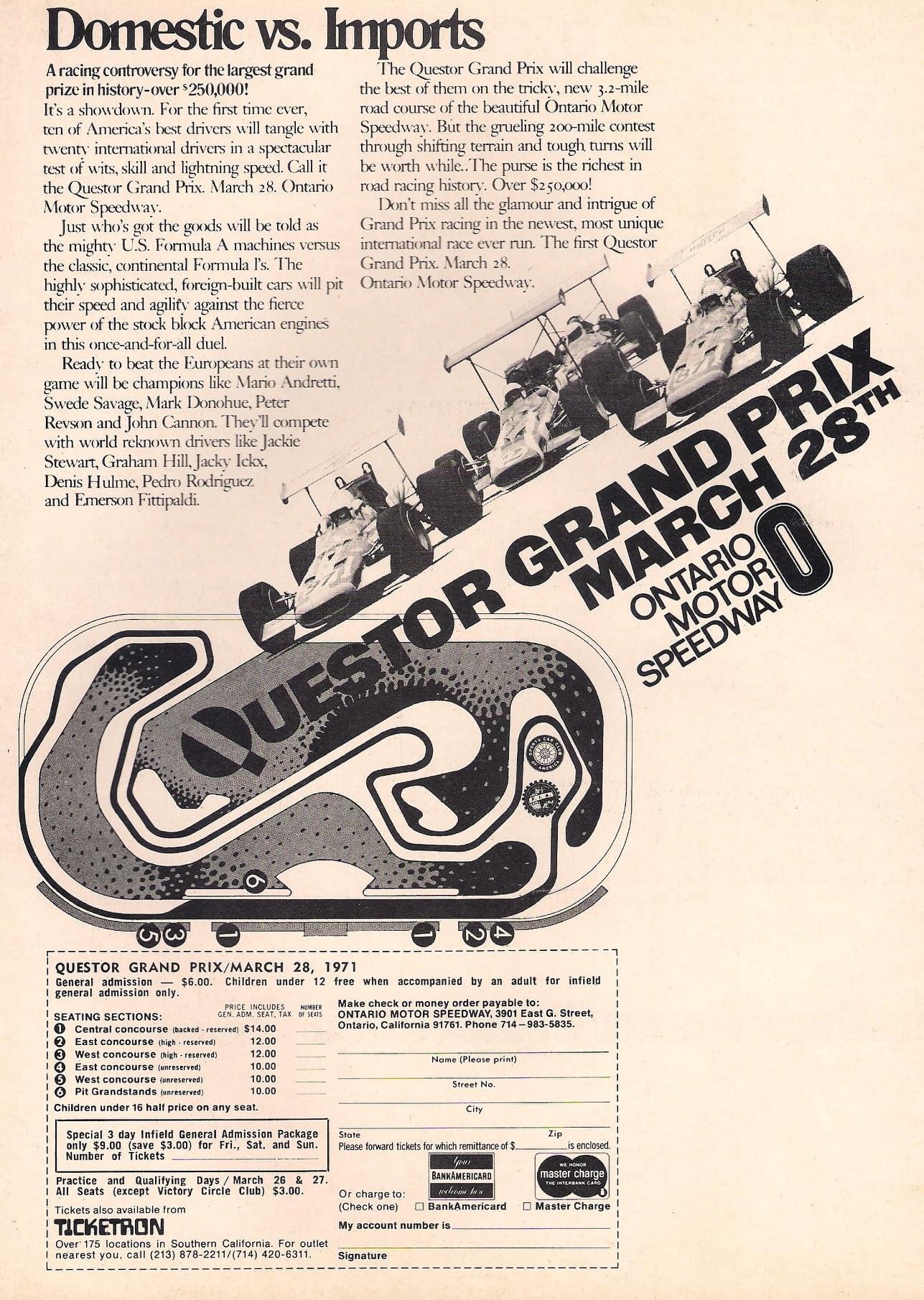


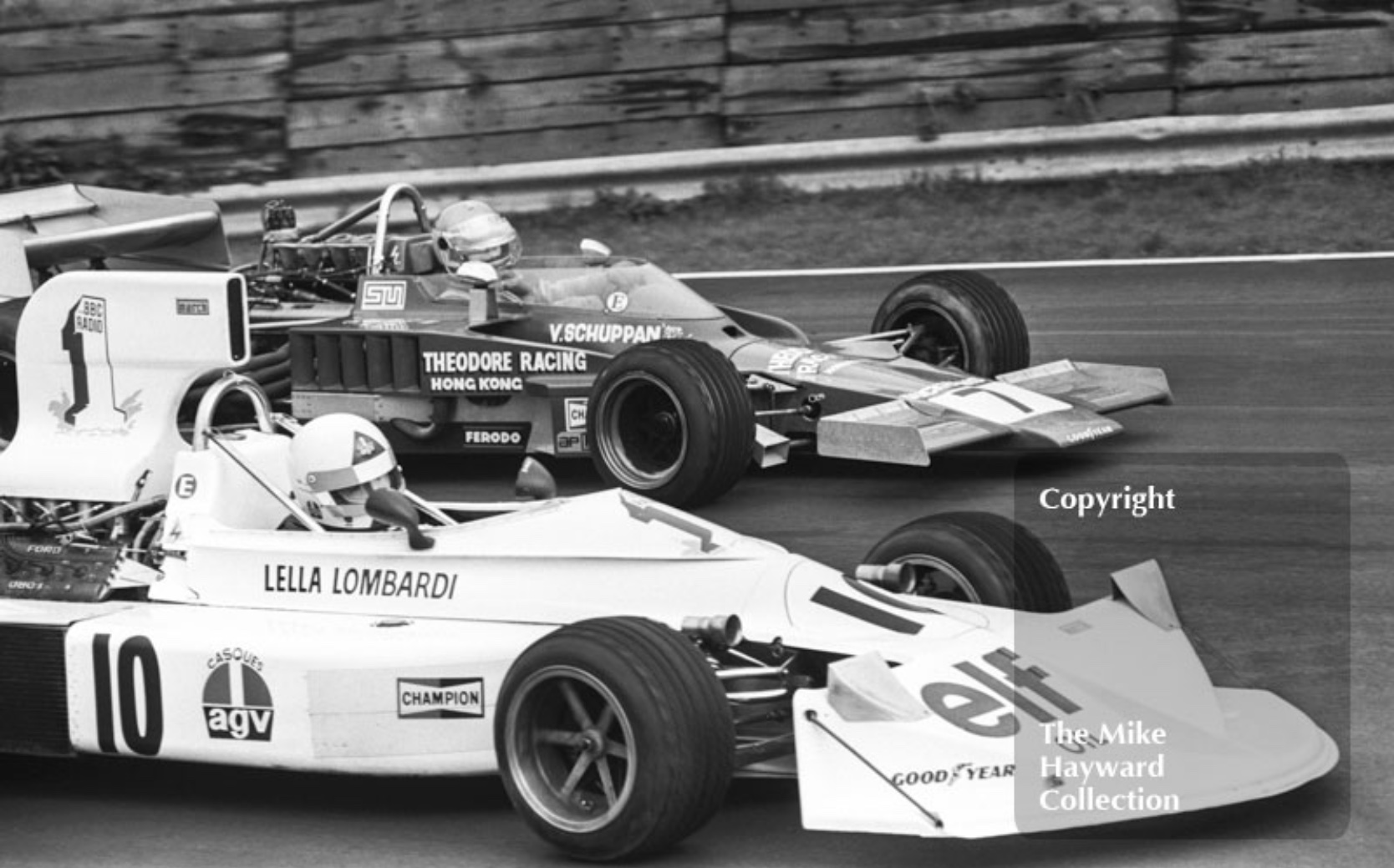


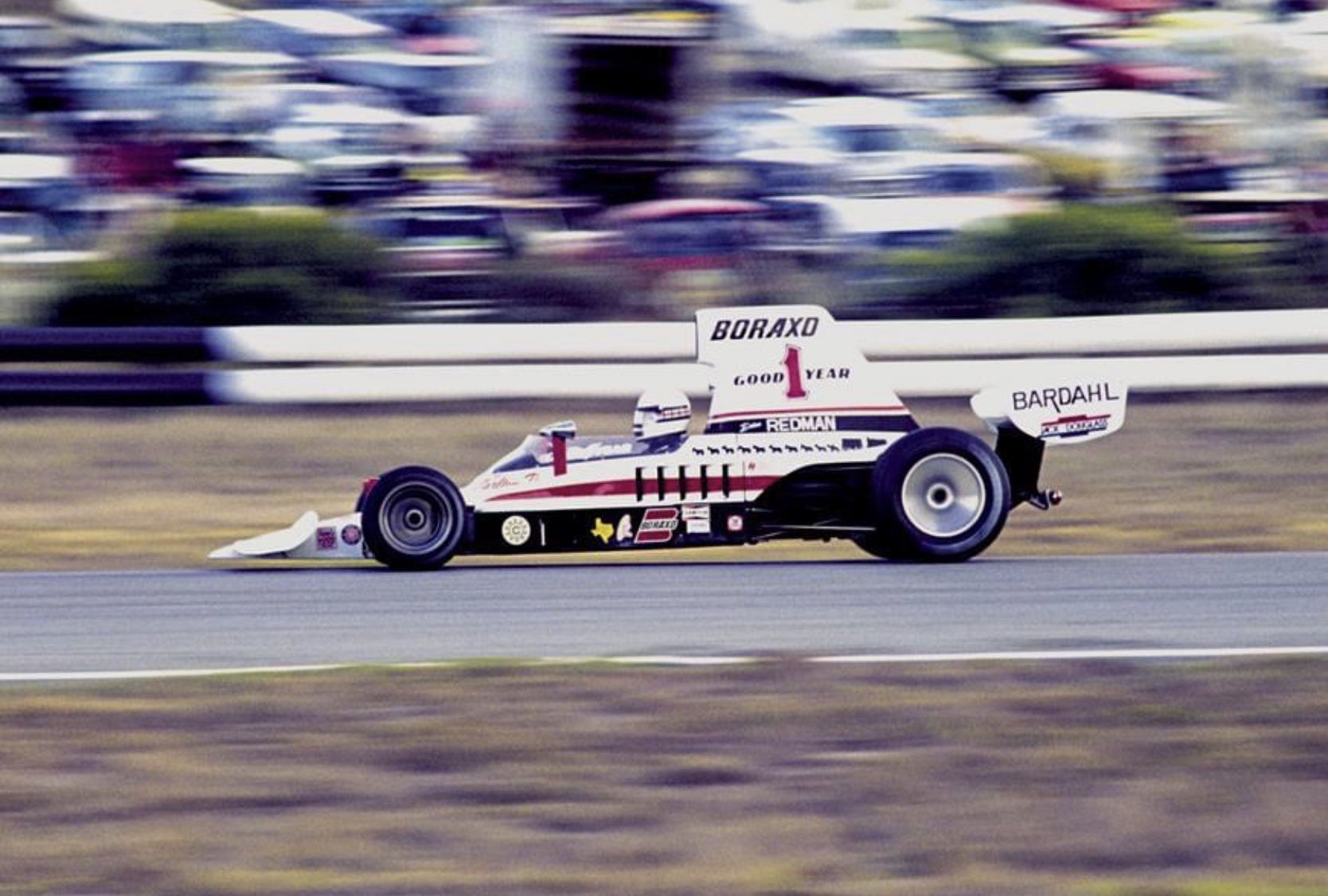


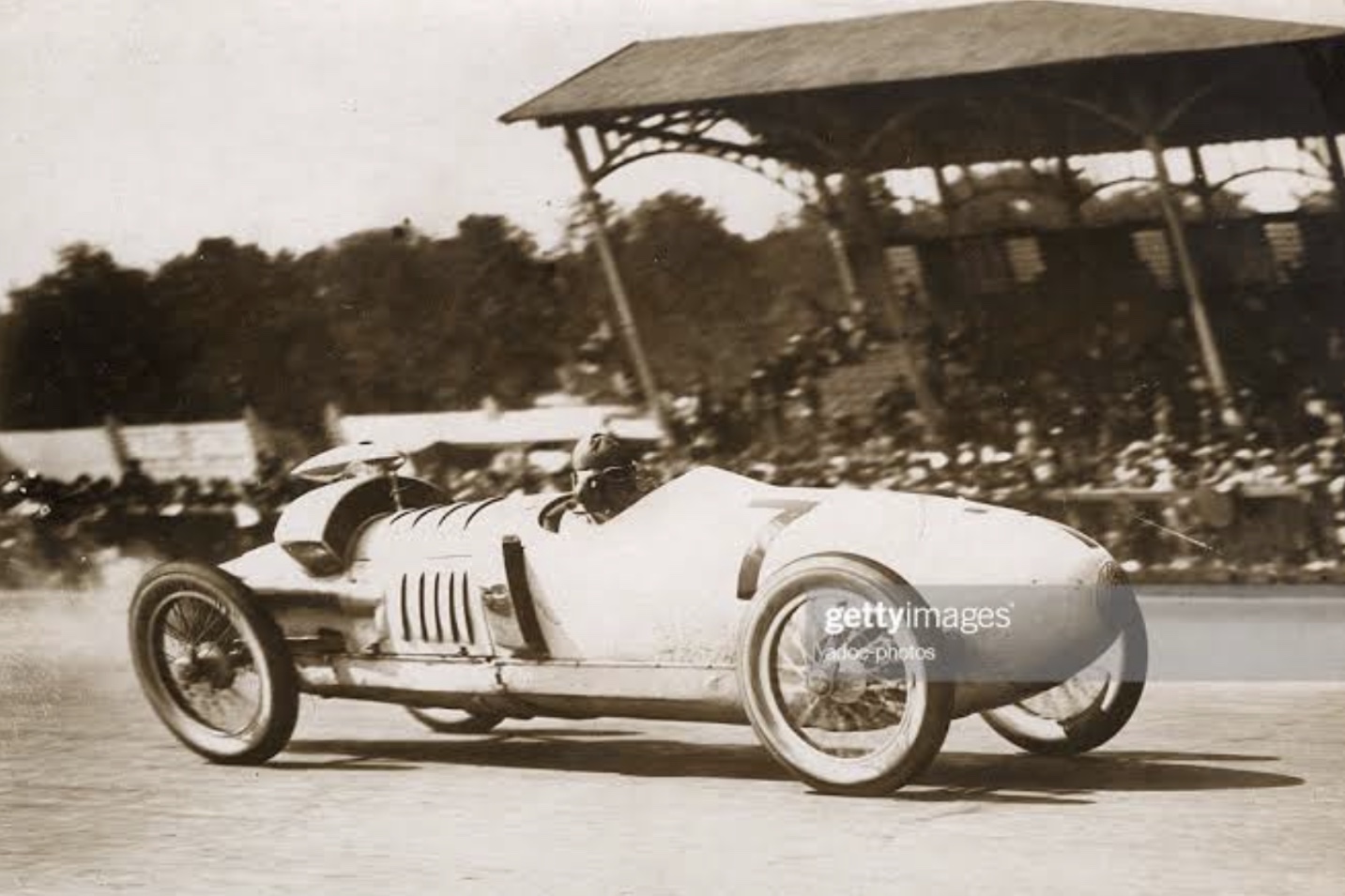

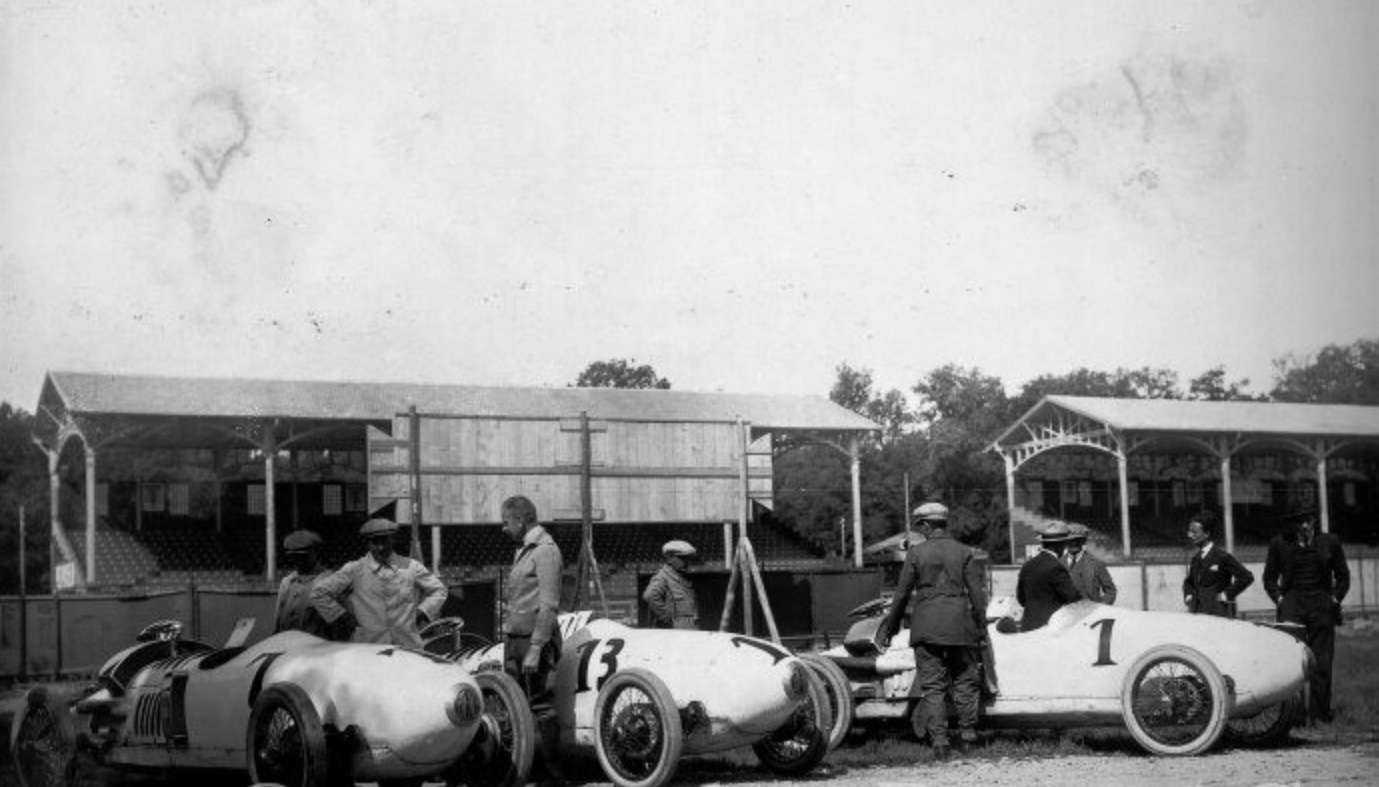
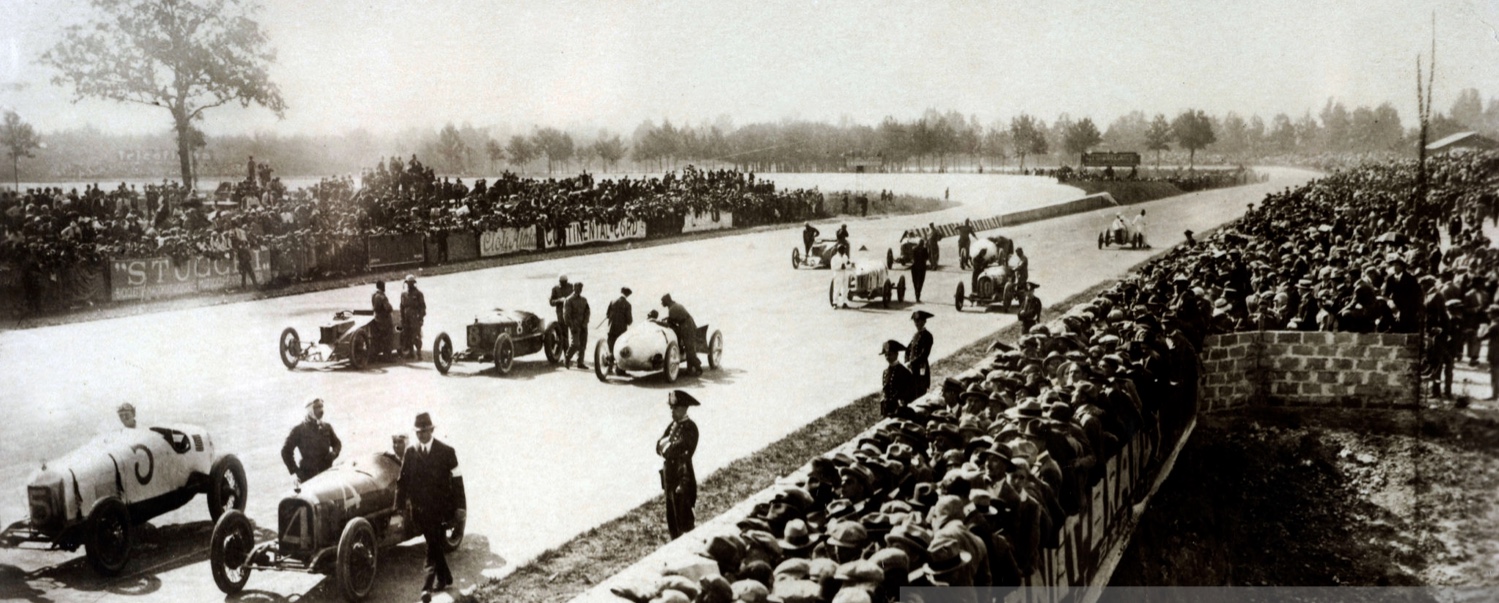


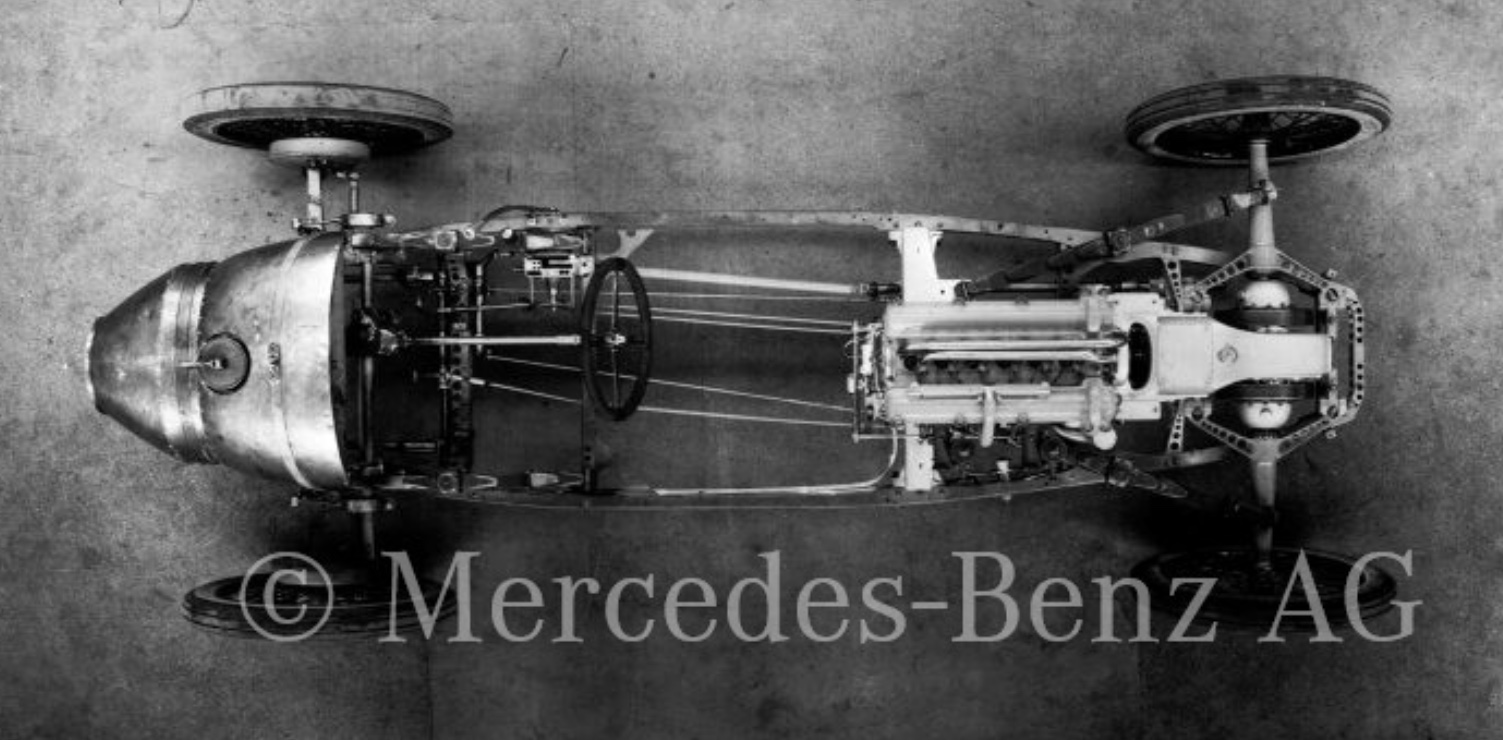
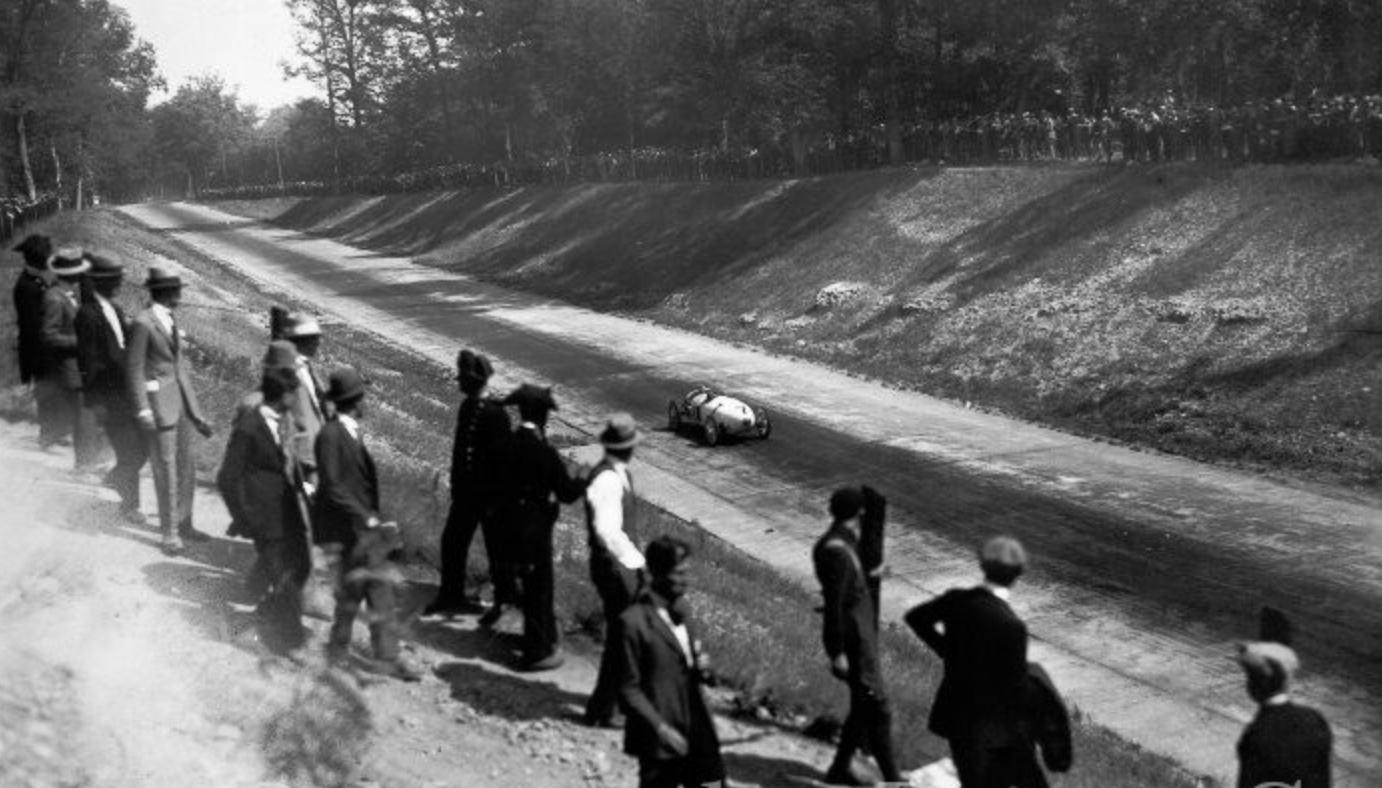

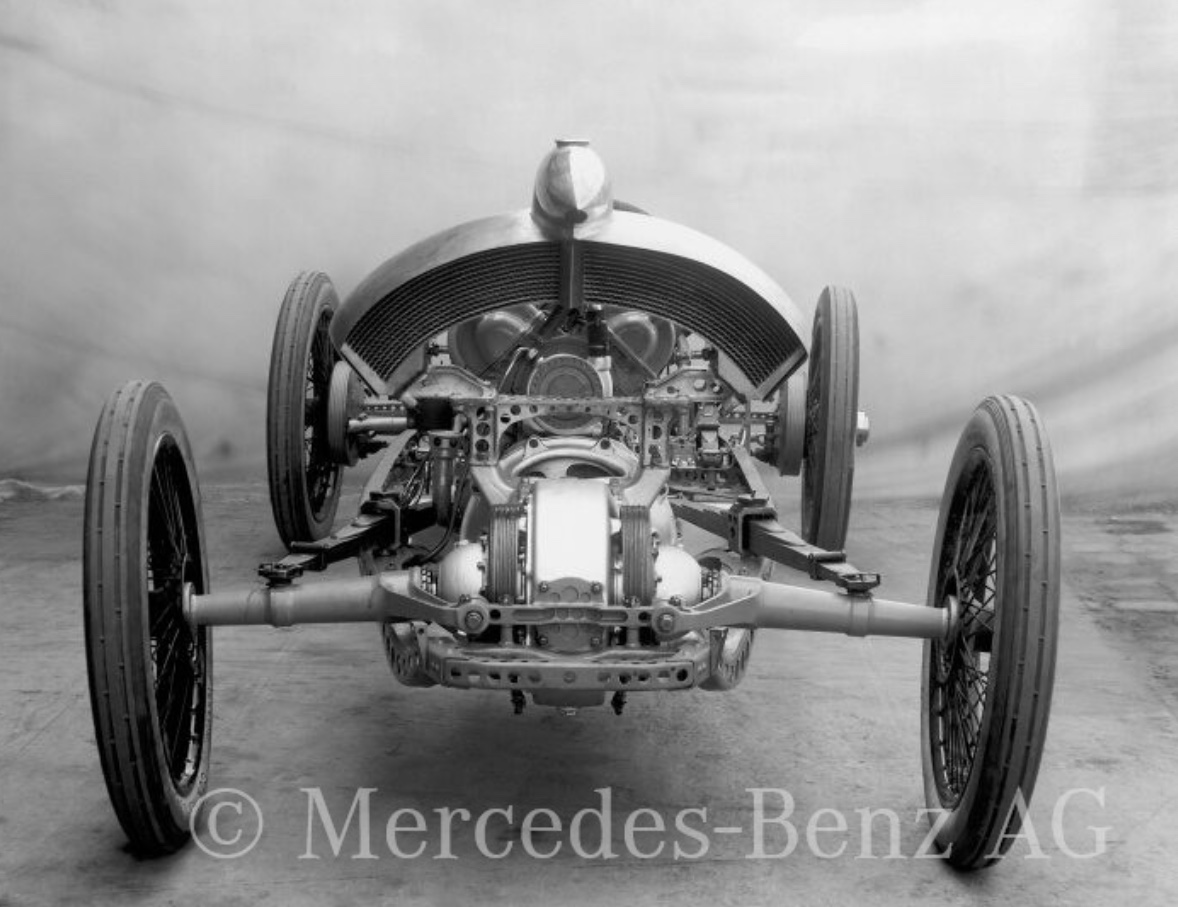


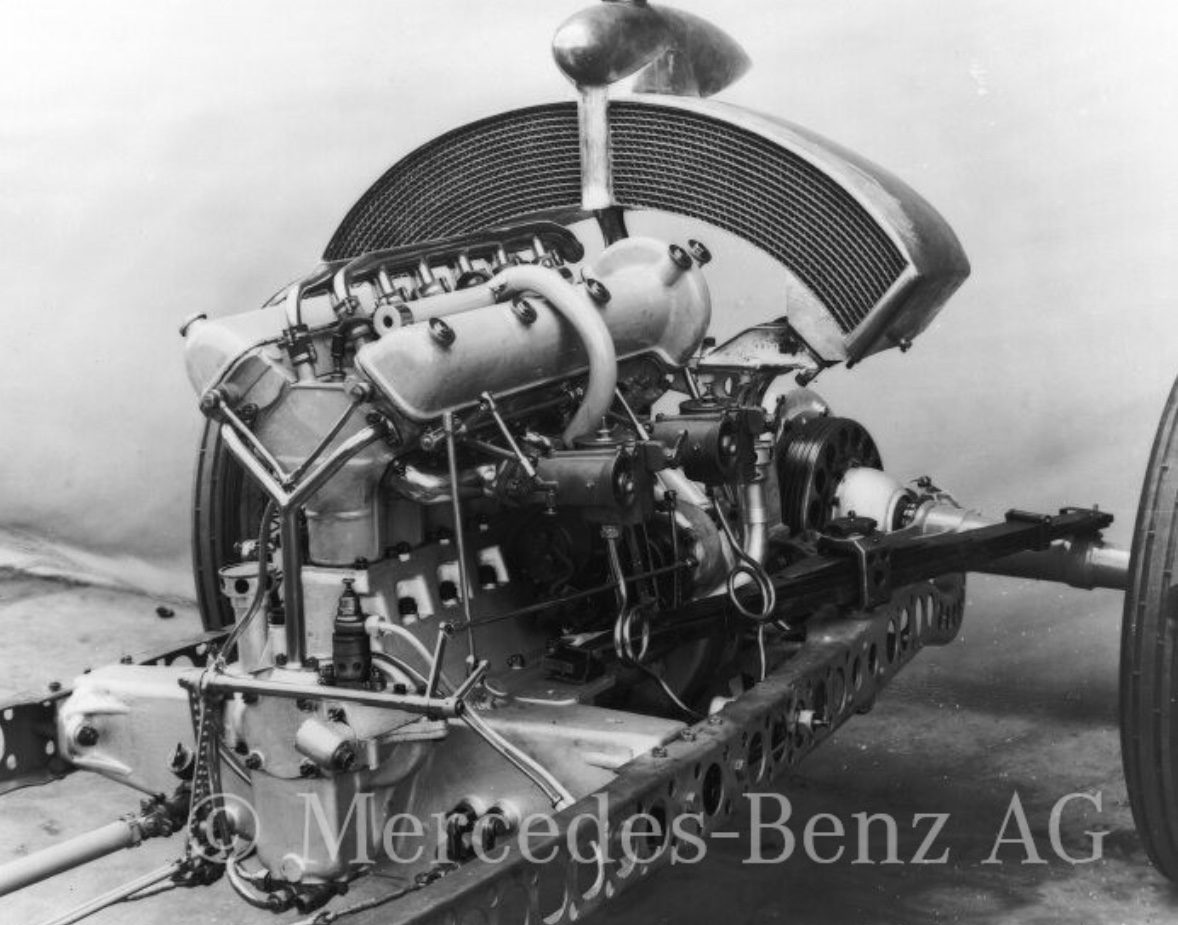


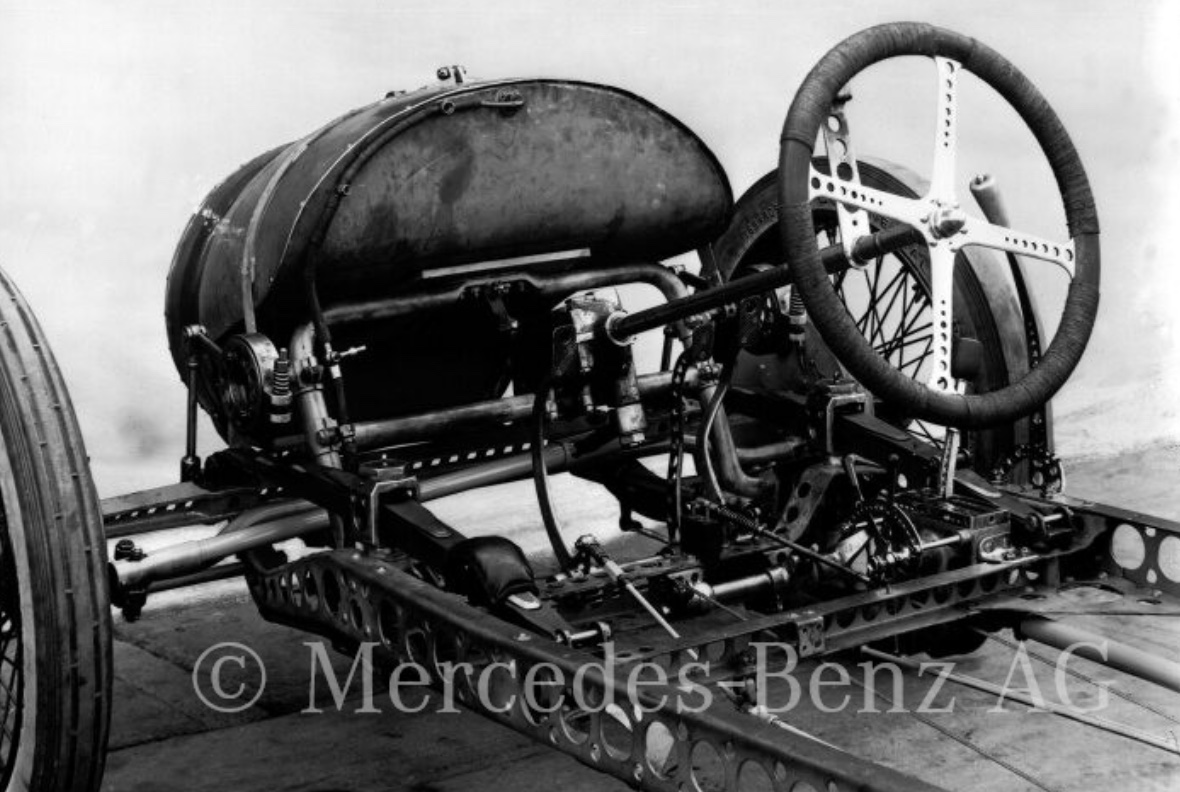
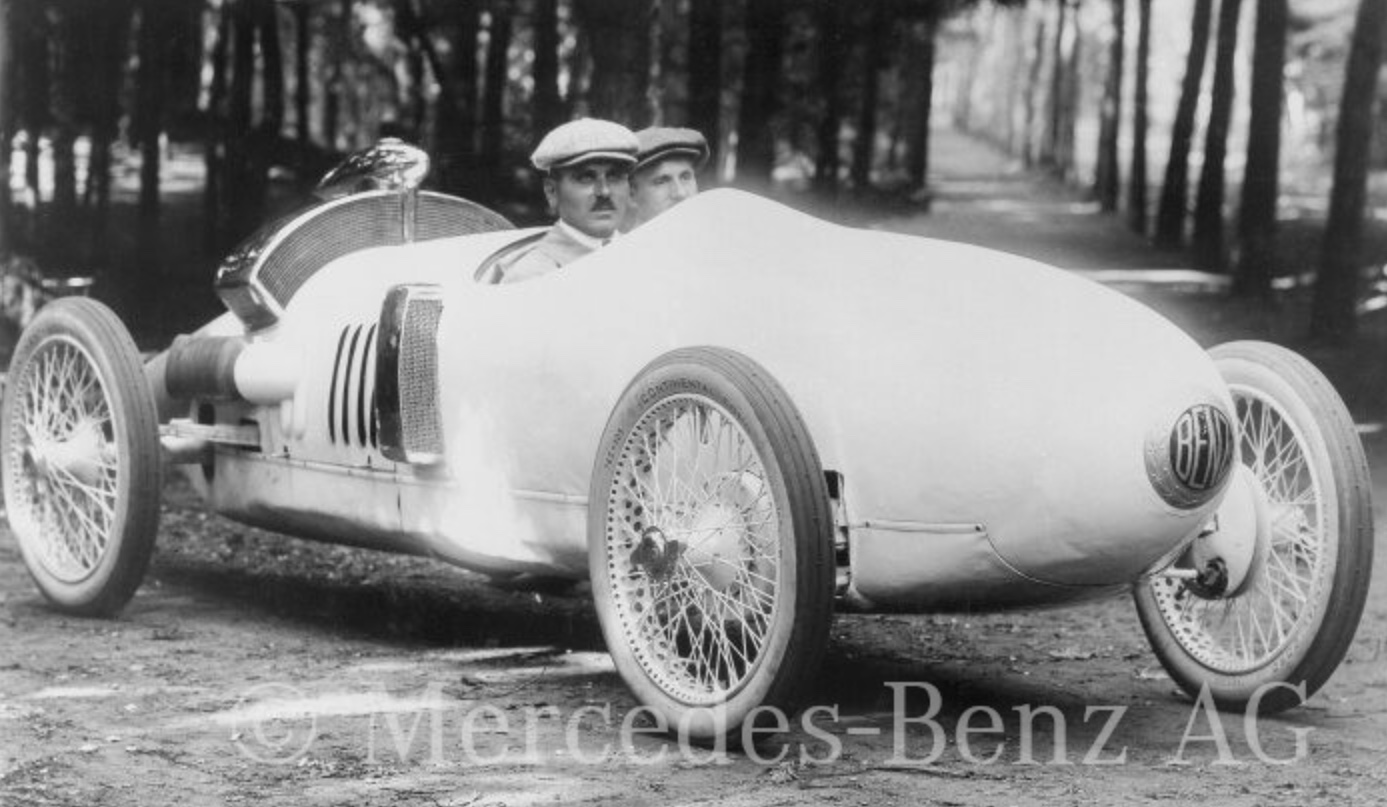
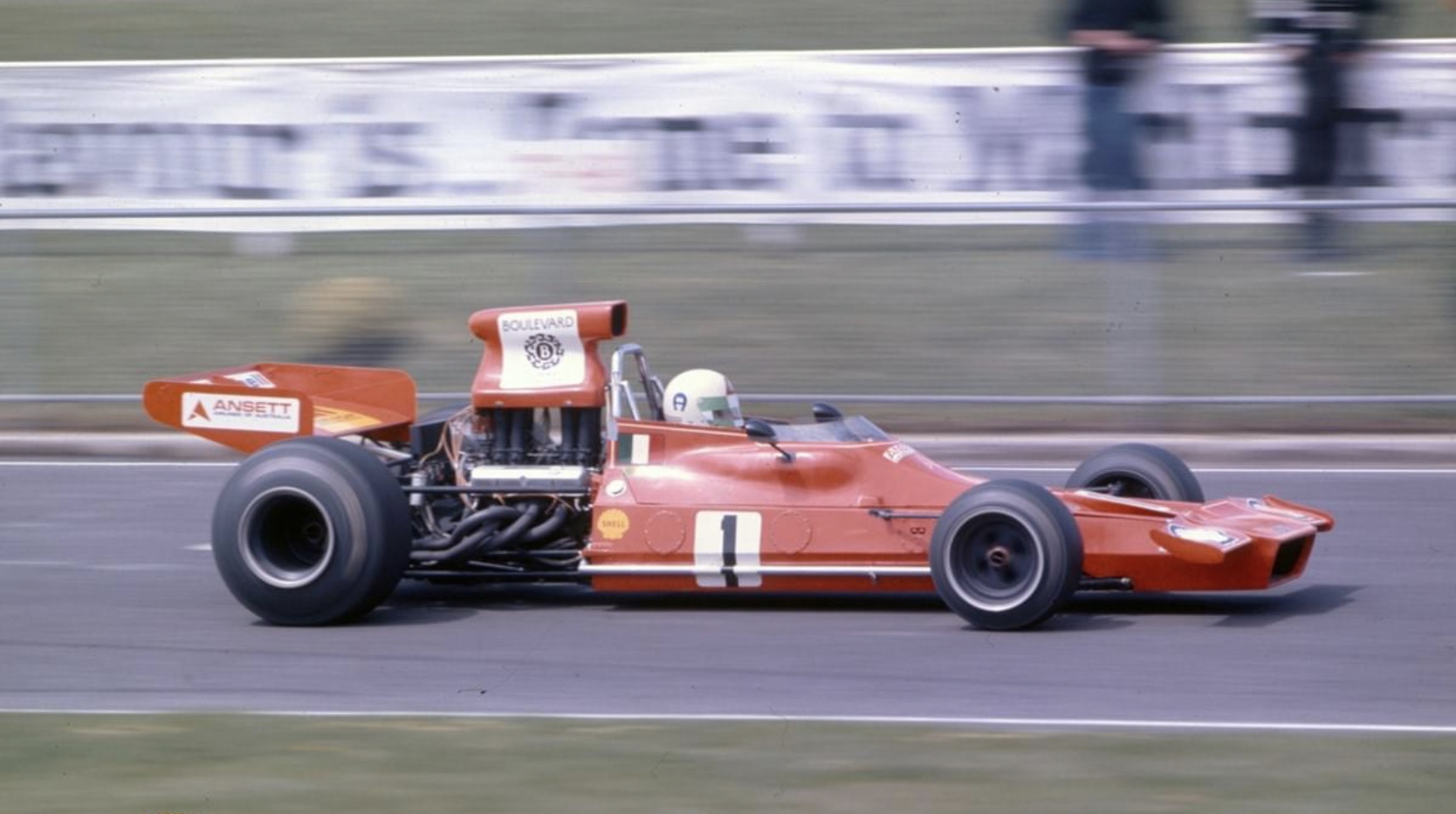


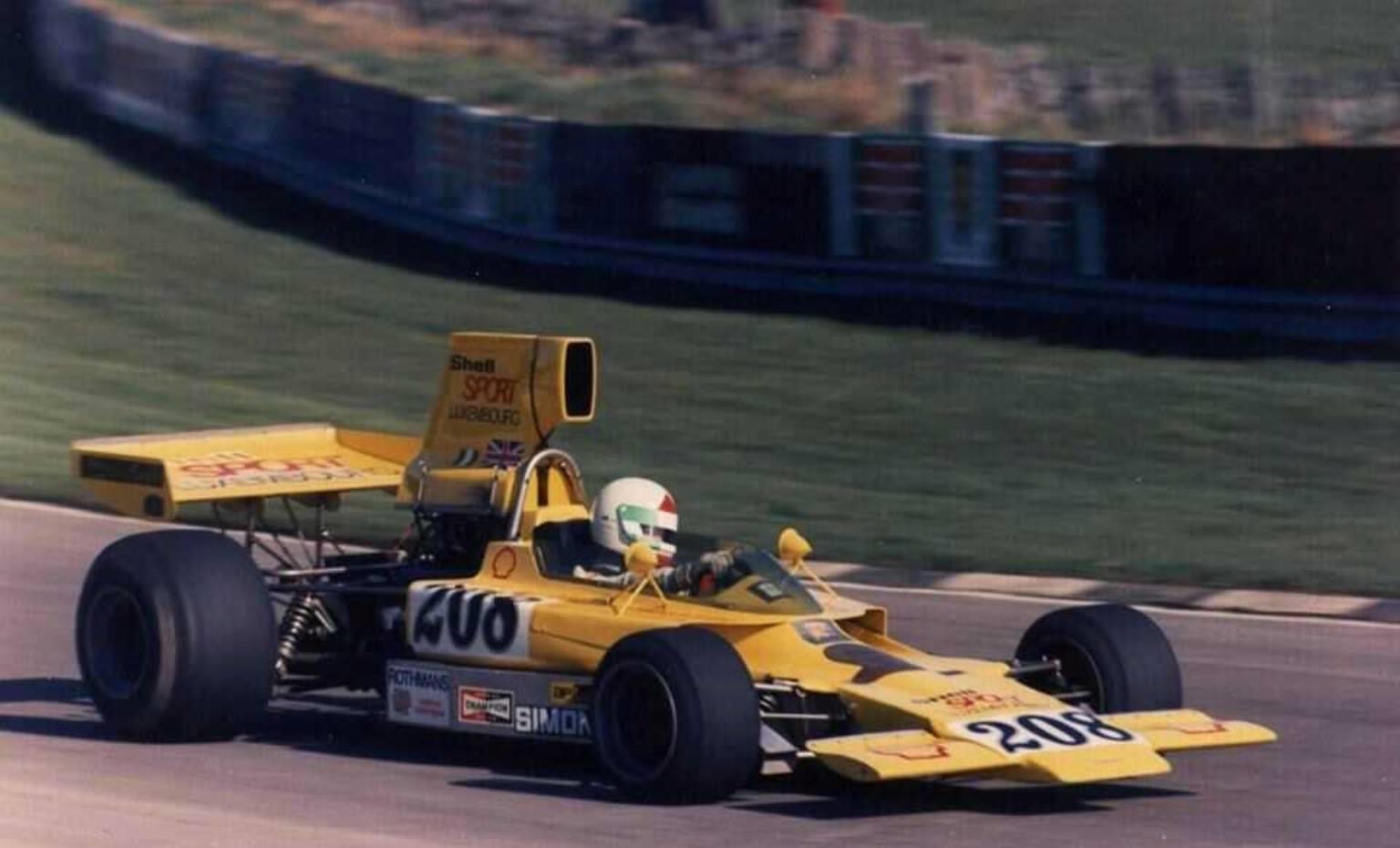
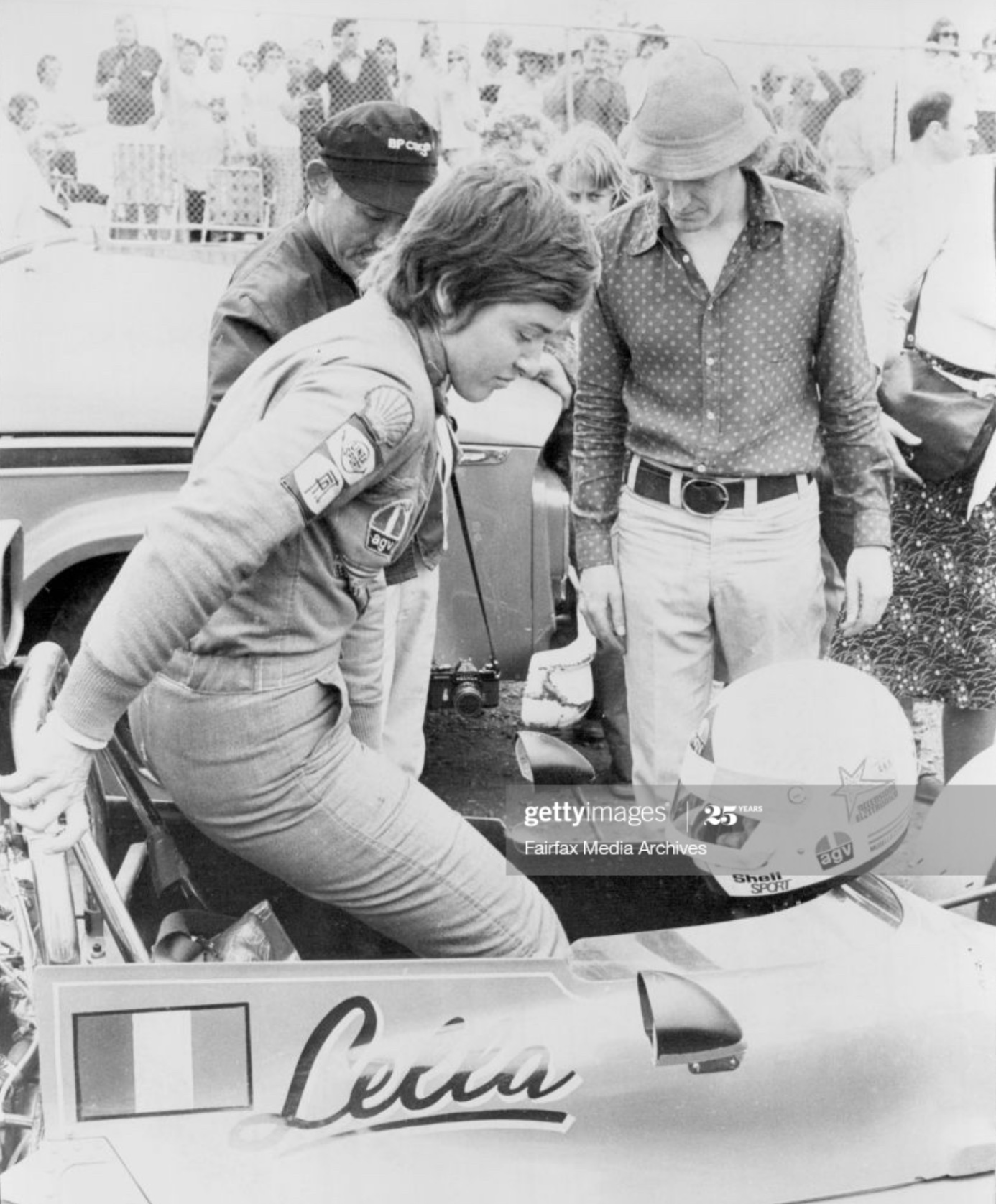


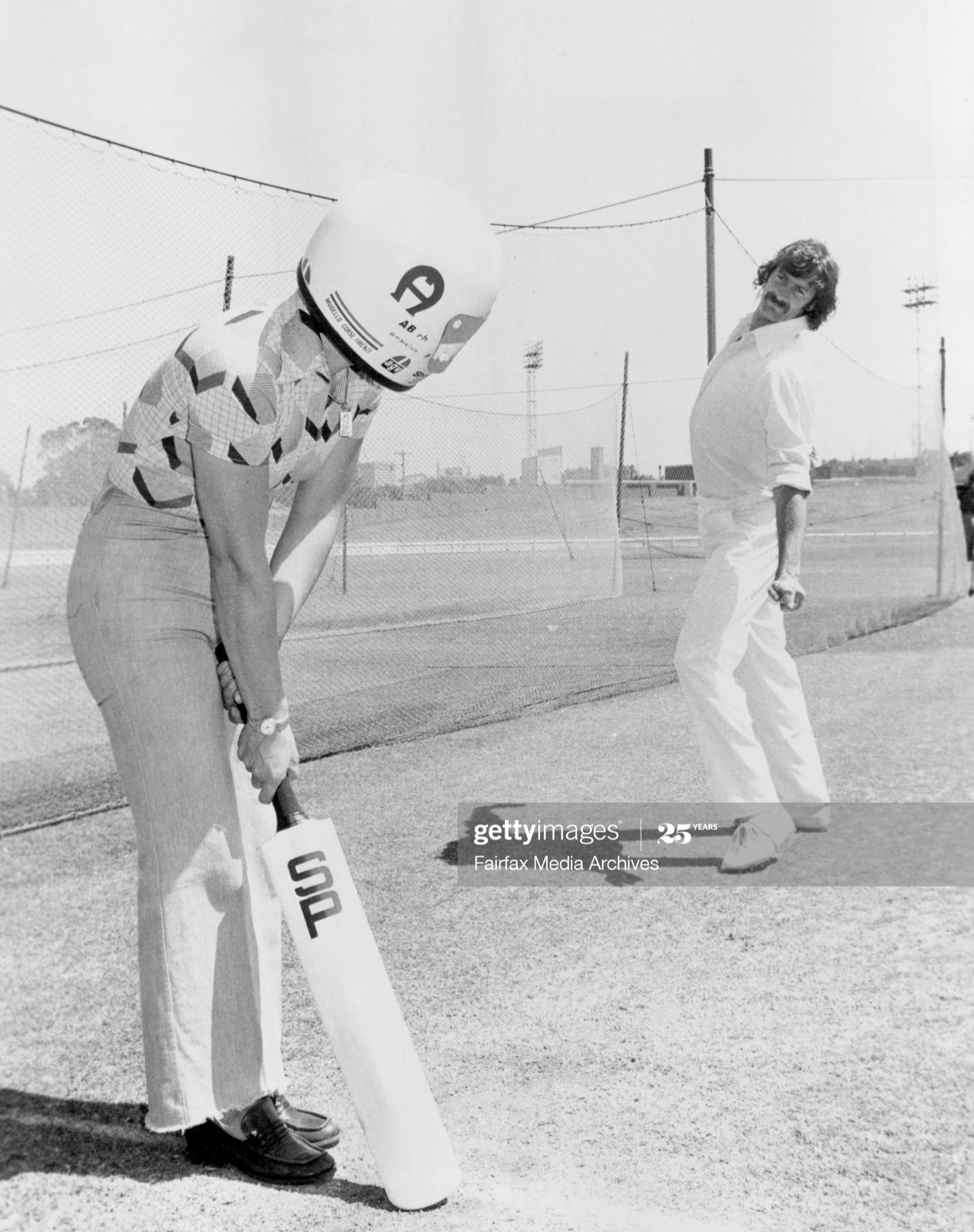

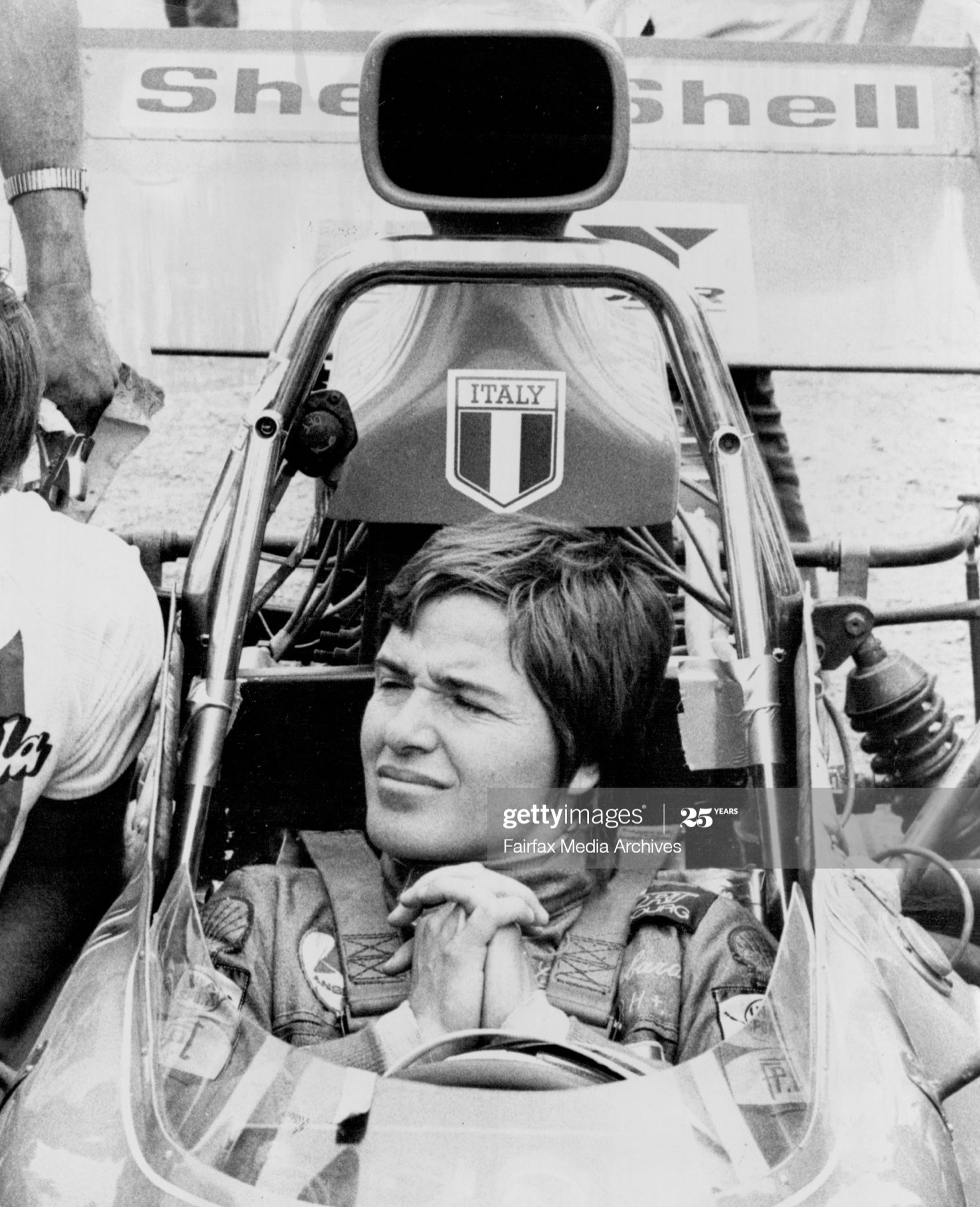
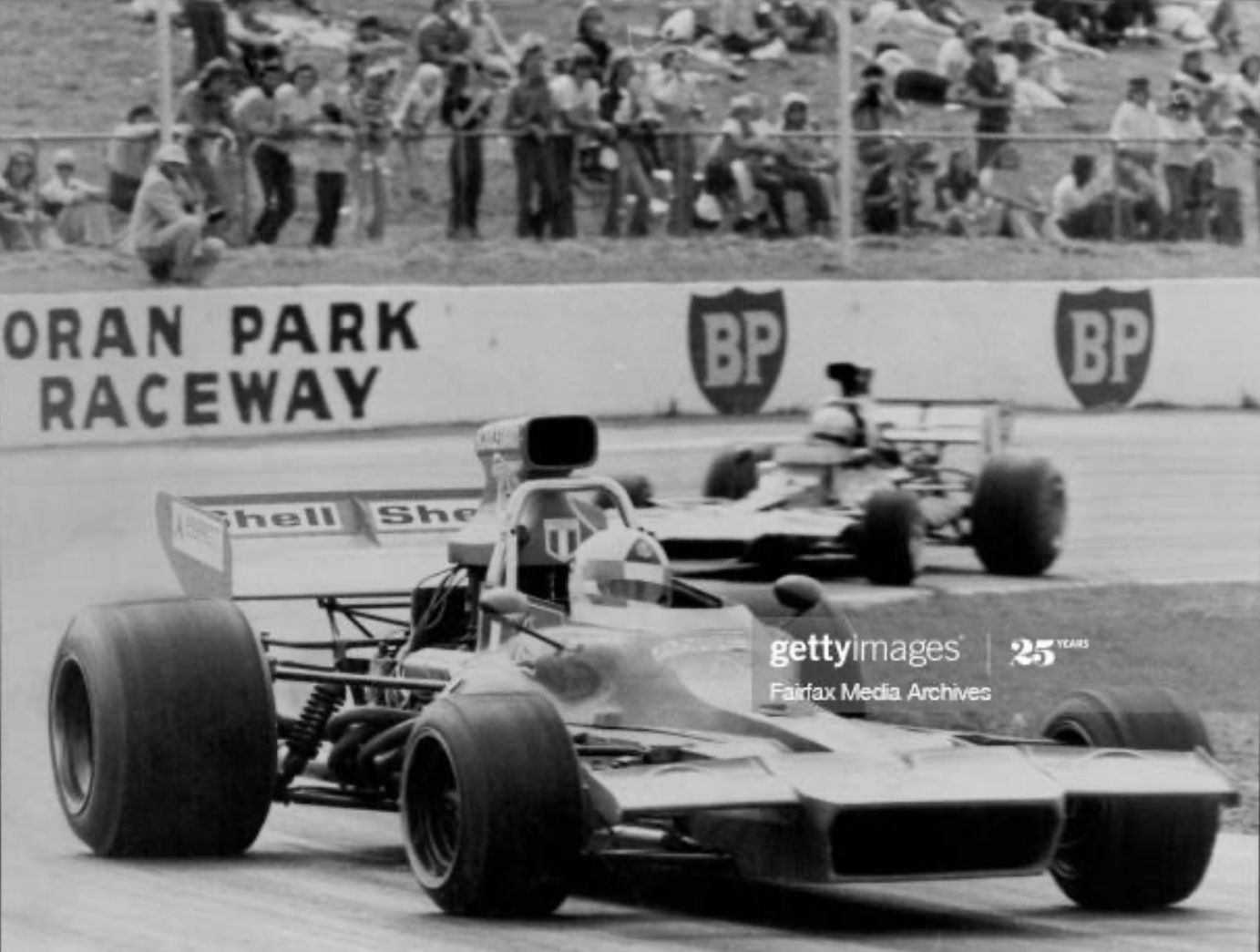


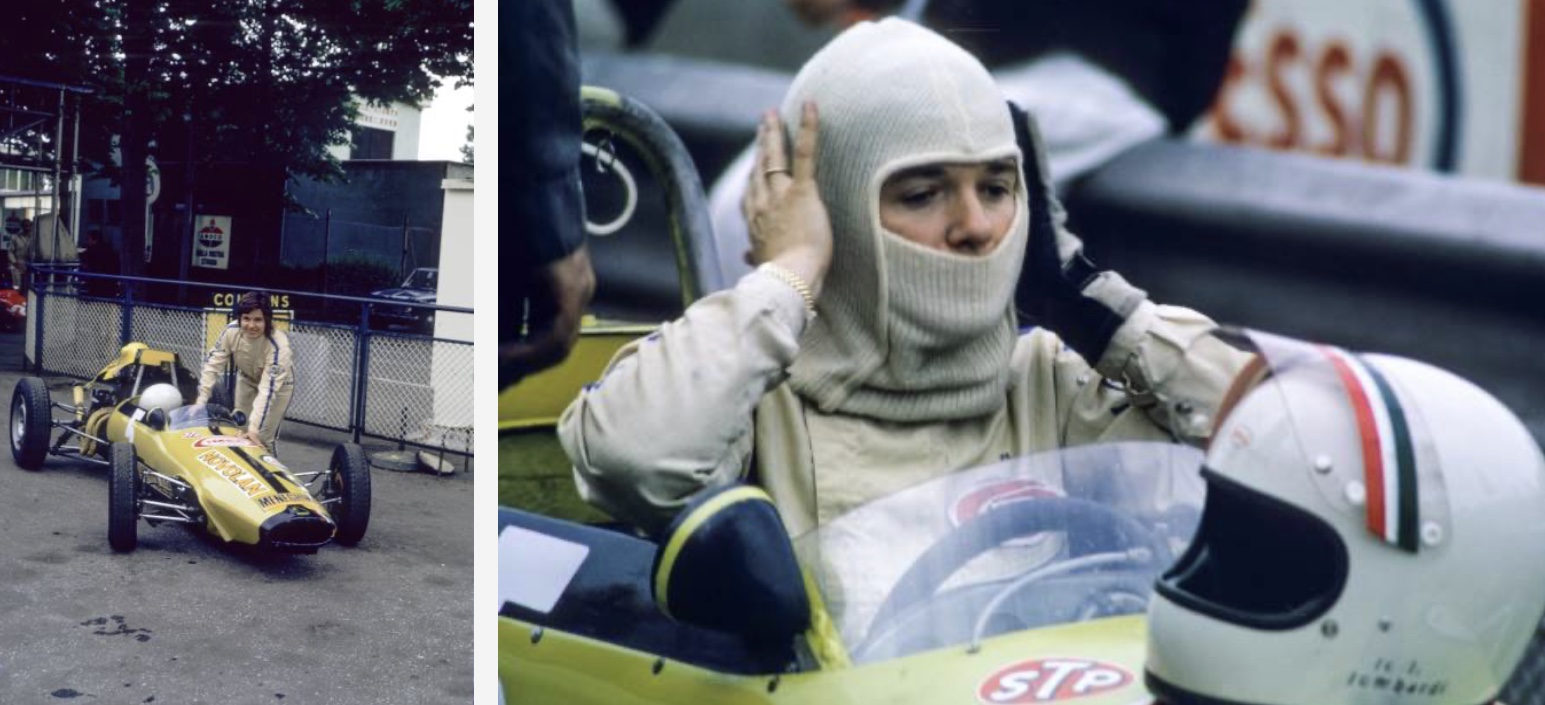

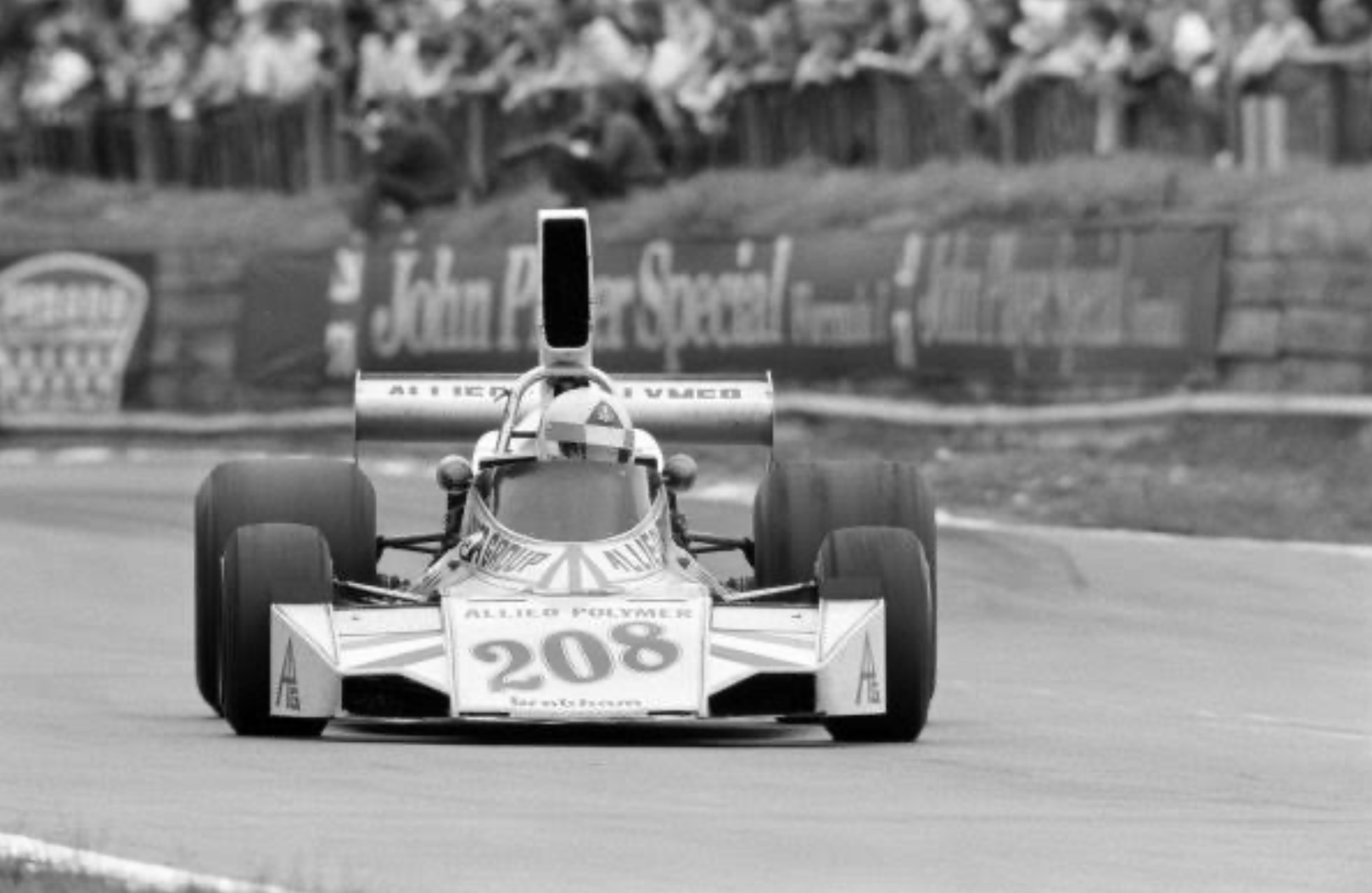

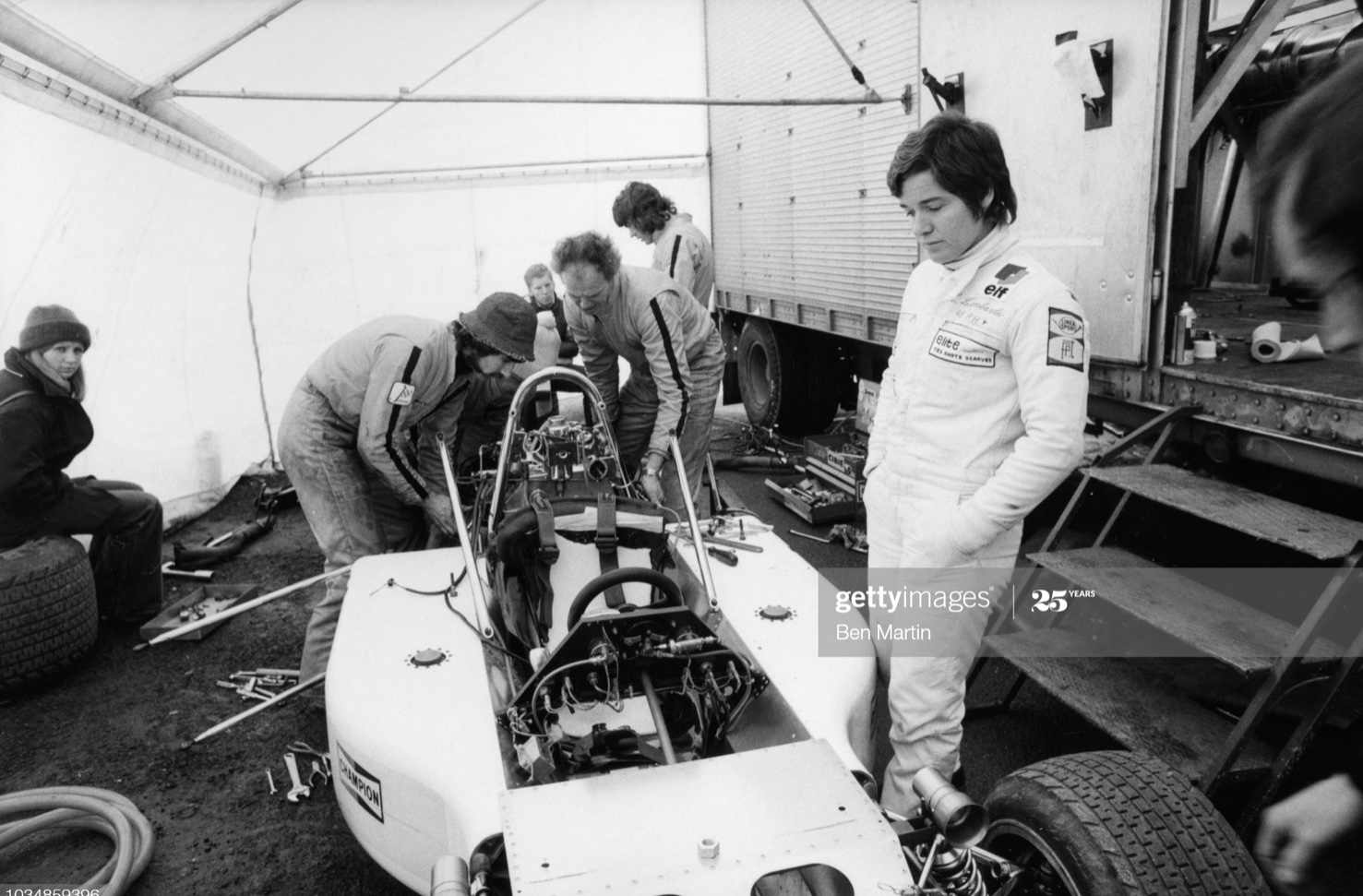


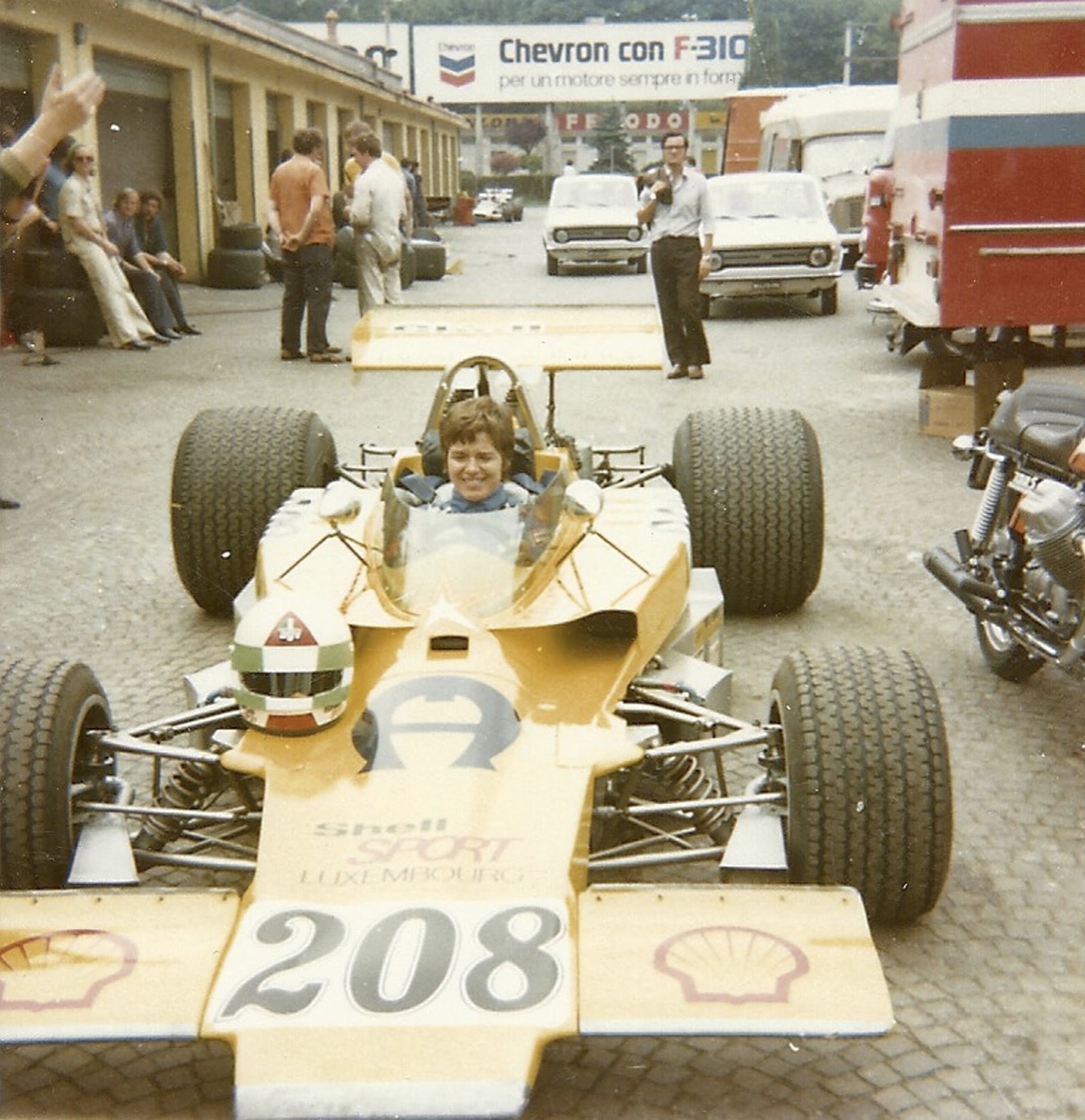


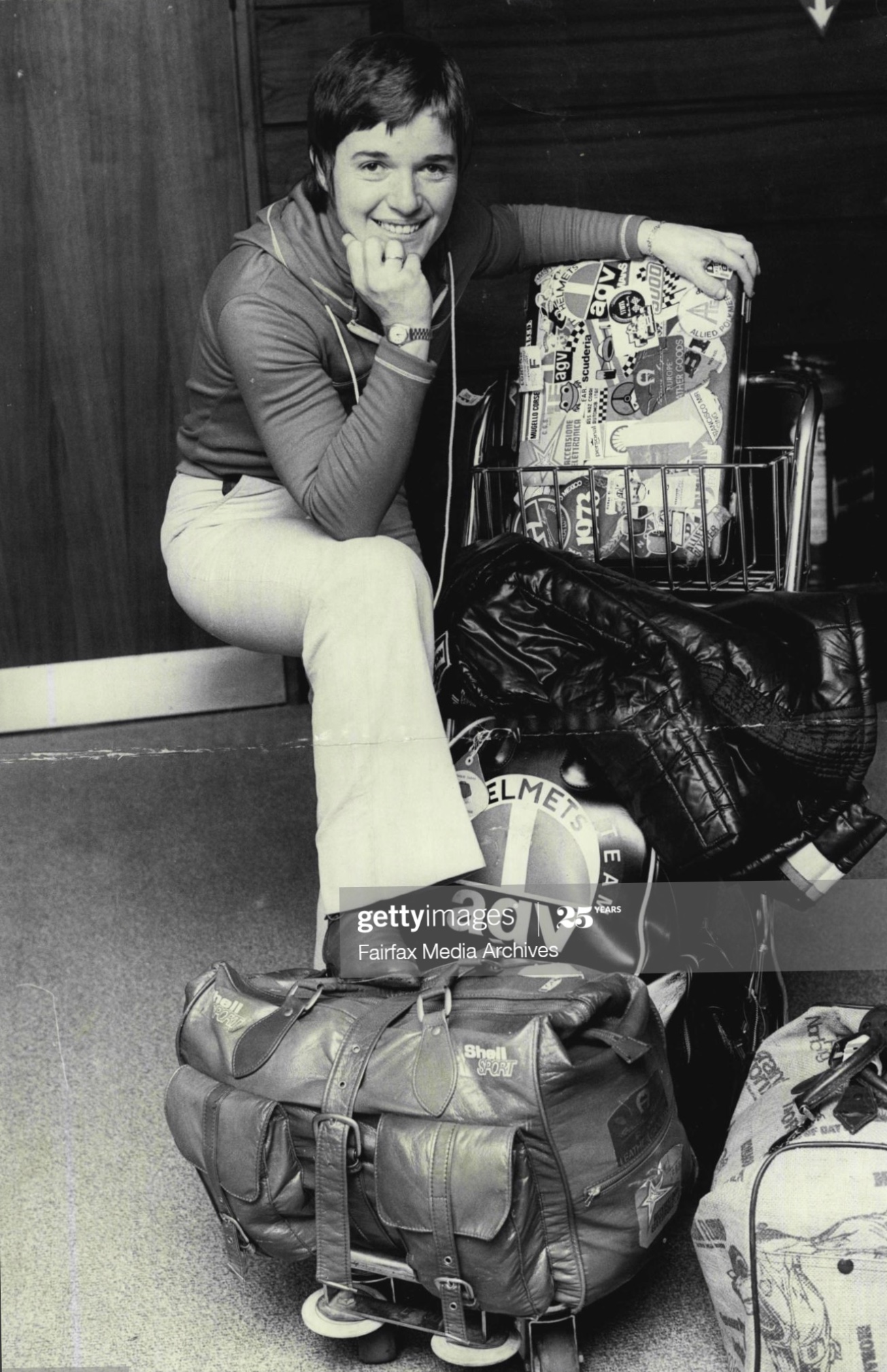


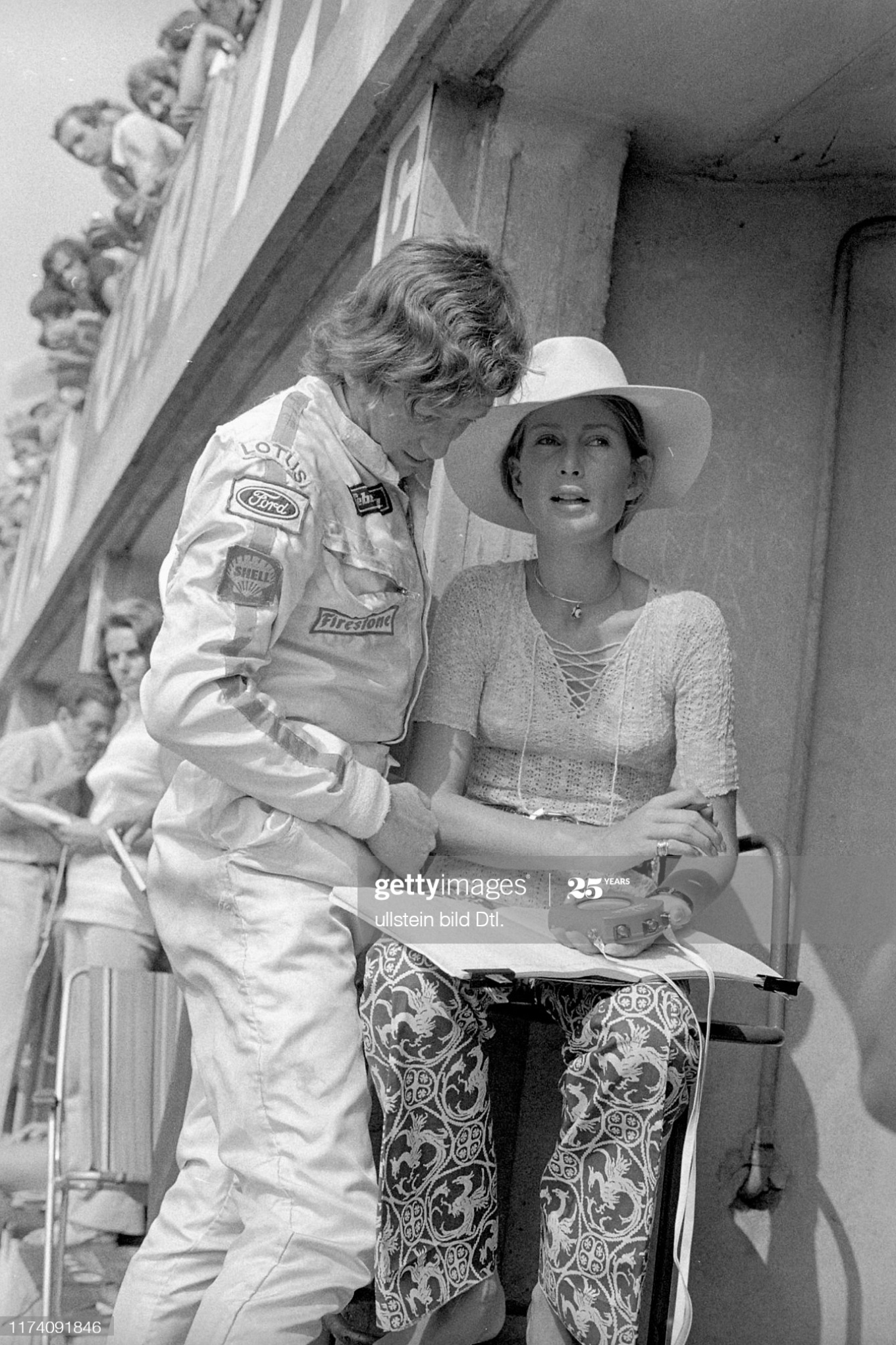
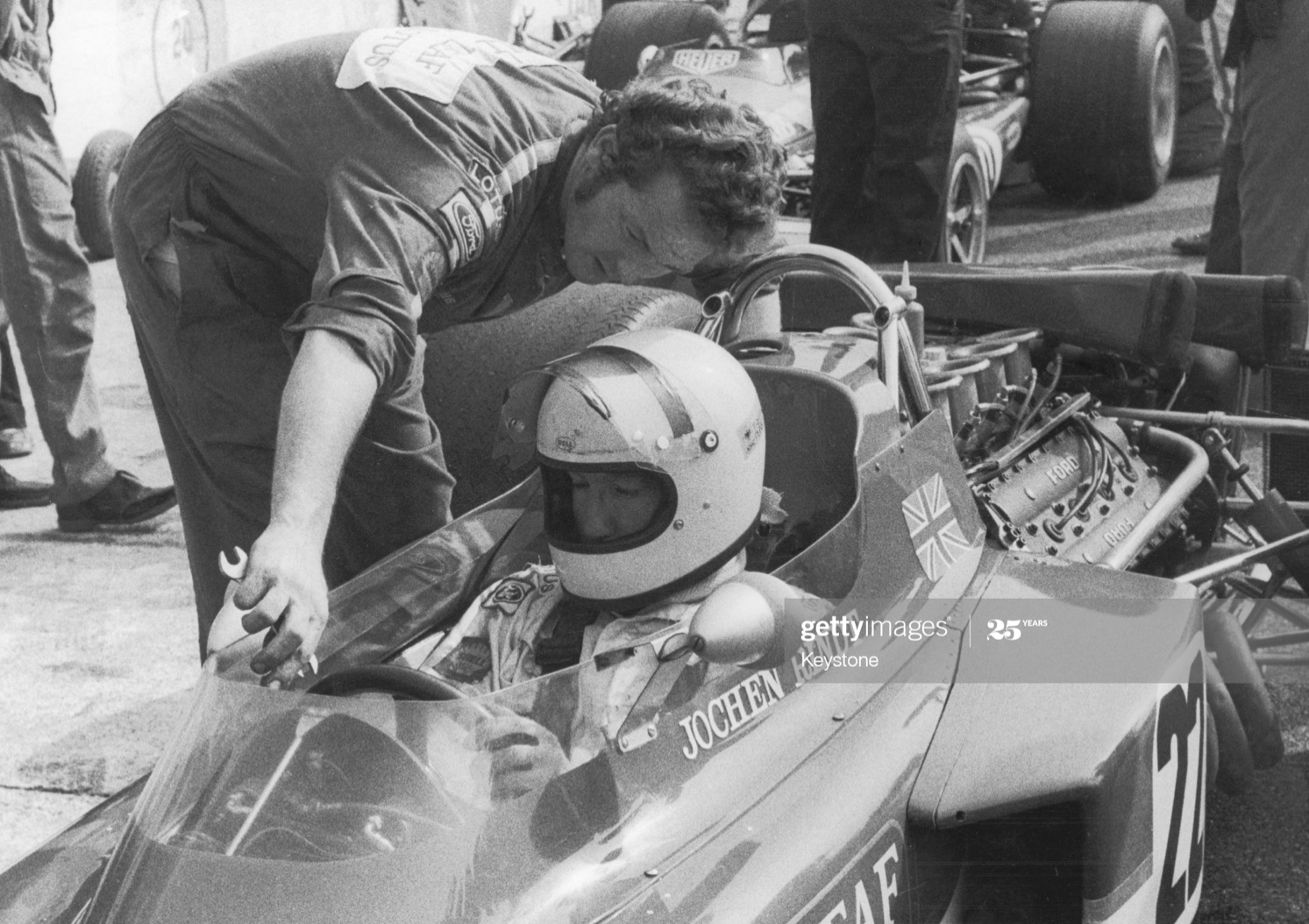




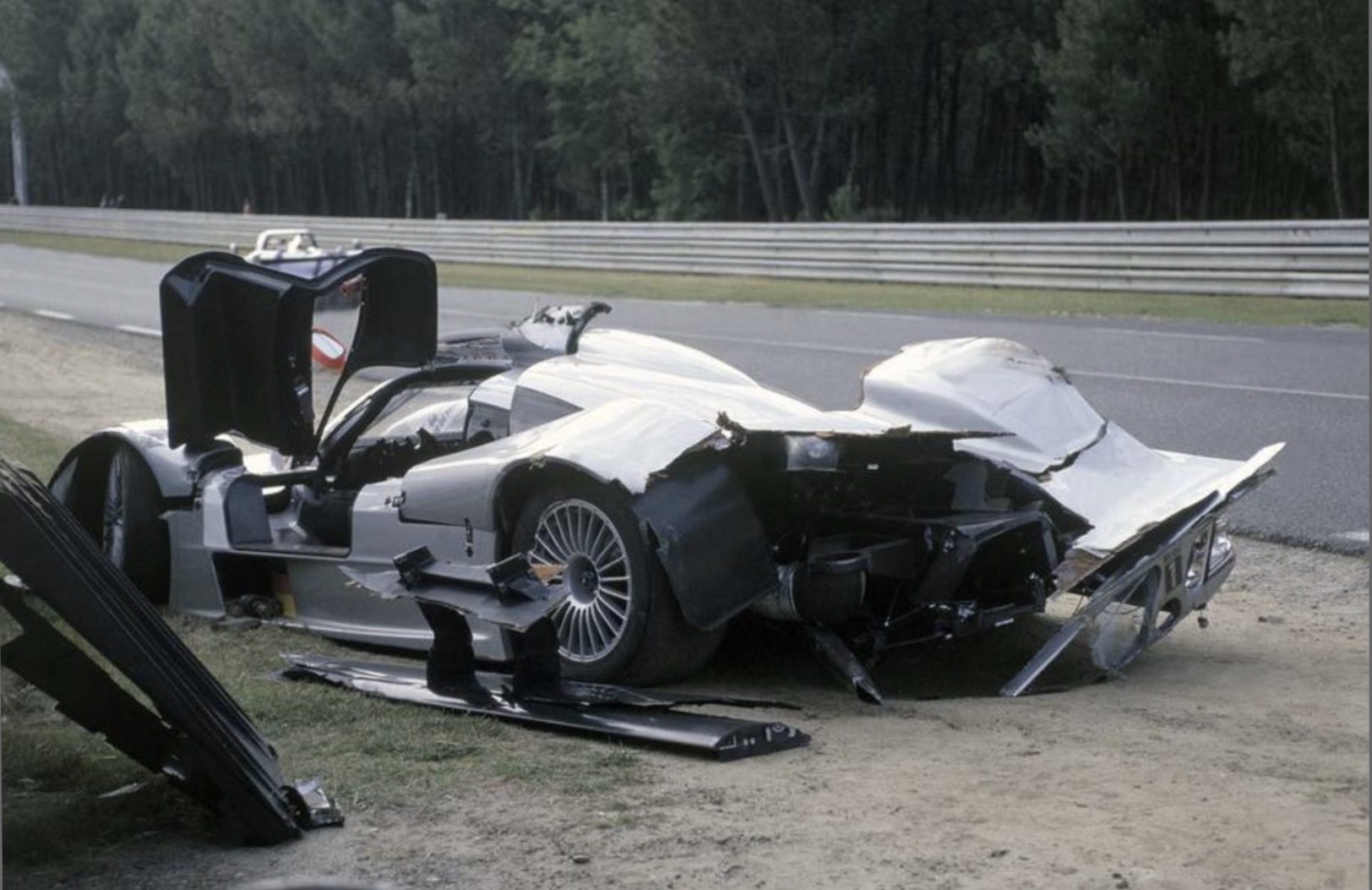


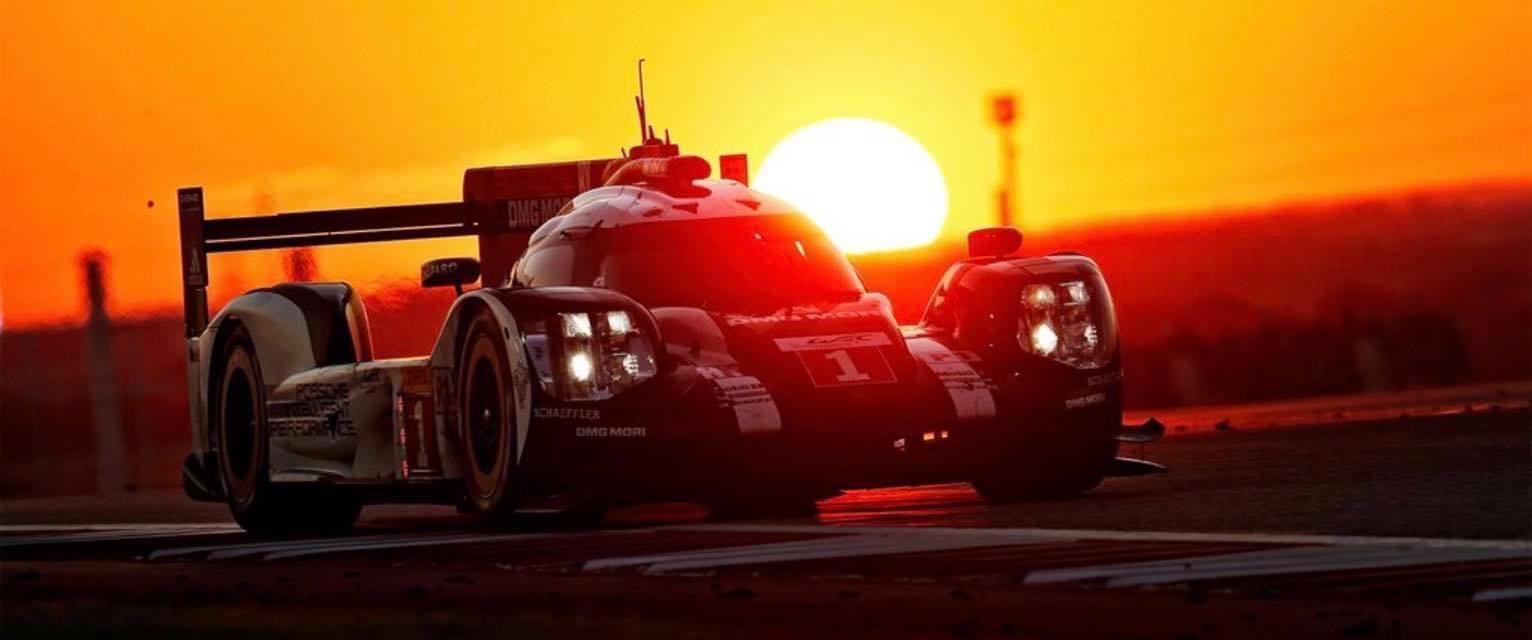
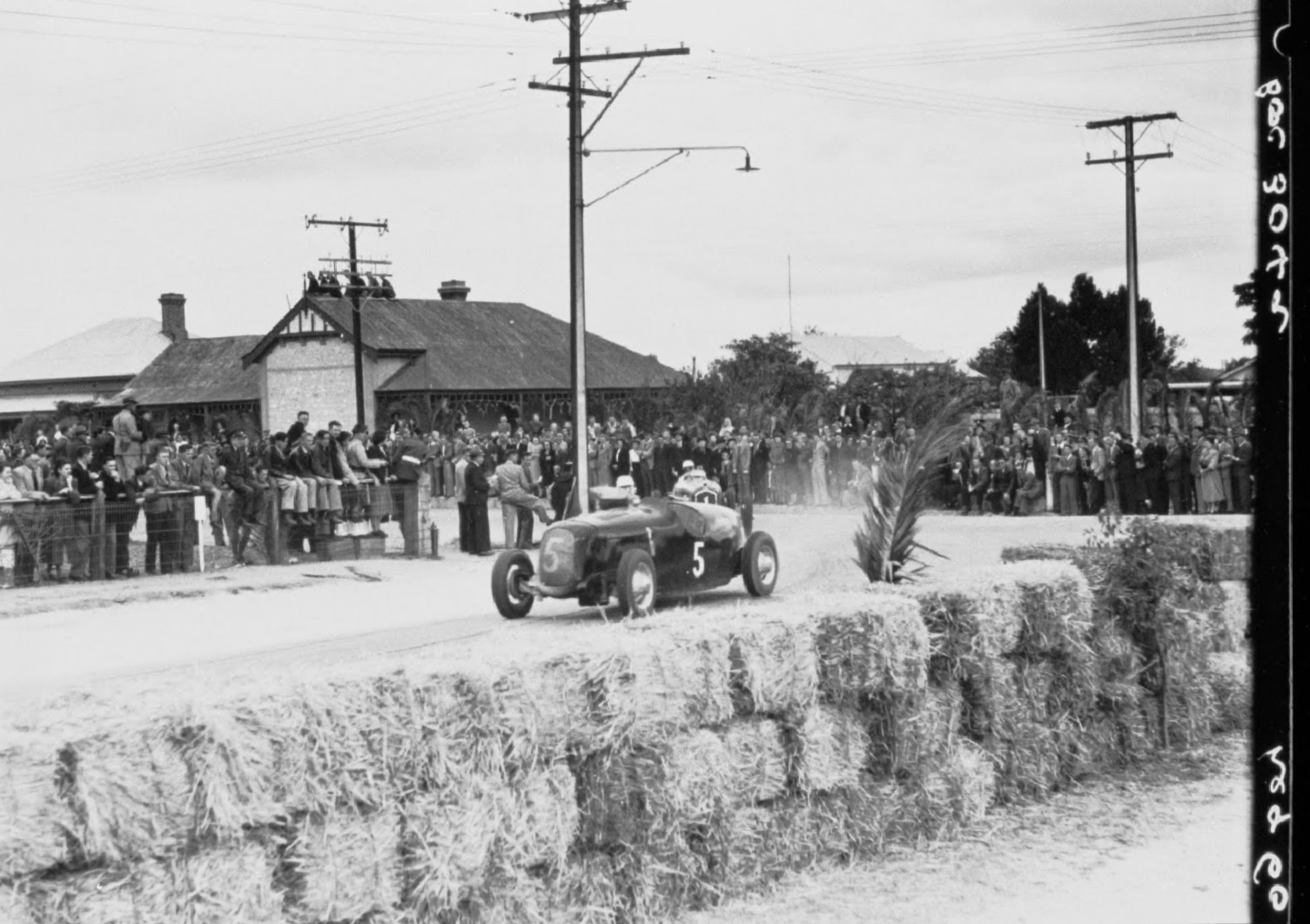


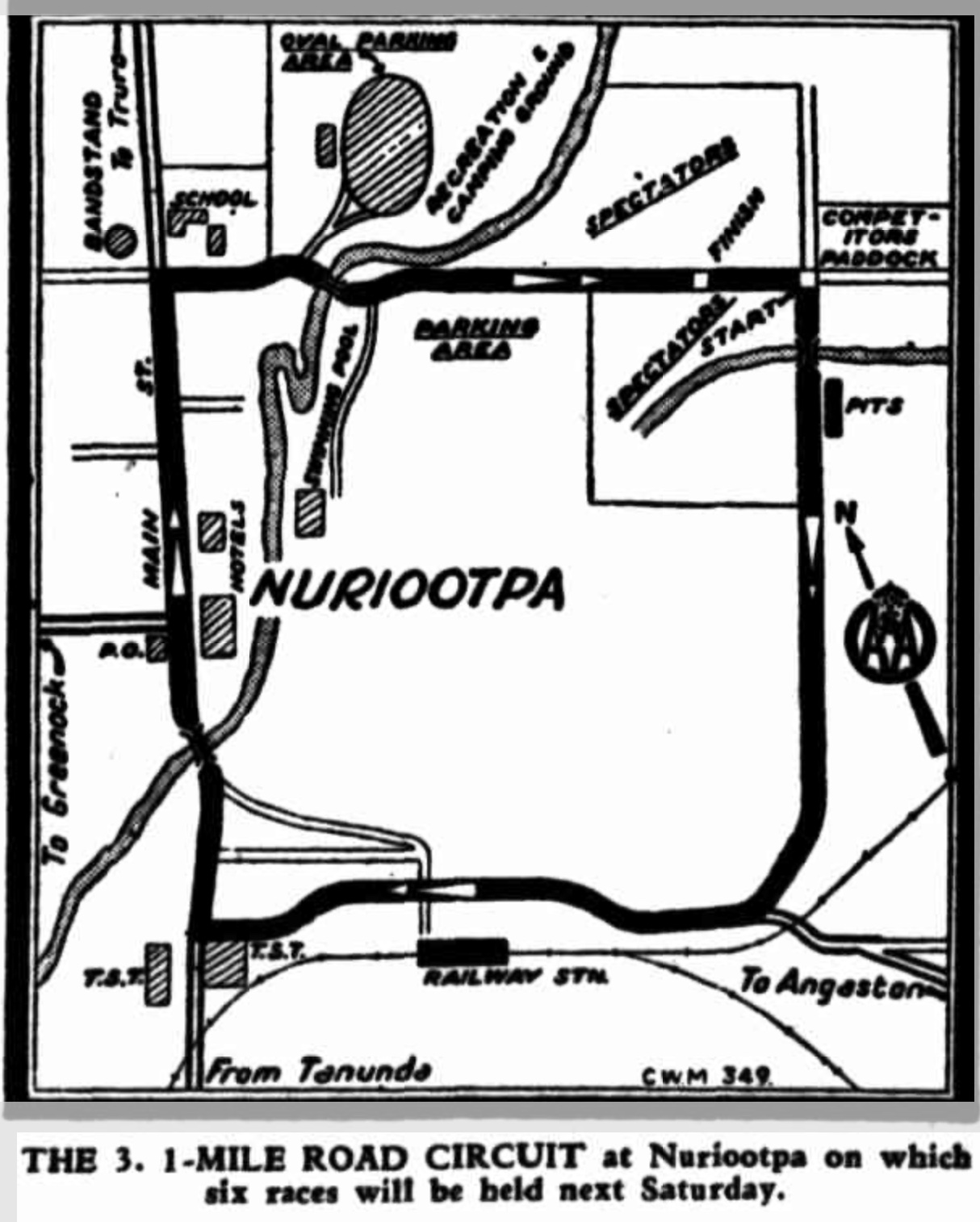


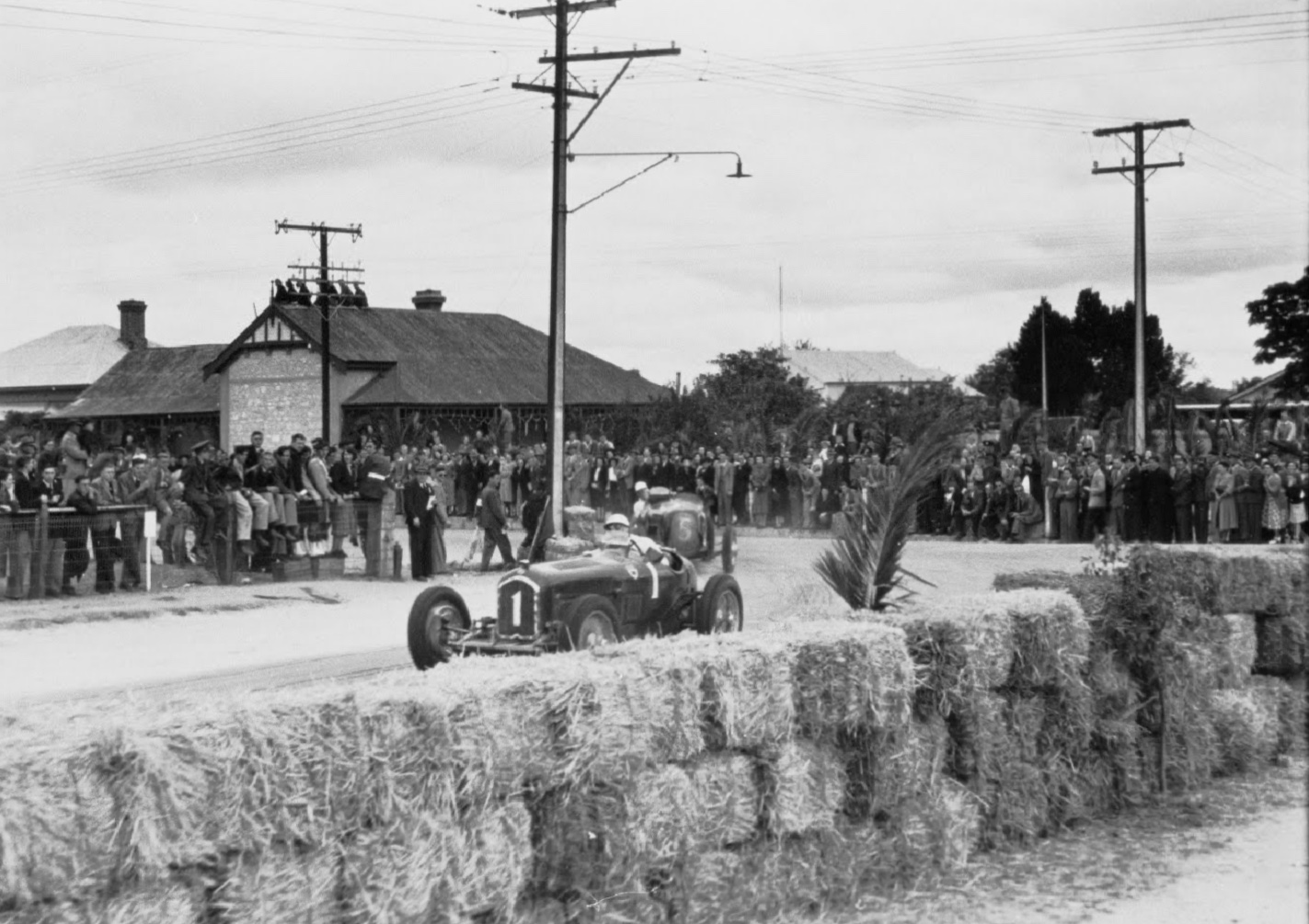


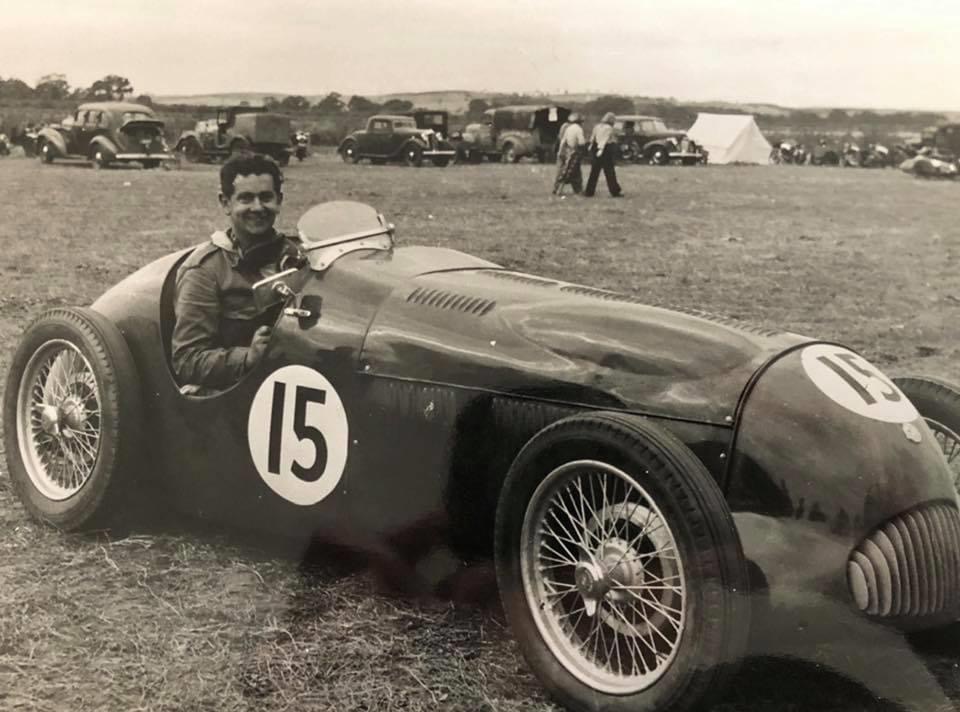


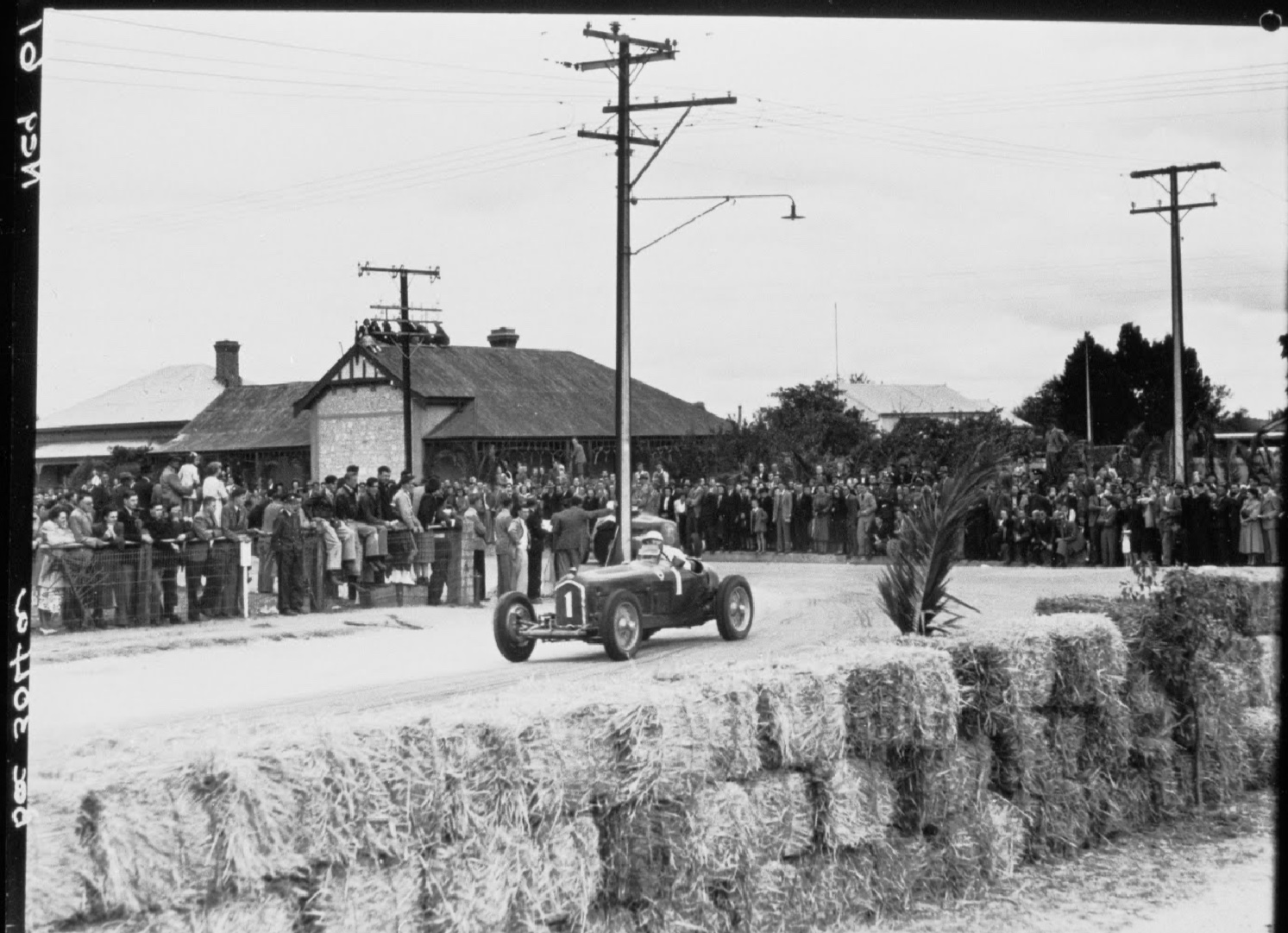

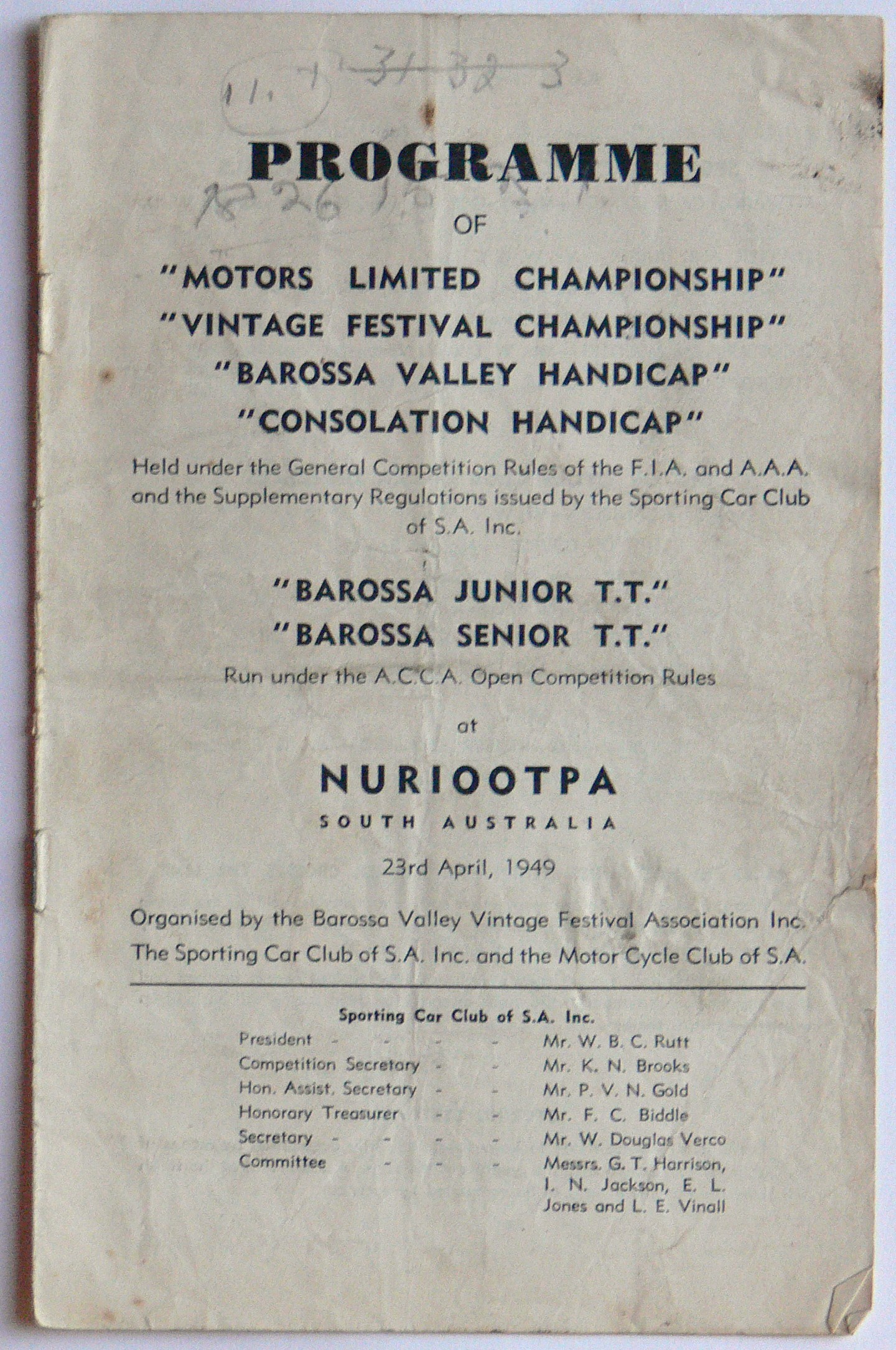

 primotipo...