Reg Hunt working his Maserati A6GCM-250 hard at the Bathurst Easter meeting in 1955.
He won the 26 lap Bathurst 100 feature from Ern Seeliger aboard Stan Jones’ ex-Jack Brabham Cooper T23 Bristol and Lex Davison’s HWM Jaguar, below.
(I Arnold)(I Arnold)
Clive Adams’ drove Stan Coffey’s Cooper T20 Bristol skilfully but lost an early joust for third place with Davison, spinning at Forrest’s Elbow on the run down the mountain.
By 1955 the ex-Jack Saywell Alfa Romeo P3 had passed through the hands of Julian Barrett and Bill Murray and was powered by an Alvis engine. Sold by Murray to Gordon Greig, the car was involved in a terrible accident after Greig pitted, feeling sick, on lap 16.
Gordon Greig, Alfa Romeo P3 Alvis at Hell corner above, and below, before the disaster (I Arnold)
Tony Bourke, one of Greig’s crew, jumped aboard to finish the race and promptly lost control of the car over Conrod’s final hump, spun and went backwards off the track through the crowd killing one, mortally wounding another and injuring 20. Bourke stepped from the car unhurt and was later treated for shock.
Changes were were made to eliminate spectators from this area after the Coroner’s Inquest and public and press reaction. Bourke died after a Midget crash at Westmead Speedway in 1965.
(I Arnold)(I Arnold)
Col James MG Spl s/c and Ray Fowler, MG Spl, negotiate Hell Corner in the Group B Racing Car Scratch. They were third and fourth in this 3 lapper won by Stan Jones’ Cooper 1100.
(I Arnold)
Tom Jordan’s 1949 2.5-litre Riley engined Healey Silverstone (above) ‘was raced as a factory entry by Tony Rolt in the UK in 1949, then raced by Charles Mortimer in 1950 – he wrote a book about it, Racing a Sports Car – and was then returned to the factory, bought by Queenslander Colin Leagh Murray and raced and hillclimbed by him in Queensland before being sold to Jordan who had many successes with the car,’ wrote John Medley.
Etcetera…
(I Arnold)
It’s doubtful that Lex would have listed the HWM Jaguar – an ex-Moss HWM Alta 2-litre F2 chassis – amongst his favourite cars but he and his team coaxed enough speed and reliability out of the C-Type Jaguar powered jigger to win the 1954 AGP at Southport, aided and abetted by the breakage of a chassis weld on Maybach 2 when Stan Jones seemingly had the race ‘in the bag’.
By 1955 the HWM Jag was off the ultimate pace, Hunt had reset the local bar with his Maserati and Lex would meet the challenge in early 1956 with the purchase of Tony Gaze’ Ferrari 500/625 3-litre.
(I Arnold)
October 1955…
(I Arnold)
C James MG Spl S/c from Ted Gray, Tornado Ford, Hell corner, during the 3 lap Group A Racing Car Scratch.
On the last lap Tiger Ted lost the new car coming down the mountain near Griffin’s destroying it and hospitalising himself for months. Tornado 2 Ford would emerge in due course and Tornado 2 Chev became the fastest car in the country by later 1957, read here: https://primotipo.com/2015/11/27/the-longford-trophy-1958-the-tornados-ted-gray/
(I Arnold)
Touring car racing was steadily gaining in popularity with Jack Myers easily winning the sedan car handicap in his well developed, black-roofed, yellow Holden 48-215. ‘Holden wonder-man of the mid-1950s’ as John Medley described him. Here he is alongside George Pearse’s Ford Zephyr. See here for more on Jack: https://primotipo.com/2024/05/02/jumpin-jack-myers/
(I Arnold)
Jack Robinson’s Jaguar XK120 Special.
(I Arnold)
Dr John Boorman on the rise out of Hell corner on his way up Mountain Straight, ‘off scratch in the 6 lap Sports Car Handicap made no impression at all on Shmith’s new Austin Healey 100S which did 124mph through the timed quarter while Boorman did 125,’ Medley wrote. More about this car here: https://primotipo.com/2014/08/05/gnoo-who-gnoo-blas-circuit-jaguar-xkc-type-xkc037/
Postscript: Easter Bathurst tragedy…
After publishing this article, journalist/historian Ray Bell emailed me excerpts from ’emails I sent to the sister of Gavin Larnach’, one of the Bathurst accident victims.
1. That this whole thing is surrounded by lies and cover-ups is simply disgraceful. One can readily understand Mark’s state of mind and applaud him on his pursuit of the facts.
One such fact is that this car was very unstable after it had the very heavy Alvis engine installed. Ray Wamsley told me this, he was the next owner of the car, and he said it was absolutely transformed when he fitted a GMC truck engine after the Alvis unit failed.
2. I’ve subsequently spoken a journalist of the time, about the cover-ups. He told me that he always understood it was the local member who pushed for the hushing of everything with a view to ensuring that the racing wasn’t shut down. The local member was Gus Kelly, who was a Cabinet member with some influence and had been the local member for many years, so that makes sense.
Two factors come into play here. In 1946 there was difficulty getting the racing off the ground because of police resistance. Additionally, a driver and a spectator had been killed at the Gnoo Blas race meeting in January, 1955. The fear throughout the two organising clubs would have been quite pronounced and it was just eighteen months later that the whole of motor racing in NSW had to comply with the new Speedways Act, which introduced standards for safety fencing etc.
3. What is really bugging me is John Medley’s comment thatsomeone who gave evidence wasn’t actually in the country when the crash occurred. Not so consequential if he was just giving evidence about something technical, but still it appears from John’s comment that it might matter.
One thing leads to another. I was researching Giuseppe Luraghi, a longtime CEO of Alfa Romeo. Apart from mega talent as a corporate leader he was somewhat of a renaissance man, a gifted writer and poet. He initiated the Pirelli magazine way back in 1948 when he headed up Linoleum, a Pirelli Group subsidiary.
Pirelli, “Addressed it to the general public, it was a way of reaching out to the consumer with much more than a simple advertising message. Above all it was a way of conveying business culture.”
So, then yer go digging on that internet thingy and find Pirelli’s archives, these shots are the amazing result. I’ve mixed them up, they aren’t placed in chronological order so I’ve visually separated them by choosing Pirelli magazine covers or impactful or clever advertisements so you know when we are onto another subject. I’ve kept the words to a minimum, let the pics do the talkin’…
Gastone Brilli-Peri, by winning the Italian Grand Prix, gave Alfa Romeo the four-round 1925 Manufacturers World Championship in an Alfa Romeo P2.
Pete DePaolo won the Indy 500 in a Duesenberg 122, Albert Divo the French Grand Prix in a Delage 2LCV, while Alfa’s P2 won at Monza and at Spa, where Antonio Ascari drove the winning machine in the Belgian Grand Prix.
Brilli Peri, enroute to his Italian GP win and Campari below, in another P2 in the pits. Brilli Peri won from Giuseppe Campari/Minozzi/Sozzi with Meo Costantini third in a Bugatti T39.
Poster 1977
Antonio Brivio after winning the 1935 Targa Florio in a Scuderia Ferrari Alfa Romeo Tipo B.
Sticking with the P3 theme, Luigi Fagioli stands beside his car during the September 1933 Spanish Grand Prix weekend. The race was won by Louis Chiron’s Alfa P3 from Fagioli, and held on the Laserte road circuit near San Sebastián.
Mock up for a 1952 ad by Pavel Engelmann
Piero Taruffi and navigator Isidoro Ceroli with Alfa Romeo 6C2500 Sport during the first Carrera Panamericana from May 5-10 1950.
They finished fourth behind three American crews driving an Oldsmobile and two Cadillacs.
Piero Taruffi, again, but a little earlier, here with a shock of dark hair! and his Scuderia Ferrari Alfa Romeo 8C2300 Monza after finishing second in the April 1932 Rome Grand Prix.
The race, held on the 4km Circuito del Littorio, was won by Luigi Fagioli’s works-Maserati V5 5-litre V16.
Pirelli White Star, sketch for an exhibition stand in 1931
Pirelli wrote that of all the motor racing films, “there was only one racing driver who was called upon time and again to play himself in front of the camera – the Argentine Juan Manuel Fangio.”
“It was in 1950: in the photos now in the Pirelli Historical Archive, the film is referred to with its provisional title Perdizone. It was actually released the following year as Ultimo incontro (last meeting).”
“We are on the Monza racetrack, with the protagonists Amedeo Nazzari, Alida Valli and Jean-Pierre Aumont. It is a sombre tale of betrayal and blackmail in the world of motor sport, in which the driver Fangio plays…the driver Fangio.”
“That year the Argentine was racing with the mighty Alfa Romeo team along with legends of speed such as Nino Farina, who went on to win the (1950) world title.”
“The long P-logo of Pirelli, which supplied the read Alfa Romeo cars with Stella Bianca tyres, is embroidered on their overalls, underneath the cloverleaf symbol.”
“In Perdizone/Ultimo incontro, Fangio was already on his way to becoming a legend, but his serious, watchful look is that of a true actor. The driver from Balcarce stopped racing in the late 1950s, with five world championships under his belt.”
“During his career his name appeared a number of times next to that of Pirelli: it happened again in 1965, and once again there was a camera there to record it. This was a spot produced for Carosello TV commercials with reportage by Ugo Mulas.”
“The driver once again played himself, the legendary Juan Manuel Fangio now clocking up the laps in his Alfa Giulia GTC.”
“When he gets out, he looks into the camera and recalls: ‘I used to race with the Stelvio, but now this Cinturato is really different from the rest. Extraordinario!’ And in his magnificent Italian-Argentine manner, Fangio goes on to tell the audience on the television screen about his endless string of successes.”
75th anniversary poster
Benito Mussolini and pet pussy aboard an Alfa Romeo in 1923. What model is it I wonder?
Meanwhile poor old Tazio is tasked with amusing Ill Duce’s sons in his P3, Bruno in the driving seat and Vittorio behind.
Mussolini with Nuvolari again, and the director-general of Alfa Romeo Prospero Gianferrari (both in the centre). “The P3 is probably the car with which Nuvolari won the August 14, 1932 Coppa Acerbo.”
1971
Antonio Ascari in the P2, with designers Luigi Bazzi in the light coloured overalls at left, Vittorio Jano and Giorgio Rimini during the 1924 Italian Grand Prix weekend.
Before the start of the race: Antonio Ascari’s Alfa P2 #1 Christian Werner’s Mercedes M72 #2 and Jules Goux’ Rolland-Pilain Schmid #3.
Alfa Romeo won in a rout taking the first four placings: Ascari, Louis Wagner, Campari and Bruno Presenti, and Fernando Minoia.
Scuderia Alfa Romeo: unidentified in the overcoat, mechanic Giulio Ramponi, drivers Minoia and Campari, the engineer and entrepreneur Nicola Romeo, and driver Antonio Ascari.
Ascari and Ramponi go for a greet-the-punters wander.
Giuseppe Campari and P2.
(Federico Patellani)
Gigi Villoresi, Nino Farina and Alberto Ascari in 1950, this photo was published on the cover of the January-February issue of the Pirelli magazine. Nice portrait of Gigi in a Ferrari below.
(Ferrucio Testi)
Scuderia Ferrari shot of Luigi Arcangeli, Tazio Nuvolari and Enzo Ferrari sitting on an Alfa Romeo P2 during the European Hillclimb Championship in June 29, 1930
The Pirellis are Stella Bianca’s, the venue is Cuneo-Colle della Maddalena. While Pirelli wrote that Tazio was first and Luigi third, Rudy Caracciola won the day on a Mercedes.
And below walking to the start alongside an Alfa – a modified P2 of the type Achille Varzi used to win the Targa Florio in 1930 Bob King reckons, a quick look at Hull & Slater confirms this – circa 1930. Does anybody recognise the venue?
Antonio Ascari and a mechanic aboard, “probably an Alfa Romeo P1”, venue unknown.
I’m not so sure about the P1 theory…Giuseppe Merosi’s Fiat 804 copy wasn’t much chop. His engine had most of the same features as Fiat’s Type 404: DOHC, 65x100mm bore/stroke 1991cc six so the power output was about the same but the Gran Premio Romeo was longer and heavier. Its aero was inferior too, the epochal Fiat had a staggered mechanics seat which slimmed down its profile, the Alfa did not.
While P1s were entered for the 1923 Italian Grand Prix – for Ugo Sivocci, Alberto Ascari and Giuseppe Compari – after Sivocci crashed to his death in practice the team withdrew from the meeting as a mark of respect, the P1s never raced.
The car shown above carries #18, the Monza P1s used numbers, 6, 12 and 17, so the shot wasn’t taken on or about that weekend.
Is the car shown a P2, an early one? The Golden Era of Grand Prix Racing is my reference site for the results of the major races in this era, I cannot see an Alfa P2 number 18 entered in any of the races the site covers in either 1924 or 1925. A mystery…
Pirelli sponge ad 1922 by A Franchi
Oscar Galvez fettles the engine of his 3-litre supercharged straight-eight Alfa Romeo 308 in January 1949, can’t quite read the chassis number…
He was third in the Buenos Aires Grand Prix behind the Maserati 4CLT’s raced by Alberto Ascari and Gigi Villerosi.
Achille Varzi’s Mille Miglia winning Alfa Romeo 8C2600 Monza Spider Brianza on the Carozzeria Brianza Stand in 1934.
The first four cars home were (2654cc) 8C2600 Monzas: Varzi/Bignami, Nuvolari/Siena, Chiron/Rosa and Battglia/Bianchi.
Fangio plugs Cinturato’s in 1965
Classic shot of Nino Farina on the way to winning the July 1950 British Grand Prix in an Alfa 158.
A month later the circus is on the grid at Pescara for the August 19 Grand Prix on the road circuit of the same name.
From the left is Fangio’s #34 Alfa 158, then the similar machine of Luigi Fagioli’s, with Louis Rosier’s Talbot-Lago T26C on the right. The race was won by Fangio from Rosier and Fagioli.
(F Patellani)
Paddock scenes at Monza during the September 1950 Italian GP weekend.
The Consalvo Sanesi 158, and Giuseppe Farina #10 Alfa Romeo 159 above, and Fagioli’s 158 below. Farina won the race from Alberto Ascari’s Ferrari 375, then Fagioli.
(F Patellani)
Below mechanics attend to the engine of Fagioli’s 158.
1959(Publifoto)
Prince Raimondo Lanza di Trabia inspects his left-front Pirelli, Alfa Romeo 1900 TI during pre-event scrutineering in Milan before the start of the 1952 Monte Carlo Rally.
He was 72nd in the event won by Sydney Allard/Guy Warburton Allard P1, the best of the Alfa’s was the 17th placed Andersson/Lumme 1900TI.
Pirelli Stelvio tyre ad 1956 (L Bonzi)
Count Leonardo Bonzi alongside his Alfa Romeo in Bicocca, Milan before the start of the Mato Gross Rally in 1952.
Pirelli Coria soles resist the passage of time Ezio Bonini 1953 (INCOM)
Mille Miglia 1955 start with the Santo Ciocca Alfa Romeo Giulietta Sprint on the ramp DNF. The race was of course won by the Stirling Moss/Denis Jenkinson Mercedes Benz 300SLR.
View of the pits during a soggy August 1949 Pescara Grand Prix weekend. Franco Rol won in his Alfa Romeo 6C2500 SS from Robert Vallone’s Ferrari 166S. Car 10 is Henri Louveau’s third placed Delage D6, #4 Louis Rosier’s Talbot Spéciale (DNS) and car #50, Bormioli’s ?
Asmara December 1938, site of the first Coppa di Natale. Behind the Pirelli sign is the Beata Vergine del Rosario church
Credits…
All images are from the Pirelli Foundation archives. Leonardo Bonzi, Publifoto, Federico Patellani. ‘Alfa Romeo A History’ Peter Hull and Roy Slater
Moore and his Kiwi Equipe Cooper T43 Climax FWB during the F2 London Trophy meeting at Crystal Palace on June 10, 1957
Ronnie Moore was an outstanding Kiwi sportsman, an international speedway rider who won the Individual World Speedway Championship in 1954 and 1959. He earned 13 international caps for the Australian national team, 50 for New Zealand and 21 for Great Britain in career that spanned 1949-75. In addition, he was a pretty handy F2 racer in 1957-58.
Born in Hobart, Tasmania, Australia on 8 April 1933, his father, Les Moore was also a champion rider who built a ‘Wall of Death’ in his backyard, and later turned it into a business, performing at Royal (Agriculture) Shows around Australia.
Ronnie began riding the wall at 13, then got his speedway start on an old Rudge after the family had moved to New Zealand in 1947.
Les stunned the NZ Speedway world when he rode the Rudge to a track record in Wellington, beating local star Bruce Abernethy. Les then got an offer to help set up a new track in Christchurch so the family shifted south.
While born in Australia, Ronnie always considered himself a Kiwi. He had to wait until he was 15 – the legal age to get a drivers licence – to have his first official race drive and later reckoned he could barely touch the foot-pegs on the Rudge when he lined up on the dirt track at Tai Tapu in 1948.
Kiwis Ronnie Moore and Barry Briggs from Australia’s Jack Young at Wembley during the September 1960 World Speedway Championship meetingWembley, September 1959, World Speedway Championship
In 1949, Moore began racing on a regular basis at his father’s Aranui Speedway in the Sandhills near Christchurch. He remembered counting the trucks as they brought all the dirt from the Lyttelton tunnel to create the track and arena.
Stuff.co.nz records that “His career clicked when he started riding a specialist, secondhand speedway bike his dad brought off Norman Parker,” a leading English racer who competed in New Zealand.
He moved to the UK in 1950. Wimbledon promoter Ronnie Green spotted his potential despite crashing through the wire-mesh safety fence on his first trial ride! He raced for the Wimbledon Dons in the British League, becoming team captain after two years, and continued with them until 1963, apart from two years in the late 1950s when he raced F2 Coopers.
“Speedway was second to football then in people going through the turnstiles, with crowds of up to 15,000 just for a league match.”
Moore was the youngest ever rider to qualify for a Speedway World Championship. He did that in 1950, aged just 17. Four years later, he became New Zealand’s first motorcycle world champion when he took the 1954 championship in front of 80,000 people at Wembley. Even more remarkable is that he was only 21 and took five wins from five starts, despite riding with a leg that had been broken badly not that long before in five places.
He had slid into a safety fence at a meeting in Denmark and stopped dead, his leg was bent around the bike’s handlebars. While the Danish doctors predicted a recovery time of nine months, Moore sought the advice of a Kiwi Harley Street surgeon who had made his name getting fighter pilots back in the sky quickly. His thigh to toe plaster cast was whipped off and the first of two braces were made which allowed the bone to heal, while reducing the rate at which his muscles would otherwise have withered.
Ronnie and Bruce Abernethy, Kiwi Stars both, in 1952 (A Jeffries)The two Moore family Kiefts – chassis C51-2 and C52-3 – as they left the factory en-route to New Zealand in 1951. Yes, the truck remained in the UK…(C Read Collection)
He was World Championship runner up in 1955-56 to England’s Peter Craven and Swede Ove Fundin. Fellow Kiwi, Barry Briggs won the championship in 1957-58 when Ronnie raced Formula 2 cars while at the peak of his powers.
He formed a two car team – Kiwi Equipe – with fellow EnnZedder Ray Thackwell – father of Mike – and they ran a pair of Cooper T43 Climax’s in 1957-58.
The pair of them went very well, not least in Ronnie’s case because he had been dabbling with cars at home each summer. He and his dad bought a pair of Kieft 500s in 1951, the small engines were soon replaced with supercharged 1000cc Vincent Black Shadow Vee-twins. The cars were very much outright contenders in the Formula Libre. Ronnie recalled in ‘The Ronnie Moore Story’ that “The result was electrifying. I was once clocked at 125mph down Wigram’s main straight – and I was still in third gear.”
One second hand Kieft post its Wigram Big One in 1952. Nice road car until that point! (R Dew)
Moore had a very lucky escape at Wigram in 1952. He came through Hangar flat-chat to find Don Ransley in the middle of the track, Ransley had spun Les Moore’s Alfa 8C2300 sportscar, “I piled straight in and the world started spinning around.”
“It was like hitting an express train, the Kieft somersaulted and came to rest upside down with me trapped underneath. I was conscious and couldn’t move, then fuel started running out of the tank and over me. I was in agony and there was real danger of the car exploding. The three or four minutes I was under the car seemed like an eternity. Appalled at what happened, Don Ransley through caution to the wind, leapt out of the Alfa and single-handedly turned the Kieft over…Apart from surface abrasions, there was nothing seriously wrong with me a few days in bed wouldn’t cure. The poor Kieft was a different matter, about all I managed to salvage was a wheel and a few bits of the motor. The Alfa hardly had a scratch!”
Ronnie’s car racing career included testing duties of this speedway car. The Allard designed and built ‘Atom’ was a prototype of a proposed fleet of cars being considered for racing on British speedways the following year. Wimbledon, September 1955. He was caught out and rolled over by track ruts, Ronnie broke his collarbone but recovered quickly enough (G Woods Collection)Cooper T43 Climax FWB, Brands Hatch 1957. Date unknown, the number doesn’t work for any of the Brands meetings Ronnie contested that year (Daily Mail)
In two truncated F2 seasons – about eight meetings in 1957 and six in 1958 – Ronnie did very well against seasoned F1 drivers and up-and-comers. His best results include a win against few cars at Roskilde, third in the Rochester Trophy at Brands and a fourth at Mallory Park. The race winners of meetings Moore contested were Jack Brabham, Tony Marsh and Roy Salvadori aboard Cooper T43s, and Maurice Trintignant on a factory Ferrari Dino 156.
His 1958 results included third at Brands in May and a pair of fourths in the Pau GP and Annerley Trophy at Crystal Palace. Race winners in his six ’58 meetings were the Trintignant, McLaren, Ian Burgess, Stuart Lewis-Evans and Syd Jensen Coopers (T43 and T45 Climaxes) and Cliff Allison’s Lotus 12 Climax.
Moore’s promising and way-too-short car racing career came to an end after a plea from his wife Jill, who was in hospital, giving birth to twin-daughters, Kim and Lea at the time. “She asked me if I’d quit. You break an arm or a leg in speedway, but you get over that. But three of your friends have been killed in car racing this year,” she said.
Ivor Bueb, Maserati 250F from Ronnie Moore’s Cooper T43 Climax during the September 1957 BRDC International Trophy meeting at Silverstone. Jean Behra won in a BRM P25, Bueb was ninth and Moore 17th (Getty)Crystal Palace, June 1957. The pair of Kiwi Equipe Cooper T43s – Ray Thackwell’s is the car beyond (Getty)
So Moore returned to Wimbledon for 1958, then in 1959 became Speedway World Champion again after fellow Kiwi Barry Briggs gave up some of his nitro-fuel so Ronnie could top up his tank before his fifth and final ride that day. He was runner-up again in 1960, to Fundin. Moore won the New Zealand Speedway Championship in 1956, 1962, 1968 and 1969.
He returned home in 1963 after another broken leg, the family was ready to stop shuffling between New Zealand and England. Ronnie invested in a motorcycle business and even re-activated the ‘Wall of Death’ show.
Sure enough he soon got the competitive twitches, feeling as though he had unfinished business and made a return to international racing in 1969, riding for Wimbledon and reaching the World Championship final at the ripe old age of 36. In 1970, he took the World Pairs Championship with fellow speedway great Ivan Mauger, at Malmo Stadium in Sweden .
At Belle Vue Stadium, Manchester in 1969Ronnie working on his bike in 1969. As to the make of frame and engine, your guess is as good as mine (Daily Mail)
1974 saw the first ’Battle of the World Champions’ series held in New Zealand and Australia, featuring four world champions: Barry Briggs, Ronnie Moore, Ove Fundin and Ivan Mauger. It was during the Jerilderie Park Speedway round in New South Wales that Moore nearly lost his life. His gear was stolen and he had to borrow someone else’s to ride. He crashed, suffering serious head injuries and was lucky to survive.
Moore was awarded an MBE in 1985 by the Queen, is a member of the Motorcycle New Zealand, New Zealand Sports and World Speedway Halls of Fame and won the Canterbury Sports Legends award in 2014. The Canterbury Park Motorcycle Speedway was renamed the Moore Park Motorcycle Speedway.
Twice World Champion, three times World Championship runner up, four times New Zealand Champion, World Pairs Champion and many other career achievements, Ronnie Moore is a great icon of New Zealand motorcycle sport, he died of lung cancer in Christchurch on August 18, 2018, aged 85.
(G Woods Collection)
Jill, Ronnie, Shani, Gina, Kim and Lea Moore at home circa 1972.
Etcetera…
While Ronnie was enjoying success in the UK, Les had acquired two Jano Alfa Romeos, an 8C2300 (chassis number please?) and no less a P3 than chassis #50005, the car with which Tazio Nuvolari belted the Silver Arrows by winning the 1935 German Grand Prix.
Moore found the P3 tricky to drive but won the Lady Wigram Trophy on the RNZAF airfield of the same name in 1951-52. Les died at the wheel of a celebrated NZ Special, the RA4 Vanguard, at Saltwater Creek, Timaru in October 1960 after the car rolled.
Valerie, Clarice, Les and Ron Moore with P3 Alfa Romeo after the 1952 Lady Wigram trophy victory (G Woods Collection)Moore at Wimbledon in 1955 (unattributed)
As mentioned above, the Atom was built by Allard to the order and brief of Wimbledon Speedway owner Ronnie Green in 1955, he was keen to ‘spice-up the show’.
Powered by a 500cc JAP speedway and clutch assembly, the 64-inch wheelbase car used an Allard Clipper chassis and many Ford components. Two were built. Click here for a great article about the project on The Allard Register website: http://www.allardregister.org/blog/2010/7/9/the-allard-atom.html
(unattributed)(unattributed)
Showtime! Date and place unknown. “Ronnie Moore on the Bally-rollers and Graham Pickup with the microphone. A free show outside the wall to attract punters to the show,” recalled Lindsay Mouat.
Craig Norman chipped in, “I was too scared to watch the actual show but I vividly remember watching spellbound at his outside display. He had perfect control and balance.”
(unattributed)
Credits…
This piece uses as a base an article written by Motorcycling NZ historian Ian Dawson on the occasion of Moore’s admission to the MNZ Hall of Fame in 2012. Getty Images, F2 Index, Graham Woods, Chris Read Collection, ‘The Ronnie Moore Story’ by Rod Dew, Alan Jeffries, Lindsay Mouat, Craig Norman
Tailpiece…
Ronnie Moore, Geoff Mardon, Ove Fundin, George White and Peter Craven prepare to compete in the Speedway World Championship at Wembley in September 1959.
All of these PR shots were taken during daytime, before the crowds arrived…
Bob Jane belting down Mental Straight, his 3-litre straight-six Maserati 300S howling with delight at a high-speed gallop through the Gnoo Blas, New South Wales countryside in October 1959.
What strikes at first-glance is the extreme narrowness of the road.
Man these cars are a hard one to toss as winner in a line-up of the sexiest fifties sports-racers? Lord knows, in that decade there were more contenders than in most. I’ll try and not let my sixties bias intervene in this little jolly.
By October ’59 the Brunswick-brawler had been racing his ex-works #3059 for a year. He was starting to get the hang of it – Lex Davison’s gybes about moving his boat further into Albert Park Lake to ensure his families safety from the ravages of Jano’s driving were at an end.
I’ve been to Orange three or four times along the journey but never done a dedicated Gnoo Blas walk – I really must do it. The place has a mystique about it, and is significant in the pantheon of Australian tracks, not least as the first to host an international meeting – the 1955 South Pacific Championship. See here for that one; https://primotipo.com/2020/04/09/1955-south-pacific-championship-gnoo-blas/
(GBCCC)
Bill Murray’s Alfa Romeo Tipo B Alvis leads a bunch of cars during the October ’54 meeting – I’ll take your advice on the following pair.
Murray was timed over the flying-quarter-mile at 134.4mph during this meeting.
Chassis 5002 was raced by Murray to third in the 1952 AGP at Bathurst. First imported to Australia by John Snow for Jack Saywell to race in the ’39 AGP at Lobethal, its race history is a chequered one for another time.
In simple terms, the ex-Scuderia Ferrari Alfa’s engine rebuild was botched in Sydney immediately pre-war. Enroute to Italy for a rebuild, the ship carrying the valuable 2.9-litre straight-eight gurgled to the bottom of an ocean, perhaps after a submarine torpedo attack.
The car raced on post-war, fitted with an Alvis-six , GMC truck engine and Chev V8 before being rescued by Doug Jarvis. He restored it in Adelaide before sale to the UK in the mid-sixties, and multiple owners since.
The path of Australian racing history was changed at Gnoo Blas in 1956.
I’ve had an engine run-a-bearing in a race, which wasn’t impactful in the Formula Vee. Oh-fuck, whatever it is I can’t afford it was my 22-year old thought!
I imagine a rod breaking was more of a Nagasaki-near-the-crutch moment for Stanley when Maybach 3’s lovely SOHC, injected Maybach straight-six grenaded at warp-speed – well over 6,000rpm.
Instantly the car spat him down the road at high speed on its own Mobiloil.
Stan hung onto the car, which evolved into Maybach 4 Chev in Ern Seeliger’s delicate hands. Stan won in it too.
But it was the end of the Maybach Troika which had been so effective since 1951 – Charlie Dean and Repco Research, Maybachs 1,2 and 3, and Jones had been one of the major forces in Formula Libre.
Jones was keen on attractive Italians, he soon had a red Maserati 250F in his Yongala Road, Balwyn garage.
All of the promise was finally delivered with some help from Otto Stone, who prepared the car and seemed to calm Stan down a bit. He became a bit more of a percentage driver, ‘to finish first, ‘yer first have to finish’ and that kinda stuff.
Perth’s Allan Tomlinson wins the 1939 Australian Grand Prix on the immensely daunting, challenging and dangerous Adelaide Hills, Lobethal course…
To this day Australia’s learned motor-racing historians struggle to understand how Tomlinson did the times he did in his little supercharged MG TA Special. It simply does not seem possible for the slightly built young ace to do what he did with what he had.
This article is about the race. The report is that published by the Adelaide Advertiser the day after the event coz’ I do like to use the language of the day when it is available. But this article piece is more about the dialogue of great Oz racing historian John Medley and others on ‘The Nostalgia Forum’ discussing Tomlinson’s achievement and how he did it.
The racing on Monday January 2 comprised the AGP for which the ‘Advertiser Cup’ and a prize of 200 pounds was awarded. Other events were the 10.45 am South Australian, or Junior GP, ‘and an innovation, the 1 pm Australian Stock Car Road Championship, in which all manner of stock car models, from sedans to tourers and small roadsters have been entered’. The AGP commenced at 2.30 pm.
The ‘Adelaide Advertiser’ report of the race weekend, published on Tuesday January 3, 1939
The high speeds recorded by drivers in the first race of the day, the South Australian Grand Prix (75 miles) made the crowd look for thrills, and although they were disappointed with the slow times in the Australian Stock Car Road Championship, they were treated to exhibitions of wild cornering, clever and fast driving, and terrific speeds in the last race of the day, the Australian Grand Prix (150 miles).
That race, conducted for the first time in this state, provided a fitting climax to a day of high speed and thrills. It was the best race ever conducted in Australia according to interstate officials.
Attracted by the treacherous curves, made even more hazardous by melting bitumen, the main bulk of the huge crowd congregated at Kayannie Corner, the Mill Corner at the entrance to Lobethal Village, and the acute Hairpin Bend near the grandstand. Time and again the faster cars, racing to the grandstand hairpin, braked and slithered around the corner, just grazing the sandbags. One of the more unfortunate however was F Kleinig, who hit the sandbags with a crash in the SA Grand Prix. Kleinig’s car was undamaged and although he lost valuable minutes in extricating it from the broken wall of sand, he was able to continue.’
My kind of driver- Frank Kleinig had lots of raw pace, fire and brimstone but perhaps not enough consistency to ever win an AGP- which he surely deserved? Here in trouble aboard his Kleinig Hudson Spl, a very quick concoction of MG chassis, Hudson straight-eight engine and an ever evolving brew of many other bits and pieces- a quintessential, ever-present, and still alive marvellous Australian Special (N Howard)
‘In the same race DF O’Leary hit the protective bags at Kayannie Corner. RF Curlewis (NSW) overturned when he attempted to pass O’Leary on the corner. He came in too fast, braked, skidded to avoid the sandbags and, with his wheels locked, turned completely over, pinning the driver underneath. The car had to be lifted to release Curlewis, who escaped with a shaking. F Kleinig had to use the escape road in a subsequent lap, and had to weave his way through the excited crowd, which had been attracted by the screaming tyres. Kleinig had much trouble at Kayannie, and eventually hit the sandbags head on.
Skilful driving by JF Snow (NSW) prevented a possible accident at Kayannie in the AGP when he had to brake hard to miss running into the back of Dr CRK Downing, who had broadsided on the gravel across the corner. Alf Barrett (Alfa Romeo Monza) mounted the sandbags in the 12th lap of the same race, and he lost four minutes in backing his car onto the road again.’
Is it his watch John Snow is checking, perhaps not? Delahaye 135CS, Lobethal – later the car was an AGP winner in John Crouch’ hands at Leyburn in 1949 (N Howard)
Wheels Leave Road
‘The entrants in the Australian Stock Car Championship had trouble at almost all of the corners on the course, as the cars, not built for racing, swayed and threatened to overturn with the heavy loading imposed on the bodies imposed by the racing speeds.
Saywell’s front wheels were leaving the road at the crest of the rise at the end of the Charleston Straight approaching Kayannie, and at the Ess Bend near the golf links on the Kayannie-Lobethal leg of the course as the spectators were treated to similar sights as the cars raced over the hilltop and down the steep downgrade towards Lobethal.’
The fastest car in the race if not quite the fastest combination- Jack Saywell and the Alfa P3/Tipo B John Snow imported for him not so long before the race (N Howard)
The Mill Corner caused many of the drivers much trouble, and as the wheels of the cars repeatedly swept gravel onto the course, the job of cornering at that right-angled turn was made even harder.
Saywell swung right around on one lap and ended up against the protecting bales of straw. People encroaching on the road had to jump to escape injury a few times when R Lea-Wright (Vic) misjudged and swung too wide.
Barrett’s cornering was always a feature of the AGP at that corner, and he took the turn at almost full speed in second gear nearly every time. His courage on a corner which had checked practically every other driver allowed him to gain yards on every lap.
Barrett, Monza Alfa (N Howard)
Saywell came to grief at the Mill Corner in the fourth lap of the last race (AGP). Hitting the kerb beneath the straw, he rebounded high in the air, but, retaining control of his huge car, was able to speed away without delay. Kleinig took a bale of straw with him for some distance up the Lobethal main street in the same race.
When in third place in the SA GP A Ohlmeyer (SA) skidded while negotiating the S Bend near the recreation ground. Without being able to regain control of his car, he crashed into the sandbags and went over the top, but neither he nor his car was injured.
Colin Dunne in his MG K3 during practice. Prodigiously quick and a race winner at the 1938 SA GP Lobethal meeting the year before. Dunne was a DNS with a popped engine in practice- the race was the weaker for his non-appearance. He and his wife hung out the pit boards for Tomlinson under Clem Dwyer’s guidance (N Howard)
Grand Prix Described
(B King)
Representatives of the best cars in Australia, the Australian Grand Prix (150 miles) had a field of 17 competitors of which Bowes MG N Type (12 min) the South Australian driver was the early leader.
He got away to a good lead and at the end of the third lap had a three- quarters of a mile leeway over Leach (12 min), Boughton Morgan (11 min), Curlewis MG T Type (21 min), Lea-Wright Terraplane Spl (17 min). Phillips Ford V8 Spl (12:45 min) and Burrows Terraplane Spl (12:45) were juggling for the other places. F Kleinig retired on lap 3.
Russell Bowes, MG N Type with a touch of the opposites (H Cullen)
John Medley provided a fascinating vignette about one of Australia’s pre-war racers who lost his life in the war.
‘Tall, thin, Roderick Russell Herbert Bowes led the 1939 AGP early, then retired after 11 laps. As a driver he was a goer, he was a flyer with the Redhill Flying Club, he enlisted for RAAF service during the war, was a fighter pilot in the UK (now in the RAF) was moved to Burma where he was shot down and died in 1943, an Ace with at least 9 “kills”.
‘His is one of many individual files I read whilst researching my John Snow book (when it is easy to become lost in the moment), reliving that individual’s life for a moment, and even now I feel emotional about sharing that bit of Russell Bowe’s life- a young man/an enthusiast/a worker/a goer/painfully open and honest; he admitted in his enlistment papers of “one traffic offence”: he had put his MG N over a bank near Eagle On The Hill going home from Lobethal that night. He bought the ex-Snow MG K3 in 1940, his parents passing it to Ron Uffindell later’ John concluded.
Frank Kleinig’s Kleinig Hudson Spl whistles through Lobethal village at some pace (N Howard)Alf Barrett, Alfa Monza. Steed at the start after an error with a fuel tap- he lost 6 minutes and any chance he had in the race- perhaps the only man on the day who had the blend of speed and consistency to match Tomlinson, tyres permitting (N Howard)
After his unfortunate start, Barrett, Alfa Romeo Monza (2:50 sec) who lost 6 minutes on the starting line when his engine would not start was making up time very fast. Tomlinson MG TA Spl s/c (11:30 min) began making an impression, after five laps and filled eighth almost one lap behind the leader.
Lyster Jackson relieved RW Manser MG N Type (Victoria) who retired with engine trouble and AG Sinclair took Dr Downings place at the wheel of the Brooklands Riley (which Alan Sinclair had imported from England for his intended trip to Australia and sold to Downing).
Saywell Alfa P3/Tipo B (scratch) was electrifying the crowd with his terrific speed on the straights, and was only two laps behind the field with 10 laps to go. Barrett was returning increasingly faster times, lapping at more than 90 miles per hour.
When Alan Boughton bought this Morgan from Victoria for the inaugural Lobethal car meeting 12 months before it was a sportscar, by 1939 a single-seater, Lobethal 1939 (N Howard)High speed precision, Allan Tomlinson MG TA Spl s/c, some of his secrets revealed at the end of this article (N Howard)
Tomlinson, (given the faster signal from his pit by Colin Dunne on Clem Dwyer’s direction) travelling at more than 80 miles an hour as his average speed, pushed up behind Leach, passed him and set out after Lea-Wright. Going out of Lobethal about 30 miles from the finish, Tomlinson passed Lea-Wright and clapped on more speed to set a good margin coming past the grandstand with 3 laps to go.
Saywell was returning a consistent 92 miles an hour average, and Barrett clung on grimly with a slightly better speed.
Burrows followed Phillips who was then third to Tomlinson and Lea-Wright. Saywell’s mishap (Saywell and Barrett both spun in their attempts to increase their pace to match Tomlinson with the heat and tyre problems causing the spins) at the Mill Corner lost him two places and Snow (4:15 min) moved into fifth place behind Burrows.
Jack Phillips and mechanic, Ford V8 Spl. Wangaratta based Phillips won a lot of races in this car- perhaps not as ‘pretty’ as Doug Whiteford’s Black Bess but a really effective, fast, reliable machine (N Howard)
The first three positions remained unchanged for the last two laps (with Clem Dwyer slowing Tomlinson over the last 2 laps), with Tomlinson the winner from Lea-Wright and Phillips- MG TA Spl, Terraplane Spl and Ford V8 Spl.
Strangely enough The Advertiser reported the death of Vernon Leach ‘about 27, single from North Melbourne on the second last lap of the race in a separate article to the main race report.
Second placed Bob Lea-Wright , Terraplane 8 Spl, with hard-working mechanic (N Howard)
Leach, in fourth place at the time, raced towards Gumeracha at the top of Lobethal’s main street and swung wide at more tha 60 miles per hour- the car slid, he over-corrected rocketed back to the other side of the road, bounced over a ditch into a bank with the hapless driver pinned underneath the car. He died almost instantaneously.
In the same lap that he was killed he had crashed into the haybales at Mill Corner in addition to an earlier off at Kayannie- he too had increased his times by over 10 seconds per lap to endeavour to match the faster pace being set by Tomlinson and perhaps just pushed too hard on the unforgiving track.
He was far from inexperienced mind you having, for example, won a 116 mile handicap at Phillip Island the previous November. Leach was racing the MG P Type Les Murphy used earlier in the day to place third in the SA GP.
I’ll fated Vern Leach MG P Type behind Tim Joshua’s Frazer Nash, DNF lap 7 (N Howard)John Snow, Delahaye 135CS (SCCSA)
In another report in the paper on the same day the ‘Tiser said ‘although the fastest time went to J Saywell, AL Barrett in an Alfa Romeo was the outstanding driver in the race.’
‘Losing six minutes…Barrett determinedly set after the field and recorded the best average lap time for the day – 93.7 miles an hour. That time was about 10 miles an hour faster than the best lap recorded last year (in the 1938 January South Australian GP). He gave a brilliant exhibition of driving and control, and cornered magnificently at every bend, rarely getting into trouble with the sandbags. Barrett consistently average more than 90 miles per hour and on two occasions equalled his lap record. His speed on the straights approached 140 miles an hour’.
By the time of the 1939 Alf Barrett was master of his steed, a 2.3 litre Alfa Romeo Monza s/c- and I’m not suggesting he had trouble adapting to it. One of Australia’s greatest with a career which extended well into the post-war period (N Howard)Jack Saywell, Alfa Romeo P3 (SCCSA)
The report noted ‘Tomlinson, who is only 22, is a motor mechanic with his own business in Perth. Yesterday was his first appearance in interstate company (all states were represented in the race with the exception of Queensland). He won the Albany GP last Easter and the Bunbury Flying 50 in October’.
‘Although it was a delightful day for the spectators the weather was much too hot for the racing cars. Tyres were torn to shreds on the hot roads, the heat made the engines boil, and the melting bitumen made some of the corners very sticky’.
The Advertiser’s reporter did a very good job- the assessment about the conditions and tyres- particularly the impact on the bigger, heavier cars was marked and worked to the advantage of the smaller, lighter cars driven by the likes of Tomlinson.
Results:
1st- AG Tomlinson MG TA Spl 120 min 27 sec on handicap, actual time 110 min 57 sec. 2nd RA Lea-Wright Terraplane Spl 122 min 31 sec / 118 min 31 sec. 3rd JK Phillips Ford V8 Spl 122 min 46 sec 114 min 31 sec. 4th JF Snow Delahaye 135CS 124 min 11 sec, 107 min 26 sec. 5th L Burrows Hudson 124 min 38 sec , 116 min 23 sec. 6th J Saywell Alfa Romeo P3/Tipo B 126 min 48 sec, 105 min 48 sec. 7th JF Crouch Alfa Romeo (handicap 5 min) 128 min 33 sec, 112 min 33 sec. 8th AI Barrett Alfa Romeo Monza 129 min 11 sec. 9th RF Curlewis MG T Type 129 min 57 sec,
To the victor the spoils- Tomlinson’s win was a result of a mix of masterful planning, preparation and superb implementation of agreed race-day tactics and with superb driving- brilliant professionalism by Allan, Clem Dwyer and Bill Smallwood, youngsters all (The Advertiser)Jim Gullan’s Ballot 5/8LC ‘Indy’, DNS the race but would have better luck at Lobethal post-war- he won the 1948 South Australian 100 at Lobe in another Ballot- the Ballot Oldsmobile Spl (N Howard)Jack Saywell, Alfa P3 (SCCSA)(H Cullen)
Junior Event SA GP
From the limit mark RS Uffindell (above) veteran Sporting Car Club member, led all the way to win the SA GP (75 miles), the first event of yesterday’s programme.
He drove a consistent race, content to keep the average lap speeds below 70 odd miles an hour. Bryson’s accident in the first lap allowed Uffindell to clear out from the 12 minute markers, and although Les Murphy (Victoria) drove very well to hold second place for several laps he was unable to make up the huge leeway set him by the South Australian. The handicaps were too great for the scratch-man and other backmarkers and they had to be content to sit behind the better handicapped drivers.
Results
1st R Uffindell Austin Spl 70 min 54 sec. 2nd RA Lea-Wright Terraplane Spl. 3rd Les Murphy driving J O’Dea’s MG. 4th JK Phillips Ford V8 Spl. 5th L Burrows Terraplane Spl. 6th RWE Manser MG N Type. Fastest Lap F Kleinig Kleinig Hudson Spl 5 min 54 sec ‘more than 90 miles an hour’
Uffindell’s Austin 7 at a South Australian hill-climb and in more recent times below (T Johns)(T Johns)TM Brady, Singer Bantam, winner of the 1939 Australian Stock Car Championship and as a consequence the very first winner of the Australian Touring Car Championship (The Advertiser)
Australian Stock Car Championship
Chief interest in the Australian stock car championship centred on the possibility of J McKinnon catching the leader, TM Brady. The speed of the race was very slow in comparison to the SA Grand Prix.
Brady went into the lead from Uffindell on the third time around with Hutton a long way back third. Brooks, Mrs Jacques (Owen Gibbs driver) and Osborne retired at Kayannie after about three laps each, and McKinnon and Phillips moved up into fourth and fifth places respectively.
Brownsworth with his low-slung racing type car was the best of the scratch men, and he left them to chase the other five. Lapping consistently at more than 70 miles an hour he moved up several places in successive laps and was gradually overhauling the leaders. Brady, however maintained his lead to the finish’ and in so doing is the winner of the very first Australian Touring Car Championship an honour hitherto accorded David McKay’s win in the 1960 ATCC at Gnoo Blas, Orange aboard his Jaguar Mk1.
TM Brady (left) and co-driver/mechanic, Lobethal, first winners of the Australian Touring Car Championship 1939, Singer Bantam (unattributed)
Results
1st TM Brady Singer Bantam. 2nd J McKinnon Ford V8 . 3rd JK Phillips Ford V8. 4th G Brownsworth Jaguar SS. 5th DE Hutton Morris 8/40. Fastest Lap Brownsworth 7 min 27 sec ‘just over 71 miles an hour’.
The TM Brady Singer Bantam, Lobethal 1939 (unattributed)Tomlinson, Lobethal 1939 (The Advertiser)
Allan Tomlinson’s MG TA Spl’s speed. How Did He Do It?…
John Medley ‘I remain still mystified about how Allan Tomlinson and the ‘other kids from the west’ did what they did to win the 1939 Australian Grand Prix at Lobethal…’
Tomlinson’s win was not a total surprise as race-day dawned. The Advertisers race morning summary said ‘…Despite his huge handicap- he is the only scratch man…J Saywell…has made himself one of the favourites for the race. Provided he has a clear passage and his motor keeps going, Saywell should be well up with the field 20 miles from the finish. His record average laps during the week favour F Kleinig who is off 4 min 15 seconds, but one of the most consistent of the drivers who is expected to do well is AG Tomlinson of Western Australia.’
John Medley explores how Allan Tomlinson did the ‘unbelievable’ in both his book ‘John Snow: Classic Motor Racer’ and online on ‘The Nostalgia Forum’. What follows with the exception of a contribution from Terry Walker is from those two sources. Recording in an easily accessible place this analysis has been a somewhat laborious process, any mistakes made are mine.
‘I had previously calculated, using known tyre sizes, wheel sizes, diff ratios and revs and the sort of speeds that the supercharged Tomlinson MG T special did. Over 130mph was the answer. People who know MG TA engines say “impossible”.
‘Problem: His lap times at Lobethal suggest that the car was in fact that fast. I and others have calculated sector times that he had to have achieved to do those lap times- and then found them impossible to match. Problem 2: He did the times and the lap chart shows it.
On the most difficult section of Lobethal, from the Gumeracha turnoff to Mount Torrens Corner through the dives, twists and turns amongst the trees at very close to top speed, he had run away from much faster cars: John Snow long ago told me that Allan had rocketed away from the Snow Delahaye through here.’
John Snow’s Delahaye 135CS (N Howard)
‘When Allan talked of all of this six weeks ago, (Medley was writing on TNF in 2005) I found him very self effacing, modest, factual and with an astonishing memory. He explained the sort of things he and Clem Dwyer and Bill Smallwood did to make the car and the driver fast. And he added fuel to the fire by suggesting speeds of closer to 140mph!!’
John continues, ‘He explained, for example, that while they carefully rehearsed the whole Lobethal circuit, it was the Gumeracha Turnoff-Mt Torrens section that they had focussed on in the three weeks before the event- walking each bit, looking at it from different angles, discussing lines, gearing, braking points etc and then applying their findings bit by bit in unofficial practice. They made the decision that this tricky bit was the critical bit of the whole circuit.’
‘And of that section, the corner next to Schubert’s paddock was the “jewel in the crown”: it took them the longest time in practice, and it wasn’t until 1940 that Allan Tomlinson was able to take it flat out.’
‘They had nicknames for one another: strong and athletic Bill Smallwood was The Minder, good driver and long-time competitor (state championships on two-wheels and four and still a racer into his 80’s). Clem Dwyer was The Manager, and Allan was labelled The Driver- by Clem, who reckoned that Allan was 2 seconds per lap quicker than Clem at any WA circuit.’
The Kids from Perth: Tomlinson, Smallwood and Dwyer (K Devine)Albany 1938 (K Devine)
‘They came to Lobethal (three weeks before the race and very quickly borrowed a Morris tow-car from an Adelaide dealer and set themselves up close-by to Lobethal in Woodside) as very young unknowns all the way from Western Australia.
No-one took any notice of them (“we were just the kids from the west”) and no-one was prepared for what the youngsters would hit them with- despite Allan’s seven wins in a row in Western Australia. And it should be noted that when Allan was injured and unable to race for part of 1939, it was Bill Smallwood who took over the top placings in WA, also in a TA Special.
Ultimately, after the three days of official practice, they removed their practice cylinder-head (from Bill Smallwood’s racing MG T Special) and on race-day bolted on their special head for the race.
Tomlinson deliberately only practiced sections at speed: not only were the roads not closed, but they didn’t want any observer to gain an idea of what the kids from the west could do. An Adelaide builder staying in the same (Woodside) hotel noticed them, though, initially he suggested to them that they were foxing (“you are cunning young bastards”). Then he drew out his comprehensive record of every lap-time of every car at Lobethal and he suggested they could win- particularly after a good final practice. They continued to politely disagree, because they were very apprehensive about the serious eastern states experienced hotshots in their real racing cars’.
Saywell’s magnificent Alfa Romeo Tipo B or P3 depending upon your inclination- the apocryphal story about this car is it’s rather pricey twin-cam, supercharged straight eight being despatched by boat back to Italy just prior to the the war and never being seen again- probably still in the bilges of a ship on the bottom of the ocean. Ultimately restored to original specs of course and long gone from our shores (H Cullen)
Medley continued, ‘The stars of the day were always going to be the recently imported Alfa Romeo’s and the Delahaye. Alf Barrett threw away his chances at the start with a failure to turn a fuel tap on again and lost something like six irretrievable minutes with his 2.3 Monza.’
John Snow plugged on steadily in his 135CS Delahaye, speeding up as the race proceeded and he gained confidence in the survival of his tyres on an appallingly hot day. John Crouch’s 2.3 long-chassis sports Alfa was never quick enough and was (according to Allan T) on one occasion passed by the MG T Special up the main street of Lobethal, and Jack Saywell’s 2.9 Alfa was also troubled by its rubber and its brakes. Snow was so impressed by the MG T Special going away from him towards Mt Torrens Corner that he said he just had to own it- and in 1946 he did’.
John Crouch in his Alfa 8C , Lobethal 1939 AGP (N Howard)
‘Allan told the story of how Saywell passed the MG up the main streets of Lobethal to lead by over 150 yards as they headed towards that tough section: and he pointed out that Saywell was in his way by the time they were past Schubert’s Corner and slowing him up towards Mt Torrens Corner.’
‘…On this section maintaining his race strategy Allan Tomlinson flung the cart-sprung supercharged TA neatly but rapidly through as usual, aviating at times over some of the blind crests, and going away easily from one of the best modern sportscars in the world (the Snow Delahaye 135CS).
The supercharged T-Series Special was reaching 130mph on this spooky section. It took the astounded Snow all the way to Charleston to catch and pass him. Even then it was a struggle because perfectionist engineer Tomlinson had made sure that the TA engine would endure revs way beyond factory limits so perfectionist driver Tomlinson could drive it with reliability to 130mph.’
John Snow’s Delahaye 135CS beside one of the Australian Touring Car, sorry Australian Stock Car Championship contenders in the leafy Lobethal paddock (N Howard)
Medley wrote ‘The Tomlinson strategy was to run the tallest tyre/diff combination they could, not brake or accelerate too hard, run the car a gear high, let the car build up to its maximum and keep it there in particular by maintaining the highest possible corner speed’.
‘There is another haunting truth about the kids from the west that day.’
’In the entire field despite Allan Tominson’s apprehension about the eastern states hotshots there was one, and only one driver with significant racing experience on tar: all the others had experience only on dirt: the only exceptions were John Snow with his overseas experience and the few who had raced at Lobethal one year earlier- that is, they had each had one day’s tar experience: Tim Joshua, Bob Lea-Wright, Jack Phillips, Alf Barrett and Jack Boughton.’
’The one and only one with significant tar experience was Allan Tomlinson, by then a very successful veteran of WA Round The Houses racing…A tar-surfaced Lobethal with so many fast corners was tailor made for Allan Tomlinson- particularly given his race plan to use the tallest possible diff and to corner close to the cars maximum all day’.
The smiling assassin- Tomlinson bares down upon whom folks. Albany (K Devine)
Details of car preparation were no less remarkable.
‘Remember when they were doing all this stuff, they were just kids, barely 20 years of age in that pre-Kart era when they started on Allan’s new MG T.
‘Examples include rebuilding the engine after every race, constantly improving it, never satisfied unless the short motor could be spun over with the thumb and fore-finger on the crankshaft’s flywheel flange. (“if it kept spinning it was ok, if not we pulled it apart to see what was fitting too neatly”) and the gas pressure within all cylinders was within a 3% range.’
‘Rings were lapped in a dummy bore carefully measured for round and cylindrical, the actual bore was lapped with rings already lapped, and then the lapped rings were lapped in the lapped bores: there was no running in needed.’
‘Copper inlet pipes ran smoothly from supercharger on the left to inlet ports on the right. Why copper? “Because of its heat transfer properties”‘
The Lobethal scrutineers trying to understand the speed of the blue-bullet from Perth (HAGP)
More on the engine from Terry Walker.
‘I’ve worked out why the Tomlinson MG TA, when pulled down in its new owners hands, seemed to be unremarkable inside the engine- it wasn’t heavily modified at all.’
’What Alan Tomlinson and Clem Dwyer did was the most finicky preparation- it revved higher than standard of course, but not a lot higher- the cam was fairly mild- but by careful preparation, it could hold those higher revs at full throttle for a very long time without the engine bursting. It was blueprinting, but beyond blueprinting. They worked hard on improving reliability as well as power. Well ahead of their time in many respects.’
‘In a Dowerin (WA) race meeting report in the 1930’s, the writer- a WA Sporting Car Club man- commented on the revs the engine was pulling. Not i suspect because they were outrageously high, but because Allan could keep the car on max revs lap after lap. An astounding feat for a production engine in the 1930’s’.
During the 70 year re-enactment/celebration of the 1939 AGP at Lobethal Alan Tomlinson was still alive and was guest of honour of the weekend.
When John Medley spoke to him about the engine ‘Allan told of using no head gasket but rather lapping the head with three grades of valve-grinding paste on a surface plate, then lapping the block likewise, then lapping the two together- “took me two weeks for each process” said Allan. “Surely you must use a machine to do that” i foolishly said. “No, all by hand” replied Allan.
‘Great 1940/50’s MG TC racer George ‘Research’ Pearse said to me 15 years ago “You couldn’t buy performance over the counter then like you can these days. Performance had to come from what was inside your head and from your ability to shape metal”.
The little team from the West were i suspect prototypes of that view, and also forerunners of a level of professionalism which didn’t exist in Australian until the 1960s’.
The Modern Era…
The seventieth anniversary of the 1939 AGP at Lobethal in 2009 provided an opportunity for many enthusiasts to meet with Alan Tomlinson, who, at that stage lived in New York and was 92 years old.
Some snippets from those who were there;
After the race no lesser figure than Lord Nuffield himself was interested in the TA’s secrets.
Doug Gordon, ‘ Alan was a lovely bloke. I met him in the main street of Lobethal and he gave me an almost blow by blow of the 1939 event, including all of his preparations of the car, along with a remarkable account of how he was introduced to Lord Nuffield at a fancy post-race dinner.
AGT at Lobethal in 2009
‘William Morris was waiting in a side room and Allan was only young with some rowdy mates, who had been his pit crew. He was approached by an officious looking gent in a “penguin-suit” who he thought was a bouncer about to kick them out of the show. In fact he was ushered quietly and alone into a separate room where Lord Nuffield was waiting to meet him.’
‘Morris wanted to know every detail about how he got his TA to go so fast! The poms were not able to duplicate anything close to what Allan had achieved with the car. He was told from that day on Allan had the entire UK MG racing division at his disposal and that he was to personally liaise with Morris to requisition anything he desired at no cost. He thought it too good to be true, but did send off a range of requests and in due course everything he asked for was delivered to him in Perth!’
‘This was one of the most satisfying motoring conversations I have ever had- time seemed no object to Alan and at least 20 minutes of uninterrupted exchange occurred in what seemed to be the blink of an eye! I have nothing but the greatest of respect for this man and everything he achieved- especially being an MG man myself’ Doug concluded.
(J Medley)
John Lackey at left, built a replica of the Tomlinson TA Spl. Here it is with Alan at the wheel and Rob Rowe ‘who engineered the replica rebuild, doing some of it “blind”, so when AGT slipped into the seat and slid his foot onto the clutch (thus assuring Rob he guessed correctly), Rob turned to a nearby pillar and had a tear or two.’
‘Rob then asked Alan, at this, his first sight of the replica, how he managed the bonnet clearance of something low on the left. AGT reply “Did you hammer flat the fifth louvre from the front?” wrote John Medley.
(J Medley)
John Medley ‘John Lackey, Rob Rowe and I discussed the long copper inlet tract he used on the supercharged TA, from the supercharger drawing its air from the cockpit left to the right hand side of the engine ie; it was an INTERCOOLER. First principles AGT said “It seemed the right thing to do” and later he thoughtfully said “I think I was born an engineer”…
Alan Tomlinson returned to Lobethal in 1940 and had a terrible crash which hospitalised him for some time and ended his career.
John Medley again picks up the story. ‘The car ran on alcohol in 1940, he touched the Alan Boughton slowing Morgan over the top of the hill before the Lobethal Esses, where he was launched nose-standing into a paddock where he hit a tree.
‘Alan had not seen this picture (below) until 2009 until Ed Farrar showed him. AGT was shocked, perhaps understanding better his long recovery in Adelaide, sometimes in hospital, sometimes at South Australian Sporting Car Club President John Vercoe’s place. AGT never raced again’.
(J Medley)
‘John Snow, greatly impressed by the Kids from The West, just had to have the car so bought it, and rebuilt it via John Barraclough who served in Perth early in the War. He onsold it to Hope Bartlett when he bought the Dixon Riley in 1946- selling it to Hope when Bartlett sold the TA to Lean Barnard then Alec Mildren as shown in the Parramatta Park photo below.’ The shot shows Alec ‘with implement at left’- by then the car was fitted with 16 inch wheels.
John Lackey built a replica of Tomlinson’s MG TA, the original did not survive. ‘The TA’s body ended up without headrest on John Ralston’s “J Archibald” MG TC Special until he was naughty re-importing banned birds. Alec Mildren built a single-seat body on the TA chassis, cut down TC radiatored, sold to Curley Brydon to continue a remarkable career’ wrote Medley.
Etcetera…
(T McGrath)
Terry McGrath met with Allan Tomlinson at the Whiteman Park Motor Museum at Caversham, Western Australia in July 1996.
Doesn’t he look a lean, mean fighting machine despite his advanced years?
(T McGrath)
Photo Credits…
Norman Howard, The Advertiser, Ken Devine Collection, Bob King Collection, Dean Donovan Collection, Hedley Cullen, Ray Bell Collection, ‘SCCSA’ Sporting Car Club of South Australia Collection via Tony Parkinson
Bibliography…
The Advertiser newspaper January 2 and 3 1939, ‘John Snow: Classic Motor Racer’ John Medley and Terry Walker on To he Nostalgia Forum’
Tailpiece: Tomlinson enroute to the Lobethal AGP win in 1939…
Doug Whiteford, Ford V8 Spl leads Lex Davison, Alfa Romeo P3 early in the Vintage Festival Championship, Nuriootpa April 1949 (SLSA)
South Australia’s Barossa Valley, 75 km north of Adelaide is one of the states great wine producing areas.
32 km long and 8 km wide it includes the towns of Lyndoch, Tanunda, Greenock, Seppeltsfield, Angaston and just to its north-west, Nuriootpa.
Somewhat unique in Australia, large numbers of Germans settled in the Adelaide Hills and surrounding areas from the 1840s planting some of the earliest grapevines in the country.
By 1949 the Barossa had 22,000 acres of vines producing 60% of the total South Australian Vintage. Keen to maintain some of the cultural traditions of the old world, in 1947 community leaders organised a festival similar to those held in the Rhine Valley at vintage time, to foster a greater sense of community, raise funds for charitable causes and have fun!
The climax of the two day 22-23 April 1949 celebration was a carnival at Tanunda with dancing sideshows, a draught-horse derby and barbeques of three 600 pound bullocks! Not to forget motor racing…
1949 Festival programGreenock float heading past the Nuriootpa Community Hotel during the 1948 Festival (Advertiser)Nuriootpa circuit map. In terms of the narrative below, the start/finish is in the top right corner
South Australia hosted Australian Grands Prix at coastal Victor Harbor (correct spelling) in December 1936 and on the daunting Adelaide Hills, Lobethal roller-coaster road course in January 1939, Nuriootpa was chosen as the 1950 venue.
In that sense the Vintage Festival race meeting was a ‘warm up’ for the organisers and racers alike- the Nuri road course was only used on those two occasions seven months apart.
Some maps make the track appear a simple square layout around the town but the more detailed drawing above shows the flat 3.1 mile/4.98 km course to be not quite so easy, whilst not on the same planet of difficulty as Lobethal.
The start line was on the Penrice Road/Research Road corner with cars heading clockwise- the top right corner of the map above, the paddock was on parkland on the outside of this corner.
Racers headed down the straight for a fast run into the double-right hand ‘Atze’s Corner’ and then onto Railway Terrace- gently to the right, then a short straight, then a quick left before another hard application of brakes for ‘Tolleys Corner’- the intersection of Railway Terrace and Nuriootpa’s main drag- Tanunda Road/Murray Street.
There the cars kicked away with parklands on the left, gently left over a wooden bridge to clear the North Para River before heading straight- going past the shops then more hard braking for another right-hander at the Penrice Road intersection.
Exiting, the cars gently curved left and gently right before another straight section past the finish line just before the Penrice Road/Research Road intersection and then another lap…
Bill Patterson, MG TC Spl s/c. Plod on this side, St Johns Ambos on the inside. Probably, as many of these shots are, the intersection of Murray Street and Penrice Road- Bill is entering Penrice for the run to the finish line (HTSA)Harry Neale’s Ford V8 Spl at left and Jim Gullan, Ballot Oldsmobile on the right (HTSA)
34 cars and 46 motorcycles entered the meeting, no doubt the poor entry of cars was a function of the traditional Easter fixture at Mount Panorama which took place the weekend before.
Top guns at Bathurst were Lex Davison’s 1934 GP Alfa Romeo P3, Frank Kleinig’s legendary Kleinig Hudson Spl, Bill McLachlan’s Mackellar Spl (Bugatti T37A Ford V8) and Jack Murray’s Day Special (Bugatti T39 Ford V8). The feature event, the 25 lap All Powers Handicap, was won by Arthur Rizzo’s Riley Spl from Curley Brydon, MG TC and Kleinig.
Bathurst contestants who made the trip to South Australia included Davison, Tony Gaze, HRG and Bill Patterson, MG TC Spl s/c.
The Davison and Patterson crews had barely 24 hours to give their cars a tickle in Melbourne before loading up again for the 750 km trip on the Western Highway to the Barossa.
Tony Gaze had an amazing couple of weeks- he drove the HRG from Melbourne to Bathurst, raced it to fifth in the All Powers Handicap feature race won by Rizzo, then drove to Nuriootpa, raced it again for a couple of third places and finally drove it back to Melbourne!
Lex’ machine had misbehaved at Bathurst- he had braking problems, nor would the exotic 2.9 litre twin-cam straight-eight reach maximum revs. Patterson didn’t start his events at Mount Panorama so his boys in Ringwood no doubt had a busy night as well.
Other entries included plenty of MGs- John Nind’s TB Spl, plus four South Australians in TC’s of varying specification- David Harvey, Ron Kennedy, Steve Tillet and Harold Clisby- the prodigiously talented, intuitive, eccentric engineer of 1.5 litre Clisby V6 F1 race engine fame, and much, much more who was making his race debut.
John Crouch raced another HRG, Ken Wylie his clever, fast Austin A40 Spl s/c, Eldred Norman ran his Ford Double-8 Spl- which as the name suggests was powered by two Ford V8’s. Later driver of that car, Harry Neale entered his Ford V8 Spl and Les Robinson the ex-Segrave/Hope Bartlett 1922 GP Sunbeam Ford V8 Spl.
Jim Gullan brought from Melbourne his quick Ballot Oldsmobile Spl with close mate Doug Whiteford there to race his legendary Ford V8 Ute based special ‘Black Bess’- a combination which would win the AGP at Nuri seven months hence.
Lex’ Alfa landed in Australia in February 1948, he was still getting the hang of the car without too many circuits upon which to race it at the time. Theoretically it was the fastest car in the country- in reality Alf Barrett’s older Alfa Monza was the quicker combination but the Armadale blue-blood was at the end of his career at 38, ‘retiring’ in 1948 whereas the 26 year old Lilydale blue-blood was just at the start of his long, distinguished career.
Interestingly, Davo’s car was being looked after by later four-time Gold Star champion Bib Stillwell who, at 22, had commenced his first retail and repair automotive business in partnership with respected, experienced, ten years older than Bib, Derry George in January 1949.
‘Magnette Motors’, or more commonly ‘Stillwell & George’ operated from 121 Cotham Road, Kew, a building owned by Bib’s mother- it was the start of Stillwell’s motor businesses which occupied this and adjoining sites into the 2000s. George learned his craft with Reg Nutt and before that legendary outfit A.F Hollins in Armadale, who would ultimately prepare Lex’s cars with great success upon the recommendation of Tony Gaze.
Australian racing events were mainly run to handicaps at this stage. Bill Patterson’s marvellous Reg Nutt/Doug Whiteford built, Bob Baker bodied MG TC Spl s/c was half a chance. Whiteford’s ‘Black Bess’, continually developed by the talented and driven racer/engineer since it first appeared in 1939 was a well known combination to the handicappers, his challenge would be greater.
Jim Gullan commented about how little time there was to practice and had the opposite braking problem to Davison- his anchors were too good!
With the assistance of Jack Pearce at Paton Brake Replacements (P.B.R. later the Repco Brake Company) Jim and Doug Whiteford had been supplied with a new braking package which comprised light commercial drums, aluminium brake shoe castings copied from Jim’s Ballot, aluminium backing plates and large wire air-scoops which looked great and were no doubt a wonderful psyche!
Gullan found his new brakes so powerful that ‘they were bending the chassis, making the car almost unsteerable on the rough Nuriootpa roads. The only thing to do was to apply them gently.’
Jim Gullan, Ballot Olds in front of a group shortly after the start of the over 1500cc Vintage Festival Championship scratch- #2 Bill Wilcox, Dodge Spl, #11 Harry Neale, Ford V8 Spl then #2 folks and in the dust behind, Robinson’s GP Sunbeam Spl (J Gullan Collection)Davison now in front of Whiteford in their Vintage Festival Championship tussle- from Murray Street and into Penrice Road (HTSA)
A crowd estimated at 30,000 people attended Sunday raceday, the final day of the carnival to see a six event program- it was fine and warm, good conditions for racing.
The lack of practice Gullan commented on was because practice was scheduled to start on raceday at 6 am but there were still revellers from the night before in Murray Street, so the circuit didn’t open until 6.40 am and was then made over to the bikies at 8 am.
The only incidents were spinners John Crouch and John Nind- who bent his front axle in the process.
Whilst the 48 mile, 8 lap Barossa Valley Handicap was nominally the feature event, the Vintage Festival Championship scratch race for the over 1500cc cars was probably the thriller of the day with a wonderful scrap between Davison and Whiteford.
Contrary to modern practice, the fastest cars started from the back of the grid. Whiteford’s Black Bess made the best start, then came Gullan, Ballot Olds, Davison’s P3 and Harry Neale in his Ford V8 Spl.
He was followed by Melburnian Bill Wilcox in the Gullan designed Dodge Special- a Dodge six-cylinder engine and Lancia gearbox clad in a sexy Bob Baker built body of Mercedes Benz GP style, and then Mount Gambier’s Les Robinson in the GP Sunbeam Ford V8.
During lap 2 Davo passed Gullan and ranged up behind Whiteford, Wilcox was close to Neale but behind Robinson.
It took Davison 3 laps to get past the hard driven Bess, which was not as quick in a straight line as the Alfa (Davo did 144 mph on Conrod aboard the P3 in 1949 whilst Doug did 121 mph in Bess in 1950) but stopped better and had Doug’s cornering brio- and then stay ahead of Whiteford. Positions then remained the same to the end of the race, Davison won from Whiteford, Gullan, Neale and Robinson.
Graham Howard wrote that Davison’s win was an important milestone, it was his first victory after only two and a half years racing, discounting a ‘club level’ win on the grass at Nar-Nar-Goon in Victoria.
Davison in front of Whiteford in Nuriootpa village- Murray Street into Penrice Road corner (HTSA)Ken Wylie, Austin A40 Special s/c (1250cc) on the Murray/Penrice corner- note the ever present, cast iron/concrete ‘Stobie’ poles distinctive to South Australia. Lex Davison famously bent one of these whilst destroying wife Diana’s MG TC Spl at Lobethal in January 1948- and lived, a bit bruised, to tell the tale! (HTSA)
The car racing program opened with the Motors Ltd Championship under 1500cc scratch event over 8 laps, 24 miles.
Crouch’s HRG led for the first lap- Patterson spun with the Tillet and Harvey TCs, Gaze’ HRG and Ken Wylie, Austin A40 Spl coming through in a bunch.
Patterson worked through to the front, overcoming his spin and led from Crouch and Wylie- then Wylie passed Crouch and set the fastest lap of the race, and came to within 12 seconds of Patterson but the Wylies and Gaze cars faded with overheating, the latter having lost its fanbelt.
Patterson won from Crouch, Gaze, Wylie- then Tillett, Kennedy and Harvey having a ball in their TCs then R Head, Riley Spl and I Jackson, GN.
John Crouch had a good year, he won the 1949 Australian Grand Prix that September in his ex-John Snow Delahaye 135CS on the Leyburn ex-RAAF base runways in Queensland- he was 5 minutes ahead of the pursuers led by Ray Gordon’s MG TC Spl.
Tony Gaze would soon return to the UK, having had a distinguished flying career during the war, to say the least, for the ‘serious’ part of his racing career in Europe. Jim Gullan and his wife Christine joined Tony and Kaye Gaze for the early part of that trip, 1951- an interesting story for another time.
In the Barossa Valley Handicap 16 lap feature, Bill Patterson won off 4 minutes 25 seconds.
The cars initially ran in handicap order with Head, Clisby and Ravdell Ford A Model Spl s/c early retirements. After 8 laps Keith Rilstone led in a Morris Minor from the Howard Austin Ulster then the MGs of Tillett, Kennedy and Ohlmeyer (TA).
Patterson was past Crouch, Harvey and Wilcox whilst Davison passed the Ford Double-Eight driven by Eldred Norman- ‘…while Norman was out on the dirt passing Harvey, Davison was dancing from one side of the road to the other, behind them, shaking his fist in search of an opening, Nuvolari style’ AMS reported.
Jim Gullan passed Tony Gaze whose car was boiling, with Patterson taking the lead on lap 14- at this point Rilstone was second from Tillett, Kennedy and Howard.
With 2 of the 16 laps to run Patto had consolidated his lead whilst Tillett was within striking distance of the Rilstone Morris then Wilcox, Dodge and Howard, Austin.
Doug Whiteford only gets a mention towards the end of the AMS report but consistent laps in the 2 minute 30 second mark saw him finish fourth behind the top three- Patterson, Tillett and Wilcox. Kennedy’s TC was fifth, then Gullan, the Crouch HRG, Rilstone, Ohlmeyer’s TA, R Howard’s Austin Ulster, the Harvey TC, Harry Neale’s Ford V8 Spl and the Nind TB Spl.
Bill Patterson first raced a modified MG TC before switching to his new racer (below) which was built in late 1948- he first competed in it at Rob Roy in January 1949, so the Sports Car Club of South Australia handicappers did not have much to work with in the way of results, always handy!
25 year old Bill Patterson in the Nuriootpa paddock after his first big win- the Barossa Valley Handicap in the ‘Patterson’ MG TC Spl s/c’. His ascent as a driver was commensurate with better cars, itself a function of the growing success of his outer eastern Melbourne, Ringwood Holden/truck dealership. Won the Gold Star in a Cooper T51 Climax in 1961, his pace was apparent from the start of his career (R Townley Collection)Stobie pole growing from the cockpit of the Patterson TC- fine lines, driven and developed further by Curley Brydon after its sale by Patto in 1950 (HTSA)
To qualify for the last event of the day, the Consolation Handicap 6 lapper, entrants had to have not won more than forty pounds in any of the previous races!
For the first 4 laps the lead was swapped between Rilstone and later Australian Tourist Trophy winner, Derek Jolly’s Austin 7 Spl with the race won by Ron Kennedy from Steve Tillett both in MG TC’s and then John Crouch’s HRG which had a very consistent weekend, then came Gaze, Gullan, Wilcox and Davison who set the fastest race time and a lap record of 75 mph.
Then was Ohlmeyer, TA, Jolly, Austin 7 Spl, the Nind TB Spl, Harry Neale, Ford V8 Spl and the N Jackson GN.
Harold Clisby made the local papers after losing control of his MG TC and backing it into a fence. The Clisby family account is that ‘…he was leading the race until another car cut him off on a corner sending him careering over a bridge with only the fencing wires preventing him ending up at the bottom of a creek.’
Jim Gullan, Ballot Olds, the chassis rails of which have been copiously drilled for lightness, no doubt at the cost of torsional rigidity which probably was not great before he started. Which corner? Dunno. Stobie pole marks the apex (unattributed)
Etcetera…
Jim Gullan and Doug Whiteford were close friends, as noted above, in the best traditions of the day, after the 1950 Nuriootpa AGP ‘…we drove each others car around Albert Park one evening, both previously having driven the other’s car a short distance’ wrote Gullan.
‘My impression of the Ford was it had more power and torque than the Ballot, with a rougher engine. The brakes had a very hard pedal and poor retardation, the steering was light and spongy. The car was tail light, tending to wander at speed, difficult to drive at racing speeds.’
‘Doug’s impression of the Ballot, very smooth high revving (6000 rpm) engine, steering and brakes too sensitive, difficult to drive!’
Gullan, mused over the changes to ‘the scene’ in 1950 with drivers getting faster imported cars and ‘nearly half the field in the 1950 Grand Prix had been made up of MG’s, which made for interesting under 1500cc Scratch Races.’
He concluded that the Ballot had reached the limit of its development without a new chassis fitted with independent suspension.
By the time he returned to Australia after twelve months in Europe, in early 1952, air-cooled Coopers were plentiful, Stan Jones was racing Maybach 1, Doug Whiteford had his first Talbot-Lago T26C and much, much more- the times were changing with much of the evolution due to the growth of scratch racing, to win one needed the equipment to do so.
Yet one more shot of the Davison/Whiteford dice, Doug almost wholly obscured by Davo and the Stobie (HTSA)(State Records SA)(SLSA)
This is the only clear motorcycle shot I can find, John Medley identified the rider as South Australian, Les Diener, his machine is a Velocette 350 MkVIII KTT.
He had a great weekend, winning the 5 lap Barossa Junior TT and finished third in the Senior event despite giving away capacity to most other entrants.
Diener and Lloyd Hirst had a good go in the Junior event, Hirst leading for the first 2 laps, in the Senior TT Laurie Boulter’s Norton and Hirst’s Vincent-HRD finshed in front of Diener.
After the final race the crowd swarmed into Nuriootpa’s main street- Murray Street for the start of a procession of sixty decorated floats. At the end of the day 25,000 people converged on Tanunda Oval above, ‘to see the most lavish spectacle ever staged in a South Australian country town.’
The Barossa Vintage Festival is now held biannually with a week long calendar of events including wine workshops, heritage events and church services- the Barossa’s Lutheran leanings reflect its German heritage, which is about where we came in…
Otto Stone’s copy of the race program, programme I should say! from Stephen Dalton
Bibliography…
‘Lex Davison: Larger Than Life’ Graham Howard, ‘Bathurst: Cradle of Australian Motor Racing’ John Medley, ‘As Long As It Has Wheels’ James Gullan, ‘Harold William Clisby: The Life of a Restless Engineer’ on clisby.com, Australian Motor Sports 16 May 1949 via the Bob King Collection, Stephen Dalton Collection
Photo Credits…
‘HTSA’ History Trust of South Australia, State Records of South Australia, Adelaide Advertiser, State Library of South Australia, Richard Townley Collection
Tailpiece…
(State Records SA)
Grape pickers during the 1949 Festival- its seventy years ago my friends. Lots of happiness and optimism in those pretty smiling faces.
Ken Richardson in Rex Taylor’s Talbot-Lago T26C, rounds a corner on the Southport road course- Queensland’s Gold Coast, 6 November 1955…
The event was the 114 mile Queensland Road Racing Championship, sometimes referred to as the 1955 Queensland Grand Prix, the second and final occasion on which the challenging layout was used for car racing- there is a bit about the 5.7 mile track in this piece on the 1954 Australian Grand Prix here; https://primotipo.com/2018/03/01/1954-australian-grand-prix-southport-qld/
Amongst the favourites for victory were Lex Davison, aboard the same HWM Jaguar in which he won the AGP twelve months before and Jack Brabham in the Cooper T40 Bristol in which he took a fortunate victory at the 1955 AGP at Port Wakefield, South Australia several weeks before, on 10 October.
Other contenders were Richardson, who was third at Southport in his Ford V8 Special the year before, this time he raced the dual AGP winning Talbot-Lago acquired by Rex Taylor from Doug Whiteford in mid-1954. Queensland youngster, Steve Ames aka Count Stephen Ouvaroff was aboard the ex-Lex Davison Alfa Romeo P3 he purchased not long before- a total of eleven cars took the start.
Davison burst into the lead from Brabham, Richardson and Ames at the drop of the flag, Jack outbraked Lex on lap 2, no doubt the nimble, light Cooper did this relatively easily but he kept his advantage for only a lap before mechanical trouble intervened.
He retired a car which became somewhat notorious for its unreliability with bent valves after the machine popped out of gear on one of the rough circuit’s many bumps causing a big enough over-rev to end Jack’s run.
Into the first corner Davison’s HWM Jag leads Brabham’s Cooper T40 Bristol, Ken Richardson’s Talbot-Lago T26C and Ames in the Alfa P3- narrowness of the road clear (Wheels)Twenty year old Steve Ames, in the demanding Alfa Romeo Tipo B/P3 on the challenging Southport road circuit (Cummins Archive)Brabham, Cooper T40 Bristol (Cummins Archive)
Davo’s machine then burst an oil line, shortly thereafter he arrived at the pits splattered in BP lubricant, for the balance of the event Ames and Richardson fought a close race but in the end the pre-war Alfa Romeo prevailed over its younger equally aristocratic European competitor at an average speed of 80 mph. Rex Taylor was third in his Jaguar XK120 and Barry Griffiths Triumph TR2 fourth, other finishers were the Stan Mossetter MG TC and Noel Barnes MG Spl s/c.
Jack did the fastest lap at 3 minutes 53 seconds, an average of 88 mph this was a smidge outside the record set by Dick Cobden’s Ferrari 125 V12 s/c in 1954.
The ‘Wheels’ magazine report of the meeting mentions George Pearse crashing his Cooper-MG in a 25 mile race for racing cars and stripped sportscars whilst passing Alec Mildren’s Cooper Bristol on the narrow pit straight at over 100mph, he put two wheels onto the grass. Brabham won that encounter from Davison and Mildren. Rex Taylor’s Jag XK120 won the sportscar race and Jack Myers Holden the production car race.
(Cummins Archive)
Stunning shot of Rex Taylor’s Jaguar XK120 ahead of Barry Griffiths Triumph TR2 on the dangerous swoops of Southport. The typical perils of road racing tracks of the day are readily apparent.
Cessation of Southport as a race venue left Lowood, Leyburn, Strathpine and Middle Ridge, Toowoomba as Queensland’s racetracks until Lakeside became the states ‘home of motor racing’ circa 1962.
The Cars…
(Cummins Archive)
Steve Ames Alfa Romeo Tipo B/P3- the ex-Scuderia Ferrari/Davison chassis ‘50003’ in the Southport paddock.
I wonder if this was the last in period ‘big win’ for this 2.9 litre supercharged straight-eight- it was a state title after all? The car still looks beautifully prepared in the manner of previous fettlers, AF Hollins’ Allan Ashton and team, I wonder who looked after it in Queensland?
The shot below is of Davo in the same car on Mount Panorama during Easter 1951- down Conrod at a fair old clip between the trees, posts barbed wire and cattle on a rather narrow strip of bumpy bitumen.
(Cummins Archive)(Wheels)
Rex Taylor, Jaguar XK120 from the Barry Griffiths and Bertram Triumph TR2s and the Stan Mossetter (I think) MG TC – a battle during the championship race above, and a superb portrait hunched over the wheel below- Paul Cummins advises the chassis number as #660226.
(Cummins Archive)(Cummins Archive)
Brabham’s central seat, all enveloping Cooper T40 Bristol GP car was largely self built at Surbiton before Jack made his championship Grand Prix debut in it at Aintree in mid-July, DNF after 30 laps, Moss won the British Grand Prix that day in a W196 Mercedes. On 10 October Brabham won at Port Wakefield, an awfully good reason for Queenslanders to get a good look at ‘our boy’ in a current Grand Prix car.
Superb shot of Barry Griffith’s Triumph TR2 on the limit and looking very racey sans windscreen but with cream tonneau.
(Cummins Archive)
The Wylie Javelin doesn’t get a mention in the race report I have so perhaps the little minx misbehaved that weekend and did not start the race? Paul Cummins tells me the amazing little bolide was raced by Arthur Griffiths with ‘wire mesh on the grille, probably to keep the cane toads out’ not that they were in plague proportions back then but one can’t be too careful. Rob Bailey points out the red #45 Harry Firth built MG Holden, now owned and almost restored by Ian Tate.
Not so much a Southport shot as an atmosphere one.
Paul suspects the owner of the MG TC may be the photographer of much of the material in this piece, ‘the N Rego of the Zephyr dates it as registered in 1955’- can anybody help with identification of the drivers?
Count Stephen Ouvaroff circa 1960 (unattributed)
Steve Ames/Count Stephen Peter Ouvaroff…
Fair-dinkum blue-bloods are fairly thin on the ground in Australia but Count Stephen Peter Ouvaroff was the real McCoy, he was of aristocratic Russian background.
His parents were Count Igor Ouvaroff and Aubretia Phyllis Ames, Stephen was born on 3 September 1935, his sister, Marina Violet was born in Sussex in 1931. Stephen died in England on 13 November 2017 having lived most of his adult life there.
MotorSport lists Stephen’s birthplace as Russia and nationality as Australian.
The pieces of the puzzle, i am keen to hear from those with some facts rather than ‘i reckons’, seem to be that Ouvaroff, his sister and and his mother moved to New Zealand when Stephen was about 10 years of age, which puts it at the end of the war, then later they moved on to Australia.
Count Igor died in Sussex on 25 July 1939, a reasonable assumption is that the boy grew up in the UK- his mother was English, an open question is whether Igor and Aubretia met in the UK or Russia- i have my money on the UK, as you all know, generally those ‘high born’, were not top of the pops with the crew running that vast country after the Russian Revolution.
So my theory is that Igor decamped to England in order to hang onto his head and met Aubretia, who had no shortage of Earls and a Marquess in her family tree at a lovely society ball- he was born in Russia in 1901, she in Paddington in 1909, in 1930 she was a vibrant 21 and he a dashing 29- a match made in heaven.
The family of three settled in Brisbane, Stephen’s motor racing career started with the ex-Ken Richardson Ford V8 Special, then the P3- perhaps simultaneously racing the Alfa Romeo and an Austin Healey 100S.
The use of the nom de guerre ‘Steve Ames’ was doubtless to avoid the ‘wanker’ tag which would have been applied to the young racer in Tall-Poppy Syndrome Australia.
Despite its age, the Grand Prix Alfa was a fast, formidable bit of kit the youngster seems to have driven very well although he sold it without too many recorded events to Rex Taylor. Whilst some reports have it he moved to the UK in 1956, Ouvaroff raced the Healey 100S in a hillclimb at Burleigh Heads on the Gold Coast, that December.
The 100S, chassis ‘3701’, was the first imported into Australia arriving in August 1955 and had been through the hands of David Shmith and Stan Mossetter before Ames bought it in late 1956. John Blanden describes Stephen as a Toowoomba hotelier so perhaps his mother had acquired a pub along the way.
This shot of the P3 is at Strathpine, Queensland and dated circa September 1957- the pilot could be Ouvaroff, Rex Taylor or perhaps Keith Blicaski- if anyone can date the event and identify the driver that would be great (Cummins Archive)
It seems reasonable to presume Ouvaroff moved to the UK in 1957, Blanden does not date the sale of the Healey to its next owner, i can find no recorded events in the UK that year. In 1958 he acquired and raced an F2 Cooper T43 Climax, his best result was fourth in the 1958 Vanwall Trophy at Snetterton on 27 July behind Ian Burgess, Bruce McLaren and Henry Taylor.
Other events contested that season included the International Trophy at Silverstone where he finished well back in the 1760cc FPF engined T43. He was a DNQ in the F2 Crystal Palace Trophy, the chassis number of the T43, by then of course fitted with a 1.5 litre FPF, was cited as ‘F2-9-57’. Tenth place followed at Brands Hatch on June 8.
Much better was fifth in the Anerly Trophy at Crystal Palace on 5 July whilst noting the best bit of kit to have that season was a Cooper T45. Off the back of the fourth place at Snetterton a DNQ at Brands on 4 August was disappointing.
During that year he also tested the new Lotus 11 Climax chassis ‘538′ acquired by Charlie Whatmore for George Jamieson at Brands Hatch before its shipment to Australia and much local success here.
1959 seems to have been relatively quiet in terms of race outings, but he ran the Willment Climax 1.5 FWB sportscar to a win at the BARC Goodwood meeting on 6 June impressing Bill Boddy who wrote in his MotorSport report that ‘The fifth race was actually uneventful, Count Ouvaroff’s Willment-Climax leading unchallenged, but very fast for all of that, from Union Jack to chequered flag, as well it might, being the sole 1 1/2-litre amongst a field of 1100s in this five lap Scratch Race and with twin-cam engine at that. The Count won at 84.28 mph and set fastest lap, at 86.22mph.’
The mainstay of Stephen’s 1960 program was Formula Junior where the strategy seemed to be to step back in class from F2 to FJ and in this red-hot class attempt to do well enough to give his career some momentum- sound thinking indeed.
Amongst his best results was third place at the ADAC-Eifelrennen at the Nurburgring and the Solitude Grand Prix outside Stuttgart.
The Nurburgring was wet on that 10 July weekend, quite a challenge for a relative novice on this most daunting of circuits. There he finished behind Dennis Taylor’s Lola Mk2 BMC and John Love’s Lola Mk2 Fiat in a thirty-two car grid, the event held over 20 laps, 155 km – total race duration one hour twenty-two minutes! It amazes me that the highly tuned modified production engines, which more generally raced over ‘Brands 10 lappers’ lasted that long!
Two weeks later his little ‘Inter Auto Course’ equipe travelled to Stuttgart to contest the Tenth Internationales Solituderennen-Formel Junior- the Grosser Preis der Solitude on 24 July.
Another long race, 12 laps, 138 km of the very fast, dangerous, swooping, tree lined road course yielded the young racer second place behind Jim Clark’s works 18 and ahead of Trevor Taylor and Peter Arundell in the other two Team Lotus entries, Gerhard Mietter, Kurt Ahrens and many others in a huge 35 car grid.
Both these German races were significant international meetings, to finish so well up the field in a privately entered car on two long road circuits new to him showed he was no slouch- read about the perils of Solitude here; https://primotipo.com/2018/05/10/surtees-in-solitude/
Solitude FJ GP grid July 1960. Keith Ballisat Cooper T52 BMC, #1 Jim Clark, Lotus 18 Ford and #9 Juan-Manuel-Bordeu, Lola Mk2 Ford, #2 Trevor Taylor, Lotus 18 Ford and car #3 Peter Arundell similarly mounted (unattributed)JM Fangio keeps a paternal eye on Steve’s #18 Lotus 18 Ford at the start of the rather soggy 1960 Eifelrennen FJ. #2 is the second placed Lola Mk2 Fiat (Getty)
Closer to home he was second in the Anerly Trophy in June behind Trevor Taylor’s works 18 Cosworth, in August he had a DNF at Aintree with gearbox problems- there is then quite a gap to Oulton Park in late September where he was way back in nineteenth.
Mixing things up a bit, Steve entered the 18 April Lavant Cup at Goodwood in an F2 Cooper T51 Climax qualifying eleventh of nineteen cars but DNS.
There were 63 Formula Junior meetings in England and 75 in Europe in 1960- a driver needed to be in the car a lot to run with the best, a works seat being optimal of course, i think we can deduce that Count Stephen had talent- he finished two seconds behind Jim Clark at Solitude after 56 minutes of racing in a privately entered car, but it was not to be fulfilled without decent support or a much better seat.
Into 1961 Ouvaroff raced one of the Tom Hawkes and Adrian Gundlach built Ausper T3 Ford FJs.
Dick Willis notes that ‘he was a real “presseronner” in the Ausper. Although he did have some success, the works Lotuses were dominant with topline drivers on their team and the very latest engine tweaks…’
The Competition Cars Australia ‘works drivers’ season seems to have been split into two, whilst noting that half the results tables for the British FJ Championship have disappeared from the F2 Index site- which is a bummer. The first half of the season was devoted to European events, the second was spent closer to home in the UK.
The team entered Monaco but Steve failed to qualify his Ausper T3 Ford, missing the cut by six cars- Peter Arundell’s Lotus 20 Ford won from the Tyrrell Racing duo of John Love and Tony Maggs in Cooper T56 BMCs. Off to Rouen for the GP de Rouen on 4 June he finished well back with mechanical dramas, just in front of him was Denny Hulme in the New Zealand Grand Prix Racing Team Cooper T56 BMC- the Kiwi’s first European season.
He was out of the money again at Reims a month later and at Solitude, Stuttgart on 23 July where he had done so well the year before.
Back in England things were tough too- at Aintree on 7 August he was twenty-fifth where Peter Procter won in year old Lotus 18 Ford, at Goodwood a fortnight later the run of poor showings continued with a DNF due to overheating.
That BARC Formula Junior Championship meeting did have an Australian flavour though, Gavin Youl in the MRD Ford was on pole for the first heat in a great run for the Brabham marque and Jon Leighton’s Lotus 20 Ford was on pole for the second heat. Alan Rees Lotus 20 Ford won from Youl and Dennis Taylor, Lola Mk3 Ford.
Eighth in the September Trophy at Crystal Place was at least a finish on 2 September, and fourth at Oulton Park in the International Gold Cup meeting was more like 1960 form- Tony Maggs was up front that weekend in the Tyrrell Cooper T56 BMC proving, as they did many times that season that a Lotus Cosworth was not essential for FJ success in 1961.
On 30 September he was fifth in the Vanwall Trophy at Snetterton amongst a strong field in number and depth, Mike Parkes was up front in a Gemini Mk3A Ford. Off to Silverstone on 1 October where the strong run home at the seasons end yielded another fourth place, this time in the BARC FJ race one place behind Frank Gardner’s Jim Russell Lotus 20, the winner was Bill Moss in another Gemini Mk3A Ford.
It was a shame to end the season, and seemingly his race career, with a DNF at Snetterton on 8 October.
In a film obscurity Stephen crashed the Lister Jaguar chassis ‘BHL126’ on the set of MGM’s 1961 ‘The Green Helmet’, the car, registered ‘WTM446’ of course lived to fight another day.
Outside the cockpit Stephen married Aprille E Brighton in a society wedding at Brompton Oratory during December 1961 and settled in Drumhouse River Lane, Petersham, Surrey.
Ouvaroff established and operated the American Carriage Company in London for over 35 years, latterly with two of his sons, it specialised in the importation and sale of RHD converted American Cars. Paul Newby advises the business imported a dozen Holden Suburbans and Commodore Wagons from Suttons in Sydney via French domiciled ex-racer, uber-wealthy Arnold Glass at the turn of the century.
He remained proud and supportive of his Russian ancestry being involved in the annual Russian Summer Ball which was held to raise funds for a Russian charity and The London Cossack Association. Upon his death in 2017 he left his wife and six children.
For sure there is an interesting life to chronicle here in full- with six Ouvaroffs from his marriage there is no shortage of folks to find and interview in relation thereto- a project for another time!
Some of you Queenslanders must recall ‘Steve Ames’? I’d love to hear from you and similarly anybody in the UK familiar with Count Stephen Ouvaroff’s racing and business career.
Steve Ouvaroff, Lotus 18 Ford FJ, Silverstone 1960 (BRDC)
Etcetera…
‘Wheels’ January 1956
Photo and other Credits…
Many thanks to Paul Cummins and the Cummins Archive- sensational photographs, colour is so rare in Australia in this period. Paul hijacked my weekend I got so lost in the Count Stephen Ouvaroff research adventure!
Wheels magazine January 1956 via the Stephen Dalton Collection, British Racing Drivers Club, ‘The Ausper Story’ Dick Willis, F2 Index, David McKinney on The Nostalgia Forum, MotorSport July 1959, ‘Historic Racing Cars in Australia’ John Blanden, Paul Newby, Les Hughes
Tailpiece…
(Cummins Archive)
Let’s finish where we started, with Lago-Talbot T26C ‘110007’ the first of Doug Whiteford’s two such cars- the machine he used to win the 1952 and 1953 AGPs at Mount Panorama and Albert Park but not before the great Louis Chiron won the 1949 French Grand Prix in it at Reims.
Whiteford sold the car to Rex Taylor in 1954- here at Southport of course driven by Ken Richardson, the car then passed to Owen Bailey in late 1956 and then to Barry Collerson in late 1958. He raced it very skilfully in its dotage into 1961 before moving into more nimble mid-engined single-seaters and then spent a year or so racing F3 cars in Europe in the mid-sixties. Graham Thompson bought the Lago as club car in 1963 from Arnold Glass/Capitol Motors, the car passed through another owner or two before leaving Australia to be scooped up as an historic racer for the growing UK scene in the late sixties.
Amazing Reims background as Nuvolari blasts his Scuderia Ferrari Alfa Tipo B/P3 to French GP victory on 14 July 1932…
What an endurance test, the race 5 hours in duration! Grands Prix have been 200 miles for so long its easy to forget what the ‘titans’ coped with nearly 100 years ago. Maserati didn’t race so it was a straight fight between Bugatti and Alfa Romeo with the Milan brigade winning comprehensively in their new 2.65 litre straight- 8 Vittorio Jano designed machines.
It was Nuvolari from Baconin Borzacchini and Rudy Caracciola in Alfa Corse entered cars, the best placed Bugatti T51 that of Louis Chiron in 4th.
This article is some words around some great shots of Nuvolari from the Getty Images archives, treat it as the first in an occasional ‘at random’ series.
Tazio, Bremgarten, Swiss GP, Bern 21 August 1938 (Klemantaski Collection)
Swiss GP, Bern 21 August 1938…
Tazio during the race held in awfully wet conditions. Seaman’s Mercedes lead from pole from teammates Stuck and Caracciola, he opened up a good lead but lost it after being boxed in by backmarkers allowing Rudy to sneak through.
Muller’s Auto Union raced well, Stuck spun and Tazio had undisclosed mechanical dramas in their mid-engined Type D’s. Mercedes 1-3 result was Caratch from Seaman and Manfred von Brauchitsch, all in W154’s.
Donington GP 1938
’38 Donington GP…
The winds of change were blowing in Europe, the race date was changed due to the Munich crisis by three weeks, the race held on 22 October 1938. Nuvolari’s exciting weekend started in practice when his Auto Union Type D 3 litre V12 ran into a deer! But he lead the race from the start then ceded the lead to Herman Lang, pitting an additional time. The engine of Hansons Alta blew with Hasse spinning and crashing on the oil and Dick Seaman losing a lap. Tazio sneaked past Muller back into 2nd, then Herman slowed with a broken windscreen giving the plucky Mantuan the lead which he held to the end of the race. Lang was 2nd and Seaman 3rd both in 3 litre V12 Mercedes Benz W154
Tazio with some Nazi flunkies, ‘International Automobile and Motor Cycle Show’ 18 February 1939 Berlin. Hard to avoid these pricks racing for a German team at the time i guess (Popperfoto)
International Automobile & Mototcycle Show, 18 February 1939…
The first German automotive show was held in Berlin in 1897 with 8 cars, visitor numbers grew exponentially together with the growth of motoring itself, by 1939 825,000 people attended to see the new VW and other more sporting exhibits.
Silverstone International Trophy Meeting 26 August 1950…
Tazio was entered in a red, standard, ex-demo factory XK120 Jaguar in the production sportscar race during this famous annual meeting.
The MotorSport report of the meeting records ‘It was splendid to see Nuvolari go round at 75.91 mph in a hard-used Jaguar demonstrator, using his gearbox where others trod on their brakes, but on Friday he was said to be ill from methanol fumes – odd, for the production cars were on petrol – and Whitehead drove for him’.
Nuvolari was quite ill by this stage and struggled, he did three slow laps on the first day of practice then Jaguar team manager Lofty England had the task of telling Tazio that he was too slow as a consequence of his fitness.
Doug Nye made this observation of the genius on ‘The Nostalgia Forum’; ‘In his final years Nuvolari was a variably sick man, varying from being in frail shape to being in terrible shape. I have been told by many who met the great man at that Silverstone meeting that he was, indeed, in terrible shape that weekend…and they were all greatly concerned for him…some even wondering if he might not survive the journey home…
Nuvolari had at least as a high a proportion of admirers amongst British racing enthusiasts as he had in his native Italy, and possibly higher, and for many it was like seeing a retired old thoroughbred racehorse, attemping one last gallop on grass, arthritic, blown, sway-backed, and broken down … for many present that weekend it was remembered as a terribly sad sight… particularly for those who recalled the sight of Nuvolari in his pomp at Donington Park, 1938’.
Nuvolari died on 11 August 1953 having suffered a stroke which partially paralysed him the year before, a second one killed him.
Credit…
Imagno, J Wilds, Getty Images
Tailpiece: Moss and Nuvolari at the International Trophy meeting, Silverstone 1950. Shot is symbolic of generational change but it’s also clear just how fragile the great man had become…
Tazio Nuvolari in his Scuderia Ferrari Alfa Romeo P3/Tipo B after winning the ’35 Pau Grand Prix…
Nuvolari and Rene Dreyfus dominated the 25 February 80 lap, 137 mile race in their Scuderia Ferrari P3’s finishing 1st and 2nd, Rene 26 seconds adrift of his team leader. Tazio was so happy, he did not one but two victory laps, the shot above is the end of the celebration!
Who What Where and When?…its Lex Davison in his Alfa Romeo P3 ‘50003’…the where is a little more interesting?…
My writer/historian friend Stephen Dalton thinks its Fishermans Bend, Victoria at the 13 March 1949 meeting…the background looks bucolic to me so it may be Ballarat Airfield in 1950? All correspondence will be entered into.
The shot itself is by George Thomas, i tripped over it…ripper shot which catches the essence of these airfield circuits.
I will get around to writing about this wonderful Alfa in due course, on the basis that it is Fishermans Bend Davo won the 12 lap, 25 mile scratch race from Charlie Dean in Maybach 1, those of you who have read my Stan Jones article will be familiar with this car, Arthur Wylie in a Ford V8 Spl was 3rd.
Credits…
George Thomas, Stephen Dalton, ‘Australian Motor Sports’ 14 April 1949


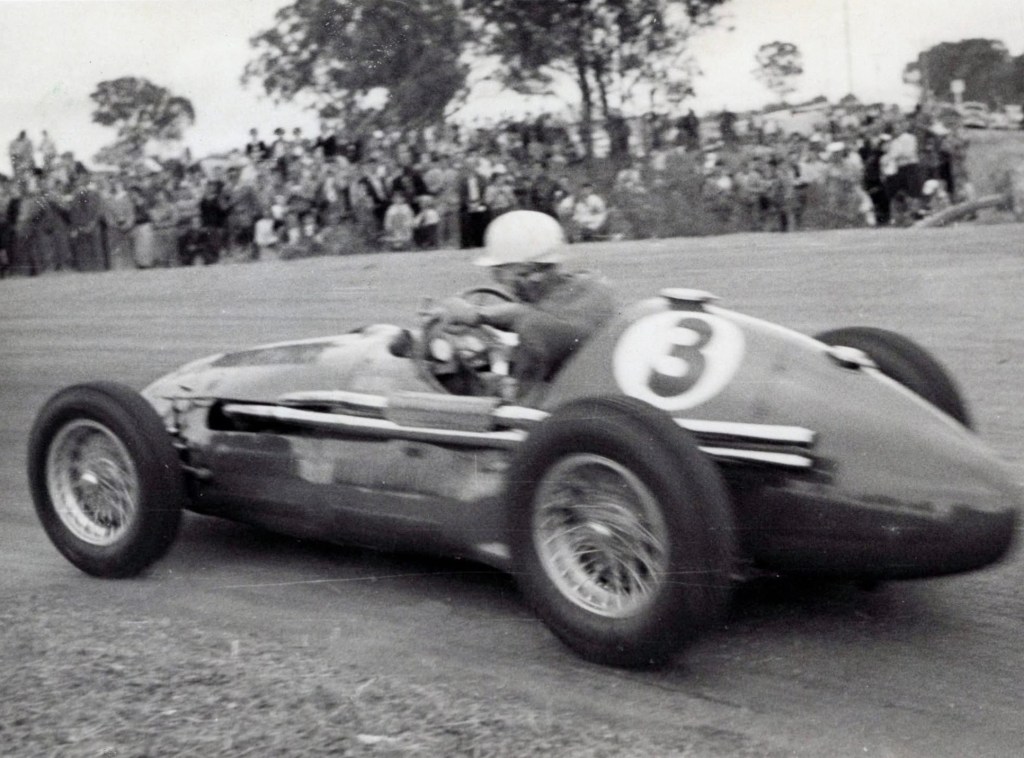
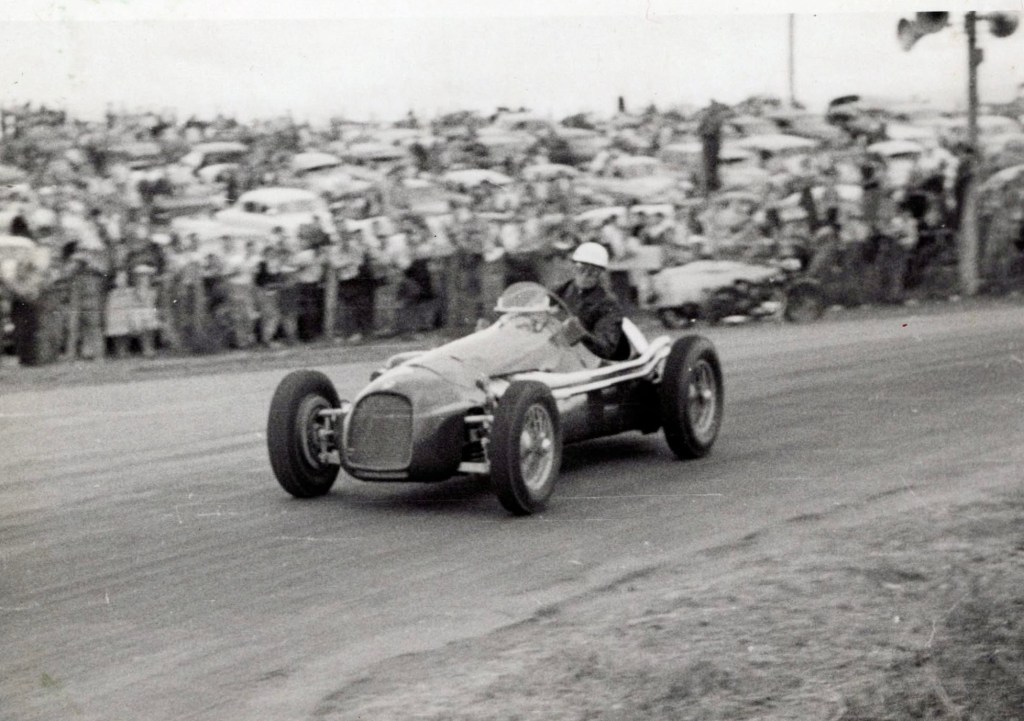
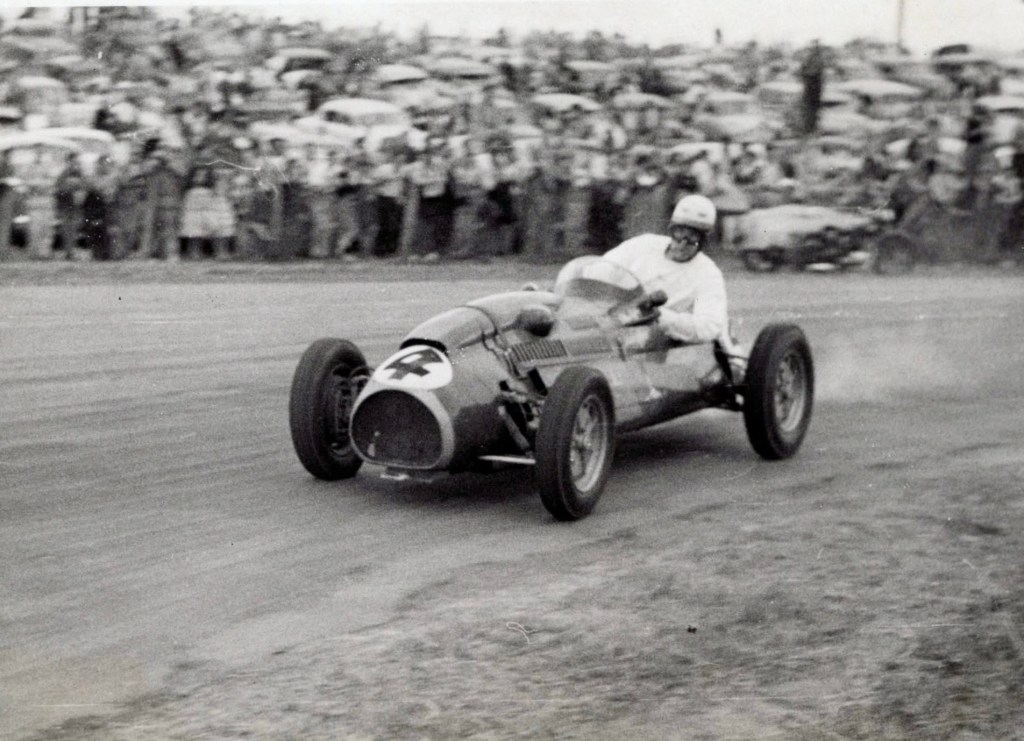
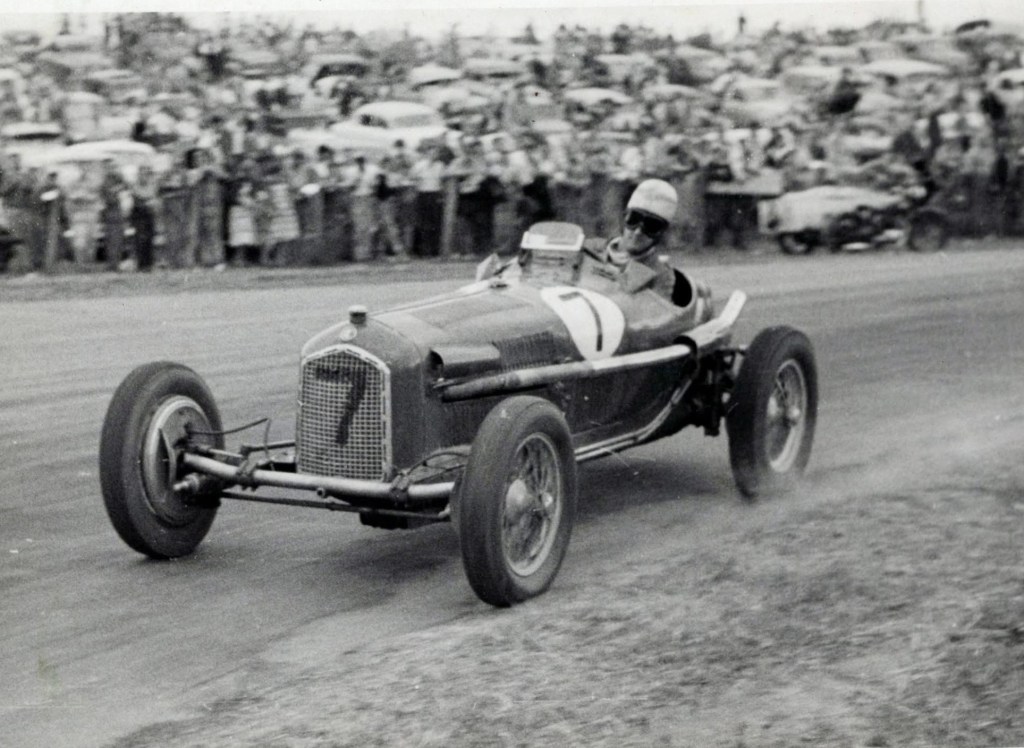
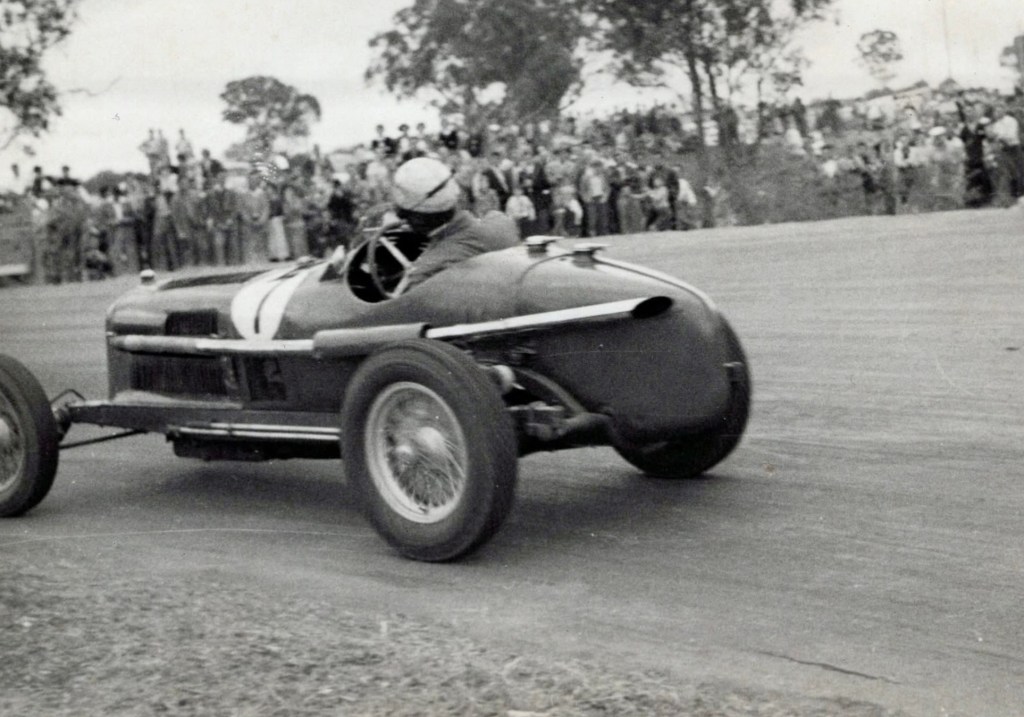
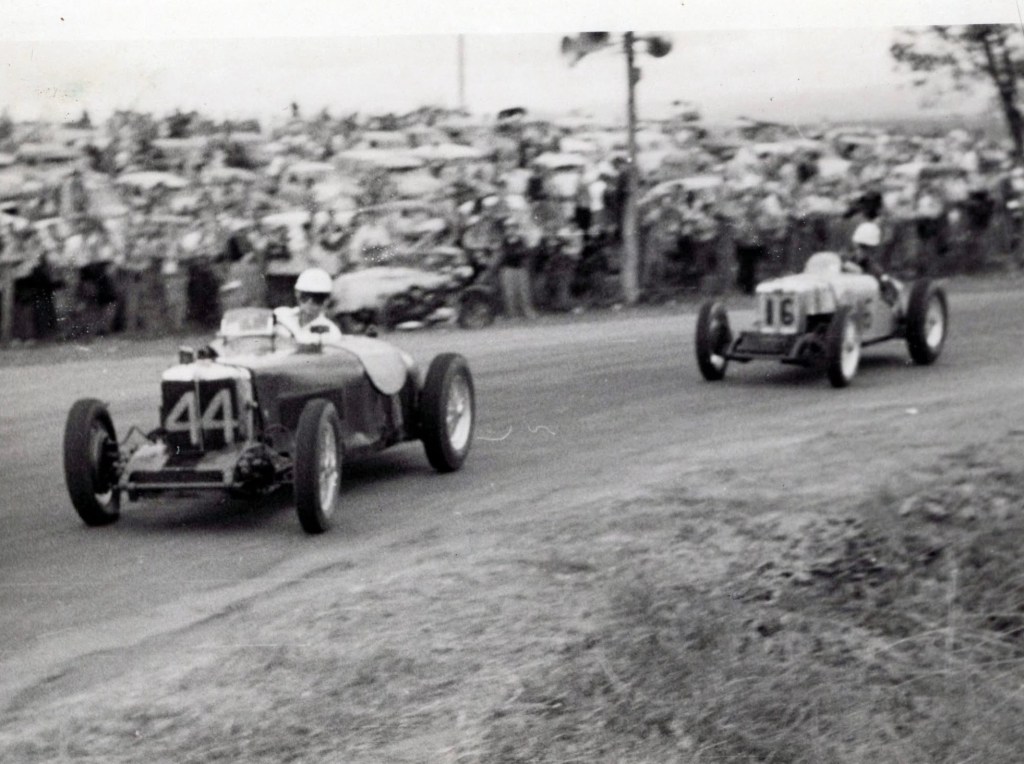
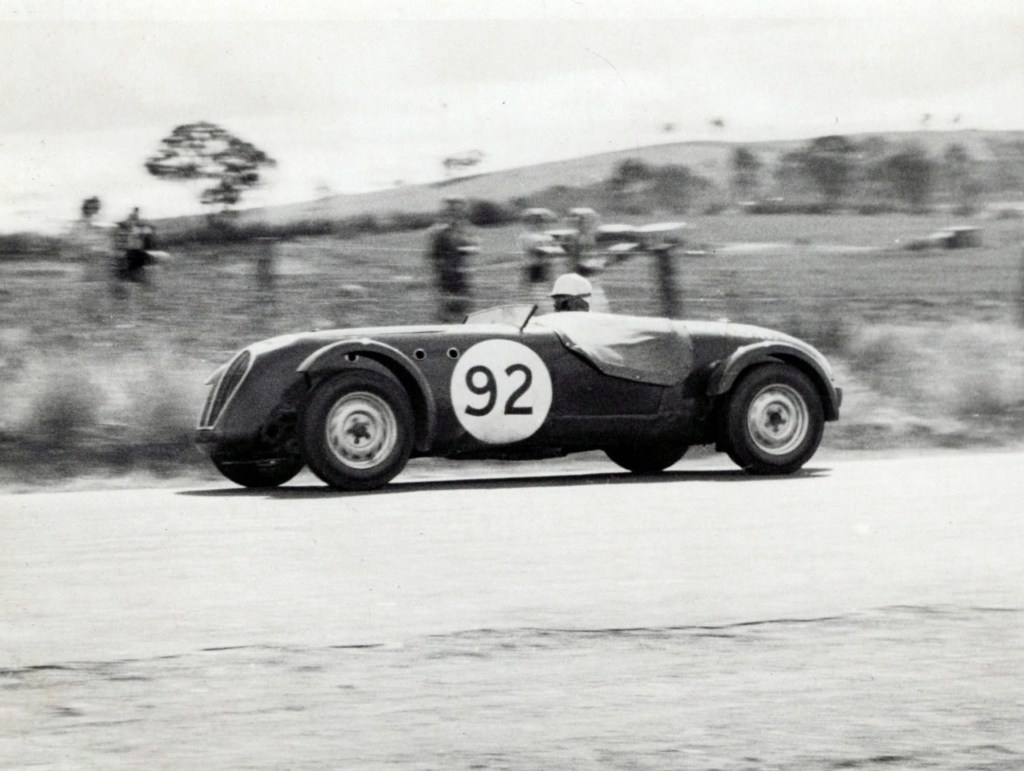
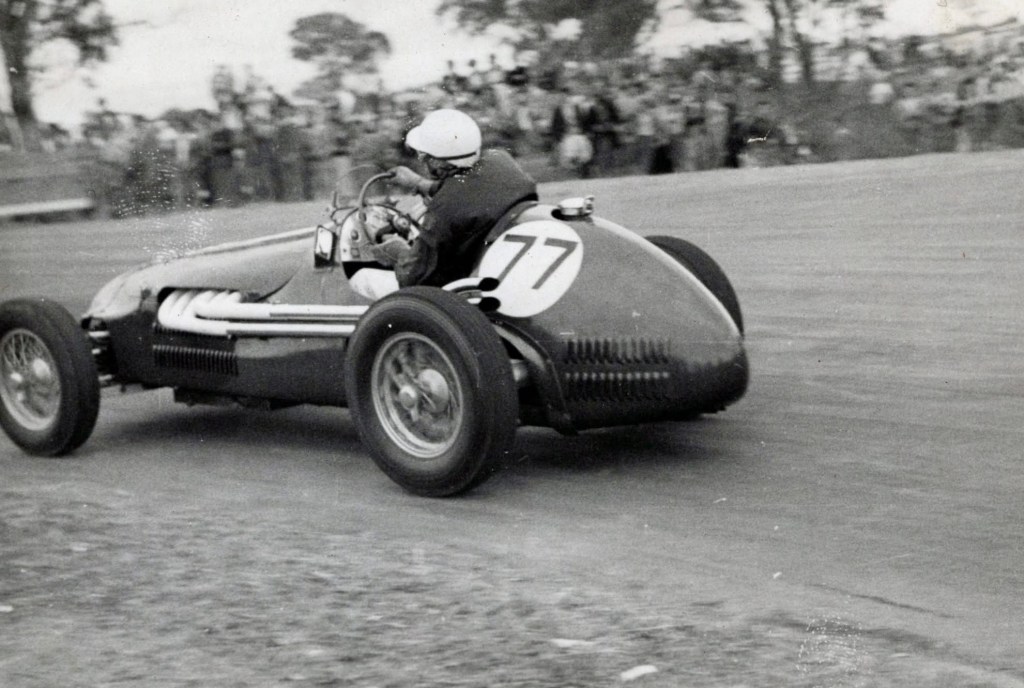
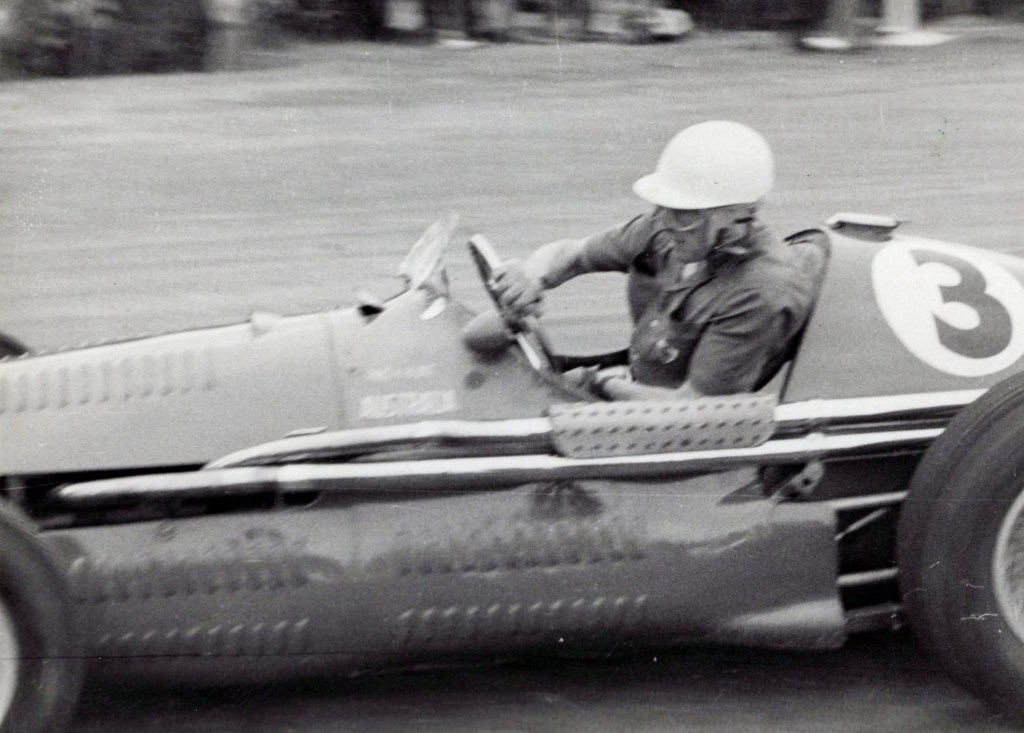
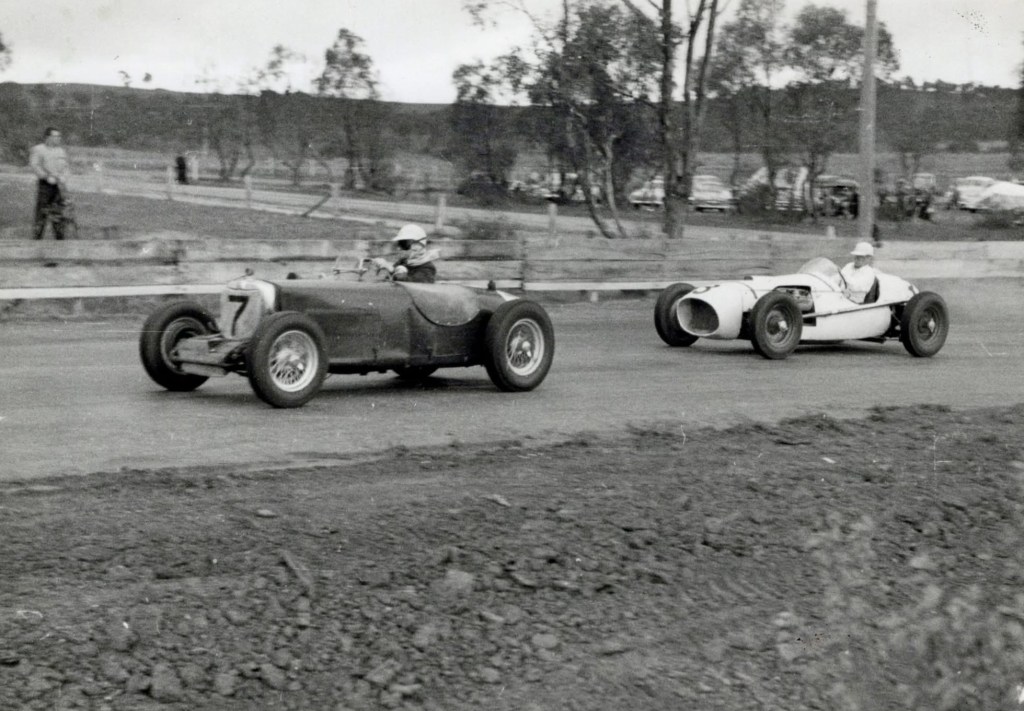
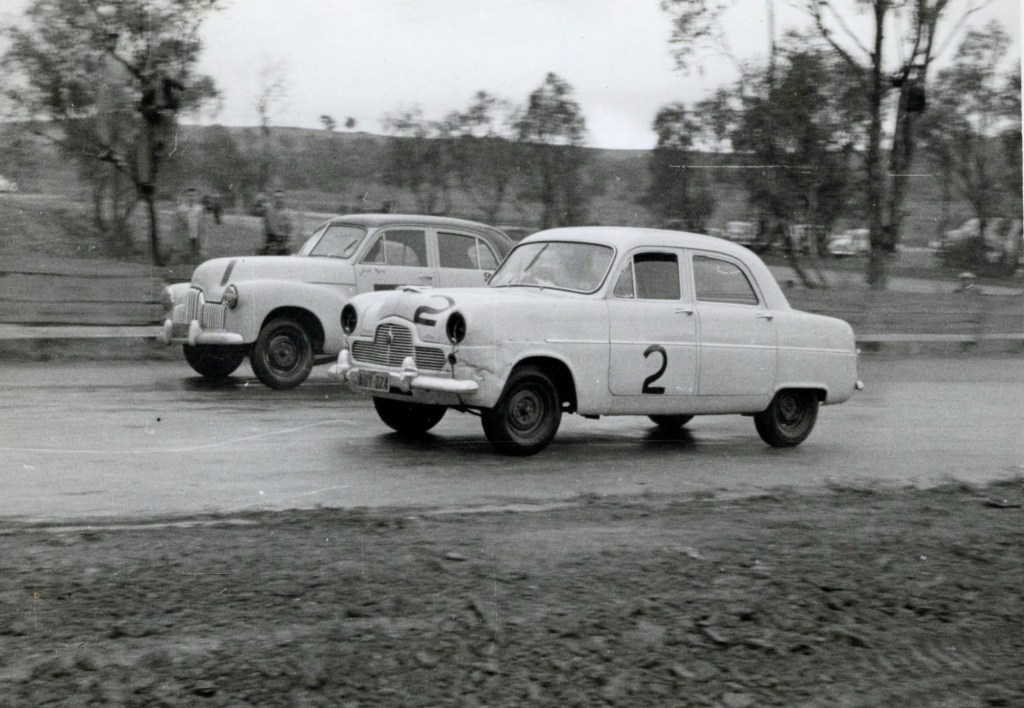
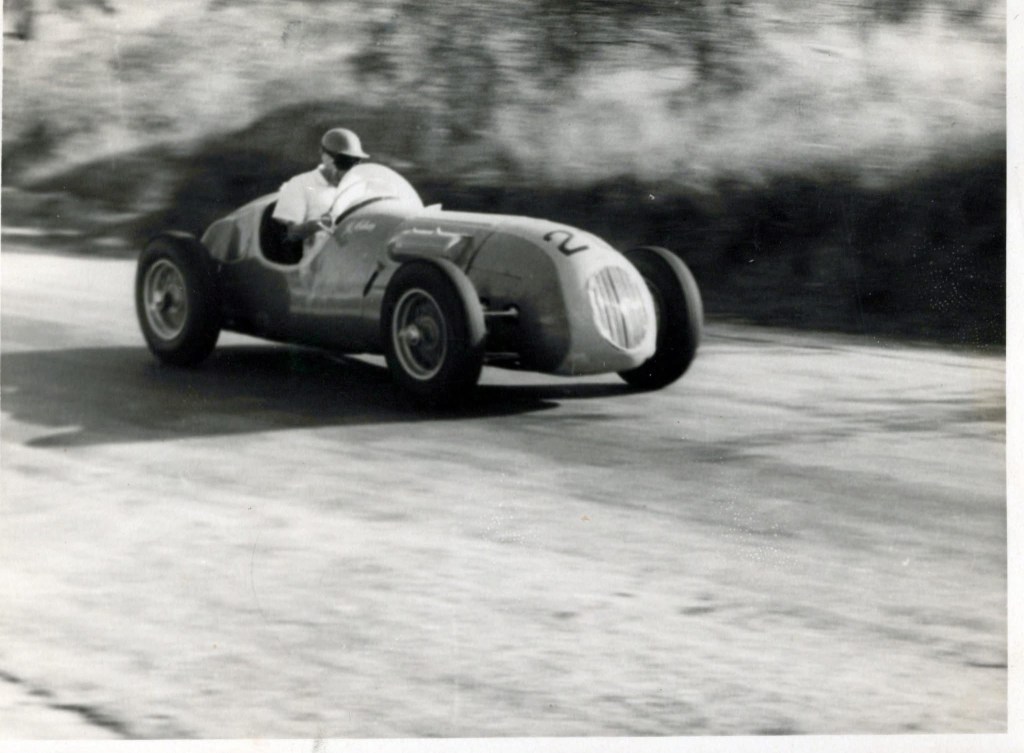
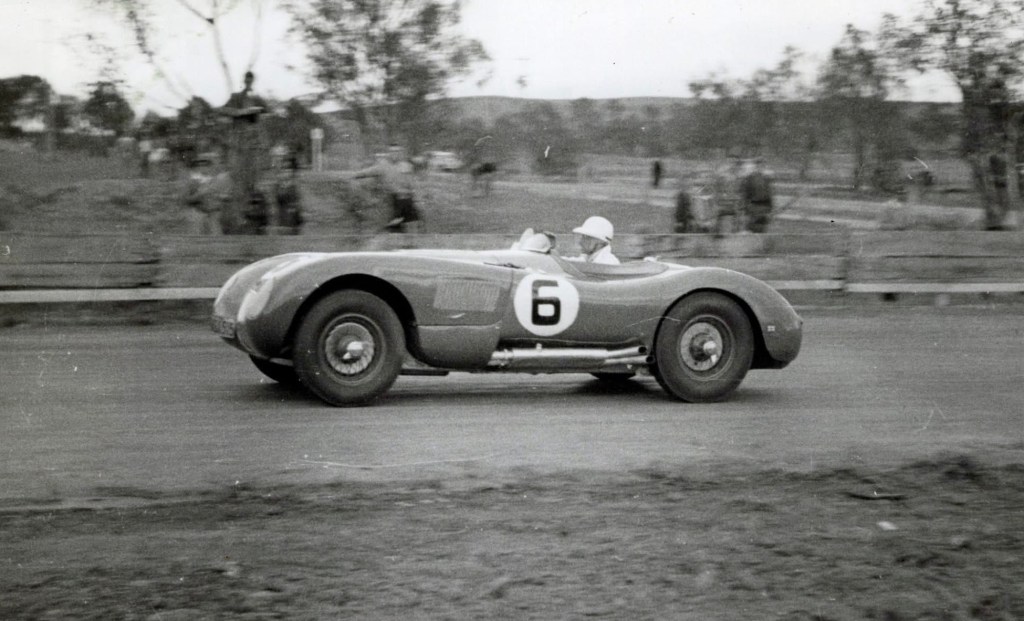
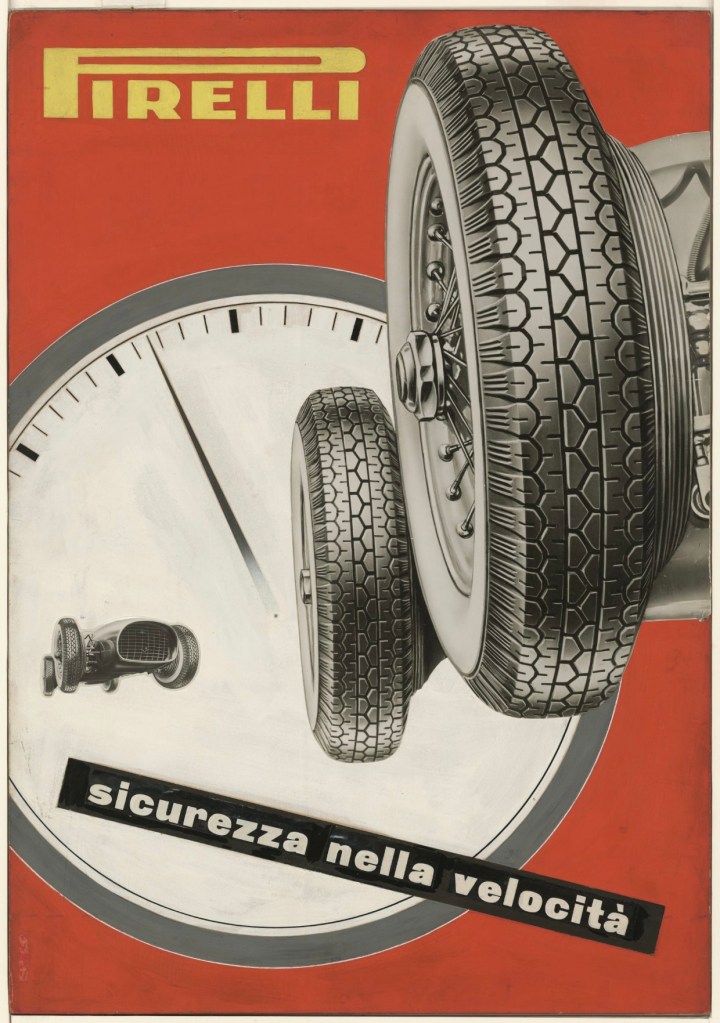
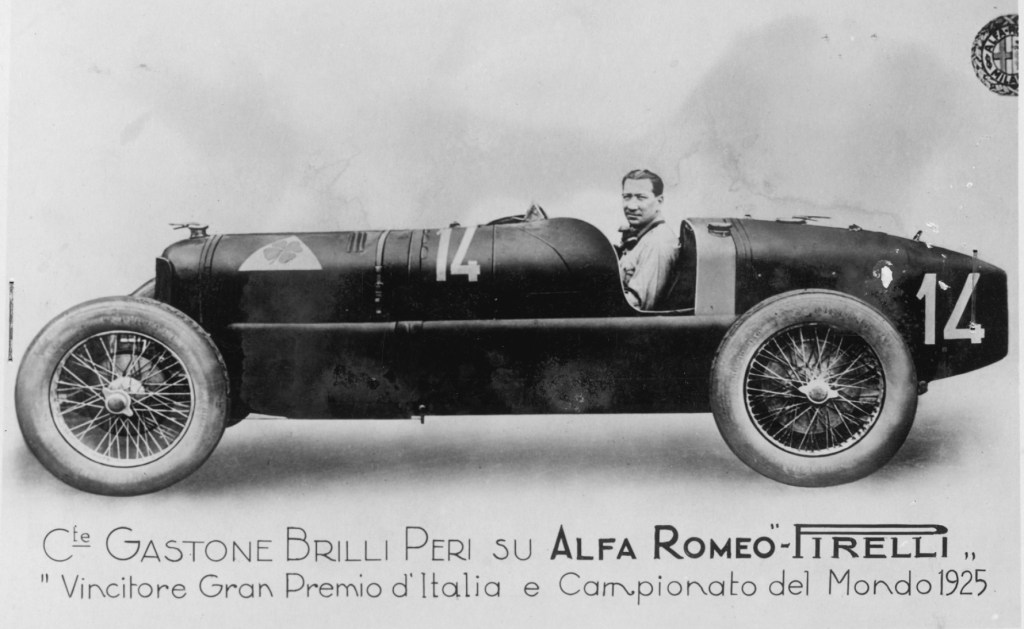
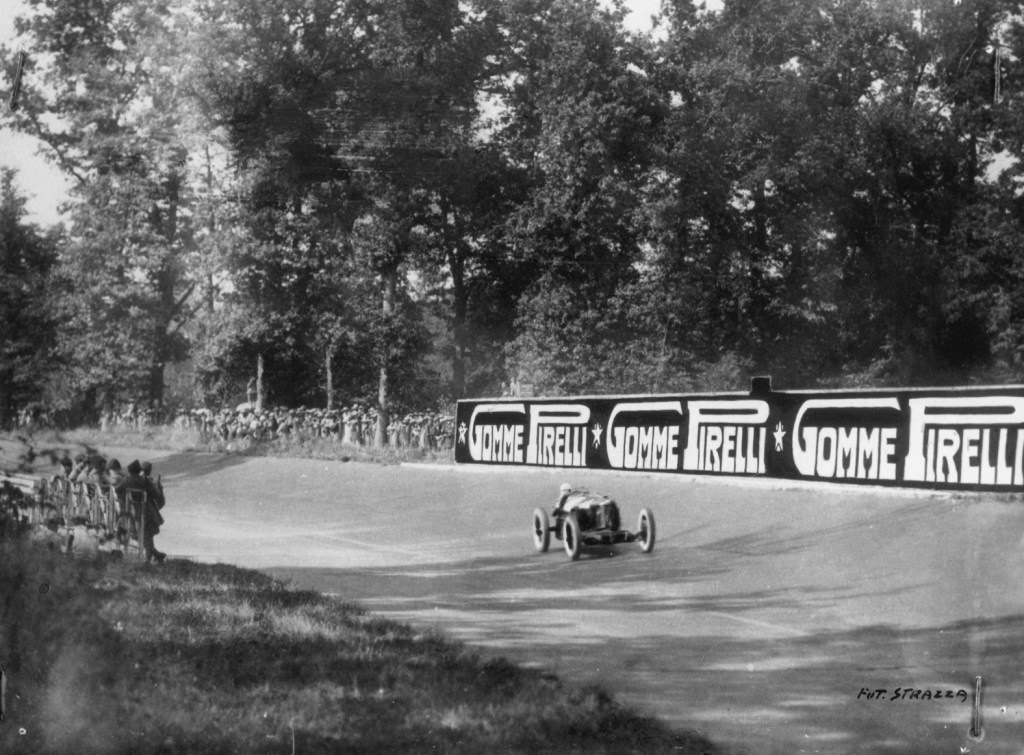
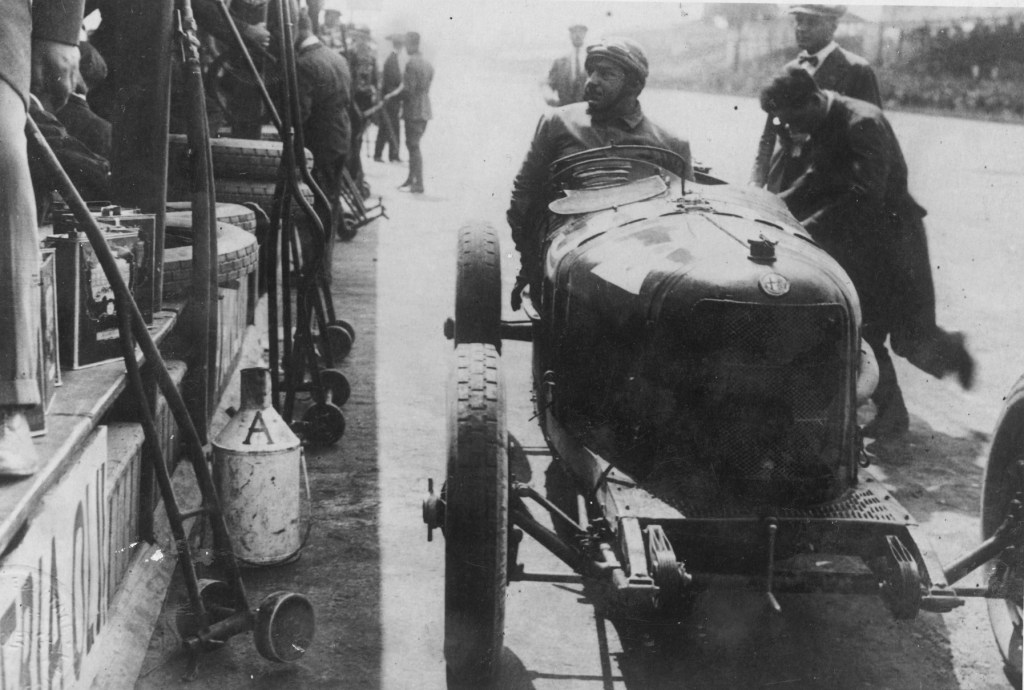
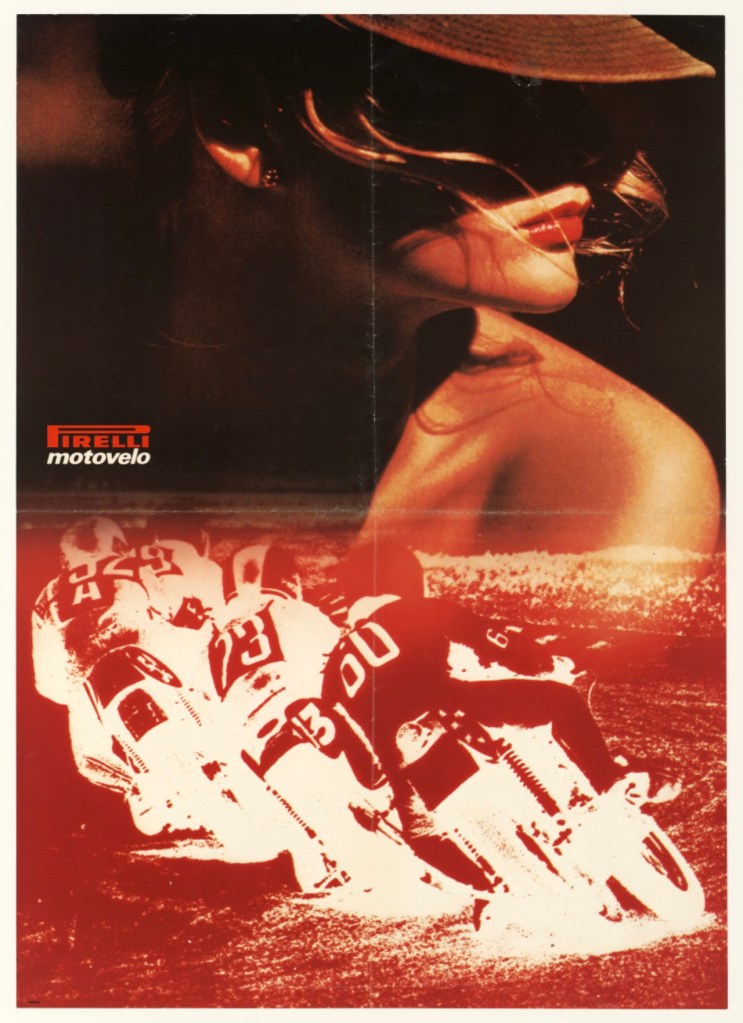
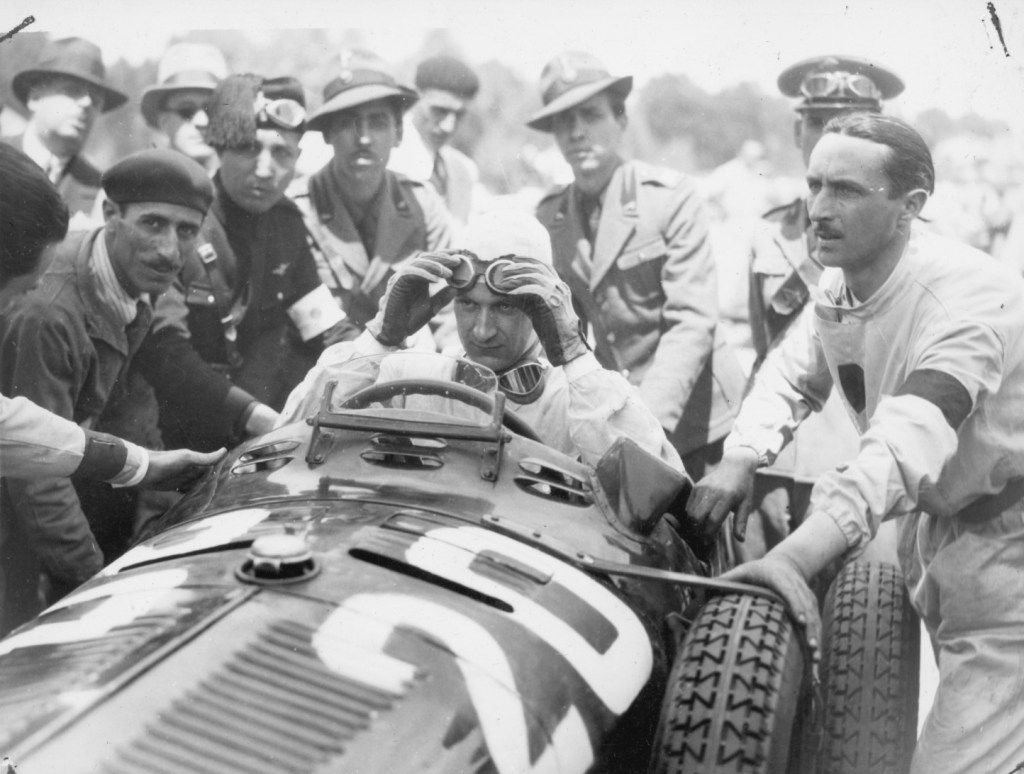
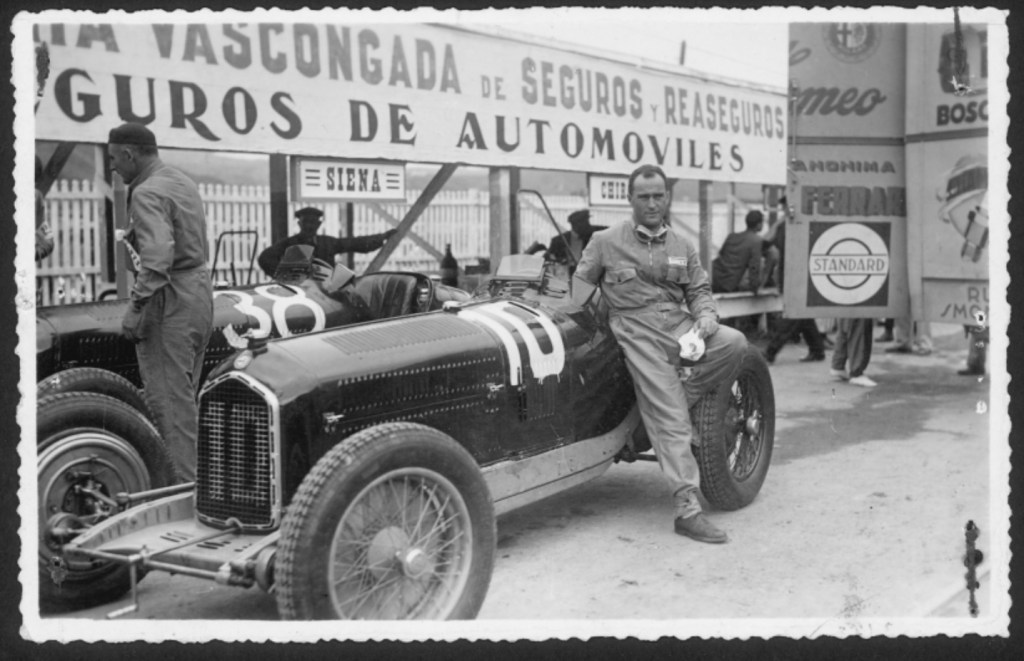
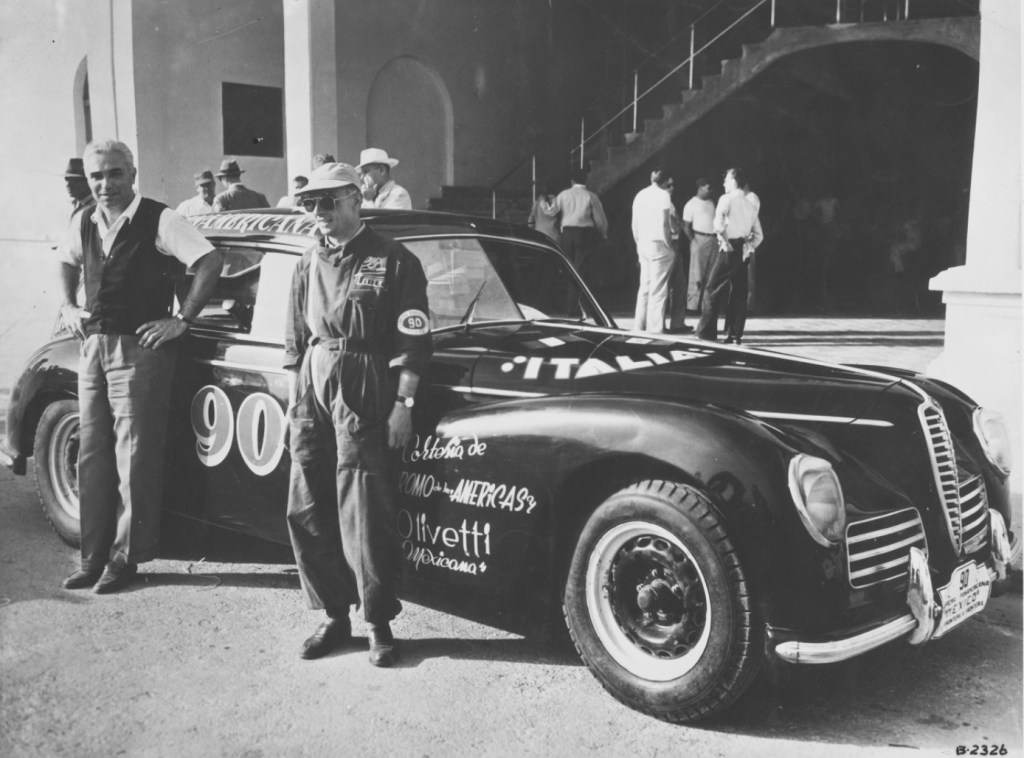
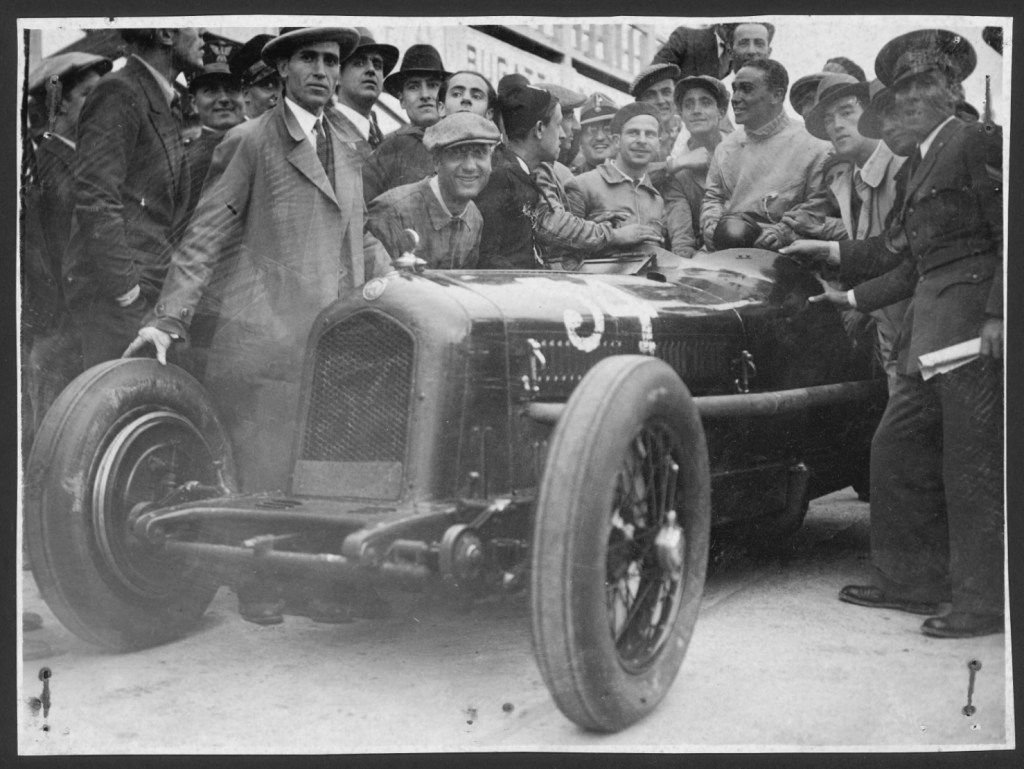
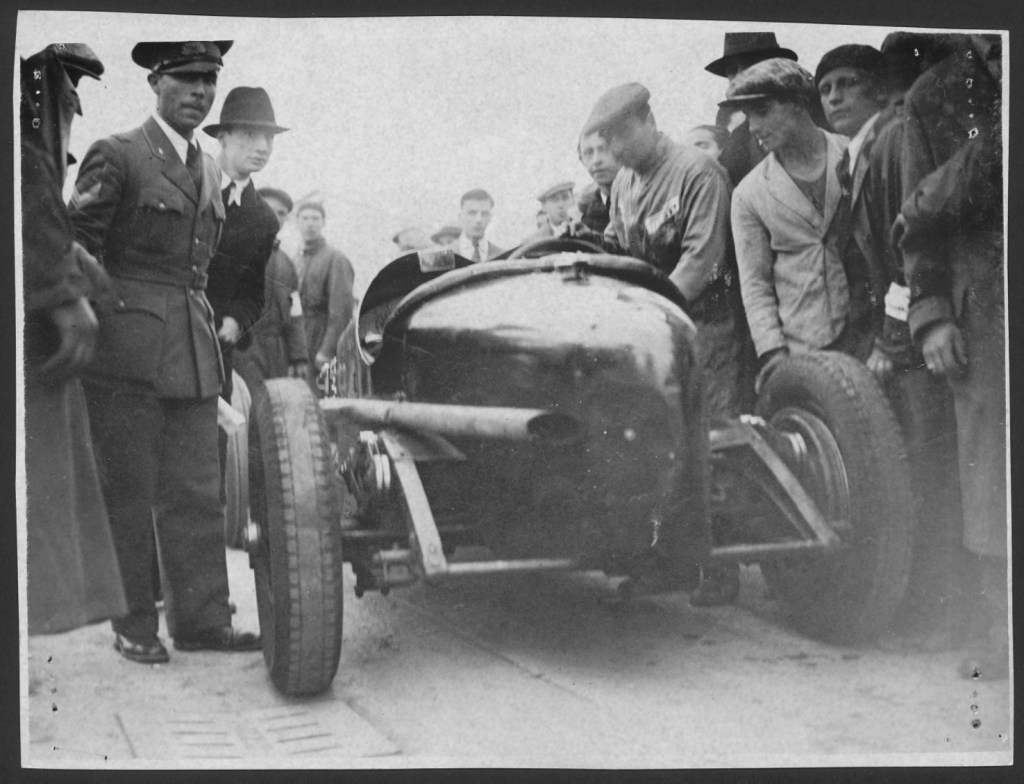
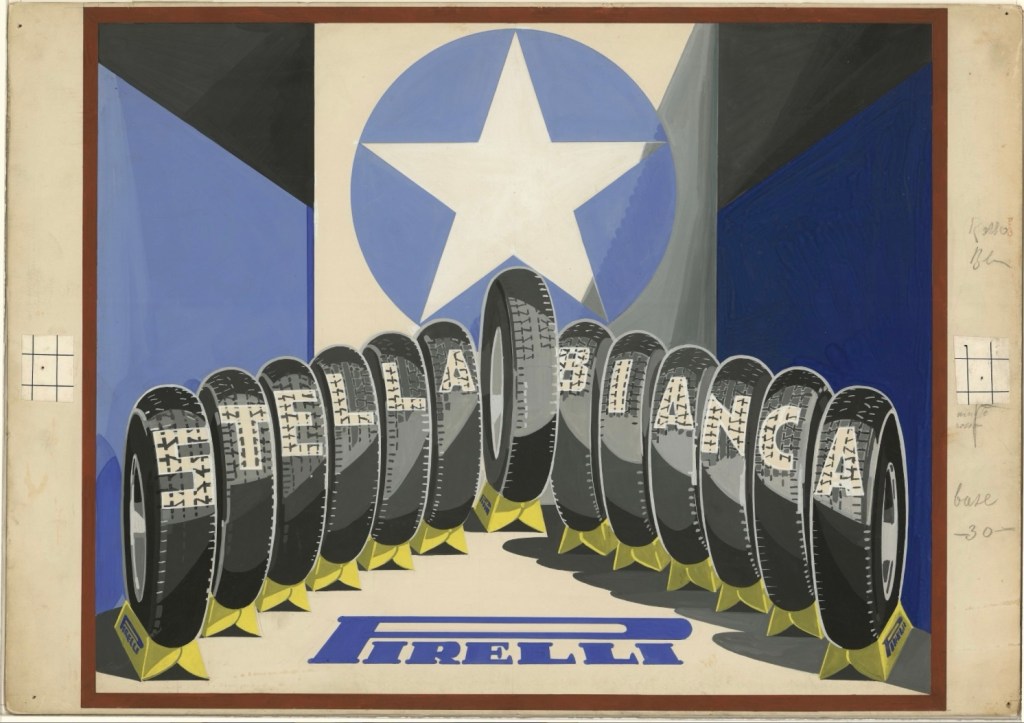
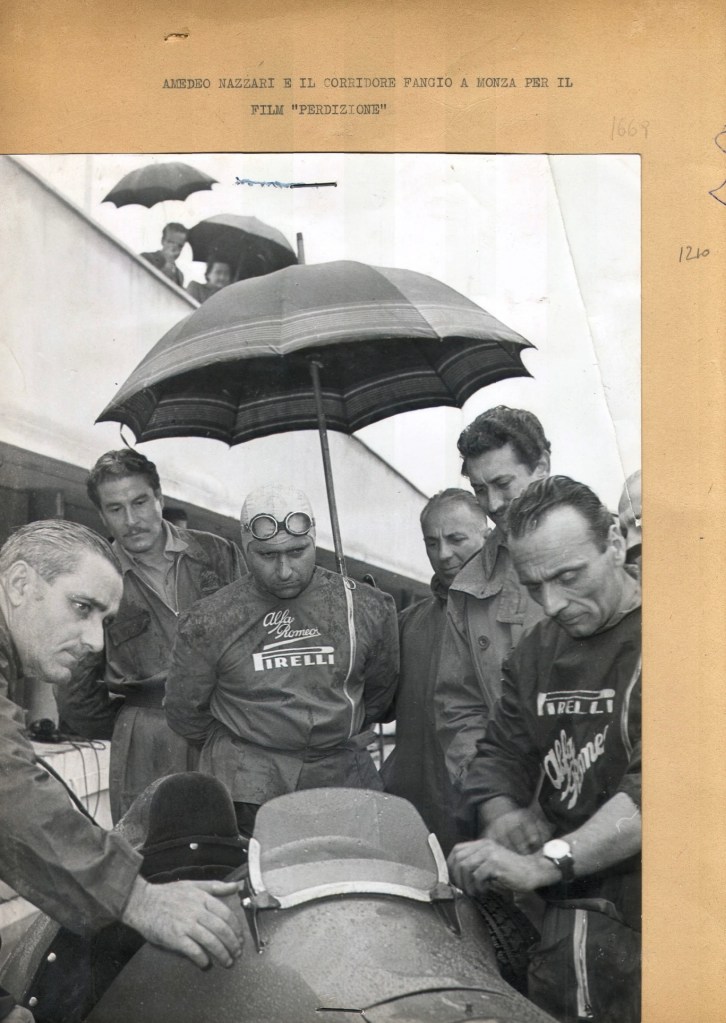
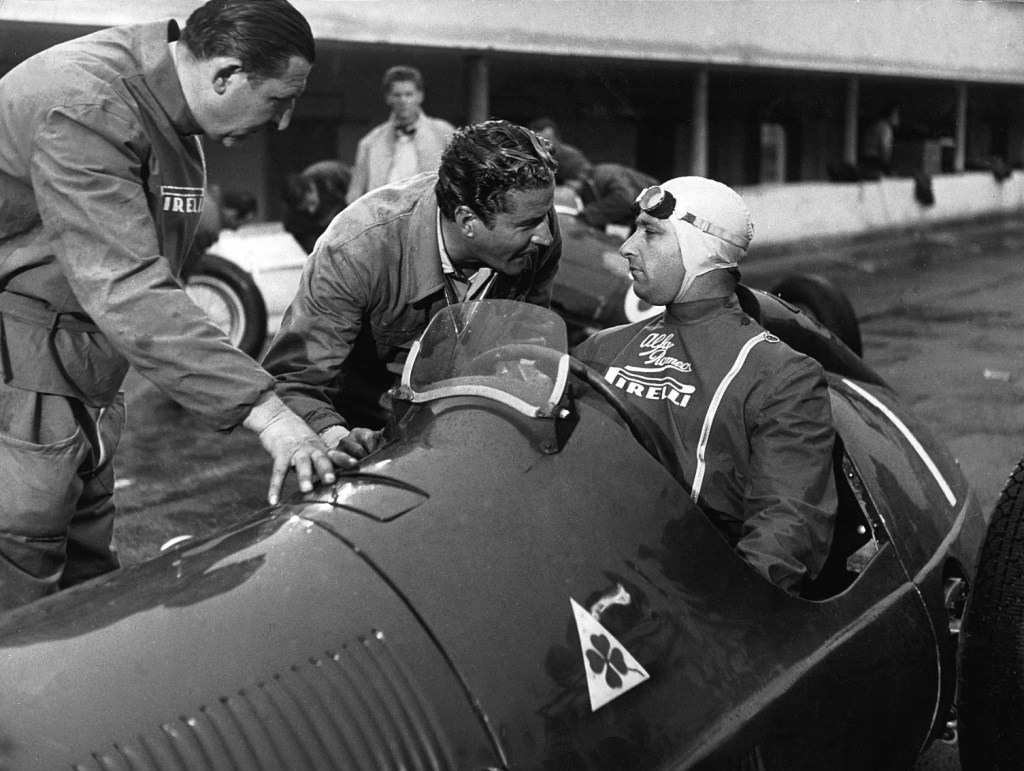
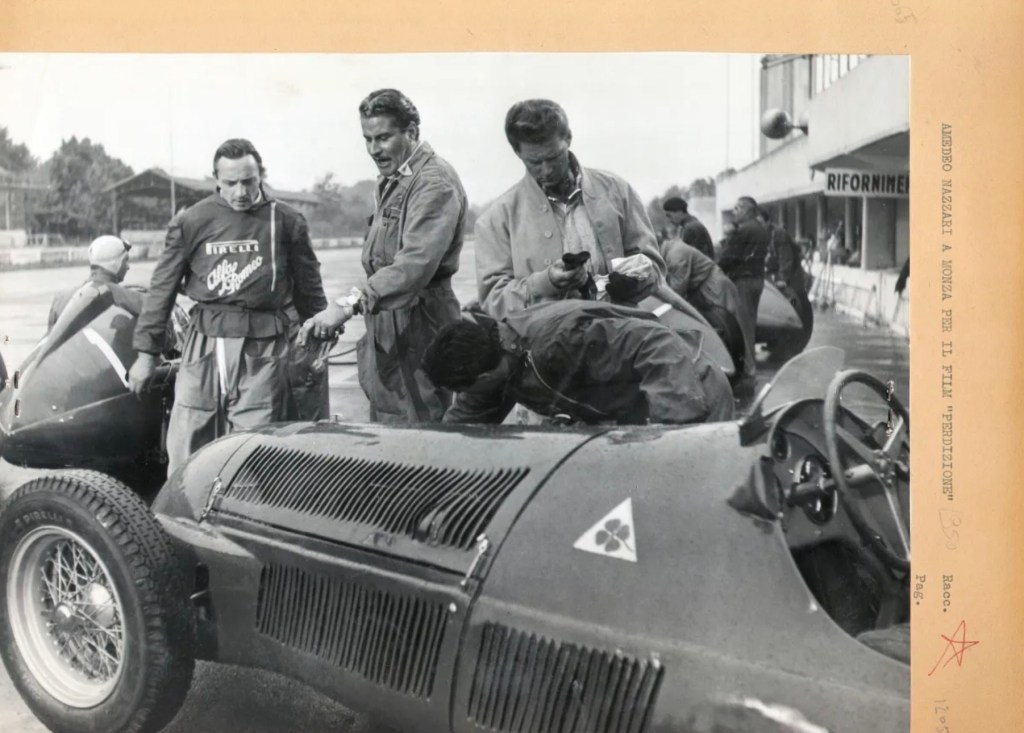
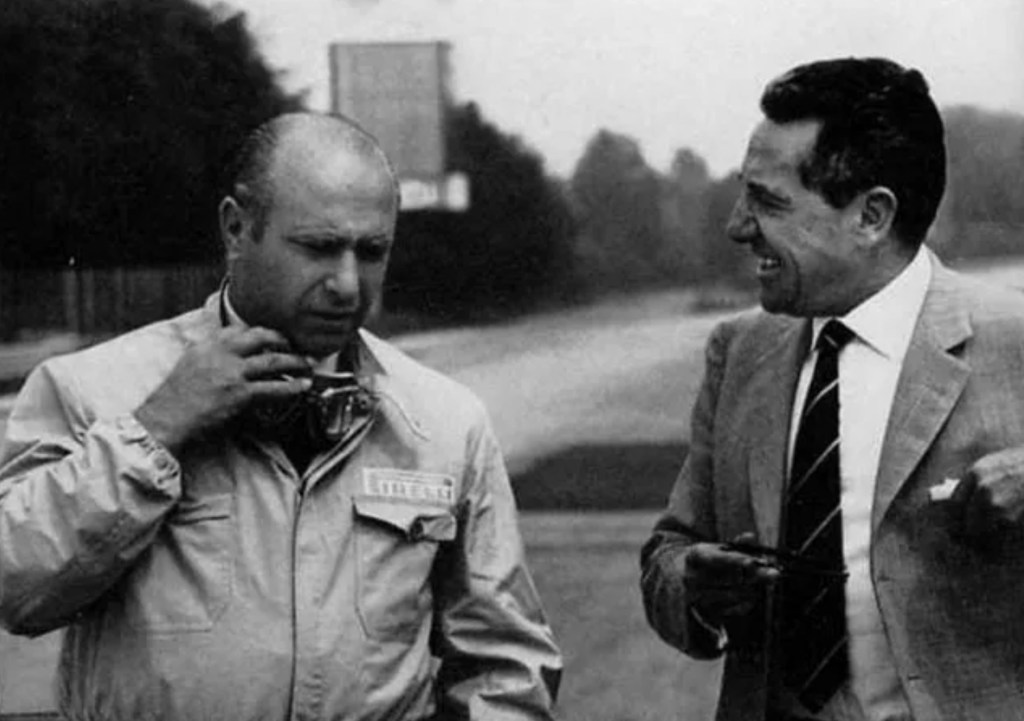
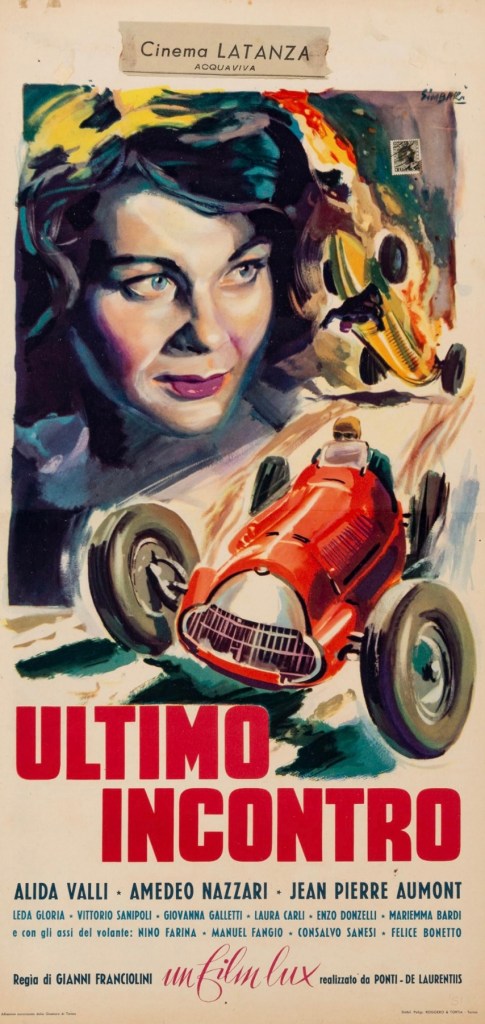
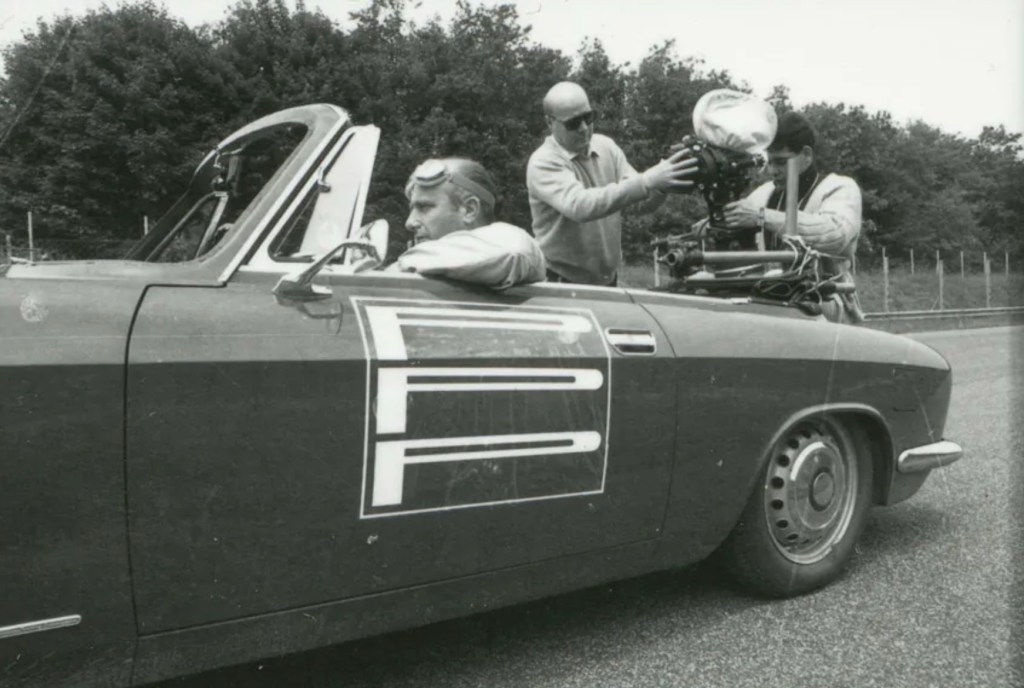
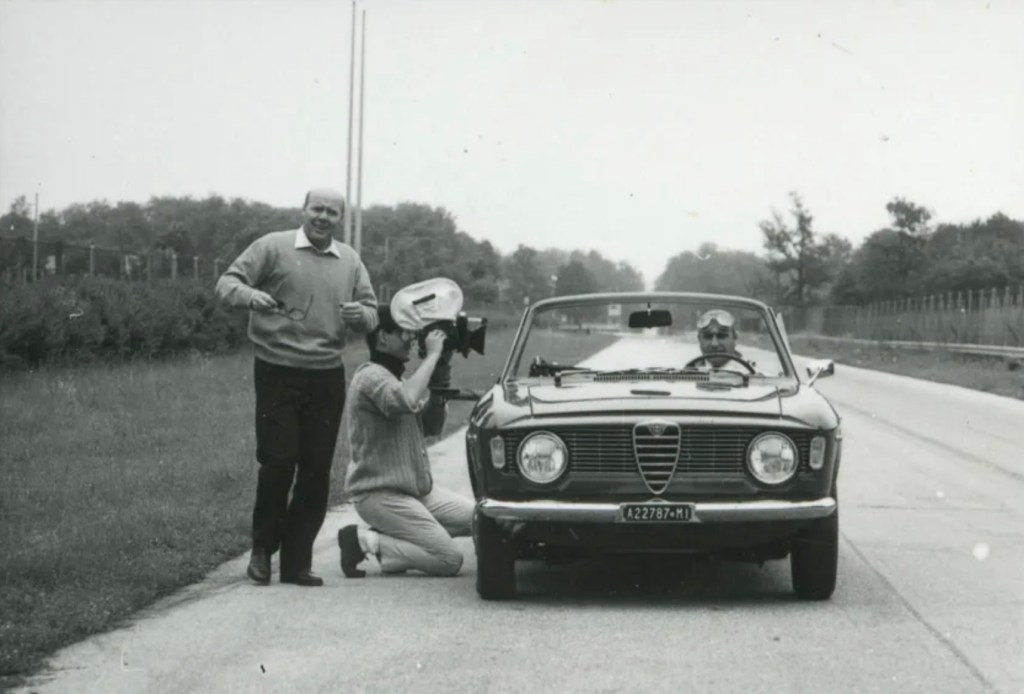
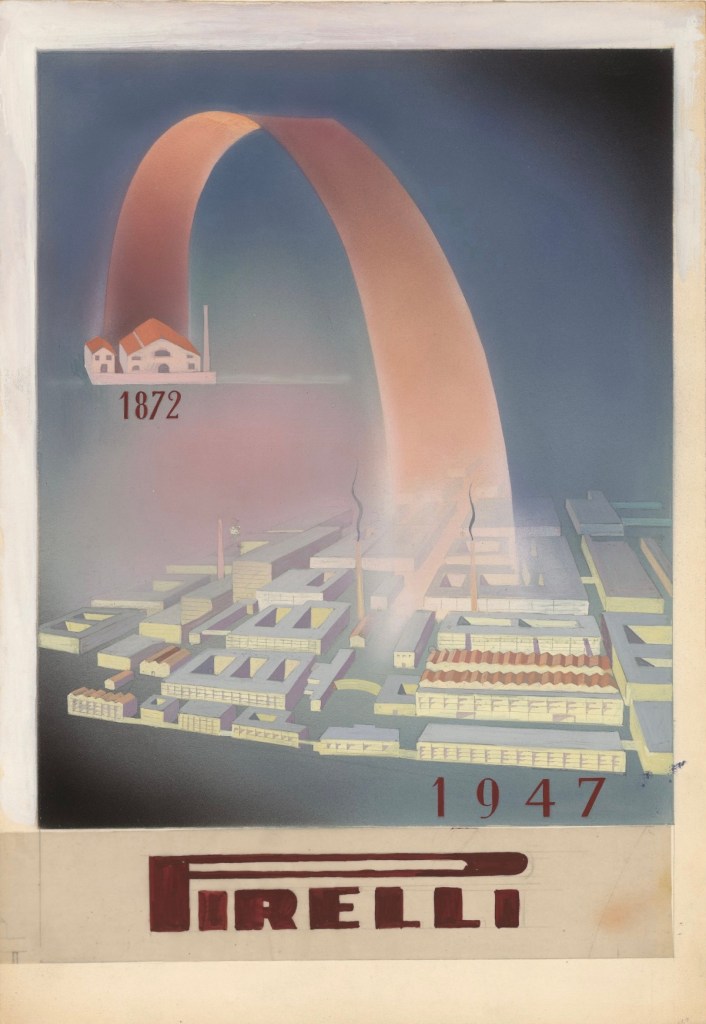
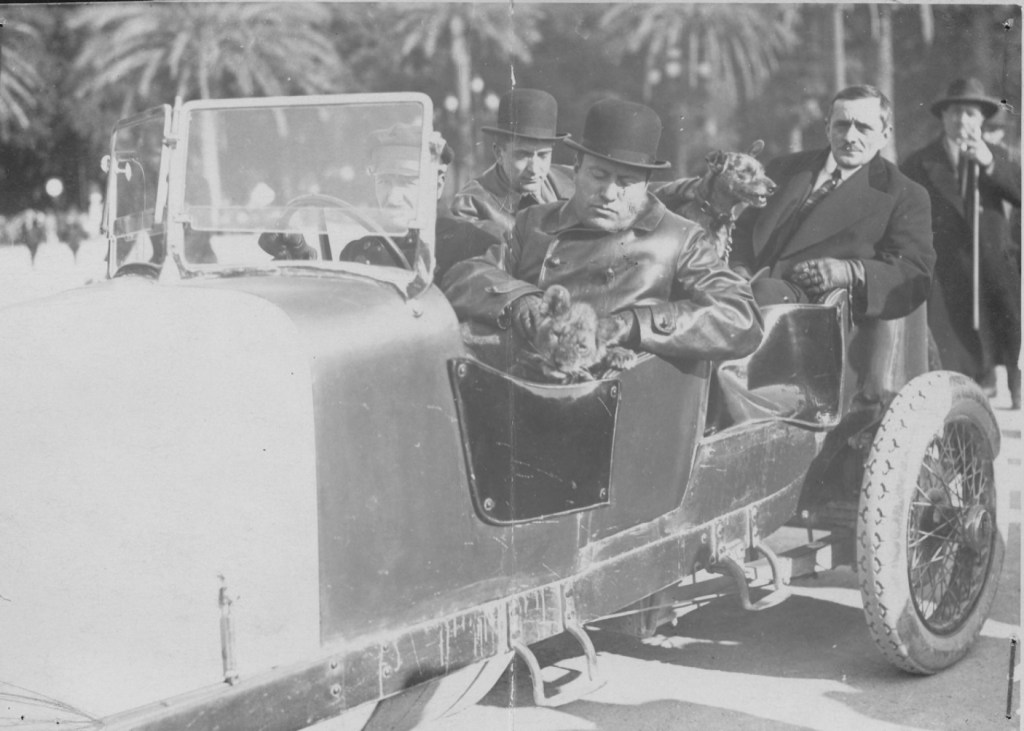
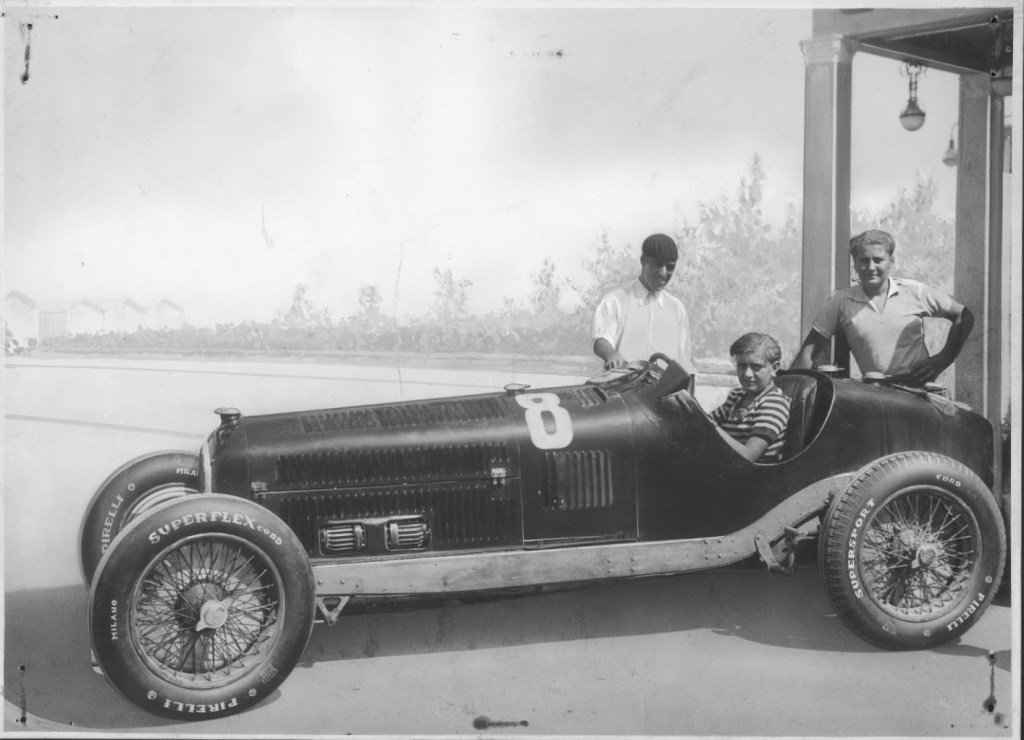
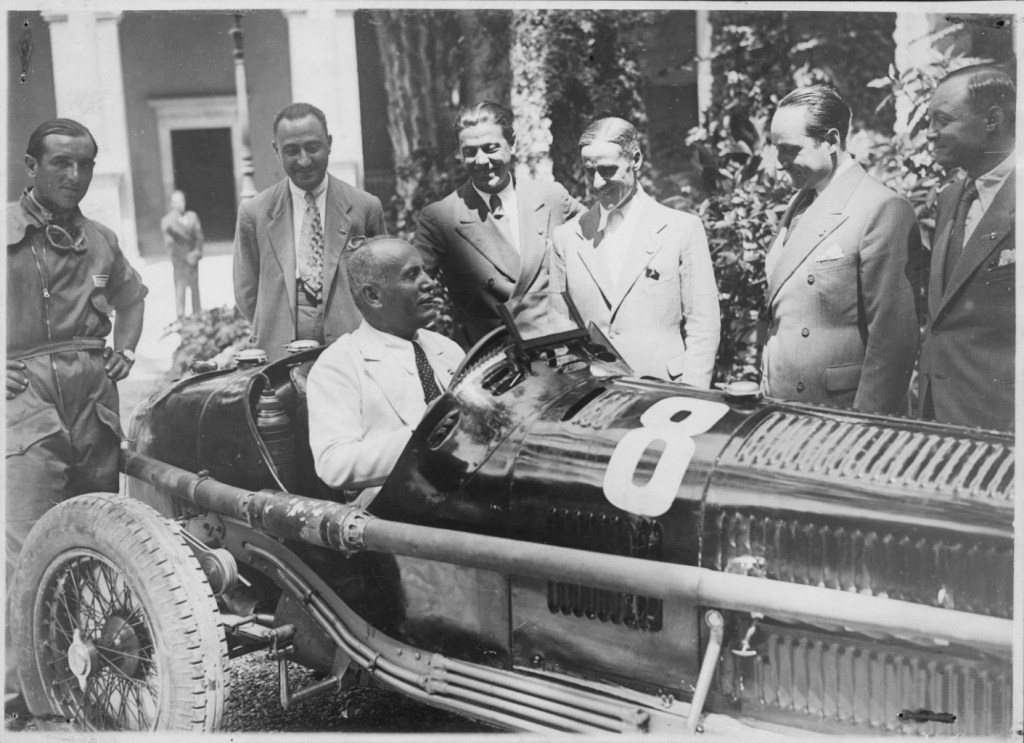
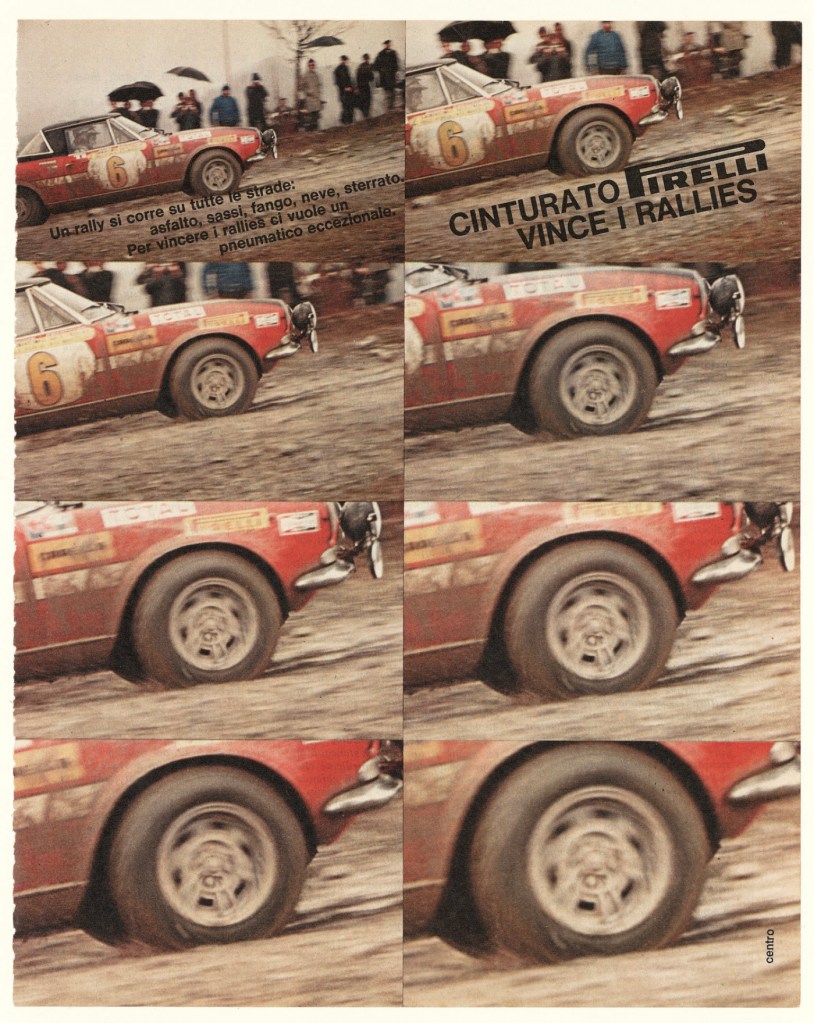
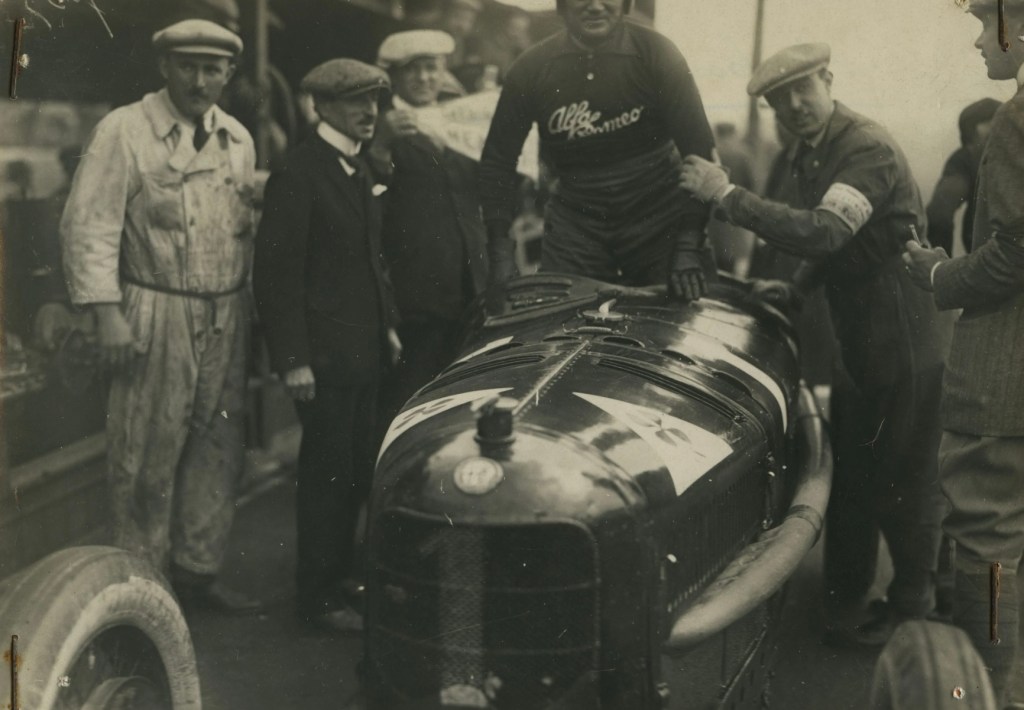
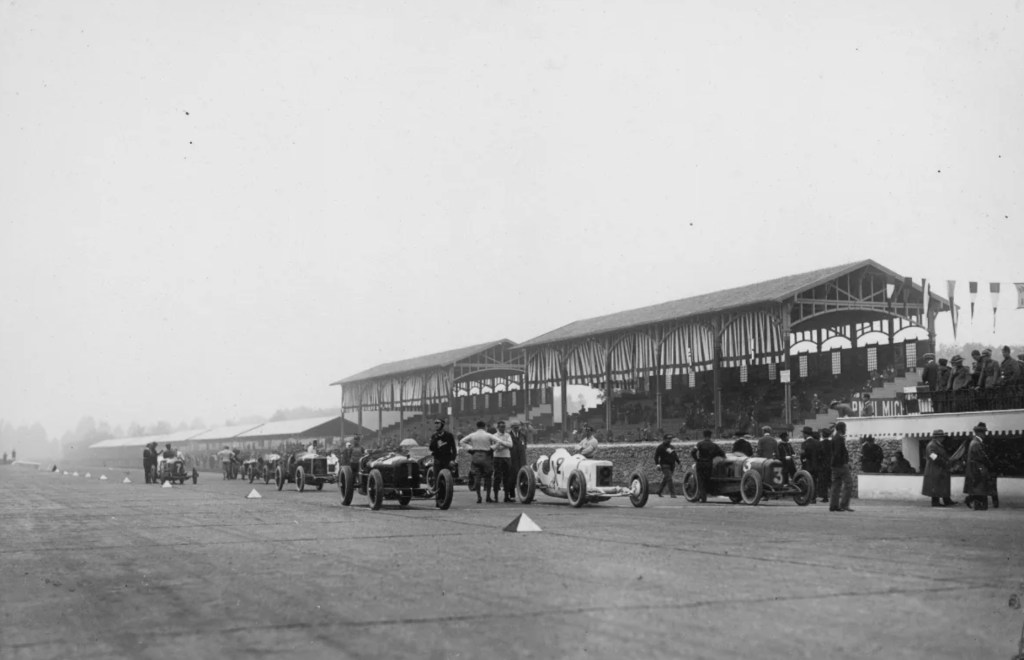
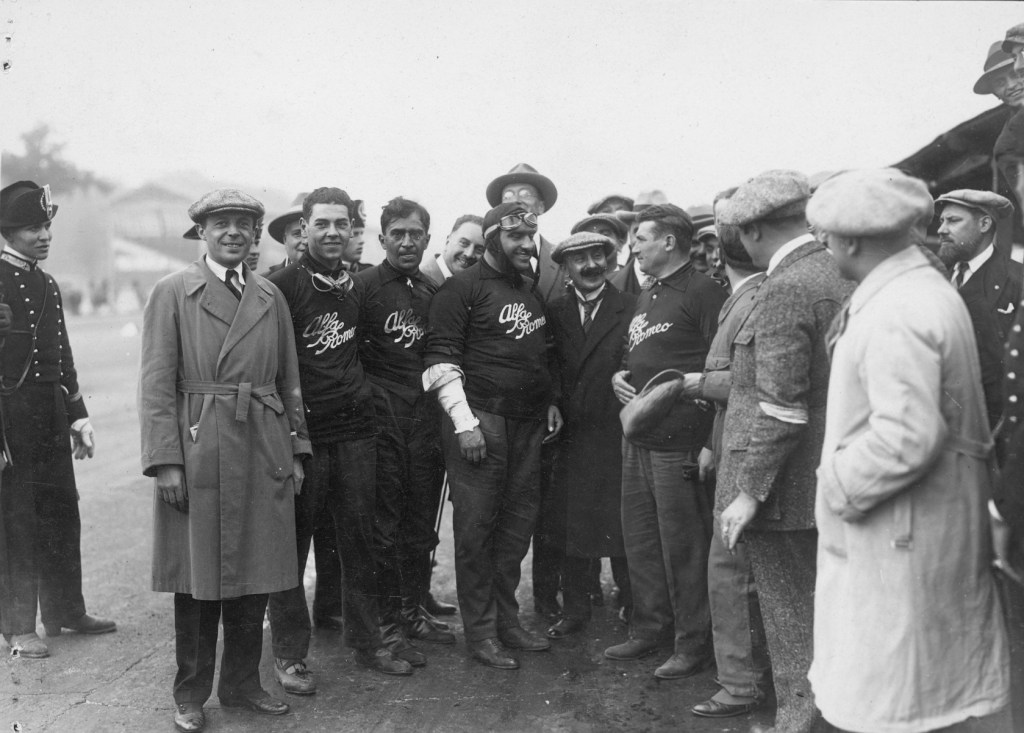
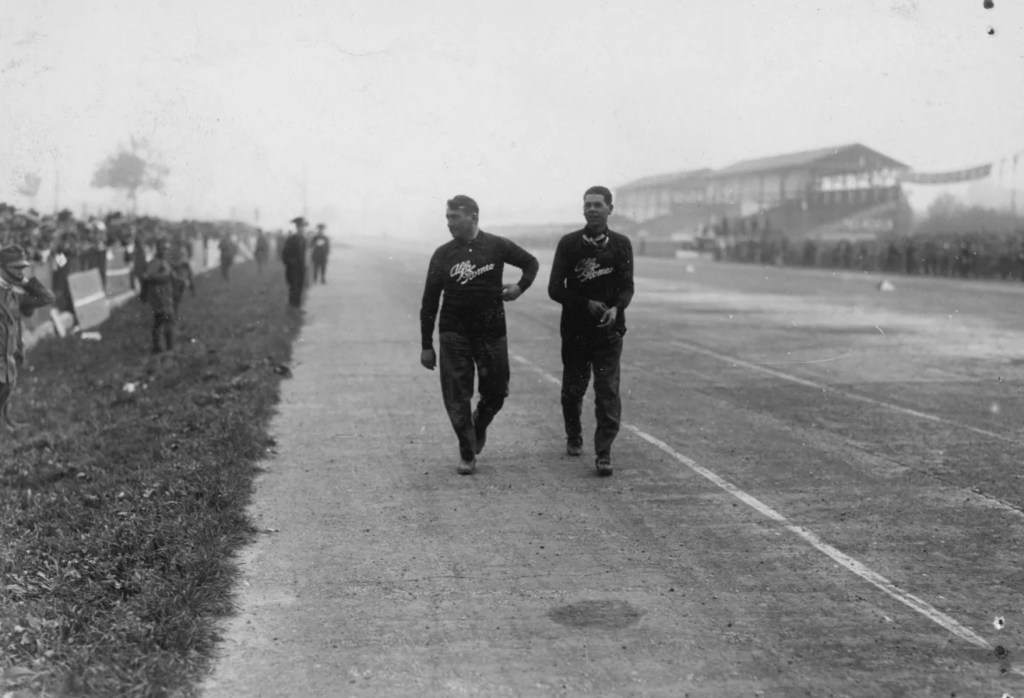
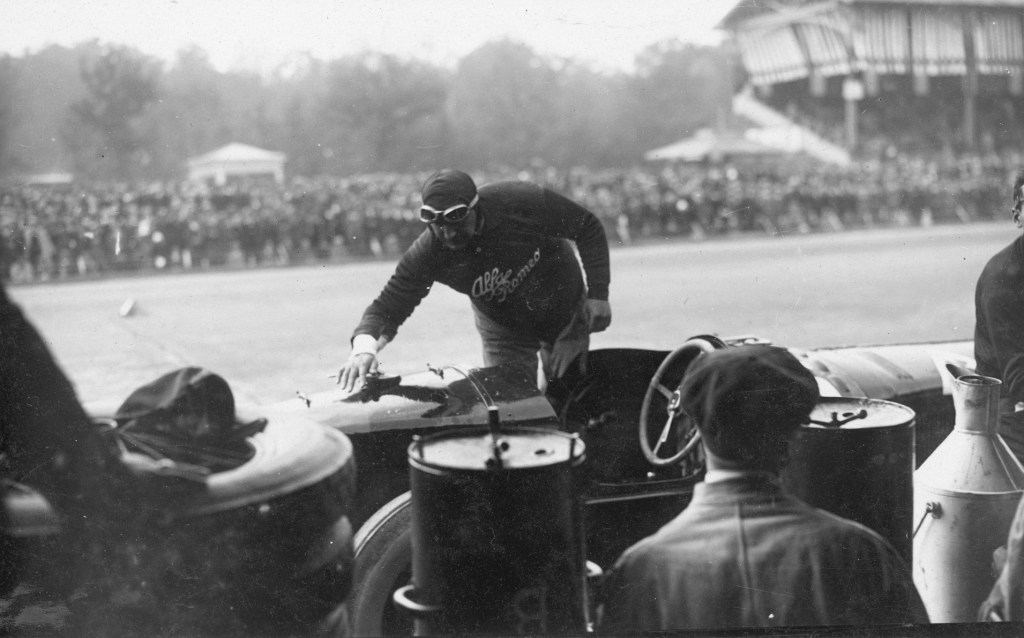
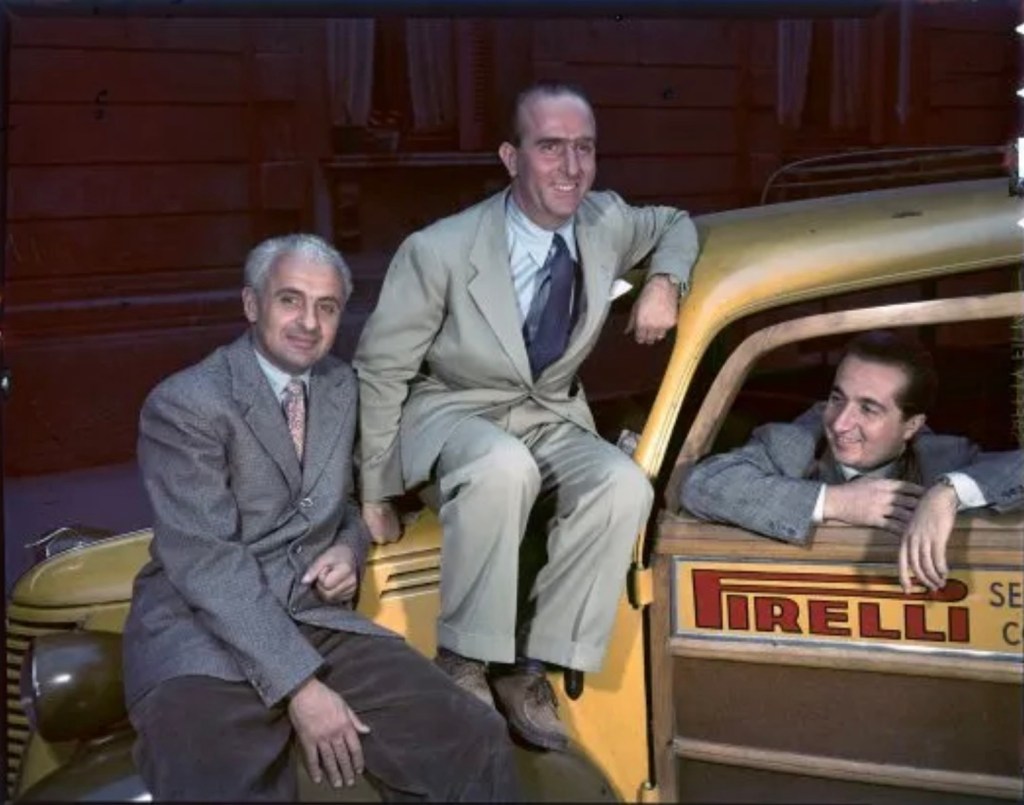
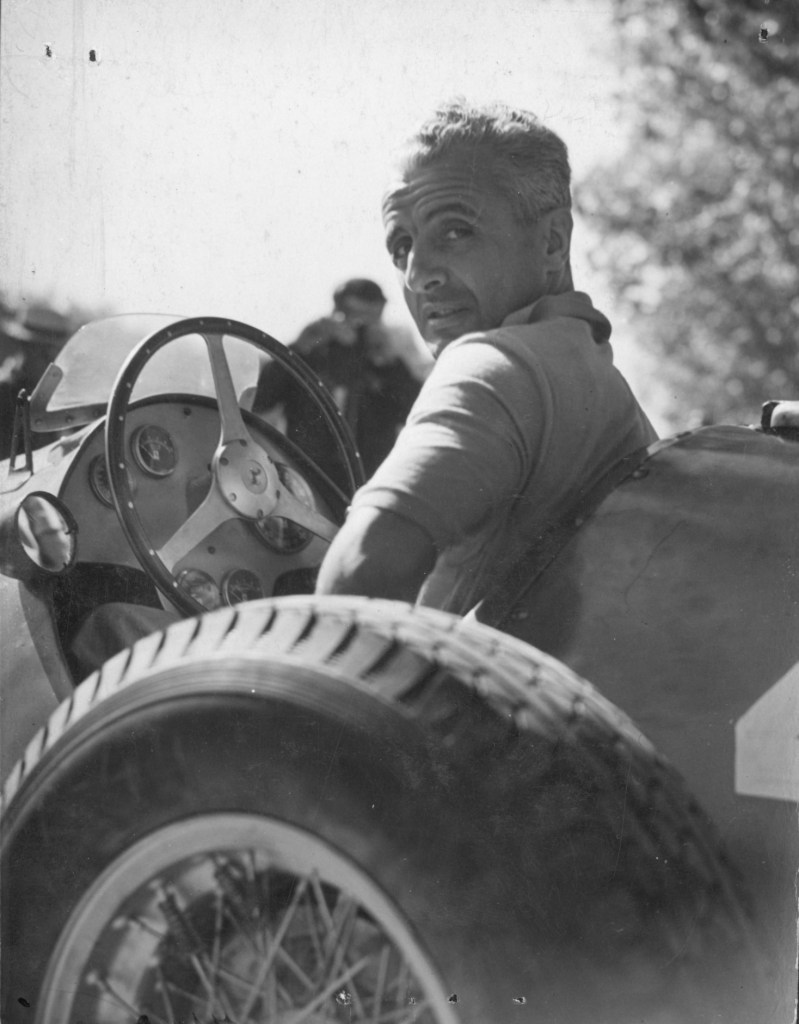
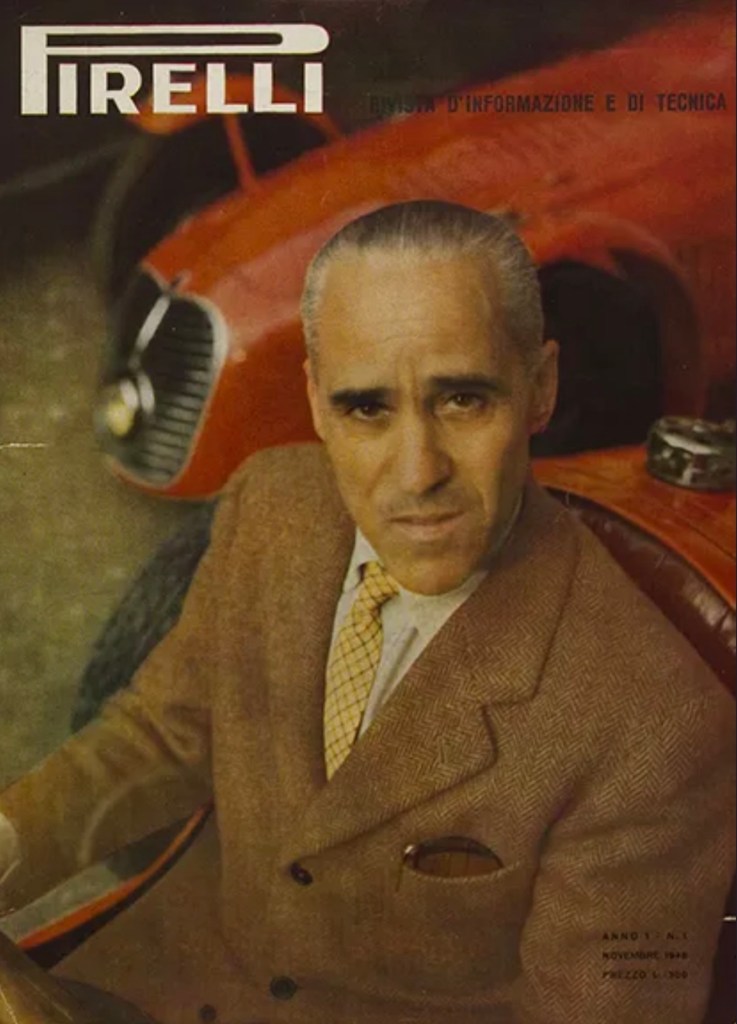
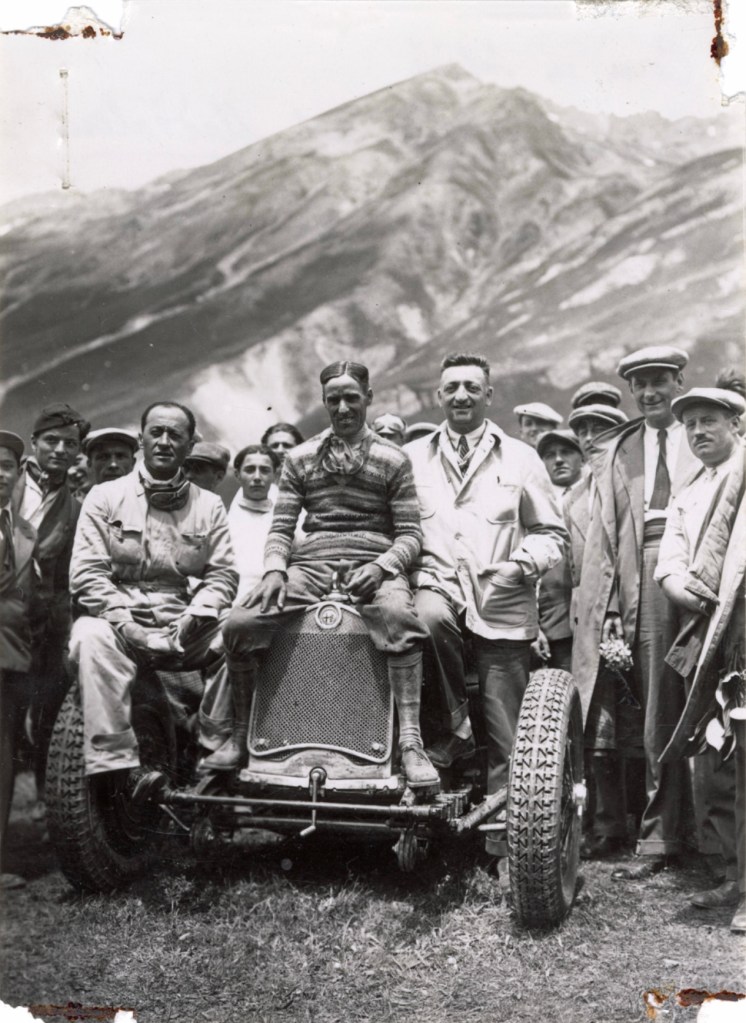
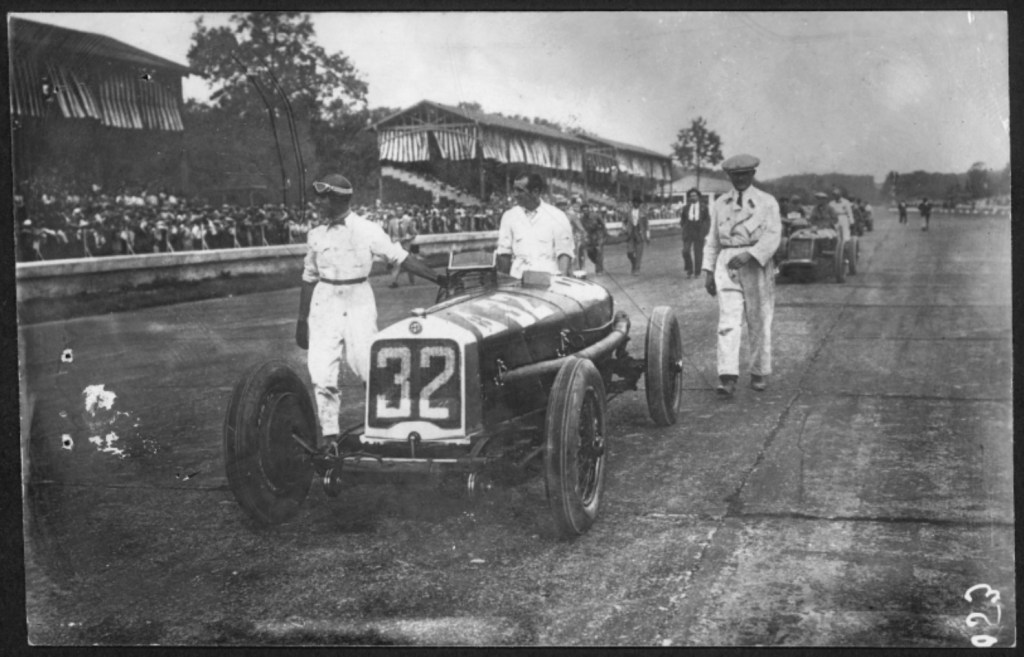
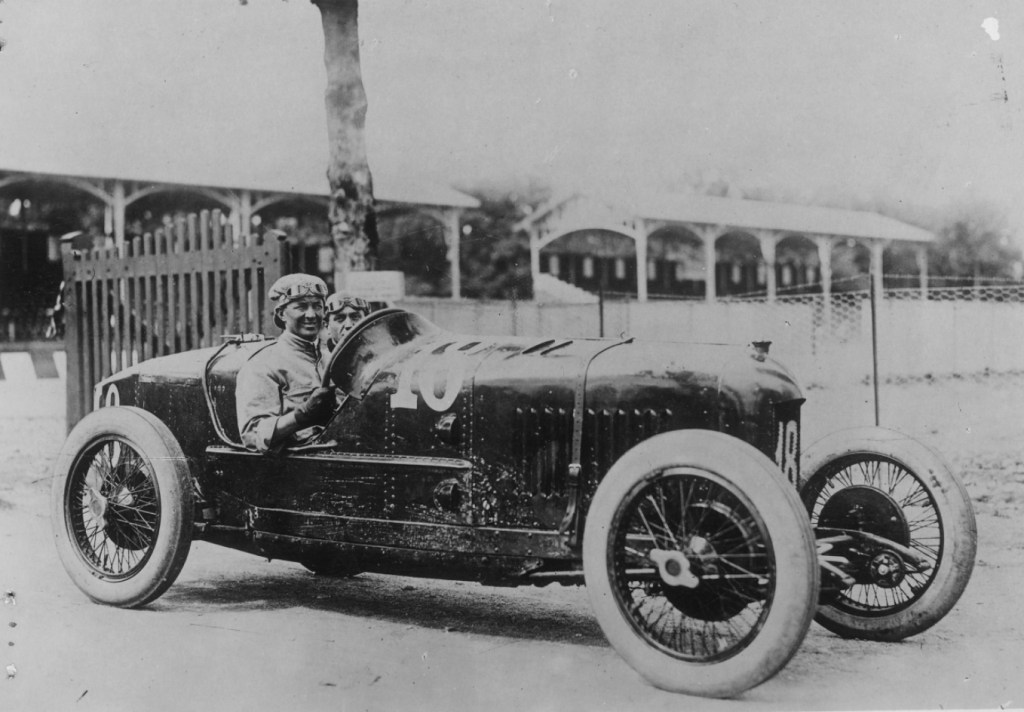
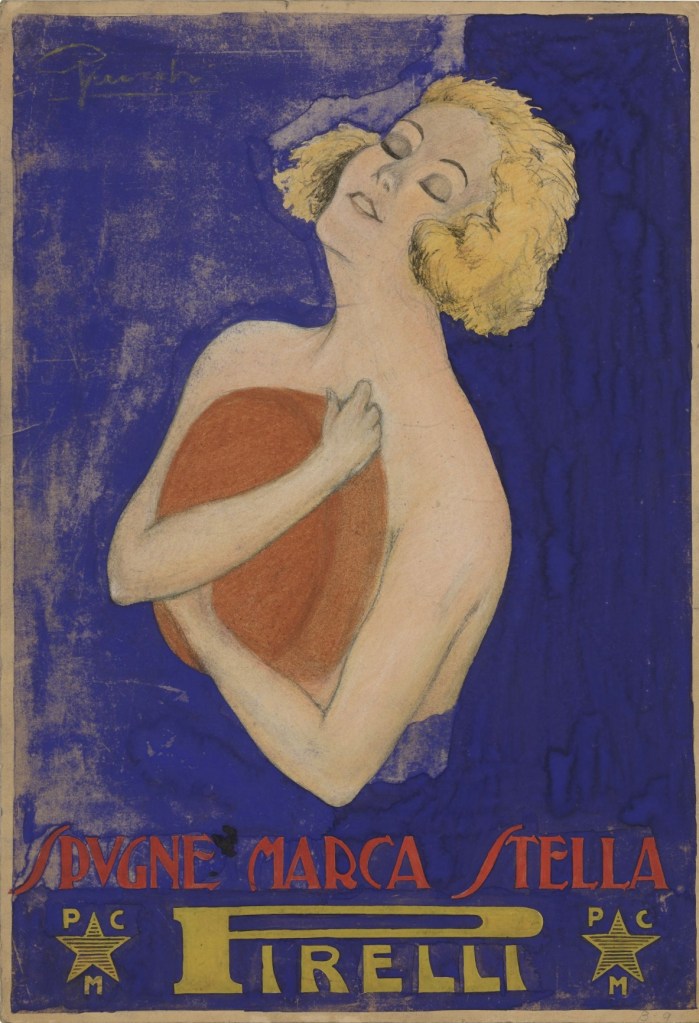
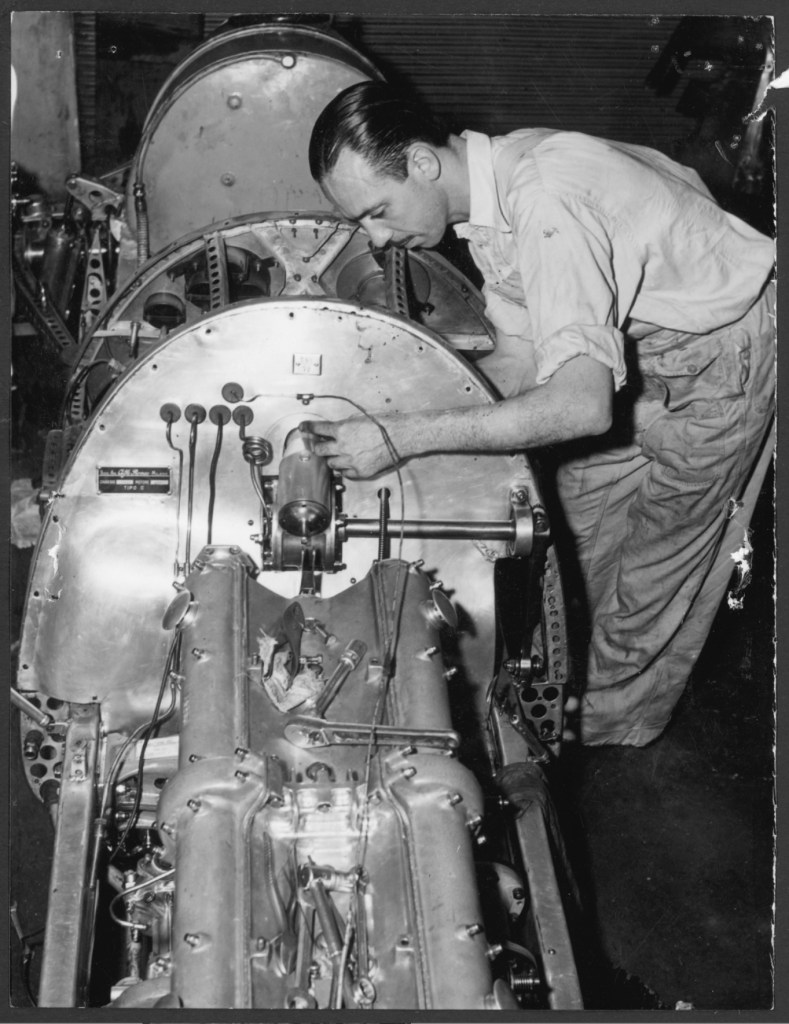
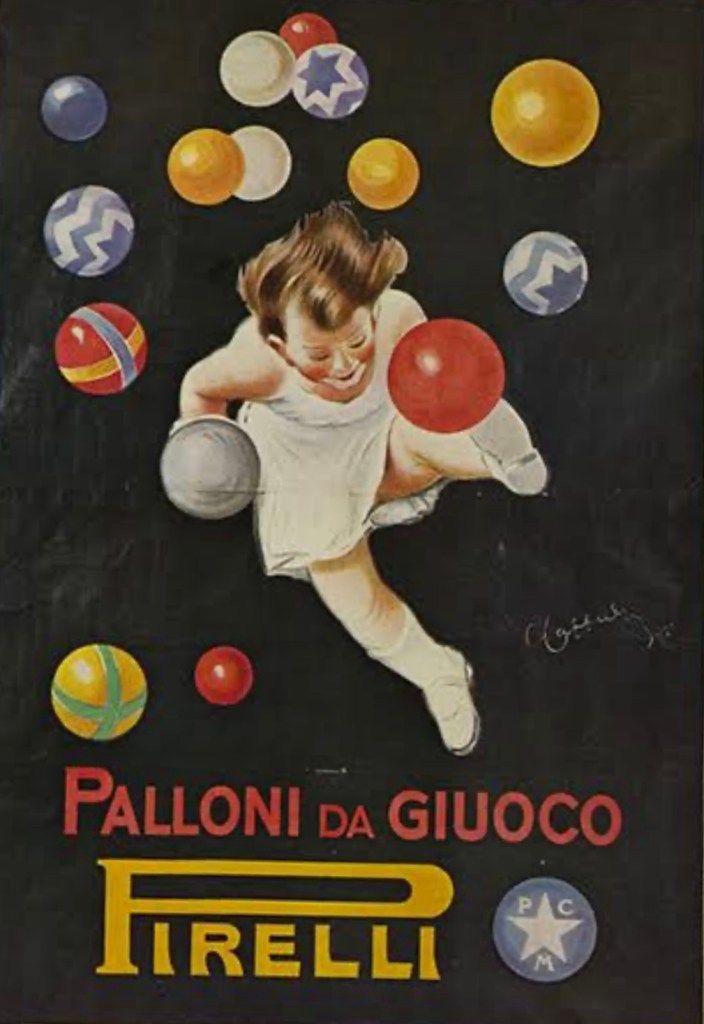
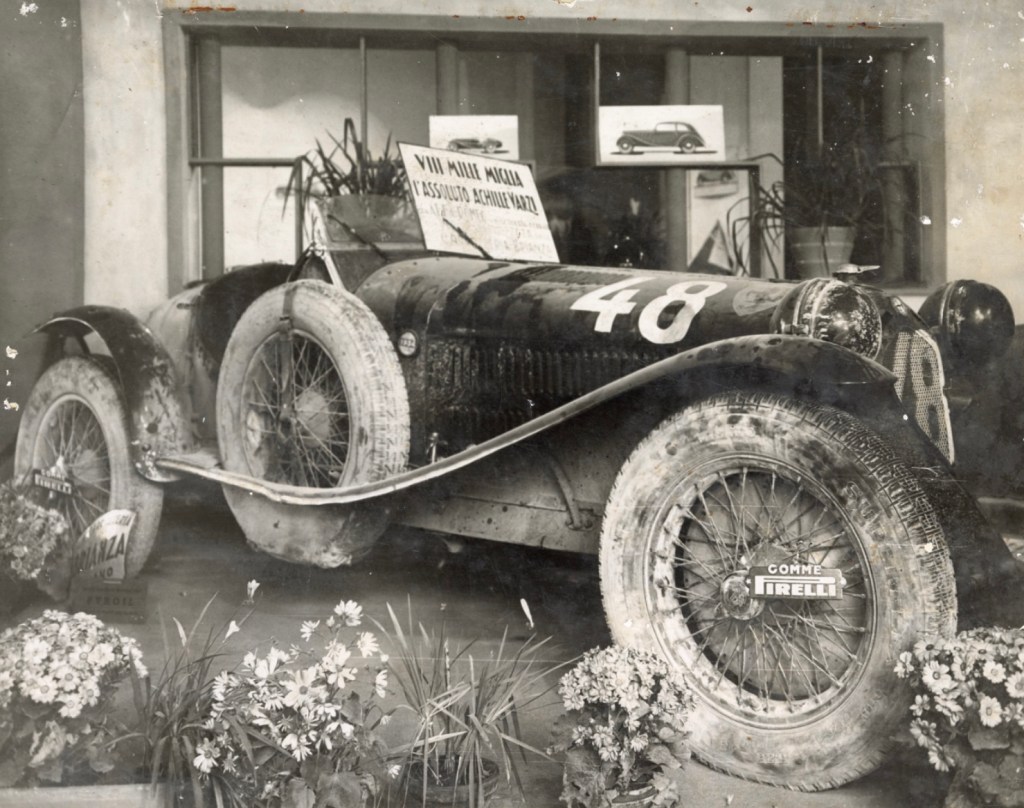
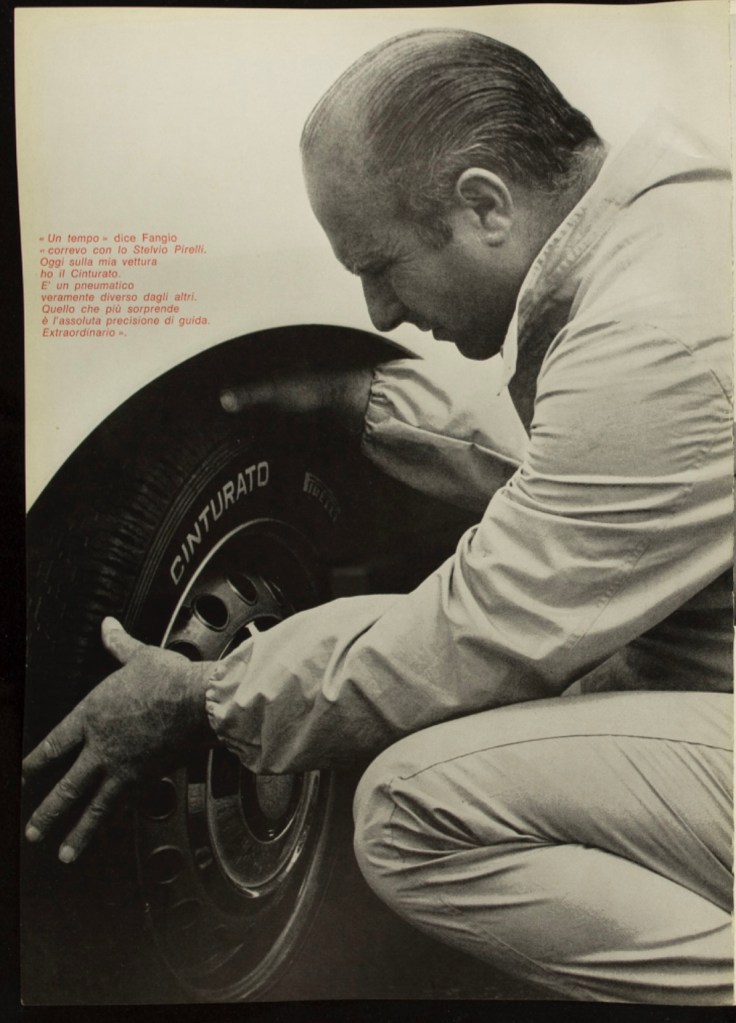
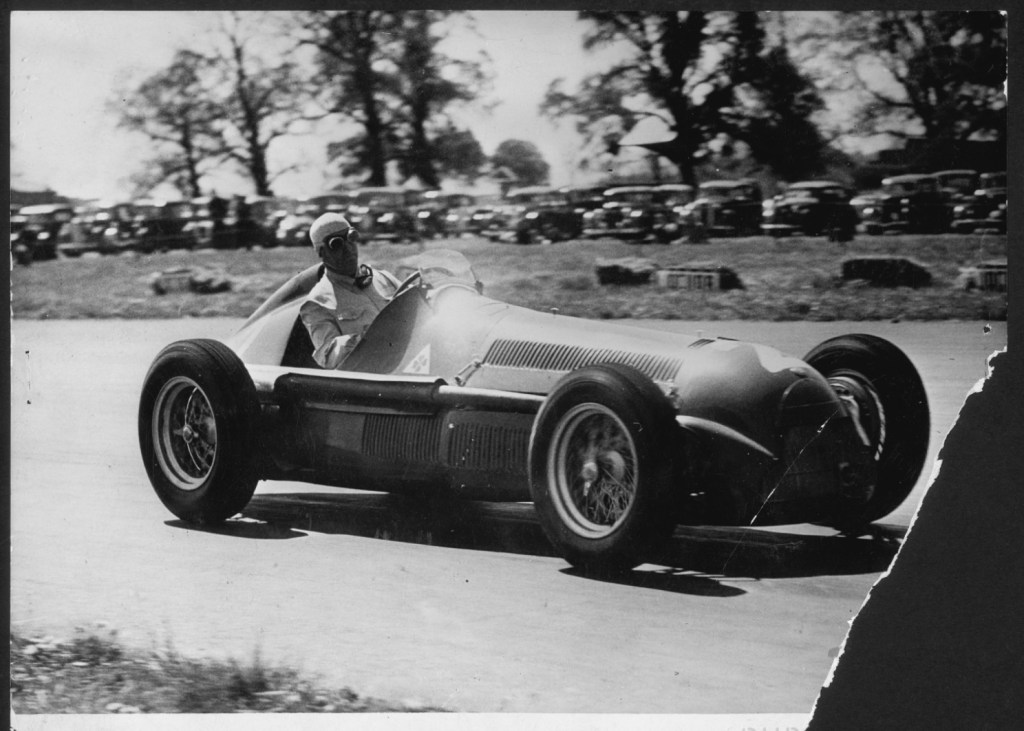
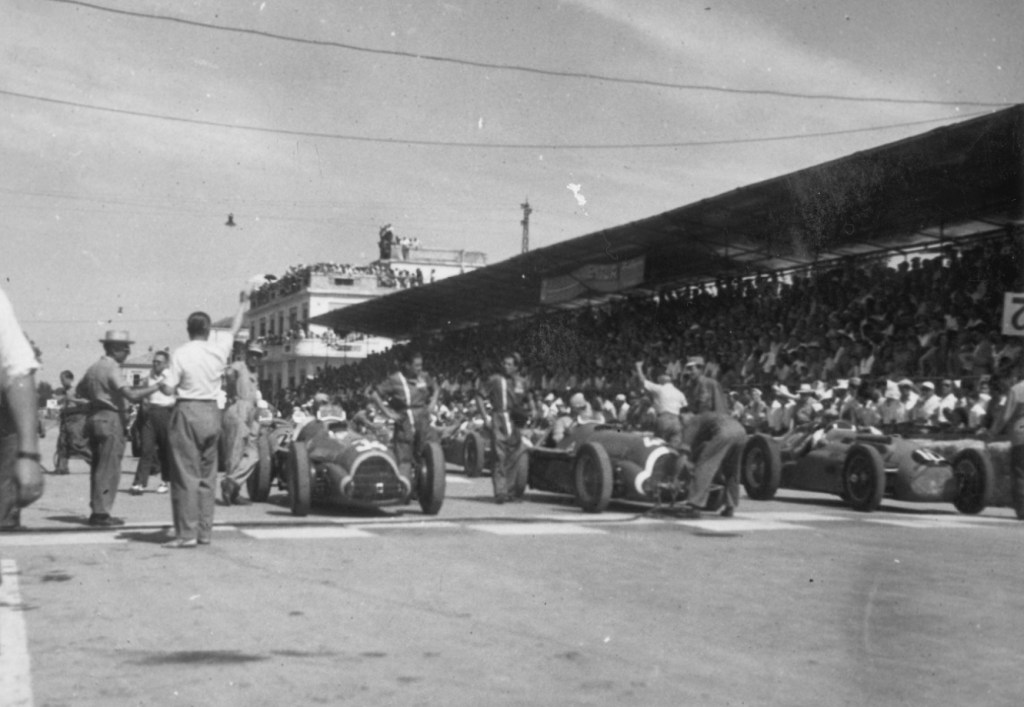
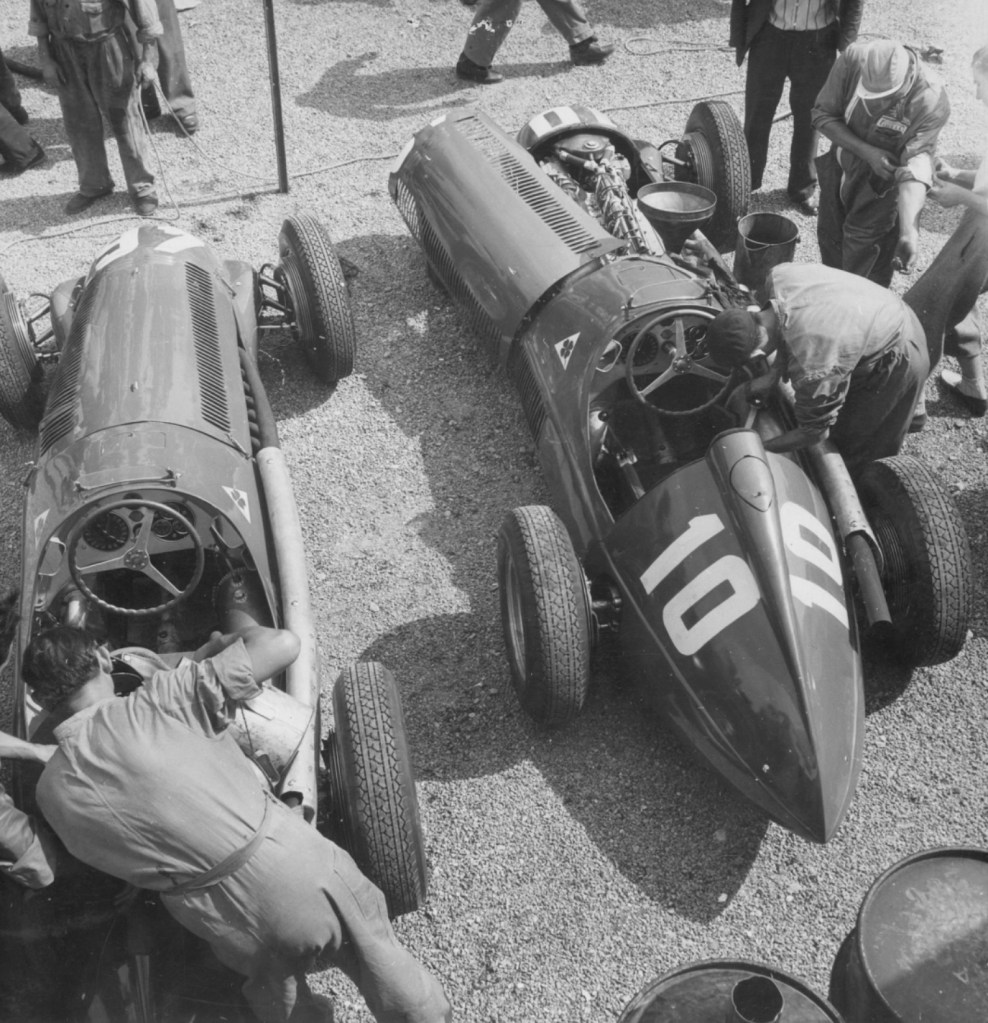
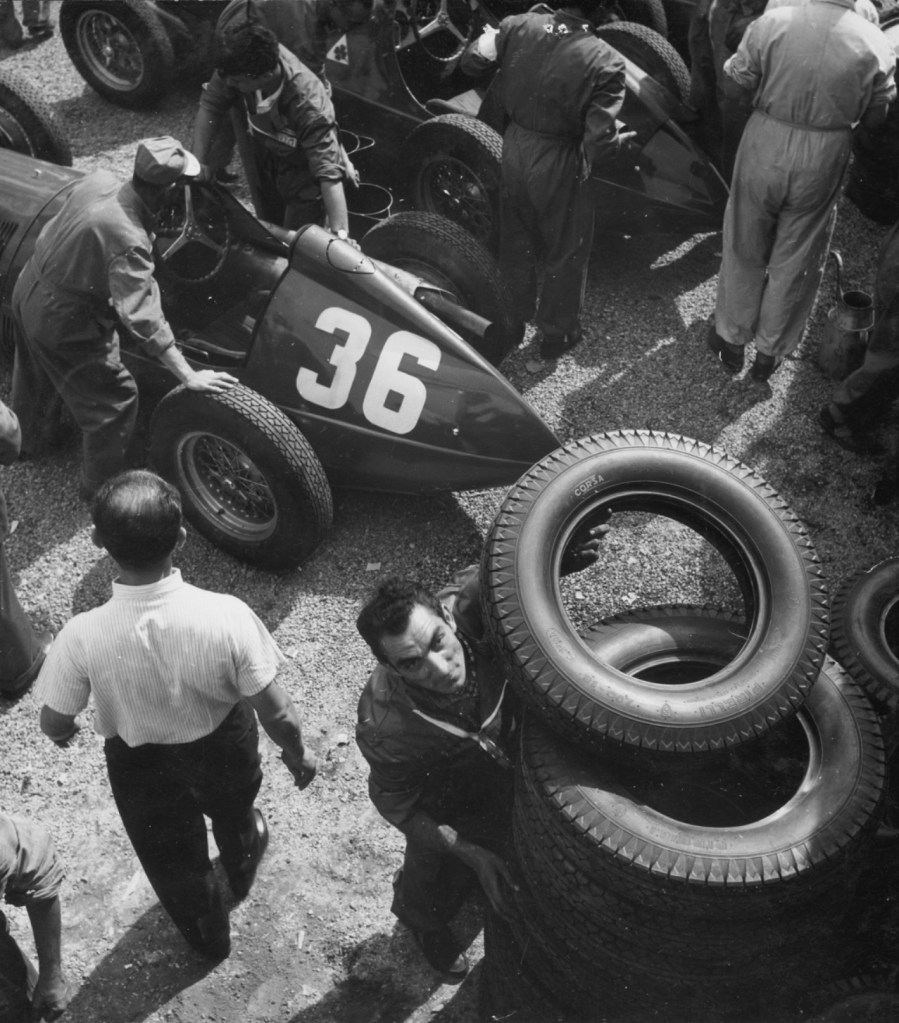
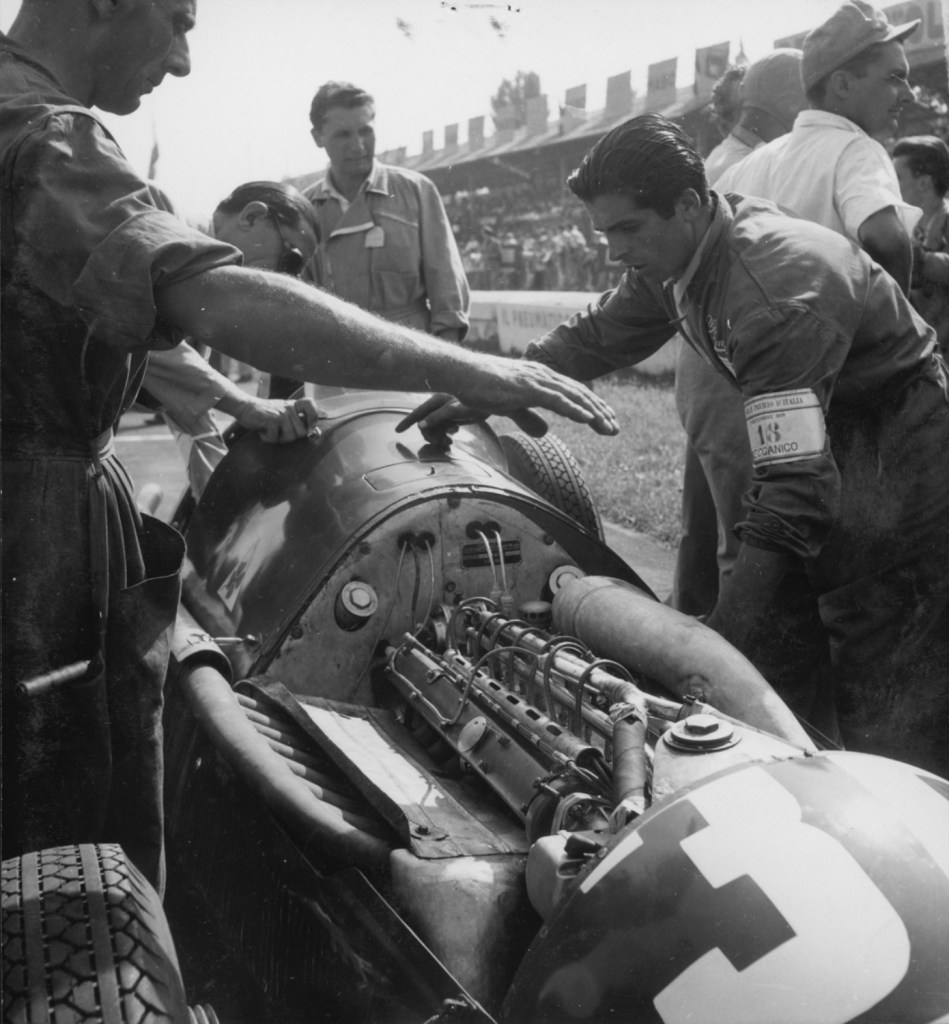
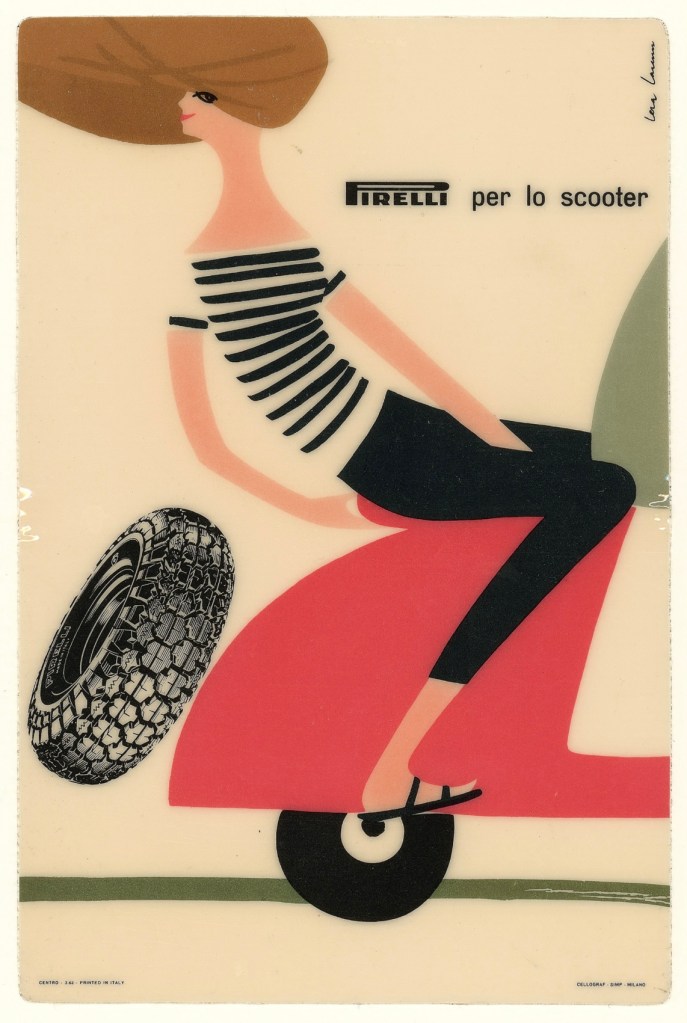
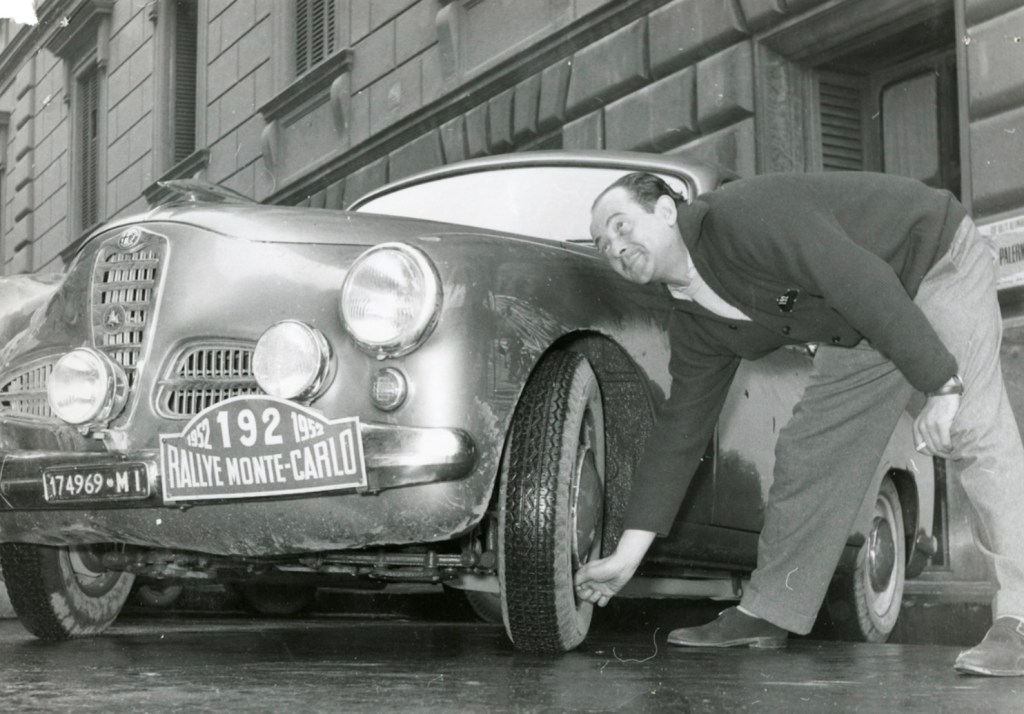
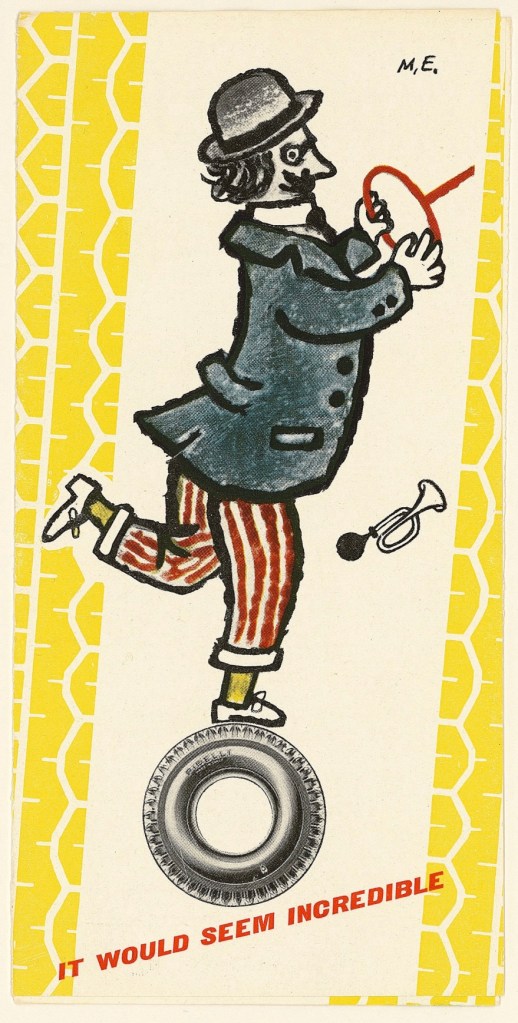
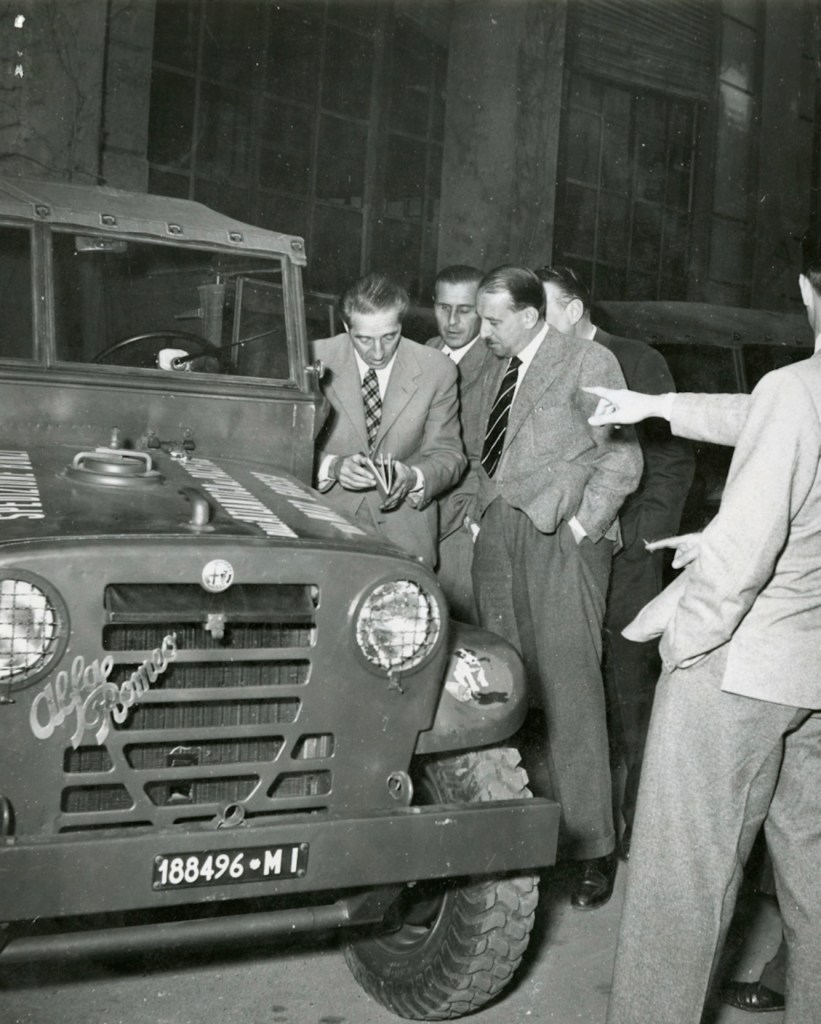
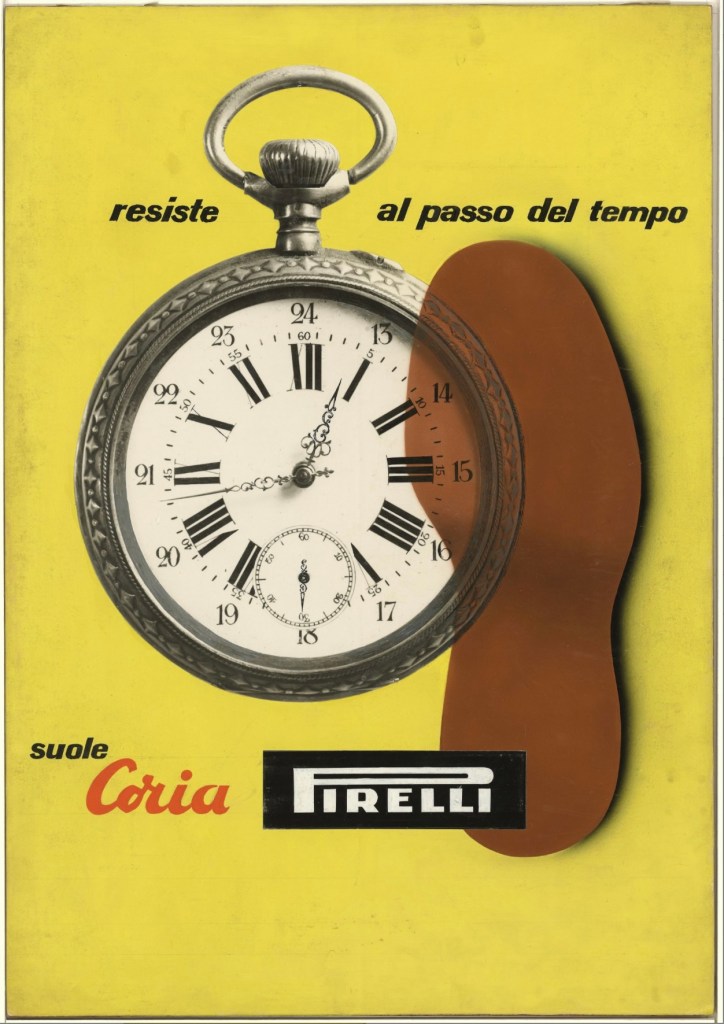
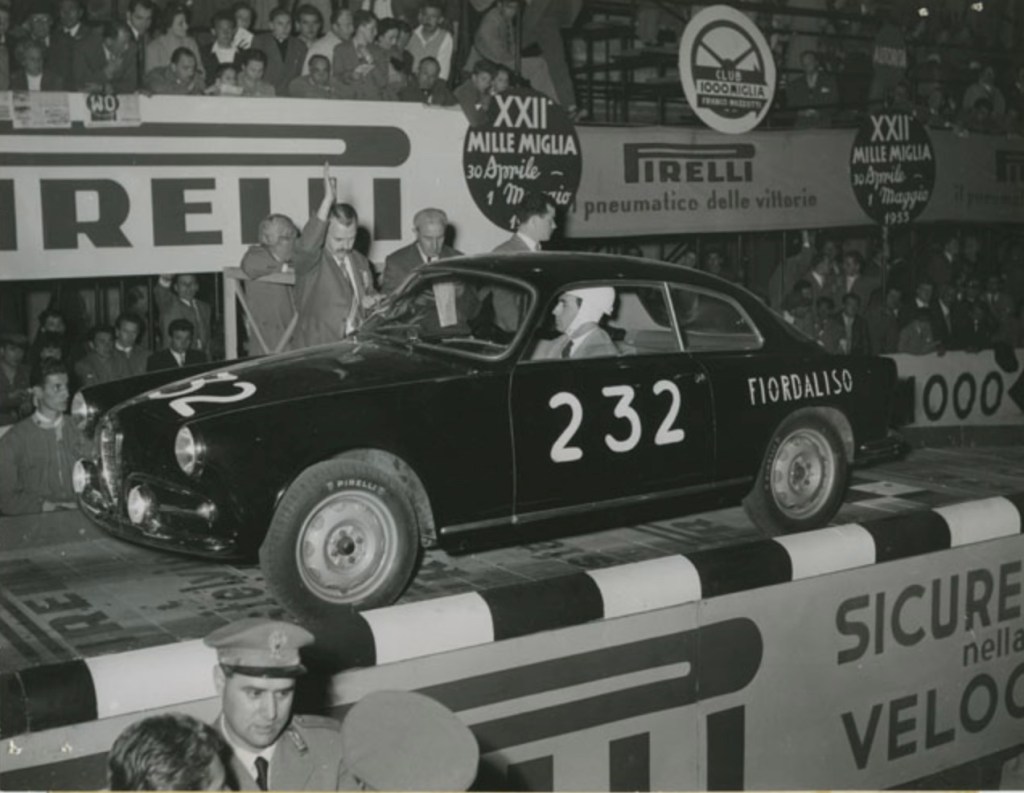
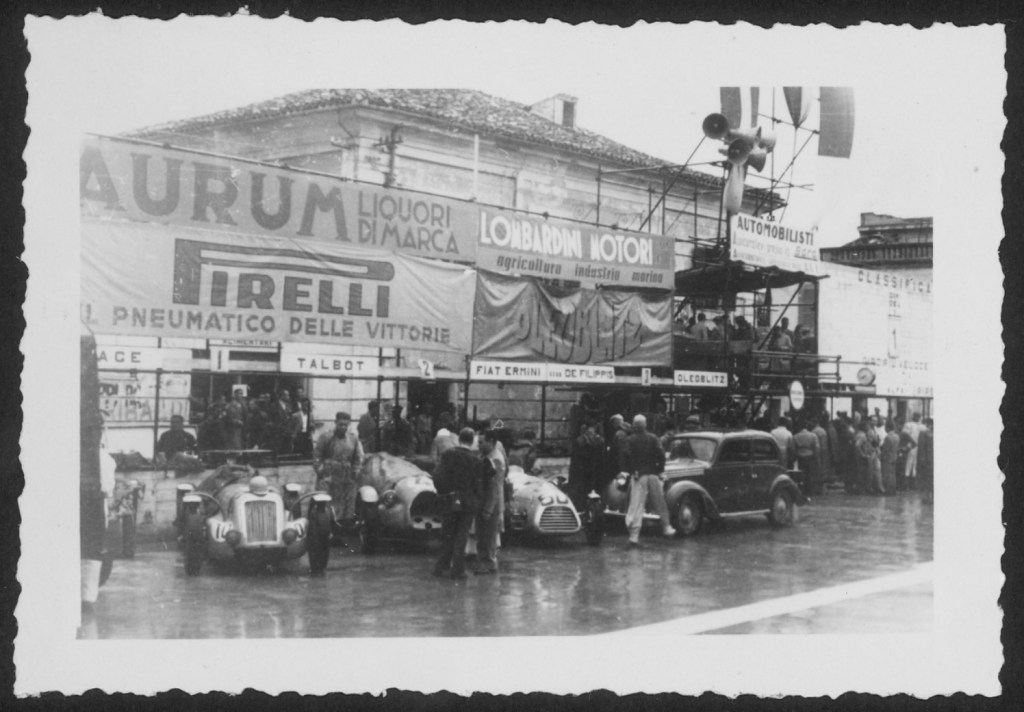
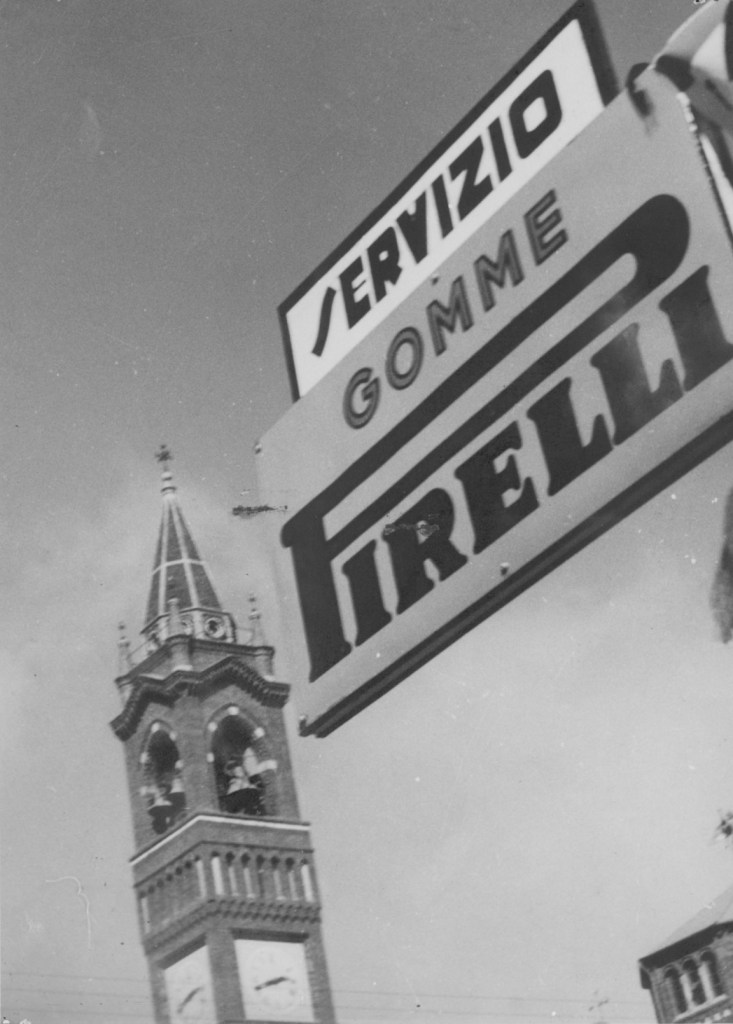
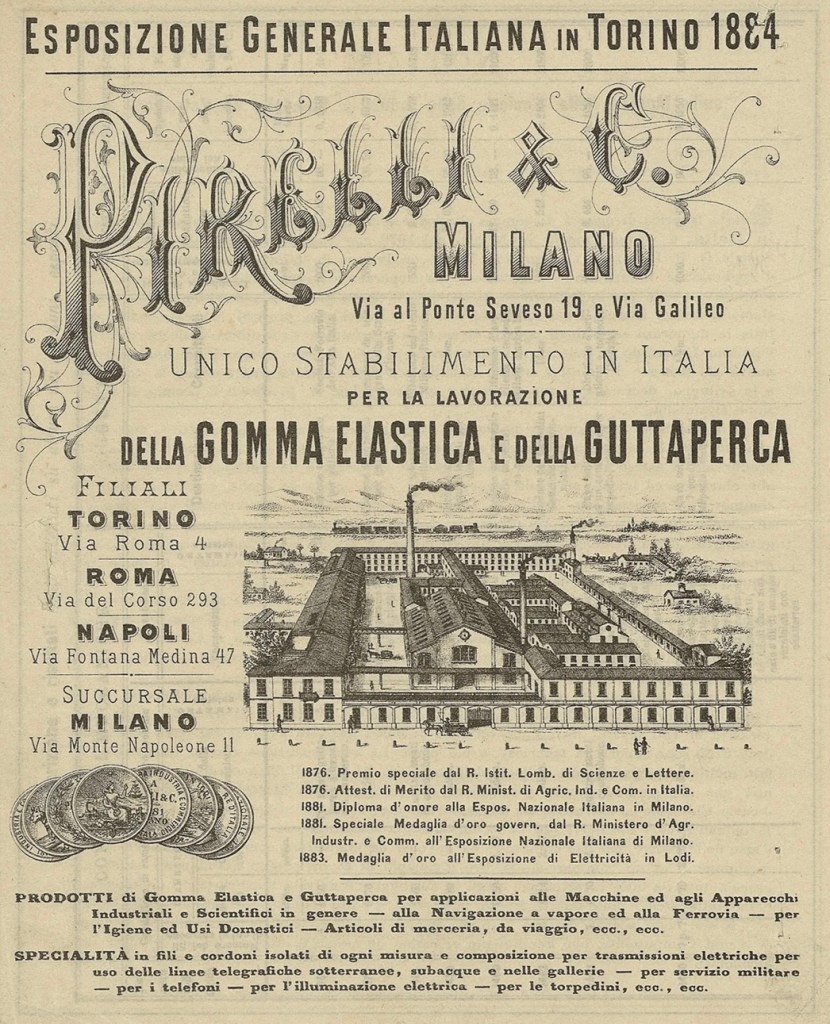


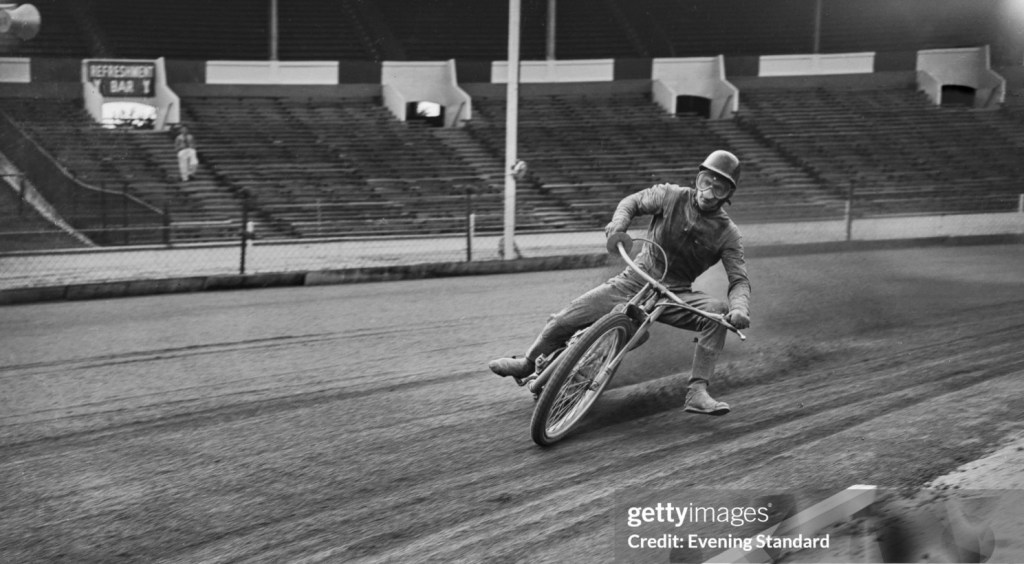
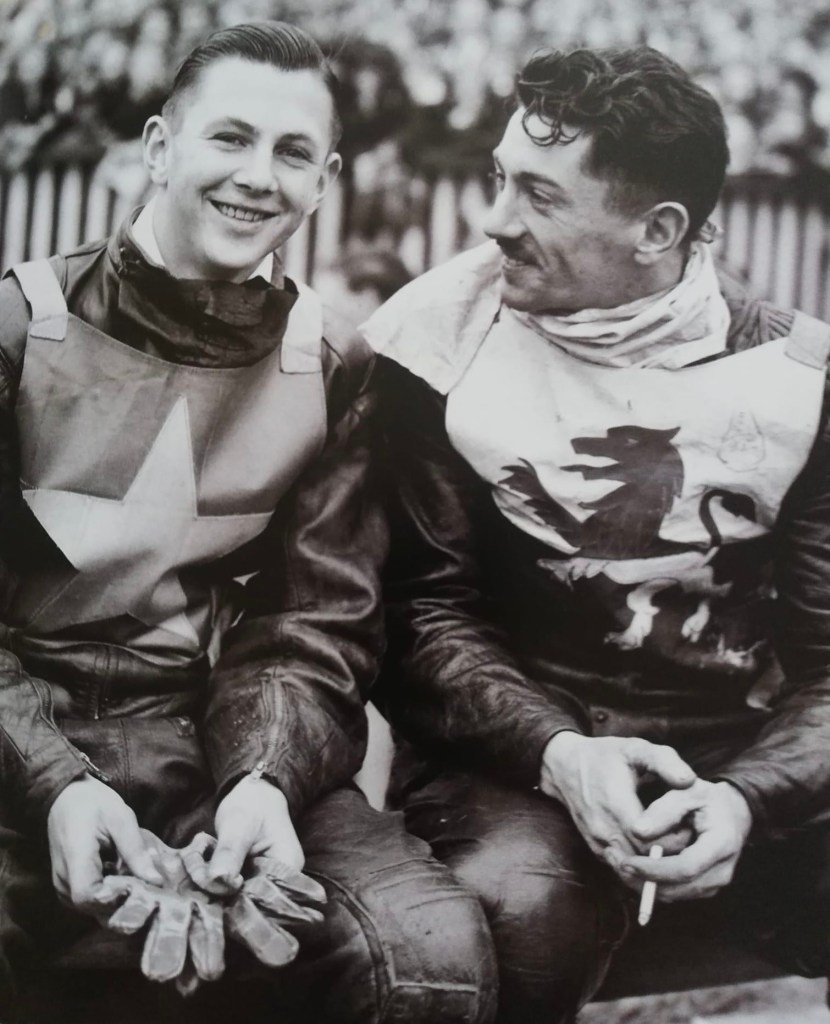


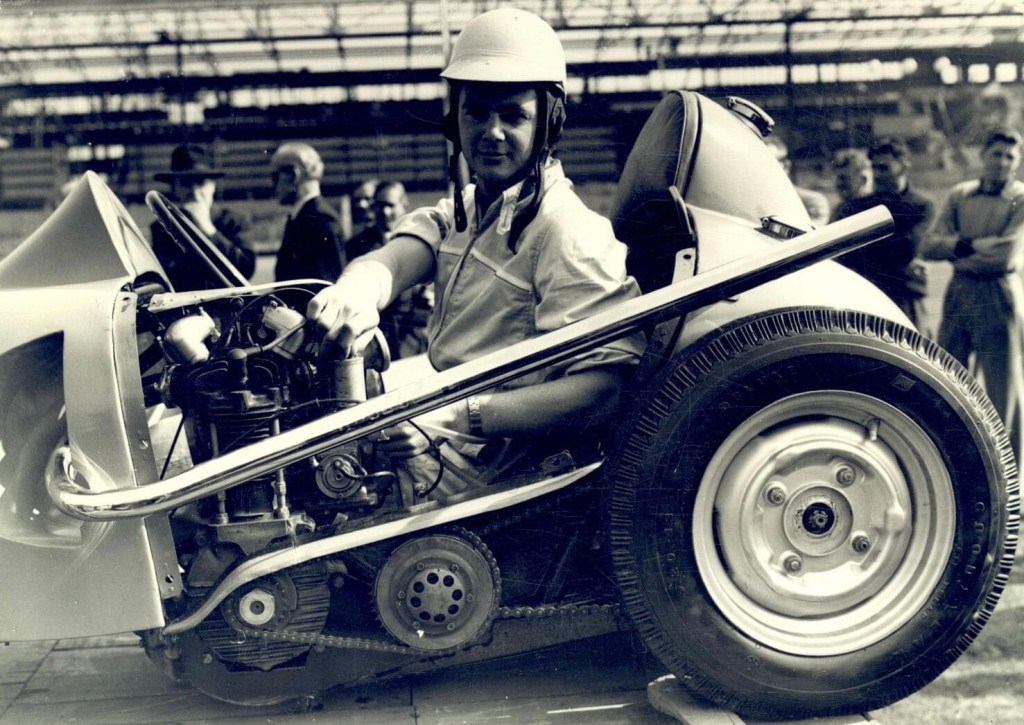


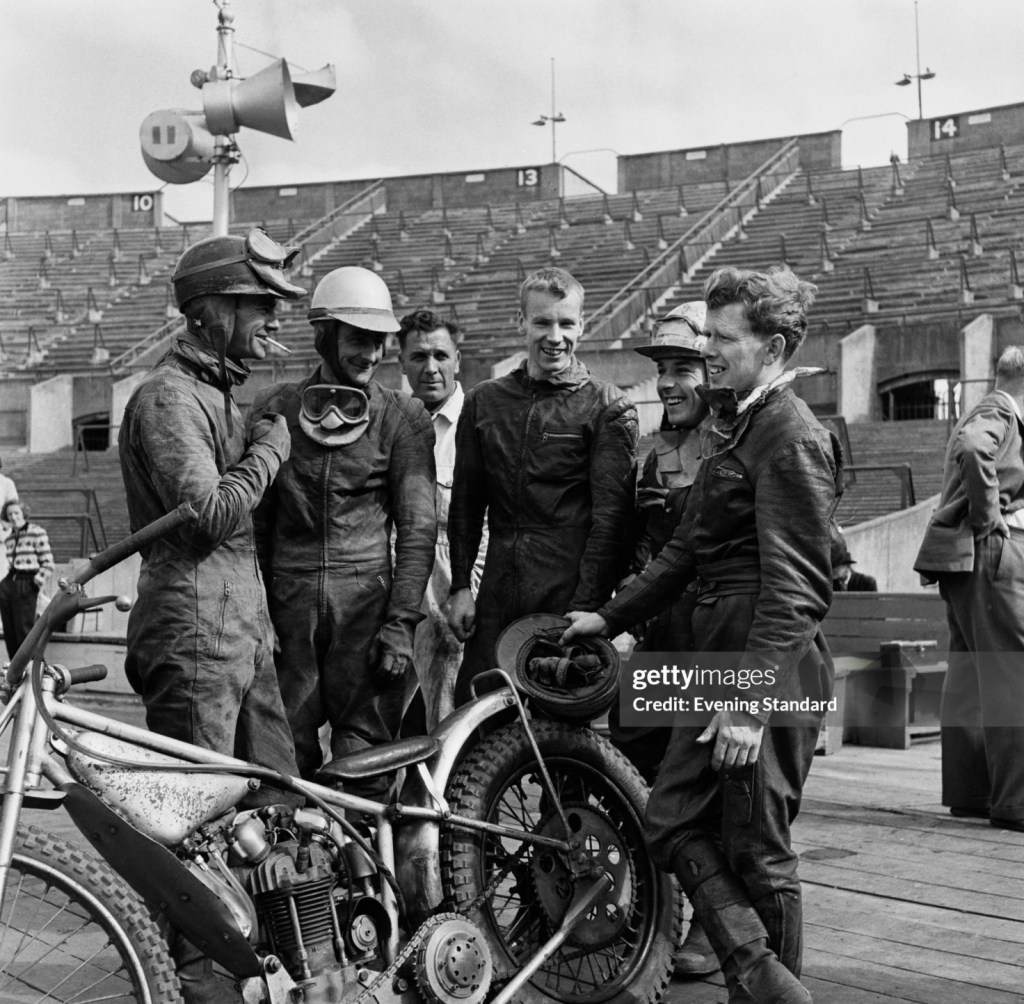
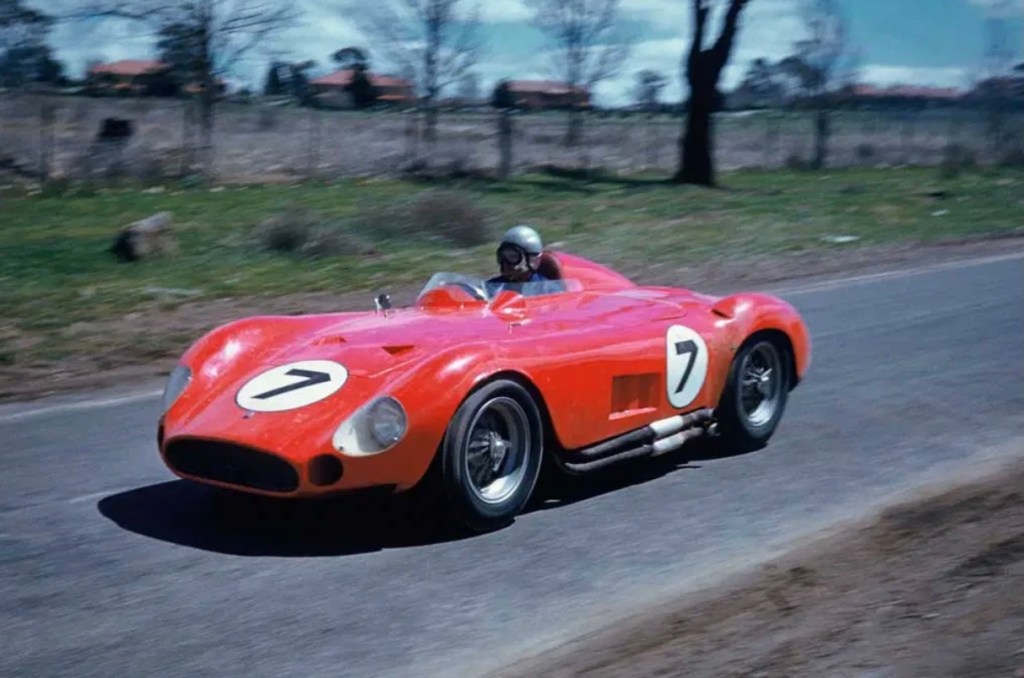
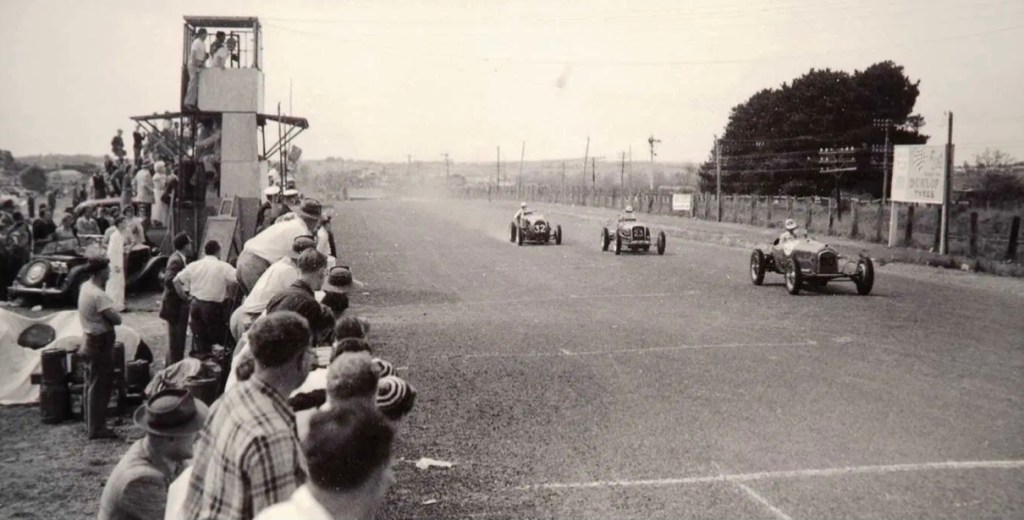
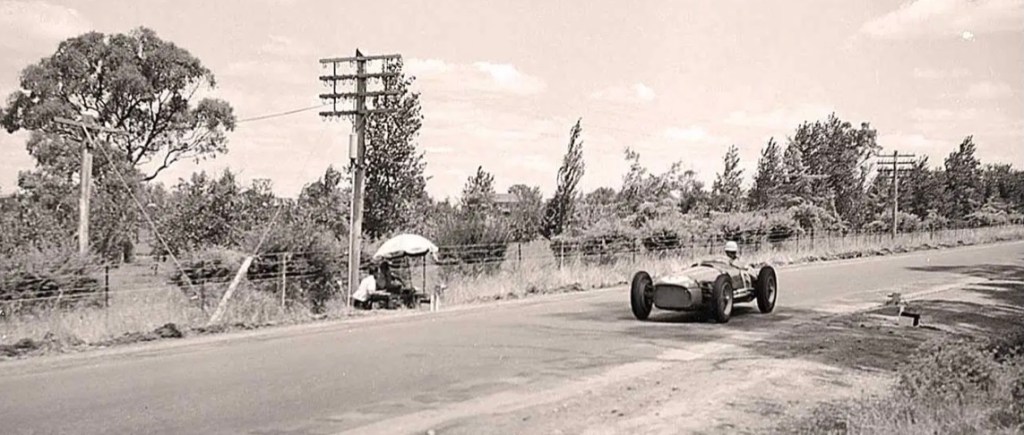


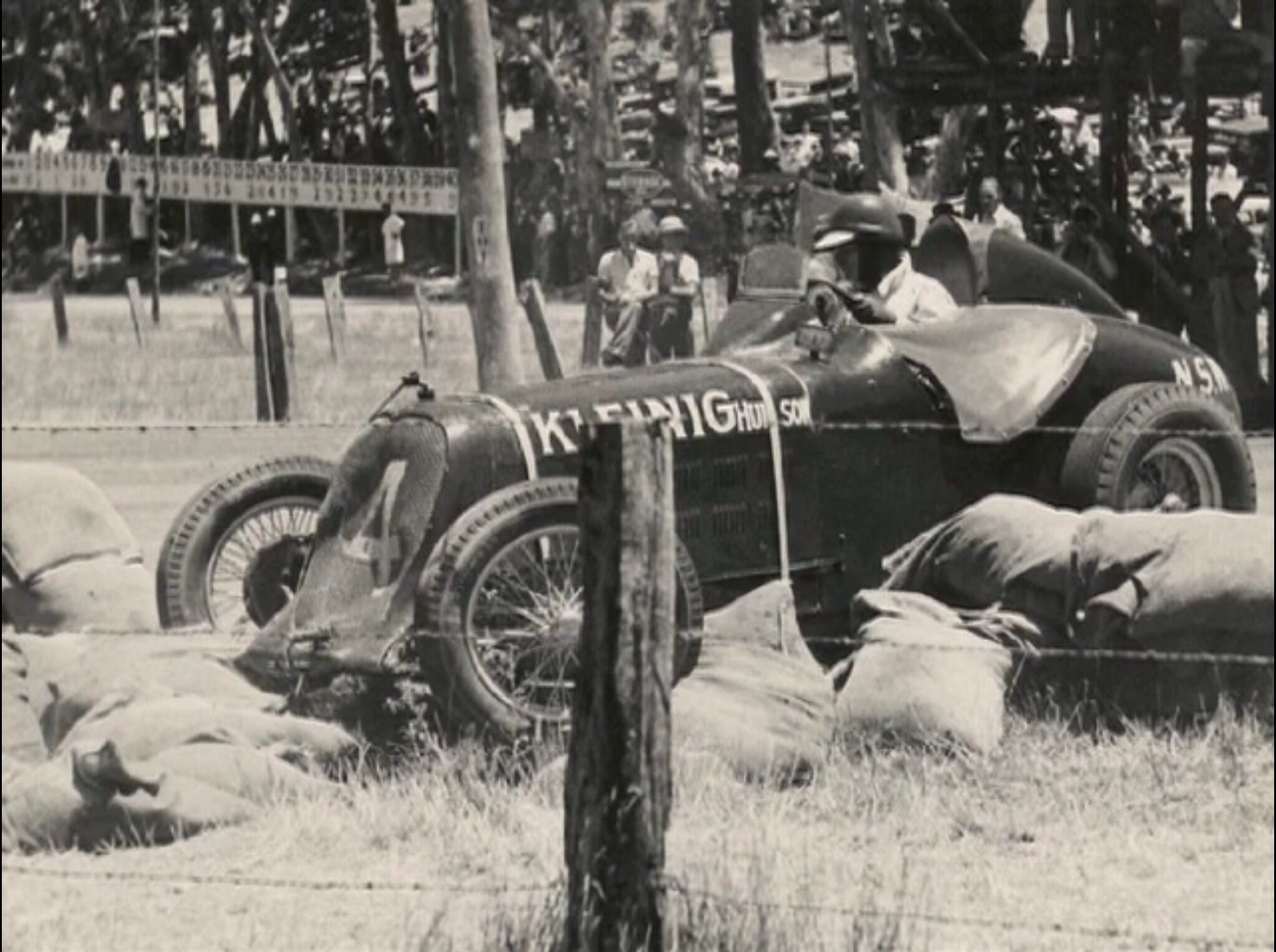
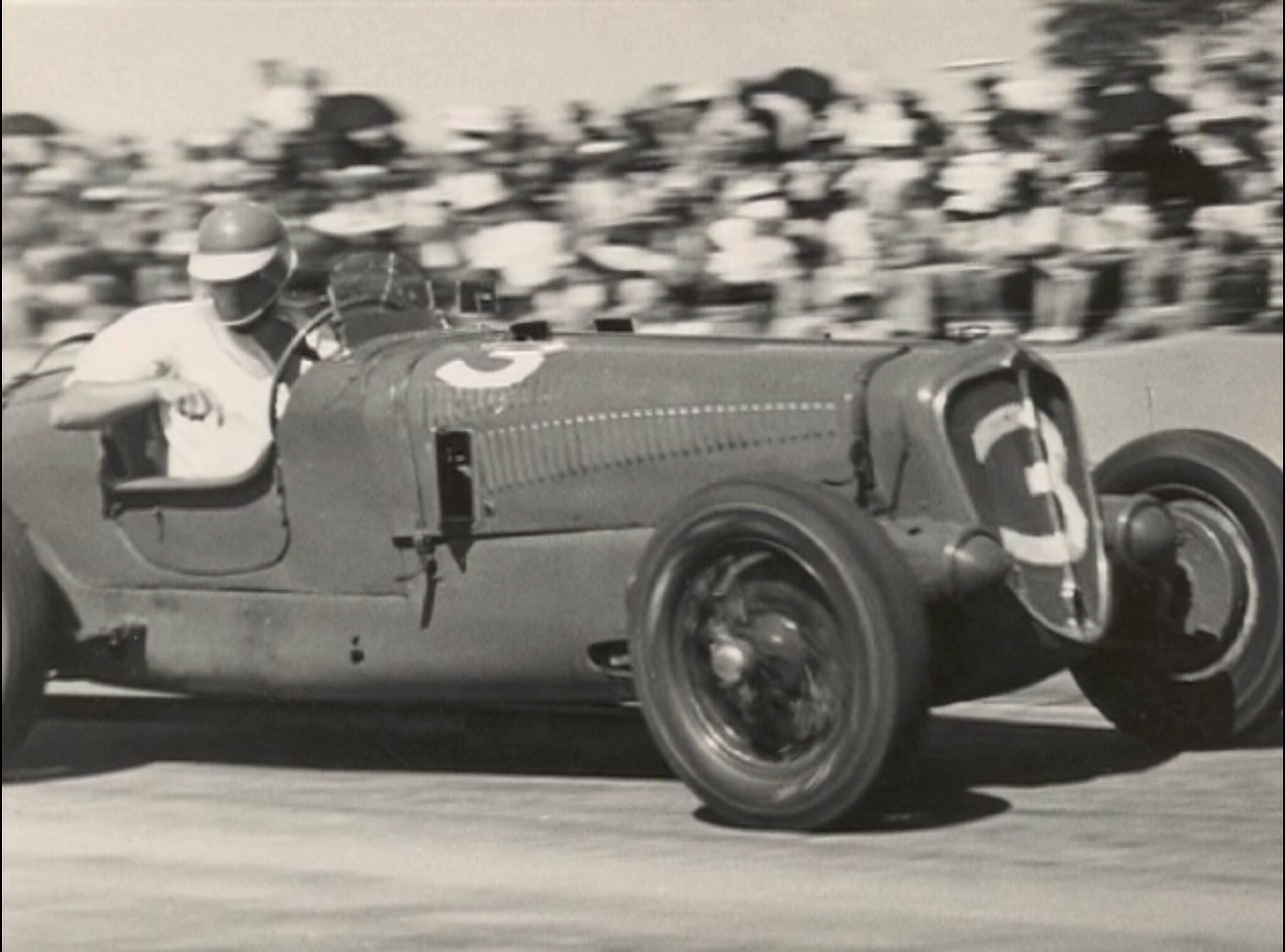
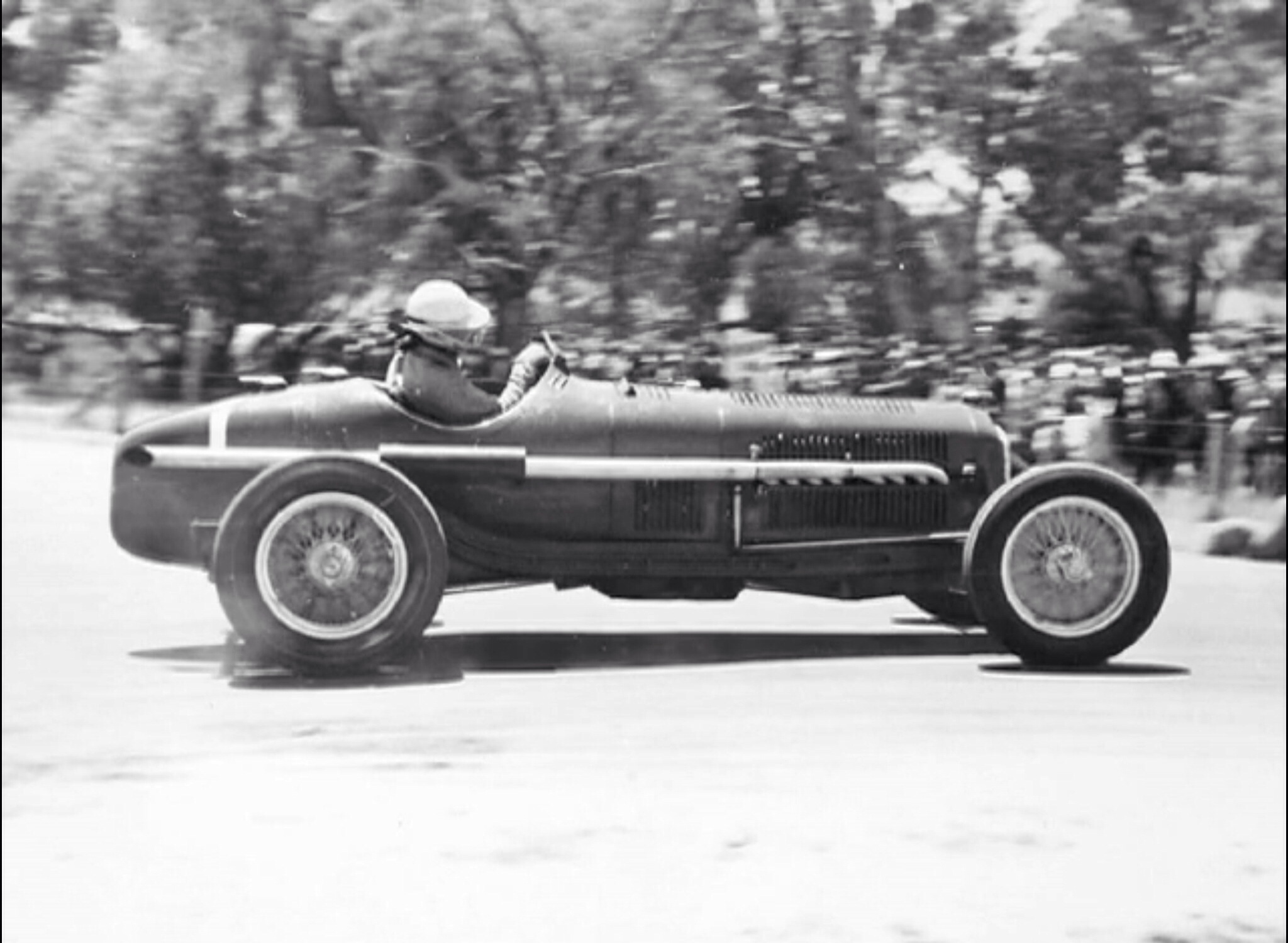
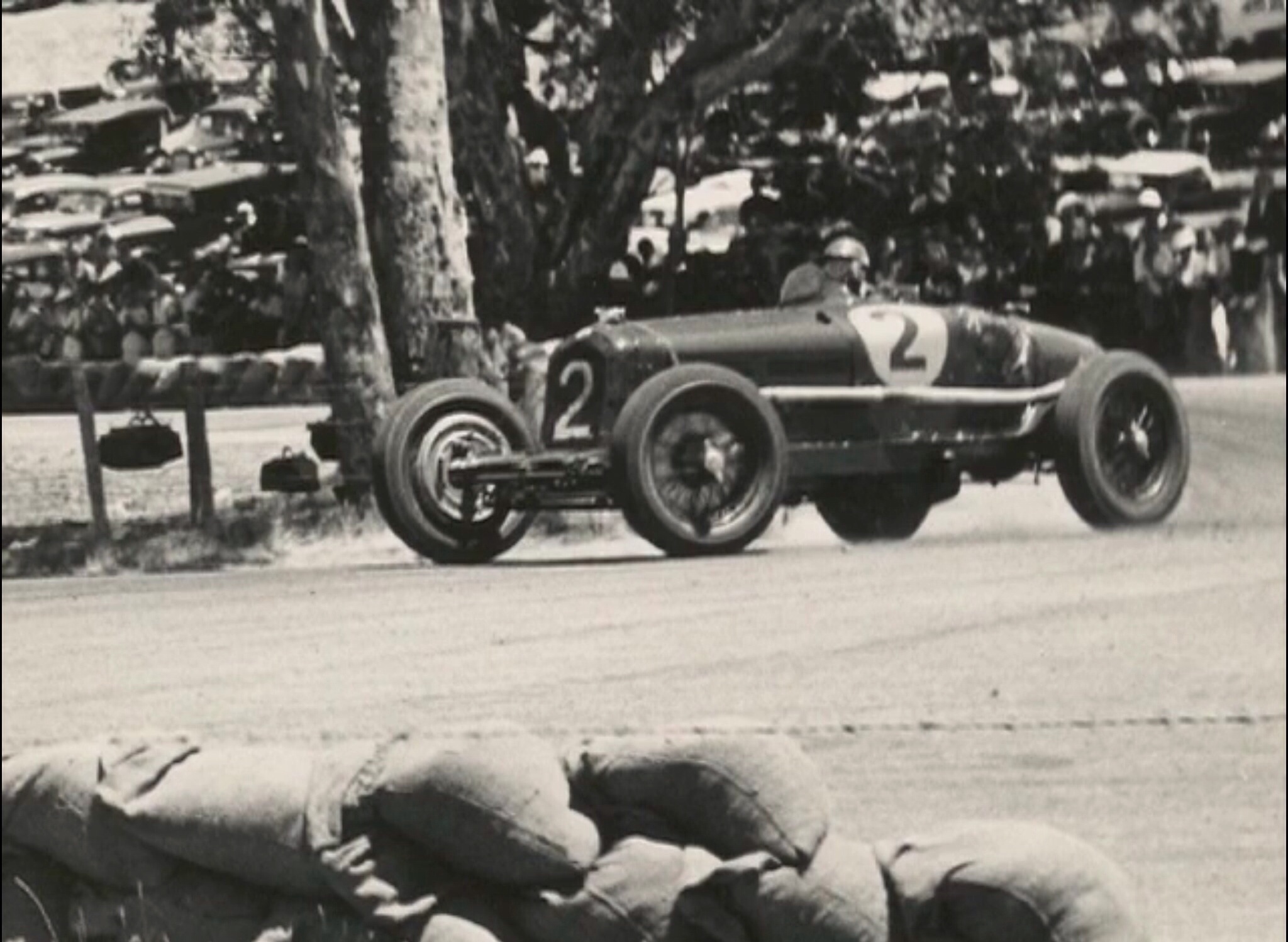
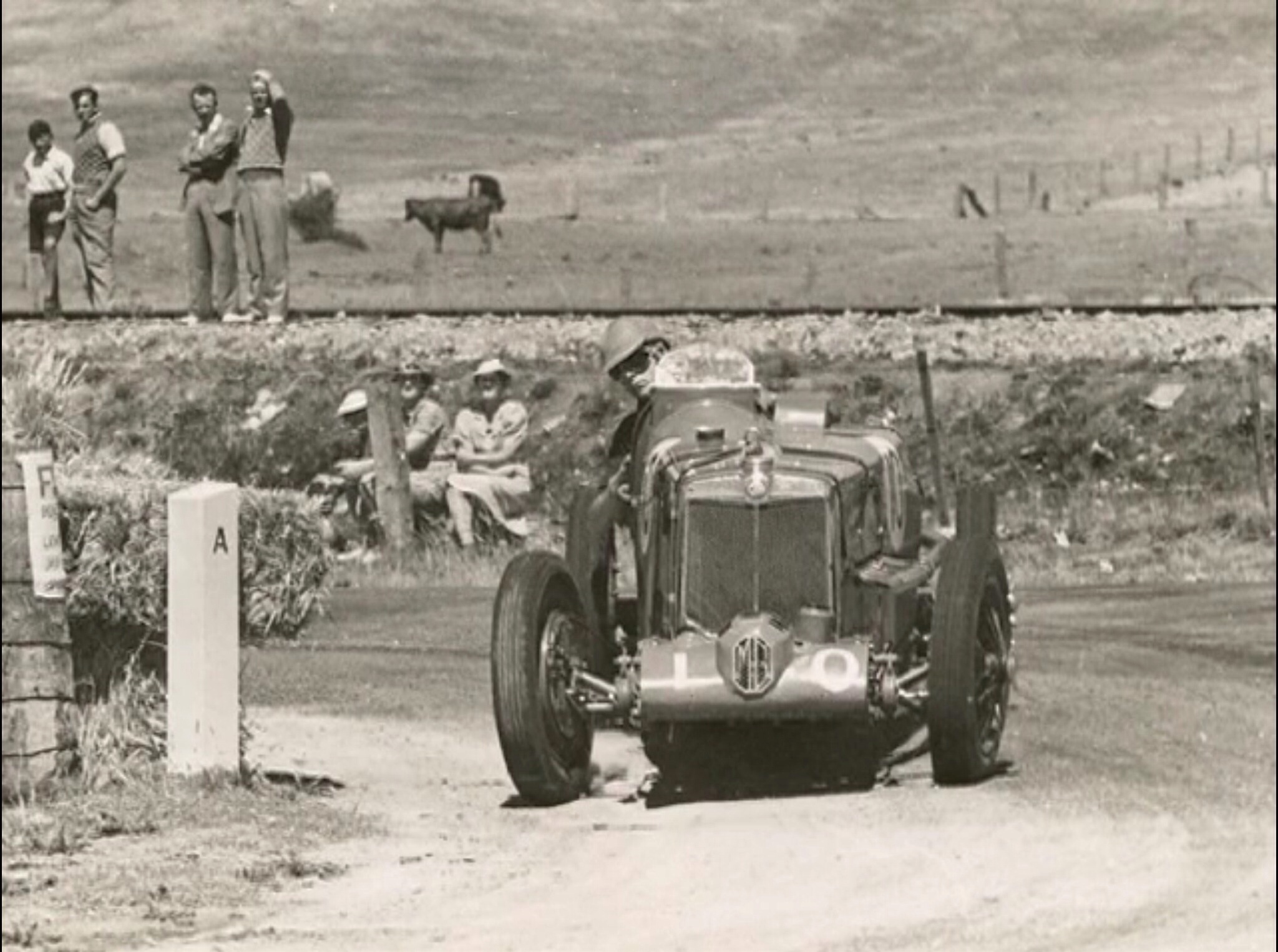


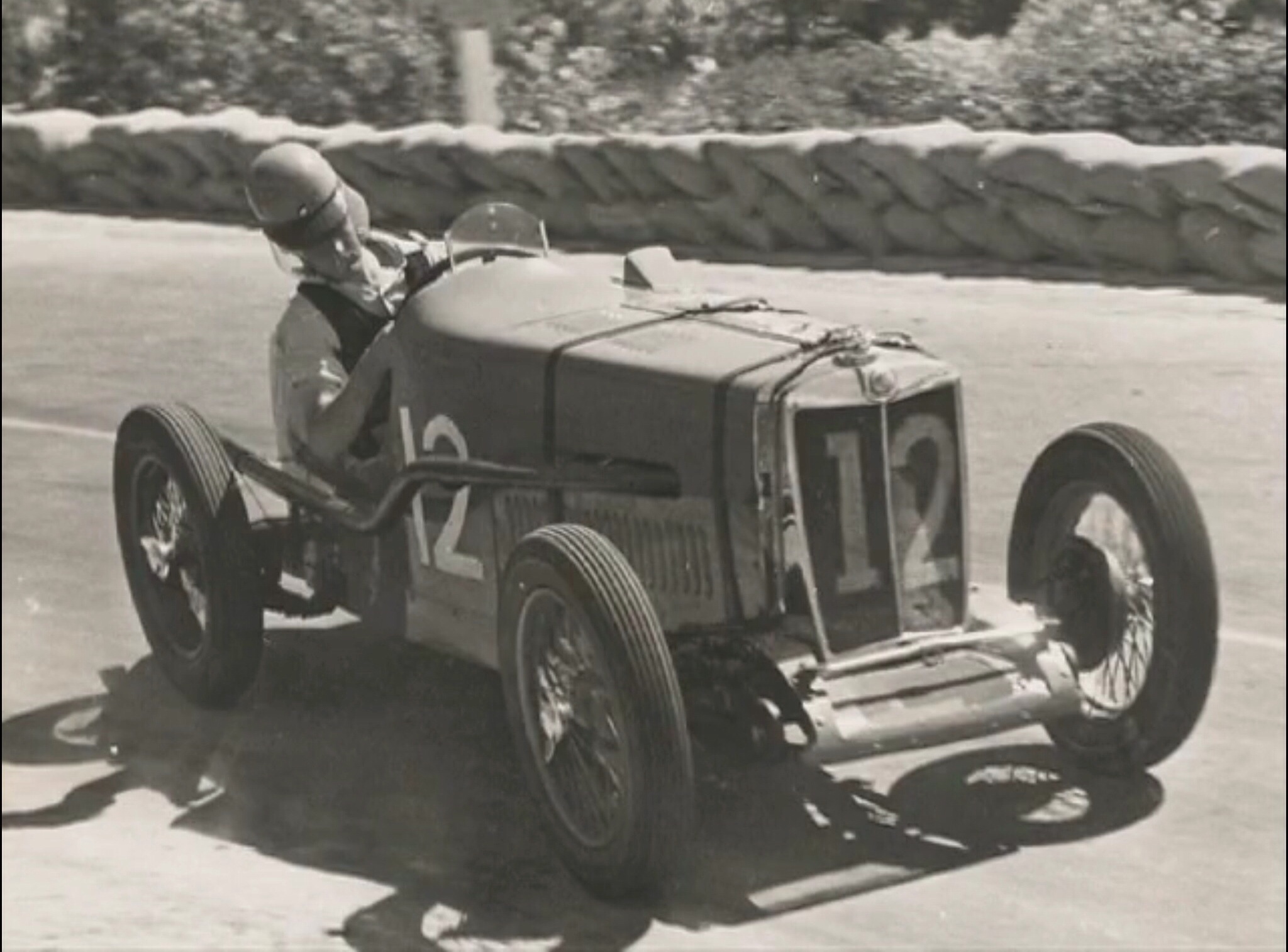
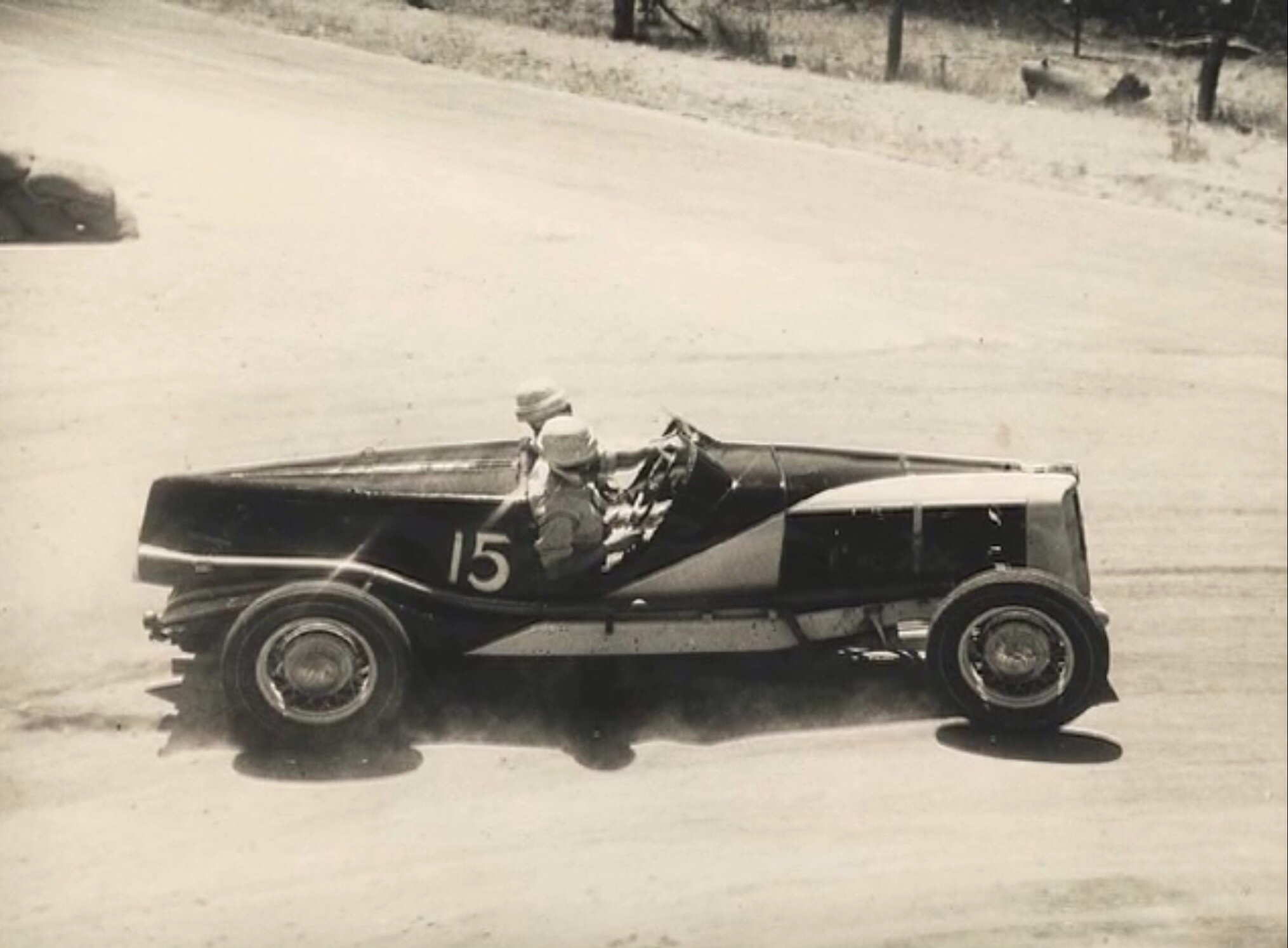
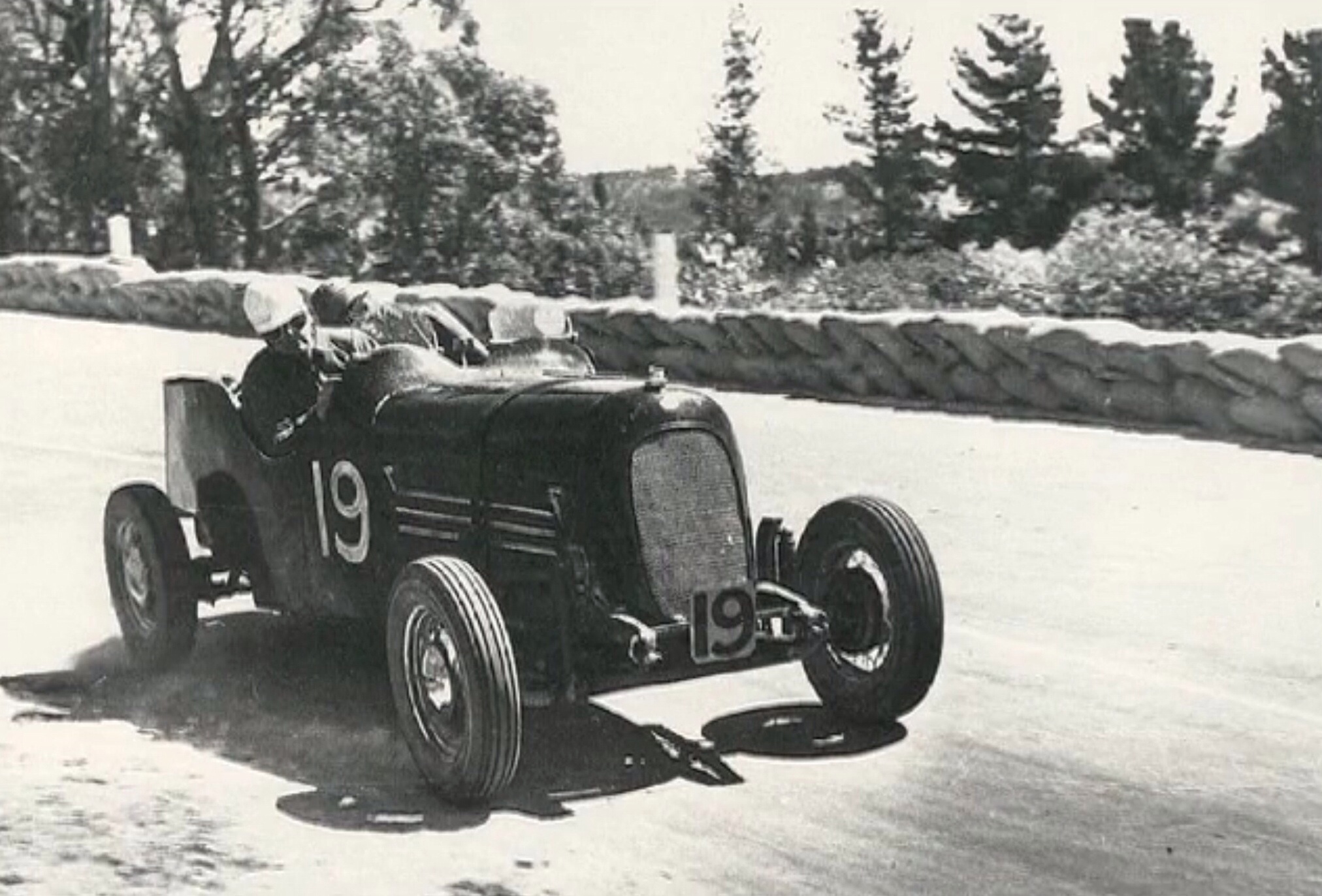

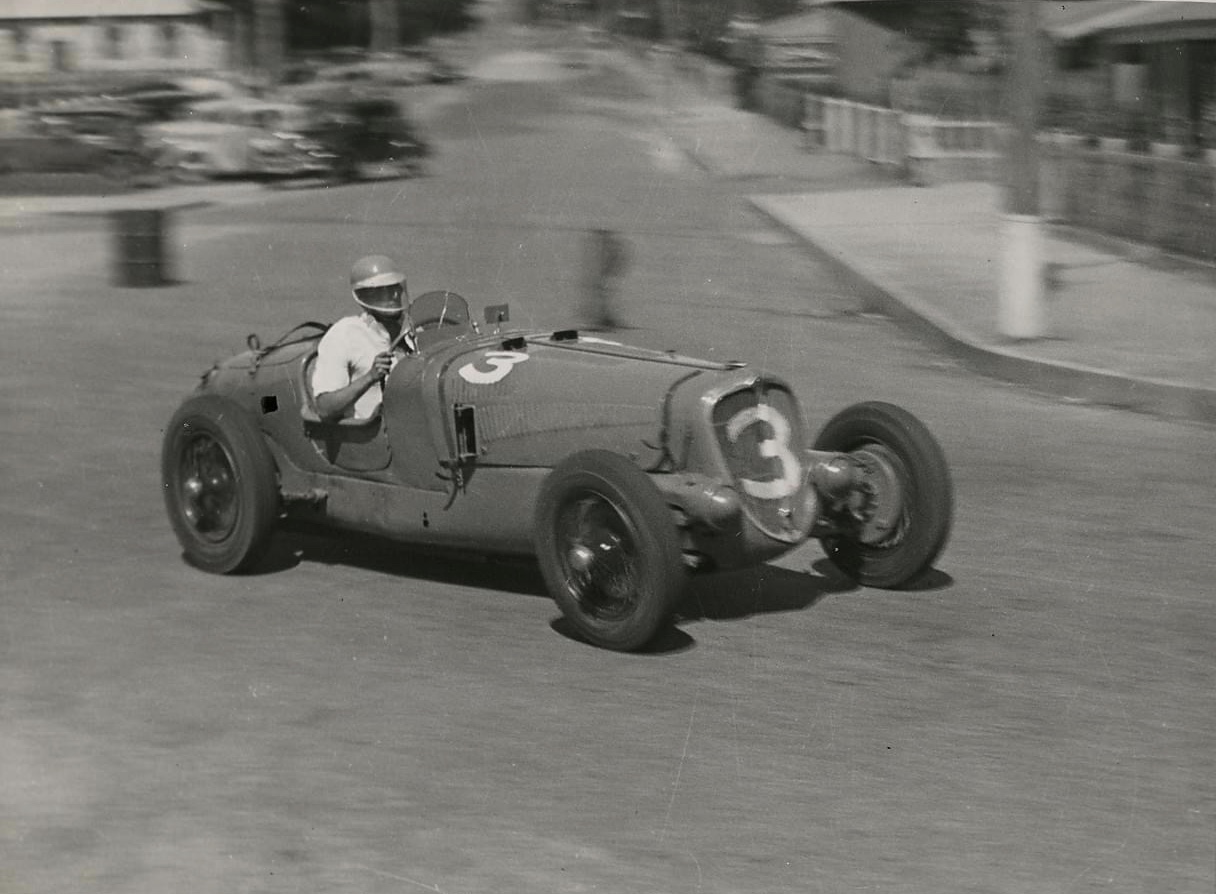
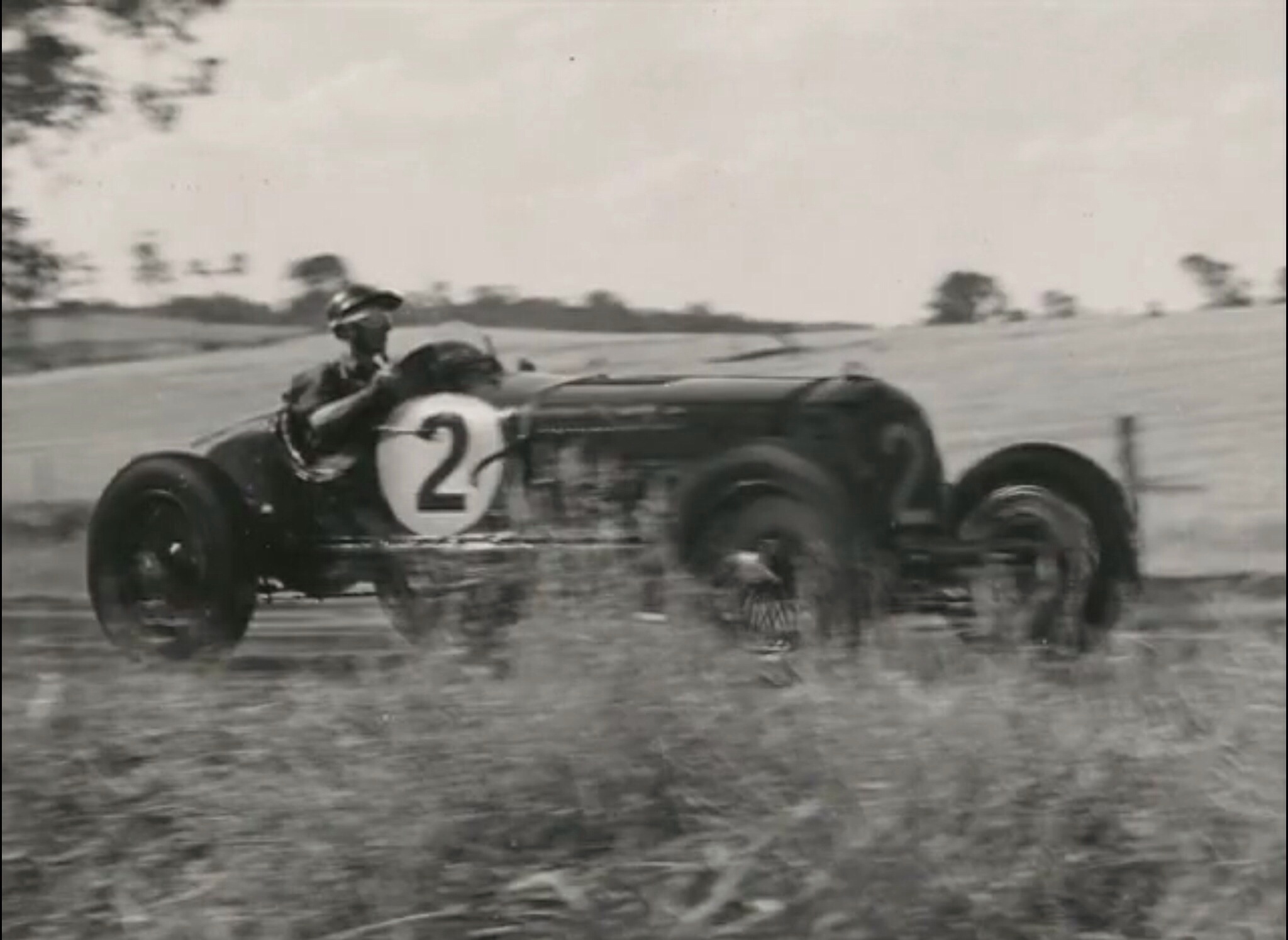

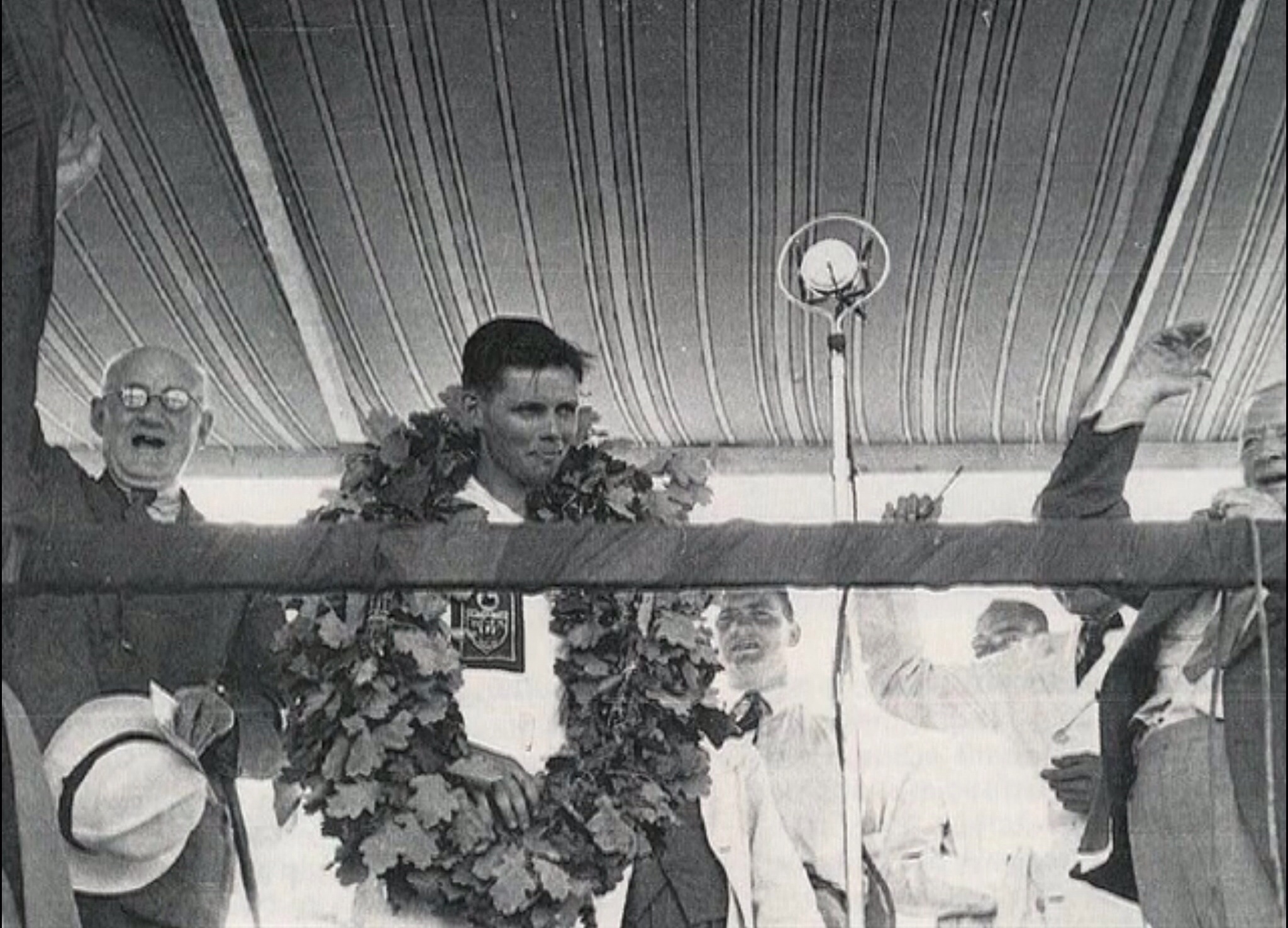


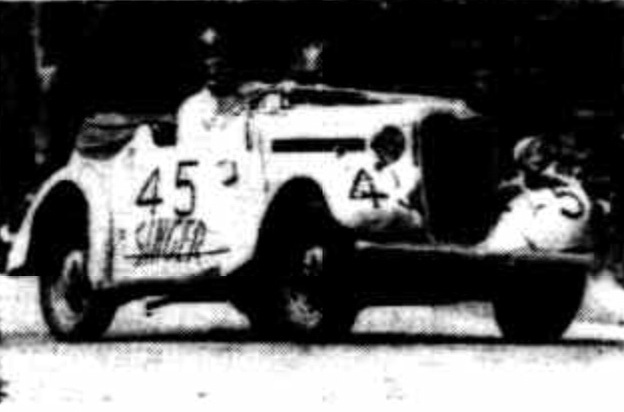

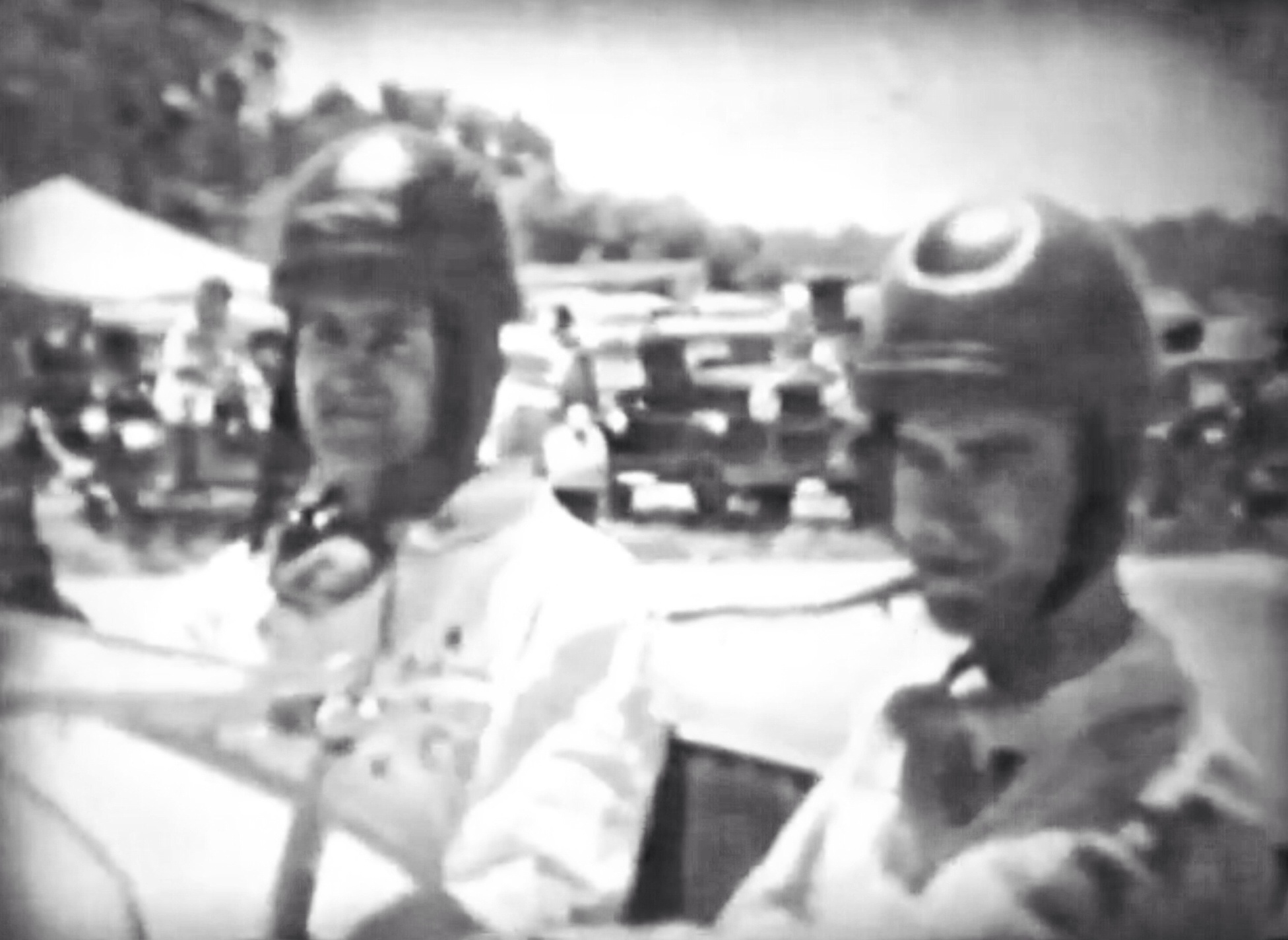

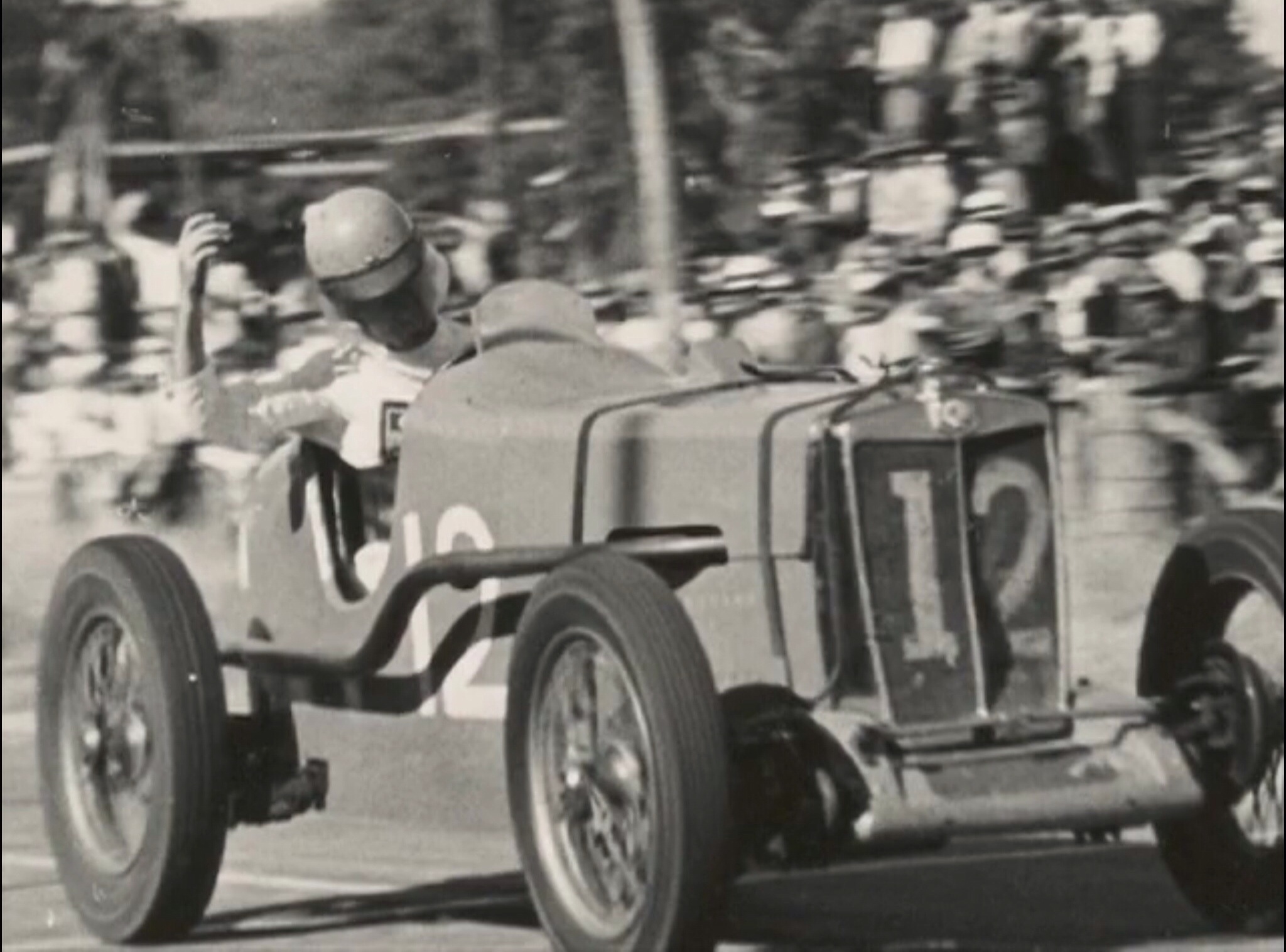

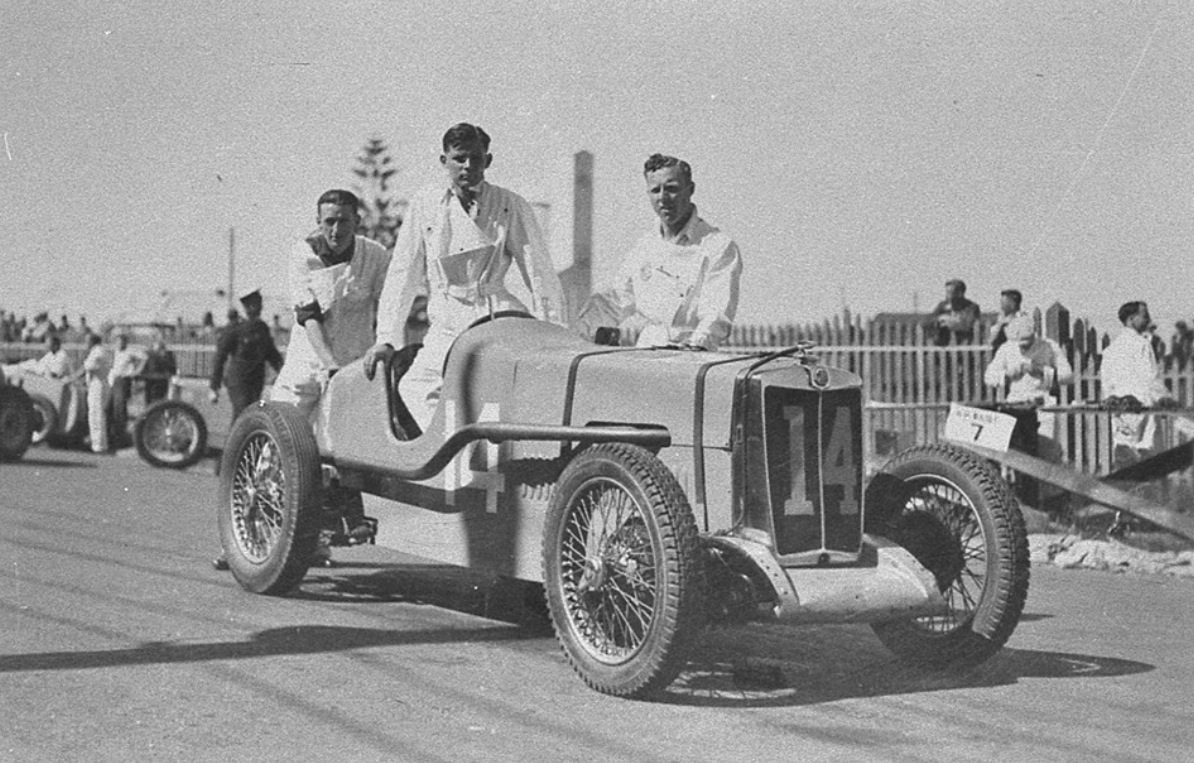


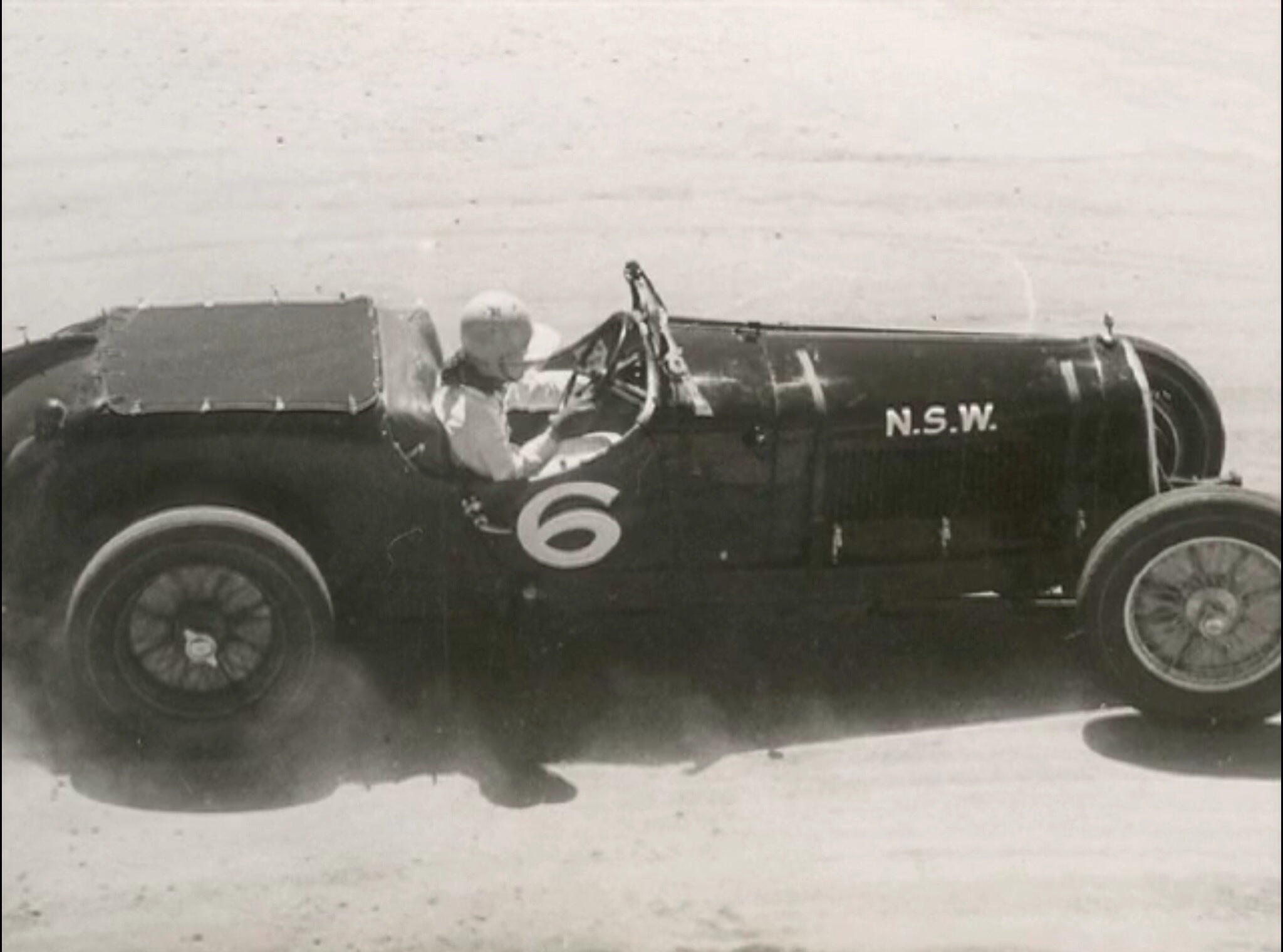
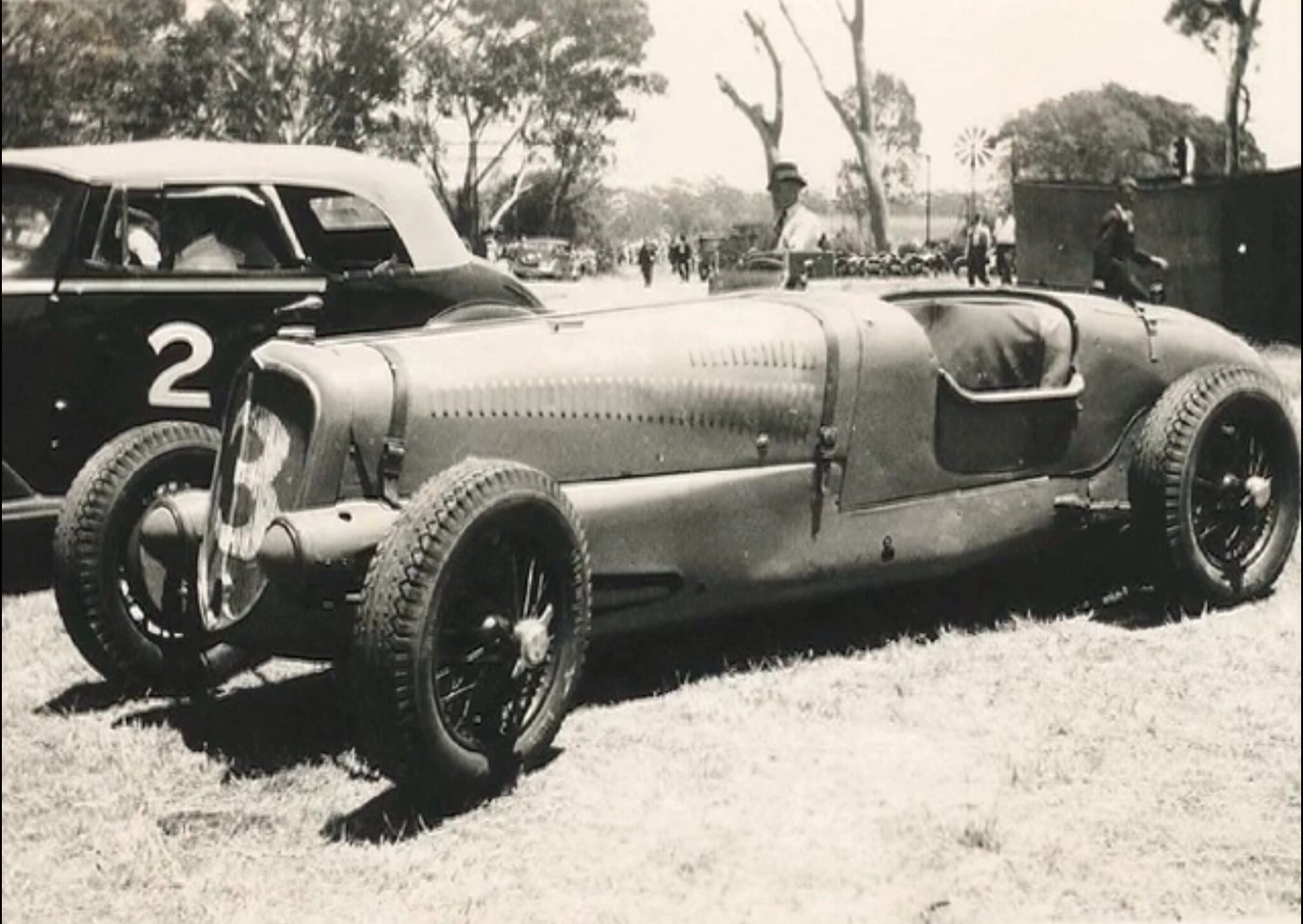

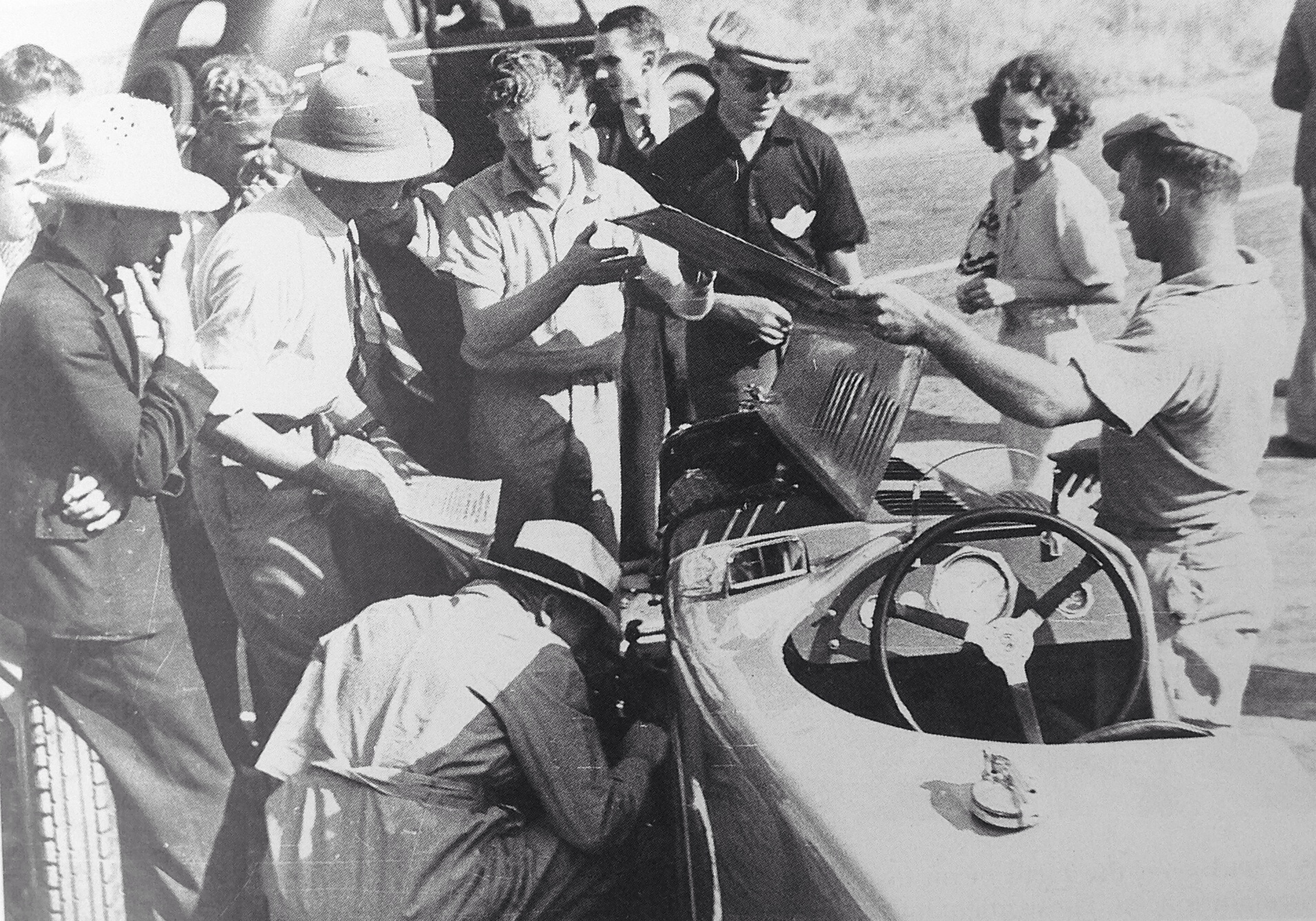


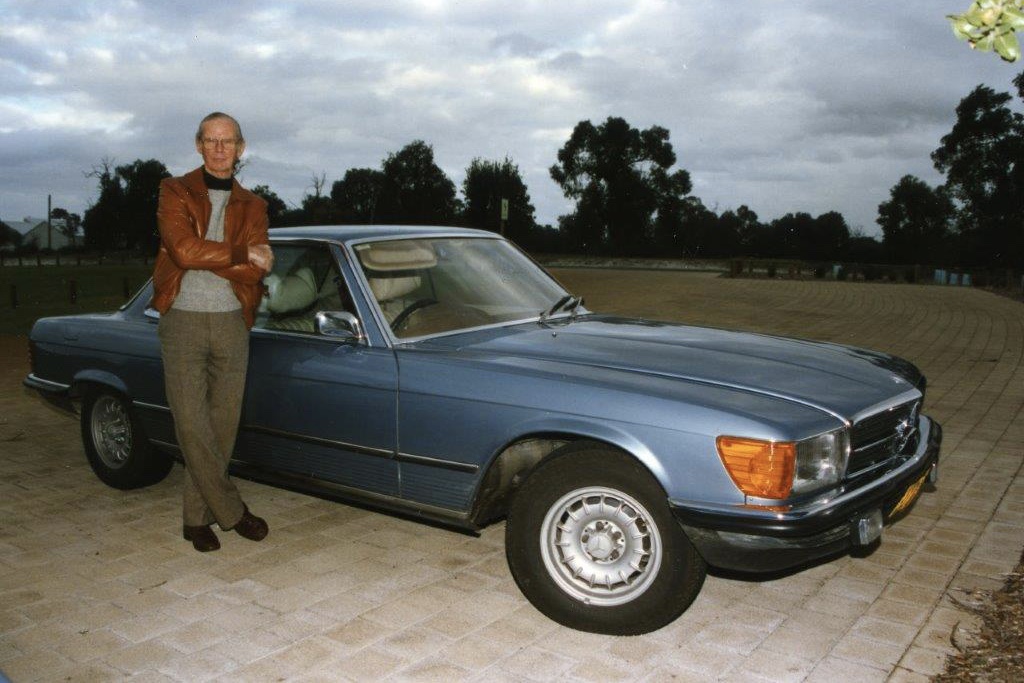

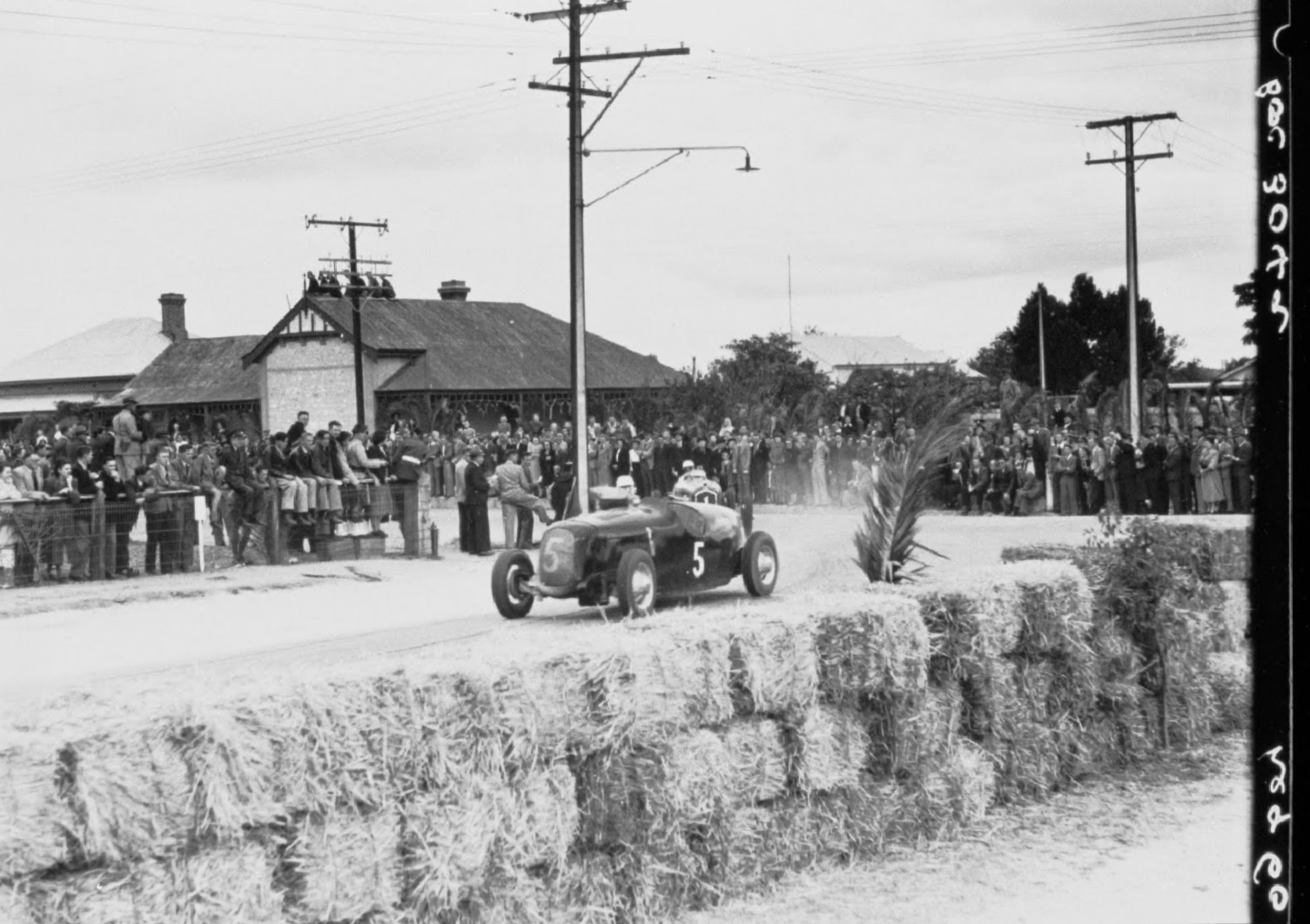


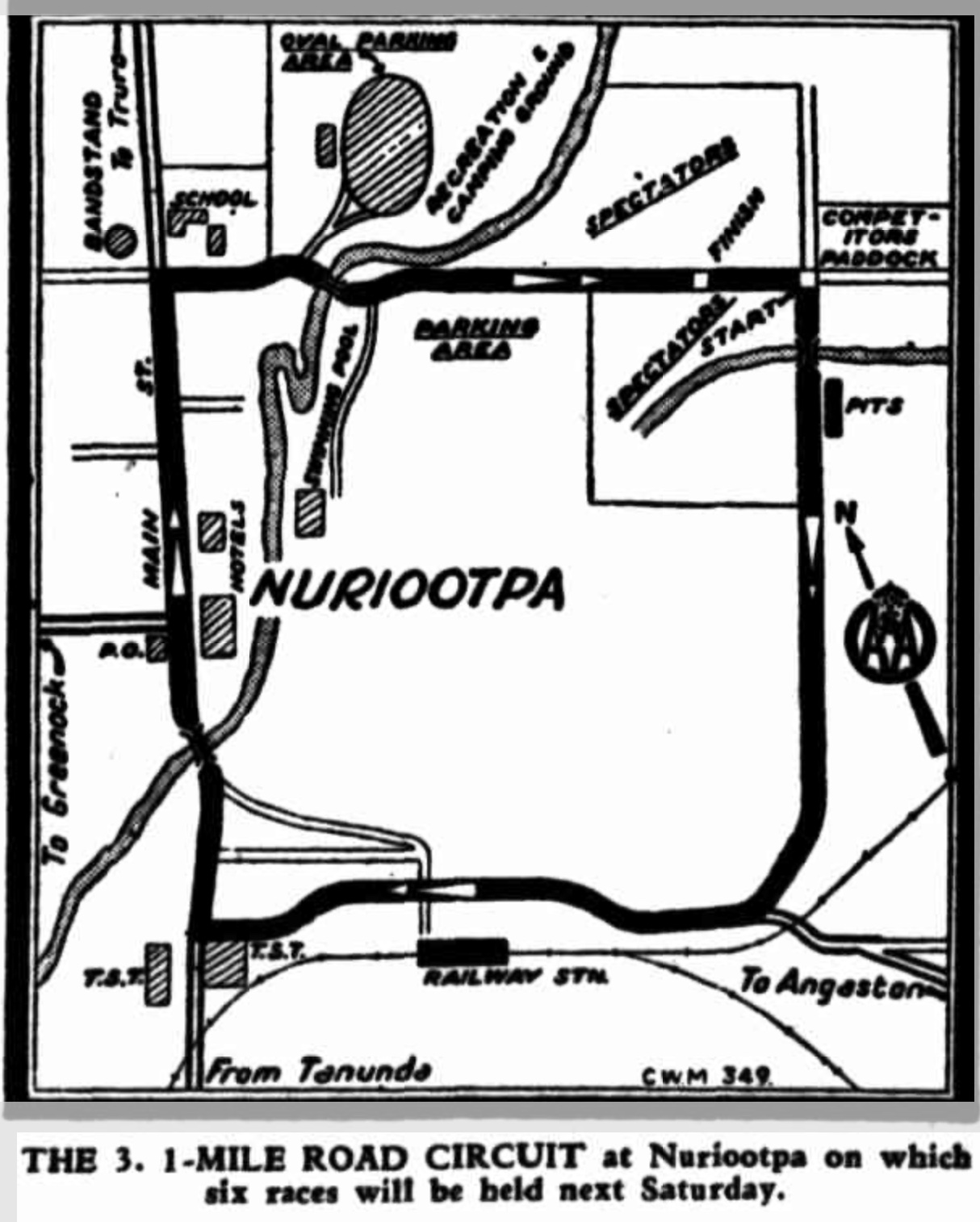


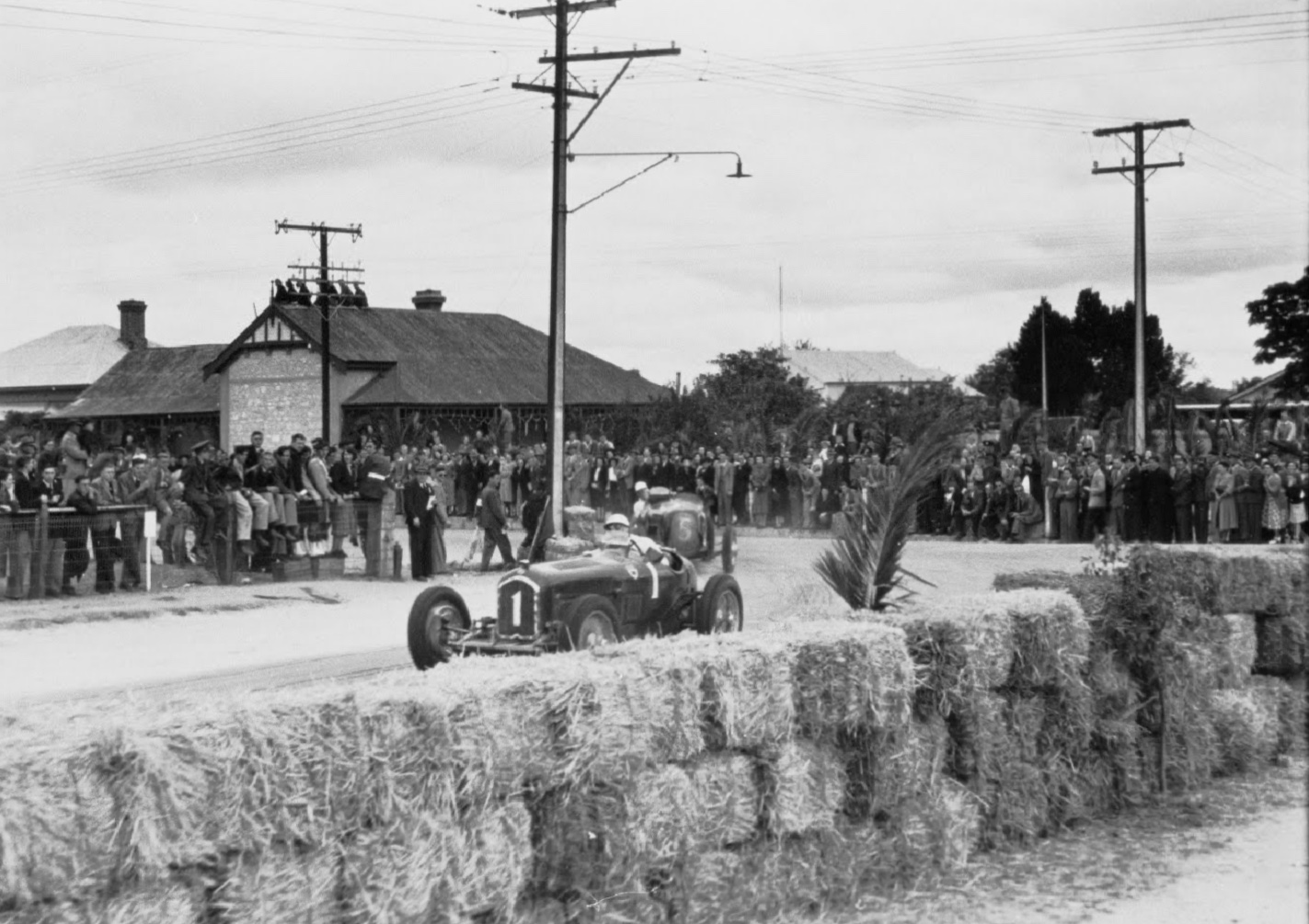


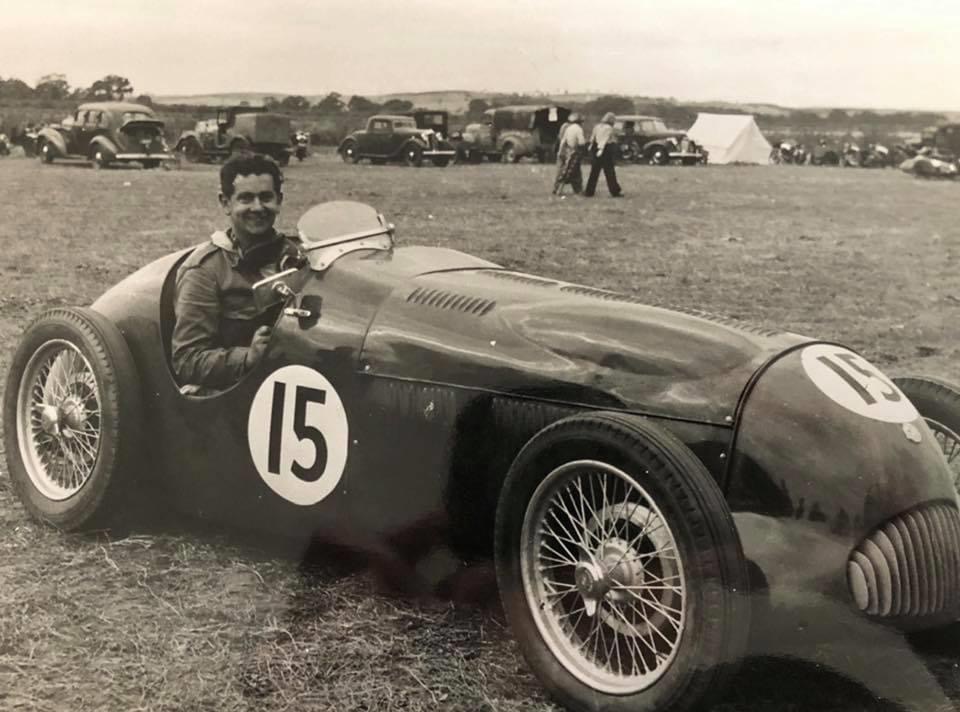


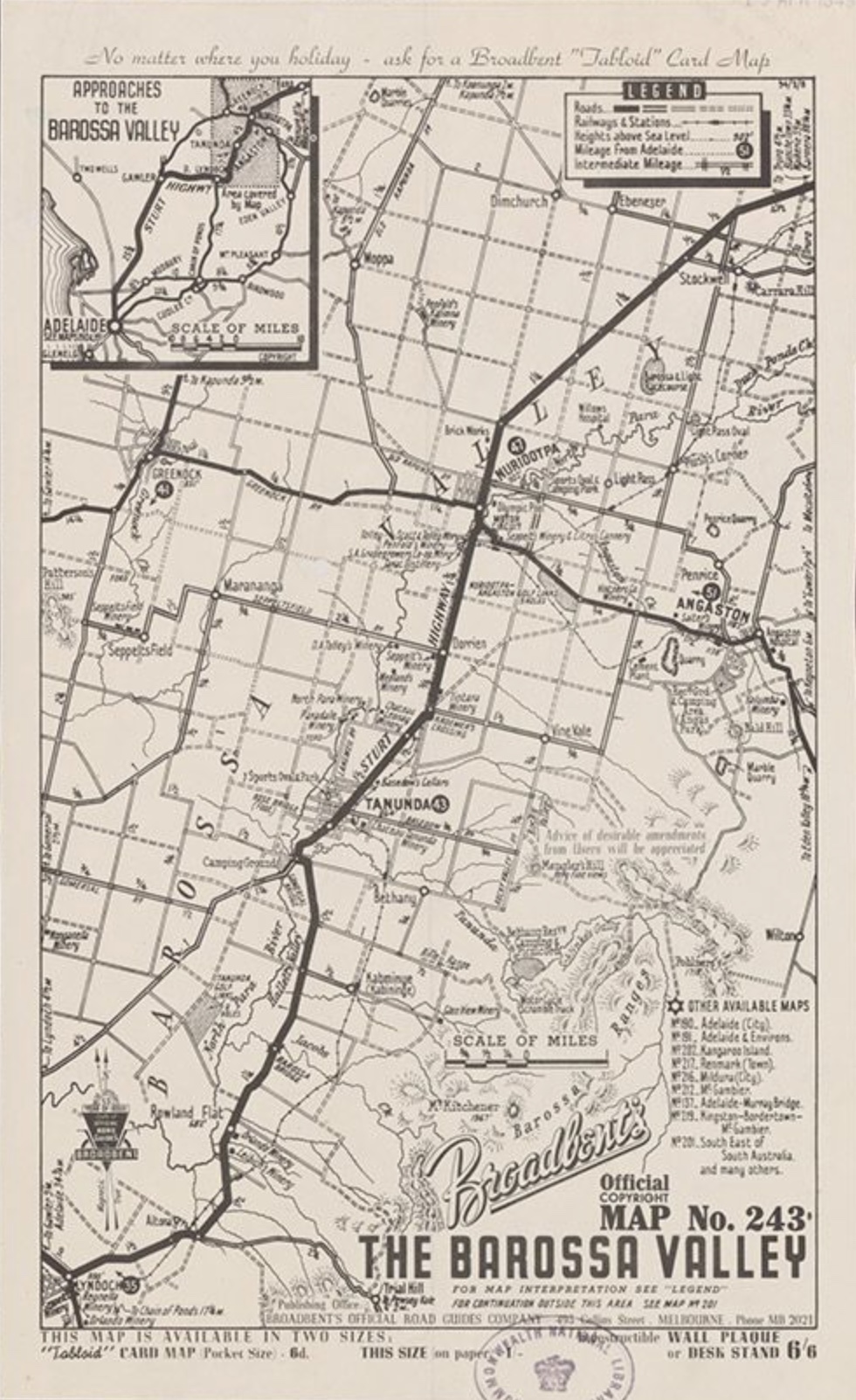
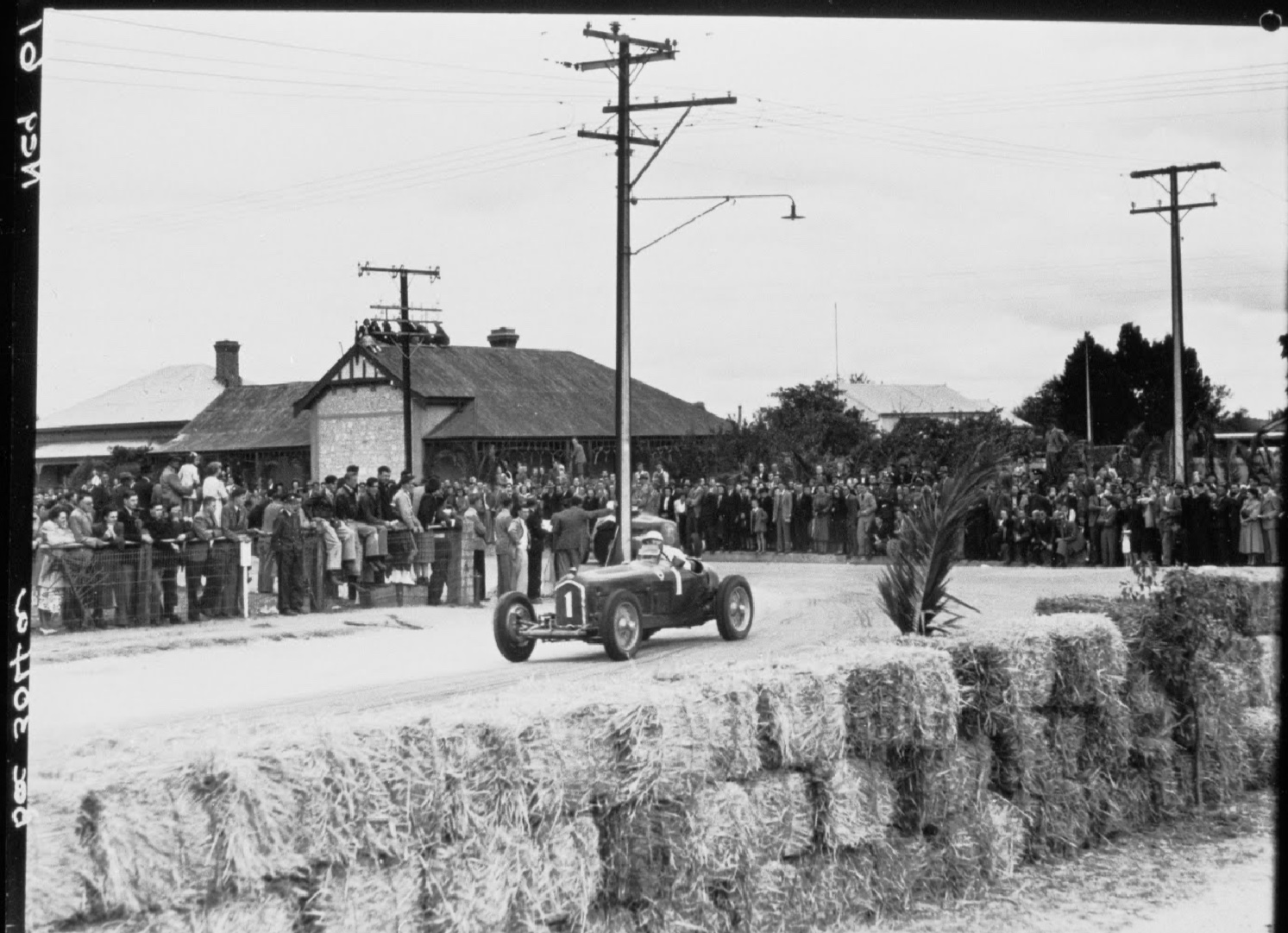
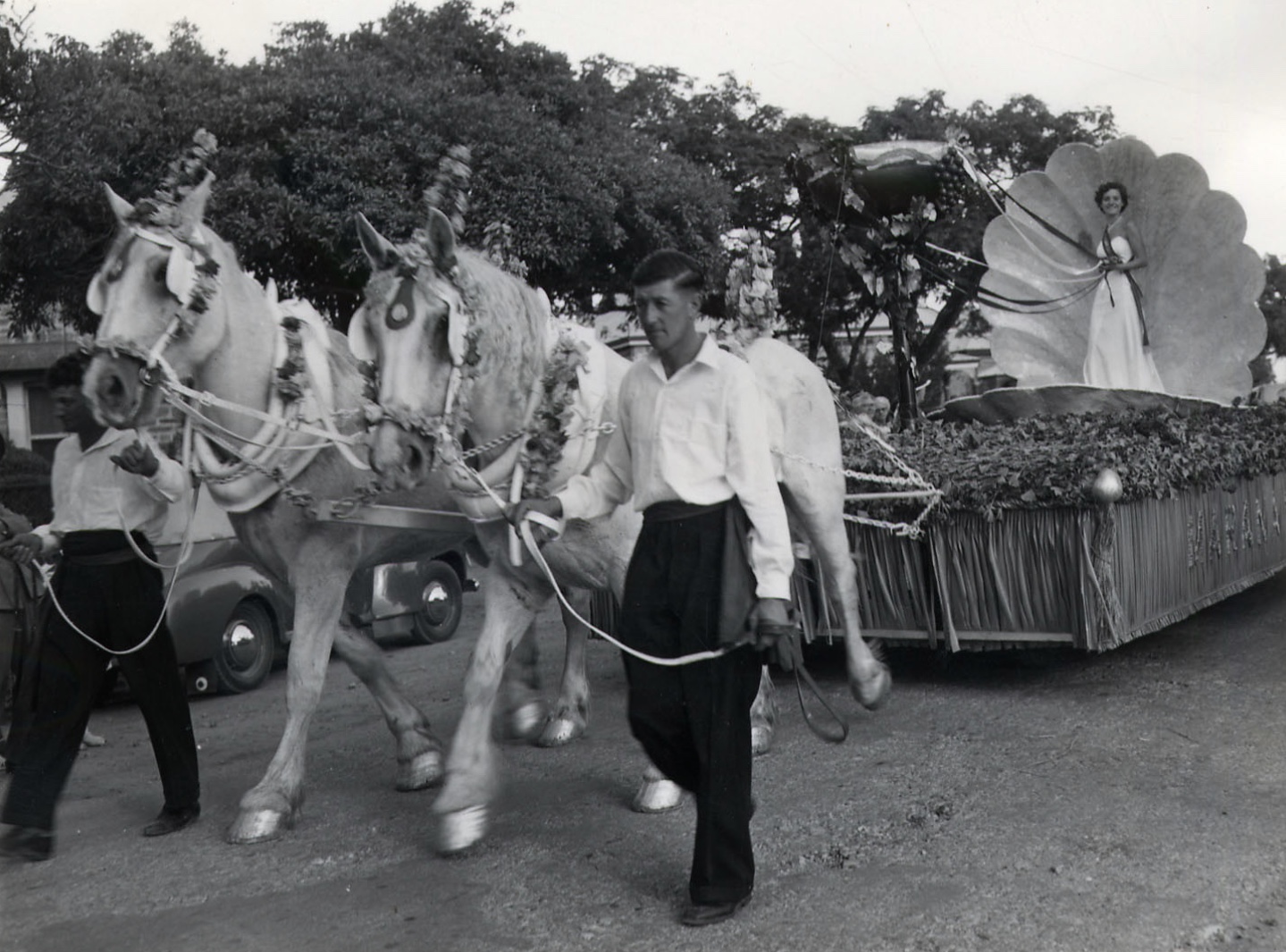

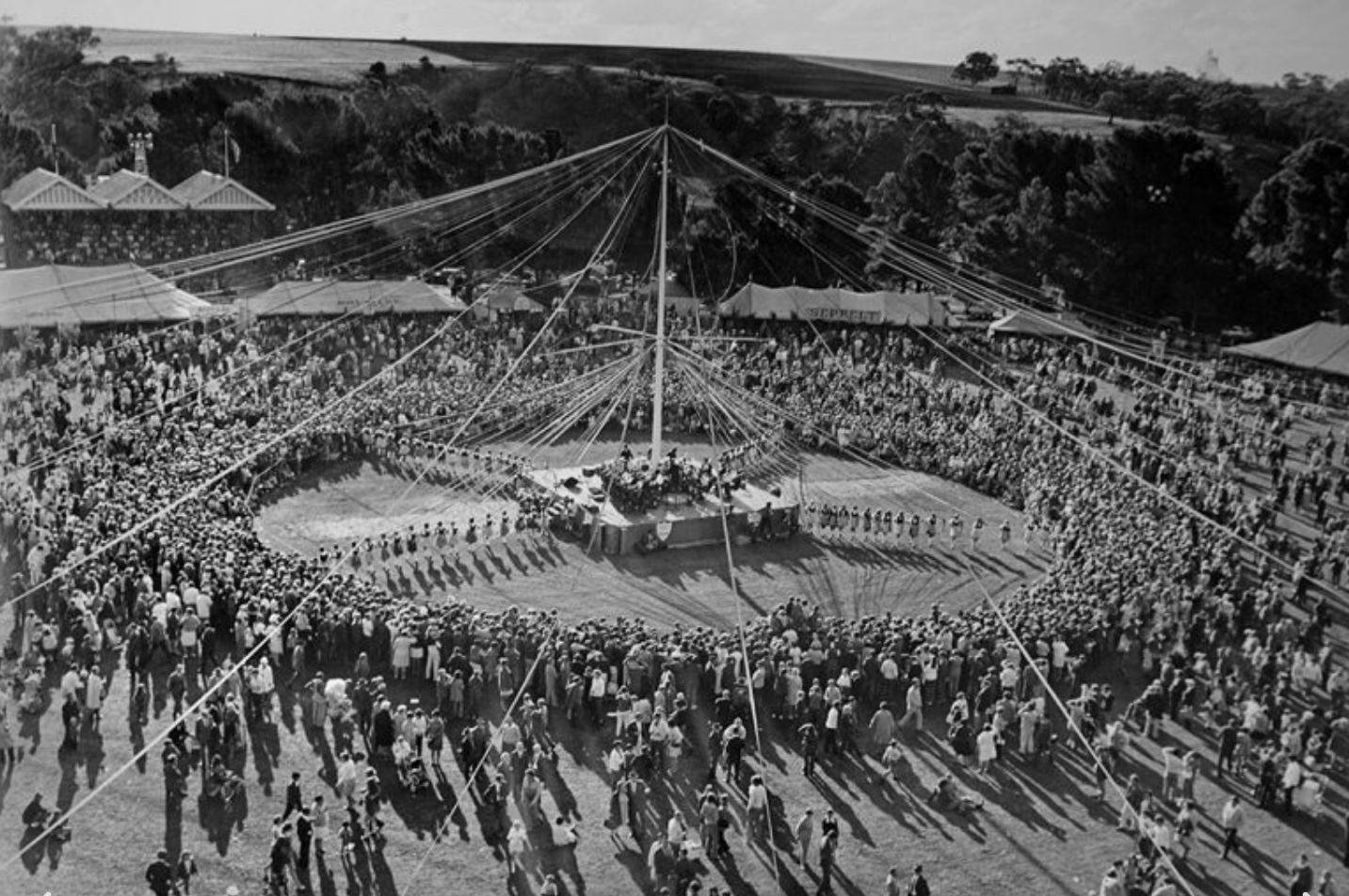
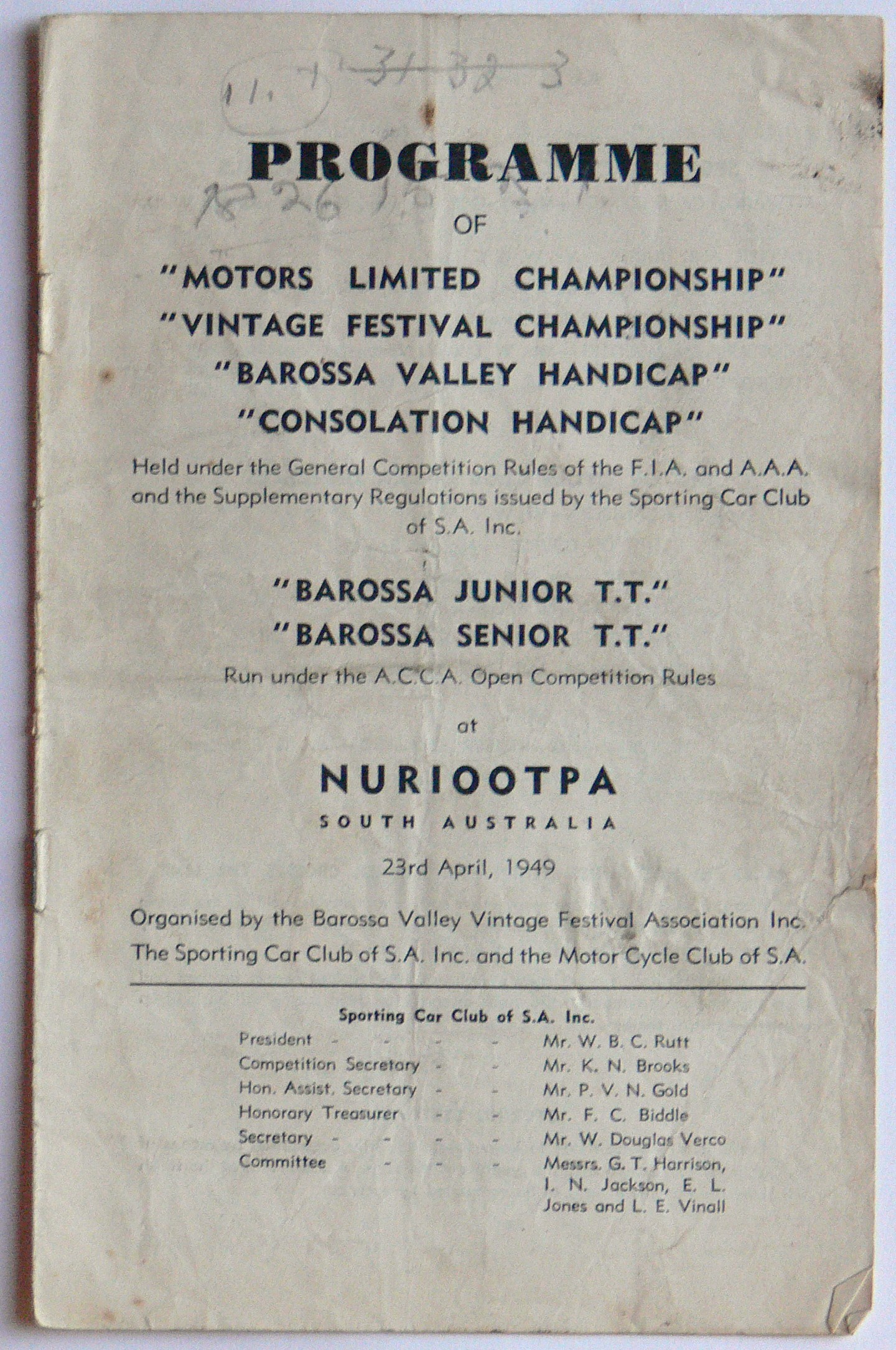


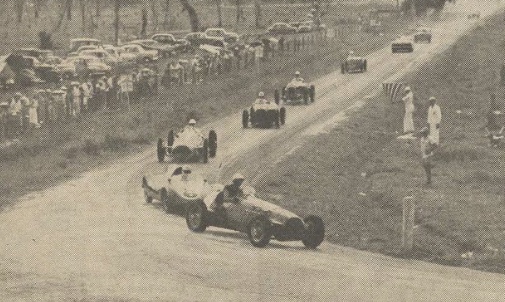
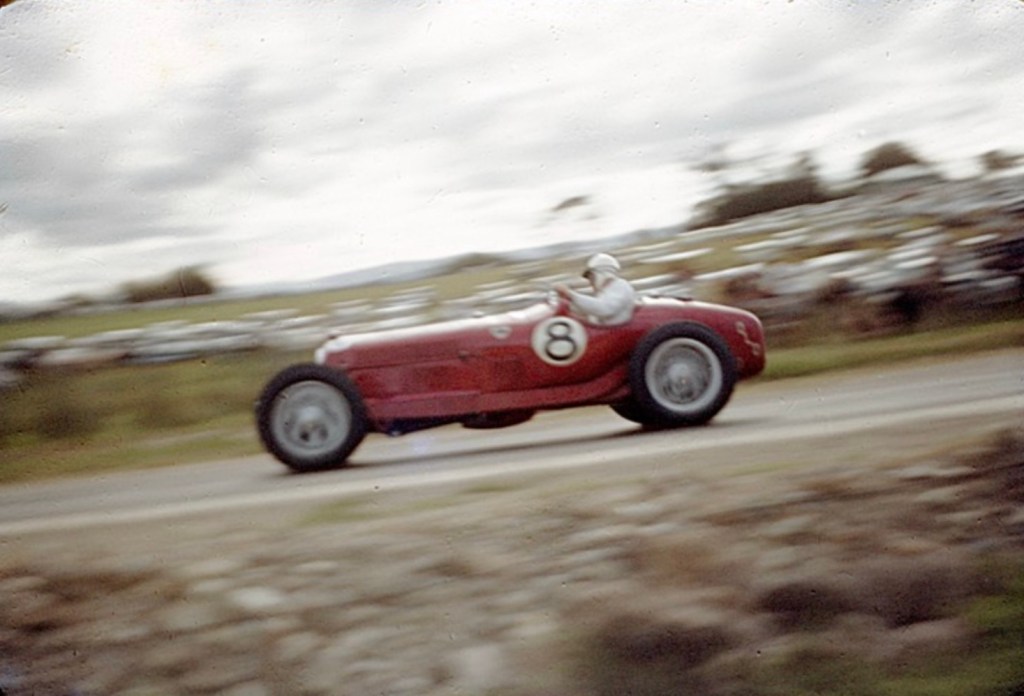


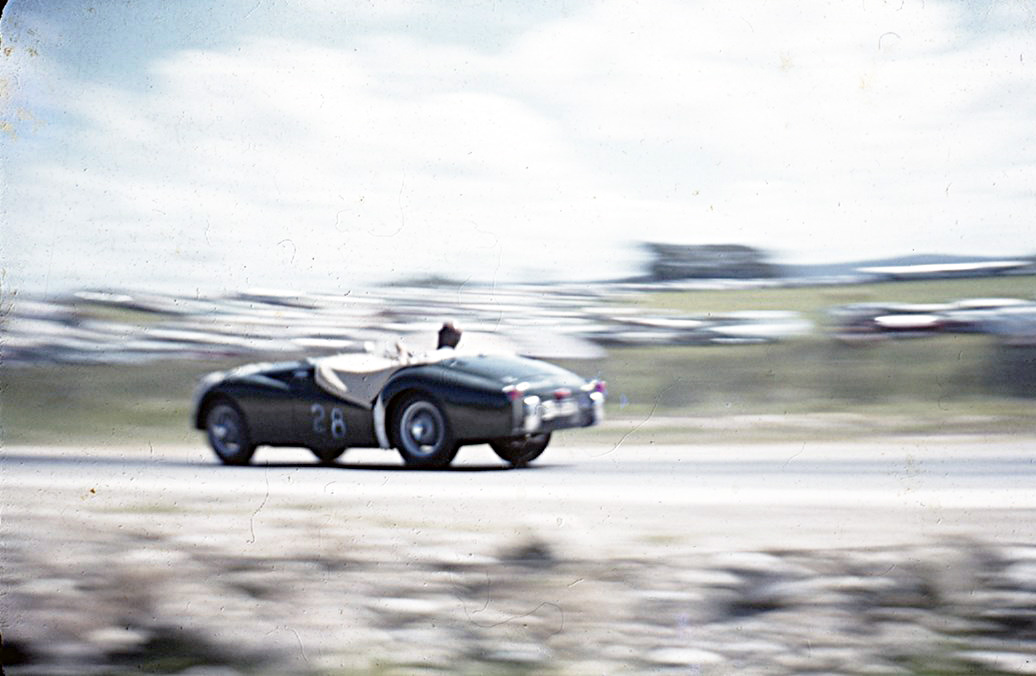
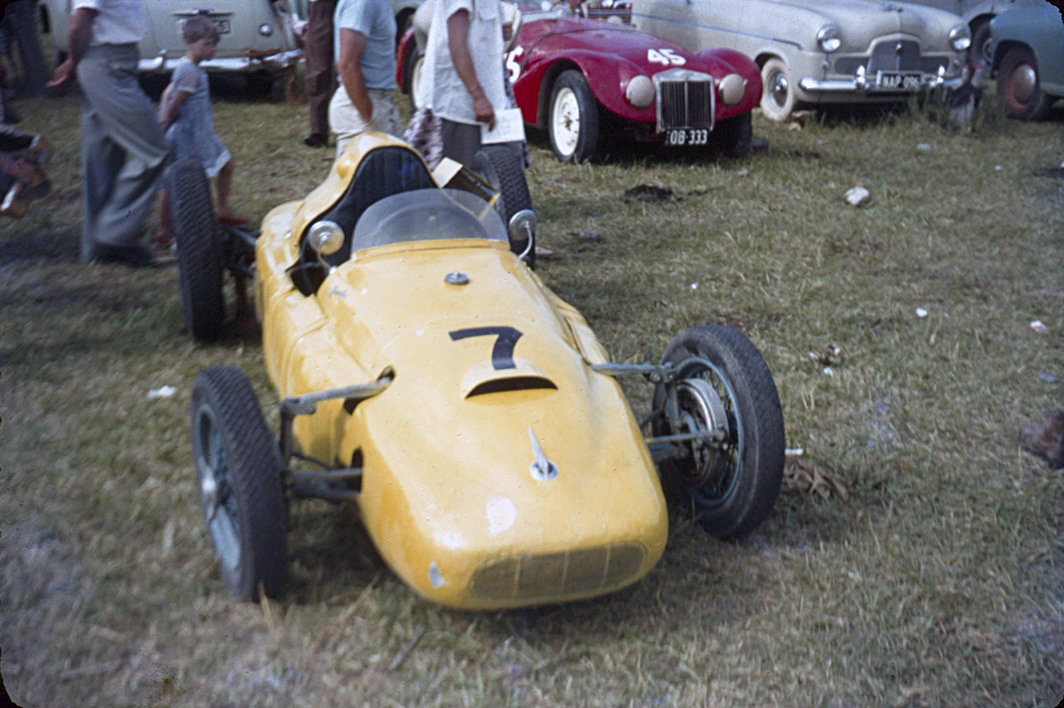
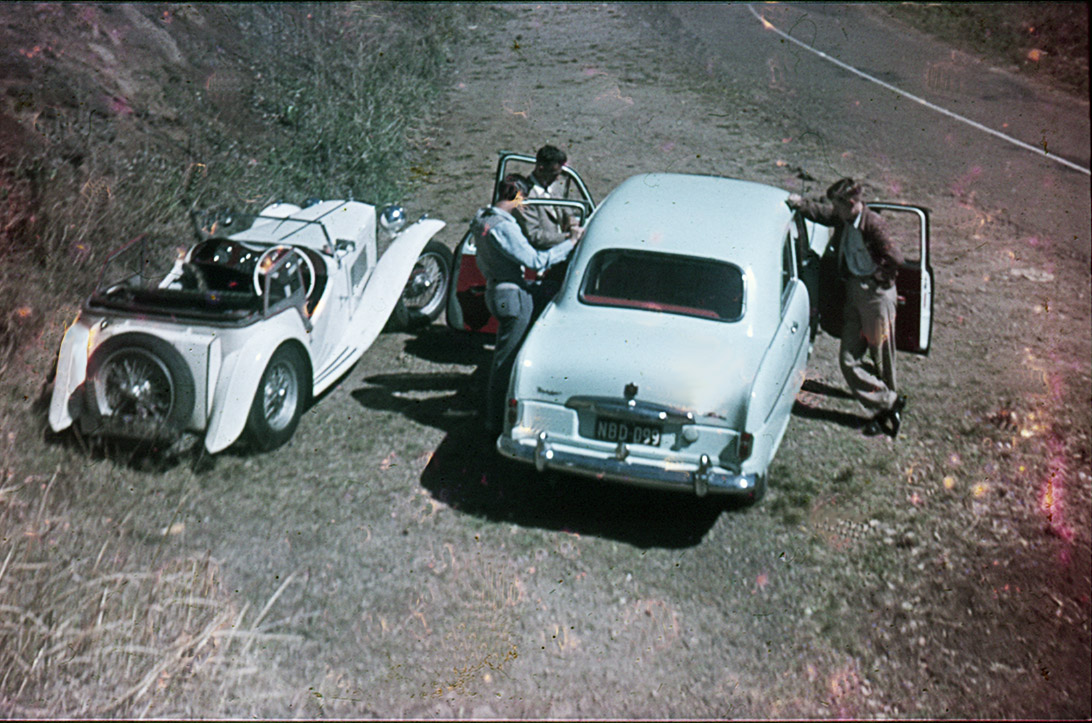

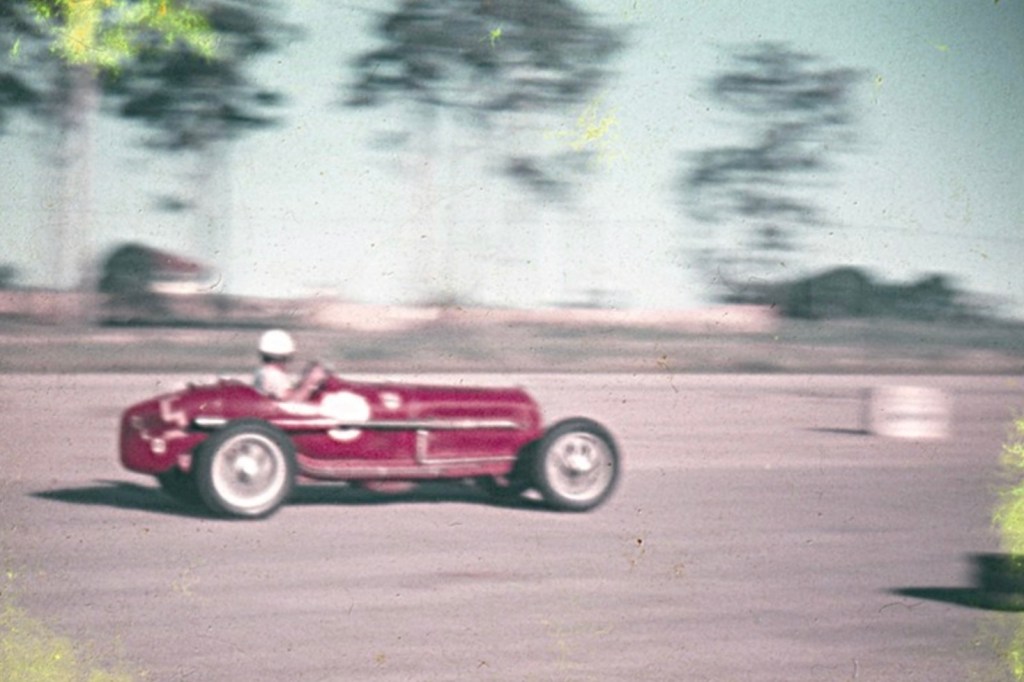


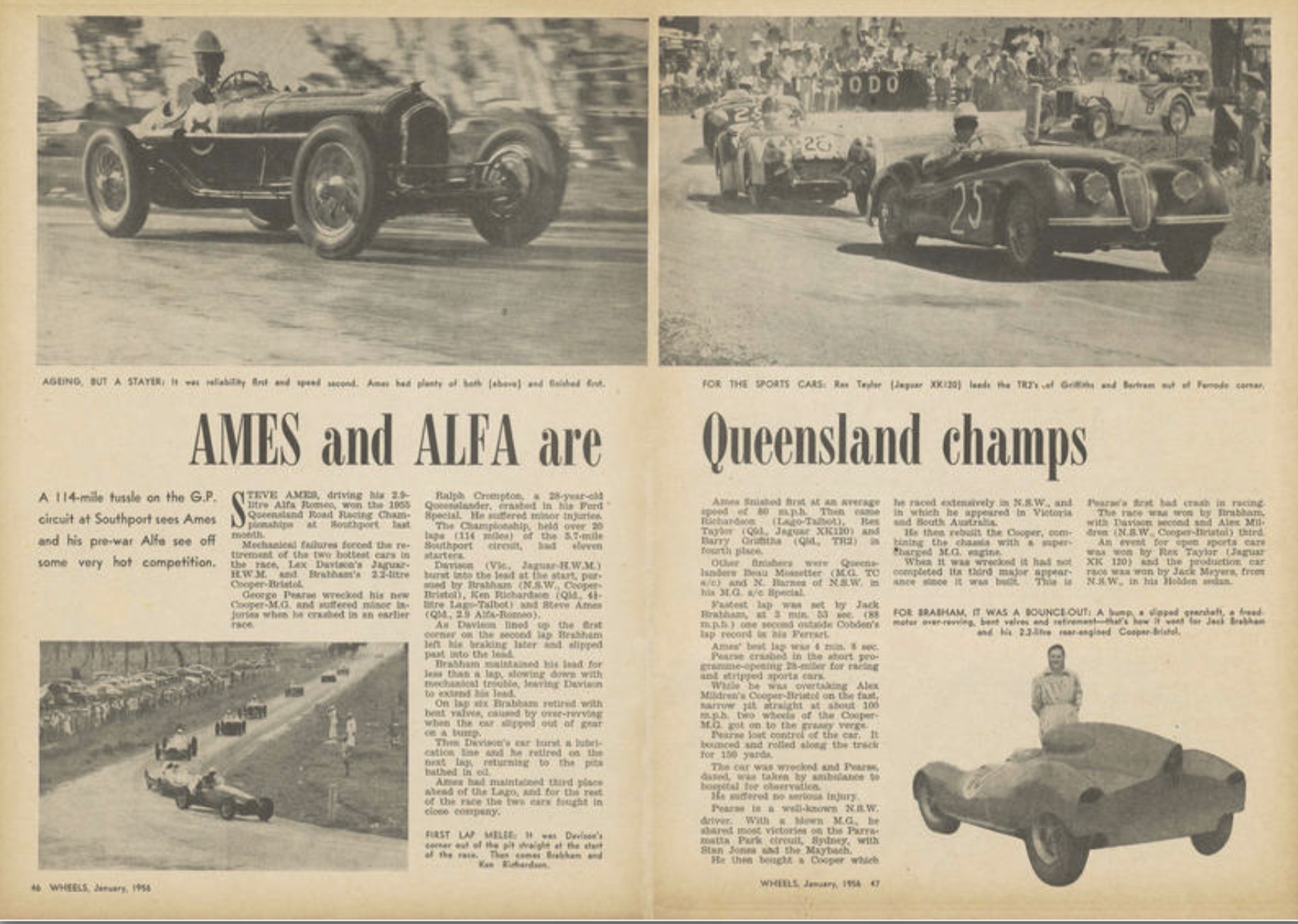


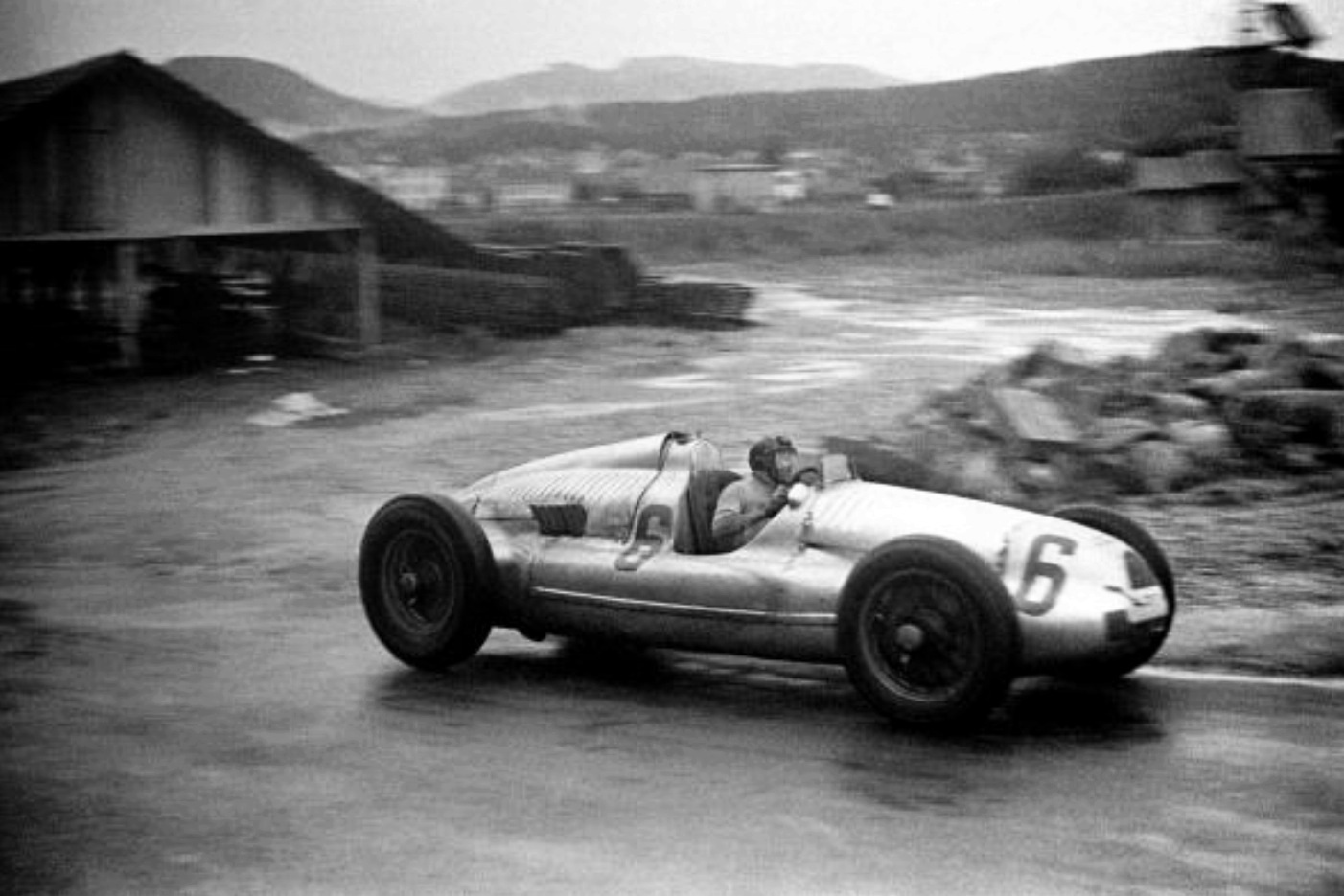



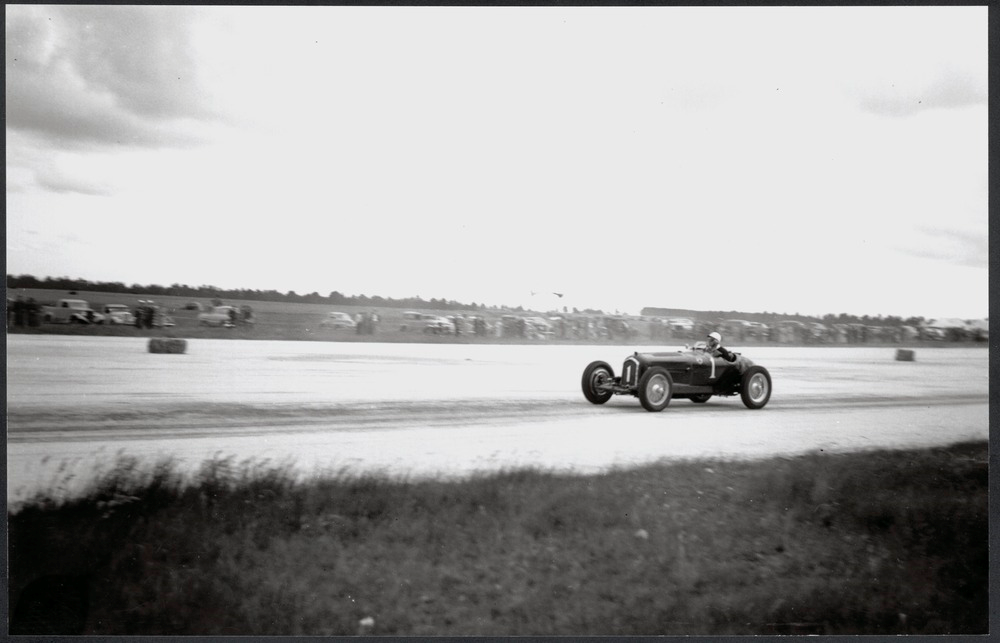
 primotipo...