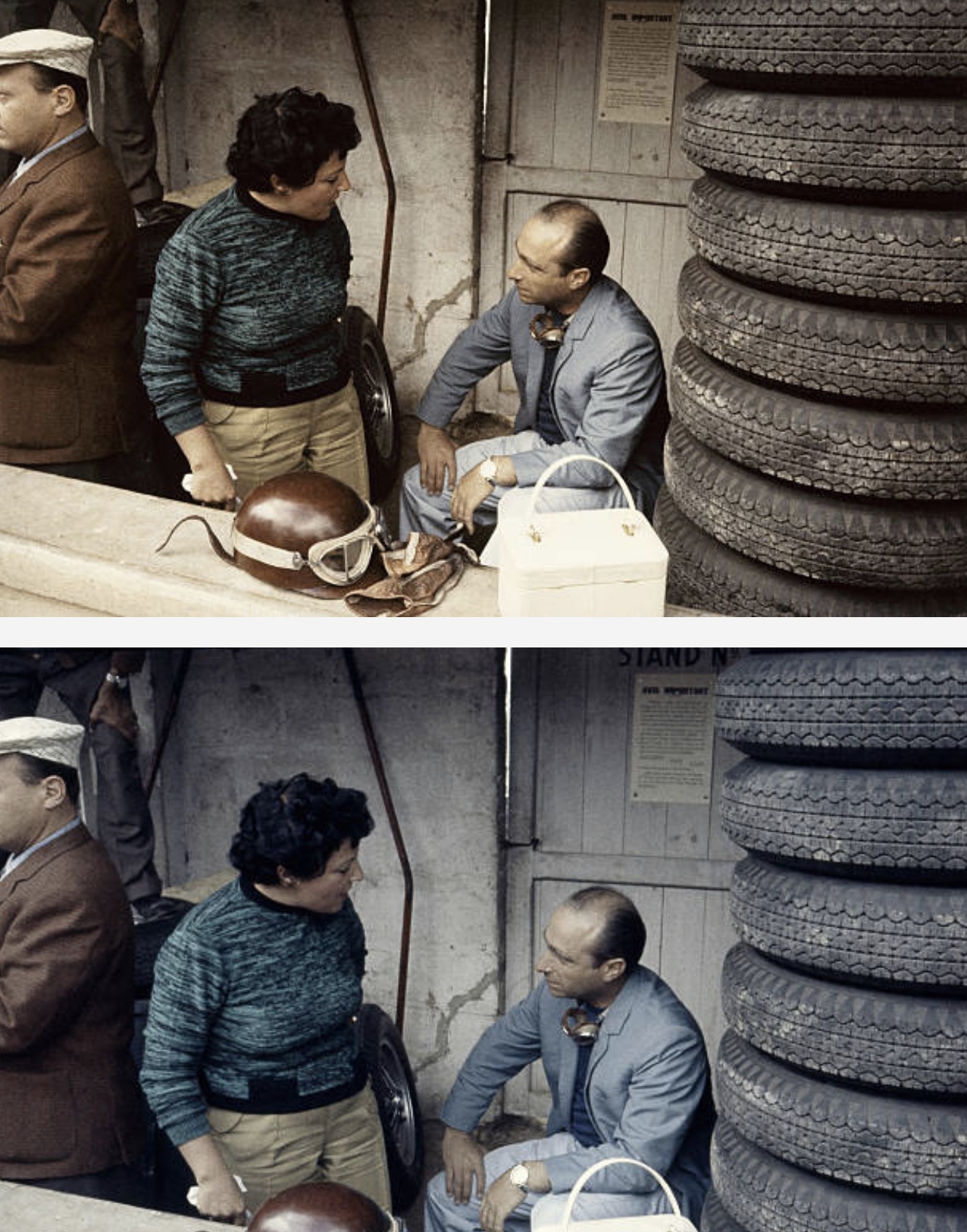
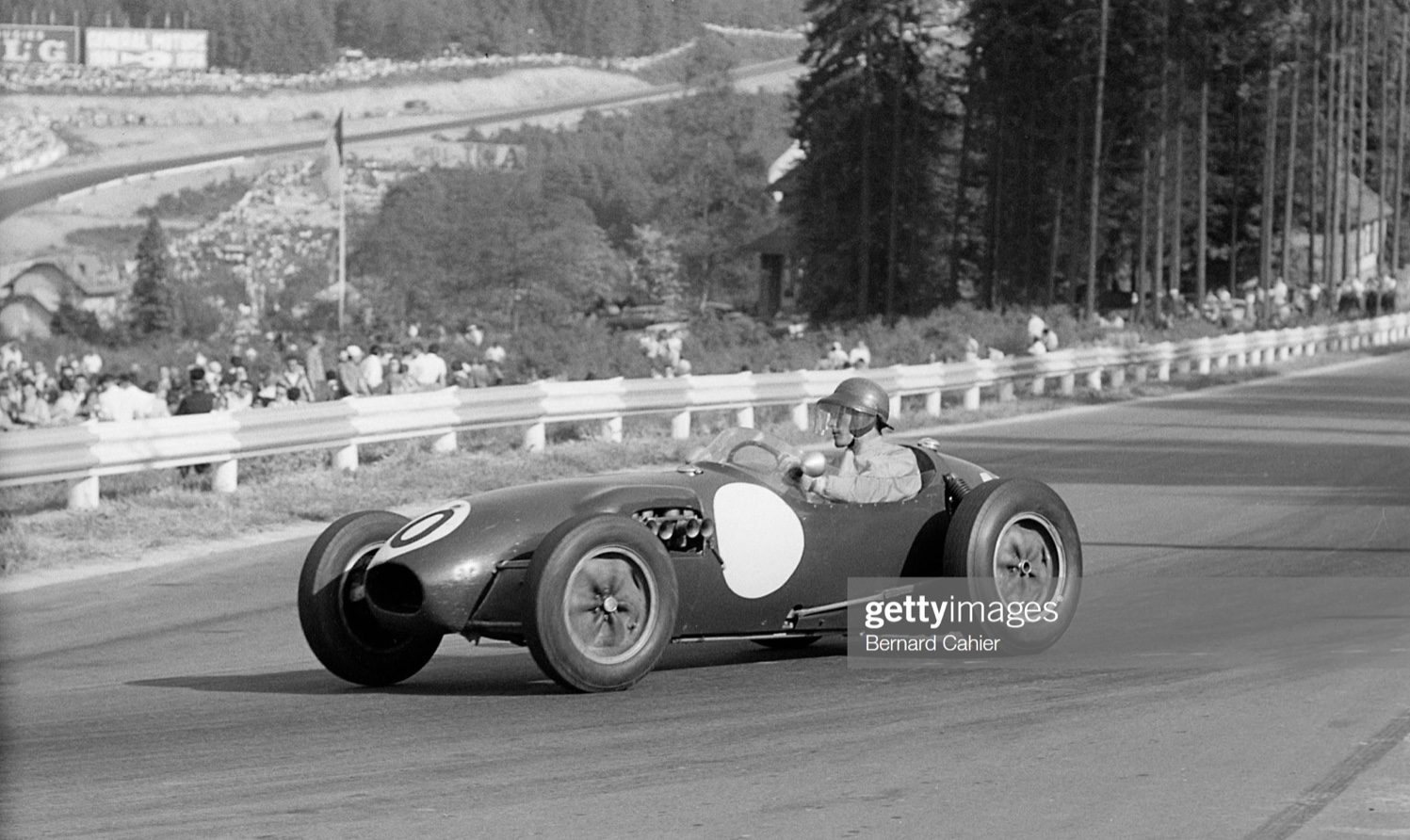
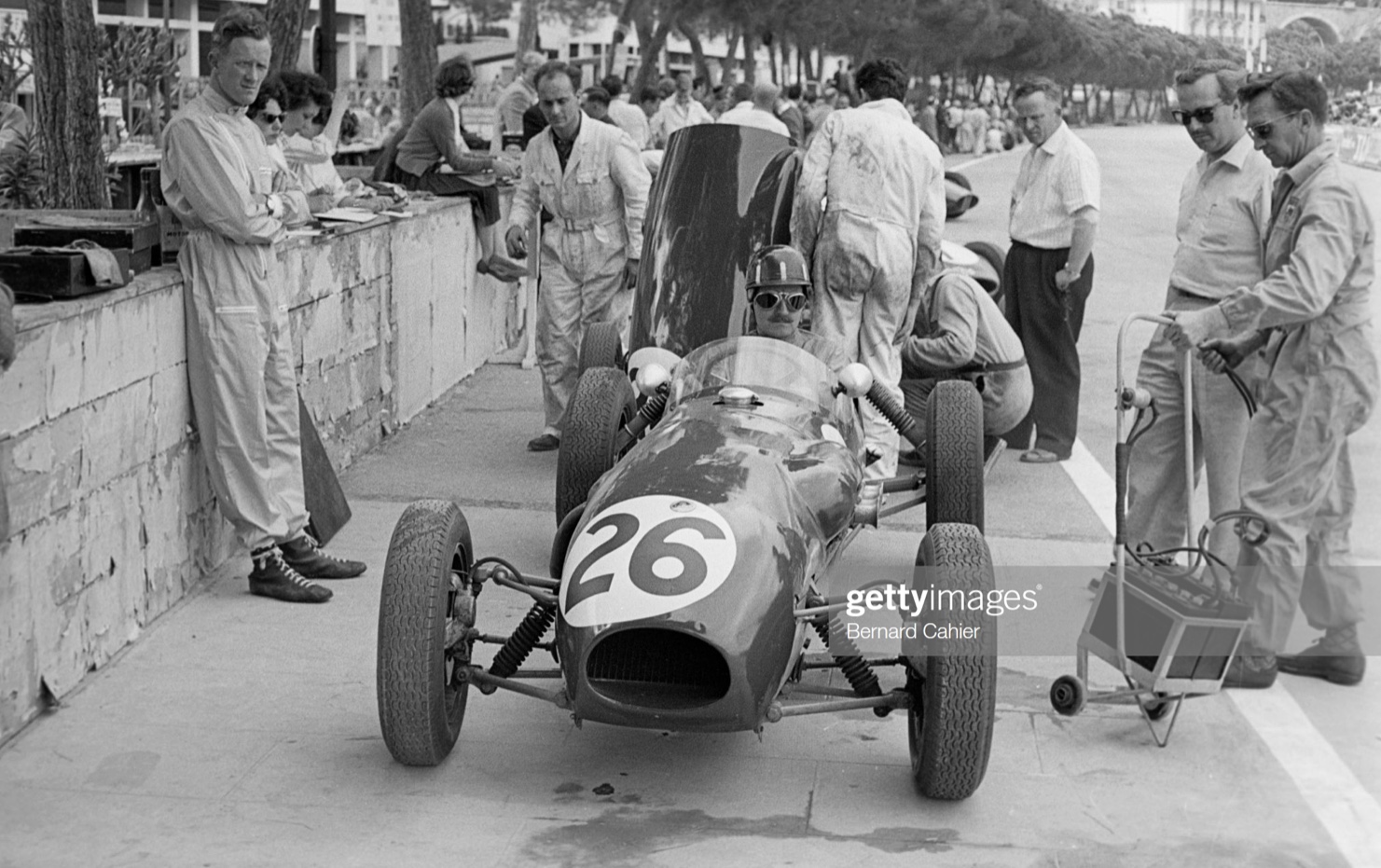
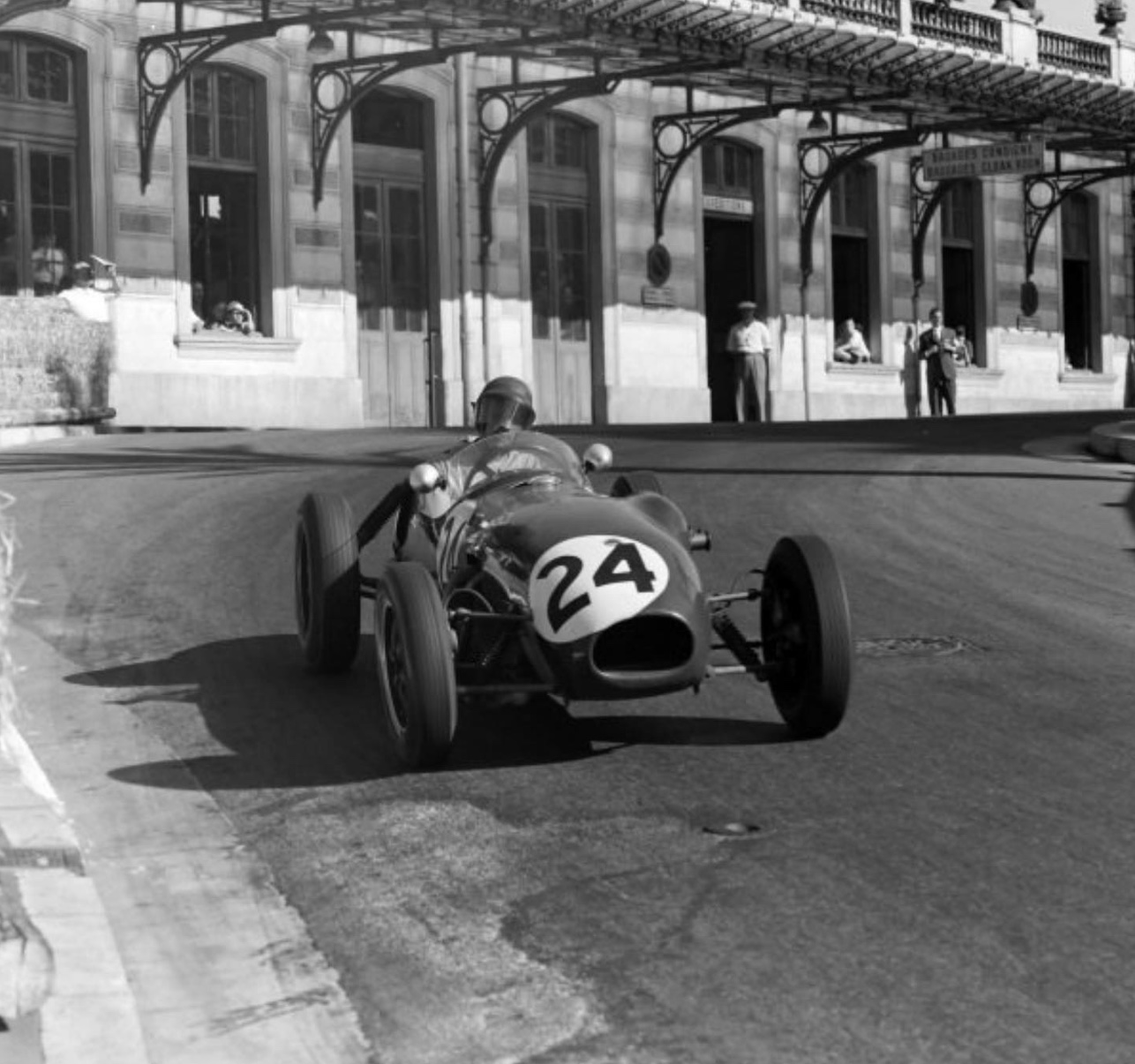
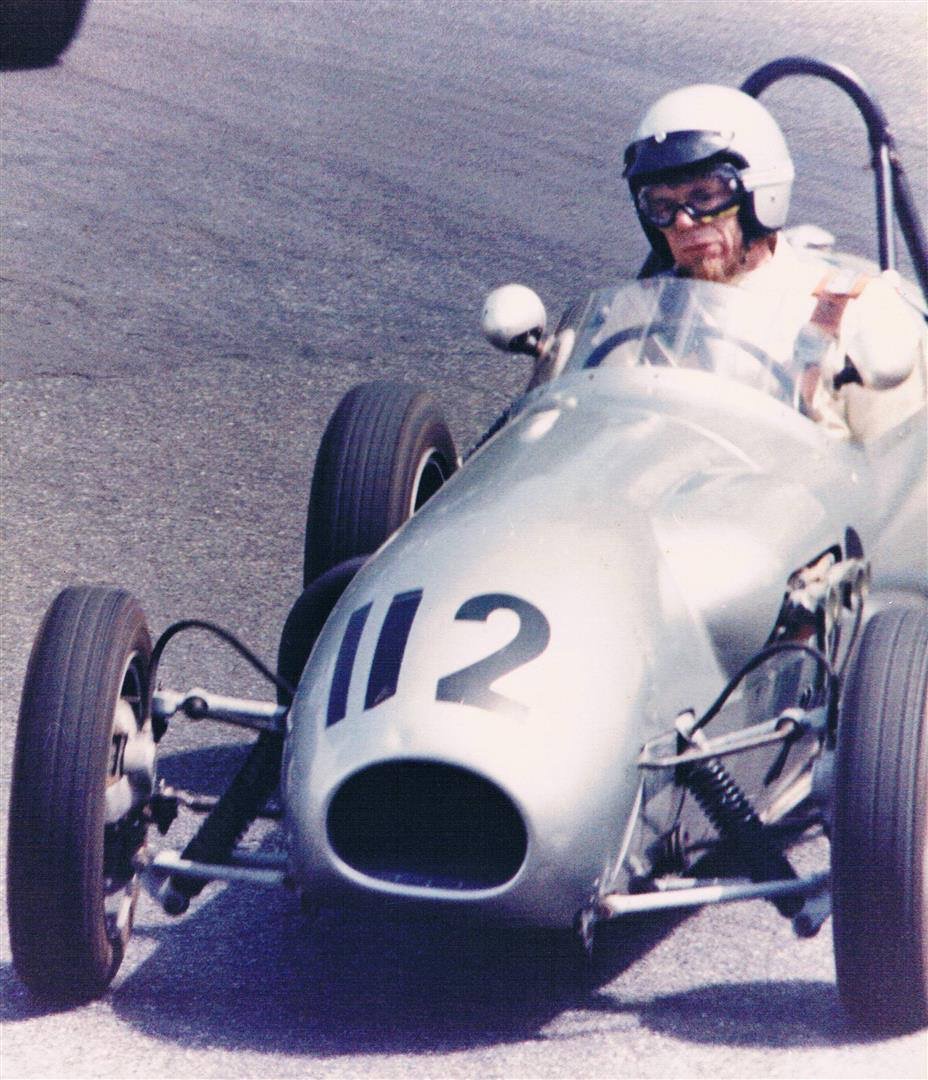
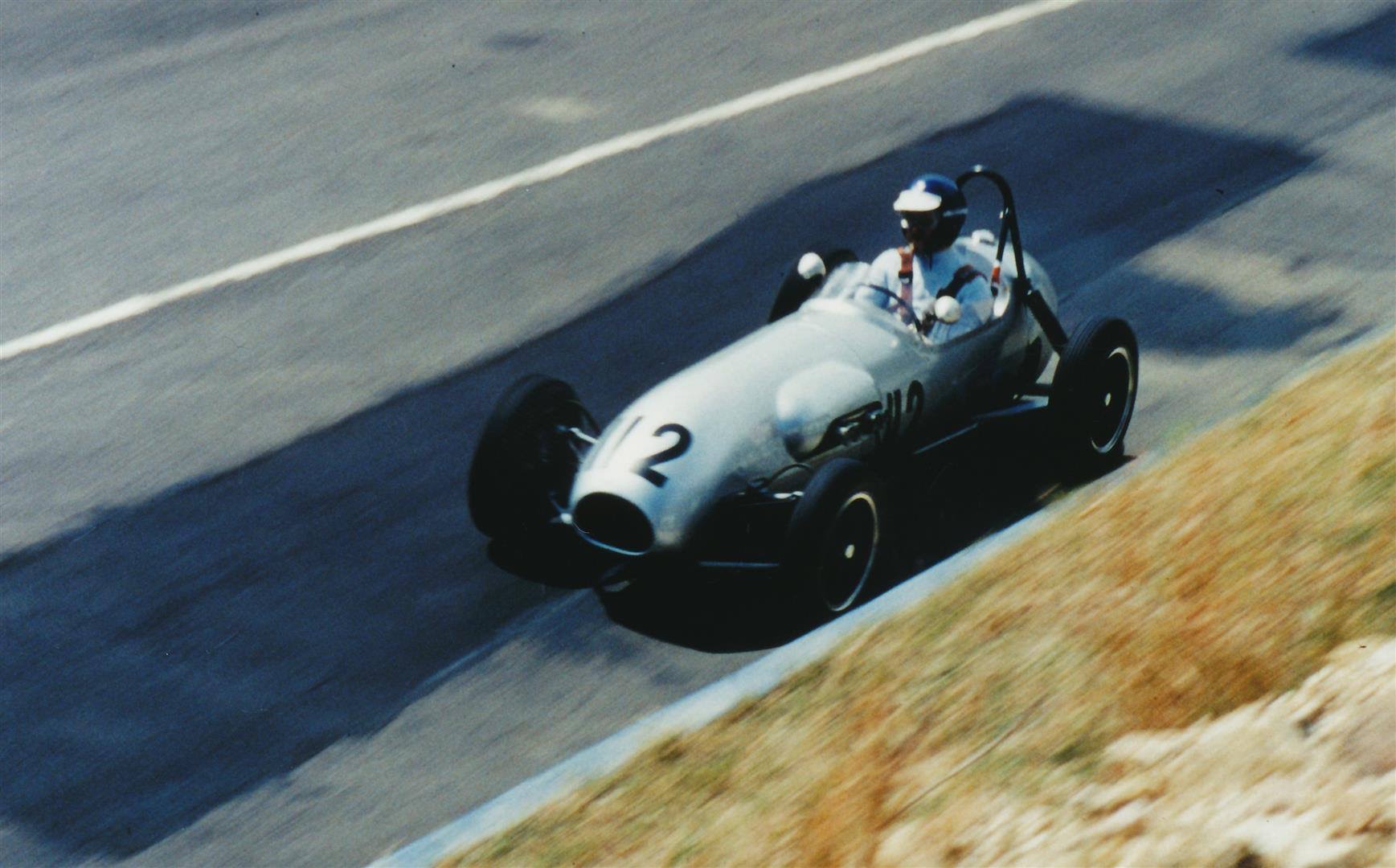
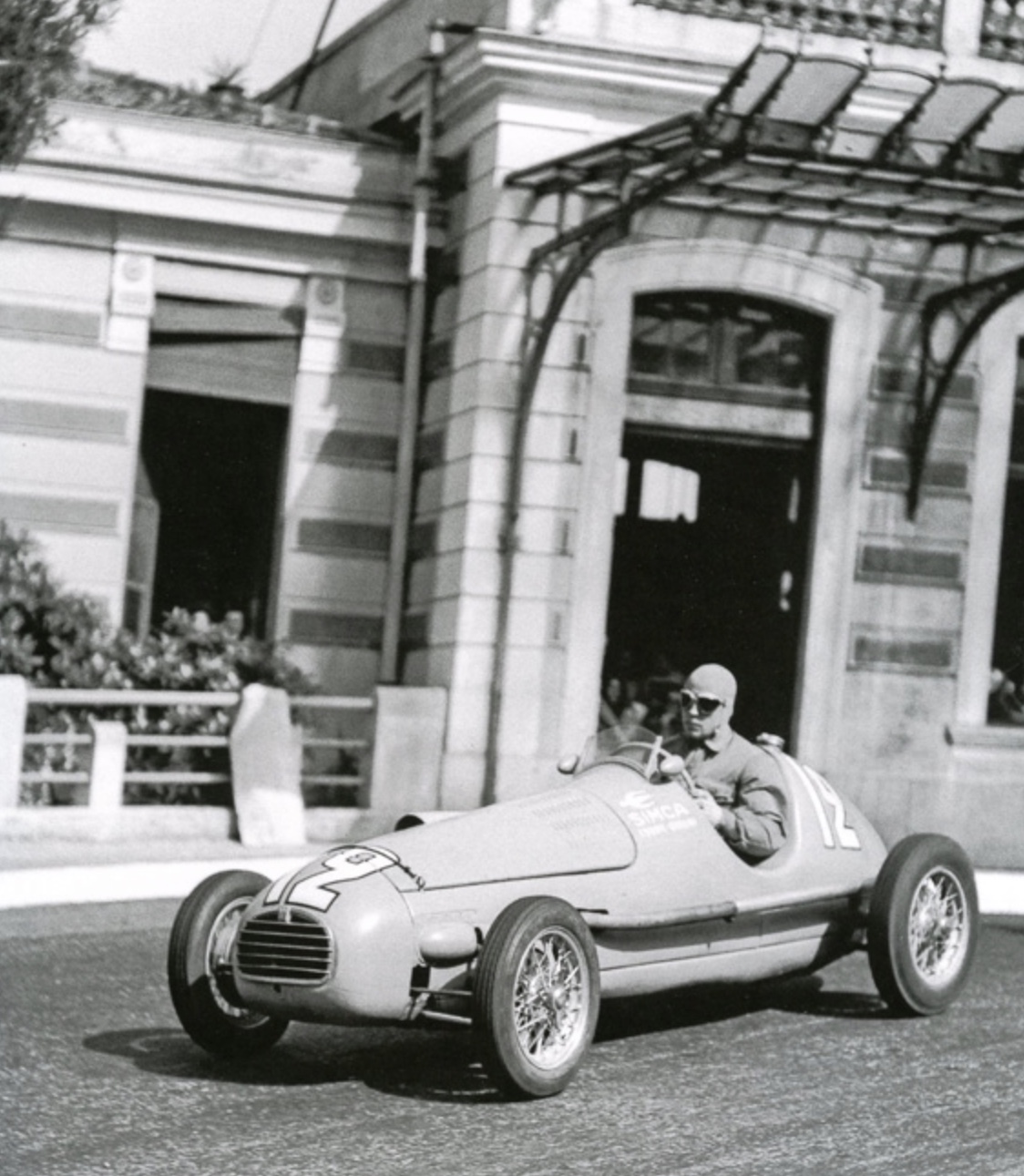
Hermano da Silva Ramos, Gordini T16 on the way to a splendid fifth place in the 1956 Monaco Grand Prix…
The French born Brazilian driver was advantaged by a race of attrition, he completed only 93 of Moss’ winning Maserati’s 100 laps, but hey, a points placing was just reward for a good, quick, reliable run by a design which was rather long in the tooth by then.
What a fascinating topic Gordini is.
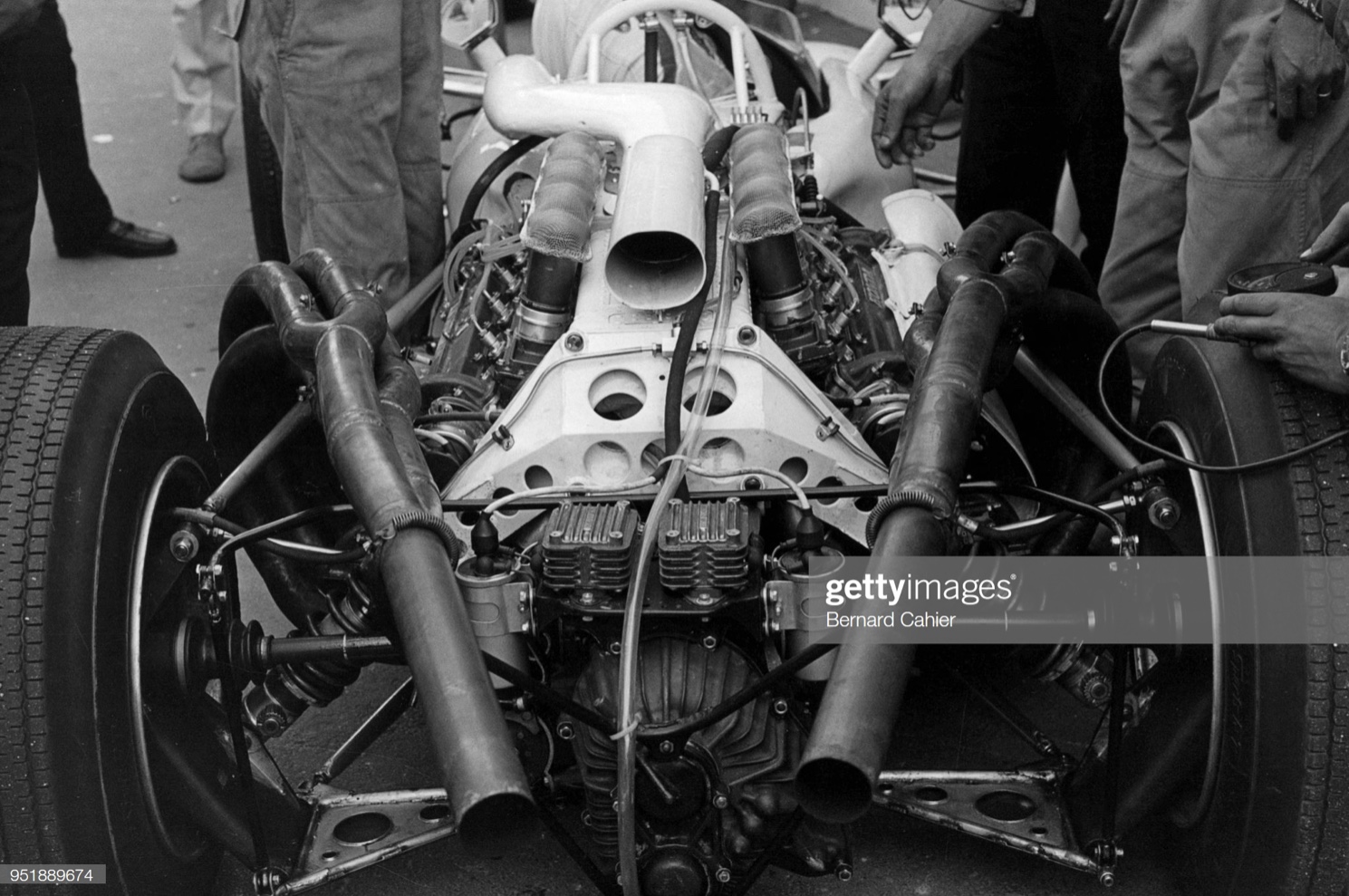
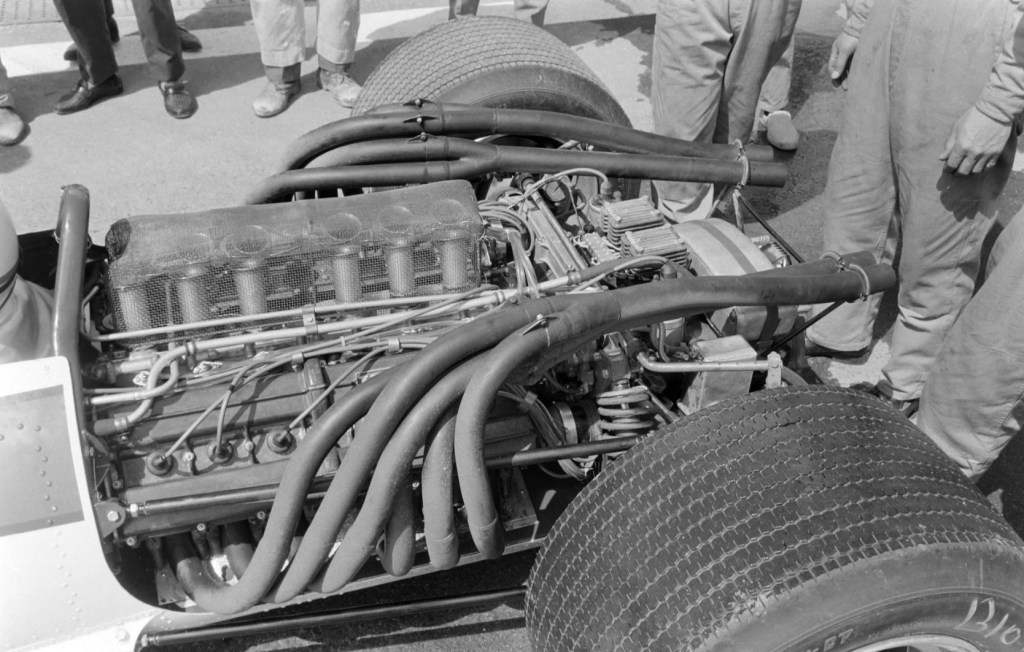
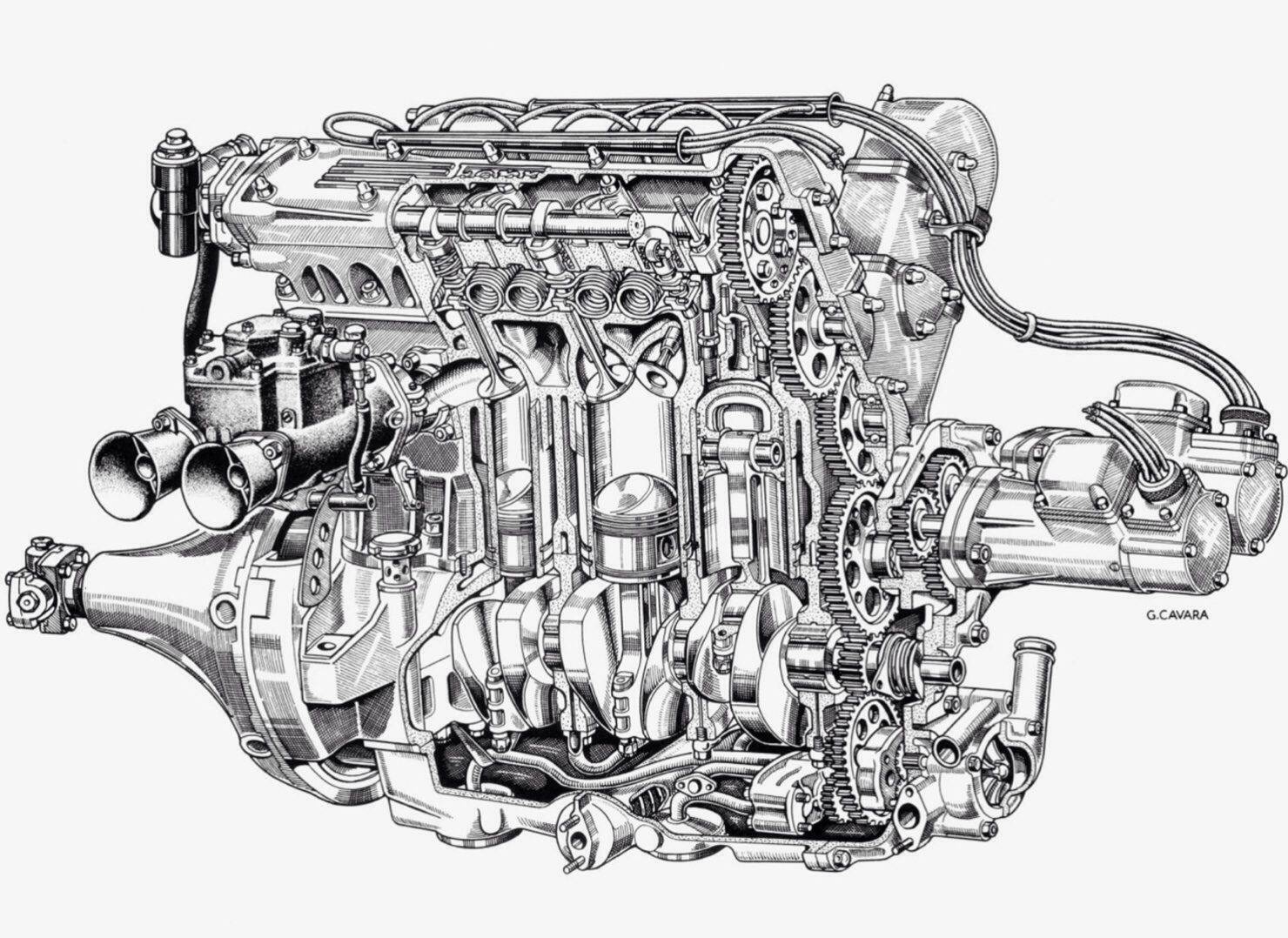
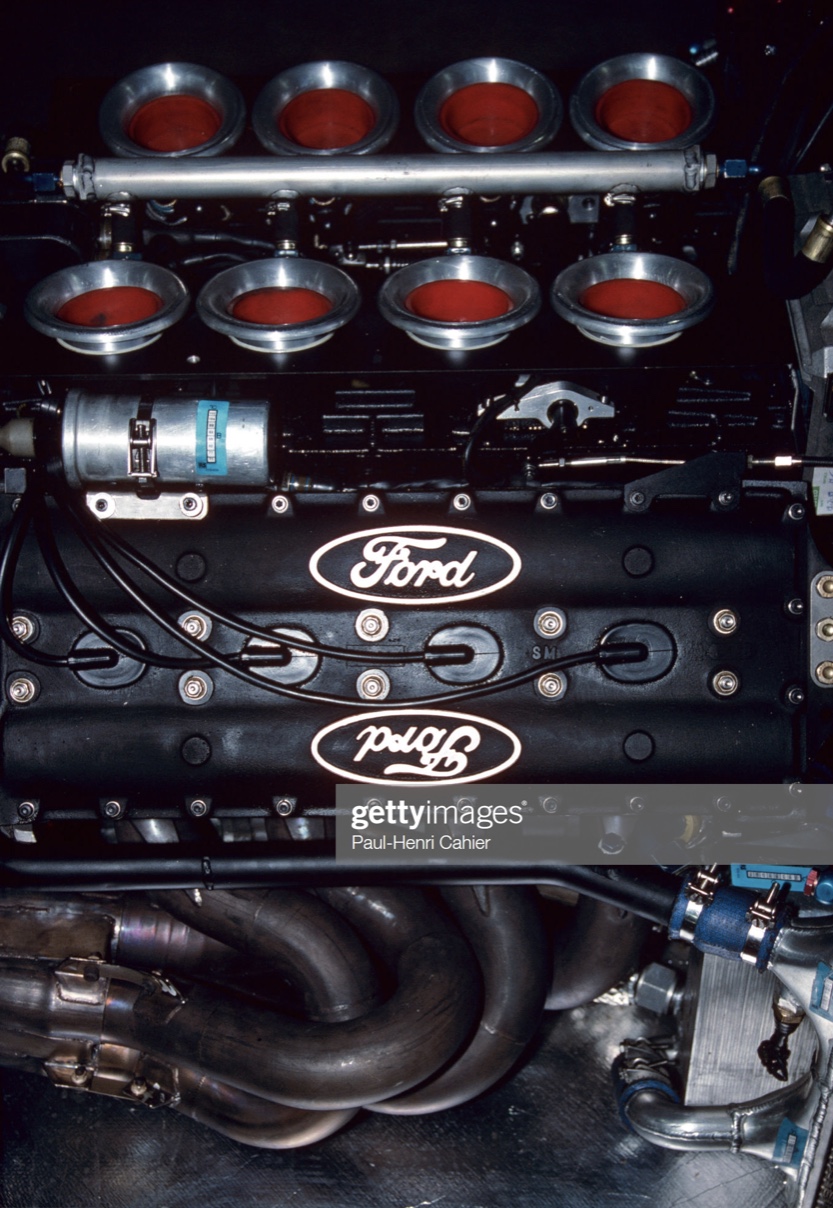
My interest was piqued by tripping over the photograph of the Gordini T16 engine below, a good supply of largely ‘unseen’ images in the Getty Archive was another source of encouragement. What started as an article on the T16 morphed into one tangentially on Amedee’s final GP machine, the straight-eight T32, at that point the article was pretty much finished.
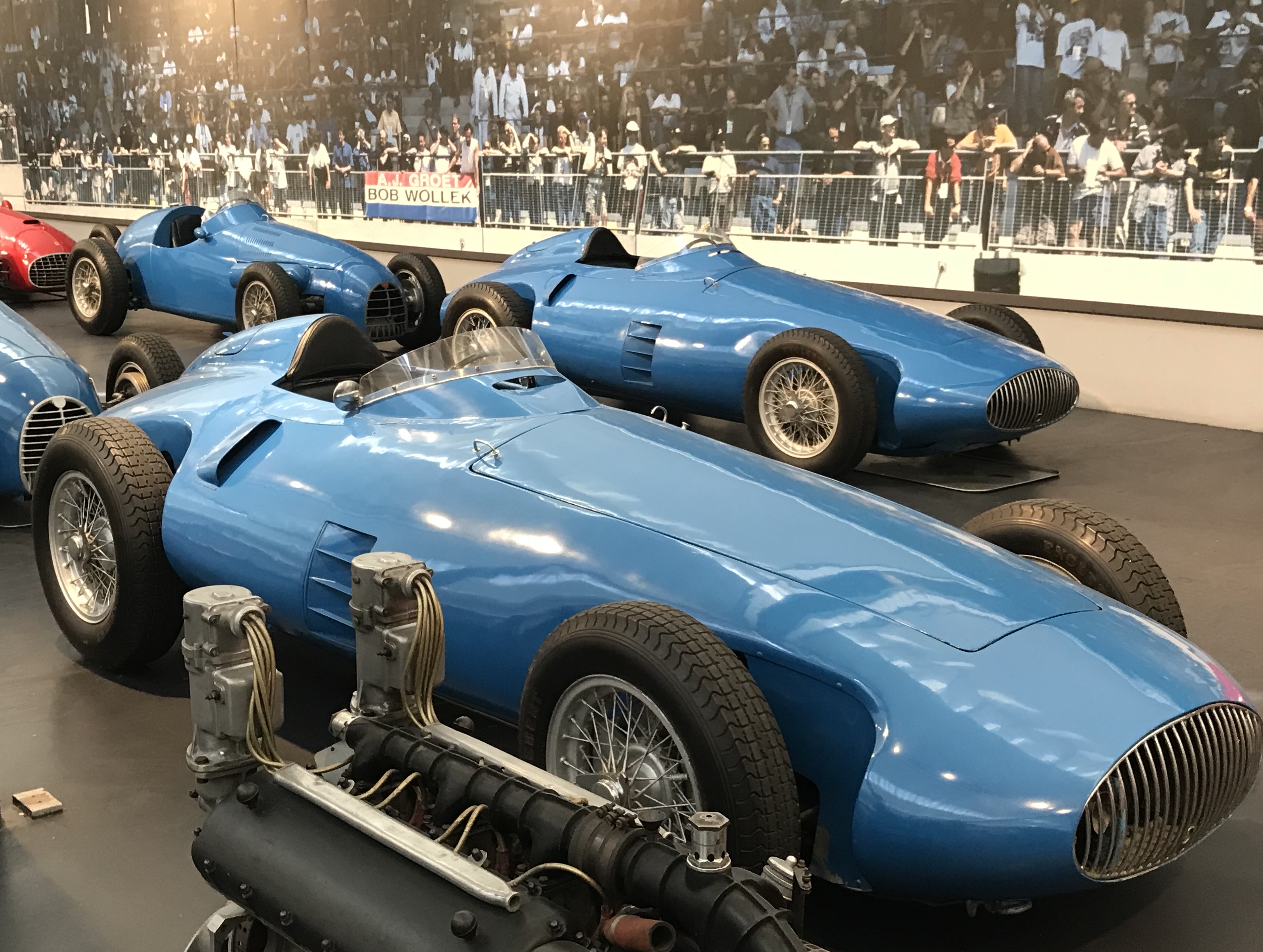
Then I went to Europe for a holiday and saw a swag of Gordinis in the Cite De L’Automobile in Mulhouse and got interested…So if the thing lacks a logical flow its coz it grew like Topsy from a 500-word-quickie into a not particularly well structured feature.
I guess for me the marque has ‘flown under the radar’ a bit as none ever came to Australia and few if any race globally in historic events. There aren’t many of them in circulation at all when you deduct the 14 Schlumpf Collection Mulhouse cars from the 32 built not all of which survived in any event…Here goes, with a focus on the single-seaters I might add.

Amadeo Gordini was born in 1899 at Bazzaro near Bologna, his horse-dealer father died when he was 3, the boy quickly developed an interest in all things mechanical, its said he took an apprenticeship at 10! in a Bologna engineering shop. Aged 11 he moved to a Fiat dealership where he swept the floor and cleaned spare parts, but he was on his way, aided and abetted by the foreman of the garage who saw his potential, his name was Eduardo Weber, who went on to rather well for himself!
At 14 he moved to Isotta-Fraschini where he worked under Alfieri Maserati and after serving in the Italian infantry during WW1 he returned to them, building his first car using a combination of I-F and Bianchi parts. He then moved to Mantova and began a tuning business for Hispano-Suiza’s before holidaying in Paris and deciding to stay, initially working for Cattaneo, the French specialist in Hispanos but in 1925 he set up his own business in Suresnes, close to Henri-Theodore Pigozzis’ assembly plant.
Amadeo had become Amedee, married, had a son named Aldo and together with his half-brother Athos started tuning Fiats. His lucky break came about when Angelo Molinari, who had a string of dance venues, became a friend and client of Gordini who was given a brief by Molinari to do ‘whatever he liked to make his brand new Fiat Balilla Sport go as fast as possible’ for the coming 1935 season.

Whilst Gordini’s intial efforts made the car go slower!, work at Fiat and in Gordini’s garage soon had the thing flying, to such an extent, that outside France, the new Simca product became known via the performance of Gordini’s distinctively modified cars.
By the important Bol d’Or in May 1935 Gordini had a revised Balilla with an aluminium body, superior gear ratios and higher compression ratio. When Molinari didn’t turn up, Gordini drove and won the touring class, the race car whizz/racer reputation was underway after the same 24 hour race.
In November 1934 HT Pigozzi formed Ste Industrielle de Mecanique et Carosserie Automobile or SIMCA (Simca) to assemble the Balilla – after his Bol d’Or win he was awarded 20,000 francs – firm commercial support was underway which would be maintained until after the 1951 Le Mans classic.
In 1936 he took a class win at Le Mans in a modified 508S Spyder, in 1957 he created special versions of the new Topolino and it is here ‘where the Simca stops and Gordini begins becomes moot’, according to Pete Vack. Into 1938 he campaigned both 508S open sportscars and Cinq streamliners, one of the latter cars won the Index of Performance in 1938.

In the last year before the war Gordini and Jose Scaron drove the ‘now famous streamlined Simca Huit ‘chassis number 810404’ to an 1100cc Le Mans class win and the Index of Performance.
Britain and France declared war on Germany on 2 September 1939, Amedee was initially engaged by Automobiles Talbot and then Simca as Production Director as the conflict grew. He rented premises at 34 quai Gallieni to store some of his cars and after the French surrender to the Germans in June 1940 acquired the business and premises of the Desmarais Brothers at 69-71 Boulevard Victor in the 15th arrondissement and commenced business there.
Not long after, in the summer of 1941, his operation began to be supervised by the Nazi controlled Todt Organisation, this continued for the duration of the war, the German concern was responsible for marshalling French companies into completion of a huge range of engineering projects.
Post war Amedee quickly picked up where he had left off prior to it despite the theft of his machine tools and some of his cars by retreating Germans. Some were hidden before the war was underway including 1937 and 1938 Sports, the 1939 Le Mans chassis, an old Fiat Balilla as well as Molinari’s open Sport.
In June 1945 it was known that the first post-war race meeting, a three event program was to be run through the Bois de Boulogne public park in the middle of Paris on 3 September. Amedee won the first race of the day, the ‘Coupe Robert Benoist’ for unsupercharged 1500cc cars aboard the 1939 Le Mans winning chassis.
Following this meeting various racing organisations started to make plans to race again from 1946. Mooted was a 4.5-litre unsupercharged/1.5-litre supercharged ‘international formula’ and a ‘small capacity formula’ for cars of 2-litres and under, unsupercharged. The latter was tailor made for Gordini.
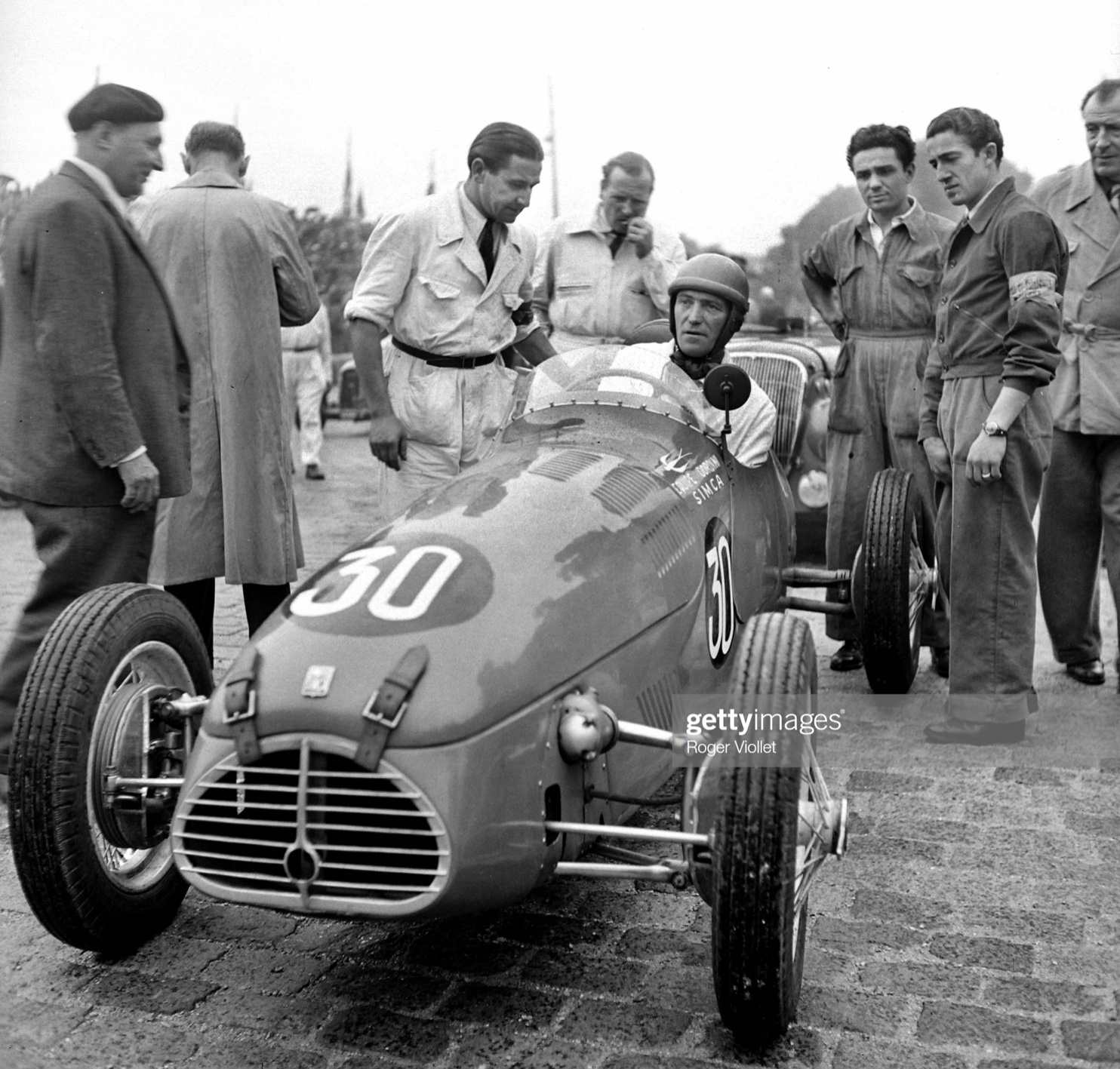
Whilst many concerns chose to race old cars, Gordini decided to build a new one. Simca expressed interest in supplying Fiat-Simca engines with the Simca design office in Nanterre instructed to help re-establish the Gordini works.
Amedee’s very narrow chassis comprised two longitudinal 72mm chrome/molybdenum tubes forming parallel side frames to which a lightweight tubular framework was attached, and the duralumin bodywork added. Front suspension was Simca 8 derived, whilst at the rear an adjustable torsion bar was linked to a cranked device. The idea was snitched by Amedee and Aldo Gordini from a Wehrmacht NSU track vehicle they studied whilst repairing the machine during the occupation.
The cast iron, three bearing, OHV 1089cc engine, gearbox (4-speed in 1946, 5-speed in 1947) and live rear axle were Simca 8. Without going into the detail, the first engine in ‘GC1’ developed 55bhp @ 5500rpm whilst later five bearing aluminium headed engines developed 70bhp @ 6000 rpm by 1949.
When completed, Gordini whizzed the finished car – given chassis number ‘GC1’ and type number T11 – up and down Boulevard Victor on 20 April and then drove it, sans rego and muffler from Paris to Nice! with a Simca 8 van following containing his crew.
The ‘Simca-Gordini T11’ did not win the Coupe de la Mediterranee but the ex-Le Mans chassis did, Amedee was slowed by an accident, but he did win the Coupe de l’Entraide event at the Marseilles Grand Prix meeting on 11-13 May.
Gordini was away…By this stage Simca had announced it was giving official support to Equipe Gordini with all French Simca agents making a financial contribution. In addition, Gordini had access to the Nanterre design office and workshops to create prototype parts, more machine tools were sent to Boulevard Victor plus a couple of engineers.
Five T11s were built, the T15 followed and had a shorter chassis but maintained the wheelbase. These had torsion bars fitted within the chassis tubes and were reinforced by a third chassis crossmember to take the future 1500cc T15 engines. The T15’s raced through into 1951, the 1988cc T20 six-cylinder engined T16 F2/F1 made its appearance in the GP Marseilles in the hands of Robert Manzon on 27 April 1952
Gordini’s little cars were effective in F2 and some F1 races. Amedee’s F2 pushrod T15 1490cc and DOHC T16 1490cc engines – when Maserati/Roots supercharged – produced 164bhp (T15C) and 173bhp (T16C) and thereby became F1 motors, but results were poor against formidable, purpose designed, GP cars.
After a year of shocking reliability in F1 and F2, as well as the failure of all four 1500cc Equipe Gordini T15S at Le Mans in 1951, Simca withdrew their financial support.
‘It seems probable that Simca’s management had been seeking an excuse to cut their funding of Le Sorcier’s hobby-cum business, and this was it. Within days a terse statement from Simca announced severance of all links with the Boulevard Victor team. From that point forward the marque became simply ‘Gordini’- ‘Simca-Gordini’ no more’ wrote Doug Nye.

So for 1952 Amedee went it alone.
No doubt he was delighted to be able to make his own decisions but his ongoing funding source for many years had to be replaced, this was quickly achieved with a variety of French trade suppliers eager to support this born racer.
He built a new Type 20 1987cc ‘square’ (75 x75 mm bore/stroke) six cylinder, all alloy engine.
Wet cast iron liners were used and seven main bearings – nice and strong. The twin overhead camshafts were driven by a train of gears with the valves controlled by rockers. Solex twin-choke 38 carbs were fitted initially and then Weber 38DCO3 (as above) later. Ignition was by Scintilla Vertex magneto with a power output of between 157-175bhp @ 6500 rpm claimed.
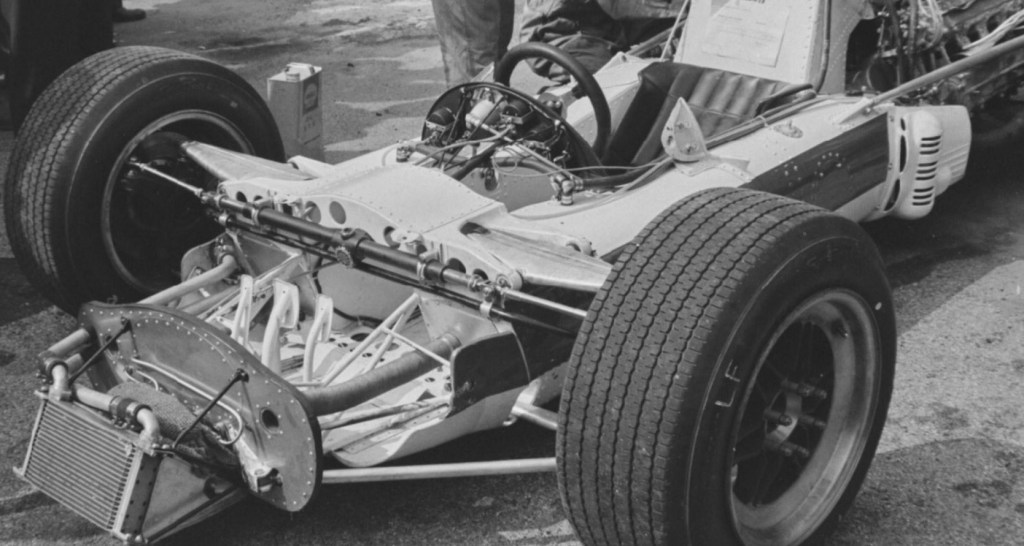
The light, new motor was fitted to a new T16 chassis – similar to that which had gone before – with tubular longitudinal beams and cross members with independent suspension by torsion bars at the front and a rear live axle, the Type 16 gearbox was a four speeder.
Robert Manzon raced the car and a youthful Jean Behra joined the team in 1952.


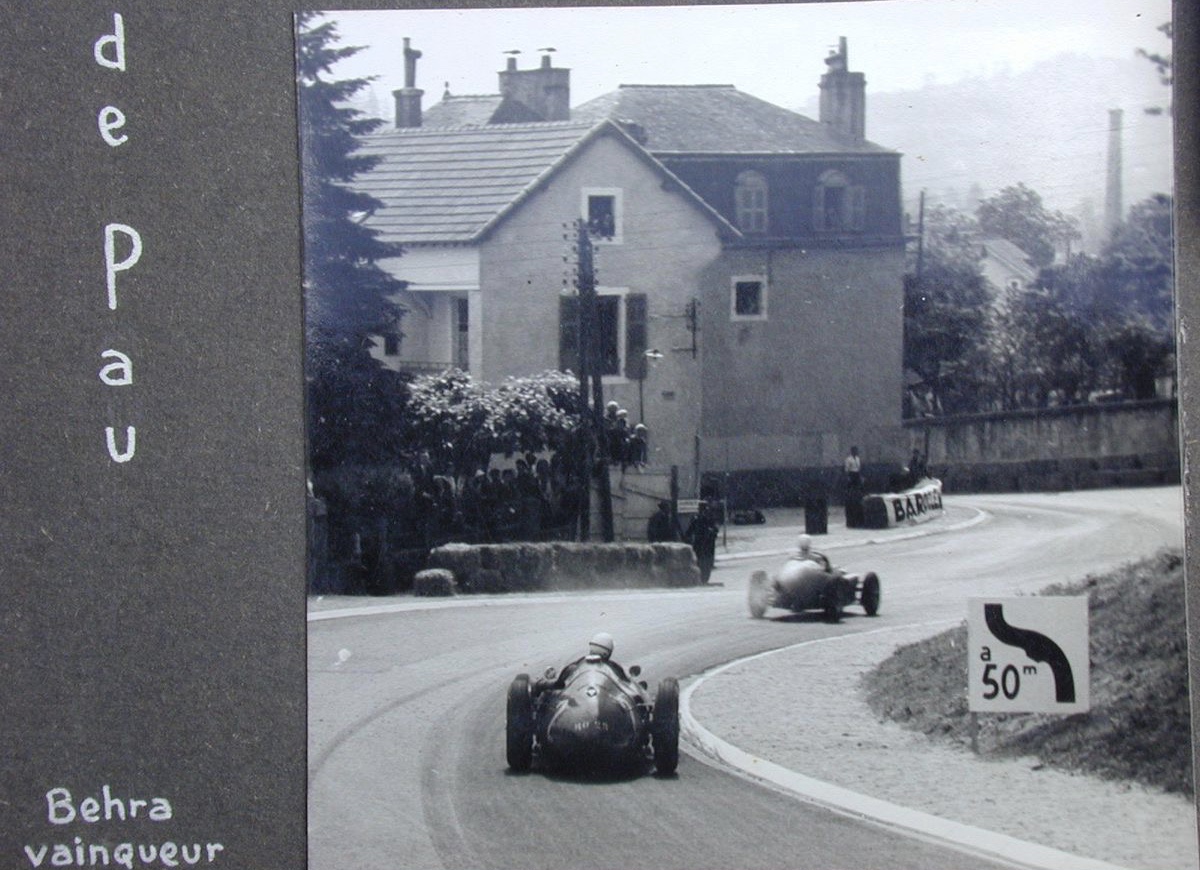
The season started well with Behra’s third in the GP de Pau in April with Bira and Manzon sharing a T15 to second, and Johnny Claes third in the GP de Marseilles, the winner was Ascari’s Ferrari 500.
Behra was then third in the championship Swiss GP at Berne behind two Ferrari 500s of Ascari and Fischer. Jean followed that up with a win in the Circuit du Lac, Aix-les-Bains- T16, taking both heats.
On the most supreme of power circuits, Spa, for the Belgian GP, Manzon was third behind the two Ferrari 500s of Ascari and Farina and ahead of Hawthorn’s Cooper T20 Bristol.
In a rousing day for the team in a strong year, Behra famously won the GP de la Marne at Reims, another power circuit, on a very hot June day winning in front of the works Ferrari 500s of Farina and Ascari with Bira fourth and Claes sixth in other Gordinis. Down the years there have been suggestions that Jean’s engine may have been ‘fat’- a proposition Doug Nye thinks on balance is incorrect.
At Rouen for the French GP Manzon and Trintignant were third and fourth behind a trio of Ferrari 500s led by Ascari. Both French drivers were contracted to Ferrari that year but raced for Gordini when not required by the Scuderia.
In July Trintignant won the GP de Caen at La Prairie, Caen from Behra, their T16’s in front of Louis Rosier’s Ferrari 500. Then it was off to the Nurburgring, Behra was fifth behind four Ferrari 500s again headed by Ascari. In Holland Manzon and Trintignant were fifth and sixth.
1952 was an exceptional year for the not so little team which would be tough to follow. Doug Nye wrote that by the end of that year Amedee employed 50 people, his revenues comprising start, prize and bonus money, he was without blanket sponsorship or Government support.
Despite that, the concern didn’t have the funds to develop a new car or fully exploit the potential of its new engine so ‘Now the cars would be almost literally driven into the ground in an all out scramble to start as many races as possible, purse money from one meeting financing the journey to the next’, Nye wrote.

The 1953 season started well with Schell’s third in the GP de Pau in April. Fangio was third and Schell fourth at Bordeaux in May behind two Ferrari 500s – continuing the trend of the previous year when of course, Alberto Ascari won his second World title on the trot – both drove Gordini T16’s.
Off to Chimay, Belgium in late May, Trintignant won with American Fred Wacker third in T16s splitting the Laurent Ferrari 500.
The Dutch GP was the first championship round in 1953, there Trintignant was sixth, Ascari won. Spa followed later in the month, again Trintignant was sixth and Schell eighth. At Reims and Silverstone the T16s were all DNFs, the Nurburgring and Bremgarten equally grim.
At that stage of the season a 1-3 at the GP de Cadours even against skinny opposition must have been a fillip – Trintignant led home Schell and Behra – Trintignant and Schell taking a heat each.
In better championship reliability if not speed, Trintignant was sixth and Mieres eighth in T16s with Fangio taking a welcome win for Maserati in his works A6GCM at Monza.

The 2.5-litre F1 commenced in 1954.
With the simple expedient of enlarging the engines size to 2473cc (80 x 82mm), Amedee had a solution he dubbed Type 23. Depending upon specification and and fuel, between 198-228bhp was produced @ 6500rpm. Amedee had the T23 engine completed early enough to race it at Le Mans in 1953, the sports-racer finished fifth.
Whilst the T16 was the lightest of the 2.5-litre cars, the updated engine was low on power compared with most of the opposition, whilst the chassis – which retained a rigid rear axle – was from the dark ages compared to the Mercedes W196 or even the De Dion brigade exemplified by the Maserati 250F, surely the customer GP car of the era.
Gordini was commercially astute, focusing on non-championship events to get start and finishing francs to keep the show on the road – Behra’s Pau GP win in April, his third in the GP di Bari in May, Pilette’s second at the GP des Frontieres in June, Behra’s win from Pilette in the Circuit de Cadours and Behra and Simon’s Silverstone International Trophy second and third placings were amongst the standout performances in 1954.
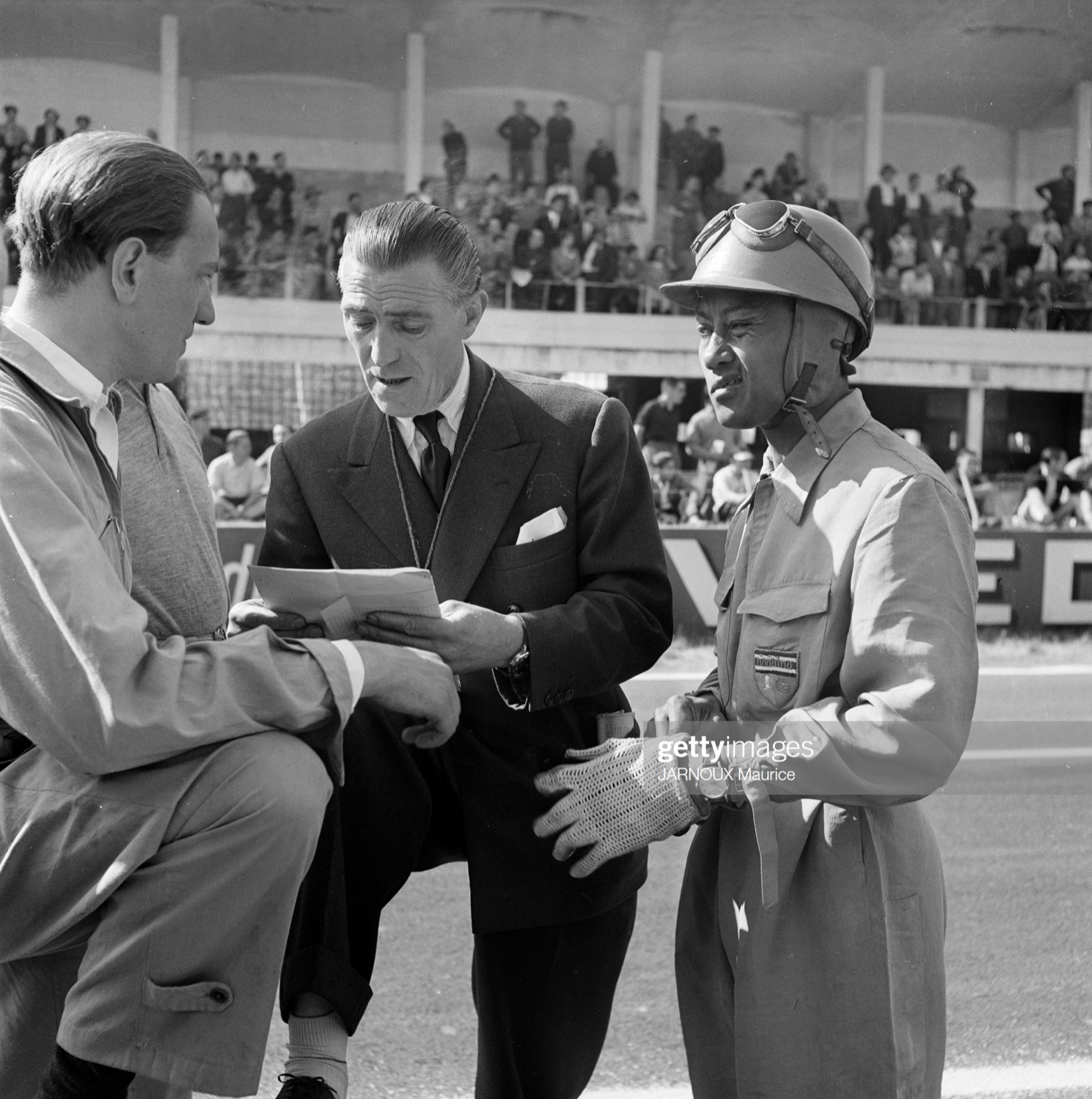
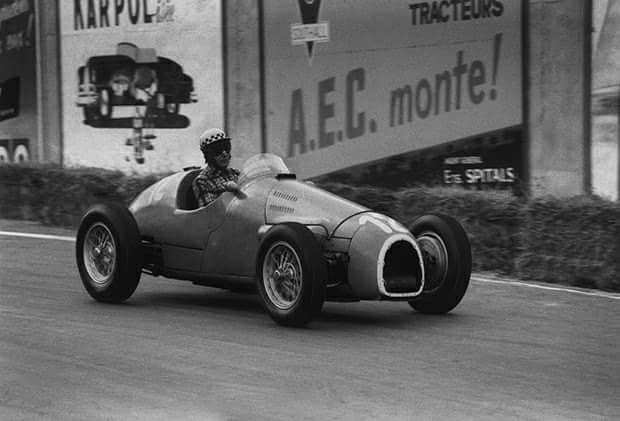
At championship level, Pilette was fifth at Spa, the race won by Fangio’s Maserati 250F – before he headed off to Mercedes – with Trintignant second in a Ferrari proving the speed Maurice had shown for years in Gordinis.
Behra was sixth at Reims , Pilette ninth at Silverstone, Behra tenth at the Nurburgring and Fred Wacker a great sixth at Monza (his story would be an interesting one for all of us unfamiliar with the man).

Gordini had been developing the ambitious new T32 F1 car in 1954, it appeared in mid-1955, but the season commenced with the team still campaigning the good ‘ole T16 – at championship level they were really ‘start money specials’ by this stage.
In Argentina Jesus Iglesias and Pablo Birger failed to finish. At Monaco, Bayol and Manzon were DNFs but Jacques Pollet was a good seventh albeit nine laps behind Trintignant’s victorious Ferrari 625. Matters were not made easier by Jean Behra’s well deserved move to Maserati that season, his fire and speed was missed.
The pickings in non-championship Grand Prix races became much tougher from 1955 when customer Maserati 250Fs were in a growing number of hands, these were winning tools ex-factory. In that context Jacky Pollet’s fourth behind three 250Fs- with ex-Gordini pilot Andre Simon the winner, at Albi, was pretty good.


The team gave Spa a miss but contested the Dutch GP at Zandvoort yielding eighth place for Hermano da Silva Ramos with Robert Manzon a DNF. At Silverstone for the British Grand Prix – won by Stirling Moss in a Benz W196, his first championship GP win – Mike Sparken was seventh with poor Manzon again a DNF, as was Ramos.
The debut of the Type 32 Gordini was scheduled for the French GP, but the Reims classic was cancelled off the back of the Le Mans disaster, the car finally made its first race appearance at Monza in September.
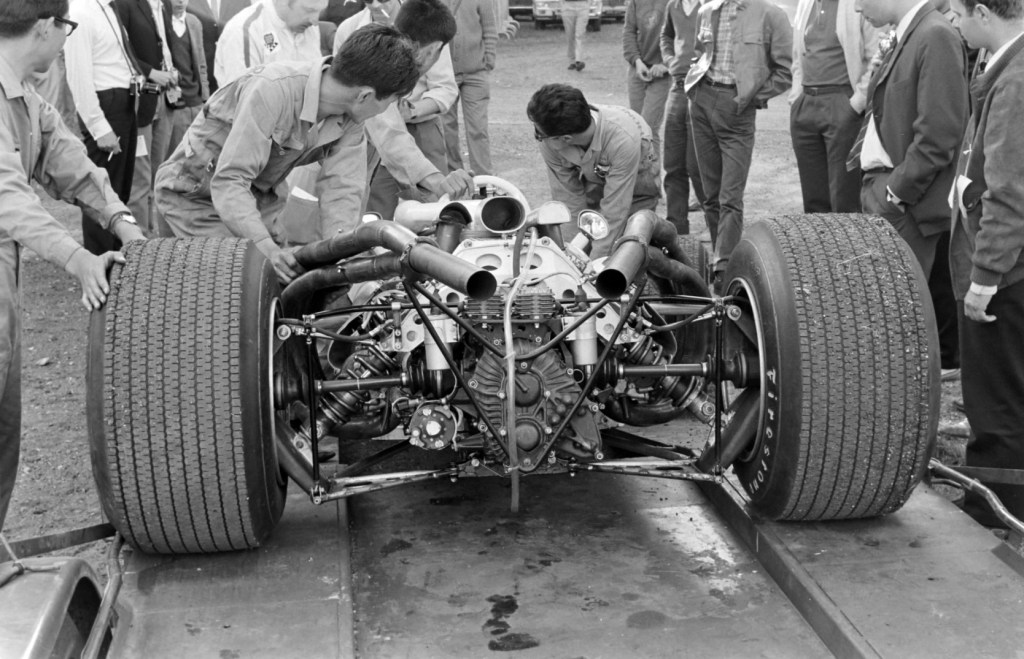
This striking and innovative car had a new Type 25 2473cc straight-eight engine (75 x 70 mm bore/stroke) with twin-overhead camshafts driven off the front of the crank, four twin-choke Weber 38 carbs and single plugs fired by a Scintilla Vertex magneto for which 210bhp in 1954, and 250bhp @ 7000rpm in 1957 was claimed. The later Type 25 ‘2 or B’ engines had a capacity of 2480cc. The motor was mated to a five speed, all syncho gearbox.
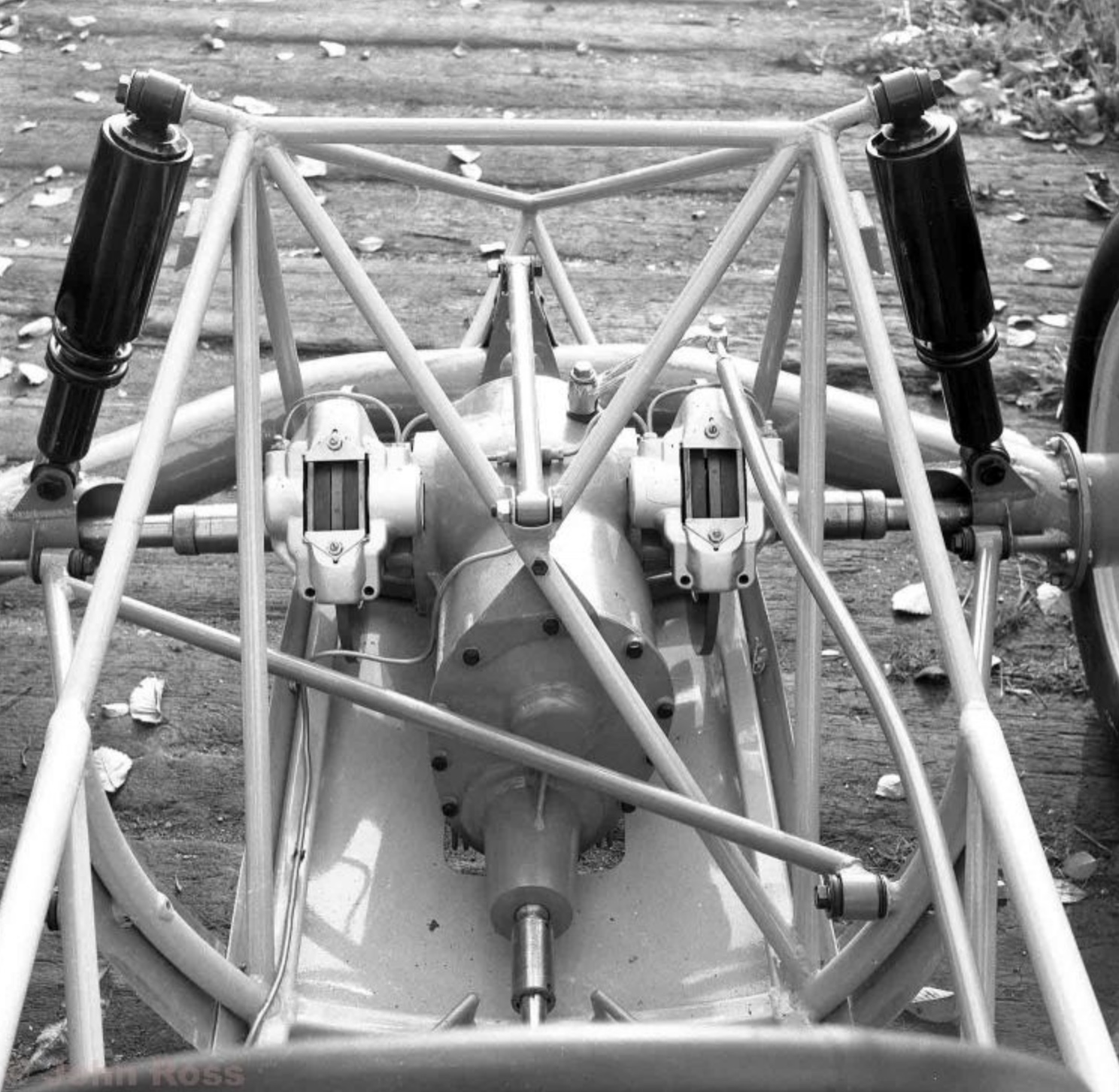
The chassis was of the simple ladder type with independent suspension front and rear by torsion bars which operated a pair of L-shaped links pivoted to the side, and cross-members of the chassis, together with Messier dampers.
Jean Lucas was given the honour of racing the car,he lasted only eight laps having qualified 22nd amongst a grid of 23 cars. Pollet and Ramos in T16s were both DNF’s.

Into 1956 Mercedes Benz had withdrawn from racing with Ferrari progressing development of Lancia’s D50 design, having inherited the cars the year before.
The Lancia Ferrari D50 won the 1956 Drivers Championship for Fangio and the Manufacturers title for the Scuderia – and proved the strength of Vittorio Jano and his team’s original design – whilst noting the development work carried out on the car at Ferrari.
Other contenders that year included Vanwall, the chassis of the car designed by Colin Chapman, Maserati with the development of the 250F ongoing, and which had not yet peaked, Connaught-Alta and Bugatti.

Francs were very tight at Boulevard Victor, whilst Amedee funded the construction of the T32 he did not have the money to develop the interesting design, which, whilst promising was heavy and less nimble than its predecessors.
The team missed the opening championship round in Argentina. In Monaco Bayol and Pilette shared the T32 and finished in sixth place having started from Q11 of 16 cars. Hermano Da Silva Ramos’ fifth place was commented upon at the articles outset. Moss won aboard a works 250F from the Collins/Fangio Lancia-Ferrari D50 and Jean Behra’s 250F.
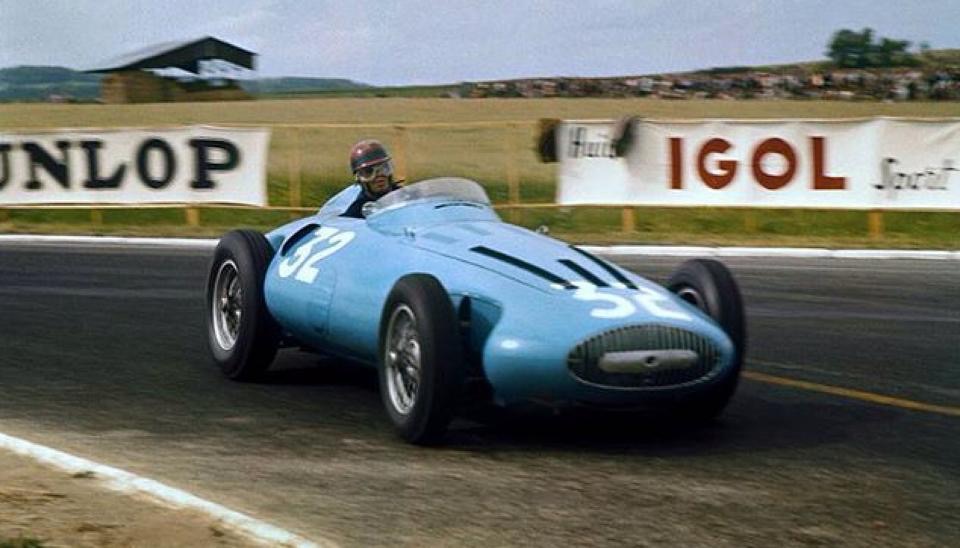
A high point of the season was Manzon’s T16 win at Posillipo, he won the 6 May GP di Napoli in front of the 250Fs of Horace Gould and Guerino Gerini. The works Lancia D50’s of Castellotti and Musso raced but failed to finish with mechanical problems. Nonetheless it was a good win in what were now old warriors of cars.
It was a busy weekend for the team, in the UK Ramos and Pilette in T16 and T32 contested the 5 May BRDC International Trophy at Silverstone. A typically strong 20 car field entered, devoid of works Maseratis but Vanwall, BRM, Ferrari, Connaught as well as Gordini were present. Indicative of the T32’s pace is that Moss was on pole in Vanwall VW2 12 seconds quicker than Ramos and Pilette who did identical times in T16/T32. Ramos was fifth, 5 laps adrift of Moss up front, whilst Pilette in the eight cylinder car failed to finish with rear axle problems after completing 37 laps.
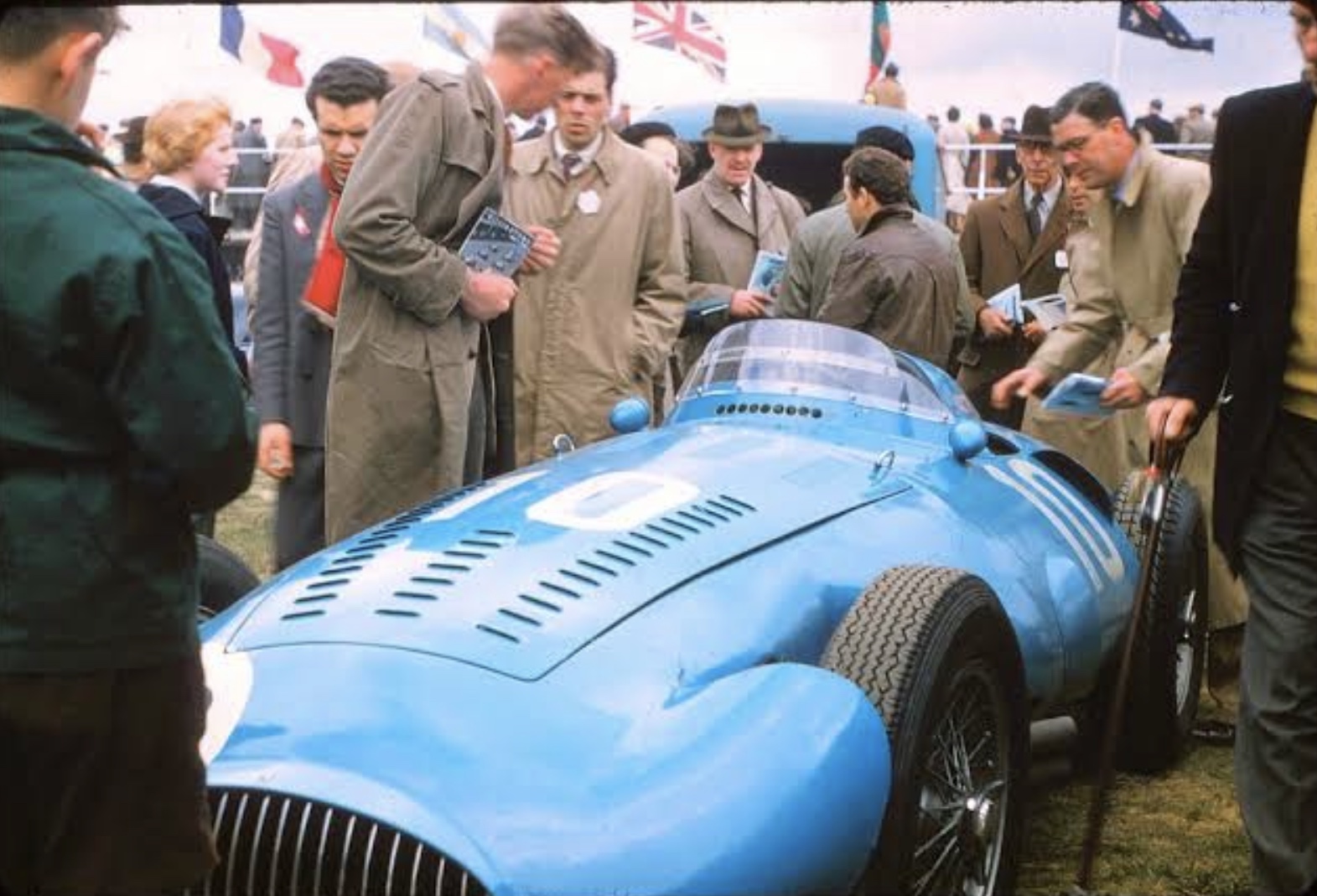

The team did not contest Spa but of course raced at home, Reims. There Ramos was eighth and Manzon ninth aboard the two T32s from grid slots 14 and 15, 20 cars practiced. Pilette was eleventh in his T16. This was the race in which the amazing in some ways, ridiculous in others (suspension) mid-engned, straight-eight Bugatti T251 had its first and last appearance in the hands of Maurice Trintignant. Peter Collins won that day in a Lancia-Ferrari D50.
Manzon was ninth in a T32 from Q18 at Silverstone in July, Ramos a DNF from grid 26 in the other eight. At the Nürburgring both Andre Milhoux and Manzon were DNF’s in T32s whilst Pilette crashed his T16 in practice. In August Andre Simon was second in his T16 behind the Schell 250F but in front of Roy Salvadori’s similar machine in the GP de Caen, where there were five 250Fs entered in the 13 car field with Manzon’s T32, DNF fourth on the grid.
But that was it in a year in which grids F2 grids grew with Coopers and Lotus – times were a changin’.
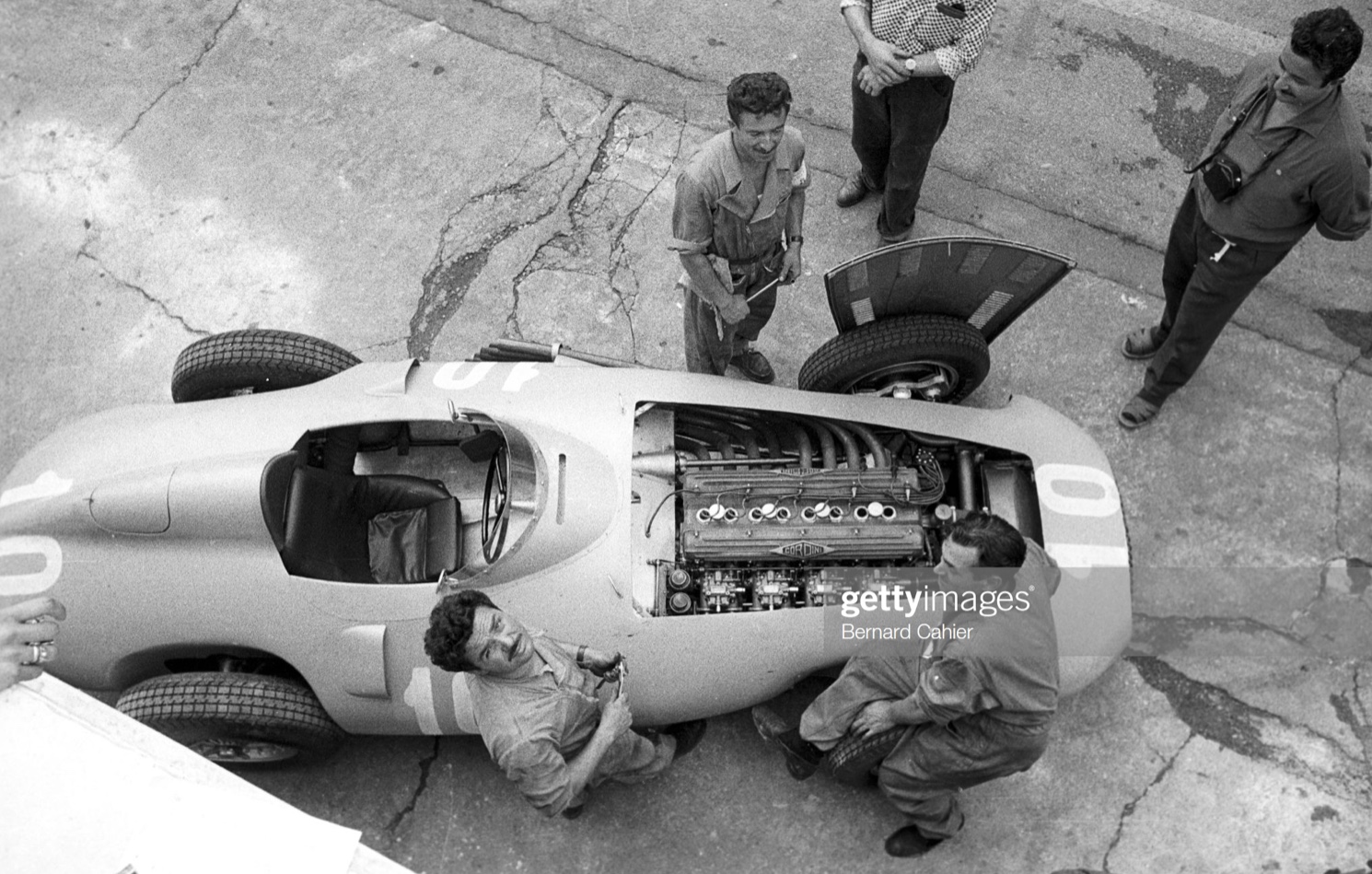
Da Silva Ramos won the Montlhery Autumn Cup in one of the eight cylinder cars.
At Monza in September Ramos suffered an engine failure in the T32 after only 3 laps – oh to have heard the car bellowing along Monza’s long straights! He qualified twentieth of the 26 cars which practiced. Andre Simon was ninth in a T16 and Manzon, yet again, a DNF, with gearbox failure this time in the other T32.
Into 1957 the financial pressures were becoming insurmountable, the equipe only entered two races, a week apart in April before the francs finally ran out.
Amedee took the team to Pau and ran Ramos in a T32, sixth, and the Andre’s – Guelfi and Simon – in T16s for seventh and DNF. The race was won by Behra’s 250F from Harry Schell’s similar car. I wonder if Jean ever tested the T32?, it would have been fascinating to know what the feisty-Frenchie thought of the car and what sort of times he could have extracted from the attractive but somewhat hefty machine.
Posillipo had been a happy hunting ground for the team before so the they headed south to Naples running Ramos alone in T16 ’35’ used by Guelfi the week before. He failed to finish with brake problems after completing only 14 of the events 60 laps, Peter Collins won from Mike Hawthorn in Lancia Ferrari D50s.
And that was it for a team which had been a mainstay of European racing from the very start of the post-war years.
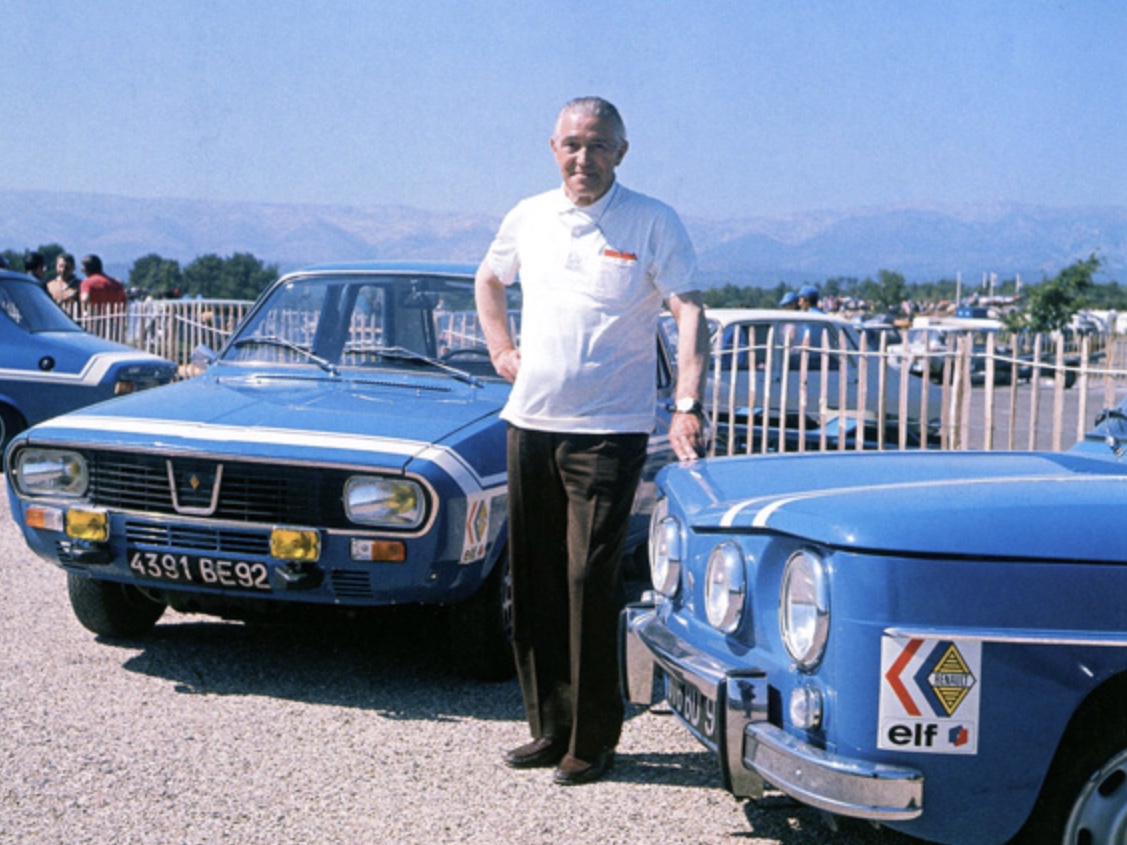
‘Not a single French manufacturer stepped in to support Gordini…they just waited for the chance to snap up Amedee’s services once his racing enterprise had gone bankrupt’ wrote Diepraam/Muelas. Gordini approached Pierre Dreyfus at Renault with some ideas about a Dauphine Gordini heralding the commencement of a new era for the born racer.
Amedee sold ten of his cars to the Schlumpf Brothers in one ‘job lot’ in 1964 and another 26S in 1968 where they can be seen on display to this day, in the Cite de l’Automobile at Mulhouse.
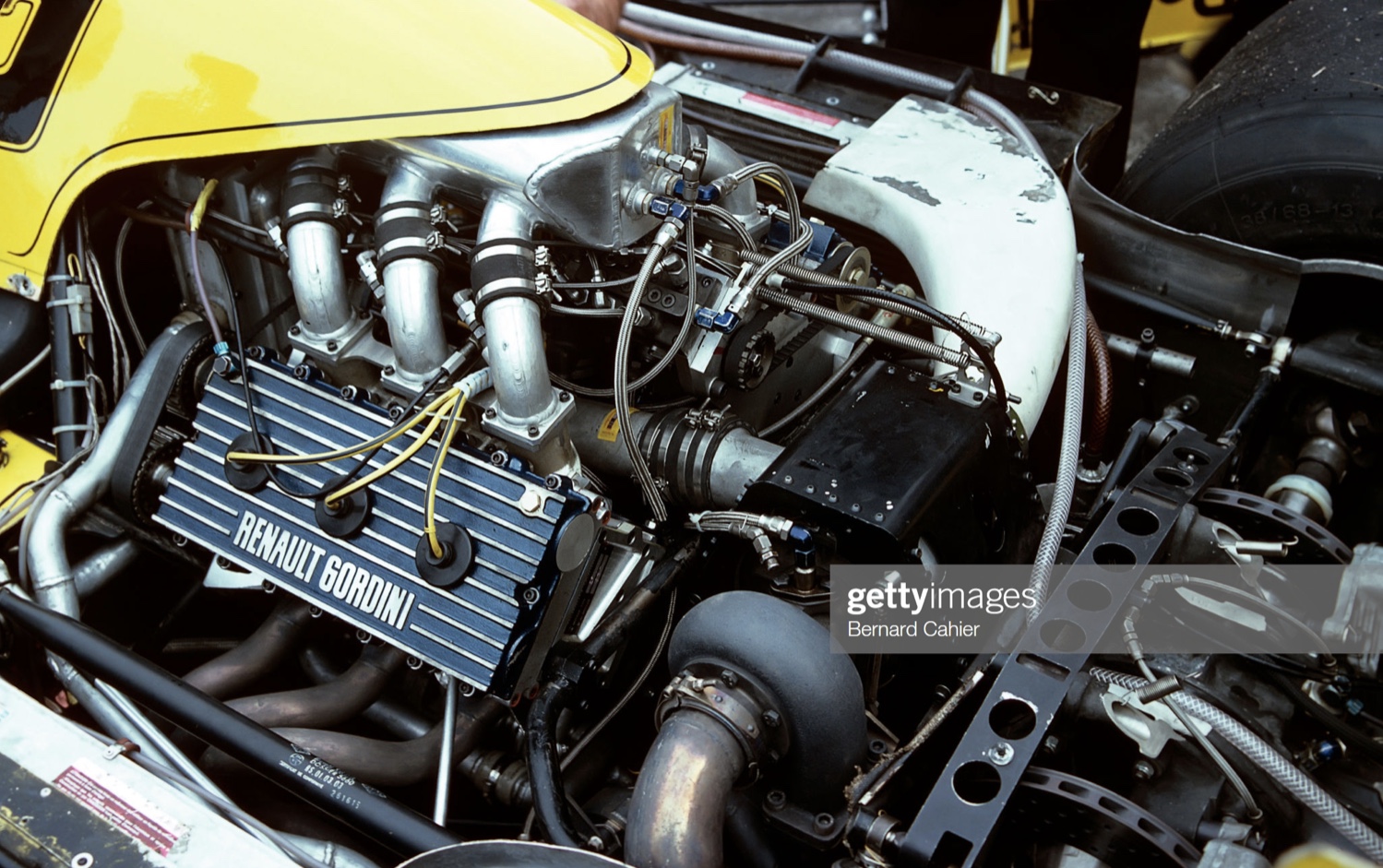
Renault kept his name alive inclusive of atop the cam covers of their 1977 epochal GP turbo-charged V6 1.5-litre engine, a prospect Amedee would have never thought of in developing his own supercharged 1.5-litre four a couple of decades before.

1946 to 1951…

This section of the article is a season by season ‘summary’ from 1946 to 1951 looking at the years not covered in the first half of the article.
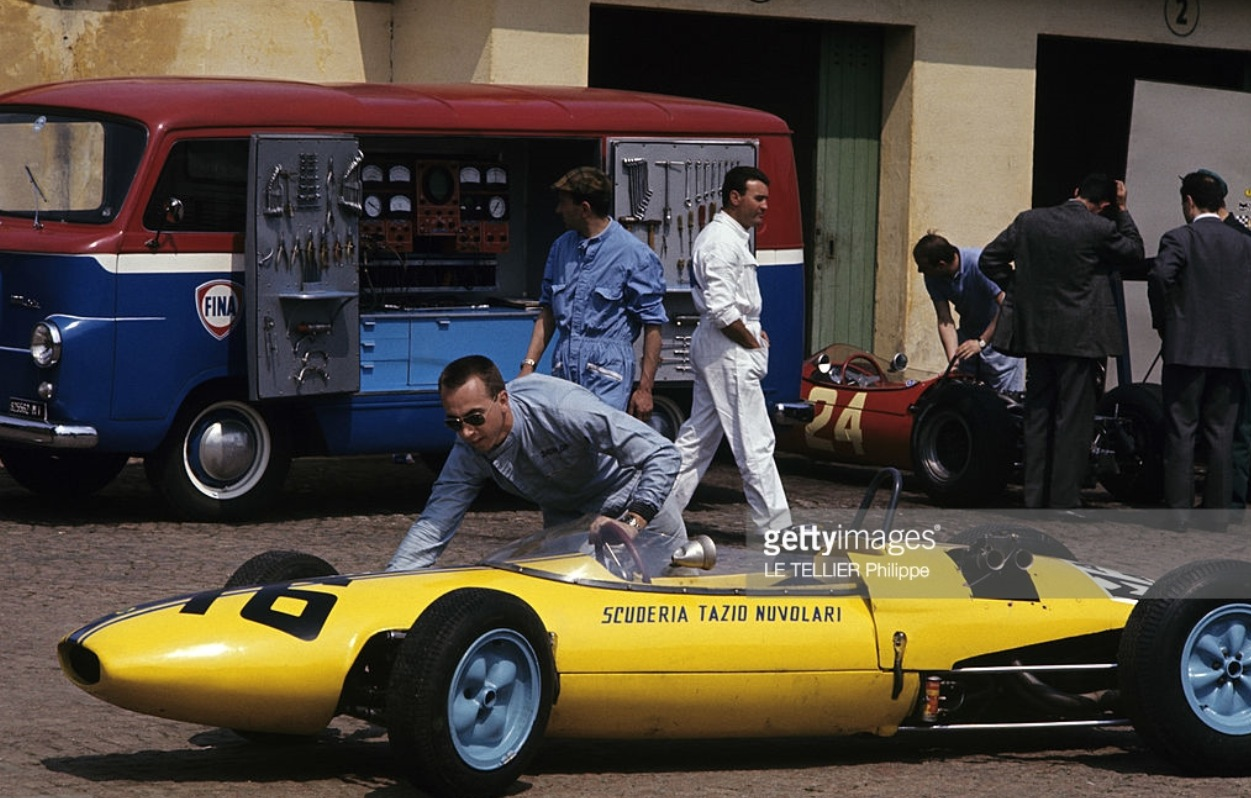
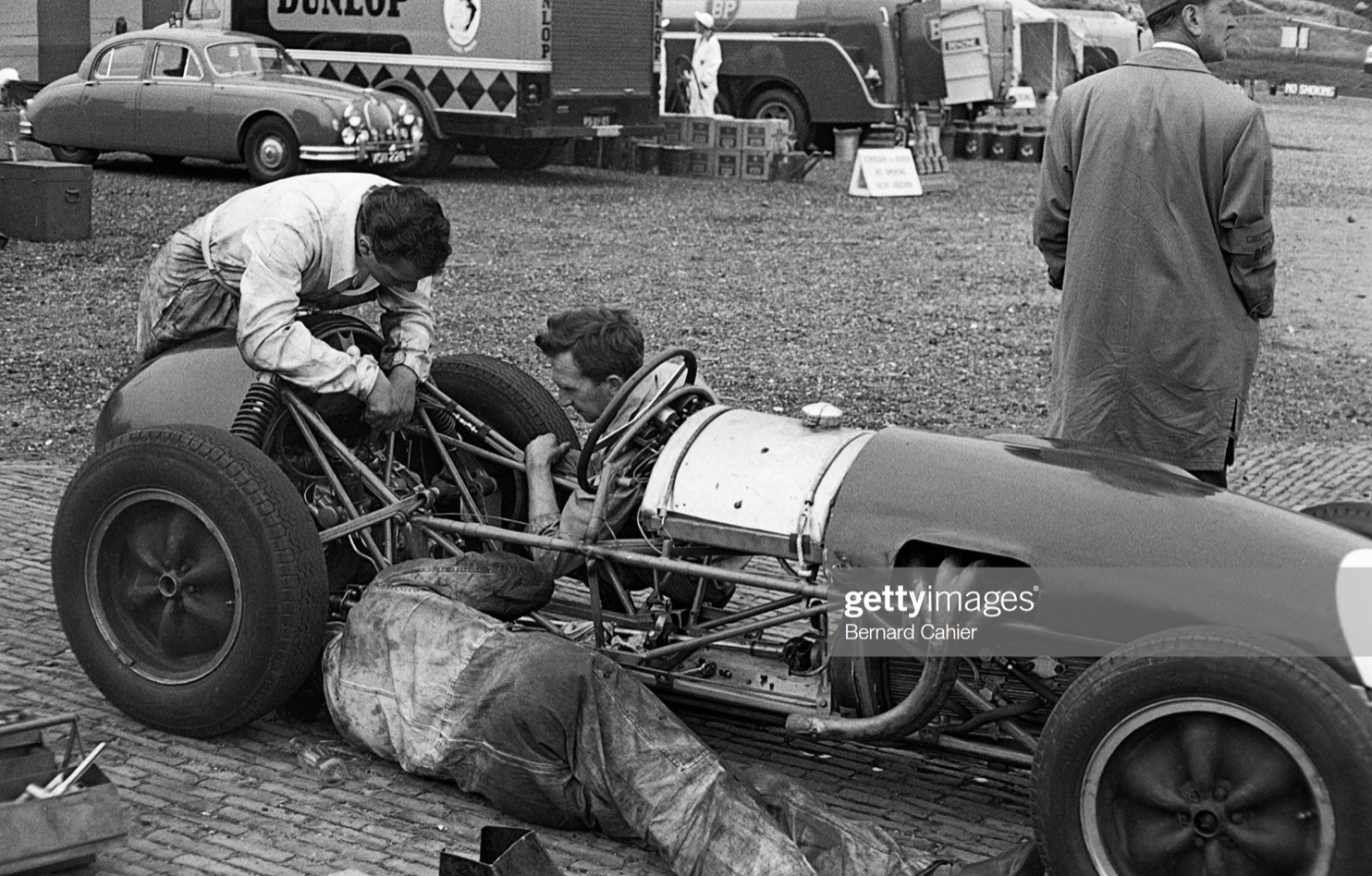
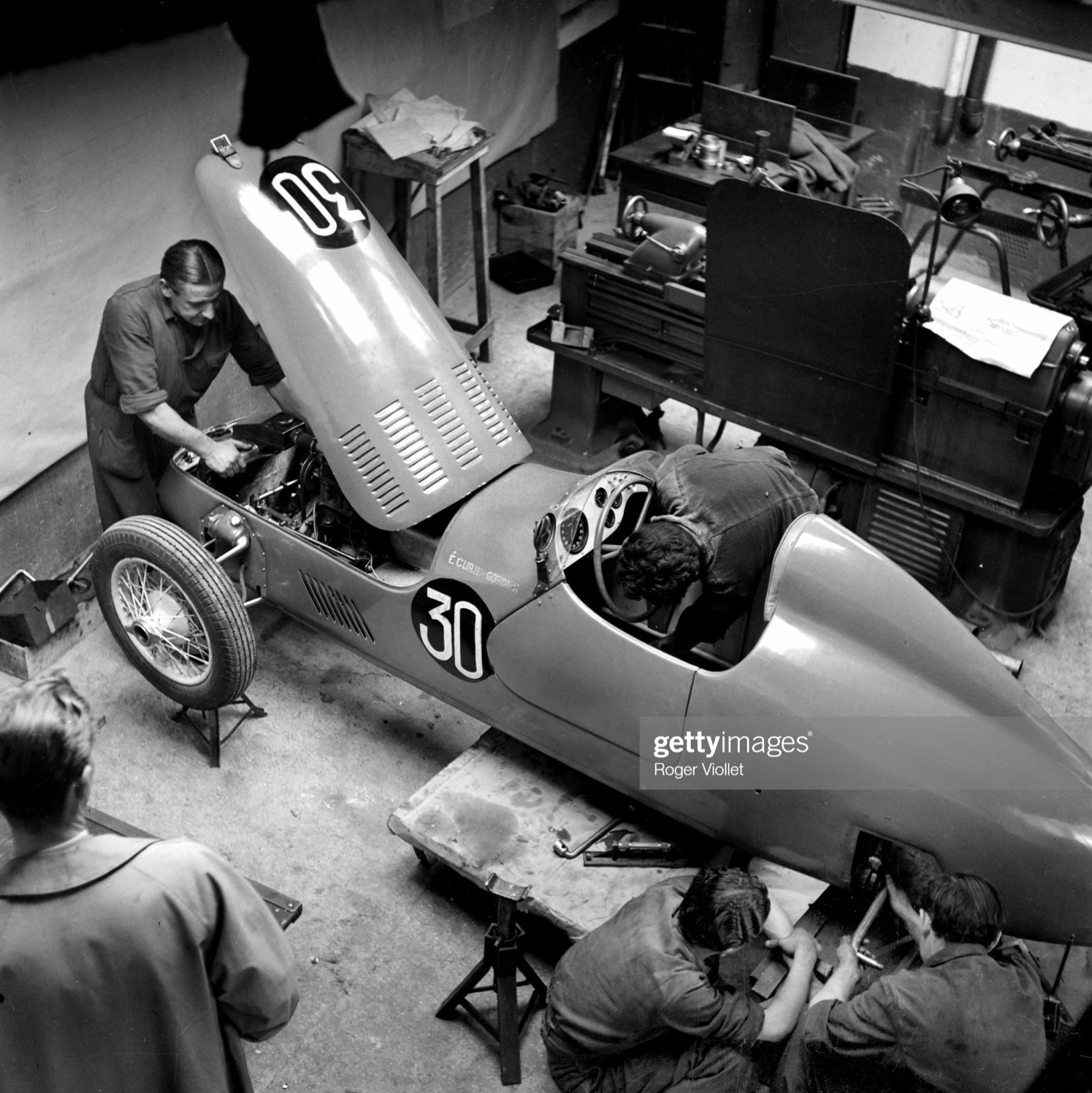
The photograph above shows mechanics preparing Amedee’s Simca-Gordini T11 chassis ‘1GC’- the ‘very first’ Gordini before the Coupe du Conseil Municipal, Saint-Cloud, Paris in June 1946. DNF engine after completing 3 laps, the winner was Jose Scaron in a Simca 508C- 20 laps of a 6km course in central Paris.
In 1946 Jose Scaron won the April Coupe de la Mediterranee, Nice in a T8 with Amedee taking the GP du Forez at St Just, Forez, the GP de Bourgogne at Dijon and Coupe de Nantes, Nantes in T11s.


1947 triumphs with recruited drivers Jean-Pierre Wimille, Maurice Trintignant and B Bira included the Coupe Robert Benoist, Nimes – Jean-Pierre Wimille in an S-G T15, Bira leading a Gordini 1-2-3 at Reims in the Coupe des Petites Cylindrees in July where the Prince beat home Jose Scaron and Maurice Trintignant in a great weekend for the team.
Wimille’s second in a T15 amongst all the heavy metal in the July GP de Nice was impressive, equally so victory in the Coupe de Paris in the Bois de Boulogne again amongst more powerful cars in the same month.
Bira and Raymond Sommer were 1-2 in T11s at the Prix de Leman in Lausanne in October to round out a strong year for Equipe Gordini, top-line drivers extracting all that was available from the light and responsive cars which were at their best on tight circuits.
In the winter of 1947/8 the team contested the Argentine Temporada series with a talented local, one JM Fangio having a drive of T11 ‘4GC’ at Rosario and breaking the lap record.
Into 1948 Maurice Trintignant started the year well with a win in the GP du Rousillon at Perpignan in April in front of Manzon’s Cisitalia D46 Fiat and Sommer’s Scuderia Ferrari, Ferrari 166SC, and then proved the reliability of the Gordini’s with fourth place in May at the over three hour Monaco Grand Prix, a race he would win in 1955 aboard a Ferrari.
The GP de Geneve, in Geneva was a 1-3 Sommer, Bira and Manzon in T11s ahead of a swarm of Cisitalia D46s, six of them in a race dominated by the entry of the two marques.
In sports cars the Equipe were class winners in the Spa 24 Hours and victorious at the Bol d’Or.
The 1949 season commenced on a shocking note when Wimille rolled a T15 in practice at Palermo Park prior to the General Peron GP in Buenos Aires, he swerved to avoid spectators on the course and died after crashing into a tree.
Best results in that years Grands Prix were Fangio’s win in the GP de Marseilles aboard a T15 1.5 with Trintignant third.
In F2/Voiturette events Aldo Gordini won the Coupe d’Argent at Montlhery in April, Trintignant and Jean Thepenier shared a T11 to win the Circuit des Remparts at Angouleme. Equipe Gordini had a great weekend at Lausanne in September taking a 1-2-3 with Sommer leading home Manzon and Trintignant in T15/T15/T11.
Rifts developed between Gordini and Simca after a season that did not go so well with Simca rejecting Amedee’s proposed F2 engine. His response was to import a Wade RO15 supercharger and blow his 1430cc engines via a Solex carburettor creating what quickly became a ‘highly stressed’ F1 Simca Gordini.

Robert Manzon in Simca Gordini T15 chasing the Charles Pozzi/Louis Rosier Talbot Lago T26C during the 1950 French GP at Reims – fourth and equal sixth – in the race won by Fangio’s Alfa Romeo Alfetta 158.
Trintignant was third in the non-championship GP d’Albi and Manzon fifth, the latter also fifth at Geneva in the GP des Nations.
Doug Nye points out that the only win of the blown T15 that year was at the Mont Ventoux Hillclimb when Manzon, Simon and Trintignant all lowered Hans Stuck’s pre-war 6-litre V12 Auto Union time, with Manzon quickest.
In F2/Voiturette races Raoul Martin opened Gordini’s ‘unsupercharged account’ with a T8 win at Marseilles winning the Coupe Rene Larroque. The Ferrari 166F2 was the dominant car in this period with Manzon second to Sommer at Roubaix in May. Andre Simon won the Circuit de Medoc from Roger Loyer both in Simca-Gordini T15’s in May with Sommer’s Ferrari winning at Aix-les-Bains later that month from a swarm of Simca-Gordinis- Simon, Trintigant, Brabnca, Aldo Gordini and Roberto Mieres.
Trintignant won the GP des Nations at Geneva in July from Simon’s T15 ahead of Serafini’s Scuderia Ferrari 166F2/50. Manzon was victorious at Mettet, Belgium winning the Grandee Trophee Entre Sambre et Meuse- he was in front of Stirling Moss and Lance Macklin aboard HWM-Alta’s. Manzon and Andre Simon were 1-2 at Perigeux ahead of Moss in September to round out a successful F2 season for the team.

Nye states that Amedee was well aware of the need for more competitive equipment and as early as 1949 designed, with the assistance of an ex-Bugatti engineer named Piquetto, who headed up his small design office, an unsupercharged 4.5 litre V12 and De Dion rear suspension/transaxle assembly which was later sold to the Maserati brothers – the Osca V12 of 1951 was the result.
Bira’s car was his old Maserati 4CLT to which the V12 was inserted, this car came to Australia with the Thai Prince’s Maserati 250F in 1955, his performance in the Gnoo Blas 1955 South Pacific Championship is a stretch too far in this article.
Two bespoke OSCA V12 F1 cars were built, they featured twin-tube chassis frames, coil and wishbone front suspension and a De Dion rear sprung by torsion bars, both were converted to sportscars in period.
Whilst the Simca board rejected Amedee’s V12 Project they backed development of a twin-cam 1.5-litre F2 engine. This 78×78 mm bore/stroke ‘square’, six main bearing four breathed through two 35mm Solex carbs and gave 96-105bhp dependent upon alcohol/petrol fuel. Camshaft mountings were the design’s shortcoming in that first season.

JM Fangio, Simca Gordini T15 leads Nino Farina, Maserati 4CLT/48 during the Paris GP, Bois de Boulogne in May 1951. The great man won his first world drivers championship title that year aboard Alfa Romeo 159 Alfettas but failed to finish that weekend, out with valve troubles after 49 of 125 laps, Farina won.
Gordini’s best result that year in non-championship GP events was Trintignant’s win in the GP de l’Albigeois – Albi in August aboard a T15.
In F2/Voiturette events Jean Thepenier won the Coupe Rene Larroque at Marseilles in April in a T15 and Johnny Claes the GP des Frontieres at Chimay in a T11 – he won both heats. The Ferrari 166F2/50 continued to be the quickest car with the Simca-Gordinis often best of the rest, Manzon was second to Marzotto at the GP de Rouen.

Manzon headed a 1-2-3 for Gordini at Mettet, Belgium in July, Manzon, Simon, Trintignant ahead of Moss in an HWM-Alta. Similarly Gordini took first to fourth places at Les Sables d’Olonne in July, Simon from Manzon, Behra and Trintignant with another 1-2-3 at the Circuit de Cadours in September, Trintignant, Manzon, Behra in T15/T15/T11.
In a year of shocking reliability in both non-championship and championship Grands Prix Andre Simon’s sixth at Monza, six laps in arrears of Ascari’s winning Ferrari 375 is perhaps indicative of the performance gulf between a big team and a small one probably trying to prepare too many cars with the available resources.
The F2/Voiturette results are a complete contrast with perhaps the 1500cc DOHC supercharged four simply being pushed way beyond its limits to compete with far more sophisticated equipment in Grand Prix racing.
The 1952 season was covered in the first section of this article.

Behra, Gordini T16, GP de Modena, Modena September 1953.
Jean awaits the off but he was a DNF after piston failure on the first lap. Fangio won in a Maserati A6GCM- the best of the Gordini’s Trintignant’s fourth place in another T16.
Maurice had a win at the GP des Frontieres, Chimay in May and Behra a heat win at Aix-les-Baines during the Circuit du Lac weekend in July- both Maurice and Jean won heats of the GP de Sables d’Olonne at Sables d’Olonne in August but Louis Rosier’s Ferrari 500 won on aggregate.
Trintignant won the Circuit de Cadours at Cadours from Harry Schell in a Gordini T16 1-2 in late August.
The 1954 to 1957 seasons are covered in the first section of this article…
So, what do we make of Gordini’s enormous contribution to motor racing?
I don’t pretend to be a master of the subject at all but a few things stick out. First and foremost he was a racer to the core in thought, word and deed. Everything he did in his adult life was about finding the resources to win the next race or build the next car- racing was everything to him.
Those who can race, are intuitive engineers and build the machines we all aspire to are a very special breed.
Post-war he was there at the start- at the Bois de Boulogne in September 1945 and then building new cars to contribute to the grids particularly in France and Europe. He aided and abetted the careers of all the drivers mentioned throughout this piece. He fought in the first war, survived through the second as an employer of over 100 men and then sustained a business in racing for well over a decade before taking a key role as Renault’s performance arm.
Mighta-beens include what he could have done with a slightly bigger budget from Simca. What if he could have extracted more performance from his twin-cam 2-litre and 2.5-litre sixes?- what if he could have fitted independent suspension to his T16?- what if his 4.5-litre V12 was built circa 1951?, let alone getting the T32 onto the grids in late 1954 rather than late 1955.
He achieved more than most of us could manage in several lifetimes, of that let us all be thankful.
Etcetera: Other Photographs…


Le Mans 1953.
The second placed Moss/Walker Jaguar C Type, Kling/Riess Alfa Romeo 6C3000CM, Behra/Lucas Gordini T24S and one of the Aston Martin DB3S’. Must be some artistic licence here as the Behra/Lucas Gordini did not start either as a ‘race reserve’ or because of suspension trouble depending upon your reference. Wonderful Georges Hamel illustration.


If Google translate did its thing properly, in 1950 a young writer named Pierre Fisson followed the Gordini team throughout the year and ‘recounted the existence of semi-nomads in the perennial race for start and finish bonuses in “The Princes of Tumult”, a novel reportage.’ I imagine it’s a fascinating book?

Robert Manzon, Gordini T32 before the Glover Trophy at Goodwood in April 1956.
He was sixth in the straight-8, Moss the winner from Savadori’s similar Maserati 250F with Les Leston’s Connaught B Type third.

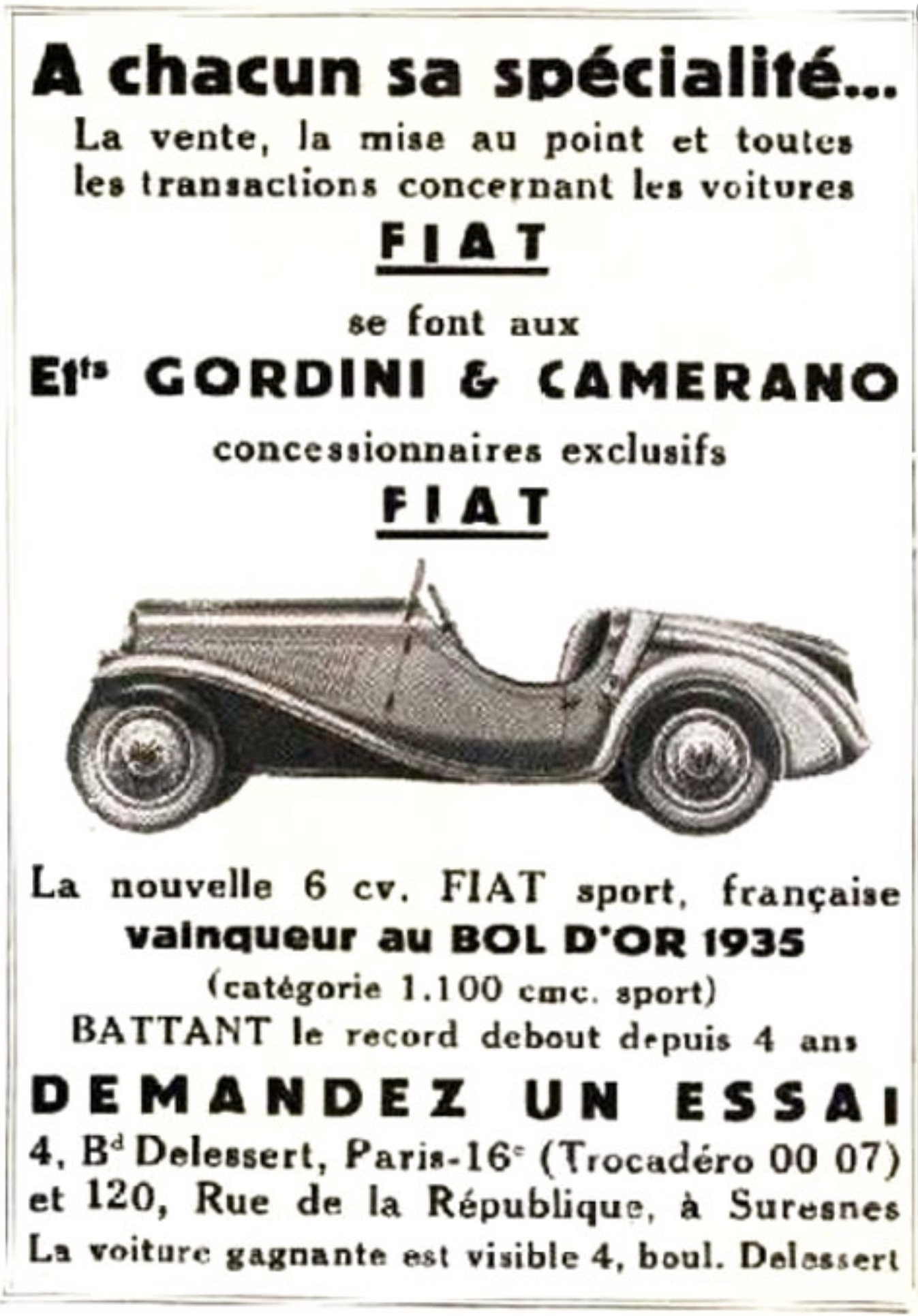

Translation welcome…
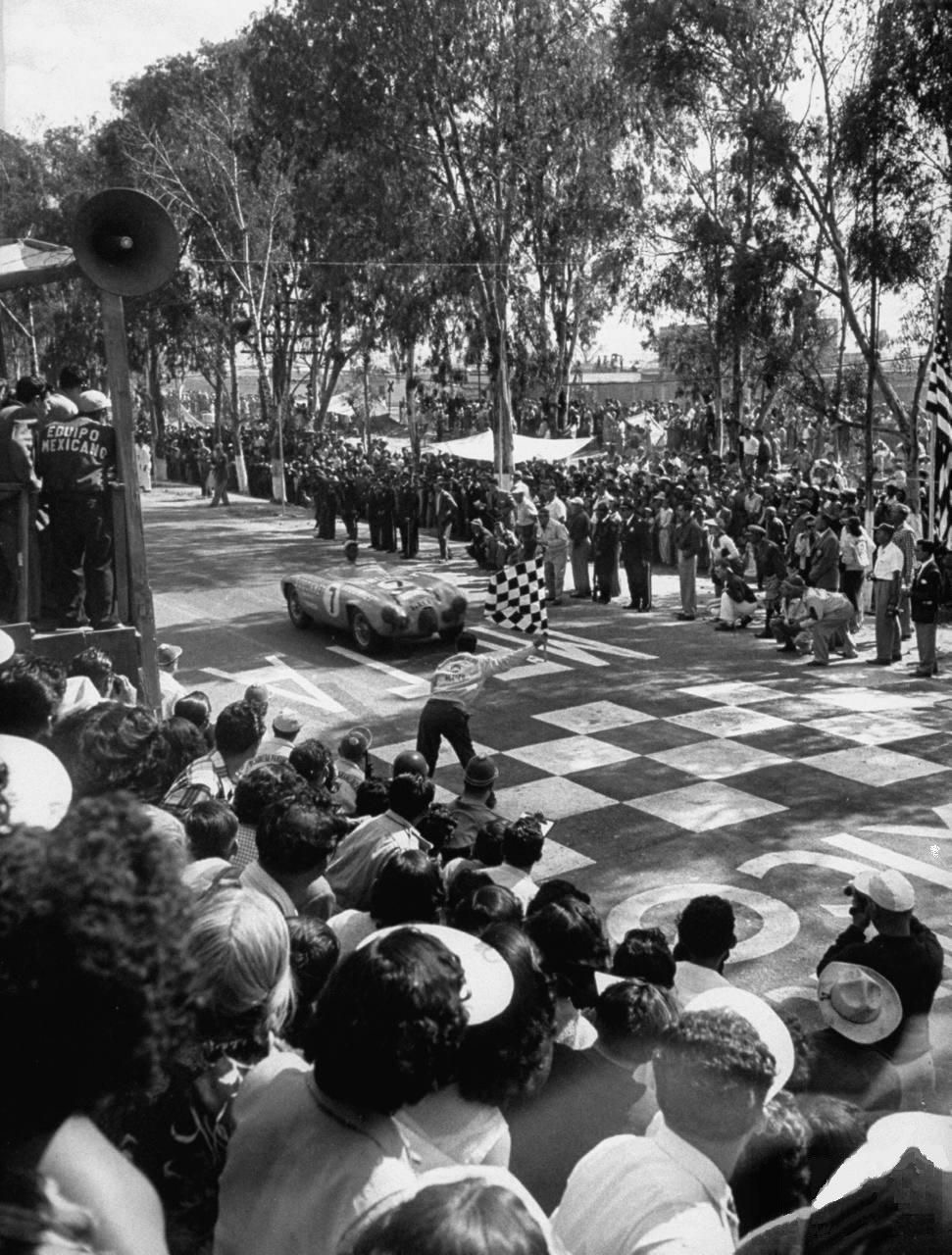
Jean Behra contested the 1953 Carrera Panamericana in a Gordini T24S.
He was disqualified for finishing out of time as was teammate Jean Lucas who ran a T16S. Fangio/Bronzini won in a works Lancia D24 from the similar cars of Taruffi/Maggio and Castellotti/Luoni.


Behra’s April 1954 Pau GP win being celebrated by Amedee, Jean and the rest of the team.
Jean qualified sixth and then proceeded to win the race in celebrated fashion ahead of the works Ferrari 625s, Roberto Mieres Maserati A6GCM and others in his little T16.

Michael Turner portrays Jean in front of Froilan Ganzalez’ Ferrari 625 (DNF crankshaft) and Harry Schell’s Maser A6GCM (DNF rear axle). Behra won from Trintignant’s Ferrari 625 and Mieres’ Maserati.

Did Amedee ever wear overalls!?
He seems immaculately dressed in a suit at the circuits and in most of his dyno sessions, as here in 1957.
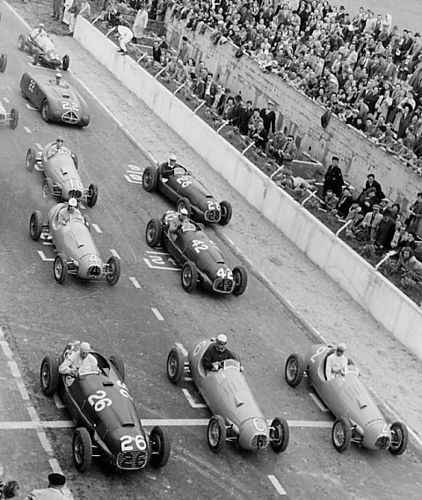
Gordinis as far as the eye can see. 1948 Coupes des Petites Cylindrees, Reims July 1948.
#26 R Sommer, #42 Igor Troubetsky and #28 Ferdinando Righetti all in Ferrari 166SC. #6 JM Fangio, #2 JP Wimille, #4 H Schell and #16 Unidentified in Gordini T15’s. #22 is Roger Loyer in a Meteor BMW.
Sommer won the 202 km race from Righetti both in Ferrari 166SC and Eugene Chaboud, Meteore BMW.
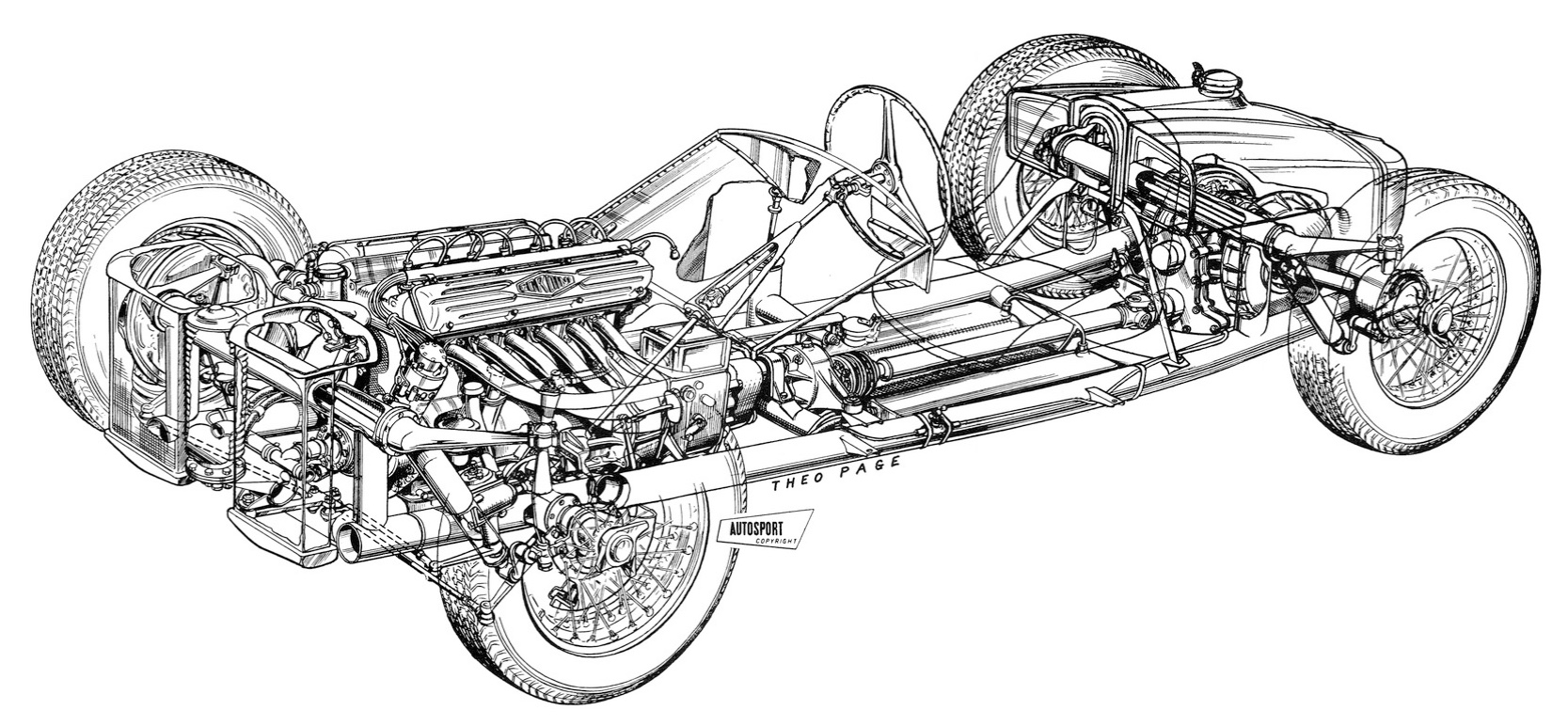
Theo Page cutaway drawing of a T16

By the Numbers…
Gordini built three Fiat and five Simca based cars pre-war. Post-war he constructed 32 or 32’ish chassis.
T11 ‘GC1’ ‘1100cc formula car’ was the first Gordini designed chassis built in 1946. 5 of these were constructed in 1946/7, the T15 which followed was in essence a shorter chassis T11. Most of ths T11’s were modified or upgraded to become T15’s which were mostly of 1490cc in capacity. T15’s were often converted into sportscars, making them T18’s…
Each of the 32 cars had a chassis number more or less in order of construction- the letter ‘S’ after the chassis number indicated a sportscar. The engines had type numbers as well with the 1490cc T15 the most common fitment.
There is a book, ‘Amedee Gordini: A True Racing Legend’ written by Roy Smith in recent years, I don’t have it but it looks the goods having been critically acclaimed by most reviewers, it is on my purchase list, highly recommended.
Gordini Types are as follows;
Extracted from a combination of Doug Nye’s ‘History of The Grand Prix Car’ and Roy Smith’s ‘Principal List of Studies of the Gordini Company’ from 1946 to 1957 – any errors of interpretation are mine.
1946 T11 single-seater. 1100cc, 1221cc and 1433cc
1948 T15 single-seater. 1500cc and others
1950 T16 single-seater. 2 litre F2/F1 fitted with T20 DOHC six
1952 T16S sportscar. Sports version of T16 chassis
1953 T17S sportscar. Sports version of T15 chassis
1950 T18S sportscar. T15 chassis with T16 rear suspension
1952 T20 single-seater. T16 chassis, T20 engine
1952 T20S sports coupe. T15S chassis with T20 engine
1952 T23S sportscar. T15S chassis with T22 engine- 2.3-litre six
1953 T24S sportscar. T24S chassis with T24 engine- 3-litre straight-eight
1952 T26S sportscar. T16S chassis with T23 engine- 2.5-litre six
1954 T31S sportscar. T15S chassis and T23 engine- 2.5-litre six
1954 T32 single seater. F1 car with T25 engine- 2.5-litre straight-eight
Gordini Build Years are as follows;
1946 Two T11’s chassis ’01’ and ’02GC’
1947 Four T11’s chassis ’03’, ’04’, ’05’ and ’06GC’. One T15 prototype ’07GC’ and one Mille Milles sports prototype ’01GCS’
1948 One Mille Milles sports ’02GCS’ and two T15’s ’08’ and ’09GC’
1949 Four T15’s- ’11’, ’12’, ’14’ and ’15GC’. Note that the first three of these cars were converted to sportscars in 1952. Four T15S sportscars, chassis ’16’, ’17’, ’18’ and ’19GCS’
1950 One T15 ’22GC’ and two T15S sports, chassis ’20’ and ’21S’
1951 None built, this was the year of Simca’s financial withdrawal
1952 Four T16’s, chassis ’31’, ’32’, ’33’ and ’34’. Four T15S sports- three converted T15’s, as noted above, ’16S’, ’17S’ and ’18S’ converted from ’11GC’, ’12GC’ and ’14GC’. The other, numbered ’18S’ was ex chassis T11 ‘4GC’
1953 Two T15S, chassis ’18’ and ’39’, two T24S chassis ’36S’ and ’37S’, one T16S chassis ’38S’ and one T16 single-seater chassis ’35’
1954 One car- T15S chassis ’43’ converted from 1949 chassis ’18GCS’
1955 Two T32 F1 cars- chassis ’41’ and ’42’
1956 None
1957 One T15S chassis ’44’ a conversion of 1949 chassis ’16GCS’

Bibliography…
8W Forix article by Mattijs Diepraam and Felix Muelas, ‘Pre-War Gordinis and Simca Huits’ by Pete Vack in velocetoday.com, ‘The History of The Grand Prix Car’ Doug Nye, ‘Amedee Gordini: A True Racing Legend’ Roy Smith, F2Index, oldracingcars.com
Photo Credits…
Getty Images photographers Roger Viollet, Bernard Cahier, Maurice Jarnoux and Klemantaski, Graham Gauld Collection, Michael Turner, LAT, Renault, Fiat
Tailpiece…

Robert Manzon, Gordon T16 failed to finish after failing brakes caused an accident on lap 91 at Monaco in 1956.
Finito…