Archive for the ‘Who,What,Where & When…?’ Category

dan 1

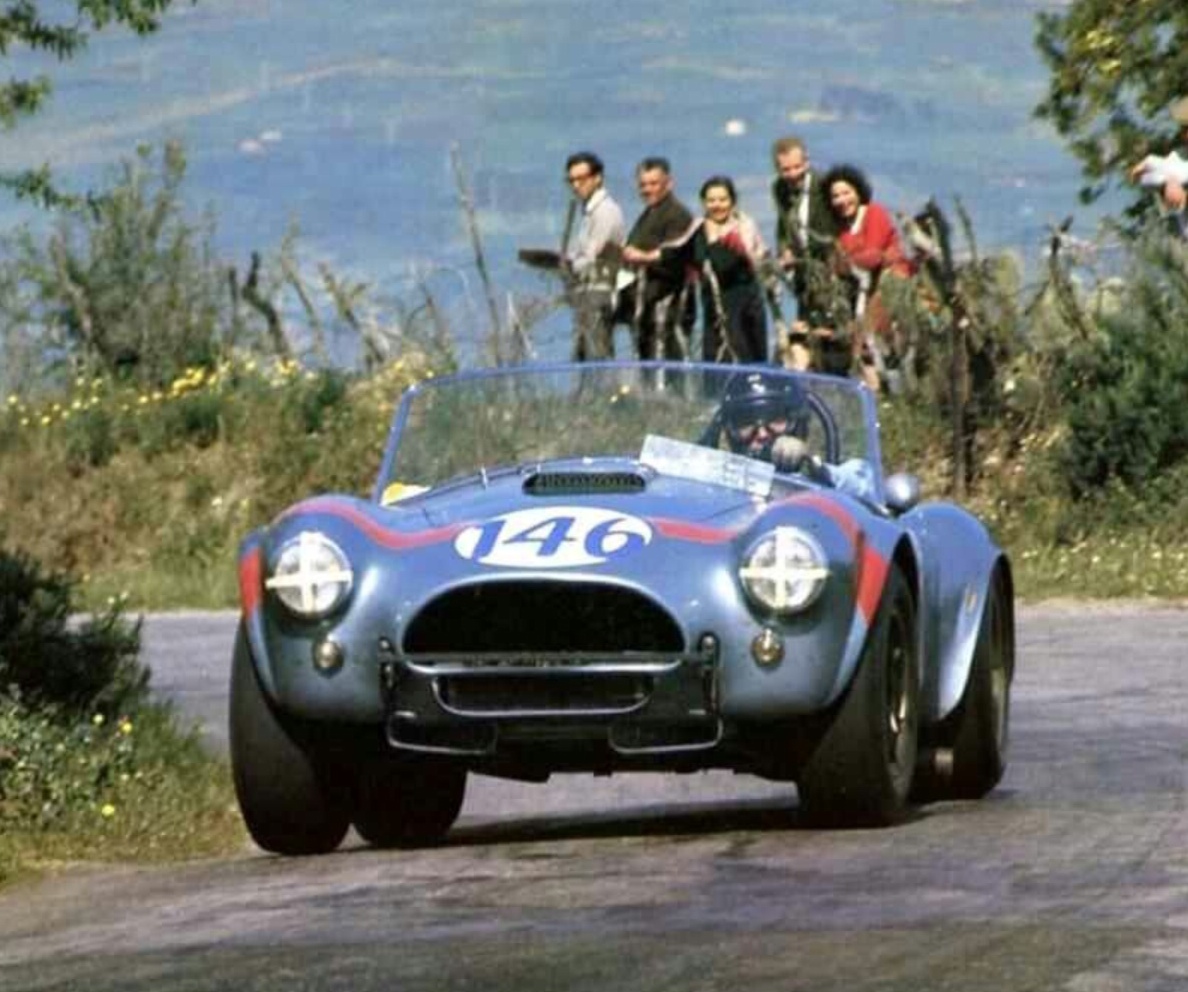
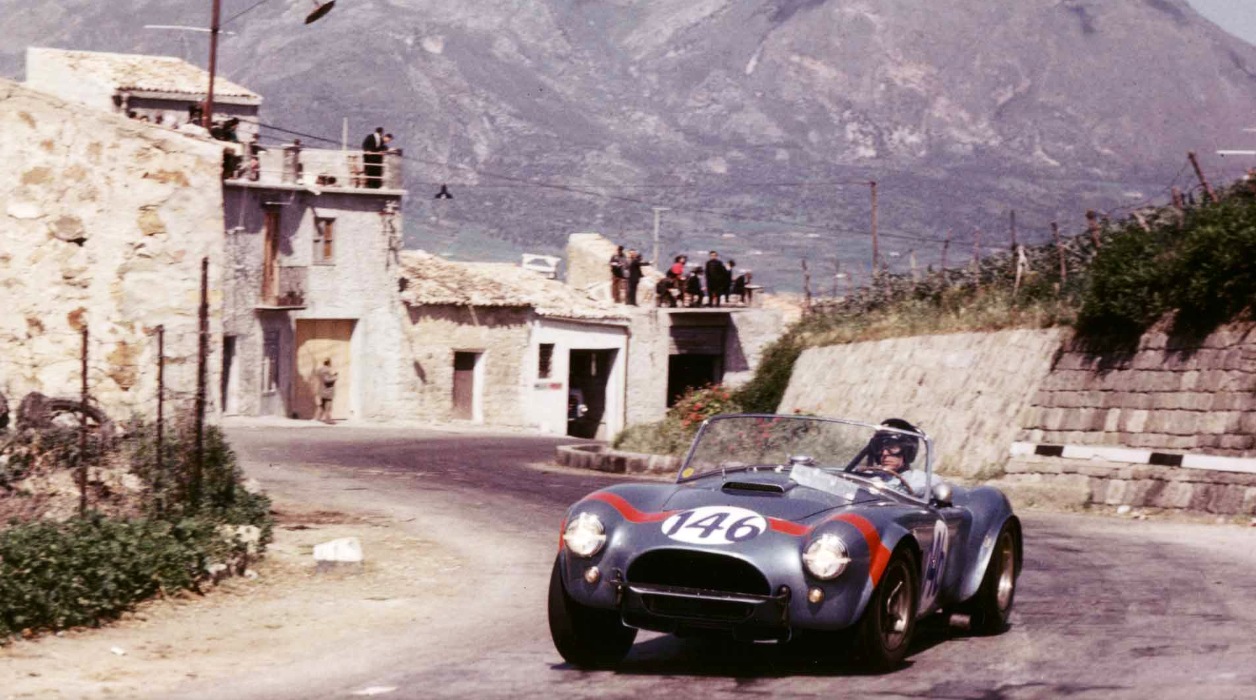
One of my Top 10 Motor Racing Shots of all time, Dan Gurney AC Shelby Cobra, Targa Florio 1964…

The photo is by Ami Guichard, he put it on the cover of his acclaimed Automobile Year # 12. It captures everything which was great about this fantastic and oh so Italian event. Dan Gurney and Jerry Grant finished eighth outright and first in class in the event won by the much more suitable Porsche 904 GTS of Colin Davis and Antonio Pucci.

The 1964 GT Manufacturers Championship was won by Ferrari with Shelby Cobra second. The advent of the Cobra Daytona Coupes ensured Ferrari would get more of a run for their money in 1965!

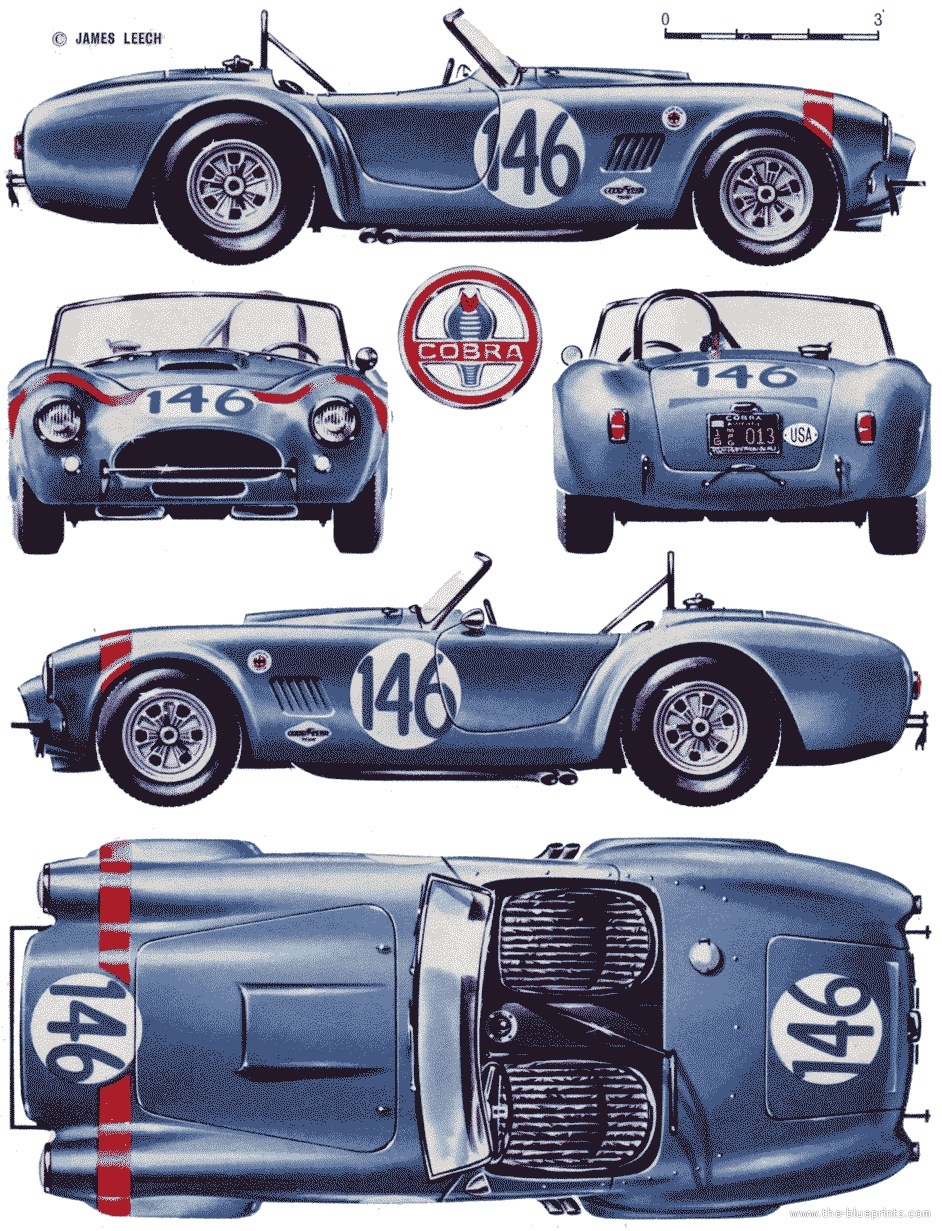
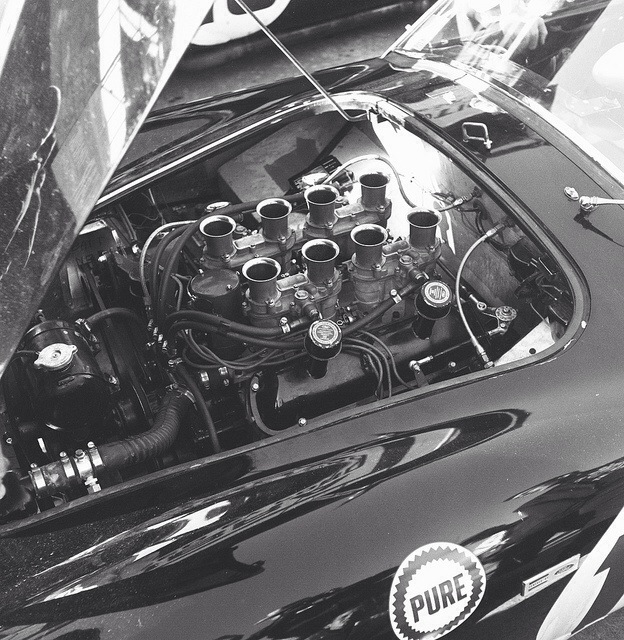
Specifications of the FIA Roadster cars in 1964 included Ford’s pushrod OHV 4.7-litre or 289 V8 fitted with four 48IDA Weber carburettors giving circa 400bhp. Borg Warner four speed gearbox, four wheel disc brakes and independent suspension using transverse leaf springs. 140-litre fuel tank, six-spoke cast alloy wheels. These cars were the ultimate development of the original small-block Cobra.

an at rest
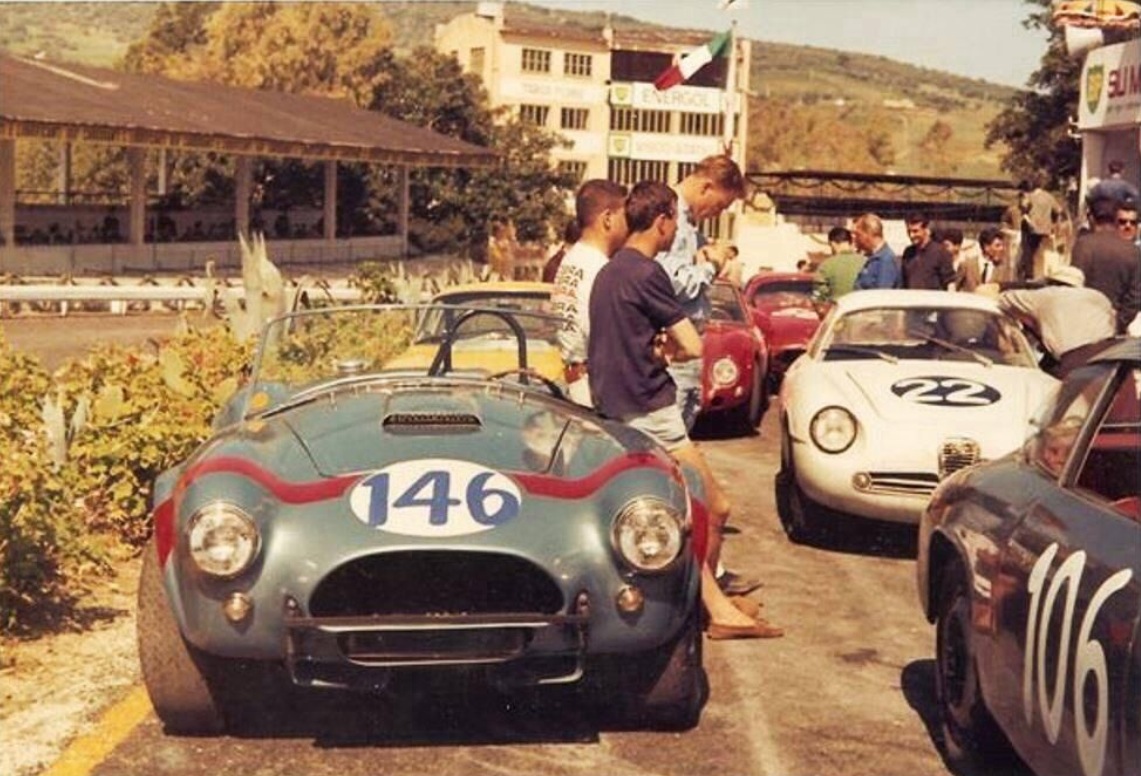
Before the off at Cerda, Targa ’64, Gurney with Shelby team mechanics. AC Cobra # 106 a Lancia Flaminia DNF and # 22 Alfa Giulietta SZ, 19th (Pinterest)
jerry
Jerry Grant in the Cobra shared with Dan Gurney, Targa 1964 (Pinterest)
dan 2
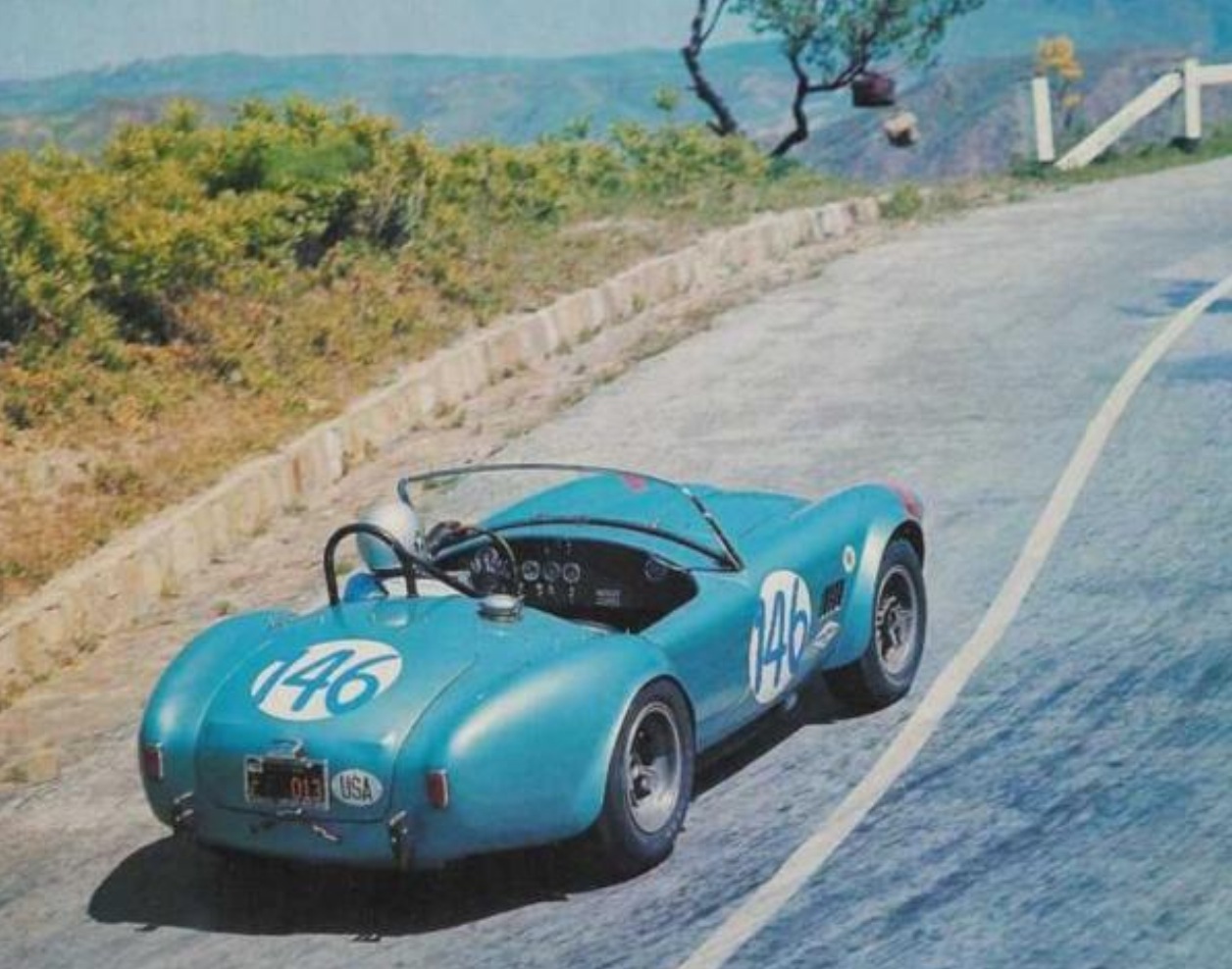
Gurney through the Sicilian countryside, Targa Florio 1964. In addition to the Ford sportscar program he raced for Brabham in Grand Prix Racing winning the team’s first championship race that year (Pinterest)

Etcetera…

leech
cob
Engine of Hill’s Cobra, Sebring 1963
davis
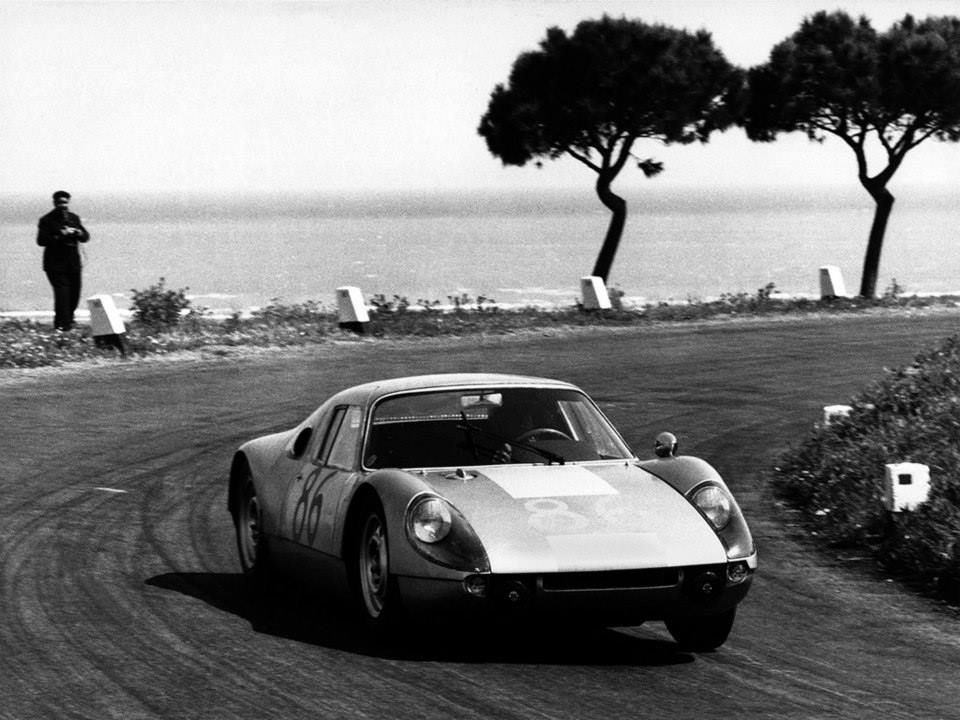
The 1964 Targa winning Porsche 904 GTS of Colin Davis and Antonio Pucci (unattributed)

Photo Credits…

James Leech drawing, Ami Guichard Automobile Year 12

Finito…

image

Fantastic shot of Max Stewart in his Rennmax BN2, Hell Corner, Bathurst Easter 1968 (raSimmo TNF)

Max Stewart enroute to second place in his little Rennmax 1.5 against the big 2.5 ‘Tasman Cars’, Easter Bathurst Gold Star round, April 1968…

Phil West won the race of attrition in a Brabham BT23A Repco, many of the 2.5’s sidelined by one drama or another. But it was a wonderful result all the same.

At the time Australia’s ‘F2’ was ‘ANF 1.5’ and our premier class ‘ANF1’ was the 2.5 litre ‘Tasman’ category.

Many of us think of Max Stewart as an F5000 star, winning the ‘Gold Star’, then our most prestigious driving honour in 1971 and 1974 and the Australian Grand Prix in 1974 and 1975. But his career started in ‘small-bore’ single seaters, his tall, lanky frame always poking out of the cockpit of the cars he raced..

Rennmax BN2 Ford…

Bob Britton, built many great cars in the 60’s and 70’s, and named them Rennmax.

This car was built from a jig he created when converting John Harvey’s Brabham BT14 from Ford Lotus 1.5, to Repco 2.5 V8 power. Stewart also bought Harvey’s engine and gearbox for the Rennmax, winning his second ANF 1.5 Championships in it in 1968. (a joint win together with Garrie Cooper in an Elfin Mono)

A motor-dealer living in Orange, in the Central West of NSW, not too far from Mount Panorama, Maxs’ performances in this car resulted in his recruitment by former Australian Gold Star Champion/Australian Grand Prix winner/Motor-dealer and prominent team owner, Alec Mildren to join a 2 car assault on Australasias’ premier class together with Kevin Bartlett in the following years.

The success of Bartlett and Stewart over that time is another story but Max was incredibly competitive in the ‘Mildren Waggott’, another car built by Bob Britton, this time on a jig created when repairing a Brabham BT23 destroyed by Denny Hulme during the 1967 Tasman Series. This series of cars are the BN3 Rennmax models.

Stewart won the Gold Star Series in 1971 in the Mildren Waggott, with a series of performances against the then relatively new F5000 cars, similar to his efforts at Bathurst in a small car against the ‘big guys’ in April 1968…

wf

MS self preps the Rennmax in early 1968…12 months later he was a member of Alec Mildren Racing, with a bit more support!, still driving a Rennmax nee Mildren (Bob Williamson Collection)

calder

Stewart races the BN2 at Calder later in 1968, still half out of the cockpit but ‘full harness’ fitted by this stage .

rennmax

Short Outline of Rennmax…

http://www.oldracingcars.com/rennmax/

http://www.rennmax.com/

Photo Credits…

raSimmo, The Nostalgia Forum, Autopics, Bob Williamson Collection

bathurst

Max Stewart, Niel Allen & Leo Geoghegan (L>R) , Easter Bathurst, 1969 (Wayne McKay)

Start of the ‘Gold Star’ race Mount Panorama, Easter 1969…

In the Good ‘Ole Days there used to be two meetings a year at Mount Panorama- Easter when the Gold Star race was the feature and of course the ‘Taxi’ classic later in the year.

Then the Gold Star, the Australian Drivers Championship meant something. A lot in fact, it was won down the decades by some great, world class drivers including Lex Davison, Stan Jones, Bib Stillwell, Spencer Martin, Kevin Bartlett, Frank Matich, John McCormack, Max Stewart, Alfredo Costanzo and many others. These days it does not have the same cachet and tourers dominate in Australia. Sadly.

This photo was posted on Facebook by Wayne McKay and shows the grid of the 1969 Gold Star event.

Leo Geoghegan is on pole in his evergreen, white, ex-Clark Lotus 39 Repco…

Alongside is Niel Allen in his ex-Piers Courage McLaren M4A Ford FVA (European F2 car) Max Stewart, having joined Alec Mildren’s team that year, is at the wheel of the yellow Mildren Waggott TC-4V in which he would have so much success over the following 3 years. The Mildren was a car built by Rennmax’ Bob Britton on his Brabham BT23 jig.

The red car on the second row is John Harvey in Bob Jane’s Brabham BT23E Repco, repaired after his huge Bathurst prang the year before caused by upright failure. The light blue car is Queenslander Glynn Scott in a Bowin P3 Ford FVA, a wonderful monocoque chassis car, one of three P3’s, built by John Joyce in Sydney- Joyce not long before having returned from a longish stint as an engineer at Lotus.

The red car towards the rear of the grid, on the fence side of the track is Jack Brabham in his Brabham BT31 Repco- the last of the ‘Tasman’ Brabhams. Jack was making a rare Gold Star appearance in the F3 based car built for his 1969 Tasman Series campaign, but which could not be unloaded from the ship from the UK due to a ‘Wharfies’ strike- and therefore only raced in the final Sandown Tasman round- the Australian Grand Prix won in fine style by Tasman Champion Chris Amon in a Ferrari 246T.

The BT31 was the lowest mileage Brabham ever built, it raced at Sandown and then Bathurst ‘in period’. The 2.5 litre ANF1 was in its dying days, Repco were unable to sell it. Years later, after being a Repco display car Rodway Wolfe acquired it, eventually it commenced its second career as an historic racer in William Marshall, and then in Bib Stillwell’s capable hands.

jack

Jack Brabham Brabham BT31 Repco , Bathurst Easter 1969 between ‘Skyline’ and ‘The Dipper’. He tried the car both bi-winged and with rear wing only during practice, racing the car as shown. BT31 a one off car based on the F3 BT28. Repco 2.5 litre ‘830 Series’ SOHC, 2 valve V8, circa 295 BHP @ 9000 RPM (D Simpson)

The Tasman 2.5 Formula…

The Mount Panorama grid shows just how poor our domestic fields had become as the 2.5 litre formula came towards its end.

The Tasman 2.5 litre Formula commenced in 1964 in Australia and New Zealand. The Tasman Series, eight events initially- four in both Australia and NZ over two months in the southern Summer was well attended by works or semi-works cars from BRM, Lotus and Ferrari running 2.5 litre variants (bored versions of their 1.5 litre F1 engines out to about 2 or 2.1 litres, or ‘de-stroked’ versions of their 3 litre F1 engines) of their F1 engines.

Local competitors could, on more or less equal terms, compete with the internationals using cars in the early Tasman years powered by the Coventry Climax 4 cylinder FPF engine, dominant in the final years of the 2.5 Litre F1, and later on, from 1967, Repco’s Tasman V8’s which were available to anyone with the cash.

As the sixties went on it became harder to attract the European teams to the Tasman as the F1 season became longer and local competitors, other than a small number of teams, struggled with budgets to run a Repco.

Mind you, support in open-wheeler racing in Australia, whatever the era had always been a problem. It was time, in all the circumstances to consider a new ANF1.

CAMS were vacillated between 2 litre F2, to commence in Europe in 1972 and Formula A or Formula 5000, which used ‘stock block’ American V8’s which commenced in the US, but had ‘taken off’ in the UK in 1969.

CAMS announced the change to 2 Litres, which made sense as Merv Waggott’s engine had already proved competitive. Under pressure from Ford, Holden and Repco, all of whom had commercial interests in the V8’s introduced into Australian road cars in preceding years- ultimately and controversially in some quarters, F5000 became the new ANF1 from 1971, with the 2.5 Litre cars legal in the 1970 Tasman, F5000’s first Tasman season.

Jack came to Australia over Easter 1969 to fulfil his final series of commitments to Repco, as a non-resident he was ineligible for Gold Star points, either way he was a welcome addition to the thinning Gold Star grid.

He was a busy boy in April and May too.

He was at Bathurst in April, raced in the Spanish and Monaco Grands’ Prix in Barcelona and Monte Carlo on May 4 and 18, also practising, qualifying and then racing at Indianapolis on May 30. Indianapolis itself occupied a big chunk of May.

indy

Jacks car for the Indianapolis 500 in 1969 was the BT25 built the year before. In 1968 they (3 cars built by MRD) were raced throughout the season by Jack, Jochen Rindt and Masten Gregory. Repco ‘760 Series’ 4.2 litre normally aspirated, alcohol fuelled V8, circa 500BHP @ 8500RPM. Hewland GB300 gearbox, chassis using sheet aluminium as a stressed member for the first time in a Brabham.

Jack engaged Peter Revson to drive the other BT25, the cars were powered by big 4.2 litre normally aspirated, alcohol fuelled ‘760 series’ Repco V8’s, close cousins of the F1 ‘860 Series’ engines which had given so much grief in 1968.

AJ Foyt was on pole at 170.568 MPH, with Jack on 163.875MPH, Revvie squeaking into the field as slowest qualifier at 160.851MPH. Revson showed his class in the race won by Andretti’s Hawk Ford, finishing fifth whilst Jack had ignition failure.

The cars were competitive that season Revson winning a race at Indianapolis Raceway Park later in the season.

jack and pete

Jack Brabham and Peter Revson at Indianapolis 1969

High Wings…

Looking at the Bathurst cars the high-wings stand out, pun intended.

They had grown larger and higher over the previous 12 months, developments in F1 emulating the wings used first by Chaparral on their Can-Am and World Sports Car Championship cars.

Things were about to change though after numerous failures to wings and their mounts- Jochen Rindt and Graham Hill both experienced near catastrophic failures of the wing mounts on their Lotus 49’s in Barcelona on May 4. The FIA acted decisively at Monaco, banning high wings in all classes globally after Monaco GP practice. There on Saturday, gone on Sunday.

Jack experimented with bi-wings in Bathurst practice, but had fuel feed problems problems so he qualified well back He settled for a wing on the rear, and went sans aero-assistance on the front for the race.

The fuel delivery problems were alleviated with the installation of the electric fuel pump from Repco Director, Charlie Dean’s Lancia and an on/off switch to avoid flattening the cars battery.

wings

Rodway Wolfe’s shot of Jack in practice, here with both front and rear high-wings, Mount Panorama, Easter 1969 (Rodway Wolfe)

The skinny grid looked even thinner by the time the cars appeared out of ‘Murrays’ and onto pit straight at the end of lap 1- Max Stewart and Niel Allen had a territorial dispute going into the Dipper tangling and neatly parking nose to nose high above the Bathurst Plains below.

maxxy

Niel Allen #2 and Max Stewart neatly parked high on the mount…’The Dipper’. McLaren M4A and Mildren Waggott respectively, Max extricating all 6’4” from the Mildren. Superb shot shows both the height and elevation of Mount Panorama (John Arkwright)

Jack cantered way and won the Bathurst Gold Star race, his last win in Australia, but one?…

Brabham retired from F1 at the end of 1970, but let’s come back to that in a little bit.

In 1971 Bob Jane promoted a Formula Ford ‘Race of Champions’ at Calder in August pitting some of the stars of the past and present against each other.

Kevin Bartlett, Frank Matich, Bib Stillwell, Alan Hamilton and Alan Moffat were amongst the drivers who took on Jack in his Bowin P4x. Jack Brabham Ford sponsored Bob Beasley who raced ‘Jacks’ car in the ‘Driver to Europe Series’, the Australian Formula Ford Championship that year. Brabham took the car to victory to much public acclaim…no way were one of the locals going to beat him having just retired!

So that little known FF event, I think, was JB’s last ever race win?

stillwell

Formula Ford ‘Race of Champions’. Calder August 15 1971. # 6 Bib Stillwell Elfin 600, in his old helmet!, #1 Jack Brabham Bowin P4x, # 7 Unknown Elfin 600, and the obscured car alongside Jack is Frank Matich in an Aztec. Trivia is that car # 6 is the Elfin 600 raced by Larry Perkins to win the FF Championship in 1971, Mike Stillwell raced the sister BS Stillwell Ford # 7 entry in the same Championship (Unattributed)

Jack ‘came back’ and did some touring car events in the mid- seventies including the Bathurst 1000 several times and even shared a Porsche 956 in the World Sports Car Championship race at Sandown in 1984, but I reckon that FF win was his last.

l34

In a promotional coup, Jack Brabham and Stirling Moss shared a Holden Torana L34 in the 1976 Bathurst 1000. Unfortunately the car had a driveline failure and was hit up the ar$e badly damaging the car. Patched together, the pair put on a show for the crowd but the car did not finish (autopics)


porker

# 56 Porsche 956 driven by Jack Brabham and Johnny Dumfries in the Sandown 1000 round of the World Endurance Championship in 1984. The car was a camera vehicle, and again a promotional coup but still competing, although suffered rear suspension failure so was a DNF. Brabham and Alan Jones careers did not overlap in F1 but both Australian World Champs competed in this race, Jones sharing another Rothmans Porsche with Vern Schuppan, also DNF. It was Jack’s first experience of a ground effect car, at 58, quite different to the last ‘serious car’ he drove, the Brabham BT33 Ford in which he finished the Mexican GP in 1970, he acquitted himself well (Pinterest)


jack 1

Whats it like out there Jack? It was a hot weekend, the challenge of the powerful ground-effects Porsche must have been considerable but Jack drove for over 2 hours in total, the car eventually failing. Whilst in works Rothmans colours it was a Richard Lloyd Racing 956

F1 in 1970…

These days F1 is all about youth, drivers start in Karts, some are in F1 before the age of 20. Jack was 44 when he commenced his last season and was incredibly competitive at an age F1 drivers these days are long since retired. It was to be a very full season for Jb in a large number of categories.

He won the season opening South African GP, made a last lap mistake at Monaco under pressure from Jochen Rindt whilst leading and came second.

He also finished second to Rindt in the British GP at Brands Hatch as well having passed him and was pulling away before running short of fuel on the last lap.

monaco

Brabham leading a gaggle of cars early in the Monaco GP 1970. Brabham BT33 Ford, Jean-Pierre Beltoise Matra MS120, Jacky Ickx Ferrari 312B, Denny Hulme McLaren M14A and one of the Lotuses…Jack led the race but Rindt gave the Lotus 49 its last victory in a phenomenal chase of Brabham, pressuring him into a last lap error into second place. Had Rindt re-joined Brabham for 1970, he enjoyed 1968 with them despite the foibles of the Repco ‘860 Series’ DOHC V8, instead of staying at Lotus Jack would have retired at the end of ’69 and Rindt, who knows? (Pinterest)

Brabham could have won the World Title in 1970 with a little more luck.

Mind you luck was in short supply that year, friends and former teammates, Bruce McLaren and Jochen Rindt as well as Piers Courage perished in 1970.

Grand Prix racing is the pinnacle and 1970 was a year of great depth. The grid comprised the established aces- Stewart, Rindt, Hill, Ickx, Hulme and Rodriguez, as well as young chargers in their first F1 year including Regazzoni, Peterson, Fittipaldi and our own Tim Schenken. Ferrari, Lotus, BRM, Brabham and March all won races in 1970 as well.

Ron Tauranac designed Jack a ‘pearler’ of a car for 1970. The team had been successful with space-frame chassis’ since it was formed. Chapman popularised the monocoque with his 1962 Lotus 25 but Brabham won championships in all formulae with their simple, user-friendly, easy to repair and forgiving cars. The latter was both a design feature and a function of Jack doing the final chassis settings before ‘sign-off’.

For 1970 monocoques had effectively been mandated by the FIA, new regulations demanded bag fuel tanks to improve the safety of the cars.

Tauranac’s first stressed-skin chassis was the BT25 ‘Indycar’ pictured earlier above. The BT33 could be said to be standard ‘Cosworth powered kit-car’- an aluminium monocoque, Ford DFV engine and Hewland gearbox were its essential elements, but it was a very good one, and was still very competitive in Tim Schenken’s hands in 1971.

bt33

This shot is at Hockenheim 1970, Stommelen’s car in front (5th), Jacks (DNF) at rear. Essential elements are the ‘bathtub’ aluminium monocoque chassis. Front suspension by top rocker and lower wishbone operating inboard mounted coil spring/damper unit. Gearbox and rear suspension ass’y rolls away for the engine change minimising time spent especially on time consuming wheel alignment in the field..mechanics will still align the car mind you, but not as big a job! The more you look, the more you see (Pinterest)

Matra…1970

Jack had decided to retire due to family pressure at the end of 1969 when he had agreed terms verbally with Jochen Rindt to rejoin the team for 1970.

Jochen enjoyed his Brabham season in 1968 despite the problems with the ‘860 Repco’ engine but ultimately asked Jack to release him from his undertaking as a consequence of an offer from Lotus which was too good to refuse. Had that Brabham Racing Organisation course of events transpired history would of course been quite different- Rindt died at the wheel of a Lotus 72 at Monza and won the 1970 World Championship posthumously.

Jack told his wife Betty he would compete for one more year, putting everything into that last season, and not just F1.

He participated in the World Sports Car Championship for Matra competing at Le Mans in an MS650, a spaceframed car using an endurance version of the companies F1 3 litre, 48 valve V12. He shared the car at Le Mans with Francois Cevert, but did not finish with engine failure.

He also did the lead up events to Le Mans including Daytona, tenth with Francois Cevert, Cevert breaking into F1 that year. He shared a car with Jean-Pierre Beltoise at Brands and Monza finishing twelfth and fifth respectively.

1970 and 1971 were the years of the ‘5 litre monsters’ the Porsche 917 and Ferrari 512S, it was tough for 3 litre prototypes, Matra steadily evolved their cars to be the class of the field in 1973/4/5, but Jack enjoyed the season and having to simply to drive the car, not do literally everything else.

brands

In search of downforce…Brabham in the Matra MS650, Brands Hatch 1000Km, April 1970, 12th sharing the car with Beltiose (Pinterest)

And Indy…1970

Ron Tauranac adapted a BT25 monocoque car for the race using  a 2.65 litre turbo-charged 4 cylinder ‘Offy’ engine and Weissman gearbox.

Jack was classified thirteenth in the BT32 but had piston failure which carved the block in half. The race was won that year by Al Unser in a Colt Offy ‘Johnny Lightning Special’.

bt32

Formula 2 in a Brabham BT30…1970

pau

Pau GP 1970 front row L>R : Jochen Rindt on pole Lotus 69, Francois Mazet & Jack Brabham both in Brabham BT30’s. Green helmet in the second row is Henri Pescarolo in another Brabham BT30 and alongside Clay Regazzoni, Tecno 69. All Ford FVA powered. Rindt won from Pescarolo and Tim Schenken, also in a BT30 (DPPI)

John ‘Nuggett’ Coombs was a longtime privateer entrant running Brabhams and in 1970 had a ‘dream team’ of Jackie Stewart and Jack sharing a Brabham BT30.

Jack competed at Pau, Rouen and Tulln-Langenlebarn (Vienna), his best result second in the latter meeting to the Ickx BMW 270.

jack

Brabham ahead of Jochen Rindt at Pau, France 1970. Jack DNF, Rindt winning the race in his Lotus 69 Ford FVA. The European F2 Championship was won in 1970 by Clay Regazzoni in a Tecno Ford FVA. Brabham is driving a Brabham BT30 FVA owned by John Coombs (Pinterest)

Tasman Series 1970 and Retirement…

The only series Brabham didn’t contest that he usually did was the Tasman Series in our Summer, his Matra campaign commenced on January 31 at Daytona. It was the first year of the F5000 Tasman series, albeit the 2.5 Litre cars were still eligible- maybe he figured it wasn’t worth the effort as MRD didn’t build an F5000 car at the time? Either way he spent February in Australia and kept the peace on the home front with Betty, sort of.

Graham Lawrence won the Tasman series that year with his ex-Amon Ferrari 246T, consistently running with and beating the more powerful but less nimble F5000’s.

If only Jack had dusted off the BT31 which won at Bathurst the previous April, fitted current tyres and wings maybe he would have won the Tasman Series, a cup missing from his mantelpiece?

Jack said in later years that he felt he had another three or four competitive years in him. He recounts to Doug Nye in his biography that his father, who had always been his strongest supporter within the family, and reinforced his decisions to continue racing, advised him not to reconsider his retirement during 1970 given the deaths which occurred that season.

At the end of 1970 Jack returned to Australia to a farm near Wagga, his Jack Brabham Ford dealership in Sydney and his aviation interests at Bankstown in addition to investments in the UK.

What can you say about this remarkable Australian which hasn’t already been said?

To my way of thinking he is Australia’s greatest sportsman ever. No other individual performed at the same level for so long, was as innovative as he was, and took on the best in the world and won, both in terms of his driving and in the deployment of Australian technology.

RIP Jack Brabham, thank goodness you did retire at the end of 1970- at the top, alive and in one piece.

bt 31

Jack Brabham, sans wings, Sandown Tasman practice 1969…BT31 ‘830’ surely a competitive mount in Tasman 1970 had he entered? (Flickr)


jacks

Deep in set-up thought. Jack in his BT33 F1 car during Manaco 1970. ‘Jet Jackson’ fighter pilot helmet that he, Jackie Stewart and Piers Courage tried that year. Skiers goggles. No nomex gloves, leather, nice Rolex watch. Lovely shot which captures the essence of the guy i think!? (Getty Images)

Etcetera: Bathurst 1969…

bathurst

Jack Brabham , Bathurst practice Easter 1969. Brabham BT31 Repco ‘bi-winged’ in practice (Facebook)


bathurst 3

Brabham in the race which he won, sans front wing. Bathurst Easter 1969. (Facebook)

Etcetera: Calder FF Race 1971…

calder


calder

Brabham takes the spoils of victory…’Race of Champions’ Calder, Australia August 1971. Car is a Formula Ford Bowin P4X (Facebook)

Etcetera: F1 1970 and Brabham BT33…

bt 33 cutaway

Drawing of Ron Tauranacs’ 1970 Brabham BT33 Ford, Motor Racing Developments first ‘real’ monocoque chassis car


spain

Jarama, Spanish GP 1970. Avoiding the fire as a result of the Ickx/Oliver collision, both the Ferrari and BRM were destroyed but the drivers escaped an accident caused by a stub axle failure of the BRM (Pinterest)


monaco

Jack Brabham, Monaco 1970 . BT33 from above, wet Saturday practice (Pinterest)


rolf

Jack trying teammate Rolf Stommelens BT33 in Spain practice, both DNF in the race won by the March 701 Ford of Jackie Stewart (Pinterest)

Etcetera Matra…

daytona

daytona

Jack Brabham, Matra MS 650, Daytona 1970 (Nigel Smuckatelli)

Photo and Other Credits…

oldracingcars.com, Pinterest, Getty Images, ‘Jack Brabham with Doug Nye’, Nigel Smuckatelli, Dick Simpson, Wayne McKay, John Arkwright, Rodway Wolfe

Finito…

targa

Local boy Nino Vaccarella wrestled his big Ferrari into third place around the ‘Piccolo Madonie’ circuit in 1970…

Sensational Rainer Schlegelmilch shot captures the very essence of Targa, its geography and contrast of tradition and contemporary technology.

Porsche had ‘the game covered’ in 1970/71, they had the nimble, light 908/3 for Targa and the Nurburgring and the legendary 917 for power circuits such as Le Mans, Daytona and Monza. Brian Redman and Jo Siffert won the race in a 908/3 from Pedro Rodriguez and Leo Kinnunen in the other JW Automotive Porsche.

Ferrari only entered one factory car, Vaccarella partnered by compatriot Ignazio Giunti, a promising driver who made his F1 debut with Ferrari in 1970. He perished in a tragic accident in Argentina in 1971 when his Ferrari 312P (sports car) ran into the back of Jean Pierre Beltiose’ Matra 660 which he was pushing along the track, having run out of fuel.

Nino Vaccarella was a good bet for the win though, a local, he grew up in Palermo and knew the circuit ‘like the back of his hand’. He started the season well winning the Sebring 12 Hour with Giunti, and Mario Andretti. He won Targa thrice; in 1965 in a Ferrari 275 P2 and in 1971 in an Alfa T33/3. His final win was in an Alfa TT12 after Targa became a National Italian event, Targa losing its championship status after 1973 when the cars simply became too quick for the circuit on Sicilian open roads…not too quick for an Italian event however!

Vaccarella also had some Grand Prix experience, his best GP result ninth in the 1962 Italian Grand Prix in a privately entered Lotus 24 Climax. Predominantly a sportscar driver, he also won the 1964 Le Mans 24 Hour classic sharing a Ferrari 275 P with Jean Guichet and the Nurburgring 1000Km with Ludovico Scarfiotti in another 275P. He is still alive and well living in Sicily.

carda
Stunning shot and an epic vantage point for the boys, Collesano. Vaccarella/ Giunti Ferrari 512S Spyder in shot (Pinterest)
country
Vaccarella in the Sicilian countryside, the unique challenges of the circuit and driving a 5 litre 550 BHP V12 Ferrari 512S apparent (Pinterest)
close up
Vaccarella in the car he shared with Ignazio Giunti, Targa 1970 . A second Ferrari 512S was entered by Scuderia Fillipinetti driven by Herbie Muller and Mike Parkes finishing sixth (Pinterest)
cerda
Vaccarella finishes his 11th lap, the event which started and finished in Cerda. The lap record for the course was set by Helmut Marko in an Alfa 33TT3 in 1972 at an average speed of 128.253 KmH for the 72Km course on Sicilian open roads. (Pinterest)
cutaway
Cutaway of the Ferrari 512S. Space-frame chassis, 5 litre, DOHC V12, circa 550BHP. 5 speed gearbox, independent suspension by wishbones at front with coil spring/dampers (Koni), and single top link, inverted wishbone, radius rods and coil spring/damper units at the rear. A superb car if never as successful as the Porsche 917, its direct rival. (Pinterest)

Etcetera…

nono
Nino Vaccarella, Targa 1970 (The Cahier Archive)
italian gp
Vaccarella competed for Ferrari in the 1965 Italian GP in a 158. His engine failed in the race won by Jackie Stewarts’ BRM P261, the first of his 27 Grand Prix victories. (Pinterest)
seppi
Jo Siffert in the 1970 Targa Florio winning Porsche 908/3 he shared with Brian Redman (Pinterest)

Photo Credits…

Rainer Schlegelmilch, The Cahier Archive, Pinterest

Finito…

mikka

Mika Hakkinen under moonlight, British GP Silverstone 1994…

On the face of it the Peugeot V10 made sense, it had won LeMans in the French company’s 905 sportscar twice, and McLaren wanted a long term contract with a major manufacturer of the type it had with Honda, and would start with Mercedes in 1995…

Hakkinen and Martin Brundle struggled with the cars, Nigel Oatleys chassis was fine but the Peugeots were ‘hand grenades’ often exploding with fundamental structural engine failures.

Ron Dennis had had enough by mid year, a deal was brokered which saw Jordan using the engines, and later Prost…all failing to achieve the points haul McLaren did in ’94, still Peugeot have achieved a good ‘bang for their buck’ in rallying , who needs F1?!…

pug

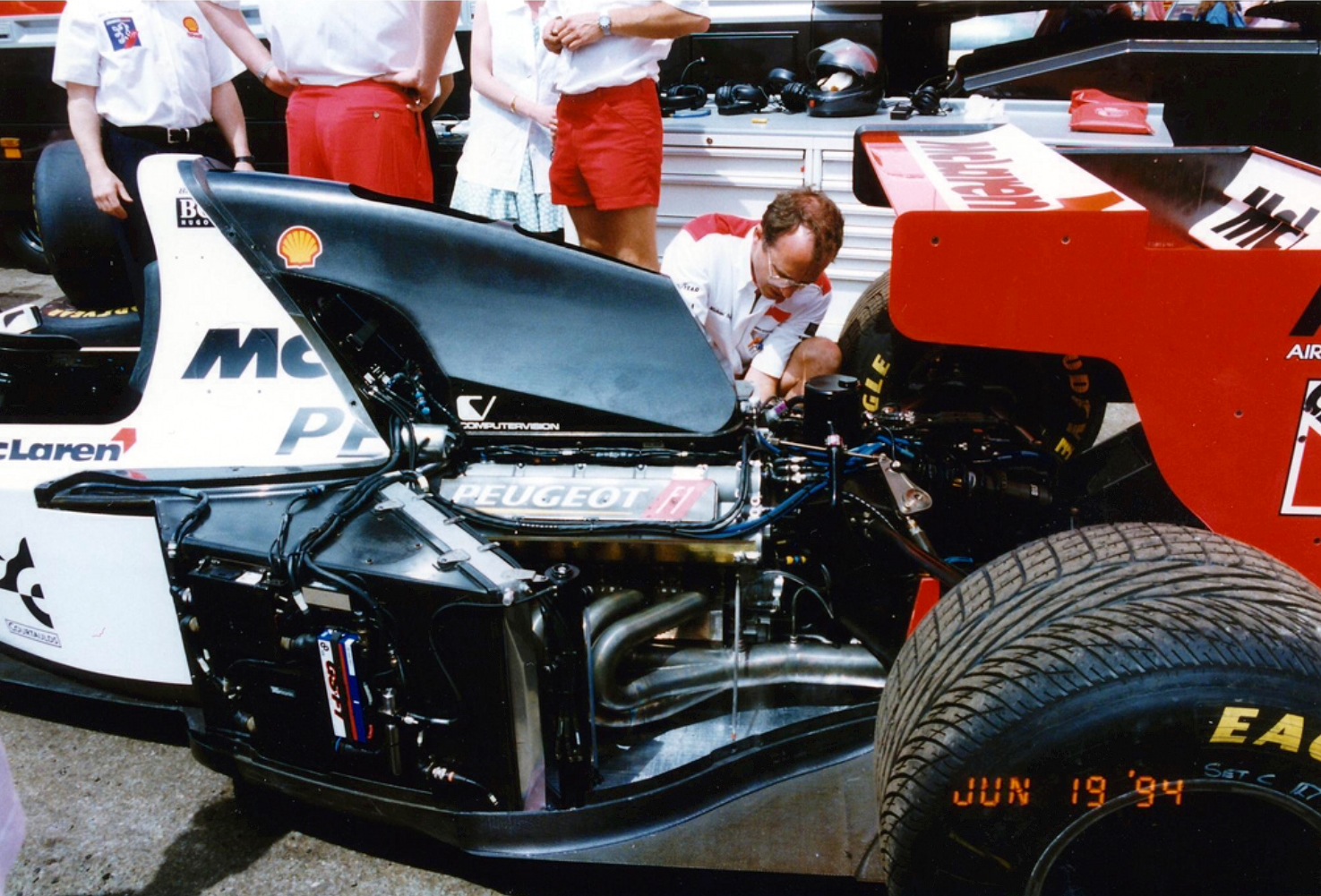
Peugeot A4/A6 3.5 litre V10, 3499cc circa 700-760BHP. McLaren TAG 6 speed, transverse semi-automatic gearbox (Anthony Fosh)

Photo Credits…

Anthony Fosh, Pinterest unattributed

dalton
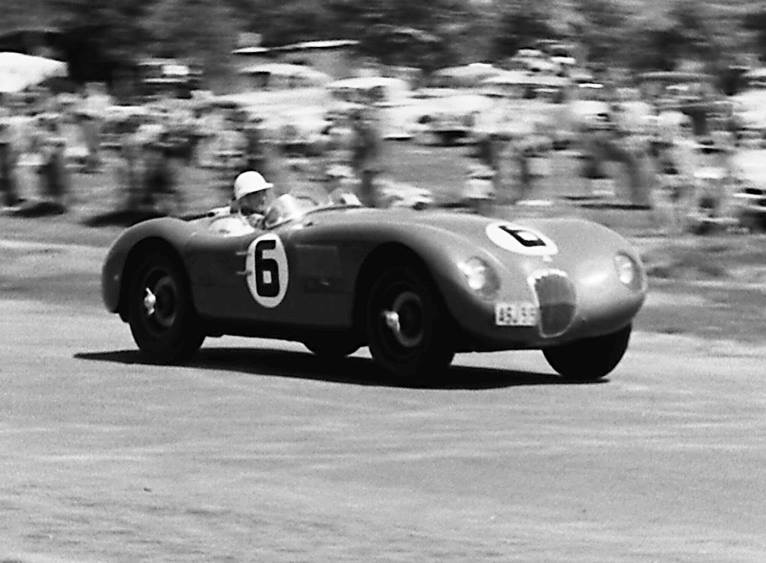
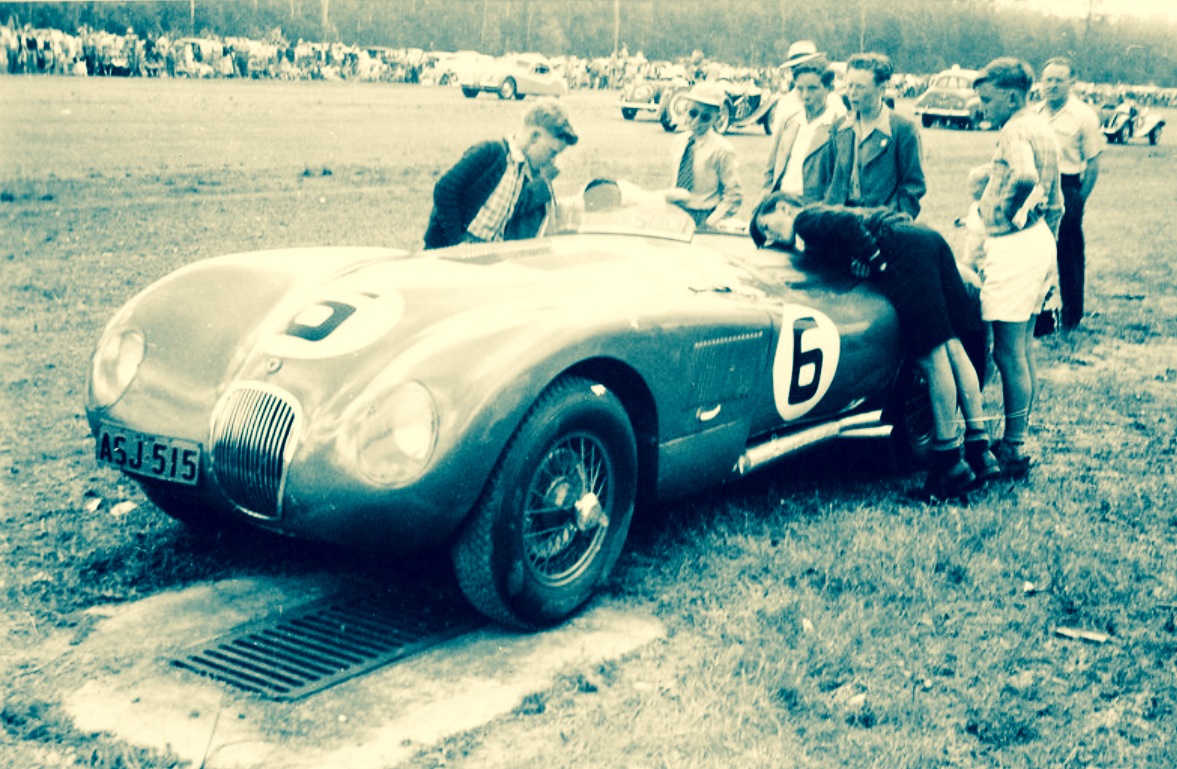
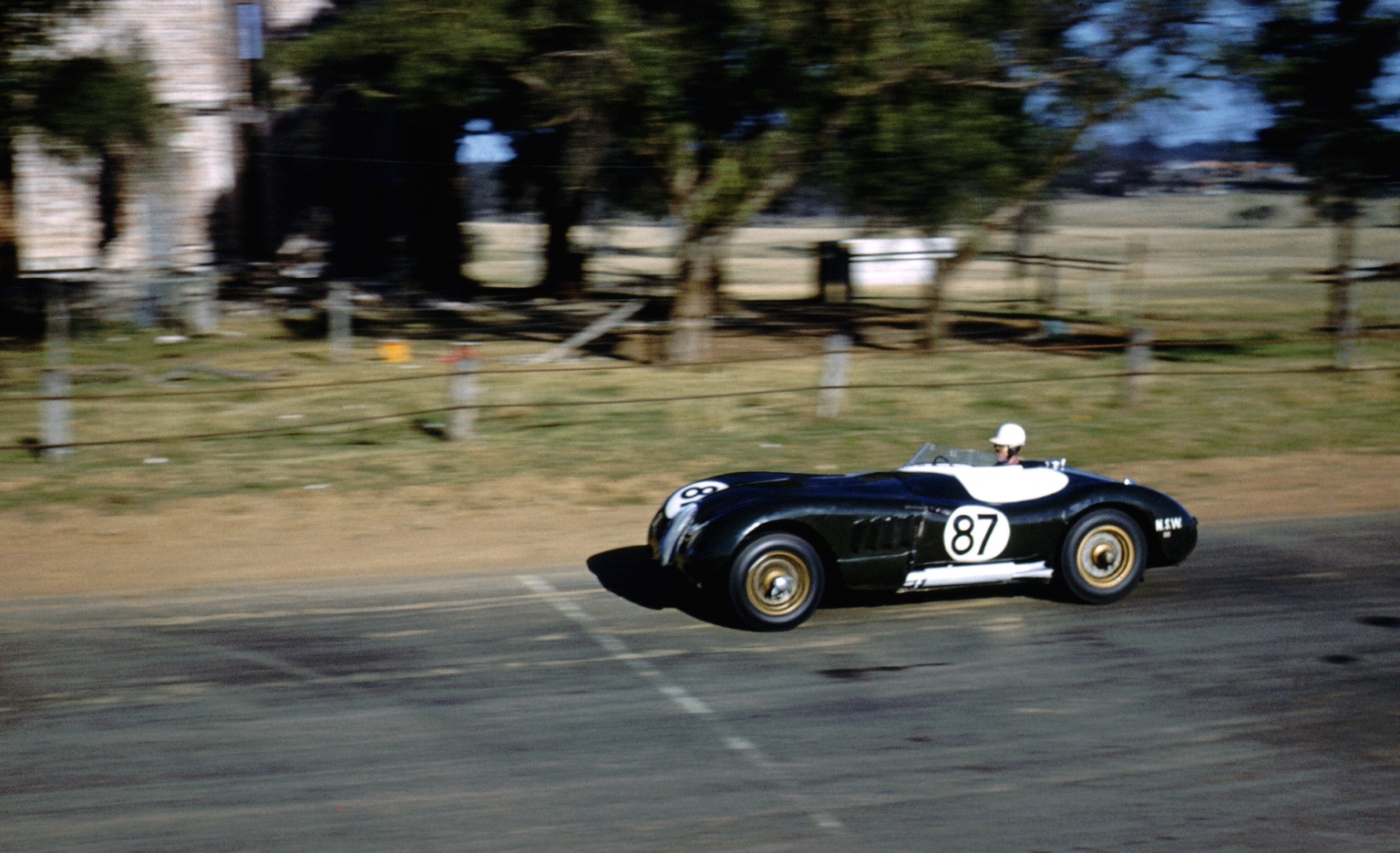
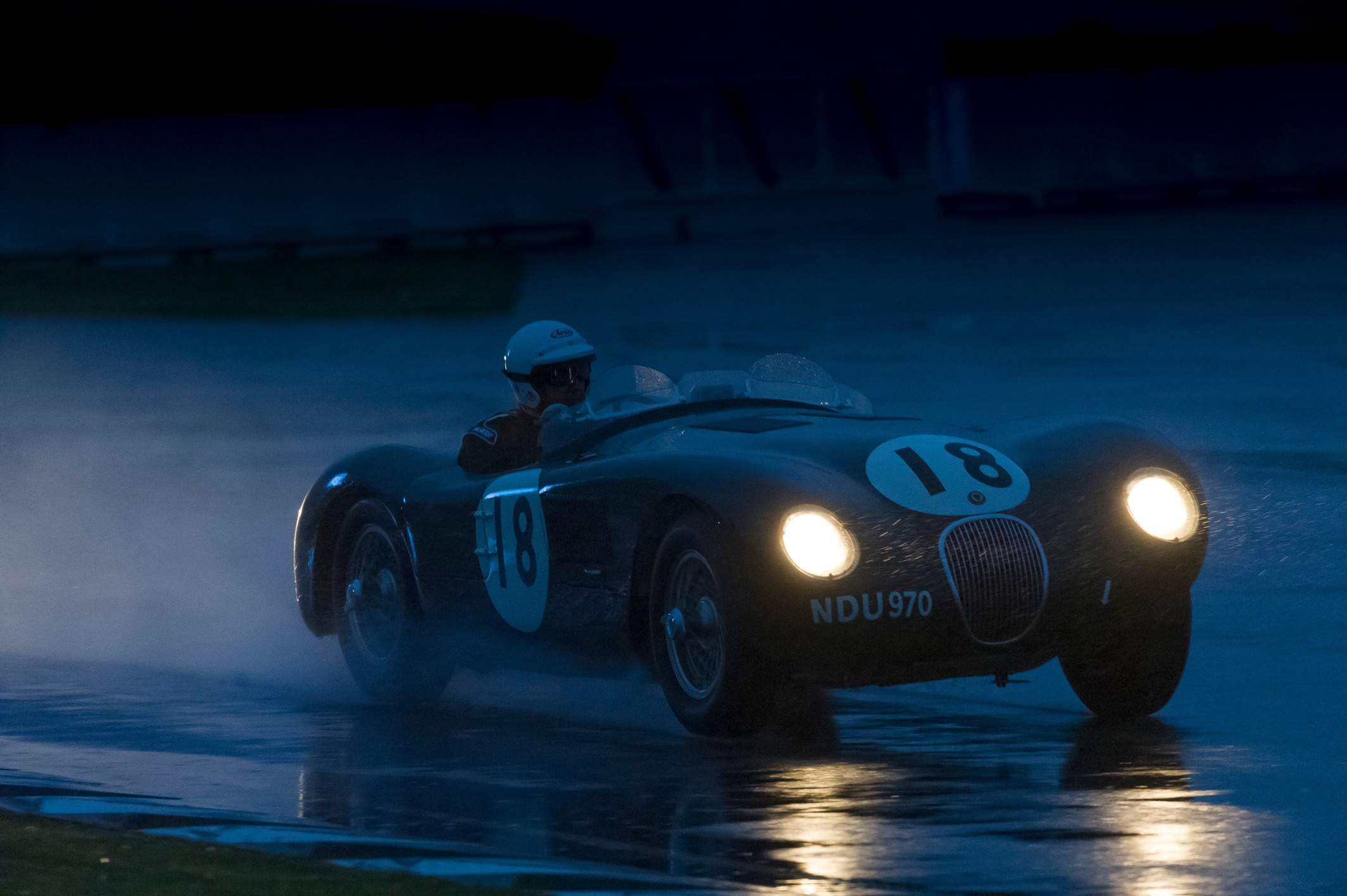
Superb, evocative Gnoo Blas shot. Ross Dalton, C-Type Jag, February 1960 (John Ellacott)

Gnoo Blas actually! Ross Dalton and his Jaguar C-Type, February 1960…

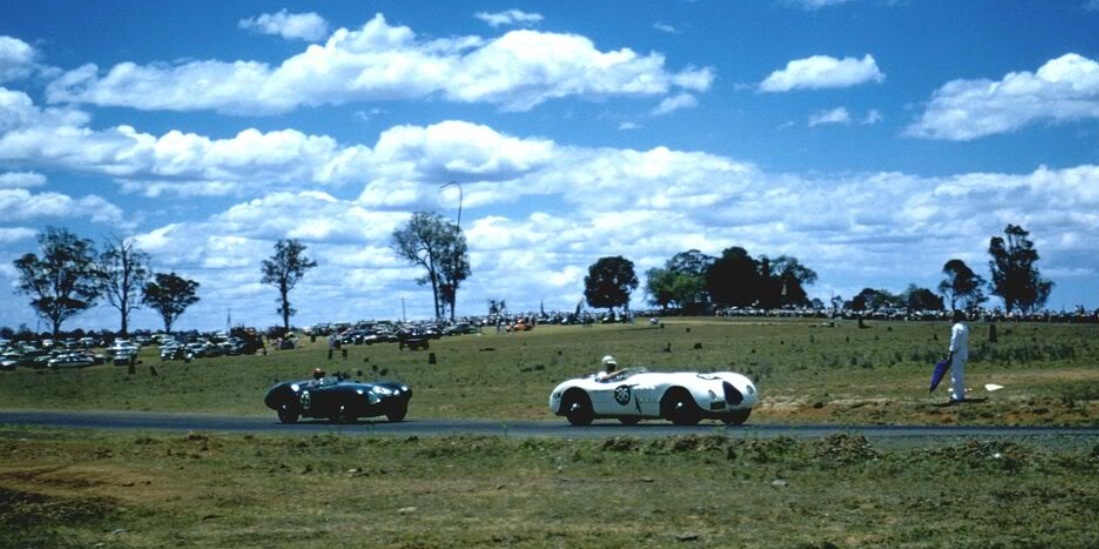
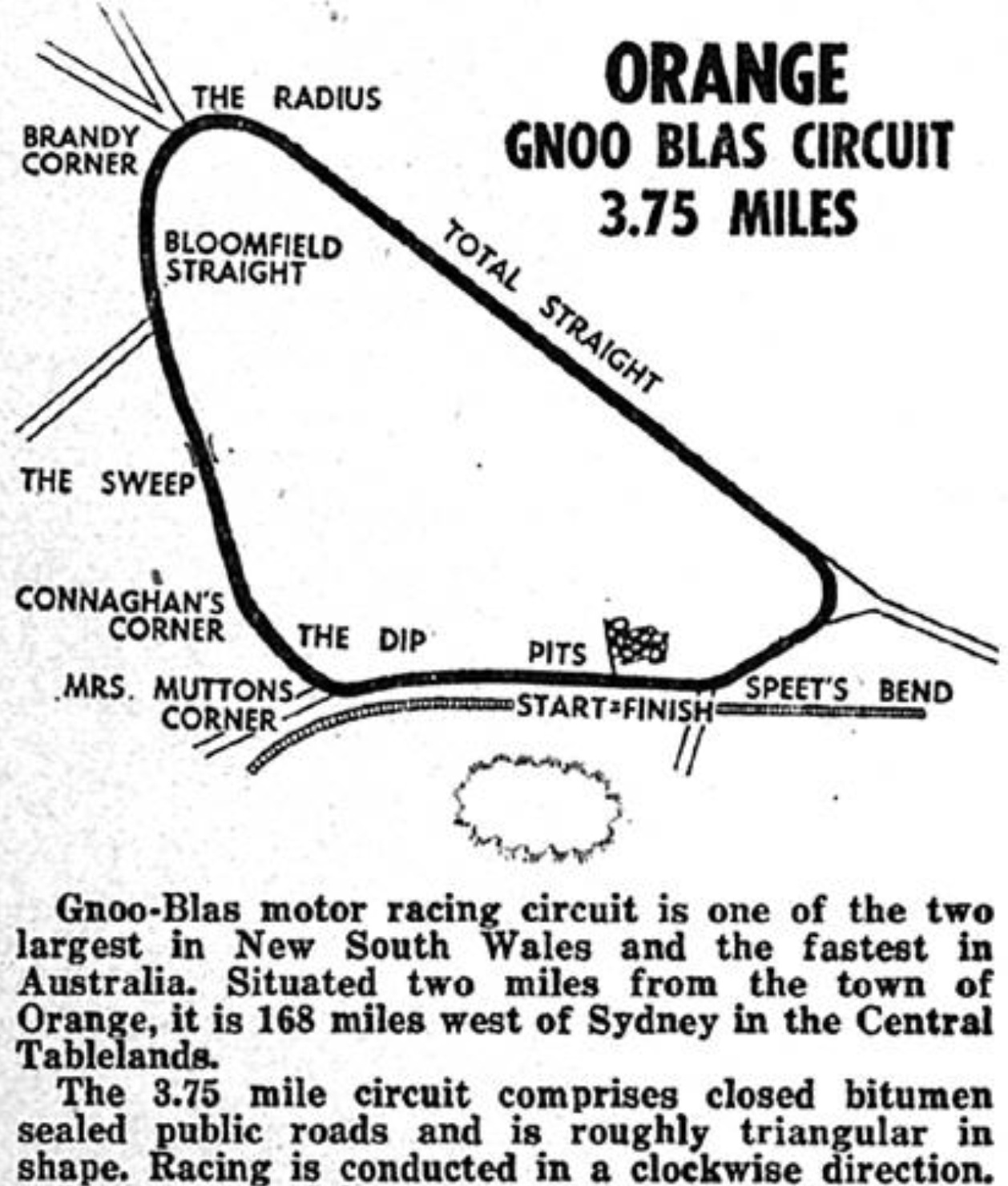
Gnoo Blas was a circuit around the public roads of Bloomfield Hospital in Orange, in the Central West region of New South Wales, 250km west of Sydney. Gnoo Blas is the aboriginal name of Mount Canoblas nearby.

The superb opening photo, taken by John Ellacott, is one of those ‘ the more you look the more you see shots’. Note the ‘fag’ between the driver’s fingers, plastic raincoat, overloaded control tower, Kombi with ‘tarp drying on top, official with ‘cuppa. All are about as far from Bernie’s ‘manicured paddocks and corporate scene’ as it’s possible to be. And thank the good Lord above for that.

As the Australian economy recovered from World War 2 and disposable incomes increased, together with the availability of consumer credit, motor racing and racing circuits were opportunities for individuals and communities alike. Circuits popped up all over the place. Oranges’ ‘Cherry Blossom Committee’ saw an opportunity to establish a circuit as the promoters of the Easter Bathurst meeting ‘up the road’, the Australian Sporting Car Club were in dispute with local Bathurst authorities and were looking for an alternative venue.

The 6.03km, triangular shaped circuit opened in January 1953, the South Pacific Road Racing Championship attracted 12,500 spectators.

All of the stars of the period raced there including Prince Bira, Peter Whitehead, Tony Gaze, Ted Gray, Doug Whiteford and Jack Brabham who made his road racing debut there in 1952 in a Cooper Mk IV and held the lap record until the circuits’ final meeting.

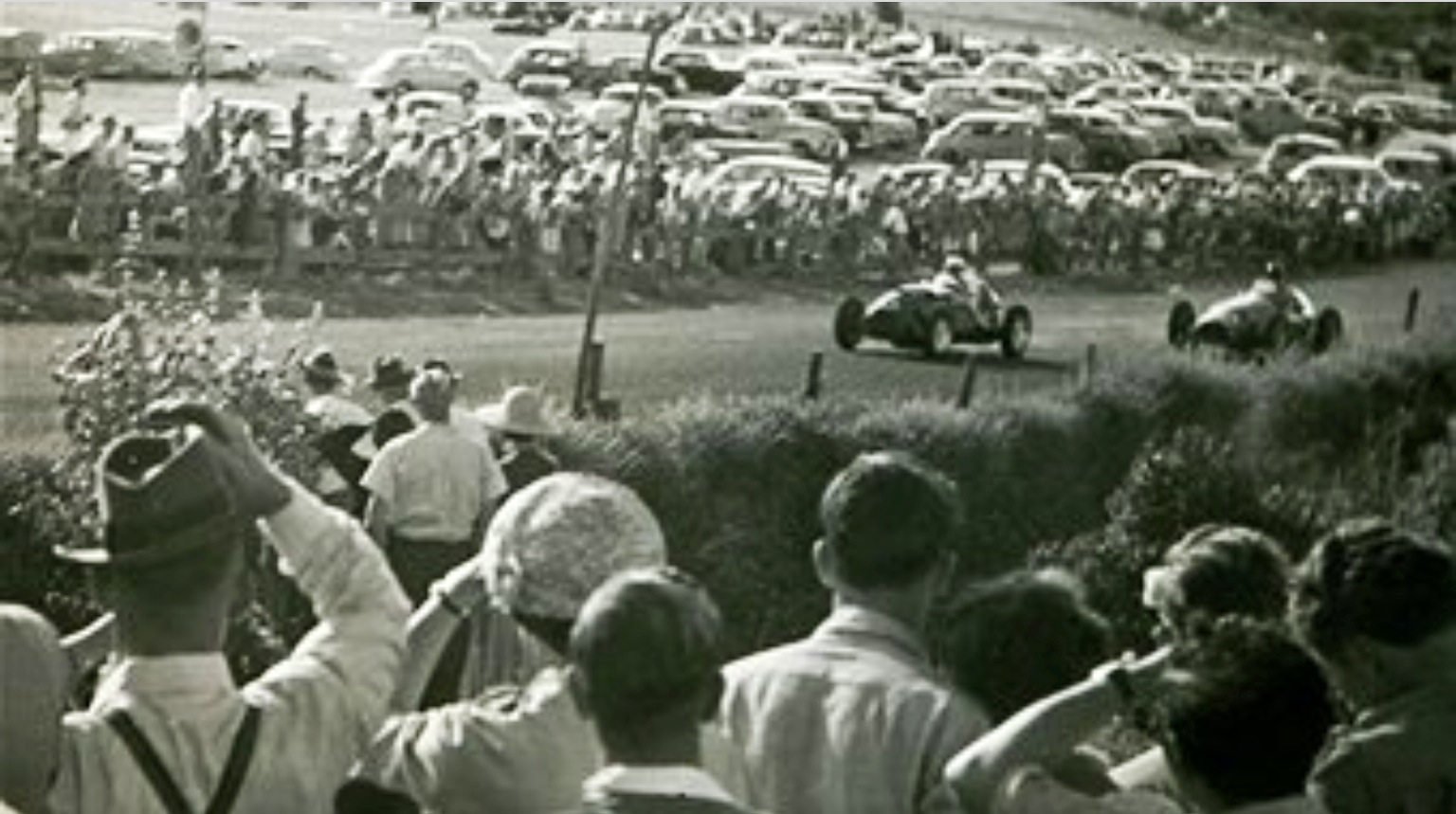
John Boorman on the way to a win in XKC037, Gnoo Blas 1955 (J Psaros)
orange
(Orange & District Historical Society)

The shot of above shows the atmosphere of the place and time. John Medley IDs the shot as lap 1 of the 1955 South Pacific Championship, ‘Brabham leading Whitehead- a remarkable performance.’ F2 Cooper T23 Bristol from Formula Libre Ferrari 500/625.

Dwindling crowds, debts owed to the original investors and difficulties in renewing the track licence with the NSW police led to the circuits closure in October 1961, the lap record was then held by Jon Leighton’s Cooper Climax at 105.2 mph. One era and circuit closed with Warwick Farm shortly to open in Western Sydney, another era commenced.

gnoo-blas-reg-hunt-Jan-29-1956-2
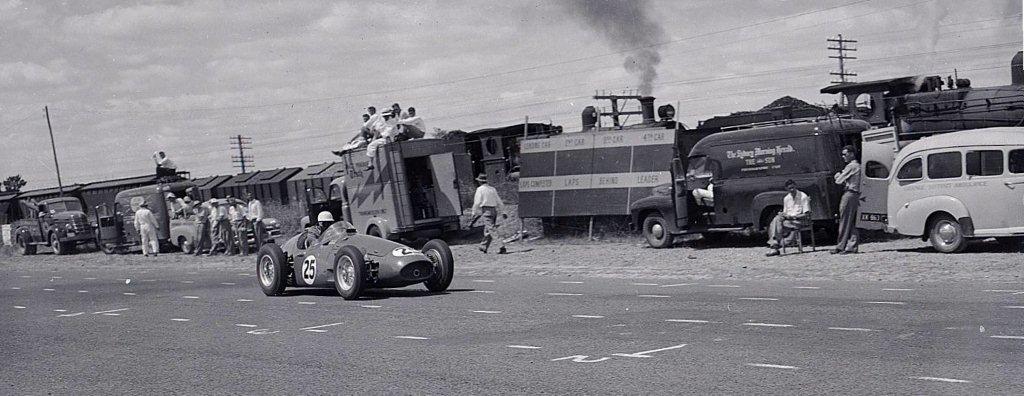
Reg Hunt on the way to victory in the South Pacific Championship on 30 January 1956. Maserati 250F. Check out the ‘steaming train’, Sydney Morning Herald van, the general oh-so-casual scene. Road racing at its best (Gnoo Blas Classic Car Club)

South Pacific Road Racing Championships 1956…

One of the best promoted meetings was the ‘South Pacific Road Racing Championship’ contested on 30 January 1956.

20,000 spectators crowded into Orange on race day to see a quality field of cars and drives; Reg Hunt in his new Maserati 250F, Jack Brabham and Ken Neal in Cooper Bristols, Curley Brydon Ferrari 125, Stan Jones in Maybach 3 and Alf Harvey in the ex-Bira Oscar V12.

Hunt dominated, he lapped the field, took the fastest lap and set the highest top speed at160mph over the Flying Quarter. Jones withdrew with a ‘leg out of bed’, a rod poking outside the block of the precious six-cylinder engine. Brabham and Neal were second and third in their Cooper Bristols.

gnoo-blas-alf-harvey-january-1956
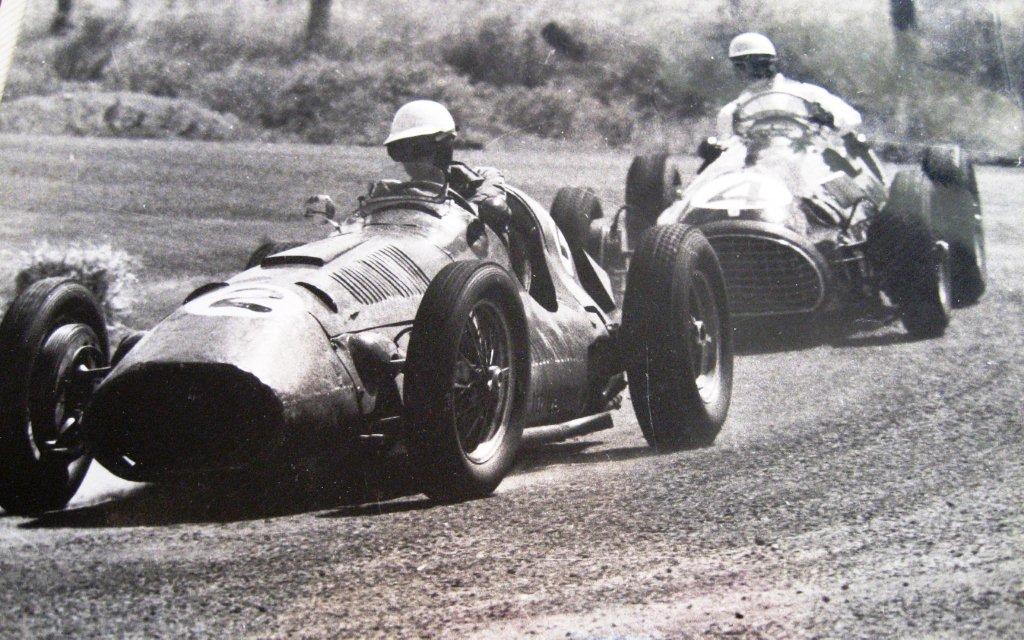
Gnoo Blas European Exotica. Alf Harvey’s ex-Bira OSCA V12 ahead of Curley Brydon’s Ferrari 125, South Pacific Championship, January 1956 (Gnoo Blas Classic Car Club)
gardner boorman c type tomago
pwoooaaah! Boys will be boys. XKC037 during John Boorman’s ownership at a meeting at Tomago Airstrip, near Newcastle NSW, 1955 (Dick Willis)

Ex-works- Frank Gardner/Frank Matich Jaguar XKC037…

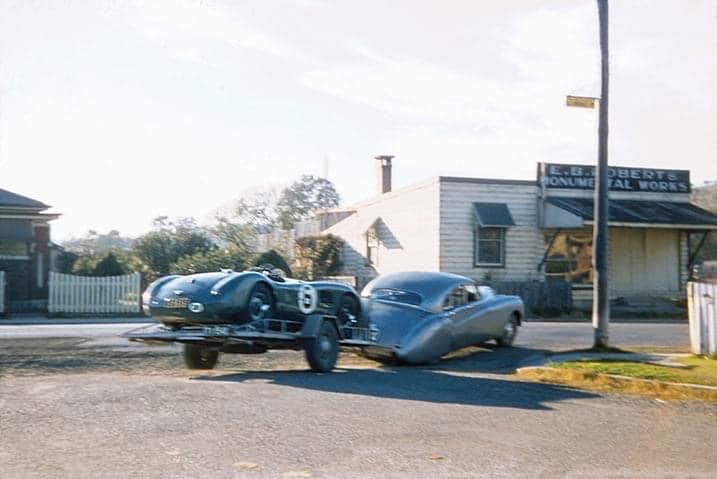
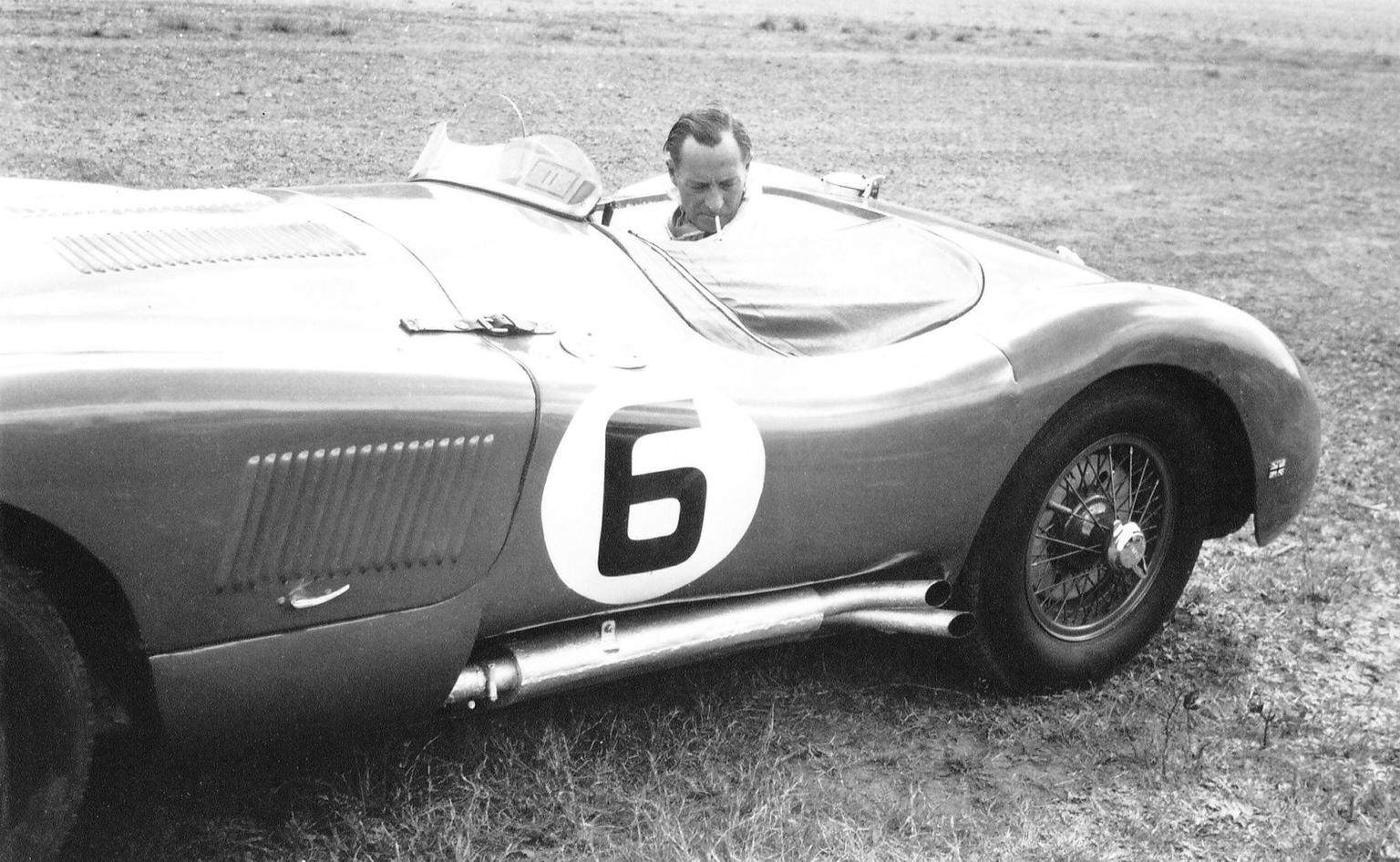
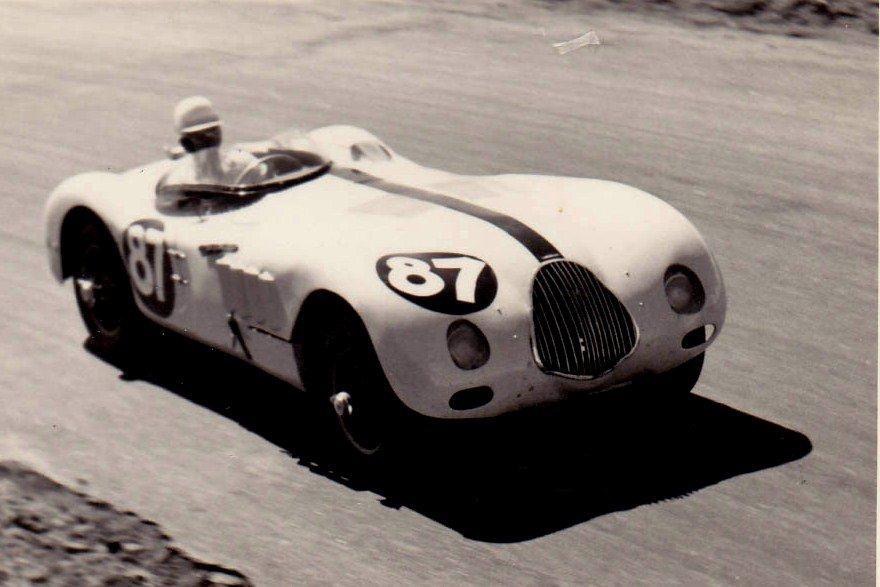
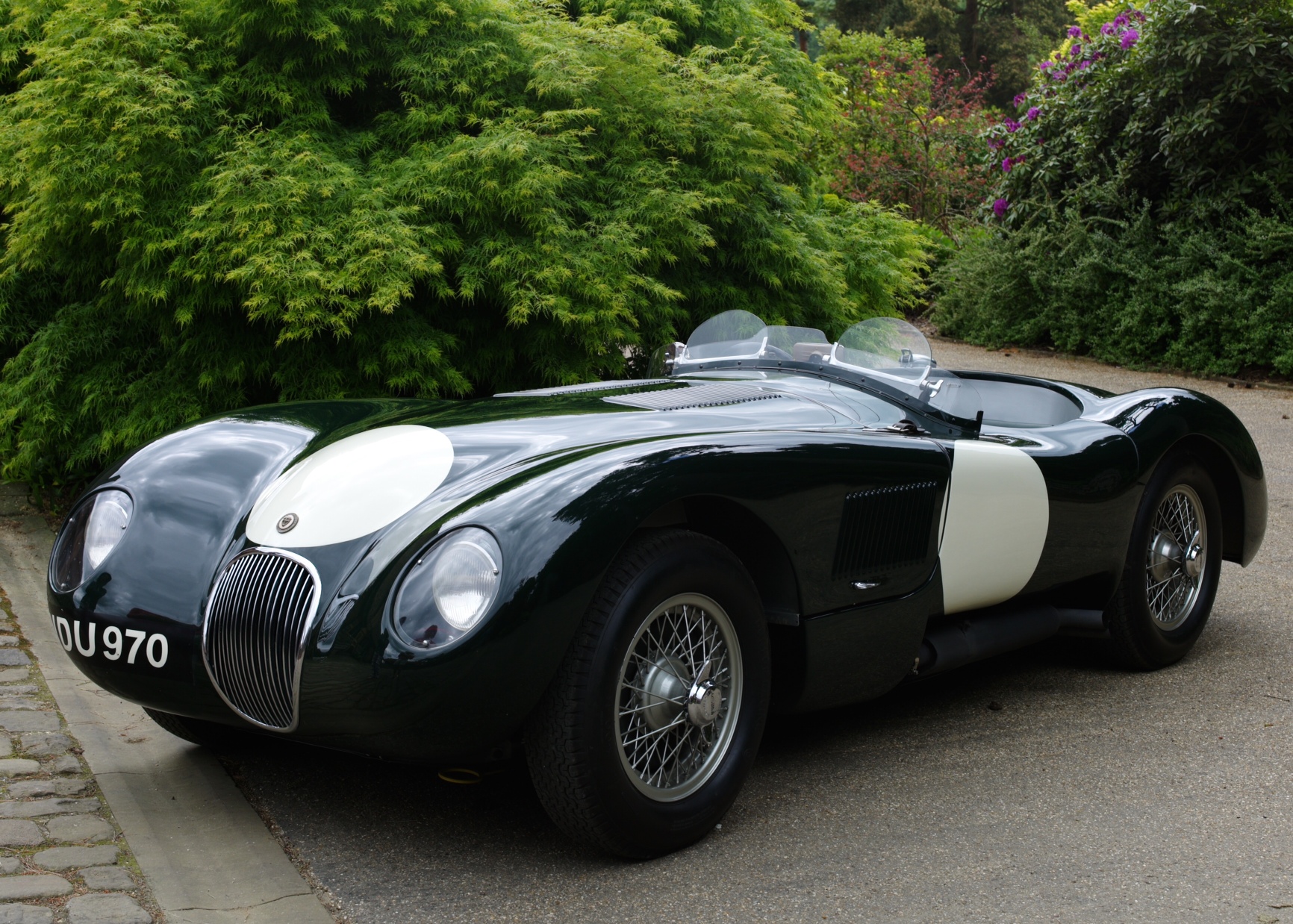
The ‘happy chappy’ in the Jaguar in the first photo at the top is Ross Dalton who acquired the car from Frank Matich. XKC037 started life as a works car. It was built as a standard specification reserve 1953 Le Mans entry in case the advanced lightweight cars under development failed in testing (XKC038 and XKC039 were built for the same purpose).

Stirling Moss raced it at Silverstone in May 1953 and rolled it. XKC037 was then rebodied and sold to the Kenyan Coca Cola bottler John Marussis who entered it at Reims but wrecked it at Dundrod.

Rebuilt again, it was then sold via 1951 Le Mans winner, Peter Whitehead to Cessnock, New South Wales doctor, John Boorman.

Frank Gardner bought the car as an insurance write-off after it was involved in a fatal accident. Gardner recalled in a ‘Motorsport’ interview ‘…Boorman hit a Ford Customline, killed the (two) occupants and ended up down a ravine (near Tamworth NSW)…I wrote to Jaguar asking for information so i could rebuild it… a few weeks later a package arrived with all the drawings so I knew which way to go to get it sorted’.

‘I did it right because even then a proper C-Type meant something and I thought if I bastardise this thing it will look like cleaning up a bloody Rembrandt with aftershave lotion! But I couldn’t get it to run cool so I altered the radiator grille a bit…’

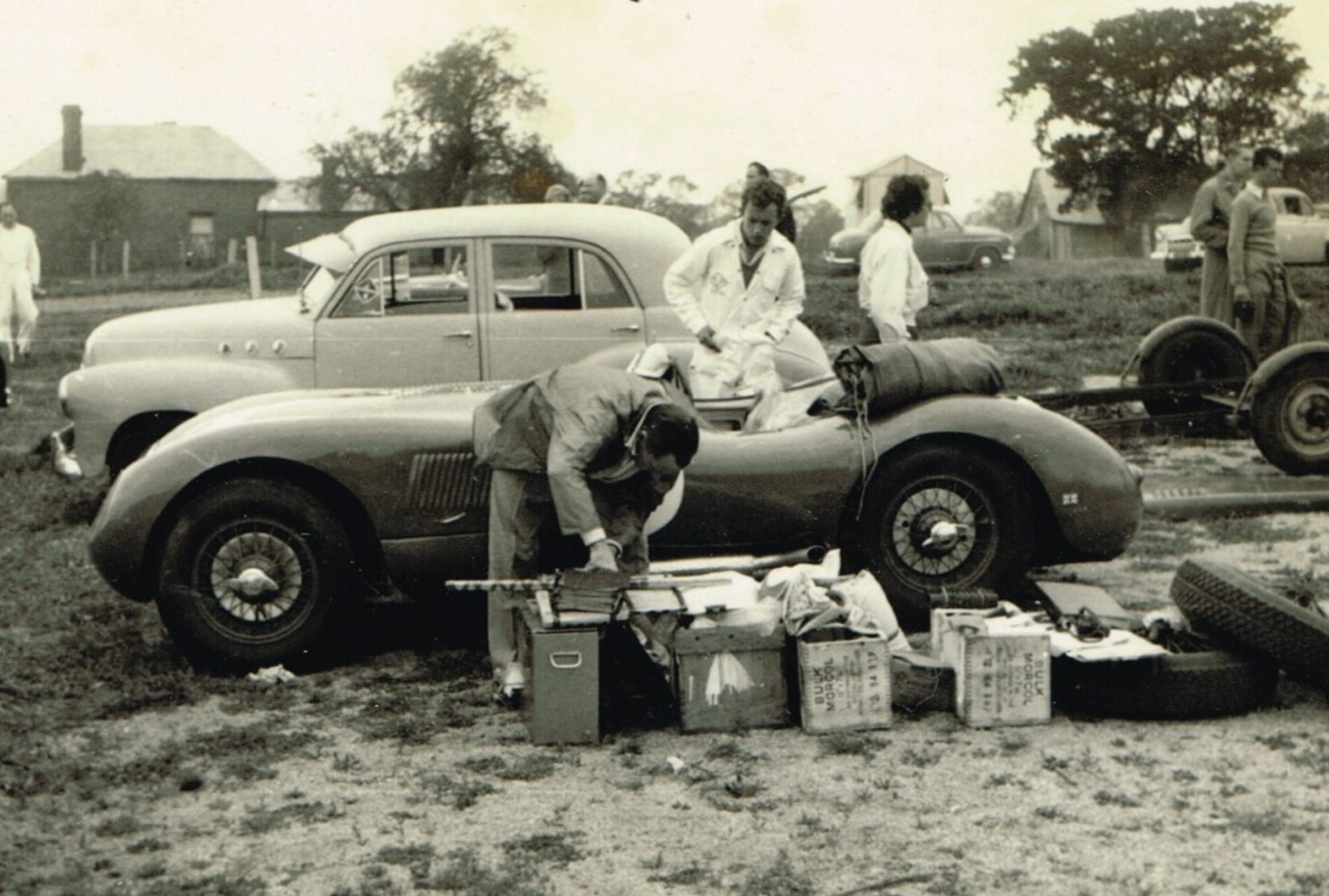
Former Cessnock resident Michael Hickey identifies this shot as Allandale Road, Cessnock. Equipe Boorman- C Type and Mk7 Jags, is on the way to Mount Panorama in 1955- he raced in both the Easter and October meetings (Jaguar Magazine)
Boorman at Mount Panorama, Bathurst date uncertain (unattributed)
FG in XKC037 when first rebuilt and fitted with one of Frank’s XK120 grilles and fibreglass bonnet, circuit unknown (unattributed)

The C Type replaced FG’s lightweight XK120 Jaguar and was an important stepping stone in the careers of both he and Matich, both progressed to D=Types after the C.

Years later XKC037 was acquired by Sydney Jaguar identity, Ian Cummins who completed its restoration in the mid 1970s. It left our shores in 1984 for a sum considerably greater than the £2000 Ross Dalton paid in 1960!

C-Type Jags won Le Mans upon debut in 1951 and again in ’53.

fm c type leatons servo
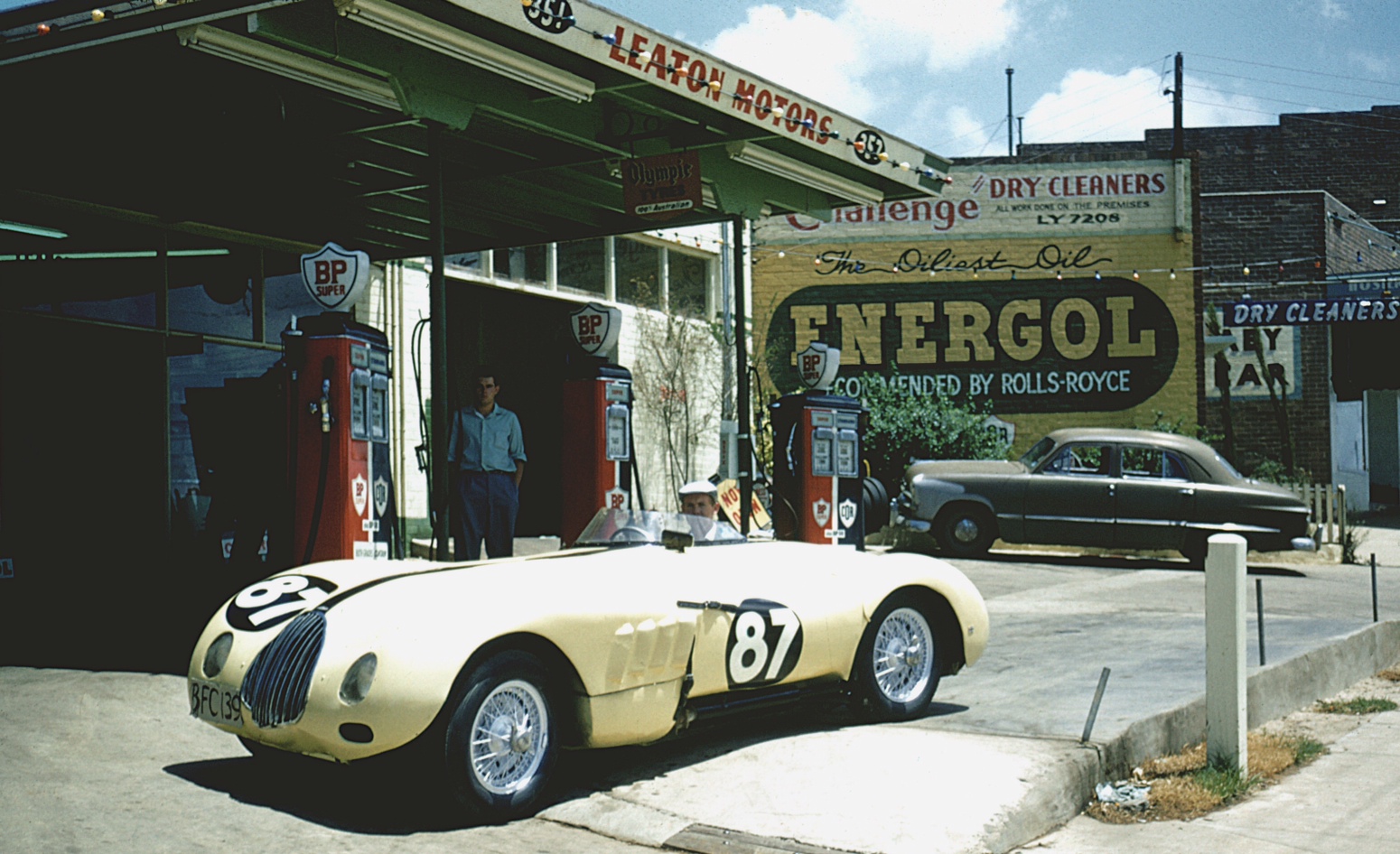
Frank Matich in XKC037 out the front of the cars owners, Leatons Motors workshop, 351 Stony Creek Road, Kingsgrove, Sydney in October 1958. What a shot! Love the Energol ‘The Oiliest Oil’ sign (John Ellacott)

Etcetera: XKC037….

boorman tomago
(Dick Willis)

Dr John Boorman, XKC037 at Tomago Airstrip, NSW 9 April 1955.

(J Psaros)

Frank Gardner at Mount Panorama in 1957.

image
(John Ellacott)

Tom Sulman’s Aston Martin DB3S chases Frank Gardner’s Jag XKC037 at Mount Druitt, November 1957.

(unattributed)

FG ascending Silverdale Hillclimb during the 1957 NSW Hillclimb Championships, he won his class and was quicker than Arnold Glass in the ex-Lex Davison Australian Grand Prix winning HWM Jaguar.

fm mount druitt
(John Ellacott)

Frank Matich Jag C during private practice at Mt Druitt, Sydney in 1959.

fm c bathurst
(Kevin Drage)

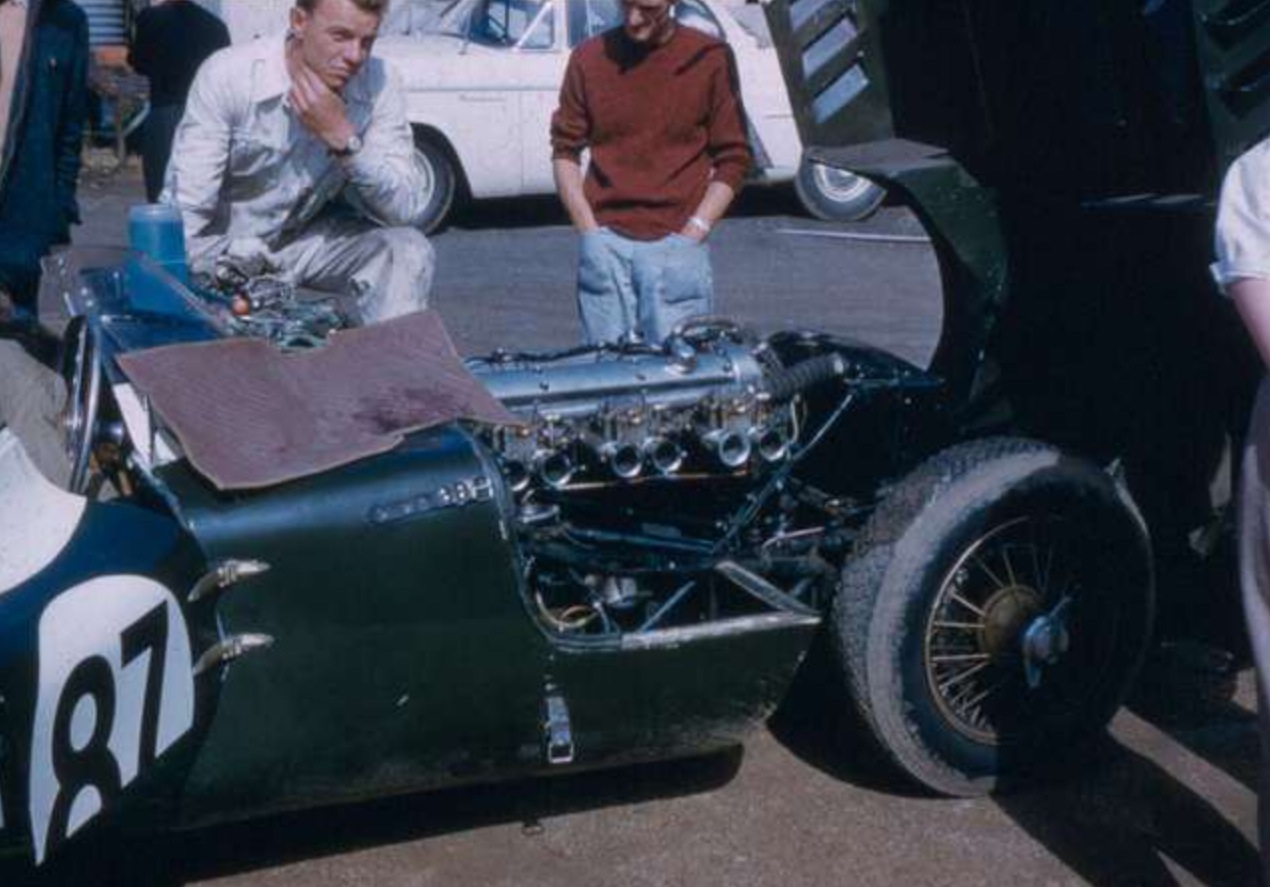
The engine of XKC037 as raced by Frank Matich for Leaton Motors at the October 1958 Bathurst meeting.

The car contested the Australian Tourist Trophy, FM finished fourth, David McKay won the race in his second, ex-works Aston Martin DB3S.

scw
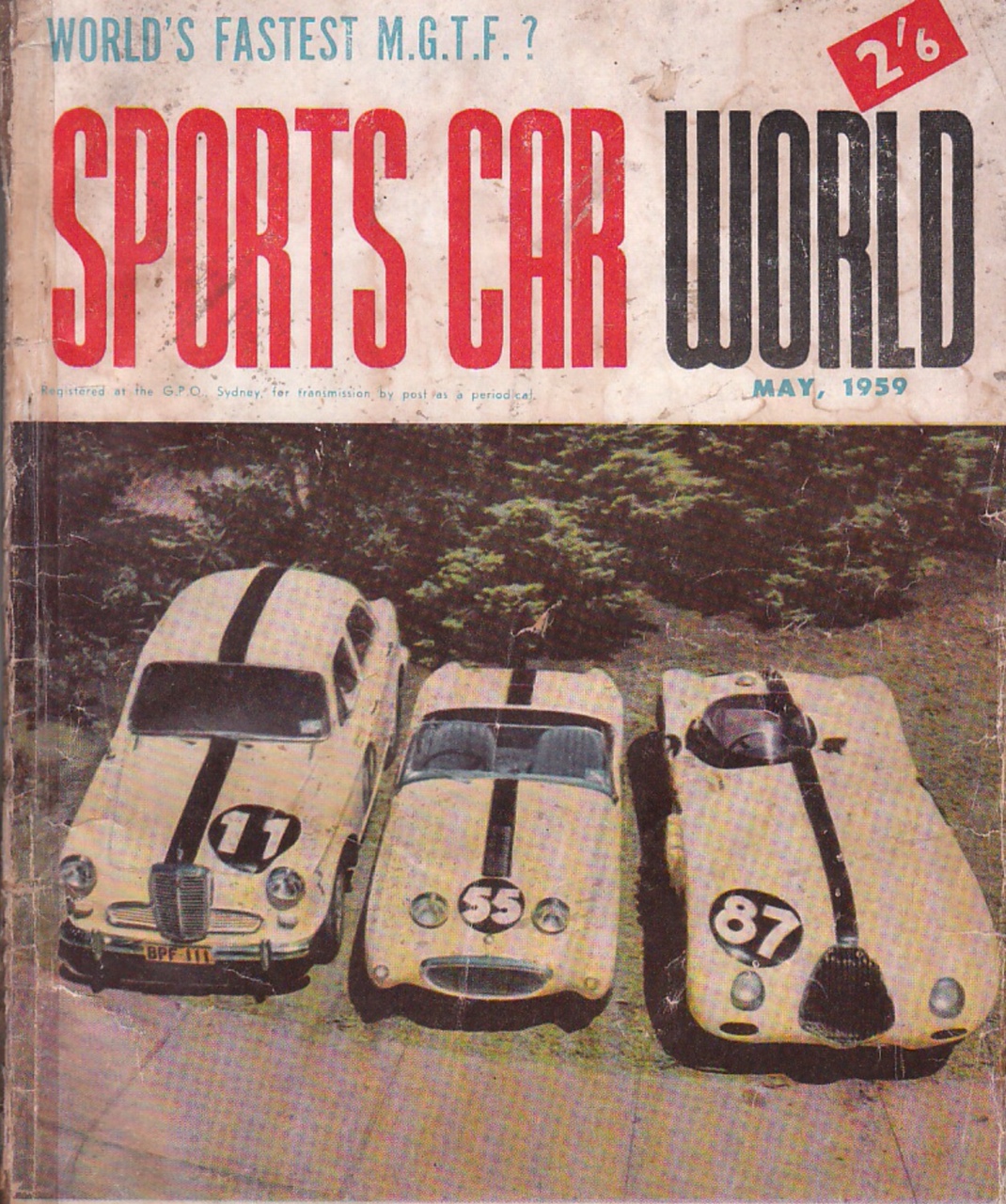
Advertorial 1950s style! The Leaton Motors Team on the cover of Australia’s Sports Car World magazine; the Austin Lancer dvr Brian Foley, AH Sprite dvr Doug Chivas and XKC037 dvr Frank Matich (Sports Car World)

The current owner of this wonderful car, John Corrie, recently (March 2015) got in touch and sent these shots of the C Type, great to see it still being raced, Messrs Gardner, Matich and Dalton would be pleased!

xkc oodwood 2
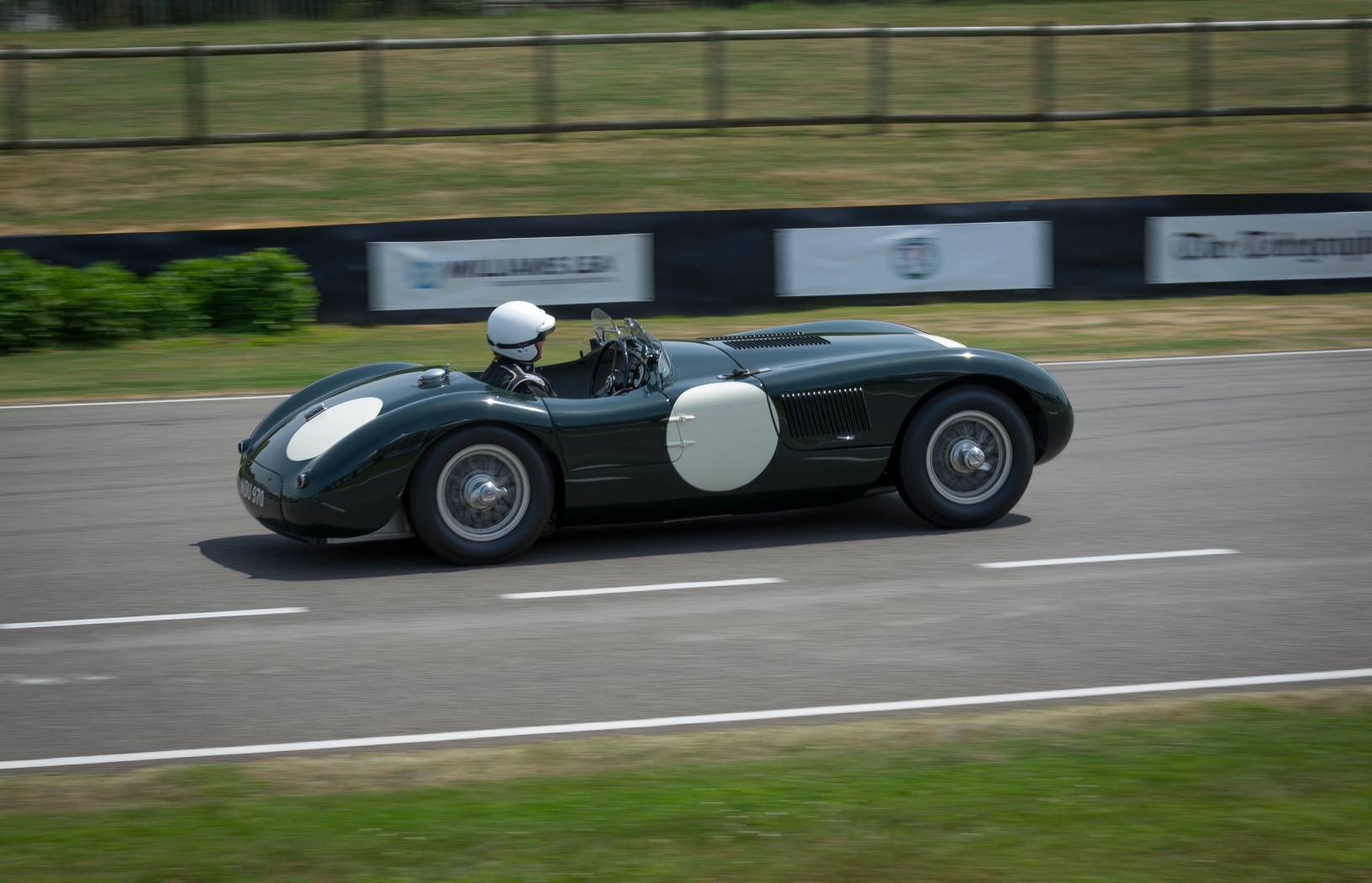
David Brazell in John Corries’, ‘XKC037’, Goodwood Track day practising for the 2013 Revival meeting (Chris Perrett)
xkc good wood
Superb shot in the English Summer…’Goodwood Revival 2013 during the Freddie March Trophy which was stopped after an hour the weather turned really bad’. David Brazell in John Corries car (Chris Perrett)
xkc home
XKC037 looking rather more immaculate than in its days as a workhorse for Frank Gardner and Frank Matich in Australia (John Corrie)
jag c cutaway
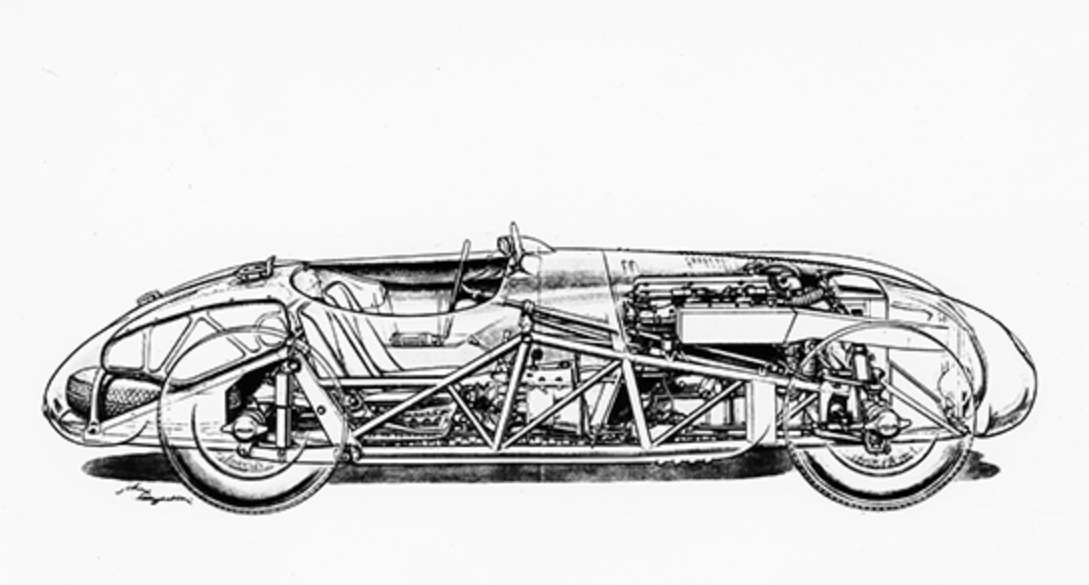
C-Type cutaway drawing (Jaguar Heritage)
jaaggs
(Unattributed)

Etcetera: Gnoo Blas 1960 Australian Touring Car Championship meeting…

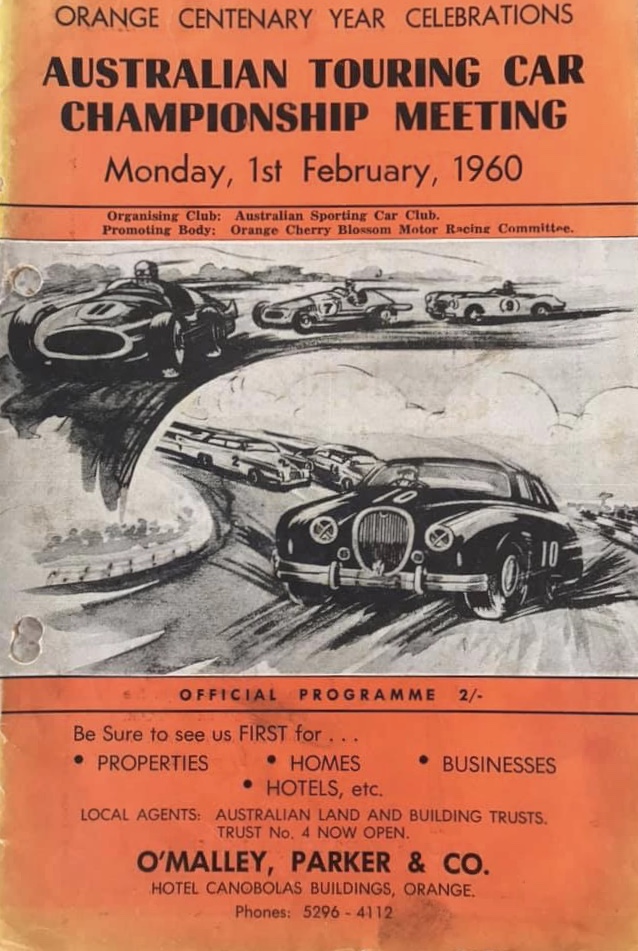
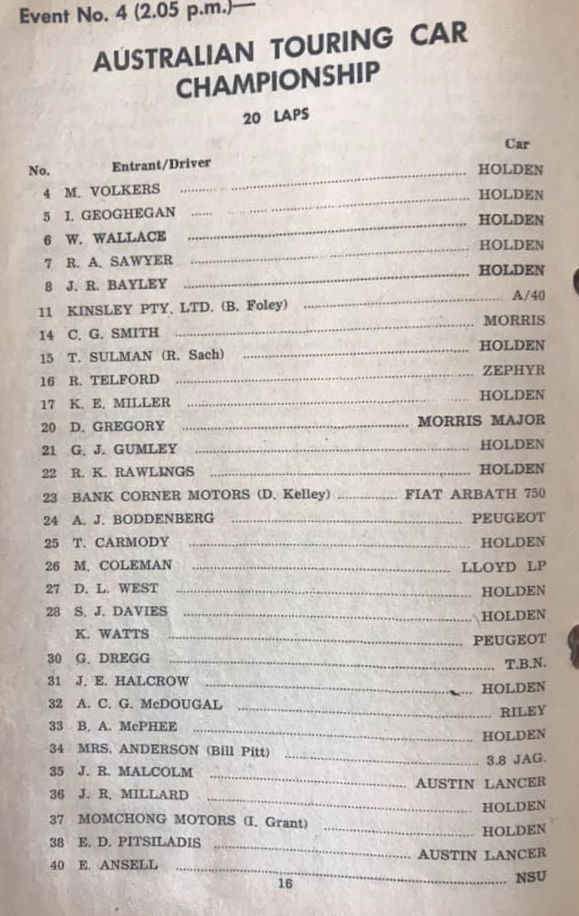
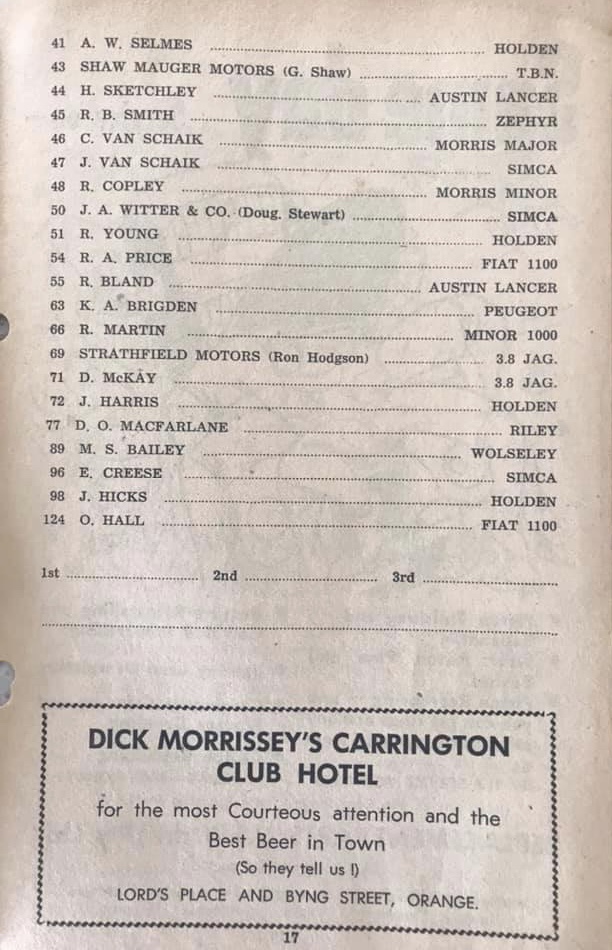
Start of the one race, ‘the first’, Australian Touring Car Championship at Gnoo Blas on 1 February 1960.

Left to right are the Jag Mk1s of Ron Hodgson, Bill Pitt and David McKay from pole who won the race.

Hodgson led early, the three Jags pulled away from the rest of the field, he ran wide and the other two spun at Windsock on lap 1 then he did the same on lap 2 letting McKay and Pitt through. Max Volkers was fourth in his Holden FJ and Pete Geoghegan fifth in his Holden 48-215 until head gasket failure intervened.

By lap 14 McKay had a 26 second lead over Pitt, then rain fell catching Ron Sawyer’s Holden FJ out. He spun on the crest of Connaghans Corner hitting the inside bank and rolling, help was at hand when Des West stopped to assist the hapless driver from the car. McKay’s path was blocked by a Ford Zephyr which had also stopped (driver unknown) ‘McKay used his car to move the Zephyr out of the way’.

Further excitement occurred on the following lap when McKay spun yielding the lead to Pitt but the overdrive mechanism on that car began to fail allowing David McKay to regain the lead two laps from the end. He won the race six seconds ahead of Pitt with Ron Hodgson a minute in arrears then came Max Volkers a lap down in fourth.

(Ian Lord Collection)
finch d type
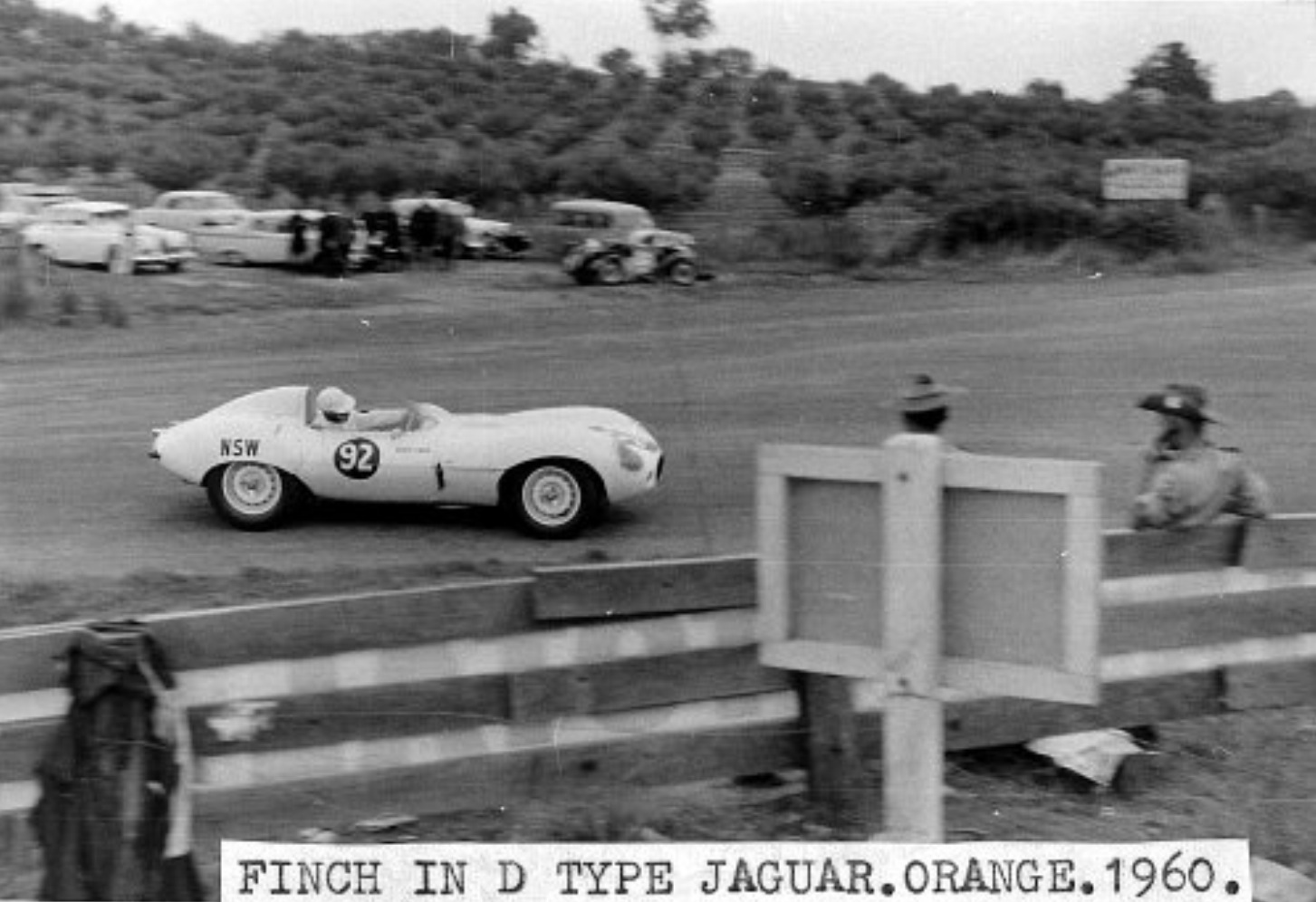
David Finch, Jag XKD Type ,Windsock Corner, Gnoo Blas 1960 (Don Read Collection)


gnoo blas

Bibliography…

‘Historic Racing Cars in Australia’ John Blanden, John Medley, Michael Hickey

Photo Credits…

John Ellacott, Jaguar Heritage, Orange & District Historical Society, Paul Cross, Don Read Collection, Dick Willis, Chris Perrett, John Corrie, Frank Gardner ‘Motorsport’ magazine interview March 2008, Gnoo Blas Classic Car Club, Jock Psaros, Jaguar Magazine, Ian Lord Collection

Finito…

Gethin

 Gethin gently pursuades his beast to turn into Riversides’ turn 6; all 7.6 litres and 670 BHP of it, he is sitting so low spotting apexes must have been a challenge…

Denny Hulme won the 1970 series in the sister car, a fitting result for the team after Bruce McLaren was tragically killed in pre-season, M8D testing at Goodwood .

Gethin was recruited to fill Bruce’ F1 seat and later in the year scored the CanAm drive as well. Dan Gurney partnered Hulme initially until conflicting oil company sponsorships forced DG to relinquish the seat. Peter finished third in the championship despite missing the first three rounds.

image

Gethin thru the Laguna Seca chicane, M8D October 1970 DNF with failed battery. Difference in height between tall Dan Gurney, who used this chassis prior to Gethin apparent from the roll bar extension installed for Dan but redundant for Peter!  (The Enthusiast Network)

dan the man

Check out Dans set in the cockpit to illustrate the point made in the previous photo! Here Dan in chassis #M8D/3 at the season opening Mosport, Canada round, 12 days after Bruce’ Goodwood death. Tyler Alexander, Team manager/Crew Chief at right. Gurney put the car on pole and won the race, a fitting tribute to McLaren and demonstrating the crews determination and resilience (Bob Harmeyer)

Major opposition to the McLaren Team in 1970 came from teams running ex-works and customer Mclarens, the factory/Carl Haas LolaT220 driven by Peter Revson, Jackie Oliver in the Ti22, and of course, Jim Halls sensational, outrageous, revolutionary ground effect Chaparrall 2J. The latter banned at years end after representations from all and sundry, including McLaren.

The McLaren domination of the CanAm Series commenced with the M6 in 1967 and still had a year to run with the M8F. Porsche were looking for something to do with its 917 program rendered obsolete by changes in World Sportscar Championship rules at the end of ’71, the CanAm series was chosen place to use the cars…  The turbo-charged Porsche 917/10 rewriting the record books as the ‘orange McLarens’ had…

image

Chassis of riveted and bonded aluminium with fabricated steel bulkheads. Engine a stressed part of the chassis, also supported by tubular steel ‘A frames’ . Brakes Lockheed.(Profile Publications)

image

Suspension: single top link, inverted lower wishbone, twin radius rods and coil spring/shock unit. Gearbox: Hewland LG600. Engines prepared in-house, Chev ZL1 Aluminium block, mainly 7.6 litres or 465CID. 670 BHP @ 6000 RPM. Hulme used 430 CID engine when some overheating was experienced . Full monocoque but ‘rear sponsons’ non load-bearing the engine bolted directly to a magnesium plate at the rear bulkhead, also supported by a steel, tubular ‘A-frames’. (Autosport)


image

Wheelbase 239cm, track F/R 157/147cm, overall length 391cm, height to roll bar 91cm. Car christened ‘The Batmobile’ as a consequence of beautifully integrated rear wing, the high wing of the ’69 M8B outlawed along with all high wings by the FIA in all classes.(Profile Publications)

dg

Shot of Dan Gurney with dave Friedman early in 1970 showing the cars essential elements ‘laid bare’. (Pinterest)

image

Peter Gethin was the son of a jockey, his compact dimensions a contrast to Tim Parnells’ whose father Reg was a farmer! Peter explains the handling of his BRM to team boss Tim at the 1972 British GP (Pinterest unattributed)

Bruce McLaren Trust…

http://www.bruce-mclaren.com/

Photo Credits…

Pinterest unattributed, Profile Publications, The Enthusiast Network/Getty Images

Tailpiece: Beast at rest, Gethin and M8D @ Laguna Seca…

image


gurney

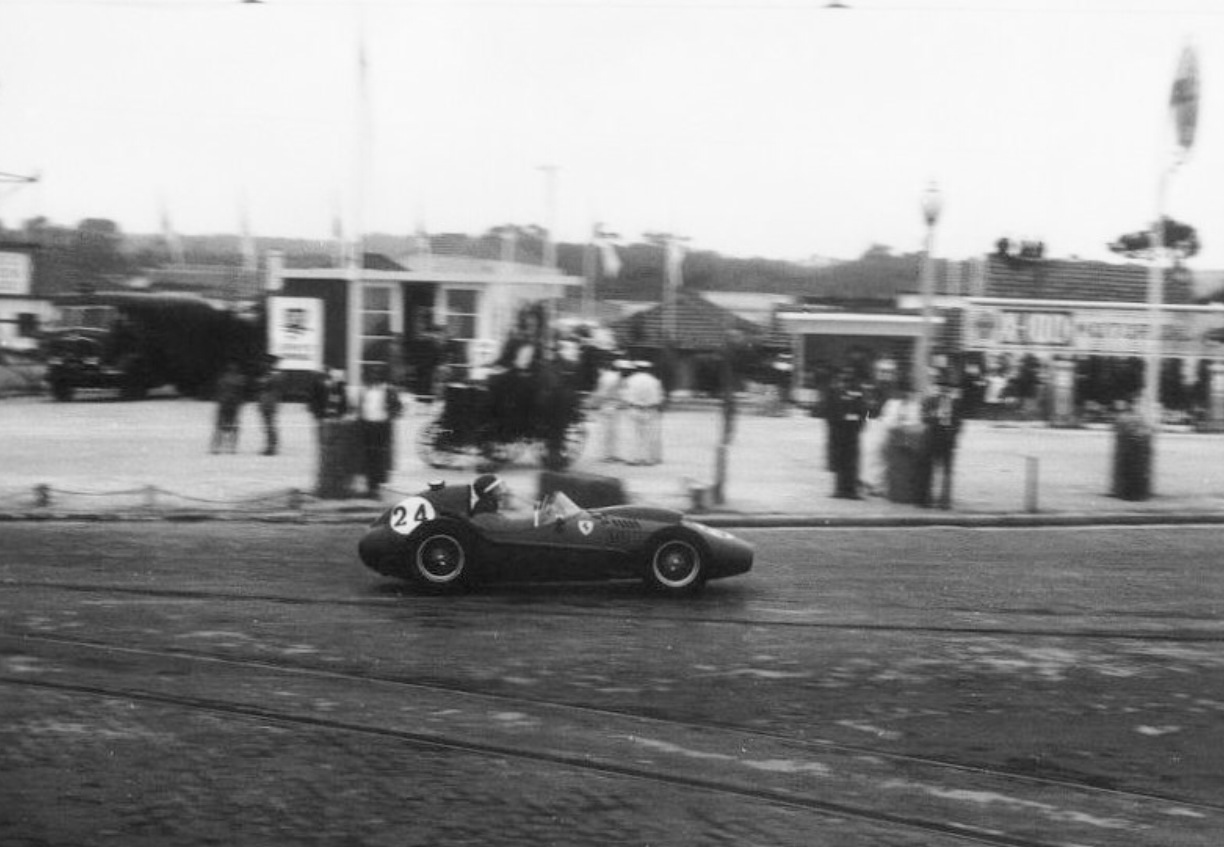
Dan Gurney heading for third place in his Ferrrari Dino 246 despite running up Trintignants’ chuff…

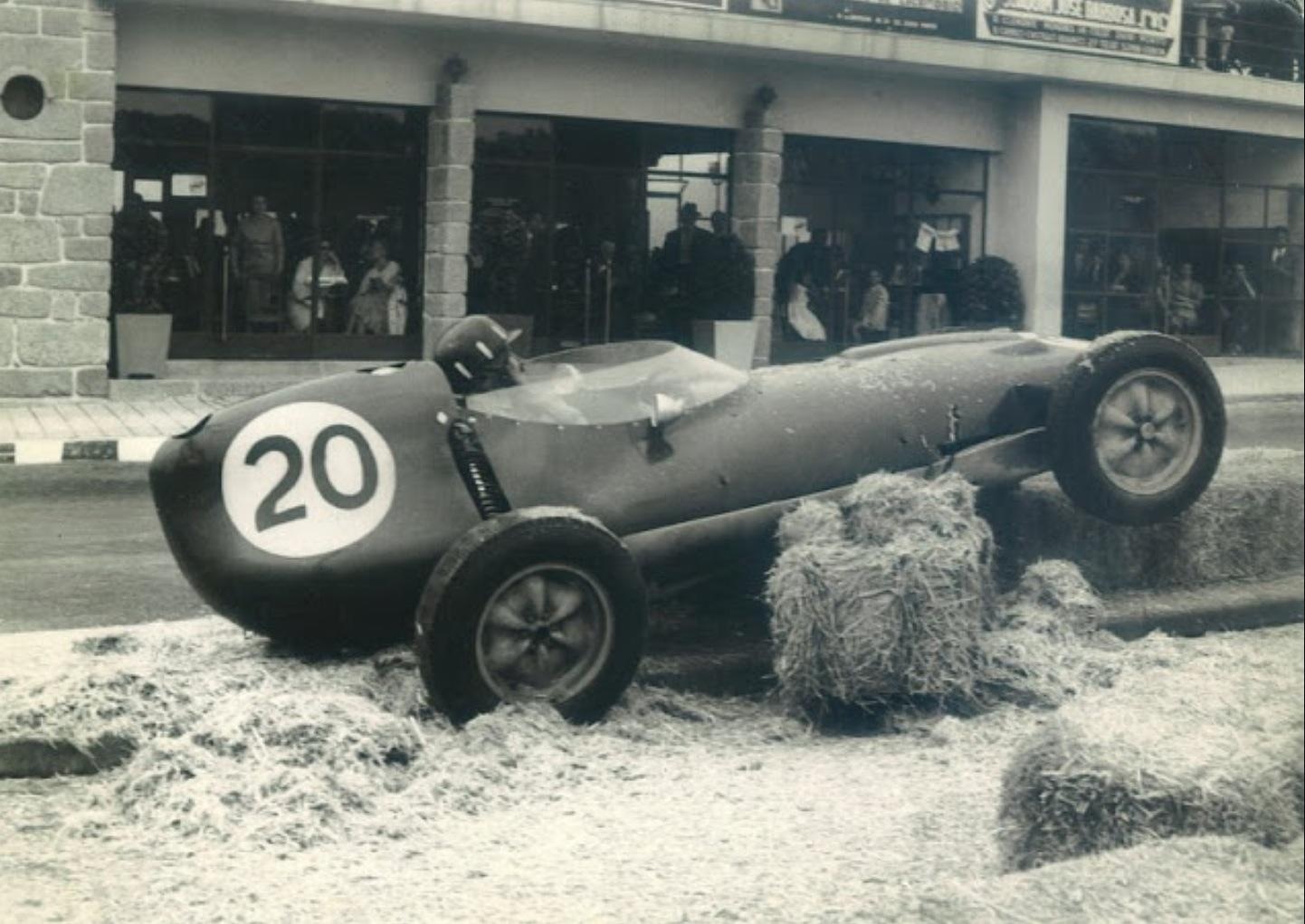
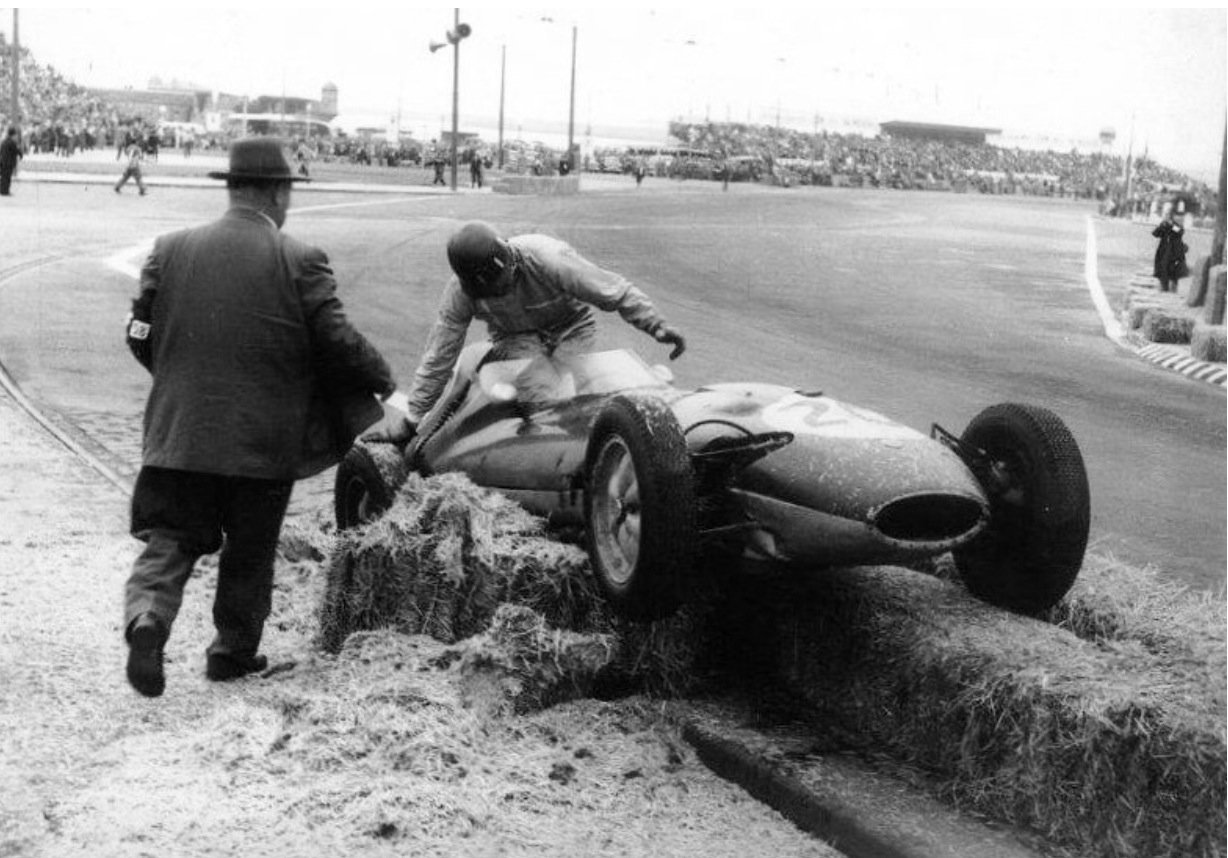
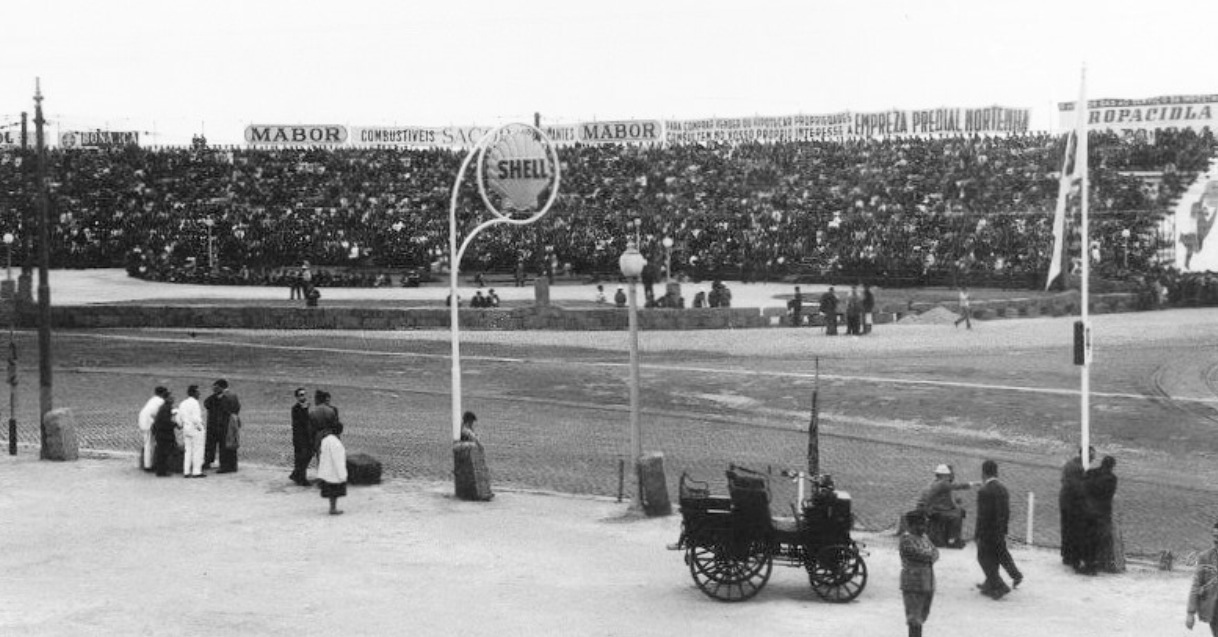
The organisers moved the race from Oporto to Monsanto Park, Lisbon that year, also a very dangerous circuit with tram tracks, uneven surfaces and plenty of telegraph poles to hit.

Brabham was saved by one of said poles. Having spun avoiding a twice lapped car, a pole saved him from going down a ravine but spat his Cooper T51 back onto the circuit. He was then thrown out of the cockpit and nearly mown down by teammate Masten Gregory zipping past at the time. Jack always rated that prang his greatest escape.

Tony Brooks’ Dino was four points adrift of Brabham in the drivers championship at that stage, the margin he won the title from Brooks by at season’s end.

The mid-engined era was underway, the gorgeous Dino was passé, it was the last front-engined car to win a title in Mike Hawthorn’s hands in 1958, and also the last to win a Grand Prix, the 1960 Italian, a race boycotted by most of the teams as it was run on the Monza Banking. The Italian race organisers did so to advantage Ferrari, in 1960 still racing the Dino 246 which was way past it’s use by date but still had straight-line speed; scallywags those Italians.

Moss won in Portugal a canter, leading all the way in Rob Walker’s Cooper T51 Climax…

gurney & hill

Phil Hill, Luigi Bazzi, Carlo Chiti, and Dan Gurney discuss the need for more speed at Monsanto Park, Lisbon 1959. (Getty Images)

hill porto 1960

dino

Ferrari Dino 246 cutaway showing, ladder frame, 2417cc 65-degree DOHC V6, four speed gearbox, double wishbone front suspension, De Dion or IRS at rear depending upon the year, this car appears to be IRS and therefore a later specification car.

cooper

(James Allington/Tony Matthews)

The Cooper T51 Climax cutaway shows the space frame chassis Coventry Climax DOHC 2490cc four cylinder engine, Cooper/Citroen four speed gearbox, wishbone front independent, and wishbone and transverse leaf spring independent rear suspension.

Photo Credits…

Pinterest unattributed, Getty Images, James Allington/Tony Matthews cutaway

Finito…

hunt

Reg Hunt, Murrays Corner, Bathurst, Bathurst 100 in April 1956 driving his recently acquired ex-works Maserati 250F ‘2516’. Hunt set fastest race time, the race a handicap won by Lex Davison’s Ferrari 500/625.

Reg Hunt, Bathurst 100 April 1956…

Many Melburnians will recognise the name as a very successful retailer of Holdens and many other makes from his acreage’s of dealerships fronting the Nepean Highway in Elsternwick.

He was also a very successful racer in the 1950’s who retired in his mid 30’s. Little has been written about him. He was ‘up there’ with all of the businessmen/motor dealer/racers of the day; Stan Jones, Lex Davison, Bib Stillwell, Alec Mildren and the rest .

His last racer was an ex-works Maserati 250F  ‘2516,’ a car driven by Moss and Jean Behra early in 1956. In this car he was as quick as any of the locals, a great ‘mighta-been’ is what he could have achieved had he not retired to focus on family and his expanding automotive empire.

This interesting article about the little known Hunt, was written by Richard Batchelor and published in the Maserati Club of Victoria magazine;

https://www.google.com.au/#q=reg+hunt+article+maserati+club+of+victoria

gnoo-blas-reg-hunt-Jan-29-1956-2

Hunt winning the ‘South Pacific Championship’ at Gnoo Blas, Orange, NSW on 30 January 1956. He beat a class field in his recently acquired Maserati 250F, Brabham was 2nd in his Cooper Bristol. Fantastic shot of this road circuit. (Gnoo Blas Classic Car Club)

Reg Hunt Unsung ace of the 1950’s…

Reg Hunt 'Sports Cars and Specials'

Reg in his 250F on the cover of the October 1956 issue of ‘Sports Cars and Specials’ magazine

Etcetera…

gnoo-blas-reg-hunt-maserati

Reg Hunt, Maserati 250F, Gnoo Blas, Orange 30 January 1956. (Gnoo Blas Classic Car Club)

port wakefield

Start of the 1955 Australian Grand Prix, Port Wakefield, SA. Reg Hunt Maser A6GCM  and stan Jones Maybach 3, on the front row left and RH side. Jack Brabham and Doug Whiteford, Cooper Bristol and Lago Talbot respectively on row 2, the race won by Brabham. (‘From Maybach to Repco’ Malcolm Preston’)

port wakeforedl grid

Hunts’ Maserati A6GCM on the AGP Grid Port Wakefield 1955. Hunt was leading this race by 23 seconds in this 250F engined car, broke a cam-follower and then slowed allowing Brabham’s Cooper T40 Climax through for the win, finishing second. Saltbush country, Port Wakefield, 80 Km from Adelaide was a shortlived circuit but the first permanent circuit built in Australia post war (Max Fotheringham)

a6gcm

Hunt’s A6GCM Maserati prior to the 1955 AGP Port Wakefield paddock, this model was the precursor to the 250F, it was an interim car using the chassis of Maser’s F2 car and the 250F engine…4 or 5 built (Kevin Drage)

cockpit maser

Cockpit shot of Hunts Maser A6GCM in the Port Wakefield paddock, 50’s driver safety to the fore…4 speed box aft of engine, 250F’s transaxle mounted at rear in front of De Dion tube giving much better traction (Kevin Drage)

prep

Hunt supervises preparation of the 250F in his Elsternwick, Melbourne, workshop. He was close to the factory team who based themselves here during the 1956 AGP at Albert Park…2493 cc straight 6, 2 valves per cylinder, twin ‘plugs, 3X Weber DCO3 Webers, circa 250BHP in 1956. ‘Space frame’ rails can be seen, ditto front wishbones, roll bar, big 14 inch finned alloy brake drums and the rest…(Garry Baker Collection)

Photo Credits…

Garry Baker Collection, Kevin Drage, Max Fotheringham, ‘From Maybach to Repco’ Malcolm Preston


san juan

The spectacular backdrop of the Andes lost on Regazoni, Rees, Pescarolo, and Courage…San Juan Circuit Argentina (Andrew Marriott)

Argentinian Temporada F2 Series : San Juan 1968…

Sensational panorama of the San Juan circuit with the Andes as a backdrop.

This race was won by the De Adamich Ferrari Dino 166. The cars in shot, all Ford Cosworth powered are Clay Regazzoni Tecno 68, Allan Rees Brabham BT23C, Henry Pescarolo Matra MS7 and Piers Courage Brabham BT23C.

de adamich

The Ferrari Dino 166 F2 struggled in Europe against the Ford FVA powered hordes but the 1.6 litre V6 engined cars driven by DeAdamich and fellow Italian Tino Brambilla were competitive in Argentina, Andrea winning in front of ‘F2 King’ Jochen Rindt’s Brabham (Andrew Marriott)

F2 was a 1.6 litre formula at the time using production blocks, the Ford FVA 4 cylinder engine, the dominant engine, producing around 225 BHP at 9000 rpm. It was based on the Ford Cortina ‘116E’ block, Cosworth’s Keith Duckworth famously applying the design concepts intended for the Ford Cosworth DFV engine, Grand Prix racing’s most succssful engine. The FVA and DFV were part of the same Ford contract the FVA being built first…

The Ferrari engine was based on a block Fiat used in its Fiat Dino Coupe, and of course later in the Ferrari Dino 246, one of my favourite road cars. The engines evolved from 3 to 4 valve heads between 1967 and ’68 finally finding form in the ’68 European season ending round at Vallelunga, Brambilla winning the day from DeAdamich. A 2.4 litre 285BHP variant of the engine was developed for the Tasman series in Australasia, that car designated the 246T. Amon won the title in 1969 and Graeme Lawrence in 1970…but that is another story to tell in detail.

The Temporada series was held late in the year attracting the best of Europes cars and talent, the Championship in ’68 won by De Adamich, victorious in 2 rounds,  from Jochen Rindt and Piers Courage.

tino

DeAdamich # 14 and Tino Brambilla on the Buenos Aires grid 1968. The Ferrari’s are powered by a 1596cc, 4 valve per cylinder, fuel injected, V6 producing 210BHP @ 10500 rpm…they clearly enjoyed the altitudes of the Andes better than the Cosworths and took their end of European Season form to South America winning 3 of the 4 rounds (Pinterest)


166

Ferrari Dino 166 F2 Drawing

circuit

Photo Credits…

Andrew Marriott, Pinterest unattributed

Finito…