Lionel Ayers and Stuart Kostera shake hands after Ayers’ victory in the 35 lap Wanneroo Park, West Australian round of the Australian Sportscar Championship (ASC) on 12 August 1973…
Lionel’s car is a real weapon, a Rennmax, ‘the Big Bertha’ of all of the sportscars built by Bob Britton, powered by a Repco ‘740 Series’ SOHC Lucas injected, 5 litre 500 BHP V8. Stuart raced a Matich SR3 Ford into third place behind Henry Michell who was second in an Elfin 360 Repco 2.5 V8.
Both Ayers and Kostera were ‘sportscar stalwarts’, they raced two-seaters for a decade and more and all over Australia- not easy as Ayers was a Brisbane boy with Stuart from Perth.
A majority of the motor racing in Australia is in the Eastern Seaboard states of Victoria and New South Wales so these blokes would have done a million miles over the years travelling from home base to chase the Tourist Trophy or ASC. As the name suggests the ASC was a national series, the distance from Brisbane to Perth and return for Ayers was about 8600 Km for example!
Lionel Ayers tips his MRC Lotus 23B Ford into The Viaduct at Longford in 1968. What a shot! (oldracephotos.com/DKeep)
Ayers cut his racing teeth in an MG TC and then progressed into single-seaters such as the Cooper MG and Lotus 20 Ford before racing the first of three Rennmax Engineering built sportscars over the next decade.
The first was the MRC Lotus 23B Ford in which he contested the 1966 Australian Tourist Trophy at Longford. Later came the MRC Mk2 Repco, the last the Rennmax Repco which used the Repco ‘740 Series’ 5 litre V8 and Hewland DG300 ‘box from the MRC Mk2.
MRC ‘Motor Racing Components’ was Ayers company, which prepared the cars and part assembled them in Brisbane but the three cars were Rennmax built. Lionel was a pharmacist but he was also a pretty handy engineer.
John Harvey and Phil Moore, Wanneroo Park 18 August 1972. Howie Sangster won the ASC round at Wanneroo that year in a McLaren LT170 Chev- this car an amalgam of Lola T70 chassis and McLaren bits (SLWA)
Star of the sportscar ranks at the dawn of the seventies, post the sixties ‘Matich Decade’ was John Harvey in Bob Jane’s superb McLaren M6B Repco.
You could liken Harves to an Australian Mario Andretti in some ways, he was a champion in Speedway Midgets before hitting the circuits and was soon into single-seaters after an initial season in a Cooper S.
The shame is that he wasn’t in 2.5 litre Tasman cars earlier, that he never did a full Tasman Series (only the Oz rounds) and in the F5000 era Bob Jane popped the Bowin P8 to one side way too early. Sponsor, Castrol wanted Bob to run ‘taxis’, so it was tourers and sports sedans the team raced- and in which John excelled.
Harvey won the ASC title at a canter in 1971 and 1972, the car only raced sporadically after that as the team focussed on Touring Cars/Sports Sedans. Bob of course still owns it.
John Harvey in the Symmons Plains paddock, McLaren M6B ‘740 Series’ Repco V8, November 1972. He won the title in ’72 and that round. Love the juxtaposition of the 1967/8 ‘futuristic’ racer with the (mainly) Holden ‘roadies’ in the background (E French)
The South Australian ‘Elfin 360 Repco twins’, Phil Moore and Henry Michell won the ASC in 1973 and 1974 in two different chassis’.
Garrie Cooper built two very clever cars there (three 360’s were built, the other for Bob Romano was Ford twin-cam powered). In essence they comprised spaceframe chassis sporties built of single-seater F2 Elfin 600E hardware into which he dropped (surplus to requirements with the advent of F5000) ex-Tasman Repco Brabham 2.5 litre V8’s and FT200 Hewland gearboxes. In so doing, he created two light, chuckable, circa 300bhp little rockets which were driven with considerable skill and brio.
Phil Moore Elfin 360 Repco and Stuart Kostera, Matich SR3 Ford in the Wanneroo Park formup area August 1971. Pinocchios is Howie’s club (SLWA)
In 1973 Moore won the ASC convincingly taking four rounds, Phillip Island, Sandown, Symmons Plains and Oran Park, the latter a night meeting. I would love to have seen those cars, lights ablaze in the dark. Lionel won at Wanneroo and Adelaide International.
The photo below is at the Sandown round in July and shows Phil diving down the inside of Lionel’s Rennmax at Torana/Peters Corner before the blast up the back straight where I suspect 5 litres of Repco V8 triumphed over 2.5 litres of it! Phil won the round mind you.
(Aust M Racing Year)
The following year, 1974, Ayers again won two of four rounds, at Adelaide and Calder with Henry Michell taking the title in a year of speed and consistency.
Garrie Cooper took the other two wins in ’74 in his new, epoch shifting, Elfin MS7 Repco Holden.
This one off car was a mix of monocoque chassis and bibs and bobs from his F5000 MR6 parts book including uprights, wheels, suspension and brake componentry, Repco Holden 500bhp V8 and of course the ubiquitous DG300 Hewland transaxle.
The car (below) was a crowd and sponsor pleaser, you can just make out the Ansett logo against the bare aluminium body on the nose of the MS7 which is making its race debut at Adelaide International, just down the road from Edwardstown, where the car was built.
Its 25 August 1974, Ayers won the two ASCC rounds before the Elfin raced, Garrie won the other two at Phillip Island and Symmons Plains. In an unfortunate turn of events Lionel broke both of his arms in a low speed motorcycle accident after the first two rounds of the series, perhaps missing out on a title it would have been wonderful to see him win- mainstay of sporties as he had been.
(G Cooper Elfin MS7 Repco Holden from Stan Keen, Boral Ford, August 1974 (R Davies)
He promptly retired from the sport and sold the Rennmax but remaining close to the scene. A decade ago he did a brilliant job restoring the Mildren Waggott ‘Yellow Submarine’ made famous by Kevin Bartlett and Frank Gardner. He died in 2013 but his memory lives on in that wonderful car retained and used by his family.
The Rennmax did achieve a national title though- after Lionel sold it.
It passed through Melbourne’s Jim Phillips hands, he raced the car for a few years and then sold it to the ‘Racing Gibsons’ in Benalla. There, at Winton in 1979, with yours truly watching the race, I was contesting the Formula Vee support races that weekend, Paul Gibson won the Australian Tourist Trophy- from none other than Stuart Kostera in the Elfin MS7 Repco Holden. The presentation of the Australian Tourist Trophy to Paul was a very proud moment for father ‘Hoot’ Gibson, a racer himself who raised a family of racers!
Stuart Kostera’s Matich SR3A Ford looking as ugly as sin. Wanneroo Park 9 June 1975 (SLWA)
Kostera cut his racing teeth in sedans but progressed through an Elfin Catalina Ford to the Matich SR3- this famous car was ex-Matich and Don O’Sullivan- who finished 2nd in the 1969 ASSC in it behind Matich’s famous SR4 Repco.
Stuart continually developed the car, 5 litre Ford, not Repco ‘620 Series’ 4.4 V8 powered as it had originally been to the stage that it won the West Australian Sportscar Championship in 1975 having finished second in 1972 and 1974. At national (ASC) level he was 9th in 1972 and 1973, 12th in 1974, and 5th in the single race ASC at Phillip Island in 1975, the winner Cooper’s MS7.
Stuart Kostera, Matich SR3A Ford Wanneroo Park 1976 (SLWA)
He bought the MS7 Repco Holden from Garrie Cooper, running it as a quasi-works machine, the car mainly based at the Elfin works in Edwardstown, Adelaide rather than Stuart’s hometown of Perth.
Kostera’s first big win in the car was at Phillip Island twelve months after Coopers MS7 victory in the one race 1975 Australian Sports Car Championship. Kostera won the 1976 Australian Tourist Trophy at the same fast, demanding circuit tailor made for powerful devices such as the Elfin.
Kostera was a talented driver, I saw him race both the SR3 and MS7 at most of the Victorian circuits on numerous occasions, he always got the best from these big, demanding cars. The Elfin drive ended after Garrie Cooper’s demise in 1982.
All of the cars mentioned in this article still exist, the MRC Lotus 23, MRC Mk2 Repco, McLaren M6B, Elfin 360’s, Elfin MS7 and Matich SR3.
The Rennmax has been in Jim Phillip’s ownership (back to him post the Gibsons period of ownership) for decades, and will hopefully one day see the light of day outside the outer east of Melbourne garage where it resides. So too do the two 360’s mind you one of those has been in a garage not too far from the Rennmax for about the same time period!
Etcetera…
Matich SR3 ‘3’ Ford
This ex-Don O’Sullivan/Frank Matich car evolved, as cars do over time. Attached are a couple of shots of the chassis which defeated Chris Amons Ferrari P4/Can Am 350 during the 1968 Tasman Series sportscar races competitive against more modern designs. The story of the SR3’s and a comprehensive chassis list of all the Matich built cars is in this article on the Matich SR4;
Stuart Kostera Matich SR3 Ford, Wanneroo Park 18 August 1972. Body of the SR3 not too from the car as built albeit guards modified to take much wider tyres than those of 1967/8 (SLWA)
Three years earlier than the shot above, Lakeside. Ayers in the MRC Repco Mk2 from Don O’Sullivan in SR3 ‘3’ Repco from a couple of Lotus 23’s and the rest, circa 1969 (unattributed)
Lionel Ayers Rennmax Repco at home shortly after collection from Bob Britton (J Lay)
Credits…
State Library of Western Australia, Terry Walkers Place, Ellis French, Robert Davies, Jeffrey Lay, Australian Motor Racing Year
Tailpiece: Phil and Stuart, ready to roll, ASC Wanneroo August 1972…
Phil Moore and Stuart Kostera in the Wanneroo Park form up area in 1972. Elfin 360 Repco and Matich SR3 Ford. Howie Sangster won the ’72 Wanneroo ASC round that year, McLaren LT170 Chev from Kostera and Moore (SLWA)
Jochen Rindt doing some Brabham ‘grass cutting’ at the Tulln-Langenlebarn airfield circuit in 1967 with the flair and precision for which he was famous…
There are the ‘thinking drivers’ of course but it’s the ones with mesmerising, other worldly driving skills that ultimately excite.
The high priests amongst these fellows are the likes of Nuvolari, Fangio, Peterson, Villeneuve and of course Jochen Rindt. Only two of these chaps died in bed. In the days when racing cars and the geography in which they raced could and did bite, the law of averages, especially if you played with the extremes of the laws of physics too often could bring you undone.
Rindt from JPB at TL in 1968. He won from JPB and Henri Pescarolo in works Matra MS7 FVA’s. Brabham BT23C’s filled 5 of the top 10 placings (unattributed)
Rindt made his name in F2- he was the dominant player in the class from the time he entered it in 1964 until the time he left planet earth in 1970. For much of that period he raced Brabhams- the chuckability of which were tailor made for the plucky Austrians balls to the wall, tail out, crowd pleasing style. Check out this article about Jochen and the F1 Lotus 72 Ford; https://primotipo.com/2017/05/19/designers-original-intent/
The BT23 family of cars, Tasman and F2/FB variants were ripper cars. They were up there with the very best of customer Brabhams designed by Ron Tauranac, fettled by Jack as to baseline chassis setup and built by Motor Racing Developments in large numbers.
The photos in this article are of Rindt at Tulln-Langenlebaln, Vienna and Thruxton. At TL Rindt’s Winkelmann BT23 FVA won in 1967 from Jack Brabham’s works machine and Jean-Pierre Beltoise’ Matra MS5 FVA , and ‘winged in 1968 from JPB and Henri Pescarolo both aboard works Matra MS7 FVA’s.
At Thruxton (below) in 1968 he won from JPB in an MS7 FVA and Derek Bell in a BT23C FVA. Jochen also raced a BT23C in ’68, again Winkelmann entered.
Jochen on the way to winning the ‘BARC 200’ at Thruxton on 15 April 1968, Winkelmann BT23C (unattributed)
Bibliography…
F2 Index
Photo Credits…
Unattributed
Tailpiece: Rindt, on it, as usual, BT23C, Tulln-Langenlebaln, Vienna, 14 July 1968…
James Garner is fitted to a Jim Russell Racing Drivers School Formula 3 car on 14 April 1966…
Jim Russell supervises ‘Pete Aron’s’ preparation for some laps at Snetterton. I wonder exactly what make and model it is?!
The business end of the iconic film ‘Grand Prix’ is about to get underway, the race scenes were filmed, famously, during the 1966 Grand Prix season.
Garner is sharpening his driving skills to cope with the in-car rigours of his role as Peter Aron. Of course he rather enjoyed it all didn’t he, becoming a racer and an entrant of some note.
Garner’s ‘American International Racing’ Lola T70 Mk3B Chev finished second in the 1969 Sebring 12 Hour driven by Ed Leslie and Lothar Motschenbacher behind the winning Penske T70 of Mark Donohue and Chuck Parsons.
By the time these shots were taken in the UK Garner had already done quite a lot of driving under the tutelage of Bob Bondurant in the US, but I wonder if the JRRDS laps were his first in single-seaters?
The ‘Tailpiece’ workshop shot below is on-location at the Cooper, Surbiton, Surrey factory. ‘Pete’ is sitting aboard his Japanese Yamura car which looks rather suspiciously like a Lotus 25 Coventry Climax, the cam-covers of the little 1.5 litre FWMV V8 are removed.
What a film! I wrote a short piece about it ages ago, click here if you’ve not read it, its focus is on Francoise Hardy;
Tailpiece: Pete being fitted to his Yamura F1 car, July 1966…
The on-circuit shots of the Yamura were of Bruce McLarens 1966 F1 contender, the McLaren M2B that year fitted with Ford, Serennissima and BRM engines. The contract was a nice little earner in the team’s first year in Gee Pee racing. Aron’s helmet design was Chris Amon’s sans the Kiwi logo. Checkout this really interesting article about McLaren’s involvement in the film on mclaren.com;
The Northern Territory entered Jaguar Mk7 of B Kingston and a Holden 48-215 line up for fuel at Bonds Chalet, Alice Springs during the 1953 Redex Round Australia Trial on 9/10 September…
It’s a quintessential Alice Springs scene, the red-brown parched soil and mid-green eucalypts framed in the distance by the MacDonell Ranges. Most of us of a certain age attended Primary Schools with artwork by Albert Namatjira, in these hues, hanging on the classroom walls.
Adelaide based Bonds Bus Tours provided ‘Parc Ferme’ and refuelling facilities for the rally in Alice Springs. These amazing photos were taken by a longtime employee, Kevin Harris. Rolled gold they are too, even though they are of the cars at rest, with one exception.
The post-war pent-up demand for entertainment, in those much simpler times was massive. Bouyed by an economy which was starting to boom, Australians turned out in their thousands to watch the progress of the 187 participants in the 1953 Redex Round Australia Trial.
In part it was because most roads west of Adelaide were challenging to say the least. The fact that the rules provided that cars were largely unmodified meant that the average man in the street could see how his car, or the one he aspired to own went created some interest. Cars were stock other than for underbody protection, carburettor, exhaust, lighting and instrument modifications.
Many of Australia’s better racing drivers competed, not that they were all household names by any stretch, but many were by the end of the decade in part due to their trial exploits in the years to come. The media, by the standards of the day provided massive coverage also fuelling the fire of public interest.
Stan Jones Holden 48-215 and O Yates Austin A40 Atlantic, Stan a tough nut purpose built for an endurance event like this, even if his press-on style was not (K Harris)
Fifty thousand people lined the streets of Sydney from the start at the Sydney Showgrounds at Centennial Park on 30 August and lined the route through the major cities the circus traversed. Whilst the event was styled as a reliability trial it was effectively a race as we shall see. So there were plenty of acts of derring do and accidents aplenty.
Name drivers included ‘Gelignite Jack ‘Murray, the ‘Preston Holden Team’ of Holden 48-215’s driven by Lex Davison, Stan Jones and Charlie Dean. David McKay and ‘Curley’ Brydon ran Austin A40’s and Jack Brabham a Holden 48-215. Norman (father of Alan) Hamilton, the Porsche importer entered a 356, Frank Kleinig a Morris Minor. Jack Davey ran a Ford Customline- the popular radio show host broadcast on local radio stations along the route and had a can of hairspray in the glovebox to look his best at all times. Bill McLachlan ran a Customline, Don Gorringe a Jowett Javelin, Peter Antill, a trials ace raced a Plymouth with Eddie Perkins in a Rover 75, Laurie Whitehead ran a Citroen and John Crouch a Peugeot 203, Ken Tubman another.
Norman Hamilton, Porsche 356, I wonder if this car still exists? (unattributed)
The entry included all of the above as well as an Allard, Vauxhall Velox, Mercedes 200D diesels, MG TD’s, De Soto, Humber Super Snipes and a swag of big, strong 1948 Ford V8’s. In addition were Peugeot 203, Jaguar Mk7, Chrysler Airflow, Hudson Terraplane, Ford Anglia, Zephyr and Consul, Singer 9, Simca, Vanguard, Hillman, Riley and so on!
It isn’t my plan to cover the trial in detail but rather to showcase the Kevin Harris photographs taken during the Alice Springs stopover on September 9 and 19 1953. A summary of the trial, a heavily truncated version of a couple of other articles follows.
B Gurdon Austin A40 and Lex Davison Holden 48-215- the ever versatile Victorian racer/businessman was quick in anything or any sort of event from Trials to GP cars (K Harris)
Ted Hoy’s Chrysler Airflow, car #1 later to play a critical part in the result of the event, was the first to leave the showgrounds at 2pm, the last to travel along Driver Avenue was a Queenslander, Miss J. Hill aboard a Renault 750 at 11.33pm.
150,000 people lined the streets through Sydney’s northern suburbs to Hornsby to watch the start of this amazing 6500 mile adventure, the second longest event of this type in the world at the time. The first breakdown was a Jaguar Mk7 which died near the Hawkesbury River only 52 Km from the start!
The leaders averaged about 50 mph (80 km/h) up the Pacific Highway to Brisbane, with mechanical failure taking points from some of the novices. The first bad accident happened near Gin Gin, when Patience/Binks hospitalised themselves after rolling their Ford V8 down an embankment.
The field didn’t strike unsealed roads until after clearing Rockhampton. The challenges began with corrugations, culverts, cattlegrids, washaways, dry creek beds and everything else the vast brown land could throw at them. McLachlan, one of the favourites, lost two hours 15 minutes with water pump failure on his Customline, but still made the Mackay control on time.
In 24 hours’ rest at Townsville, the organisers counted 177 cars in control with 128 clean-sheeters.
The Antill Chrysler Plymouth, no idea where (unattributed)
At this point the trial stopped being a rally and became a road race.
Word went thru the field that the organisers had decided that if several crews reached Sydney without loss of points, their times on the Townsville – Mt. lsa and Alice Springs – Adelaide sections would decide the winner. They were given 16 hours to cover the 609 miles (980 km) from Townsville to lsa. It was ‘game on’ amongst the racers.
Peter Antill’s Plymouth was fastest with an incredible 13:22. The first car to reach Mt. Isa was Possum Kipling’s, 14 hours 12 minutes after leaving Townsville. He had to get the control officials out of bed, he was so early!
Behind him was a nightmare of crashed cars, irate police and horror stories. Half the field was spread across most of Queensland. Bill McLachlan was directed wrongly in the middle of the night and drove 136 miles (219 km) off course before getting back on the right road, only to hit a cattle grid that had been de-guttered by the field. Stan Jones hit the same grid.
Bonds Alice Springs vista ( K Harris)
Bill Murray rolled his Plymouth, Hamilton’s Porsche hit a kangaroo and deranged its front suspension, driving the rest of the way into the Isa on the undertray. The last car, Anderson in a Skoda, staggered into town after a 24 hour 44 minute trip following a trail of wreckage
The next stage over bitumen to Darwin, was 1098 miles (1760 km) the average set at 44 mph (71 km/h). Antill hit a galah (indigenous bird) which took out his windscreen, his car already had a cracked chassis.
McLachlan had broken his Customline’s diff housing, but the medium-sized cars, like the Holden of Kipling, who was second into Darwin, and the Rover of Perkins, 3rd into control, were in good shape.
‘Wheels’ magazine in its report of the trial wrote: ‘The myth that the only car suited for Australian conditions was the large American vehicle had been exploded’.
‘Parc ferme’ #114 Charlie Deans Holden 48-215, the master engineer taking time away from his Repco Research/Maybach race preparation duties but no doubt keeping some kind of eye on his driver S Jones Esq in one of the other ‘works’ Holdens. Stan very much one of the quickest guys in Australia at the time and stiff not to win the Australian Grand Prix in Maybach 1 that November with mechanical problems ( K Harris)
From Darwin 132 cars set out for an easy drive down the bitumen to Alice Springs for servicing and repairs at Tennant Creek, then on to the Alice.
At Alice Springs the field stopped at Bonds facilities as shown in the photographs. The cars were scheduled in from 8.51am on Saturday the 9th, and out, commencing 12.01am on the 10th.
Of the 41 clean-sheeters who departed Darwin, 38 were there when the field lined up for 368 miles (592 km) of desert to Kingoonya.
This stretch was considered impossible to cover in less than 48 hours- the organisers had set a time of 15 hours 10 minutes. In addition the field were given only one hour’s rest at Kingoonya before despatch for the 424 mile (682 km) run to Adelaide, an an average of 42 mph (68 km/h).
Lex Davison arrived in Kingoonya in an unbelievable 13 hours 39 minutes. Second was Possum Kipling in another Holden in 14:10. Tom Sulman, prominent racer, was fastest in his Humber Super Snipe when he emerged from the desert and drove south to Adelaide.
Magic scene, the Cusso framed between the truck wotizzit? and old Shell bowsers. Driver is S Levy, NSW (K Harris)
By Adelaide there were 11 clean-sheeters. Crews had to be lifted from their cars after up to 60 hours at the wheel without a break!
The road had decimated the field, who limped in with hair-raising tales of tying up rear suspensions with tyre chains, living underground at the opal mining settlement of Coober Pedy, jamming coir matting into a broken front end to keep going and crew members going crazy from the dust and heat.
The field of 11 clean-sheeters who left Adelaide faced only bitumen roads through to the finish in Sydney via Melbourne. They were Davison, Kipling and Davies in Holdens, Perkins (Rover), Tubman (Peugeot), Sulman, Ken Robinson and Jack Masling (Humber Snipe), Antill (Plymouth), Nelson (Vanguard) and David McKay (Austin A40).
HR Smith, Pug 203 from WA, no idea where the crossing is (unattributed)
The journey was easier given the sealed roads and by this stage the police were very stroppy ‘about the crazy high speeds’. As a consequence the organisers threw in a special section or stage to help break up the field.
An 11-mile (17.7 km) stock route was chosen between Marulan and Bowral in NSW, part of a 30-miles (48 km) long elimination section which included a flooded river crossing, Paddy’s River. It was a metre deep with several cars being washed downstream.
Some drivers stopped and fitted protection in front of the radiator before entering the water, but the winner of the event, Ken Tubman was one who elected to drive right through. He stalled, but the 203’s engine restarted.
The Paddy’s River crossing and the strange action of Hoy, the man who had retired his Airflow at Mount Isa, got bogged, with the whole field held up for at least 30 minutes. The drivers naturally tried anything to get around him and save points.
No-one is quite sure what happened to whom or who set up the stage. The contest was so tight it took five hours for the Australian Sporting Car Club to work out that 37 year old Ken Tubman and his navigator, John Marshall won in their Peugeot 203 by 25 seconds from the Robinson Humber Super Snipe- 25 seconds after 10,500 kilometres of murderous country!
Ken Tubman and John Marshall take the chequered flag in Sydney. Results not announced until some 5 hours later. Peugeot 203 (unattributed)
In one of those ‘Win On Sunday, Sell on Monday’ moments the victory caused a sales rush on Peugeots- every new Pug in the country was sold within a week.
The first Redex Trial went down in the annals of Australian automotive history as one of the harshest long-distance events ever run. It had everything- characters, heroes, bravery, stupidity, crashes, ingenuity and mayhem!
Off the back of its 1953 success, 31 203’s were entered in the 1954 Redex, that year won by Jack Murray’s Ford. Ken Tubman competed in rallies well into his sixties winning a re-run of the trial from ‘Gelignite Jack’ Murray in 1974. He also took part in a 1983 anniversary re-run in a Peugeot 505. He died at his Maitland, NSW home in May 1993.
Bibliography…
Redex.ru, Unique Cars and Parts
Photo Credits…
Kevin Harris
Tailpiece: End where we started with the Kingston Jag Mk7, here lifting its skirts as it leaves Alice Springs…
Reg Hunt, second from right, and his band of merry men fettle his Maserati A6GCM at his 182 Brighton Road, Elsternwick, Melbourne car dealership prior to the late March, Moomba races in 1955…
The car is being readied for the Labour Day long weekend, Moomba Races at Albert Park in which Reg did rather well. He won the Saturday 50 mile ‘Argus Cup’ from Doug Whiteford’s Talbot-Lago T26C and Ted Gray’s Tornado Ford V8. On the Sunday he was victorious in the first heat of the ‘Argus Trophy’ and was well ahead in the 100 mile final when the Maser’s crown wheel and pinion failed, giving the win to Whiteford.
Otto Stone, racer/engineer looked after this car, it appears a few ‘technicians’ have been grabbed from Reg’s dealership workshop for this photo taken by the crew of ‘The Argus’ newspaper. The publication was a major sponsor of the race meeting as reflected in the silverware won by Reg, no doubt they published an article encouraging the crowds to come and see the ‘KLG Maserati, the fastest car in Australia’.
After a successful season racing a Cooper 500 in the UK in 1954 Reg travelled to Modena and acquired this ex-factory chassis ‘2038’ to race back in Australia.
Toulo de Graffenried aboard his 2 litre Maser A6GCM ‘2038’ in the Goodwood paddock during the Lavant Cup meeting- an event he won on 6 April 1953 from the Roy Salvadori and Tony Rolt Connaught A Types. I wonder who the driver behind the car is? (Getty)
‘2038’ was originally built as a 2 litre F2 car in 1953- raced by Emmanuel de Graffenreid.
Many of you would know the class of the 2 litre 1952-1953 F2/Grand Prix formula- F2, which at short notice became the category to which championship Grand Prix events were run given the paucity of cars at the start of 1952 with Alfa Romeo’s withdrawal from GP racing and BRM’s non-appearance- were the simple, fast, four cylinder Ferrari 500’s. Especially chassis ‘0005’, the car raced by Alberto Ascari to a record number of wins and two World Championships in those two years, that chassis was sold to Tony Gaze and later Lex Davison, it was an iconic racer in Australia in the fifties.
The great engineer Giacchino Colombo joined Maserati from Alfa Romeo for a consultancy which ended about June 1953, he first applied his magic touch to the 1953 A6GCM, squeezing closer the performance gap between the Maserati and Ferrari 500.
He changed the engine from square to oversquare, a bore/stroke of 76.22 x 72mm, squeezing a few more revs and raised the power of the 2 litre, DOHC, 2 valve, 40 DCO3 Weber carbed, Marelli sparked six cylinder engine to circa 190 bhp @ 9000 rpm.
Other tweaks were to the suspension- the inclusion of an ‘A-bracket’ to better locate the rear axle, and to the brakes. Otherwise the Maserati 4CLT derived twin-tube chassis with hoop shaped bracing at the front and cockpit area, quarter elliptic sprung rigid rear axle with ZF slippery diff, twin front wishbone suspension and excellent Valerio Colotti designed 4 speed gearbox, which mated directly to the engine, were unchanged.
By the end of 1953, it seems fair to say, that the high-revving Maser was better suited to the high speed circuits than the Ferrari 500, and whilst the Maser may have had an edge in top speed the de Dion rear end of the Ferrari put its power down more effectively than the ‘cart sprung’ A6GCM. Maserati would remedy this shortcoming with the design of the 250F of course.
The talented Swiss Baron’s car was mainly entered by Enrico Plate’s team. His best results in 1953 were first placings in the Lavant and Chichester Cups at Goodwood, a heat of the International Trophy at Silverstone and the Eifelrennen at the Nurburgring in May- he was also victorious at the Freiburg Hillclimb in Switzerland.
At championship level his best result was fourth in the Belgian GP when the car was a works rather than a Maserati-Enrico Plate entry. The car was also entered by the works at Zandvoort, the Dutch Grand Prix, two weeks earlier using a new chassis- the car first raced at the Siracuse GP on 22 March 1953, it raced on nine occasions with the original frame.
A chassis of the same number is said to have been raced and crashed by Fangio at Monza on 8 June 1952, breaking has neck. The great man crashed 2 laps into his heat as a result of being fatigued after travelling from the Ulster Trophy race, where he drove a BRM. He flew from Belfast to Paris but could not take his connecting flight to Milan due to fog. He drove a Renault 750 borrowed from Louis Rosier all night to contest the non-championship GP of Monza Auto Club. The great man arrived exhausted, started the race from the back of the grid and crashed on the events second lap having run wide at Lesmo, and was then thrown out of the car.
Mind you, other sources have the chassis used that day as ‘2034’…
Harry Schell contesting the non-championship Berlin GP at The Avus in 1954 aboard his Maser A6GCM ‘2038’. 8th in the race won by Karl Kling’s Mercedes W196 (Getty
Rebuilt with a Maserati 250F engine, the car was raced during the new 2.5 litre F1 in 1954 by Harry Schellas a private entry with the exception of the Pau GP, when it was works entered.
Schell’s best results in fifteen races was a first in a heat of the Circuit de Cadours, France, second in the GP di Roma at Castel Fusano and thirds at Aintree’s Daily Telegraph Trophy and the Circuito di Pescara on the wild Pescara road course beside the Adriatic.
Harry’s last drive of the car was at Aintree on 2 October, ‘2038’ was sold to Hunt shortly thereafter and was soon aboard the ‘Oceania’ heading south for Port Melbourne. Reg was reported as pacing Station Pier anxiously like an expectant father as he waited an hour for the notoriously ‘Bolshie’ Melbourne waterside workers to carefully unload his precious car on Friday 31 December 1954.
In the best tradition of this series of cars, the A6GCM and 250F, there are quite a few variations on the chassis theme, that is, which one is which.
I reference the 8W: Forix records as the most authorative source drawing together research of recent decades, particularly the exhaustive, scholarly, work of David McKinney and Barrie Hobkirk. The sharing and debating of evidence on the internet is a luxury not available to earlier 250F authors. Click below for all of the detail you could wish for, chassis by chassis and author by author including the way the views of the same author changed over time as more exhaustive research was undertaken allowing them to re-appraise conclusions they had earlier reached.
Chassis ‘2038’ was never allocated a 250F number when fitted with the 2.5 litre engine- although chassis ‘2503’ is the number occasionally cited. Nye concludes in relation to ‘2503’ ‘Serial never applied to a true 250F’, McKinney ‘Never built as a 250F’, Pritchard ‘Number not used’.
Given the foregoing, to be clear, ‘2038’ was built in 1953 or 1952 as a 2 litre A6GCM. Fitted with a 2.5 litre 250F engine, but otherwise the same in specification, ‘2038’ is one of the ‘interim A6GCM/250F’ chassis.
Reg Hunt in the Maser A6GCM during the Albert Park, Moomba meeting in late March 1955 (unattributed)
The car arrived in Melbourne in late 1954, Reg soon shook it down at Fishermans Bend before popping it back on a boat to contest the 1955 NZ GP at Ardmore.
He was immediately on the pace qualifying fourth, was second in a heat and ran second to Prince Bira’s 250F until fading brakes slowed him, finally finishing fifth.
Back in Australia the car was the quickest device around winning the Victorian Trophy at Fishermans Bend, the Bathurst 100 scratch race and was hot favourite for the Australian Grand Prix at Port Wakefield in October but was slowed by a cam follower problem- he was second to Brabham’s Cooper T40 Bristol having led initially.
In November the car won two events at Fishermans Bend- the ‘Racers Trophy’ and ‘Lucas Trophy’ both from Lex Davison’s HWM Jaguar. Lex was soon to acquire the Tony Gaze Ferrari 500/625 with which he is so readily associated.
Official extricate Neal from the badly damaged Maser towards the end of the 1956 AGP at Albert Park (unattributed)
The Maserati was sold to Melbourne haulier Kevin Neal after Reg’s 250F ‘2516’ arrived in early 1956- the car was badly damaged in the ’56 AGP at Albert Park when Neal lost control during a shower of rain late in the race.
Looking as elegant as ever, beautifully repaired, the car reappeared again at a minor sprint meeting at Eildon in country Victoria in 1960, the car was sold to Melbourne’s Colin Hyams in 1962, he used it occasionally, as below at Fishermans Bend.
(C Hyams)
The car then went to the UK in 1965, passing through the hands of Colin Crabbe and Dan Marguiles to Ray Fielding in Scotland in 1972. After many years owned by him and his estate ‘2038’ now resides in a Swiss collection.
(AMS)
Reg Hunt aboard ‘2038’ at Easter Bathurst 1955.
He won the A Grade scratch race and the scratch class of the Bathurst 100 setting the fastest time, an average of 77.8 mph. Reg was expected to take the lap record but was hampered by lack of his tall diff ratio, this component was damaged at Albert Park the month before, here Hunt is exiting Hell Corner to start his run up the mountain.
Reg Hunt in 2017…
(D Zeunert)
This photo and those of the Maser which follow were taken by David Zeunert, President of the Maser Club of Victoria- many thanks to David for sending them in to round out the article, it was taken early in 2017 at Reg and Julia Hunts home on Melbourne’s St Kilda Road- they have a floor in an old historic building.
Reg is a spritely, fit 94 and David says is still working in real estate apartment development with his grandson. The trophy is ‘The KLG Trophy’ with two Masers in is base
Etcetera…
(E Gobell)
The very rare photographs of the car in colour were taken during the 1955 Australian Grand Prix meeting at Port Wakefield- technical specifications as per text.
(E Gobell)
Reg only raced the A6GCM for not quite a year, here is the ad for its sale in Australian Motor Sports February 1956 , I rather like the ‘no idle curiosity’ bit! (D Zeunert)
The photos below via David Zeunert are of the car at home in Switzerland.
Bibliography…
‘Historic Racing Cars in Australia’ John Blanden, 8W Forix.com, ‘Maserati: A Racing History’ Anthony Pritchard, Australian Motor Sports
Photo Credits…
Fairfax, GP Library, Australian Motor Sports, Michael Hickey/Museum of Victoria, David Zeunert Collection
Tailpiece: Brake Engineer, Bart Harven, Reg Hunt, beautifully cast Maser brake drum and sublime A6GCM- circa 240 bhp from its 2 valve, Weber DCO carbed, DOHC 2.5 litre, 6 cylinder engine…
Etcetera: ‘2038’ The Movie or TV Star…
(MOV)
A mystery to solve folks! Since posting the article, reader Michael Hickey posted these amazing photos of ‘2038’ in an Australian movie, or perhaps more likely, TV show on the primotipo Facebook page.
He found the shots on the Museum of Victoria website but they are devoid of details. Tony Matthews thought the ‘driver’ of the car may be Bob Hope- it certainly looks like him. I’m not sure that he did any movies in Australia though. The ‘driver’ could be Charles ‘Bud’ Tingwell, a distinguished but now deceased Australian actor. He was in dozens of movies throughout a long career, the most iconic perhaps ‘The Castle’. I don’t recognise the babe, mechanic or baddie.
The crook only has a little gun- ‘yerd reckon they would give him a big one. Lovely A6GCM front suspension detail shot tho! Finned brake drum, forged upright and upper and lower wishbones all clear, as is roll bar. Shocks are Houdaille (MOV)
I can’t make the films Tingwell appeared in work with the photos mind you. Which means it isn’t Bud or perhaps the scenes are from a TV show. You can just make out Reg’s name on the car in the first shot, the limited caption information dates it as October 1955. TV didn’t commence in Australia until the second half of 1956. All ideas or the definitive answer appreciated!
Well, not quite! Vern Schuppan is 21 in this shot, he has just won a South Australian Kart title, its 1965…
The young South Aussie may have been a late starter, he hadn’t raced cars in Australia when he convinced his young wife they should ‘have a crack at motor racing in the UK’ for two years with $A5,000 in his pocket. His career trajectory once he arrived was meteoric though.
In 1969 he raced an Alexis and Macon Formula Fords. After some promising Merlyn performances in the five race, four circuit Brazilian Torneio Formula Ford series in 1970, he was picked up by Palliser for the rest of the year in the UK.
Other later F1 drivers on that 1970 Brazilian tour included Ian Ashley, Val Musetti and Tom Belso as well as the leaders of the Brazilian contingent Emerson and Wilson Fittipaldi. Emerson won the series from Ashley, Ray Allen and Wilson Fittipaldi.
Vern in the Mallory Park paddock on 6 November 1969, Macon MR7 Formula Ford (N Quicke)
Into Formula Atlantic with Palliser in 1971 he took the very first British ‘Yellow Pages’ championship with five wins aboard Palliser WDB3 and WDB4 chassis powered by BRM modified Lotus/Ford twin-cam engines rather than the new Ford BDA motor.
Via the BRM engine connection he came to the attention of Louis Stanley who gave him some BRM drives in 1972 aboard a P153 and P160. He also did some testing with Tyrrell.
He well and truly strutted his stuff in F5000, Indycars and Sportscars, a 1983 Le Mans Porsche 956 win together with Hurley Haywood and Al Holbert no less, but never really got his bum into a decent GP car.
A story for another time.
Vern on the cover of the Mallory 24 October ’71 meeting program. Perhaps the shot is on the day of his Brands win on 12 September. Palliser WDB4 Ford t/c F Atlantic
Credits…
Adelaide Advertiser, Norman Quicke/Getty
Tailpiece: An Oulton touch of the opposites…
Vern showing fine delicacy of throttle control aboard a two year old BRM P153 during his first F1 race, the 29 May 1972 Oulton Park Gold Cup. Q6 and 5th behind Hulme, Fittipaldi, Schenken and Redman. Not bad! (unattributed)
The victorious Nissan/Datsun R380-3 of Kunimutsu Takahashi and Yoshikayo Sunago during the 2 November 1969 Surfers Paradise Six-Hour enduro…
Unfortunately this event had run out of puff by 1969, the entry was decidedly skinny but that shouldn’t diminish Datsun’s achievement in winning and placing second in cars the original variant of which was built by Prince prior to its 1966 acquisition by Nissan.
David McKay’s Scuderia Veloce had a mortgage on this race, or rather his Ferrari 250 LM #6321 did. It won thrice on the trot with Jackie Stewart and Andy Buchanan aboard in 1966, Bill Brown and Greg Cusack in 1967 and the brothers Geoghegan, Leo and Pete in 1968.
The first two events were 12 hours, the latter two, 1968-69 6 hours. Into 1970 the Twelve Hour was run for Series Production or Group E showroom stock sedans, this class of racing boomed in Australia at the time and was much easier for the punters to understand than sports prototypes.
The Y Nanda and K Okuyama Datsun 1000, winner of the under 1 litre class of the 1958 Mobilgas Around Australia Trail. First competition win for the marque in Australia (L Richards)
Datsun (the name was dropped in favour of Nissan in March 1986) very cleverly used motor racing to build their brand in Australia. The Melbourne based Datsun Racing Team ran cars in Series Production touring car events, Rallies and Production Sportscar racing with Doug Whiteford their name driver, a former tree-time Australian Grand Prix winner.
Whilst Datsun’s prominence in Australia dates from the mid-1960s it is reported that some of its Austin 7 like products were imported to Australia in completely-knocked-down form circa 1937. I am intrigued to hear from old cars folks who have ever tripped over one of these, they would be as rare as hens teeth. In 1958 a Datsun 1000 won the under 1000cc class of the Mobilgas Around Australia Trial won outright by Eddie (father of Larry) Perkins’ VW Beetle.
Prince factory brochure which shows the R380 in its original form (Nissan)
It’s interesting to reflect on the growth of Japanese cars in the Australian market in the 1960s given the dominance which followed. It was entirely product driven as there was some animosity, particularly by those of a certain age, towards the products of The Japs and The Krauts given the war was only twenty years before. Everybody had relatives who died in theatres of war in which the folks of the above countries fought, let alone the atrocities committed.
It very quickly became clear just what great cars they were, the Mazda 1500, Toyota Corolla and Datsun 1600 to name three. All were vastly superior to the British equivalents. I was a small Ford guy at university, my car was a Mk 2 Cortina GT. A mate and I useter wreck Mk1s, they were a popular student car at the time, so we pulled ’em to bits and advertised the clobber on the Monash University Union noticeboard.
Lots of my Uni mates had Datsun 1200s 1600s and Corollas all with heaps of miles on them. I drove them and considered them vastly superior to the small Fords or the Morris 1100/1500, Austin 1800, poverty level Holden Toranas and the like. The first Honda Civic, circa 1972, was a revelation, I couldn’t believe how good it was compared to the competitor set.
So, it was no surprise why, at the price point, prejudices were put aside by our parents a decade before as they bailed out of BMC, VW, Holden and Ford products into stuff made in the Land of The Rising Sun.
Datsun 240Z and Japanese model at the Melbourne International Motor Show on 5 March 1971 (L Richards)
They were put together rather well, some had a flash overhead camshaft, let alone rear ends (sometimes) using other than cart springs, and had carpets and car radios as standard equipment for chrissakes!
By the time Datsun raced in the 1969 Chevron Paradise 6 Hour the brand was well known in Australia. Amongst enthusiasts Datsun went up two gears in perception with the release of the 240Z in 1969. Ok, it owed a nod or three to the E-Type but what a stunning car it was. Never did quite buy one but drove several and was amazed at how good for how little they were.
The first R380 was borne of Prince’s failure to win the 1964 Japanese Grand Prix at Suzukawith its modified S54 Prince Skyline GT. A Porsche 904 took the win, but Prince came first in the Touring Car class however.
To go one better in 1965, engineering head Shinichiro Sakurai resolved to build a sports-prototype. Given no-one in the company had any experience of this type of car a used Brabham BT8 open sportscar was acquired which enabled the team to unlock Ron Tauranac’s secrets and reverse engineer them.
A multi-tubular spaceframe chassis was constructed and curvaceous aluminium coupe body, a Hewland 5-speed transaxle was a key component and a bespoke racing engine built. The GR-8 six cylinder, DOHC, four-valve engine was an oversquare aluminium design with a bore/stroke of 82x63mm giving a capacity of 1996cc. Fed by three 42DCOE Webers, the unit produced 200bhp @ 8000rpm. Brakes were Girling, the car weighed a relatively hefty 615 Kg.
See below at the end of the article a Nissan factory table with detailed specifications of the R380 design as it evolved from 1965-1969.
Prince R380 cockpit, spaceframe chassis. See steering rack beyond drivers feet, LH change for 5 speed Hewland transaxle not the ‘norm’ (Nissan)
The first R380, as the car was designated, was finished in October 1965, well in time for the 1965 Japanese GP but the event was cancelled! Undeterred, all dressed up but with nowhere to go, Prince chased speed records.
The car, driven by Yukio Sugita, a Prince test driver, at the Yatabe Test Track on 6 October 1965 took several Japanese records in Class E over distances of 50, 100 and 200 Km at 233.33, 234.69 and 234.93 km/h.
Yukio Sugita at speed, Prince R380 at Yatabe test track, 6 October 1965 (Nissan)Line up of Prince R380 before the 1966 Japan GP in May. Fuji Speedway, 65 Km e west of Yokohama. #11 is winner Yoshikazu Sunako (Nissan)
Prince was absorbed into Nissan in 1966, the new parent was delighted to inherit the cars and its team and put to one side a similar racing project in its early planning stages.
Upon taking over the project Nissan modified the cars bodywork to be ‘more flowing’ with vents and ducts also refined. Some extra power, a bit more than 200 bhp, was extracted from the engine. This car, designated the R380A-2 Type 1 weighed 660 Kg compared with the 615 of the original.
Porsche returned with one Carrera 906 to the 1966 Japanese GP at Fuji, but the Shintaro Taki piloted car crashed out of the race. The team of four modified R380’s triumphed taking first and second places, the winning car, #11 above, was driven by Yoshikazu Sunako.
1966 Japan GP vista, the Hideo Oishi R380 still badged Prince at this stage (Nissan)’66 Japan GP, the fourth placed Tatsu Yokoyama driven R380 (Nissan)Kunimitsu Takahashi’s second placed Nissan R380 ahead of the Tadashi Sakai Porsche 906 during the May 1967 GP. Tetsu Ikuzawa won in another 906 (Nissan)
Nissan further modified the cars for 1967…
The modifications included changes to the track, which was widened front and rear. Engine power was increased from a bit over 200bhp to 220bhp @ 8500rpm in part by fitment of bigger 45DCOE Weber carbs. ZF gearboxes replaced the Hewland transaxles which were designed for sprint, rather than endurance use. Whilst the wheel size remained at 15 inches, in keeping with tyre development at the time, width was increased 20mm at the rear.
Despite these upgrades in specification of the cars – now designated R380A-2 Type 2 – Porsche took their revenge in 1967 with Japanese driver Tetsu Ikuzawa winning the Japanese Grand Prix at Fuji in one of three 906s entered, the R380A-2’s placed 2-3-4 and 6th.
(Nissan)
Nissan R380-2 during the Yatabe speed records in October 1967. The wonderful shot shows the beautifully braced spaceframe chassis, Weber 45DCOE fed, DOHC, four-valve 2-litre six-cylinder engine and, by then, the ZF transaxle. Suspension is period typical, single upper link, inverted lower wishbone with two forward facing radius rods, coil spring/shocks and roll bar.
(Nissan)
That October further land speed records (above) were set with the cars, this time both Japanese and International records.
The earlier land speed record attempts in 1965 whilst setting Japanese records were not International marks as the Yatabe course wasn’t FIA approved. Two years later the course was certified and Nissan again went record hunting on 8 October 1967, this time Tatsu Yokoyama of the Nissan Racing Team was the driver. Seven new International records were set with speeds between 250.98 km/h for the One Hour to 256.09 km/h for 50km.
Moto Kitano aboard the winning 1968 Japan GP winning Nissan R381. Chev 5460 cc pushrod OHV V8, Weber 48 IDA carbs circa 450 bhp @ 6000 rpm. Hewland LG600 gearbox, spaceframe chassis (Nissan)
For 1968 Nissan developed the 5.5-litre 450bhp Chev V8 powered R381 open Group 7 sportscar…
It won the 1968 Japanese GP in the hands of Moto Kitano, #20 above, but development continued on the R380, creating the R380-3 Type 3. Changes to the car involved longer and further evolved, heavier body work. Despite changing to fibreglass from a mix of aluminium and fibreglass, the cars now weighed 660kg, up from 640kg. The engine now produced 245bhp @ 8400rpm in part due to adoption of ubiquitous Lucas fuel injection in place of the faithful Webers. Tyre widths also, of course, grew.
By this stage some of the R380s were in the hands of privateers as Nissan focused on their more powerful cars. Three were entered in the 1968 Japanese Grand prix yielding third to fifth places.
(Nissan)
Nissan developed the R382 as its frontline tool for 1969, a sensational 6-litre V12,600bhp open Group 7 sportscar, which again won the Japanese GP, the driver this time, Moto Kurosawa with H Kitano second.
These amazing cars (R381 and R382) are stories for another time, the photos are a tease! Oh for them to have raced in the Can-Am in the respective years! Timing is everything, and the timing in a corporate sense was not right even it was from an enthusiast’s perspective.
Nissan 1969 R382: spaceframe chassis, GRX-3 5954cc DOHC Lucas injected V12, circa 600 bhp (Nissan)
The two cars, entered for the 1969 Surfers 6 Hour were Nissan Motor Co works entries designated R380-3.
The bodies were a little longer than the year before at 4210mm compared with 4080mm. The car was 20 kg heavier, now 680 Kg and 5bhp more powerful, so a total of 250bhp @ 8400rpm. In that sense the cars brought to Australia were the ‘ultimate’ R380 specification, it would be interesting to know what became of them.
The winning car crewed by Takahashi/Sunago completed 257 laps from the second placed sister car of Moto Kitano and Motoharu Kurosawa on 253 and then the Brisbane Lotus Elan of Glynn Scott/Joe Camilleri/Ann Thompson on 236 laps. The Lotus 47 crewed by Sydney drivers Bob Beasley and Brian Davies was fourth with 233 laps. Not to forget the fifth placed Datsun Racing Team Datsun 2000 of Doug Whiteford/John Roxburgh/Barry Tapsall on 231 laps.
The R380s raced on into 1969 and 1970 taking secnd in the ’69 Fuji 1000km and second in the 1970 Fuji 200 mile event. Interesting cars aren’t they and as occasionally happens, a topic I tripped over looking for something else!
Etcetera…
Prince/Nissan R380 Specifications 1965-69…
(Nissan)Prince R380 press release above and below in 1965 (Nissan)
(Nissan)
Bibliography and photo credits…
nissan-global.com, rffrfrnzclub.net, japanesenostalgiacar.com, earlydatsun.com, Nissan Motor Co, Laurie Richards Studio
Tailpiece…
Tatsu Yokoyama and Nissan R380-2 record setting at Yatabe in October 1967
The highest paid Dunlop tyre fitter in the world attends to the needs of his Lotus 32B Climax, Warwick Farm, 1965…
Its practice prior to the ‘Warwick Farm 100’ so Jim Clark assists Ray Parsons in between on-circuit sessions on the Friday or Saturday before the race.
Its Frank Matich zipping by in his Brabham BT7A Climax, he was quick too, off pole and led Clark and Graham Hill for much of the first lap. He was 3rd, five seconds behind Brabham in 2nd with Jim a minute up the road from Jack in an emphatic victory.
Roy Billington, Brabham’s chief mechanic is the black clad dude to the left of Jim. In the white helmet is the tall, lanky frame of Frank Gardner and beside him his Alec Mildren Racing Brabham BT11A Climax. A DNF for Frank that weekend with Coventry Climax engine dramas on lap 25.
(Telegraph)
In the photo above Roy Billington is tending Jack’s BT11A, its Jim’s Lotus behind. The tall fellow to the right, in the cloth cap is, I think Lex Davison- Lex retired on lap 3 with a busted steering wheel in his Brabham BT4, an odd failure for a driver of considerable deftness and touch.
‘Topless’ behind Lex is Jim Clark talking to Warwick Farm boss, Geoff Sykes- to the left near the pit counter is again Frank Gardner.
Its all happening, as I say…the first six home were Clark, Brabham and Matich, then Bib Stillwell, Brabham BT11A, Graham Hill similarly mounted in the Scuderia Veloce entered machine and then Kiwi Jim Palmer in his BT7A.
Credits…
Daily Telegraph, oldracingcars.com, Bruce Wells on The Roaring Season
A promotion for Indian motorcycles, Adelaide 1923, the only items missing are a bow and arrows…
I spat my chockie biscuit out when I came upon this snap! Too funny and sooo politically incorrect and unacceptable in todays societal morays. I think I would have slotted into 1923 quite nicely.
Details are few other than the three bikies were at a sporting event, I’m guessing the Indian bloke hailed from the Adelaide suburbs rather than the American prairies.
As to locale, its probably not the go at the Adelaide Oval during the cricket, and the ‘Speedway Royal’ Wayville, just outside Adelaide’s ‘Square Mile’ hadn’t quite opened yet, so who knows where it is.
Anyway. Look and laugh, just luvvit! I mean no disrespect to any North American Indian readers, my mirth is at the ‘creativity’ of the Indian ‘Sales and Marketing Team’ here in Australia. Still no doubt it achieved the ‘cut through’ marketers seek.
As to the model of bike, the Indian lineup about then was the ‘Scout’, ‘Chief’ and ‘Big Chief’. I’m guessing it’s the 1200cc Big Chief, coz that’s what the dude on the bike looks like!
Credit…
Searcy Collection- State Library of South Australia
What’s it like out there Don? How’d the McLaren go…TV news interview for Don O’Sullivan aboard his McLaren M18 Repco Holden F5000 after winning the West Australian Road Racing Championship at Wanneroo Park on 7 May 1972.
O’Sullivan won the 35 lap race from John Harvey’s Bob Jane owned Brabham BT36 Waggott 2 litre, Bob Ilich in a Brabham BT21B Cosworth SCB 1.5 and Bernie Zampatti’s ZX5 Ford.
Don O’Sullivan is a very successful Perth businessman who mixed a racing career in amongst his property development and road car sales ‘The Chequered Flag’ enterprises. He commenced racing in the early sixties in Western Australia and quickly progressed through a couple of Tasman Cooper Climaxes and was soon racing a Lola T70 Chev.
Don O’Sullivan in the hi-winged Matich SR3 Repco ahead of Niel Allen’s Elfin 400 Chev at Warwick Farm in early 1969 (oldracephotos.com/D Simpson)
At elite level in 1968 he raced one of Frank Matich’s Matich SR3 Repco’s and then switched to single-seaters racing several McLaren F5000’s.
The first was an M10A acquired from Matich. Having written that off at Teretonga in early 1971 he bought a new M18 to which a Repco Holden engine was fitted by his ace engineer/mechanic Jaime Gard. This car was raced into 1973.
Don and Jaime then decided to build a 5 litre sportscar and F5000, they therefore acquired an M18/22 Chev from Trojan Cars in the UK as a donor vehicle. But upon close inspection when it arrived in Perth, the M18/22 was of better specification than their low mileage M18 so they decided to race the M18/22 Chev and use the M18 as a parts car for their Gardos Sportscar and Gardos F5000 car. Goddit?! This was all achieved between early 1971 and early 1974!
This piece is the tale of these F5000 cars and the Gardos Sports.
It was all relatively complex until the story was unravelled bit by bit online on various forums by a swag of F5000 enthusiasts. The shared knowledge was then encapsulated in individual car chassis histories on Allen Brown’s oldracingcars.com website. Fifty percent of my articles use oldracingcars as a primary research source, have a fossick on the site if you have not done so, you will be lost for days if not weeks.
Here we go, come back here to the summary if you get confused or lost!
Frank Matich at the Thomson Road Course, Singapore GP weekend in 1970- FM destroyed the M10A Chev chassis in a preliminary race accident (E Solomon)
McLaren M10A ‘300-10’ Chev/Repco Holden…
This car, first owned by Frank Matich was the first ‘real F5000’ imported into and raced in Australia. So confident was FM of the CAMS introducing F5000 to succeed the long-lived and much loved Tasman 2.5 Formula as Australia’s next ANF1 that he acquired the car well in advance of that vexed, to say the least, choice between between 2 litre and 5 litre options.
The car arrived in August 1969 and was quickly developed to M10B specs by engineer/mechanic Derek Kneller and FM. Kneller arrived from McLaren the week after the M10A arrived in Australia, fresh from building Peter Gethin’s M10B- the first such chassis built at McLaren, so was eminently qualified to make the modifications from A to B specs. See my Matich F5000 for more details on this car and the modifications made to it.
Ian Messner and Jaime Gard tending to O’Sullivan’s M10A Repco with the Matich M10B Repco alongside, Teretonga 1971 (I Messner)
The car was very successful, taking four poles and wins at Pukekohe and Wigram during the 1970 Tasman Series. It was damaged in a preliminary race at the Singapore GP meeting in 1970 and was replaced by a new M10B to which the first Repco Holden F5000 V8 was fitted. This car won the 1970 AGP at Warwick Farm.
The M10A was repaired at the Matich workshop in Sydney, fitted with a Repco Holden F5000 V8, sold to O’Sullivan and entered as a Rothmans Team Matich entry during the 1971 Tasman.
Yes blokes its absolutely rooted! M10A ‘300-10’ at Christchurch Airport on the way back to Oz, 1971. No amount of work with adjustments to spring platforms will sort the car in time for Surfers! (I Messner)
Don was 12th in the opening round at Levin, 7th on the Wigram Airbase circuit and failed to finish the NZ GP at Pukekohe with half-shaft failure. During the early laps of the Teretonga round, O’Sullivan pitted to have the cars nose taped in place having hit Malcolm Guthrie’s Lola T192 up the chuff. He set off and crashed into an earth bank after an off at the Hairpin whilst waving another car through, bending the cars chassis but not injuring himself.
Another shot of M10A ‘300-10’ @ Christchurch Airport RIP. The Matich M10B ‘400-10’ is already on the aircraft delivery trolley (I Messner)
As the photos post accident show the tub was destroyed, beyond economic repair so was scrapped, with all salvageable components removed from the tub back in Perth.
Some parts of ‘300-10’ were used in the Gardos cars. We will come to these racers soon. The more immediate problem was acquisition of a replacement car for the ’71 season which was well underway. The first round of the Gold Star Series was at Lakeside, Queensland in June, a long way from Perth!
McLaren M18 ‘500-08’ Repco Holden…
Don and Jaime decided to acquire a new McLaren M18, the then current Trojan Cars built, customer F5000 McLaren.
The car first appeared at Wanneroo Park during the WA Touring Car Championship meeting on 19 September 1971, failing to finish.
The M18 was designed for the Chev V8 to be used as a stressed member, the major difference between it and the very successful M10B.
In the M10A and M10 B the engine/’box were attached to the full monocoque chassis which extended beyond the drivers bulkhead, where the tub of the M18 ended, to the rear of the car. Have a look at the photos of the M10A monocoque in the Teretonga shots and the M18 below to appreciate the differences between the two chassis.
‘500-08’ was adapted by Jaime Gard to fit Don’s Repco Holden F5000 V8 out of the M10A, with the engine, unstressed, supported by a steel A-frame which extended from the rear of the monocoque to the DG300 gearbox bellhousing.
M18 rear shot sans DG300 Hewland. Repco Holden F5000 circa 480bhp V8. You can see how the tub ends at the drivers seat bulkhead, and the A-frame supporting the engine which attaches to the rear of the tub and the bellhousing. Clutch twin plate Borg and Beck? (J Bondini)
The excellent detail photos of the car above and below were taken at Repco’s Maidstone factory in the Western suburbs of Melbourne. Redco Pty. Ltd built the Repco Holden F5000 engines here and Repco Brabham Engines Pty. Ltd. the F1/Tasman/Indy/Sportscar series of motors from 1966-1970. Others of this series of shots are included at this articles end for M18 fans.
In essence the M18 was underdeveloped at the seasons outset in Europe and was eclipsed by the Surtees TS8, Lola T192 and the quickest of the M10B’s which had been extensively developed in Europe, North America, South Africa and Australasia. The M10B was one of THE great production racing cars.
O’Sullivan’s racing programs were always sporadic, doubtless fitted in amongst business commitments and pressures, in addition Perth is a long way from the eastern seaboard circuits, trips east a major undertaking.
The M18’s first national event was at the 11 October 1971 Mallala, South Australia Gold Star round (DNS, oil leak) in the first race win for the Elfin MR5 Repco, John McCormack the driver on that occasion.
Jaime then towed the car to Sydney where Don raced at the Warwick Farm Australian AGP on 21 November. He qualified 13th in a field of depth and crashed out of the race on lap 21. His colleague, Frank Matich, won that day aboard the brand new Matich A50 Repco in a splendid display of dominance ‘out of the box’.
Front suspension detail: wide based lower wishbone, top link and rear facing arm, Koni shocks, coil springs, adjustable roll bar, Lockheed calipers and Aeroquip lines. Nice (J Bondini)
Into 1972 the car raced at the Motorama TT meeting at Wanneroo Park in April for 2 wins. Howie Sangster, later to race both the M18 and M22 McLarens was at this stage regularly racing, and had been for some time, Don’s McLaren LT170 Chev sportscar. That car, an amalgam of Lola T70 and McLaren componentry is a story in itself for another time!
A month later Don won the West Australian Road Racing Championship in the car, that meeting is the one featured in the opening photograph of this article.
The M18 raced in Queensland, at the Surfers Paradise Glynn Scott Memorial Trophy Gold Star round in 1972 and was by that stage said to be updated to M22 spec, still Repco powered but from this point is described as a M18/22. (It is still listed as an M18 in Western Australian records mind you in ‘Terry Walkers Place’)
The car was entered at the Symmons Plains Gold Star round in Tasmania but did not arrive. Perth and Launceston are two ends of the country after all! O’Sullivan raced the car in the Adelaide Gold Star round on his way back to Perth in October for a DNF with handling problems.
Howie Sangster raced the car for Don at Warwick Farm in the November 1972 Hordern Trophy. He qualified 8th on the technically demanding circuit but DNS for undisclosed reasons.
The car was not entered for the ’73 Tasman but raced in some local meetings at Wanneroo Park in 1973- the first was the Sterling City Speed Classic in March with O’Sullivan taking two wins. At the Autumn Cup meeting in April he again took two wins.
By the time of the WA Racing Car Championships in the Spring Carnival meeting on 16 September O’Sullivan had bought the later ex-Redman/Hobbs/Teddy Pilette VDS McLaren M18/22 Chev. He won the championship in the M22 Chev.
McLaren M18/22 ‘500-01’ Chev…
Into 1972 it was pretty clear the F5000 way to go was Lola, the T300 and McRae GM2 were the ‘ducks guts’ cars, mind you a Matich bought from Don’s old mate from Sydney would have been a credible choice!
But Don and Jaime had plans to build both a sportscar and an F5000 machine and they had plenty of McLaren componentry already so they started to look at cars for sale. The ex-works McLaren M18/22 ‘500-01’ being offered by Trojan Cars was well known to the Perth boys as the car was raced with some success in the 1972 Tasman Series by David Hobbs. Hobbs won the final round of the series at Adelaide International in it.
It was Gard’s intention to use the M22 ‘500-01’ as the donor components car for the Gardos Sportscar but when the pair landed it in Perth they soon appreciated that the M22 was a more advanced design than their low miles customer M18 ‘500-08’.
On that basis they decided to keep intact the M22 Chev as the F5000 weapon until their proposed Gardos F5000 car was built and use the bits of the M18 for the Gardos Sports, the build of which is covered later in this article.
Business end of the M22 Chev in the Surfers Paradise Tasman paddock in 1972 (unattributed)Gardos Repco Sports in the Phillip Island paddock during the Australian Sportscar Championship meeting in November 1975. M8D design such a sexy beast! By now ‘McLaren’ is writ large on the Gardos’ nose (M Bisset)
The Gardos Sports was built by Gard and his team in Perth to McLaren M8D drawings but using much of the F5000 M18 hardware rather than the usual Can Am kit used by Trojan and McLaren in their customer/works Can Am cars. Powered by a Repco Holden F5000 engine and using a DG300 Hewland gearbox, it was first raced by Don at Wanneroo Park during the 6 May 1973 Australian Touring Car Championship meeting.
The timeline here is interesting, for historians at least!
The last race for the M18 was at the Wanneroo Autumn Cup meeting on 8 April 1973. The first race for the Gardos Sports, which used much of the M18 componentry, was at Wanneroo Park on 6 May 1973. Clearly, given the foregoing, the Gardos Sports was completed between those two dates, with critical bits of the M18 removed from that chassis and fitted to the all but complete Gardos Sports. The chassis of the M18 was not used in the Gardos Sports project, but was put to one side for later use in the build of what became the Gardos OR2 F5000.
Several months later, after the Gardos Sports debut, O’Sullivan was 3 seconds a lap quicker in practice for the Australian Sportscar Championship round held at Wanneroo on 14 August.
He DNF’d having qualified equal 3rd, the race won by Lionel Ayers’ Rennmax Repco V8- that car powered by a Repco Brabham Engines 760 series 5 litre SOHC engine.
Lets now go back to McLaren M18/22 ‘500-01’, a McLaren works built car, not a Trojan customer car. It would be rather a nice thing to have as you will see!
During 1971 Brian Redman, Peter Gethin, Derek Bell and Reine Wisell raced it entered by Sid Taylor Racing.The car was then returned to Colnbrook, where McLaren updated it as the prototype M22. It was then raced by Hobbs in Australasia. The chassis was returned to the UK and formed the basis of the first ‘real’ M22 which was raced by Teddy Pilette until May when it was replaced by the first Trojan built production M22.
The car was then sold to O’Sullivan as noted above and first raced at Wanneroo in the 16 September 1973 ‘Spring Carnival’ meeting winning the WA Racing Car Championship, as he had done in the M18 Repco the year before.
O’Sullivan and Sangster shared the M22 races in the Cancer Crusade Classic at Wanneroo on 21 October with Don taking one victory and Howie two.
Sangster then drove the car in the AGP at Sandown on 4 November, the meeting in WA gave him valuable seat time in advance of his drive . In fact, in Melbourne, having attended the meeting, the car looked wonderful in a fresh coat of ‘O’Sullivan Dark Blue’, with Howie doing a very good job on the unfamiliar, fast circuit with a strong, reliable 4th from grid 6. Graham McRae won the race in his almost brand new, jet black, McLaren M23 like McRae GM2 Chev. My god that car looked great! I think the GM2 had one race in the UK before being shipped from the Poole factory to Melbourne and a win.
The final round of the 1973 Gold Star was a couple of weeks after Sandown, also in Victoria at Phillip Island on 25 November, so the West Australians raced the M22 there before heading home to the West. Howie retired with throttle problems, again qualifying well in 6th – on this fast, demanding, technical circuit it was a good showing. In fact it’s a shame Sangster’s career did not advance further after O’Sullivan’s closure of his team, there are enough flashes of speed to indicate plenty of talent in the guy.
The M22 was not raced again by the O’Sullivan team who by that stage were well into the build of their new Gardos OR2 Repco Holden F5000 which they planned to run in the 1974 Tasman Series.
As a result the M22 was offered for sale and eventually sold to Adelaide’s Chris Milton, the talented engineer/driver ran it in the ’75 Tasman, ’76 Australian Internationals and into later 1976.
After Milton started to drive the Gardos OR2 several years later, the M22 was sold to Melbourne sportscar exponent Alan Newton who raced it in a couple of rounds of the 1978 Australian International Series, before being out to one side. All these decades later he still has it!
M18/22 ‘500-01’ would be a very nice jigger to own given it’s a factory built McLaren and the large number of pilots of international calibre who sat in its tight fitting cockpit!
Keith Poole testing the just reassembled Gardos OR2 Repco at Adelaide International Raceway in February 1976 (K Pedler)
Gardos OR2 Repco Holden…
Whilst Howie Sangster raced the new McLaren M22 Jaime Gard was busy in Perth building Don his new F5000 car using some of the components of the M18. The new car made its debut at the Adelaide Tasman round, the last of the series in February 1974.
The aerodynamic direction of racing cars at the time was ‘up in the air’, there were as many practitioners of the Lotus 72 chisel nose/side radiator school as the Tyrrell bluff nose approach. Examples of the former in F5000 at the time include the Lola T330/332, Matich A53 and of the latter the Chevron B24/B28 and Elfin MR5.
Jaime decided on the chisel nose/side radiator approach for his new car, the aluminium monocoque used the M18 bulkheads, which were slightly modified and in typical F5000 style ended at the bulkhead behind the driver with a steel sub-frame carrying the Repco Holden engine as an unstressed member.
Keith Poole and David Craig assembling Gardos OR2 in Adelaide in early 1976. Monocoque chassis bespoke by Jaime Gard but used M18 bulkheads. Suspension geometry different to M18 but used M18 uprights. Note rear/side radiator and Repco Holden, Lucas injected V8 (K Pedler)
They had a choice of engines of course, and stuck with the Repco Holden F5000 unit. A logical choice at the time- the Perth guys were not to know Repco were only months away from withdrawing from motor racing. But in late 1973 their engines were as good as any, Matich had shown the power of the latest Repco flat-plane crank unit was equal to the best Chevs circa 525bhp to be precise, with the big, fat mid range torque the Repco’s were always renowned for a bonus.
Gard revised the suspension geometry of the car, but used M18 uprights. The car was utterly conventional with upper and lower wishbones at the front and multi-link at the rear- single top link, twin lower links and two radius rods for fore and aft location. Coil springs and Koni shocks were used as of course were adjustable roll bars. The steering rack was from the M18.
Gardos OR2 pretty as a picture, ready for the off at AIR in early 1976. Airbox off the M18/22 at a guess (K Pedler)
The sad part about the Gardos is that it raced so little ‘in its prime’, that is when first built.
When completed the car was tested at Wanneroo and then entered in the last 1974 Tasman round at Adelaide International Raceway. Howie Sangster raced it qualifying 14th only 1.6 seconds slower than Max Stewart’s 49.7 second pole time in his Lola T330 Chev. He finished, albeit with only 41 laps to his credit with no doubt a range of teething problems.
And that was it for the Gardos under O’ Sullivan’s ownership.
The car languished through the rest of 1974 and 1975- not raced locally either before being sold to David Craig of C & C Autos in Adelaide.
Craig acquired both cars- the OR2 F5000 and Gardos Sportscar- Keith Poole, a local motor engineer and Formula Vee champion stepped up to the plate to race both, 5 litre 500 bhp cars! The OR2 was reassembled by K&A Engineering in Adelaide with Jaime Gard doing the final suspension setup for testing.
The team missed the first round of the 1976 Internationals at Oran Park but Keith qualified the car a strong 9th at his home track and finished 7th in a race of attrition. At Sandown he was 12th on the grid and blew a welsh plug, non-starting the final round at Surfers Paradise.
He was 2nd to Paul England in the Australian Hillclimb Championship at Collingrove, in South Australia’s Barossa Valley.
The car was unraced in the 1976 Gold Star but Chris Milton leased it to contest the 1977 Internationals, the same fellow who had acquired the M22 ‘500-01’ several years before. Later in 1977, Milton bought a Lola T330/2.
Craig then sold the Gardos to Queenslander Barry Singleton, who had it rebuilt by Kaditcha’s Barry Lock in Queensland following fire damage which occurred at C&C. It was remodelled by Lock more than once during Singleton’s ownership, eventually having ground-effect sidepods fitted.
Singleton raced the Gardos at Surfers Paradise during the 1979 Rothmans International series and then crashed it at Oran Park. He was sixth at the Australian Grand Prix at Wanneroo Park in March. The car next appeared in June 1980. (a DNS at Lakeside) He was an early retirement from the November 1980 Australian GP at Calder Park- the race run to F1 and F5000 regs won by Alan Jones Williams FW07 Ford GP car.
He put in one last appearance in Sep 1981 at Sandown Park but finished last as F5000 just spluttered along- Formula Pacific was by then Australia’s ANF1.
Singleton then sold the Gardos to Bob Minogue, who sold it on to Brian Sampson. Then Peter Roach, previously the owner of a Matich A50 bought it in the late-eighties and sold it in 1992 to Graham McMinn, who had the chassis rebuilt by Brian Shead of Cheetah fame in Mordialloc, Melbourne before selling to Max Warwick in 1997. In 2001, it was sold again to Chris Watson in NZ and has in recent times joined the healthy Kiwi F5000 Historic grids. Which is great to see it finally reappear.
Gardos Repco Holden Sportscar…
Just to recap the story earlier in this article. Don and Jaime planned to build a sportscar to Australia’s 5 litre limit and acquired the M18/22 ‘500-01’ as a donor car. When the car arrived it was clear to the enterprising West Australians that it was of later spec than their M18- so it was decided that it would be the parts car. The Gardos Sports was to be powered by one of the teams Repco Holden F5000 V8’s, the transmission a Hewland DG300 gearbox.
There was the vexed issue of the design of the car of course.
Depending upon the account, the blueprints to the 1970 Can Am McLaren M8D Chev were provided to the Perth lads to build a car under licence. Peter Agg’s version, the owner of Trojan Cars is that the plans were ‘sneaked out of the factory’. That is, he was not aware of it and no fee was paid. It is not difficult to imagine the Aussies suggesting they should have the blueprints flicked their way given what great customers they had been over the years. And they had been loyal McLaren dudes for quite some while- I certainly would have argued the case that way.
In any event the blueprints/drawings to the McLaren were obtained, the car was built by Gard and his team in Perth and fitted with M18 parts wherever possible. Engine, gearbox, suspension corners inclusive of brakes and wheels all came from the M18. Most of the bare tub of the M18 was consumed in the build of the OR2 F5000 inclusive of its bulkheads, which, modified, were used in OR2 as already related.
The Gardos Sports looked superb when completed, as McLaren M8D’s do!
Gardos Repco Sports in the Amaroo Park paddock during Barry Singleton’s ownership (G Russell)
It was first raced at the Australian Touring Car Championship meeting at Wanneroo Park on 6 May 1973 entered as ‘Gardos’ in the program. Not Gardos Repco, not McLaren M8D Repco but Gardos. This may seem arcane, but the point will become clear in discussing its subsequent re-birthing in the USA. Driven by O’Sullivan the car failed to complete the 10 lap sportscar race, his best time was 62.2 seconds, a good first up effort.
At the 12 August Wanneroo meeting the feature event was the fourth round of the Australian Sportscar Championship won by Lionel Ayers Rennmax Repco V8 with O’Sullivan, the car again entered simply as ‘Gardos’ DNF. Henry Michell, Elfin 360 Repco was 2nd and local lad Stuart Kostera 3rd in an old but quick Matich SR3 Ford. O’Sullivan’s best lap of 59.6 seconds was right up at the pointy end for what was still a very new car.
And that appears to be it for the Gardos in the O’Sullivan teams hands. The team raced their F5000’s and much earlier McLaren LT170 Chev sportscar in WA meetings during the rest of 1973 but did not race the Gardos, it would be intriguing to know why.
The car was potentially a winner of the 1974 Australian Sportscar Championship had the Perth guys been able to commit to a national program. Henry Michell won it in a season of reliability in his Elfin 360 Repco 2.5 V8, without winning a round.
Garrie Cooper’s Elfin MS7 appeared mid-season and won two rounds and shifted the local sportscar goalposts but potentially the Perthies may have had a win or two on board by the time the MS7 hit Adelaide International where Garrie first tested and raced it in August. Lionel Ayers Rennmax Repco V8 5 litre was the other outright contender that year and winner of two of the four rounds.
Rear happy, crappy Kodak Instamatic shot of the rear of the Gardos Sports at Phillip Island in November 1975 (M Bisset)
By 1975 the Gardos Sports peak had passed, Cooper was on top of his game with the superb Elfin, the best Australian sportscar of the era.
Other than the Gardos OR2 Repco F5000 debut at Adelaide International in early 1974 neither O’Sullivan or Sangster raced any of the team cars throughout 1974. Both Gardos cars, as related earlier were sold to C&C Autos in 1975 when O’Sullivan withdrew from the sport.
Poole raced the Gardos Sports locally in South Australia and contested the one race 1975 Australian Sportscar Championship at Phillip Island that November. Garrie Cooper won the race in his Elfin MS7 Repco Holden from Henry Michell’s Elfin 360 Repco and Fred Gibson’s Alfa Australia Alfa Romeo T33 V8 Coupe with Keith a DNF.
The other main race at the ‘Island was the final round of the Australian F2 Championship won by Geoff Brabham in a Birrana 274 Hart. He took both the round and the title, I can well recall an excited conversation with the likeable bloke in the paddock after his win. And then off to Europe he went, Ralt RT1 Toyota F3 in 1976.
By then the bodywork of the Gardos proclaimed ‘McLaren’ on its nose- which is of course far sexier than ‘Gardos’. It seems to me the name of the car is rightly Gardos Sports Repco or Gardos McLaren Repco, but of course that does not ‘gas up’ its commercial value, even if it is factually correct.
Both Gardos cars, OR2 F5000 and Sports were sold to Barry Singleton in Queensland who raced them a lot and did them justice.
Gardos Sports cockpit, complete with McLaren steering wheel, and an array of Smiths instruments, at Phillip Island in November 1975. Shift lever and linkage is attached to a DG300 Hewland ‘box (M Bisset)
Eventually the Gardos Repco Sports found its way to the US and into the Matthews Collection but the car now tagged ‘M8D G’ (Gardos) owes nothing at all to its specifications as built by Gard in Perth.
As built the car had a Repco Holden F5000 engine, it now has a Big Block ally ZL1 Chev. As built the car had a DG300 Hewland, it now has an LG600. As built the car had M18 suspension, brake and wheel componentry. The car was rebuilt to full M8D spec sometime in 1993/4, with all the M18 pieces removed and replaced by sportscar bits. Owners of cars can do what they like of course- I’ve no issue with that.
In the early nineties the car was passed off as a ‘real M8D’ but nowadays it is said to be accepted for what it is- that is, as I have depicted the cars history and its conversion in the US to a car of M8D ‘full specification’. The Matthews Collection’s attempt at documenting the cars origins on its website is incomplete and inaccurate. There are 21 modern photos of the car in 1970 works papaya colours. None are of the car in Australia in period. Why let history get in the way of a good story after all?
As as related earlier the shots below are the balance of those taken by Jay Bondini at Repco, Maidstone. Rare, detail period shots for McLaren F5000 nutters of whom I am one!
(J Bondini)Conventional rear suspension- single top link, inverted lower wishbone, coil spring/damper, twin radius rods, mag alloy uprights. DG300 Hewland 5 speed ‘box, note oil dry-sump tank and catch tank. Varley battery plonked up high (J Bondini)Comments as per previous shot (J Bondini)Repco Holden Lucas injected F5000 V8 engine, circa 480 bhp @ this stage for a ‘customer’ engine. Matich motors had a bit more. Aeroquip brakeline running atop top radius rod (J Bondini)The McLaren F5000 tubs of this period are all related in design to the 1968 F1 M7A- M10A, M10B, M18 and M22. Note ‘A-frame’ to carry the engine as per text, wheels 13 inch in diameter (J Bondini)
Bibliography…
oldracingcars.com, Terry Walkers Place, ‘History of The Australian Grand Prix’ Graham Howard and Ors, The Nostalgia Forum especially the contributions of Duncan Fox and Ray Bell
Photo Credits…
State Library of Western Australia, oldracingcars.com, Eli Solomon, Jay Bondini, Neil Stratton, Geoff Russell, Stupix, Rod MacKenzie, Ian Smith, Kym Pedler, Ian Messner, Wirra, Brendon Hagarty, Greg Owen
Tailpiece: O’Sullivan cruisin’ the Wanneroo Paddock in the M18 Repco…


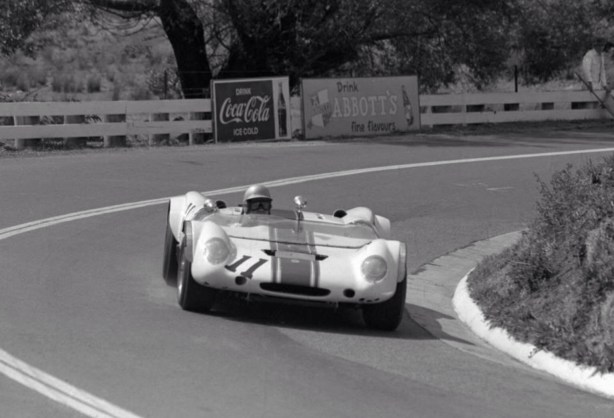

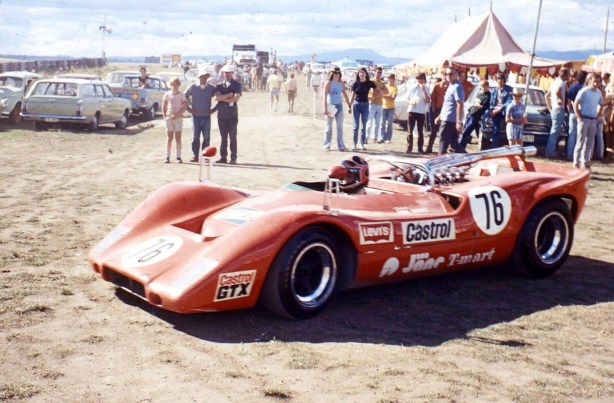
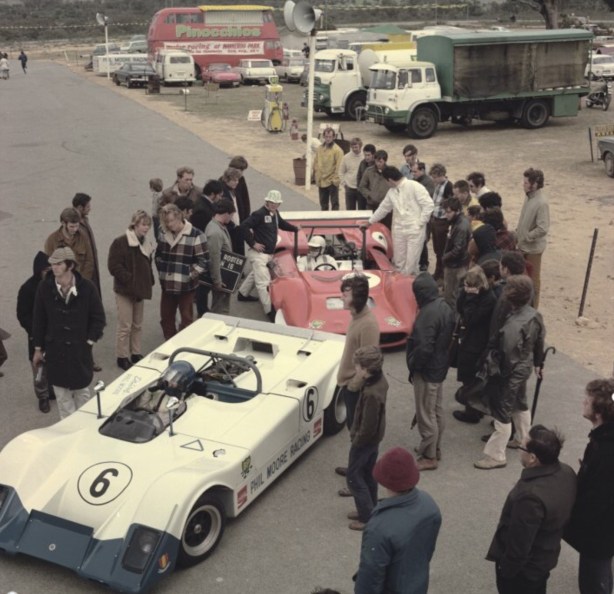
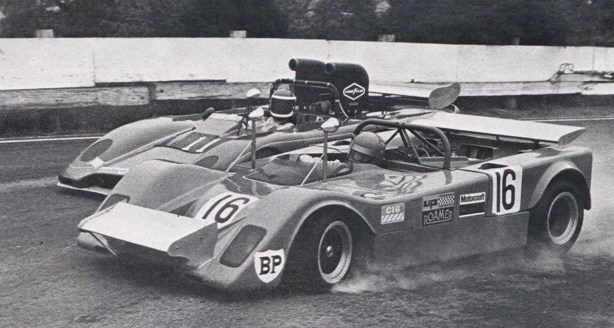
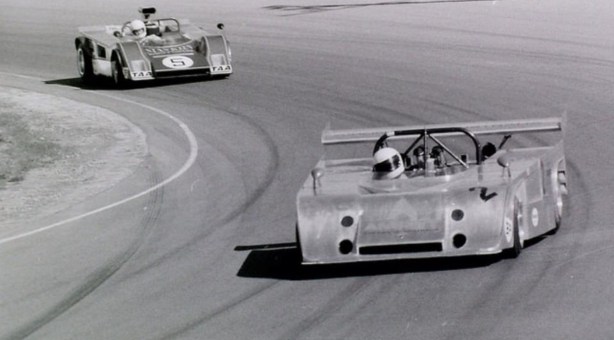
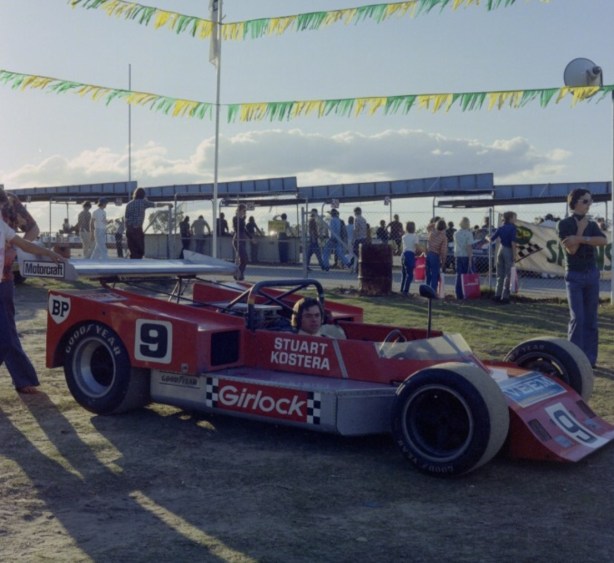


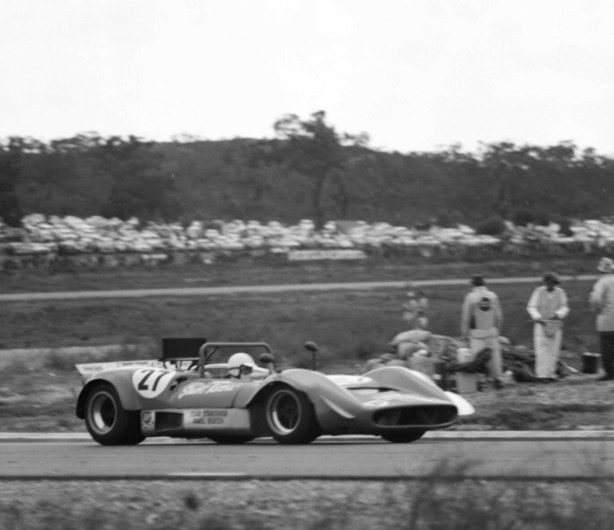


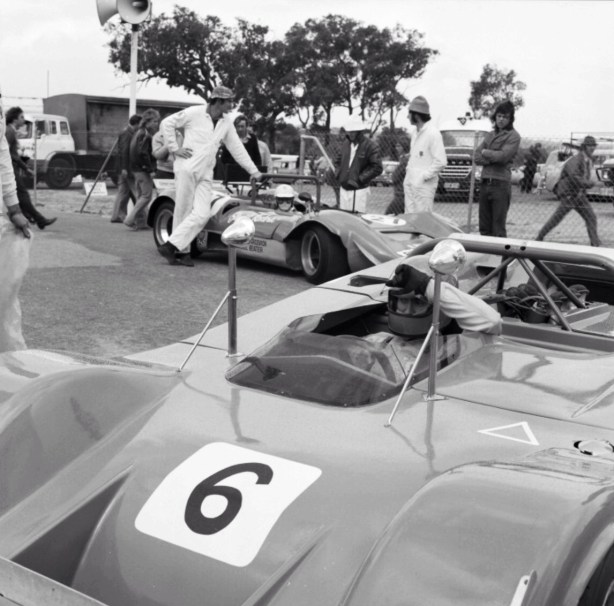

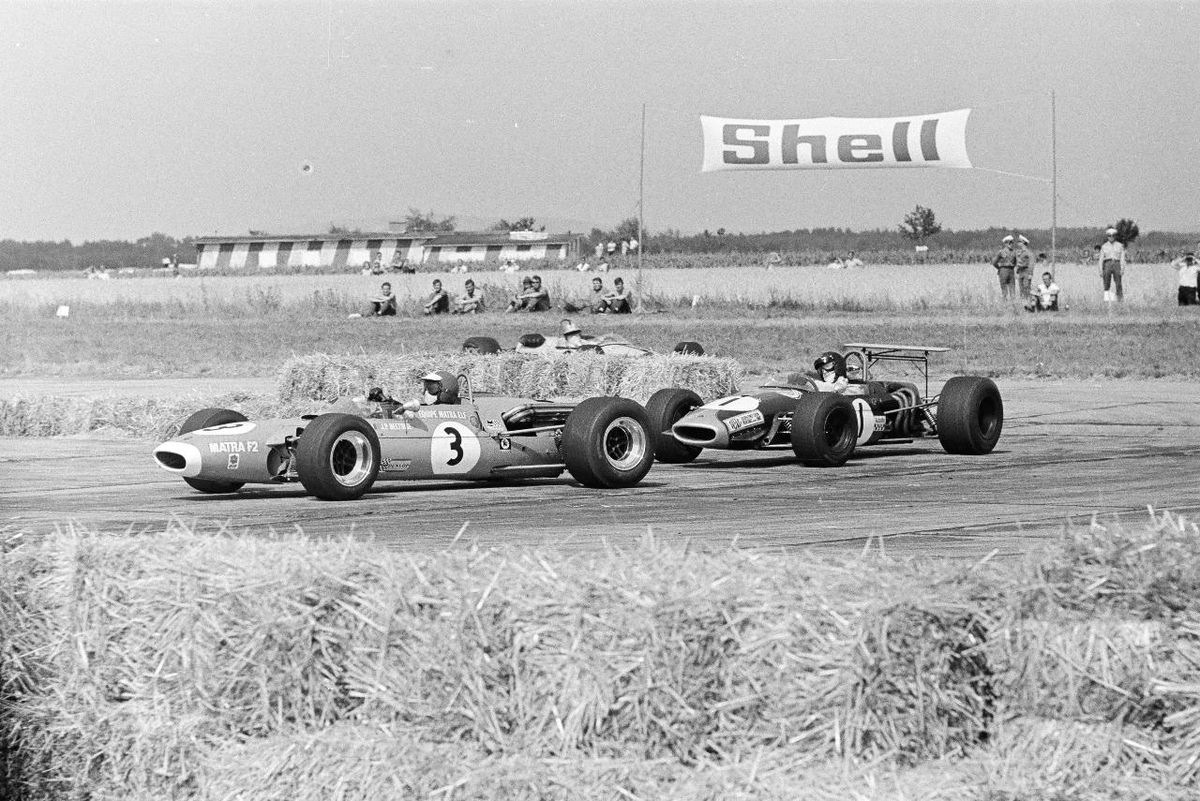
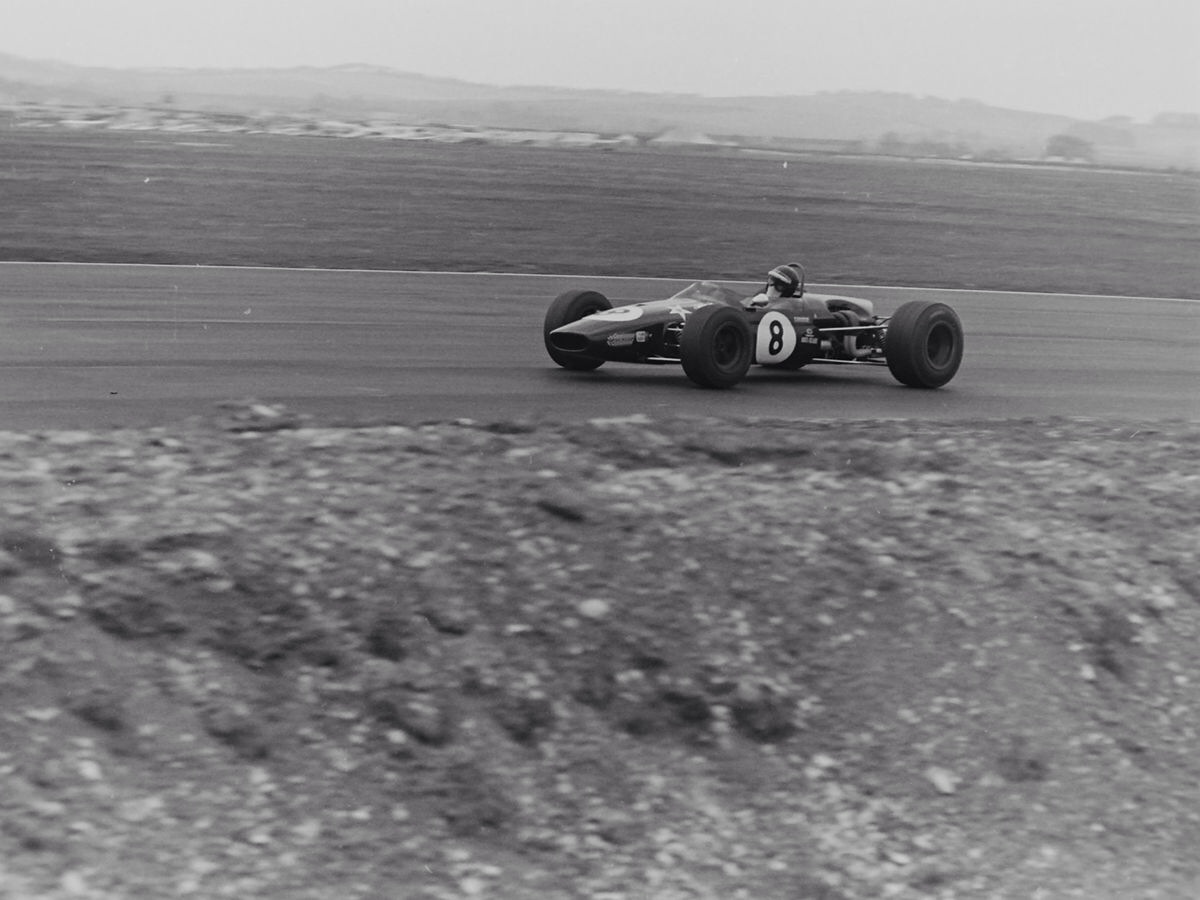

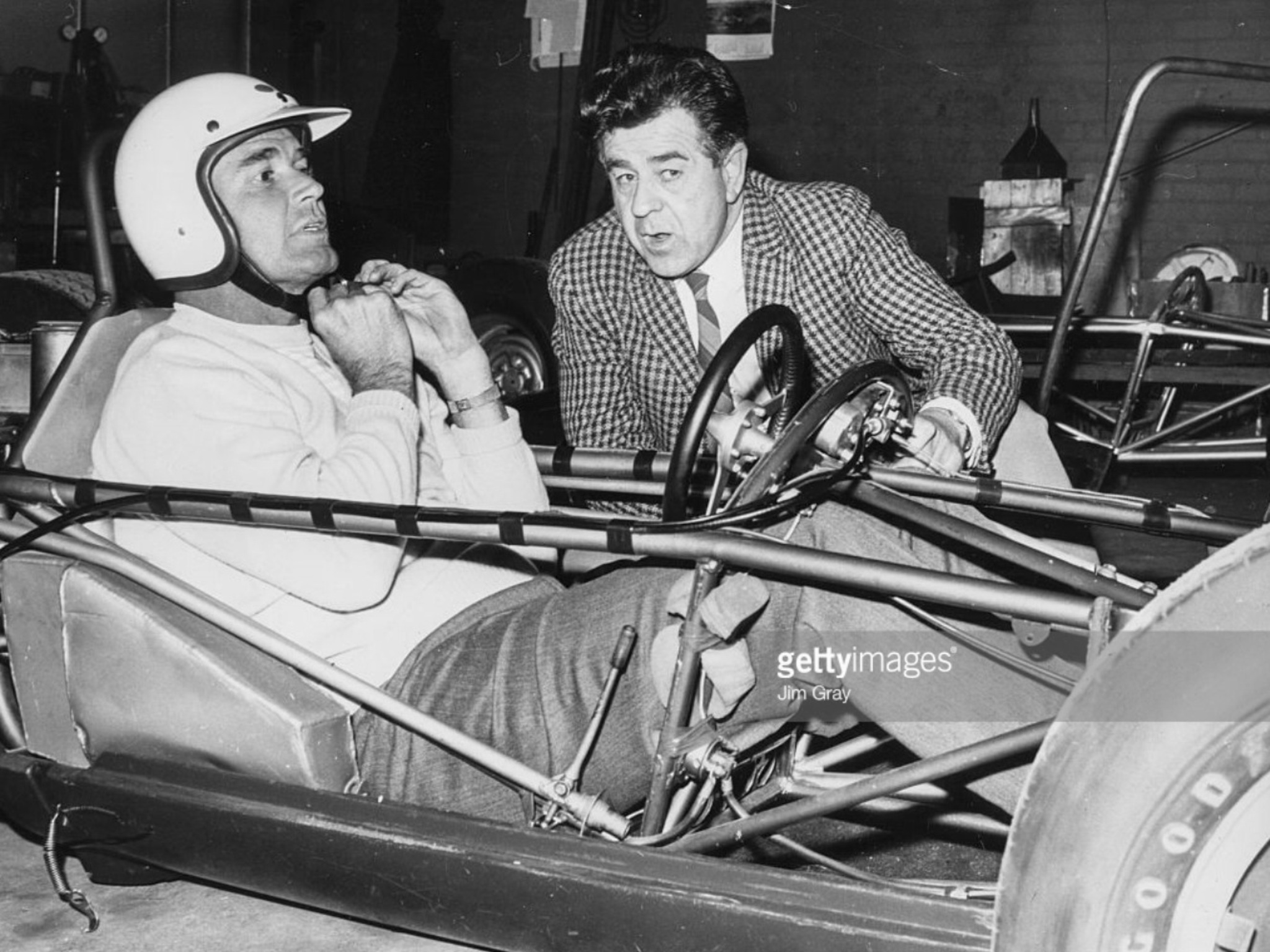
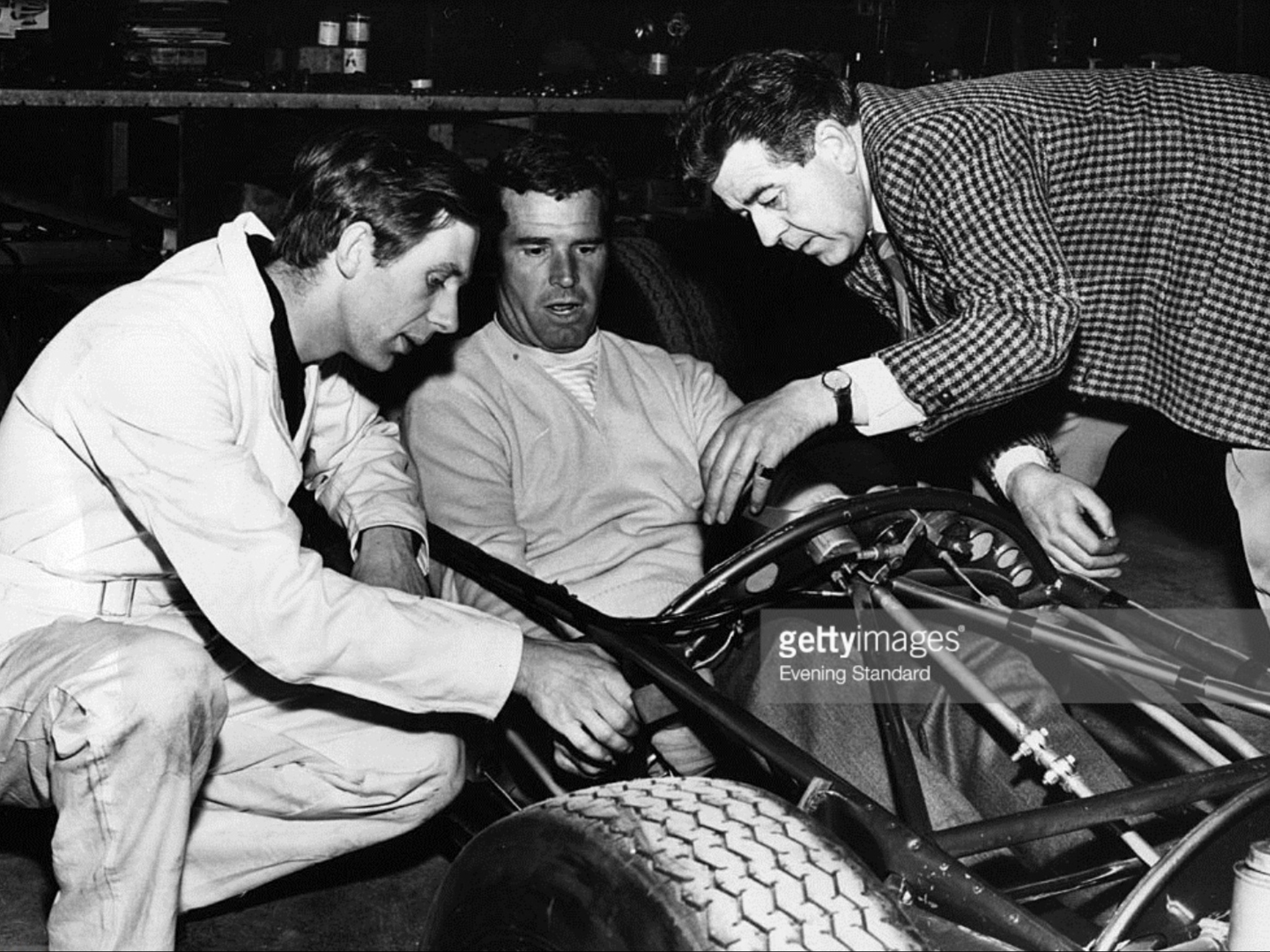
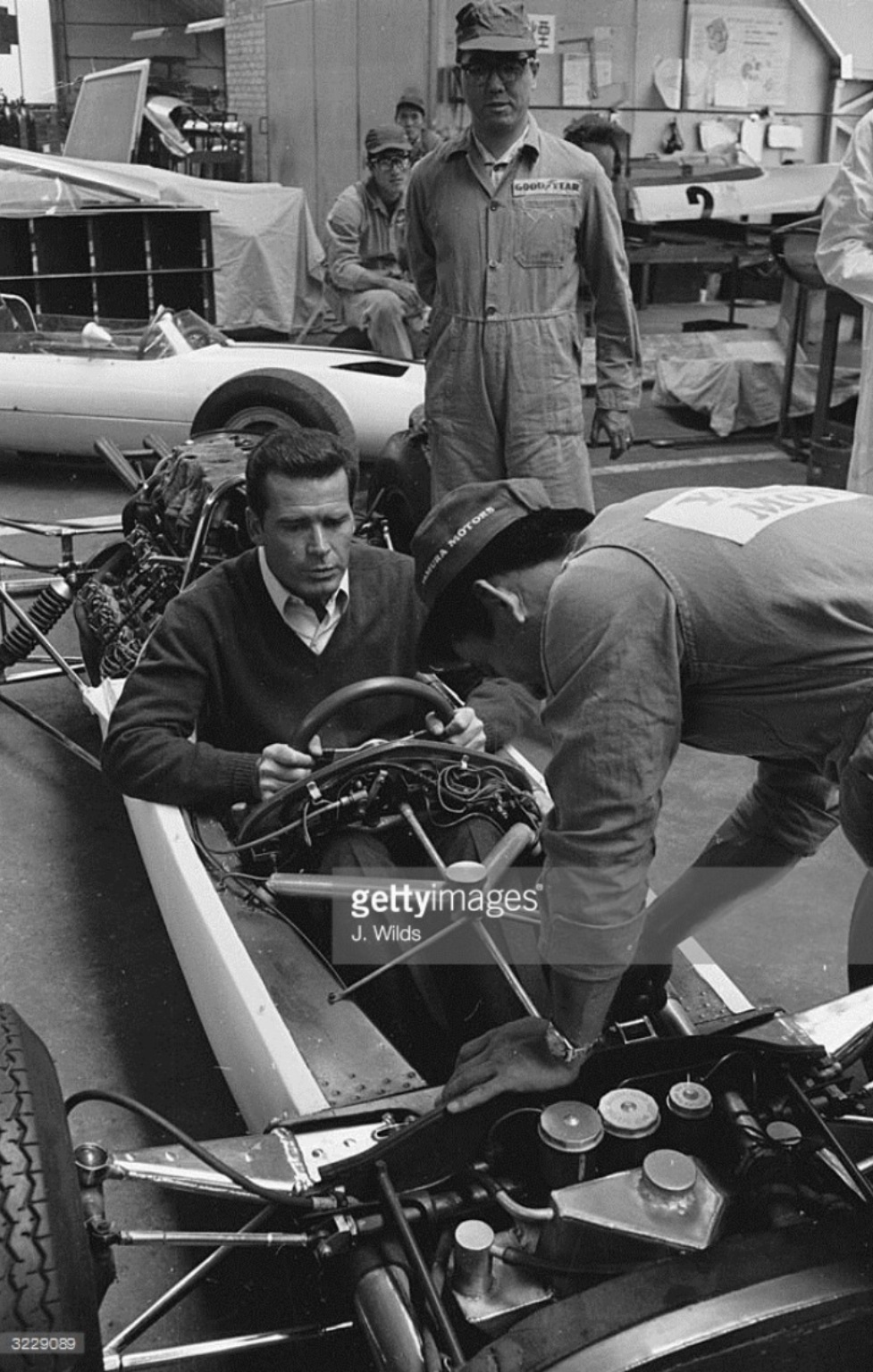

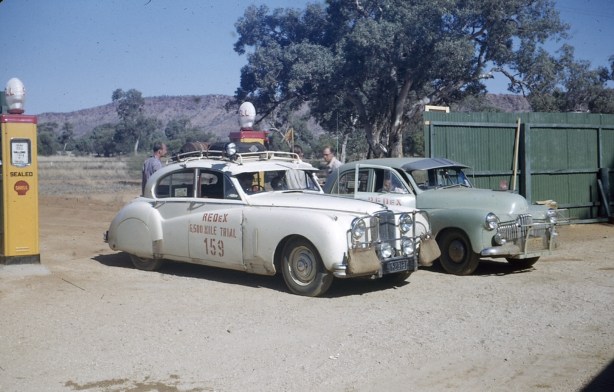
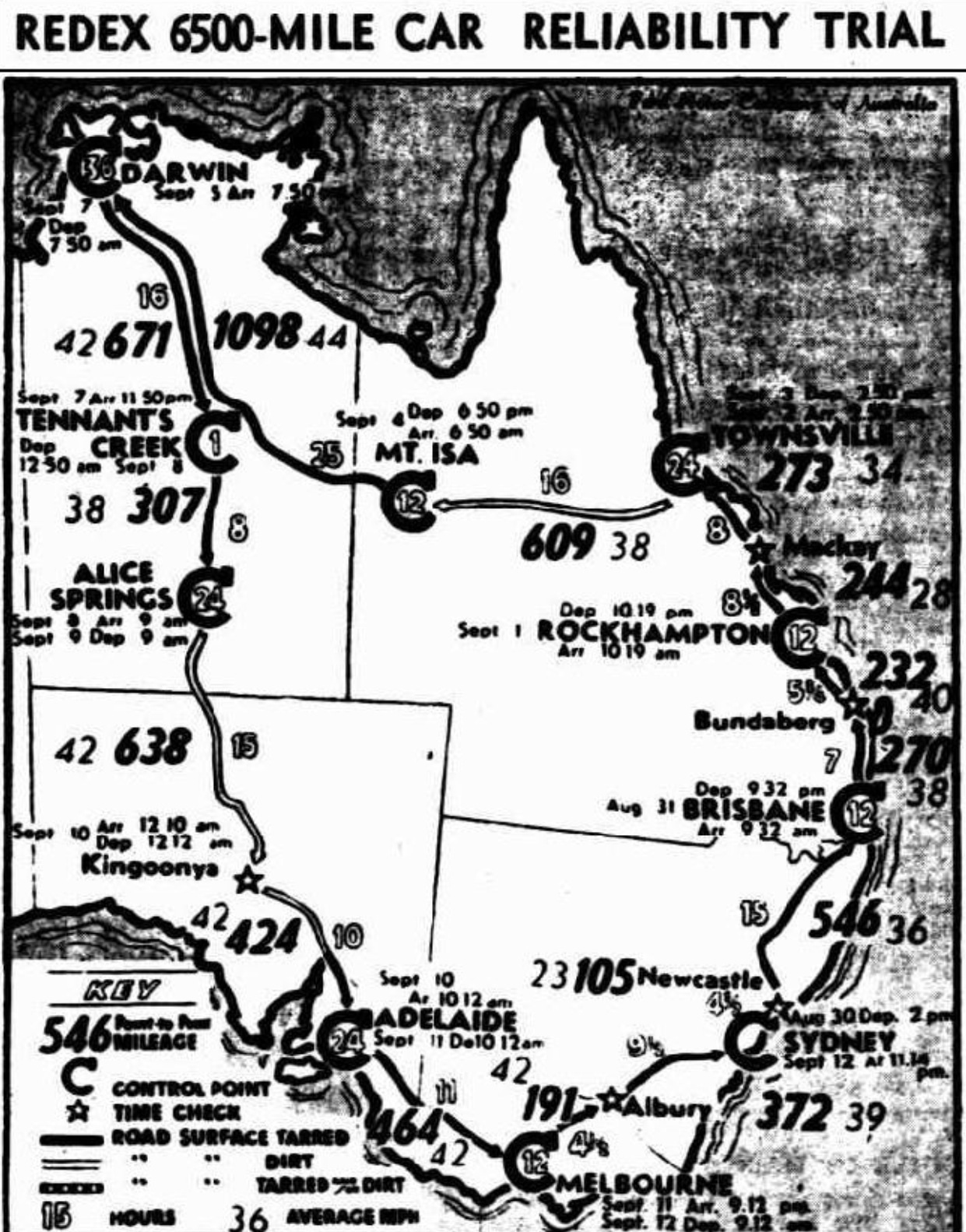
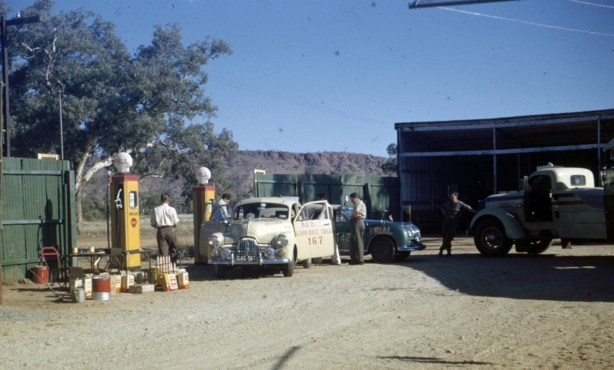

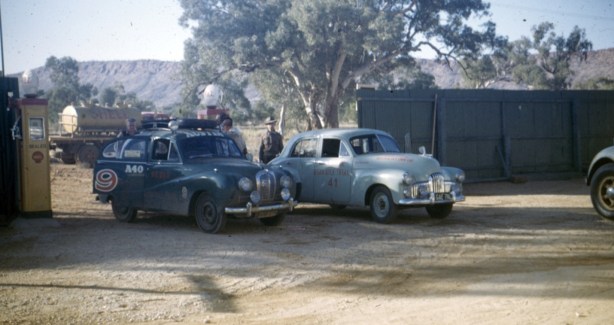
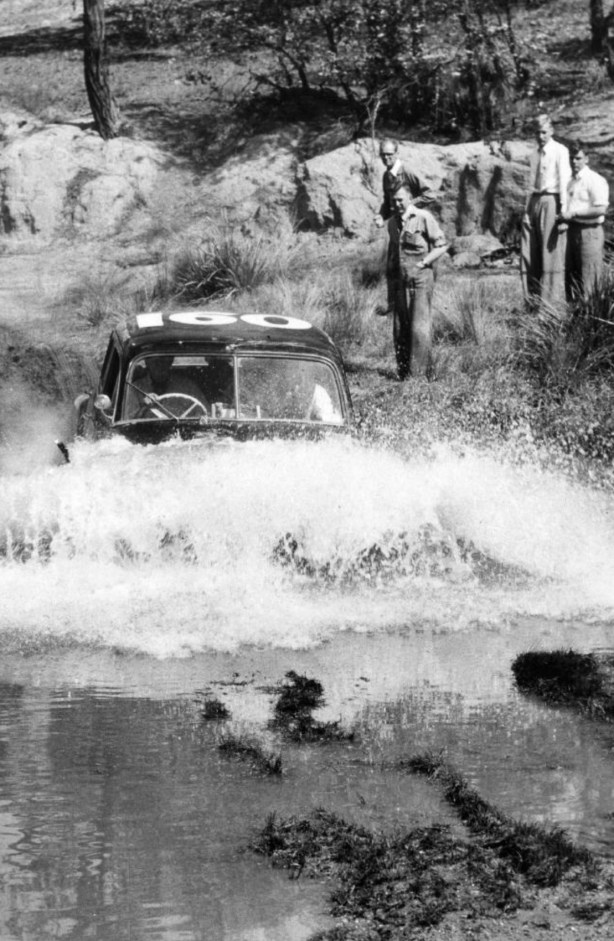
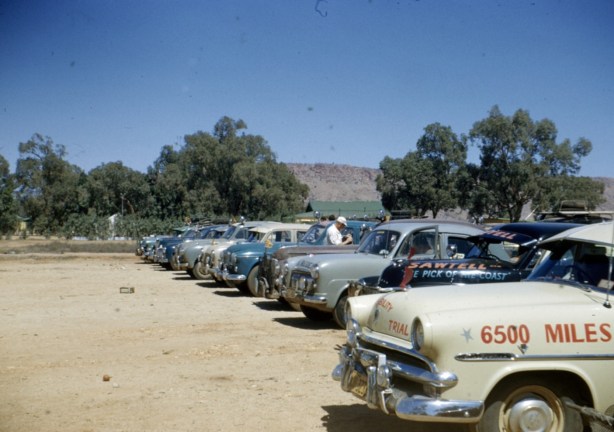


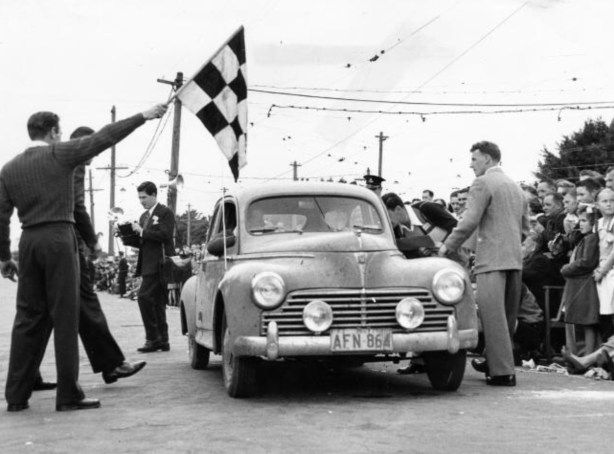
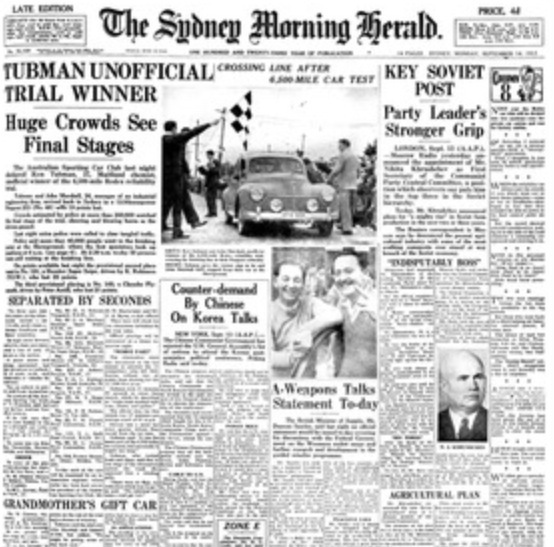


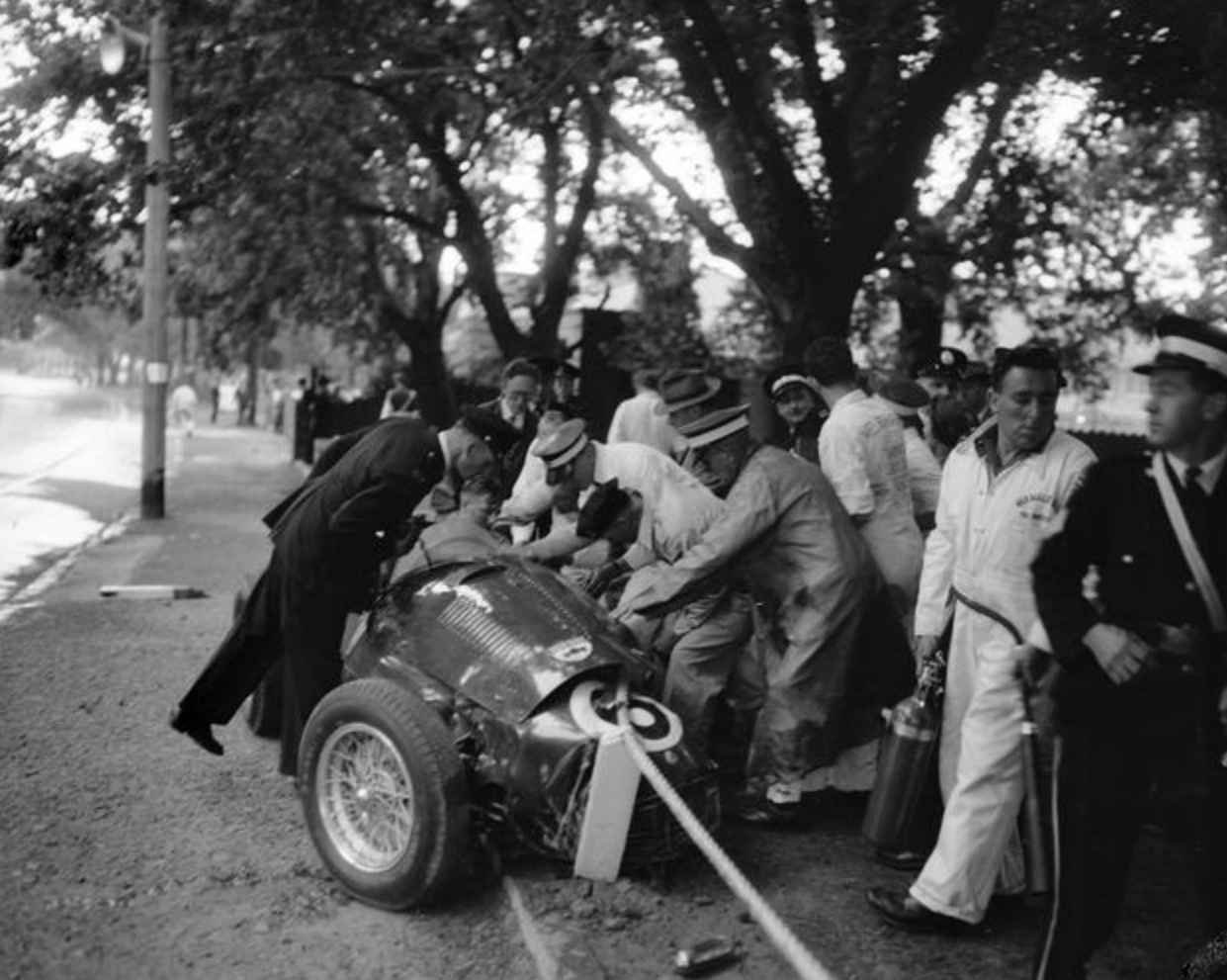
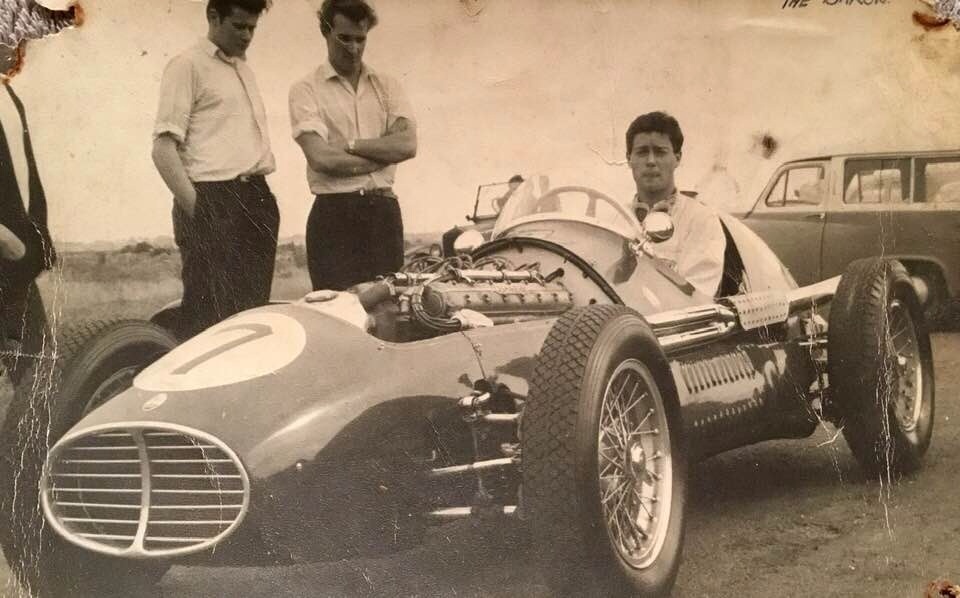


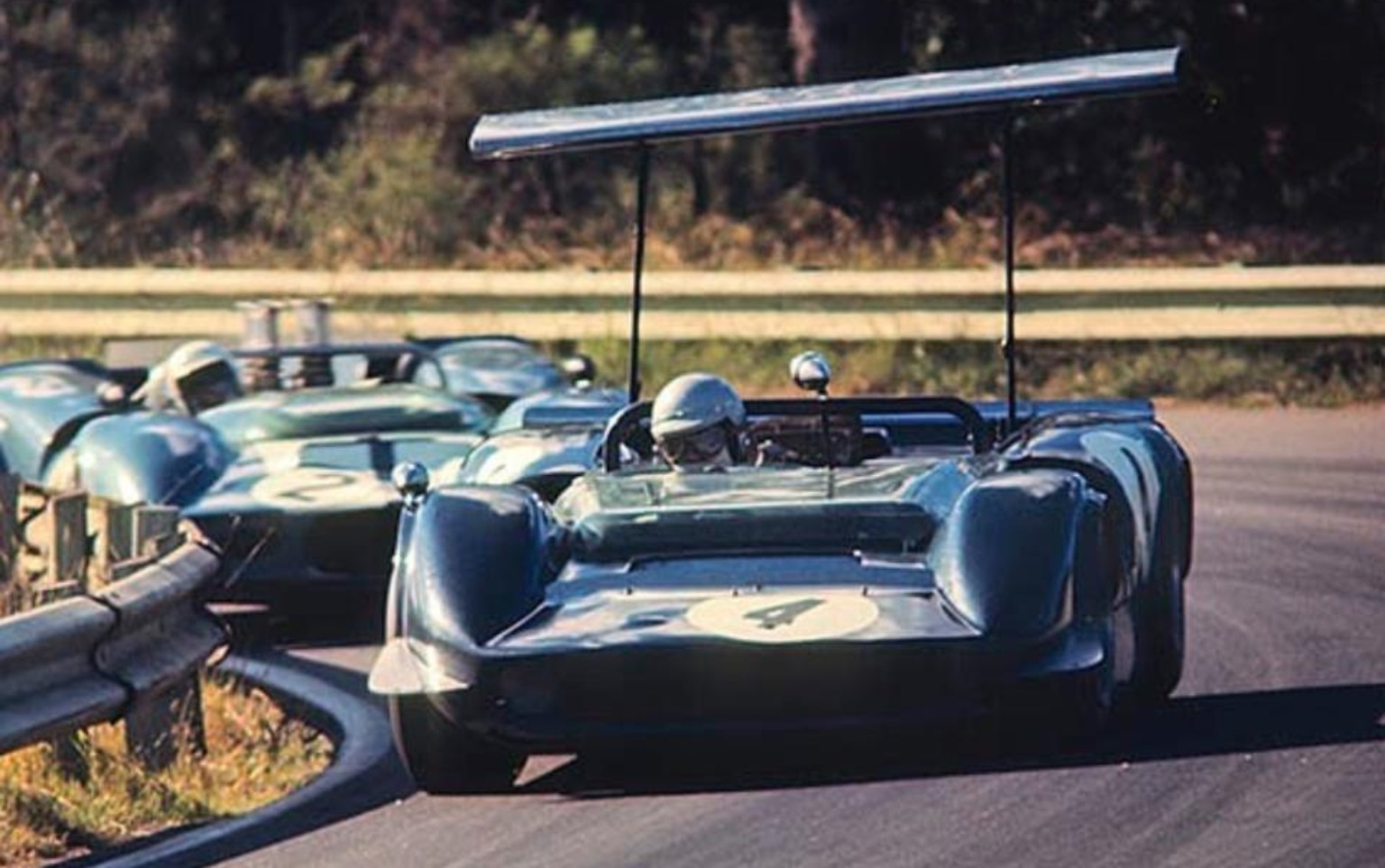
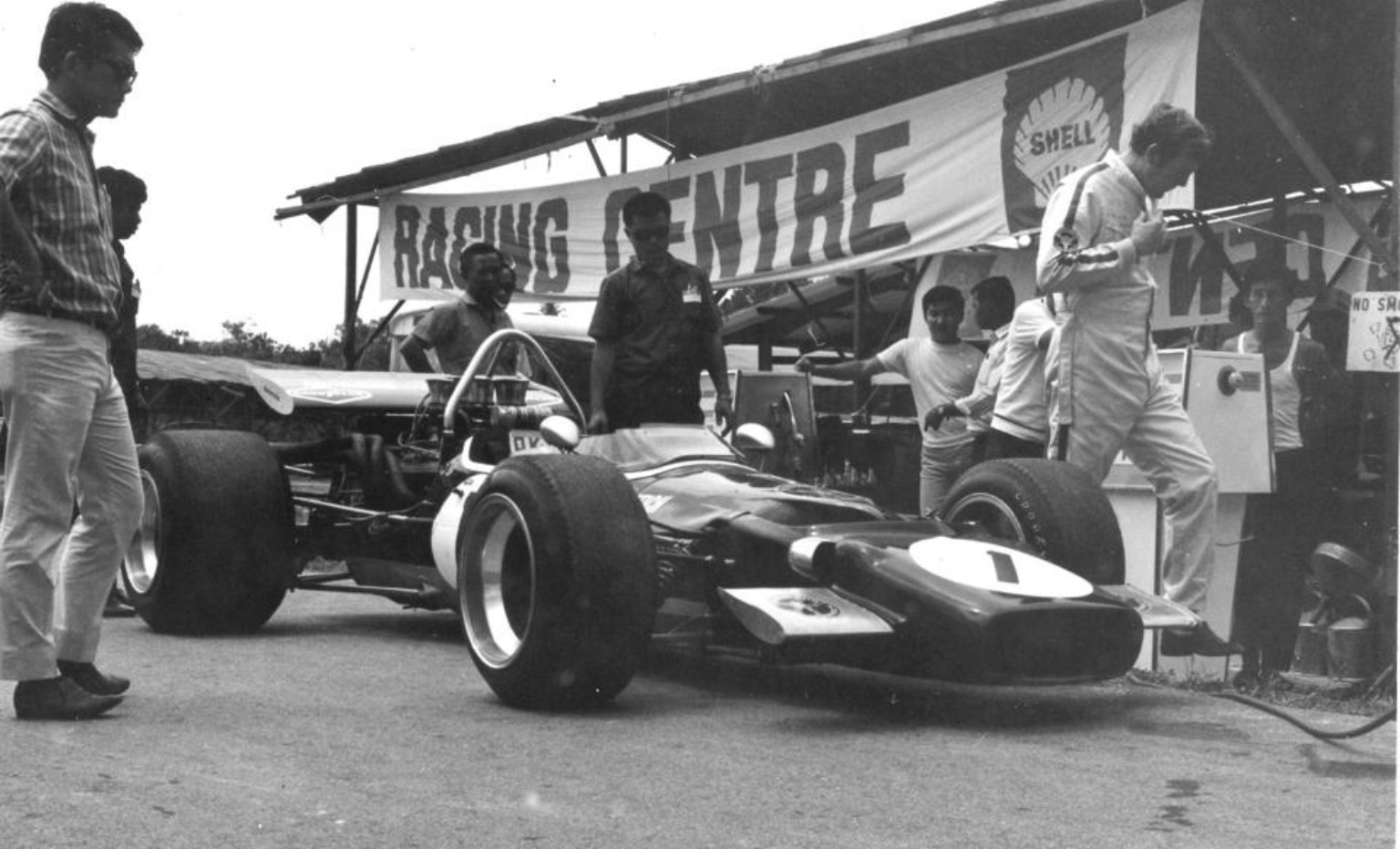


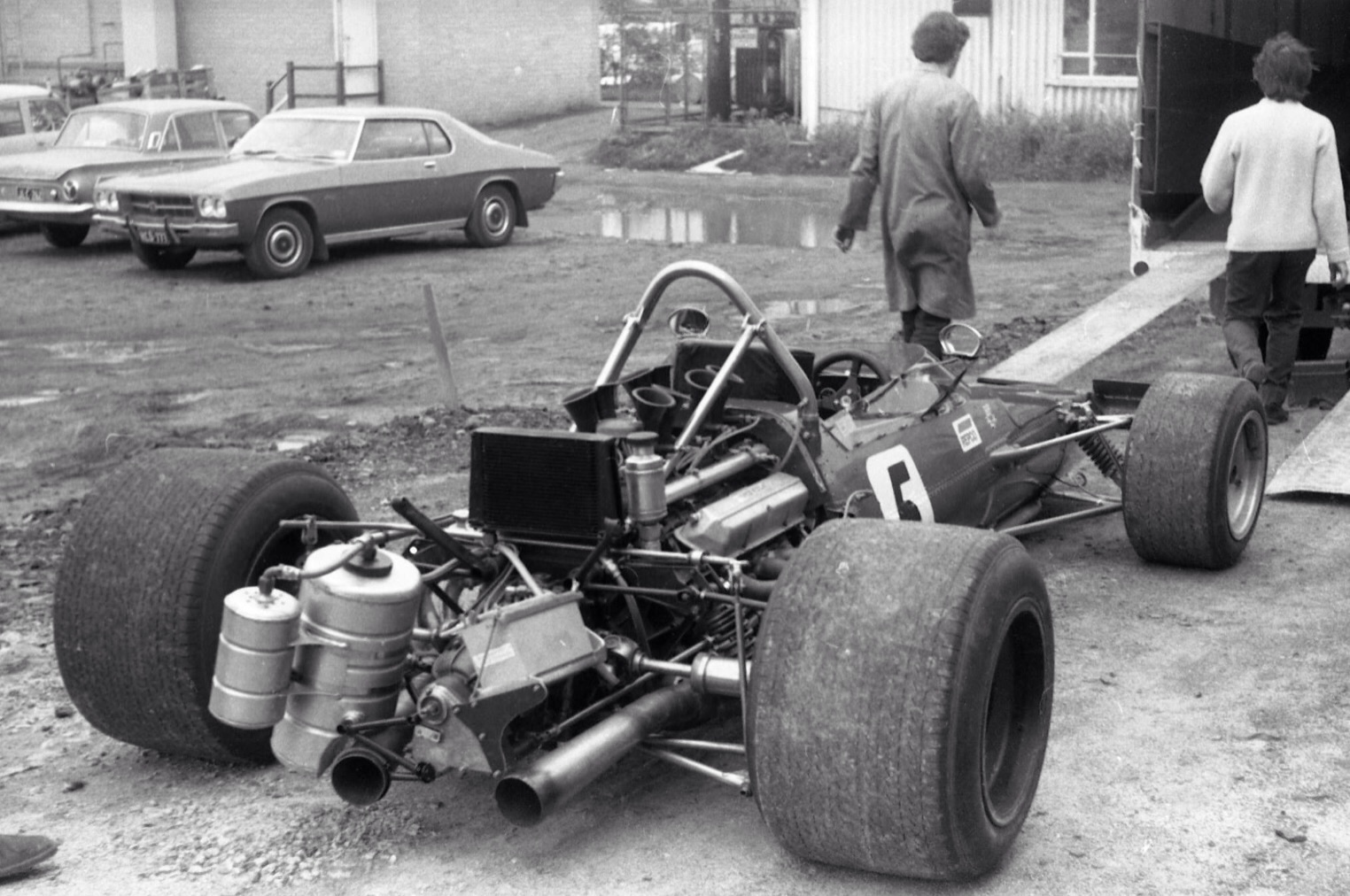
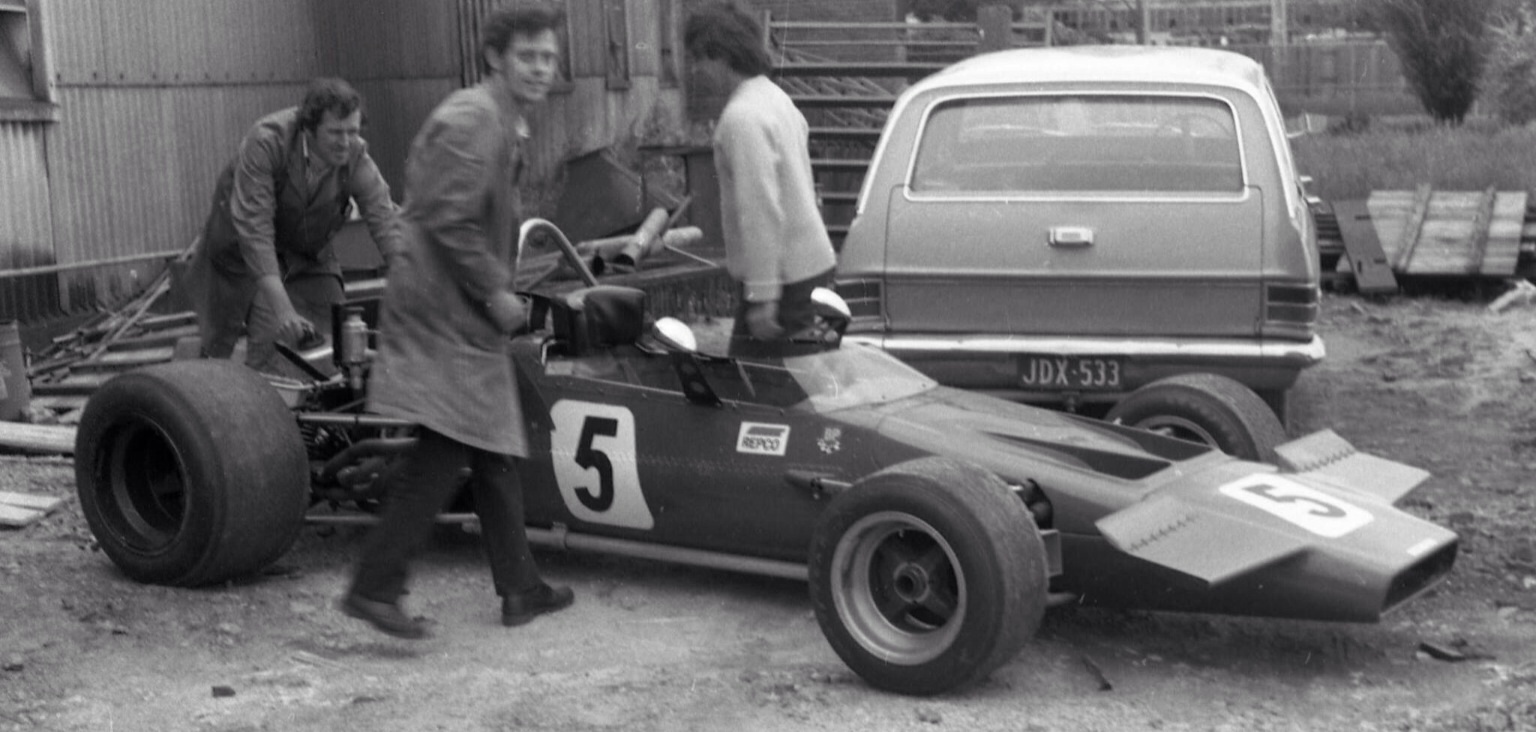


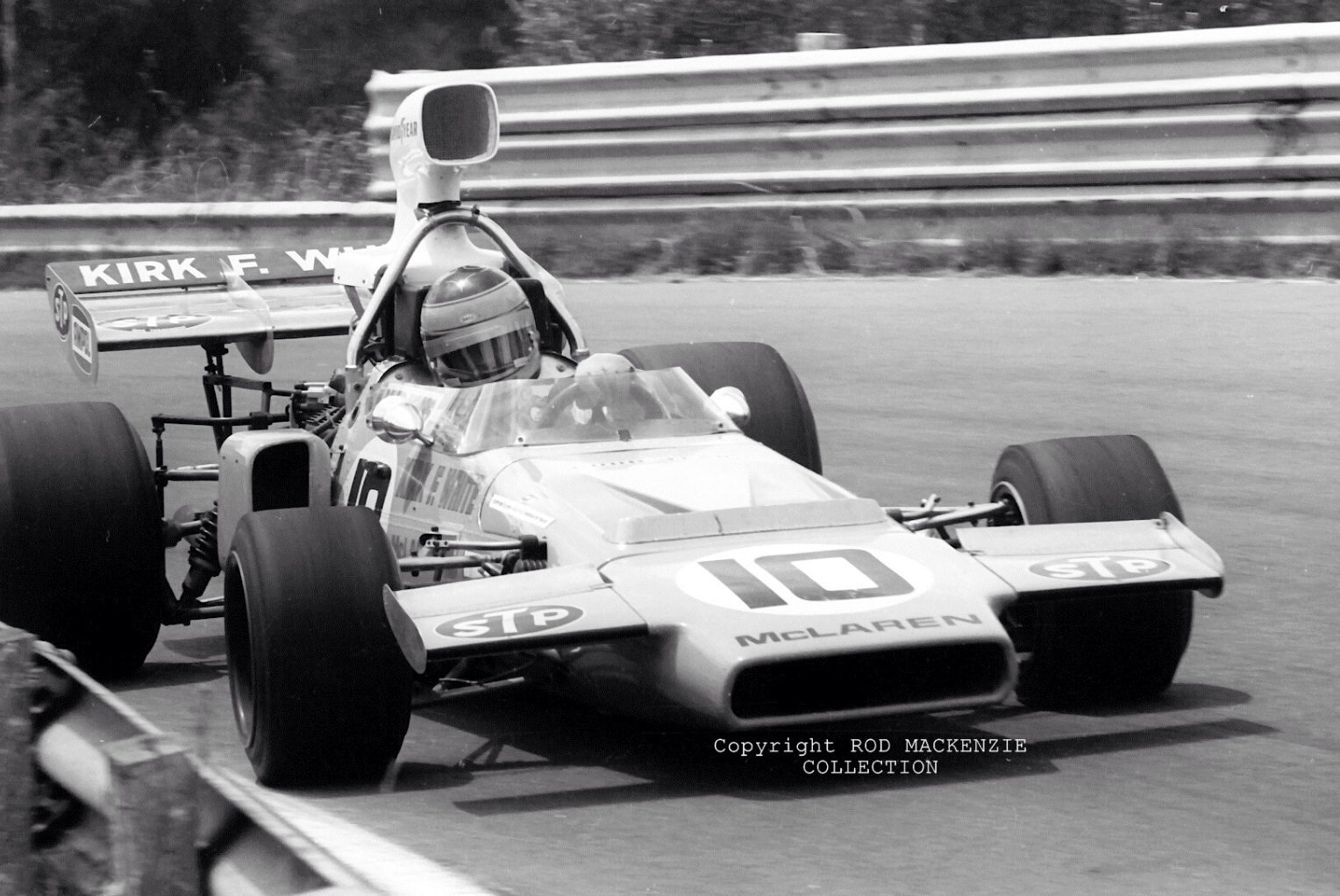


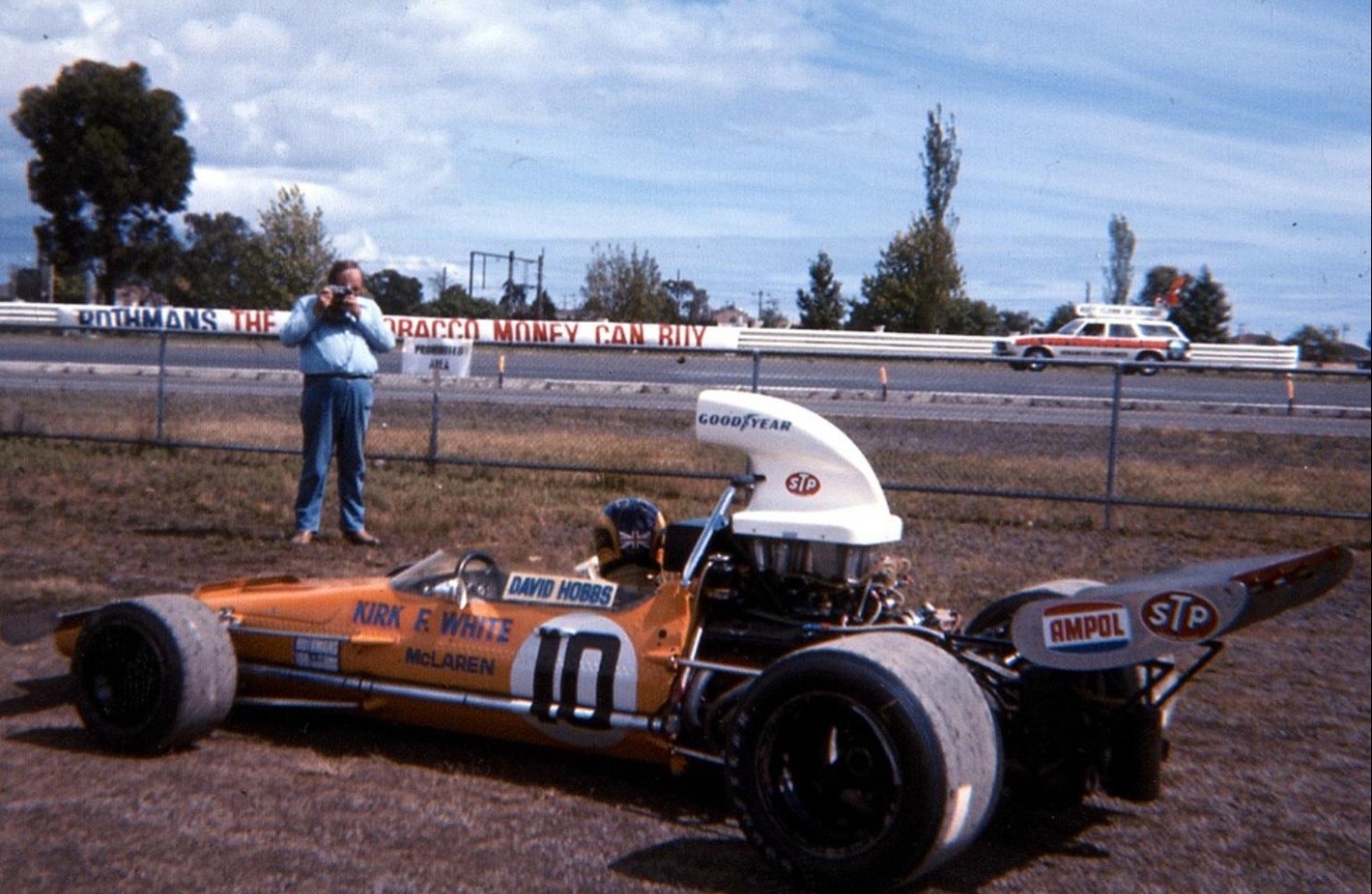
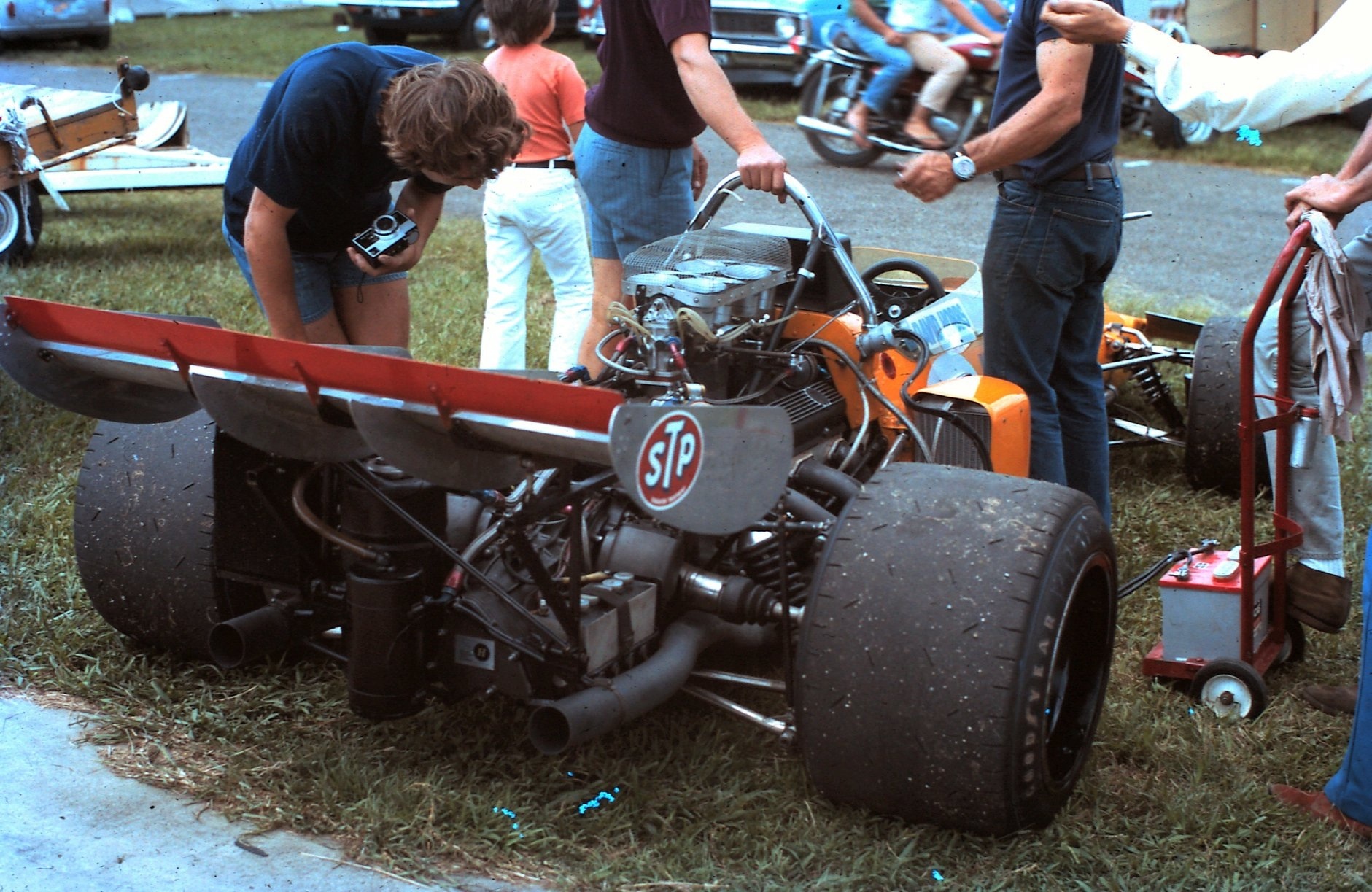


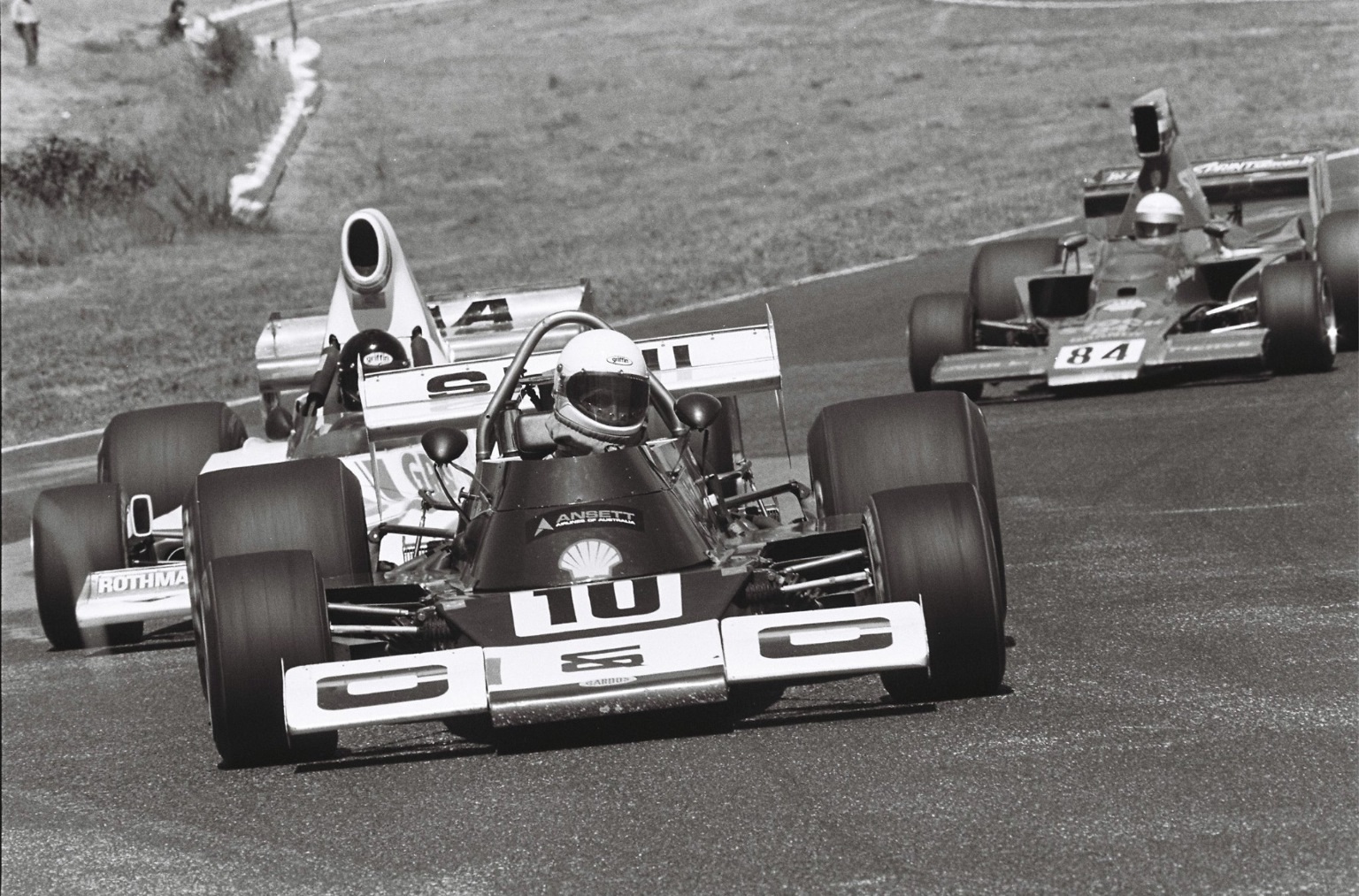
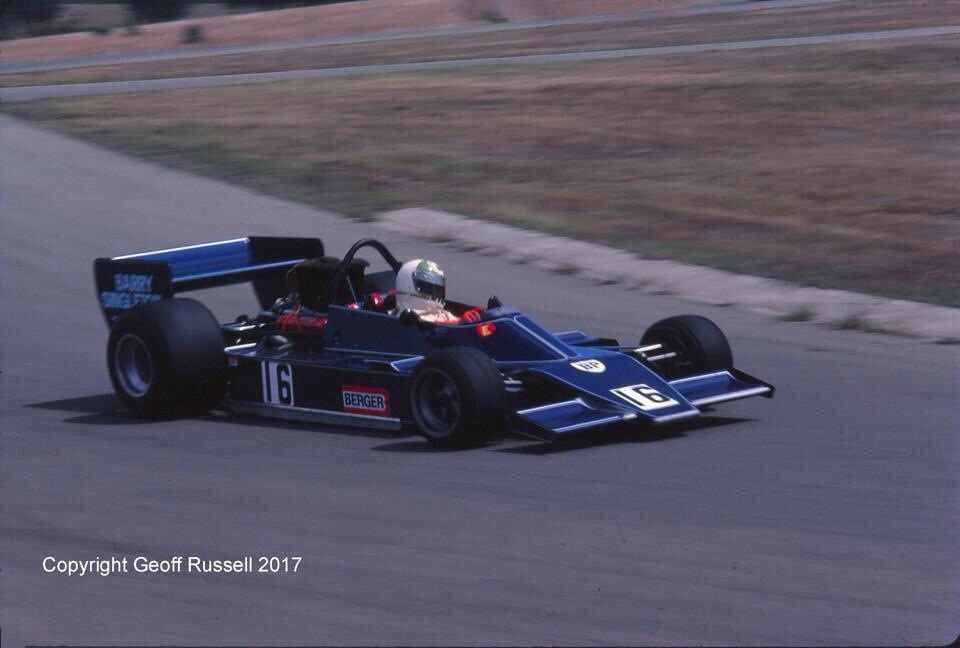
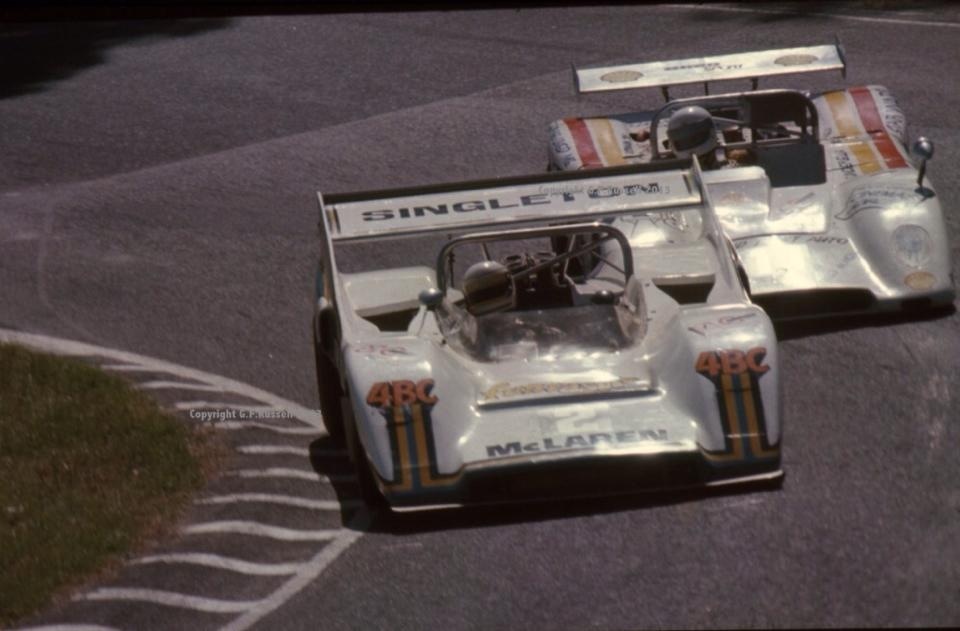

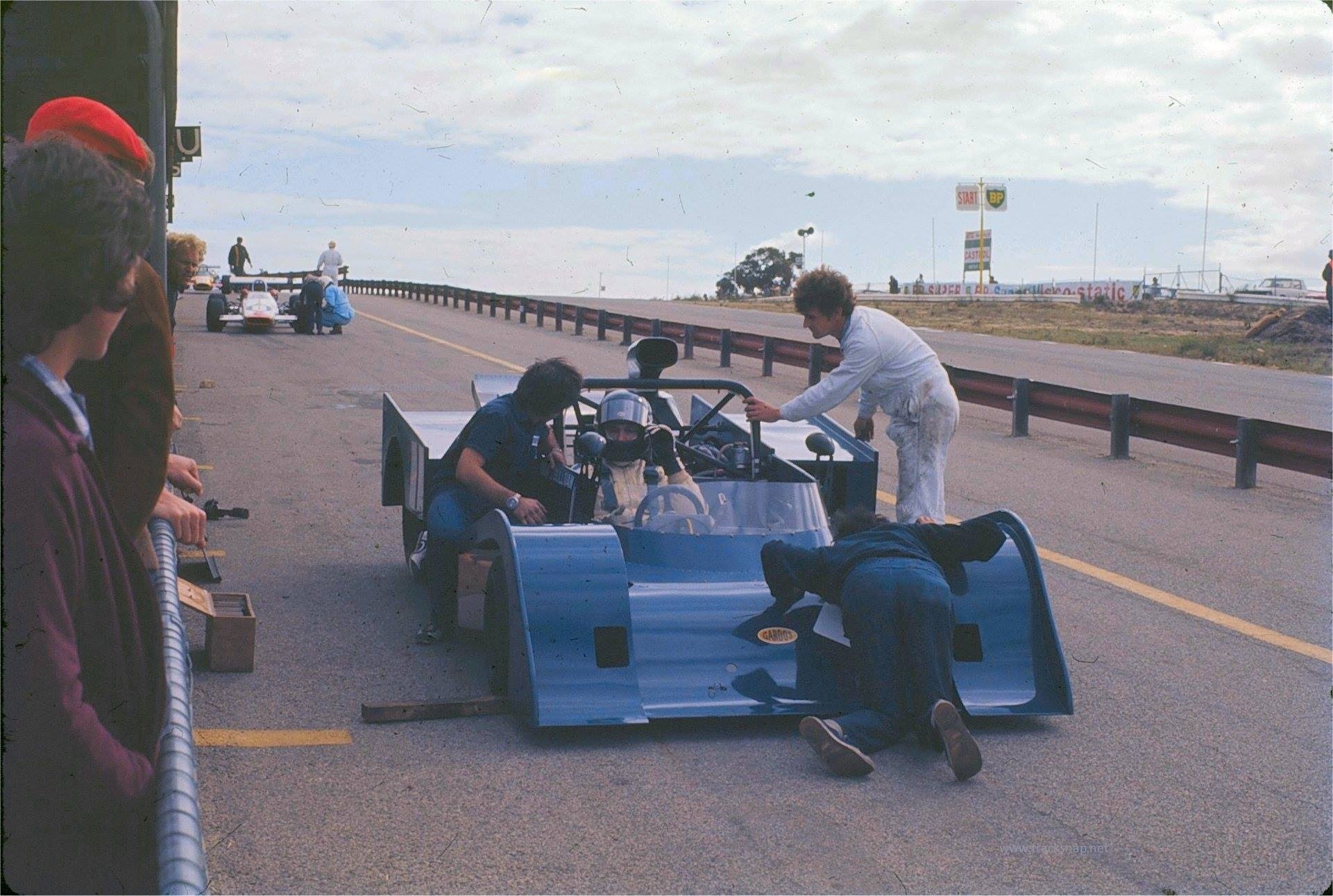


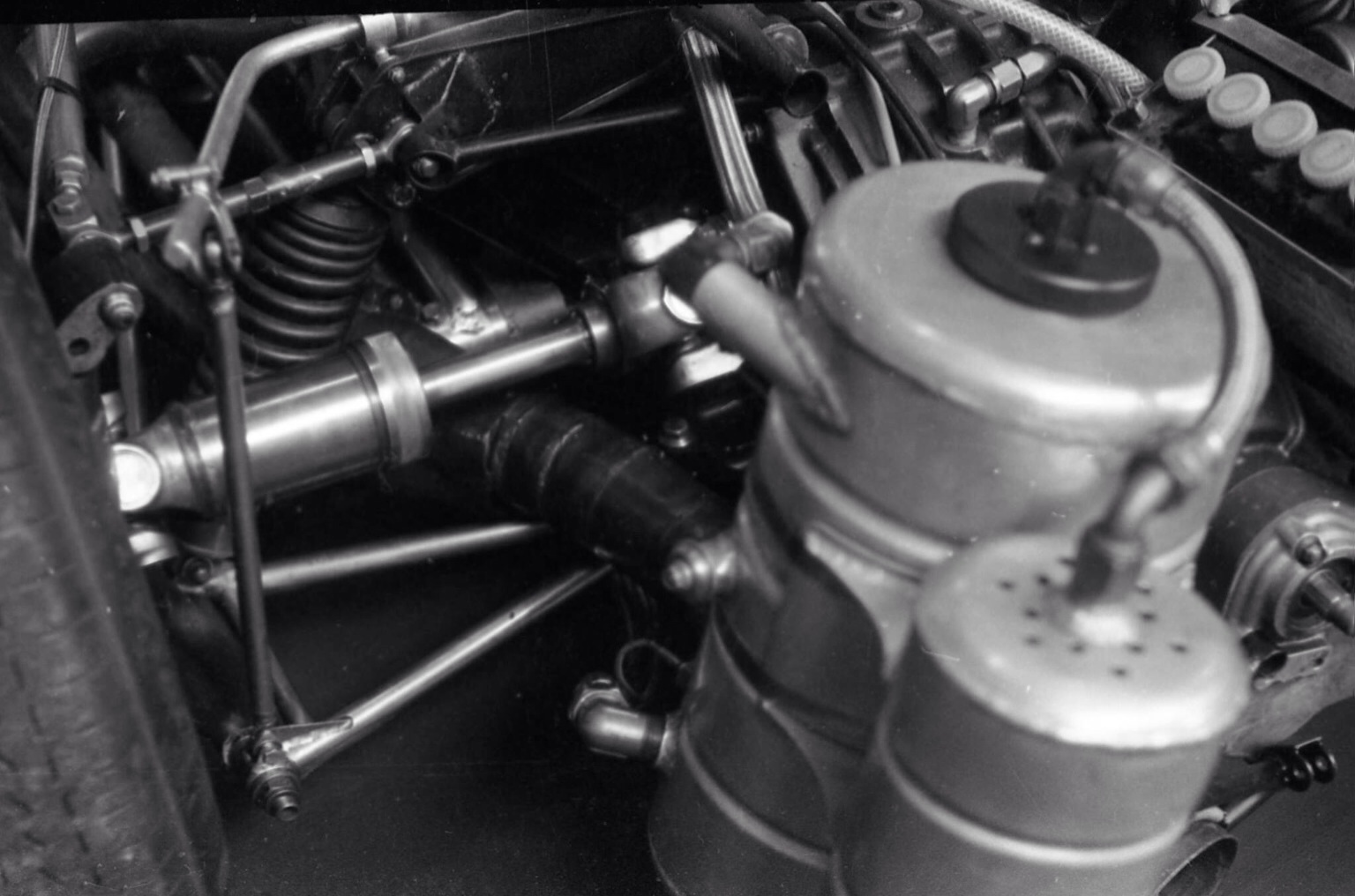
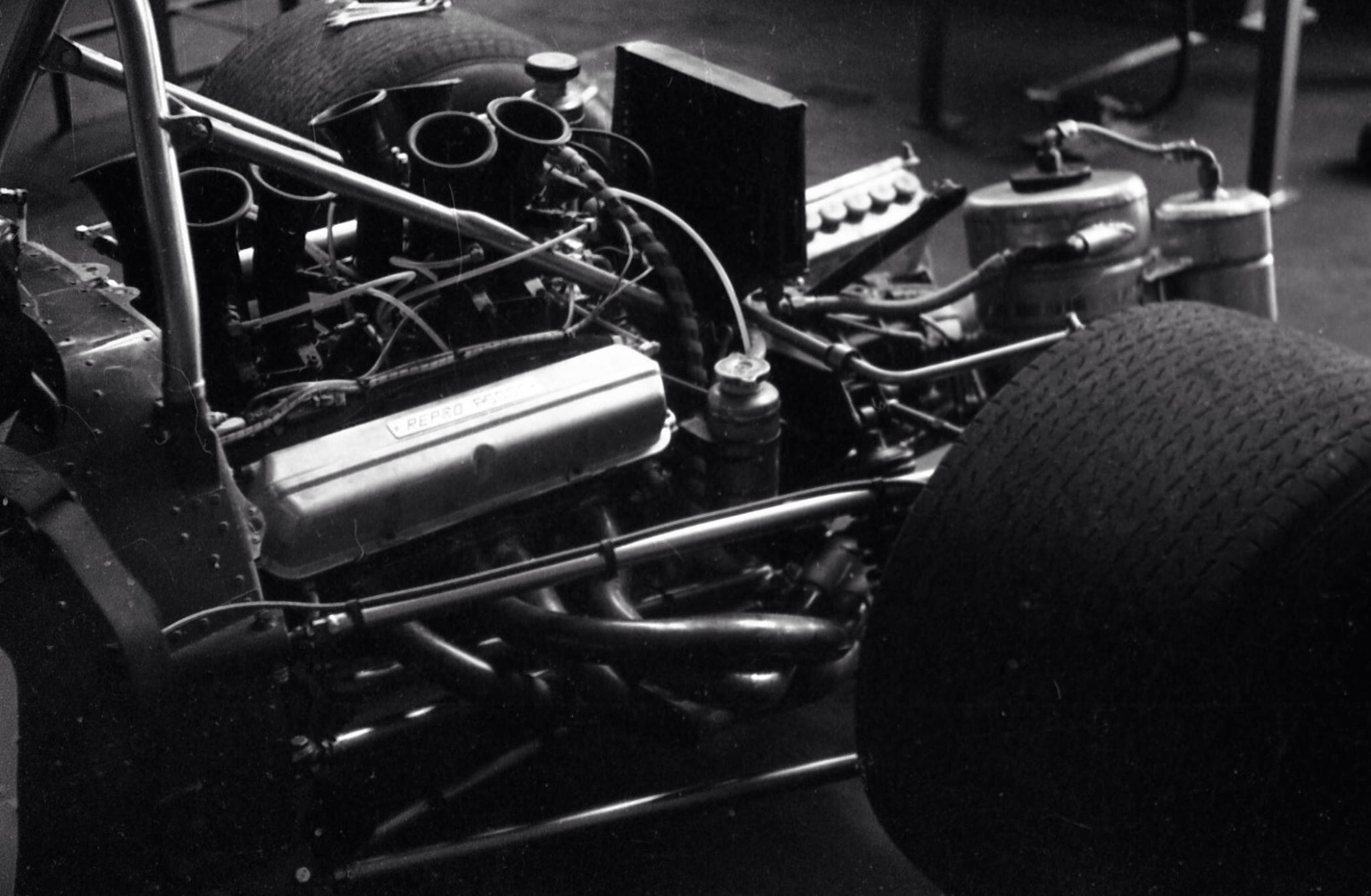


 primotipo...