


I wrote this lengthy feature for Auto Action Premium in April 2025, buy it here: https://autoactionmagazine.myshopify.com/products/auto-action-premium-print-magazine-april-2025?srsltid=AYCX9vIyWm6FJuLEpsXqb6uQ1z3PBkCfqX1tVamjZSET0yryxI4j3H5d
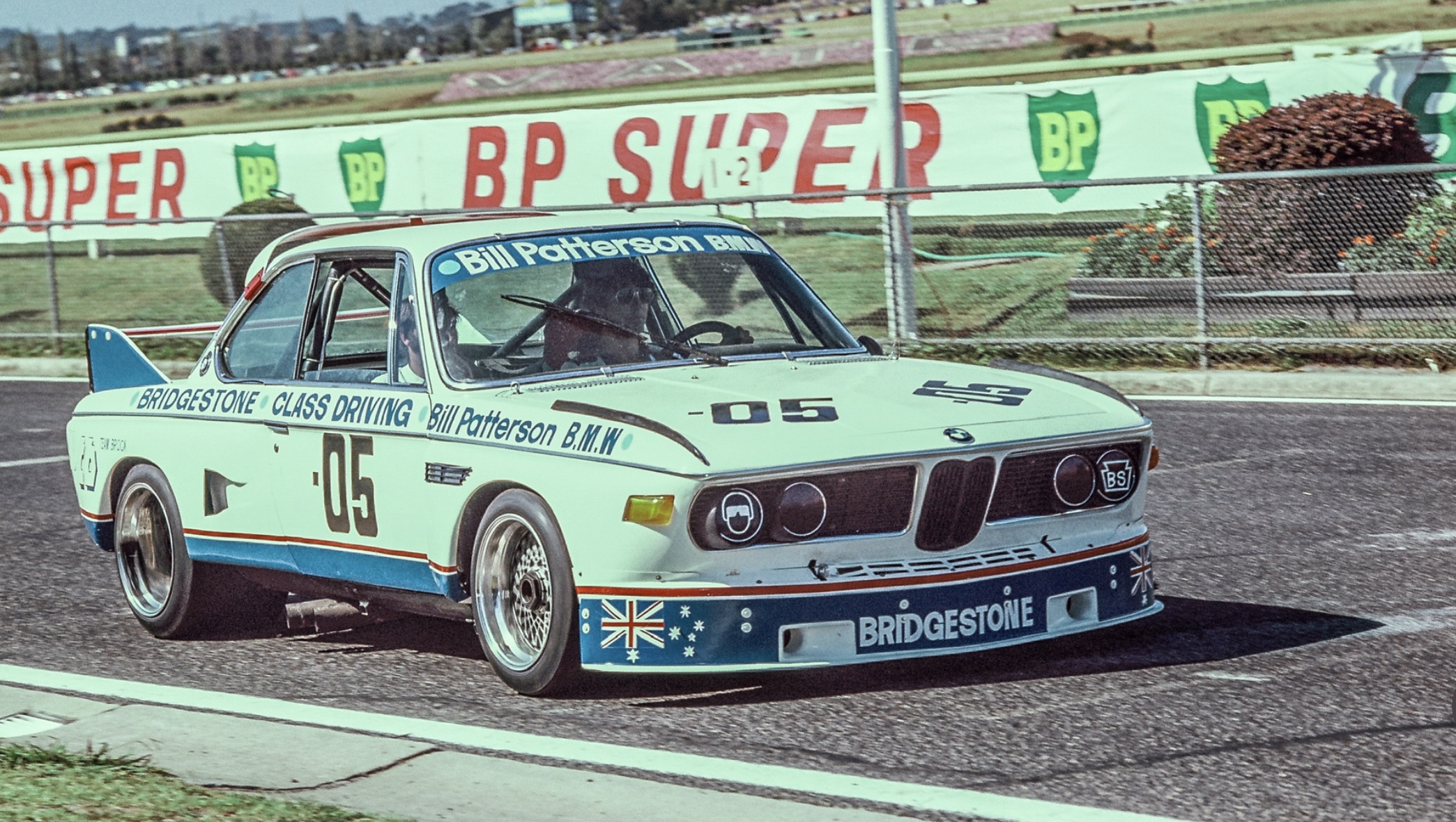
Australian Top-of-the-Pops racer and Pin-Up boy Peter Brock took on Le Mans aboard a BMW 3.0 CSL in 1976. It was a steep learning curve over yonder but Brocky won races at home and finished the year a more rounded, polished and experienced owner-driver. Mark Bisset recounts an undertaking of great ambition and limited resources!
Peter Brock and John Goss aren’t Australian Racing Icons most readily associated with German cars, but both went foreign in 1976 at Le Mans. Goss’ Porsche 934 was a simple buy-a-ride deal, whereas Brock’s BMW 3.5 CSL had a touch of the Fleetwood Macs about it; Go Your Own Way.
The sky was the limit for Brock in late 1975. Peter, Norm Gown, Bruce Hindhaugh, Bob Gracie and Les Small developed their Holden Torana L34 throughout the Australia Touring Car Championship (ATCC) rounds with a trio of second placings at Calder, Surfers Paradise and Lakeside. Then they brought home the bacon in the Australian Manufacturers Championship (Manchamps) by taking the Triple Crown: Sandown, Bathurst – Brian Sampson shared the drive – and Phillip Island.
Brocky Thinks Big, Thinks Batmobile…
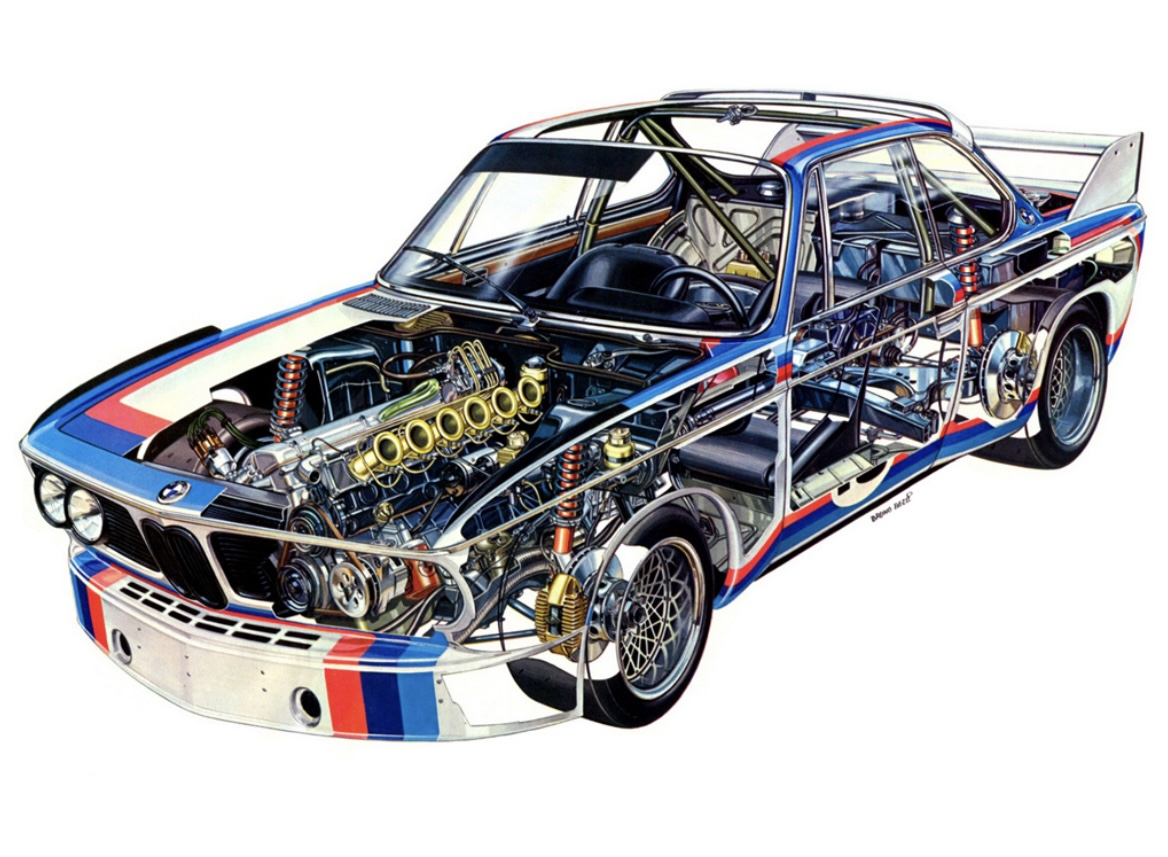
Interested in broadening his horizons beyond domestic dominance, Peter formed Team Brock then piqued BMW’s interest to assist them to build their brand in the Asia-Pacific if he purchased the low-mileage BMW E9 3.0 CSL (3.0 CSL is the official name but I’ve used it interchangeably with 3.5 CSL given that was the capacity of the racing cars at the time) works-built Batmobile for sale in South Africa in November 1975.
The 3498cc, twin-cam, four-valve, fuel-injected 450bhp racer – chassis/VIN E9-2275991 – was built in early 1974 and raced by BMW Motorsport in one European Touring Car Championship race at the Nurburgring on July 14, Bell/Ickx DNF gearbox. On September 15, Derek Bell ran it in a German Touring Car Championship (Deutsche Rennsport Meisterschaft-DRM) round at the Norisring. DNF oil-pump in race one and classified 14th in race two with rear axle problems.
BMW then sold it to Alain Peltier who won the European Touring Car Championship together with Siegfried Muller aboard the Faltz-Alpina/BMW Faltz Essen machine in 1975: they won at Monza and Brno and were second at the Salzburgring and Nurburgring.
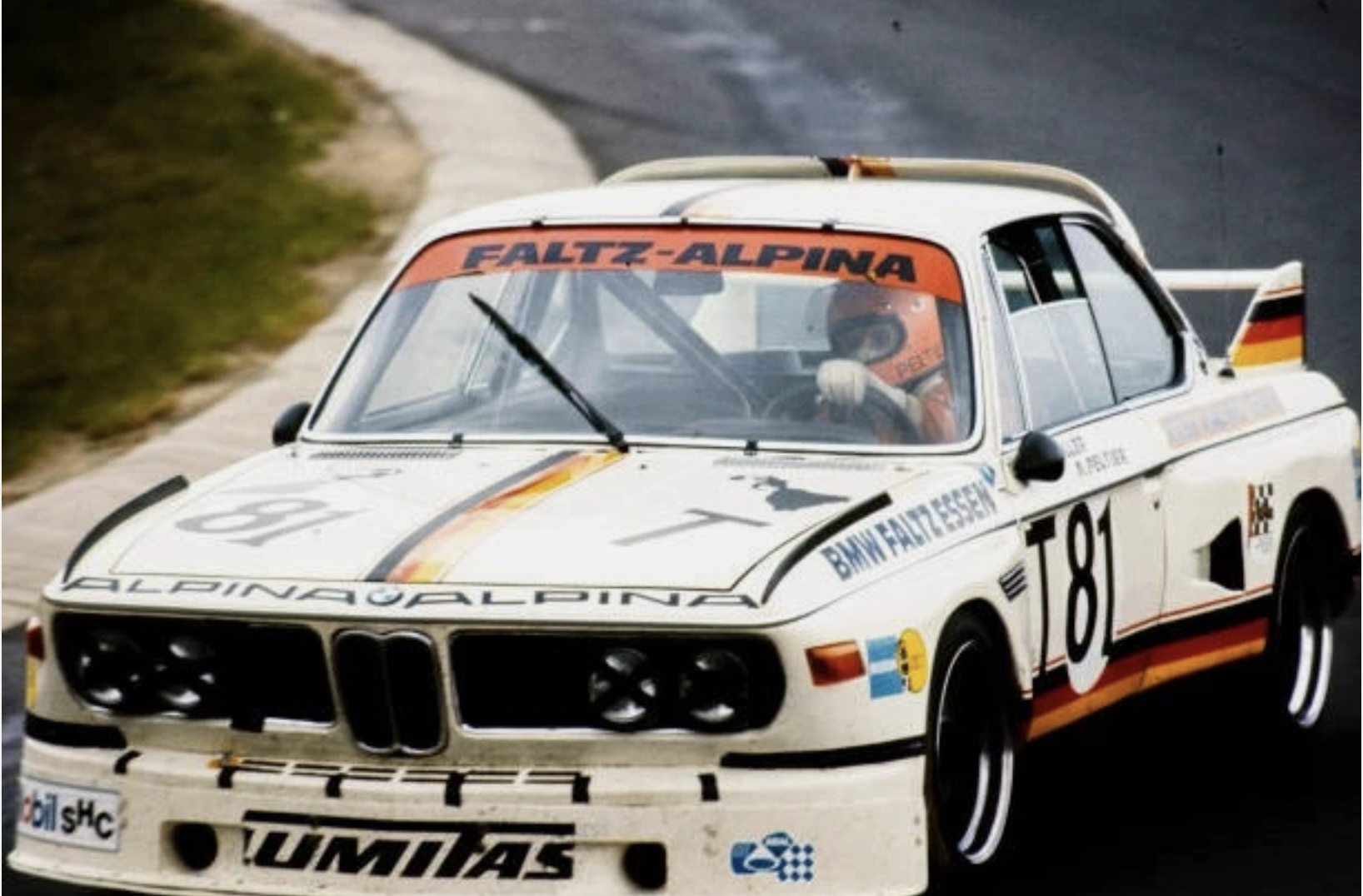
That November Derek Bell and Brian Redman raced it in the Kyalami 1000km finishing third despite damaging the left-front strut and replacing it during the race. E9-2275991 was then offered for sale in South Africa.
By the time Brock got back from South Africa, handed over the D-Marks and shipped the exotic-Kraut to Team Brock’s modest Bundoora workshop, BMW HQ had decided that BMW Motorsport had to be self-funding. The net effect was that Brock would have to pay for expensive parts rather than have them supplied/subsidised.
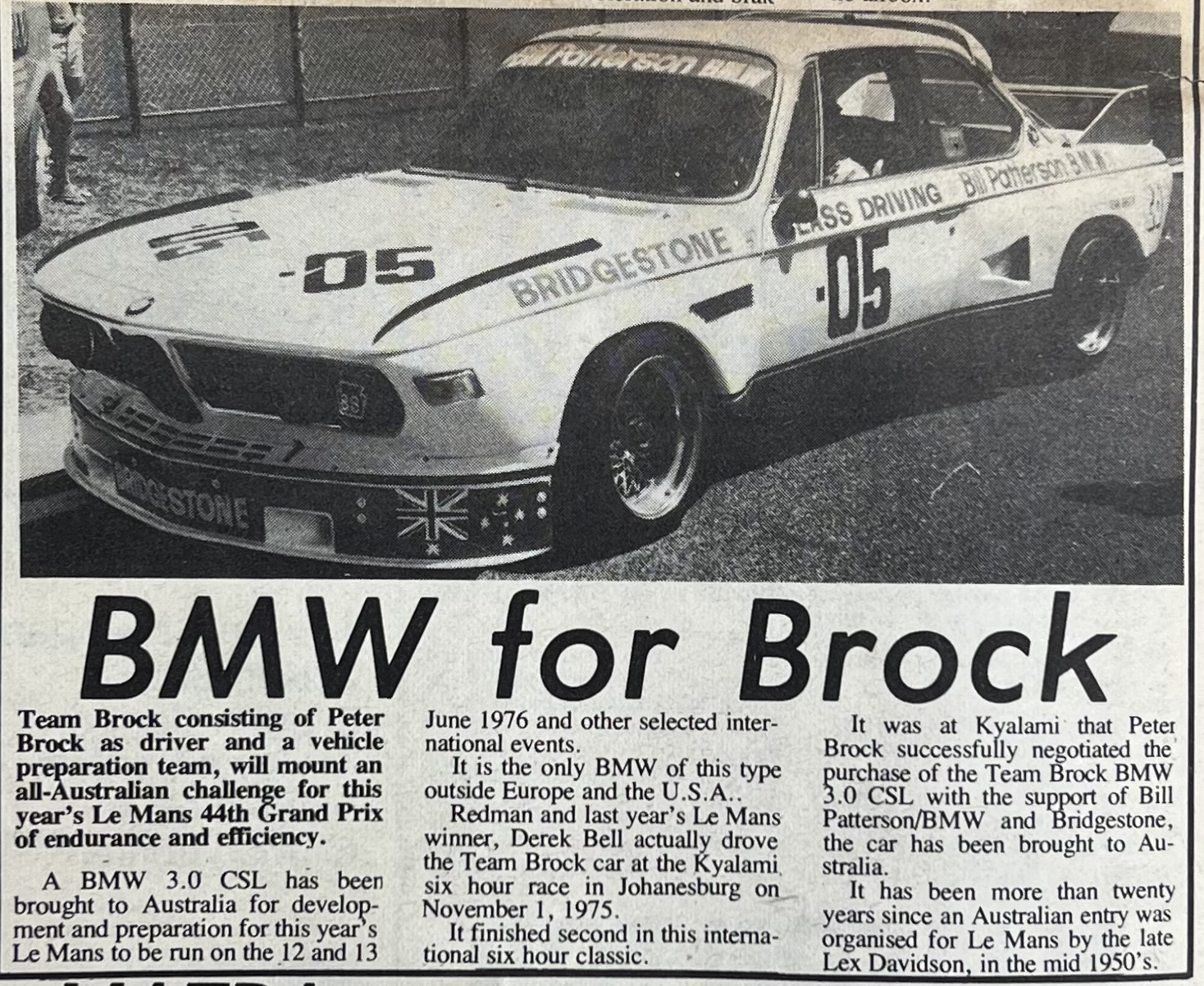
Bill Patterson – 1960 Australian Gold Star winner and Ringwood-based, multi-site Holden and BMW dealer, was a racer to the core – was undeterred, the planned domestic Holden program and Le Mans was on, albeit the sponsorship reflected a Carlton Draught budget, Moët money it was not! Auto Action broke the story in its February 19, 1976, issue #130.
Brock’s glorious BMW broke cover and was the Belle of the Ball in the Sandown Rothmans International paddock over the February 15 weekend. Peter did some demonstration laps using enough revs to give us all an aural taste of that big straight-six.
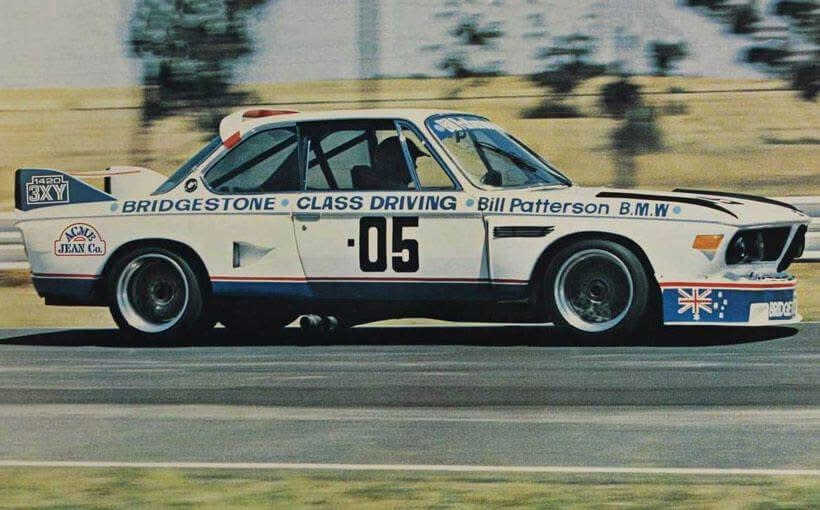
Naturalising the Bavarian Beauty…
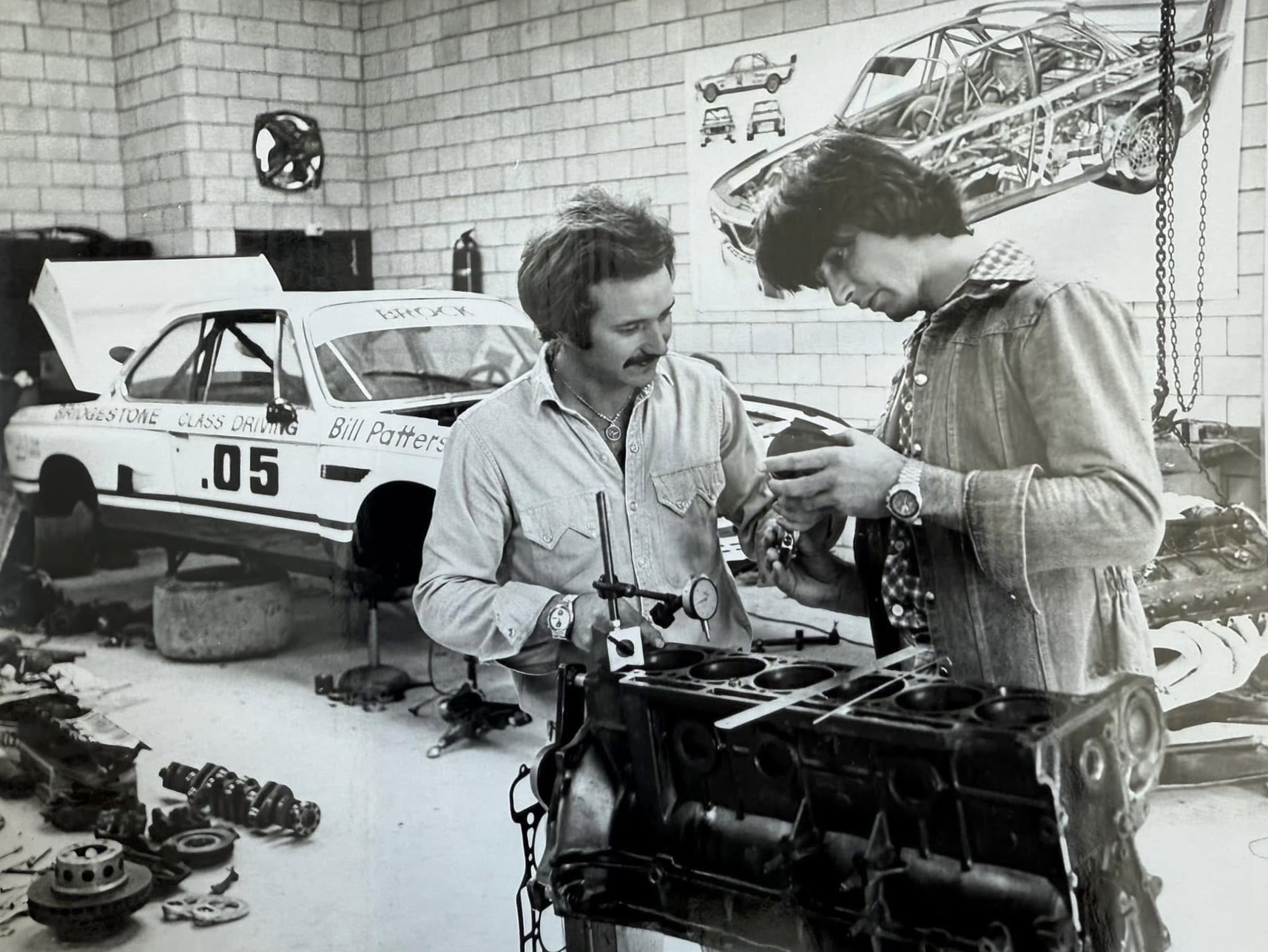
Le Mans 1976 was being held on June 12-13 so the small team comprising chief mechanic, Bob Gracie – ex-Gown Hindhaugh – and Garnett Bateson, longtime Brock friend set to work in Unit 1, 30 The Concord, Bundoora, modifying, lightening and preparing the car in addition to building a new L34 for Brock’s assault on the reformatted Australian Touring Car Championship (ATCC). Peter acquired a low-mileage L34 driven by Melbourne’s Wayne Mitchell in club racing in 1975 for that purpose.
The Bathurst 1000 was now a stand-alone event while the ATCC and Manchamps became an 11-round ATCC running from February to November.
Brock’s Boys were to prove very busy that year. Before BMW HQ pulled the pin, Bateson had been to Munich and had a crash course on the nuances of these fast Germans.
The CSL’s right front had been damaged at Kyalami and was repaired properly by Myles Johnson and Chris Farrell, and was then painted for a photo shoot at Calder to assist in rounding up additional sponsors before being taken back to Bundoora for stripping to a bare shell.
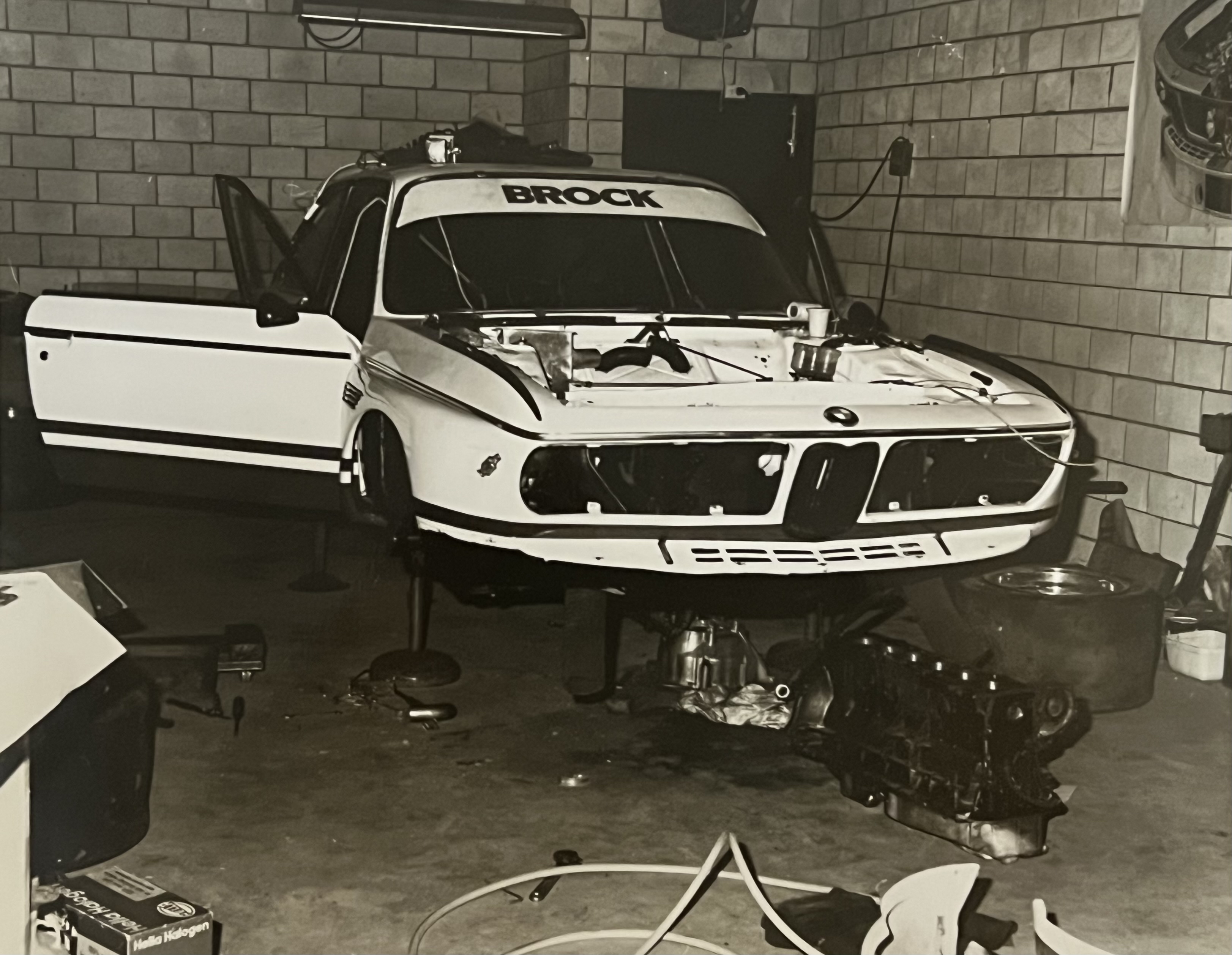
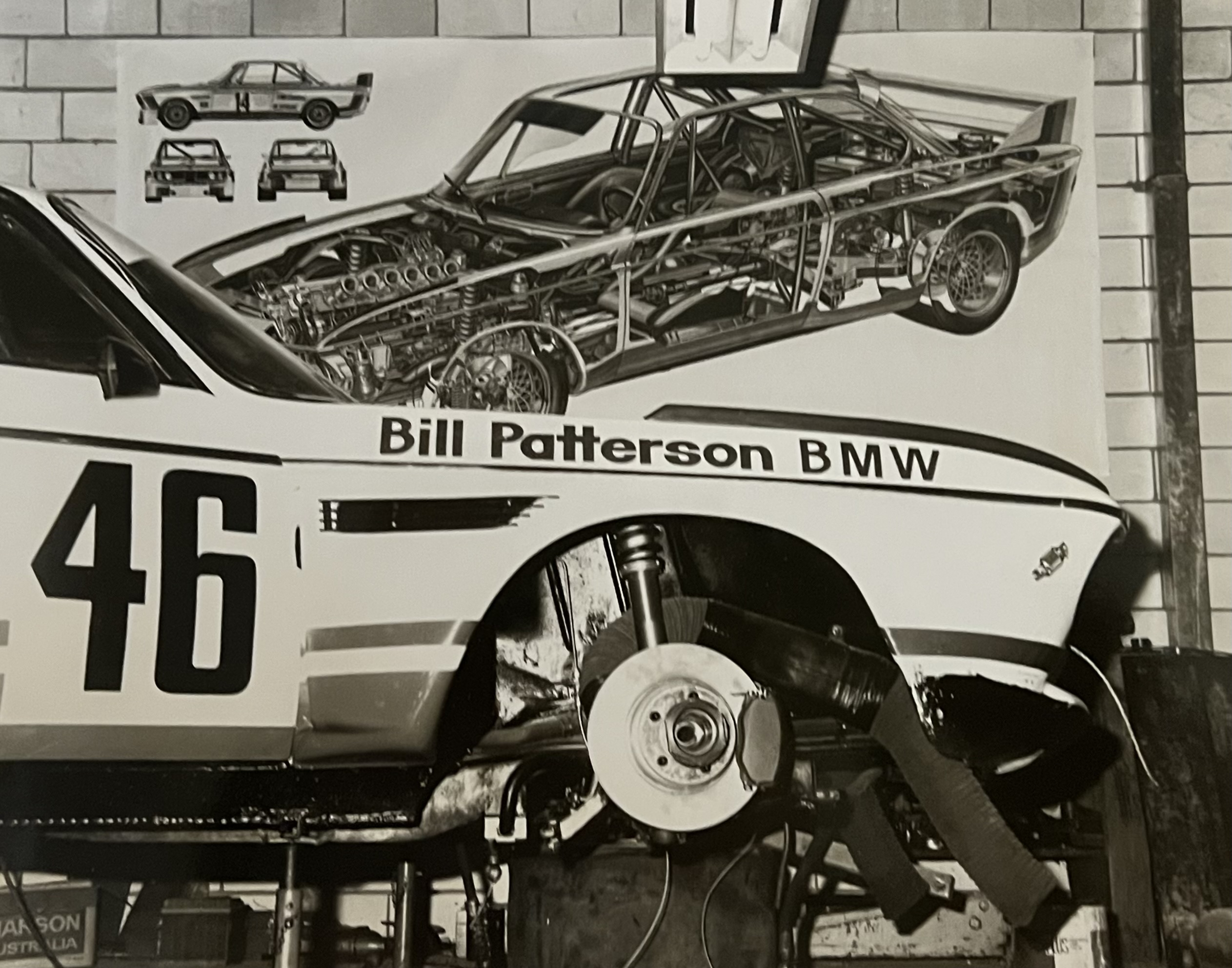
Brock described the process of preparing the car for Le Mans as ‘Naturalising the Bavarian Beauty’ in his Auto Action column on April 1, 1976 (AA#133).
‘We’re taking off the electric brakes the Germans use and replacing them with the biggest ventilated discs we can get and dual master cylinders. Then the water injection and electric fan to cool the brakes will go, and in their place will be huge air-cooling tubes, ducting air from the front of the car. This should give us a better, lighter, more durable system.’
‘While the Aussies removed the ABS and related, the calipers remained as fitted by BMW; Lockheed, not Girlock as claimed in a couple of Australian articles,’ advises Alex Elliott, whose UK-based Roundel Racing rebuilt and restored the car in the 2000s.
Brock, ‘Then we will attack the engine to extract some more horses. The BMWs have canted engines, but the latest trick is to stand them upright to get a better inlet manifold run and exhaust shape, which are worth 15 horsepower alone! Further modifications, particularly to the cylinder head, should see us with over 490bhp, more than the works cars. We’ll put the standard works engine on the dyno first and then make all our changes so that we really know where we stand in the horsepower stakes. I’ve always been very suspicious of overseas horsepower claims.’
European Touring Car Championship (ETCC) rounds – the series for which the BMW CSLs had been primarily designed and built to win – are typically of no more than about four hours duration. ‘The major problem with these BMW engines in longer races was the head gasket. We spoke to Norman Wilson (designer of the 1967 F1 Championship-winning Repco-Brabham 740 V8) and decided the best fix was to dry-deck the mating of the head and block by suitable machining and use of O-rings,’ Team Brock Chief Mechanic, Bob Gracie recalled.
‘When BMW became aware of that there was a huge fuss, all the details I’m not aware of, but in the end, we ran an engine supplied by BMW. Exactly how the sponsorship worked, who paid for what and so on was Peter’s area. Garnet and I were focused completely on getting the cars ready.’
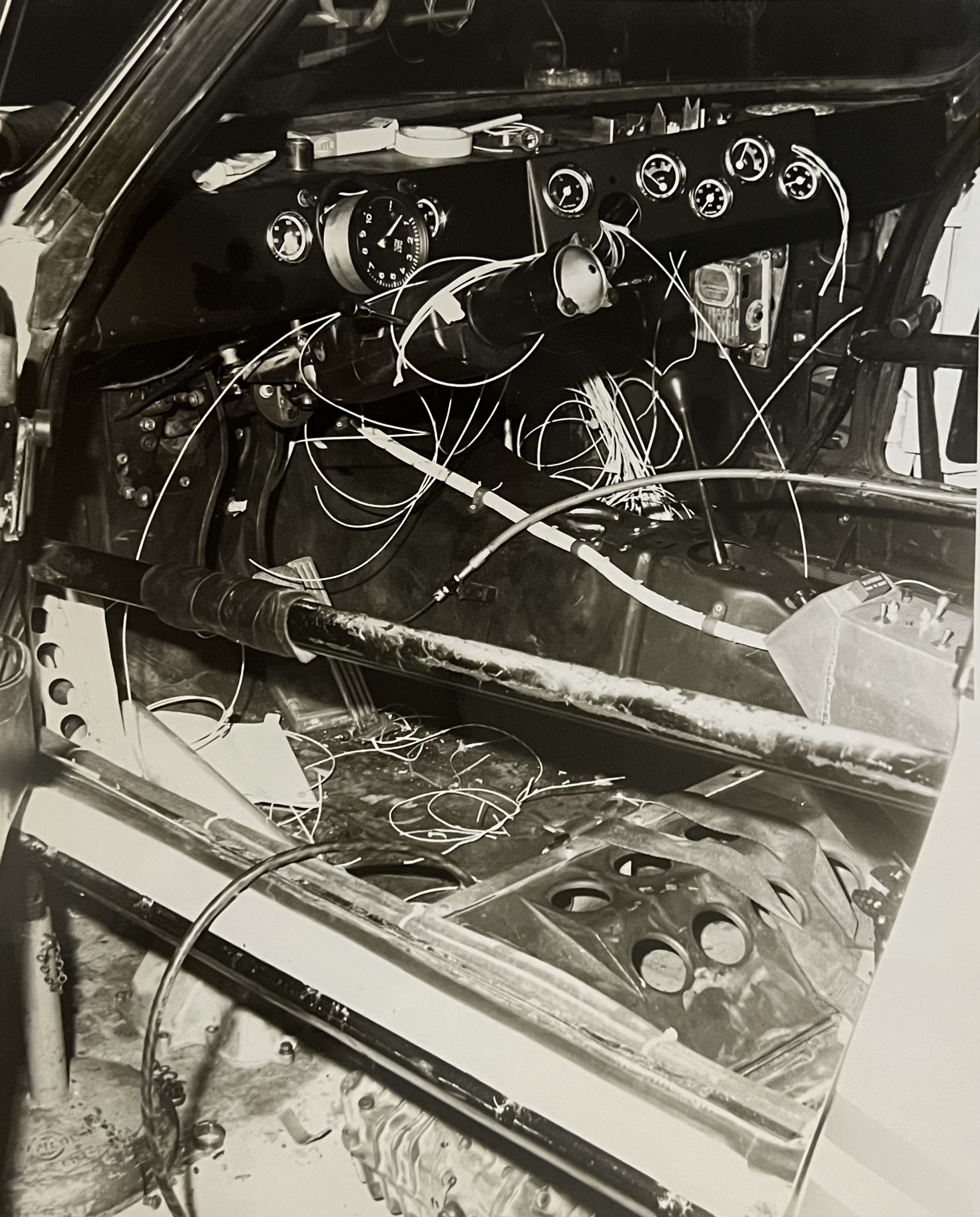
Brock, ‘The whole wiring and plumbing system is unbelievably complicated and will be completely pulled out, and we will start from scratch using aircraft wiring and procedures to simplify everything.’
Aircraft technician Doug Hure designed and made a new dash and loom. ‘The fabricated aluminium dash, VDO analogue instruments and wiring loom using aircraft components was great, it was a shame to rip it all out!’ Elliott observed.
‘The body will be left pretty well as it is, although we’ve rubbed it back to the bare metal and were happy to find no signs of major damage to the car, which has only done about nine races in its life.’
‘The works cars have some new rear flares, but these were designed for use with rear radiators and produce more drag, so we’ll stick with the old rather than change the car just so that it looks like the current works cars. All the same, we believe we can get the body weight down by about 200 lbs.’
‘The real Australianising is in terms of protection, we’ll protect everything! It might be overdesigned in many areas, but one thing is certain – it is the most immaculate car I’ve ever driven.’
‘We took it for a bit of a burl down at Phillip Island, and even on the bumpy parts, there wasn’t a trace of wheelspin. You can just heave it into a corner, and the thing just hangs on like the proverbial. Len Lukey really looked after us down at the Island, he even locked up the cows for us!’
‘I always like to have my feet firmly on the ground but I really got the message when the Le Mans organisers sent us a letter addressed to “Team BLOCK”! Those Froggies really know how to put you in your place!’
Brock raced Warren Cullen’s L34 in the second Calder ATCC round in mid-March. The Team Brock-built L34 splendidly debuted at Sandown on April 11, finishing second overall to Bond’s Dealer Team car, but winning the second of the two races counting towards the ‘Marlboro 200’. Brock expressed his delight with the debut win but confessed that ‘with all the work on the L34 the BMW has been a little bit neglected’ in his April 15 AA column.
With Le Mans becoming more urgent, Peter and the team didn’t return to the local fray until the Sandown 400 in September.
During April-May, Gracie and Bateson rebuilt the BMW’s Getrag five-speed gearbox, while John Brookfield was also heavily involved in myriad tasks in the final stages of preparation.
The BMW’s appearance at the March Melbourne International Motor Show was also accommodated. David Segal wrote in Chequered Flag ‘that the star of this year’s show was Peter Brock’s BMW 3.0 CSL, which revolved on an elevated platform in the middle of the main hall. Looking immaculate in its red, white, and blue colour scheme, it attracted huge crowds who gazed in awe throughout the show.’
In early June, Grant Tasker recalls taking the BMW to Tullamarine – 90kg lighter than when it arrived – for loading onto the plane and having Gracie fall asleep at the Camp Road railway boom-gates, he was so tired after months of preparation of the CSL…and the L34.
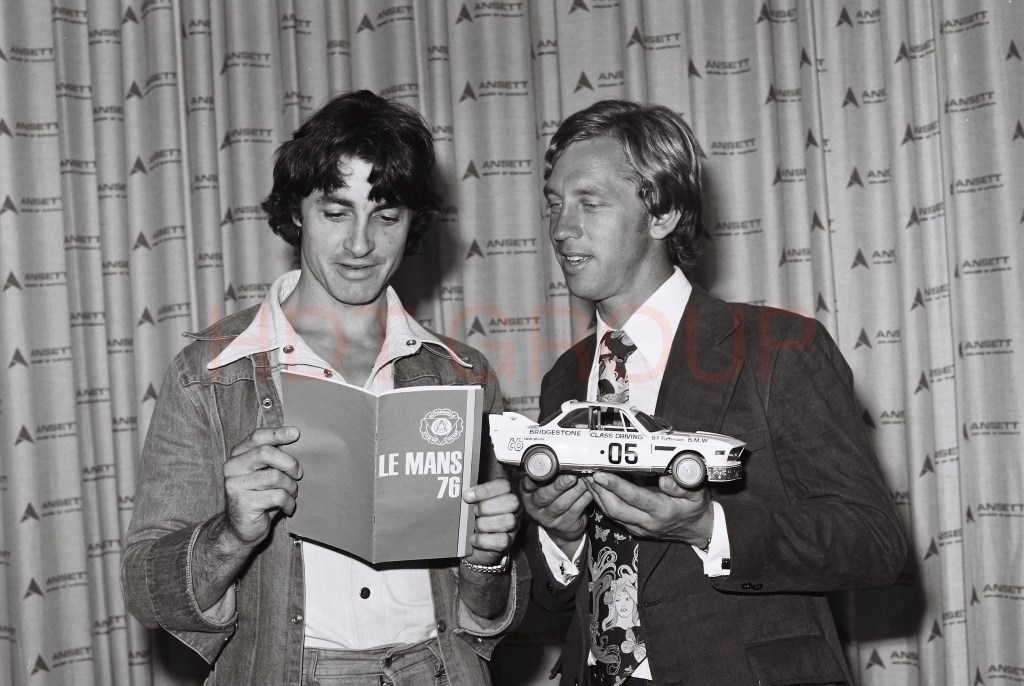
Brock’s co-driver was to have been Vern Schuppan, but when the occasional F1 driver bagged a ride in an outright contender – he was entered in a Mirage M8 Ford Cosworth DFV, initially without his knowledge – another UK-based Aussie International, Brian ‘Yogi’ Muir jumped at the chance.
Muir was the perfect choice; he had been racing CSLs in sprint and endurance events throughout 1971-72. Not only that, his Le Mans experience dated back to moon-shot-fast works-Ford GT40s in the mid-1960s. See here:https://primotipo.com/2022/09/03/brian-muir/
Bon Voyage…
When they boarded their respective Qantas Jumbos to Europe Gossy turned left; his drive was funded by Shell, Citizen Watches and 2UW, whereas Australia’s finest turned right with a much tighter budget. It was Brock’s outfit and he had a close eye on the pennies!
While Goss headed off to find his team owner, Jean Blaton (Beurlys) and co-driver Nick Faure, Brock was immediately involved in a barney at Heathrow over his vast cache of spare parts and applicable import duty in relation thereto.
‘Our base in the UK was at Brian McGuire’s Windmill Caravan Hire business. Brian and Alan Jones went over to Europe together. Brian wasn’t as successful as Alan as a driver, of course, but he did well in business. He ended up dying in a Williams F1 car (Williams FW04 Ford aka McGuire MN1 at Brands Hatch in 1977), Gracie recalled.
‘We were still finishing the car in the UK,’ The team towed the car to Le Mans less most of their spares…
Goss’ mount was a brand new 934 purchased by Blaton and was prepared for Le Mans by the renowned Kremer Racing in Cologne to run in the 4-5-litre GT Class. While Jean was a gentleman racer, Nick Faure was anything but; he was a quick, seasoned British professional. Prima facie, Gossy’s prospects looked pretty good.
The fifth Australian on that ’76 Le Mans grid was Tim Schenken. Tim had been UK-based since 1967. He raced Gelo Racing (Georg Loos) Porsches throughout that year; 24 starts for three wins and five second placings. At La Sarthe, he was paired in a 934 with Toine Hezemans. By then, Tim and Howden Ganley’s Tiga Cars was in full swing.
The Team Brock French Equipe comprised the three drivers, Brock, Muir and Frenchman Jean-Claude Aubriet. ‘He was a good guy, an experienced driver who came up with some money. He owned a Peugeot dealership somewhere not far from Le Mans. Brian Muir brought three of his blokes, on top of that was Garnet and I, Doug Hure, the electrical technician and Mike Ryan from Bridgestone Australia, he took care of the fuelling.’ Bob Gracie recalled.
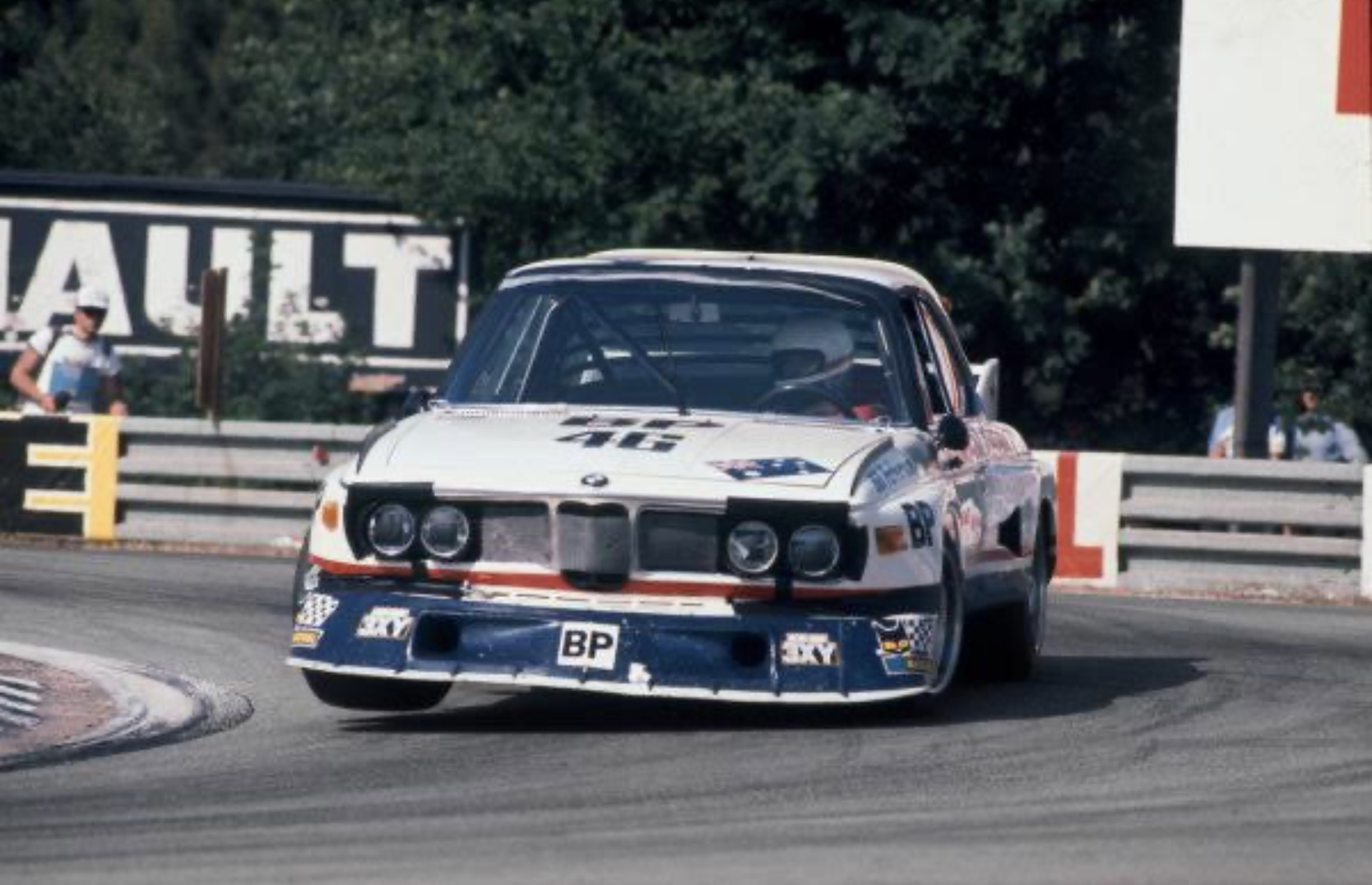
‘The track didn’t worry PB at all, but he was hugely stressed with all of the money issues over the whole weekend, right up until he got into the car for the start. Muir was fantastic and just did everything you’d expect. When he came in after his first laps and said, “I can’t believe it, finally a BMW that stops!” we knew our changes had worked! The car was good, nothing was a problem for him.’
So tight were Team Brock’s finances that Brock qualified the Group 5 4-5-litre class machine down the back, 48th of 58 cars on old tyres.
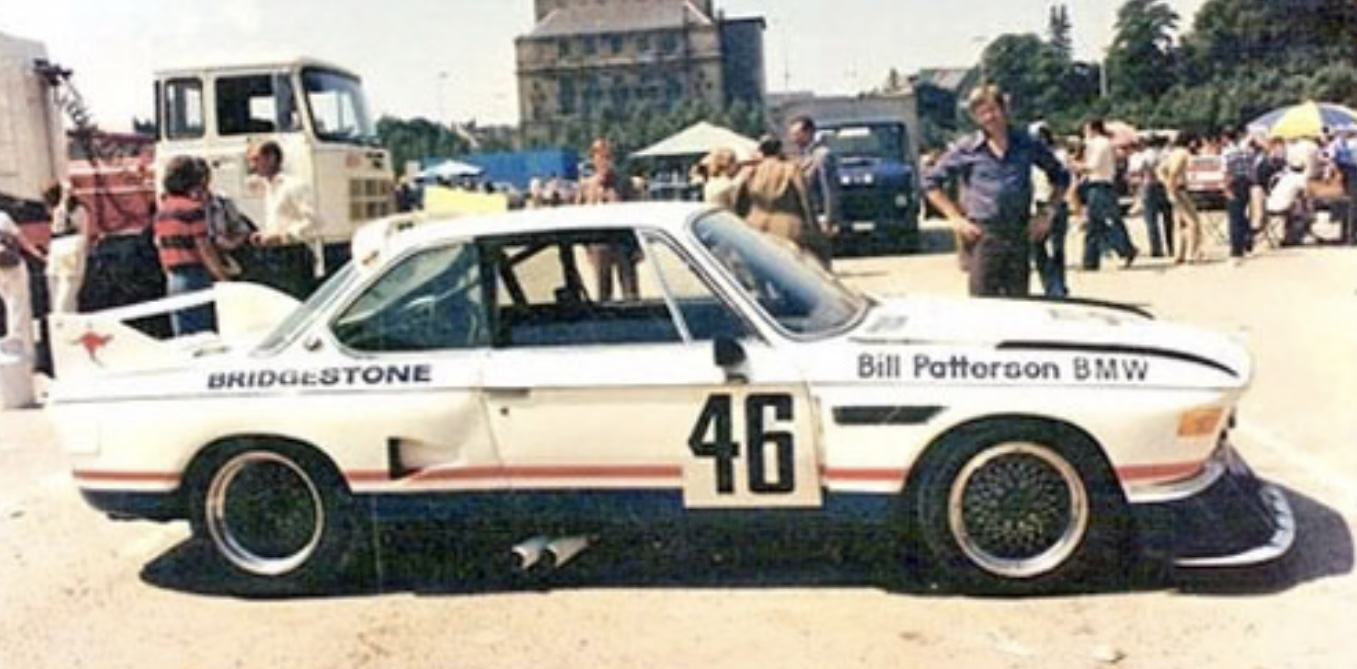
Despite being the slowest of the 3.5 CSL qualifiers, the team knew they had a fast car on new tyres. It was lighter than the other CSLs thanks to its Oz-mods, was fitted with a 3.5-litre 24-valve M49/2 engine, but not the current, wide-draggy-body that had the radiators mounted at the rear.
A consequence of that lot was a very quick BMW along the 5 km Mulsanne Straight, the Bundoora Boys turned the heads of a few wise-owls in the pitlane both before and after the race.
Brock told David Hassall, ‘The car was very quick, even compared to the works cars. We actually set the fastest BMW lap time during the race, so the car was no slouch at all. We stayed with the old-style rear flares but fitted a new, bigger front air-dam.’
‘We also had a Frenchman (co-driver Jean-Claude Aubriet) helping us, and he modified the rear deck wing. The car was very twitchy, and it wasn’t until after the race that we discovered that it was fitted upside down!’
4PM Saturday, June 12, 1976…
The race immediately turned into a disaster for Team Brock. The car felt a bit strange to Peter on the warm-up lap before the rolling start. As he accelerated hard past the pits for the start, a humongous bang erupted from the big coupe’s rear as something broke in the right-hand-side independent rear suspension.
Peter limped around for the full, long, 13.6 km lap while the boys found a replacement part. ‘I don’t remember exactly what broke, but we didn’t have all our spares, so we had to use a works part which wasn’t a perfect fit. We had to block off the brakes on that side.’ The drivers contemplated the challenges of 24 hours on the most demanding of tracks in north-western France with brakes on only three of the four BMW’s wheels.
Brock, ‘Of course, it was fairly strange for the first few laps but we got used to it and it actually braked quite truly. We ran like that until the car stopped after 18-hours and the brakes had still lasted. What’s more, we got twice as much pad wear of the factory cars using the same type of Hardie-Ferodo pads we used at Bathurst. They were magic.’
‘The cars themselves were fairly fragile for that sort of race. The engines were only guaranteed for 1000km, and we’d done about 2500km when the head gasket blew. I thought about plugging around to the finish, but the engine was too badly damaged and there wasn’t time to fit the spare.’
Gracie recalled that ‘we had a problem with the Getrag ‘box too, we had to pull it out, I don’t remember exactly what the drama was, but we fixed it and popped it back in, then off we went again.’
Brock ‘We’d made up a lot of the ground we lost at the start of the race, and at one stage we were the last healthy BMW still running. That made the BMW people take a bit more notice of us. Looking back on the race, I guess we did better at Le Mans than I thought at the time.’
According to the ACO’s website, Brock’s quickest race lap was a 4:12.900, faster than all of the 3.5 CSLs except the John Fitzpatrick/Tom Walkinshaw and Harald Grohs/Sam Posey/Hughes de Fierlant machines…with brakes on only three wheels, no wonder BMW’s hierarchy were impressed!
The highest placed of the CSL 3.5s – the only finisher – was the tenth placed works machine driven by Posey/Grohs/De Fierlant.
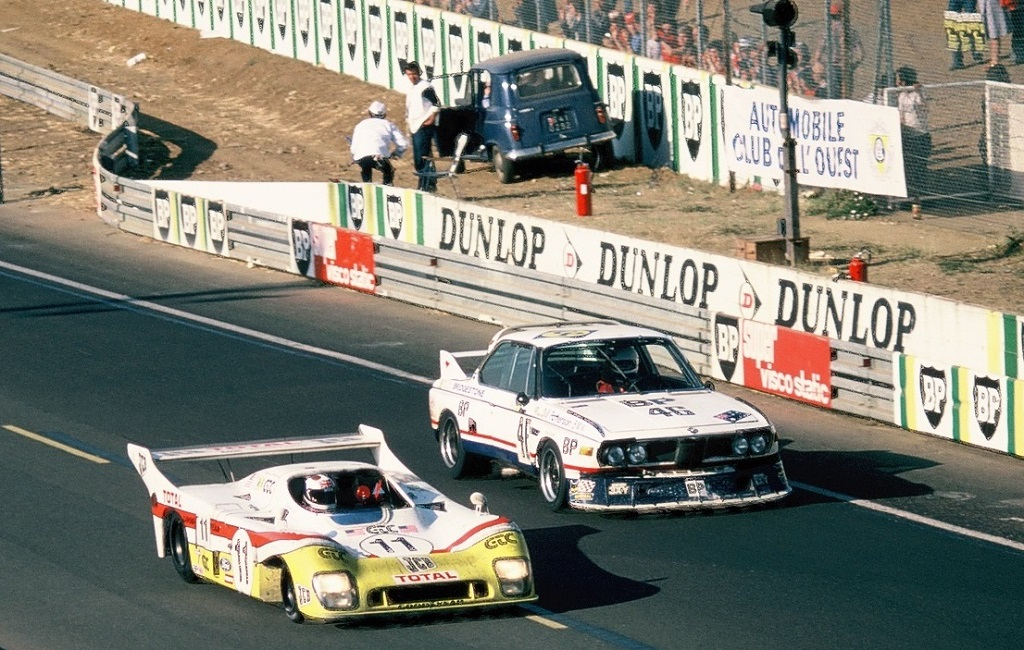
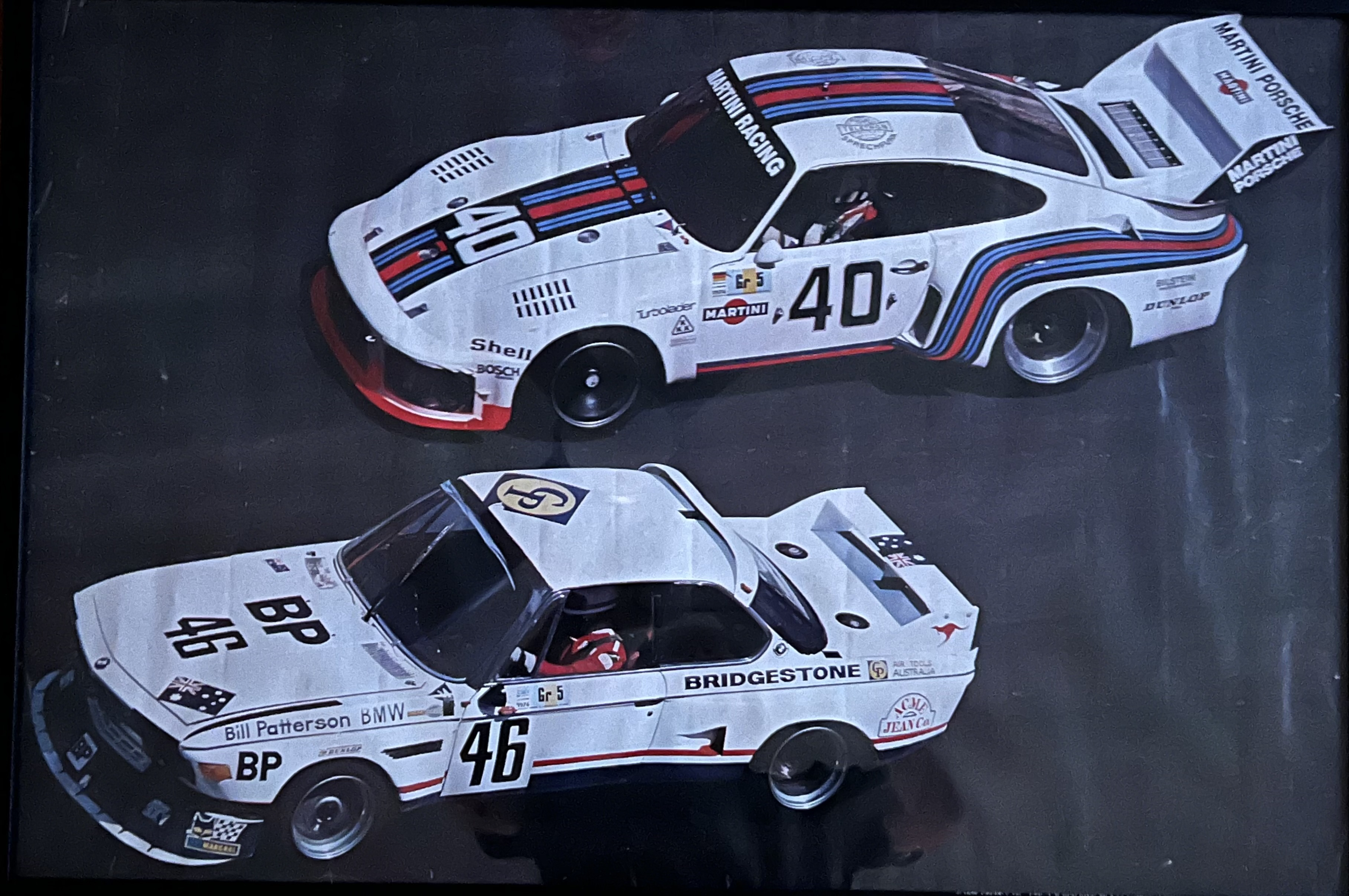
Up at the pointy end, Porsche dominated. The turbo-charged 2.1-litre flat-six 936 sports-racer driven by Jacky Ickx and Gijs van Lennep won the race by an enormous 11 laps from the French crewed Mirage GR8 Ford DFV handled by Jean-Louis Lafosse and Francois Migault.
Vern Schuppan had a better race than his fellow countrymen, finishing fifth in the Mirage GR8 Ford DFV he shared with Derek Bell. Like Brock, Goss had a tough afternoon at the office. The car started 27th but had a series of turbocharger failures during the race that hampered progress. His new Porsche 934 completed insufficient laps (169) to be classified a finisher. Tim Schenken and Toine Hezemans were 16th in their Gelo Porsche 934. ‘I didn’t ever finish at Le Mans, my best chance was in the Ferrari 312PB in 1973,’ Tim told me at a pre-AGP function last week. In fact, he did finish!
After Le Mans, Team Brock took the car back to their Windmill Caravans base, and repaired and prepared it for the Zeltweg, Austria round of the World Championship of Makes, the Osterreichring 6 Hours on June 27.
Brock shared the car with Guy De Saint-Pierre and Jean-Claude Depince. The trio qualified reasonably well in 13th spot but failed to finish when the engine snapped an oil-pump drive chain after 42 of the winner’s 187 laps. The Schnitzer-BMW crew of Dieter Quester and Gunnar Nilsson were victorious.
There was no shortage of Bathurst competitors on that grid, including Quester, Derek Bell and Vern Schuppan (sharing a Porsche 935 to fourth place), Jacky Ickx, and John Fitzpatrick and Tom Walkinshaw. The latter pair shared a CSL to third place with Tom, so enamoured of the CSL breed that he soon bought Brock’s machine for his racing car collection…
Home Again…
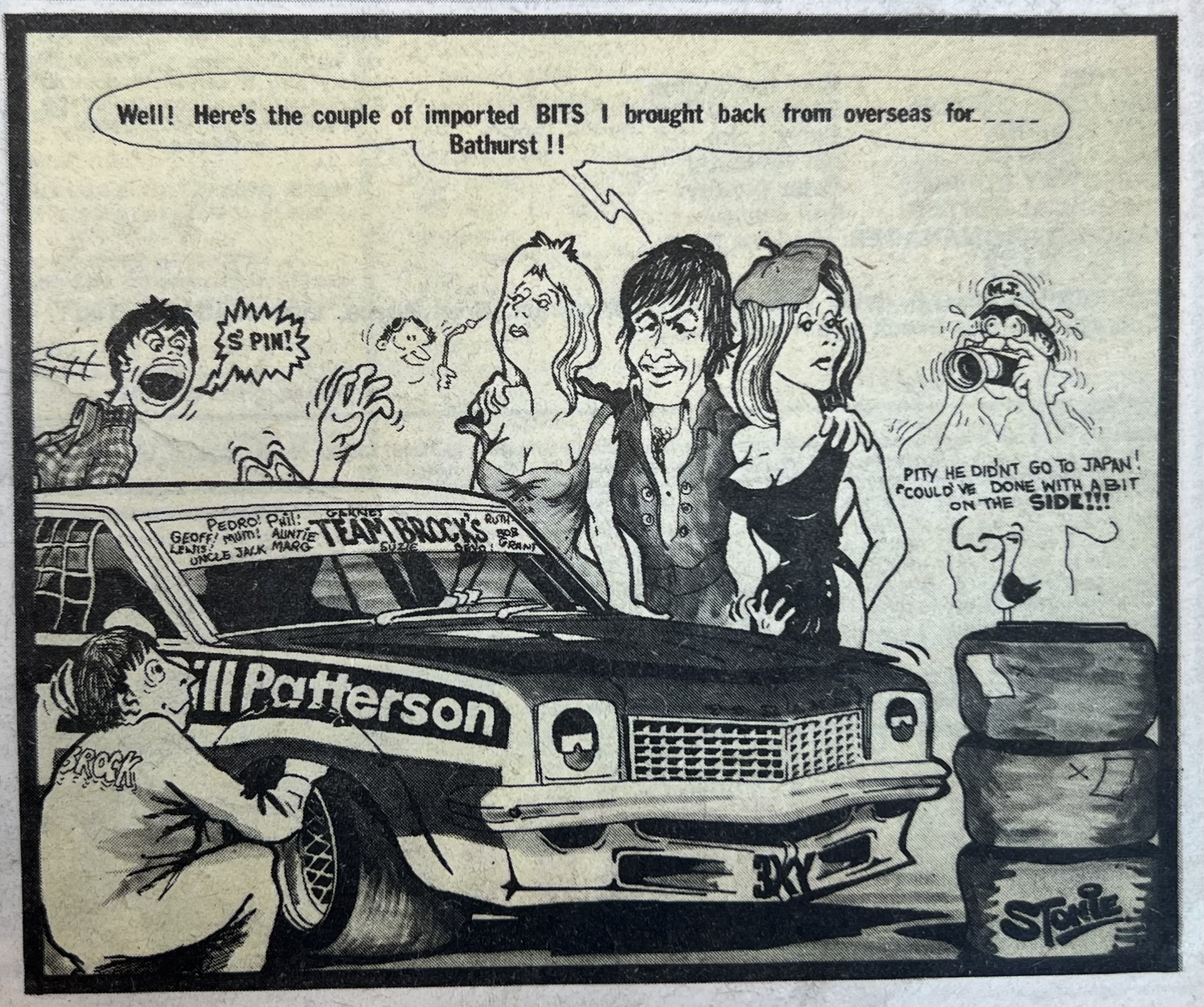
The BMW was taken back to the UK and readied for sale by Gracie while Brock and Bateson returned home to prepare the L34 for Sandown’s Hang Ten 400 on September 12. That Sandown weekend went well for the two Oz Touring Car Le Mans contenders. Brock took a fine Hang Ten 400 win from Allan Moffat’s Ford Falcon XB GT Hardtop.
Gracie, ‘It was such a rush to get the car completed. I was picked up from Tullamarine and taken straight to Repco in Maidstone to dyno the L34 engine before it was popped in the car on Thursday. Peter had won three of the last four Sandowns! ’
Then John Goss was victorious in a thriller-diller of an Australian Grand Prix battle with Vern Schuppan: Goss aboard his Matich A53 Repco-Holden and Schuppan in a works-Elfin MR8 Chev. Irrelevant but ironic is that the last big win for the Repco-Holden F5000 V8 was scored by a Ford Man!
While Brock, Goss and Schuppan were busy in Melbourne that weekend, Tim Schenken won the Nurburgring race in a Gelo Porsche 934. A strong weekend all round for ‘our Le Mans Lads’.
Brock wasn’t finished with Europe for the year just yet. He had tested a factory Dealer Team Vauxhall while in the UK and impressed team chief Bill Blydenstein in only six laps and was invited to contest the RAC Tourist Trophy at Silverstone alongside Gerry Marshall on September 19. The pair had a troubled race with brake problems in the Vauxhall Magnum after running as high as seventh outright.
While in Ye Olde Dart, Brocky did some unpaid marketing for the Australian Racing Drivers Club in the form of a Bathurst 1985 film night at the Steering Wheel Club, attended by many pressmen and interested drivers.
There was much anticipation about Brock racing the Bavarian Beastie in Europe further, but Peter used his final 1976 Auto Action column (issue #152, December 24) to announce the sale of the car which ‘has been completely rebuilt to 1976 specs with vertical engine, Schnitzer injection, 5-speed magnesium gearbox and a heap of spares including diffs, wheels and tyres…’
Perhaps the fact that Holden Dealer Team Tsar, Harry Firth, announced his intention to resign from active competition at the end of 1977 gave PB the possible/probable long-term career progression opportunity he sought! Serious European competition would not necessarily enhance that plan…
3.0 CSL #2275991 Sedentary Afterlife…
‘Peter had run out of money, so he had to sell the car. I got the BMW ready to race, ready for sale at Windmill Caravans before returning for Sandown. I left it there with Brian McGuire,’ recalled Gracie.
While the Batmobiles continued to win the ETCC annually until 1979, Brock’s car didn’t race again, making it an unusually low-mileage ex-works machine.
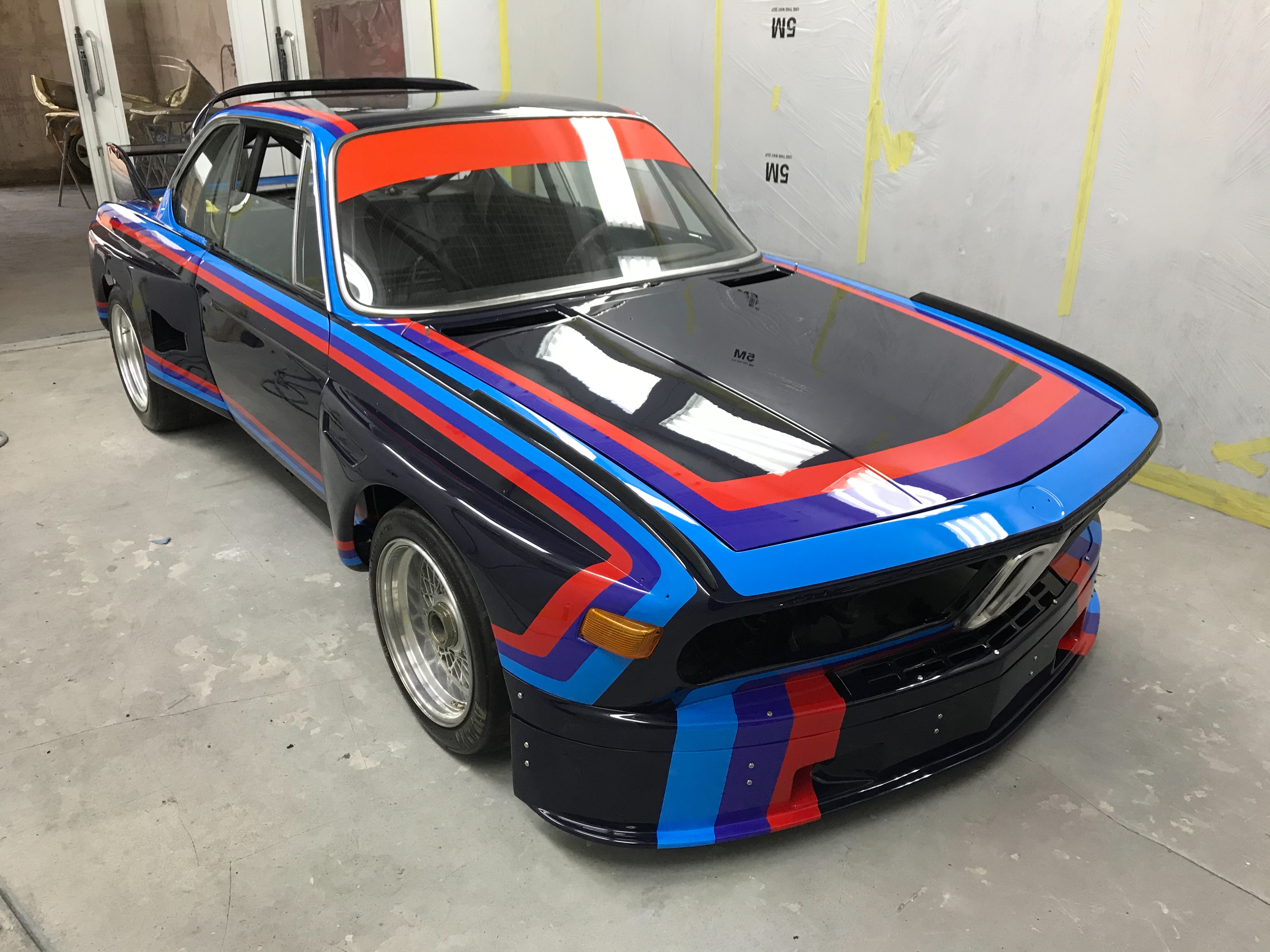
Tom Walkinshaw raced CSLs in the period and bought ‘our car’ for his collection; whether others owned the car before Walkinshaw is unknown. He repainted it in BMW Motorsport livery but in blue rather than white. The current American owner, who prefers anonymity, bought the car in the TWR Auction after things went belly-up for Walkinshaw in the early 2000s.
He engaged Alex Elliott’s Roundel Racing business in the UK to restore the car to its ETCC-winning 1975 specifications. While seemingly a straightforward job, ‘It wasn’t really as the dash had been replaced with a fabricated aluminium one and the complete electrical system was replaced, including instruments etc,’ Alex Elliott recalled.
‘Walkinshaw removed the engine and gearbox and either used them or sold them. By this time, the car had an upright-mounted M49-3 engine, whereas in 1974 it had a slant-mounted M49-2. As there are a few common parts between them, this was a mission to find.’
Afterthoughts…
There is every possibility that Allan Moffat’s 1975 Sebring 12-Hour win in a works-BMW 3.0 CSL shared with Brian Redman – then later in the race also with Hans Stuck and Sam Posey – stimulated Brock’s BMW thought processes. The Mutually-Admiring Melburnians will have swapped notes for sure.
It wasn’t the last time Brock raced a BMW; he campaigned Group A M3s in 1988.
Some may think, ‘Big Deal’ about a program that cost a heap and delivered little, but Peter Brock had put down a marker or three by the end of 1976.
Holden’s No. 1 Son exited the protective bosom of the HDT at the end of 1974 and simply continued winning with tiny-tot-team Gown Hindhaugh in 1975. ‘I’ll never forget Norm (Gown) telling me, “I’ve got a driver for next year, all I’ve got to do now is buy the car,’ Bob Gracie told Auto Action. ‘Who’s the driver?’ “Peter Brock!’ he said. So, we jumped into Norm’s car and went off to Dustings of Burwood (a long-time, now defunct Holden dealer located on Toorak Road, Hartwell) and bought the yellow L34.’
That small team then did the David and Goliath Thing with that car in 1975. PB then doubled down, raised some money, leased a workshop, assembled a team, built/rebuilt a couple of cars, raced overseas for a couple of months and still won three ATCC races (one heat and two rounds) in 1976.
None of this was lost on Holden’s Heads-Of. So, when John Bagshaw declared that ‘Peter Brock was the best car salesman Holden had’, it was hardly surprising – inevitable – when PB returned to the fold. Those management smarts he had demonstrated in the world outside Fishermans Bend would have been part of the overall talent assessment. That he didn’t always exhibit them is a story for another time!
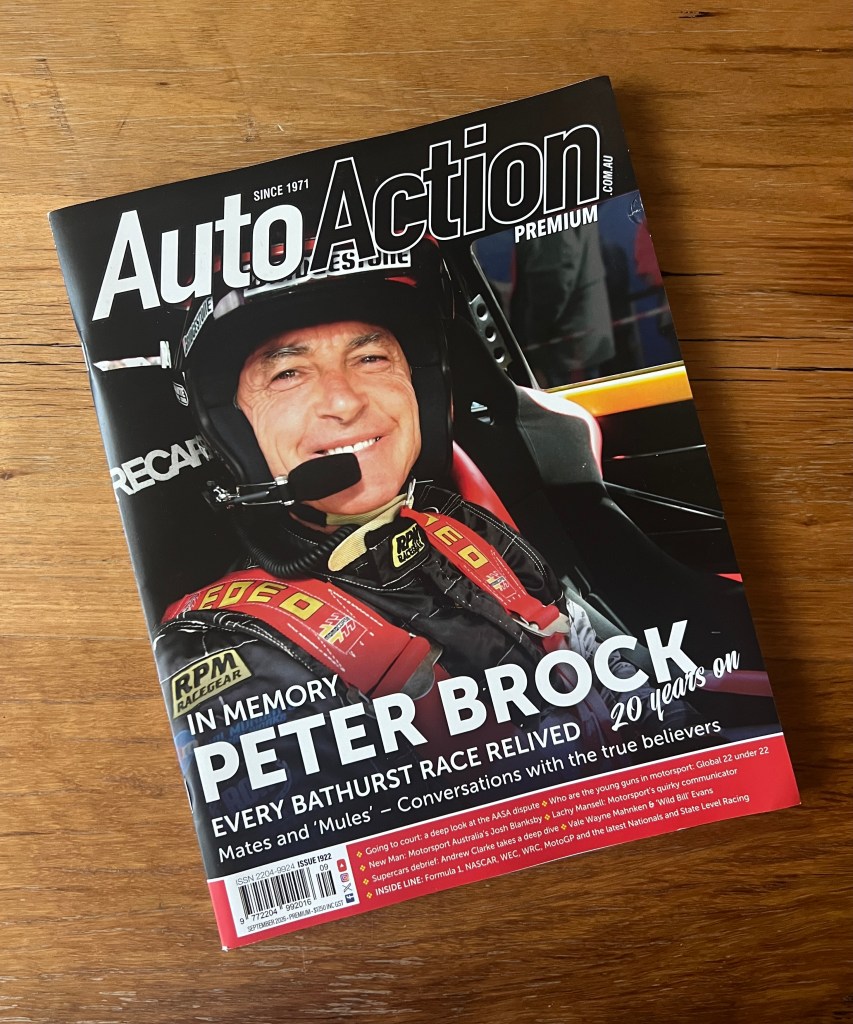
Brock addicts should buy the September issue of Auto Action Premium.
It has 25 pages on the great one written/contributed by various folks who knew him well: Wayne Webster and Bruce Williams. Williams’ piece has separate big chunks from Ian Tate, Graeme ‘Mort’ Brown, Craig ‘Norm’ Fletcher, Neil ‘Part’ Burns, Dean ‘Curl’ Orr, and and David ‘Davo’ Whitehead, the combination of which makes a fine insiders account of PB’s long career.
Even for a single-seater/sports car perve like me, this is a fine reference work to keep and draw upon in the future. See here:https://autoaction.com.au/2026/09/03/auto-action-premium-latest-issue-out-now-3
Reference Credits and Acknowledgements…
Bob Gracie, Stephen Dalton Archive, Alex Elliott-Roundel Racing, 24h-en-piste.com, BMW 3.0 CSL Shannons article by Mark Oastler, lezebre.eu, racingsportscars.com, Auto Action
Additional Photo Credits…
Ian Smith, Alex Elliott Collection, Bruno Betti
Finito…

