Posts Tagged ‘Jim Clark’

(IMS)

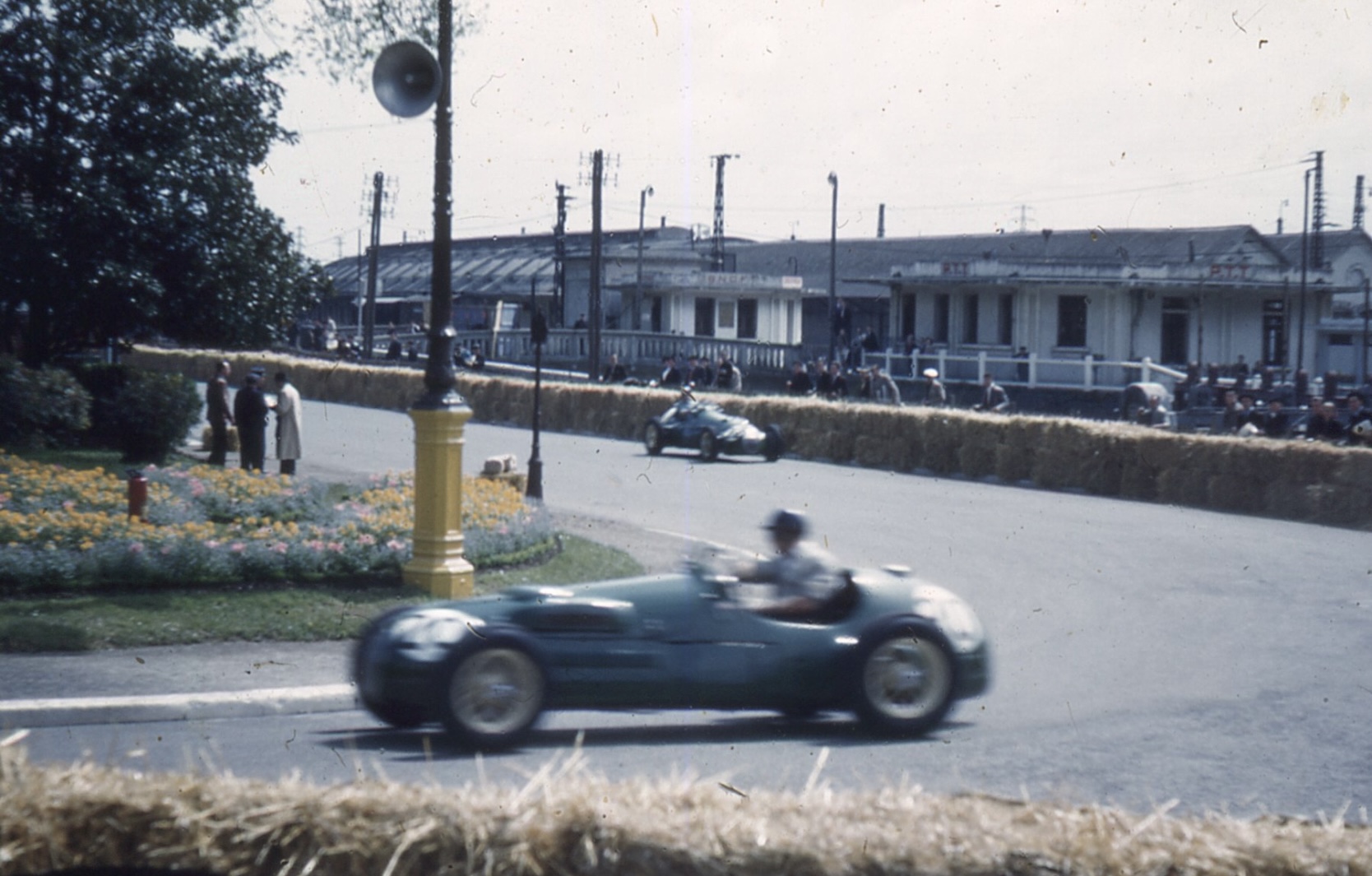
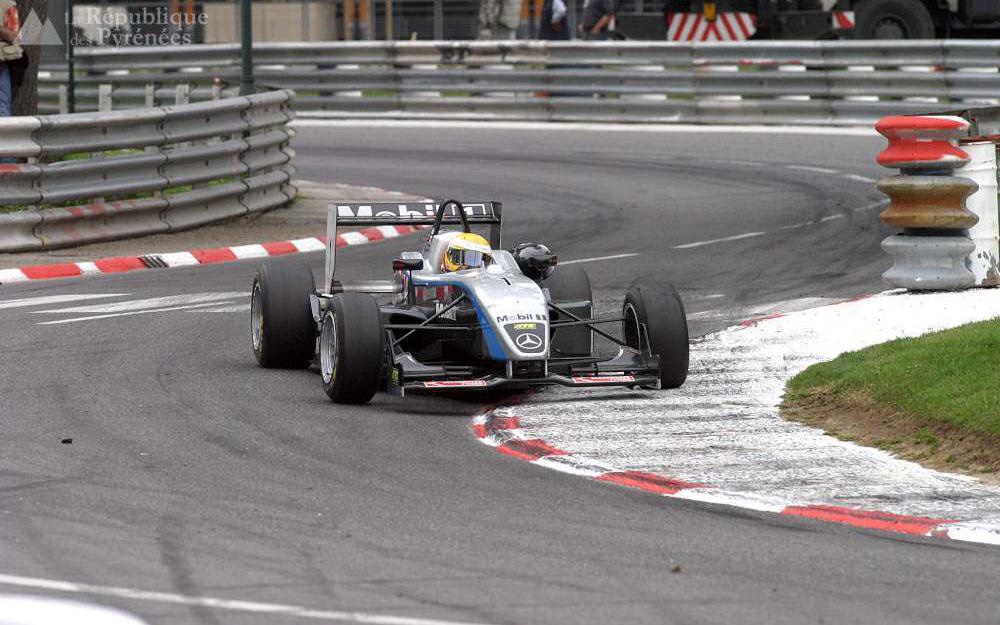
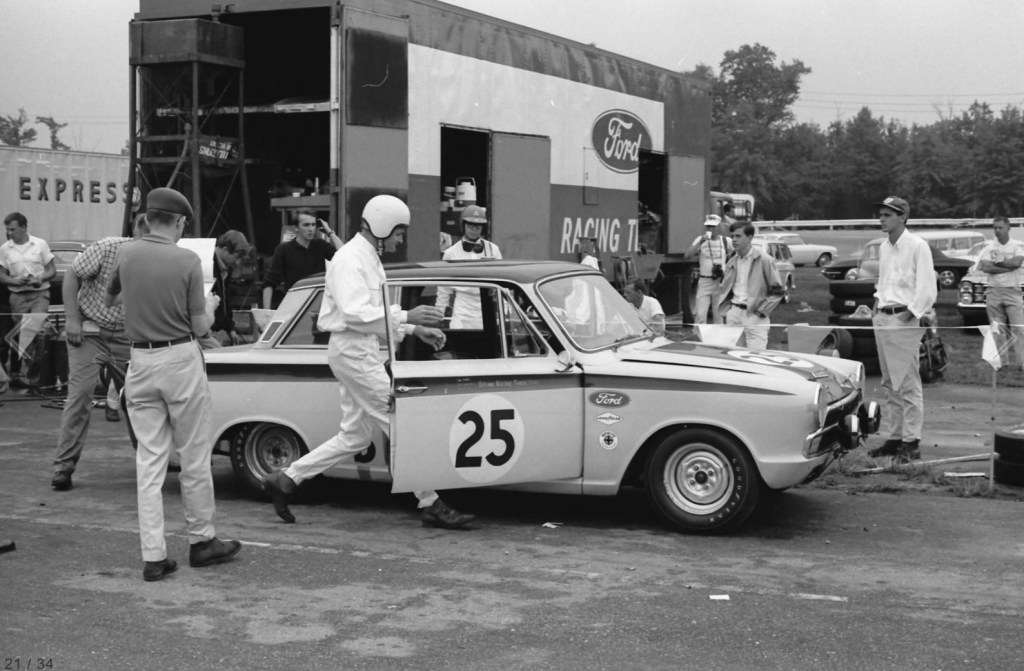
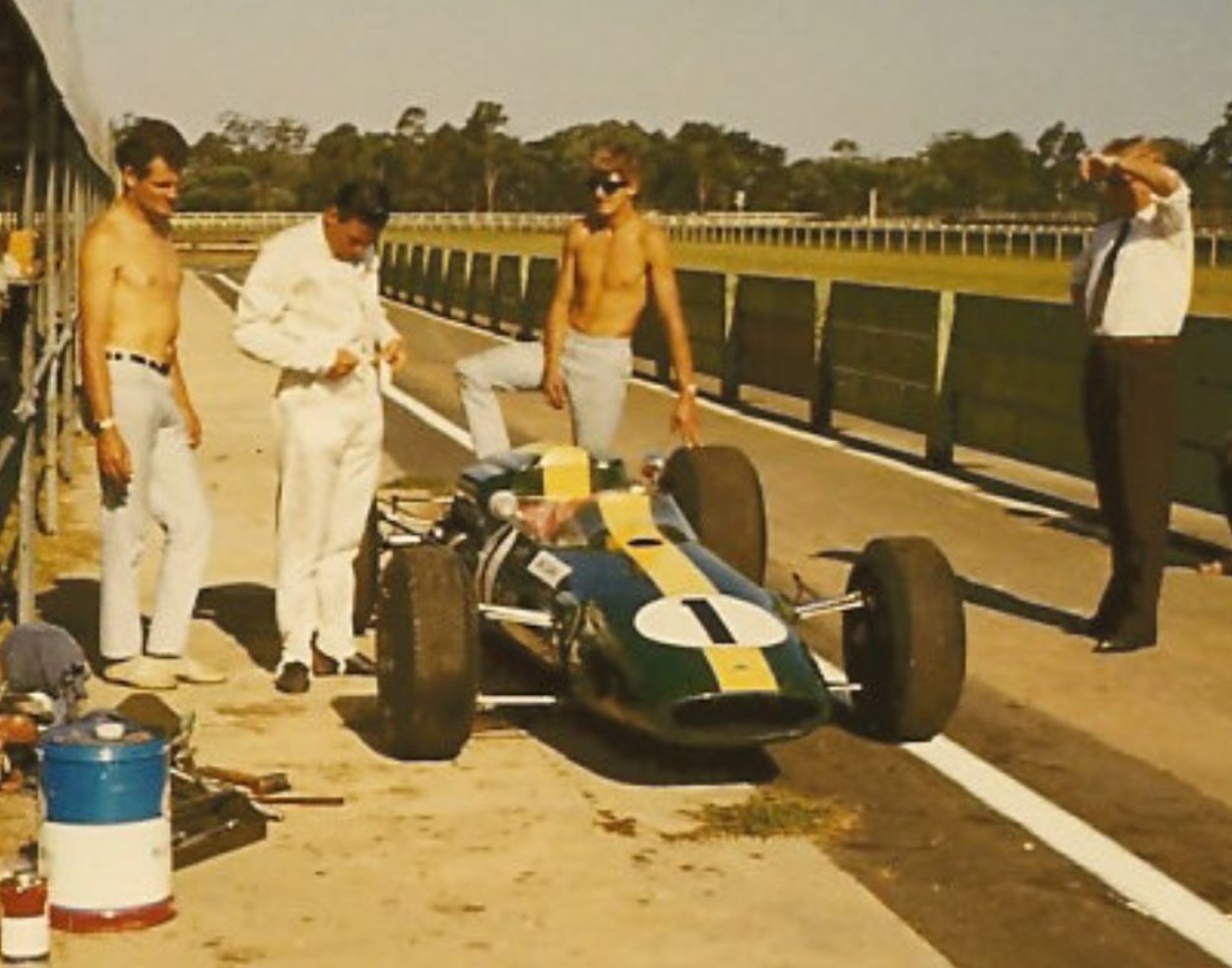
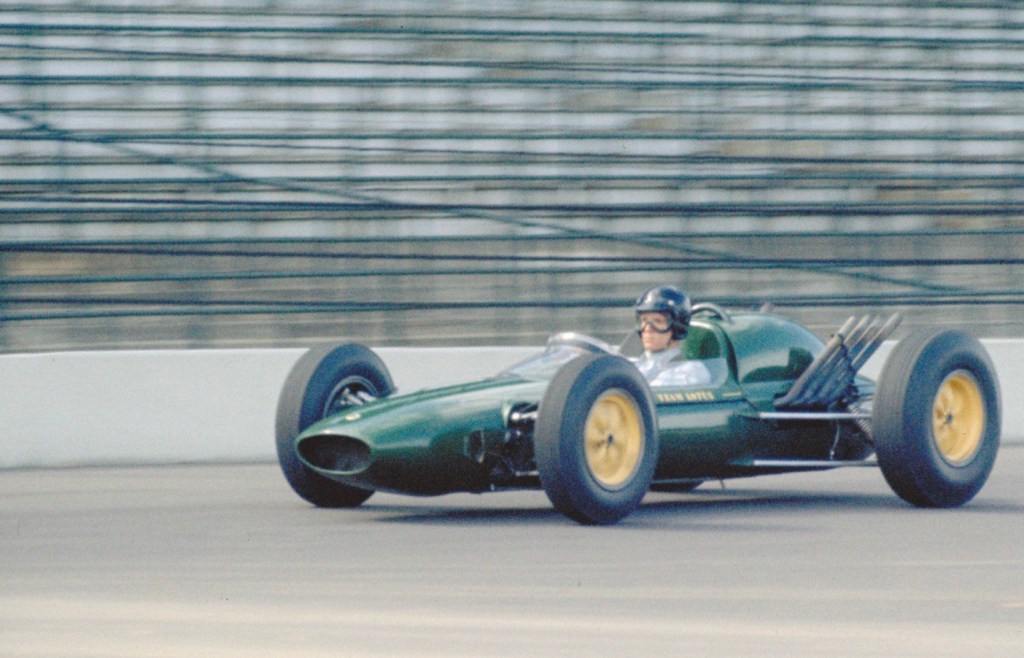
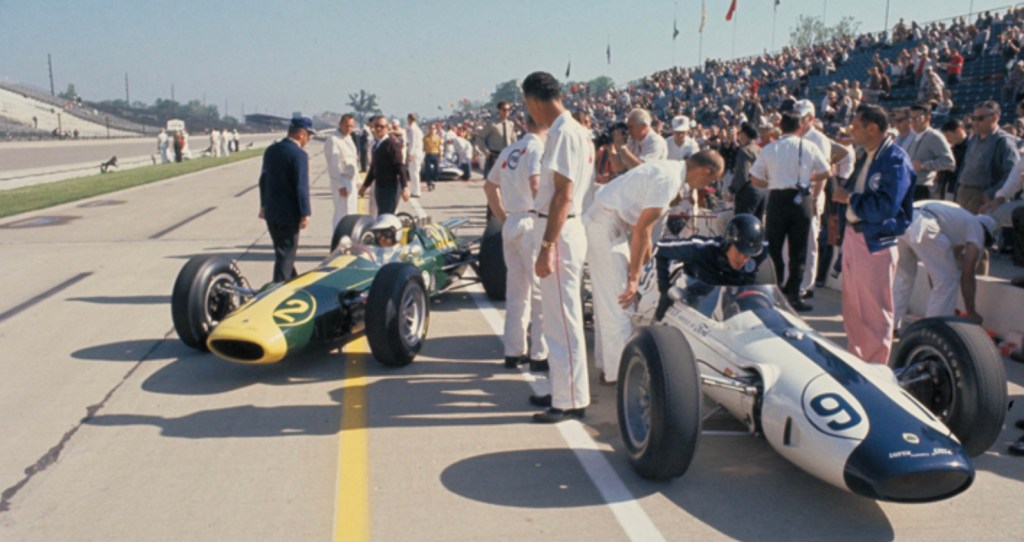
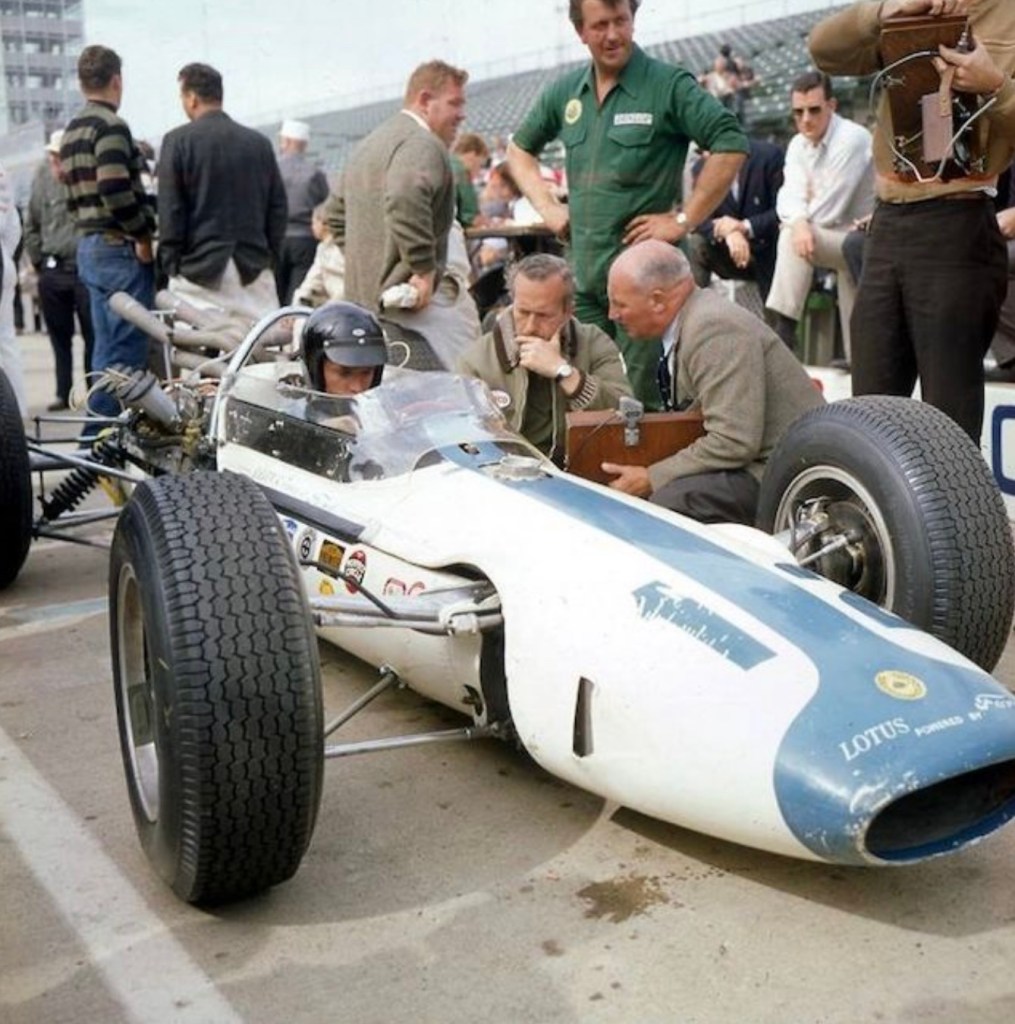
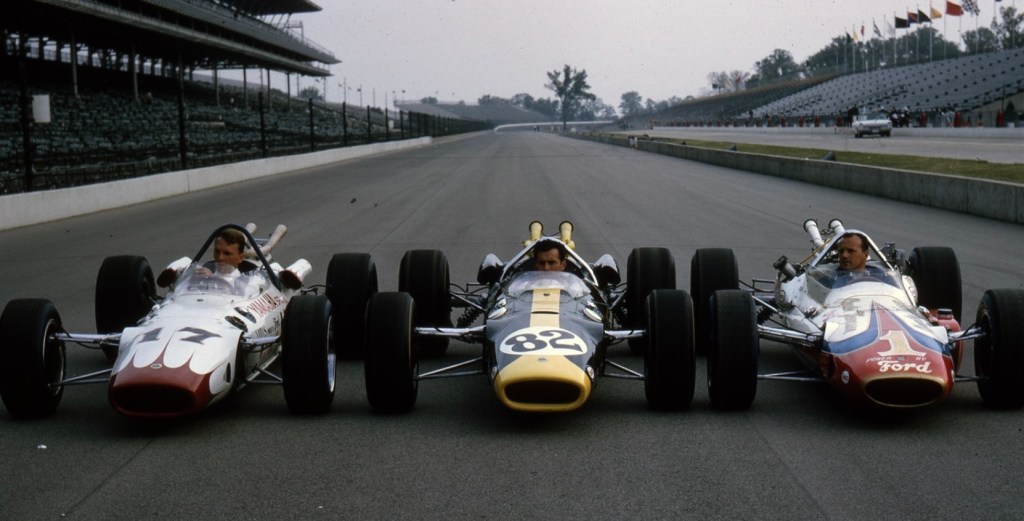
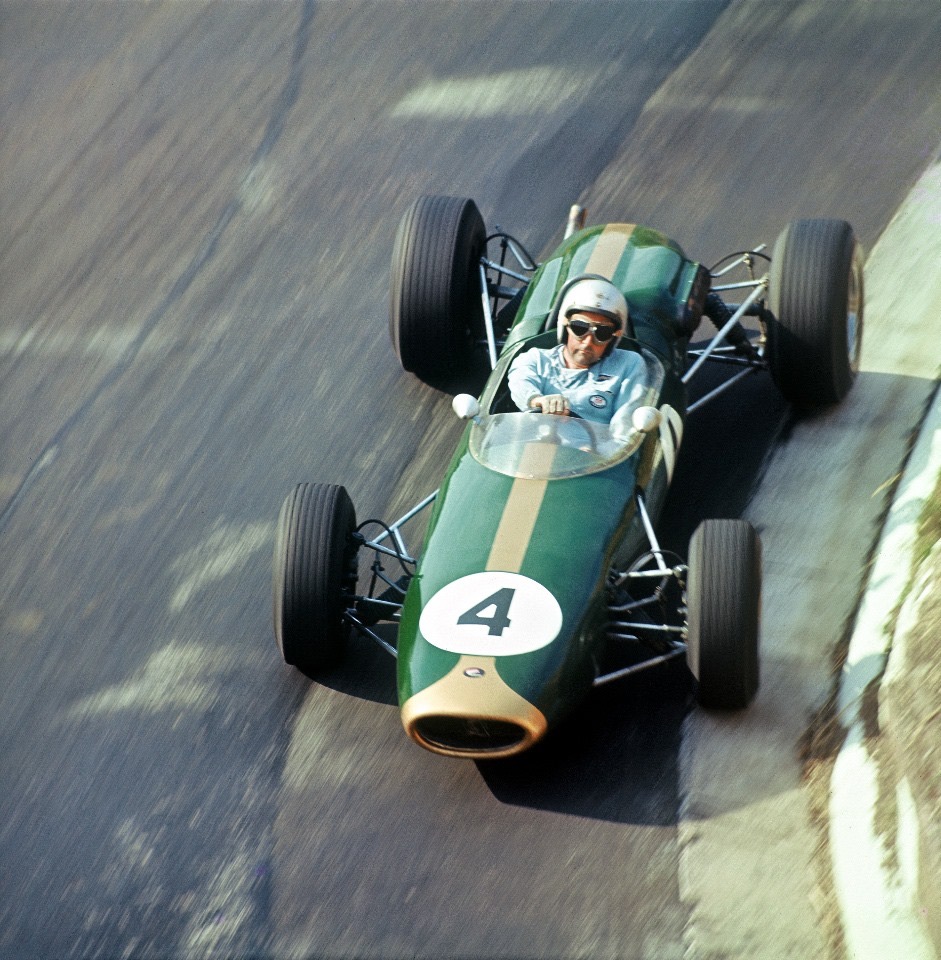
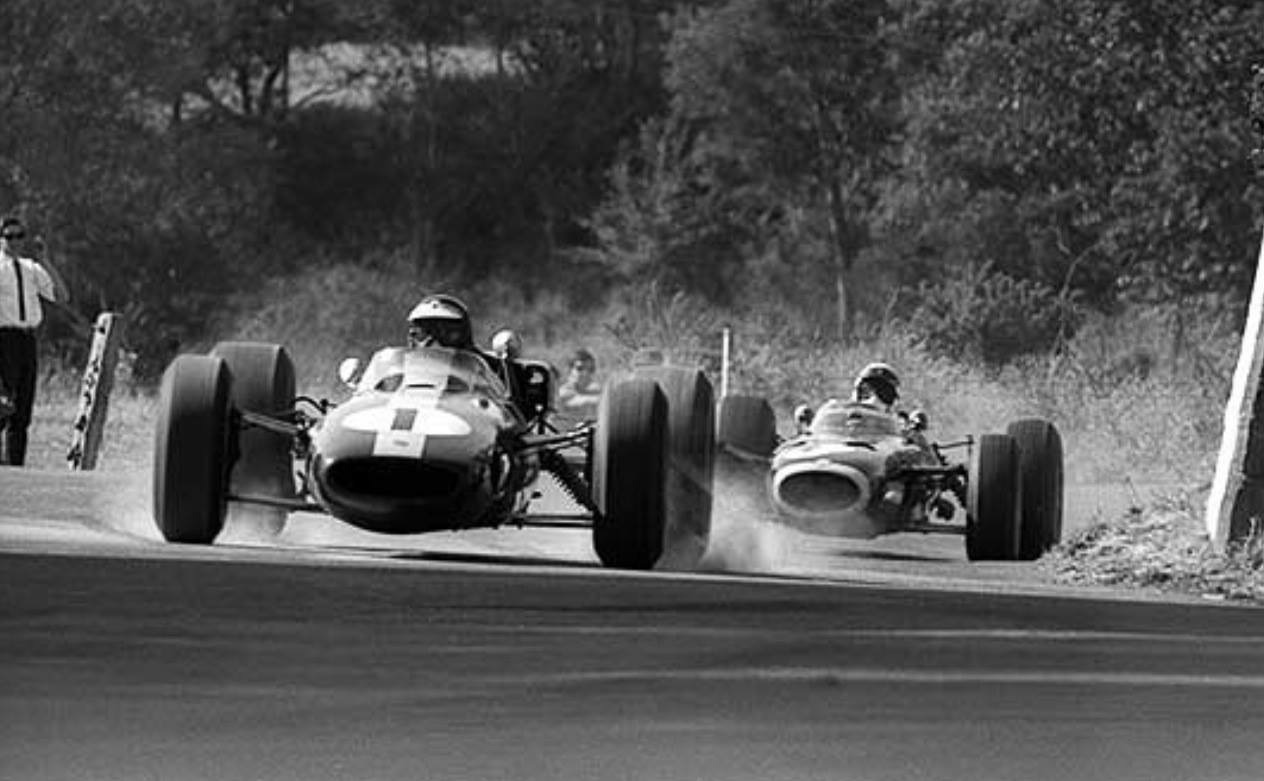
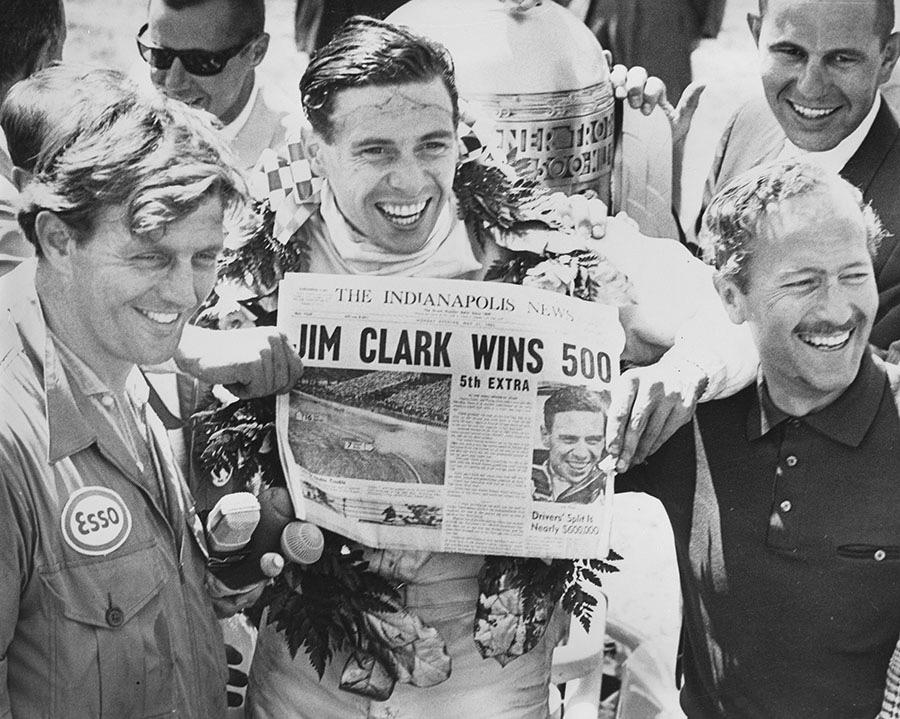
Jim Clark had a season like no other in 1965.

He bagged the Tasman Cup, Indianapolis 500, World Drivers Championship, the French – read Eiropean – F2 Championship plus a swag of touring car and sportscar victories.

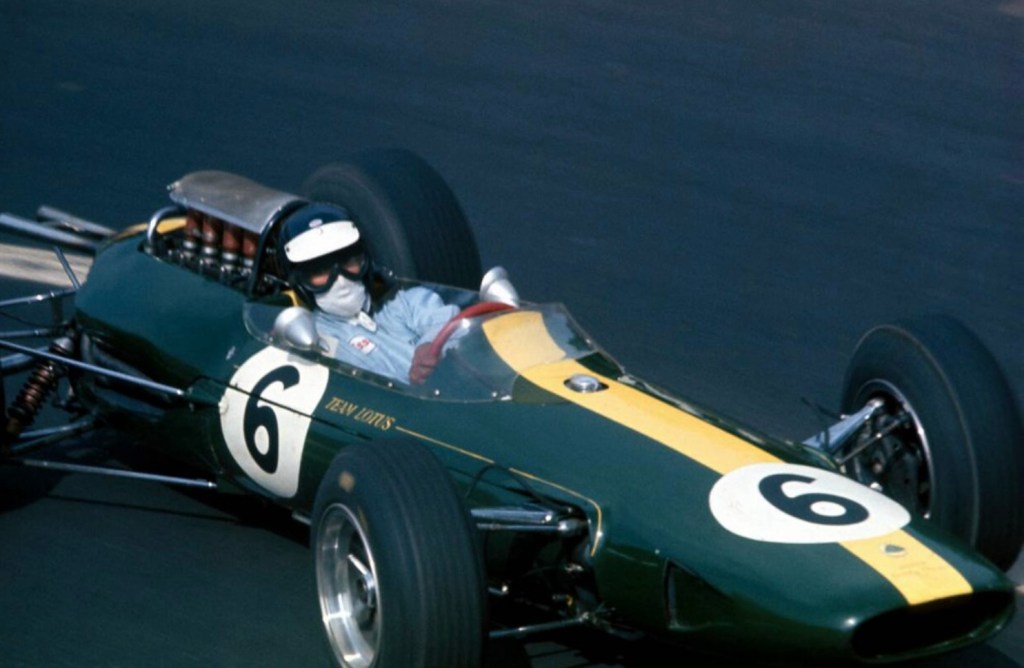
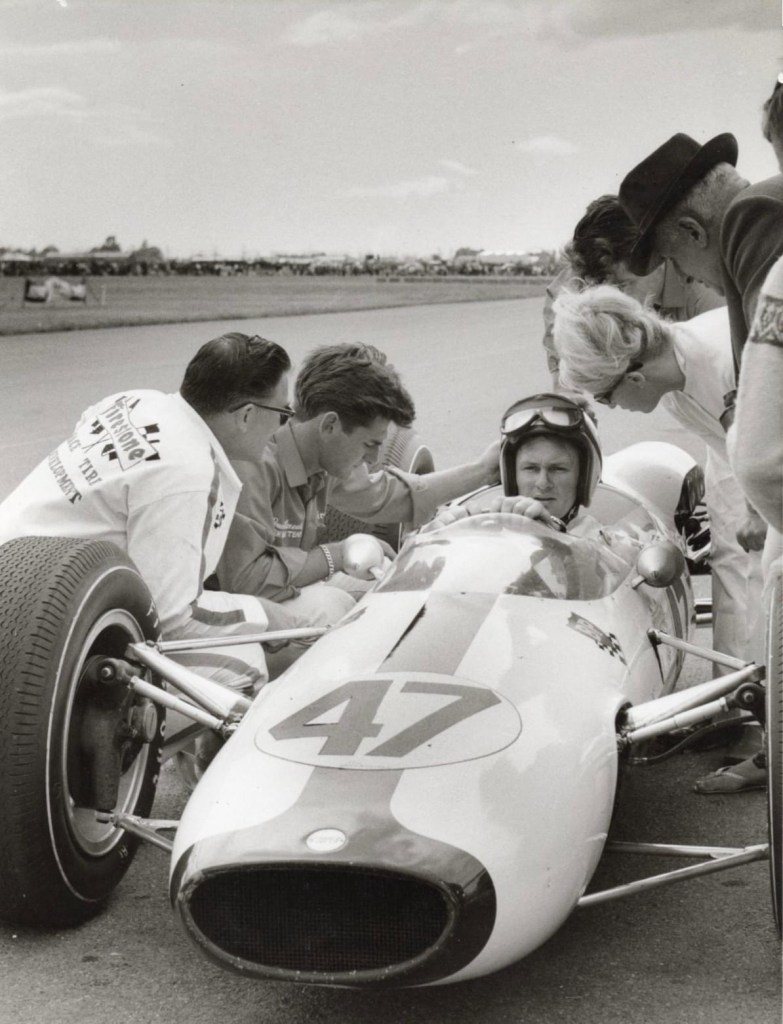
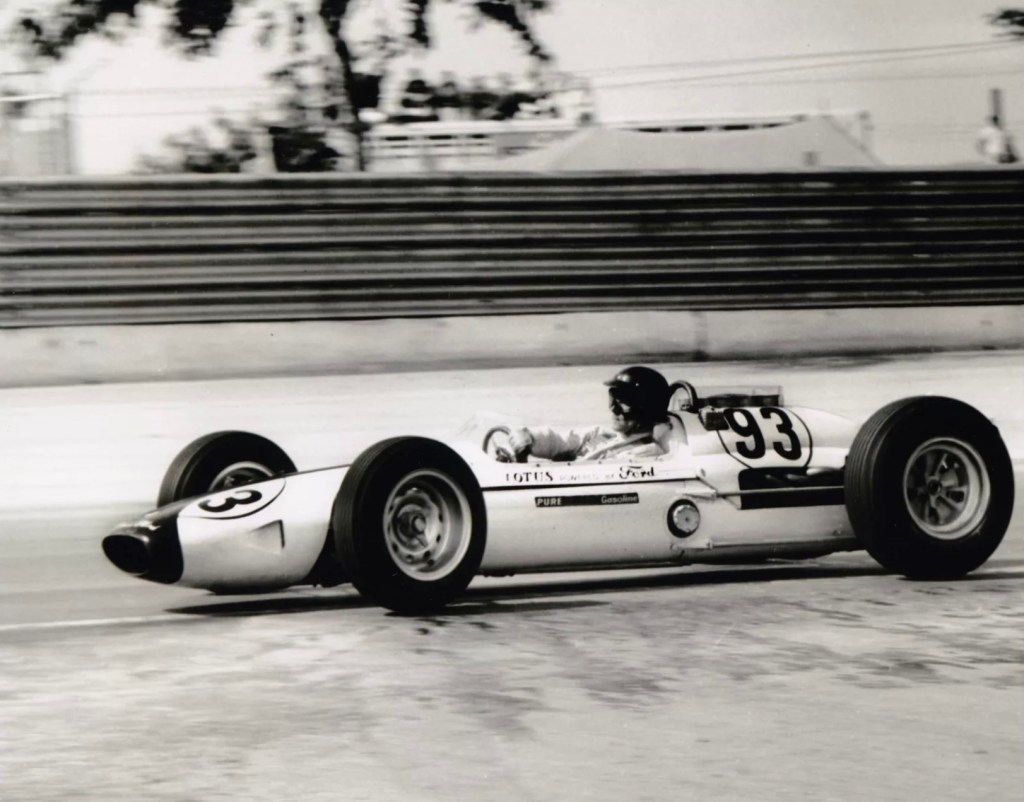
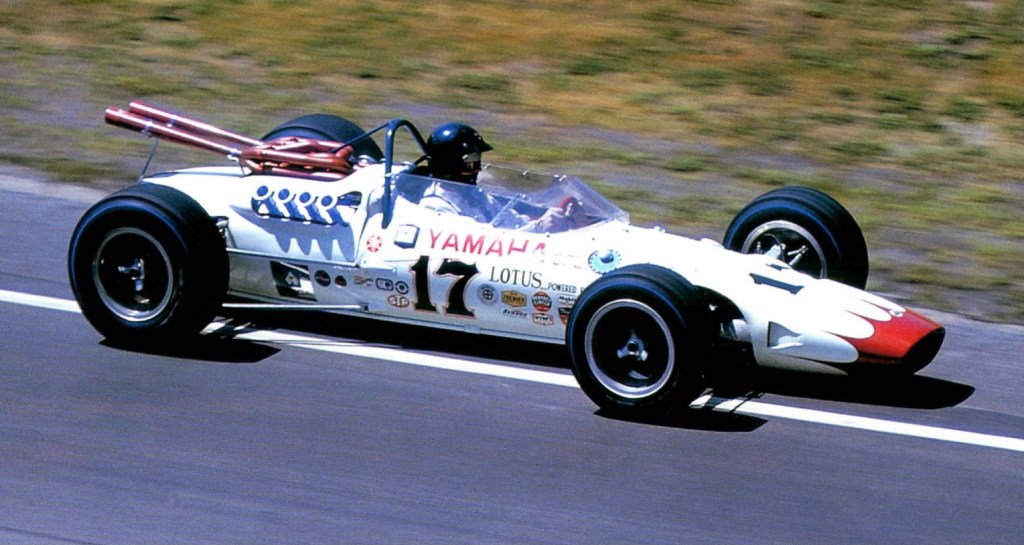
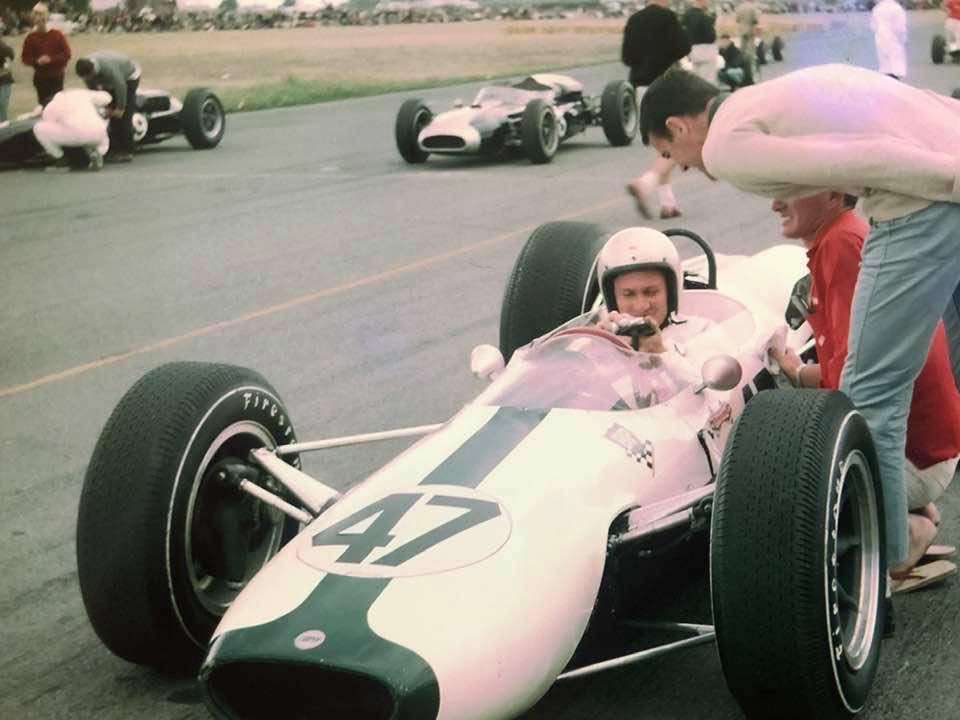
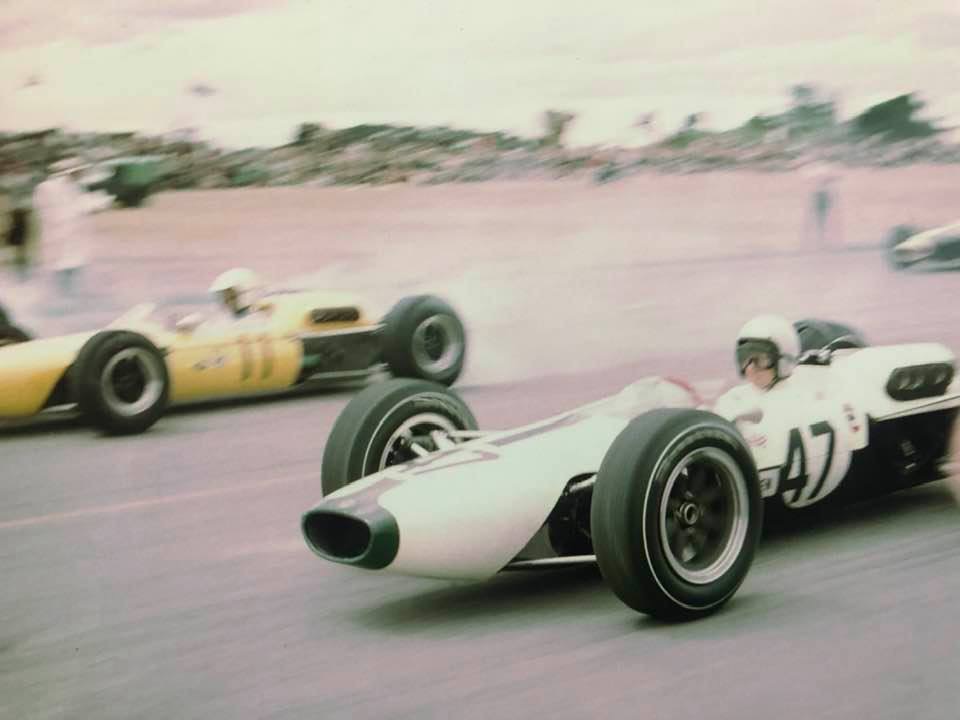
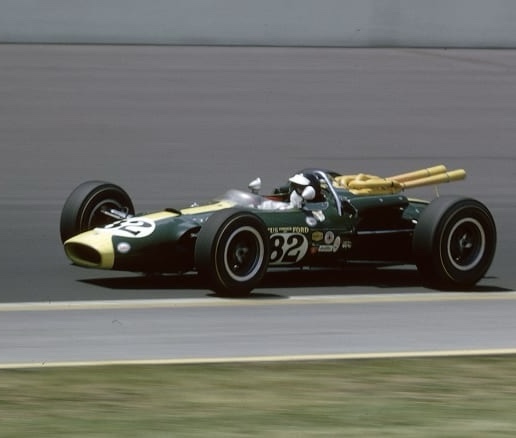
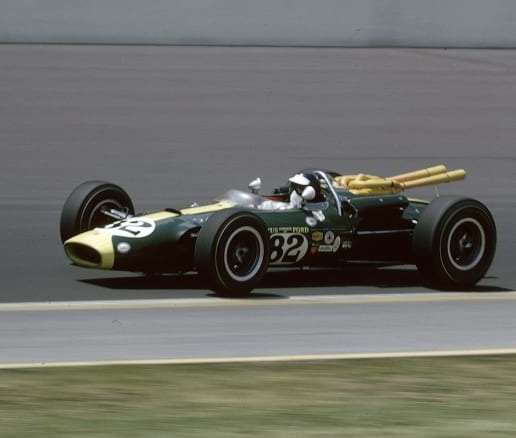
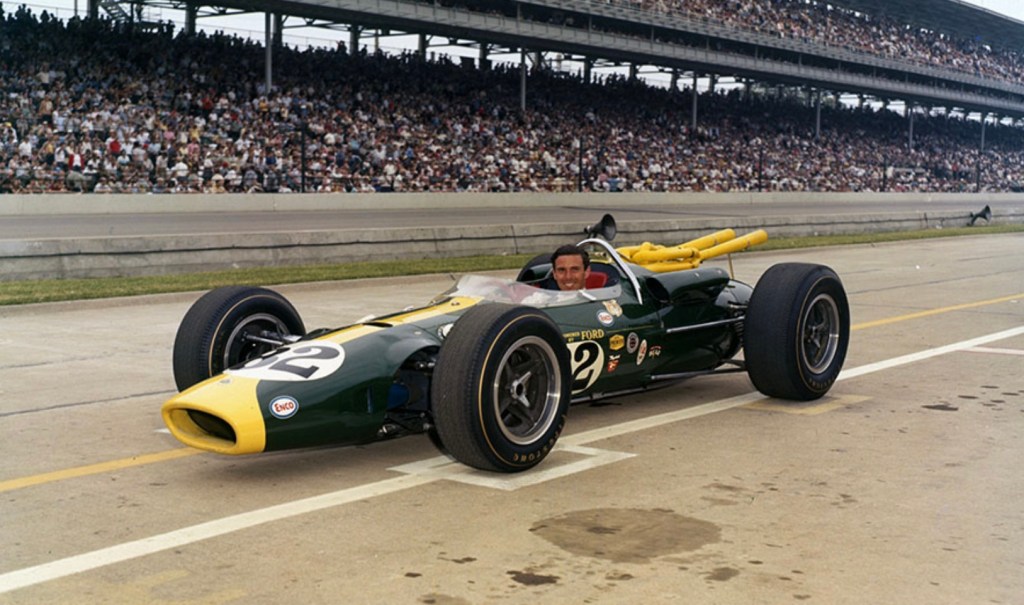
The shot above is of Clark enroute to victory at Indianapolis on May 31, 1965, Lotus 38 Ford-Indy 4.2-litre V8.
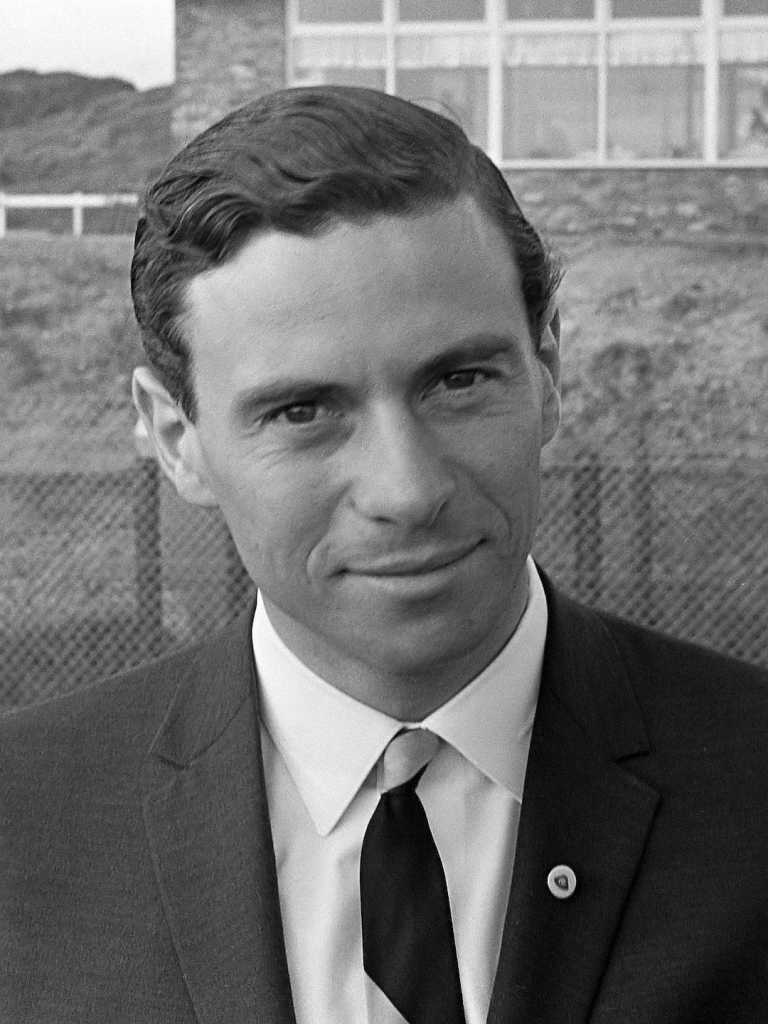
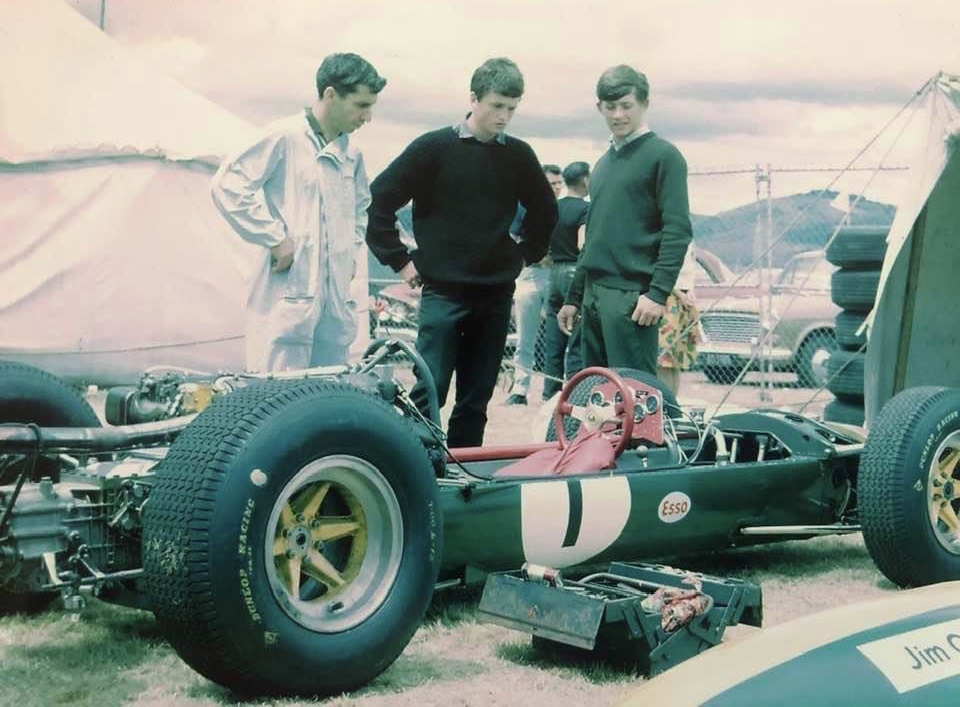
Hethel circa-1967 (unattributed)
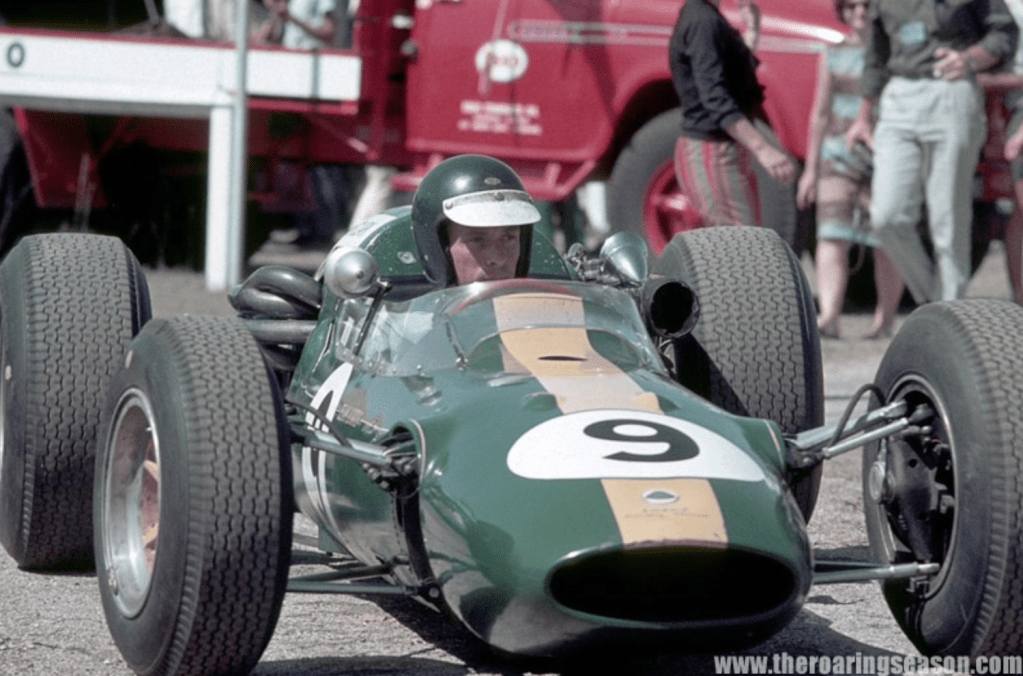
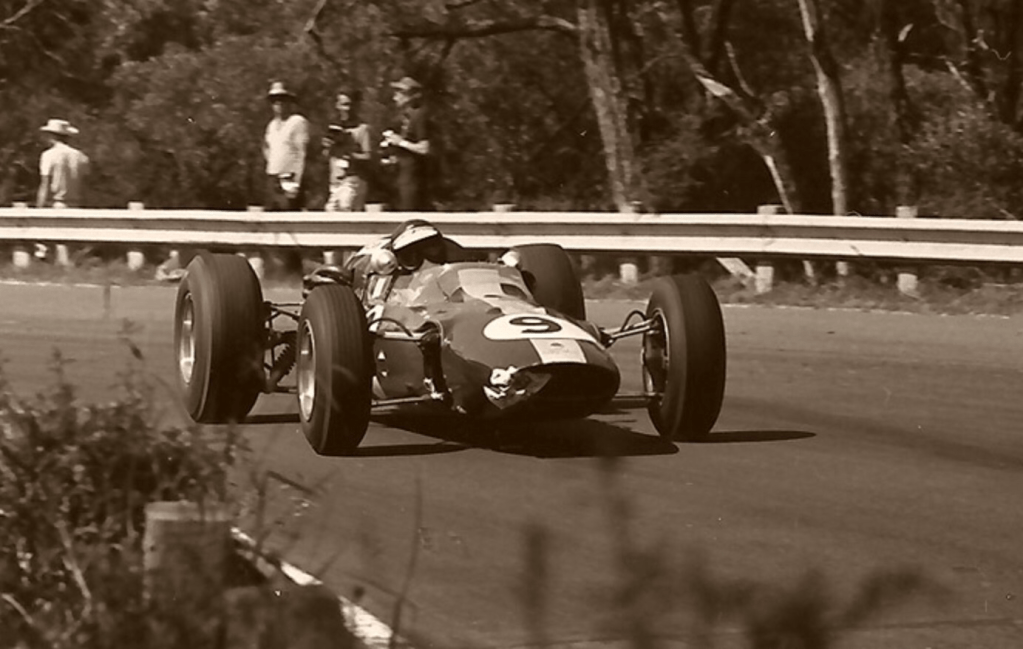
Lakeside 99, March 1965. Lotus 32B Climax. Jim won from Frank Gardner and Spencer Martin in Brabham BT11As
(Daily Telegraph)

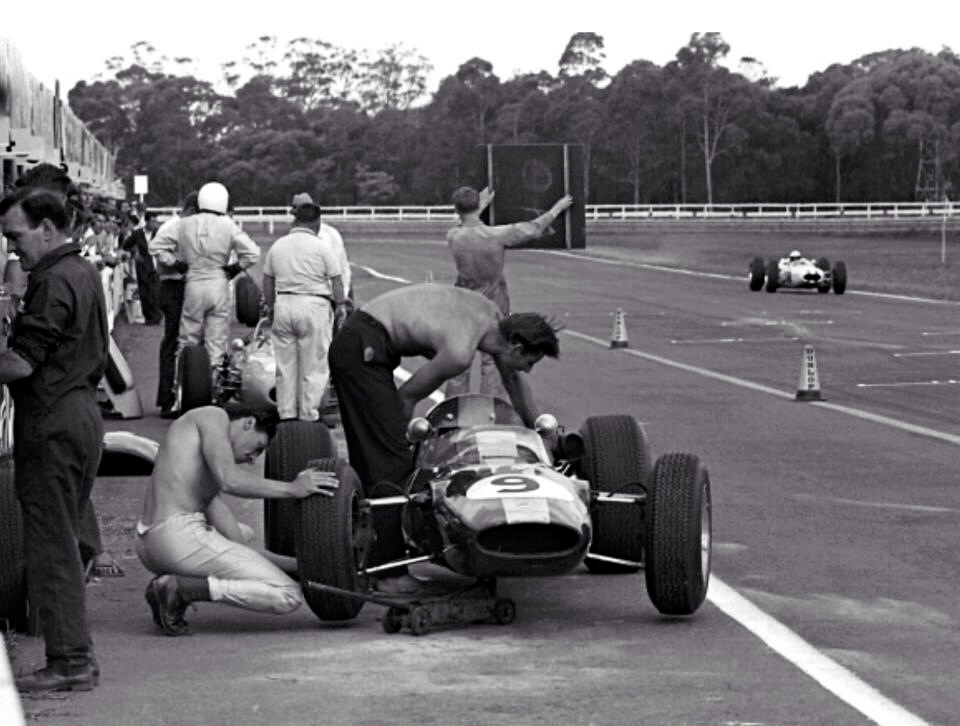
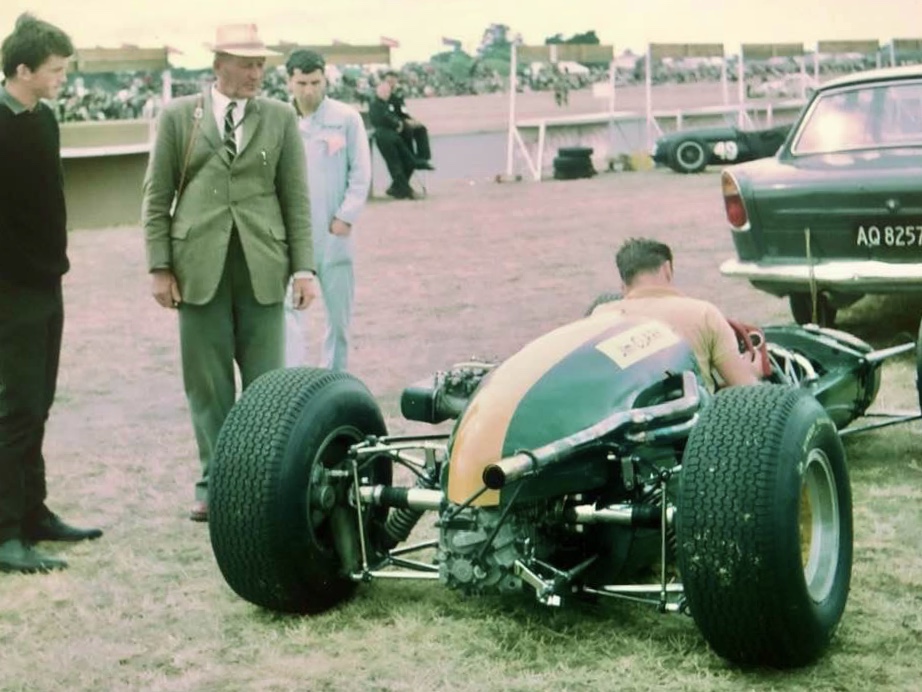
‘Can you give us a hand with the car Jimmy? Yep, no worries Ray (Parsons) I’ll do the fronts.’

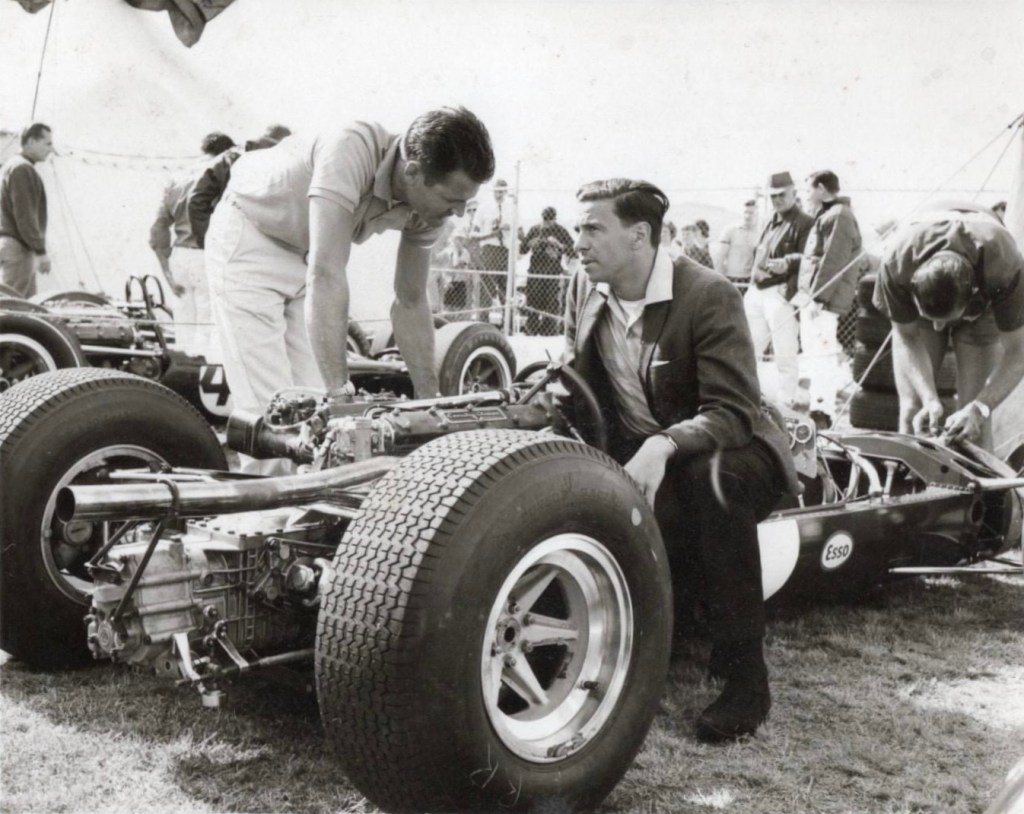
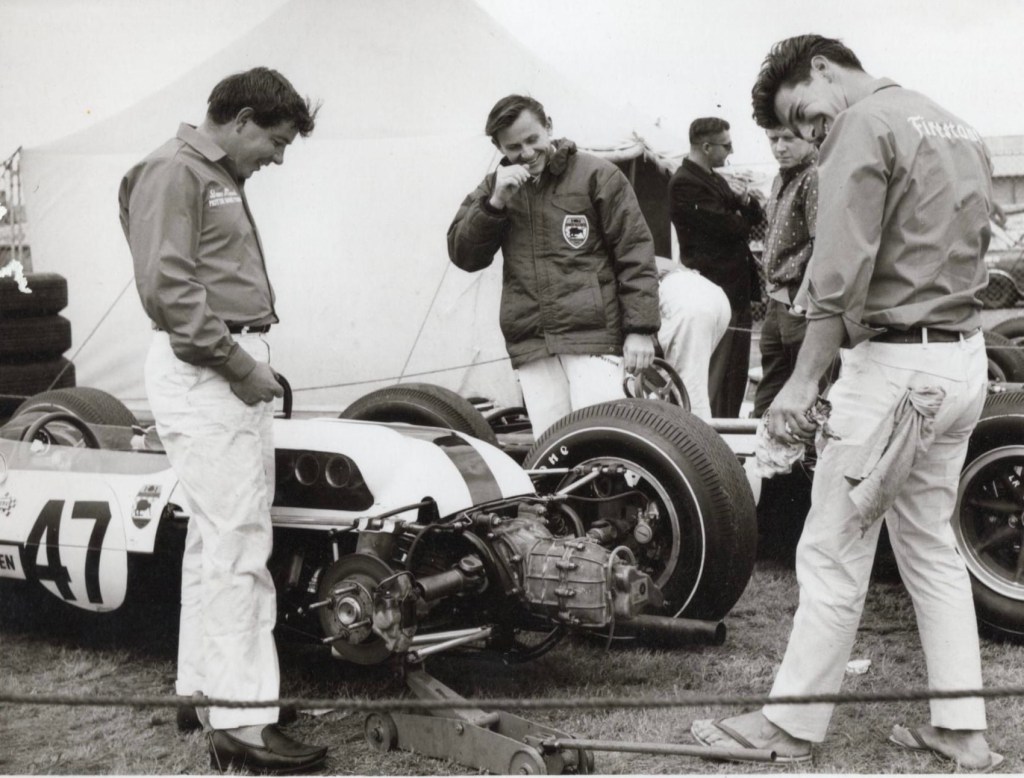
Clark and Parsons ready Clark’s Lotus 32B Climax FPF 2.5 for the Warwick Farm 100 during the February weekend. That’s Roy Billington, Jack Brabham’s mechanic on the far left by the pit counter and Lanky Frank Gardner in the white helmet. Meanwhile, Frank Matich blasts past in his Brabham BT7A Climax.

It was a good weekend for Clark and Parsons – the latter an occasional Team Lotus Cortina driver – Jim won (below) from Jack Brabham’s Brabham BT11A and Matich. More on the Lotus 32B here:https://primotipo.com/2017/11/02/levin-international-new-zealand-1965/ and about Ray Parsons here:https://primotipo.com/2022/02/20/ray-parsons-australian-lotus-mechanic-racer-and-development-driver/
(B Wells)

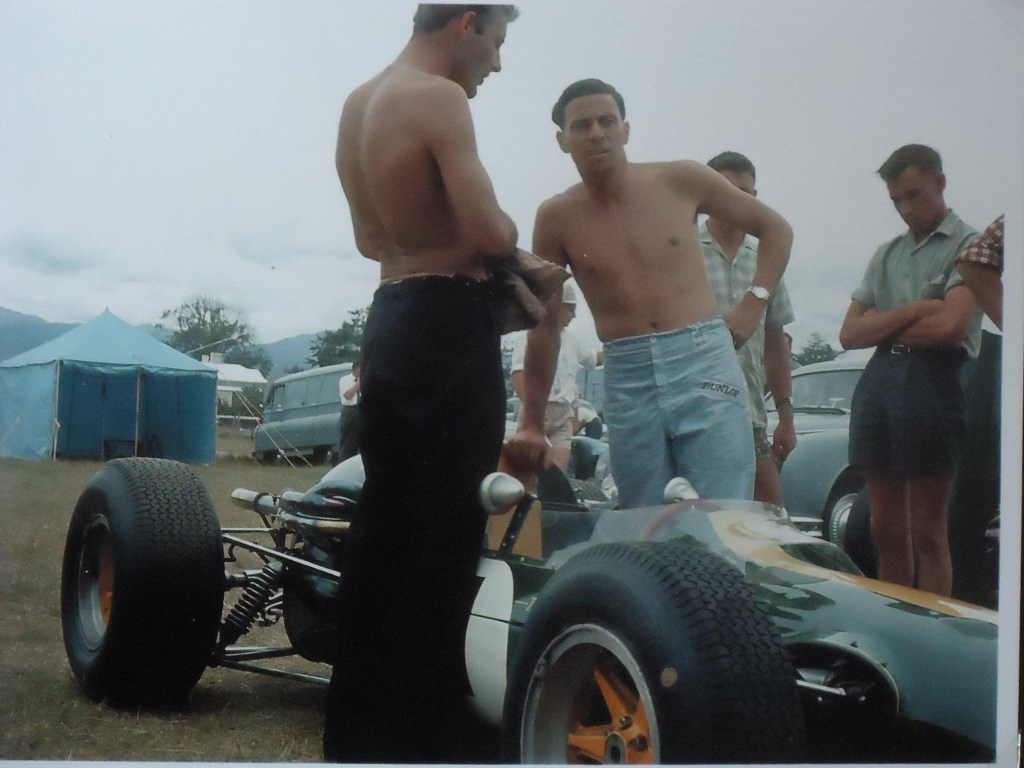
Clark romped home in the Tasman, winning four rounds. He won Levin, Wigram, Teretonga and Warwick Farm on-the-trot, then picked up the Lakeside non-championship round at the end of the tour. Bruce McLaren was second and Jack Brabham third.
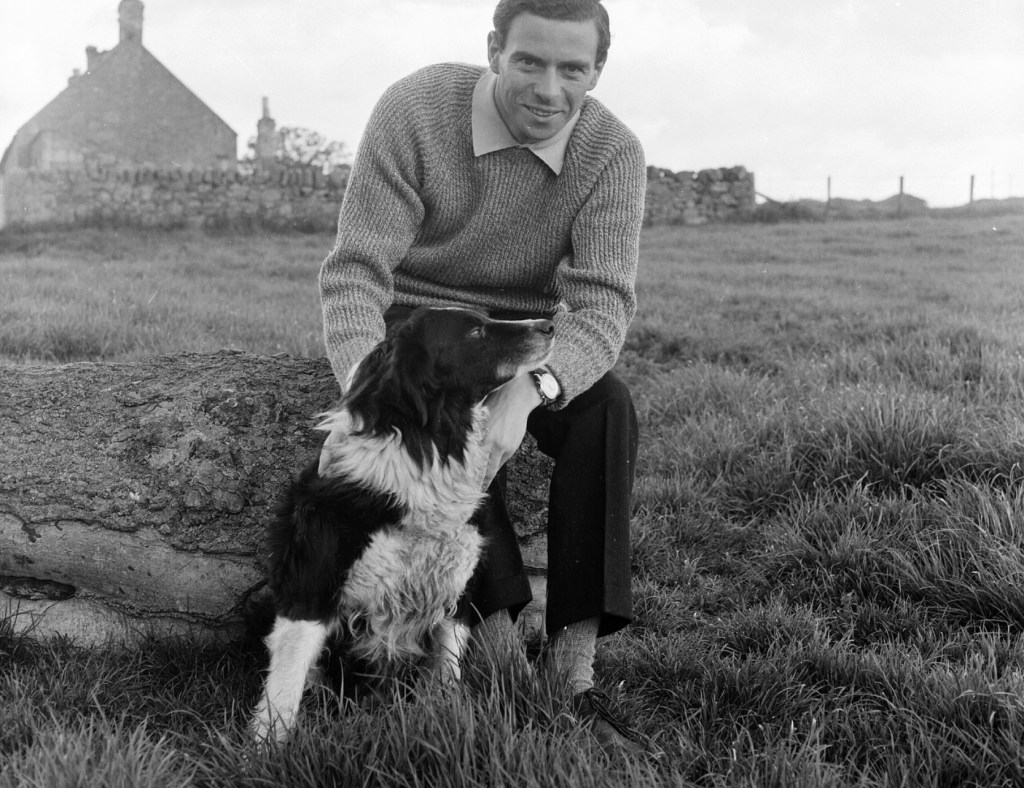
No way did Jim get home to Scotland on too many occasions in 1965.

By my reckoning – aided by and improving on Peter Windsor’s article of 10 years ago – Clark had 29 winning drives in 1965, ranging from short Tasman Cup heats to the 500 miles at Indianapolis.

Peter’s list of 26 wins missed two Grands Prix, amazingly, and one F2 victory, so for mine, it’s 29 wins in that very big year.
(IMS)

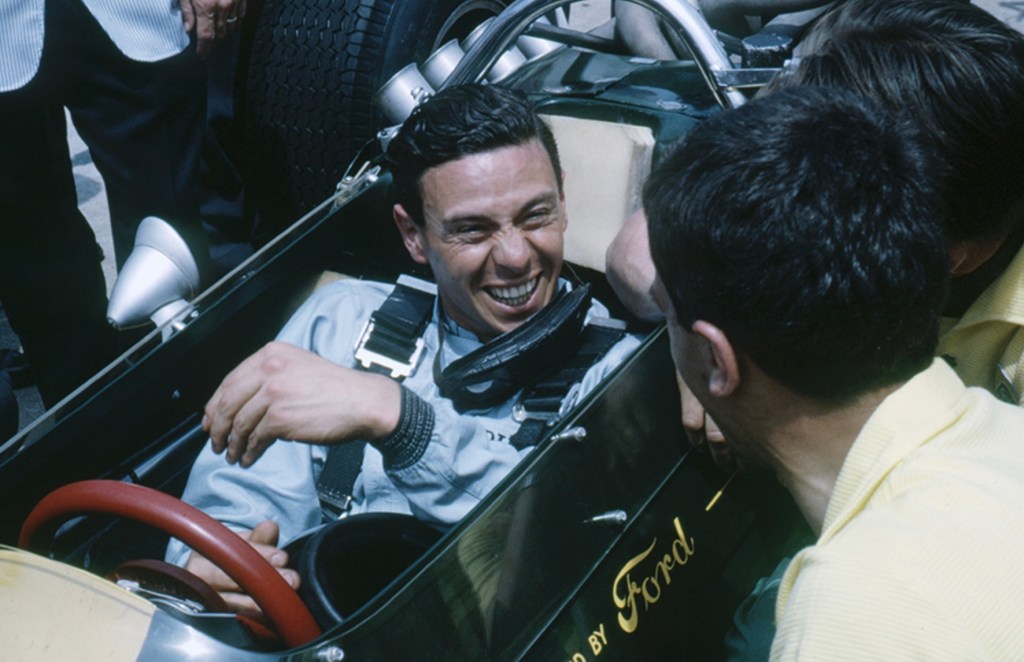
Clark was edged out of pole at Indy by AJ Foyt’s Lotus 34 Ford but Jim took the May 31 win that had been coming for two years, leading 190 of the 200 laps.

Parnelli Jones was second, Lotus 34 Ford, and Mario Andretti aboard a Hawk 1 Ford wad third. Al Miller’s Lotus 29 Ford was fourth; yes it was a great race for the Lotus lads.
(IMS)
(IMS)

The win was well merited to say the least. Fortunate for Colin Chapman too, Ford would have pickled his testicles had there been a fuck-up like the year before!

In Team Lotus’ first year at the Brickyard in 1963 the Indy Establishment simply shafted the interlopers in favour of one of their own…

More on the Lotus Indycar here:https://primotipo.com/2021/11/20/dans-lotus/
(IMS)
(unattributed)

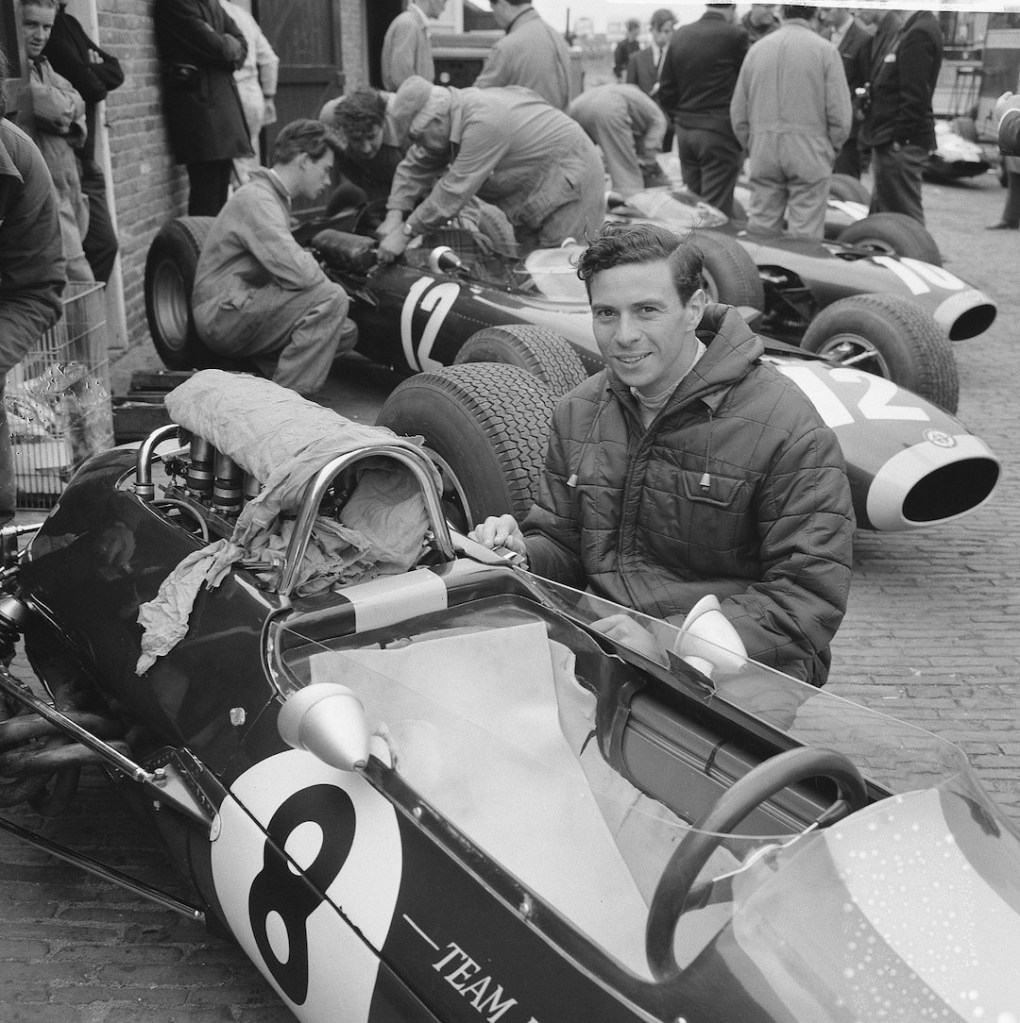
Of course Clark’s main programme for the year was Grand Prix racing.

That season he won three non-championship F1 races: the first heat of the Race of Champions at Brands Hatch, the Syracuse GP and the Sunday Mirror Trophy at Goodwood. He also took six of the ten championship events, four from pole: the South African, French, British, German, Italian and Mexican Grands Prix.

In so doing Clark picked up the World Championship of Drivers for his good-self and the F1 Manufacturers Cup for Lotus. More on the Lotus 33 Climax here: https://primotipo.com/2014/09/28/jim-clark-lotus-33-climax-monaco-gp-1967-out-with-the-old/
(unattributed)
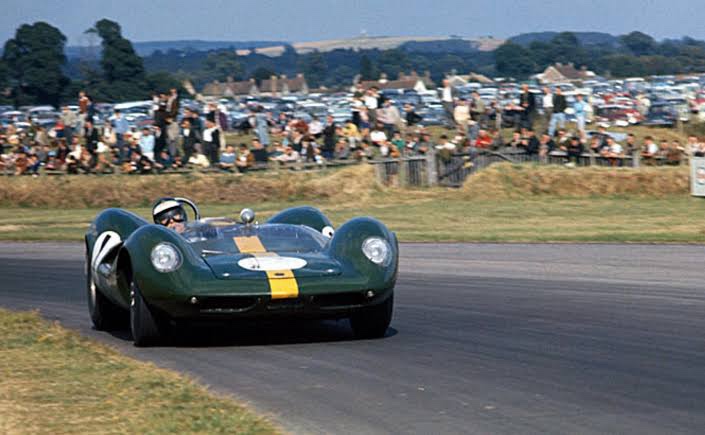
Clark on the hop at Goodwood during the August 1964 RAC Tourist Trophy, Lotus 30 Ford (Sutton)

Team Lotus wasn’t all beer and skittles. Every now and then Chapman built a shit-box, the Lotus 30 Ford 289 V8 was one of them.

While the concept of a backbone-chassis somewhat akin to the Lotus Elan made marketing, and, perhaps, theoretical sense, in practice it had a level of flaccidity the engineering equivalent of a couple of Blue-Bombers was never going to fix.

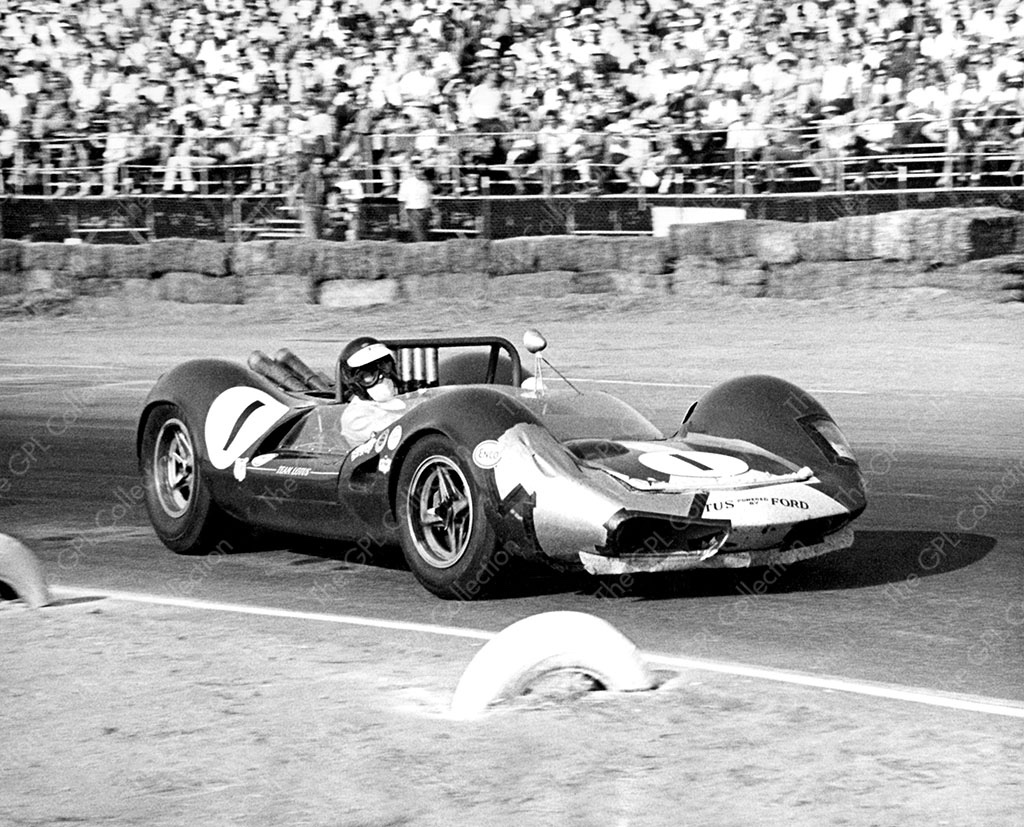
Clark wrestles with the gorgeous but recalcitrant 350bhp machine above, and with the ‘ten more mistakes’ – as Richie Ginther described it – aboard the Lotus 40 Ford in the LA Times GP at Riverside in October 1965; he was second to Hap Sharp’s Chaparral 2A Chev in a marvellous drive. One of Clark’s many attributes was to get the best out of a car, even a sub-optimal one. A bit more Lotus 30 here:https://primotipo.com/2016/08/30/rac-tourist-trophy-goodwood-1964/
(unattributed)
St Ursanne-Les Rangiers (lotuseuropa.org)

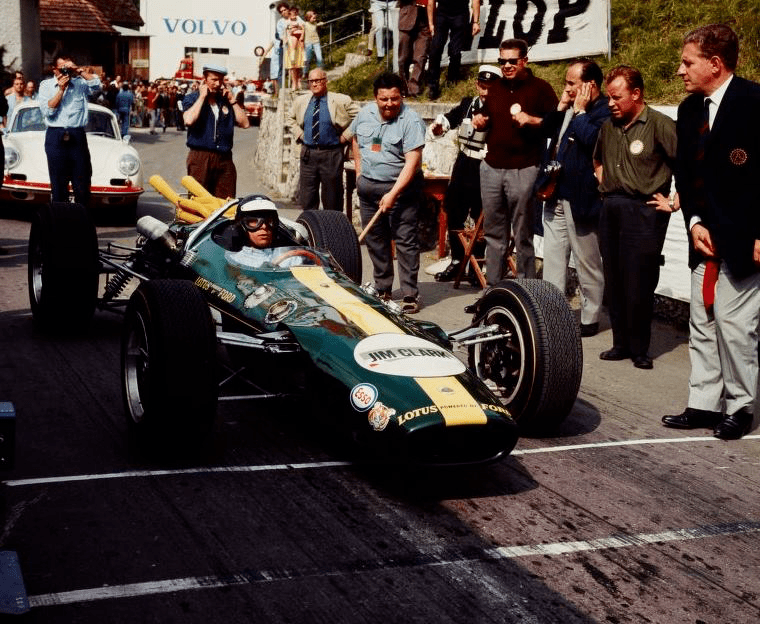
Of course, just when you think The Boss might give you a weekend off he comes up with the notion of doing a hillclimb or two in your Indy winning Lotus 38 Ford in the Swiss Alps.

‘Don’t fret Jimmy, we’ll give you a car with symmetrical suspension – it was chassis 38-4 rather than the Indy winner, chassis 38-1 – and off to St Ursanne-Les Rangiers we go on August 22.

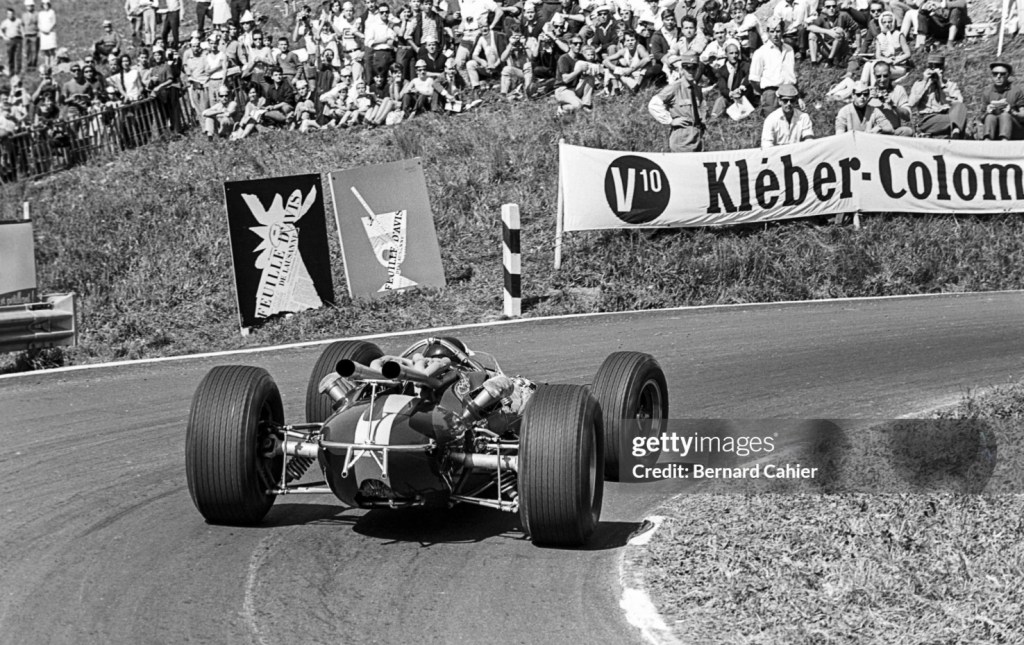
Clark did a demonstration run in 5:20.8 while Jo Siffert did FTD in his Brabham BRM 1.5 V8 F1 car. Charles Vogele was second and Silvio Moser third.

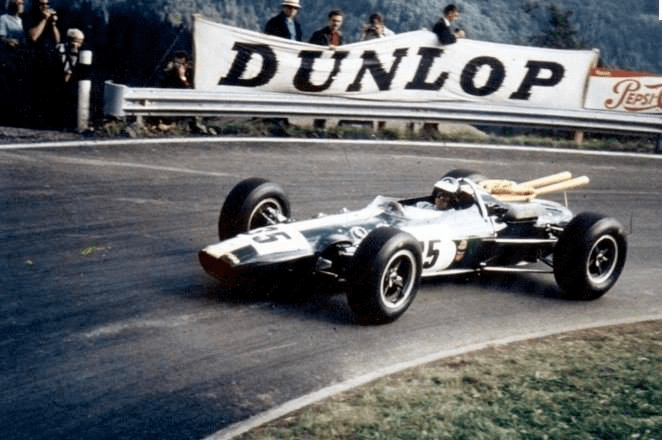
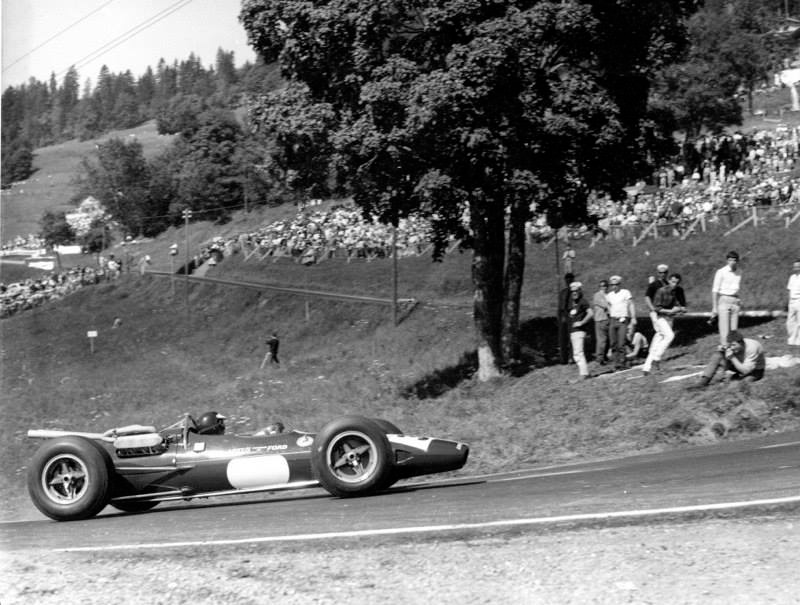
Next was Ollon-Villars also in Switzerland on the following weekend, August 29.

Lou Drozdowski wrote, ‘Clark spun off the course during practice and spent much of the afternoon among the sheep and pastures making his way back. He did however set a time of 4:34 compared to Ludovico Scarfiotti, Ferrari 206P FTD of 4:09.’ Gerhard Mitter was second and Gianpiero Biscaldi third.
Ollon-Villars (unattributed)
Big-bertha’s butt at Ollon-Villars (B Cahier)
(LAT)

Lotus’ relationship with Ford was strong and multi-faceted, one element of which was the Ford Cortina Lotus Mk 1 and 2 and the Escort Twin-Cam, all of which were fitted with the Lotus-Ford twin-cam, two-valve twin-Weber fed engine.

While it could be seen as hit-and-giggle in the context of his other ‘65 race-programmes, moving-metal was a very serious business so Clark approached his Lotus Cortina races that year in the UK and North America just as seriously as he did everything else.

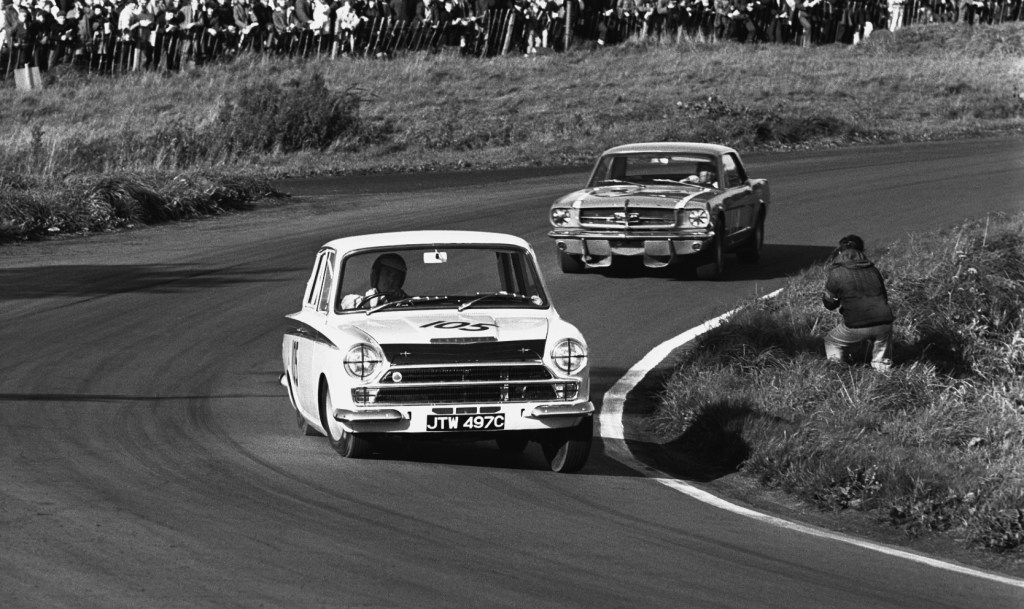
Here he is giving Jack Brabham a run for his money at Oulton Park during the British Saloon Car Championship round on September 18, 1965. Jack’s mount is Alan Mann’s Ford Mustang. More on the Lotus Cortina here: https://primotipo.com/2014/11/16/jim-clark-lotus-cortina-sebring-1964/
Etcetera…

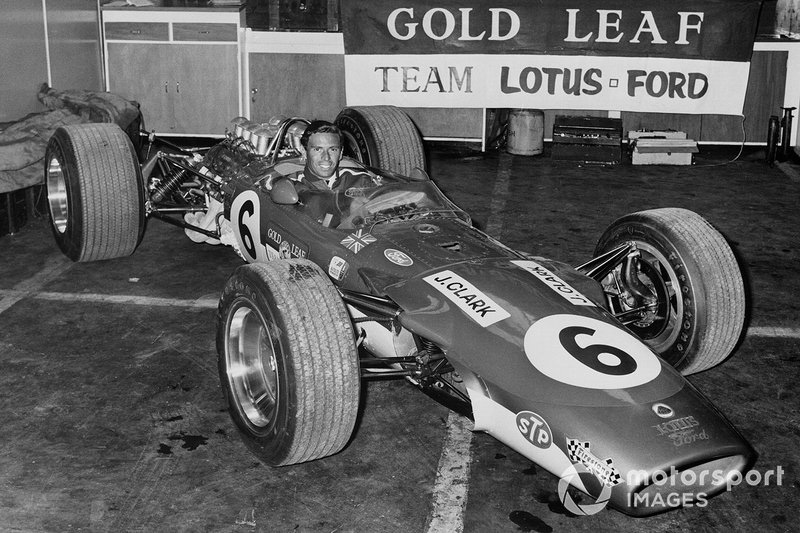
The Lotus 49 first ran in Gold Leaf Team Lotus colors during the Lady Wigram Trophy on January 20, 1968.

The transformation from Team Lotus’ perfect livery to fag-packet occurred during the week between the Levin International on January 13 and Wigram.

With a done deal in London, the Lotus team arranged for a skilled signwriter at Hutchinson Ford in Christchurch to apply the new Gold Leaf livery to Jim’s Lotus 49. 
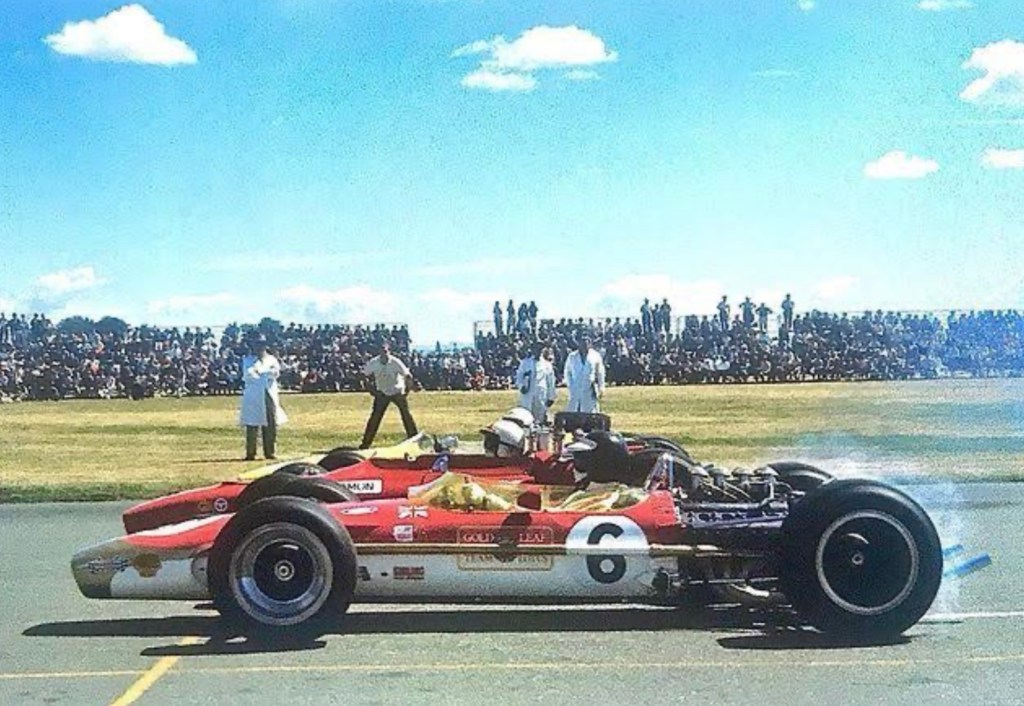
Clark, Amon, Gardner: Lotus 49 Ford DFW, Ferrari 246T and Brabham BT23D Alfa Romeo. Wigram 1968

Outside the US and some other countries it was the beginning of big corporate sponsorship in motor racing.

Ever the leader, Chapman’s quick commercial response and applying the new sponsorship colours demonstrates just how rapidly change took place once advertising restrictions in racing were lifted prior to the 1968 season.
(unattributed)

Credits…

Indianapolis Motor Speedway (IMS), Bruce Wells, The Jim Clark Trust (TJCT), Lou Drozdowski in lotuseuropa.org

Tailpiece…
(TJCT)

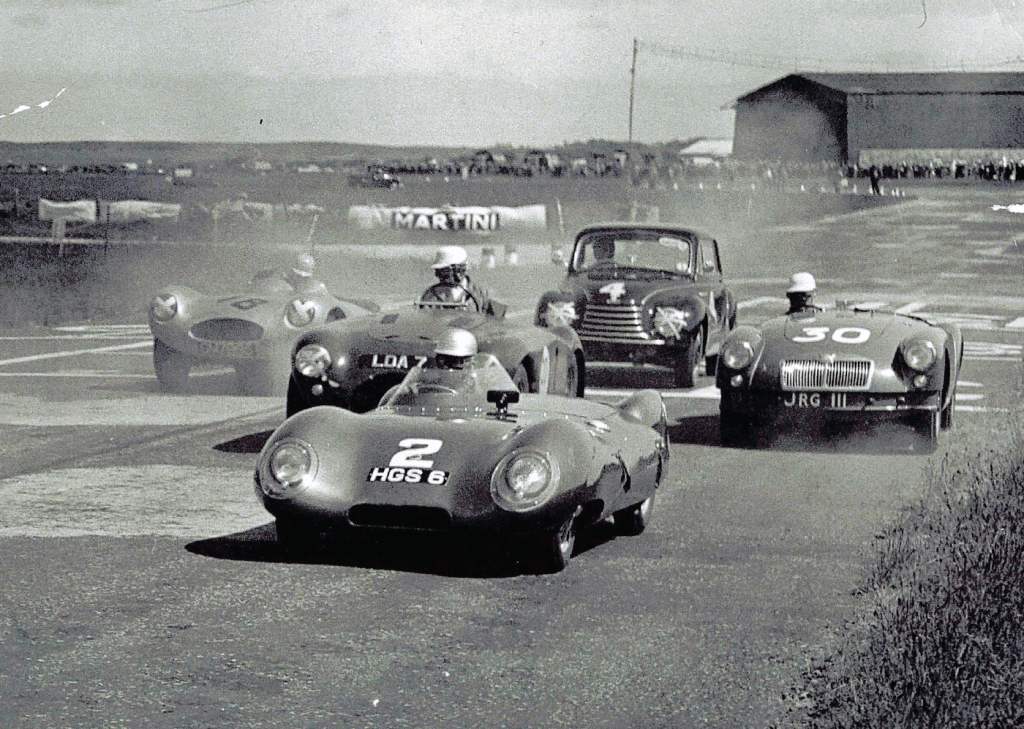
Jim Clark’s first race was at Crimond, aboard Ian- Scott-Watson’s DKW Sonderklasse on June 16, 1956.

That’s JL Fraser Lotus 11 front-and-centre, then from the left #18 AR Millar Saltire, LDA7 Kenny McLennan’s Kit MG, #4 Clark in Scott-Watsons DKW Sonderklasse, and John Campbell, MGA.

The Jim Clark Trust wrote that ‘In the sportscar race there was no handicap, so the DKW was hopelessly outclassed. Clark did pass one car but his joy was short-lived. The tailender was heading for the pits with broken halfshaft and the DKW finished in last place.’

Finito…

(MotorSport)

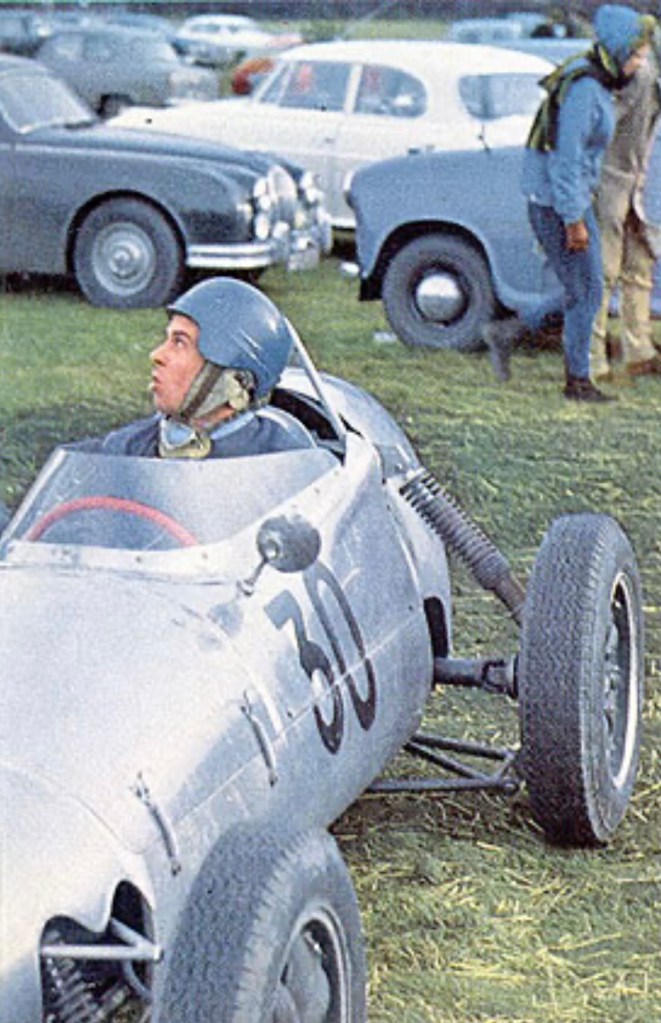
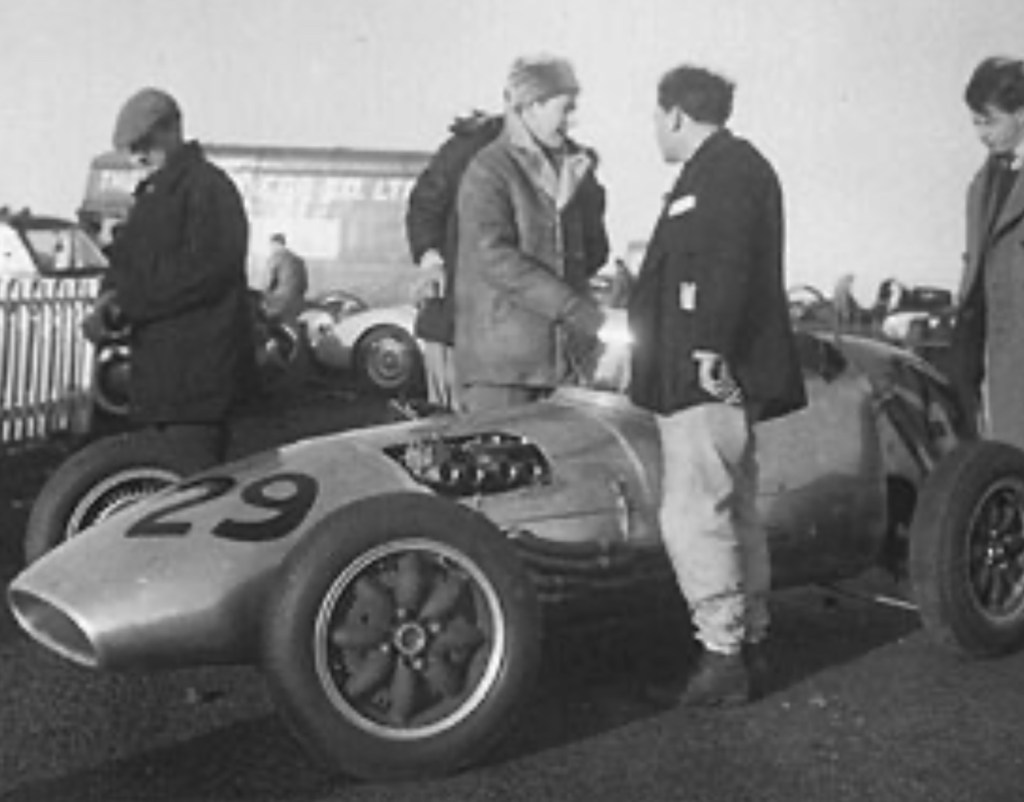
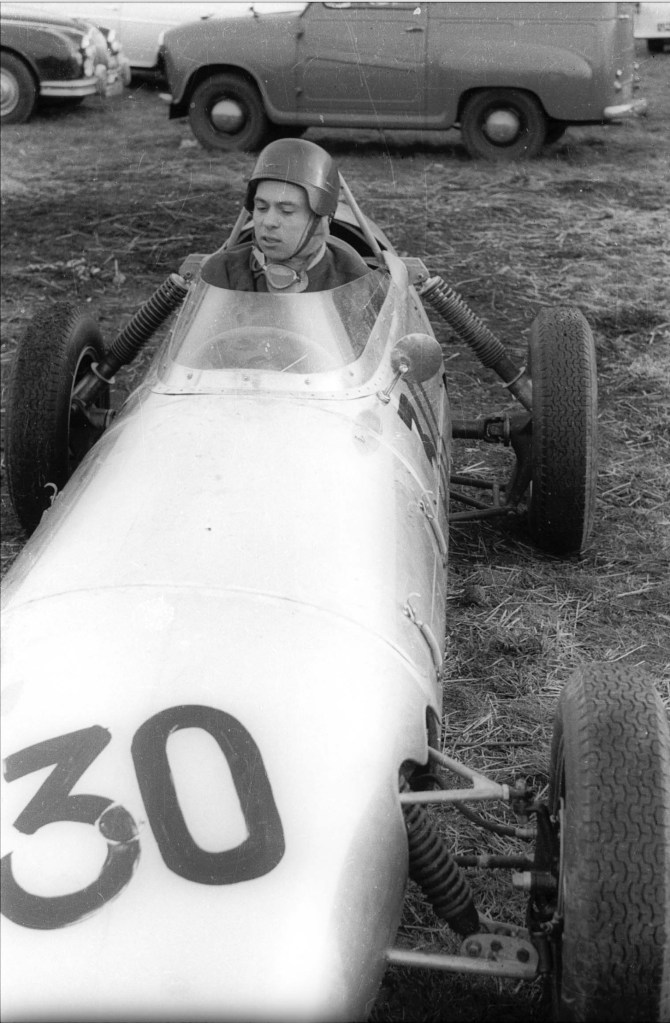
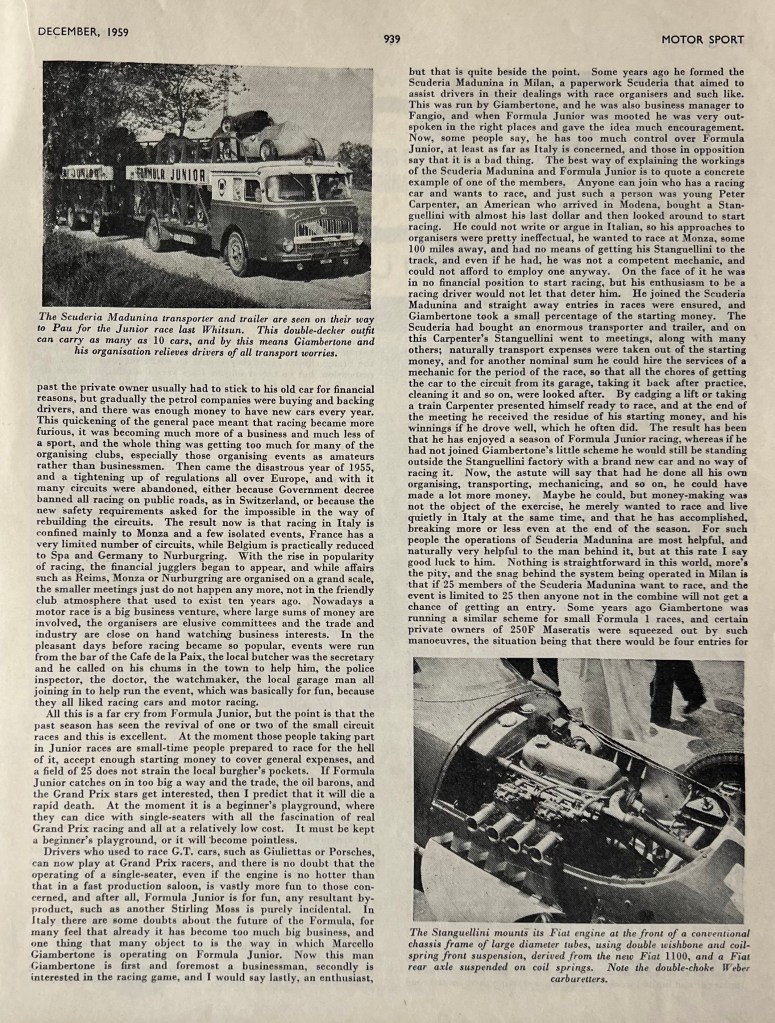
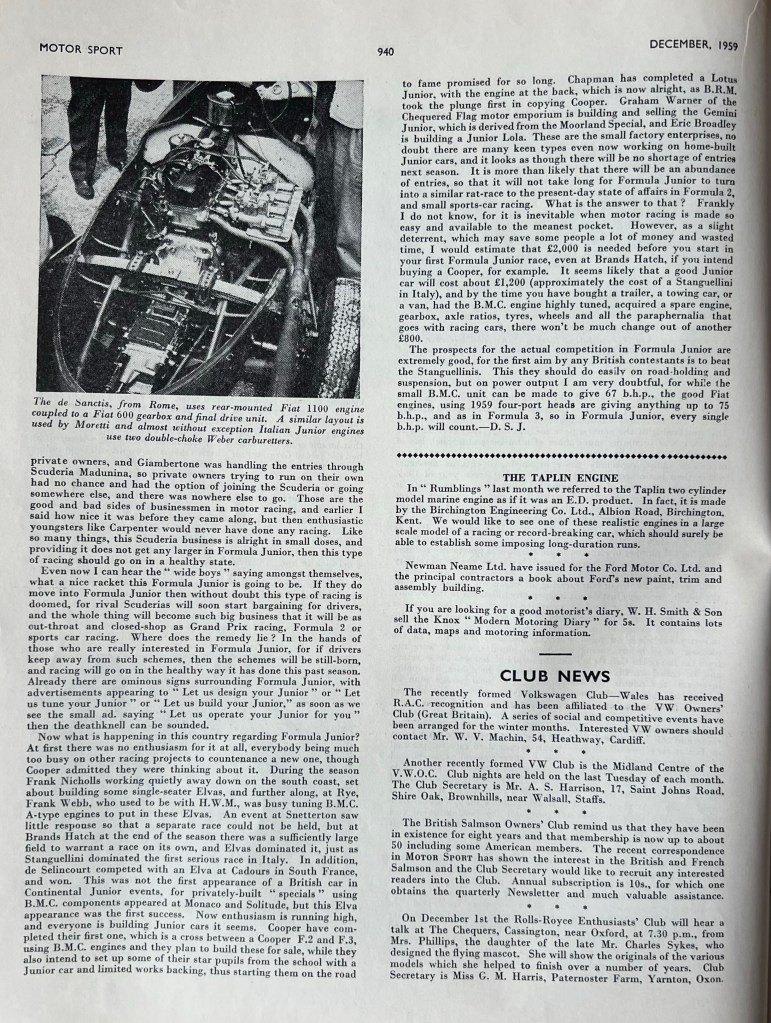
Jim Clark’s single-seater debut – aboard Gemini Mk2 BMC #30 – took place in a Formula Junior event at Brands Hatch’s Boxing Day meeting in 1959. Who is driving the Cooper T52 number 3-something in front of the Gemini?: Mike McKee, Bill Lacy, Edward Hine or Ian Burgess.

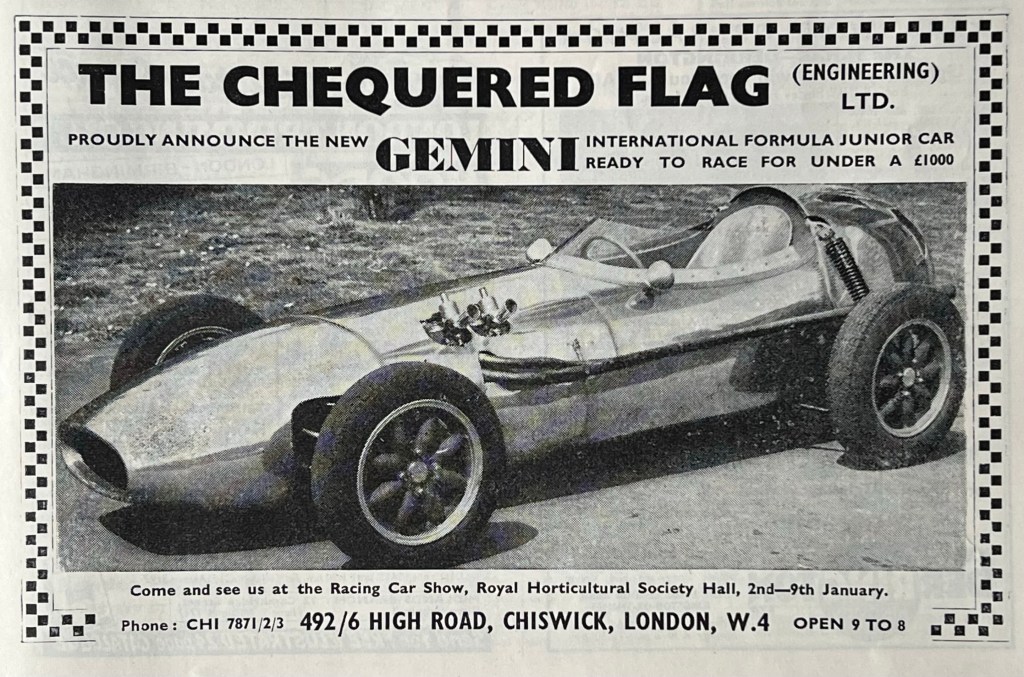
Clark was invited to contest the John Davy Trophy by his regular Lotus Elite opponent, ex-RAF pilot Graham Warner. Warner wanted the Scots youngster who had impressed him so much to drive one of his new Gemini Mk2s (#chassis number please folks, one I can rely on) for The Chequered Flag, a renowned London sportscar dealership. Clark’s Elite was owned by his mentor Iain Scott-Watson.

Clark aboard the Gemini in the Brands paddock. Helmet brand folks? (B Ward)

Jim qualified the unfamiliar car mid-pack after reliability issues during practice. On raceday his battery was flat on the grid so he was push-started after the pack had departed, finishing eighth. 12 cars contested that race which was won by Peter Arundell, one of Clark’s Team Lotus teammates in 1960.

The pair and Trevor Taylor, all raced Team Lotus Lotus 18 Cosworth-Fords, were the stars of Formula Junior in 1960. Clark won the John Davy race at the same Brands Boxing Day meeting twelve months hence and the John Davy British Formula Junior Championship, while Taylor won the BRDC/MotorRacing British Formula Junior Championship.

By then Formula Junior was a bit ho-hum for Jim as he made his Grand Prix debut at Zandvoort aboard a Lotus 18 Climax 2.5 FPF on June 6, 1960.

Motorsport January 1960

Gemini Mk2…

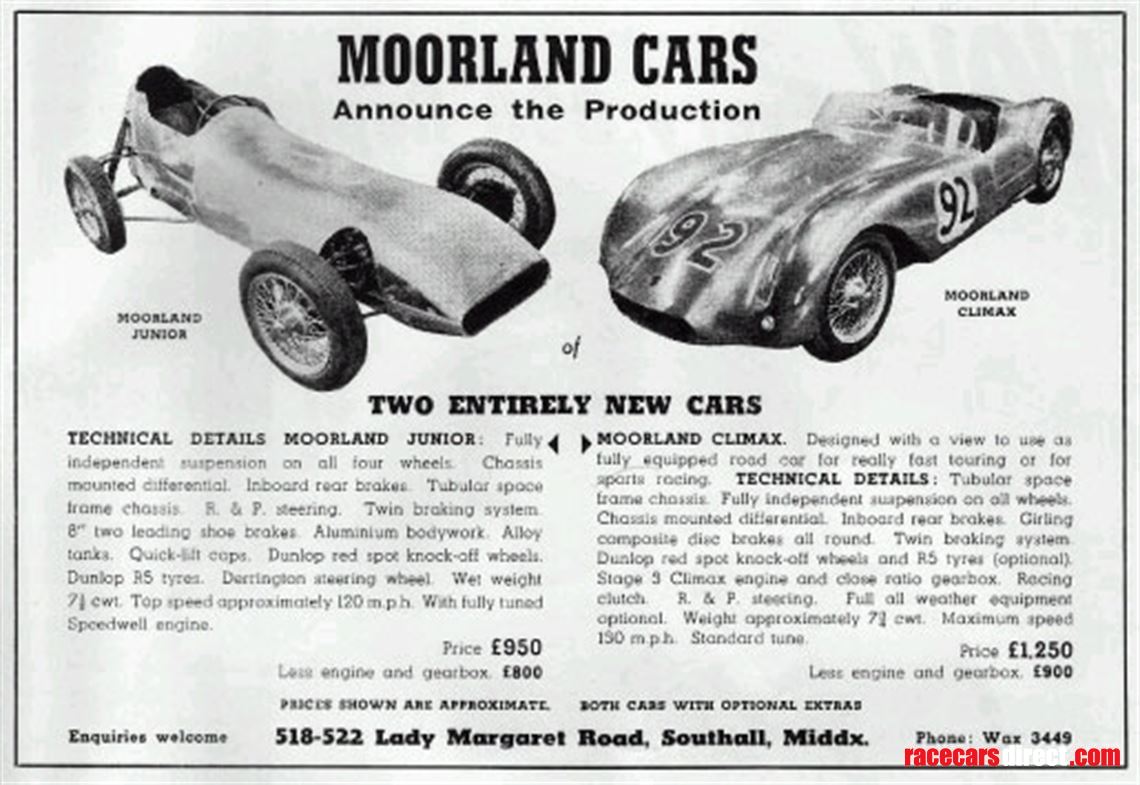
The entrepreneurial Warner had planned to race the Moorland, a front-engined Speedwell-BMC powered Formula Junior designed by the great Len Terry – everybody writes this but Terry does not make any reference to this car in his ‘Racing Car Design and Development’ Terry and Alan Baker – and built by Les Redmond in the August 3, 1959 Brands Hatch meeting.

Running late returning home after racing his Lotus Elite in a support event for the German Grand Prix on the Nurburgring, Warner phoned Ian Raby and offered him the drive. Despite starting at the back of the grid, he passed two Elvas and won the mixed FJ-F3 race.

Without the means to mass-produce the cars, Warner took over the project from Redmond, building and selling the slimmed down and stiffened car which Warner called the Gemini Mk2; Gemini being his star-sign. Warner’s The Chequered Flag Engineering Ltd subsidiary planned to build six cars but ended up constructing about 30.

Ian Raby raced the first Gemini Mk2 BMC in the World Sports Trophy FJ race at Brands Hatch on October 4, 1959 but failed to finish. Up front were three Elva 100 BMCs, the winner was Mike McKee. Warner was entered in a Ford powered Gemini as well but did not race.

Check out this fantastic website for all you need to know on the Moorland/Geminis: https://www.hrscc.co.nz/formula-junior/gemini/gemini-fj-register-and-heritage-site/

Which is where the Cosworth angle comes in …

Warner’s Ford powered Gemini that is.

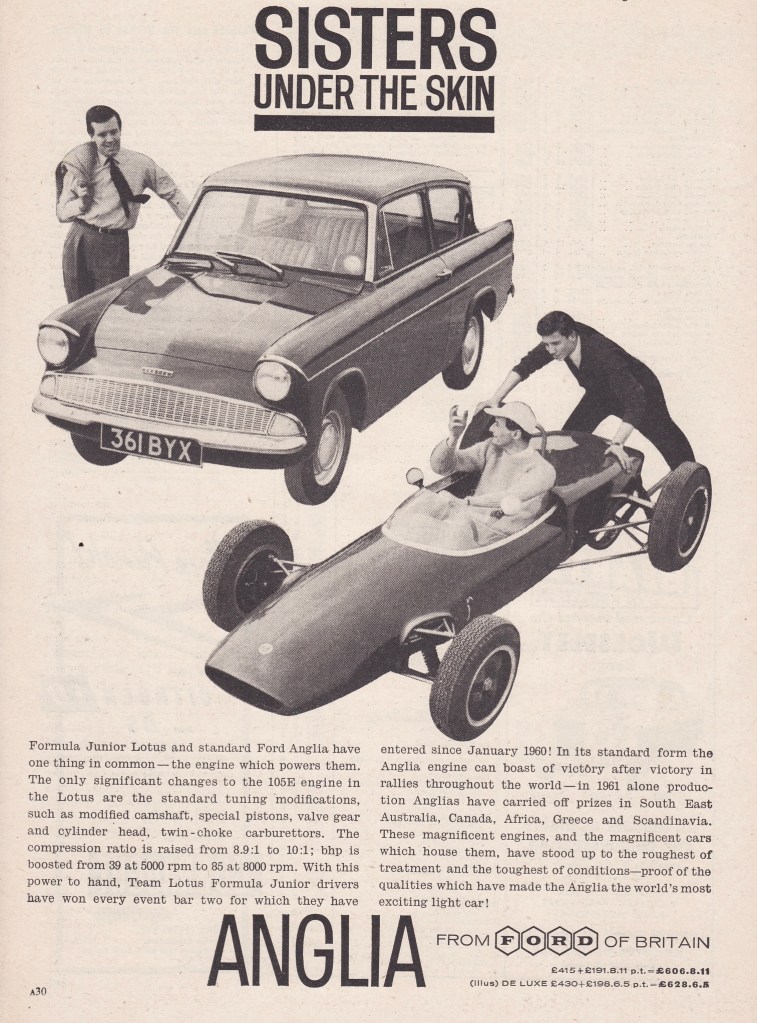
Ford’s fourth-series, frugal, family man Anglia also had a new two-OHV, all-cast iron, four-cylinder engine pumping out a massive 39bhp. Warner could see the latent potential of the design and was intrigued to know what Keith Duckworth, who looked after his Elite, could extract from the engine.

After initial reluctance from FoMoCo, Warner bought and shipped six 105E motors to Cosworth Engineering to be breathed upon.

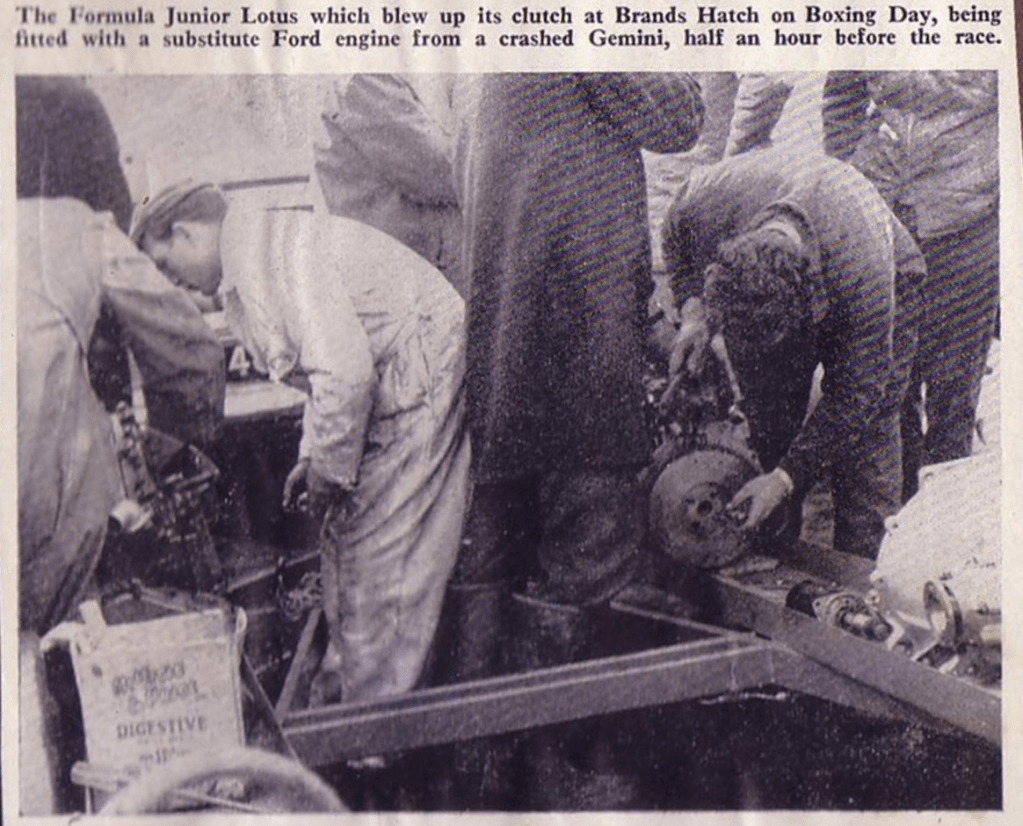
And so it was that Graham Warner entered the Brands Boxing Day ’59 meeting with a pair of Geminis. Warner’s was fitted with the Cosworth engine while Clark’s car had a BMC motor. In practice Warner’s engine threw a flywheel which caused Graham to crash, ruling the car out of the race.

Graham Warner and Gemini Mk2 Cosworth, Brands Boxing Day 1959 (B Ward)

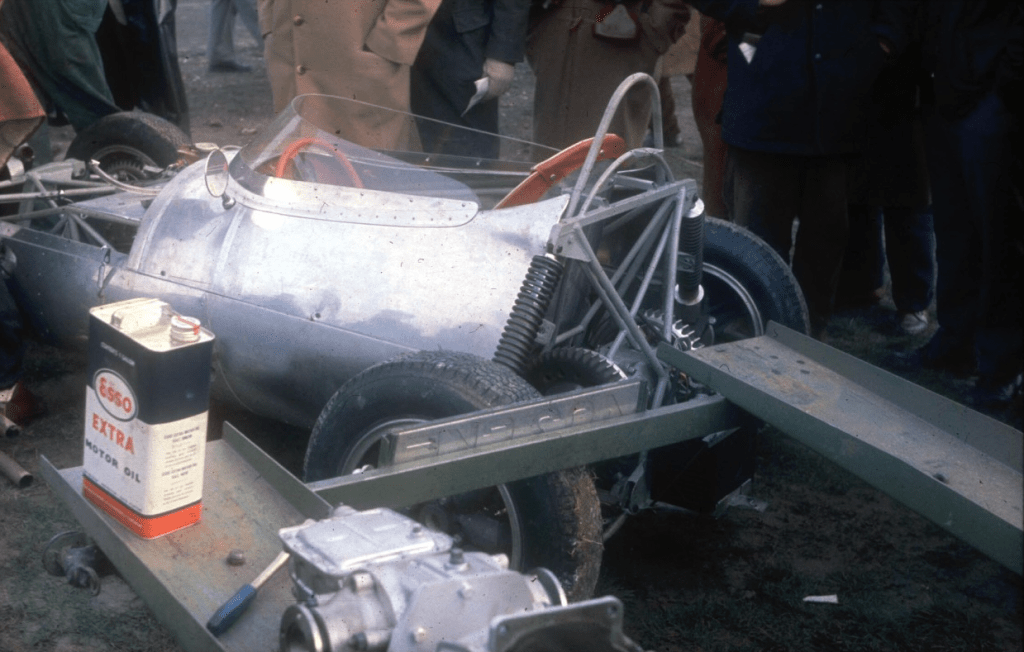
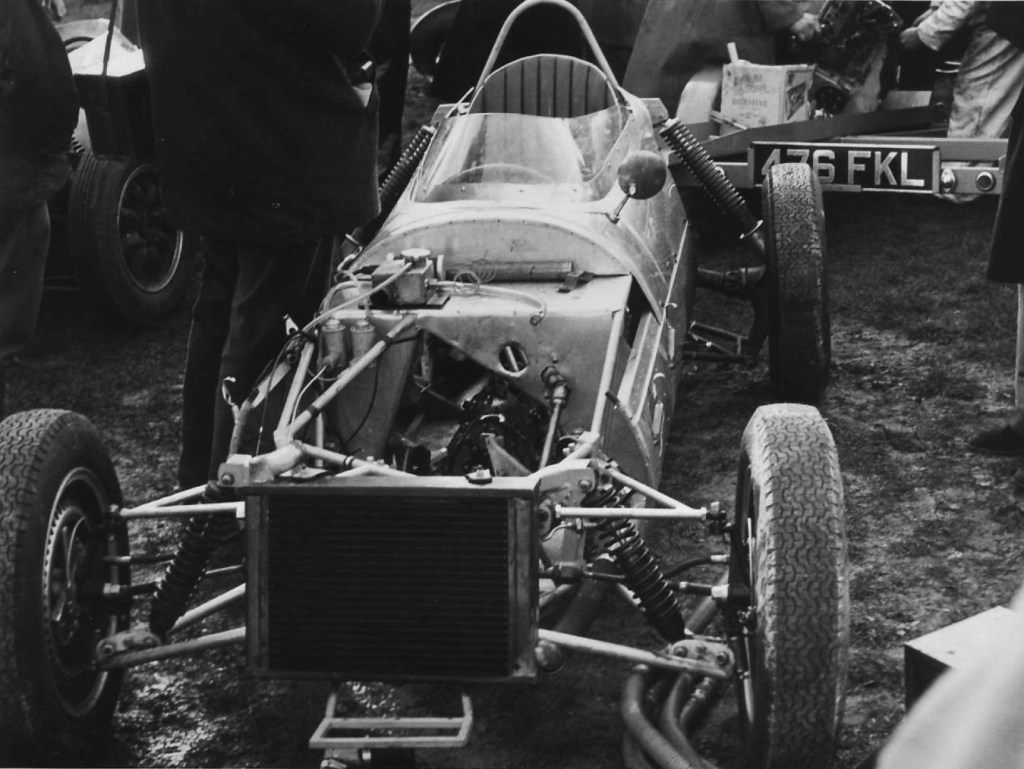
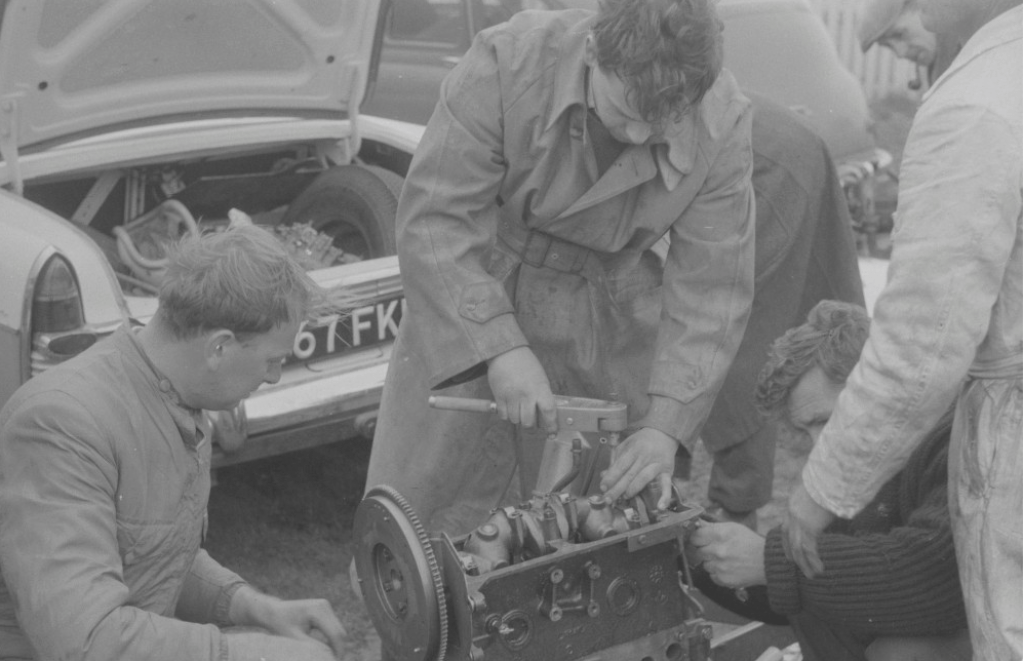
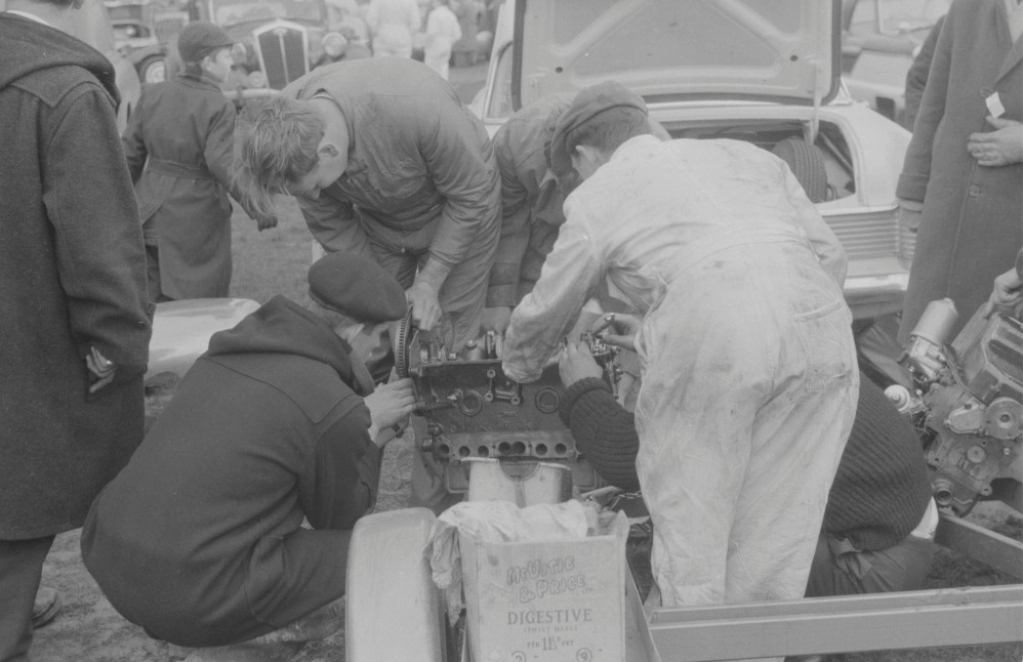
The Cosworth engine from Warner’s car, rectified, was then fitted to the Lotus 18 unpainted prototype which was having its first race in Alan Stacey’s hands with a mildly tuned Ford Anglia engine. Colin Chapman had placed an order for an engine from his former employee too.

Despite working throughout Christmas Day, Duckworth couldn’t finish both engines. Warner got the race unit while Chapman’s for Stacey was fitted with twin-carbs and extractors but was otherwise standard’ish.

The switch ended up being not so simple as the Gemini Cosworth engine had a lower sump than the Anglia unit fitted to the Lotus 18 which caused bottoming problems in the race. Clark was pushed away last with a flat battery and finished eighth as stated above, while Stacey with his bitsa-engine and with suspension settings awry and far from resolved, spun, finishing 10th.

Despite the lowly placing, Chapman was sold. He could foresee selling lots of Lotus 18 FJs and ordered 25 Cosworth 105Es to power them. Duckworth was out of penury…and the rest is history. See here: https://primotipo.com/2024/07/11/cosworth-engineering-ltd/

FoMoCo Anglia ad circa-1961. Lotus 20. The 85bhp @ 8,000rpm quoted is the claimed output – 85/90 @ 7,500 actually – of a 1960 Cosworth Ford MkIII 997cc FJ engine. ‘An improved version of the MkII using A3 profile cam with strengthened bottom-end and (optional) dry sump lubrication.’ (Ford)

Afterburn…

The same day I put this piece up Roger Herrick sent me a note and the fantastic photographs below.

‘Here are some more photos of the swap of the Cosworth Ford engine from the Gemini to the Lotus 18 – done in the paddock on the back of a trailer – just in time to get the Lotus out to the grid.’

‘ I don’t know if the early Geminis had chassis numbers unless they needed overseas carnets. The first Gemini Mk2 (the Mk1 was a ‘badge engineered’ Moorland) had a chassis plate with the name “Anne” after Brad ward’s girlfriend. This car is in NZ and still has the Anne plate.’

( R Herrick Archive)
(R Herrick Archive)
(R Herrick Archive)
(R Herrick Archive)
(R Herrick Archive)

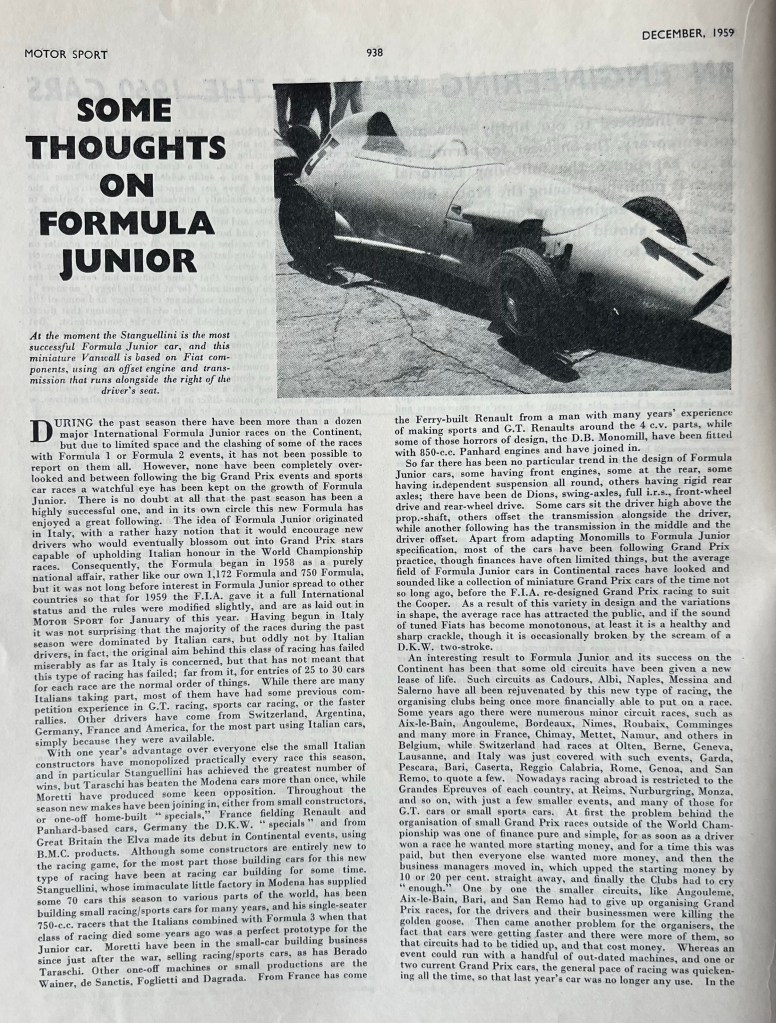
State of the Formula Junior Art in December 1959…

Given the point in time we are talking about, the end of 1959, who better to give us a perspective on the FJ state-of-play right then, than the learned DSJ.

Credits…

MotorSport Images, MotorSport December 1959, racecarsdirect.com, F2Index-Fastlane, the judge13.com, Brad Ward, Roger Herrick Archive

Finito…
(K Buckley)

Yes, yes I’m not a Kiwi but I like them, they are Our Bro’s across The Ditch after all. I know S.F.A. about their rich racing history, my interest goes way beyond our shared ‘Tasman Internationals’ history too.

There are a load of photographs doing the rounds on NZ’s racing social media sites, so it seems smart to capture and share some of them rather than lose them in the bowels of Facebook. The potential for cockups is great as I don’t have the same depth of knowledge – such as it is – as I do of Australian material, but just drop me a note on mark@bisset.com.au and I’ll fix up any boo-boos.

There is no order to all of this, so apologies to all you OCD-ADHD-On The Spectrum mob.

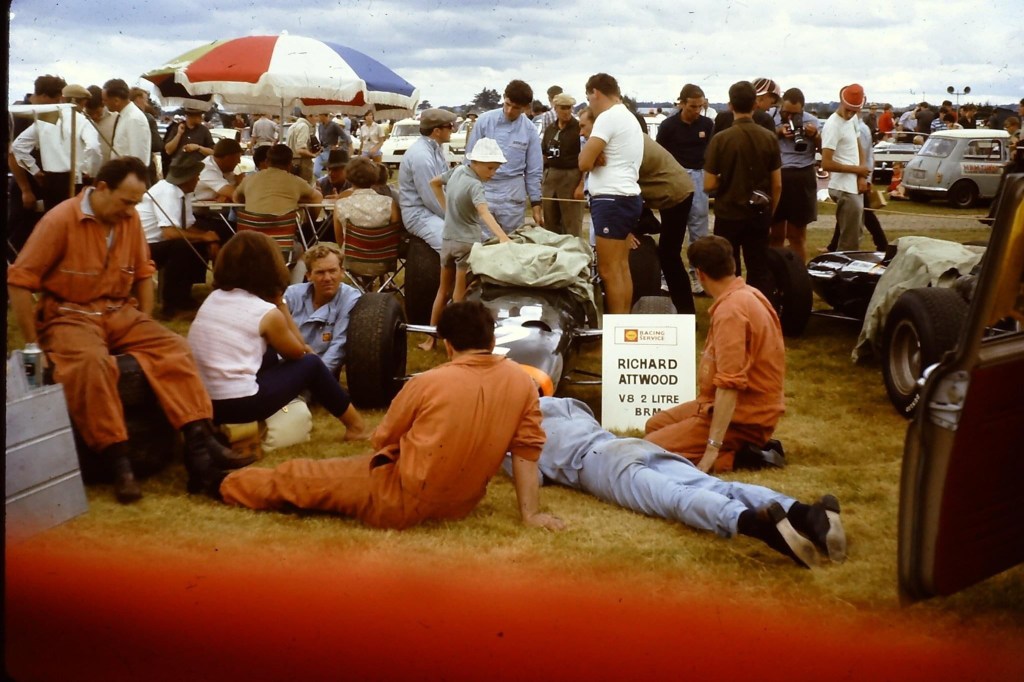
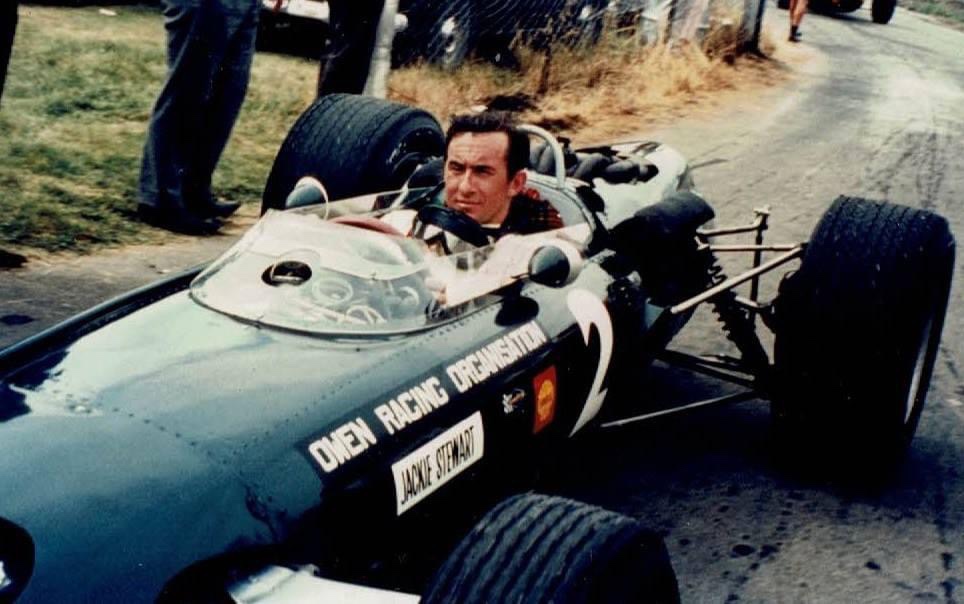
The more you look, the more you see of the shot above: from the left it’s Bill Hannah, Angus Hyslop’s mechanic with the big hat seated under the umbrella, to his left standing up with the peaked cap is Owen Steel, in the middle Jackie Stewart is talking to Kerry Grant, with Spencer Martin a little further to the right.

Stewart, Levin 1967. A non-championship round that year, the Levin International was won by Jim Clark’s Lotus 33 Climax FWMV 2-litre from Stewart’s 2.1-litre BRM P261 (R Cunningham)

This series of photographs were taken during the 1965 Tasman Cup, featuring Bruce’s new Cooper T79 Climax. The shot above shows Wally Willmott on the left and Pop McLaren in the Trilby during the Lady Wigram Trophy weekend where Jim and Bruce finished 1-2.

More here: https://primotipo.com/2021/10/15/lady-wigram-trophy-1965/

While Bruce won the Tasman in 1964 with his Cooper T70 Climax, the 1965 victor was Jim Clark, here in discussion with his mechanic, Ray Parsons, with their Lotus 32B Climax. Jimmy took four wins: Levin, Teretonga, Warwick Farm and Lakeside, and Bruce one win at Longford – the Australian Grand Prix – to finish the series second.

(M Waters)

The merriment is perhaps around getting Bruce’s new Firestones – he had just signed with them – to work with suspension geometry designed for Dunlops. It any of you Kiwis can explain exactly what changes were made I’d love to hear from you…

(M Lucas)

Ray Parsons and Jim Clark with the Lotus 32B. Ray Parsons’ story see: https://primotipo.com/2022/02/20/ray-parsons-australian-lotus-mechanic-racer-and-development-driver/

Wally Willmott, Bruce Harre, Bruce McLaren, Jim Clark, Tyler Alexander and Colin Beanland gathered around the Cooper T79, probably Wigram, 1965.

Why isn’t Jimmy ready to boogie? David Oxton remembers that “Graham Hill, Clark, Frank Gardner and Bruce flew direct from the South African GP in time for an unofficial testing session on the Wednesday. For some reason Jim didn’t take part in that, so that could be an explanation.” An alternative is offered by Milan Fistonic, “If it’s Wigram McLaren and Clark ran in different heats, so McLaren could be getting ready to go out in heat 1 while Clark still had time to suit up for heat 2.” Aren’t first-hand recollections gold, even 60 years later!

Peter Whitehead’s Ferrari 125 in the Wigram paddock, 1955. He won the race from Tony Gaze’s HWM Alta and Ken Wharton’s BRM P15 V16. This car was sold at the end of the summer, to Australian, Dick Cobden. More about Whitehead and the Ferrari here: https://primotipo.com/2023/12/13/peter-whitehead-ferrari-new-zealand/

Denny and his McLaren M23 Ford loading up for some demo laps at Pukekohe. What year folks? More about the McLaren M23 here: https://primotipo.com/2014/07/24/macs-mclaren-peter-revson-dave-charlton-and-john-mccormacks-mclaren-m232/

(B Homewood)

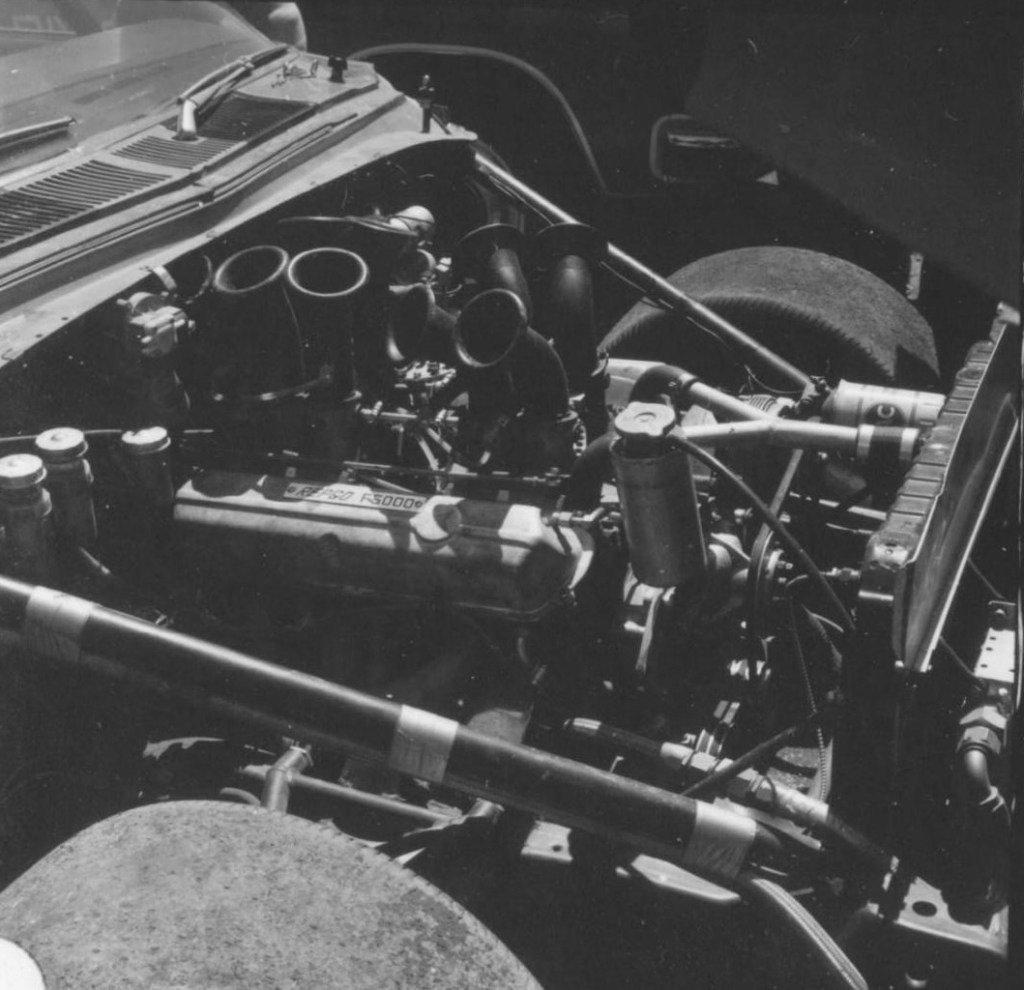
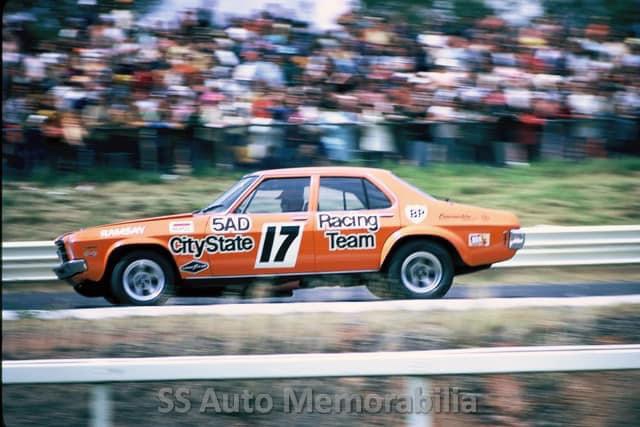
Malcolm Ramsay’s HQ Holden Kingswood Repco-Holden F5000 engined Australian ‘Improved Production’ car.

I’ll be faarked how it complied with those regs with THAT engine, THOSE strengthening members and fabricated wishbones DEVOID of fixed bodywork and all. Holy Moses. But maybe it was all in evening up the show for the local poverty-pack against the well-homologated Mustang, Camaro et al. Do tell taxi-experts. Hmm, lets think…In the back of my brain this car was pranged twice at Adelaide International, the second hit was fatal. Perhaps after the first one it morphed into a Sports Sedan, in which case the modifications make perfect sense. One for you Taxi Experts.

It was a mega-car too, I’ll never forgot the sight of Mal Ramsay wrestling the thing around Shell Corner at Sandown (as below) bellowing its F5000 roar during the very first car race meeting I ever attended, the 1972 AGP meeting. With a little more development from the Birrana Cars boys it could really have been a good thing, what a crowd-pleaser it was all the same.

(G Richards Collection)

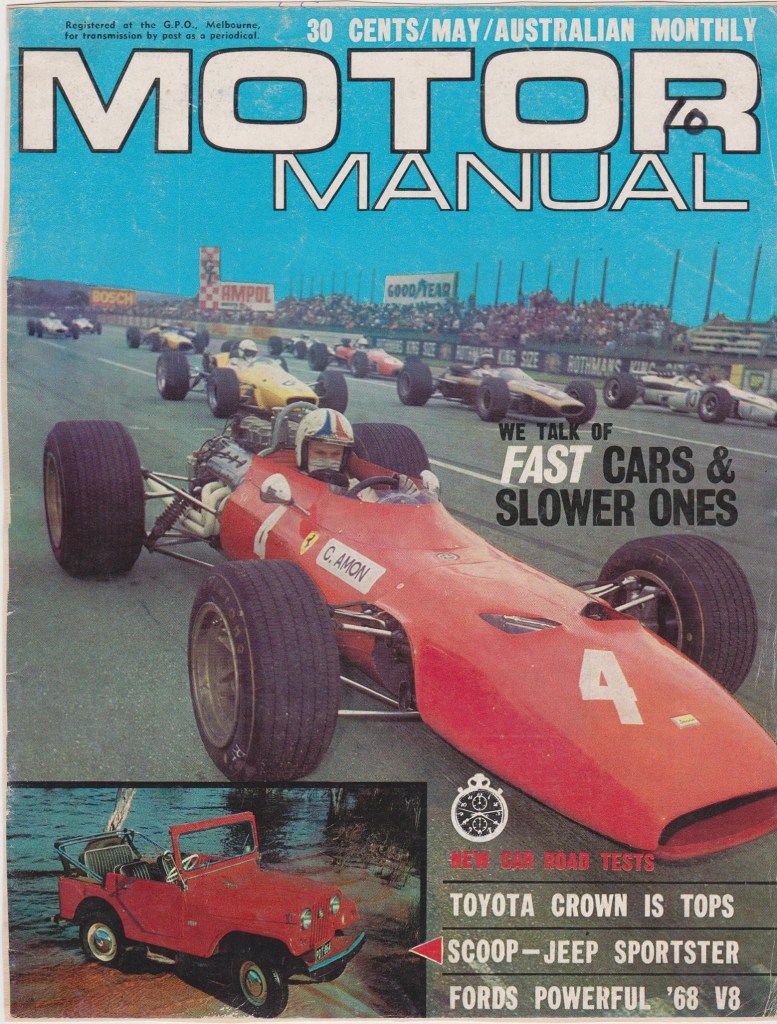
Chris Amon, Ferrari 246T on the cover of May 1968 Motor Manual. Ya gotta hand it to them, their coverage of the January-February Tasman Cup must have been considered, coz it sure wasn’t timely.

Amon won two of the seven rounds in the little Dino, he was bested by Jim Clark’s works-Lotus 49 Ford DFW. Chris went one better in 1969, taking four wins and the championship in 246T/69 #008. Ferrari then sold that car to Graeme Lawrence who repeated the achievement against a field of F5000/Tasman 2.5/2-litre cars in 1970. Lawrence won at Levin only, but his speed and consistency throughout was enough to beat the quickest F5000, Frank Matich’s McLaren M10A/B Chev which took two wins and placed second overall. More on the Dino 246T here: https://primotipo.com/2018/05/01/wings-n-dino-things/

(HEII)

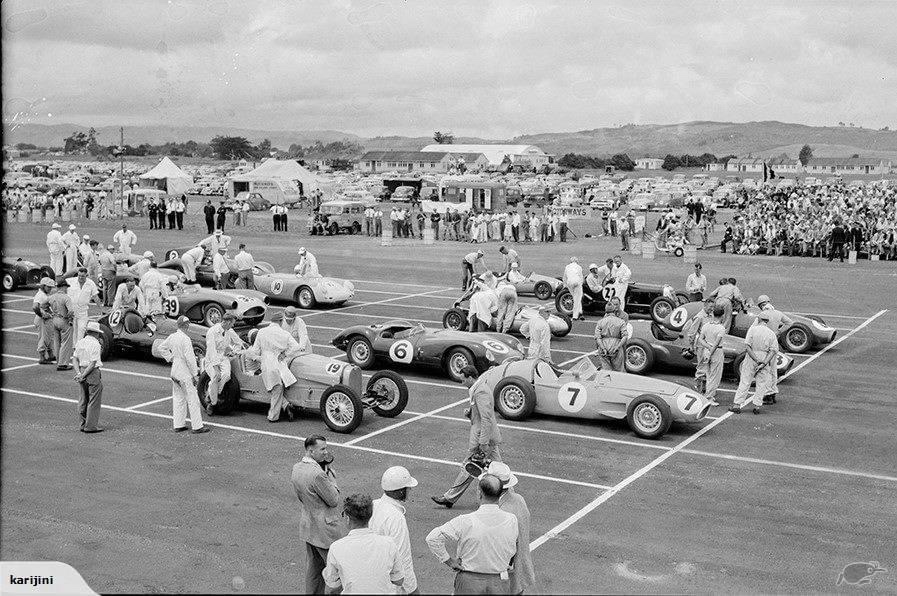
1956 NZ GP grid, a 100 lap, 186 miles race of the Ardmore Airfield circuit won by Stirling Moss’ #7 Maserati 250F from the 3-litre Ferrari 500/625s of Tony Gaze #4 and Peter Whitehead on the front row.

#19 is Ron Roycroft’s Bugatti T35A Jaguar 3.4 (sixth), #6 is Peter Whitehead’s Cooper T38 Jaguar that was raced to sixth place when Reg’s works-Aston Martin DP155 lunched an engine in practice, while #22 is Tom Clark’s Maserati 8CM 3-litre (eighth). #39 is either David McKay or Tom Sulman’s Aston Martin DB3S and #10, Norman Hamilton’s Porsche 550 Spyder awaiting pilot Frank Kleinig (ninth).

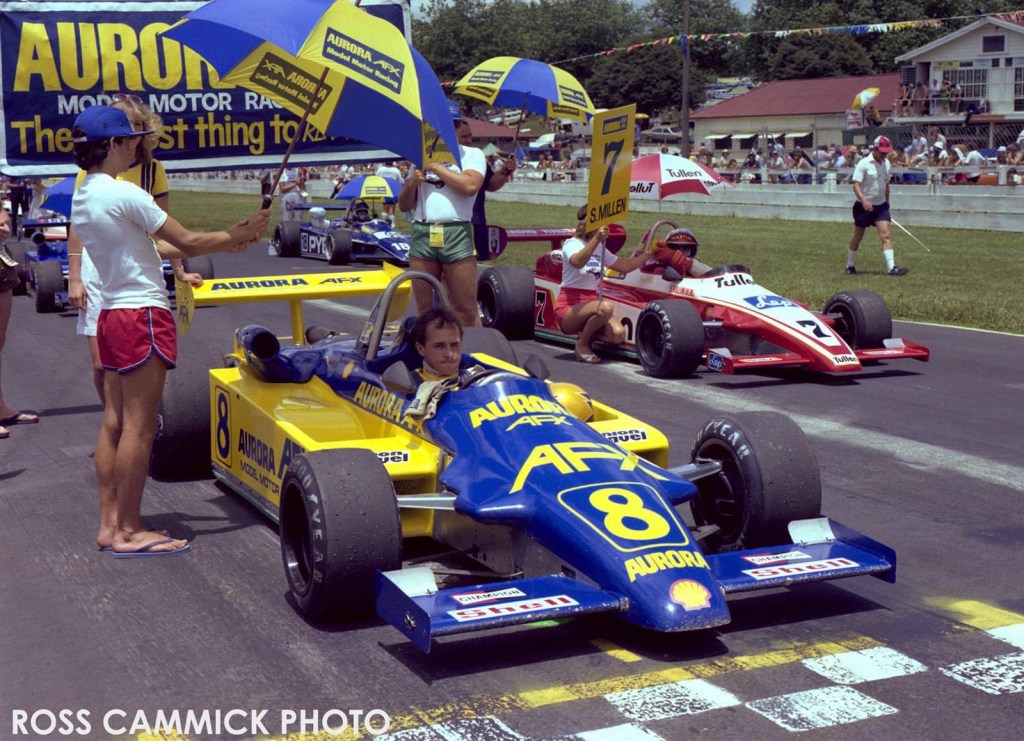
Roberto Moreno, Ralt RT4 BDA on pole before the start of the 1982 New Zealand Grand Prix at Pukekohe, January 9, 1982.

Steve Millen #7 and David Oxton in #18, RT4s as well. Moreno won the first heat from Millen, Millen won the second from Moreno while Roberto won overall.

(D Bull)
(D Bull)
(S Taylor)

Jim Clark, Lotus 49 Ford DFW 2.5 at Teretonga in 1968, Bruce McLaren won the Teretonga International from Jimthat January 27th in a works-BRM P126 2.5 V12.

Bruce didn’t run a car that summer, the deal came about as a result of McLaren’s use of customer BRM V12s during the 1967 Grand Prix season. It would be interesting to know (a) What Bruce thought of the 3-litre V12 (b) What Bruce thought of Len Terry’s P126 chassis and (c) What Bruce thought of the 2.5-litre variant of the V12. If anybody has a contemporary magazine article that covers any of that lot, I’d love to hear from you!

(J Inwood)

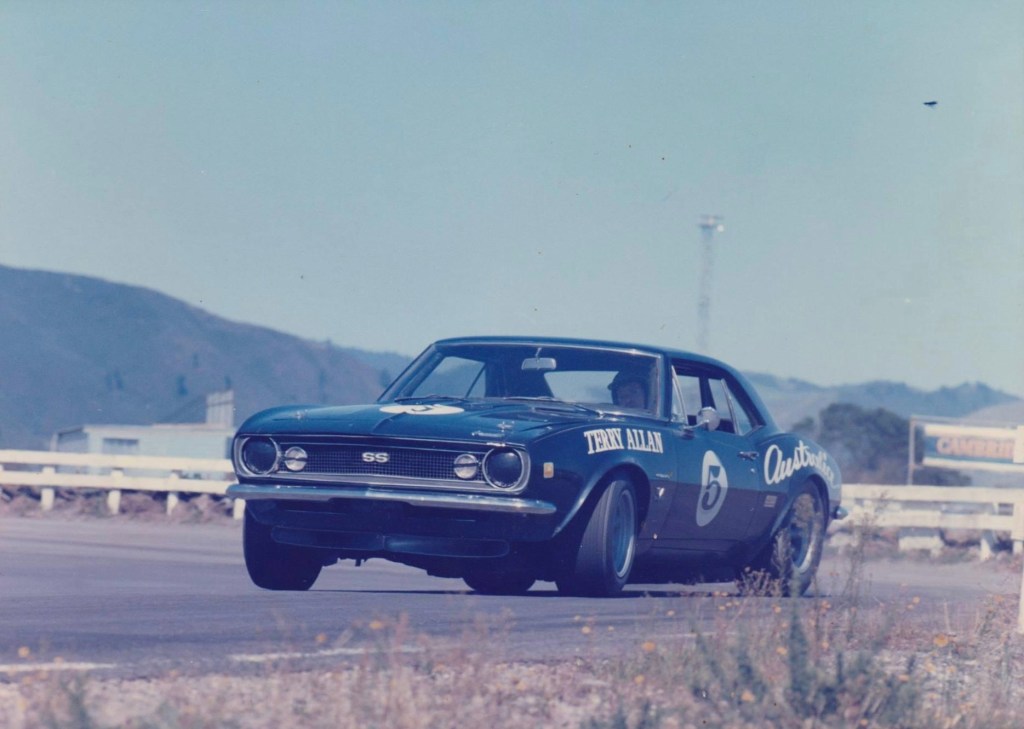
Aussie Terry Allan, Chev Camaro SS at Baypark during Easter in 1970.

Allan was the first bloke to race a Camaro in Australia, at Calder in May 1967. Fitted when delivered with a 327 cid V8, the machine was fitted with a worked 396 before it left the states for Oz. What became of it folks?

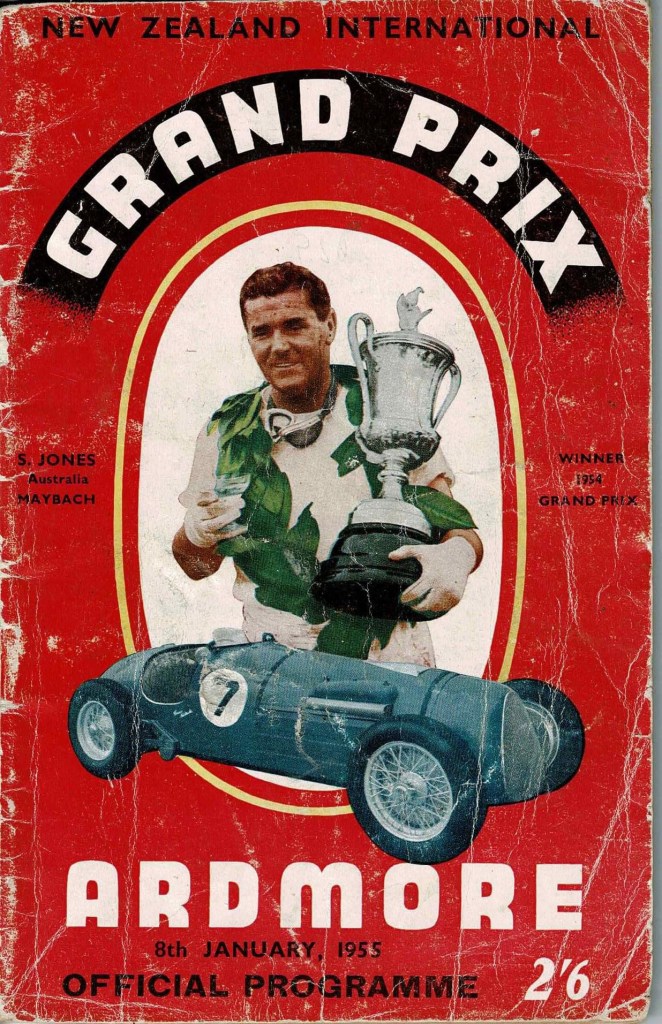
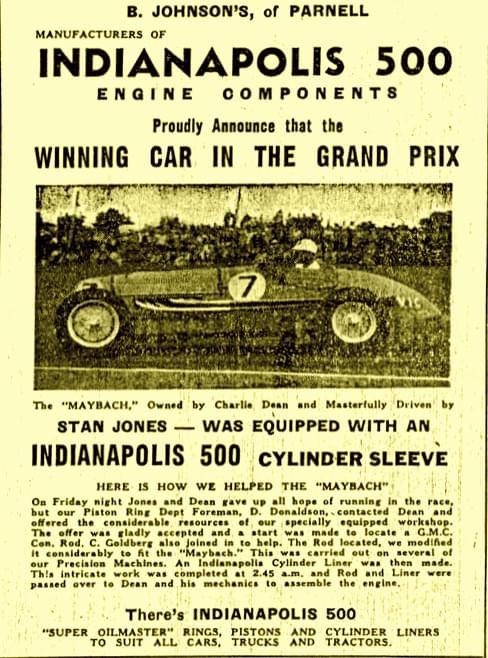
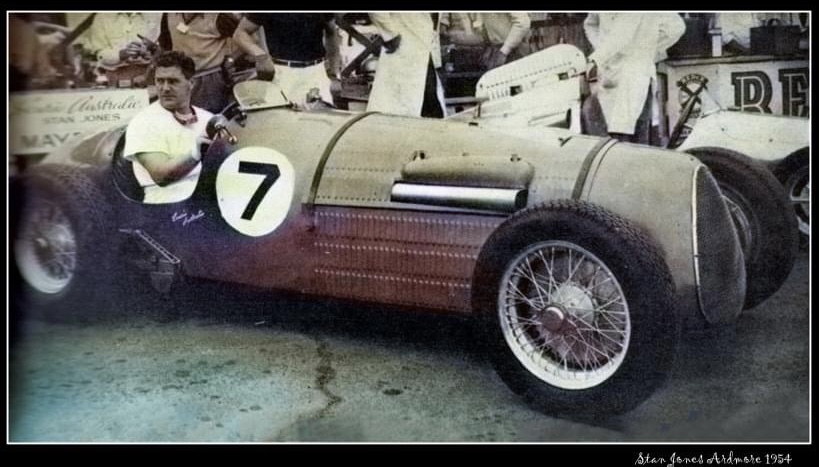
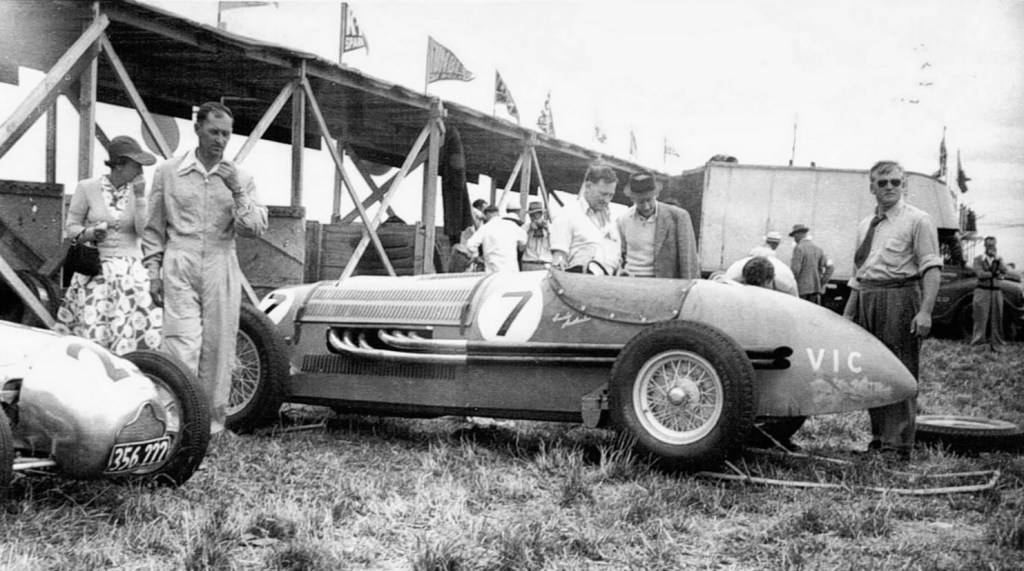
The Repco Research Maybach 1 success in the 1954 New Zealand GP at Ardmore is a real triumph over adversity effort told in this piece here;

When the car threw a rod and punched a hole in the block, “Charlie Dean phoned Australia for parts, but they couldn’t be landed in Auckland in time. Nothing daunted, the crew started scouring the city for makeshifts. They got a GMC conrod from Ray Vincent, a machine shop made up a new cylinder-liner – B Johnsons as above – while patches were fabricated for the crankcase,” related Naomi Tait.

Peter Donaldson related that his father, “Dawson Donaldson was dressed to go to the GP ball on Friday night but left mum standing at the front door in her ball-gown to head to Johnsons to work all night making parts including a new conrod.” In a tragic sidebar, “Dad was killed during an event in the Ostrich Farm Road hillclimb in December 1958 racing the Austin 7 Ulster that had been Bruce McLaren’s first car.”

“All Friday afternoon and night the crew toiled in Shorter’s garage while Jones slept in preparation for the race he might not run. At 10.40 in the morning the miracle happened. The motor was turned over, coughed and sprang into life. It was test run for a few minutes, hurriedly taken out to Ardmore, and the finishing tuning done on the course. And this was the car that won the race.”

More here: https://primotipo.com/2024/01/08/stan-jones-won-the-1954-nz-gp-70-years-ago-today/

Lex Davison’s ex-Moss/Gaze HWM, by then fitted with a Jaguar 3.4-litre XK engine with C-Type head, below, in the Ardmore paddock.

It wasn’t the quickest or most reliable of Davo’s cars, but it did deliver his first Australian Grand Prix at Southport Queensland a few months hence. Jones gift-wrapped the win after the chassis of his nearly-new Maybach 2 broke during the race giving Stanley the wildest of Gold Coast rides but luckily not killing, or badly injuring him. See more here: https://primotipo.com/2018/03/01/1954-australian-grand-prix-southport-qld/

(B Ferrabee Collection)
(M Fistonic)

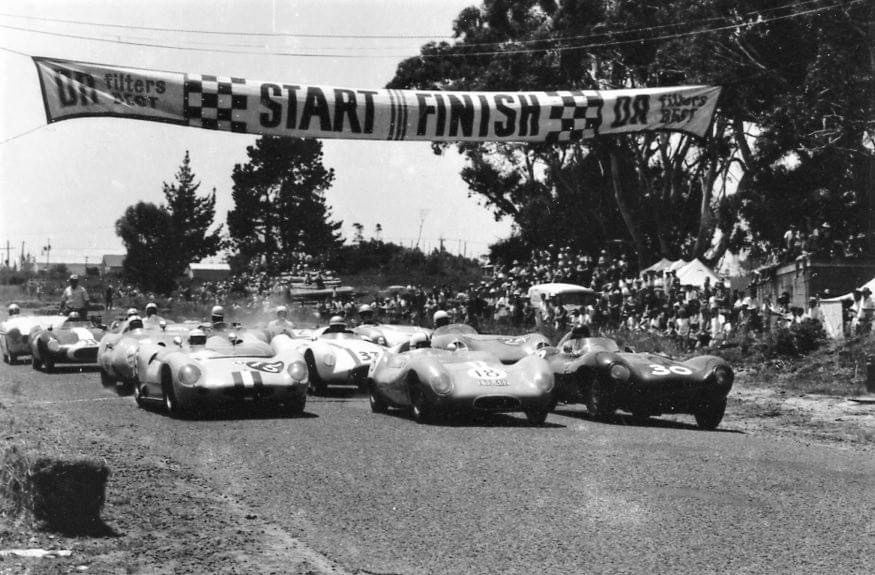
Start of the 1963 Mount Maunganui sportscar race Frank Matich, Lotus 19 Climax. John Riley, Lola Mk1 Climax and Garry Bremer, Jaguar D-Type on the front row.

I did an article about this meeting some years back, see here: https://primotipo.com/2017/09/08/bay-of-plenty-road-race-and-the-frank-matich-lotus-19s/

Frank Matich, Lotus 19 Climax and again below (A Boyle)
(M Fistonic)

(unattributed)

(HEII)

Chris Amon and David Oxton did swapsies with this March 701-3 Ford DFW 2.5 – Mario Andretti’s STP 1970 F1 car – and the Lotus 70 Ford 5-litre F5000 machine shown below at Levin during the 1971 Tasman Cup. STP’s Vince Granatelli is steering the car.

Steel Brothers, the Christchurch based NZ Lotus agents organised a deal for David Oxton to race the car – chassis #70-02 was the car raced by Dave Walker in the November 1971 Australian Grand Prix at Warwick Farm – but Chris wasn’t happy with the March, he was third in it at Levin, so STP bought Oxton’s Lotus.

In that he was Q9/ninth at Pukekohe, Q6/fifth at Wigram, missed Teretonga, then Q4/second at Warwick Farm and Q12/fourth at Sandown. Chris then flew to France to meet his new commitments with Matra, and John Cannon raced the Lotus in the final round Tasman round at Surfers paradise to Q6/seventh.

(HEII)

David Oxton’s races with the Lotus 70 yielded Q11/DNF half shaft at Puke, and Q10/seventh at Teretonga, maybe David could let us know the respective merits of both cars!?

Credits…

Bob Homewood, Gerard Richards, David Bull, Sean Taylor, Russ Cunningham, Jack Inwood, Naomi Tait Collection, Ross Cammick, Alan Boyle, Brian Ferrabee Collection

Tailpiece…

(N Tait Collection)

Jochen being bolted into his Lotus 49B Ford at Levin, January 11, 1969.

He boofed chassis R9 in the race – won by Chris Amon’s works-Ferrari 246T – so Colin Chapman flew another car, chassis R10 out the following week, and in which the staggeringly-quick Austrian took his first Team Lotus victory, in the Lady Wigram Trophy on January 18, 1969. See more here: https://primotipo.com/2018/01/19/rindt-tasman-random/

Finito…
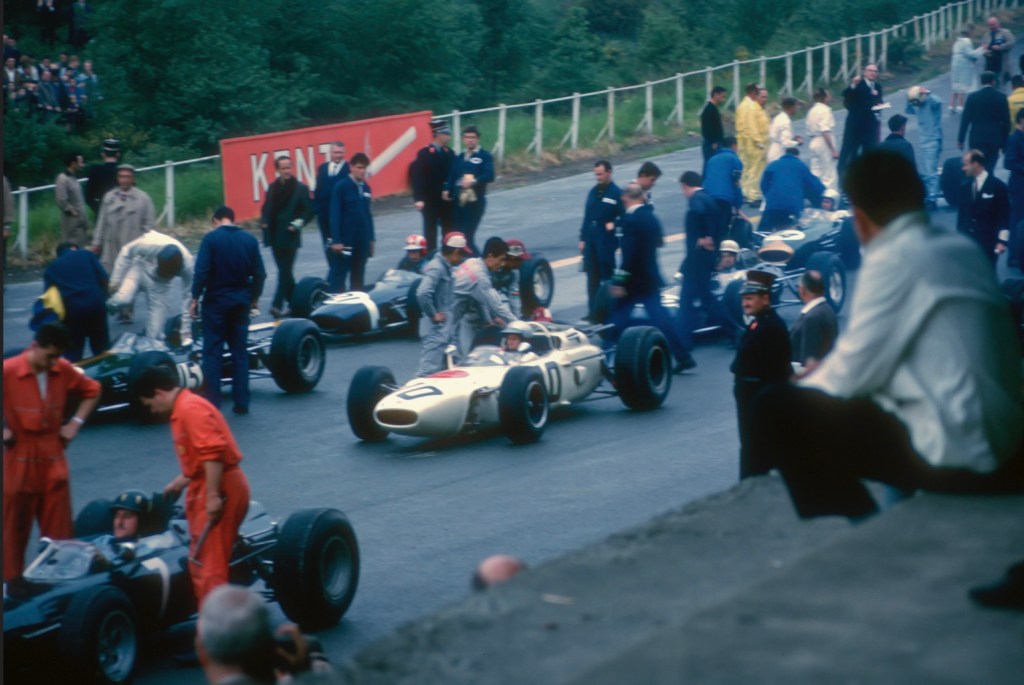
I just love pit or startline just-before-the-off shots. You can feel the tension, excitement and driver’s surge of adrenalin just before they pop their butts into the cockpits of their chariots. Here it’s the Belgian Grand Prix, Spa 1965.

Our black-snapper in some ways ruins the shot but he gives it intimacy and immediacy as well. The front row from left to right are Jackie Stewart, Jim Clark and a very obscured Graham Hill; BRM P261 by two and Lotus 33 Climax.

(wfooshee)

The only fellas I recognise are Messrs Stewart, Clark, Chapman and Hill. Can you do any better? The weather looks a bit grim, but such conditions are common in the Ardennes.

(wfooshee)

It’s a smidge out of focus but let’s not be too hard on our photographer Mr Fwooshee, I’d love to be able to credit him/her/it fully if anyone knows the correct name.

Every time I see a Honda RA271/272 I’m stunned by the audacity of a transversely mounted 1.5-litre V12, six-speed, monocoque chassis design in your first crack at a GP car; RA270 space frame prototype duly noted. Karma was Mr Honda’s originality being rewarded with that Mexican GP win several months hence, here Richie Ginther (RA272) was sixth. Graham Hill is in front, #15 is Dan Gurney’s Brabham BT11 Climax – everybody’s favourite Lanky-Yank is about to insert himself into that little Brabham – and behind him, Jo Siffert’s Rob Walker BT11 BRM. Jo Bonnier, Brabham BT7 Climax is behind the Honda, and further back the redoubtable Bob Anderson in his self-run #24 Brabham BT11 Climax. Brabhams galore, bless-em.

Who is the driver playing with his silver or white peakless helmet? Down the back, top-right there is a glimpse of Jean Stanley getting that tosspot ‘Lord Louis’ Stanley’s cravat nice and straight…

Oh yes, Jim Clark won from Jackie Stewart with Bruce McLaren’s Cooper T77 Climax in third place.

Credits…

fwooshee

(fwooshee)

Tailpiece…

Frank Gardner had an early afternoon, his John Willment Brabham BT11 BRM had ignition problems after completing only four laps. He started from grid slot 18 of 21, the best placed BT11 was the Guvnor’s works-car, Jack Brabham was fourth.

Finito…
(wfooshee)

It looks pretty good to me, not exactly Margaret River, but hey, what’s all this nonsense about the grim North Sea?

Jack Brabham was never the life of the party, seemingly, but he had a pretty good sense of humour, here making his way to the grid for the 1966 Dutch Grand Prix and addressing head-on media comments about his advancing years, complete with ‘walking stick’ and beard. He had turned 40 on April 2, like a fine wine he got better really, not too many of the over-40s won races in their final season, 1970 in Jack’s case. Ignoring the occasional touring car outings back in Australia.

(wfooshee)

He had the last laugh too, he had won the previous two Grands Prix in France and the UK and was on the-roll that delivered his third World Drivers Championship that year. He beat Graham Hill, BRM P261, and Jim Clark, Lotus 33 Climax to win at Zandvoort, then repeated the victorious dose at the Nurburgring a fortnight later. See here for a piece on his ’66 championship year; https://primotipo.com/2014/11/13/winning-the-1966-world-f1-championships-rodways-repco-recollections-episode-3/

Two 3-litres ahead of two 2-litres in the Dutch dunes. Brabham and Denny Hulme, Brabham BT19/ BT20 respectively from Jim Clark’s Lotus 33 Climax and Graham Hill’s BRM P261 (MotorSport)

BT19 F1-1-65 defines simplicity.

Spaceframe chassis, and a repurposed one at that, Alford and Alder (Triumph) front uprights and povvo Repco RB620 290-310bhp, SOHC two-valve, Lucas injected V8 with a block donated by an Oldsmobile roadie. Can’t be true, surely? It’s an unusual angle of Jack’s weapon of war for 95% of 1966 in Tasman 2.5 and F1 3-litre Repco guises, it raced on towards the end of ‘67 too, no rest for the wicked, World Champ or otherwise.

Credits…

wfooshee, Bernard Cahier-Getty Images, MotorSport Images

(MotorSport)

Tailpiece…

Brabham rounding up Guy Ligier’s Cooper T81 Maserati V12, he was ninth and last, six laps adrift of the winner. At the end of the season Jack sold Guy one of BRO’s Brabham BT20 Repcos (Denny’s F1-2-66), so impressed was the rugby-international watching them go past at close quarters that season.

Finito…
(LAT)

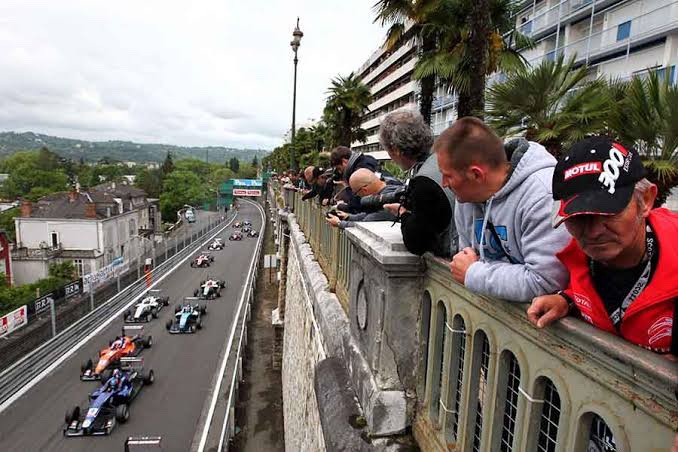
What a magic Pau Grand Prix vista on April 5, 1964.

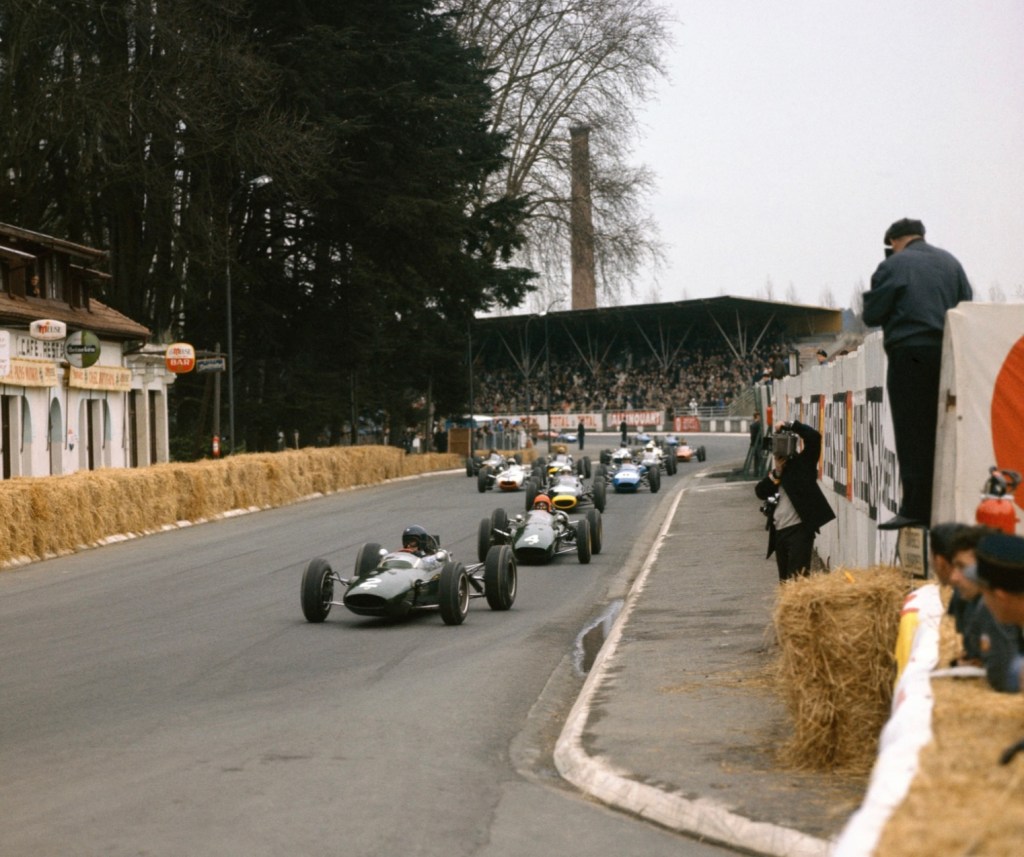
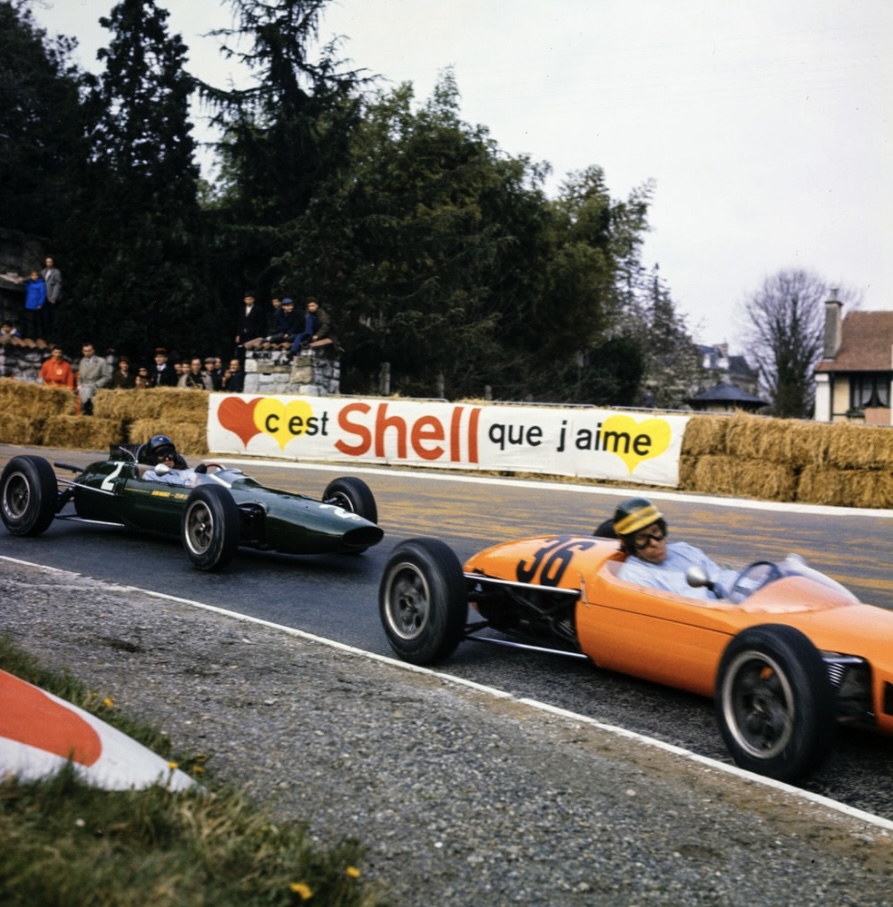
Jim Clark’s one-litre Formula 2 Lotus 32 Cosworth SCA leads Peter Arundell’s F3 Lotus 27 Ford Cosworth MAE during the 80 lap, 220km race held around the streets of the Pyrenees-Atlantiques city in France’s southwest.

The yellow nose car in third is Richard Attwood’s Lola T54 SCA. Clark won from Attwood and Arundell in a stellar field which included Paul Hawkins, Tony Maggs, Frank Gardner, Jean-Pierre Beltoise, Maurice Trintignant and Denny Hulme.

Jim Clark right up Paul Hawkins’ clacker during the 1964 GP. Hawkeye was seventh aboard John Willment’s F3 Alexis Mk4 Ford Cosworth MAE. There were nine or ten Ford Cosworth MAE, and Renault Gordini engined F3 cars in the F2 race, doubtless to keep numbers up in the first year of the new 1-litre F3 and F2 (LAT)
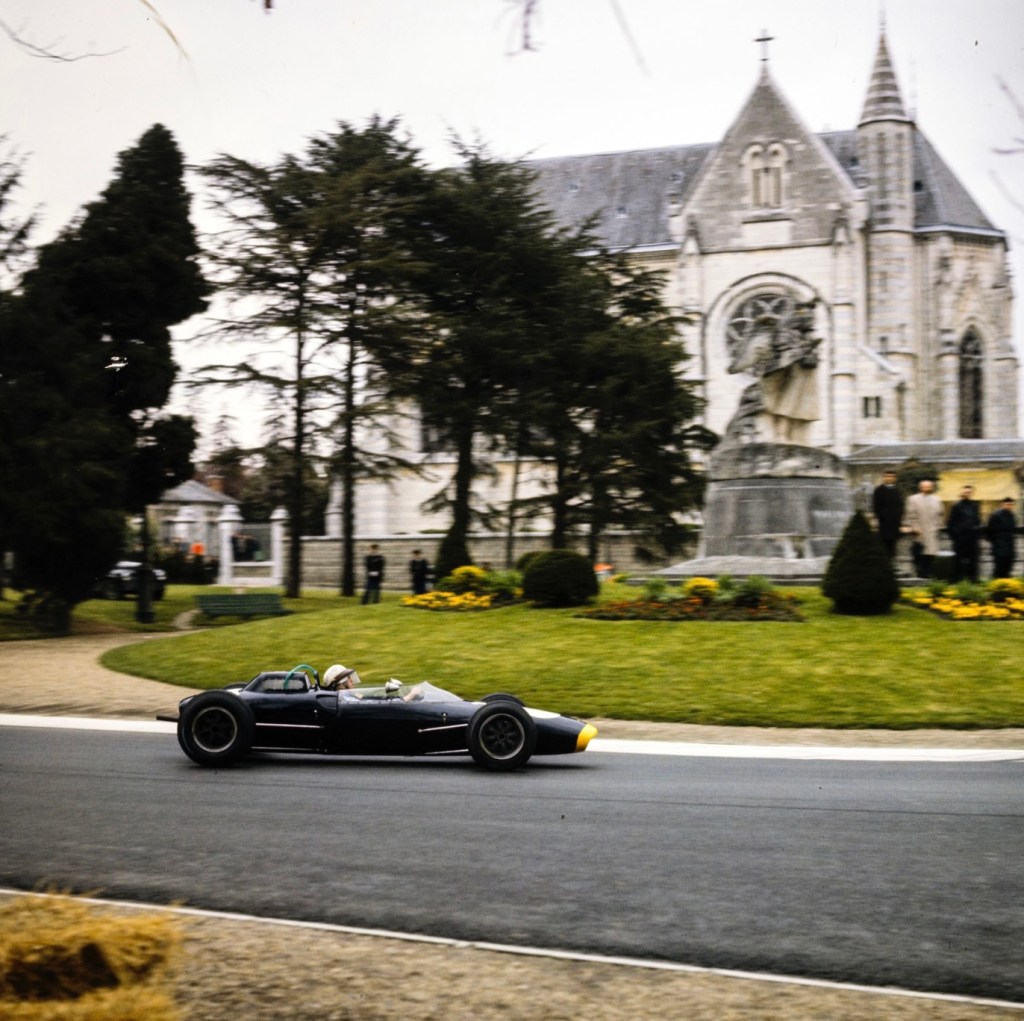
Dickie Attwood during the ’64 F2 race, Midland Racing Partnership Lola T54 Cosworth SCA. Past Saint Martin Church perhaps, help please Frenchies? (LAT)

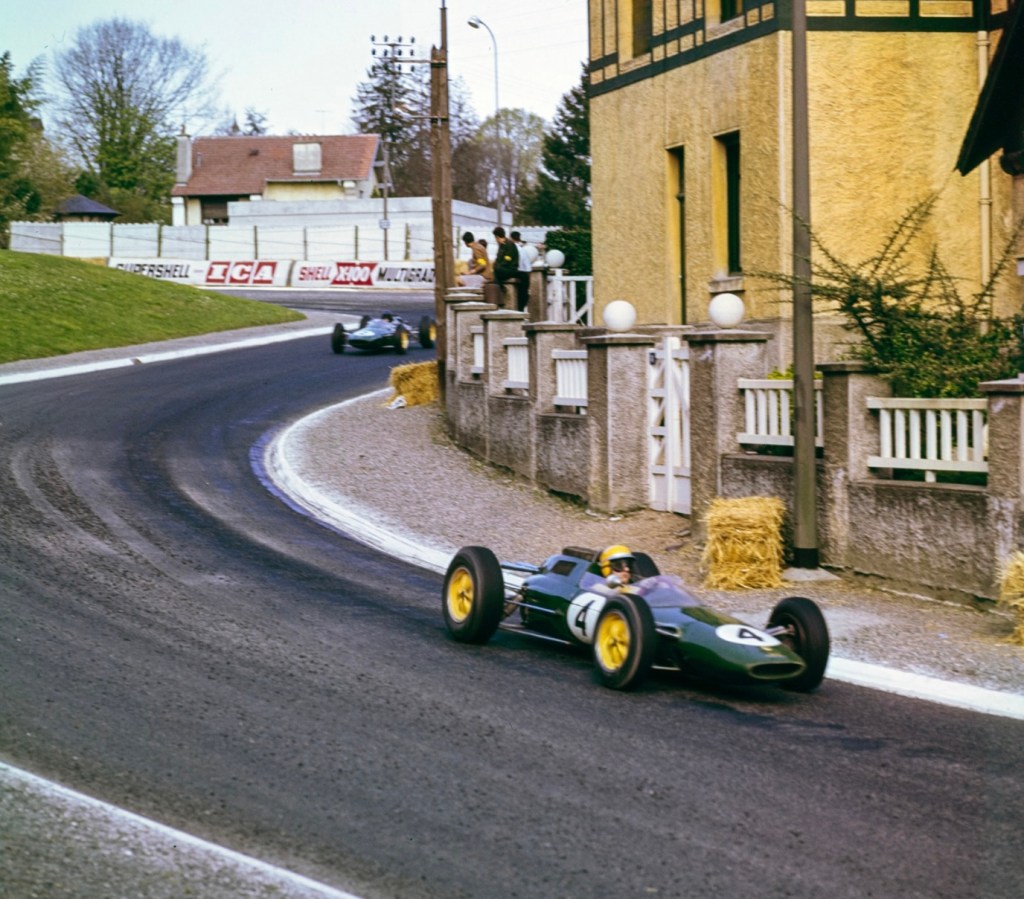
It amused me, flicking through some Pau GP photographs that numbers two and four also loomed large the year before, in 1963, when the F1 Lotus 25 Climax V8s of Clark and #4 Trevor Taylor (below) finished one-two from Heinz Schiller’s Porsche 718.

(LAT)

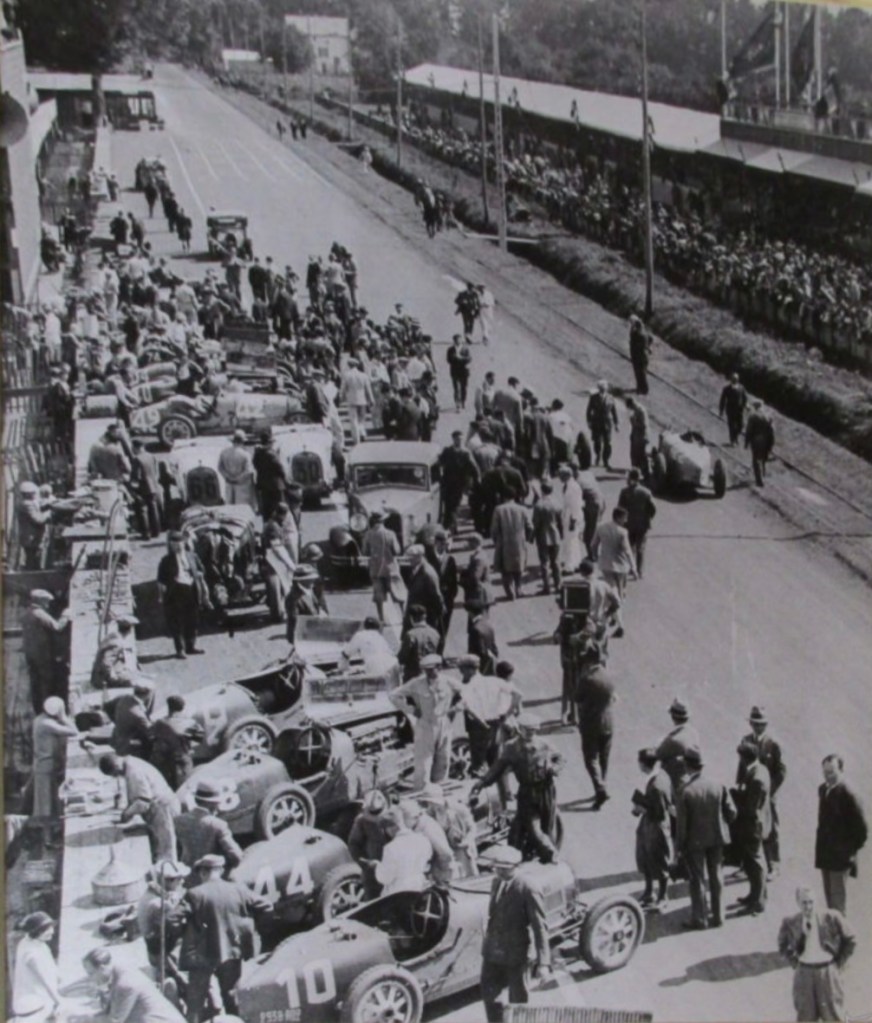
The 1930 French Grand Prix was held on a triangular 15.8km road circuit at Pau. It was won by Philippe Etancelin’s Bugatti T35C, this toe-in-the-water for the town led to the Pau GP’s inauguration as an annual event in 1933.

Marcel Lehoux’ Bugatti T51 won that snowy February race from Guy Moll’s similar car.

The 1930 grid including #10 Lehoux Bug T35B, #44 the winning Etancelin Bug T35C, the #28 or 38 Bugatti of De Maleplane or De L’espee, while towards the top is the #42 Daniel T35B. 25 cars started this race (unattributed)

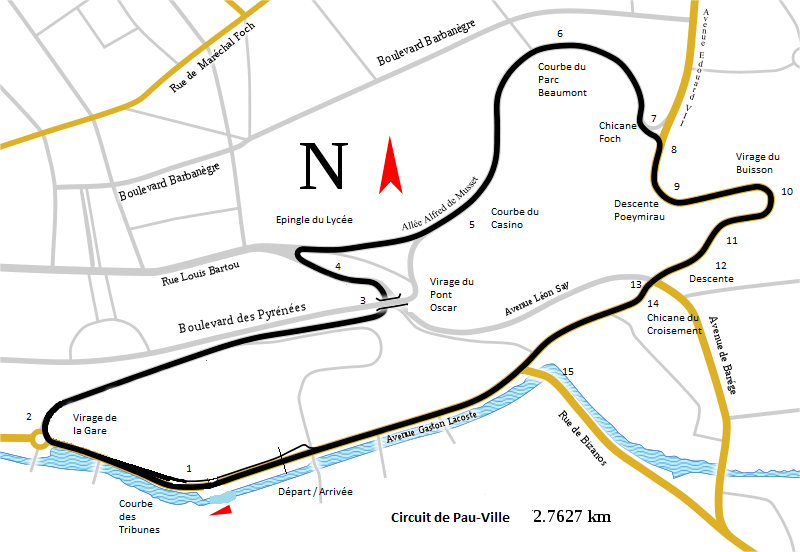
Happily, the race is still held around the 2.769km Circuit de Pau de Ville.

The Pau GP is up-there in a list of global continuous events. Down the decades it’s been held for GP cars until 1963. It then morphed thru F2 (1964-1984), F3000 (1985-1998), F3 (1999-2006), World Touring Car Championship cars – an unfortunate aberration – (2007-2009) then back to F3 (2012-2012), Formula Renault (2013), then F3 again (2014-2019) until this year (2022) when Vladislav Lomko, a Russian (oh dear, how very passé and politically incorrect) won the May race aboard a Dallara 320 Euroformula (F3 variant) machine.

Far-canal I HATE all the global one-make shit, it’s so fuggin boring. I don’t want to sound like a silly old tugger, but it is boring isn’t it, the lack of variety? And don’t give me the economics lesson, I just don’t give a shit…

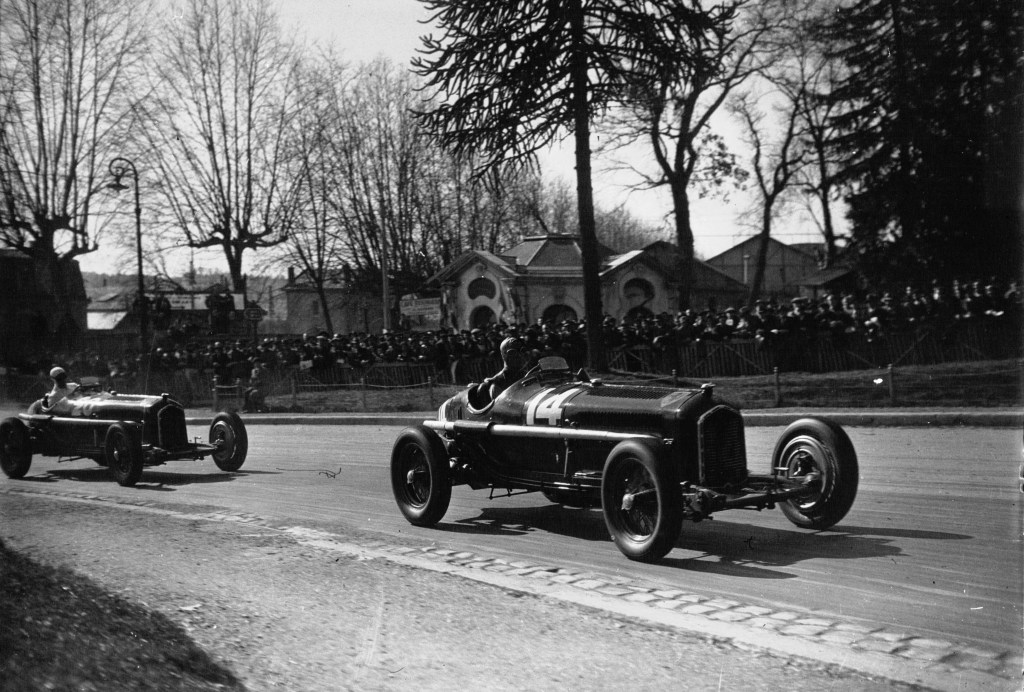
Tazio Nuvolari on the way to victory at Pau in February 1935, he is closely followed by Rene Dreyfus, both driving Scuderia Ferrari Alfa Romeo Tipo P3s (unattributed)
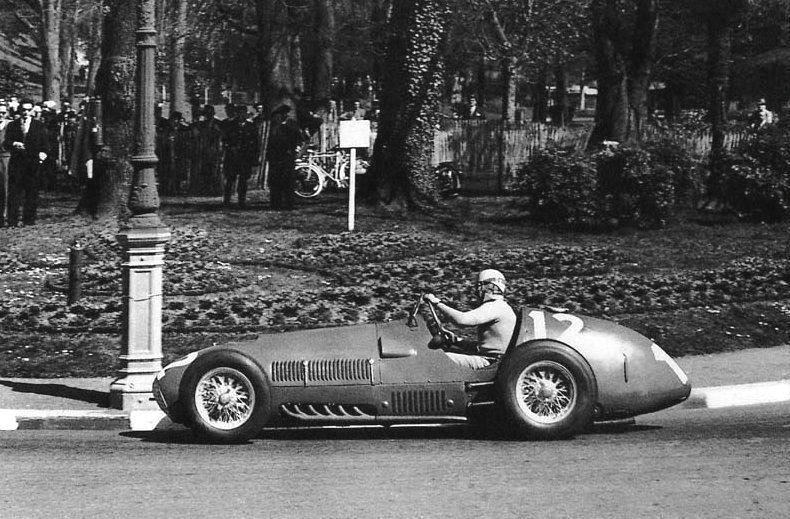
Alberto Ascari in the fabulous Ferrari 375 during the ‘51 Pau GP, DNF transmission from Q2. His teammate, Gigi Villoresi, won from pole in another 375. Ascari won in 1952-53 aboard Ferrari 500s (unattributed)

The list of drivers who have won around the demanding track includes many of the gods; Tazio Nuvolari, Jackie Stewart and Lewis Hamilton won once, while JM Fangio, Alberto Ascari and Jack Brabham were victorious twice, Jochen Rindt won thrice during his King of F2 reign, with Jim Clark a four-time winner.

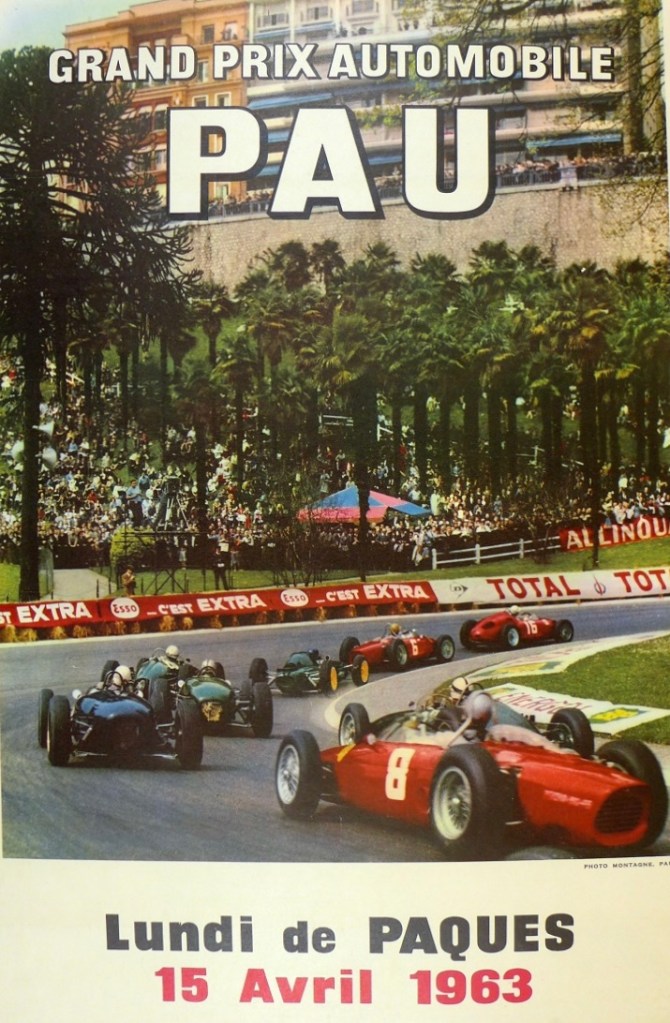
This wonderful poster for the 1963 event shows 1962 first lap action. Jo Bonnier’s Porsche 718 leads Ricardo Rodriguez’ Ferrari 156 and Jim Clark’s Lotus 24 Climax, #8 is Lorenzo Bandini’s 156. Maurice Trintignant’s Lotus 18/21 Climax won from Rodriguez, and Jack Lewis’ BRM P48/57

Throughout motor racing history France has held god knows how many car races on road circuits. It would be a great idea to tour France and tick a few off, for me Pau and Clermont Ferrand are top of the list. Doubtless that’s a function of my age, ten years older perhaps the top-two would be Reims and Rouen…

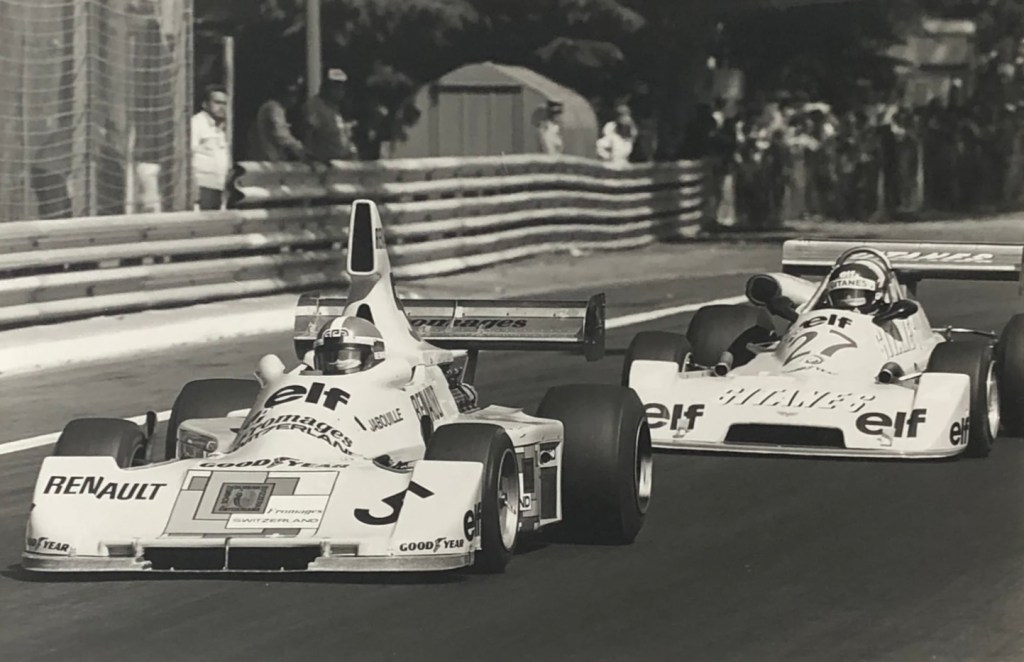
Jean-Pierre Jabouille aboard his self constructed Elf 2J (nee Jabouille 2J) Renault 2-litre F2 car, from Jacques Laffitte, Chevron B35 BMW during the height of the F2 era in 1976. First to fourth were Frenchmen; Rene Arnoux, Martini Mk19 Renault, Laffitte, Jabouille and Jean-Pierre Jarier, Chevron B35 BMW (DPPI)

The 2-litre F2 and F3000 period of incredibly quick, spectacular racing cars stretched from 1972-1998, any of you who saw the race during that period had a special treat.

Every winner of the Pau classic in that period raced in F1 with the exception of Jorg Muller, who was a test driver for Arrows, Sauber and Williams but never quite got a race-steer.

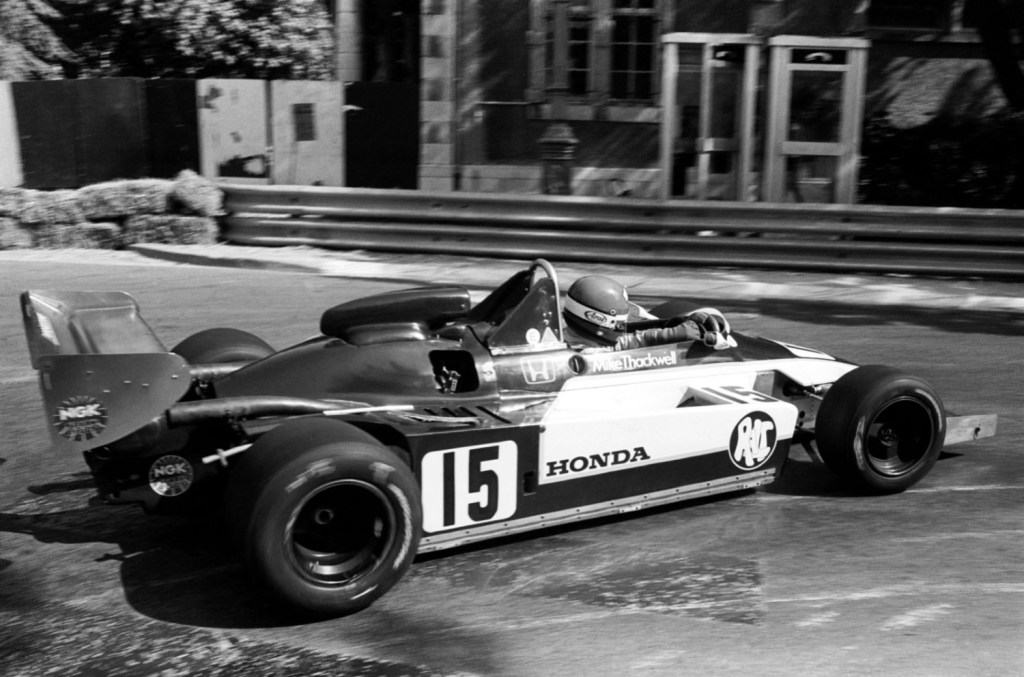
Mike Thackwell’s Ralt RH6/81 Honda during the June 1981 race won by his teammate, Geoff Lees, Thackwell was sixth (MotorSport)

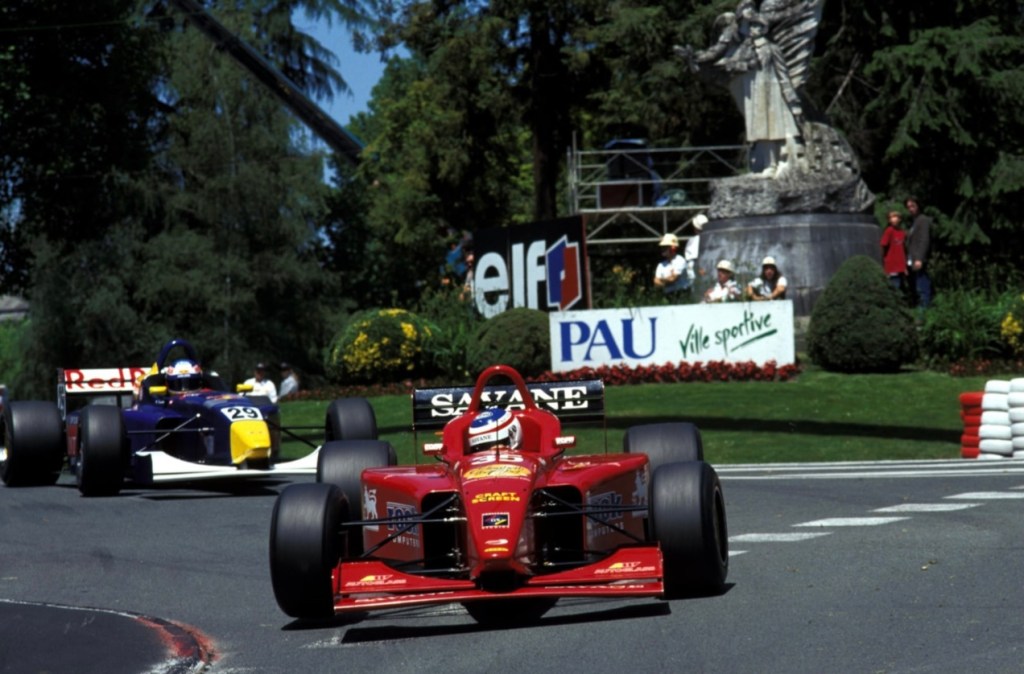
Red Bull Supremo, Christian Horner raced at elite level including F3000. He is shown below at Pau in 1997 aboard his Lola T96/50 Zyrtec-Judd leading Marcus Friesacher.

It was after following Juan Pablo Montoya for a few laps the following year that Horner realised his future was better devoted to racing outside the cockpit! Still, his management capabilities are enhanced by the knowledge of exactly what his drivers are dealing with.

(MotorSport)
Pau modern era F3 race (unattributed)

Etcetera: 1952 Pau GP…

A couple of days after publication, Australian enthusiast/restorer/vintagent Chester McKaige got in touch and provided these wonderful colour images taken during the 1952 race by his father, George McKaige.

George was doing what we Colonials have always done, the Grand European Tour enroute to the UK. There he worked for the de Havilland Aircraft Company for a couple of years, on his weekends and holidays he attended many British and European racing events taking along his trusty camera.

Twenty years ago Chester printed two volumes of George’s photography in Europe and Australia, my copies of ‘Beyond The Lens’ are among my favourites of that golden-age.

Alberto Ascari in typical race attire, and Ferrari 500 in 1952. Note the stub exhausts fitted at this stage (G McKaige)
Toulo de Graffenried, Plate Maserati 4CLT-48, sixth and final car classified, Pau 1952 (G McKaige)

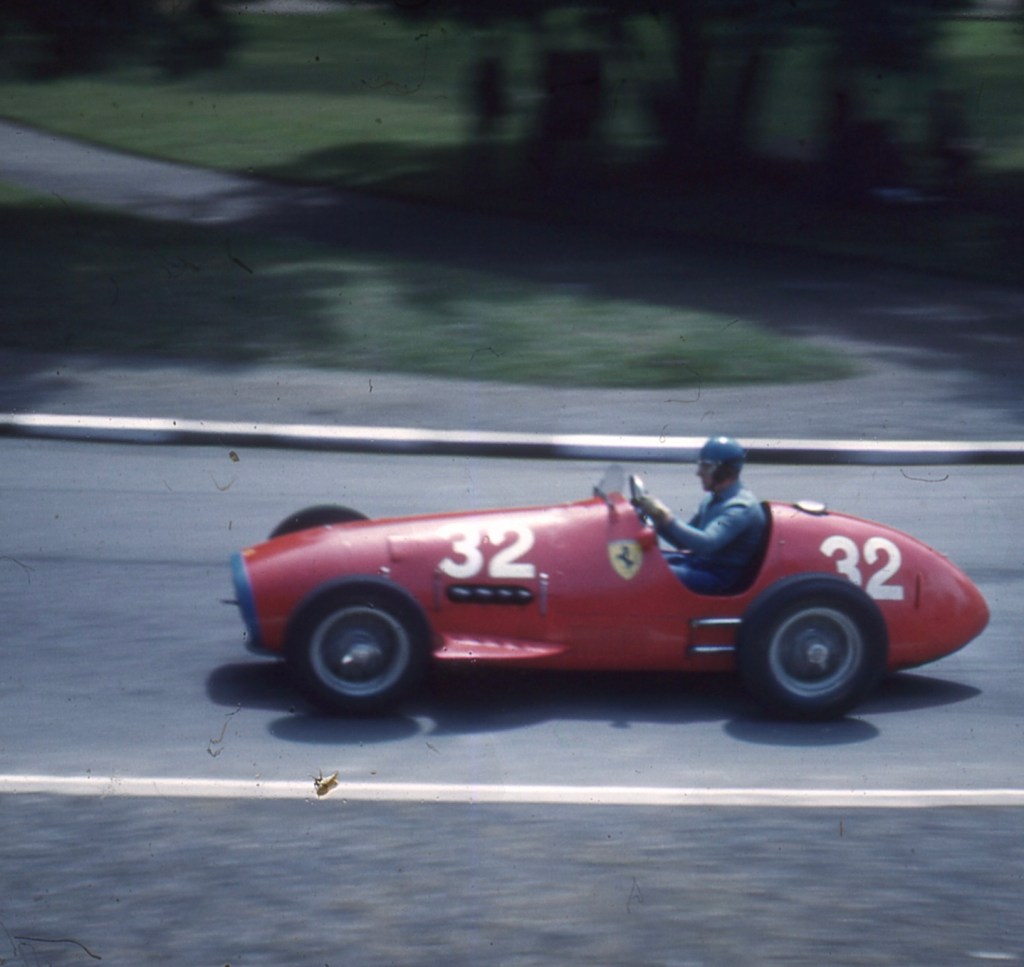
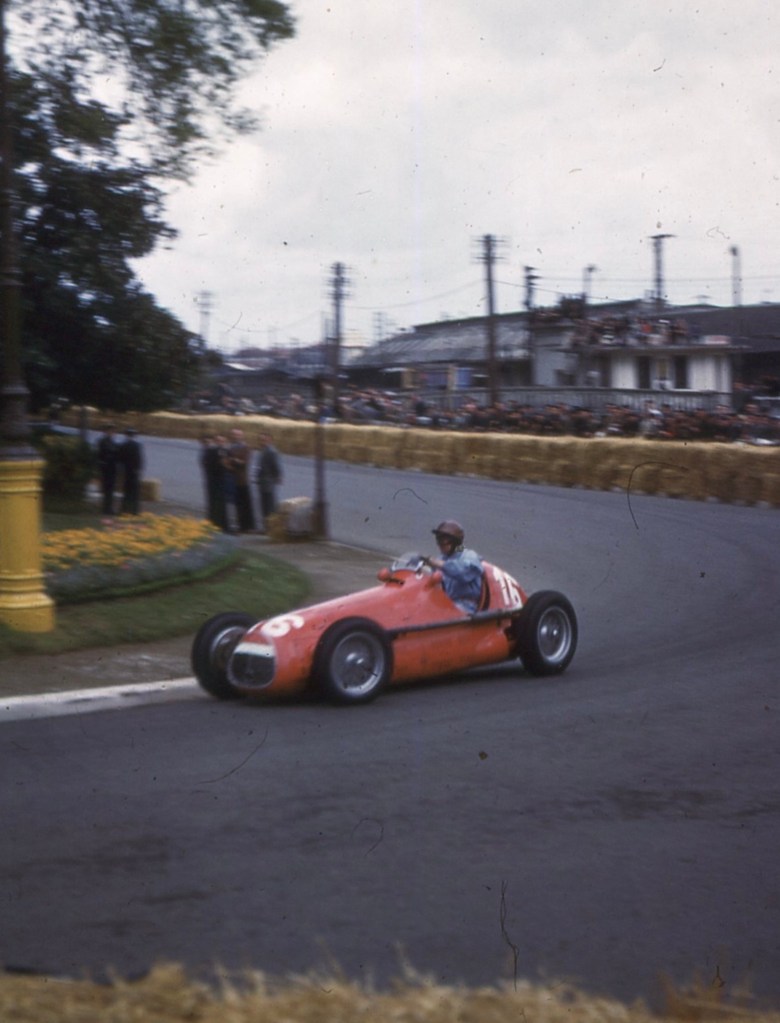
The XIII Grand Prix de Pau – also the first round of the Grands Prix de France F2 Championship – was won convincingly from pole by Alberto Ascari in a Ferrari 500, chassis #0003 it seems, not #0005, the car in which he won so many races in 1952-53 before passing into the hands of Australians Tony Gaze and Lex Davison.

Sharing the front row with him were Gigi Villoresi’s similar works car, and Lance Macklin’s HWM Alta. Second and third placings in the three hour, 280km race were Louis Rosier’s Ferrari 500 and Jean Behra Simca Gordini T11.

Johnny Claes’ Simca Gordini T15, DNF transmission. Pau 1952 (G McKaige)

By that early stage of the season Ascari had also won the GP di Siracusa. In a year of complete dominance he was also victorious in the GP de Marseille, a heat of the GP di Monza, the GP de Comminges, the GP de la Baule plus the championship Grands’ Prix of Belgium, France, Britain, Germany, Holland and Italy; not to forget the drivers World Championship!

Lance Macklin, HWM Alta, running at the end but unclassified, Pau 1952 (G McKaige)

Credits…

MotorSport Images, LAT, Jean Philippe Gionnet, DPPI, F2 Index, George and Chester McKaige

Tailpiece…

(JP Gionnet)

Lewis Hamilton pinging his F3 Dallara F305 Mercedes through the Esses in May 2005.

He had the perfect weekend, two poles, wins and fastest laps early in the season on the way to winning the F3 Euro Series with victories in 15 of the 20 races – and F1 beyond.

Finito…
(B Dobbins)

Ray Parsons keeps popping up in recent Lotus and Allan Moffat research.

He is just about to climb aboard a Lotus Cortina in the Marlboro paddock, Maryland in August 1966. Parsons shared this car with Moffat – with helmet on behind the car – to 13th place in the 12-Hour enduro.

The little-known Australian mechanic and driver seems to have shone brightly for a short period of time then disappeared from the scene.

Let’s treat this piece as incomplete research. I’m interested to hear from any of you who can flesh this story out into something more comprehensive.

Ray Parsons with Peter Arundell’s shoes, Arundell and Team Lotus Lotus 20 Ford FJ at Goodwood, Easter 1961
Parsons and Jim Clark at right, discuss their prospects at Sebring in 1964 (unattributed)

Parsons first popped up as Peter Arundell’s mechanic. He had left the Australian Army after nine years not long before, then jumped on a ship for the Old Dart to visit his sister. He was soon bored playing Tommy Tourist and responded to an ad for a race mechanic at Arundell’s garage in 1961.

When Peter was picked up by Lotus, Parsons tagged along. Apart from Arundell’s race program, Ray was kept busy working as Project Engineer on the Lotus 23. The prototype was unused so he did a deal with Colin Chapman, buying it for £20. He did well in club racing with the Ford 1150cc pushrod powered car, including a win at Goodwood in the Peter Collins Trophy.

Later, he was tasked with preparation of the Team Lotus’ Lotus 28, the Lotus Cortina. This segued into management of ‘Team Lotus Racing with English Ford Line’ (Ford Britain’s racing of Lotus Cortinas in the US) and involved lots of travel between the UK and the US, sometimes two trips across the Atlantic in Boeing 707s a week, preparing cars for many different guest drivers from 1964.

Ray doubled up as relief driver in the longer US races co-driving first with Jim Clark in the ’64 Sebring 12-Hour, steering for two of the twelve hours they were 21st overall and second in class.

Clark/Parsons Lotus Cortina at Sebring in 1964 (Sports Car Digest)

Parsons was of course ‘the visionary’ who aided and abetted Allan Moffat’s entreaties to assist the team at Watkins Glen that year. Moffat’s persistence and efforts as an unpaid gofer was rewarded with paid work, and ultimately works-Ford drives in the US, and tandem racing of Moffat’s ex-works Lotus Cortina in Australia commencing with the first Sandown 6-Hour in late 1964. See here for a piece on Moffat’s US years; Moffat’s Lotus Cortina, Shelby, K-K and Trans-Am phases… | primotipo…

In 1965 Parsons had a very busy year commencing with the Tasman Cup, looking after Jim Clark’s Lotus 32B Climax 2.5 FPF. In a great tour, Clark won four of the seven rounds and the non-championship Lakeside 99, he was nine points clear of Bruce McLaren’s Cooper T79 with Jack Brabham third, Brabham BT11A Climax.

In April he raced a Team Lotus, Lotus Elan 26R at Goodwood, again as a project engineer to drive and develop the Elan as a racer. He was seventh and first in the under 1.6-litre class. He raced again at Crystal Place in June, and in the Guards International at Brands Hatch in August where he was second overall and first in class.

Lotus announced an on-the-spot spares service van at British circuits, “to be manned by factory personnel, Ray Parsons (when his racing commitments permit) Works Driver and Liasion Engineer, and Rod Sawyer, Sales Executive of Lotus Components Ltd.” MotorSport reported.

Late in the year Parsons had several drives of John Willment’s Lotus 35 Ford F3 car. He crashed at Silverstone in July, was fifth at Oulton Park in August, Piers Courage was up front in a Brabham BT10 Ford that day. Parsons won a week later at Snetterton. He was third in the season ending Lombank Trophy at Brands Hatch on Boxing Day in a Team Lotus, Lotus 41 Ford – Lotus’ 1966 spaceframe F3 car – behind Piers Courage and Chris Irwin. Clearly the bloke had talent.

Parsons and Jim Clark confer in the Longford pitlane, Tasman Series, March 1966. Lotus 39 Climax 2.5 FPF (oldracephotos.com/David Keep)
Parsons, Clark and Lotus 39 Climax in the Warwick Farm pitlane in February 1966 – only Tasman Cup round victory that summer (ABC)

Parsons again accompanied Clark to the Australasia for the Tasman series, but 1966 was the year of the V8s. The BRM and Repco-Brabham V8s were a good deal more powerful than the 2.5-litre Coventry Climax fours powering the likes of Clark’s Lotus 39.

Jackie Stewart’s BRM P261 1.9-litre V8 took the Tasman Cup with four wins, the Parson’s tended 39 won only at Warwick Farm. Sold to Leo Geoghegan, this Lotus 39 – fitted with Repco Brabham 2.5-litre V8s from early 1967 – became a much loved, and successful car in Australia all the way into the early months of 1970.

The Lotus Cortina program continued in the US, Ray drove solo in one of the cars at Kent, where he was eighth. He teamed with Moffat in the Marlboro 12-Hour at Maryland, Washington in August, to 13th place.

A month later, Ray shared a car with Melbourne’s Jon Leighton in the Green Valley 6-Hour in Dallas, Texas. The pair were seventh, two places in front of the Moffat/Harry Firth Lotus Cortina. A week later Moffat/Firth were seventh in the Riverside 4-Hour with Parsons 13th driving alone.

Toowoomba born engineer, John Joyce left Australia for the UK having rebuilt a Cooper and built the Koala Ford FJ. With these credentials he joined Lotus Components in 1963, rising to become Chief Development Engineer.

Joyce and Parsons worked together on the Elan and other projects, the death of Joyce’s brother, Frankie, and the illness of his mother were catalysts for him to return to Australia.

Ray was keen to come home too, a decision made easy as Joyce was concepting the first Bowin; the P3 was to be a monocoque European F2 car powered by a Ford FVA 1.6-litre engine.

Glyn Scott’s Bowin P3 Ford FVA at Symmons Plains in 1969 (I Peters Collection)

In September and October 1967 Joyce had patterns for the wheels, rear uprights, and steering rack made in the UK. Parsons joined Joyce in Sydney, where the P3 was completed by the two talented artisans in a Brookvale factory before being delivered to Queenslander, Glyn Scott. It was first tested at Warwick Farm in July 1968.

And there, it seems, the trail goes cold. Ray didn’t continue with Bowin, until 1975 a significant manufacturer of racing cars. What became of this talented mechanic, development driver, racer, and team manager until he broke cover in Far North Queensland circa 2014.

Credits…

Auslot.com, ‘Theme Lotus’ Doug Nye, Bill Dobbins, Sports Car Digest, oldracephotos.com, Ian Peters Collection

Tailpiece…

(B Dobbins)

Ray Parsons hustles the car he and Allan Moffat shared at Marlboro Park Speedway in 1966. The track first opened in 1952 as a dirt oval, as used in 1966 it was 2.734 miles long. Located in Upper Marlboro, Maryland, it was used until 1969 when a better facility at Summit Point, West Virginia sealed its fate. Its mortal remains exist, very run down.

You Lotus Cortina perves should suss this great article about the early development of the car by Hugh Haskell, the engineer charged by Colin Chapman to turn his fag-packet idea into a racer for the road; Lotus Cortina Information – Early Development at Cheshunt – Hugh Haskell This contemporary road test by Bill Boddy in the January 1964 MotorSport may be of interest too; Jim Clark: Lotus Cortina, Sebring 1964… | primotipo…

Finito…
Gurney in Lotus 29-R1 Ford at Indy in March 1963. Here with symmetrical suspension, raced with offset

A bit like Chris Amon, there is no such thing as too much Dan Gurney.

I’ve been researching an article on Lotus’ 1963 Indy campaign and have discovered a few Dan shots too good to waste.

Gurney’s mind was blown, just like everybody elses, when the Lotus 25 Climax was rolled out of the Team Lotus transporter at Zandvoort in 1962. That monocoque design was an Indy winner; as a Californian he was keen to drink the Indy Winners Milk.

He said as much to Colin Chapman and flicked the Lotus supremo a free air ticket to watch him contest the ’62 event in a Mickey Thompson Spl: John Crosthwaite’s mid-engined, spaceframe design was powered by a Buick stock-block V8. Dan ran in the top ten until the transaxle was hors ‘d combat. Importantly ole-Chunky was on the hook.

I promise your slice of the pie will be no less than that Daniel! Colin Chapman and Dan Gurney at Indy in 1963
Lotus 29 Ford’s first test at Indy in March 1963. Gurney aboard chassis R1, which is fitted with symmetrical suspension, wobbly-web wheels rather than the Dunlops it raced with and stack-exhausts rather than the megaphones which followed (unattributed)

Gurney was a Ford man, his teenage hot-rod exploits were all Flattie-Ford powered. He raced a Holman Moody Ford Fairlane NASCAR at Riverside in early 1962 and used a couple of Ford heavies he met that weekend to set up a meeting between he, Chapman and the-right-Ford-execs at Dearborn in July.

By March 1963 the Lotus 29 – call it a fat-25 – powered by a 350-375bhp, 255cid all aluminium pushrod variant of the 260 Windsor Falcon/Fairlane V8 was being tested for the first time by Jim Clark at Snetterton.

At Indy Clark ran second to Parnelli Jones’ Watson Offy Roadster for the last 20 or 30 laps. Jones was dropping oil, but was not black-flagged as other cars dropping lubricant throughout the race had been.

The Indy Establishment, led by Chief Steward Harlan Fengler – who had the black flag power – shafted Lotus, Ford, Chapman, Clark and Gurney. Revenge was sweet in 1965 when Lotus Fords occupied the front row driven by Gurney, Clark and AJ Foyt – and Clark won.

Gurney was seventh in 1963, his engine wore a cam-lobe, so he wasn’t able to press hard in the same manner as Clark. Check out my Auto Action feature on the 1963 race here; Auto Action #1823 by Auto Action – Buy through Issuu

Clark and Gurney, in his Yamaha sponsored 29, Indy 1963 (unattributed)
Gurney during the Milwaukee 200 in 1963 (unattributed)

Keen to reinforce the point about their speed, Clark and Gurney raced in the Milwaukee 200 three weeks after Indy, Clark won with Gurney third.

In 1964 the same duo raced the evolved Lotus 34, the most critical mechanical change of which was use of Ford’s Quad Cam Indy V8: this fuel injected, four-cam, two valve V8 produced circa 400bhp.

AJ Foyt’s Watson Offy won the race – the last by a front-engined car – which is primarily remembered for the horrific seven car, lap two accident and conflagration which cost the lives of Dave MacDonald (Thompson Ford) and Eddie Sachs (Halibrand Ford). Coincidently, Sachs’ Watson was the last casualty of ‘Fengler’s oil slick’ the year before, when he boofed the fence on lap 181, and then copped a punch-in-the-nose the following day when he fronted Jones about his win.

Gurney’s Lotus 34 quad-cam in 1964, Chapman alongside (D Friedman)

Lotus were contracted to Dunlop in F1. Chapman used hard Firestones in 1963 and sought the performance, and no doubt, the commercial advantage of softer Dunlops in 1964. One of Clark’s (from pole) tyres failed after 47 laps taking out the left-rear corner of the car. Gurney retired after 110 laps with excessive wear.

The FoMoCo were not amused as Clark’s failure happened on the entry to the main-straightaway (front straight) providing an exciting – and oh so public – epic-fail in front of 150,000 or so spectators. Needless to say, Ford took control of tyre choice in 1965, an all-Ford year.

Indy front row 1965; Gurney, left and Clark in Lotus 38s and AJ Foyt on pole, Lotus 34 Ford (AAR archive)
Gurney, Lotus 38 Ford, Indy 1965 (unattributed)

AJ Foyt’s Lotus 34 Ford took pole while Clark’s Lotus 38 won in 1965, having led 189 of the 200 laps, from Jones Lotus 34 Ford, a young Mario Andretti’s (Brabham based) Hawk Ford and Al Miller’s Lotus 29 Ford.

Poor old Dan started from the outside of the front row but was a DNF after 38 laps with timing-gear failure in his Lotus 38. While his Eagles won plenty of Indy 500s, Dan never did take one as a driver, a great shame!

Etcetera…

(MotorSport)

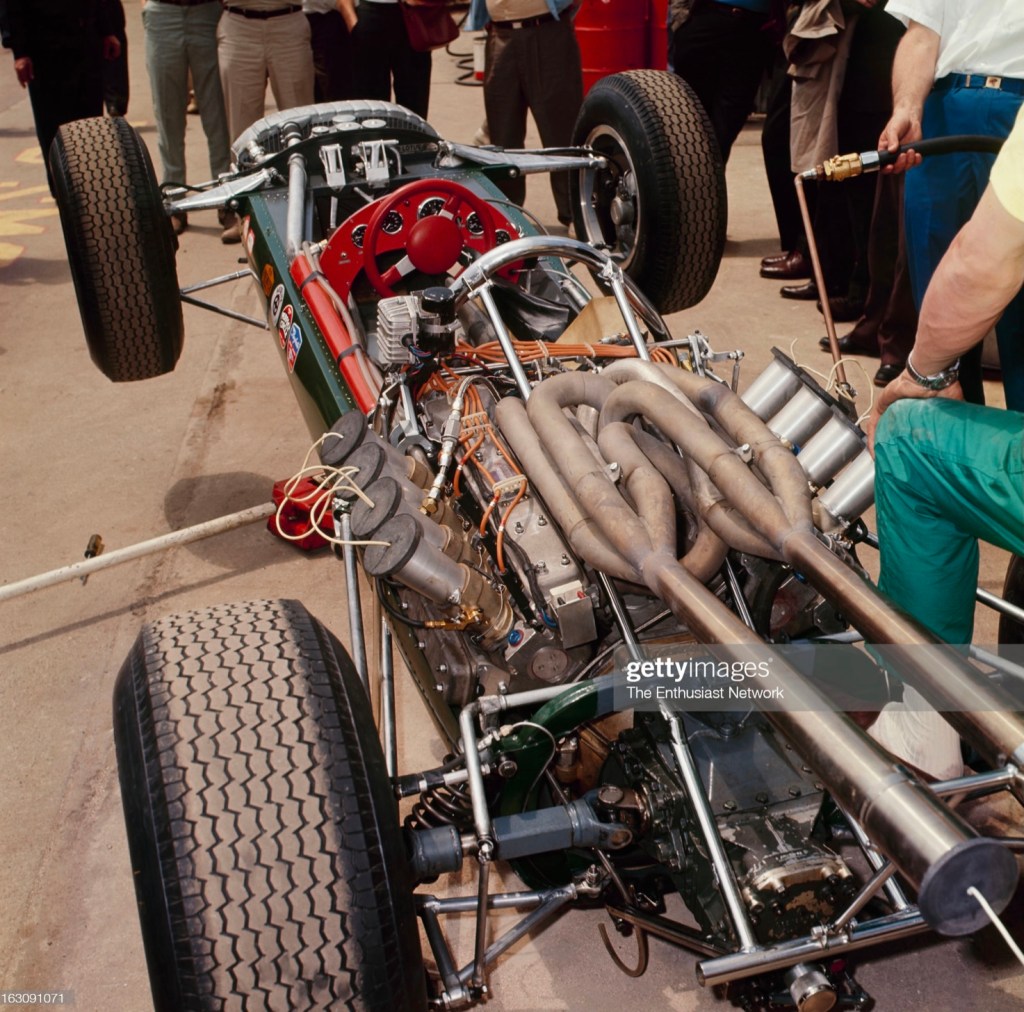
The business end of Gurney’s Lotus 29-R2 in 1963.

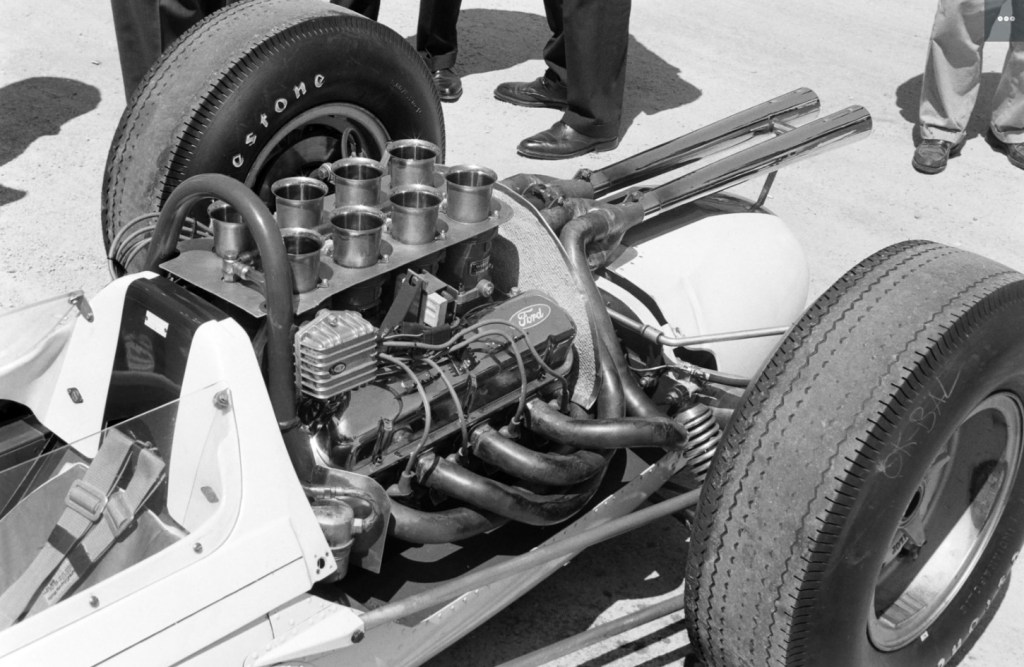
Gurney and Chapman pitched a 4.2-litre pushrod engine to Ford. They figured, based on Dan’s 1962 experience, that a 350 pound, 350bhp petrol fuelled Ford V8 would do the trick. As it did…

Clark’s Lotus 34 Ford in 1964.

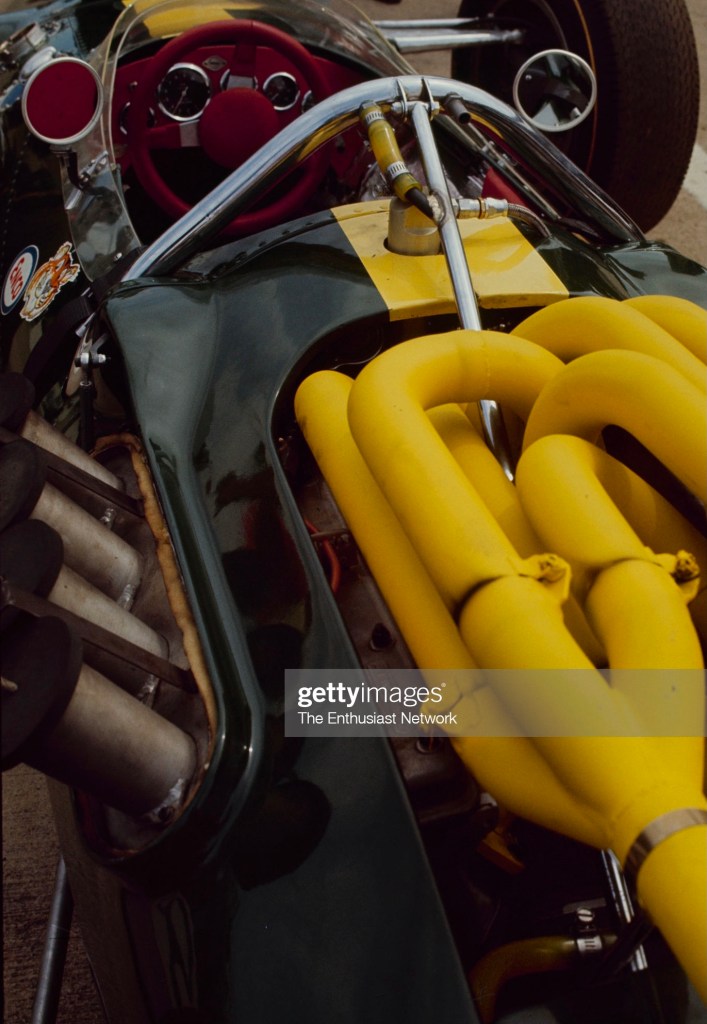
The Lotus 29 and 34 were bathtub-monocoques, the 38 was a full-monocoque. Note the offset suspension to the right and Ford quad-cam 4.2-litre V8.

Credits…

Getty Images, David Friedman, AAR Archive

Tailpiece…

(AAR archive)

The boys fire up Dan’s Ford V8 in 1967. His beautiful, dual purpose F1/Indycar design, in Indy spec designated Eagle 67 Ford, was designed by Len Terry, the same bloke who drew Chapman’s epochal Lotus 25 F1 car and 29/34/38 Indycars.

He started from Q2, led two of the 200 laps but was out after 160 laps with piston failure. Better would come, Bobby Unser won in an Eagle 68 Offy in 1968, and Dan was second in an Eagle 68 Gurney-Weslake-Ford.

Finito…
Bruce McLaren setting up a selfie before the Lady Wigram Trophy, Tasman Series, 23 January 1965…

Sorting his goggles in any event, Cooper T79 Climax. The cars in the background are the #9 Bill Thomasen Brabham BT4 Climax and Red Dawson’s Cooper T53 Climax Lowline.

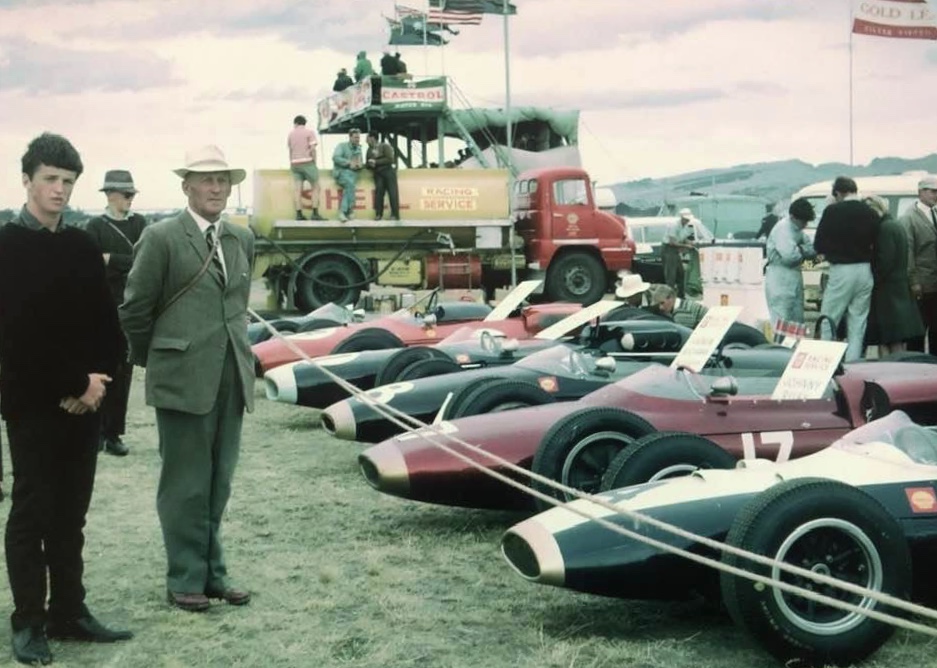
What stood out on an initial scan of this bunch of photos are those big tall white-wall Firestone tyres on large 15-inch wheels. It’s the start of the tyre-war; Firestone and Goodyear had just entered the domain which had been a cosy little monopoly for Dunlop for the previous few years.

Bruce won the first Tasman Cup in 1964 with what are regarded as the first McLarens. The two Cooper T70s Bruce and Wally Willmott constructed at the Cooper factory in Surbiton the year before were Dunlop shod machines. Click here for a piece on these cars; https://primotipo.com/2016/11/18/tim-mayer-what-might-have-been/

Admirers of the Clark Lotus 32B monocoque chassis, Wigram (A McKee)

It was going to be tough to knock Jim Clark’s Dunlop shod Lotus 32B Climax off in 1965- Bruce and Phil Hill’s campaigns were said to be sluggish at the series outset until Bruce and his boys adapted the suspension geometry and settings to the American tyres. Mind you, a close look at the results suggests Bruce was not far off the pace from the get-go.

The commercial relationship with Firestone was an important one for the entrepreneurial Kiwi as he assembled the technical partners and funding to take his nascent team forward- Bruce McLaren Racing’s first F1 season was in 1966.

Jack Brabham signed with Goodyear from 1965, that year of learning with the Akron giant was a critical foundation piece for Brabham Racing Organisation’s successful tilts at the 1966 and 1967 F1 championships for drivers and constructors.

Jim Clark had one of the greatest of seasons any driver ever had in 1965- he won an F1 drivers title, the Indy 500, the Tasman Cup plus a sprinkling of F2, touring car and other wins- the breadth of his achievements in that twelve month period has never been matched, or is ever likely to be I expect.

The start of that lot was in New Zealand- whilst Graham Hill won the first Tasman round, the NZ GP at Pukekohe in David McKay’s Scuderia Veloce Brabham BT11A Climax, Clark won the next two on the trot at Levin, where he won from the scrapping Frank Gardner and Jim Palmer aboard BT11A and BT7A’s respectively, and here, on the Wigram Airfield on 23 January from McLaren and Palmer- Jim acquired Clark’s series winning Lotus at its end. Bruce was obviously getting the hang of the Firestones mind you- he matched the lap record Clark set in the preliminary race in the championship event.

Off to Teretonga – famously the most southerly race track on the planet – Clark won again from McLaren and Phil Hill in the other Bruce McLaren Racing Cooper- an updated T70 raced by Bruce and the late Tim Mayer the year before.

Jim at the wheel, 32B ‘beetle-back’ all enveloping bodywork, ZF gearbox. #49 in the background is the Peter Gillum Cooper T67 Ford FJ (A McKee)
The off. Bruce with Frank Gardner’s distinctive Alec Mildren Racing yellow Brabham BT11A Climax alongside (A McKee)

That Bruce was getting the chassis/tyres sorted was further indicated by his pace- he pulled alongside Clark on lap 20, but Jim had enough in hand to pull away- taking the duo clear of Hill, Grant (ex-Jack 1962 AGP Brabham BT4 Climax, a car later to put John McCormack on the map) and Palmer.

The summary of the balance of the series is this; Clark won from grid three at Warwick Farm on 14 February whilst Bruce was Q5 and DNF engine. Brabham joined the Series in Sydney aboard a new BT11A- he was second from Q4. Matich was third from pole.

At Melbourne’s Sandown a week later, Jack won from pole with Jim second from Q2, Phil Hill third from Q6 and Bruce fourth from Q4- Goodyear, Dunlop, Firestone, Firestone if you like…

The seven round series ended at Longford with the Australian Grand Prix on 1 March 1965. Bruce won from pole from Brabham, Hill P and Hill G, Bruce Sergent observed that ‘Longford saw the McLaren cars come resoundingly into their own with good short-stroke engines and the small frontal area and shallow tread of the Firestones on this ultra fast circuit.’

Clark’s second half of the series was not as dominant as his first half. This was in large measure due to Jack’s presence and the pace of the McLaren Coopers- he won three races in New Zealand and once in Australia, but took the 1965 Tasman Cup with 35 points from McLaren’s solo victory and 24 points, then Jack with a win and a points haul of 21 from only three races. Brabham certainly would have given Jim a run for his money had he contested the championship in full. Gardner, Phil Hill and Jim Palmer were equal fourth…Or Dunlop, Firestone, Goodyear, Goodyear, Firestone and Dunlop.

Wigram Shell Team compound, from this end; Bruce Abernathy Cooper T66 Climax, John Riley Lotus 18/21 Climax, Andy Buchanan #8 Brabham BT6 Ford 1.5 twin-cam, perhaps the Scuderia Veloce Graham Hill Brabham BT11A Climax and uncertain closest to the truck (A McKee)

Those early years of the F1 tyre war rolled as follows; Dunlop shod Clark’s 1965 winning Lotus 33 Climax and Stewart’s 1969 winning Matra MS80 Ford. Goodyear bagged back to back titles in 1966 and 1967 on Jack’s Brabham BT19 Repco and Denny’s Brabham BT24 Repco, while Firestones were on the Lotus 49 Ford Cosworth DFV used by Graham Hill in 1968, and Jochen Rindt’s Lotus 72 Ford in 1970.

Dunlop bailed from F1 at the end of 1970, leaving the two American giants. Then Michelin came in etcetera…and now of course we have same, same, same coz same, same, same is what is mandated by the commercial, sorry, sporting powers that be.

It was a bit different in the Tasman where Dunlop shod Clark’s winning Lotus 32B Climax and Stewart’s 1966 BRM P261, but then it was all Firestone on both Clark’s 1967 Lotus 33 Climax, 1968 Lotus 49 Ford DFW and the Ferrari Dino 246T raced by Chris Amon to victory in 1969, and Graeme Lawrence in 1970.

The Goodyear shod Mildren/Gardner Brabham BT11A Climax (A McKee)

Etcetera…

(A McKee)

Andy Buchanan awaits the off in his immaculate Brabham BT6 Ford 1.5 twin-cam, top left in white is Graeme Lawrence’s similar machine. These cars were immensely successful 1.5-litre racing cars in Australasia, and at right the red ex-Tony Shelly Lotus 18/21 of John Riley.

Credits…

Bruce Sergent on sergent.com, oldracingcars.com, Ian Smith Collection

(I Smith Collection)

Tailpiece…

Brabham went like a rocket at Longford, the 1965 Tasman’s final round, he made a cautionary stop after giving Roly Levis a love-tap when the Kiwi locked a brake going into Mountford.

In a race of new lap records, McLaren, Brabham and Phil Hill all set new marks, Jack eventually fell short of McLaren by a little over three seconds, Bruce was impeded in changing gears without a clutch in the latter stages of the race. Click here for a piece on this race; https://primotipo.com/2019/09/27/longford-1965/ and here on the 1965 Tasman Cup and Clark’s Lotus 32B; https://primotipo.com/2017/11/02/levin-international-new-zealand-1965/

Finito…
image

(Brier Thomas)

Jackie Stewart leads Jim Clark through Lakeside’s Eastern Loop during the 1967 Tasman round at the fast Queensland circuit on 12 February…
 You can just see that the lightly loaded right-front wheel of Jackie’s 2070cc BRM P261 V8 is off-the-deck. Jim is chasing him in Lotus 33 R14 powered by a 2-litre variant of Coventry Climax’s 1.5-litre FWMV V8 Climax built for Lotus to tide them over pending delivery of the BRM H16 engines they used in the 1966, the first 3-litre GP year. The Ford Cosworth DFV V8 arrived at the ’67 Dutch GP in the back of a Lotus 49 and changed the GP world of course.

Stewart was the reigning Tasman Champion, BRM cleaned up in 1966 winning seven of the eight races – Jackie won four, Graham Hill two and Dickie Attwood one.

It was a lot tougher in 1967.

Lotus put to one side the 2.5-litre Coventry Climax FPF four cylinder engines they had previously used in their Tasman cars and used the F1 33 powered by the Climax V8, creating a very competitive mount despite giving away 500cc to some of the competition.

Jim finished all eight rounds and won five races including three point-scoring events. Jack Brabham’s Brabham Repco 640 Series V8s driven by he and Denny Hulme were also fast but had poor reliability. Jackie took two wins in 1967 for second in the series but was well behind Jim.

The BRMs were still very competitive in 1967 but the final increase in capacity – and resulting power and torque proved a bit too much for the transmission. BRM suffered gearbox problems in ’67 with the 2070cc variant of the P56/60 V8, they had not experienced with the 1930cc version used the year before.

image

(HRCCT)

The photo above shows the pair again, this time with Clark in front of Stewart during the final 1966 Tasman round at Longford, Tasmania on 7 March.

There Jackie won from teammate Graham Hill, Jack Brabham’s Brabham BT19 Repco third. It was the Brabham Repco V8 combination’s third race, by the early European Grands Prix the 1965 BT19 chassis and Repco 620 Series V8 was finding ultimate race and championship winning pace and reliability.

Clark’s 1966 Tasman Lotus was the 39 Coventry Climax FPF, he took one round win it at Warwick Farm.

I wrote an article a while back about the ’67 Tasman and the seasons of Clark, Stewart and Hulme, see here; https://primotipo.com/2014/11/24/1967-hulme-stewart-and-clark-levin-new-zealand-tasman-and-beyond/ This article on the P56 BRM V8 may also be of interest; https://primotipo.com/2016/02/05/motori-porno-stackpipe-brm-v8/

Credits…

Brier Thomas, Historic Racing Car Club of Tasmania

Finito…