Stan Jones, well aloft over the railway crossing on Tannery Straight at Longford aboard his Maserati 250F, leads Len Lukey, Cooper T45 Climax 2-litre, during their epic battle for honours in the March 2, 1959 Australian Grand Prix.
(SLT)
Stan Jones gets the jump in his Maserati 250F at the start of the 25 lap, 110 mile Formula Libre race from Len Lukey, Cooper T45 2-litre, Arnold Glass, Maserati 250F, Doug Whiteford, Maserati 300S, Ron Phillips’ Cooper T33 Jaguar 3.8, and #4, Alec Mildren, Cooper T43 Climax 2-litre.
‘Take it easy Dad!’ Alan to Stan Jones before their victory lap (Dunstan Collection)
In a long race of thrust and parry between the nimble Cooper and brawny Maserati, 30,000 spectators saw the battle resolved in Stan’s favour.
The reigning Gold Star champion had just enough power to offset the handling and roadholding advantage of Lukey’s new fangled mid-engined Cooper. Armed with a 2.5-litre Coventry Climax FPF – not readily available to customers at that time – the result wouldn’t have been the same, but karma looked after Stan that day, he had well-and-truly paid his AGP dues since 1952 after all!
1959 Longford AGP program cover. The ATT was a motorcycle event(s) (A Lamont)
While Len Lukey missed out on that ‘59 AGP win, the Melbourne proprietor of the substantial Lukey Mufflers business took a great Gold Star win in a long championship of twelve rounds. He only won two of them but was a consistent front runner and point scorer throughout. Jones and Bill Patterson won two rounds, and Alec Mildren three, taking this pace into 1960, winning the title in a locally developed Cooper T51 Maserati.
Kiwi Ross Jensen’s Maserati 250F Bathurst 100 March 30, 1959 win was the last Gold Star victory for a front-engined car.
(A Lamont Collection)
Etcetera…
(B Young Collection)
So near to Australian Grand Prix wins in 1954, 1955, 1957 – he took the chequered flat that Caversham day – and 1958, it must have been an immensely satisfying moment for the 1954 New Zealand Grand Prix winner and reigning Australian Gold Star champion, Stan Jones, to take the chequered flag at super demanding Longford.
(unattributed)
Otto Stone and Stan exchange congratulations in the Longford paddock. It wasn’t just the superb car preparation of racer/engineer Stone that made the difference to Jones’s results in 1958-59, it was a little bit more of a percentage play in his driving as well.
Otto was no slouch behind the wheel, there seems little doubt that he was able to communicate with Stan as a peer ‘to bring the thing home’. And yes, I’m not forgetting that (Repco’s) Charlie Dean was a good steerer too.
Jones only won two of the nine Gold Star rounds to win the title in 1958 but he had enough consistency to win a championship he richly deserved, let’s not forget Otto’s role in that regard…
Key Team: Jones, Jones with obscured Otto Stone behind Alan and John Sawyer at right (The Northern Courier)(A Lamont Collection)
Super rare colour shot of the 1959 AGP dice between Jones and Lukey on the cover of the 1960 Longford program.
(G Dutton)
Gay Dutton’s tribute to Stan’s great victory.
Credits…
The much used and abused money-Longford-shot was taken by Charles Rice, here courtesy of Paul Cross’ collection, Bob Young Collection, Lindsay Ross’ oldracephotos.com, Andrew ‘Slim’ Lamont Collection, Gay Dutton, The Northern Courier
Tailpiece…
(oldracephotos.com)
‘Don’t even think about it Stanley!’ muses Len Lukey as Jones shoves his nose into a rapidly diminishing gap. What a shot! The money-shot used on the cover of Neil Kearney’s excellent book actually…
Jack Brabham’s Cooper T45 Climax (F2-10-58) enroute to the hold of P&O Line’s 30,000 ton SS Arcadia while Stirling Moss’ similar Rob Walker car (F2-9-58) awaits its turn at Tilbury Docks.
It’s October 20, 1958, seven weeks before the Melbourne Grand Prix at Albert Park on November 30 where this pair of drivers and cars were the star attractions in a 19 car field. The Arcadia arrived 11 days before the race allowing plenty of pre-event promotion.
I was contacted by P&O Heritage in June last year requesting assistance in identifying the cars and the event to which they were travelling, with the assistance of my good friend, Cooper expert Stephen Dalton, that wasn’t a drama. With their exhibition now well over we can share the shots.
(P&O Heritage)
Arfur Daley! was my first reaction, look at them all with their peaked-caps to ward off the brisk River Thames air. It’s Stirling’s Rob Walker owned T45, chassis F2-9-58, no less than the car in which Maurice Trintignant won the ’58 Monaco GP, and with which Moss was victorious in the non-championship F1 Aintree 200 and Caen GP that year.
Brabham’s F2-10-45 was acquired from the British Racing Partnership: Alfred Moss and Ken Gregory. It had been raced in 1.5-litre F2 events continuously throughout 1958 by Stuart Lewis-Evans in between his Vanwall F1 commitments and Tommy Bridger otherwise. Lewis-Evans had many top-5 placings and one win at Brands in June.
Maurice Trintignant during the 1958 Monaco GP. The Walker T45 F2-9-58 won from the two works Ferrari Dino 246s of Luigi Musso and Peter Collins (MotorSport)Stuart Lewis-Evans on the hop at Goodwood during the April 1958 Lavant Cup. He was fourth in BRP’s T45 F2-10-58 behind Brabham’s works Cooper T43 and Graham Hill and Cliff Allison’s works Lotus 12s; all cars 1475cc Coventry Climax FPF powered (unattributed)
Still fitted with 1.5-litre Climax FPF, BRP entered Bridger in the Moroccan Grand Prix at Ain Diab. His only GP start, in a six-Cooper F2 race within a race, ended in tears after Tommy spun and crashed on oil dropped by Tony Brooks’ Vanwall the lap before, Bridger completing 30 of the 53 laps. He wasn’t badly hurt, but poor Lewis-Evans died from burns sustained after a separate accident caused by his Vanwall’s engine seizure.
BRP returned the car to Coopers for repair, Brabham then bought it and installed a 2.2-litre Coventry Climax FPF to race in the Antipodes, while the Moss car was fitted with an Alf Francis built 2015cc Climax.
(AC Green)
The trip from Tilbury to Port Melbourne back then took on average, four-six weeks, here the new Arcadia (b1953-d1979) is tied up at Station Pier, Port Melbourne in late March 1954. The trailer leg to transport the cars to Albert Park is a short 6km.
(B King Collection)
The 32 lap, 100 mile Melbourne GP was the eighth of nine Gold Star rounds that year, Stan Jones in the #12 Maserati 250F won the ‘58 title.
Brabham is in #8, #7 is Moss, while another Jones, young Alan is the small white clad figure leaning on the nose of the Ford Zephyr. Moss won the race from Brabham with the very quick Doug Whiteford, Maserati 300S in third
Bib Stillwell was fourth in another 250F with Len Lukey fifth in a Lukey Bristol – Len’s evolution of a Cooper T23. Car #10 is Tom Clark’s 3.4-litre Ferrari 555, the car alongside him is Ted Gray, Tornado 2 Chev.
Moss and mechanic, name please? and T45 F2-9-58 on the Albert Park grid. That November 30, 1958 event was the last at Albert Park until the modern AGP era commenced in 1996 (S Dalton Collection)NZGP, Ardmore, January 10 1959. The Schell, Bonnier and Shelby Maserati 250Fs used their 2.5-litre torque to lead for a bit on lap one. #4 is Brabham’s Cooper, with Moss #7 behind and between Jack and Carrol – and the rest (LibNZ)
Both cars were then shipped across the Tasman to contest the Kiwi Internationals. Moss won the New Zealand Grand Prix at Ardmore from Brabham in a big field that included Bruce McLaren, Carroll Shelby, Jo Bonnier and Harry Schell on Maserati 250Fs, and Ron Flockhart’s works-BRM P25.
Brabham aboard F2-10-58 at Ardmore in 1959, second to Moss (T Marshall)
Moss (and the Cooper) then returned to Europe for his other commitments while Brabham did the Lady Wigram Trophy and Teretonga International for second/third, then returned home to New South Wales where he won the South Pacific Trophy at Gnoo Blas.
Jack then travelled to Cordoba to begin his F1 season with the February 16 Buenos Aires GP, but not before selling F2-10-58 to Len Lukey. The Melbourne Lukey Mufflers manufacturer used it to good effect to win the 1959 Gold Star, the highlight of which was an epic dice between Len and Stan Jones’ 250F in the AGP at Longford (AMS cover below) which was resolved in Stan’s favour.
The T45 remained in Australia forever, and in a nice bit of Cooper T45/Albert Park symmetry, Stirling Moss drove his Dad, and Jack’s old car in the historic car demonstrations during an Australian Grand Prix carnival in the early 2000s. Both cars are extant…
Etcetera…
(MotorSport)
An unmistakable Aintree shot of Stirling Moss aboard Walker’s T45 F2-9-58 on the way to victory in the BARC 200, April 1958.
(unattributed)
Tommy Bridger holding off Bruce McLaren’s works Cooper T45 Climax and Ivor Bueb’s Lotus 12 Climax aboard the BRP T45 F2-10-58 during the May ’58 Crystal Palace Trophy. He was second, bested only by Ian Burgess’ works Cooper T45, in a great performance.
Credits…
P&O Heritage, Allan C Green-State Library of Victoria, Bob King Collection, Stephen Dalton Collection, sergent.com.au, MotorSport Images, unattributed shots via Bonhams photographers unidentified, Terry Marshall, National Library of New Zealand
Tailpiece…
(MotorSport)
Tommy Bridger in the 1.5-litre F2 BRP Cooper T45 Climax F2-10-58 chasing Gerino Gerini’s Centro Sud Maserati 250F at Ain Diab during the October 19, 1958 Moroccan Grand Prix. Gerini was 11th from Q17 and Bridger DNF from Q22 after the accident described earlier.
The race-within-a-race of six Cooper F2 cars comprised T45s raced by Salvadori, Brabham, McLaren, Bridger and Andre Guelfi, plus Francois Picard’s older T43. Bridger qualified behind the works-Coopers of Roy, Jack and Bruce…he was pretty handy. See more about him here: https://500race.org/people/tommy-bridger/
Start of the Australian Tourist Trophy at the Lowood airfield circuit in Queensland on June 14, 1959.
The 36 lap, 102 mile race was won by Wangaratta racer, Ron Phillips’ ex-Whitehead Cooper T38 Jaguar (#42 partially obscured on the second row). Bill Pitt’s Jaguar D-Type #1 was second, Bob Jane, Maserati 300S #56 third and John Ampt, 1100cc Coventry Climax engined Decca Special #58 was fourth. Car #87 is Frank Matich’ Jaguar C-Type.
These fantastic photographs were taken by Mr R Donaldson and published in the Pix news-magazine, one of those slightly naughty magazines to be found in Steve’s, the local barber shop. The meeting also featured the sixth round of the Australian Drivers Championship, the Gold Star, and drew a crowd estimated at 20,000.
#18 is Tom Ross eighth place Triumph TR2, #31 Tony Basile, Porsche Carrera and #101, E Laker, Triumph TR3.
(R Donaldson)
The grid ready to start with the Chas Whatmore Lotus 11 Le Mans Climax at left on the front row, then Matich and Pitt. The second row comprises Allan Jack’s Cooper on the left, winner, Phillips’ largely obscured Cooper Jag, John Cleary’s Healey 100S, Jane’s 300S and John Ampt’s Decca Climax.
Ampt was a later owner of the Cooper Jag and raced in Formula Junior in Europe with some success in the early 1960s.
(R Donaldson)
With the flag dropped, Phillips is at the far left, the Bobtail Cooper is Allan Jack’s Type 39 Climax, #36 John Cleary, Austin Healey 100S, #10 Les Agnew, Lotus 11 Climax, #56 Jane, #31 Basile, #28 B Coventry, MGA and #18 Tom Ross, Triumph TR2.
While Bob Donaldson did a great job, he has managed not to take a decent shot of the winning car. Here it is, shown above on the way to victory on the cover of the July issue of AMS.
Test of straight-line-squirt between the E Laker TR3 and J Ausina MGA. And below the beautiful lines of the Allan Jack Cooper T39 Climax.
(R Donaldson)(R Donaldson)
That battle between the Triumph TR and MG seems to have been settled in the TR’s favour.
(R Donaldson)
Bob Jane and John Ampt. The grunt of the 3-litre, DOHC-six engined, relatively light 300S prevailed over the very light 1.1-litre Decca. See here for lengthy feature on Derek Jolly and his Decca and Lotus cars: https://primotipo.com/2017/11/09/dereks-deccas-and-lotus-15s/
Awards were made for outright and class placings in the TT. Phillips won outright and the over 3-litre class, Jane the 2-3-litre class, Ampt the 1100cc class, Allan Jack, Cooper T39 Climax the 1.1-1.5-litre class. Tom Ross took the 1501-2000cc class in his Triumph TR2. Unusually, the organisers, the Queensland Racing Drivers Club, ran a handicap event over the first 20 laps, with Coventry’s MGA prevailing over the Ross TR2 and Tony Basile’s Porsche Carrera.
(S Dalton Collection)Rare shot of Arthur Griffiths in the ex-works/Parnell/Glass Ferrari 555 Super Squalo (R Donaldson)
Lowood Trophy Gold Star round…
1959 was the third year in which the Gold Star was contested. Lex Davison won it aboard his famous ex-Ascari Ferrari 500/625 3-litre in 1957, with Stan Jones the reigning champion during 1959, his primary weapon of war was a Maserati 250F but his Maybach 4 Chev occasionally got a run too, as here at Lowood.
Lowood was the sixth of twelve rounds – the longest Gold Star series of all – and in a year where victory honours were spread widely. Melbourne auto-parts manufacturer, Len Lukey won with a mix of speed and consistency aboard a Lukey Bristol and an ex-Brabham Cooper T45 Climax.
Len Lukey, Cooper T45 Climax at the end of a lose: Ern Tadgell, Lotus 12 Climax/Sabakat goes past in this shot, with Bill Patterson doing likewise in his Cooper T43 Climax below, and Arnold Glass, Maserati 250F rattles past as well in the next shot, with Len about to decamp, unable to restart the car (R Donaldson)(R Donaldson)(R Donaldson)
Alec Mildren won three races in his Cooper T43 and T45, and Stan Jones, Bill Patterson and Lukey two apiece, with singleton wins for Jack Brabham, Ross Jensen and Bib Stillwell. Brabham and Jensen were non-residents and therefore ineligible for Gold Star points.
At Lowood, Mildren won from Stan Jones in Maybach 4 Chev, Arnold Glass, Maserati 250F, Arthur Griffiths, Ferrari 555 Super Squalo and Glyn Scott, Cooper T43 Climax.
Patterson in his immaculate white with central blue-stripe Cooper T43 (R Donaldson)
Coopers had a mortgage on the Gold Star for a while: Cooper drivers, Len Lukey won it in 1959, Alec Mildren in 1960 (T51 Maserati), Bill Patterson in 1961 (T51 Climax) and finally Bib Stillwell won in 1962 (T53 Climax). The Brabham era followed…
(S Dalton Collection)
Credits…
R Donaldson-State Library of New South Wales
Tailpiece…
(R Donaldson)
Stan Jones hustles his Maybach 4 Chev around Lowood.
He used four cars in his fight to retain the Gold Star, primarily his Maserati 250F – it was just quick enough to prevail over Len Lukey’s 2-litre Cooper at Longford during the AGP – Maybach 4, which had been extensively updated by Ern Seeliger, not least by fitment of a Chev 283 engine, Sabakat and a Cooper T51 Climax.
Sir Gawaine Baillie’s Ford Galaxie leads Bob Jane’s Lotus Cortina at ‘Pub Corner’, Longford in March 1965…
Four time Australian Grand Prix winner Lex Davison was a racing purist. He was very much a single-seater man having raced some classic machines to much success post-war- Alfa Romeo Tipo B/P3, Ferrari 500/625, Aston Martin DBR4/250, various Coopers and Brabham BT4 Climax to name several.
While a traditionalist he was also a realist, a successful businessman who knew that flexibility was sometimes needed so as he set his plans for 1963 they were somewhat thrown up in the air by the offer to drive just retired Gold Star Champion, Len Lukey’s brand new R-Code Holman-Moody built Ford Galaxie four-door sedan.
Lukey’s choice of driver was a surprise to many but a political coup really – what better way to neutralise an opponent of touring car racing via his monthly racing magazine column than entice them into-the-fold, so to speak?
Len’s rapidly growing, profitable Lukey Mufflers business provided the means to acquire a Holman-Moody built LHD 6.7-litre V8 engined Ford Galaxie in full racing trim. Lukey imported another RHD car in less-fierce spec as a road car and mobile parts source.
Other than, perhaps, Norm Beechey’s Chev Impala, the 405bhp Galaxie was the most powerful racing car in Australia of any sort upon its debut in November 1962. The plan was for either Jack Brabham or Bruce McLaren to race the car in the November ’62 Sandown meeting just prior to the 1962 Caversham, WA, AGP, the reason for which both GP aces were in Australia.
In the end the big beast was not going to land at Port Melbourne in time for Sandown, so the intrepid Lukey unloaded the car in Brisbane and drove it – a car of full race specification – the 1100 miles south from Queensland to Victoria. As one does!
While a relative touring car novice Lex ran second to Beechey’s Chev after Bob Jane’s Jaguar Mk2 suffered a burst radiator and spun. Lex’ best lap was an impressive one second behind Norm’s new lap record. Not a bad debut.
Caversham paddock during the November 1962 AGP weekend (K Devine)
Caversham 1962 (K Devine)
Galaxie in the AGP Caversham paddock in 1962 (unattributed)
At Caversham during the AGP weekend he was third and set fastest lap. During the GP itself he was a distant eighth. with Cooper T53 Climax dramas.
Into 1963 Lex missed the opening Calder meeting with a dodgy-back, so Norm Beechey took the Galaxie’s wheel (a compare and contrast analysis with his Chev Impala would have been interesting) but Ern Abbot’s well sorted straight-six Chrysler Valiant beat the Big Henry.
Lex took the car back for Warwick Farm’s International meeting and again proved its utility as a road car, he drove it to Mass on his way to the circuit at Liverpool that morning! Perhaps prayer assisted in yielding second place behind Bob Jane’s Jag despite Bob rotating the car.
At Longford both Jane and Lex were timed on The Flying Mile at 223kmh but the Jag had the better brakes and handling. In race one Lex won the Le Mans start, spun at the Longford Pub and later needed the escape road at the end of the main straight having endured the inherently under-braked Beastie- Davison needed to train the back of his brain the car was not a Cooper! In the handicap race to end the long weekend of racing Lex gave a start to every car in the race other than Jane and pushed the car even harder – spinning into straw bales at The Viaduct and then lost his brakes completely at the end of the straight, going down the escape road 200-metres before stopping in a drainage ditch. He quipped to the Launceston Examiner that racing the Galaxie was “like driving a haystack.”
Davison and Jane at Longford, just before the off in 1963 (oldracephotos)
At Sandown during a ten-lapper he spun on the first lap, with Jane and Beechey going at it in a race long dice. Lex later spun again in the fast Dandenong Road Esses. The big Galaxie frightened the Armco with a huge thump on the outside of the track and then came back across the road to hit it on the other side. The Ford then caught fire as he sought to restart…
The Galaxie was in no condition to race again until September, no doubt Len Lukey thought that the ongoing safety of his expensive car was best served by a change in pilot.
Graham Howard wrote that “It’s (the Galaxies) absence was not greatly mourned by Diana (Davison), or by Alan Ashton, both of whom believed the big sedan did nothing to help Lex’s single-seater driving.”
Lex explained the background to the Sandown accident in a letter Lance Lowe of Peter Antill Motors, then the local Koni distributor. “Appalling rear axle tramp under braking was one of its less endearing features, and this has now been cured to such an extent that the car is un-steerable…Perhaps it (the accident) will solve the problem of me having to drive it again.”
In 1964 Len threw the keys to Beechey who raced the car with the sympathy of a specialist touring car ace. Note that when Lukey’s car arrived some of its H-M goodies were removed to comply with Australia’s Appendix J touring car regs; some panels, bumpers and brakes were amongst the changes. The R-Code car was fitted with a 427 lo-riser big-block Ford side-oiler V8. Some sources have it that the car as raced by Davo was fitted with a 406 cid engine which was replaced by a 427 by the time Beechey got his hands on it in 1964 – no doubt at the time the bonnet-hump appeared. The car survives as part of the Bowden Collection in Queensland.
To complete the summary of the Lukey cars, Len imported another Galaxie, a 1964 Holman-Moody car in parts to avoid Australian import duty but died before the car was completed. This is the car acquired by Dennis O’Brien via Harry Firth’s introduction to Lukey’s widow in the mid-seventies. O’Brien built the car up with a shell found in Canberra, a new 427 hi-riser, alloy bumpers, the right diff, gearbox, polycarbonate windows and competition roll-cage.
Bob Jane Jag Mk2, Norm Beechey Ford Galaxie and Ern Abbott Chrysler Valiant, Sandown 1964 (Bob Jane)
Turn in and hold on! Beechey exits the long, fast right-hander under the Dunlop Bridge, Sandown 1964 (unattributed)
Davison had a busy racing 1964 including providing valuable emotional and public relations support to Donald Campbell’s Bluebird LSR attempt at Lake Eyre, South Australia. Campbell was copping plenty of flak globally at the time for perceived lack of progress. Oh yes, Lex had a steer of Bluebird at a preset limit of 155 mph.
Davo started the season in his ex-McLaren 1962 AGP winning Cooper T62 Climax but bought a Brabham Intercontinental chassis – Brabham’s ’64 Tasman car – to remain competitive with Bib Stillwell and others.
But his touring car aspirations were not put to one side. Ecurie Australie mounted a professional, well prepared campaign together with Australian Motor Industries in a Triumph 2000 in that years Bathurst 500. Lex drove the car fast, consistently and sympathetically to eighth in the class despite being slowed by wheel bearing failure, and co-driver Rocky Tresise parking the car unnecessarily until Lex told him ‘to go and geddit matey’!
All the same, what was somewhat bizarre, given Lex’s experience with Len Lukey’s Galaxie was that he signed up for an even bigger Galaxie challenge, this time involving his own funds.
The Sandown promoters, the Light Car Club of Australia, planned a Six-Hour race for Group 1 cars in November 1964 and sought interest from teams and manufacturers from around the globe.
By September two British Galaxie owner/drivers had shown interest; Sir Gawaine Baillie and Alan Brown. Sandown planned to pair Baillie with three-time Australian GP winner Doug Whiteford, and Brown with Davison but when Brown withdrew Lex arranged to share Baillie’s car which the aristocrat then hoped to sell in Australia after a summers racing.
Lex, whatever his then view on touring cars, and the Lukey car, was keen to take on the challenge of driving the later model Holman-Moody Fastback. These cars were built at the request of British Ford dealer, John Willment, who wanted to take on the then dominant Jaguars in British touring car racing.
Gavin Fry’s shot of the Baillie Galaxie at Sandown in November 1964 shows the lines of the handsome big car to good effect. Note heavy steel wheels, brake duct and vestigial roll bar (G Fry)
It’s time to explore the cars build and technical specifications.
Holman-Moody were approached to produce some road racing versions of the latest 427cid Ford Galaxie factory lightweights, which had been developed for NHRA Super Stock competition on the quarter mile dragstrips throughout the US.
Except for a few early cars such as Lukey’s, these 1963½ Galaxie lightweights all emerged from the factory as white two-door Sports Hardtops with red interiors; 212 of them were made in one batch sent down the production line together.
“Some featured a Ford 300 series chassis frame made from lighter gauge steel. All body sound-deadening compounds were deleted and lightweight fiberglass replaced steel in construction of the boot lid, bonnet and front mudguards (some had fiberglass doors and inner front guards as well). They also had aluminium front and rear bumpers mounted on lightweight brackets” wrote Mark Oastler. The interiors were basic racer-specials with unpadded rubber floor mats, thin-shell bucket seats with no radio, heater or clock or other road going frills.
The engine was Ford’s 427cid side-oiler V8 from the FE big block family with 425bhp and a choice of high-riser and low-riser cast aluminium manifolds running huge dual four-barrel carbs. The high-risers ran in NHRA’s Super Stock category with the low-risers in the slightly less modified A/Stock class.
The gearbox was a butch Borg Warner T10 four-speed manual with cast-aluminium bell-housing and casing to save weight, with a set of close-ratio gears. Ford’s ultra strong, ubiquitous nine-inch rear axle was used with short 4.11:1 final drive and heavy duty leaf springs, shocks and four wheel drum brakes inside 15-inch steel wheels.
A standard 427 Galaxie Sports Hardtop tipped the scales at circa 1900kg, whereas the lightweights were a massive 290 kg less – those fitted with fibreglass doors and front inner guards dropped another 40 kg.
These Ford factory lightweights laid the foundation for the handful of cars produced by Holman-Moody for road racing overseas, one of which was the Sir Gawaine Baillie car. At around 1600kg, they were now competitive with the Jags in weight but with around 500bhp they had a bit (!) more power! The circuit racers, like the drag cars were equipped with lightweight fibreglass front guards, bonnets and boot-lids, aluminium bumpers and stripped interiors.
H-M also developed a front disc brake kit to replace the standard 11-inch drums based on Jaguar 12-inch diameter solid rotors clamped by Girling two-spot calipers mounted on heavy-duty spindles.
“Other H-M tweaks included steel wheels with immensely strong double-thickness centres developed for Grand National (NASCAR) stock car racing. The booming exhaust system was also NASCAR inspired, featuring huge three-inch diameter open pipes neatly routed through the chassis rails that exited in front of the rear wheels. Shock absorber mounting positions were altered with most equipped with two shocks per wheel. Some of the export cars, including Baillie’s, were equipped with an additional shock absorber on the rear axle which through suspension movement pumped diff oil through a remote oil cooler to control rear axle temperatures during races held in warmer climates.”
“The Holman-Moody Galaxie lightweights (with either low-riser or medium-riser 427 engines) were very successful. John Willment’s car soon shook Jaguar out of its complacency in the BTCC, proving dominant in 1960s UK tin-top racing where it was prepared by John Wyer (of Gulf GT40 fame) and driven by Jack Sears and Graham Hill. Another 427 Galaxie campaigned by Alan Brown Racing in the UK also proved highly competitive, driven by such luminaries as Jim Clark, Dan Gurney and Sir Jack Brabham. Baillie had his share of success in the UK…”
Bouyed with the success of the cars in the UK, and convinced the latest lightweight would be a better car than Lukey’s machine, Lex threw himself into the task of dealing with the arrangements to bring the car to Australia, together with a long list of spare parts including a new engine direct from H-M. A separate shipment from the UK comprised extra wheels and racing tyres.
The car was already on the boat when Sandown race organiser Max Newbold realised that the car was modified to Group 2 specs. Borrowing parts from the then dormant Lukey Galaxie would still not have brought the Baillie car within Group 1 so Newbold simply altered the race regulations to include a Group 2 class.
Pre race Sandown PR shot- Lex and Baillie’s Galaxie at Port Melbourne alongside the ship which brought it from Southampton (Davison)
Davison with suit, tie and hat about to have some fun! A road trip in his racer from Port Melbourne to Armadale, 10 km or so on built up inner urban Melbourne roads (Davison)
When the car arrived at Port Melbourne in mid-November, Lex and Alan Ashton, Davison’s longtime engineer/mechanic boarded the vessel to see the car in the hold. Newbold was caught out when the huge trailer he organised to collect the beast was not large enough. So, the likely lads fired up the 500bhp racer, Lex jumped aboard complete with suit and tie and rumbled off in the direction of AF Hollins workshop in twee High Street, Armadale 10 km away. I wonder if Lex had a bit of a flurb along the new South Eastern Freeway to see ‘whaddl she do?!
While Lex’ new engine had reached Sydney, shipping difficulties meant it was struggling to go any further, the wheels and tyres hadn’t arrived from the UK either.
On the Saturday before the race Ashton and Lou Russo took the car to Sandown where Lex did about 30 laps, checking fuel consumption, getting the feel of the car, establishing tyre pressures. As part of the pre-event publicity build up he gave a couple of eventful laps to a Melbourne Herald reporter including a demo of the Galaxie’s loss of braking power on the drop down through the Dandenong Road Esses!
Lex got down to 1:24, Beechey’s lap record in Lukey’s Galaxie was 1:23.5. Davo reported seeing 5500 rpm in top gear, 217kmh and reported signs of brake fade after 10 laps circulating in the 1:26 mark; it was a portent of things to come.
The new spare engine reached Melbourne on the Friday and was installed overnight, but the car was still on its old tyres. Baillie jumped aboard and circulated in 1:28’s, then Lex did a 1:24.9. Baillie did 1:25.3 and finally Lex did a 1:23.7. The car completed about 50 laps all up with the crew practicing wheel and driver changes.
Allan Moffat’s Grp 2 Lotus Cortina, just acquired from Team Lotus – of which he had been a member – arrived from the US after practice had finished, while Bob Jane’s Grp 1 Lotus Cortina three-wheeled around in characteristic style in 1:30.1. During practice the Galaxie’s wheels and tyres arrived air freight from the UK- so, all was prepared with the Galaxie demonstrably the fastest car on the circuit.
Davison’s Galaxie alongside the Studebaker Lark at the start, Sandown 6 Hour 1964 (unattributed)
Race morning was fine and sunny. 27,000 Melburnians rocked-up to enjoy what promised to be an interesting, spectacular race.
Lex was on pole amongst the Studebaker Larks, and took the first stint at Baillie’s request. At the drop of the flag Lex spectacularly bagged-’em-up and simply disappeared into the distance. He was 200 metres ahead of the second placed car at the end of the first lap and lapping the tail-enders prior to the end of lap two; lapping in the 1:24s literally in a class of his own.
The team planned a driver change at the end of lap 61, with a strategy to build up a big enough lead to be able to change all four tyres and replenish the beasts 155 litre fuel tank.
By lap 40 Lex had a three lap lead over Moffat’s second placed Lotus Cortina – at that stage he needed six-pumps of the brakes to get a useful pedal. Then, as he started his 47th lap he could get no pedal on the 170 kmh run along Pit Straight before the second gear, slow Peters left hander. “I managed to change down to second, then to first, and tried to spin the big car in this very tight corner. I managed to pull off this manoeuvre once before when driving Len Lukey’s car, but this time I did not manage it quite so cleanly and the tail whacked the fence.”
Hit 1: Lex backwards into the Peters corner fence (autopics)
Slightly second hand Galaxie post hit 1, entry to Peters from Pit Straight (autopics)
Davo completed the lap – effectively a full lap – but still had trouble pulling the car up at the AF Hollins pit, so much smoke was coming from the offside brake it appeared to be on fire. The offside front brake had worm through both pads but also one of the backing plates allowing a piston to contact the disc, damaging both it and the caliper! It took 22 minutes to replace the caliper, then Baillie rejoined in 30th place, 8 laps behind the leader – still with the damaged disc- while a spare was tracked down.
Moffat’s Cortina had clobbered the fence too so the race was a duel between Jane’s Cortina and Alec Mildren’s Alfa Romeo Giulia TI Super driven by Roberto Businello and Ralph Sach.
Baillie was not comfortable with the car and brought it after 20 laps, Lex took over, his first flying lap was an amazing 1:24.6, he pitted after 7 laps and then pitted on his 75th lap for the car to have the disc replaced, and then took off again at undiminished pace.
And then, as they say in the classics, it happened.
On lap 91 he had the same problem at the same place as earlier but this time had total brake failure. Davison lost some speed by jamming the car into second gear but muffed the change into first – and thereby lost the opportunity to lock the rear wheels and spin the car – so, utterly a passenger, ploughed headlong into the thick planks intended to arrest cars before a 20-foot plunge into the Dam below.
The Galaxie, brakeless and in neutral at about 120 kmh smote the timbers head on an amazing impact, smashing through the planks with all the physics of a 1600kg car. He displaced a 12 inch diameter fence post which drove the right front wheel back against the firewall. “The car stopped halfway through the fence, nose down on the edge of the 20 foot drop into the reservoir, only escaping the fall because the front of the car was resting on the hefty fence post.” Lex’s door was jammed, the right hand door was locked but eventually he got out, severely shaken but otherwise amazingly ok.
Things look innocuous enough from this angle for Lex as the Studebaker Lark passes (autopics)
Not so good from this angle though- and it does not show the water 15 feet or so further down (G Edney)
The Ecurie Australie team, on Pit Straight, ran to Lex’s aid with all immensely relieved “Lex being supported by Gawaine Baillie and Rocky Tresise, then, with one arm holding Diana, still supported by Baillie, trying to explain the accident to Alan Ashton and Lou Russo…The big bitch nearly killed me…” Lex told Baillie.
Graham Howard notes in his Davison biography that for the 40 odd minutes it lasted, his drive after taking over from Baillie was “…another of his never give up drives from the back of the field…but this time he knew he was driving a car which he knew was suspect.”
The race goes on around the stranded, mortally wounded Ford Galaxie- not the hay bales behind the car (G Edney)
“Common sense said to put the car away; so why did he keep racing? The Galaxie was a sedan car, an American made one at that, and a clumsy compromise as a racing car, and these were all the things Lex disliked about the touring car push. But at the same tine it was a big, noisy, heavy car to manage, racing car virtues Lex could never resist. Even before it reached Australia the Galaxie had excited him, and from the first drive of the car Lex was exploring its limits. Gawaine Baillie was no playboy- he had been racing since the 1950’s, had been racing the Galaxie for two European seasons, and had led the Brands Hatch 6-Hour race in June with it, setting fastest race lap – but Lex in the Galaxie was always faster. At Sandown Lex was responding to one of the primal challenges of motor racing: to show the machine the driver was in charge. But finally, provoked beyond endurance, the big bitch showed empathetically he was not.”
Howard continued “Lex had also been shown in no uncertain terms, that continuing to drive hard in a car with a known mechanical problem had been an error of judgement which went to the very heart of his personal approach to racing. So while he had big accidents before, they had not been in circumstances like this. The accident brought home to both Lex and Diana how much was at risk when he went racing: he was the valued head of a large and lively family with children aged from 5 to 17, and the leader of a minor business empire which by then extended beyond footwear manufacture and retailing and into property development and car sales. He was a few months short of his 42nd birthday, he had been racing since 1946, and now, Lex decided, it was time to stop. He would just run a few more races, he told Diana and then he would retire.”
As many of you would know the great irony and sadness of all of this is that Lex died at Sandown of a heart attack aboard his Brabham only several months later- an event which rocked his family, the sport and Melbourne to the core. But I don’t want to dwell on that fateful day, which is covered here; Bruce’, Lex’ and Rocky’s Cooper T62 Climax… | primotipo…
As Lex gathered himself up to prepare for the 1965 Tasman Series- and proved at Pukekohe during the NZ GP that he had not lost a yard, but had in fact gained several, started the race from the front row alongside Clark J, and Hill G before retiring with overheating problems.
The Galaxie returned to AF Hollins for repair, there were Tasman support races to run in Australia in January/February to prepare for.
Baillie ahead of Brian Muir’s Holden S4 during the Warwck Farm International meeting in February 1965 (B Wells)
Warwick Farm again across The Causeway (autopics)
Baillie raced the car at Warwick Farm, but not Sandown out of respect for Lex, and also the tragic Longford weekend in which Ecurie Australie’s plucky young driver, Rocky Tresise perished in an accident aboard the teams Cooper T62 Climax, a race Rocky insisted he start out of respect for Lex – his neighbour, friend and mentor.
Baillie left Australia but the Galaxie remained, contesting the one-race 1965 Australian Touring Car Championship in the hands of John Raeburn at Sandown in April 1965. Run to Group C Improved Touring Car regulations, Bob Jane started from pole in his Mustang with Raeburn alongside him – the cars pace at Sandown was now rather well known. Norm Beechey aboard his new Ford Mustang from Pete Geoghegan’s Lotus Cortina and Brian Muir’s EH Holden S4- Raeburn was fifth, a lap behind.
With the Mustang making rather clear the future for outright touring cars – smaller lightweight V8 engined machines – there was little interest in the car in Australia so it was loaded up and returned to the UK. John Willment bought it, the Australian connection continued as Brian Muir was the driver. Those brakes, always the weak link caused him a big accident at Oulton Park, beyond economic repair, the car was scrapped.
While the Galaxie touring car phase of racing in Australia was short it was certainly sweet, if a 1600kg, 500bhp, big, lumbering beastie could ever be described thus!
Great shot of Baillie convincing the Galaxie off Long Bridge, Longford 1965 (oldracephotos)
Bibiography…
‘Lex Davison: Larger Than Life’ Graham Howard, various online forums, Mark Oastler on Shannons.com
Photo Credits…
oldracephotos.com.au, Bob Jane Collection, Graham Edney Collection, Bruce Wells, autopics.com.au, Gavin Fry
Tailpiece…Finish where we started- Baillie ahead of Jane, Longford 1965, this lap is on the entry to Pub Corner rather than its exit…
(oldracephotos)
Finish where we started – Baillie ahead of Jane, Longford 1965, this lap is on the entry to Pub Corner rather than its exit.
Stan Jones’ Maserati 250F chasing Len Lukey’s Cooper T45 Climax 2-litre FPF through Tannery Corner during the March 1959 Australian Grand Prix at Longford.
Geoff Wiseman uploaded onto social-media this wonderful colour shot from a spot not often used by the pro-snappers. It is a decent walk from Longford village to Tannery. Isn’t it a beauty?
That’s the race for the lead folks – a battle of old vs new technology, thankfully for we Stan-Fans, the tough-nugget from Warrandyte prevailed- Jones it was from Lukey.
The short straight leads to the quick left-hander onto Long Bridge.
(G Wiseman Collection)
This time I’ve cropped the shot a bit. I love the way the photographer has framed the action between the spectators, makes you feel kinda-like you were there.
Etcetera…
If I had known the Lukey/Jones shot was going to be posted when I was at Longford in January and March I would have taken a one from exactly the same locale, but I didn’t!
What I can offer are three shots of a planned, but not yet written, modern ‘drivers eye lap of Longford’.
The first above is about halfway along Tannery Straight – towards the corner above, our feature shots. That’s the old Tannery building on the left, these days a lovely home or accommodation.
Jones would have whistled through this flat-biccie right-kink – yes, there is a kink none of the published maps show – at about 160mph.
By this point he has been in top-gear for a long while, Pub Corner is way, way back behind us. Amongst its many tests, Longford had two, long, top-revs throttle openings. The Flying Mile on Pateena Road is the other.
The next one is very deep into the Tannery braking area.
The corner (right) would have been taken in second gear (of five), I’m guessing a corner speed of 50-60mph. He isn’t quite turning in yet, but would be finishing his final shift and having a glance in the mirror, perhaps, before initiating the turn.
The final one is immediately after exiting Tannery – the straight leads to the now non-existent Long Bridge .
The location of the farmers gate is about where Len Lukey is in our first shot. There is a stile to the right so you can easily enter the property and walk up 400-500 metres to the River Esk waters edge.
I don’t think Jones would approach the following left hander before Long Bridge in top, but mighty quick in fourth.
Len Lukey’s Cooper Bristol, Mount Druitt, NSW, in May 1958, having set FTD at 13.53 sec for the standing quarter (J Ellacott)
‘Now that really is a beautiful looking racing car! Wotizzit I wonder’, the young gent seems to thinking…
The smartly attired chap is surveying the lines of Len Lukey’s Cooper T23 Bristol at Mount Druitt in Sydney’s west in May 1958. Len Lukey was both a champion driver and successful businessman, founding ‘Lukey Mufflers’ in the 1950s, a brand still respected today.
Melbourne-born, Lukey started racing relatively late, aged 32, having established and built Lukey Mufflers from its Nepean Highway, Highett base. Generations of enthusiasts are aware of his name because of the original equipment and performance exhausts and mufflers he produced. No lowered, worked EH Holden with wide chromies and twin SUs was complete without the distinctive Lukey logo being displayed on its exhausts for following traffic to know its performance intent.
Lukey started competition in the Victorian hills with a side-valve Ford Mainline Ute, Australia’s ubiquitous workhorse down the decades. It was in this car at the opening Altona meeting in 1954 that he frightened the life out of Stan Jones in Maybach when he spun whilst coming through The Esses, the car looking all the while as though it had lost its way transporting a load of mufflers from Highett to Williamstown. The competition regulator, the CAMS, frowned upon the use of such utilitarian vehicles in racing, so he switched to the first of a series of Ford Customlines.
Len Lukey, Ford Customline, Rob Roy, 1957 (B King)Equipe Lukey during the 1959 AGP weekend at Longford, Cooper T45 Climax: unknown, Neil Marsden, Helen Lukey, Claude Morton and Len Lukey (Jock Walkem)Awesome shot at the start of the 1959 AGP at Longford, showing not least how narrow the track was then. The old start line was on The Flying Mile towards Mountford Corner. Winner Stan Jones has the jump in his Maserati 250F, then Len, partially obscured in his Cooper T45 Climax, then Arnold Glass, Maserati 250F, Doug Whiteford, Maserati 300S, Ron Phillips, Cooper T33 Jaguar, Alec Mildren, Cooper T45 Climax and the rest (unattributed, I’d love to know the name of the photographer)
It’s interesting to review the stunning march of touring car domination of Australian motor racing and look at the role Len Lukey had in its rise. Australian Motor Sports had this to say in its January 1960 issue, ‘…there can be no doubt that by tuning these massive cars to the highest possible pitch, Len Lukey started the ball rolling towards the day when the term production car racing became such a farce that a special Gran Turismo Class had to be instituted’.
Lukey had some spectacular moments as he learned his craft, a trip through the hay bales at Albert Park and a lucky roll at Phillip Island, there was no rollover protection in those days, both were lucky escapes.
The car was timed at 106mph at Gnoo Blas, Orange in 1956, beating both Jack Myers and the Aldis Bristol. His dices against Jack Myers, the Sydney Holden driver, were crowd pleasers in the way Geoghegan/Beechey battles were a little further down the track.
He soon took hillclimb class records at Rob Roy, Hepburn Springs and Templestowe, all in Victoria.
Both Myers and Lukey progressed into single-seaters via Cooper Bristols. In Lukey’s case, his ascent to the top was quicker than just about any Gold Star winner, and then, he almost immediately upon achieving the prestigious award in the longest ever season, 12 rounds in five states, retired as a competitor but remained in the sport as a circuit owner and sponsor.
Team Lukey during the 1957 AGP weekend at Caversham- Customline and Cooper T23 Bristol (K Devine)
Lukey commenced racing the ex Reg Hunt/Kevin Neal Cooper Bristol in 1956…
He was ninth in the ‘Olympic’ Australian Grand Prix won by Stirling Moss at Albert Park in a works Maserati 250F.
In the 100-mile Victorian Trophy race he was fifth behind Davison’s Ferrari 500/625 3-litre, Brabham’s Cooper Climax, Doug Whiteford’s Maserati 300S and Tom Hawkes’ Cooper T23 Holden, it was an auspicious open-wheeler debut. He started a campaign to contest the Gold Star the following year- the first time the Australian Drivers Championship had been contested.
The season commenced at Caversham, 16km from Perth, held in searing heat and famously won, after much argument about lap-counting, by Davison’s Ferrari, which was shared by Lex and Bill Patterson. Len was fourth in a fast, reliable run in the Cooper. He was fifth at Albert Park and then late in the season scored two thirds in the New South Wales Road Racing Championships at Mount Panorama and in the Port Wakefield Trophy held at the South Australian circuit in rough bush country 100km north-west of Adelaide.
He set Australian National Speed Records in both the Cooper – 147.4mph and the Customline at 123.3mph – outside Coonabaraban in north-western NSW in 1957.
The Cusso was timed one way at 130mph, the car that weekend was festooned with masking tape, shields over its headlights, an enclosed radiator and sealed doors and boot to squeeze every bit of speed from the beast. Len had to enter the car through the windows; safety was again very much to the fore!
The car which ran at Coonabarabran was a new shell, but all the learnings and good bits of the earlier one were transferred across. Len raced it for a further year before being selling it to Melbourne driver Owen Bailey but it was badly damaged in an accident at Albert Park in 1958, Bailey’s first meeting in it.
On the way to winning the South Australian Trophy, Gold Star round at Port Wakefield in April 1958, Cooper T23 Bristol (unattributed)Lukey at Albert Park during the Melbourne GP in November 1958, Lukey Bristol, Jaguar Corner. ‘Vanwall-esque’ nature of the body clear if not as beautiful in execution (B King)Len Lukey is being congratulated by Derek Jolly for his second place in the October 1958 Victorian Road Racing Championship at Fishermans Bend. Lukey Bristol, Ted Gray won in Tornado 2 Chev (K Drage)
Its amazing to compare and contrast the short four or five round Gold Star contests of later years with the more arduous nature of the series earlier on, particularly given the standard of Australian highways then.
The 1958 award was contested over nine rounds, starting at Orange in New South Wales, from there to Fishermans Bend in Melbourne, then south across Bass Straight to Longford, to Port Wakefield north of Adelaide in South Australia, then two rounds at Lowood, Queensland, in June and August. So I guess depending upon other race commitments, one could leave your car up north, then to Mount Panorama, Bathurst in New South Wales for the Australian Grand Prix in October and then, finally, two rounds in Victoria- Albert Park in November and Phillip Island in early December.
The 1959 Gold Star was held over a staggering twelve rounds, and so it was that Len committed himself to a couple of serious tilts at the title in 1958-59, the lessons learned in 1958 were applied with great success the following year when he won the title.
Len was third in the opening South Pacific Championship round at Gnoo, Blas Orange in January, Jack Brabham won that event in his Cooper T43 Climax but was ineligible for Gold Star points as a non-resident.
Back home to Victoria, Len was fourth at Fishermans Bend in February and fifth in the Longford Trophy in March. Stan Jones won at the Bend and Ted Gray at Longford in the big, booming Chev Corvette 283cid V8-engined Tornado 2.
He scored his first splendid Gold star win in the South Australian Trophy at Port Wakefield in April, winning from Austin Miller’s Cooper T41 Climax and Keith Rilstone in the amazing Zephyr Special s/c.
Then followed a long haul back to Melbourne to ready the car and then a 1650km tow to Lowood Queensland for the two rounds held on the disused airfield circuit.
He bagged a pair of thirds in the Queensland Road Racing Championship at Lowood in June and the Lowood Trophy in August. Alec Mildren won both of these events in his Cooper T43 Climax, with Len looking lovingly and with considerable longing for one of these mid-engined cars, an aim he would realise before the year was out.
Lukey had developed his own thoughts on how to improve the performance of his Cooper and built a new spaceframe, high-bodied chassis, the ‘Lukey Bristol’, into which the mechanicals of the factory car were fitted.
Ready for the AGP, the car was taken to Bathurst but finished a distant sixth, two laps in arrears of Lex Davison, Ern Seeliger and Tom Hawkes aboard a 3-litre Ferrari 500/625, a 4.6-litre Maybach 4 Chev and a 2.3-litre Cooper T23 Holden-Repco, respectively.
The last two rounds of the championship were back in Victoria, he was fifth in the Melbourne Grand Prix, an exciting race weekend in which Stirling Moss and Jack Brabham scrapped at the front of the field in 2.2-litre Cooper T45 Climaxes, the race won by Moss from Brabham then Doug Whiteford’s Maserati 300S, Bib Stillwell’s ex-Hunt Maserati 250F and then Len.
Lukey was quickly in discussion with Brabham about the purchase of the Cooper T45, the very latest of Surbiton’s machines at the time, and would soon have the 2-litre Coventry Climax FPF-engined machine in his workshops, providing him with the tool to do the job in 1959.
Len was still active on the hills, winning both a new NSW sprint record and FTD at Mt Druitt in 13.53 seconds; this article’s opening photo is at that meeting. In July, he spun at the end of Rob Roy when the throttle jammed open. Len was thrown from the car before it rolled to a halt, but it was a lucky escape.
The final Gold Star event was the Phillip Island Trophy on Boxing Day but Len spun the Cooper in a preliminary event, damaging the car’s suspension enough to non-start the championship race. The Coad brothers sportingly lent him their Vauxhall Special but the car was outclassed, with Lukey third in the Gold Star with 21 points, then Alec Mildren on 23 with Stan Jones deservedly taking the title with 31 points. Stan won two rounds at Fishermans Bend and Phillip Island and was third on three occasions- Gnoo Blas, Longford and the first of the two Lowood rounds.
The Lukey boys push the Cooper T23 Bristol thru the Longford paddock in March 1958, behind is the Lou Abrahams owned, mighty Tornado 2 Chev, victorious that weekend (HRCCTas)Len and Stan Jones on the cover of the March 1959 issue of AMS in recognition of a marvellous AGP dice resolved in Jones’ favour 1959- Cooper T45 Climax from Maserati 250F
After Brabham contested three New Zealand internationals in early January 1959, Lukey bought the car from Jack. It was fitted with a 2-litre FPF rather than one of the 2.2s Jack had been using. These engines were rare with the full 2.5-litre variants built around new blocks being readied back in Coventry for Cooper, Rob Walker and Lotus’ use in F1 that season – rather successfully so as events transpired.
In 1959, as mentioned above, the Gold Star was contested over 12 gruelling rounds, between 26 January and 14 June, the halfway mark of the season, those on the title chase travelled from their home base, to Orange, then Fishermans Bend, Longford, Port Wakefield, Bathurst and Lowood – Victoria, Tasmania, New South Wales and Queensland, with an arduous second half of the season still to come.
The competition was strong, Len and Alec Mildren raced Cooper T45s, Bill Patterson a T43 with Stan Jones the other racer who had committed to most of the rounds, racing his Maserati 250F, Maybach 4 Chev and later in the season he took delivery of a Cooper T51 Climax as did Bib Stillwell, David McKay and Austin Miller but the latter trio did not race across the continent in the manner Len, Alec and Stan did.
In much the same way that the new-fangled Coopers were challenging the front-engined orthodoxy in Europe, so too, of course, was the case in Australia, albeit there was no surprise at the speed of the Coventry Climax-engined cars, given the giant-killing nature of the air-cooled Coopers since the first appearance of one at Bathurst in the dawn of the 1950s.
Only two points separated the Cooper T45 Climax duo of Lukey and Mildren at the seasons end – Len won the title with 68 points to the Canberra motor-dealers’ 66.
Mildren won three rounds, Fishermans Bend and the two Lowood rounds mid-season, whereas Len won two- at Caversham and the last round at Phillip Island when the pressure was well and truly on. The Cooper’s differential failed during Saturday practice. Len did not have a spare; Noel Hall did, but it was affixed to his car, which was in Sydney. Jack Myers removed the gearbox and popped it onto a plane, the precious cargo was collected from Essendon Airport and then taken to Phillip Island where it was fitted to the car. The machine was finally ready about an hour before the off. Lukey led from the flag and on the final lap equalled the lap record, a memorable win indeed.
Alan Jones quizzing Lukey about the handling characteristics of his Cooper. Otto Stone, racer/engineer/mechanic and fettler of the Stan Jones Maserati 250F at the time, is to the right of Alan, and Stan is at the far right but one in the white helmet ready for the off, Phillip Island 1959 (unattributed)Lukey and Jones scrapping through Longford Village, AGP 1959, pub corner. Cooper T45 and Maserati 250F (oldracephotos.com)
Stan Jones won two rounds as well, notably the Australian Grand Prix at Longford after a race-long dice with Len. It was a classic battle of the time between the powerful front-engined 2.5-litre Maserati and the more nimble, but less powerful 2-litre Climax-powered Cooper. There was a bit a karma in Stan’s race win as no-one in the field, other than Mildren, deserved an AGP win more and Alec’s time came twelve months afterwards after an even more thrilling dice between Lex Davison’s 3-litre Aston Martin DBR4/300 and Mildren’s 2.5-litre Cooper T51 Maserati at Lowood.
Jones also won at Port Wakefield in March in the big, booming Maybach 4 Chev, stepping back into the car he vacated two years before when he acquired his Maserati 250F. His friend and engineer, Ern Seeliger had replaced the SOHC straight-six Maybach engine with a Chevy V8, and made other changes to what had been called Maybach 3. There was something a bit poetic about a Maybach taking one last win this late in the piece, given the front-running nature of this series (of three or four variants of cars, depending on how yer do your count) of cars for the best part of a decade.
Bill Patterson, like Mildren and Jones had a very long race CV which he enhanced in 1959 with two wins in his Cooper T43 Climax – arguably a quicker driver than Mildren and Lukey, if not Jones – Patto was also in a run to Gold Star victory, his turn would come in 1961 aboard a Cooper T51 Climax the year after Mildren.
Single round wins that year were taken by Jack Brabham, taking his traditional win at the season opening Gnoo Blas South Pacific Championship before heading back to the UK and by Kiwi Ross Jensen’s Maserati 250F in the prestigious Bathurst 100 at Easter, but neither qualified for Gold Star points as non-residents.
Bib Stillwell was the other round winner in his new Cooper T51 Climax at Bathurst in October. Bib was perhaps the slowest of all of this generation to mature as a driver at the absolute top level but he won four Gold Stars on the trot from 1962 to 1965 with a blend of speed, consistency and the best of equipment.
What was impressive about Lukey’s ’59 win was his relative inexperience against the fellows he beat, all of whom had fifteen years to a couple of decades on him in race experience, but it was a close-run contest. That year, a driver could only count their scores from nine of the twelve rounds. Len and Alec scored in ten rounds apiece; both had to drop a round – both discarded three points, and so it was after a long, intense year of racing criss-crossing the vast brown land that Lukey won from Mildren by only two points. Amazing, really, but the CAMS learned the lesson and the event was never held with that many rounds again.
Lukey only raced once more, in the 1960 NZGP at Ardmore and then sold the car to concentrate on his business interests.
It was a good performance too, seventh on the grid amongst all of the 2.2 and 2.5 litre FPFs but it all came to nothing after undisclosed dramas after finishing 36 of the events 75 laps. Brabham won from McLaren, Stillwell and Jones – two Cooper 2.5s from two Cooper 2.2s rather put the state of play at the time into sharp relief.
No photoshop here, Jones and Lukey during their 1959 Longford AGP dice getting some serious air as they cross the railway line on the outskirts of Longford village on Tannery Straight (C Rice)Left to right, Lukey and Mildren in Cooper T45 Climaxes and Bib Stillwell in his new T51 at Caversham in October 1959- Len took the win (K Devine)(B King)
Whilst Lukey retired from competition to focus on his business, he remained a friend of motor racing until his untimely death in 1978…
He provided financial support to various competitors, not least Jack Brabham. The works F1 Brabhams of the 1960s used Lukey exhaust systems right into the 1966-67 championship-winning Brabham BT19 620 and BT24 740, all of the works F1 cars were fitted with Lukey exhaust systems.
Look closely at the rear of one of the Brabham BT24 Repco 740s during the 1967 GP season in the photograph below, and you can see the Lukey Mufflers made exhausts on the car, and the company name on the chrome-plated exhaust endpieces.
In 1962 Len acquired a Holman Moody built Ford Galaxie ‘R Code’ 406cid four-door which was raced initially by Lex Davison, Len no doubt encouraging his purist racing car friend in the direction of the ‘dark side’. The shot below is of Norm Beechey racing the machine against Max Volkers’ Cortina at Lowood in August 1964, I wonder who got the better of this encounter in the wet? The Galaxie still exists.
(B Thomas)Brabham BT24 Repco during the 1967 season (unattributed)
The 1962 Armstrong 500 (miles) production car race resulted in extreme circuit damage to the Phillip Island track. The Phillip Island Auto Racing Club (PIARC) could not afford to repair the bitumen out of meagre club funds, and as a consequence, the track sat idle for two years.
During the initial track fund raising a decade before, Repco and Olympic Tyres supported bank guarantees for PIARC to a value of £17,000. Without funds to service the loan, no race meetings and therefore no income, Repco and PIARC made the regretful decision to sell The Island property.
Shortly thereafter Lukey was chatting to racer/enthusiast George Coad at Essendon Airport whilst awaiting a plane. Upon learning from Coad that PIARC was forced to sell the facility, Lukey immediately rang the clubs President and offered to buy it for £13,000.
As part of the deal, Len imposed a condition on the club that racing be revived. Lukey would develop the property and PIARC re-build the track and facilities and run four events a year for ten years. Lukey had a passion for the island and the circuit but also knew what it would take to revive and run the place having been a PIARC committee member some years before. PIARC paid Len $2 per year in rent.
The first public race meeting was held three years later in September 1967. The circuit was sold again after Lukey’s death and is now the wonderful facility we all know and love, without Lukey’s timely investment it would not be there today.
The Lukey brand hasn’t been in family hands for decades but lives on as a wonderful reminder of its founder, a great driver of both touring cars and single-seaters, a lifelong enthusiast and supporter of the sport.
Love this shot of the Cooper T23 Bristol during the 1956 AGP weekend at Albert Park, the machine is getting plenty of attention. Finned drum brakes and top transverse leaf springs, front and rear, clear (G Smedley)
These big barges occupy a lot of real estate and did no harm at all to attract the punters. Touring cars were on the rise, sadly, even in 1956. Len Lukey from Norm Beechey in Ford Customlines during the 1956 AGP carnival. Is the Holden 48-215 on the right front below that of Jack Myers?
(unattributed)
Cooper T23 Bristol..
(unattributed)(B King)
Lukey’s Cooper T23 Bristol blasts past the Army Barracks at Albert Park during the 1956 AGP, and below the cockpit of the immaculately prepared Cooper at Templestowe Hillclimb in Melbourne’s east.
(B King)
Doug Nye wrote the history of the 1953-built Cooper Mk2 Bristol chassis on The Nostalgia Forum in 2003. Nye lists ’11 (ish) to 12 (ish) chassis. The Lukey car is ostensibly ‘CB/9/53’.
‘1953 ‘5’ The Tom Cole Mk2 – in effect totally destroyed in fire at Syracuse
1953 ‘5B’ The Tom Cole Mark 2 rebuilt as above around a fresh frame, driven by Swaters, Cole, Graham Whitehead – to Dick Gibson – sold to Australia, probably Reg Hunt. (Reg Hunt’s Mark 2- alleged sold NEW in 1954) for Kevin Neale in Australia – to Len Lukey – Frank Coad – Eddie Clay – Ken Cox – Peter Menere – Jumbo Goddard, and to Tom Wheatcroft for The Donington Collection. But this was surely in reality the ex-Tom Cole second Mark 2 of 1953…ex-Gibson’ Nye wrote.
(B King)
Gardening at Templestowe circa 1958, no harm done by the look of it.
(A Lamont)
It would have been a wild ride around Longford, mind you, the forgiving nature of the Cooper Bristol chassis would have made it slightly less challenging than some other cars of the day.
This wonderful shot is during the 1958 Gold Star meeting in March, the first ‘national’ Longford meeting won by Ted Gray in Tornado 2 Chev.
(unattributed)
Len at Albert Park, guessing 1957, who and what is that behind him?
(B King)
Lukey Bristol...
(unattributed)
Lukey heads up the Mountain, Mount Panorama, during the 1958 Australian Grand Prix in October. He was well and truly outgunned in his new Lukey Bristol, which had made its race debut at the previous Lowood Gold Star round, on a circuit that rewards power and a forgiving chassis.
The Lukey Bristol was an evolution of the factory product, but lighter with a chassis designed by Lukey. It had a more enveloping body, clearly influenced by Frank Costin’s Vanwall design, and used castings made and machined in Melbourne. The engine from his Cooper Bristol was used; the new machine also had a transverse leaf rear end like the original.
It was advertised for sale in this form, as were the various components and fibreglass body panels. Bob King believes three of the chassis were built: the Lukey Bristol, Faux Pas and a third. Both cars mentioned are in the hands of David Reid.
(Miller Family)
The photograph above and below are of the construction of the Lukey Bristol at right, with the Cooper T23 at left denuded of its constituent parts, at the Lukey factory in the Nepean Highway.
Note the rifle on the wall to scare off late night intruders, ‘chicky-babe’ calendars on the wall and robust spaceframe chassis, who the artisans are would be great to know.
Things have progressed in the shot below with a rear suspension corner, straight off the T23 soon to be bolted on, transverse top leaf spring carried over, the chassis clearly lower and wider than the original.
(Miller Family)(B King)
The page above is included for the section about the ‘Lukey Mufflers Chassis’ and related components. I was going to crop and then thought, let’s all read it and weep – Frank Shuter’s Maserati 8CM will do me!
The ad makes mention of both front and mid-engined chassis availability, the former were of the type used on the Lukey Bristol, the latter built off a jig created from the Cooper T45 chassis. One of the Cooper experts will be able to hazard a guess as to how many chassis were built using this jig, it was not the only T45/T51 jig in Australia, either!
(B King)
Len Lukey, Lukey Bristol chase Bib Stillwell’si 250F during the 1958 Melbourne Grand Prix; they were fourth and fifth, ex-Hunt Maserati respectively. Stirling Moss won the race in a Rob Walker Cooper T45 Climax from Brabham’s similar car – the chassis bought by Len at the end of the summer, and Doug Whiteford’s Maserati 300S. Look at the lean of the heads into the corner and the relative roll of the Lukey Bristol compared with the Maserati.
(unattributed)
Winning at Part Wakefield in the Cooper Bristol in 1958 and contesting the 1958 AGP at Bathurst the same year, he was sixth. The #56 car behind is Bill Reynolds in the Orlando MG Spl 1.5 – Murrays Corner.
(B King)
More Australian Motor Sports, this time incorporating the ad for the sale of the Lukey Bristol.
Cooper T45 Climax...
(G McNeill)(unattributed)
Lukey rounds Stonyfell Corner, Port Wakefield, South Australia, in the 1959 Gold Star round- Cooper T45 Climax. The shot below was taken during the Fishermans Bend Gold Star round in early 1959.
(unattributed)
Information about this car is a bit opaque, like so many Coopers of the period, but the story goes something like this. Chassis T45 F2-10-58 was believed to be a factory machine raced by Jack Brabham until it was damaged at the 1958 Moroccan Grand Prix.
It was acquired by Jack after being rebuilt around a new frame, brought to Australia and raced to second place behind Stirling Moss’ similar Rob Walker owned car in the 1958 Melbourne Grand Prix at Albert Park, the last race meeting held at the celebrated circuit in its first iteration as a motor racing venue.
Jack then took it to New Zealand to contest the 10 January Ardmore NZ GP, again finishing second behind the Walker/Moss T45. He was second at Wigram and third at Teretonga behind Ron Flockhart, BRM P25 and Bruce McLaren’s Cooper T45 Climax and then headed back to Europe, Len acquired the car at this point.
The car was then bought by Melbourne’s Jon Leighton, who raced it successfully for a couple of years, albeit the competition got pretty tough with so many 2.2 and 2.5-litre FPF engine T51 Coopers on the scene.
It passed into the hands of Melbourne Architect Richard Berryman, then later to Len Lukey’s widow, the car was an attraction at the Phillip Island museum for many years during the long period the Lukeys owned the track, and was occasionally raced by Keith Lukey, Len’s son.
Robert Shannon, founder of the insurance business well known in Australia was the right kind of owner sensitive to the car and it’s importance. I recall speaking to him about it during Melbourne City Chamber of Commerce meetings on several occasions.
After Robert’s sudden death by heart attack, Ron Walker, ‘father’ of the Albert Park Australian GPs of today, owned it, did nothing with it, and then rather blotted his local copybook by selling it via Bonhams in the UK. It would have been rather nice if the Cooper, with such a significant Australian history, had been advertised locally and stayed here.
Do contact me if you can assist in filling the gaps.
Cooper T23 Bristol Today…
In June-July 2025 Guy and Harry Plante – father and son – custodians of the ex-Lukey Cooper T23 got in touch with the following information and photographs.
‘The Cooper Bristol was purchased by me (Guy Cape) in 2014 in the UK from Bob Gilbert, who bought it from the Tom Wheatcroft Museum. TW was friendly with a gentleman called Jumbo Goddard, a Bentley man who lived in Sydney, who sourced the car for him in Australia to then put in his UK museum.
(G Plante Collection)
When I bought the car, it was painted in Aussie colours, yellow and green ( I have pictures). Having researched its previous life before going to Australia I learned that the first owner was Tom Cole, a British – American racing driver, who, with his parents moved to the US the day before WW2 broke out. Cole raced a Cadillac-Allard J2 with the marque founder Sydney Allard, Cooper T23s and later a Ferrari 340MM in which he was later killed at Maison Blanche in Le Mans.
I returned the car to Cole’s Atlantic Stable racing team colours whilst keeping it as original as possible.
I still race it today with the Historic Grand Prix Association and have entered the Monaco Historique Grand Prix with it three times. Last year, I won the class with an overall 9th position out of 24 entries, beating my previous best of 14th position.
(G Plante Collection)(G Plante Collection)
A few years back HGPCA drivers were invited to race in Australia. We did so at Philip Island where I was amazed to see so much history and memorabilia in the circuit’s museum. I told the lady in the museum that I know owned the car which she said ‘you can’t do it’s in a museum in the UK!’ She was very good friends with Keith and Lyn Lukey whom she telephoned to say some English nutter reckons he owns his dad’s car. We all met up, they came to watch me race and two weeks later we had a demonstration race before the F1 Grand Prix at Albert Park.
I was overseas at the time in 2024, but the car was also driven by my friend Will Nuthall at Goodwood Members’ Meeting, where it came first, winning the Parnell Cup (see some tremendous footage online).
I am 63 years old but have no intention of retiring from racing or ever selling this most wonderful car – it will be Harry’s turn next! I hope you find the above interesting – Harry has started the continuation of this fabulous part of motoring history.’
(G Plante Collection)
Credits and references…
John Ellacott, Kevin Drage, Ken Devine Collection, Bob King Collection- Spencer Wills photographer, ‘History of The Australian Grand Prix’ Graham Howard and others, Doug Nye on ‘The Nostalgia Forum’, oldracingcars.com, Wikipedia, Jock Walkem, Charles Rice, Geoff Smedley, Andrew ‘Slim’ Lamont, Greg McNeill, Austin Miller Family Collection, Guy and Harry Plante. Special thanks to Bob King for some wonderful photographs and tidbits from his AMS collection,
Tailpieces: Lukey with Cooper T23 Bristol sans bodywork, Templestowe circa 1958…
Stan Jones, Maser 250F and Bib Stillwell Cooper T43 Climax joust into Mountford Corner during the 1958 ‘Longford Trophy’ Gold Star round, 3 March…
It was the first time the great Tasmanian circuit hosted a round of the national drivers championship, the locals turned out in droves, including enthusiast/photographer Bob Young who took these remarkable, crisp oh-so-clear, evocative photographs.
Colour photos of this quality are so rare of Australian racing then. Each one in some ways deserves to be posted on its own but in the end I decided it was better to do a short article around them as a group. They are not the only shots he took on the day mind you- others have already been posted on the Historic Racing Car Club of Tassie Facebook page and filched by me! See the links at the articles end to view some of them.
I wonder whether Stan is having a shot down the outside of Bib or is Bib plunging down the tiny- but just big enough gap Jones left for his fellow Melbourne motor dealer buddy/competitor. Whatever the case, i suspect Stan The Man- and he was very much one of them at the time, gathered Bib up on the long run out of the tight right-hander, gently rising and then steeper towards the Water Tower- 2.5 litres of Maser six having a bit more grunt than a 1.7 litre Climax FWA four.
Otto Stone steering, Stan and John Sawyer, 250F, Longford 1958. Racer/engineer Stone’s counsel and car preparation were key factors, with perhaps Jones growing maturity as a driver, in Stan’s well deserved success. Pirelli Stelvio tyres BTW- photo is that sharp! It’s early in the weekend, the team have not applied the real race number decals to the car yet (B Young)
Bib sold his ex-Hunt 250F to Arnold Glass and jumped into the first of many water-cooled Coopers with the T43 (F2/9/57 according to John Blanden) whereas Stan, who changed racing cars more often than he did his Jocks- and had a long history of Cooper air-cooled and T23 experience, hung onto the 250F (chassis ‘2520’) and profited from the decision rather than jump into a Cooper just then. He did of course buy T51’s in time, with which he was very fast.
Stan won the 1958 Gold Star with two victories at Fishermans Bend and Phillip Island- book-ending his season with wins and returned to Longford twelve months hence and finally won the AGP he so richly deserved aboard the 250F from Len Lukey.
By that stage Lukey had switched from the Cooper T23 Bristol shown below to an ex-Brabham Cooper T45 Climax Jack raced in Australasia in late 1958 and over the summer races of 1959 before heading back to the UK and a World Championship aboard factory Cooper T51’s.
Len jumped from Ford Customline Touring Cars into this Cooper Bristol and an evolved Lukey Bristol in a relatively too brief racing career, his ‘Lukey Mufflers’ business funded his racing efforts- he was a friend to motor racing via Phillip Island and other means for the rest of his life. Another mighty shot, Len has just started his turn-in to Mountford, car looks just superb, as indeed it was-well prepared and driven (B Young)
Lukey’s Cooper Bristol was the ex-Tom Cole-Reg Hunt-Kevin Neal machine, chassis ‘CBR/2/9/53’ with which he did so well in 1957-8, but the reality was the car wasn’t an outright winner, hence the upgrade to the then, very much latest available, Cooper T45. With this he pursued Gold Star 1959 success in a year of speed, consistency, good preparation and perseverance- at twelve rounds it was the longest ever Gold Star championship.
Late in its ‘in period’ Australian life the front engined T23 was fitted, as all of the Australian Cooper Bristols were, with a Holden ‘grey’-six or Chev small-block V8, in the case of this car a Holden engine. The racer eventually passed to the Donington Collection in the early seventies and later still back into private hands.
The Man in Red- Lukey nattily dressed with his wife holding a serious camera. Long chromed exhaust said to be unique to this ex-Cole-Gibson-Hunt-Neal-Lukey et al car (B Young)
There is little doubt a 2.5 litre Coventry Climax FPF powered Cooper would have very comfortably won the 1959 AGP and Gold Star but them things were like hens teeth- 2.5 FPF’s were issued only to works and favoured teams in Grand Prix racing until the Climax lads could keep pace with global demand which in practical terms meant during 1960.
Ted Gray won the Longford Trophy on this clear but chilly Tasmanian weekend, to have heard the big, booming fuel-injected Chev V8 engined Tornado blasting its way around Longford would have been really something! This car does sound just like an F5000, imagine that in 1958!
It’s showtime. Raceday. Just love this shot, atmosphere plus.
Len Lukey’s and Lou Abrahams’ boys push their steeds to the form-up area. That beautiful, clever beastie to the left is Tornado 2 Chev 283, the yellow Cooper in the background is Aussie Millers T41. Note the Repco service van- its chilly too, 3 March is still summer’ish but most of the chaps are well rugged up against Tasmanian cool.
(HRCCT)
Business end of the Tornado 2 Chev in the Longford paddock. GM Corvette ‘small block’ 283 CID V8 with lots of goodies from the US including Vertex magneto and home grown fuel injection using some Hilborn Travers components, circa 380bhp (B Young)
As you would have surmised from the foregoing descriptions of the cars, Australian National F1 at the time (until the end of 1963) was run to Formula Libre, hence the presence of Doug Whiteford’s ex-works Maserati 300S below.
I have bemoaned the fact that Doug bought a sportscar from the Officine Maserati team at the end of the 1956 AGP weekend at Albert Park, rather than one of the three 250F’s they had with them.
Whilst Douggie was no spring-chookin’ by then- he started racing pre-War and won his first AGP aboard his Ford V8 Spl ‘Black Bess’ back in 1950, he still would have given his contemporaries a serious run for their money in his always beautifully prepared and driven cars.
Doug sold this car in the early-sixties to Bill Leech, the racer and pillar of the Victorian Light Car Club who used the car both on the road- it was a familiar sight on Beach Road jaunts from Brighton, and at historic meetings in the early years of such racing in Australia. It was a sad day when this ‘mobile Monet’ left our shores.
Ooh-la-la. Sex on wheels and what a backdrop- the vivid red Maser 300S ‘3055’ contrasted against the dark shadows and green Mountford Pine- it’s still there by the way (B Young)
It was another batch of Bob Young’s photos which inspired an article I wrote a little while back on Norman Hamilton’s Porsche 550 Spyder, which on this weekend was driven by Melbourne Hillclimb ace Bruce Walton in the sportscar events.
(B Young)
The photo below is of the A Edison entered 1250cc MG TF Spl- I know nothing about the car or driver, who can fill us in?
Constabulary ensuring the Course Car- Clerk of The Course perhaps, leaves the circuit to make way for the racers.
(B Young)
Paddock scene may be the 1959 AGP meeting.
(L Lukey)
The Lukey Cooper Bristol again.
Credits…
Bob Young on Historic Racing Car Club of Tasmania Facebook page, ‘Historic Racing Cars in Australia’ John Blanden
(B Young)
Tailpiece: The ‘Tasmanian Tyre Service’ Handicap…
It’s a bit of a puzzling photo really- the handicap grid sort of makes sense but Doug Whiteford belongs up the back with Stan as ‘scratch- men’ rather than at front left. John Youl’s red Porsche 356 stands out, other drivers and cars folks?
By the way, they are in the original starting line area, on The Flying Mile, just a way back from Mountford Corner, clearly Bob Young stuck to this part of the track and the paddock- to the right of the racing cars.
Cropped version of the above photo, the focus Stanley, ‘2520’ and the lads (B Young)
John Sawyer is leaning on the tail, Otto Stone is on the right approaching, Stan readies himself in the cockpit, I wonder who the fella in the neato Maserati overalls is, and in the MG TF up the road to the right is Charles Button, still active in the Historic Racing Car Club of Tasmania today Grant Twining tells me.
Ted Gray’s #1 Tornado 2 Chev and Len Lukey’s Cooper T23 Bristol being pushed to the ‘Longford Trophy’ grid in 1958…
What an amazing shot! Colour racing photographs in Australia at the time were relatively rare given the cost of film and that professional ‘snappers mainly worked in monochrome given the demands of publications of the day.
So these pictures took my breath away. The Historic Racing Car Club of Tasmania is posting some amazing photographs on its Facebook page. Its incredible the way FB and other online forums provide mediums for the distribution of enthusiast photos which would otherwise be chucked out upon someones death or locked away forever.
The shots are of ‘the more you look the more you see type’. Note the black Repco van and bucolic feel of the parched, brown Longford paddock and surrounding countryside. About 40,000 people attended that March long weekend raceday, it was a big meeting for its time in the Apple Isle. The little yellow Cooper T41 Climax is local boy Austin Miller’s.
I wrote a feature article about both this event and the Lou Abrahams owned Tornado a while back, click here to read it rather than repeat myself.
Bill Mayberry, looking very natty in his red team overalls, takes a well earned rest beside Tornado. Its got a touch of 250F about it in terms of styling albeit not as voluptuous. Slimmer tho, with a higher cockpit surround- perhaps it slipped thru the air a bit better than Masers finest. You can see just how small the cars frontal area is relative to the Cooper Bristol in the opening head-on shot. Austin Miller’s raised yellow Cooper tail you can see and to the right M Hart’s Fiat Abarth 750 (HRCT)
It was a challenging weekend for the Tornado crew as Ted Gray was ill for most of it and there were major dramas with the car, specifically its gearbox. So, the calm looks of the crew are not reflective of some late nights.
Len Lukey’s Cooper was outgunned at Longford, very much a power circuit but Len was soon to become an outright contender- and 1959 Gold Star winner with the purchase of a 2 litre Coventry Climax FPF powered Cooper T43 Climax from Jack Brabham after the Melbourne Grand Prix at Albert Park later in 1958.
Simply marvellous really…
Tailpiece: Tornado 2 Chevy V8…
The attention to detail of this wonderful car extends to the engines rocker covers. Chev Corvette 283 cid cast iron, small block V8. Surely there are few production V8’s which spawned more race success than this family of engines? Small block Le Mans winning ‘Windsor’ Fords duly noted! Vertex magneto, hand made fuel injection system using Hilborn Travers componentry, fabricated extractors, note the steering shaft and universal joint. Body in aluminium by the Mayberry brothers in Melbourne (B Young)
Credits…
Historic Racing Car Club of Tasmania, Bob Young, Stephen Dalton
Engineers building a production run of these very successful T20/23 series of cars which were important in helping launch the careers of Mike Hawthorn and Jack Brabham amongst others. And positioning Cooper as just not builders of 500’s…
The photos were taken in Cooper’s Surbiton workhop in early 1953, the cars are the CB Mk2 or T23.
The essential difference (there were other improvements as well) between the T20/23 is that the latter used a spaceframe chassis, clear in shot, the earlier car a more traditional box section frame. Note the stack of frames, not yet stove-enamelled on the lower right of the shot.
I wrote an article about the T20 a while back so I won’t repeat myself, click here to read it;
Australian Gold Star Champion 1959, Len Lukey’s Cooper T23 Bristol (chassis CBR/2/9/53) pictured at Mt Druitt, a circuit west of Sydney on 25 May 1958, the car did a 13.53 seconds standing quarter to take FTD. Shot shows the handsome lines of these cars to rather good effect as the gent looking on would attest. Later fitted with a Holden 6 cylinder engine, restored, for a time part of the Donington Collection and still extant (John Ellacott)
The workshop shots are great, the unclothed cars show the Bristol engine, the chassis and the suspension mix of wishbones and transverse leaf springs front and rear.
Cooper were somewhat maligned over the years about their ‘curvy spaceframes’ by engineering purists but in comparison with other cars of this period, the Cooper is a paragon of modernity if not a perfect example of triangulation!
Doug Nye credits Dante Giacosa’s design of the 1946 Cisitalia D46 for Piero Dusio, as the first modern customer spaceframe car ‘the production racing car trendsetter for an entire generation of designers’.
Cisitalia factory drawing of the D46 voiturette and its lovely, stiff spaceframe chassis, Fiat 1100cc 62bhp OHV engine. Suspension F/R lower arms/live axle with transverse semi-elliptic springs front and rear, hydraulic drum brakes. Drivers of the cars included the elite, Tazio Nuvolari and down
Robert Manzon’s 14th placed Cisitalia D46 during the 330Km GP du Comminges, St Gaudens 0n 10 August 1947. Race won by Louis Chiron’s Talbot Lago ’39. The caption with this shot simply says ‘1947 French GP’, which it is not. I have arrived at the above driver/car/event by elimination, some French readers will be familiar with the background, the other hint is the ‘team badge’ on the cars side, let me know if i am wrong or right for that matter! (GP Library)
As stated above the Cooper Bristol Mk1 (T20) used a simple fabricated box-section single plane-ladder frame with tacked on body supports and was very successful.
John Cooper and Owen Maddock’s (Cooper designer/engineer/draughtsman) 1953 Mk2/T23 used a multi-tubular frame which took advantage of the entire cross-sectional area available inside the body ‘and looked more like what would become known as a ‘spaceframe’ design though still sparsely triangulated…this new welded-up chassis frame employed all the same sized round section tube, and it was effectively the forerunner of many more British GP cars ‘spaceframes’ to follow’ Nye said.
So, if the car isn’t the trendsetter Giacosa’s was the Cooper lads were certainly spaceframe ‘early adopters’, very successfully so.
Note the beautiful light alloy Cooper wheels, rudimentary independent rear suspension set up of lower wishbones and top transverse leaf spring which would serve Cooper well till the end of the decade. Double wishbones and coil springs at the front appeared a bit earlier but the transverse top leaf is in use here.
New Cooper T23 on what is perhaps its first test at Goodwood in late ’52 or early 1953, triple Solex fed 1971cc circa 155bhp spec engine as per text. Frame, neat throttle linkage and beautiful hand formed aluminium body also clear in shot (Popperfoto)
The Bristol/BMW engine develops around 155bhp from its 1971cc in BS4A spec, the engine is worth a paragraph or two.What follows is a summary in relation to the engines race application, not a chronology of the many variants fitted to road cars.
As demand for aircraft and engines eased towards the end of WW2 the Bristol Aeroplane Company decided to diversify into cars. The history of this great company is interesting, click here to read about it; http://www.bristolaero.org/bristol-built/
One of its directors, HJ Aldington, had impeccable BMW connections, another of his companies, AFN Ltd were both the constructors of Frazer Nash cars and the pre-War importers of BMW. The 2 litre engine the subject of this article, was fitted to BMW’s superb 328 sports car, famously the winner of the 1940 Mille Miglia in Huschke von Hanstein’s hands..
BMW 328 on Avus’ North Curve, Germany on 19 May 1938, driver and event unrecorded (Ullstein Bild)
In the post-war German mess, der Deutschlanders were keener for their technology to be shared with the ‘goodies rather than the baddies’ (the Ruskies), Aldington did a deal via the War Reparation Board which gave the engine technology to Bristol. The Brits fitted the engine to a 326 chassis and dressed the lot in an aerodynamic body similar to the 327 ‘Autenreith’ Coupe.
The first Bristol built engine was fired up on their dyno on 22 May 1946 and was soon fitted to its prototype ‘400’ car.
The engine was tall, slim and short despite its long stroke. The bores were cleverly siamesed within the cast iron block to allow the use of 4, rather than the 7 main bearings considered normal for a straight-six. The head had hemispherical combustion chambers with valves inclined at an included angle of 80 degrees with downdraught inlet ports between them.
Rather than twin overhead camshafts the valves were operated by 18! inclined cross-pushrods. For its success it demanded great engineering precision in its build, something Bristol had in spades. A steel crank ran in Vandervell ‘ThinWall’ lead indium bearings. Dry cylinder liners were of Brivadium alloy-steel so hard that for racing Bristol didn’t consider them run in until the engine had done 8000 miles!
After fitment of three downdraught SU carbs the ’85A’ engine developed 80bhp. The ’85C’ was fitted with three Solexes.
Bristols; Type 171 Sycamore helicopter and 401 Coupe in 1950 (Hutton Archive)
In 1948/9 Aldington asked Bristol to develop a high performance variant for Frazer Nash, this ‘FNS’ (Frazer Nash Specification) unit with 0.15 larger inlet ports, improved crank counter weights, Delco-Remy distributor rather than the Lucas unit developed 126bhp @ 5500rpm. In the FN Le Mans Rep the engines were very successful.
The 8th placed Bristol engined Frazer Nash Le Mans Replica of Dickie Stoop and Peter Wilson about to be swallowed by the winning Aston Martin DB3S with Reg Parnell at the wheel, he shared with Eric Thompson, during the Goodwood 9 Hours 22 August 1953 (GP Library)
Encouraged by the Frazer Nash success, Bristol built a new ‘Bristol Sport’ (BS) engine based on the ‘403’ Type 100 spec engine. These had blocks cast in chrome alloy steel. With a 66mm bore and 96mm stroke they displaced 1971cc.
The head was aluminium alloy with inlet valves made of chrome-nickel steel, exhaust valves of austentic-chrome steel. All of the valve gear was very light and polished. The crank was in aviation spec nitriding steel still running in 4 main bearings. A short duplex chain drove from the cranks nose to the high camshaft which ran in four bearings and carried a skew gear driving the distributor and oil pump shafts. High pressure lubrication was used but a wet sump retained. On ‘BS Series’ engines the head was ‘ported and polished’.
These engines, the Mark 2 version used by Mike Hawthorn’s Lavant Cup winning Cooper T20 at the Goodwood Easter 1952 meeting developed 149.8bhp@5550rpm on the Filton dyno before Leslie Hawthorn deployed his secret ‘witches brew’ of nitro-methane to produce more power still.
The ‘BS4A Mk1’ engines developed 155bhp@6000rpm and 148lb/ft of torque at 5000rpm.
Ultimate versions of the German/British engines were Cooper Bristol driver/engineer Bob Gerard’s de-siamesed port 2.2 litre variants running nitro-methane which developed 180bhp@7000rpm. Bristol’s own de-siamesed engine which ran at Le Mans in its Coupes developed a reliable 160bhp. By that time the 2 litre F2 racing for which these engines were developed was over.
The Cooper Bristols were important cars in the rise of the Surbiton marque and formidable weapons in the right hands if not Ferrari Tipo 500 beaters…
Cooper T23 Bristol being unloaded from its trailer on a bleak, winter Goodwood day in late 1952 or early 1953. 85km trip from Cooper’s Surbiton ‘shop to Goodwood. These shots (of the mechanics fettling the engine above and the two below) are undated other than 1 January 1953 which will be an approximation, there are no details of the mechanics or driver. My guess is that its a Cooper instigated press shoot, as are the workshop ones above, probably of the cars first test, the ‘stub exhausts’, these engines not usually raced as such, indicative of a ‘quick fix’ overnight to run the car for the first time. If any of you have the details please provide them and i will update the text (Popperfoto)
Bibliography…
Doug Nye ‘History of The GP Car’, Automobile Year, John Blanden ‘Historic Racing Cars in Australia
Stan muscling his big Maserati 250F around Longford in 1959 en-route to his one and only Australian Grand Prix win…
The win was timely, he was monstered all the way by Len Lukey’s Cooper T43 2-litre, the way of the future of course. ‘Twas the last AGP win for a front engined car, mind you Lex Davison came within metres of winning in an Aston Martin DBR4 at Lowood, Queensland in 1960.
Jones at the wheel of his Maser, 1956 AGP Albert Park. Lovely portrait of the guy and looking quite the pro driver he was! (unattributed)
Jones gave his Gold Star defence a red hot go in 1959 having won the title in 1958, he raced four cars in his quest.
He didn’t race in the season opening event in Orange, NSW. Jack Brabham won in a Cooper T51, but he wheeled out his Maybach for Fishermans Bend’s Victoria Trophy on 22 February. He finished second to Alec Mildren’s Cooper T43.
Stan hadn’t raced the Maybach for years but had retained it. His friend and fellow racer Ern Seeliger evolved the car by replacing the Maybach engines which had been at the core of Maybach’s 1-3 with a Chev Corvette 283cid V8. The car also had a de Dion rear end and other clever modifications.
He swapped back into the Maser, winning the AGP at Longford on 2 March.
Stan in the big, now blue Maybach 4 Chev beside Alec Mildren’s Cooper T43 Climax at fairly desolate Port Wakefield, SA, March 1959 (Kevin Drage)
He switched back to the Maybach for the SA Trophy at Port Wakefield on March 28, winning the race. Crazily, the next round of the title was at Bathurst on 30 March, two days later. Very hard for contestants to make that trip from SA to Central NSW now, let alone with the road system of 1959!
Stan flew to Bathurst to drive the Maser. Whilst he won his heat he had engine dramas in the final and failed to finish, victory was taken by Kiwi Ross Jensen in another Maserati 250F.
He used the Maybach again at Lowood on June 14, he was third, then swapped back to the Maser for the next round, again at Lowood on 30 August, hitting a strawbale and failed to finish.
The reasons for the choice of car at each meeting would be interesting to know but are probably a function of vehicle availability and suitability. Which was the primary and which was the secondary factor meeting to meeting no doubt varies…
Mid-engined inevitability was clear though despite none of the Australian Cooper exponents being able to secure a full 2.5-litre FPF Coventry Climax engine…yet. The ‘mechanical mice’, as Lex Davison christened the Coopers, were only going to get quicker.
Whilst his fellow competitors were back at Port Wakefield for the 12 October meeting Stan was doing a deal with Bib Stillwell to buy his Cooper T51 2.2 FPF, chassis ‘F2-20-59’, the first of several T51’s Stan raced.
Stan Jones, Cooper T51 Climax, Caversham, WA October 24, 1959 (Dave Sullivan Album)
He soon got the hang of the car, after all he had been an air-cooled Cooper exponent earlier in the decade, finishing second to Len Lukey’s Cooper at Caversham, WA.
The Jones #3 Cooper T51 beside Len Lukey’s earlier model T43, Caversham August 1959. Lukey was the Gold Star winner in 1959 driving both Cooper T43 and T23 Bristol (Dave Sullivan Album)
The final rounds of Australia’s longest ever Gold Star series were Phillip Island’s Westernport Cup and Phillip Island Trophy races on 22 November and 13 December respectively.
Jones brought his ‘roster of cars’ to four for the year when he drove Ern Tadgell’s Sabakat (Lotus 12 Climax) after damaging his Cooper in a collision with Lukey. The Cooper was too badly damaged to start, as was Lukey’s, but Stan, very sportingly was lent the Sabakat by Tadgell.
Lukey won the 1959 title from Alec Mildren by two points with Jones a distant third. Mildren’s time would come in 1960 with fabulous AGP and Gold Star wins in a new Cooper T51 Maserati he and his team built over the summer.
Sadly it was the last full-blown Gold Star campaign for Jones, economic pressures from 1960 meant he did a few title rounds but was not a serious title contender, although still a tough competitor in any individual race he entered.
Stan settles into his Cooper T51 at Caversham (Dave Sullivan Album)
Equipe Jones at Albert Park during the 1956 AGP won by Moss’ 250F. International truck and the Rice Trailer, were the ‘ducks guts’, still a few of these around and highly prized (unattributed)


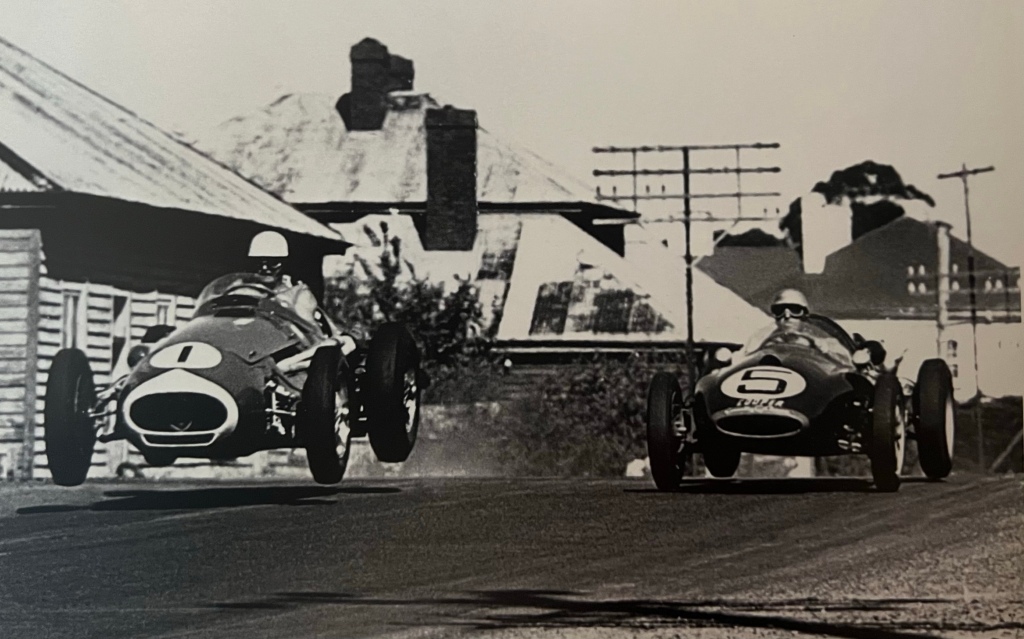
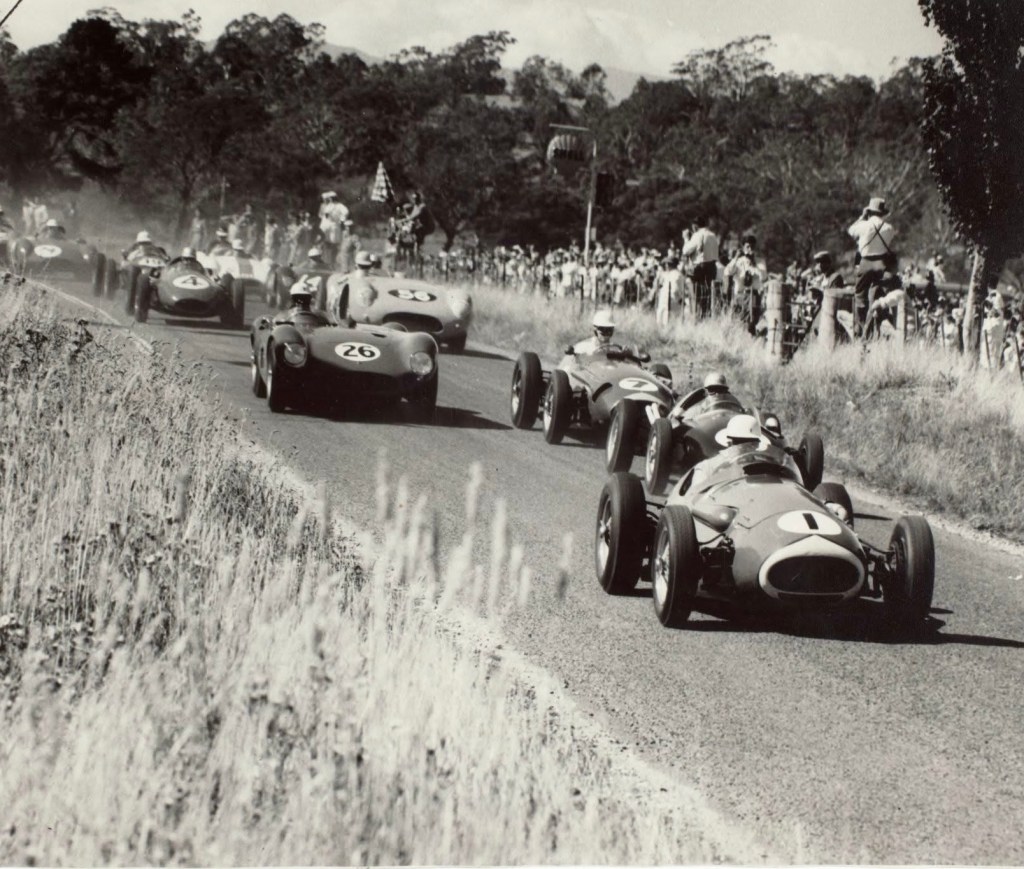
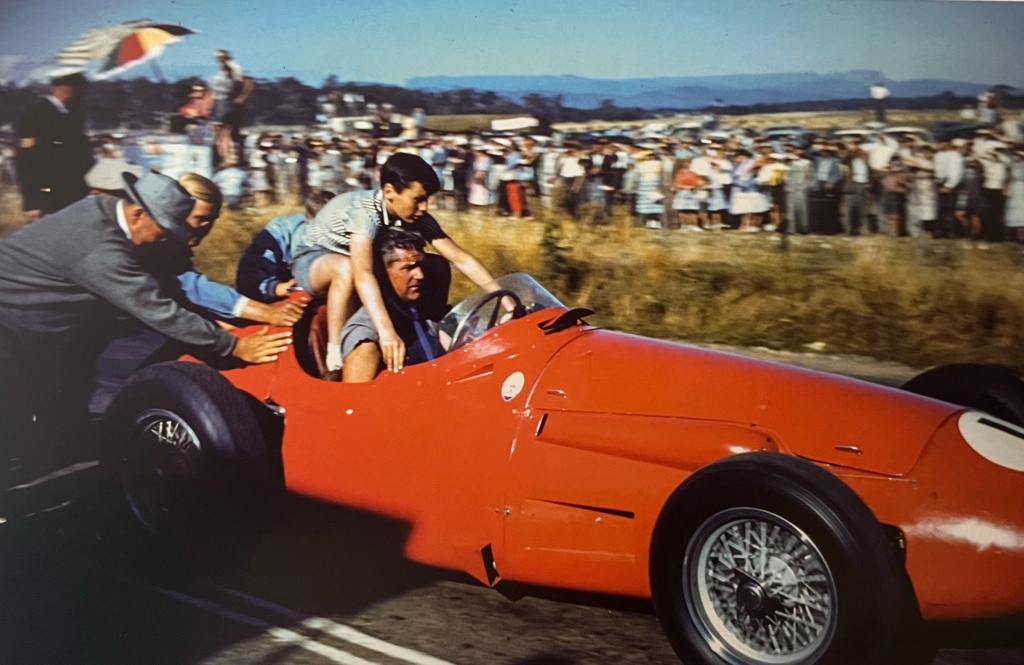
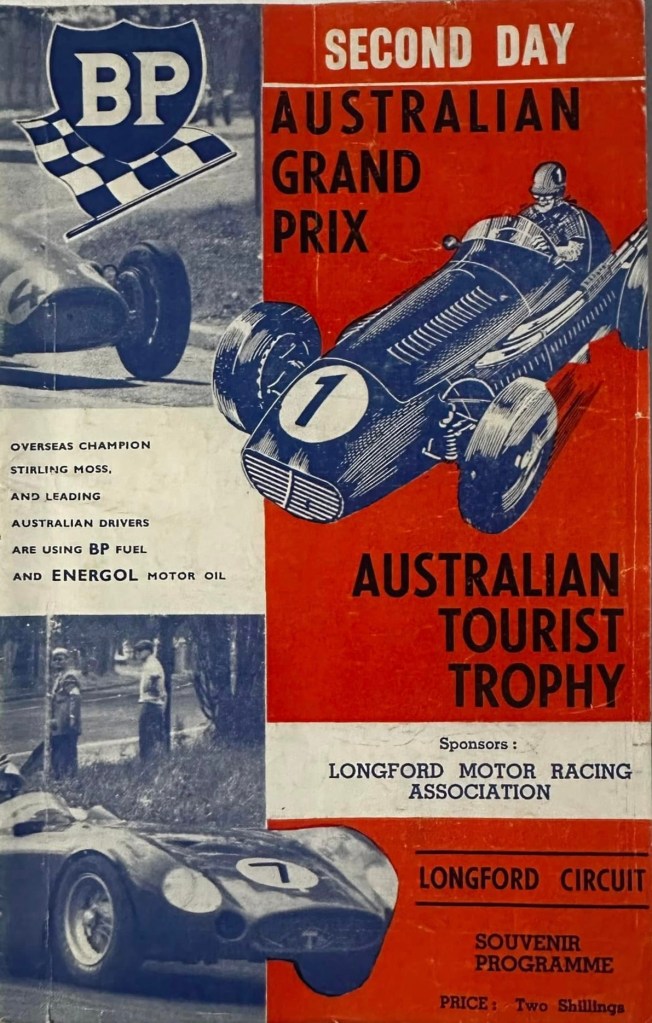
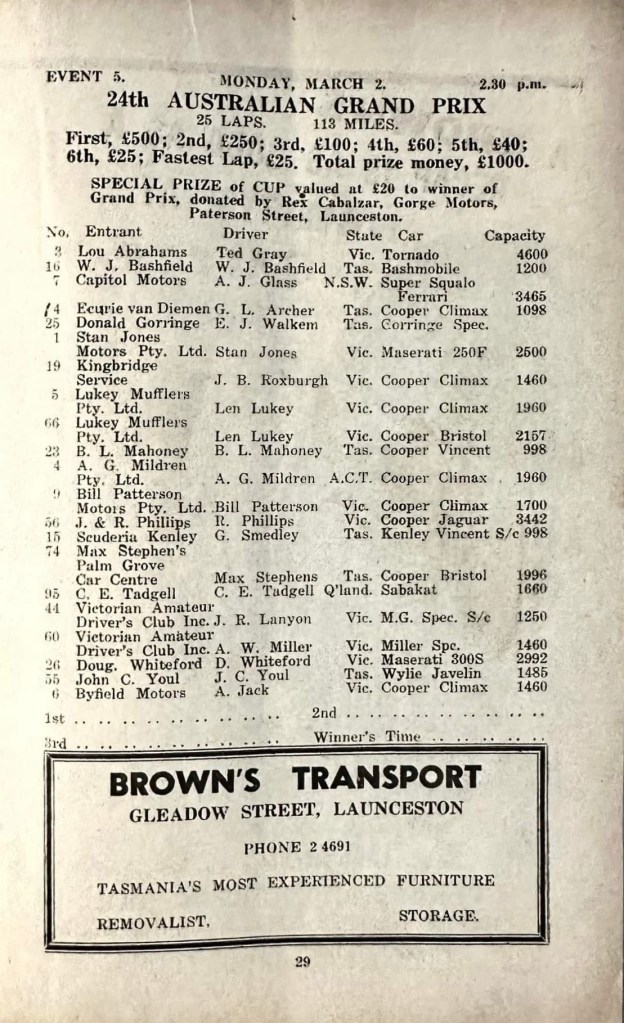
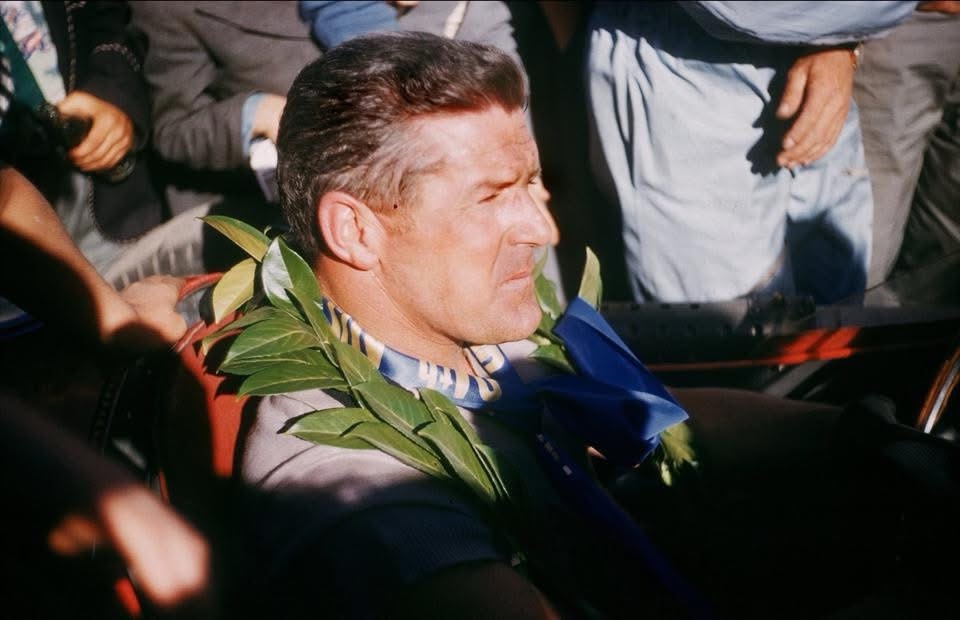
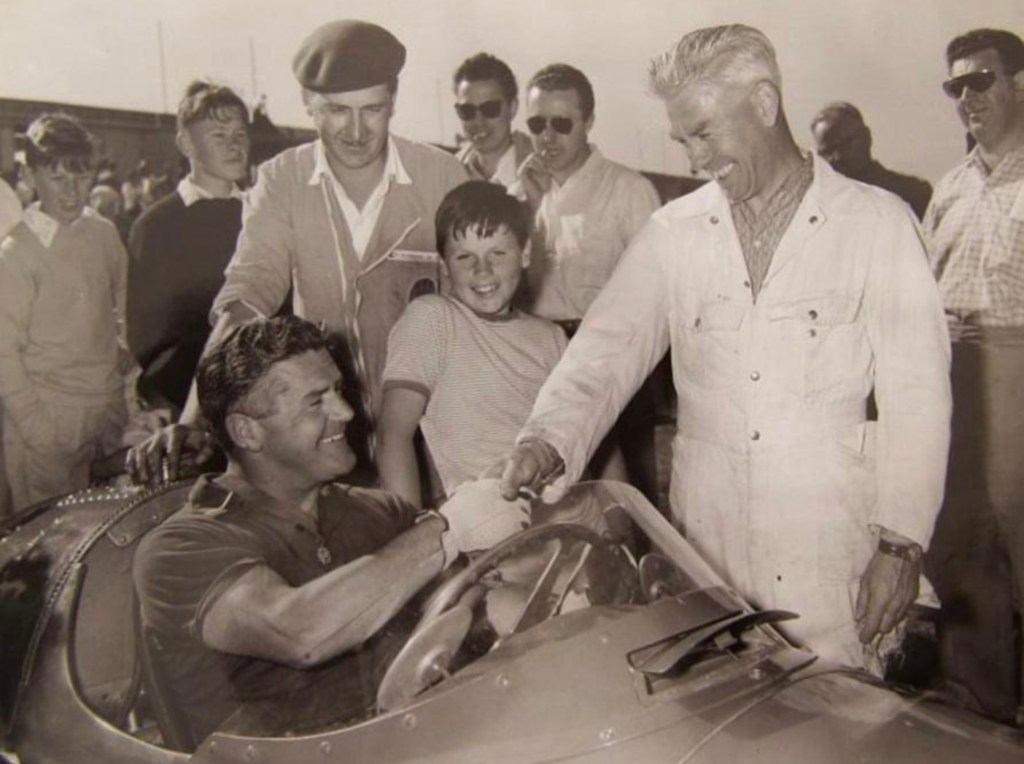
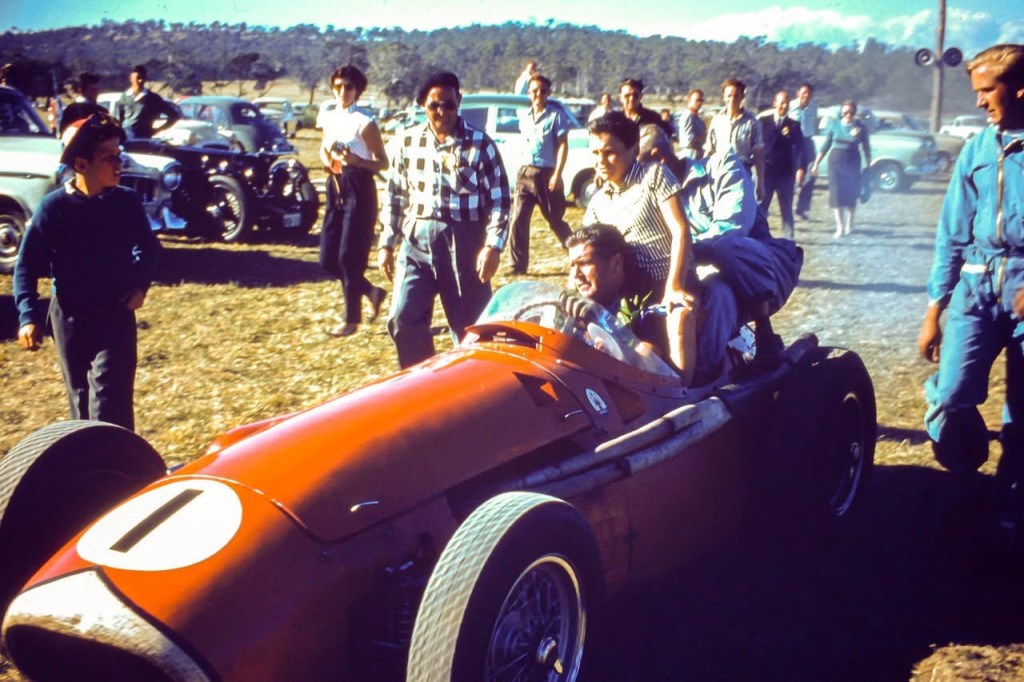
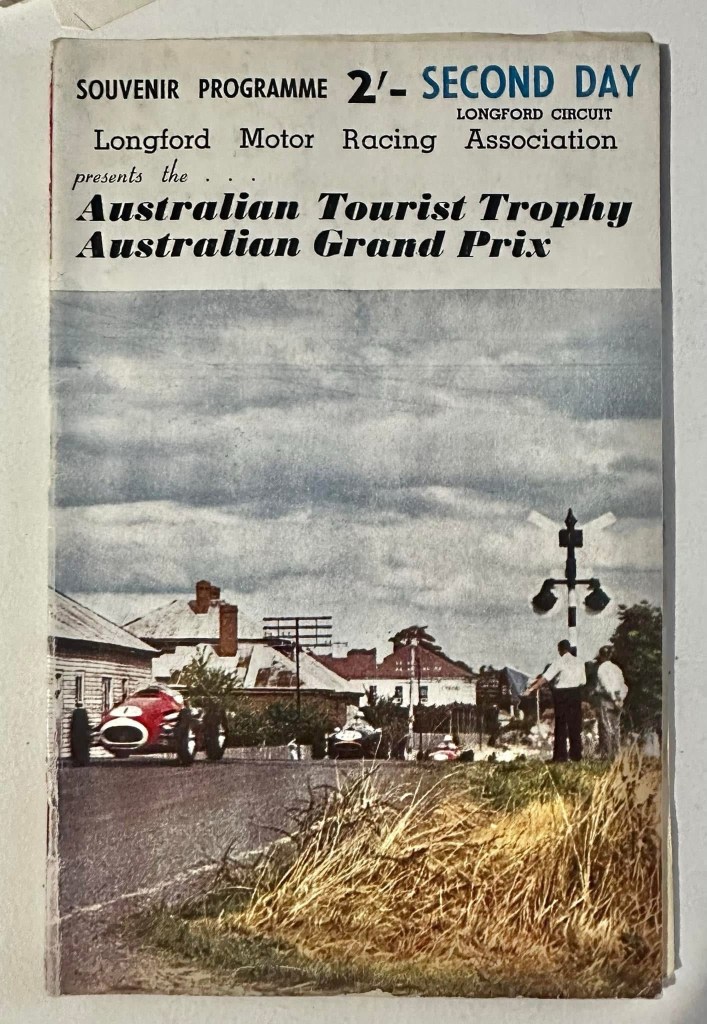
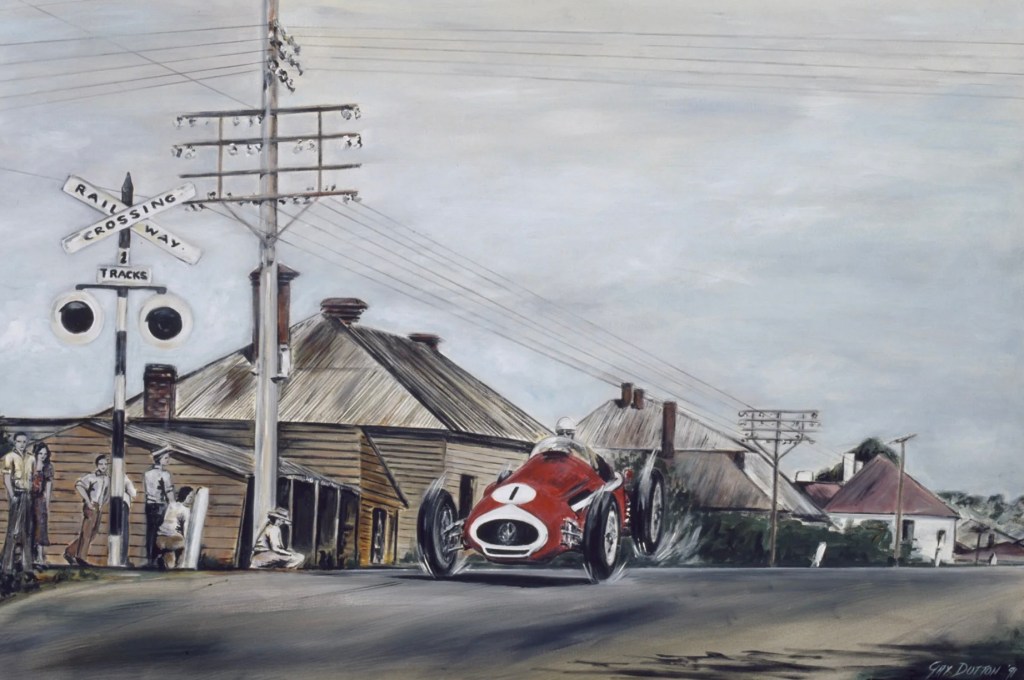

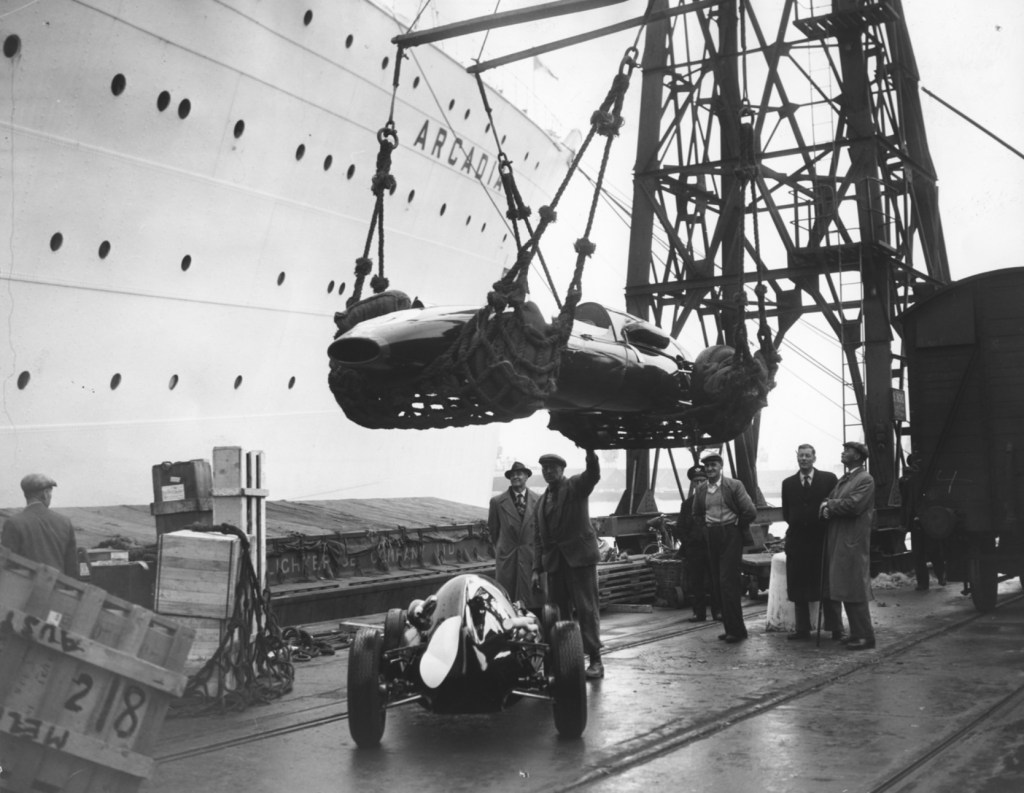
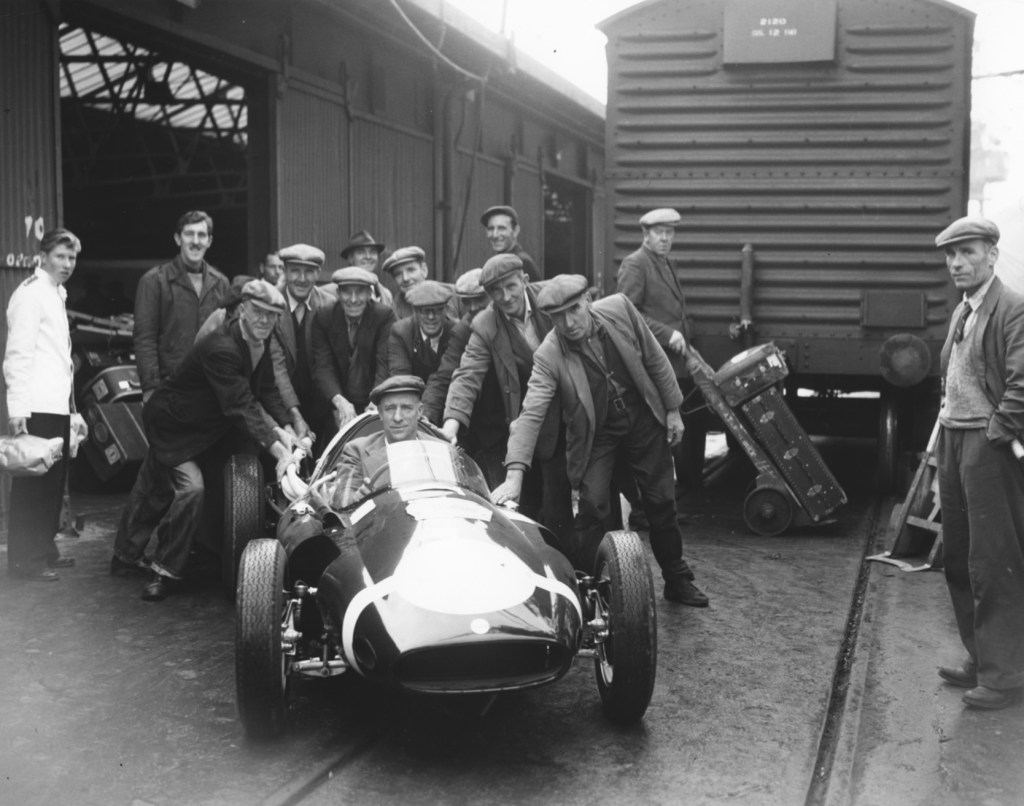
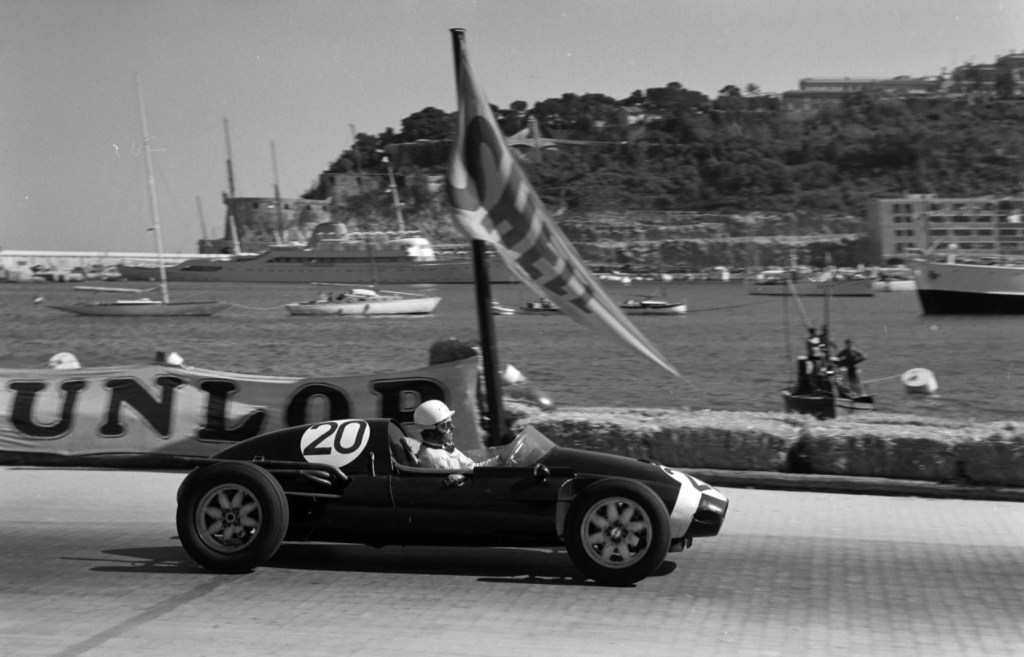
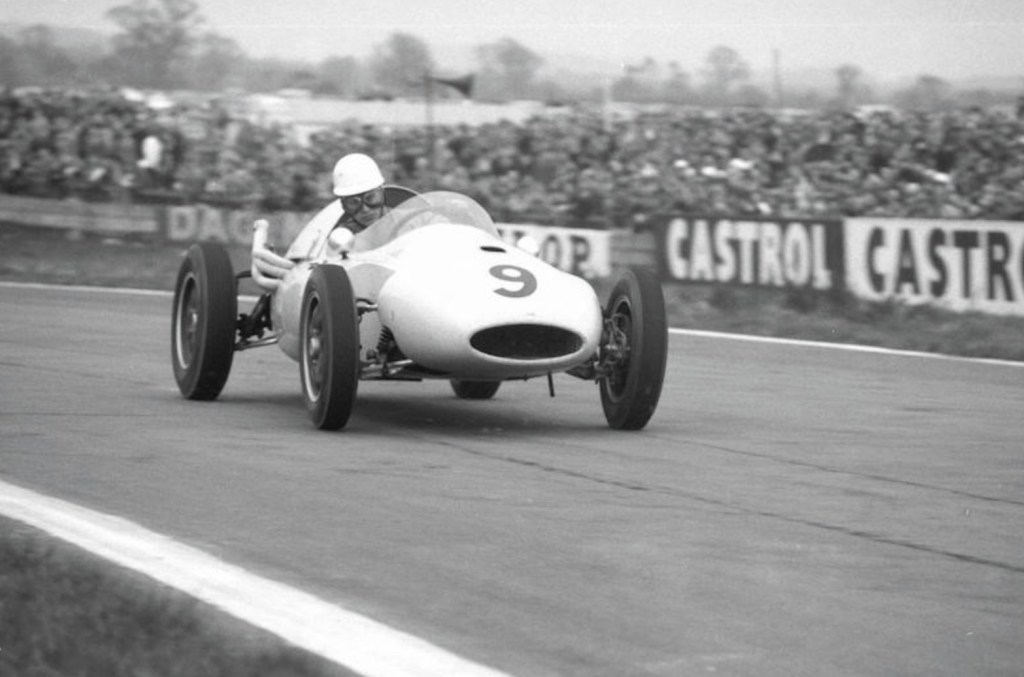

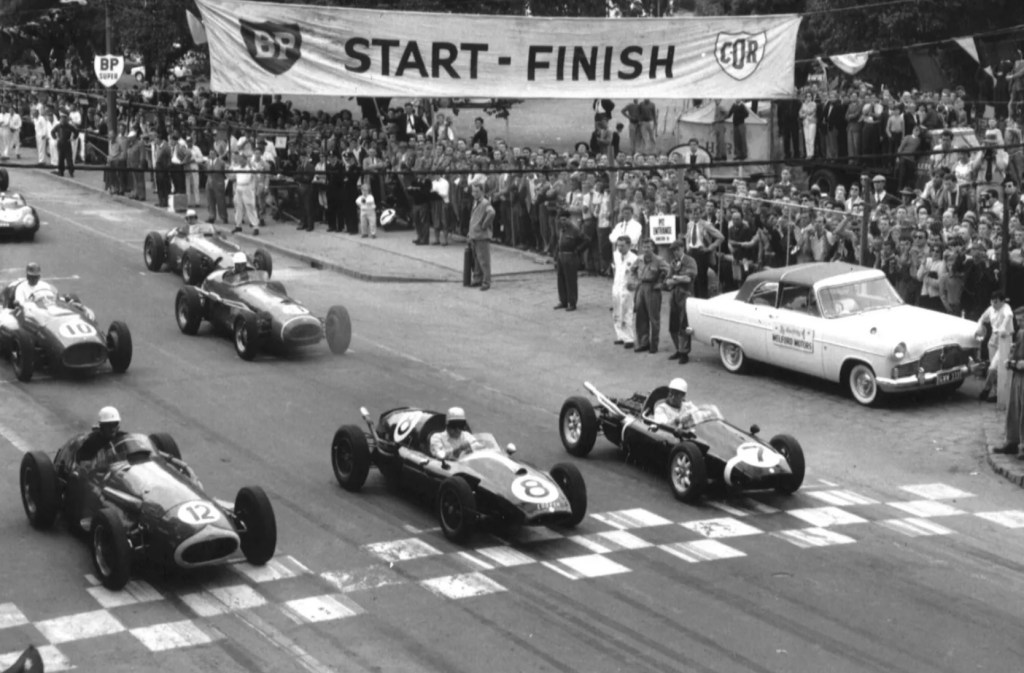

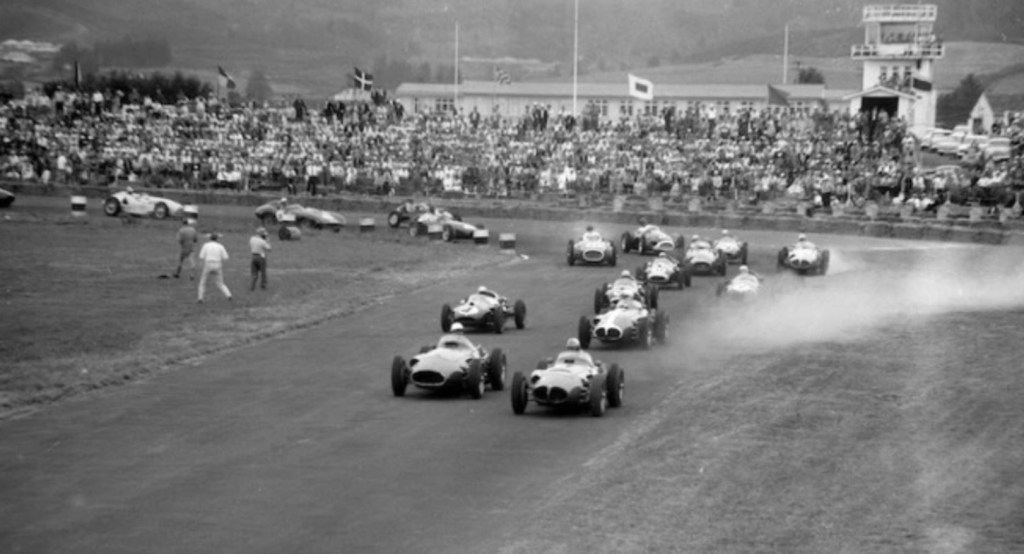
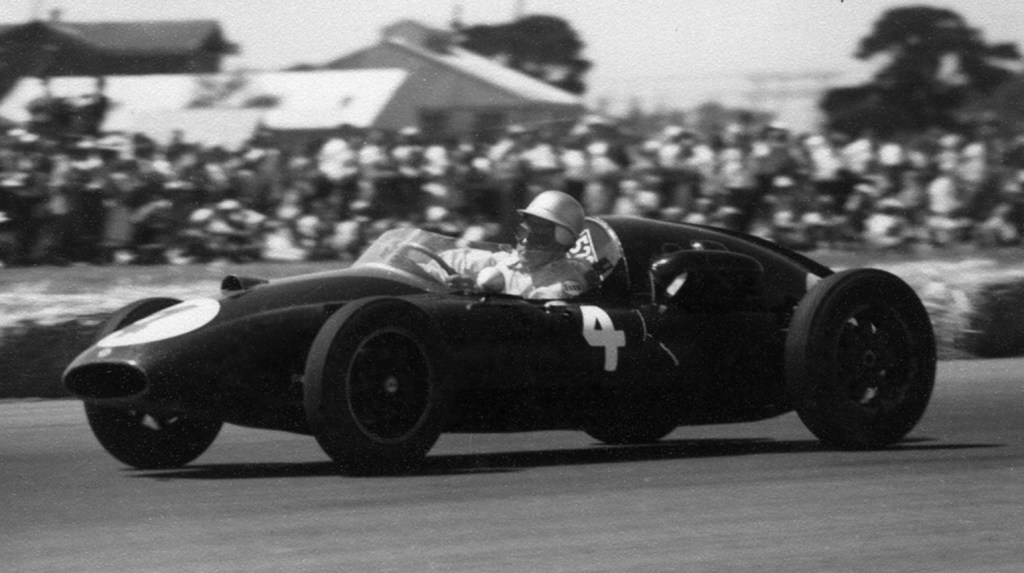
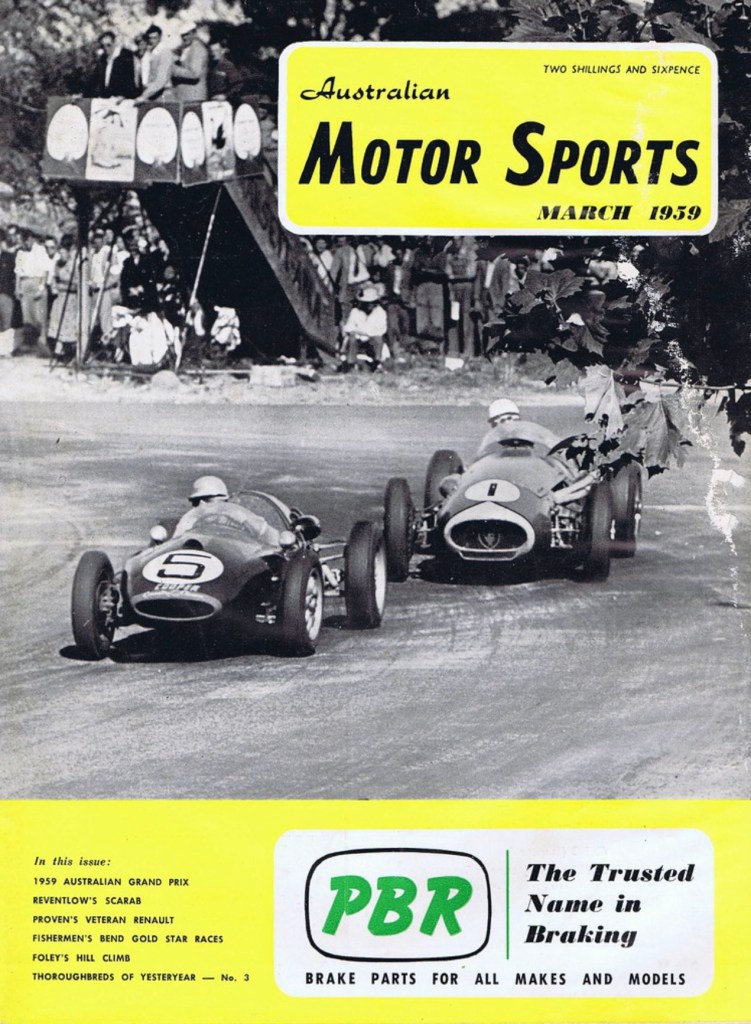
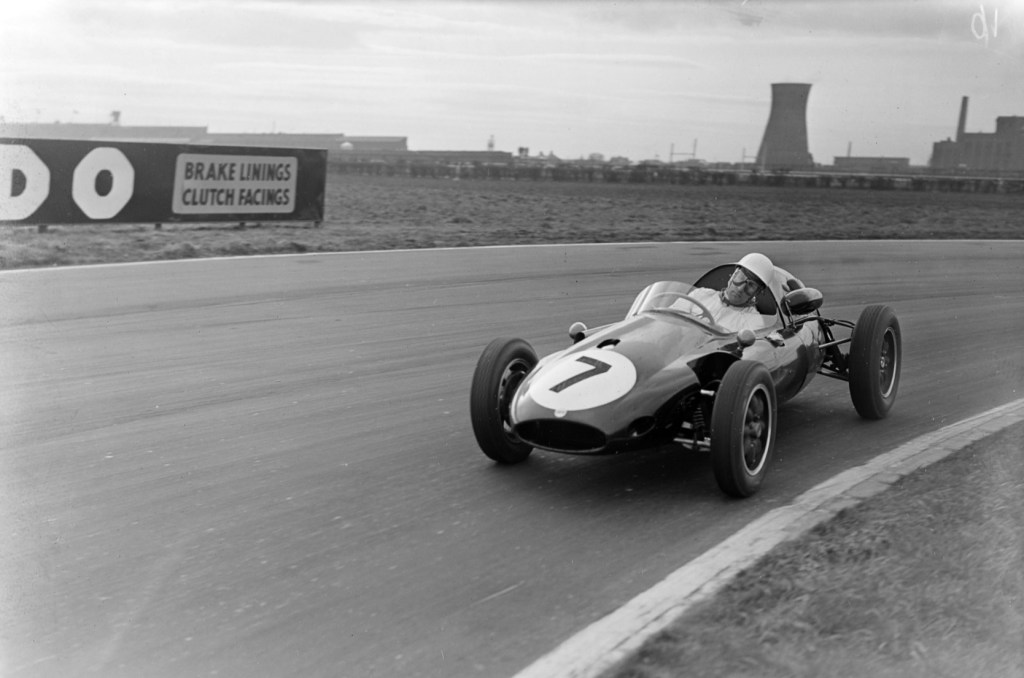
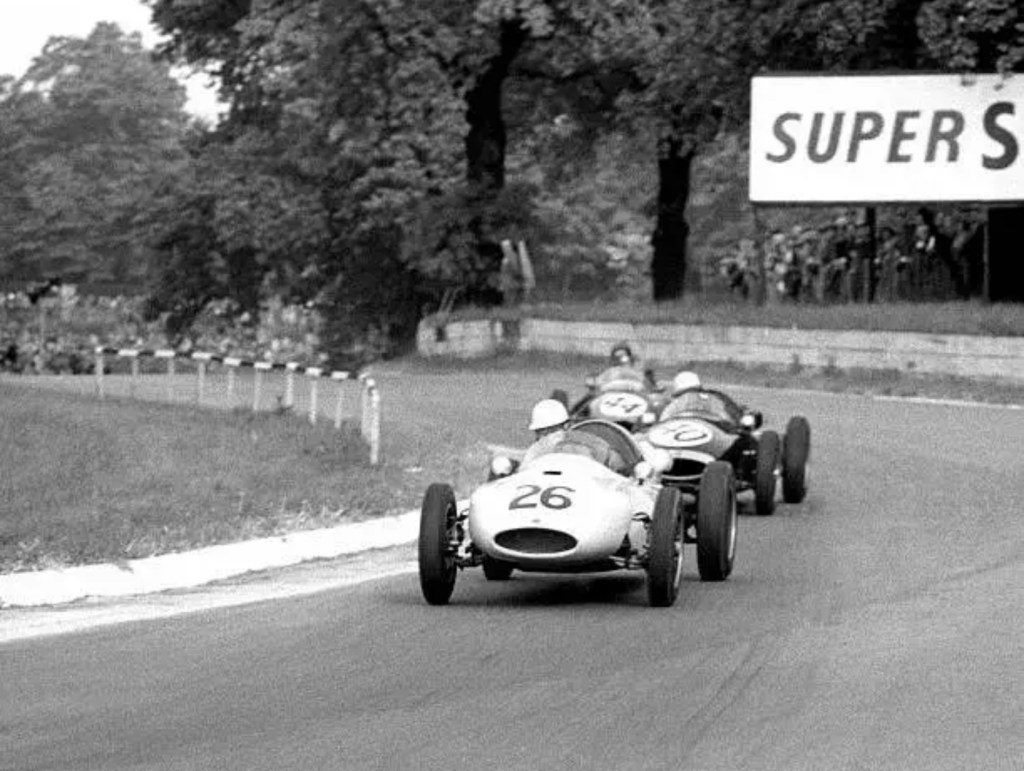


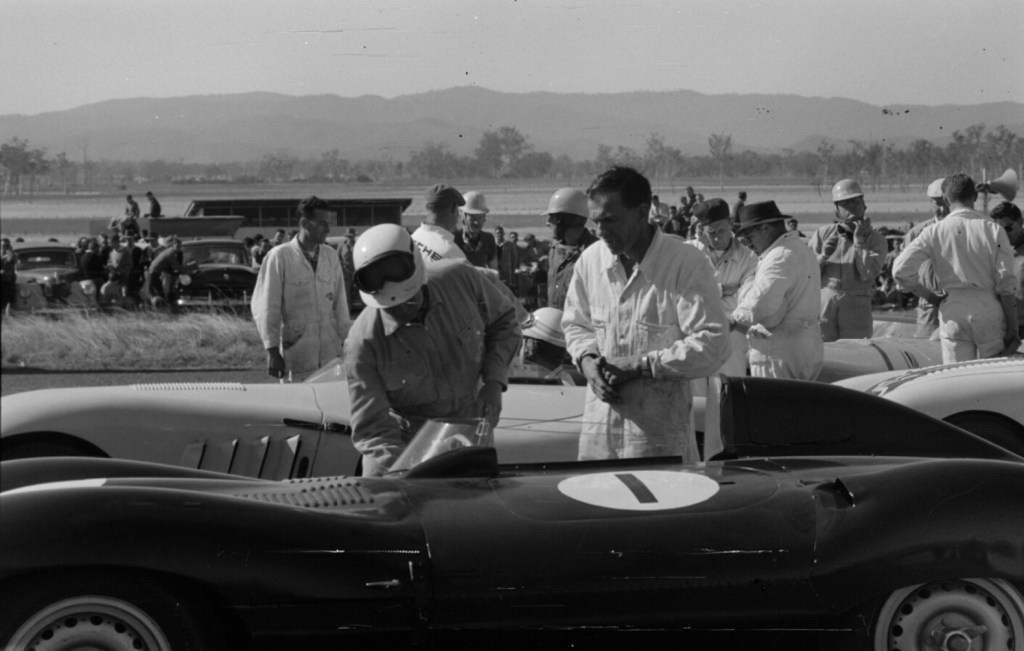

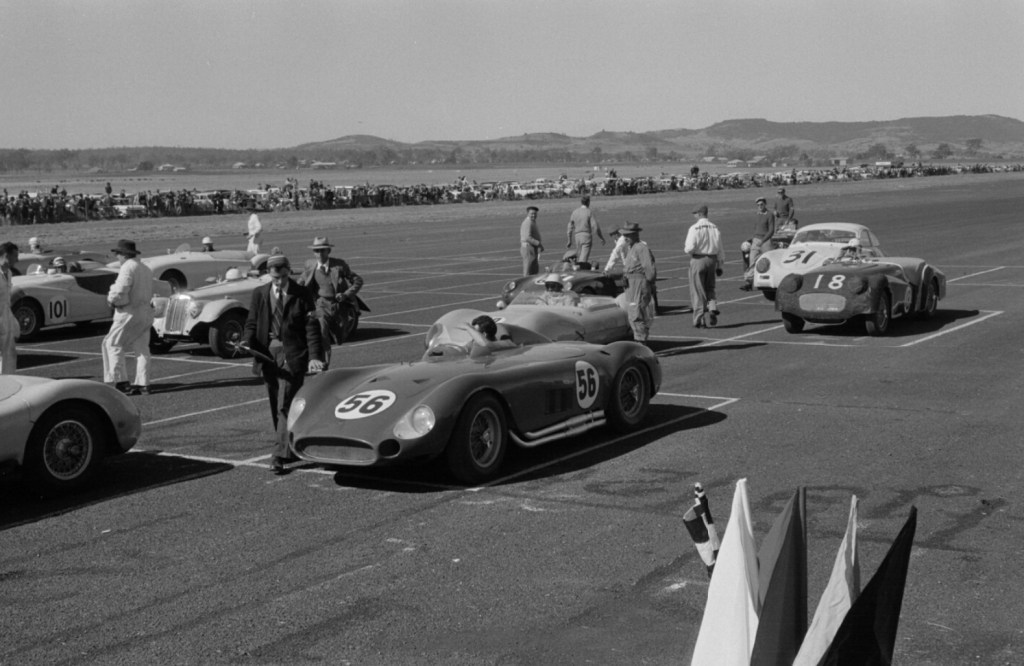
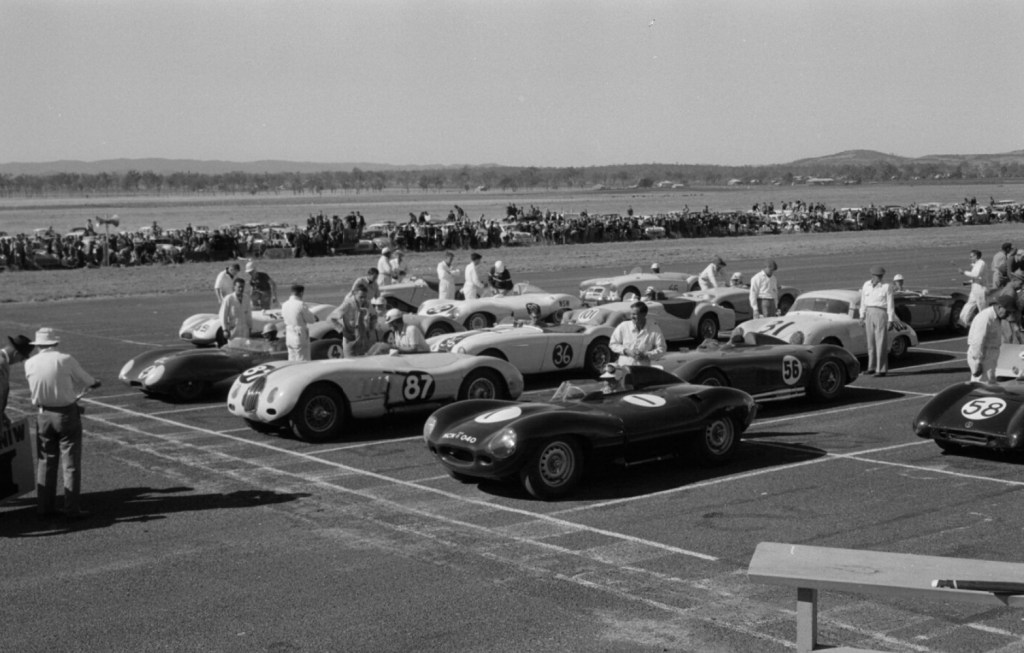

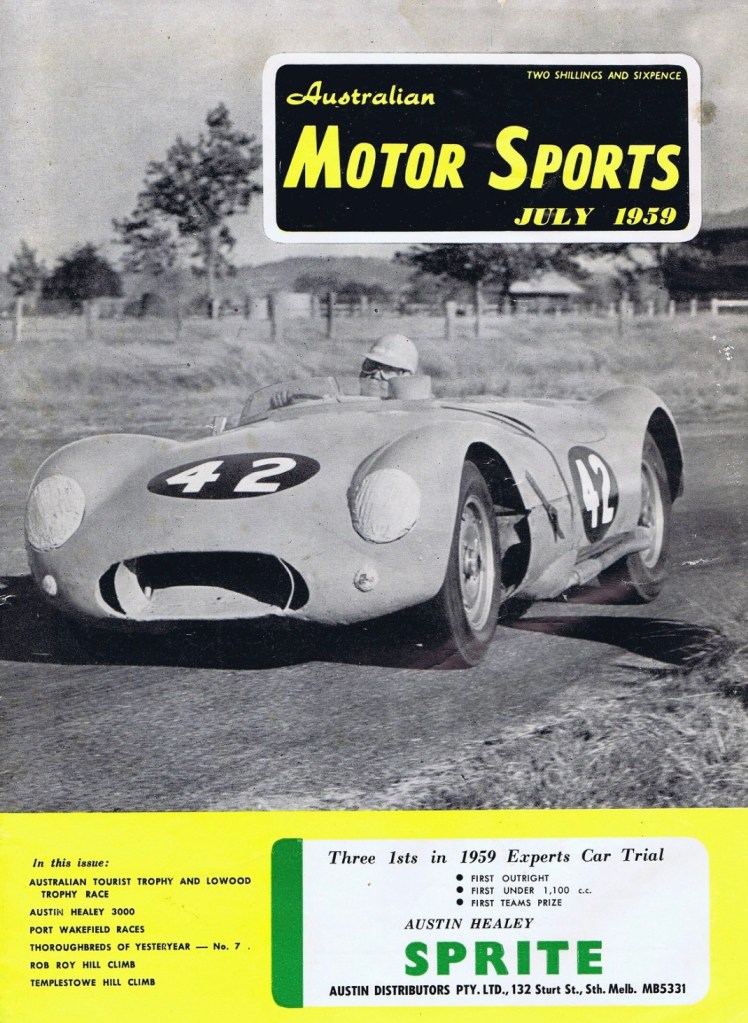


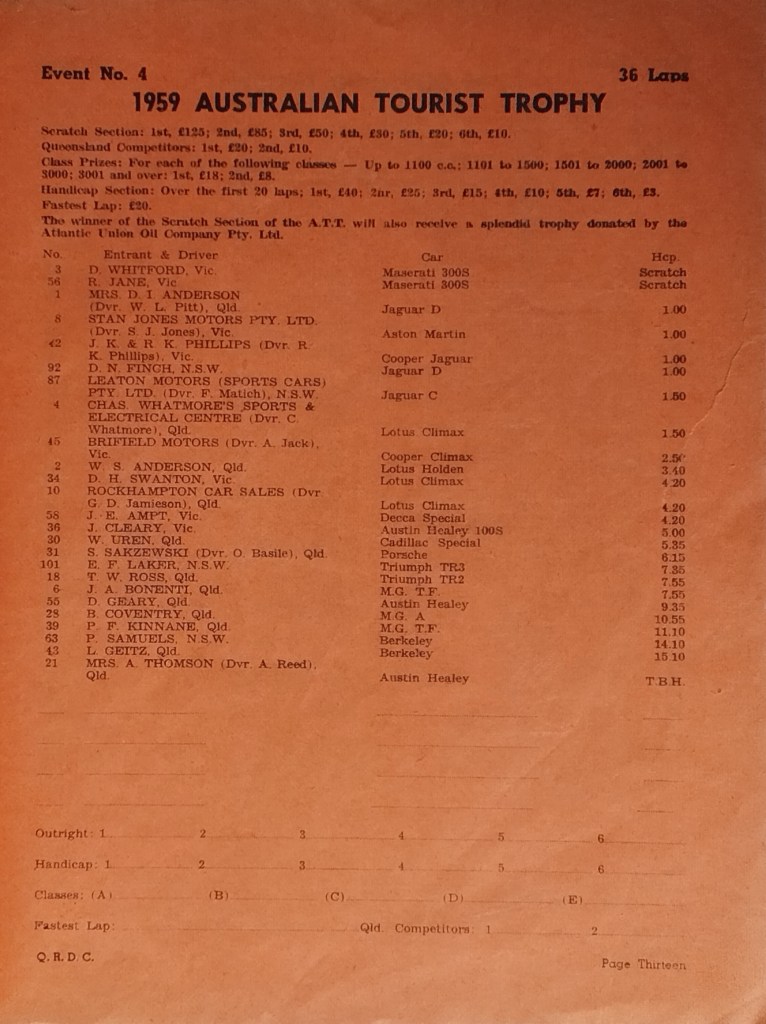


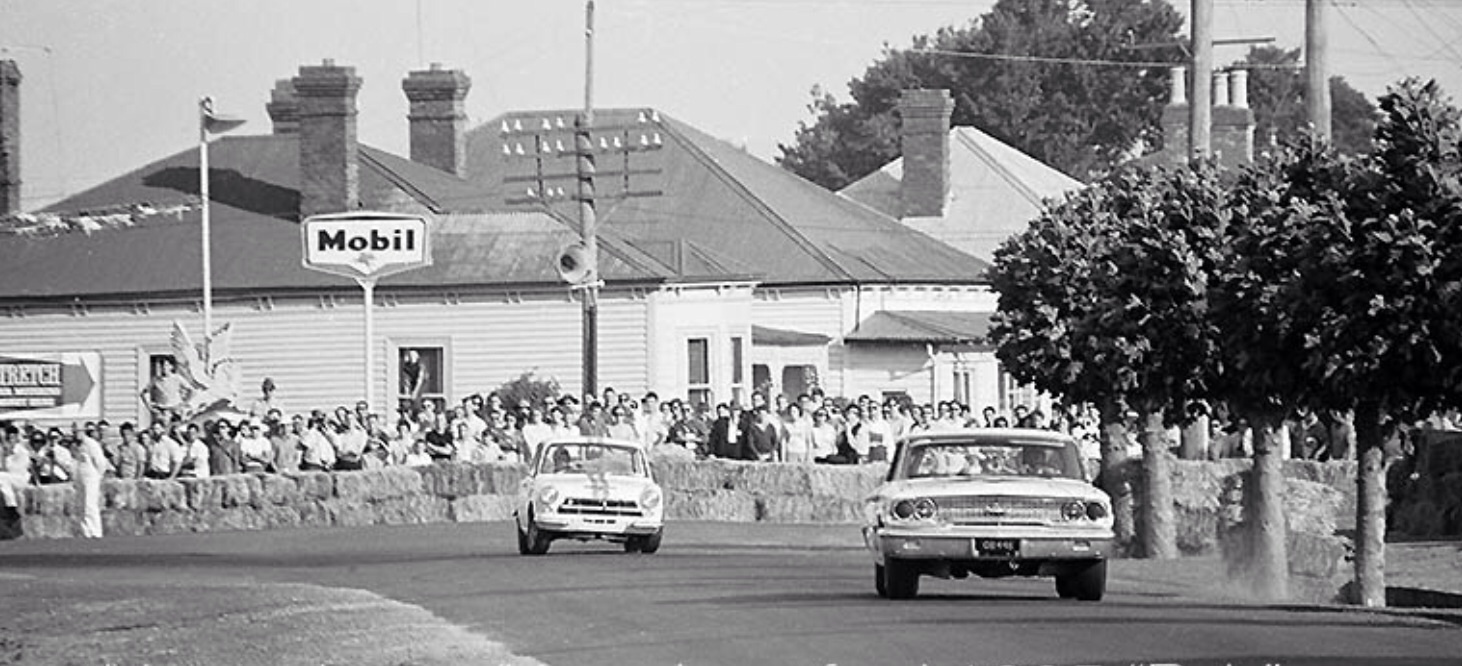
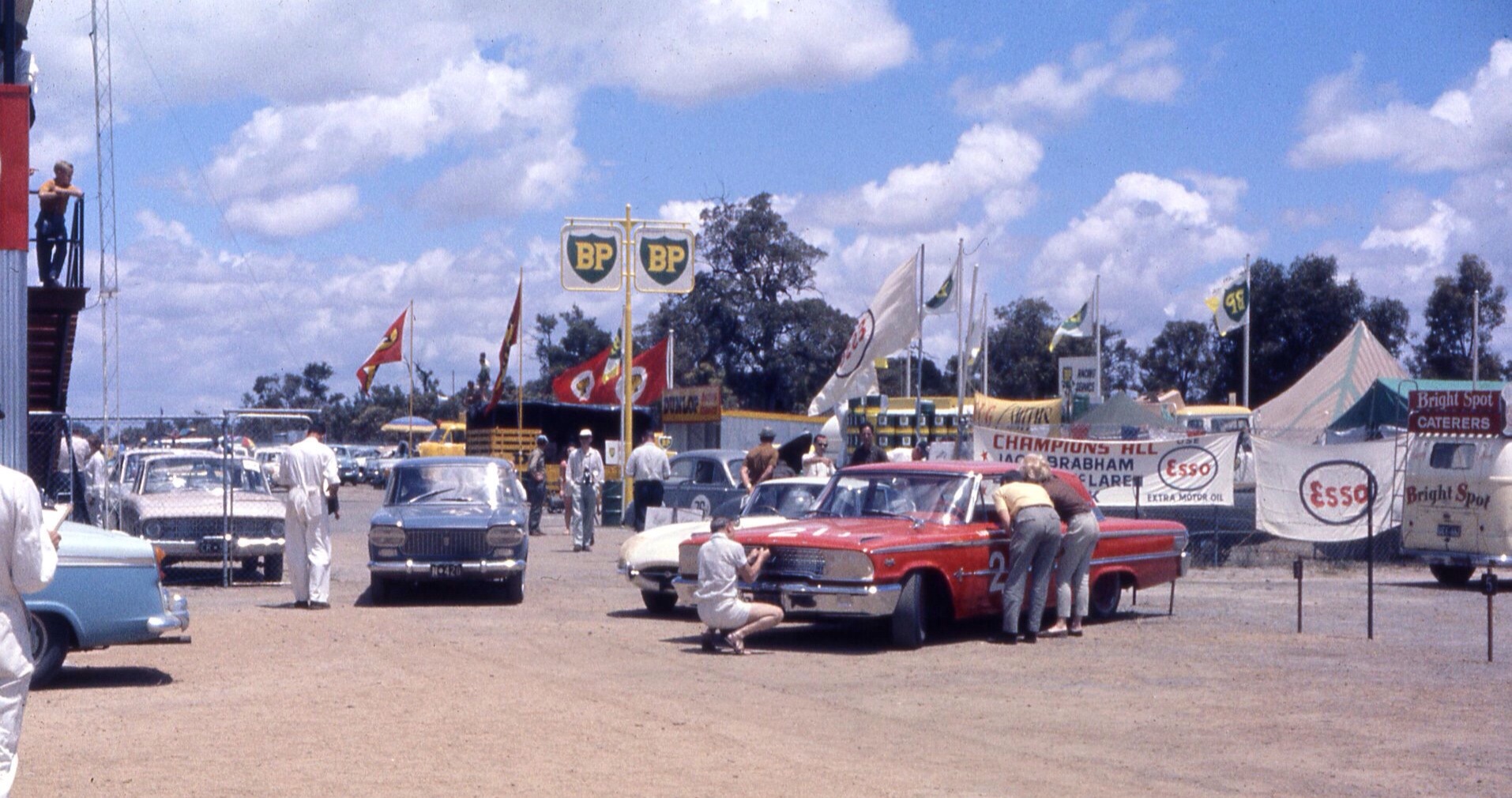
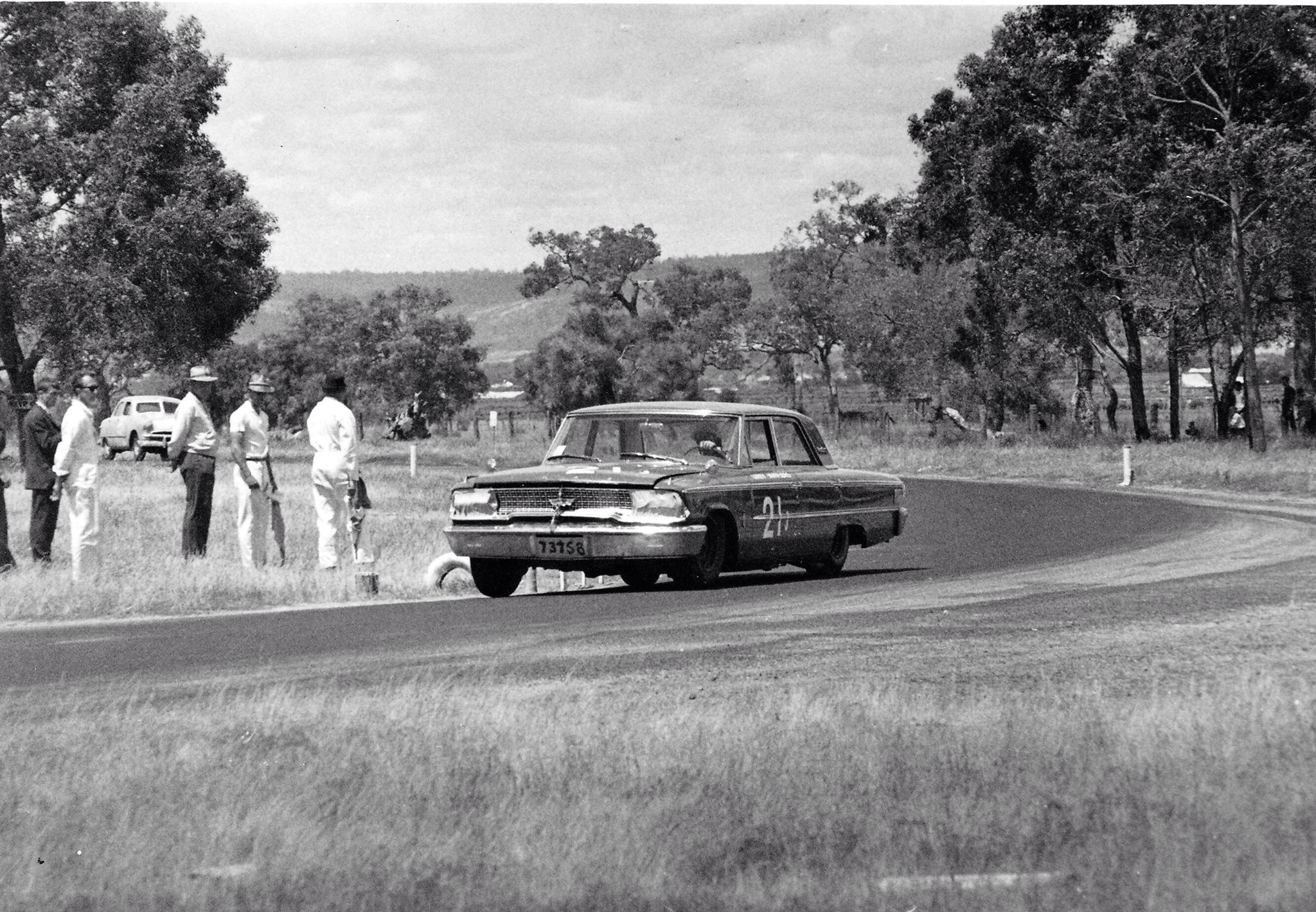
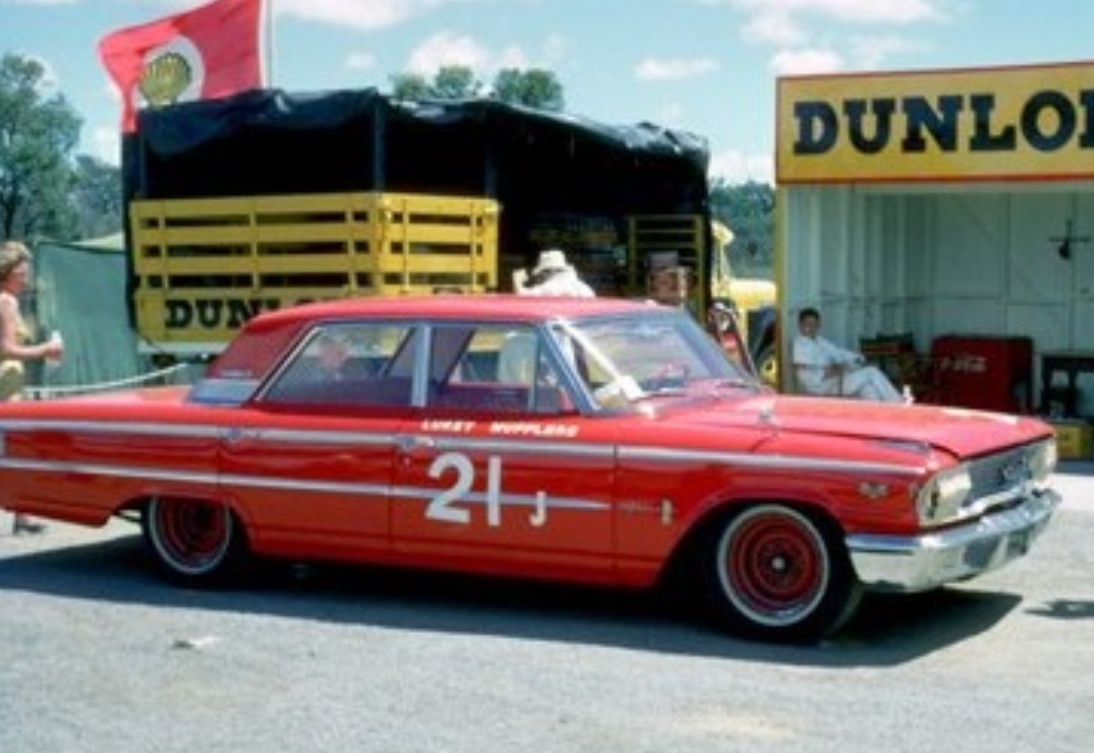
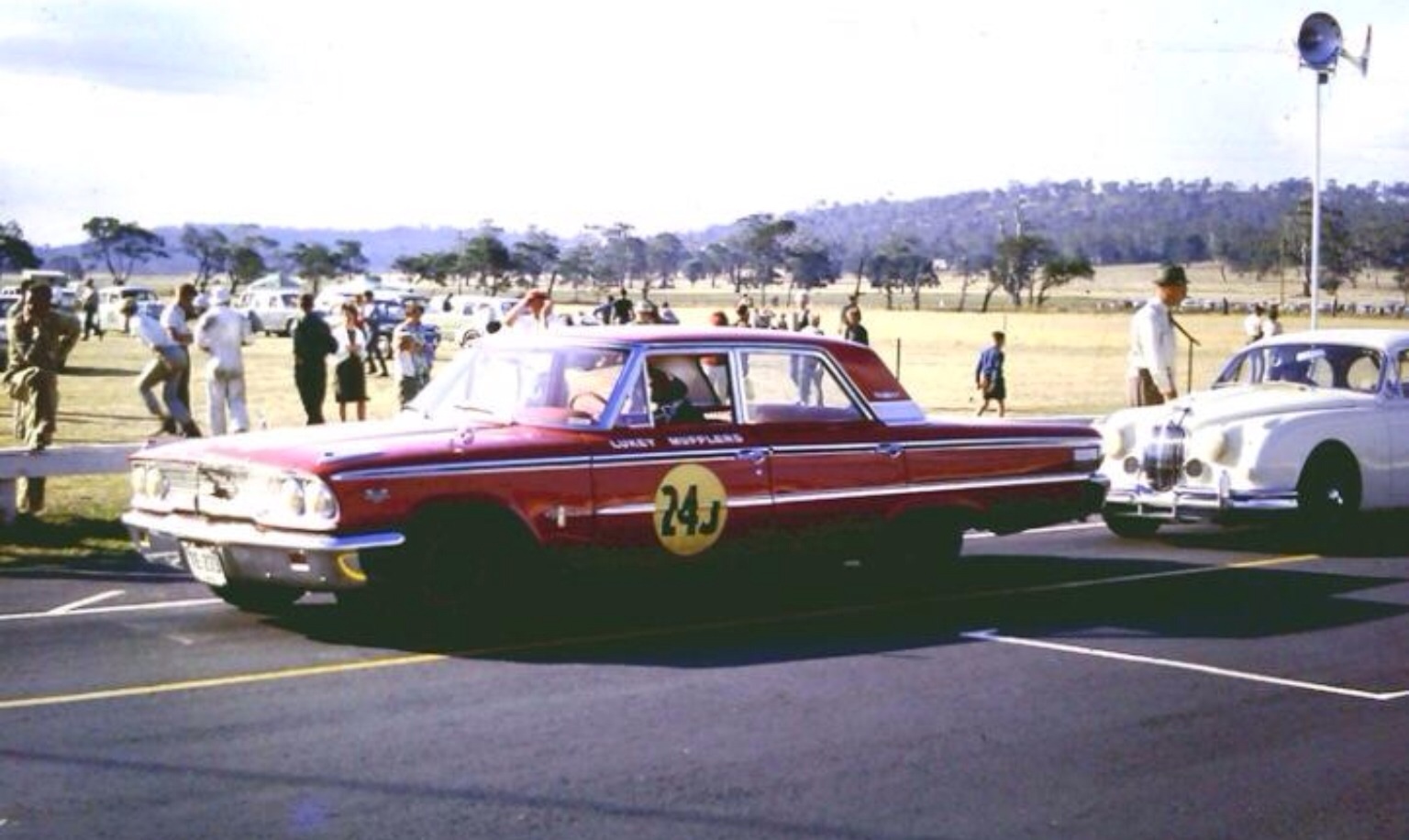
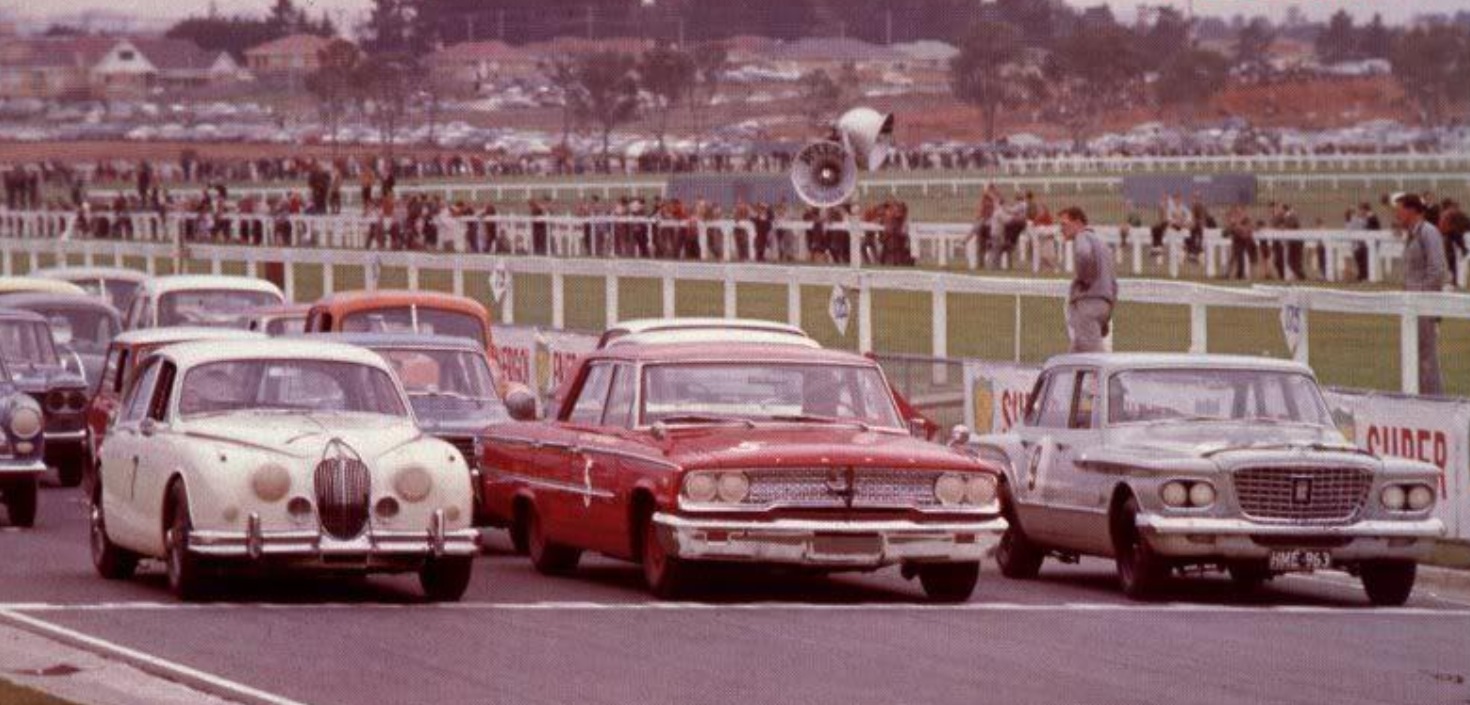
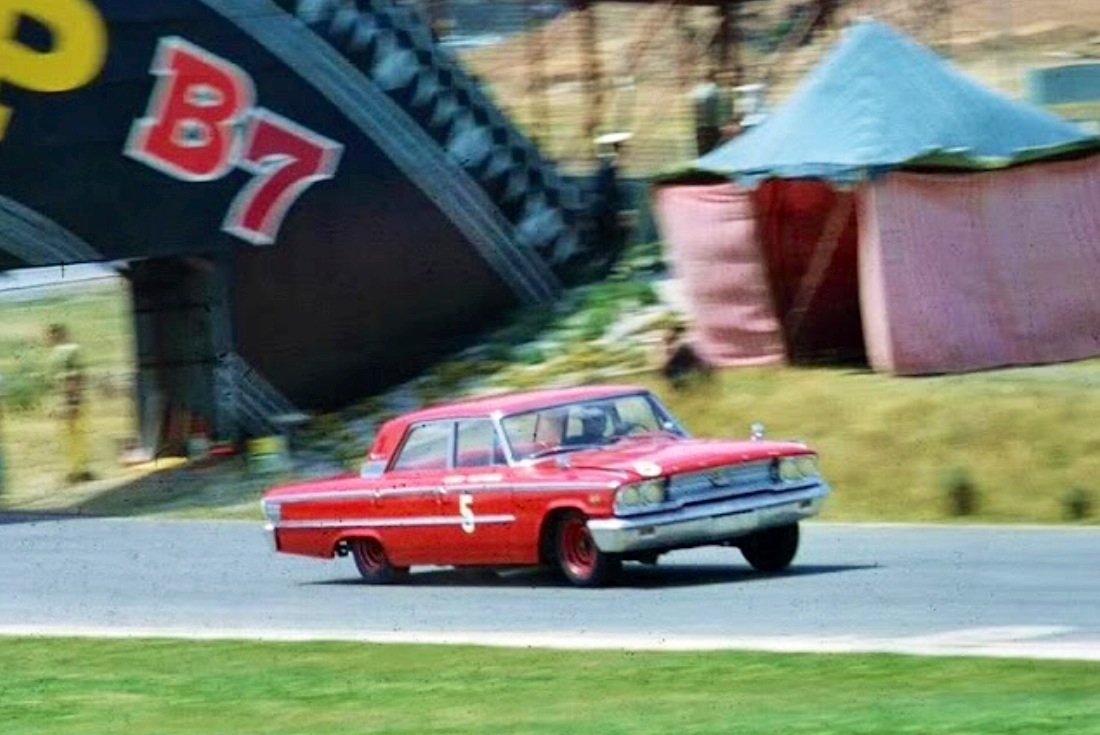
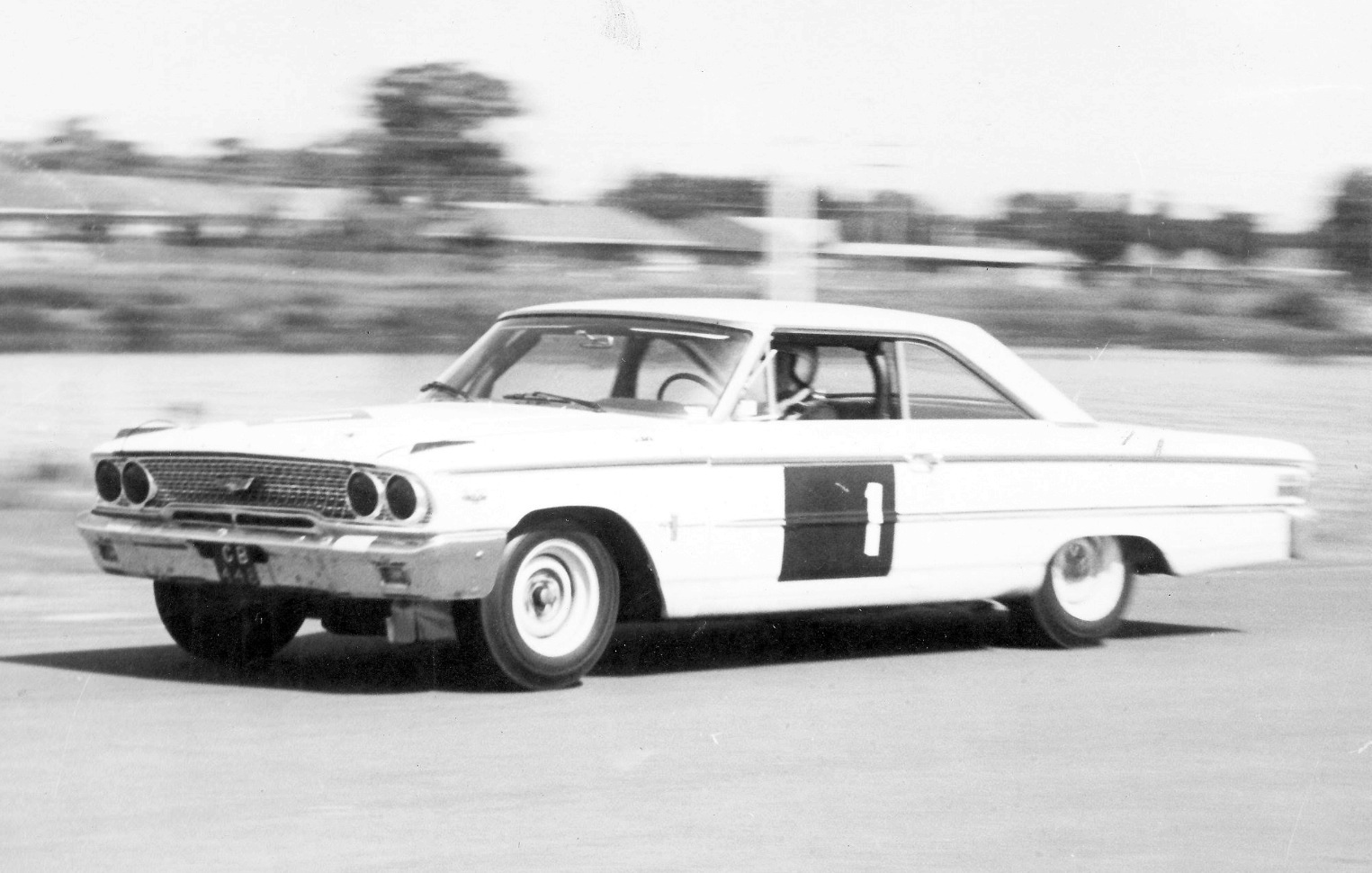
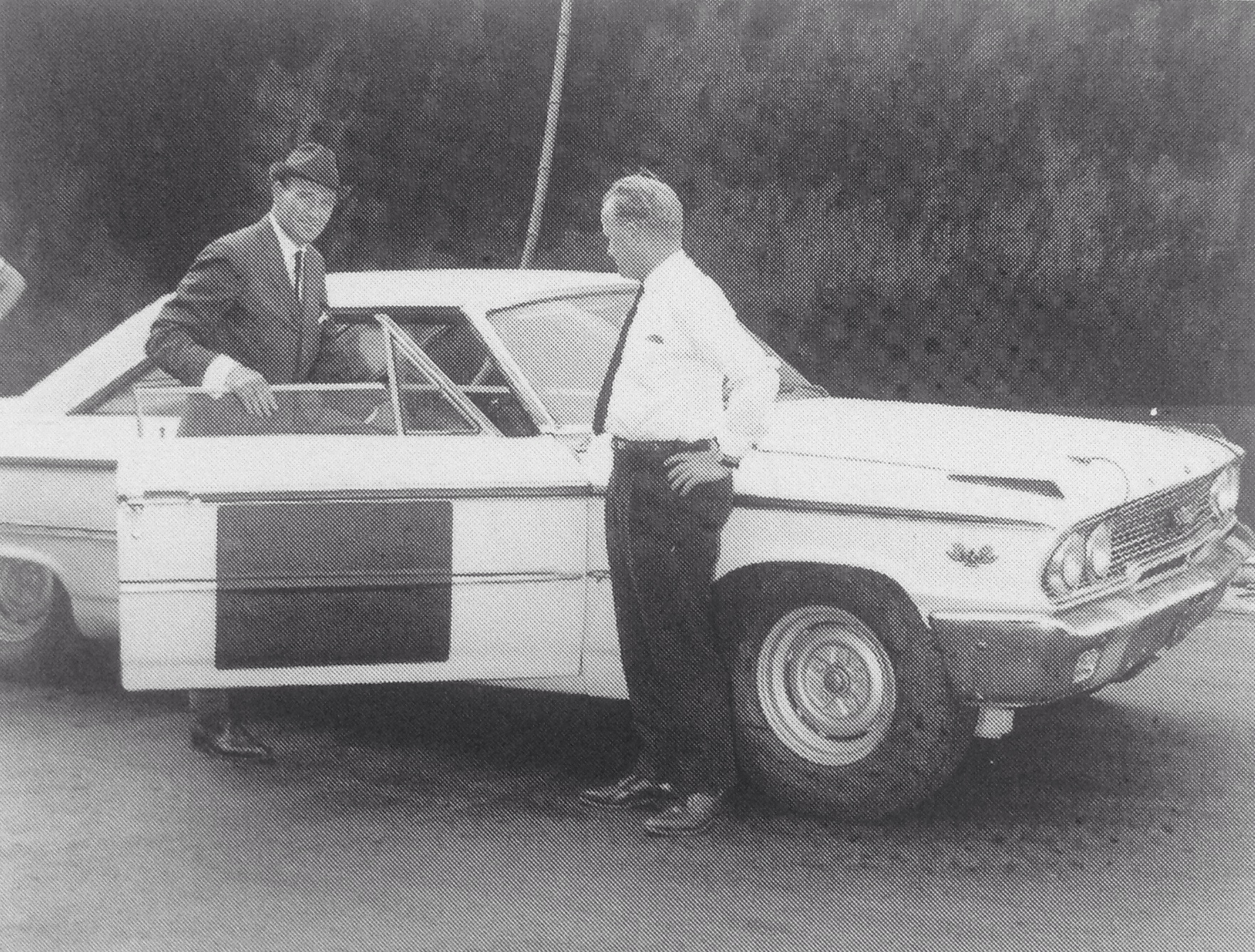
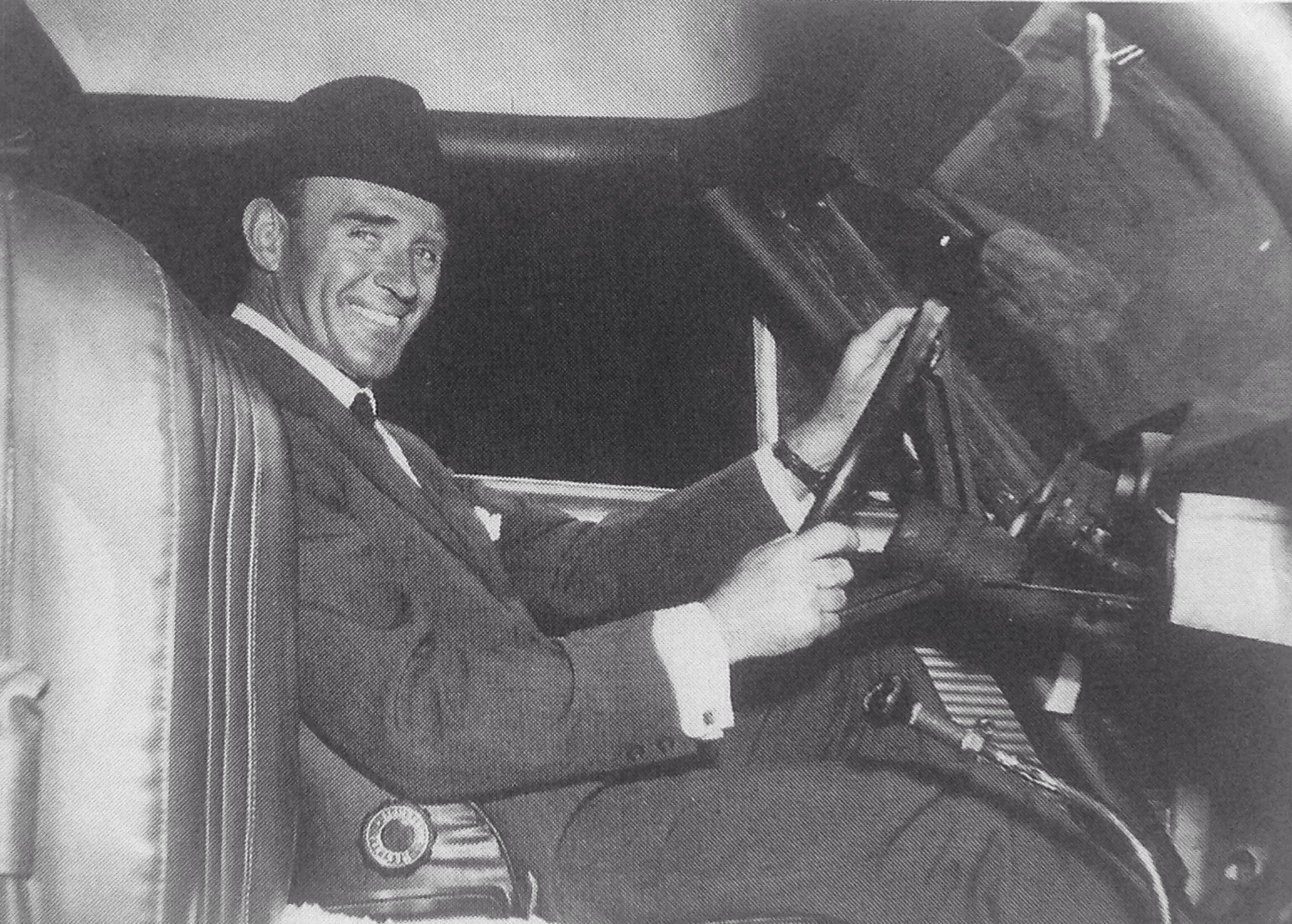
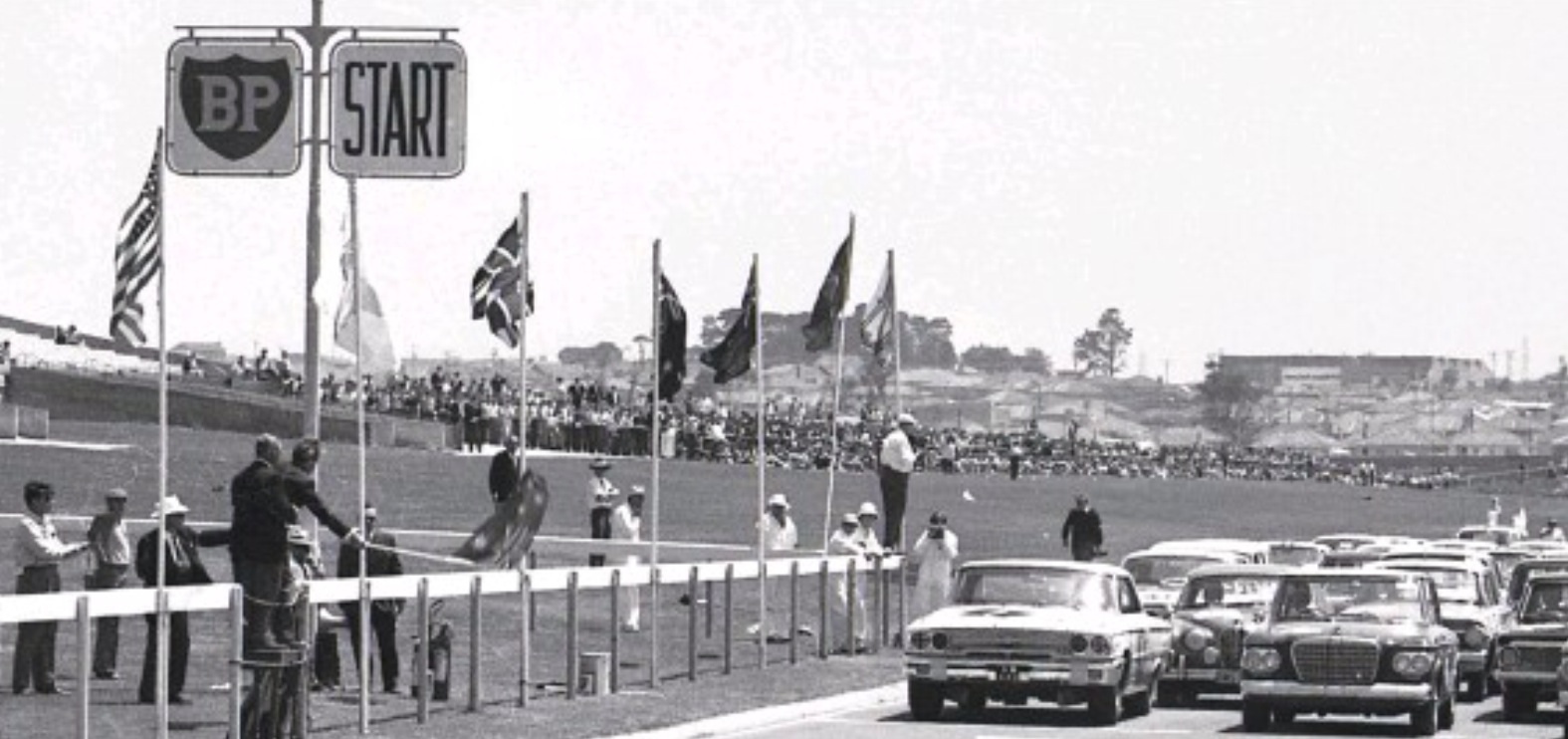
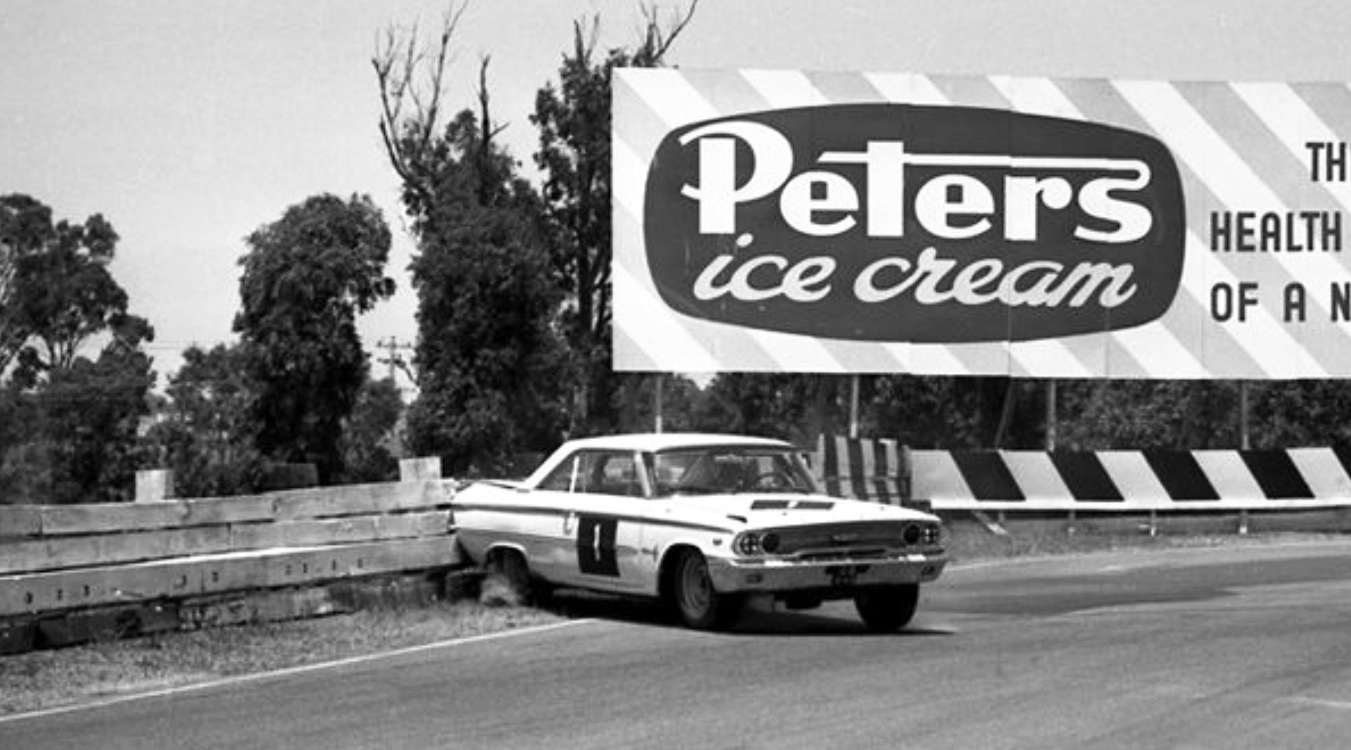
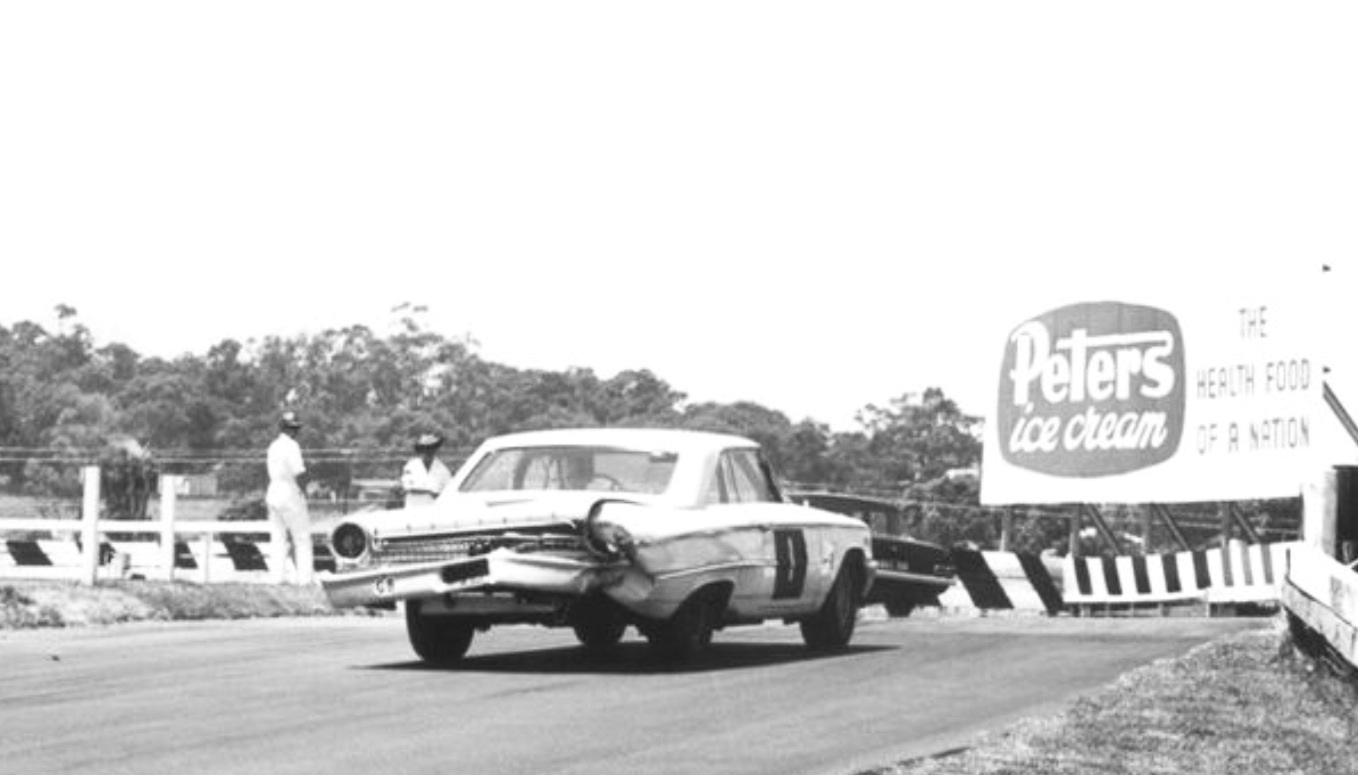
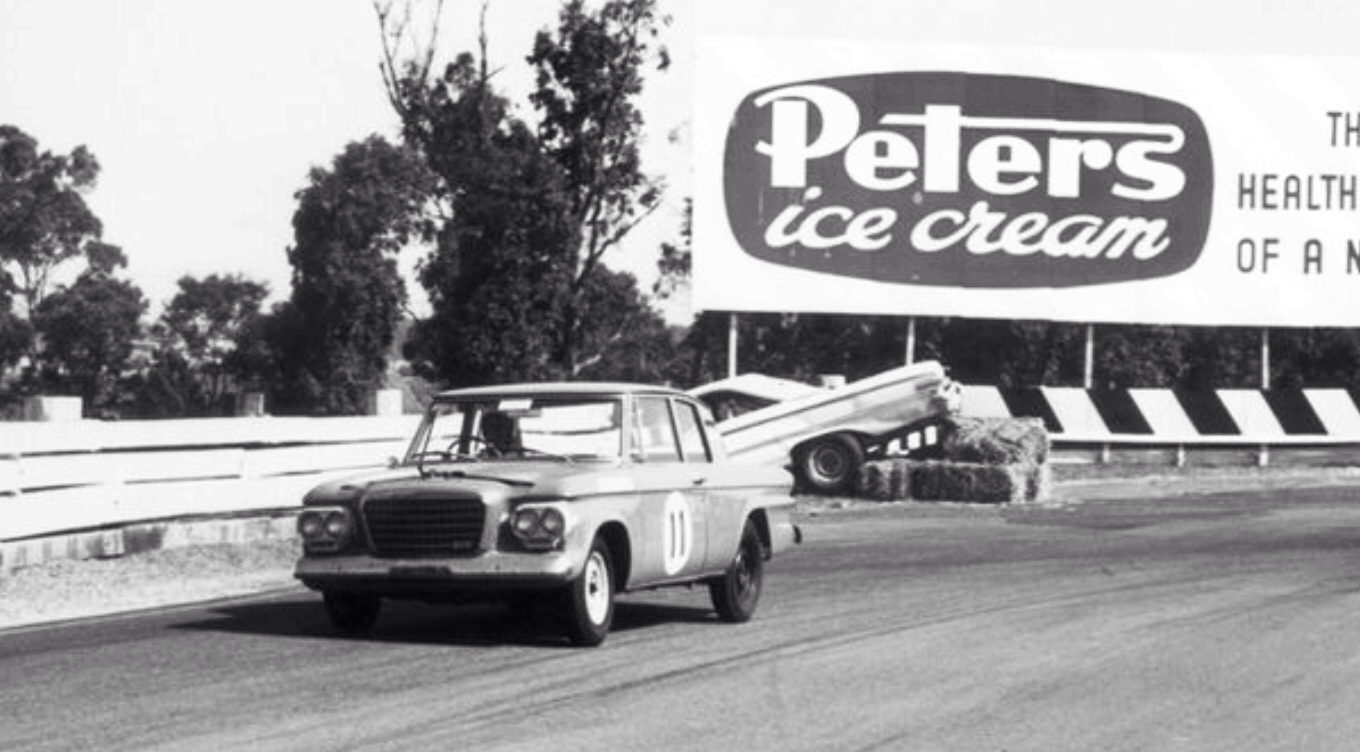
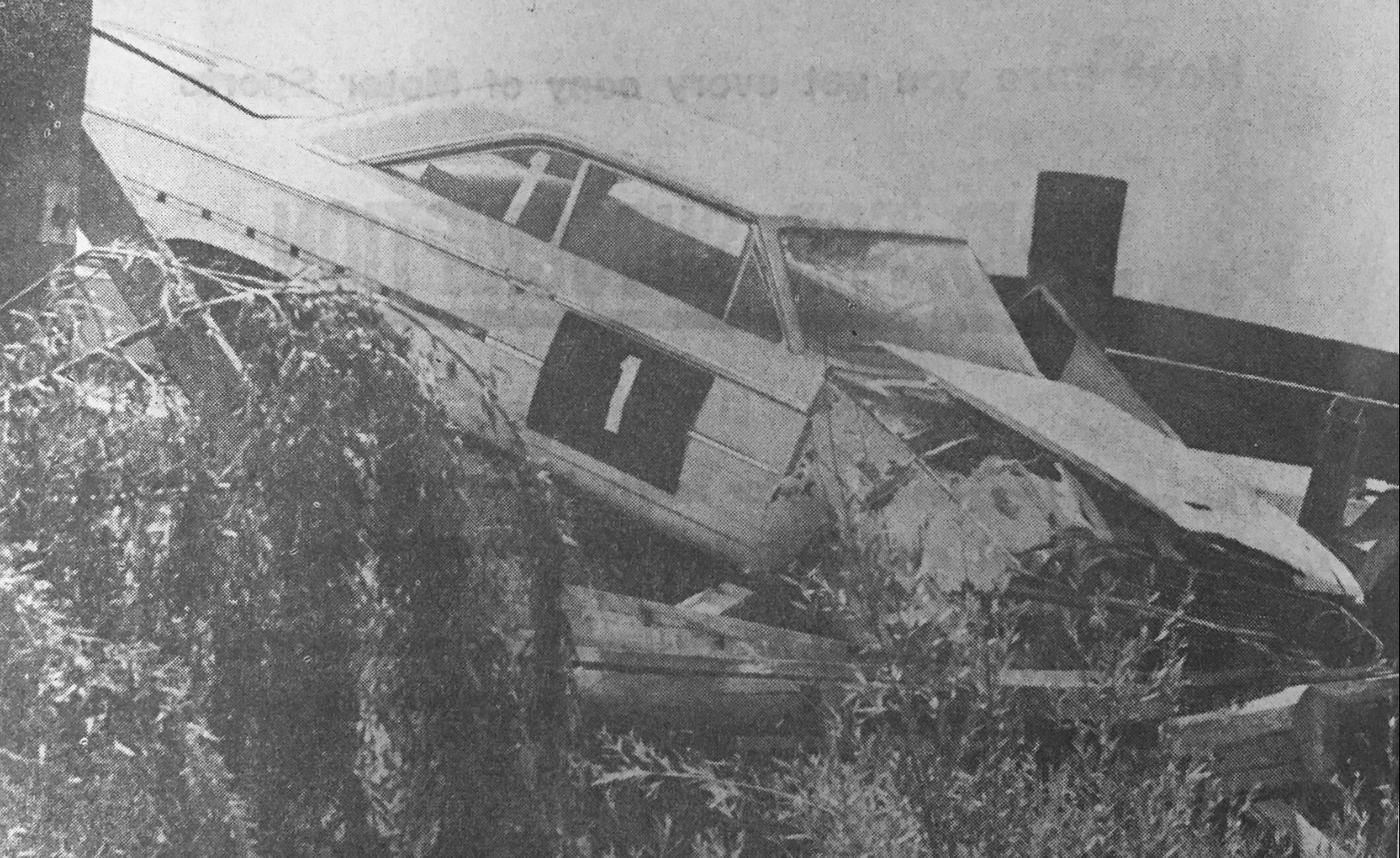
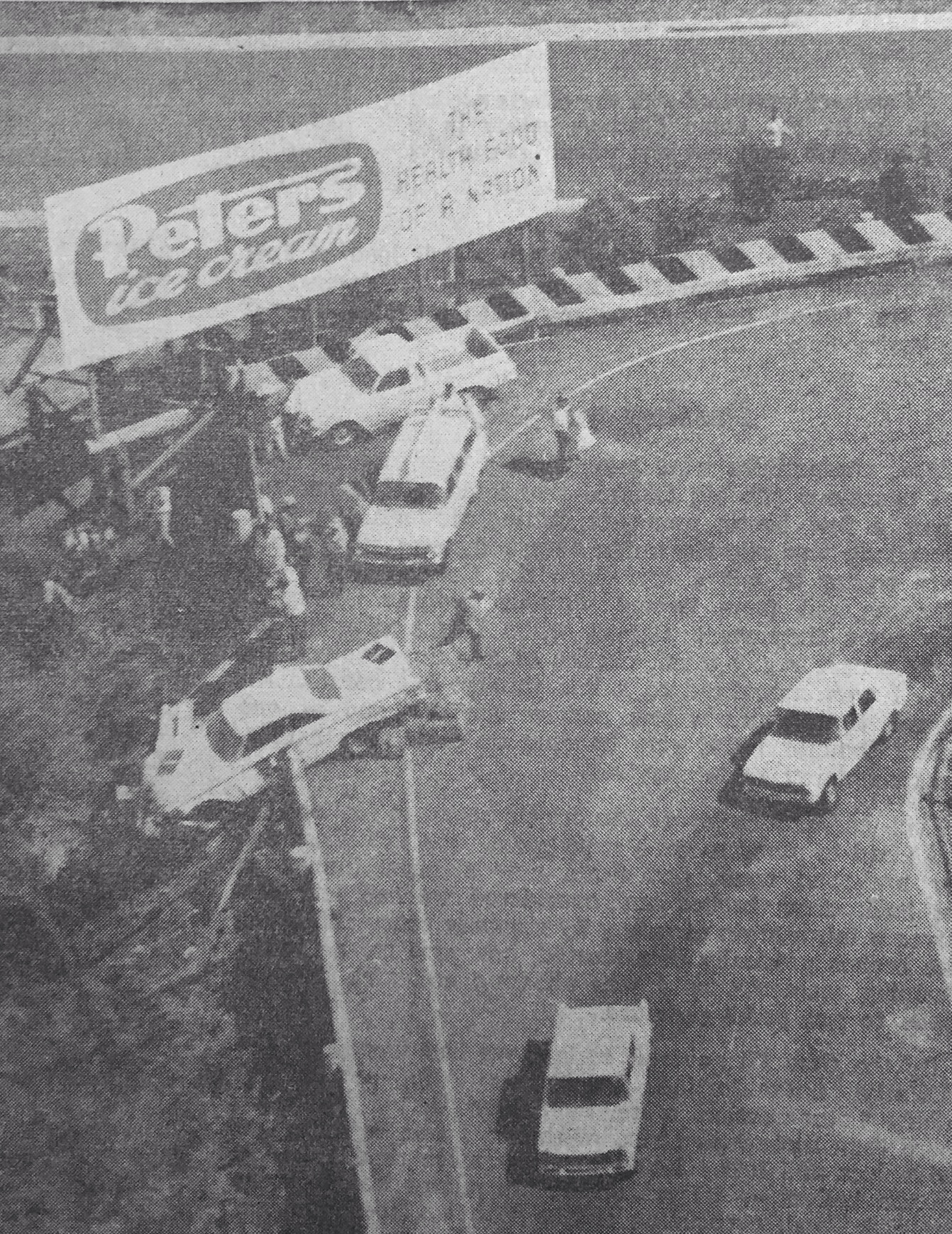
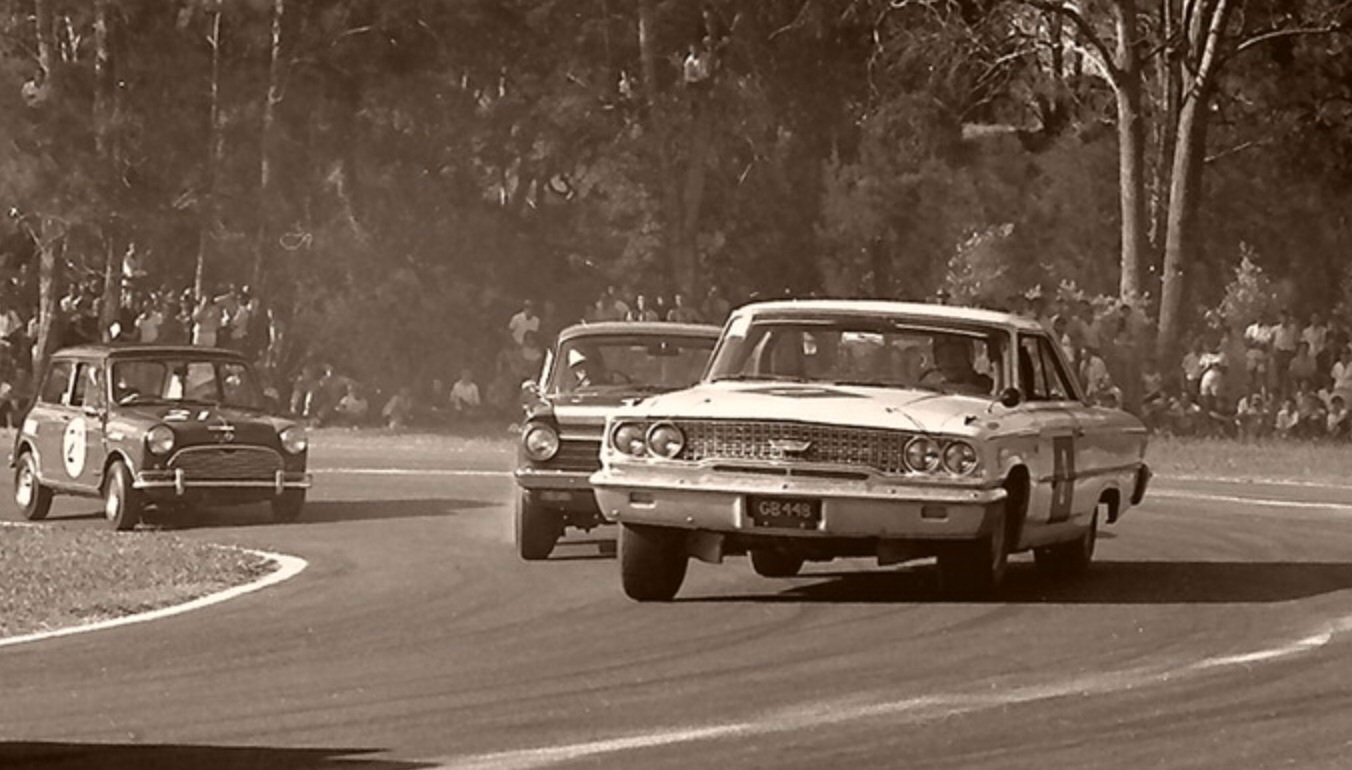
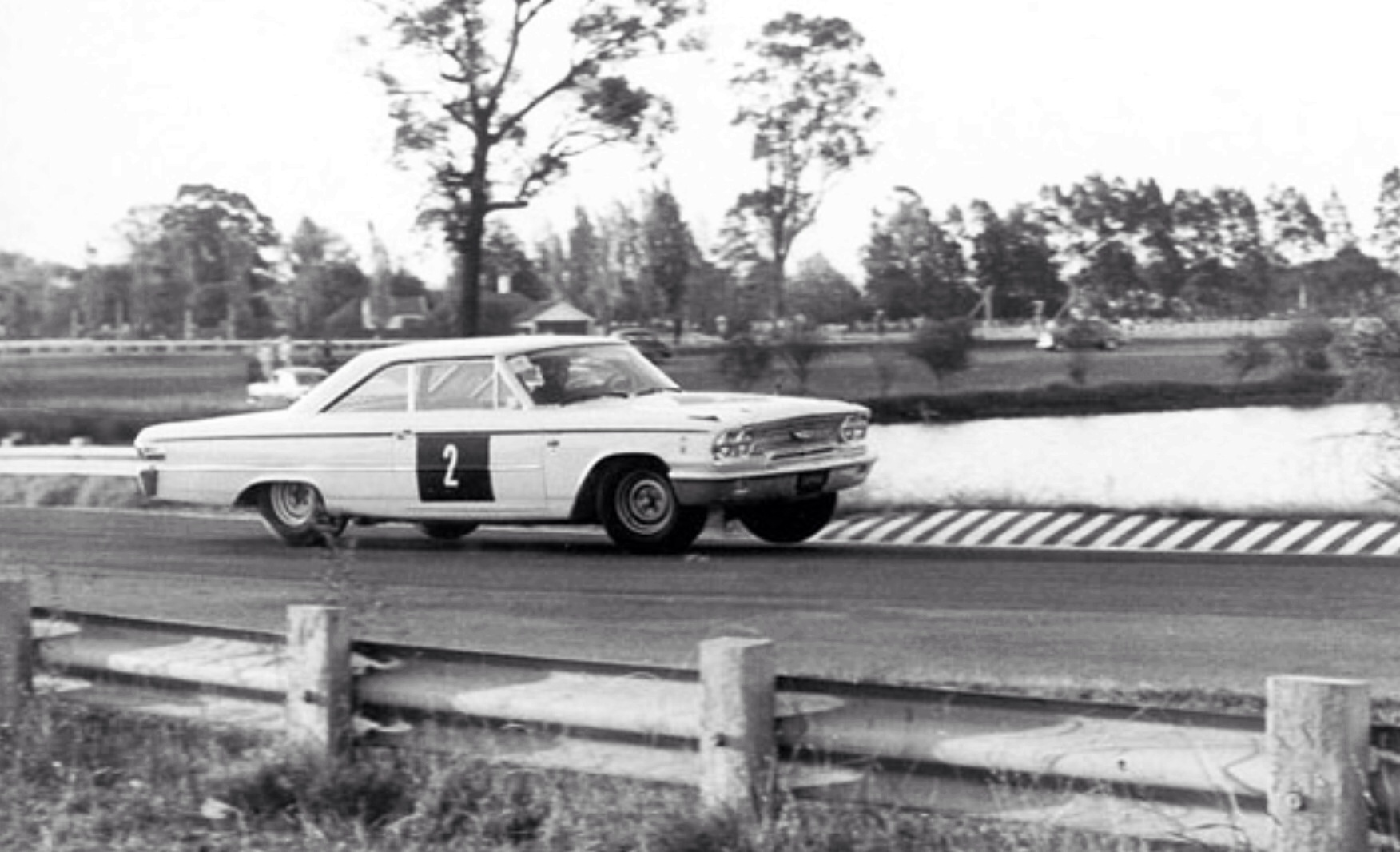
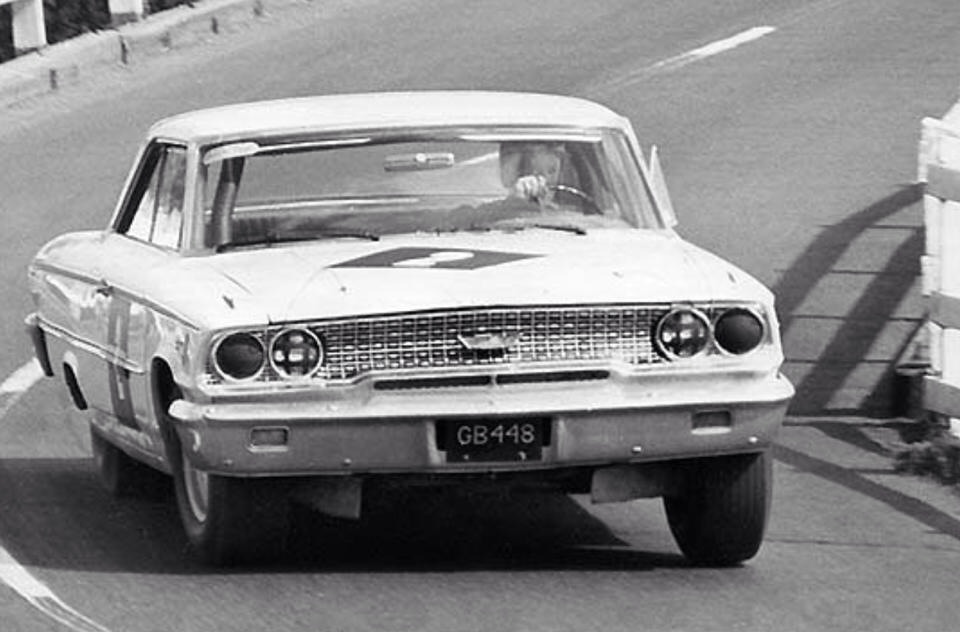
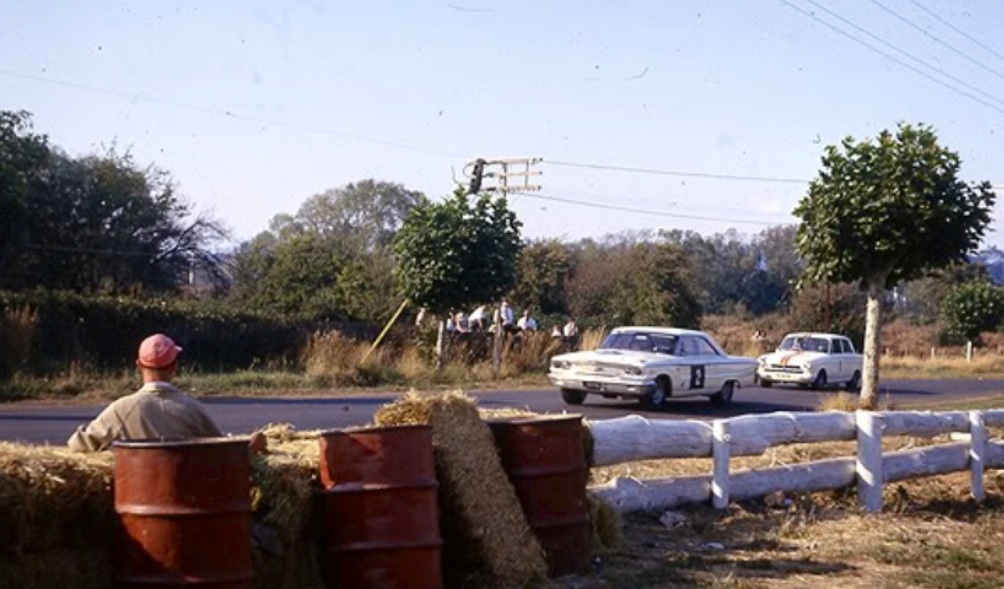
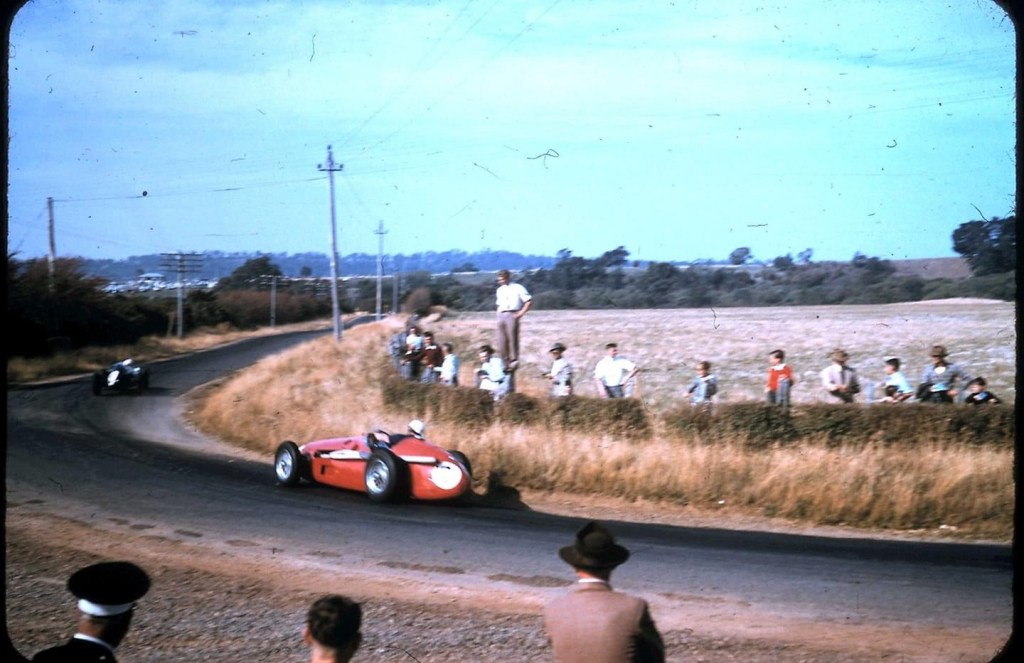
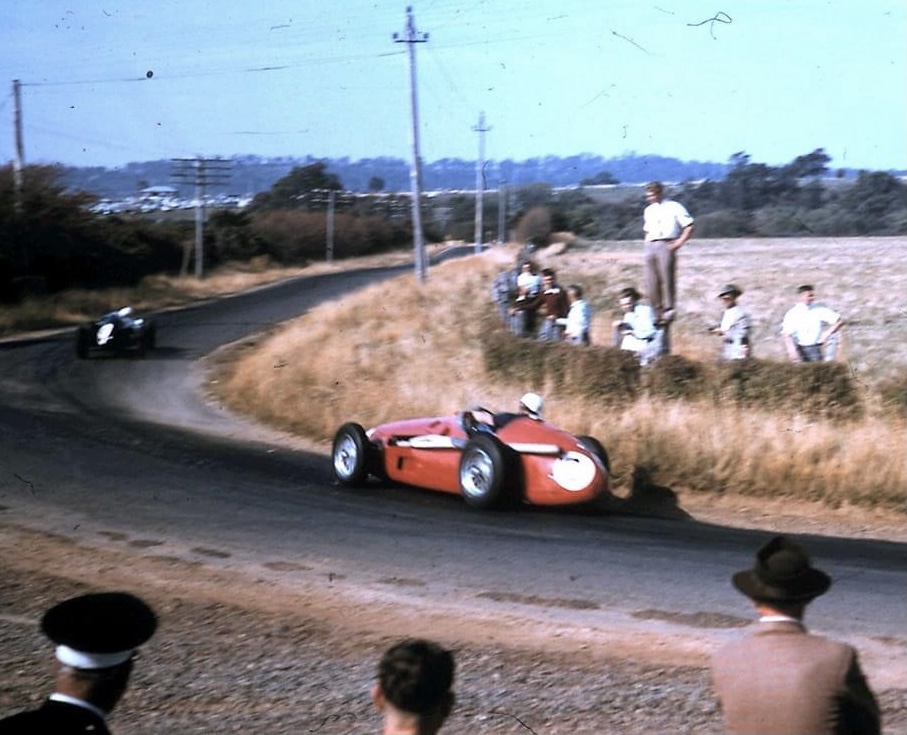
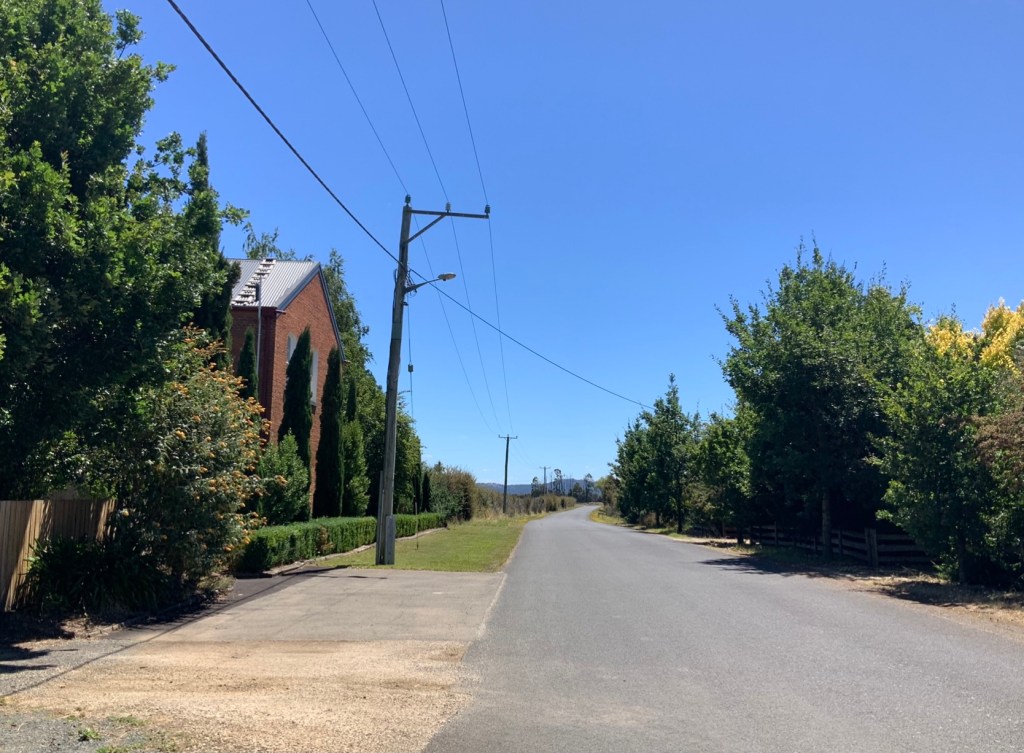
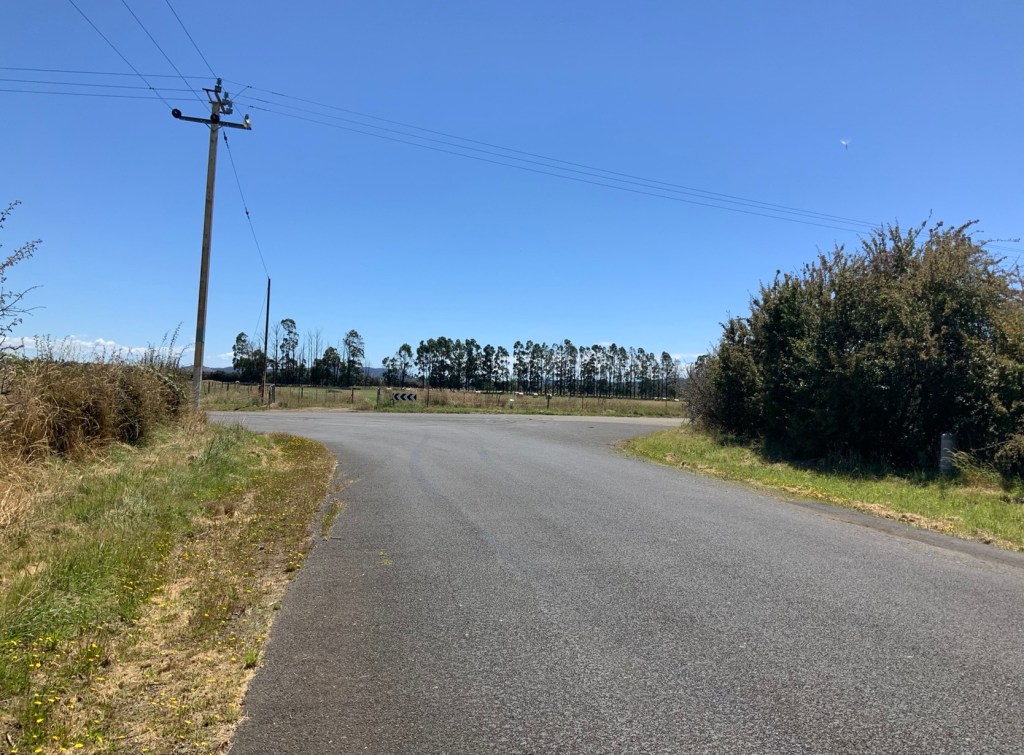
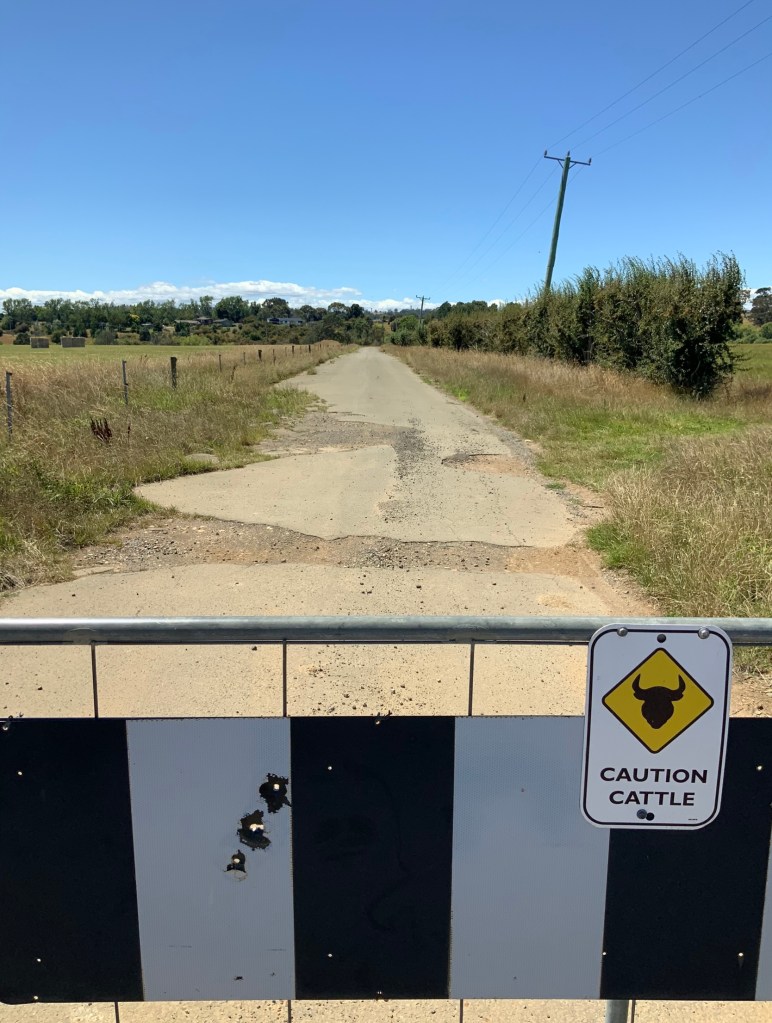

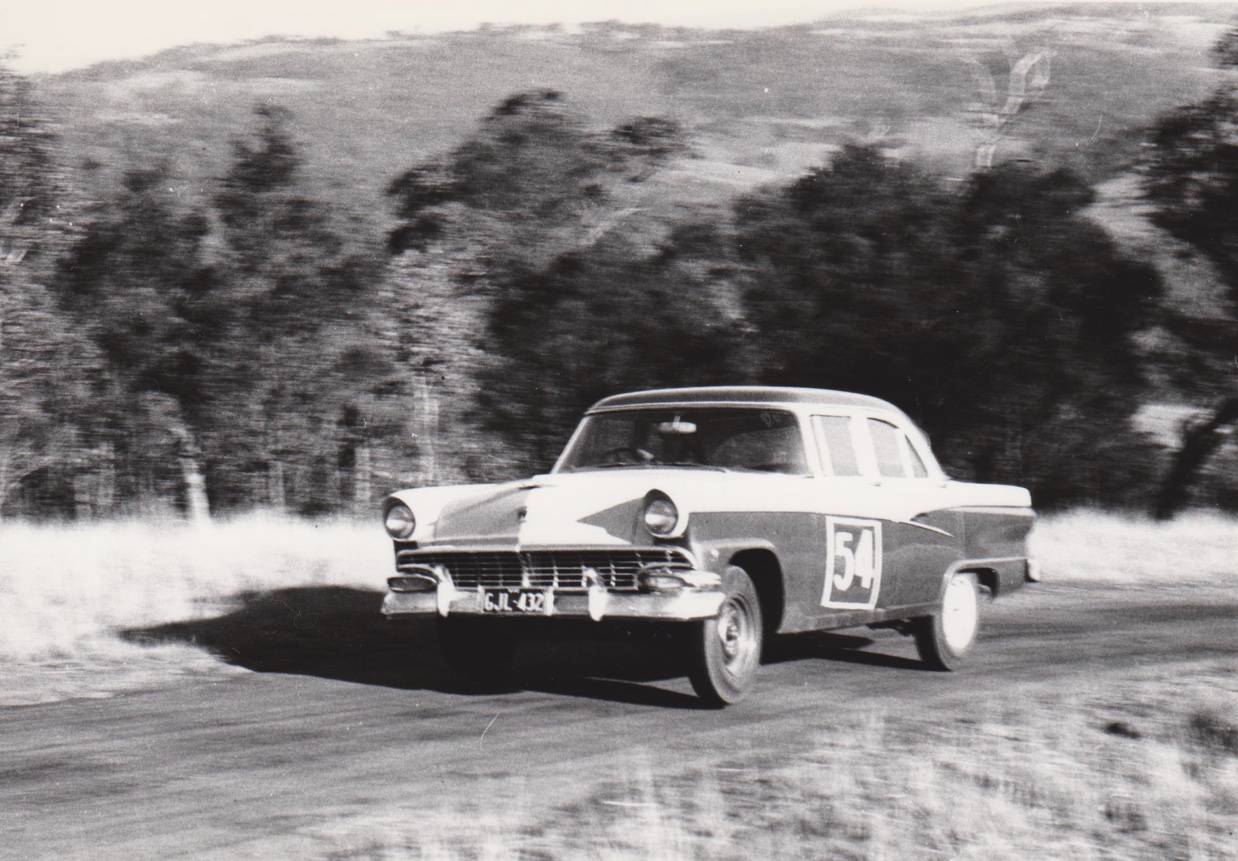

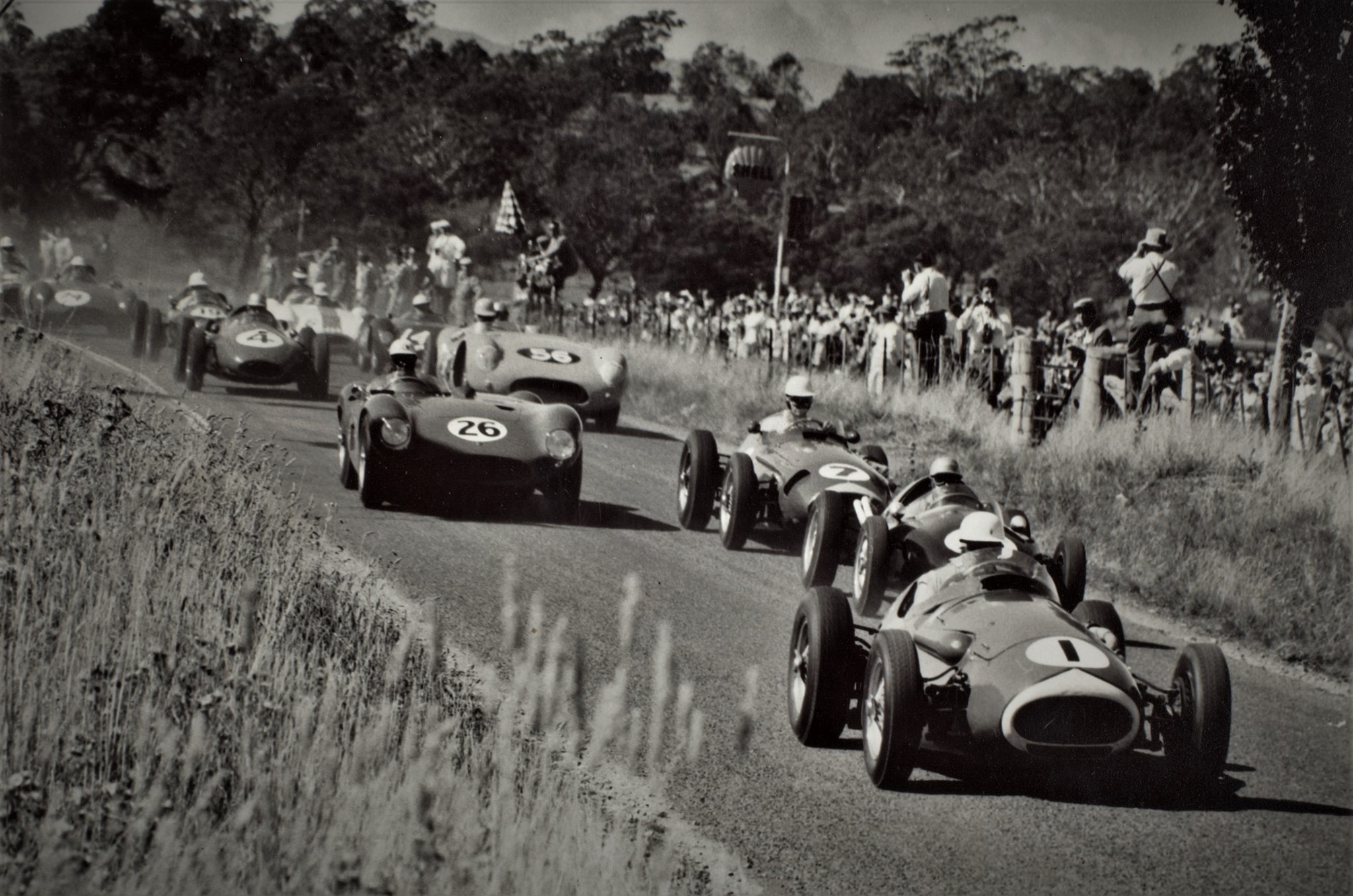


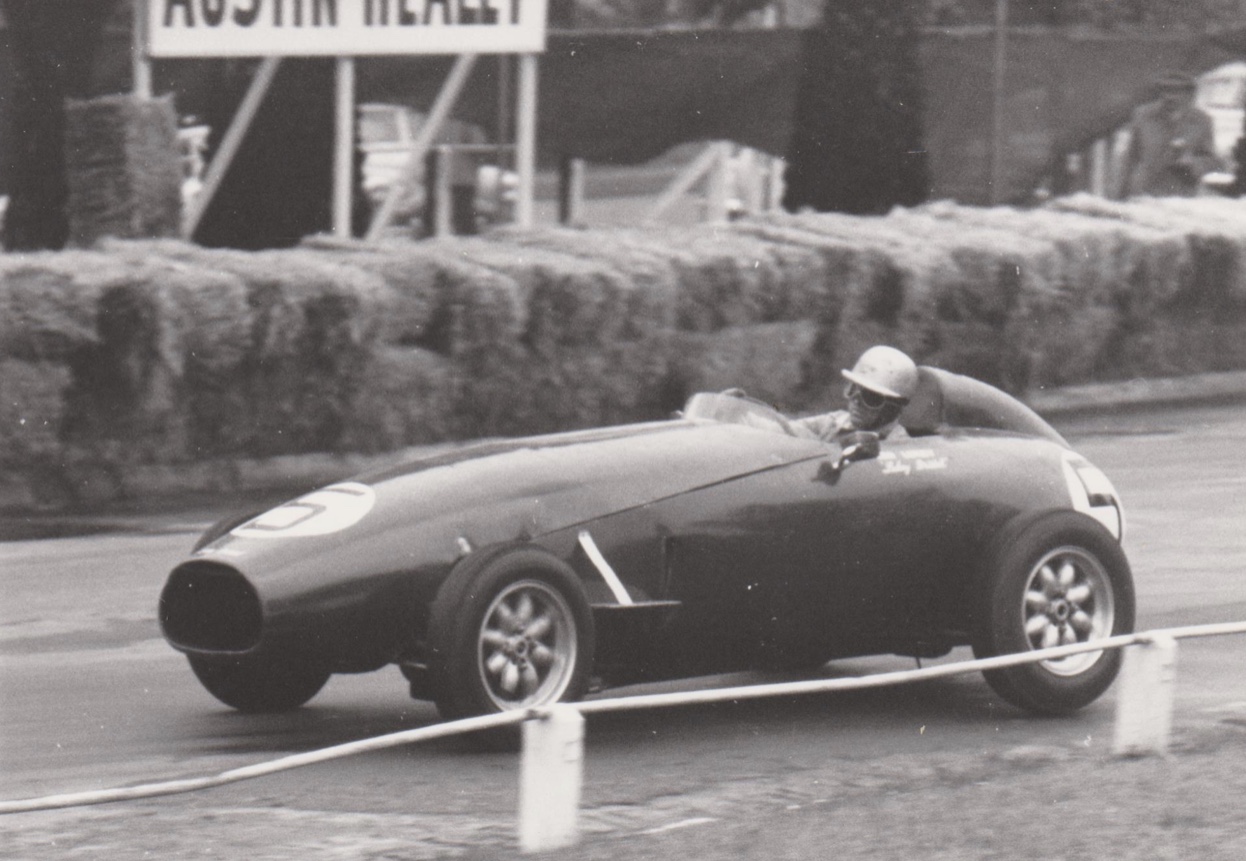


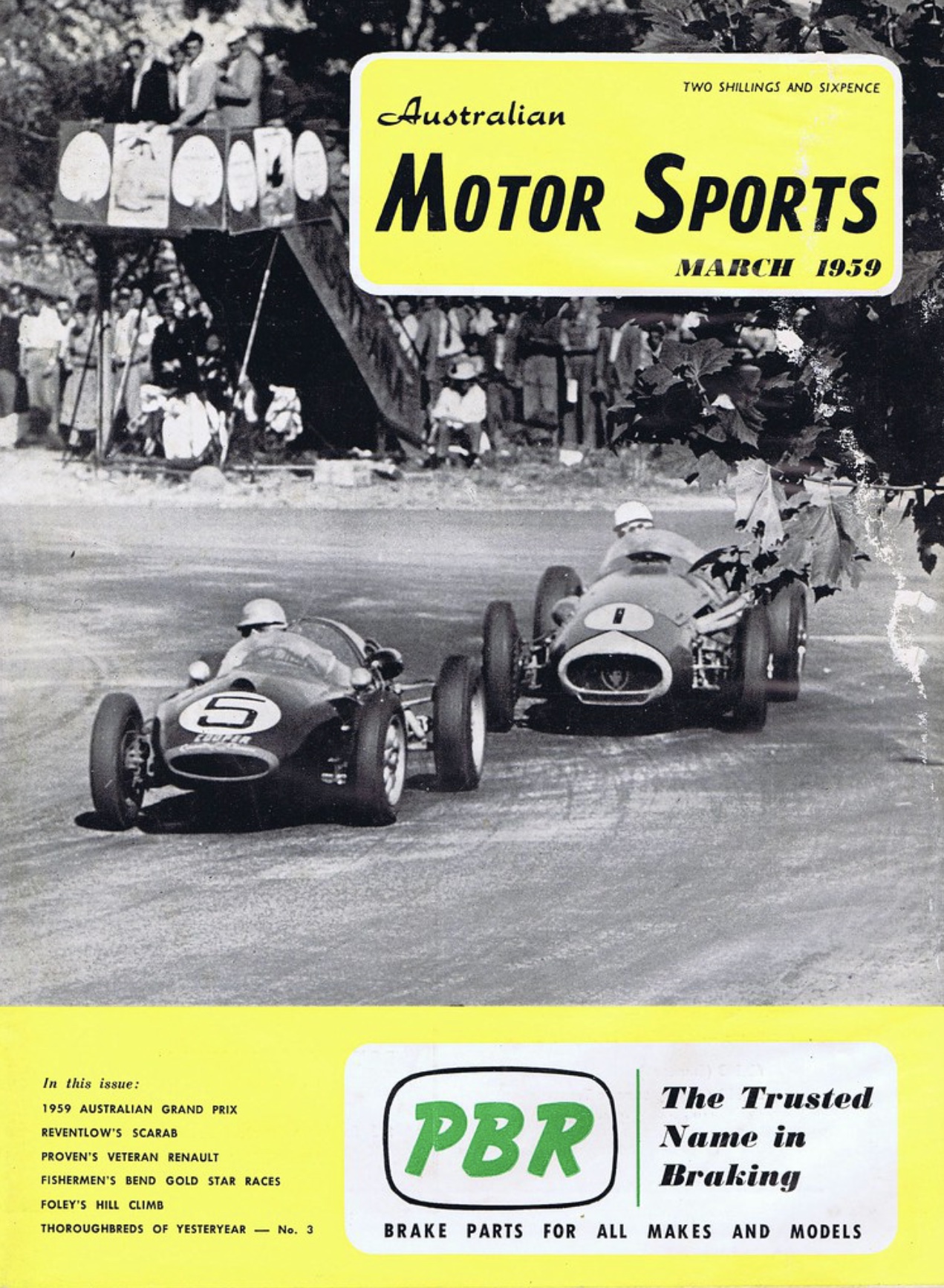
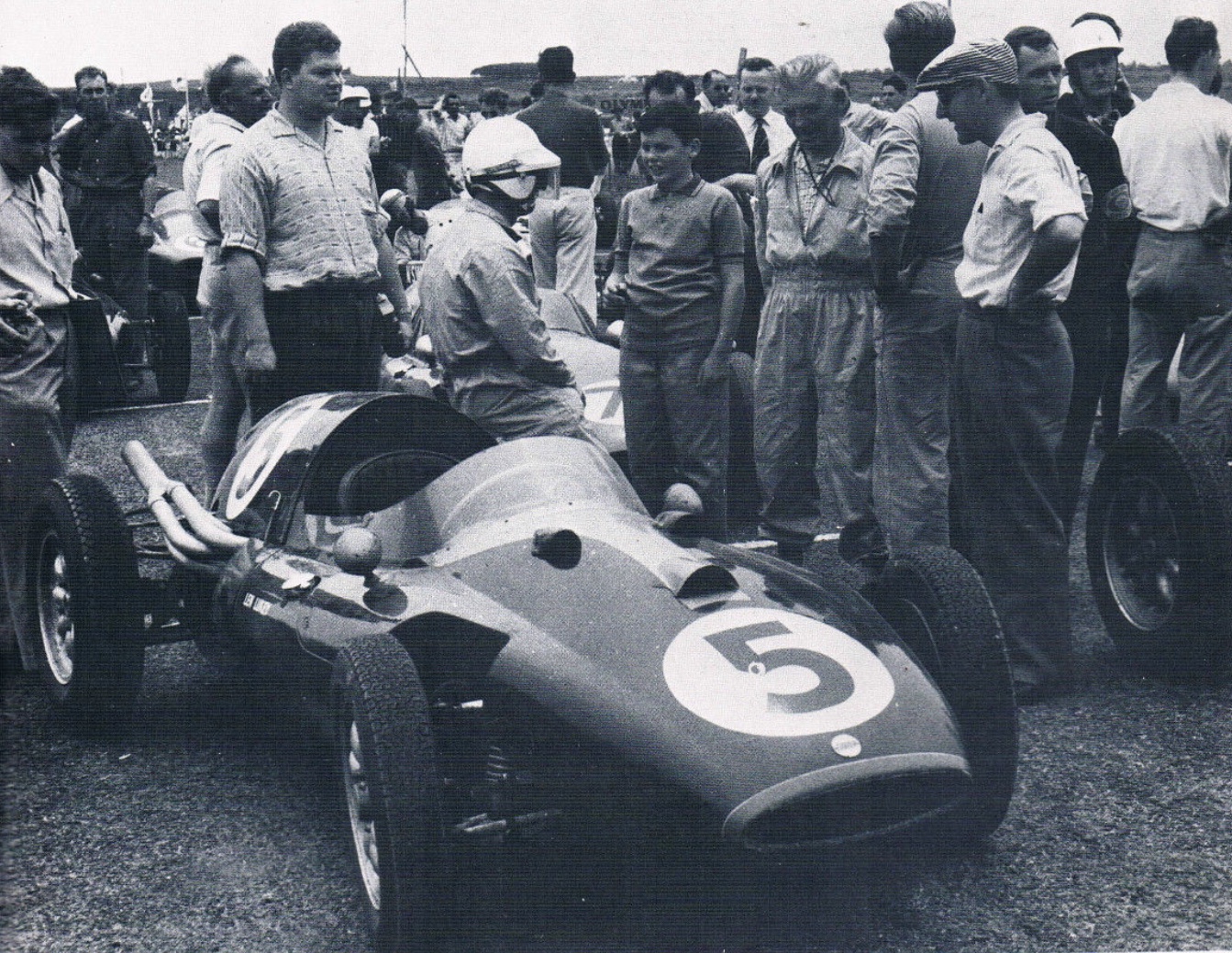
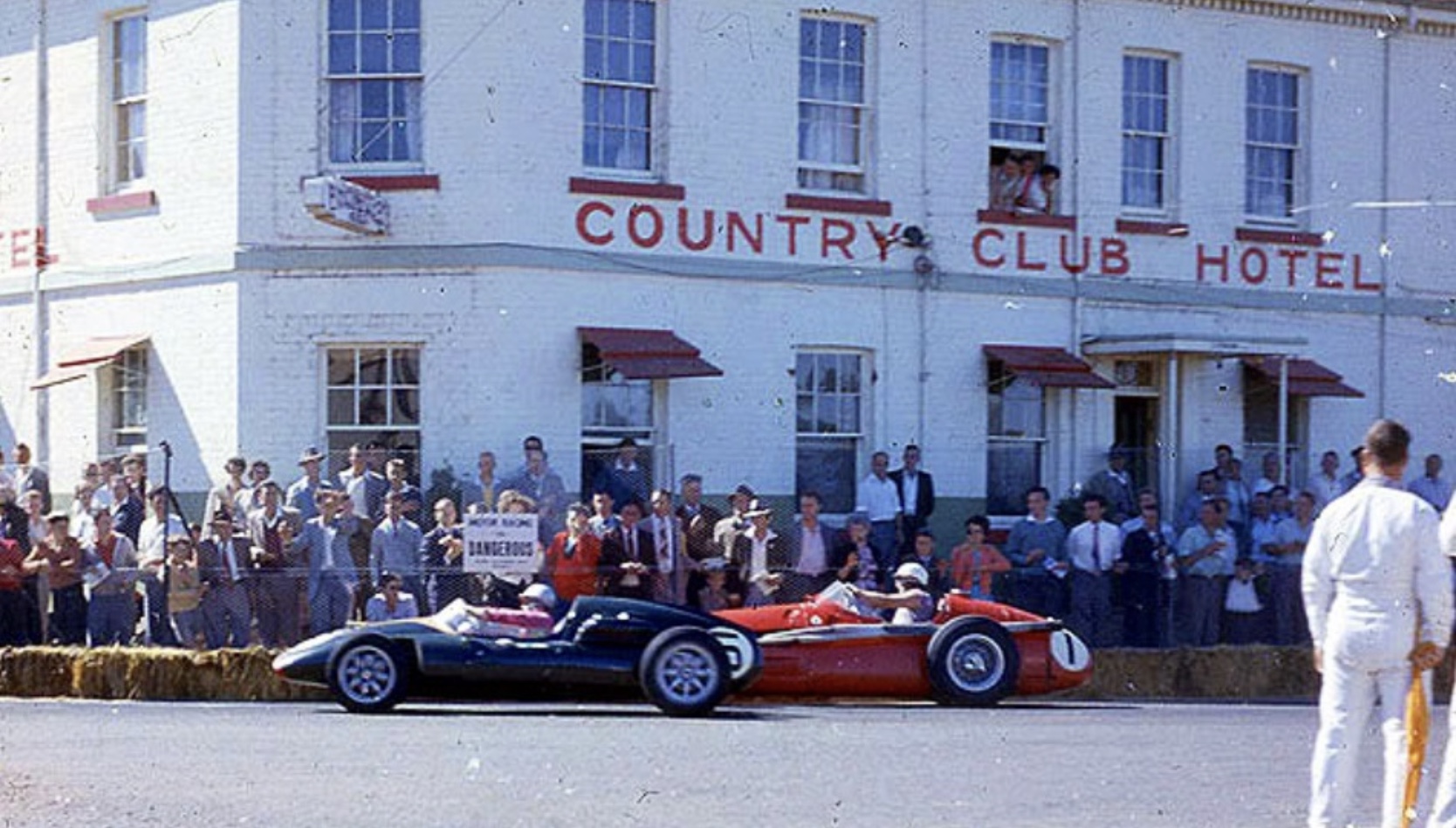


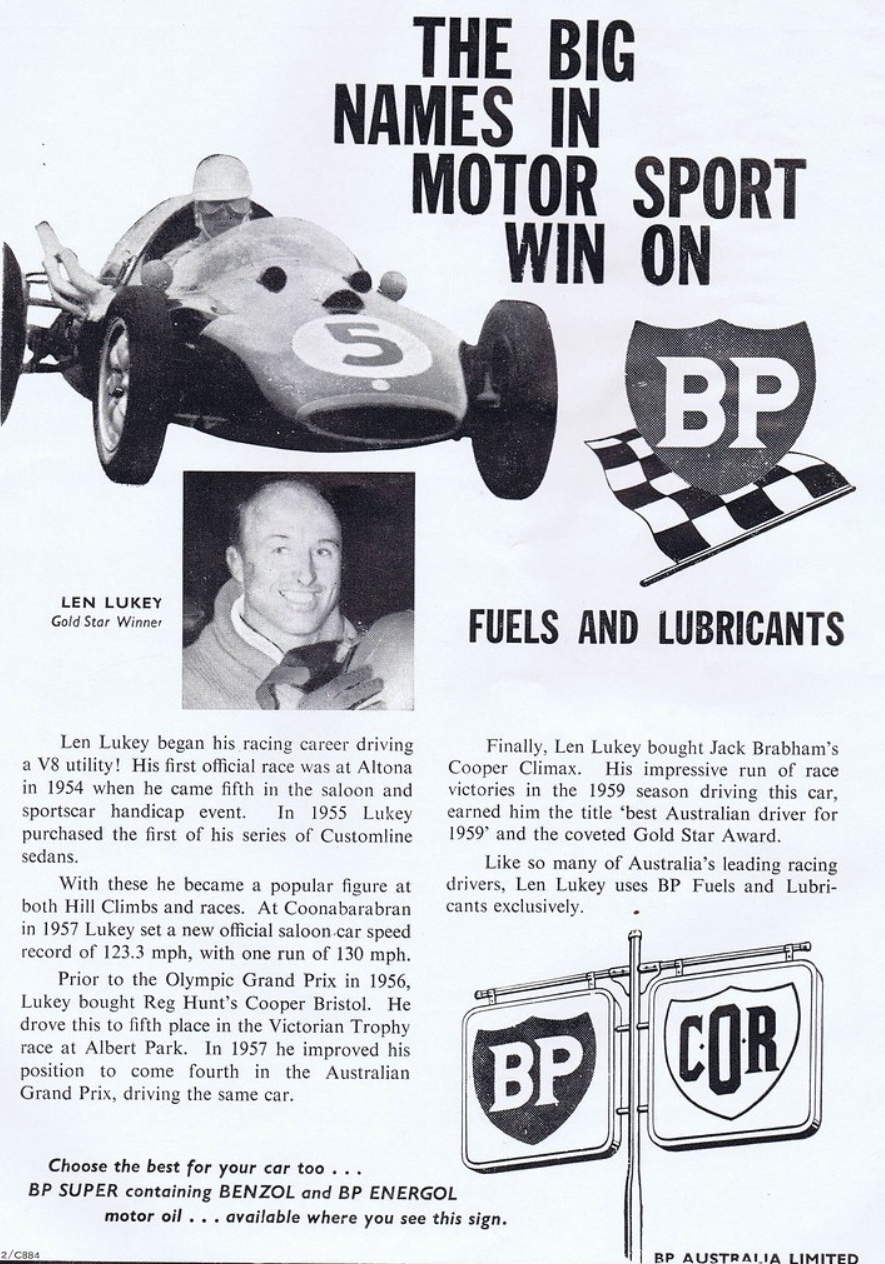
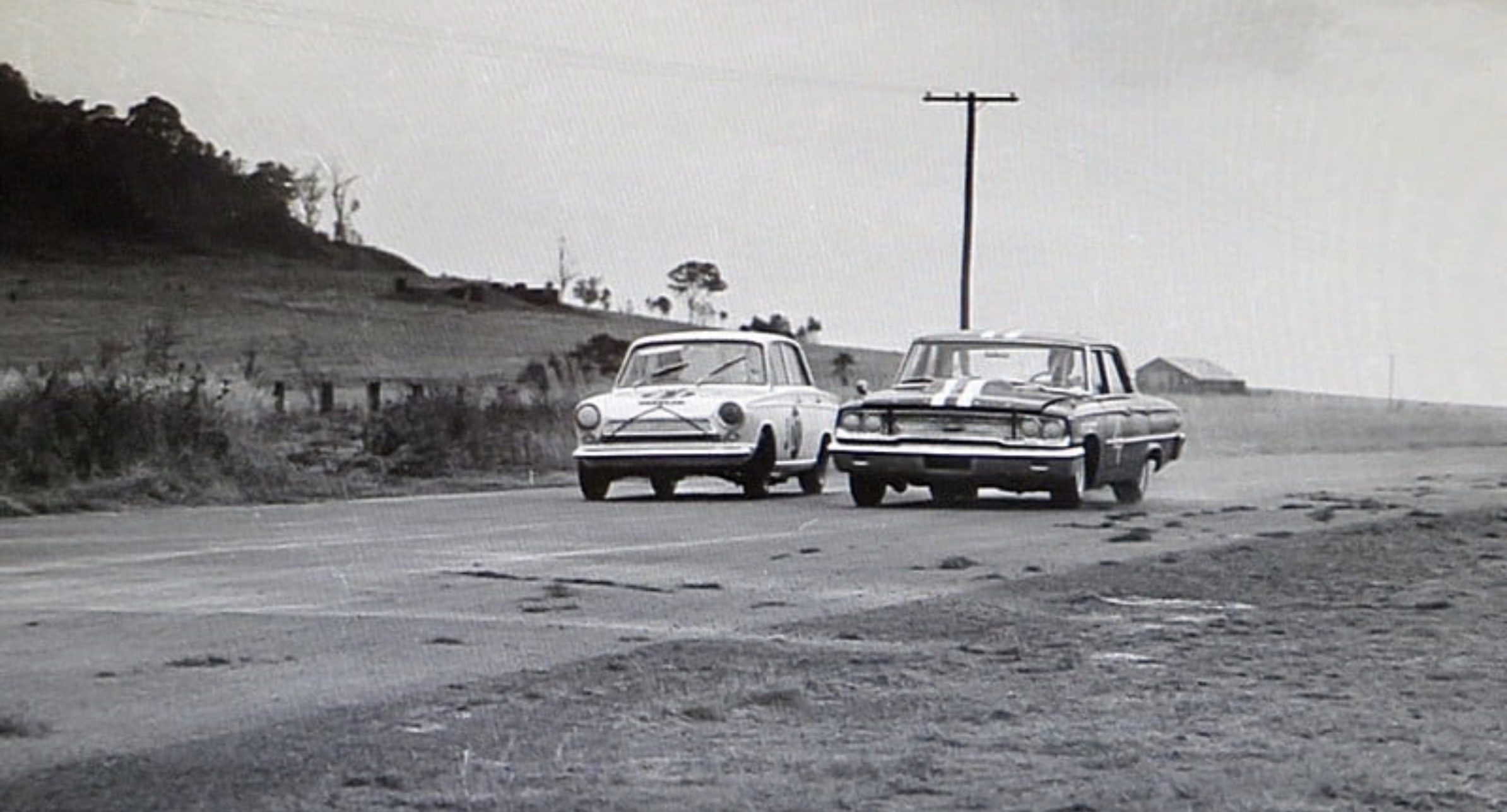

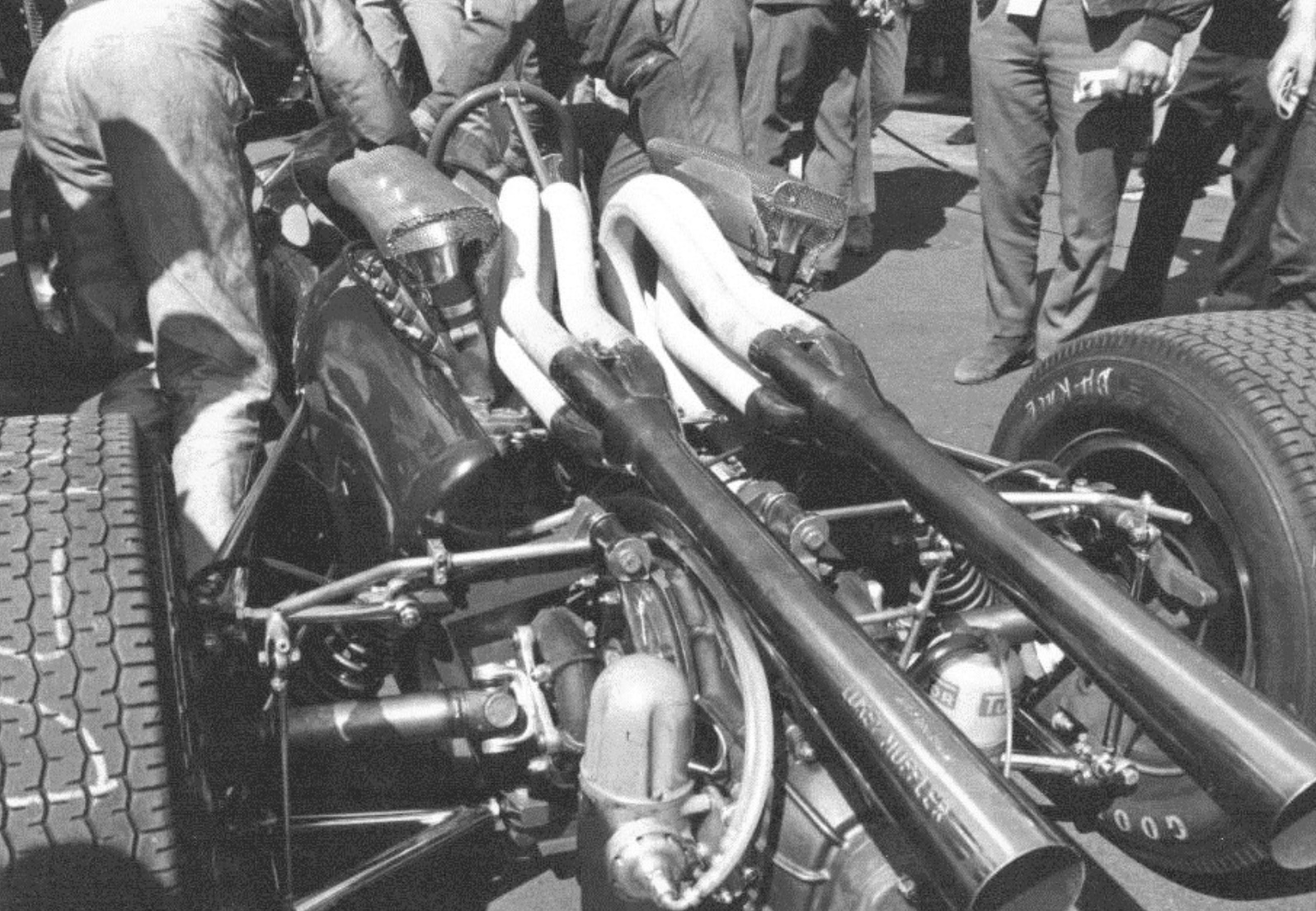

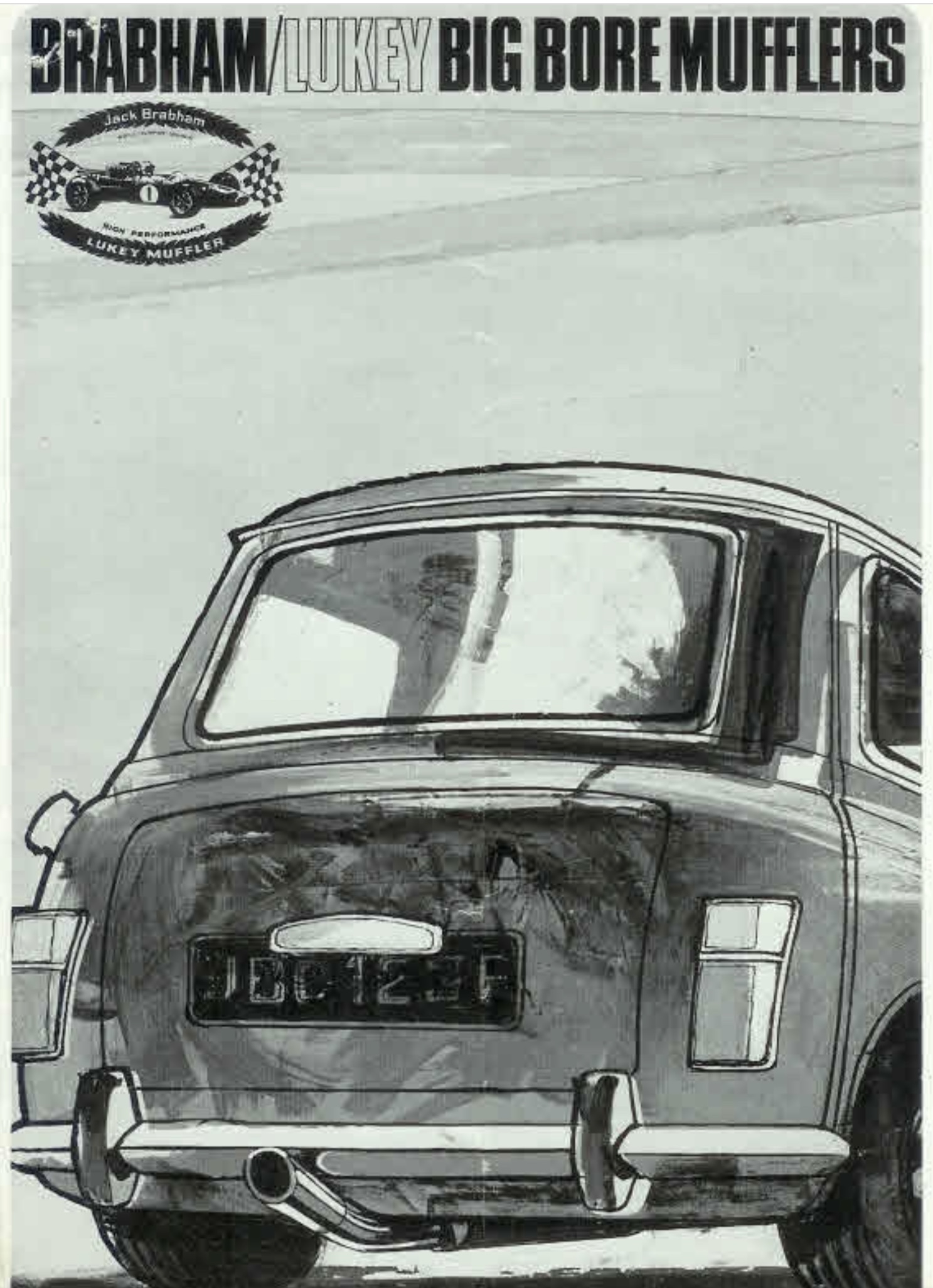


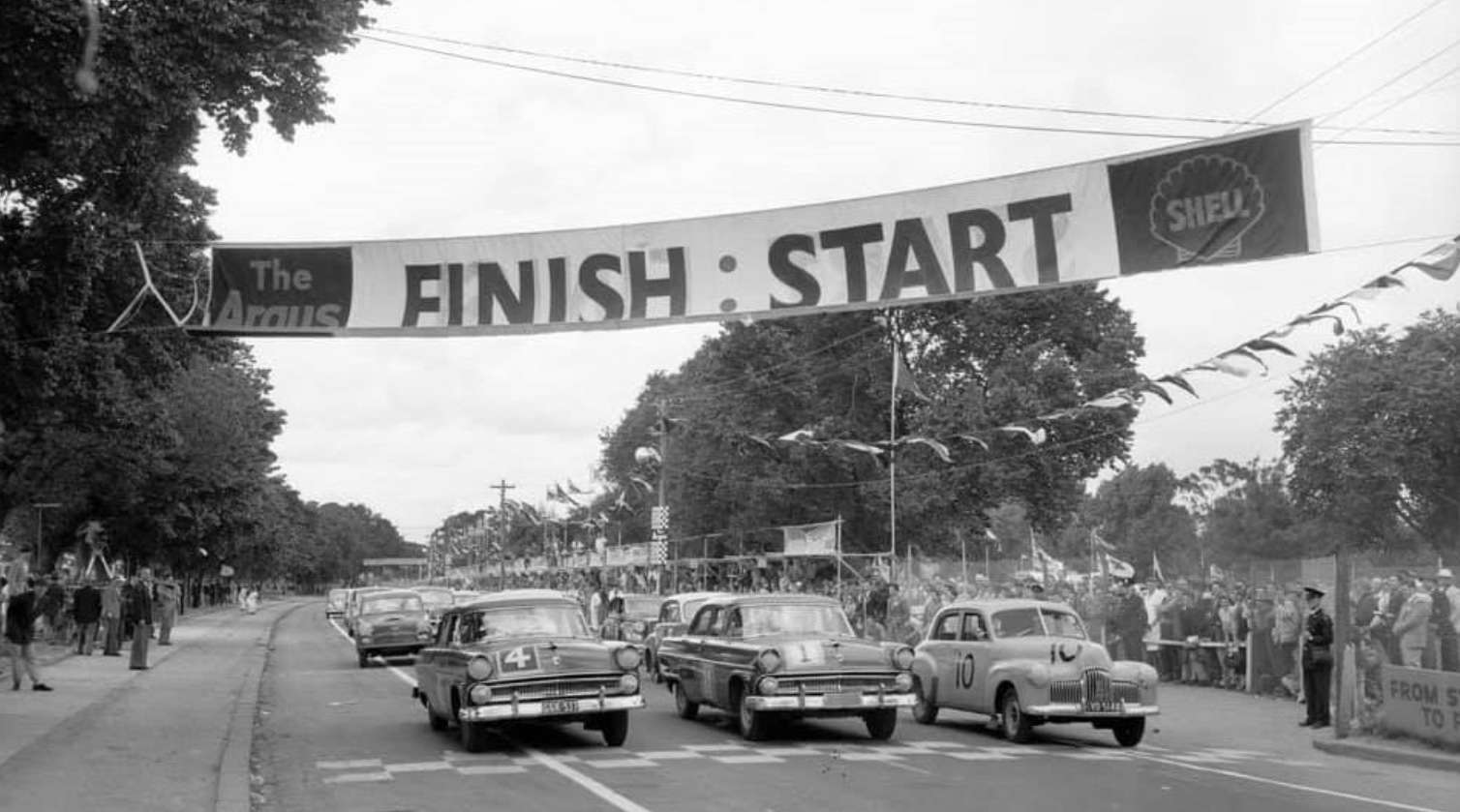
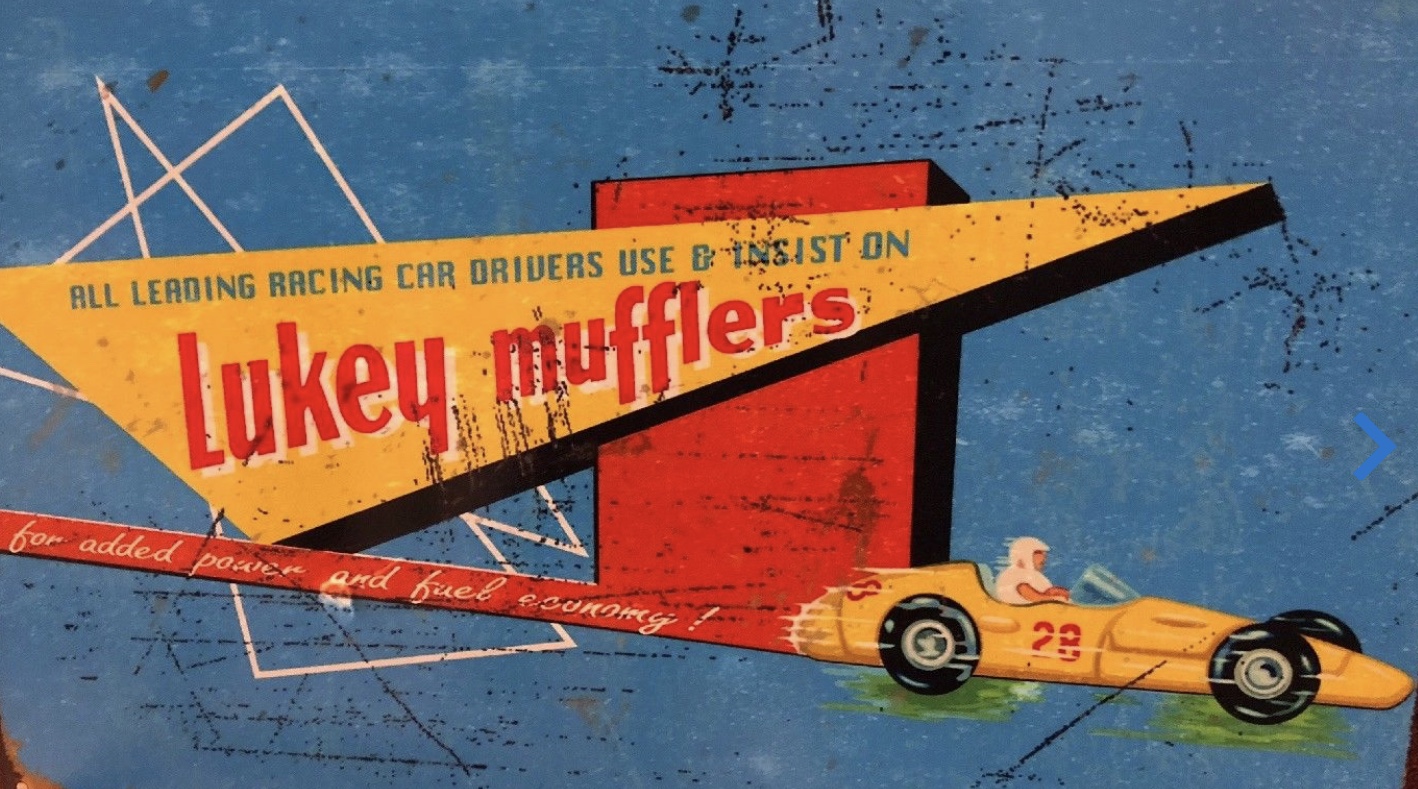

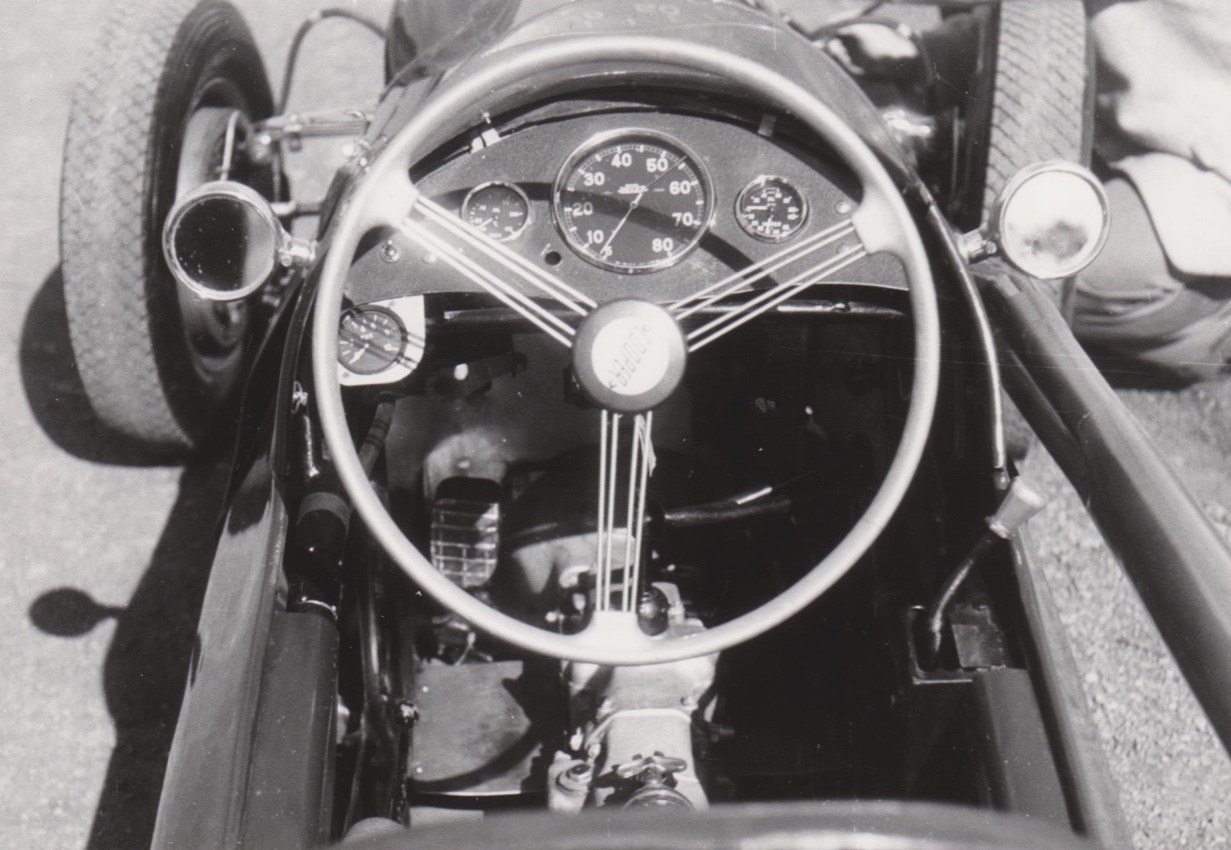


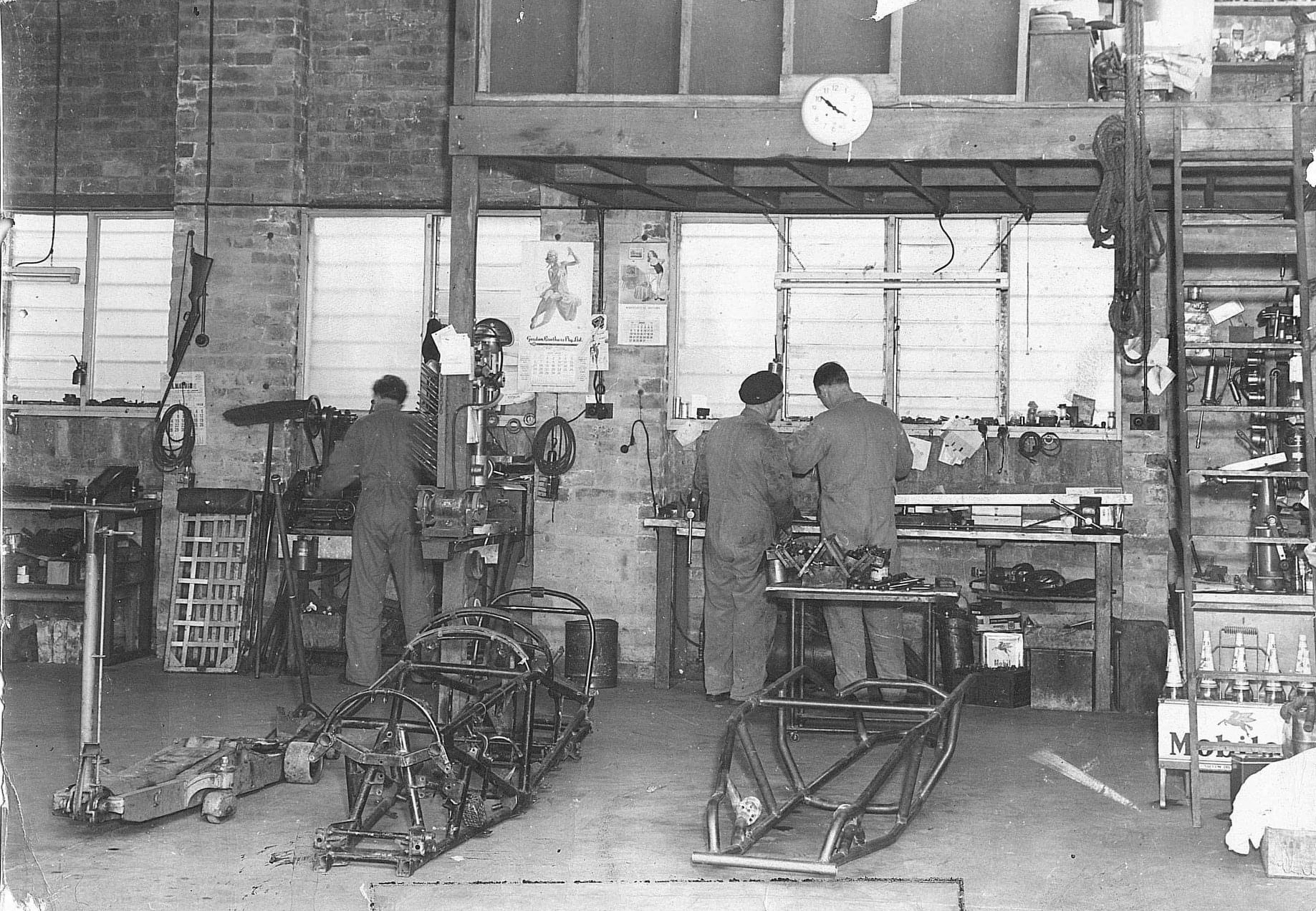

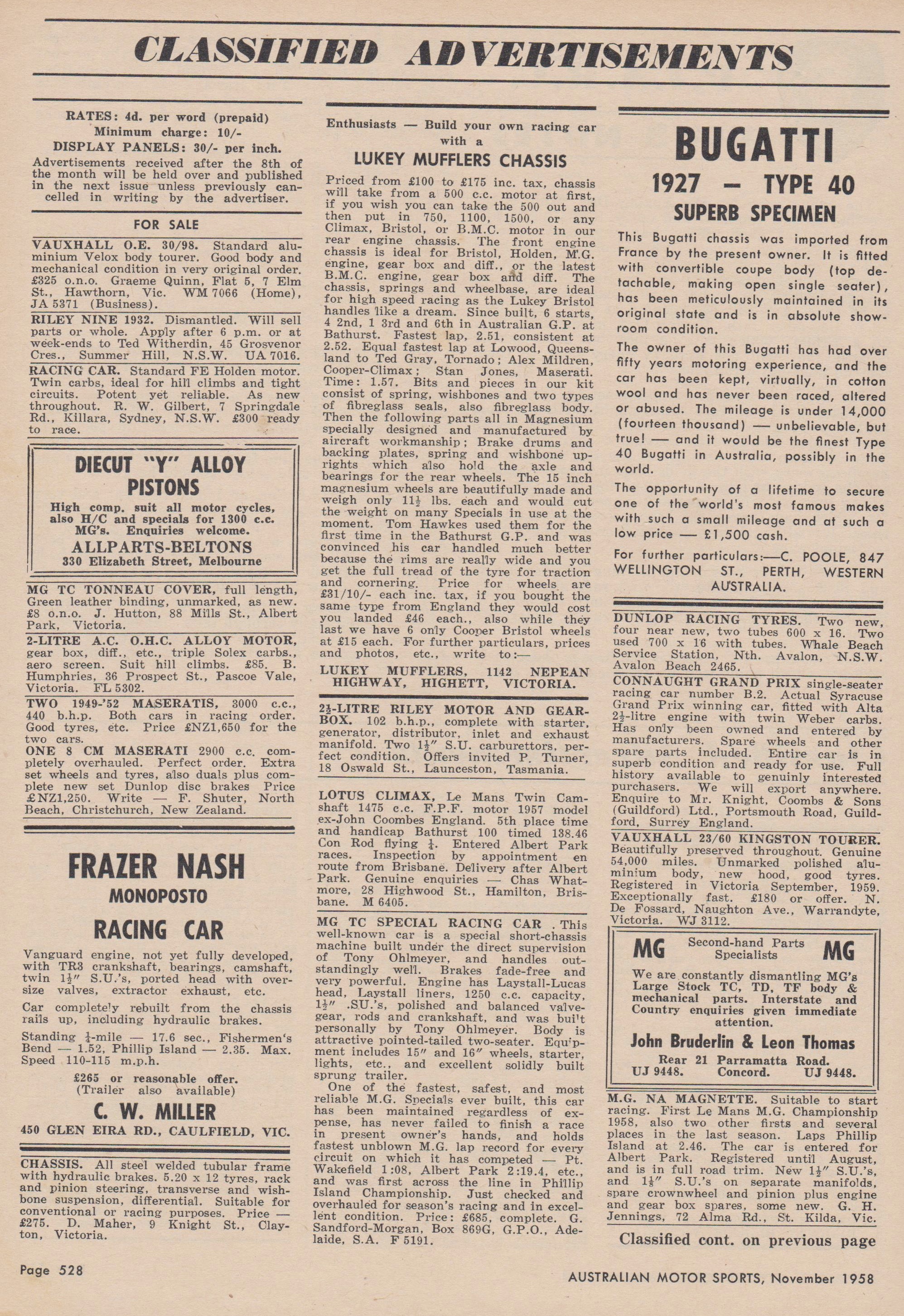
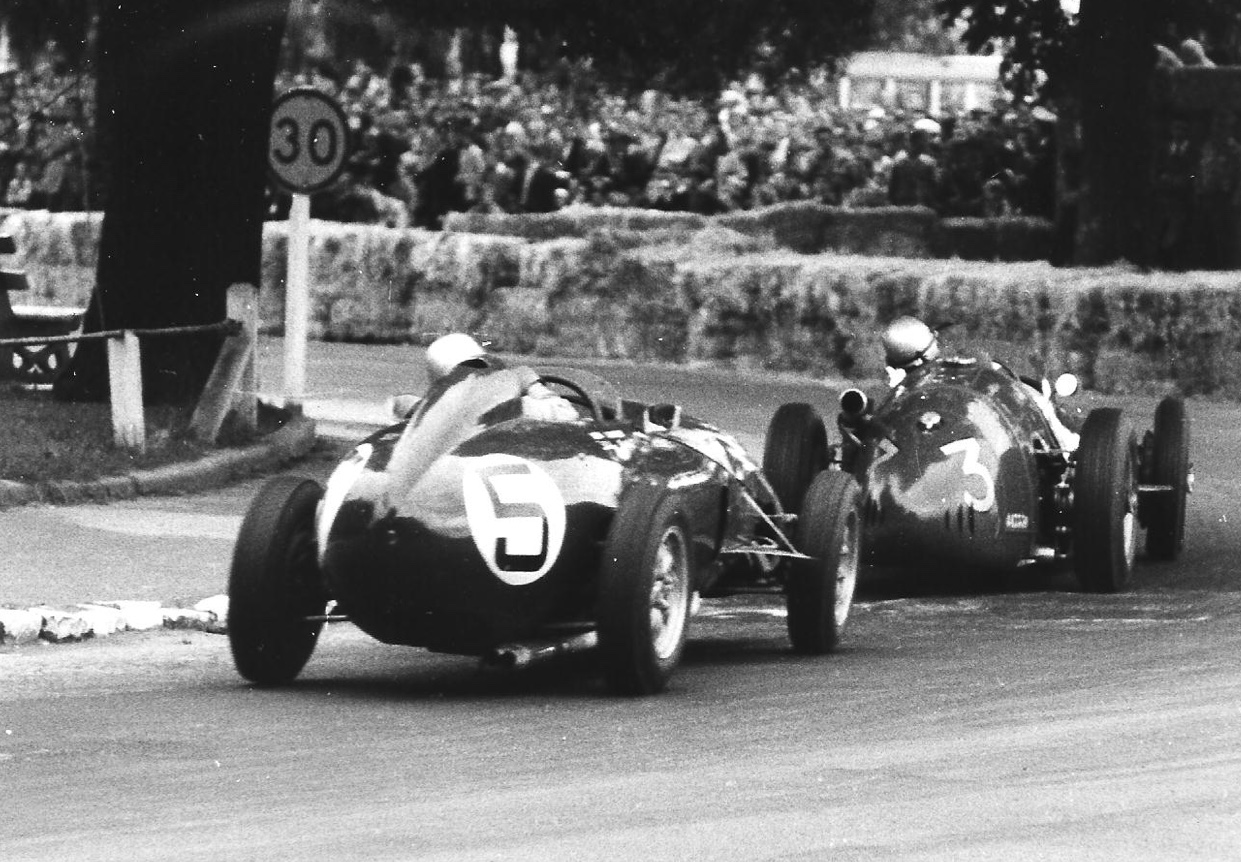

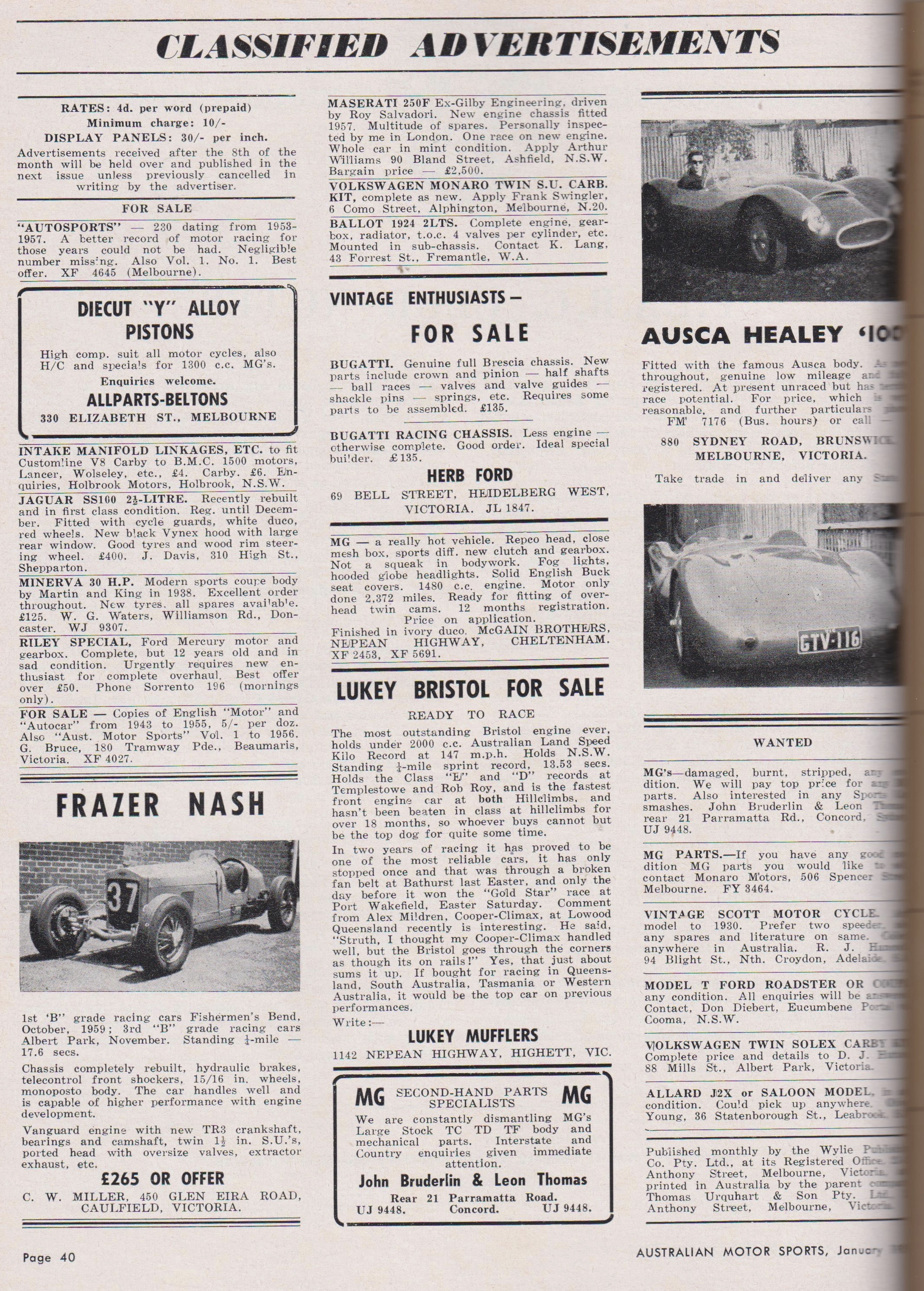
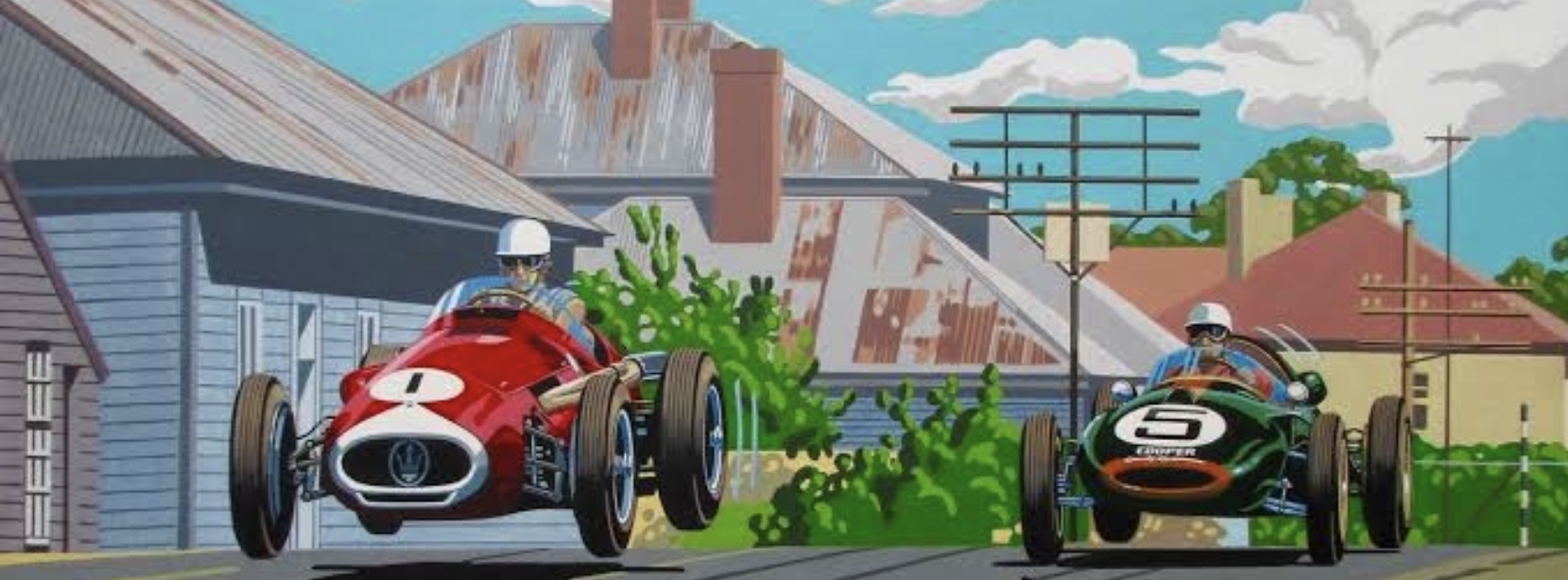

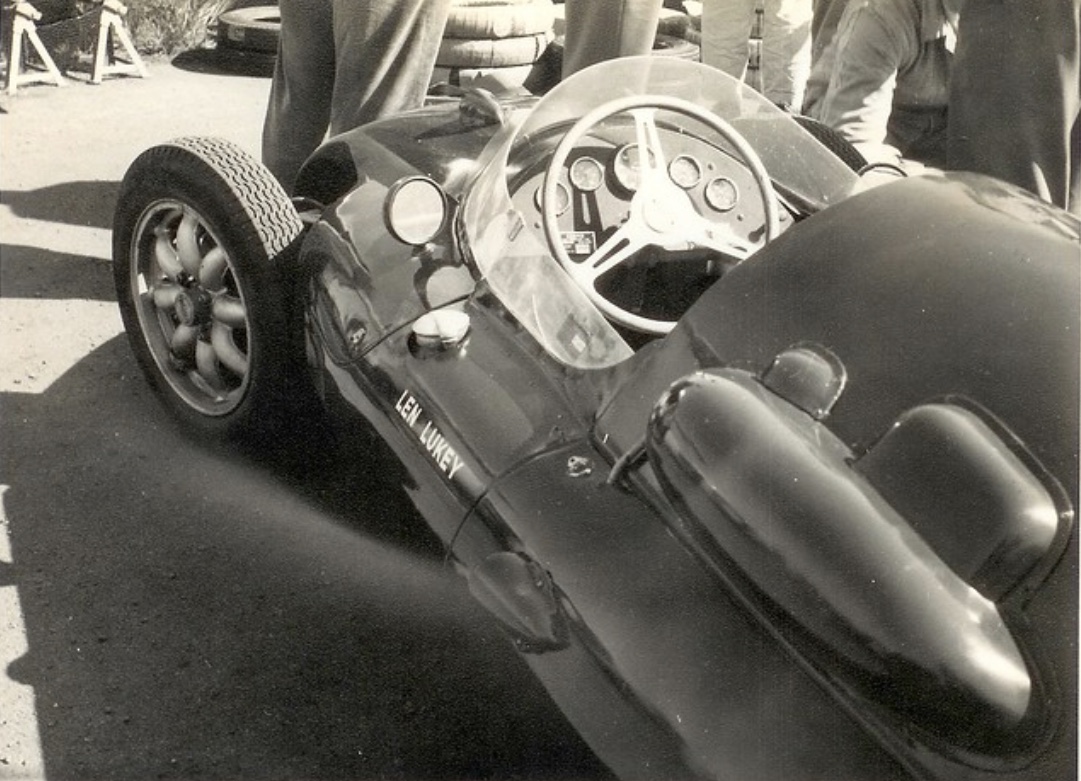


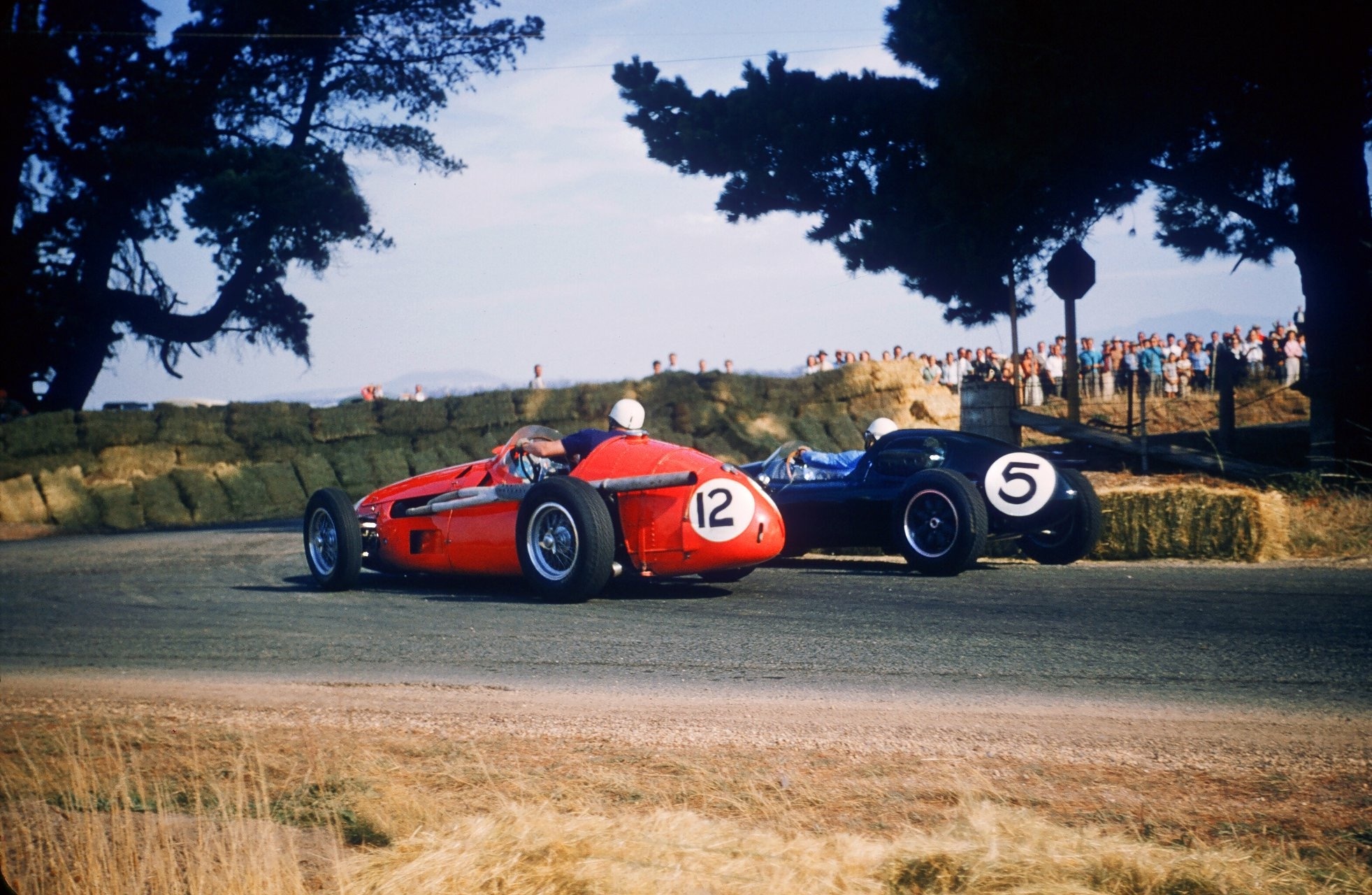
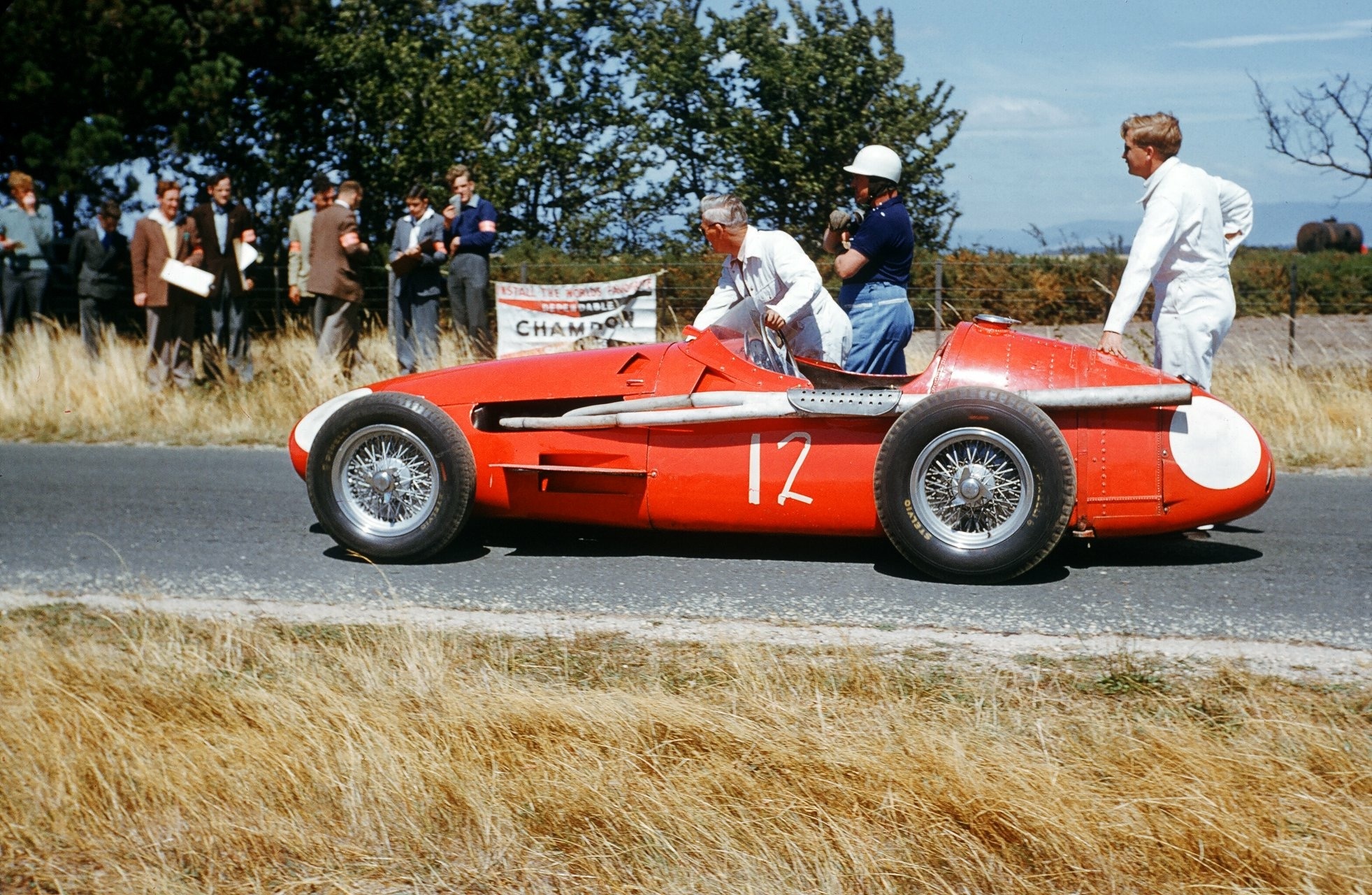

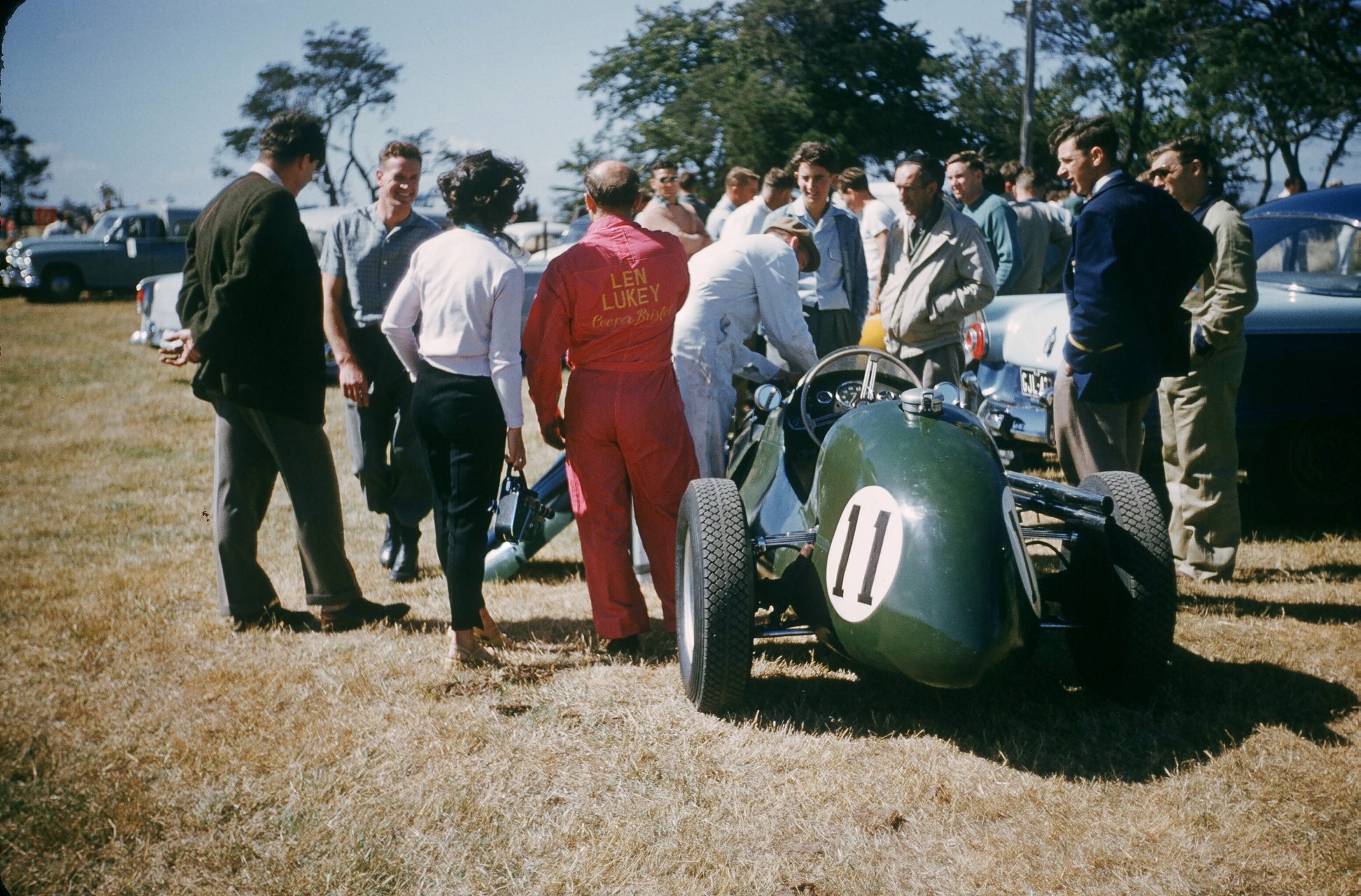

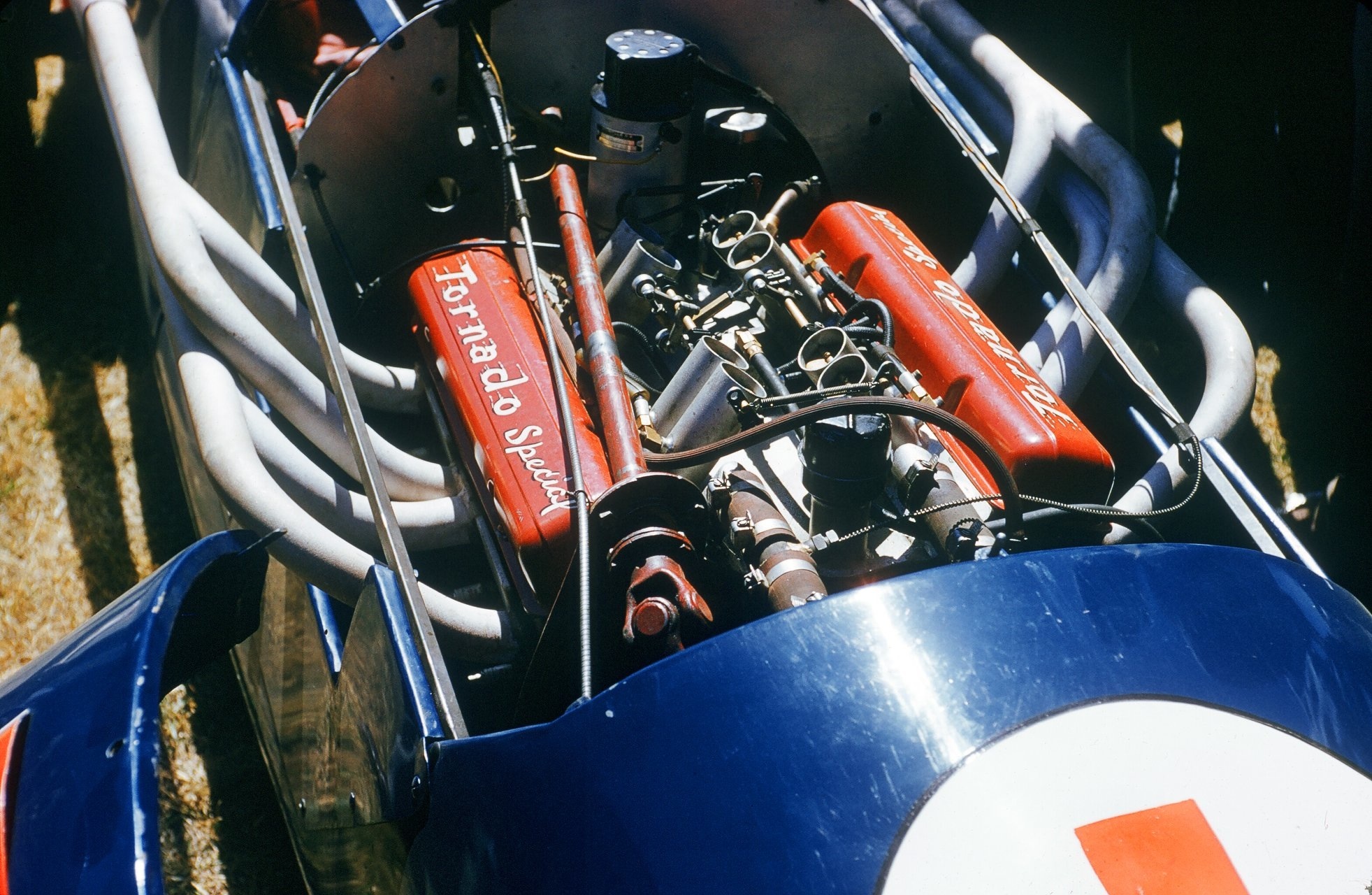

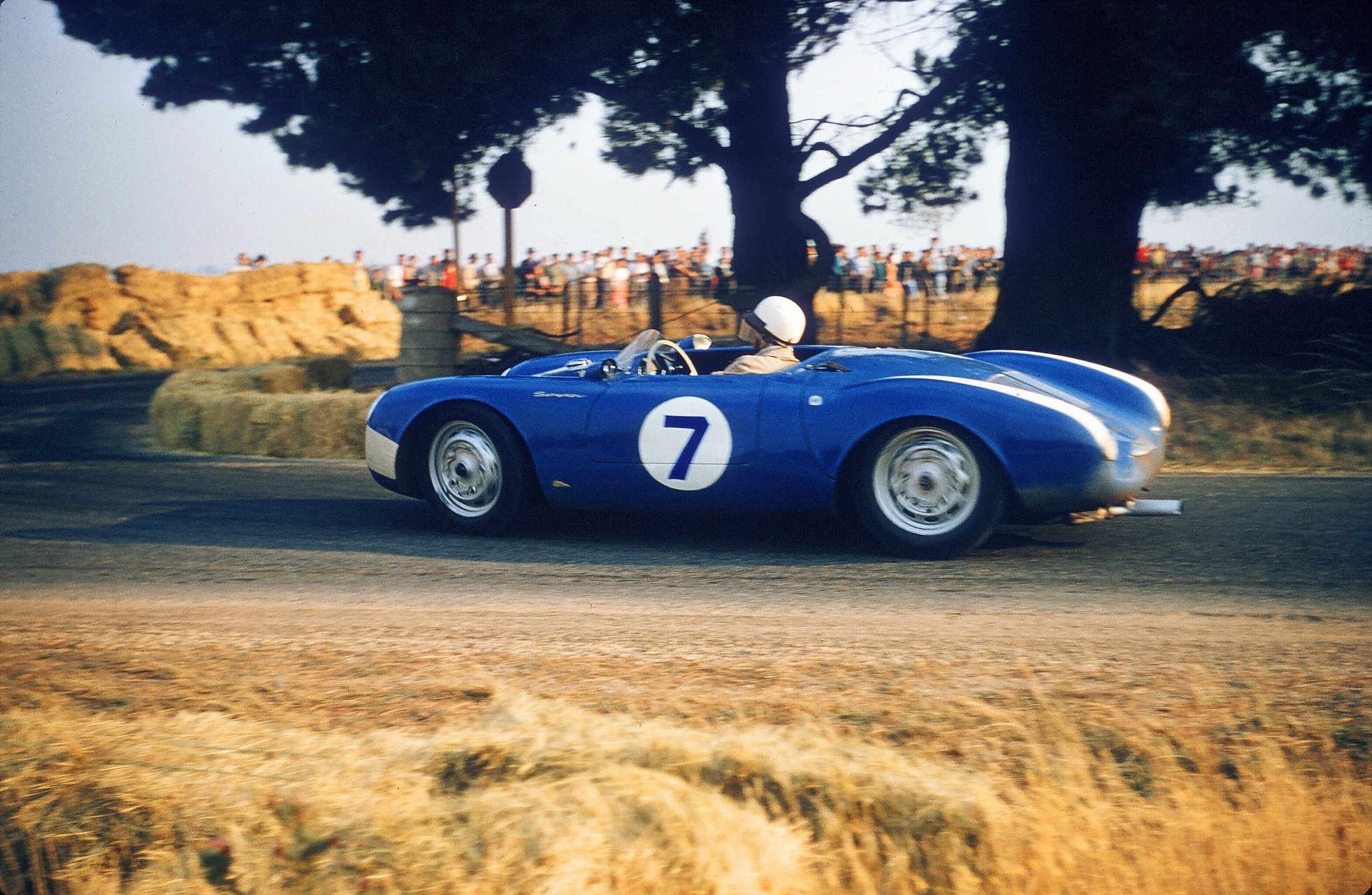
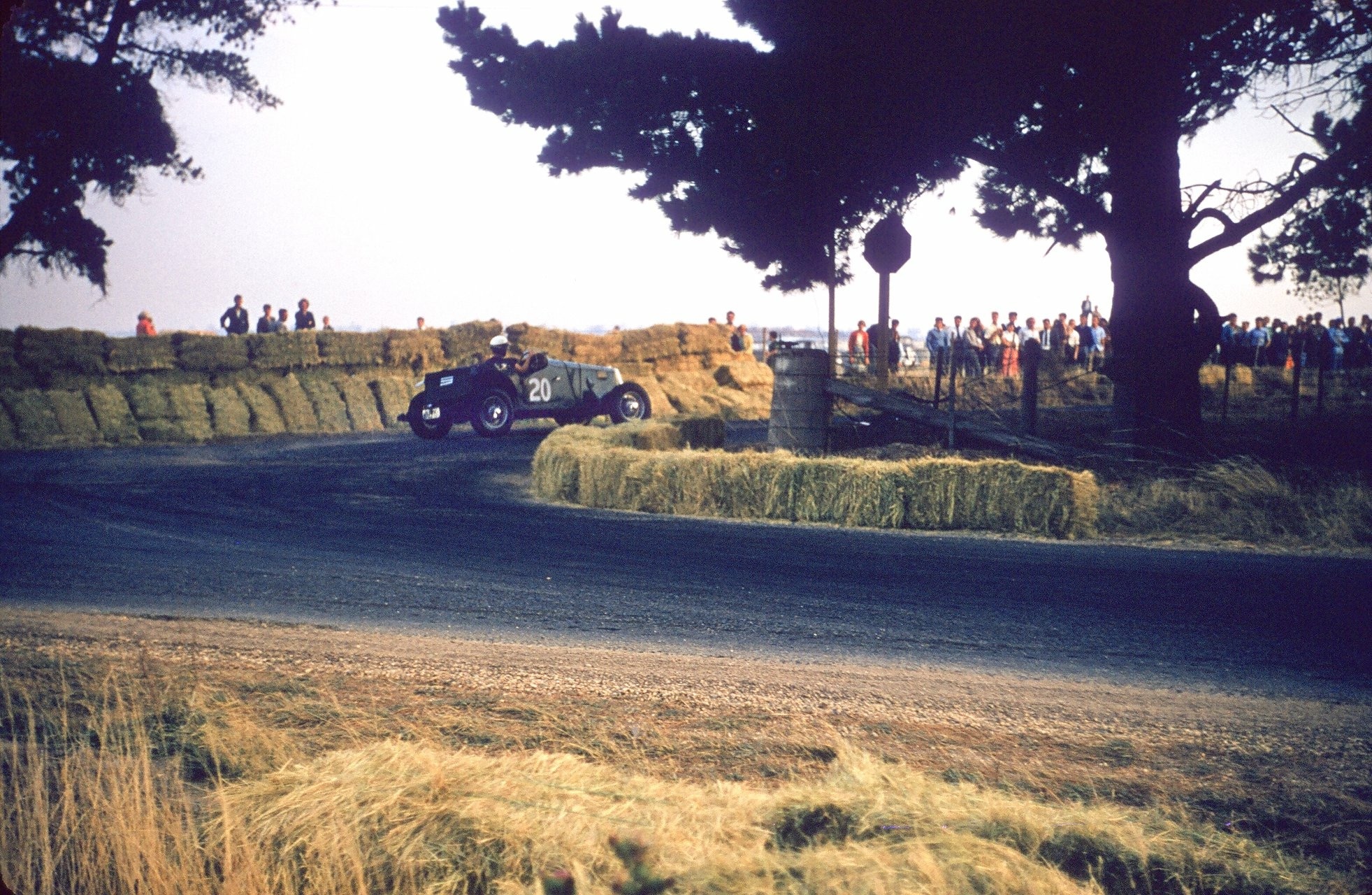


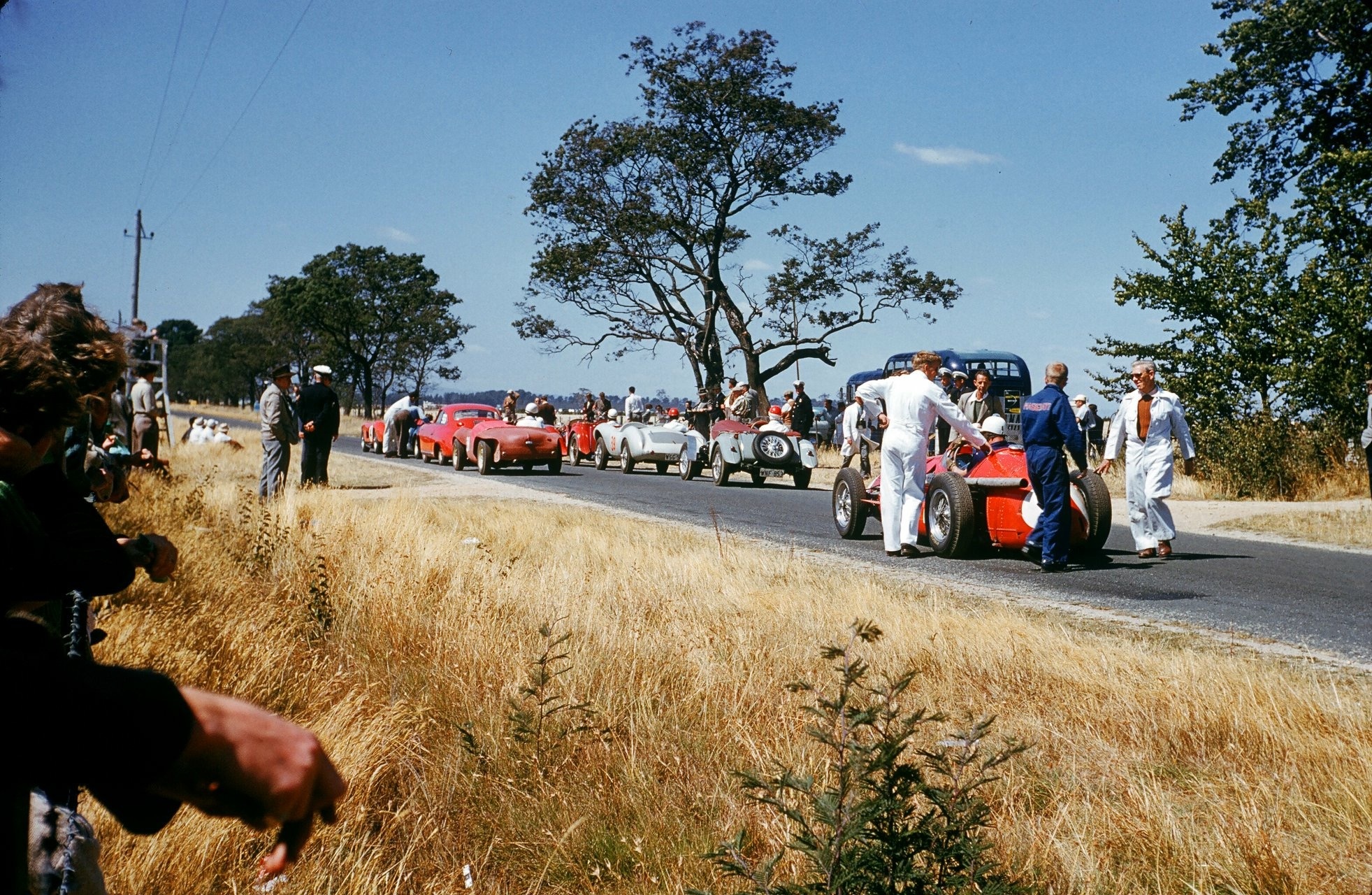
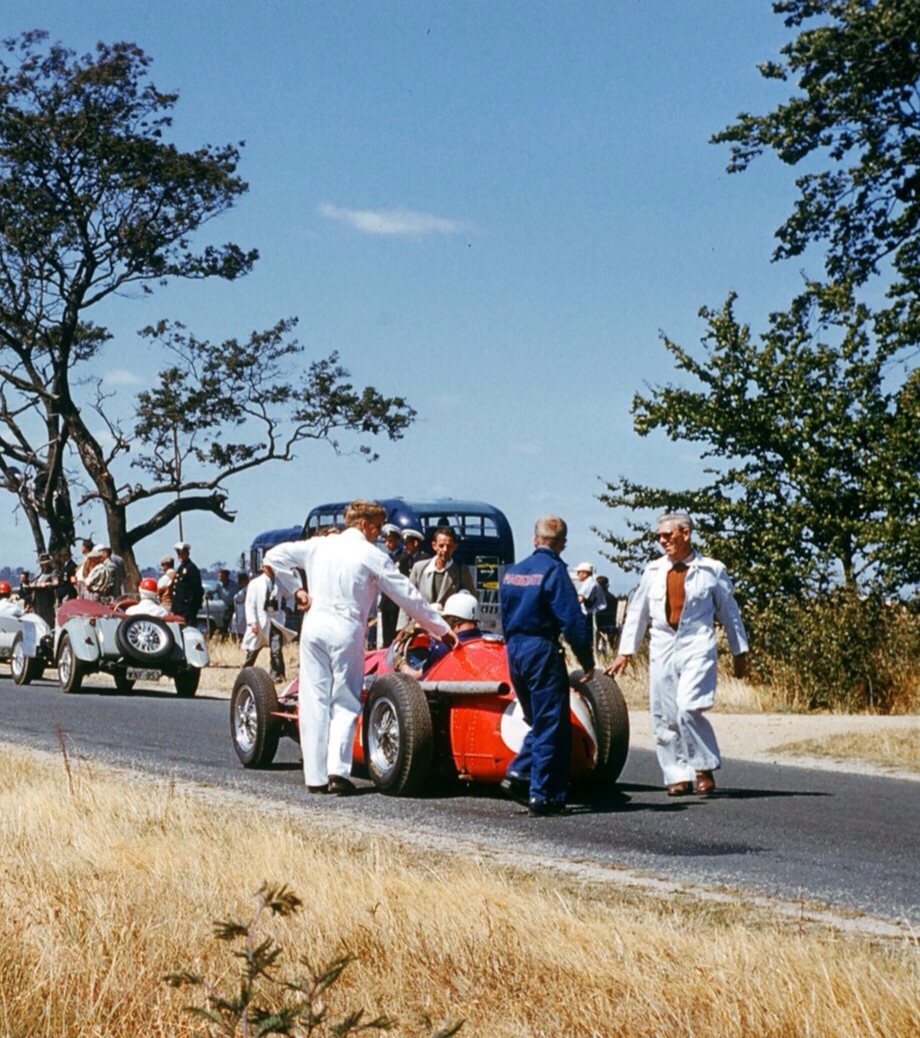
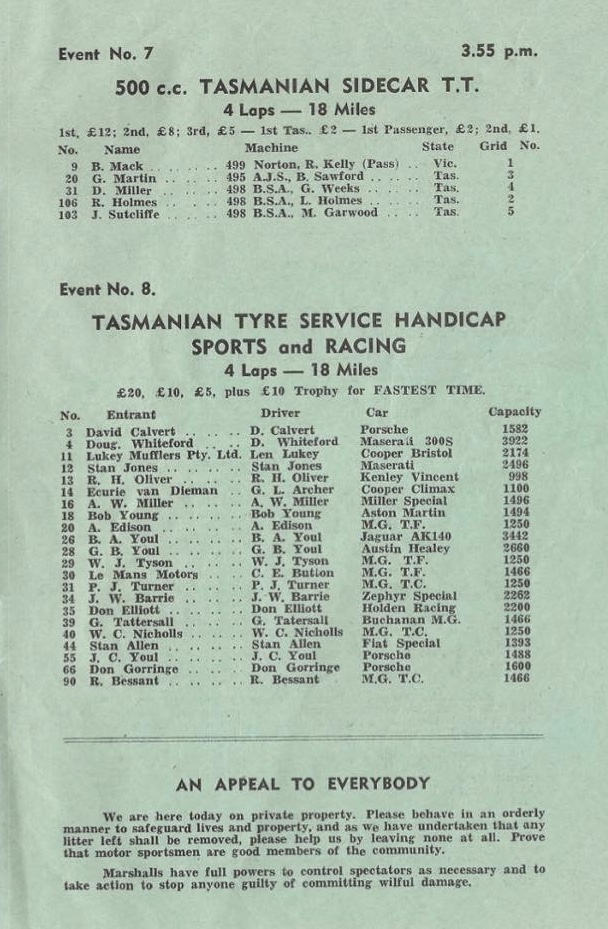

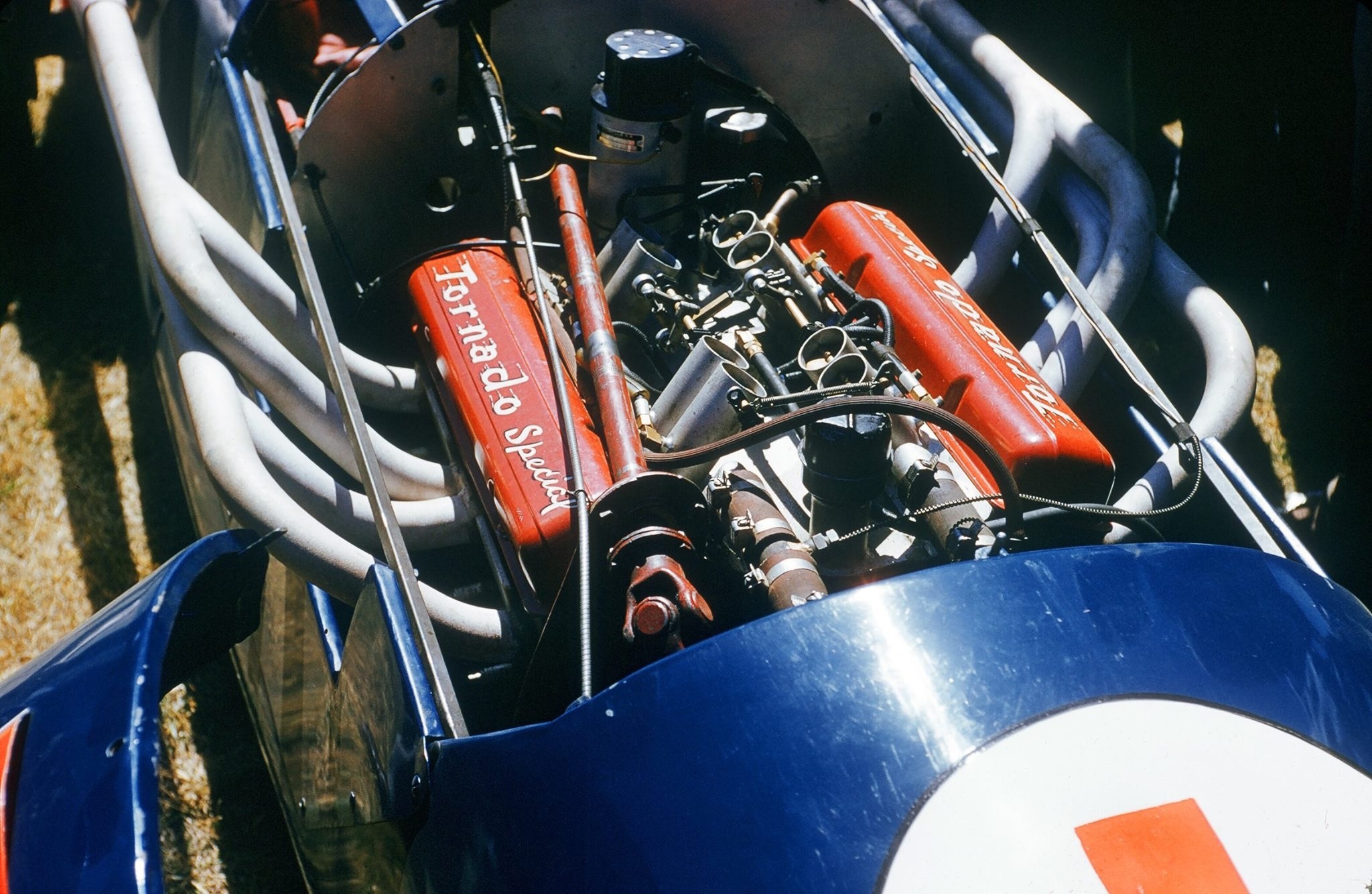

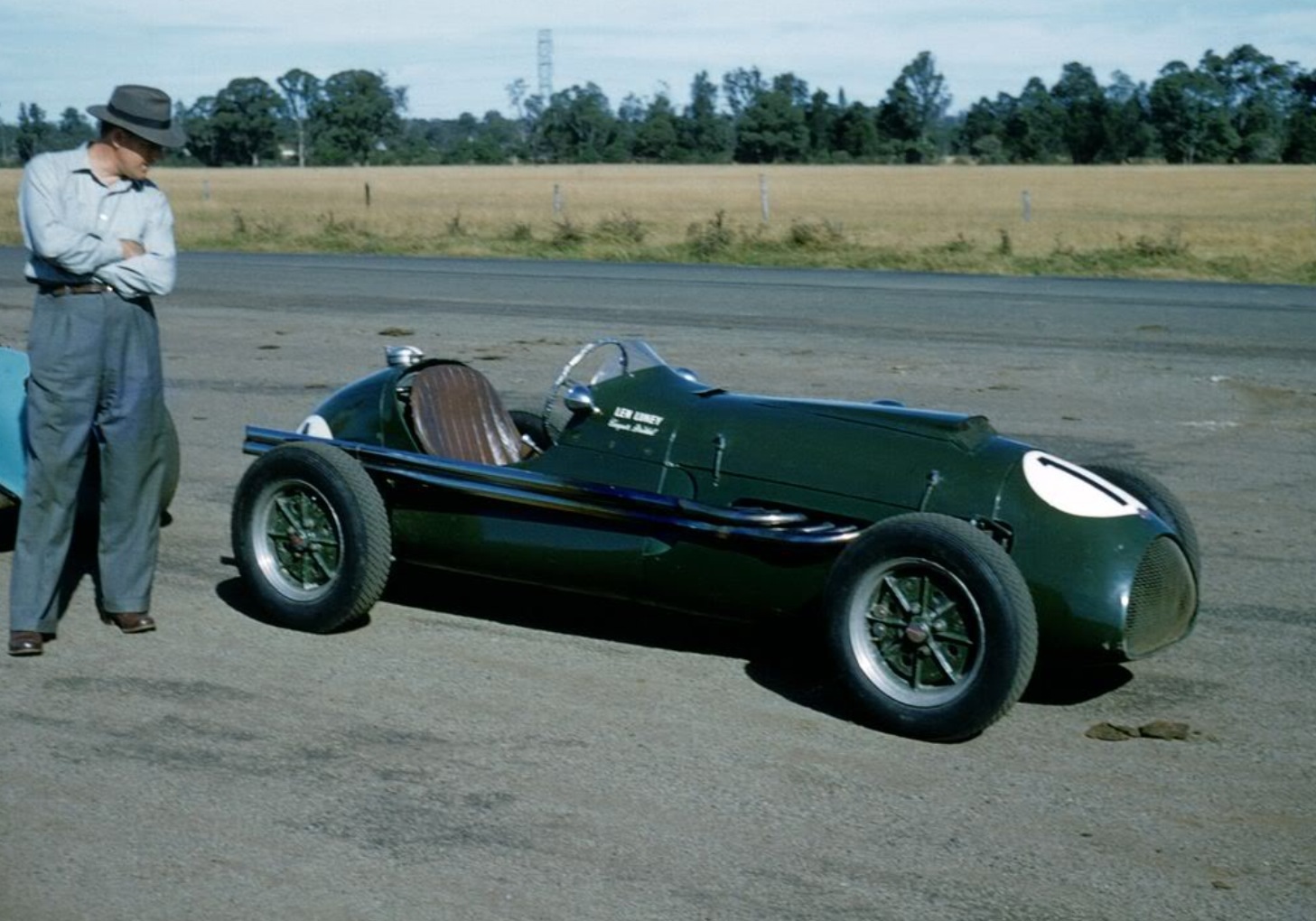
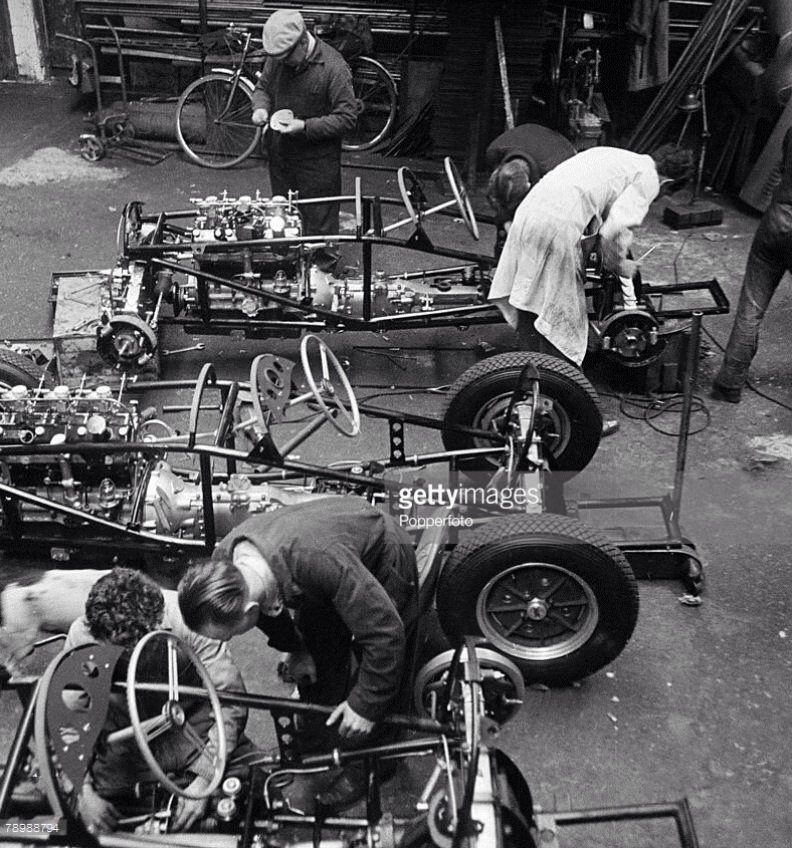



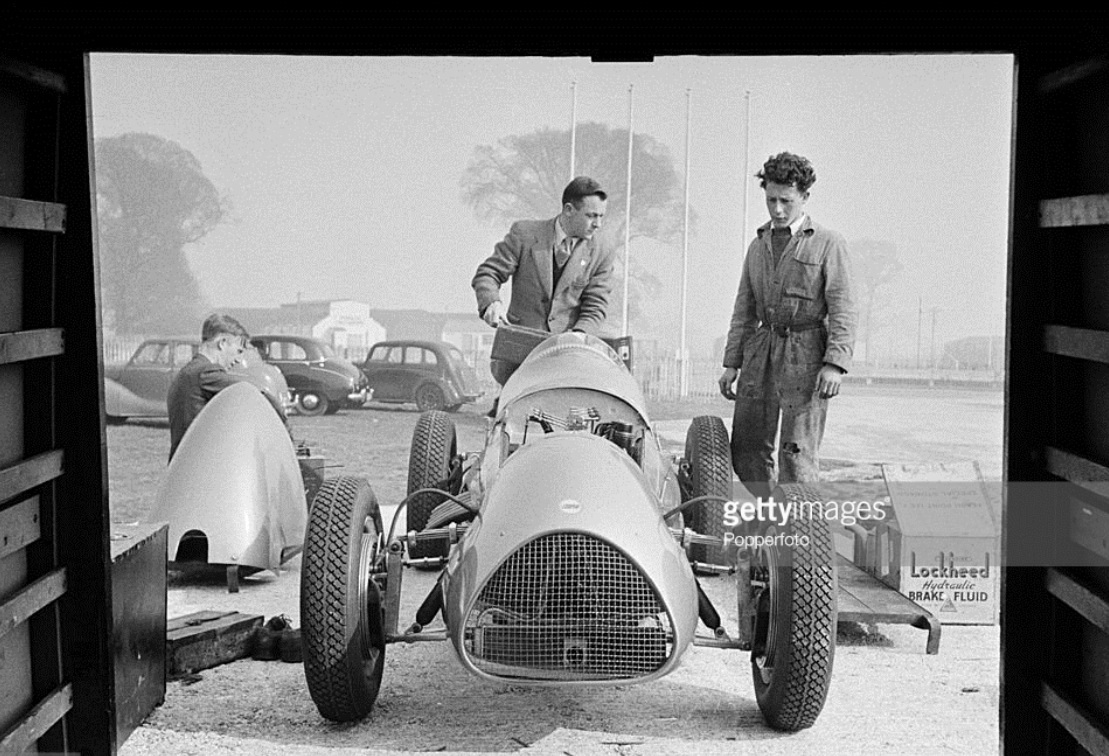


 primotipo...