
John Goss and pit crew 1974, Amaroo Park. Aunger Wheels, a Goss sponsor photo shoot. Car is Ford Falcon XA GT351 Coupe ‘Sports Sedan’.(unattributed)
Australia has had quite a few drivers who have been stars in both open-wheelers and touring cars at the elite level; Kevin Bartlett, John Bowe, Mark Skaife, Craig Lowndes and John Goss spring to mind…
Gossy left his adopted Tasmania with guts, determination, self built Tornado Ford sportscar and made his way to Sydney. Before long his speed and ‘gift of the gab’ secured support from Rockdale, Ford dealer Max McLeod. This took him all the way to the top of Australian motor racing, he and Kevin Bartlett won the Bathurst 1000 in 1974 in a Ford Falcon XA GT. Goss also won the F5000 Australian Grand Prix at Sandown in 1976.
He is the only man to have won both events.

John Goss, Matich A53 Repco, Sandown Tasman 1975 . Goss won the race from John McCormack Elfin MR6 Holden and Max Stewart Lola T330 Chev. Fencing behind destroyed by the lap 1 crash of John Walkers Lola T332. (Robert Davies)
Three Vignettes of John Goss, all at Sandown Park stick in my mind…
The first was at the Sandown Tasman meeting, my very first motor race in January 1972. I was there for the F5000’s the ‘Taxis’ of no great interest to me but i happened upon John Goss near his Falcon GTHO Series Production car in the paddock, he was holding fort with a group of supporters or sponsors.
They were enthralled by his experiences. At 14 i was amazed at the atrocities he performed on the Queens English, it would have been impossible to use more words to describe the simplest of things, all delivered with the most nasal-‘strine accent. Imagine Paul Hogan on steroids, but more nasal and you have nailed the Gossy accent! As one wag put it after a JG Bathurst win; his victory speech was longer than the race itself!
He won the South Pacific Touring Car Championship, the touring car series support of the 1972 Australian Tasman Rounds, the plucky privateer beat the works teams. Takeouts; he was quick and gifted on the commercial side of the sport.

Goss doing his thing in the Phase 3 ‘XY’ Falcon GTHO with its brand new for Bathurst 1972 ‘Globe’ alloy wheels. Oran Park 1972. No front spoiler. (Vic Hughes)
The second was at the same meeting the following year when he blazed a trail with the Ford Falcon XA GT ‘Superbird’ or 2 door coupe variant of Fords new series of cars.
Pretty much everyone else stuck with the previous model, ‘XY’ Falcon GTHO’s for one more year, including the Broadmeadows factory until the Manufacturers Championship in the second half of the year. Ford and Holden, the latter with their Torana V8 SLR5000 and L34, had big oil surge problems with their engines; a function of greater grip with the wider tyres allowed and inadequate wet sump arrangements. (dry sumps stupidly not allowed by the regs).
Goss’ big yellow fat tyred car looked and sounded sensational. He was showing the way with it and getting lots of publicity, but he and long-suffering mechanics were up to their armpits in alligators with mechanical mayhem. Takeouts; he was prepared to make his own calls and not follow ‘the herd’ and had good developmental and mechanical skills.
The final impression was of his absolute competitiveness as a driver, his win in the 1976 AGP at Sandown.
I was one of 38000 people enthralled by his battle with Vern Schuppan in Garrie Cooper’s latest Elfin MR8 Chev. Vern broke a valve spring early in the race, John was in one of two Matich’s he acquired when Frank Matich retired from the sport in 1974. John’s A53 was actually the older of the two cars he bought, an updated A51 chassis # ‘005’, the car Lella Lombardi raced in two Gold Star rounds in 1974, Goss acquired it in 1975.
The car wasn’t in the first flush of youth by then, Goss drove superbly to take the win by half a second from Schuppan, then a driver of world class. In my mind Vern’s slightly down on power engine was compensation of JG not having the latest of equipment.

Goss in his Matich A51/53 ‘005’ Repco during his wonderful 1976 AGP winning drive at Sandown. He is turning into ‘Dandenong Road’, Marlboro Hill in the background. (unattributed)
Many saw Goss, born in the South Eastern Melbourne suburb of Glen Iris on 2 May 1943 as a Touring car driver. Whilst he started his career after qualifying as a mechanical engineer, in the Island state, he moved to Tasmania whilst a child, in a Holden FJ and Ford Customline he soon progressed to the self built Tornado Ford sportscar.
The car was powered by a Ford Falcon 170cid 6 cylinder engine which was harnessed via a VW gearbox. oldracephotos Lindsay Ross recalls ‘A Falcon XL sedan provided the motor, triple Webers were fitted in 1967, the steering wheel was fashioned out of a yacht centreboard. The Lotus 32B wheels were purchased from the Sternbergs who ran the ex Clark car in Tasmania in 68-69’.

John Goss makes the race debut of his Tornado Ford, Baskerville, Tasmania 1966. Car sans the attractive body which came later, Ford straight 6 on single carb, steel wheels. Natty race-suit doubled as post race pub attire! (David Keep/oldracephotos.com)
‘First outing for the Tornado was at Baskerville in 1966. One of my first motorsport memories is a handicap race there in 1967 which only had 2 cars start. Goss in the Tornado off scratch and Lyn Archer in the Elfin Catalina 1.5 pushrod. Both drivers absolutely flat stick from the start over 6 laps and less than half a car length across the line at the finish with Goss just ahead. Great stuff from two very good drivers.’

John Goss in his Tornado Ford, Longford 1968. Proudly Tasmanian by the look of the decal on the cars rear…despite being born in Melbourne! Probably the Monday and coming down from the Water Tower. (Stephen Dalton Collection)
Hoping to progress in racing Goss took the Tornado to Sydney, with some success scoring points in the Australian Sports Car Championship in 1969 and 1970 (10th in both years).
He sought support from various sponsors Max Mcleod initially provided some money to help run the Tornado, Goss convinced McLeod to enter Series Production racing in 1969, this class exploding in public consciousness at the time with some phenomenal road cars built by Holden, Ford and Chrysler.
Goss made his Bathurst 500 debut in 1969 driving a Ford Falcon GTHO, co-driver Dennis Cribbin crashed the Falcon at Forrest Elbow. In 1970 Goss set the fastest lap during the event in his XW Falcon GTHO Phase II.
The following year he won two rounds of the Toby Lee Series at Oran Park against strong opposition such as Colin Bond and Fred Gibson.

Goss exiting Murray’s Corner Bathurst 500 1973. His Ford Falcon XA GT, shared with Kevin Bartlett is about to swallow the Leo Leonard/Gary Sprague Valiant Charger. (Vic Hughes)
John gained open-wheeler experience in 1971 at the wheel of the very first Birrana. Tony Alcock returned from a stint in Europe and designed and built the first Birrana, the F71 Formula Ford in Sydney and enlisted John’s help to develop and race the car.
Later Alcock moved to Adelaide and built over 25 cars in partnership with Malcolm Ramsay which won multiple championships in FF and F2, a story for another time.

John Goss in the very first Birrana, the F71 FF ahead of 2 Bowin P4a FF’s, Oran Park 1971. (lyntonh)
Goss won the 1972 South Pacific Touring Car Series and the 1972 Sandown 250 endurance race, both in Series Production Ford XY Falcon GTHO Phase III’s. He also put his Falcon on the front row of the grid at the 1972 Hardie-Ferodo 500, qualifying second fastest behind the Works GTHO of Allan Moffat. Engine failure after splashing around for 24 wet laps ended his race

Goss in his Ford Falcon XY GTHO Ph3, Hell Corner Bathurst 1972. Peter Brock won that year in a Holden Torana LJ XU-1. (Rod MacKenzie)
The Series Production class was replaced by Group C for 1973, it allowed greater modifications than before. Commercially, Goss had ongoing sponsorship from Shell, Max McLeod as well as factory assistance from Ford Australia who provided purpose-built XA racing chassis’.
As noted above, Goss was the first to race the XA Hardtop in the 1973 ATCC, before the Works team who used a modified Phase III GTHO during the Australian Touring Car Championship which Allan Moffat won for them. They switched to the Hardtop for the Endurance races, the ‘Manufacturers Championship’ later in the year.
Goss and open-wheeler/touring car ace Kevin Bartlett teamed up for the 1973 Bathurst and qualified on pole. Goss started and built up a good lead which was kept until he was involved in a crash, not of his making, at The Cutting, damaging the front end and causing radiator damage which finished their race.
The pair returned to Bathurst for the 1974 Hardie-Ferodo 1000 in the same car, repainted blue after losing Shell sponsorship winning a race marred by driving rain. To celebrate the victory, Ford Australia released a limited edition XB Falcon Hardtop in 1975 called the ‘John Goss Special’. Around 250 cars were built.

Goss/Kevin Bartlett victorious Ford Falcon XA GT. Bathurst 1974. (unattributed)
Goss surprised the racing world when he snaffled the best of Frank Matich’s F5000 equipe when he retired at the end of the 1974 Tasman Series. FM had been badly hurt in a boating incident in which he was electrocuted, he decided it was time to quit to focus on his family and business interests which then comprised the distribution of Goodyear race tyres and Bell helmets in Australia. His cars were advertised in the May edition of ‘Racing Car News’.
Goss gained some support from ‘Scotch’ brand adhesives and was immediately competitive in the Matich A53 Repco, the last and best of Matich’s world class designs. His first race was at the Oran Park 1974 Gold Star round on 4 August.
Over the coming years Goss, chief mechanic Grant O’Neill and their small team continued to develop the two chassis ‘A51 005’ and ‘A53 007’ remaining competitive against the best the world had to offer in the F5000 categories peak period.

1976 AGP finish at Sandown. Goss from Vern Schuppan by 5/10 second. Matich A51/53 Repco and Elfin MR8 Chev. (Graham ‘Howard History of The Australian GP’)
1974 Gold Star Series…
The first series Goss contested was the domestic single seater championship the then very prestigious ‘Gold Star’.
For most of its life the Championship lacked quantity but not quality. The costs of fielding an ANF1 car, whatever the formula has been, has always been high. Australia’s obsession with Touring Cars has meant that funds have generally not been flush in open-wheeler racing, the early years of Formula Pacific, 1981-2 arguably the exception.
In 1974 Gossy faced Australian Champions Kevin Bartlett, Max Stewart and John McCormack in Lola T332, T330 and Elfin MR5 respectively. Later champions John Walker and Warwick Brown also contested the series in their Lola T332’s albeit Warwick took in some races in the US in his Pat Burke owned car, the very first production T332.
Frank Matich, whose last and best car Goss owned had retired. This created an opportunity for the rest of the field as Matich was arguably the ‘first among equals’ as a driver and the best funded, courtesy of Repco and Goodyear. I always figured ‘Cranky Franky’ had an actual and psychological advantage over the competition; he pounded around Warwick Farm getting his cars to a fine pitch and was always well prepared whenever he arrived at a meeting, his actual advantage. The psychological advantage was the fact his fellow competitors knew that he was well prepared! Whereas they, without similar fiscal support were not as much so.
Brittle things F5000’s; the Hewland DG300 box was originally designed for Gurney’s 400bhp F1 Eagle, not a 500bhp Chev. Crown wheel and pinions needed to be in the full flush of youth to be problem free. Engines too, with all drivers chasing the edge, were far from reliable especially if the engine-builders maintenance cycles were not followed, a temptation if you were not flush with cash. Despite the big corporate names which adorned the Matich cockpit over the years JG was not well-funded, in common with most of his fellow local competitors.
John’s first meeting was at one of his home tracks, Oran Park on 4 August, finishing 4th for the weekend. He was 9th at Surfers, 4th in the first heat and had an accident in the second. He didn’t contest the Calder and Sandown rounds in Victoria but was back for the AGP at Oran Park although by this stage Max Stewart had the ‘Gold Star’ in the bag. John had his tail up, he and Kevin Bartlett won the Bathurst 1000 in October the pair driving brilliantly to win the race held in difficult conditions that year.
The AGP field was buoyed by the addition of Internationals Graeme Lawrence, the former Tasman Champ Lola T332 mounted and Signorina Lella Lombardi. ‘A Sheila in a F5000’ got the tabloids interested in the race, which was good as only nine cars started, she drove a Matich A51 (the car Goss was to later acquire as noted above) very well, scoring equal second fastest race lap, despite the unfamiliar car. The car she drove in Europe which brought her to the local promoters attention, her Lola T330 (HU18) is owned by Peter Brennan in Australia, it’s restoration well covered in primotipo.
Gossy ran a bearing so didn’t start the race, Brown cantered off into the distance, quickly mastering Oran Park’s new layout, Stewart took the win when Warwick retired on lap 49 with a harmonic balancer kaput.

Goss in his Matich A53 Repco ‘007’. Oran park during practice for the opening 1975 Australian Tasman round, the ‘Oran Park 100’. Car just painted but devoid of sponsors decals. Jon Davison looking for divine inspiration in the background, his car an earlier Matich A50 Repco ‘004’. Warwick Brown won the race in his Lola T332 Chev, Goss DNF with electrical maladies. (Andrew Lynch)
The 1975 Tasman Series started in New Zealand on January 5 at Levin but John’s funding didn’t allow him to contest the four Kiwi rounds, he was up against opposition which had already had four consecutive weekends to get their cars to a fine pitch.
In addition to the leading drivers covered above, other frontliners in the series that year were Kiwis Graham McRae in his McRae GM2 and Chris Amon in the Talon MR1, an identical car to the GM2, the design acquired from GM by American Jack McCormack, the cars built in the ‘States. Another Kiwi was Ken Smith in an ex-Brian Redman Lola T332.

Oran Park Handling Lesson; Goss’ mildly understeering Matich A53 Repco being given a bit of hurry up by Kevin Bartlett’s new and somewhat recalcitrant, grass cutting oversteering Lola T400 Chev. (unattributed)
He had a DNF the at Oran Park with electrical failure, was 3rd the following weekend at Surfers, had another DNF at Adelaide, a water hose came loose on lap 3 and then things all came together at Sandown in the final round.
I have covered this meeting in another story, click on the link here;
The Mother and Father of Lucky Escapes…John Walker, Sandown Tasman 1975…
Suffice it to say, depending upon results, any of Lola drivers, Brown, Lawrence or Walker could take the title…Walker crashed on lap 1, Lawrence retired with fuel metering unit failure late in the race, Brown got the necessary point and Goss won the race in a fast, controlled drive. A strong win against opposition of depth.

Goss eases his Matich A53 ‘007’ through Torana Corner Sandown on the way to his first F5000 victory in the Tasman round ‘Sandown Park Cup’ on 23 February 1975. (unattributed)
By the time Goss commenced his 1975 Gold Star campaign he also owned the earlier Matich A51 Repco which was updated to later A53 specs.
JG continued his good form in the ‘Toby Lee’ sponsored F5000 Series held over 6 rounds, 5 at Oran Park and 1 at Sandown. Max Stewart won the series in his new for Tasman ’75, Lola T400. Goss took 4 of the 12 heats which comprised the series before being ‘pinged’ by CAMS for a black flag incident which almost cost him his AGP start.
Bruce Allison also starred in the Series, the 22 year old jumped out of his Birrana 274 F2 car and took to the ex-Bartlett Lola T332, prepared and guided by the very experienced Peter Molloy, like a ‘duck to water’.
And ducks they needed to be at Surfers Paradise Gold Star season opener held in torrential conditions. The AGP was the first round of the Gold Star that year, Goss matched local boy, Bruce Allison’s pole time but withdrew from the race early with a rough engine and visibility problems. Max Stewart had a lucky win when John Leffler, leading well and as comfortably as you can be devoid of vision!, in the radical, under-developed,tricky to drive but utterly wonderful Bowin P8 Chev, slowed with drowning electrics.
At Sandown he was 6th and then didn’t start at Oran Park, Calder and Phillip Island.
By 1976 the Tasman Series was over, the Kiwis had the ‘Peter Stuyvesant Series’ and we ‘Skips’ the ‘Rothmans Series’, still 4 rounds each. Internationals for the Australian Rounds were Aussie Vern Schuppan and the UK’s David Purley, Lola’s T332/T330 mounted and American John Cannon adding some interest with a March 73A/751 Chev.
At the ‘Oran Park 100′ Goss was 5th, in Adelaide he crashed, at Sandown he was 3rd in the race won by Cannons’ March, the final round at Surfers was washed out. As in the circuit was under the flooded Nerang River, Schuppan took the trophy, the presentation in waist deep water, the promoters gaining a shot for the tabloids despite the lack of a race!

Ian Smith’s great shot of the start of the 1976 AGP at Sandown. Taken from the outside of Shell Corner, turn 1. L>R; Max Stewart Lola T400 Chev, Vern Schuppan Elfin MR8 Chev and Goss to the right, Matich A5153 Repco. (Ian Smith)
Goss’ domestic 1976 Gold Star campaign started well with his AGP win at Sandown in September, he didn’t finish at Oran Park with gearbox failure, at Calder he had an exhaust problem and didn’t contest the one off ‘Rose City 10000’ at Winton nor the final Phillip Island Gold Star round. John Leffler took the title in a new Lola T400 Chev, consistent finishes but no wins bagged the Championship.

There was nothing quite like seeing F5000’s raced by top line Pro’s and look at the Oran Park 1977 AGP crowd! Front running group; Goss, Gethin, Schuppan and Bartlett. Matich A51/3 Repco ‘005’, Chevron B37 Chev, Elfin MR8 Chev and Lola T332 Chev. (‘History of the AGP’)
The 1977 Rothmans International Series of 4 races in Australia had good prizemoney, Count Rudy Van der Straten’s Team made a welcome return to Australia with a Lola T430 and Chevron B37 for Warwick Brown and Peter Gethin respectively, nuts from a spares point of view but both interesting cars, and critically not more Lola T332’s, wonderful devices that they are.
Alan Jones returned to Oz, to race a Teddy Yip, Theodore Racing Lola T332C, he was ‘on the rise’ well and truly by this stage, he drove for the Surtees F1 team in ’76, and took his first F1 win in Austria later in the year.
The development of the Lola T332 was ongoing, the T430 and Chevron B37 were new designs, Garrie Cooper’s Elfin MR8 was also the state of the art. In that context John Goss’ grid place (4th) and strong race performance in the season opening AGP at Oran Park, he ran in 2nd and 3rd for much of the race, in a car which dated to 1974 and an engine which had no development, Repco having withdrawn from racing in 1974, very creditable.
Jones jumped the start, depriving the spectators a duel at the front but all eyes were on him as he sought to make up the 1 minute penalty incurred. Brown won the race with teammate Gethin 2nd and Goss 3rd.

‘Surfers Paradise 100’ Rothmans Series 1977. L>R In the distance Alan Jones in Kevin Bartlett’s loaned Lola T332 Chev, Jones boofed his in practice. Warwick Brown Lola T430 Chev, Peter Gethin in the lead, Chevron B37 Chev, John Leffler in the white Lola T400 Chev and on the outside Goss, Matich A53 Repco. Finishing order, Brown, Gethin, Leffler and Goss. (Bill Forsyth)
Brown and Gethin repeated the performance at Surfers the following weekend, Goss 4th. Max Stewart won in his Lola T400 at Sandown, his last race win before his tragic death at Calder in the one off Kleber 40000 race at Calder. Goss DNF with engine failure.

‘Sandown Park Cup’ February 1977. Goss leads from Garrie Cooper Elfin MR8 Chev 3rd and Alf Costanzo Lola T332 Chev 2nd. Goss had an engine failure, the race was won by Max Stewart’s Lola T400 Chev. (Ian Smith)
In Adelaide, the last Series Round he was 4th and lapped as was the rest of the field, Jones dominant in his Lola T332. Brown took the Series win in the VDS Lola T430 Chev, both T430 chassis’ owned by VDS were sold to Alan Hamilton at the series end and would be an important part of the F5000 scene going forward in both Hamilton’s and especially Alfredo Costanzo’s hands.

Gossy having his mirrors fitted in the clearly just finished Matich A53/55 Ford ‘007’. Thats Grant O’Neill doing the adjusting, Sandown paddock, 1978. Ford engine of note! (Ian Smith)
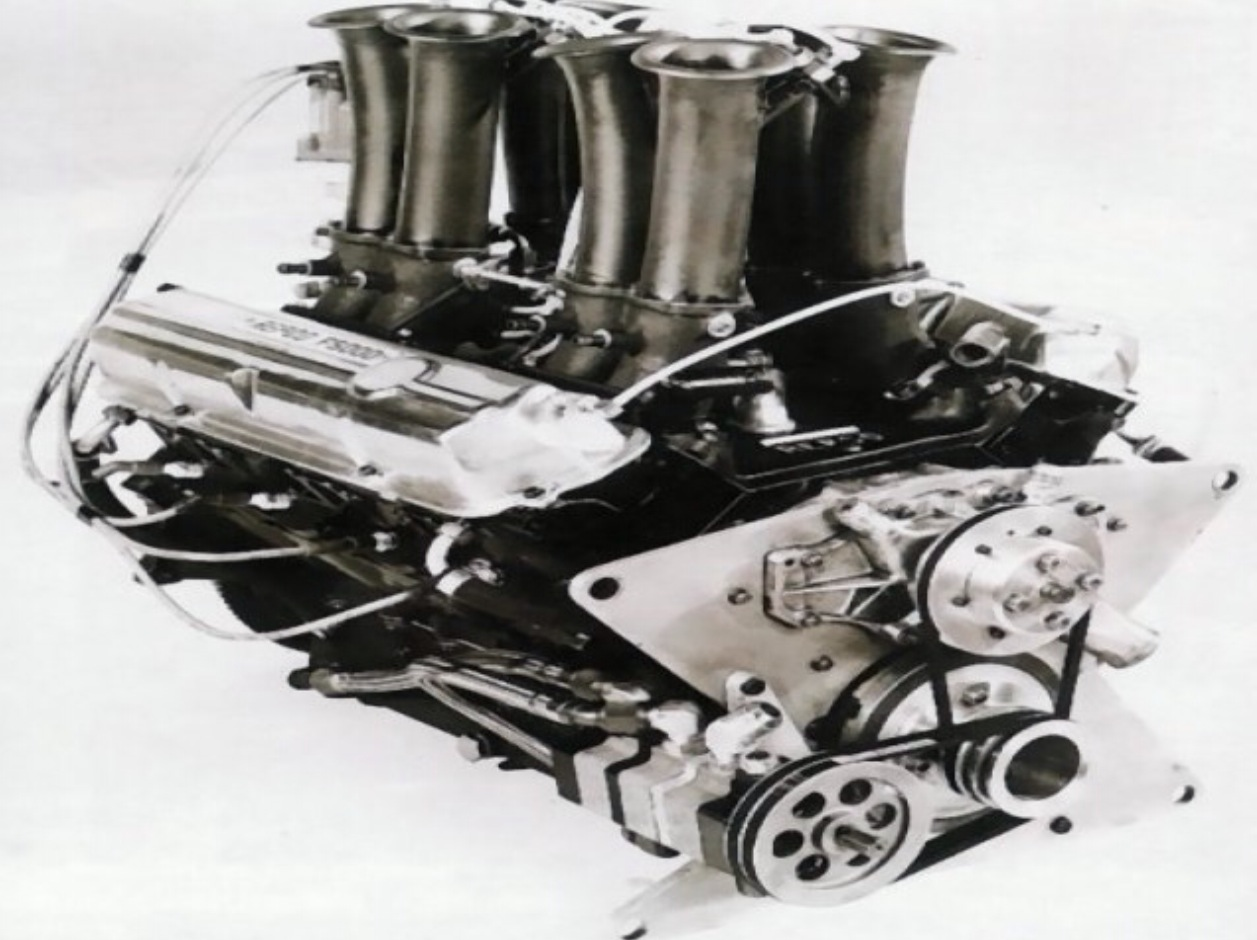
Goss’ had been developing a Ford F5000 engine based on the 302, cross bolted ‘Boss’ block, fitted to his newer Matich chassis ‘007’ it was entered in the first 3 Rothmans rounds but failed to appear in any of them.
Development of the Ford engine made sense given his Ford connections and whilst there were some Ford engines in the category in its formative years, he and his small team were giving away decades of development to the small block Chev. A smarter move, hindsight a brilliant thing, would have been a more up to date chassis…and a strong Chev engine.
The Matich Ford, the engine comprised a 4 main bearing bolt Windsor ‘Boss’ block with Cleveland heads, the latter to address the shortcomings of the Windsors ports, was tested but it does not appear to have ever been raced. He qualified the Ford car at the Sandown 1978 Rothmans with a 64.6 second lap but raced the Repco chassis. At Oran Park he practiced the Ford engined chassis on Friday and Saturday but again elected to race ‘old faithful’ A51/53 Repco ‘005’.
During this period the team were developing the Ford engine, Goss raced his other, earlier chassis with Repco power; A51/53 ‘005’, the chassis he used to win the AGP.

Chris Jewell’s shot of the Matich A53/55 Ford ‘007’ at Sandown 1978. Car practiced but not raced. Same tub as 1974, in fact the chassis were to the same 1971 design for all 6 chassis’ built. (Chris Jewell)
Goss didn’t contest the 1977 Gold Star Series but ran Bathurst Teammate Henri Pescarolo in the one off ‘Kleber 40000’ event referred to above on 20 March, Alf Costanzo won the 2 heat event.

Henri Pescarolo cruising the Calder paddock in Goss’ Matich A51/3 Repco ‘005’ during the February 1977 ‘Kleber 40000’ meeting. (oldracephotos.com)
JG reappeared in the Matich for the 1978 Rothmans, Warwick Brown was dominant winning all 4 rounds of the series in his Lola T333/332.
Goss was 6th at Sandown and in Adelaide and 5th at Oran Park. He tested the Ford engined chassis ‘007’ at Oran Park but chose to race his usual Repco engined car ‘005’.

Goss testing his Matich A53/55 Ford at Oran Park during the Rothmans series in February 1978. Neat evolution of the A53 ‘007’ tub. Ferrari 312T-esque front wing, neat deformable structure and rear ‘flush’ mounted’ radiators, no airbox. Neat. (Doug Eagar)
At Surfers he failed to finish with oil scavenge pump problems.
With the costs of F5000 rising, and the Formula Pacific push for ANF1 underway Goss wound down his F5000 activities and sold both cars; the much raced A51/53 ‘005’ to touring car star Jim Richards who contested the ’79 Rothmans Series in it and A53 ‘007’ to Mel McEwin who converted it back to Repco form, and raced it towards the end of the category in Australia. Both cars still exist.

John Cannon 3rd ahead of John Goss 6th ,1978 ‘Sandown Park Cup’. March 73A/751 Chev and Matich A51/53 Repco. (Anthony Loxley)
Formula 1 Ensign MN05 Ford Cosworth…
With interest in F5000 waning in the late 1970’s the ‘Rothmans Series’ rules were changed to allow F1 cars to compete in the 1979 Internationals. The F1’s were ‘brought back to the field’ by the hard Goodyears they were mandated to run. All the same the cars were great to watch, for many of us the first modern GP cars we had seen and heard.
Goss was keen to have a drive, Theodore Racing had 3 cars; 2 Wolf WR4 Ford’s and an Ensign MN05 raced by Scot David Kennedy and Brit, Geoff Lees. Keen to run a car at Oran Park, Goss wasn’t so happy to stump up the $10K for the weekend but late on the Saturday the team gave him a run in the Ensign anyway.
He did 7 laps, brushed the wall on the out lap keeping out of the way of another car which moved over on him, he managed a 1:10.4 compared with Warwick Browns Lola T332 Chev pole of 1:5.4. It was not enough time for John to find the limits of the car , sadly he didnt race it. An interesting ‘mighta been’ had he raced the car.

John Goss, Oran Park 1979. Theodore Racing F1 Ensign MN05 Ford. A few laps in practice, no race sadly. (Dick Simpson)
In 1980 Goss began campaigning a V12 Jaguar XJS at Bathurst. His 3 previous Bathurst starts with Henri Pescarolo in Falcons were all DNF’s.
He started essentially a standard Jag from 58th on the grid, but lasted only 14 laps before retiring with gearbox failure. In 1981, he teamed with 1965 winner Barry Seton and after an improved qualifying effort (19th), they weren’t classified as finishers of the crash shortened race.
Goss returned with a better prepared effort in 1982, sharing the drive with American IMSA Jaguar sports car driver/team owner Bob Tullius who also assisted with technical info for the car and engine. Goss qualified 14th but after a strong run, once again the big cat failed to finish following suspension failure on lap 119.
Goss missed the 1983 James Hardie 1000, but returned in 1984 for the last year of Australia’s Group C racing sharing a drive with Tom Walkinshaw. Walkinshaw ran three factory backed Group A XJS’ in the ETCC, won that title in 1984, and added a lot of technical assistance to Goss’ team with revised suspension and the use of one of TWR’s V12 engines.
Despite trouble in qualifying with no suitable rear tyres arriving in time to use, the Scot qualified the car 8th before falling to 10th in the Hardies Heroes top ten run-off . Walkinshaw also started the race but never left the line.
The Jags clutch had gone leaving Walkinshaw stranded with his arm out the window warning other drivers he was stationary. Unfortunately in the dust kicked up off the start, the Kevin Bartlett owned Chevrolet Camaro of John Tesoriero was coming through at speed and could not avoid the Jag, a multiple crash ensued.

Goss/ Armin Hahne Jaguar XJS. Bathurst winner in 1985. (unattributed)
Australian Touring Car racing changed to International Group A rules in 1985, and Goss scored his second and last outright Bathurst win with West German co-driver Armin Hahne in one of a three-car assault by Tom Walkinshaw’s TWR team using the 1984 ETCC-winning V12 Jaguar XJS’
Goss, installed by Walkinshaw as lead driver of the team’s third car, qualified fastest going into Hardies Heroes, giving lie to those who believed he was past his best as a driver. He ended up 6th in the Top Ten run-off after mistakes on both laps.
Goss made a good start and for the opening laps was in a dice for 2nd with Allan Grice (Commodore), Robbie Francevic (Volvo), Dick Johnson (Ford Mustang), Jim Richards (BMW 635 CSi) and Peter Brock (Commodore). First Francevic, then Goss, broke free of the dice. Goss chased down the Volvo in less than 10 laps, giving Jaguar a 1-2 on the road for the first time since the early laps before the team’s second car driven by Jeff Allam retired with engine failure. From then on, the Goss/Hahne Jaguar was in second place for most of the race behind the Walkinshaw/Win Percy car.
Goss and Hahne’s job was made more difficult by the driver’s seat of their car having completely broken at the base of the back. The car took the lead on about lap 120 following a split oil line on the Walkinshaw/Percy car with both Peter Brock and Roberto Ravaglia (BMW) closing the gap to within 30 seconds.
The chase effectively ended with Brock’s engine allowing Goss to back off over the last 3 laps. Walkinshaw finished third with Win Percy, the pair crossing the finish line together.
After Jaguar Rover Australia declined to help fund a return effort by TWR in 1986 Goss returned with his own privately entered XJ-S backed by Citibank Australia and co-driven by veteran Bob Muir. Electrical troubles in the race resulting in a flat battery saw them complete 140 laps and finish 24th outright.
Goss missed the 1987 World Touring Car Championship round as well as the 1988 race but returned to drive for Glenn Seton Racing in 1989 in a Ford Sierra RS500. He paired with Seton for a fourth placed finish at the Sandown 500. At Bathurst Goss was teamed with Tony Noske in the second car, they were joined during the race by Seton after his own car failed. After a troubled run the trio went finished 20th outright.
Goss’ final Bathurst 1000 came in 1990 when he paired with fellow Sydney based veteran Phil Ward in Ward’s Mercedes-Benz 190E to finish 12th outright and a Division 2 class win after starting 38th.
Where Does Goss fit in the Pantheon of Australian Drivers…
Former Racing Car News journalist, Ray Bell saw most of Goss’ big races and had this to say on ‘The Nostalgia Forum some years back…’But to return to the main question, the reality of his ability, let’s just look at his AGP win, which was one of very few wins he had in F5000.
He diced through that race with Vern Schuppan, who was acknowledged as a F5000 pilot world wide at that time. John drove the three year old Matich A53, based on the 5 year old A50. Vern was in the almost new MR8. John’s car was no longer a ‘work in progress’, its designer had retired. Vern’s was under the care of Garrie Cooper who raced that model himself.
I think you would have to say that he demonstrated in that race all the qualities that are necessary, the skill to do the job; the determination to be there, overcoming whatever hurdles might have been put in his way along the path he followed; the recognition of openwheelers as the pinnacle, despite having already won the biggest race in Australia. And Sandown was never a place for the limp of wrist or small of heart in these cars…’
In retirement Goss is a businessman and maintains a couple of yachts for wealthy owners…
Etcetera…
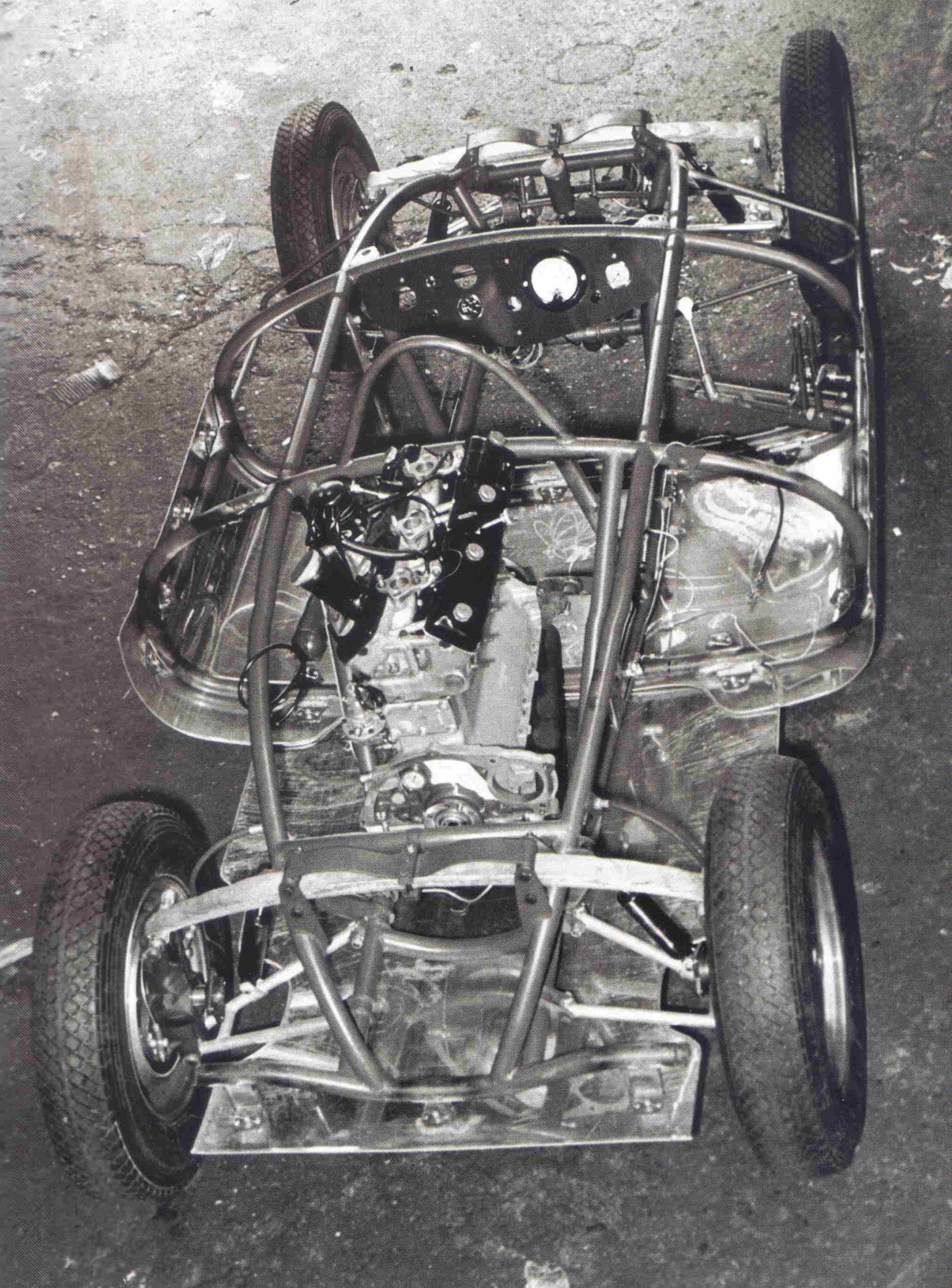
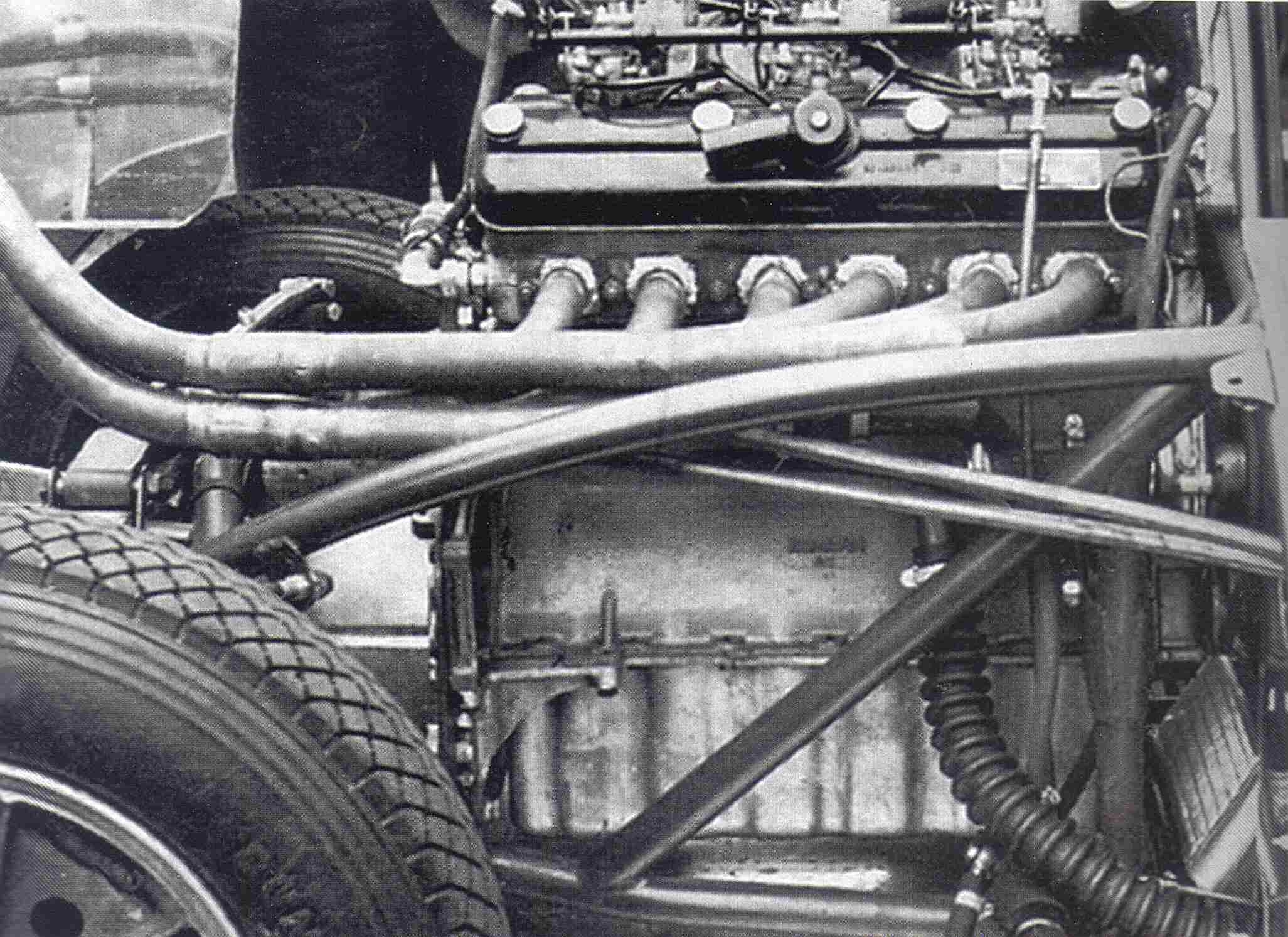
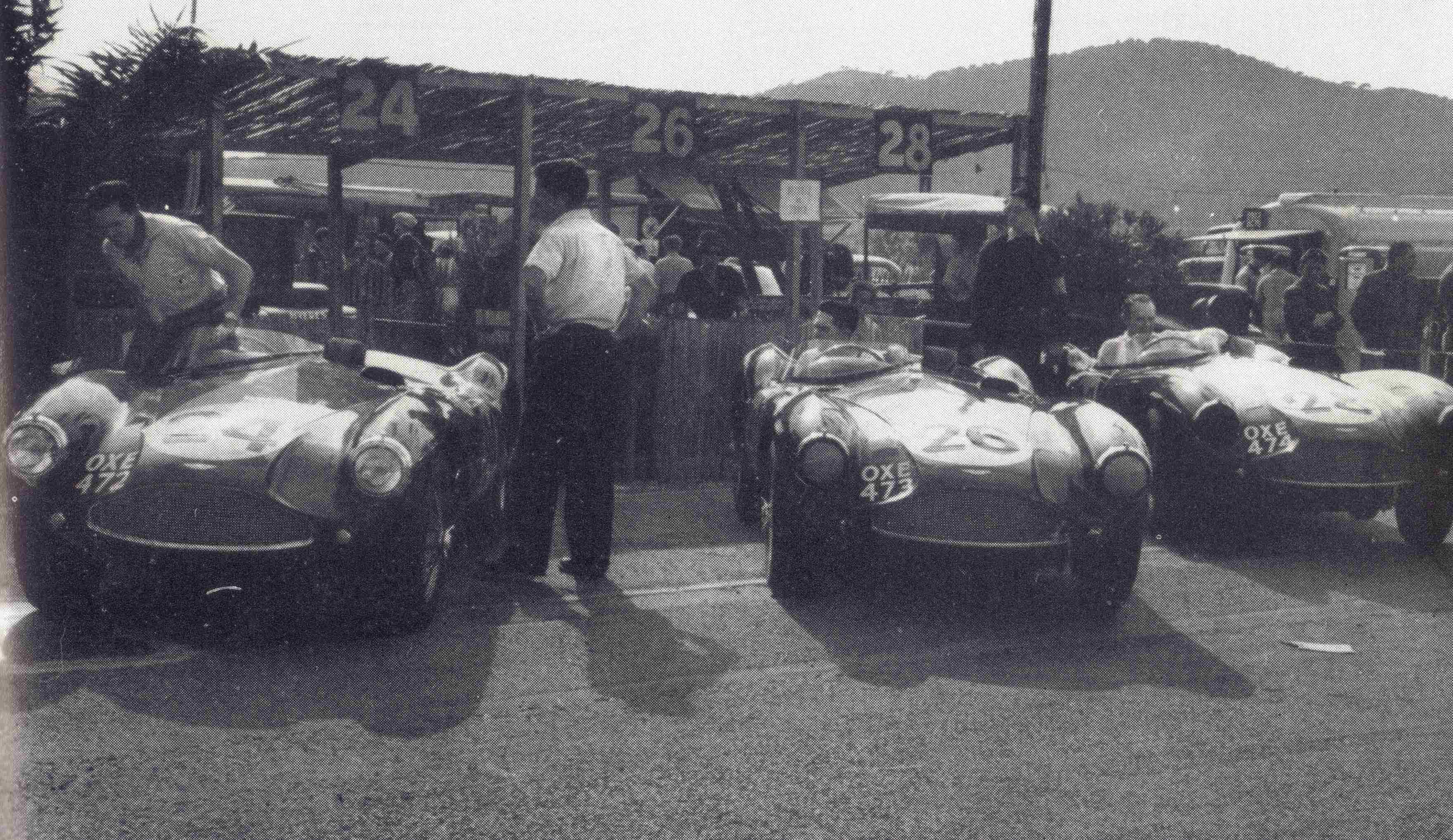
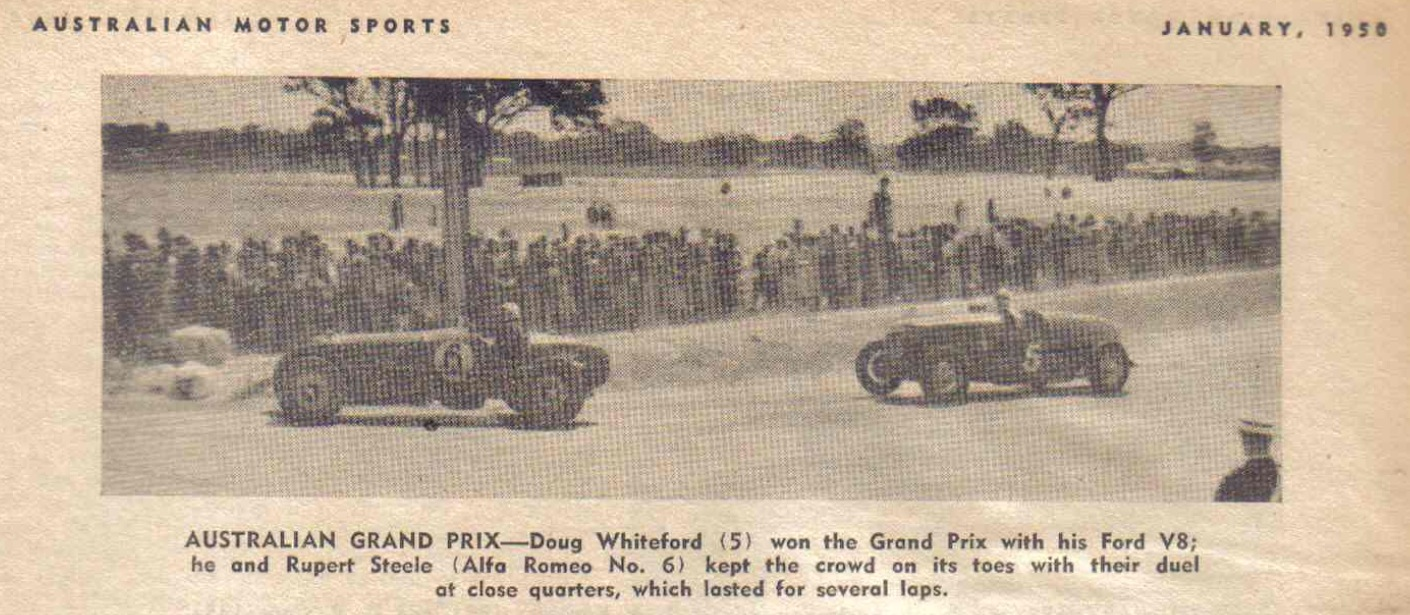
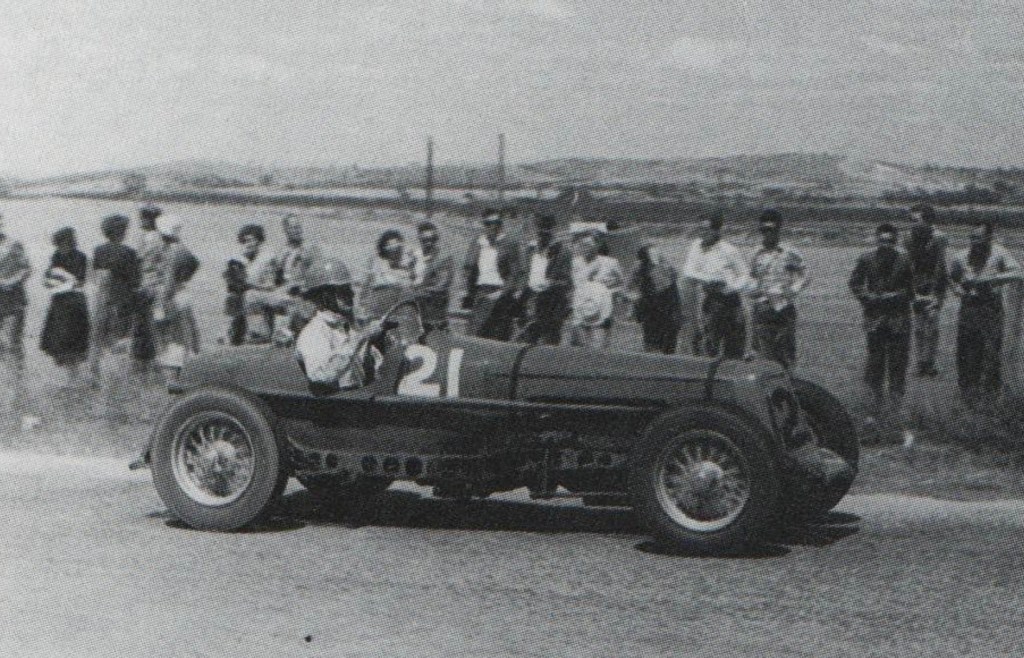
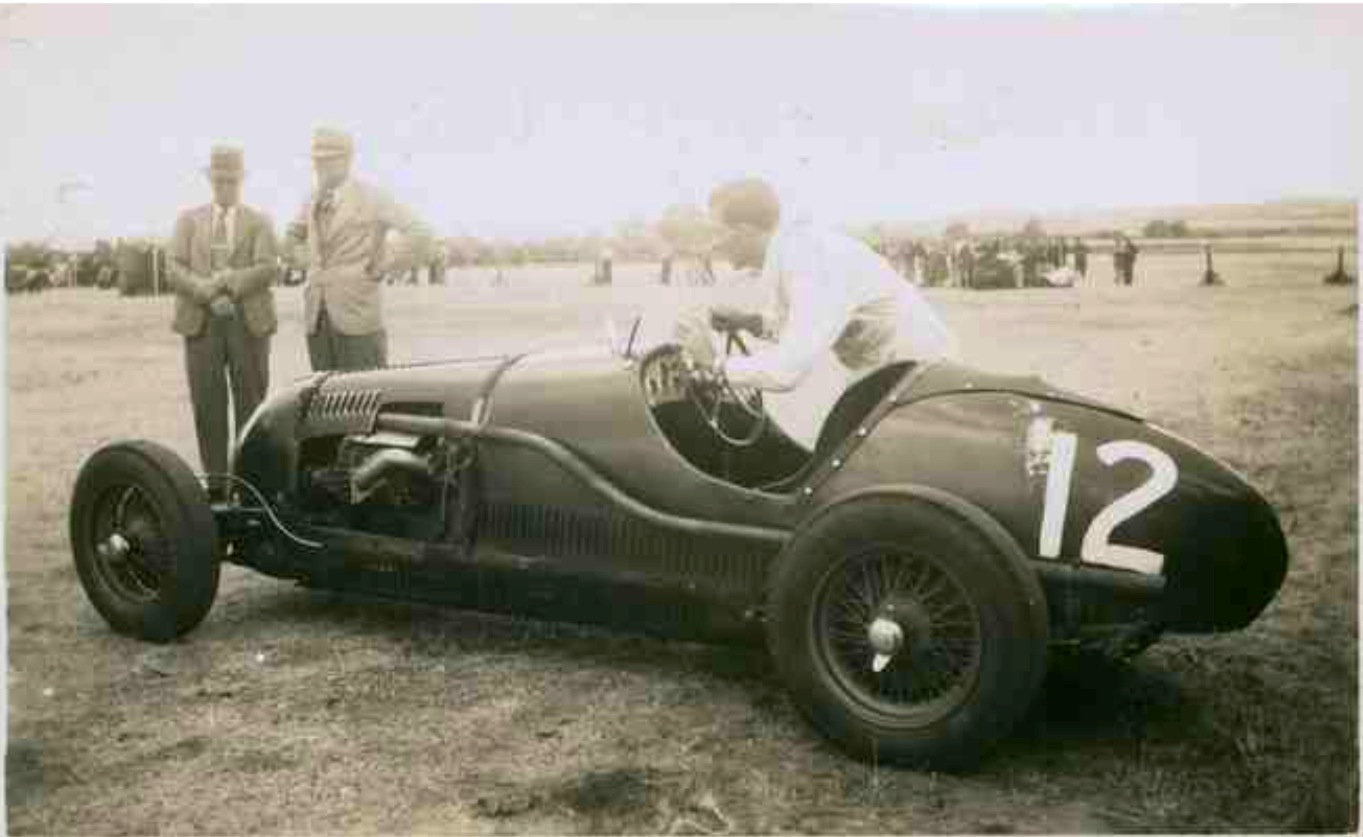
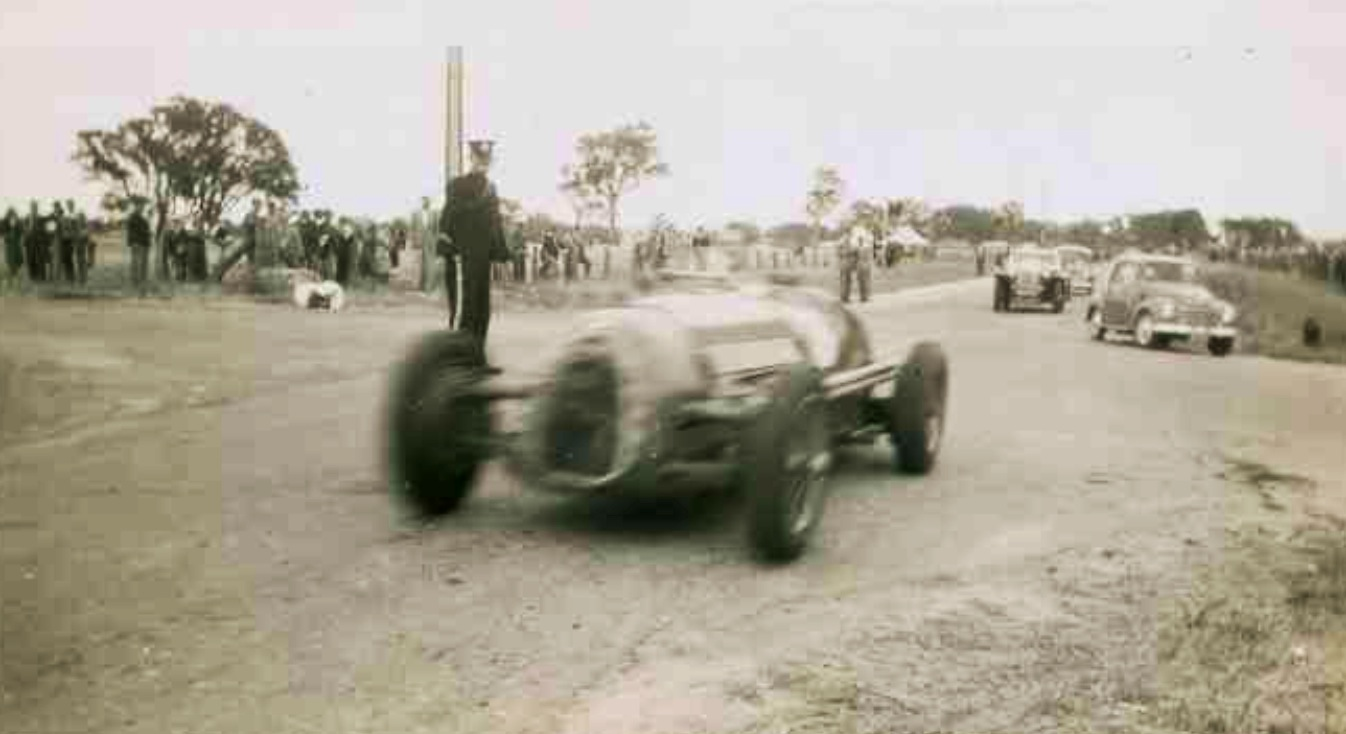
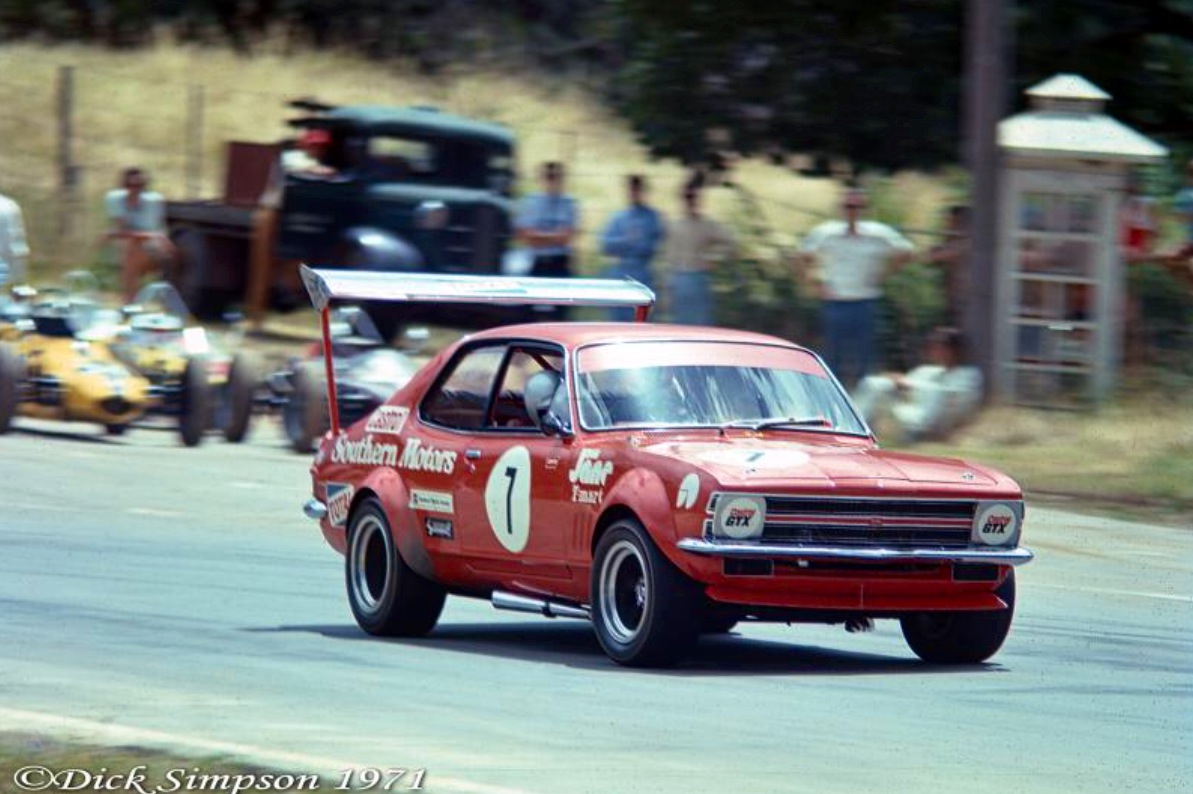
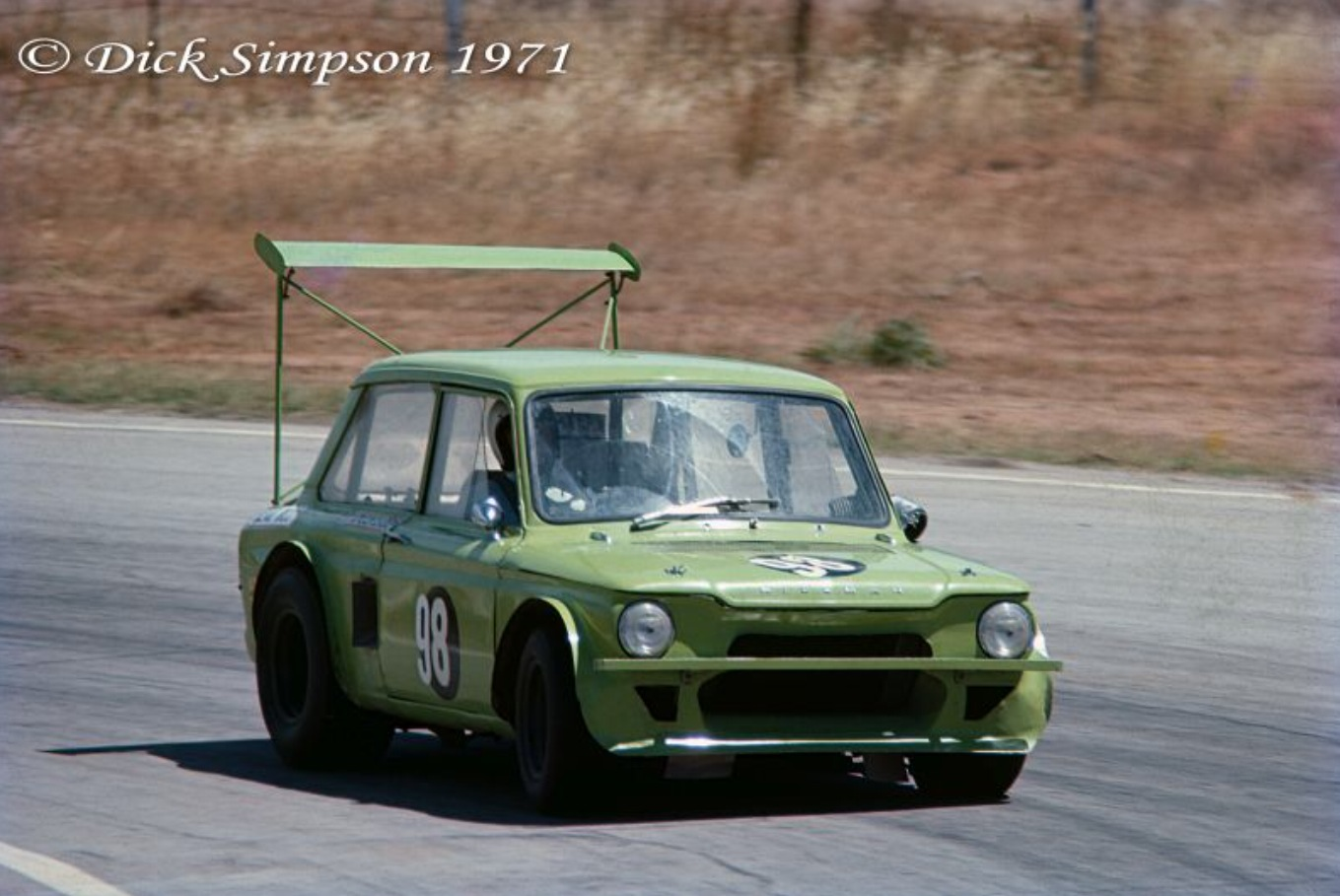
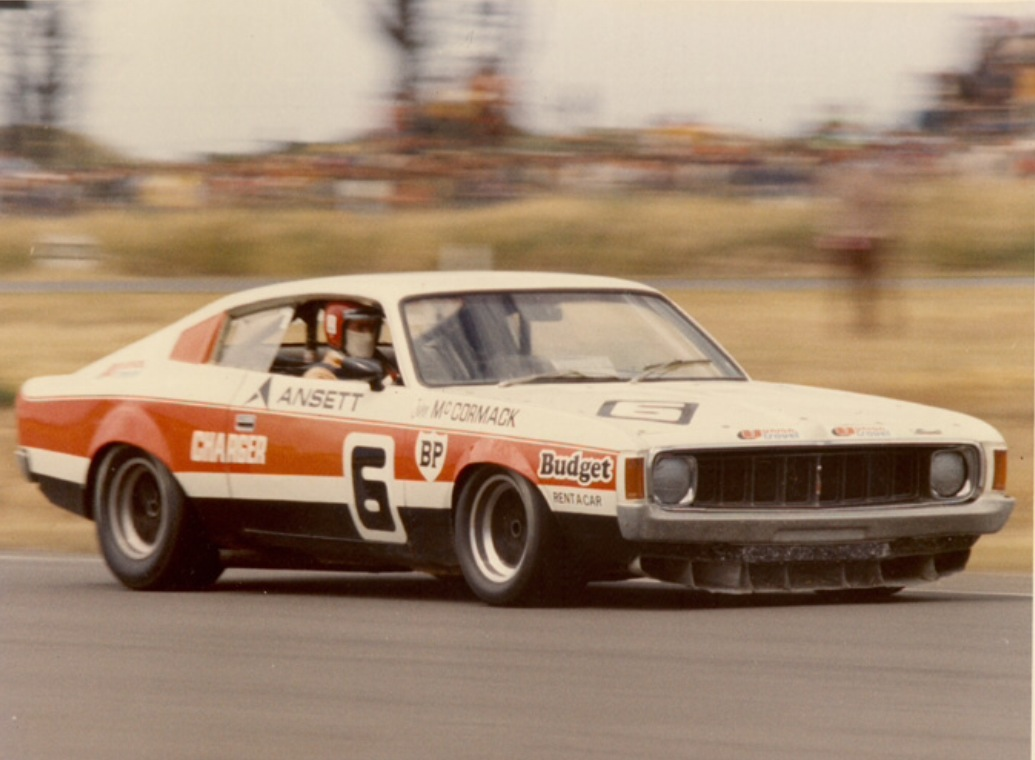
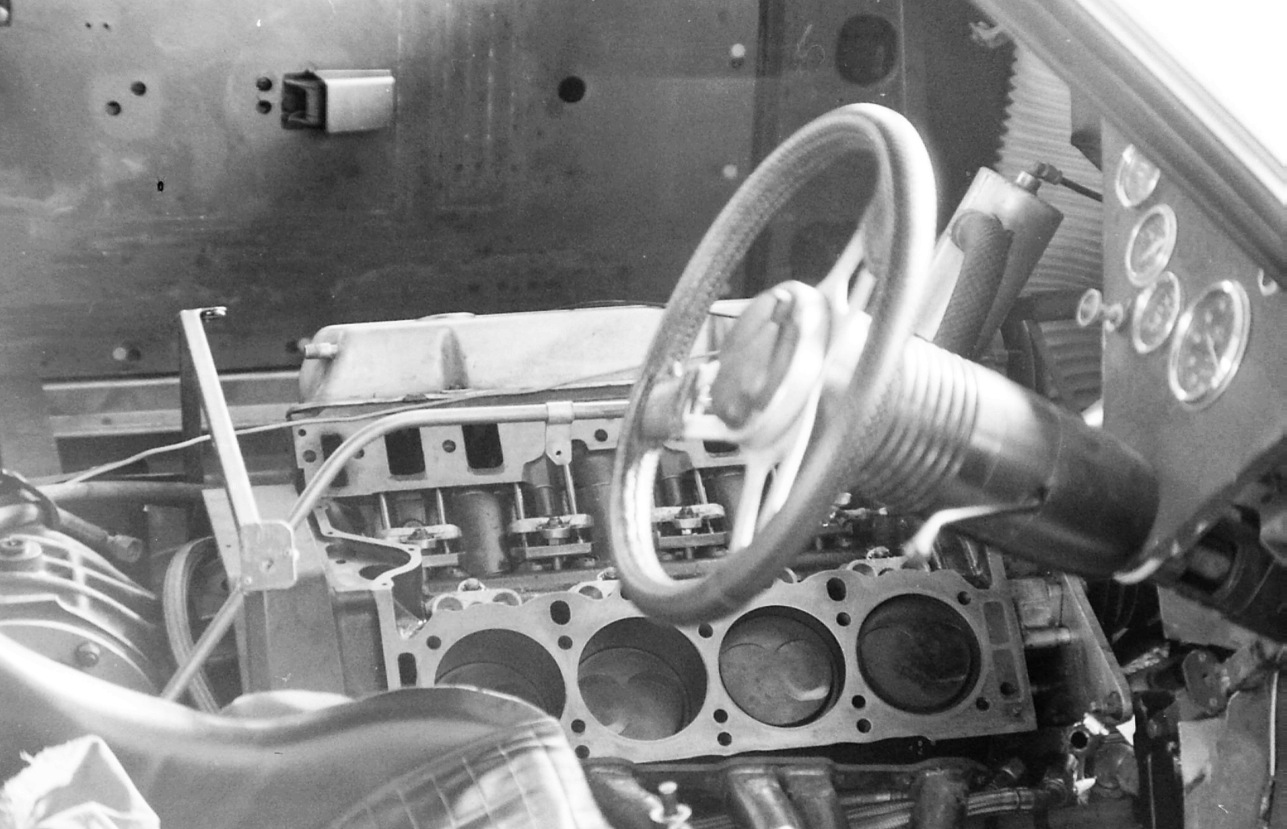
The following images are from Graham Howard’s ‘History of The Australian Grand Prix’, and describe Frank Matich’s F5000 cars generally and John Goss’ pair specifically.


Bibliography…
Graham Howard ‘History of The Australian Grand Prix, Wikipedia for touring car stuff, The Nostalgia Forum, Facebook Australian F5000 Group, Stephen Dalton Collection
Photo Credits…
oldracephotos.com, David Keep, Lyntonh, Dick Simpson, Rod MacKenzie, Robert Davies, Vic Hughes, Andrew Lynch, Ian Smith, Bill Forsyth, Chris Jewell, Doug Eagar, Anthony Loxley
Finito…































 primotipo...