Falls mainly on Warwick Farm, at least at its first open meeting it did, 18 December 1960…
Sydneysiders heap plenty of shite on Melburnians given our ‘four seasons in one day’ weather which does present its challenges to the ladies every now and again. Whilst I am a Mexican (Victorian) I am a Sydneysider by inclination having lived ‘in the guts’ of the place for nine wonderful years, in Observatory Hill/Millers Point. As a local when it does rain up there it can be sub-tropical in its intensity, it absolutely chucks it down in Cairns like fashion, as it did during the ‘Farms opening meeting- all of it.
Making like a duck in Kevin Drage’s opening shot is Derek Jolly, the wealthy Penfolds Wines heir’s equipe of Jaguar XK 140 Coupe and ex-works Lotus 15 Climax is behind him. Not sure how he fared in the Sportscar events, click hear for a feature I wrote about him and the Lotus a little while back;
The photo above in the form-up area is #9 Bill Patterson’s Cooper T51 Climax FPF 2.2, #21 Doug Whiteford’s Bib Stillwell owned Cooper T51 FPF 2 litre, then Stillwell’s red Cooper T51 Climax FPF 2.5 and Austin Miller’s yellow Cooper T51 Climax FPF 2.2. Bill didn’t start the ‘Warwick Farm Trophy’ feature race so this is the lineup for the preliminary or before the Victorian Holden dealer pulled the pin.
The ‘Warwick Farm Trophy’ was watched by 12,020 soggy spectators and was won by Bib Stillwell’s T51 2.5 from John Youl’s 2.2 litre variant, then Austin Miller and Lex Davison’s big-bellowing six-cylinder Aston Martin DBR4/250 3 litre. In the following four years, when held in glorious weather, Warwick Farm attracted between 23,000 and 36,021 (1962) to its annual International Meetings- strong numbers to see the F1 stars of the day. It was most unfortunate to have such poor weather for the circuits first big meeting but it was not at all a portent of what was to come for ‘Gods Little Acre of Motor Racing’ for the next thirteen years.
Stillwell’s Rice Trailer behind Lex, the ‘Ringwood’ Rice is Patto’s (K Drage)
Lex’ Aston, chassis DBR4/250 number ‘4’ was powered by a 3 litre Aston DBR1 sportscar engine- Astons won the 1959 Le Mans and Manufacturers Championship with these wonderful cars.
Lex popped the front-engined car on pole- he came sooo close to winning the 1960 Australian Grand Prix at Lowood in it from Alec Mildren’s terribly clever Cooper T51 Maserati in June. Then Davo ‘crossed the fence to the dark side’ and raced a Cooper T51 to a somewhat lucky win in the ’61 AGP at Mallala.
Must get around to doing an article about these Aston’s in Australia, were there two or three?…
(J Ellacott)
John Ellacott’s grid shot above comprises Patterson, Davison and Whiteford (red), then Miller and Stillwell (red) . On row three is John Youl Cooper T51 FPF 2.2, Stan Jones blue Cooper T51 Climax FPF 2.3 and Jon Leighton Cooper T45 Climax FPF 2 litre (this side) A row further back Arnold Glass sits on his lonesome in a Cooper T51 Maserati 250S 2.5 then there is John Roxburgh Cooper T45 Climax FPF 2 litre, Noel Hall Cooper T51 Climax FPF 2.2 and Jack Robinson’s Jaguar Spl XK120 3.4 litre and at the rear Alwyn Rose in the Dalro Jaguar 2 XK120 3.4 litre. As I said earlier the results I have say Patterson did not start so perhaps we lost him on the warm-up lap
David McKay’s Morgan Plus 4 #71 in the Sportscar race which he wins…
(J Ellacott)
Love this anecdote sent to me by journalist Ray Bell- ‘The first race ever at Warwick Farm was for sportscars and you have that pic of the Austin Healey leading McKay in the Morgan off the grid.
McKay dogged the Healey driven by Bob Cutler, until Cutler spun. McKay won, Cutler came in second. Later in the pits McKay went up to him and said, “You were never going to win that race, boy!”. And Cutler asked why.
“See his here” McKay said, pointing to the tiny service sticker on the window of the Healey (you know the ones, oil change due at x miles, with the oil brand or the servo name on it), “That’s advertising, I would have protested!”
Some people’.
For international readers, advertising as it also was in Europe, was banned on racing cars at the time.
Photo Credits…
Kevin Drage, John Ellacott
Special Thanks…
Ray Bell
Tailpiece…I don’t wanna get my feet wet! Derek Jolly, Lotus 15 Climax and ‘plug box contemplating a day for the ducks, and a damp practice session…
A favourite car, favourite marque, favourite colour. Bert Howard’s Lola Mk1 Climax at Symmons Plains, Tasmania in April 1968…
It’s a simple enough shot I suppose, a well executed pan with classic blurred background, but too good not to share.
The colour is so clear it could be 2017, but the low roll bar, helmet and background devoid of advertising hoardings gives it away a bit, its 1968. The small, lithe little machine looks like a ‘big banger’ doesn’t it?, but the 1098cc Coventry Climax FWA engined car is anything but that.
The Lola Mk1 was seminal in Eric Broadley’s early commercial success. The story of the car itself, it’s development and specifications is so well told on Lola Heritage, just click on the link here to read about these magic cars;
Bert’s car, Lola Mk1 chassis ‘BR15’ first came to Australia to the order of ‘Scuderia Veloce’ supremo, David McKay in late 1960.
By the time David McKay landed the sporty and Formula Junior Lola Ford ‘BRJ18’ the former World War 2 veteran, racer and motoring journalist had already been competing since the late forties. He had second place in the 1955 Hyeres 12 Hours in southern France together with Tony Gaze aboard a ‘customer’ Aston DB3S and the 1958 Australian Tourist Trophy, Bathurst, victory as career highlights to that point, the latter aboard his ex-works Aston Martin DB3S, see here for that car(s); https://primotipo.com/2017/09/28/david-mckays-aston-martin-db3ss/
Most international readers would be by now familiar with McKay from various of my articles. He was a racer at elite level who founded ‘Scuderia Veloce’ to race his own cars circa 1959. The team very shortly thereafter morphed into an enterprise which entered cars for others including internationals, Chris Amon, Graham Hill and Jackie Stewart- and into a retail motor dealership on Sydney’s North Shore which sold Ferrari, later Volvo and from 1969 Porsche cars.
McKay also aided and abetted the careers of many drivers from the early days- most notably Amon, Spencer Martin, Greg Cusack and right through into the 1970’s Larry Perkins and open-wheeler Formula Pacific ace John Smith in the latter period.
Throughout this era of the mid-fifties to the mid-seventies McKay was the most influential Oz motoring journalist as motoring editor of Sydney’s Daily Telegraph and Sunday Telegraph newspapers. See here for more;
David McKay, Lola Mk1 Climax, Forrests Elbow, Bathurst, Easter 1961. Won the 3 lap under 1500 scratch and was 4th outright and 1st in class in the 10 lap main sportscar event won by the Matich Lotus 15 Climax (J Ellacott)
A mate of McKay’s, dentist David Lewin based in London had written to the Sydneysider and extolled him of the virtues of both Lolas and McKay soon did a deal with Graham Broadley, Eric’s brother to acquire ‘BR15’, which was a works car raced by Peter Ashdown.
The FJ was a new car built for a category which was exploding globally. The shadows of the War by then had to a large extent diminished, globally the worlds economy was performing well and consumer credit was becoming more widely available- many young men could afford to go motor racing and FJ was very much a class of choice.
In Australia, finally some permanent venues were being built- Warwick Farm, Catalina Park, Lakeside, Sandown Park, Calder and others were all opened in the early years of the sixties. In fact McKay was keen to land both Lolas in time for the first Warwick Farm opening meeting in December 1960. ‘BR15’ was not available until the end of the British racing season however.
Between the purchase of the cars and their arrival in Australia the Australian Federal Government had increased sales tax on imported cars to 40%. Much to McKay’s chagrin the changes applied to both road cars AND racing cars including those ‘on the water’! His landed price having increased hugely, McKay quickly did a deal to relieve the financial pressure so created to sell the FJ to Sydney insurance broker Tom Corcoran who had been racing a Lotus 11. Corcoran raced the car under the SV banner thereby getting some support at race meetings and fuel and oil provided by Castrol who had about then done a deal with McKay. David of course raced the Mk1.
Scuderia Veloce on Warwick Farm’s pit straight in 1962. Morgan Distributors Morgan Plus 4, Tony Loxley’s Ferrari 250 GT, Fiat Importers Fiat 1800, ‘Old Nail’ Cooper T51 Climax, Lola Mk1 Climax (J Fullarton)
Scuderia Veloce at the time included the little Lola, a Nardi modified Fiat 1800 taken out to 2 litres owned by Fiat Australia which David raced in the burgeoning Appendix J touring car class and his Jaguar.
By early 1960 his first Jaguar Mk1 3.4 ‘Grey Pussy’, the dominant touring car in Australia at the time had been sold to Ron Hodgson. David bought a second Jag, a 3.4 litre Mk1, like the first built by the Jaguar Competition Department, which was co-owned with Australian Jaguar importer Bryson Industries. He won the very first Australian Touring Car Championship, a one race event, at Gnoo Blas, Orange in the red Jag in early 1960 beating Bill Pitt’s 3.4 litre Mk1 and Hodgson’s car which by then was 3.8 litres in capacity.
He also occasionally raced Sydney businessman/yachtsman Tony Loxley’s Ferrari 250GT coupe in GT races.
In single-seaters, for a short time in 1959 McKay raced a new (Victa Industries owned) Cooper T51 Climax FPF 1.9 and after the 1961 Australasian International season- the Victa owned car having been sold to Bib Stillwell he acquired a Cooper T51 Climax FPF 2.2 from Jack Brabham. McKay realised, approaching forty that his time at the top was limited and he ‘needed to get on with it’ in single-seaters!
Mallala AGP weekend 1961, this will be a heat as Bill Patterson started from pole after acrimony over qualifying times and Stan Jones DNS the GP itself after mechanical mayhem intruded. #6 Bib Stillwell in his new Cooper T53 Climax, #14 McKay in ‘Old Nail’ Cooper T51 Climax and #2 Stan Jones Cooper T51 Climax. That’s Gerry Brown tending to Bib and Kevin Drage with his hand on the tail of the car (K Drage)
The ‘Old Nail’ Cooper Jack Brabham had for sale was raced by Ron Flockhart and Roy Salvadori that summer as part of ‘Jack’s team (‘Ecurie Vitesse’) was none other than Bruce McLaren’s ex-works machine (chassis number either ‘F2-5-57’ or ‘F2-7-59’), the chassis in which Bruce took his first world championship GP victory at Sebring in late 1959 and another win at Buenos Aires in February 1960.
It wasn’t in the full flush of youth as a ’59 (or was it 1957!?) car with transverse leaf, as against coil sprung rear end but was still a pretty good thing to go head to head with Cooper mounted Stan Jones, Bill Patterson, Lex Davison, (noting Lex’ interludes in Aston Martin DBR4’s) Bib Stillwell, (ditto!) Alec Mildren and the rest of the local heroes in Australia.
Indeed, the difference between an Australian Grand Prix ‘Old Nail’ win for McKay and 3rd place at Mallala in October 1961 was a jumped start and 60 second penalty in the opinion of the race stewards…but not in the opinion of many informed onlookers! A story for another time. Lex Davison won the ’61 AGP, his fourth and last AGP victory aboard a Cooper T51 borrowed from Bib Stillwell (the ex-Victa Industries car raced briefly by McKay) and Bibs later, quicker!, Cooper T53 with McKay’s T51 third. As I say, that meeting is very much a story in itself for another time.
Start of the Australian Touring Car Championship race at Gnoo Blas, Orange, NSW 1 February 1960. Ron Hodgson in Jag Mk1 3.8 ‘Grey Pussy’ at left, McKay in his new Mk1 3.4 right, Bill Pitt behind in another Mk1 3.4 then the Holdens led by Pete Geoghegan’s black 48-215. McKay won from Pitt and Hodgson (unattributed)
So, McKay was a busy boy and Lola was only one of his toys! McKay was well aware of the cars speed which was both demonstrated by the performance of the cars in the UK and Derek Jolly’s Coventry Climax FWA powered Decca’s which raced in Australia from the mid-fifties- and which McKay was well familiar with on-and off circuit.
The dominant sportscars in Australia at the time were Ron Phillips’ Cooper Jaguar, Doug Whiteford’s Maser 300S, Derek Jolly’s 2 litre FPF powered ex-works Lotus 15 and then Frank Matich’s Leaton Motors owned ex-works 2.5 litre FPF powered Lotus 15 from the time it arrived in Australia in 1960. Matich then transferred his raw pace to a Lotus 19 Climax which further accentuated his dominance (which segued to Lotus 19B, Elfin 400 Olds aka ‘Traco Olds’, Matich SR3 Repco and Matich SR4 Repco- a decade of sportscar wins for FM in Australia)
‘BR15’ at Symmons Plains 1968: spaceframe chassis, wishbone upper and lower front suspension with coil spring/shocks, 1098cc originally but by now probably 1220cc Coventry Climax Weber fed FWA engine and rubber bungee attached fuel tank all clear (oldracephotos.com)
The Lola was a famously light, beautiful handling car but it was not an outright contender toting only 1100cc so its place in the local order was to win the 1100 or under 1500 class and punch above its weight in outright competition.
McKay’s cars finally arrived from the UK in October 1960, their first outing a test day at Warwick Farm in October before the inaugural Warwick Farm open meeting on 18 December 1960. Bob Atkin had by then been engaged by McKay to look after the Lolas, Atkin formed a career with SV’s and was still Dealer Principal of Scuderia Veloce Motors when it was sold to Laurie Sutton a decade or so hence.
McKay won his class in the famously very wet meeting whilst finishing 2nd outright behind Matich’ Lotus 15 and ahead of Derek Jolly’s 15, Bob Jane’s Maser 300S, Doug Chivas’ Jag D Type and others. In a great day for McKay, he won the first race held at the Farm, a sportscar race in the Morgan Plus 4 (chassis #4590 was one of the first two imported into the country owned by by Sydney jeweller Ron Coulsten), was fourth in the Appendix J touring car race in the Fiat and took fastest lap as well as winning the 1500 class in the Lola Mk1. A great day at the office!
Over the next 12 months the car was unbeatable in its class with successes at Ballarat Airfield, Hume Weir, Longford and Bathurst.
Business end of the Lola, Longford 1960 (G Richardson)
McKay’s Lola ‘BR15’ in very ugly Appendix K GT guise in 1961, circuit unknown. Gives new meaning to ‘slab sided’ ‘dunnit (M Schagen)
The Confederation of Australian Motor Sport adopted Appendix K for GT cars for the 1960 season which made sense in terms of attracting people to buy and race closed coupes such as the Lotus Elite and Porsche Carrera being sold at the time. It left large numbers of sportscars out on a limb in the sense that promoters now chose between running races for the two categories-that is between Appendix C Sportscars and Appendix K GT’s.
CAMS oddly, but sensibly allowed open cars to compete as long as they had ‘a lid’. As a consequence all manner of cars including such exotica as D Type Jags, Maser 300S…and McKay’s Lola Mk1 were ‘converted’ from open sportscars to closed coupes.
The conversions were usually as ugly as sin, Bob Jane’s Maser 300S arguably the exception, with David’s Lola definitely in the ‘fugly’ category as the photo above proves! The work was done by Clive Adams North Sydney panel shop, ‘ there a master of aluminium work, one Stan Brown, had a small corner where he worked his magic’ as McKay so eloquently put it. ‘That it turned out an ugly duckling there is no doubt’. To make matters worse the increase in weight of the car and ‘top heaviness’ ruined the beautiful balance of Broadley’s original design.
1961 GT Racing shot: Bob Jane, Maser 300S Coupe, Leo Geoghegan Lotus Elite, Frank Matich Jaguar D Type Hardtop and the red car is Keith Malcolm’s Skoden, Bathurst October 1961 (MK1220)
McKay in his autobiography describes the silver lining in the GT conversion work as the introduction to him of Spencer Martin, who worked at Adams shop and had started racing in a self built sportscar. Later they would achieve much together with Spencer driving both the SV Brabham BT11A Climax after Graham Hill had finished with it at the end of the 1964 Tasman Series and McKay’s famous, glorious ‘Red Lady’- his Ferrari 250LM.
The Lola ‘GT’ cannot have been too bad mind you, McKay was 2nd in the 50 mile, one race 1961 Australian GT Championship held at Warwick Farm in July 1961. Frank Matich won in a Jag XKD ‘GT’ from Brian Foley’s Austin Healey Sprite Hardtop and Bob Jane’s Maser 300S Coupe.
As McKay focused on other cars he sold the Lola to Greg Cusack, the young motor-trader and rally-driver from Canberra was a man on-the-rise. Cusack raced the car for the first time, still under the SV banner, at Warwick Farm in December 1961. He achieved the same levels of success with it in the following twelve months as McKay.
Cusack also had an occasional race in the ‘Old Nail’ Cooper T51 Climax during 1962 including a very solid 4th in the ‘Bathurst 100’ Gold Star event on demanding Mount Panorama.
McKay played an important role in Chris Amon’s nascent career, running the young Kiwi in the Australasian International season aboard his Cooper T53 Climax in 1963- it was during that summer that Reg Parnell spotted Chris’ talent and spirited him off to Europe.
Chris had a few drives of McKay’s Coopers (Old Nail T51 and T53) in Australia in the second half of 1962 at Sandown and Mallala during practice and at the Gold Star season ending round at Warwick Farm in mid-October where he raced the T51 to 3rd place in the Hordern Trophy behind Bib Stillwell and John Youl. The talented young Kiwi also raced the Lola Mk1 at Sandown in September to a class win in the Victorian Sportscar Championship.
The Lotus 23’s then beginning to appear gave the Lola a taste of competition for the first time. Cusack could see the writing on the wall so acquired two Elfins, a Catalina single-seater and Mallala mid-engined sportscar with which to take his career forward.
Cusack remained close to McKay, he would several years hence drive the teams Brabham BT23A Repco after Spencer Martin’s departure from Scuderia Veloce.
Lola was offered for sale and sold to to another very quick young driver, John Martin of Katoomba in Sydney’s Blue Mountains who had been competing in a Lotus 15. He first raced the car in January 1963 and achieved much success despite the more competitive grids in which the Lola now competed.
John Martin, Oran Park circa 1963
Pete Geoghegan in ‘BR15’ giving Niel Allen’s new Elan heaps at the ’66 Warwick Farm Tasman meeting in February. It was a very effective ‘demo’ of the little cars pace despite advancing years and race miles. Geoghegan was doing as many laps in little lithe Lotuses at the time as the Touring Cars for which he was famous- he would have found Lola very much to his liking I suspect (B Wells)
Frank Demuth, a Sydney accountant was the next owner having bought the car in early 1964. He gradually got the hang of it, as a newcomer to racing, but soon traded it in after 12 months on the Lotus 23B Ford raced by Pete Geoghegan, the Geoghegan brothers were Australia’s Lotus importers.
Rather than leave the car sitting on the Parramatta Road used car lot, Pete decided to have a run in it to remind everyone Lola was about and for sale. He had the car painted the wonderful shade of yellow and added 8-inch wheels to get a bit more grip. By now the car’s Climax FWA was said to be 1220cc in capacity.
Geoghegan entered it in the 1966 Warwick Farm Tasman meeting sportscar races and gave Niel Allen’s ex-Leo Geoghegan Lotus Élan 26R and Demuth plenty of curry in the 23 he has just acquired! Still, Pete was a rather handy steerer whatever the theoretical superiority of the 1.6-litre mid-engined, Lotus/Ford twin-cam powered Lotus 23! The feature race, for the record was won by Greg Cusack in a Lotus 23B from Demuth, Geoghegan and Bob Jane’s E Type Lwt.
It was at this point that Bert Howard responded to the Geoghegan’s March 1966 ‘Racing Car News’ advertisement, asking price $A3400- read it and weep! It was a long drive from Hobart to Sydney and back but no doubt Bert had a big smile as his car towed ‘BR15’ onto the ‘Princess of Tasmania’ at Port Melbourne for the final leg of the 1600 Km trip home.
Longford 1968: Bert Howard’s Lola in front of Doug Whiteford, works Datsun Fairlady, John Roxburgh Lotus 23C Ford and Ian Maudsley, Lotus Super 7 (oldracephotos)
There the car was beautifully prepared and presented for years at Longford, Symmons Plains and Baskerville, if increasingly outdated as the mid-engined hordes grew exponentially throughout the 1960’s. In the smaller capacity classes these cars included the Lotus 23, various local 23 ‘clones’, the Elfin Mallala, Elfin 300 and others.
Bert sold the car in the early seventies to Kent Patrick who raced it in various historic events before selling it to Kerry Luckins, well known in motorsport as the General Manager of Paul England Engineering in Melbourne, a Light Car Club stalwart and the ‘on-circuit’ Sandown commentator.
Proud new parent, Kerry Luckins picks up his new Lola from Kent Patrick’s, son Kurt observed ‘It still had the big rear tyres’. (Luckins Family_
Kerry stripped the car and rebuilt it fully with the assistance of Jim Shepherd. It is in this period in the earlyish days of historic racing that I remember the Melbourne based car and later when raced by Ian and his son Nick McDonald, the car always looked ‘a million bucks’ and was very fast as the McDonald cars always are.
The car left Australia circa 2000 when sold to Tony Moy of Page and Moy, the specialist UK motor racing travel agency. Forty years had elapsed between the cars departure from and return to the UK- a great pity as the lovely little car had been an enduring and ever-present part of the Oz racing scene and a ‘belle of the ball’ wherever it appeared.
It never looked better than in its yellow phase in Bert Howard’s hands mind you…
Etcetera: David, Graham and Friends…
(Warwick Farm)
Warwick Farm function during the Tasman Series, perhaps 1964, the year Graham Hill drove McKay’s Brabham BT11A. Left to right- unknown, McKay, unknown, Geoff Sykes Warwick Farm promoter and manager, GH and Mike Kable, motoring journalist.
(Luckins Family)
Kerry Luckins gets JM Fangio to try the seat of his Lola at Sandown during the 1978 ‘Tribute To Fangio’ meeting. Kerry was President of the organising club, the Light Car Club of Australia, see here for a piece on THAT Sandown which practically every racing enthusiast in the country attended from the Prime Minister of the day, Malcolm Fraser down;
Kerry was a well known, respected figure in the day, I admired the way he steered the Light Car Club as a member, he came across well on the Telly as part of the Sandown broadcast team, I met him later in his life in retirement at Sorrento. I visited to buy a Smiths chronometric tach which I still have, and look at his Birrana 274 (ex-Allison 274-07) but it was way too far gone for my limited mechanical skills- not sure that car has re-surfaced yet?
The very talented John Martin shows Lola’s delicate lines and pert little rump to very good effect at Oran Park circa 1963.
Bibliography…
‘David McKay’s Scuderia Veloce’ David McKay, ‘Historic Racing Cars in Australia’ John Blanden, Lola Heritage, oldracingcars.com, Terry Sullivan and Ray Bell on ‘The Roaring Season’, ‘Bathurst: Cradle of Australian Motor Racing’ John Medley
Photo Credits…
T Watts Collection via Historic Racing Car Club of Tasmania, Geoff Harrisson/oldracephotos.com, John Ellacott, Kevin Drage, Marc Schagen via Aussieroadracing, J Fullarton, MK1220, Bruce Wells/The Roaring Season, Greg Richardson, Ian Thorn, Kerry and Jennie Luckins Family Collection
Tailpiece: David McKay at Catalina Park, Blue Mountains, NSW, Lola Mk1 Climax, date unknown, beautiful isn’t it…
Looks of wonderment and amazement at the voluptuous lines of the Aston’s Frank Feeley penned body. The ‘Wow Factor’ of contemporary racing cars never changes whatever the era does it?!…
Here it’s a Melbourne crowd on February 28 1958. Its the end of the long hot Australian summer but the crowd are well rugged up, Melbourne is notoriously ‘four seasons in one day’ sometimes and Fishermans Bend is an exposed windswept place at the best of times. At the wheel of the road-registered, ex-works Aston Martin DB3S chassis DB3S/9 is a youthful David McKay.
McKay aboard DB3S/9 at Fishermans Bend in February 1958. Nose of the car showing minor scars of battle, perspex headlight covers fitted to this car from its birth. First race the ’56 Rouen GP in May, then 2nd @ Le Mans ’56 driven by Moss/Collins, Salvadori was 2nd at Goodwood in September- car retained by Astons into 1957, the DBR1 the front line weapon that year with Brooks racing DBS3/9 at Easter Goodwood for 3rd. It was then used by the works for the last occasions as a practice car at Silverstone for the British Empire Trophy and for the Nurburgring 1000Km before sold by John Wyer to McKay with funds provided by Ampol (Westaway)
At the time he was ascending the driving ranks having cut his racing teeth in MG’s. He made it into the elite group too- let’s not forget were it not for a ropey jumped start call he would have won the 1961 Australian Grand Prix at Mallala aboard a Cooper T51 Climax. David would soon be known as much as a journalist, successful businessman and entrant-entrepreneur via his business ‘Scuderia Veloce’ as a driver though.
McKay raced this car to wins in the sportscar races that Fishermans Bend weekend, and was very successful in it throughout the country, taking 8 wins from 9 starts.
His only defeat, 2nd place was at the hands of Doug Whiteford’s ex-works Maser 300S in the Tasmanian Tourist Trophy at Longford in early 1958 during the Gold Star meeting.
McKay and passenger, Baskerville 1958 (HRCCT)
After Longford McKay and his crew took the car south to Hobart racing it at the new Baskerville circuit (above) in April and taking a comfortable win, and setting a new outright circuit record from Lyn Archer’s Cooper 1100 but churning through more of his diminishing stock of racing Avons due to the abrasive nature of the surface.
An amusing side-story is that the officer in charge of the old SS Taroona ship between Devonport and Port Melbourne took exception to the oversized trailer and refused to load it until David made representations to the Captain who graciously allowed the equipe aboard ensuring that important commitments to sponsors could be met.
Engine of the ex-works/McKay DB3S/9, raced at Albert Park, November 1958 by Stan Jones. 6 cylinder 2922cc DOHC 2 valve, twin plug all alloy engine fed by 45DCO Weber carburettors. Circa 225bhp @ 6000 rpm (Kevin Drage)
His last race in the car was successful, he took an Australian Tourist Trophy victory at Mount Panorama, Bathurst in October 1958 in what McKay described as ‘the faithful old ex-works Aston’s…greatest Antipodean win’.
The race was not an easy one. Initially Bill Pitt’s Jaguar XKD led and then Doug Whiteford, the formidable, forceful three-time AGP winner took the lead from McKay with Pitt 3rd. On lap 10 Doug had an enormous accident when the Maser was caught by a sudden gust of wind after coming over the second Conrod Straight hump threw the car out of control with the Maser spinning and hitting the right hand fence three times. Whiteford was almost flung from the car as it skidded backwards down the escape road and into another fence. Fortunately the St Kilda racer was only bruised by the wild ride.
McKay then led with an intermittent engine miss from Derek Jolly’s Lotus 15 Climax, a light rain shower adding to the degree of difficulty towards the end of the race. McKay won from Jolly, Ron Phillips and Frank Matich- Aston DB3S, Lotus 15 Climax, Cooper Jaguar and Jaguar XKC.
The weekend was a brilliant one for the Sydneysider as his new Jaguar Mk1 3.4, just imported for him by Ampol trounced the hitherto dominant Repco headed Holden sedans of John French and Leo Geoghegan in the sedan car handicap, to start the ‘Jaguar Era’ of Australian Touring Car racing.
After the Tourist Trophy win Stan Jones bought the racer but wasn’t really happy with it. The wonderful Le Mans second placed 1956 car then passed into Ray Barfield’s hands in Western Australia where its contemporary racing history ended in the early sixties. A summary of the cars history is in this article, rather than repeat myself;
McKay’s first Aston, a production DB3S chassis #102 in the Carrathool paddock during its Australian LSR record breaking weekend in February 1957. Interesting to know who crafted the aero pod beneath which McKay sat and cooked! (Jek)
McKay was a very dab hand at the wheel of Aston’s by the time he bought his ex-Moss car…
He was part of the trio of privately run DB3S, ‘Kangaroo Stable’ of cars raced by Australians Tony Gaze, Jack Brabham, Les Cosh, Dick Cobden, Tom Sulman and McKay in Europe in 1955.
McKays car, initially delivered to Tony Gaze, chassis DB3S/102 took the best result of the tour cut short by the cancellation of many sportscar races in Europe after the Le Mans disaster- McKay and Gaze were second in the 29 May Hyeres 12 Hour behind the winning Ferrari 750 Monza driven by Canonica/Munaron
At the end of the European Safari which included Oporto (Gaze 8th) and Goodwood (McKay/Gaze DNF distributor drive) David shipped the car straight to New Zealand for a number of races there including the Formula Libre NZ GP in January 1956,he retired from the Ardmore event won convincingly by Stirling Moss in a Maserati 250F.
The engine of the car was shipped back to the UK for a rebuild after a major failure during a race at Invercargill. From May 1956 production DB3S’ were fitted with twin-plug 210 bhp engines, it was in this form the engine was rebuilt and delivered from Feltham back to Sydney. The beautiful car was again race ready by early 1957.
Tony Gaze about to rejoin the May 1955 Hyeres 12 Hour, he shared the car with David McKay- car #20 behind is the Graham and Peter Whitehead DB3S DNF (CAMS)
The stunning colour photographs were taken of ‘102’ in February 1957 at Carrathool a tiny village 680 Km west of Sydney between Narrandera and Hay in New South Wale western Riverina.
The main automotive attribute of the town was a long, straight stretch of road between Carrathool and Gunbar which was ideal for record setting, and so it was that various Ampol sponsored cars sought to break some Australian speed records. The then current Australian LSR was the 136.4 mph set by Jack Saywell’s 2.9 litre Alfa Romeo Tipo B/P3 at South Australia’s Coorong in 1939.
After plenty of careful preparation inclusive of incorporating the beautifully made perspex fairing onto his Aston, McKay broke the record setting a time over the Flying Kilometre of 143.19 mph on the morning of 19 February 1957. The ‘Canberra Times’ reported that McKay made two full speed runs on the course, ‘during one run he skidded on a patch of loose dirt at 140 mph’.
This speed was soon eclipsed by other cars but the DB3S held the class record for some years.
David McKay at speed during the Ampol sponsored record-breaking weekend in early 1957. Carrathool a tiny hamlet with now around 300 inhabitants. A straight, flat road with a decent surface a long way from major population centres was ideal record breaking territory! (Jek)
The car was first raced in Australia at Easter Bathurst in April 1957, he was 2nd in the sportscar handicap and won the sedan and sportcar handicap from Paul England’s Repco headed Ausca, passing the very fast special built at Repco Research by England ‘running up to 139.3 mph to do so and clocking fastest quater mile time for the day’.
But the car saw little further use as the quicker ex-works machine arrived in Sydney in September 1957. DBS/9’s first race was the October 1957 13 lap NSW Sportscar Championship at Bathurst, an event the combination won comfortably with McKay taking the lap record despite using only 5200 of the Aston’s available 6000 rpm. Bill Pitt’s Jaguar D Type was timed at 144 mph on Conrod Straight with McKay at 136 mph using his self imposed rev limit.
Both of these extremely valuable cars still exist but sadly left Australia many years ago. Those of you with collections of Australian ‘Sports Car World’ magazine should have a fossick through them as McKay wrote two sensational articles about the ownership of his two Aston’s in the seventies, or maybe the eighties!..
Technical specifications as per text (Tony Matthews)
Aston DB3S Technical Specifications…
The Aston Martin DB3S was built from 1953 to 1957, 32 were constructed excluding the single-seater variant ‘DP155/1′ raced by Reg Parnell in New Zealand in 1956.
Fundamentally Willie Watson’s design was a shorter, lighter and stiffer car than Eberan Eborhorst’s Aston DB3. The car evolved over just four months making its debut in Reg Parnell’s hands at Charterhall on 23 May 1953.
The cars were designed around a period typical ladder frame chassis which was 7 feet 3 inches long- 6 inches shorter than DB3. The frame comprised twin tubular members of 4 inch 16 gauge chrome molybdenum steel and three 14 gauge four, and five inch cross-members. The shorter chassis made the car nimbler than its predecessor if somewhat skittish on bumpy surfaces. The track was reduced from 4′ 3″ to 4’ 1″.
Frank Feeley designed the very stylish body, as sexy as the DB3 was dowdy. More than a nod had been given in the direction of the contemporary Maserati A6GCS it seemed. Overall the car was shorter, narrower and lighter than the DB3 and importantly it ‘looked right’ straight out of the box.
Front suspension was independent by trailing links, torsion bars, piston type dampers and a roll bar. A De-Dion rear axle was used sprung by a torsion bar and located by trailing links and a Panhard rod, again with piston type shocks.
Naturally a David Brown gearbox was fitted, the S430 ‘box a 4 speeder with reverse, final drive was by spiral bevel in a light alloy casing with a ZF slippery diff usually fitted. Brakes initially were two-leading shoe Alfin drums- 13 inches in diameter at the front and 12 inches at the rear. From 1955 Girling disc bakes were specified, the rotors were 11.5 inches in diameter front and rear. Precise rack and pinion steering was fitted, two turns were required lock to lock.
A 2922cc all alloy DOHC, 2 valve, 6 cylinder engine provided the cars heart. It had 4 main bearings and wet cylinder liners with the valves disposed at an included angle of 60 degrees. Initially fitted with 35DCO Weber carburettors the engine gave 182 bhp @ 5500 rpm and 182 lb/ft of torque at 3800 rpm on a compression ration of 8.5:1.
The cars were of course developed extensively throughout their racing life with the works cars fitted with twin-plug heads and 45DCO Webers from May 1954 giving 225bhp @ 6000 rpm.
The ‘Kangaroo Stable Cars’ (DB3S/102 Gaze-McKay, DB3S/103 Sulman, DB3S/104 Cosh) delivered in early 1955 all had the 200 bhp Weber 40 DCO engine- when announced at Earls Court in October 1954 the production cars had a feeble and uncompetitive 180 bhp on triple SU’s.
For the sake of completeness special works engines included a supercharged 240 bhp car raced at Le Mans in 1954 and a 2992cc normally aspirated variant raced at Dundrod in 1955.
In an era of unlimited sportscars the production based 3 litre DB3S was rarely an outright contender, the big guns, depending upon the year were the Benz 300SLR, XKD Jags and Ferrari V12’s of varying capacity. But with a change to 3 litres for the manufacturers championship and a more uncompromising approach the DB3S’ younger brother triumphed at Le Mans in 1959 and won the manufacturers title to boot. The path to that success was in part via the DB3S journey…
David McKay and passenger doing some camera work at the then new Baskerville circuit, Tasmania in early 1958 (HRCCT)
Etcetera…
(unattributed)
McKay on the left and Doug Whiteford, Maserati 300S with Bill Patterson’s Cooper Climax Bobtail behind?
Its Longford before the startline was moved from here- towards the end of The Flying Mile, before Mountford Corner to what became Pit Straight- the stretch after Mountford.
(unattributed)
Perhaps an Ampol publicity shot- ‘Rice’ trailer? Nice rig.
Bibliography…
‘Historic Racing Cars in Australia’ John Blanden, ‘David McKay’s Scuderia Veloce’ David McKay, ‘Aston Martin: A Racing History’ Anthony Pritchard, ‘Bathurst: Cradle of Australian Motor Racing’ John Medley, ‘The Canberra Times’ 20 February 1957
Photo Credits…
Don Westaway, Kevin Drage, Ampol, Sharaz Jek, Tony Matthews, HRCCT- Historic Racing Car Club of Tasmania, CAMS
Tailpiece: McKay at high speed in DB3S/102 during a practice run at Carrathool, in New South Wales western Riverina in April 1957…
Chris Amon, 19 years of age, awaits the start of the 1963 Australian Grand Prix, Warwick Farm, Sydney. Cooper T53 Climax…
Amon didn’t finish in his ‘Scuderia Veloce’ entered Cooper, the cars fuel pump failed after 24 laps. Jack Brabham won the race in his Brabham BT4 Climax, Amon’s team-leader and ‘SV’ owner David McKay finished fourth in another Brabham BT4 Climax.
These were the early days of a very successful collaboration between Amon and McKay which resulted in the pair winning the 1969 Tasman Series in the fabulous Ferrari Dino 246T. Chris was the first of many drivers the racer/writer/team owner nurtured over the years.
In Amon’s case it was at a stage of his life when McKay was about to vacate the driving seat and evolve into a new stage of his career as owner/entrant of cars driven by others. Amon, then racing a Maserati 250F in NZ tested McKay’s Cooper T51 at Warwick Farm in August 1962 and contested Australian Gold Star rounds later in the season at Mallala and Sandown, non-starting in both but taking a strong third place at Warwick Farm in the Hordern Trophy behind Bib Stillwell and John Youl in October.
This was all valuable experience before the NZ and Australian Internationals with McKay entering the Kiwi in a later model T53 Cooper.
He was seventh from grid 6 in the NZ GP at the brand new Pukekohe circuit on 5 January, and had DNF’s with ignition and gearbox dramas at Levin, Wigram and Teretonga. He qualified fourth, sixth and seventh. In Australia he had slightly more luck.
(J Ellacott)
Before the off- Surtees Lola Mk4A, #10 McLaren Cooper T62 and an obscured David McKay Brabham BT4, row 2 Tony Maggs Lola Mk4A and Chris in #14 Cooper T53 then Lex Davison on the left, Cooper T53, John Youl bright red Cooper T55 and you can just see Graham Hill’s distinctive helmet, Ferguson P99 on the fence (B Wilson)
He contested the AGP at Warwick Farm above, for grid 5 and DNF fuel pump. At the Lakeside International he was fourth from grid 6, his best result. In Tasmania, at the South Pacific Championship at Longford he was seventh from grid 8 and at the Sandown International, the Australian Grand Prix, he finished sixth from grid 12 in the last meeting of his tour on 10 March.
It was a critical period in Amon’s progression as a driver. Chris raced his ex-Owen Racing Organisation Maserati 250F in the first of the Kiwi Internationals at Renwick in November 1962. He then graduated to McKay’s Cooper and so impressed Reg Parnell (who ran Lola Mk4A’s for John Surtees and Tony Maggs in Australasia) that summer in a car that was not the latest bit of kit, and 2.5 Coventry Climax FPF powered rather than the 2.7 variant used by much of the opposition, that he was off to Europe for the rest of 1963. Seventh place in the British and French Grands Prix were his best results in the Parnell Racing Lola Mk4A Climax V8 that season.
His climb went all the way to the top echelon of Grand Prix Racing of course, championship Grand Prix win or not, he was undisputably a ‘Top 5 In The World’ pilot in several seasons during the 1967-72 period…
Chris Amon, Cooper T53 Climax Lakeside 1963. 4th in the race won by John Surtees’ Lola Mk4A Climax (Bruce Thomas)
Cooper T53 Climax ‘F2-8-60’…
The car was built by the CT ‘Tommy’ Atkins team for Bruce McLaren to drive but using the identity of one of the 1960 works F1 cars. (Jacks 1960 chassis)
The chassis was either built late in 1960 for McLaren to race in 1961 UK Intercontinental races or at the end of the season for his use in the 1962 New Zealand and Australian Internationals, depending upon the account you reference.
It was then sold to David McKay for the 1962 Australian Gold Star Series, raced by Amon in the ’63 Kiwi/Australian Internationals and then passed into the hands of a succession of Kiwi owners; Bill Thomason in 1963, Feo Stanton and Ian Rorison 1964 or 1965 and rebuilt as the Rorstan Sports with 2.7-litre Climax engine, then to D Lupp in 1970. Ted Giles bought it in 1978, it’s still in the families ownership in 2012.
Credits…
David Mist, Powerhouse Museum, Bruce Thomas, Hammo, John Ellacott
Bibliography…
oldracingcars.com for the chassis history and race results, sergent.com, Bruce Wilson
Tailpiece: Amon’s Scuderia Veloce Cooper T53 Climax 2.5 prowling the Longford paddock, he was 7th in the ‘South Pacific Championship’ race won by Bruce McLaren’s Cooper T62 Climax 2.7…
‘Scuds’ was the nickname of David McKay’s Ferrari, Porsche and Volvo dealership on Sydney’s North Shore…
Here is the team with its Brabham BT23A Repco ‘740’ 2.5 V8 at Warwick Farm in 1967’ish. Not sure of the exact date, but it looks warm and Cusack carried #7 in the Hordern Trophy on 3 December 1967 so my tip is that weekend. He finished behind Frank Gardner’s Alec Mildren owned Brabham BT23D Alfa Tipo 33 V8, its race debut and John Harvey’s Brabham BT11A Climax.
Mind you, Cusack carried the same number in the 18 February ’68 Tasman Round won by Jim Clark’s Lotus 49 Ford DFW, Greg was out on lap 4 with brake problems. Upon a closer look, the car in the shot below, during the Tasman round does not have the green band at its noses tip, so let’s go for the shot above as pre Hordern Trophy.
From the left is the beautifully liveried Holden HR Station Wagon tow car.
It’s probably toting the big 186cid 3 litre ‘six’ and ‘three on the tree’ manual tranny. Mechanic Bob Atkin, later a Director of SV, then El Supremo McKay and driver Greg Cusack. Greg was a very successful Ford dealer himself in Canberra. He was said to have been as quick as anyone on his day but ‘those days’ didn’t happen often enough! The trailer is a ‘Rice’ rated then and eagerly sought after now.
Top period shots, luvvem!
Cusack at the Farm during the ’68 Tasman round in the SV BT23A (oldracephotos.com)
Chris Amon did some laps in the car that 1968 Warwick Farm 100 weekend too. I wonder if David McKay was keen to see just how fast the car could go- Chris was one of the fastest guys on the planet at the time after all, or perhaps he was helping with car setup.
That Tasman he was racing a works Ferrari Dino 246T his own team were running, and SV’s Ferrari P4/350 Can Am.
(D Grant)
The colour shot below is of Cusack on the same weekend- he was out of the championship race on lap 4 with brake problems whereas Chis was fourth in his Ferrari, Jim Clark won in a Lotus 49 Ford DFW.
(P Houston)
Credits…
Michael Gasking Collection/Repco, oldracephotos.com, oldracingcars.com, Perry Drury, Doug Grant, Peter Houston
Tailpiece…
(P Drury)
Denny behind Jack’s BT23A in the Longford paddock in March 1967, Brabham won the Monday Tasman race taking the one and only Repco engined Tasman win, using a ‘640 Series’ 2.5 V8.
Repco workshop customer point of sale ‘take-away’ from 1962/3…
Given the sophistication of todays online marketing, driven as it is by complex algorithms using the reams of data we all hand over, unknowingly in our daily routines, it’s interesting to look at how it was once done, and still is to an extent I guess.
This quite eye-catching piece, with its complex die cut is sophisticated for its day and was no doubt scooped up in large numbers by the trade customers who frequented the various outlets of Repco’s burgeoning global empire. Repco’s retail outlets, well known to Aussies as a weekend DIY supply destination came later.
Former Repco engineer Michael Gasking has given me access to his extensive archive to share with you, this is the first of many more interesting Repco timepieces from Michael. Many thanks to him!
(Gasking)
It’s a few years before the Repco-Brabham ‘RB620’ V8 program but Ron and Jack’s cars were called and badged ‘Repco-Brabham’, the technical relationship was just extending to the maintenance and parts back up of the Coventry Climax FPF engine by whom Repco were licensed to make parts- pistons, rings and bearings amongst other components.
So the link between research and development, testing and racing is well travelled but neatly done I reckon, to see and hold this marketing timepiece is a joy so I thought it worth sharing.
(Repco/Gasking)
Brabham’s BT4 awaits a fresh Climax 2.7 engine during the 1963 Internationals in Australia.
The shot was taken at the Repco’s Doonside St ‘Repco Engine Laboratory’ in Richmond, an inner-Melbourne suburb.
Its a nice ‘reveal’ of Ron Tauranac’s spaceframe chassis of the day- the BT4 is the Intercontinental variant of the 1962 F1 Coventry Climax FWMV V8 engined BT3
Brabham chassis ‘F1-3-62’…
Inevitably my eyes were drawn to the cars chassis number. Its to the left and under the steering wheel on the dash, its with this stuff where my anal side kicks in- I wonder which car it is, thought i…
Allen Brown’s oldracingcars.com is one of my favourite bibles for such important minutae. No joy there, there was only one BT3 built, Jack’s first MRD built F1 weapon and that’s chassis ‘F1-1-62’. The subsequent 1962 built BT4’s all have ‘IC’, Intercontinental in Brabham lore, chassis prefixes so it’s a bit of a mystery that I am sure one of you can solve.
Roy Billington and Jack Brabham fettle the 2.7 litre ‘Indy’ Coventry Climax FPF of Brabham’s BT4 ‘IC-2-62’ prior to the start of the 1963 AGP at Warwick Farm. He won from Surtees Lola Mk4A Climax and McLaren’s Cooper T62 Climax, all three of them using CC’s of 2.7 litres in capacity (SMH/Tait)
It doesn’t follow that the cockpit shot at the articles outset is one of Jack’s cars of course.
He sold three BT4’s in Australia to Messrs Davison, McKay and Stillwell.
Lex’s ex-Brabham 1962 AGP winning car and Bib’s were based in Melbourne’s Armadale and Kew, both pretty close to Repco’s HQ in St Kilda Road so seem likely subjects for their Public Relations Department or Advertising Agency’s photographers. But neither of the chassis numbers work, mind you Bib’s BT4 was ‘IC-3-62’, I wonder if a bit of sixties ‘photoshop’ made it ‘F1-3-62’.
Anyway, that’s a theory until one of you can blow it out of the water!…
(Aussie Homestead)
Jack Brabham, in another new Brabham BT4 Climax, Warwick Farm, 10 February 1963, en-route to winning the Australian Grand Prix in ‘IC-2-62’
Etcetera…
(K Devine Collection)
These two photographs were taken upon the first BT4’s debut- ‘IC-1-62’ debut at Caversham, Western Australia over the November 1962 Australian GP weekend.
The very first in the long line of ‘Intercontinental’ Brabhams was shipped brand new from the UK to Australia, a great dice between Jack and Bruce McLaren’s also new Cooper T62 Climax was resolved after a misunderstanding of car placement between Arnold Glass and Jack damaged the new BT4 putting him out of the race.
(K Devine Collection)
After Brabham raced the car in New Zealand in early 1963 the car was sold to David McKay for use in our internationals that summer- Jack raced a new car ‘IC-2-62’- this machine was sold to Lex Davison at the end of the Sandown meeting in March when Jack returned to the UK.
Another shot of Jack with BT4 2.7 FPF in the 1963 Warwick Farm paddock- ‘IC-2-62’ (C Galloway)
(C Galloway)
Team Shell at the Warwick Farm AGP meeting- David McKay, Brabham BT4 Climax, Tony Maggs, Lola Mk4 Climax, Graham Hill, Ferguson P99 Climax, John Surtees, Lola Mk4A Climax, Jim Palmer and Chris Amon who both raced Cooper T53 Climax’.
(HRCCTas)
Brabham’s first BT4- the 1962 AGP car, ‘IC-1-62’ during a hillclimb event at Penguin, Tasmania in 1967.
John McCormack readies for the off, it was Mac’s performances in this car that encouraged him to ‘have a go’ at national competition, three Gold Stars and two NZ GPs were amongst his Formula 5000 successes to come in the seventies aboard Elfins and a McLaren M23 Repco-Leyland.
Credits…
Michael Gasking Collection, Nigel Tait Collection, Repco, Sydney Morning Herald, oldraingcars.com, Aussie Homestead, LAT, Colin Galloway, Ken Devine Collection, Historic Racing Car Club of Tasmania
Tailpiece: To the victor the 1963 AGP spoils, Stirling Moss, in the long process of recovering from his 1962 Lotus Goodwood accident was a hugely popular visitor to Australia that summer- and Jack…
Evocative shot of Bill Pitts’s Jaguar D Type leading David McKay’s Aston Martin DB3S at Queensland airfield circuit, Lowood in 1957…
The January 1958 edition of ‘Australian Motor Sports’ covered ‘The Courier Mail’ Tourist Trophy Race Meeting in detail, the event held in typically hot Queensland November weather.
There were events for motor cycles as well as cars, open-wheelers both under and over 1500cc, touring cars and of course sports cars.
Star entries for the TT were the 2 Aston Martin DB3S’ of David McKay and Tom Sulman both back from Europe having campaigned Astons there. Bill Pitt was entered in the D Type Jaguar owned by local Jaguar dealers, Cyril and Geordie Anderson the balance of the entry Porsches, Triumph TR2 and TR3 and a large number of MG’s, for so many years the ‘backbone’ of Australian Motor Racing entries.
The TT was of 30 minutes duration with a compulsory pitstop to add interest and confuse spectators in this pre-digital sign age, with a Le Mans start.
McKay took an early lead from Pitt and Sulman but McKay spun twice in the first half of the race, once at ‘Mobilgas’ and once on the fast right hand elbow out of the same turn’…McKay foolishly tried to pass the D type here and once again misjudged and spun badly to the outside of the corner. He ended up only feet off the outside fence.
Pitt held the lead from McKay both taking their compulsory pitstop on Lap 9, David’s stop was the better of the two, McKay regained the lead from Pitt and Sulman he held to the end ‘Pitt drove impeccably but the gap was too great to bridge…McKay was lucky to win and undoubtedly the pitstop was the deciding factor. However it was part of the race conditions and the best car and driver team won’ AMS reported.
I will write about the Aston Martin DB3S’ in Australia soon.
As is so often when i start researching a topic i find bits and pieces which alters my original intent!, in this case a lot of information about Bill Pitt, a driver i was aware of but knew nothing about. This article is therefore in three parts;
.Short history of ‘XKD526’
.Reproduction of an article, slightly truncated, about Bill Pitt written by Les Hughes, which was originally published in the ‘Australian Jaguar Magazine’ in July 1987
.Short piece on the Lowood circuit.
Bill Pitt at Lowood in 1957, car repainted bronze after its 1956 Albert Park accident. (Dick Willis)
Pitts Jaguar ‘XKD526’ was bought new by Cyril and ‘Geordie’ Anderson, longtime Jaguar enthusiast, occasional racing driver. It was a 1955 customer car, arriving in Australia in early 1956, Pitt chosen as the driver.
The D was very successful over the next 4 years including finishing 2nd in the 1957 Victorian Tourist Trophy at Albert Park and in the hands of Frank Matich when sold by the Andersons.
Bill Pitt, left, pondering the Jags performance at Lowood in 1957. (Dick Willis)
A summary of its race history is as follows; December 1955 car arrived in Australia; 30/1/56, Strathpine, Mrs Anderson, clocked at 120mph over flying quarter, still in 3nd gear!; 19/2/56, Leyburn sprints, Mrs Anderson, clocked 135.2mph over flying quarter, setting a state record.
March, Strathpine; Bill Pitt became the cars regular and very successful driver; 1956 race meeting at Lowood; gearbox problems precluded competition for 5 months; August, Lowood; New South Wales Road Racing Championships, Bathurst, 2nd to Stan Jones driving a 250F Maserati; Lowood TT, 1st.
Australian TT, Albert Park Olympic meeting, Melbourne, 4th. At the Argus Cup meeting at Albert Park the following weekend, the meeting a ‘double header’, Pitt rolled car and was thrown out. The D was badly damaged and trailered back to Brisbane being completely rebuilt, painted bronze, with squared-off mouth and air vents in the bonnet. Its first race post repair was back at Albert Park in March 1957 for the Victorian TT, finishing 2nd.
XKD526 was repainted BRG; raced at Lowood and Bathurst, in 1958 it raced at Orange, Lowood, Bathurst and Albert Park and in 1959 raced at Bathurst and Lowood before being sold in late 1959 to Leaton Motors, a sports and performance car dealership in Sydney.
Bill Pitt negotiates Hell Corner, Mount Panorama, date unknown (P Cross)
The car was repainted yellow with black stripe and driven initially by Frank Matich and later by Doug Chivas. In 1961 it was fitted with an aluminum fastback hardtop to enable it to compete in GT racing. Matich competed in June at Catalina Park, he contested in July the Australian GT Championships at Warwick Farm finishing 1st. In October he won the NSW Championship. Doug Chivas raced the car at Warwick Farm in November, by that stage Matich was driving Leaton’s just imported Lotus 15 Climax.
The car was sold to Barry Topen who competed in the March 1962 Warwick Farm International Meeting before racing in Sandown Park’s inaugural meeting, crashed it and damaging it. The D Type remained in a damaged state for some time and was sold around 1965 to Keith Russell (Sydney), who rebuilt it and raced occasionally during 1966 at Catalina Park, Warwick Farm, Hume Weir and Oran Park.
In 1967 Russell sold to it to Keith Berryman. The hardtop was removed and stored, Keith raced the car occasionally until 1970. In the mid-seventies he loaned it to lan Cummins to assist with his rebuild of ‘XKD510’. ‘XKD526’ was rebuilt by Cummins/Classic Autocraft at the same time, work included re-skinning the monocoque and making a new front frame. In 1982 the rebuild was complete, Berryman retained the car until it was sold at auction in 2015, at which point, the car, its whole history in Australia, left our shores.
Matich leaniang against the back of the car, Australian TT, Longford Tasman meeting March 1960. #32 John Ampt, Decca and Derek Jolly’s Lotus 15 Cliimax to his left and back. (Kevin Drage)
One of the most surreal sights I can recall was after buying a Ralt RT4 (the ex-Moreno Calder AGP winning RT4 ‘261’) off Keith Berryman some years back and travelling from Melbourne to a tiny little hamlet called Stockinbingal in the South Western Slopes area of NSW.
The place is a very small farming community, the nearest large town Gundagai 80 kilometres away. Having done the deal on the Ralt I asked to see the D Type.
We walked through some parched, brown paddocks amongst the sheep near the farmhouse to an unprepossessing run down concrete shed of uncertain vintage.
Keith threw open the door and there, sitting on axle stands inside a ‘huge plastic humidicrib’ an electric motor quietly humming as it circulated clean, fresh air around ‘the baby’, was the fabulous, immaculate, curvaceous flanks of a British Racing Green Jaguar D Type.
To say that it looked out of place does not do justice to the bizarre, surreal scene!
The car lived in country NSW for a long time, Keith a passionate owner for decades…hopefully it will come back to visit one day…
Matich in the 1960 ATT Meeting at Longford. (oldracephotos.com)
Bill Pitt: by Les Hughes ‘Australian Jaguar Magazine’ 1987…
Born in Brisbane, Bill served in the Australian Navy during the Second World war, his first contact with motor racing was as a timekeeper during the Australian Grand Prix meeting at the Queensland Leyburn track in 1948.
From the Leyburn meeting on, all forms of motor sport became a passion for Bill, his friends and later his family. He became a competitor with increasing success and played a vital part in the direction of motor sport both in his Queensland base, and later on a national level. His friend Charlie Swinburn and several other MG drivers formed an active group and later Bill, Charlie and Ray Lewis had a motor garage called LPS Motors where their cars and other racing machinery were prepared.
Pitt’s first competition car was a humble 1938 Morris 12 Roadster, which provided his first trials win. Next came a serious racing car in the form of one of the revolutionary rear-engined Coopers. The Cooper had been recently imported by Les Taylor who had just stunned the motoring world by running his brand new XK120 from Darwin to Alice Springs in under 11 hours. Actual travelling time for the 954 miles was completed at over 100 mph, the final corrected speed was 90.62 mph which allowed for stops for fuel, kangaroos and other wildlife. Taylor sold some of his property, one of the items for sale was the Cooper which Bill bought, fitting it with a Manx Norton Engine.
The engine which Bill bought came via the Queensland Manx Norton distributor, Cyril Anderson, a former international dirt bike racer. Cyril’s other business interests included Mack Trucks, Western Transport and several motor car distribution networks, including Jaguar cars which sold under his Westco Motors banner. Cyril’s wife Doris – better known as ‘Geordie’ – made a name for herself by racing their aluminium bodied XK120 (chassis no 11).
The Anderson XK120.
That first contact through the purchase of the Manx Norton engine led to Cyril’s inviting Bill and Charlie Swinburn to partner Geordie in their XK120 Fixed Head Coupe (their earlier aluminium XK120 had been destroyed in a workshop fire) which he had entered in the first, and only, 24 hour race in Australia, to be held at Sydney’s Mt Druitt circuit (31-Jan-1954).
Despite having to replace a cracked carburettor with one from a spectator’s car, their XK120 won the race against entries including a Jaguar C-Type, Aston Martin DB2, aluminium XK120, Bristol 400, Alfa Romeo 6C. This win gained an enormous amount of publicity for Jaguar, Westco Motors and the three drivers.
Bill was then working for the Queensland Nuffield distributors, Howard Motors, and had married Sherry.
Bill and Charlie then set up the running of the 1954 Australian Grand Prix through the streets of Southport on the Gold Coast. Bill entered his second Cooper, bought from Jack Brabham. The race contenders were Stan Jones, Maybach, Lex Davison’s HWM Jaguar, Rex Taylor’s Lago Talbot and several Ferraris.
For this race Cyril Anderson had stripped the body of a black XK120, shortened the chassis, over which he then placed an aluminium body. Known as the Anderson Special, he entered the car for himself, whilst Geordie was to drive the XK120 FHC in a support race.
Saturday practice proved to be very bad indeed. Bill blew the engine of the Cooper, Cyril was very slow and uncertain of the Jaguar Special, and Geordie had an accident, hit a tree and the FHC burst into flames! As a result Cyril asked Bill to take over the Jaguar Special for the Sunday race.
Bill readily accepted, but as he sat on the grid he was trying to become familiar with a car he had never sat in before – not the most comforting way to begin a Grand Prix. After spearing off at over 100 mph at the end of the straight, rejoining only to have to stop and replace a deflating tyre, he was classified 12th. Lex Davison’s HWM Jaguar won.
Bill’s employer, Howard Motors, used his sporting talents also, and for the 1955 Redex Trial they entered a Morris Oxford for Bill, Dick Howard and Bill Anderson.
D Type ‘XKD526’
The major decision for Bill and Charlie Swinburn in 1955 though, was whether or not to take up the offer from Cyril Anderson to become partners in ownership of a brand new D-Type.
In Melbourne, Bib Stillwell, racer and Jaguar dealer, had placed an order for one through Jack Bryson. After long and careful deliberation, Bill remembers he and Charlie parted with 2,000 pounds each for the car. As it turned out, Charlie never drove the D-Type, and Geordie did only briefly. Virtually all of the competition was done by Bill. He recalls the friendly rivalry between he and Stillwell, they stayed at each other’s homes when interstate.
Bill rolled the D-Type in Melbourne at the 1956 Olympic Games meeting at the very fast Albert Park Circuit. The ‘greats’, included Stirling Moss, Jean Behra and Ken Wharton, were out from Europe with their latest machinery.
Bill Pitt in XKD526 – Albert Park, Melbourne 1956
For Bill Pitt the competition was fierce against Bib Stillwell, and in that near fatal race, Stillwell got the jump at the start and lead Bill into the fast, first left-hand corner. He recalls how he closed quickly under braking into Melford Corner before realising he had gone into it far too fast. The car was still under control, and as he continued the power slide and concentrated on the short burst into the next corner, suddenly it was all over before he knew what had happened. As the D-Type slid wide, and the power was applied, the back wheel touched the stone curbing and at those speeds the car simply twisted into the air and slammed down on its back.
As the beautiful green D-Type lay upside down the scattered hay bales caught fire and quickly spread to the car. The marshals were convinced that Bill was squashed under the car, but couldn’t right it till the fire was out. When that was done, and the car was back on its wheels, they were shocked to find the cockpit empty. Bill was thrown out while the car was in mid air, and in a state of shock, and worry about Jack Brabham’s Cooper which was following, he jumped a six foot wall of hay bales unseen by officials.
The damaged D-Type was returned to Brisbane for a rebuild which was completed in time to return to Melbourne for a meeting in February the following year, this time painted bronze (only for a short while).
In the pits. Albert Park 1957. Painted bronze after the rebuild following crash the previous year. (Ian Richardson).
Leading a 300S Maserati around Golf Course Corner, Albert Park, 1957.(Ian Richardson)
The D-Type was sold in 1959 to Leaton Motors, the history of the car from that point outlined above.
Keith Berryman (and family) with XKD526 at the 1988 Gold Coast Jaguar Rally, together with the excellent replica built by Classic Autocraft for Don Biggar (now owned by Frank Moore)
Jaguar Mk VIII Rally Car.
Bill was approached by Anderson to drive a Jaguar Mk VIII automatic in the 1957 Mobilgas Round Australia Trial. Geordie would partner him, and so too Jimmy Abercrombie, workshop foreman at Westco.
The big cream and grey Jaguar was shipped to Melbourne for the start on August 21, 1957. A field of 94 entrants competed in this, the last of the major round-Australia trials of the era. The toughest opposition came from the all conquering Volkswagens of previous winners, Eddie Perkins, (Larry Perkins father) Laurie Whithead and Greg Cusack, whilst Porsche entered three cars. An automatic had never finished the event, let alone a Jaguar, or even a car as big as the Mk VIII.
The Volkswagen of Laurie Whitehead was the victor ahead of five more Volkswagens, but sensationally, next came the huge Jaguar automatic in seventh place outright, making what Bill Pitt still believes is one of Jaguars greatest competition triumphs, but which outside Australia, was virtually unrecognised. Of the 94 starters, 52 cars finished. Geordie was awarded the Woman’s Prize, and the Jaguar was first in Class D (over 2500 cc), giving the team the total prize money of 760 pounds.
Touring Car Racing.
Lofty England dissuaded the Brisbane team from buying a Lister Jaguar, suggesting to them that he would build a ‘works’ specification Mk 1 3.4 saloon. When Bill and Cyril ordered the 3.4 they didn’t know that David McKay was having an identical car built to replace the less modified ‘Grey Pussy’.
By the time both had their new cars, Ron Hodgson had bought the first McKay machine. Crowds flocked to see the Aussie Holdens take on the best of British, firstly the Jaguars, then the Mini Coopers and the Lotus Cortinas, and that set the scene which was later taken over by the Ford versus Holden halcyon days of touring car racing in Australia.
Bill Pitt and the British Racing Green ‘Mk 1’ were star attractions everywhere they went, and soon the Geoghans bought the Hodgson ‘Mk 1’. Hodgson built a brand new Mk 2 and then Bob Jane arrived with his famous white Mk 2. Bill won many titles and important races, his second place to David McKay in the very first Australian Touting Car Championship, and then his own victory in the second title (1961) were the highlights.
The life of the saloons was much shorter than the old D-Type, however, and with the arrival of the big US V8’s, Bill could see the writing on the wall and in 1962 the car was sold.
Bill’s racing career was over, although he continued to work within CAMS, and for Westco Motors until 1965.
Confederation of Australian Motor Sport.
Bill Pitt was involved in many facets of motor sport from the outset, and as Queensland delegate to the Confederation of Australian Motor Sport (CAMS) he put a lot of time into the betterment of the sport.
Retirement.
It was not until Lofty England’s first visit to Australia in 1981 that the two met for the first time, despite the many phone calls and letters exchanged during their racing and business contacts. Bill and his wife Sherry now live on the Sunshine Coast, north of Brisbane. Australian motor sport, and the Jaguar marque in particular, owe a great deal to this quiet, unassuming and very pleasant man.
Bill and Geordie meet again – March 1993
Bill Pitt at Queensland Raceway GTP Nations Cup Race meeting. 22nd July 2001.
Celebrating 40 years of the Jaguar E-Type and 40 years since his Touring Car Title.
Lowoood Airfield was built on 620 acres 43 miles from Brisbane, construction commenced in September 1941…
Australian and American Squadrons operating Tiger Moths, Kittyhawks, Avro Ansons, P39 Aerocobras and Beauforts operated from there from 1942 to late 1945.
Lowood’s use from motor racing commenced after the war but continued pressure from local religious groups lead to its disuse on Sundays…despite this many meetings were held from 1948-52, in late 1956 the Queensland Racing Drivers Club acquired the land.
The QRDC sold the track in 1966 moving its operations to Lakeside, the area was then subdivided into small farms, what was the main runway is now a local road!
Peter Dunns ‘Australia at War’ ‘Australian Motor Sports’ January 1958, Article by Les Hughes in the July 1987 issue of ‘Australian Jaguar Magazine’, Stephen Dalton for the research and archival material
Photo Credits…
Heinz Federbusch Archive via Dick Simpson and The Nostalgia Forum, Kevin Drage, oldracephotos.com, Dick Willis, Ian Richardson, Paul Cross
‘Automobile Year’ Ad for Heuer stopwatches of the 1950’s…
By the time i started racing in 1979 the day of the digital ‘Accusplit’ had arrived, but no way known was i going to have one of those new-fangled digital devices. My heroes had been timed by Heuer, so too were to be my humble Formula Vee efforts.
Dad was duly despatched to buy a pair on one of his Hong Kong trips, i still have them of course, complete with the boxes in which they came and the blue ribbon to which they were attached to the girlfriend of the day.
Liz had many talents not the least of which were her race weekend skills, all encompassing, inclusive of lap timing as they were.
Its a bit like chronographs really, yer can buy one with a digital movement but its not the same as a beautifully hand crafted Swiss piece filled with tiny, complex, exquisitely engineered mechanical ‘gubbins’ contained in a sculptured metal shell…
The Casio which followed the Heuers needs a battery! More functional and accurate than the Swiss items but nowhere near as beautiful or evocative!
Australias’ ‘Scuderia Veloce’ supremo, David McKay practising the noble art of multiple stop-watch operation at Warwick Farm in the mid ’60’s. (David Mist)
Spencer Martin tips his Ferrari 250LM into the fast Homestead Corner at Warwick Farm before unleashing the cars 3.3-litre V12 on the long Hume Straight, what a sound it must have made! August 1965…
Spencer Martin was one of Australia’s champion drivers of the 1960’s winning the Gold Star, the Australian Drivers Championship in 1966 and 1967 in a Brabham BT11A Climax.
His career could be summarised thus; he saw, he came, he conquered from 1960-1966, retired to marry and have a family, focus on business and then returned many years later…
Spencer Martin in his racing heyday, Lakeside 1965. (Bruce Wells)
I don’t cover Spencer’s career in detail but rather introduce an interesting article i discovered in a rally guide for an event held in memory of David McKay. Martin outlines his experiences as a driver/mechanic with McKay and Scuderia Veloce, if not the first, then certainly one of the first of Australia’s professional racing teams formed in 1959…
Martin commenced racing at Gnoo Blas, Orange NSW in 1960 in a Nota, he built from a kit himself, then progressed through the Prad Holden, a very successful sportscar and into ‘Appendix J’ sedans. He beat some of the heroes of the day in his ’48-215′ or FX Holden and was approached by McKay to join SV. Martin picks up the story…
Spencer in the ‘Boomerang Service Station’ Holden FX, Catalina Park, Katoomba 1963. It was consistent ‘giant killing’ performances against Norm Beechey and the like which attracted McKay to Martin. (Autopics.com.au Collection)
‘Work on the racing cars was carried out in a garage at the rear of his (McKay) house in Wahroongaon Sydney’s upper North Shore. We later moved to new premises beneath the Shell Service Station on the Pacific Highway at Wahroonga.
At this time I was driving the ‘Boomerang Service Station Holden’ for Joel Wakely and was keeping Norm Beechey very busy around Catalina Park, Warwick Farm and Sandown Park. In 1963 David brought Brian Muir back from the UK to drive in the Hardie Ferodo at Bathurst and I was to be Brian’s co-driver. Brian had been driving a Ford Galaxie in the UK and had won the British Touring Car Championship
David was, thankfully very impressed by my driving with Brian and told me he was about to retire and would I like to take over driving his Brabham. (Ex Jack Brabham BT4 Climax) Well you may imagine how I felt getting out of an EH Holden into an F1 Repco Brabham! We took the car to the short circuit at Warwick Farm for a few familiarisation laps where I was shocked by how much power the car had, especially how the far the nose lifted when you put the ‘pedal to the metal’.
It was not long before David entered the car at Bathurst. It was now 2.7 litres and running on methanol. He told me to keep it under 4500rpm down the straight for a few laps and be careful over the hump. I ‘pulled the string’ on the third lap and was doing 172mph over the hump. The car became completely airborne with a very much nose up attitude. I was wearing a Les Leston helmet with a small peaked visor to help keep the sun out of your eyes. Well the wind at this speed would catch under the visor which gave the effect of lifting you out of the car. It didn’t take long for me to remove the peak!’
Its 1967 as the painted date on the Longford Viaduct says. Martin eases his Bob Jane Racing Brabham BT11A Climax ‘IC-4-64’ into the right hander to exit the turn, ’67 Tasman ‘South Pacific Trophy’ 5 March 1967. He only lasted a lap of the race, his Climax FPF suffering ring failure. Jack Brabham won the race in his Brabham BT23A Repco. Clark took the series win in his Lotus 33 Climax FWMV 2 litre V8. Love the local ‘topography’, sturdy stone viaduct!, hay bales, painted, slippery white ‘no passing’ lines on the public roads. (oldracephotos.com/David Keep)Spencer Martin exercising all of his Coventry Climax’ lusty 235 horses through Leger Corner, Warwick Farm, December 1966. ‘Hordern Trophy’ Gold Star round won by Frank Gardners’ Brabham BT16 Climax from Kevin Bartletts’ Brabham BT11A and Martins’ similar car in 3rd. (Autopics.com.au Collection)
‘The biggest difference in driving the cars of David’s and my time was the safety aspect.
No seat belts, no fuel cells, no on-board fire extinguishers, no roll cages, no fireproof clothing. I was driving the Tasman Series in New Zealand and was wearing a polo-shirt made of nylon. When Jim Clark saw me in this he explained how dangerous nylon was in the event of a fire. Jim gave me a pair of his Dunlop Racing overalls. Boy, did I think I was smart wearing these and they were fireproof so I could go faster! Actually they gave you about 5 extra seconds in the event of a fire. They were made of cotton and soaked in a fire retardant. Rather different from today’s suits.
Another extremely dangerous factor was the aluminium fuel tanks which were placed either side of the drivers seat. We needed to have over 18 gallons of Avgas for a long race, so we packed dry ice around the tank prior to the race on hot days.’
Spencer Martins’ Ferrari 250LM ‘6321’ leads the ‘Country Club GT Race’ at Warwick Farm September 19 1965. The chasing Lotus Elan 26R’s are Niel Allen and Fred Gibson. (Heinz Federbusch)Graham Hill and a quizzical Spencer with the SV Brabham BT4 Climax Hill raced during the 1964 Tasman- here in the Warwick Farm pitlane (unattributed)
‘Graham Hill was driving our new Brabham (BT11A Climax) at Warwick Farm in 1965.When we fuelled the car, an hour before the race, one tank was leaking through a crack in its top edge. I went into panic mode, Graham, however, asked me to go to the toilet and bring him back a bar of soap. He made this into a putty mixture and plastered it into the crack. As he explained, the leak was on the top of the tank, so after a few laps the fuel would be below the problem area. I used this fix a few times over the years. Can you imagine this sort of thing happening to an F1 Ferrari or McLaren?!
One of the biggest events to materialise at SV was when David talked Archie White, the Shell Racing Manager, into buying the 250LM Ferrari. I was not allowed to go to the wharf to bring it home as I had work to do on the Brabham. However I’ll never forget seeing it for the first time and David saying it was mine to drive!’
‘David was the best motoring journalist at this time. Not only was he able to write about cars, he could also drive them.
David was at the front of the grid for the 1963 Australian Grand Prix at Warwick Farm alongside Surtees and McLaren. He was the first Aussie home and all this on a 40 degrees Celsius day when many of the younger drivers stopped due to heat exhaustion. The temperature inside his car was measured at over 50 degrees.
Front row of the AGP grid, Warwick Farm February 1963. Surtees on pole, Lola Mk4a Climax, McLaren Cooper T62 Climax and McKay Brabham BT4 Climax. Jack won in his BT4 Climax from Surtees, McLaren and McKay.(Autopics.com.au Collection)
David, in his motoring column, was very critical of the cars which Ford, GMH and Chrysler were building at that time. Sir Frank Packer allowed David to continue his reports in the Sydney Telegraph because his column was selling newspapers. When News Ltd took over the Tele, they would not allow him such a full hand as they explained they needed the advertisers money from the motoring industry so David left.’
Spencer Martin in one of his early drives of the SV Ferrari 250LM at Murrays Corner, Bathurst, Easter 1965. (Autopics.com.au Collection)‘Australian Autosportsman’ magazine July 1965. Shell ‘Advertorial’! Martin on the cover in the SV Fazz 250LM, picture taken probably on the same day as the one above, but this time, i think, ‘Hell Corner’, which leads onto the uphill ‘Mountain Straight’ having gone past the pits. (Stephen Dalton Collection)
‘The first race for the 250LM was the Sandown Park Tasman round sports car race in February 1965…
Graham Hill was to drive the Brabham in the Tasman race, however he put it on David to allow him to also drive the LM. David kept his word to me and told Graham that ‘the boy’ was going to drive it. Well, Frank Matich was leading (in Elfin 400/ Traco Olds) then suddenly we did a ‘Stephen Bradbury’ as Matich blew up and we went on to win it’s very first race. In reality it was no match for the more powerful Elfins and Lola’s. It did however win every long distance race in which it was entered.
The ‘Old Red Lady’ as David affectionately called the LM, was a fantastic car to race. With the V12 very low slung in the engine bay behind the driver, and with 8000rpm, the noise inside and out was certainly something to remember for driver and spectator alike.
David was a vary hard taskmaster. He expected me to work on customer road cars during the day and maintain the Brabham and Ferrari after hours. I was made an offer by Bob Jane which I decided was better for my future so I moved on. Years later David wrote me a letter saying he was sorry for being so hard on me. This lead to a rekindled friendship where we travelled overseas together to many of the F1 races.
I really miss ‘The Old Man’. He was a true Ferrari-ist, and gave us all the true pleasure of seeing the two best cars ever to race in this country, the 250LM and P4 Ferraris!’
This ‘RCN’ cover David Atkinson painting depicts Spencer winning the 10 July Gold Star race at Lakeside, Queensland 1966 ahead of Kevin Bartlett #14 Brabham BT11A Climax and John Harvey Brabham BT14 Ford 1.5…1-3rd in the race en route to Martins 1966 Gold Star title. (Racing Car News)
David McKay had this to say about Spencers’ departure and career in his wonderful autobiography, ‘David McKays Scuderia Veloce’…
’I was both surprised and disappointed but in retrospect I had expected too much and had been too hard on the young man. I had treated him as I would a son and no doubt Martin thought ‘the son’ had had a lucky escape. Sadly I had planned to take Martin to Maranello where I was sure Mike Parkes would have got him a drive at Le Mans and he would eventually have graduated to F1.
However, instead of telling me he’d been waiting for this chance and had his bags packed, Martin said he didn’t fancy Le Mans with its dangerous mix of cars and drivers and thank you but no thanks. I still consider to this day Martin would have achieved a successful career with Ferrari and we have often joked about what might have been. Martin argues that he has all his arms and legs in place and that his successive Australian Championships in 1966 and 1967 fulfilled his motor racing ambitions. It was twelve years before we were to speak again and it was the LM which brought us together’.
Front row of the Symmons Plains, Tas 1966 ‘Gold Star’ grid. #7 the winning ex-Clark Lotus 32B Climax of Greg Cusack, #5 Brabham BT11A Climax of Kevin Bartlett and on the near side Spencer in his Brabham BT11A Climax. The nose of John Harveys’ Brabham BT14 Lotus/Ford TC is on row 2. Cusack won from Harvey and John McCormack, Brabham BT4 Climax. (oldracephotos/David Keep)Martin on the way to 6th place in the SV Brabham BT11A ‘Warwick Farm 100′ Tasman race 13 February 1966 won by Clarks’ Lotus 39 Climax. This is not long before Martin left SV for Bob Jane Racing, this same chassis ‘IC-4-64’ won his 1966/7 Gold Star titles. (Autopics.com.au Collection)
As Spencer says he left SV and Sydney to join Bob Jane Racing in Melbourne, both Shell sponsored teams at the time and a controversial move albeit a very successful one for both driver and team…
Jane acquired the Brabham BT11A Climax Spencer had been racing for SV, it was this car in which he won the Gold Star in 1966 and 1967. His toughest competitor was Kevin Bartlett in a similar car entered by Alec Mildren, the pair having many close dices with Bartlett famously setting the first over 100mph lap of Bathurst during their Gold Star encounter at Mt Panorama in 1967.
A touch of understeer for Spencer in his Bob Jane Brabham BT11, ‘Hordern Trophy’, Warwick Farm in December 1966. Race won by Frank Gardner from Kevin Bartlett. This shot is from a ‘period’ Shell magazine ad. (Spencer Lambert Collection)
In 1967 Repco’s 2.5 litre Tasman ‘740 Series’ V8’s powered the cars of Greg Cusack (SV Brabham BT23A), Leo Geoghegan (Lotus 39) and John Harvey (Brabham BT14 ) even though these cars were all competitive they lacked the consistent reliability which prevented Repco ever achieving a Gold Star Series win…Martins’ Climax engined Brabham won 2 rounds, winning his second title by 7 points from Cusack, his replacement at Scuderia Veloce and promptly retired.
Years later he re-established his relationship with McKay as he outlined above, he owned a share in McKays’ LM for a while and raced a range of exotic racing cars in historic racing in both the US and Europe. He still lives in Australia and is in happy retirement with a large extended family to keep him busy…and the occasional competition drive.
Spencer Martin and David McKay pictured on 27 October 2004. Chris Haigh took this shot having just taken David for a lap of Wakefield Park, Goulburn, NSW in McKay’s original Jaguar Mk1 ‘The Grey Pussy’. David died on December 26 2004 at 83 of cancer. (Chris Haigh)
Etcetera…
Spencer Martin stands by the front ‘guard of the SV 250LM, his second meeting in the car, Longford Tasman meeting February 1965. Yellow car is the Mildren Maserati, driven by Ralph Sach (built by Rennmax’ Bob Britton on his Lotus 19 jig) the yellow shirted Mildren mechanics are (L) Stewart Randall and (R) Glen Abbey, the latter behind many Mildren/Gardner/Bartlett/Stewart victories. Driver behind the Fazz perhaps Les Howard. (oldracephotos.com/David Keep)Martin leading and winning the Surfers Paradise Gold Star round in 1966. Shot taken below Repco Hill, Brabham BT11A Climax. (John Stanley)
The ‘Guvnor David McKay steers his 250LM through the Longford paddock in March 1965, the second meeting for the Ferrari driven by Martin. Graham Hill drove the SV Brabham BT11A Climax in the final ’65 Tasman race, the AGP, to 4th place, Bruce McLaren won in a Cooper T79 Climax. (Ellis French)Martin being congratulated before the start of the Gold Star race at Symmons in November 1967. DNF with cam follower failure, race won by Greg Cusack, his replacement at Scuderia Veloce, in a Brabham BT23 A Repco. #2 is Garrie Coopers’ Elfin Mono Ford TC. Its Martins’ final race of ‘his serious career’, he had wrapped up the Gold Star for the 2nd time in succession and retired, the car driven by John Harvey for Bob Jane Racing from then. (oldracephotos.com/David Keep)Martin in the SV Brabham BT11A ahead of Leo Geoghegans’ Lotus 32 Ford 1.5 TC, Lakeside ‘Gold Star’ race July 1965. Martin won from Leo and John McDonalds’ Cooper T70 Climax. (The Roaring Season/Bruce Wells)Car owner, the stocky, strong Bob Jane tests the rear spring rates…whilst driver Martin does his best to ignore the chief. Symmons Plains Gold Star round November 1966. Brabham BT11A Climax, ‘box is Hewland HD5. (Ellis French)Spencer pictured beside the Brabham BT23D Alfa Romeo raced by Frank Gardner in the ’68 Tasman and then Kevin Bartlett to Gold Star success in 1968. Car restored by Paul Moxham and driven by Spencer here at the Eastern Creek, NSW Tasman Revival Meeting in December 2006. (Stephen Dalton Collection)Spencer Martin signed program of the Catalina Park cover on which his Holden starred! (Stephen Dalton Collection)
Bibliography…
‘David McKay Memorial Rally 2012: Rally Guide’, ‘ David McKays’ Scuderia Veloce’ David McKay, The Nostalgia Forum
Photo and Other Credits…
John Ellacott, Bruce Wells, autopics/Richard Austin, The Roaring Season, Chris Haigh Collection, Racing Car News, Heinz Federbusch, Ellis French, John Stanley, Racing Car News, Chris Haigh
Robert Davies captures Alan Moffat is his Ford ‘Cologne Capri’ RS3100, exiting Dandy Road upon its Australian debut at the Sandown Tasman meeting in February 1975…
Whilst Alan Moffats’ car is well known by most Australian enthusiasts, the factory RS2600 campaigned by David Mckay in the 1972 Dulux Rally is a bit more obscure, we will come back to Moffat’s car, McKays’ was the first to appear.
The Dulux Rally was a unique event in the World, whilst influenced by the Tour de France was different in that competitors faced both the challenges of dirt rallying and circuit racing. The Rally only lasted 2 years, such was the cost of running an event over two weeks commencing in Queensland and finishing in distant Victoria.
The Dulux was promoted and run by the Sydney based Australian Sporting Car Club and worked commercially due to the support of ICI Australia, whose research showed the most effective way to promote the name change of ‘Balm Paints’ to ‘Dulux’ to the trade in 1971 was via motorsport. Re-finishers, panel and paint shop proprietors were interested in motorsport, so the key commercial support to get quite a radical event off the ground was made.
McKay very successfully ran an Alfa 1750 GTV powered by the 2-litre race engine out of his friend Brian Foley’s ex-factory GTAm circuit racer, a veritable 210bhp wolf in sheep’s clothing in 1971. McKay finished second to Colin Bonds’ factory Holden Torana LC GTR-XU1. No mean feat, as Bond was one of Australia’s most versatile drivers: a winner in open wheelers, on the dirt and on the circuits as both multiple Australian Rally Champion and a winner of the Bathurst 500 and many other circuit races.
For 1972 McKay was keen on a more competitive mount, the nature of the various hats he wore and his capabilities meant he was attractive to all of the local manufacturers/importers. McKay was invited to breakfast with Ford’s CEO Australia, Bill Bourke, on his departure from Australia who asked if there was anything he could do for McKay in his new appointment elsewhere in the Ford empire.
McKay recalled ‘Ford were running V6 Capris in European Rallies and perhaps Bill Bourke could collar one which wouldn’t be missed in time for the ’72 Dulux? This he did together with a mechanic to look after a car which had been run by Ford France. Howard Marsden (head of Fords racing program in Australia) was enthused and turned on his Ford works crew’.
The 1972 Dulux entry was not large at 27 cars…but included International, Edgar Herrmann, in a factory Datsun 240Z, Colin Bond and Peter Brock in factory Torana GTR XU1’s both of whom were equally at home on tar or dirt, Australian Rally Champion Bob Watson in a Renault 8 Gordini, Stewart McLeod, XU-1 and Bruce Hodgson, Ford Escort Twin Cam and many other top drivers.
The rally commenced after a run from Brisbane to Grafton at Surfers Paradise Raceway.
The Capri had a high speed miss which cost power, McKay finished third on a track tailor made for the car. Due in Sydney on the second night, David organised the SV Team to be on hand to rectify the problem, there, out of the rain which had accompanied the rally since it’s start, a condenser was identified as the cause of the misfire and fixed.
With full power the car won the Silverdale Hillclimb and night racing at Oran Park, then a circuit on Sydney’s Western outskirts. This put a smile on Ford fans faces and gave General Motors Holden and their Torana’s cause for concern…
McKay also won the Dapto Hillclimb, having time to divert to visit his ailing mother in Bowral Hospital enroute to Canberra!
McKay ‘passed’ as he put it on the Mount Ginn event, spitting the dummy over the condition of the track surface, even protesting the organisers conducting the Mt Ginn activity at all…he could do so as the Capri was comfortably in the lead at the time.
Based in Albury, on the New South Wales/Victorian border for several nights the car won the circuit events at Hume Weir, another lost circuit, and several nights of rallying. ‘The Capri was very quick on dirt surprising both (navigator) Garry Connelly who was doing the navigating and myself but it wasn’t to last’.
‘Apparently the wide Goodyear Ultragrips should have been fitted with tubes to give some protection against deflation over the rocky outcrops and we had tyre problems on one section. On another a rear coil spring became detached from its mountings and pierced a tyre. The final blow was hitting a rocky ridge in the middle of the dirt road with the front cross member and pushing the lot back out of alignment. ‘
‘No-one else had noticed the ridge, all driven safely over it as we had expected to do. In our jubilation after the wins at Hume Weir earlier in the day we had inadvertently forgotten to reset the ride height, consequently we were rallying with race track settings and it took the Ford boys a long time to straighten out the mess’.
The Toranas therefore skipped off into the distance. On the final leg towards Melbourne the Capri won a 20 lapper at Phillip Island, lapping the Toranas, McKay finally able to use its ‘moonshot-fifth gear’ on the Island’s long main straight.
The event finished at Melbourne’s Dallas Brooks Hall, the two works Holden Torana LJ XU-1s first and second from Stewart McLeod third, McKay and Connelly seventh in the exotic Cologne Capri.
The car does not seem to have been rallied again but passed into the hands of Melbourne’s Graham ‘Tubby’ Ritter, a noted engineer/driver who mated the car with donor parts from the March 751 F5000 left in Australia by John Cannon; engine, gearbox, suspension, and brakes all used in the cars conversion to a Sports Sedan, the March tub was attached to a VW transmission and sent to New Zealand to deal with the import duty issue which otherwise arose…
If memory serves the cars injected 5-litre Chev was later twin-turboed, if any reader knows of this RS2600’s ultimate destiny I am intrigued to know.
Moffat’s RS3100…
Allan Moffat made his name in Australia as one of our greatest touring car drivers but was born in Canada and emigrated to Australia with his father who was posted here for career reasons in the early 1960s.
Moffat commenced racing in Australia in a Triumph TR3A and progressed to a Lotus Cortina bought from Team Lotus at the end of 1964, Moffat having worked with the team in the United States.
His racing of the Cortinas in both Australia and in the US is a story in itself, suffice it to say that at the end of 1967 he was competitive enough to be invited to join Ford’s KarKraft as a development driver.
Ford was fully committed to the Trans Am Series to promote its image. It was a hotbed of competition with Shelby American representing Ford. Allan co-drove the first two rounds (Daytona 24-Hours, Sebring 12-Hours) of the 1968 Trans Am, with Horst Kwech, the car did not finish either race.
He returned to Australia to work for Bob Jane after Jane purchased a genuine 1968 ex-Shelby Trans Am Mustang, Allan returned to Detroit in early 1969 and met with Jack Passino, Ford Racing Director who organised a brand new 1969 Trans-Am Boss Mustang.
Moffat brought the car to Australia and with support from Coca-Cola in one of the first commercial deals of its type here, and raced the car as a professional becoming one of the most iconic car/driver combinations in Australia.
Moffat and the Trans Am won 101 of its 157 starts but ironically not the coveted Australian Touring Car Championship for which it was intended. ATCC rule changes forced the Mustang into the Sports Sedan category in 1973. The Mustang was competitive but with new rule freedoms during 1974 wins became fewer against the mid engined cars now being developed. Moffat, to his eternal credit chose not to ‘hack the car about’, one of only seven genuine factory 1969 Trans Ams…but he needed a competitive mount to replace the famous car. His immaculate Ford connections secured one of the works Capri RS3100s at the end of Fords successful 1974 European Touring car championship campaign…
This is a slightly truncated version of Mark Oastlers tremendous article about the car in ‘Shannons’ magazine…if you have a hankering for Touring Cars its worth signing up to the Shannons site just to get access to Oastlers’ excellent articles, http://www.shannons.com.au/club/
Why Ford built the ultimate RS…
‘The catalyst for creation of the RS 3100 was the 1973 ETCC, when BMW fended off a gallant season-long challenge by Ford’s less powerful RS 2600 Capris to win the prestigious title.
BMW had caught Ford by surprise that year by equipping its 3.5 litre CSL coupe with a huge boot-mounted inverted rear wing, made even more effective by a full-width scoop mounted along the rear edge of the roof to feed it clean air flow for maximum downforce. Not surprisingly, the big CSL coupe soon earned the nickname ‘Batmobile’!
Ford rightly figured that to overcome the CSL challenge in 1974, the Capri would firstly require more power. However, the RS 2600’s German 2.6 litre V6 engine, which had already been bored out to 2.9 litres capacity and was producing around 320 bhp, had reached the peak of its development.
By comparison, the capacity of BMW’s potent 3.0 litre in-line six had been increased to 3.5 litres under the FIA’s liberal Group 2 rules, providing a big power advantage over the Fords. The obvious answer was a switch to the larger capacity 3.1 litre British-built Essex V6 as used in UK-built Capris.
The CSL’s inverted rear wing also provided a considerable edge in traction and high speed stability so Ford had no choice but to join the aero wars with a large rear spoiler of its own. Wind tunnel and track testing of various designs proved how effective a large ducktail spoiler could be.
As a result, Ford committed to production of a ‘homologation special’ called the RS 3100 that would serve as the road-going production basis for its full-house Group 2 competition cars for the 1974 ETCC attack.
Built in a batch of 250 (the minimum number required for FIA homologation) the British-built RS 3100 came with front and rear spoilers and the 3091cc Essex V6. Use of this engine of course would allow the 1974 race car to increase its engine capacity to 3.5 litres to match the BMW.
The small batch of RS 3100 road cars went on public sale in November 1973 with FIA homologation approved on January 1, 1974. Surprisingly perhaps, these rare homologation cars proved hard to sell. Evidence of that fact is that 50 of the 250 built were shipped to Australia as late as June 1974 where they were eventually sold through selected Ford dealers.
Cosworth to the rescue…
Michael Kranefuss was the man in charge of Ford’s ETCC program. Given Ford’s long and successful association with Cosworth, in particular its 3.0 litre V8 DFV Formula One engine, he approached the Northhampton firm to design the new RS 3100 race engine. Initial discussions between Ford and Cosworth about this engine had started back in 1972.
The Group 2 rules required use of the manufacturer’s standard cylinder block, but a timely change that allowed use of alternative cylinder heads for 1974 left Cosworth with the task of designing new aluminium heads with dual overhead camshafts, four valves per cylinder and an initial power target of 400-plus bhp.
The Cosworth GAA-V6 was designed by Keith Duckworth and Mike Hall, featuring cast aluminium heads that could be used on either bank. The four overhead camshafts operating 24 tiny valves were belt driven by toothed pulleys at the front of the engine, with one spark plug per cylinder and Lucas mechanical fuel injection.
Cosworth needed to increase the cylinder bore size of the Essex block, but wayward casting tolerances meant that few of these mass produced blocks survived the machining process. They settled on 3412cc as the safe limit. Cosworth also beefed up the bottom end with rugged four-bolt main bearing caps.
In-house dyno testing of the new 3.4 litre GAA-V6 began late in 1973 and it produced 420 bhp straight up, instantly meeting Ford’s 400 bhp plus target. With on-going development these engines reached 450 bhp at a spine-tingling 8750 rpm.
The RS2600’s five-speed ZF gearbox was carried over and matched with a rugged Borg & Beck triple-plate clutch in a feather-weight magnesium bell housing.
The RS 3100 Cologne Capris were built with a win-at-all-costs approach at Ford’s German competitions department in Cologne, under chief engineer Thomas Amerschlaeger. The exotic materials, quality of workmanship and attention to detail evident in the construction of these factory race cars was beyond belief.
The emphasis was on minimising weight, as the lightweight fiberglass doors, bonnets and boot lids used on the RS 2600 were no longer allowed and the new Essex V6 was slightly heavier than the German engine. This resulted in a 50 kg weight increase in the new cars, which would be offset somewhat by the more powerful 3.4 litre Cosworth engine.
They started with standard LHD steel body shells taken from the production line which were rumoured to have spent time in an acid bath to remove some excess metal before they arrived at the workshop.
Large aerodynamically shaped fiberglass wheel arch flares were installed at each corner to shroud huge wheels and tyres and lightweight laminated window glass was fitted throughout the cabin. The large front and rear spoilers, which under Group 2 rules had grown considerably from the road car versions on which they were based, were fitted front and rear.
The increased weight of the Essex V6 altered the car’s critical front to rear weight distribution, which Amerschlaeger’s team addressed by mounting the engine’s dry-sump lubrication oil tank and fuel injection pumps inside the boot area, where the battery and huge 120-litre long distance fuel tank also resided.
Oil cooling radiators for the gearbox and rear axle were also moved to the tail end and mounted directly behind the rear wheels, with oil circulation controlled by a pump driven directly by the tailshaft via a toothed belt and pulley arrangement. The engine oil cooling unit was mounted in the nose where it was fed fresh air through the grille.
The engineers also experimented with a rear-mounted engine radiator but found that there wasn’t sufficient air flow available because of the effectiveness of the huge front spoiler in stopping air from flowing under the car. Amerschlaeger eventually opted for twin side-mounted engine radiators mounted just ahead of the rear wheels.
The standard dashboard pad and door trims had to be retained but the rest of the interior was stripped bare, leaving a full set of competition gauges, remote switch panels, massive roll cage, on-board fire extinguisher system plumbed to every corner of the car and lightweight Nomex covered driver’s seat.
To minimise weight, many suspension components were made from aluminium or magnesium.
Under Group 2, a touring car’s suspension had to keep its original ‘architecture’ so the RS 3100 was equipped with strengthened front suspension towers, Bilstein aluminium McPherson struts with gas-filled adjustable dampers, a wrist-thick anti-roll bar, magnesium hub carriers and solid aluminium replacing rubber in all suspension bushes.
Likewise the Capri’s live rear axle and leaf spring design had to be retained, but Ford got very creative in its rule interpretation. It complied by fitting leaf springs, but they were made from lightweight composite materials and had no springing function at all.
This was performed instead by big coil springs and adjustable gas-filled Bilstein shocks. Ford’s homologation paperwork stated that these coils were simply ‘additional springs’ and the FIA duly agreed!
The rear axle was located fore and aft by upper and lower trailing arms and laterally via a Watts linkage that also allowed adjustment of the car’s rear roll centre.
The brakes were huge with four wheel discs permitted under Group 2, even though the road car had rear drums. The ventilated front rotors measured 12 inches (305mm) in diameter and more more than 1.0-inch thick, clamped by powerful servo-assisted calipers.
The front brakes were also fitted with an automatic water cooling system connected to a large tank in the cockpit which could spray a fine mist onto the disc rotors to cool them down each time the brake pedal was pushed. The rear discs were slightly smaller 10.5 inch diameter units.
The racing wheels and tyres were enormous given the size and weight of the car, capable of generating such huge cornering forces that the works Capris were often seen in the ETCC cornering with their two inside wheels clear off the deck.
German BBS composite rims (magnesium centres with aluminium rims) were secured by a single central locking nut and fitted with tailor-made Dunlop tyres that measured a staggering 16 inches (405mm) wide at the rear and 12 inches (305mm) on the front.
With top shelf drivers the calibre of Niki Lauda, Jochen Mass, Toine Hezemans and Dieter Glemser on the team, Ford was ready for all-out war.
The 1974 ETCC…
‘Unfortunately, the timing could not have been worse for what promised to be the battle of all battles for the ETCC crown between Ford’s new RS 3100 Capris and BMW’s mighty CSL ‘Batmobiles’.
The world’s worsening energy crisis, which had been triggered by the Arab-Israel war, forced car companies to quickly change priorities in their marketing and product development strategies. Motor racing programs were hit particularly hard during this time, including Australia where Ford withdrew its factory support in January 1974.
Sadly BMW also began to scale down its racing activities during the ETCC which left easy wins to the new Capris at several rounds. Even so, despite these outright victories and the vast sums of money spent designing, building and developing the new RS 3100s, it was the German Zakspeed-prepared RS 1600 Ford Escorts which ended up winning the manufacturer’s title for Ford due to a points system that was heavily weighted in favour of smaller capacity cars.
The last time an RS 3100 Cologne Capri competed in full works guise was when Jochen Mass and Toine Hezemans were sent to Kyalami in South Africa to compete in a gruelling non-championship 9-Hour endurance race as part of the Springbok series that featured many sports cars. The Capri was fast and faultless again, winning the touring car class and finishing an outstanding fifth outright.
The same car – chassis number GA ECPY19999 – would not return to Germany after the race, though, as it was destined for a very different life in Australia.’
The Moffat era…
‘In late February 1975, GA ECPY19999 arrived at Allan Moffat Racing in Melbourne after being shipped directly from its last race as a works car in South Africa.
Although the stunning European thoroughbred won first time out at Sandown it soon became apparent that the Capri, which was built for long distance racing on high speed European tracks, was going to be doing it hard against lighter and more powerful V8 competition on Australia’s tighter tracks in short sprint races.
Its V6 engine just couldn’t match the explosive power and torque outputs of rival V8s. And it was restricted to the local maximum wheel width of 10 inches, which was a substantial drop in traction given the car was designed to race on massive 16-inch wide rears and 12-inch fronts in Europe.
It was also comparatively heavy given its touring car racing origins, competing against increasingly sophisticated purpose-built local designs that featured mid-mounted V8 engines, space-frame chassis, Formula 5000 suspension and featherweight composite body panels.
Moffat had his sights set on winning the inaugural Australian Sports Sedan Championship (ASSC) in 1976, so when it became clear he would need V8 power to do it he sourced a state-of-the-art DeKon Chevrolet Monza from the US. With 6 litre Chevrolet V8 power, it was immediately more than a match for the best sports sedans in the land.
Even so, the RS 3100 Capri still had an important role to play as the controversial Monza was sidelined midway during the ASSC due to questions over its eligibility. So while that was being sorted, Moffat dusted off the Capri for two crucial rounds at Wanneroo in Perth (which he won) and A.I.R in Adelaide (where he came second). The Capri proved it was still highly competitive, effectively sealing the title for Moffat and finishing its Australian career on a high note.’
Moffat retained the car, as he did the Mustang for decades before finally selling it to a lucky collector in New Zealand.
The Kiwi Connection…
For the sake of completeness there were only two other, I think, ‘Cologne Capris’ which raced in Australia, both originated from the ‘other side of the ditch’, the colloquial name we Australasians give to the Tasman Sea, which separates Australia and New Zealand.
Grant Walker raced the ex-works RS2600 imported into New Zealand by Paul Fahey which won the NZ Touring Car Championship in 1975 converted to Cossie GAA power.
Don Halliday raced the GAA powered car he and his equally talented brother built up in NZ with many factory parts as well as local ingenuity.
Both scored points in the 1976 Australian Sports Sedan Championship, ironically won by Allan Moffat in the Chev Monza which replaced his Capri. As Mark Oastler points out above the Capri did play a vital role in that series victory.
Bunch of three photographs of David McKay in his RS2600 during the 1972 Dulux- I don’t know the venues though, assistance appreciated. Colin Bond’s Holden Dealer Team Torana GTR-XU1 lined up beside him in the shot below.
The last shot is the same car but has none other than Kevin Bartlett at the wheel, date and place unknown.
Credits…
Robert Davies, Jerry Melton, autopics.com, spooky21, Green Machine, Bruno Betti, oldracephotos, David McKay’s ‘Scuderia Veloce’ autobiography, Mark Oastler/Shannons for the RS3100 article, snooksmotorsport.com, The Roaring Season, Stephen Dalton for the research assistance and material


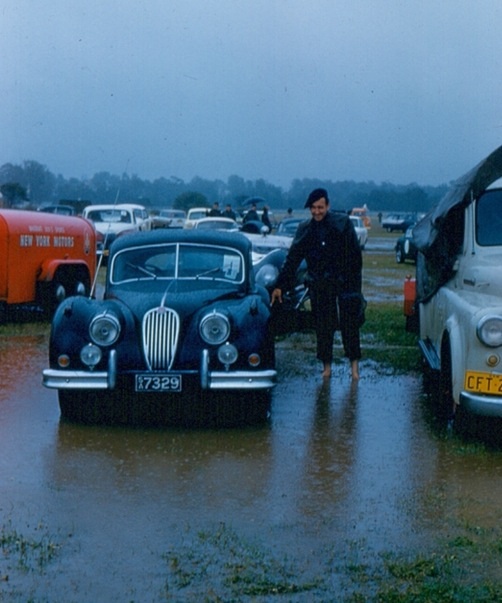


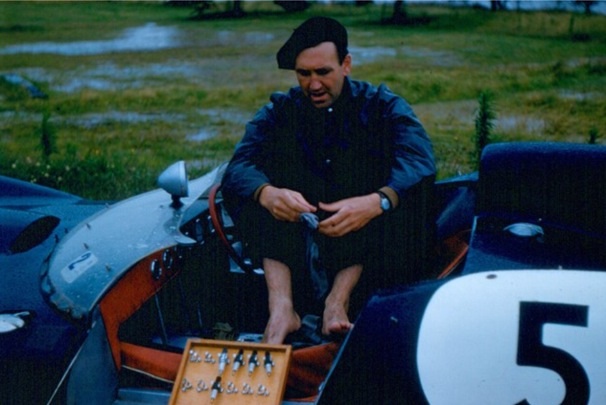


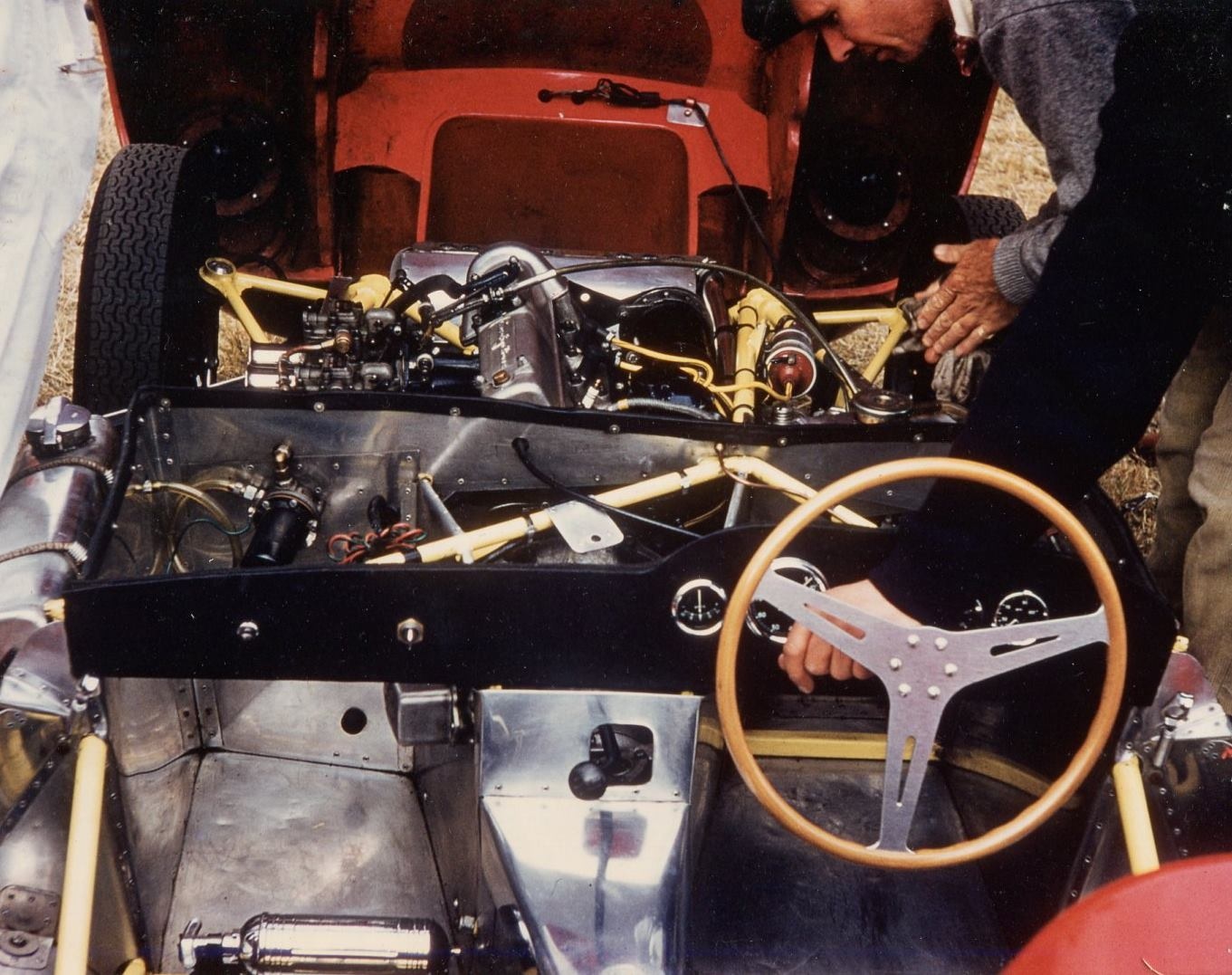


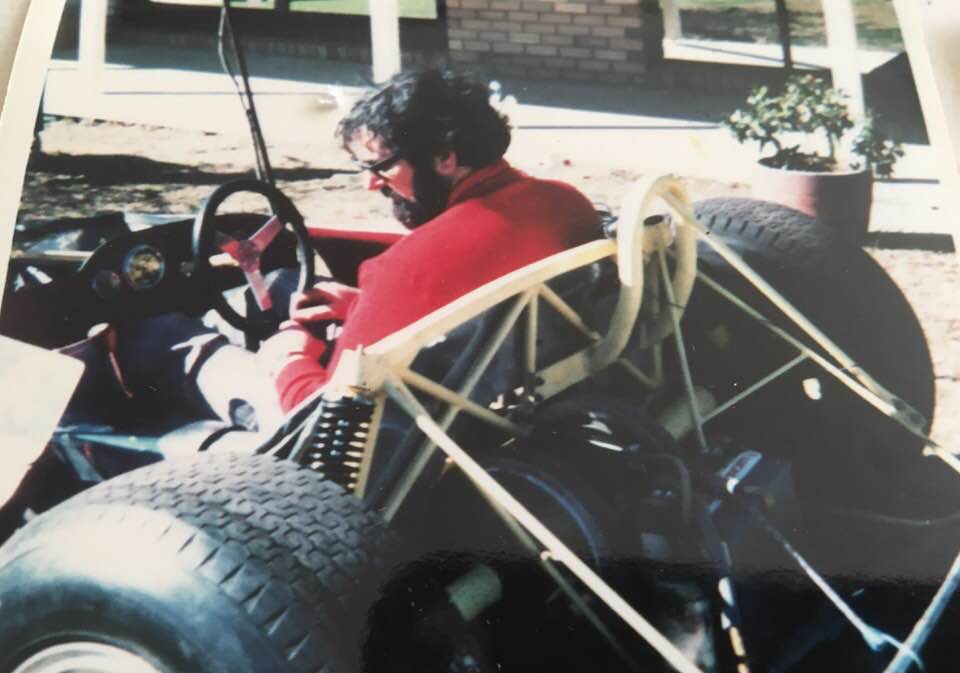
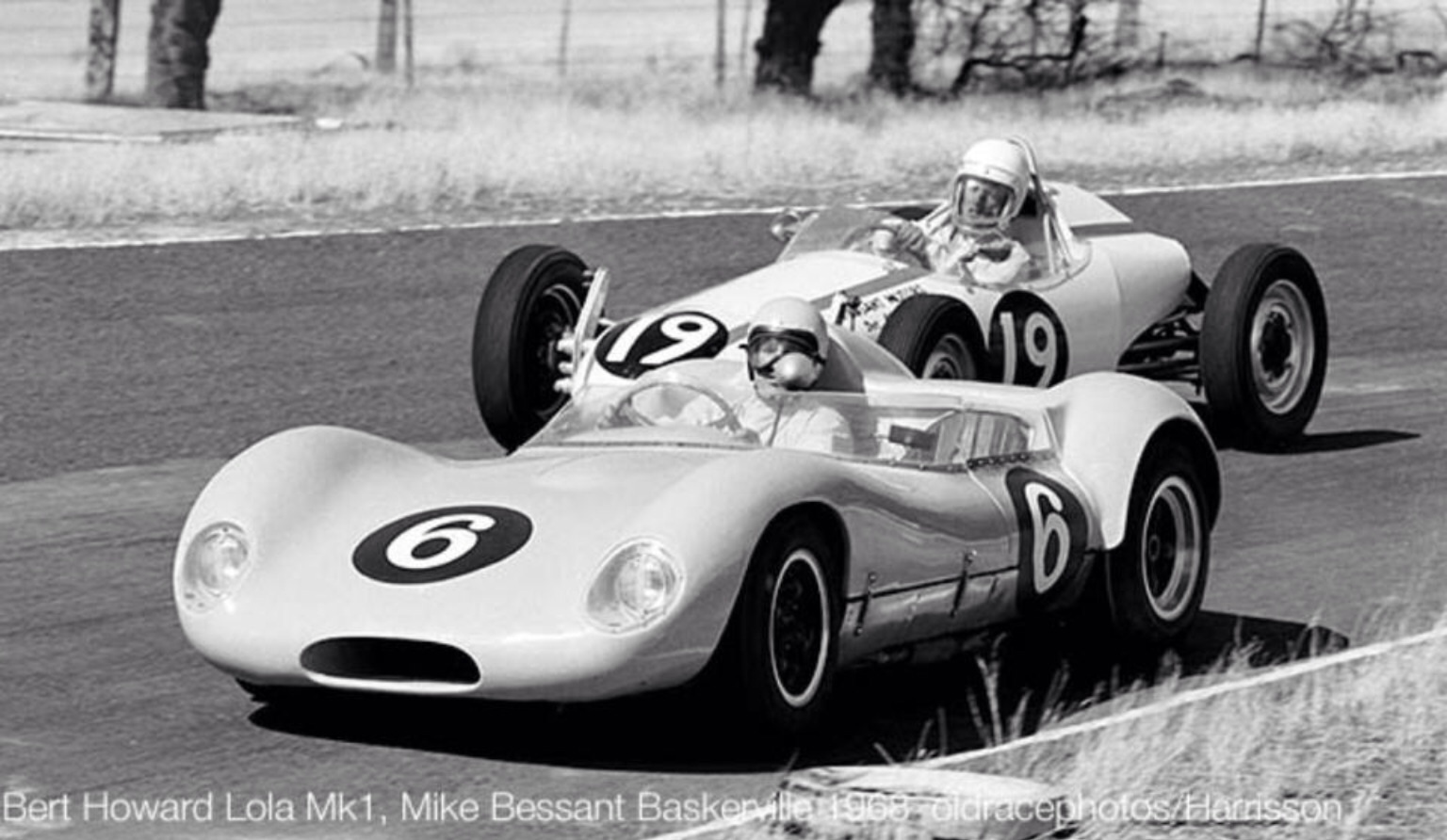


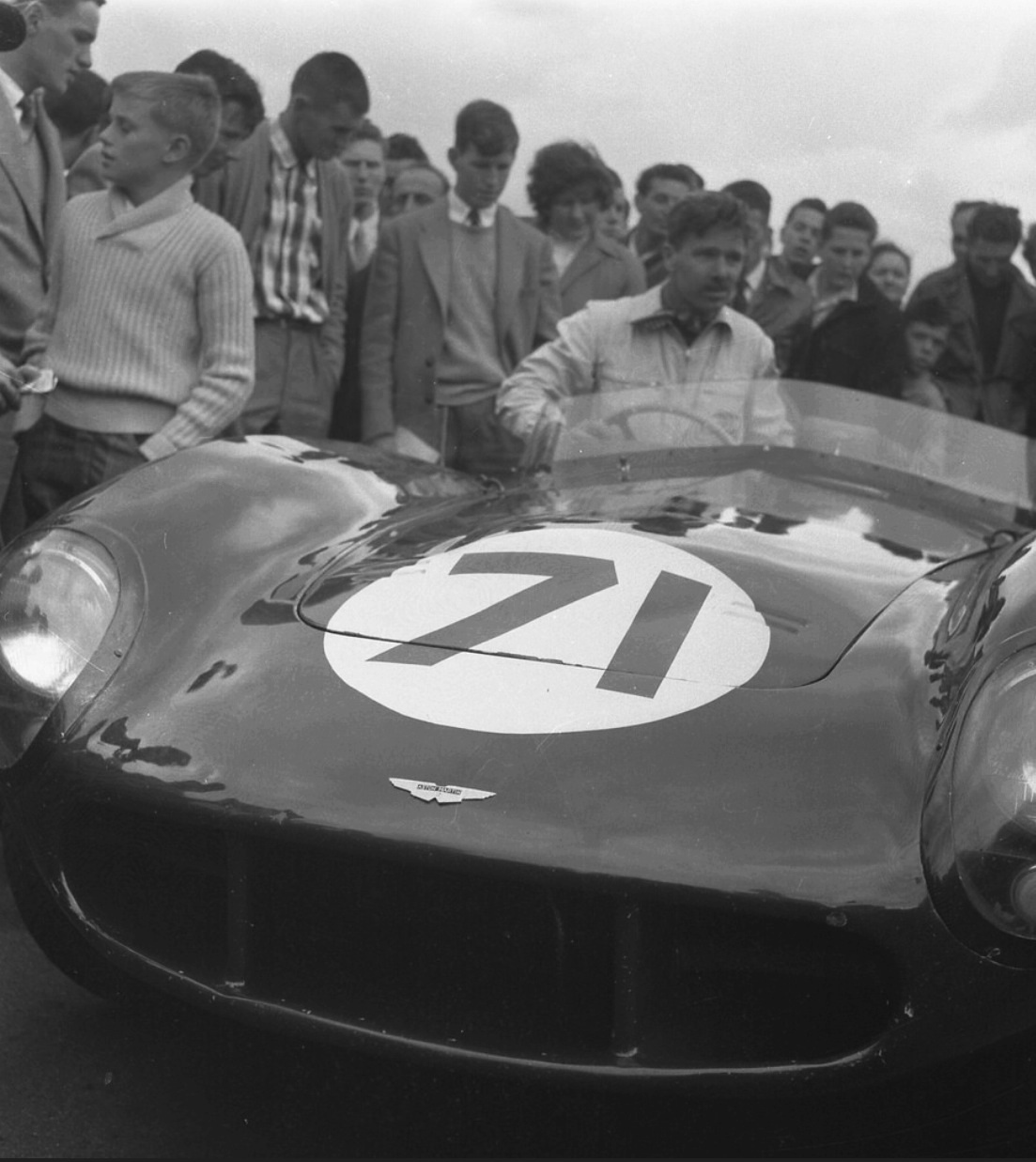


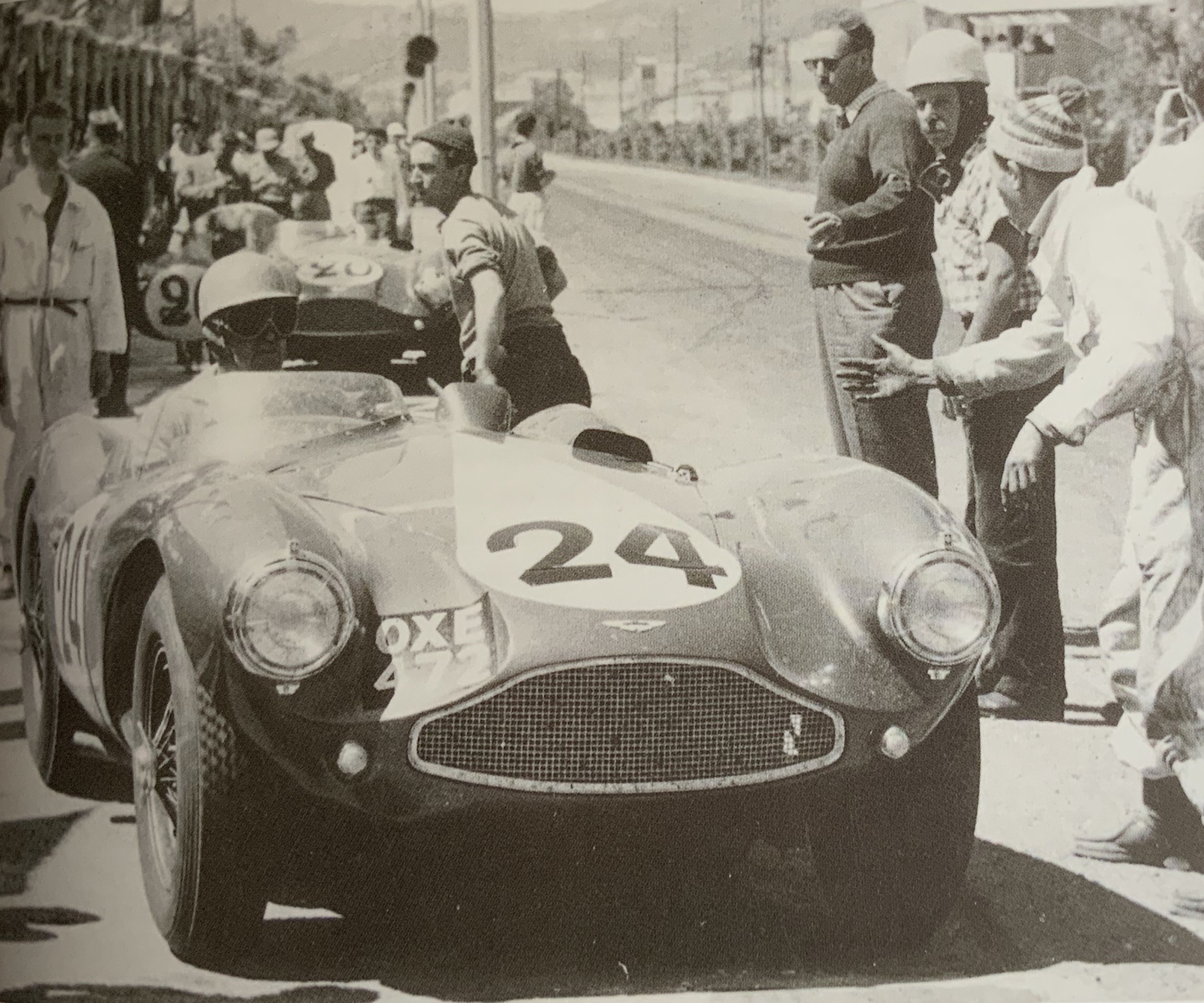
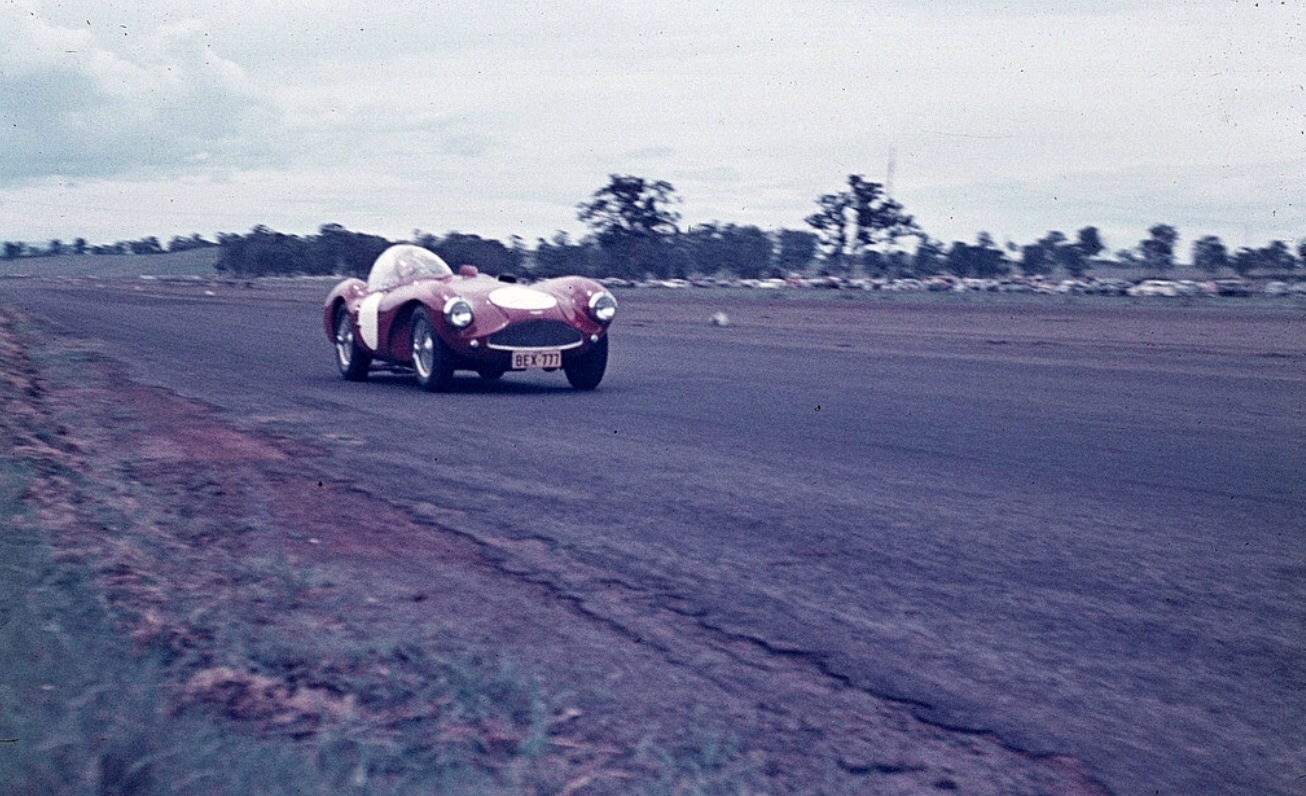

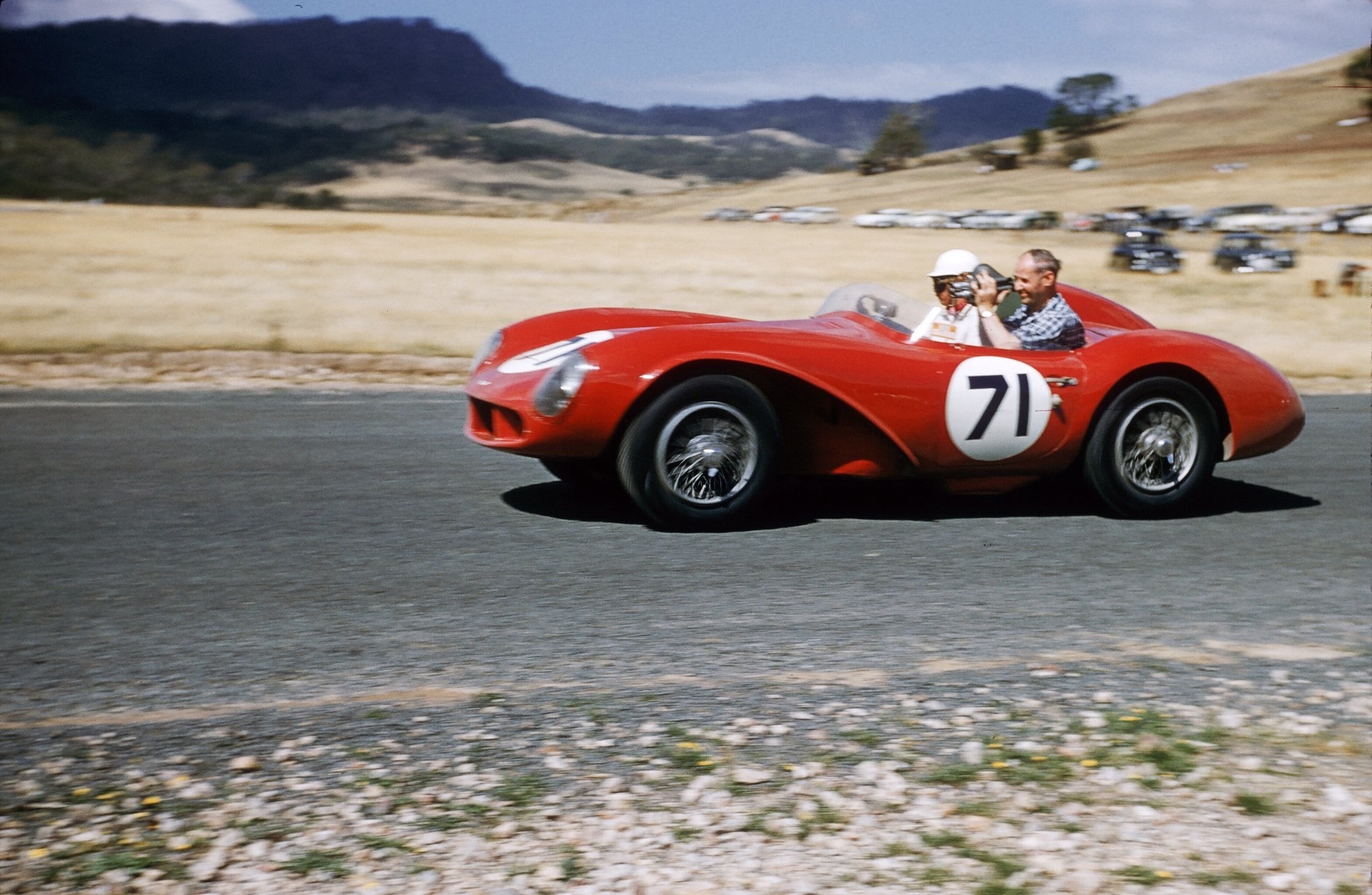


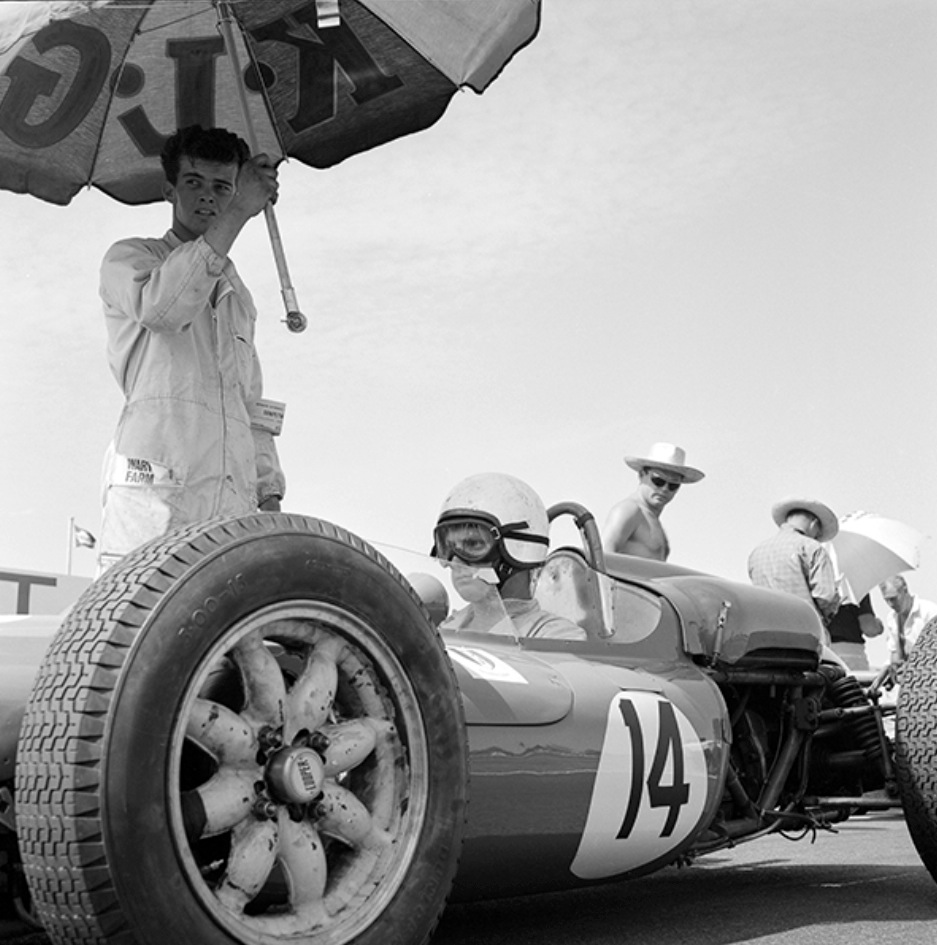


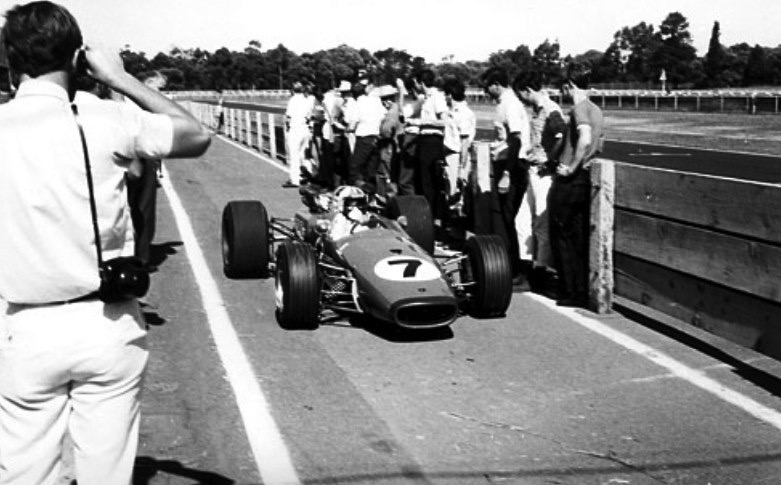
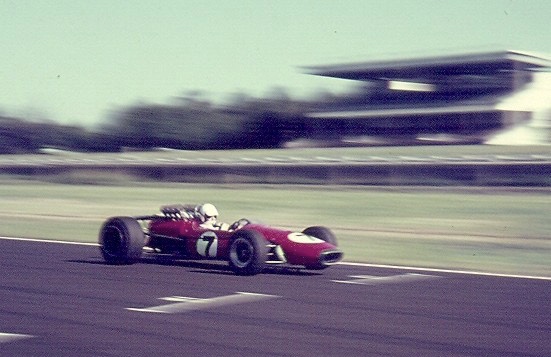
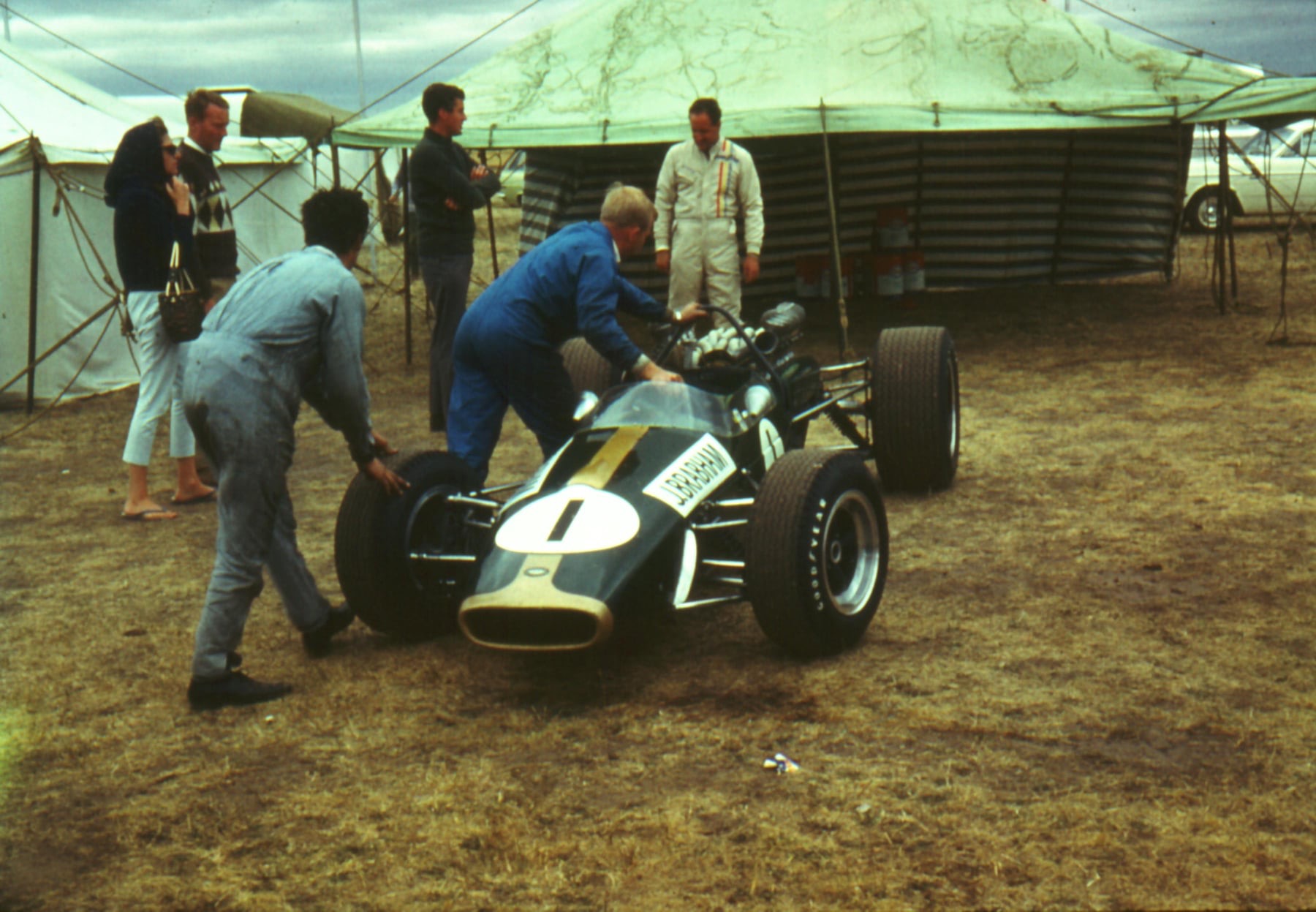


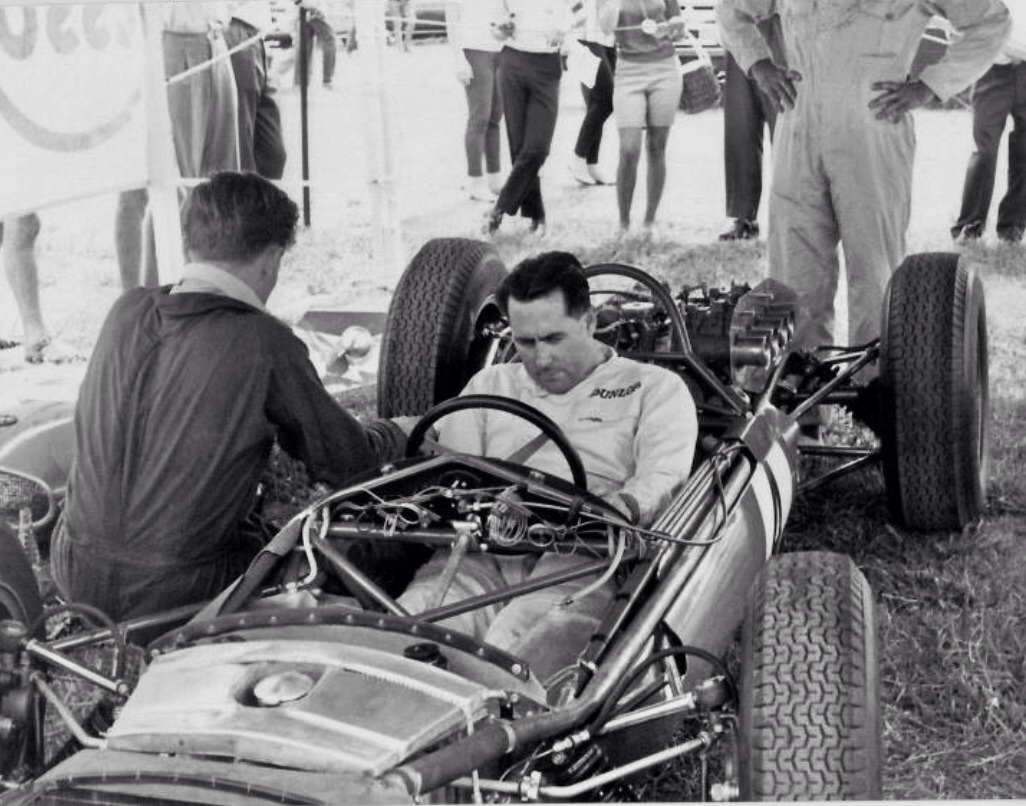

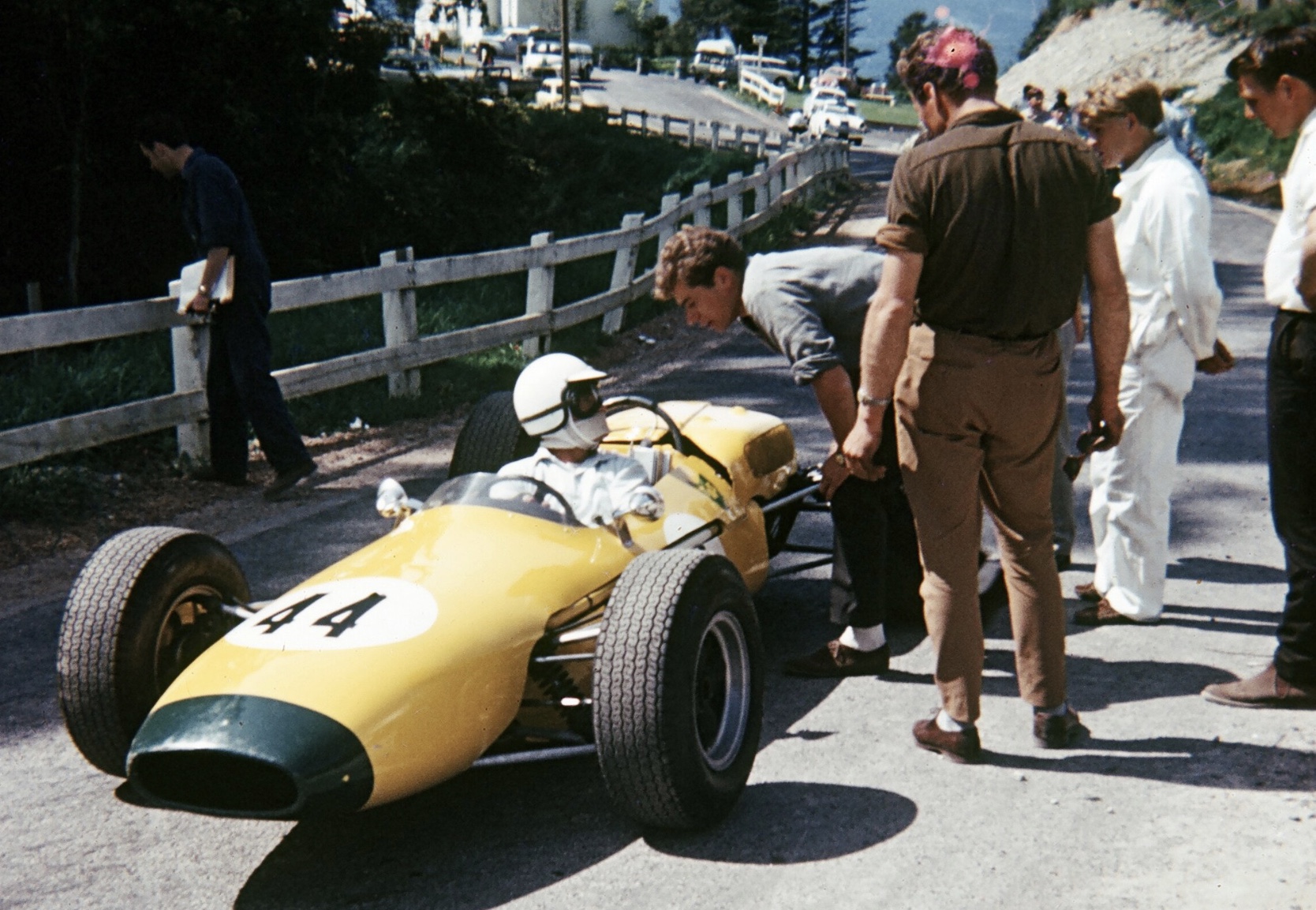


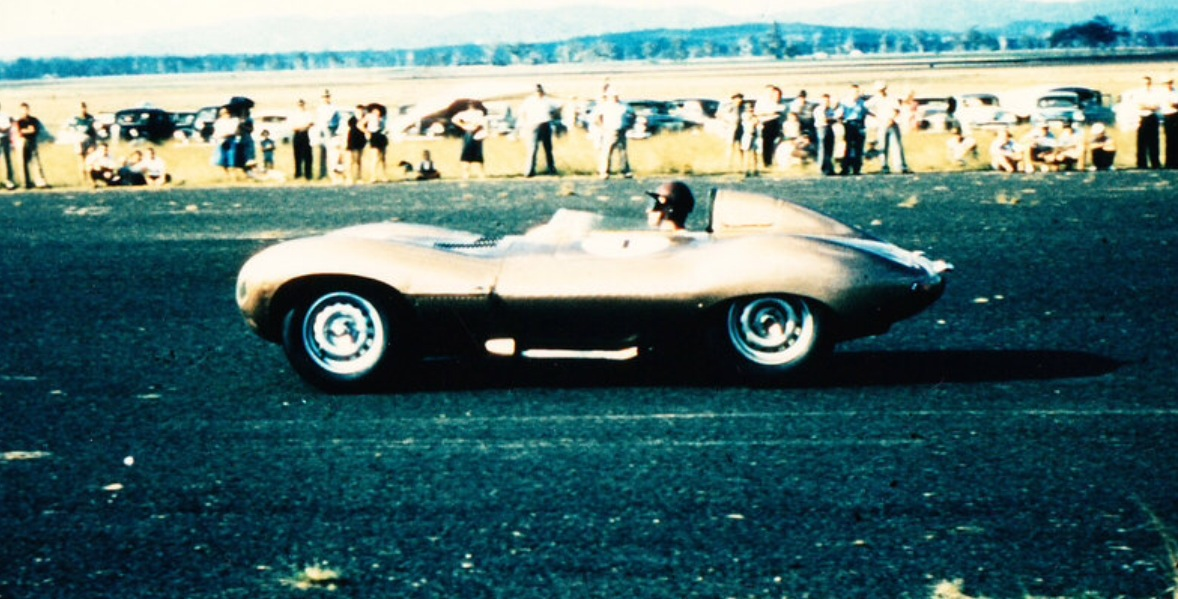

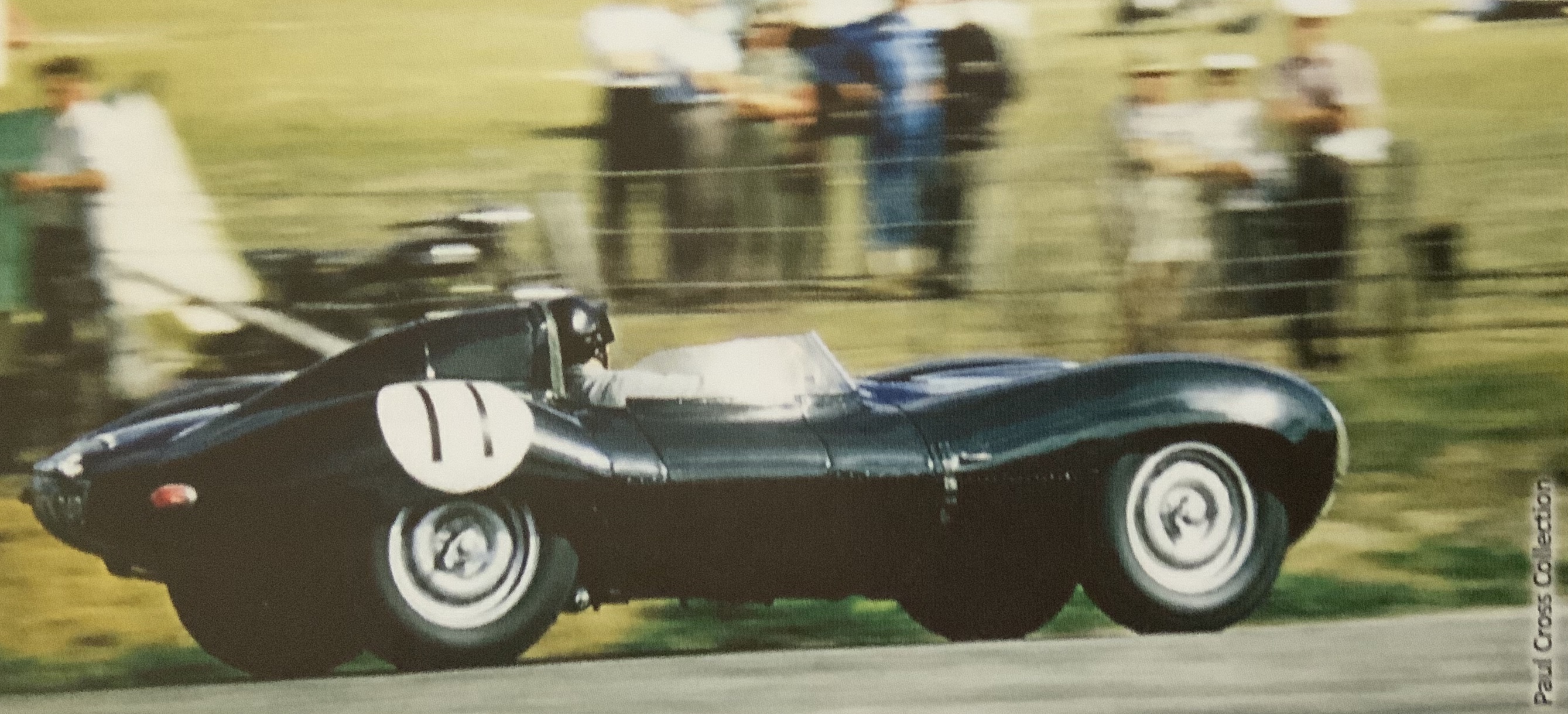
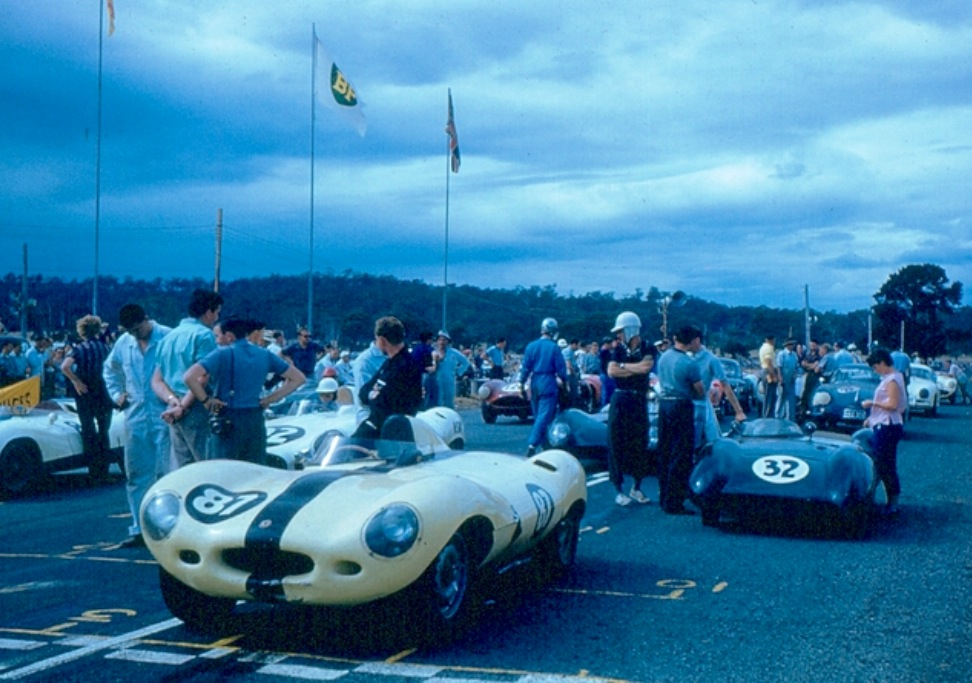
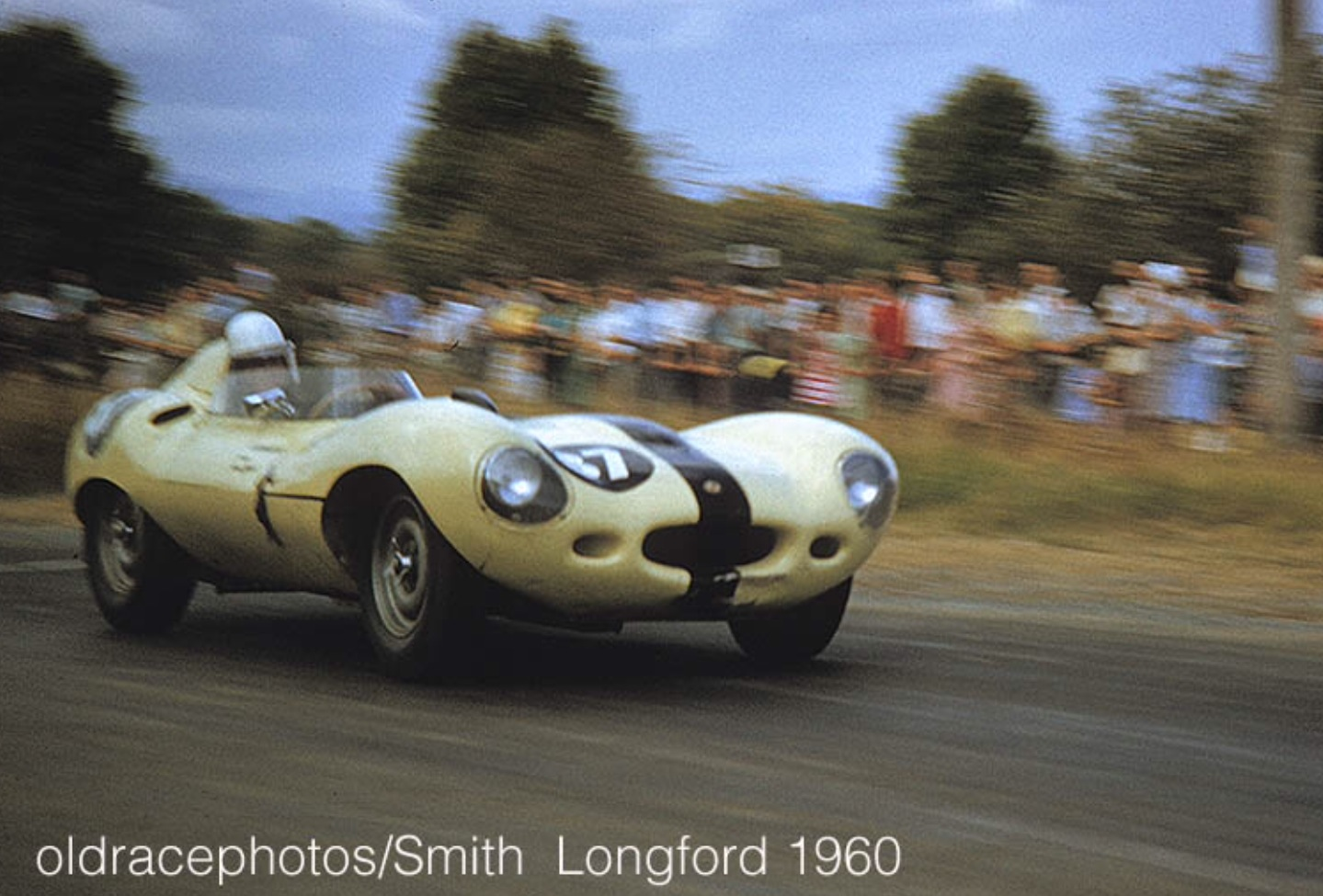


 The big cream and grey Jaguar was shipped to Melbourne for the start on August 21, 1957. A field of 94 entrants competed in this, the last of the major round-Australia trials of the era. The toughest opposition came from the all conquering Volkswagens of previous winners, Eddie Perkins, (Larry Perkins father) Laurie Whithead and Greg Cusack, whilst Porsche entered three cars. An automatic had never finished the event, let alone a Jaguar, or even a car as big as the Mk VIII.
 Bill Pitt and the British Racing Green ‘Mk 1’ were star attractions everywhere they went, and soon the Geoghans bought the Hodgson ‘Mk 1’. Hodgson built a brand new Mk 2 and then Bob Jane arrived with his famous white Mk 2. Bill won many titles and important races, his second place to David McKay in the very first Australian Touting Car Championship, and then his own victory in the second title (1961) were the highlights.


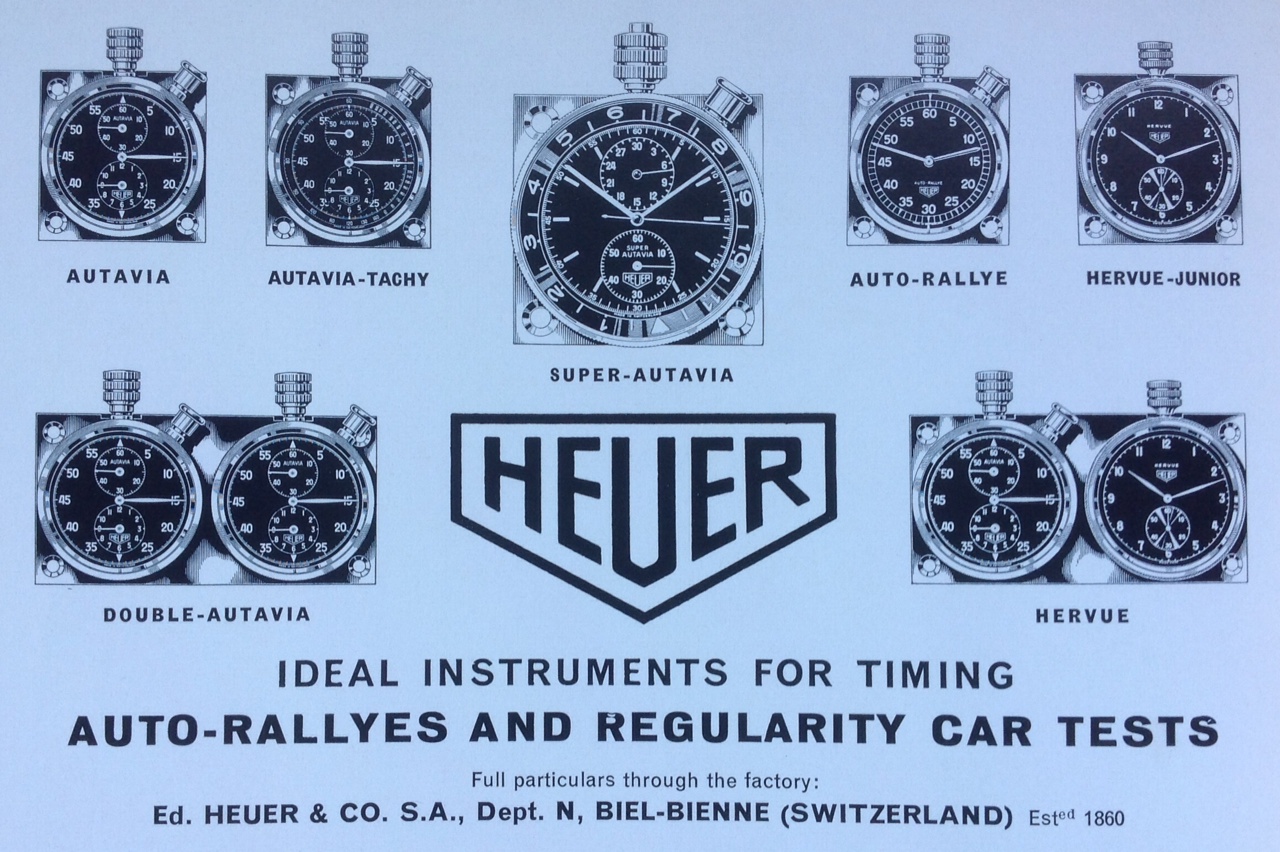
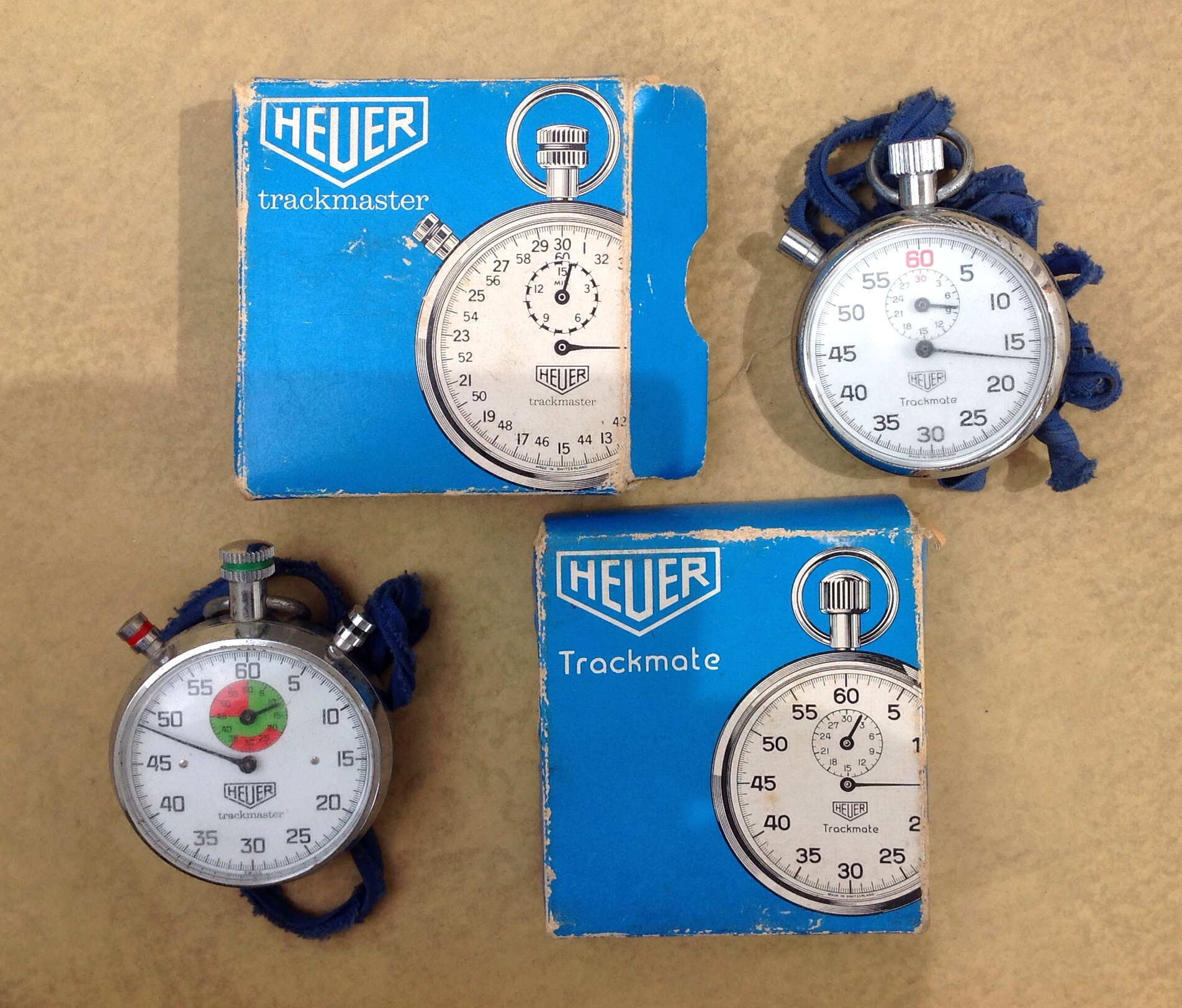
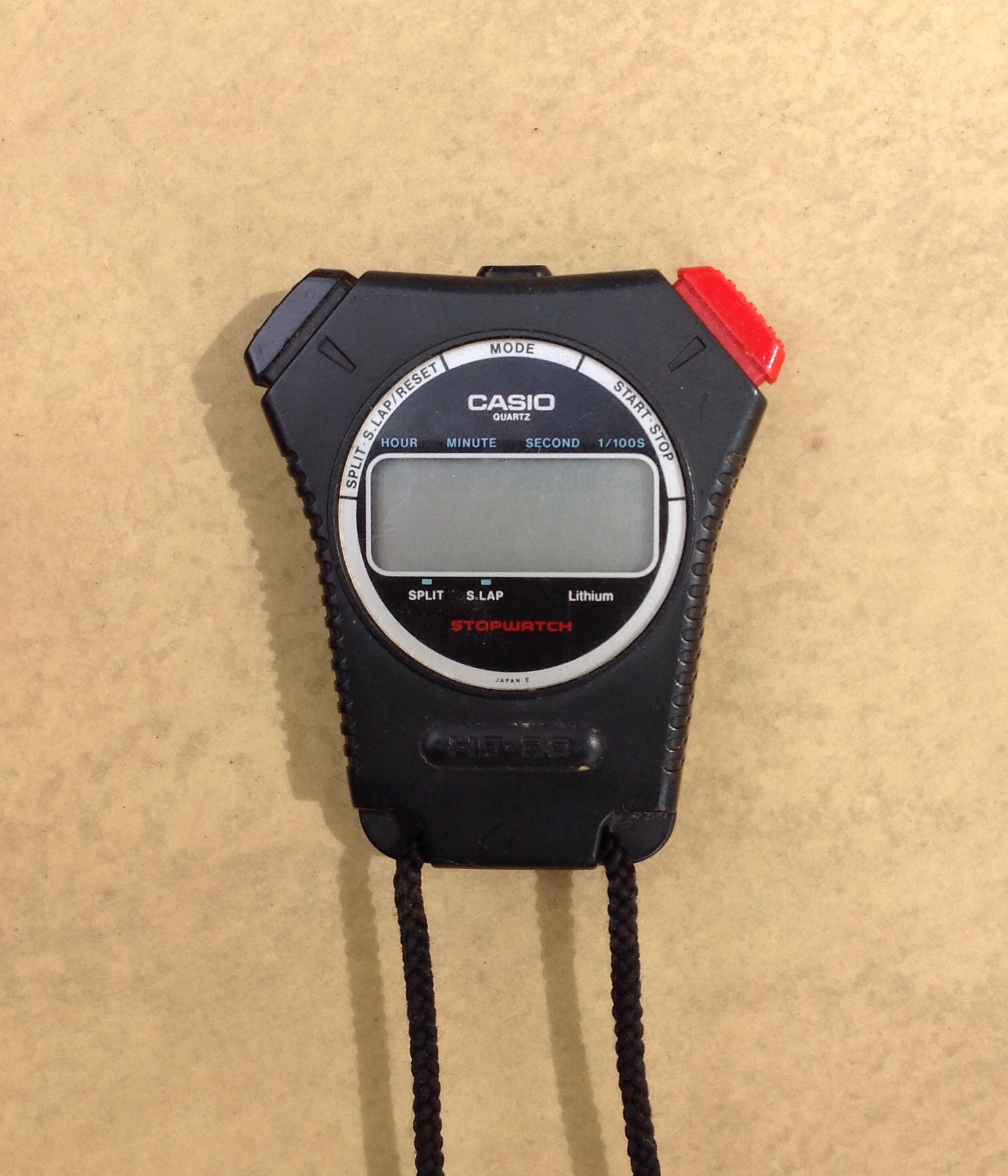
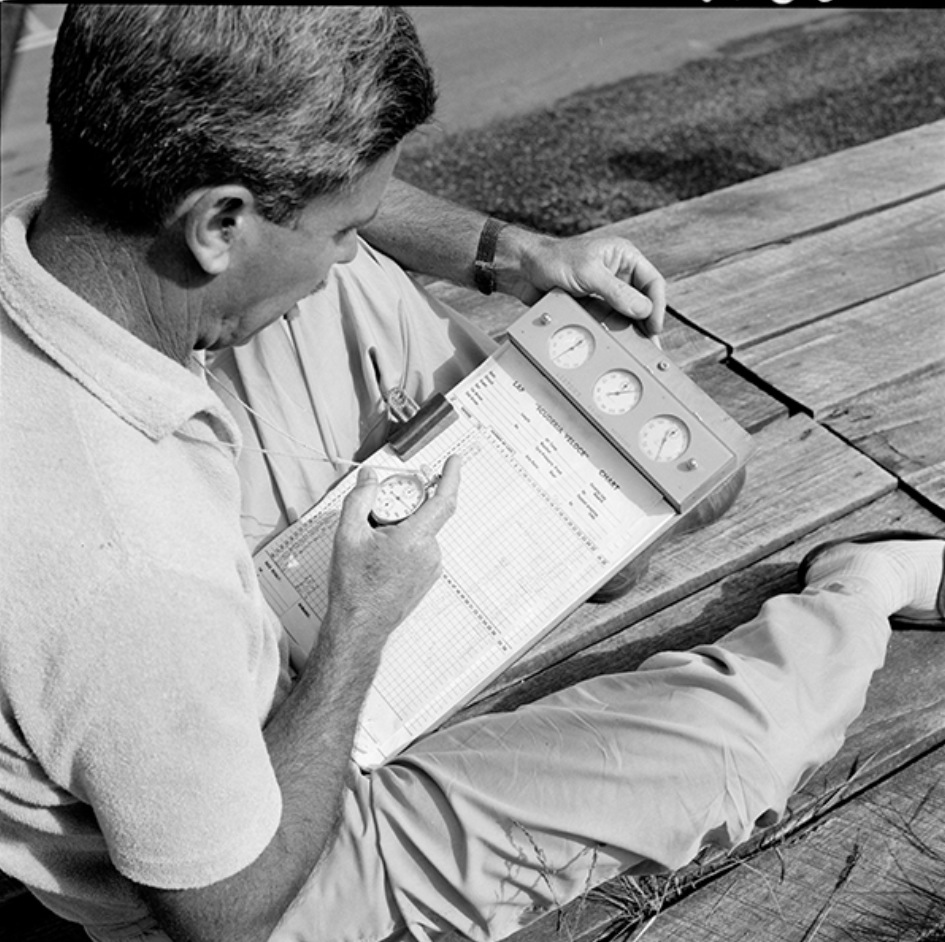
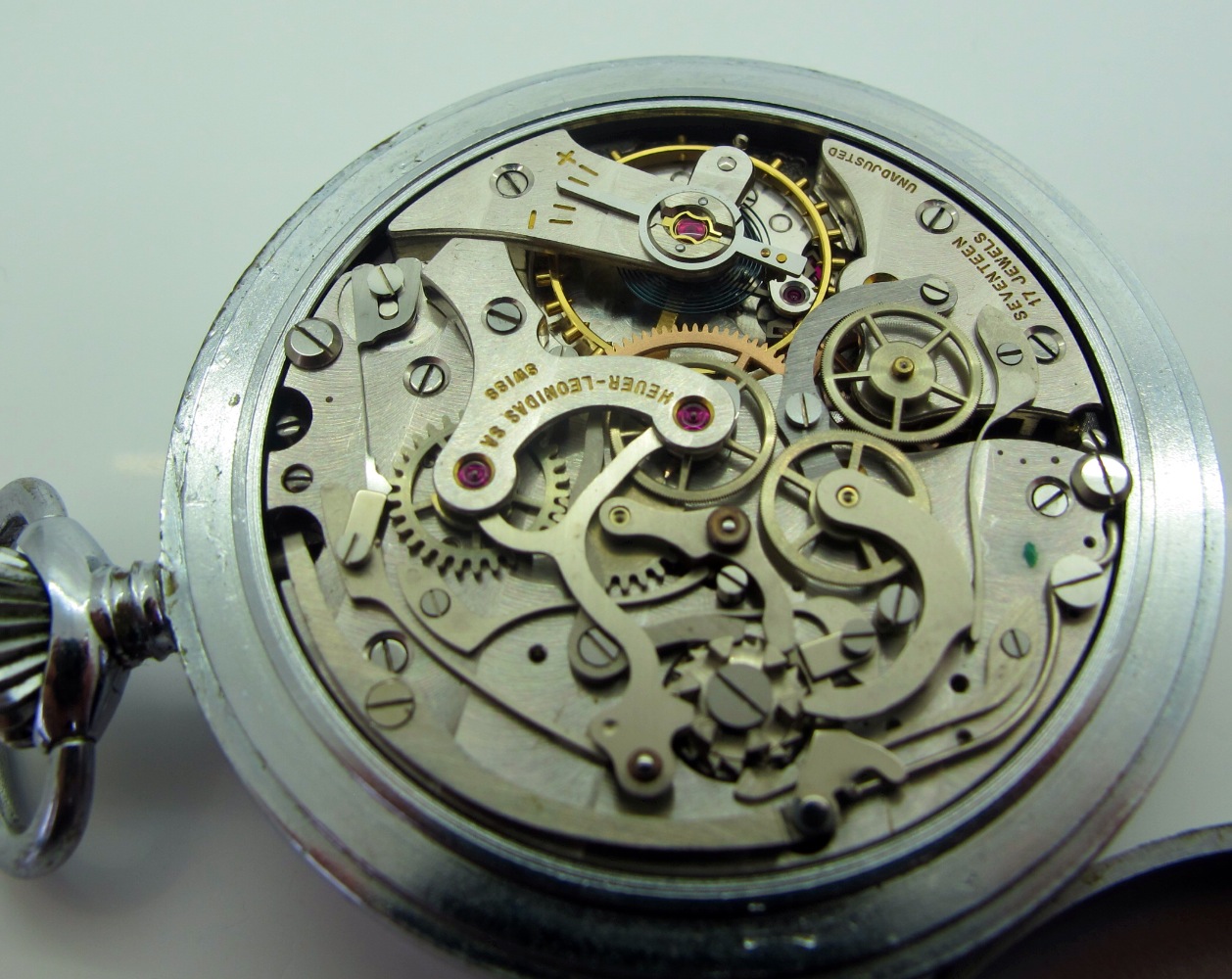
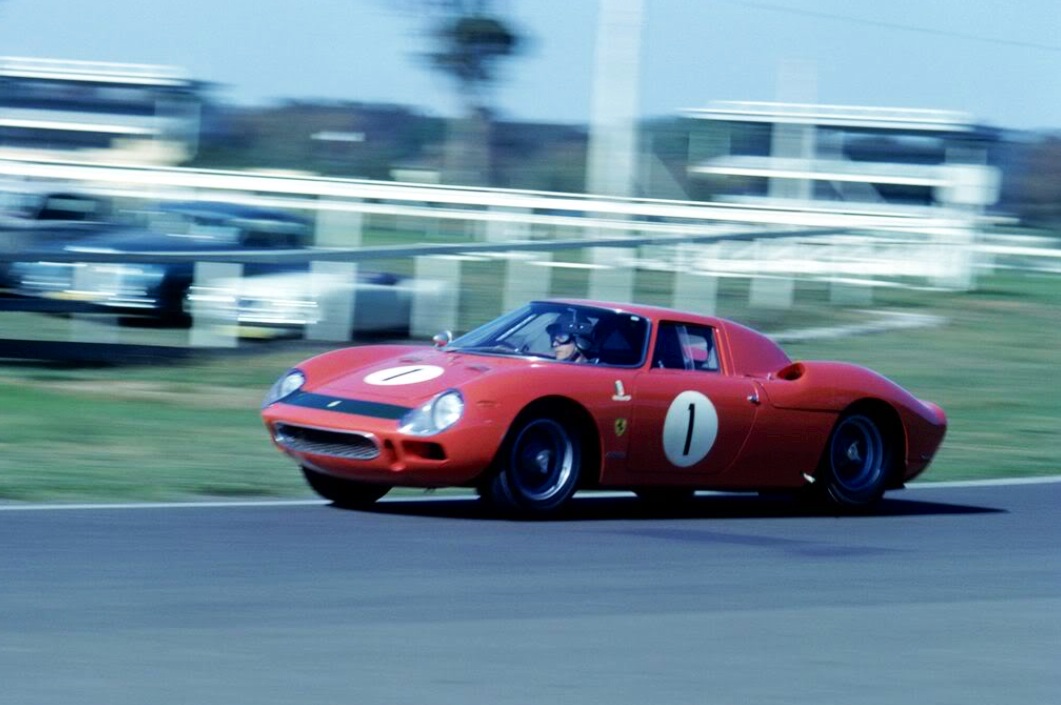

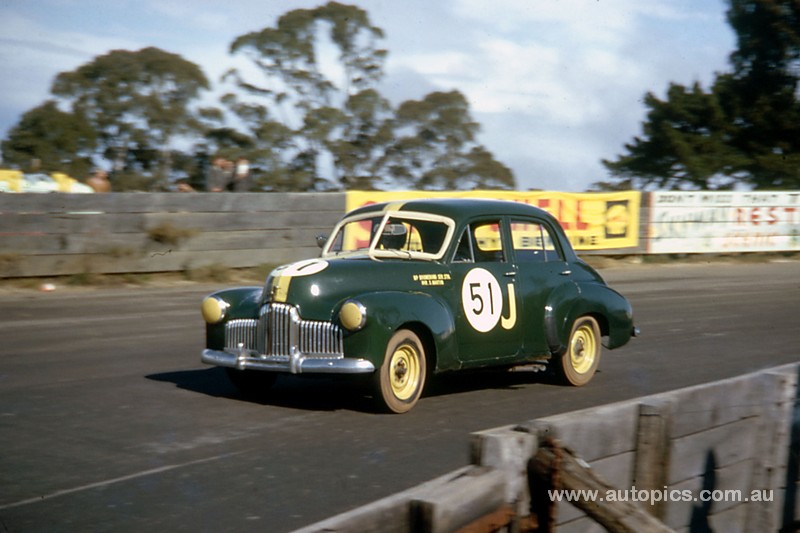


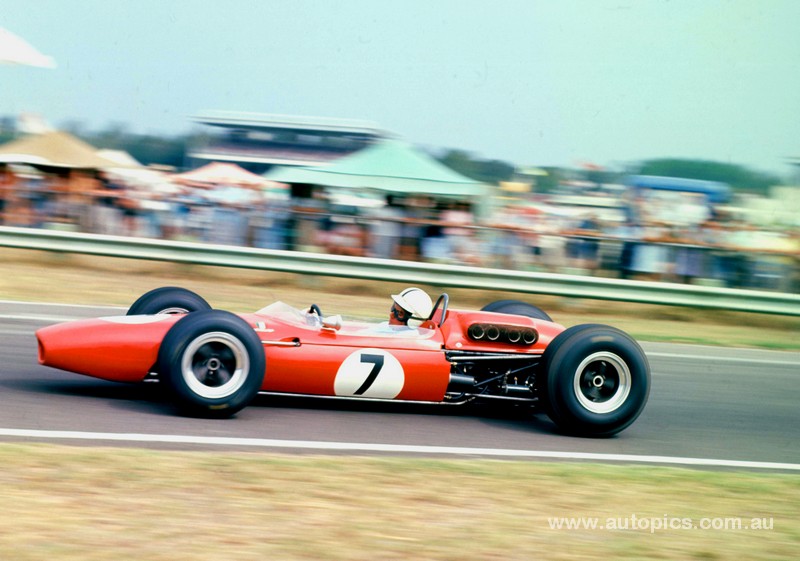

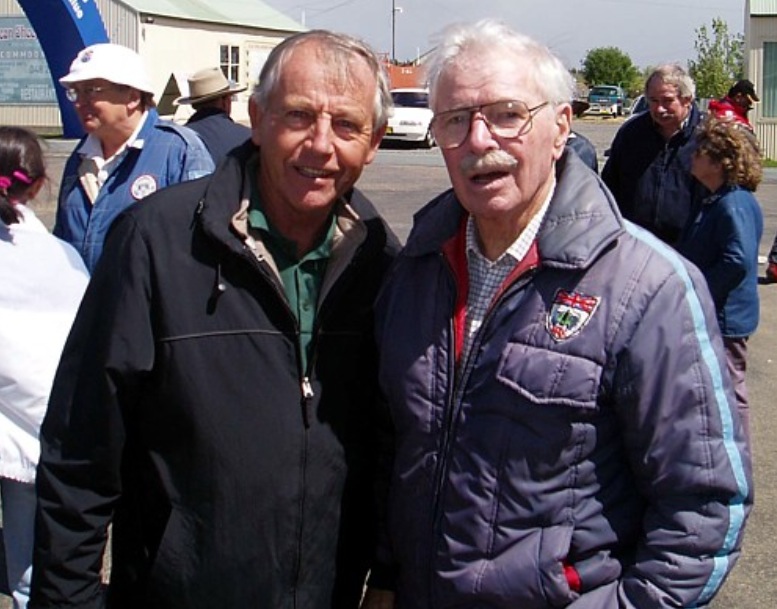

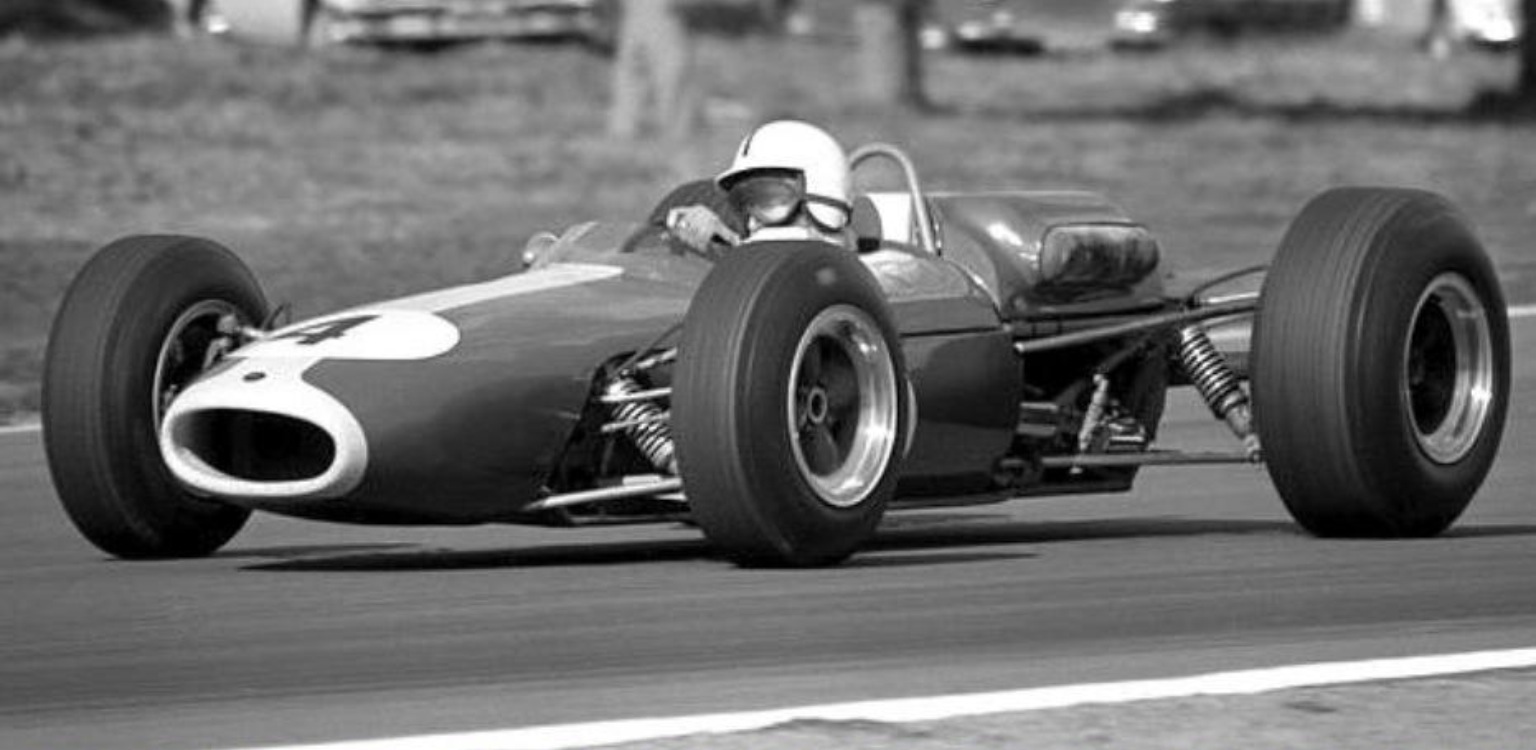


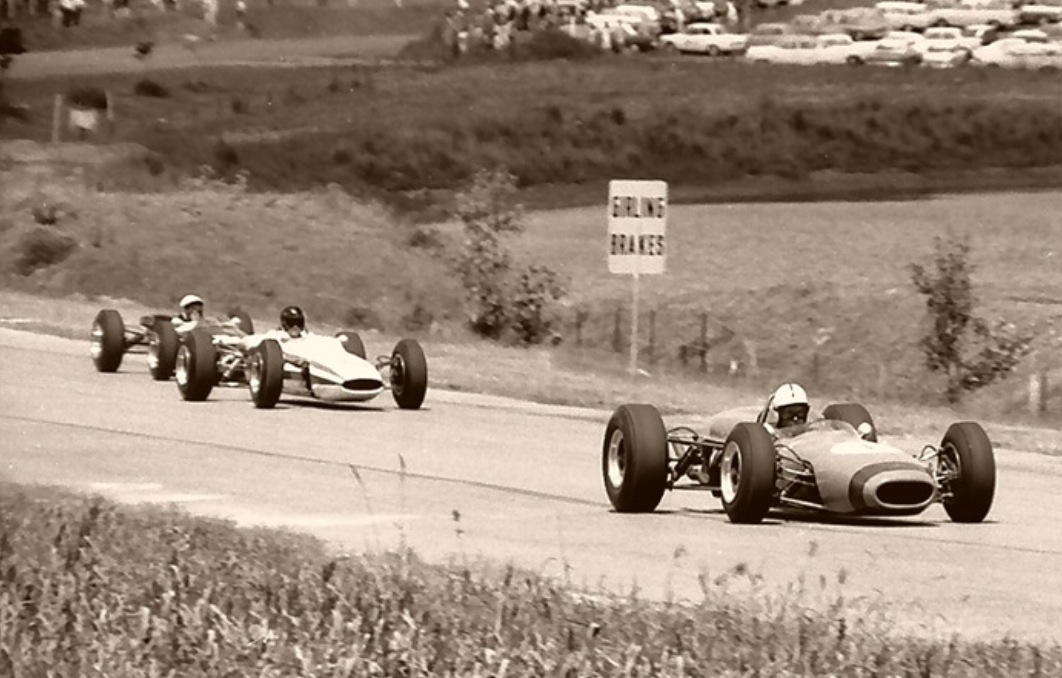
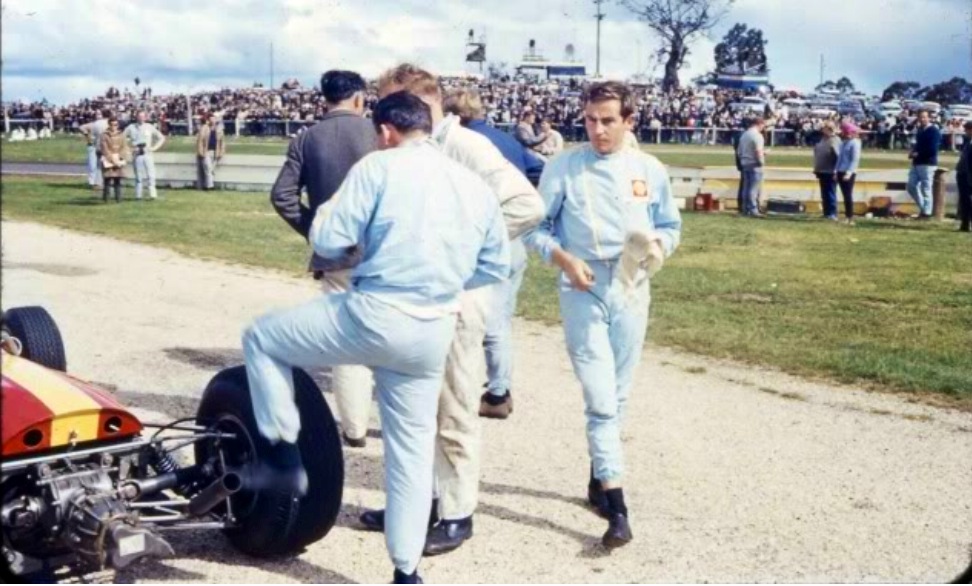


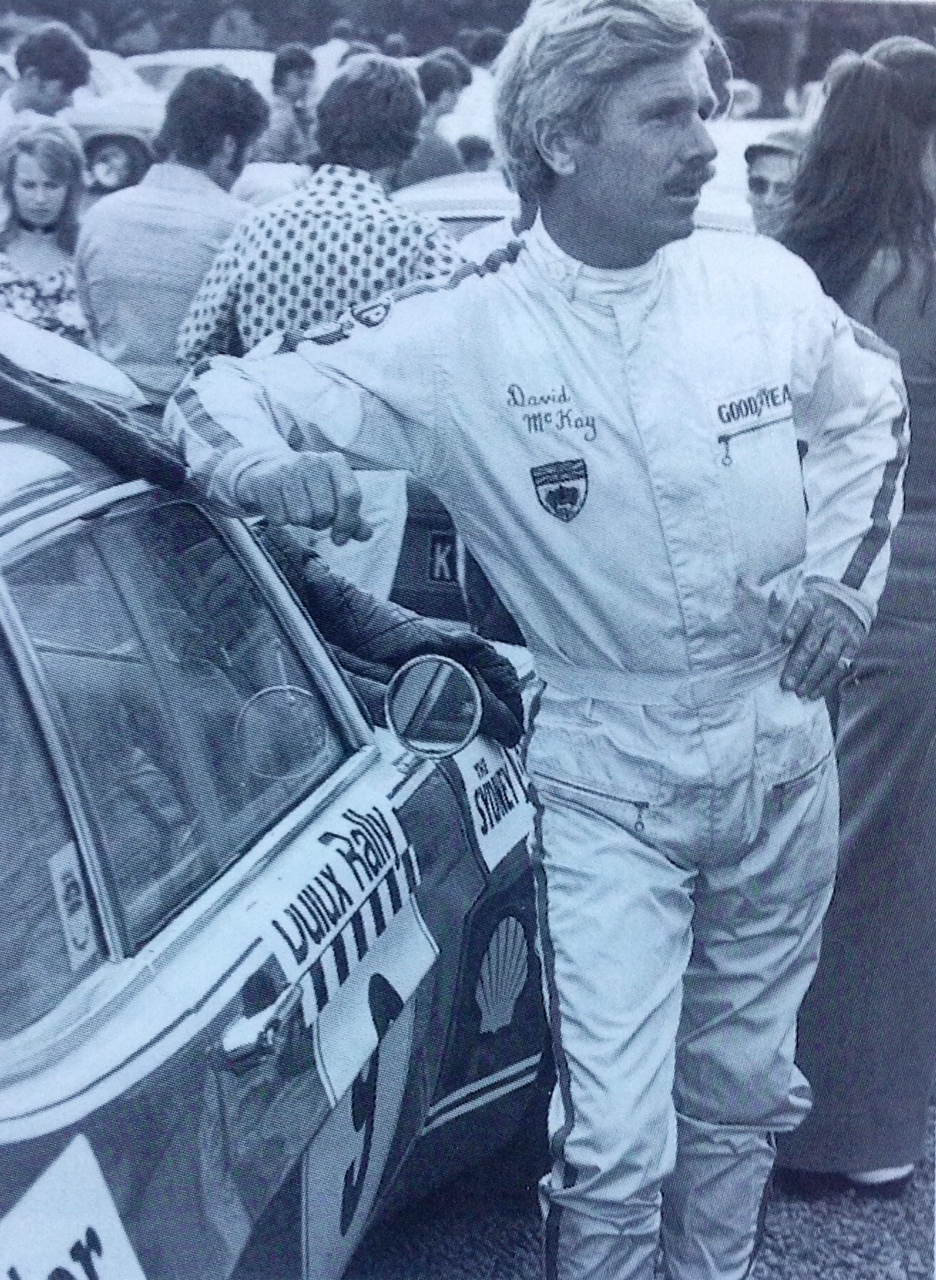


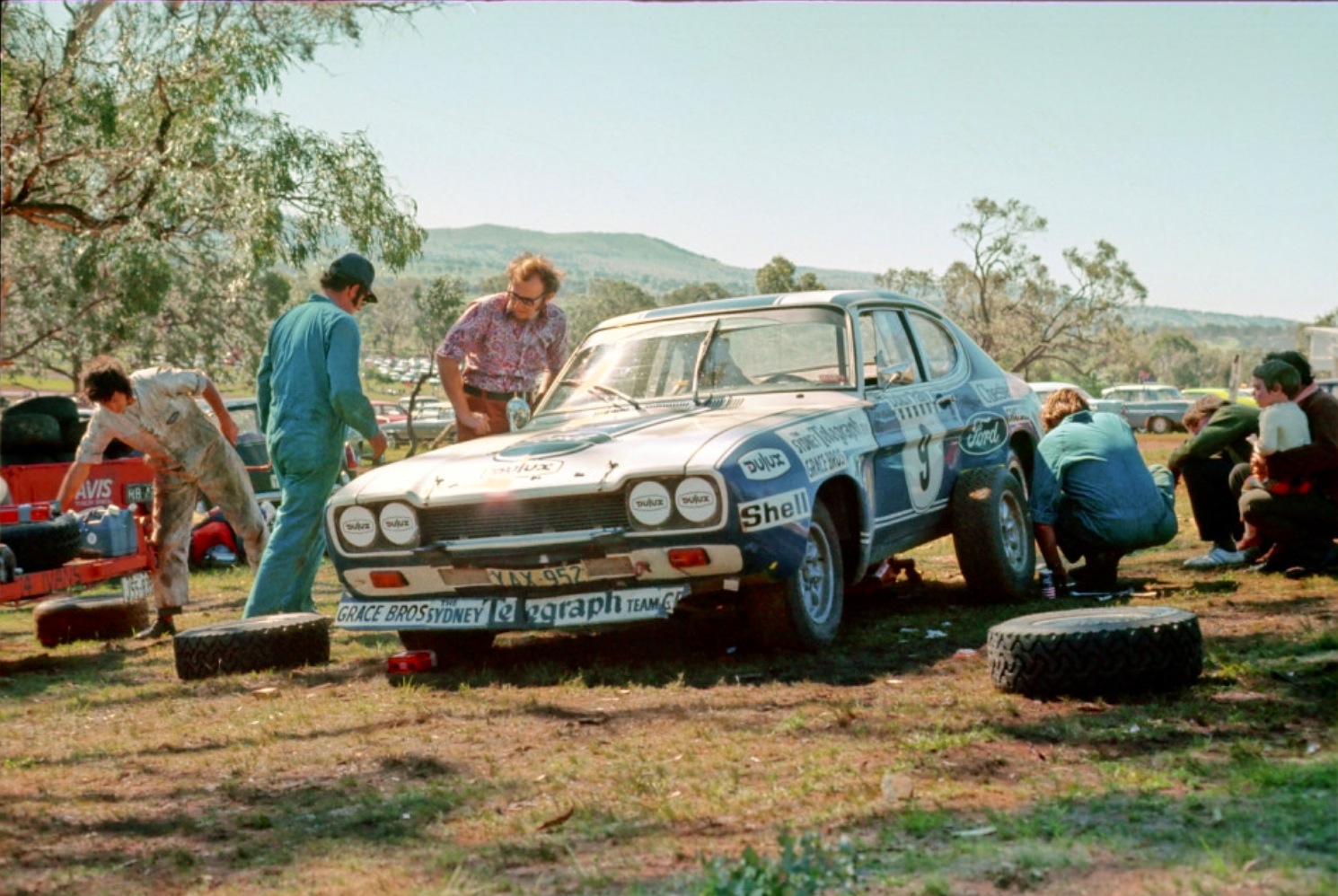

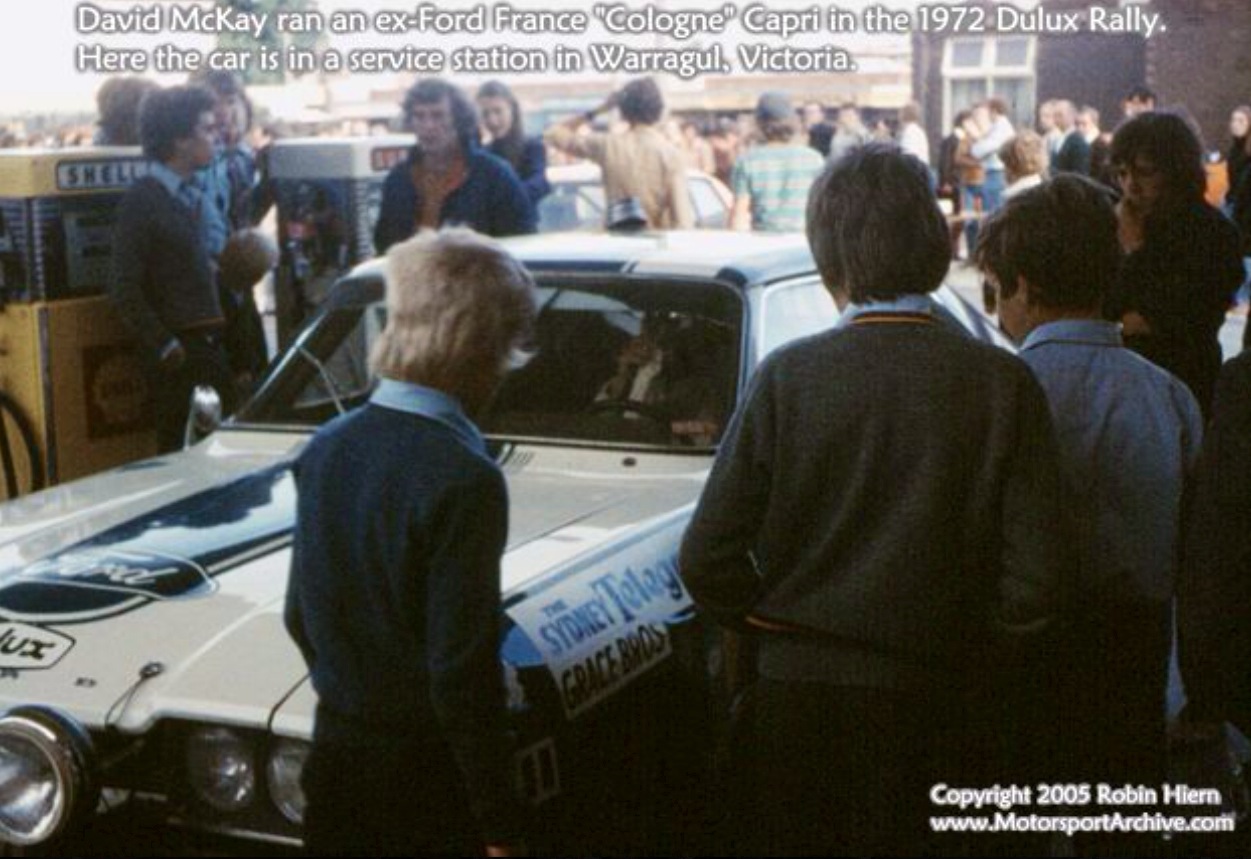






 primotipo...