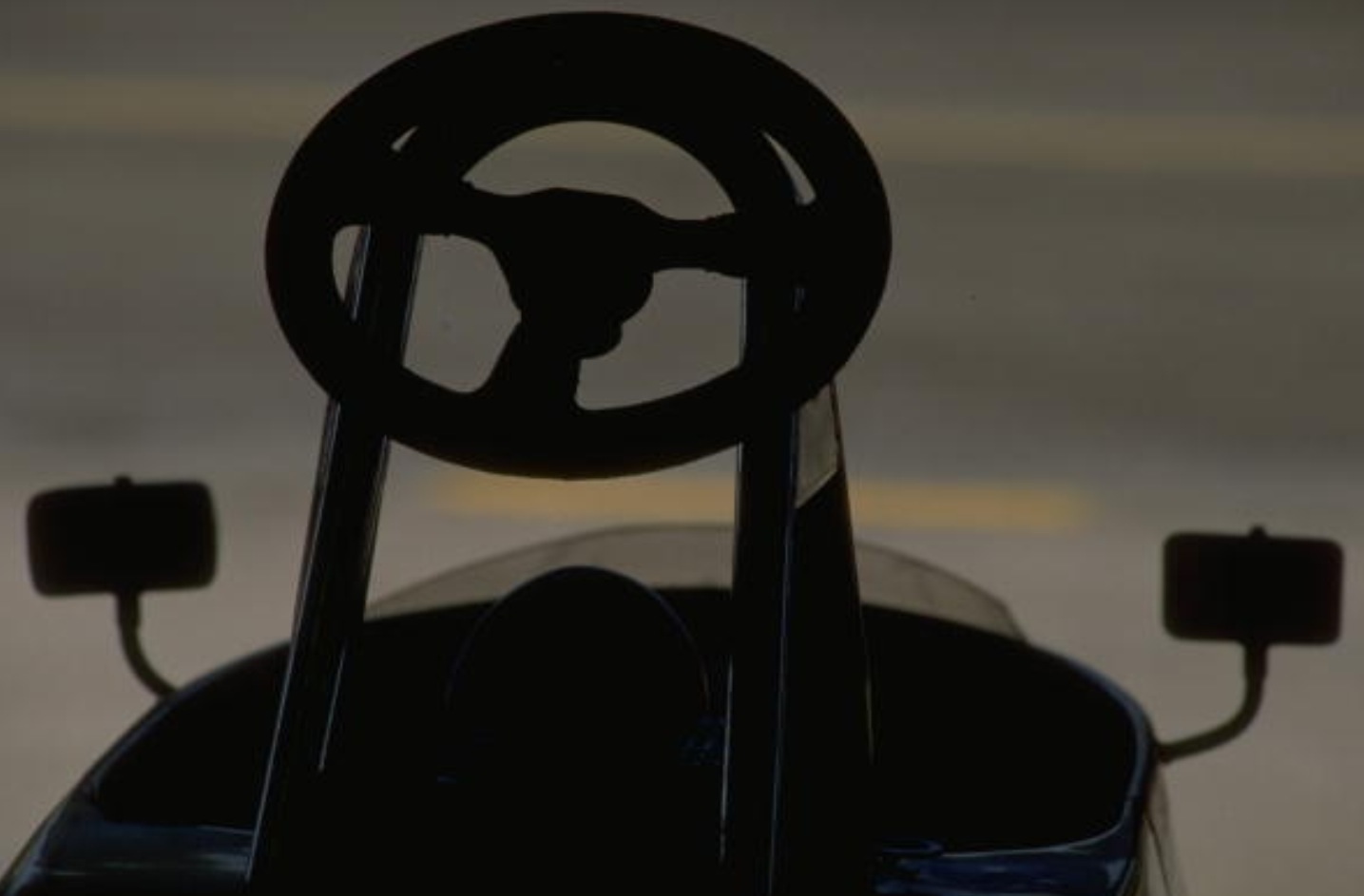
Pascal Rondeau is one of the more recent generation of photographers whose work I admire…
This shot is at the US Grand Prix in 1989 at Phoenix, Arizona. No details on which car it is, which is a bumma.
Credit…
Pascal Rondeau
 | markbisset on 1955 Valentino Grand Prix… |
 | Paul on 1955 Valentino Grand Prix… |
| Melbourne-Sydney Rec… on City to City Record Breaking a… | |
 | Rob on Australian Racing Random … |
| Rob on Bathurst 6-Hour Classic 1… |
Pascal Rondeau is one of the more recent generation of photographers whose work I admire…
This shot is at the US Grand Prix in 1989 at Phoenix, Arizona. No details on which car it is, which is a bumma.
Credit…
Pascal Rondeau

(David Van Dal)
Morry Maurice competing in the the ‘Goomalling Speed Classic’ 7 June 1954, HRG 1500. Goomalling, Western Australia…
The two wonderful color photographs in this article are by David Van Dal of Morry Maurice’ HRG 1500 at Goomalling and Narrogin. Both are towns in Western Australia’s wheatbelt around 200km southeast of Perth. The shot above is quintessential Australian country town, even today. The beautiful blue racing car and upright, stylish driver a contrast to the drab coloured background buildings and gum trees.
‘Round The Houses’ Racing in Western Australia…
WA has a rich history of ‘Round the Houses’ racing, such events were held on street circuits in many country towns there in the 1930’s, 40’s and 50’s. The first of these was held at Albany in 1936 and planned to emulate the style of racing common in Europe at the time.
The towns of Pingelly, Bunbury, Dowerin, Northam, Goomalling and Narrogin all held meetings with Narrogin hosting the Australian Grand Prix in March 1951. That event held in very hot conditions was watched by 35,000 people a long way from Perth, and won by Warwick Pratley in the Ford V8 powered ‘George Reed Special’.

Maurice at Northam, WA in 1954, HRG 1500. ‘Northam Flying 50’ 19 April 1954 (Ken Devine)
Maurice’ HRG was originally bought to Australia in 1949, it was one of an initial shipment of three chassis imported by Brown and Dureau, the Melbourne based distributors of the marque. The bodies for the cars were built locally. Like so many cars in Australia it was constantly modified in an effort to keep it competitive throughout the 1950’s as technology rapidly advanced. Click on this link for a good summary of the life and times of the 1948 HRG 1500 chassis #174 aka 1958 HRG Buchanan Holden ‘Godfrey Spl’;
http://www.buchananmotorcompany.com/HRG%20Buchanan%20Holden.htm
Goomalling…
Racing at Goomalling took place between 1949 and 1961. It was a prominent motorsport venue in the postwar years, taking over from Dowerin as one of the WA wheatbelt’s motorsport hubs. Motor racing was a reason for creation of the circuit but so was fundraising to pay for a new swimming pool in the town. Its scorching during the long, hot, dry summer months there!
Three racing mad returned servicemen; Milton Royal, Ted Nicholson and Charlie Dent were behind the track, the trio originally formed the Goomalling Sporting Car Club in 1939. That year the club held a small event at the abandoned Goomalling horse racing track before its three founders were called away to fight for their country over the skies of Europe, all were Air Force Officers. It wasn’t until 1949 that motorsport returned to Goomalling, the last ‘in period’ meeting the 1961 ‘Flying Fifty’.

(David van Dal)
Maurice’ HRG 1500 again, this time at Narrogin in ‘The Great Southern Fifty’ meeting on 2 March 1953…
My brother lives in Perth, WA, I spend a lot of time there and in the Margaret River region down south, this topography and soil is so WA. The parched earth, brown grass and green eucalypts are so Oz and WA in particular. I can feel the summer heat just looking at this shot! It looks like an outer suburban street scene, love the ‘International’? truck in the background and cream brick house.
Bibliography…
‘Goomalling Classic Racers’ by Graeme Cocks, Ken Devine and Ray Bell on ‘The Nostalgia Forum’, terrywalkersplace.com-great site for all things WA motor racing history, ‘Around The Houses’ by Terry Walker
Credits…
David van Dal via Ken Devine and ‘Repco 22’ on The Nostalgia Forum for the photos. David Van Dal was a West Australian racer, who between events in his Morgan took some amazing photographs, many in color, so rare for the period and therefore to be savoured for the lifelike time capsules they are.
Tailpiece: Goomalling Speed Classic summary and circuit…

(‘Around The Houses’ Terry Walkers )

This photo of the ‘Lady in Red’ was originally published in the UK’s ‘Picture Post’, but the caption is devoid of all the information we want; car, driver, place. The date of the pic is 20 September 1952…
It’s a C Type Jag, it looks like Stirling Moss, maybe some of you Brits can help with the meeting place and date?
Reader David Scothorn got in touch to advise that the photo, taken by Zoltan Glass, was probably during the August 1952 meeting at Boreham.
The lady is ‘…wearing a Dior style coat, modelling it to show off a winter collection. As far as the lady is concerned we have no leads there. We’ve tried various Google searches and face recognition but nothing has turned’. Its great that part of the mystery is solved!
Credit…
Zoltan Glass, David Scothorn

Dave Charlton fettling his Brabham BT11 to which he has just bolted a ‘brand spankers’ 3 litre Repco F1 RB620 V8…
I must admit this shot as a ‘who, what, where and when’ had me tossed! I thought the face was familiar, but given it was from Nigel Tait’s Repco Photographic Archive I figured it was an RBE technician installing the little V8 into one of Jack’s Tasman cars in Melbourne. Completely wrong! The installation of engine to chassis was done in South Africa, exactly where I am intrigued to know.
But at the back of my brain I did recognise the driver although its Charlton’s Lotus 72 days which resonate with me most. This Brabham, the BT11 was a very successful ‘Intercontinental’ model in Tasman racing and in South African National Formula racing. Bought for Charlton by South African enthusiast Aldo Scribante, it was originally delivered with the ubiquitous 2.5 litre Coventry Climax FPF 4 cylinder engine.

Charlton in the Climax engined Brabham BT11, Q8 and unclassified. Pedro Rodriguez won the race in a Cooper T81 Maserati, South African GP 1967 (Dave Kent)
Dave did the full South African season in it in 1966, not really challenging local rival John Love’s Brabham BT20 Repco. After cranking in the Repco V8 he won the ’67 Rand Autumn Trophy race. Into 1968 he raced on in the BT11, Love updated to an ex-works Lotus 49, the rivalry between the two drivers over the years intense and fair.

1968 South African GP, Dave in Scribante’s Brabham BT11 Repco. Q14 and DNF gearbox, the race won by Jim Clark’s Lotus 49 Ford, the great Scots last GP win (Doug Brown)
Charlton was a South African citizen but was born in Yorkshire in 1936, migrating to SA with his mother in his early teens.
He first rose to prominence after winning the 1960 SA GP sportscar supporting race in an Austin Healey 100/6. He later raced an ex-Whitmore Lotus 22 in Europe without much success and returned to SA with a depleted bank balance. Some great drives in a Lotus 20 Ford twin-cam bought him to Scribante’s notice and the rest as they say is history; South African F1 champion from 1970-75, 13 championship Grands Prix appearances. He died in February 2013.
After claiming a number of wins in the Brabham over the following season Charlton upgraded to a Lotus 49C Ford taking the 1970 South African F1 title (and 12th place in the South African GP). In a renta-drive he drove a factory Brabham BT33 in the ’71 South African GP, his engine failed mid-race.

The two great rivals in South Africa for over a decade; John Love March 701 Ford 2nd and Charlton Lotus 49C Ford 1st, Leeukop Corner, Highveld 100, 1971 Kyalami (Brian Watson)
He went to to the UK to collect a Lotus 72D, racing it in the 1972 British Grand Prix at Silverstone, in spite of losing practice time to mechanical issues he qualified 13th. His engine dropped on to seven cylinders on the warm-up lap, but the car won him the domestic SA championship for three consecutive seasons.

1972 British GP, Charlton leading one of the McLarens into Druids Hill, Lotus 72D Ford, DNF gearbox, the race won by Fittipaldi’s works 72D (Brian Watson)
For 1974 Charlton’s Scuderia Scribante team acquired McLaren M23/2, which Peter Revson had driven to victory in the 1973 British Grand Prix. Charlton dominated the domestic scene to a new level despite Ian Scheckter’s pace in a Lotus 72. Charlton took six wins and won a fifth consecutive championship.

Kyalami 1972, perhaps the Highveld 100 but help welcomes from South African enthusiasts. #2 John Love Surtees TS9, #1 Charlton Lotus 72D and #3 Willie Ferguson Brbham BT33, the blue McLaren M10B Chev perhaps Kipp Ackerman (Brian Watson)
The following year Scheckter raced a Tyrrell 007 and Charlton won twice but eight podiums in a year of consistency won him the title again. He sold the M23 on to Aussie John McCormack, who converted it to Formula 5000 spec and notched up further successes in the domestic Gold Star championship, while Charlton switched to Formula Pacific and won that for four consecutive seasons.
Click here for my article on McLaren M23/2 which has some material on Charlton’s racing of that great car; https://primotipo.com/2014/07/24/macs-mclaren-peter-revson-dave-charlton-and-john-mccormacks-mclaren-m232/
Charlton died in February 2013 aged 77.

Charlton during the 1973 South African GP @ Kyalami with his Lotus 72D all nicely balanced on the throttle (Stuart Dent)
Etcetera…

Charlton at Kyalami in the BT11 still Climax engined in 1967 (Ken Stewart)

Charlton this side in the BT11 Repco with John Love in his BT20 Repco in 1968 (Dave Kent)

Carlton again in the BT11 Repco (Deon Smit)

Paid guest drive of the works Brbham BT33, inside Denny Hulme’s McLaren M19, SA GP 1971 (Deon Smit)

Charlton at the wheel of a factory Lotus 72, 1971 British GP (unattributed)
Credits…
Nigel Tait Collection, Repco Ltd Archive
Tailpiece: The flag drops-Luki Botha Brabham Repco, John Love Cooper Climax and on the far side Dave Charlton Brabham BT11 Repco, 1967 Coronation 100 …

(Deon Smit)

The spectator is keen, his bravado enhanced by copious amounts of chianti during the long Sicilian afternoon…
The 13th placed #88 Eberhard Sindel/Dieter Benz Porsche 911S ahead of the similar #100 Dan Margulies/Robert Mackie car which was 20th. Oh to have been a privateer and raced an event like this, so relatively easily at the time, errant spectators notwithstanding!

The Mitter/Schutz 908/2 won the race from three other factory 908’s in a Porsche rout.
Credit…
Rainer Schlegelmilch
Tailpiece: The winning Porsche 908/2, not a bad panorama…


Cliff Allison releases his Lotus 12 Climax from the Monaco haybales on 18 May 1958, whilst teammate Graham Hill passes in the sister car…
It was a significant race for Lotus, their debut as Championship Grand Prix competitors, Allison was classified sixth and Hill’s race ended on lap 15 with engine dramas.
Coventry Climax had still not built a 2.5 litre version of their FPF 4 cylinder engine, so Lotus, like Cooper, were competing with engines of 1960cc, well below the 2.5 litre F1 capacity limit.

Jesse Alexander’s shot captures the atmosphere of Monaco ’58, shot taken from the ‘Milk Bar’
Times of change in racing are of immense interest to those of us with an historic bent. 1958/1959 is one of those eras with the growing influence of the ‘Green Cars’ a portent of the British dominance to come. And of course Cooper showing the mid-engined path still with us today.

Cliff Allison at Monza in 1959 (Cahier)
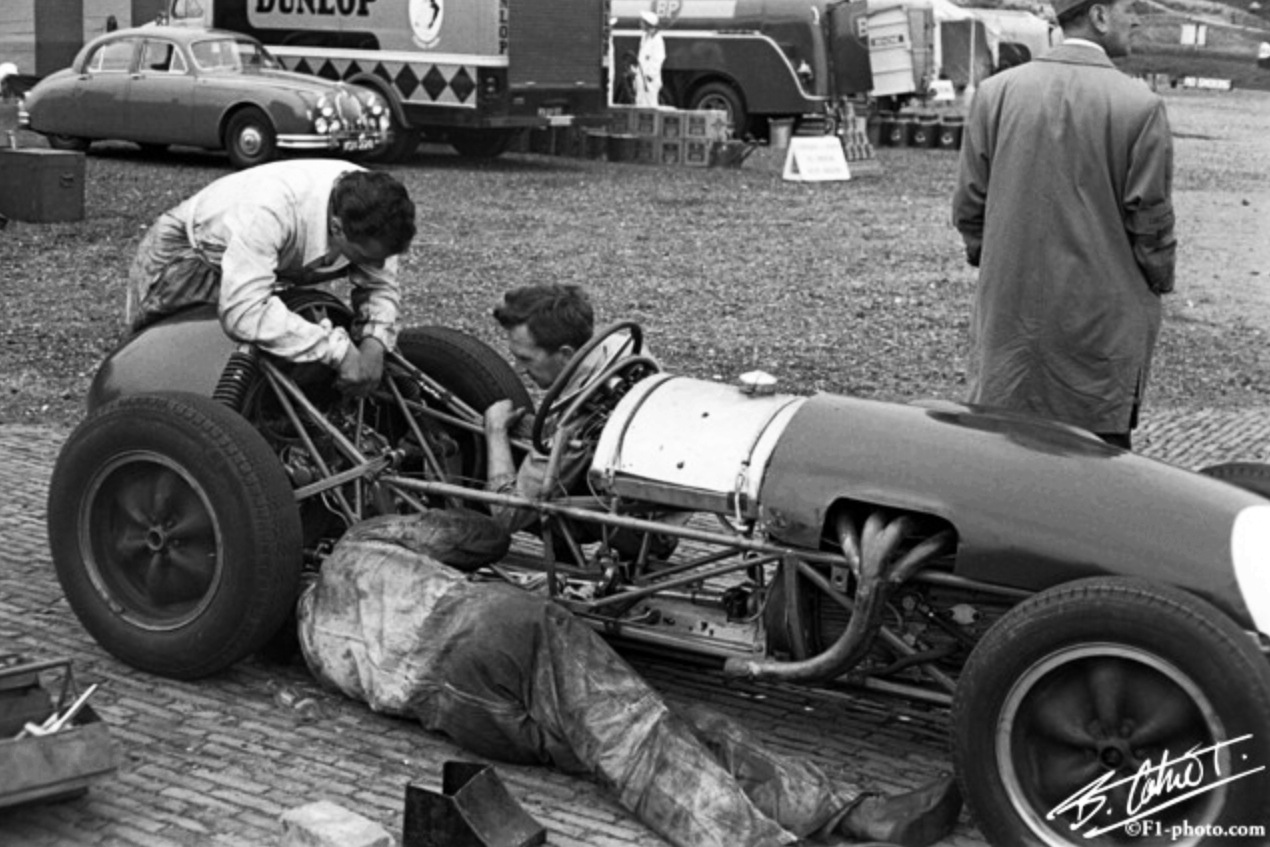
Lotus 12 in all its naked glory at Zandvoort in 1958. It was about as small as a front engined GP car could get, ignoring the fact it was designed as an F2 car! In 1958 ’twas as modern as tomorrow and as passe as yesterday simultaneously (Cahier)

Note the twin dual-throat SU carbs and front roll bar double-tasking as a means of locating the upper suspension top link
Indicative of mid-engined growing superiority was the failure of all the Maserati 250F’s entered to qualify- driven by Godia-Sales, Kavanagh, Taramazzo, Gerini, de Fillipis, Testut, Gould and the great, but ageing Monegasque Louis Chiron. Lets not forget that only the year before, 1957, Juan Manuel Fangio won the race in a factory ‘Piccolo’ 250F. And Moss also won aboard a 250F in 1956 for that matter too.
Successful British motor-cycle dealer BC Ecclestone had acquired the GP Connaughts but Bernie, Paul Emery and Bruce Kessler all failed to qualify the cars too.
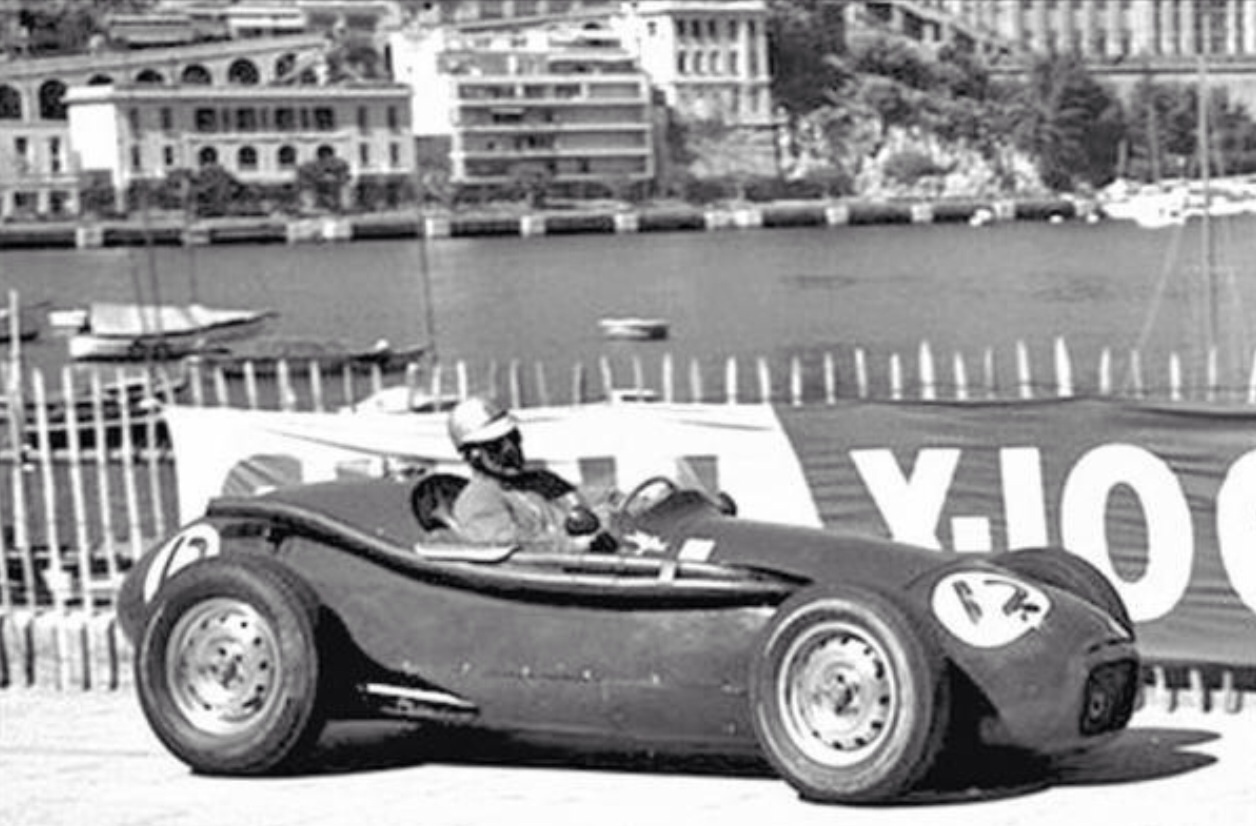
Bernie Ecclestone trying hard to qualify his Connaught Type B Alta, to no avail as was the case for his 2 teammates (unattributed)
Things were better for the Green Cars at the front of the grid with Brooks, Behra and Brabham in Vanwall VW57, BRM P25 and Cooper Climax T45 respectively. Salvadori and Trintignant were next up in Coopers, the quickest Ferrari, Mike Hawthorn, was sixth in his Dino.

# 18 Savadori Cooper T45 Climax, # 6 Behra BRM P25, #16 Brabham Cooper T45 Climax, # 30 Brooks Vanwall VW57, winner Trintignant partially obscured behind Brabham Cooper T45 Climax, # 32 Lewis-Evans Vanwall VW57…and the rest, turn one, lap1 (unattributed)
In a race of changing fortunes Behra, Hawthorn and Moss all led but suffered mechanical failures.
Trintignant won the race in Rob Walker’s Cooper T45 Climax from Musso and Collins in Dinos. Moss’ Argentina Cooper T43 win was no ‘flash in the pan’ by any stretch…

Moss, Hawthorn, Brabham and Trintignant. Ferrari Dino 246, Vanwall VW57 with Monaco ‘snub nose’ and Coopers T45 Climax x 2 (unattributed)
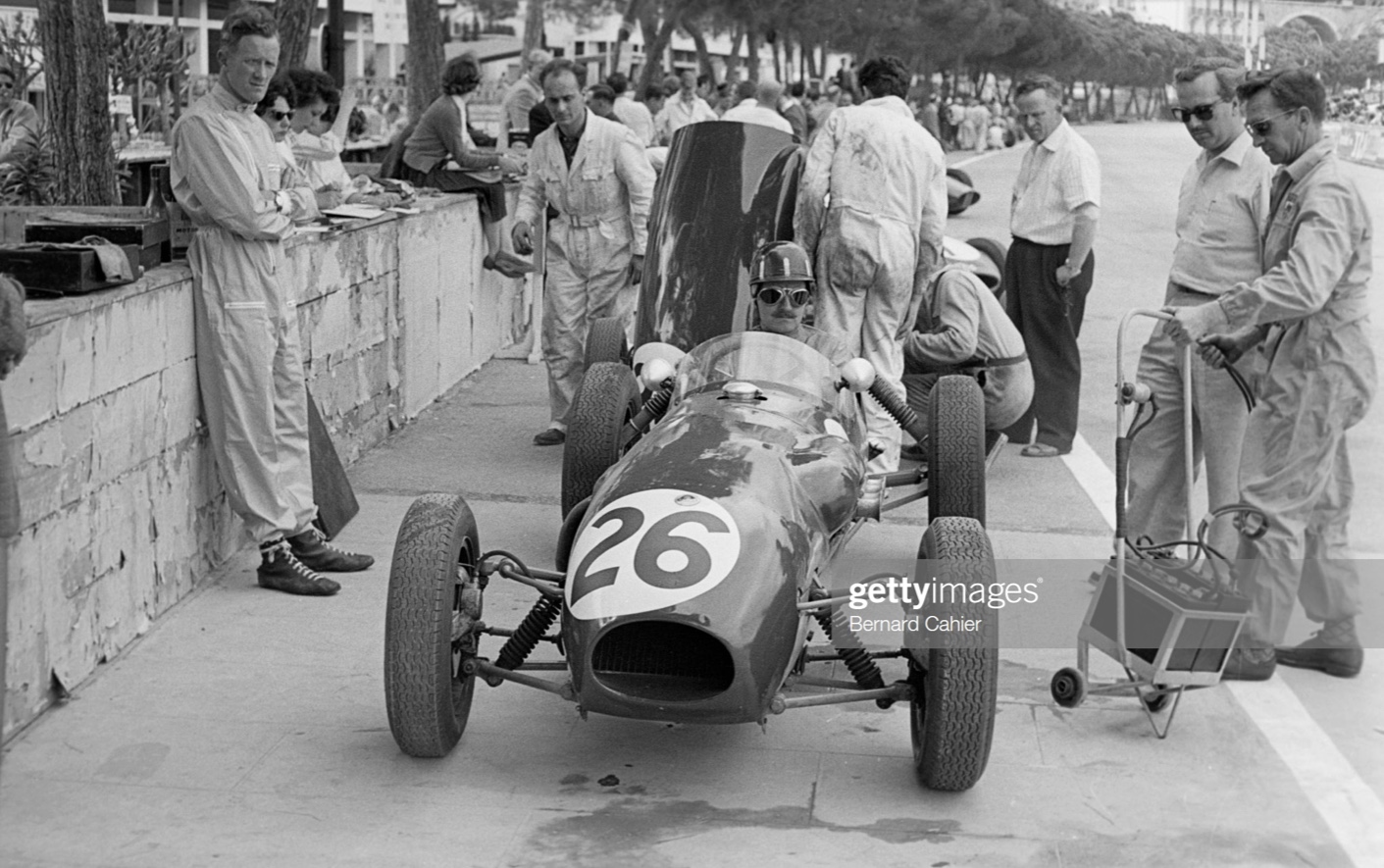
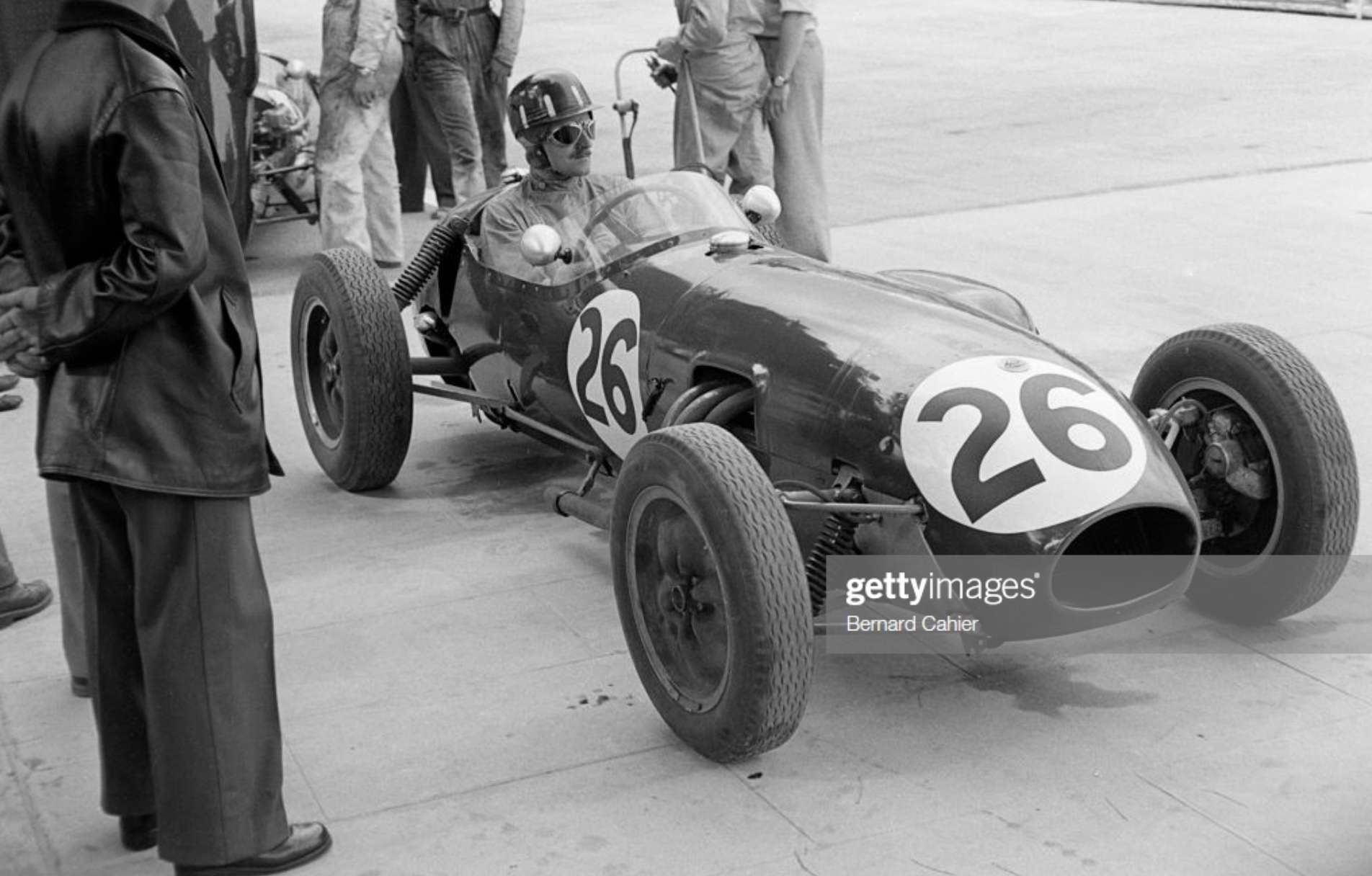
Graham Hill prepares for another practice lap whilst Cliff Allison looks on at left and Colin Chapman in the sunglasses at right.
The Lotus 12 was Chapman’s 1957 F2 contender powered by a Coventry Climax 1.5 litre FPF engine.
Whilst competitive the lithe, nimble, light front-engined cars took no F2 race wins that year, Allison’s second late in the season at the Oulton Park International Cup was the best result.
Fitted with 2 litre FPF’s, ‘F1’ 12’s contested the Non-Championship 1957 Glover Trophy and Lavant Cup at Goodwood and BRDC International Trophy, Silverstone as well as the 1958 Glover Trophy, BARC 200 at Aintree and the BRDC International Trophy before their Monaco Championship debut. Allison’s fourth in the 1958 Glover Trophy aboard chassis ‘357’- the same car he raced in Monaco was the best result. Graham Hill’s car was ‘353’ which has resided, beautifully restored, with Mike Bennett in Adelaide for many years.

Beautiful shots above and below by Bernard Cahier shows the minimalist nature of the Hill Lotus 12 to great effect. Greatness was to come later with Lotus of course- a championship in 1968 after a remarkable stint with BRM.
In some ways its surprising that Chapman, the great innovator, didn’t go the mid-engined route with the Lotus 16, the 12’s successor but he got the hang of the mid-engined thing rather well with the 18 which followed- a machine which was rather successful in FJ, F2 and F1 in 1960.

Lotus 12 Climax cutaway
Etcetera…
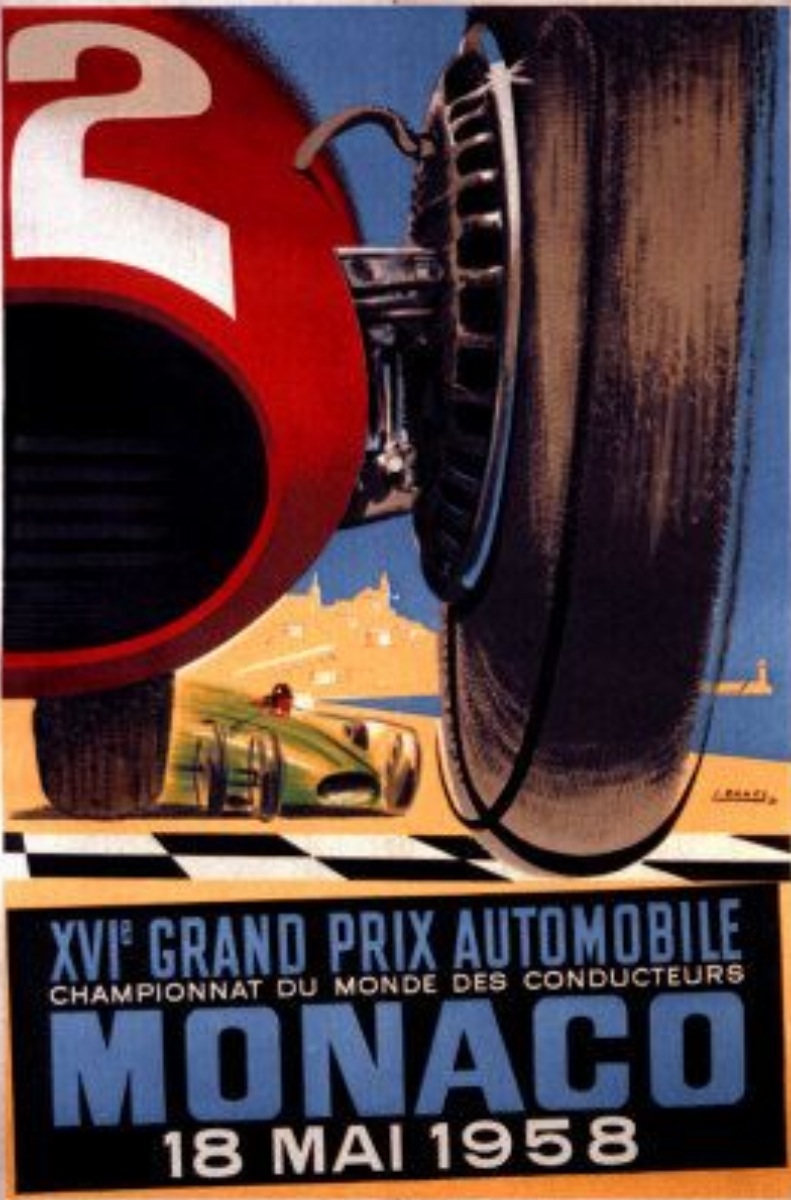
Photo and other Credits…
Jesse Alexander, The Cahier Archive, John Ross Motor Racing Archive, John Marsden
Tailpiece: Allison made the Lotus 12 sing…

(John Ross)
As here at Monza 1958.
He put the car fifth on the British GP grid, well in front of Hill in the new Lotus 16, finished sixth at Zandvoort, fourth in the Belgian GP at Spa and seventh at Monza. Such were his performances he was off to Ferrari in 1959 at Enzo’s invitation
Finito…

Jenson Button and David Richards, BAR Honda 005 and friends on the beach at St Kilda, close to Albert Park and the 2003 Australian Grand Prix…
Joint in the background is the Stokehouse Restaurant which burned to the ground a few years back, somewhat of a local icon but i’ve never had a decent feed there.

Button was 9th in the race won by David Coulthard’s McLaren MP4/17D Mercedes, Jacques Villeneuve 8th in the other BAR. It was a tough season for the cars, Button the best placed of the two drivers, 9th in the championship won by Michael Schumacher’s Ferrari.
Credits…
Robert Cianflone

Garrie Cooper’s Elfin 600D Ford leads Vern Schuppan’s March 722 Ford through the fast swoops of the challenging Thomson Road circuit and into the hot, dense, green, steamy forests of the island city state during the 1972 Singapore Grand Prix…
Vern was 2nd in his March 722, a good result as he boofed the car early in the 30 March-2 April race weekend. ‘I crashed in qualifying when something broke in the rear suspension – the car was absolutely brand new. Luckily I hadn’t hit anything too solid and so we were able to cobble something together and I started from the back’. This chassis was the same one which, with modifications by Brian Falconer, he raced to victory in Singapore in 1973. Garrie didn’t finish the ’72 race he won in the very first Elfin 600 in 1968. I wrote an article a while back about the 1973 race, the last until the modern era, click here to read it;
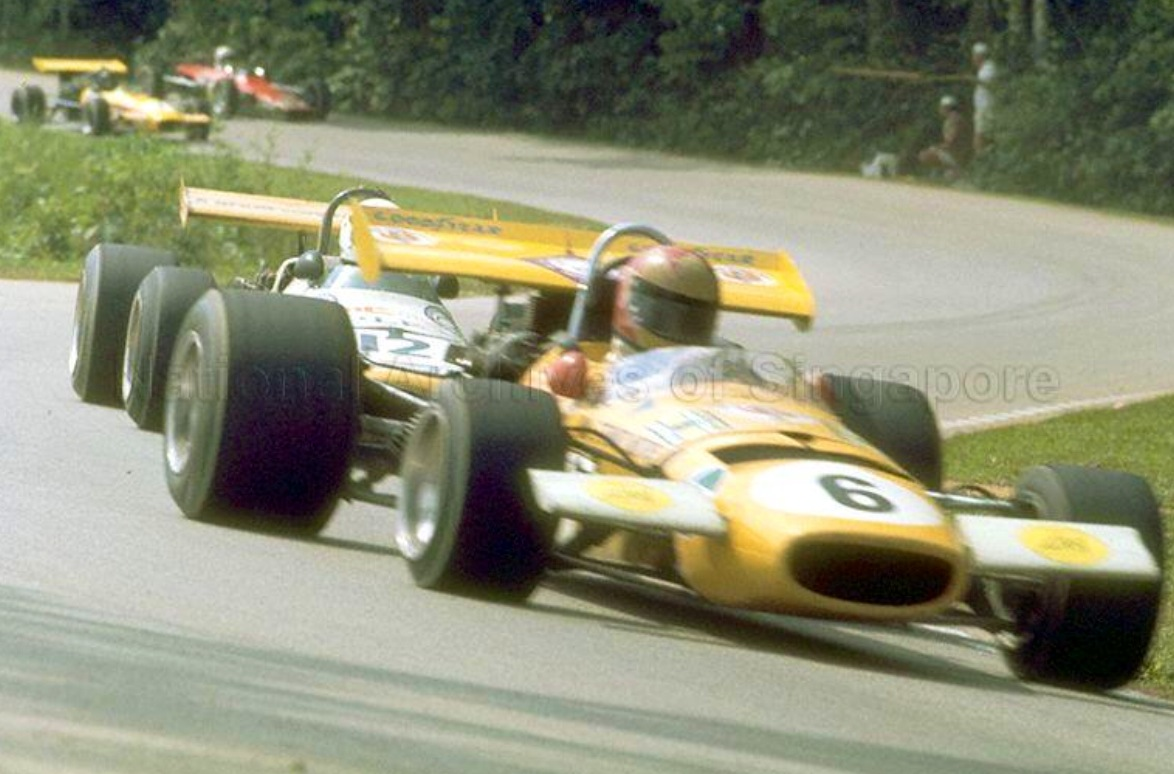
Winner of the ’72 Singapore GP Max Stewart’s Mildren Waggott Ford with Leo Geoghegan’s Brabham Brabham BT30 Ford right up his chuff and Bob Muir’s yellow Rennmax BN3 Ford in the distance (AOS)
I remember as a kid thinking Asia was a very exotic place…
Australia had, believe it or not, ‘The White Australia Policy’ (progressively dismantled from 1949-73) which kept non-whiteys, Asians included out of the joint, so back then you didn’t see ‘em on the streets. The place was bland, populated as it was by lotsa similar looking Anglos. Thankfully all that is a thing of the long distant past. People from countries to our immediate north have added hugely to the wonderful, disparate melting pot of race, creed and color we have enjoyed here, especially post World War 2.
To me as a kid though, Asia was exotic, different, but not far away like Europe. I read with great interest of the success of Kevin Bartlett in Macau and Leo Geoghegan at Fuji in 1969 when i flicked through the 1970 ‘Australian Motor Racing Annual’, my first road-racing magazine purchase, and marvelled at the circuits.
Two decades later, in 1989-91 I was regularly in Kuala Lumpur and Singapore on business. Even though I had it in my mind then to walk as much of the Thomson Road Circuit as I could, I never did make the easy 12 kilometre excursion from central Singapore to do so, it was always too hot to walk the place. Dammit!, its such a wild looking track…
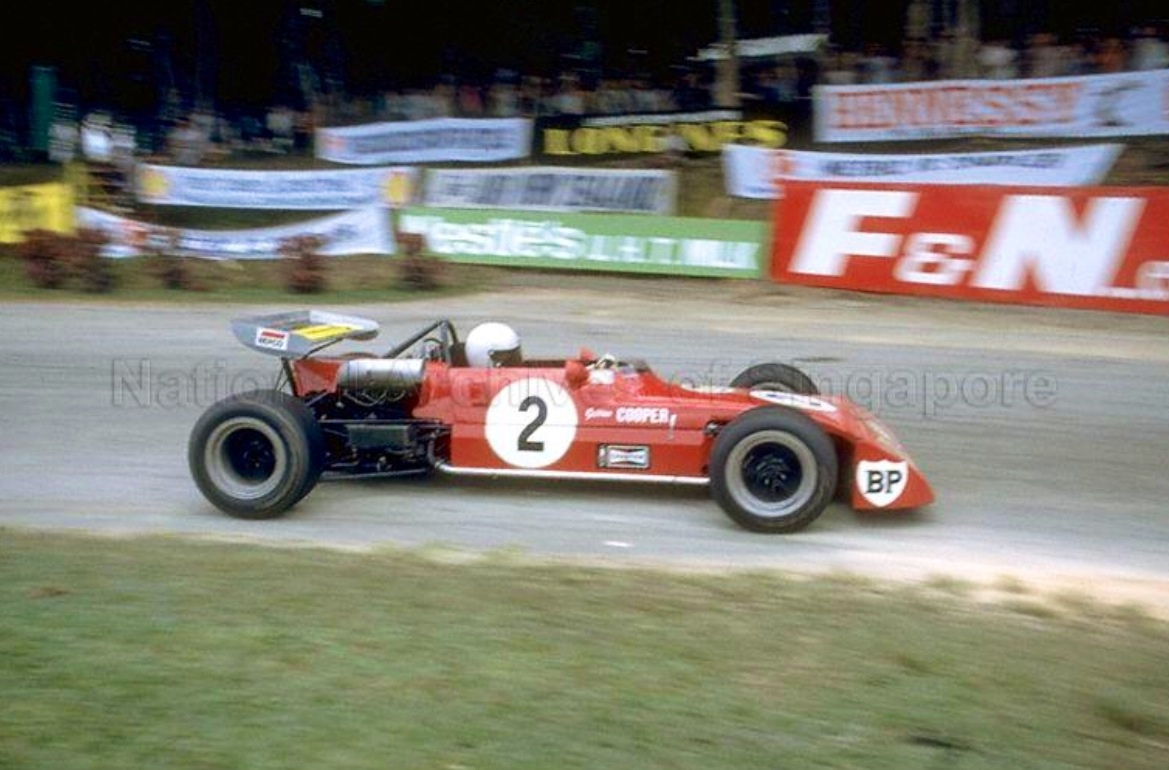
Garrie Cooper, Elfin 600D Ford ‘7012’, Singapore GP 1972 (AOS)
Cooper was a popular Singapore visitor having won the race in 1968 in the very first Elfin 600 built. Garrie’s 1972 Singapore car is to me the ‘definitive ultimate’ Elfin 600; chassis 600D ‘7012’ was built as Cooper’s own, works, 2.5 litre Tasman Formula car powered by the ‘definitive’ Repco Tasman engine, the gorgeous little ‘830 Series’, SOHC, 2 valve, Lucas injected ‘short block’ V8. Mind you, in that form it didn’t have the ‘fugly’ Tyrrell type nosecone it wears here.

Garrie Cooper during the 28 June 1970 Gold Star round at Oran Park, 3rd in Elfin 600D Repco ‘7012’. Max Stewart won in the Mildren Waggott from Leo Geoghegan’s similarly engined car, Leo won the Gold Star that year (oldracephotos.com)
The Tasman 2.5 Formula was over as Australia’s ANF1 at the end of 1970 so the Repco in ‘7012’s frame was removed and fitted into an Elfin 360 sportscar. An injected Lotus/Ford twin-cam was then inserted into the spaceframe chassis for ANF2 racing. And for events in South East Asia which changed to a ‘twin-cam, 2 valve’ formula, effectively mandating the venerable, wonderful Lotus/Ford engine which was a mainstay of motor racing globally for the best part of 20 years.

Cooper leads the rest of the 1968 GP grid on lap 1 into the Thomson Mile chicane, Elfin 600 Ford. Advice on following car ID’s gratefully accepted (AOS)
I’m in the middle of drafting an article on the Repco engined Elfin 600’s at the moment, all three of them, so will leave that topic for now. ‘7012’ was bought by Col Allison for his lad Bruce at the end of Garrie’s Asian tour, the speedy Queenslander was showing promise in a 600FF back home, steering ‘7012’ around Lakeside and Surfers Paradise was another step in Bruce’s rise to prominence and success overseas.
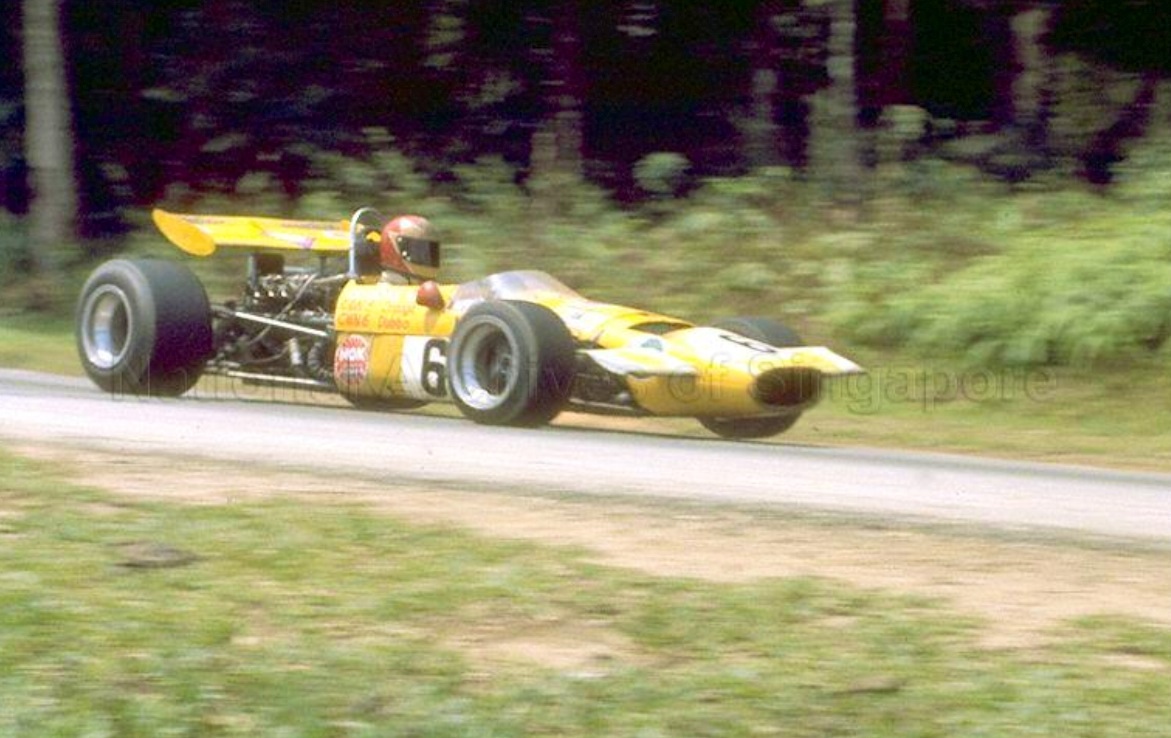
Lovely side profile shot of Max Stewart and his winning Mildren in 1972 (AOS)
The winner of the 1972 GP was Max Stewart who took his final big win in the Mildren Waggott which had given him so much success over the years.
The big, ultimately fast, country-boy from Orange in New South Wales literally knew every nut and bolt in this long-lived cars frame. His most recent success in it was the 1971 Australian Gold Star series when he ‘nicked’ the title from his great mate Kevin Bartlett. KB’s F5000 McLaren M10B Chev had the speed in the first year the Gold Star was run to F5000, but Max had enough speed, better handling and much more reliability from his Waggott 2 litre, DOHC, 4 valve, circa 275bhp motor.

Stewart from Geoghegan in the Circus Hairpin (AOS)
Max was racing an F5000 Elfin MR5 Repco in 1972 Tasman and Gold Star events, but no doubt victorious transition back to the little Mildren was as easy and sweet as a ‘booty call’ with a recent girlfriend!

Max accepts his trophy. Neat scoreboard; #6 Stewart Mildren Ford, #129 Schuppan March 722 Ford, #7 Muir Rennmax BN3 Ford and #1 Rajah March 712M Ford (AOS)
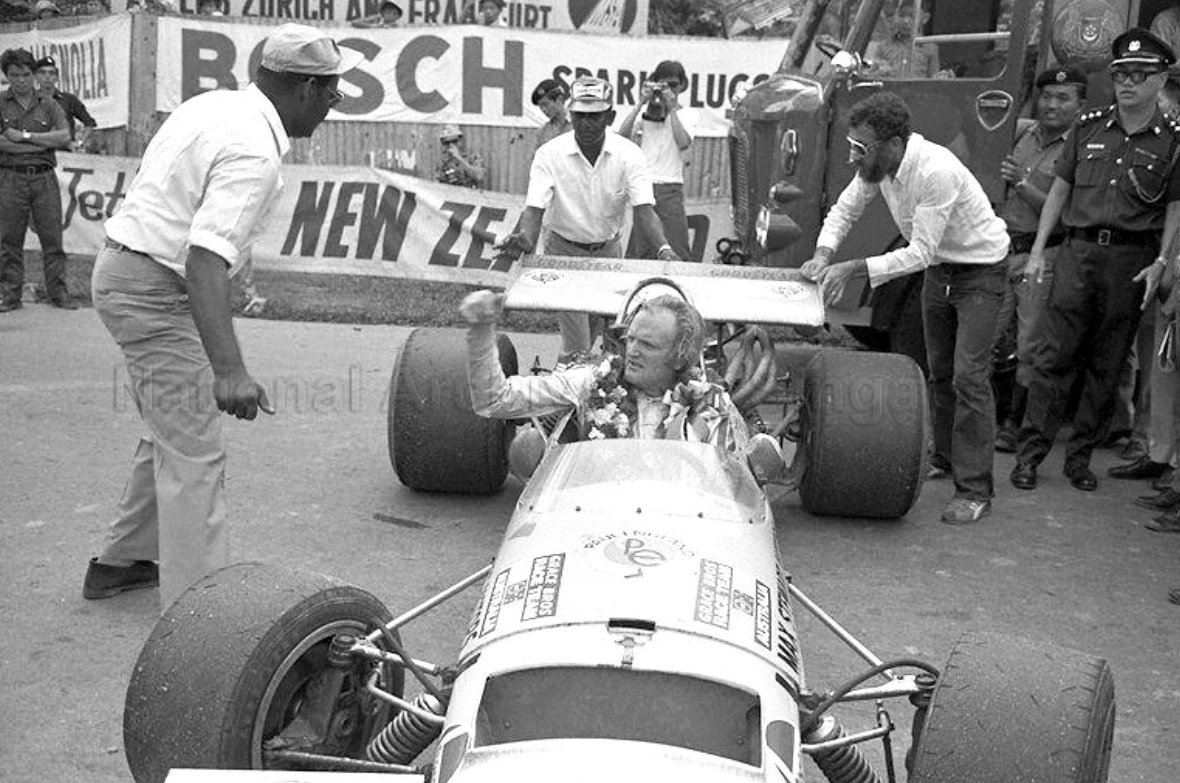
MS garlanded in the victorious Mildren Waggott. For this race it was fitted with 1.6 litre Lotus/Ford twin cam on Webers rather than the Waggott DOHC, 4 valve, injected engines of 1600/1860/2000cc capacity with which the car mainly raced over its long life. Brabham magnesium uprights clear in shot, interesting are the rubber bushed type spherical joints used. This very successful car was restored by Greg Smith in Elwood, Melbourne some years back with further work done in more recent times by Max Pearson who owns and keeps it, and Max’ 1972 Elfin MR5 Repco F5000, in amazingly fine fettle. Both are familiar cars to historic racing enthusiasts in Oz (AOS)
Missing from the ’72 Singapore GP grid was three times (1969-71) winner, Kiwi champion Graeme Lawrence…
Who had an horrific shunt during the opening lap of the 1972 New Zealand Grand Prix at Pukekohe in January which destroyed his brand new Lola T300, badly injured himself and killed Bryan Falloon, whose Rennmax/Stanton Porsche, Graeme collided with.

Geoghegan, Brabham BT30 (AOS)
One of Lawrence’s many Australian friends Leo Geoghegan raced Graeme’s Brabham BT30, the 1970 Australian Gold Star champion failed to finish after colliding with Hengkie Iriawan’s Palliser- Hengkie pulled to the left to avoid traffic without realising Leo was there, both were heading for the pits at the time.

Leo Geoghegan in Graeme Lawrence’s Brabham BT30 Ford, advice gratefully received on what part of the circuit many of these photos are, and a race report if anyone has one (AOS)
Ostensibly retired from open-wheeler competition, Leo was lured back in 1972 by Birrana Engineering boss Malcolm Ramsay, Malcolm a South East Asia regular competitor. The exploits of these two are well covered in the ’73 Singapore GP article referenced above.

Vern tested the BRM P153B, the P153 the Bourne concerns 1970 challenger, during Belgian GP practice at Nivelles in 1972, the car was raced by Helmut Marko to 10th. Emerson Fittipaldi won in a Lotus 72D Ford (unattributed)
Vern would see a lot of his countrymen in the years to come in F5000 competition but it was the first time he had raced against Cooper, Stewart, Geoghegan, Muir, Bartlett and Kiwi, Lawrence.
Schuppan left South Australia’s Flinders Ranges town, Booleroo Centre, with some karting experience in Australia and via Formula Ford success in the UK, won the first British F Atlantic title in 1971 in a works Palliser.
He was very much a coming-man at the time of the Singapore GP, having a BRM contract in his pocket for 1972. BRM had more drivers than hot dinners that season, the Aussies only races were the non-championship May, Oulton Park ‘Gold Cup’ and October, Brands Hatch ‘Victory Race’ in which he finished 4th and 5th respectively.
Despite that, he impressed BRM boss Lou Stanley enough and signed a contract to drive alongside temporary Ferrari escapee Clay Regazzoni in 1973. Stanley’s hiring of Jean-Pierre Beltoise and Niki Lauda’s schillings sidelined him. ‘I knew that I had to be in F1 with a good team by the time I was 30 – and so I thought I’d cracked it. But when I arrived back in Australia for Christmas and picked up a Daily Express at the airport, there it was: Lauda Signs for BRM. I attended races with the team and did a lot of testing, something I always enjoyed – but it was a disappointment’ said Vern in a recent MotorSport interview.

Sonny Rajah (above) was a Malaysian character who won a lot of friends in Australia in 1974…
He contested our Van Heusen Australian F2 Championship. Sonny raced all of the eight round championship with the exception of the first race at Hume Weir for a best place of third at Symmons Plains.
He used the same March chassis albeit fitted with a later nose- the ex-Ronnie Petersen 1971 European F2 Championship winning 712M, he drove to 4th place in Singapore, the misfiring March finished between Schuppan and Geoghegan.

Muir from Cooper and Schuppan at Circus Hairpin (AOS)
Rennmax BN3 Ford: Kevin Bartlett and Bob Muir…
Amongst the most numerous cars from one marque were Rennmax BN3’s, these cars raced by Stewart (nee Mildren) as well as his F5000 buddies Kevin Bartlett and Bob ‘Skinny’ Muir.
Regular readers may recall that these cars were built by Sydney’s Bob Britton on the Brabham BT23 jig he created to repair Denny Hulme’s works BT23 damaged in New Zealand during the ’68 Tasman Series. Bob Muir’s car was, I think, Ken Goodwin’s chassis raced by Bob in Australia during 1971, notably at the Hordern Trophy meeting at Warwick Farm. Muir had a very competitive run in Singapore finishing 3rd in the yellow car.
KB leased Sydney driver Doug Heasman’s car and recalls the weekend well‘…unfortunately I had a DNF result after an off, due to slight damage to the suspension. Fire marshalls had inexplicably placed a fire hose across the road on a blind corner to douse a crashed car, I bounced off the road when the wheels hit it. There was no flag signal of the situation at the flag point before, which caused the problem’ recalled KB recently.

Kevin Bartlett typically sideways, Rennmax BN3 Ford (AOS)
As to the Thomson Road circuit he related that ‘I quite liked the layout as a real road circuit. It had jungle like bush in many parts, with huge drainage ditches to one side in many places and virtually nil runoffs, certainly it was a challenging place.’
‘I remember leading for all but the last few laps one year (1970) from Graeme Lawrence’s Ferrari’ (ex-Amon 1969 Tasman winning Ferrari Dino 246T in which Graeme also won the 1970 Tasman) with a DNF in the Mildren Alfa V8 ‘Yellow Sub’ the car in which KB won the 1969 Macau Grand Prix and Australian Gold Star Series.

(AOS)
Kevin Bartlett and Graeme Lawrence (above) on the front row of the grid for the 1970 Singapore GP, start/finish straight- relatively narrow.
KB #5 in Alec Mildren’s Len Bailey designed, Alan Mann Racing built Mildren ‘Yellow Submarine’ Alfa Romeo, here in its ‘definitive’ Alfa Tipo 33 2.5 litre V8 form, as it was originally designed.
It was quicker when fitted with the 2 litre Waggott but always ‘sexier’ with the Alfa engine- for me it defines everything that was great about the Tasman 2.5 Formula. GL is in his equally lustworthy, and victorious, ex-Amon Ferrari 246T. #66 is Albert Poon’s Brabham BT30 FVA, the car alongside, I think is John McDonald’s Brabham BT23 FVA.

(AOS)
Bartlett (above) leads the field on lap 1 of the 1970 GP into the Thomson Road chicane, Graeme Lawrence is almost obscured he is so close to KB’s FT200 Hewland.
Then its Stewart in the Mildren Waggott #6 and McDonald’s Brabham BT23 FVA #16 and the rest.
Bartlett won the preliminary 20 lapper on Friday and led the 40 lap GP, in a very spirited close race with Lawrence until lap 37 when a valve spring in the little V8 broke, dropping an inlet valve, KB recalls. The field was small, only 10 cars due to mechanical mishaps in the preliminary, 12 cars took to the grid in the GP but 2 crashed on the warm up lap! so 10 started.
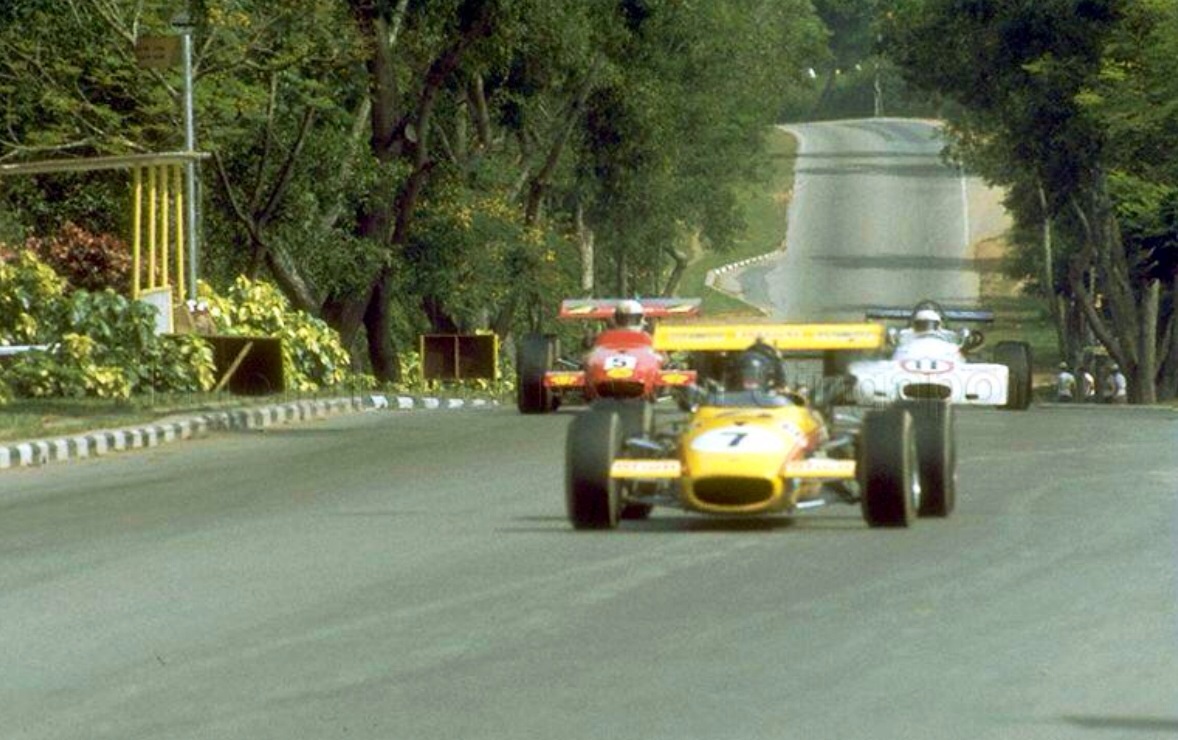
(AOS)
Muir (above) ahead of Bartlett’s red Rennmax BN3 on the Thomson Mile with John McDonald’s ex-Rondel Racing white Brabham BT36 Ford.
Back home these two Sydneysiders raced Lola T300’s in the domestic Gold Star Series with Muir immediately on the pace when he started racing F5000 during the 1972 Australian Tasman rounds.
KB was the driver who well and truly served it up to Matich when he took delivery of his T300 during the ’72 Gold Star, which Frank won in his A50 Repco

(AOS)
Garrie Cooper (above) in his brand new Elfin at the Circus Hairpin, Singapore GP 1968.
Great looking cars the Elfin 600’s, the only marginal change to the body over its production life of 1968 to 1972, which made the things even sweeter was a ‘wedgier’ element or shape to the radiator cowl, you can see it in the shot earlier of Cooper’s 600D Repco at Oran Park up earlier in the article
Singapore GP 1968, Garrie Cooper and Elfin 600 ‘6801’…
Garrie’s win in the Elfin 600 prototype ‘6801’ was pretty handy commercially for the likable, talented South Aussie and his band of gifted artisans at Edwardstown, an inner south-western Adelaide suburb.
Elfin 600’s won in FF, F3, F2 and ANF1; no other car in Australia (the world?) ever had that ‘bandwidth’.
Critically the car was built in relatively large numbers and exported providing valuable cashflow, the lifeblood of any business especially a small one financed, as they are typically in Oz, by a mortgage over the business owners home.
600’s were cars which helped launched a swag of careers not least Larry Perkins who won Australian titles in FF and F2 aboard a 600FF and 600B/E.
The following, less successful model, the 620/2/3 (FF/F2/F3) were evolutions of the 600 spaceframe design and also sold well. By then the level of local competition had increased with the likes of Bowin and Birrana building cars in number and as well the propensity of locals to buy imports increased especially in F2.

‘6801’ in the Thomson Road paddock 1968, mechanical details as per text. The caption notes driver and shortly Elfin 600 customer Henkie Iriawan seated at far left with the car being fettled by the Elfin boys and Loh Yap Ting in white. So impressed was Iriawan that he bought ‘6801’ at the end of the race meeting, and later a 600B to which he fitted a Ford FVA engine. Local ‘shops who looked after the visiting teams were Federated Motors and Borneo Motors, both the preferred facilities (AOS)
Cooper and his team finished ‘6801’, raced it at Calder, Victoria in March and then shipped it to South East Asia. These shots show the beautifully fabricated steel spaceframe chassis, Lotus/Ford Weber fed, DOHC engine, a good 1600 twinc good for circa 170bhp at the time. Gearbox here is a Hewland HD5, production cars usually used Hewland Mk8/9 or FT200 dependent upon application.
The cars first race on its Asian tour was the Selangor GP at Shah Alam, Malaysia on the 6/7 April weekend, Garrie didn’t complete his heat with a broken crown wheel and pinion.
In the Singapore GP, Allan Grice had the gearbox problem, the case of the ex-Mildren/Gardner/Bartlett Brabham BT11A’s Hewland ‘box split causing the end of a good dice between Cooper and Grice. Jan Bussell’s Brabham BT14 Ford was 2nd and Steve Holland’s Lotus 47 Ford sportscar, the event was run to Formula Libre, was 3rd.
‘6801’ was still giving a good account of itself in ANF2 in 1973/4 in Paul Hamilton’s hands amongst all the modern Birrana, March and Bowin monocoques and is still raced by him in historic racing. It always brings a smile to my face whenever I see the little red, immaculate machine given its Elfin historic significance.

Cooper accelerates out of Circus Hairpin on the way to his ’68 GP win. He is ahead of Allan Grice, later Australian Touring Car ace in a Brabham BT11A Climax and Albert Poon’s Brabham BT21 Alfa. Garrie led from lap 5, Poon retired on lap 10 with a damaged wheel (AOS)
Etcetera…

(AOS)
Cooper (above) in the 600D Ford ‘7012’, Singapore 1972. He really did make a beautiful car as ‘ugly as a hat full of arseholes’ didn’t he?, no doubt it was effective though. Tyrrell started this F1 trend at the ’71 French GP.
These Elfin 600D experiments flowed directly into the modified noses of the MR5 F5000 cars which Cooper fitted to his, and John McCormack’s car during the Australian Tasman rounds in 1972. See photo below.
Those noses became the ‘definitive spec’ MR5’s- in detail they evolved over the following seasons, the treatment was also applied to the subsequent MR6 F5000. It was only at the very end of the MR5’s long life that Garrie tried a ‘chisel nose’ and side radiators on his MR5 when he was assessing the body shape and profiles to be fitted to his 1976 MR8 F5000- those too a very successful series of, this time, Chevrolet engined cars.
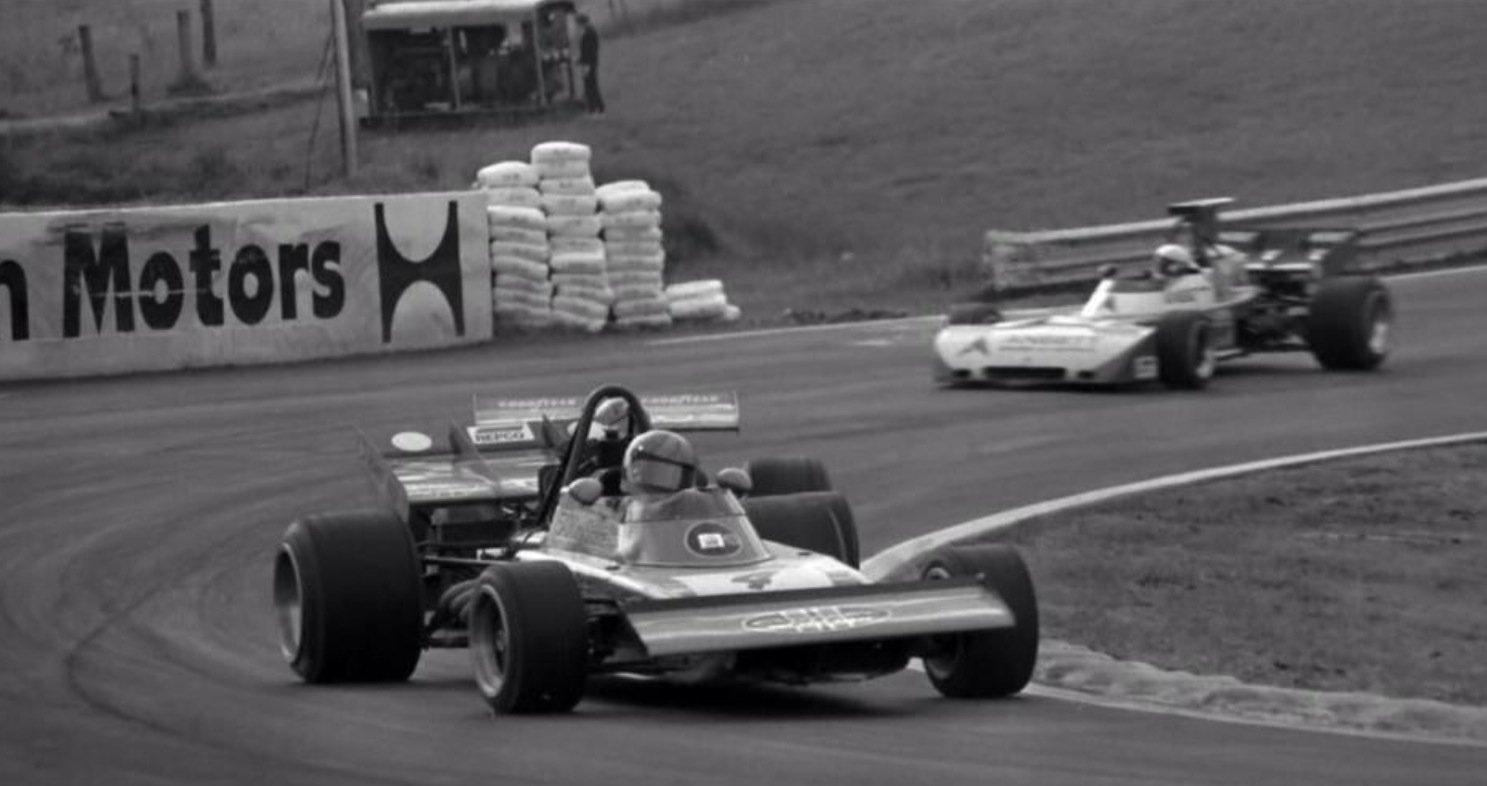
(Hemer)
This 1972 Oran Park shot above shows the MR5 ‘before and after’.
John Walker’s car in front with the original 1971 ‘blade’ front wing and Cooper’s car further back with the ‘Tyrrell’ type nose, both MR5’s are Repco powered.
That’s Max Stewart’s Mildren Waggott’s nose shoved up John’s clacker by the way. Interesting that he was racing the little 2 litre car rather than his MR5 at this meeting. What meeting is it folks, its not a Gold Star round, one of you Sydneysiders will know?

(AOS)
Leo has had an argument with the local geography and lost, ‘sorry Graeme, it was like this…’, no damage to the rest of the little BT30 mind you.
Bibliography…
MotorSport ‘The Forgotten Singapore Grands Prix’ by Paul Fearnley September 2016, The Nostalgia Forum, Kevin Bartlett
Photo Credits…
National Archive of Singapore (AOS), Lynton Hemer
Tailpiece: Cooper accepts the plaudits of the crowd and the victors garland in 1968, neat rear cowl of the Elfin 600 clear and a feature on all the production cars…

(AOS)
Finito…

Achille Varzi’s Auto Union Type B pitstop during the 26 May Avus-Rennen, Berlin, 1935…
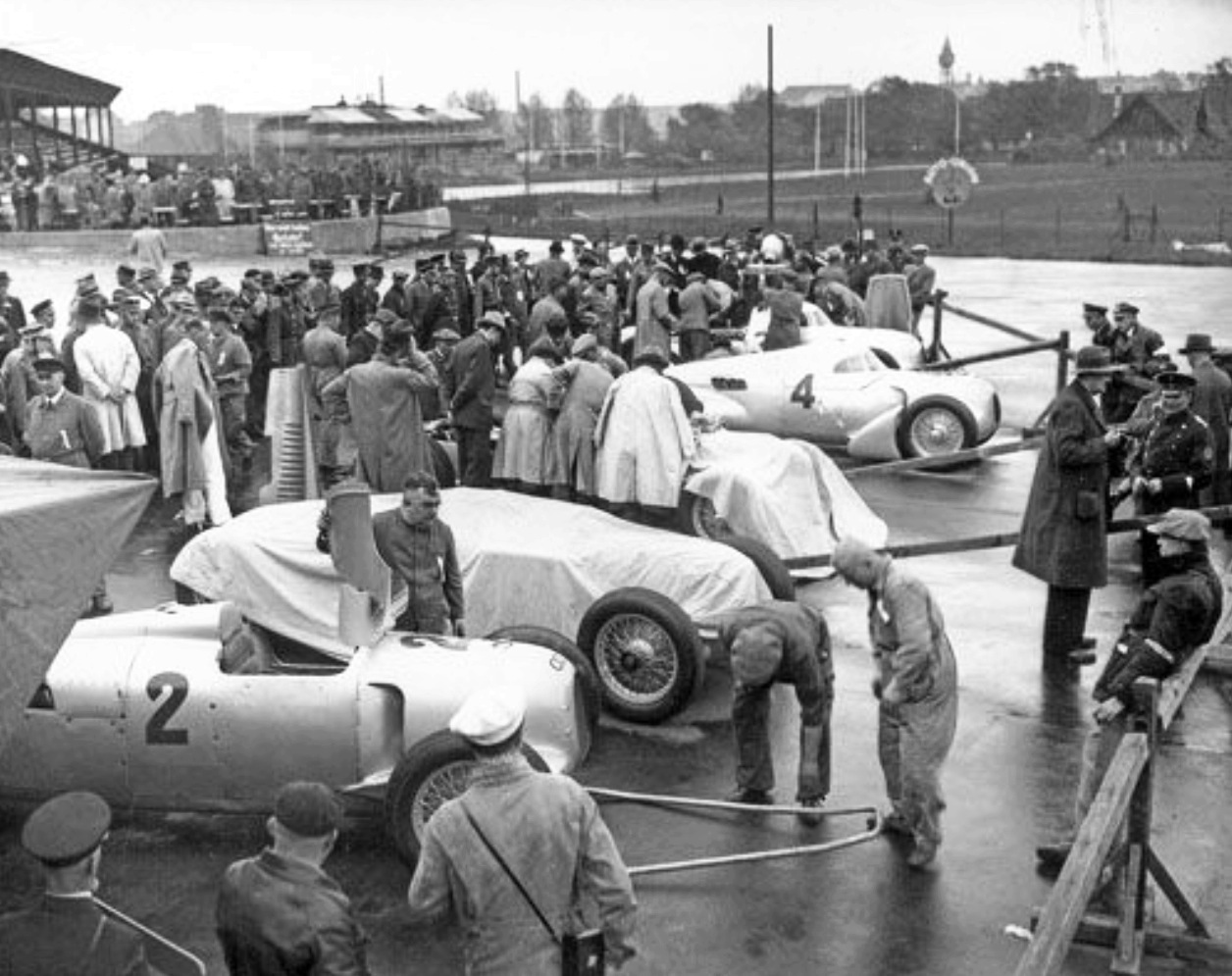
Note the onboard air-jacks, pretty schmick for 1935, I didn’t realise the technology went back that far, I wonder when they were first used in racing? It’s a nice shot also of the swing axle rear suspension, sprung by torsion bars in 1935 rather than the transverse leaf spring of the 1934 Type A.
Varzi was 3rd in his 4.9 litre V16 beastie, the race won by Luigi Fagioli’s Mercedes Benz W25. The race was a Formula Libre event so the German teams turned up with some streamliners including a Mercedes W25 for Hanns Geier, the cockpit cover of which could only be opened from the outside. No doubt Alfred Neubauer was happy to oblige at each pitstop.
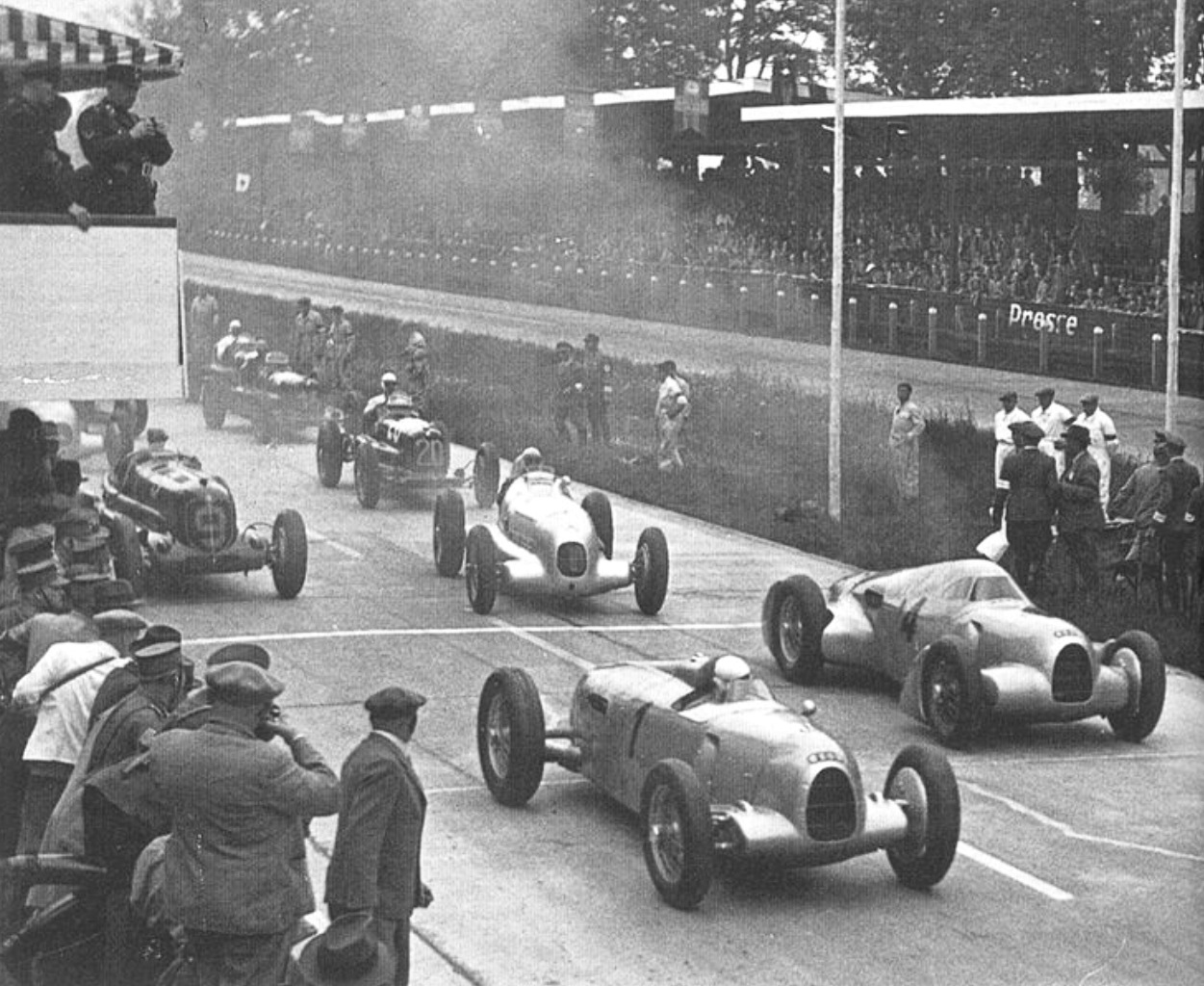
Avus 1935 heat 1 start; #1 Stuck AU Type B 1st from #4 Rosemeyer AU Type A Streamliner DNF, the Mercedes is Fagioli’s W25 2nd, #9 is Nuvolari’s Alfa Bimotore 6th, #20 Farina’s Maserati 4C 5th, #16 Siena’s Maserati 8C DNF (unattributed)
Continuing the themes of commonsense and bravery!, the meeting was also notable for the first ever car race of German ‘bike ace Bernd Rosemeyer. He ‘blagged his way’ into the Auto Union team for whom he raced from then until his untimely death in early 1938 during a brave land speed record Auto Union run. Read anything about this fella and the word brave will be peppered throughout the article.
The car racer novice plonked the notoriously twitchy 375bhp mid-engined Type B on the front row for his heat on the fastest circuit in the world, the AU’s were seeing 326kmh along Avus’ long straights. He punctured a tyre during his 7 lap heat so didn’t make the final which comprised the first 4 placegetters in each of the heats, but he had well and truly ‘arrived’…
Check out Kolumbus F1’s ’35 Avus race report, this being my favourite Pre-War race results site, have a good poke around if you haven’t visited it before;
http://www.kolumbus.fi/leif.snellman/gp3503.htm#9
Credits…
Kolumbus F1, Ullstein Bild, Zoltan Glass

Auto Union Type A engine and rear suspension (Zoltan Glass)
Tailpiece: Varzi’s Auto Union Type B 4.9 V16 and Rosemeyer’s AU Type A 4.3 V16 in the 1935 Avus paddock…
(unattributed)
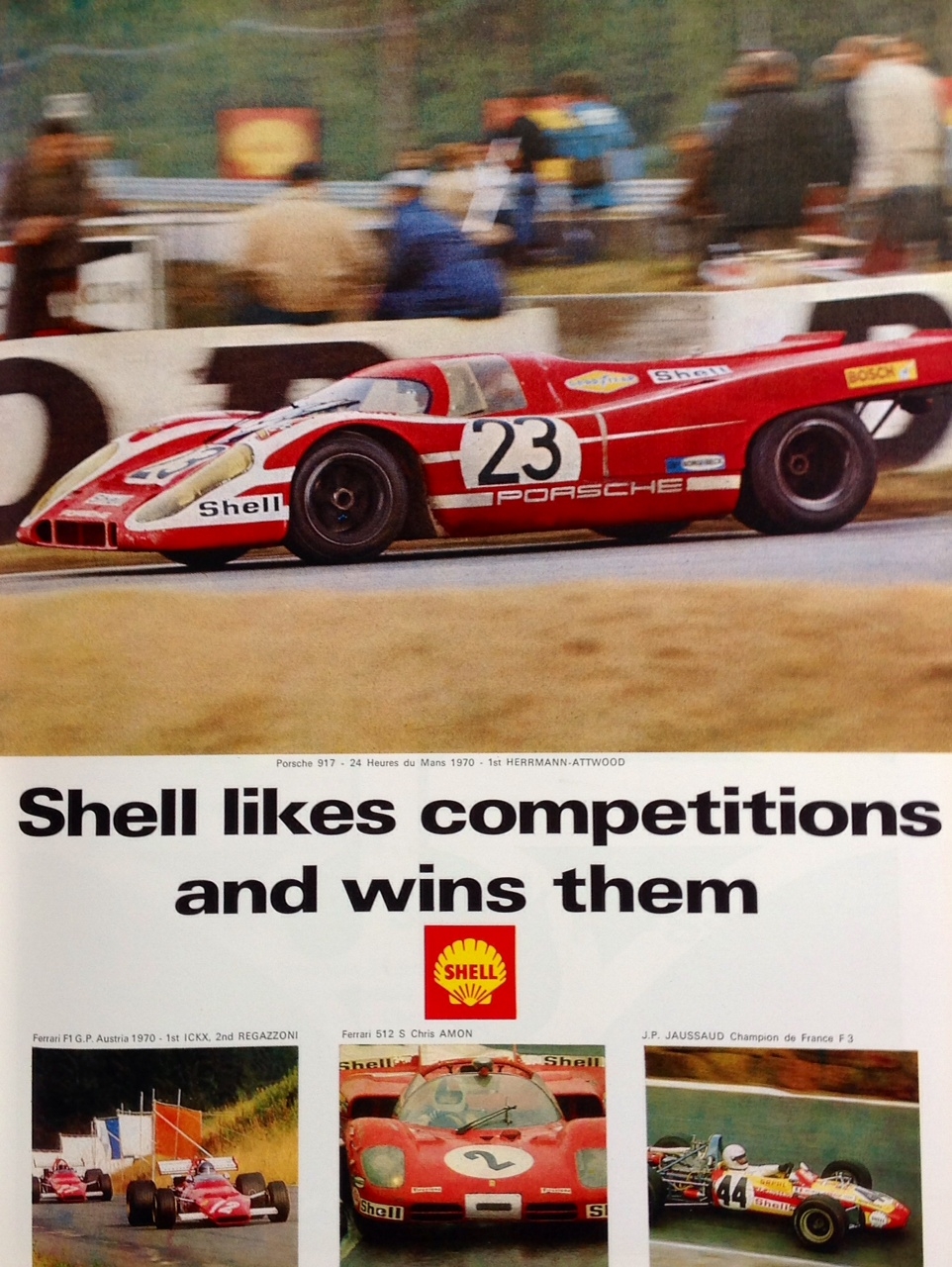
Shell’s ‘period’ ads are consistently good. I like this 1970 offering from Automobile Year 18 featuring some of my favourite cars, 917 Porker and 312B/512S Fazz…
The 1970 Le Mans classic was the year in which Porsche broke through to win outright with the 917. Hans Herrmann and Richard Attwood won in the #23 short-tail above by 5 laps from Gerard Larrousse and Willy Kauhsen in a long-tail with the 908 long-tail of Rudy Lins and Helmut Marko third. Just to reinforce their dominance the first two cars were powered by 4.5 litre variants of Zuffenhausen’s big flat-12, not the full 5 litres allowed by the regulations of the time.
The best placed of the Ferrari 512S’ was the NART car of Sam Posey and Ronnie Bucknum in 4th, 30 laps adrift of the winning 917.
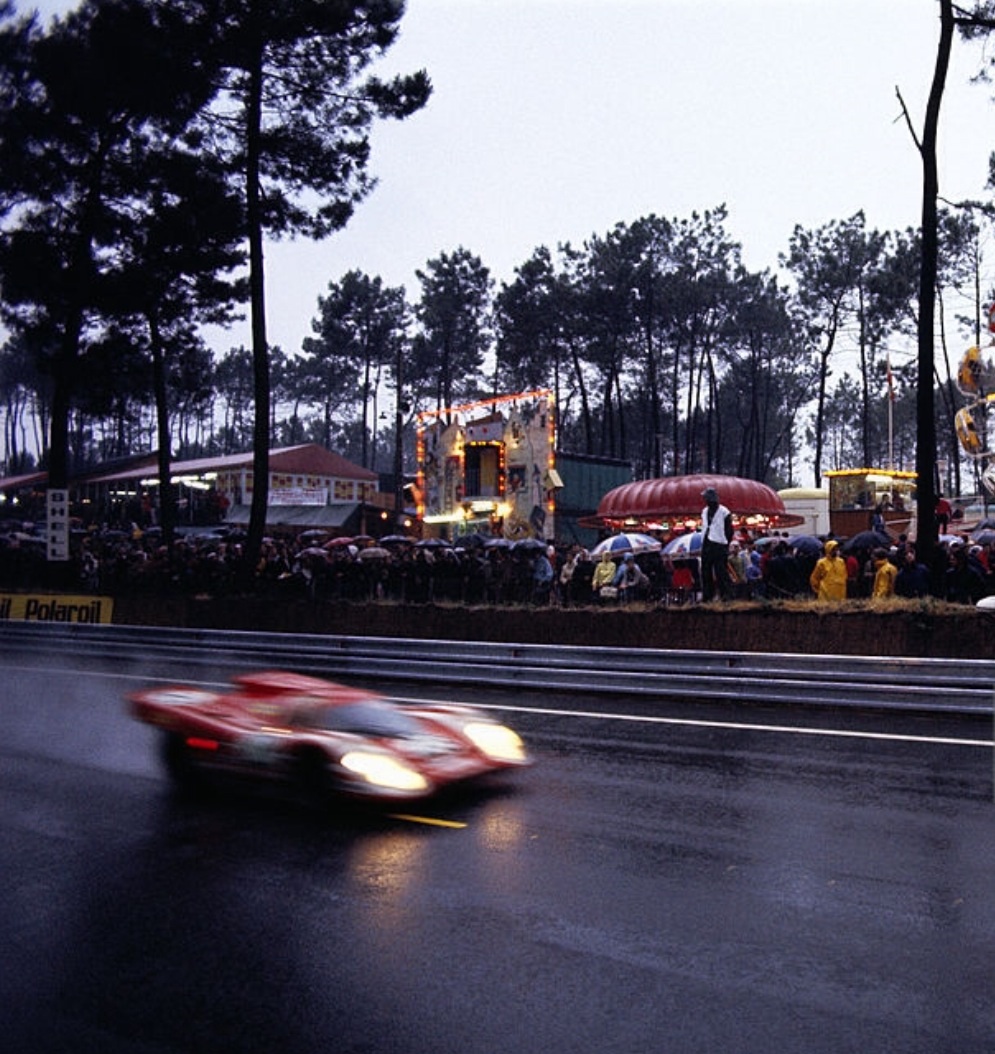
The winning 917 at dusk, Le Mans 1970 (Schlegelmilch)
Credits…
Automobile Year, Rainer Schlegelmilch
 primotipo...