(Bonhams)

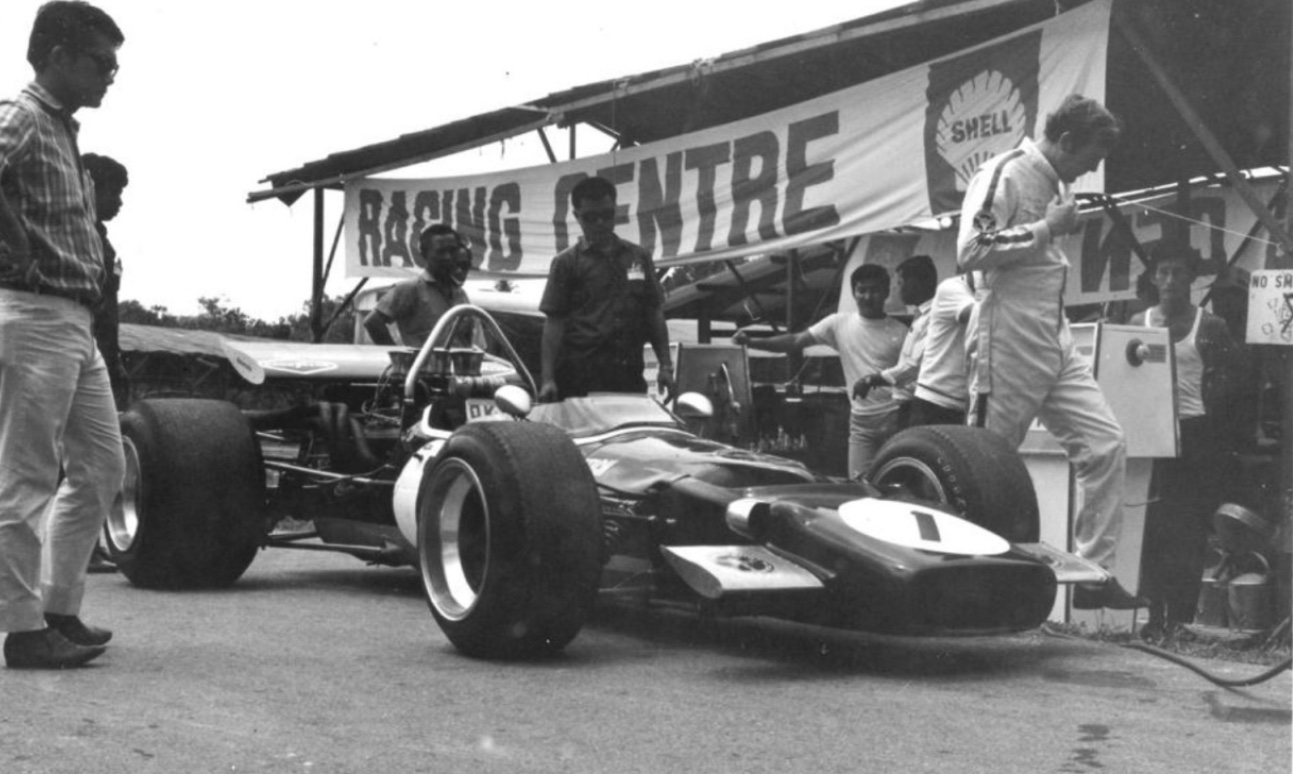
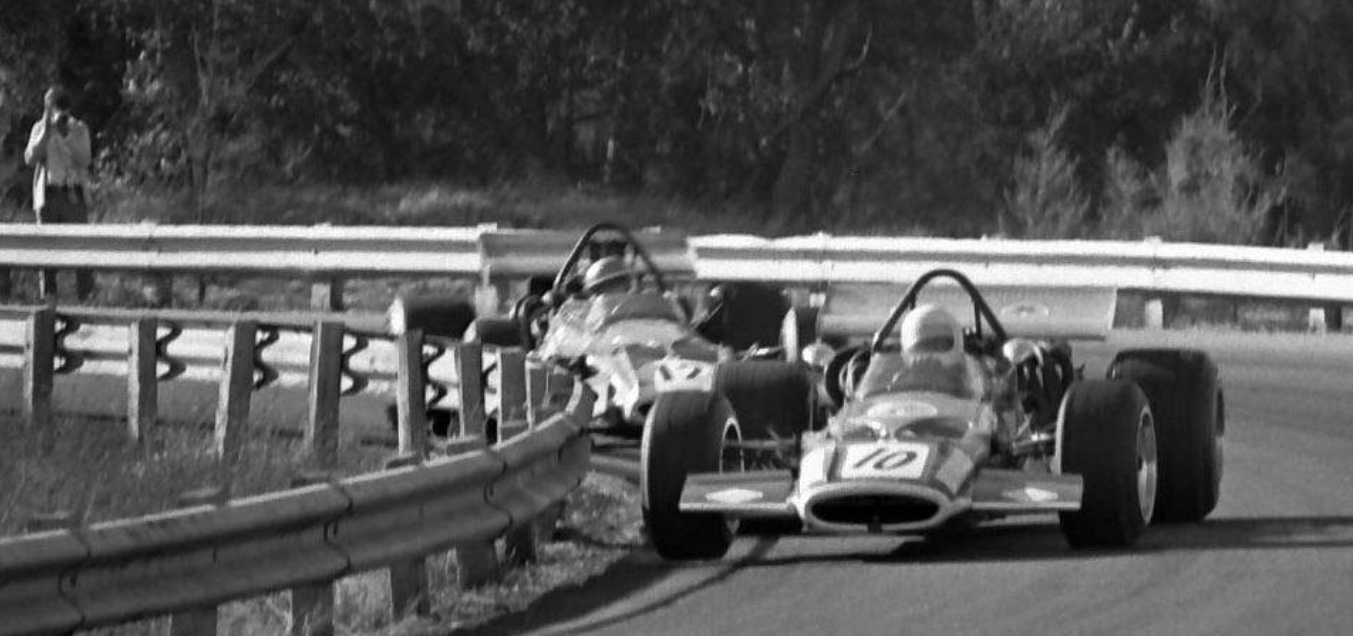
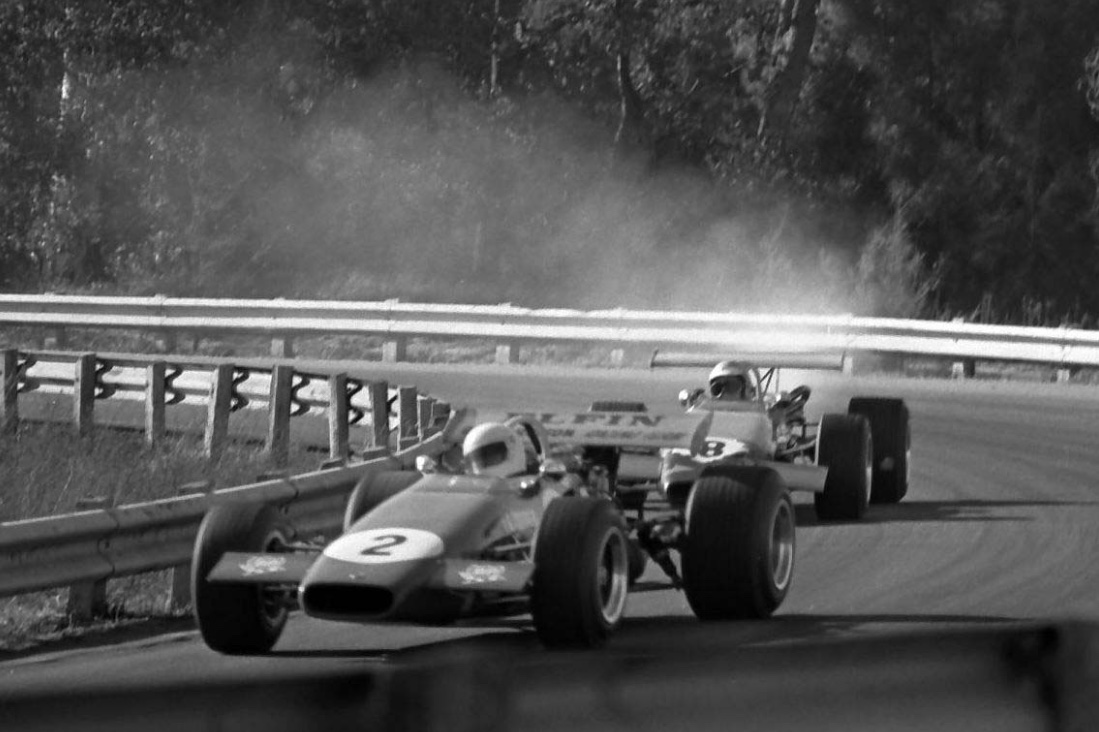
A couple of months ago, fifty years back Jack Brabham lost the Monaco Prix on the last corner of the last lap when he goofed his braking point for the Gasometer Hairpin- harried as he had been by Jochen Rindt who had been in ‘cruise and collect mode’ for a good percentage of the race until misfortune outted many of the dudes in front of him.

At that point, with a sniff of victory, he tigered in an amazing way- fastest bloke on the planet as he undoubtedly was at the time. Up front Jack’s comfortable cushion was whittled back by his former teammate aided and abetted by some unintended baulks by other drivers.

It is a well known story i have ventilated before, here; https://primotipo.com/2018/05/24/jochens-bt33-trumped-by-chunkys-72/ and here about Jack’s last season of racing; https://primotipo.com/2014/09/01/easter-bathurst-1969-jack-brabham-1970-et-al/

The two blokes alongside Jack in the shot above are his teammate Rolf Stommelen and on the outside the V12 Matra MS120 of Henri Pescarolo- Rolf did not qualify whilst Henri finished a splendid third, one of my most popular articles is a piece on the Matra here; https://primotipo.com/2014/07/06/venetia-day-and-the-1970-matra-ms120/

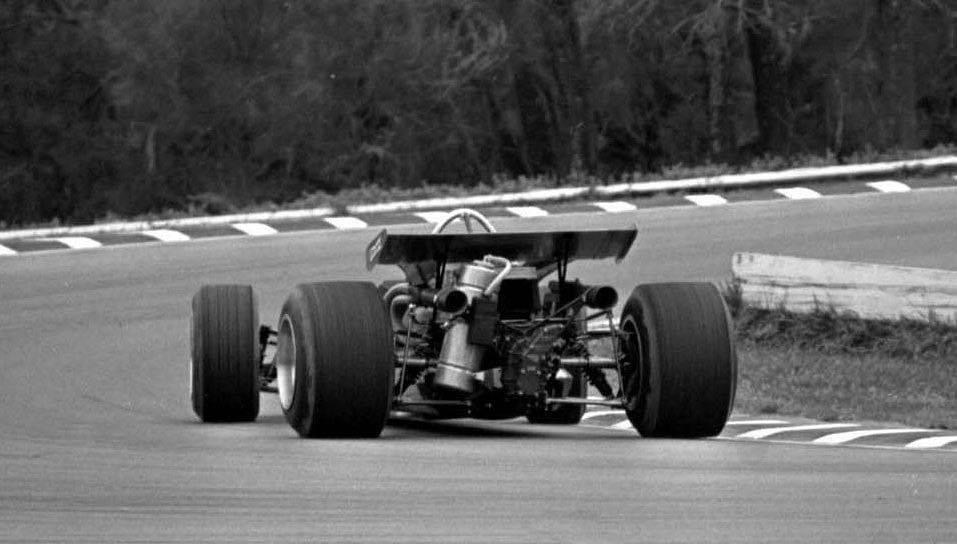
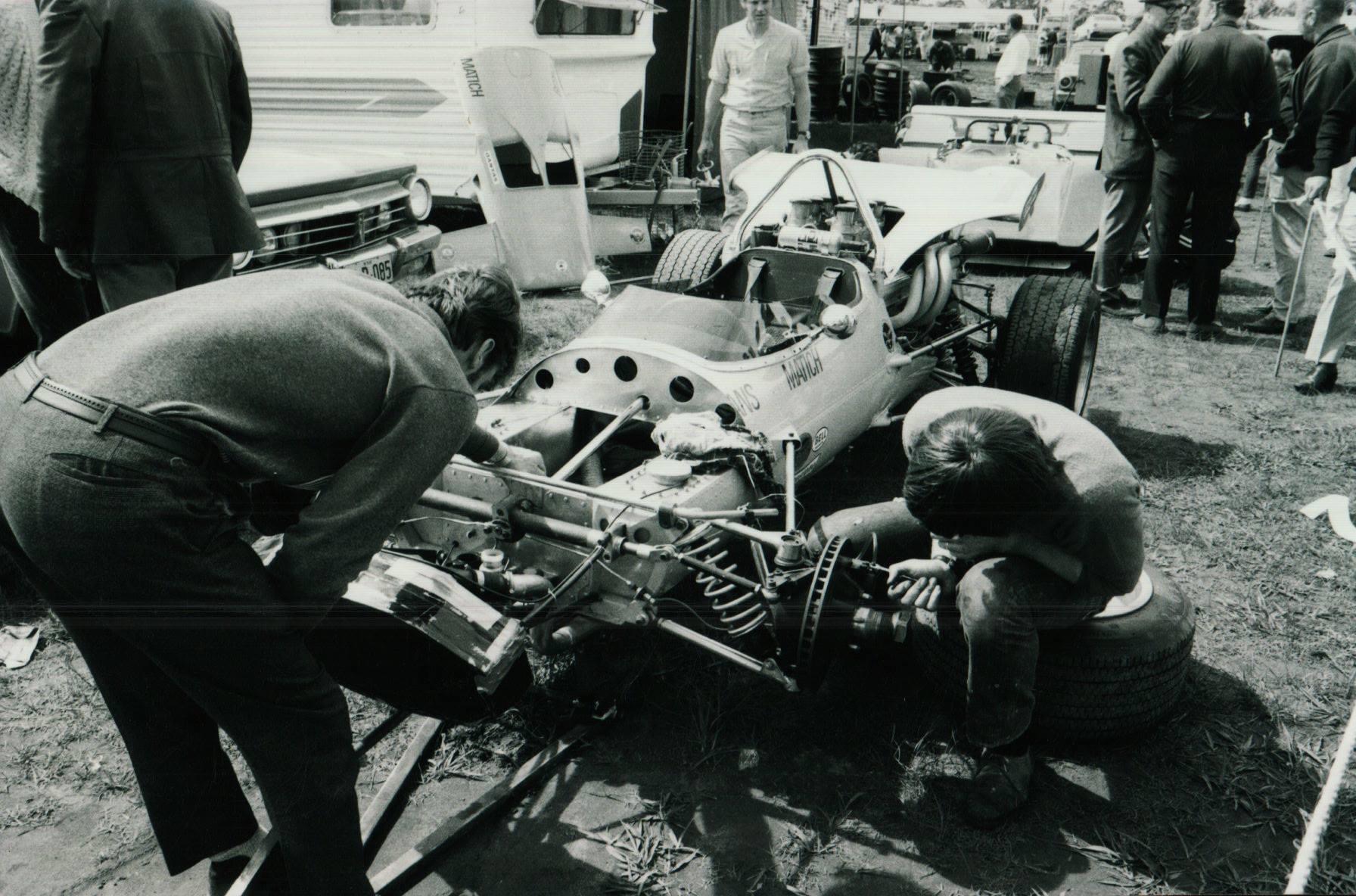
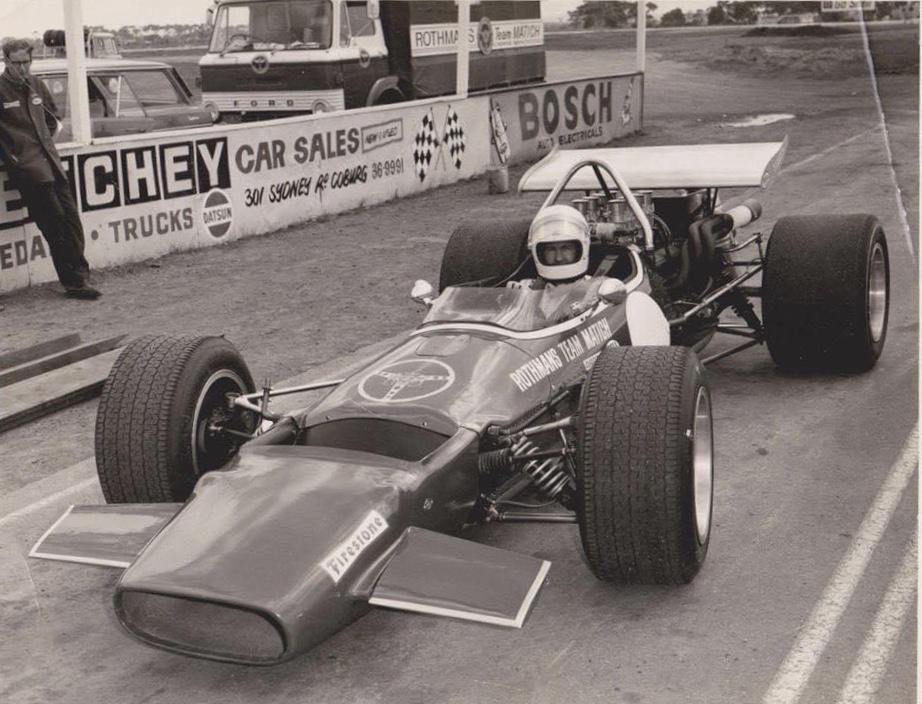
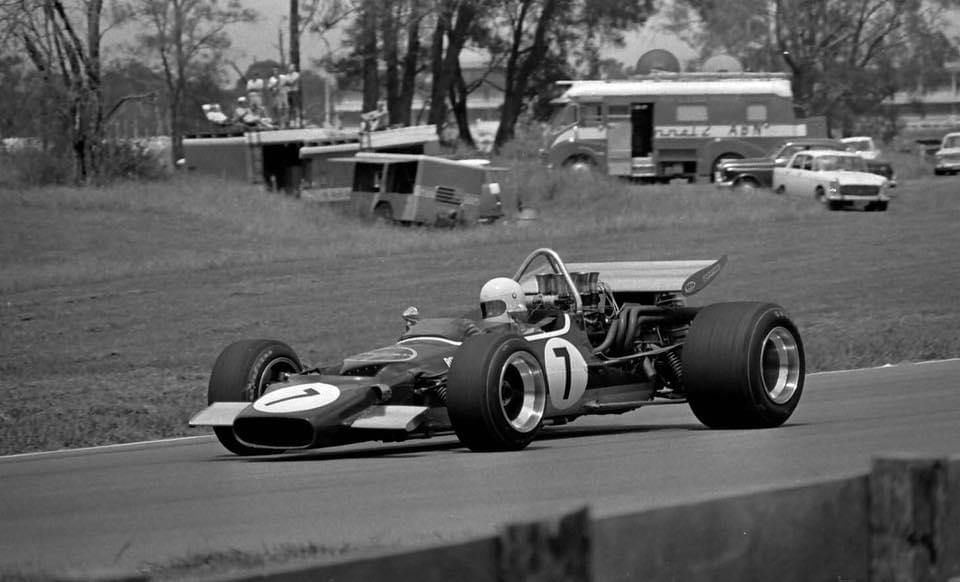
Love those ‘knock on’ hubs- a carry over from BT25 perhaps? BT33 a sexy and very quick jigger which was still very competitive in Tim Schenken’s hands in 1971 (Official Brabham)


Nice look at Ron Taunanac’s second monocoque chassis, Jack aboard BT33 at Monaco, the first being the 1968-1969 BT25 Repco ‘760’ 4.2 V8 engined ‘Indycar’

I wouldn’t have bothered with another article on BT33 but a couple of these photographs popped up lately and are too good not to share. The other thing which intrigues me a bit are the ‘Jet Jackson’ United States Air Force fighter pilot type crash helmets Jack, Jackie Stewart and Piers Courage experimented with in the earlier months of 1970 during the Spanish, Monaco and Dutch Grand Prix weekends that year, and in other events the drivers contested.

We are only, at the start of the 1970 season, nearly three years down the path since David ‘Swede’ Savage first used the first ‘Bell Star’ in motor cycle competition in mid-1967. The design was a great step forward in driver safety, Jackie Stewart was a safely crusader as we all know, it’s interesting that he chose to trial these open style of helmets which on the face of it , pun intended, seems a retrograde step.

Jackie Stewart- who else could it be with his distinctively branded USAF helmet in early 1970. March 701 Ford (Getty)


Piers contemplating the next change to be made by Gianpaulo Dallara to his De Tomaso 505 during early 1970 (Getty)

Most sadly, Piers put his to the ultimate test, he was wearing it when he crashed to a most gruesome death at Zandvoort on 21 June 1970- in no sense am i suggesting a Bell Star would have saved his life I might add.

When he went off on the flat or nearly flat out curves at the back of the circuit and into the catch fencing his helmet was wrenched off with both Adam Cooper and Jackie Stewart writing that he was probably dead before the conflagration which susequently engulfed the De Tomaso 505 Ford.

After some basic research i cannot find who made these helmets, i am intrigued to know the answer to that question if any of you know it.

After Monaco Brabham and Stewart do not appear to have worn the helmets again in Grands Prix.

(B Cahier)


(unattributed)

Jack thinks about an inside run at Jackie during the March 1970 South African GP- Kyalami.

At this stage of the season, the first championship round of course, they are both Bell equipped- Stewart in a ‘Star’ and Brabham a ‘Magnum’- Jack won the race with the reigning World Champion back in third aboard a machine which was not one of his favourites but far from the worst GP car he ever drove.

Brabham used three helmet types that season, two Bells- a Magnum and Star plus the USAF fighter helmet.

He was a busy boy in 1970 running the full GP season, selected F2 races in a John Coombs owned Brabham BT30 Ford FVA and five or so endurance events with Matra, plus the odd one-offs, here he is jumping out of his MS650 during the 1000 Km of Brands Hatch in April still wearing the fighter helmet, but a slightly different one to that he used in Monte Carlo.

Car #3 is the Scueria Filipinetti Ferrari 512S raced to thirteenth place by Herbie Muller and Mike Parkes


Jack shared the car with Jean-Pierre Beltoise , the pair finished twelfth in the race won by the JW Automotive Porsche 917K raced by Pedro Rodriguez and Leo Kinnunen, this being the race in which the Mexican Ace mesmerised the drenched crowd with his car control of the 450bhp machine as he flicked the big car frm lock to lock as though it was a nimble Formula Ford.

Wind the clock forward a month and Brabham had his last crack at Indianapolis in a Brabham BT32 Offy- this car was one of the BT25 Repco ‘760’ 4.2 V8 chassis modified by fitment of the turbo-charged four cylinder Offy motor- note the Bell Star in use at Indy.

This is during qualifying on 9 May, Jack was classified thirteenth from Q26, he retired with engine problems having completed 175 of the 200 laps, the race was won by Al Unser’s ‘Johnny Lightning Spl’ Colt Ford V8

Jack all ready to boogie with his Sunday best shoes on, no less. Same knock off hubs as the BT33 by the look of it


(Brabham Family)


(unattributed)

The Charade circuit just outside Clermont Ferrand was another French Grand Prix course which sorted the roosters from the feather dusters- I nearly made it there two years ago having first promised myself I would visit the place when falling for it with my nose buried in Automobile Year 18 in 1971. Drat.

Jack leads here from Jochen Rindt and Henri Pescarolo- Jochen won that day from Chris Amon and Jack with Henri fifth.

Brabham has his Bell Star on as does Henri but Jochen has swapped the full-race Star he used in 1970 more often than not for one of his old Magnums as the nature of the challenging course through the Auvergne-Rhone Alps countryside made him feel motion sickness which was solved with a change of helmet

Jochen was wearing a Bell Star on that fateful day at Monza in September but the crutch-straps of his Willans six-pointer were not items the great Austrian used- on that particular day in that particular accident he needed them badly, and divine intervention.

(Flickr)

‘It turns in ok but as I apply throttle…’ two great mates doing wonderful things together discussing the next chassis change at Zandvoort in 1970- Frank Williams and Piers Courage, note the helmet.

The car was not too flash at all in Kyalami but with each race Courage, the car’s designer Gianpaulo Dallara and Williams were improving it- expectations of both Williams and Courage were high for 1970 as the second-hand Brabham BT26 Ford they raced in 1969 had proved Piers’ place was right up front.

At Zandvoort Courage was running seventh from Q9 ahead of John Miles in a works Lotus 72 (below) when the accident occurred on lap 23- there was not enough of the wreck intact to determine whether the cause was cockpit/component/tyre.

(Twitter)

Pretty enough car which was progressively ‘getting there’, that oil cooler locale is sub-optimal, some revs lost perhaps in top speed. Dallara did get the hang of this racing car thing didn’t he?

In Australasia we had three visits from Piers and Sally Courage aka Lady Curzon, Earl Howe’s daughter, the couple and Piers pace and personality endearing them to all.

In 1967 the #1 BRM Tasman P261 2.1 V8 seat was occupied by Jackie Stewart (apart from Teretonga) with Richard Attwood, Courage and Chris Irwin sharing the second seat, the seasoned Attwood performing best.

In fact that year was a character building one for the Courage Brewing scion, it was said he was ‘over driving’ and despite John Coombs supposedly advising he get out before he killed himself the plucky Brit bought the McLaren M4A Ford FVA he had raced for Coombs that season and headed off south with a couple of FVAs funded by savings, some sponsorship from Courage, a loan from his father and a deal with Coombs which deferred payment for the car until the end of the series.

He had a brilliant 1968 summer with the Les Sheppard prepared 205 bhp car amongst the 2.5s, demonstrating all the speed which had been always apparent but with a much bigger dose of good judgement in the series of eight races over just as many weekends. He blotted his copybook at Pukekohe on the first day of practice but after Les ‘read the riot act’ his performances were very good to brilliant.

Teretonga 1967, BRM P261 2.1 V8, DNF engine after 53 laps- Clark won in his Lotus 33 Climax FWMV 2 litre from Attwood in the other BRM  (Ian Peak Collection)


Piers third and Chris Amon fourth with a deeply appreciative and enthusiastic Warwick Farm crowd at the end of the 1968 Warwick Farm 100- McLaren M4A Ford FVA and Ferrari 246T. Up front were the Team Lotus duo of Clark and Hill in Lotus 49 Ford DFWs (B Thomas)


Teretonga 1969- Derek Bell, Ferrari 246T from Graham Hill, Lotus 49B Ford DFW and Piers, Brabham BT24 Ford DFW. Piers took a splendid win that day from Hill and Amon (Steve Twist Collection)

Whilst fun in the sun is part of Tasman lore- and fact, there was plenty of pressure on a small equipe such as the Courage outfit to prepare the equipment and race it weekly, for the most part on unfamiliar circuits all of which were well known to his main competition- Clark, Hulme, Gardner, Hill to name a few.

His season ending win at Longford is still spoken about in reverential tones by those who were there- it literally pissed down with Piers legendary bravery coupled with a deftness of touch on one of the most daunting road circuits by then still in use in the world- whilst noting it was sadly the last time the circuit was used too.

In many ways the campaign ‘re-launched’ his career. Adam Cooper wrote ‘Thanks to the extensive press coverage his exploits received, Piers’ reputation was in better shape than he could have predicted. He was a failure (not entirely fair in that he was fourth in the 1967 European F2 Championship behind Ickx, Gardner and Beltoise despite pinging off too many bits of real estate) who had made himself into a hero. Those who had paid closer attention noted that his solo campaign also reflected an incredible determination and a hitherto unrecognised ability to organise. Even before Longford he’d been approached by Tim Parnell about renewing his relationship with BRM. Tim had seen the Courage revival at first hand, and was impressed.’

Back in at Slough Frank Williams was readying the Brabham BT23C FVA for the 1968 Euro F2 Championship, in addition he had his BRM ride and a personal retainer with Dunlop, he was away…

Rather than prattle on now about his Tasman exploits lets do ‘Piers in The Pacific’ soon- his Tasman Cup runs in 1967-1969 in BRM P261, McLaren M4A Ford FVA and Brabham BT24 Ford DFW respectively.

Bell Star…

Dan, Nurburgring 1968 as seen by (P-H Cahier)


There was no shortage of interest in Dan Gurney’s fancy-schmancy new Bell Star over the German Grand Prix weekend at the Nurburgring over the 4 August 1968 weekend, understandably so- mind you, he used the helmet at Indy that year too- May of course so it was already’out there’.

Dan was ninth in his Eagle Mk1 Weslake, doubtless his head was a bit more dry than the competition- up front it was Stewart from Hill and Rindt, Matra MS10 Ford, Lotus 49B Ford and Brabham BT26 Repco in a day of challenging rain.

But the first Bell Star use credit seems to go to David ‘Swede’ Savage in his motor cycle racing days, here is below at Santa Fe in 1967 so equipped- 9 June to be precise.

Perhaps the first life saved by the technology was that of Evel Knievel who came terribly unstuck upon landing when attempting a motorcycle jump over the Caesar’s Palace Casino Las Vegas fountains (43 metres) that 31 December, breaking and crushing countless of his bodies bones- but not his head!

If Swede’s 9 June use of the Bell Star is not ‘the first’ i am intrigued to know who has that honour and its date.

(Forever Savage)


(Forever Savage)


It was a pretty happy month of May for All American Racers when three Eagles filled the top four places of the Memorial Day classic, Bobby Unser won from Dan Gurney (above) with Denny Hulme fourth, the interloper was Mel Kenyon’s third placed Gebhardt Offy.

Of historic interest to we Eagle buffs is that the three Tony Southgate designed Eagle Mk4’s were powered by quite different engines- Unser’s used an Offy Turbo four, whilst Dan used a pushrod fuel injected Gurney-Weslake V8 whereas Denny in the other works car used the Ford DOHC ‘Indy’ V8- the options were certainly well covered, were it not for a rear tyre puncture minutes from the end of the race which befell Hulme, it would have been a clean sweep of ‘the podium’ placings.

Oh yes- Dan’s Bell Star, first use of the helmet in car racing.

Photo and Reference Credits…

Official Brabham/Brabham Family Collection , Automobilsport, MotorSport, LAT, ‘Piers Courage: Last of The Gentleman Racers’ Adam Cooper, ‘Forever Savage’ Facebook page, Ian Peak and Steve Twist Collections on The Roaring Season

Tailpiece…

(LAT)

Another one that got away.

Brabham exits Druids Hill with millimetre precision during the 1970 British Grand Prix- he had passed and was driving away from Jochen to what seemed a certain win but for a shortage of fuel hundreds of metres short of the chequered flag. Oh yes, Bell Star equipped.

Finito…


(L McGrath Collection)

The photographer, Mr McGrath, has composed and executed a brilliant oh-so-wide format shot of the battle for outright honours between Alec Mildren’s leading Cooper T51 Maserati and his pursuer, Lex Davison in his new but old-school, glorious front-engined Aston Martin DBR4/250 3 litre during the 1960 Australian Grand Prix.

The shot really has drama doesn’t it?

The action is framed by the crowd in both the foreground and background, half of them are sun-smart- love the ‘coolie-hats’ (am I allowed to say that these days?) but my favourite headgear is the ‘Cockie’ to the left in the worn Akubra. Checkout the two ‘thrill-seekers’ atop the Castrol sign filming the action- hopefully there was no involuntary swan-dive before the end of the race. Marvellous shot despite the flat as a tack ex-airfield terrain McGrath had to work with.

The other shots herald the death of Lotus 12 Lycoming ‘351’ aka ’Sabakat’ in a preliminary event after the fearless Ern Tadgell lost control of one of the biggest piles of merde ever allowed through a scrutiny bay in this country.

The inspecting fellas must have misplaced their guide dogs that day even if I try to apply the standards of the day which were far less risk averse than in the litigious lilly-white politically correct world in which we live today.

(L McGrath Collection)


(AAA)

Crop duster pilot/entrepreneur Tadgell had wedding tackle of porn-star proportions to drive the Lycoming aero-engined monster he created from the delicate little flower imported from England, but in the end the laws of physics got the better of him- either a rear hub broke or the car ran wide on a corner, it then rolled, throwing Ern clear whereupon the whole lot burned to death in a conflagration Guy Fawkes would have been happy with. Tadgell, thankfully and luckily, lived to fight another day in an exciting life lived to the absolute full.

(AAA)


(L McGrath Collection)

‘Far-canal, what are we going to do with it now!?’ seems to be the issue at hand.

Digger at right awaits instructions, which are just about to be provided by the ‘fog-horn’ wielding Queensland Racing Drivers Club official in blazer and tie (must have been hot in that). The lean fella at left in the white overalls appears to be a crew-member, he is holding a cast iron brake rotor which has survived as has the steel spaceframe chassis, or parts of it anyway.

You can see the rear of the chassis frame- it is upside down with the rear facing us. There are a couple of driveshafts and remains of wheels, a fuel tank at right, a coil spring and the remains of some of the torn fibreglass bodywork. The Lycoming 7.86 litre six cylinder engine was constructed mainly of light alloy, so it, and the Cheshunt made cast components melted in what was a decent old bonfire.

Whilst the wreck was deemed beyond economic repair back then many a modern ‘rebuild’ has started with far less than this, a nose badge or vinyl decal will do. As you will see from the Sabakat story attached Graham Howard would have been delighted to have had these discarded, very well heat-tempered chassis parts when he chased the remains of this car in the early seventies before building the faithful replica we all know and love today; https://primotipo.com/2019/08/22/just-add-lightness/

(L McGrath Collection)


(AAA)

Mildren and Davison race to the line- in the end the 2.5 litre Maserati four triumphed over the brawny 3 litre Aston Martin six in that final sprint, a well deserved win for Alec, this time Davo’s famous AGP luck did not not quite hold by half cars length, with the epitome of a sportsman gallant and generous in defeat. Click here for a full report of the race towards the end of this feature on Mildren’s Cooper; https://primotipo.com/2018/06/08/mildrens-unfair-advantage/

Credits…

Lindy McGrath Collection, ‘AAA’- Aussie Automotive Archives

Race Footage (no sound)…

Tailpiece…

(L McGrath Collection)

It burned and burned, famously, the start of the AGP was delayed so much that Alec Mildren was able to repair his Cooper’s broken driveshaft in time to take the start- and subsequently win the race.

Ernie was a very lucky boy that day but that car…

Finito…

(indycar.com)

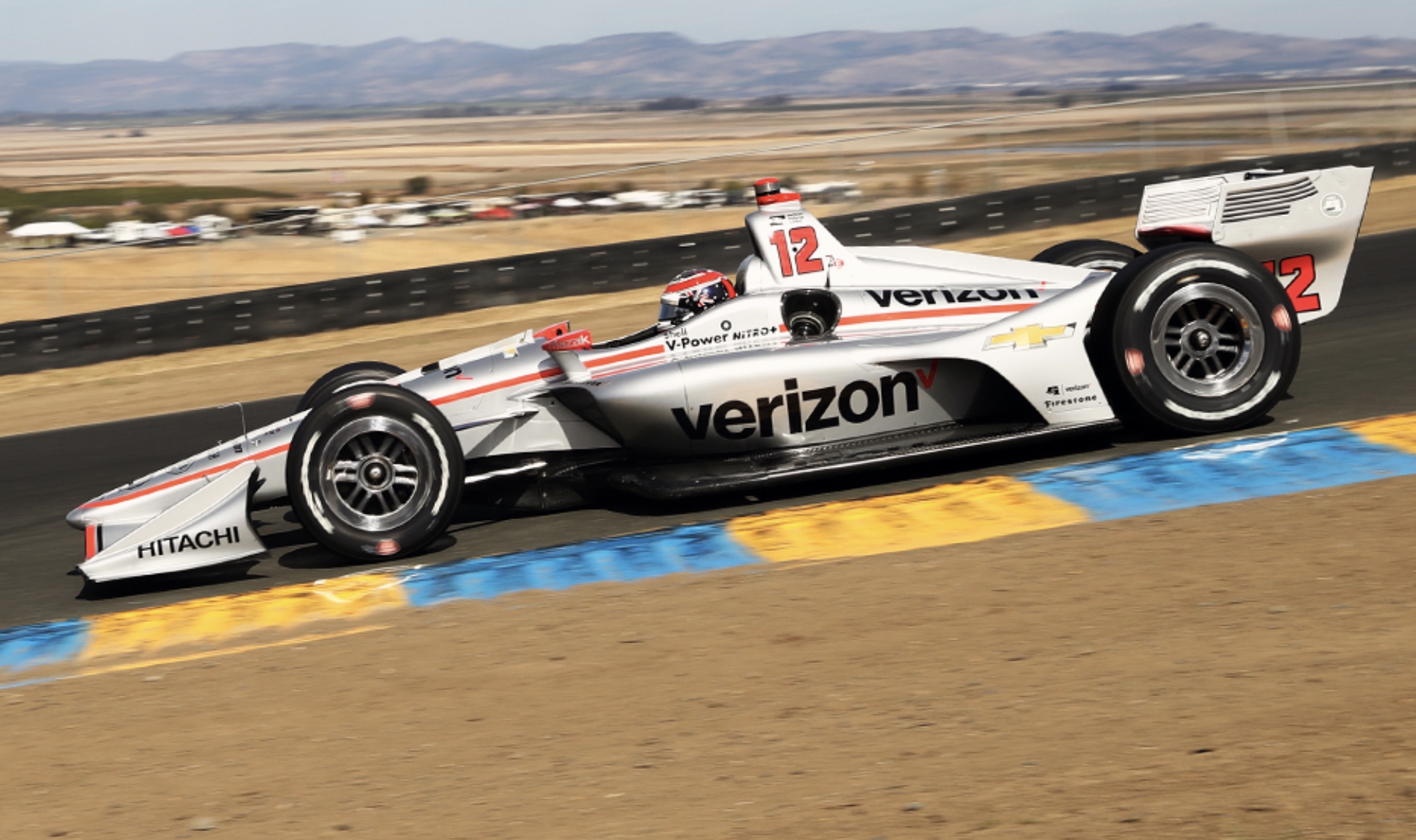
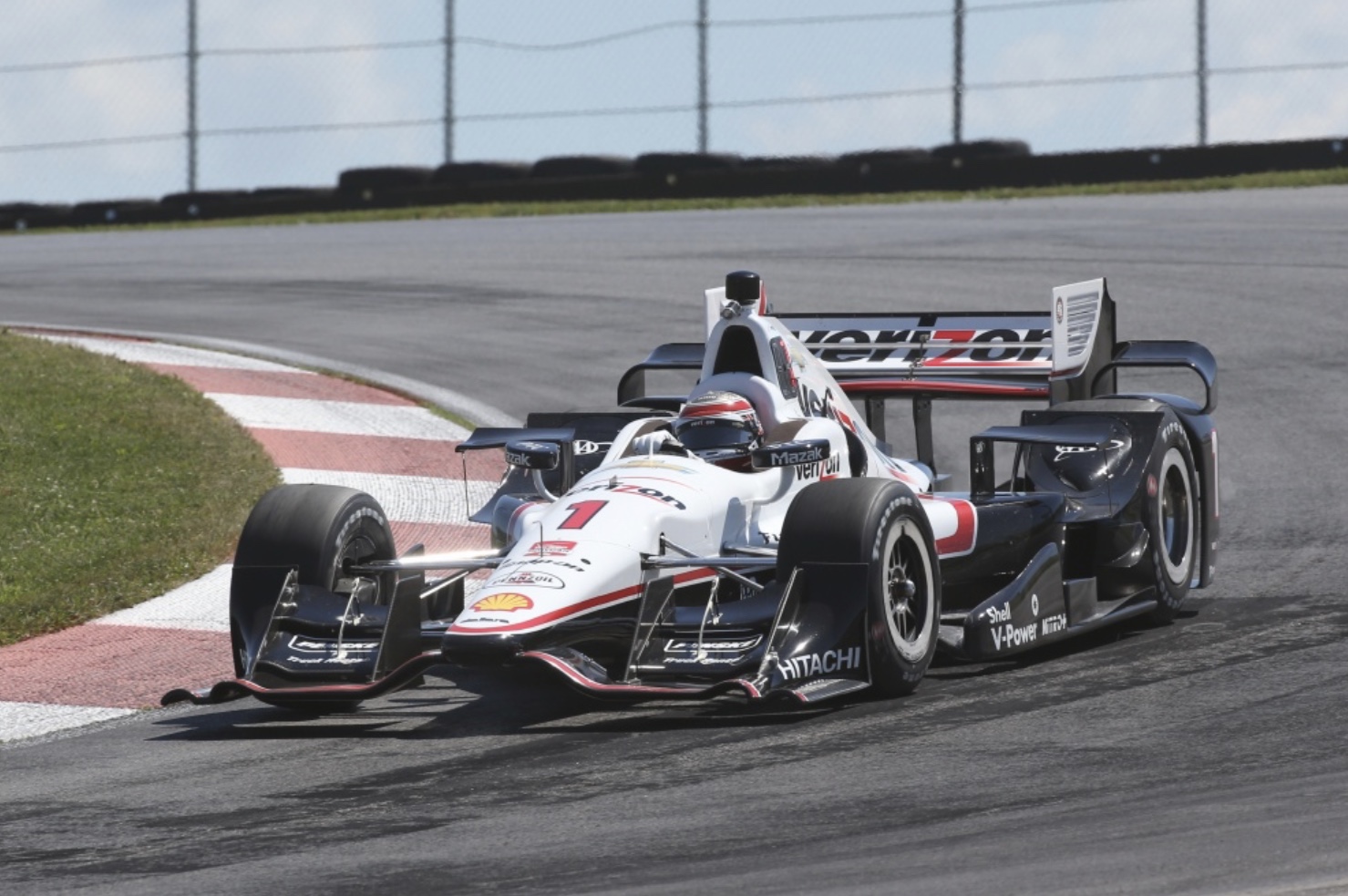
Will Power in the Team Penske Dallara Chev Indycar during a Sonoma test day in September 2018…

That season Indycar continued with the Dallara DW12 chassis used since 2015 but had ‘all new universal bodywork, inspired by CART’s 1990s and 2000s bodywork’- this new chassis configuration was dubbed the ‘IR18’ and is with us until at least 2022.

The usual homogenised and pasteurised process of boring mandated single-seater uniformity extended to standard F1-style LCD steering wheel display and Cosworth CCW Mk2 steering. You can have any type of engine you like as long as it is a 2.2 litre twin-turbo V6- at least the sanctioning body allows a choice of Chev or Honda units which give between 550 and 750bhp @ 12000rpm depending upon boost.

Hasn’t Mr Power carved a great career in the US- ya gotta hand it to him?

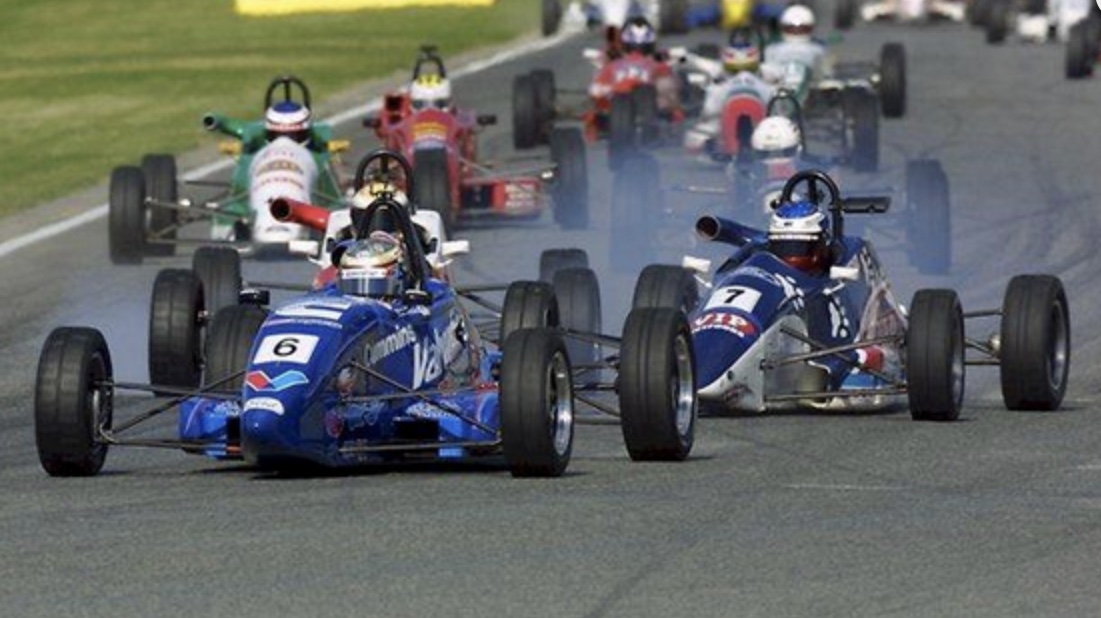
It seems like only yesterday i was admiring his Spectrum 07 Formula Ford in the Phillip Island paddock in 2000- he was second in the Oz FF Championship behind Will Davison in 2001, his third season in Formula Ford- this pair had careers which seemed in lockstep for a while, both tested a Minardi Cosworth F1 car in late 2004 after similar, under-funded cracks at the British F3 Championship.

The two Wills- Davison from Power during the 2001 Australian FF Championship, at Mallala (?) Van Diemen RF01 from Stealth Van Diemen RF95. Davison won the title from Power with Jamie Whincup a distant third (unattributed)


Will at Phillip Island in April 2002, two wins aboard his Reynard 94D Holden in the Gold Star opening round- Formula Holden (unattributed)

His route to F3 was via Formula Holden in 2002- he won the title racing for Graham Watson’s seasoned Ralt Australia outfit, his weapon though was a Reynard 94D- he won seven of the twelve races, the Gold Star Australian Drivers Championship run over six rounds.

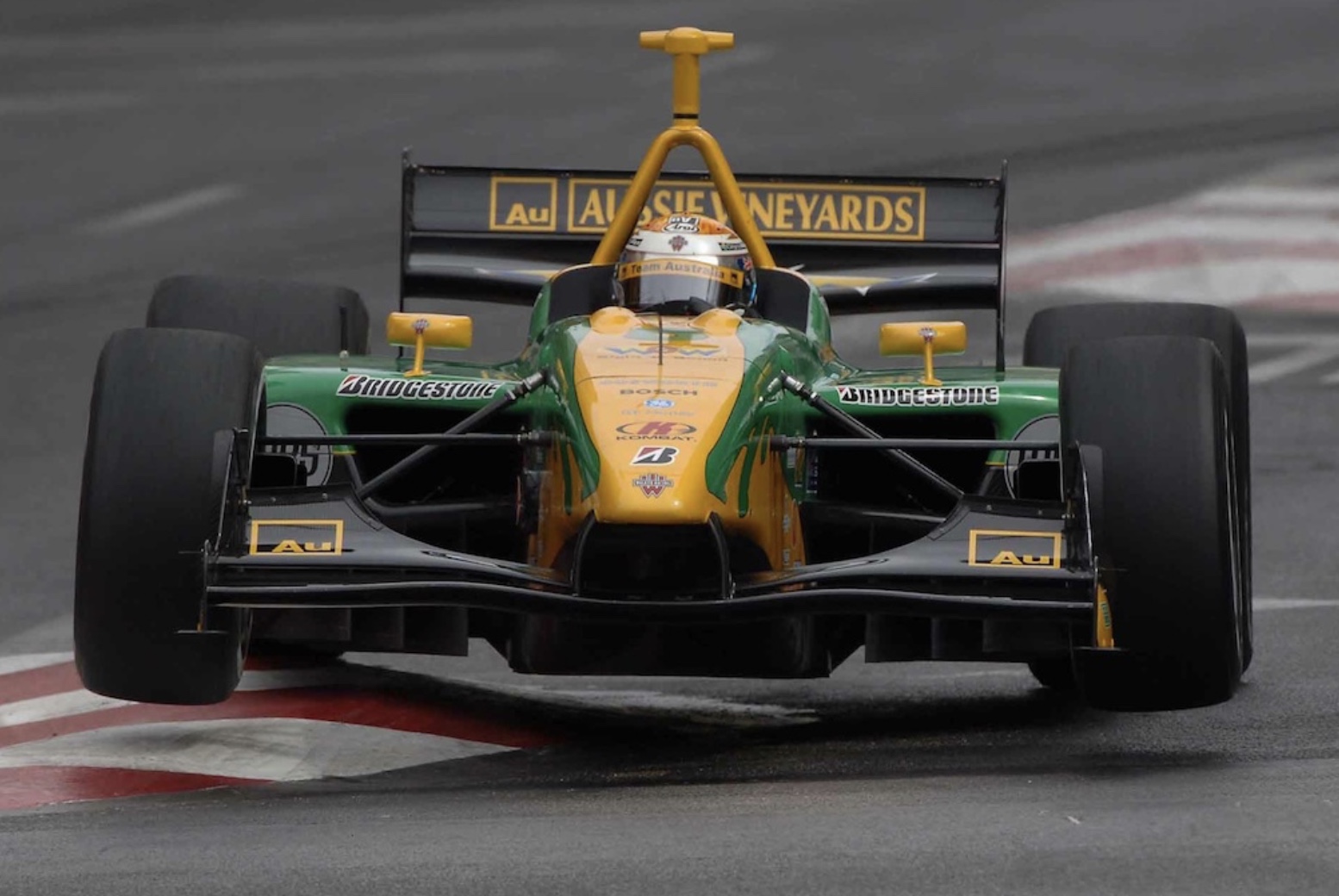
In 2005 he ran in the Formula Renault 3.5 Series finishing seventh despite not completing the season- he decamped to Indycars, impressing Derrick Walker’s Team Australia Racing in his debut at the Surfers 300 despite being bowled out of the event by teammate Alex Tagliani.

In 2007 he took his breakthrough Indycar victory at Las Vegas- his best results since then have been a championship win in 2014- taking three wins from eighteen rounds aboard a Dallara DW12 Chev and second placings in 2010- Dallara IR05 Honda and 2011, 2012 and 2016, all achieved in Dallara DW12 Chevs run by Team Penske.

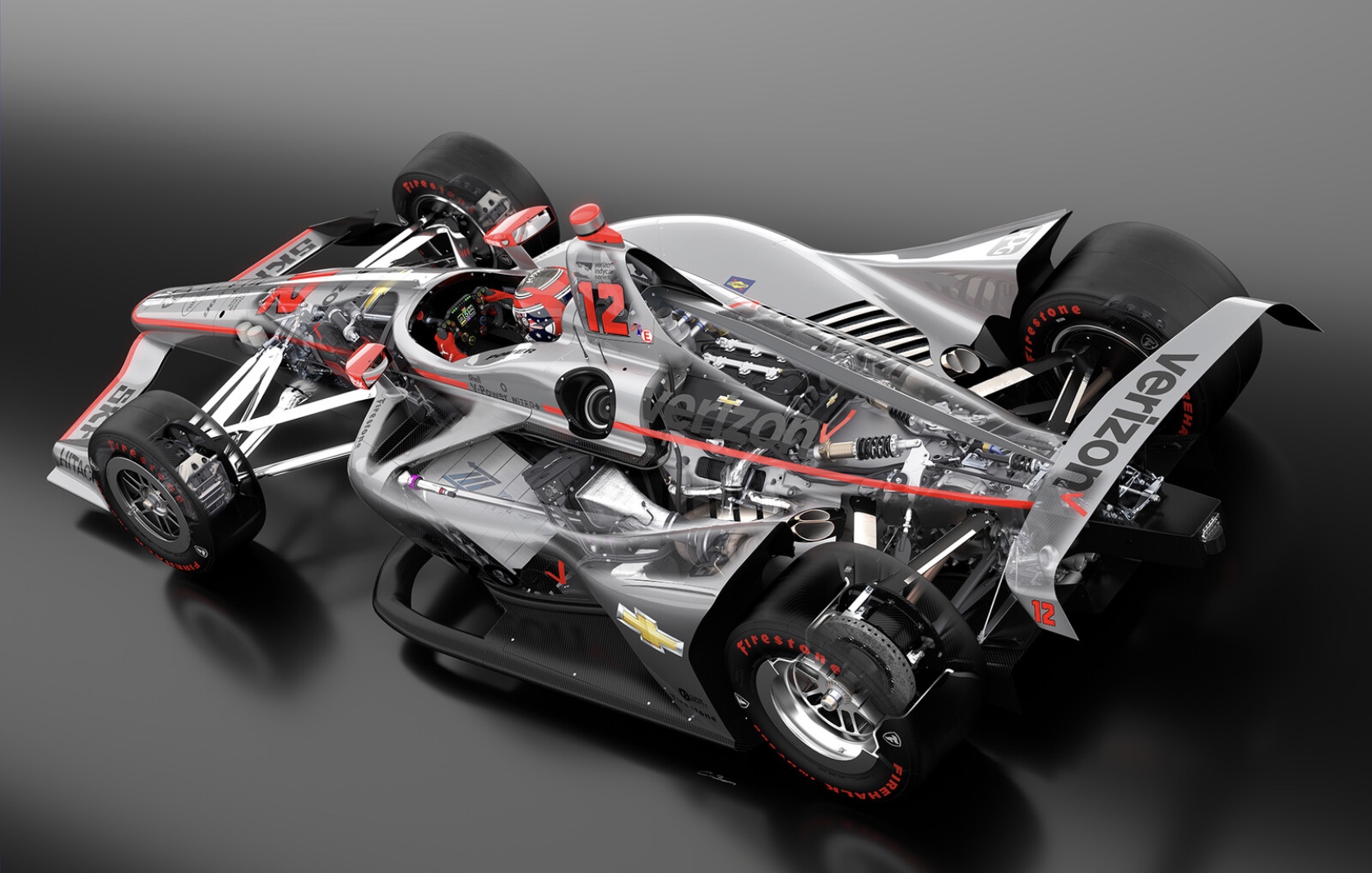
Lets not forget the Toowoomba natives 2018 Indy 500 win- see Chris Beatty’s superb cutaway of Power’s Team Penske Dallara DW12 Chev.

Carbon fibre chassis, double wishbone pushrod suspension with third spring and rollbar front and rear. Xtrac 1011 six-speed transaxle using sequential paddle shift, Brembo carbon brakes- weight between 1590 and 1630 pounds depending upon the type of circuit.

Etcetera…


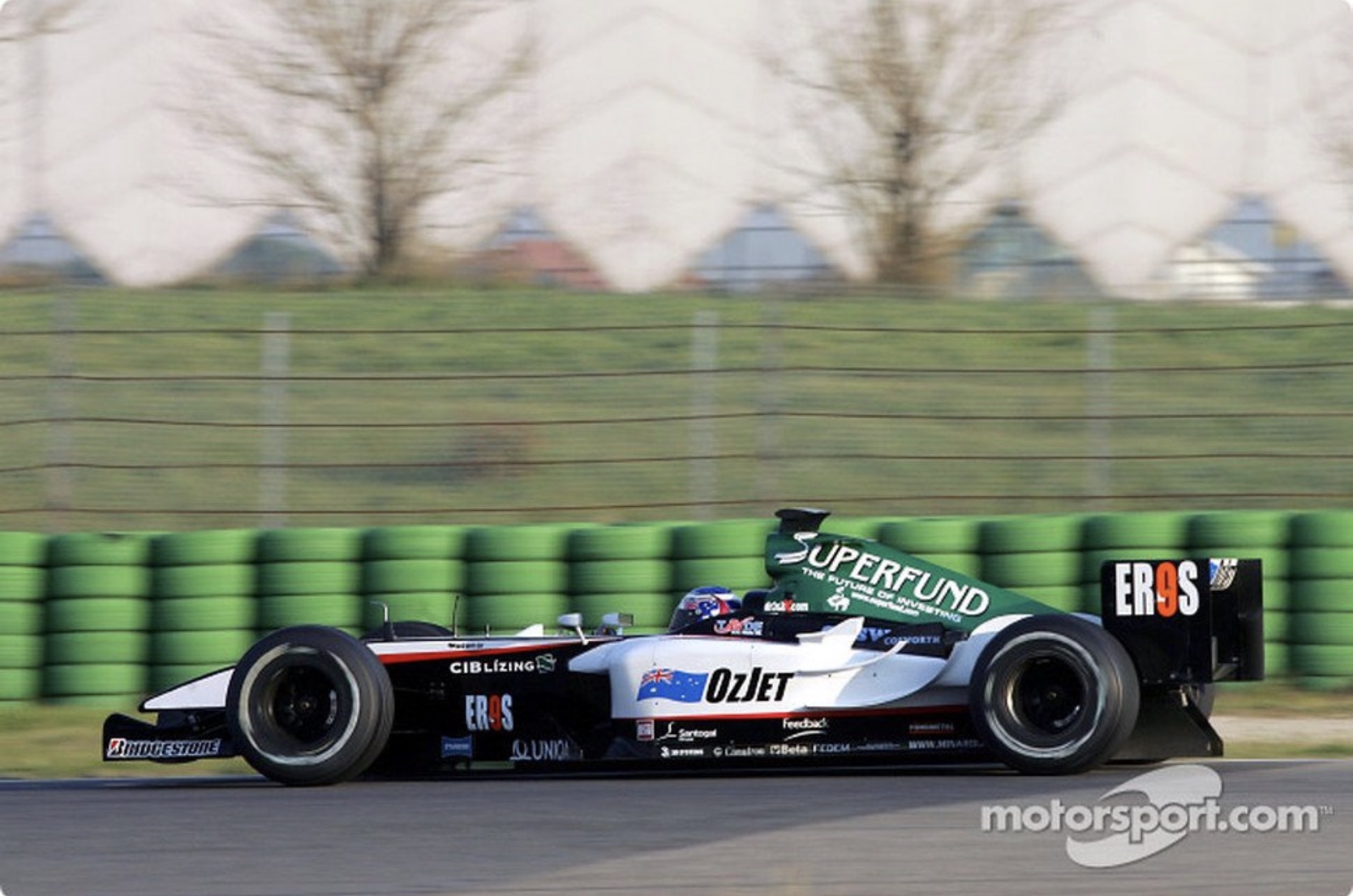
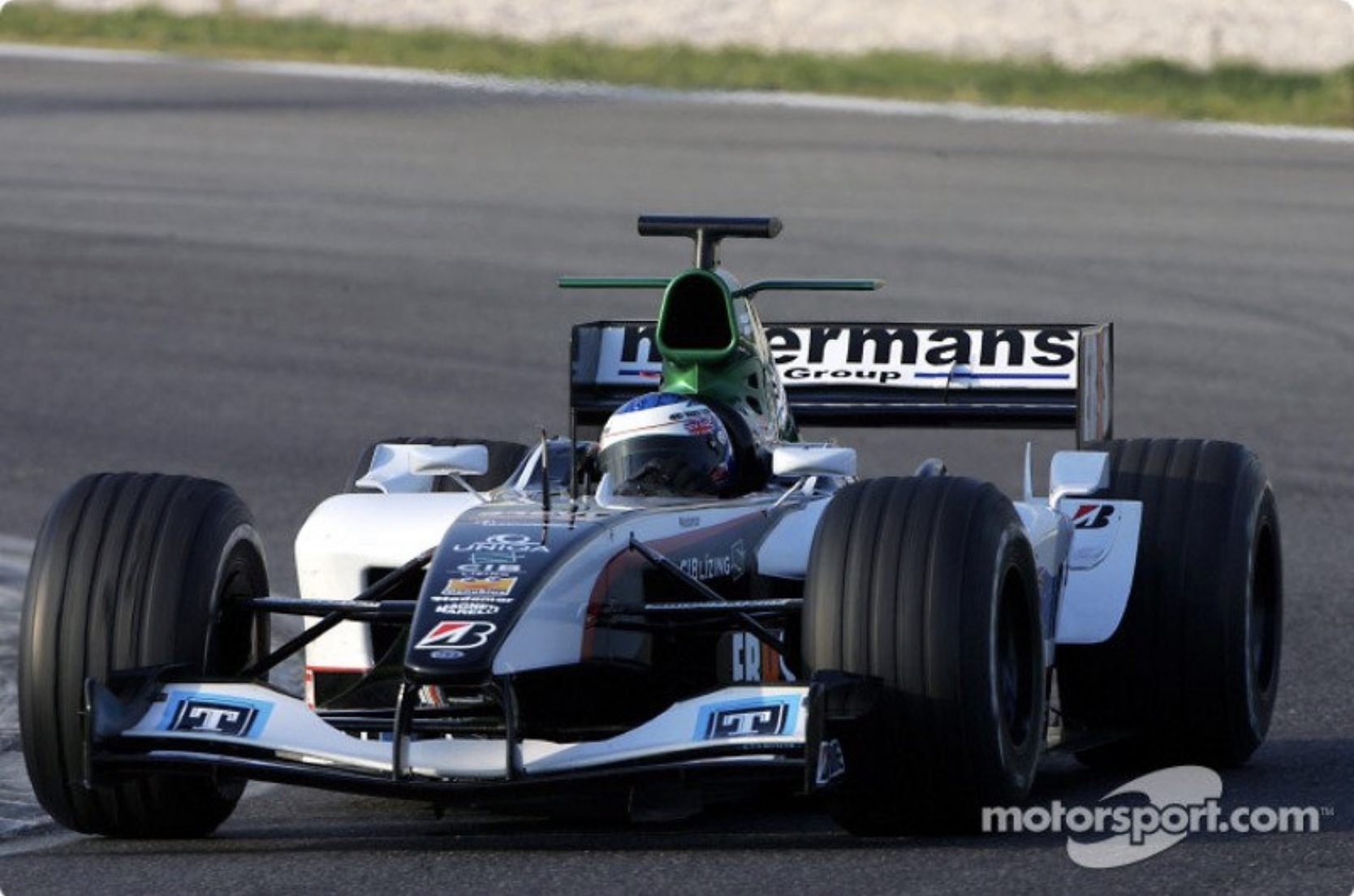
Minardi’s Paul Stoddart included the two Wills- Power (above) and Davison in an eleven driver ‘shootout’ at Misano in November 2004 in his quest to find drivers for 2005.

The car used was a Minardi PS04B Cosworth 3 litre V10.

Stoddart had plenty on his mind at the time as Ford’s sale of Jaguar F1 and Cosworth- his engine supplier meant he didn’t have certainly of motive power for his cars going forward.

In the end Cosworth continued with the team- his two drivers for 2005 were Patrick Friesacher and Robert Doornbos by the way…

(renaultsport.com)

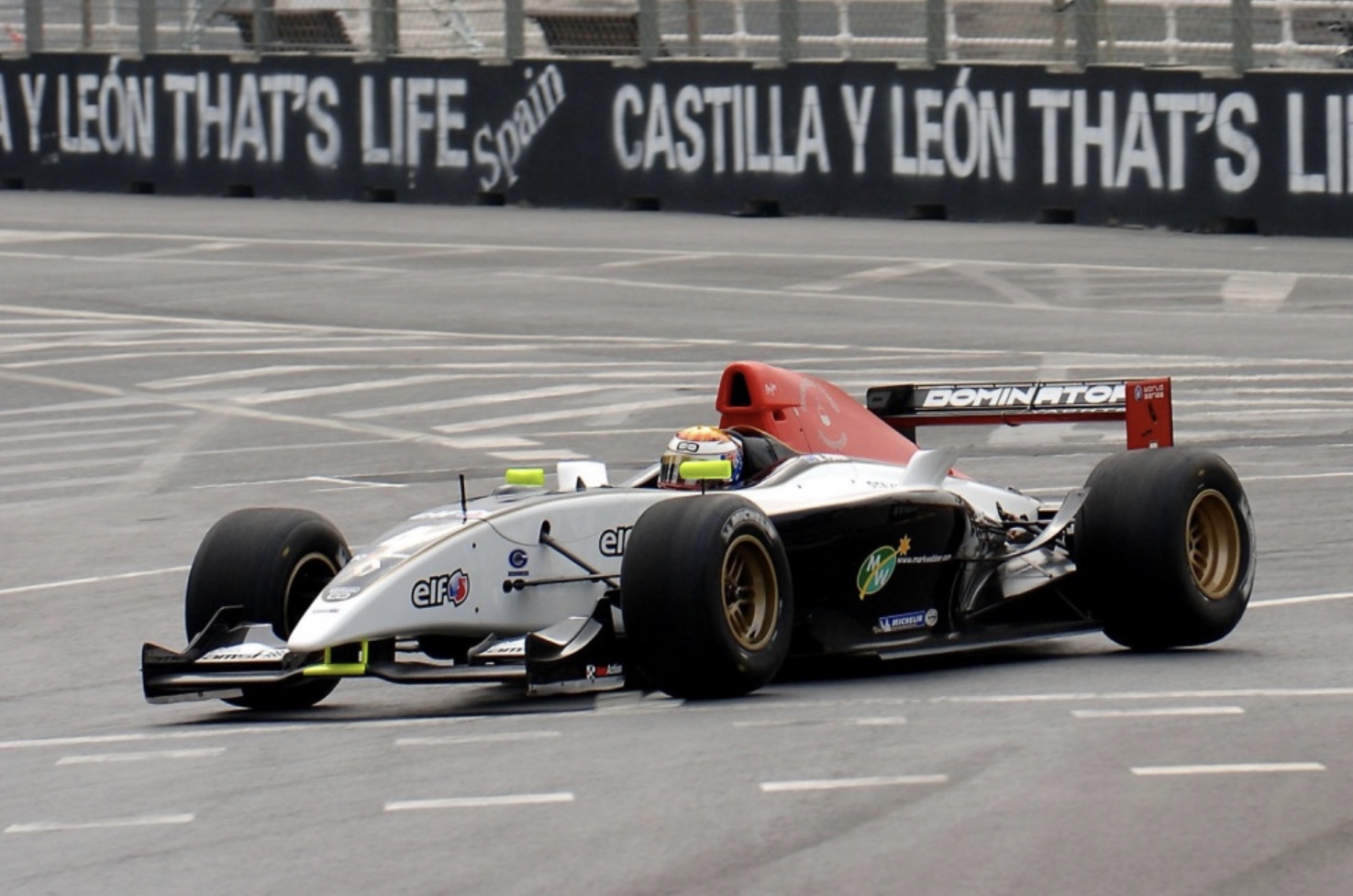
In 2005 Power ran in the Renault 3.5 Series with Carlin Motorsport.

He contested seven of the nine rounds taking wins on the Le Mans Bugatti circuit and at Bilbao (above) using the mandated Dallara T05 Renault 3.5 litre V6 chassis/engine- seriously quick circa 480 bhp motorcars.

Renault 3.5 Series, Dallara T05 Valencia, Spain June 2005


(speedcafe.com)

Surfers Paradise 300 in October 2008.

Pole position for Will in the KV Racing Dallara IR5 Honda was a great start to the weekend- he led from pole for 17 laps before boofing the thing at the Chicane, fellow Aussie Ryan Briscoe then took the lead and the win in a Penske Racing Dallara IR5 Honda after dicing with Scott Dixon throughout.

It was a tragedy when Australia lost this event, a story in itself and in large part due to the American single-seater split between the Champ Car World Series and the IRL Indycar Series- remember that shit-fight?

Then the Queensland Government did a deal with A1 GP after failing to reach agreement with the IRL mob, they went bust…now the Taxis have the event buttoned down and the old ‘Indy’ circuit can no longer be used given the light-rail which runs along the Coast.

At it’s best this event and weekend was magic- better than the AGP…

‘As ugly as a hatful of arseholes’ is one of those crass Australian expressions which conveys rather precisely unfortunate aesthetics.

It does seem apposite in this particular instance however.

This masterpiece of aerodyanamic simplicity and elegance is Will’s 2015 spec Penske Dallara DW12 Chev, circuit unknown. Rule changes that year meant that the aerokits were specific to Chev and Honda applications…hmmmm. And yes, equally fugly, a toss of the coin really.

Photo Credits…

Getty Images, Chris Beatty, renaultsport.com, Sutton Images, speedcafe.com, indycar.com, motorsport.com

Tailpiece…

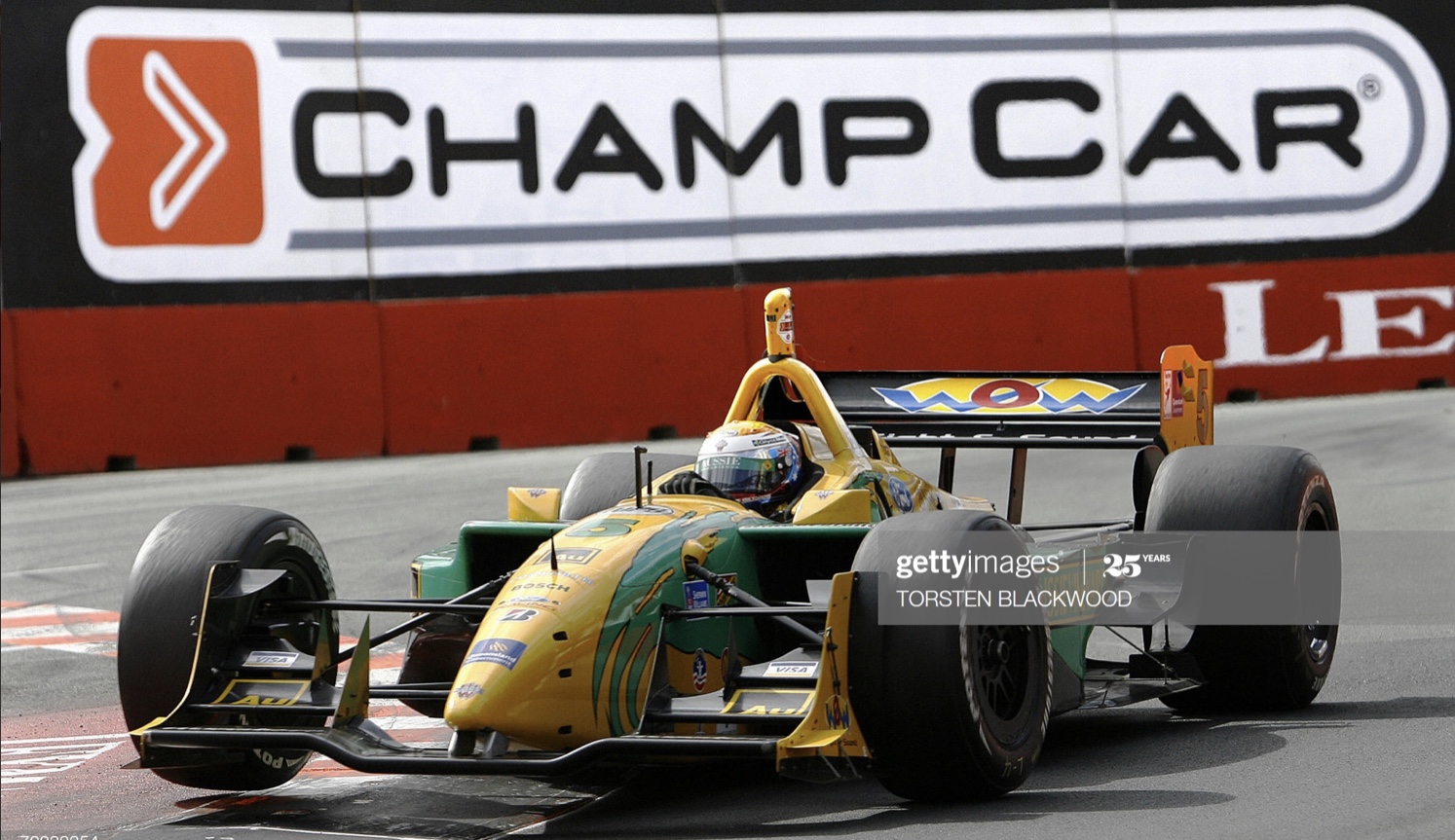
Indycar rookie of the year in 2006, Will Power takes his Team Australia Lola B03/00 Ford Cosworth XFE 2.65 V8 through the Surfers Paradise Chicanes during qualifying for the Indy 300 in October 2006.

He started from pole and was knocked out of the lead on lap 29 after an over optimistic passing move by Sebastian Bourdais- Nelson Phillipe won the race, his only Indycar victory.

Finito…
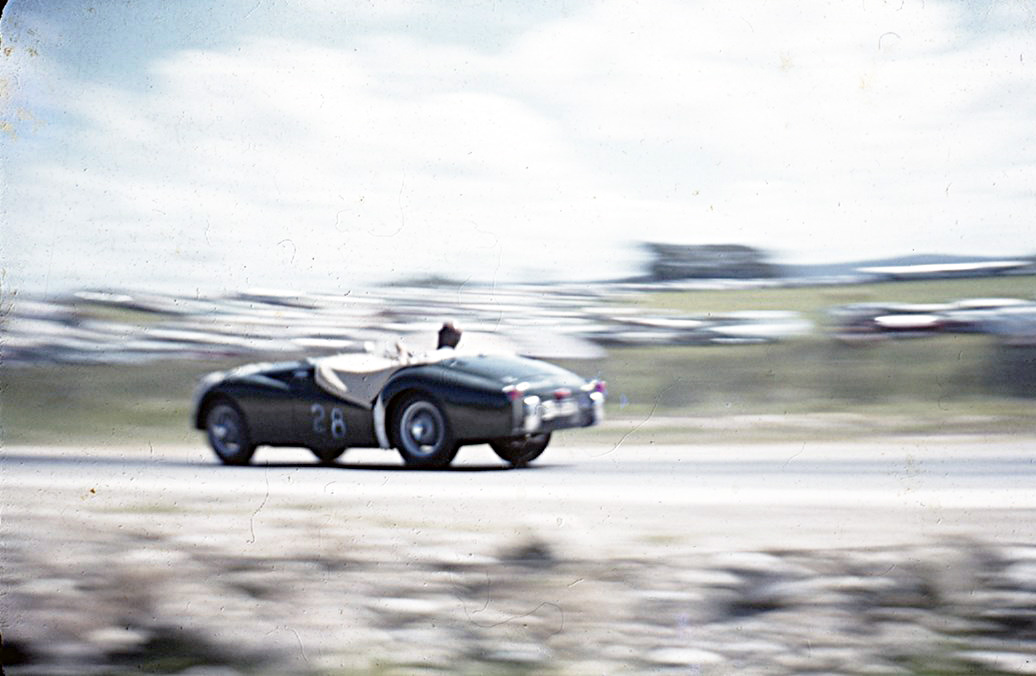
(Cummins Archive)

Ken Richardson in Rex Taylor’s Talbot-Lago T26C, rounds a corner on the Southport road course- Queensland’s Gold Coast, 6 November 1955…

The event was the 114 mile Queensland Road Racing Championship, sometimes referred to as the 1955 Queensland Grand Prix, the second and final occasion on which the challenging layout was used for car racing- there is a bit about the 5.7 mile track in this piece on the 1954 Australian Grand Prix here; https://primotipo.com/2018/03/01/1954-australian-grand-prix-southport-qld/

Amongst the favourites for victory were Lex Davison, aboard the same HWM Jaguar in which he won the AGP twelve months before and Jack Brabham in the Cooper T40 Bristol in which he took a fortunate victory at the 1955 AGP at Port Wakefield, South Australia several weeks before, on 10 October.

Other contenders were Richardson, who was third at Southport in his Ford V8 Special the year before, this time he raced the dual AGP winning Talbot-Lago acquired by Rex Taylor from Doug Whiteford in mid-1954. Queensland youngster, Steve Ames aka Count Stephen Ouvaroff was aboard the ex-Lex Davison Alfa Romeo P3 he purchased not long before- a total of eleven cars took the start.

Davison burst into the lead from Brabham, Richardson and Ames at the drop of the flag, Jack outbraked Lex on lap 2, no doubt the nimble, light Cooper did this relatively easily but he kept his advantage for only a lap before mechanical trouble intervened.

He retired a car which became somewhat notorious for its unreliability with bent valves after the machine popped out of gear on one of the rough circuit’s many bumps causing a big enough over-rev to end Jack’s run.

Into the first corner Davison’s HWM Jag leads Brabham’s Cooper T40 Bristol, Ken Richardson’s Talbot-Lago T26C and Ames in the Alfa P3- narrowness of the road clear (Wheels)
Twenty year old Steve Ames, in the demanding Alfa Romeo Tipo B/P3 on the challenging Southport road circuit (Cummins Archive)
Brabham, Cooper T40 Bristol (Cummins Archive)

Davo’s machine then burst an oil line, shortly thereafter he arrived at the pits splattered in BP lubricant, for the balance of the event Ames and Richardson fought a close race but in the end the pre-war Alfa Romeo prevailed over its younger equally aristocratic European competitor at an average speed of 80 mph. Rex Taylor was third in his Jaguar XK120 and Barry Griffiths Triumph TR2 fourth, other finishers were the Stan Mossetter MG TC and Noel Barnes MG Spl s/c.

Jack did the fastest lap at 3 minutes 53 seconds, an average of 88 mph this was a smidge outside the record set by Dick Cobden’s Ferrari 125 V12 s/c in 1954.

The ‘Wheels’ magazine report of the meeting mentions George Pearse crashing his Cooper-MG in a 25 mile race for racing cars and stripped sportscars whilst passing Alec Mildren’s Cooper Bristol on the narrow pit straight at over 100mph, he put two wheels onto the grass. Brabham won that encounter from Davison and Mildren. Rex Taylor’s Jag XK120 won the sportscar race and Jack Myers Holden the production car race.

(Cummins Archive)

Stunning shot of Rex Taylor’s Jaguar XK120 ahead of Barry Griffiths Triumph TR2 on the dangerous swoops of Southport. The typical perils of road racing tracks of the day are readily apparent.

Cessation of Southport as a race venue left Lowood, Leyburn, Strathpine and Middle Ridge, Toowoomba as Queensland’s racetracks until Lakeside became the states ‘home of motor racing’ circa 1962.

The Cars…

(Cummins Archive)

Steve Ames Alfa Romeo Tipo B/P3- the ex-Scuderia Ferrari/Davison chassis ‘50003’ in the Southport paddock.

I wonder if this was the last in period ‘big win’ for this 2.9 litre supercharged straight-eight- it was a state title after all? The car still looks beautifully prepared in the manner of previous fettlers, AF Hollins’ Allan Ashton and team, I wonder who looked after it in Queensland?

The shot below is of Davo in the same car on Mount Panorama during Easter 1951- down Conrod at a fair old clip between the trees, posts barbed wire and cattle on a rather narrow strip of bumpy bitumen.

(Cummins Archive)
(Wheels)

Rex Taylor, Jaguar XK120 from the Barry Griffiths and Bertram Triumph TR2s and the Stan Mossetter (I think) MG TC – a battle during the championship race above, and a superb portrait hunched over the wheel below- Paul Cummins advises the chassis number as #660226.

(Cummins Archive)
(Cummins Archive)

Brabham’s central seat, all enveloping Cooper T40 Bristol GP car was largely self built at Surbiton before Jack made his championship Grand Prix debut in it at Aintree in mid-July, DNF after 30 laps, Moss won the British Grand Prix that day in a W196 Mercedes. On 10 October Brabham won at Port Wakefield, an awfully good reason for Queenslanders to get a good look at ‘our boy’ in a current Grand Prix car.

Jack raced it in Australia that summer before selling it, read about the car here; https://primotipo.com/2015/07/16/60th-anniversary-of-jacks-first-f1-gp-today-british-gp-16-july-1955-cooper-t40-bristol-by-stephen-dalton/ and here; https://primotipo.com/2017/07/04/max-stephens-cooper-t40-bristol/

(Cummins Archive)

Superb shot of Barry Griffith’s Triumph TR2 on the limit and looking very racey sans windscreen but with cream tonneau.

(Cummins Archive)

The Wylie Javelin doesn’t get a mention in the race report I have so perhaps the little minx misbehaved that weekend and did not start the race? Paul Cummins tells me the amazing little bolide was raced by Arthur Griffiths with ‘wire mesh on the grille, probably to keep the cane toads out’ not that they were in plague proportions back then but one can’t be too careful. Rob Bailey points out the red #45 Harry Firth built MG Holden, now owned and almost restored by Ian Tate.

See Bruce Polain’s article about this incredible design here; https://primotipo.com/2018/09/14/the-wylies-javelin-special/

(Cummins Archive)

Not so much a Southport shot as an atmosphere one.

Paul suspects the owner of the MG TC may be the photographer of much of the material in this piece, ‘the N Rego of the Zephyr dates it as registered in 1955’- can anybody help with identification of the drivers?

Count Stephen Ouvaroff circa 1960 (unattributed)

Steve Ames/Count Stephen Peter Ouvaroff…

Fair-dinkum blue-bloods are fairly thin on the ground in Australia but Count Stephen Peter Ouvaroff was the real McCoy, he was of aristocratic Russian background.

His parents were Count Igor Ouvaroff and Aubretia Phyllis Ames, Stephen was born on 3 September 1935, his sister, Marina Violet was born in Sussex in 1931. Stephen died in England on 13 November 2017 having lived most of his adult life there.

MotorSport lists Stephen’s birthplace as Russia and nationality as Australian.

The pieces of the puzzle, i am keen to hear from those with some facts rather than ‘i reckons’, seem to be that Ouvaroff, his sister and and his mother moved to New Zealand when Stephen was about 10 years of age, which puts it at the end of the war, then later they moved on to Australia.

Count Igor died in Sussex on 25 July 1939, a reasonable assumption is that the boy grew up in the UK- his mother was English, an open question is whether Igor and Aubretia met in the UK or Russia- i have my money on the UK, as you all know, generally those ‘high born’, were not top of the pops with the crew running that vast country after the Russian Revolution.

So my theory is that Igor decamped to England in order to hang onto his head and met Aubretia, who had no shortage of Earls and a Marquess in her family tree at a lovely society ball- he was born in Russia in 1901, she in Paddington in 1909, in 1930 she was a vibrant 21 and he a dashing 29- a match made in heaven.

The family of three settled in Brisbane, Stephen’s motor racing career started with the ex-Ken Richardson Ford V8 Special, then the P3- perhaps simultaneously racing the Alfa Romeo and an Austin Healey 100S.

The use of the nom de guerre ‘Steve Ames’ was doubtless to avoid the ‘wanker’ tag which would have been applied to the young racer in Tall-Poppy Syndrome Australia.

Despite its age, the Grand Prix Alfa was a fast, formidable bit of kit the youngster seems to have driven very well although he sold it without too many recorded events to Rex Taylor. Whilst some reports have it he moved to the UK in 1956, Ouvaroff raced the Healey 100S in a hillclimb at Burleigh Heads on the Gold Coast, that December.

The 100S, chassis ‘3701’, was the first imported into Australia arriving in August 1955 and had been through the hands of David Shmith and Stan Mossetter before Ames bought it in late 1956. John Blanden describes Stephen as a Toowoomba hotelier so perhaps his mother had acquired a pub along the way.

This shot of the P3 is at Strathpine, Queensland and dated circa September 1957- the pilot could be Ouvaroff, Rex Taylor or perhaps Keith Blicaski- if anyone can date the event and identify the driver that would be great (Cummins Archive)

It seems reasonable to presume Ouvaroff moved to the UK in 1957, Blanden does not date the sale of the Healey to its next owner, i can find no recorded events in the UK that year. In 1958 he acquired and raced an F2 Cooper T43 Climax, his best result was fourth in the 1958 Vanwall Trophy at Snetterton on 27 July behind Ian Burgess, Bruce McLaren and Henry Taylor.

Other events contested that season included the International Trophy at Silverstone where he finished well back in the 1760cc FPF engined T43. He was a DNQ in the F2 Crystal Palace Trophy, the chassis number of the T43, by then of course fitted with a 1.5 litre FPF, was cited as ‘F2-9-57’. Tenth place followed at Brands Hatch on June 8.

Much better was fifth in the Anerly Trophy at Crystal Palace on 5 July whilst noting the best bit of kit to have that season was a Cooper T45. Off the back of the fourth place at Snetterton a DNQ at Brands on 4 August was disappointing.

During that year he also tested the new Lotus 11 Climax chassis ‘538′ acquired by Charlie Whatmore for George Jamieson at Brands Hatch before its shipment to Australia and much local success here.

1959 seems to have been relatively quiet in terms of race outings, but he ran the Willment Climax 1.5 FWB sportscar to a win at the BARC Goodwood meeting on 6 June impressing Bill Boddy who wrote in his MotorSport report that ‘The fifth race was actually uneventful, Count Ouvaroff’s Willment-Climax leading unchallenged, but very fast for all of that, from Union Jack to chequered flag, as well it might, being the sole 1 1/2-litre amongst a field of 1100s in this five lap Scratch Race and with twin-cam engine at that. The Count won at 84.28 mph and set fastest lap, at 86.22mph.’

The mainstay of Stephen’s 1960 program was Formula Junior where the strategy seemed to be to step back in class from F2 to FJ and in this red-hot class attempt to do well enough to give his career some momentum- sound thinking indeed.

Amongst his best results was third place at the ADAC-Eifelrennen at the Nurburgring and the Solitude Grand Prix outside Stuttgart.

The Nurburgring was wet on that 10 July weekend, quite a challenge for a relative novice on this most daunting of circuits. There he finished behind Dennis Taylor’s Lola Mk2 BMC and John Love’s Lola Mk2 Fiat in a thirty-two car grid, the event held over 20 laps, 155 km – total race duration one hour twenty-two minutes! It amazes me that the highly tuned modified production engines, which more generally raced over ‘Brands 10 lappers’ lasted that long!

Two weeks later his little ‘Inter Auto Course’ equipe travelled to Stuttgart to contest the Tenth Internationales Solituderennen-Formel Junior- the Grosser Preis der Solitude on 24 July.

Another long race, 12 laps, 138 km of the very fast, dangerous, swooping, tree lined road course yielded the young racer second place behind Jim Clark’s works 18 and ahead of Trevor Taylor and Peter Arundell in the other two Team Lotus entries, Gerhard Mietter, Kurt Ahrens and many others in a huge 35 car grid.

Both these German races were significant international meetings, to finish so well up the field in a privately entered car on two long road circuits new to him showed he was no slouch- read about the perils of Solitude here; https://primotipo.com/2018/05/10/surtees-in-solitude/

Solitude FJ GP grid July 1960. Keith Ballisat Cooper T52 BMC, #1 Jim Clark, Lotus 18 Ford and #9 Juan-Manuel-Bordeu, Lola Mk2 Ford, #2 Trevor Taylor, Lotus 18 Ford and car #3 Peter Arundell similarly mounted (unattributed)
JM Fangio keeps a paternal eye on Steve’s #18 Lotus 18 Ford at the start of the rather soggy 1960 Eifelrennen FJ. #2 is the second placed Lola Mk2 Fiat (Getty)

Closer to home he was second in the Anerly Trophy in June behind Trevor Taylor’s works 18 Cosworth, in August he had a DNF at Aintree with gearbox problems- there is then quite a gap to Oulton Park in late September where he was way back in nineteenth.

Mixing things up a bit, Steve entered the 18 April Lavant Cup at Goodwood in an F2 Cooper T51 Climax qualifying eleventh of nineteen cars but DNS.

There were 63 Formula Junior meetings in England and 75 in Europe in 1960- a driver needed to be in the car a lot to run with the best, a works seat being optimal of course, i think we can deduce that Count Stephen had talent- he finished two seconds behind Jim Clark at Solitude after 56 minutes of racing in a privately entered car, but it was not to be fulfilled without decent support or a much better seat.

Into 1961 Ouvaroff raced one of the Tom Hawkes and Adrian Gundlach built Ausper T3 Ford FJs.

Dick Willis notes that ‘he was a real “presseronner” in the Ausper. Although he did have some success, the works Lotuses were dominant with topline drivers on their team and the very latest engine tweaks…’

The Competition Cars Australia ‘works drivers’ season seems to have been split into two, whilst noting that half the results tables for the British FJ Championship have disappeared from the F2 Index site- which is a bummer. The first half of the season was devoted to European events, the second was spent closer to home in the UK.

The team entered Monaco but Steve failed to qualify his Ausper T3 Ford, missing the cut by six cars- Peter Arundell’s Lotus 20 Ford won from the Tyrrell Racing duo of John Love and Tony Maggs in Cooper T56 BMCs. Off to Rouen for the GP de Rouen on 4 June he finished well back with mechanical dramas, just in front of him was Denny Hulme in the New Zealand Grand Prix Racing Team Cooper T56 BMC- the Kiwi’s first European season.

He was out of the money again at Reims a month later and at Solitude, Stuttgart on 23 July where he had done so well the year before.

Back in England things were tough too- at Aintree on 7 August he was twenty-fifth where Peter Procter won in year old Lotus 18 Ford, at Goodwood a fortnight later the run of poor showings continued with a DNF due to overheating.

That BARC Formula Junior Championship meeting did have an Australian flavour though, Gavin Youl in the MRD Ford was on pole for the first heat in a great run for the Brabham marque and Jon Leighton’s Lotus 20 Ford was on pole for the second heat. Alan Rees Lotus 20 Ford won from Youl and Dennis Taylor, Lola Mk3 Ford.

Eighth in the September Trophy at Crystal Place was at least a finish on 2 September, and fourth at Oulton Park in the International Gold Cup meeting was more like 1960 form- Tony Maggs was up front that weekend in the Tyrrell Cooper T56 BMC proving, as they did many times that season that a Lotus Cosworth was not essential for FJ success in 1961.

On 30 September he was fifth in the Vanwall Trophy at Snetterton amongst a strong field in number and depth, Mike Parkes was up front in a Gemini Mk3A Ford. Off to Silverstone on 1 October where the strong run home at the seasons end yielded another fourth place, this time in the BARC FJ race one place behind Frank Gardner’s Jim Russell Lotus 20, the winner was Bill Moss in another Gemini Mk3A Ford.

It was a shame to end the season, and seemingly his race career, with a DNF at Snetterton on 8 October.

In a film obscurity Stephen crashed the Lister Jaguar chassis ‘BHL126’ on the set of MGM’s 1961 ‘The Green Helmet’, the car, registered ‘WTM446’ of course lived to fight another day.

Outside the cockpit Stephen married Aprille E Brighton in a society wedding at Brompton Oratory during December 1961 and settled in Drumhouse River Lane, Petersham, Surrey.

Ouvaroff established and operated the American Carriage Company in London for over 35 years, latterly with two of his sons, it specialised in the importation and sale of RHD converted American Cars. Paul Newby advises the business imported a dozen Holden Suburbans and Commodore Wagons from Suttons in Sydney via French domiciled ex-racer, uber-wealthy Arnold Glass at the turn of the century.

He remained proud and supportive of his Russian ancestry being involved in the annual Russian Summer Ball which was held to raise funds for a Russian charity and The London Cossack Association. Upon his death in 2017 he left his wife and six children.

For sure there is an interesting life to chronicle here in full- with six Ouvaroffs from his marriage there is no shortage of folks to find and interview in relation thereto- a project for another time!

Some of you Queenslanders must recall ‘Steve Ames’? I’d love to hear from you and similarly anybody in the UK familiar with Count Stephen Ouvaroff’s racing and business career.

Steve Ouvaroff, Lotus 18 Ford FJ, Silverstone 1960 (BRDC)

Etcetera…

‘Wheels’ January 1956

Photo and other Credits…

Many thanks to Paul Cummins and the Cummins Archive- sensational photographs, colour is so rare in Australia in this period. Paul hijacked my weekend I got so lost in the Count Stephen Ouvaroff research adventure!

Wheels magazine January 1956 via the Stephen Dalton Collection, British Racing Drivers Club, ‘The Ausper Story’ Dick Willis, F2 Index, David McKinney on The Nostalgia Forum, MotorSport July 1959, ‘Historic Racing Cars in Australia’ John Blanden, Paul Newby, Les Hughes

Tailpiece…

(Cummins Archive)

Let’s finish where we started, with Lago-Talbot T26C ‘110007’ the first of Doug Whiteford’s two such cars- the machine he used to win the 1952 and 1953 AGPs at Mount Panorama and Albert Park but not before the great Louis Chiron won the 1949 French Grand Prix in it at Reims.

Whiteford sold the car to Rex Taylor in 1954- here at Southport of course driven by Ken Richardson, the car then passed to Owen Bailey in late 1956 and then to Barry Collerson in late 1958. He raced it very skilfully in its dotage into 1961 before moving into more nimble mid-engined single-seaters and then spent a year or so racing F3 cars in Europe in the mid-sixties. Graham Thompson bought the Lago as club car in 1963 from Arnold Glass/Capitol Motors, the car passed through another owner or two before leaving Australia to be scooped up as an historic racer for the growing UK scene in the late sixties.

Finito…
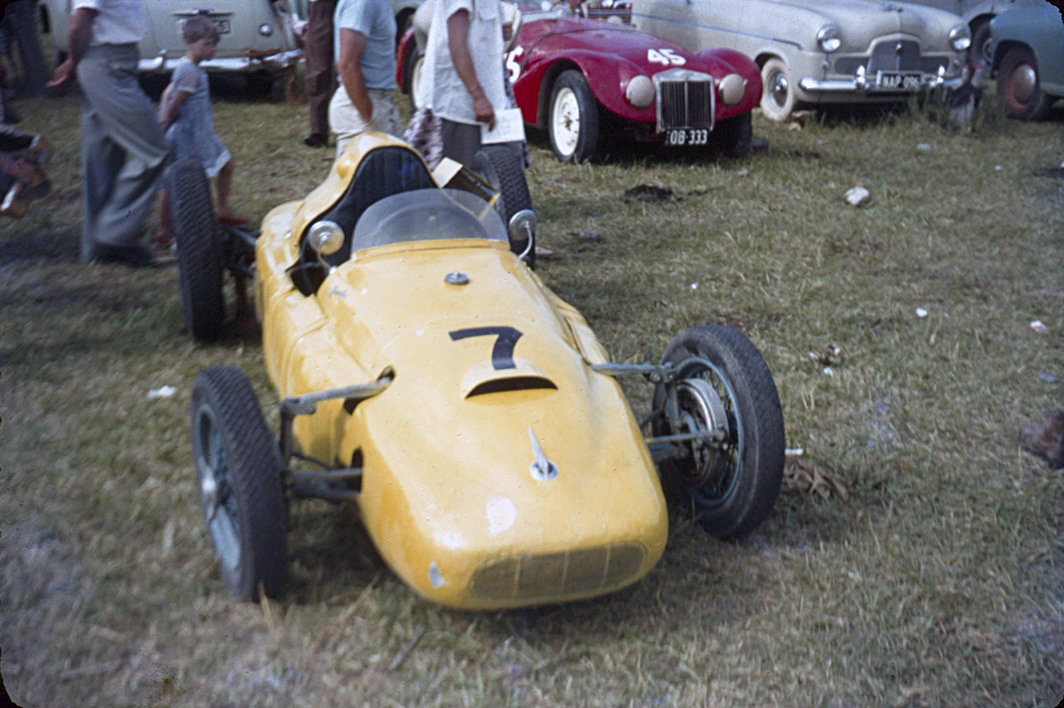
(Nat Lib NZ)

Who is a pretty boy then? youthful too…

Bib Stillwell poses for the camera during the 1961 New Zealand Grand Prix meeting at the Ardmore Aerodrome, South Auckland. Bewdy’, nice cockpit shot of Stillwell’s Aston Martin DBR4/250 i thought- but upon closer inspection the negative is wrongly marked, it is not 1961 but  actually two years before- 1959 or three, 1958 or perhaps even four, 1957 and Bib is aboard his Maserati 250F. Evidence includes the different screen, see the Aston’s below, fuel filler located in different spots and the Maserati cloth badge on Stillwell’s polo-shirt, you can just see a glimpse of that under Bib’s left wrist/glove.

In 1959 Bib finished sixth behind the three Cooper T45s of Moss, Brabham and McLaren and the 250Fs of Carroll Shelby/Harry Schell and Ross Jensen.

Stillwell Maserati 250F, chassis ‘2516’ circuit unknown (Stillwell)


(TRS)

This time it is the Ardmore paddock in 1961 with Bib’s Aston Martin DBR4/250 ‘3’ taking centre stage.

To the left is the nose of the Glass Cooper Maserati, the #12 Maserati 250F is Stan Jones’ Maserati 250F raced by David McKay that weekend- DNF exhaust after completing 45 laps. The Cooper T51 in the right-rear corner of the shot is Jo Bonnier’s, the gearbox of which, repaired after practice, soiled itself again in the race after completing only half of the first lap. As to the Cooper T43(?) to the right, i shall take your advice. See this piece on the Aston Martin DBR4/250; https://primotipo.com/2020/05/08/aston-martin-dbr4-250/

Bib, sharing, almost alternating the mid and front engined collection of cars in his Kew, Melbourne workshop raced one of his Coopers the year before- 1960.

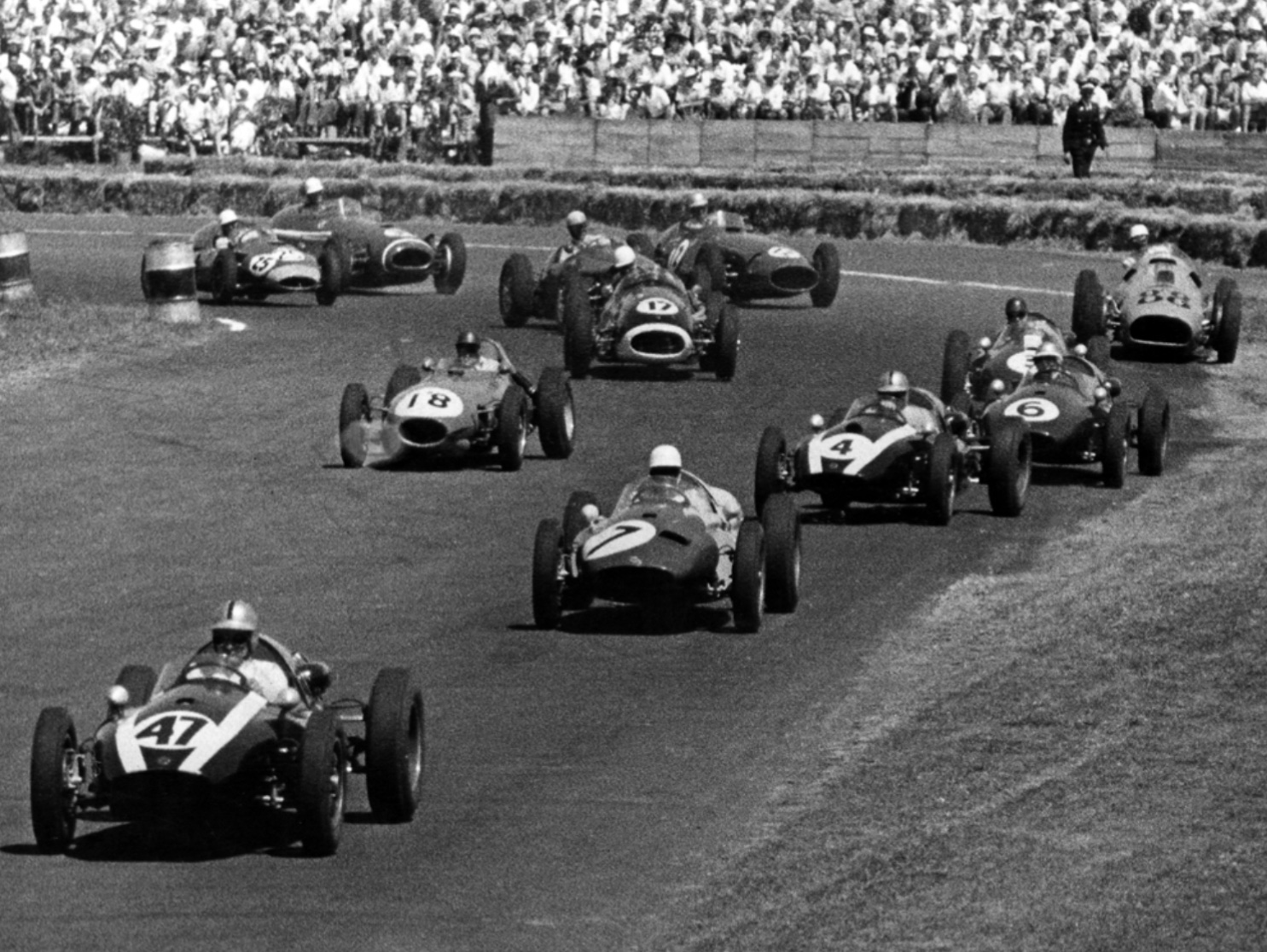
Check him out below running in fourth place just after the start behind the McLaren Cooper T45, Moss and Brabham Cooper T51s- Bib in #6 is similarly mounted as is the partially obscured car of Ian Burgess behind the Victorian.

#18 out left is David Piper’s Lotus 16 Climax, #17 is Johnny Mansel’s Maserati 250F, followed by the similar cars of Arnold Glass and obscured Ross Jensen #88 the Ron Roycroft Ferrari 375 V12- Stan Jones Cooper T51 is nipping inside the unmistakable nose of the Ted Gray driven wonderful Tornado 2 Chev. What a shame Lou Abrahams and Ted Gray didn’t take Tornado to New Zealand in 1958 and 1959, by 1960 it was well and truly all over red-rover for the big, front-engined beasties.

Brabham won from McLaren, Stillwell and Stan Jones aboard another T51.

A bit about Bib Stillwell here; https://primotipo.com/2015/03/10/bib-stillwell-cooper-t49-monaco-warwick-farm-sydney-december-1961/

(E Sarginson)


(TRS)

Love this shot above, this time 1961 of one of the Rob Walker mechanics- is it Mal Simpson?, giving the lovely Rob Walker Lotus 18 Climax a bit of a whirl on one of Ardmore’s access roads.

I never bought the ‘biscuit box’ descriptor of the 18’s appearance, i’ve always thought they were sexy little things, far nicer than the Cooper T53, the only thing between Lotus world dominance in 1960 was the pox ridden Lotus sequential gearbox…without doubt they were the fastest tool of the year but far from the most reliable, an attribute Messrs Cooper, Maddocks and Brabham worked very hard to build into their new ‘Lowline’.

The NZ GP was won by Brabham from McLaren both aboard Cooper T53s from Graham Hill’s BRM P48.

Credits…

National Library of New Zealand, ‘TRS’- The Roaring Season, Euan Sarginson, Stillwell Motor Company, sergent.com

Tailpiece…

(E Sarginson)

First corner Ardmore Airfield 1961 shot by Euan Sarginson.

Ron Flockhart, Cooper T51 from #7 Moss, Lotus 18, Bruce McLaren’s Cooper T53 with Brabham right behind Bruce in another T53, then Innes Ireland #1 and John Surtees #2 aboard works Lotus 18s- all of these cars Coventry Climax FPF powered.

#20 is the Denny Hulme Cooper T51 Climax from Graham Hill, BRM P48, then finally the two Australians, Bib Stillwell’s Aston Martin DBR4 and Arnold Glass’ Cooper T45 Maserati.

Sixty-five thousand Kiwis basked in marvellous summer sun and saw Brabham win from McLaren Hill, Flockhart, Hulme and Clark- it was Jack’s third win at Ardmore.

Finito…
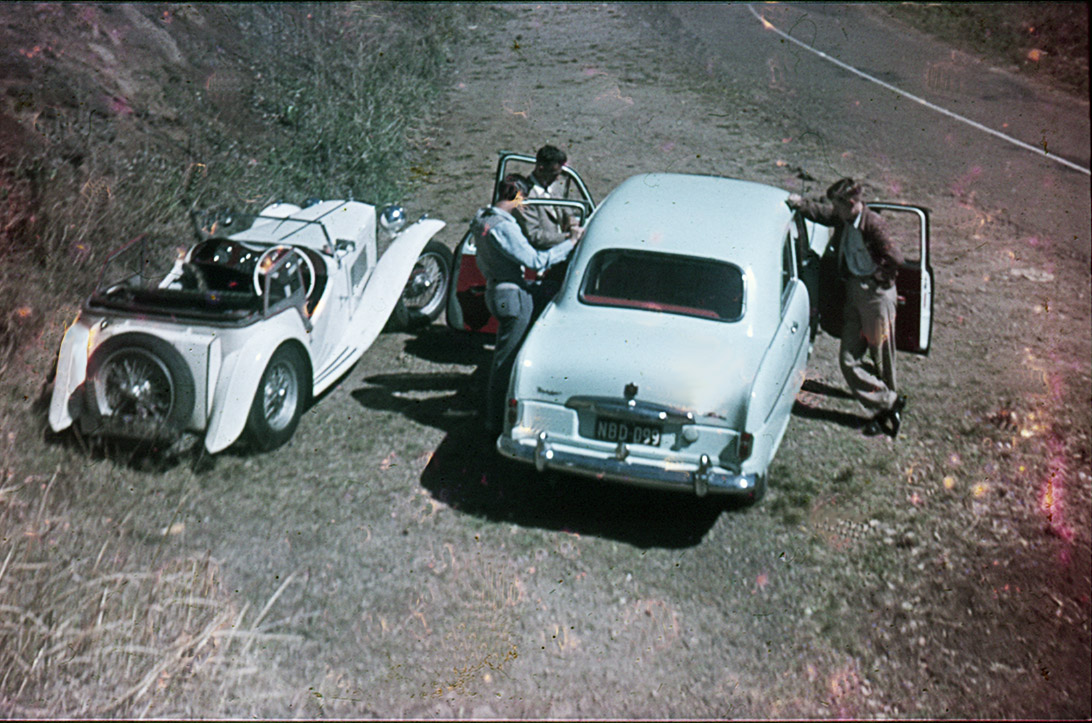
Alex Strachan was the first to import a Lotus into Australia, and as a consequence he was appointed by Colin Chapman the first of many Lotus concessionaires over the years in this country…

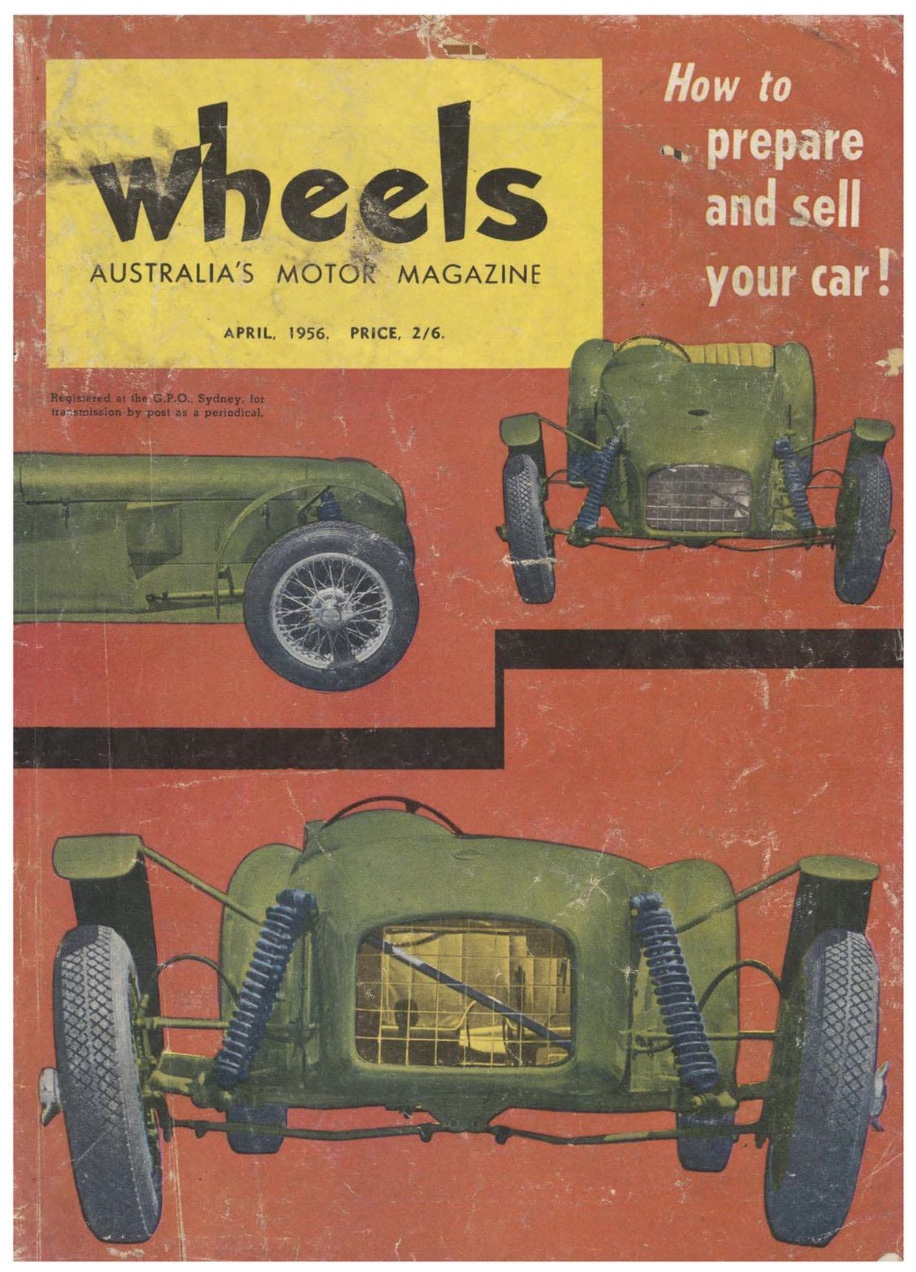
The car was significant enough to make the cover of Wheels magazine, Alec’s race exploits in the car commenced the long run of success Lotus had on the circuits of Australia- the marque won an Australian Grand Prix- the 1968 race at Sandown in which Jim Clark’s Lotus 49 Ford DFW was victorious with one Gold Star Championship hard won by Leo Geoghegan, Lotus 59B Waggott TC-4V 2 litre in 1970.

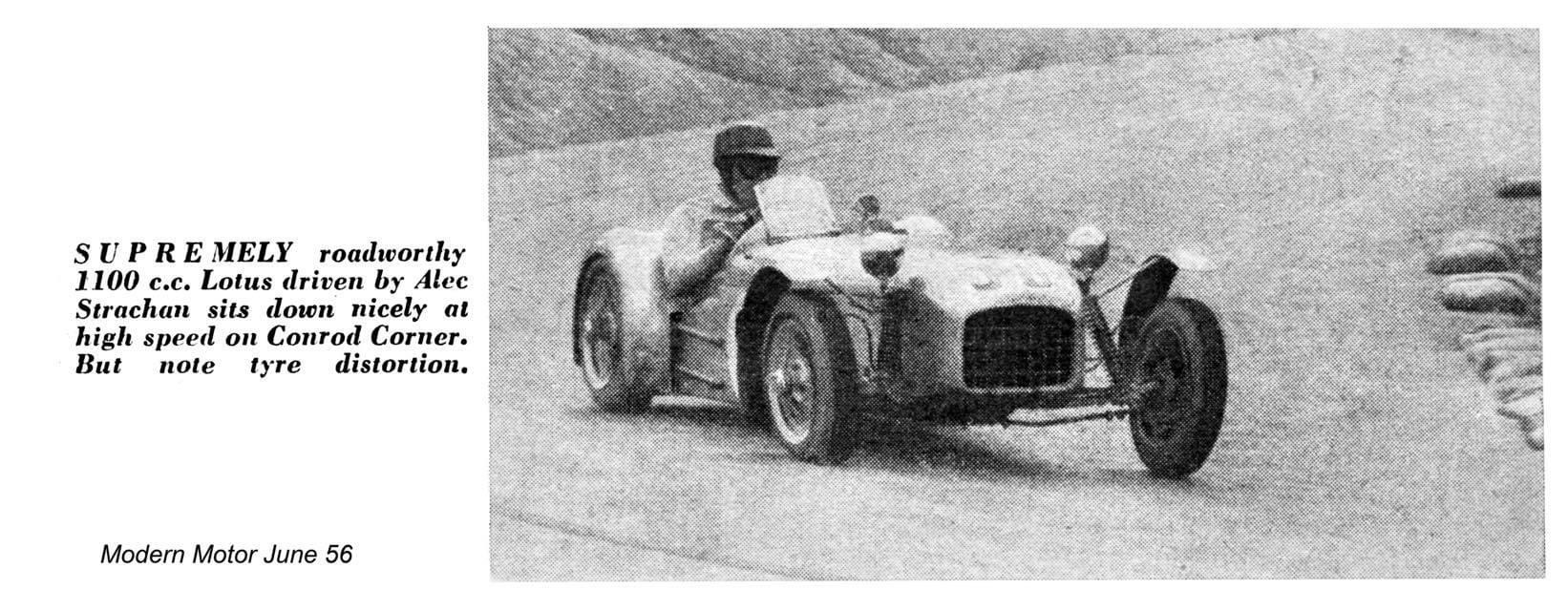
Wheels reported that Alex Strachan was the President of the New South Wales North Shore Sporting Car Club and quoted the car’s vital statistics as 72bhp from the 1100cc Coventry Climax FWA four cylinder engine, 8 cwt in weight and a top speed of 110mph.

Doug Chivas was the lucky driver given the opportunity to race the new machine, these two photographs, I love the one below with the cravat blowing in the breeze, were taken at Mount Druitt on 24 April 1956- the cars debut meeting i wonder?

Australian racer/restorer/historian, the late Graham Howard later owned this Lotus 6 for decades and wrote about it on ‘The Nostalgia Forum’ during November 2004 ‘…the story in brief is this. Stan Brown who had spent some time with Williams & Pritchard before emigrating (from England to Australia), told me he built the replacement chassis for the Strachan Six after about three race meetings because the factory chassis repeatedly cracked- Strachan felt he could not sell Lotuses in Australia if his ‘demonstrator’ kept cracking its chassis.’

‘The locally built chassis used 2 inch bottom tubes because 1 7/8 inches as original was not available, likewise Stan used paired 1 inch square for the cross-member under the bellhousing and in certain places behind the seats because 2 inch by 1 inch was not available. The original panels fitted without drama and the swap was not publicised.’

‘The replacement chassis was far heavier, but it didn’t break (it twisted but didn’t break). The car therefore had most of its Strachan and subsequent history with the locally built chassis. The de Dion was production Mk 9 and in part of Strachan’s paperwork from the factory the car was actually described as a Mk 9.’

‘The original chassis was once owned by Paul Collins, was bought from him and built up into a race car by Eric Beatty, and is still running…The Viva (Vauxhall) powered car used one of Stan Brown’s own-Lotus like chassis and was completed by Bill someone from around Willoughby.’

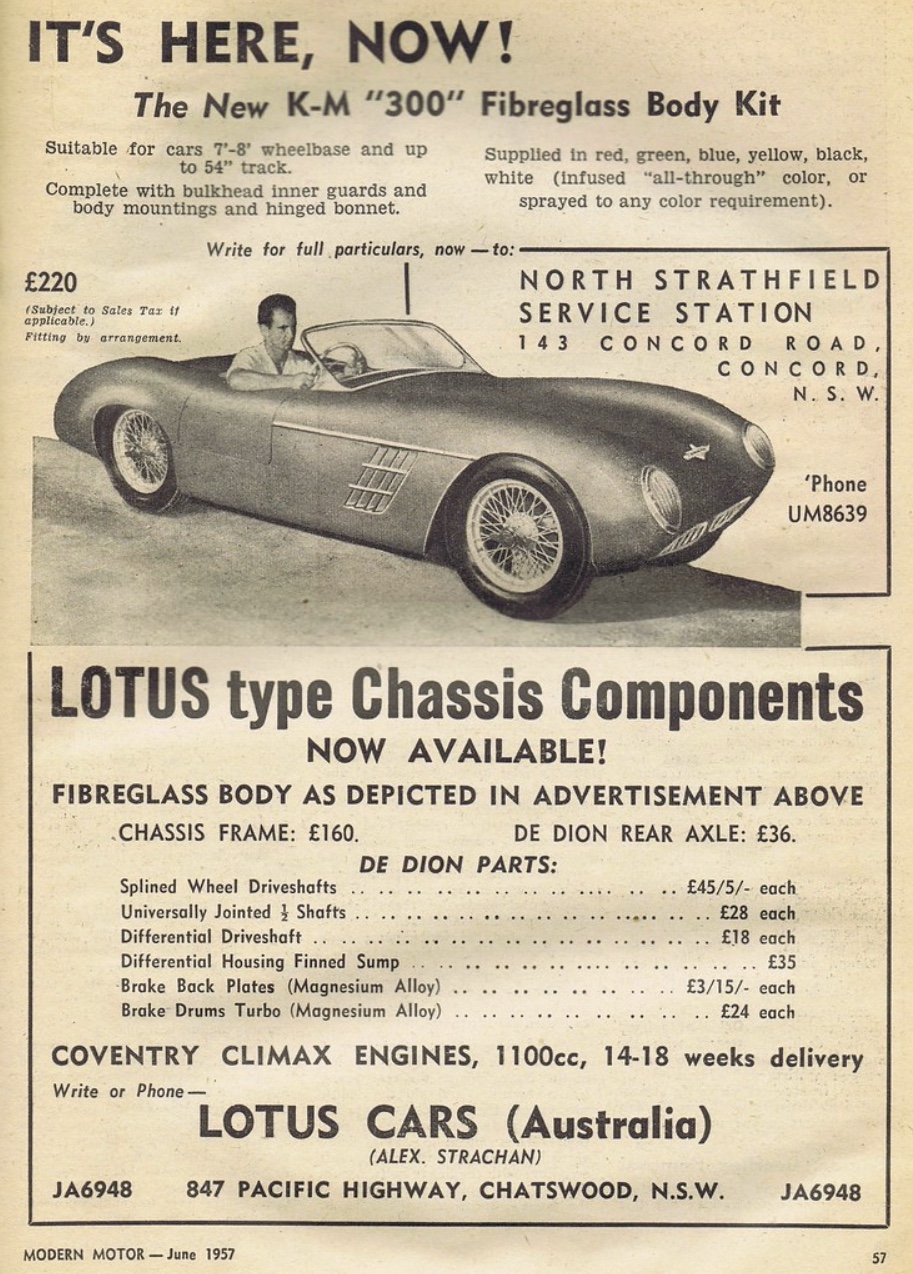
’Stan built an unknown number and variations of these, some of them as “Slotuses” for Strachan to sell (i doubt that was in accordance with Alex’s agreement with Chappers!). They were longer and had fewer tubes. At least two of them have since become genuine Lotus Sixes. Strachan also had patterns made for the final drive case, the de Dion hubs and spiky-finned brakes and front and rear backplates, and castings were made and sold’ as per the June 1957 advertisement above.

Etcetera…

Credits…

Wheels magazine, Graham Howard, Stephen Dalton, AMHF Archives

Tailpiece…

(S Dalton)

Photograph of the ex-Strachan car during the March 2020 Australian Grand Prix carnival after Thursday afternoon’s historic demonstration, Paul O’Connor the current custodian, and cars at this particular event on the move were a very rare thing, Stephen Dalton was lucky enough to be there…

Finito…

(J Langdon)

Appendix J tustle into Mountford Corner circa 1964- Alan Robertson’s Peugeot 203 dives under an FJ Holden, the finish line is only 500 metres away, perhaps this is a last lap lunge…

It’s a corker of a shot.

‘Longford 2’, who is he kidding, Longford 10 you may well reasonably say!

Everything in motor racing in moderation my friends, unless it comes to Lola, Lotus, Elfin, Rennmax, Bowin, Birrana or anything to do with Repco-Brabham, Alec Mildren Racing, Scuderia Veloce or Equipe Matich, Warwick Farm and most of all Longford where the rules of moderation simply don’t apply- just suck it up ok!?

Apart from my Longford fascination, Tasmania is one of my favourite states, on top of that I seem to be in a Covid 19 induced sixties nostalgia zone at present so I’ve mixed in some period Tassie snaps of interest- to me at least.

The wonderful racing photographs are by Lia Middleton’s mum, the ladies name would be great to know if someone can provide it, and Jim Langdon. Here we go with this Tasmanian assemblage.

(J Langdon)

Jack Brabham whistles into Mountford, Brabham BT7A Climax, South Pacific Trophy 1964…

Graham Hill won the race in the Scuderia Veloce BT4 from Bruce McLaren’s Cooper T70 and Frank Matich aboard another Brabham, this time a BT7A, all Coventry Climax 2.5 litre FPF powered.

Jack had differential failure during lap 22, all was not lost with his customer cars showing so well. Click here for a piece on the Intercontinental Brabhams; https://primotipo.com/2018/07/20/matich-stillwell-brabhams-warwick-farm-sydney-december-1963/

(Middleton Family)

Things must be going mighty goodly as Roy Billington even has time to laugh at one of Jack’s one-liners- Longford paddock with the Hewland HDS or is it HD5? and Coventry Climax FPF laid bare. This second in a series of three ‘Intercontinental Brabhams were very successful cars.

Brabham always had time for the punters didn’t he!? A smile rather than the death-ray stare of some others- a Pro our Jack.

(Middleton Family)


(C Raine)

I wonder if it was cheaper to travel by TAA Vickers Viscount or the Princess of Tasmania?

These days the plane is the ‘no brainer’ in terms of cost and convenience compared with the overnight ferry from Port Melbourne to Devonport but it may not always have been so, I wonder what the relative cost was.

The plane on the tarmac at Launceston.

(Middleton Family)

All the fun of the fair!

What a brilliant shot, doesn’t Mrs Middleton capture the mood of the meeting? Technically she has framed and cropped the shot beautifully. I wonder what year this Pit Straight bridge went in?
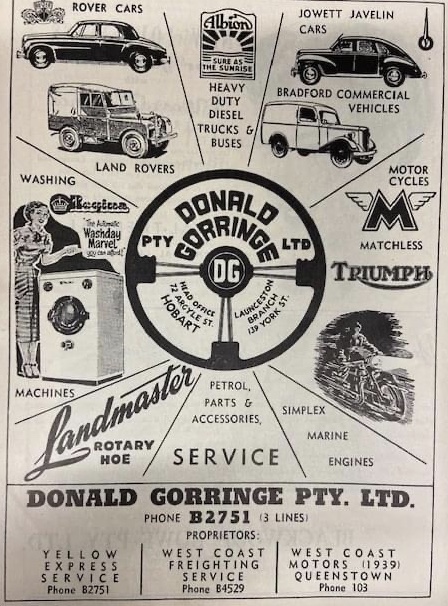
The shot below gives us a read in part on Don Gorringe’s business interests which funded his involvement and support of motor racing.


(Middleton Family)

1968 South Pacific Trophy field race in the dry, so it’s the preliminary ‘Examiner Scratch Race, contested over 12 laps, it rained cats and dogs on the Labour Day Monday public holiday.

The shot above is from towards the rear of the pack diving into the Viaduct- the two BRMs of Pedro Rodriguez and Richard Attwood, I can’t differentiate between the two, then the yellow Mildren Brabham BT23D Alfa Romeo of Frank Gardner on the outside, to FG’s left is his teammate Kevin Bartlett, Brabham BT11A Climax with the red/maroon car at the head of this pack, Piers Courage, winner of the very last Longford Tasman Cup event in his McLaren M4A Ford FVA.

In a short race of attrition, Graham Hill won from Jim Clark, both in Lotus 49 Ford DFWs and Frank Gardner’s Brabham Alfa- Clarkset a lap record of 2:14.7 during the race but this time was battered by Chris Amon in the Scuderia Veloce Ferrari Can-Am 350 which did a 2:12.6- Chris’ best was 10 seconds a lap better than second place man Ian Cook in Bob Jane’s Elfin 400 Repco 4.4 V8- Amon’s Ferrari was famously timed at 182mph on ‘The Flying Mile’.

Longford 1968 is here; https://primotipo.com/2015/10/20/longford-tasman-south-pacific-trophy-4-march-1968-and-piers-courage/ and the Clark, Hill and Amon cars here; https://primotipo.com/2019/11/05/clark-hill-amon-longford-1968/

(R Macfie)

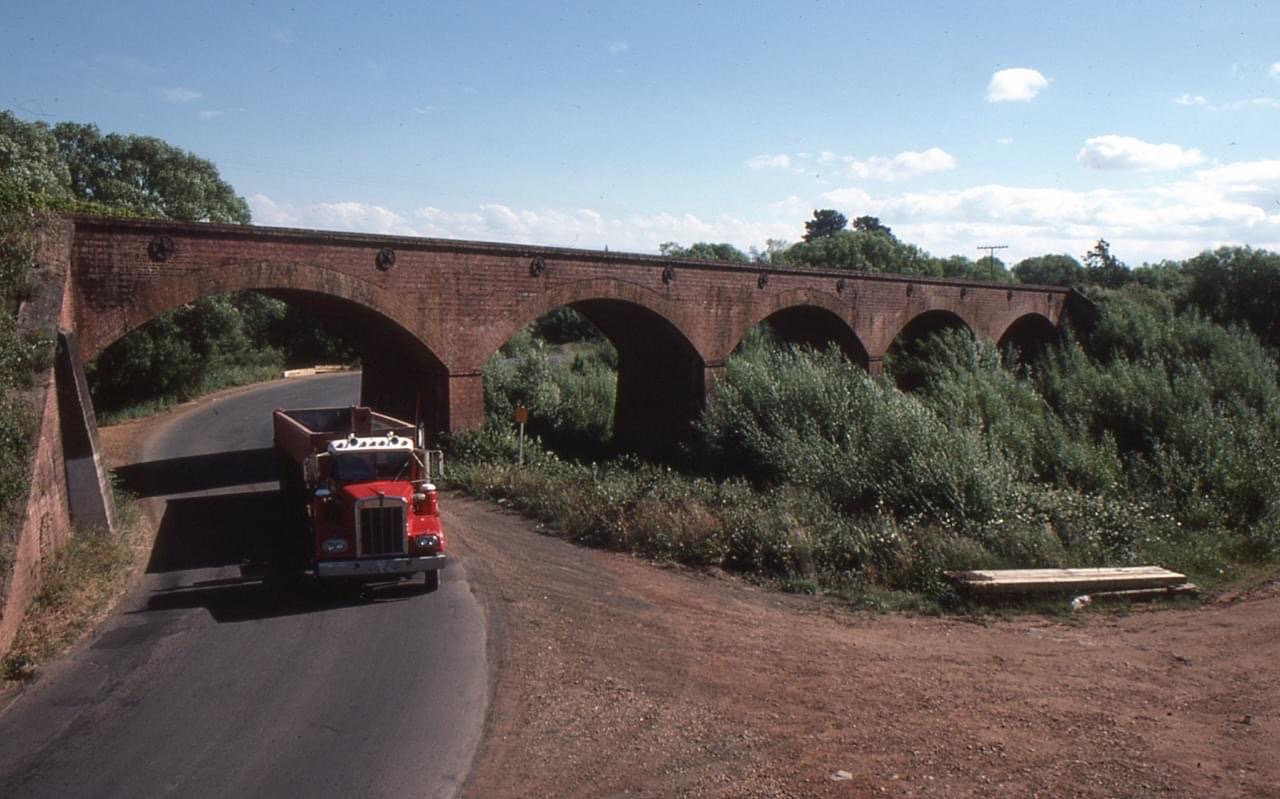
The truck is heading in race direction towards Mountford Gate, Viaduct, I wonder what year this shot was taken?

(Middleton Family)

Local Longford racing club chief and landowner Ron McKinnon gives Jack Brabham and the race winner, Bruce McLaren a lift after conclusion of the 1965 Australian Grand Prix- McLaren drove a Cooper T79 Climax whilst Jack was aboard a BT11A and Ron an MGA. 1965 AGP here; https://primotipo.com/2019/09/27/longford-1965/

(D Febey)

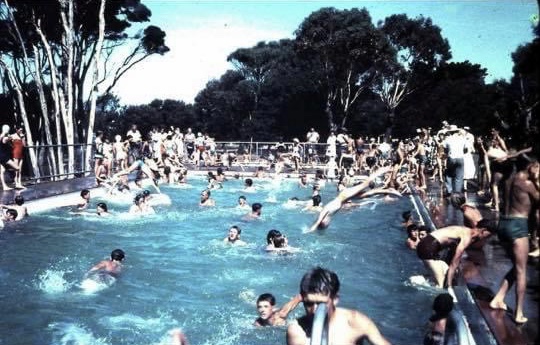
No Australian kid’s summer holidays was complete without a holiday at the beach or in the local pool- you really were ‘posh’ if yer folks had a pool back then.

Just looking at this brings back so many memories, not the least of which was the difficulty of executing a ten outta ten dive whilst not landing on top of some schmo in the process- this is the pool at The Bluff in Devonport.

(Middleton Family)

Graham Hill looking a bit more earnest and focused than Jack in a similar car- a Repco Brabham BT4 Climax owned by David McKay’s Scuderia Veloce.

That’s him in the cap on the right with Bob Atkin and another fella pushing- Hill’s focus was rewarded, he won the 1964 South Pacific Trophy as mentioned earlier. Brabham BT4 here; https://primotipo.com/2016/10/16/point-of-sale/

Kings Pier, Port of Hobart in the mid-sixties. Salamanca Place and the Port is these days a wonderful place to stroll around and dine whilst still a working port (R MacFie)


Scuderia Veloce again, this time the great Spencer Martin kicking the tail of the Ferrari 250LM about with gay abandon in 1965, it’s one of the machines very first meetings- the exit of Mountford Corner with a very appreciative crowd.

These cars, production sports-racing Ferrari won Le Mans in 1965 after the top gun Ford GT40, Mk2 and Ferrari P2s dropped by the wayside, Jochen Rindt and Masten Gregory raced the winning NART entry.

The 3.3 litre 250LM V12s were notoriously driver friendly, forgiving machines which contested Le Mans as late as 1969, perhaps even 1970, I’m too lazy to check. Click here for a piece on the 250LM; https://primotipo.com/2014/07/03/pete-geoghegan-ferrari-250lm-6321-bathurst-easter-68/

(M Stephens)


(M Stephens)

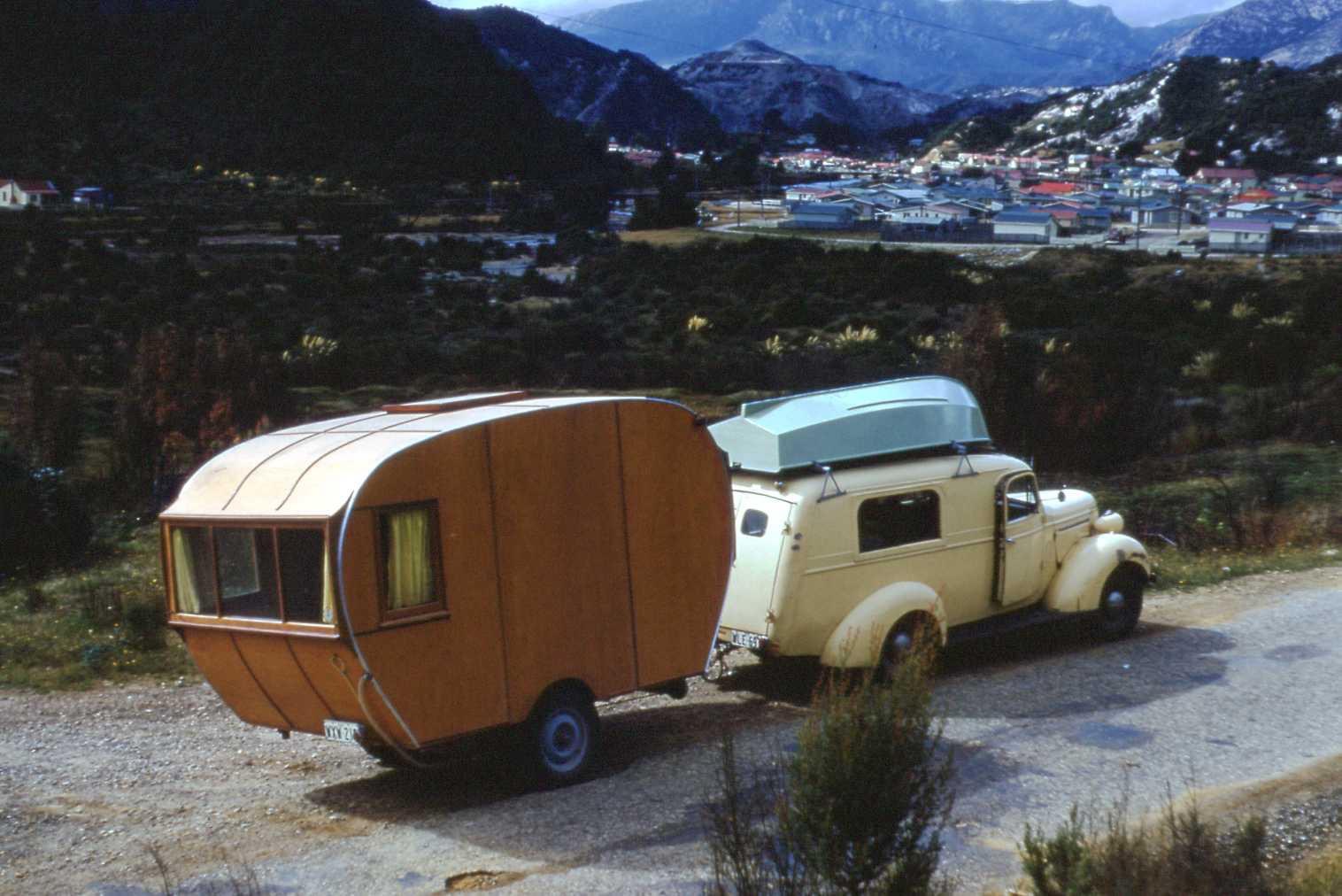
I blew my tiny mind upon seeing these photographs of Minuet Stephens- they pinged ‘Queenstown’ in my mind but some of you Tassies can set me straight if I have that wrong, it’s only two years since the last time I swung through, it’s circa 1963 given other shots in this collection.

Isn’t ‘the rig’ amazing, what make and model is the home built caravan’s tow car or truck? The wow factor was succeeded by memories of long interstate trips Australian style before dual-lane highways became common in the eighties- Melbourne to Sydney then, about 500 miles now, was ‘a lot longer then’ on the Hume Highway as yer Dad’s 186cid HK Kingswood wagon was stuck behind outfits like this one and semi-trailers which did not gobble up the road as they do now. ‘How much further Dad?!’ every thirty minutes,  its a wonder he didn’t strangle the three of us really.

I imagine on the relatively quiet roads of the Apple Isle this kind of touring would have been very pleasant indeed.

(J Langdon)


(J Langdon)

Bib Stillwell turns in for Mountford with Pit Straight, the Control Tower and Water Tower in the distance- Brabham BT4 Climax in 1964.

By this stage the ‘late blooming’ Melbourne car and aviation businessman had been a front-runner for a halfa decade, in fact he won his third Gold Star on the trot in this chassis that year, having won it in ‘IC-3-62’ as well in 1963.

A quick glance suggested BT11A to me- the airbox led me there but tell tales of BT4 are the external radiator pipe- it looks like a pinstripe and the location of the top front wishbone rear pickup.

The Aston Martin DB5 is rather nice too.

(J Buddle)

Groometals scrap metal warehouse and lead smelting establishment on the corner of Harrington and Warwick Streets Hobart and looking very much in 1998 just before its demolition, as it did in 1965.

The nostalgic observation here is that so many of our inner urban main arteries looked like this until these streets filled with restaurants and retail outlets instead of small business ‘workshops’ as the inner suburbs became places many of us wanted to live.

I gave my Formula Vee a birthday at the end of 1979- amongst other things the suspension was nickel plated and chassis sand-blasted and then stove-enameled in two different ‘shops in Bridge Road, Richmond which these days is all restaurants and retail outlets- many with ‘to lease’ signs reflecting the decade old on-line retail revolution and of course forty-five thousand coffee shops. Still it was forty years ago, so some change should be anticipated I guess!

(Middleton Family)

Look at that crowd on Pit Straight.

Look very carefully to the left and you can just see a couple of jousting Scots- Jim Clark’s Lotus 39 Climax is just in front of South Pacific Trophy winner, Jackie Stewart in a BRM P261 1.9 litre V8.

Jackie won the race and the series in 1966- see here; https://primotipo.com/2016/05/19/jackies-66-longford/

In the shot below Arnold Glass has neatly popped the nose of his ANF1.5 Lotus 27 Ford twin-cam into the Mountford haybales during the 1964 meeting- hopefully no great damage has been done in ‘The Mercury’ 10 lapper for racing cars.

It was a small but classy entry of one and a halves- Frank Gardner, David Walker and Greg Cusack were in Brabham Fords whilst Mel McEwin was aboard an Elfin Catalina Ford. Jack Brabham won from Bib Stillwell and John Youl with Greg Cusack the best of the 1.5s. See articles on Arnold and ANF1.5 here; https://primotipo.com/2019/09/13/anf-1-5-litre/ and here; https://primotipo.com/2015/08/25/arnold-glass-ferrari-555-super-squalo-bathurst-1958/

(J Langdon)

Below is the business end of the monocoque Lotus 27 which very much apes the F1 Lotus 33 in basic specifications- chassis, suspension whilst noting the 1.5 litre FWMV V8 gave circa 210bhp whereas this 1.5 litre Cosworth built Lotus-Ford four cylinder engine gave circa 125bhp. Hewland gearbox of course, lovely Ron Lambert shot in the Longford paddock, the cockpit/nosepiece is off the car, perhaps being repaired…

(R Lambert)


The lighthouse supply ship SS Cape York off Maatsuyker Island on Tasmania’s southwest coast, mid-sixties (Nat Arc Oz)


(Middleton Family)


(Middleton Family)

A couple more shots on the approach and downhill plunge to The Viaduct.

The touring car experts can probably date the event- two EH Holdens chasing a trio of Morris Coopers- Barrett, Smith, Bromfield, Boot and Evan Thomas are the tips of racers Danny Newland and Barry Cassidy- as to the single seater race, who knows?

(M Stephens)

‘You muck around like a pack of old chooks at a Christening’ was one of my Dad’s sayings!

This group of ladies reminds me of my grandmother and her four sisters frocking up, hats and all for a family ceremonial occasion- like a Christening!

It reminds me how ‘white’ we all were too- Gough Whitlam finally repealed the ‘White Australia Policy’ in 1973 for chrissakes- Asian immigration was negligible until President Ford rang Malcolm Fraser and said ‘you pricks helped us create the mess in Vietnam so you malakas have to help mop it up’ or diplomatic weasel words to that effect anyway.

So now we have a wonderful, mainly harmonious multi-cultural mix rather than the mono-cultural Anglo society reflected in the scene of matrons above.

(Middleton Family)

Montford Corner again with a gorgeous Elfin Streamliner confronting a big special- wotizzit?

Huge crowd again, year uncertain.

( Middleton Family)

Ron McKinnon again this time aboard a Datsun Fairlady- his passengers appear to be Bruce McLaren and Graham Hill, so first and second in the 1964 Sou-Pac Trophy.

Never drove a Fairlady but did have a drive of its big-brother Datsun 2000 and couldn’t believe how much better a car it was than the MGBs i was looking at at the time.

(Libraries Tasmania)


(Libraries Tasmania)

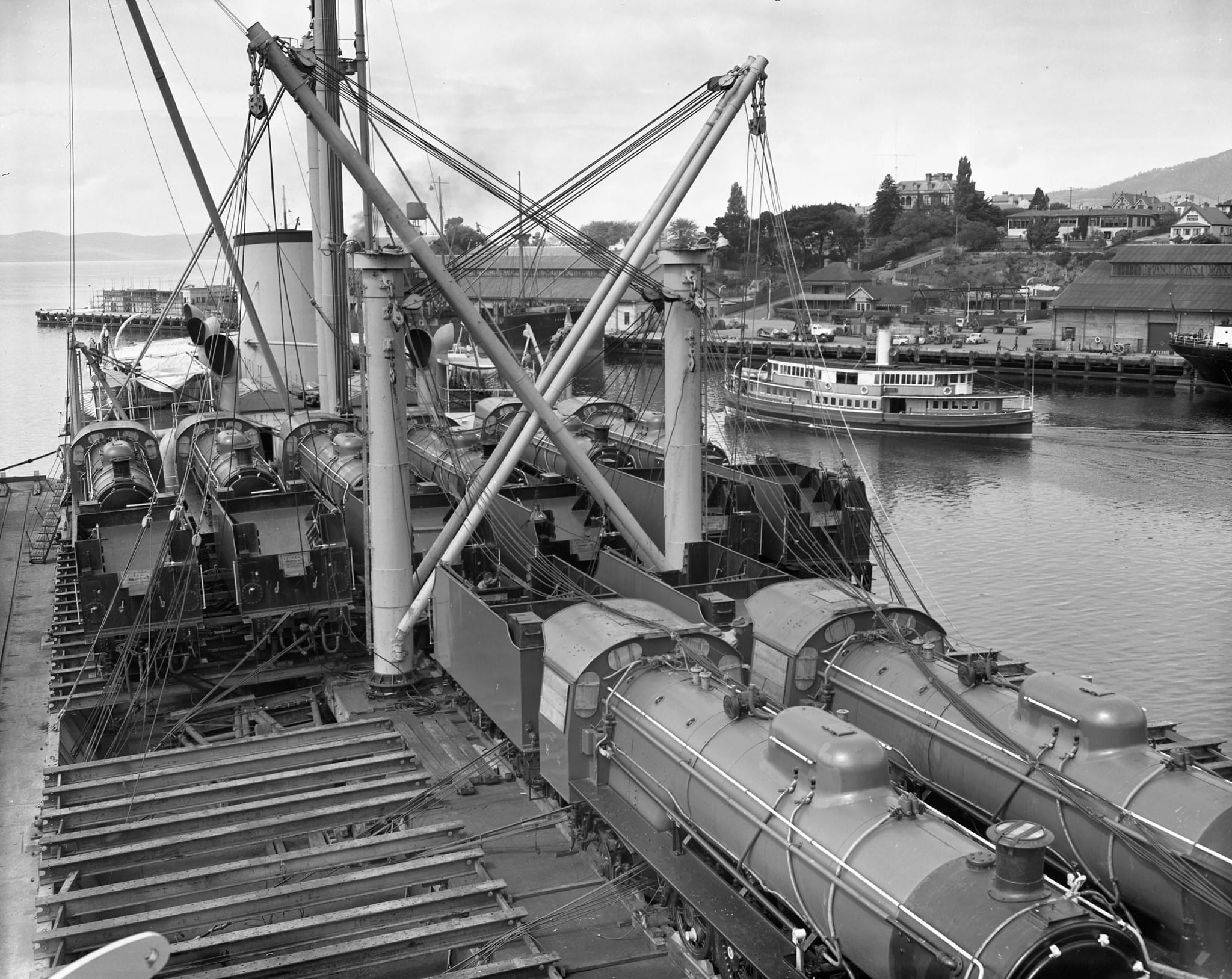
I sorta missed the whole steam engined thing- Puffing Billy excepted, ten years older and it would have been front and centre for me in a way that it no doubt was for many of you.

These eight H Class locos are sitting aboard the ship ‘Belpareil’ at the Hobart docks, I cheated with the decade though, it’s October 1951. I wonder who the manufacturer was/is?, wonderfully five of these trains still exist.

(Middleton Family)

It’s rotating so hopefully the driver of the Humpy Holden missed the Mountford trees, the physics of it all is working in his favour I think. Who is it?

(Middleton Family)

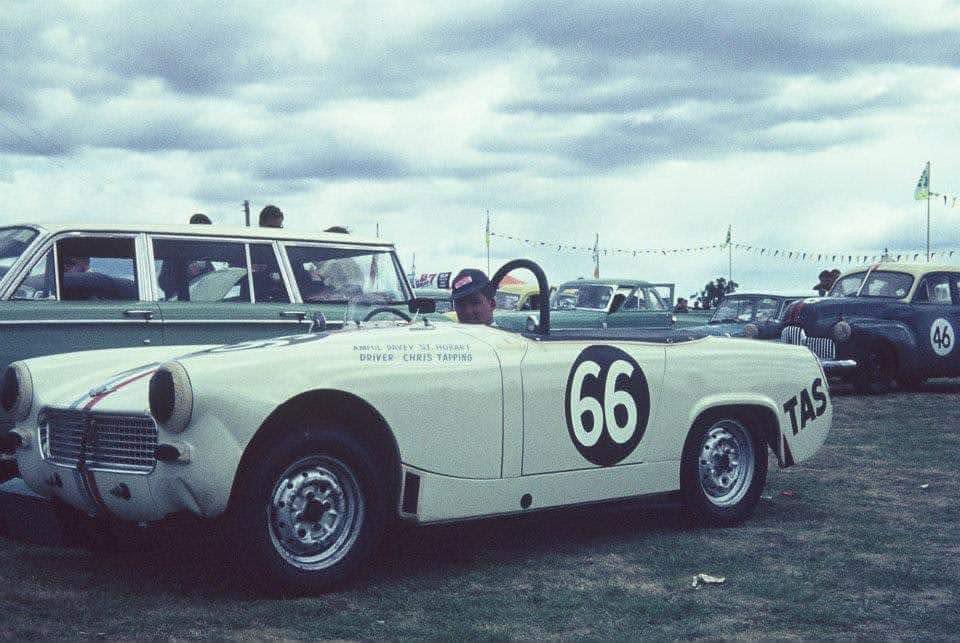
The wonderful thing about Longford is that for every international who raced there the bulk of the weekends entertainment was provided by local/national drivers who got to play on one of the greatest, most challenging and dangerous road racing tracks in the world, as our Sprite friend, Chris Tapping is doing just here.

(C Broadfield Collection)

The gent in the hat does not seem phased at all by the sight of the yacht ‘Heemskerk’ being shifted by road from Sandy Bay, where it was built to the Hobart Port closeby where the owner Edney Medhurst launched the sleek hulled craft in 1953.

Credits…

Jim Langdon, Chris Raine Family, Lia Middleton Family, Rob MacFie, Daryn Febey, Minuet Stephens, Jeremy Buddle, National Archives of Australia, Libraries Tasmania, Craig Broadfield Collection, Ron Lambert

Tailpiece…

(M Stephens)

Another Queenstown shot i think, the most recent car is an EJ Holden so let’s date the queue of cars on the steam train as being circa 1963.

Finito…
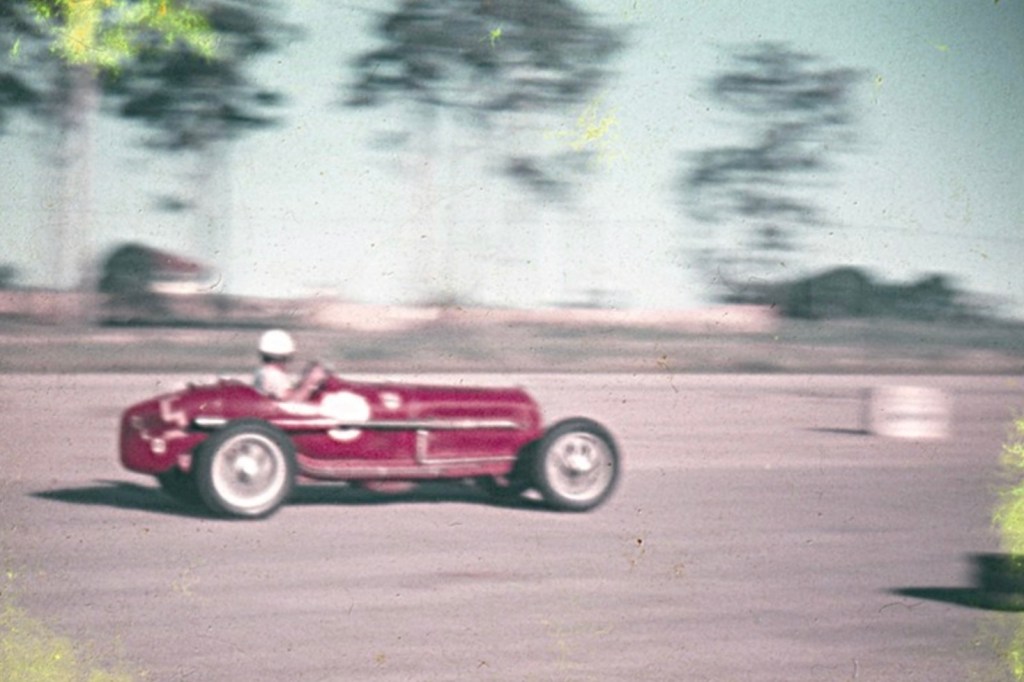
(B King Collection)

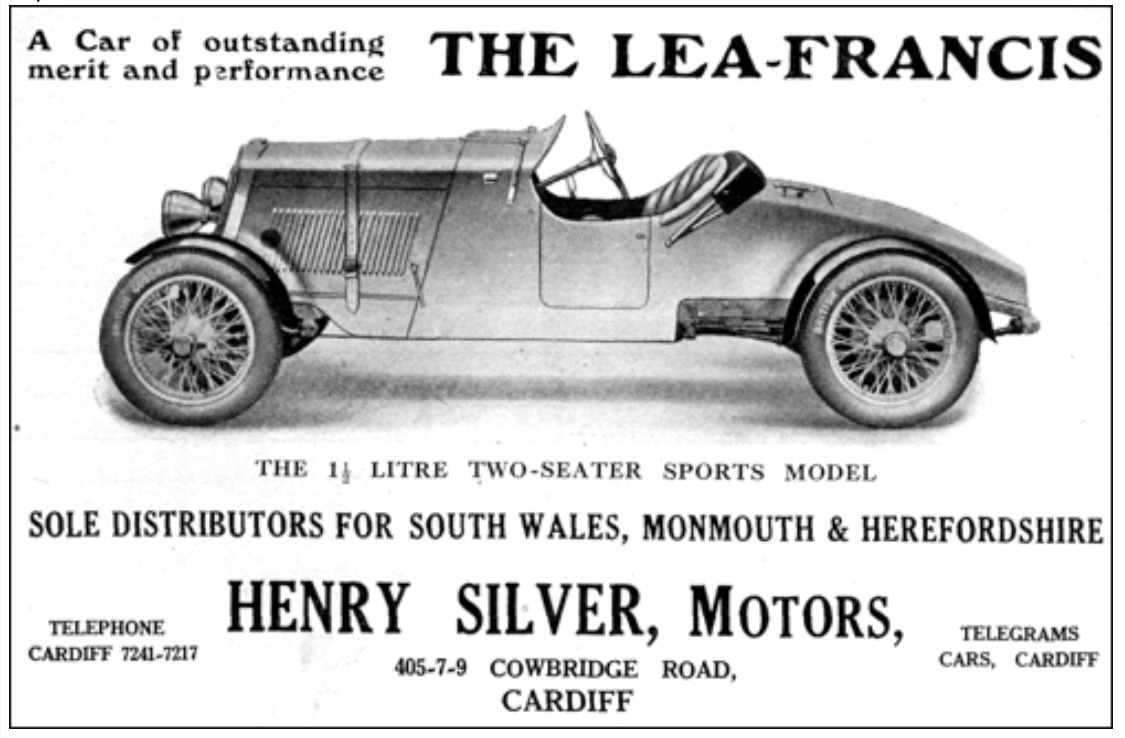
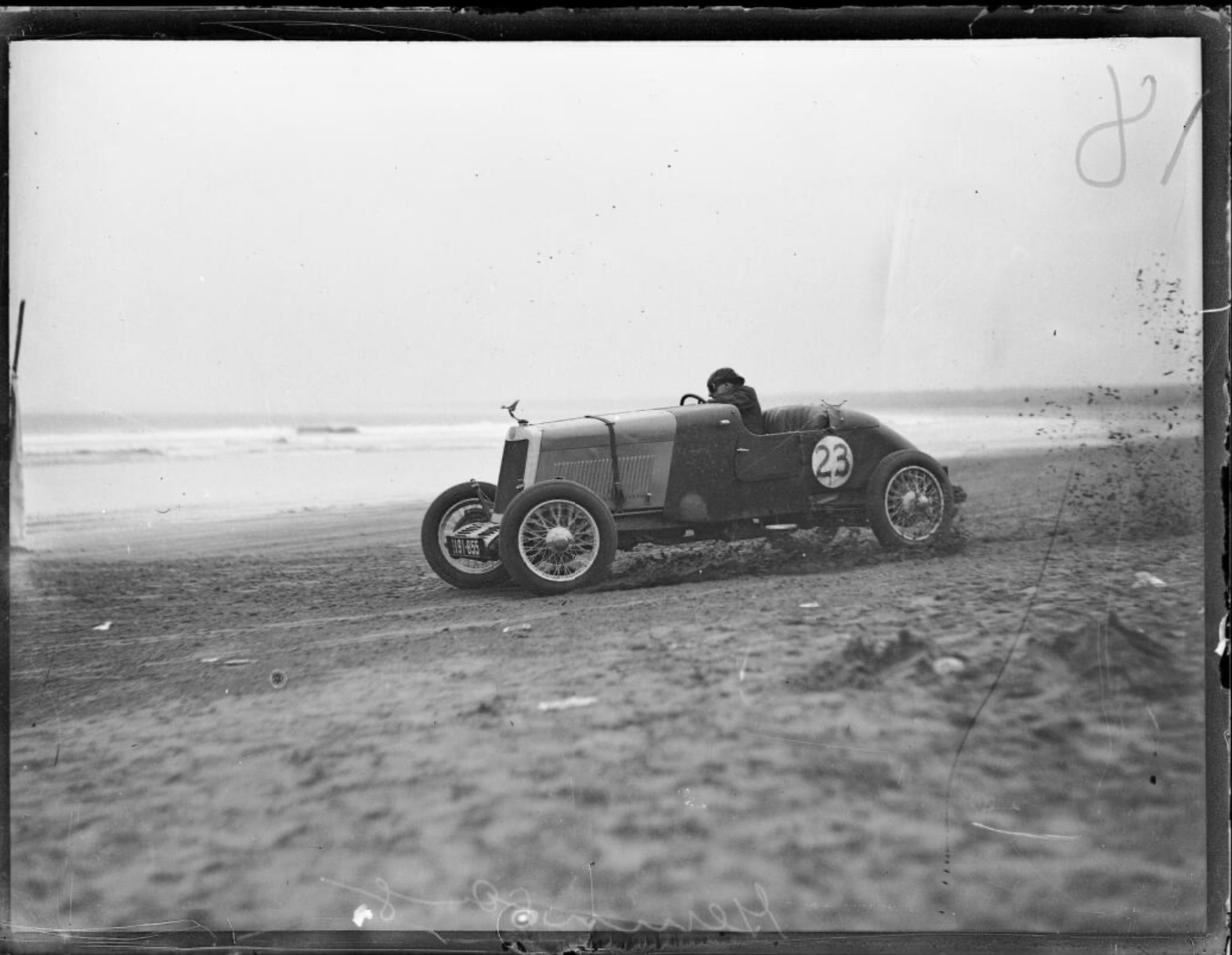
A C ‘Mick’ Carlton and passenger aboard his Lea-Francis Hyper 1.5 s/c, chassis number #14041 during the sprint meeting at Safety Beach, Dromana on Melbourne’s Mornington Peninsula, Saturday 7 December 1929…

It’s amusing to think that a century ago motorsport took place on land upon which at least two of our Victorian readers have weekenders. Let’s deal with the events at Safety Beach first and come back to Mick and Lea-Francis further on.

The Royal Automobile Club of Victoria first ran ‘a long series of motor car contests’ at Safety Beach the year before, Saturday 2 December 1928 on a two mile rectangular, sandy gravel course on the ‘Safety Beach Estate between Mount Martha and Dromana’. Cursory research indicates the venue was used from 1928 to 1932.

About 1,000 spectators attended that day making the long journey by car or steamer from Melbourne to Dromana. No doubt the nascent sport was shown to best effect as the chosen course, held on private property – motor racing on public roads was illegal in most states including Victoria – was placed in a natural ampitheatre of hills including Arthurs Seat and Mount Martha towards which the photograph below was taken.

(Rose)

A familiar view to Victorians from Arthurs Seat across Port Phillip Bay and down towards Dromana and it’s pier – the area to the right before the land starts to rise at Mount Martha is Safety Beach. The settlement in the distance is Mornington – its apex is Snapper Point.

The course was 2 miles 173 yards in length, a nice lap with ‘tests for acceleration over a short run’ and ‘for speed around the full circuit’, more than fifty cars entered.

Prominent competitors included Joan Richmond, Riley, and Arthur Terdich in the Bugatti T40 in which he was so quick in the 1928 100 Miles Road Race (The Australian Grand Prix) at Phillip Island in March. Other Phillip Island racers entered included WA Terdich – variously called Bill or Ab – Senechal, Harold Drake-Richmond in the Maurice Shmith owned Fiat 509 and Jack Day’s Bugatti T37 which had been very fast in the latter stages of that first road race in Australia.

Other cars of interest/racers of later prominence included AW Bernadou, Riley, Maurice Shmith in a Bugatti, Herb Beith aboard a Chrysler and Arthur Terdich’s Lancia Lambda, perhaps running his road car in addition his Bugatti.

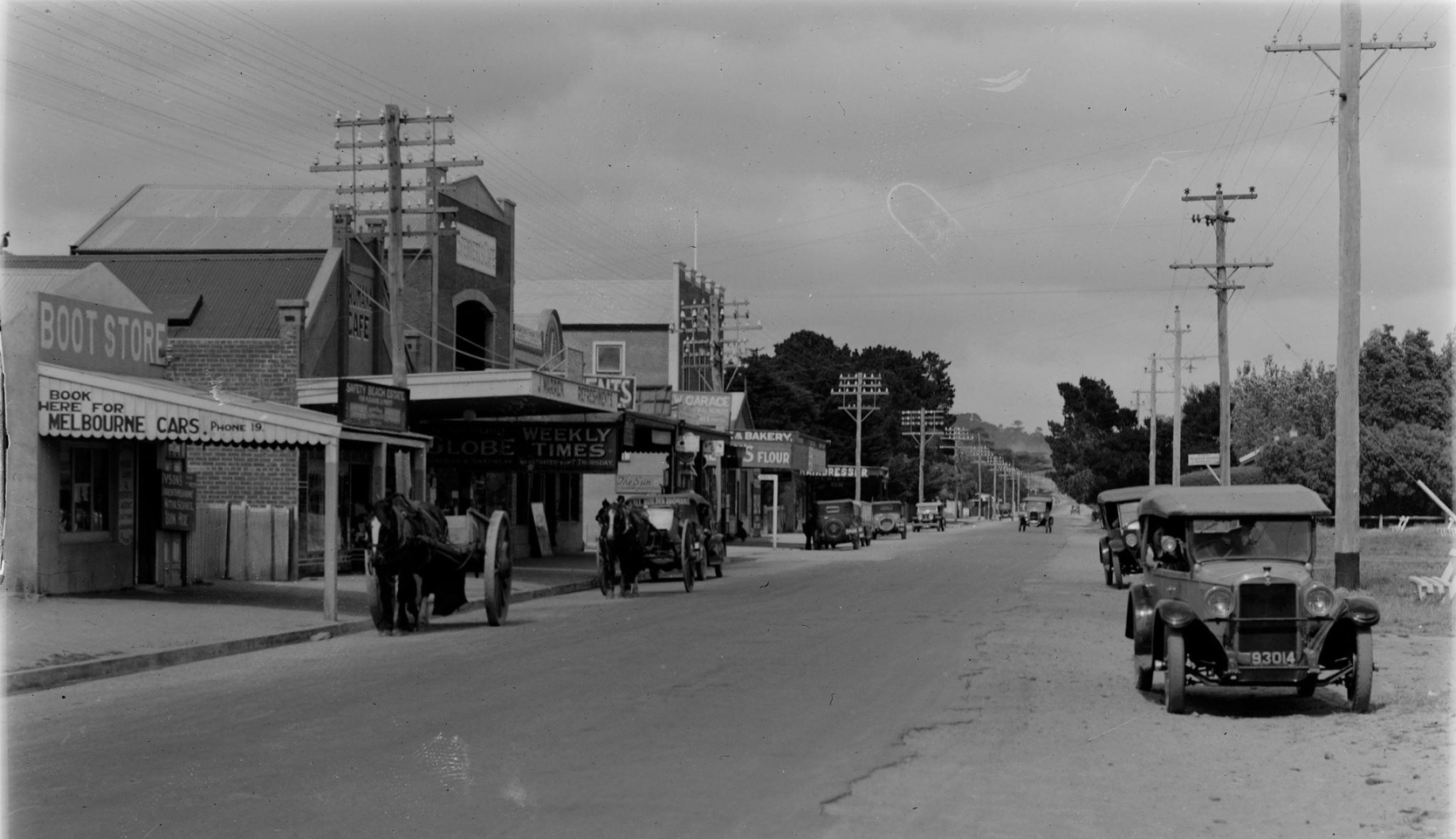
Ground level’ish view looking from near ‘Anthony’s Nose’, the Point between Dromana and McRae towards the Dromana Pier with a Steamer in attendance, and on towards Safety Beach beyond. The Nepean Highway, then Arthur’s Seat Road, is that ‘quiet little track’ in the foreground (Rose)
Harry Cooper’s 4.8-litre Ballot 5/8 LC. Safety Beach, 2 December 1928 (E Adamson photo published in ‘The Argus’ 4 December 1928 via Terry McGrath)

The final event of the day was a five lapper, about 10.5 miles, between the fastest car of the day, Harold Cooper’s 4.8-litre straight-eight 1919 Ballot 5/8 LC  ‘Indycar’, which covered the course at an average speed of 59.96 mph, ‘a remarkable performance, in view of the fact that the course was practically a rectangle with four almost right angle turns’, and an aircraft piloted by Keith Farmer.

‘Cooper sped the 10.5 miles, up till the last lap the plane gave the appearance of not been fully extended, but in the run home it speeded up and won. The contest created considerable excitement among the spectators’ The Argus writer concluded.

Other snippets about the meeting were that the serious boys were down the weekend before to test further improvements made in the final week by ‘gravelling and oiling the course’ – shades of Phillip Island final preparations between 1928 and 1935.

That ‘Speedboat racing will be another feature of the programme’ suggests the road was parallel with and very close to the Safety Beach foreshore. The ‘Dromana Progress Association’ looked after the ‘special catering arrangements’ but I doubt ice-cold ‘frothies’ were on the menu.

Noted future Aussie International Joan Richmond made the dailies the following year, 1929, when she overturned her Riley 9 during practice, ‘the car was smashed, but the driver, whilst concussed, and passenger escaped serious injury. Miss Richmond is known as a capable and daring driver.’

Joan Richmond and Mollie Shaw with the Riley 9 Brooklands (the ‘Young Riley’ in Joan-speak) during the 1931 AGP weekend at Phillip Island, fifth outright and second in the 1500cc class. ‘We had to part our hair in the middle to get our helmets on’ Joan quipped. The car was a Riley 9 chassis with ‘a light fabric body made by Mr Thomas of the Elite Motor Body Works’ (unattributed)

Despite the onset of the Great Depression, 3,000 spectators attended Safety Beach again in 1929, the crowd was perhaps bouyed by the two successful Australian Grands Prix held not too far away at the Island in March 1928 and 1929.

Whilst Hope Bartlett’s 2-litre Grand Prix Sunbeam was not entered at Safety Beach, a long way from his Nowra base, there was no shortage of ‘French blue’ exotic racing machines including Alan Cooper’s big, booming Ballot driven so well by brother Harry, as well as the Terdich, Junker, Jenkins, Bedford and Day Bugattis plus Clarrie May’s Austin 7 s/c and Harry Beith’s very quick Chrysler.

By any measure it was a strong entry of cars for the rapidly growing number of racing enthusiasts. The meeting was also a gala social occasion, by the end of the hot summers day the lovely, long cream dresses of the ladies took on the light brownish hue of the dust created by the cars which was readily picked up by the strong onshore breeze. Once may well have been enough for many of the ladies!

The ‘feature event’ late in the day was a lap record contest for the six cars which made the fastest time of the day, who then ran off to attempt to lower the existing lap record of 2: 6.5 seconds.

The Herald’s advance coverage of the race speculated that the final six drivers/cars may include Cooper, Jack Day’s Lombard s/c (not entered), Arthur Terdich’s Bugatti T37A and Harry Beith’s Chrysler Special.

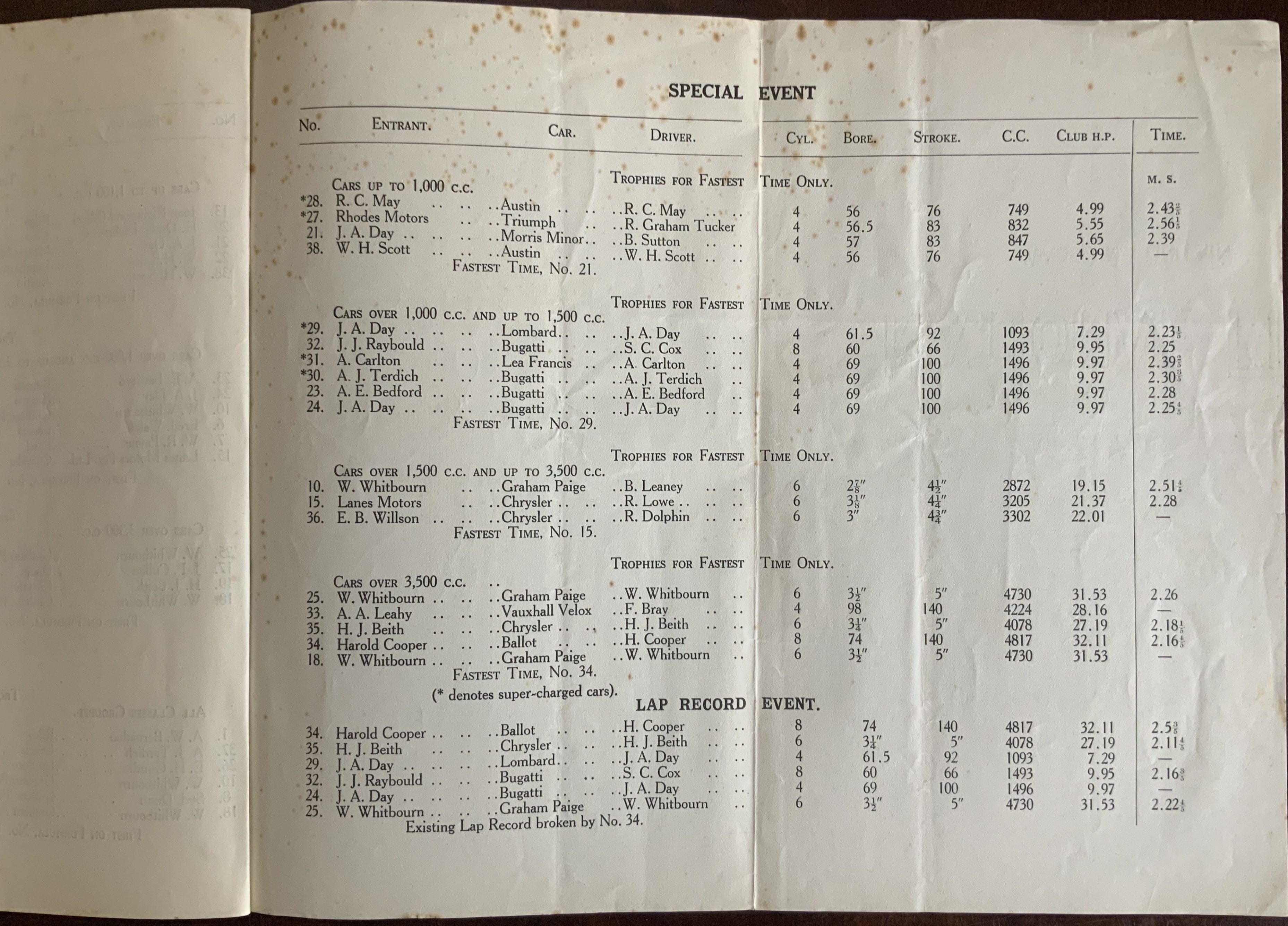
Cooper, in a repeat of his pace the year before won again aboard the ex-Louis Wagner 1919 Indianapolis Ballot doing a time of 2 minutes 5 3/5 seconds, then came Beith’s Chrysler and Sydney Cox’ Bugatti. Contrary to some reports it appears this event was not a massed start but rather one machine at a time with each getting a ‘flying start of 20 chains’.

The Melbourne Herald put the day in context, ‘In view of the existing ban (which seems to have applied everywhere in Victoria other than the Peoples Republic of Phillip Island, where, bless ’em, the local shire/council basically said up-yours to Spring Street – the Victorian State Government), and the police suppression of events held on public roads, special interest attaches to the speed contest for motorcars…’

In other words a good clean, problem free event would advance the cause of the sport.

By that stage, as noted above, there had been two Grands Prix on Phillip Island’s 6.5 mile rectangular gravel course, at the time its certainty as a venue was far from guaranteed given the absolute constitutional power of the Victoria Government’s  sovereignty over and above that the said Peoples Republic of Phillip Island.

I love the local shire’s up-yours-cocko attitude to State law but the Light Car Club and the Shire of Woolamai (aka the PR of P Island) would have been in a pickle, to say the least, had a vexatious litigant had a crack at ’em in the event something went horribly wrong- an errant car killing some punters in the crowd or some such.

Discussions with racers/restorers/historians/authors Tony Johns and Bob King reveal quite a large, and still growing number of Mornington Peninsula venues being identified including the Balcombe Army Camp between Mornington and Mount Eliza and Safety Beach as sprint venues. Frankston, the Moondah Estate in Grices Road (now Kunyung Road) Mount Eliza, Arthur’s Seat, Cape Schanck and Dromana all held hillclimbs.

Who can add to this list?

Dromana Hotel on what is now the Nepean Highway, grand accomodation for the competitors (Rose)

The bountiful land, streams and blue waters of the bay were the home and playground of Australia’s indigenous people for sixty-thousand years before we whiteys rocked up, it didn’t take too long for entrepeneurship, money and steam power to open up the bay.

Steamer services extending to Frankston, Mornington, Dromana, Sorrento, Queenscliff and other places in addition to railway lines to Frankston, Mornington and Geelong opened the new colony in the 1880s.

In days of yore before car ownership became commonplace post-war (WW2) people stayed in hotels and guest houses on their holidays in country and coastal locales such as those listed above. This is the reason we have still large numbers of grand, if often run-down hotels and guest houses in places like Mornington, Sorrento, Queenscliff, Lorne, Port Fairy, Daylesford, Healesville, Mount Beauty and other places, to stick with Victorian examples.

Many such properties were torched in ‘Jewish Stocktakes’ (as my dad in the politically correct (sic) fashion of the day described) in the fifties and sixties as burgeoning car ownership extended the reach of the average citizens holiday horizons beyond many of the towns listed. Many establishments in these places were no longer viable so a surruptitious phone call to ‘Louie da Torch’ and a brown paper bag full of pound notes was not uncommon with insurance assessors not having the forensic services to hand as a defence to the obvious the way they do now. My great-grandfather’s guest house, ‘Montpellier’ in Healesville went up in smoke thanks to Louie’s intervention a decade or so after the family sold it.

Nepean Highway at Dromana looking west towards McRae/Portsea- makes and model folks (unattributed)

The Herald’s December 1929 event coverage very kindly summarises the Supp Regs which are interesting, the deft hand of officialdom was as prevalent then as now – not quite as bad as now perhaps!

There were five classes- stock standard (aka Group E ‘Series Production’!), open, closed car, special and lap record.

The stock standard event was open to any financial member of the club (RACV) whether connected with the trade or not, but sports model cars were ineligible. ‘A stock standard car is one regularly supplied to the public in the usual way of the trade and fitted with standard type body, hoods and guards. The windscreen can be removed and the carburettor and magneto timing adjustments altered.’

‘In the open event, sports models are eligible, but super-sports models, special cars and supercharged cars are ineligible…cars must run in complete touring condition with proper body guards, hood, lamps, efficient silencer and carry a spare wheel, or spare rim with tyre attached.’

‘Women will not be permitted to drive in the event unless they are the bona-fide owner of the entered car.’ In a an interesting twist of logic ‘For the closed car event sports models are prohibited, but women are allowed to drive’ – which i guess means if ‘the wife’ drives the family machine down to the shops to Domain Road they can have a crack at the race.

‘The special event is open to any financial member, and cars can compete fitted with superchargers and stripped of guards, screens, hoods, batteries and spares. Lady drivers are ineligible’. Given the differentiation between ‘women’ and ‘ladies’ i wonder if ‘women’ could compete in the special event that ‘ladies’ were specifically excluded from. Hmmm, one for the lawyers.

Whilst the Victorian Light Car Club limited its Australian Grand Prix to cars of a maximum of 2-litres supercharged or otherwise, this event was divided into 850cc, 1100cc, 2200cc, 3300cc and over 3300cc classes, hence the great variety of cars.

Etcetera…

(B King Collection)

It’s funny how stuff sometimes happens.

I was over at Bob King’s place raiding his photo archive to do the 1928 Australian Grand Prix magnum-opus a few weeks ago. At the end of that exercise we were talking gobshite and going through some other stuff- Herald-Sun shots Bob rescued from the ‘to be chucked out’ pile.

The Mick Carlton Lea Francis shot, marked ‘Safety Beach 1928’ caught my eye – ‘WTF is that Bob? I’ll have that one please!?’ ‘Safety Beach, well bugger me!’, in the words of the great George Pell, I thought.

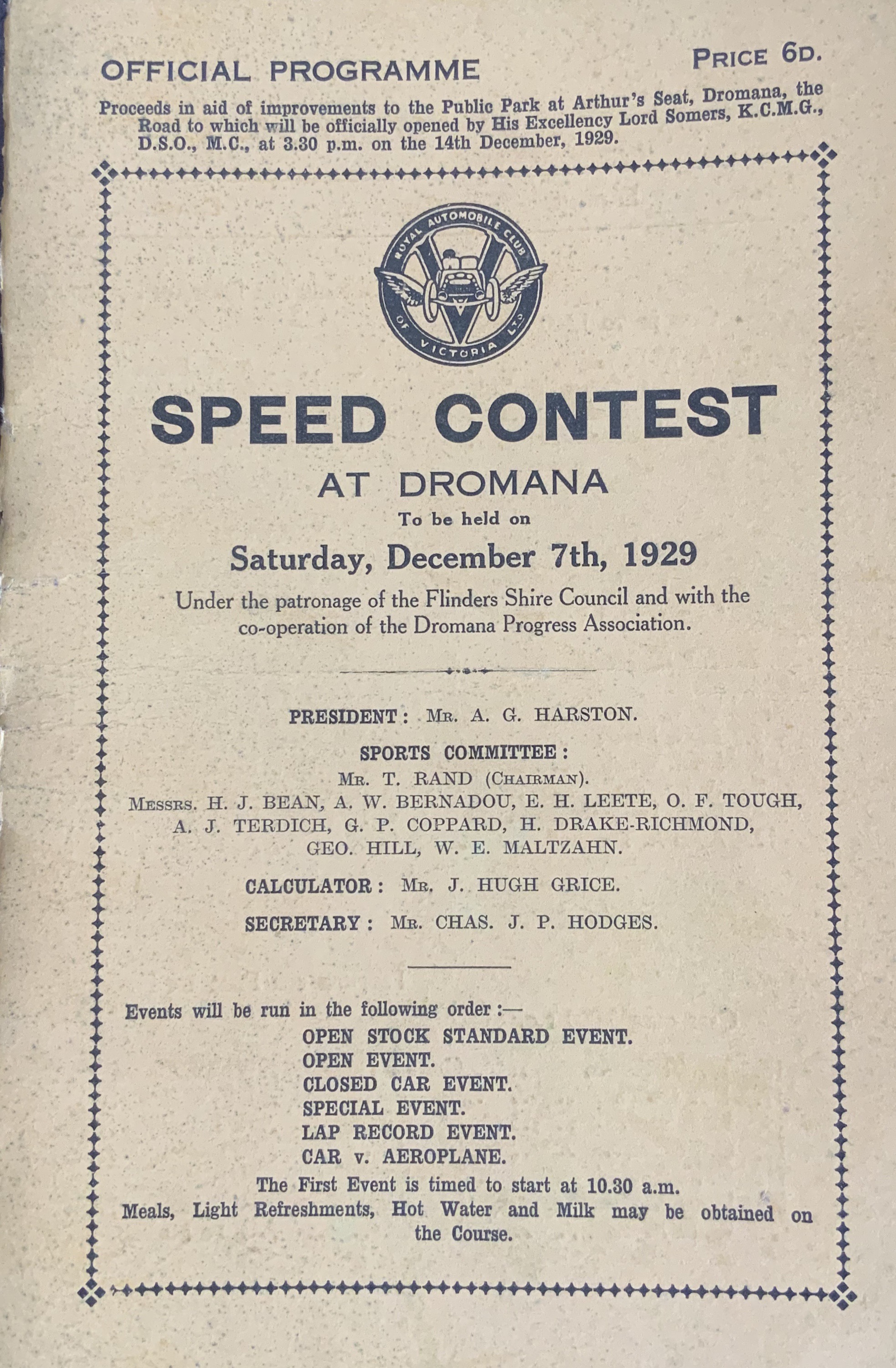
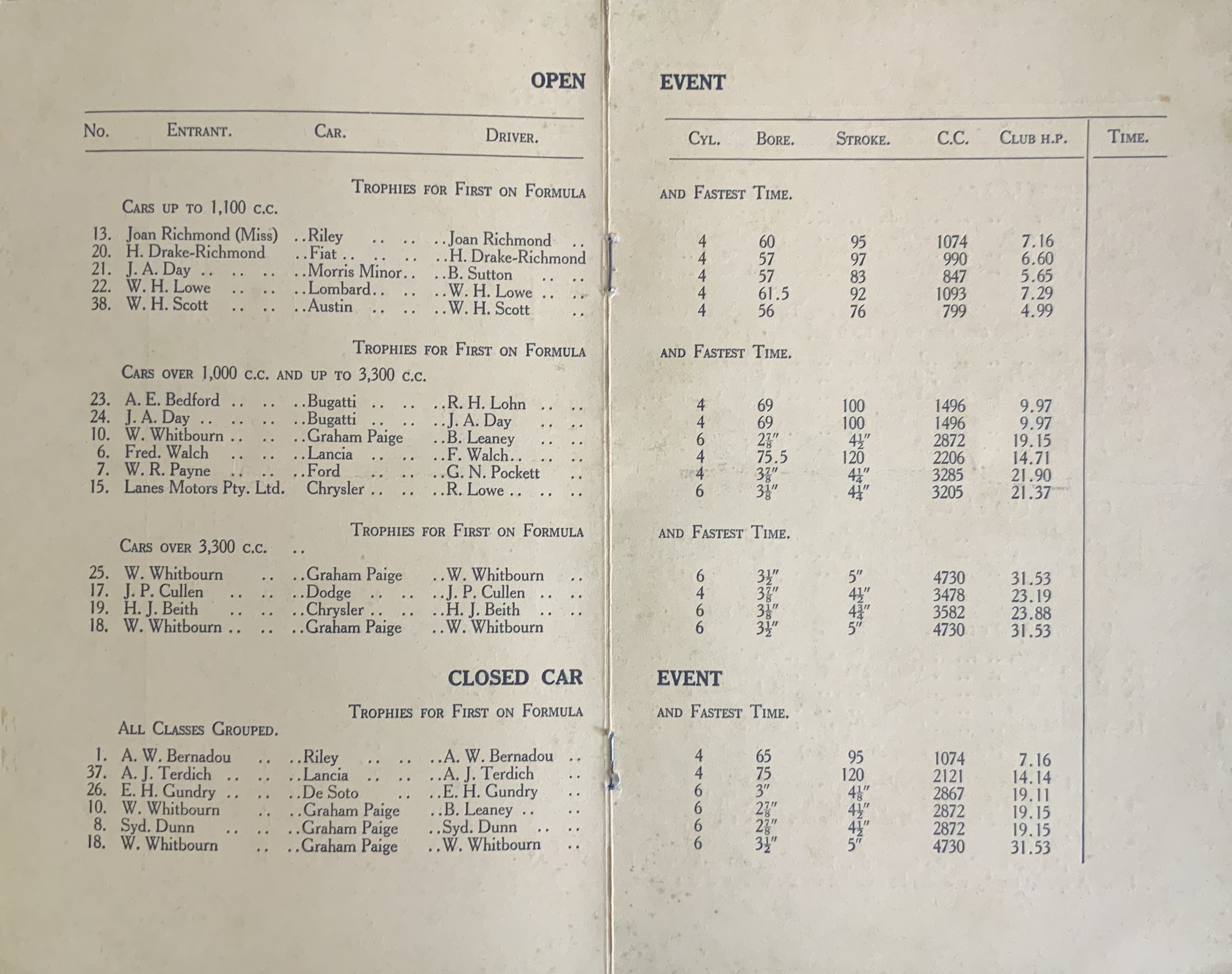
So off I go – Trove away and learn some new stuff, happy days and draft most of this piece. Then I went back to Bob’s for another Covid 19 friendly play-date last week and lo and behold, in amongst a relatively small number of old ‘programmes’, was the program for the meeting- and the results sheet! Sometimes, ya just get lucky.

(B King Collection)
(B King Collection)
(B King Collection)
(B King Collection)
(B King Collection)
(B King Collection)
(B King Collection)

Peoples Republic of Phillip Island Postscript…

I really have been enjoying my ‘Peoples Republic of Phillip Island’ jokes, even if it they were becoming a bit thin.

A quick glance of John Blanden’s ‘A History of Australian Grand Prix 1928-1939’ 1929 race chapter reveals that constitutional matters were finally in hand and that succession of the smallish island in Westernport from the Commonwealth of Australia was finally rendered unnecessary- the battalion of Lee Enfield 303 toting sheep famers could be stood down.

‘At the (1929 AGP results prize-giving) presentation smoke-night at the RACV Hall in June , Arthur Terdich was presented with first prize, a cutlery cabinet. In addition Wally Robertson received a clock, Noel Langton a silver cup, Reg Brearley a knife chest, Harry Jenkins a pair of binoculars, Jack McCutcheon a manicure set and John Bernadou the RACV trophy.’

Of all the class place-getters only poor old Cyril Dickason and Bill Lowe didn’t get gifts- what a bummer, mind you, given the offerings perhaps they considered themselves the fortunate ones!

To matters more germane.

‘Mr Daly of Phillip Island Council, speaking on behalf of the residents, announced that after negotiations with Brigadier-General Blamey, the Country Roads Board and the Public Works Department, a Bill was to be passed through State Parliament to enable racing to be held on twelve days a year.’

‘Until this time the events had technically been held illegally. However, the authorities had acknowledged the benefits to the island and so the bill had been drafted’ Blanden wrote.

All of the two-bit constitutional lawyers amongst you will advise your clients that a bill does not become law until it passes the two houses of the Victorian State (Tammany Hall) Parliament and gains royal assent – that is the State Governor signs the bill over a gin and tonic or three.

Lets assume though, that the process above was all hunky-dory by 24 March 1930 which makes the 1930 AGP the first held at Phillip Island which was held legally. I Luvvit given all of the ‘Pillars of The Establishment’ involved…

A.C. ‘Mick’ or ‘Mike’ Carlton…

I started this article with a shot of Carlton’s Lea-Francis Hyper, remember?

He was a Melbourne Herald ‘muttering rotter’ in the words of the great Australian motoring writer Romsey Quints aka Bill Tuckey (motoring writer). John Blanden records Mick as a journalist with RVA Automobile & General News Service, whatever the case he was a motoring writer.

Carlton used the car from at least 1929 to 1931 extensively in trials, hillclimbs, reliability events, speed events such as Safety Beach and an Australian Grand Prix. He rode with Harry Jenkins to fourth place in a Bugatti T30 at Phillip Island in the 1929 AGP and then jumped to the other side of a car in 1930 – aboard the Lea-Francis. In its pre-event publicity The Herald wrote that Carlton ‘had in this car one of most formidable British entries, in its new very low built form it should prove extremely fast, while it’s strength and comfort should both prove helpful in the long race’ of 200 miles.

Come raceday the little car failed to finish after Mick left the road at ‘Young and Jacksons’ corner on lap 2 where he ploughed through a hedge and damaged a wheel which he replaced with the spare. He restarted but withdrew as the rear axle was damaged in the off, the race was won by Bill Thompson’s Bugatti T37A.

These little Cozette supercharged 1496cc, pushrod OHV Meadows four cylinder powered two-seater ‘Leafs’ would have been a really cost effective ‘all round’ machine for Australian motorsport at the time. The car below is chassis #14099, this Hyper was owned and raced by Mrs JAS Jones and other drivers on her behalf in New South Wales. Ian Goldingham advises ‘the story of the Australian Hypers is steadily gaining momentum…with at least six, maybe seven Lea-Francis S Type Hypers’ delivered to Australia ‘in period’.

Beach racing of another kind. Mr RG Potts in the JAS Jones owned Hyper on Gerringong’s Seven Mile Beach, NSW on 10 May 1930 (Fairfax)
Vida Jones in her Hyper, date and place unknown (A Patterson)
None of them look happy, a bitter Melbourne winters night during, or perhaps at the start of a trial, Mick Carlton is the guy with the peaked cap looking sideways third from the right. The Lea-Francis was fitted for this event with its touring body (I Goldingham Collection)
Shot as above uncropped – both Hyper and Lancia Lambda are Carlton’s cars. The ‘Metropolitan Ice & Fresh Food Co Pty. Ltd’ was located in North Melbourne and had a ‘storage capacity of 60,000 mutton carcasses’, handy to know – the location is outside their front door it seems. The spot has the feel of an event starting point about it with competitors very well rugged up. Checkout the guy second from left at the back – he looks like a crook from central casting – one of Squizzy Taylor’s gang maybe! (I Goldingham Collection)

After publication Kiwi Lea-Francis owner/restorer/historian/enthusiast Ian Goldingham made contact and provided additional photographs and this information from Max Gregory’s ‘Lea-Francis in Australia’.

‘In Victoria both A Charlton and R Whiting used their Hypers competitively, former Bugatti conductor, Mick Carlton being the most notable.’

‘He was a thoroughly dedicated competitor who left nothing to chance in his preparations and had bought the car in chassis form, for which he obtained two bodies, a tourer and a racing monoposto, which were alternated as use dictated.’

‘Mr Phil Smith recalled how he and some Robinsons mechanics served as Carlton’s pit crew for the 1930 Grand Prix at Phillip Island. Unfortunately Mick lost time with an unscheduled pitstop and was attempting to make up ground when raised dust from a spin-out at Young and Jackson’s caused him to take to the ti-tree scrub, bending his axles.’

‘Mr Smith also remembered Carlton entering a fuel economy test sponsored by Commonwealth Oil Refineries (now BP) and his preparations went as far as removing the supercharger and some piston rings and replacing wheel bearing grease with oil. A great deal of fine tuning was done as the car was driven round and round the Albert Park Lake and all to good effect as the car was a clear winner.’

‘A more appropriate victor for the Hyper which came to mind was the climb at Wheelers Hill in 1931. Mr Smith retains a vivid memory of Carlton cresting the hill at a speed of 83 mph from a standing start. Bob Chamberlain also has a keen memory of that day when the existing record was broken three times, as not only did the Hyper make fastest time of the day but the Chamberlain Special, first time out with Norton barrels on the Indian crankcase, and a Bugatti also beat the old record. Mick Carlton late the motoring news for the Herald newspaper in Melbourne’ Max Gregory concluded.

Mick Carlton ‘in the cockpit of his locally bodied car of which we know very little’ wrote Ian Goldingham (I Goldingham Collection)

Utterly Irrelevant and Pointless…

(B Gaica)

Lea Francis of a different sort.

Have I flagrantly glorified the fabulous female form in publishing this beautiful photograph? Yep, guilty as charged, but only in the name of art of course.

The Sydney Dance Company performed Louis Falco’s ‘Black and Blue’, a fabulously vibrant work to the music of Harry Nilsson in 1994. I’m getting there, the connection is coming my friends.

The stars of that show were Alfred Taahi…and…da dum – Lea Francis! And I have to say that ‘Leaf’ looked even better in the flesh, every single cell. Just like the Lea-Francis Hyper…

Reminds me, Nilsson Schmilsson was such a good album, ‘wannit?

Credits and references…

Bob King Collection, The Herald 12 May 1924, The Daily Telegraph Sydney, 14 November 1925, JJ Maher in the Sporting Globe 27 April 1927, Melbourne The Argus 3 December 1928, The Herald 13 November 1929, Rose Postcards, Dromana Historical Society, ‘Skilful Skidder’ aritcle by Harry Miller in the 2 December 1928 Sporting Globe, Sporting Globe Melbourne 29 December 1928, Smiths Weekly 23 August 1947, Fairfax Corporation, Branco Gaica, Terry McGrath Motoring Archives, Ian Goldingham Collection including an excerpt from Max Gregory’s ‘Lea-Francis in Australia’, Adrian Patterson

Tailpiece…

(unattributed)

I’m not so sure the pipes would ‘slay the babes’ these days but it is a fun Dromana shot all the same, and yes, there are still heaps of bathing boxes today all gayly painted in vivid colours.

Finito…

‘Yerd reckon Matich would be able to blow it off wouldn’t you?…

A GTS sure, powered by the little ‘253’ V8 maybe, steel wheels with Belmont/Kingswood hubcaps, lordy. Not to forget the ultimate ‘woggerisation accessory’, without putting too fine a point on it- a black vinyl roof. Yuck, vomitous yuck in fact.

I threatened to leave the house when the old man advised the family over Joan’s finest casserole and ‘smashed spuds that he was getting a vinyl roof affixed to the turret of his metallic mauve/purple HQ Premier- it sounds a toxic colour, it was anything but- sadly, he proceeded as planned. Upon return to Chez Pete & Joan- to copious abuse from my brother and i, he then asked when I would be removing myself from the premises, at fifteen this was not a commitment i felt was legally binding upon my goodself let alone enforceable on his part. To add insult to injury the Ford Fairmont GXL which replaced the ‘haitch-queue’ was similarly equipped- the useless shit one remembers stimulated by a snap.

Matich had a great Lady Wigram Trophy weekend in 1970- he popped his McLaren M10A Chev on pole for the Tasman Cup feature, in front of his similarly mounted arch-rival Graham McRae, and won the race ahead of American Ron Grable in another M10A then Max Stewart’s speedy Mildren Waggott TC-4V.

FM won two 1970 rounds, he took the New Zealand Grand Prix at Pukekohe the week before Wigram. He was quick everywhere too- on pole at Pukekohe, Surfers Paradise and Sandown but did not have the consistency of Graeme Lawrence, who, whilst only winning one round took the series with the ‘clockwork reliability’ of the same Ferrari Dino 246T Chris Amon used to win in 1969.

This and the shot below are at Wigram 1970- alongside the hangars here and airborne at The Loop below (E Sarginson)


(E Sarginson)

Frank, perhaps fatally, elected to miss the final Kiwi round at Teretonga to get back to Australia to properly prepare for the Australian rounds- specifically to rebuild his (the reports say) only Chev engine which by then had done over 1000 race miles, given he fell five points short of the Kiwi’s total, 1970 could be considered the Matich Tasman which ‘got away’.

’Racing Car News’ reported that the spankers Repco-Holden V8 engine had run on the Maidstone dyno on 24 January and ‘If everything checks out satisfactorily the engine will go straight into the car for the Australian rounds’ That was fanciful or PR bullshit given a 5 litre Holden never been run then, engine ‘RM1’, the first wasn’t tested until February 1970, let alone be offered up to the M10A chassis at this point.

FM never did bag a Tasman Cup despite being one of the quickest guys on track in both his 2.5 litre and 5 litre Tasman sorties. Matich was shy of McRae by four points in 1971, the closest he ever came in a ‘fair fight’ with McRae, both were aboard well developed M10Bs- each racer had five point scoring finishes in the seven rounds that summer, it was a very close run thing.

Back to our vinyl roof, the fellow in the Munro is catching some footage on the Wigram Trophy warm up lap for the local evening teev broadcast, i love the shot, not so much the car’s roof ‘trimmings’ however.

Hey dad, look what I found- Kris and Frank Matich mit brand-spankers yellow painted McLaren M10A Chev at Warwick Farm on or about 13 August 1969. FM’s scooter is a Lambretta- weren’t they distributed by Trojan, manufacturers of McLaren customer racing cars in the UK- did FM bag the local distribution rights?

Frank was a bit shitty with Bruce McLaren after he ordered this car only to find the new M10B was just around the corner.

Derek Kneller packed the car, chassis M10A ‘300-10’  into the plane in the UK and then followed it out to Australia where he, Peter Mabey and Frank modified it to pretty much M10B spec. Derek had built Peter Gethin’s M10B, the first, at McLarens so he had a pretty good idea what the differences in specifications were, and then Frank did enough test laps around Warwick Farm and ‘demo laps’ elsewhere for him to be right on the Tasman Cup pace despite being out of single-seaters for four years.

In the best of company, Warwick Farm 100 grid 14 February 1965. Jim Clark, Lotus 32B, Graham Hill, Brabham BT11A and Matich in last years, but continually developed Brabham BT7A on pole, all 2.5 Climax FPF powered. Clark won from Brabham’s BT11A (on row 2) and Matich. Twelve months later the Matich ‘later sportscar period’ commenced with the Elfin 400 Oldsmobile aka ‘Traco Olds’ (D Williams)


(L Hemer)


(L Hemer)


(L Hemer)

Lynton Hemer was present at Warwick Farm- Hume Straight on the first weekend Rothmans Team Matich ran the M10A, 6 September 1969.

At team HQ in Castle Cove a Traco built Chevrolet engine using 48IDA Webers was fitted- the Repco Holden F5000 program was to come but it’s still a wee-while away, as we have already covered, the rear engine cover cum wing was fabricated by newbee Derek Kneller who would remain with Matich right to the very end of FM’s racing in mid-1974.

The eagle eyed will pick the Hewland LG600 gearbox is being run at this earliest of stages, the machine being raced outta the box, I dare say the job list after this weekend of racing was one of the lengthy ones for which Frank was famous.

Warwick Farm, September 1969- the white roundel has not yet been applied, the SR4 is aft of the McLaren. Beautifully strong ‘full monocoque’ aluminum chassis is very directly related to Bruce and Robin Herd’s 1968 F1 M7A Ford Cosworth GP winning design- it is an adaption thereof (J Bondini)

That big whoofin’ LG600 was deployed well however, after it was removed from the McLaren it was fitted into the back of the SR4 sportscar FM used to toast the competition during the 1969 Australian Sportscar Championship- intended for the 1968 Can-Am both car and engine were hopelessly late so the car remained in Australia instead- the Hewland replaced the ZF transaxle fitted to the SR4, it’s limiting aspect was the degree of difficulty in changing gear ratios, not that the 4.8 litre Repco ‘760’ quad-cam, 32-valve V8 which powered the Sydney built beastie was lacking in torque.

Derek recalls driving, without an Oz drivers licence, the Matich truck to Melbourne together with Tony Williams, a couple of months after his arrival for a meeting at Calder at which both the SR4 and M10A ran- the sportscar was in the truck with the single-seater on a trailer, the next few shots are of that meeting.

(D Kneller)


(J Bondini)

Frank at left and Garrie Cooper on the right being interviewed by Ian Wells on that Calder weekend- love to know who the suited gent is on the left?

Derek is leaning on the roll bar, giving the young lass, as we say in polite society, all the attention appropriate, Tony Williams is the other mechanic.

Note that FM is still a Firestone man but his race tyre distribution business was soon to switch to Goodyear to better position himself for the future- that announcement was made just before the Hordern Trophy meeting at Warwick Farm in early December. The race and sporting tyre business was to operate from new premises in Military Road, Cremorne in addition to the existing garage/workshop in Eastern Valley Way, Castle Cove. Note too the McLaren’s wing has changed, more than likely it is a McLaren part and that the engine is still on Webers, not Lucas injection which will be installed before the car crossed the ditch for the first Tasman round at Levin on 3 January 1970.

Oh yes- the car is now two-tone blue, dark at the top an a bit lighter below, the nose of the car has been re-profiled too, it’s not as attractive as the original but doubtless the Heuers proved its on-track superiority.

The element i have not picked up on yet is the ‘pitched battle’ being waged by warring parties about the new Australian National F1 to commence from 1 January 1970.

The choices were to continue with ANF2.5 (highly unlikely) change to 2 litre ‘racing engines’ or go Formula A/5000- this article covers all of these issues- and the design and development of the Repco Holden F5000 engine exhaustively and exhaustingly; https://primotipo.com/2018/05/03/repco-holden-f5000-v8/

Matich had a big set of balls in ordering the McLaren when he did as F5000 was not the ANF1 choice at that time- nor was it necessarily the likely outcome when his bank he telegraphically-transferred plenty of ‘Oxford Scholars’ to Trojan Industries- in fact, as the article linked above relates the CAMS announced 2 litre as the future path before doing a back-flip two months later when they then announced a ‘Maccas burger with the lot’ solution of 2 litre/2.5 ‘Tasman’/F5000 with 1970 a ‘phase-in and out period’.

The ever forceful FM played his part in applying pressure to the regulators by backing up his words with actions- to wit, one Formula 5000 racing car in Australia. Note that i have not forgotten Jim Abbott’s Brabham BT23D Oldsmobile ‘F5000 demo car’, a chassis which had been Alec Mildren’s Gold Star winning machine in Kevin Bartlett’s hands, Alfa Romeo 2.5 V8 powered in 1968. Whilst this machine was arguably Australia’s first F5000, lets not forget the Geoff Smedley/Austin Miller Cooper T51 Chev of 1961, without doubt Matich’ was the first ‘real one’ if ‘real one’ is defined as factory bespoke for the class.

My ‘Racing Car News’ collection is incomplete for 1969, but what i think is/was going on in the Calder photos above is that FM did some demo laps during this race meeting (the car is sans number) to demonstrate to the Victorian punters the speed and ‘blood and thunder’ of these big cars.

Ian Wells then ‘interviewed’ drivers Matich and driver/constructor Cooper about their views as to which category they thought was the way to go- as many of you know at that time Elfin had a great, newish race winning design- the 600 which was mighty quick fitted with a Repco Brabham 2.5 V8 or Lotus-Ford twin-cam (or anything else for that matter) so Garrie’s answer to the question is intriguing to ponder!- anybody hear them speak?

(D Kneller)

Amaroo, October 1969, Derek again fettling the demanding temptress.

The rear wing appears the same as that fitted at Calder but the guys are trying to get more front bite- note the very F1 1968’ish chin-wing/winglet and aluminium strips fitted to the leading edge of the front radiator vented outlet- I wonder if that DG300 is fitted yet- she is still on Webers too.

Matich took the car to Sandown on 9 November and easily won a ten lap Formula Libre event from Maurie Quincey’s Elfin 600B Ford F2 car wowing the crowds with the noise and impact of the car and times in the 1:8 second bracket but Frank predicted fours and fives during the Tasman round in the New Year- his estimations proved correct.

(L Hemer)

Roll forward to the Warwick Farm Tasman round over the February 1970 weekend- and who should be back in one of his favourite spots on the approach to Creek Corner but none other than our friend Lynton Hemer.

Note the ABC TV outside broadcast van and marshalls cars in the background- the Peugeot 404 was then a most worthy new car and long before their status as the most worthy ‘Tree-Huggers’ vehicle of choice in the eighties and beyond.

This shot is indicative of ‘300-10’ chassis’ 1970 Tasman mode- note the injected Chev fitted. Kevin Bartlett took a great win that weekend in Alec Mildren’s 2 litre Waggott TC-4V engined Mildren Yellow submarine- the competition for the most ever laps around the Farm would be a toss of the coin between Matich (DNF rear upright), Bartlett and Leo Geoghegan?

Things moved pretty quickly, as ever for Matich from this point.

He and Niel Allen could not race their McLarens in the 1970 Gold Star as F5000s were ineligible that year, the title was for 2 litre and 2.5 litre cars.

Frank already had support from Repco for his SR4 program in terms of provision of a 5 litre for 1970 ‘760’ series engine- John Mepstead built the most powerful of all Repco V8s over the summer of 1969-1970- this ‘big bertha’ gave 558bhp @ 7500rpm in Repco’s Maidstone test-cells.

The SR4 sadly had only a short race life as Matich’ primary Repco program from 1970 was that of works tester/driver of their new Holden-Repco F5000 V8 designed by Phil Irving, assisted by Brian Heard. As part of the reorganisation of priorities Repco acquired the SR4 from Matich, the car became a museum exhibit despite having the pace to win the next several Australian Sportscar Championships!

Frank shipped the M10A to Singapore in March 1970 but slipped off the daunting Thomson Road circuit during a Singapore GP support race, so was unable to contest the GP which was won by Graeme Lawrence’s Ferrari Dino 246T.

A new M10B was soon on its way to Australia, chassis ‘400-10’ was the first of many cars to be fitted with Repco Holden engines. The M10A was repaired around a replacement tub, fitted with a Repco Holden engine then sold and raced by Don O’Sullivan as a second Rothmans Team Matich entry in the 1971 Tasman Series. Don crashed the car badly at Teretonga, twisting the chassis badly, surviving parts were later used in the Jaime Gard designed O’Sullivan financed ‘Gardos Repco’ F5000 car- see here for that story inclusive of photographs not in this piece; https://primotipo.com/2017/11/30/dons-party-f5000-party/

Matich and M10A Chev in the Thomson Road paddock during the 1970 Singapore GP weekend (E Solomon)


Matich and Allen post prang- Niel’s M10B Chev does not look so flash whereas Matich’ car at right looks perfect from this angle at least! Warwick Farm July 1970 (K Matich)

The McLaren M10B arrived in Australia and was soon fitted with its new Repco Holden engine- the story of this motors design and development is told in the first article linked above.

After many practice laps at Warwick Farm the M10B Holden made its race debut at Warwick Farm on the 12 July weekend but the original chassis’ life was very short as it was smote a savage blow in a close encounter with Niel Allen’s similar car in a somewhat bizarre accident during that Australian Touring Car Championship meeting, the race won by Jim McKeown’s Porsche 911S.

The 15 lap F Libre/ racing car event had a great entry including the Mildren duo of Bartlett and Stewart aboard 2 litre Waggott TC-4V powered Mildrens, KB was in sparkling form having raced in USAC events in the US for several months, John Harvey was in Bob Jane’s Brabham BT23E Repco and Leo Geoghegan in his soon to be 1970 Gold Star winner, Lotus 59B Waggott.

The race commenced with five fantastic laps, Bartlett, Allen, Matich, Harvey and Geoghegan raced nose to tail this was ruined when Bartlett and Garry Rush (Bowin P4A) collided- it was a racing accident but the stupidity of including Formula Fords within a grid of far quicker cars was not lost on the organisers…

So Allen led, after KB was eliminated he but was soon passed by Matich- as Niel made a run at FM into Creek Corner the harmonic balancer on his Peter Molloy Chevy engine broke, shearing a rear brake line, unable to haul the heavy Big Mac up Allen ran into the side of the other M10B creasing the aluminium monocoque badly.

A replacement tub was soon on the way from the UK to ensure not too much time was lost in the important process of developing car and engine prior to the AGP and Tasman Series beyond.

M10A Goodies for sale- the fact that two Chevs are being offered for sale rather suggests that FM had a 1970 Tasman Cup spare motor as one would have expected of a well funded front runner- that being the case why did he not contest Teretonga i wonder?


(R Wolfe)

Amaroo Park test of the just rebuilt McLaren M10B fitted with a very early Repco Holden V8.

All hands were on deck this particular day, perhaps before the 13 September 1970 meeting, Ian Messner recalls- Kneller, Peter Mabey walking past the car with that great talent and character Graeme ‘Lugsy’ Adams working on it- Lugs was soon to be a Holden Torana XU1 racer before progressing to the build and driving of his own F5000 ‘Adams’ five or so years hence.

In what racer/journalist and later broadcaster Peter Wherrett described as a ‘Demo Run’ Matich demolished two 1.5 twin-cam engined Rennmax’ raced by Ray Winter and Erol Richardson in a 10 lapper- all important race preparation prior to the AGP at Warwick Farm.

The team travelled to Melbourne in the interim, bolting the latest Repco Holden engine into the car and demolished another F Libre field during the 18 October meeting, on this occasion Bob Jane was second in his McLaren M6B Repco sporty with Ken Hasting’s third in the ex-Bob Jane Racing Elfin 400B, Ford V8 engined i think.

The happy Matich and Repco (blatant bias again hereby declared) ending to this story is that despite not being able to compete in the Gold Star series in 1970 Matich scored a great 22 November AGP win from Niel Allen’s M10B Chev and Graeme Lawrence’s Ferrari Dino 246T.

I’ve now strayed from the M10A intent of this piece, make sure you suss the Gardos link above for more on the M10A- to pick up the McLaren/Matich story to mid-1974 from this point click on this link to an article which covers all of the Matich F5000 years 1969 to 1974; https://primotipo.com/2015/09/11/frank-matich-matich-f5000-cars-etcetera/

Matich slices thru the Warwick Farm Esses during his victorious 1970 AGP run- McLaren M10B Repco (R McDonald)

Etcetera…

David Atkinson, Matich M10A Chev ‘Racing Car News’ post Tasman Cup March 1970 cover


Trick Goodyear slicks displayed in advance of the 1971 season in this Matich Xmas ad placed in the December 1970 RCN issue

(L Hemer)

After I uploaded the article Lynton got in touch with some more photos of the July 1970 Warwick Farm meeting- the Repco-Holden engine’s race debut and Niel Allen’s involuntary assault on Frank race.

The Esses shot above shows KB leading in the Mildren Yellow Submarine from Allen who has clearly given KB or something or someone else a tap- his right front wing is damaged enough, to make him easier prey to the pursuing Matich. The shot below shoes the two M10Bs- same place with Repco-Holden in front of Peter Molloy-Chev!

(L Hemer)

The shot below is a bit more poignant- it’s Garrie Cooper, Elfin 600D Repco 2.5 from a very smokey Glynn Scott, Elfin 600B Waggott TC-4V, the popular Queenslander is not too far from a pit stop or a DNF- sadly he died a fortnight later at Lakeside, 26 July 1970.

(L Hemer)

The photograph below shows one of the Bowin P4A Formula Fords- not sure if it is Garry Rush, staying wide in The Esses as the big boys come through. Max Stewart is ahead of Frank Matich- 2 litre Mildren Waggott and M10B Repco-Holden.

(L Hemer)


(L Hemer)

This Esses joust is between two new cars- John Harvey’s Bob Britton/Rennmax built, Bob Jane owned Jane Repco V8 and Leo Geoghegan’s Lotus 59B Waggott TC-4V 2 litre.

Credits…

Bill Pottinger Collection, Euan Sarginson, Getty Images, Lynton Hemer, Derek Kneller, Jay Bondini, Dennis Williams, Rodway Wolfe, Kim Matich, Eli Solomon, Rory McDonald Collection, oldracingcars.com, Racing Car News

Tailpiece…

(J Bondini Collection)

Matich and the M10A Chev on the 1970 Warwick Farm, Tasman Cup meeting promotional poster.

Finito…


(M Tumby)

Talbot-Lago T26C with a swag of teenage fans surrounding it in Queensland we think …
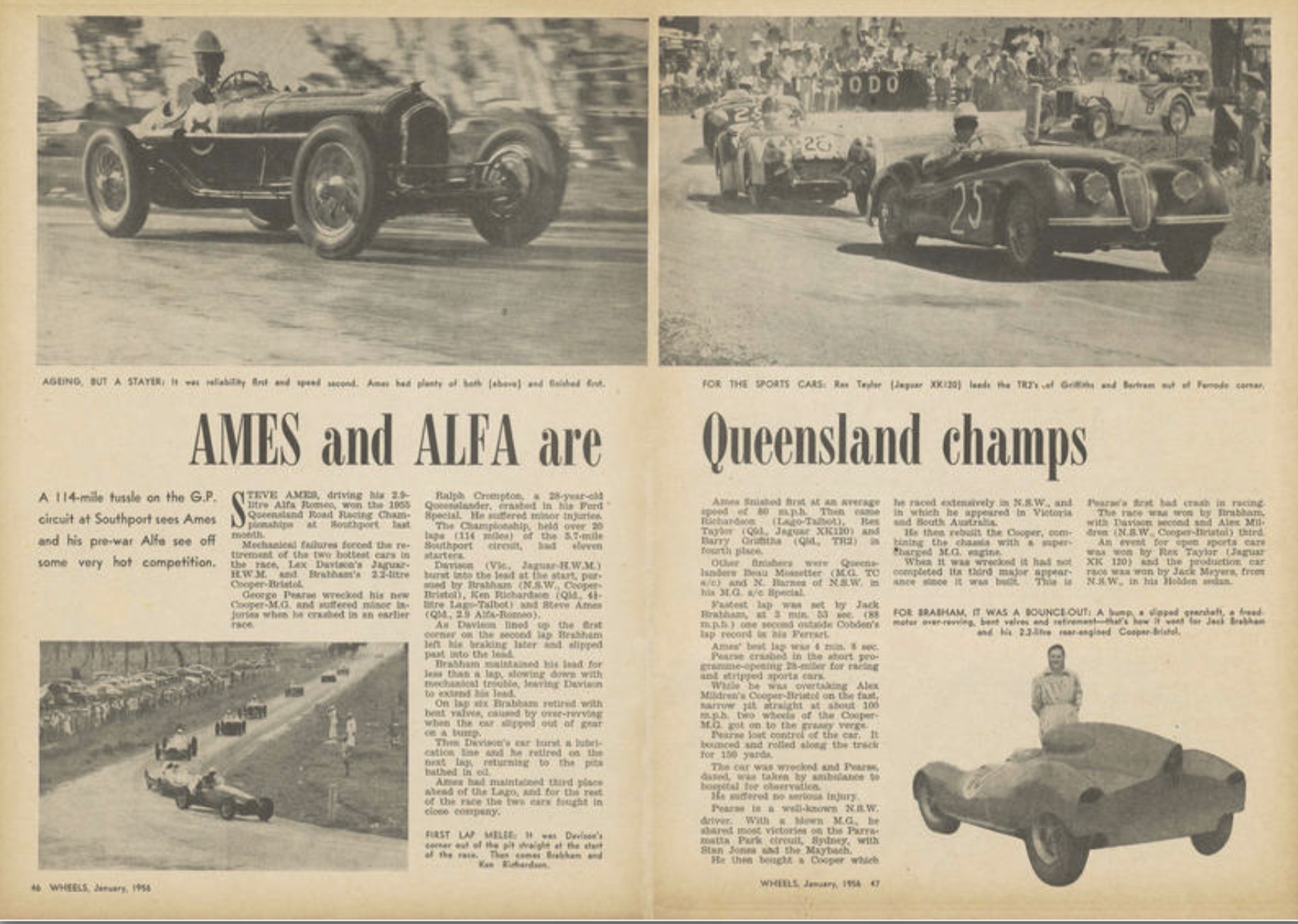
There was a bit of  unresolved mystery about this shot when it was first posted by Mark Tumby on Bob Williamson’s Facebook page a month ago.

The discussion centred around whether it was Ralph Snodgrass in Whiteford’s second arriving in Australia but early chassis- ‘110002’ at Lowood but only if it was before 6 June 1957 when Snodgrass rolled it at Mount Druitt and then popped it under his house for twenty years, as Rob Bailey pointed out. Rob then mused as to whether it was his father, Owen Bailey in Whiteford’s first Lago, chassis ‘110007’ at Lowood, ‘that would make sense as he was running a family business in Noosa at the time’.

Interesting but still foggy at this point.

(M Tumby)

I circulated the first photograph to ‘wise owls’ Stephen Dalton, Bob King and Tony Johns yesterday- the boys quickly identified the car as the 1952 and 1953 AGP winner ‘110007’ by comparative analysis of windscreen and body slots around the grille.

As to the who and when questions, Stephen observed ‘Finding Queensland programs and entry lists is very hard for this era and it tends to be one ex-Bomber runway looking the same as the other. Here though, the trees tend to tell me not Lowood. I’m tending to think Strathpine which had a thin row of trees on each side.’

‘I’m not committing to stone, but i think its the Ken Richardson era, after Rex Taylor, so mid-55’ish. Then you get the problem of some Leyburn meetings in this timeframe too. Ken won a race at the 4 June 1955 Strathpine meeting, the August 1955 issue of ‘Modern Motor’ has a photo but no clear number…’

Stephen suggested a peek on Trove- which i have just done in brief, there are lots of entries for Taylor, tougher pickings for Richardson in the Talbot-Lago at least- plenty of mentions in his Cooper.

At this stage Rob Bailey did a bit more research- see his responses today, including a careful forage through the two volume Talbot-Lago books which reveals that it is Ken Richardson during a Leyburn sprint meeting in 1955.

Dalton, ‘Now that i’ve looked a little harder in my Leyburn file there was an event in July 1955 too, it was very briefly reported in ‘Wheels’ October 1955.’

’Richardson must have been a decent steerer. He was third behind Davison and Pitt’s nimble Coopers with the Lago at the September 1955 Australian Hillclimb Championship on narrow and tight Prince Henry Drive…’

As to all the young blokes in the shots- maybe a local boarding school outing on a Friday or weekend?

I don’t have ‘an article’ on the ‘Talbot-Lago T26C’ but key that into the primotipo search engine and four or five pieces with plenty of photos will pop up.

Credits…

Mark Tumby, Rob Bailey, Stephen Dalton, Bob King, Tony Johns

Tailpiece…

(S Dalton Collection)

Finito…