Warwick Brown was the star of the show but didn’t win the AGP thanks to the failure of a crankshaft torsional vibration damper in the Peter Molloy tweaked Chevy V8 of his Lola T332.
To a large extent I covered this meeting in an article about Lella Lombardi a couple of months ago but the release of these photographs by photographer/racer Bryan Henderson made it clear that a second bite of the cherry was a good idea. See the Lella piece here; https://primotipo.com/2020/09/07/tigress-of-frugarolo/
Brown was the ‘form driver’. He was the first Lola T332 customer, he raced ‘HU-27’ throughout the 1974 Tasman Cup, then did the first Gold Star round at Oran Park before heading to the US to take in three US F5000 Championship rounds in which the Lola/Molloy/Brown/Pat Burke combination were extremely competitive.
WB was Q7, second in heat and 11th overall at Ontario, Q12, fourth in his heat and fifth overall at Laguna Seca and then finished his tour with Q9, second in his heat and third overall at Riverside. It was not bad at all coming into their season ‘cold’ in the sense that four rounds had been contested by the time WB and Peter Molloy arrived. Brown came back to Australia razor sharp, those at the front in the US included Brian Redman, Mario Andretti, James Hunt, Al Unser and Bobby Unser, David Hobbs, Vern Schuppan and the rest.
Teddy Yip, WB and another in the OP paddock (B Henderson)
KB T332 from Max T330 (B Henderson)
Max Stewart was well prepared. His Lola T330, ‘HU1’, the very first development machine raced a couple of times in England by Frank Gardner in late 1972 before its sale to Max, gave nothing away to anybody. It was increasingly reliable to match the speed present from tits debut in Max’ hands at the start of the ’73 Tasman Cup.
Graeme Lawrence raced his T332 in the 1974 Tasman whereas Kevin Bartlett’s was a newer car, first raced at Oran Park. KB had a shocker of a Tasman. A crash at the Pukekohe NZ GP opening round broke the car and a leg and hip, but he would be on the pace having built up a car around a new Lola T332 tub.
Graeme Lawrence, Lola T332 Chev with a Birrana in the background (B Henderson)
The Elfin MR5s were now long in the tooth having first raced in mid-1971.
John McCormack was back in his given the unreliability and lack of power of the Repco-Leyland V8 fitted to the compact Elfin MR6. Mac, the reigning champion had a shocker of a 1974 Gold Star, an accident at Surfers due to a structural failure ensured he missed the Calder round while repairs were effected to the front bulkhead.
McCormack ‘re-possessed’ his MR5 for the AGP. 1973 Australian Sports Car Champion Phil Moore had driven the car throughout the Gold Star with good pace and reliability despite few test miles. In fact he was the best placed of the Ansett Team Elfin pilots that year, ending the season third despite missing the final two rounds at OP and Phillip Island.
Garrie Cooper was still racing his MR5 which was a mobile test-bed for the talented designers new ideas.
The MR6 became a competitive car when the Repco-Holden engine was fitted and the front suspension geometry revised. Whilst 50kg heavier than the aluminium Leyland, the Repco-Holden’s 520 bhp was not to be denied, Mc Cormack won the 1975 Gold Star racing this combination.
McCormack’s Elfin MR5, 1973 Gold Star Champion (B Henderson)
Jon Davison working his Matich A50 Repco-Holden hard- look at the distortion of those Goodyears. A man very much on the pace when he acquired a T332 (B Henderson)
Matich standard bearers were Jon Davison’s ex-John Walker A50 Repco, chassis ‘004’ was the car Walker raced in the 1973 L&M. John Goss raced Frank Matich’ 1974 Tasman car, chassis ‘007’ the very last Matich built. This A53 was a sensational device, A51/53 ‘005’ won the 1976 AGP in Goss’ hands at Sandown.
The A53 JG used to win at Sandown was the car raced by Lella Lombardi at Oran Park during this 1974 weekend. Then in A51 spec, it was one of the two chassis raced by Matich in the 1973 US L&M F5000 championship. The other, for the sake of completeness, ‘006’, was destroyed in a Warwick Farm testing accident in A52 spec with Bob Muir at the wheel in later 1973.
Lombardi had a big year of F5000 racing in Europe. Her primary campaign was aboard a Shellsport Lola T330 Chev. Late in the year she ran in the US and Australia when promoters could see the value in a ‘crowd-pulling chick’ amongst the fellas.
The ‘Tigress of Turin’ did not disappoint in Australia despite racing an unfamiliar car. Her crew included Frank Matich and later multiple Gold Star champion Alfie Costanzo as interpreter.
I don’t think anybody was going to beat WB at this meeting had he finished but I could easily see how Lella could have been on the podium especially if she were aboard her own T330, but it stayed in the UK.
Lombardi sitting on Matich tub ‘005’ during practice (B Henderson)
(B Henderson)
Gloomy faces all round in the Goss camp. The Repco engine has run a bearing, without a spare JG is out for the weekend. The dude in the white T-shirt is Repco’s, or perhaps ex-Repco by then, Don Halpin. The fella with his back to us is Grant O’Neill who moved across with the A53 from Matich to Goss as FM wound down his operation in Cremorne. Grant looked after Goss’ open-wheelers and Falcons for some years.
Warwick Brown was predictably quick in all sessions. After he did a 65.3, the team packed up and left the circuit but crafty Max bolted on a set of British Goodyears and nicked pole late in the final session with a 65.2. Bartlett was third on the grid with 65.9 with Lombardi fourth hampered by clutch failure. She finally did some decent laps stopping the Accusplits at 67.0 dead.
The grid was a very skinny nine cars. John Leffler made the cut with his gorgeous, very fast Bowin P8 Ford-Hart 416B ANF2 car. As mentioned above Goss lost an engine with bearing failure in the morning warm-up.
From left- Lombardi, Brown, Bartlett, Stewart and a glimpse of McCormack (HAGP)
From the off WB led convincingly all the way to his engine failure on lap 50. Lombardi got a great start and led the two amigos, Bartlett and Stewart but both passed the pint-sized Italian by the end of the first lap.
So it was Brown, Stewart, Bartlett with Lombardi and McCormack falling back, then Lawrence, Davison, Cooper and Leffler. After about 15 laps KB passed Max, aided by the Jolly Green Giant’s broken rear roll bar mount and stripped second gear- the latter damage was done at the start.
Leffo gave Garrie Cooper heaps in the little Bowin, well suited to Oran Parks new ‘twiddles’ with John well aware of the MR5’s strengths and areas of opportunity having done a few races in Max’s MR5 late in 1973. Lombardi caught Stewart but the big fella strenuously resisted her passing manoeuvres, then on lap 47 her oil pump failed causing the Holden engine to seize.
Bartlett from Stewart (B Henderson)
John Leffler, Bowin P6 Ford-Hart ANF2. Leffo did a million race miles in this car in 1974, all of the F2 championship rounds where he was amongst the class of the field headed by the Leo Geoghegan and Bob Muir Birrana 274/273, and the Gold Star rounds giving Grace Bros plenty of exposure and racegoers much pleasure given his brio behind the wheel (B Henderson)
Lombardi, Matich A51 Repco (B Henderson)
Two laps later WB’s harmonic balanced was hors ‘d combat which gave Kevin Bartlett the lead. For a while the Australian Triple Crown seemed possible- the Gold Star, Bathurst and an AGP. Then, on lap 58 of 61 laps KB’s Lola was starved of fuel, the T332’s pumps were not picking up the last 13 litres of juice!
Stewart took the lead, and despite his machine’s disabilities, won the race from McCormack’s, Elfin MR5, Graeme Lawrence’s T332, a lap down with an engine not at its best, then Jon Davison’s Matich A50 Repco and Garrie Cooper’s MR5 Repco- five finishers. There was no future in AGP’s being run other than during our summer internationals, whatever the formula, to get decent grids.
WB was ‘man of the match’ but lucked out, Lola T332 Chev (B Henderson)
Brown was the man of the meeting, getting back on the Lola horse which nearly killed him (a T300 Chev) at Surfers Paradise in 1973 was mighty impressive. WB carried the momentum forward, winning the 1975 Tasman Cup in this car, the only Australian to do so. He did get an Oran Park AGP win in 1977 too, on the day Alan Jones pumped the start bigtime.
It was a pity Lombardi didn’t return to Australasia for the 1975 Tasman but she had bigger fish to fry. Funding was in place so it was F1 in 1975 as a member of the March team together with Vittorio Brambilla.
Max Stewart takes the chequered flag, with barely a soul to see. What Covid 19 friendly meeting! Not really, just no spectators in that part of the world.
Stewart was like a fine wine wasn’t he, he got better and better with age? He was not exactly in the first flush of youth when he got the second Alec Mildren seat with Kevin Bartlett in late 1968. He won his first Gold Star in 1971 in the Mildren Waggott and then took to F5000 like a duck to water.
His Oran Park win was his fifth 1974 Gold Star victory in a row. It won him the title. Maybe he was lucky to win the AGP in the pissing rain at Surfers twelve months hence but those in front of him dropped out with drowned electrics. Max, who prepared his car together with Ian Gordon had electrics which functioned, that is, he made his own luck.
Etcetera…
(B Henderson)
Poor Susie Ransom (?) is trying to interview KB who is more interested in a glass of Pophry Pearl at the Leppington Inn after the meeting. Commonsense then prevailed with questions about tyre pressures, wing settings and roll-bar stiffness addressed.
(B Henderson)
(B Henderson)
Teddy Yip was omnipresent throughout the weekend. Here he is pointing out the Matich tacho-telltale in Mandarin. Lella’s English was not flash, I doubt Mandarin was effective so they probably settled with English.
Teddy was getting the lie of the land and perhaps starting to think about the deal which saw him bring a Lola T332 to Australia for our 1976 Rothmans International. Vern Schuppan raced a Yep/Sid Taylor Lola T332 to victory that summer.
(B Henderson)
Goss with his team bemoaning the bearing failure in his Repco-Holden engine, he knew a thing or two about that particular affliction didn’t he? Blazing the Falcon GT Hardtop Group C path in 1973 gave plenty of bottom end dramas which was eventually sorted with an engineering solution which met the good graces of the CAMS.
(B Henderson)
The Elfin MR5 is a bit maligned in some quarters. The most highly developed of the four cars built was John McCormack’s ‘works’ machine which won the 1973 Gold Star as well as the New Zealand Grands Prix in 1973 and 1974 despite Mac first racing it in later 1971.
(B Henderson)
(B Henderson)
So near but so far, Bartlett had the ‘Triple Crown’ of Australian motor racing chance but it was not quite to be!
He won a heat at Surfers and had the second in the bag until a front tyre deflated. In a season where he showed the Pukekohe accident had not cost him a tenth, he was second to Stewart at Calder and Sandown and then took victory at Phillip Island’s last round after a great dice with Stewart.
(B Henderson)
Lella ready to boogie.
Credits…
Bryan Henderson, many thanks for the fantastic photographs.
‘History of The Australian Grand Prix’ Graham Howard and Others, Getty Images, Fairfax Media
Tailpiece…
(B Henderson)
Graeme Lawrence in the ‘star car’ of F5000, the Lola T332. Engine troubles ruined his AGP weekend. The 1970 Tasman Cup champion was in a three way shootout several months later to win the 1975 Tasman together with Warwick Brown and John Walker in the Sandown final round but the cards fell Brown’s way.
Alec Mildren’s new, fifth-placed Cooper T43 Climax FPF 1.5 during the February 23, 1958 Gold Star weekend.
Stan Jones won the 28 lap, 50 mile ‘Victorian Trophy’ race in his Maserati 250F from Arnold Glass’ Ferrari 555 Super Squalo and Doug Whiteford’s Maserati 300S sportscar.
Many thanks to Melbourne enthusiast Peter Jones for sharing his photographs taken during a number of Fishos’ race meetings in the mid-fifties when he was in his mid to late teens. Thanks to Stephen Dalton for painstaking research post-publication to nail all the meeting dates.
Don’t Peter’s marvellous colour shots bring a drab airfield circuit to life? Many of the photographs were taken at this Victorian Trophy weekend, the second of nine Gold Star rounds, the title won by Stan Jones that year.
‘Patons Brake Replacements’ were omni-present at the time, a major trade supporter of our sport, they were ultimately absorbed within the Repco Ltd automotive manufacturing conglomerate. See this piece about the inner-suburban Melbourne airfield track; https://primotipo.com/2016/04/15/fishermans-bend-melbourne/
October 1957 (P Jones)
Tornado 2 Chev, the most successful form of the Lou Abrahams/Ted Gray/Jack and Bill Mayberry two racers. Bill and Lou are at far left.
Ted led the race early and was running in the top 4 when he pitted to address throttle linkage problems on lap 10. He rejoined and was third by lap 20 but the engine lost its edge, finally retiring after 26 laps.
Tornado won the Longford Trophy the following weekend. It was without doubt one of the fastest-if not the fastest car of 1958 together with Jones 250F, Ern Seeliger’s Maybach 4 Chev and Lex Davison’s Ferrari 500/625 when it raced. It was not the most reliable though.
Sabina Motors entered, Reg Nutt driven Cisitalia D46 Fiat 1,100, October 1957 meeting. Bailey’s Talbot-Lago T26C alongside.
This car was imported by Melbourne’s Dale Brothers in the early fifties but seems never to have been raced ‘really intensively’ in period. I recall it appearing at Sandown in the mid-seventies in one of the historic events which supported the annual taxi-enduro. At that stage it was part of the Leech Brothers Collection in Brighton, Melbourne. Long since departed our shores.
Owen Bailey’s ex-works-Whiteford Talbot-Lago T26C from ace racer-engineer Otto Stone, MG K3.
The French machine won AGPs for ‘Dicer-Doug’ in 1952 and 1953 at Mount Panorama and Albert Park before it was replaced by an older and supposedly quicker machine.
Owen Bailey lined up for the start but transmission failure meant his race ended before it started. He did not have a great deal of luck racing this car.
The car first raced at the 1956 March Moomba meetings at Albert Park. Meeting date 13/14 October 1956, Jack Davey was the next owner in early 1957. See this feature for a full history of ‘XKD520’; https://primotipo.com/2020/04/17/stillwells-d-type/
(P Jones)
(P Jones)
Terry McGrath advises the XK120 #45 above is Murray Carter’s car.
(P Jones)
Poor Arnold Glass is stuck in the intake of his glorious ex-works-Reg Parnell Ferrari 555 Super Squalo ‘555-2’ during the ’58 Gold Star weekend. ‘It’s arrived not long ago from New Zealand, still has the NZ rego #495795 on the nose’ said Dalton.
Glass was second behind Jones’ 250F and in front of Whiteford’s 300S.
Australia’s ‘Big Red Car’ era ran from the arrival of Reg Hunt’s 2.5-litre Maserati A6GCM in 1954 and ended, say, after Stan Jones AGP win at Longford in March 1959. The little marauding Coopers were well on the march by then but not yet dominant.
The fans were excited by Lex Davison’s Ferrari 500/625, the 250Fs of Hunt, Jones, Bib Stillwell and Glass, the 300S of Doug Whiteford and Bob Jane and this car raced by Glass. It wasn’t the quickest thing around, he got on better with his ex-Hunt-Stillwell 250F but it was still a fast, spectacular car the very successful motor dealer drove capably.
Bib Stillwell discusses progress with a mechanic, ex-Hunt Maserati 250F chassis ‘2516’.
He ran well in the first couple of laps with Stan Jones but then pulled over at Matchless Corner with bent valves. Bib raced with his usual race number 6, these shots of the car the October 1957 Fishermans Bend meeting.
October 1957 (P Jones)
October 1957 (P Jones)
Stillwell’s preparation and presentation was five-star, it is intriguing why he has not re-painted Reg Hunts luvverly Rice Trailer in his own colours. Make and model of the American car folks?
Reg Hunt tested and acquired the machine at Modena in December 1955, first racing it in Australia at Gnoo Blas. He won the South Pacific Championship in it and ‘was the class of 1956’ behind it’s wood-rimmed wheel. Who can fault his choice of early retirement to focus on his growing dealership empire but our grids were robbed of a great competitor. See here; https://primotipo.com/2014/07/19/reg-hunt-australian-ace-of-the-1950s/
October 1957 (P Jones)
By this stage of his career Stillwell’s Kew Holden dealership and related enterprises were spitting off serious wads of cash, the quality of his racing cars reflected this.
An arch enthusiast, as well as an elite level racer- no driver other than Bob Jane had so many sensational racing cars ‘in period’ and later in his life when he returned to racing ‘historics’ globally.
(P Jones)
With a keen eye on the growing speed of Coopers, Bib bought the T43 Climax (above) Jack Brabham raced in the 1958 New Zealand Internationals and South Pacific Championship race at Gnoo Blas in January. Jack won the Levin International and the Soupac Championship in the 2.2-litre Climax FPF engined machine.
Bib practiced both the Cooper and Maserati at Fishos, he elected to race the 250F.
He entered the Cooper in the Bathurst Easter meeting where the 1.7-litre FPF engined car (presumably Jack took the 2.2 back to England) was very fast. In a 3 lap preliminary Bib started from pole but his new Cooper jumped out of gear. He quickly plucked it and set off amongst the mid-field bunch but touched wheels with Alec Mildren’s similar car (our opening shot machine) in the first turn- Hell Corner. The car somersaulted several times before landing back on its wheels. Bib was ok with facial cuts and abrasions but the Cooper was a tad worse for wear. After repair it was sold to Bill Patterson who raced it for the first time at Lowood in August.
Stillwell raced the 250F throughout the rest of 1958 and sold it to Arnold Glass in early 1959 after a good run to sixth in the Ardmore NZ GP. Carroll Shelby’s 250F was the best placed front-engined car that afternoon, two laps adrift of Stirling Moss winning 2-litre Cooper T45. It was very much time to sell, Arnold did very well with it in 1959-1960 all the same!
October 1956 (P Jones)
Paul England and Bill Hickey’s Ausca Holden-Repco is one of the sexiest and quickest of Australian sportscars of the period.
Ya can’t go wrong with styling nicked from the Maserati A6GCS! The ladder-frame chassis machine was built after-hours by Paul and Bill at Repco Research in Sydney Road Brunswick. It used a Holden front-end, rear axle and engine. It was the rolling test bed for the Repco Hi-Power Holden Grey-Six engine developments.
England’s skill at twiddling a wheel did the rest. Happy to have this little baby in my garage. Not sure of the meeting date.
October 1956 (P Jones)
October 1956 (P Jones)
Hedley Thompson’s Edelbrock Special.
Thompson, a highly skilled welder/fabricator employed by Trans-Australian Airlines operated from a workshop behind his home in Melbourne’s inner-eastern Deepdene. The car used a ladder frame chassis and Ford V8 with lots of Vic Edelbrock bits within- hence the name. The gearbox was also Ford, the rear end incorporated a quick-change Halibrand diff. A Delage donated the brake-drums which used Holden cylinders and Holden worm and roller steering.
The car made its debut sans-bodywork at Hepburn Springs in 1956 and later passed to Barry Stilo who made it sing. It exists today, a quite stunning car.
(P Jones)
Ern Seeliger’s Maybach 4 Chev in the ’58 Fishermans Bend paddock.
This thing was still quick in 1959, Stan Jones won the Port Wakefield Gold Star round in it.
Seeliger did a mighty fine job replacing the Maybach SOHC-six with a Chev Corvette V8. Additionally, considerable changes were made to the rear suspension and other refinements- Maybach 3 became Maybach 4.
Ern was like a rocket at the Bend! He hassled Stan early then passed he and Glass for the lead. The look on the face of the cars owner- Stan Jones would have been priceless! But it was not to be. Ern started the race with worn tyres, he was black-flagged when the stewards caught sight of white breaker-strips on the hard worn tyres!
Doug Whiteford’s Maserati 300S was one of the best prepared and presented racing cars- all of the work done by the three-times Australian Grand Prix winner himself.
Bill Patterson’s Cooper T39 Climax, wouldn’t it have made an ideal road-car.
Patterson’s outer-east Melbourne Ringwood Holden dealership was not too far from Templestowe and Rob Roy hillclimbs, close enough for a bit of lunchtime practice or failing that a romp through the Dandenongs.
The plucky racer was one of the very fastest of his day, a Cooper man throughput after his formative MG stage. See here; https://primotipo.com/2017/02/02/patto-and-his-coopers/ Stephen reckons the side view of the car alongside the T39 above is Brian Sampson’s Morris Special- ‘Sambo’, was very close to the start of a long, diverse and successful career which was only finished by a road accident not so long ago.
He won the Gold Star in 1961 aboard a Cooper T51 Climax, the machine below is the T43 Climax FPF ex-Brabham-Stillwell #5 referred to above, perhaps in 1959.
(P Jones)
Note John Roxburgh standing at right and what looks a bit like Bib Stillwell in the cream jumper? Holden Ute and wonderful colour gives us a perspective on male fashion of the coolish day- October 1958 or February 1959 meeting.
(P Jones)
Len Lukey’s Cooper T23 Bristol, probably, ace Cooper historian Stephen Dalton thinks, during the October 1957 Fishos meeting where the car carried #33.
He surmises, based on AMS magazine reports, that Len’s team fitted the longer nose in an attempt to make the car more slippery before the Commonwealth Oil Refinery (C.O.R. later BP) sponsored speed-trials held at Coonabarabran, New South Wales in September 1957.
Reg Hunt’s Maserati 250F below, it is chassis #2516 featured above, bodied as it was when Reg first imported it in early 1956, this probably the October 1956 meeting.
(P Jones)
Peter with a modern Yamaha, above leading Eric Debenham and Eric Hindle at Oran Park on the TR500 in 1970. With ‘mo’ after a win on the TR500 in 1970 (Old Bike Australasia)
After completing the piece to this point via to-and-fro emails I gave photographer Peter Jones a call to thank him and find out a bit about him. To my pleasant surprise I learned he was an Australian champion motor-cyclist in the sixties and seventies, so lets have a look at his career! What a fascinating journey Peter’s has been.
Born in 1942, he was raised in Melbourne’s Kew and then Beaumaris. Qualified as a fitter and turner he commenced his racing career aboard a a Yamaha YDS2 jumping in right at the deep end- his first meeting was at Bathurst in Easter 1964, third in the 250cc Production race was a good start on this most daunting of circuits!
He progressed through an Aermacchi Ala d’Oro 250 pushrod single as below. ‘Built 1963 or 1964, I bought it second hand from the distributor. It was a toss-up between this and a Yamaha TD1-A and I went with this. Great handling and brakes but in my ownership it was lacking in reliability, which in hindsight was a combination of me and the bike.’
‘The battery has a Yamaha logo on it, I knew the Yamahah importers well and had owned two Yamaha 250cc road bikes so when I needed batteries I went there. Back of the photo says Calder February 1965. That’s my Holden FC Ute behind.’
(P Jones)
(P Jones)
Peter then bought a Yamaha TD1-B which allowed him to demonstrate his talent and progress to B-Grade, the bike is shown exiting Griffins Bend at Mount Panorama in 1966 above.
‘I enjoyed this bike a lot, had some success with it while still learning my way. I had a very experienced racing mechanic, Les Gates of Murrumbeena, looking after me so reliability was not a problem. A great weekend was 4 or 5 riders working on our bikes in his backyard with us doing the simple things and Les the more complex. The machine was painted in standard Yamaha colours of white with a red stripe. My Cromwell jet-helmet was white, I painted it blue on each side. The emblem on the front of the helmet is the Sandringham Motorcycle Club- spoked wheel with wings, the club still exists today.’
Graham Laing at Melbourne Motorcycles invited him to assemble a batch of Suzukis which had arrived in December 1965. This led to a full-time gig and the offer to race a Suzuki TR250 production-racer in 1966, I looked after this bike. After a lot of work to improve the performance of the bike Peter hit the big time at the Bathurst Easter meeting. He finished second to Bryan Hindle’s Yamaha TDC-1 in the B-Grade Junior and then second to Eric Debenham’s big Vincent in the B-Grade Unlimited. He was second behind Ron Toombs’ Yamaha in the Junior GP. Better still, a slow-starting Toombs gave Jones the break he needed to win the Lightweight GP in 1969.
The Auto Cycle Union of Victoria provided a grant for Peter to represent the state in the Australian Championships at Surfers Paradise- he was nominated in the 250, 350, and 500 races, all aboard the TR250. The young rider won the 250 and 350, and then the 500 as well. Ron Toombs led on the latter aboard his Matchless but then DNF’d.
(P Jones)
‘The shot above is my first meeting aboard the Suzuki TR250 at Mallala in January 1966. It must be during practice as the engine mounts cracked so I didn’t start. It’s the left-hander after the hairpin, the bike in front is a Kawasaki 250 production racer.’
Peter built up a 500 from a road-going T500 on which he won the Jack Ahearn Trophy at Amaroo Park. A promised TR500 which was due for early in 1970 finally arrived late in the year but without the rear wheel assembly including Ceriani rear brake. Suzuki sent it anyway! and Peter completed it with road parts.
Determined to race in Europe in 1971, Graham Laing agreed that Jones could take the TR500 with him. En-route to the UK Jones ordered and bought a TR250 from Ron Grant (which turned out to be a very poor replica which brings a twitch to my left eye when i think about it!) who was racing at Daytona. He also took his T20 roadie on which he learned the Isle of Man course in the week before the race!
Jones was awarded a Bronze Replica for his performance on the 250 and a Silver on the 500 but admitted, ‘for me, the races were sort of fast touring’. He also rode a Suzuki GB entered T350 in the Production Race.
Later in the season Peter and very-good British rider Keith Martin, aided by Australian mechanic Dave Hall rode the same machine to seventh in the 24 Hour classic at Montjuich Park, Barcelona. ‘Dave Hall was touring the UK and Europe on his BMW. We first met up at the IOM but he assisted in the meetings I raced including manning our Barcelona pit for the full 24-hours, an amazing effort. He later worked for the Suzuki GP team and sponsored riders on a 250cc production bike when he returned to Australia.’ Other non-championship internationals were at Hengalo, Holland and the Southern 100 at Brands Hatch.
In 500s ‘The only works team at the time was Ago and the MV’s, but even that was just a van and some mechanics. The biggest team was the Dutch Van Kreidler team in the 50cc class.’
‘On the 500’s the guys chasing Ago were Keith Turner, Robert Brom and Jack Findlay on his TR500 engined bike. I did the TT, the Swedish GP in torrential rain and the Spanish GP at Jarama where i got seventh in the 500 GP for four world-championship points. The shot below is at the Isle of Man in 1971 aboard my 1970 Suzuki TR500, it was a great bike, easy to ride, I enjoyed it a lot.’
(P Jones)
Back at home with new wife Lyn early in 1972 with the overseas racing bug out of the system, the TR250 and 500 were converted to run on methanol in an attempt to keep them competitive. Later a water-cooled TR500 was little better.
Peter contested the Amaroo Park Castrol 6-Hours in 1970 and 1972 but lap scoring which left a lot to be desired was no incentive to maintain his interest. Peter won the 1973 ‘King of The Weir’ at, you guessed it, Hume Weir.
Peter’s waning interest was piqued with the purchase of a fabulous Suzuki RG500 square-four in time for the infamous Laverton RAAF base February 1976 Australian Tourist Trophy meeting. This was headlined by Giacomo Agostini’s works MV Agusta 500-four.
Jones qualified second behind Ken Blake’s RG500, ahead of Ago on the 5.3km circuit. In the race he muffed the start and finished fourth behind the victorious Blake, then Agostini with Greg Johnson on another RG500 in third.
‘Below is the RG500, now that was a racing bike! Square-four, great power delivery and handling, everything you could ask for. Here braking for Laverton’s far-hairpin, we did a U-turn around the hay-bales and then back up the other side. My last racing motorcycle as I retired during 1976.’
(P Jones)
It was time to hang up the helmet for the Service Manager role at Melbourne Motorcycles. Senior executive roles followed at Suzuki Australia, Yamaha’s Milledge Brothers and Yamaha Motor Australia where Jones had a support role in the early 2000’s with the companies’ Australian Superbike and Moto GP rounds.
Retired in Sidmouth, Tasmania, Peter has his TR250 and air-cooled TR500 to restore and in more recent times has been carefully sorting rather a nice collection of his photographs…
Photo and other Credits…
Peter Jones- many thanks for sharing your story and photographs with us
Peter Jones Old Bike Australasia article by Jim Scaysbrook, Stephen Dalton, Terry McGrath
Tailpiece…
(P Jones)
‘I obviously like the colour of it’ Peter quipped, there were quite a few shots of the same car. N Ronalds, MGA, during the October 1956 meeting.
Mick Watt’s Ford Anglia Special ascends Magra Hillclimb north of New Norfolk, 45km and forty minutes north of Hobart.
Mount Dromedary and Black Hills are in the background. Mick Watt achieved over 100 wins with this pretty little car before it fell into disuse in the mid-sixties and ultimate restoration by Ian Tate in Melbourne.
(B Young)
And here at Longford in 1958. It’s returned to Tassie in recent times too, acquired by Launceston/Longford identity, Rob Knott from Ian Tate after 40 years or so on the mainland.
(S5000)
Rubens Barrichelo testing the new Ligier JS F3-S5000 Ford S5000 car at Phillip Island in September 2019.
Ruben’s copped a tap up the rear in turn 1 of the first heat and recovered to finish seventh in the race won by Tim Macrow. He was fifth in the second heat won by James Golding and second in the feature event also won by Golding.
The first round of the 2021 Gold Star Series, Australia’s premier driving championship for the countries fastest racing cars is at Symmons Plains in late January, Covid permitting.
(D Simpson)
John Harvey at Oran Park during the Diamond Trophy weekend at Oran Park in September 1967, Brabham BT14 Repco 740 2.5.
He won the 15 lap race in a classy field which included Leo Geoghegan, Kevin Bartlett and Paul Bolton in Tasman 2.5s.
It was a great reward for car owner Ron Phillips, mechanic Peter Molloy and Harvey given the teething problems they had after converting the F2 car from Lotus-Ford twin-cam to Repco 2.5 litre V8 power.
John wore this Peter Revson inspired helmet circa 1971-1973 (Harvey Collection)
John died on December 5 2020 of lung-cancer, aged 82. We shall do a photographic tribute to his many years as an elite level racer in single-seaters, sportscars and touring cars soon.
RIP John Harvey.
(N Butler)
Bob Holden at Fishermans Bend circa 1957, Holden FE Repco Hi-Power.
This is, i think, the second of Repco Research’ test cars, it covered 400 miles a day testing all manner of Repco products first in the hands of Reg Robbins and then later Don Halpin. The car was re-shelled after Don had an accident in it near Seymour. Seeking confirmation folks, not of the story but rather the FE ID as a Repco Research machine which was raced on weekends…
(Langdon Family)
Murray Carter aboard his self-built Carter Corvette at Longford in 1961.
He is pursuading the beast into The Viaduct. Murray built the spaceframe chassis, Chev V8 powered car in 1959 and raced it for several years by the Victorian before sale to Bob Wright in Tasmania. He is shown racing the car below at Symmons Plains in 1969.
Wasn’t it sinfully erotic in a wedgy, angular kinda way?
In 1973 Max Stewart had the only Lola T330 contesting the Tasman Cup, chassis ‘HU1’ was the very first of course. By the following year they and the bigger-hipped T332 were everywhere.
KB is the masked man in the Alec Mildren’s Brabham BT11A Coventry Climax alongside. Both Sydneysiders had poor weekends. Leo didn’t start with engine dramas and KB’s gearbox gave troubles after he had completed only 3 laps- Greg Cusack won in his ex-Clark Lotus 32B Climax.
Poor John Goss. I guess somebody had to do it. Amaroo Park Aunger Wheels advertising shoot.
This sports-sedan didn’t survive did it after a big-hit somewhere? Was this a Goss and Grant O’Neill build?
Mount Panorama view across The Cutting from Sulman Park with Bathurst in the distance, circa 1960.
(R McClelland)
Jackie Stewart, Bob Jane, Tim Parnell, a BRM mechanic and P261 ‘2614’ await the start of the South Pacific Championship on March 1967.
Jackie won the race in a scrap with Jim Clark the year before in the same chassis, and the Tasman Cup. This time Jack Brabham took the only ever Tasman round won by a 2.5-litre Repco-Brabham V8 in his BT23A chassis.
And again during practice, the BRM’s in 1967 had 2.1-litre P60 motors which stretched the transmissions beyond their comfort zones. Jim Clark’s Lotus 33 Climax FWMV 2-litre is in the distance, the combination which won the 1967 Tasman. See here too; https://primotipo.com/2018/12/14/sandown-park-cup-26-february-1967/
Flaggie 1946 style, during the New South Wales Grand Prix at Mount Panorama
Duelling Scots during the ‘Lakeside 99’ Tasman Cup round in February 1967.
Jackie Stewart’s 2.1-litre BRM P261 V8 from Jim Clark, 2-litre Lotus 33 Coventry Climax FWMV V8, look closely and Jackie’s lightly-loaded right-front is just ‘orf terra-firma.
Jim won from Jack Brabham’s Brabham BT23A Repco and Frank Gardner’s Brabham BT16 Climax while Jackie’s gearbox cried enough after 59 of the races 66 laps.
Arthur Wylie, looking very smart in shirt and tie racing the wonderful Wylie Javelin on the short-lived Altona track in Melbourne’s inner-west in March 1954.
John Martin, Spectrum 011 Ford Duratec Formula Ford, bouncing through the chicane, Adelaide during the March 2006 Clipsal 500 meeting.
Giving chase is Ben Clucas’ Van Diemen RF06 and Nathan Carratti, Van Diemen RF04.
Martin won this first ever Duratec powered round, and went on to win the Australian Formula Ford Championship from Tim Slade’s Sonic Motorsport run Van Diemen RF04. Martin then took one of Mike Borland’s 011 machines to the UK later in the year, with with some success.
(Ansett)
Phil Moore aboard John McCormack’s Elfin MR5 Repco-Holden at Oran Park during 1974.
The talented Adelaide Pharmacist won the 1973 Australian Sportscar Championship aboard an Elfin 360 Repco 830 2.5 V8. He won four of the six rounds. Moore was offered the drive of Mac’s 1973 Gold Star and NZ GP winning MR5 in the 1974 Gold Star.
In a grim year for Ansett Team Elfin with McCormack the reigning champion, Moore was the best placed of the teams three drivers, a distant third behind the Lolas of Max Stewart and Kevin Bartlett. Garrie Cooper was fourth and McCormack fifth.
John McCormack, the teams fastest driver was wrestling with the new Repco-Leyland engined MR6. The lightweight, aluminium engine was gutless and suffered severe structural problems. This scenario was exacerbated by Repco’s withdrawal from racing mid-year which meant the companies considerable race-engineering resources were not available to fix the problems. McCormack got there in the end of course, he won his third Gold Star aboard a Repco/Irving/McCormack-Leyland V8 engined McLaren M23 in 1977.
With no pre-season testing Phil Moore was impressive in 1974. His best result in five outings was second to Max Stewart’s Lola T330 Chev at demanding Surfers Paradise.
Phil Moore on the way to an ASCC win at Symmons Plains in November 1973, Elfin 360 Repco (unattributed)
(unattributed)
Vern Schuppan waves to the punters having won the 1973 Singapore Grand Prix.
His weapon of choice is a March 722 Ford. He won on the daunting 4.4km Upper Thomson Road circuit from Graeme Lawrence’s Surtees TS15 Ford and John MacDonald’s Brabham BT40 Ford. See here for a feature on this race; https://primotipo.com/2016/04/29/birrana-cars-and-the-1973-singapore-gp/
Credits…
Bob Young Collection via Historic Racing Car Club of Tasmania, Dick Simpson, John Harvey Collection, Langdon Family, Norm Butler Collection, Tim Watts Collection, Rob Knott Collection, Bruce Rigg, Peter Jones, Auto Action, Ansett, Stephen Dalton Collection, Milan Fistonic, oldracephotos.com
Tailpiece…
(B Young)
Let’s finish where we started, at Magra Hillclimb in Tasmania, with a Morris Minor on the hop, driver folks?
Perth’s Allan Tomlinson wins the 1939 Australian Grand Prix on the immensely daunting, challenging and dangerous Adelaide Hills, Lobethal course…
To this day Australia’s learned motor-racing historians struggle to understand how Tomlinson did the times he did in his little supercharged MG TA Special. It simply does not seem possible for the slightly built young ace to do what he did with what he had.
This article is about the race. The report is that published by the Adelaide Advertiser the day after the event coz’ I do like to use the language of the day when it is available. But this article piece is more about the dialogue of great Oz racing historian John Medley and others on ‘The Nostalgia Forum’ discussing Tomlinson’s achievement and how he did it.
The racing on Monday January 2 comprised the AGP for which the ‘Advertiser Cup’ and a prize of 200 pounds was awarded. Other events were the 10.45 am South Australian, or Junior GP, ‘and an innovation, the 1 pm Australian Stock Car Road Championship, in which all manner of stock car models, from sedans to tourers and small roadsters have been entered’. The AGP commenced at 2.30 pm.
The ‘Adelaide Advertiser’ report of the race weekend, published on Tuesday January 3, 1939
The high speeds recorded by drivers in the first race of the day, the South Australian Grand Prix (75 miles) made the crowd look for thrills, and although they were disappointed with the slow times in the Australian Stock Car Road Championship, they were treated to exhibitions of wild cornering, clever and fast driving, and terrific speeds in the last race of the day, the Australian Grand Prix (150 miles).
That race, conducted for the first time in this state, provided a fitting climax to a day of high speed and thrills. It was the best race ever conducted in Australia according to interstate officials.
Attracted by the treacherous curves, made even more hazardous by melting bitumen, the main bulk of the huge crowd congregated at Kayannie Corner, the Mill Corner at the entrance to Lobethal Village, and the acute Hairpin Bend near the grandstand. Time and again the faster cars, racing to the grandstand hairpin, braked and slithered around the corner, just grazing the sandbags. One of the more unfortunate however was F Kleinig, who hit the sandbags with a crash in the SA Grand Prix. Kleinig’s car was undamaged and although he lost valuable minutes in extricating it from the broken wall of sand, he was able to continue.’
My kind of driver- Frank Kleinig had lots of raw pace, fire and brimstone but perhaps not enough consistency to ever win an AGP- which he surely deserved? Here in trouble aboard his Kleinig Hudson Spl, a very quick concoction of MG chassis, Hudson straight-eight engine and an ever evolving brew of many other bits and pieces- a quintessential, ever-present, and still alive marvellous Australian Special (N Howard)
‘In the same race DF O’Leary hit the protective bags at Kayannie Corner. RF Curlewis (NSW) overturned when he attempted to pass O’Leary on the corner. He came in too fast, braked, skidded to avoid the sandbags and, with his wheels locked, turned completely over, pinning the driver underneath. The car had to be lifted to release Curlewis, who escaped with a shaking. F Kleinig had to use the escape road in a subsequent lap, and had to weave his way through the excited crowd, which had been attracted by the screaming tyres. Kleinig had much trouble at Kayannie, and eventually hit the sandbags head on.
Skilful driving by JF Snow (NSW) prevented a possible accident at Kayannie in the AGP when he had to brake hard to miss running into the back of Dr CRK Downing, who had broadsided on the gravel across the corner. Alf Barrett (Alfa Romeo Monza) mounted the sandbags in the 12th lap of the same race, and he lost four minutes in backing his car onto the road again.’
Is it his watch John Snow is checking, perhaps not? Delahaye 135CS, Lobethal – later the car was an AGP winner in John Crouch’ hands at Leyburn in 1949 (N Howard)
Wheels Leave Road
‘The entrants in the Australian Stock Car Championship had trouble at almost all of the corners on the course, as the cars, not built for racing, swayed and threatened to overturn with the heavy loading imposed on the bodies imposed by the racing speeds.
Saywell’s front wheels were leaving the road at the crest of the rise at the end of the Charleston Straight approaching Kayannie, and at the Ess Bend near the golf links on the Kayannie-Lobethal leg of the course as the spectators were treated to similar sights as the cars raced over the hilltop and down the steep downgrade towards Lobethal.’
The fastest car in the race if not quite the fastest combination- Jack Saywell and the Alfa P3/Tipo B John Snow imported for him not so long before the race (N Howard)
The Mill Corner caused many of the drivers much trouble, and as the wheels of the cars repeatedly swept gravel onto the course, the job of cornering at that right-angled turn was made even harder.
Saywell swung right around on one lap and ended up against the protecting bales of straw. People encroaching on the road had to jump to escape injury a few times when R Lea-Wright (Vic) misjudged and swung too wide.
Barrett’s cornering was always a feature of the AGP at that corner, and he took the turn at almost full speed in second gear nearly every time. His courage on a corner which had checked practically every other driver allowed him to gain yards on every lap.
Barrett, Monza Alfa (N Howard)
Saywell came to grief at the Mill Corner in the fourth lap of the last race (AGP). Hitting the kerb beneath the straw, he rebounded high in the air, but, retaining control of his huge car, was able to speed away without delay. Kleinig took a bale of straw with him for some distance up the Lobethal main street in the same race.
When in third place in the SA GP A Ohlmeyer (SA) skidded while negotiating the S Bend near the recreation ground. Without being able to regain control of his car, he crashed into the sandbags and went over the top, but neither he nor his car was injured.
Colin Dunne in his MG K3 during practice. Prodigiously quick and a race winner at the 1938 SA GP Lobethal meeting the year before. Dunne was a DNS with a popped engine in practice- the race was the weaker for his non-appearance. He and his wife hung out the pit boards for Tomlinson under Clem Dwyer’s guidance (N Howard)
Grand Prix Described
(B King)
Representatives of the best cars in Australia, the Australian Grand Prix (150 miles) had a field of 17 competitors of which Bowes MG N Type (12 min) the South Australian driver was the early leader.
He got away to a good lead and at the end of the third lap had a three- quarters of a mile leeway over Leach (12 min), Boughton Morgan (11 min), Curlewis MG T Type (21 min), Lea-Wright Terraplane Spl (17 min). Phillips Ford V8 Spl (12:45 min) and Burrows Terraplane Spl (12:45) were juggling for the other places. F Kleinig retired on lap 3.
Russell Bowes, MG N Type with a touch of the opposites (H Cullen)
John Medley provided a fascinating vignette about one of Australia’s pre-war racers who lost his life in the war.
‘Tall, thin, Roderick Russell Herbert Bowes led the 1939 AGP early, then retired after 11 laps. As a driver he was a goer, he was a flyer with the Redhill Flying Club, he enlisted for RAAF service during the war, was a fighter pilot in the UK (now in the RAF) was moved to Burma where he was shot down and died in 1943, an Ace with at least 9 “kills”.
‘His is one of many individual files I read whilst researching my John Snow book (when it is easy to become lost in the moment), reliving that individual’s life for a moment, and even now I feel emotional about sharing that bit of Russell Bowe’s life- a young man/an enthusiast/a worker/a goer/painfully open and honest; he admitted in his enlistment papers of “one traffic offence”: he had put his MG N over a bank near Eagle On The Hill going home from Lobethal that night. He bought the ex-Snow MG K3 in 1940, his parents passing it to Ron Uffindell later’ John concluded.
Frank Kleinig’s Kleinig Hudson Spl whistles through Lobethal village at some pace (N Howard)Alf Barrett, Alfa Monza. Steed at the start after an error with a fuel tap- he lost 6 minutes and any chance he had in the race- perhaps the only man on the day who had the blend of speed and consistency to match Tomlinson, tyres permitting (N Howard)
After his unfortunate start, Barrett, Alfa Romeo Monza (2:50 sec) who lost 6 minutes on the starting line when his engine would not start was making up time very fast. Tomlinson MG TA Spl s/c (11:30 min) began making an impression, after five laps and filled eighth almost one lap behind the leader.
Lyster Jackson relieved RW Manser MG N Type (Victoria) who retired with engine trouble and AG Sinclair took Dr Downings place at the wheel of the Brooklands Riley (which Alan Sinclair had imported from England for his intended trip to Australia and sold to Downing).
Saywell Alfa P3/Tipo B (scratch) was electrifying the crowd with his terrific speed on the straights, and was only two laps behind the field with 10 laps to go. Barrett was returning increasingly faster times, lapping at more than 90 miles per hour.
When Alan Boughton bought this Morgan from Victoria for the inaugural Lobethal car meeting 12 months before it was a sportscar, by 1939 a single-seater, Lobethal 1939 (N Howard)High speed precision, Allan Tomlinson MG TA Spl s/c, some of his secrets revealed at the end of this article (N Howard)
Tomlinson, (given the faster signal from his pit by Colin Dunne on Clem Dwyer’s direction) travelling at more than 80 miles an hour as his average speed, pushed up behind Leach, passed him and set out after Lea-Wright. Going out of Lobethal about 30 miles from the finish, Tomlinson passed Lea-Wright and clapped on more speed to set a good margin coming past the grandstand with 3 laps to go.
Saywell was returning a consistent 92 miles an hour average, and Barrett clung on grimly with a slightly better speed.
Burrows followed Phillips who was then third to Tomlinson and Lea-Wright. Saywell’s mishap (Saywell and Barrett both spun in their attempts to increase their pace to match Tomlinson with the heat and tyre problems causing the spins) at the Mill Corner lost him two places and Snow (4:15 min) moved into fifth place behind Burrows.
Jack Phillips and mechanic, Ford V8 Spl. Wangaratta based Phillips won a lot of races in this car- perhaps not as ‘pretty’ as Doug Whiteford’s Black Bess but a really effective, fast, reliable machine (N Howard)
The first three positions remained unchanged for the last two laps (with Clem Dwyer slowing Tomlinson over the last 2 laps), with Tomlinson the winner from Lea-Wright and Phillips- MG TA Spl, Terraplane Spl and Ford V8 Spl.
Strangely enough The Advertiser reported the death of Vernon Leach ‘about 27, single from North Melbourne on the second last lap of the race in a separate article to the main race report.
Second placed Bob Lea-Wright , Terraplane 8 Spl, with hard-working mechanic (N Howard)
Leach, in fourth place at the time, raced towards Gumeracha at the top of Lobethal’s main street and swung wide at more tha 60 miles per hour- the car slid, he over-corrected rocketed back to the other side of the road, bounced over a ditch into a bank with the hapless driver pinned underneath the car. He died almost instantaneously.
In the same lap that he was killed he had crashed into the haybales at Mill Corner in addition to an earlier off at Kayannie- he too had increased his times by over 10 seconds per lap to endeavour to match the faster pace being set by Tomlinson and perhaps just pushed too hard on the unforgiving track.
He was far from inexperienced mind you having, for example, won a 116 mile handicap at Phillip Island the previous November. Leach was racing the MG P Type Les Murphy used earlier in the day to place third in the SA GP.
I’ll fated Vern Leach MG P Type behind Tim Joshua’s Frazer Nash, DNF lap 7 (N Howard)John Snow, Delahaye 135CS (SCCSA)
In another report in the paper on the same day the ‘Tiser said ‘although the fastest time went to J Saywell, AL Barrett in an Alfa Romeo was the outstanding driver in the race.’
‘Losing six minutes…Barrett determinedly set after the field and recorded the best average lap time for the day – 93.7 miles an hour. That time was about 10 miles an hour faster than the best lap recorded last year (in the 1938 January South Australian GP). He gave a brilliant exhibition of driving and control, and cornered magnificently at every bend, rarely getting into trouble with the sandbags. Barrett consistently average more than 90 miles per hour and on two occasions equalled his lap record. His speed on the straights approached 140 miles an hour’.
By the time of the 1939 Alf Barrett was master of his steed, a 2.3 litre Alfa Romeo Monza s/c- and I’m not suggesting he had trouble adapting to it. One of Australia’s greatest with a career which extended well into the post-war period (N Howard)Jack Saywell, Alfa Romeo P3 (SCCSA)
The report noted ‘Tomlinson, who is only 22, is a motor mechanic with his own business in Perth. Yesterday was his first appearance in interstate company (all states were represented in the race with the exception of Queensland). He won the Albany GP last Easter and the Bunbury Flying 50 in October’.
‘Although it was a delightful day for the spectators the weather was much too hot for the racing cars. Tyres were torn to shreds on the hot roads, the heat made the engines boil, and the melting bitumen made some of the corners very sticky’.
The Advertiser’s reporter did a very good job- the assessment about the conditions and tyres- particularly the impact on the bigger, heavier cars was marked and worked to the advantage of the smaller, lighter cars driven by the likes of Tomlinson.
Results:
1st- AG Tomlinson MG TA Spl 120 min 27 sec on handicap, actual time 110 min 57 sec. 2nd RA Lea-Wright Terraplane Spl 122 min 31 sec / 118 min 31 sec. 3rd JK Phillips Ford V8 Spl 122 min 46 sec 114 min 31 sec. 4th JF Snow Delahaye 135CS 124 min 11 sec, 107 min 26 sec. 5th L Burrows Hudson 124 min 38 sec , 116 min 23 sec. 6th J Saywell Alfa Romeo P3/Tipo B 126 min 48 sec, 105 min 48 sec. 7th JF Crouch Alfa Romeo (handicap 5 min) 128 min 33 sec, 112 min 33 sec. 8th AI Barrett Alfa Romeo Monza 129 min 11 sec. 9th RF Curlewis MG T Type 129 min 57 sec,
To the victor the spoils- Tomlinson’s win was a result of a mix of masterful planning, preparation and superb implementation of agreed race-day tactics and with superb driving- brilliant professionalism by Allan, Clem Dwyer and Bill Smallwood, youngsters all (The Advertiser)Jim Gullan’s Ballot 5/8LC ‘Indy’, DNS the race but would have better luck at Lobethal post-war- he won the 1948 South Australian 100 at Lobe in another Ballot- the Ballot Oldsmobile Spl (N Howard)Jack Saywell, Alfa P3 (SCCSA)(H Cullen)
Junior Event SA GP
From the limit mark RS Uffindell (above) veteran Sporting Car Club member, led all the way to win the SA GP (75 miles), the first event of yesterday’s programme.
He drove a consistent race, content to keep the average lap speeds below 70 odd miles an hour. Bryson’s accident in the first lap allowed Uffindell to clear out from the 12 minute markers, and although Les Murphy (Victoria) drove very well to hold second place for several laps he was unable to make up the huge leeway set him by the South Australian. The handicaps were too great for the scratch-man and other backmarkers and they had to be content to sit behind the better handicapped drivers.
Results
1st R Uffindell Austin Spl 70 min 54 sec. 2nd RA Lea-Wright Terraplane Spl. 3rd Les Murphy driving J O’Dea’s MG. 4th JK Phillips Ford V8 Spl. 5th L Burrows Terraplane Spl. 6th RWE Manser MG N Type. Fastest Lap F Kleinig Kleinig Hudson Spl 5 min 54 sec ‘more than 90 miles an hour’
Uffindell’s Austin 7 at a South Australian hill-climb and in more recent times below (T Johns)(T Johns)TM Brady, Singer Bantam, winner of the 1939 Australian Stock Car Championship and as a consequence the very first winner of the Australian Touring Car Championship (The Advertiser)
Australian Stock Car Championship
Chief interest in the Australian stock car championship centred on the possibility of J McKinnon catching the leader, TM Brady. The speed of the race was very slow in comparison to the SA Grand Prix.
Brady went into the lead from Uffindell on the third time around with Hutton a long way back third. Brooks, Mrs Jacques (Owen Gibbs driver) and Osborne retired at Kayannie after about three laps each, and McKinnon and Phillips moved up into fourth and fifth places respectively.
Brownsworth with his low-slung racing type car was the best of the scratch men, and he left them to chase the other five. Lapping consistently at more than 70 miles an hour he moved up several places in successive laps and was gradually overhauling the leaders. Brady, however maintained his lead to the finish’ and in so doing is the winner of the very first Australian Touring Car Championship an honour hitherto accorded David McKay’s win in the 1960 ATCC at Gnoo Blas, Orange aboard his Jaguar Mk1.
TM Brady (left) and co-driver/mechanic, Lobethal, first winners of the Australian Touring Car Championship 1939, Singer Bantam (unattributed)
Results
1st TM Brady Singer Bantam. 2nd J McKinnon Ford V8 . 3rd JK Phillips Ford V8. 4th G Brownsworth Jaguar SS. 5th DE Hutton Morris 8/40. Fastest Lap Brownsworth 7 min 27 sec ‘just over 71 miles an hour’.
The TM Brady Singer Bantam, Lobethal 1939 (unattributed)Tomlinson, Lobethal 1939 (The Advertiser)
Allan Tomlinson’s MG TA Spl’s speed. How Did He Do It?…
John Medley ‘I remain still mystified about how Allan Tomlinson and the ‘other kids from the west’ did what they did to win the 1939 Australian Grand Prix at Lobethal…’
Tomlinson’s win was not a total surprise as race-day dawned. The Advertisers race morning summary said ‘…Despite his huge handicap- he is the only scratch man…J Saywell…has made himself one of the favourites for the race. Provided he has a clear passage and his motor keeps going, Saywell should be well up with the field 20 miles from the finish. His record average laps during the week favour F Kleinig who is off 4 min 15 seconds, but one of the most consistent of the drivers who is expected to do well is AG Tomlinson of Western Australia.’
John Medley explores how Allan Tomlinson did the ‘unbelievable’ in both his book ‘John Snow: Classic Motor Racer’ and online on ‘The Nostalgia Forum’. What follows with the exception of a contribution from Terry Walker is from those two sources. Recording in an easily accessible place this analysis has been a somewhat laborious process, any mistakes made are mine.
‘I had previously calculated, using known tyre sizes, wheel sizes, diff ratios and revs and the sort of speeds that the supercharged Tomlinson MG T special did. Over 130mph was the answer. People who know MG TA engines say “impossible”.
‘Problem: His lap times at Lobethal suggest that the car was in fact that fast. I and others have calculated sector times that he had to have achieved to do those lap times- and then found them impossible to match. Problem 2: He did the times and the lap chart shows it.
On the most difficult section of Lobethal, from the Gumeracha turnoff to Mount Torrens Corner through the dives, twists and turns amongst the trees at very close to top speed, he had run away from much faster cars: John Snow long ago told me that Allan had rocketed away from the Snow Delahaye through here.’
John Snow’s Delahaye 135CS (N Howard)
‘When Allan talked of all of this six weeks ago, (Medley was writing on TNF in 2005) I found him very self effacing, modest, factual and with an astonishing memory. He explained the sort of things he and Clem Dwyer and Bill Smallwood did to make the car and the driver fast. And he added fuel to the fire by suggesting speeds of closer to 140mph!!’
John continues, ‘He explained, for example, that while they carefully rehearsed the whole Lobethal circuit, it was the Gumeracha Turnoff-Mt Torrens section that they had focussed on in the three weeks before the event- walking each bit, looking at it from different angles, discussing lines, gearing, braking points etc and then applying their findings bit by bit in unofficial practice. They made the decision that this tricky bit was the critical bit of the whole circuit.’
‘And of that section, the corner next to Schubert’s paddock was the “jewel in the crown”: it took them the longest time in practice, and it wasn’t until 1940 that Allan Tomlinson was able to take it flat out.’
‘They had nicknames for one another: strong and athletic Bill Smallwood was The Minder, good driver and long-time competitor (state championships on two-wheels and four and still a racer into his 80’s). Clem Dwyer was The Manager, and Allan was labelled The Driver- by Clem, who reckoned that Allan was 2 seconds per lap quicker than Clem at any WA circuit.’
The Kids from Perth: Tomlinson, Smallwood and Dwyer (K Devine)Albany 1938 (K Devine)
‘They came to Lobethal (three weeks before the race and very quickly borrowed a Morris tow-car from an Adelaide dealer and set themselves up close-by to Lobethal in Woodside) as very young unknowns all the way from Western Australia.
No-one took any notice of them (“we were just the kids from the west”) and no-one was prepared for what the youngsters would hit them with- despite Allan’s seven wins in a row in Western Australia. And it should be noted that when Allan was injured and unable to race for part of 1939, it was Bill Smallwood who took over the top placings in WA, also in a TA Special.
Ultimately, after the three days of official practice, they removed their practice cylinder-head (from Bill Smallwood’s racing MG T Special) and on race-day bolted on their special head for the race.
Tomlinson deliberately only practiced sections at speed: not only were the roads not closed, but they didn’t want any observer to gain an idea of what the kids from the west could do. An Adelaide builder staying in the same (Woodside) hotel noticed them, though, initially he suggested to them that they were foxing (“you are cunning young bastards”). Then he drew out his comprehensive record of every lap-time of every car at Lobethal and he suggested they could win- particularly after a good final practice. They continued to politely disagree, because they were very apprehensive about the serious eastern states experienced hotshots in their real racing cars’.
Saywell’s magnificent Alfa Romeo Tipo B or P3 depending upon your inclination- the apocryphal story about this car is it’s rather pricey twin-cam, supercharged straight eight being despatched by boat back to Italy just prior to the the war and never being seen again- probably still in the bilges of a ship on the bottom of the ocean. Ultimately restored to original specs of course and long gone from our shores (H Cullen)
Medley continued, ‘The stars of the day were always going to be the recently imported Alfa Romeo’s and the Delahaye. Alf Barrett threw away his chances at the start with a failure to turn a fuel tap on again and lost something like six irretrievable minutes with his 2.3 Monza.’
John Snow plugged on steadily in his 135CS Delahaye, speeding up as the race proceeded and he gained confidence in the survival of his tyres on an appallingly hot day. John Crouch’s 2.3 long-chassis sports Alfa was never quick enough and was (according to Allan T) on one occasion passed by the MG T Special up the main street of Lobethal, and Jack Saywell’s 2.9 Alfa was also troubled by its rubber and its brakes. Snow was so impressed by the MG T Special going away from him towards Mt Torrens Corner that he said he just had to own it- and in 1946 he did’.
John Crouch in his Alfa 8C , Lobethal 1939 AGP (N Howard)
‘Allan told the story of how Saywell passed the MG up the main streets of Lobethal to lead by over 150 yards as they headed towards that tough section: and he pointed out that Saywell was in his way by the time they were past Schubert’s Corner and slowing him up towards Mt Torrens Corner.’
‘…On this section maintaining his race strategy Allan Tomlinson flung the cart-sprung supercharged TA neatly but rapidly through as usual, aviating at times over some of the blind crests, and going away easily from one of the best modern sportscars in the world (the Snow Delahaye 135CS).
The supercharged T-Series Special was reaching 130mph on this spooky section. It took the astounded Snow all the way to Charleston to catch and pass him. Even then it was a struggle because perfectionist engineer Tomlinson had made sure that the TA engine would endure revs way beyond factory limits so perfectionist driver Tomlinson could drive it with reliability to 130mph.’
John Snow’s Delahaye 135CS beside one of the Australian Touring Car, sorry Australian Stock Car Championship contenders in the leafy Lobethal paddock (N Howard)
Medley wrote ‘The Tomlinson strategy was to run the tallest tyre/diff combination they could, not brake or accelerate too hard, run the car a gear high, let the car build up to its maximum and keep it there in particular by maintaining the highest possible corner speed’.
‘There is another haunting truth about the kids from the west that day.’
’In the entire field despite Allan Tominson’s apprehension about the eastern states hotshots there was one, and only one driver with significant racing experience on tar: all the others had experience only on dirt: the only exceptions were John Snow with his overseas experience and the few who had raced at Lobethal one year earlier- that is, they had each had one day’s tar experience: Tim Joshua, Bob Lea-Wright, Jack Phillips, Alf Barrett and Jack Boughton.’
’The one and only one with significant tar experience was Allan Tomlinson, by then a very successful veteran of WA Round The Houses racing…A tar-surfaced Lobethal with so many fast corners was tailor made for Allan Tomlinson- particularly given his race plan to use the tallest possible diff and to corner close to the cars maximum all day’.
The smiling assassin- Tomlinson bares down upon whom folks. Albany (K Devine)
Details of car preparation were no less remarkable.
‘Remember when they were doing all this stuff, they were just kids, barely 20 years of age in that pre-Kart era when they started on Allan’s new MG T.
‘Examples include rebuilding the engine after every race, constantly improving it, never satisfied unless the short motor could be spun over with the thumb and fore-finger on the crankshaft’s flywheel flange. (“if it kept spinning it was ok, if not we pulled it apart to see what was fitting too neatly”) and the gas pressure within all cylinders was within a 3% range.’
‘Rings were lapped in a dummy bore carefully measured for round and cylindrical, the actual bore was lapped with rings already lapped, and then the lapped rings were lapped in the lapped bores: there was no running in needed.’
‘Copper inlet pipes ran smoothly from supercharger on the left to inlet ports on the right. Why copper? “Because of its heat transfer properties”‘
The Lobethal scrutineers trying to understand the speed of the blue-bullet from Perth (HAGP)
More on the engine from Terry Walker.
‘I’ve worked out why the Tomlinson MG TA, when pulled down in its new owners hands, seemed to be unremarkable inside the engine- it wasn’t heavily modified at all.’
’What Alan Tomlinson and Clem Dwyer did was the most finicky preparation- it revved higher than standard of course, but not a lot higher- the cam was fairly mild- but by careful preparation, it could hold those higher revs at full throttle for a very long time without the engine bursting. It was blueprinting, but beyond blueprinting. They worked hard on improving reliability as well as power. Well ahead of their time in many respects.’
‘In a Dowerin (WA) race meeting report in the 1930’s, the writer- a WA Sporting Car Club man- commented on the revs the engine was pulling. Not i suspect because they were outrageously high, but because Allan could keep the car on max revs lap after lap. An astounding feat for a production engine in the 1930’s’.
During the 70 year re-enactment/celebration of the 1939 AGP at Lobethal Alan Tomlinson was still alive and was guest of honour of the weekend.
When John Medley spoke to him about the engine ‘Allan told of using no head gasket but rather lapping the head with three grades of valve-grinding paste on a surface plate, then lapping the block likewise, then lapping the two together- “took me two weeks for each process” said Allan. “Surely you must use a machine to do that” i foolishly said. “No, all by hand” replied Allan.
‘Great 1940/50’s MG TC racer George ‘Research’ Pearse said to me 15 years ago “You couldn’t buy performance over the counter then like you can these days. Performance had to come from what was inside your head and from your ability to shape metal”.
The little team from the West were i suspect prototypes of that view, and also forerunners of a level of professionalism which didn’t exist in Australian until the 1960s’.
The Modern Era…
The seventieth anniversary of the 1939 AGP at Lobethal in 2009 provided an opportunity for many enthusiasts to meet with Alan Tomlinson, who, at that stage lived in New York and was 92 years old.
Some snippets from those who were there;
After the race no lesser figure than Lord Nuffield himself was interested in the TA’s secrets.
Doug Gordon, ‘ Alan was a lovely bloke. I met him in the main street of Lobethal and he gave me an almost blow by blow of the 1939 event, including all of his preparations of the car, along with a remarkable account of how he was introduced to Lord Nuffield at a fancy post-race dinner.
AGT at Lobethal in 2009
‘William Morris was waiting in a side room and Allan was only young with some rowdy mates, who had been his pit crew. He was approached by an officious looking gent in a “penguin-suit” who he thought was a bouncer about to kick them out of the show. In fact he was ushered quietly and alone into a separate room where Lord Nuffield was waiting to meet him.’
‘Morris wanted to know every detail about how he got his TA to go so fast! The poms were not able to duplicate anything close to what Allan had achieved with the car. He was told from that day on Allan had the entire UK MG racing division at his disposal and that he was to personally liaise with Morris to requisition anything he desired at no cost. He thought it too good to be true, but did send off a range of requests and in due course everything he asked for was delivered to him in Perth!’
‘This was one of the most satisfying motoring conversations I have ever had- time seemed no object to Alan and at least 20 minutes of uninterrupted exchange occurred in what seemed to be the blink of an eye! I have nothing but the greatest of respect for this man and everything he achieved- especially being an MG man myself’ Doug concluded.
(J Medley)
John Lackey at left, built a replica of the Tomlinson TA Spl. Here it is with Alan at the wheel and Rob Rowe ‘who engineered the replica rebuild, doing some of it “blind”, so when AGT slipped into the seat and slid his foot onto the clutch (thus assuring Rob he guessed correctly), Rob turned to a nearby pillar and had a tear or two.’
‘Rob then asked Alan, at this, his first sight of the replica, how he managed the bonnet clearance of something low on the left. AGT reply “Did you hammer flat the fifth louvre from the front?” wrote John Medley.
(J Medley)
John Medley ‘John Lackey, Rob Rowe and I discussed the long copper inlet tract he used on the supercharged TA, from the supercharger drawing its air from the cockpit left to the right hand side of the engine ie; it was an INTERCOOLER. First principles AGT said “It seemed the right thing to do” and later he thoughtfully said “I think I was born an engineer”…
Alan Tomlinson returned to Lobethal in 1940 and had a terrible crash which hospitalised him for some time and ended his career.
John Medley again picks up the story. ‘The car ran on alcohol in 1940, he touched the Alan Boughton slowing Morgan over the top of the hill before the Lobethal Esses, where he was launched nose-standing into a paddock where he hit a tree.
‘Alan had not seen this picture (below) until 2009 until Ed Farrar showed him. AGT was shocked, perhaps understanding better his long recovery in Adelaide, sometimes in hospital, sometimes at South Australian Sporting Car Club President John Vercoe’s place. AGT never raced again’.
(J Medley)
‘John Snow, greatly impressed by the Kids from The West, just had to have the car so bought it, and rebuilt it via John Barraclough who served in Perth early in the War. He onsold it to Hope Bartlett when he bought the Dixon Riley in 1946- selling it to Hope when Bartlett sold the TA to Lean Barnard then Alec Mildren as shown in the Parramatta Park photo below.’ The shot shows Alec ‘with implement at left’- by then the car was fitted with 16 inch wheels.
John Lackey built a replica of Tomlinson’s MG TA, the original did not survive. ‘The TA’s body ended up without headrest on John Ralston’s “J Archibald” MG TC Special until he was naughty re-importing banned birds. Alec Mildren built a single-seat body on the TA chassis, cut down TC radiatored, sold to Curley Brydon to continue a remarkable career’ wrote Medley.
Etcetera…
(T McGrath)
Terry McGrath met with Allan Tomlinson at the Whiteman Park Motor Museum at Caversham, Western Australia in July 1996.
Doesn’t he look a lean, mean fighting machine despite his advanced years?
(T McGrath)
Photo Credits…
Norman Howard, The Advertiser, Ken Devine Collection, Bob King Collection, Dean Donovan Collection, Hedley Cullen, Ray Bell Collection, ‘SCCSA’ Sporting Car Club of South Australia Collection via Tony Parkinson
Bibliography…
The Advertiser newspaper January 2 and 3 1939, ‘John Snow: Classic Motor Racer’ John Medley and Terry Walker on To he Nostalgia Forum’
Tailpiece: Tomlinson enroute to the Lobethal AGP win in 1939…
Hope Bartlett and Harry Odewahn, in the practice of the day at Harold Park in the mid-twenties…
Bartlett ran a bus service in Nowra, it must have been a ripper business to fund an impressive fleet of racing cars including a pair of Bugatti Brescias, he used them on dirt speedways, concrete saucer at Maroubra as well as a GP Sunbeam and others.
‘Hope Bartlett had an exceptional racing career from the early twenties to post war years when he raced the Dixon Riley’ was Bob King’s caption when he posted these shots. Time to do a feature on Hope I think.
Hope and Harold Bernard Odewahn, his riding mechanic in Bugatti Type 13 chassis ‘1399’ probably, given the marking on the car Maroubra (B King)
Frank Gardner on the way to winning the 1972 New Zealand Grand Prix at Pukekohe in his works Lola T300 Chev- one of ‘the’ great Formula 5000 cars and first in a dominant model range comprising T300-332-332C-400-430.
Gerard Richards posted this and wrote ‘Photo here by Jack Inwood graced the cover of Kiwi Motor Racing Magazine ‘Motorman’ in January 1973. Aussies had a good run in the NZGP from 1970-1973 but Kiwis ultimately won the Tasman Series for those years…’
For the record, the Tasman Cup winners in those years are easy- Graeme Lawrence aboard a Ferrari 246T in 1970 and Graham McRae from 1971-1973 in McLaren M10B, Leda GM1 and McRae GM1, all Chevrolet powered respectively.
Winners of the NZ GP at Pukekohe are more varied- Frank Matich in 1970, McLaren M10A Chev, McRae the following year in an M10B Chev, then FG in his T300, John McCormack in his somewhat long in the tooth but still quick Elfin MR5 Repco-Holden, and again the following year at Wigram and finally Warwick Brown in 1975 racing his Lola T332 Chev, ‘HU27’ the very first T332.
FG on the Warwick Farm 100 Tasman grid in 1972 and looking as ‘snug as a bug in a rug’.
Many of will realise there is a connection between the first two images in that Hope Bartlett was Frank Gardner’s uncle.
He brought FG up after the death of his parents- whilst keeping it in the family there is a more distant familial link between the next photograph of Kevin Bartlett and Hope Bartlett. Hope was KB’s grandfather’s cousin.
(B Thomas)
KB being chased hard by the equally evergreen Bob Holden at Lakeside’s Shell Corner in May 1966
The Alfa Romeo GTA is ‘LHD’ the first of the two Mildren GTAs, the second was ‘RHD’ which appeared not too long after this, Bob’s car is an immortal Morris Cooper S, one of THE competition cars of the sixties and top five for bang for buck and most versatile? Bartlett and the Mildren GTAs here; https://primotipo.com/2014/11/27/the-master-of-opposite-lock-kevin-bartlett-alfa-romeo-gta/
(P Weaver Motorsports Photography)
Alfredo Costanzo in his Tiga FA81 Ford BDA at Torana Corner, during the September 1982 Sandown Gold Star round.
Costanzo failed to finish the race but prevailed over John Bowe and a shedload of other Ralt RT4’s in that seasons Gold Star, Alf won three races, JB two with the placegetters, Alf 41 points from Bowe on 38 and Andrew Miedecke, 25 points.
In Australia we pretty much missed the peak years of Formula Atlantic in terms of multiple competitive chassis, by the time we finally parted with F5000 the class was pretty much Formula Ralt RT4, wonderful gizmos as they are. We should be thankful to Alan Hamilton, Alfie and Jim Hardman for persevering with their Tigas by providing something different to look at.
The mighty little driver was going away from the field in the 1983 AGP only to have the crown wheel pinion shit itself in the Hewland Mk9 gearbox, I did shed a quiet tear that day.
(T Johns Collection)
Quite an historic occasion, the first timed run up Rob Roy Hillclimb, 1 February 1937- the Austin 7 driven by either Mr O’Neill or Morphet.
Rare shot from the Terdich Family Collection via an article written by Bob King in the VSCC ‘Racers and Rascals’. ‘The Austin looks like a sports body built on standard chassis. No Ulsters here’ Tony Johns observed.
He continued ‘It is a good photo as it shows the track surface and also that the Austin was not travelling fast enough to to extinguish the cigarette’ to which Bob King responded, ‘It must have been a quick climb for an A7 or there would have been longer ash.’ LOL etc.
An important piece of Australian hillclimb history my friends.
Peter Geoghegan up front of the Rothmans in Laurie O’Neil’s Porsche 935 at Oran Park in 1978, Rothmans F5000 round.
From memory the first 935 in the country, I did see the big fella race it at Phillip Island, but the car wasn’t raced that much from memory, is it still in Australia?
Graham McRae’s McRae GM3 Chev is front and centre amongst the black 911SCs with Warwick Brown hidden also on the front row. Warwick Brown won the Oran Park 100 from Bruce Allison and Graham- Lola T332, Chevron B37 and the GM3. A bit about McRae’s cars here; https://primotipo.com/2018/09/06/amons-talon-mcraes-gm2/
(unattributed)
Aussies Abroad.
Its all too easy after all these years to forget about gruff, tough and oh-so-fast Paul Hawkins.
I bracket him with Frank Gardner as an engineer/mechanic/driver entrepreneur who parlayed his talent as a works driver for Ford, Lola and here Porsche but who also ran his own team, racing cars for start and prizemoney.
Here he is winning the 1967 Targa Florio in a works Porsche 910 he shared with Rolf Stommelen. Paul is an intensely interesting character, click here for a short piece https://primotipo.com/2020/09/25/hawkeye/
(unattributed)(unattributed)
This pair of photographs is all about the snapper, whose details I have managed to lose in the Facebook vortex- do get in touch if you can help me credit the man.
Its Oran Park, circa 1967- Fred Gibson in the Lotus Elan 26R whilst the smart sports-racer is I think Ted Proctor’s Manx, wonderful shots of a different time and place aren’t they?
BRM used the 1968 Tasman Cup as an opportunity to win the prestigious series and failing that test its P126/133 V12 machines.
The Bourne outfit raced these Len Terry designed cars in F1 in 1968 and gave them a Tasman run with 2.5 litre variants of the new V12 in addition to 2.1 litre V8 engined versions of the ‘old faithful’ P261s. Click here for a feature on these machines; https://primotipo.com/2018/01/25/richard-attwood-brm-p126-longford-1968/
(J Lemm)
Barry Randall, Rennmax Repco 830 V8 from Bill O’Gorman, Matich SR5 Waggott TC-4V during the 1974 Australian Sportscar Championship round at Adelaide International
The cars initially caught my attention but the magic in the shot is in some ways the backdrop- the spectators doing different versions of Oz ‘chillin.
Randall again below in a car now loved to death by Jay Bondini, a favourite car of mine since it’s Gibson family days.
(J Lemm)(N Stratton)
Graham McRae on a day for the ducks- the Warwick Farm 100 Tasman round in 1973.
The car is his self-built McRae GM1 Chev- one of THE F5000s of 1972 with Graham himself winning the Tasman Cup
And below hs is togging up before the off with plenty of his own tweaks to the setup of his Bell Star to give some semblance of vision in the race won by Steve Thompson’s Chevron B24 Chev- GM was a distant third behind Thompson and Frank Matich.
(autopics.com)
Michael Robinson (thanks Dick Willis) in the ex-Whiteford/Bailey/Collerson Talbot-Lago T26C in 1969
Love this Bakers Beach, Tasmania run in the early fifties.
Lesley Morgan said of the shot ‘Mum filling in for Geoff Quon, Dads normal passenger with me present as a very small foetus’ ! ‘The 7R AJS outfit clocked 89.1mph even with an inexperienced woman passenger.’
Rally Australia 2016
Aerobatics of the Thierry Neuville/Nicolas Gilsoul Hyundai i20 WRC on the first day of the event at Coffs Harbour, New South Wales on 18 November.
The due finished third in the testing event won by the Andreas Mikkelsen/Anders Jaeger VW Polo R WRC and the similar car of Sebastien Ogier/Julien Ingrassia.
Aussies Abroad
I think we should claim Selwyn Francis Edge even if he was really only born here- the pioneering motorist’s career was entirely in the UK, but let’s claim him all the same.
A topic for another time.
(N Stratton)
John Walker from Chris Amon and John Goss during the 1975 Oran Park Tasman Cup International
Lola T332 Repco Holden, Talon MR1 Chev and Matich A53 Repco Holden- they finished third, fourth and DNF that day, the race won by Warwick Brown, Lola T332 Chev from Graeme Lawrence’s similar T332.
Brown, Walker and Lawrence on the front row of the grid at Surfers in 1975- Lola T332 times three. Walker won from Ken Smith and John Goss that weekend (N Laracy)(Getty)
Donald Campbell, Bluebird Proteous CN7, Lake Eyre 10 May 1963
The shot below is Bluebird K7 on its way to a water LSR setting run at Lake Dumbleyung, Western Australia in December 1964. Details of the NSW registered Commer? truck folks?
(F Bathgate)
Daniel Ricciardo leads the chasing Oulton Park F3 pack in 2009.
His weapon of war is a Carlin Motorsport run Dallara F309 Volkswagen- it is the first round of the British F3 Championship on Easter Monday 13 April.
Ricciardo won both races/rounds that weekend and 6 of the competitions 20 races. He took the title with two races to spare from Walter Grubmuller and Renger van der Zande both aboard Hitech Racing Dallara F309 Merecedes.
He progressed to Formula Renault 3.5 in 2010, finishing second in that title in a race to the wire in the final round with Mikhail Aleshin by 2 points. Into F1 with Hispania Racing in 2011.
It’s loose champ! And worn.
Jack Brabham ponders the Trokart allocated him for some type of curtain/fund raiser- Innes Ireland by the look at that helmet is behind him which promises mayhem at the first corner!
Jack’s lid makes me think it’s 1960 but i’m happy for a definitive date and place if any of you have it?
(oldracephotos.com)
Garrie Cooper, Elfin MR9 Chev from Bruno Giacomelli, Alfa Romeo 179 at Calder during the ‘F Libre’ 1980 Australian Grand Prix.
They were seventh and second in the race won by Alan Jones’ Williams FW07B Ford. GC had a shocker of a debut weekend in the worlds only bespoke ground-effects F5000 car, battling structural shortcomings induced by the grip caused.
A story in itself, we never saw this car fully developed and at its best, here Garrie is at Calder again, this time in March 1982 not long before the great Australian’s untimely death by heart failure. Bob Minogue’s ex-Brown/Costanzo Lola T430 Chev is under brakes on the back straight behind.
I’ve lost track of the ownership of this car and it’s proximity to a race some day?
(oldracephotos.com/NHammond)(unattributed)
Lex Davison and Bib Stillwell contested the Le Mans 24 Hour classic in 1961 in John Ogier’s Essex Wire Racing Aston Martin DB4 Zagato, ‘2VEV’ car #3 here.
1VEV was raced by Jack Fairman and Bernard Consten, but both cars were out early due to incorrectly tensioned head studs which caused popped head gaskets. A bumma.
I wouldn’t mind betting the gent in the blazer and cap almost at far right is Lex Davison talking to the punters, perhaps one of the Davos can set me straight?
Tony Parkinson quotes AMS April 1956 in his wonderful auslinhealey100s.com.au. ‘Came the patter of running feet, the whirring of starter motors, the roar as the motor burst into life, an occasional crunch as the over eager hurriedly select first gear: the cars surged forward into now what seemed to be a never ending melee as they sorted themselves out and streamed off towards Melbourne Corner.’
The shots are not of the front of the grid, where some more potent Jaguar engined machines resided, note Bib Stillwell’s new #44 D Type- Tony Gaze won in his HWM Jag from Stillwell’s D Type and then Ron Phillip’s Austin Healey 100S third. Hard luck story of the race was Stan Jones run in his new ex-Whitehead Cooper T38 Jaguar. He built a commanding lead having started well behind the field when the big-six failed to fire on command, but the machine over-heated with a radiator inlet clogged with Albert Park leaves.
(H Dennison)(A Patterson Collection)
Marvellous shot of Nina Jones (below) aboard her Alfa Romeo 6C1750 Zagato at Bondi in June 1930, wonder who her co-pilot was?
About as good a ‘customer’ racing Alfa as there was, this car raced on in Australia continuously into the sixties in Ford V8 engined form before restoration for another lady racer, Diana Gaze in the eighties.
Jones did FTD of 18 2/5 seconds on the tricky, wet, slippery-concrete flat but slightly curved Bondi main-drag. Obstacles included an errant dog on one run, Jones thankfully missed the dog and crowd in avoidance. 10,000 spectators were estimated to have attended the winter gig.
64 cars entered, they raced in pairs over a quarter-mile course in a knock-out series of contests, ‘the first time races of this sort had been held in Australia’ the Sydney Morning Herald reported. Bill Thompson’s 1930 AGP winning Bugatti T37A was second quickest in 19 1/5 seconds. See here for a feature on this car; https://primotipo.com/2018/02/15/mrs-jas-jones-alfa-6c-1750-ss-zagato/
(A Patterson Collection)
Credits…
Bob King Collection, Jack Inwood, Brier Thomas, Peter Weaver Motorsports Photography, Neil Stratton, Vittorio Del Basso, Terdich Family Collection via Tony Johns, Lesley Morgan, Neil Stratton, Neil Laracy, Adrian Patterson Collection, Sydney Morning Herald 30 June 1930, austinhealey100s.com.au, Tony Johns
Tailpiece…
(A Patterson Collection)
Stunning 1926 Maroubra shot which captures the atmosphere of the place in a way most photographs of the challenging concrete saucer rarely do.
Hope Bartlett’s GP Sunbeam is the scratch car, car ‘B’ is Don Harkness in ‘Whitey 2’ an Overland. Tony Johns tells us the smokey starter is the NA Palmer, V Spurgeon entered Gordon England ‘Brooklands’ model Austin 7, the meeting date June 19, 1926.
Whilst Darwin’s ‘Northern Standard’ reported that the attempt on the Darwin to Alice Springs record by Brisbane racer/motorcycle dealer Les Taylor and his salesman, ex-Spitfire pilot Dick Rendle’s Jaguar XK120 was a ‘well kept secret’, news of it soon spread.
So much so that when the duo arrived in the Alice 10 hours and 32 minutes after leaving Darwin they were greeted by the local ‘Wallopers’ who slapped Taylor in the local nick and charged him with four offences.
The pair set off at 6.30 am on Thursday 2 August 1951, arriving at 5.02 pm after covering 954 miles- an average of 90.5 mph. Plentiful telegrams of the interested enroute made the job for the police easy! The previous record was set by Jack Day in his Day Special (Bugatti T39 Ford V6 Spl) at 16 hours in 1950.
Excitement along the way was provided by cattle on the road between Pine Creek and Katherine, and a horse close to Barrow Creek, fortunately the svelte lines of Coventry’s finest remained intact. See the full story in Wheels here; https://www.whichcar.com.au/features/classic-wheels/vanishing-point
(Wheels)
(unattributed)
Our earliest motoring heroes, household names, were the drivers who set innumerable north, south, east and west intercity records between all sorts of weird and wonderful places, but that all became a bit dangerous so the practice was made illegal in 1930, hence the intervention of the gendarmes above. See here for a piece on these pioneers;
It begs the question as to who was first to cross the country by car, that honour, from north to south goes to Horace Aunger and Henry Dutton aboard a Talbot in 1908 above.
The pair left Adelaide in Dutton’s Talbot on 25 November 1907 travelling through country which could only be tackled by a modern 4WD but the cars crown wheel pinion failed south of Tennant Creek, with the wet season moving in the intrepid duo travelled by horse to the railway line at Oodnadatta and made their way home.
The second bite at the cherry commenced on 30 June 1908, with a more powerful Talbot. Ern Allchurch joined them at Alice Springs, after repairing the damaged car at Tennant Creek the two cars drove in convoy to Pine Creek where the ‘disgraced’ Talbot was sent by train to Darwin, the trio reached Darwin on 20 August.
What a thrill it was to see Alan Jones win the 1980 Australian Grand Prix at Calder in his Williams FW07 Ford and match his fathers similar feat achieved aboard a Maserati 250F at Longford in 1959.
The Calder event was for F5000 and F1 cars- specifically Jones’ machine and the sensational Alfa Romeo 179 3 litre V12, my abiding memory of that weekend forty years on is the sound of the Alfa as Bruno Giacomelli worked the fabulous screaming twelve up- and particularly down the six speed ‘box.
(unattributed)
(An1images.com)
Peter Brock exits Dandenong Road during the September 1977 Sandown 400K.
Brock won from Allan Grice’s similar Holden Torana A9X in a year of slim pickings for the Fisherman’s Bend mob- it was twelve months of Carroll Smith/Moffat/Bond domination of Group C touring car sprint and endurance racing- a welcome change of fortunes for those of us with no marque based bias.
(unattributed)
Tom Bradey and Charlie Sheppard, Singer 9 Bantam on the way to winning the first Australian Touring Car Championship aka the ‘Australian Stock Car Championship’ at Lobethal in 1939.
One of John Ellacott’s signature Homestead Corner shots at Warwick Farm, circa 1963.
Its Charlie Smith in the ex-works/Frank Matich works Elfin WR275 ‘Catalina’ Cosworth Ford 1.5, he looks pretty relaxed in his short-sleeved shirt too. Below at Mount Panorama.
The Sebastien Ogier/Julien Ingrassia VW Polo WRC successfully defended their driver/co-driver titles in Spain having already retained the manufacturers title in Australia in 2015- for the third time on the trot.
Rally Australia was run from September 10 to 13 out of Coffs Harbour, the champs finished ahead of teammates Jari-Matti Latvala and Anttila Miika and then the Citroen DS3 WRC crewed by Kris Meeke and Paul Nagle.
(VW)
(D Foster)
The Prad Healey at Lakeside in 1961, surely it’s the best looking Healey 100/6 ever built?
This unique car was modified not long after it was acquired new by Queenslander, Doug Cavill in January 1958.
The engine was modified extensively so by racer/engineer Bill Reynolds and the body by the vastly experienced and talented Sydney ‘Prad’ boys, Barry PRyor and Clive ADams in Sydney. A fast, stunning machine was the result, the car still exists but the beauty has been stripped of her party clothes, almost criminal really, see here; https://primotipo.com/?s=prad+healey
(An1images.com)
Scott Dixon, Reynard 92D Holden leads the 1998 Sandown Gold Star round at Sandown.
He won four of the twelve races on the way to the title, including this one. In a season of great consistency he finished every race and placed second on five occasions, winning the title from Todd Kelly also aboard a 92D by 43 points with Mark Noske a further 8 points adrift in a Reynard 95D.
(D Williams)
This bunch of shots by David Williams took my eye- they were taken at Hume Weir long after the last meeting had been held at the hugely popular Albury-Wodonga border-town circuit.
David’s camera caught some wonderful Lukey Mufflers signage, the 1959 Gold Star Champion was always a friend of motor racing throughout his life, most notably as the owner of Phillip Island for a couple of decades
(D Williams )
(unattributed)
Max Patterson’s ex-Mal Ramsay Elfin 300C chassis ‘SS67-6’ Ford during the 1973 Macau Grand Prix.
Amongst the sweetest of all of Garrie Cooper’s cars.
The Melbourne car dealer qualified the car on the second last row amongst the other sportscars but was out early in the race won by The Monaco King of the era- John Macdonald’s Brabham BT40 Ford. Piece on the Macau GP here; https://primotipo.com/2019/09/20/macau-grand-prix/
(B Williamson Collection)
A couple of Caversham shots.
Look at the crowd above- I suspect it’s after the 1957 AGP won by Lex Davison and Bill Patterson aboard Lex’ Ferrari 500/625.
One of the most ambitious and audacious acts in Australian motor racing was Harold Clisby’s design and construction of a 1.5 litre V6 F1 engine.
At the time the engine was designed and built from 1960 to its first run on the test bench in 1964 the headcount of Clisby Industries was seventeen people. And they built almost all of it in-house. They being Harold, Project Engineer, Kevin Drage and Machinist, Alec Bailey.
I cheated with the chassis plate by the way- its ‘orf a Clisby air-compressor.
(D Lupton)
The 1.5 litre 120 degree, DOHC, two-valve, twin-Clisby triple-choke carb fed V6 was tested at Mallala for the first time, fitted to an Elfin Type 100 ‘Mono’ in March 1965.
Bob Jane’s Equipe was pretty impressive right from his earliest days.
Here at Calder in 1963 are the two Jaguars- Mk2 and Lightweight E Type, the interloper is a Fiat 2300.
Stephen Dalton suggests its probably the weekend of the December 8 Australian GT Championship meeting. Click here for a piece on Bob’s cars; https://primotipo.com/2020/01/03/jano/
(D Lupton)
(I Smith)
JM Fangio and Jack Brabham aboard Lance Dixon’s 8C Alfa Romeo during the ‘Fangio Meeting’ at Sandown in 1978.
What a meeting that was! It was pinch yourself all weekend, it is such a treasured motor racing moment for all of us that saw it, let alone had a chance to be on the bill. Not that i remember the AGP or the taxi race!
(I Smith)
Magic moments- as clear now in my mind as then was JMF teasing the big booming 3 litre straight-eight (SLR engine fitted) out of third gear Shell Corner, into a big slide and holding it, with the whole of the pitlane and those perched on the pit counter roaring in approval. And delight. He did it again and again too.
Jack telling the press or assembled masses at the Light Car Club how hard he had driven BT19 Repco ‘620’ his 1966 F1 Championship winning tool to stay in front of the 1954/5 Mercedes W196. That’s Kerry Luckins, LCCA President at rear.
(I Smith)
(P Townsend)
John Leffler being tended by Paul and Steve Knott at Oran Park during June 1974, Bowin P8 Hart-Ford 416-B ANF2 car.
John Joyce’s Bowin P8s were amongst the most sophisticated, advanced racing cars ever built in Australia. With wedge shape, hip radiators and variable or ‘rising’ rate suspension the car picked up some of the Lotus 72’s design cues.
Leffler was the only driver to really take the fight to the tussling Birrana pilots Leo Geoghegan and Bob Muir in the 1974 Australian F2 Championship, had the car’s suspension been sorted by Leffler and Joyce earlier in the season perhaps Leffo’s yield would have been greater than one win!
This was a seriously fast racing car, John raced it everywhere in 1974 including some Gold Star rounds where he made the tail of the 5 litre cars look decidedly average. I’ll have this car in my collection please. A bit about the car here; https://primotipo.com/2018/09/20/brabs-gets-the-jump/
Leffo and Bob Muir collided at Lakeside in December causing them both to retire- that left front is punctured
Peter Brennan Collection
Repco luminaries Nigel Tait, Rodway Wolfe and Aaron Lewis were musing a couple of weeks ago about how many Repco-Brabham ‘760’ 4.2 litre, quad cam, 32 valve ‘Indy’ V8s were built for Brabham Racing Organisation’s 1968 and 1969 Indy 500 assaults. The answer is three.
My Repco history has not yet given the 3 litre 860 and 4.2/4.8/5 litre 760 a real go, but i did wonder who paid for the Indy engines. Repco’s ad in the 1968 Longford program provides the answer- Goodyear. I’d love to know how much they paid?
Peter Revson got the best results out of the 760 engined Brabham BT25s in drives which changed the direction of his driving career. He finished a great fifth at Indy in 1969 and won the two heat Indy Racing Park 200 against a field a great depth that July and proved there was nothing wrong with Repco’s quad-cam, four-valver that development could not solve.
Repco-Brabham Engines Pty. Ltd. ‘RBE’ ‘760 Series’ 4.2 litre, gear-driven four cam, four valve, Lucas fuel injected V8 (Repco)
(oldracephotos.com/King)
Alan Hamilton’s Porsche 906 Spyder on the hop at at Longford in March 1967.
In the feature race he finished third behind the Matich and Jane Elfin 400s, the new car having made its race debut at Sandown the week before. See here for a piece on Hammos’ 906s, i had a looong wonderful chat to him a couple on months ago which i really must turn into words, note to self! See here in the meantime; https://primotipo.com/2015/08/20/alan-hamilton-his-porsche-9048-and-two-906s/
Bibliography…
TwistedHistory.net.au, Wheels magazine
Photo Credits…
Wheels, Russell Garth, John Ellacott, Darren Foster, David Williams, AN1images.com, Bob Williamson Collection, Ken Devine Collection, Denis Lupton, Kevin Drage, Richard Townley Collection, Ian Smith, Chris Griffiths, ‘Driving and Life’, Peter Townsend, Repco, Yogi Weller, oldracephotos.com, Terry Sullivan Collection
Tailpiece…
(autopics.com.au)
Spencer Martin aboard the Scuderia Veloce Brabham BT11A Coventry Climax during the 1966 Warwick Farm 100 Tasman Cup meeting.
His battles in this car, by then owned by Bob Jane, with Kevin Bartlett’s matching Alec Mildren owned car were the toast of racing in 1966-1967, the two mates and young professionals racing hard, fast and fair.
Sandown main straight, November 1974, Matich A51 Repco-Holden (autopics.com)
“Who the bloody hell is Lella Lombardi?” I thought.
The Sandown and Oran Park promoters were bringing an unknown chick to contest back to back Gold Star rounds at Sandown Park and Oran Park – the Australian Grand Prix that year – in November 1974.
The series needed some fizz too. It looked good on paper at its outset, but Warwick Brown nicked off to the States to race after the first round, then John Walker and Graeme Lawrence boofed their Lolas at Surfers Paradise, whilst John Goss didn’t seem to have the dollars to run his ‘spankers ex-Frank Matich, A53 Repco. All of a sudden the grids looked decidedly skinny.
I thought I knew what was going on in Europe too.
You couldn’t buy Autosport in ‘yer suburban newsagent in Oz back then, still can’t. So, once a month after school on a Friday I jumped on a tram and headed into Melbourne’s emporium of fine publications, ‘Tech Books’ in Swanson Street to buy a copy.
Oulton Park 12 April 1974. Brian Redman, Lola T332 Chev (winner) with the two VDS Chevron B28s on row two – Pilette #1 and Gethin #8. Yellow car is Ian Ashley, Lola T330 Chev, the blue Lola alongside him is David Hobbs T330 with Mike Wilds, red with yellow striped March 74A Chev- Lella’s yellow Lola is at far right. Redman won from Hobbs and Ashley (S Jones)Lombardi during 1974 – top shot, where folks? Lola T330 Chev (unattributed)Lombardi at Brands during one of the 1974 Euro rounds held there (unattributed)Five foot two inches of Lella, in the Australian colloquially uncouth circles in which I mix, is a ‘Pocket Rocket’. She fits rather easily into the Matich A51 designed to keep just under 6 foot of Frank Matich comfy. Love to know what she thought of the A51 Repco-Holden compared to her T330 Chev, both 1973 model 5000s, here at Oran Park
So it was with a great deal of interest I watched her at Sandown.
What struck me was how small she was, strong too. Those 500bhp roller skates are not for the faint hearted or weak. She was very self-contained, focused on the job at hand, not the attention of thousands of males wanting to check her out. She was here to do a job, her mind was concentrating on just that: new country, unfamiliar language, new car, no testing, new circuit, there was a lot to process quickly.
Alf Costanzo was on hand to interpret, it was a wise choice of a racer to interpret set-up communication, whilst noting, with an affectionate smile on my face, that Alfie’s English after only 50 years in Australia still requires concentration on the part of the listener!
Frank Matich was in attendance to lead the crew looking after Matich A51 chassis 5, one of the two cars FM used in the 1973 L&M F5000 Championship stateside. FM retired after the 1974 Tasman Cup, by that time Kevin Loy owned the car, but a lease deal was done. This machine was the same chassis John Goss used to win the AGP at Sandown in 1976.
On circuit she was quick, right into it despite not being familiar with the car. Beautifully timed changes up and down, on the throttle nice and early and ‘Matich precise’ with not a lot of attitude on the car rather than ‘Bartlett sideways’.
Lella was race fit big time. She had come off the back of the eighteen round Euro F5000 championship, many of which had heats, as well as a final, plus a couple of races in the US so she had raced the big cars over thirty times between mid-March and late-October in addition to test sessions and practice.
In the Brands pitlane during the Race of Champions weekend, March 1974, NC. Nose of Gethin’s Chevron B28 behind. Jacky Ickx Lotus 72E Ford won the F1/5000 race, Ian Ashley’s Lola T330 the first 5-litre car home (P Diegoli)Lella, Sandown Park, punching out of Dandy Road (B Keys)Lombardi during the 1973 Monaco GP weekend, Brabham BT41 Ford-Novamotor (R Pagliacci)Lombardi from Sam Posey at Riverside in October 1974- Lola T332 Chev and Talon MR1 Chev (M Hewitt)
She had been fresh out of 1.6 litre F3, again with average results. Lella started the European Championship with back third of the field qualifying and mid-field finishes, and ended it with front third of the field qualifying efforts and top five finishes.
That year the F5000 series had depth too, the likes of Brian Redman and David Hobbs were there early on, before heading to the US, with regulars Peter Gethin, Teddy Pilette, Guy Edwards, Bob Evans and Ian Ashley doing the European championship in full.
In Europe, with grids of around twenty cars, her best qualifying performances were fourth, fourth and fifth in the final three rounds at Snetterton, Mallory Park and Brands Hatch, whilst Lella’s best finishes were fourths: at Brands, Monza, Oulton Park and Mallory Park.
Between the 26 August Brands, and 8 September Oulton Park Euro rounds, Lombardi contested two SCCA/USAC F5000 Championship meetings in the US: the California Grand Prix at Ontario on 1 September and the season ending Riverside Grand Prix on 27 October.
At Ontario she qualified an Eagle 74A Chev fourteenth, then finished a good fifth in her heat and retired from the final but was classified fourteenth, Brian Redman won in a Lola T332 Chev. At Riverside, Lella ran the Lola T332 James Hunt had raced at Ontario, she was a poor Q21 and finished eighth in her heat. Mario Andretti won the race in another T332 with Lombardi ninth.
In front of Lella that weekend were Andretti, Redman, Warwick Brown, Al Unser, Graham McRae, Brett Lunger, John Morton and David Hobbs, all experienced hands, and in the case of Andretti and Redman arguably two of the decade’s Top 20 Racing Drivers regardless of class.
What comes through strongly, looking at her European Championship results is progressive improvement and speed, and a great finishing record throughout the season. A reasonable conclusion is that the car was well prepared, that she had mechanical sympathy, and was easy on cars which were and are notoriously fragile.
Let’s not forget the jump straight from 160bhp F3 to 500bhp F5000, is not necessarily an easy transition.
Back to Australia. At Sandown Lombardi started from the second row of the Victorian Trophy nine car grid. She had second place in the bag of the 32 lap race behind Max Stewart’s Lola T330 Chev until the car started to splutter for want of fuel on the last lap, letting Kevin Bartlett’s T332 Chev back into second, she shared fastest lap of the race with Stewart.
It was a great start to the tour. The promoters worked things pretty hard, there were good crowds at both races with large chunks of Australia’s Italian population turning out to support their intrepid female racer.
Lella and Australian ace Test fast bowler Dennis Lilley at the Sydney Cricket Ground, 12 November 1974. And below. Quite what this has to do with the AGP i’m ferked if I know. Any column inches are good ones I guess, to get bums on seatsLella, Oran Park
At Oran Park, in a race of misfortune up front, Warwick Brown ran away with the race from the front row and looked a winner until his crankshaft harmonic balancer failed, taking with it an oil pump belt and a fuel line.
Lombardi’s Matich was out the lap before with a seized oil pump whilst running third. Bartlett led until he too had dramas, his engine was starved of fuel when a one way valve in the fuel line restricted the flow of fuel on right hand corners, allowing lucky Max Stewart to take the AGP despite a rear anti-roll bar mount breaking very early in the race, slowing him. Lella was quick again too, clutch problems limited her practice on the short, tight circuit, but she still did second quickest lap of the race behind Brown.
It would have been magic had Lombardi contested the 1975 Tasman Cup where she would have been up the pointy end, but there were bigger fish to fry in 1975, F1.
A pair of Matiches- Lella’s A51 from Jon Davison’s lapped A50- Davo was fourth behind Stewart, McCormack and Lawrence. AGP 1974Lella wheels the A51 thru BP and onto the main straight- big crowd there on the day. Oran Park AGP 1974 (R Garth)Shidday or the Italian equivalent are the words of Lombardi and Kevin Bartlett at right, and lucky Maxxie at left. Still, to finish first, first yer have to finish. Stewart is 6′ 2″ and Lella 5′ 2″, it says a lot about a Lola’s capacity to absorb drivers of all shapes and sizes! AGP Oran Park (Fairfax)
The ‘Tigress of Turin’, Maria Grazia Lombardi was born in a small town of about 2,000 people, Frugarolo, Piedmont, on 26 March 1941. Frugarolo is 80 km south-east of Turin. Hey, The Tigress of Turin was a great ‘handle’ by one journalist, which stuck even though she did not live that close to Turin.
Lella was the last born of four daughters, her father was a butcher/meat trader who operated between Frugarolo and the Ligurian Riviera. Her early competition years are a bit hazy, it’s variously said she started in Karts or local touring car races and rallies in the mid-sixties, with her savings bolstered by contributions from her partner Fiorenza, her sister, and brother in law.
She bought a C.R.M. Formula Monza 875 during 1965, with money tight, the machine was paid for by instalments. The new 500cc C.R.M. arrived on a truck only an hour before her first race. Lella’s team comprised the local blacksmith who ‘knew a bit about engines’ and Pino, a childhood friend. By May 1965 she had some support from Sandro Moroni’s automotive business in Lodi. Lombardi contested the first F Monza ‘Trofeo Cadetti’ in the C.R.M. at Monza that May, where the machine was entered by Scuderia Moroni, she was unplaced in the big field.
Lombardi did not have the overt support of her father, but when she was not around he proudly spoke of his racer daughter and accomplishments reported in the local papers.
In 1967 after scrimping and saving Lella entered four rounds of the Italian F3 Championship aboard a Branca Ford for three DNQs and an eighteenth at San Piero a Sieve in June, part of the old Mugello road course.
The Branca F3 was a ‘Brabham knock-off’ built by Aquilino Branca in a Buscate workshop on the outskirts of Milan. There was nothing wrong with them either, GP winner GIancarlo Baghetti drove one to victory in the 4 June Monza Lottery race which Lella, Dave Walker, Allan Rollinson and Wal Donnelly failed to qualify for. She did some Formula 850 events that year in a Biraghi, including the occasional hillclimb.
In 1968 Lella raced in one Italian F3 round at Monza in April, but in essence she needed to step backwards to advance,
In 1970 she raced a Biraghi Fiat, Formula 850, winning four races and taking the well contested championship overall. Lella also raced an Alfa Romeo GTA in May in the Coppa Piemonte at Monza, a relationship with a marque she would renew several years later.
She won two further F850 races at Monza and Vallelunga early in 1971 which allowed her to put together a good F3 program for 1972.
The Lotus 69 Ford-Novamotor was one of the great F3 cars of 1970-1971, it was perhaps a tad over the hill in 1972 but still not a bad thing to have, the machine was run under the Scuderia Jolly Club banner. Her program comprised twelve Italian F3 meetings and the Monaco F3 GP. Lella’s best results at home were a pair of fifths at Imola and Varano in July and August. The Brabham BT35 was the winningest car in Italy that year, Lombardi’s later teammate at March, Vittorio Brambilla, won the title using a mix of Birel 71, a Brabham BT35 and BT38, Lella was tenth.
At Monaco the winner was Patrick Depailler’s Alpine A364 Renault, the long list of non-qualifiers included Lella, James Hunt, Alan Jones, Tony Brise, Vittorio Brambilla and Tom Pryce. Only Barrie Maskell in England and Claudio Francisci in Italy achieved more with a Lotus 69 in 1972; Lella did well with the tool at her disposal.
Demonstrating versatility, Lombardi’s Alfa Romeo interlude that year was the Monza 4 Hour where she and fellow F3 pilot, Carlo Giorgio raced a GTAm to twelfth place. Another opportunity to broaden her experience and compete in a powerful car was at Interlagos that September where she was eleventh in an Abarth 3000.
Lombardi appropriately stayed in F3 in 1973 with a campaign of nine meetings at home, and four in England later in the year. Her weapon of choice was a new Brabham BT41 Ford-Novamotor. It was a car which did plenty of winning that year in Italy at least, three of the top five cars in the Italian F3 Championship were BT41s, where Carlo Giorgio won in a March 733 Ford.
Lella’s best result was a win in her heat and fourth in the final at the season ending Vallelunga meeting in November, and a pair of of fifths at Alessandria and Varano early in the season. Lella finished eighth overall, that is not really indicative as she missed several rounds. She still had the odd DNQ too, Italian F3 then typically had entries of over thirty cars.
Monaco met with more success too. She was ninth in her heat and twelfth in the final won by Jacques Laffitte’s Martini Mk12 Ford. DNQers of note that year included later F1 drivers Tony Brise, Brian Henton, Alan Jones, Larry Perkins and Bob Evans; that was and is such a tough event!
Lombardi in a Branca Ford F3 at San Piero a Sieve, 20km north of Florence on 11 June 1967 (N Ricci)Lella during the 1967 Coppa CPF Cavagna- Sarezzo-Lumezzane hillclimb, Brescia on 17 September 1967- Biraghi Formula 850. FTD that day went to later Ferrari driver and Team Manager Peter Schetty’s Abarth 2000 Prototipo from Nanni Galli’s Alfa Romeo 33 Fleron (A Vimercati)Lombardi with her Biraghi Fiat, Formula 850 during 1970 (Getty)Lella at Monaco in 1972- Lotus 69 Ford-Novamotor, she missed the cut that year (unattributed)
At this stage John Webb, Britain’s most successful race circuit owner and promoter, spotted Lombardi and saw her potential as a drawcard.
“She performed exceptionally well (at Monaco). ‘We’d just started the Shellsport Celebrity Series (for Ford Escort Mexicos) and my wife Angela invited her to compete at Brands Hatch in July. She won from the third row, beating Jacques Laffitte and Mike Wilds and we became friendly and kept in touch,” Webb said when interviewed by MotorSport.
Whilst Lella shone in the Escort her four British F3 events in July, September and October were unimpressive: DNQ, DNF and twelfth at Brands and a thirteenth at Oulton Park was the yield. The BT41 was competitive in Italy, not so in the UK where no BT41 figured in the Top Ten of the BRSCC John Player British F3 Championship, with Russell Wood the only BT41 driver in the Top Ten of the BRSCC Lombard North Central F3 Championship, to put Lella’s BT41 British performances into perspective.
Looked at objectively Lombardi had not done enough to jump clear of F3, but, after a decade of toiling away, doing the hard yards and paying her dues, she was about to get her big chance.
Back to John Webb, “Jackie Epstein was running a Formula 5000 team out of Brands (he ran Vern Schuppan and Alan Jones in Lola T332 Chevs in the Australian Rothmans Series a couple of years later) and we pursuaded him to give Lella a try that winter. She impressed him not only with her driving but also by her mechanical knowledge and feel. Towards the end of the test she pitted because she correctly thought the car had developed a puncture; not severe but enough to make a difference.”
And so it was that Lombardi raced a Shellsport Lola alongside Ian Ashley in 1974 finishing fifth in the championship behind Bob Evans, Lola T332 Chev, Peter Gethin, Chevron B28 Chev, Ian Ashley, Lola T332 Chev and Teddy Pilette in the other VDS Chevron B28. This was no mean feat as all of the guys in front of her had extensive F5000 experience with Gethin a Grand Prix winner, all became GP drivers.
Lella also had a serious crack at qualifying for the 1974 British GP aboard a Brabham BT42 Ford run by Hexagon Racing. By Thursday’s end she was within 1.1 seconds of John Watson’s sister car but had a broken driveshaft later in the day preventing a final crack at the grid. The pint sized Italian lapped as quickly as Tom Belso, who had raced her Lola T330 for Epstein in 1973, Vern Schuppan, John Nicholson, Howden Ganley, Mike Wilds and Leo Kinnunen.
Other one-off endurance drives that year were in a Lola T282 Ford DFV for third in the Casale Interserie round in September and the Brands Hatch 1000km with Pino Pica, DNF.
Lombardi at Brands Hatch during the 1974 British GP weekend, Brabham BT42 Ford. DNQ race won by Sceckter’s Tyrrell 007 Ford (MotorSport)Anderstorp 1975 March 751 Ford. DNF fuel system after 10 laps from Q24. Lauda won in a Ferrari 312T (unattributed)Race of Champions, Brands Hatch, March 1975, March 751 Ford. DNF from Q11. Tom Pryce won in a Shadow DN5A FordLella and March Director/Partner Max Mosley who was also her Race Engineer
Lombardi had done enough to break into F1, plenty have ascended having achieved far less, this she did with March in 1975 thanks to the financial support of Italy’s Count ‘Gughi’ Zanon di Valgiurata.
Lella famously became the only woman to score a championship point so far, when she gained a half point from the flagged off 1975 Spanish GP at Montjuic Parc after the accident which befell Rolf Stommelen’s Hill GH1 Ford.
Somewhat well known now, Lombardi did not get the best opportunity with March due to a problem with the car, diagnosed by Lella, but which was failed to be acted upon by the team.
After a crash during practice in Monaco, and the car was repaired, Lombardi complained consistently of a problem with her car, (751-2) which understeered badly into corners, then its rear end would suddenly ‘fall over’ into a big oversteer when the power was applied.
March’s Robin Herd, “He (Max Mosley), a much better engineer than some people might think, asked me if he could borrow Vittorio (Brambilla) for a few laps. Vit would come back and say, ‘Yeah, yeah, car’s perfect’. But i don’t think he ever did a flying lap in that car. I totally trusted him. On reflection, however, he was probably looking after himself. When Ronnie Peterson described the same handling characteristic in 1976 Lella was vindicated. We gave Ronnie a new chassis for Monaco after his misundersanding with Carlos Reutemann in Belgium” said Herd. “He did a few laps and said, ‘It’s neutral, It’s perfect. The damaged monocoque was still in the workshop so we took it apart – and discovered a crack in its cast-magnesium rear bulkhead. Poor Lella, she’d had bad traction all along. I feel sorry for her and wonder about it even now,” Herd concluded.
No one is suggesting Lombardi would have gone as quickly as Peterson, but for sure her results would have been better than they were. She had eleven championship starts with March in 1975 for one DNQ, four DNFs due to mechanical failure, a collision at Monza. Her best results were the point-winning sixth at Montuic and seventh, and on the same lap as the winner, at the Nurburgring, the first time she had raced there.
Vittorio Brambilla showed just how fast a good 741/751 was, he rarely qualified outside the top ten, won at the Osterreichring and had even more DNFs than Lella so even someone as biased as I am in the pint sized powerhouse’s failure cannot say her March was not as well (or poorly) prepared as Vittorio’s…Whilst noting that cracked rear bulkhead which cost her dearly. In noting that I am not saying she would have been as quick as her countryman, but for sure she would have been faster than she was.
In a very full season, Lombardi was also engaged by Alpine Renault to race a 2-litre Alpine Renault A441 which was shared with French racer, and regular visitor to Australia, Marie-Claude Beaumont. The pair contested six events with best placings fourth in the Monza 1000km and sixth in the Mugello 1000km. At Le Mans they failed to finish.
Lella aboard the Alpine A441 Renault 2-litre V6 at Le Mans in 1975, shared with Marie-Claude Beaumont- DNF after only 20 laps with fuel feed problems. Race won by the Bell/Ickx Gulf GR8 Ford DFV (unattributed)Lombardi, Brazilian GP practice 1976, March 761 Ford, fourteenth in the race won by Lauda’s Ferrari 312T (unattributed)Lombardi/Dacremont Lancia Stratos Turbo, Le Mans 1976. Twentieth and second GTP. Race won by the Ickx/Van Lennep Porsche 936 (unattributed)Austrian GP 1976, Lella the Brabham BT44B Ford. Twelfth from Q24 race won by John Watson’s Penske PC4 Ford (unattributed)
Peterson’s departure from Lotus at short notice was the end of Zanon’s support. Count Gughi was a huge Peterson fan and supported his return to March whilst ‘smoothing Lella’s’ departure MotorSport wrote. Lombardi’s final race for March was the 1976 Brazilian GP, Q22 and fourteenth.
She then had three unsuccessful Grands Prix in a RAM Racing Brabham BT44B for two DNQs and twefth at the Osterreichring. That really was a waste of time for a team which never did much outside British national events.
Lella had a full season of endurance events aboard a factory Osella PA4 BMW and Porsche 934. Her best placings were fifths at Silverstone and the Nurburgring Interserie. Lella and Christine Dacremont were twentieth at Le Mans in 1976 aboard a Lancia Stratos Turbo.
In 1977 she raced an Inaltera Ford DFV (née Rondeau) in the two 24 hour events at Daytona and Le Mans for a DNF and eleventh. She also raced an Osella PA5 BMW to third at Imola, a Porsche Carrera, and Lola T282 Ford.
In a low key year for Lombardi, Fiat contested the 1978 European Touring Car Championship with a 128 Sport Coupe. In seven events with the Jolly Club car, Lella achieved three class wins with Carlo Giani at Brands, Salzburgring and Estoril. Other interesting drives included a couple of races in the Heims owned Porsche 934, an Alfa GTA in the Giro d’ Italia, Osella PA6 and a Toyota Sprinter Trueno in the Spa 24 Hour where she shared a car with Thierry Boutsen and Avez, their race was over with conrod failure after only five laps.
Her relationship with Enzo Osella continued in 1979. A good season of fourteen events yielded a win in the Vallelunga 6 Hour and seconds at Wunsdorf and Ulm. More of the same in 1980 resulted in second place at Varano and thirds at Magione and Vallelunga.
It would be intriguing to know what Lella thought of the Jolly Club Chev Camaro she raced in six events in 1981 for a best of third in the 500km Tourist Trophy at Donington, where she shared the car with Anna Cambiaghi. The nimble Osella PA9 BMW was a different kettle of fish, she and Georgio Francia had a great season: a win in the Mugello 6 Hour, a pair of seconds at Monza and Enna-Pergusa and a third at Magione resulted in fourth place in the Drivers World Championship.
Lombardi then had a long period as a mainstay of Alfa Romeo’s Touring Car program, racing GTV6 and the 75 Turbo from 1982 to 1986, with a best result of sixth place in the 1985 title, her final full season was aboard a Ford Sierra RS Cosworth in 1987.
She fell ill with cancer after the 1985 season and died in a Milan clinic on March 3 1992.
Silverstone 6 Hours 1980, Lella in the Osella PA8 BMW, shared with Vittorio Brambilla DNF. Race won by de Cadenet/Wilson De Cadent LM Ford DFV (M Lee)Lombardi and Tony Parma, Alfa GTV6. 1982 RAC Tourist Trophy, Silverstone (unattributed)
So, what to make of Maria Grazia Lombardi, whilst noting I am about as objective here as I am writing about Kevin Bartlett, Frank Matich and Chris Amon! Lella wriggled into my favourite driver category all those years ago on that fleeting visit to Australia.
Lombardi was a racer to her core, she was smitten by it at a young age. Of modest means she did it the hard way, earning and cadging money from family, friends and the trade to graft away in F Monza and F850, two tough schools in Italy. By the time she got her first decent F3 drive with that secondhand Lotus 69 in 1972 she was already 31, no spring chookin’ even by the standards then.
Were there more deserving drivers of the Shellsport F5000 drive in 1974? Of course, make your own list, it’s not difficult at all. But John Webb was looking through a slightly different prism as a promoter than the average team owner. There were better credentialed drivers but John and Angela Webb’s end game was to promote a female driver. That was laudable, even more so as Lella was homosexual at a time when most were a lot less enlightened than fifty years hence.
She was no more or less physically attractive that most of the 1974 F1 grid, not many of the blokes would have been invited onto the catwalk either! Other women have come into F1 since Lella, none has yet matched Lombardi’s half championship point, none have come up the hard way either. Desire Wilson was perhaps the female with the greatest F1 potential, but that my friends is a debate for another time.
Lets not forget Lella Lombardi, The Tigress of Frugarolo, a most capable elite level racing driver…
Etcetera…
Formula 875 Monza was created by Romolo Tavoni, Sporting Director of Monza and later Ferrari Team Manager, and the Automobile Club of Milan’s Director, Luigi Bertett as a cost effective entry-level single seater racing class. Italy’s Formula Vee if you will.
The cars were based on Fiat 500 components, the ‘875’ bit is that the racer’s purchase price had to be less than 875,000 lire, a little less than a new Fiat 500 at the time.
The class started in 1964 with Lella contesting the first Cadet Trophy on 10 May 1965.
Vast numbers of Italians cut their racing teeth in the class and its Formula Panda successor (1983), F1 graduates include Lella, Michele Alboreto and Fabrizio Barbazza.
May 1965 Cadet Trophy, Monza. Lella’s C.R.M is #29
Lella’s Fiat Giardiniera powered C.R.M. was built in Modena, the chassis constructed by Manicardi & Messori and the body by Fantuzzi.
I am intrigued to know more about C.R.M. if any of you can assist, it was one of a vast number of constructors which popped up to cater for cars in a class which exploded with interest. Other makes included Plastic Thiele, Ambivero, Bianchi, Oleari, Amilcar, Cavallini, Vargiu, Lab, Melesi, Santandra, Reggiani, Libertini, Mercatelli, Corsini and more…
Lella with her Biraghi Fiat Formula 850 at Monza during 1970, a strong year with four wins and the championship.
In the shot below she leads an F850 bunch in the Coppa Autodromo di Monza: Lella’s Biraghi from Georgio Francia in a Dagrada, then Piero Bongiovanni in a De Sanctis then a Tecno.
(unattributed)(unattributed)
Lella during the 1974 season, whilst the shot below is the Epstein Lola T330 at Zandvoort on 3 June: Q12 and seventh in the race won by Gethin’s Chevron B28.
(unattributed)(unattributed)
At home during the European F5000 Championship in 1974, the Monza paddock on 30 June. Familiarity with the circuit showed too, she qualified sixth and finished fourth behind Gethin, Pilette and Evans.
(Fairfax)
International Formula 5000 buffs will know this as one of Kevin Bartlett’s cars, in this case a Lola T332 Chev at Oran Park during the 1974 AGP weekend.
As an obscurity it would be great if Lella had done a few laps in it, but she didn’t, it seems the car was used as a background shot for the daily papers given her own Matich was late arriving at the circuit.
(unattributed)
That pointscoring race at Montjuïc Parc, Barcelona, Spain in 1975.
Lella’s March 751 Ford in front of Bob Evans, BRM P201, its early in the race as the BRM only completed seven laps. Rolf Stommelen’s Hill GH1 Ford accident happened on lap 26 with the race ended after 29 laps. Jochen Mass, McLaren M23 Ford took his only GP win in an extraordinary day.
(LAT)
Lombardi in fifth position ahead of another Porsche 934 (Striebig/Verney/Chasseuil) during the Silverstone 6 Hours on 9 April 1976. First Group 4 car home, the winner was the Fitzpatrick/Walkinshaw BMW CSL 3 litre.
(unattributed)
Lombardi aviating her RAM Racing Brabham BT44B Ford at the Nurburgring on 1 August 1976. German GP practice. She did not make the cut, the car carried both #33 and 37 that weekend.
(unattributed)
Le Mans 1977 aboard the Inaltera (Rondeau) LM77 Ford DFV she shared with Christine Beckers to eleventh place, the race won by the Ickx/Barth/Stommelen Porsche 936/77.
The same pair shared the car at Daytona but were outed after Beckers collided with another Porsche having its own moment after a tyre blew.
(unattributed)
Lombardi returned to Australia to contest an endurance Group C touring car race, the 1978 Rothmans 500, together with Sue Ransom at Oran Park, DNF.
It is a pity she didn’t have a run at Mount Panorama in an outright car, Lella had plenty of taxi experience throughout her career.
Lella aboard the Luigi Racing 5.7-litre Chev Camaro she shared with Anna Cambiaghi, Tourist Trophy, Silverstone, September 1981. She qualified the car third but the pair failed to finish with engine problems.
Bibliography…
‘She Made Her Point’ Paul Fearnley in April 2015 MotorSport, oldracingcars.com, F2 Index, racingsportscars.com, ‘Formula 875 Monza’ on motormotion.it, ingegnere.it
Credits…
Getty Images, Rosanna Pagliacci, Steve Jones, Bruce Keys, Martin Lee, Russell Garth, Paolo Diegoli, Niccolo Ricci, A Vimercati, Rico Harman, Michael Hewitt, Roger Gerhold
Tailpiece…
Lella at Sydney Airport before heading off to Melbourne for her first race in Australia, 30 October 1974.
Doug Whiteford, Ford V8 Spl leads Lex Davison, Alfa Romeo P3 early in the Vintage Festival Championship, Nuriootpa April 1949 (SLSA)
South Australia’s Barossa Valley, 75 km north of Adelaide is one of the states great wine producing areas.
32 km long and 8 km wide it includes the towns of Lyndoch, Tanunda, Greenock, Seppeltsfield, Angaston and just to its north-west, Nuriootpa.
Somewhat unique in Australia, large numbers of Germans settled in the Adelaide Hills and surrounding areas from the 1840s planting some of the earliest grapevines in the country.
By 1949 the Barossa had 22,000 acres of vines producing 60% of the total South Australian Vintage. Keen to maintain some of the cultural traditions of the old world, in 1947 community leaders organised a festival similar to those held in the Rhine Valley at vintage time, to foster a greater sense of community, raise funds for charitable causes and have fun!
The climax of the two day 22-23 April 1949 celebration was a carnival at Tanunda with dancing sideshows, a draught-horse derby and barbeques of three 600 pound bullocks! Not to forget motor racing…
1949 Festival programGreenock float heading past the Nuriootpa Community Hotel during the 1948 Festival (Advertiser)Nuriootpa circuit map. In terms of the narrative below, the start/finish is in the top right corner
South Australia hosted Australian Grands Prix at coastal Victor Harbor (correct spelling) in December 1936 and on the daunting Adelaide Hills, Lobethal roller-coaster road course in January 1939, Nuriootpa was chosen as the 1950 venue.
In that sense the Vintage Festival race meeting was a ‘warm up’ for the organisers and racers alike- the Nuri road course was only used on those two occasions seven months apart.
Some maps make the track appear a simple square layout around the town but the more detailed drawing above shows the flat 3.1 mile/4.98 km course to be not quite so easy, whilst not on the same planet of difficulty as Lobethal.
The start line was on the Penrice Road/Research Road corner with cars heading clockwise- the top right corner of the map above, the paddock was on parkland on the outside of this corner.
Racers headed down the straight for a fast run into the double-right hand ‘Atze’s Corner’ and then onto Railway Terrace- gently to the right, then a short straight, then a quick left before another hard application of brakes for ‘Tolleys Corner’- the intersection of Railway Terrace and Nuriootpa’s main drag- Tanunda Road/Murray Street.
There the cars kicked away with parklands on the left, gently left over a wooden bridge to clear the North Para River before heading straight- going past the shops then more hard braking for another right-hander at the Penrice Road intersection.
Exiting, the cars gently curved left and gently right before another straight section past the finish line just before the Penrice Road/Research Road intersection and then another lap…
Bill Patterson, MG TC Spl s/c. Plod on this side, St Johns Ambos on the inside. Probably, as many of these shots are, the intersection of Murray Street and Penrice Road- Bill is entering Penrice for the run to the finish line (HTSA)Harry Neale’s Ford V8 Spl at left and Jim Gullan, Ballot Oldsmobile on the right (HTSA)
34 cars and 46 motorcycles entered the meeting, no doubt the poor entry of cars was a function of the traditional Easter fixture at Mount Panorama which took place the weekend before.
Top guns at Bathurst were Lex Davison’s 1934 GP Alfa Romeo P3, Frank Kleinig’s legendary Kleinig Hudson Spl, Bill McLachlan’s Mackellar Spl (Bugatti T37A Ford V8) and Jack Murray’s Day Special (Bugatti T39 Ford V8). The feature event, the 25 lap All Powers Handicap, was won by Arthur Rizzo’s Riley Spl from Curley Brydon, MG TC and Kleinig.
Bathurst contestants who made the trip to South Australia included Davison, Tony Gaze, HRG and Bill Patterson, MG TC Spl s/c.
The Davison and Patterson crews had barely 24 hours to give their cars a tickle in Melbourne before loading up again for the 750 km trip on the Western Highway to the Barossa.
Tony Gaze had an amazing couple of weeks- he drove the HRG from Melbourne to Bathurst, raced it to fifth in the All Powers Handicap feature race won by Rizzo, then drove to Nuriootpa, raced it again for a couple of third places and finally drove it back to Melbourne!
Lex’ machine had misbehaved at Bathurst- he had braking problems, nor would the exotic 2.9 litre twin-cam straight-eight reach maximum revs. Patterson didn’t start his events at Mount Panorama so his boys in Ringwood no doubt had a busy night as well.
Other entries included plenty of MGs- John Nind’s TB Spl, plus four South Australians in TC’s of varying specification- David Harvey, Ron Kennedy, Steve Tillet and Harold Clisby- the prodigiously talented, intuitive, eccentric engineer of 1.5 litre Clisby V6 F1 race engine fame, and much, much more who was making his race debut.
John Crouch raced another HRG, Ken Wylie his clever, fast Austin A40 Spl s/c, Eldred Norman ran his Ford Double-8 Spl- which as the name suggests was powered by two Ford V8’s. Later driver of that car, Harry Neale entered his Ford V8 Spl and Les Robinson the ex-Segrave/Hope Bartlett 1922 GP Sunbeam Ford V8 Spl.
Jim Gullan brought from Melbourne his quick Ballot Oldsmobile Spl with close mate Doug Whiteford there to race his legendary Ford V8 Ute based special ‘Black Bess’- a combination which would win the AGP at Nuri seven months hence.
Lex’ Alfa landed in Australia in February 1948, he was still getting the hang of the car without too many circuits upon which to race it at the time. Theoretically it was the fastest car in the country- in reality Alf Barrett’s older Alfa Monza was the quicker combination but the Armadale blue-blood was at the end of his career at 38, ‘retiring’ in 1948 whereas the 26 year old Lilydale blue-blood was just at the start of his long, distinguished career.
Interestingly, Davo’s car was being looked after by later four-time Gold Star champion Bib Stillwell who, at 22, had commenced his first retail and repair automotive business in partnership with respected, experienced, ten years older than Bib, Derry George in January 1949.
‘Magnette Motors’, or more commonly ‘Stillwell & George’ operated from 121 Cotham Road, Kew, a building owned by Bib’s mother- it was the start of Stillwell’s motor businesses which occupied this and adjoining sites into the 2000s. George learned his craft with Reg Nutt and before that legendary outfit A.F Hollins in Armadale, who would ultimately prepare Lex’s cars with great success upon the recommendation of Tony Gaze.
Australian racing events were mainly run to handicaps at this stage. Bill Patterson’s marvellous Reg Nutt/Doug Whiteford built, Bob Baker bodied MG TC Spl s/c was half a chance. Whiteford’s ‘Black Bess’, continually developed by the talented and driven racer/engineer since it first appeared in 1939 was a well known combination to the handicappers, his challenge would be greater.
Jim Gullan commented about how little time there was to practice and had the opposite braking problem to Davison- his anchors were too good!
With the assistance of Jack Pearce at Paton Brake Replacements (P.B.R. later the Repco Brake Company) Jim and Doug Whiteford had been supplied with a new braking package which comprised light commercial drums, aluminium brake shoe castings copied from Jim’s Ballot, aluminium backing plates and large wire air-scoops which looked great and were no doubt a wonderful psyche!
Gullan found his new brakes so powerful that ‘they were bending the chassis, making the car almost unsteerable on the rough Nuriootpa roads. The only thing to do was to apply them gently.’
Jim Gullan, Ballot Olds in front of a group shortly after the start of the over 1500cc Vintage Festival Championship scratch- #2 Bill Wilcox, Dodge Spl, #11 Harry Neale, Ford V8 Spl then #2 folks and in the dust behind, Robinson’s GP Sunbeam Spl (J Gullan Collection)Davison now in front of Whiteford in their Vintage Festival Championship tussle- from Murray Street and into Penrice Road (HTSA)
A crowd estimated at 30,000 people attended Sunday raceday, the final day of the carnival to see a six event program- it was fine and warm, good conditions for racing.
The lack of practice Gullan commented on was because practice was scheduled to start on raceday at 6 am but there were still revellers from the night before in Murray Street, so the circuit didn’t open until 6.40 am and was then made over to the bikies at 8 am.
The only incidents were spinners John Crouch and John Nind- who bent his front axle in the process.
Whilst the 48 mile, 8 lap Barossa Valley Handicap was nominally the feature event, the Vintage Festival Championship scratch race for the over 1500cc cars was probably the thriller of the day with a wonderful scrap between Davison and Whiteford.
Contrary to modern practice, the fastest cars started from the back of the grid. Whiteford’s Black Bess made the best start, then came Gullan, Ballot Olds, Davison’s P3 and Harry Neale in his Ford V8 Spl.
He was followed by Melburnian Bill Wilcox in the Gullan designed Dodge Special- a Dodge six-cylinder engine and Lancia gearbox clad in a sexy Bob Baker built body of Mercedes Benz GP style, and then Mount Gambier’s Les Robinson in the GP Sunbeam Ford V8.
During lap 2 Davo passed Gullan and ranged up behind Whiteford, Wilcox was close to Neale but behind Robinson.
It took Davison 3 laps to get past the hard driven Bess, which was not as quick in a straight line as the Alfa (Davo did 144 mph on Conrod aboard the P3 in 1949 whilst Doug did 121 mph in Bess in 1950) but stopped better and had Doug’s cornering brio- and then stay ahead of Whiteford. Positions then remained the same to the end of the race, Davison won from Whiteford, Gullan, Neale and Robinson.
Graham Howard wrote that Davison’s win was an important milestone, it was his first victory after only two and a half years racing, discounting a ‘club level’ win on the grass at Nar-Nar-Goon in Victoria.
Davison in front of Whiteford in Nuriootpa village- Murray Street into Penrice Road corner (HTSA)Ken Wylie, Austin A40 Special s/c (1250cc) on the Murray/Penrice corner- note the ever present, cast iron/concrete ‘Stobie’ poles distinctive to South Australia. Lex Davison famously bent one of these whilst destroying wife Diana’s MG TC Spl at Lobethal in January 1948- and lived, a bit bruised, to tell the tale! (HTSA)
The car racing program opened with the Motors Ltd Championship under 1500cc scratch event over 8 laps, 24 miles.
Crouch’s HRG led for the first lap- Patterson spun with the Tillet and Harvey TCs, Gaze’ HRG and Ken Wylie, Austin A40 Spl coming through in a bunch.
Patterson worked through to the front, overcoming his spin and led from Crouch and Wylie- then Wylie passed Crouch and set the fastest lap of the race, and came to within 12 seconds of Patterson but the Wylies and Gaze cars faded with overheating, the latter having lost its fanbelt.
Patterson won from Crouch, Gaze, Wylie- then Tillett, Kennedy and Harvey having a ball in their TCs then R Head, Riley Spl and I Jackson, GN.
John Crouch had a good year, he won the 1949 Australian Grand Prix that September in his ex-John Snow Delahaye 135CS on the Leyburn ex-RAAF base runways in Queensland- he was 5 minutes ahead of the pursuers led by Ray Gordon’s MG TC Spl.
Tony Gaze would soon return to the UK, having had a distinguished flying career during the war, to say the least, for the ‘serious’ part of his racing career in Europe. Jim Gullan and his wife Christine joined Tony and Kaye Gaze for the early part of that trip, 1951- an interesting story for another time.
In the Barossa Valley Handicap 16 lap feature, Bill Patterson won off 4 minutes 25 seconds.
The cars initially ran in handicap order with Head, Clisby and Ravdell Ford A Model Spl s/c early retirements. After 8 laps Keith Rilstone led in a Morris Minor from the Howard Austin Ulster then the MGs of Tillett, Kennedy and Ohlmeyer (TA).
Patterson was past Crouch, Harvey and Wilcox whilst Davison passed the Ford Double-Eight driven by Eldred Norman- ‘…while Norman was out on the dirt passing Harvey, Davison was dancing from one side of the road to the other, behind them, shaking his fist in search of an opening, Nuvolari style’ AMS reported.
Jim Gullan passed Tony Gaze whose car was boiling, with Patterson taking the lead on lap 14- at this point Rilstone was second from Tillett, Kennedy and Howard.
With 2 of the 16 laps to run Patto had consolidated his lead whilst Tillett was within striking distance of the Rilstone Morris then Wilcox, Dodge and Howard, Austin.
Doug Whiteford only gets a mention towards the end of the AMS report but consistent laps in the 2 minute 30 second mark saw him finish fourth behind the top three- Patterson, Tillett and Wilcox. Kennedy’s TC was fifth, then Gullan, the Crouch HRG, Rilstone, Ohlmeyer’s TA, R Howard’s Austin Ulster, the Harvey TC, Harry Neale’s Ford V8 Spl and the Nind TB Spl.
Bill Patterson first raced a modified MG TC before switching to his new racer (below) which was built in late 1948- he first competed in it at Rob Roy in January 1949, so the Sports Car Club of South Australia handicappers did not have much to work with in the way of results, always handy!
25 year old Bill Patterson in the Nuriootpa paddock after his first big win- the Barossa Valley Handicap in the ‘Patterson’ MG TC Spl s/c’. His ascent as a driver was commensurate with better cars, itself a function of the growing success of his outer eastern Melbourne, Ringwood Holden/truck dealership. Won the Gold Star in a Cooper T51 Climax in 1961, his pace was apparent from the start of his career (R Townley Collection)Stobie pole growing from the cockpit of the Patterson TC- fine lines, driven and developed further by Curley Brydon after its sale by Patto in 1950 (HTSA)
To qualify for the last event of the day, the Consolation Handicap 6 lapper, entrants had to have not won more than forty pounds in any of the previous races!
For the first 4 laps the lead was swapped between Rilstone and later Australian Tourist Trophy winner, Derek Jolly’s Austin 7 Spl with the race won by Ron Kennedy from Steve Tillett both in MG TC’s and then John Crouch’s HRG which had a very consistent weekend, then came Gaze, Gullan, Wilcox and Davison who set the fastest race time and a lap record of 75 mph.
Then was Ohlmeyer, TA, Jolly, Austin 7 Spl, the Nind TB Spl, Harry Neale, Ford V8 Spl and the N Jackson GN.
Harold Clisby made the local papers after losing control of his MG TC and backing it into a fence. The Clisby family account is that ‘…he was leading the race until another car cut him off on a corner sending him careering over a bridge with only the fencing wires preventing him ending up at the bottom of a creek.’
Jim Gullan, Ballot Olds, the chassis rails of which have been copiously drilled for lightness, no doubt at the cost of torsional rigidity which probably was not great before he started. Which corner? Dunno. Stobie pole marks the apex (unattributed)
Etcetera…
Jim Gullan and Doug Whiteford were close friends, as noted above, in the best traditions of the day, after the 1950 Nuriootpa AGP ‘…we drove each others car around Albert Park one evening, both previously having driven the other’s car a short distance’ wrote Gullan.
‘My impression of the Ford was it had more power and torque than the Ballot, with a rougher engine. The brakes had a very hard pedal and poor retardation, the steering was light and spongy. The car was tail light, tending to wander at speed, difficult to drive at racing speeds.’
‘Doug’s impression of the Ballot, very smooth high revving (6000 rpm) engine, steering and brakes too sensitive, difficult to drive!’
Gullan, mused over the changes to ‘the scene’ in 1950 with drivers getting faster imported cars and ‘nearly half the field in the 1950 Grand Prix had been made up of MG’s, which made for interesting under 1500cc Scratch Races.’
He concluded that the Ballot had reached the limit of its development without a new chassis fitted with independent suspension.
By the time he returned to Australia after twelve months in Europe, in early 1952, air-cooled Coopers were plentiful, Stan Jones was racing Maybach 1, Doug Whiteford had his first Talbot-Lago T26C and much, much more- the times were changing with much of the evolution due to the growth of scratch racing, to win one needed the equipment to do so.
Yet one more shot of the Davison/Whiteford dice, Doug almost wholly obscured by Davo and the Stobie (HTSA)(State Records SA)(SLSA)
This is the only clear motorcycle shot I can find, John Medley identified the rider as South Australian, Les Diener, his machine is a Velocette 350 MkVIII KTT.
He had a great weekend, winning the 5 lap Barossa Junior TT and finished third in the Senior event despite giving away capacity to most other entrants.
Diener and Lloyd Hirst had a good go in the Junior event, Hirst leading for the first 2 laps, in the Senior TT Laurie Boulter’s Norton and Hirst’s Vincent-HRD finshed in front of Diener.
After the final race the crowd swarmed into Nuriootpa’s main street- Murray Street for the start of a procession of sixty decorated floats. At the end of the day 25,000 people converged on Tanunda Oval above, ‘to see the most lavish spectacle ever staged in a South Australian country town.’
The Barossa Vintage Festival is now held biannually with a week long calendar of events including wine workshops, heritage events and church services- the Barossa’s Lutheran leanings reflect its German heritage, which is about where we came in…
Otto Stone’s copy of the race program, programme I should say! from Stephen Dalton
Bibliography…
‘Lex Davison: Larger Than Life’ Graham Howard, ‘Bathurst: Cradle of Australian Motor Racing’ John Medley, ‘As Long As It Has Wheels’ James Gullan, ‘Harold William Clisby: The Life of a Restless Engineer’ on clisby.com, Australian Motor Sports 16 May 1949 via the Bob King Collection, Stephen Dalton Collection
Photo Credits…
‘HTSA’ History Trust of South Australia, State Records of South Australia, Adelaide Advertiser, State Library of South Australia, Richard Townley Collection
Tailpiece…
(State Records SA)
Grape pickers during the 1949 Festival- its seventy years ago my friends. Lots of happiness and optimism in those pretty smiling faces.
Bryan Faloon, Rorstan Mk1a Porsche during the 1971 New Zealand Grand Prix weekend, at Pukekohe, it’s practice, he didn’t race due to gear selector problems, twelve months hence he died in this car…
Its strange the stuff buried in the back of your head. This racer and car are a couple of fragments of my earliest racing memories.
By the summer of 1972 I was a motor racing fan even though I’d never been to a race meeting. My heroes were Kevin Bartlett and his Mildren Yellow Submarine, and Graeme Lawrence’s Ferrari Dino 246T- these attachments came via magazines.
Finally, I attended the Sandown Tasman meeting, the Australian Grand Prix that year. In anticipation of the big day, I was keeping a close eye on my heroes Tasman progress via press reports, Sandown was the second last of the eight rounds.
KB was going well in an ageing McLaren M10B Chev. The ex-Niel Allen 1971 NZ GP winning car was doing its third Tasman, but Bartlett picked up points in three of the four rounds including a splendid wet weather win at Teretonga, before heading back across the Tasman to Surfers Paradise, for the first Australian round.
Things were not so hot at Team Lawrence however.
Graeme had a new Lola T300 Chev – arguably THE F5000 car of 1972 (McRae GM1 duly noted) – so he looked a good bet to take on Hailwood, Gardner, Matich, McRae and the rest of the hotshots in the best cars. The machine was assembled in NZ, an initial sortie at Baypark yielded a first race win, and a DNF later in the day with fuel feed problems.
At the Pukekohe, NZ GP Tasman Cup opener he started sixth on the grid, about a second aft of McRae’s Leda GM1 Chev on pole. He went right to the back of the field on the first lap when his feet and pedals got tangled in the tight Huntingdon tub, and ran on at the Lion Hairpin, or copped a tap up the chuff, depending upon the race account- he let the field go and then started a long climb back through the field.
Up front, Frank Gardner’s works T300 took a lead he didn’t relinquish. By lap 52 Graeme and John McCormack, Elfin MR5 Repco had been in a torrid dice for 20 laps in a battle for eighth, and it was then that an awful racing accident occurred involving poor Bryan Falloon and Graeme, shown below.
(T Marshall)
Bruce Sergent described the accident thus “…Coming up the back straight on lap 52 Lawrence was slip-streamimg McCormack while Falloon, seeing the red Elfin bearing down on him, pulled to the left at the kink to let him through. At the same split second, Lawrence pulled out of the slipstream to pass McCormack, and ran into the back of the Stanton-Porsche at 155mph.”
“The Stanton was launched headlong into an earth safety barrier, taking to the air before crashing down onto its wheels again. The Lola was cartwheeled down the track, totally disintegrating on the way. The Stanton looked intact while the Lola was totally wrecked. The head injuries Falloon sustained in the impact proved fatal. Lawrence suffered broken legs, wrists and concussion.”
Back in Australia, I read about the high speed accident which befell Graeme and Bryan. Whilst relieved Lawrence would survive, it was the first time I realised this racing caper sometimes goes horribly wrong.
So, that incident and Bryan Falloon’s name have been in the back of my brain for decades. This batch of photos took me straight there, whilst I’ve seen a couple of photos of the T300, I’d never seen a photo of the Rorstan aka Stanton Porsche before, what an interesting car it was too.
Rorstan Racing was a partnership of quarry and truck fleet owner Ian Rorison, and Tauranga car dealer Feo Stanton. They had run a number of older cars for a variety of drivers for years, Bryan took the ride prior to the 1970 Tasman.
The car was one of eleven chassis built by Bob Britton on the Brabham BT23 jig he created when asked to repair the ex-Denny Hulme Brabham BT23-5 Ford FVA F2 car destroyed in another awful Pukekohe crash in 1968. Denny collided with local racer, Lawrence Brownlie, destroying Brownlie’s Brabham, causing him grievous injuries and ending his career prematurely, but not instantly. The prang was one many regard as not exactly Hulme’s finest moment.
The Rorstan Partners bought the Brabham wreck sans engine and sent it to Sydney for repair. They received back a new BT23 copy they called Rorstan Mk1, chassis number ‘RMR1’ to which they initially fitted a Coventry Climax FPF 2.5-litre four cylinder engine.
Britton’s own copies were called ‘Rennmax BN3’, Alec Mildren’s a ‘Mildren’. Whatever the name, the cars were built by Britton at Rennmax Engineering on the ‘BT23-5’ jig.
For 1969, Rorstan engaged Jim Palmer to drive the machine on the basis that it was to be powered by a 2.5 litre Repco V8. He exited stage left when it became apparent that the car was to be Climax FPF powered- its days were long since past as a competitive Tasman engine.
Dennis Marwood then took the drive. With prior Cooper T66 Climax experience in 1966-1967, he was well aware of the challenge. He achieved little in the way of results, retiring from the Levin and Wigram rounds. He too decamped, out of the fat and into the flames one might say, in the shape of a fairly agricultural old F5000 Eisert JE67 Chev owned by Ian Rorison.
Bryan Faloon was then approached to drive the Rorstan Climax. He had experience of the demanding 2.5-litre cars aboard an old ex-Stillwell Brabham BT4 Climax in some 1968 and 1969 NZ Tasman rounds. Bryan struggled against a 1970 field of good depth and breadth- a fast mix of 2-litre, 2.5-litre and 5-litre cars.
He was seventh and tenth at Wigram and Teretonga, with DNFs in the other two rounds, both due to engine problems at Levin and Pukekohe.
Graeme Lawrence, Ferrari 246T, Max Stewart, Mildren Waggott, Kevin Bartlett, Mildren ‘Yellow Submarine’ Waggott and then Bryan Faloon, Rorstan Mk1 Climax at the Levin hairpin 1970- Lawrence won from Stewart and Frank Matich, McLaren M10A Chev (T Marshall)
Without funds to buy a new car, the Rorstan partners parted ways. Feo Stanton then looked at alternative, more competitive engines, and decided upon a Porsche flat-eight from Alan Hamilton, racer and head of Porsche Cars Australia – from that point the car was known as the Stanton 1 Porsche.
Alan picks up the story “We assisted Feo Stanton in the purchase of the Type 771 eight-cylinder engine from our Porsche 906 along with a large amount of spare parts.”
“The type 771 engine was developed from Porsche’s attempt at Formula 1 participation. They first modified an
RSK sports car to be a central seater for the then new Formula 2, still using the 1.5-litre four-cylinder quad-cam engine. This car then developed into an open-wheeler F2 car with the cooling system modified to a horizontal fan on the air-cooled four-cylinder engine.”
“In the meantime, Porsche were working on a completely new 1.5-litre, eight-cylinder engine to use in the new F1. Dan Gurney won the French GP, and the GP of the Solitude (a non championship race) with this car/engine combination, known as the Porsche Type 804.”
“Whilst the 1.5-litre version of the engine was retired into history, it spawned the development of its bigger sisters in 2- litre and 2.2-litre capacities. These engines were very successful winning in both under 2-litre, over 2-litre and prototype categories.”
“My original ‘Bergspyder’ 906-007, ran at the Targa Florio as a 2-litre, eight-cylinder prototype, finishing second overall.”
“These engines in both 2 and 2.2-litre capacities were used in the Type 907. It should be remembered that in those days, our premier formula was F5000, but the regulations also provided for cars with pure race engines of a maximum capacity of 2 litres.”
(T Marshall)
“Bobby Britton did all the chassis modifications necessary to fit the engine. The engines were quite complex being the
ultimate development of the original four-cylinder, quad-cam Carrera engine. Just the setting up of the bevel gear drive camshafts took a long time. The factory used to allow about 240 hours to assemble an engine from scratch.”
“I’m sure that the first race for the car was at Sandown, and some of my staff and I joined Feo’s team to watch practice. Bryan Faloon was Feo’s accomplished driver and we all watched as Bryan commenced his first laps. At the start of the second or third lap, a great plume of oil smoke belched from the car as it went past the old pit area between Shell Corner and the start of the back straight. We all kept thinking that Bryan would see the smoke and stop, but the trail continued up the back straight, around Dandenong Road corner and onto the main straight, continuing into the paddock area.”
“My specialist mechanic, Eddy Hackel, quickly removed the oil filter and found it full of bearing material. There was a quick conference, with confirmation that we had spare bearings etc, and the decision was made that Eddy and I would try to rebuild the engine in time for the race.”
“Porsche racing engines were not only air cooled but also oil cooled. They circulate a vast amount of oil compared to conventional race engines. Not only were the oil pipes between the engine and the cooler too small, they had also not been swaged. These restrictions had caused the oil hoses to dislodge from the steel tubes. Never having had any experience with this type of engine, Eddy and I managed to totally dismantle and reassemble the engine overnight, and get it back to Sandown in time to be put in the car for the race. I have no recollection of what happened in the race or even if the car raced at the meeting.”
The car missed the first 1971 Tasman round at Levin, had gear selector problems prior to the NZ Grand Prix and failed to start- and also missed the last two rounds at Wigram and Teretonga. That is, it was entered but did not start.
Hamilton, “Subsequently, in the 1972 NZ Grand Prix, Bryan, driving the Stanton Porsche and Graeme Lawrence, driving an F5000, collided, with Graeme sustaining critical injuries. Bryan’s car finished up in the in-field, somewhat out of sight over a rise. When rescuers approached, it was clear that Bryan was dead, probably from the first impact with Graeme’s Lola, the engine was still running and the nose of the car was buried into a bank and a tree.”
“I obtained the damaged car from Feo Stanton as I wanted the engine and transmission. The chassis went to a friend of mine who wanted to rebuild the car to it’s original condition, before the Porsche installation. The damaged body was given to ‘Women For Wheels’ for fire-fighting practice.”
“And finally, what happened to the engine? In the rebuilding of the engine after the Sandown incident, Eddy and I discovered that it was really a 2.2 litre-unit with around 285 hp. This engine, complete with the type 907 transmission, was sold to Pat Burke who had purchased the Bingham Cobra, my original 906-007 1965 Targa Florio factory Porsche.”
“Pat had also purchased from me, a new 771 engine, but without the air cooling ducting, the whole of the fuel injection system, exhaust system, generator and distributor. Pat had sent the Bingham Cobra to Bill Bradley Racing to restore 906-007 back to its Targa condition, and now there were original engines available to complete the restoration. Pat had the restored car at one of the Adelaide F1 meetings before it was sold overseas.”
Bryan during the 1972 NZ GP weekend, Pukekohe (T Marshall)
Etcetera…
(S Dalton Collection)
Donn Anderson’s tribute to Bryan Faloon from the February 1972 issue of ‘Motorman’.
Photo and Other Credits…
Terry Marshall, Rorstan Racing thread piece by Terry Sullivan on ‘The Roaring Season’, oldracingcars.com, Classic Auto News, Stephen Dalton Collection
Special thanks to Alan Hamilton for his recollections
Tailpiece: Rorstan Climax…
(T Marshall)
Terry Marshall captures Bryan in a nice Rorstan Mk 1 Climax slide during the 3 January 1970 Levin Tasman round- DNF engine after 25 of the 63 laps, Graeme Lawrence won in his Ferrari 246T.
Bryan was a talented driver. With the Stanton Porsche better sorted it would have been fantastic to see what he could have achieved in New Zealand that summer of 1972. Very sadly, at 28 years young, the planets and gods were not aligned in his favour on January 8.
Glyn Scott, Elfin 600B Waggott from Garrie Cooper, Elfin 600D Repco, Warwick Farm 11 July 1970 (L Hemer)
Sunday 26 July 2020 marks fifty years since the tragic death at Lakeside of one of Queensland’s favourite racing sons- Glyn Scott at the wheel of his new Elfin 600B Waggott TC-4V.
I attended the 1973 Glyn Scott Memorial Trophy at Surfers Paradise and learned a bit of racing history from the program that day then last year I was lucky enough to meet Glyn’s son Gary who had a stellar racing career himself in Europe and Australia, and got a chance to understand a little more about Glyn during the pub evening. It was amusing actually, he couldn’t believe anyone would be interested in his open-wheeler exploits rather than his considerable taxi credentials.
Glyn Scott was not just a competitor of international standard but also active in the administration of the sport as State President of CAMS, State Delegate to the National Council and President of the Queensland Racing Drivers Club- very much an experienced set of hands and senior citizen of the sport on and off the track.
Glyn at Lakeside during the ATT weekend in 1965, he raced the Ann Thompson owned Lotus 15 (R Bell)
John Ellacott ‘This was the first outing of the Lotus 20 in December 1961…which probably accounts for the car being green rather than the blue it was later…Taken from Homestead Corner’ (J Ellacott)
A couple of youngsters at Catalina Park in 1962- Glyn ahead of Leo Geoghegan in Lotus 20 Ford FJs (J Ellacott)
His first racing steps were aboard an Ariel powered home made open-wheeler he ran at Leyburn and Lowood as well as the hills, he was soon racing the Repco-Holden Special, a replica of Tom Hawkes Cooper T23 Holden with which he had so much success on the eastern seaboard over the following years.
Another big step of progression was the acquisition of Alec Mildren’s Cooper T43 Climax in 1958- ‘the first big-league machine to be domiciled in Queensland’ wrote Des White. With this car he worked his way into the ranks of Australia’s top drivers supported by a team of three- Norm Meller, Col Clarey and Jim Bertram.
Cars which followed included Lotus 18 and Lotus 20 FJs, Lotus 27 Ford twin-cam ANF 1 1/2 and Lotus 23B Ford.
Glyn in the Scott Special aka Repco Holden during its first test run at Lowood, circa August/September 1957 (I McDonald Collection)
Longford Trophy 1960. Glyn in his Cooper T43 Climax 1.7 with Jon Leighton’s T45 2 litre behind, sixth and fifth in the race won by Brabham’s Cooper T51- red car to the right is Ern Tadgell, Lotus 12 Climax FPF 1.5 aka Sabakat (J Barnes)
Scott during practice at Warwick Farm during 1969, Lotus 23B Ford (L Hemer)
Along the way he married Coral and had three children Gary, Susan and Anthony and ran his business Glyn Scott Motors.
He aided and abetted John Joyce’s creation of Bowin Cars upon his return from a stint as an engineer at Lotus by becoming John’s first customer- that car, the Bowin P3 Ford FVA F2 was a machine driven with great skill by Glyn inclusive of a memorable Gold Star round win at Sandown in September 1968 on a day the 2.5 litre Tasman machines wilted.
He also took the P3 to Japan for the JAF Japanese Grand Prix that year finishing fourth behind Leo Geoghegan’s Lotus 39 Repco 2.5.
Glyn drove others cars, a great drive was his co-drive of Alan Hamilton’s Porsche 906 in the 1967 Surfers Paradise. Photographer Peter Maslen wrote ‘One of the finest drives i ever saw. When Alan Hamilton dropped the Porsche into the ditch around the back of the circuit, he was encouraged to recover it-Glyn took over and they came third. This picture now holds pride of place on my study wall.’ It is a marvellous shot- he has managed to capture the determined set of Scott’s jaw (P Maslen)
Glyn and Leo Geoghegan were the very best of friends, Leo was on hand for the early tests of the P3 and here Scotty is attending to his needs before the off at Oran Park on 22 September 1968 (Bowin Cars)
Lakeside paddock October 1968- the blue Scott Bowin P3 Ford FVA and Lotus 23B Ford twin-cam with Alan Hamilton’s Porsche 911 S/T (G Ruckert)
As 1970 approached he spoke of retirement but the lure of competition and a new Elfin 600 was too much, Glyn ordered a 2 litre Waggott engine for the Elfin and fitted the FVA into the Lotus 23B after selling the Bowin.
After taking delivery of the Elfin he raced it at Oran Park, Warwick Farm and the Lakeside Gold Star round in June where he was third behind Max Stewart and John Harvey, proving the pace of his new car which was by then was reasonably well sorted.
Glyn took the starters flag, as he had so many times before, for the 15 lap racing car feature, during the Australian Touring Car Championship meeting, on 26 July and ran second to close mate Ivan Tighe’s 600 twin-cam for four laps, and as the black-flag came out for Glyn, who had lost his goggles, ‘the two duelling open-wheelers swept into the straight.
‘Scott skipped to the left to go past under (2 litre) power; the Elfin had two wheels off, right opposite the tower, the car was back on again, then off, then jumped four feet sideways over the bitumen shoulder to lock together with Tighe’s Elfin.’
At that point, travelling at some 130 mph, the drivers were in the hands of physics and the gods- Glyn’s car stopped instantly under the single-rail Armco whilst Ivan’s hurtled over it into a six foot K-wire fence, receiving severe cuts and fractures in one hand.
The entire incident took only a fraction of a second, and right there ended the 20 year racing career of Queensland’s most respected driver’ Des White’s Racing Car News report ended.
Glyn in a spot of bother with his new Elfin in the Warwick Farm Esses during the 11/12 July meeting (M Pearce)
Last laps, great mates in a great tustle- Ivan Tighe and Glyn Scott, Lakeside 26 July 1970 (D Simpson)
To end this tribute to a driver who still comes up so often in conversation amongst enthusiasts- heartfelt words written by then CAMS Secretary-General Donald K Thomson who had worked closely with Scott and knew him well.
’An obituary is not a biography, designed to paint the definitive picture of a man, with his faults evaluated equally with his virtues.
The convention of such tributes often tends to invest those who have gone with a sort of aura of unalloyed goodness, which is at odds with all human experience; and hence obituaries sometimes must be read for what they omit as much as for what they include.
It is not so with Glyn Scott. He was that best of human beings, a gentle and considerate man. He was not the greatest racing driver in the world, or the wisest and most far-seeing administrator of his sport. He was more- he was patient, sincere, thorough, friendly and loyal. Without guile or arrogance, he was frank and open, available to all for help and advice, and both an ornament and a truly devoted servant to the sport, at great personal cost of time and effort.
There are, and will be, greater stars; but they gleam, many of them, like meteors. Glyn’s light will lend a continuing radiance for far longer. His memory is the best obituary; everything else is just words.’
(M Bisset Collection)
Etcetera…
(I McDonald Collection)
Tom Hawkes’ ex-Brabham Cooper T23 was garaged at Glyn Scott Motors Atlantic Oil Servo between the 1957 Lowood June and August meetings, in the intervening period Glyn, Norm Mellor and Bill Purcell, assisted by Les Gould and Harvey Robinson created a copy of the T23’s chassis and body.
The mechanicals including Repco Hi-power headed Holden ‘Grey Six’ and four speed Jaguar gearbox were donated by Glyns existing Holden Special which had started life as a taxi.
The shot above shows the car’s first run at Lowood, ‘It was originally entered as the “Scott Special”, i have the original bonnet badge. I guess somebody must have ribbed Glyny that he was a Nazi supporter, hence SS was put aside!’ quipped car restorer (in 1979) and custodian Ian McDonald. Nick McDonald races this car today as beautifully as father Ian did for so many years.
(D Willis)
Great, rare colour shot by Dick Willis of Glyn’s second racing car, the Repco Holden Special at Lowood in 1957, and below another shot from the McDonald Collection of Glyn’s third racer, the Scott Special aka Repco Holden upon its test debut at Lowood in August/September 1957.
(I McDonald Collection)
Glyn, Repco Holden, Mount Panorama circa 1957-1958 (I McDonald Collection)
(P Houston)
Peter Houston’s trailer shot shows the essential elements of the Bowin P3 #’P3-101-68′.
The Ford FVA 1.6 litre F2 engine was Piers Courage spare during the Etonian’s very successful assault on the 1968 Tasman Cup, Niel Allen bought the car at the end of the summer and Glyn the motor. The gearbox is the Hewland FT200, standard F2 and F Atlantic issue for a couple of decades, whilst the rear suspension is period typical- single top links, inverted lower wishbones, coil spring/damper units, two radius rods each side, the uprights were magnesium alloy and brakes Girling.
The Scott Lotus 23B Ford whistles down the hill from the Water Tower to The Viaduct at Longford- second in the Monday sportscar scratch in 1968.
Longford is 2,220 km trip including an overnight ferry from Port Melbourne to Devonport, Tasmania so the Brisbane-ite did not lack commitment to his sport! not to forget the drive home at the end of the weekend.
ANF 1.5 Catalina Park scrap between the Lotus-Ford twin-cam powered Mike Champion Brabham BT2, Glyn Scott Lotus 27 and Max Stewart Rennmax BN1- Stewart won the six round ANF 1.5 championship that year on his ascent to the very top of Australian motor racing.
Glyn was second on 18 points then Garrie Cooper third one point adrift of Glyn with Mike Champion fifth. Max scored 26 points- each of these fellas won a round each with David Sternberg and Phil West also race winners in an open six round, five state series.
(I Peters Collection)
The Bowin P3 is a beautiful racing car, it is a few years since i have seen custodian Ian Peters run it, the shot above shows it in its racing heyday at Symmons Plains in March 1969.
Glyn contested the first Gold Star round of the year and finished fourth behind Bartlett, Geoghegan and Allen.
(autopics.com)
The ever smiling Scotty- he loved what he did.
It’s a Lotus 23B, late in the piece- fitted with the FVA which came from the Bowin P3 making the old dear a very quick little car.
Etcetera…
(S Dalton Collection)
Glyn, or should I say Glen’s, as the Australian Motor Sport refers to him, Ariel Spl- number 20 closest to camera at Lowood in October 1950.
(T Sullivan Collection)
(oldracephotos.com)
Duelling Lotus Elan 26R’s at Surfers Paradise in 1969-1970.
John Fraser from Glyn aboard Ann Thompson’s car, above, in 1969 and below- John is still with us and active on social media so hopefully he will see the shots and assist us with timing.
By the time i saw him in 1973, still running with Shell support, he was racing a very quick Lotus 47.
(B Williamson Collection)
(T Sullivan Collection)
Credits…
Many thanks to Peter Houston for suggesting this piece
Lynton Hemer for selecting photographs from his archive and Ian McDonald from his, the McDonald’s have long been custodians of the marvellous Repco Holden Spl
Des White’s ‘Racing Car News’ race report and tribute to Glyn published in the September 1970 issue
‘Historic Racing Cars in Australia’ John Blanden
Dick Simpson, John Ellacott, Graham Ruckert, autopics.com, Ray Bell, Peter Maslen, oldracephotos.com, Mark Pearce, J Barnes, Ian Peters Collection, Bowin Cars, Stephen Dalton Collection, Bowin Cars, John Barnes, Terry Sullivan Collection, Bob Williamson Collection, Dick Willis
Tailpiece…
Glyn in the 600B Waggott, chassis # ‘7016’ during the 7 June 1970 Gold Star round, he was third on home turf behind Max Stewart, Mildren Waggott and John Harvey’s new Rennmax built Jane Repco V8.


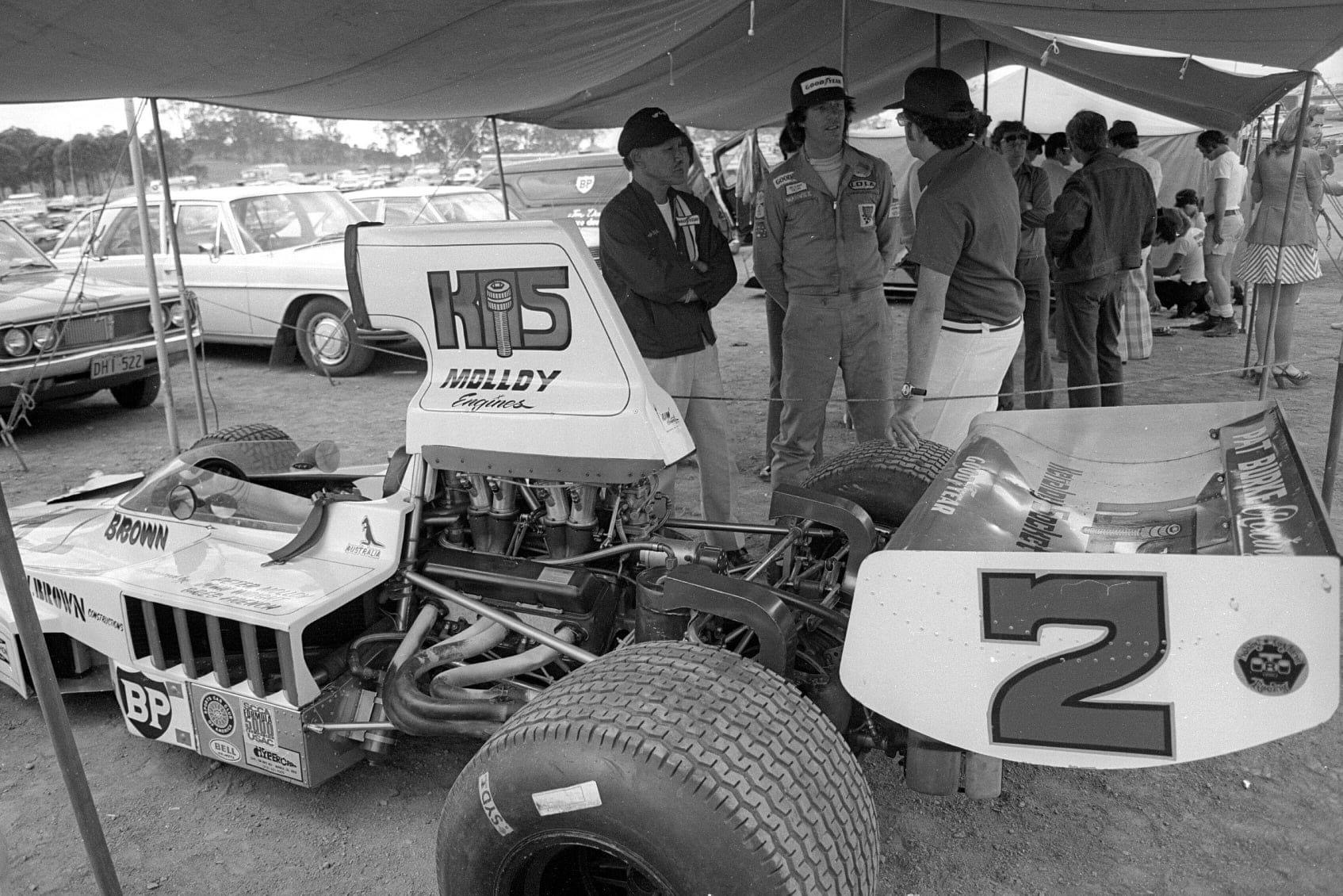
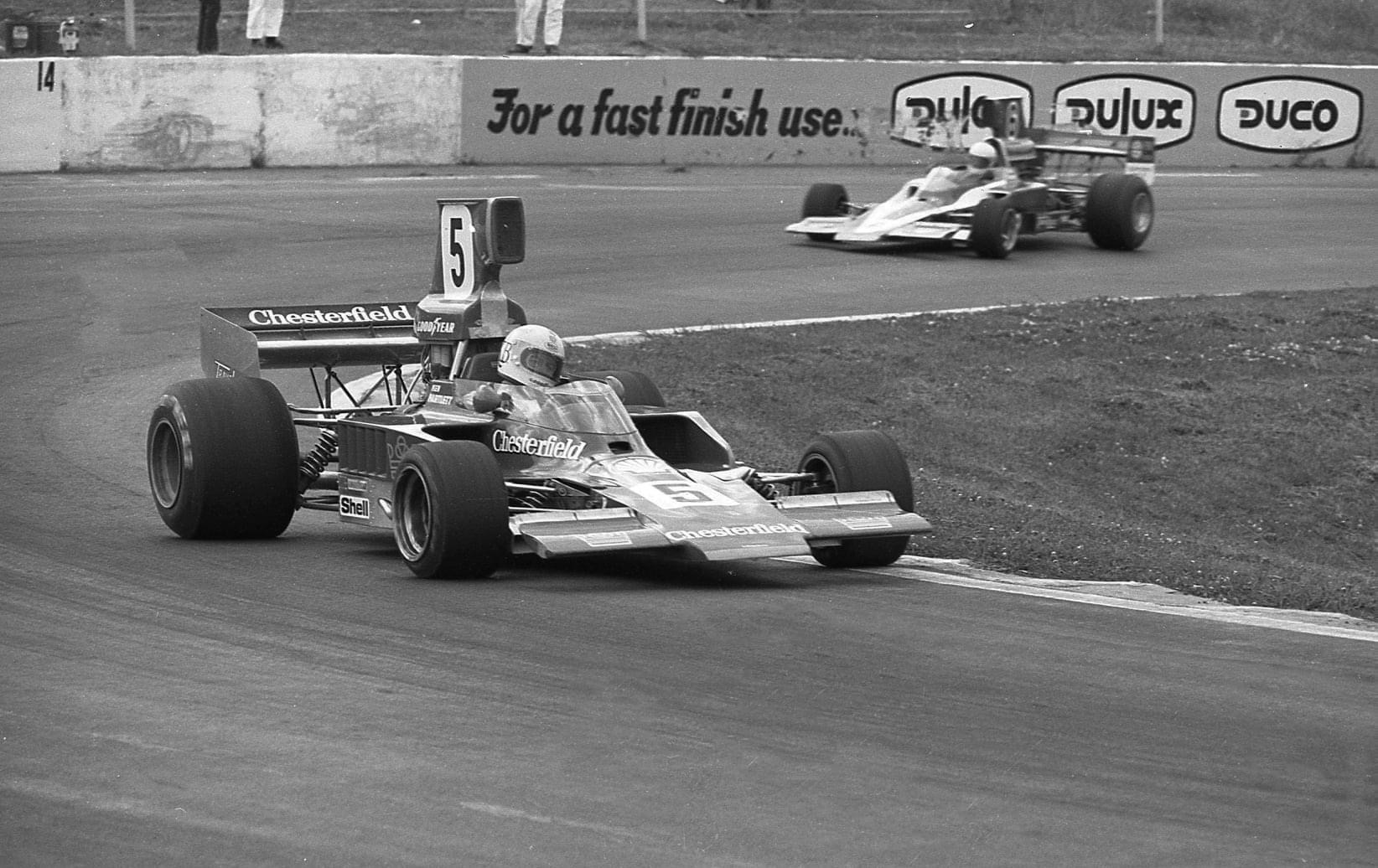
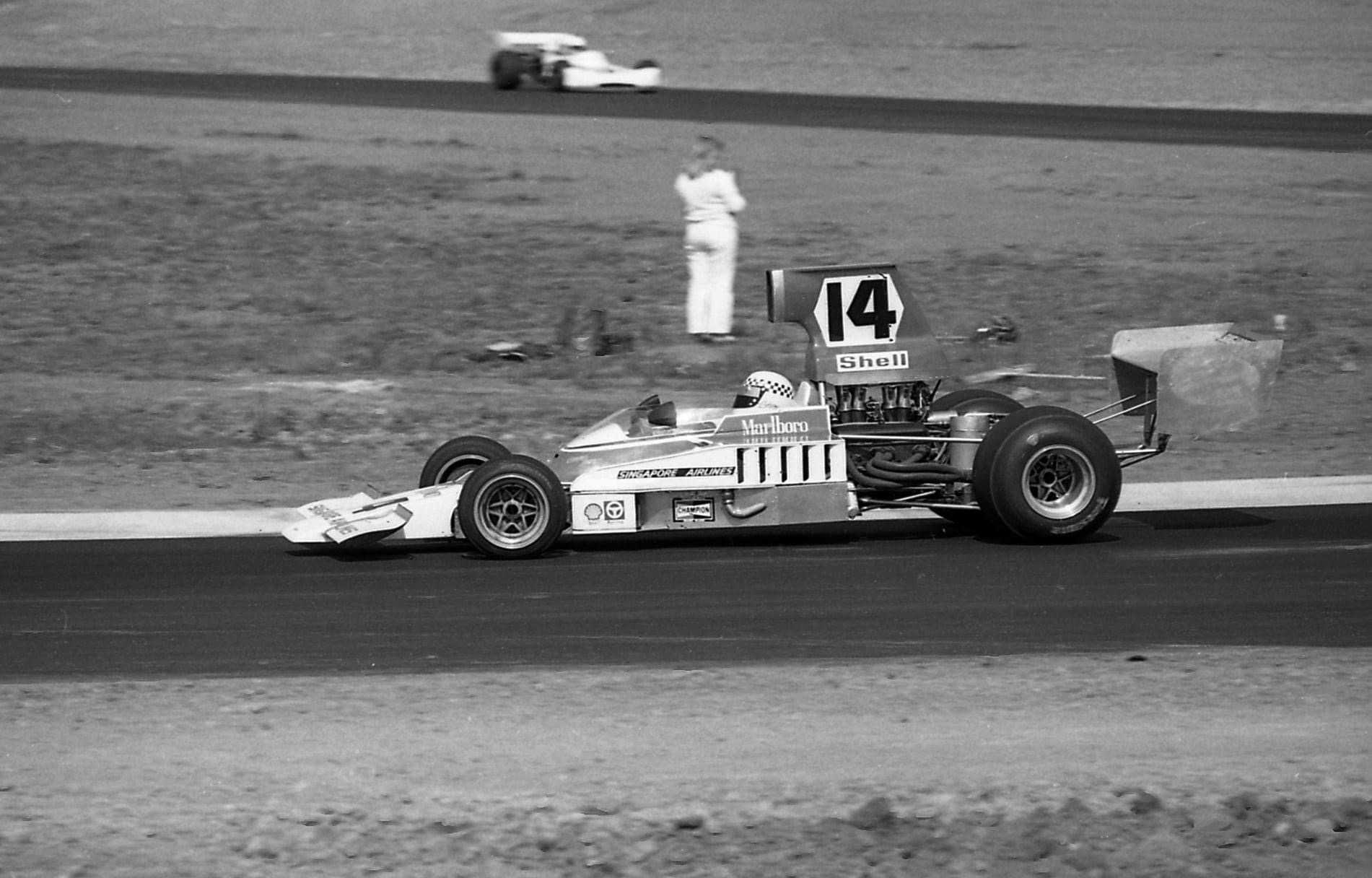


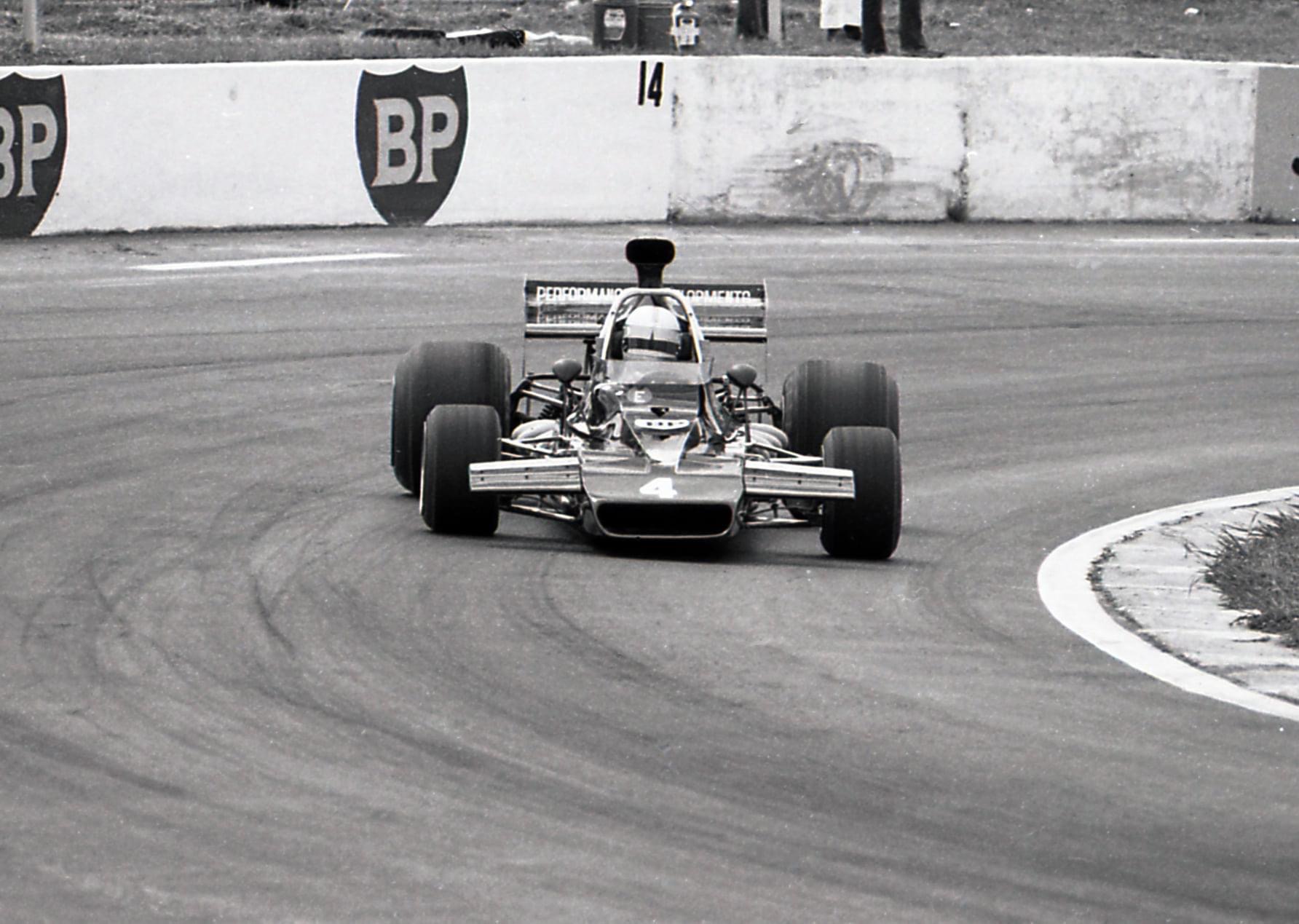
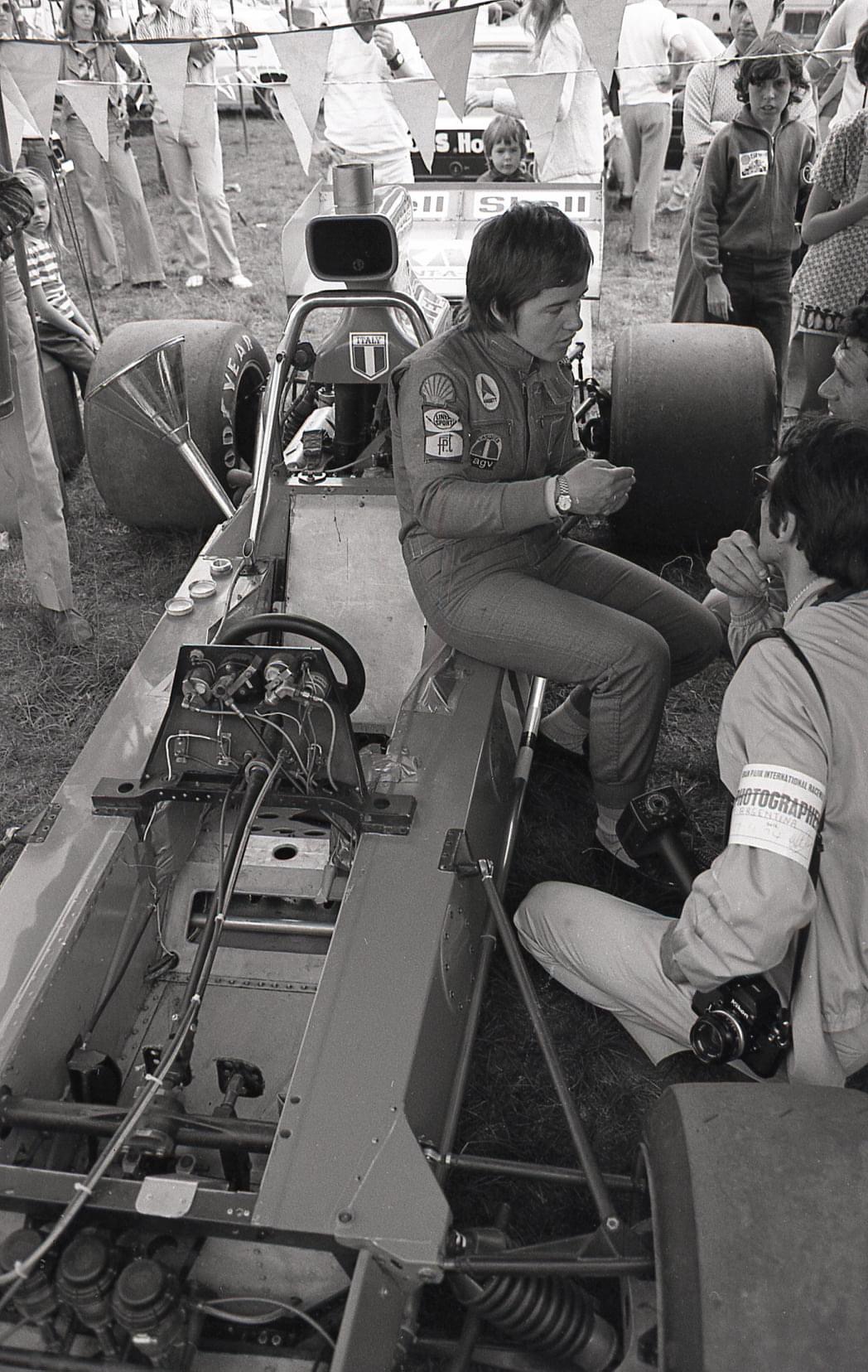


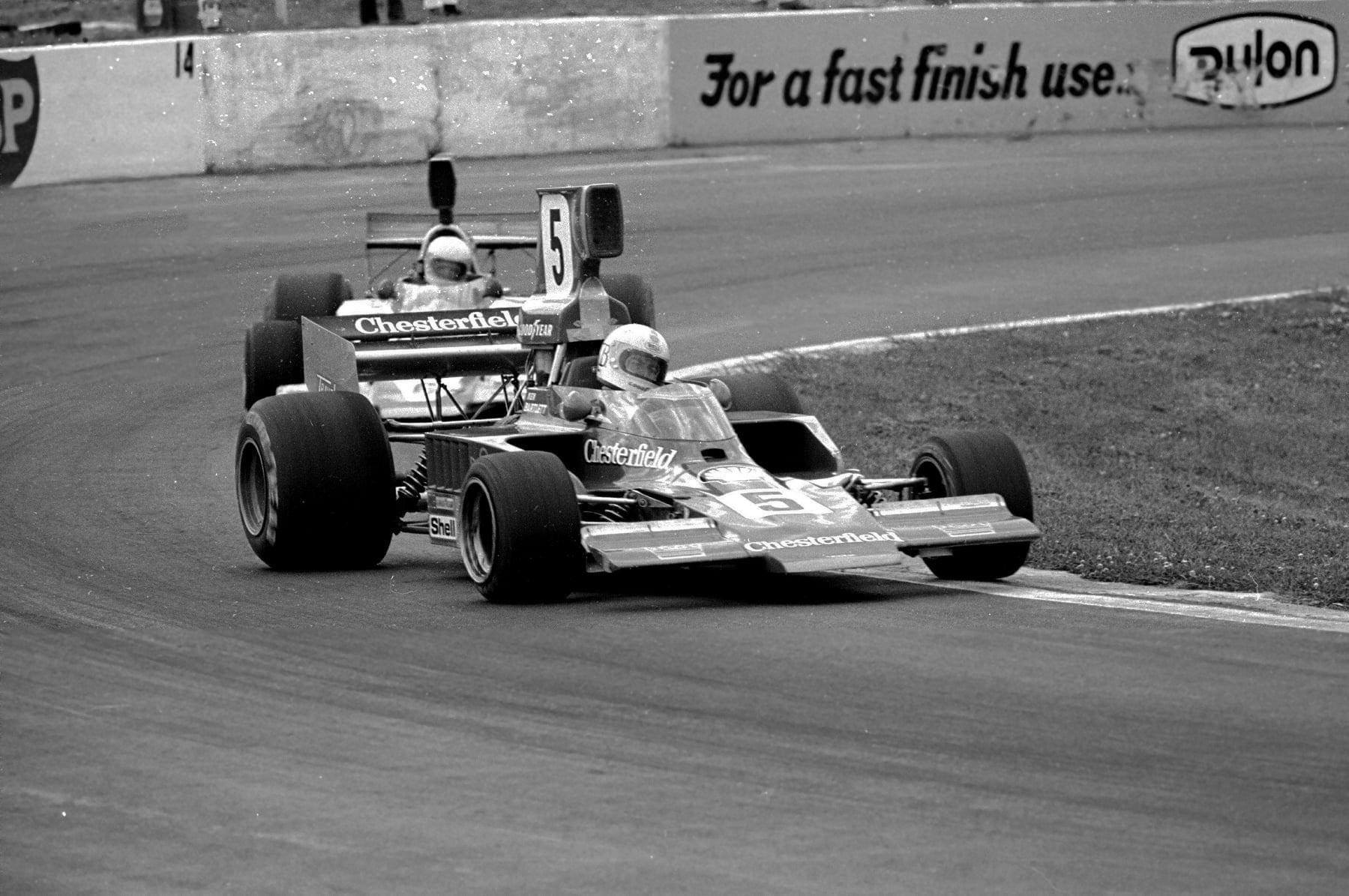
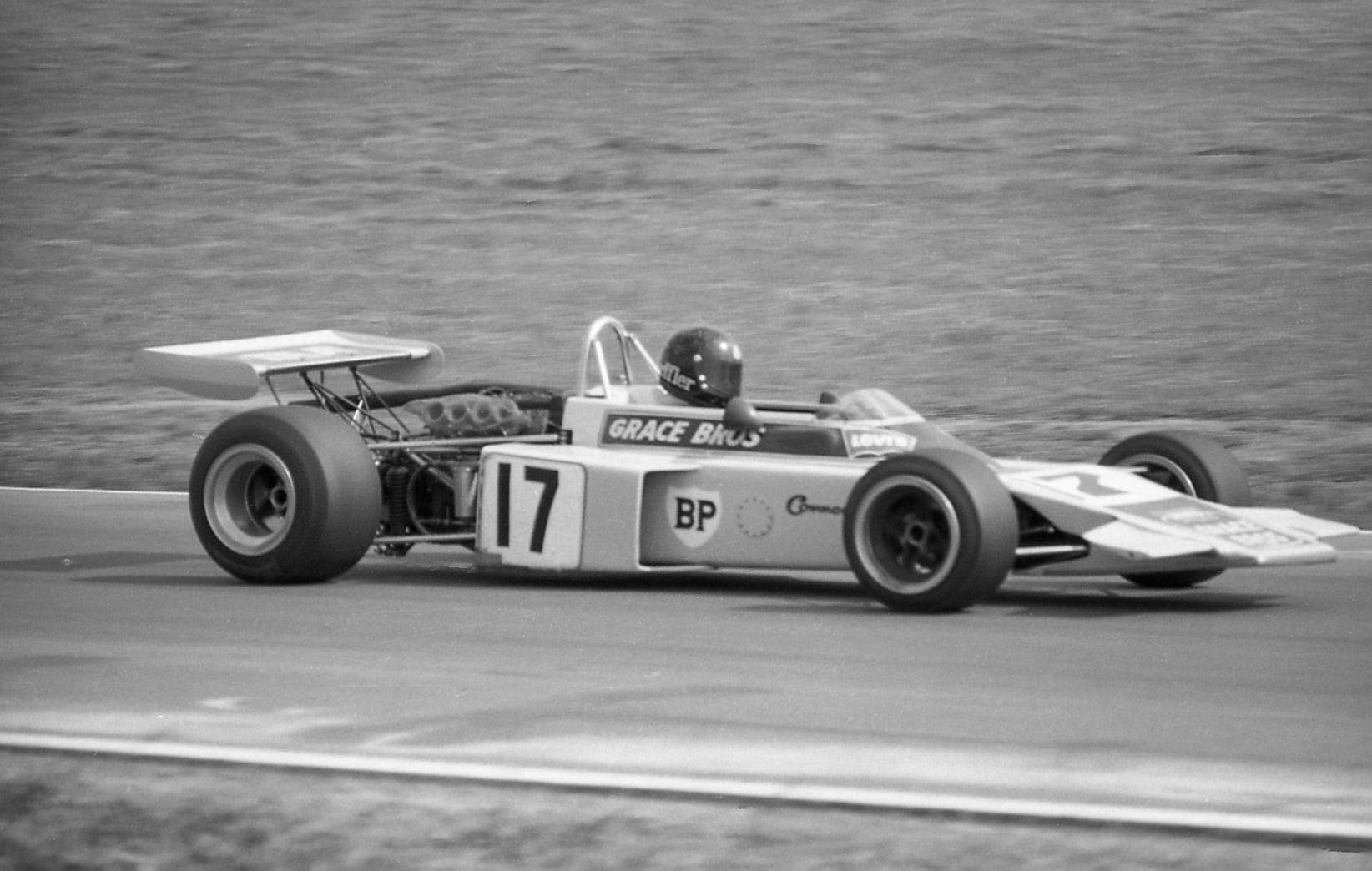
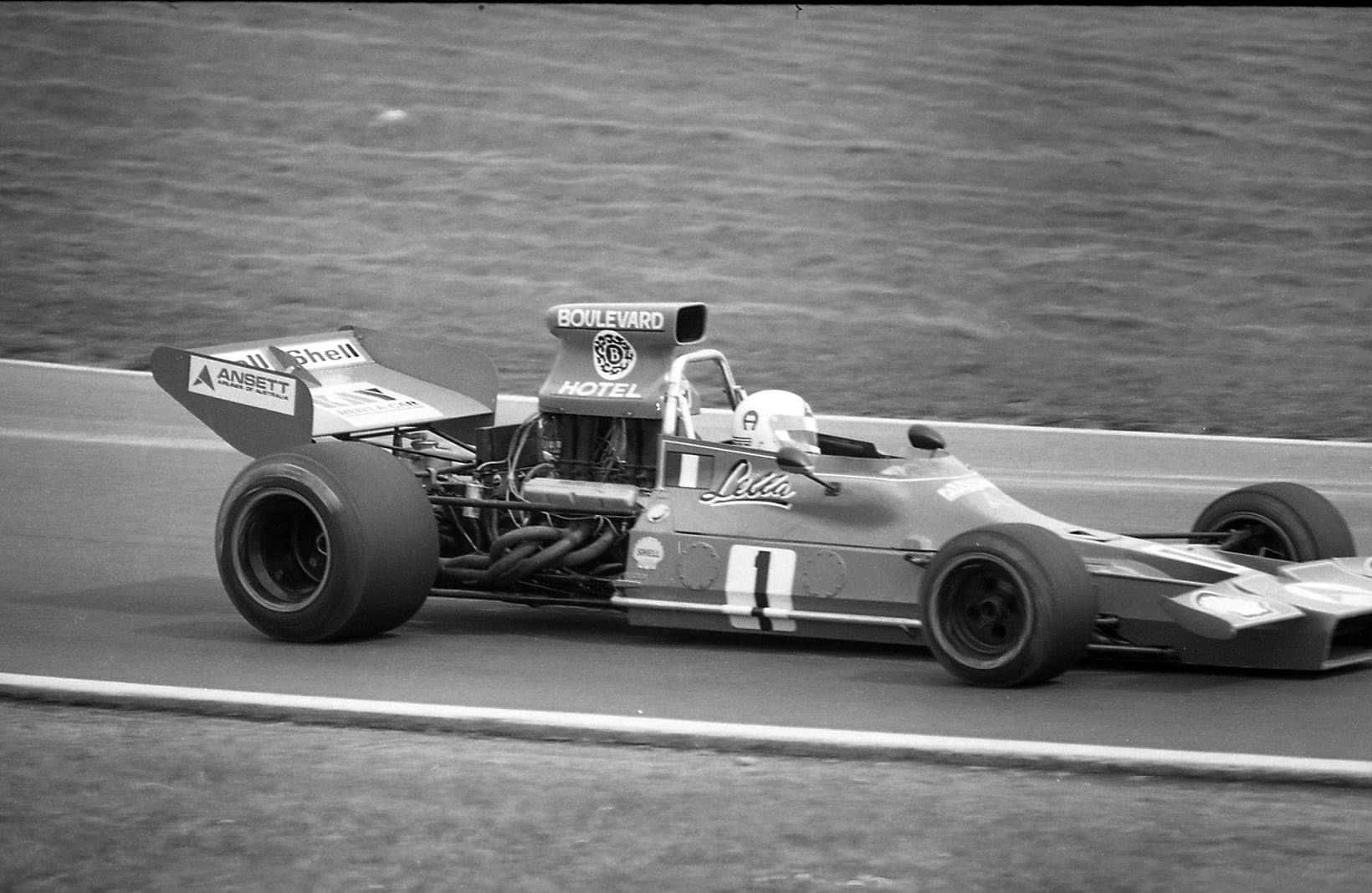
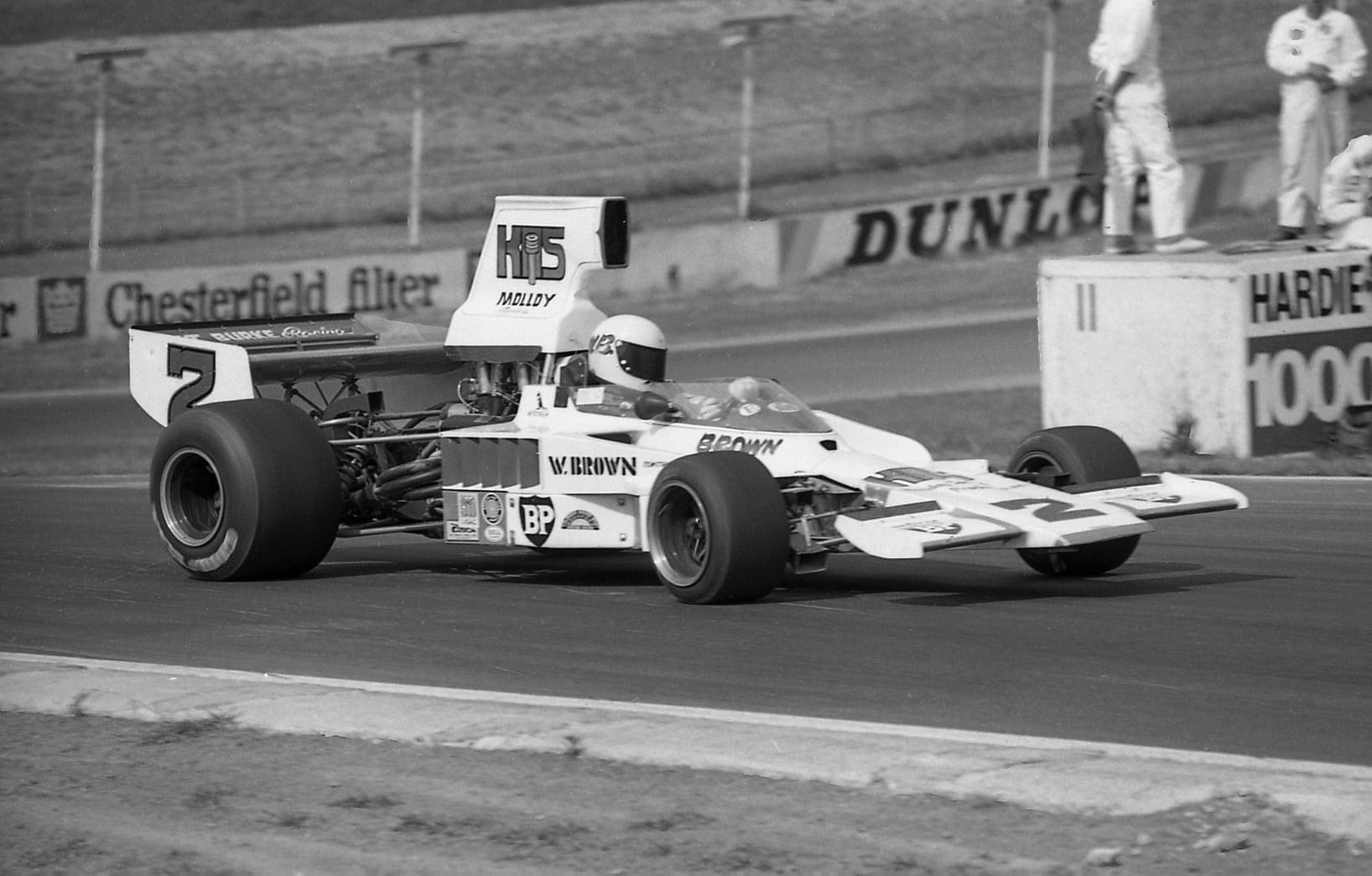
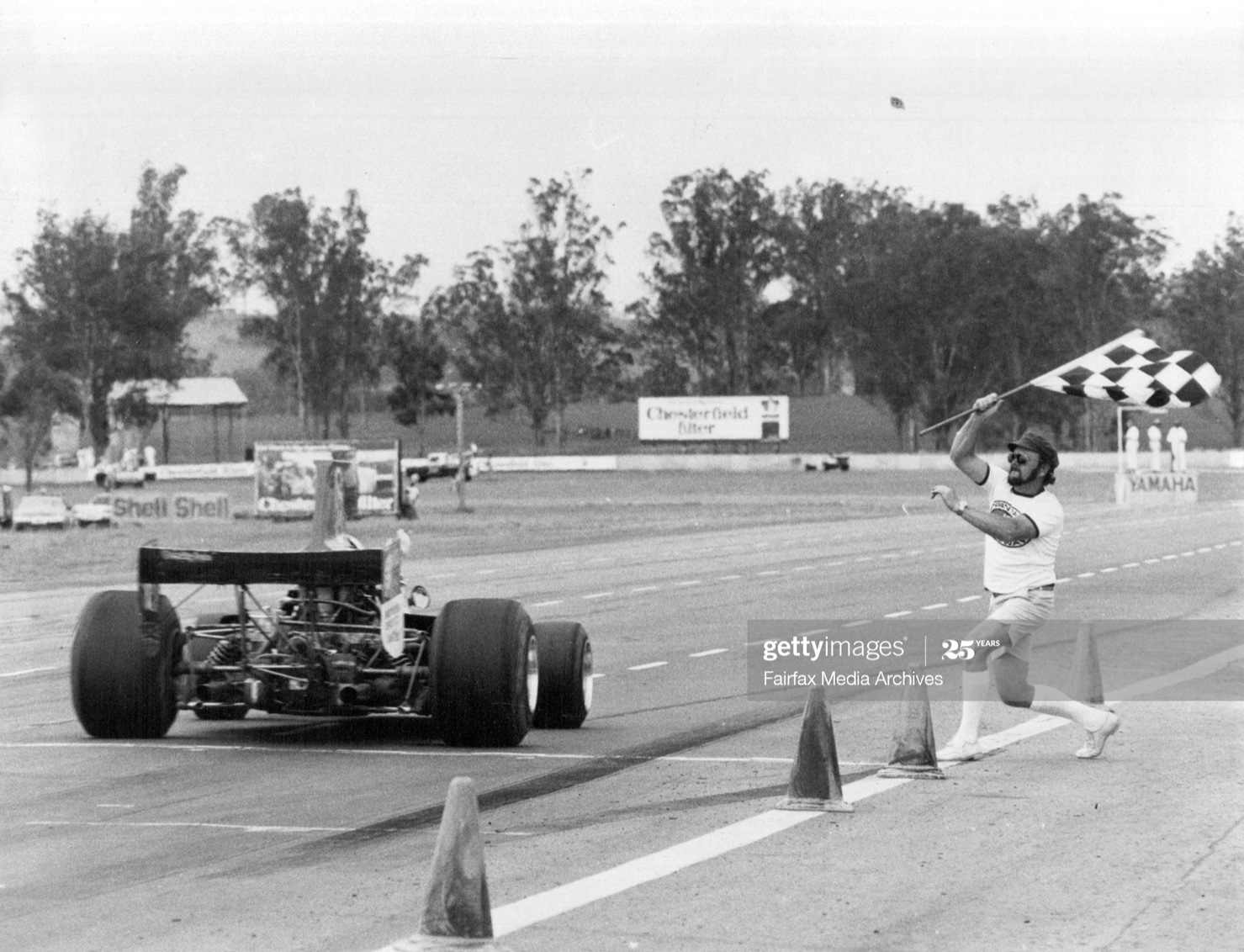
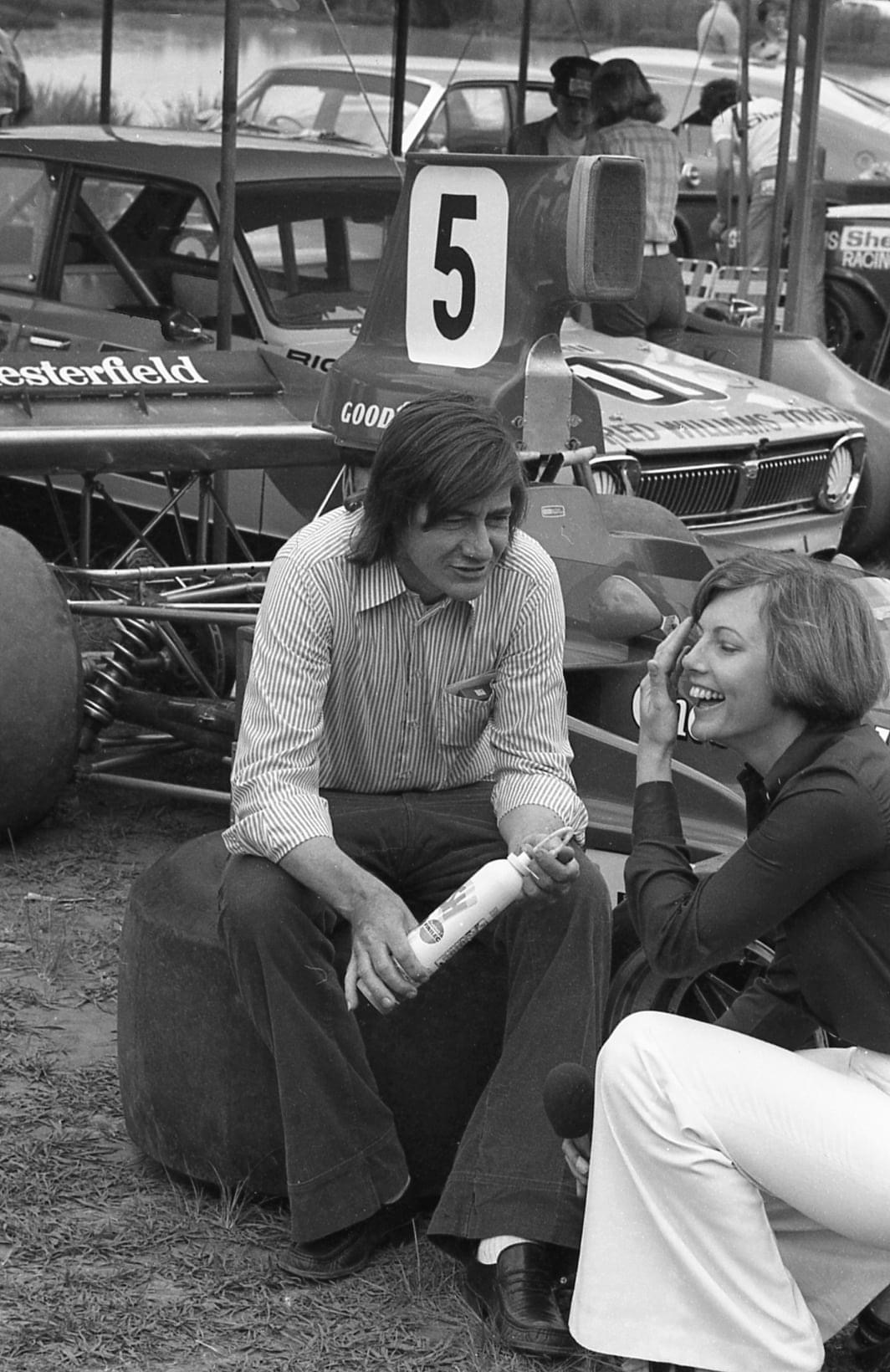
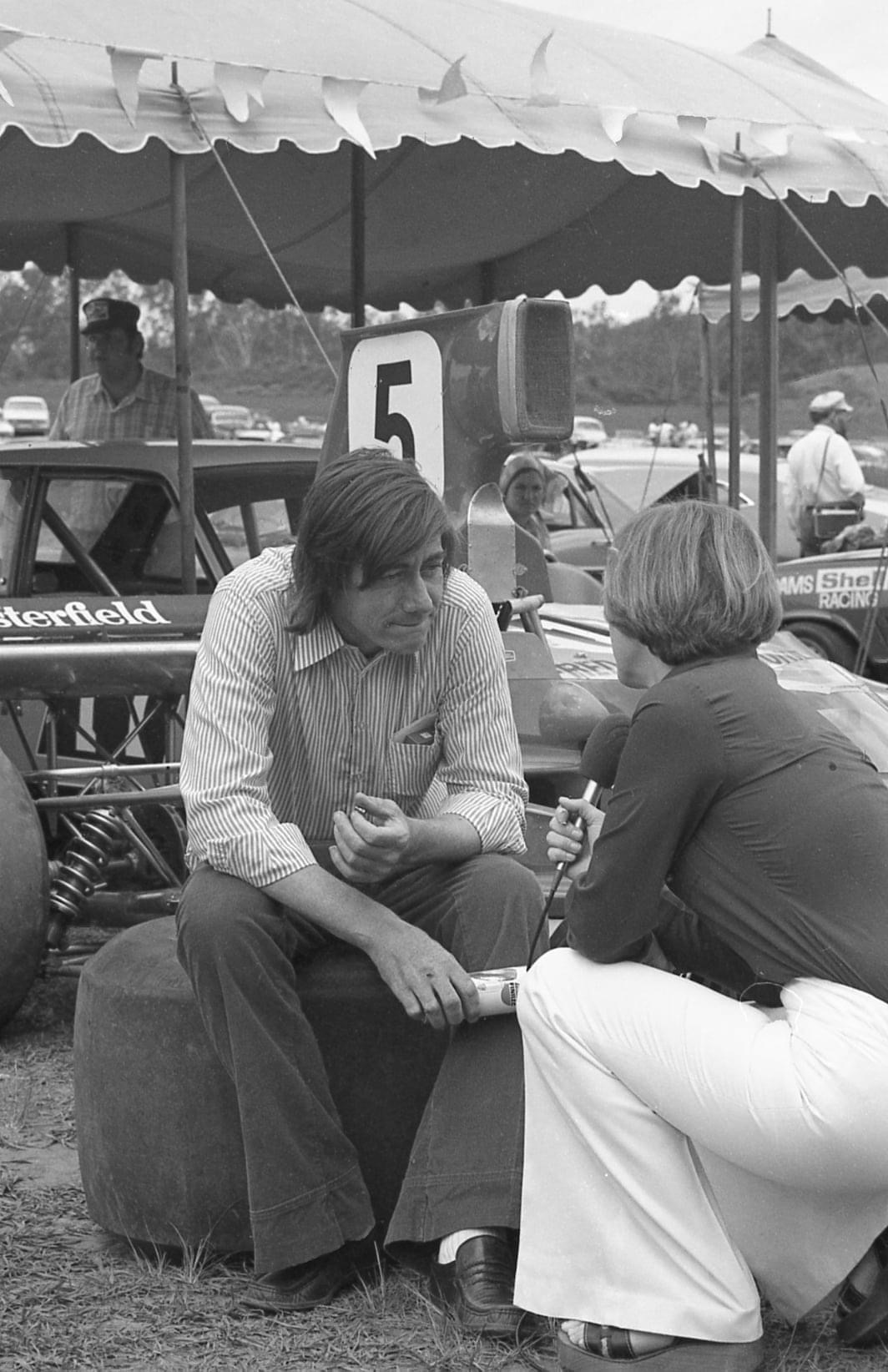

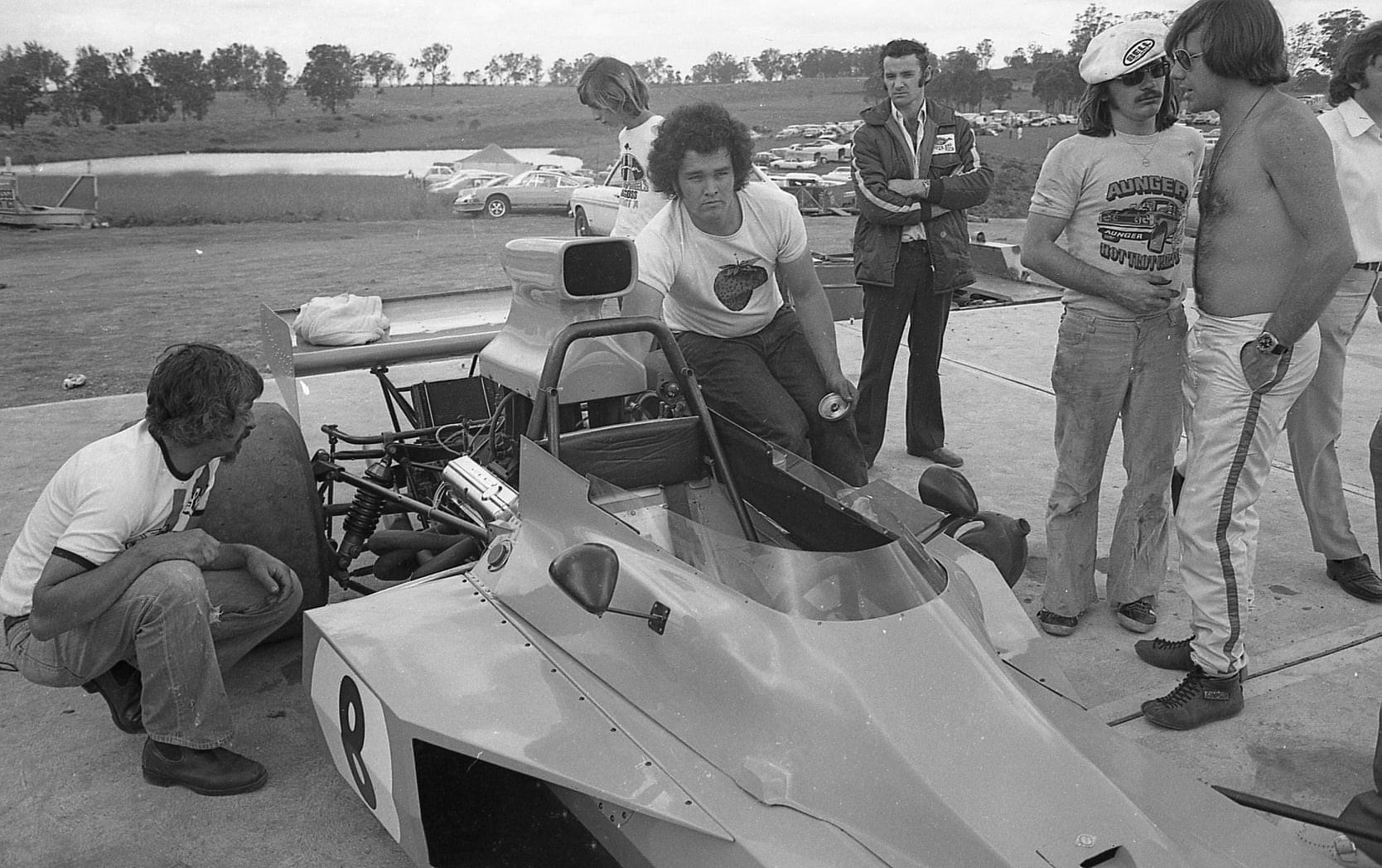


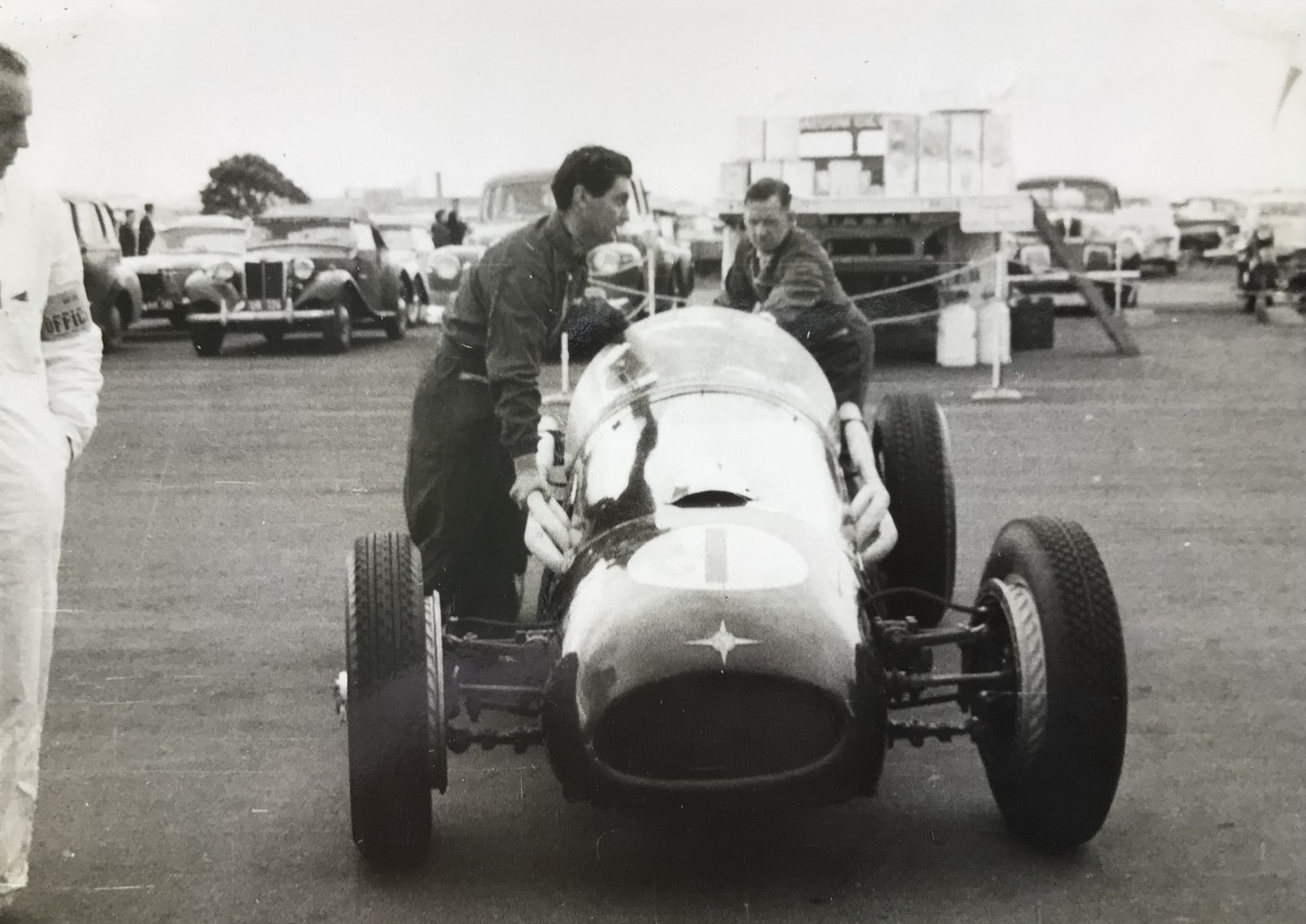

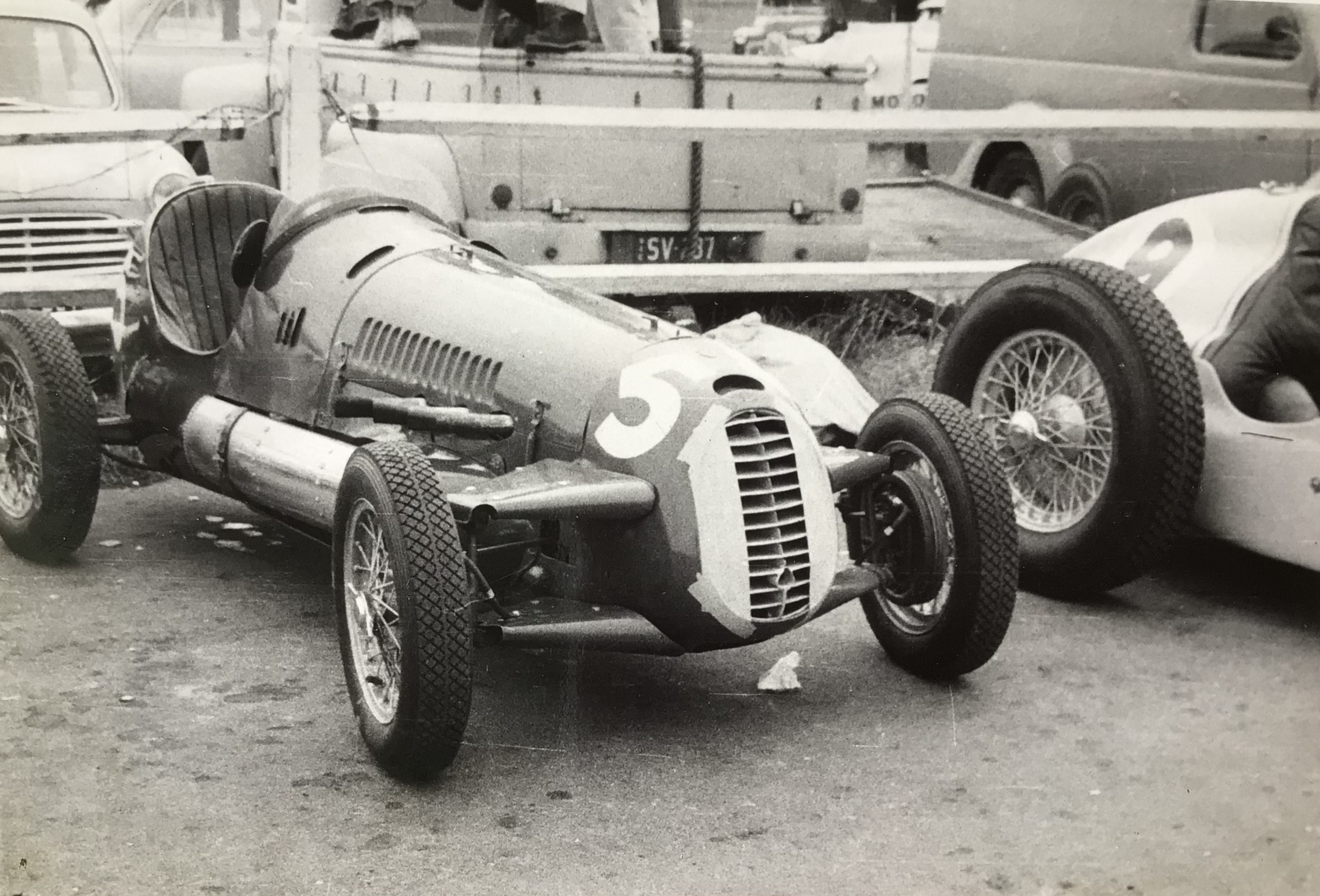

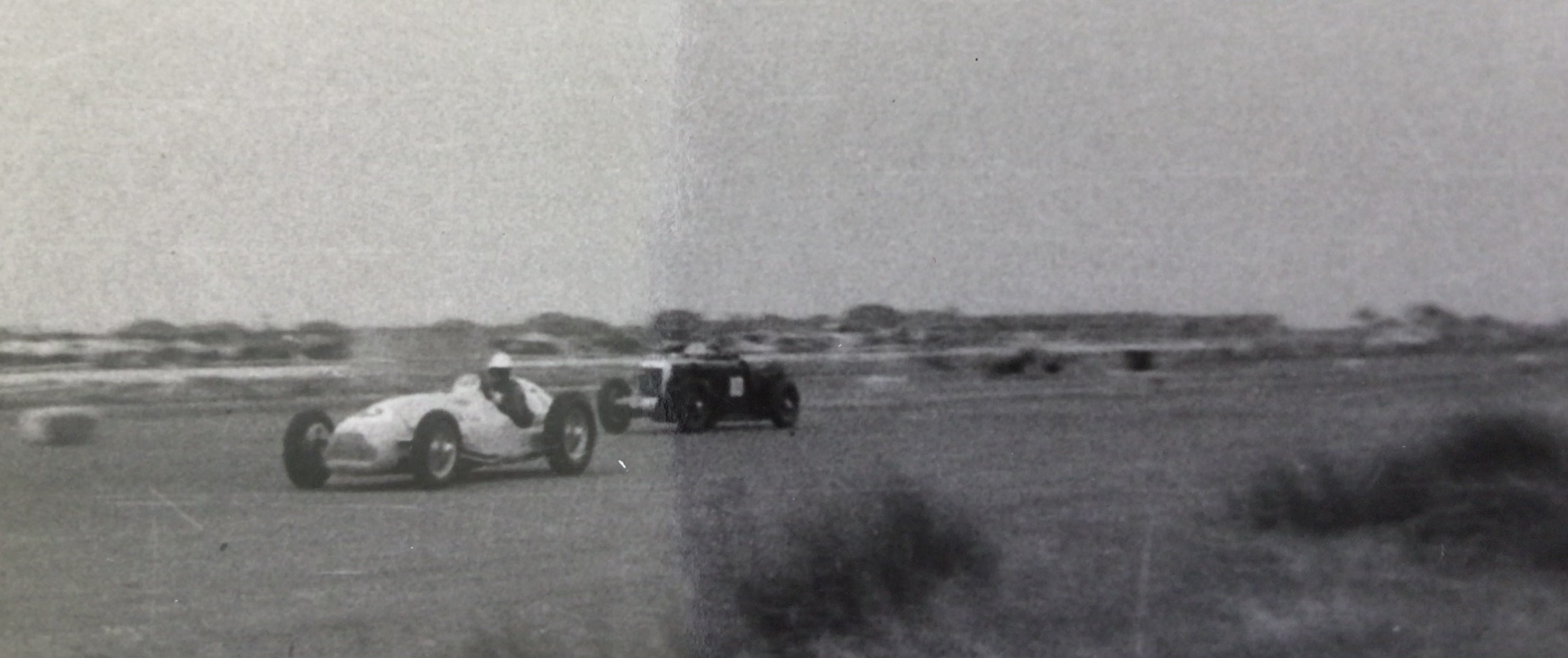


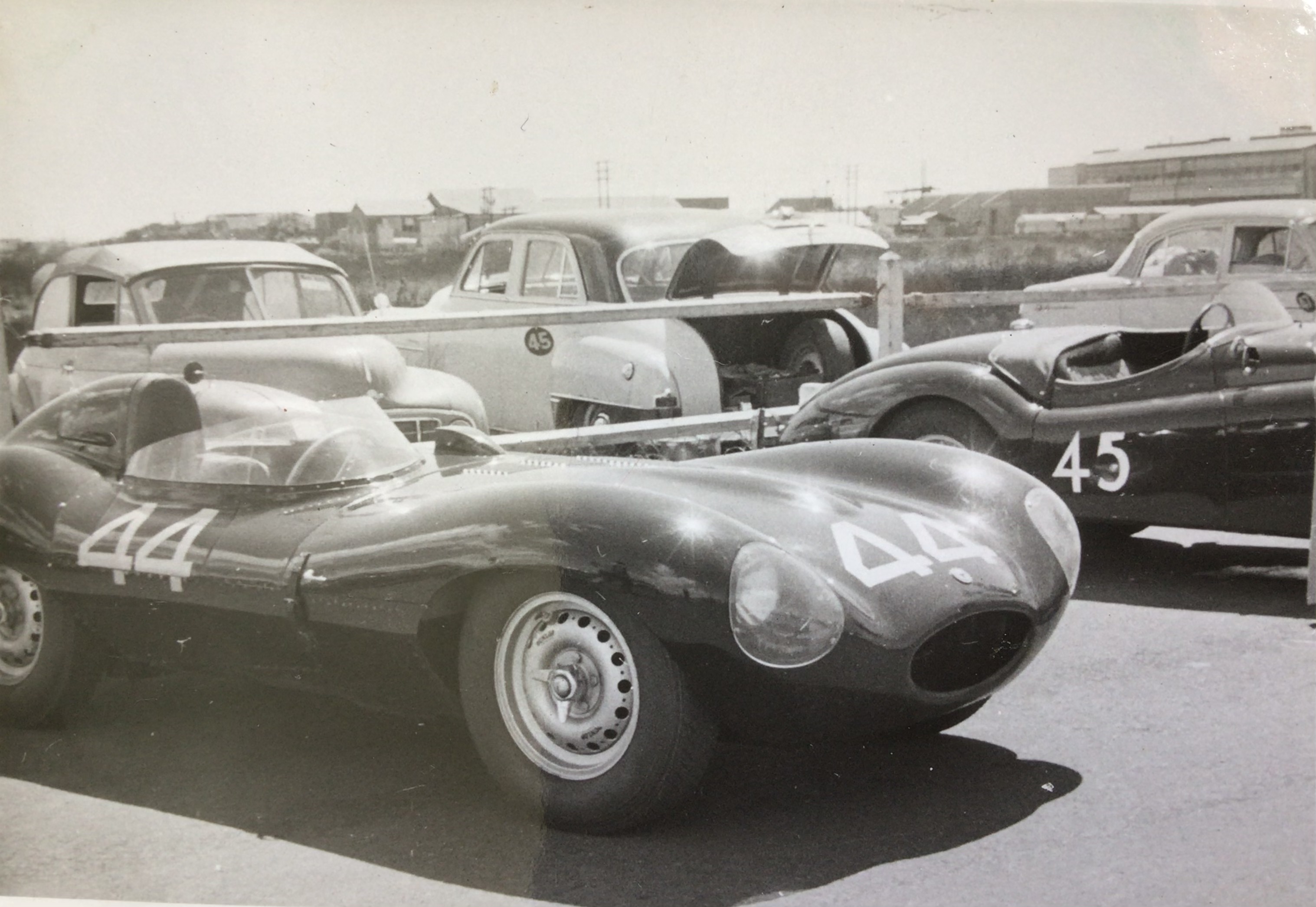


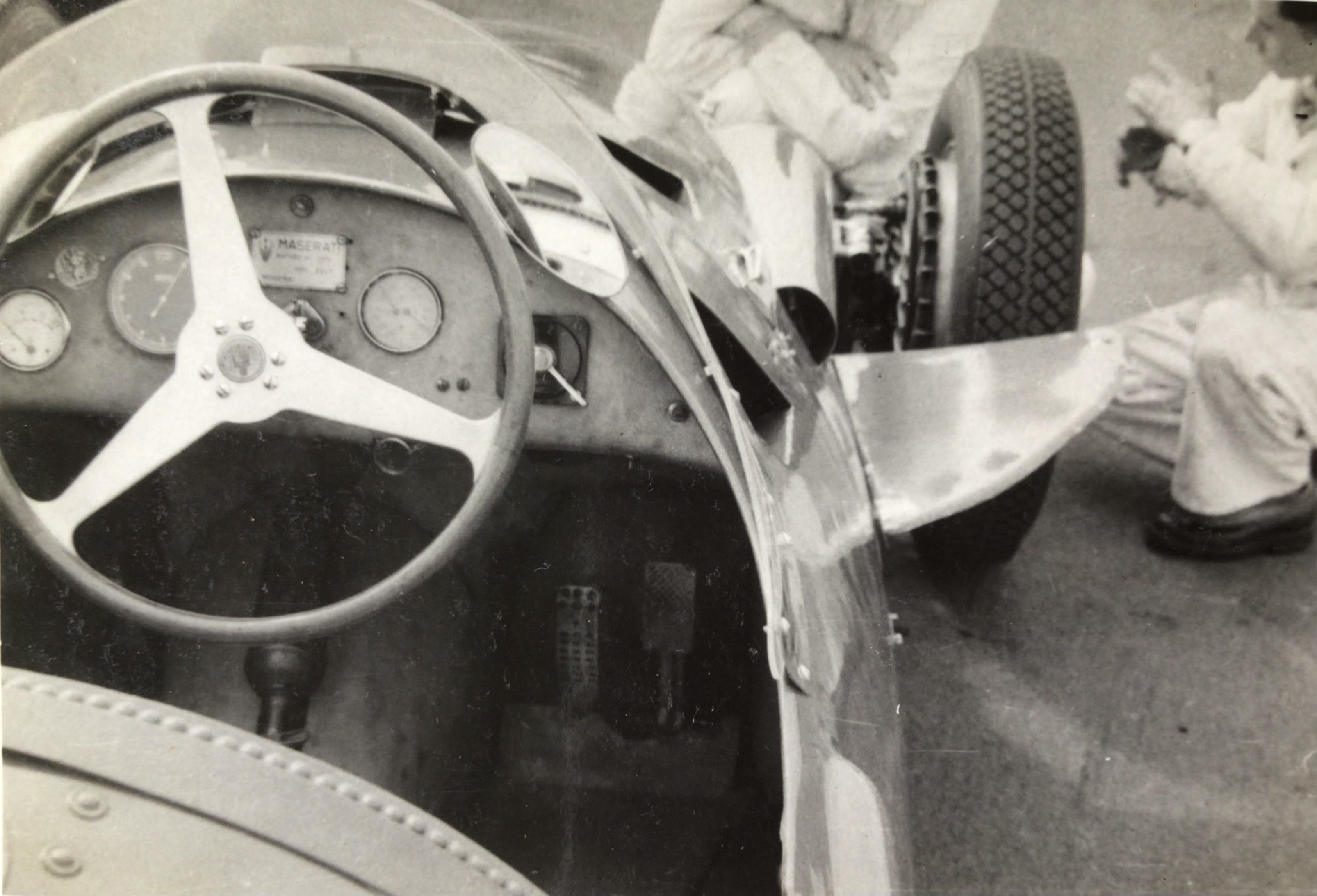

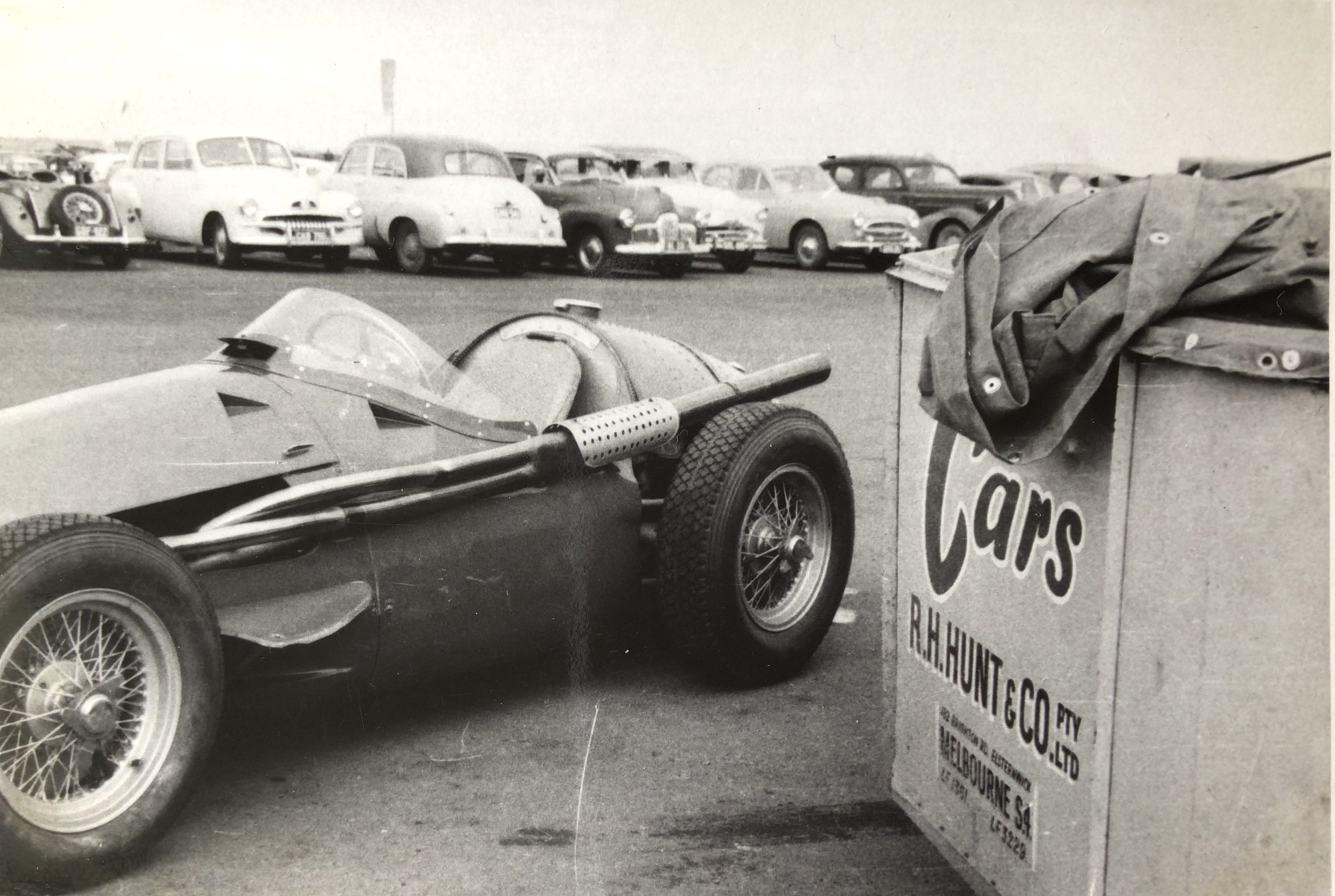


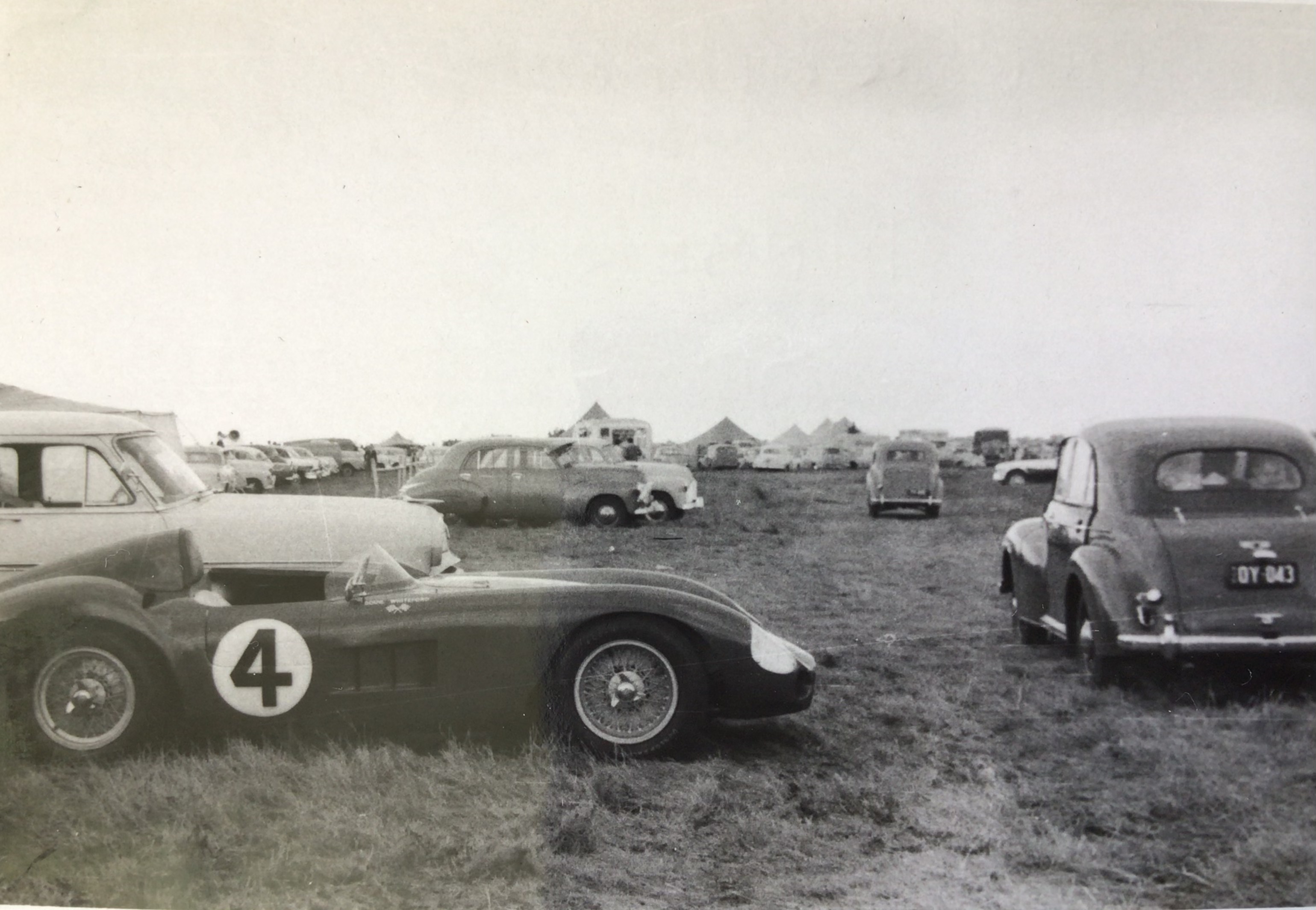


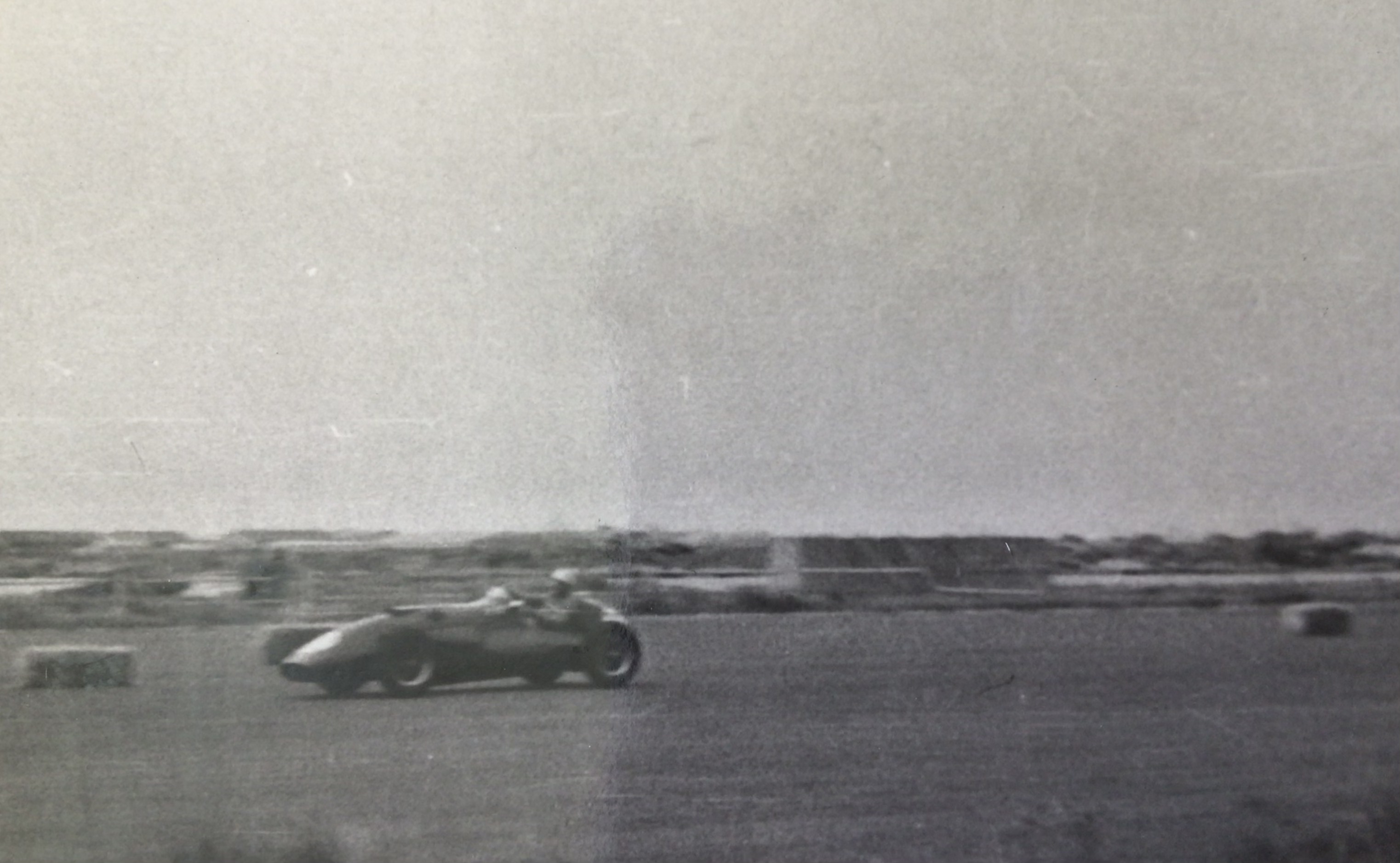


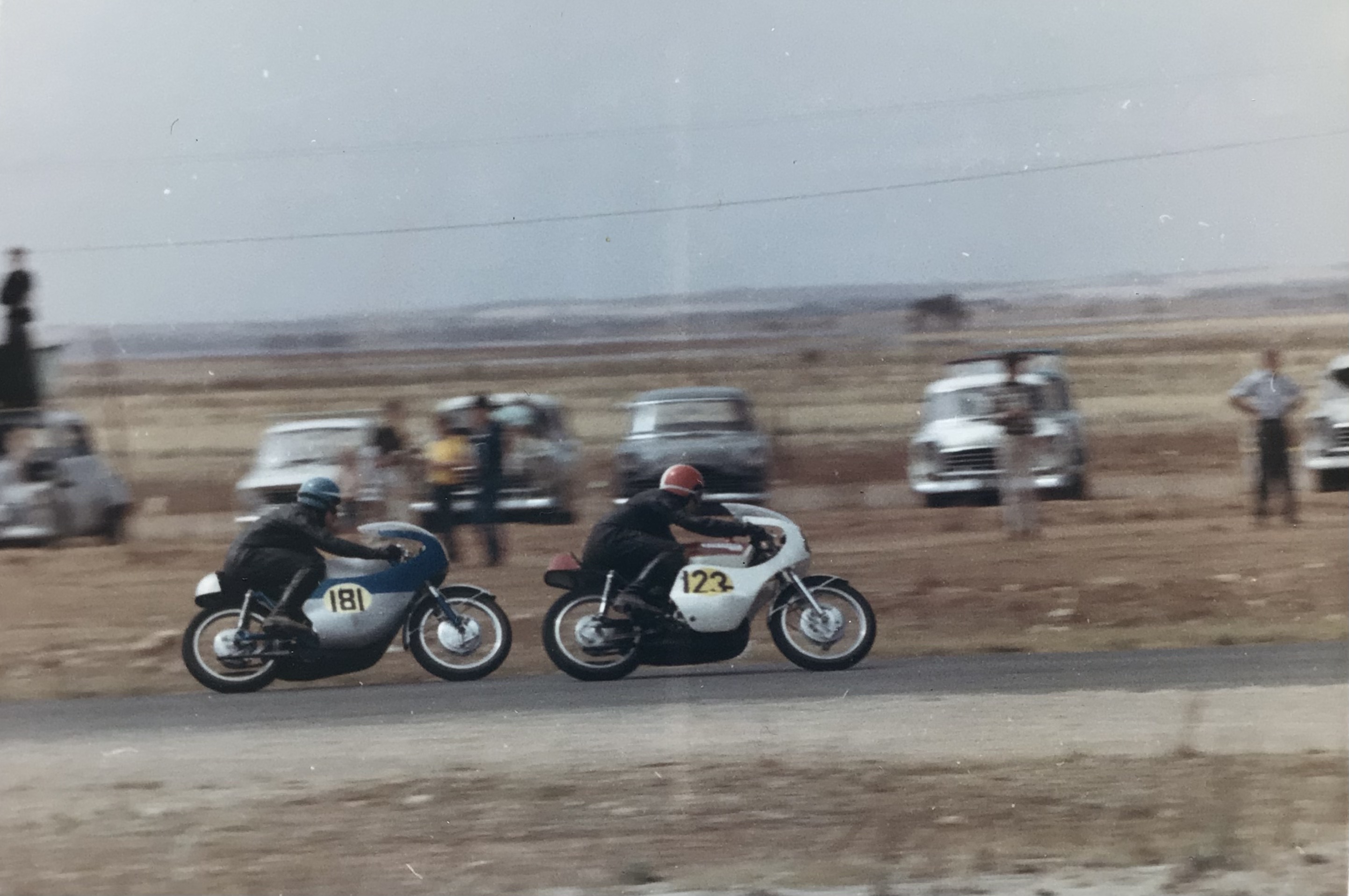


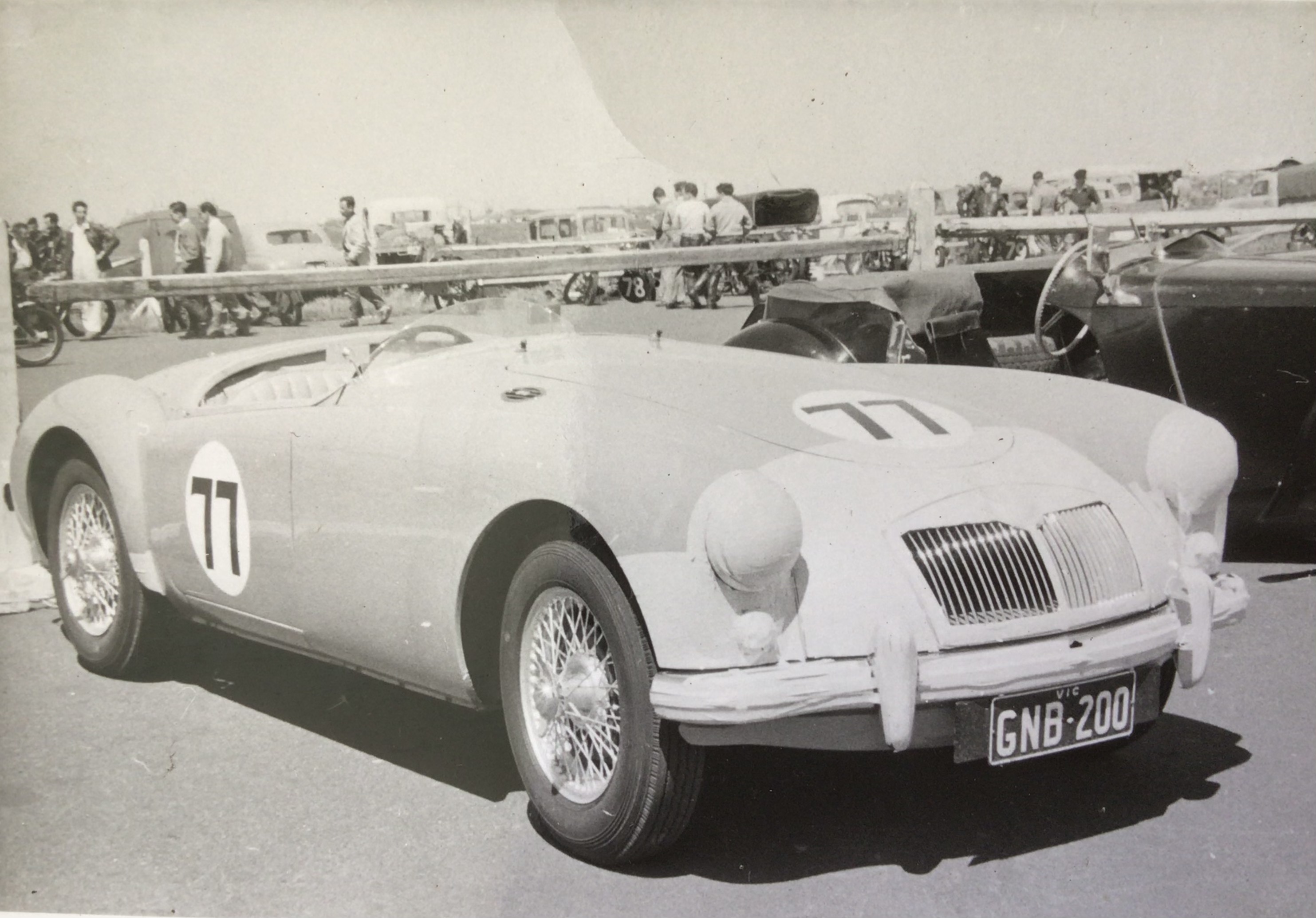


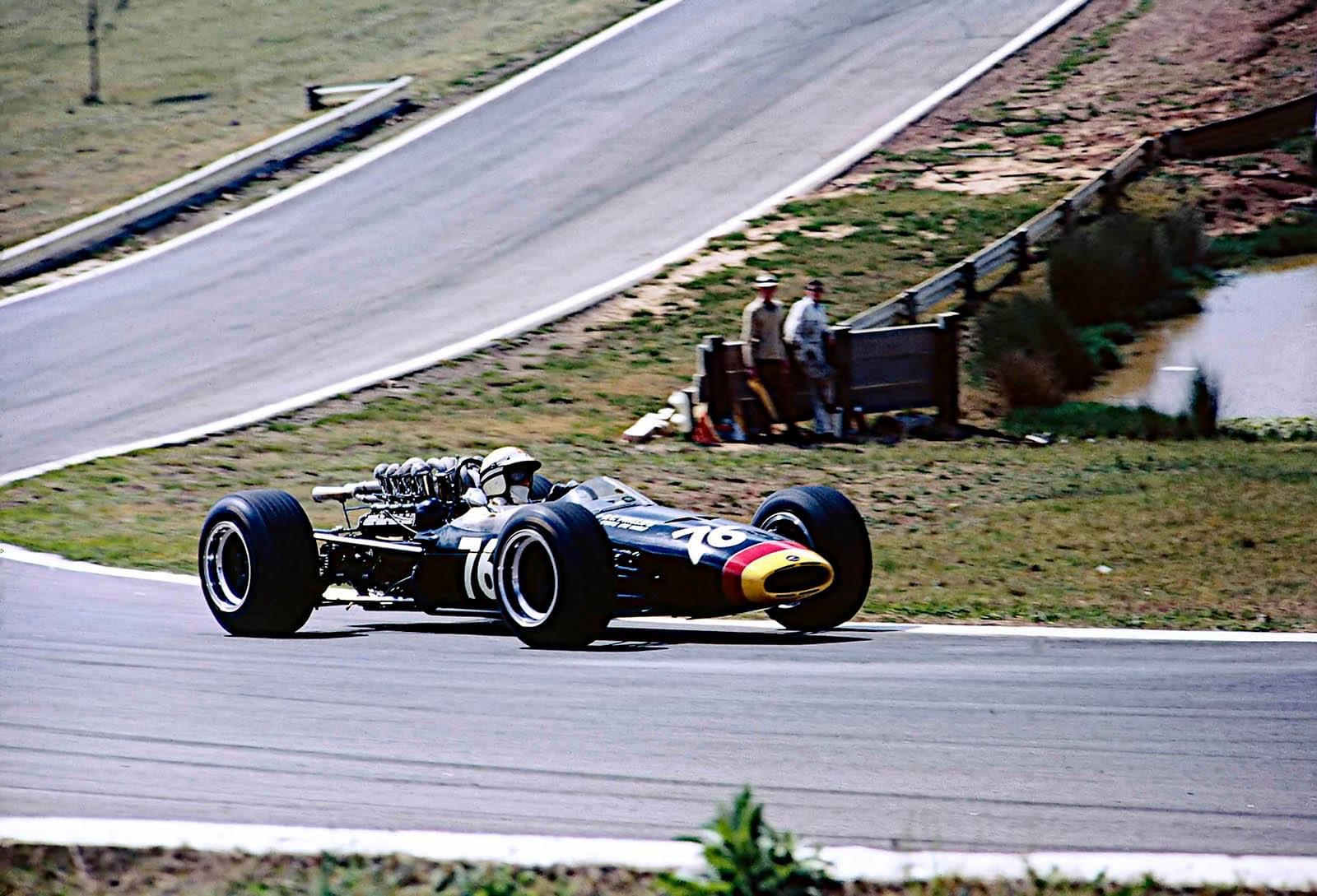


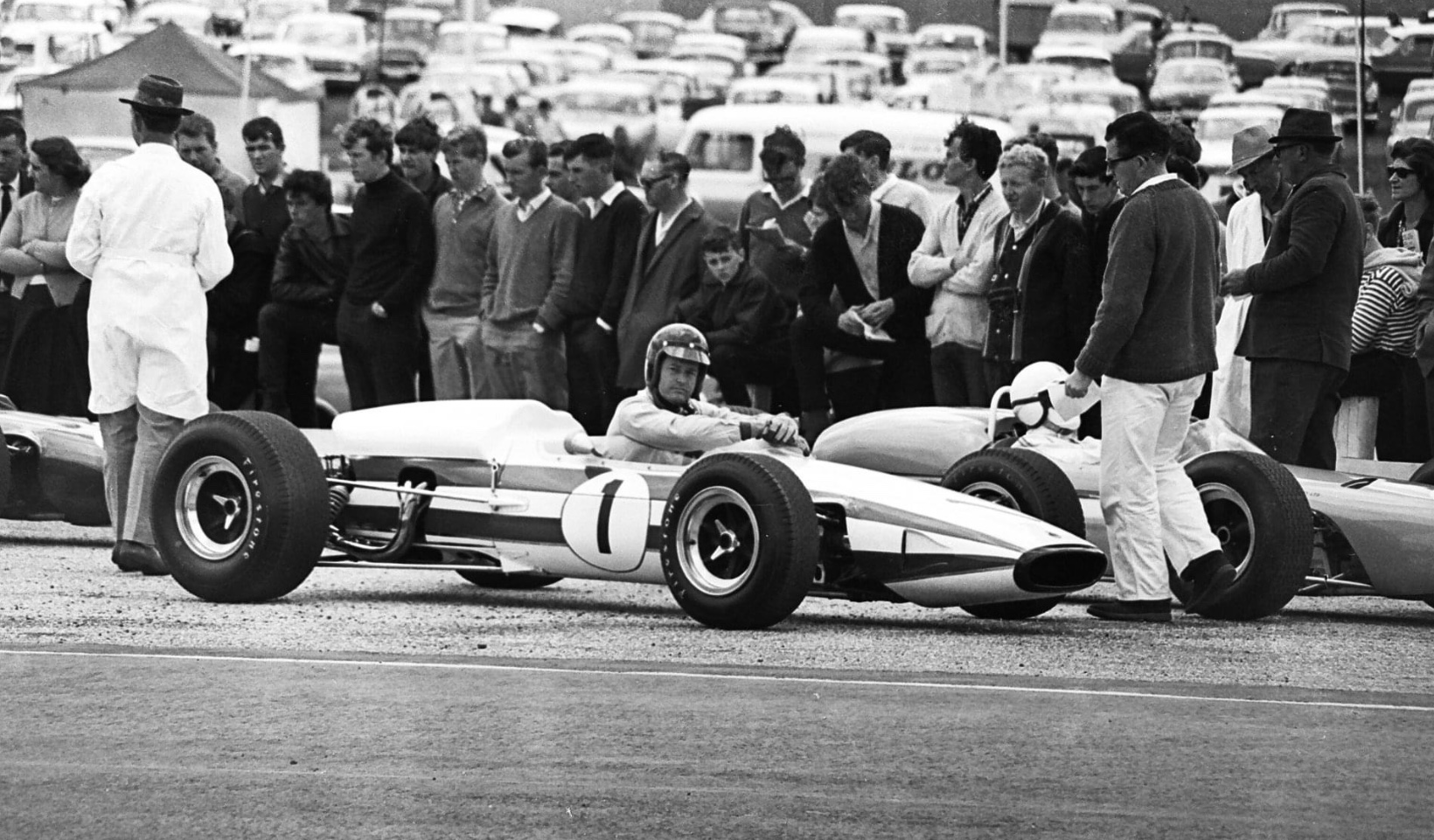


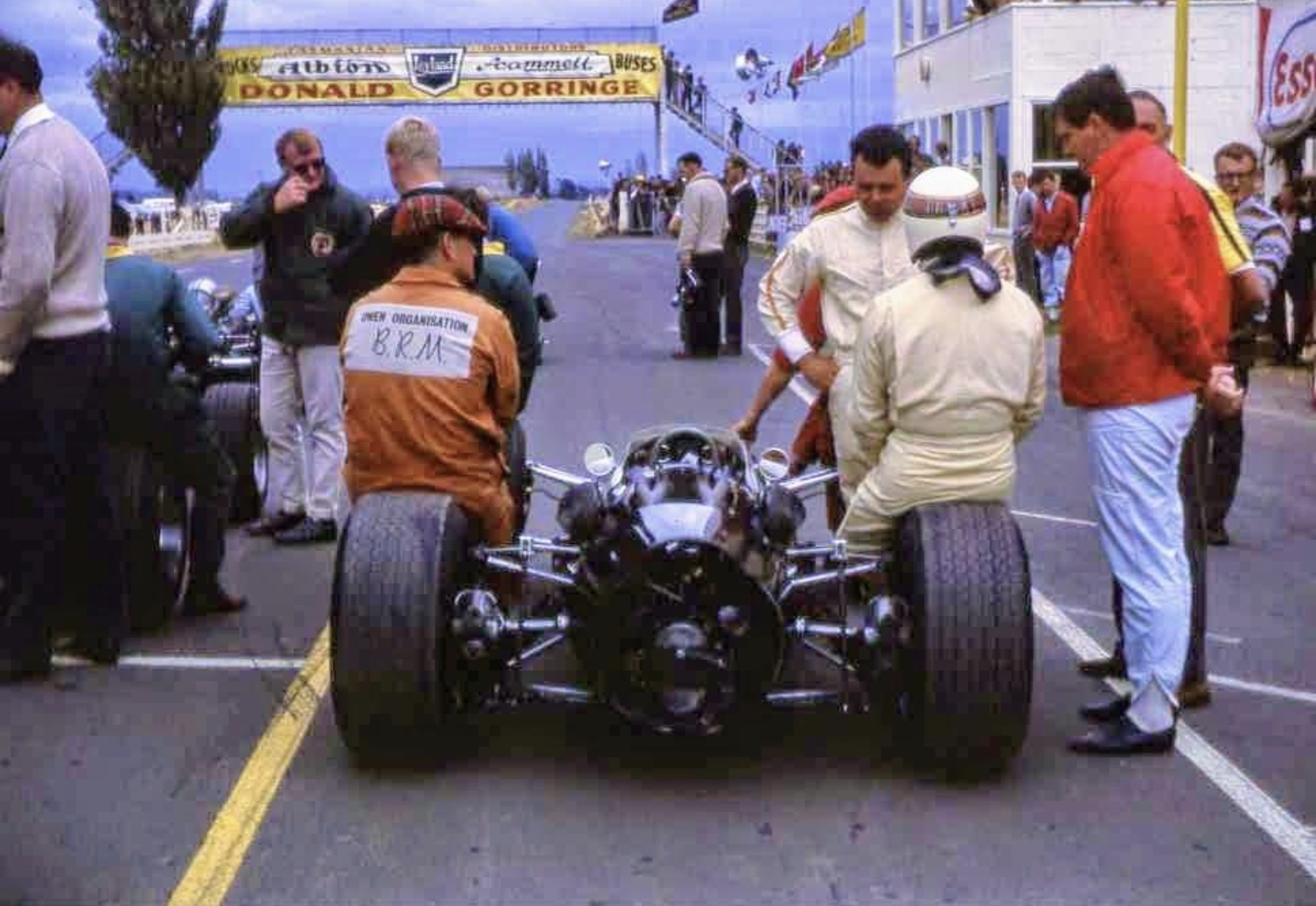

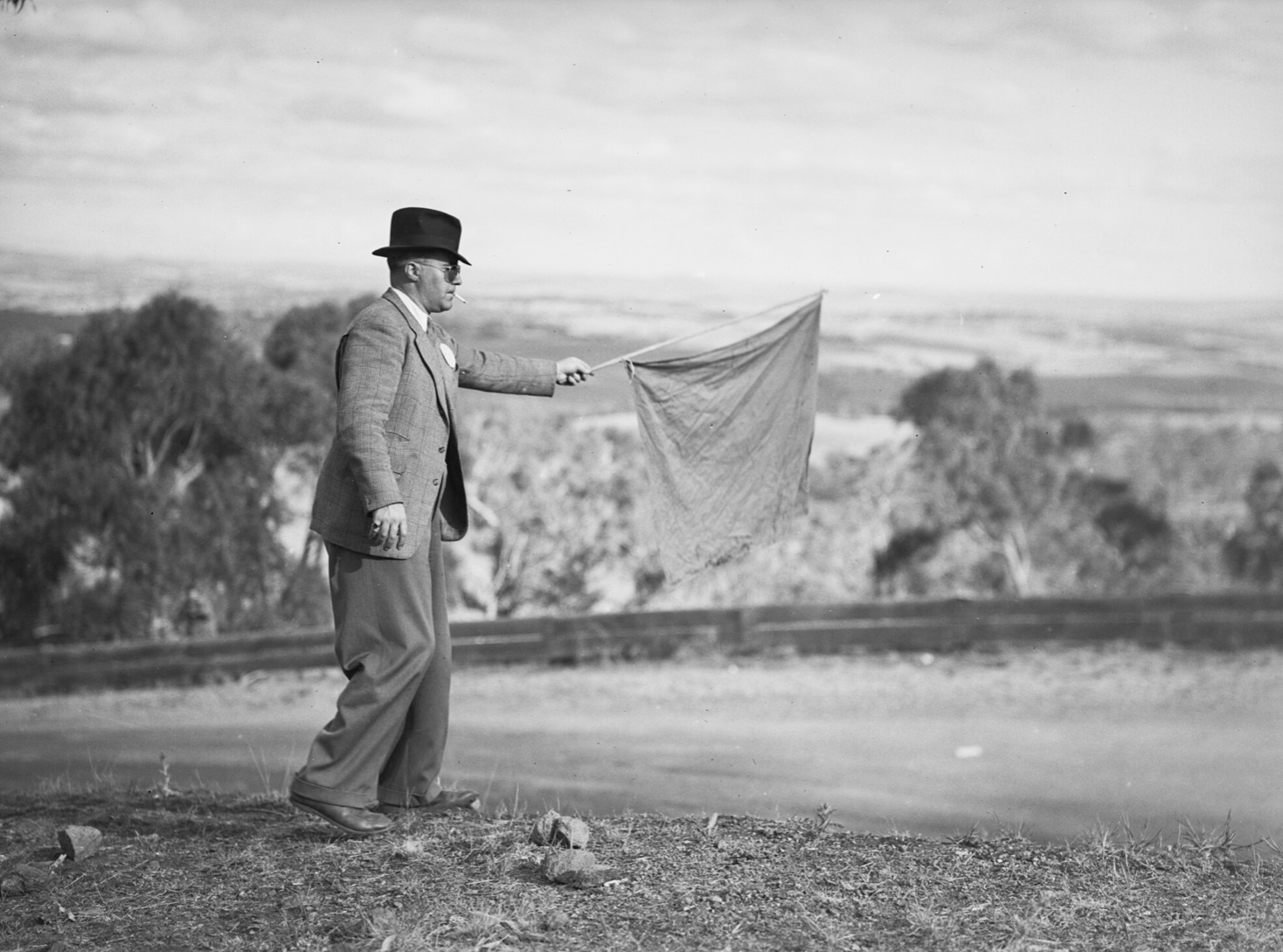


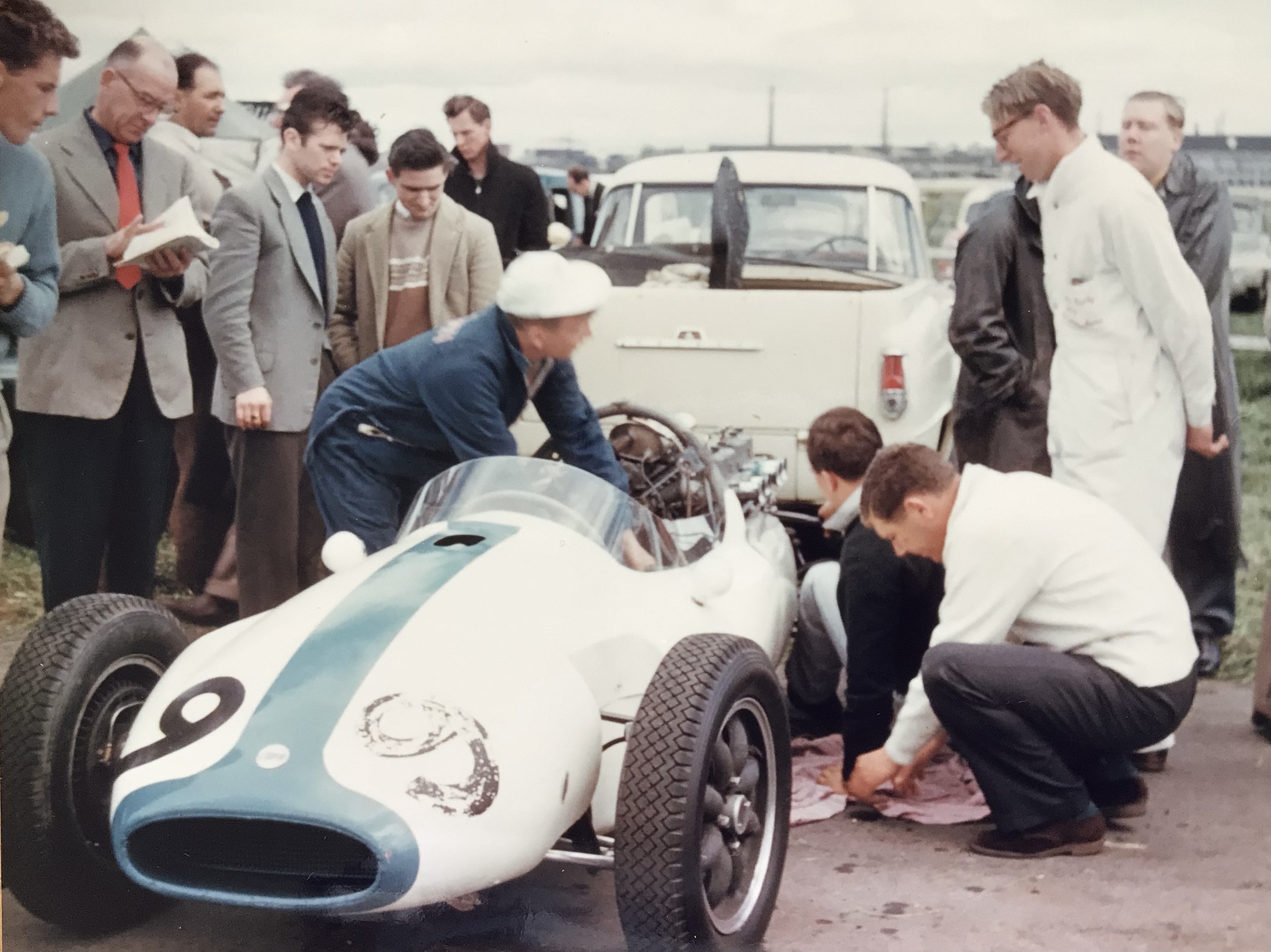

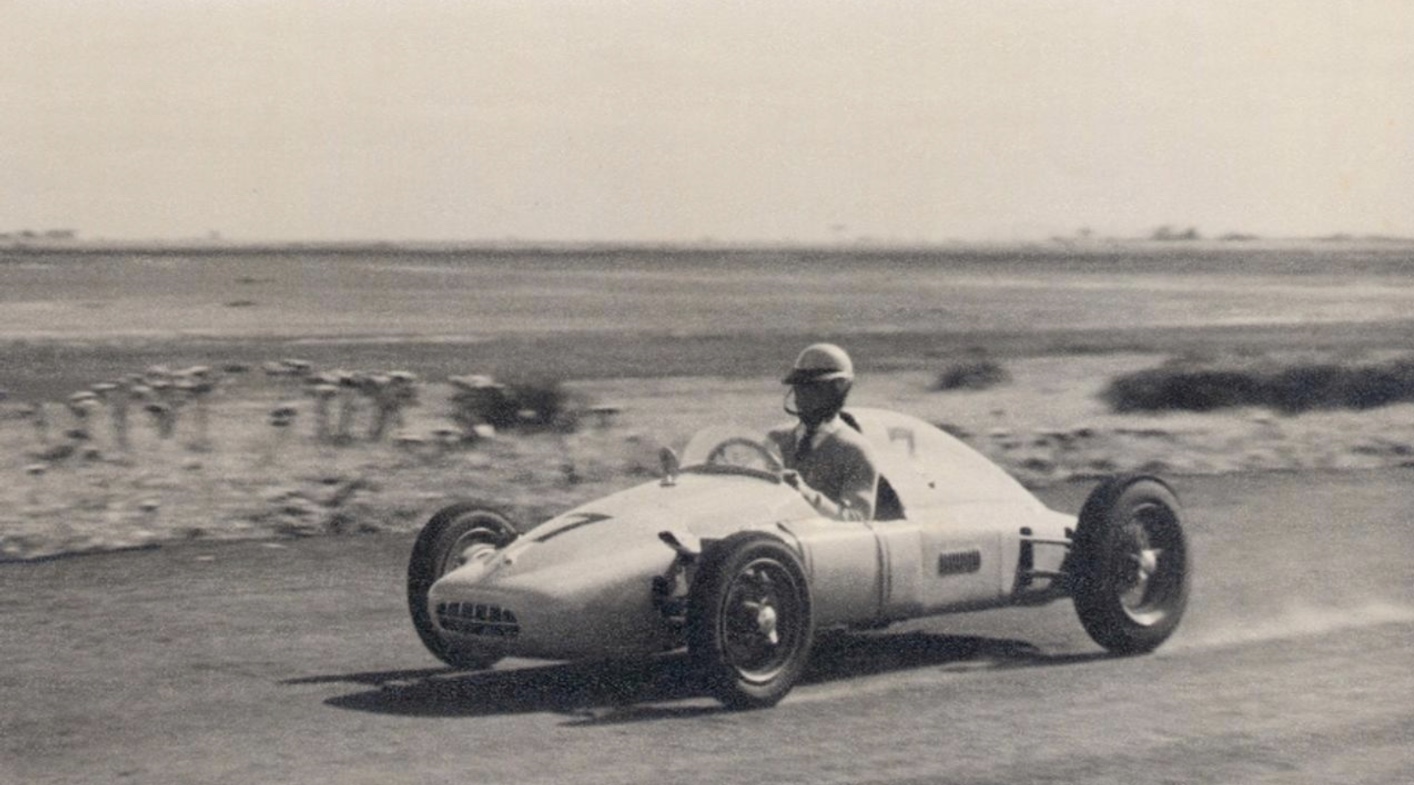
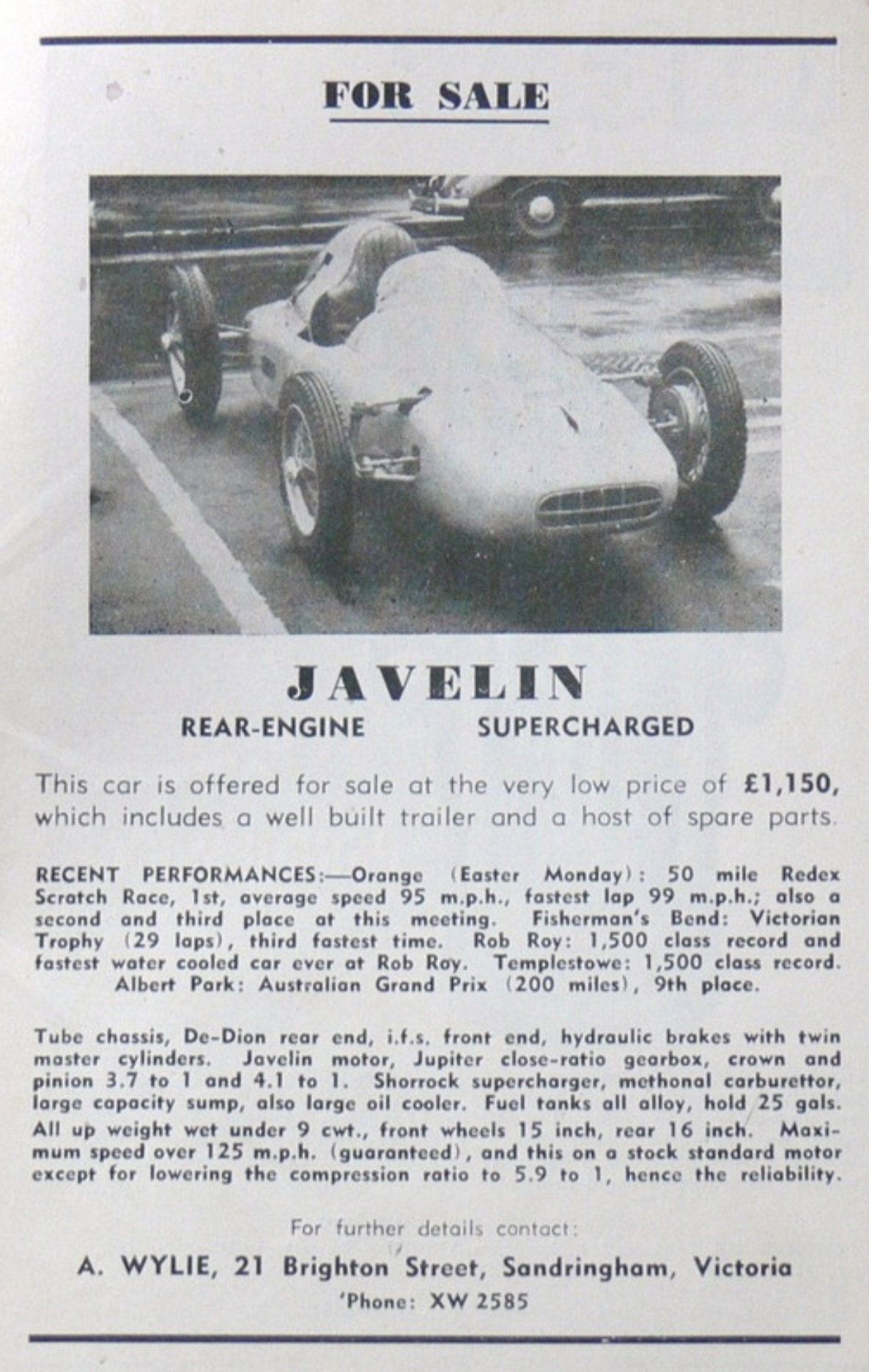
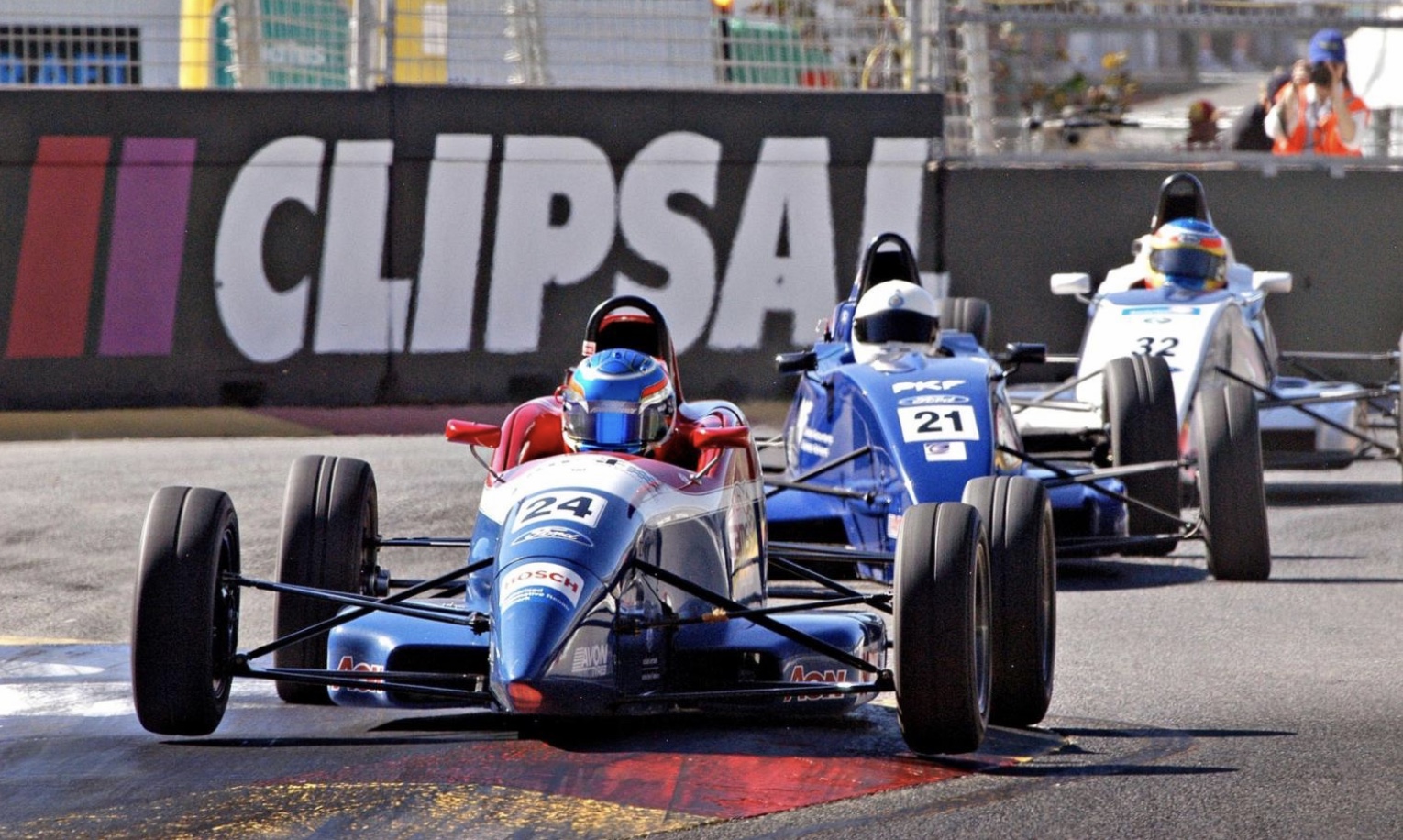


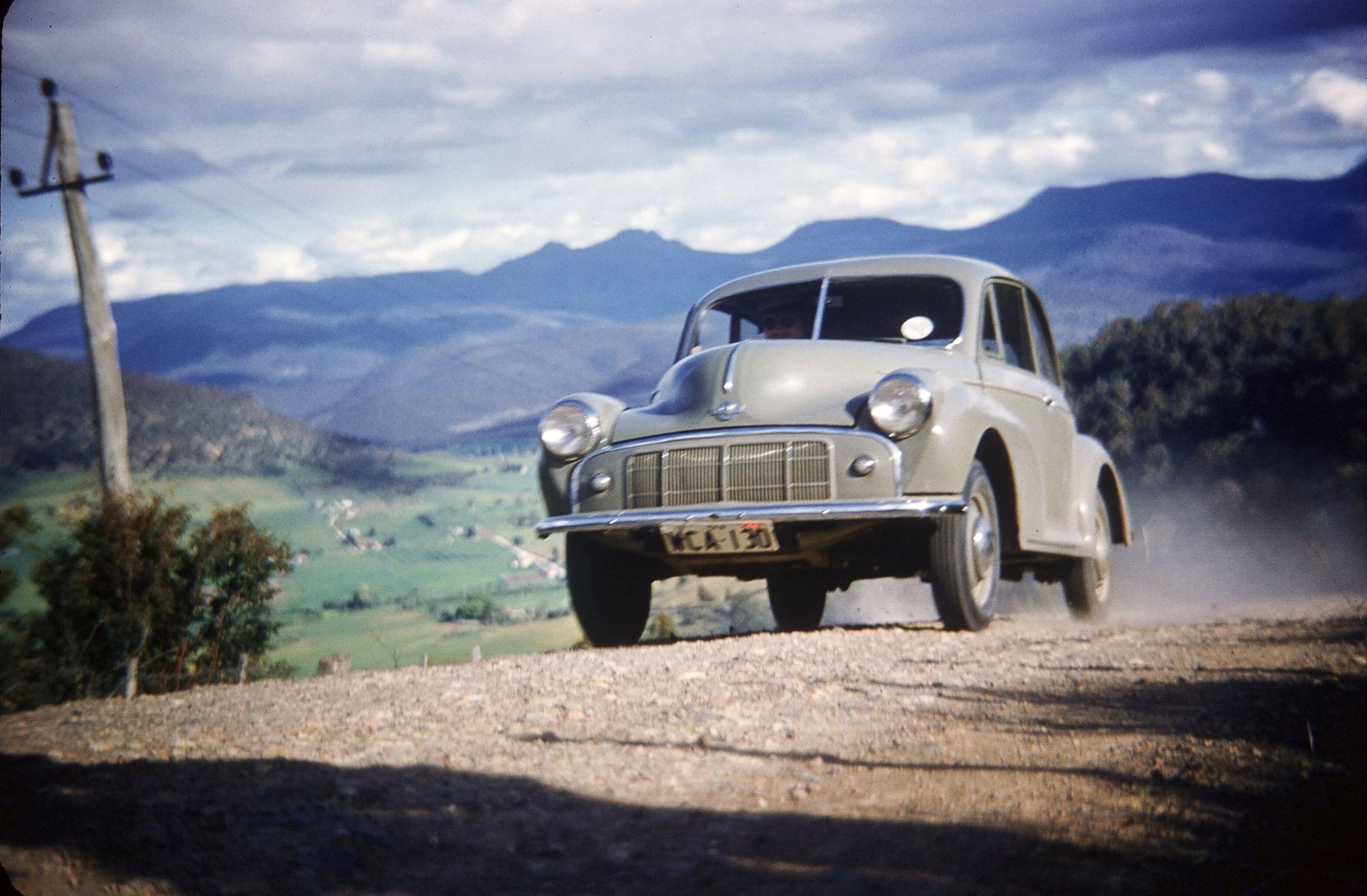


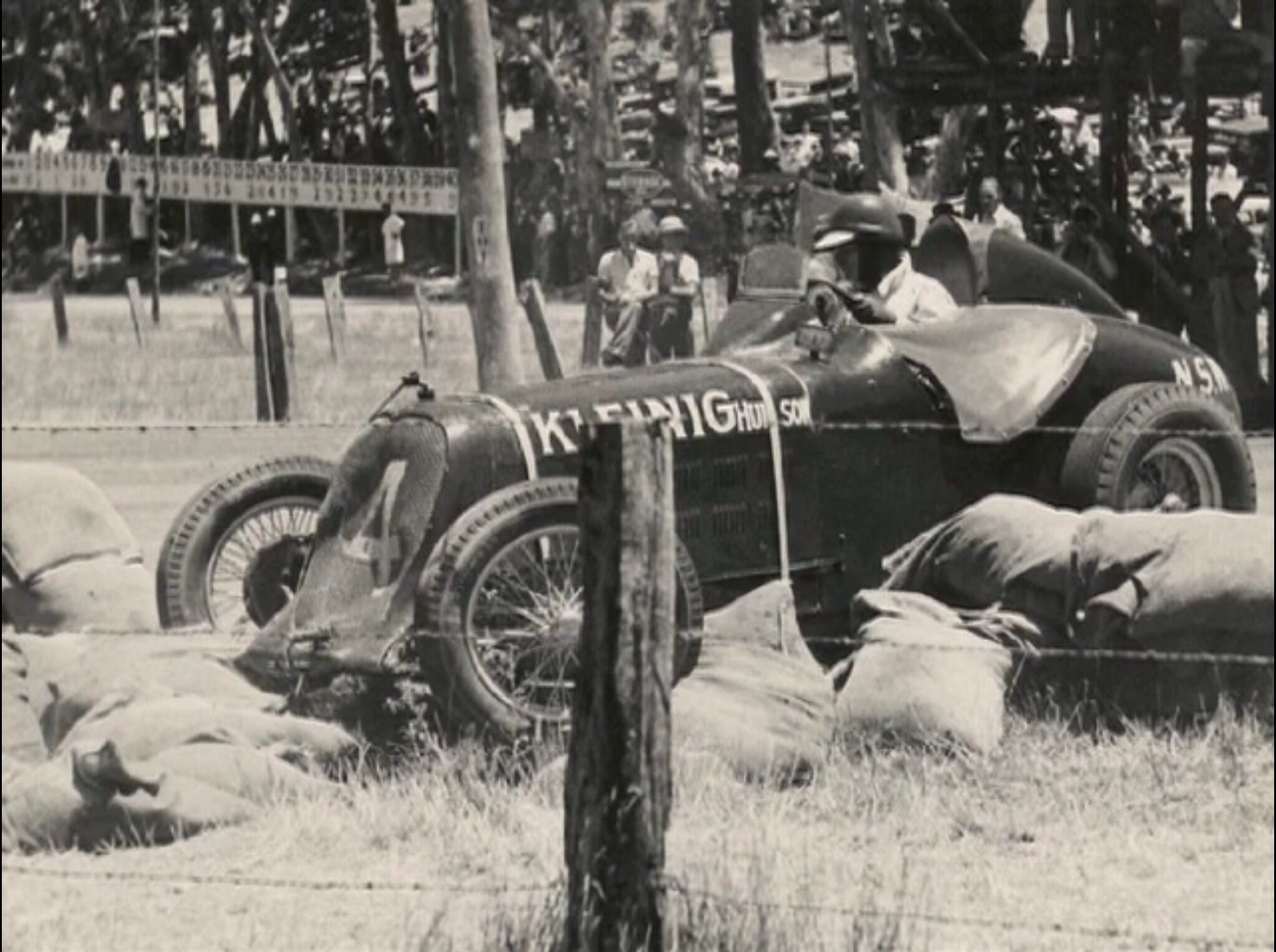
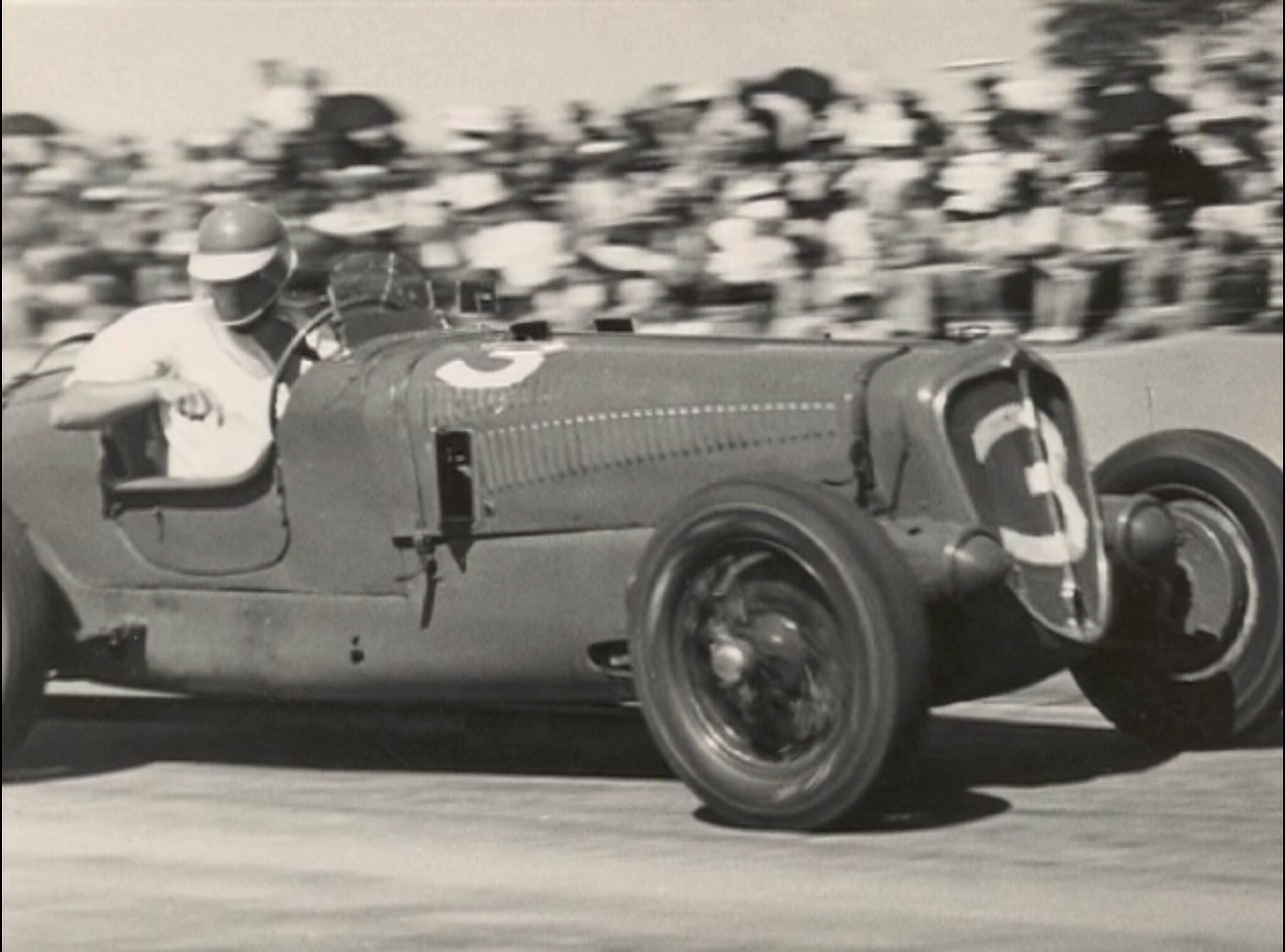
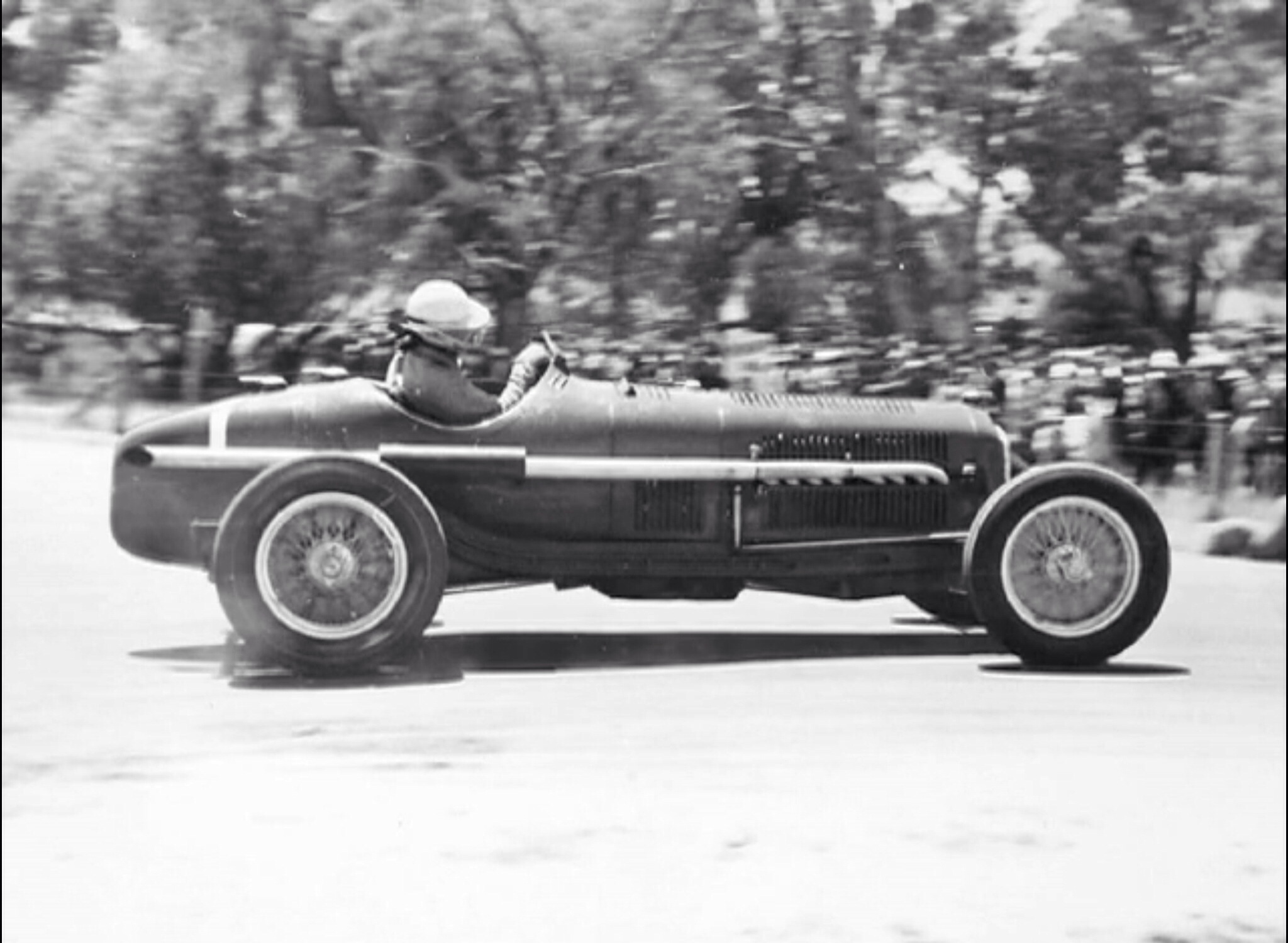
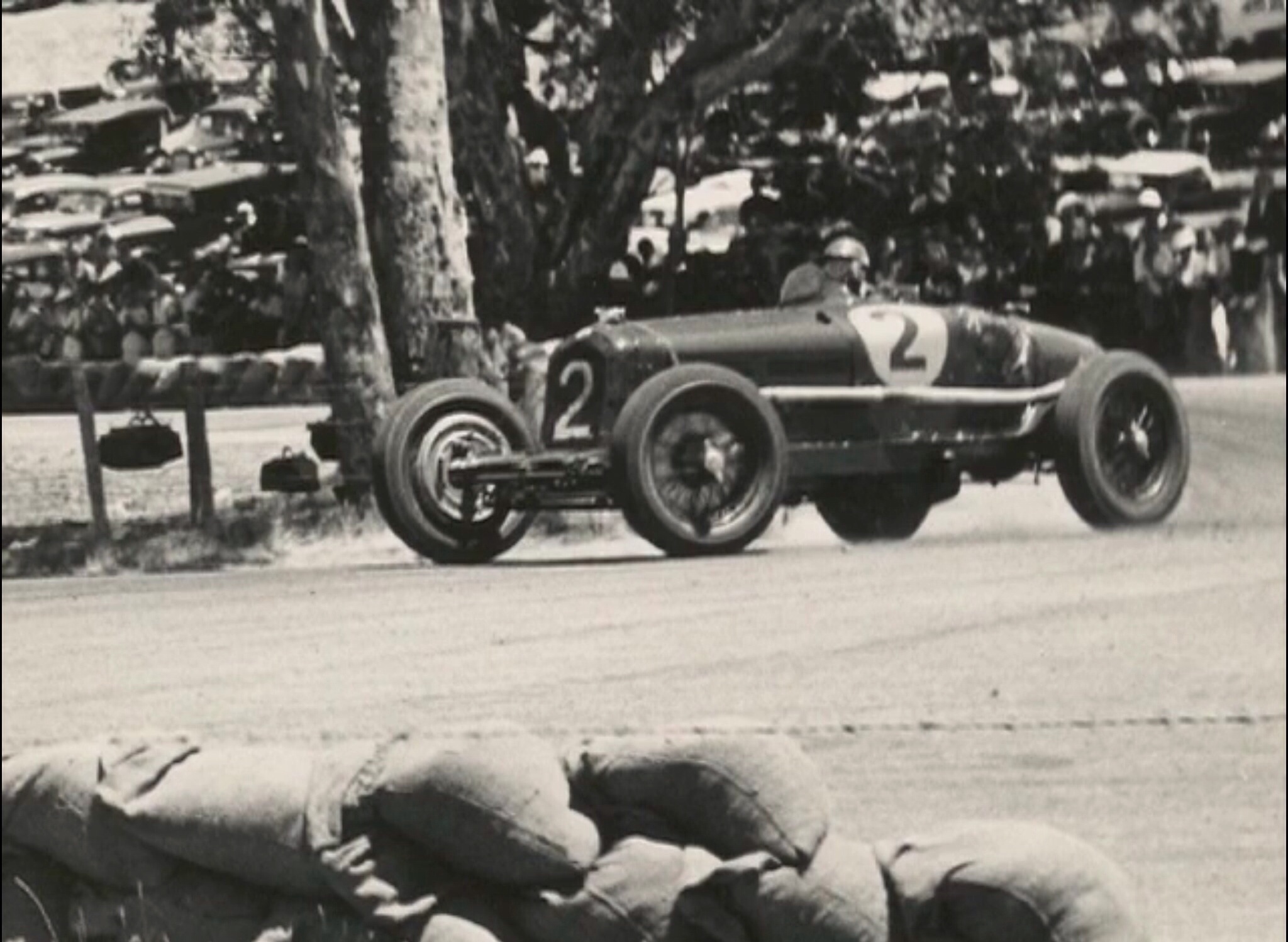
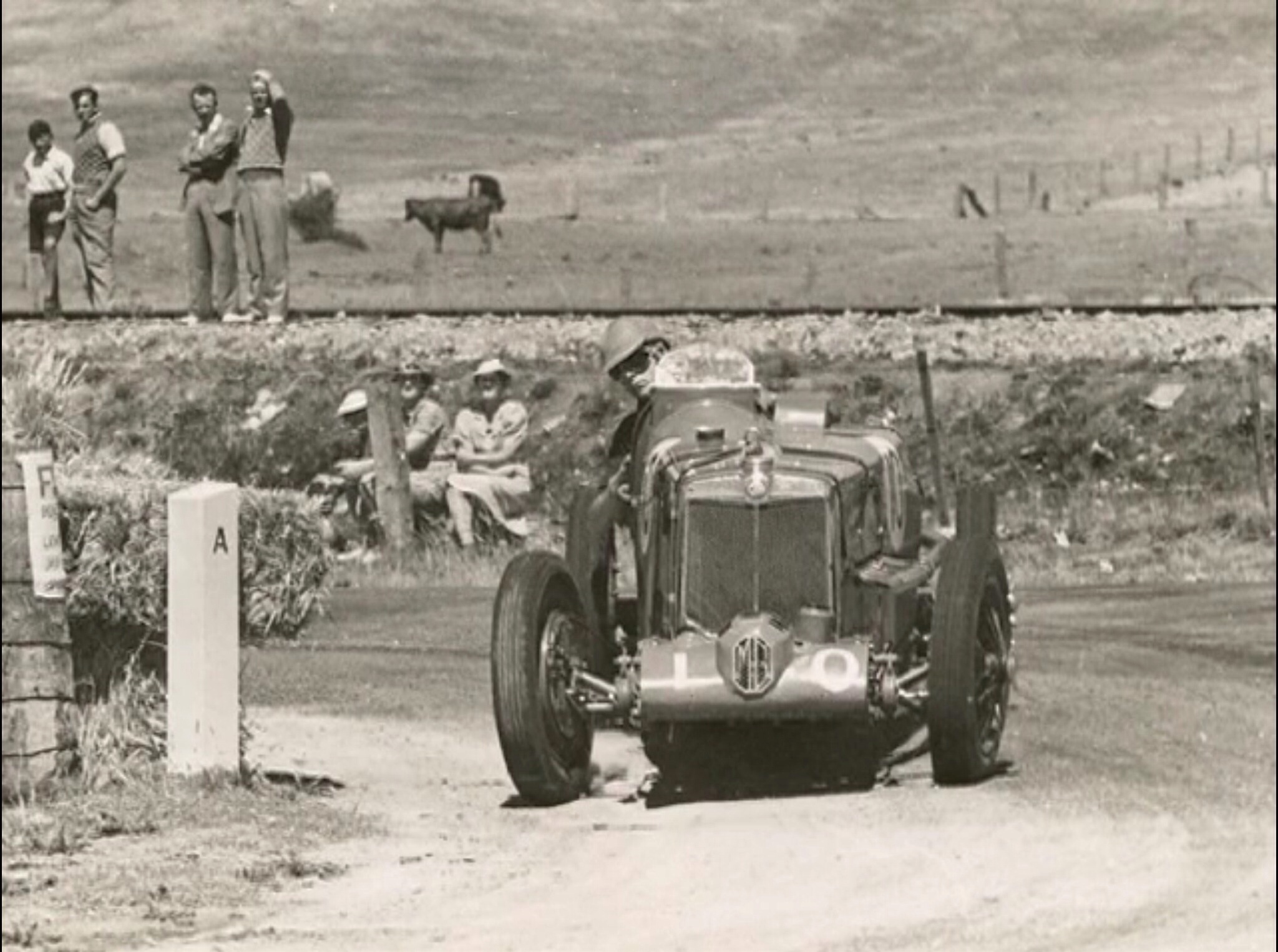


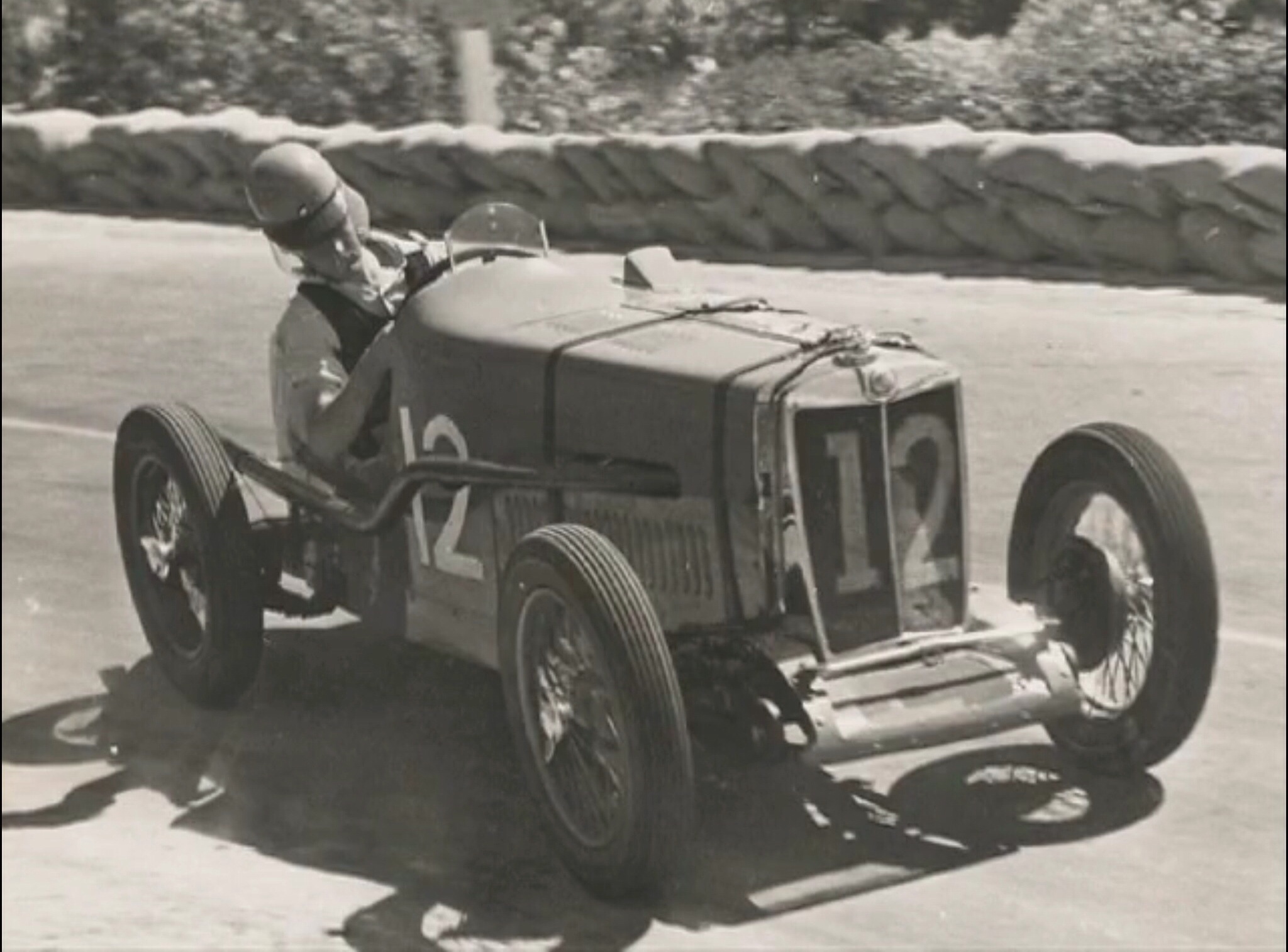
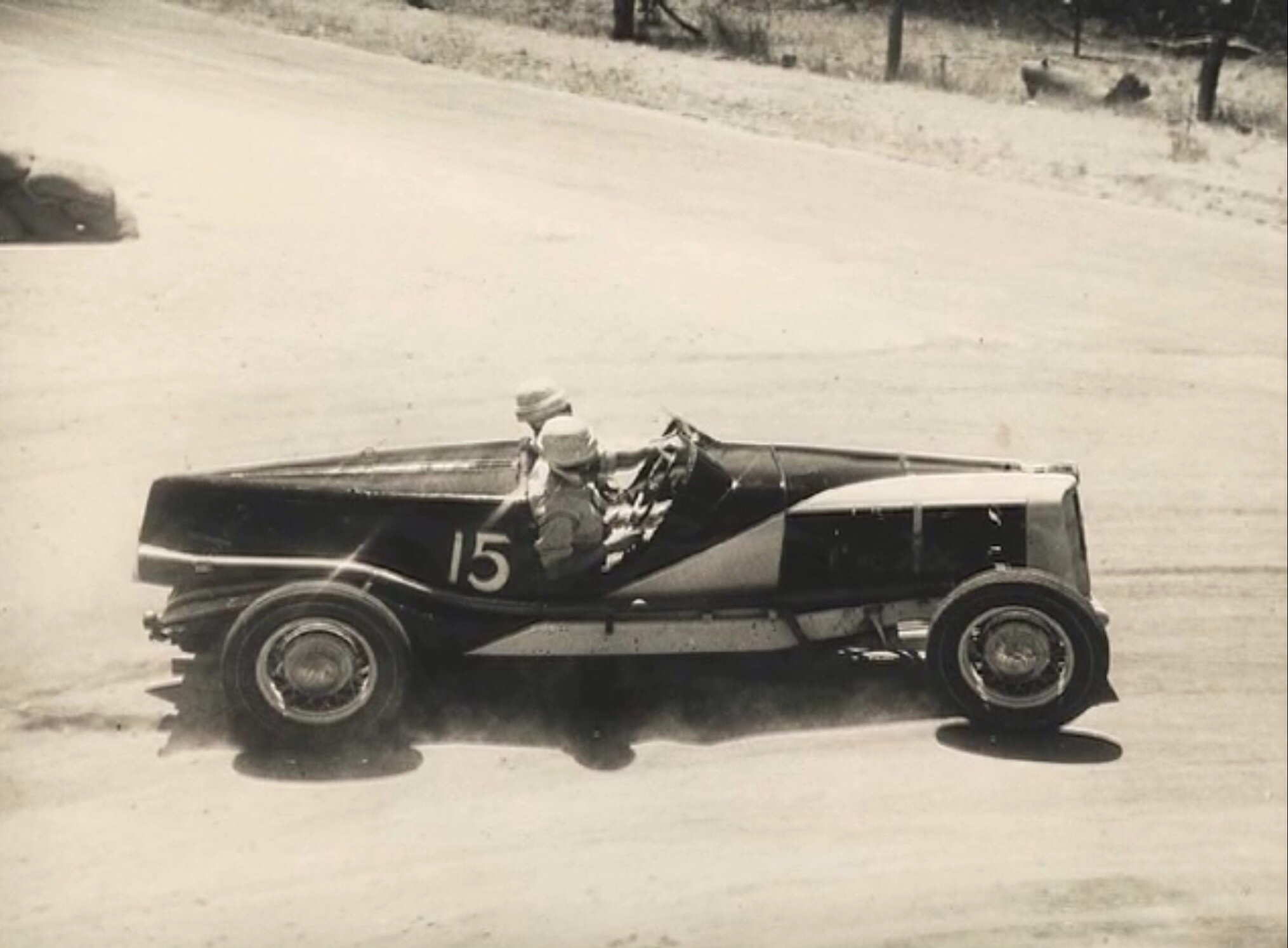
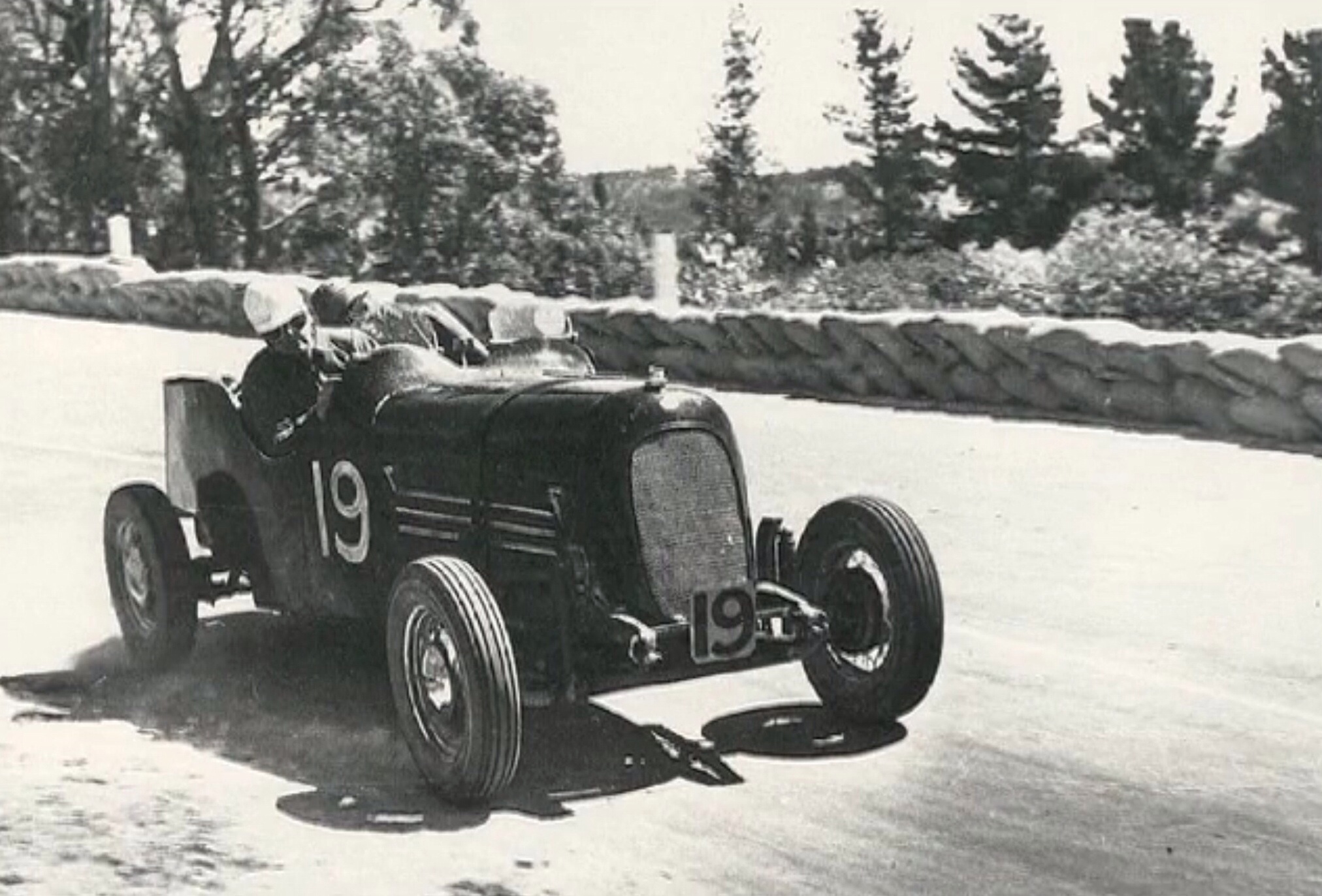

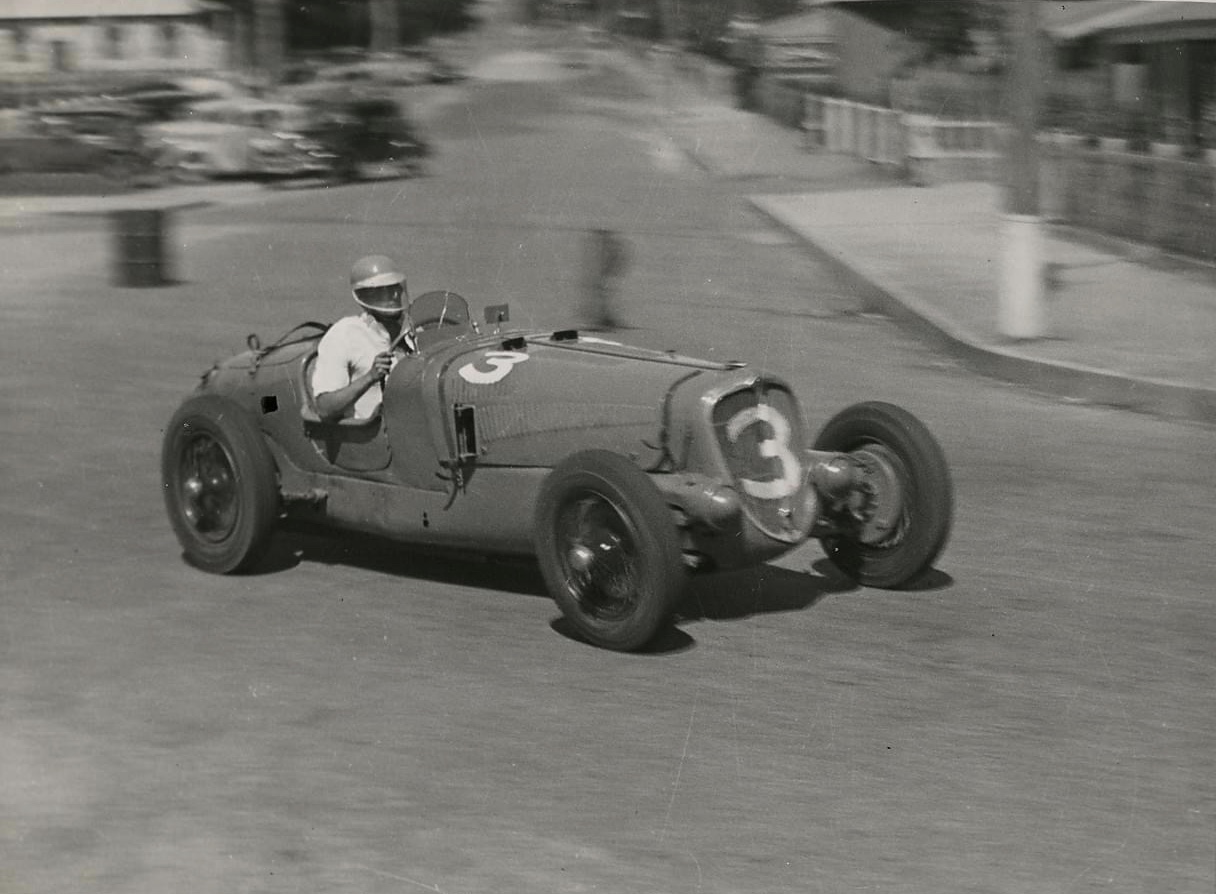
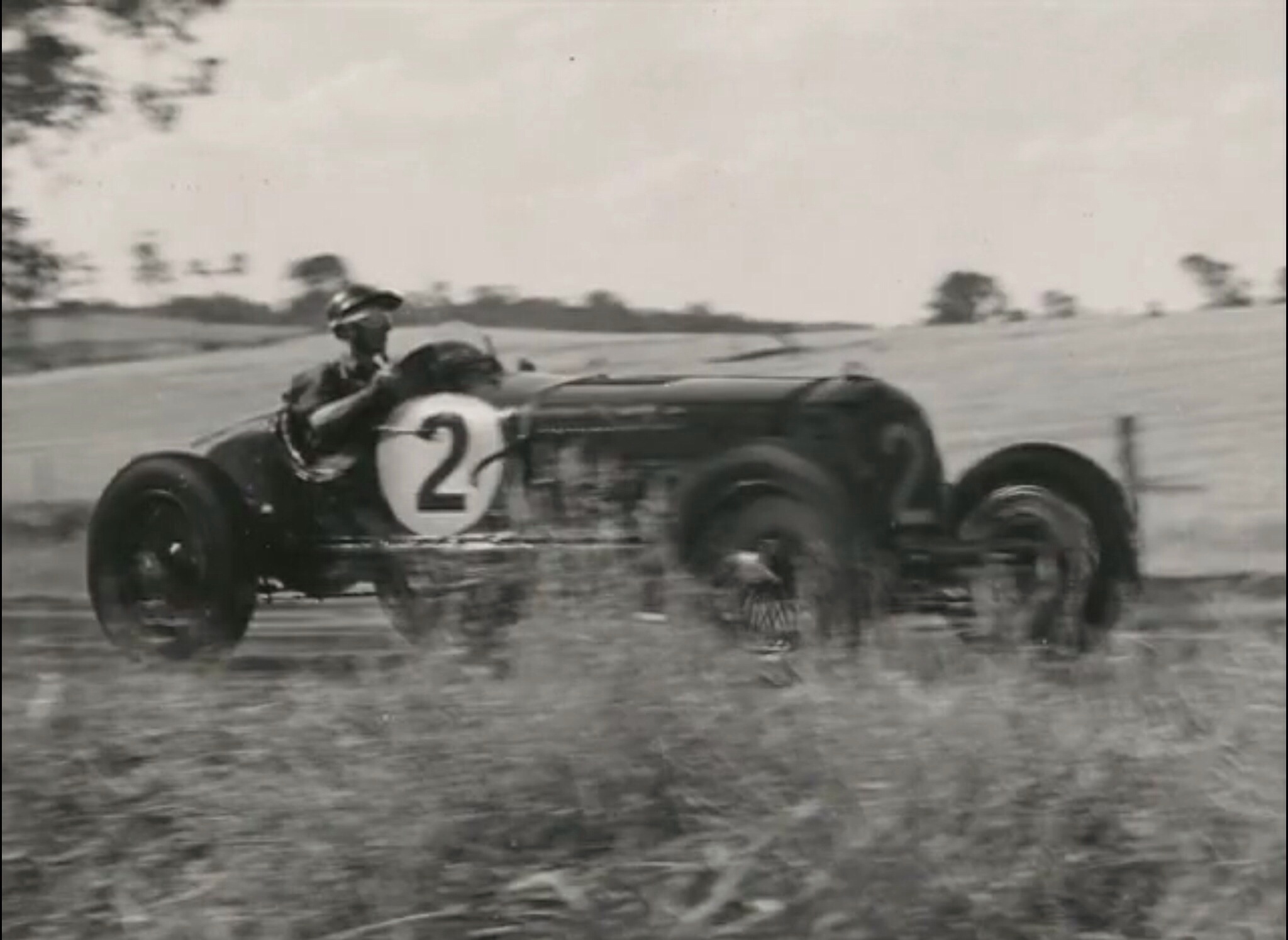

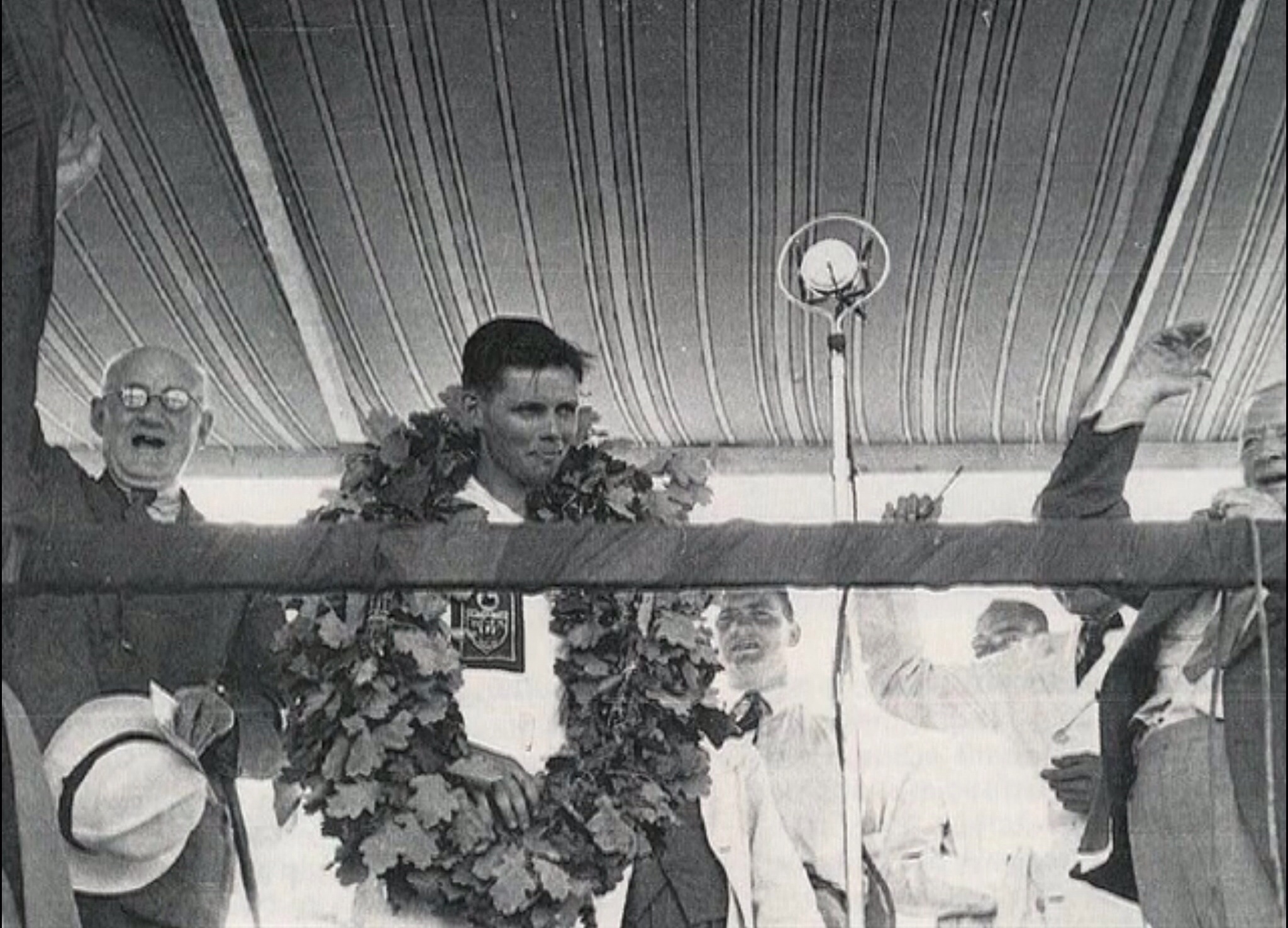


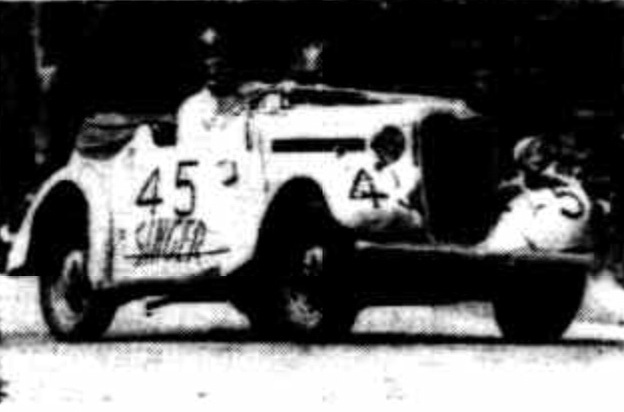

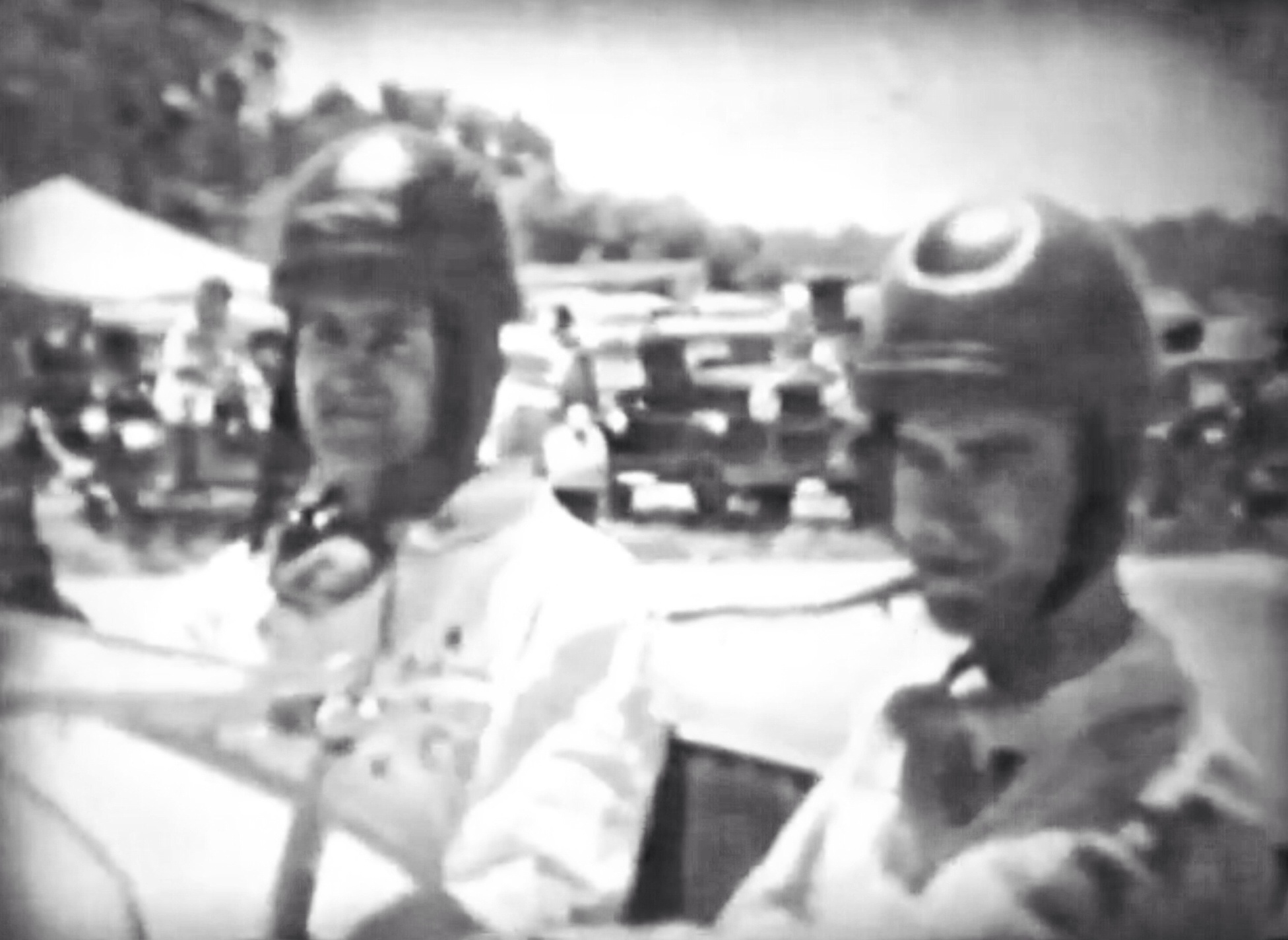

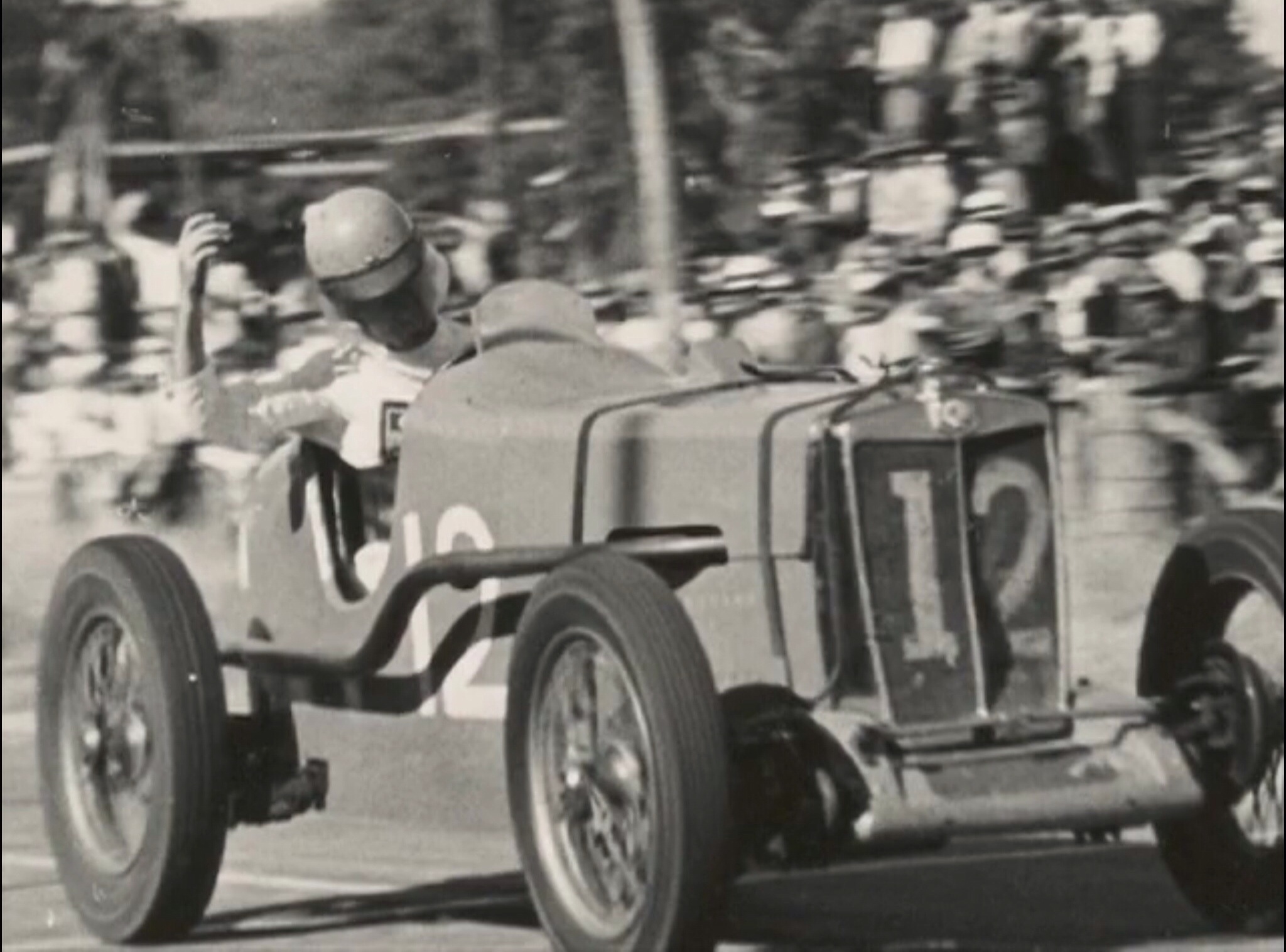

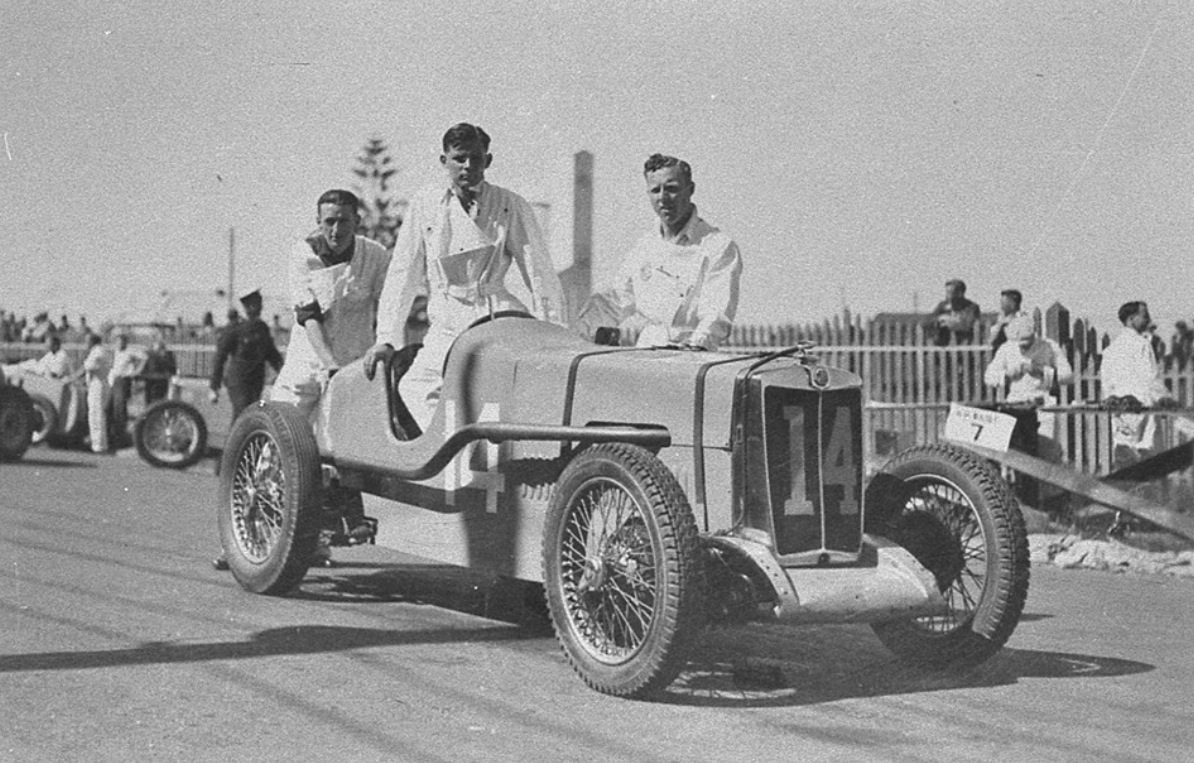


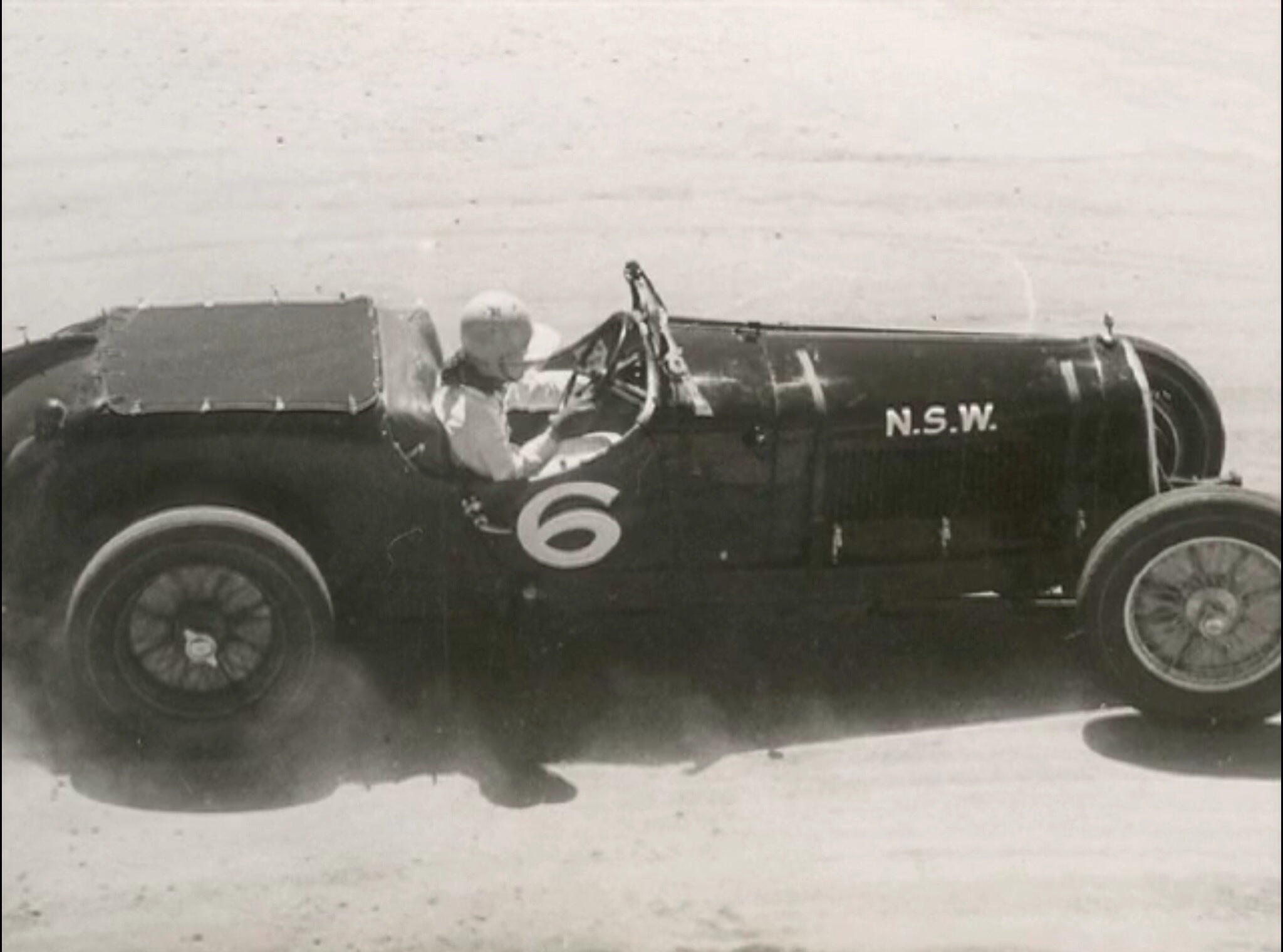
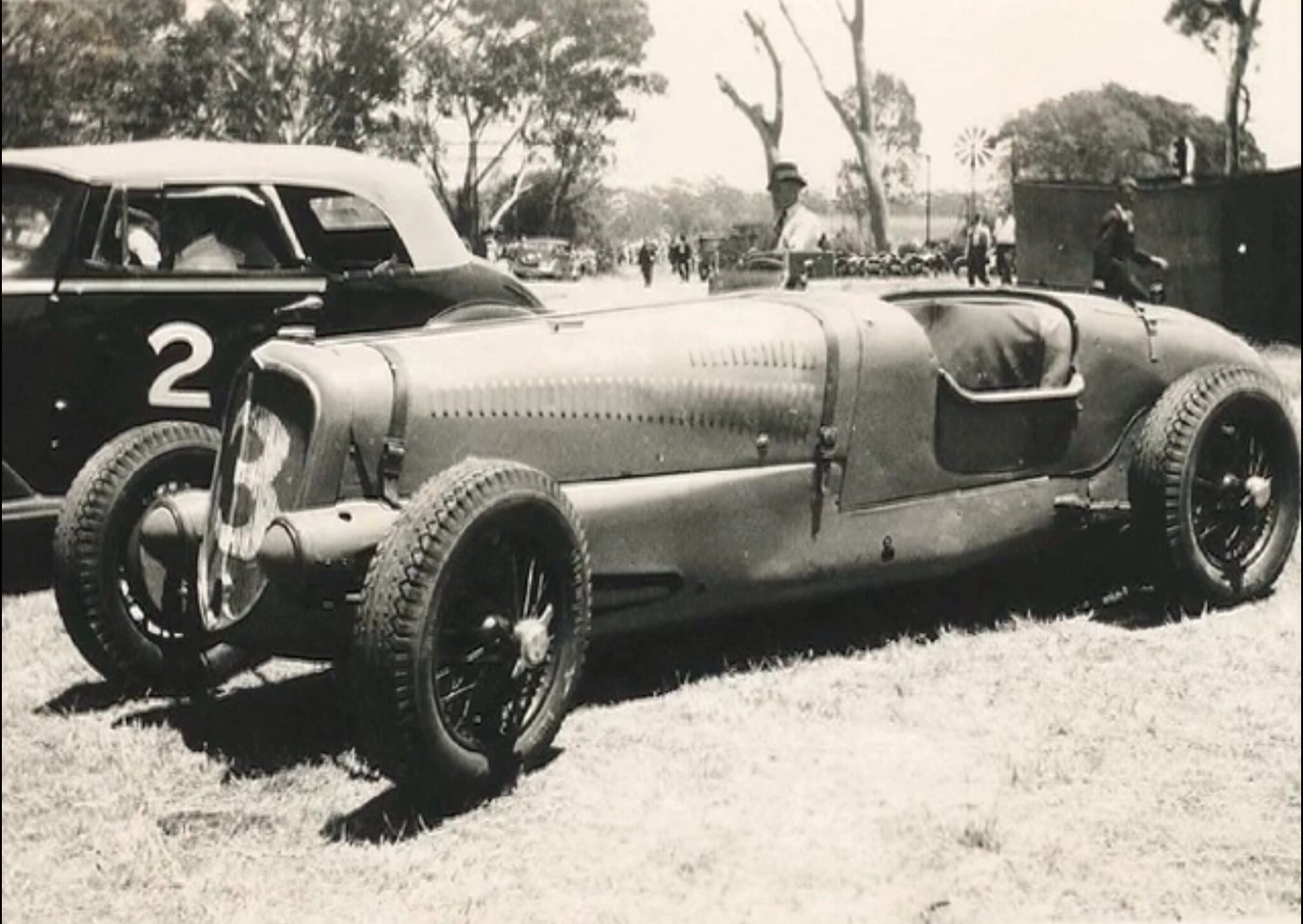

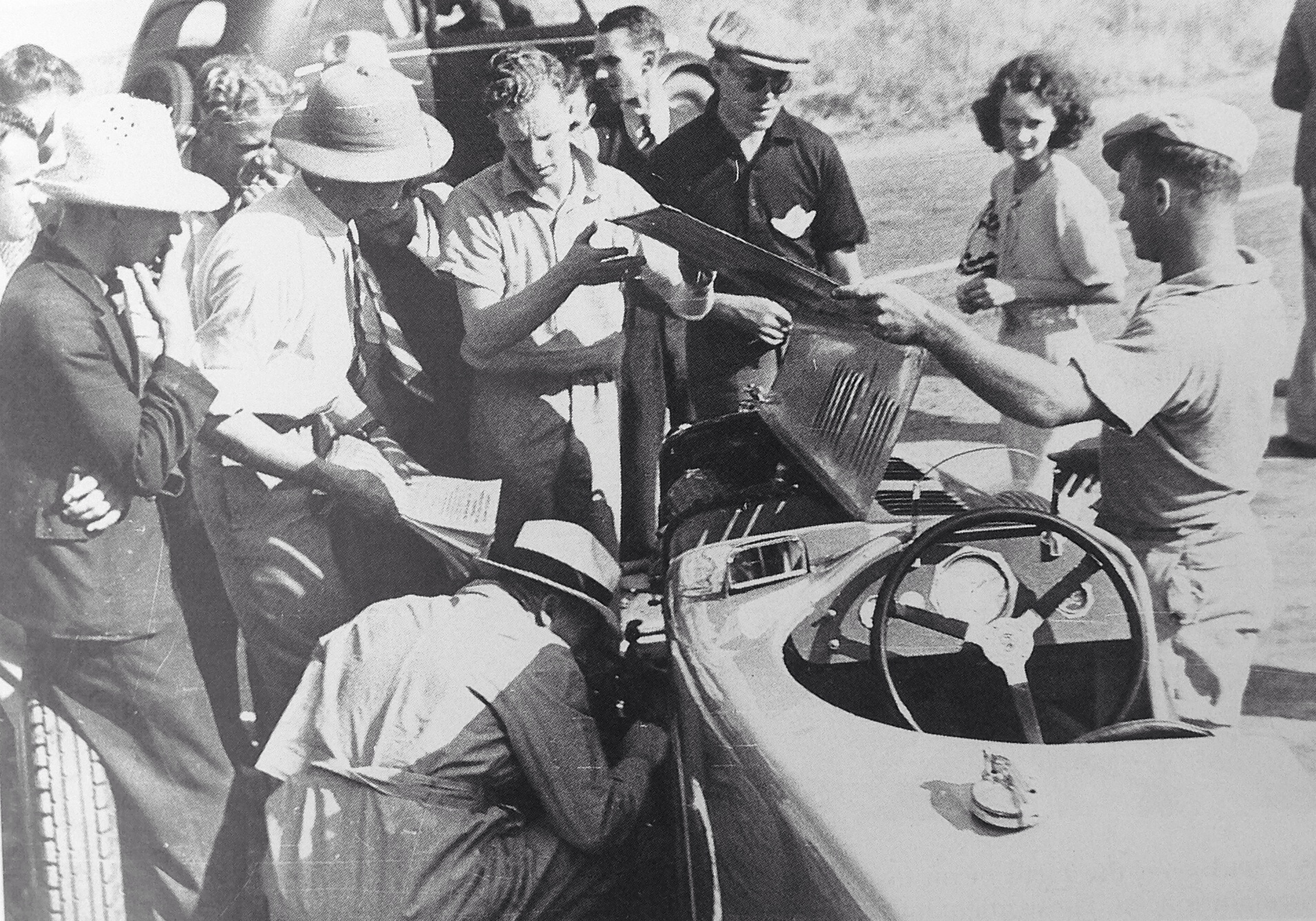


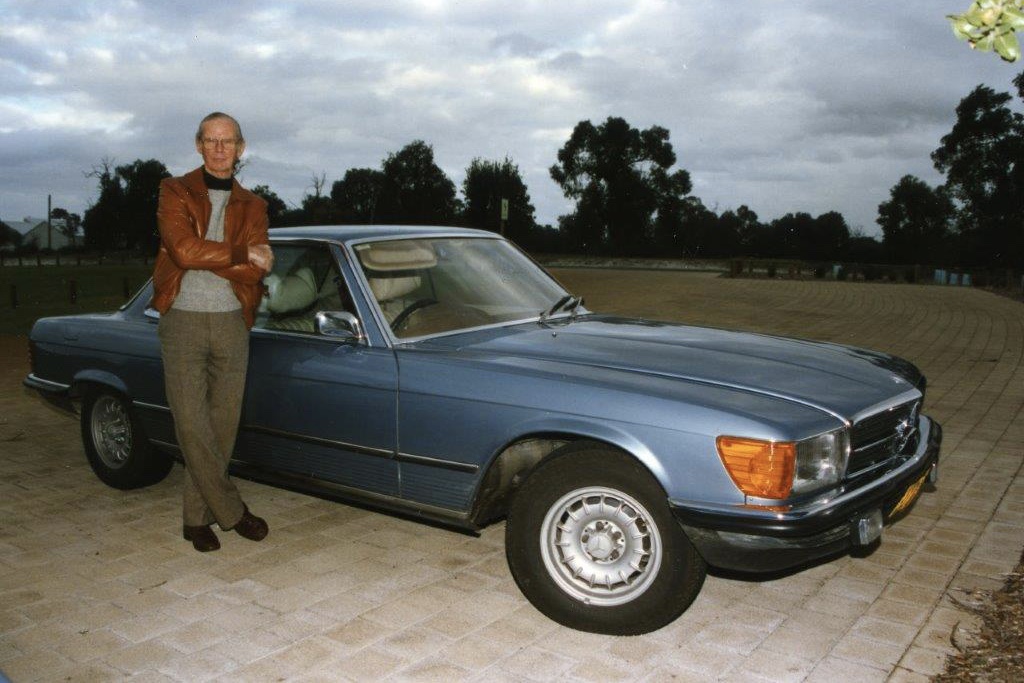


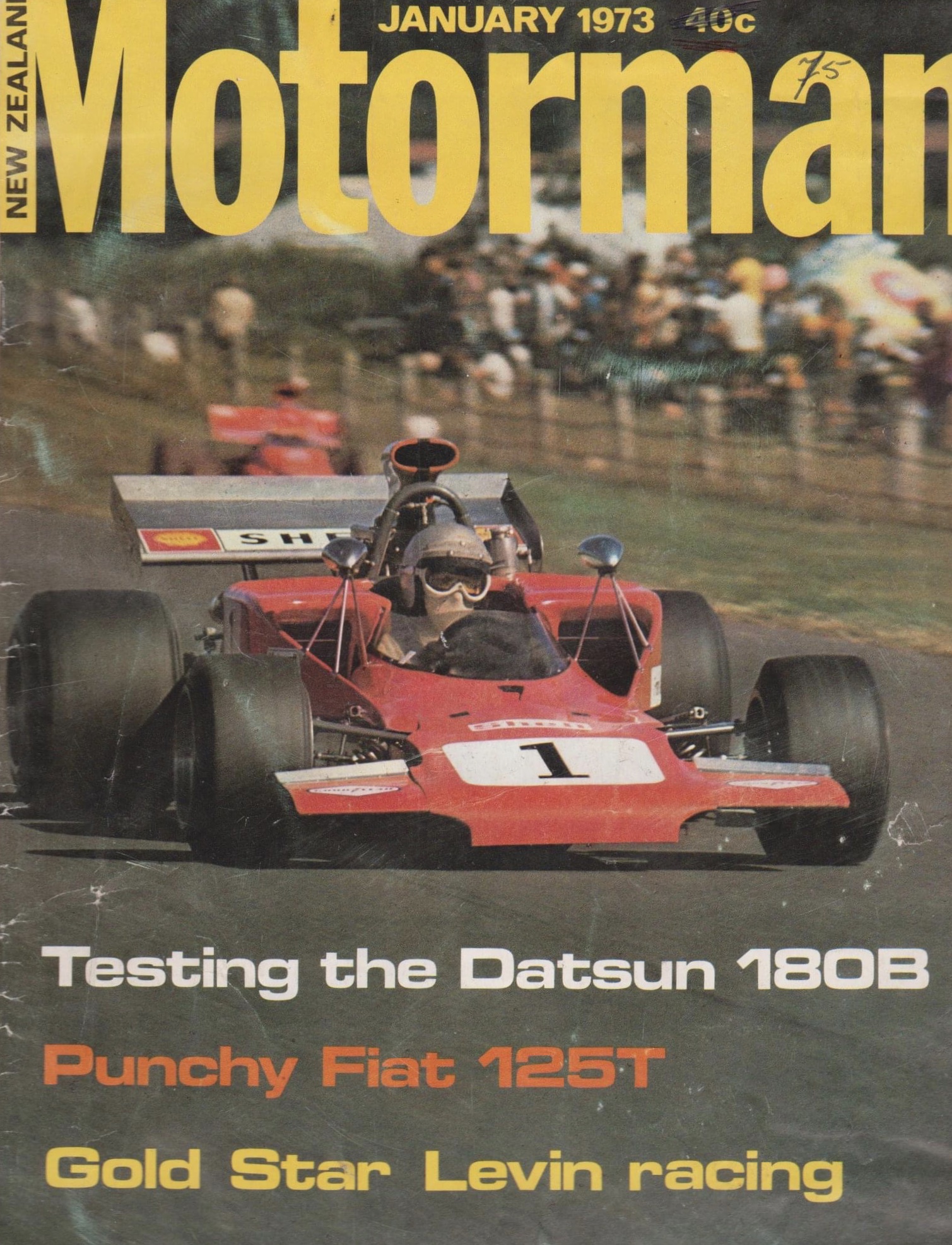

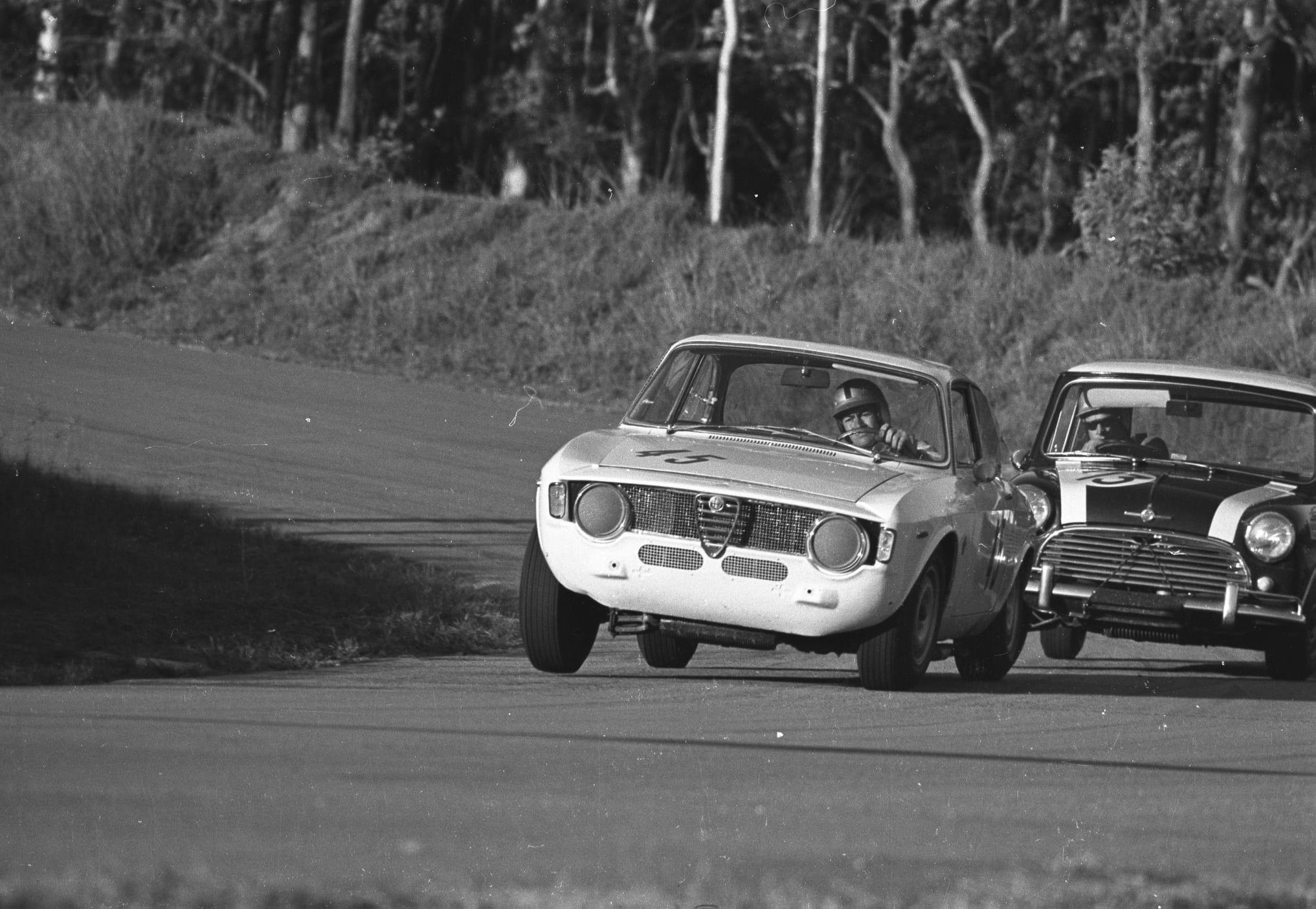
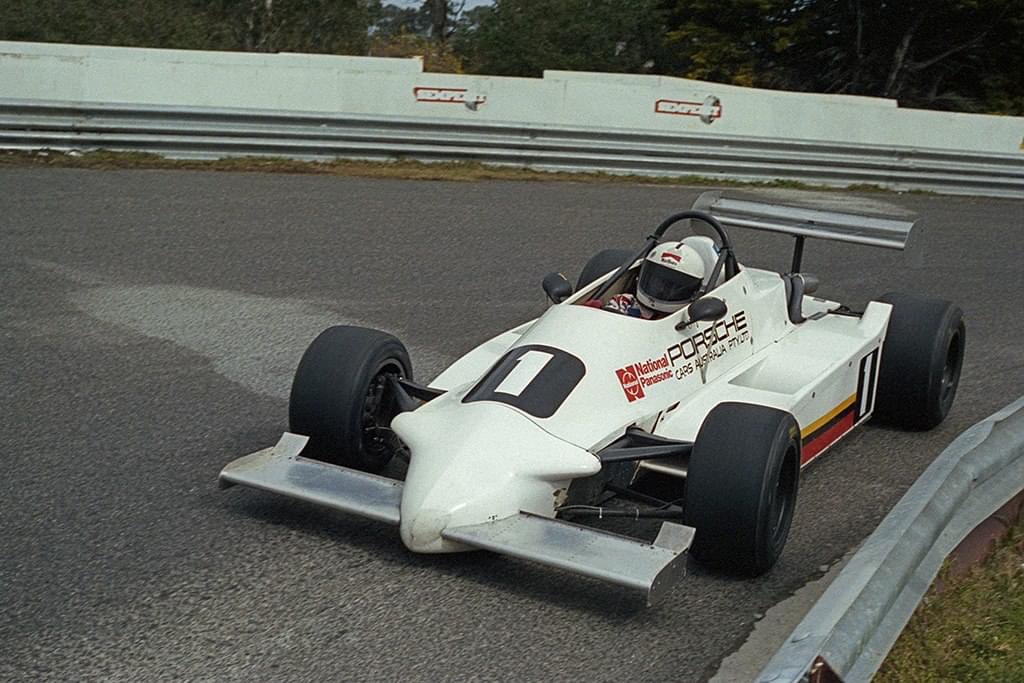


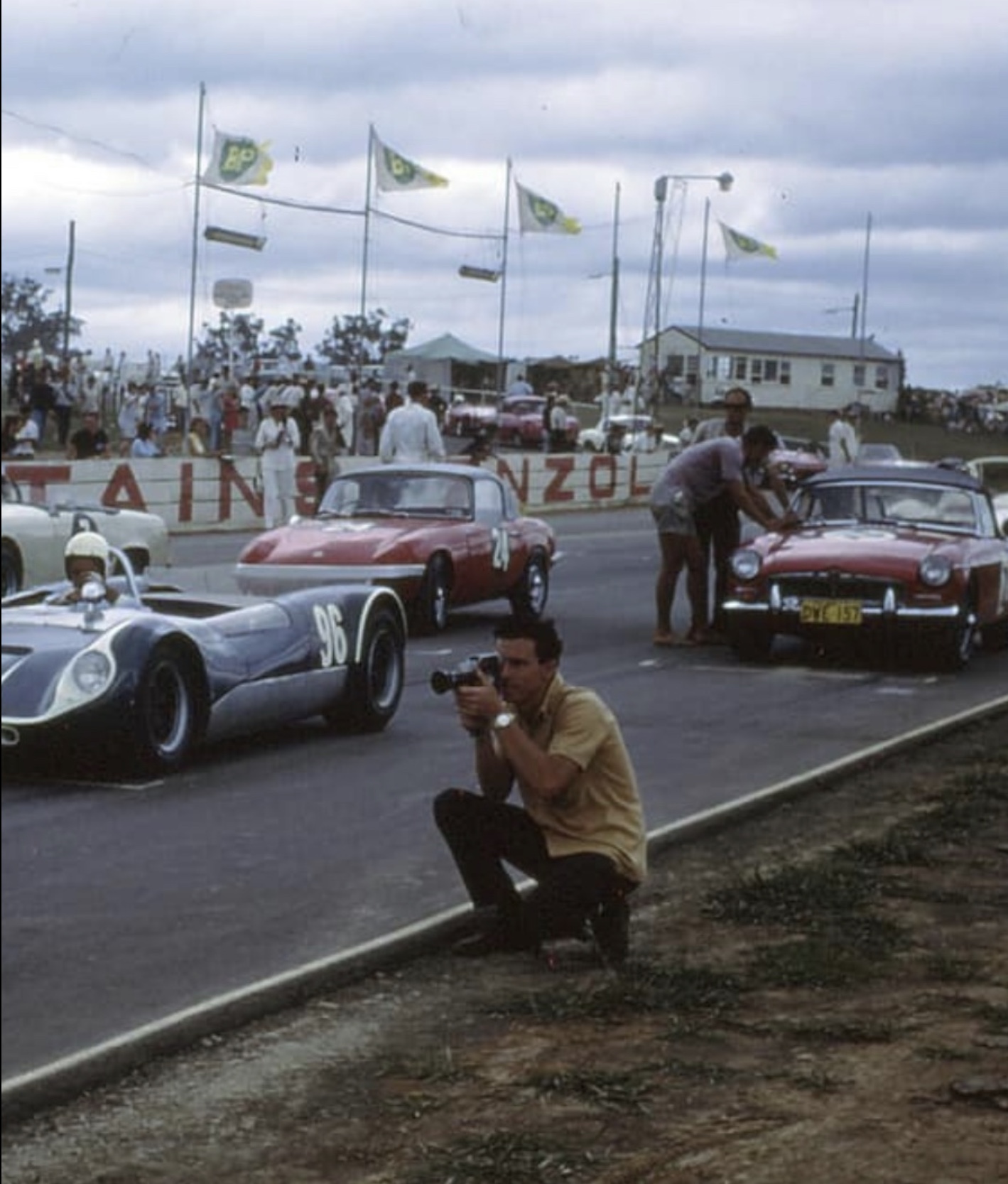
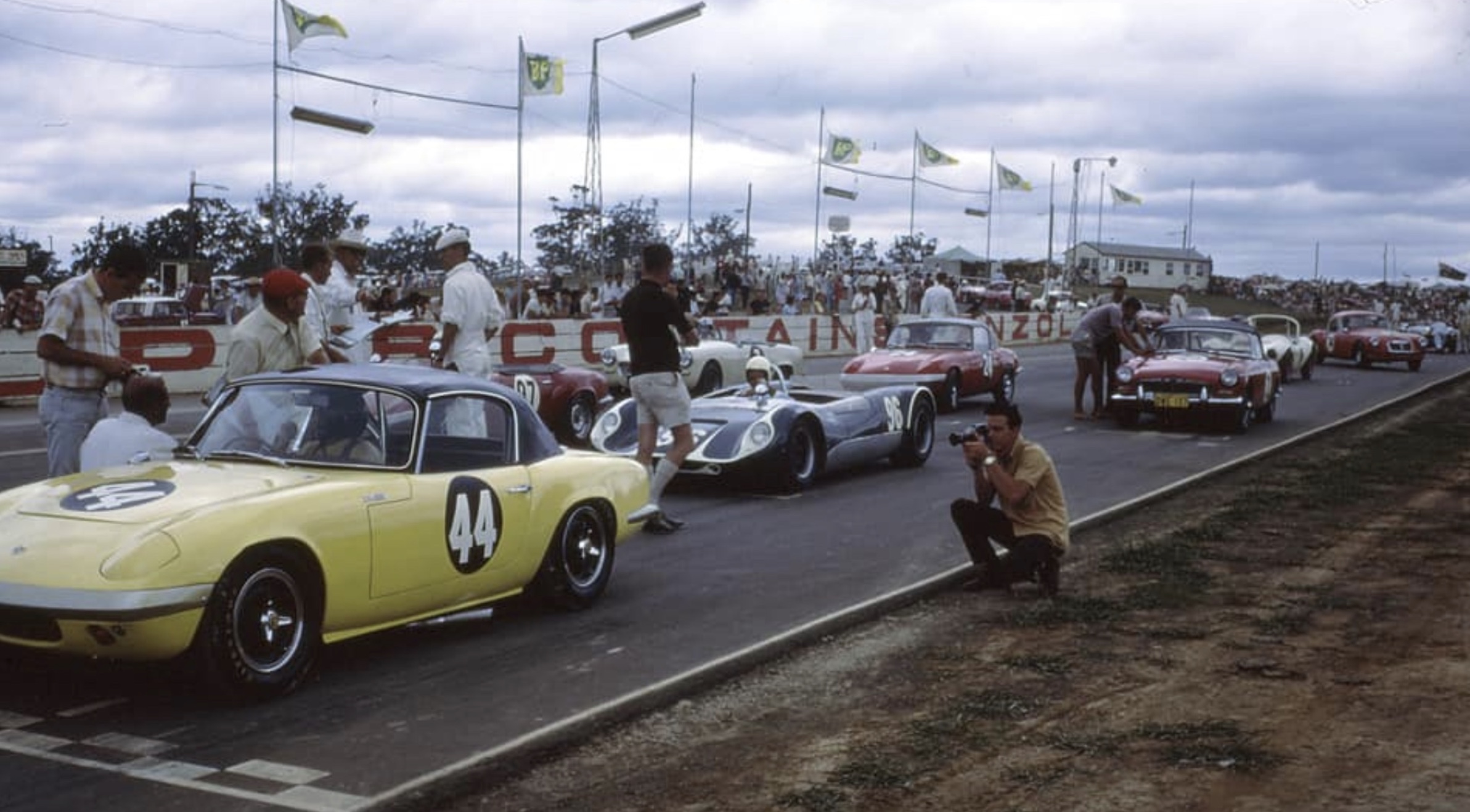


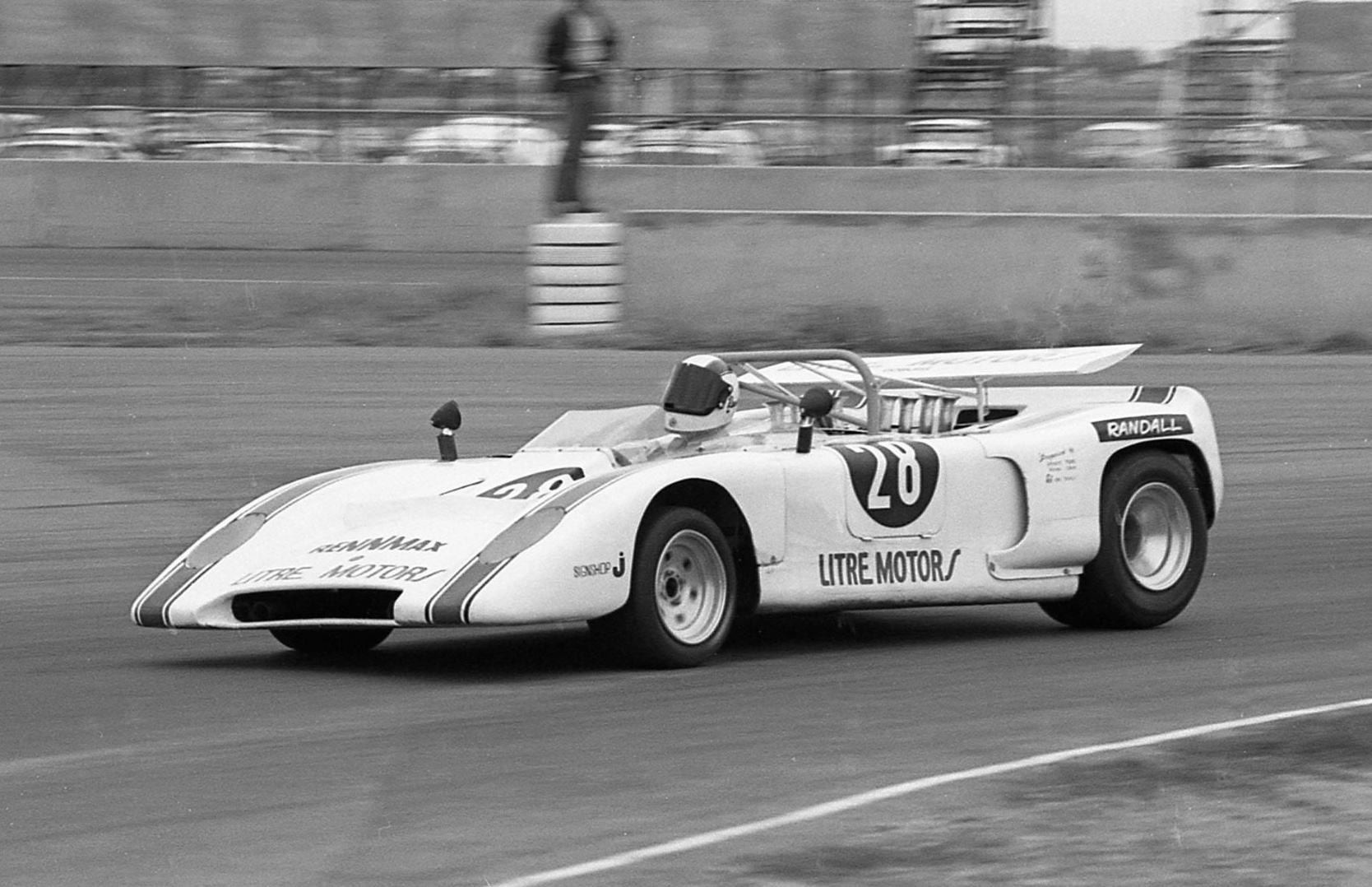
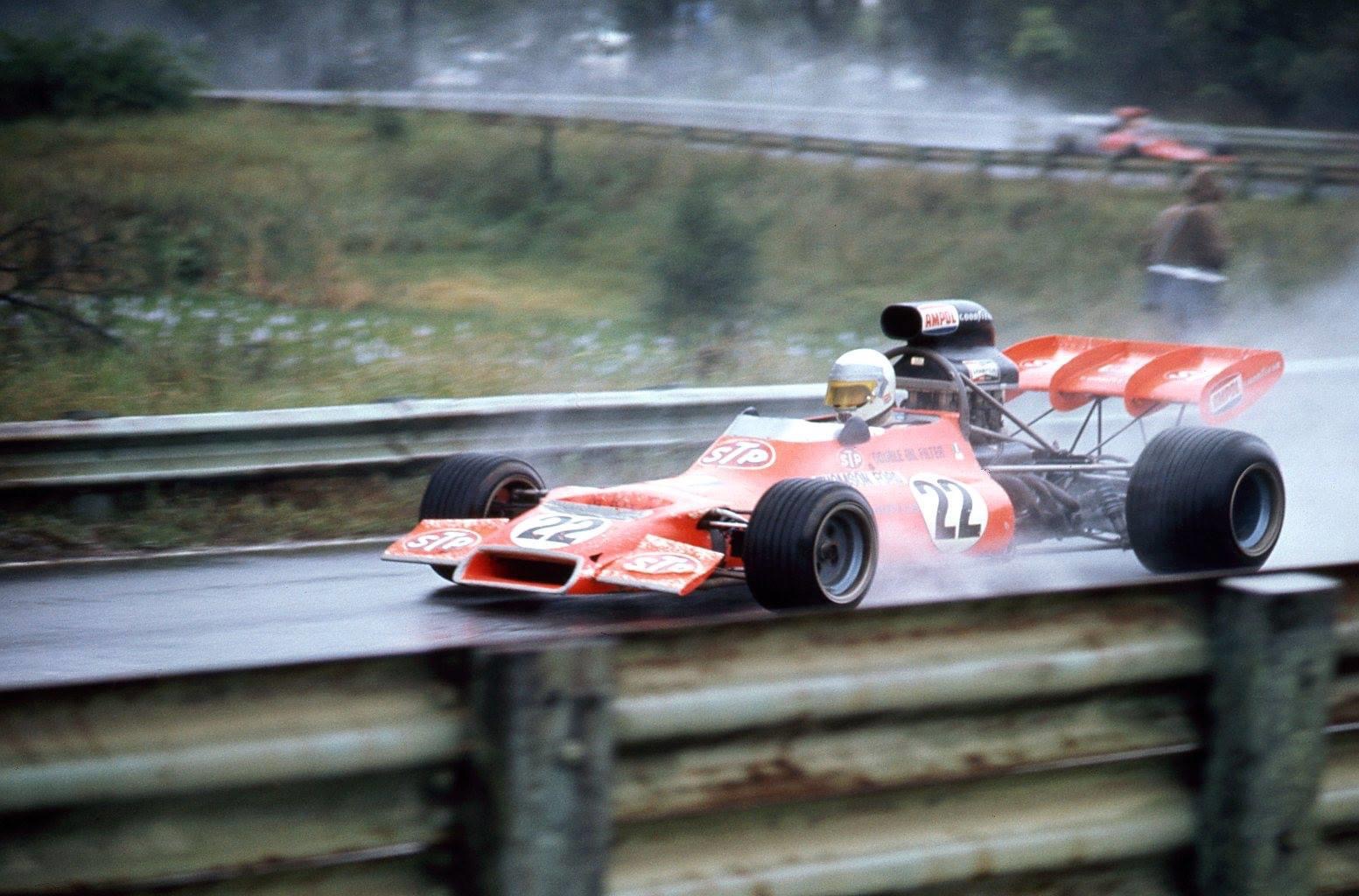


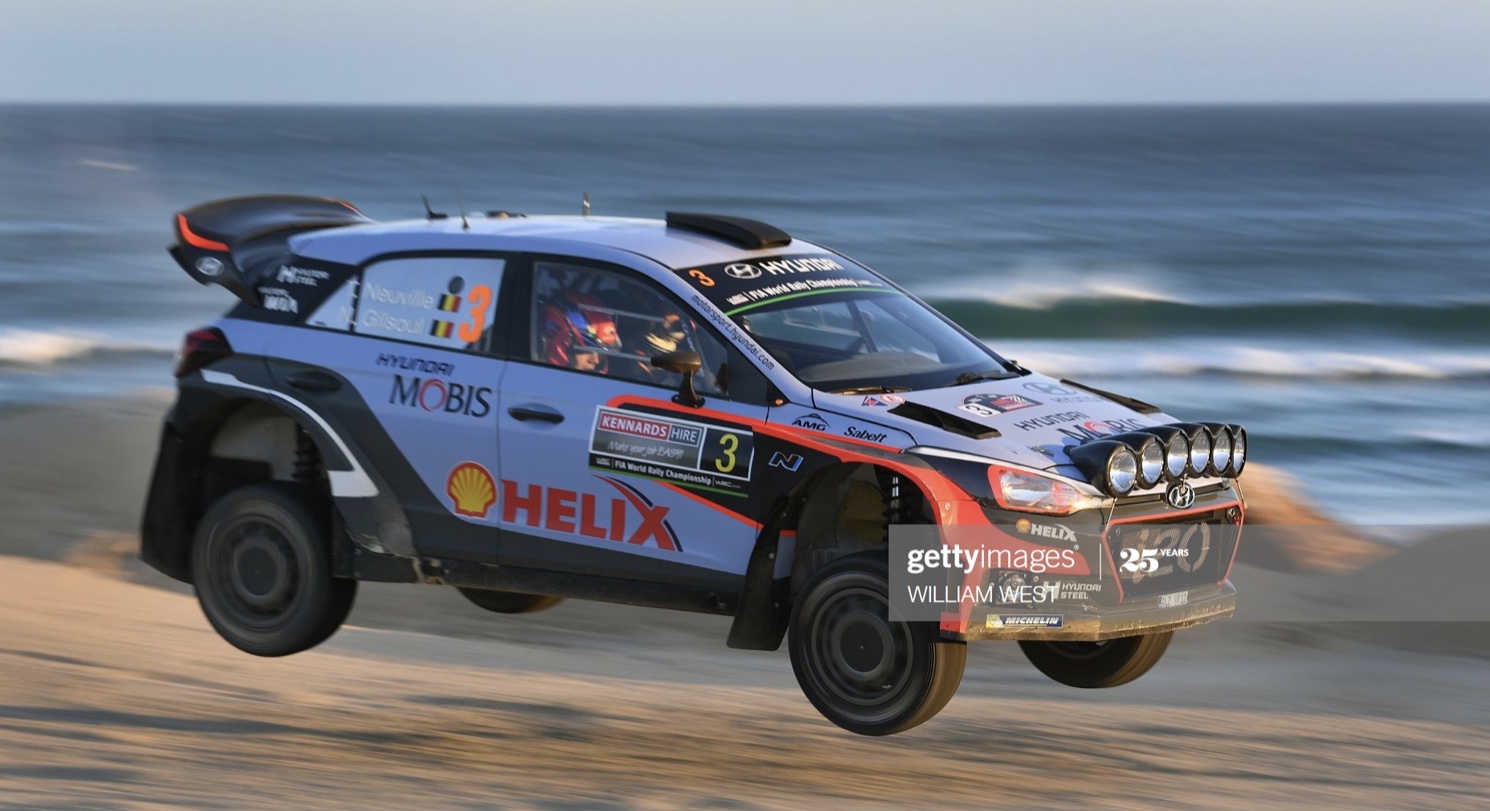




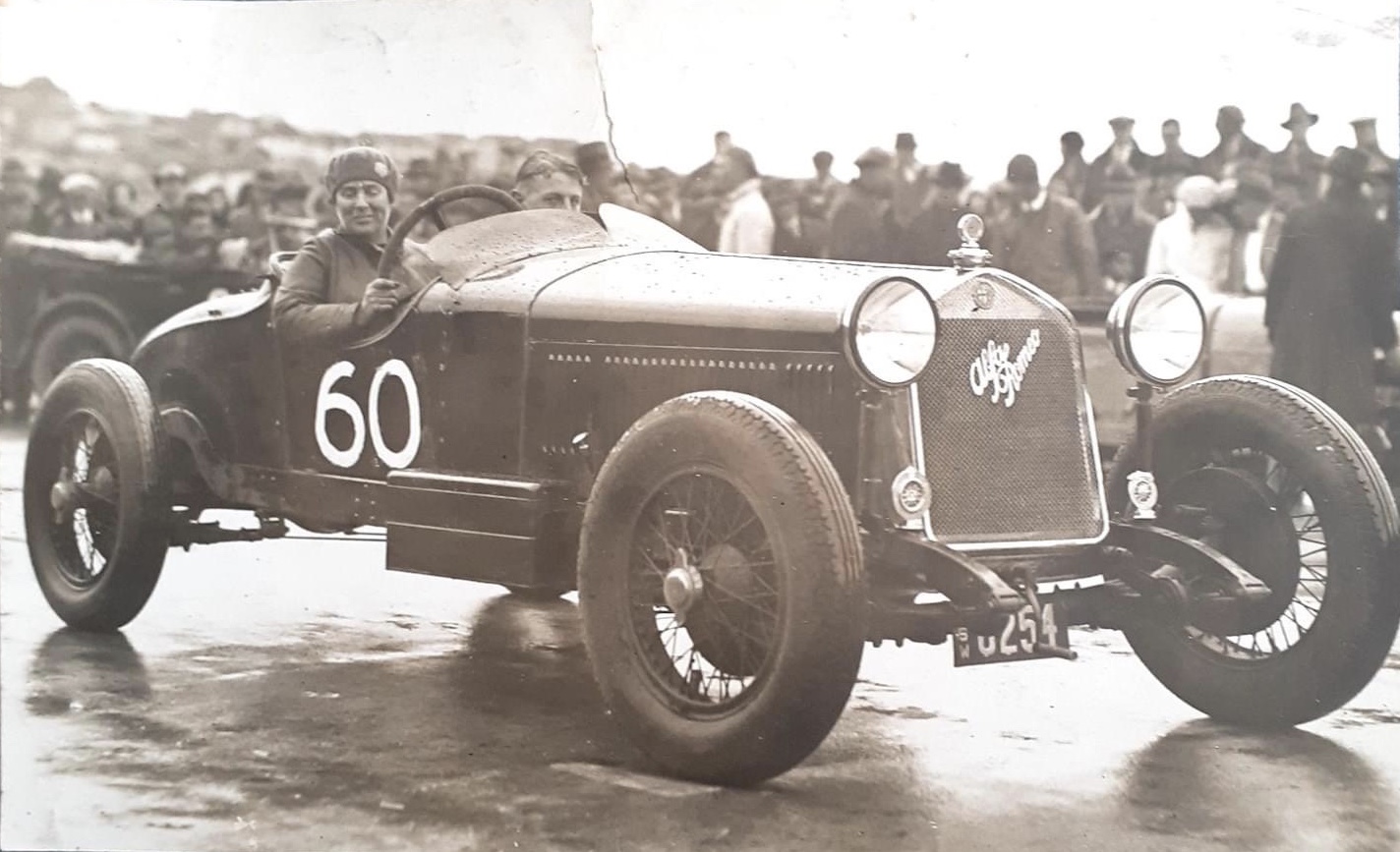


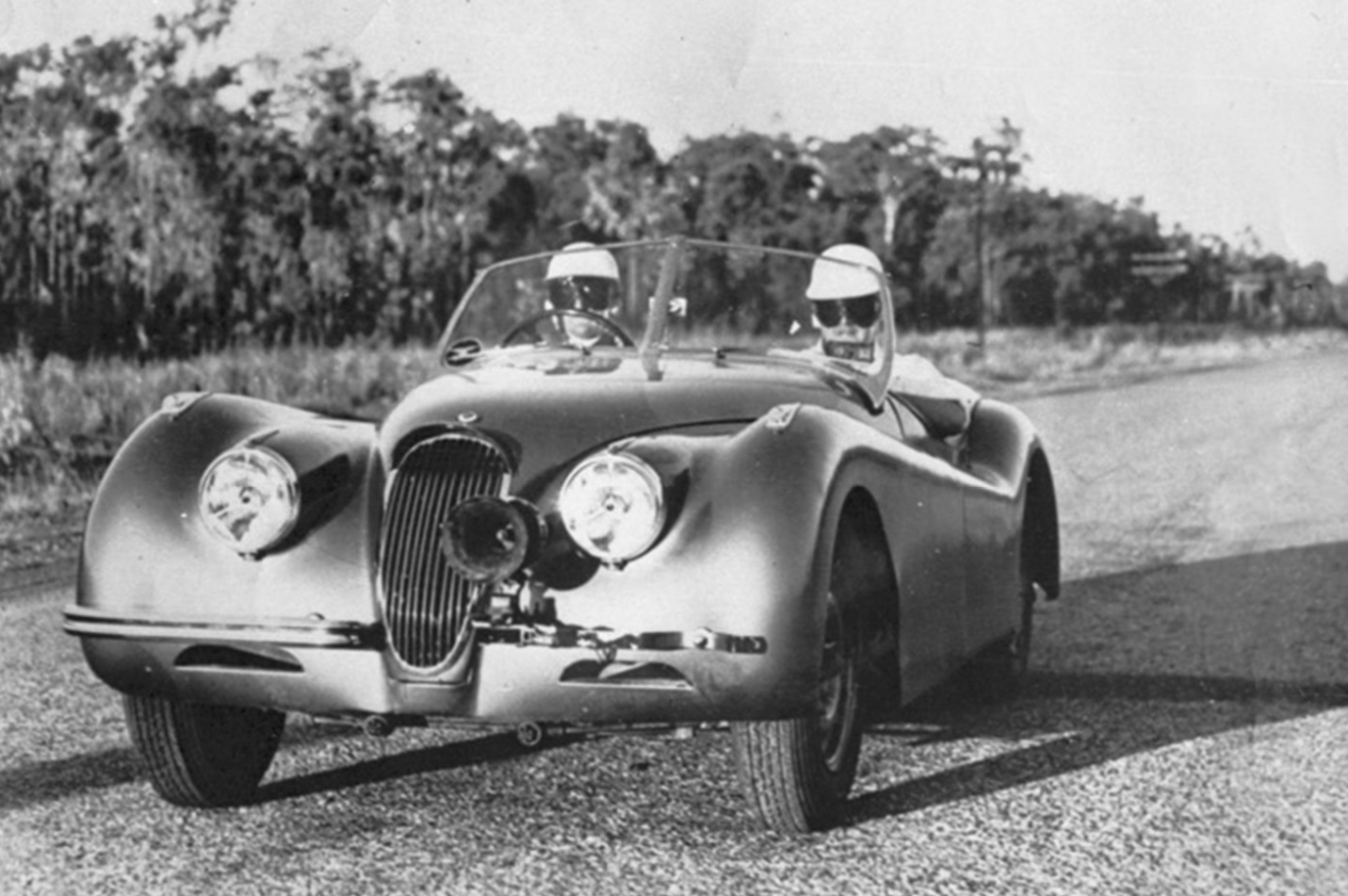

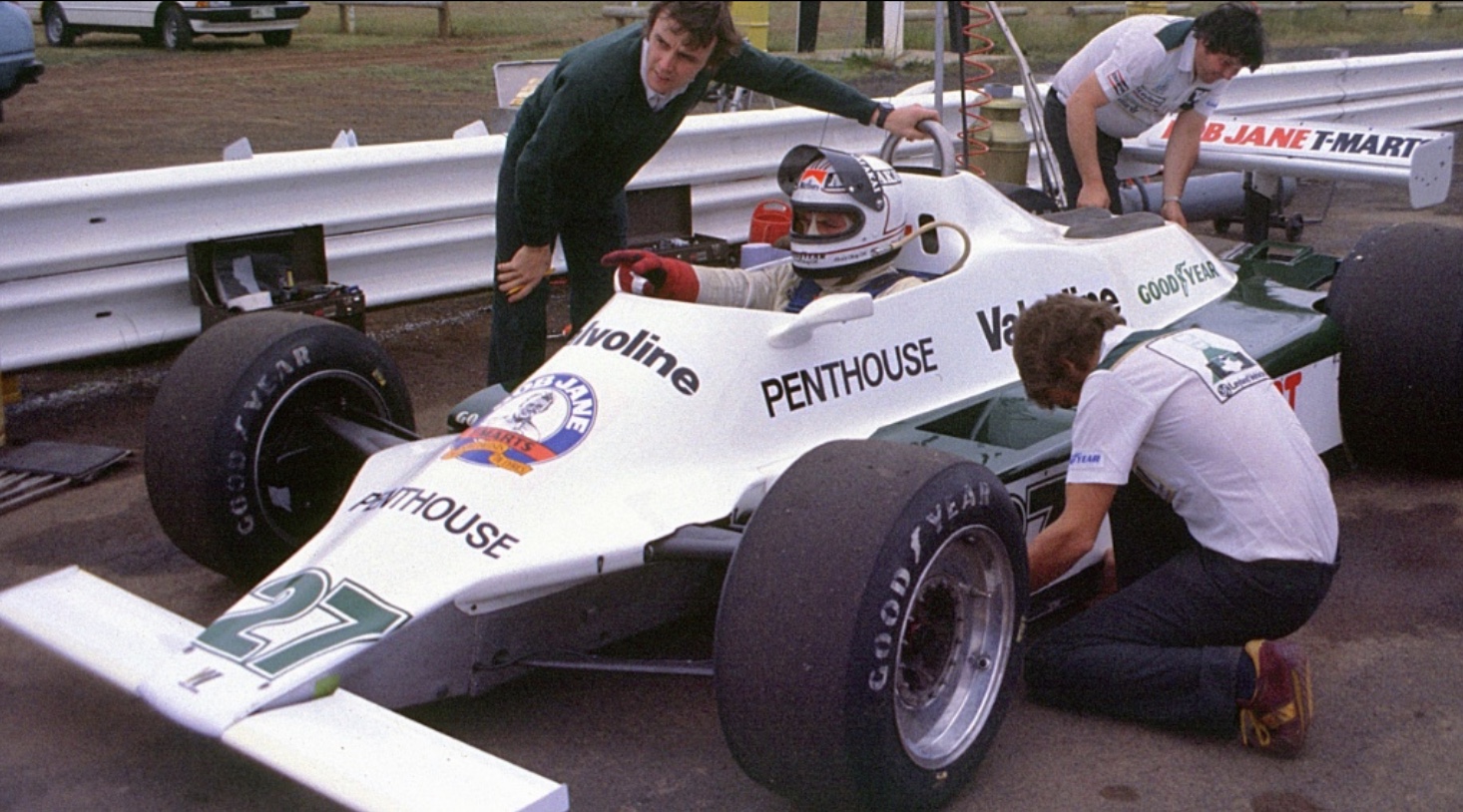


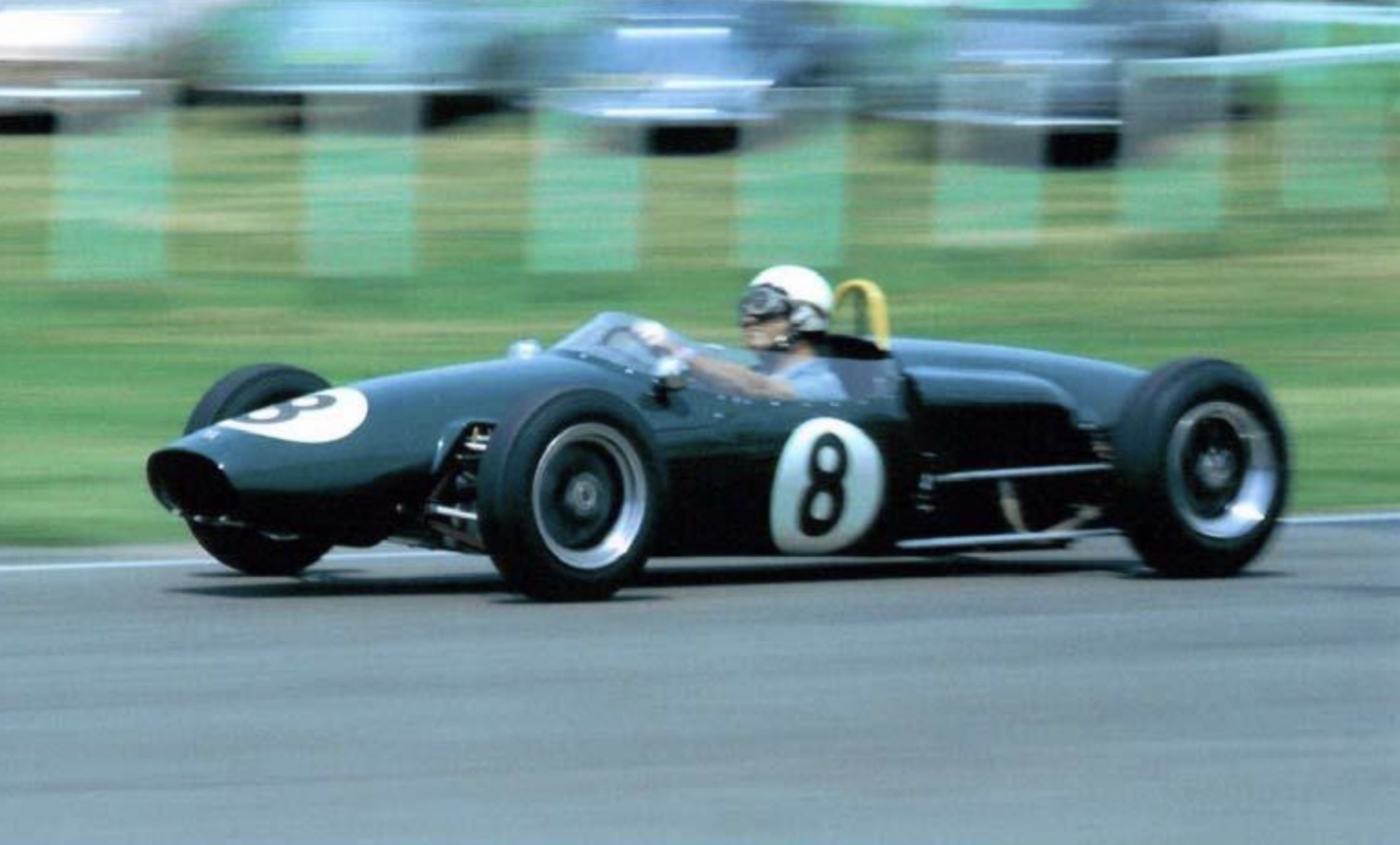

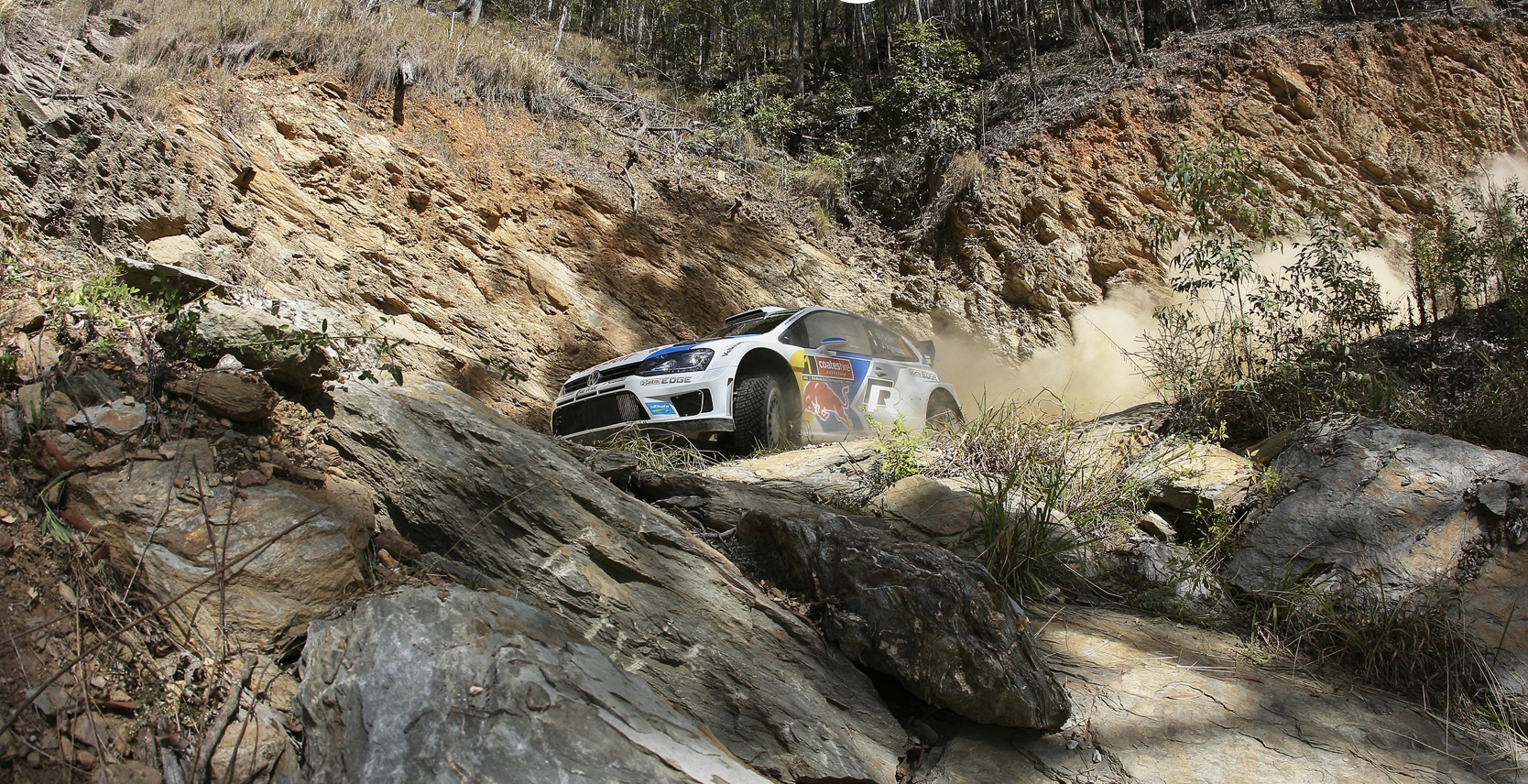


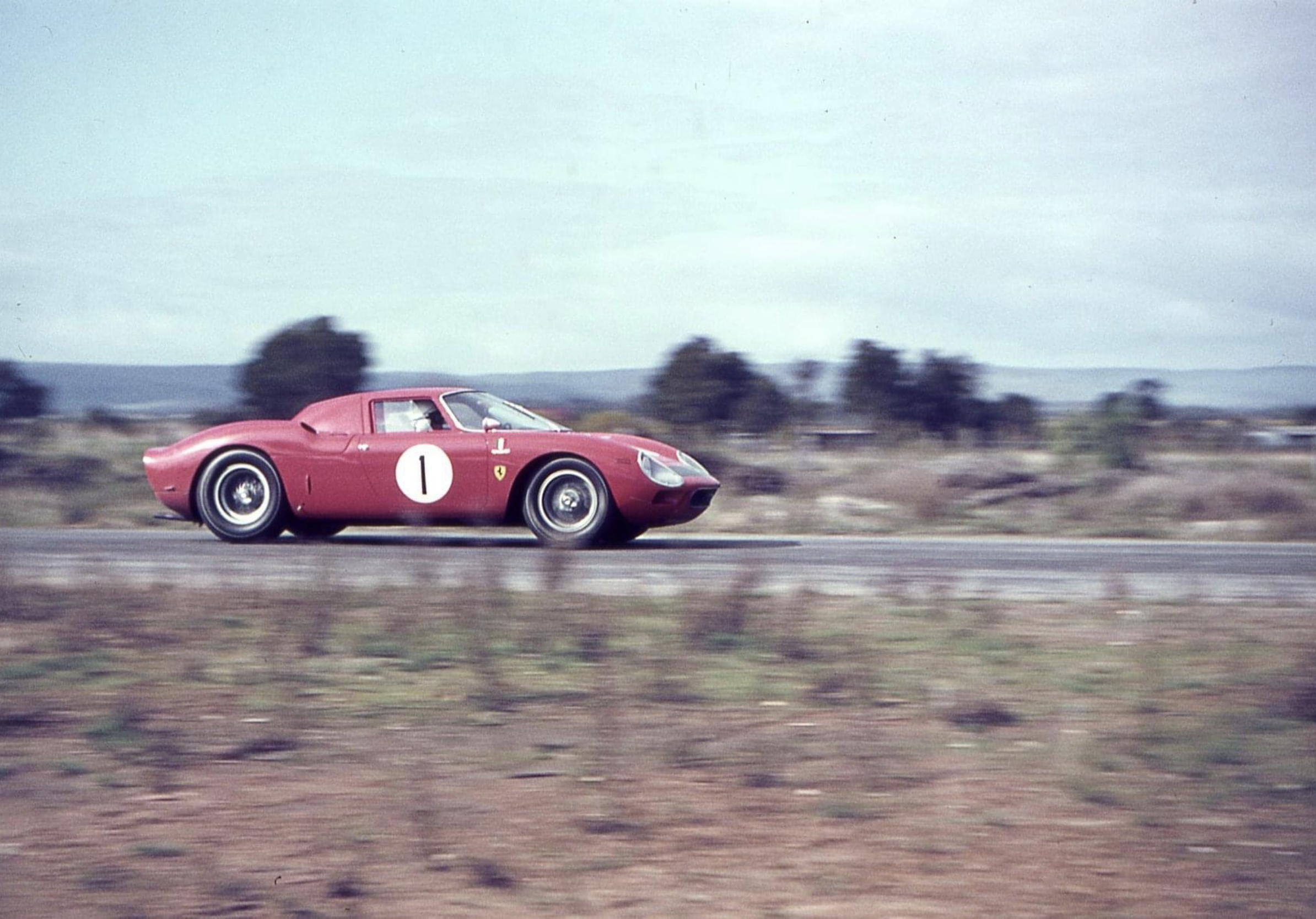
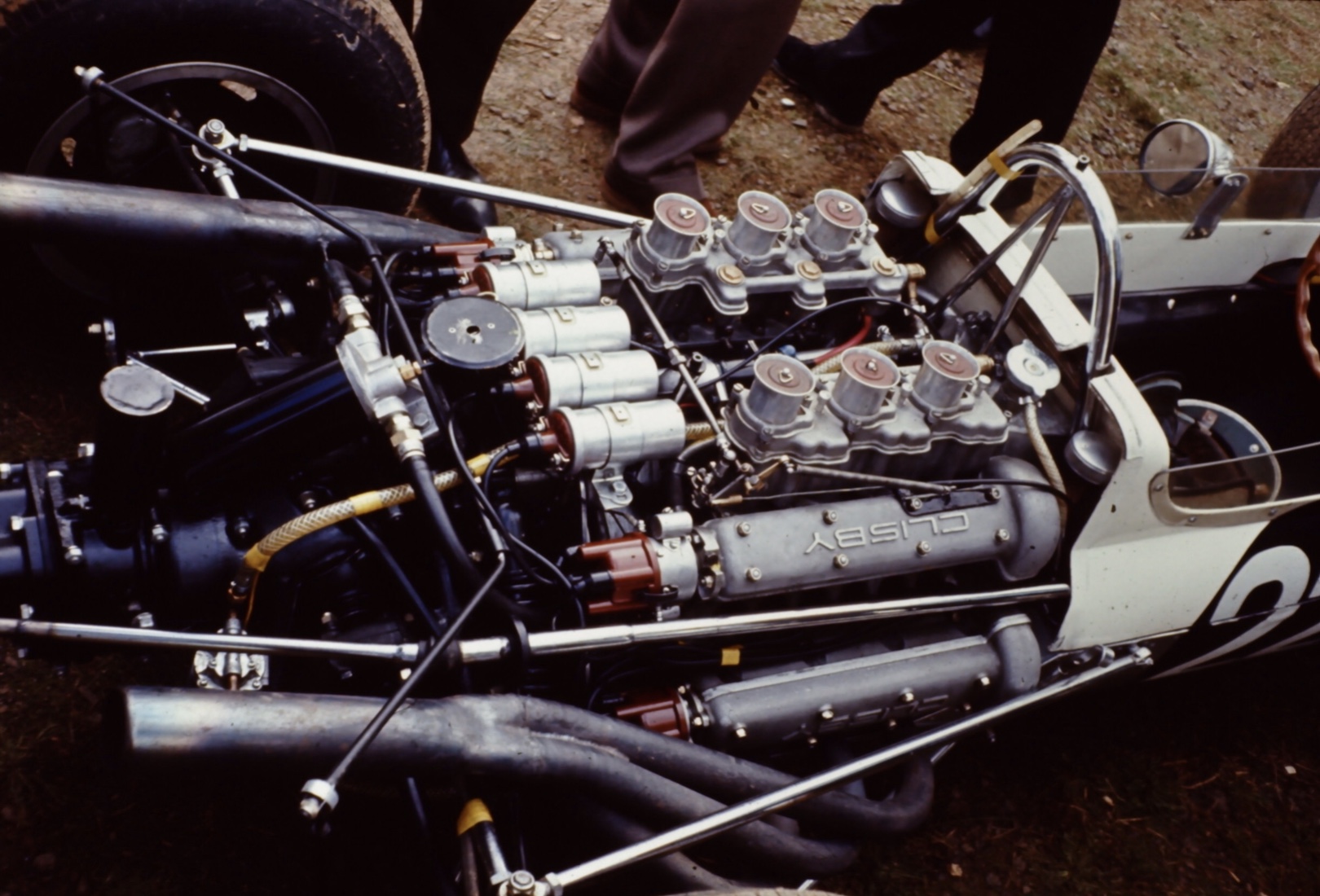
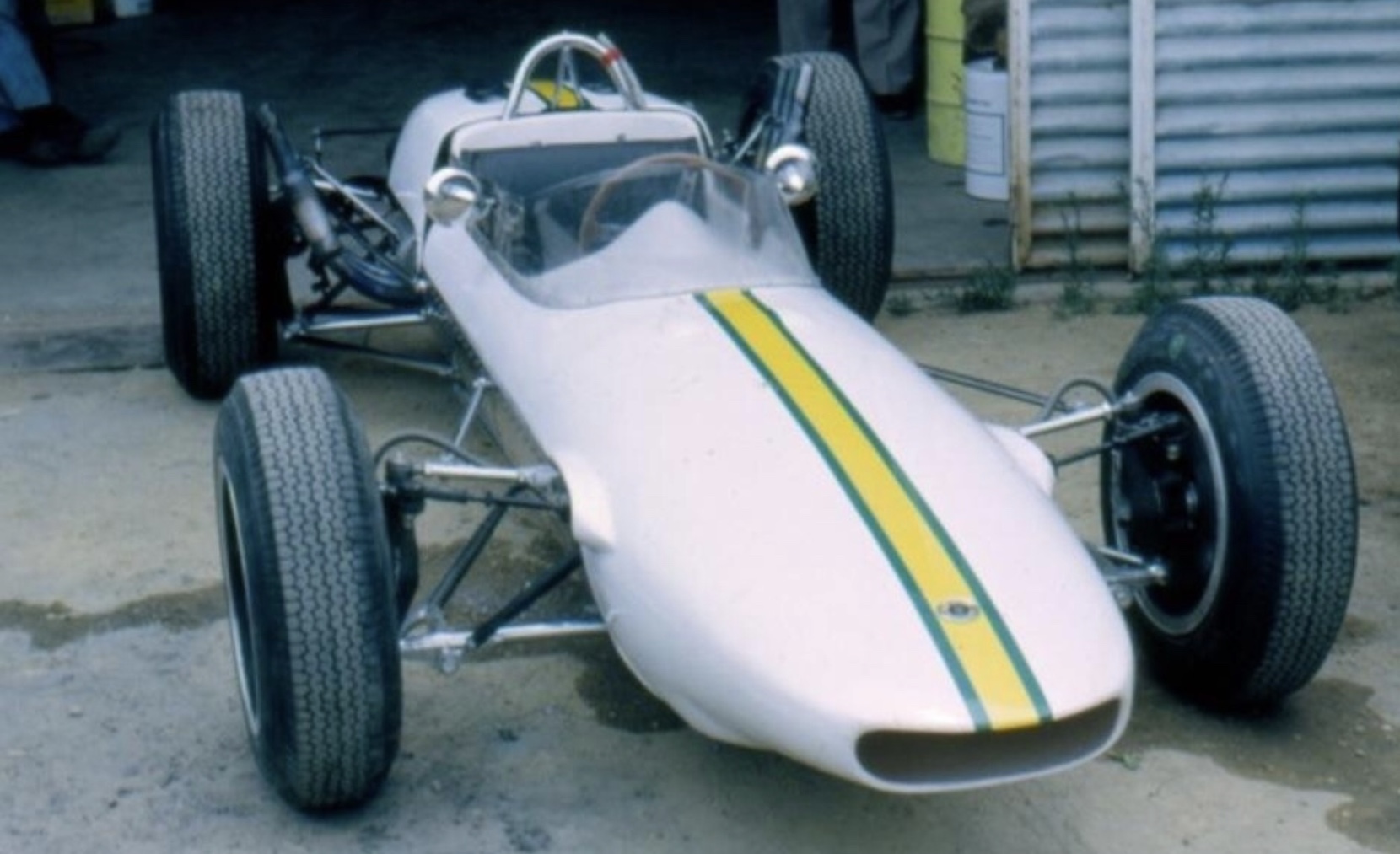
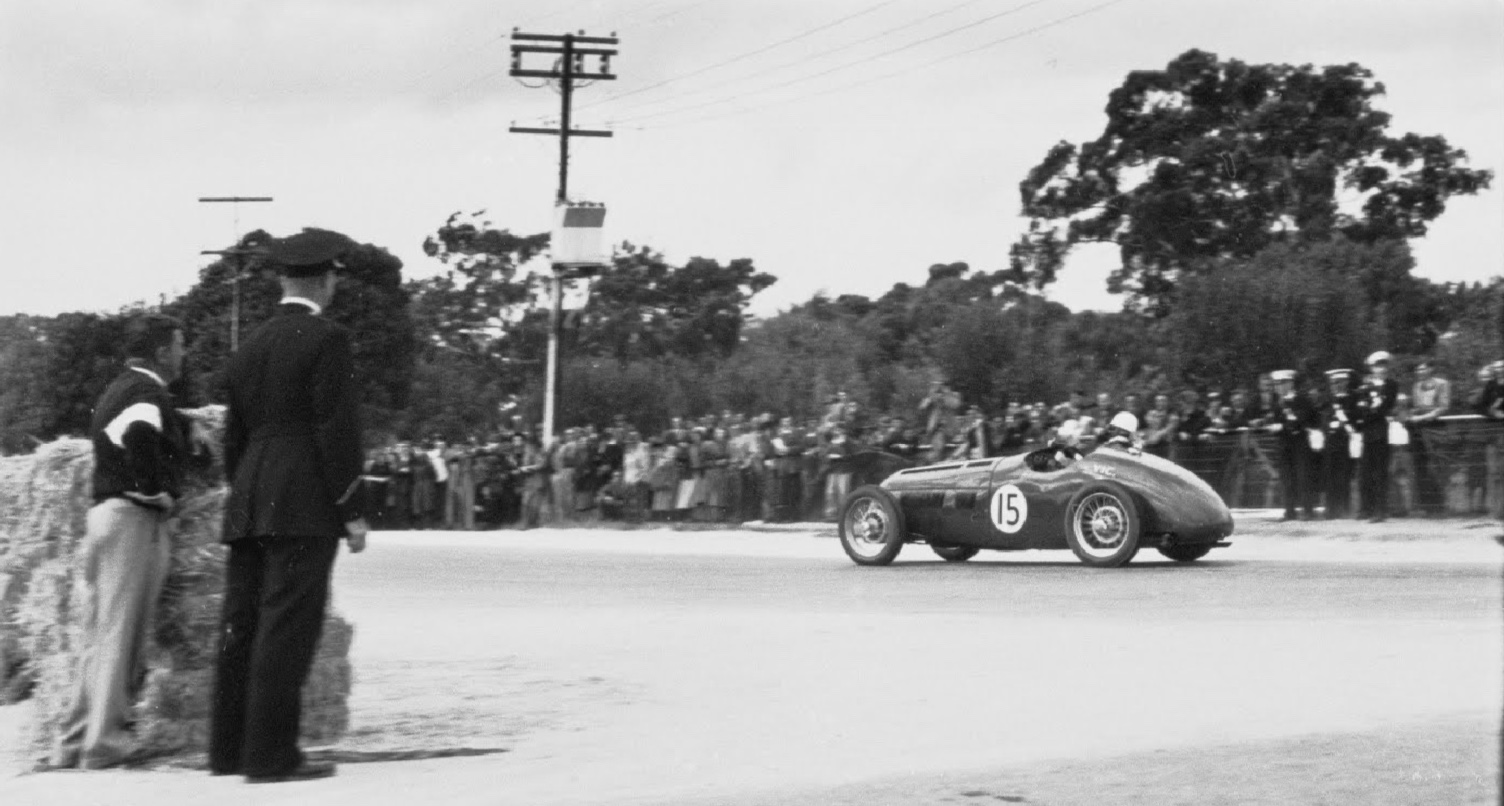


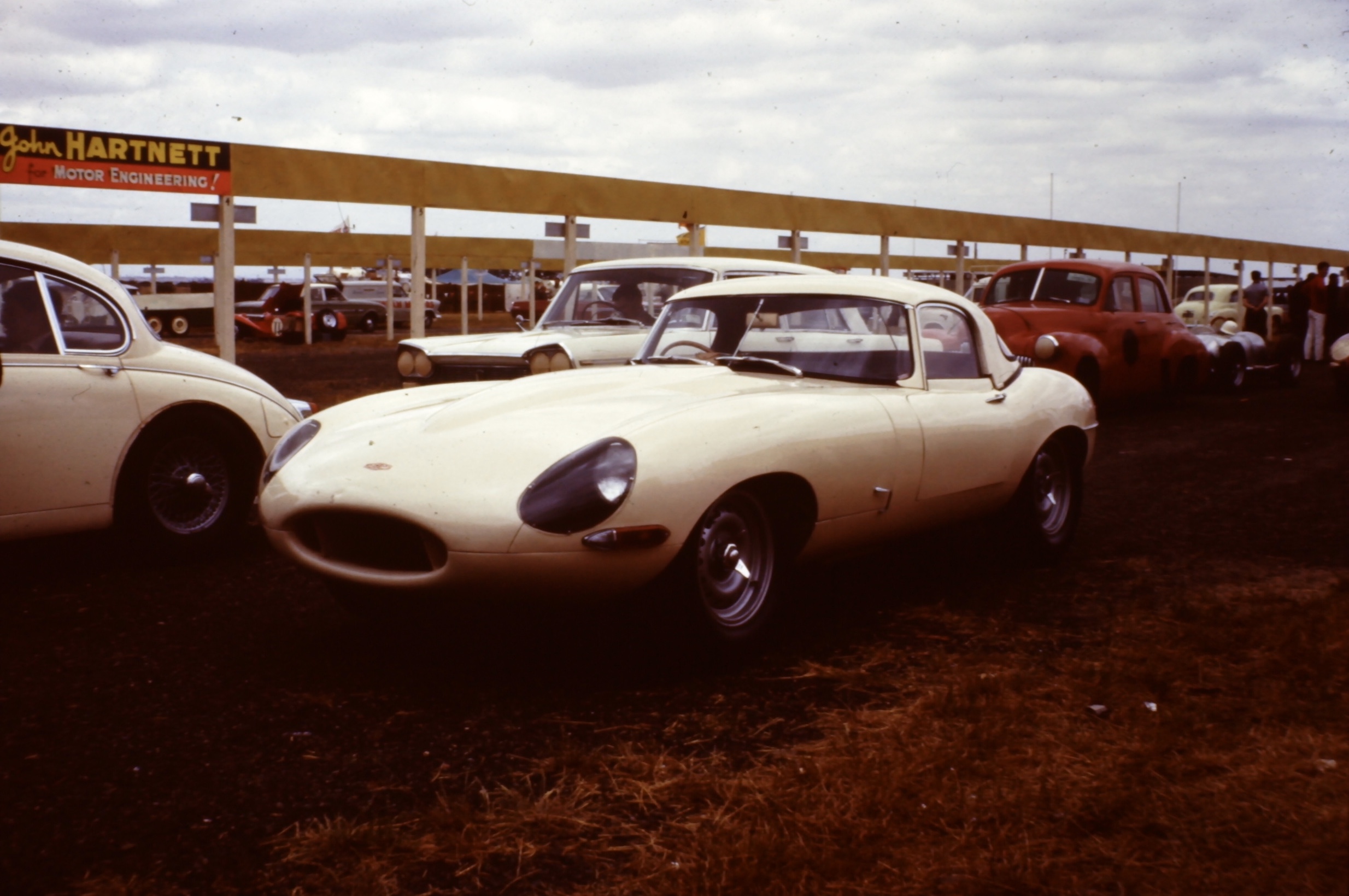


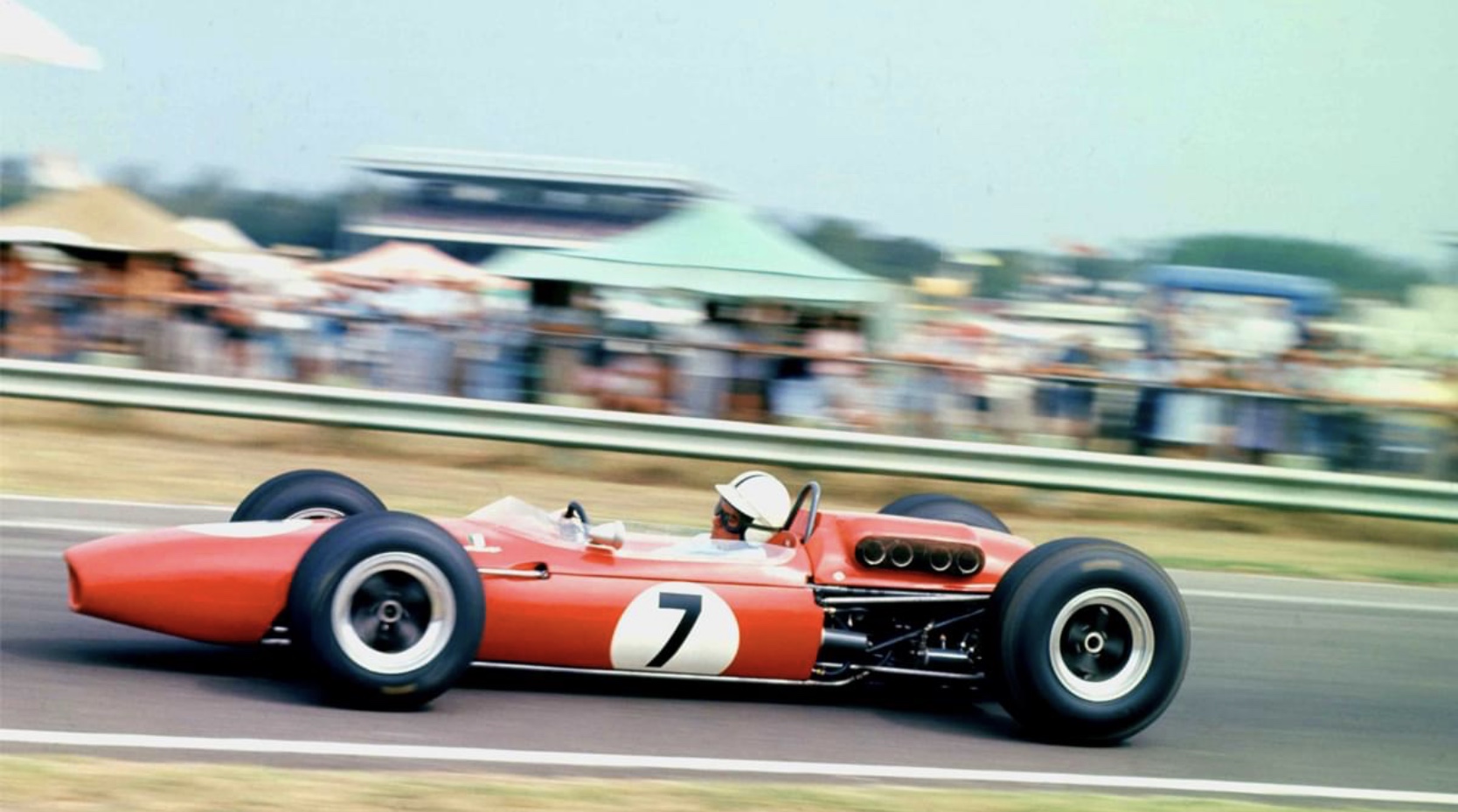
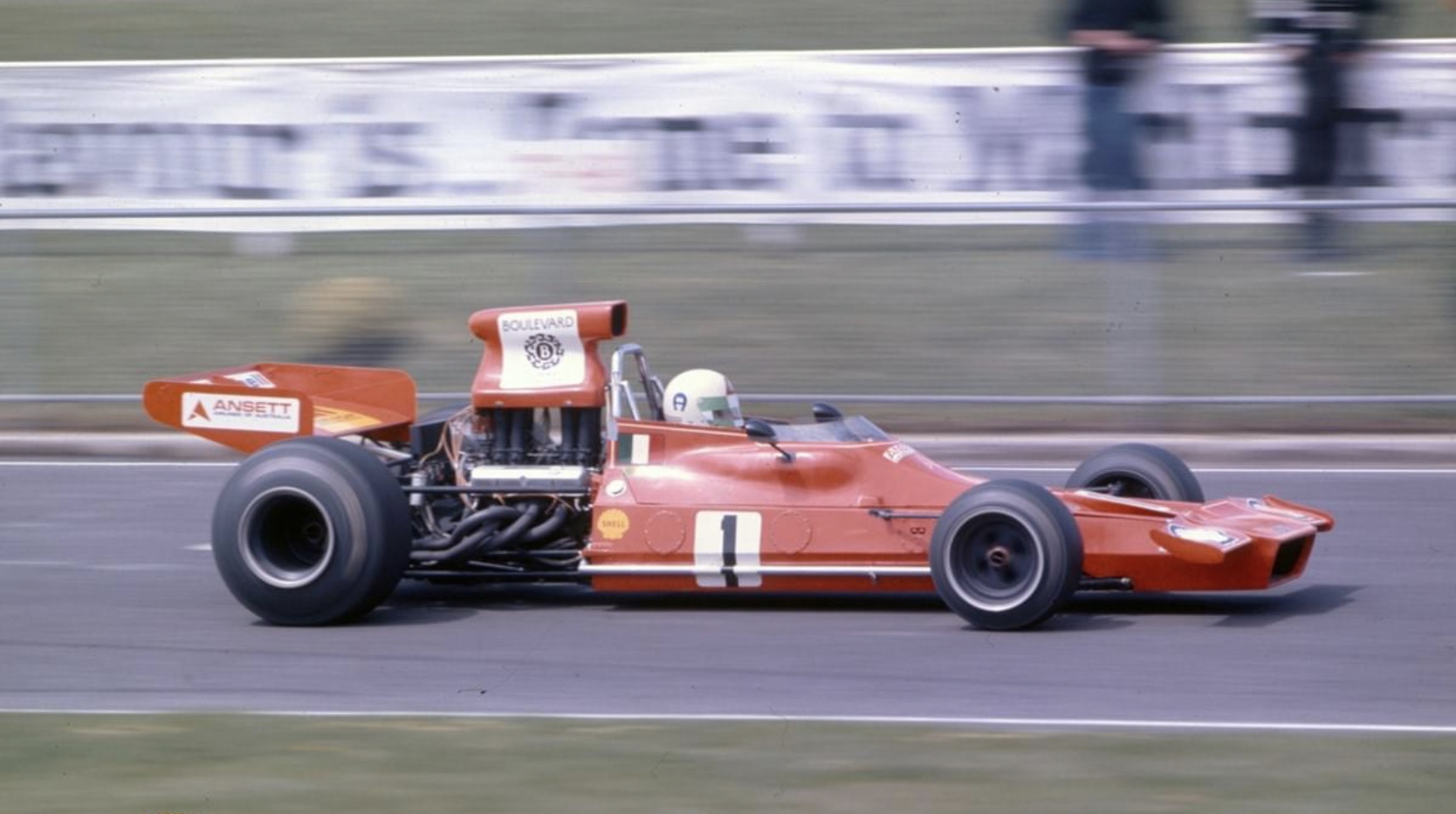


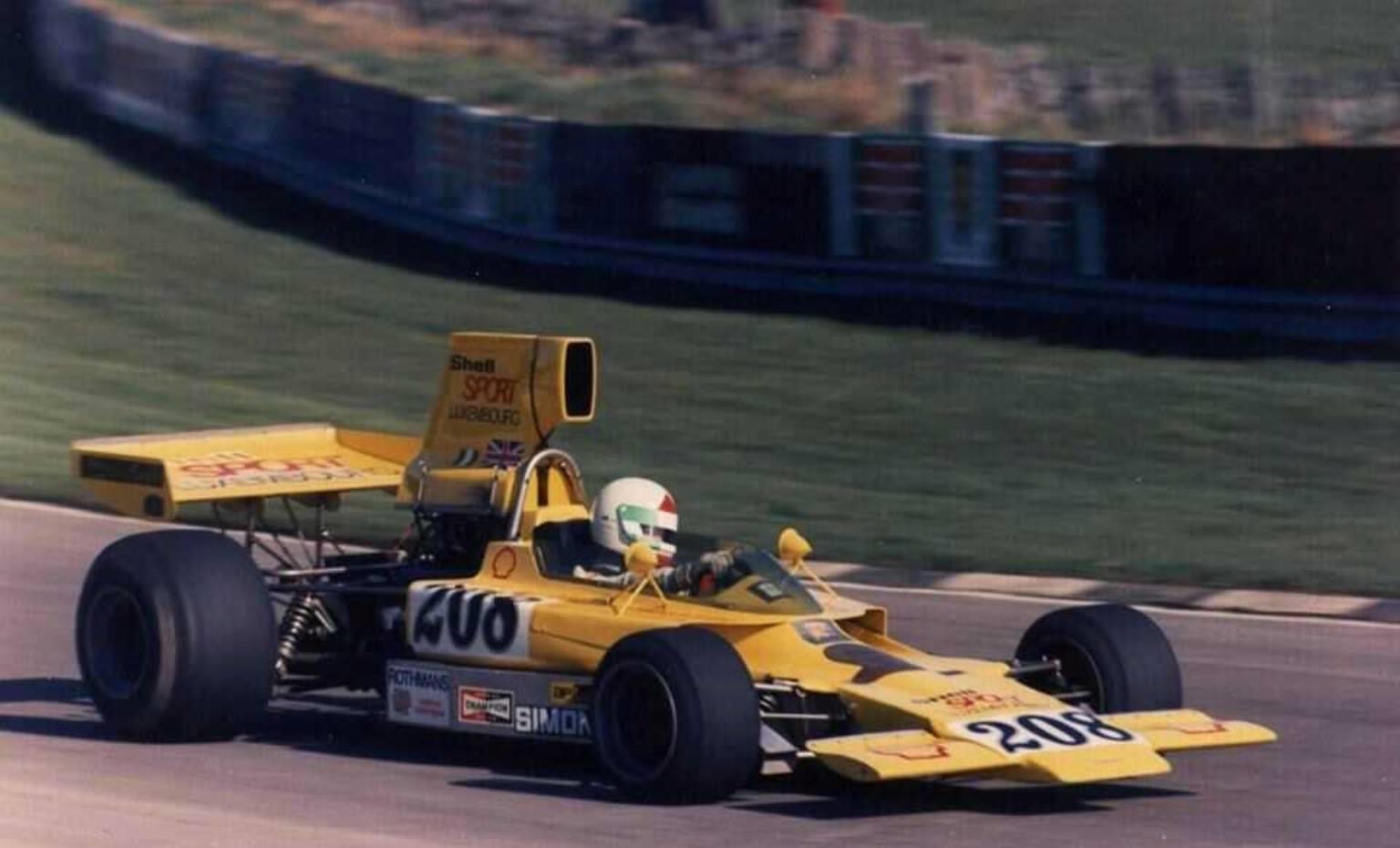
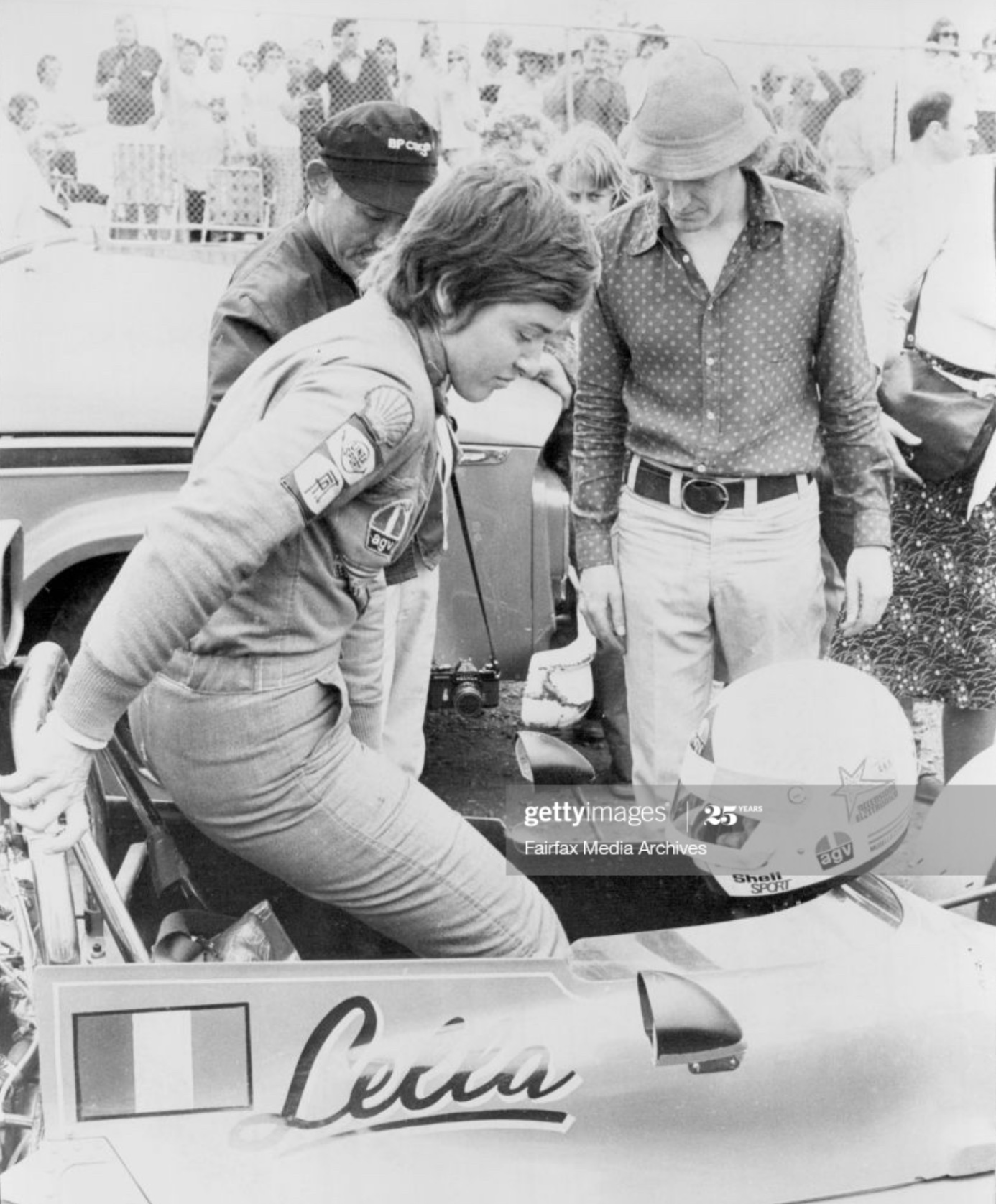


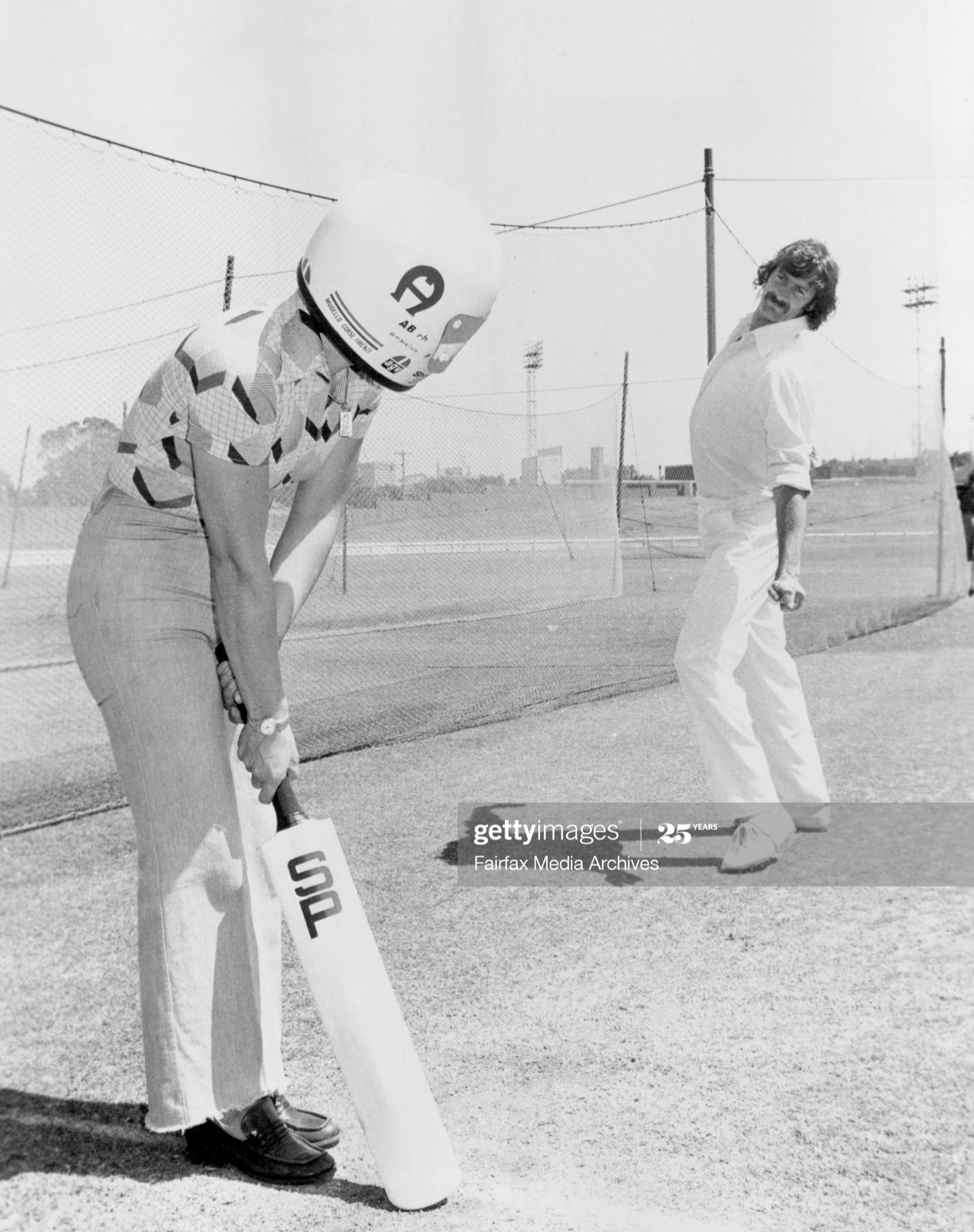

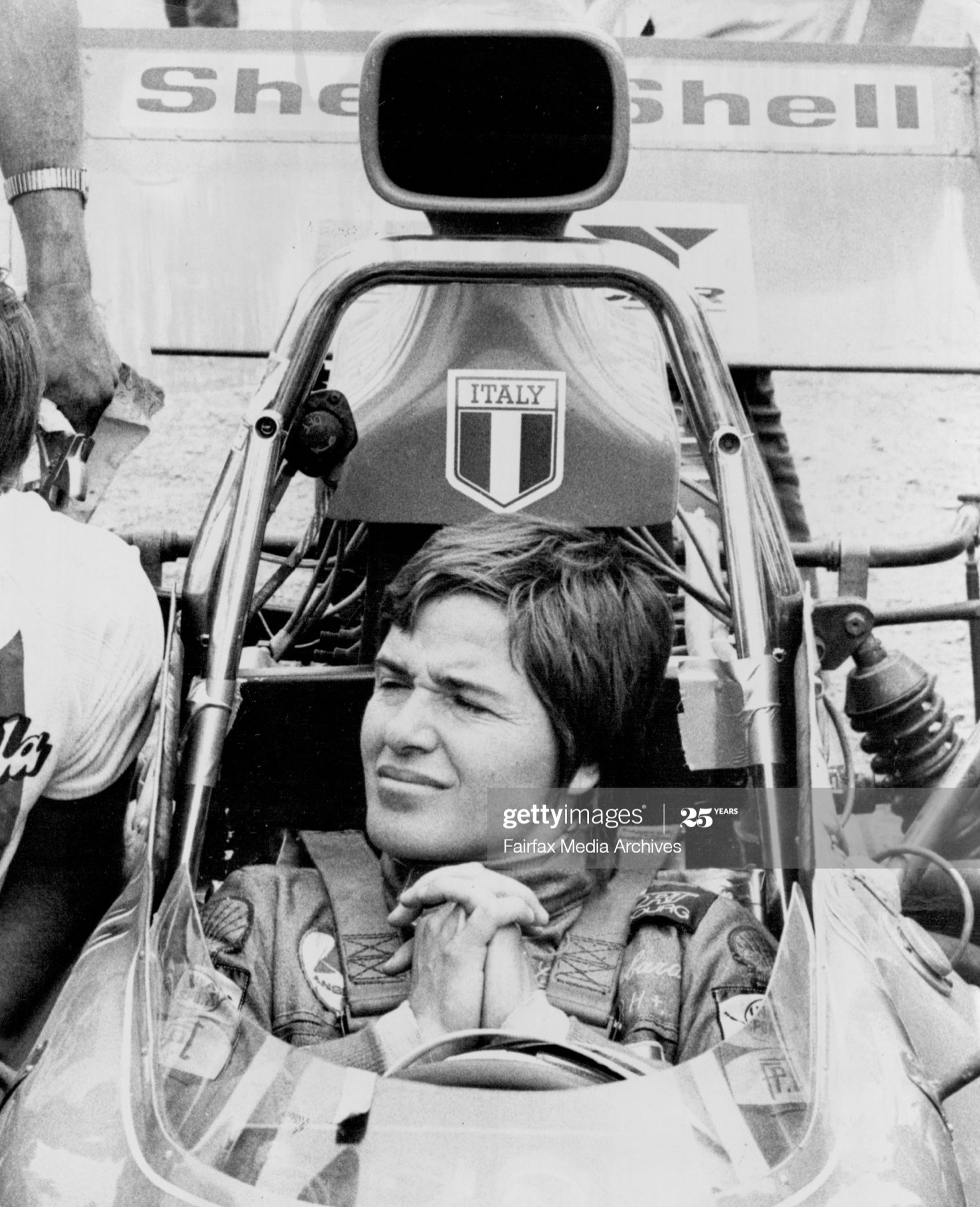
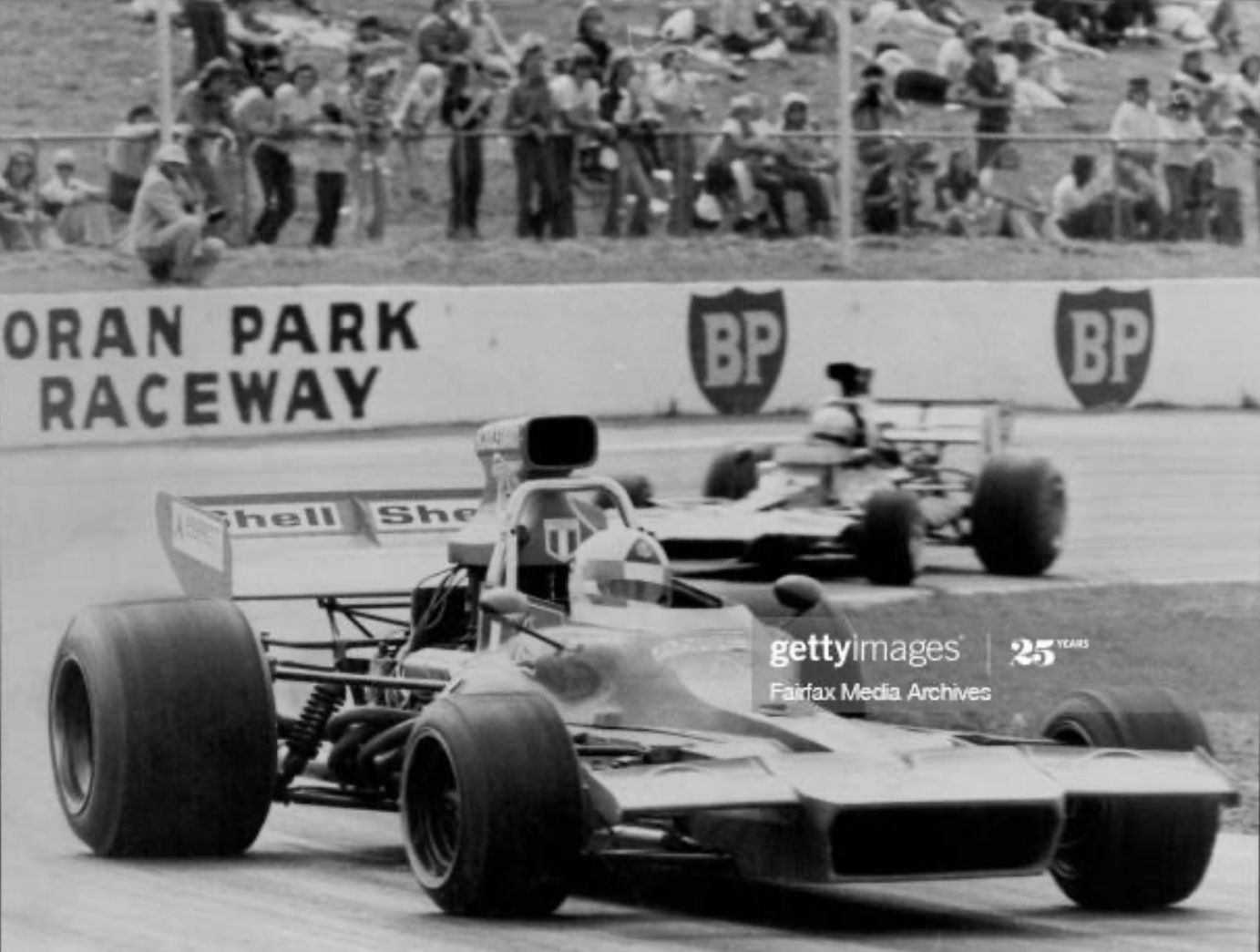


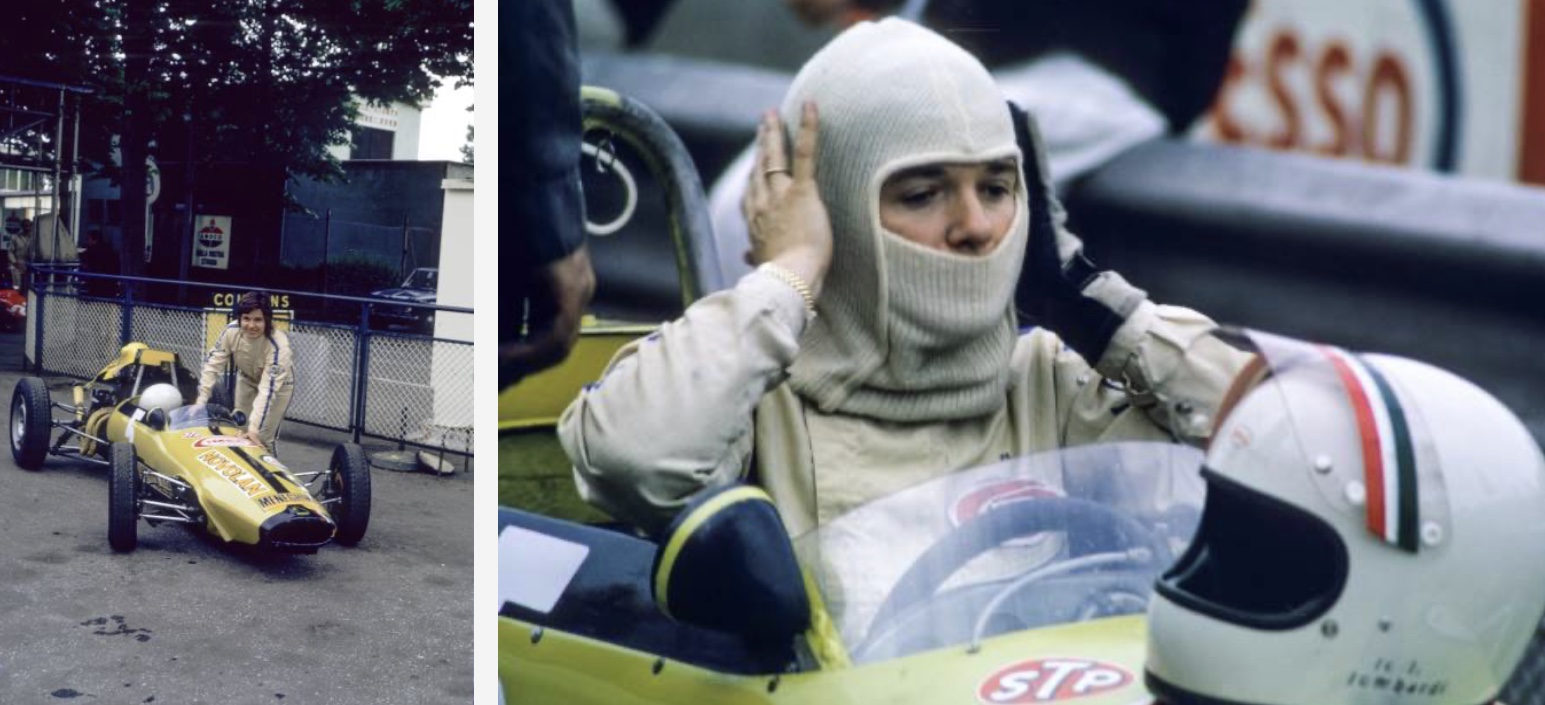

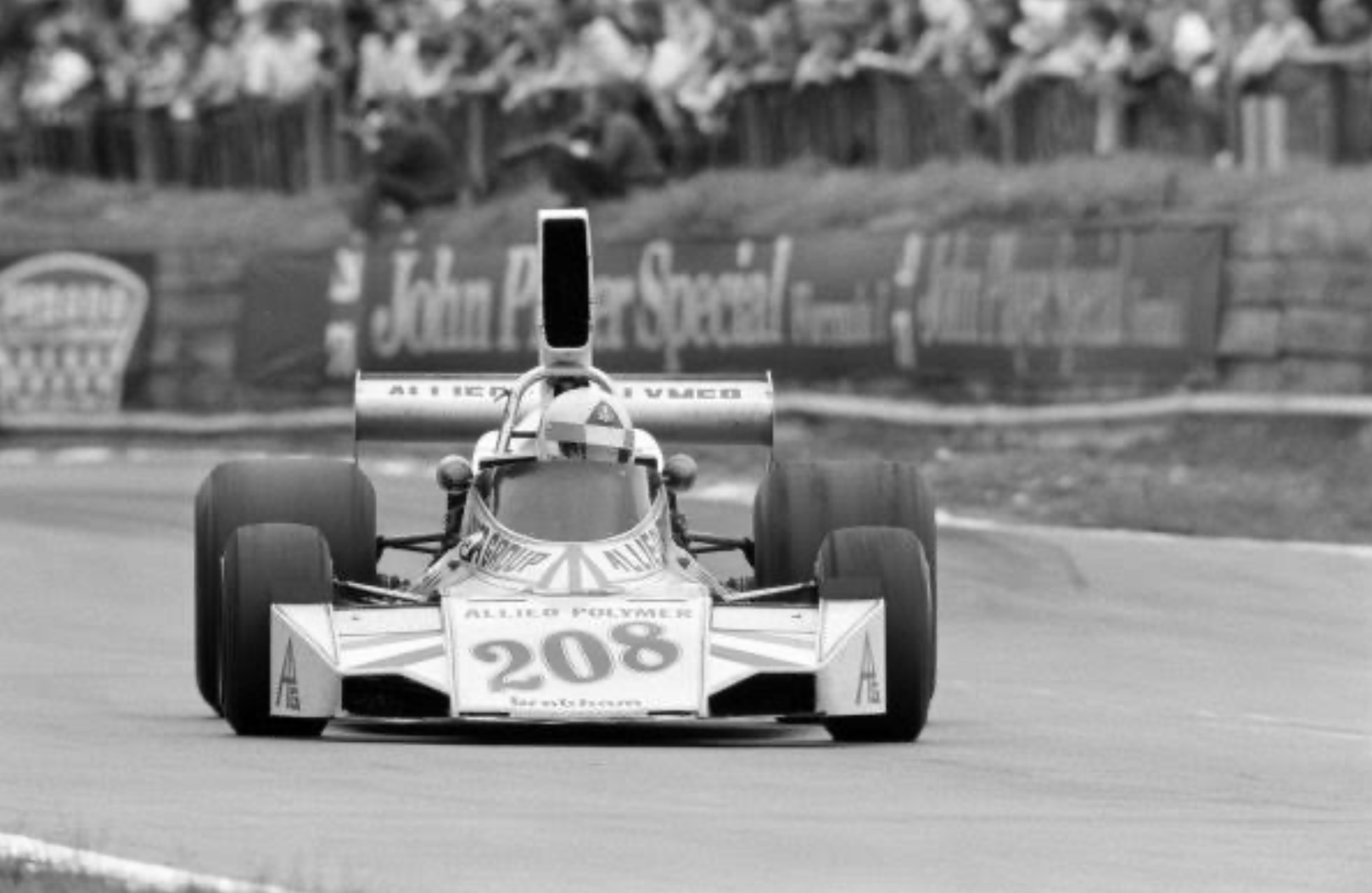

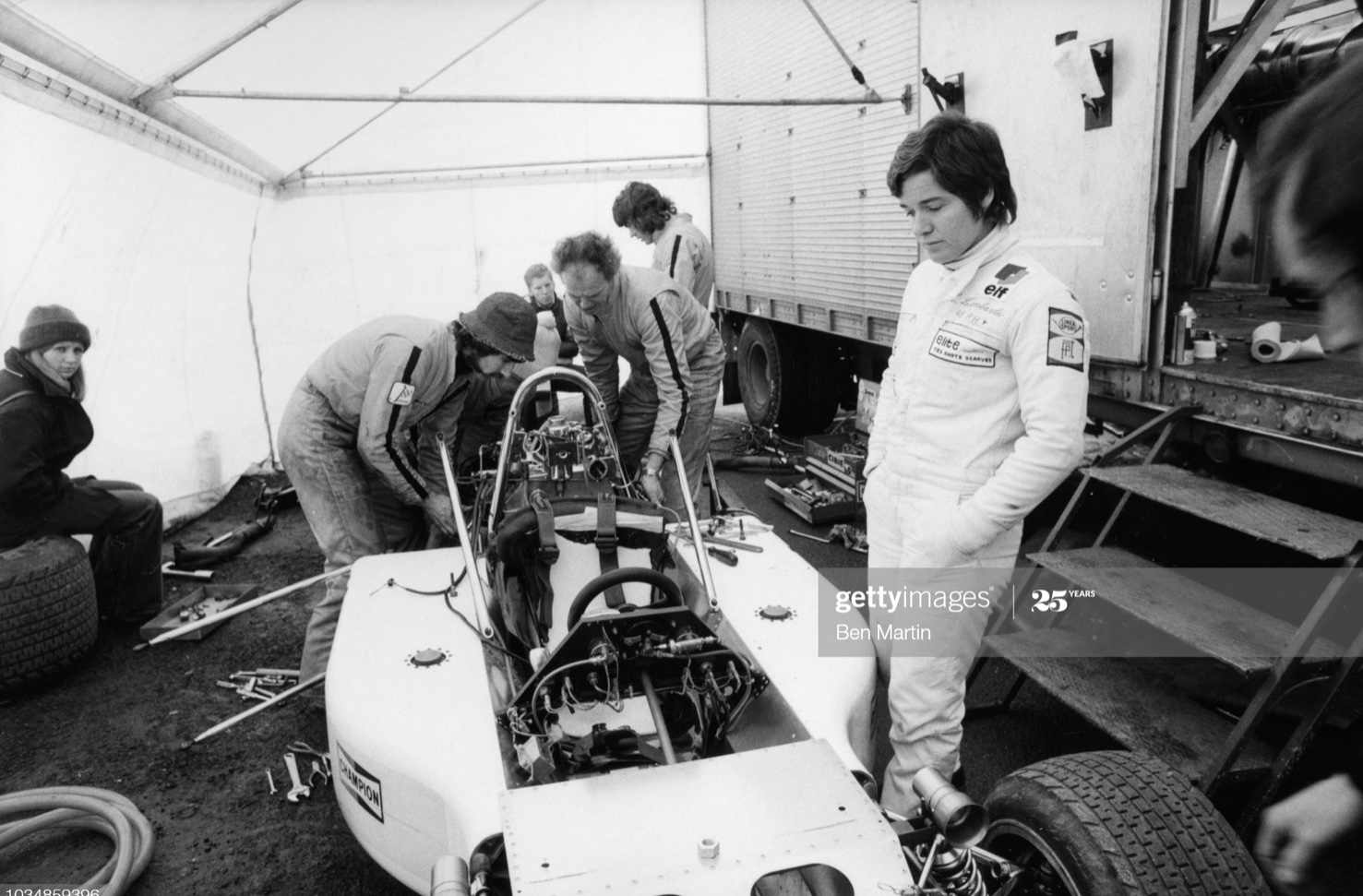


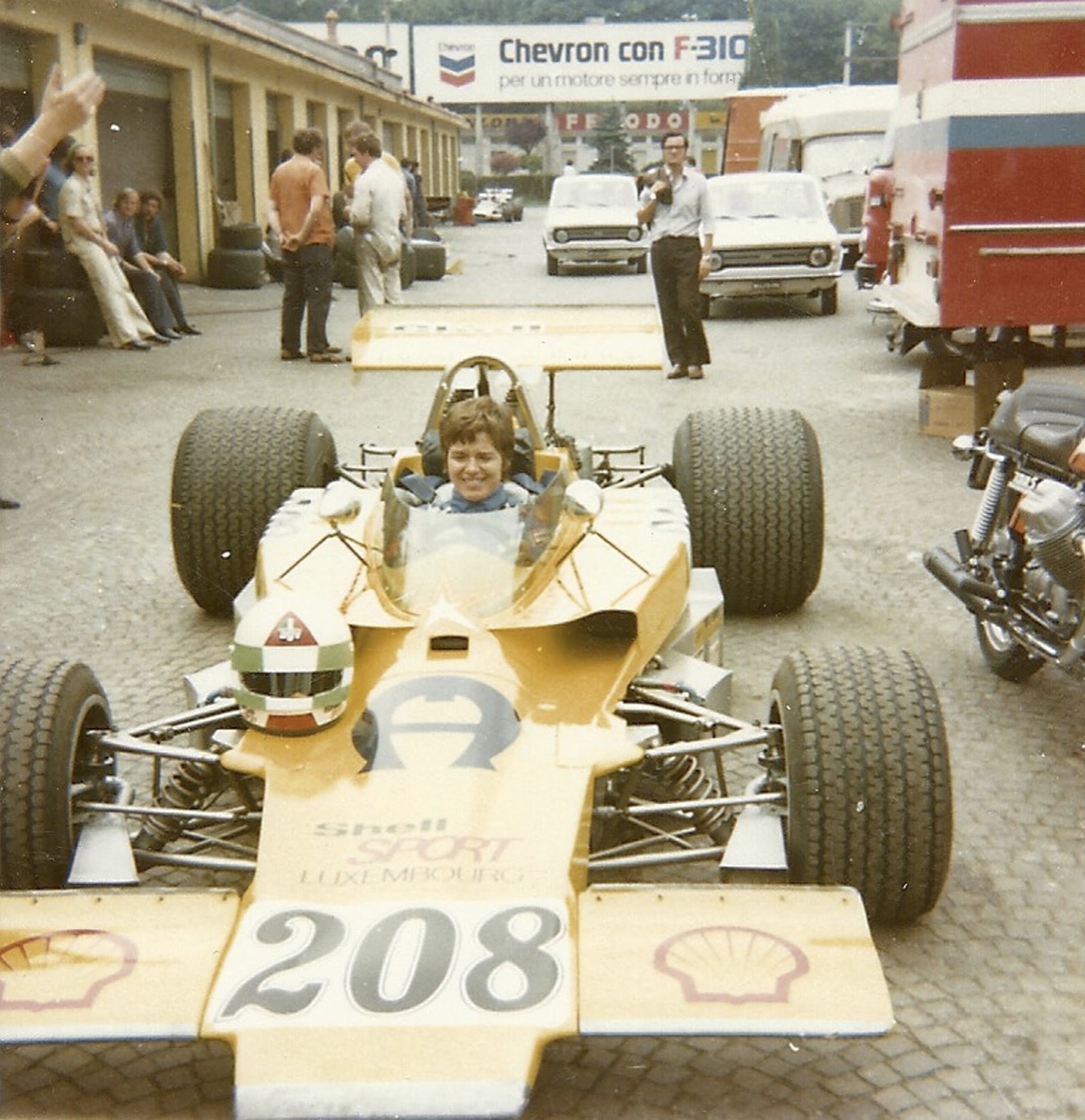


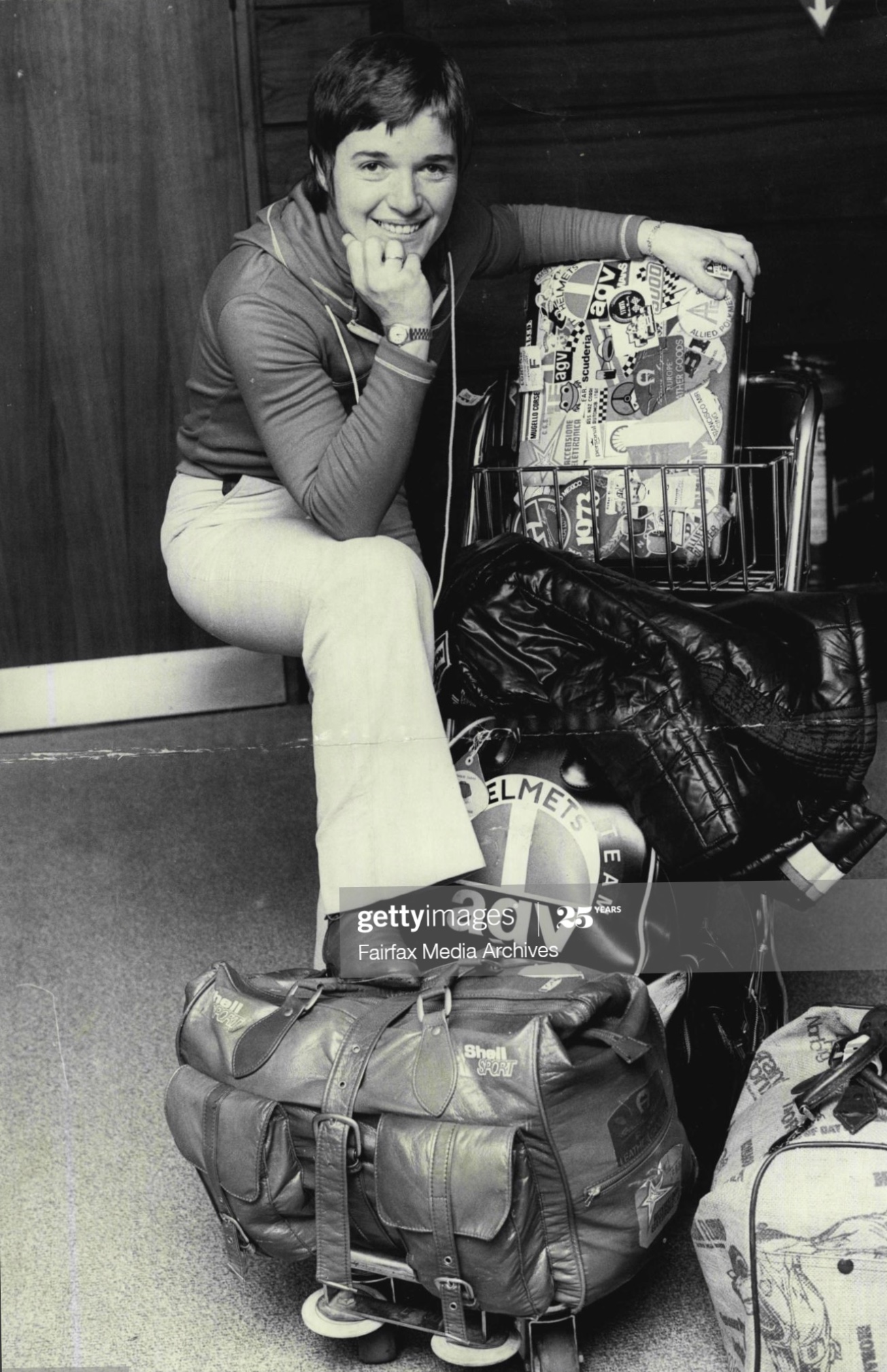
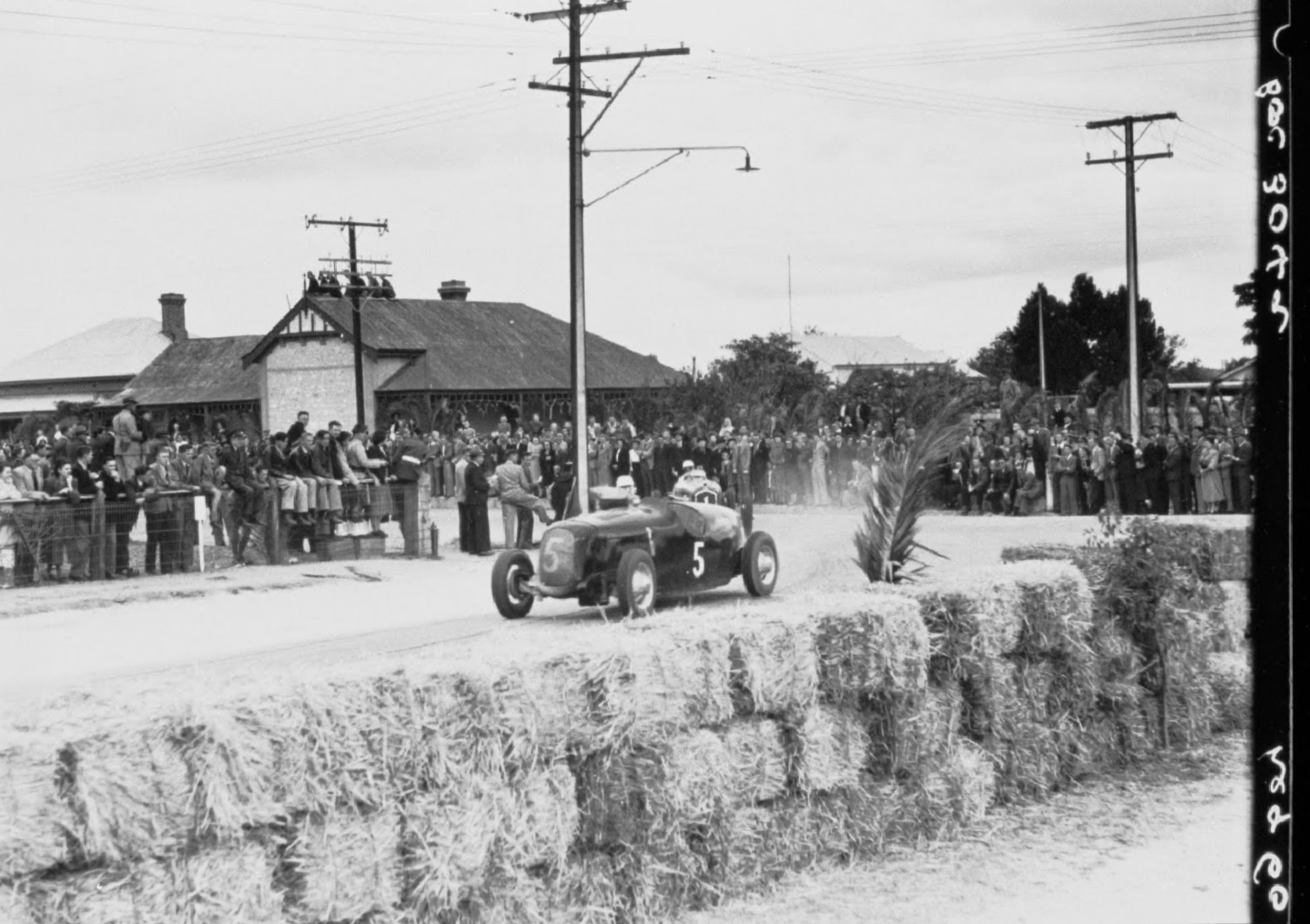


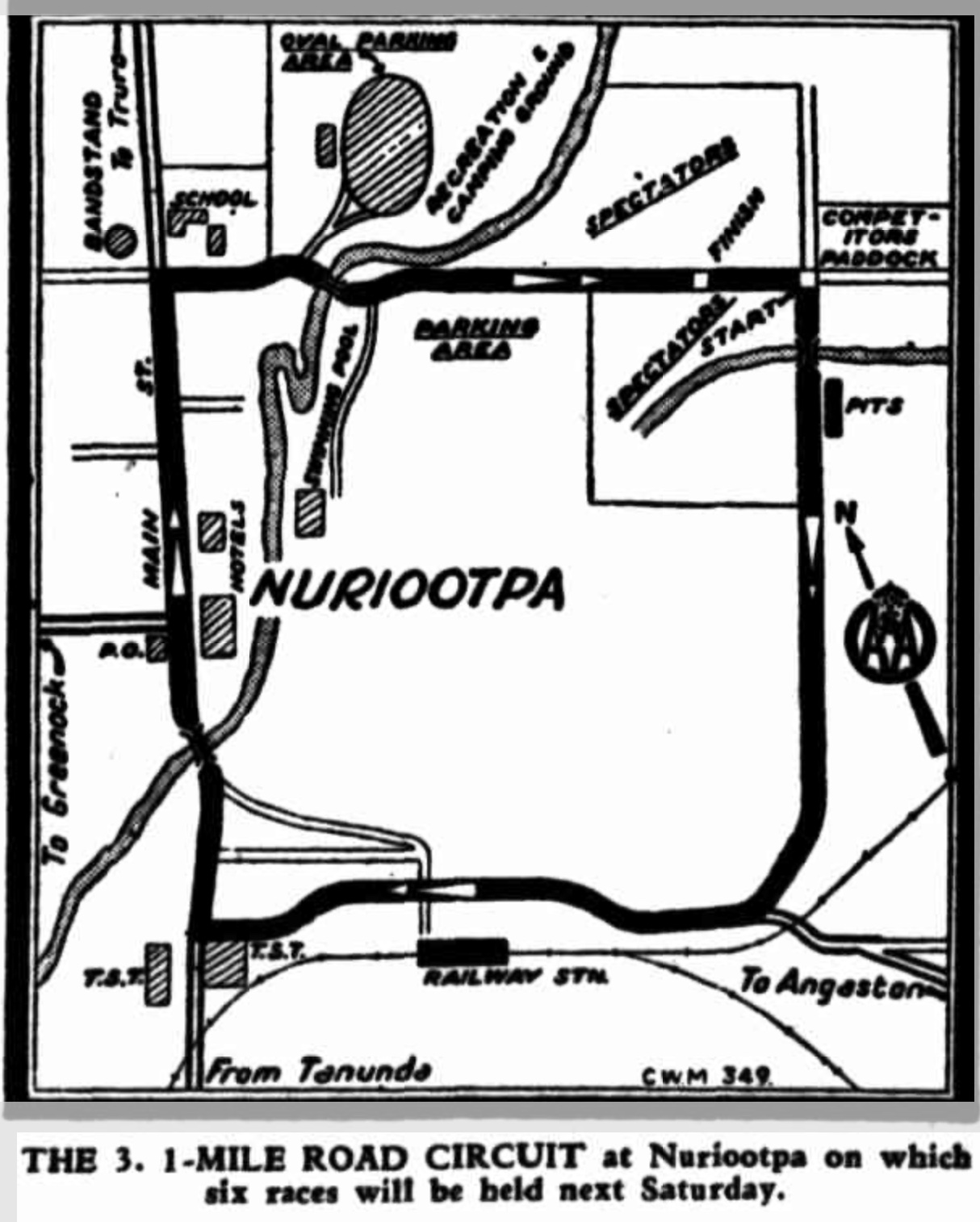


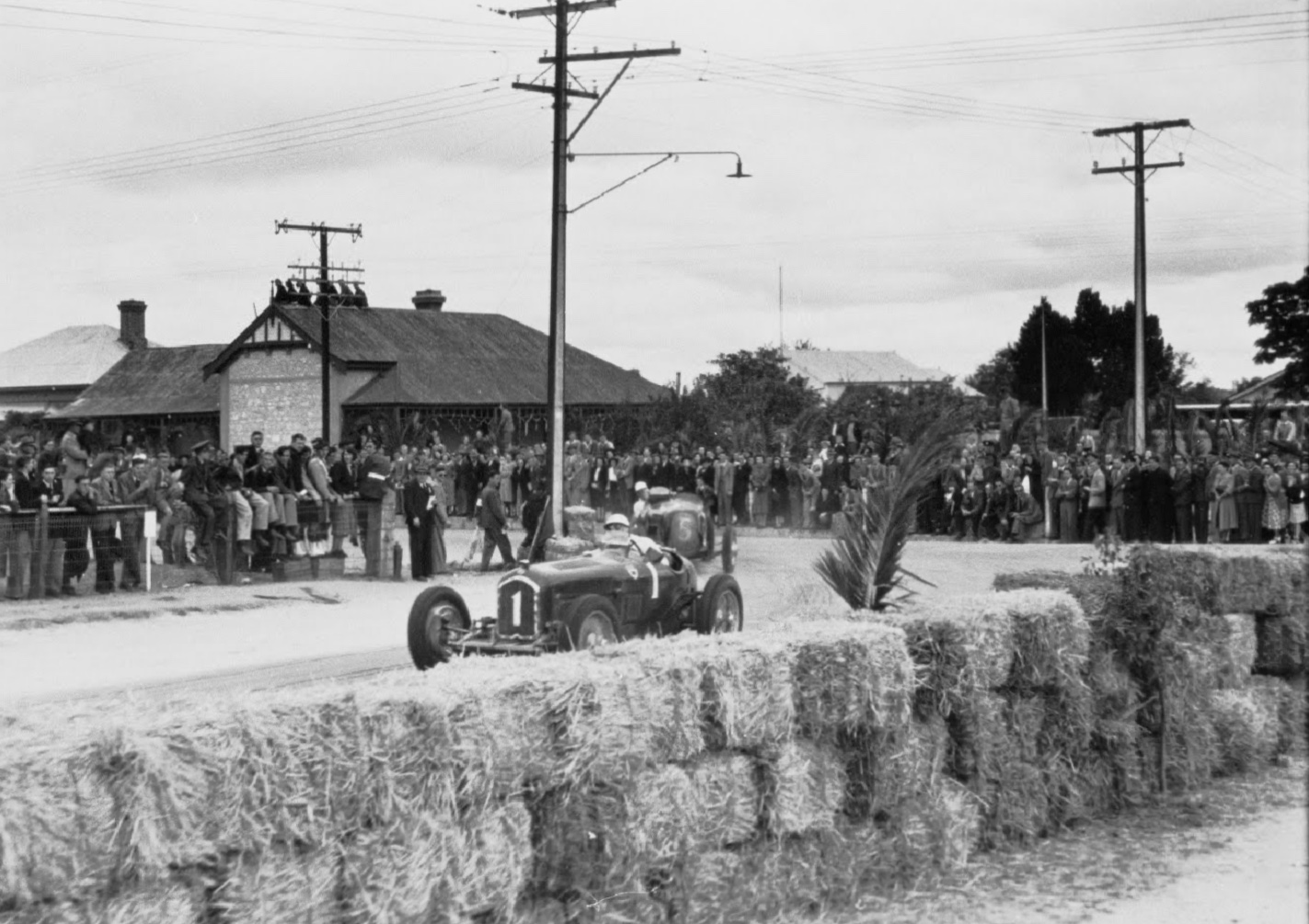


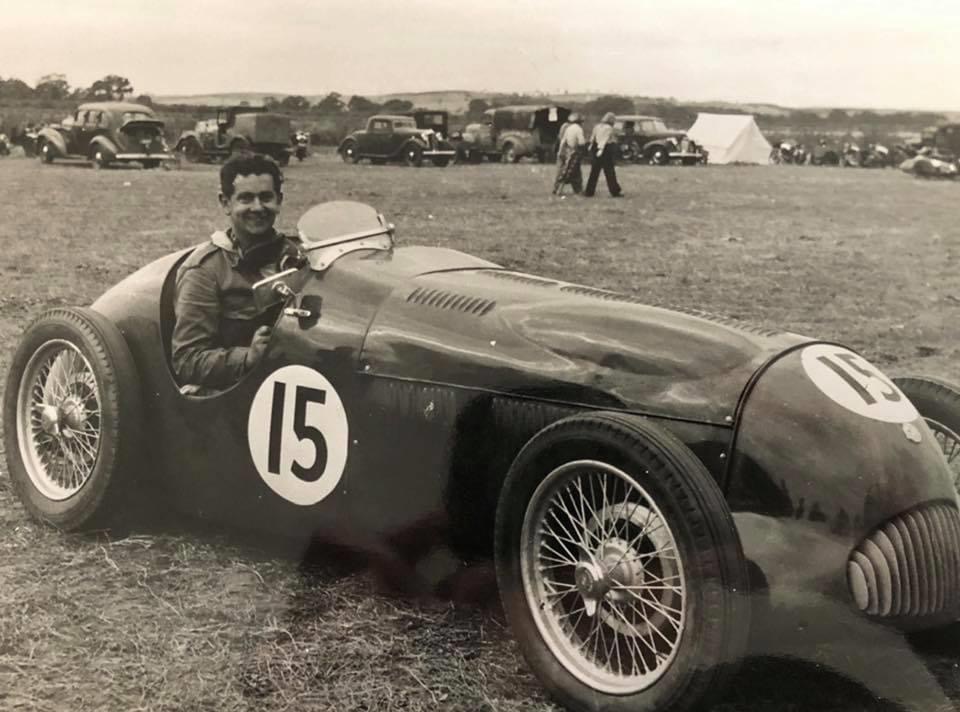


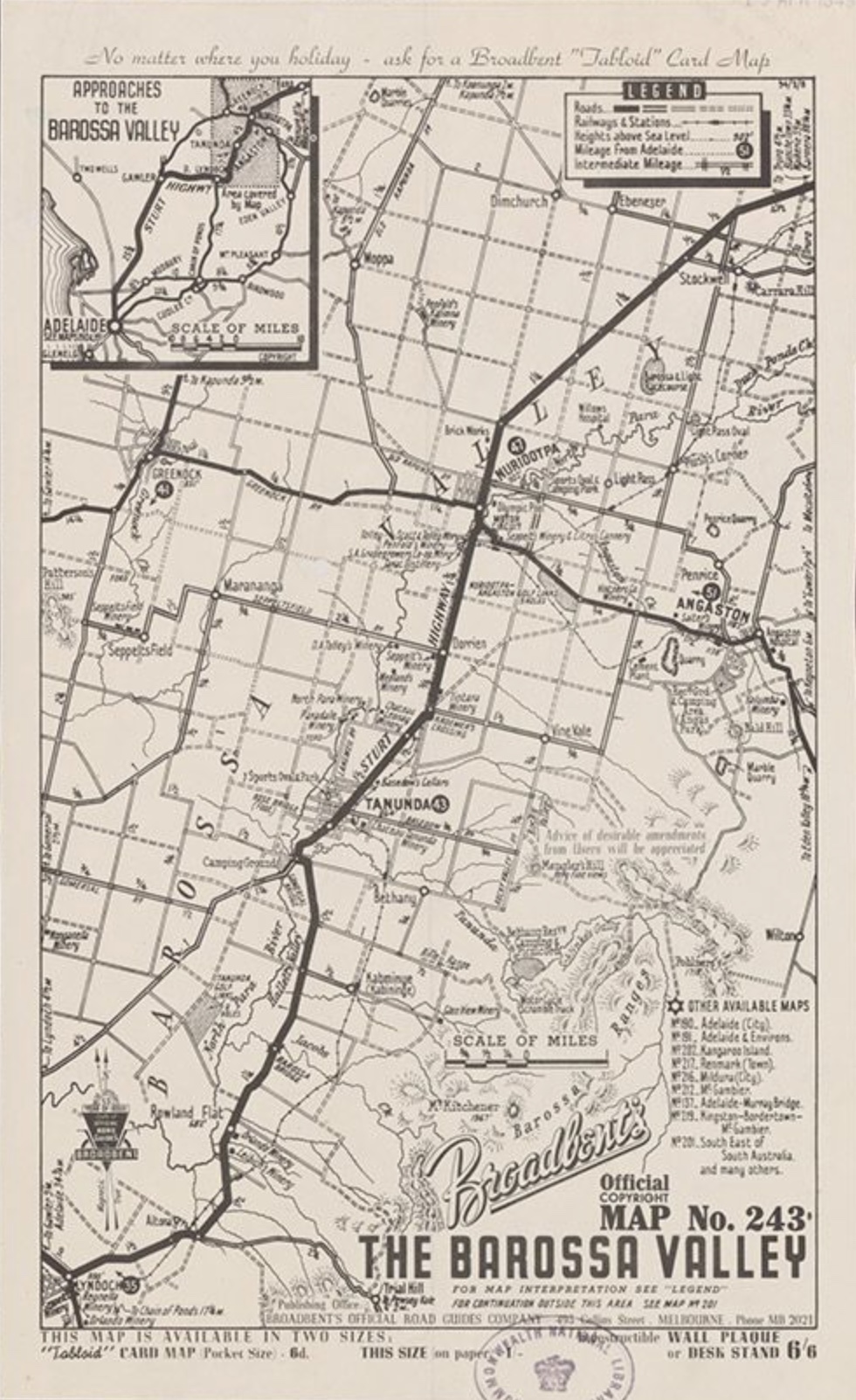
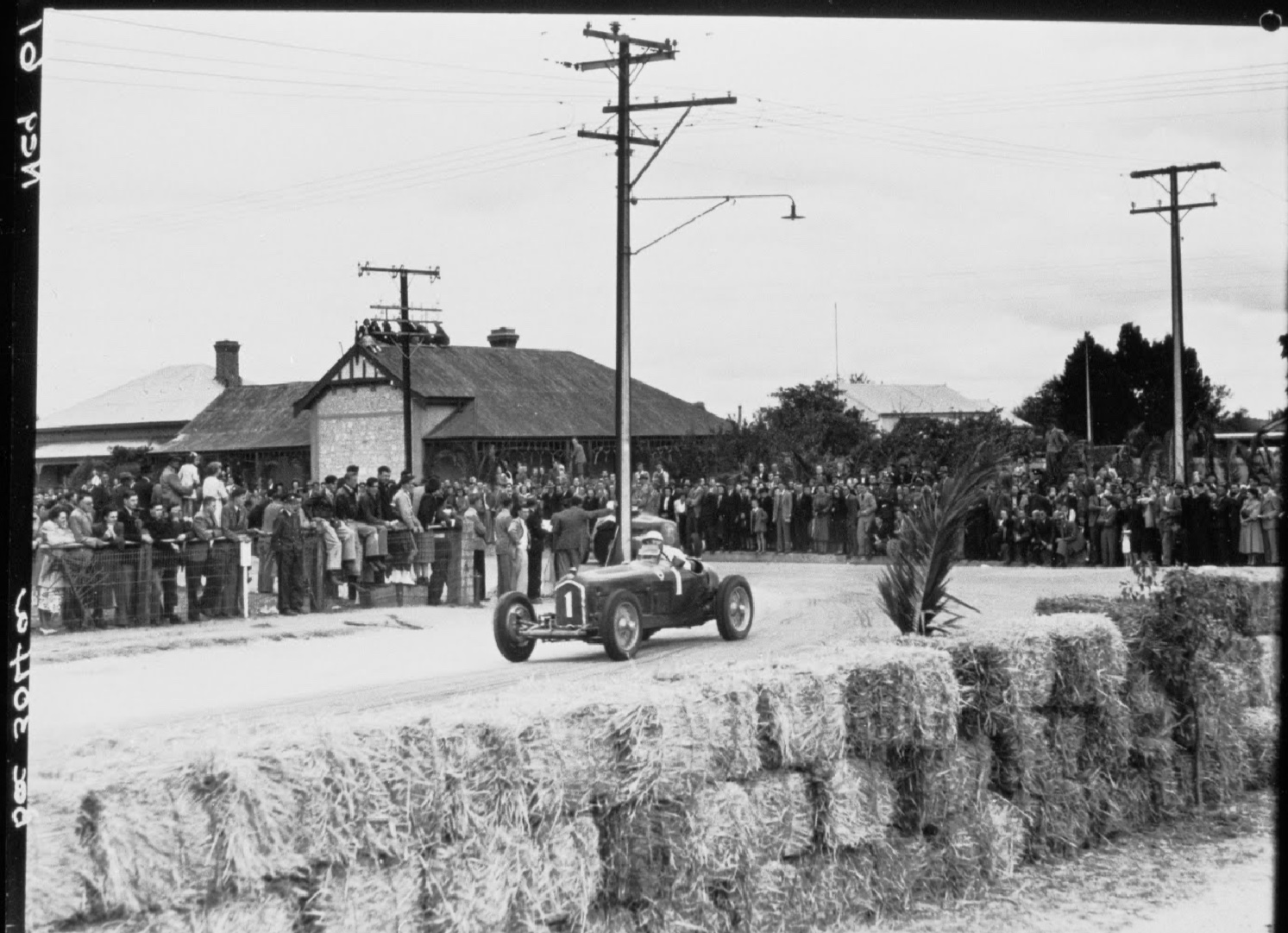

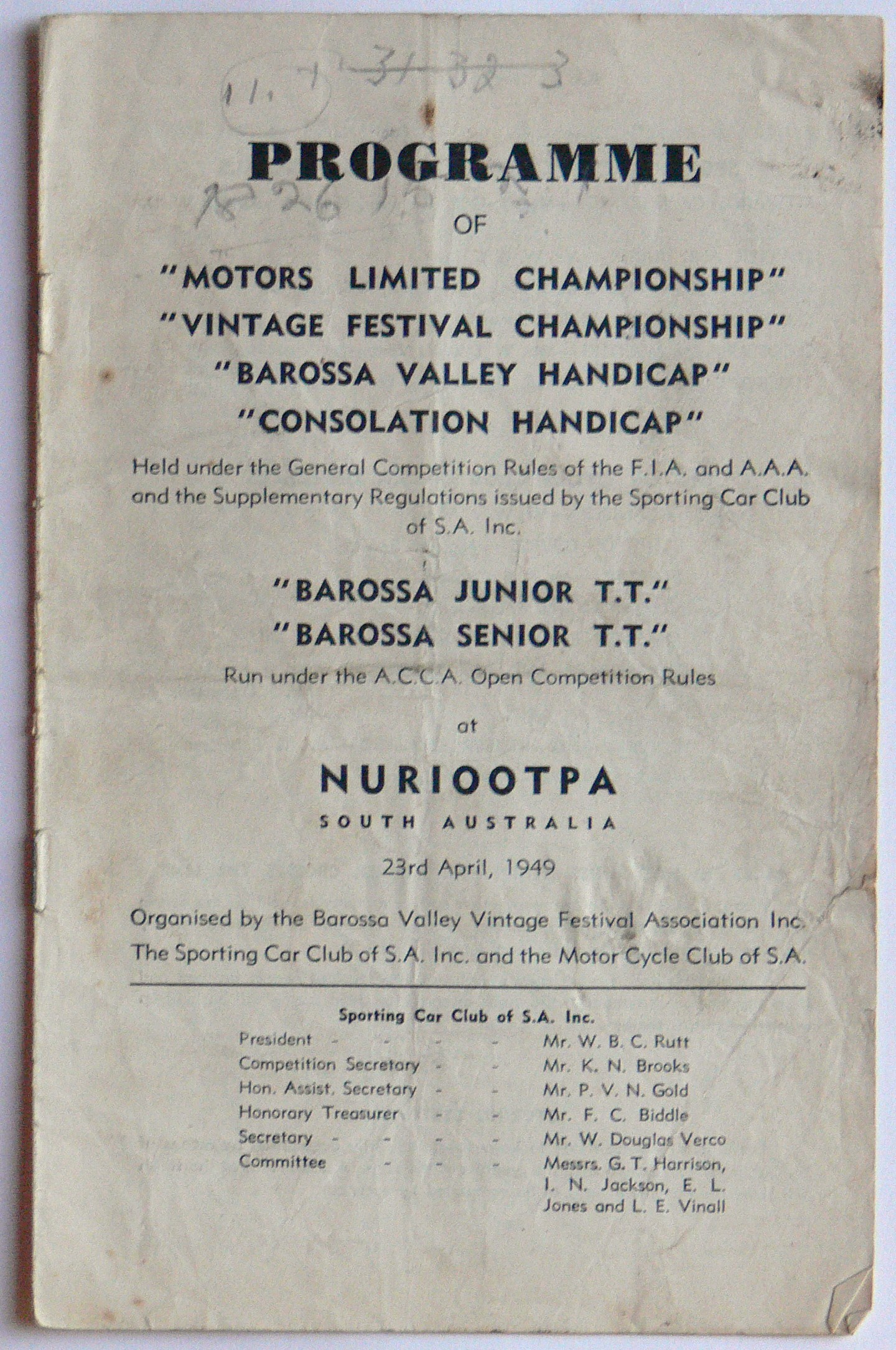


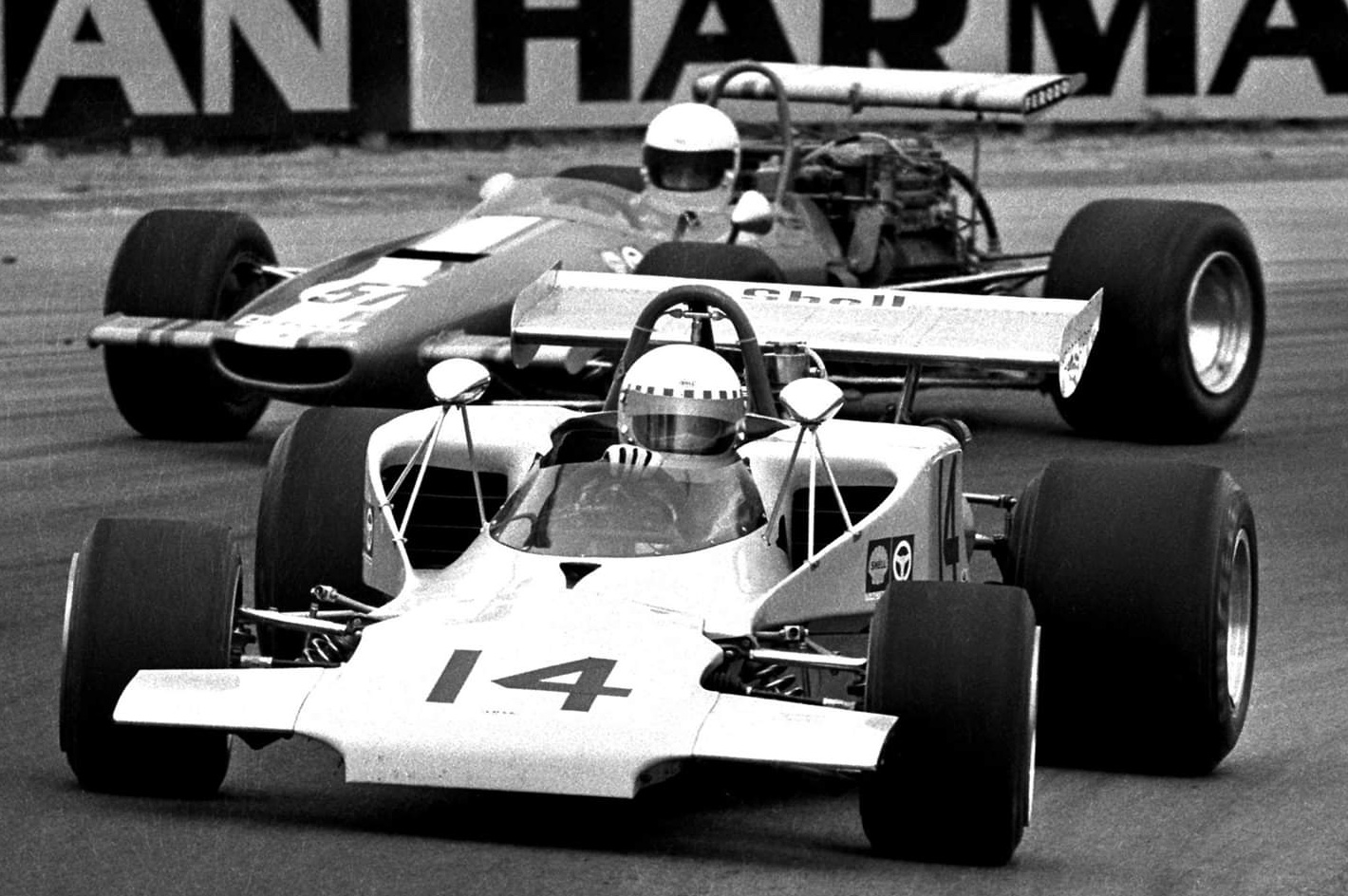
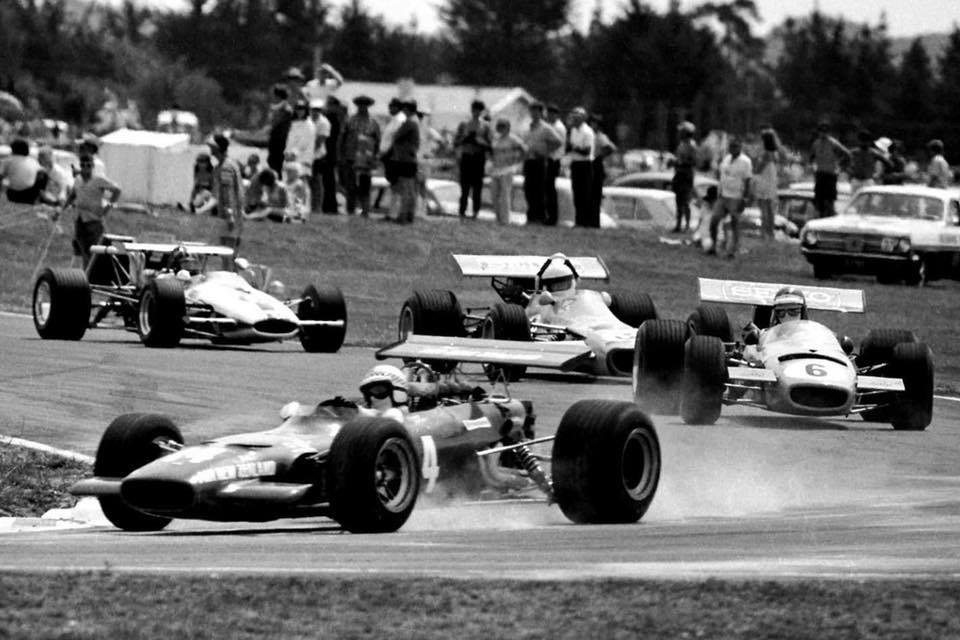


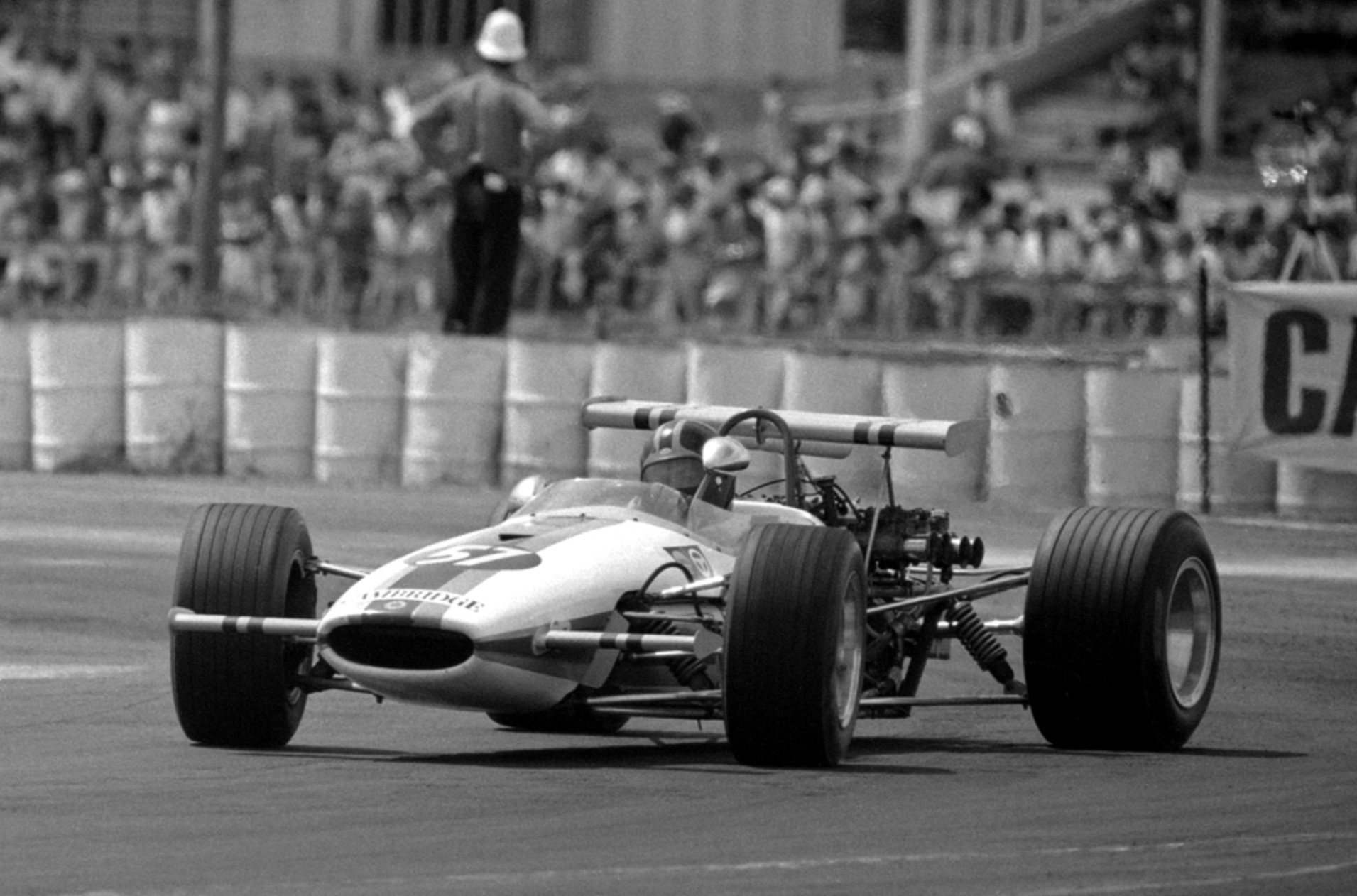


 primotipo...